





















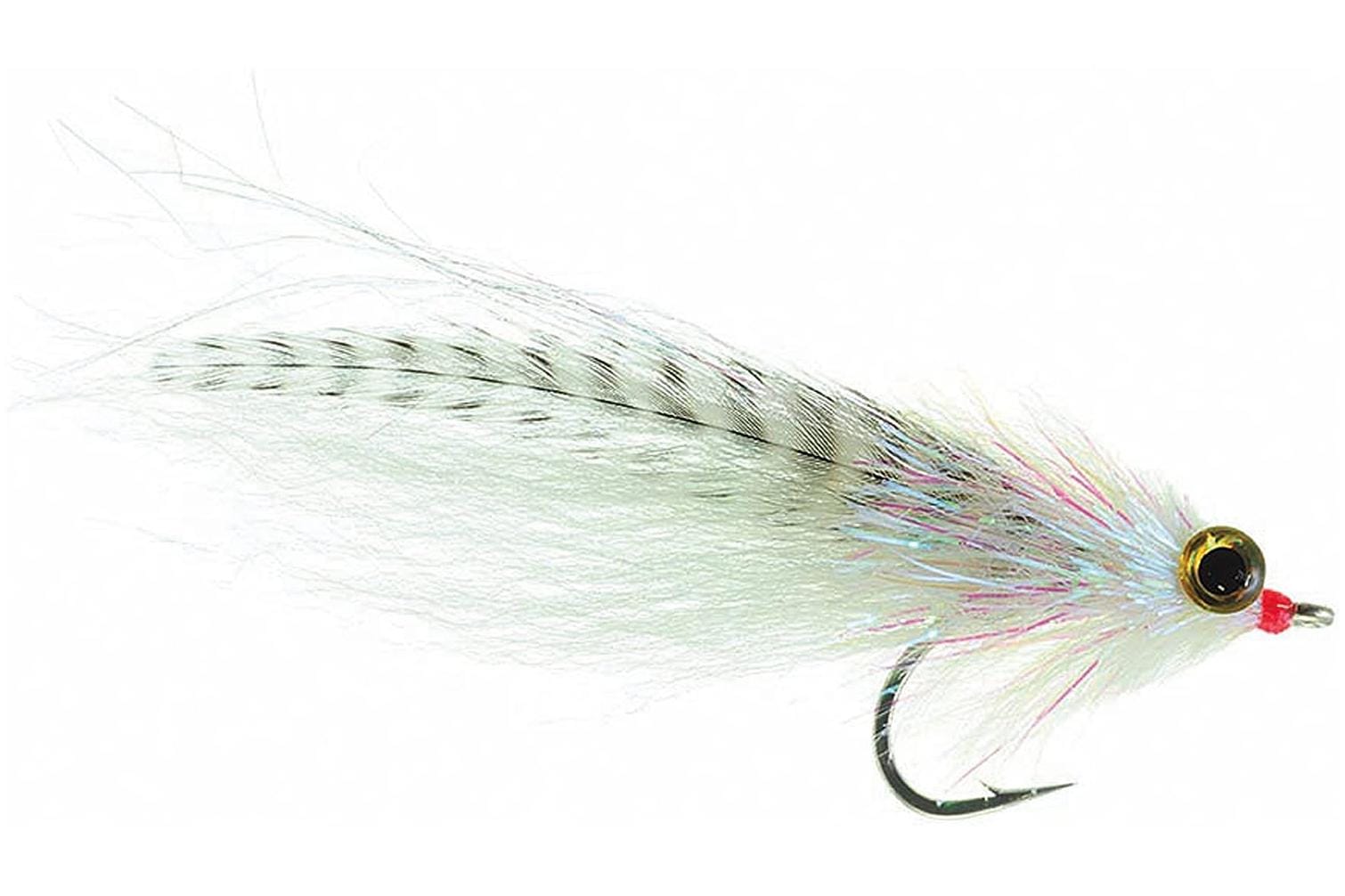
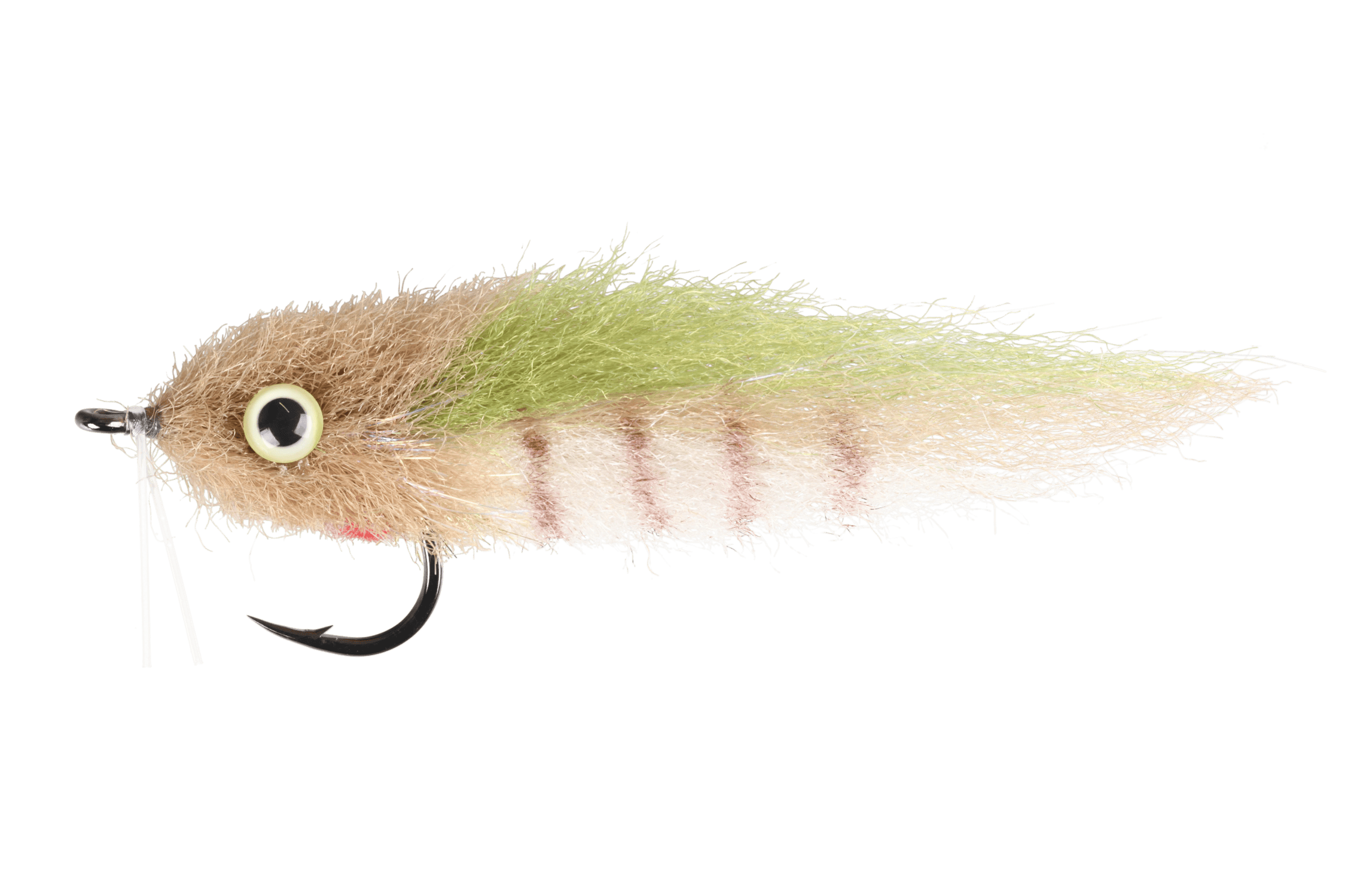
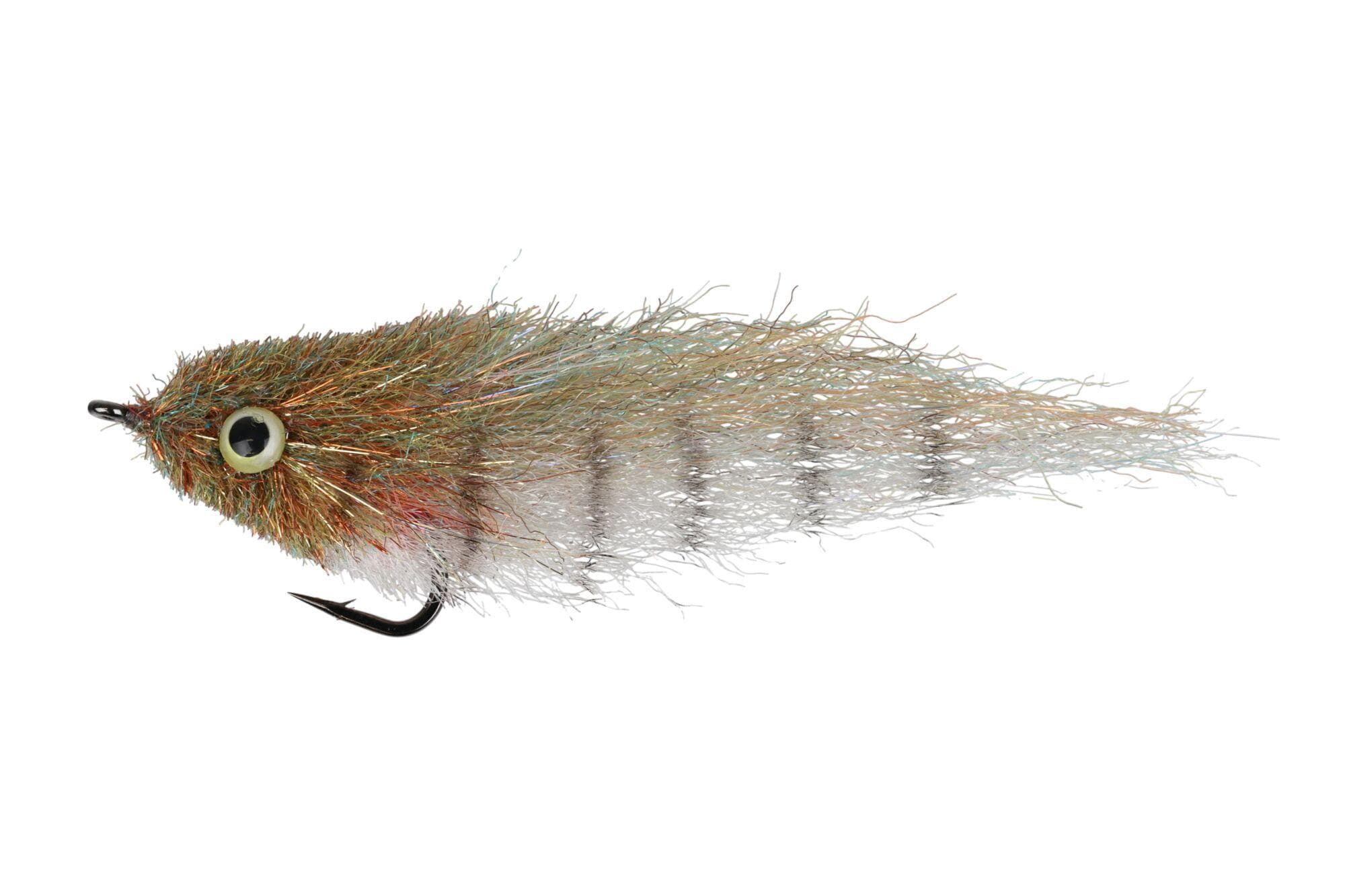
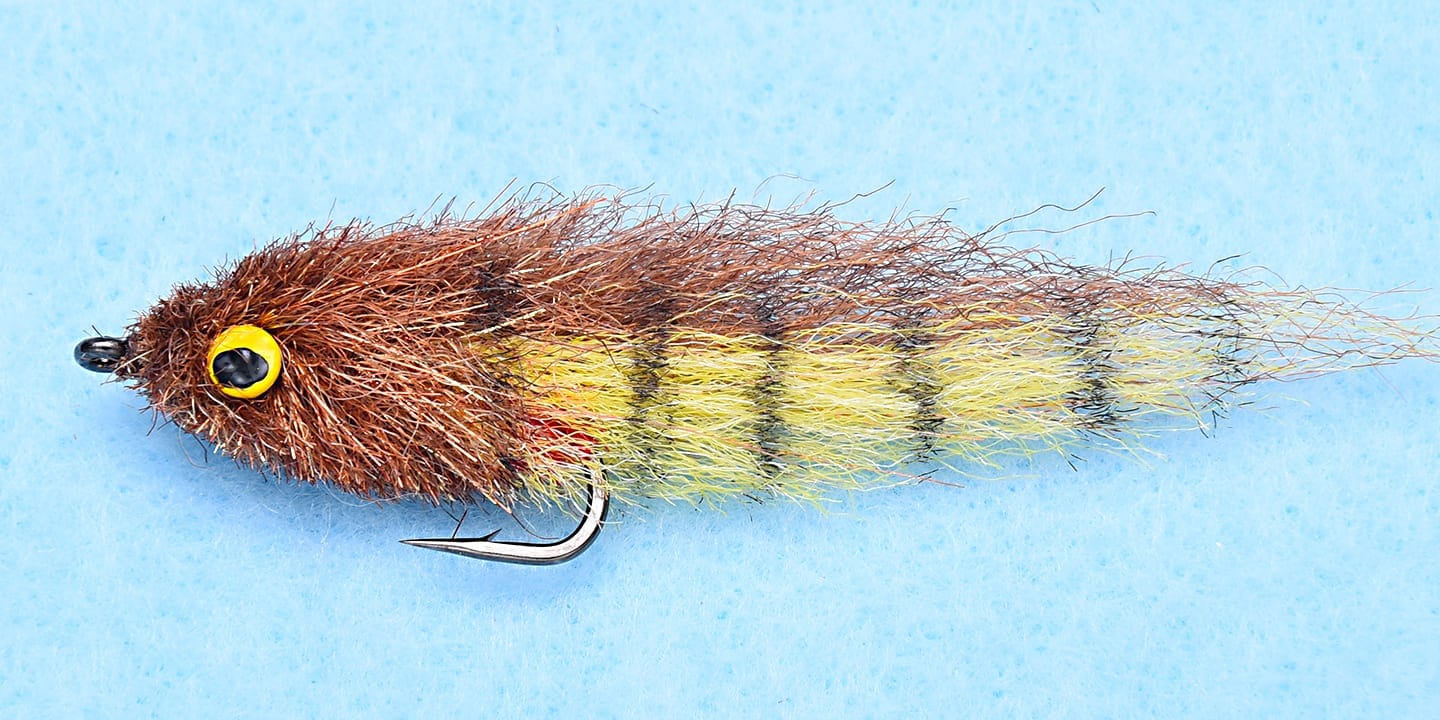
Snook Flies Quick Picks
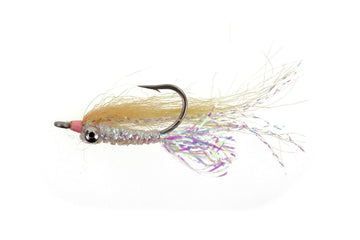
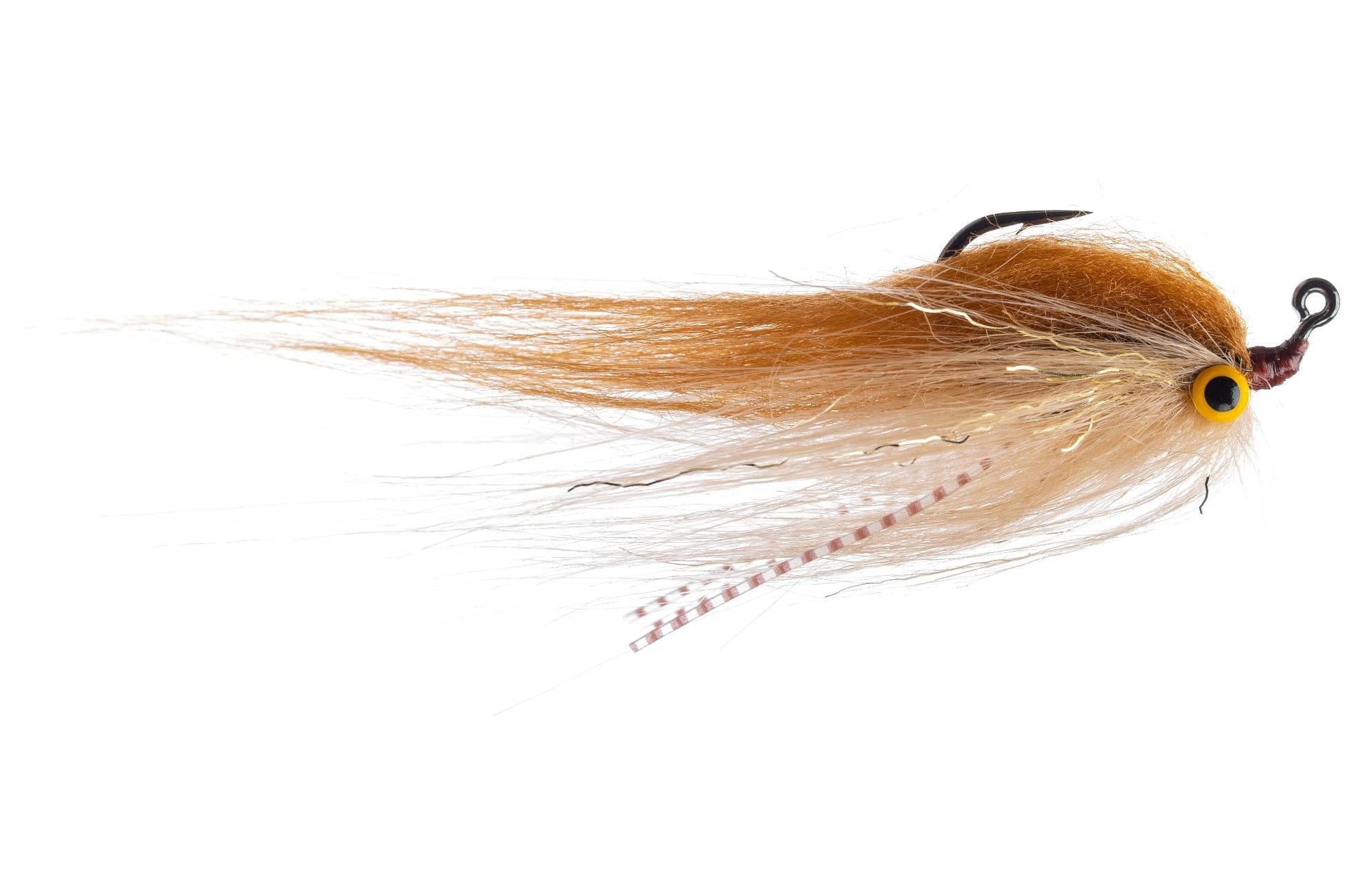
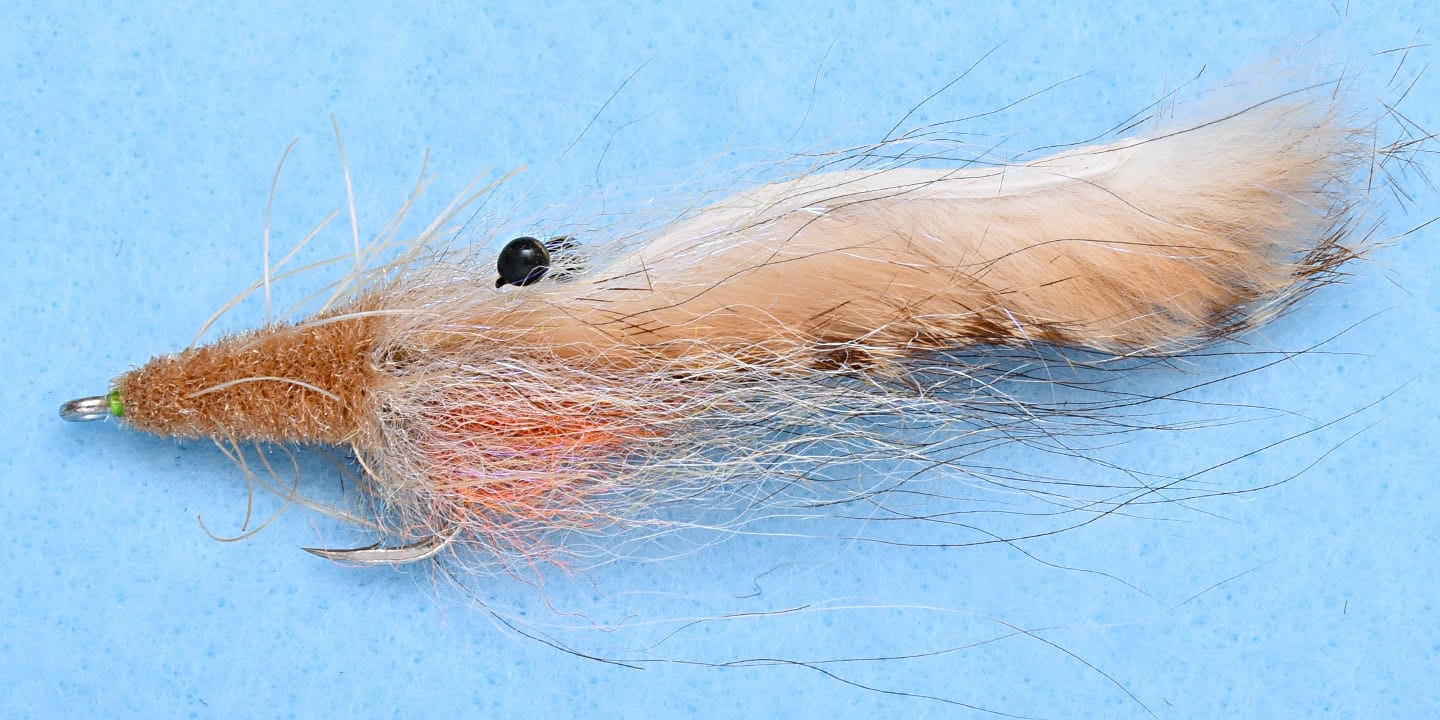
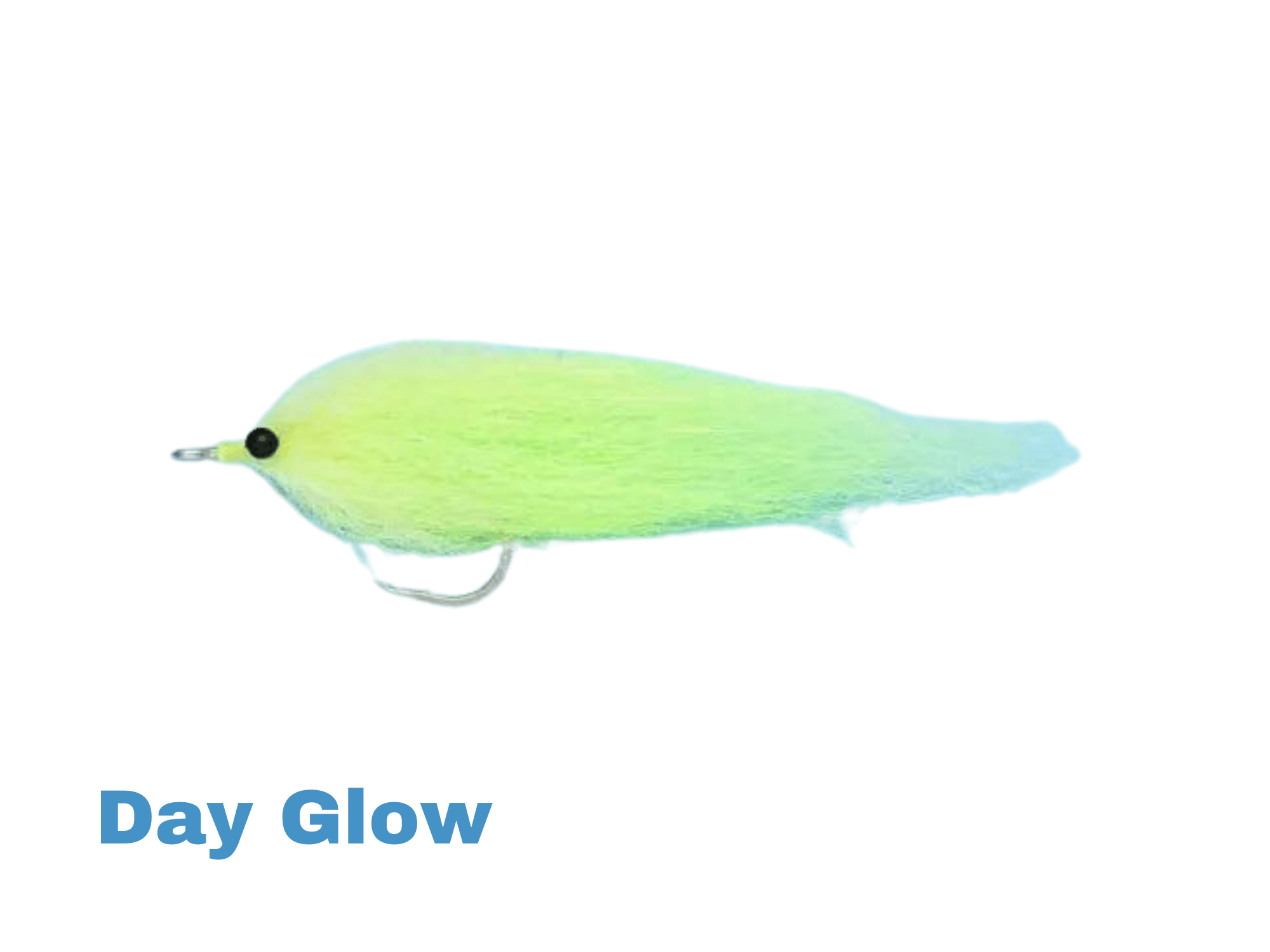
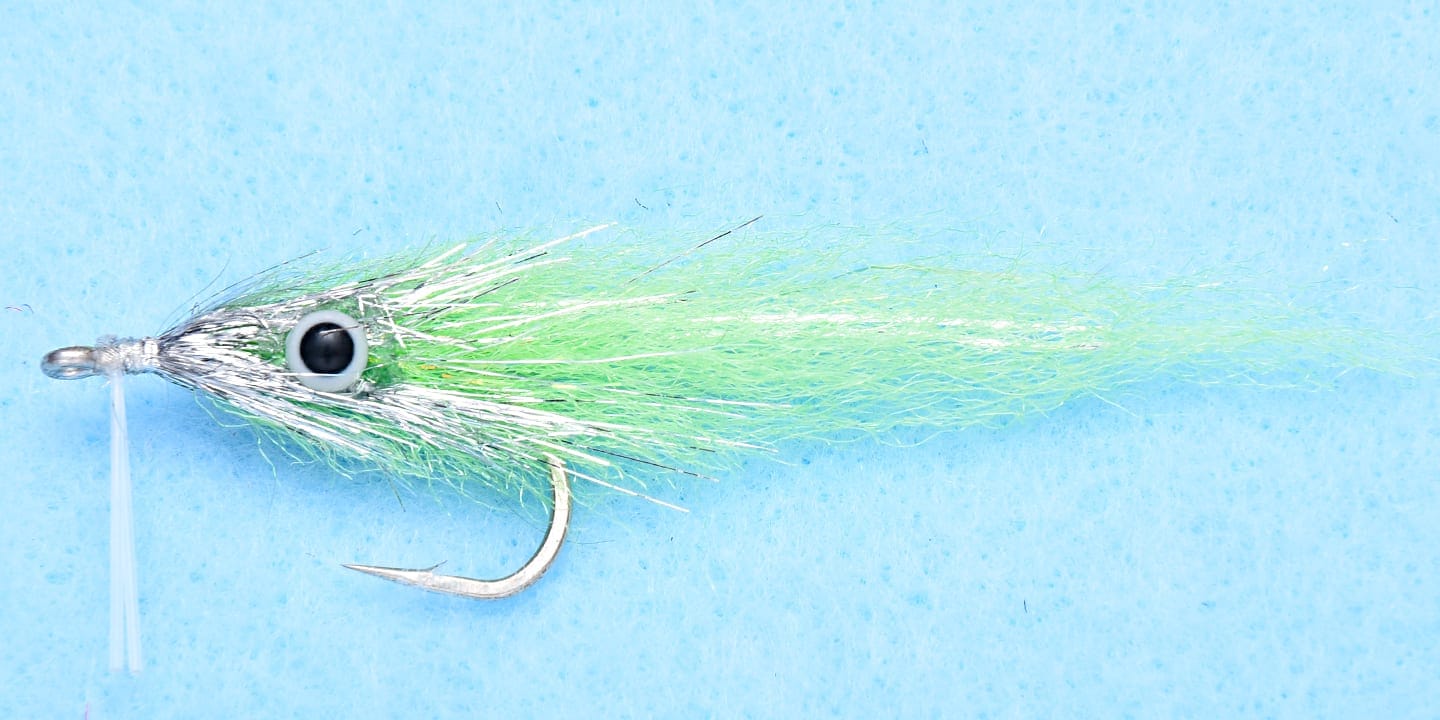
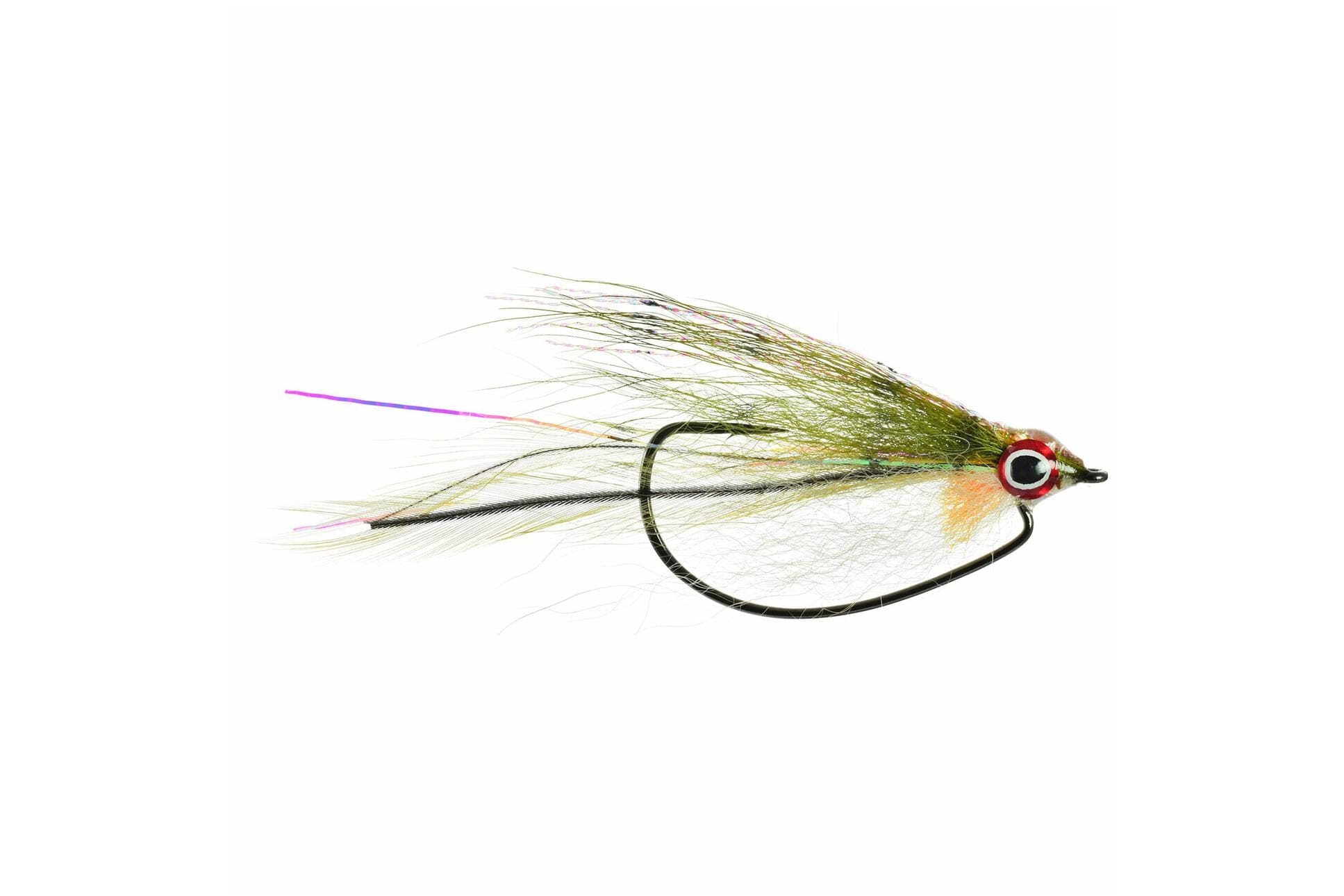
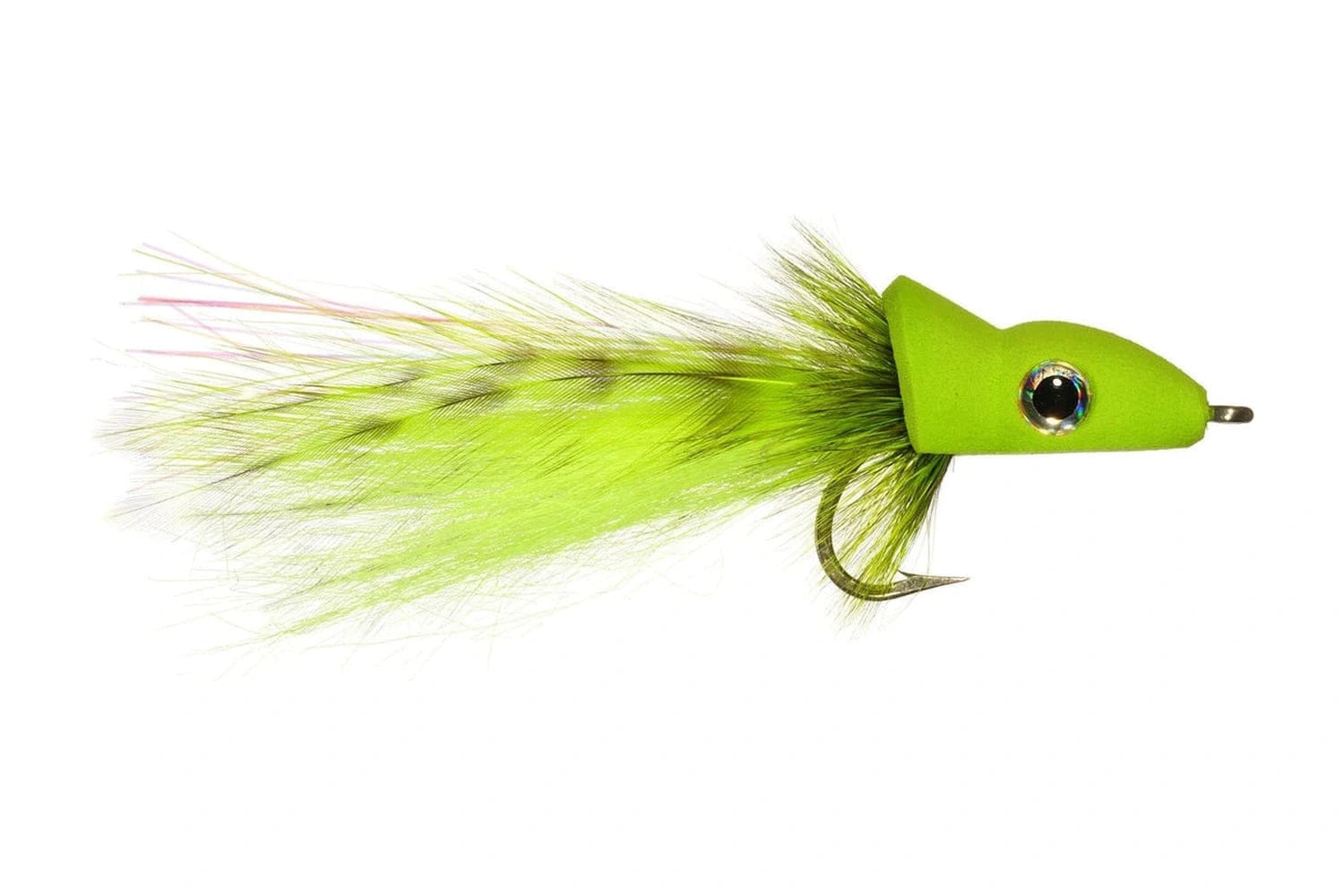
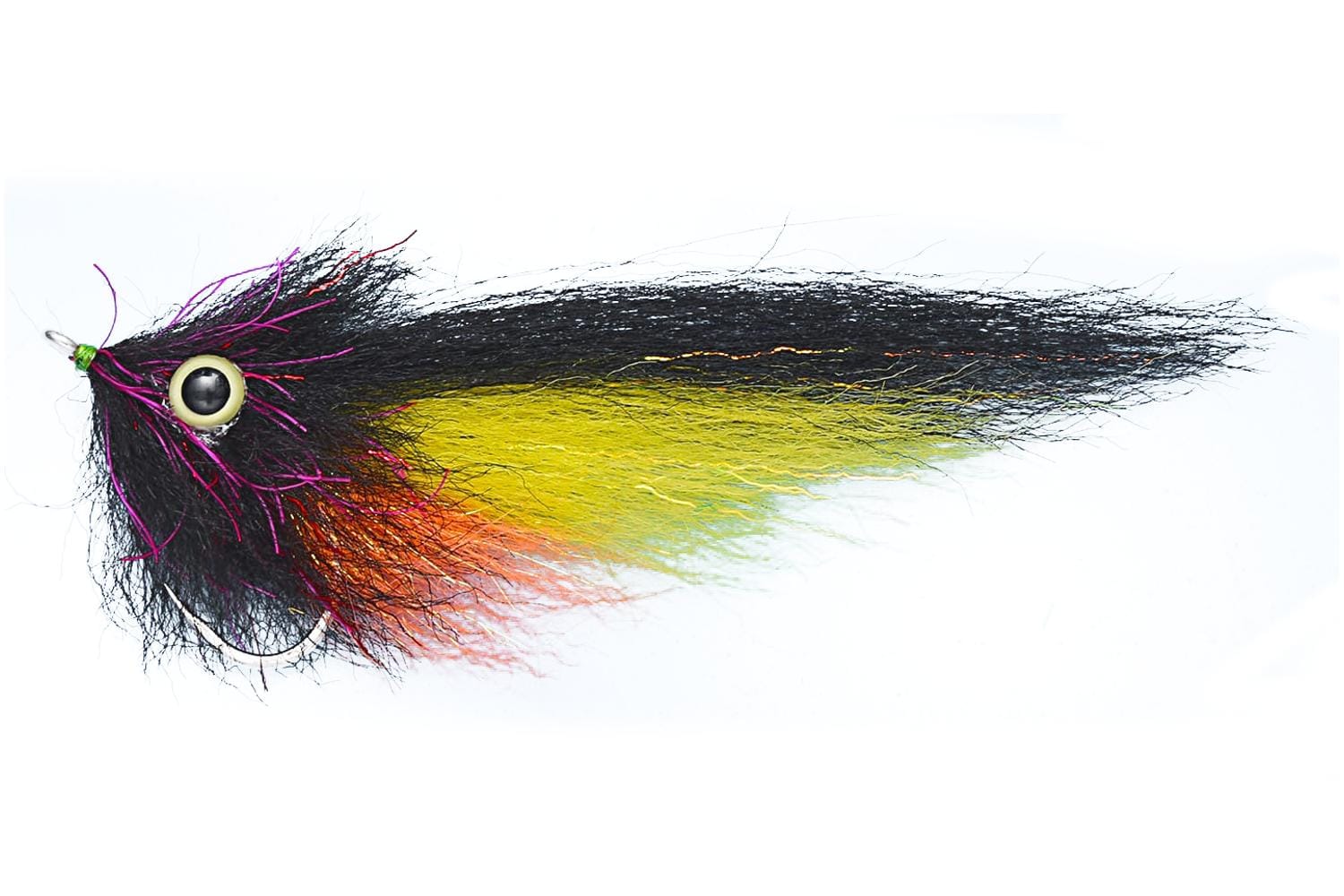
Best Stained-Water Workhorse: Po Boy Fly - Designed for murky marsh water, this fly's heavy eyes and substantial profile get it down fast and keep it visible to snook holding tight to structure in low-visibility water. Reach for it after a hard rain has colored up your usual spots.
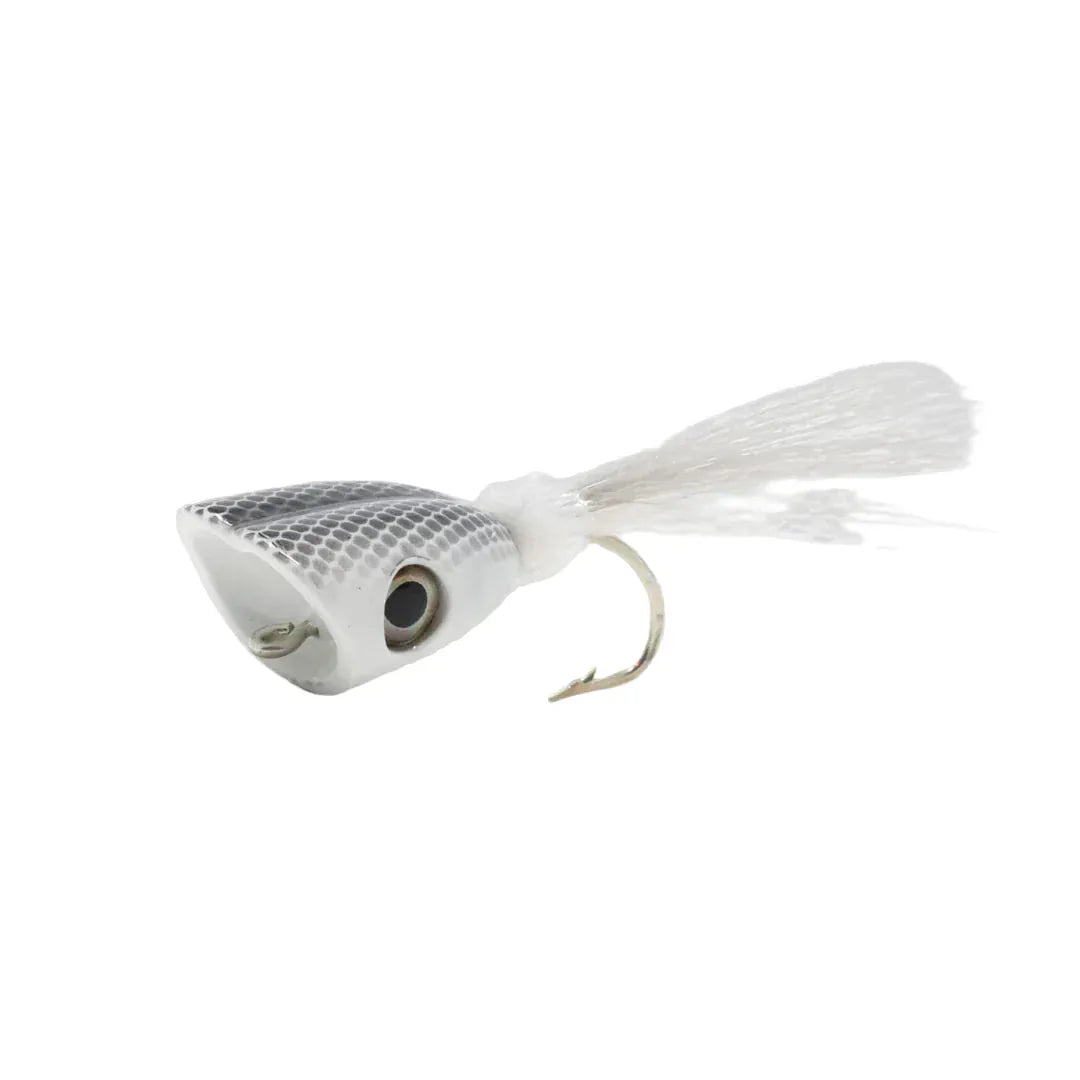
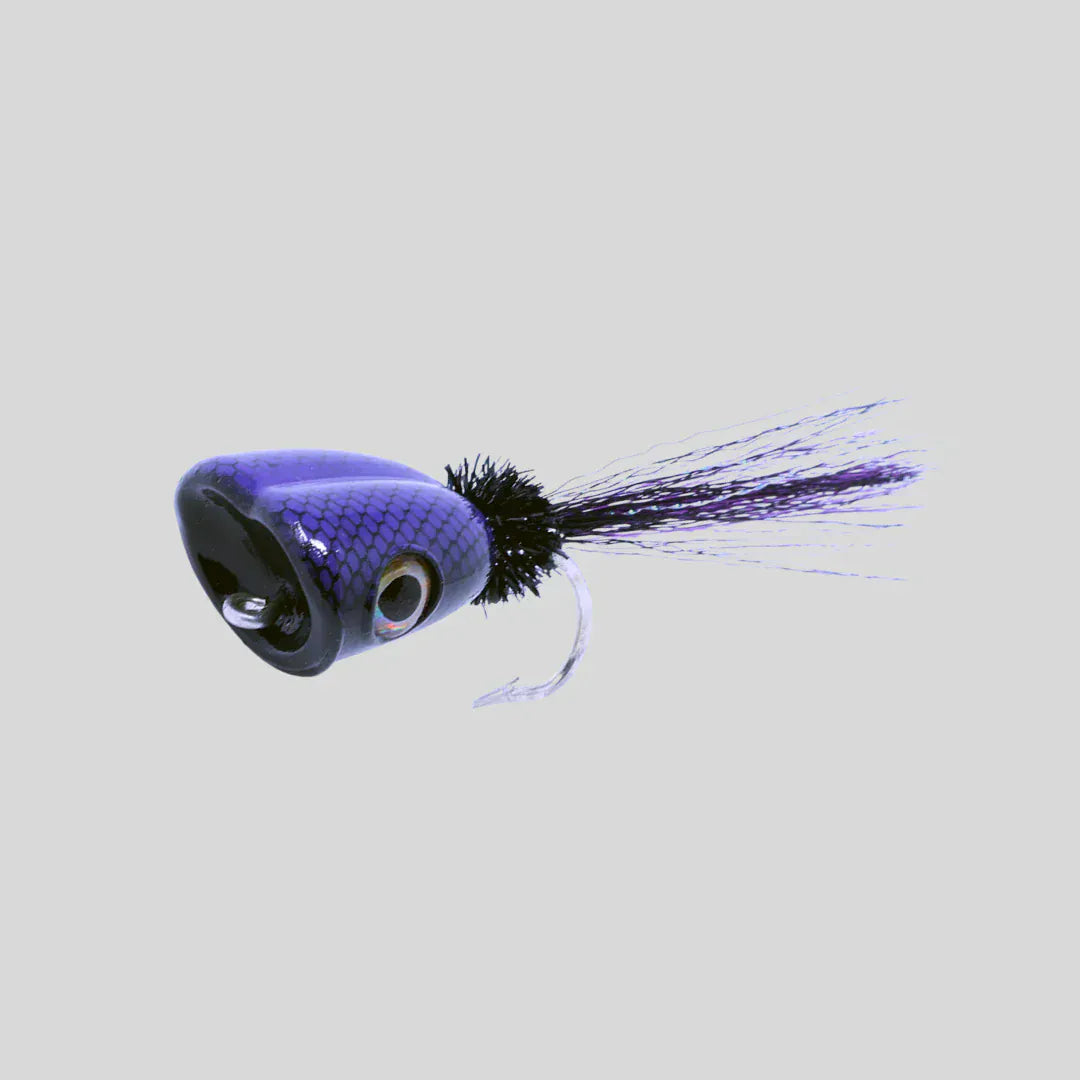
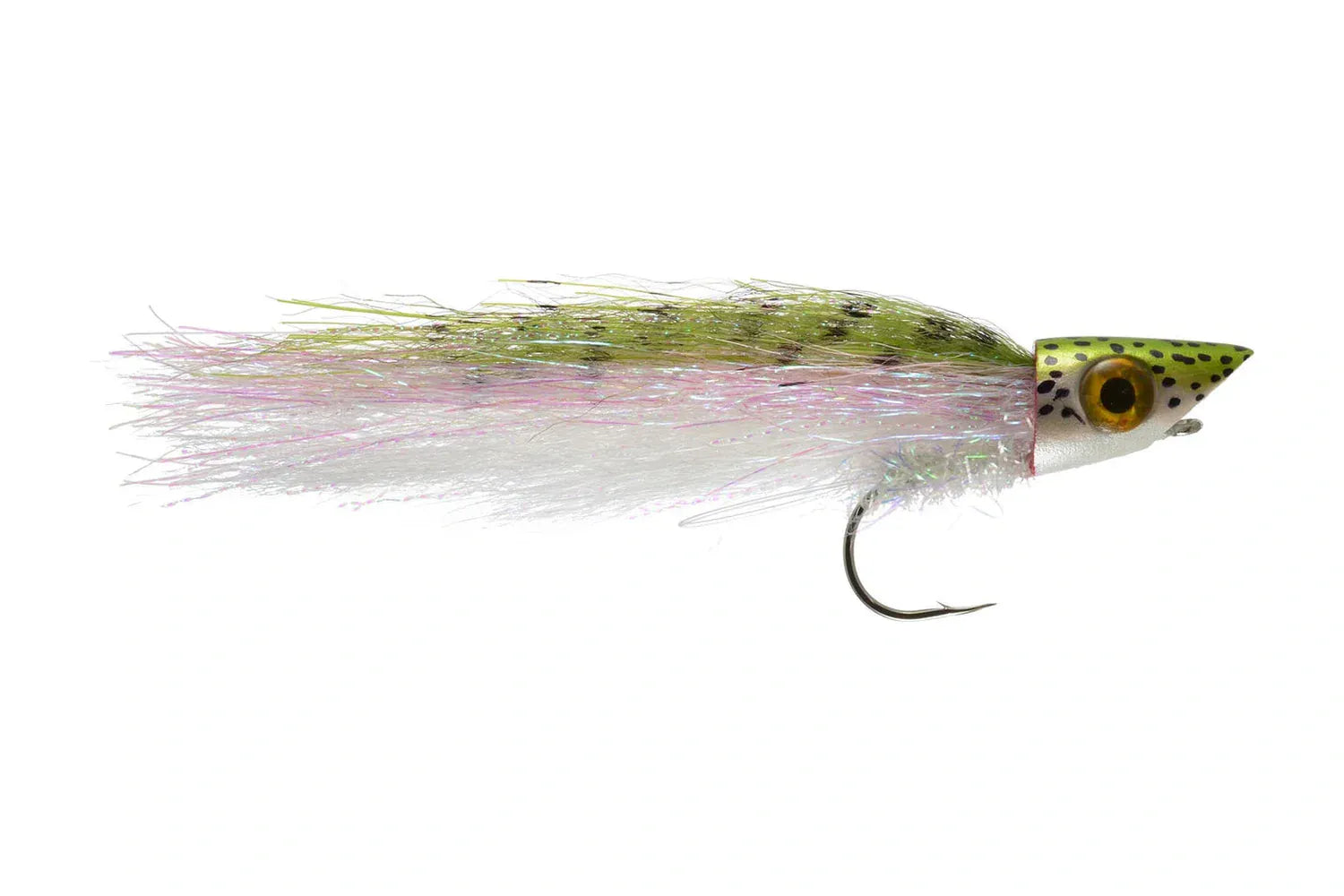
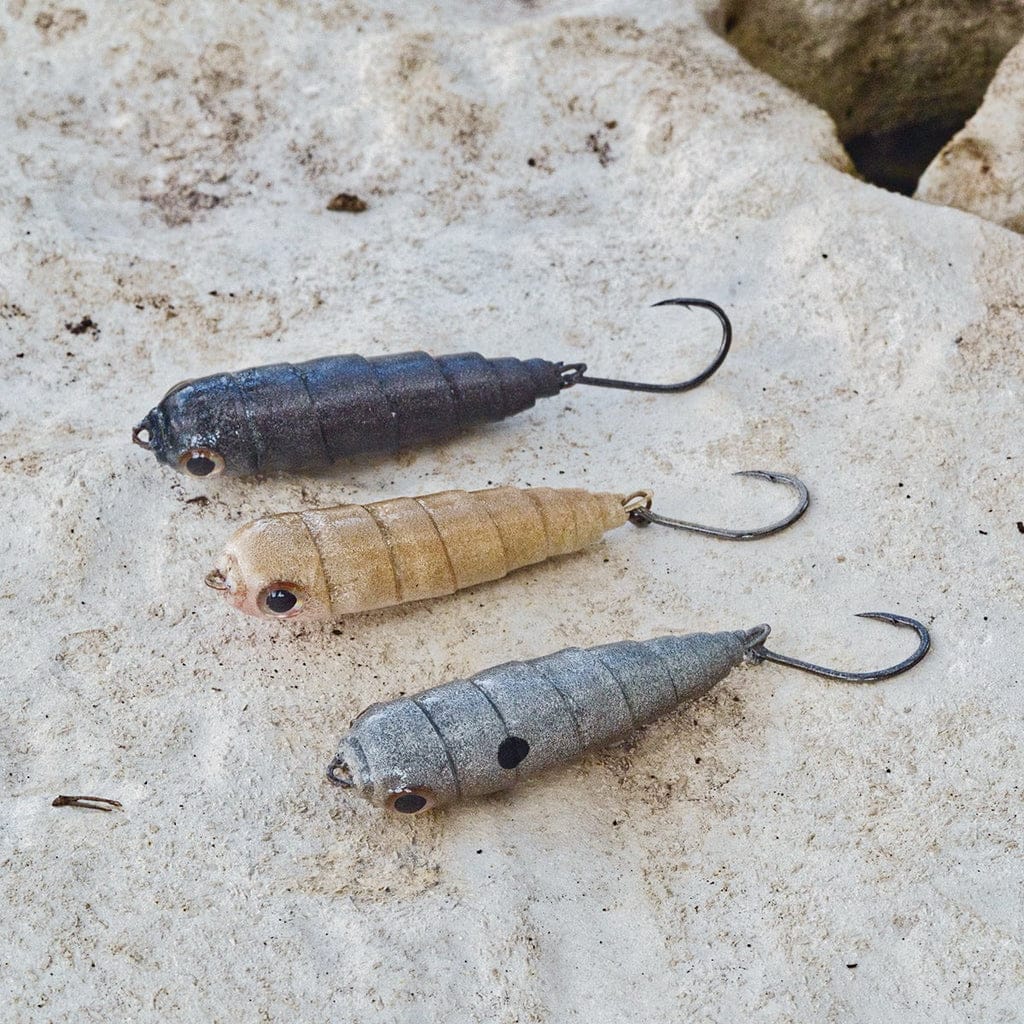
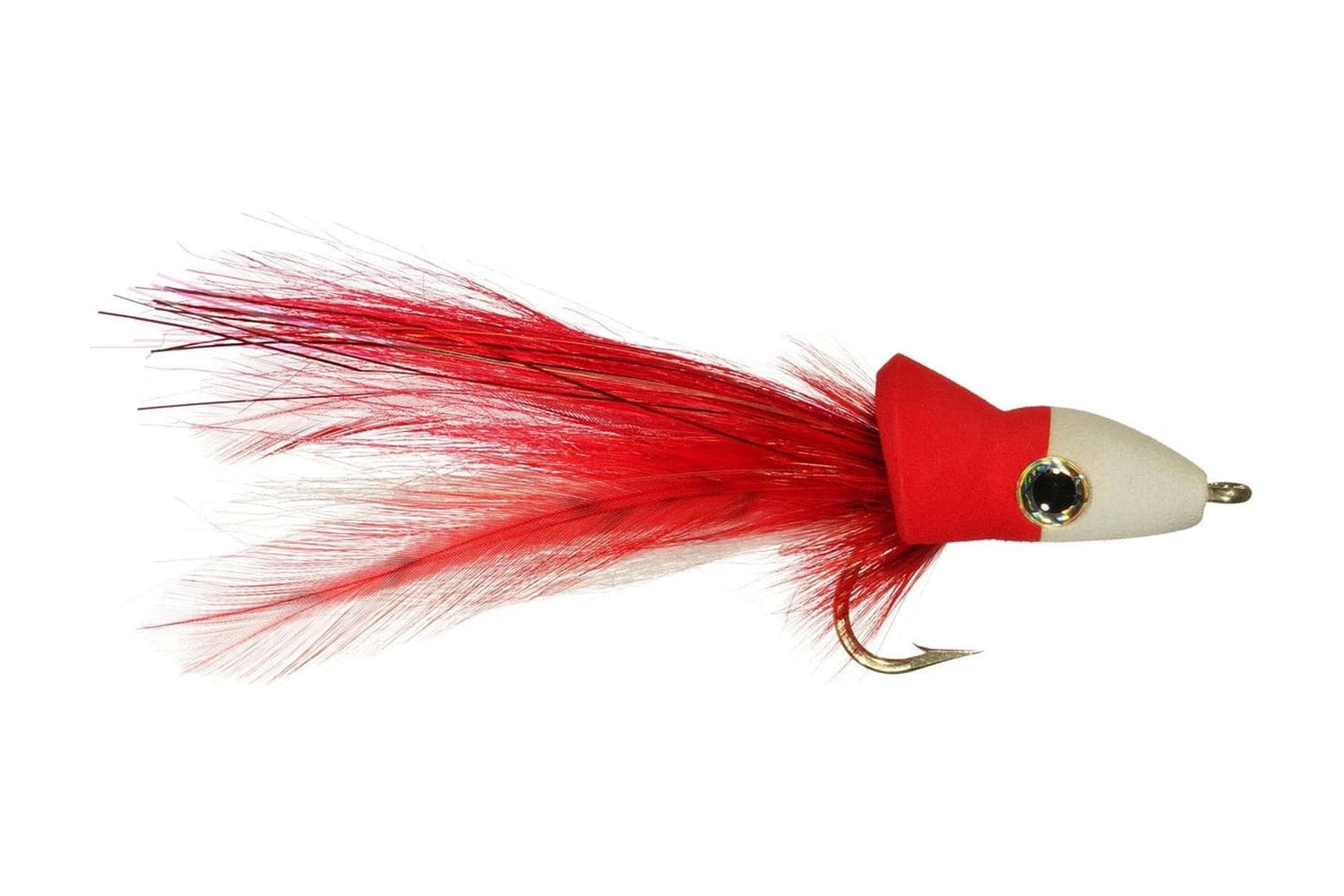
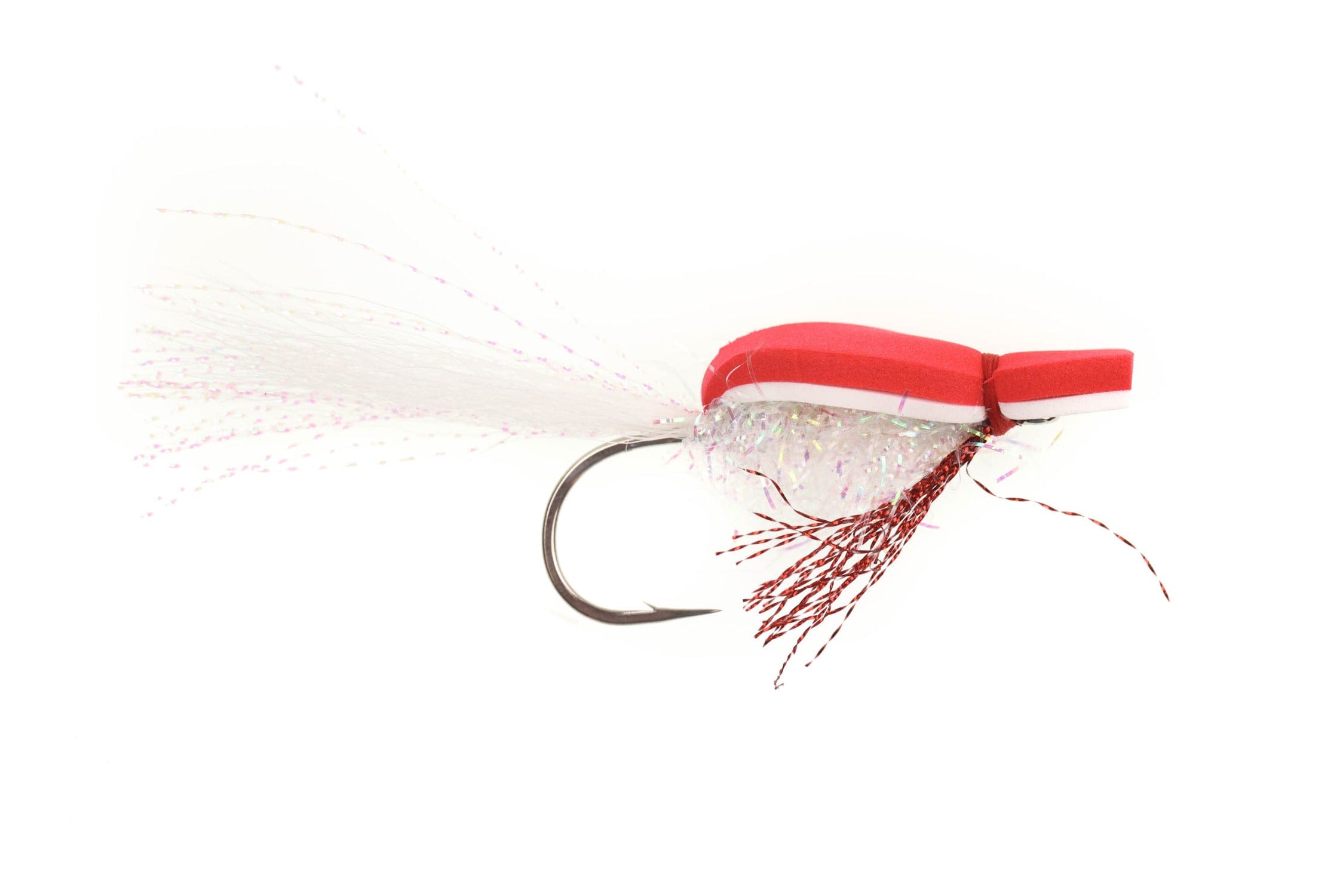
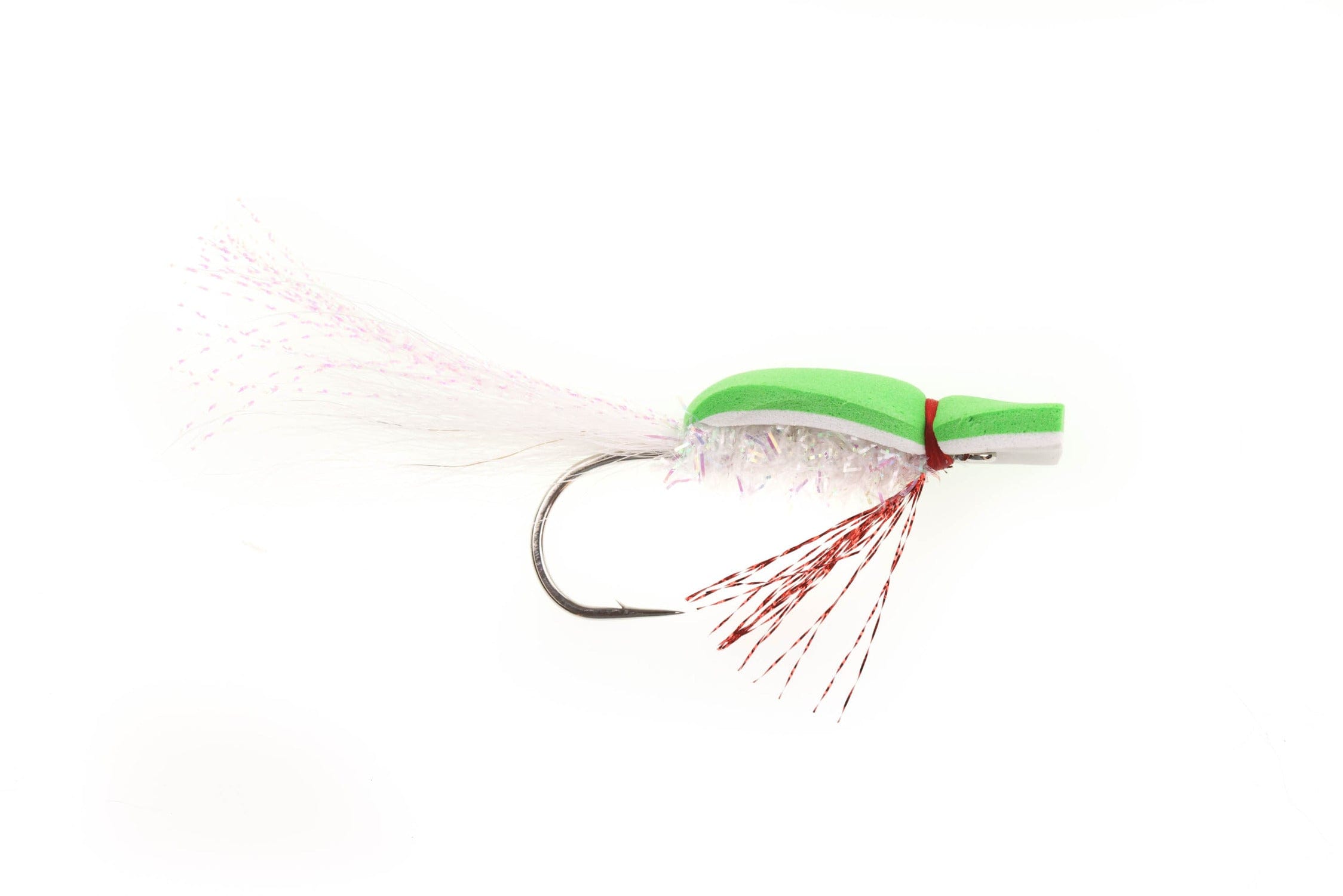
Best Topwater Blowup: Surface Seducer Double Barrel Baitfish Popper Fly - Built on Flymen's Double Barrel foam popper head, this fly pushes serious water and draws violent surface strikes from snook holding under docks and mangrove edges. Fish it early or late when snook are hunting near the surface.
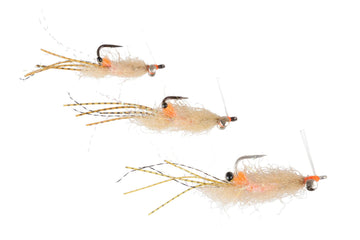
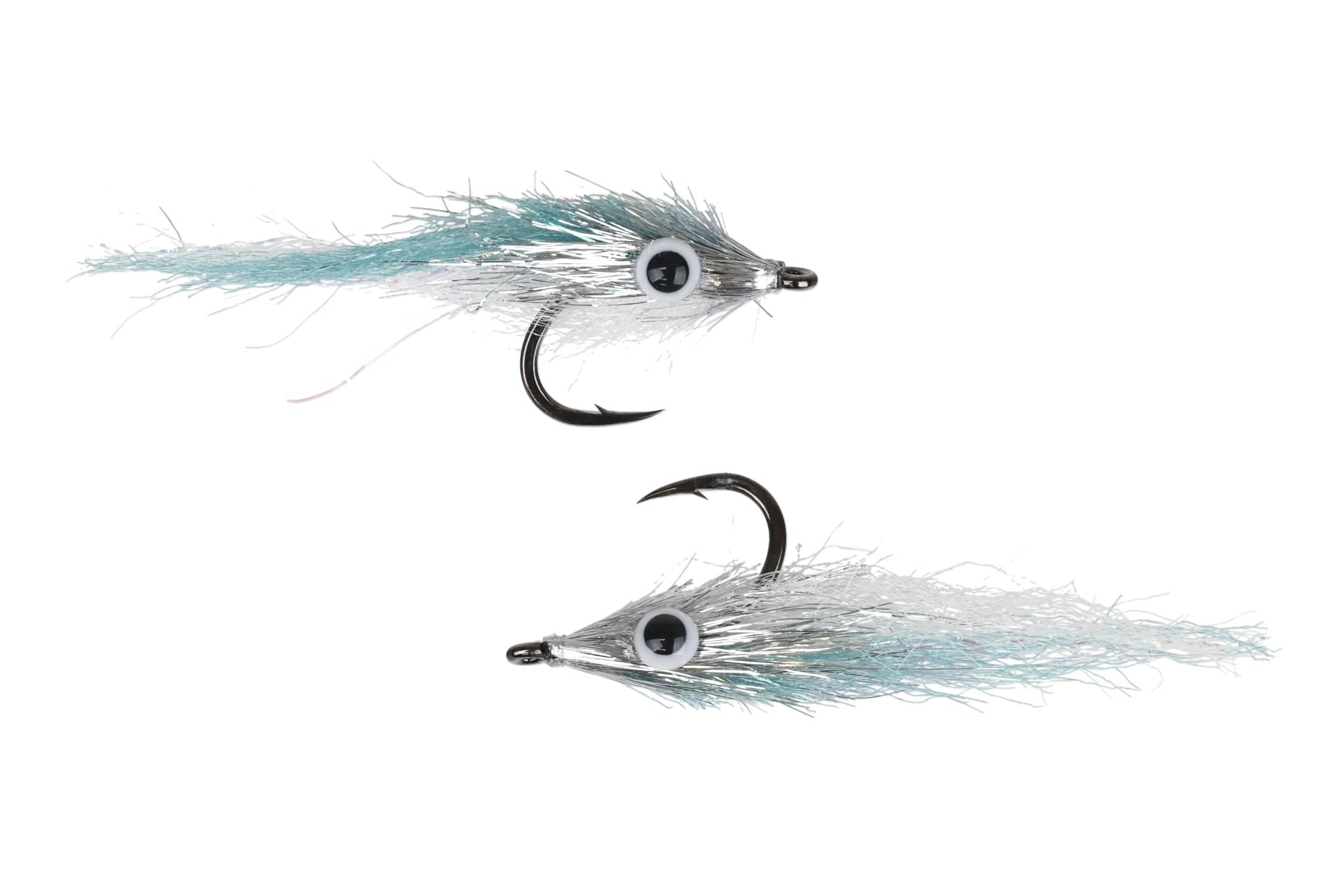
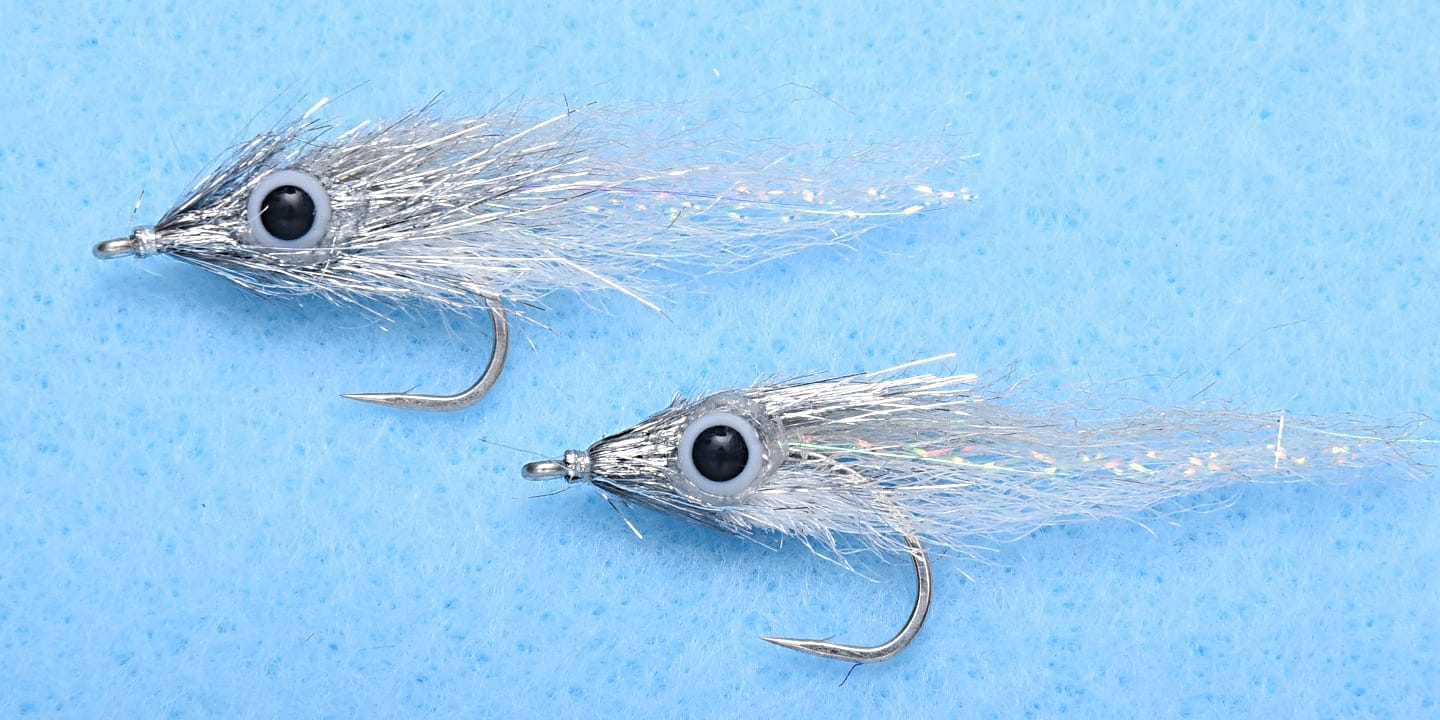
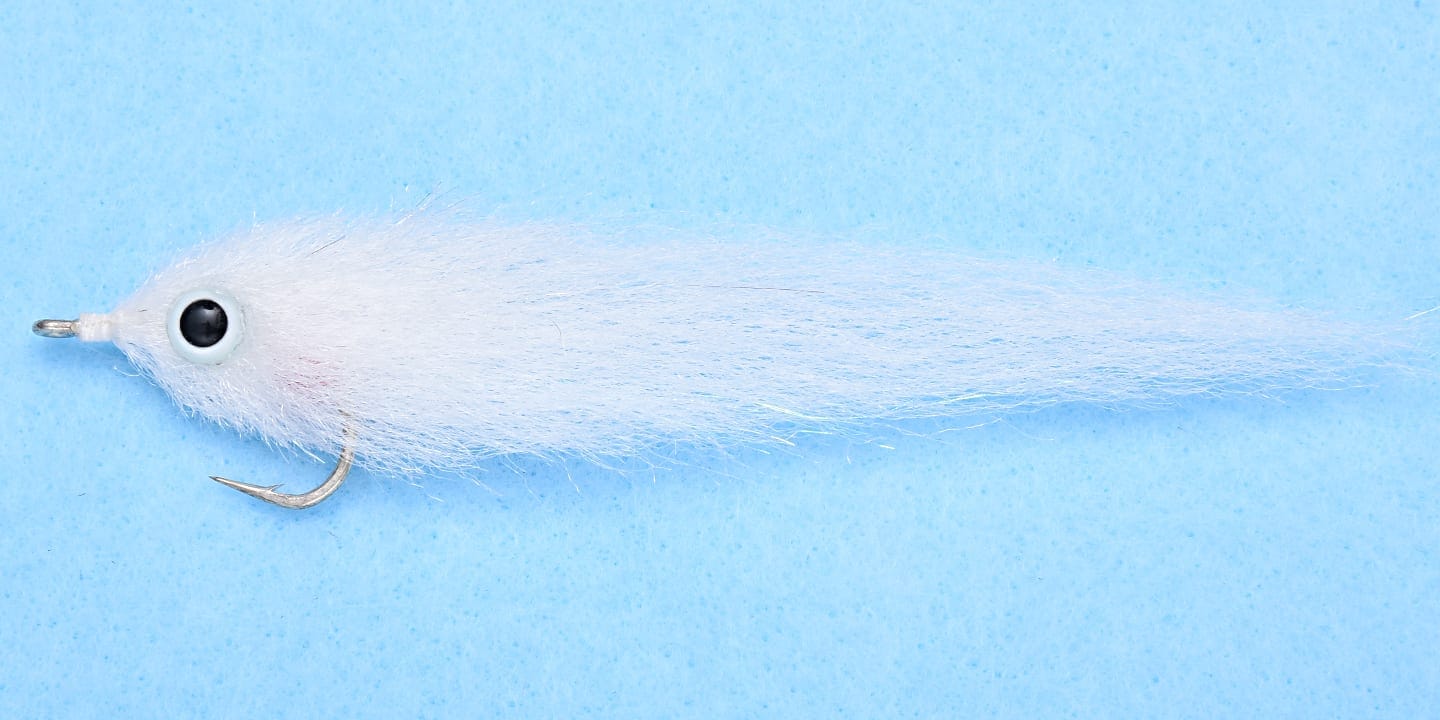
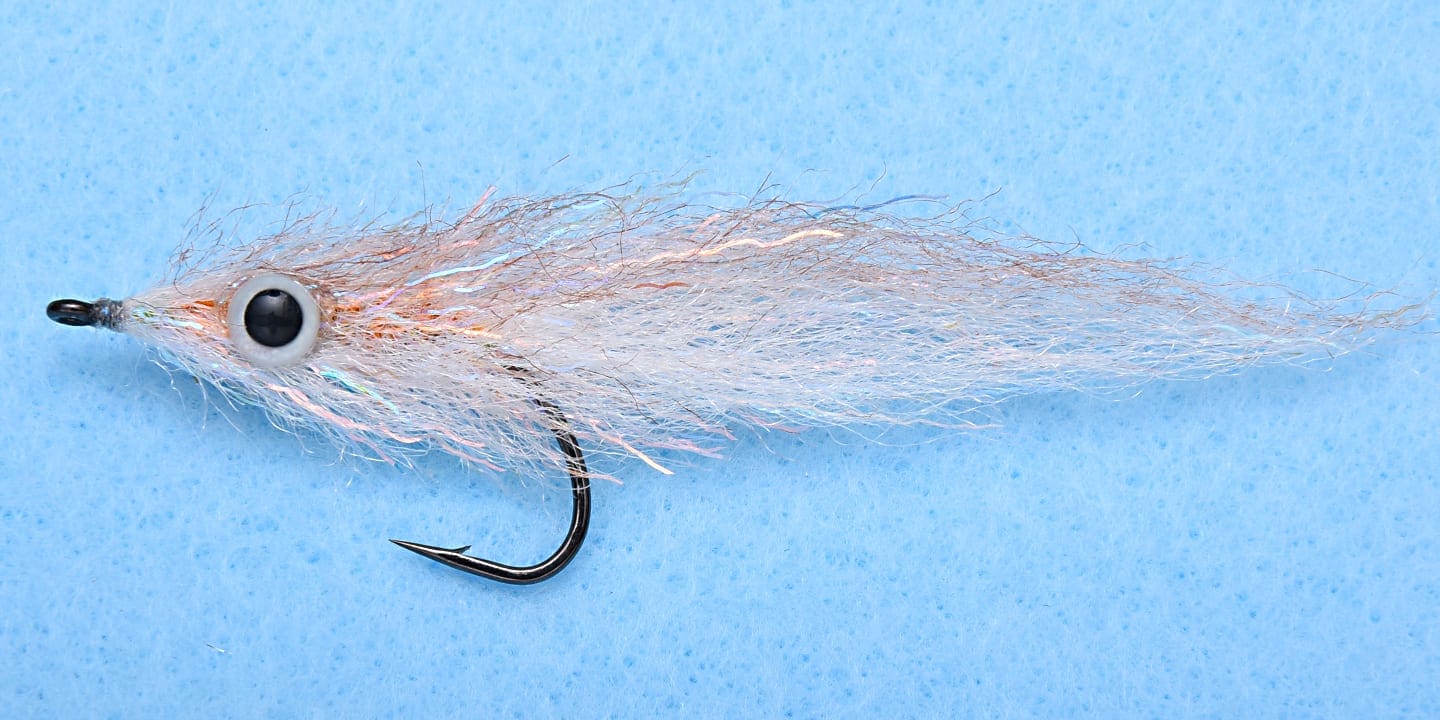
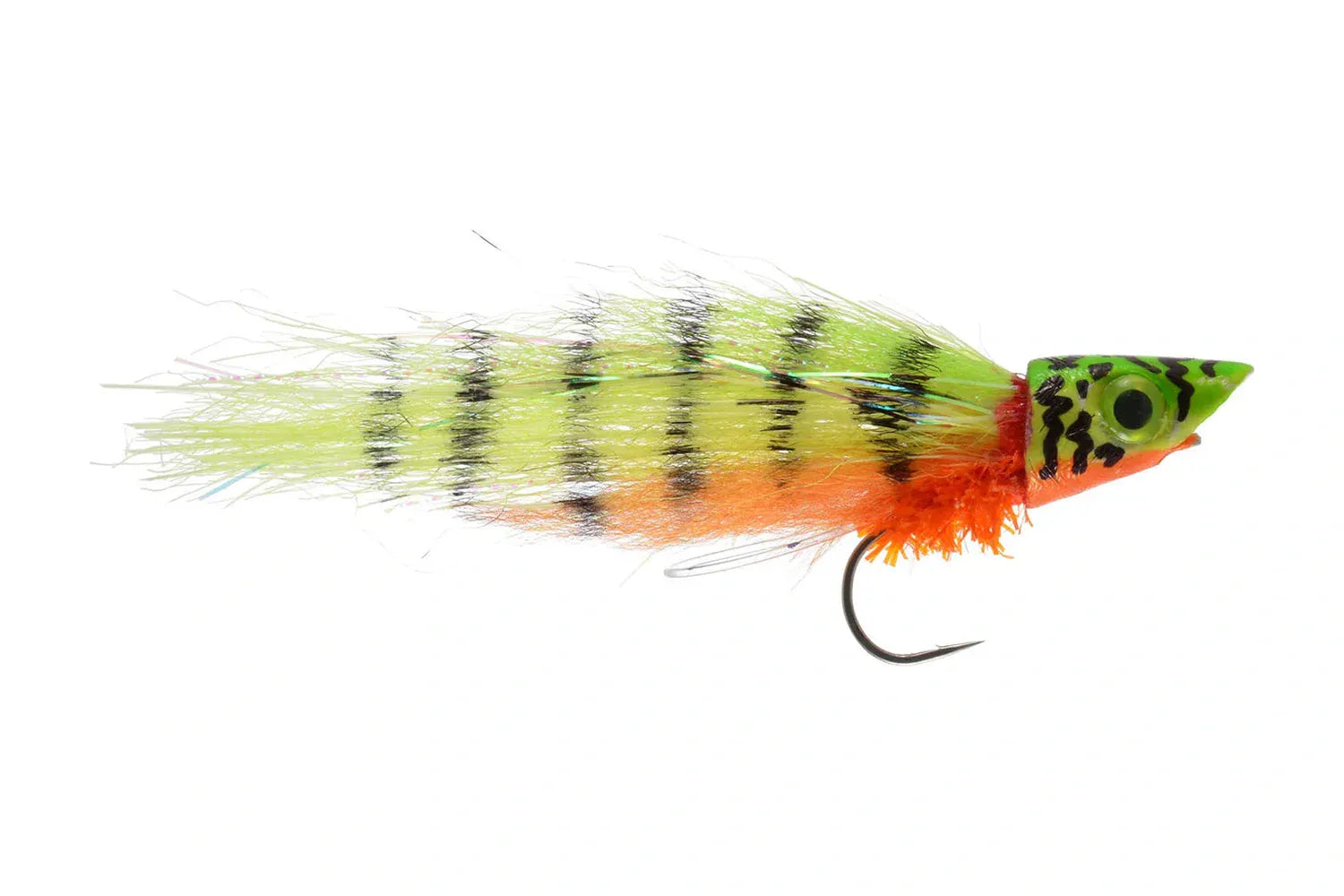
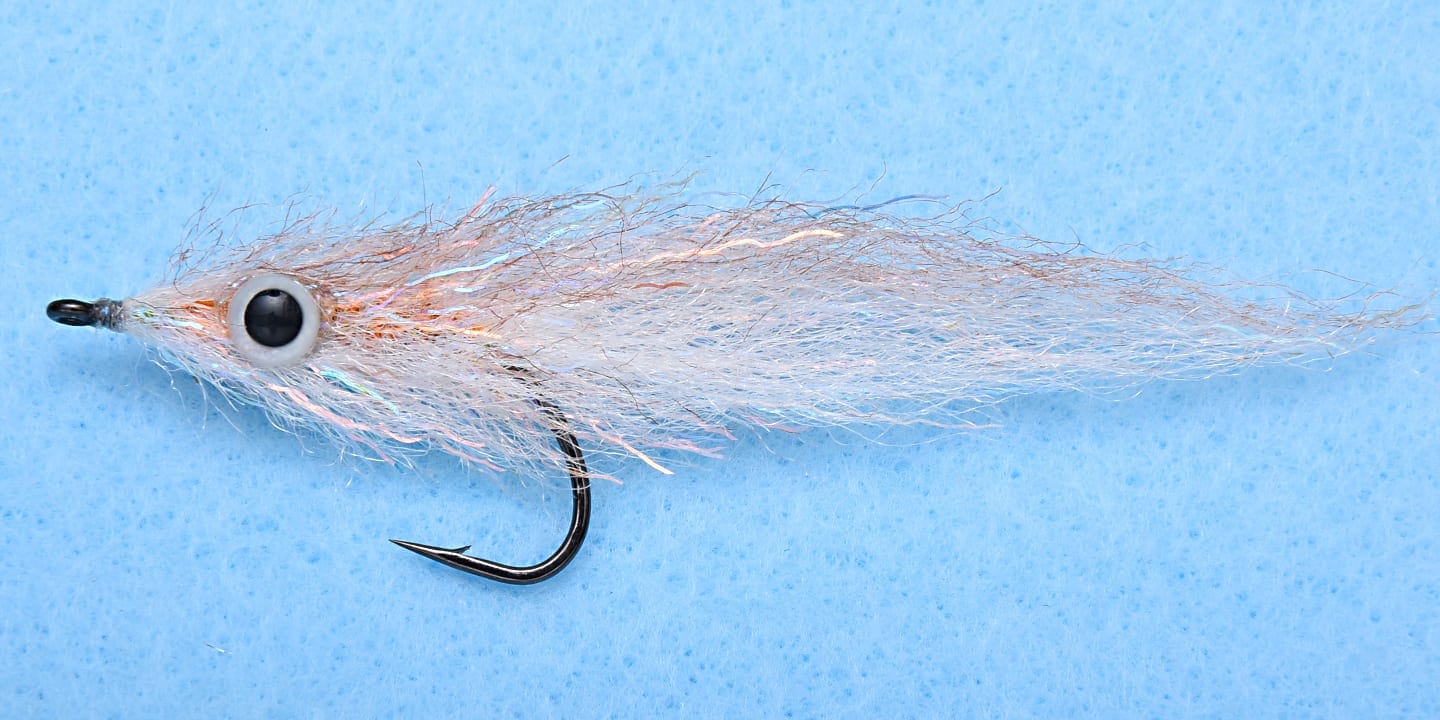
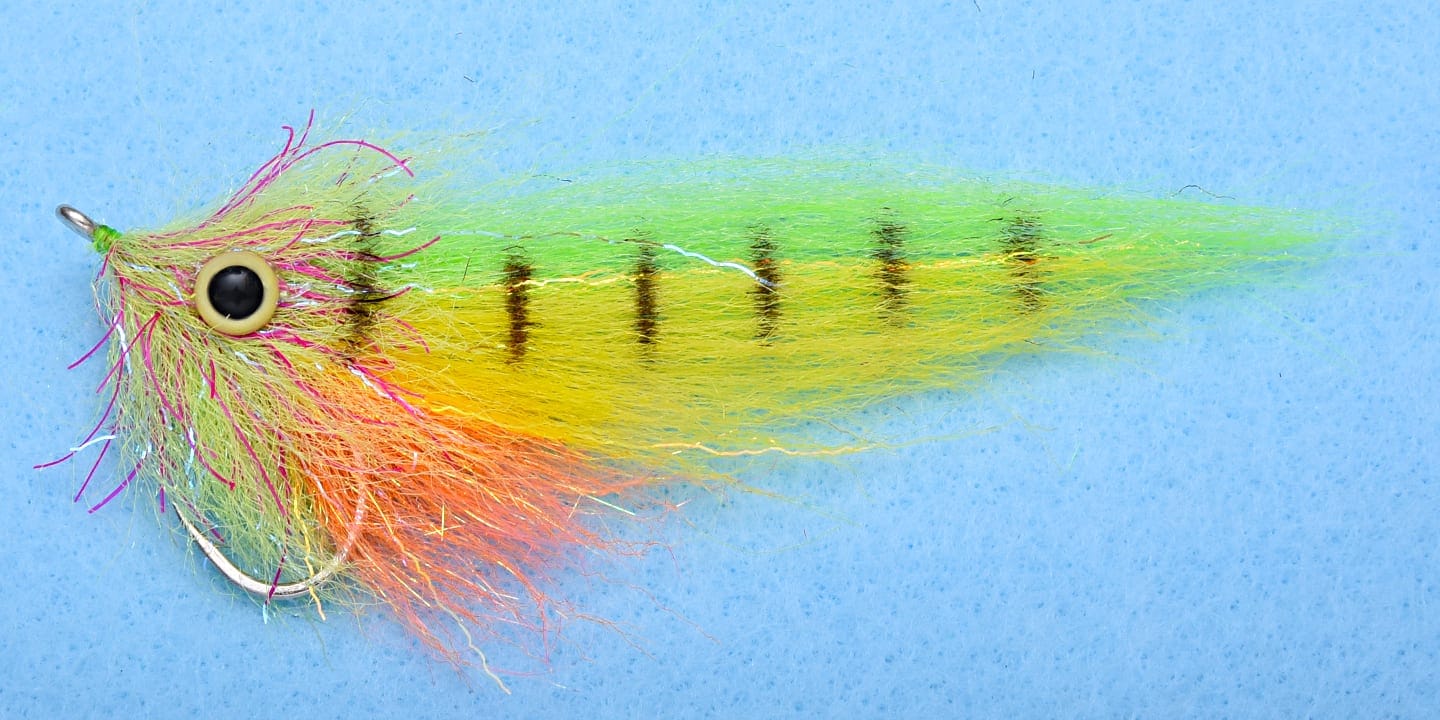
Best Small-Baitfish Match: EP Micro Minnow Fly (2-Pack) - When snook are keyed on glass minnows under a dock light or bay anchovies along a jetty, this sparse, easy-casting pattern gives them the small profile they're actually looking for.
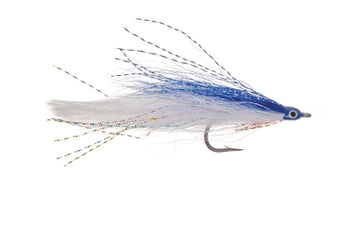
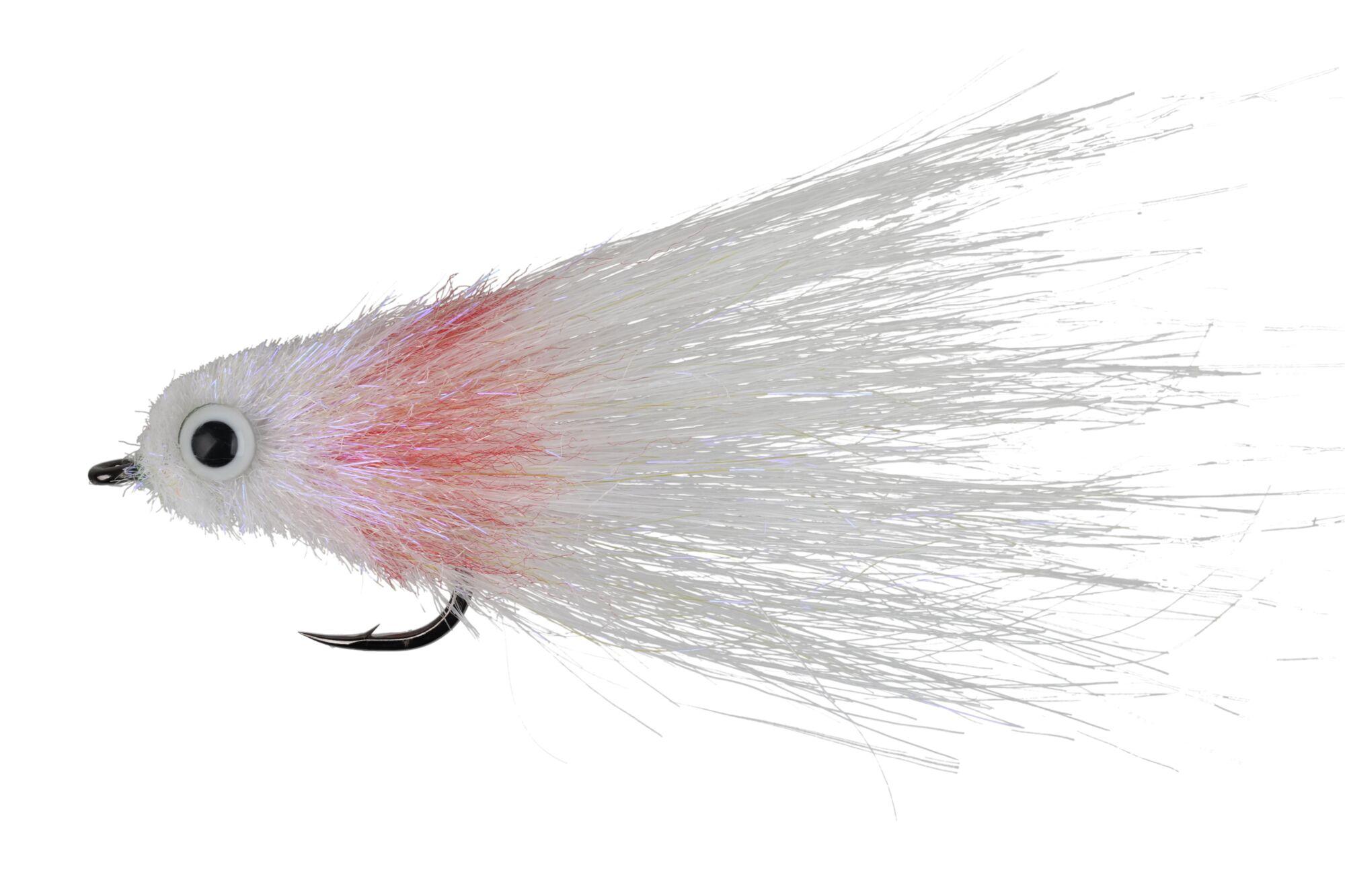
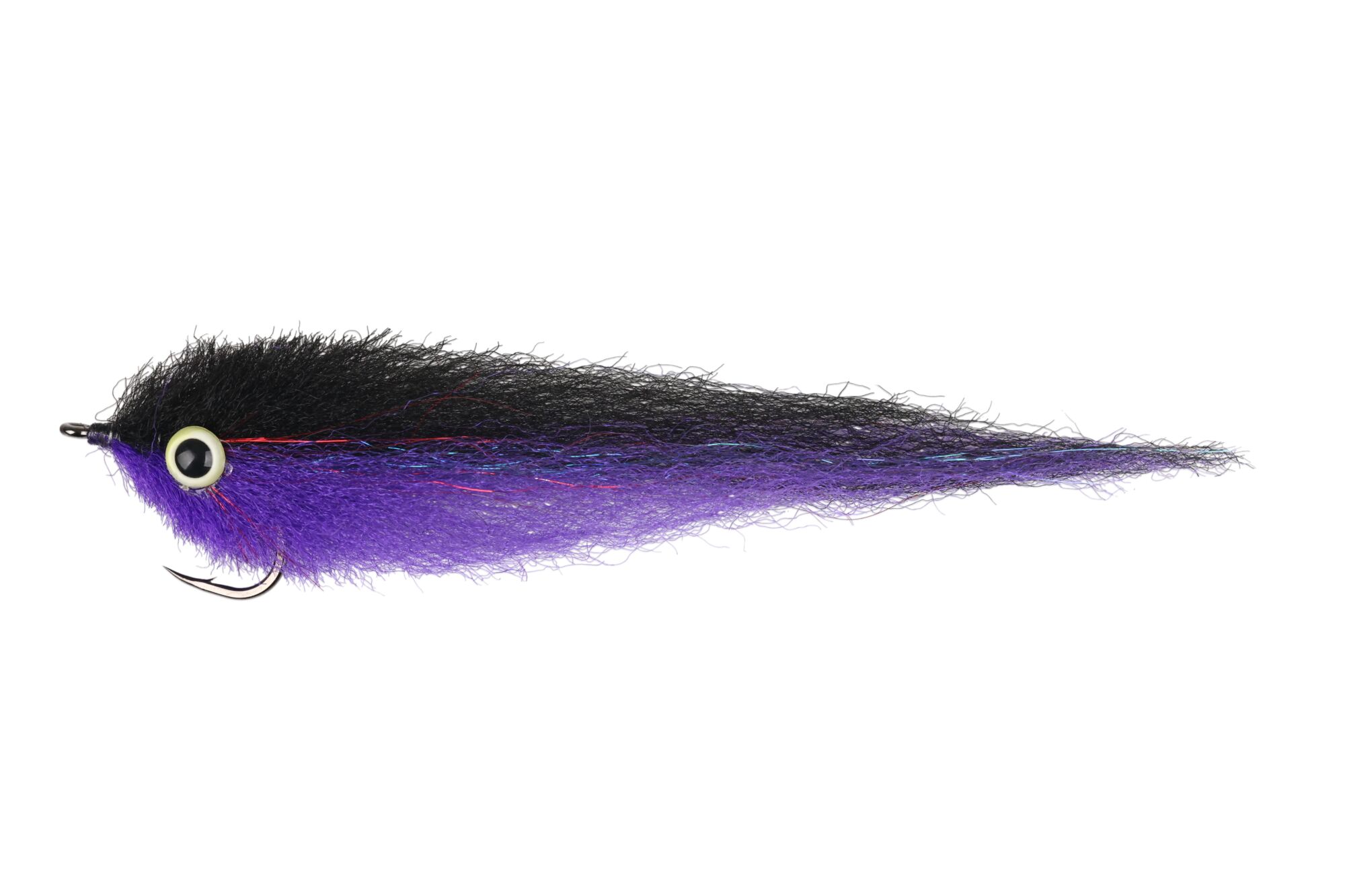
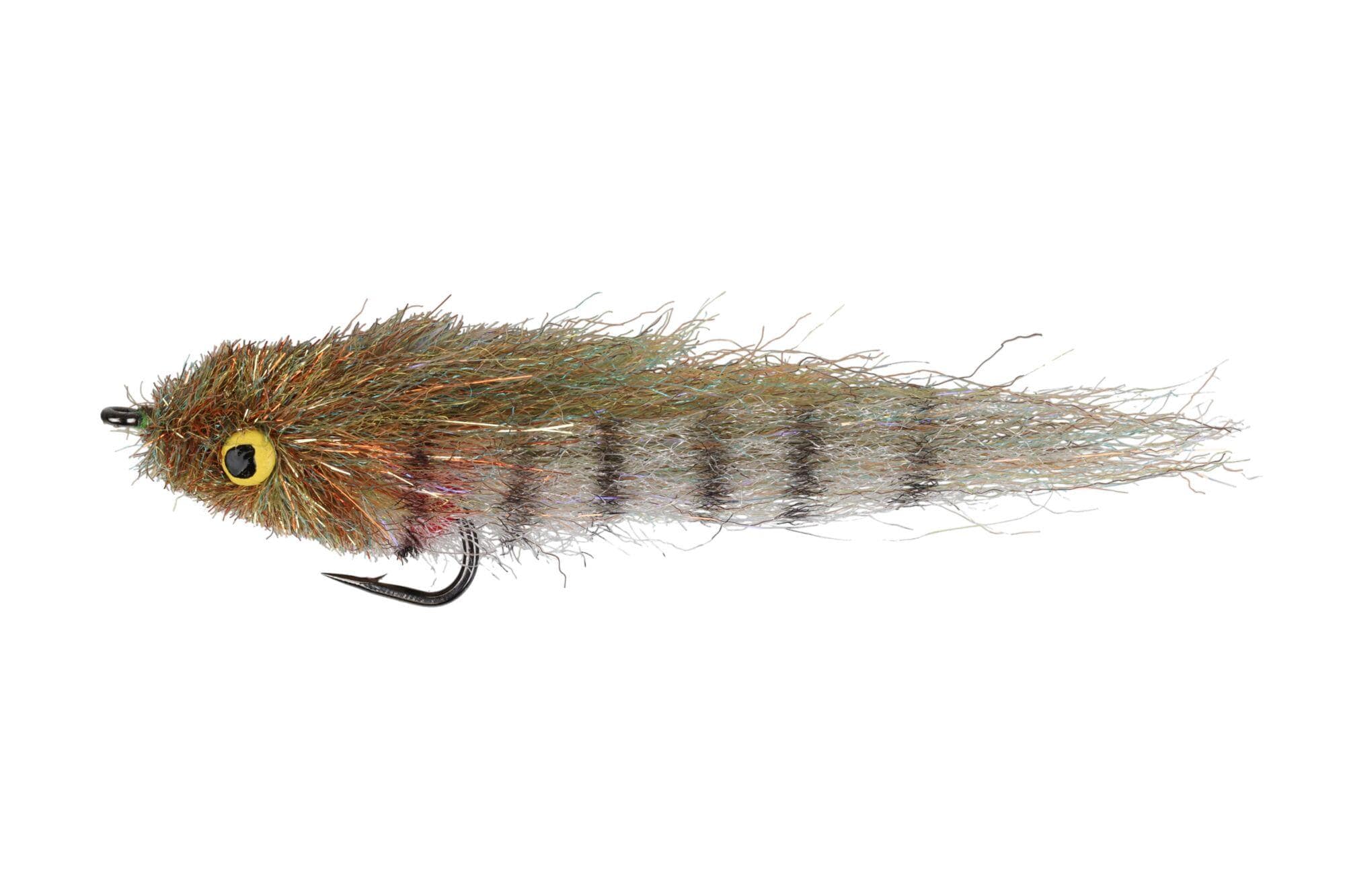
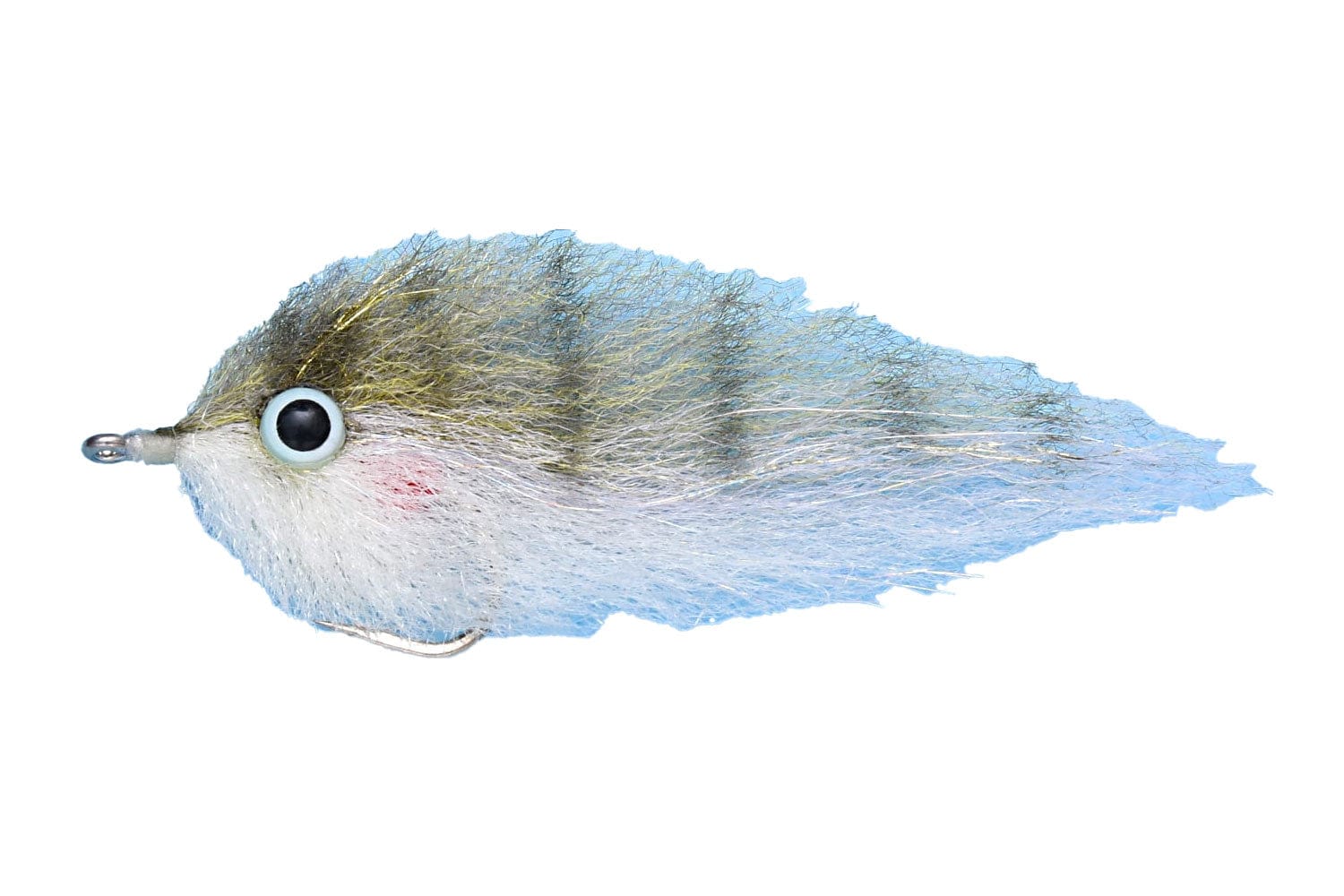
Best Mullet Imitation: EP Mullet Fly - Mullet are the baitfish snook key on most from Florida's backcountry through the intracoastal, and this large-profile pattern in 3.5" or 5.5" lengths triggers reaction strikes from fish keyed on schooling mullet.
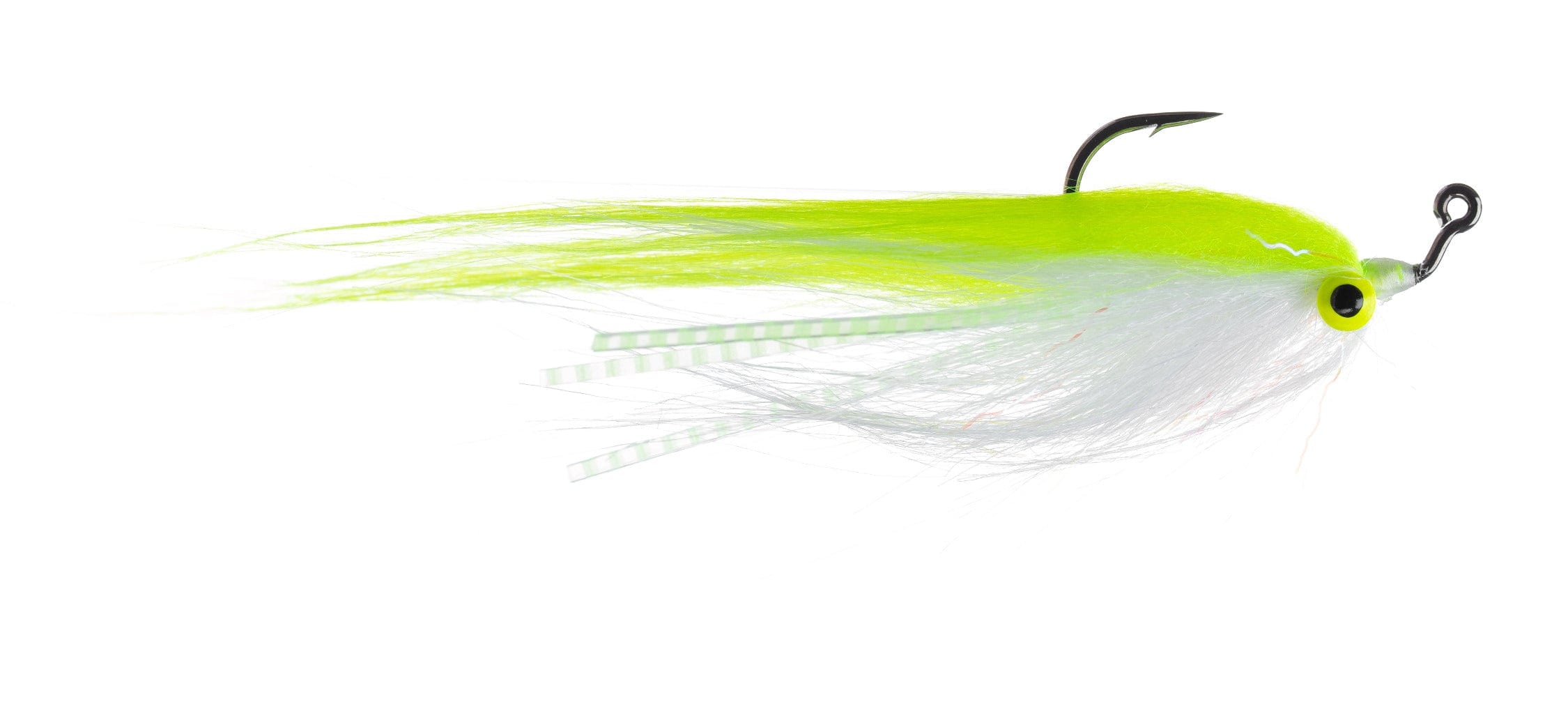
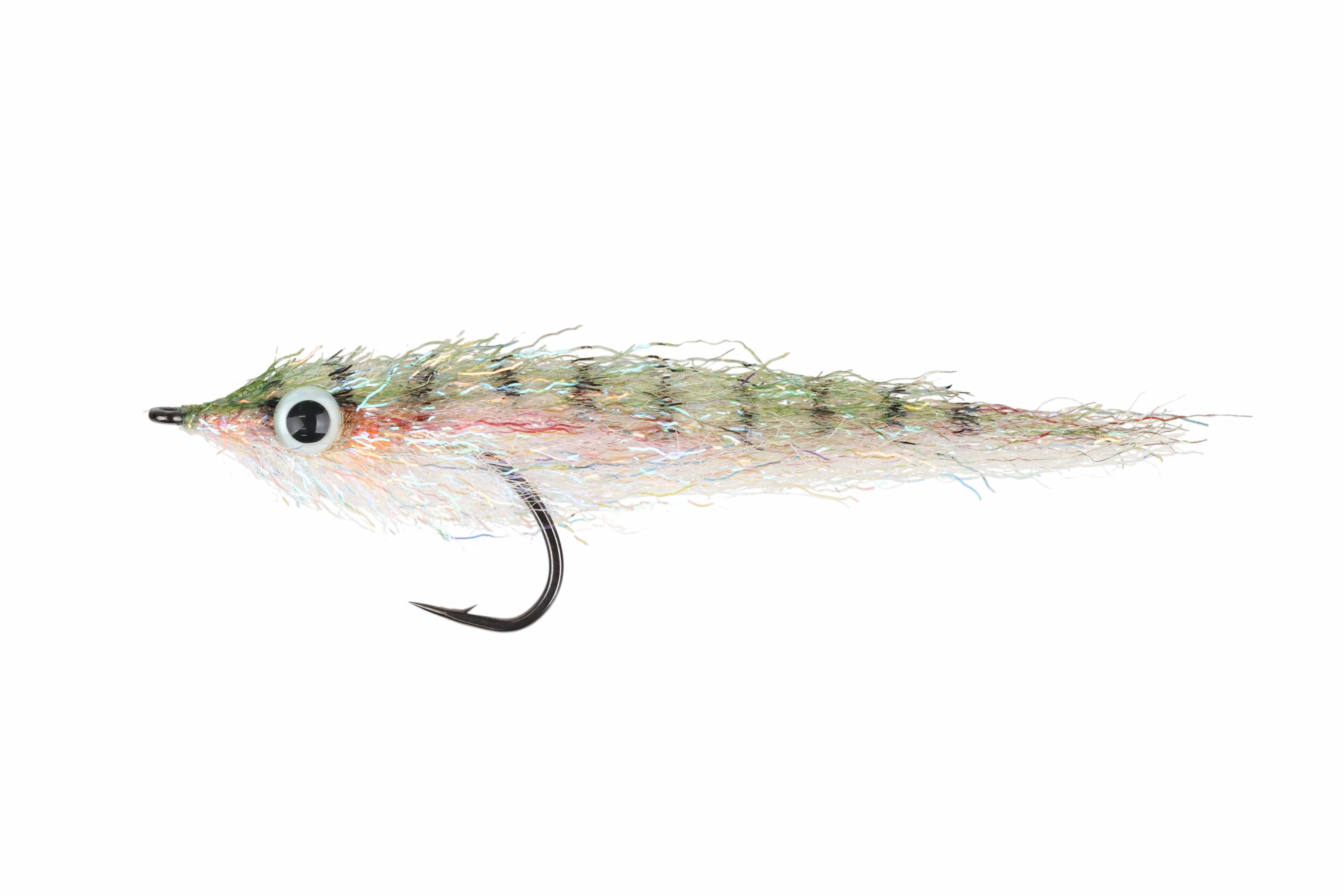
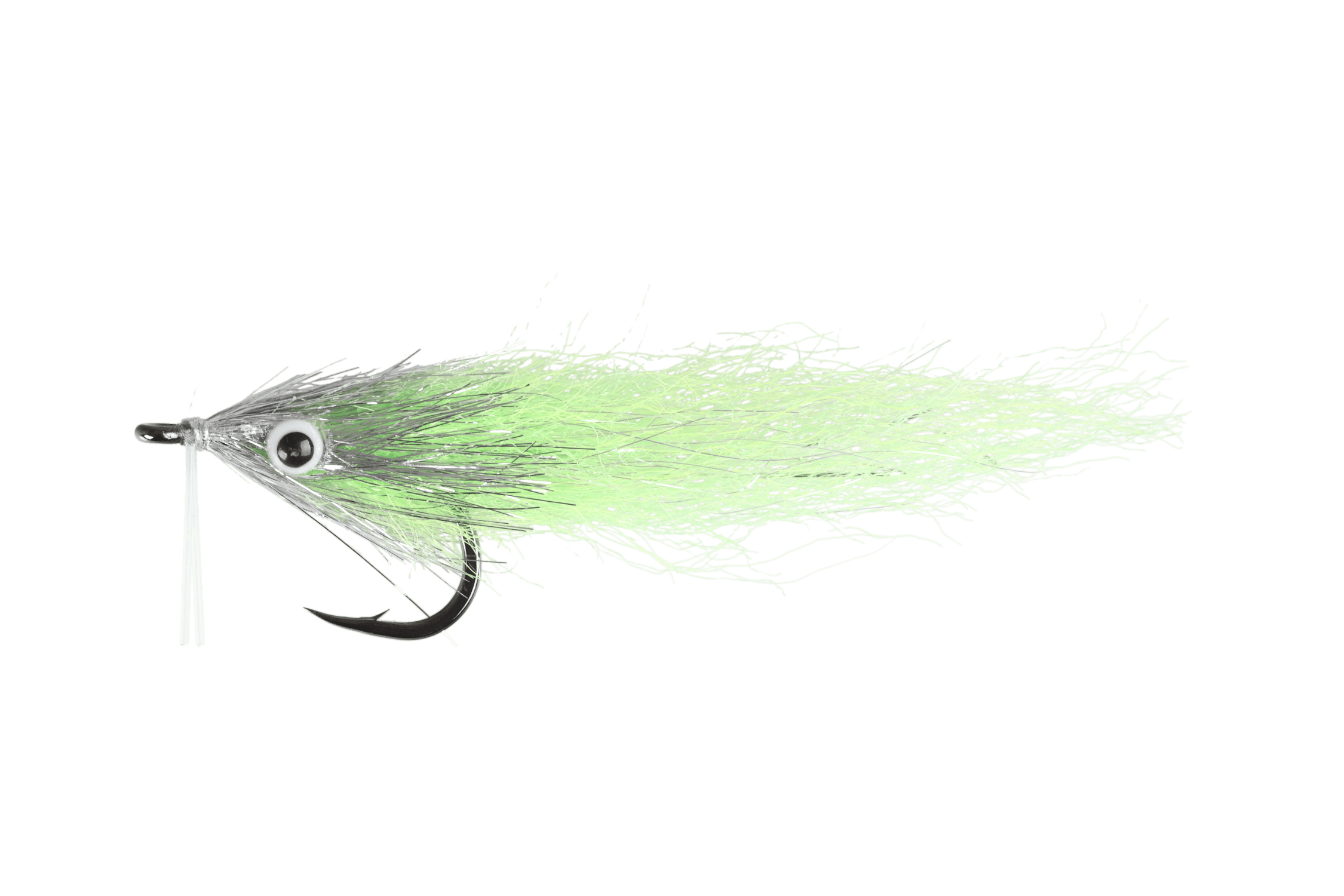
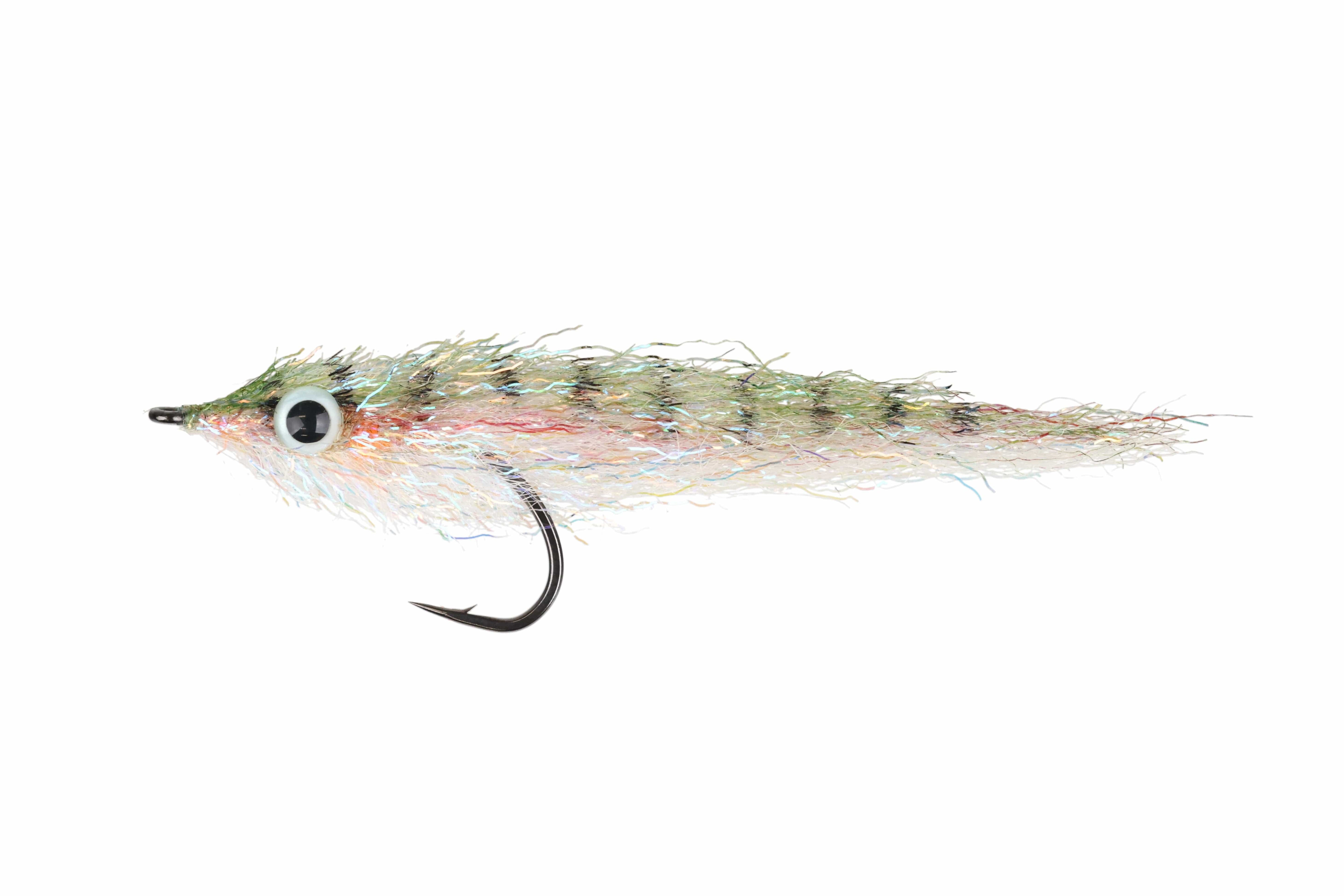
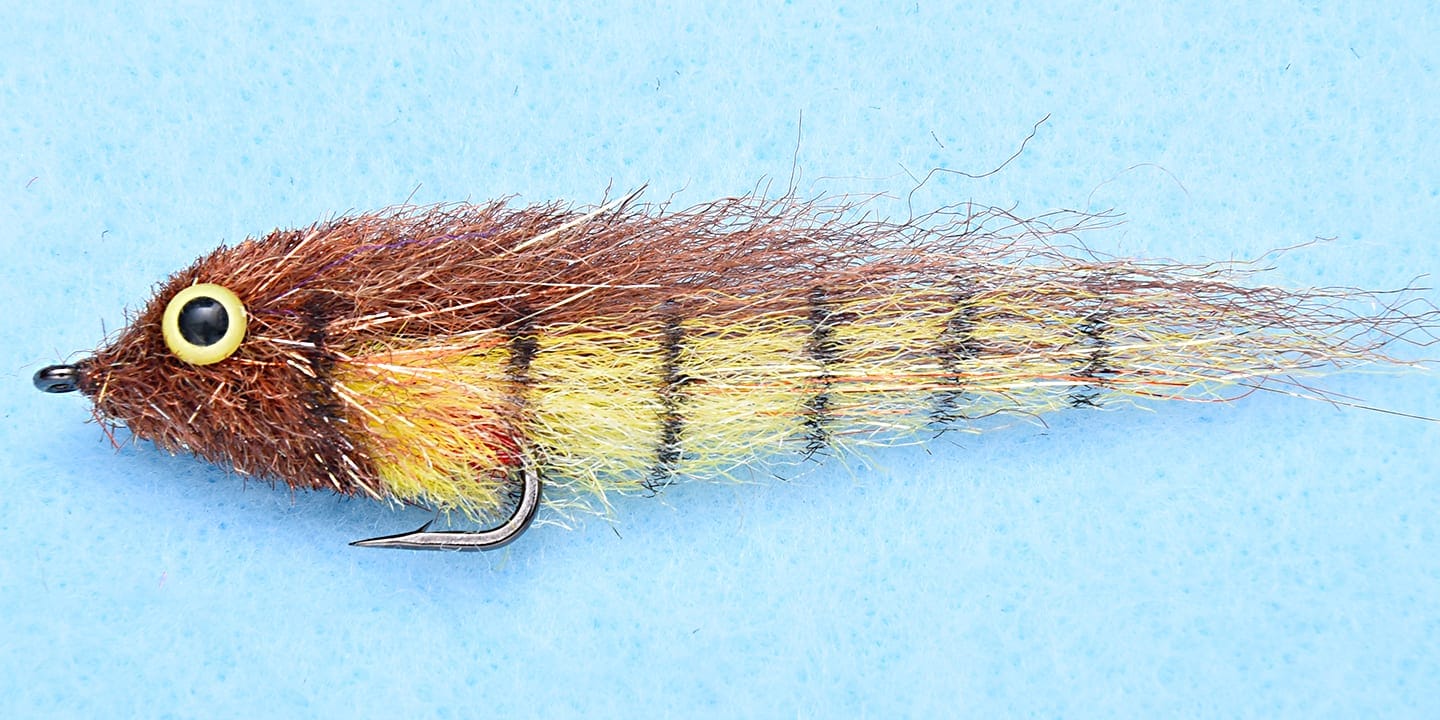
Best Versatile Search Pattern: EP A2Z Fly - A realistic baitfish profile that covers mullet, herring, and other forage snook eat year-round, making it the fly to tie on when you're not sure what bait is around but you know fish are feeding.
How to Choose Snook Flies
Matching the Local Forage
Small baitfish patterns (1.5"-2"): Match glass minnows, silversides, and juvenile baitfish snook eat around dock lights and current seams - go here when bait is small and abundant.
Large baitfish patterns (3"-5.5"): Mullet and bigger forage patterns draw fewer but often larger fish, especially when snook are keyed on a mullet run or schooling bait.
Water Clarity & Color
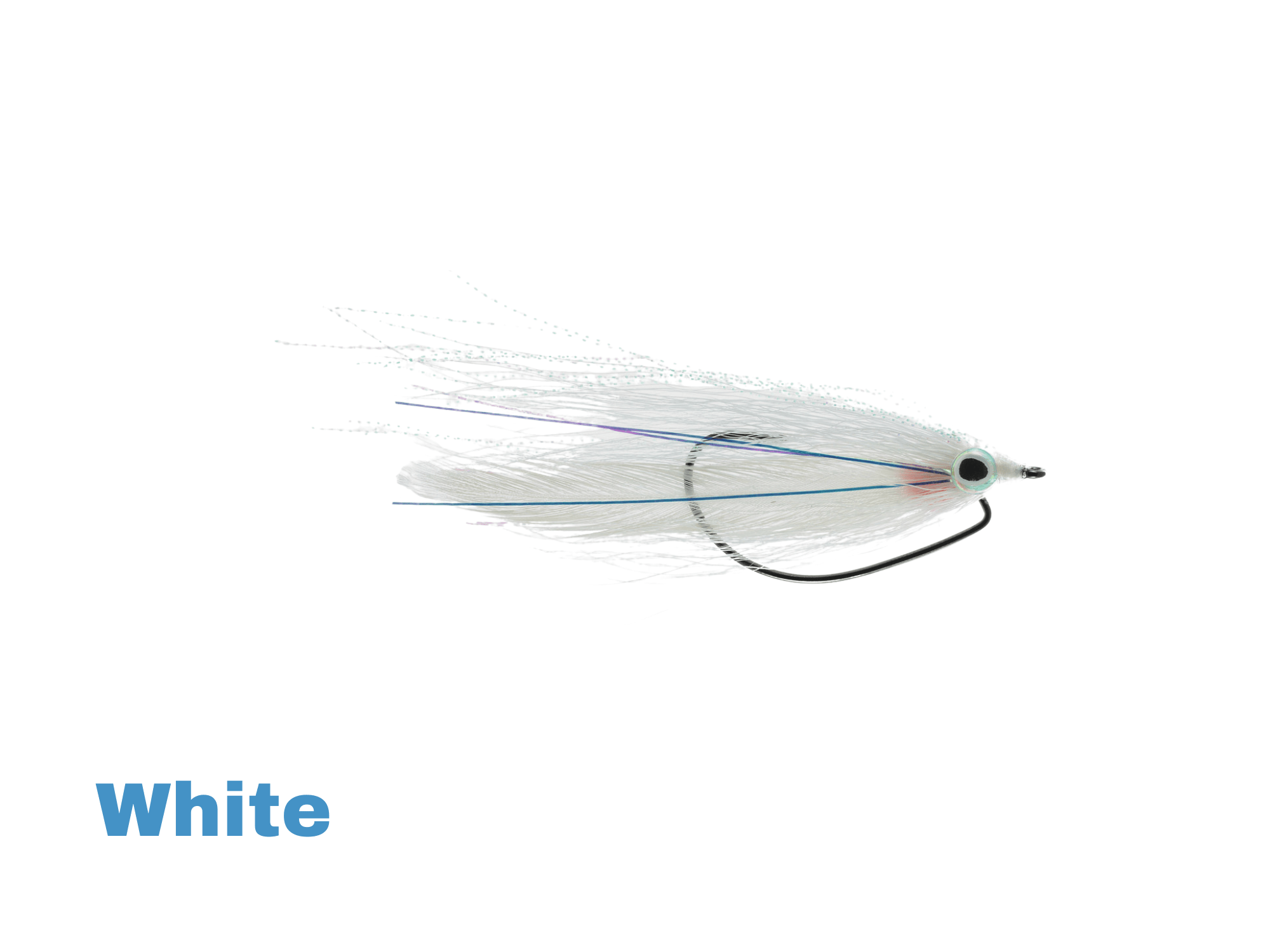
Natural tones in clear water: Ghost, white, and tan schemes match baitfish closely and avoid spooking snook in clean, visible water around flats and passes.
Dark, heavy patterns in stained water: Black, chartreuse, and gold flies with heavier eyes like the Po Boy Fly give snook a stronger silhouette to find in tannic or post-rain water.
Topwater vs. Subsurface
Topwater poppers and walk-the-dog flies: Most effective in low light - dawn, dusk, overcast days - when snook are hunting near the surface around docks and mangroves.
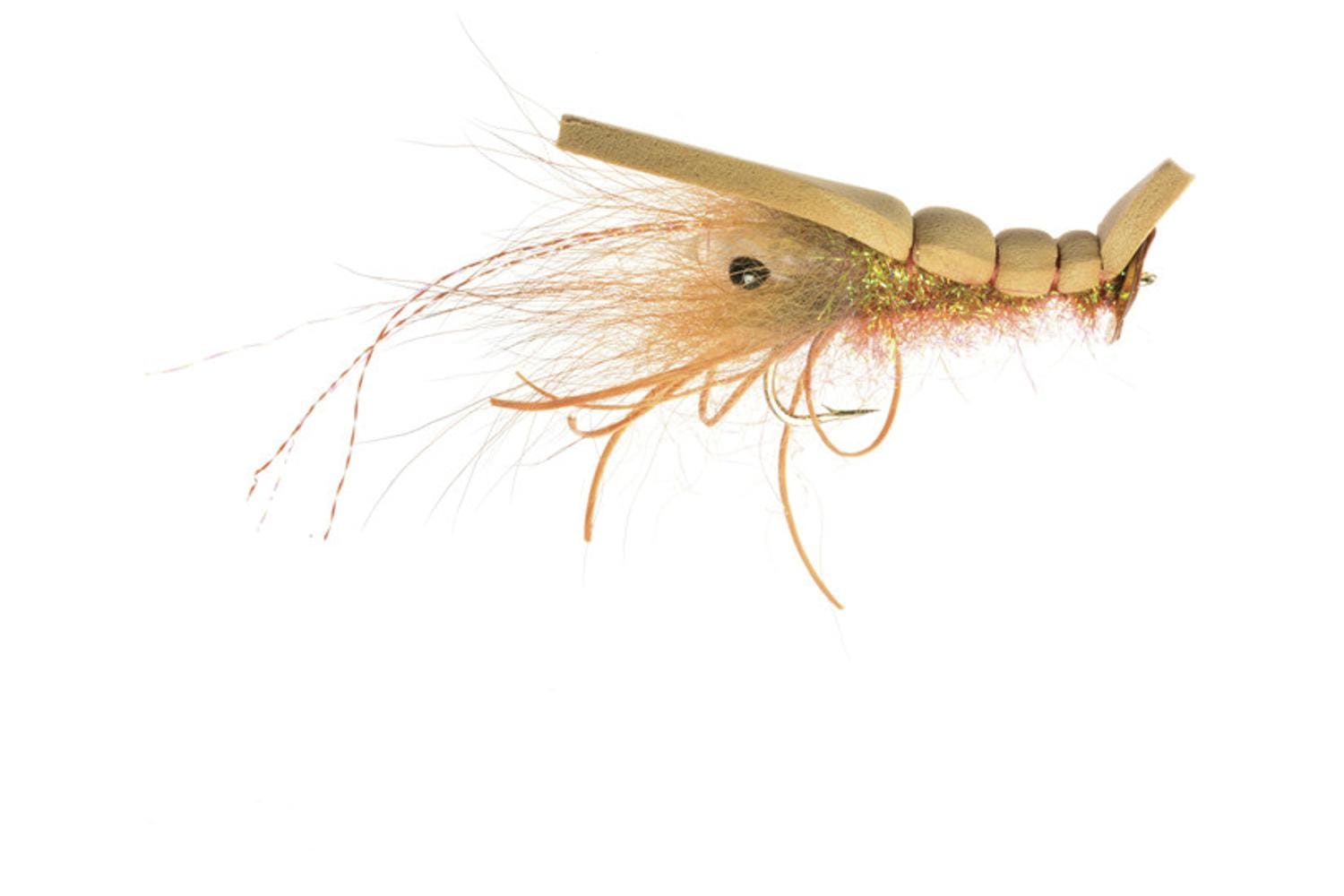
Sinking baitfish and shrimp patterns: Better through midday or in deeper water, worked with a slow strip-pause retrieve along structure and current edges.
On-the-Water Tips
Fish structure hard: Docks, mangrove roots, and bridge pilings hold snook nearly all day - accurate casts tight to cover matter more than fly choice.
Use a heavier shock tippet: Snook have abrasive mouths and gill plates that fray light tippet, so step up to 30-40lb fluorocarbon shock.
Work the tide: Moving water concentrates bait and triggers feeding - plan trips around the first and last hours of a tide change.
Slow down at night: Under dock lights, a slow, subtle strip often out-produces an aggressive one since snook are sight-feeding on stunned bait.
Complete Your Setup
Related Gear
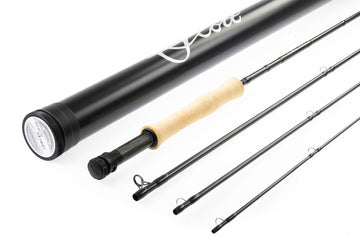
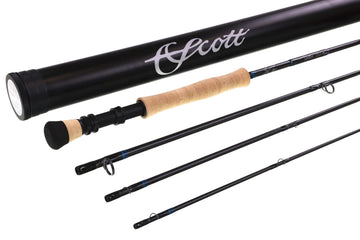
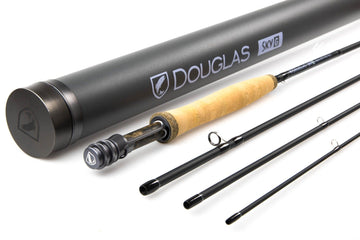
Saltwater Fly Rods - 7-9wt rods with the backbone to turn snook away from structure before they cut you off.
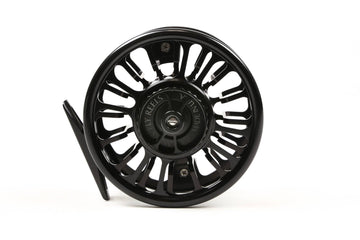
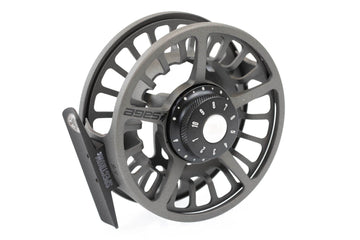
Saltwater Fly Reels - Sealed drag reels built for corrosive saltwater and the hard first run of a hooked snook.
Tarpon Flies - Baitfish and shrimp patterns that overlap heavily with snook water on mixed backcountry days.
Redfish Flies - Stained-water and structure patterns that pair naturally with snook flies for a mixed-bag inshore day.
Snook Flies FAQs
Q: What size fly is best for snook?
A: Most snook flies run 1.5" to 4", matching the glass minnows, silversides, and small mullet found around docks and passes. Size up to 4"-5.5" for bigger snook keyed on a mullet run.
Q: What's the best time to fish snook flies?
A: Low light periods - early morning, dusk, and after dark around lit docks - tend to produce the most consistent action, especially on topwater. Moving tide during those windows helps further.
Q: What leader and tippet should I use for snook?
A: A 20-30lb class tippet with a 30-40lb fluorocarbon shock is standard, since snook have sharp gill plates that fray lighter material. Around heavy structure, size up further to keep fish from cutting you off.