




























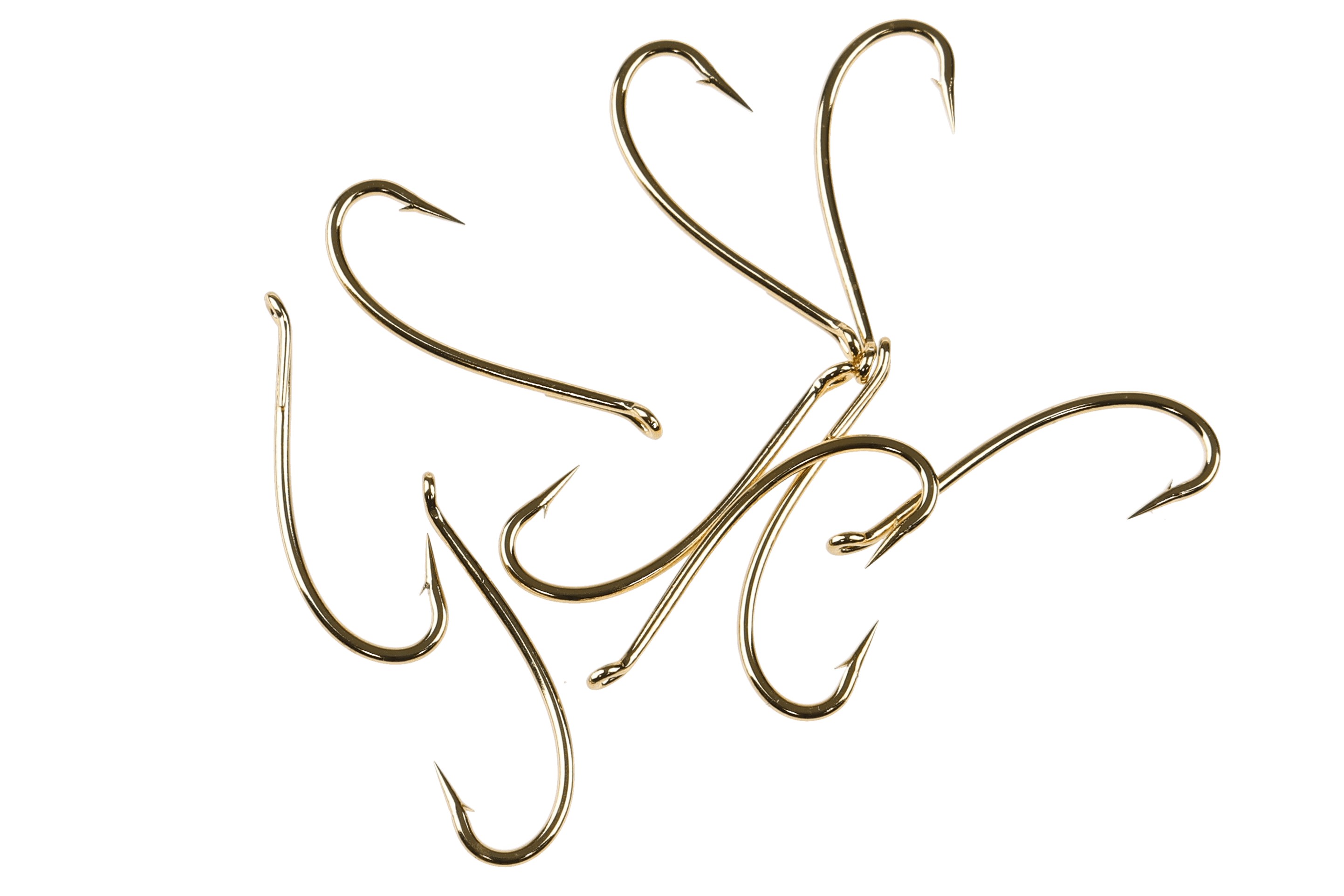
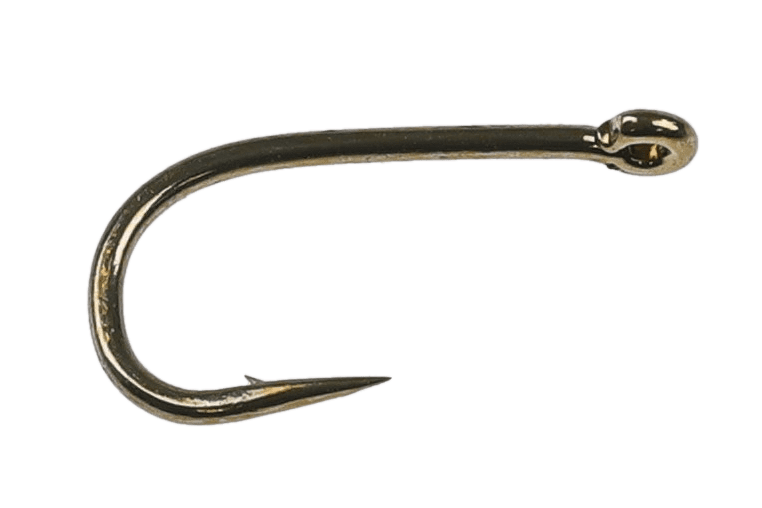

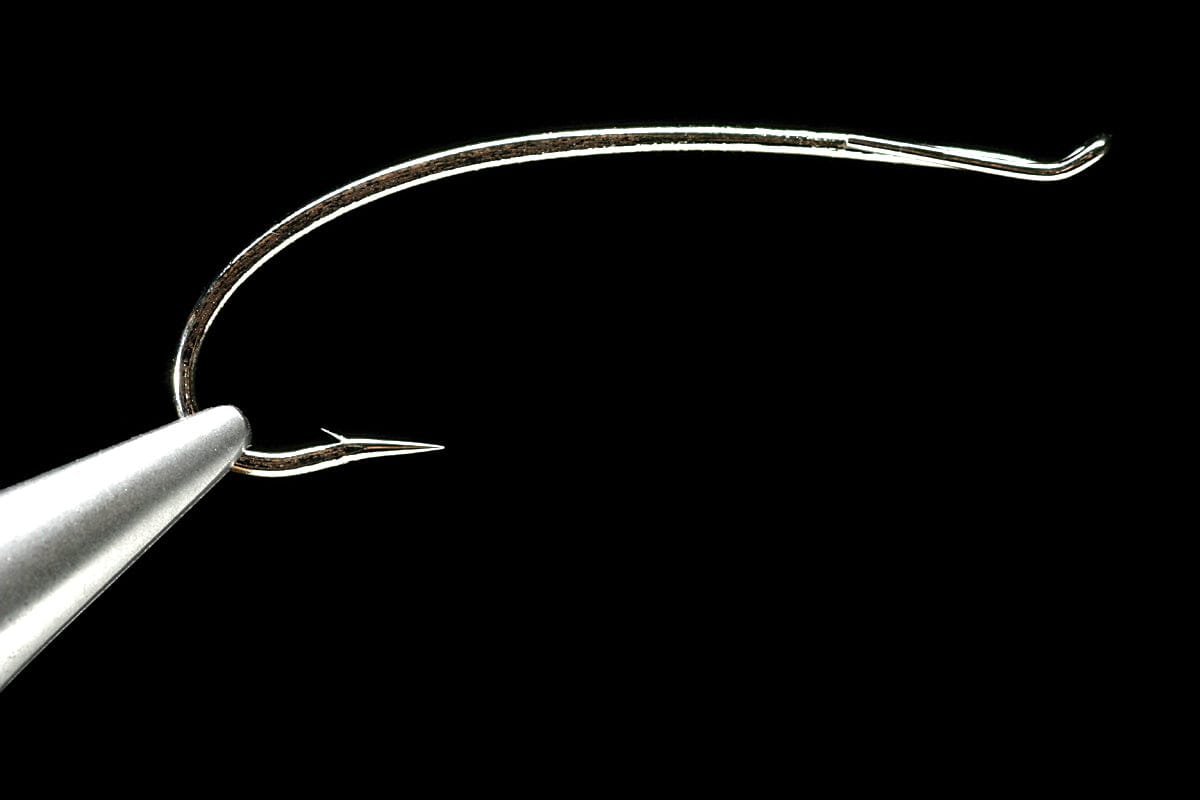


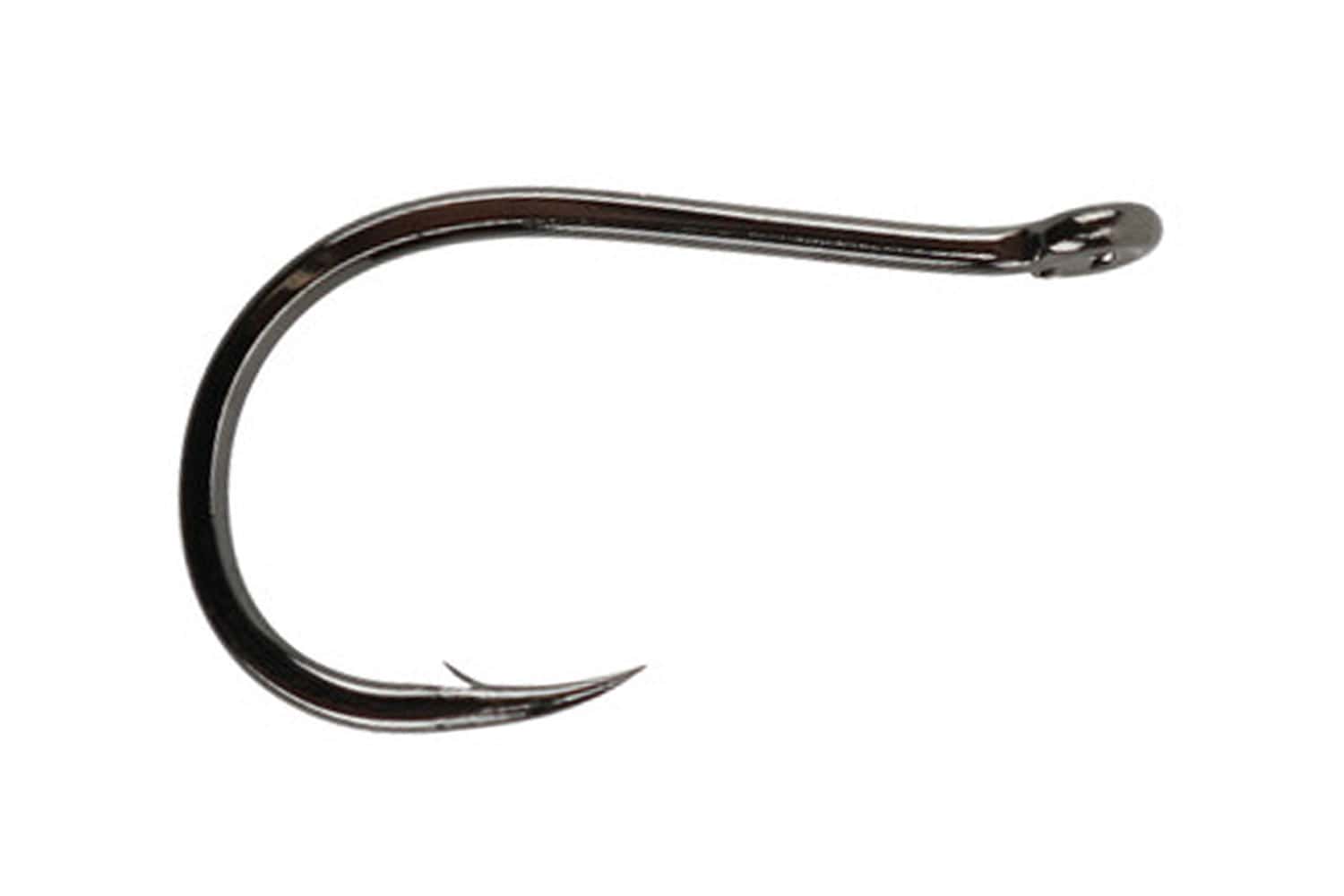
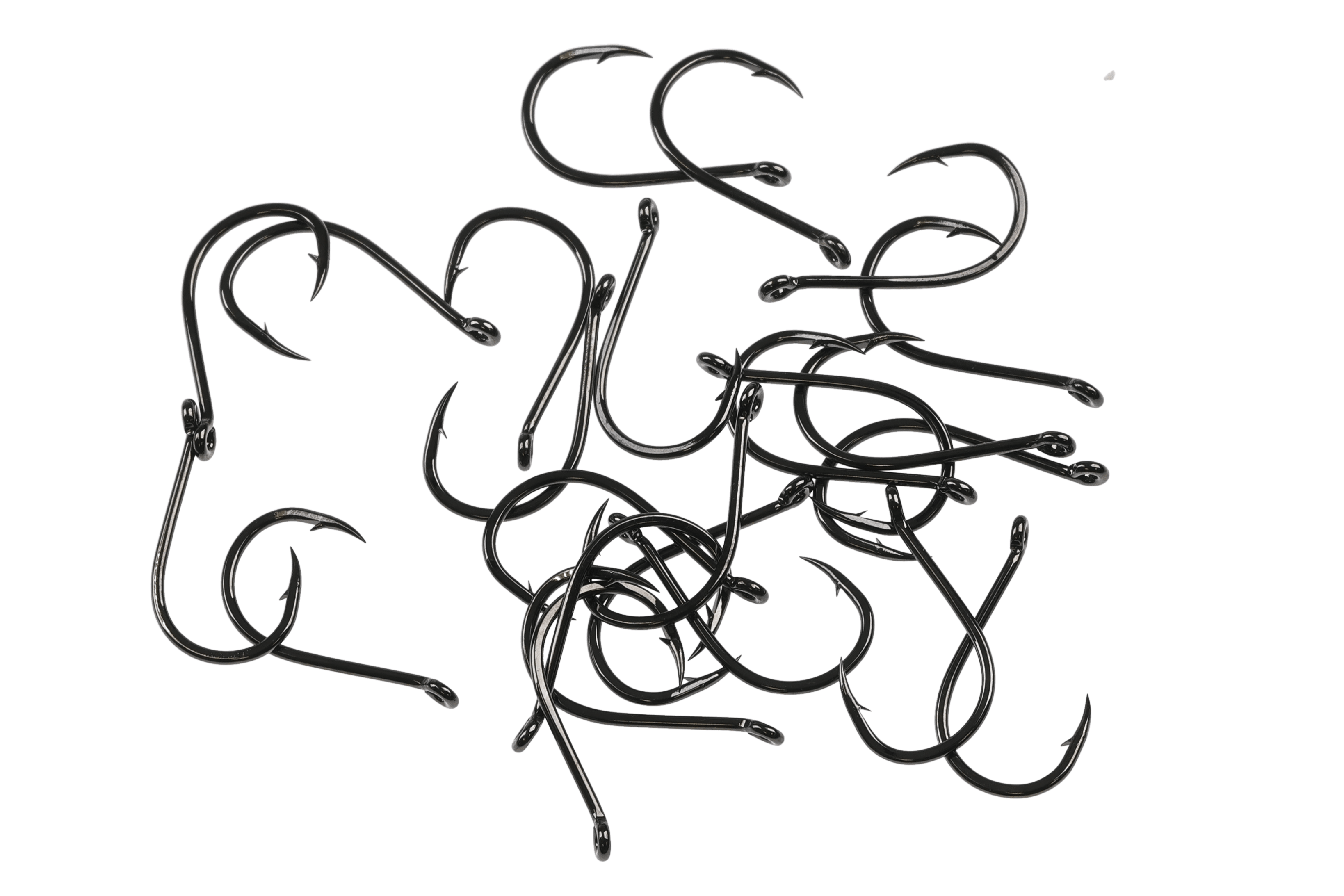


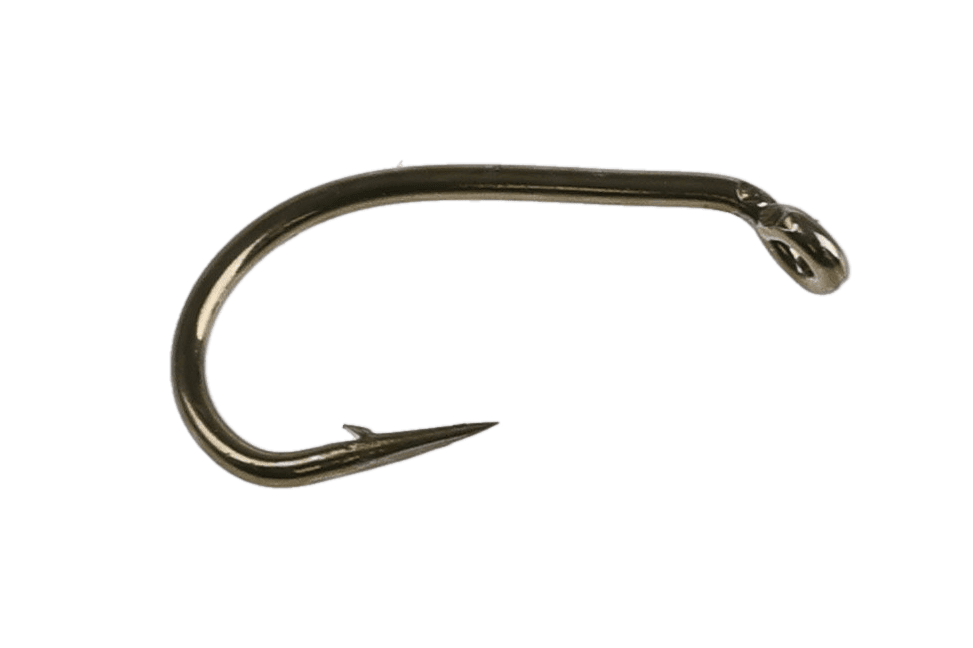
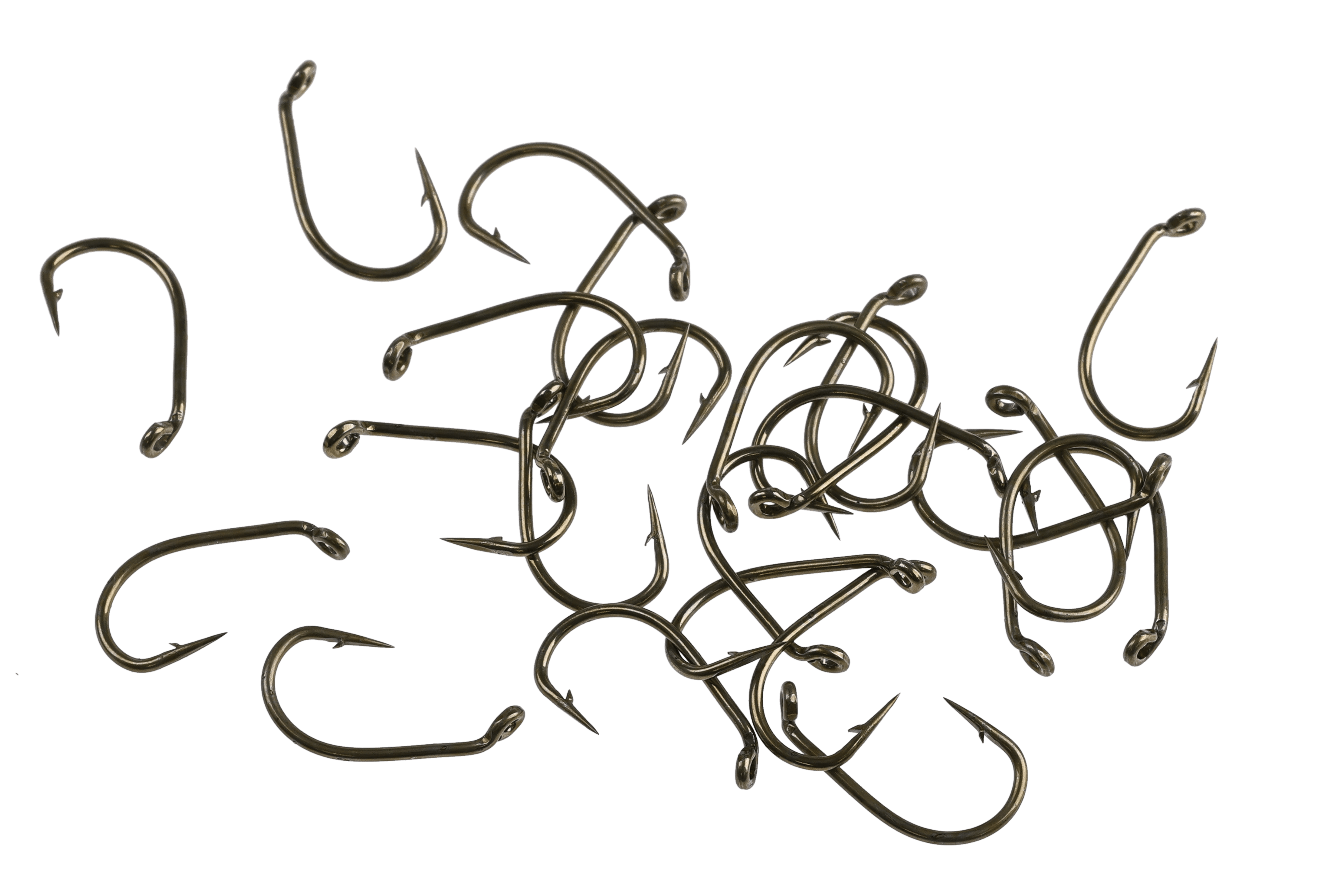
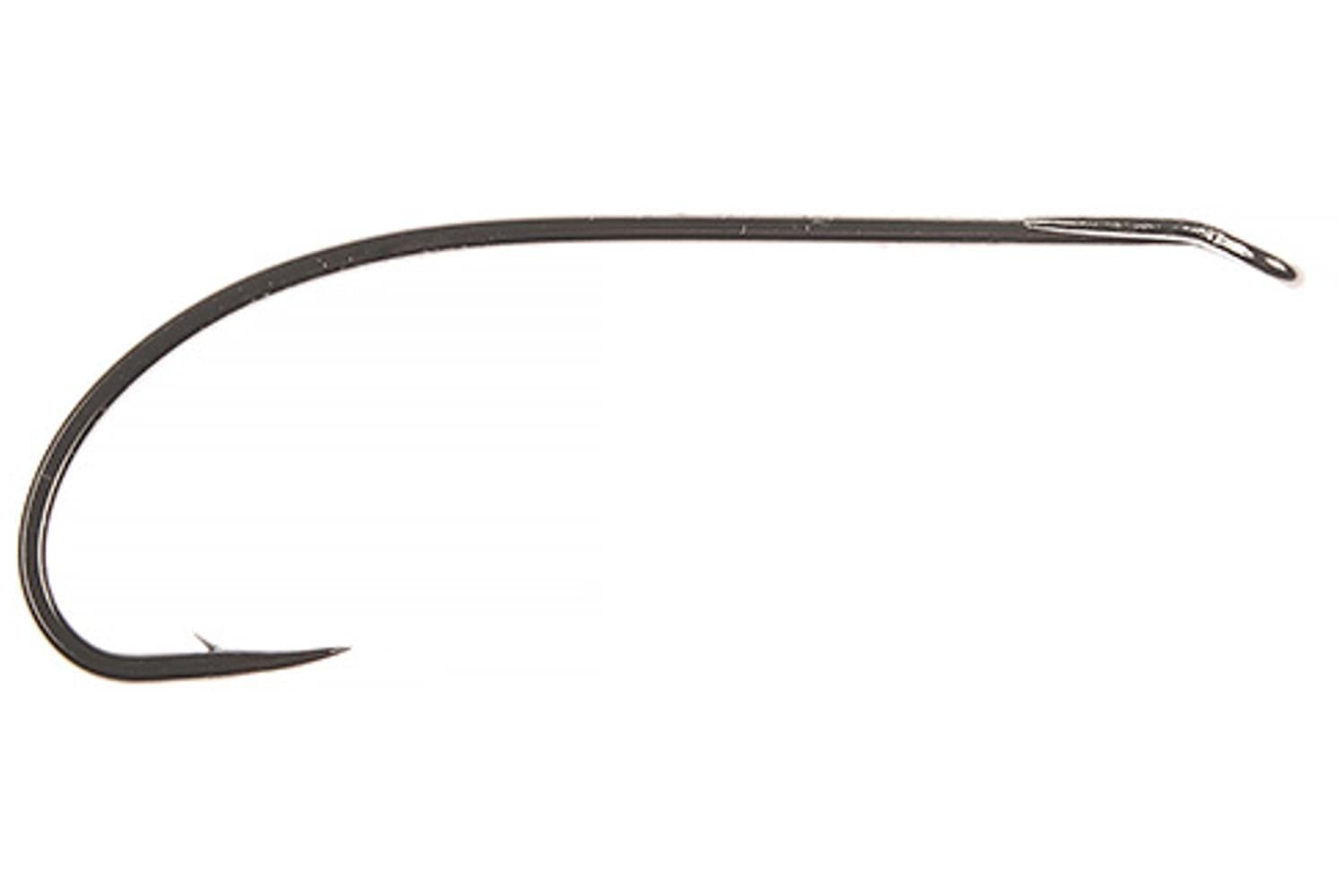







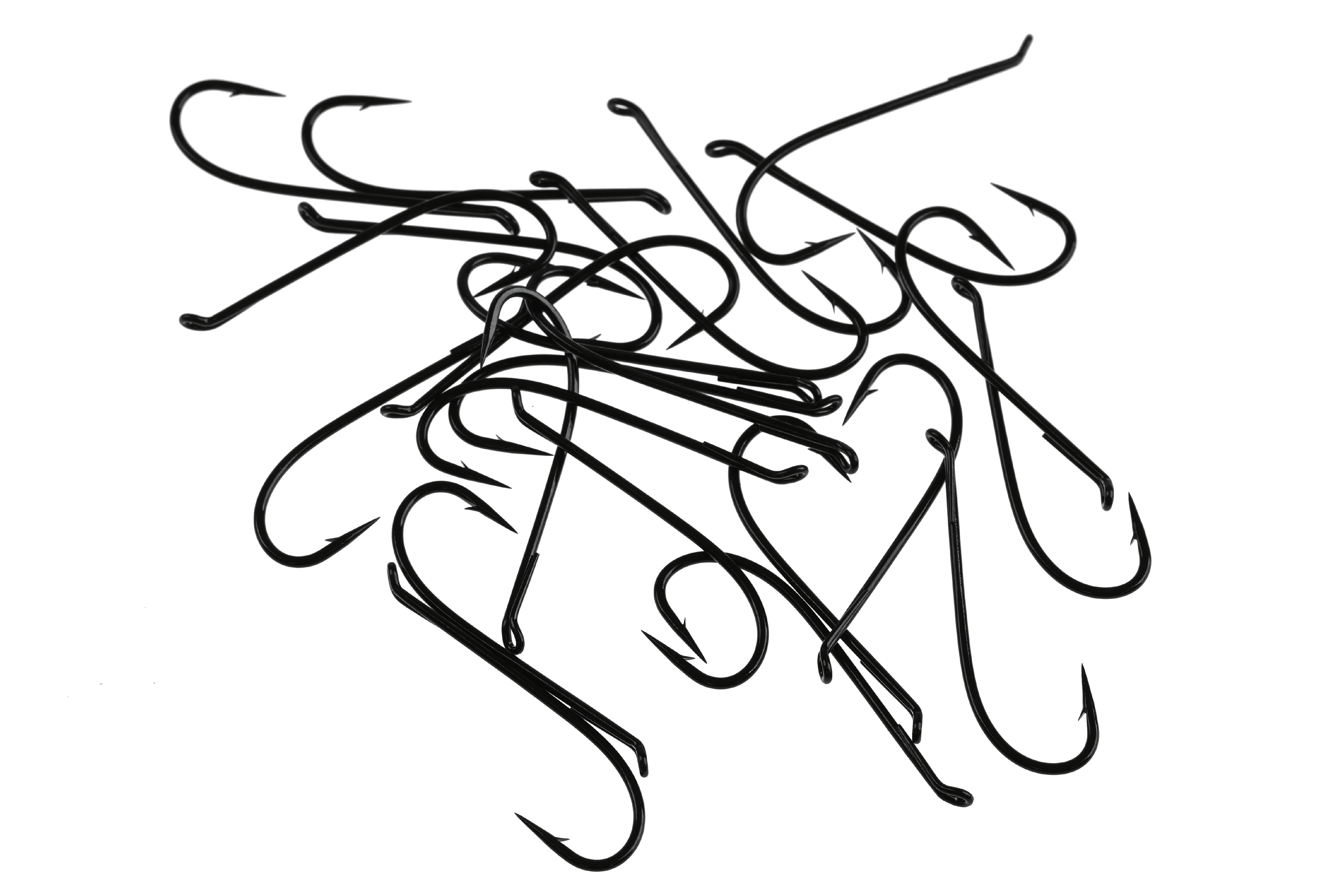


Salmon & Steelhead Hooks Quick Picks
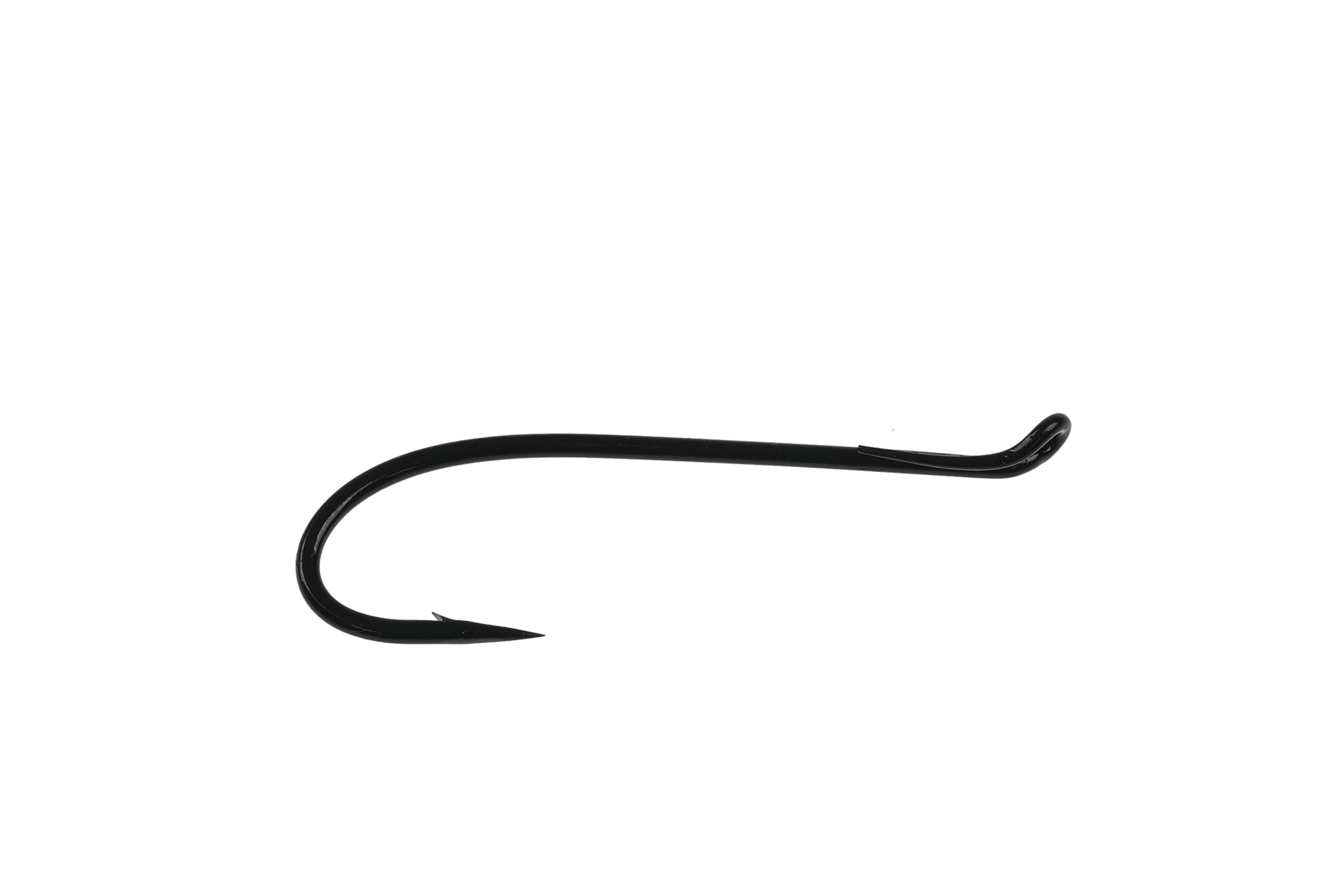
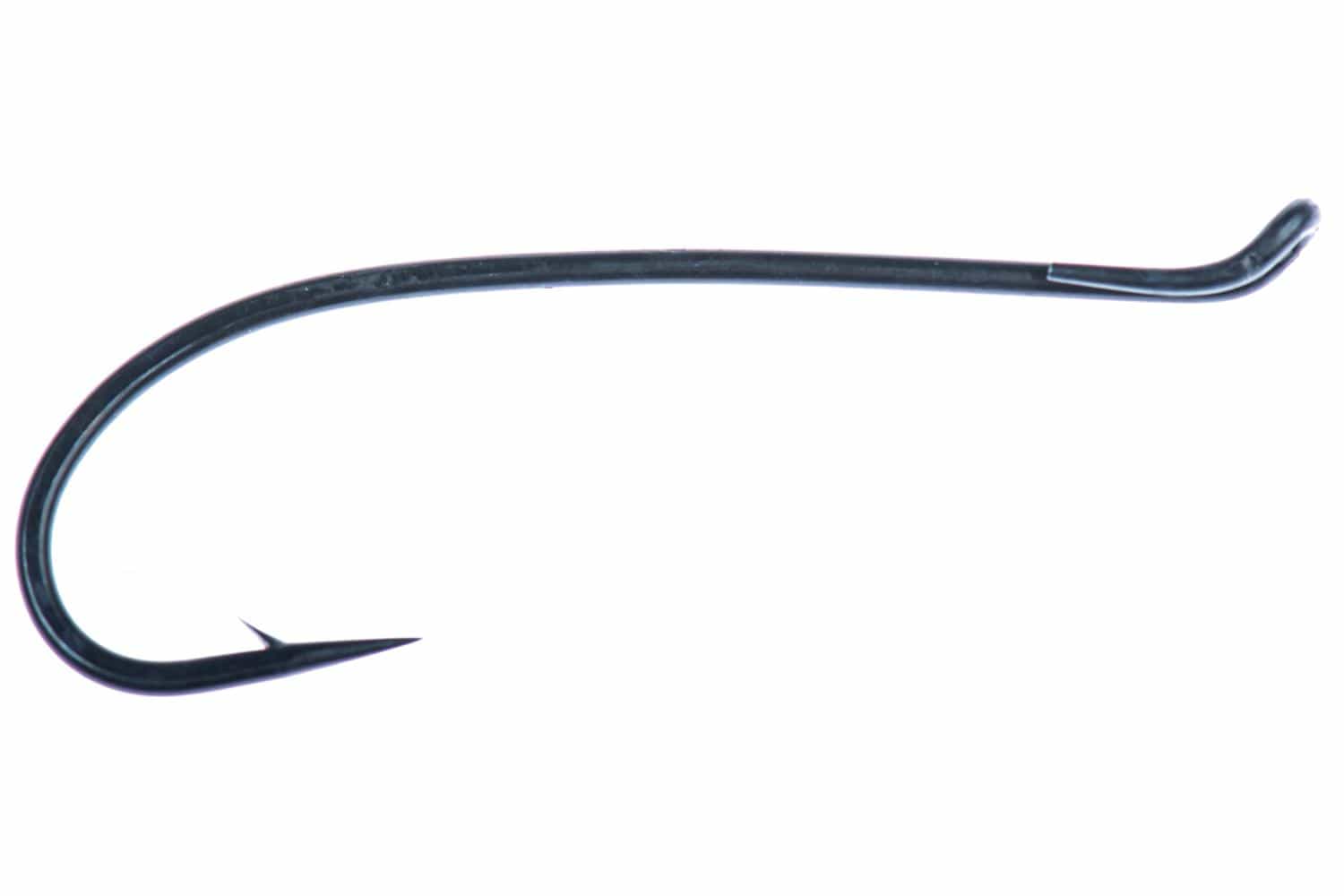
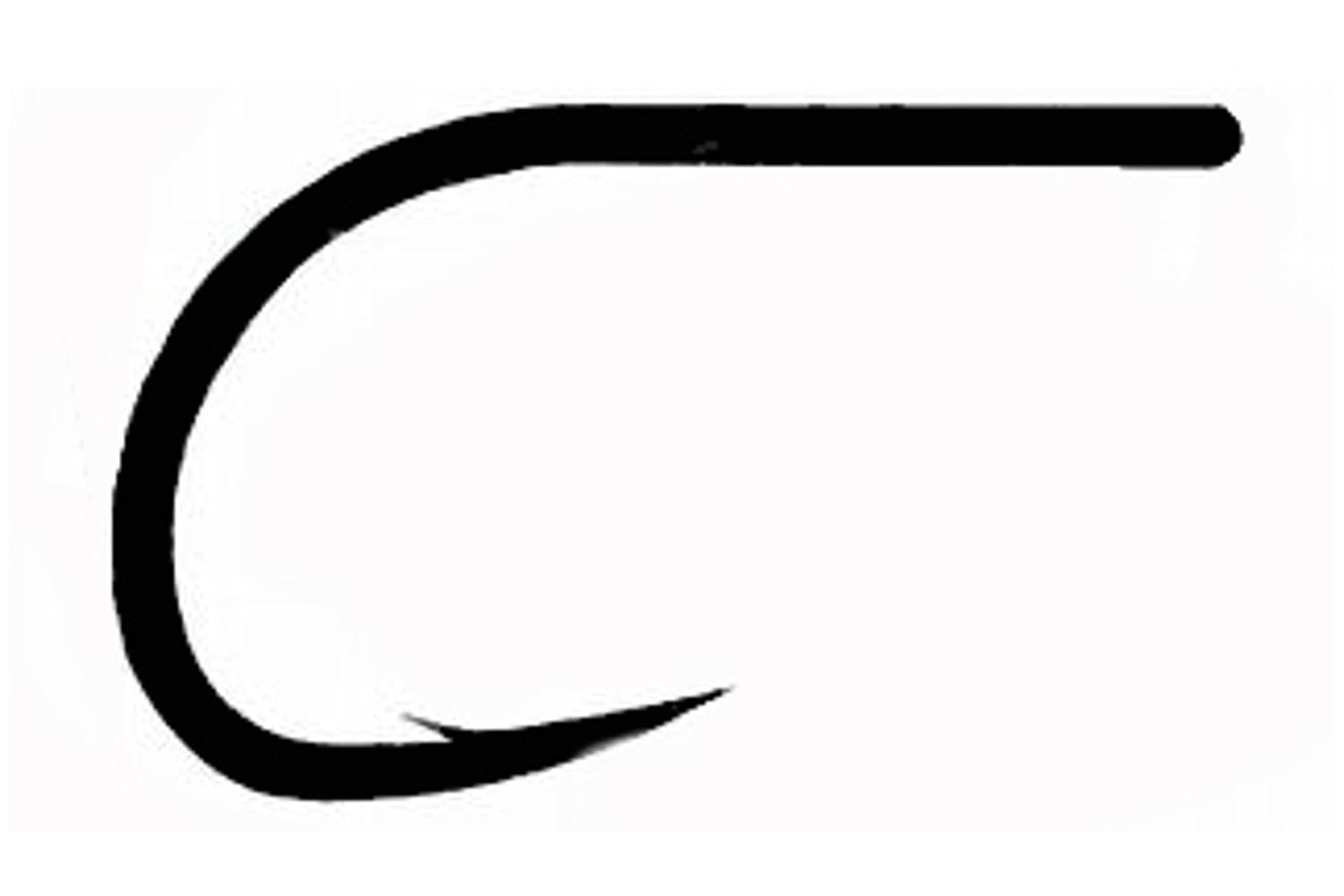
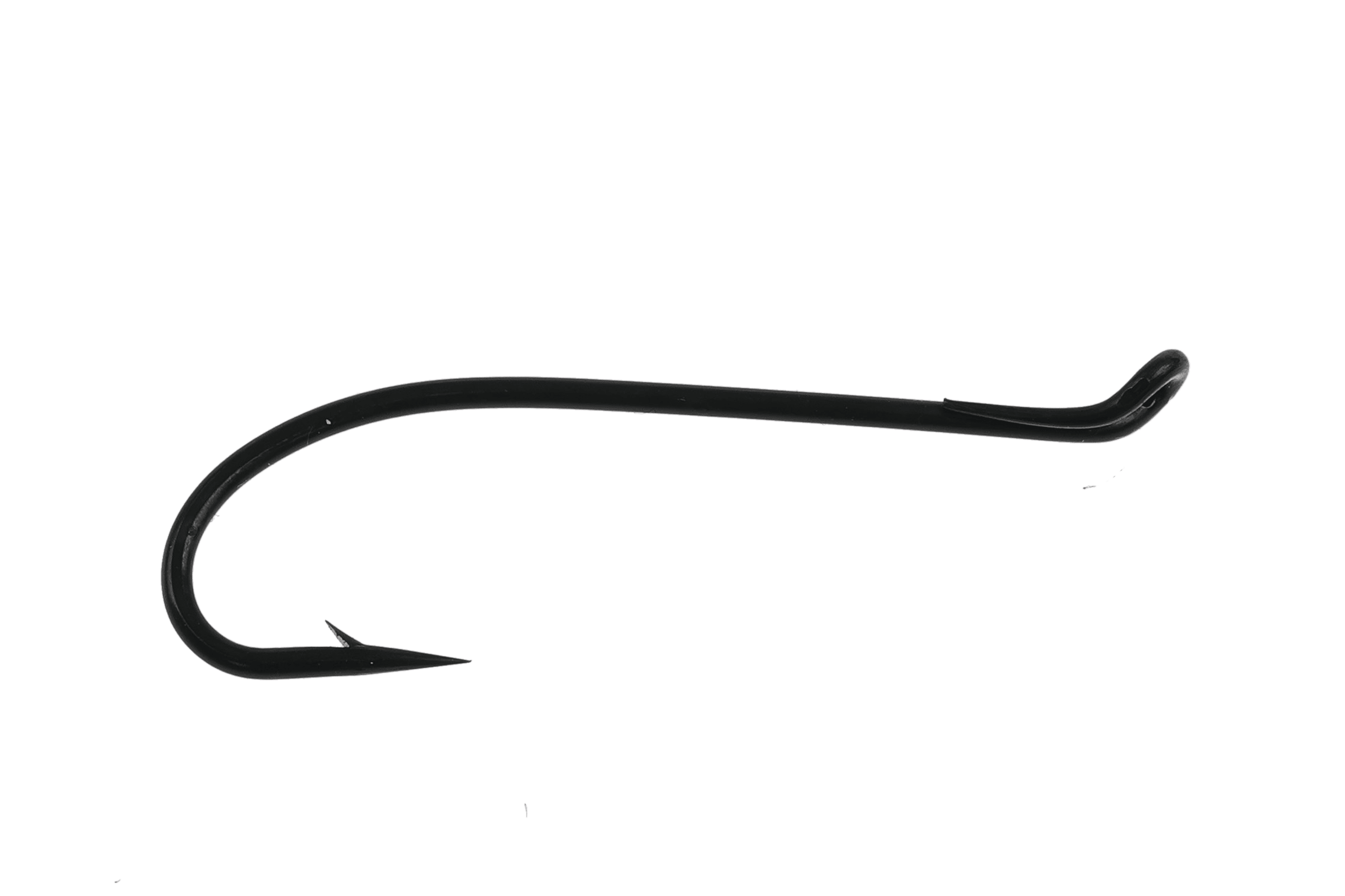
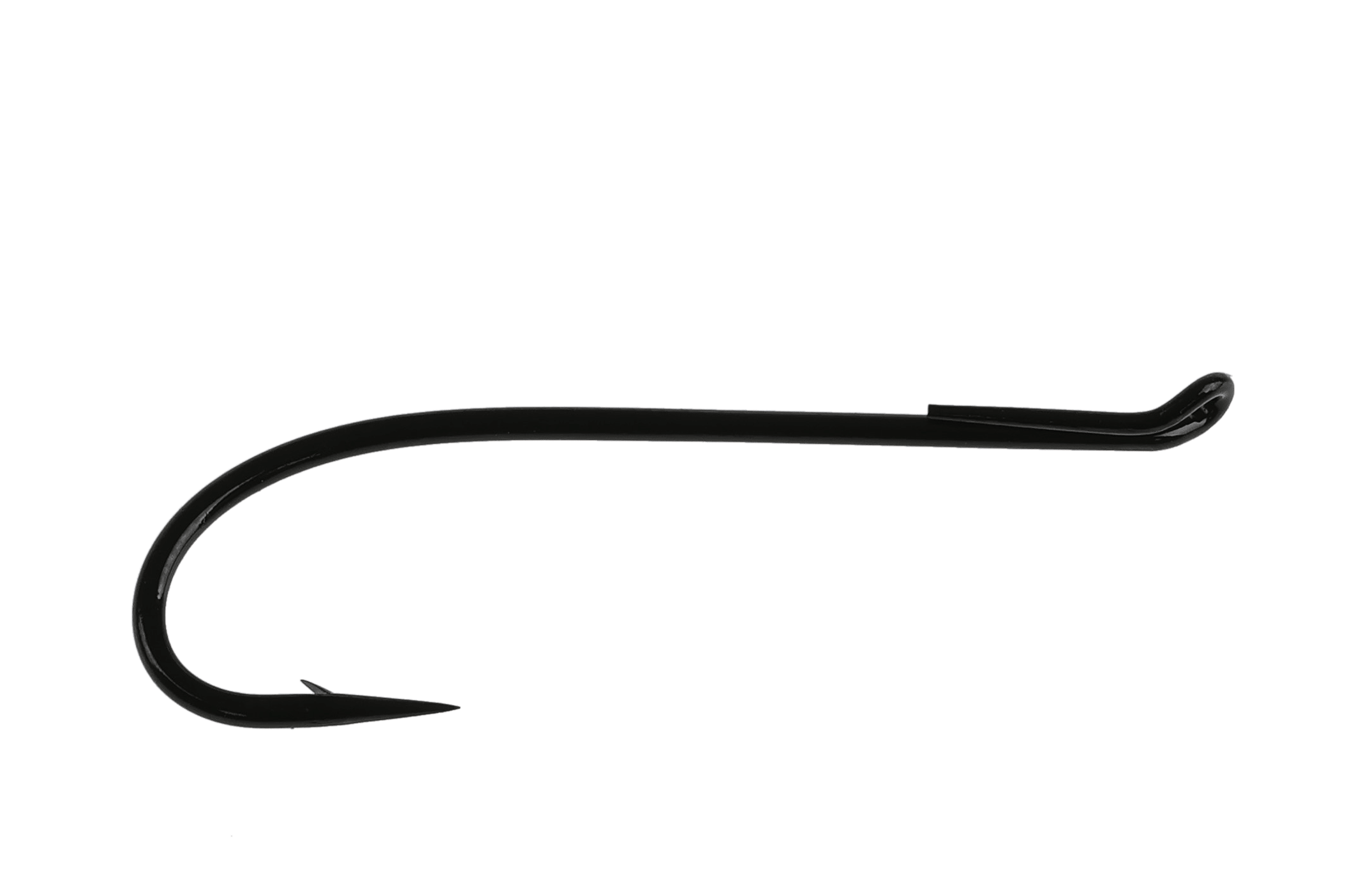
Best All-Around Swung Fly Hook: Daiichi 2441 Traditional Salmon Hooks - This heavy-iron hook is the standard for classic wet flies and hairwing patterns, a proven shape that has landed Atlantic salmon and steelhead for generations.
Best for Spey-Style Hairwings: Daiichi Alec Jackson's Steelhead Iron Hooks - Designed by a steelheader who lived on the water he fished, the curved shank and up-eye give classic Spey patterns the correct silhouette and swim.
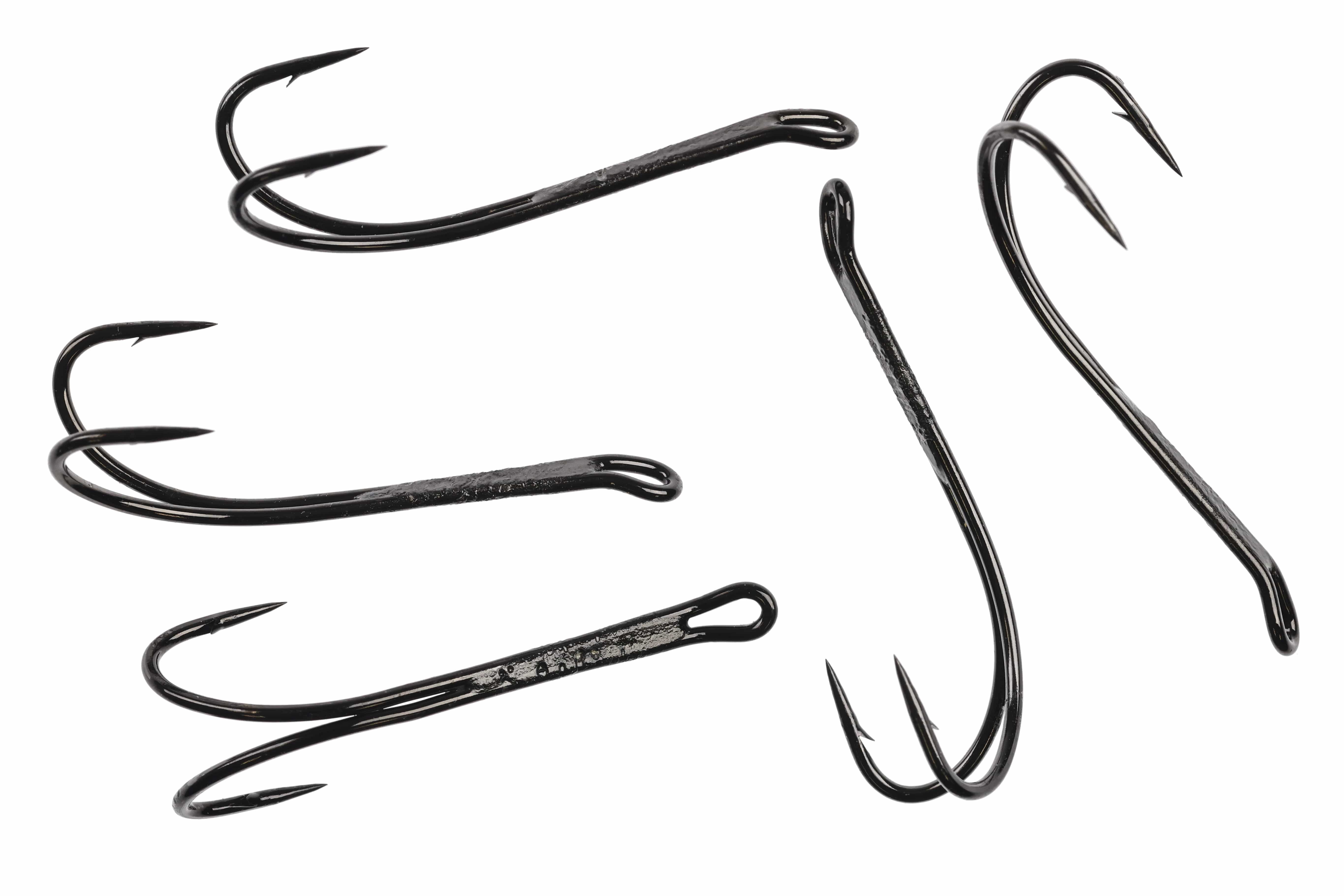
Best Trailer Hook for Intruders: Daiichi 2557 Intruder Trailer Hooks - Purpose-built as a stinger hook for articulated Intruder and leech-style patterns, with a black nickel finish that resists wear from repeated hooksets.
Best for Egg Patterns: Daiichi 1520 Steelhead Egg Hooks - A short-shank, high-gap hook built for egg imitations, which matters when drifting beads and yarn eggs through tailwaters loaded with pressured steelhead.
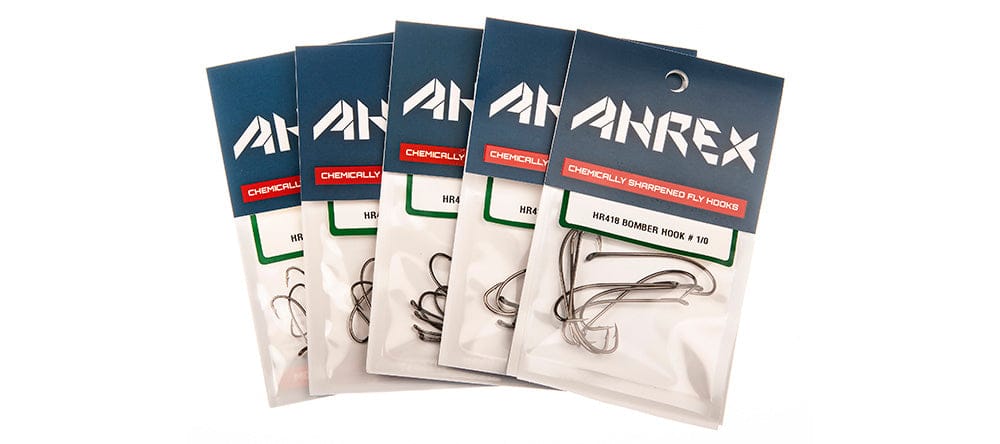
Best for Waking & Topwater Flies: Ahrex AHR418 Bomber Hooks - The wide gap and tapered loop eye are made for Bombers and Wakers, and nothing in steelheading beats watching a fresh fish crush a fly on the surface.
How to Choose Salmon & Steelhead Hooks
Shank Shape: Curved vs. Straight
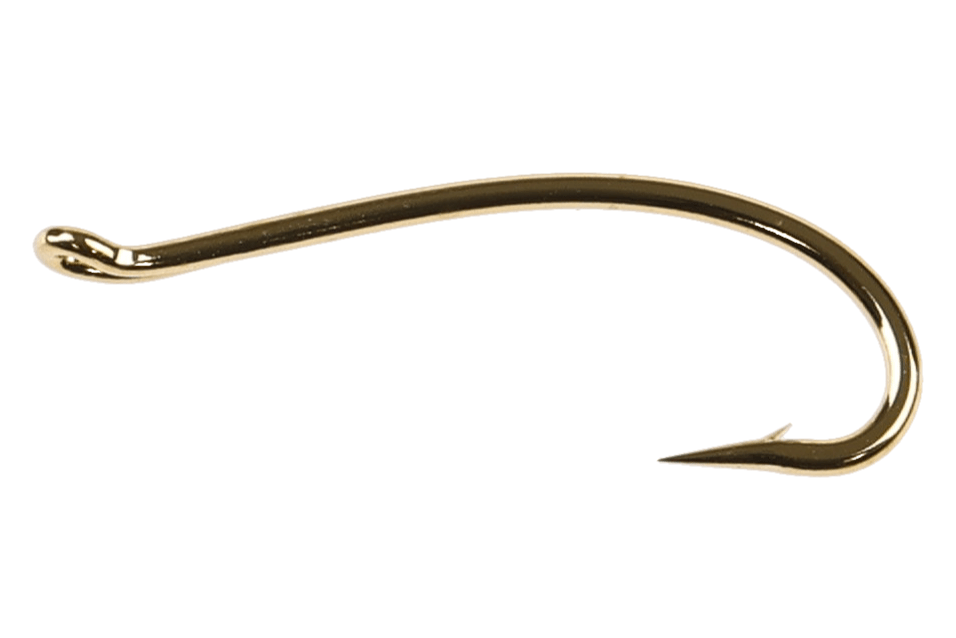
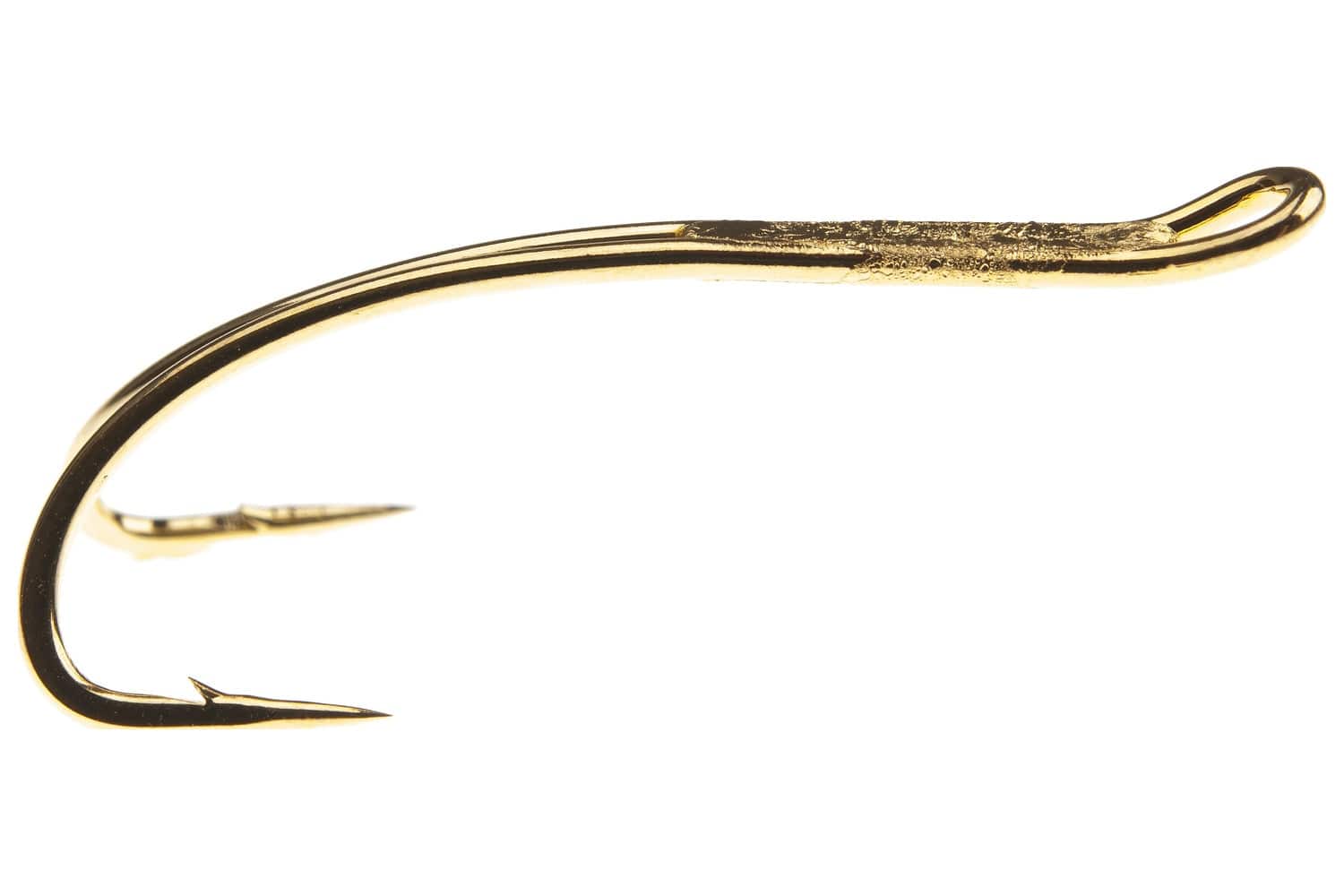
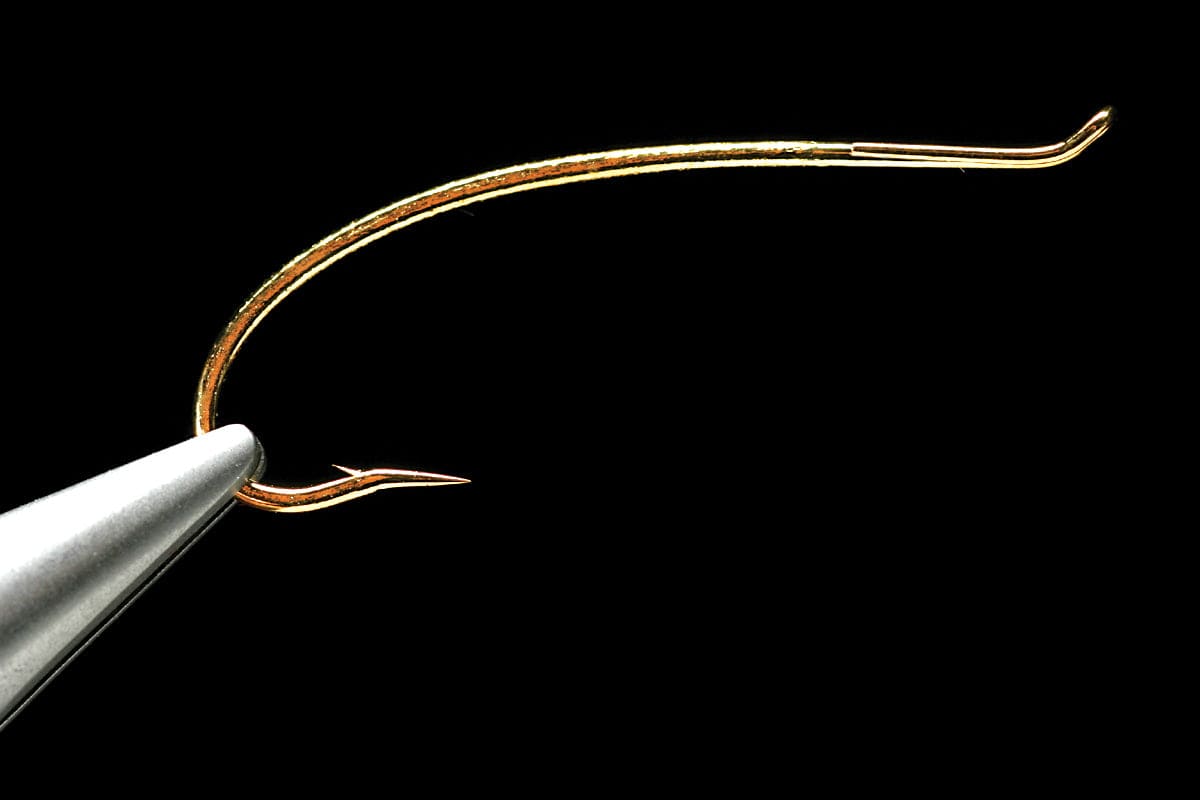
Curved Spey shanks: Hooks like the Alec Jackson Iron and the Daiichi 2052 use a classic curved shank that gives swung hairwing and Spey patterns their traditional, tapered profile.
Straight-shank hooks: The Daiichi 2151 keeps a curved shank but pairs it with a straight eye instead of an up-eye, a better fit for nymph-style steelhead patterns fished under an indicator.
Eye Orientation
Up-eye: The traditional choice for swung wet flies and Spey patterns, keeping the leader connection in line with how the fly tracks through the swing.
Straight eye: Better suited to nymph and egg patterns where the fly is drifted rather than swung.
Wire Weight for Fresh vs. Pressured Fish
Heavy-gauge wire: Worth the extra strength on rivers with big, fresh-run fish where a long fight is the norm, such as the Tiemco TMC 7999 or Daiichi 1650 for tube flies.
Standard wire, sharp point: On pressured water, a hook that penetrates easily on a soft take often out-fishes a bulkier one.
Trailer Hooks for Articulated Patterns
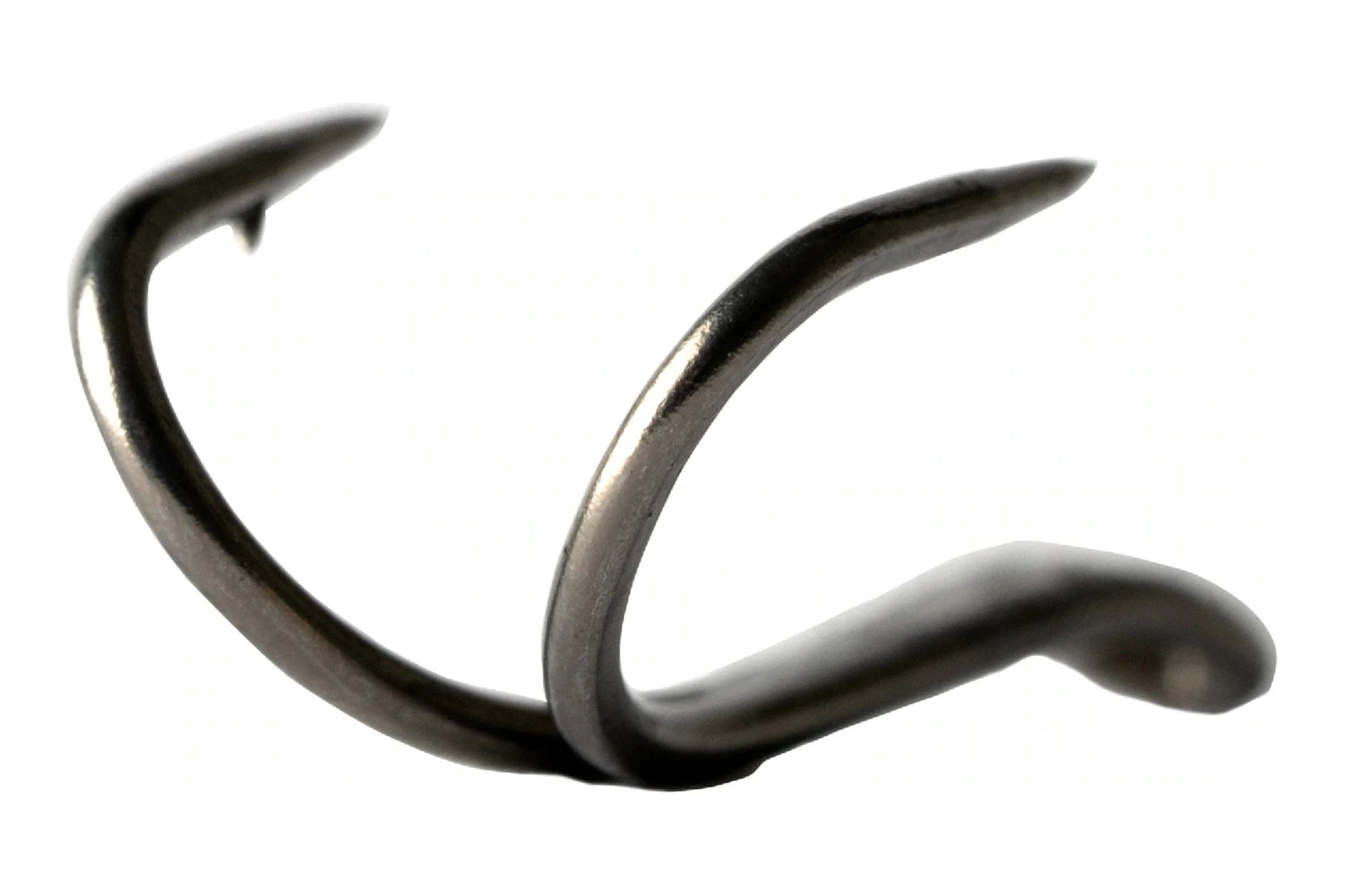
Short-shank stingers: The Daiichi 2581 Boss Hook and 2557 Intruder Trailer Hook are built to ride as the rear hook on articulated streamers, giving a secure hookset without adding bulk to the tail.
On-the-Water Tips
Pinch or file barbs where required: Many salmon and steelhead rivers are barbless-only, so check regulations before you tie.
Match hook size to water clarity: Go smaller and more sparse in low, clear water, and size up in stained or high flows.
Sharpen before every trip: Steelhead and salmon have hard, bony mouths, and a hook that felt sharp last season may not set well on this season's first grab.
Rinse and dry after fishing: Many of these rivers run brackish near the mouth, so treat hooks fished there like saltwater gear.
Complete Your Setup
Related Gear
Steelhead Flies - Ready-tied patterns on the same hook styles, useful for comparing profile and proportion against your own vise.
Spey Fly Lines - The lines built to load two-handed rods and deliver a swung fly the way these hooks are designed to fish.
Spey & Switch Fly Rods - Two-handed and switch rods matched to swinging flies through big steelhead and salmon water.
Fly Tying Vises - A vise with jaws that can securely hold heavy-wire Spey and salmon hooks without slipping mid-wrap.
Salmon & Steelhead Hooks FAQs
Q: What size hook is best for steelhead flies?
A: Most steelhead patterns run from size 2 down to size 6 for typical hairwing and egg patterns, with larger sizes reserved for high, off-color water where fish need to see a bigger silhouette. Match size to water clarity and flow more than to the species itself.
Q: What makes a Spey hook different from a standard salmon hook?
A: Spey hooks like the Alec Jackson Iron use a curved shank and up-eye specifically shaped to give swung hairwing flies their traditional tapered profile and correct swim. A standard salmon hook such as the Daiichi 2441 has a straighter shank and works well for general wet fly patterns that are not built around the classic Spey silhouette.
Q: Why would I use a trailer or stinger hook instead of tying the hook directly into the fly?
A: Trailer hooks like the Daiichi 2557 let you build articulated flies with a separate shank and hook connected by wire or mono, which improves hookups on short-striking fish and lets the tail of the fly move independently for more action in the water.