


















Fly Tying Tips - Flash





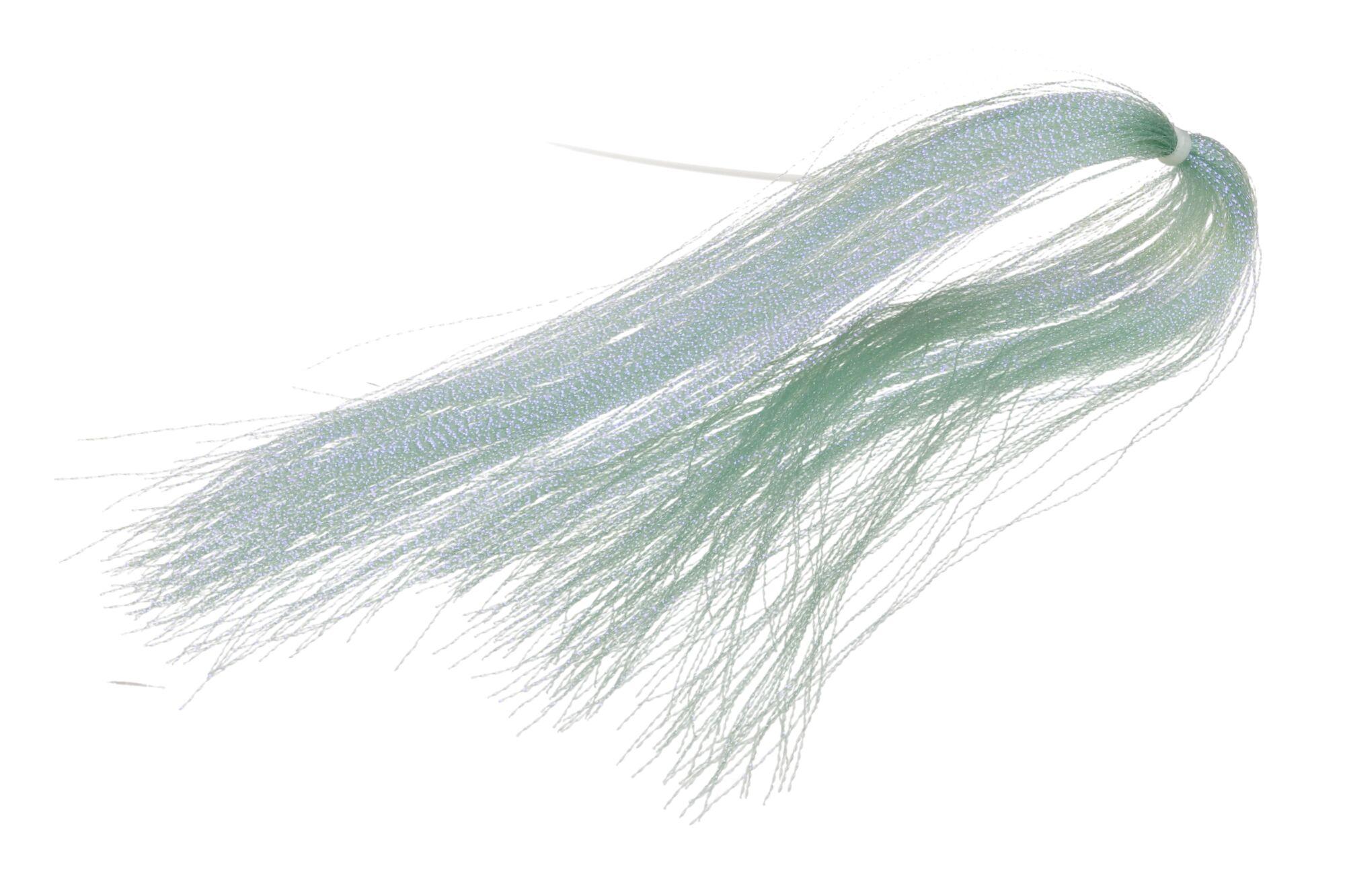

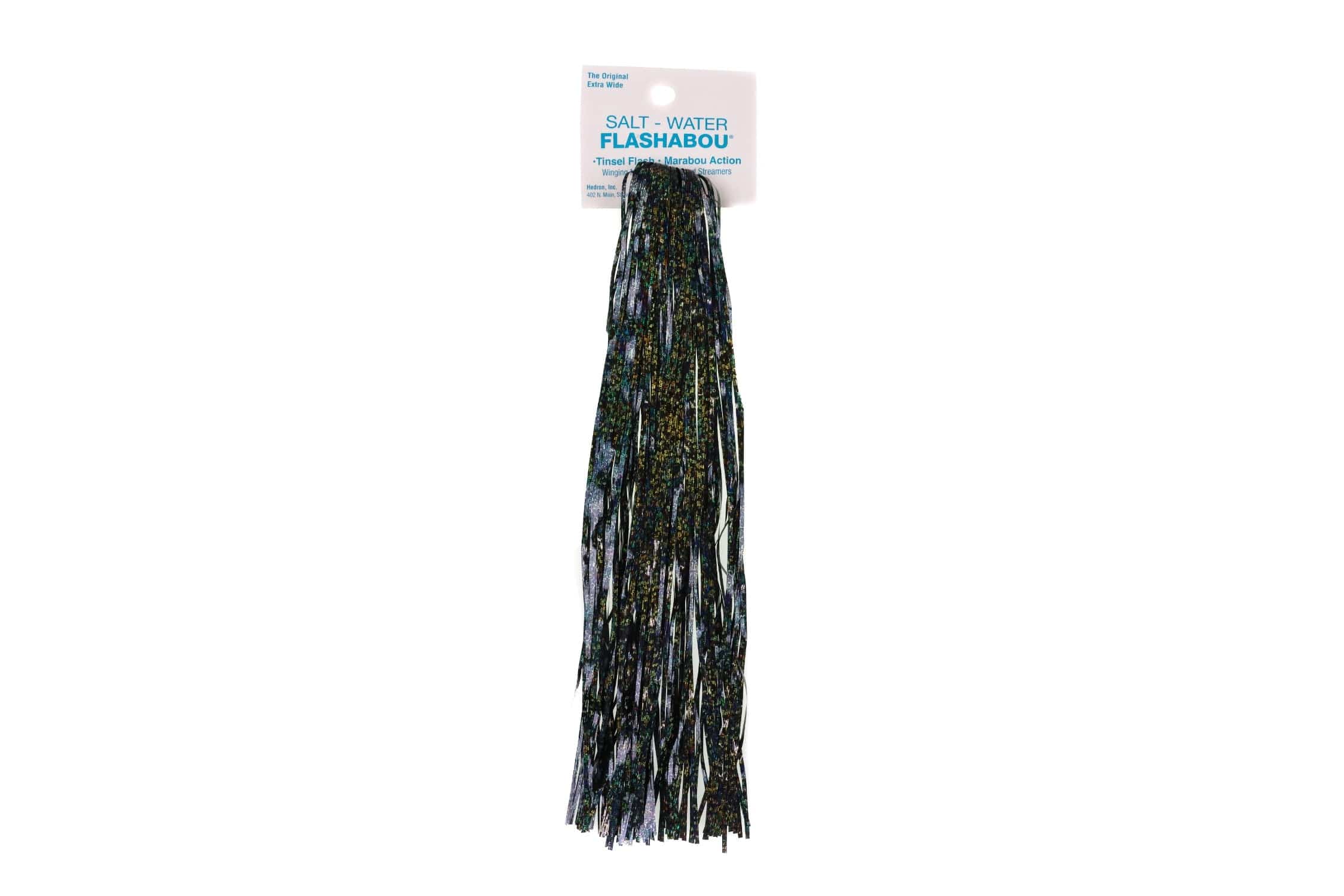
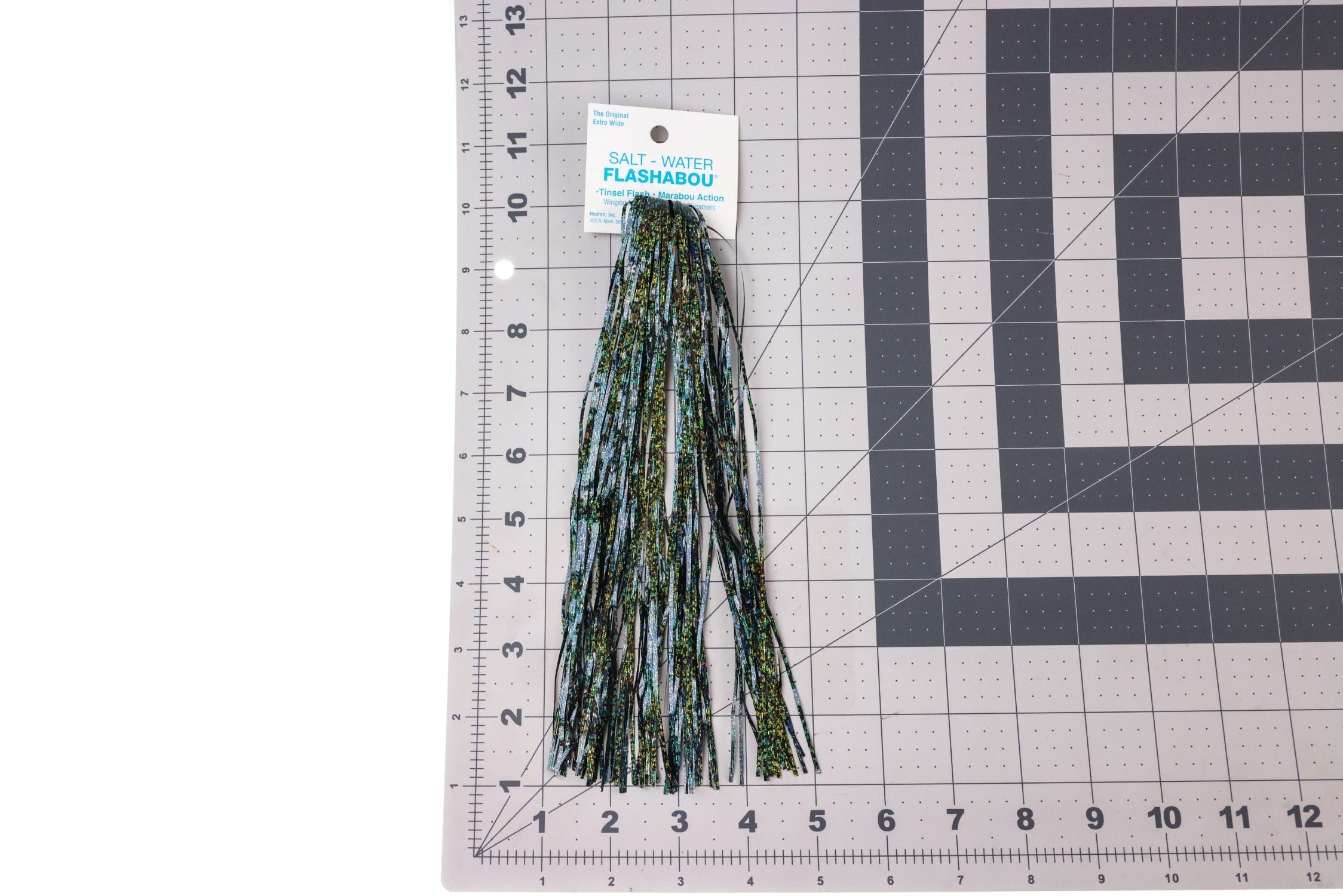
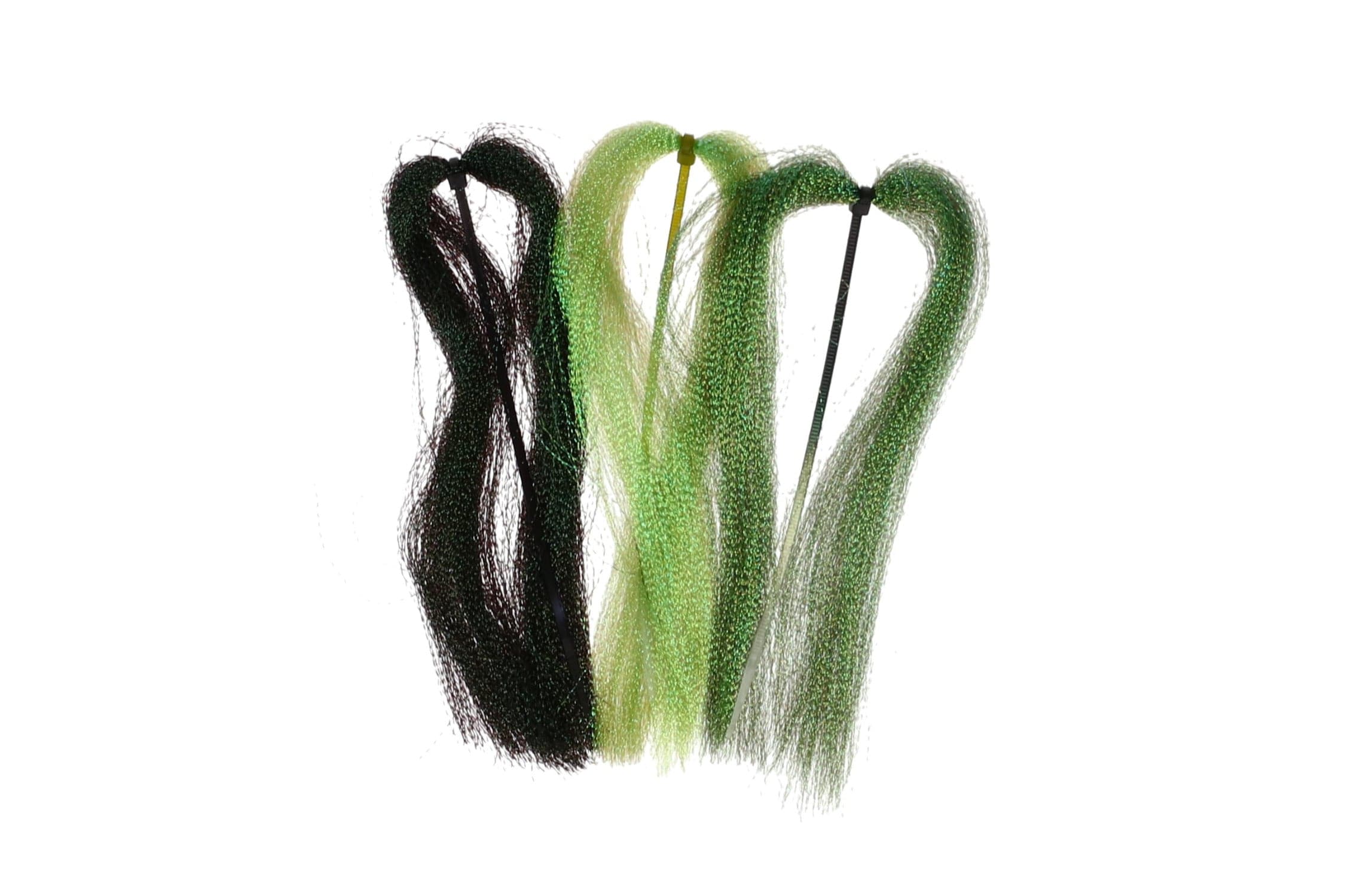

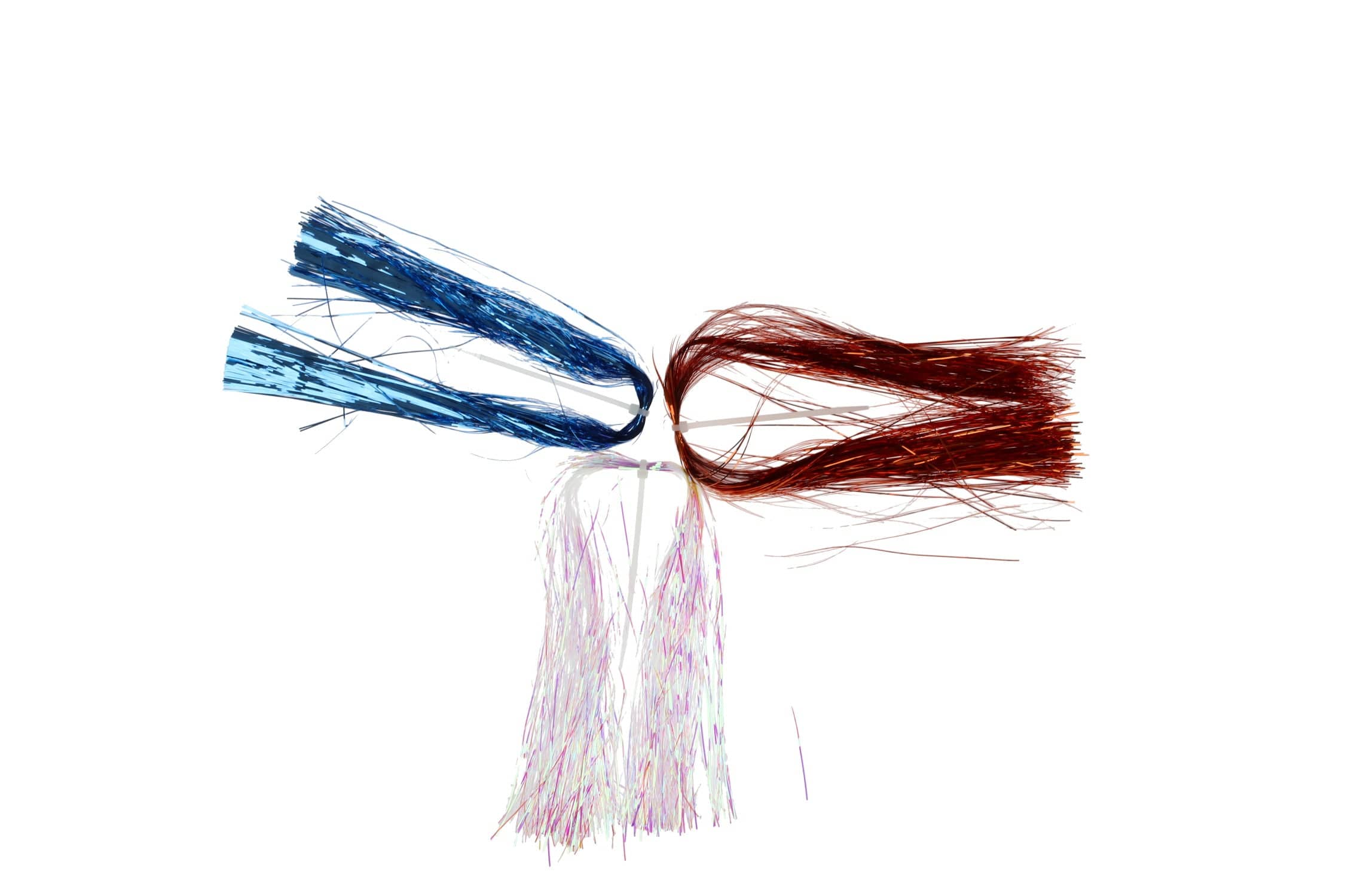
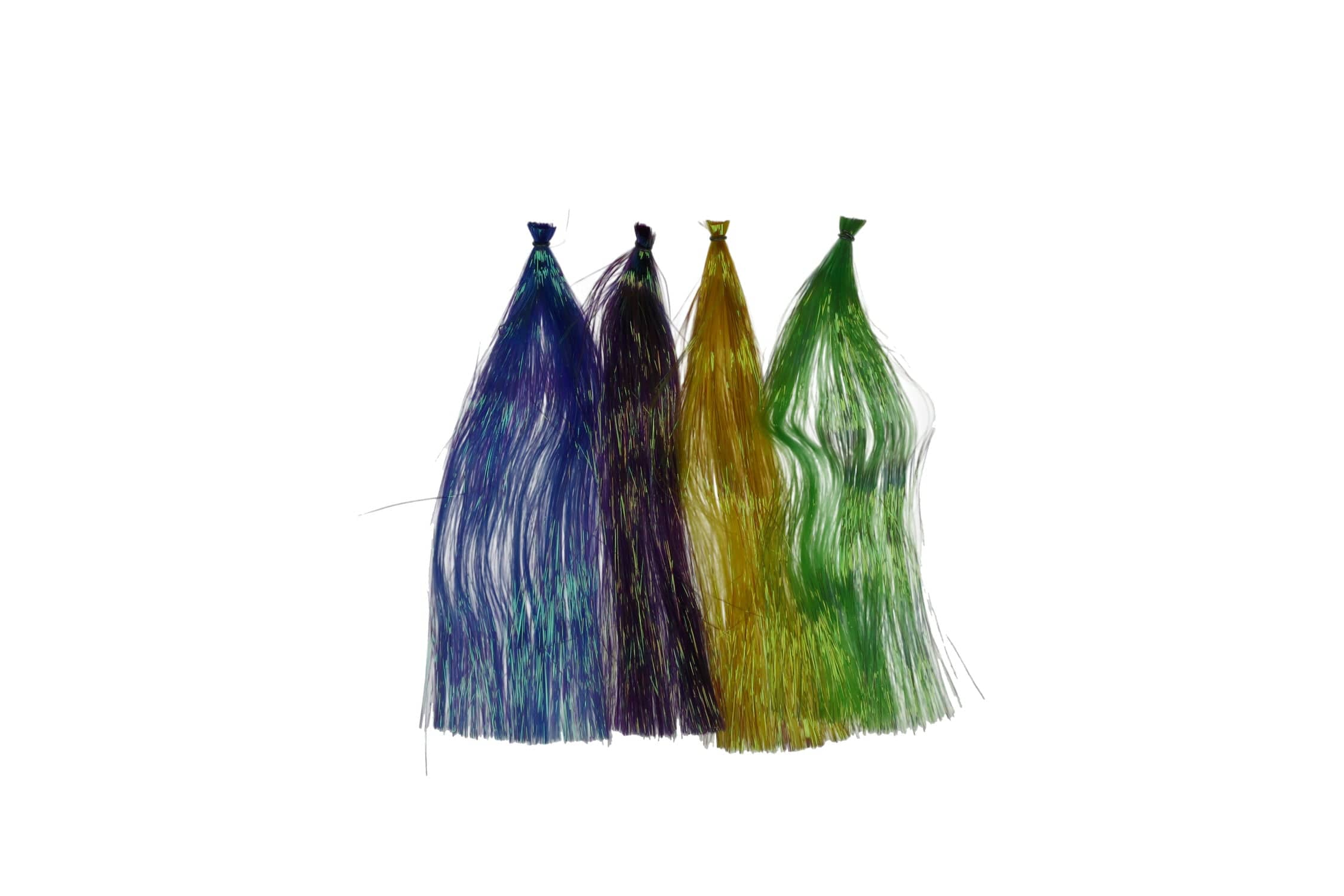
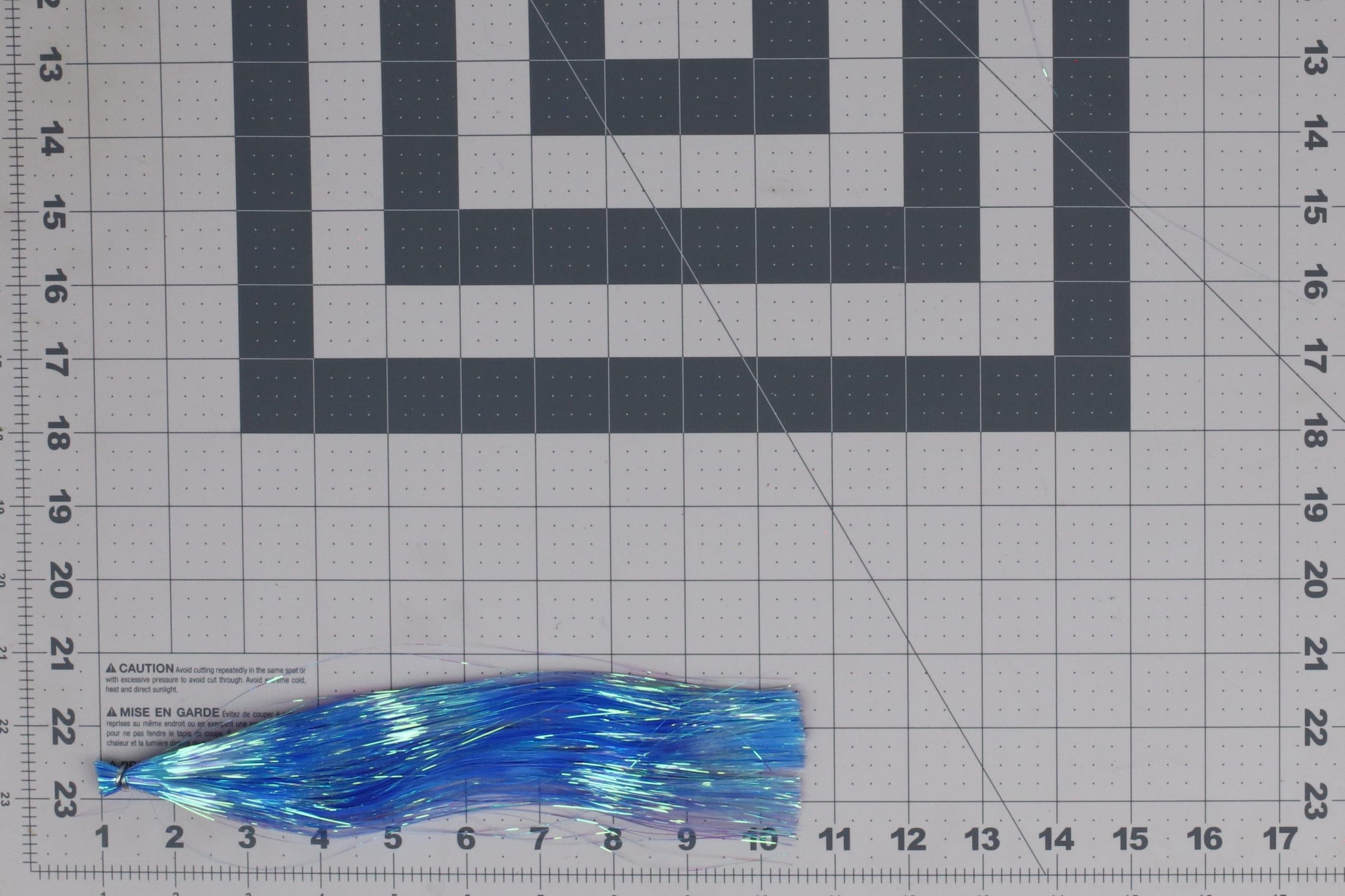








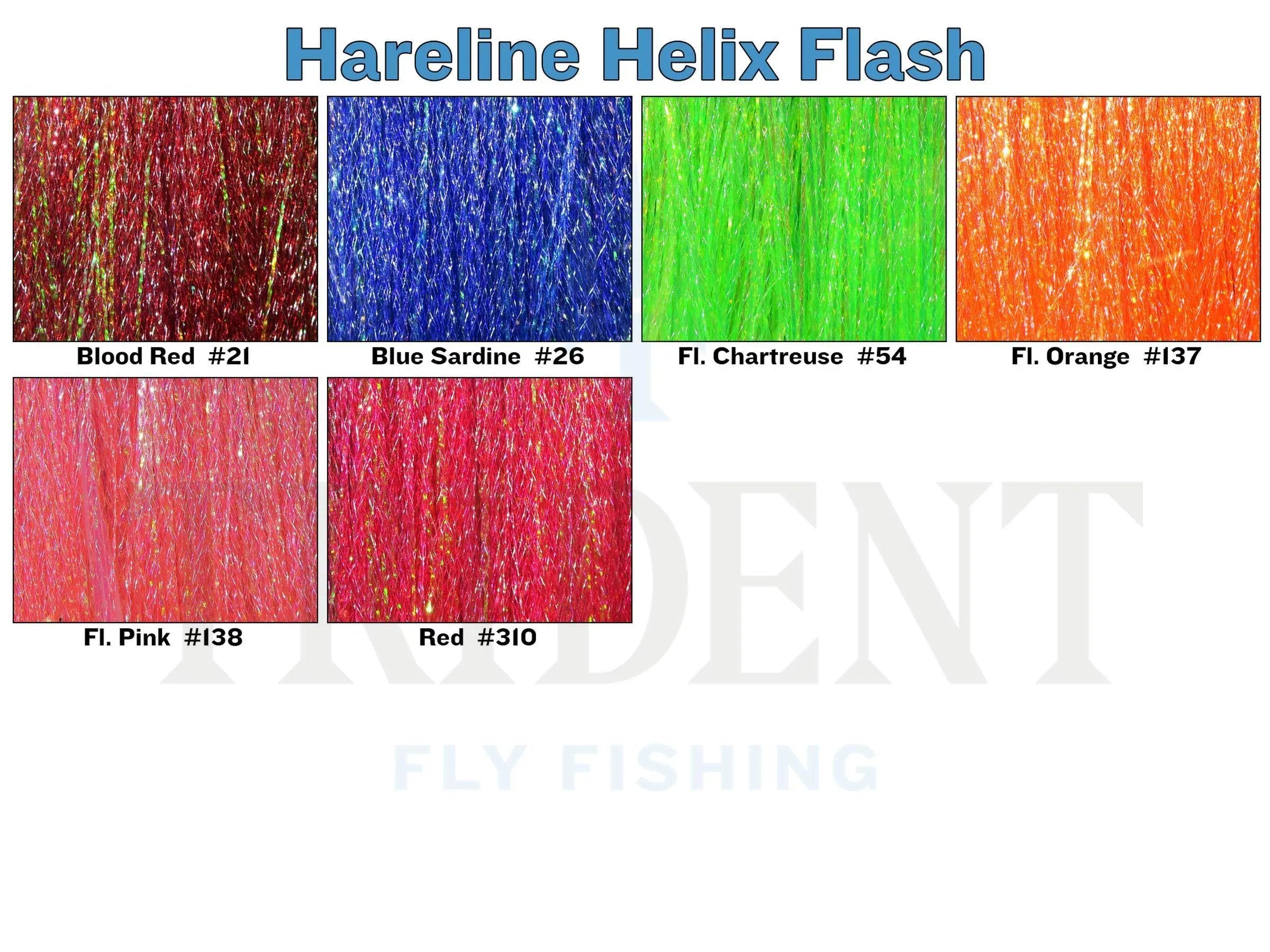


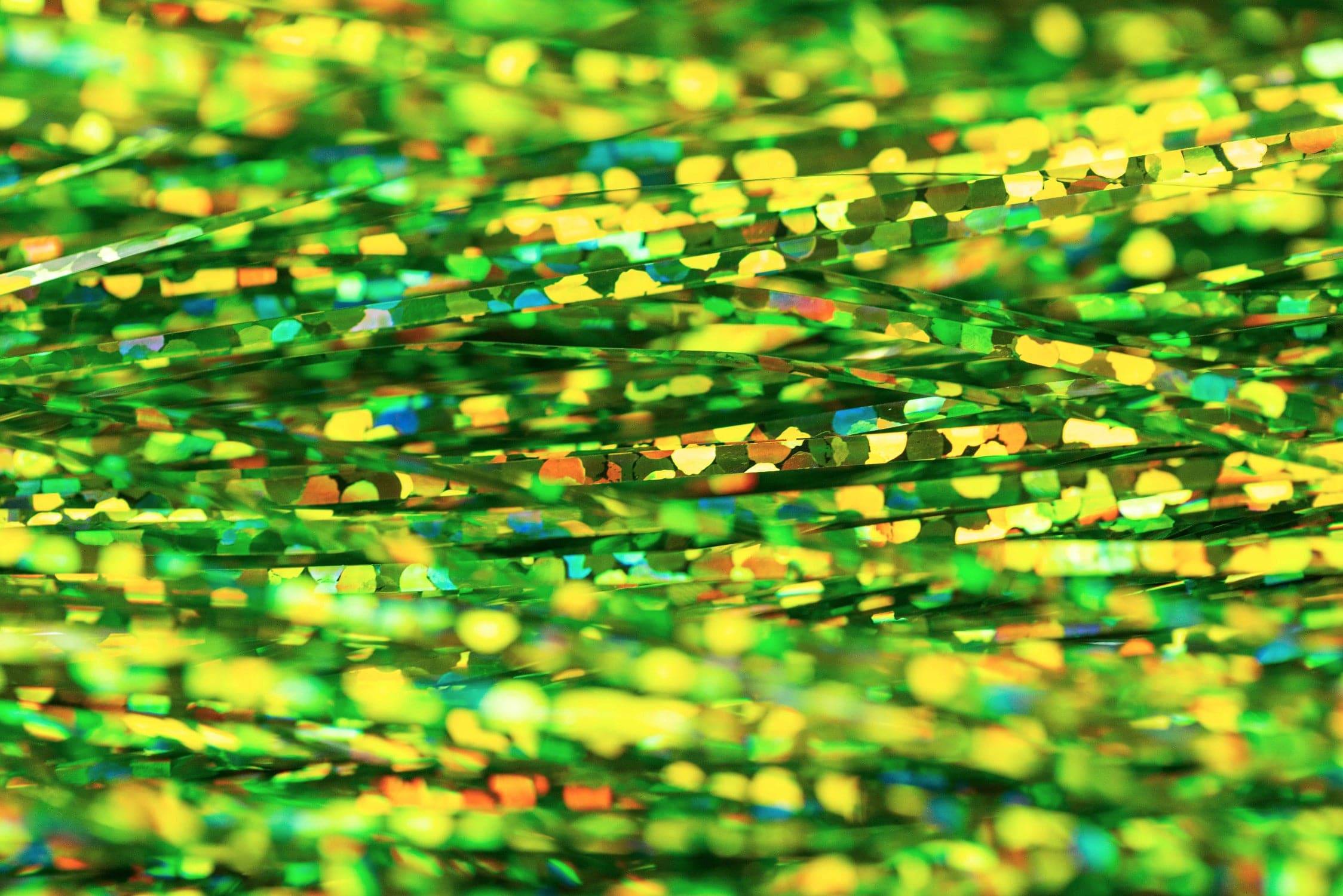
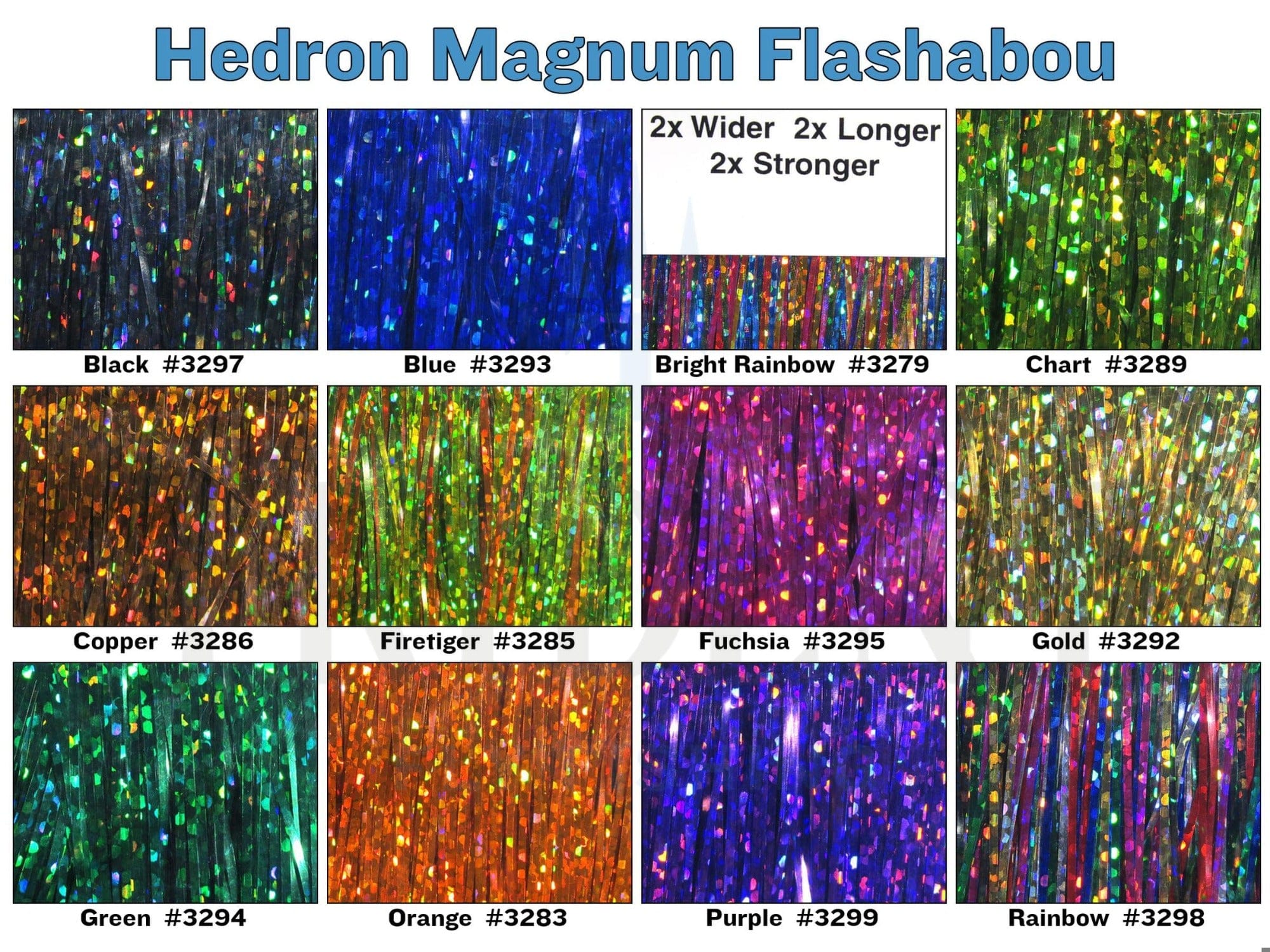
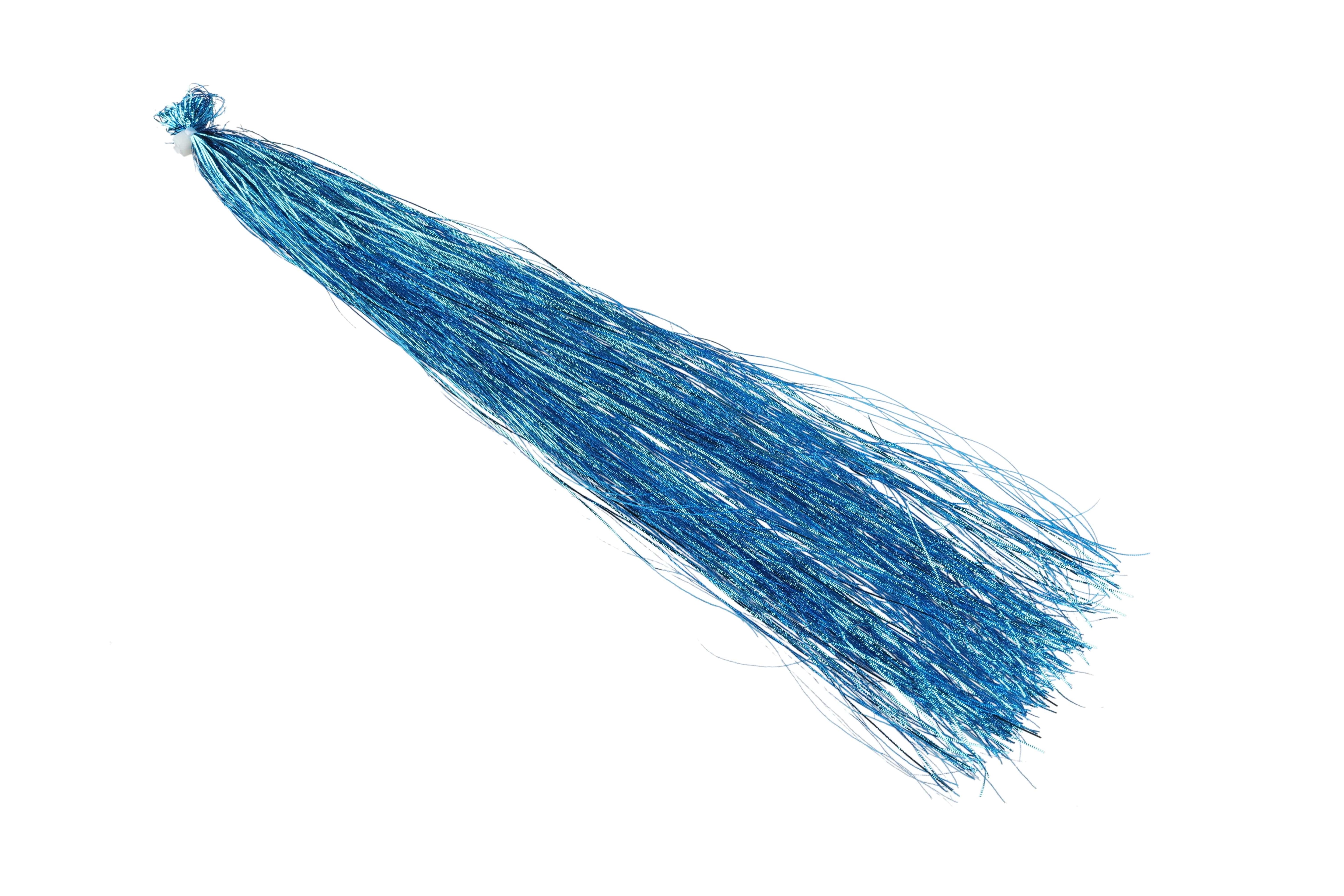
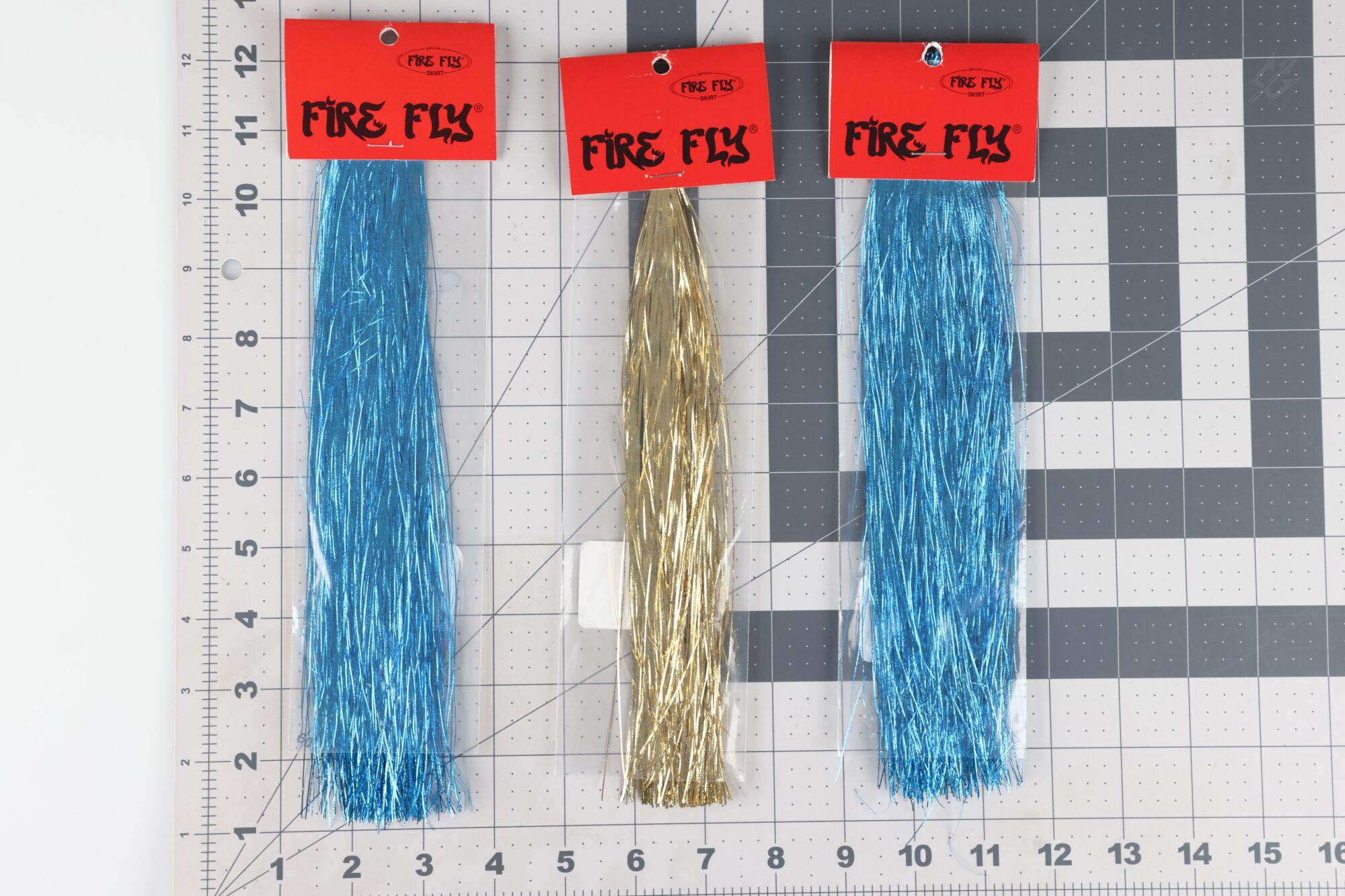


Flash Quick Picks
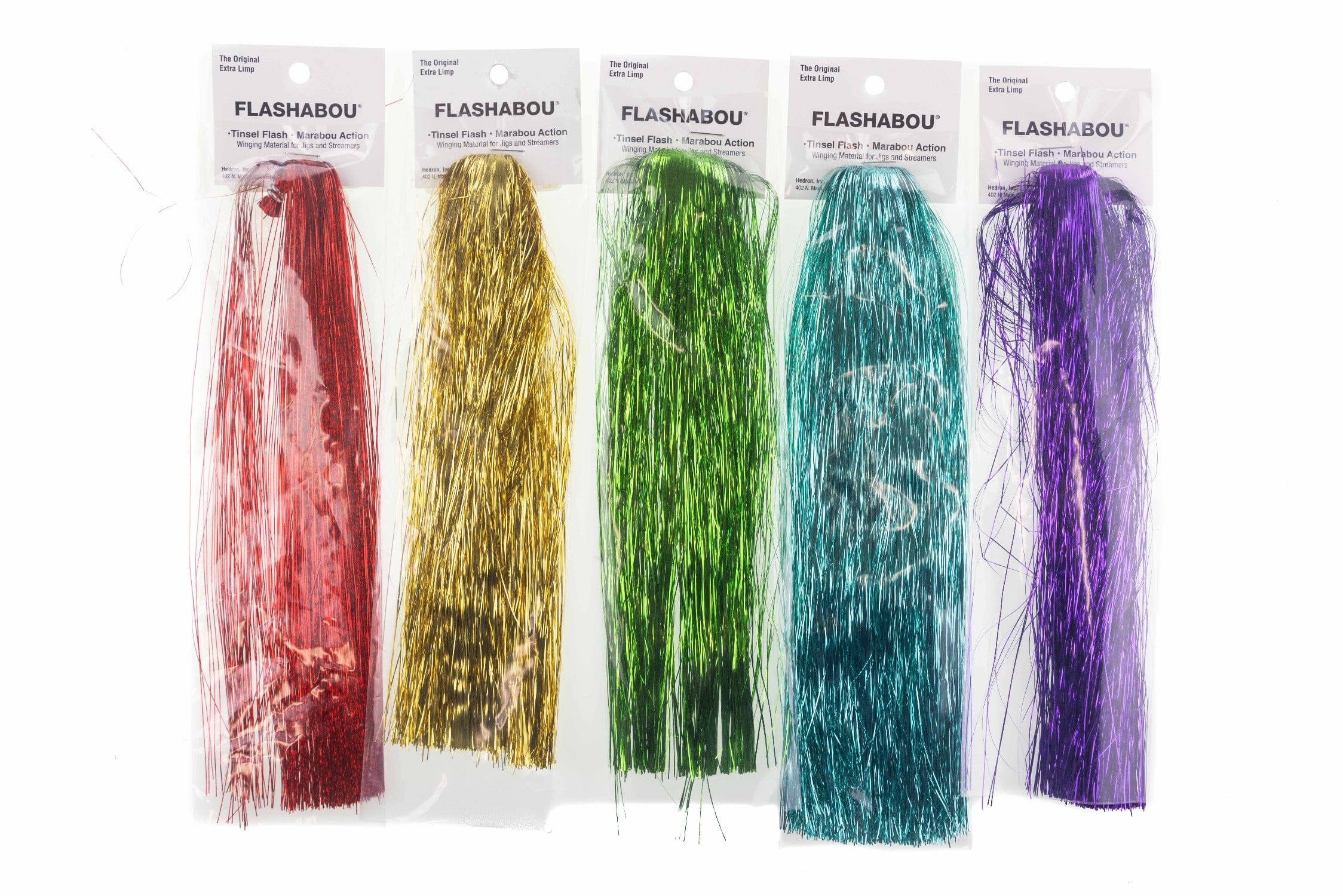
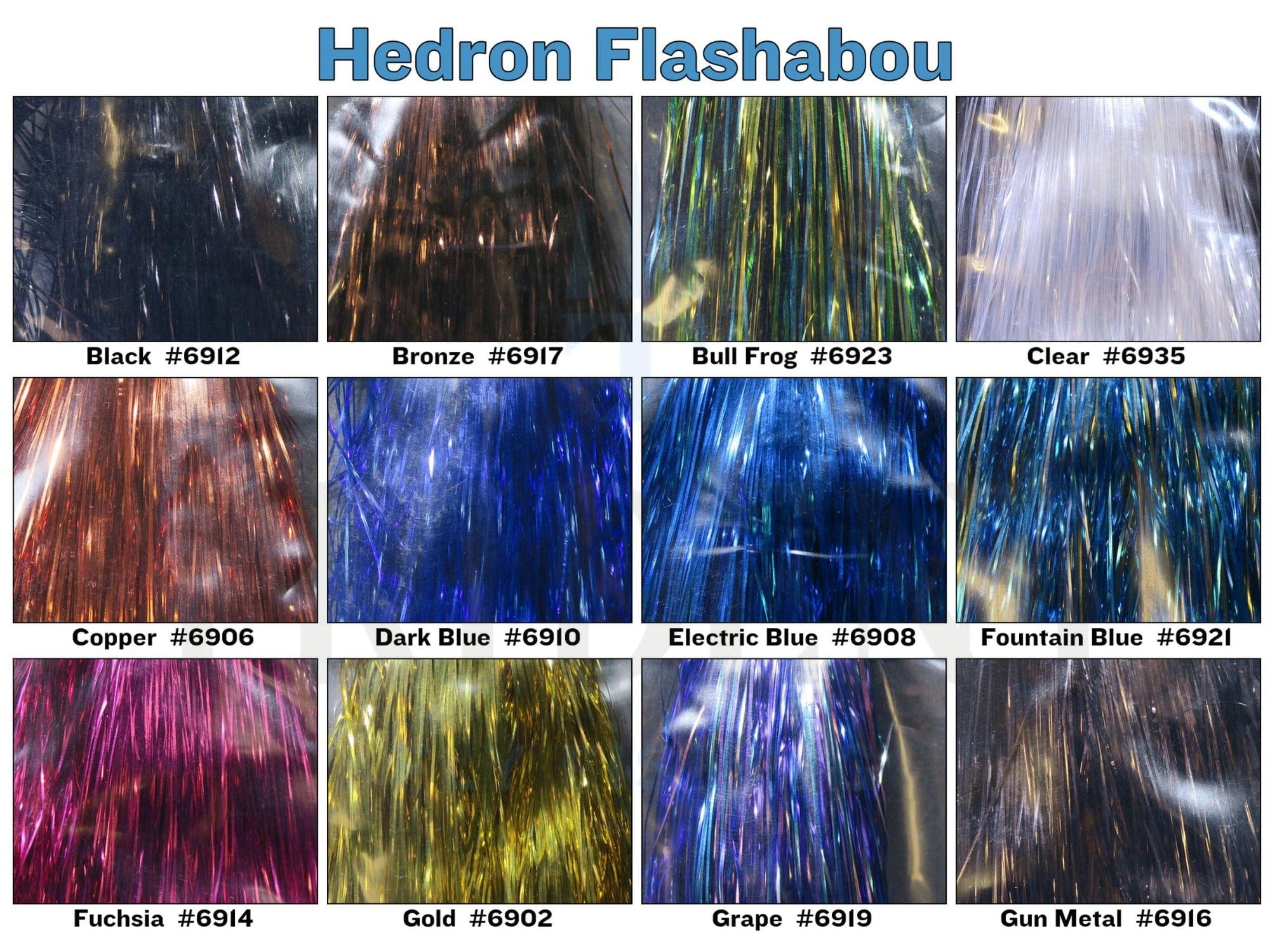
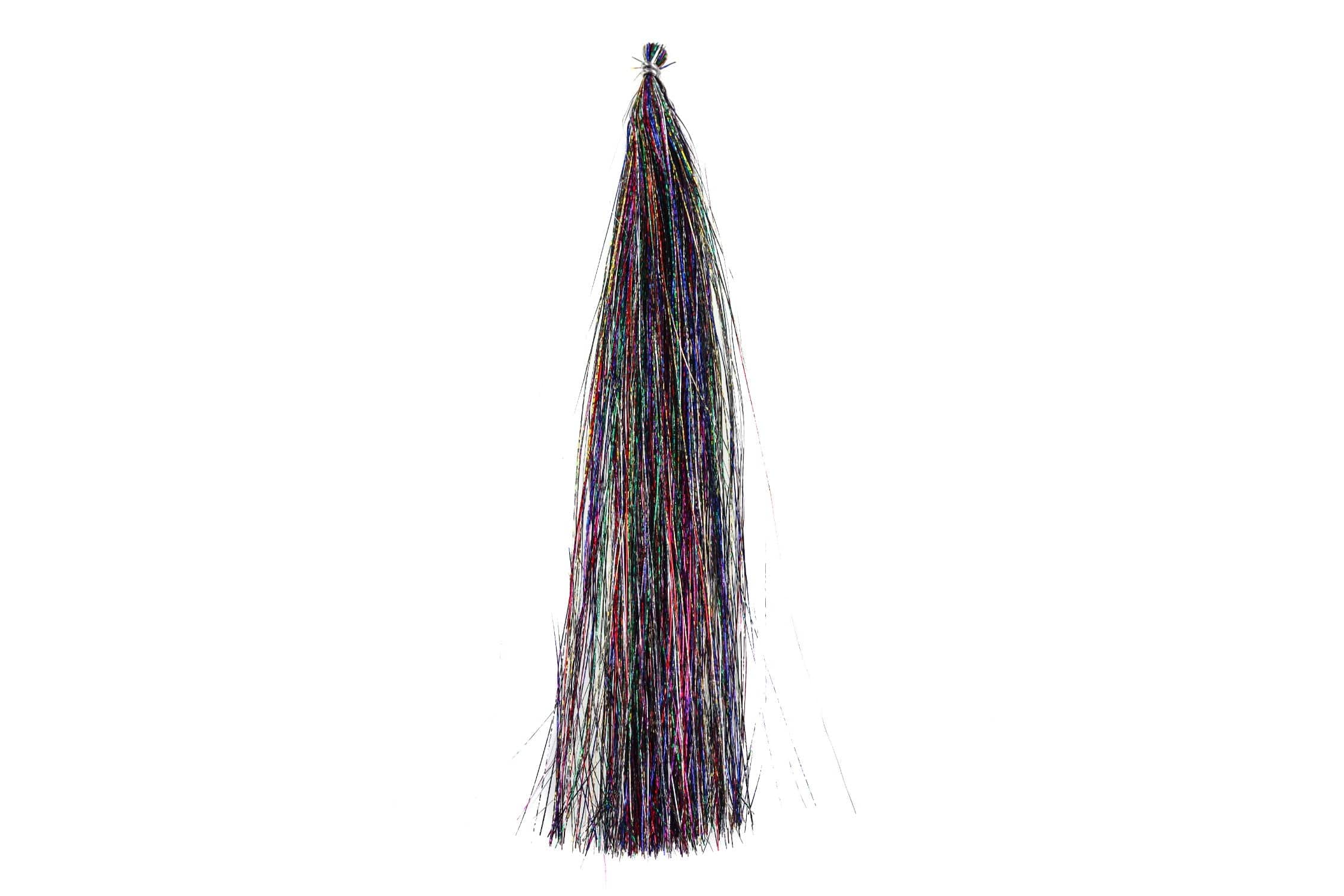
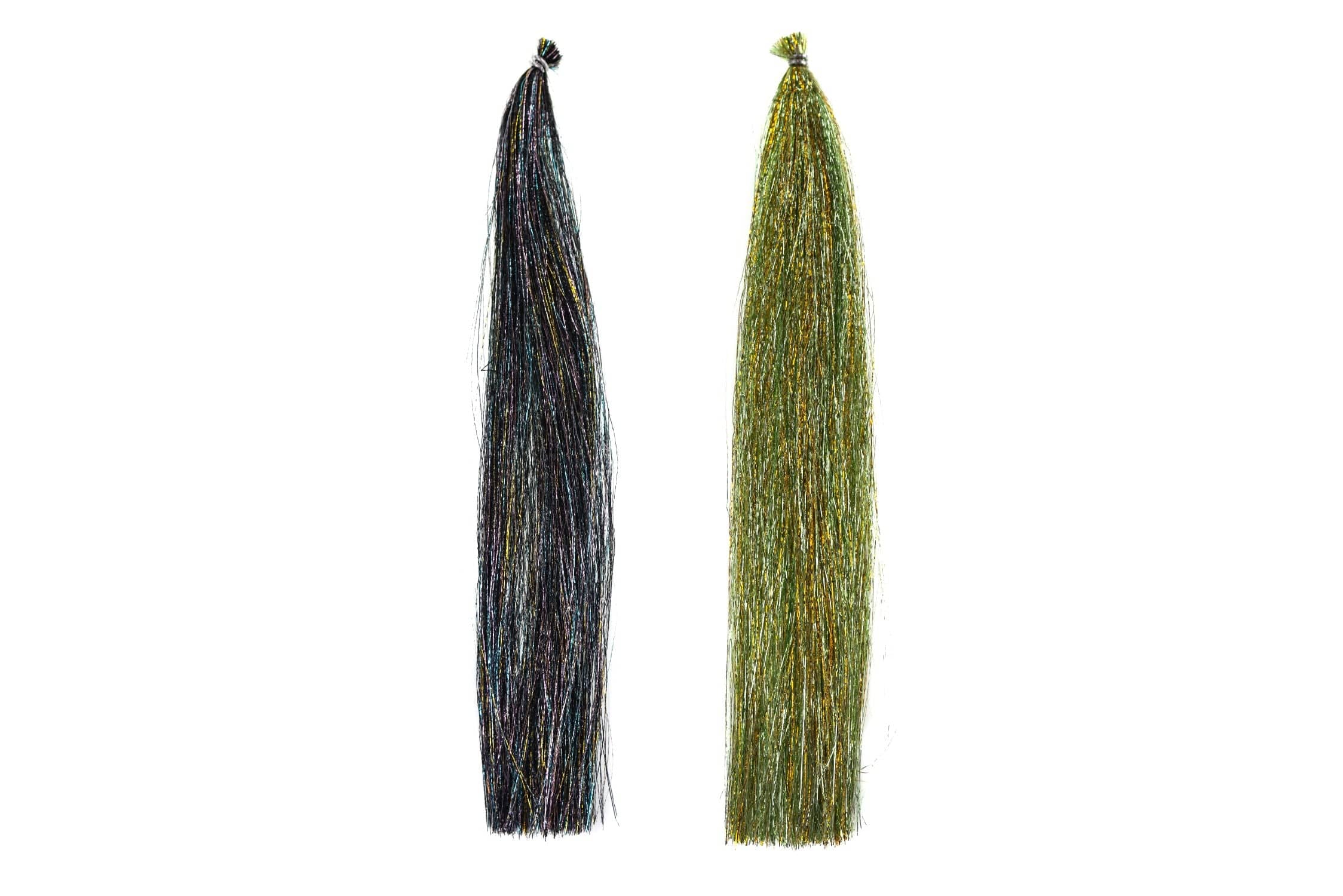
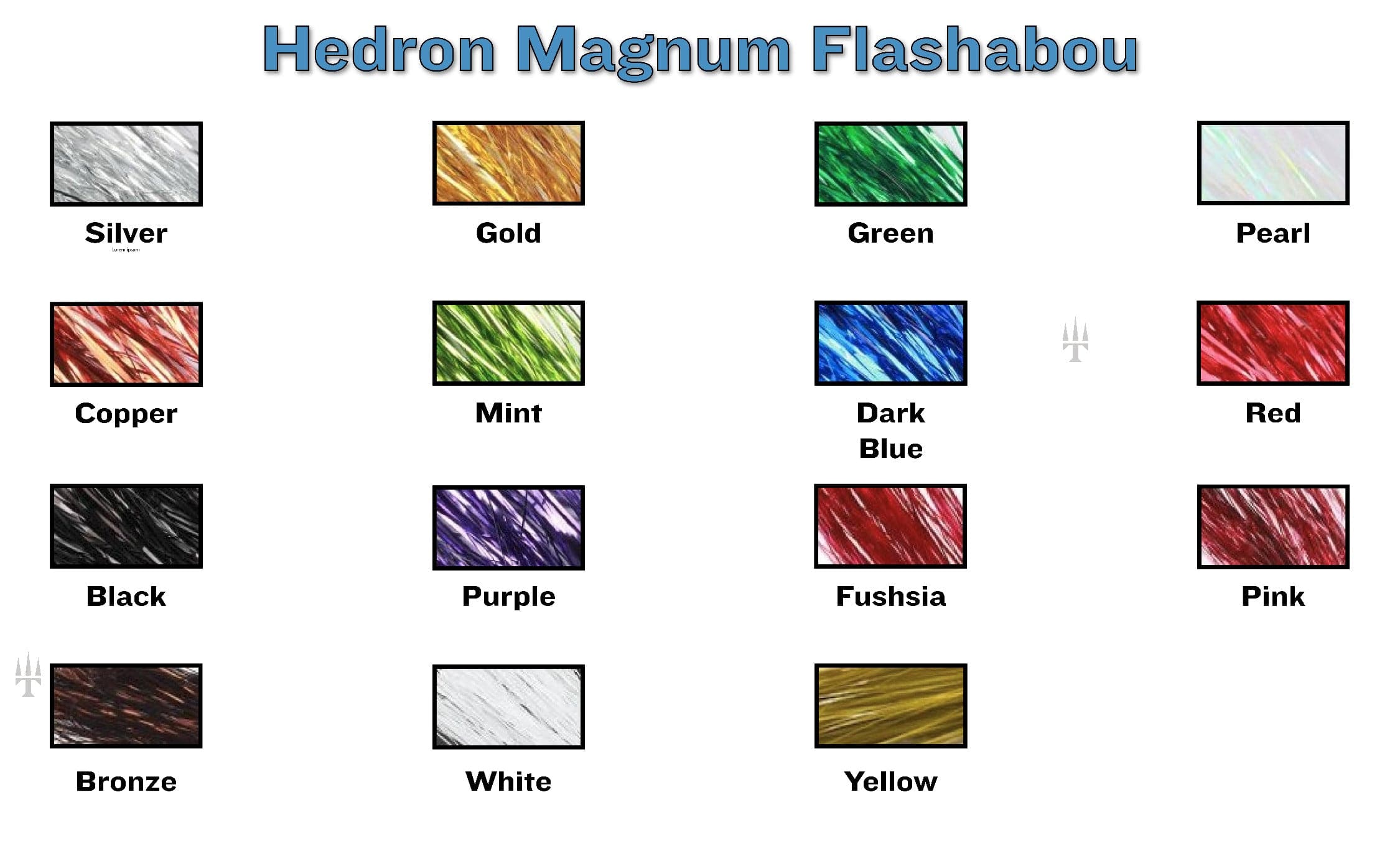
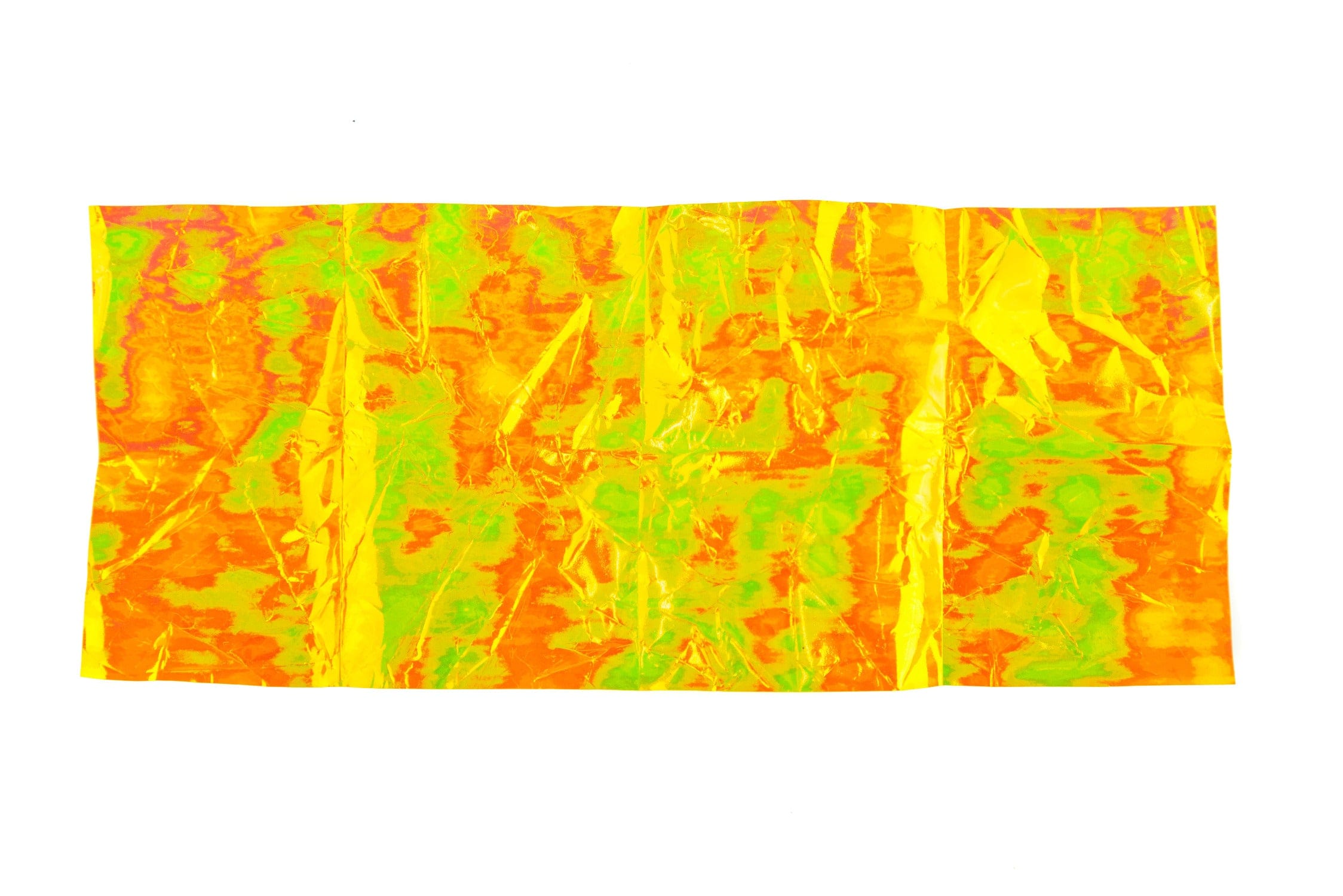
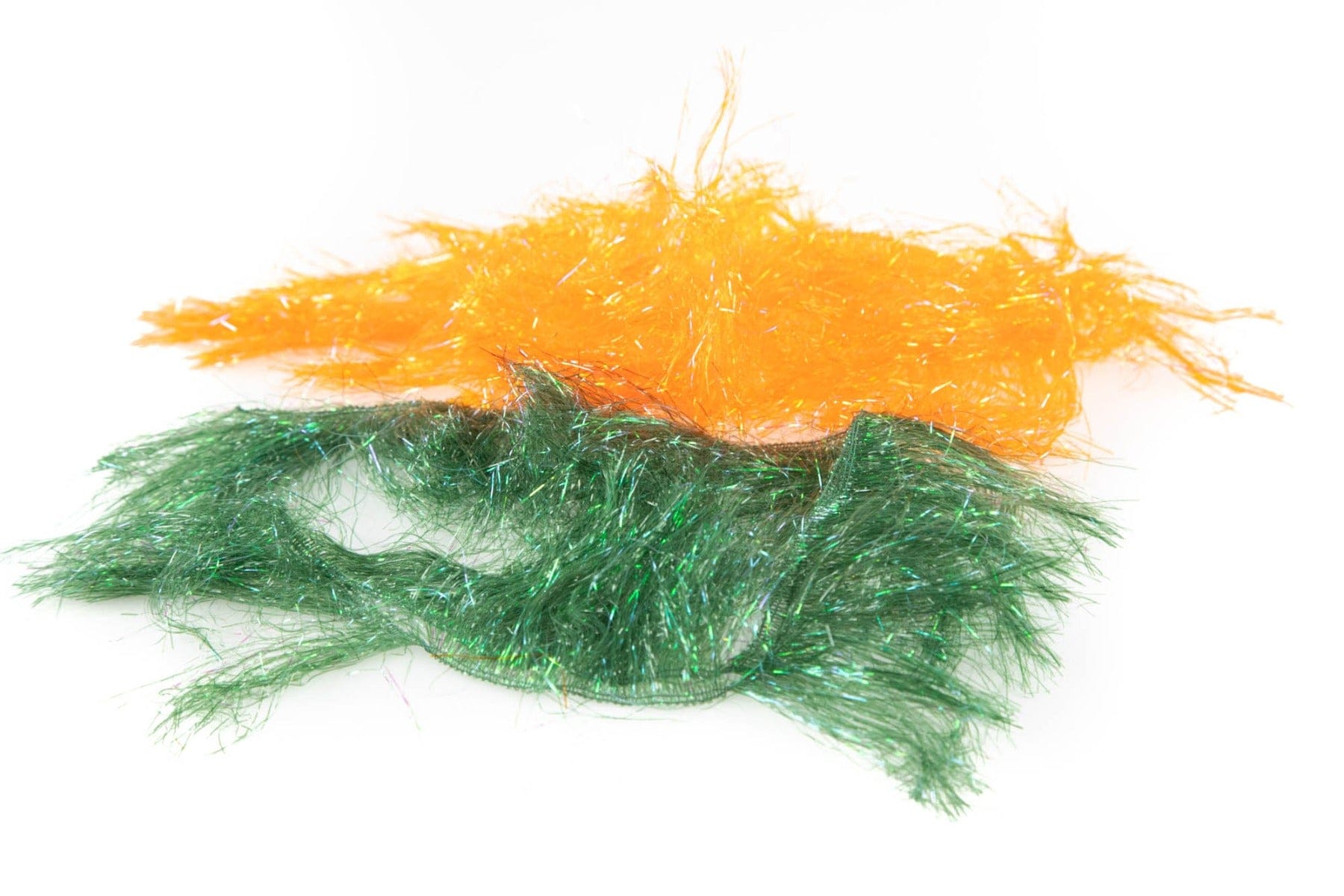
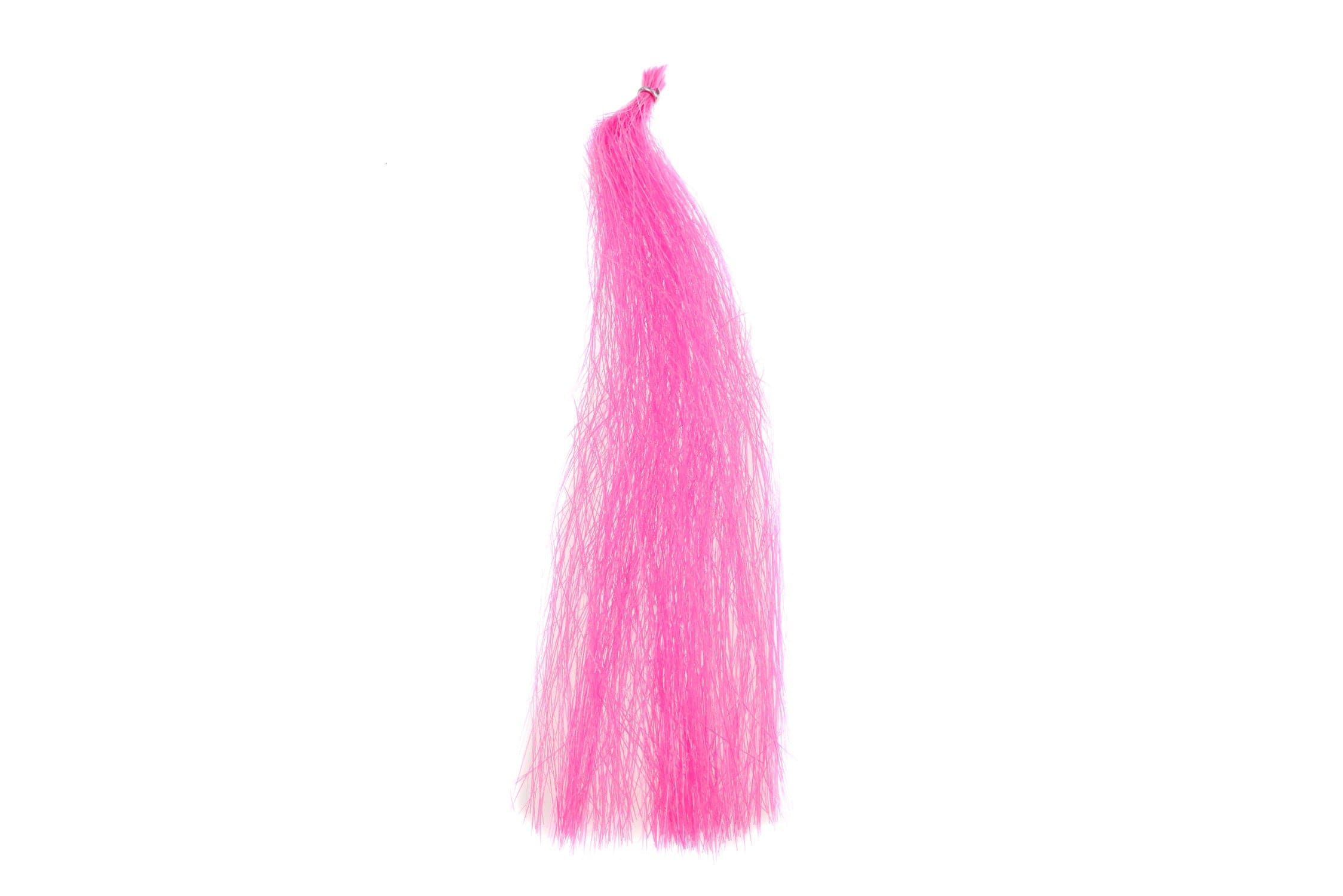
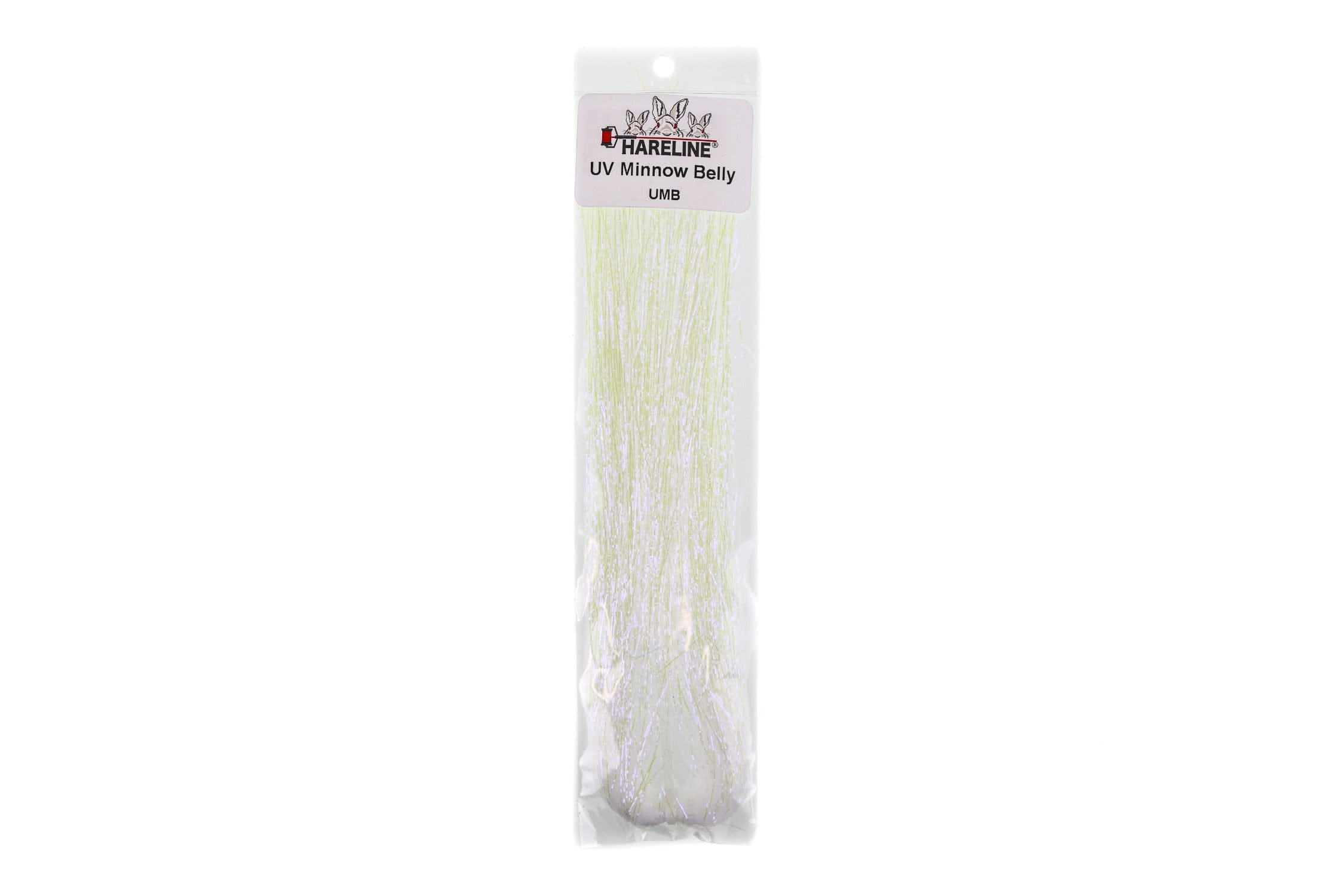
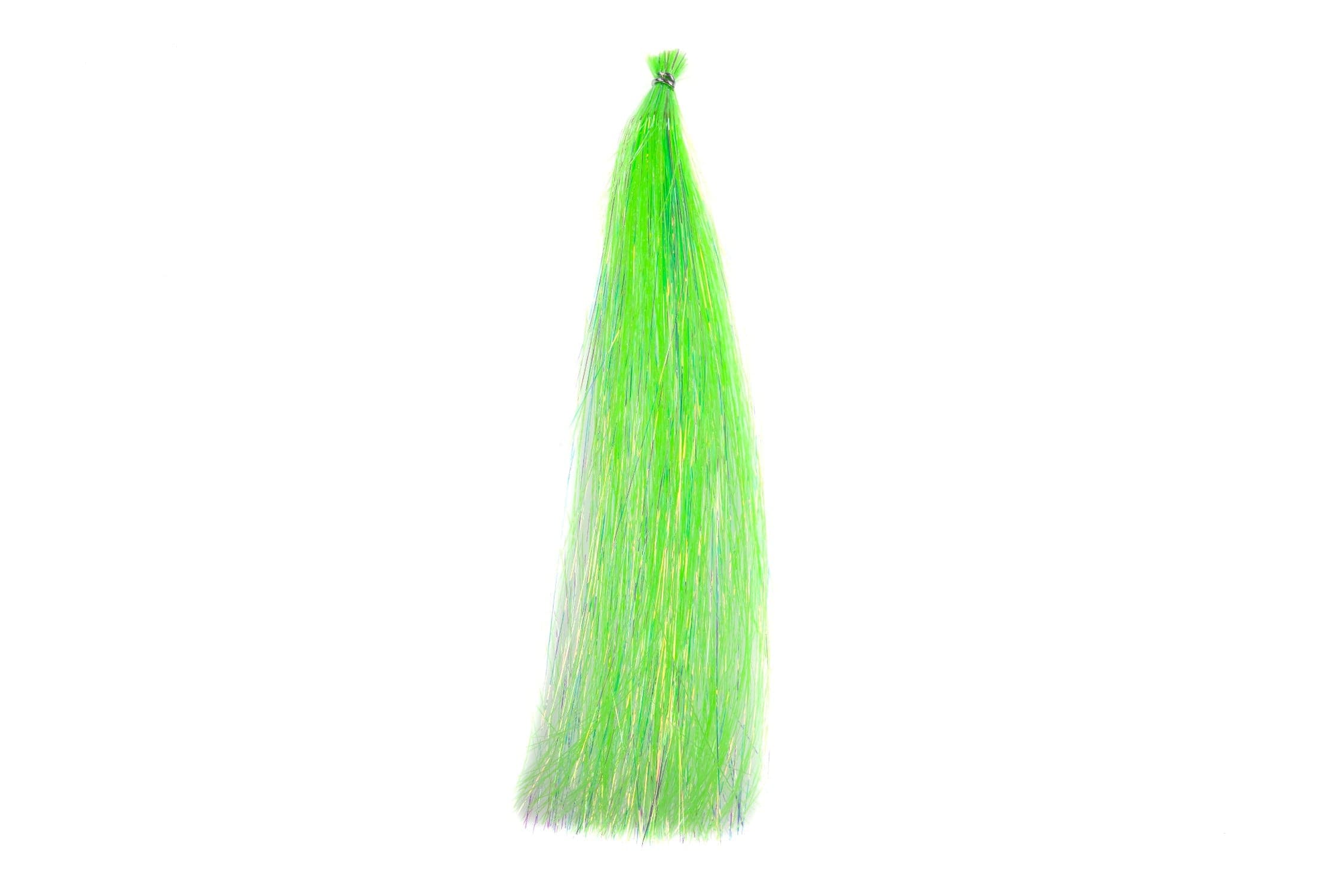
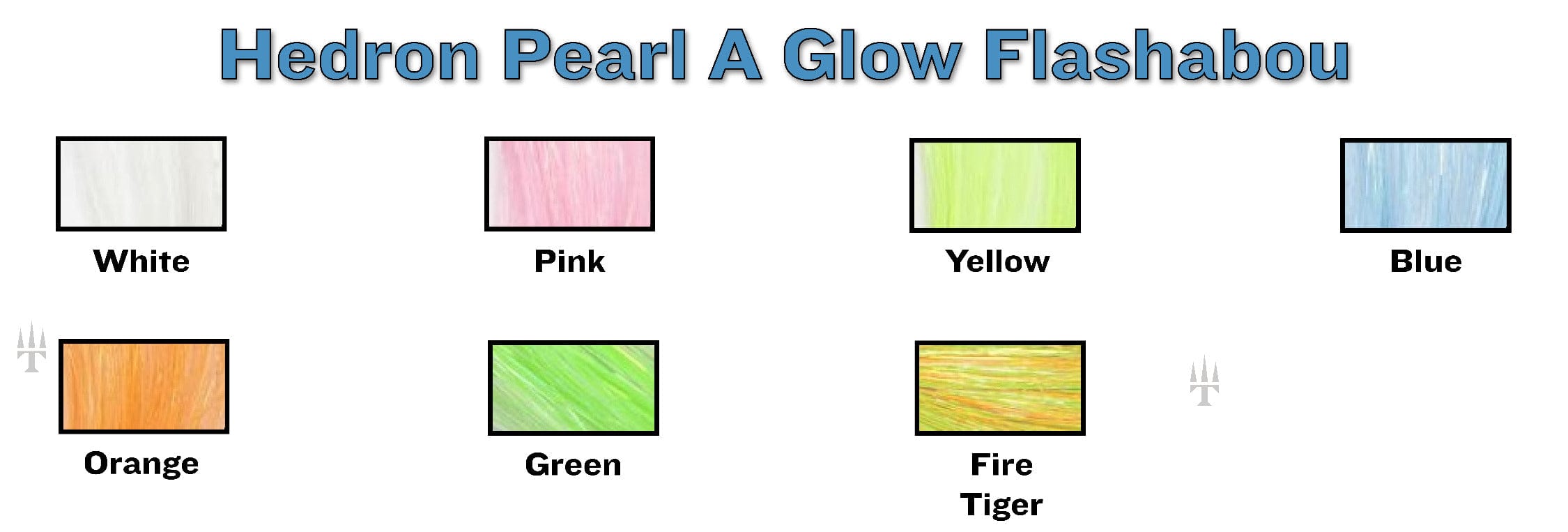
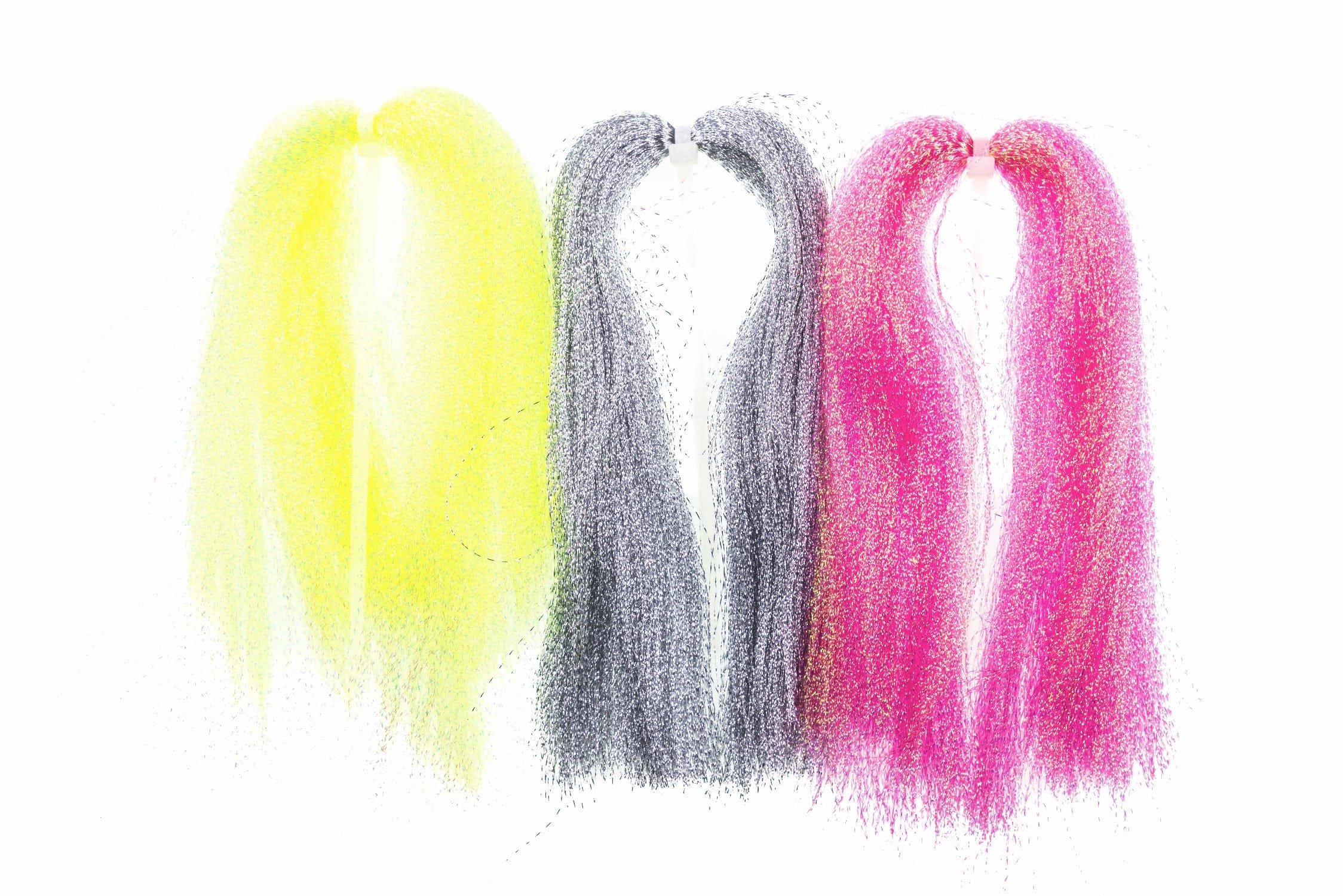
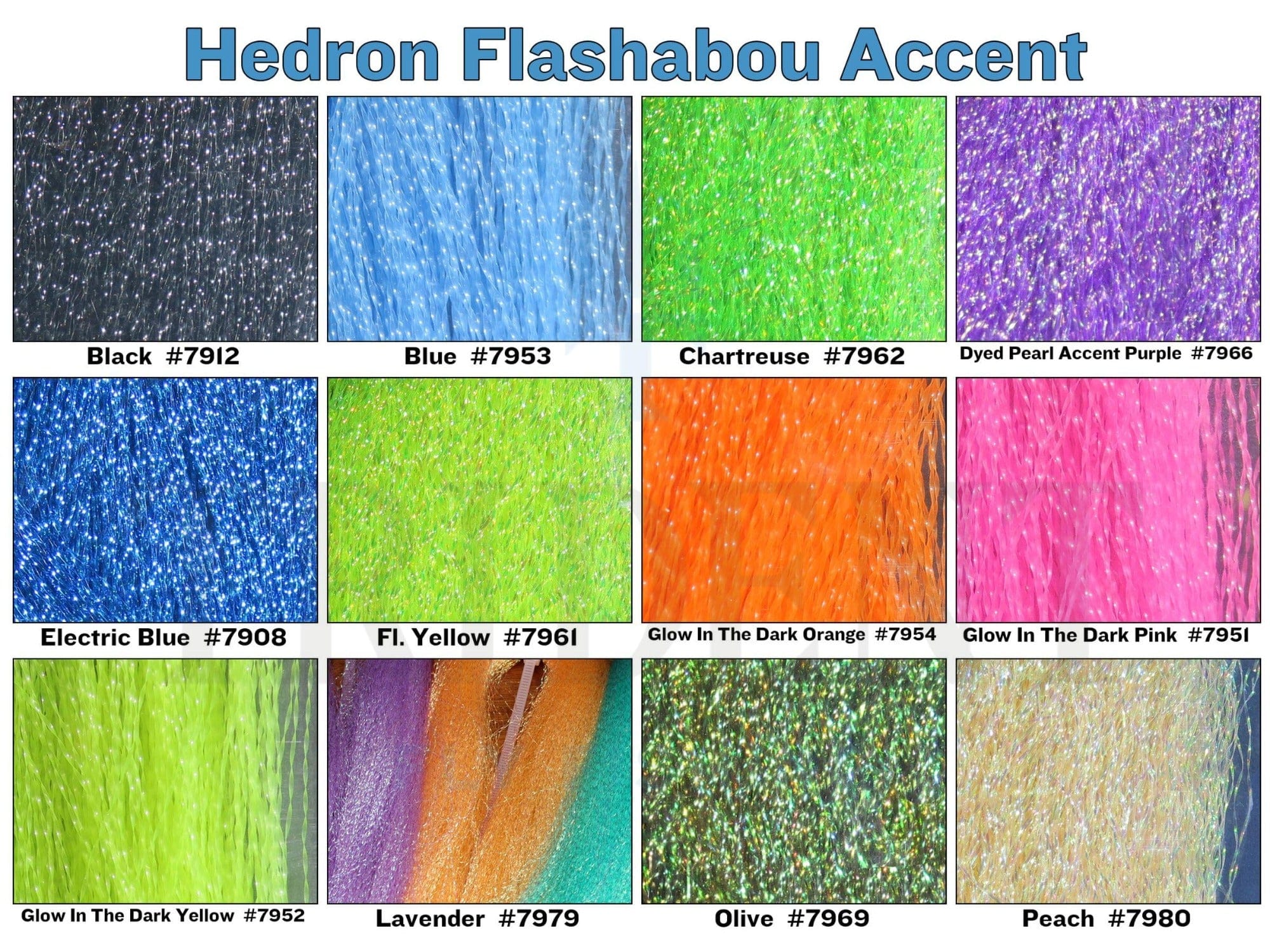
- Best All-Around: Hedron Flashabou - Best for tiers who want one dependable flash that works in streamers, nymphs, and saltwater patterns. It’s easy to blend, easy to stack, and comes in a huge range of colors for matching or contrasting.
- Best for Baitfish Profiles: Hedron Lateral Scale - Great for streamer and saltwater tiers building wider, “scale-y” shoulders and lateral accents. The wider cut helps create a defined baitfish look without needing a bulky underbody.
- Best Extra Pop (Bright Water / Aggressive Fish): Hedron Holographic Flashabou - A strong choice when you want more visibility than standard flash for stained water, deeper runs, or fast retrieves. The holographic finish throws more angles of light, which can make a fly easier to track.
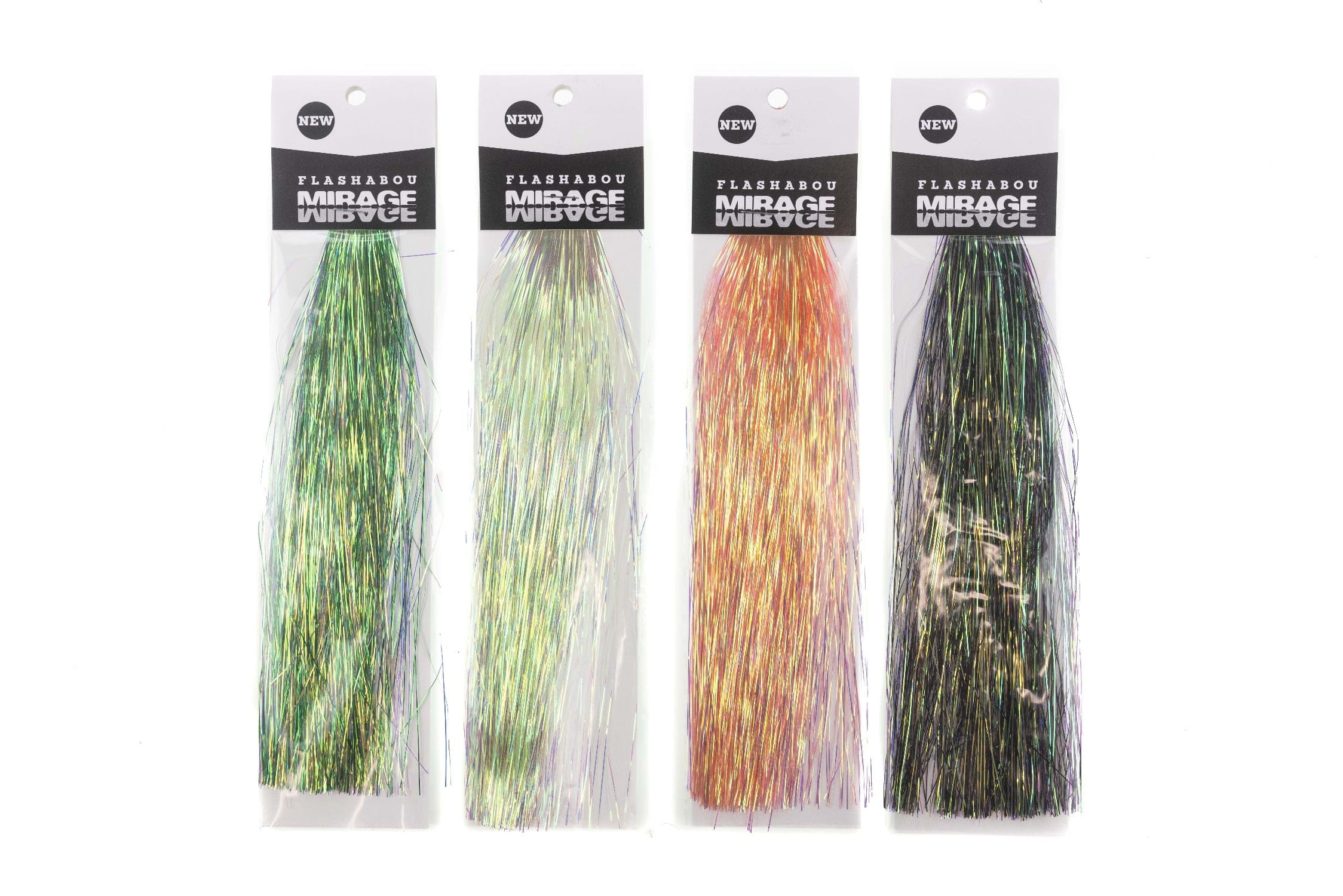
- Best for Natural Shine: Hedron Mirage Flashabou - Ideal for trout streamers, surf candies, and subtle baitfish patterns where you want flash that doesn’t look “too metallic.” Mirage-style finishes tend to read more like translucent shimmer than hard sparkle.
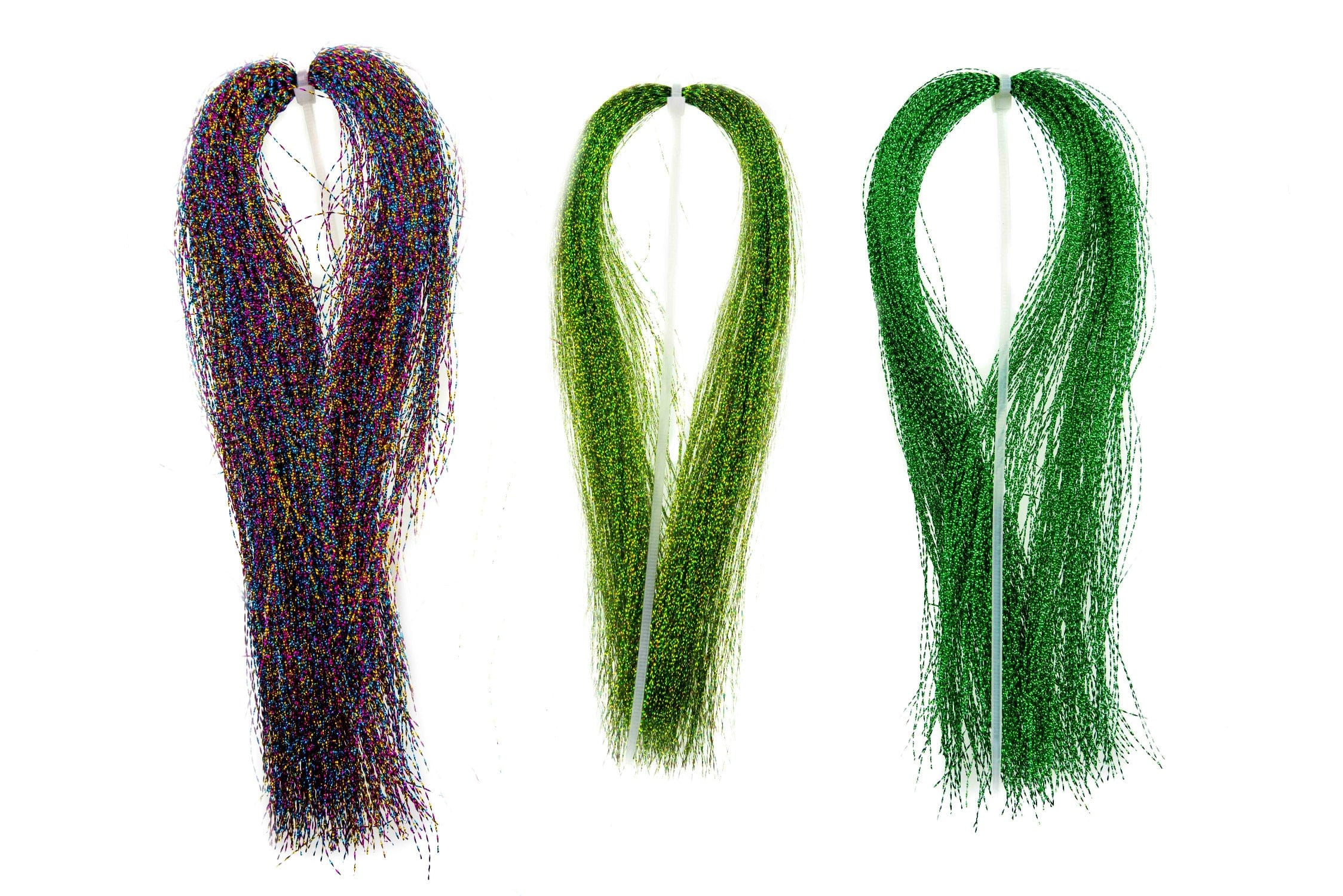
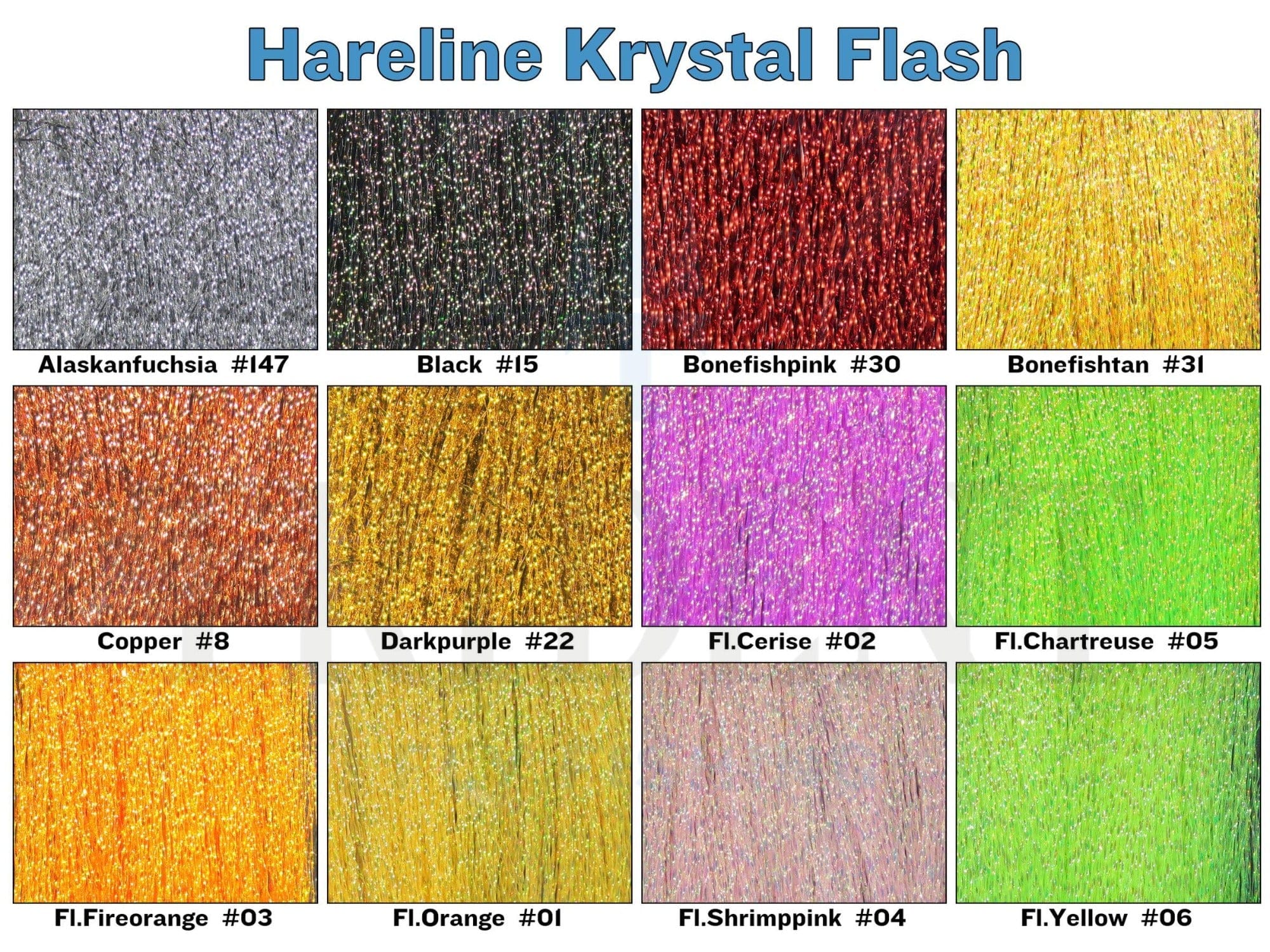
- Best Value Staple: Hareline Krystal Flash - Perfect for adding a few strands to tails, wings, and collars without overpowering a pattern. It’s a classic, versatile material that fits everything from trout streamers to panfish and saltwater baitfish.
How to Choose Fly Tying Flash
Match the “flash style” to the pattern
- Streamers & baitfish: Look for flash that helps build shape (wider cuts like lateral-style flash) or blends cleanly into wings and tails (standard Flashabou/Krystal-style strands).
- Nymphs & attractors: Use flash more sparingly, often just a few strands in the tail, or as a small hotspot/wingcase accent.
- Saltwater shrimp/crab & resin flies: Flash can be layered under UV resin/epoxy to create depth and translucency, especially on baitfish patterns.
Choose width and stiffness for the job
Action: If you want a thin, lively accent that moves easily, pick finer-strand flash (common in Krystal-style materials). If you want a more defined lateral line or shoulder that “holds its lane,” a wider cut can be easier to control.
Best for: Wide flash for profile and definition; fine flash for subtlety and movement.
Avoid if: Your fly is already sparse, wide flash can overpower small trout patterns fast.
Color selection: start simple, then branch out
- Confidence neutrals: Pearl, silver, and gold cover a lot of water and match many forage types.
- Match-the-hatch baitfish: Use olive/white, grey/white, or tan/white flash blends to mimic local minnows.
- Dirty water / low light: Brighter flash, holographic finishes, or bolder contrasts can help fish find the fly.
Where to place flash (practical tying notes)
- Streamer tails: Start with 4, 10 strands, then adjust, many flies look better with less flash than you think.
- Lateral lines: Place flash slightly above the midline on each side for a more realistic baitfish cue.
- Wingcases & backs: Keep it narrow and tidy so it doesn’t twist your nymph profile.
Materials & Durability
- Keep it clean: Flash picks up head cement, UV resin, and sticky wax easily, wipe your fingers and scissors to avoid gumming up strands.
- Store by type/color: Use zip bags or small bins so flash doesn’t kink or tangle (especially wider cuts).
- Trim last: For streamers, tie flash in slightly long, finish the fly, then trim to match your tail/wing length.
- Less is usually better: Too much flash can “mask” your silhouette and reduce movement from softer materials like marabou or rabbit.
Complete Your Setup
Related Gear
- Fly Tying Synthetics - Pair flash with modern fibers and brushes for durable, fast-tie streamers and baitfish patterns.
- Fly Tying Thread/Tinsel/Wire - The right thread control and ribbing materials help you lock flash in place cleanly.
- Fly Tying Hooks - Dial in hook shape and wire strength to match the profile you’re building with flash.
- Fly Tying Beads, Coneheads & Eyes - Add weight and realism to complement flash-heavy patterns, especially streamers and saltwater flies.
Related Guides
- How to Tie a Surf Candy Saltwater Streamer Fly
- How to Tie the Midnight Mullet Streamer Fly
- How to Tie a Rhody Flatwing Streamer Fly
- How to Tie a Sculpin Streamer Fly
- How To Tie Coffey's Sparkle Minnow
Fly Tying Flash FAQs
Q: What is fly tying flash used for?
A: Fly tying flash is added to imitate light reflecting off scales, shells, or insect shucks. It’s commonly used as a tail or wing accent in streamers, as a lateral line, or as a small nymph hotspot/wingcase detail.
Q: How much flash should I add to a streamer?
A: Start with a small amount, often 4, 10 strands in the tail is plenty. If the fly looks “all flash,” you’ve usually gone too far; add more only if you need extra visibility.
Q: What flash colors should I buy first?
A: Pearl and silver cover most baitfish and general attractor needs, with gold as a strong third option. From there, add a few forage-matching shades like olive, grey, and tan.
Q: What’s the difference between Flashabou and Krystal Flash?
A: They’re both common flash materials, but they tend to have a different “look” in the water and at the bench. Many tiers use Flashabou when they want smooth, flashy strands and Krystal-style flash when they want a slightly different texture and a controlled accent.
Q: Is holographic flash too much for trout?
A: It can be if you overdo it, especially in clear water. Used sparingly (a few strands or a small accent), holographic flash can still work well on trout streamers and attractors.
Q: Can I use flash for nymph bodies?
A: Yes, flash can be wrapped as a body, used as ribbing, or added as a small wingcase/flashback accent. For most nymphs, subtlety is the key so the fly keeps a natural silhouette.
Q: What’s the cleanest way to tie in flash so it won’t slip?
A: Use firm thread tension and bind it down on top of a thread base rather than a slick bare hook. For tails and lateral lines, doubling strands over the thread and securing with a few tight wraps can help keep things aligned.