














































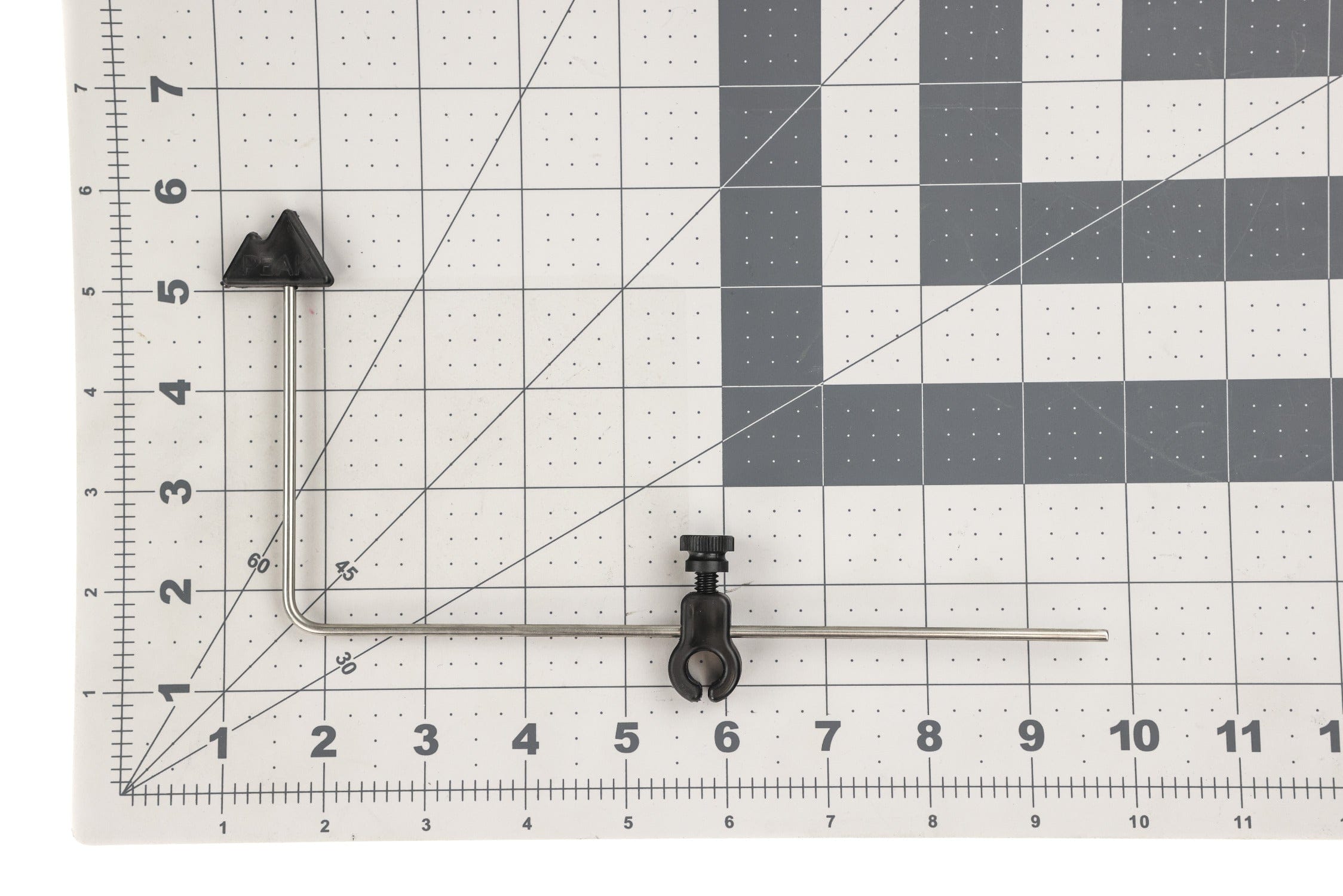


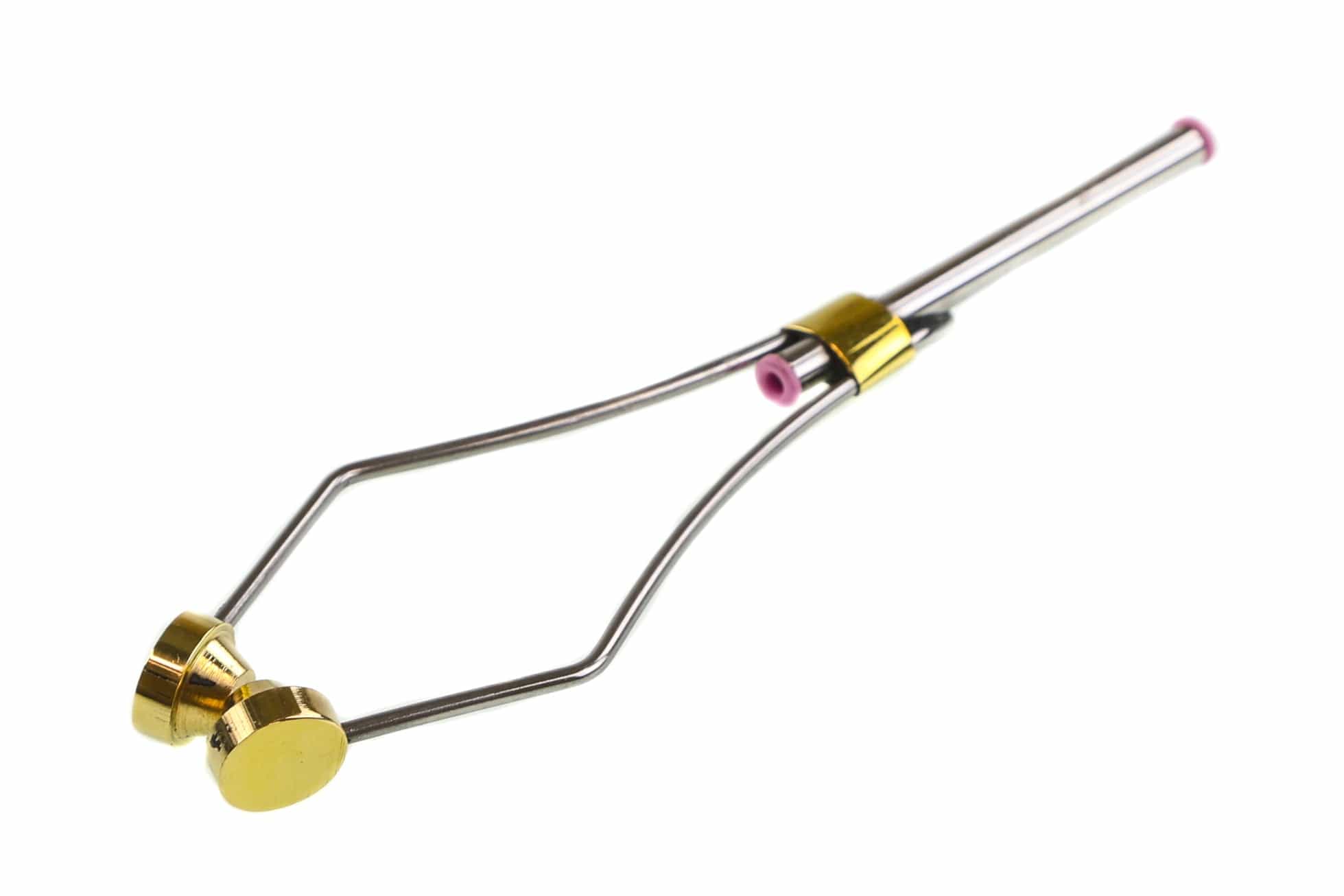
Fly Tying Bobbins Quick Picks
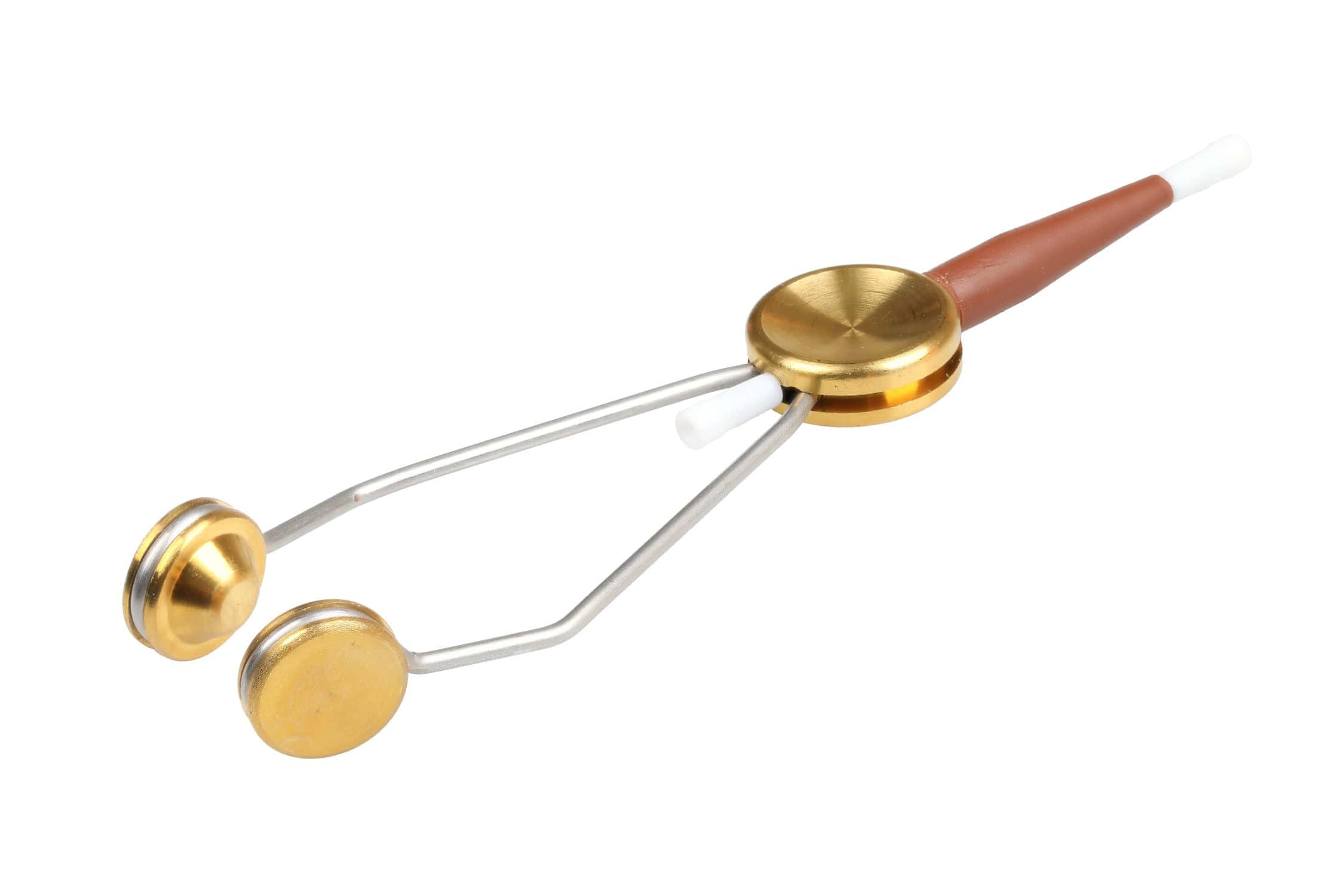
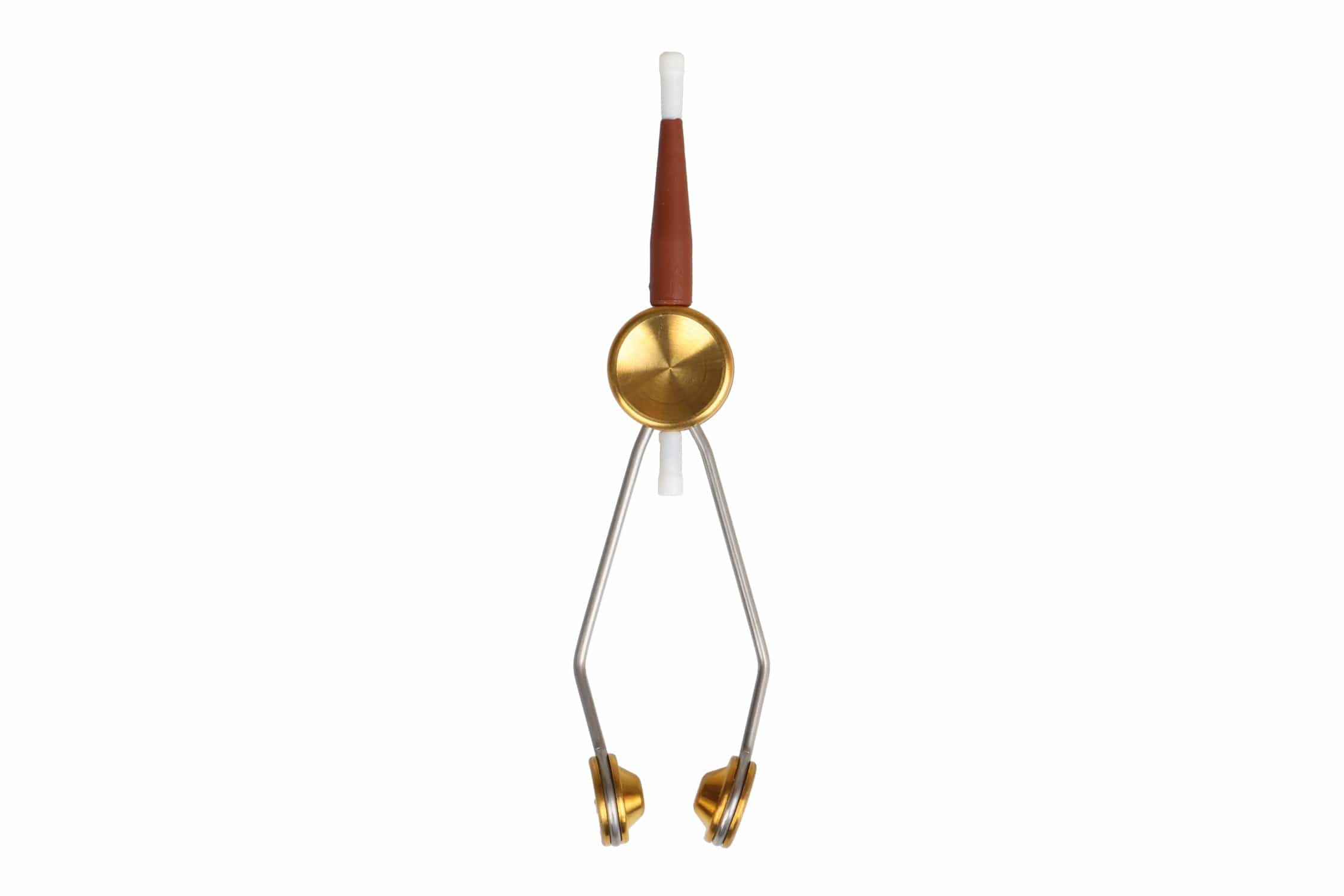
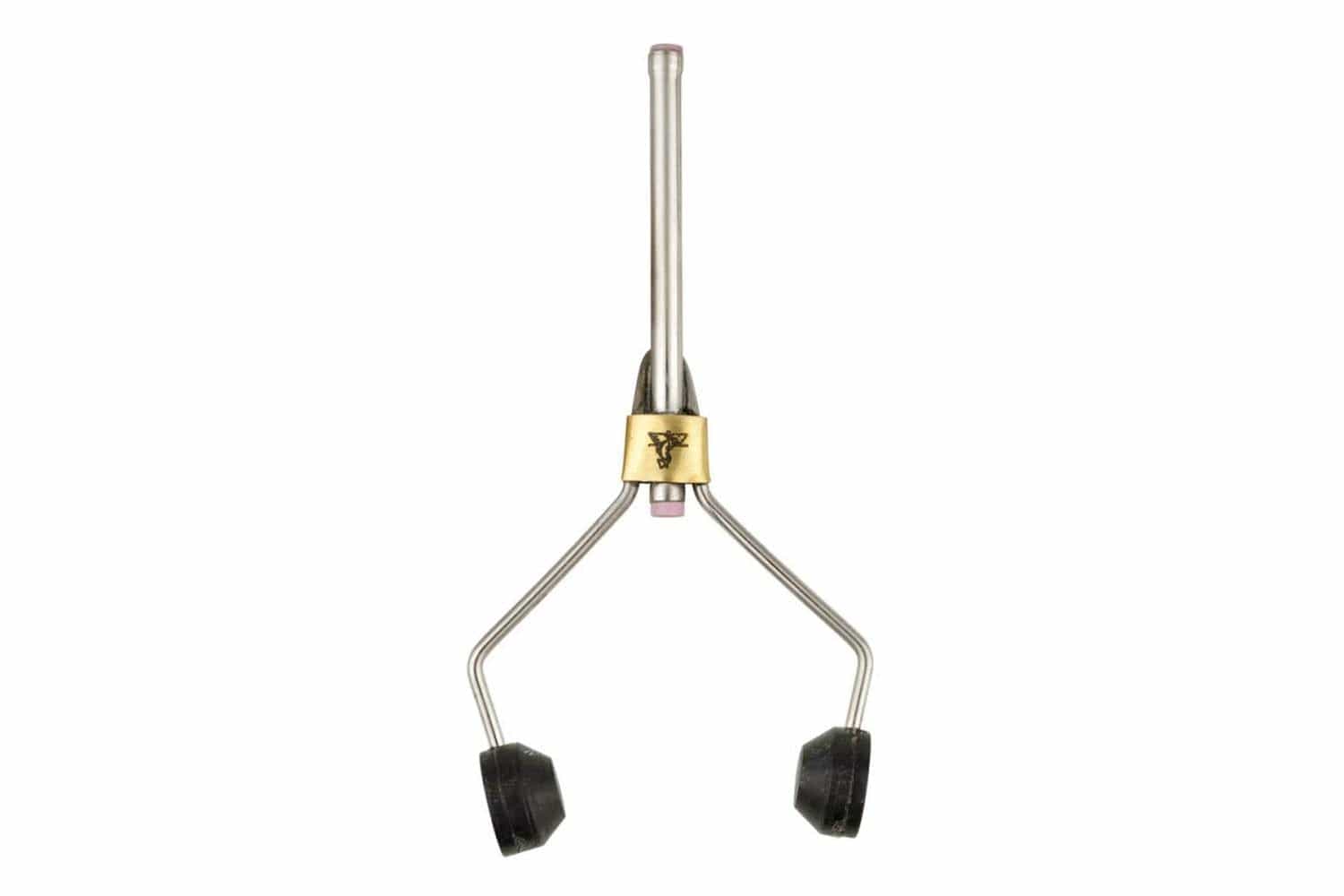
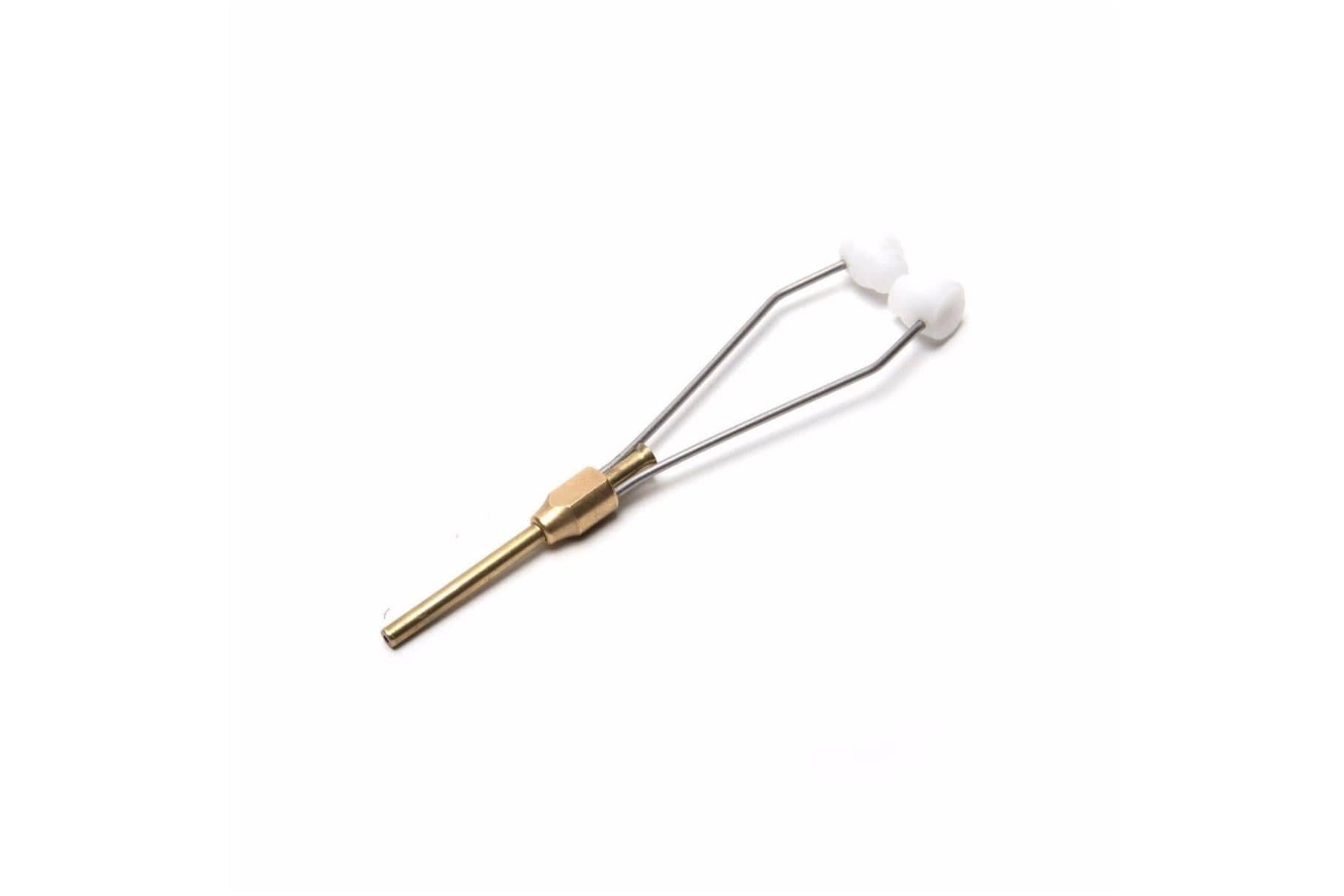
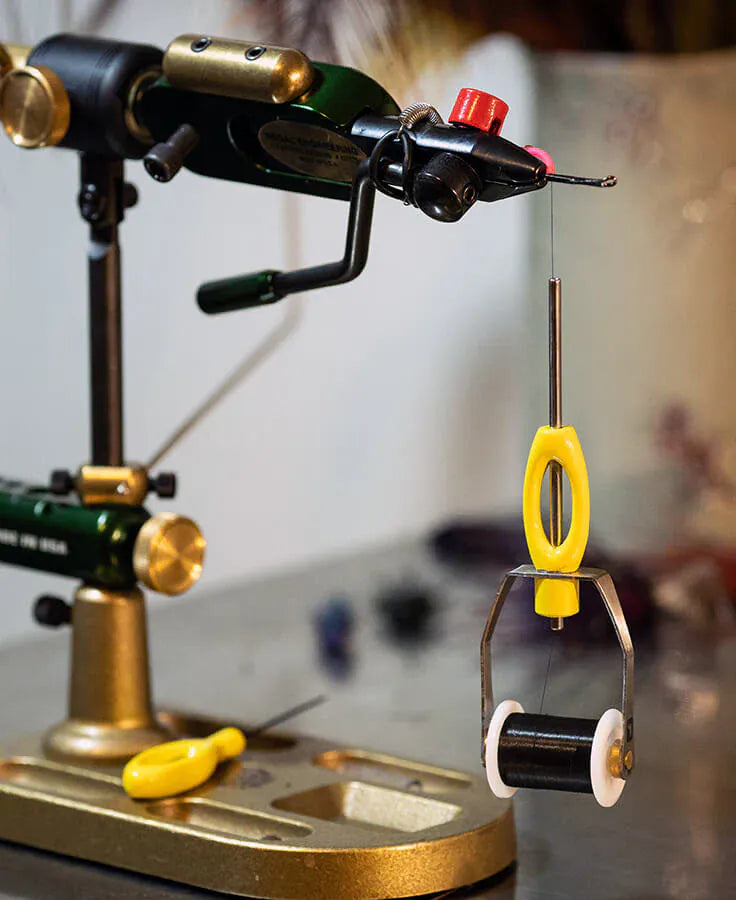
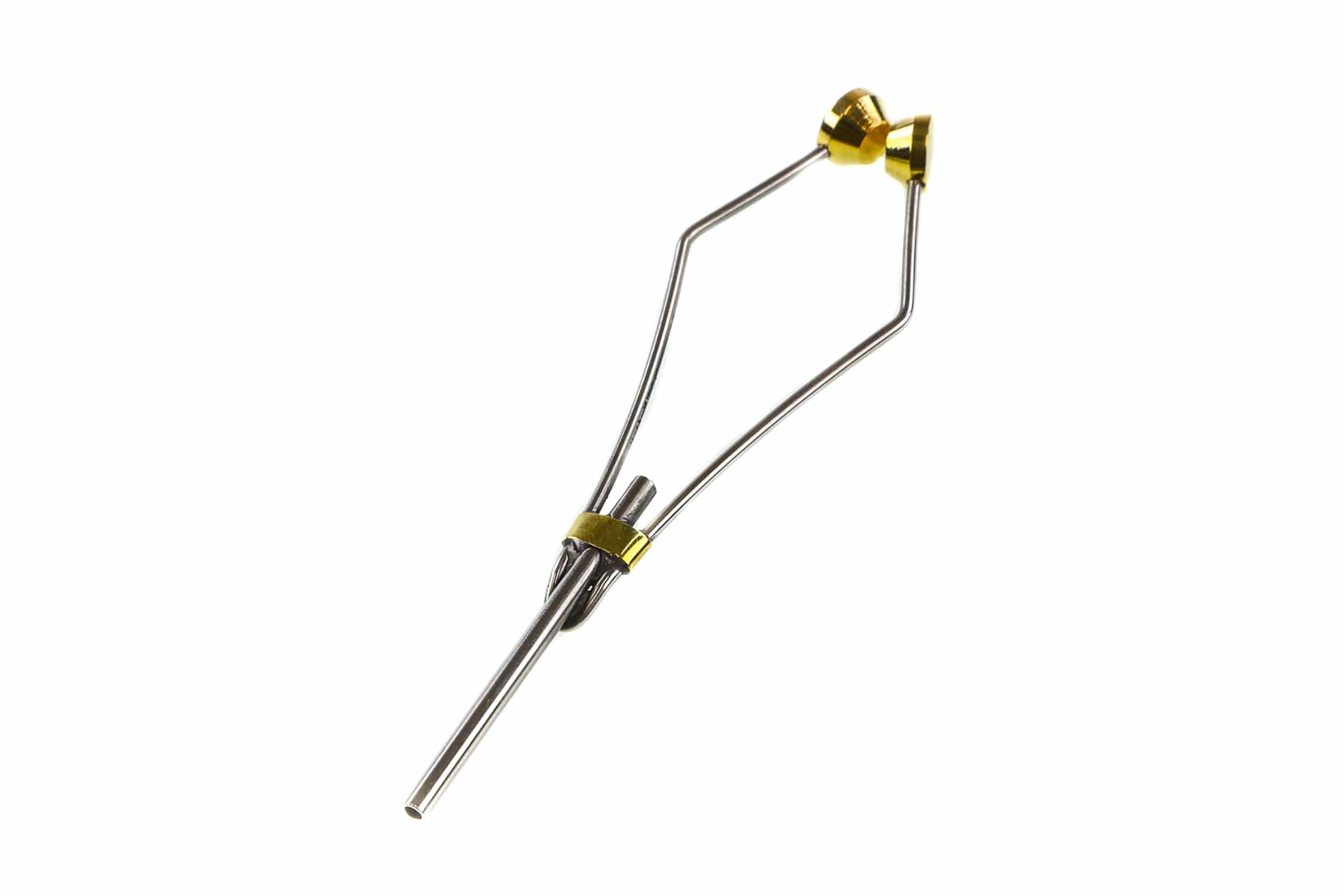
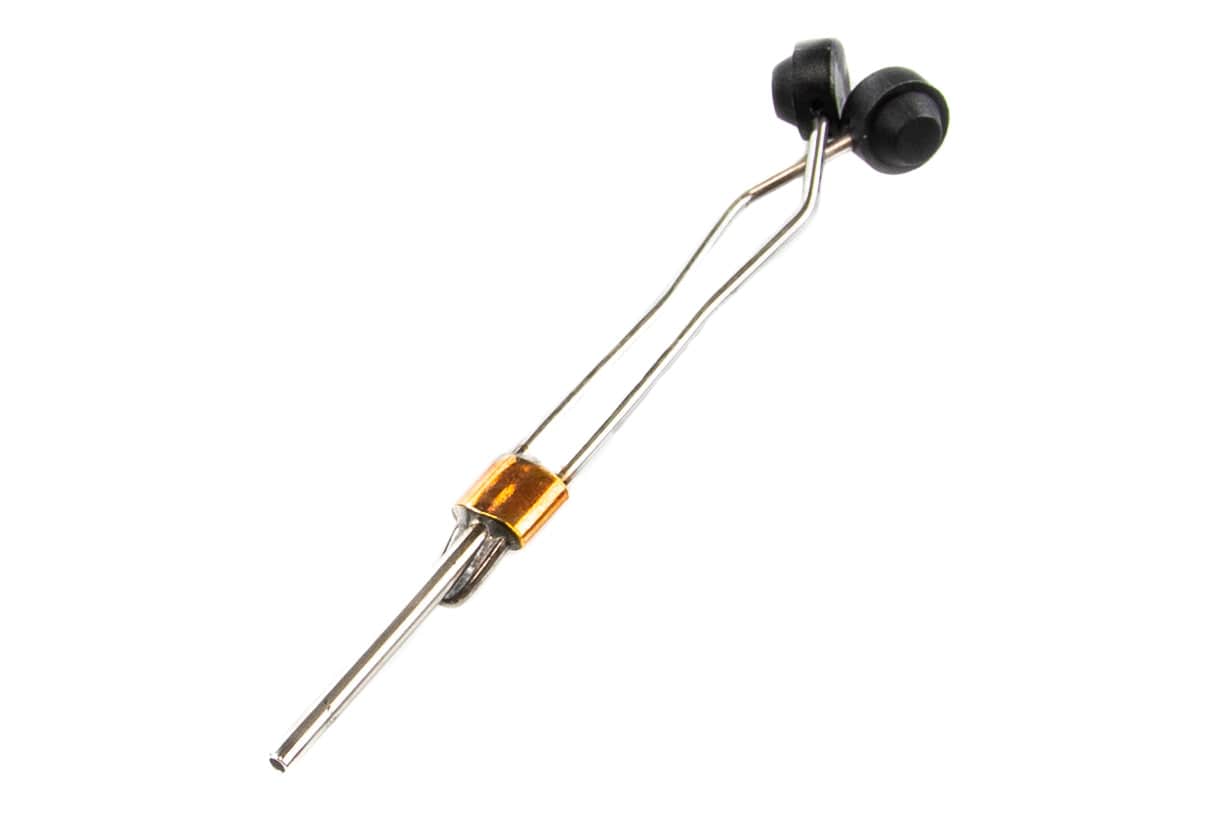
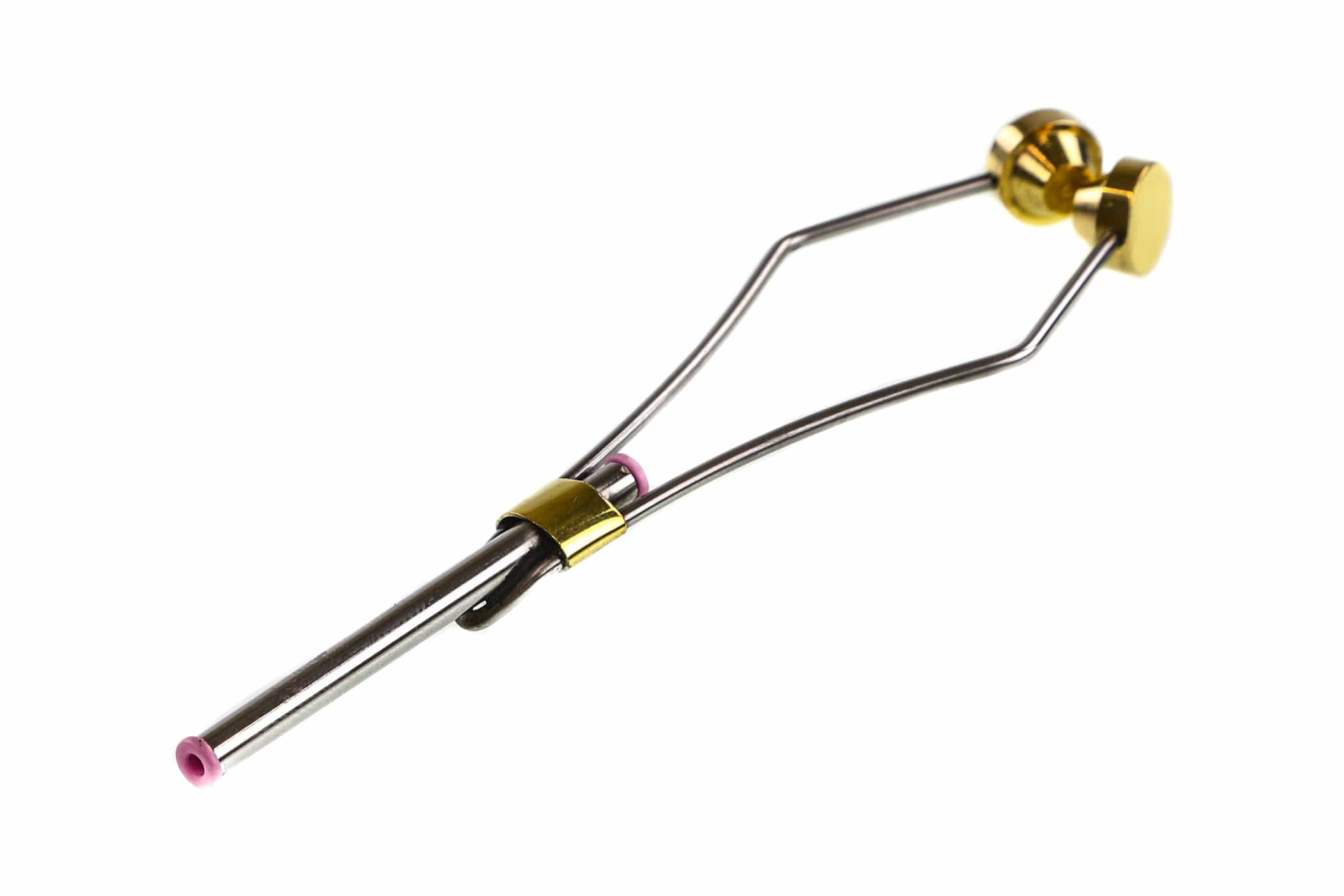
Best All-Around Bobbin: Hareline Standard Ceramic Tubed Bobbin - This is the bobbin most tyers should own first. The ceramic tube handles everything from 14/0 midge thread to heavier 3/0 for bass bugs without fraying, so you are not swapping tools mid-session.
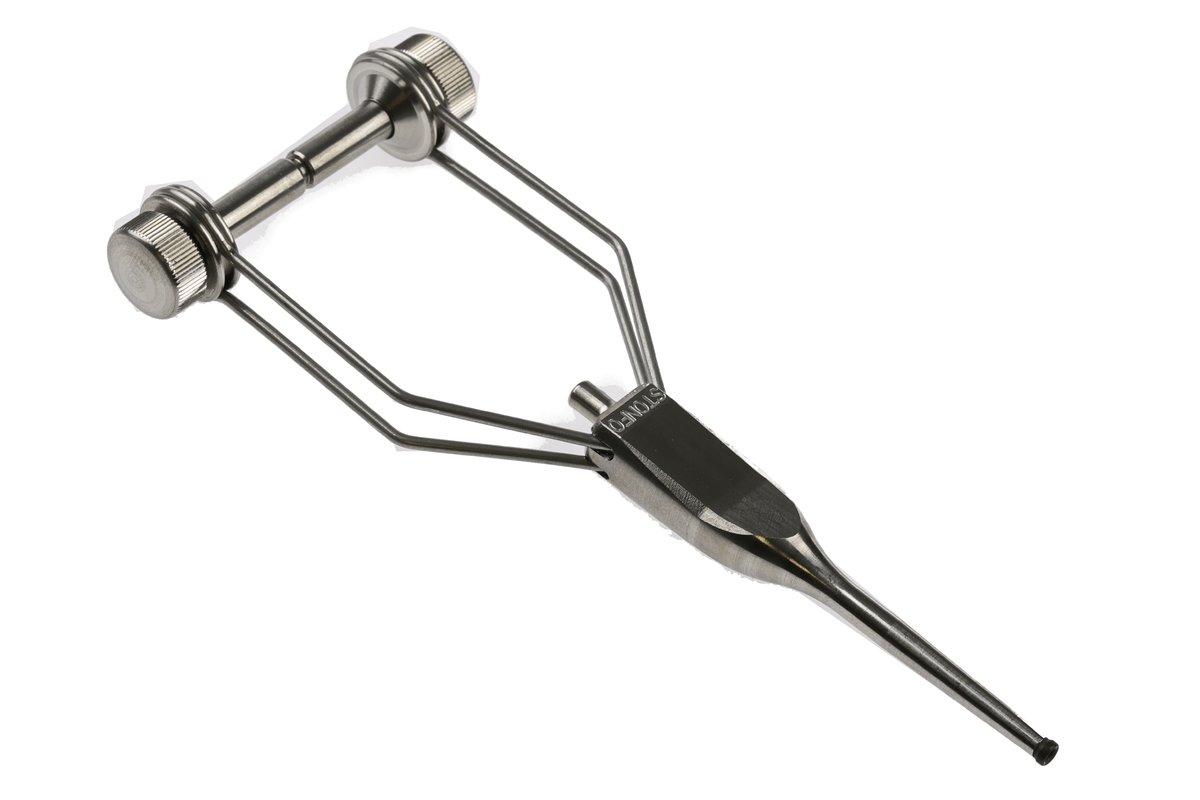
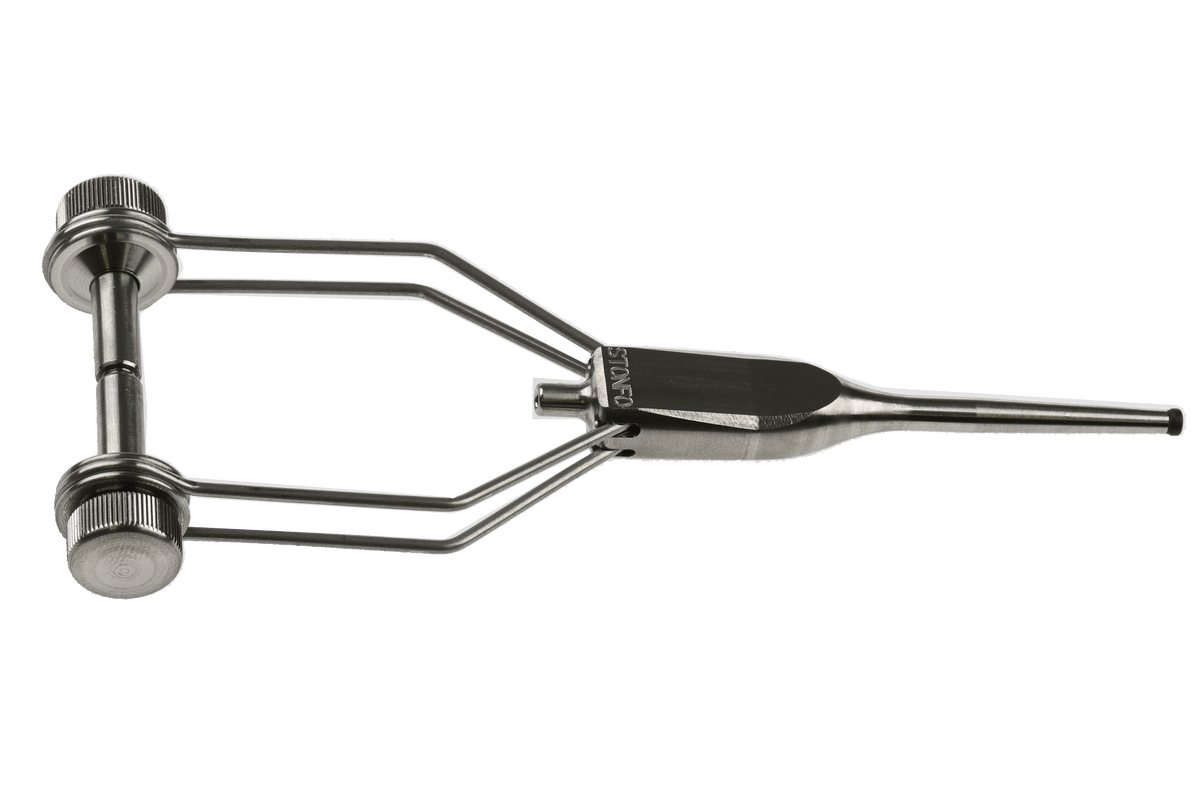
Best Upgrade Bobbin: Stonfo Elite Bobbin - Built for tyers who sit at the vise for hours and feel every bit of friction in a cheap bobbin. The smoother thread path and refined tension keep wraps consistent on delicate dries and dense streamers alike.
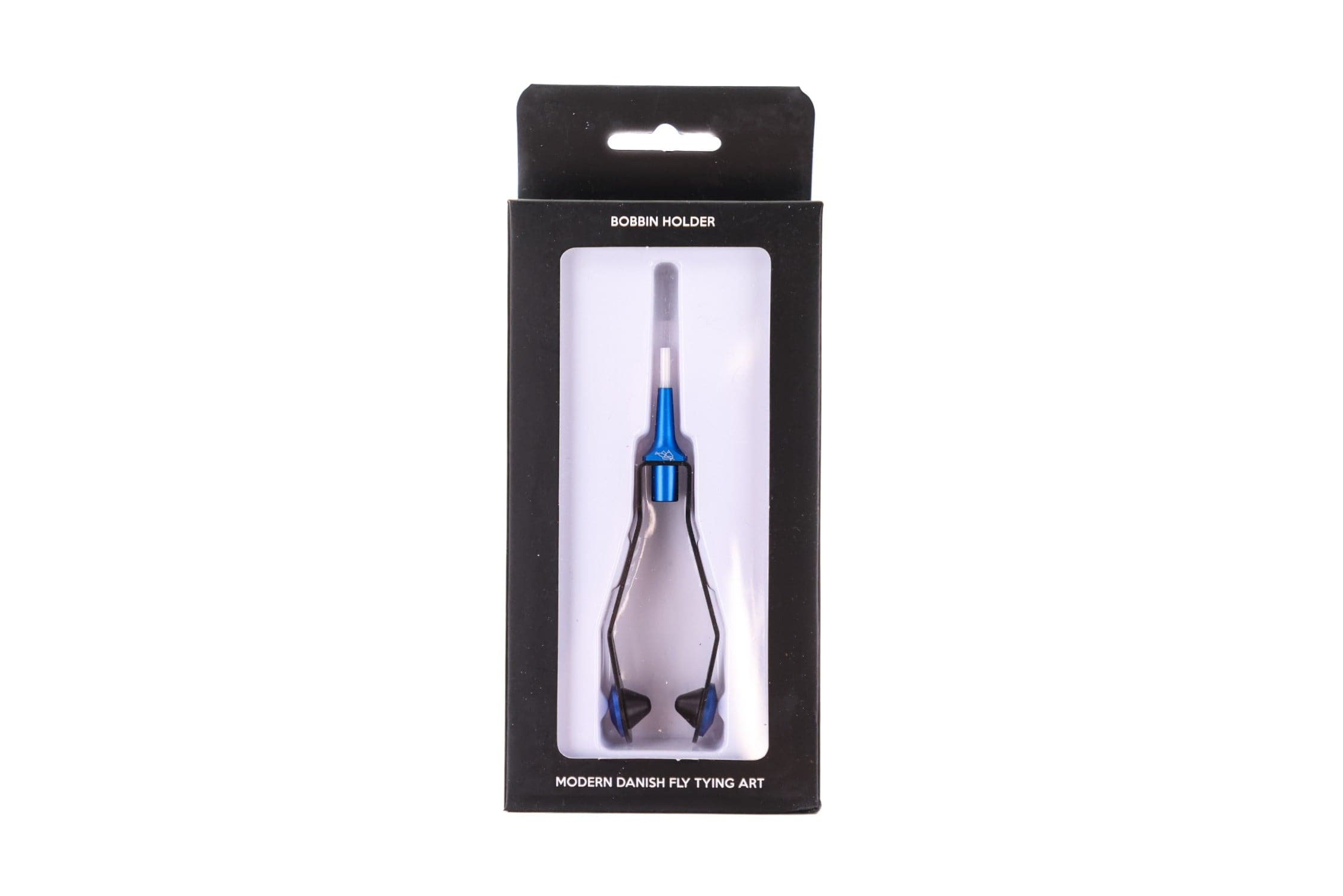
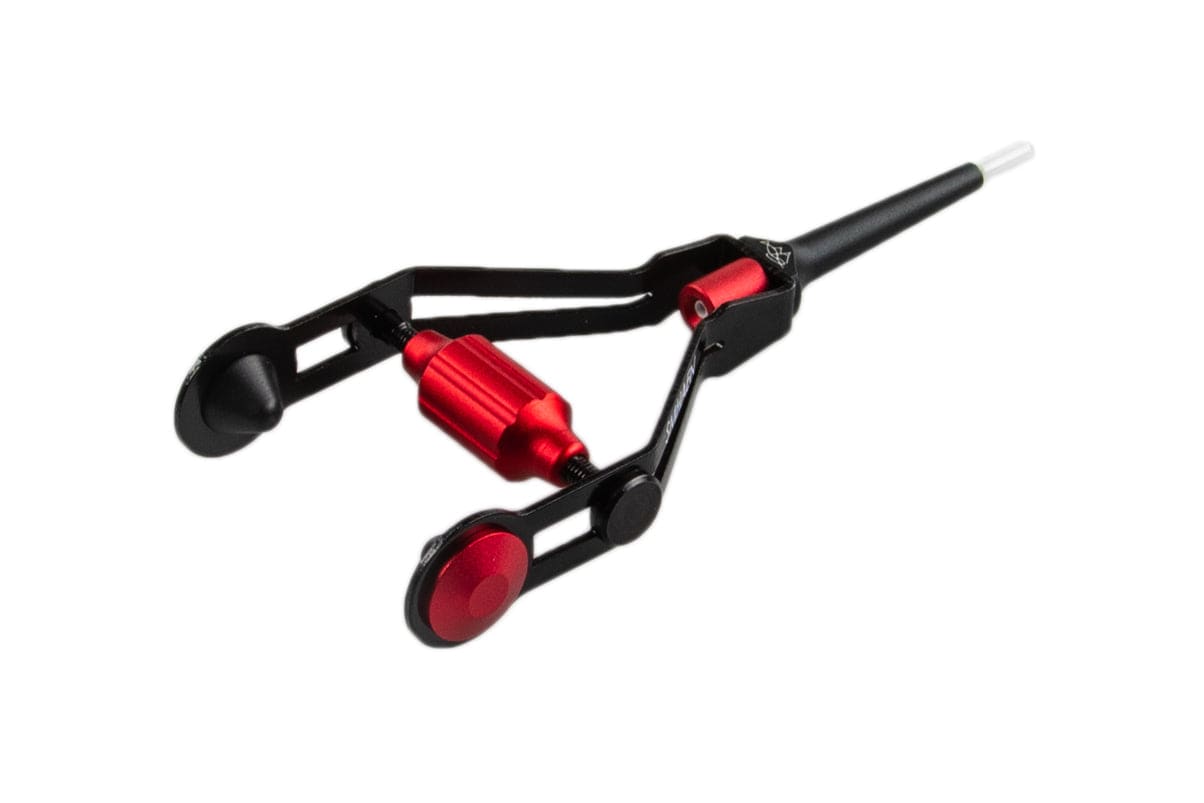
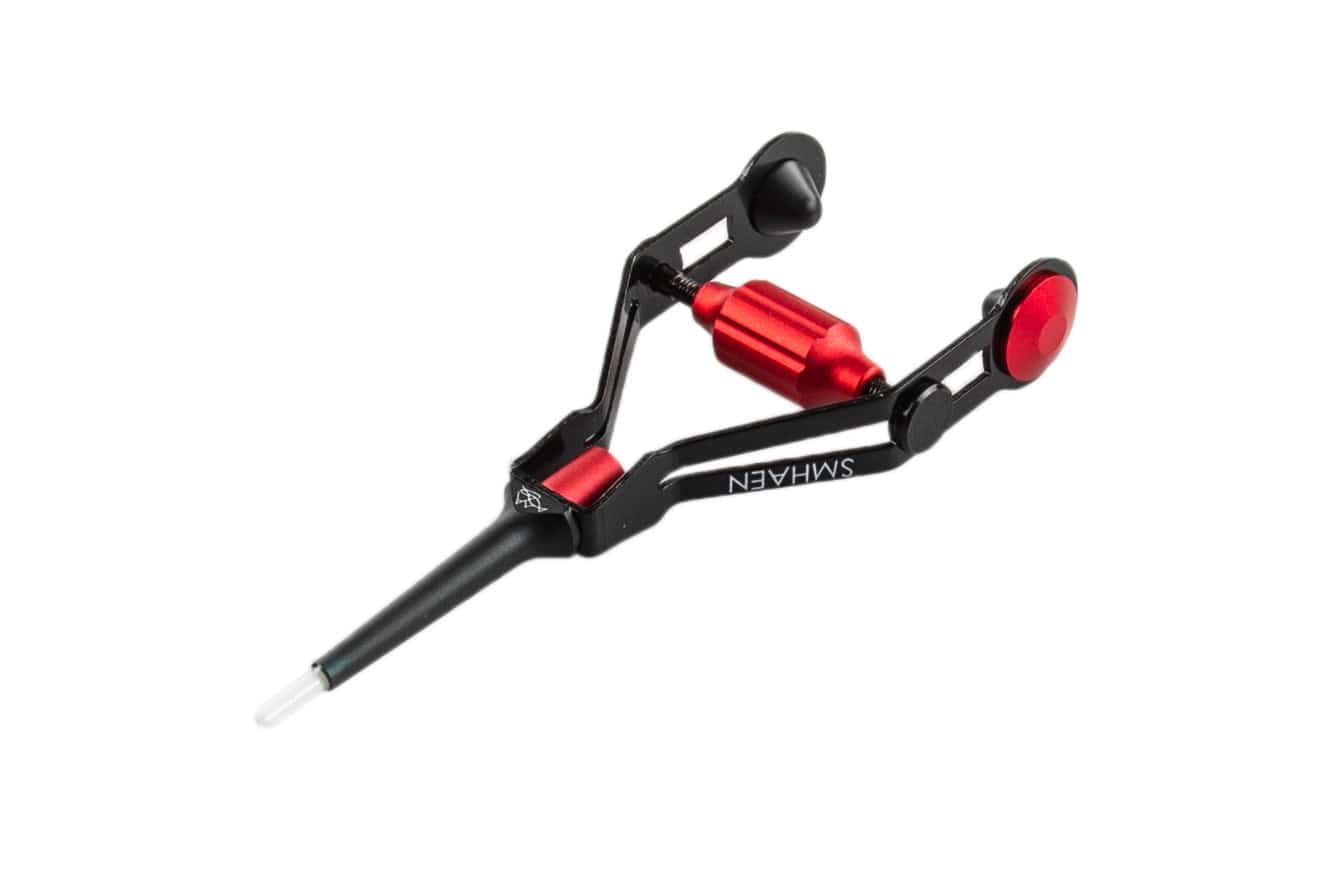
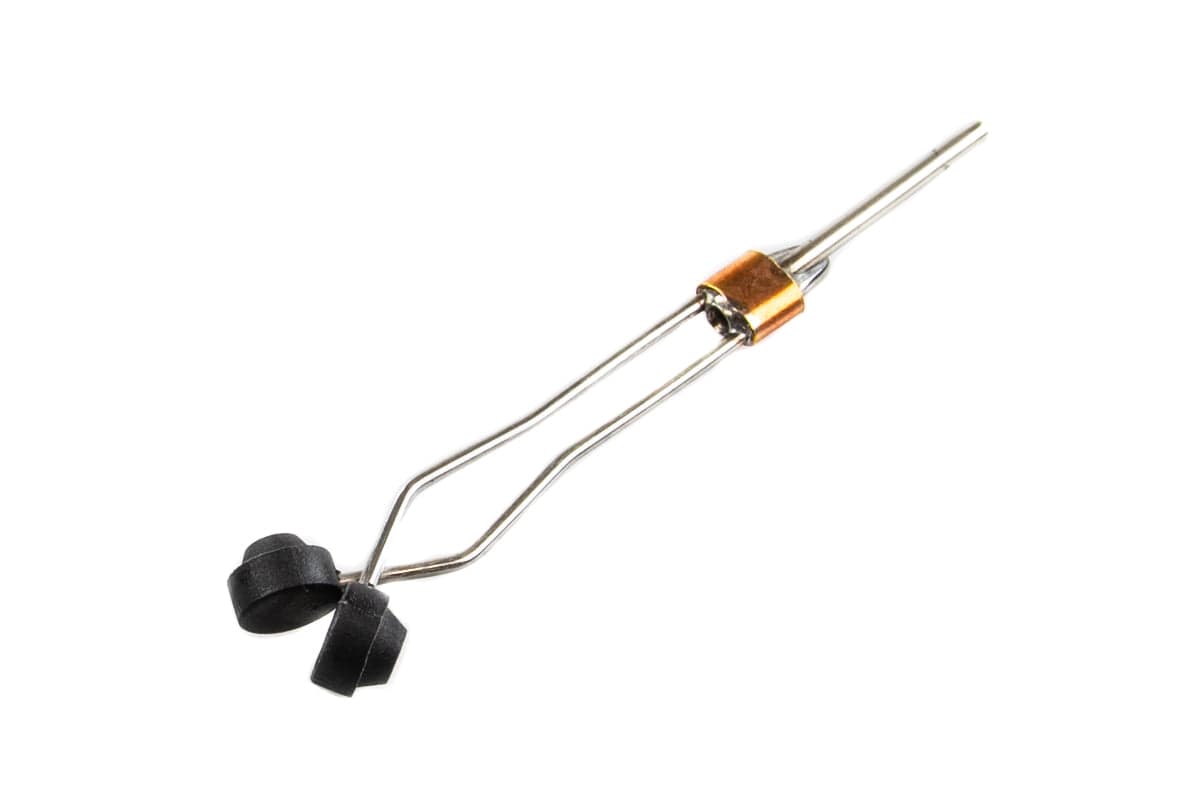
Best Adjustable-Tension Bobbin: Smhaen Pro Bobbin Holder - Ideal for tyers running multiple thread weights in one sitting. The micro-adjustable tension dial lets you dial down for 16/0 gossamer thread and crank up for 3/0 without buying a second bobbin.
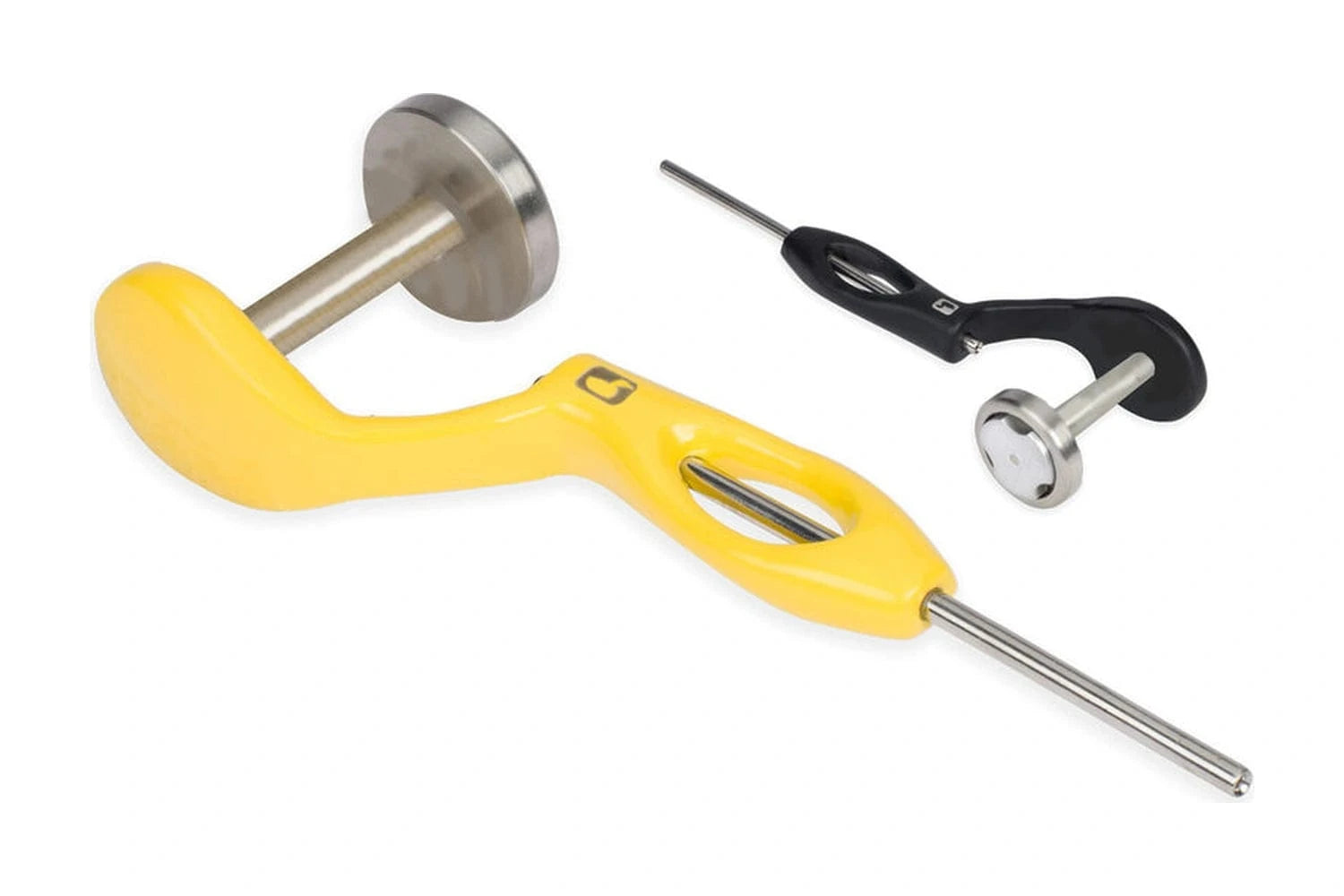
Best Lightweight Bobbin: Smhaen Classic Bobbin Holder - A good pick for tyers who do long production runs of the same fly, like a dozen zebra midges or soft hackles in a row. The low-weight frame reduces hand fatigue when you are cycling the bobbin hundreds of times in an evening.
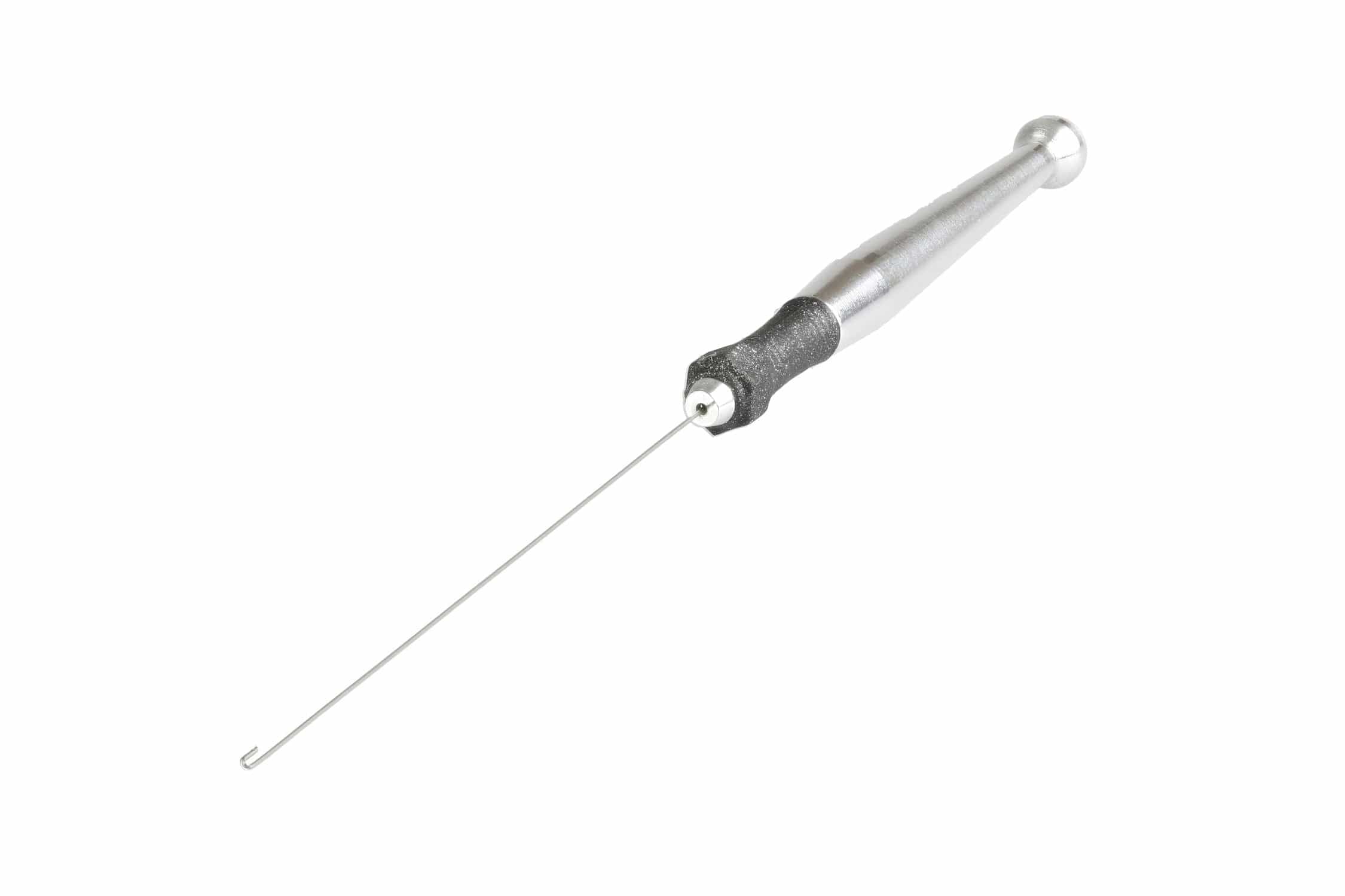
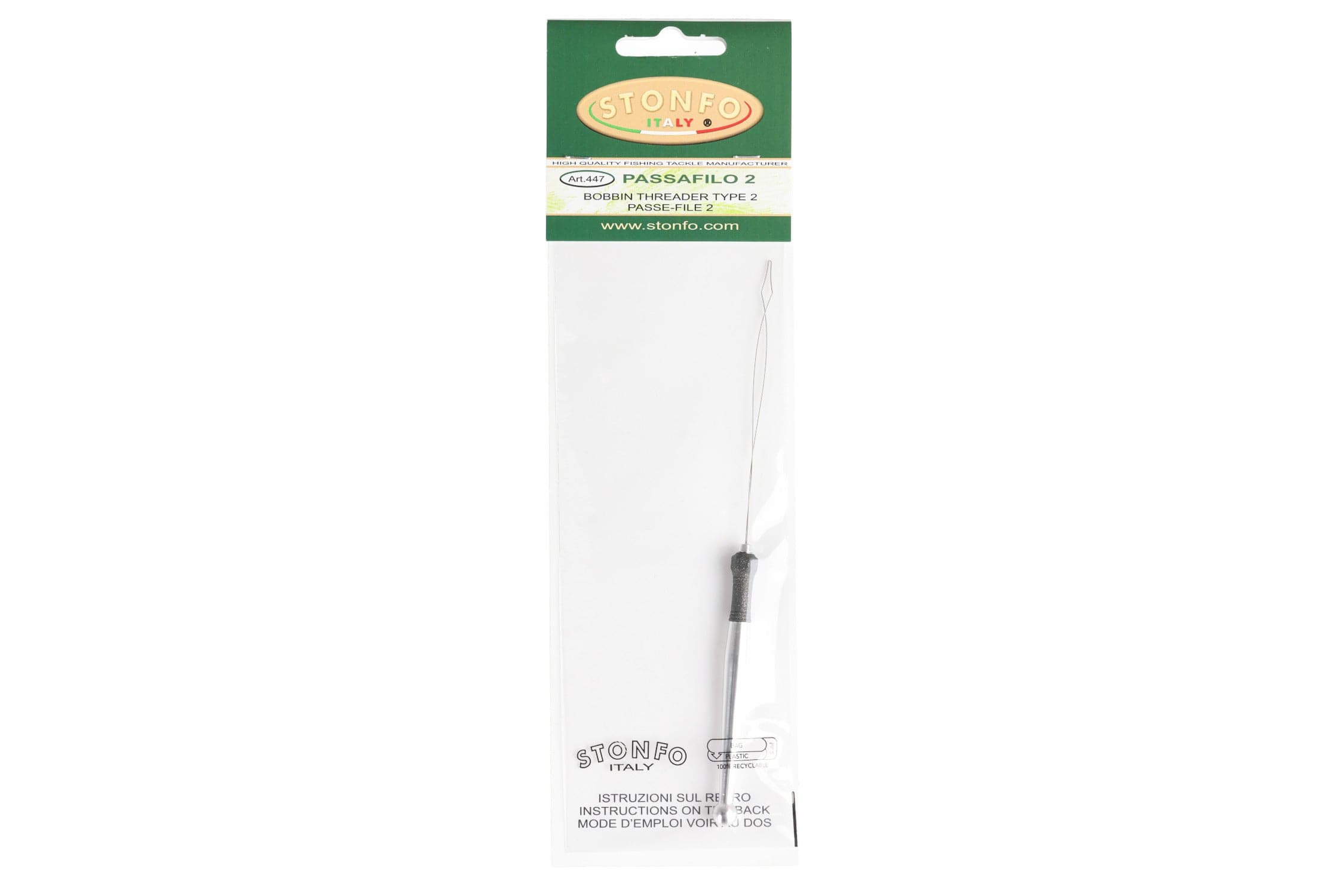
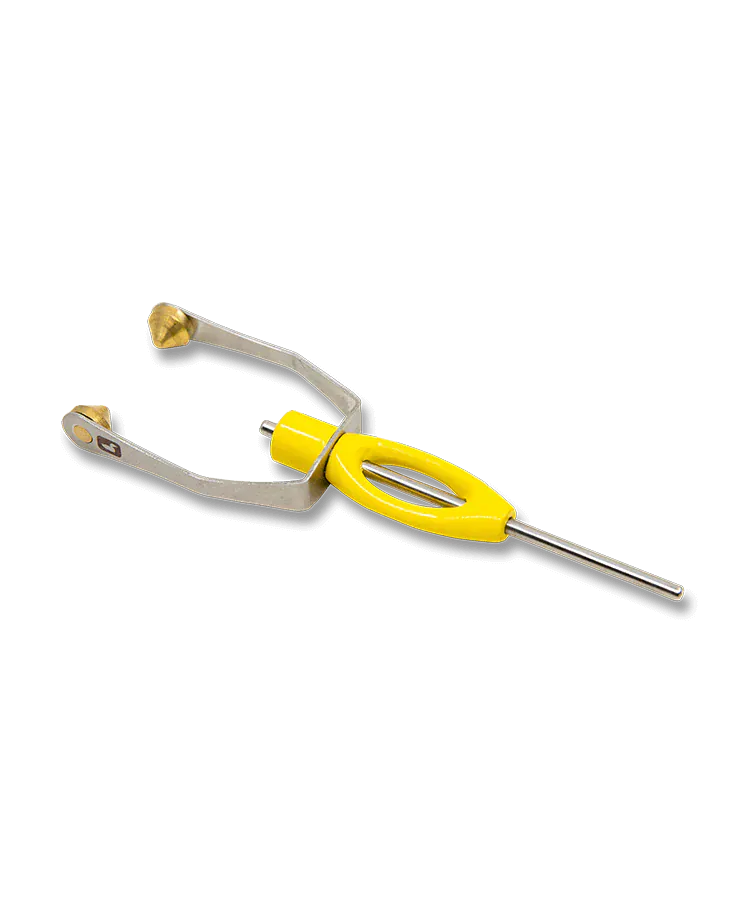
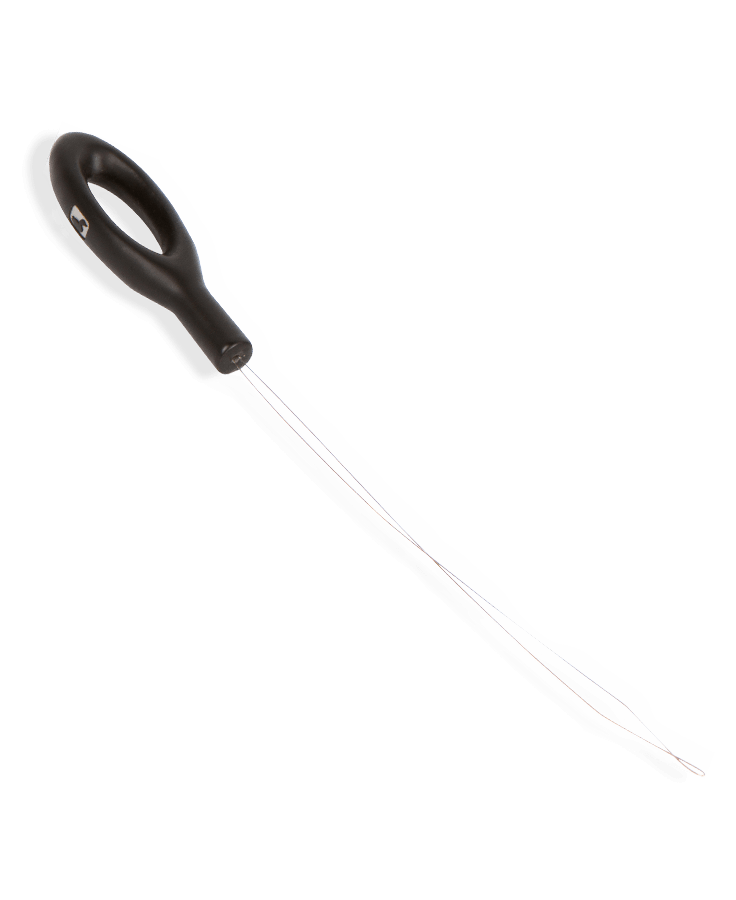
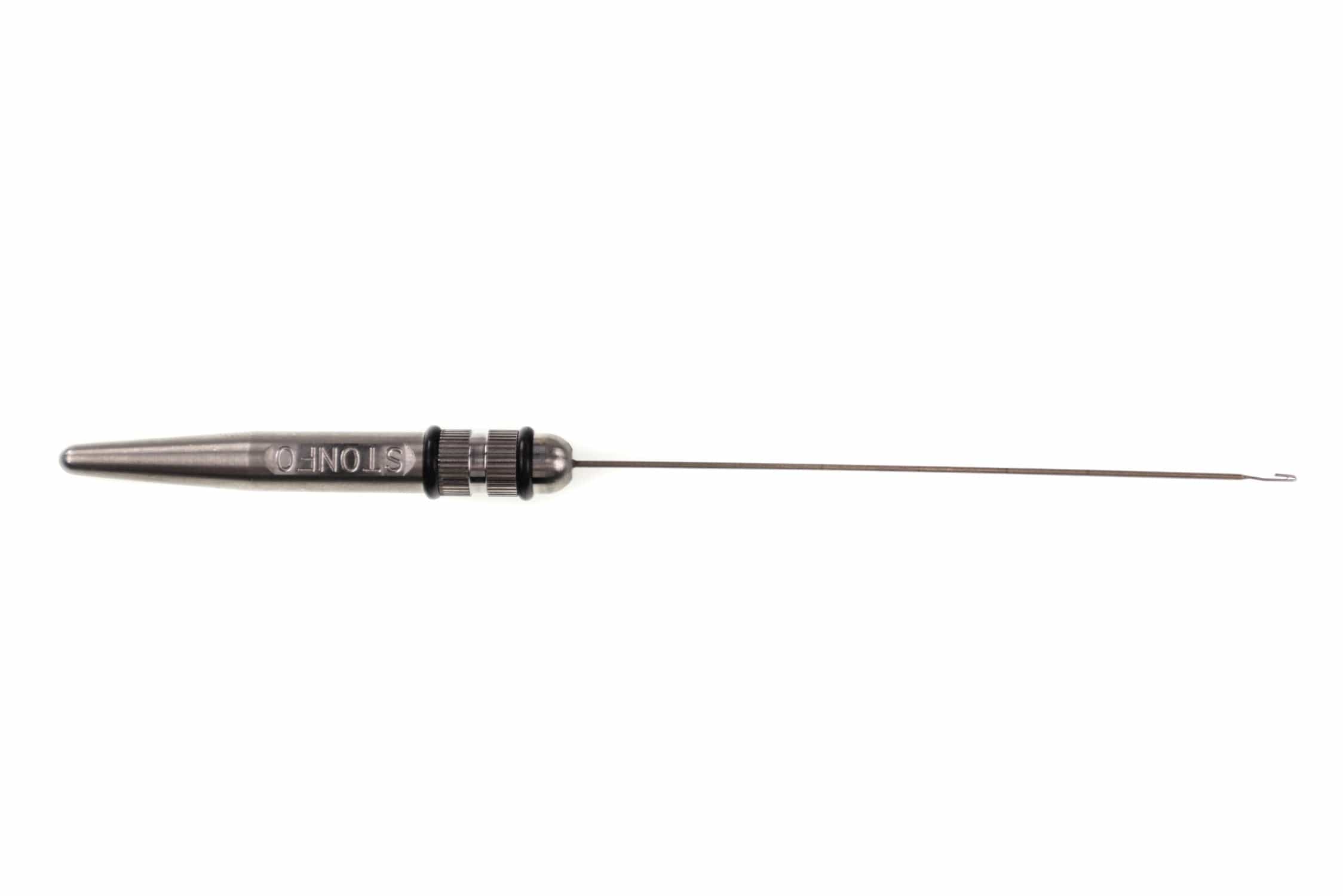
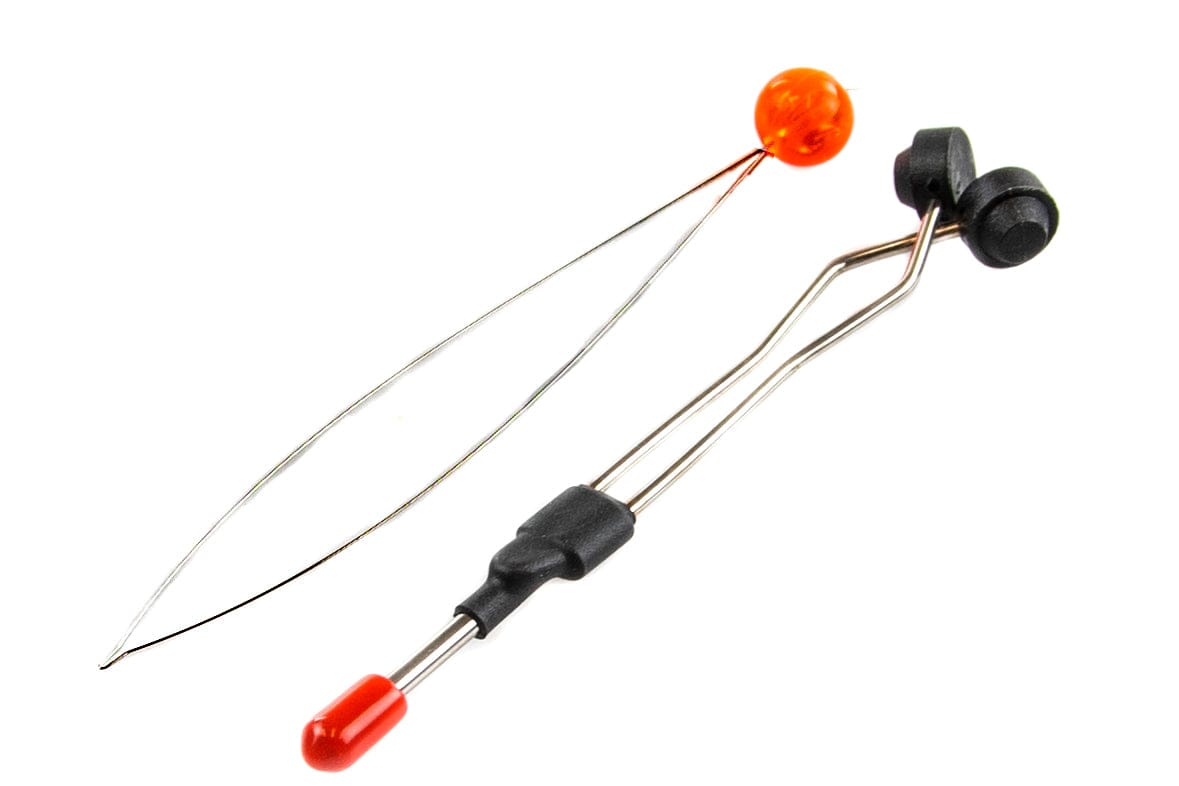
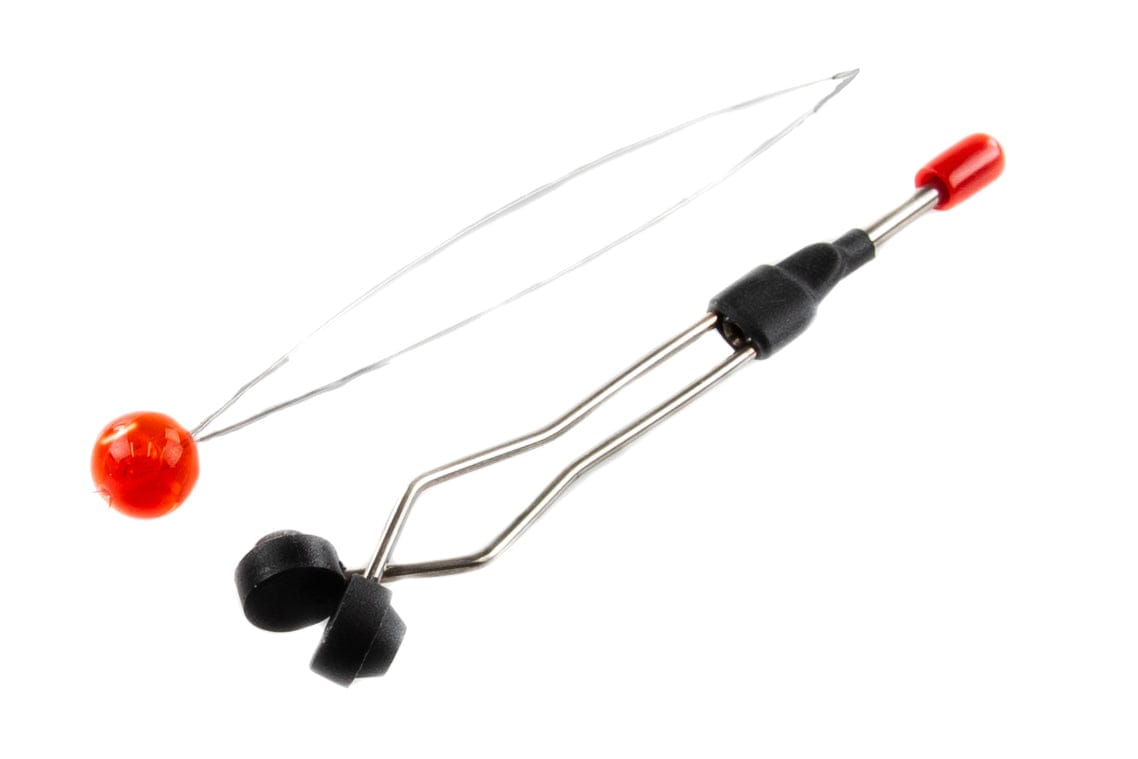
Best Bobbin Threader: Dr. Slick Bobbin Threader - Worth adding to any kit for anglers running fine threads through narrow ceramic tubes. The brass handle survives bench drops, and the built-in half hitch tool earns its keep on every fly.
How to Choose Fly Tying Bobbins
Tube Material
Ceramic tube: The standard for most tyers because the smooth, hard surface resists grooving and will not fray thread even after years of use, including fine threads down to 16/0.
Stainless steel with ceramic insert: A durable middle ground where a steel body houses a ceramic bushing at the tip, giving you the frayproof contact point without the cost of a full ceramic tube.
Tension System
Fixed tension: Simple and reliable for tyers who stick to one or two thread weights, with no dial to fuss with mid-pattern.
Adjustable tension: Better for tyers who move between midges and streamers in the same session, since you can back off tension for fine thread and add it back for bulkier wraps without the thread stripping loose.
Weight & Handle Feel
Lightweight frames: Reduce fatigue during long tying sessions and feel more nimble for detail work like whip finishing small heads.
Heavier, weighted bobbins: Some tyers prefer the extra mass because it keeps consistent tension on the thread purely from the bobbin hanging between wraps.
Materials & Durability
Match the tube to your thread: A grooved or chipped tube will fray thread no matter how careful you are, so retire a bobbin the moment you feel a rough spot inside the tip.
Keep a spare on the bench: Bobbins are inexpensive relative to a mid-fly thread break, so most guides keep at least two loaded and ready.
Wipe the tube periodically: Wax and dubbing residue build up inside the tube and can start catching thread, so run a pipe cleaner through it every few spools.
Store bobbins loaded: Leaving thread on the bobbin between sessions saves you the threading step.
Complete Your Setup
Related Gear
Fly Tying Vises - The bobbin only works as well as the vise holding your hook steady, so pair it with a vise that suits your bench setup.
Fly Tying Tools - Round out your kit with the whip finishers, hackle pliers, and bodkins that work alongside your bobbin on every pattern.
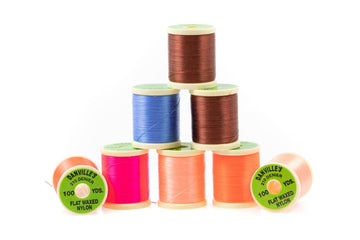
Fly Tying Thread, Tinsel & Wire - Stock the spools your bobbin will actually be holding, from fine midge thread to heavier flat waxed nylon.
Fly Tying Scissors - The other tool that lives in your hand at the vise as often as the bobbin does.
Fly Tying Bobbins FAQs
Q: Do I need a ceramic bobbin, or is stainless steel fine?
A: If you tie with fine threads like 14/0 or 16/0, ceramic is worth the extra cost because a plain metal tube will fray or cut that thread over time. If you mostly tie bigger streamers with heavier thread, a standard metal tube usually holds up fine.
Q: How many bobbins should I keep on my bench?
A: Most tyers keep two to three loaded at once, each with a different thread weight or color, so they are not re-threading mid-pattern.
Q: My thread keeps breaking at the bobbin tip. What is going on?
A: A worn or chipped tube tip is almost always the cause, especially on older stainless bobbins. Run a fingernail or cotton swab through the tube to check for roughness, and replace it if you feel any snag.