










UTC Ultra Thread Quick Picks
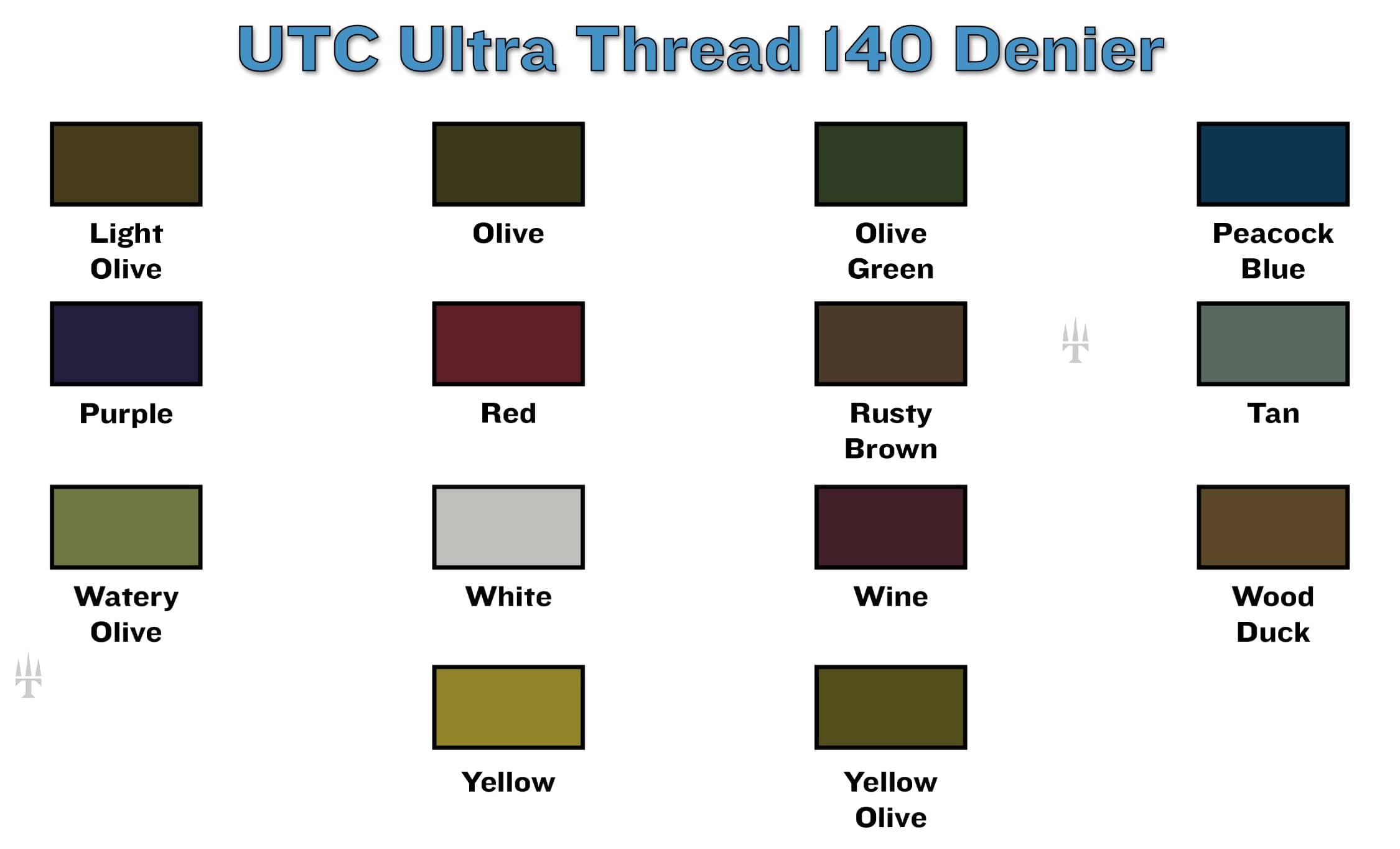
- Best All-Around: UTC Ultra Thread 140 Denier - The general-purpose spool for most trout flies, Wooly Buggers and hook sizes 6 to 14. It breaks at about 2 pounds, lies flat for slim bodies and comes on a 100-yard spool.
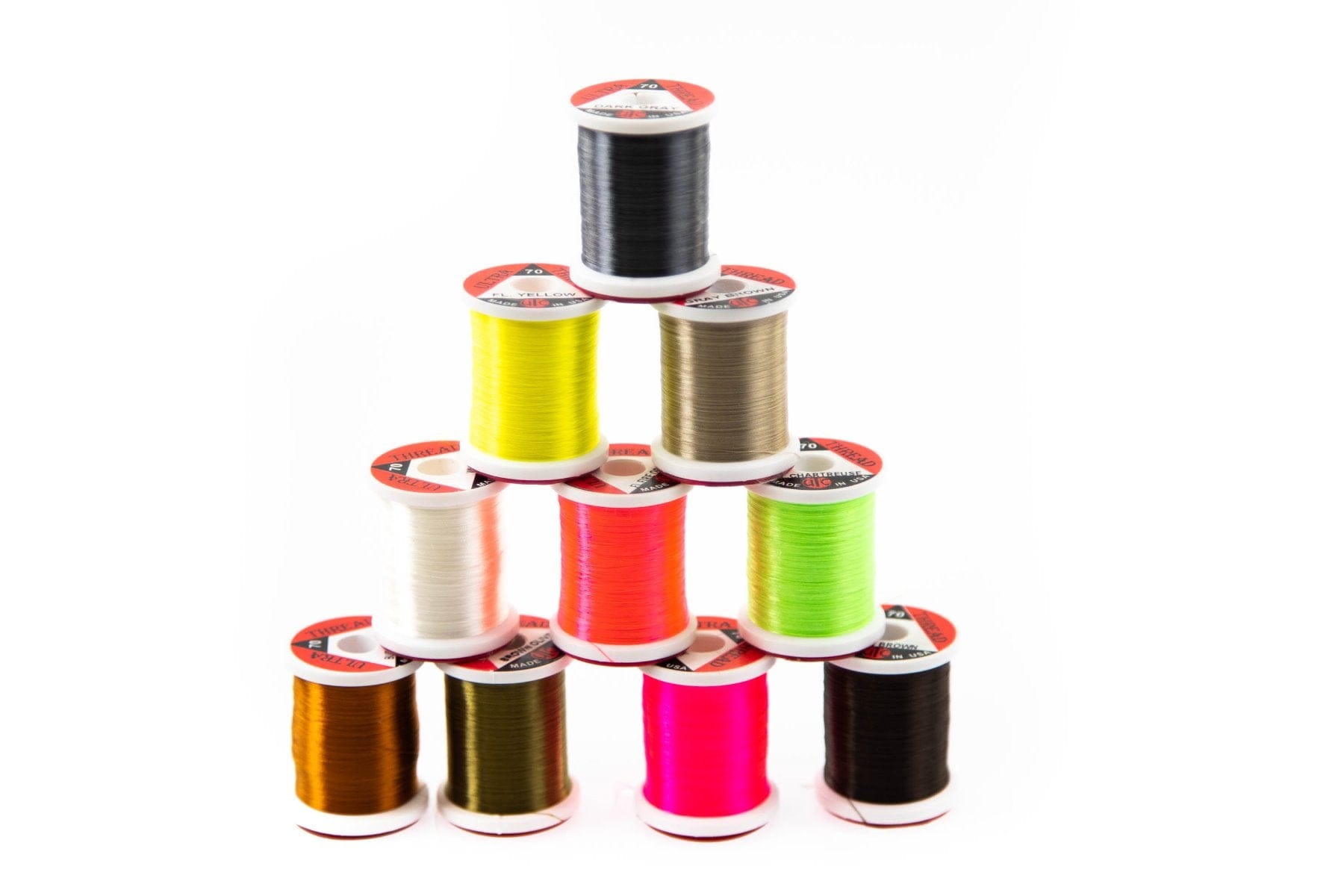
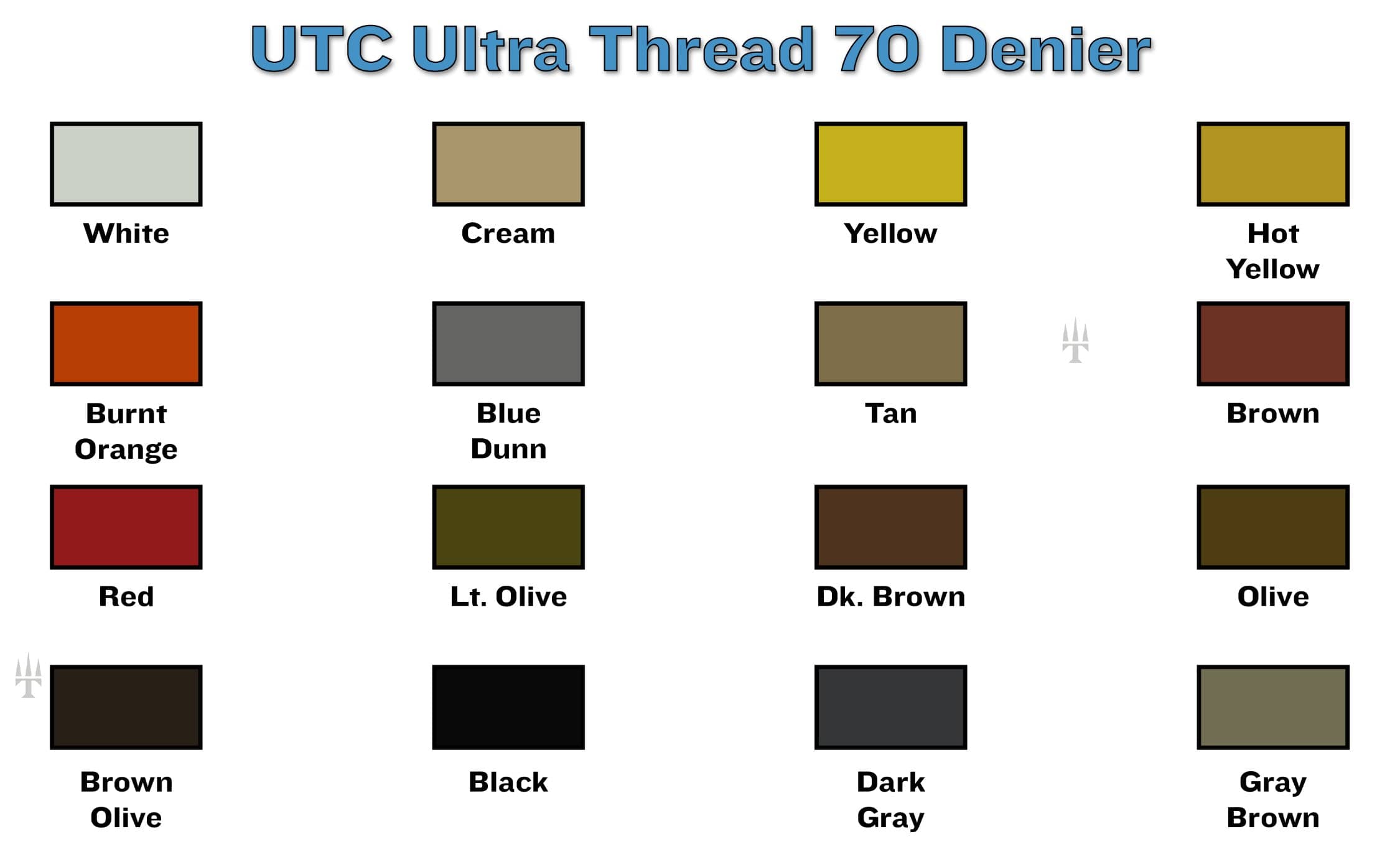
- Best for Small Flies: UTC Ultra Thread 70 Denier - For dries, midges and small nymphs in sizes 14 to 32 where thread bulk shows. About 1 pound of breaking strength, and flat enough for thread-bodied flies and hot spots.
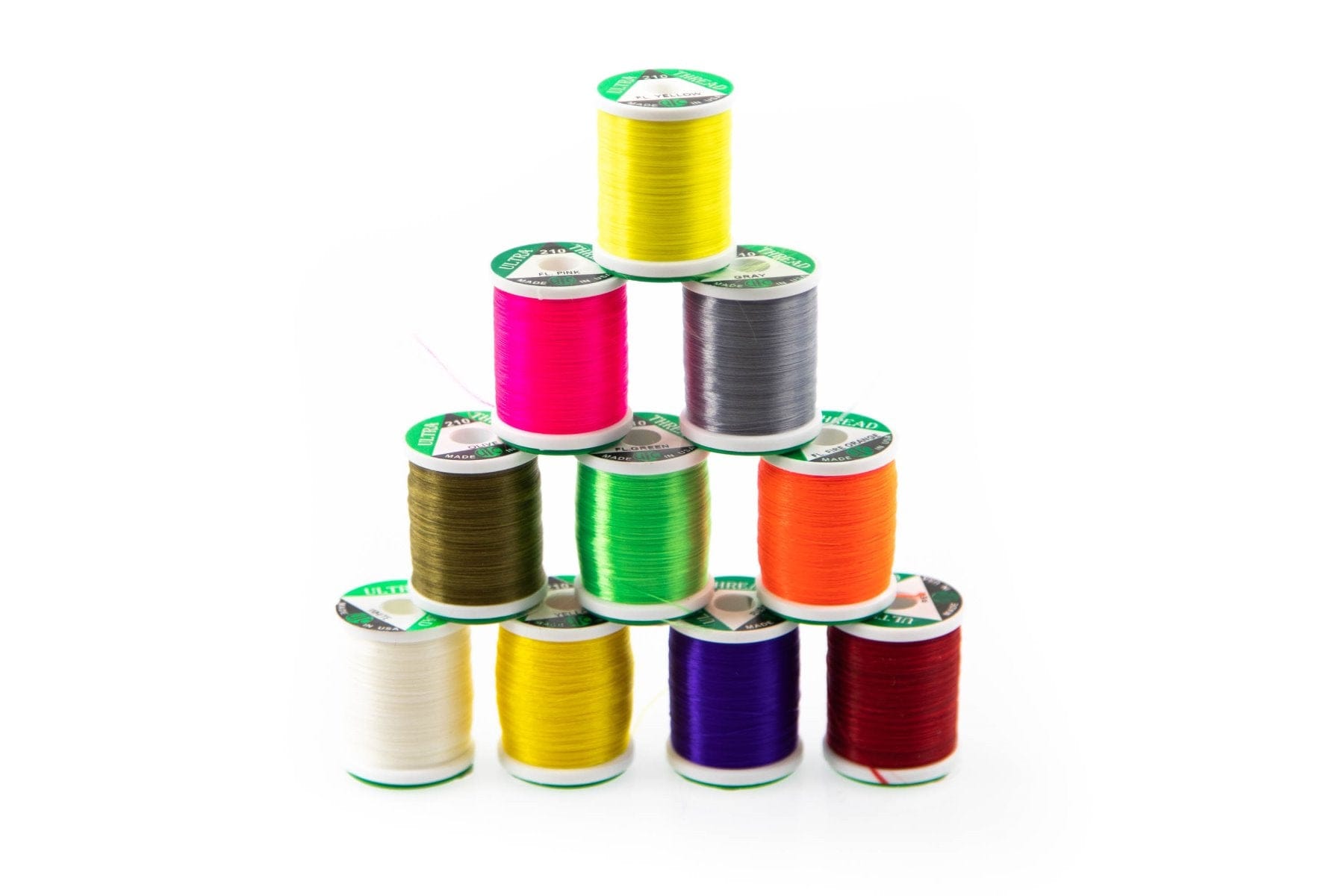
- Best for Saltwater and Streamers: UTC Ultra Thread 210 Denier - Built for saltwater, warmwater and streamer patterns on size 8 hooks and larger. The nylon stretches and grips, so bulky materials stay put without a mountain of wraps.
- Best Heavy-Duty: UTC Ultra Thread 280 Denier - About 4 pounds of breaking strength for dumbbell eyes, deer hair and large musky and saltwater flies. Still flat and lightly waxed, so it does not pile up on the shank.
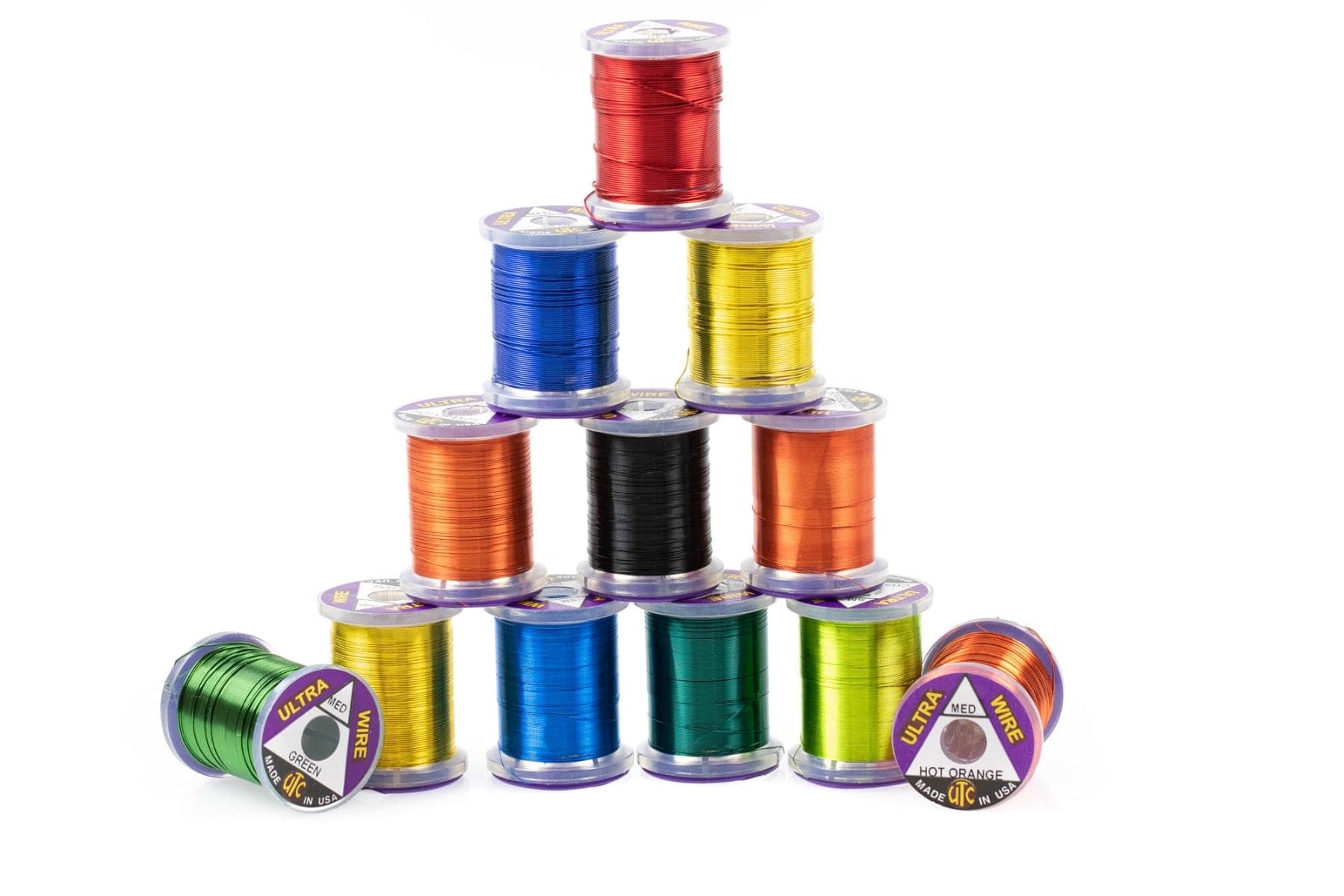
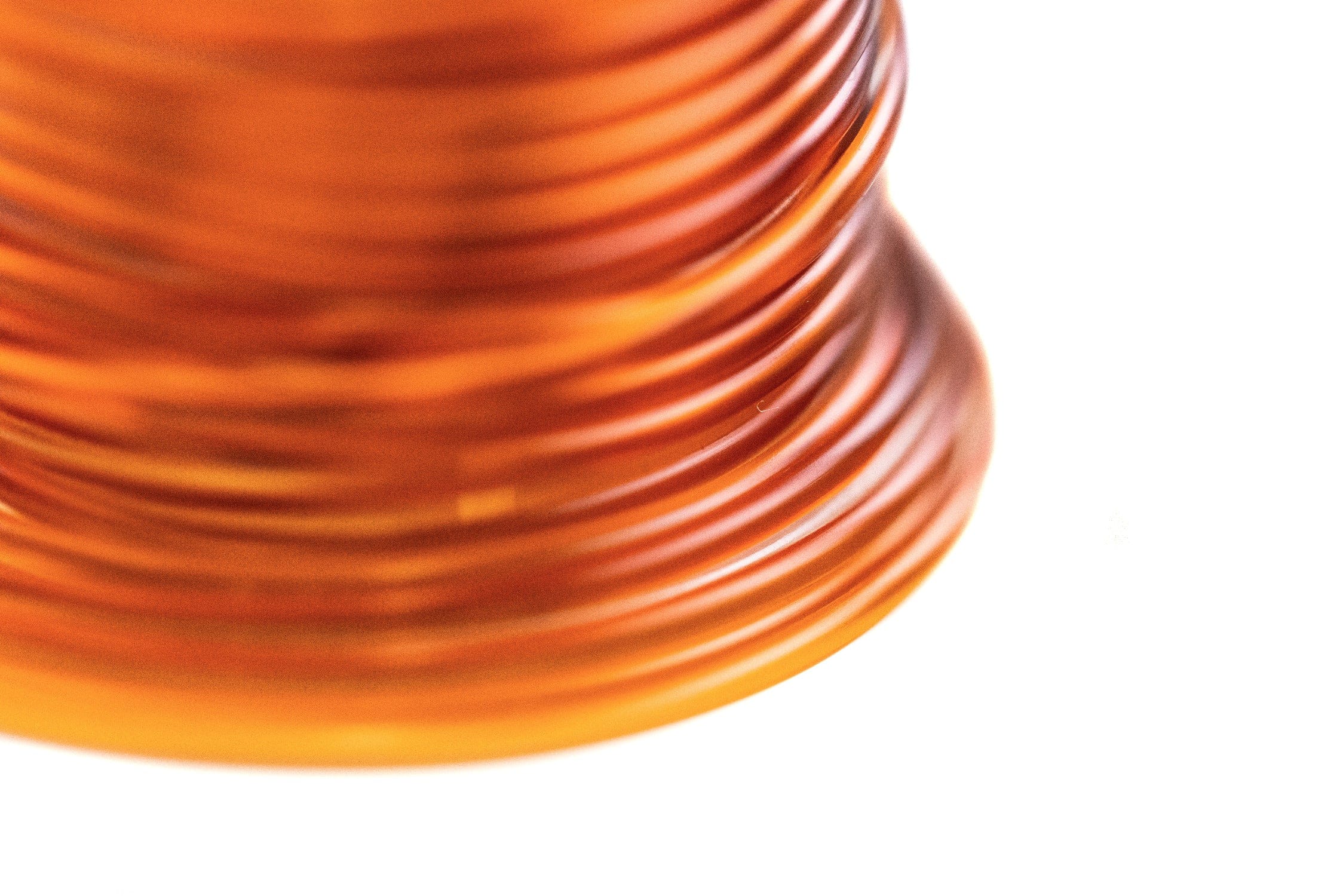
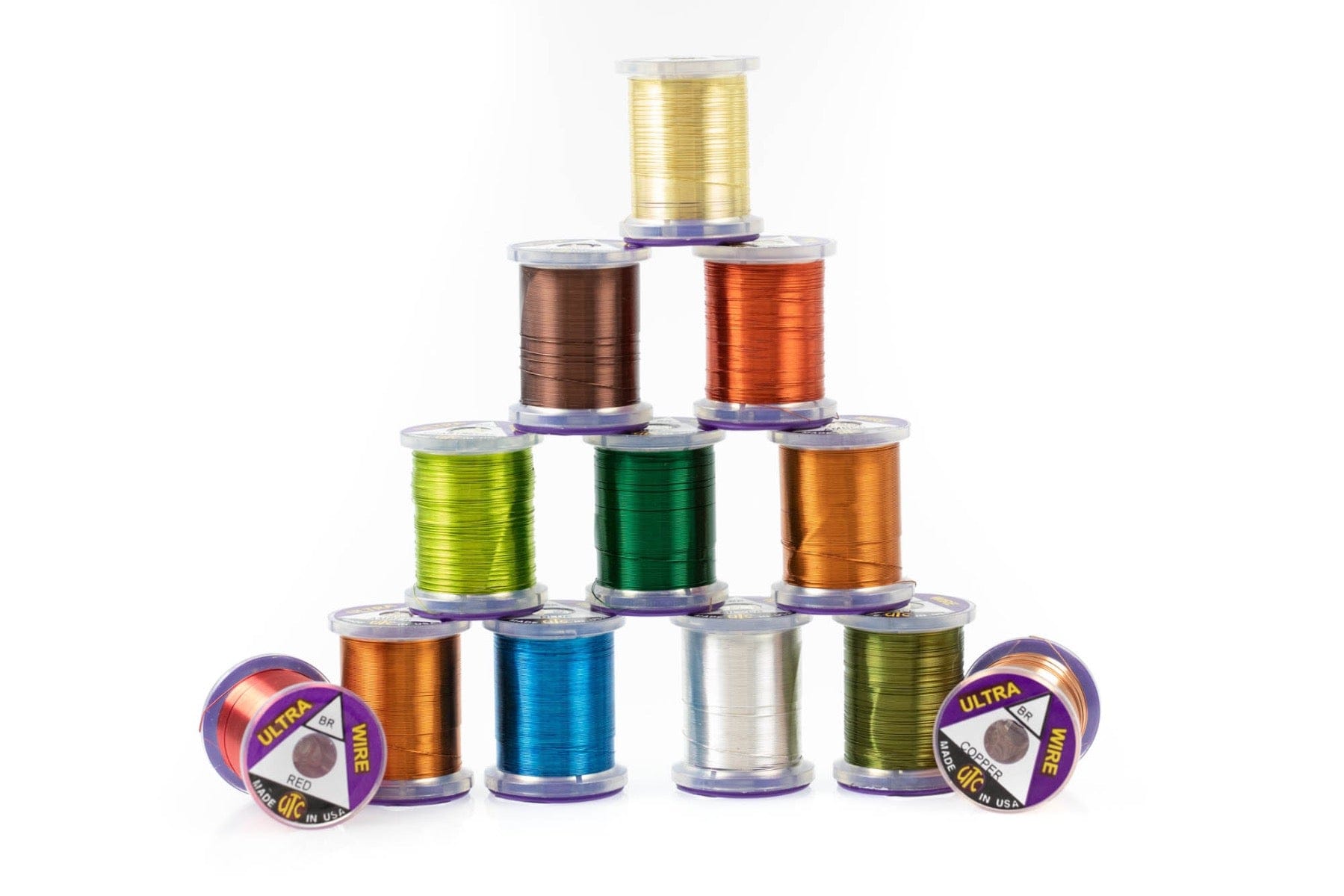
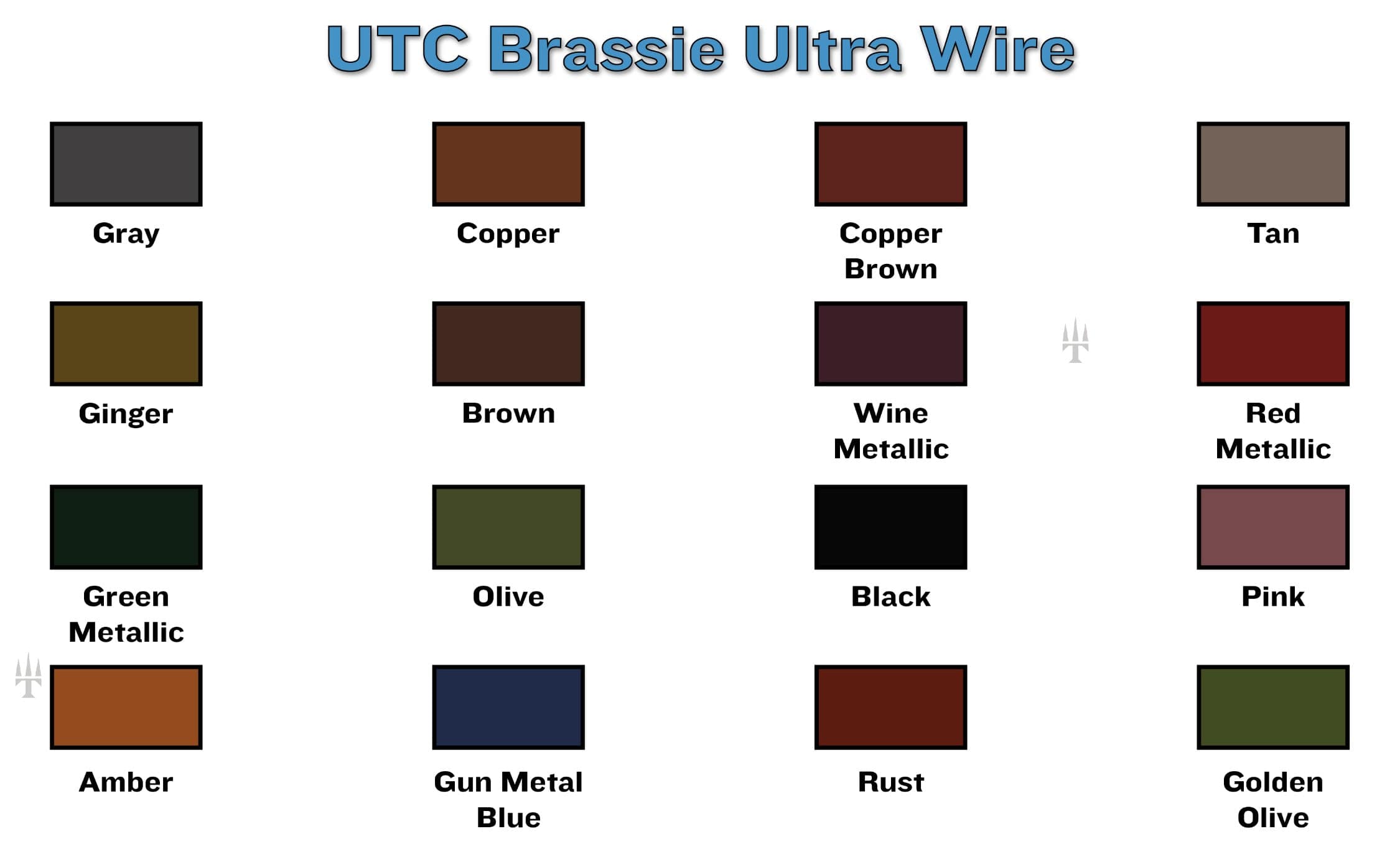
- Best Seller: UTC Ultra Wire - The rib on the Copper John and a few hundred other patterns. Four sizes from X-Small to Large and a deep color range for segmentation, weight and durability.
How to Choose UTC Ultra Thread
Denier: match the number to the hook size
Action: Read denier as thread weight: the higher the number, the thicker and stronger the thread. UTC offers Ultra Thread in four deniers and pairs each with a hook range. Use the lightest thread that still lets you lock materials down.
Best for: 70 denier on sizes 14 to 32, where it keeps midge and dry fly heads small. 140 denier on sizes 6 to 14 for nymphs, buggers and most trout streamers. 210 denier on size 8 and larger for saltwater, bass and streamers, and 280 denier when you are pulling hard on dumbbell eyes, deer hair and big synthetics.
Tip: If you tie a wide range, 70 and 140 cover nearly every trout fly. Add 210 when you start tying saltwater or bass flies.
Flat versus round: control it with the bobbin
Action: Ultra Thread is a multifilament nylon with a floss-like texture that lays flat by default. Let the bobbin hang and unwind to flatten the thread for smooth bodies, heads and under-resin wraps; spin the bobbin to cord it into a round, stronger thread when you need to bite into hair or cinch a bead.
Best for: Flat for Perdigons, thread-bodied midges and anywhere bulk shows. Round for a final cinch on deer hair, stacked wings and dumbbell eyes.
When to step up to GSP or Kevlar
Best for: UTC Ultra G.S.P Thread when you need strength far beyond the diameter. It comes in 50, 75, 100, 130 and 200 denier: 50 for the smallest trout flies with minimal bulk, 75 as an all-purpose trout size that handles tiny dries and large streamers, 100 for fresh and saltwater flies including bonefish and permit patterns, and the heavier sizes for spinning hair and big saltwater work.
Best for: UTC Kevlar Thread on high-torque jobs: spinning deer hair, locking down dumbbell eyes, binding bulky synthetics. It has almost no stretch, so every pull goes straight into the materials, and its pale yellow color can be darkened with a marker.
Avoid if: You are learning tension control. GSP and Kevlar are slick and hard on scissors and bobbin tubes; most tyers do better learning on 70 or 140 denier nylon and adding GSP later.
Why Trident Carries UTC
UTC is the Ultra Thread Company, Wapsi's thread brand, and Wapsi describes Ultra Thread as the first thread engineered specifically for fly tying when it launched in 1998. The appeal is simple: it lies flat, the color range is huge, the denier system makes sizing obvious, and the same brand supplies Ultra Wire, Vinyl Rib, tinsels and the spool box to keep it all organized. It is the thread we hand to new tyers.
Materials & Durability
- Use a ceramic bobbin for GSP and Kevlar: Both will groove a plain metal bobbin tube over time, and a grooved tube shreds thread. A ceramic insert or tube keeps the thread running smooth.
- Keep spools out of the sun: Nylon fades and weakens with UV exposure. The UTC Spool Box holds 40 spools under a clear lid and keeps the colors sorted.
- Mind the wax: Ultra Thread is lightly waxed; if you want more grip for dubbing, add a touch of wax rather than switching to a heavier thread.
- Cut GSP with a blade: Gel-spun thread dulls fine scissors fast. A razor blade or a cheap pair reserved for GSP saves your good scissors.
Complete Your Setup
Related Gear
- Fly Tying Thread, Tinsel & Wire - Compare thread brands and sizes, plus ribbing wire and tinsel.
- Fly Tying Bobbins - Ceramic and standard bobbins matched to the thread you tie with.
- Fly Tying Hooks - Pick the hook size first, then the denier to go with it.
- Fly Tying Dubbing - Fine and coarse dubbings that pair with flat nylon thread and split-thread loops.
Related Guides
- How to Tie a Copper John Nymph Fly Pattern
- How to Tie a Brassie Fly
- How to Tie the Zebra Midge Fly
- How to Tie a Rainbow Warrior Nymph
- How To Tie The Mil Spec Perdigon
UTC Ultra Thread FAQs
Q: What does denier mean on UTC Ultra Thread?
A: Denier is a weight measurement of the thread; a higher number means a thicker, stronger thread. UTC uses it instead of the older aught system (6/0, 8/0), so a 70 denier spool is the fine thread and 280 denier is the heavy one.
Q: Which UTC thread should I use for a size 18 dry fly?
A: 70 denier. The manufacturer recommends it for hook sizes 14 to 32, and it lies flat enough to keep heads small on midges and small dries. Step up to 140 denier for sizes 6 to 14.
Q: What is the difference between UTC 140 and 210 denier?
A: 140 is the all-around trout thread, rated at about 2 pounds for sizes 6 to 14. 210 is the next step up for size 8 and larger saltwater, warmwater and streamer flies, where you need more strength to hold bulky materials and heavier hooks.
Q: Is UTC Ultra Thread waxed?
A: It is lightly waxed. That gives it enough grip to hold materials and dubbing without the heavy, tacky feel of a fully waxed thread, so it still lies flat and takes UV resin and head cement cleanly.
Q: Is UTC Ultra Thread flat or round?
A: Both, depending on what you do with the bobbin. The thread lies flat when the bobbin hangs untwisted, which minimizes bulk; spinning the bobbin cords it into a round thread for extra strength and bite on hair.
Q: Who makes UTC thread?
A: UTC stands for Ultra Thread Company, one of the brands owned by Wapsi Fly in Mountain Home, Arkansas. Wapsi spools the thread, Ultra Wire, tinsels and Vinyl Rib in this collection.
UTC Warranty & Resources
Wapsi, which owns UTC, is a manufacturer and wholesale distributor and does not publish a consumer warranty for thread or spooled materials. If a spool arrives damaged, short or mislabeled, contact Trident and we will replace it. Wapsi's product pages are the authoritative source for breaking strength and recommended hook sizes for each denier.
Learn More from UTC
- Wapsi Brands: Ultra Thread Company - Background on UTC and the 1998 launch of Ultra Thread.
- Ultra Thread 70 Denier - Manufacturer specs and color list.
- Ultra Thread 140 Denier - Breaking strength and hook size recommendations.
- Ultra Thread 210 Denier - Specs for the saltwater and streamer size.