









Veevus Fly Tying Thread Quick Picks
- Best All-Around: Veevus 8/0 Fly Tying Thread - The size most trout tyers settle on for nymphs, dries and small streamers. It is a flat, unwaxed thread that splits for dubbing loops and cords up when you need strength.
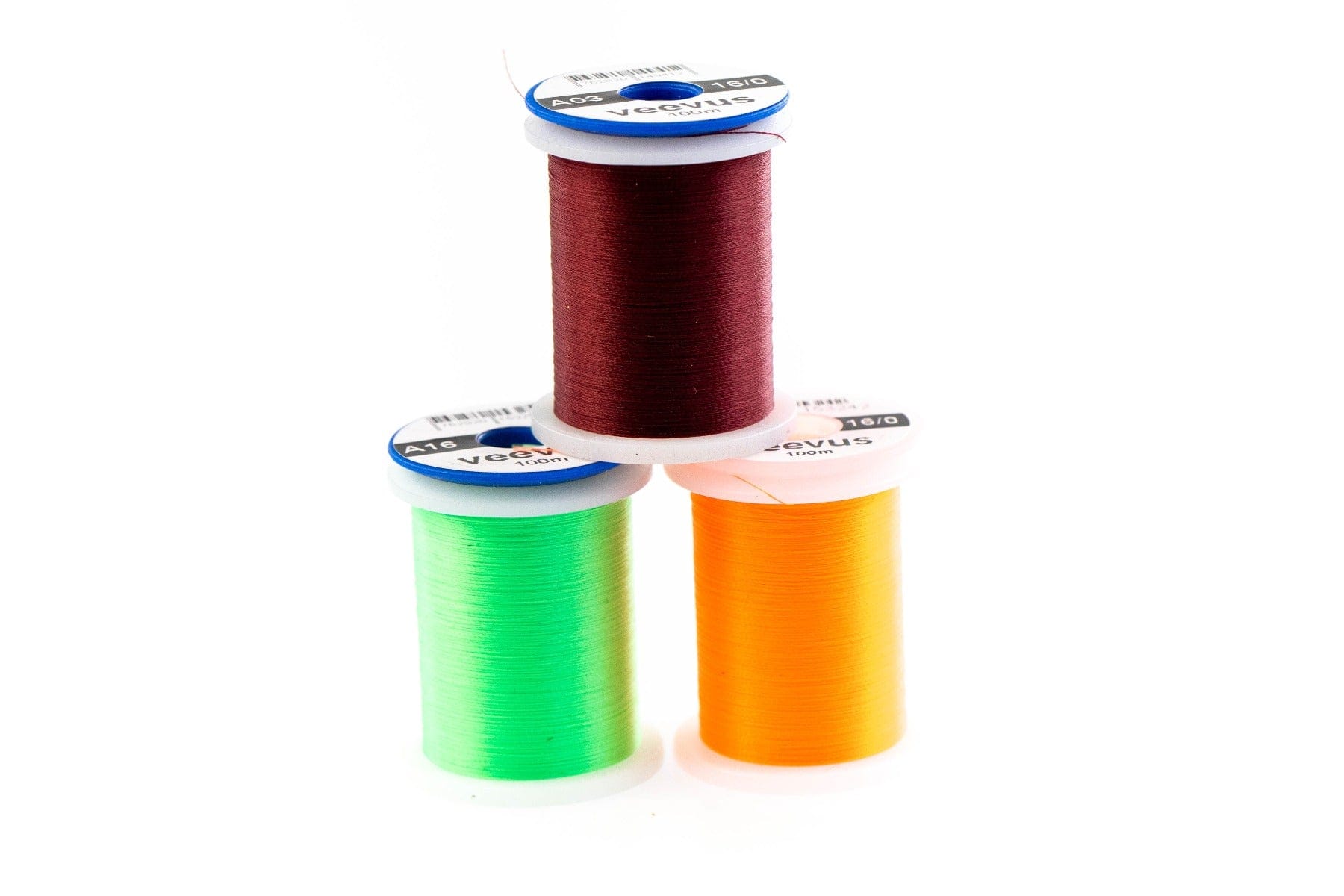
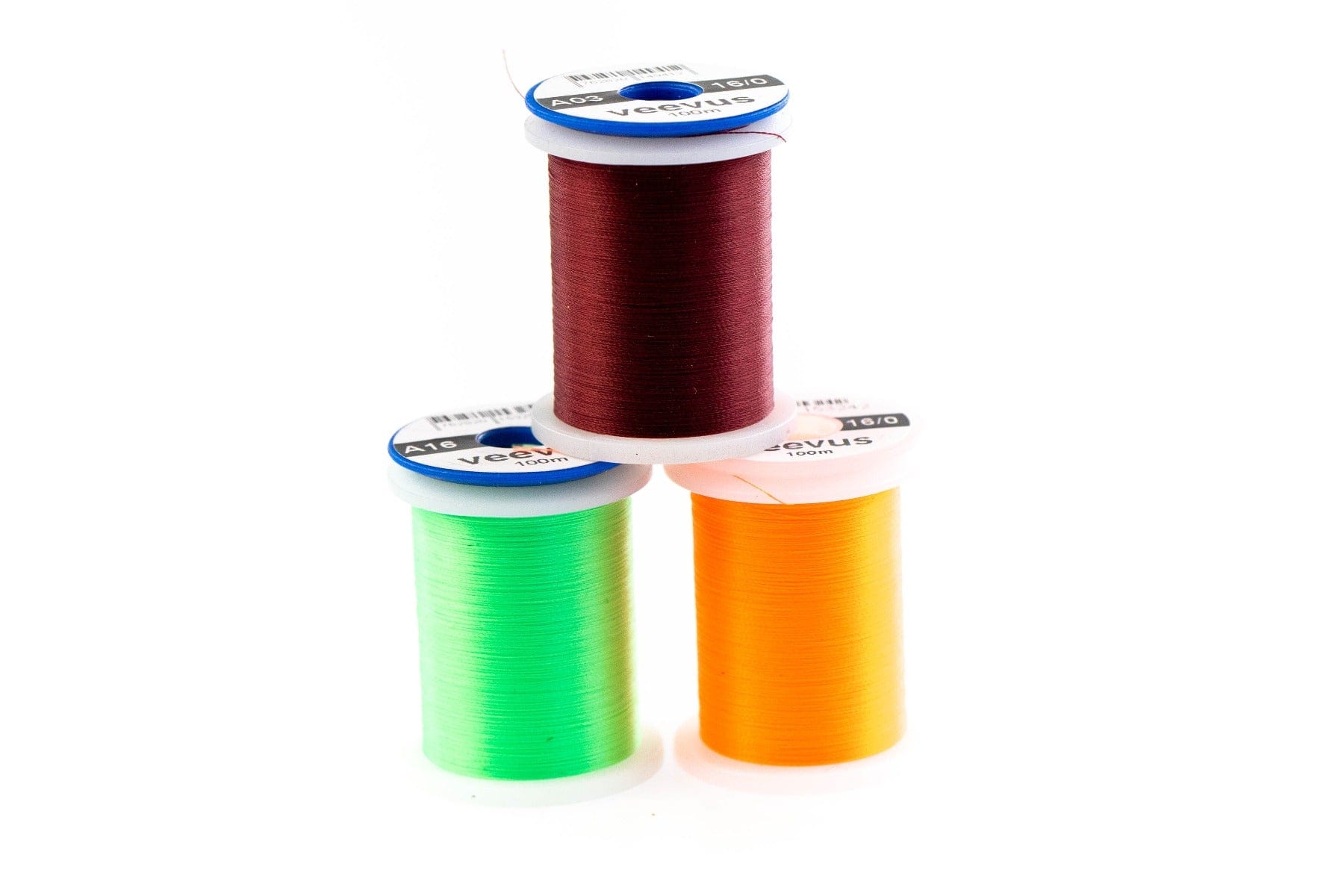
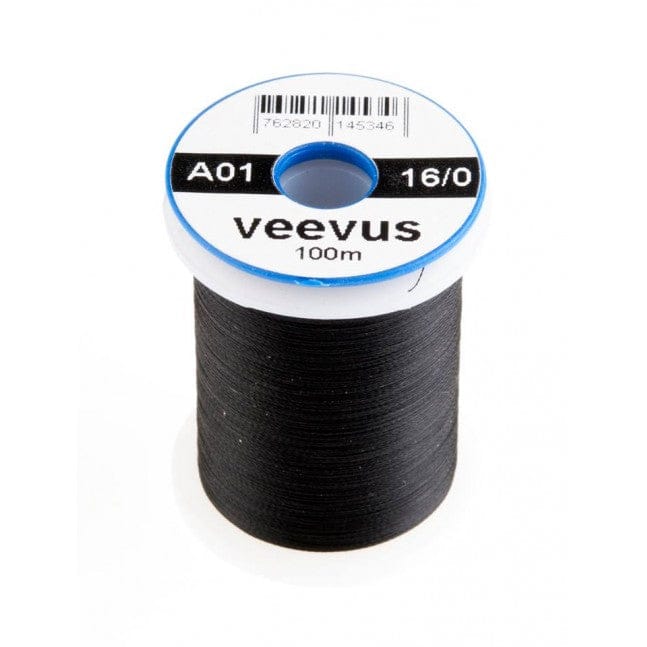
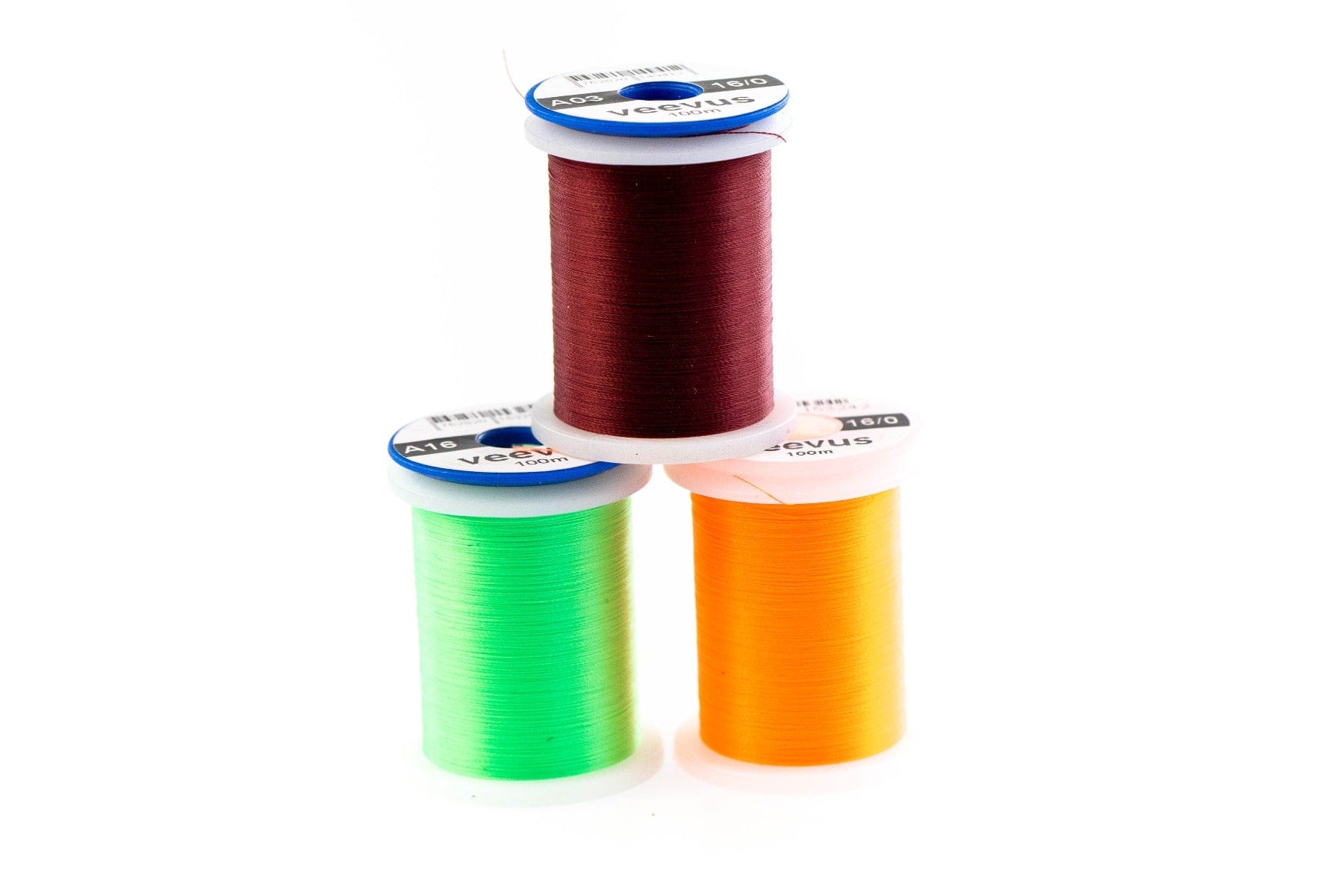
- Best for Tiny Flies: Veevus 16/0 Fly Tying Thread - For midges, Tricos and anything where a few extra wraps crowd the eye. Veevus rates it at around 430 grams breaking strength, on par with some brands' 8/0.
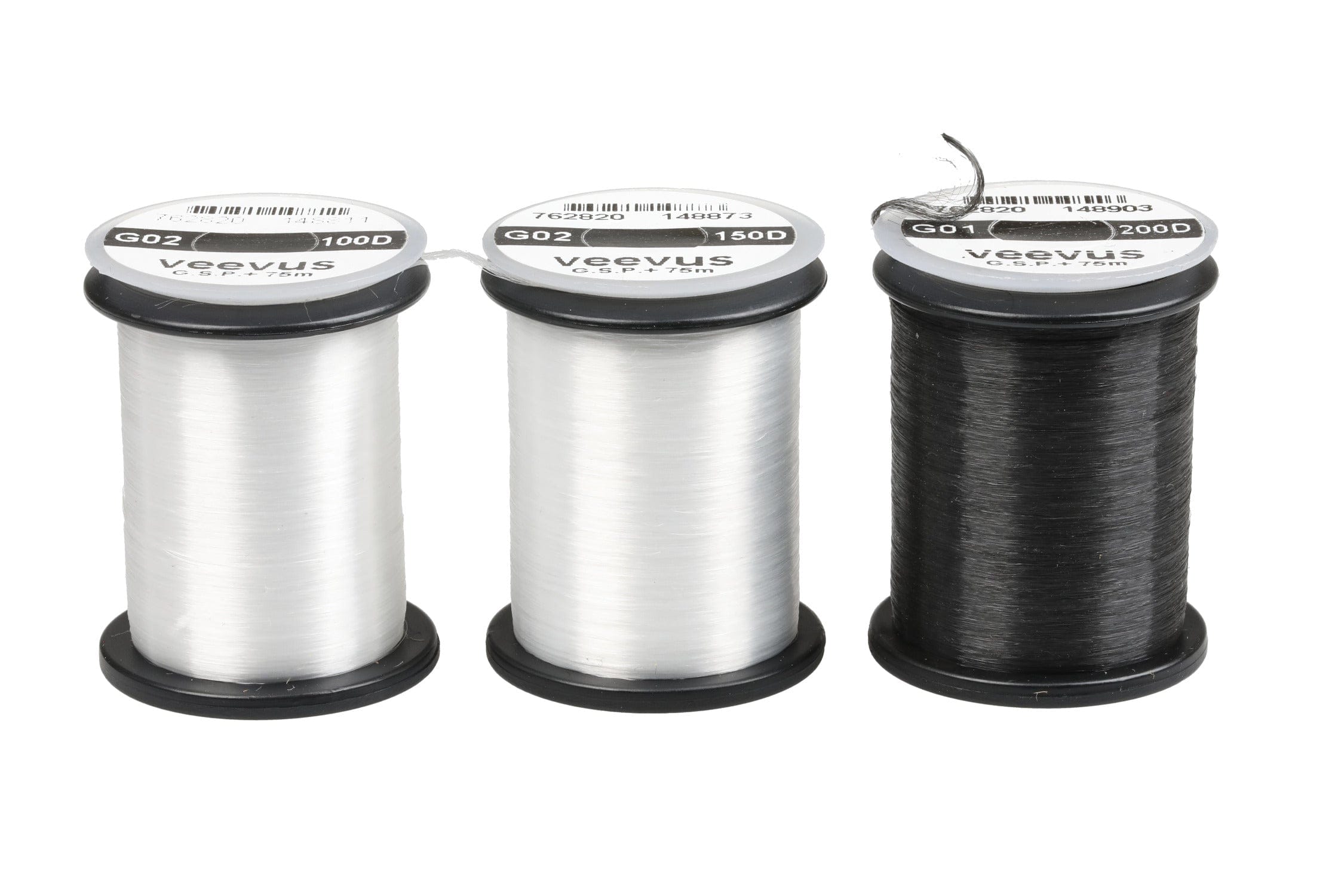
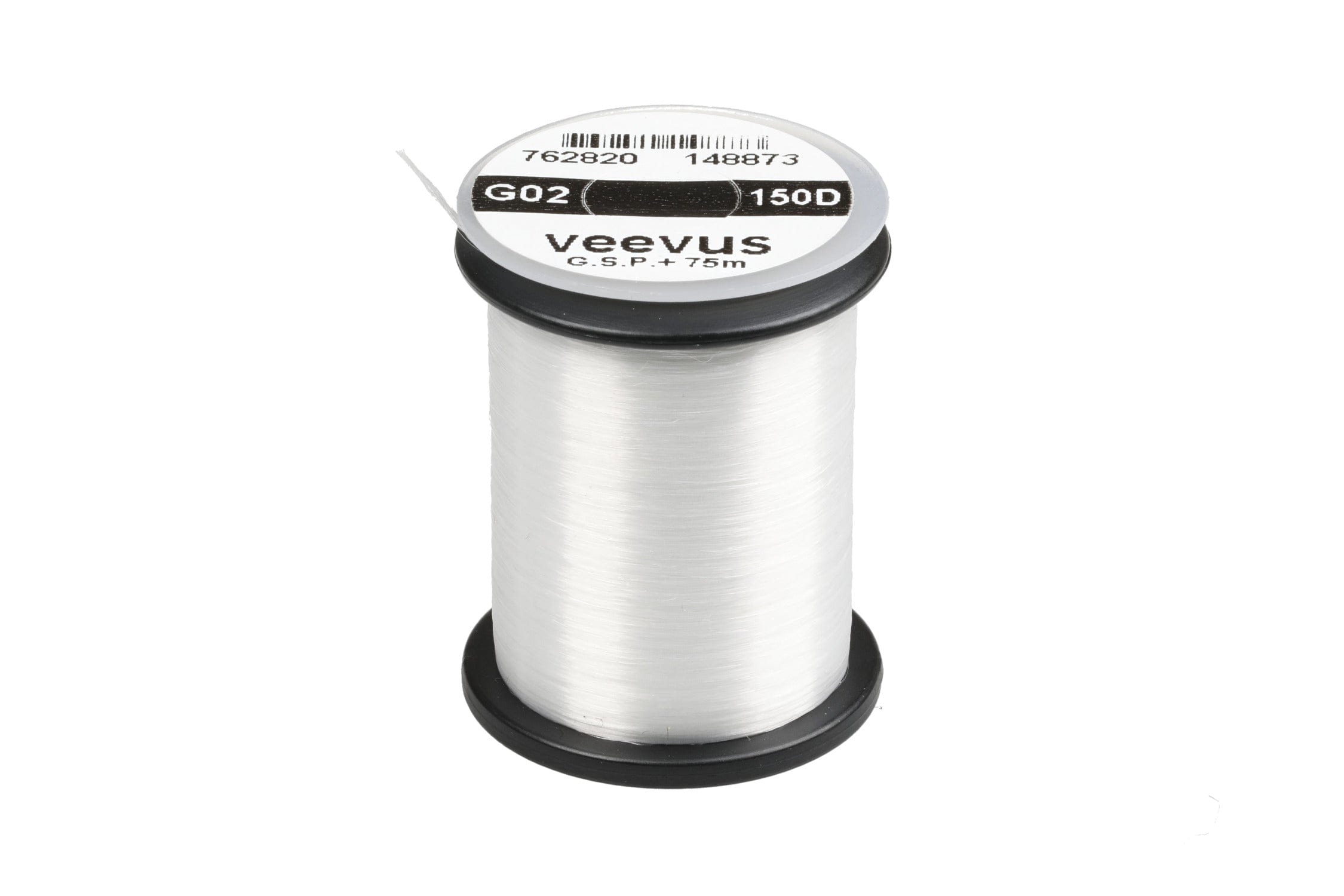
- Best for Spinning Hair: Veevus GSP Thread - Gel-spun poly in 30, 50, 100, 150 and 200 denier for deer hair, tough synthetics and toothy fish. Flat, slick and very strong for its size, in black or white that takes a marker.
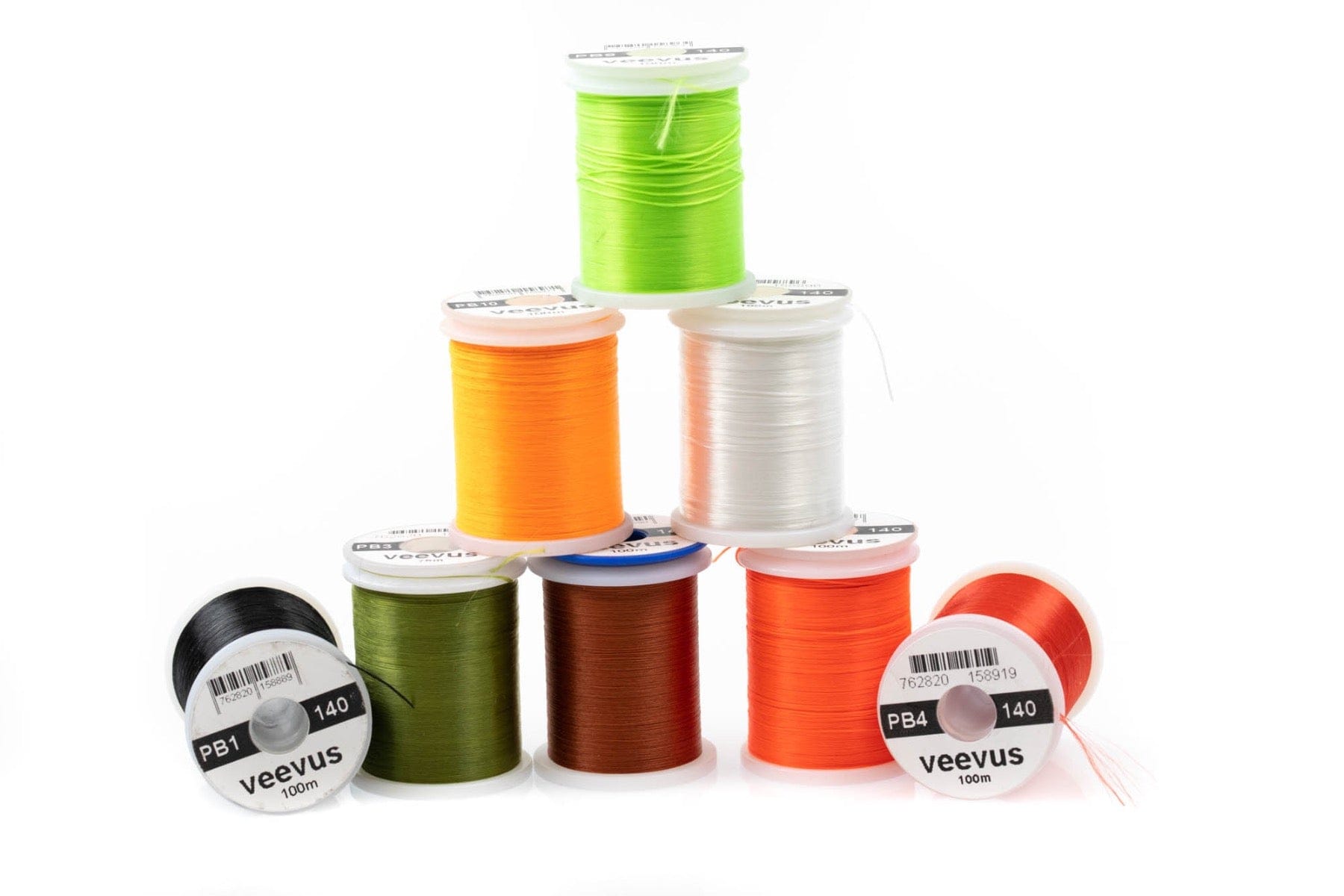
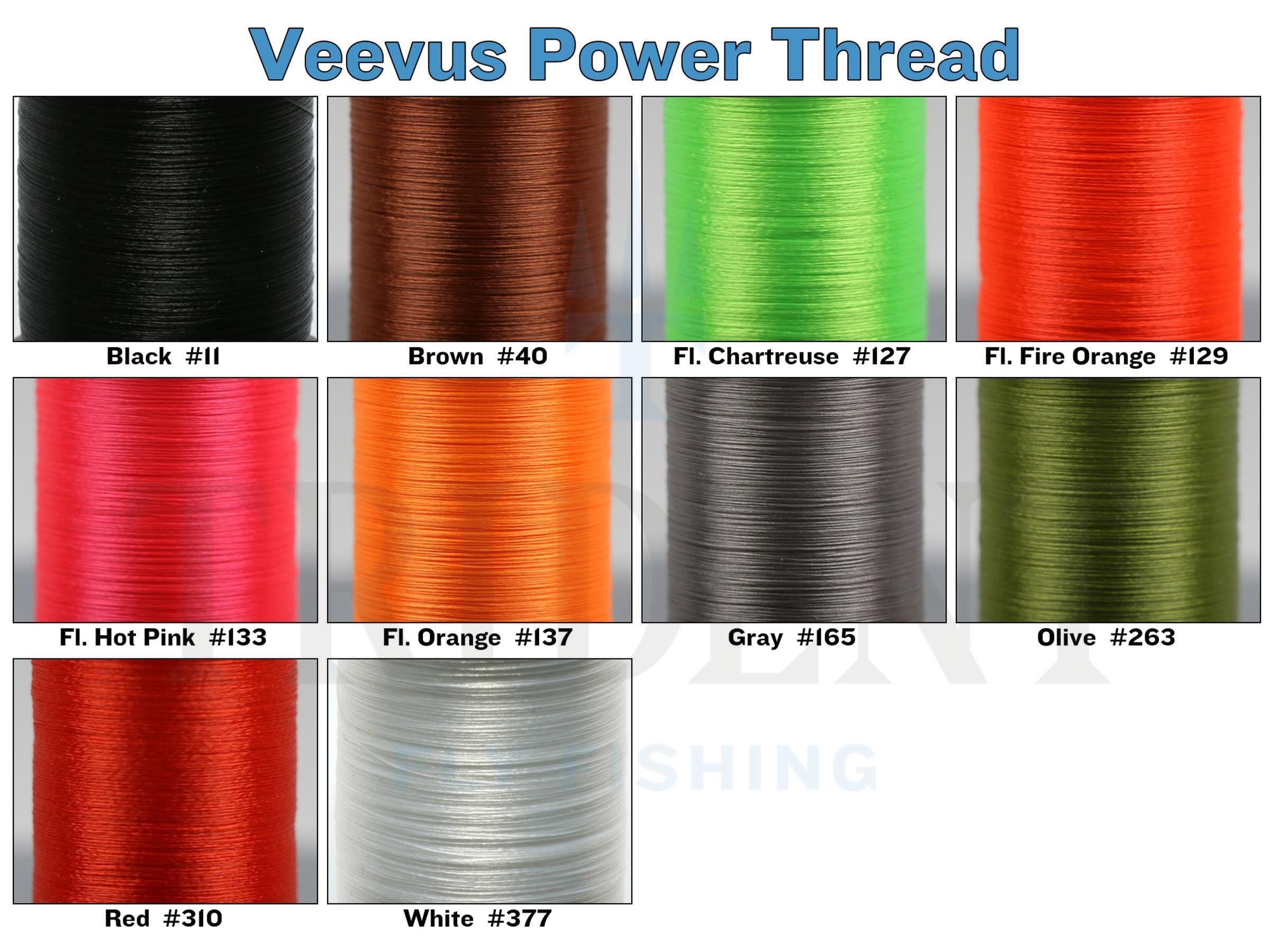
- Best for Big Flies: Veevus Power Thread - A strong, flat thread in 70, 140 and 240 denier for stoneflies, big caddis dries, hoppers and streamers. It doubles as a floss substitute and comes on a 100-meter spool.
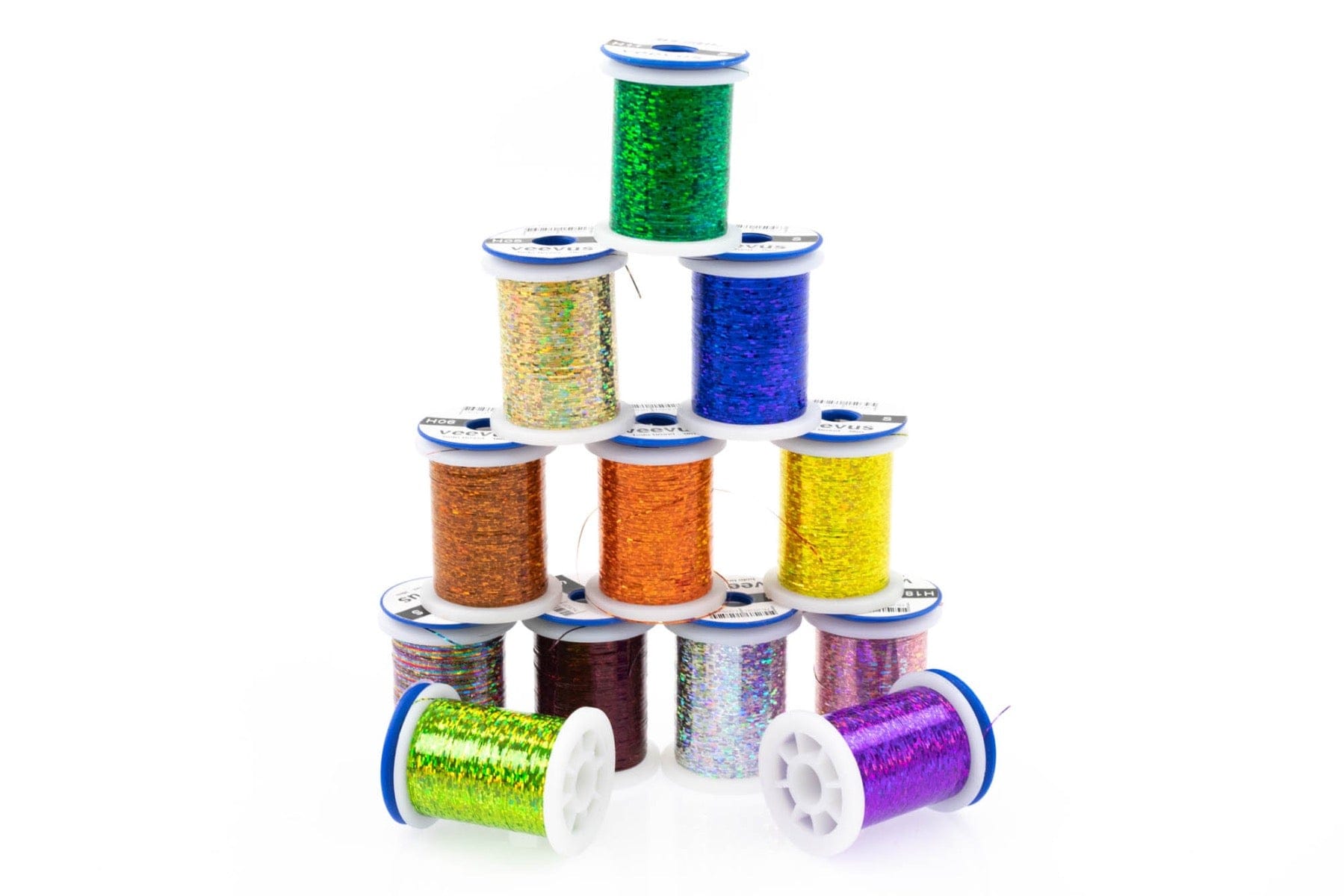
- Best Seller: Veevus Holographic Tinsel - Stronger than most tinsel and offered in three sizes and a long color list, for flashy nymph and midge bodies, ribs and tags.
How to Choose Veevus Fly Tying Thread
Aught sizes: the bigger the number, the thinner the thread
Action: Veevus labels its core threads in the aught system, from 6/0 (thickest) through 8/0, 10/0, 12/0 and 14/0 to 16/0 (thinnest). Aught sizes are not standardized between brands, so compare within Veevus; its threads are notably stronger than other threads with the same label.
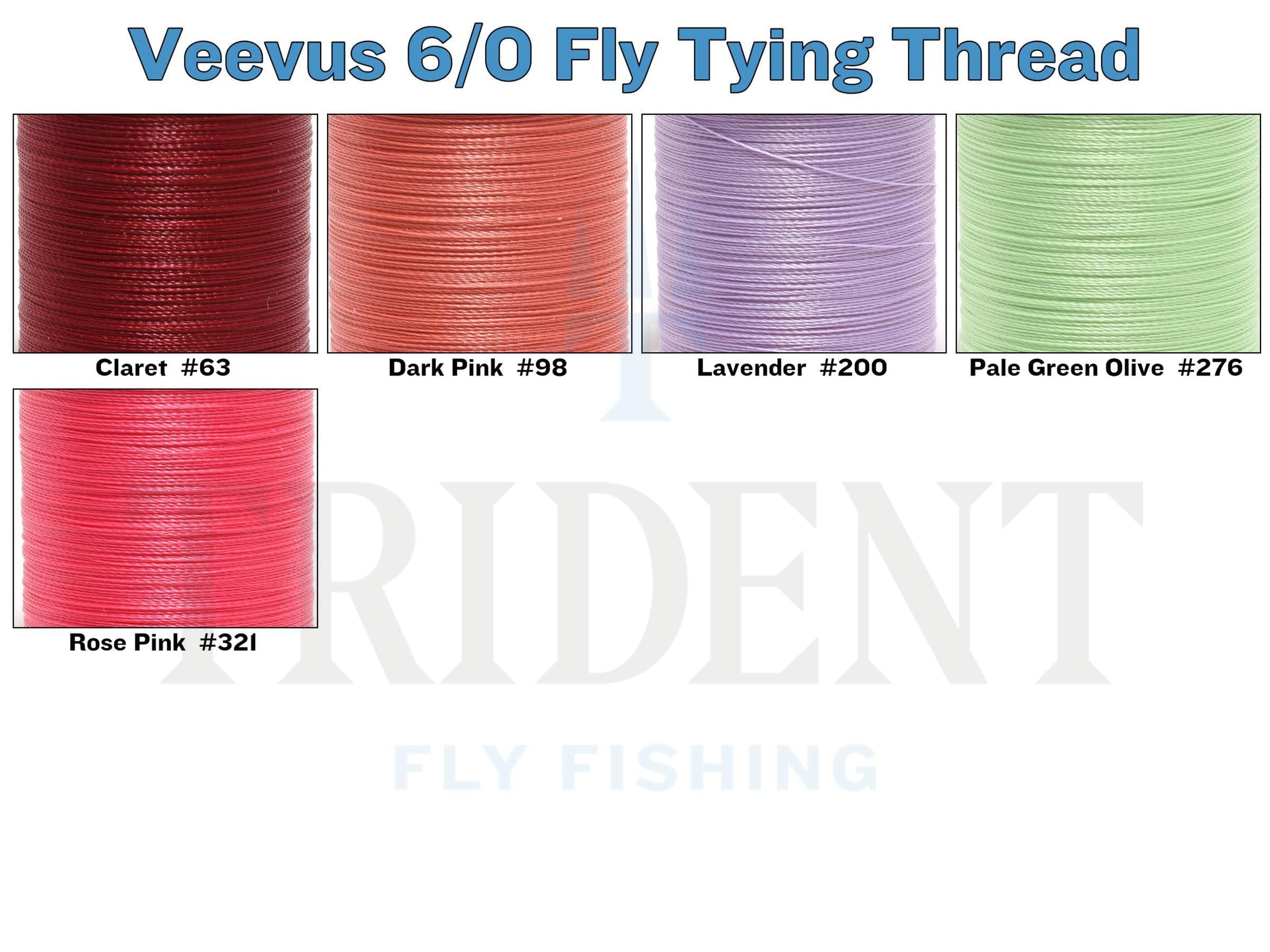
Best for: 16/0 and 14/0 on midges, Tricos and small emergers where bulk ruins the proportions. Veevus 12/0 Fly Tying Thread and 10/0 on most trout dries and nymphs, 8/0 as the general-purpose spool, and Veevus 6/0 Fly Tying Thread on larger nymphs, streamers and hair-wing flies where you pull harder.
Tip: Because Veevus is strong for its diameter, many tyers drop one size from what they used before. If you tied size 16 dries with another brand's 8/0, try Veevus 10/0 or 12/0.
Flat versus round: split it or cord it
Action: All the Veevus aught threads are flat and unwaxed. Let the bobbin hang to untwist and the thread lays flat for slim bodies and smooth heads; spin the bobbin to cord it round for extra strength on a final cinch.
Best for: Split-thread dubbing. Because the thread is flat and multi-strand, you can open it with a needle, insert dubbing or CDC and twist it into a loop without a separate dubbing loop. The unwaxed finish also means it does not gum up a bobbin tube.
Specialty threads for specific jobs
Best for: GSP when you are spinning deer hair, locking down synthetics or tying for pike and other toothy fish. The 30 and 50 denier sizes suit small flies that still need serious strength; 100 through 200 are for bass bugs and saltwater.
Best for: Veevus Mono Thread in .1mm and .2mm, clear or black, for saltwater flies and translucent freshwater patterns like scuds, sowbugs and mysis. It disappears under epoxy and UV resin, which is why Bob Popovics ties his Surf Candy and Hollow Fleye with mono.
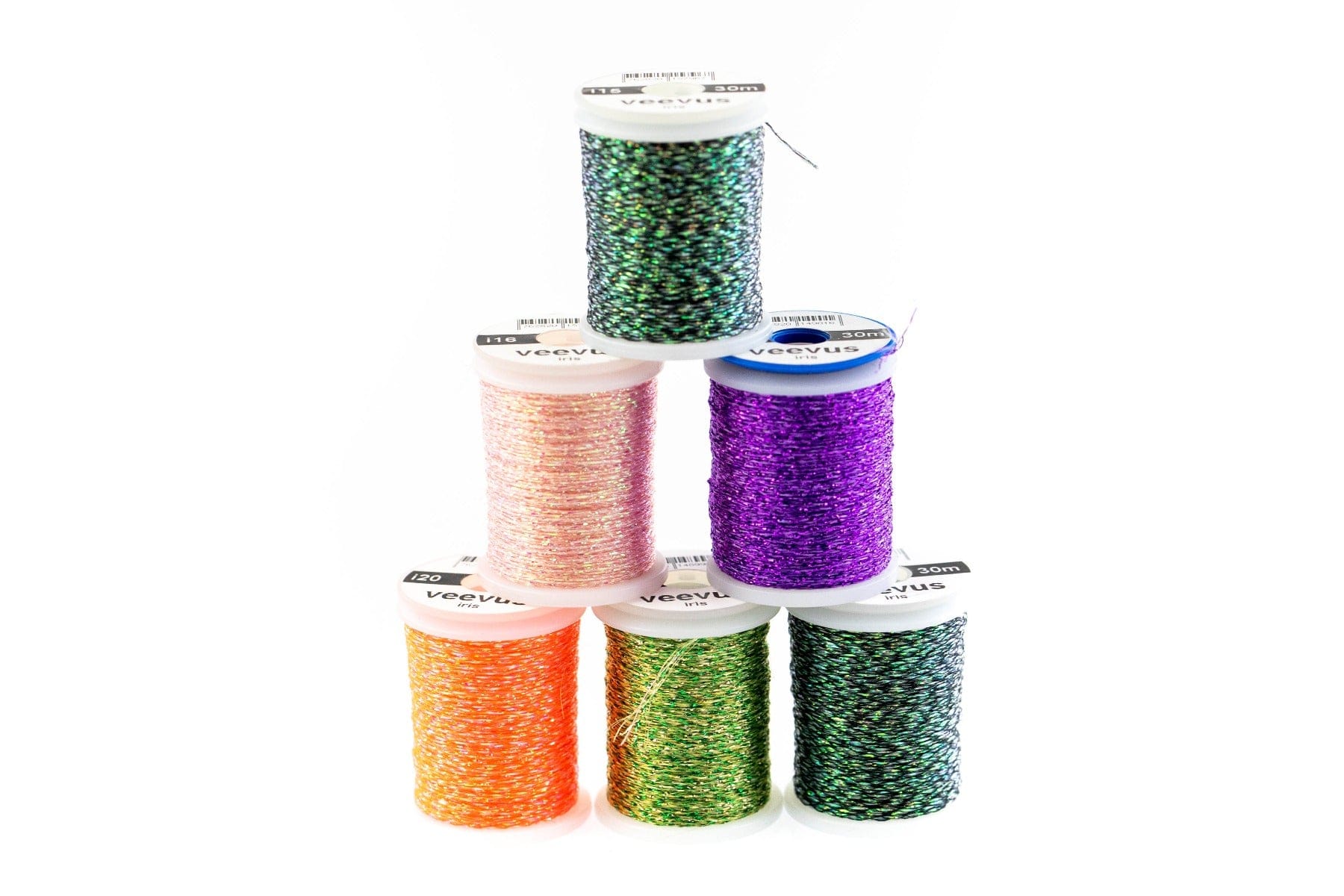
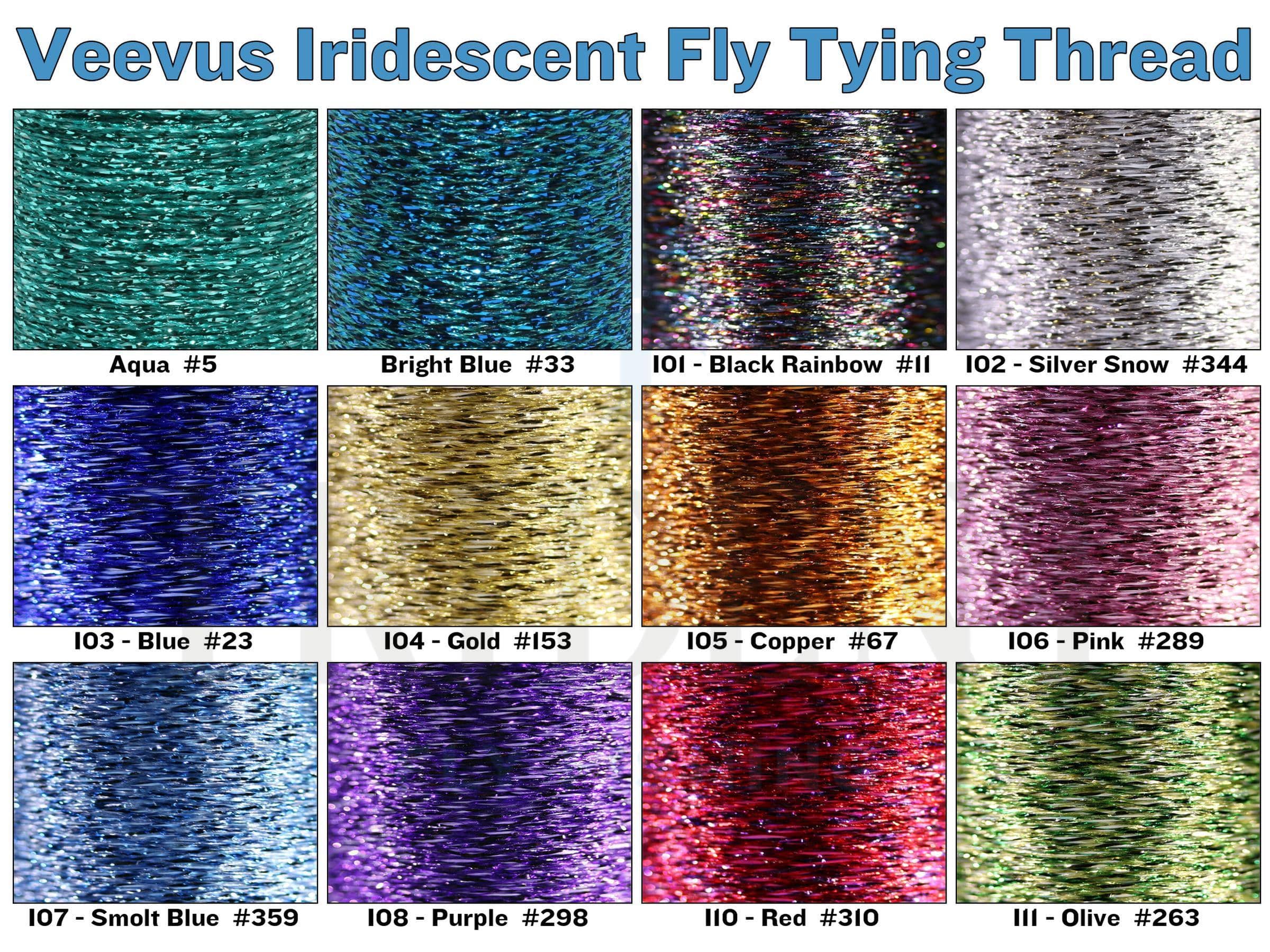
Tip: Veevus Iridescent Fly Tying Thread is a 30-meter spool of color-shifting thread for thread bodies, Clouser heads, ribbing and furled extended bodies. Body Quill, Lucent Body and Mini Flat Braid are the spooled body materials, and Veevus Floss is the single-strand floss.
Why Trident Carries Veevus
Veevus is a Danish thread maker, and the whole line is built on one idea: more strength for a given diameter. That lets you tie smaller flies with fewer broken threads and cleaner heads, which is why 16/0 has become a go-to for midge tyers. GSP, Mono and Power Thread round out the range for hair, saltwater and big flies.
Materials & Durability
- Wax it yourself if you want tack: Veevus threads are unwaxed. A light pass over a wax tin gives you grip for dubbing without changing how the thread lays.
- Use a ceramic bobbin with GSP: Gel-spun thread grooves metal tubes and then shreds. A ceramic tube or insert keeps it running clean.
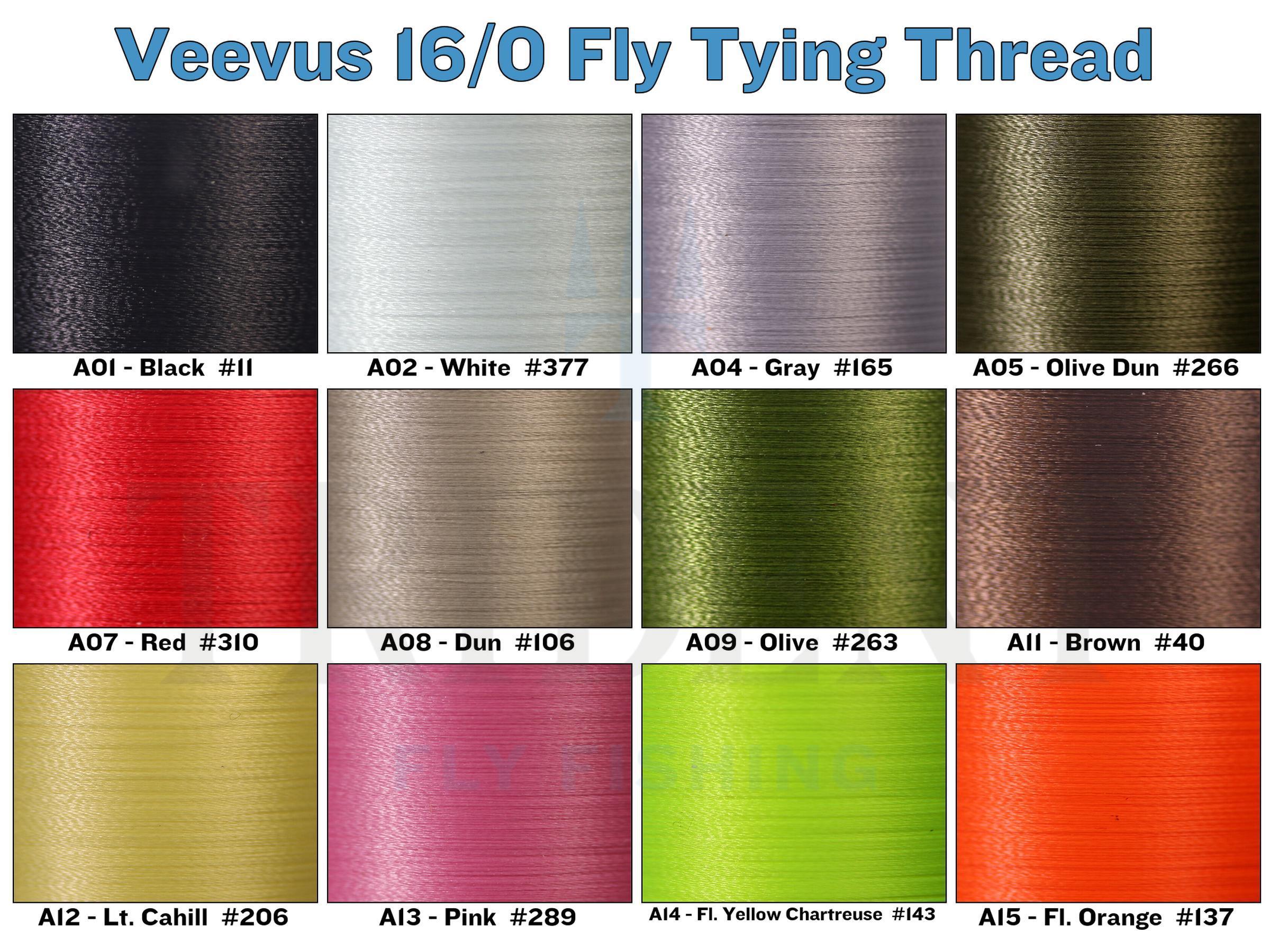
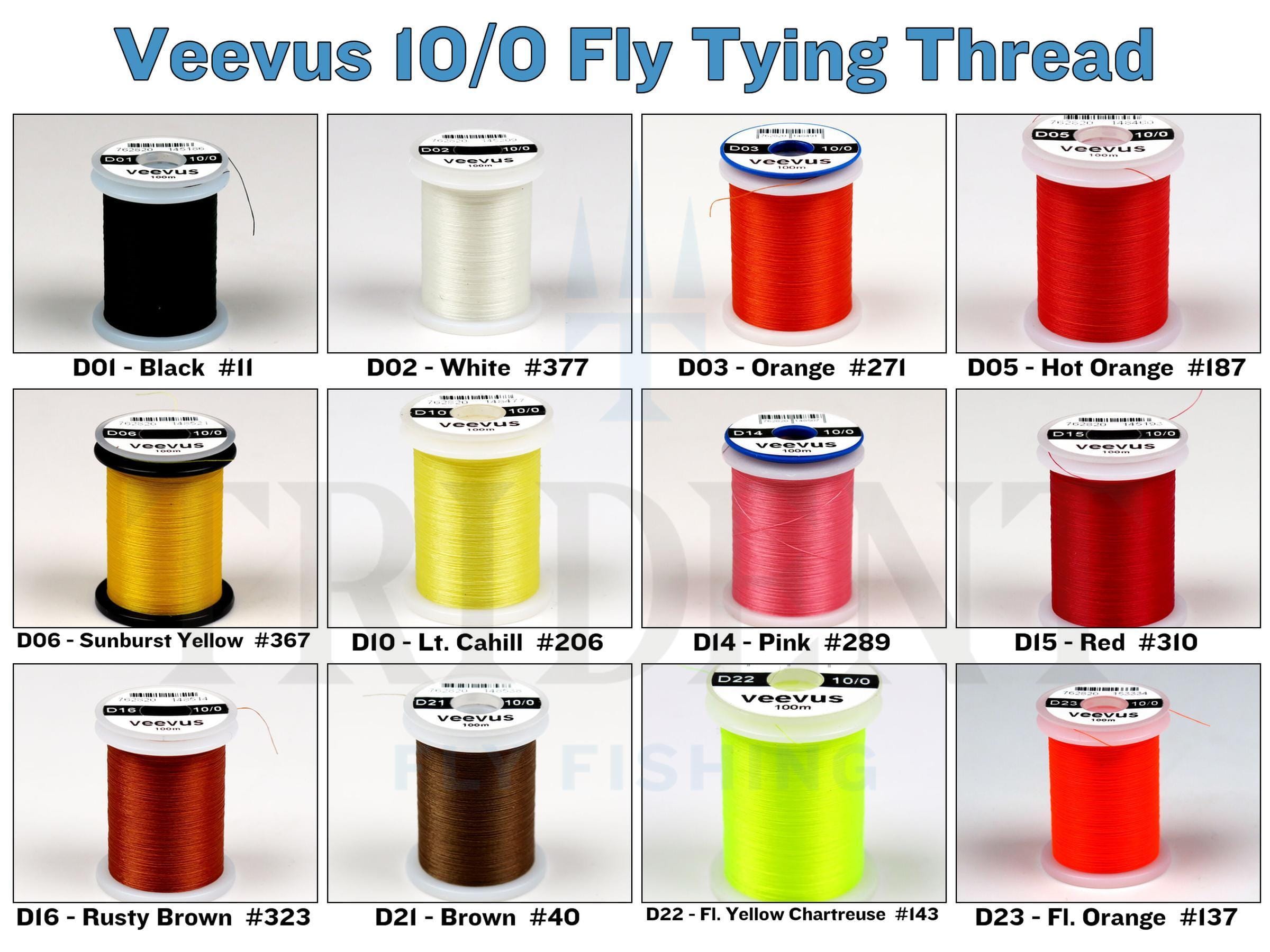
- Keep the color code: Veevus labels colors by letter and number (A for 16/0, B for 14/0, C for 12/0 and so on). Note the code on your spool rack so you reorder the exact shade.
- Finish mono with glue or resin: Mono thread is slick, so whip finish twice and seal the head with super glue or UV resin.
Complete Your Setup
Related Gear
- Fly Tying Thread, Tinsel & Wire - Compare Veevus with UTC, UNI and Danville by size and finish.
- Fly Tying Bobbins - Ceramic bobbins for GSP and fine thread.
- Dry Fly Hooks - Fine-wire hooks for small dries and midges.
- Fly Tying Dubbing - Fine dubbings for split-thread bodies and dubbing loops.
Related Guides
- How to Tie a Perdigon Nymph
- How To Tie The Mil Spec Perdigon
- How to Tie the Top Secret Midge Fly
- How to Tie a Surf Candy Saltwater Streamer Fly
- How to Tie the Mayer's Mysis Fly Pattern
Veevus Fly Tying Thread FAQs
Q: What does 8/0 mean on Veevus thread?
A: The aught number describes thread diameter, and a bigger number means a thinner thread: 6/0 is the thickest Veevus size and 16/0 the thinnest. Sizes are not standardized across brands, so a Veevus 8/0 may differ from another maker's 8/0.
Q: Is Veevus thread waxed?
A: No. The 6/0 through 16/0 threads are flat and unwaxed, which keeps them lying flat and makes split-thread dubbing easy. If you want tack for dubbing, run the thread over a wax tin.
Q: Which Veevus thread is best for midges?
A: 16/0, with 14/0 close behind. The 16/0 breaks at around 430 grams according to Veevus, so you can pull tight on a size 22 without the thread popping or the head crowding the eye.
Q: What is the difference between Veevus GSP and the regular Veevus threads?
A: GSP is gel-spun polyethylene: much stronger for its diameter, very slick and flat, sold in denier (30 to 200) and only in black or white. The aught threads are easier to control and come in many colors; GSP is for spinning hair and hard pulling.
Q: What is Veevus Power Thread used for?
A: Power Thread is a strong, flat thread in 70, 140 and 240 denier for larger flies such as stoneflies, hoppers, big caddis dries and streamers. Because it lays flat and comes in bright colors, it also works as a floss substitute for bodies and hot spots.
Q: Which Veevus thread should I use for saltwater flies?
A: Mono Thread for translucent heads on Surf Candies, shrimp and anything under epoxy; GSP 100 to 200 denier for big baitfish and deer-hair heads; and 6/0 or Power Thread 140 to 240 denier for general saltwater tying in color.
Veevus Warranty & Resources
Veevus does not publish a product warranty for thread, floss or tinsel; its site covers standard terms and conditions for direct purchases. If a spool from Trident arrives damaged or mislabeled, contact us and we will replace it. The Veevus site is the reference for spool lengths, breaking strengths and color codes.
Learn More from Veevus
- Veevus - Manufacturer home page.
- About Veevus - Background on the Danish textile maker behind the thread.
- Veevus GSP Threads - Denier list, spool length and spinning notes from the manufacturer.
- Veevus 16/0 Threads - Breaking strength and the full 16/0 color list.