



Argentina
La Villa de Maria Behety Lodge
Request a Reservation
Thanks for your interest in La Villa de Maria Behety Lodge. Fill out the form below and our team will contact you shortly to discuss availability and details.
Email the travel team
How do you want to send it?
We've written the email for you. Add your dates and it's ready to send.
Trip Summary
La Villa de Maria Behety pairs one of South America’s most refined fishing lodges with exceptional access to Tierra del Fuego’s legendary Río Grande. Limited to just six anglers, each enjoying a private single-occupancy room, the standard week includes six days of guided fishing for Sea Run Brown Trout across more than 100 named pools and over 30 miles of the river’s productive lower and middle reaches. Two anglers share each guide and rotate through different beats during morning and evening sessions, while outstanding Argentine cuisine, attentive service, and first-class amenities provide an exceptionally comfortable base for a serious trophy-trout trip.
Who's It For?
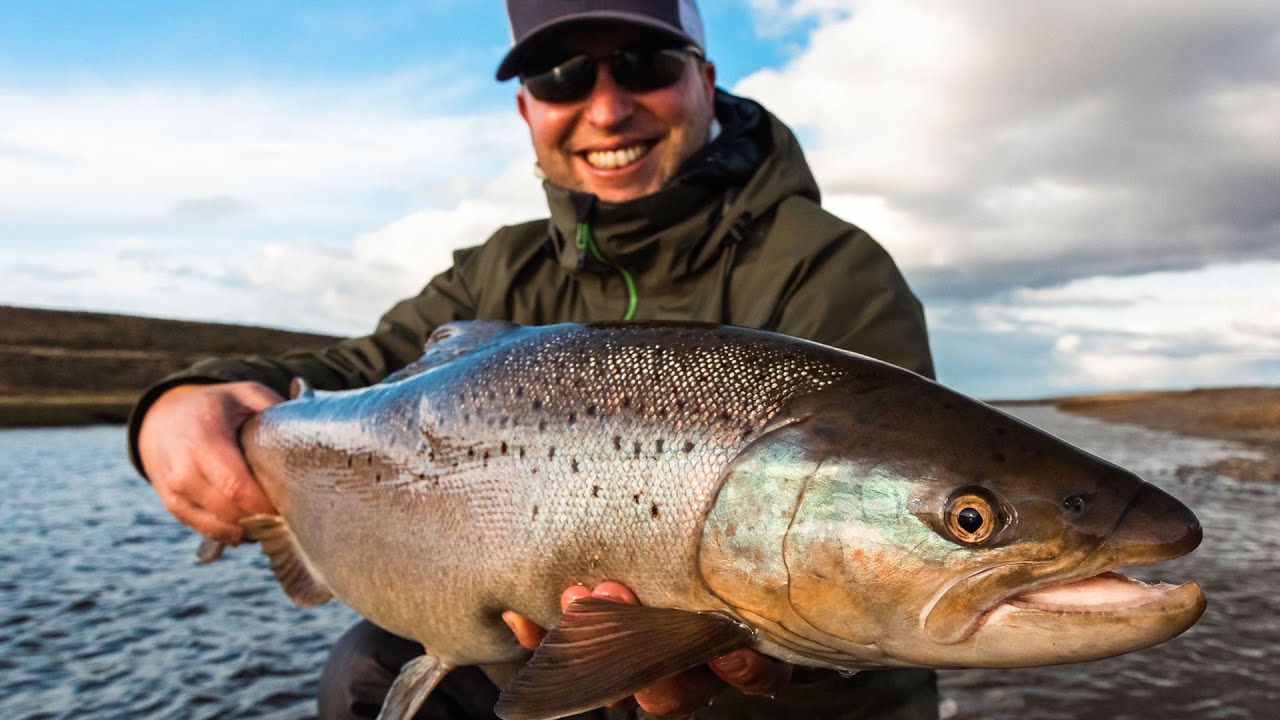
Extensive access to the middle and lower Rio Grande
La Villa’s six anglers rotate through more than 100 named pools across roughly 32 miles of the middle and lower Rio Grande. Each pair receives dedicated morning and evening beats, providing uncrowded fishing and the flexibility to adapt to changing water, weather, and light conditions.
Proven sea-run brown trout fishing
The Rio Grande is one of the world’s most established fisheries for large Sea Run Brown Trout. Anglers encounter a broad range of fish throughout the season, including powerful trout in the teens and the legitimate possibility of fish exceeding 20 pounds.
Intimate six-angler fishing program
With only six guests and three guides, La Villa provides a highly personal fishing experience with two anglers assigned to each guide and vehicle. Daily beat rotations and separate morning and evening sessions give every pair access to varied water throughout the week.
Refined single-occupancy lodge experience
Every guest enjoys a private en-suite room in a beautifully restored historic mansion. Outstanding Argentine cuisine, an open bar, an extensive wine cellar, radiant heat, fireplaces, and attentive service make La Villa one of the most comfortable fishing lodges in Tierra del Fuego.
CHOOSE YOUR ADVENTURE
WHY BOOK WITH TRIDENT
- No Credit Card Fees
- Same Price as Booking Direct
- Earn Trident Rewards
Trident Travel's expert planning service is free of charge.
The rates below are the same as you would pay by booking directly with the lodge.
Rates and inclusions are subject to change at any time. Contact us for current pricing and availability.
Single Occupancy / Shared Guide (Per Person)
7 Nights / 6 Fishing Days = $8,900 to $11,500, depending on the week
What's Included:
- Six days of guided fishing with two anglers per guide
- Seven nights of single-occupancy accommodations
- All meals at La Villa de Maria Behety Lodge
- Non-alcoholic and alcoholic beverages, including an open bar
- Round-trip transfers between Rio Grande Airport (RGA) and the lodge
- Daily vehicle transportation to and from the fishing beats
- Complimentary WiFi
- Limited laundry service
What's Not Included:
- International and domestic airfare
- Hotels, meals, and ground transfers in Buenos Aires
- Transfers between Ushuaia Airport (USH) and the lodge
- Tierra del Fuego fishing license, approximately $300 per angler and payable at the lodge in cash
- Fishing equipment, flies, and personal gear
- Gratuities for guides and lodge staff
- Personal purchases and other incidental expenses
- Travel insurance
Gallery


Seasonal Fishing
Calendar
January opens the season with long daylight hours and a strong presence of bright, recently arrived sea-run brown trout. River levels and weather can vary, but fish are often active throughout the system. Floating and intermediate lines may be used when conditions allow, while Skagit heads, sink tips, nymphs, and streamers provide additional flexibility.
By February, increasing numbers of sea-run brown trout are typically distributed throughout the river’s pools. Water can become lower and clearer, favoring smaller flies, longer leaders, and lighter presentations, although changing weather may require heavier sink tips. February remains windy, but favorable conditions can create opportunities to fish floating lines and surface-oriented presentations.
Late season brings cooler temperatures, shorter days, and a mixture of bright fish and trout that have spent more time in freshwater. Conditions can range from low and clear to high and discolored following rainfall, making versatility especially important. Anglers may use small nymphs and lighter tips in clear water or larger streamers and heavier sinking lines when flows rise.
Lodging & Accommodations

Accommodations
La Villa de Maria Behety occupies a beautifully restored historic mansion and accommodates a maximum of six anglers. Each guest receives a private single-occupancy room with a comfortable bed, ample storage, and an en-suite bathroom featuring a walk-in shower and Jacuzzi tub. Shared spaces include two inviting living areas, fireplaces, a billiard room, fly-tying space, a small tackle shop, radiant-floor heating, and a heated equipment room for drying waders and clothing between fishing sessions.
Food
Meals are prepared by Argentine chefs using fresh ingredients, including produce from the estancia’s greenhouse and meats raised on the property. An early breakfast precedes the morning fishing session, while lunch is typically the largest meal of the day and may feature a traditional asado, regional wines, dessert, and coffee before the afternoon siesta. Dinner is served after the evening fishing session and accompanied by selections from La Villa’s extensive Argentine wine cellar and open bar.
Connectivity
Complimentary WiFi is available at the lodge and is generally sufficient for email, messaging, and basic internet use. Service can occasionally be interrupted due to the lodge’s remote location, and cellular coverage is unreliable or unavailable. Guests should download essential travel documents and other important information before arriving.
Target Species

Sea Run Brown Trout
11-Day Itinerary
Each day is carefully planned to maximize your fishing success while experiencing the best of what this destination has to offer. Itineraries are flexible based on conditions and guest preferences.
A week at La Villa de Maria Behety Lodge runs from Saturday to Saturday. Most travelers depart home on Thursday evening and arrive at Ezeiza International Airport (EZE) on Friday morning. After transferring to a pre-arranged hotel in Buenos Aires, you will have the remainder of the day to rest or explore the city. Some guests choose to arrive earlier and spend additional time in Buenos Aires before continuing south.
On Saturday, you will transfer from your hotel to the appropriate Buenos Aires airport, most commonly Jorge Newbery Airport (AEP), for your flight to Rio Grande (RGA). Upon arrival, a lodge representative will meet you and provide the approximately 45-minute transfer to La Villa de Maria Behety Lodge. After settling in, you will attend an orientation, meet the guide team, and prepare your equipment for the week. Fishing begins the following morning.
Each fishing day includes separate morning and evening sessions. After breakfast, pairs of anglers depart with their guide to fish a private rotation of pools before returning to the lodge for the main midday meal, Argentine wines, and an afternoon siesta. Anglers head back to the river later in the day and often fish until sunset. Following the evening session, you will return to the lodge for hors d’oeuvres, dinner, and time to relax at the bar. The days are long and fishing-focused, but the split schedule provides time to rest between sessions.
After breakfast on Saturday morning, you will transfer approximately 45 minutes to Rio Grande Airport (RGA) for your flight to Buenos Aires. Depending on your domestic and international flight schedules, you may connect home that evening or transfer to a pre-arranged hotel for one final night in the city. An overnight is often the more comfortable option and provides additional protection against schedule changes.
After breakfast, you will transfer to Ezeiza International Airport (EZE) for your return flight home. Travelers departing on an overnight flight may instead arrive home on the following morning.
Frequently Asked Questions
GET IN TOUCHThe La Villa de Maria Behety season generally runs from early January through early April. January offers long days and bright, newly arriving fish, but can bring higher flows and stronger winds. February through early March is the traditional prime period, with more trout distributed throughout the river. Late March and early April bring shorter days, cooler temperatures, and potentially lower, clearer water that may require greater precision. Every week can produce exceptional fish, with river level, clarity, temperature, and wind ultimately determining the fishing.
Both lodges are operated by the Menendez family and fish the same extensive system of private beats on the middle and lower Rio Grande. La Villa de Maria Behety accommodates only six anglers in single-occupancy rooms, creating a quieter and more intimate experience with three guides and one guide per two anglers. Estancia Maria Behety hosts approximately 12 anglers in a larger, more relaxed lodge setting. The primary distinction is lodge size, atmosphere, and accommodations rather than the quality of the fishing access.
La Villa’s six anglers are divided into three fishing pairs, with each pair assigned a guide and vehicle. The lodge’s access encompasses more than 30 miles of the middle and lower Rio Grande and over 100 named pools. Anglers rotate through scheduled morning and evening beats, generally fishing several pools during each session. The rotation coordinates La Villa, Estancia Maria Behety, and neighboring operations using the opposite bank, distributing anglers across the river while minimizing crowding and repeated water.
The Rio Grande offers a legitimate opportunity to encounter sea-run brown trout in the teens and fish exceeding 20 pounds, but neither size nor catch rate can be guaranteed. These are migratory trout that do not feed consistently, and even experienced anglers may endure quiet sessions between brief periods of activity. Results vary with fish movement, river level, clarity, temperature, wind, angler execution, and fishing pressure. Serious anglers should approach the trip as a hunt for exceptional individual fish rather than a numbers-driven trout-fishing program.
A 12½- to 14-foot two-handed rod in a 7- or 8-weight is the most versatile choice for the Rio Grande. Many anglers bring two fully rigged rods, allowing them to switch quickly between floating or intermediate presentations and heavier sink-tip systems. Reels should have dependable drags and approximately 200 yards of 20- to 30-pound backing. A shorter switch rod or powerful 8- or 9-weight single-handed rod can be useful in select conditions, but it should supplement rather than replace the primary Spey setup.
A complete Rio Grande line system should cover everything from delicate near-surface presentations to large flies fished deeply in heavy wind. Skagit heads are particularly effective with weighted flies and dense tips, while Scandi, floating, intermediate, and multidensity lines provide greater control in lower or clearer water. Useful tips commonly range from intermediate and Type 3 through Type 6, Type 8, T-8, T-11, and T-14. Final selections should be based on current river conditions and the lodge’s pre-trip guidance.
Productive Rio Grande patterns include Rubber Legs, Yuk Bugs, Bitch Creeks, Rio Grande Queens, San Juan Worms, Sunray Shadows, bunny leeches, Intruders, and compact tube flies. Smaller patterns in approximately sizes 8 through 12 are valuable in low, clear water, while larger profiles in sizes 2 through 6 are useful during higher flows, reduced visibility, or low light. Leaders generally range from 9 to 12 feet with 12- to 20-pound tippet. Strong, high-quality single barbless hooks are the standard.
Yes, but surface fishing on the Rio Grande is an opportunity rather than a dependable weeklong strategy. Low or stable water, reasonable clarity, manageable wind, and favorable light can create chances to skate Bombers, Green Machines, or similar waking flies. Sunray-style patterns may also be fished immediately beneath or across the surface. Most fishing remains subsurface with nymphs, streamers, and tube flies, so anglers should be prepared to change presentation depth quickly when guides identify a surface window.
Expert-level casting is not required, but competent two-handed skills substantially improve an angler’s effectiveness. Guests should arrive comfortable making sustained-anchor casts, managing running line, changing direction, and casting from either shoulder. Practicing in wind is especially important because Tierra del Fuego conditions may eliminate a preferred casting side. Extreme distance is less valuable than repeatedly delivering a controlled fly at roughly 40 to 70 feet, maintaining tension through the swing, and responding quickly when a guide changes angle, depth, or presentation.
Fishing is primarily walk-and-wade, with vehicles used to reach individual pools. Much of the riverbed consists of relatively firm gravel and gradual banks, and anglers frequently fish in knee- to thigh-deep water. Conditions still vary with river level, and long periods of standing, walking, wind exposure, and cold can be physically demanding. The split schedule includes a morning session, an extended midday meal and rest period, and an evening session continuing toward sunset. Good mobility and layered, weatherproof clothing are important.
Lodge weeks normally run Saturday to Saturday. Most international travelers arrive at Buenos Aires Ezeiza International Airport on Friday, overnight in the city, and fly south the following day, commonly from Jorge Newbery Airport to Rio Grande. A lodge representative meets the scheduled flight for the approximately 45-minute drive to La Villa. Ushuaia may be used when flight schedules require it, but the road transfer is considerably longer and may involve additional cost. Buenos Aires airport transfers and hotel nights should be coordinated carefully when planning the itinerary.
Medical emergencies and evacuations can happen in remote destinations, which is why we strongly recommend enrolling with Global Rescue before your trip. Global Rescue provides industry-leading medical and security evacuation services, and they also offer comprehensive travel insurance plans serviced through IMG. This all-in-one solution allows anglers to secure both emergency evacuation coverage and travel insurance through a single provider, helping ensure you’re protected if something unexpected occurs before or during your trip.
Trip Resources & Downloads


