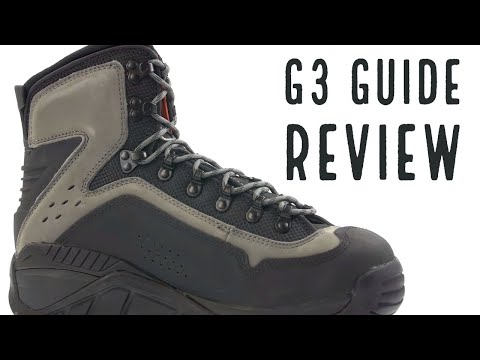


2023 Wading Boots Guide: Get The Perfect Fit (Sizing, Soles, Studs)
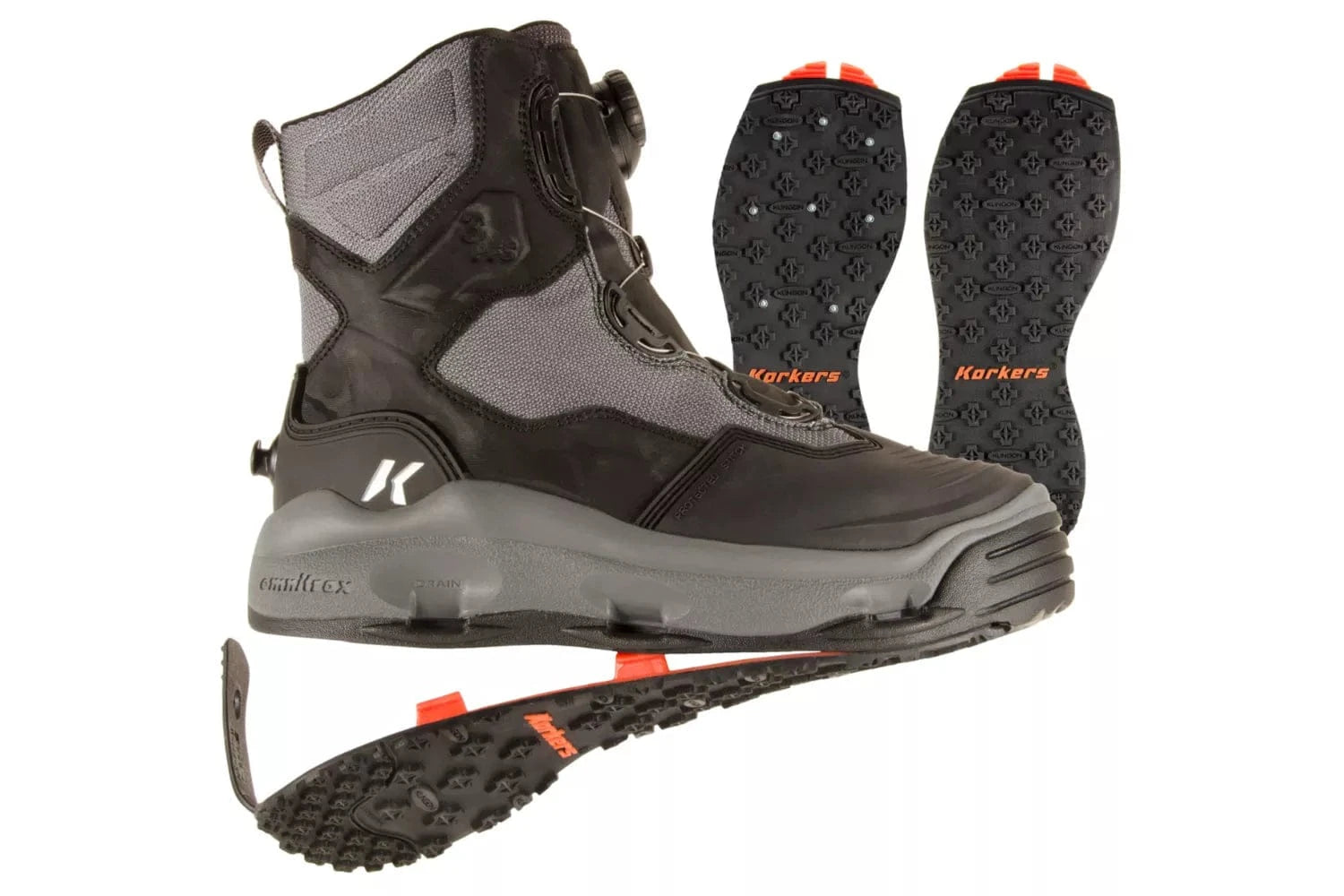
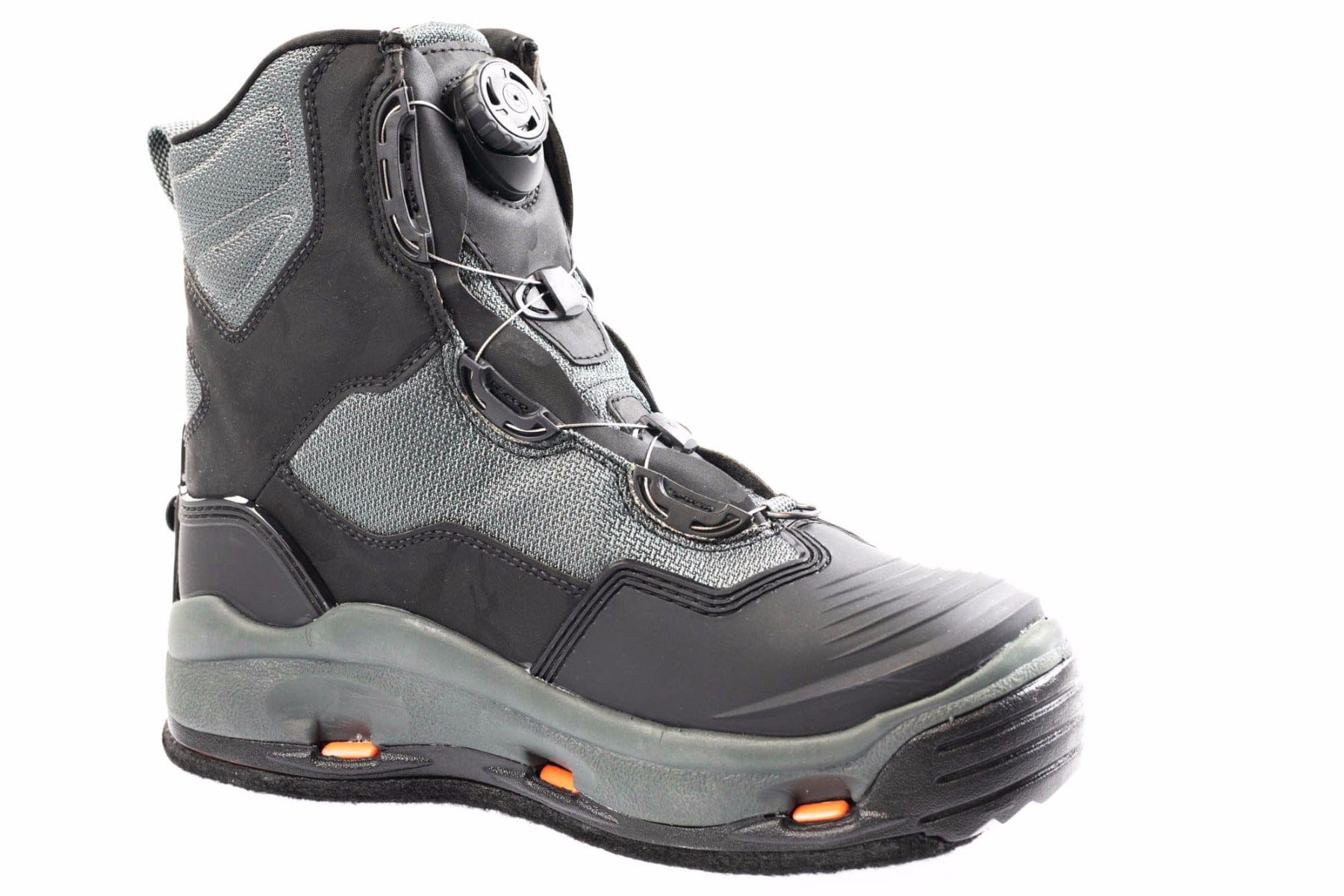
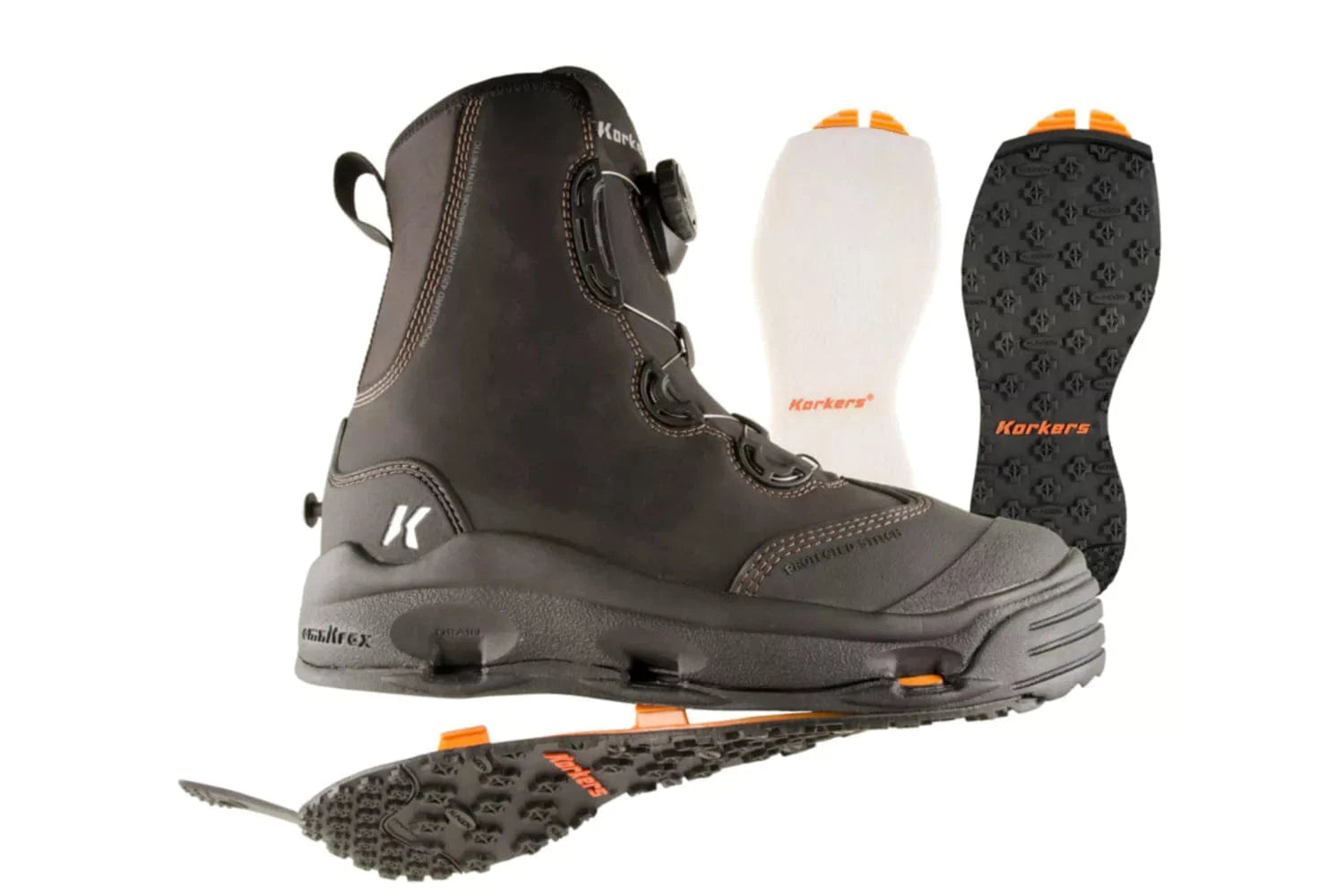














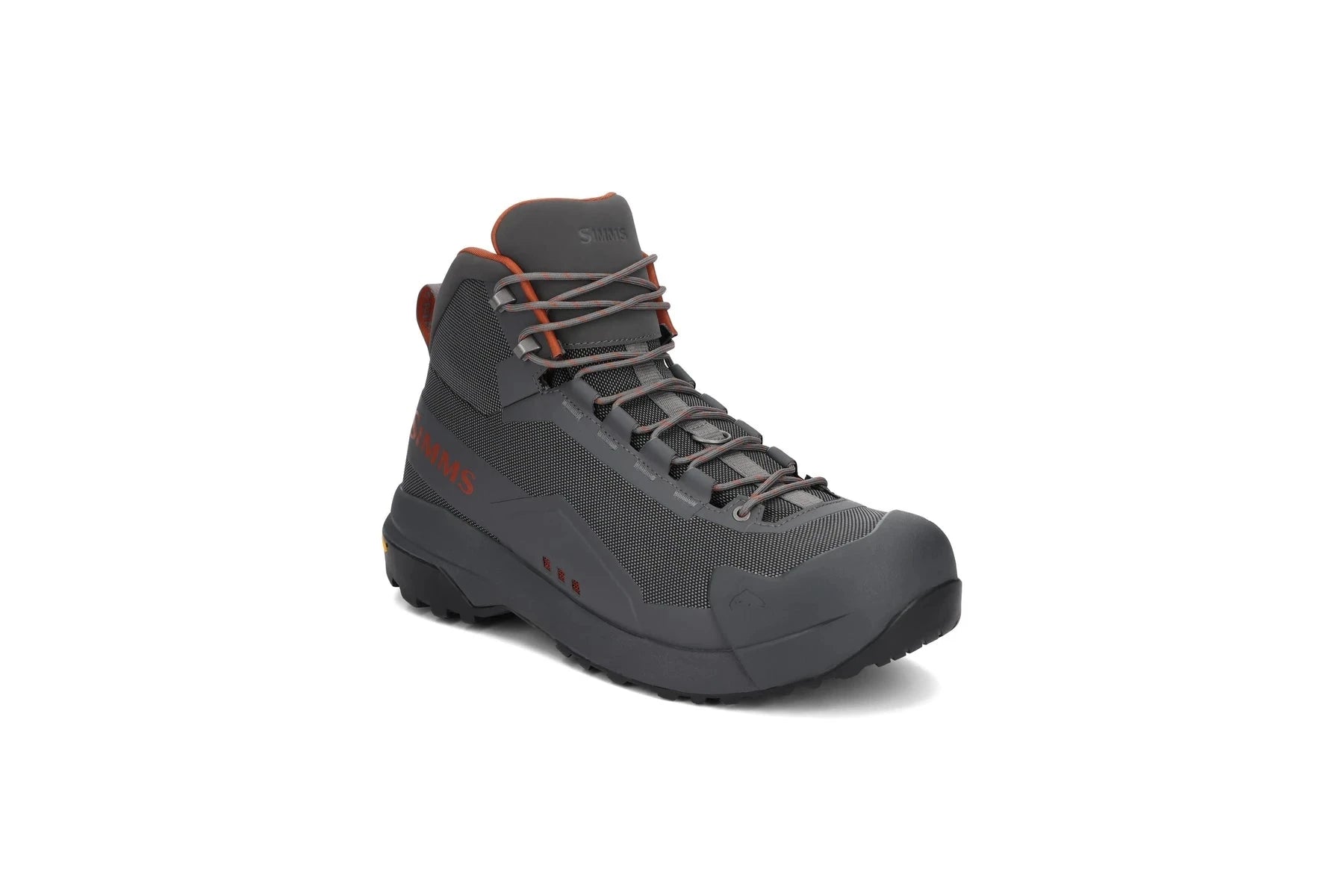
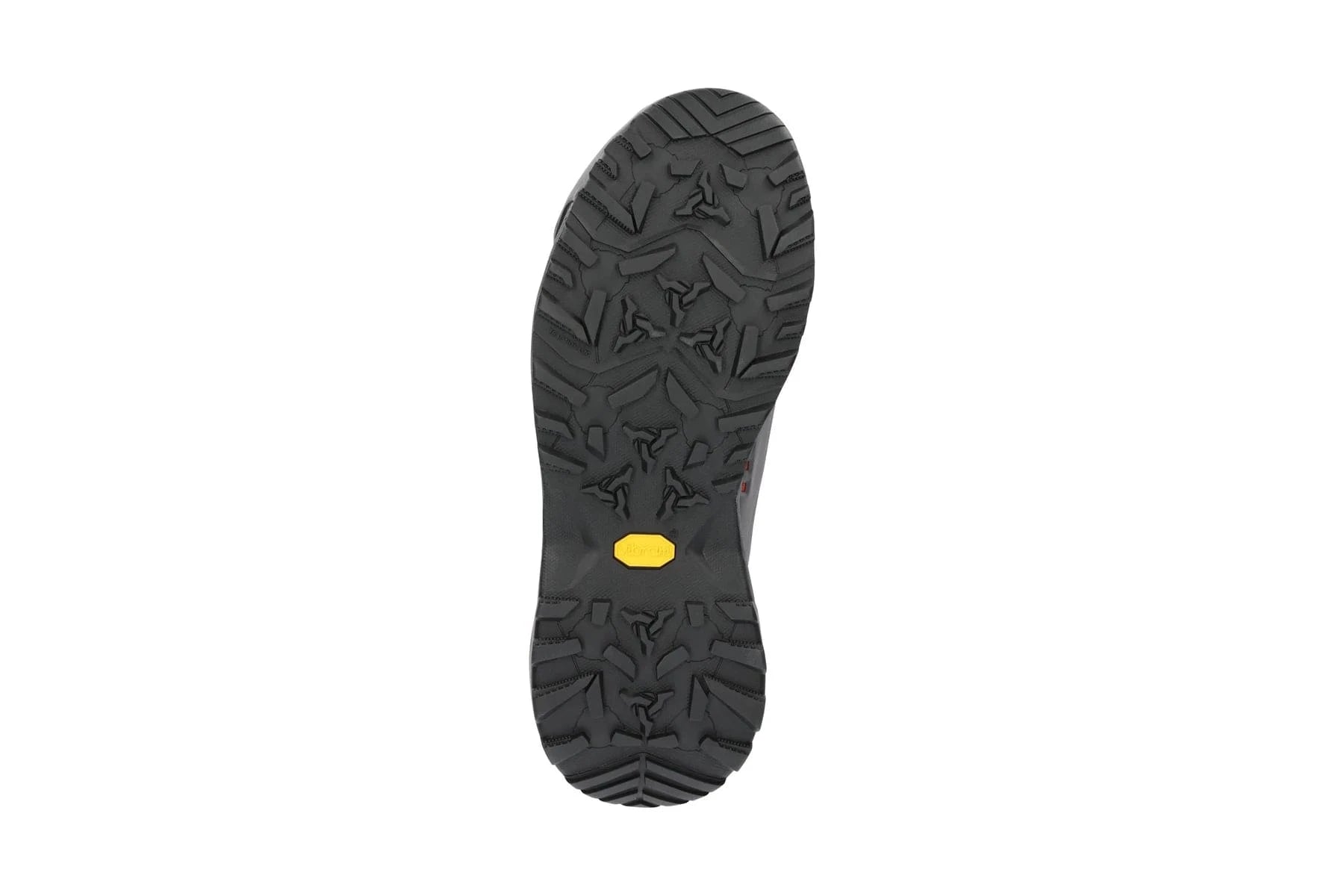
Wading Boots Quick Picks
-
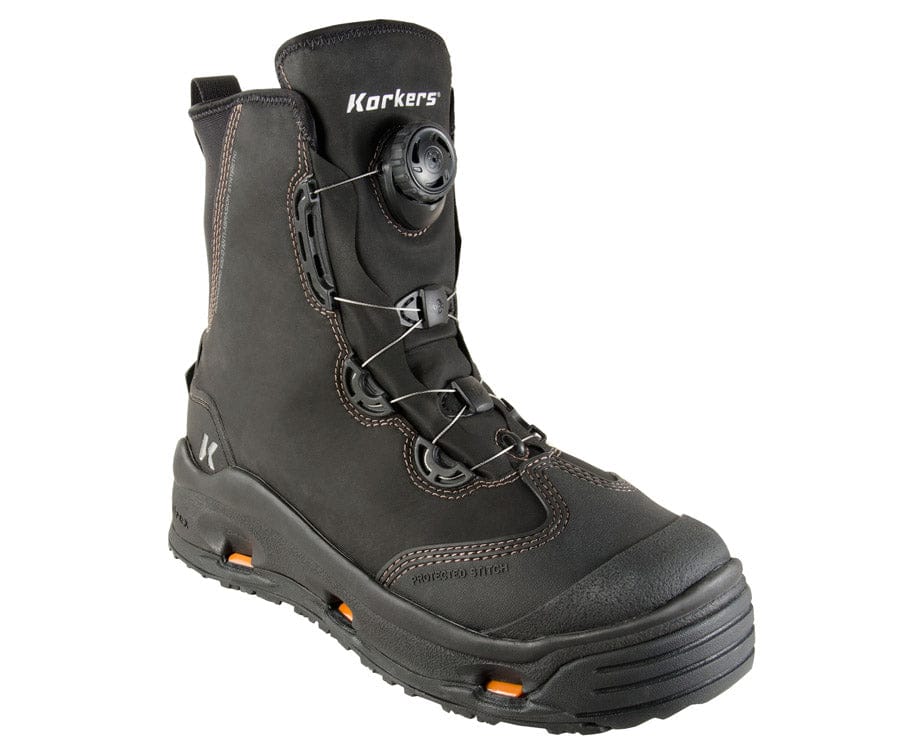
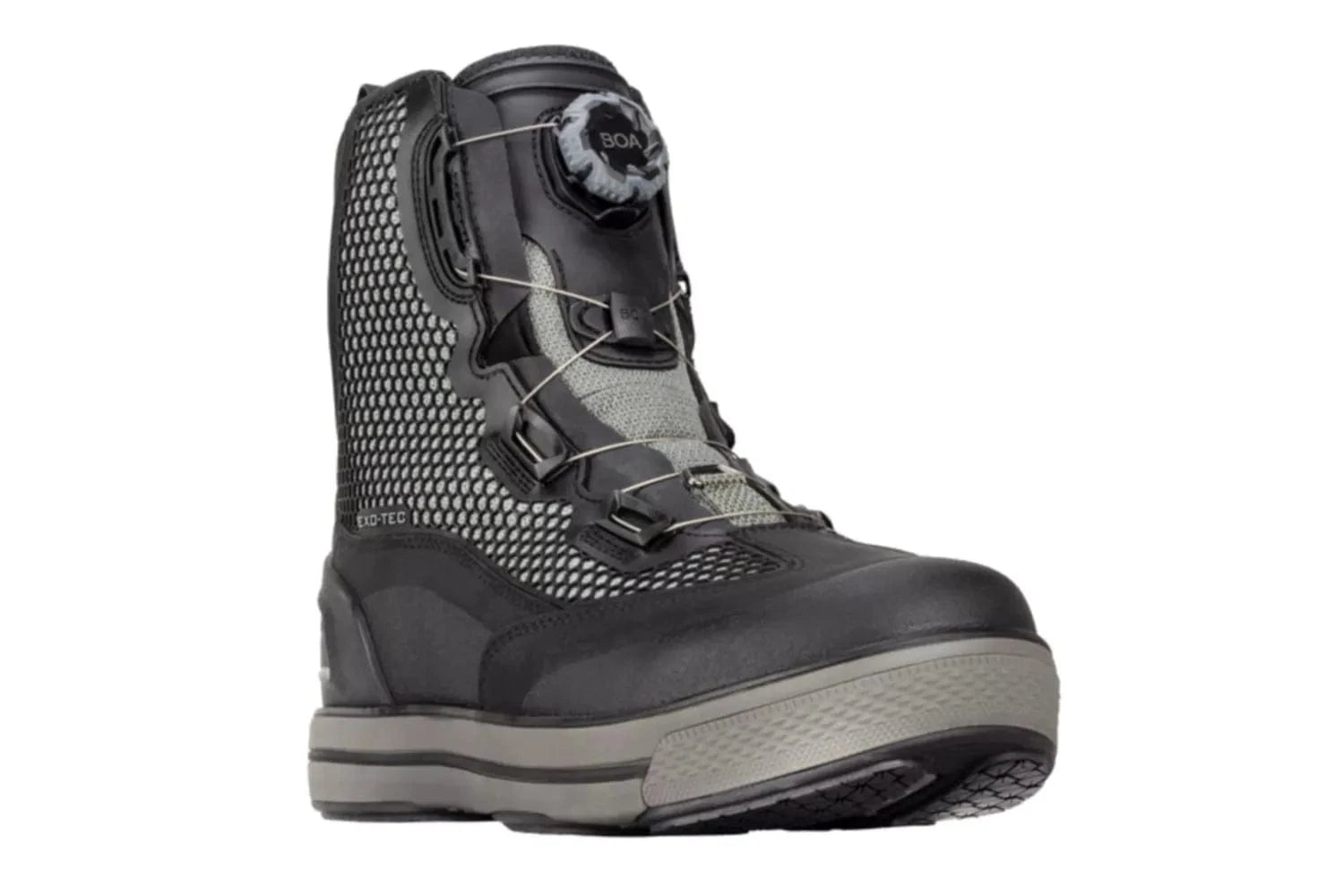
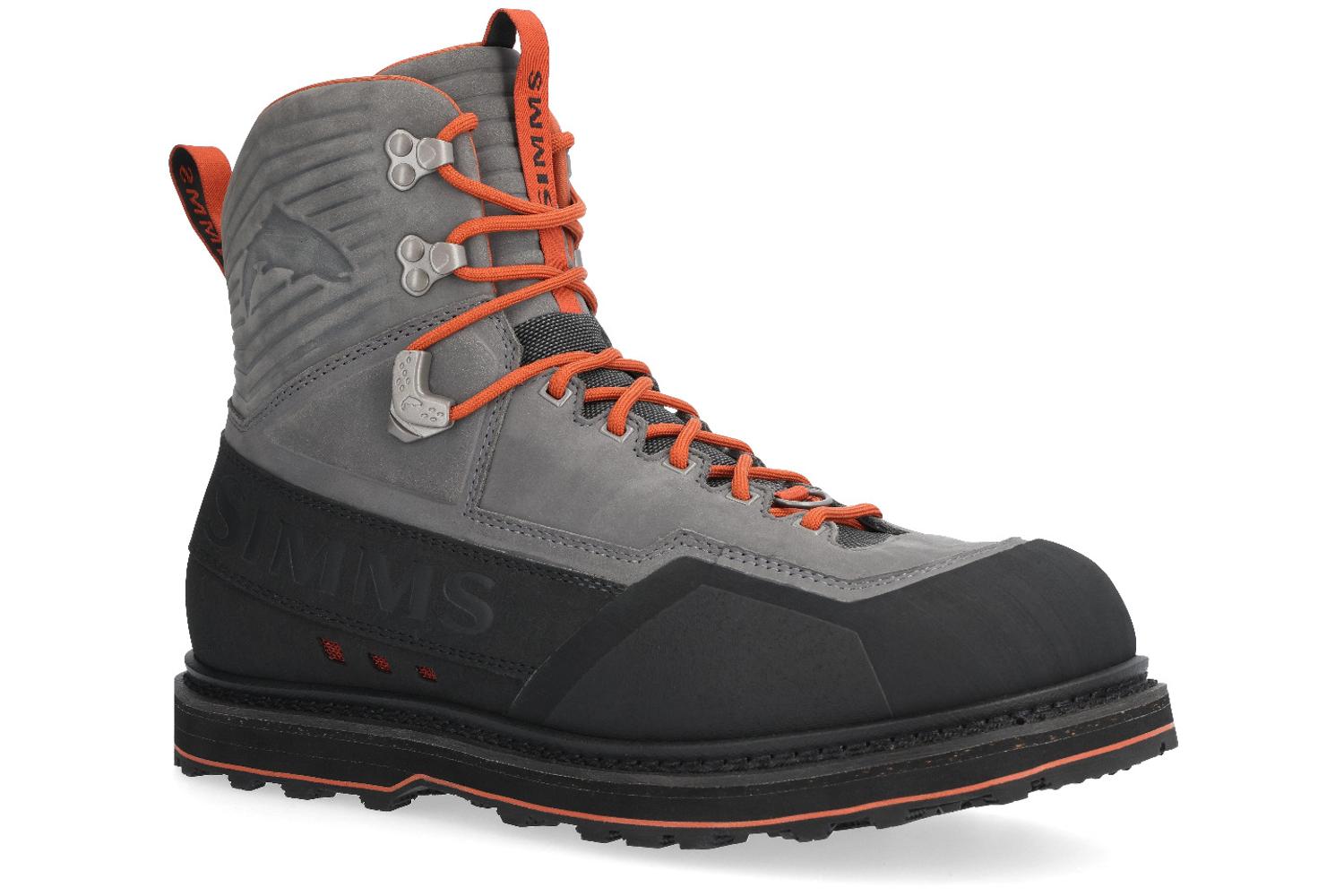
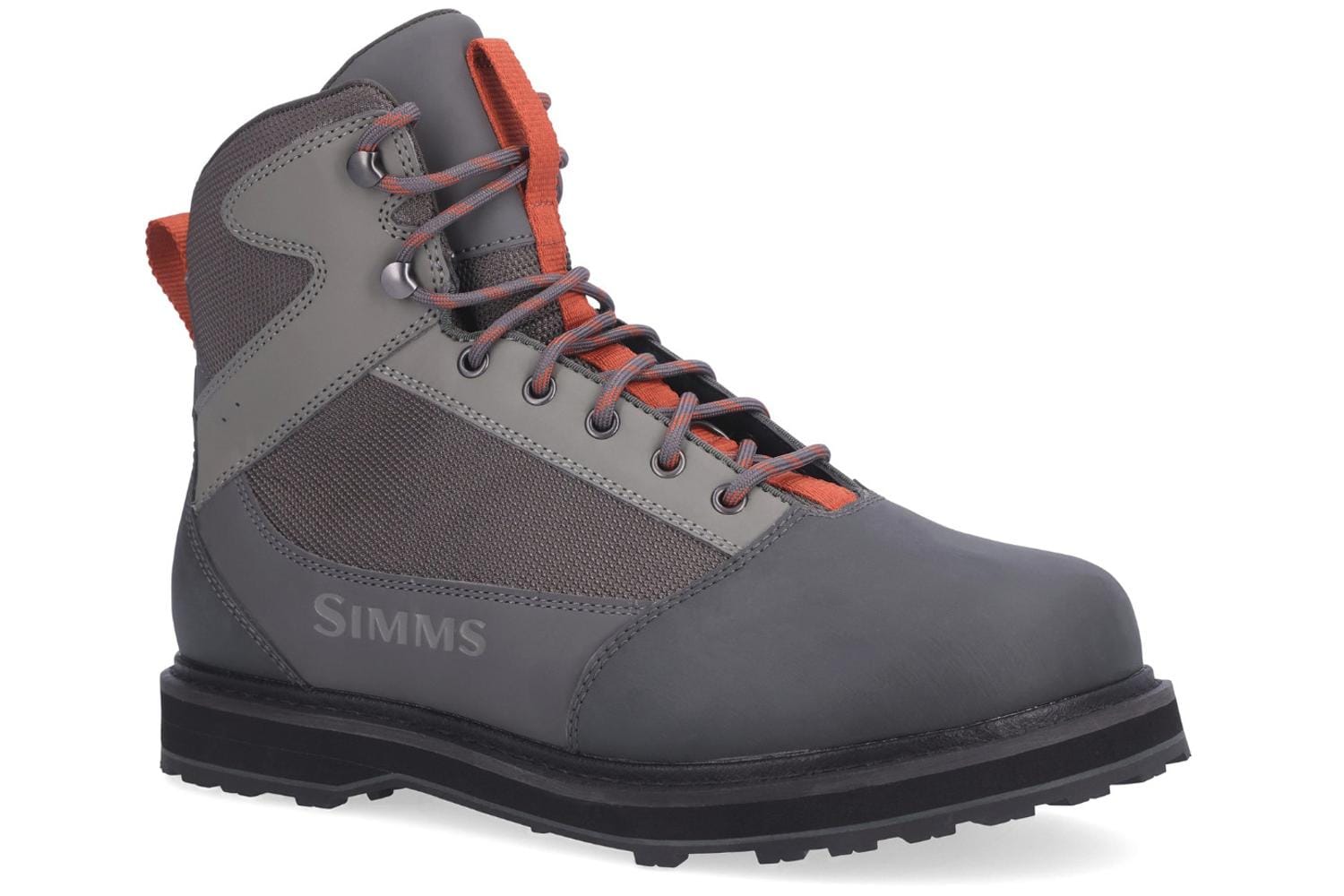
Best Premium: Simms Guide BOA Wading Boot - Built for anglers who want quick, repeatable fit adjustments and strong in-river support. BOA micro-adjustment and multiple sole options make it a practical choice for long days in tough wading.
-
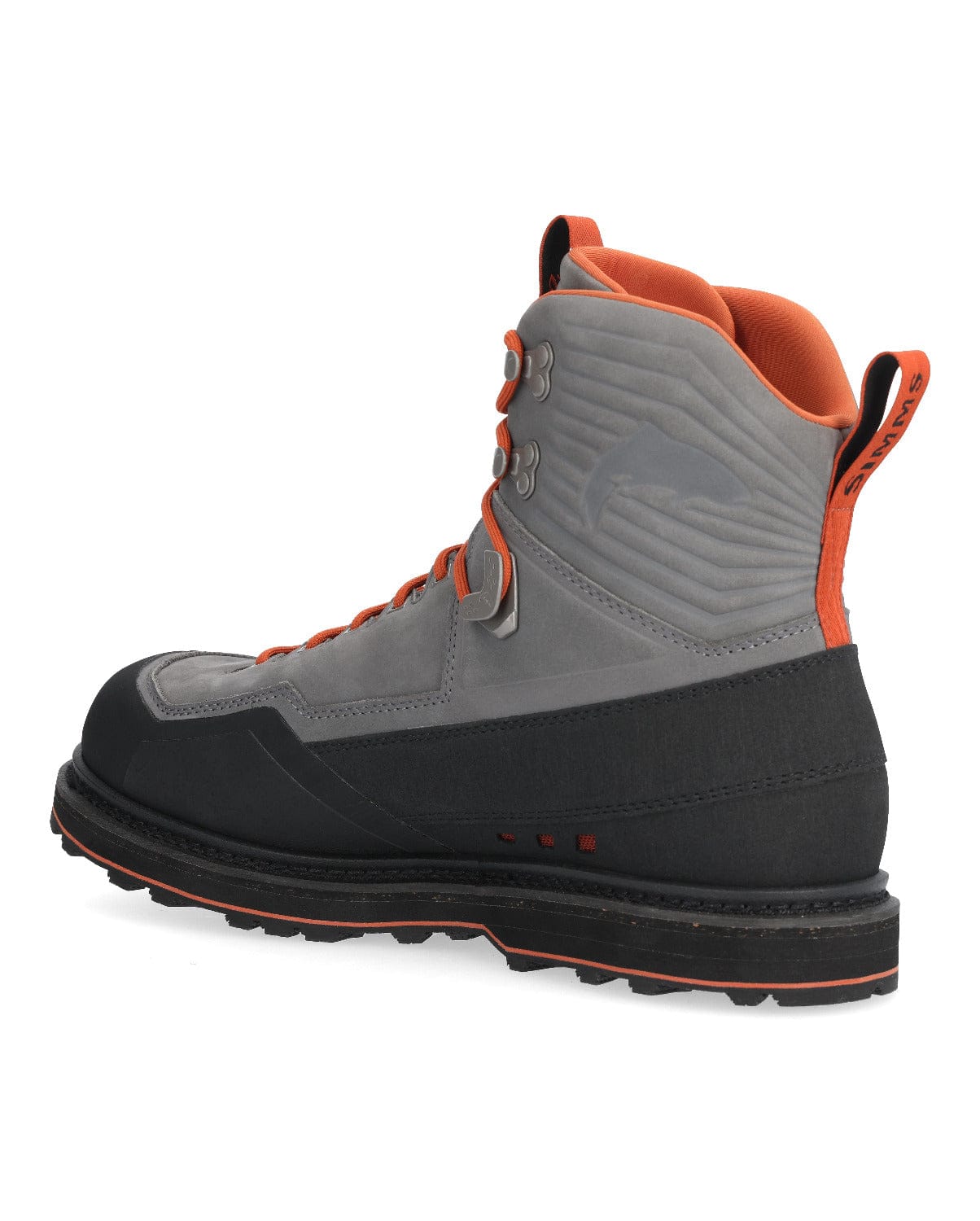
Best All-Around: Simms G3 Guide Wading Boot - A workhorse option for frequent wading in rocky rivers and mixed conditions. Choose felt or Vibram and add compatible cleats/studs when you need more bite.
-
Best Travel: Simms Flyweight Wading Boot - For anglers who hike a lot and want to keep bulk down without giving up wading-boot structure. Lightweight build with an Idrogrip rubber outsole option that’s designed for reliable stud retention.
-
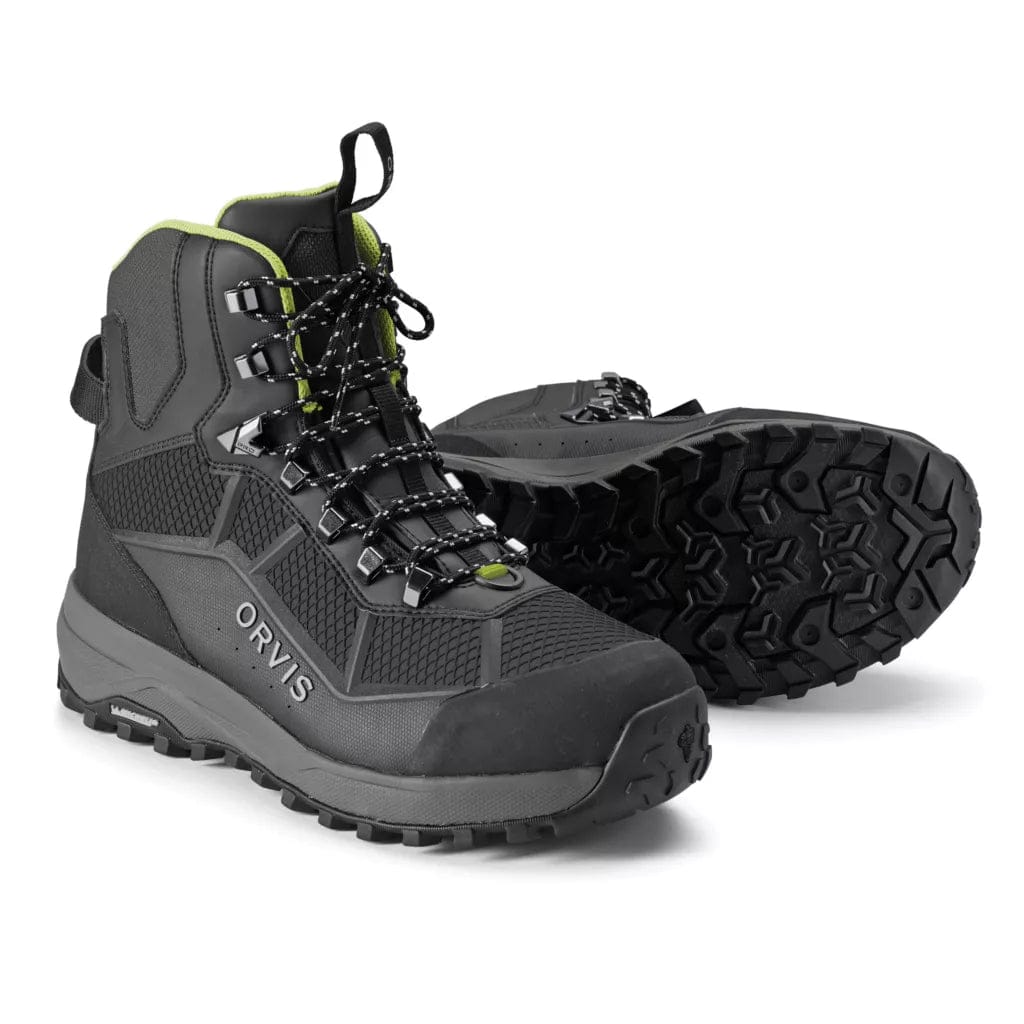
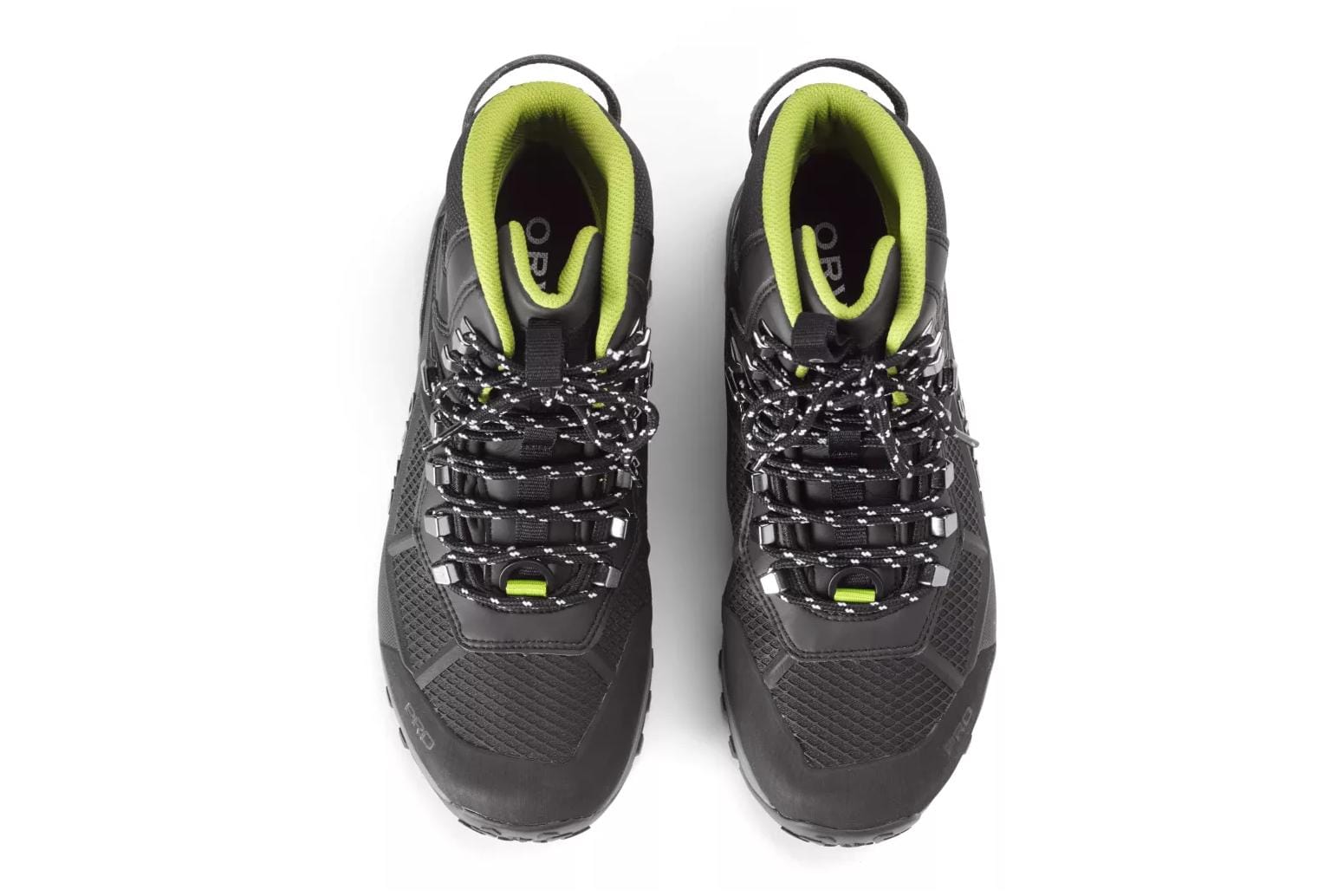
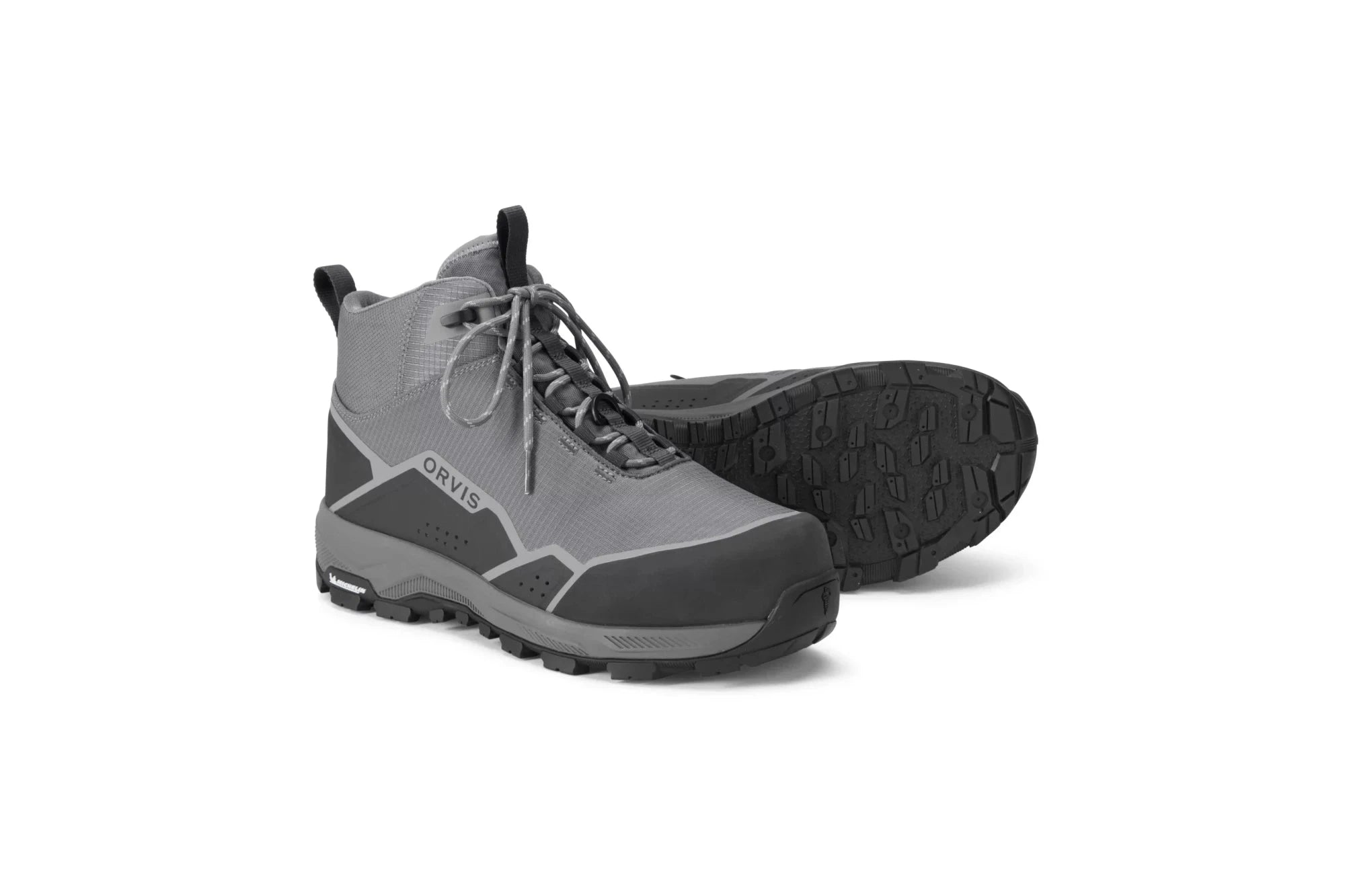
Best for Beginners: Orvis Men's Clearwater Wading Boots - A straightforward, supportive boot that’s easy to size and live with. Available in felt or rubber so you can match your local regulations and riverbed.
-
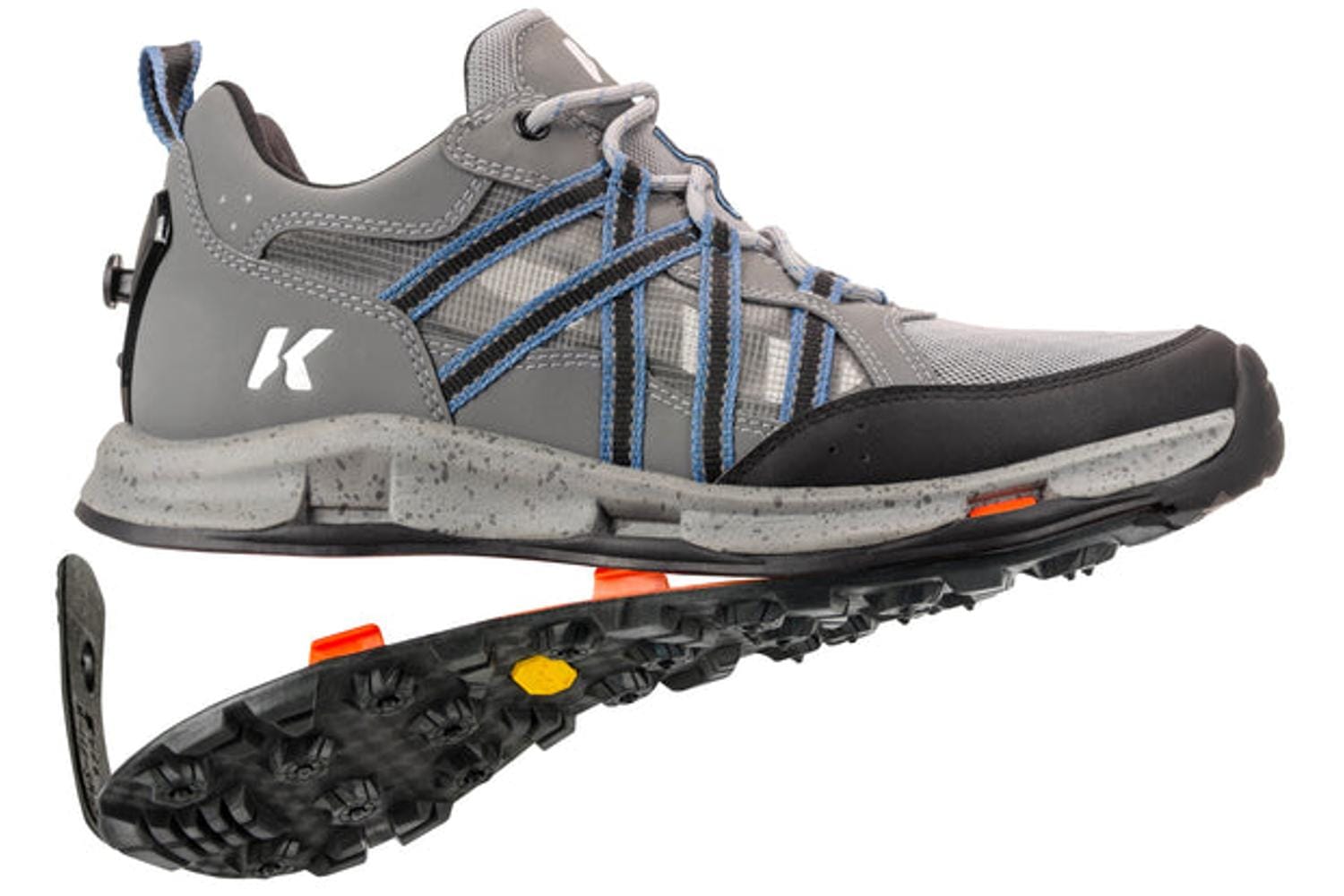
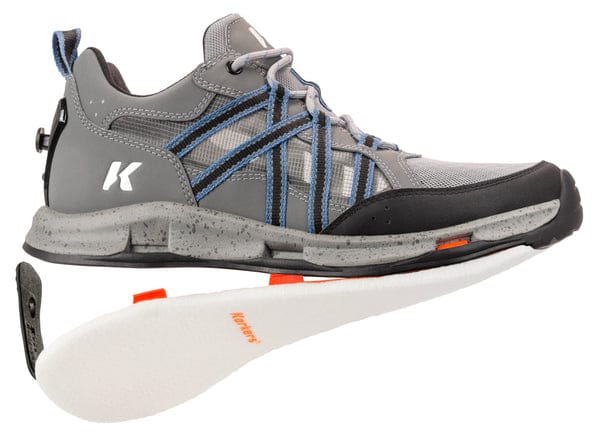
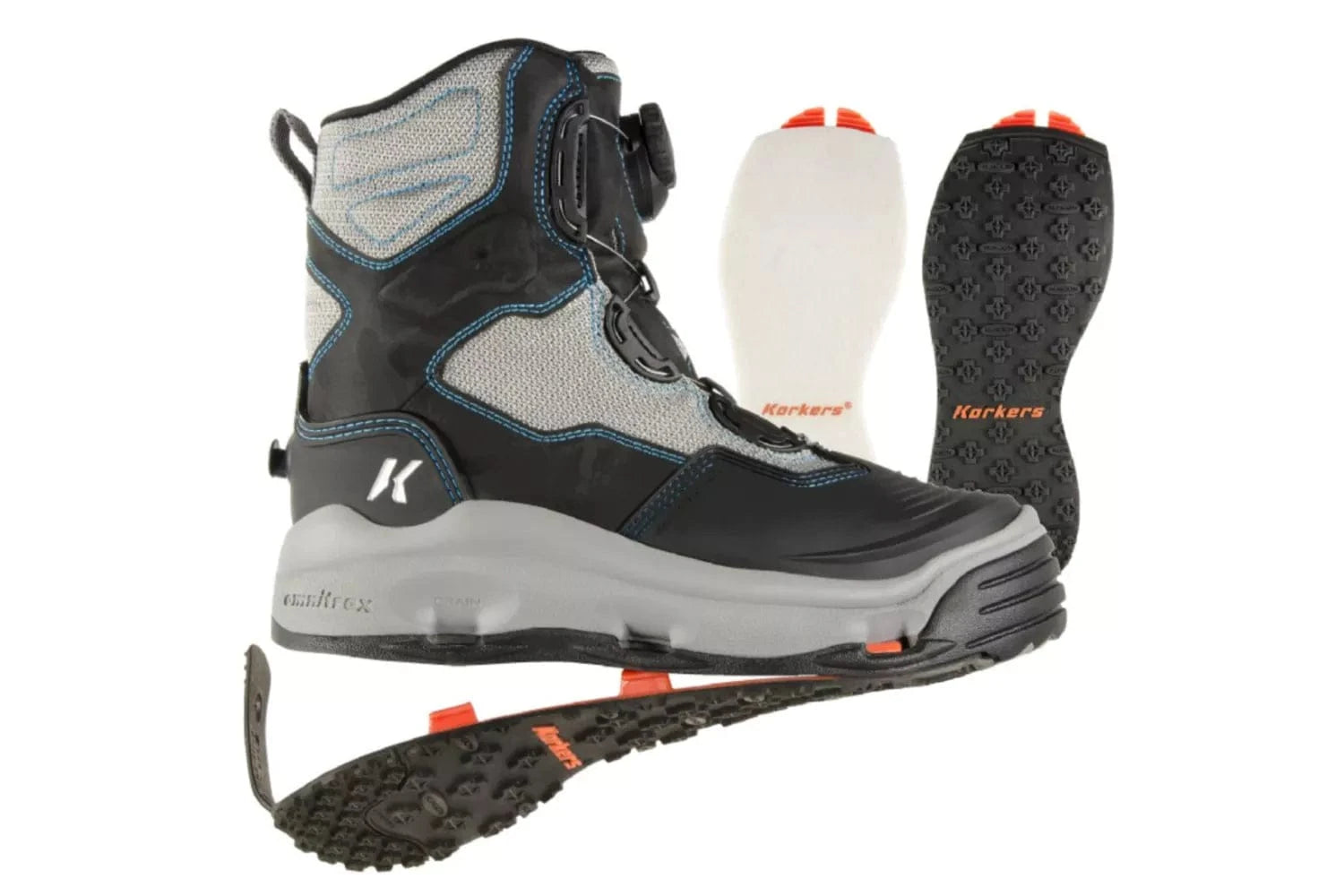
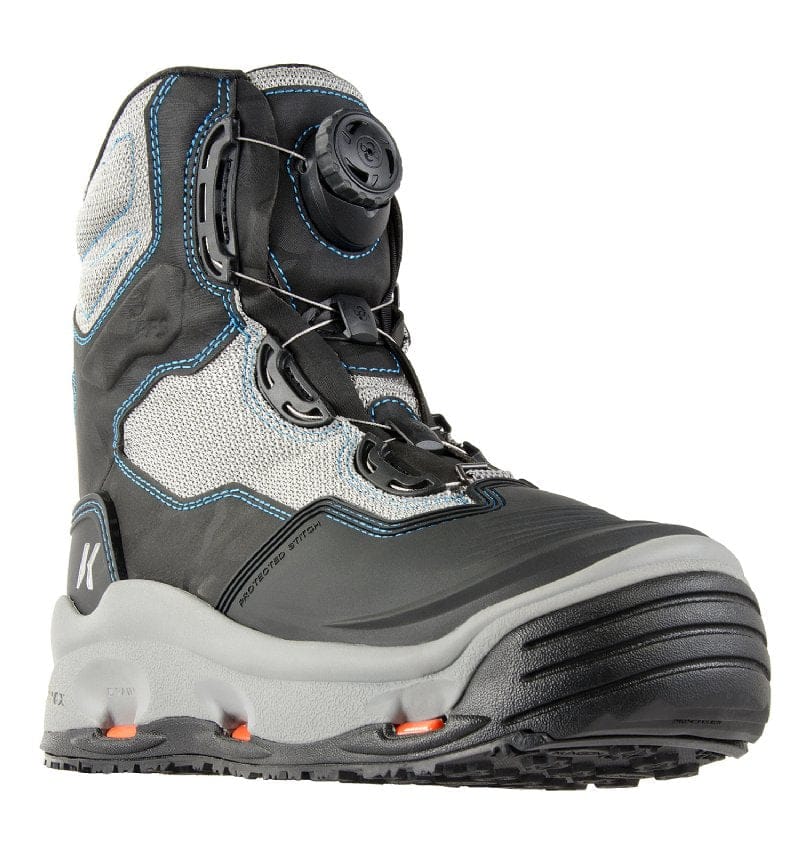
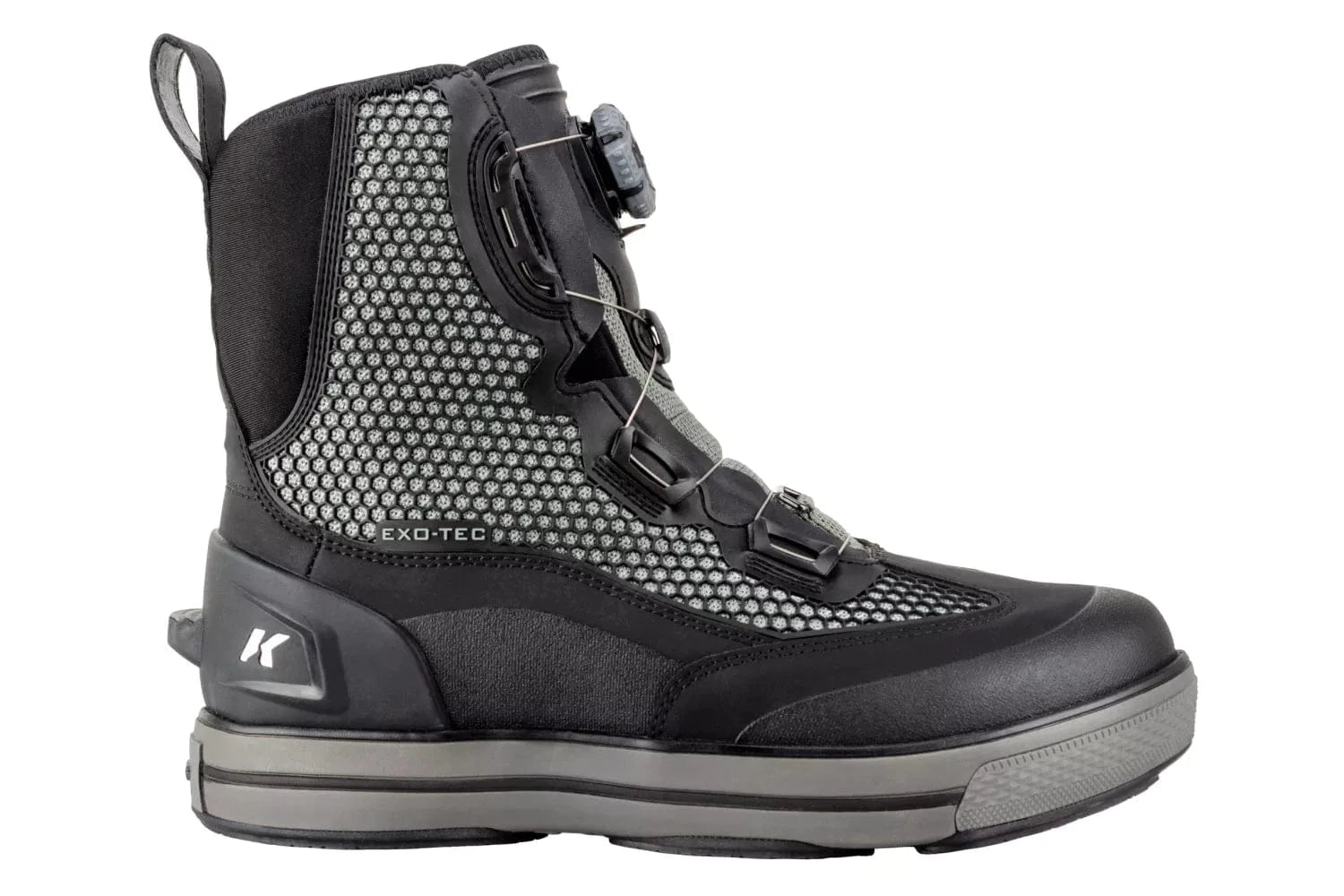
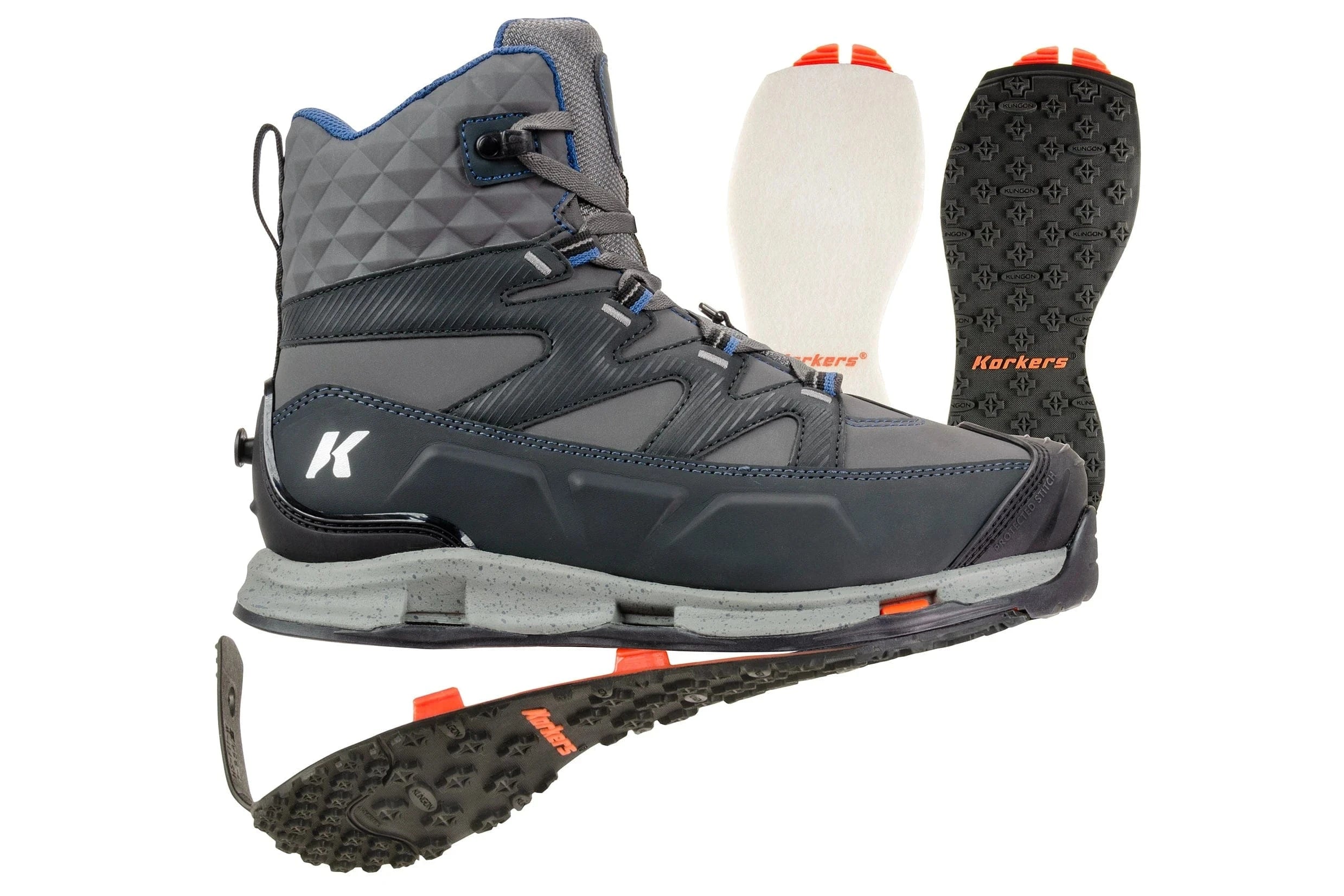
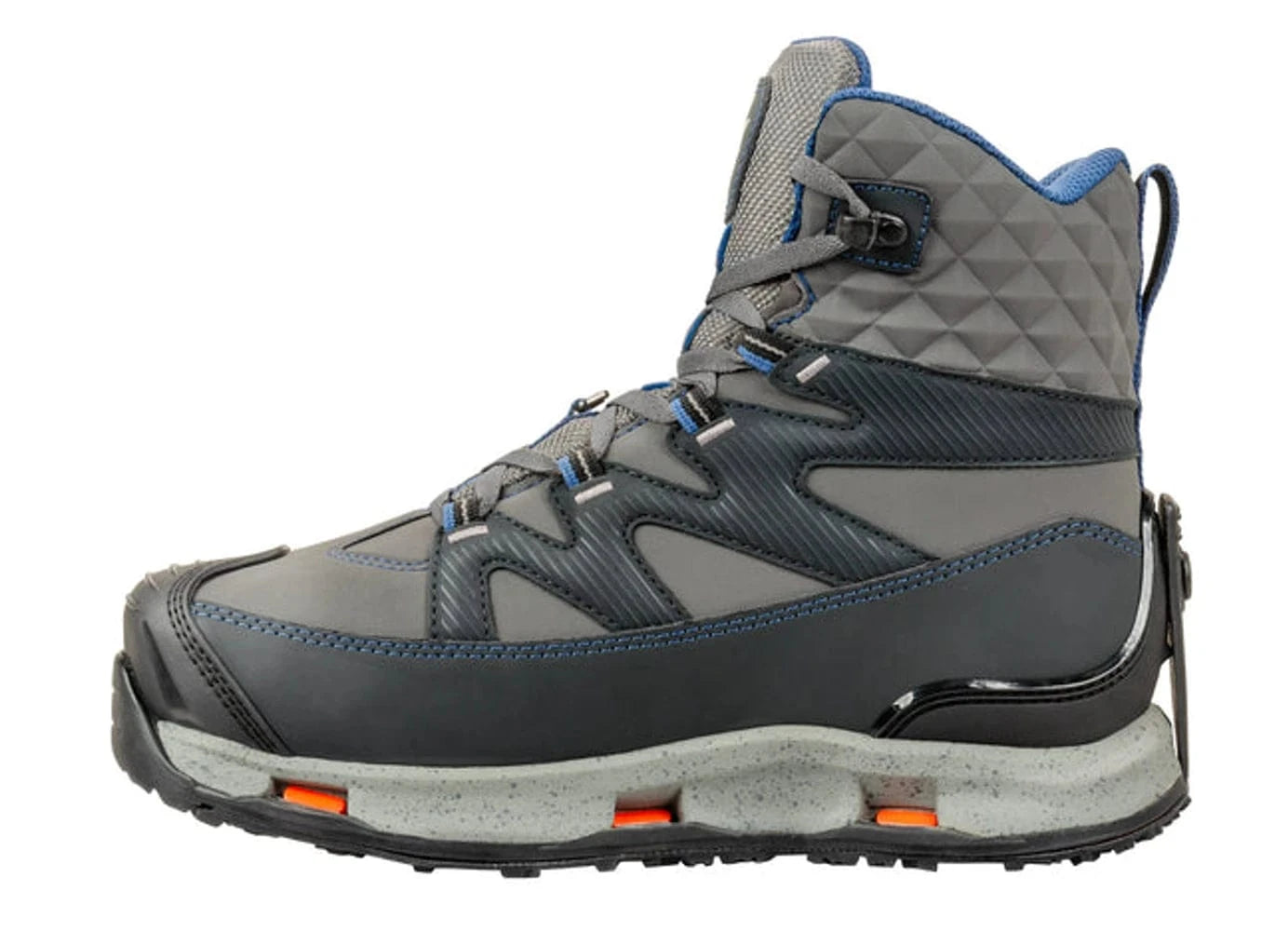
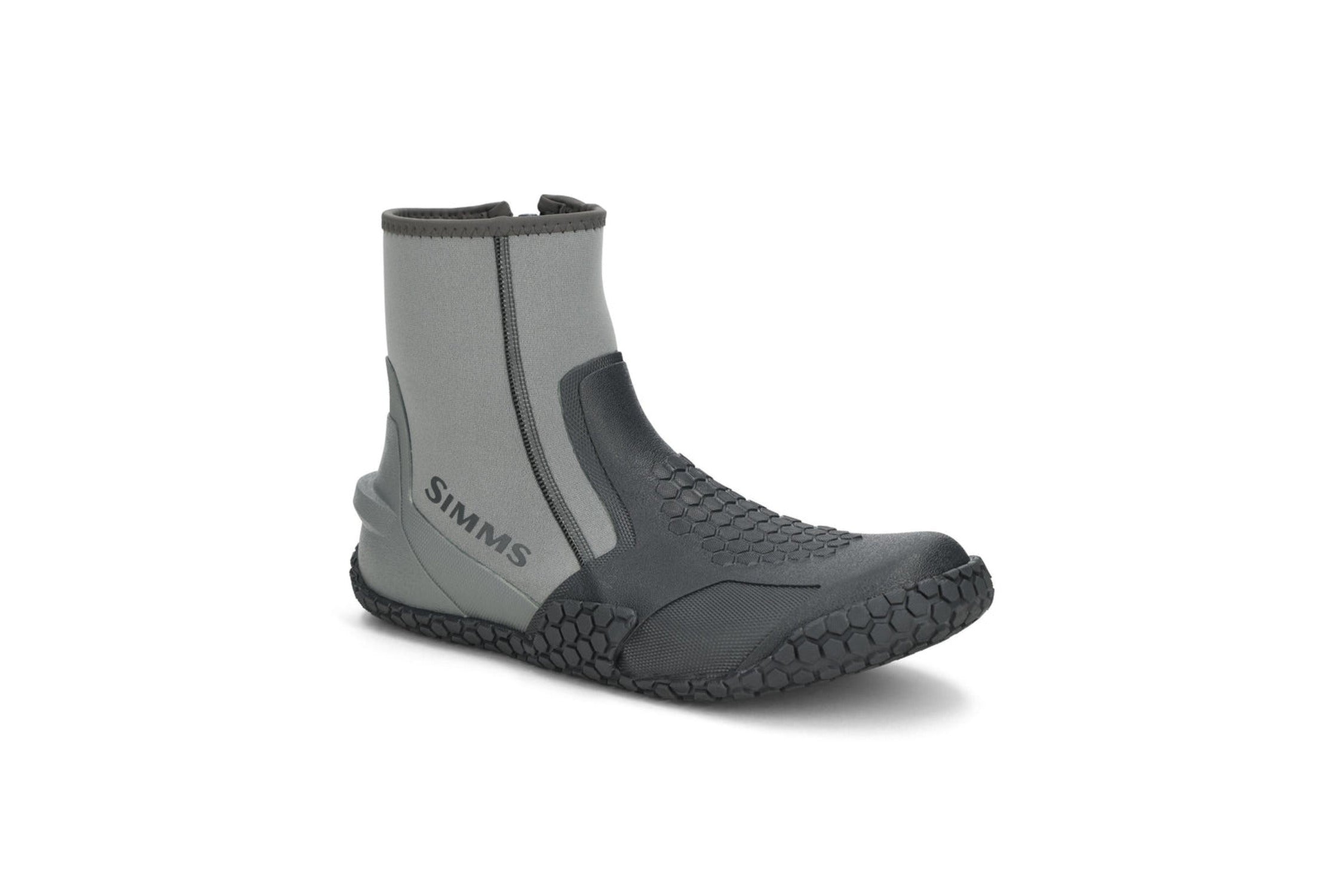
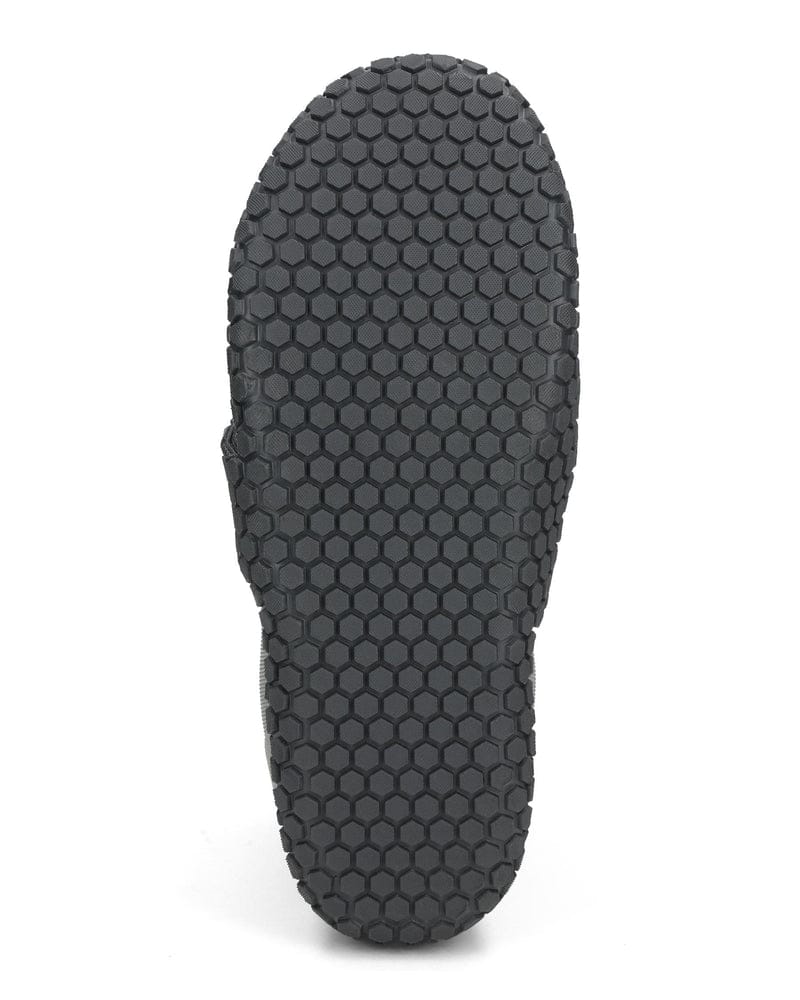
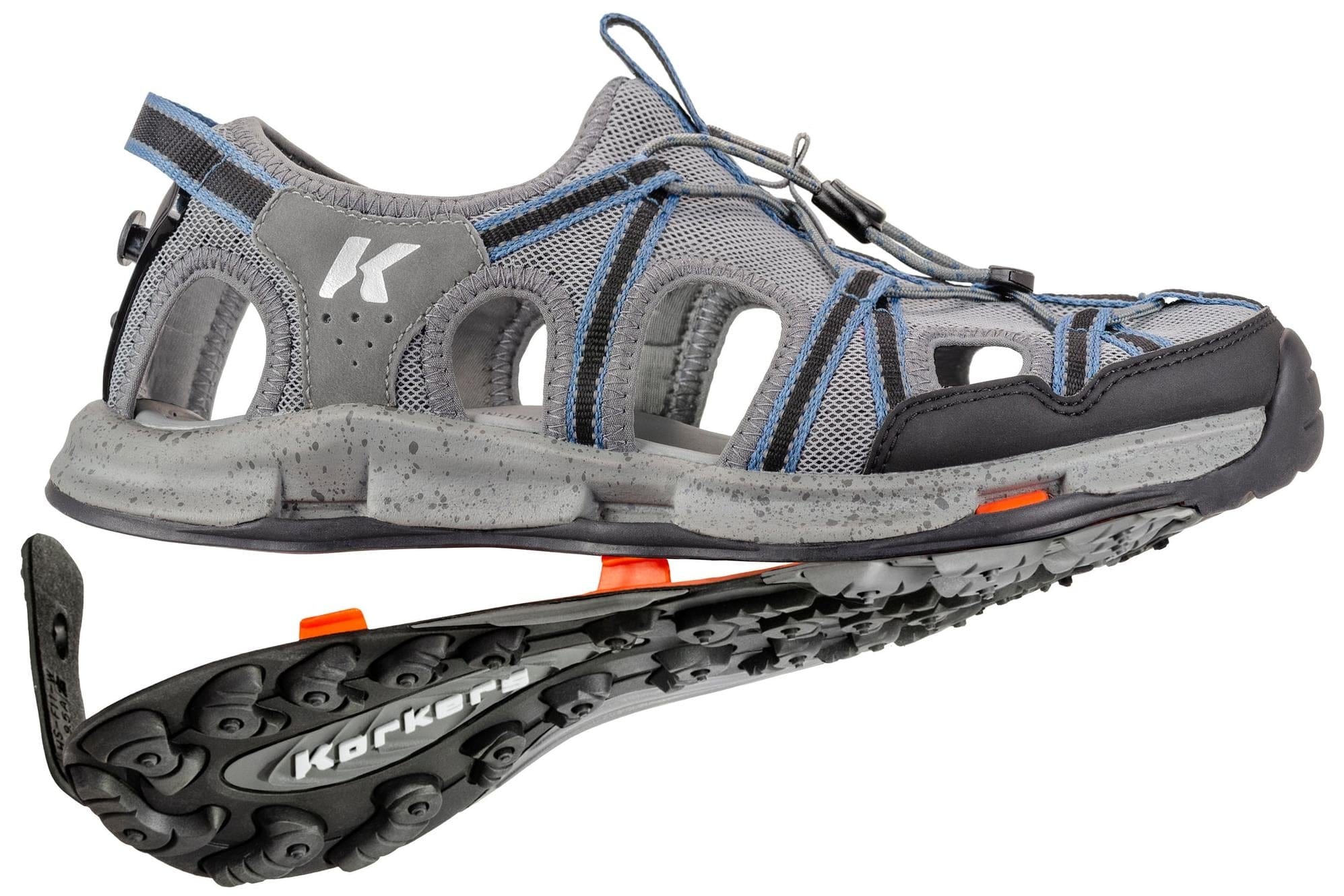
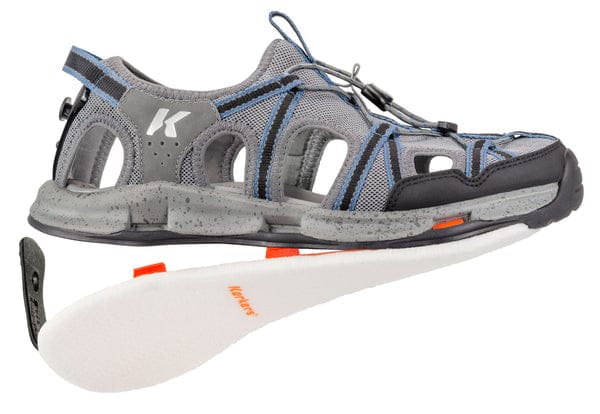
Best for Wet Wading: Korkers All Axis Wading Shoe - For warm-weather fishing when you’re skipping waders and covering ground on foot. Interchangeable sole system and drainage-focused build make it a strong choice for hiking-and-wading days.
How to Choose Wading Boots
Fit: start with your wader bootie (or wading sock)
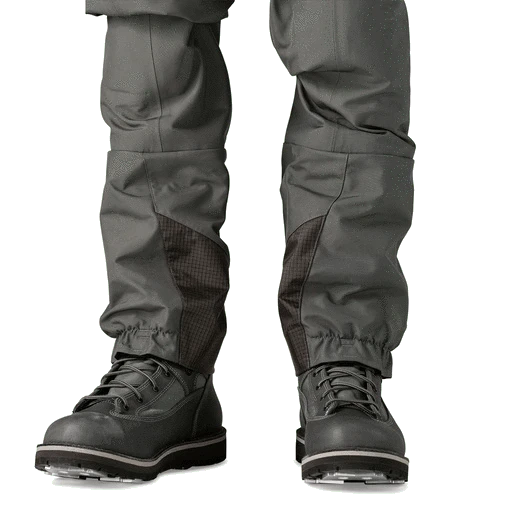
Action: Try boots on with the exact waders (and socks) you’ll fish most. A good fit locks the heel down without crushing toes, and it should feel stable when you flex forward like you’re stepping onto uneven rocks.
Best for: Anglers who walk a lot should prioritize heel hold and midfoot support to reduce fatigue. If you’re between sizes, many anglers size up to accommodate thicker neoprene booties and cold-weather layers.
Sole choice: felt vs rubber vs studs/cleats
Felt: Still a favorite for slick, algae-covered rocks when regulations allow. It can feel more confidence-inspiring on polished freestones and tailwater cobble.
Rubber: A versatile choice for mixed terrain, easy cleaning, and travel between watersheds. It’s also the default for many saltwater and boat-focused use cases.
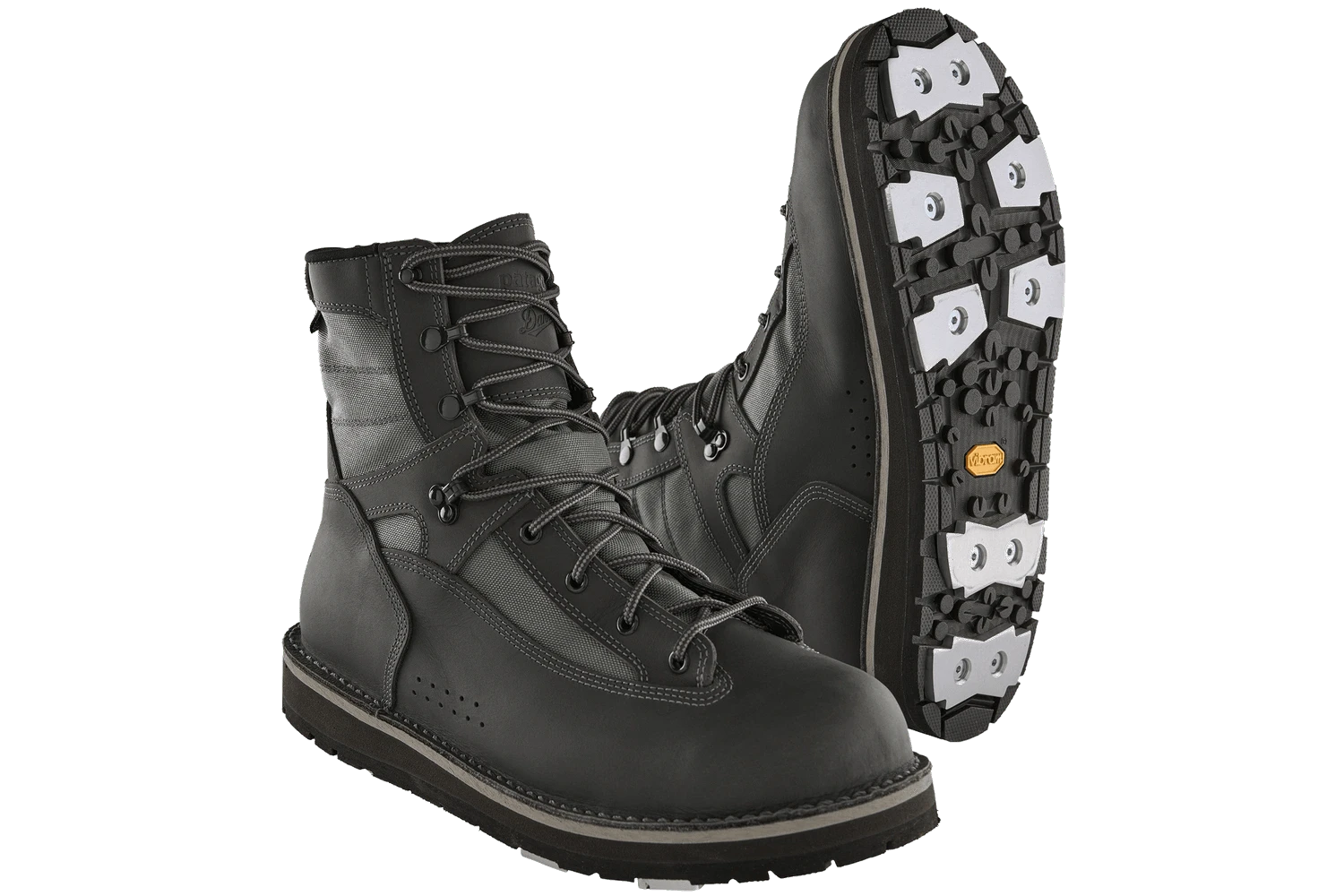
Studs/cleats: If you’re slipping in rubber, adding traction is often a better move than replacing the boot. Just keep in mind studs can be loud and slick on hard surfaces like boat decks, ramps, and rocks above the waterline.
Support vs weight: match the boot to your water
Best for: Big rivers, uneven boulders, and heavy current usually call for more structure and ankle support. Smaller streams and hike-in fishing often benefit from a lighter boot that drains and dries quickly.
Avoid if: If your fishing involves a lot of steep hiking, an overly heavy boot can feel clumsy and tiring by day’s end.
Freshwater vs saltwater considerations
Action: For saltwater flats, jetties, and skiffs, prioritize corrosion-resistant hardware, fast drainage, and a rubber outsole that won’t hold grit. For freshwater, traction on slime-covered rock is usually the deciding factor.
Care & Maintenance
-
After each trip: Rinse boots inside and out to remove sand, silt, and organic debris.
-
Drying: Pull the insoles and air-dry completely (no direct high heat) to help with odor and longevity.
-
Invasive species: Clean soles and crevices before traveling between watersheds. This is especially important with felt and deep lugs.
-
Studs/cleats: Check tightness periodically and replace worn studs before they round off and lose bite.
Complete Your Setup
Related Gear
-
Wading Boot Soles - Swap traction to match conditions without buying another pair of boots.
-
Wading Accessories - Studs, belts, staffs, socks, and on-water essentials that improve safety and comfort.
-
Waders - Stockingfoot waders and fit options that pair correctly with modern wading boots.
-
Wading Boots - Browse all boots and filter by brand, sole type, and size.
Related Guides
Things to Know About Wading Boots
Cost
Wading boots typically range from $80–$150 for entry-level options to $250–$400+ for premium boots with BOA closures or advanced sole systems. Mid-range boots with solid support and interchangeable soles generally fall in the $150–$250 range.
Purpose
Wading boots provide traction, foot protection, and ankle support while moving through rivers and streams. They're designed to pair with stockingfoot wader booties or be worn with wading socks when wet wading in warmer conditions.
Leading Brands
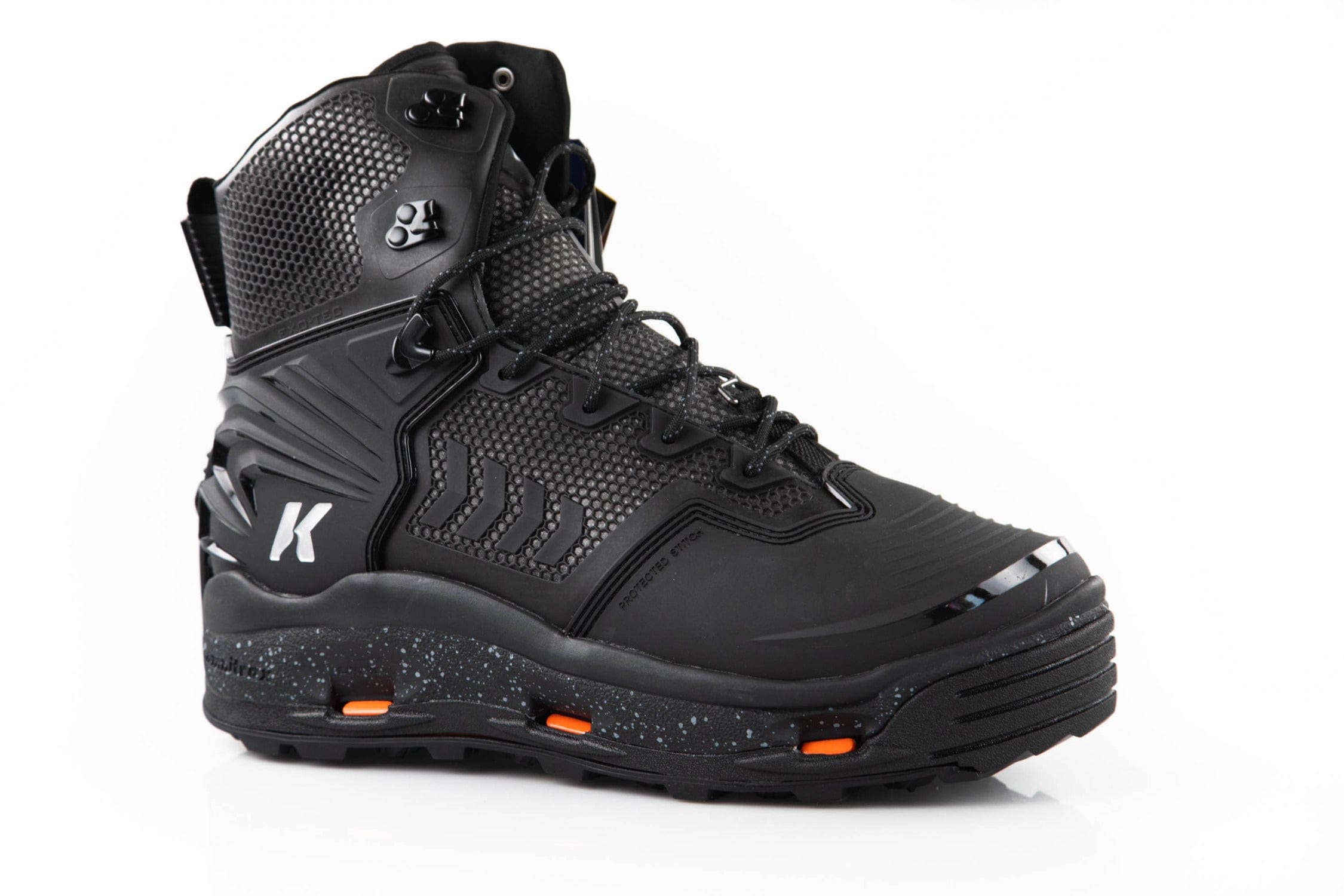
Major wading boot brands include Simms, Korkers, Orvis, Patagonia, and Redington. Each offers different price points and features like interchangeable soles (Korkers OmniTrax), BOA micro-adjust closures (Simms), and varying levels of ankle support and weight.
Types
Wading boots come in traditional lace-up, BOA closure, and low-profile wading shoe styles. They're available with felt soles, rubber/Vibram soles, or interchangeable sole systems that let you swap traction based on conditions and regulations.
Materials
Uppers typically use synthetic leather, Cordura nylon, and mesh/textile combinations for drainage and durability. Soles are made from felt, rubber compounds (Vibram, Idrogrip), or proprietary materials. Quality boots feature corrosion-resistant hardware, especially important for saltwater use.
Wading Boots FAQs
Q: What states are not allowing felt wading boots?
A: Felt-soled wading boots are currently banned or restricted in several states including Alaska, Maryland, Missouri, Nebraska, Rhode Island, South Dakota, and Vermont. Regulations change, so always check current local rules before traveling to a new fishery.
Q: Why are felt soles illegal in Alaska?
A: Alaska banned felt soles in 2012 to help prevent the spread of invasive species like didymo (rock snot) and New Zealand mudsnails. Felt is difficult to fully dry and clean between uses, making it a potential carrier of organisms between watersheds.
Q: How does water not get into wading boots?
A: Water does get into wading boots—they're designed to drain, not stay dry. The waterproof barrier is in your waders (specifically the neoprene bootie). Wading boots let water flow through while providing traction and support. This is why proper drying after each trip matters.
Q: Should I get felt or rubber wading boots?
A: Felt excels on slick, algae-covered rocks where it's legal. Rubber is more versatile for mixed terrain, easier to clean, better for traveling between watersheds, and required in some states. If you fish varied water, consider boots with interchangeable soles.
Q: What do most people wear under waders?
A: Most anglers wear moisture-wicking base layers (synthetic or merino wool) under waders. Avoid cotton, which stays wet and gets cold. In warmer weather, lightweight pants or shorts work fine. Layer thickness depends on water and air temperature.
Q: How to pee when wearing waders?
A: With chest waders, you typically need to partially lower them while using the wading belt to hold them up. Some anglers prefer zip-front waders for easier access. This is one reason waist-high wading pants are popular for warmer weather fishing when you don't need full coverage.
Q: Is neoprene 100% waterproof?
A: Yes, neoprene itself is waterproof. In waders, the neoprene booties keep your feet dry inside the wading boots. Leaks typically occur at seams, punctures, or worn areas rather than through the neoprene material itself.
Q: What are wading boots used for in fly fishing?
A: Wading boots add traction, foot protection, and ankle support while you’re moving through rivers, streams, and flats. They’re designed to be worn over stockingfoot wader booties or with wading socks when wet wading.
Q: Should I choose felt or rubber soles?
A: Felt is often preferred on slick, algae-covered rocks where legal. Rubber is a versatile option for mixed terrain, easier cleaning, and travel between fisheries, plus it’s commonly used in saltwater.
Q: Do I need studs on my wading boots?
A: Not always, but studs or cleats can add bite in fast current, steep banks, and especially slick rock. They can feel awkward on hard surfaces (boat decks, ramps, parking lots), so many anglers add them only when conditions demand it.
Q: How should wading boots fit with stockingfoot waders?
A: The boot should feel secure at the heel and midfoot with room for toes, without pressure points. Try them on with your waders and the socks you’ll actually fish so you don’t end up too tight in cold weather.
Q: Are wading shoes different from wading boots?
A: Yes, wading shoes are typically lower profile and geared toward wet wading and hiking comfort. Wading boots usually provide more ankle support and structure for deeper wading and rougher riverbeds.
Q: How do I make my wading boots last longer?
A: Rinse after every trip, dry them completely, and clean the soles before moving between watersheds. Replacing worn laces and studs early also helps avoid bigger failures mid-season.
Warranty & Brand Resources
This collection includes multiple wading-boot brands, each with its own warranty terms and processes. Check the individual product page (and the manufacturer’s site) for current coverage, exclusions, and repair options.