




























Simms Headwaters Chest Pack | Insider Review


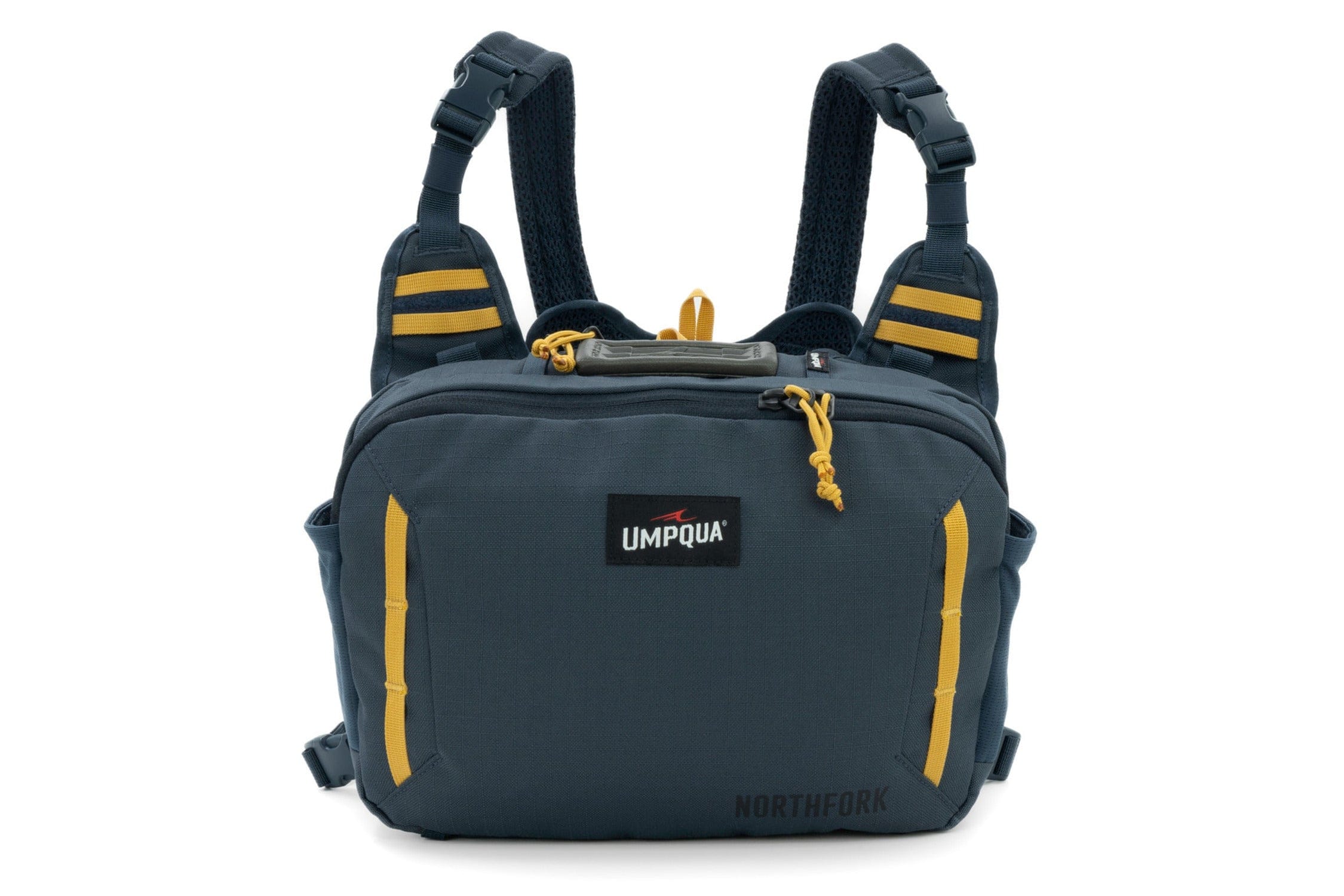
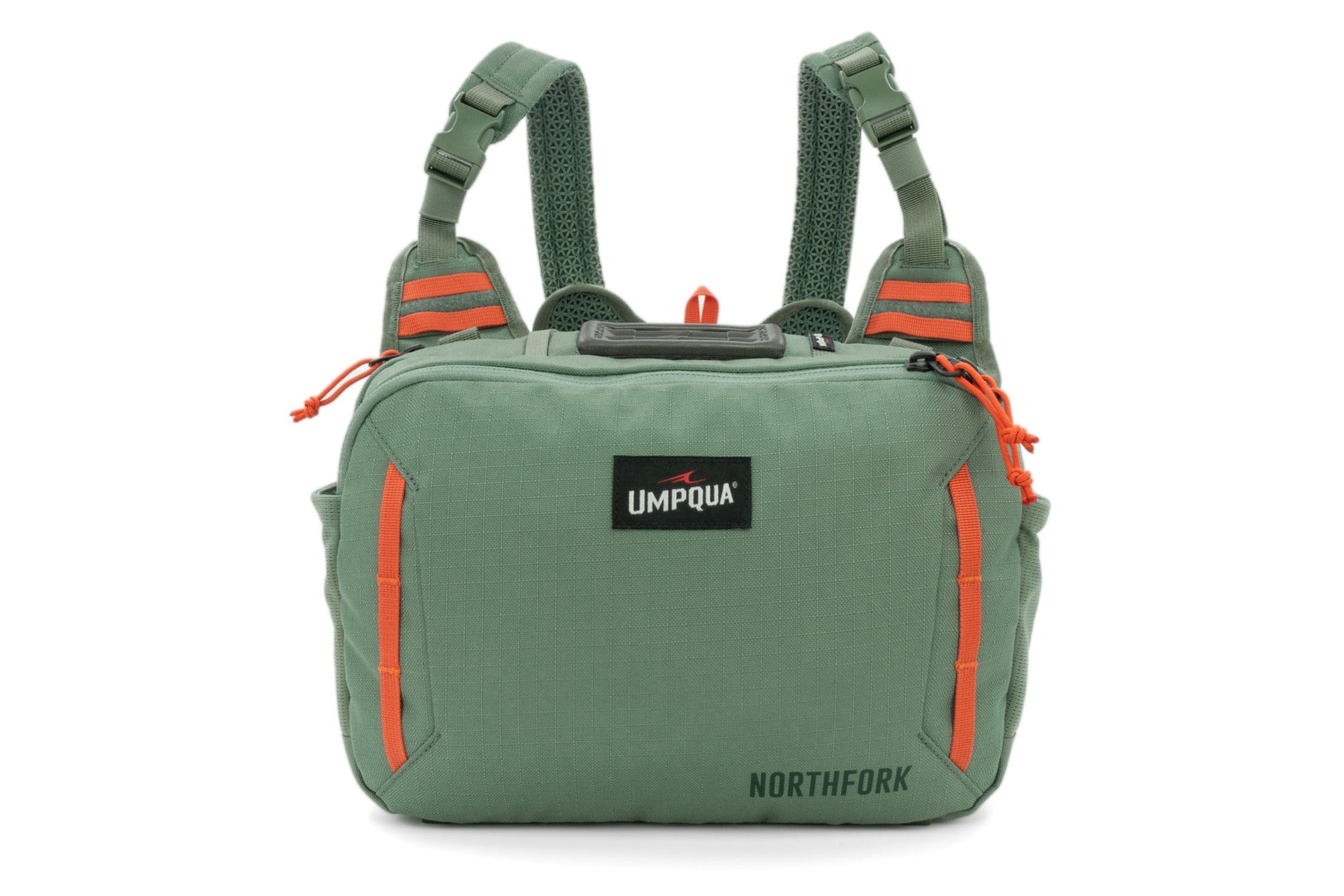


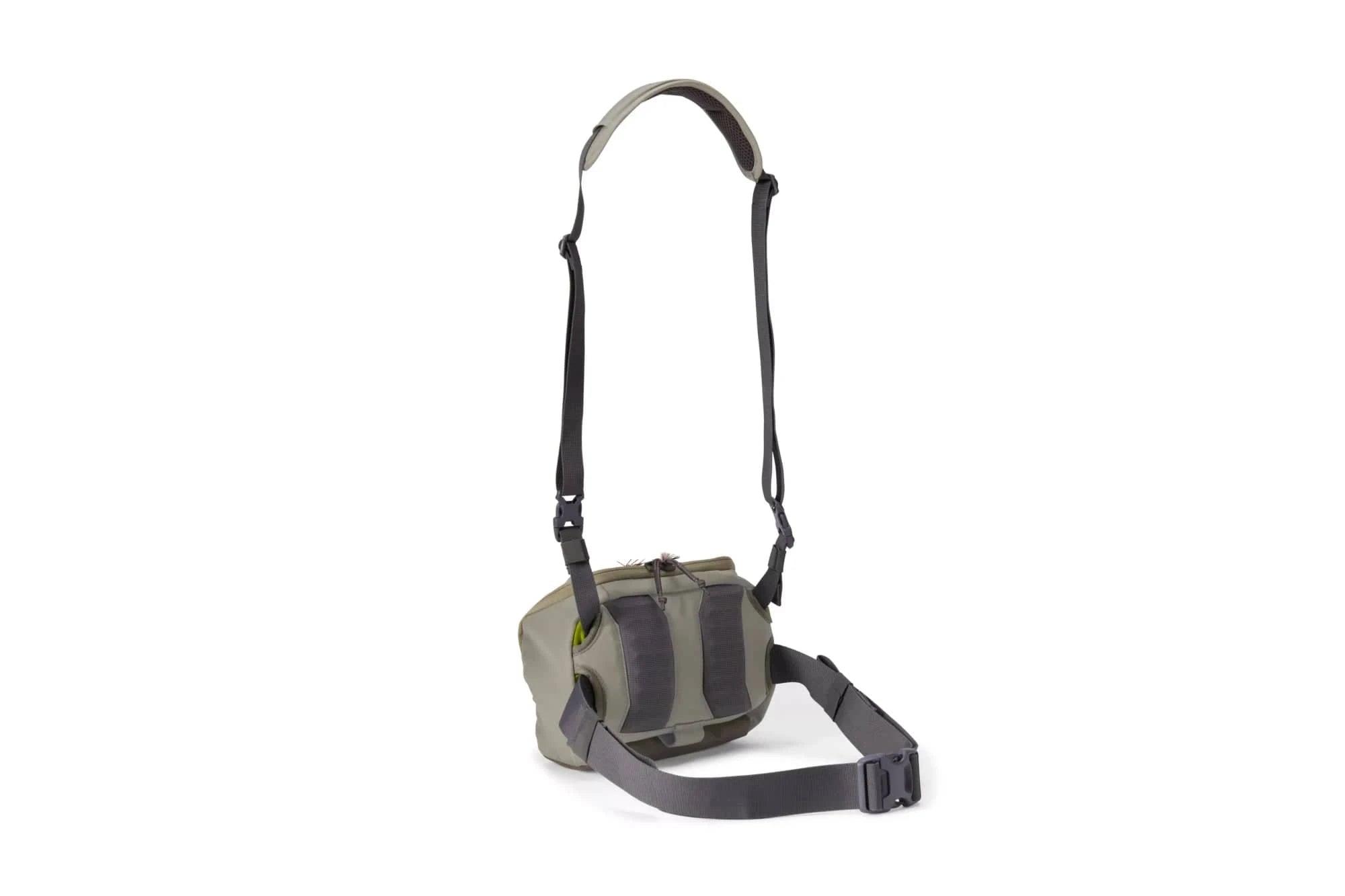
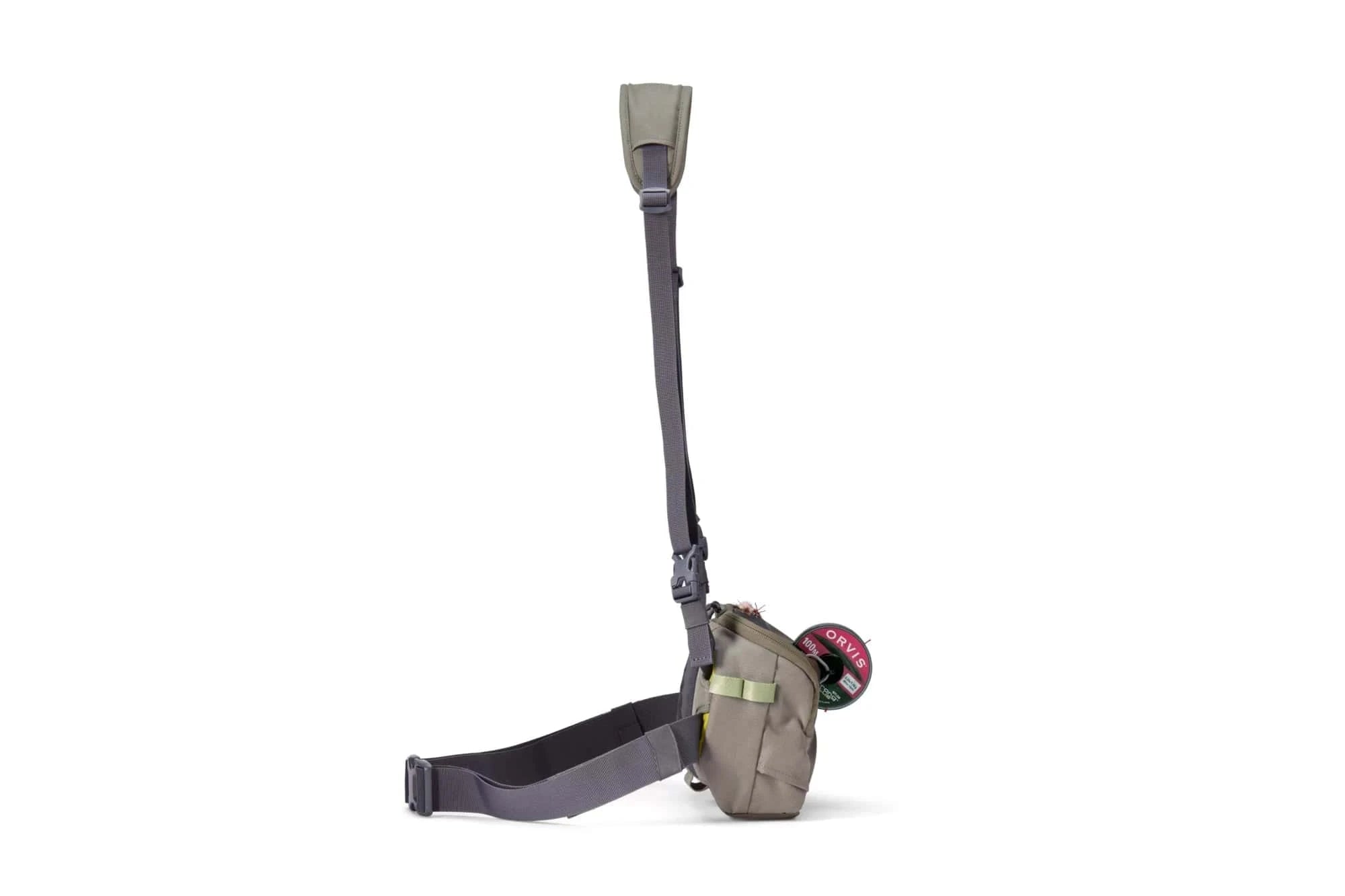
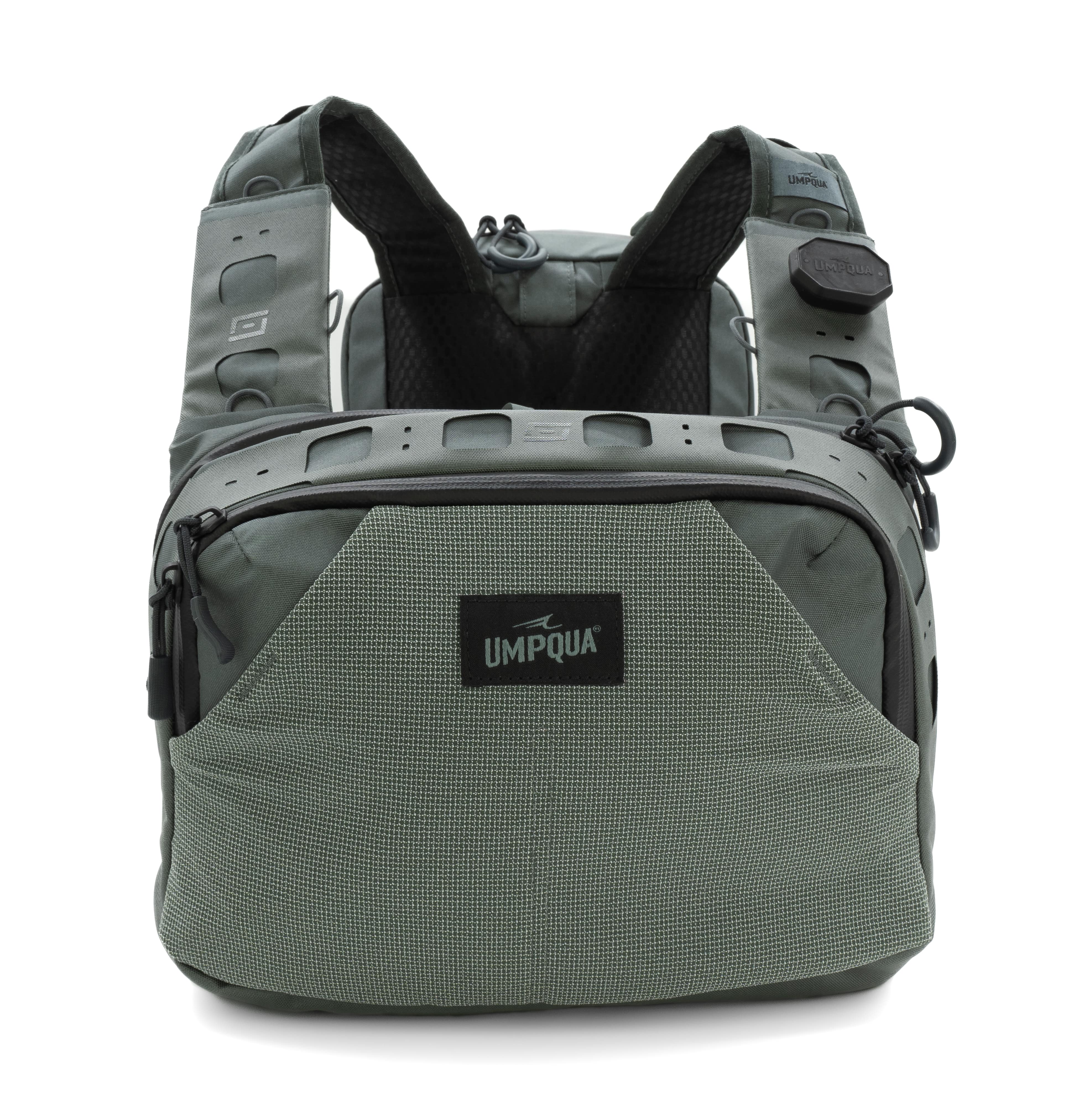
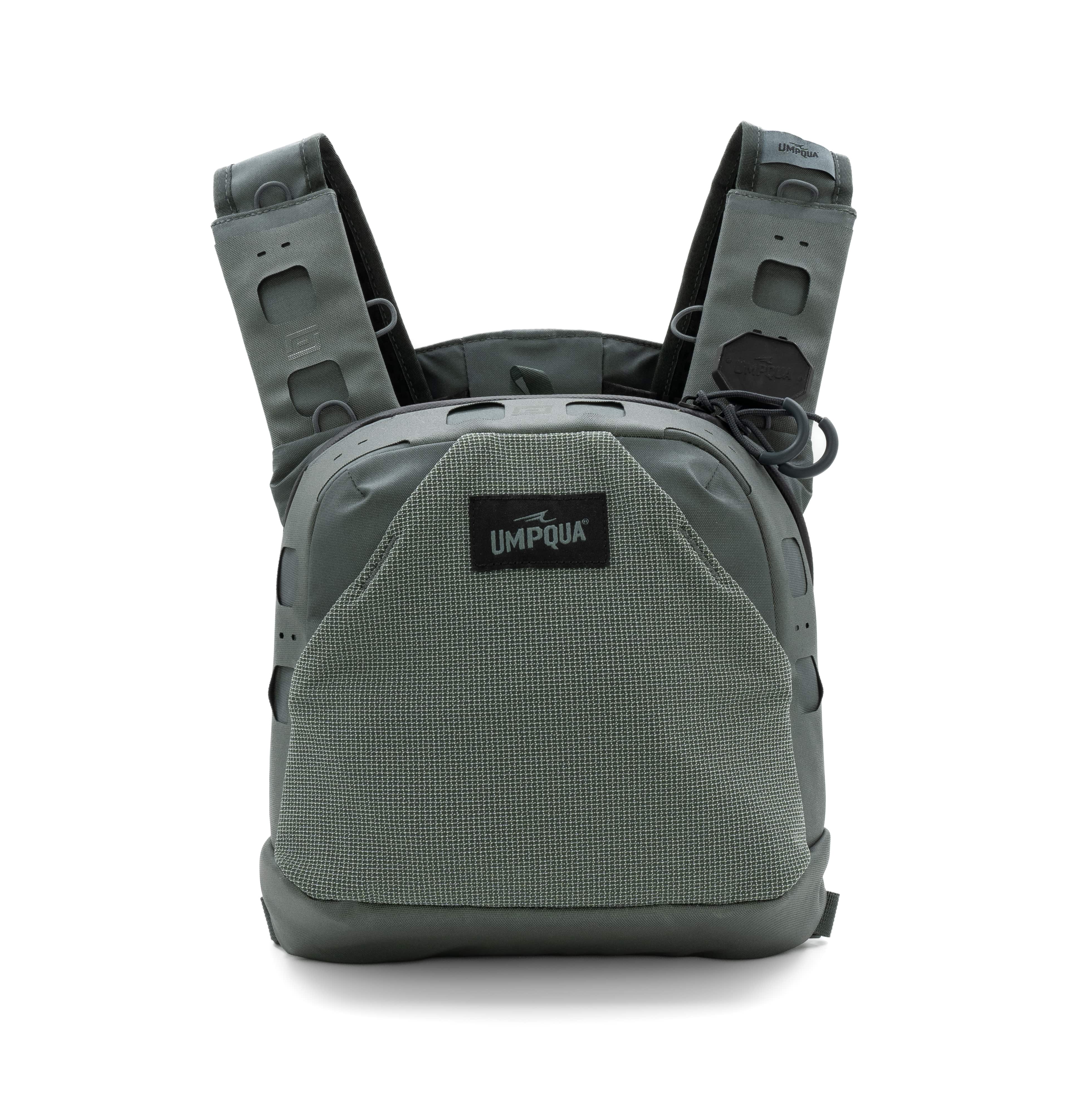
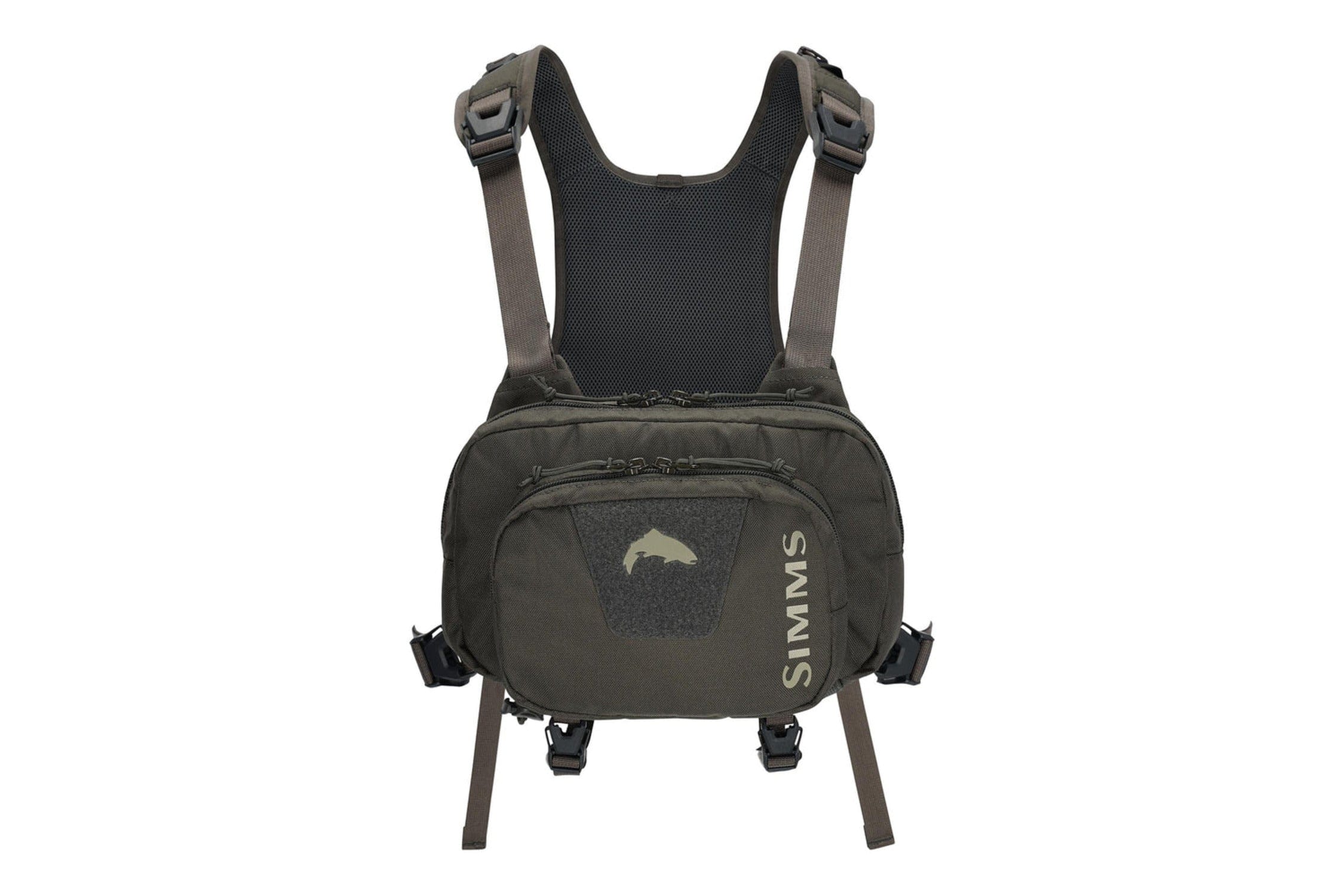
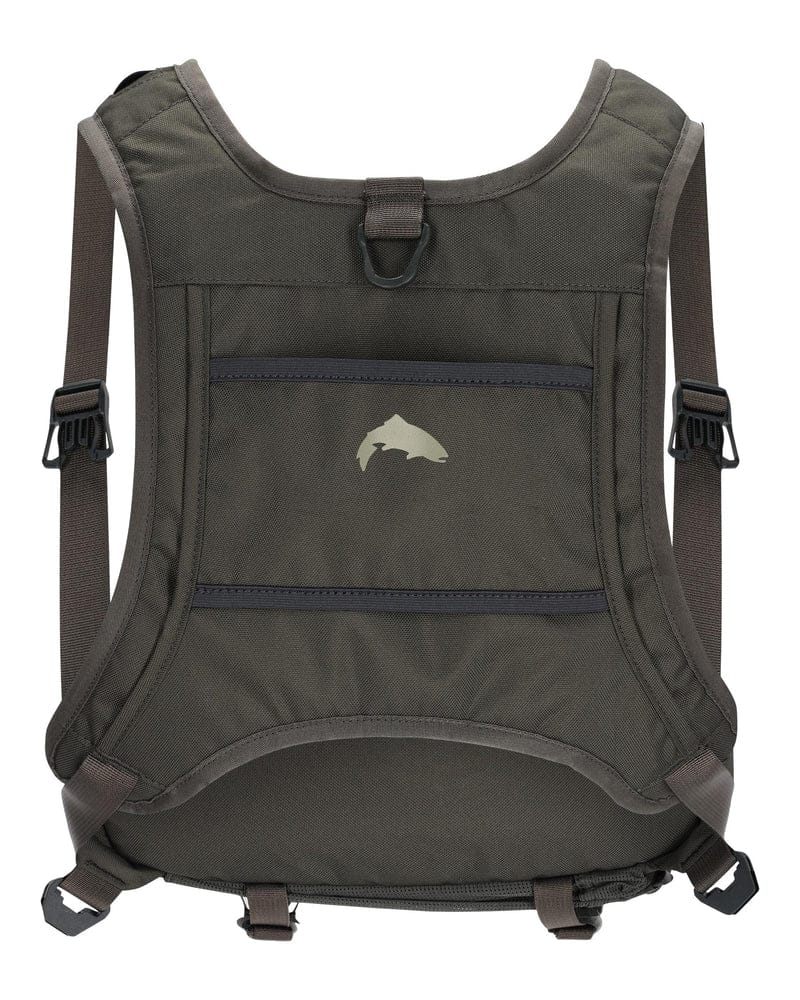
Chest Packs Quick Picks
- Best Premium: Simms Headwaters Chest Pack - For anglers who want a feature-rich chest rig for long days and changing conditions. It adds a molded workstation, smart tool storage, and a back compartment that can carry more than the basics.
- Best Value: Simms Tributary Hybrid Chest Pack - For newer anglers or anyone who wants solid organization without a premium price tag. The 5L layout is straightforward, comfortable, and built around quick access to fly boxes and tools.
- Best for Beginners: Umpqua ZS2 Rock Creek Chest Pack - For anglers building their first pack-based setup and learning what they actually use on the water. It’s designed around modular organization, so you can keep tools and essentials in consistent, easy-to-find spots.
- Best All-Around: Orvis Chest Pack - For walk-and-wade trout fishing where you want fast access without a lot of bulk. It keeps fly boxes, tippet, and tools high and tight, which is especially nice when you’re wading deeper.
- Best Travel: Orvis Chest/Hip Pack - For anglers who want one compact pack that can switch carry styles depending on the day. Wear it on your chest, hip, or over the shoulder when you’re bouncing between spots or traveling light.
How to Choose Chest Packs
Capacity: minimalist vs. full-day carry
Action: Start by listing what you carry every trip (2 fly boxes, tippet, leaders, nippers/forceps, floatant, phone/keys). If that’s truly all you need, a smaller chest pack stays cleaner and feels less bouncy.
Best for: Technical wading, small-stream fishing, and quick sessions where you’re changing flies often.
Avoid if: You regularly carry an extra layer, water, lunch, or a larger camera, look at bigger chest packs or consider a Sling Pack or Backpack instead.
Harness comfort and stability
Chest packs work best when they ride high and don’t swing when you climb banks or wade faster water. Look for a harness that’s padded where it matters and easy to adjust over a rain jacket or waders.
Action: If you fish long days, prioritize wider shoulder straps and a design that keeps weight centered (especially once you load it with fly boxes).
On-water workflow: workstations, tool docks, and tippet management
Many fly fishing chest packs now function like a small “bench” for rigging: a front panel to rest flies while changing patterns, attachment points for hemostats/nippers, and organization that keeps tippet and leaders from turning into a birds’ nest.
Action: If you change rigs often (dry-dropper to nymphs to streamers), choose a pack with a clear front workstation and dedicated tool docking, so you’re not digging every time you re-tie.
Wading depth and line management
One of the biggest advantages of a chest pack is simple: it keeps gear higher than a hip pack when you wade deeper. It can also reduce line snag compared to bulkier vests if the pack is low-profile and the exterior is clean.
Sizing & Fit
- Over waders: Set the harness so the pack sits high enough that it doesn’t dunk when you wade, but low enough to see your footing.
- Over jackets: Leave a little extra strap length for layering, and re-tighten once you’re on the water to prevent bounce.
- Net carry: If you carry a net, look for a dedicated net slot or D-ring placement that doesn’t interfere with casting or a pack’s back panel.
- Tool access: Mount nippers/forceps where you can reach them with your rod hand occupied, this matters more than extra pockets.
Complete Your Setup
Related Gear
- Packs - Compare chest packs to sling packs and backpacks when you need more capacity.
- Sling Packs - A strong alternative if you want bigger storage with quick swing-around access.
- Hip Packs - Great when you want weight on the hips and a clear chest for warm-weather fishing.
- Waterproof Packs - Worth it if you routinely fish in heavy rain, surf spray, or from a boat.
Related Guides
- How To Setup A Fly Reel
- The Ultimate Tippet Shootout: 5x
- The Ultimate Tippet Shootout: 20lb
- Fly Fishing Holiday Gift Guide 2025
Chest Packs FAQs
Q: What is a fly fishing chest pack?
A: A chest pack is a compact pack worn on your upper chest to keep fly boxes, tippet, and tools within easy reach. It’s popular for wade fishing because it keeps gear higher and easier to access than many hip packs.
Q: Are chest packs better than fly fishing vests?
A: They can be, if you want a cleaner, more modern layout and quick access without as much fabric and pocket bulk. Vests still shine for anglers who like lots of separated storage and a traditional feel.
Q: What size chest pack do I need for trout fishing?
A: Most trout anglers are happy with room for 2, 3 fly boxes, leaders/tippet, and tools. If you also carry a rain shell, larger fly boxes, or a water bottle, step up in capacity or consider pairing a chest pack with a small backpack.
Q: Can I wear a chest pack with waders?
A: Yes, chest packs are commonly worn over waders. The key is adjusting the harness so the pack rides high enough for deeper wading and doesn’t interfere with your wader straps or wading jacket.
Q: Do chest packs get in the way when casting?
A: A well-fitted, low-profile chest pack typically stays out of your casting stroke. If you routinely strip lots of line (streamers or saltwater), pay attention to exterior snag points and keep tools tethered and streamlined.
Q: Should I choose a chest pack, sling pack, or hip pack?
A: Choose a chest pack for fast access and higher carry during deeper wading, a sling pack for more capacity with quick rotation to the front, and a hip pack for weight-on-the-hips comfort and a clear upper body.

