































Learn how to tie the Ragin' Craven Crab fly pattern including step-by-step instructions, a video tutorial, pictures, and much more. Improve your fly tying skills here.
Trident Fly Fishing is a full-service fly shop. We spend a lot of time testing gear and writing reviews to give you all of the tools to make your next trip a success. We are not a blog or a review site. 100% of our funding comes from your gear purchases, so if this blog post helps you on your next fly fishing adventure, please support us by buying your gear from us.
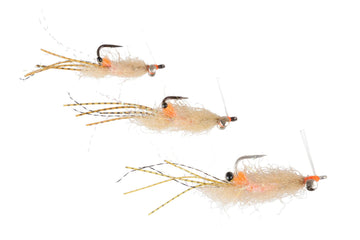
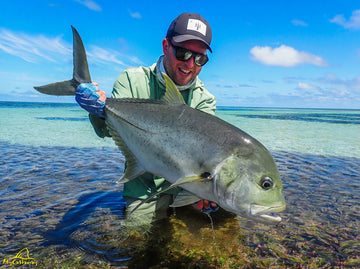
A Charlie Craven classic, the Ragin' Craven fools finicky fish... Designed to resemble a crab, the Ragin' Craven lands somewhere between a crab and a shrimp. And fish eat it as both. This is a great saltwater pattern for Tarpon, Bonefish, Permit, and more. It's also a phenomenal Redfish fly when fish are tailing in shallow water. Whether you're targeting fish that are eating shrimp or crabs (or both), this is a must-have pattern for avid saltwater anglers. Plus, it's really fun to tie. Tune in as Jared provides step-by-step instructions for the Ragin' Craven.
Materials:
- Tiemco TMC 811S Standard Saltwater Fly Hook - Size 2
- UTC Ultra Thread 210 Denier - Tan
- Hareline Plain Lead Dumbbell Eyes
- Hareline Krystal Flash - Black, Root Beer
- Hareline Extra Select Craft Fur - Cream
- Hareline Grizzly Barred Rubber Legs - Medium, Natural
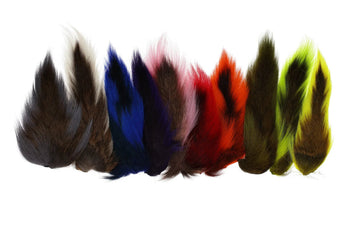
- Hareline Variant Neck Hackle
- Copic Sketch Marker - Brown
Step One:

Start your thread right behind the eye and tie in the dumbbell eyes. Secure the eyes to the hook shank with figure-8 wraps then wrap your thread rearward to the bend of the hook.
Step Two:

Tie in both colors of flash. Double the flash over, place the strands on top of the hook shank, and tie them in. After tying them in, you can trim them to your desired length.
Step Three:

Take some fuzzy fibers from the craft fur and create a small noodle on your thread. Wrap that dubbing noodle to create a small dubbing ball right in front of the flash. This will help splay the claws to the side when you tie those in later.
Step Four:

Select a good chunk of craft fur and tie it in right in front of the dubbing ball. The dubbing ball will help flare the craft fur to create the mouth of the crab. Wrap your thread forward to cover up the butts.
Step Five:

Next, tie in one feather from the Variant Neck Hackle on each side of the hook shank to create the claws of the crab. After you are happy with the placement of the Variant Neck Hackle Feathers, wrap rearward to push the feathers against the dubbing ball and flare them to each side. Then cover up the butts and snip the excess.
Step Six:

Color the tips of your rubber legs and tie them in on top of the hook shank. A figure-8 wrap works best to anchor these rubber legs in place on top of the hook shank. Once you tie them all in, wrap your thread back through the rubber legs making sure not to trap any fibers and return it to just in front of the Variant Neck Hackle.
Step Seven:

Create a dubbing loop with your thread then return the thread to just behind the eye of the hook. Using the dubbing loop tool, spread craft fur throughout the loop then spin it. After spinning the dubbing loop, use a dubbing brush to pick it out before wrapping it forward.
Step Eight:

Next, wrap the dubbing loop forward through the legs and tie it off just behind the eye of the hook. Try not to trap the legs and use a figure-8 wrap around the dumbbell eyes to create a small head.
Step Nine:

Again, use a dubbing brush to comb out the fly. This will help create a full fly profile so the Ragin' Craven moves more water on the flats.
Step Ten:

Finally, trim the bulky craft fur to obtain the desired fly profile. This crab imitation should be flat and wide so do the majority of your trimming on the top and bottom of the fly.
Step Eleven:

Use your Copic Sketch Marker to put lines on the underside of the fly and you're done! That's the Ragin' Craven, a phenomenal crab fly for Redfish, Snook, Permit, Bonefish, and more.
Questions?
Give us a call here at the shop at (888) 413-5211 or email us anytime at [email protected].
Comments
(0)No comments yet. Be the first!