


































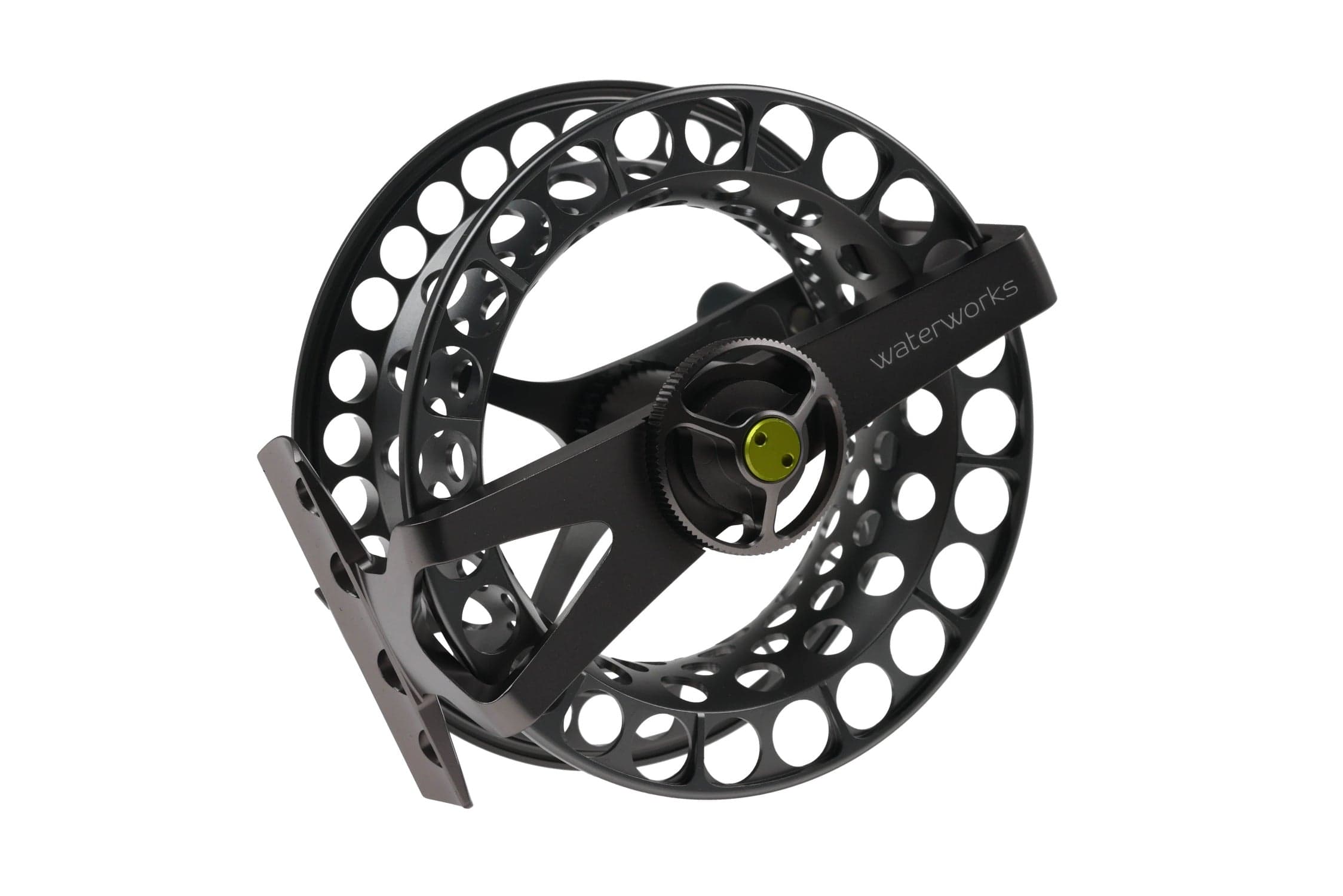
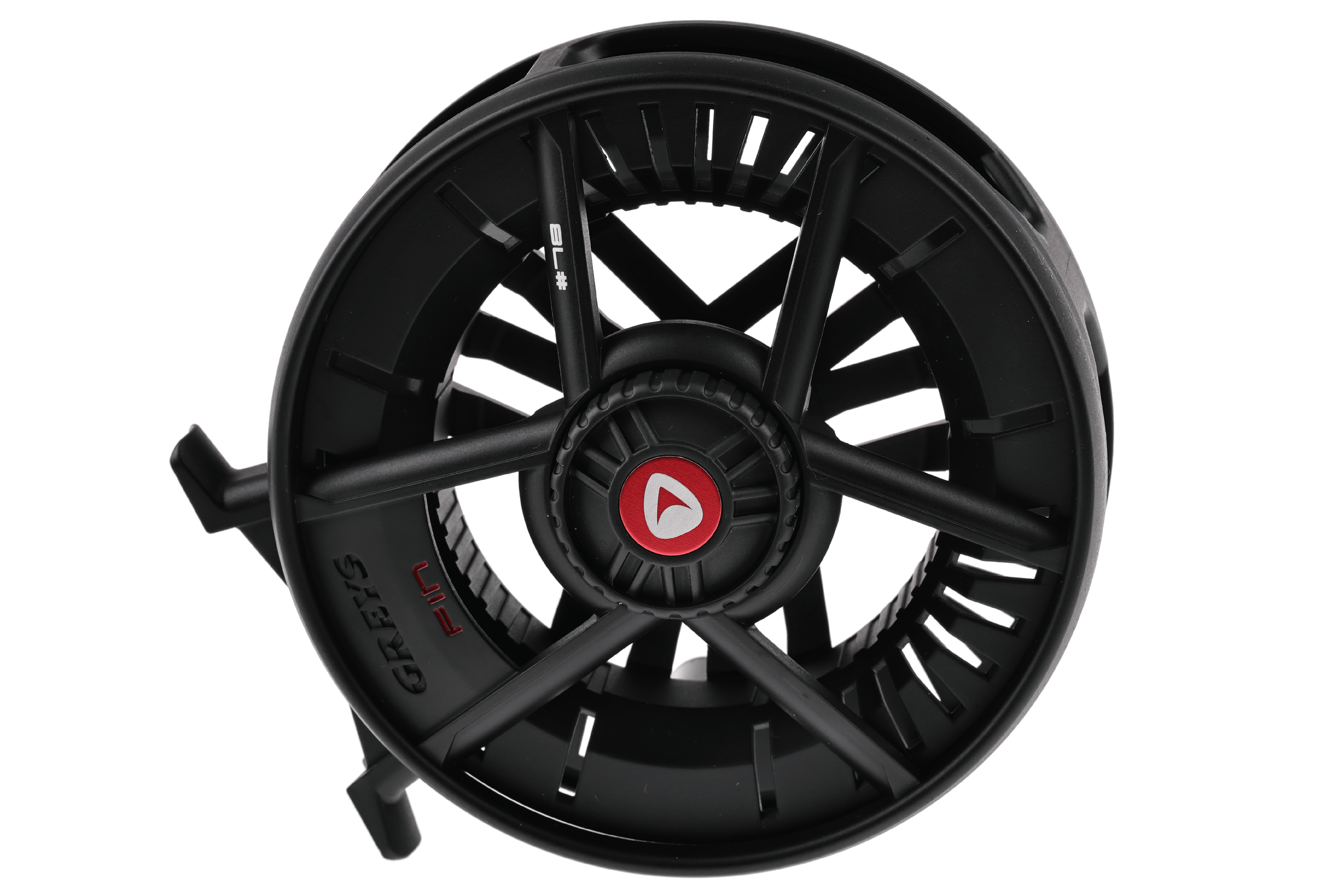
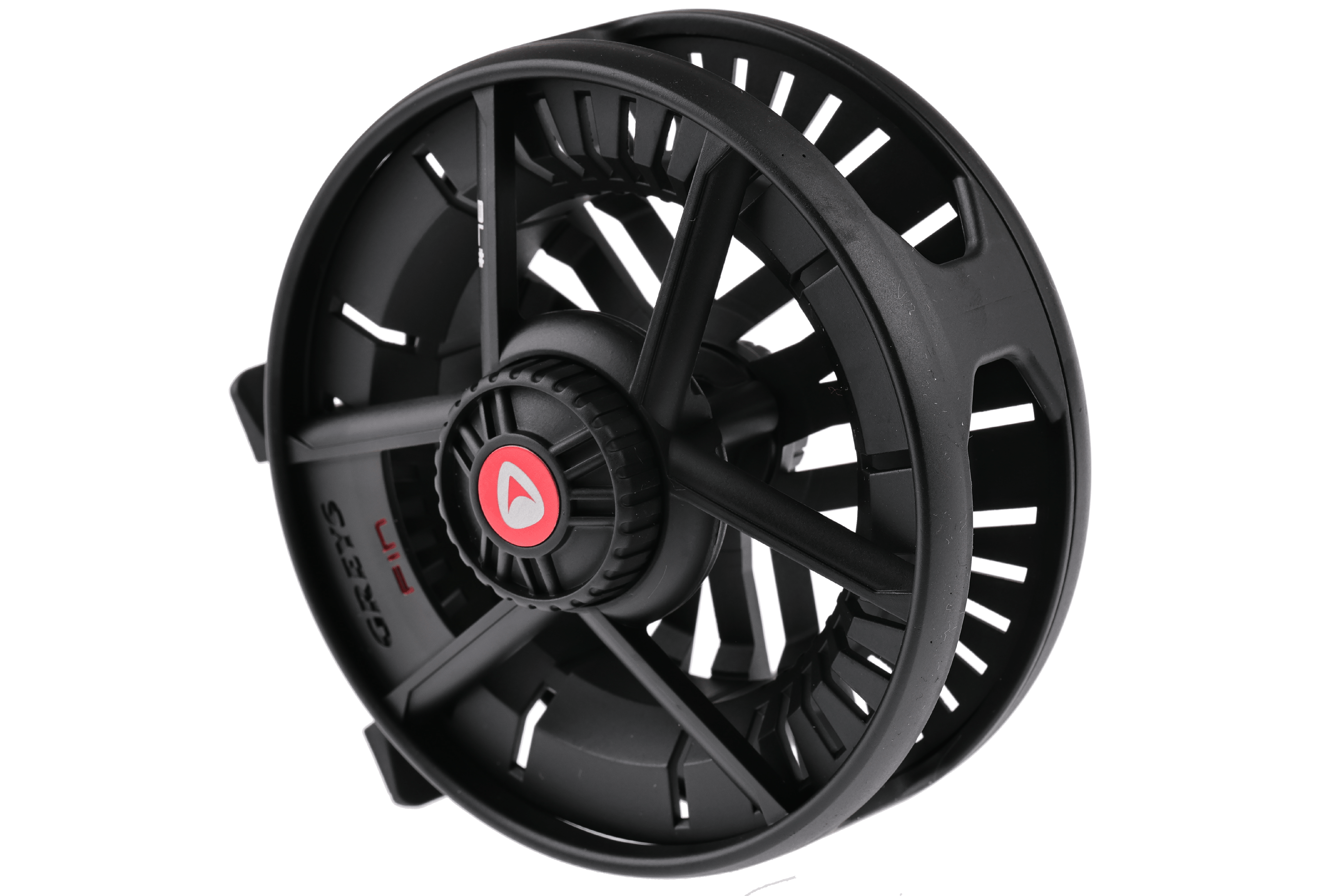
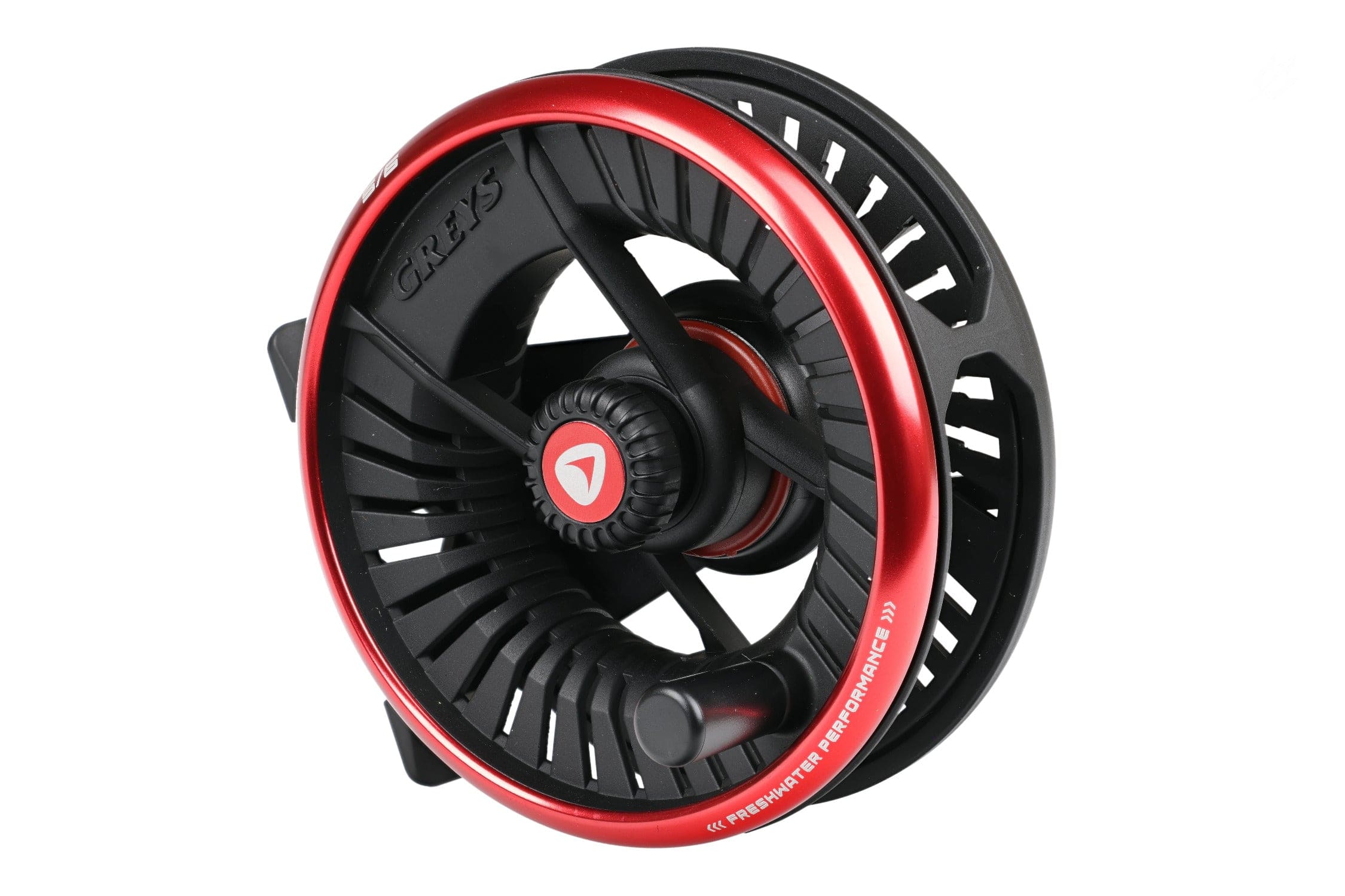
Sale Fly Reels Quick Picks
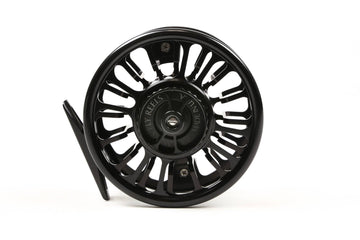
- Best Premium: Ross Evolution R Salt Fly Reel - Built for anglers who want a purpose-built saltwater reel without paying full retail. It’s a great match for flats and inshore species where corrosion resistance and confident drag control matter.
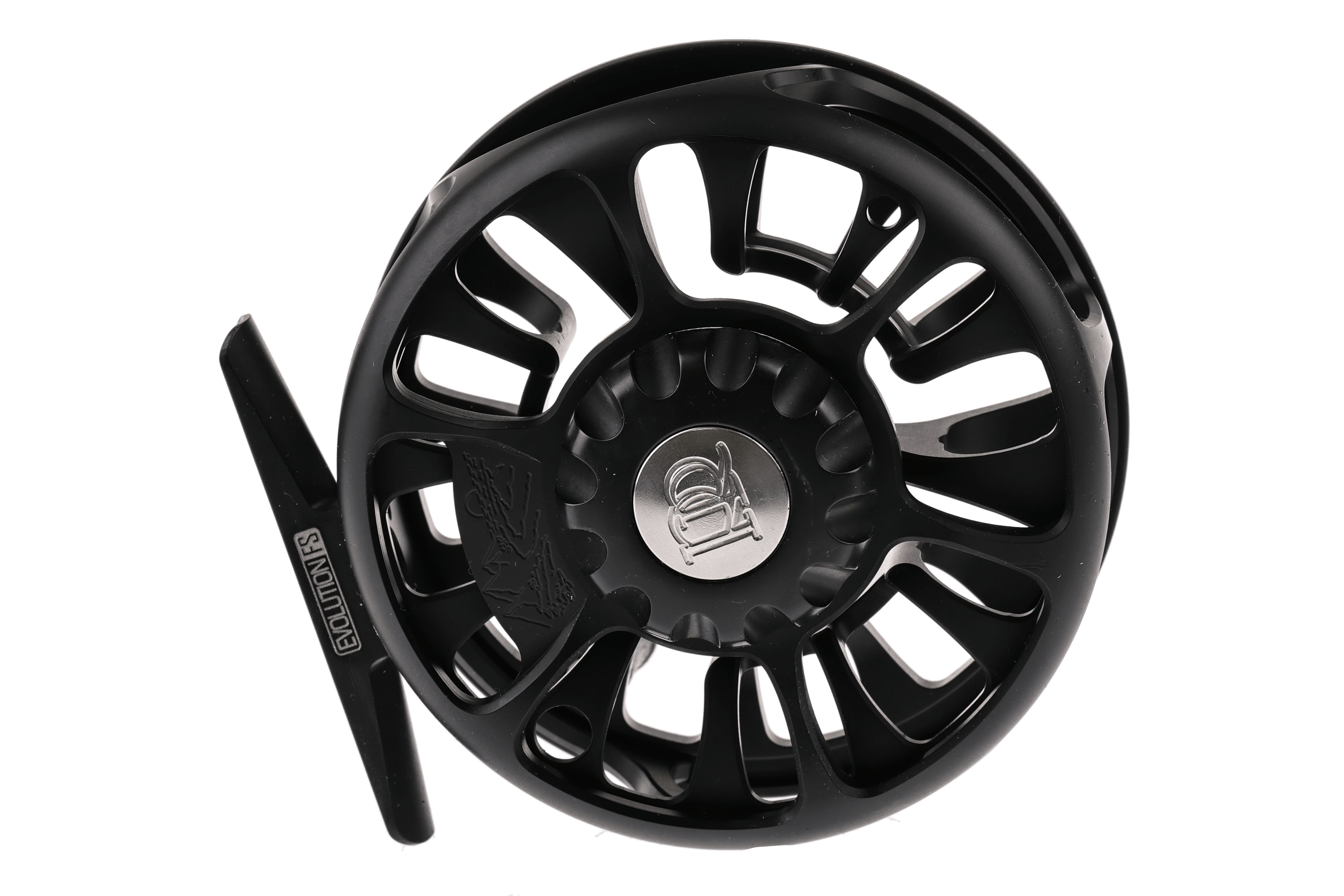
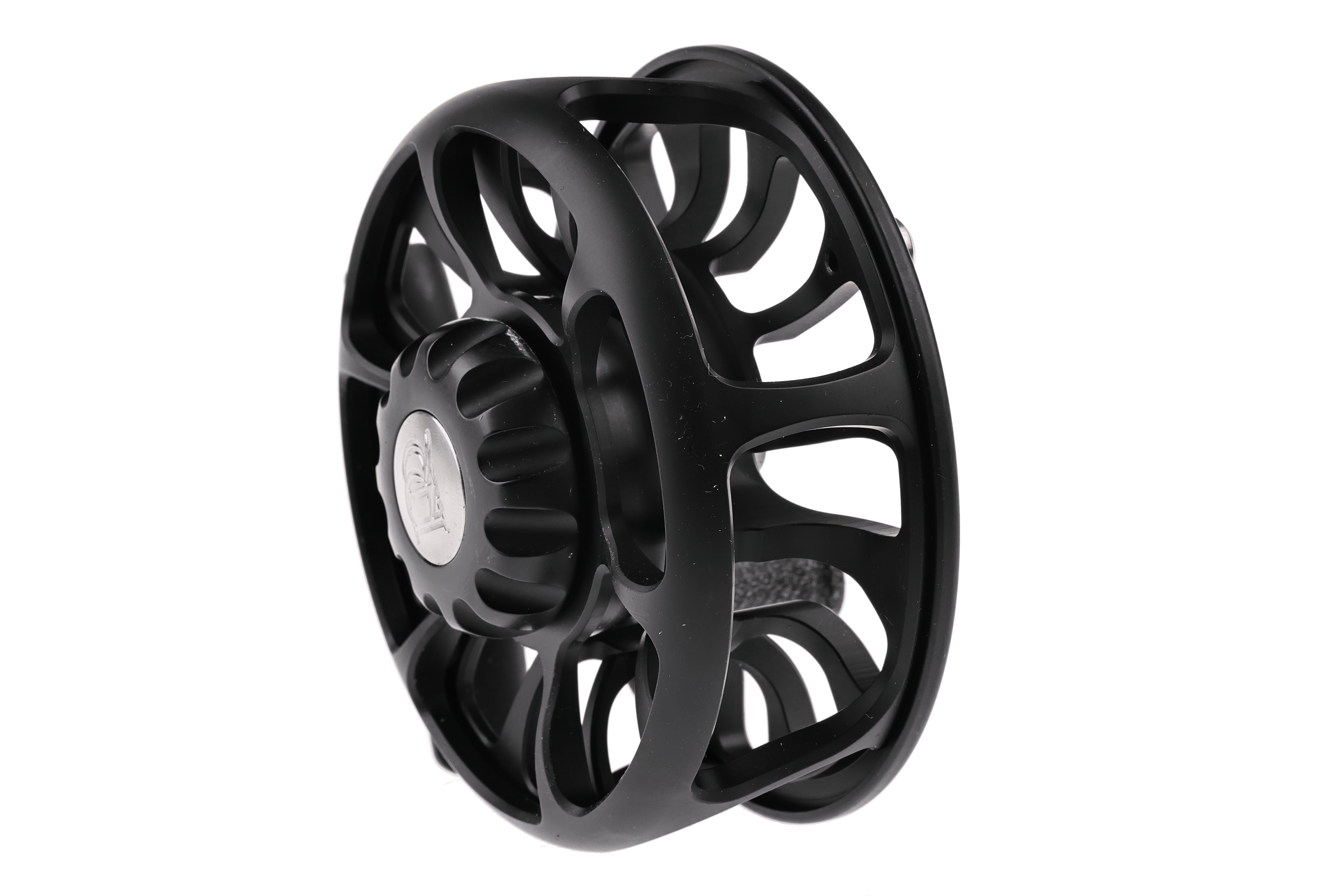
- Best All-Around: Ross Evolution FS Fly Reel - A strong choice when you want one reel to cover a lot of ground, from heavier trout rods to light saltwater. The semi-caged frame style helps reduce line slip issues and the stout build favors anglers hard on gear.
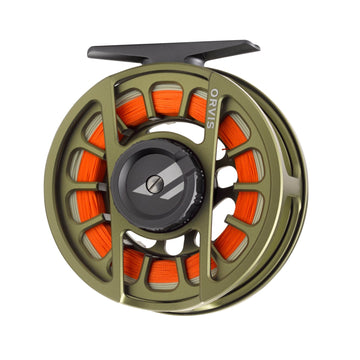
- Best Made-in-USA Value: Orvis Mirage USA Fly Reel - Ideal for anglers looking for a premium, USA-made reel on sale for both freshwater and saltwater crossover use. It’s a smart upgrade if you’re stepping into stronger drag needs without jumping to a big-game reel.
- Best Budget Upgrade: Taylor Revolt Fly Reel - Great for anglers who want a fully capable reel at a sharper price point for everyday trout and light warmwater fishing. It’s a straightforward way to upgrade from entry-level gear without overthinking it.
- Best for Multi-Line Setups: Sage Spectrum Spare Spool - Best for anglers who like to swap between a floating and sinking/ intermediate line without changing reels. It’s a clean solution for travel or “one reel, multiple jobs” setups where quick changes save time.
How to Choose Sale Fly Reels
Drag: sealed vs. unsealed (and why it matters)
Action: If you fish saltwater, brackish water, or silty systems, prioritize a sealed drag. If you’re mostly trout fishing in clean rivers, an unsealed drag can be completely appropriate and often keeps costs down.
Best for: Sealed drags for flats, surf, and gritty environments; unsealed drags for classic trout fishing and easy user service.
Size & capacity: match the rod, then confirm the backing chart
Action: Start by matching reel size to your rod line weight, then verify the reel’s published capacity for your specific fly line (WF vs. DT, head length, and backing type). If you’re between sizes, decide whether you’d rather prioritize a lighter feel (smaller reel) or more capacity and balance (larger reel).
Common mistake: Assuming all “5/6” reels hold the same amount of backing. Spool width and arbor diameter vary a lot across models.
Arbor size & retrieval rate: when it’s a big deal
Best for: Larger arbors are especially helpful when fish run toward you (common with many saltwater species) or when you’re picking up line quickly between short casts.
Avoid if: You’re building a minimalist small-stream setup where compactness matters more than pickup speed.
Spare spools: the simplest “two lines, one reel” solution
Action: If you routinely switch between floating and sinking lines (or different sink rates), grab a spare spool while it’s on sale. It’s also a practical backup for travel, one reel frame, multiple pre-spooled options.
Browse the full selection of Sale Fly Reels to see which spools and reels are currently discounted.
Care & Maintenance
- After each outing: Wipe the reel down and let it dry before storing, especially if it got dunked or splashed.
- After saltwater use: Rinse gently with fresh water (no high-pressure spray) and dry completely before putting it in a case.
- Drag knob habits: Back the drag off a bit for storage to reduce long-term pressure on drag components.
- Spool swaps: Keep sand and grit away from the spindle and frame interface when changing spools on the beach or boat.
Complete Your Setup
Related Gear
- Fly Reels - Compare non-sale options if you’re deciding between current and outgoing models.
- Backing - Match backing strength and diameter to your target species and your reel’s capacity chart.
- Floating Fly Lines - The most versatile starting point for most freshwater and many saltwater setups.
- Rod & Reel Cases - Adds real protection when traveling with multiple reels and spools.
Related Guides
- How To Choose The Best Fly Reel
- How To Setup A Fly Reel
- Choosing a Fly Reel for a Spey or Switch Rod
- How to Choose the Best Fly Reel for Carp
- How to Choose the Best Fly Reel for Steelhead
Sale Fly Reels FAQs
Q: What is a fly reel actually doing while I’m fighting a fish?
A: It stores your line and backing, balances the rod, and (when needed) applies drag so a fish can’t take line uncontrollably. On trout, the reel is often a line manager; on bigger fish, drag becomes much more important.
Q: Are sale fly reels a good idea, or am I buying “old” gear?
A: Sale reels are often discounted because colors, versions, or model years are being cleared out. You can get premium performance for less, but sizes and colors can sell through quickly.
Q: How do I choose the right size in sale fly reels?
A: Match the reel to your rod line weight first, then confirm capacity for your exact fly line and backing type. If you’re on the fence between sizes, consider whether you want lighter feel or more capacity/balance.
Q: Do I need a sealed drag?
A: For saltwater, brackish water, or gritty/silty fisheries, sealed drag is usually the safer call. For most trout fishing, an unsealed system can work great and is often easier to clean and service.
Q: What’s the benefit of a spare spool?
A: It lets you swap lines fast, like floating to sinking, without carrying a second reel. It’s also a great travel backup if you want multiple setups with less bulk.
Q: Can I use one reel for trout and occasional saltwater?
A: Sometimes, especially in the 6, 8wt range, but you’ll want corrosion-resistant construction and a drag that won’t get gritty. If you fish salt regularly, a purpose-built saltwater reel is usually the better long-term fit.
Q: What backing should I use with these reels?
A: Use the reel’s capacity chart as your starting point. Dacron is common for freshwater, while thinner, higher-strength braid-style backing is often preferred when you need more capacity for fast saltwater fish.
Warranty & Brand Resources
This collection includes multiple brands, and warranty coverage varies by manufacturer and model. Check each product page for brand-specific warranty notes and any final-sale/return policy details.