


Bead Head Wooly Bugger Fly Pattern | Classic Streamer | Fly Tying Tutorial


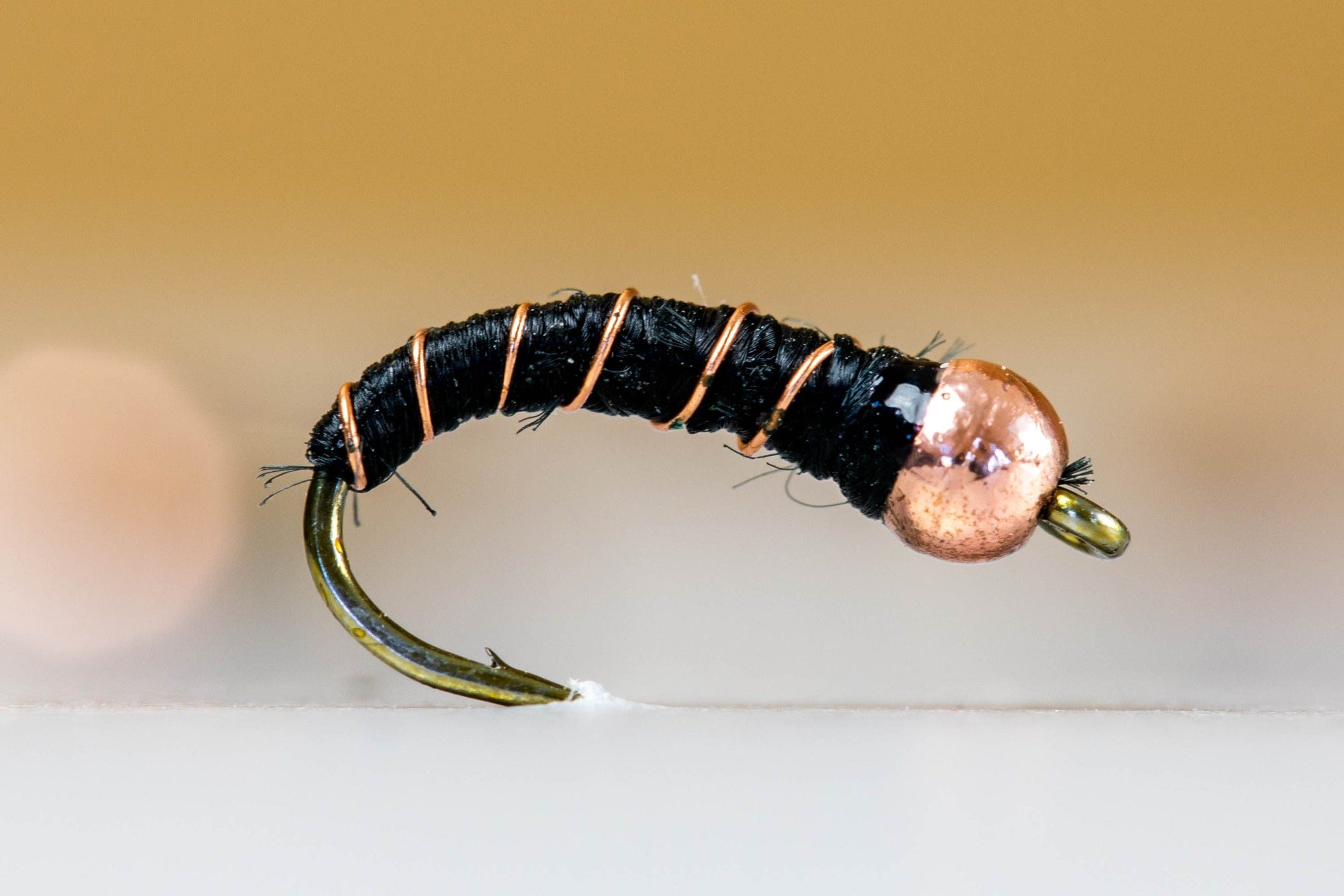
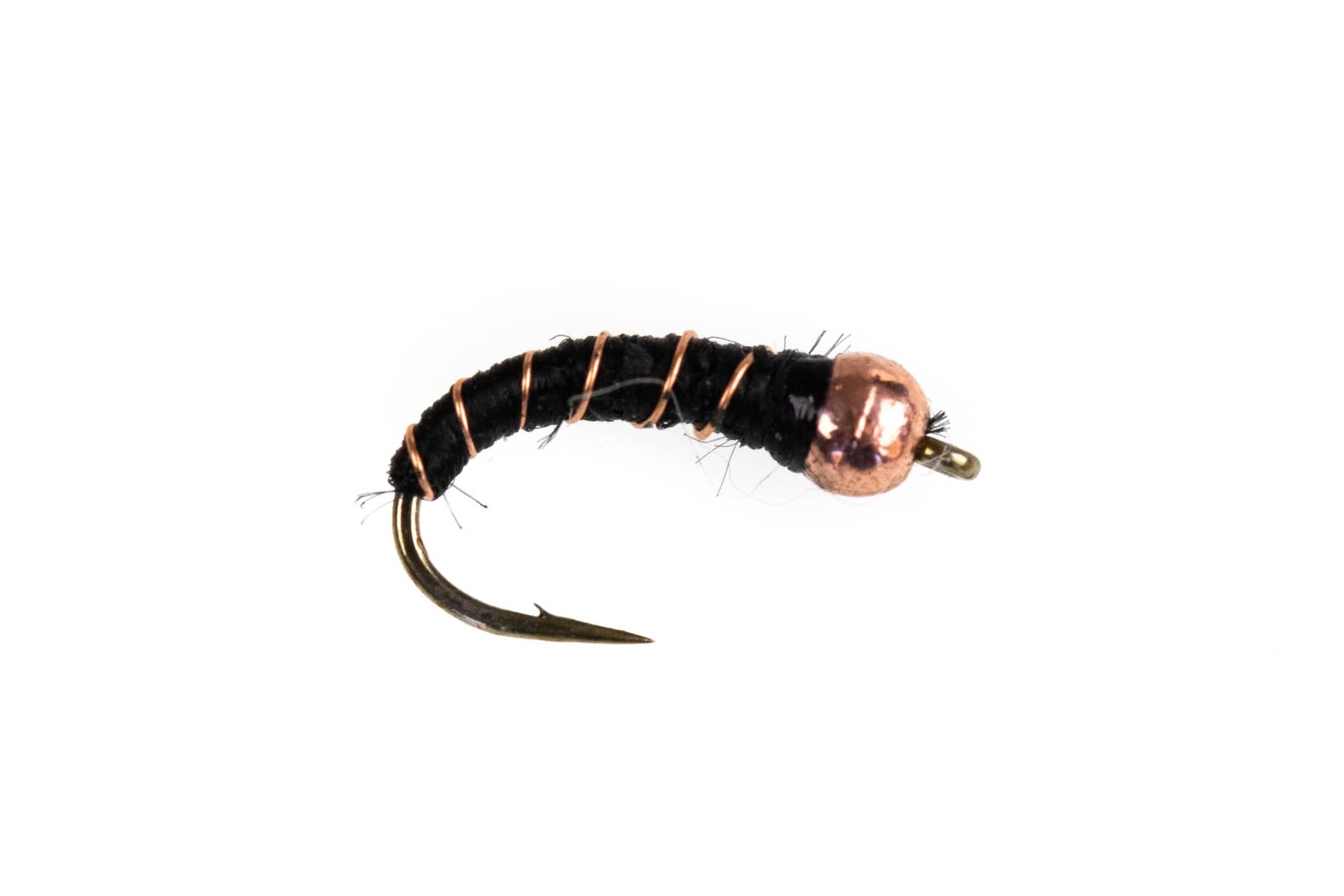
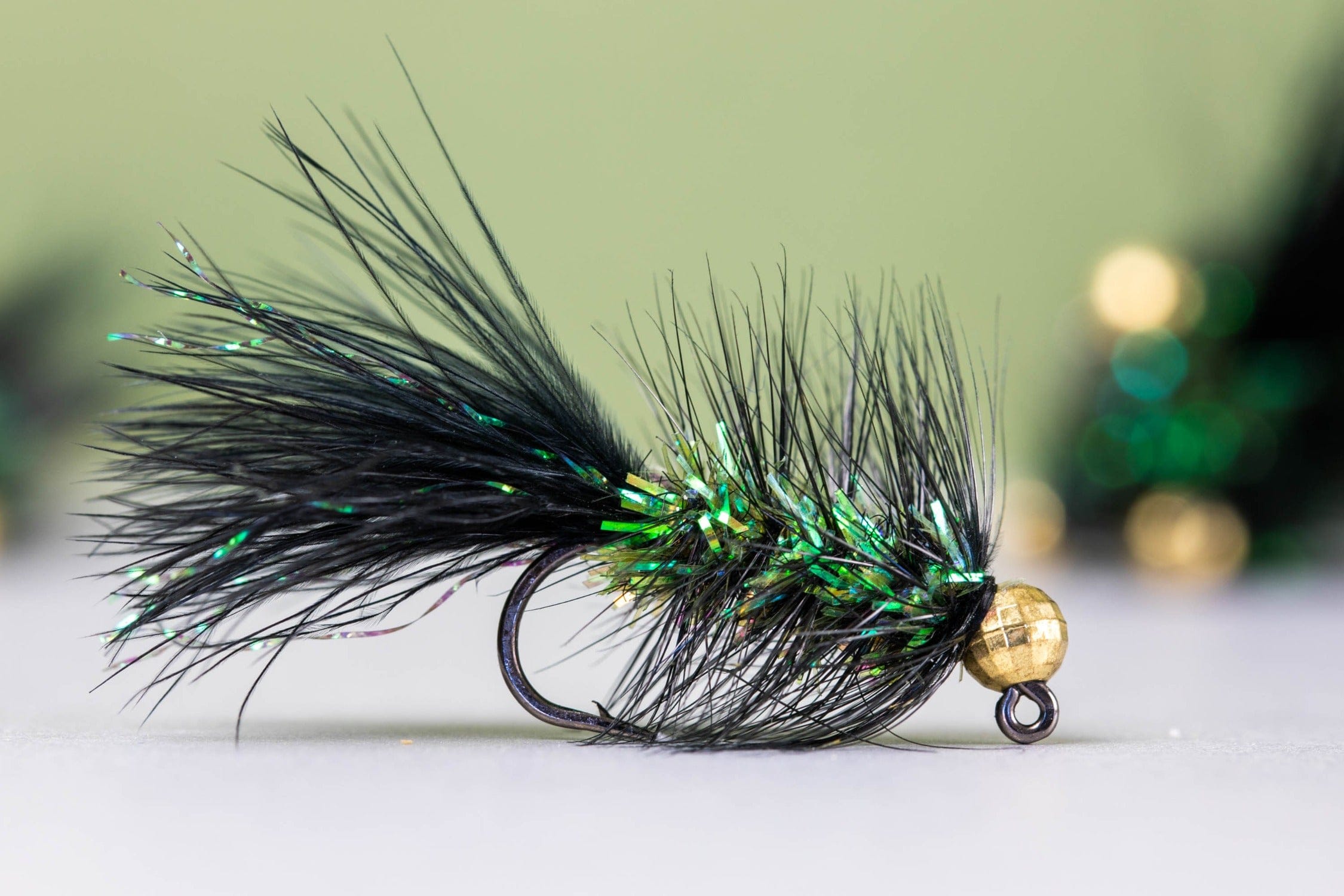
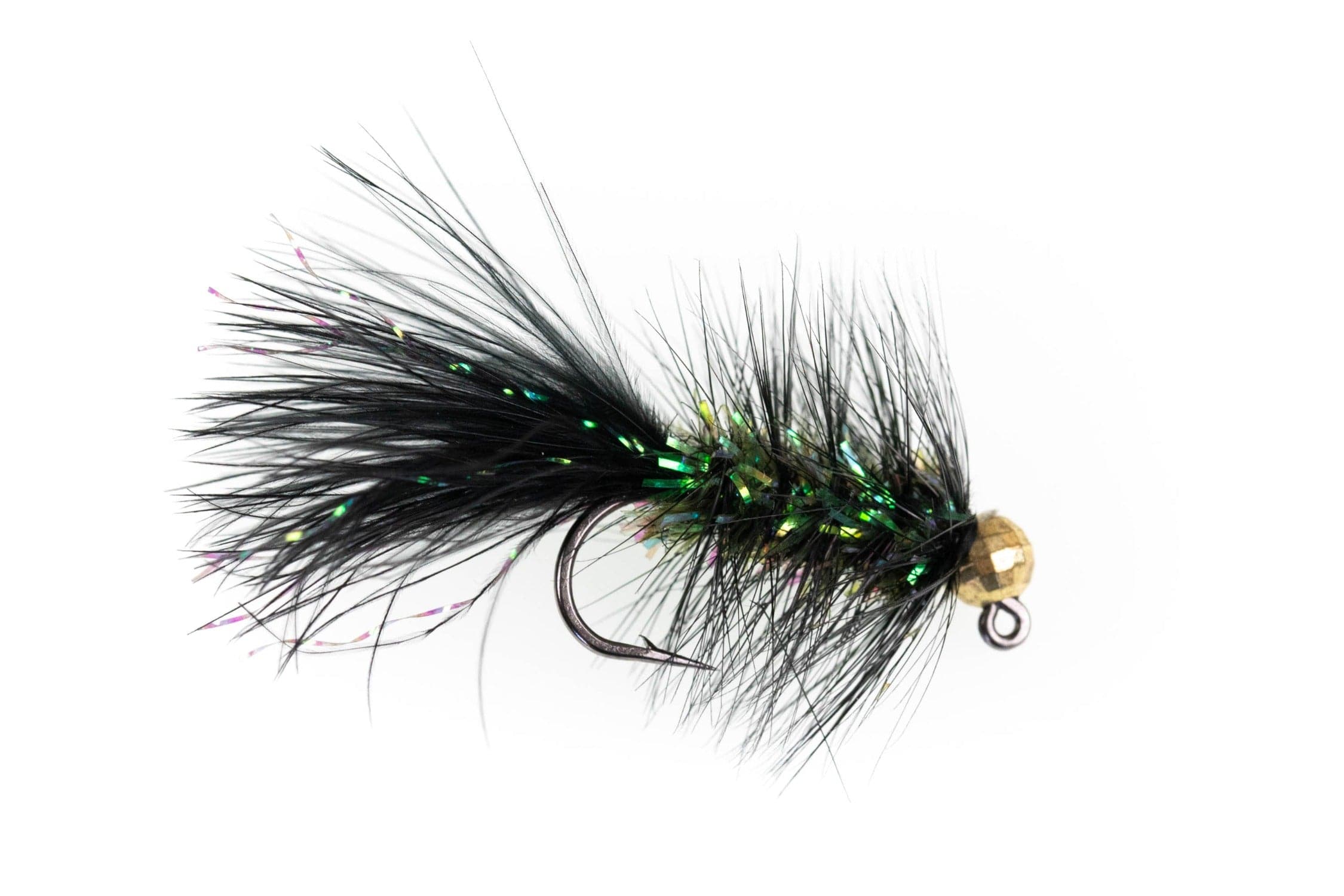
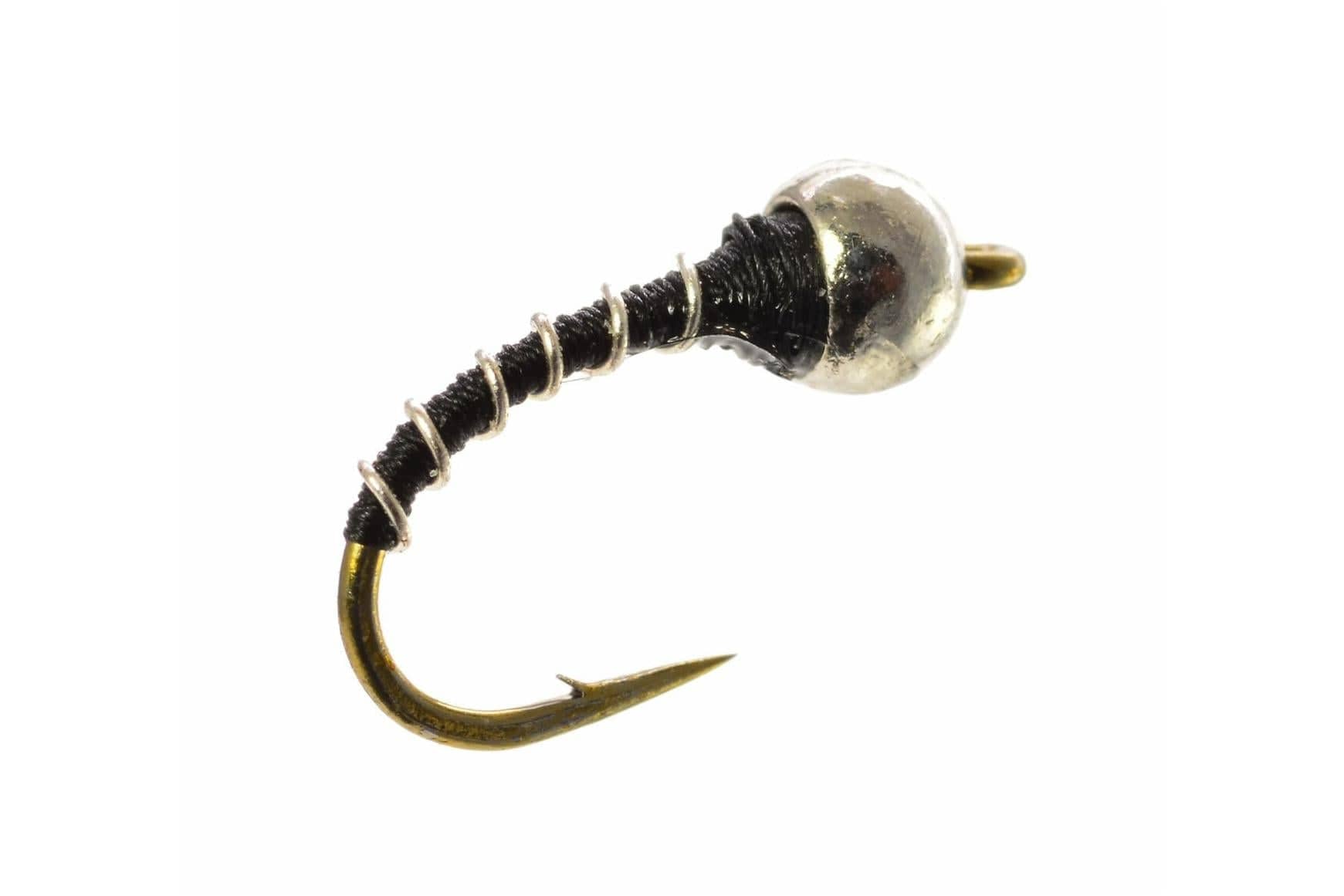
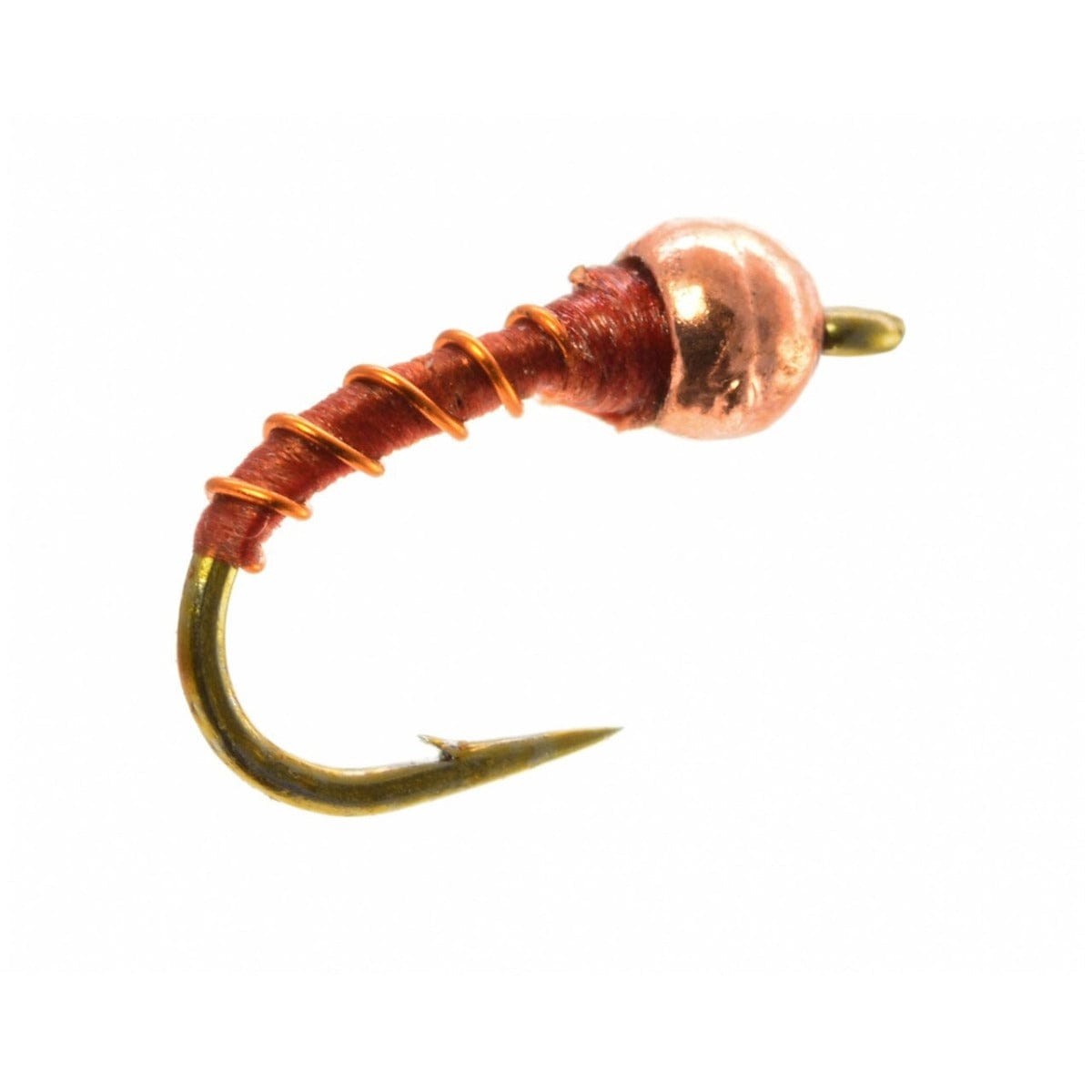
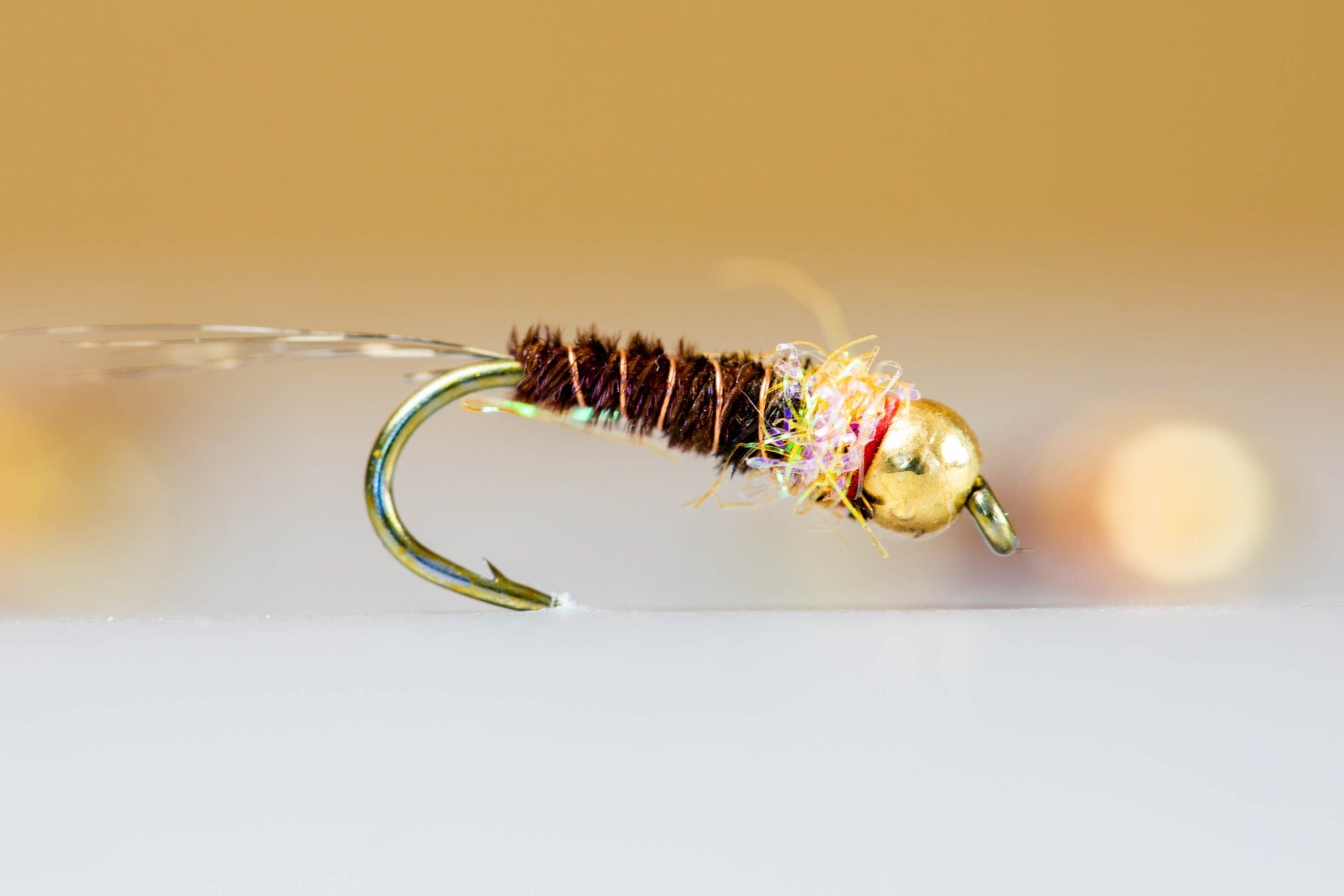
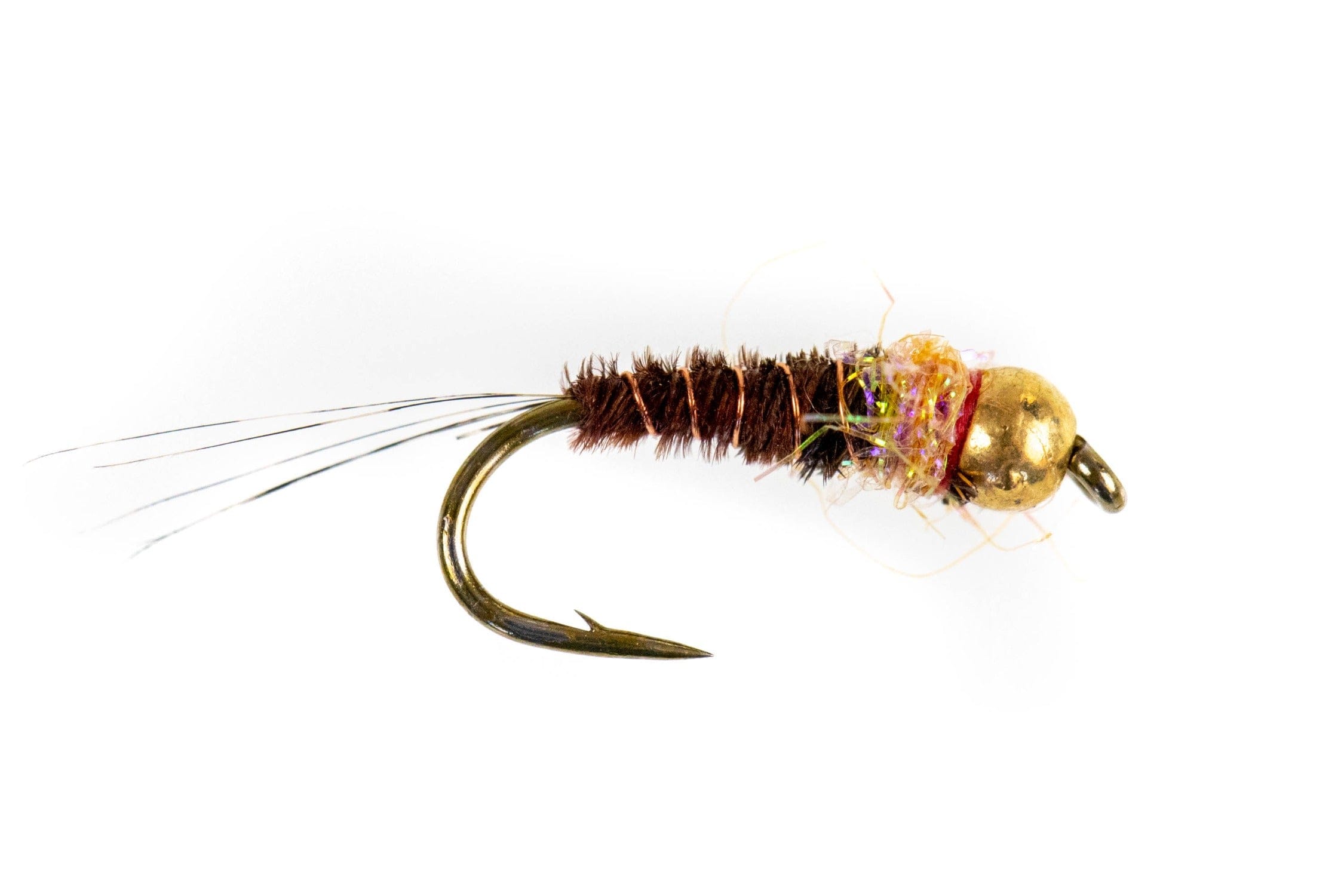
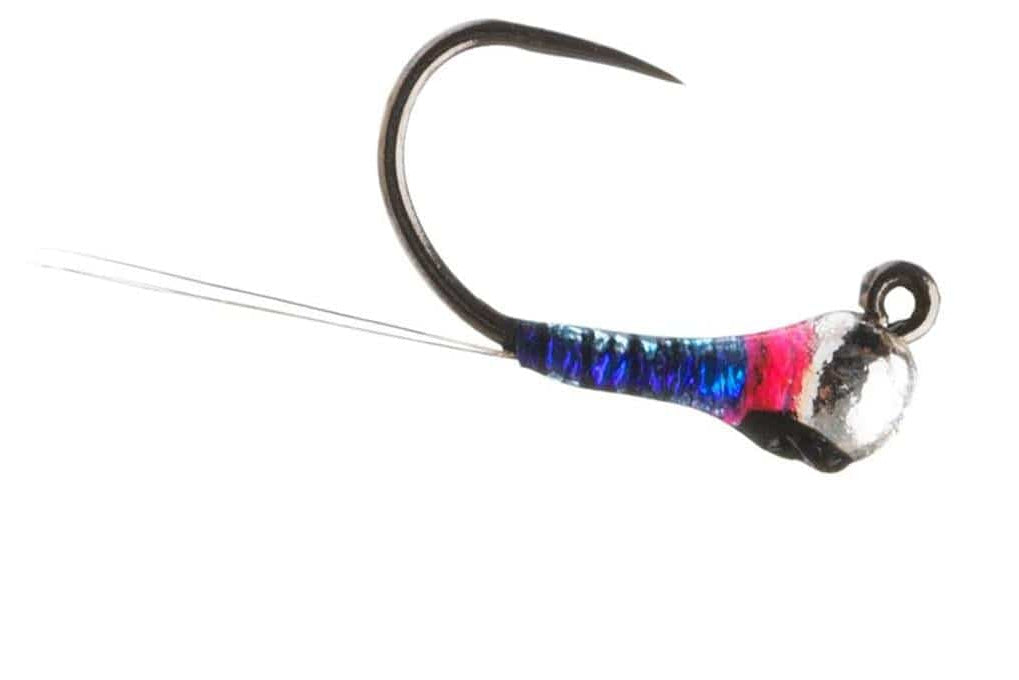
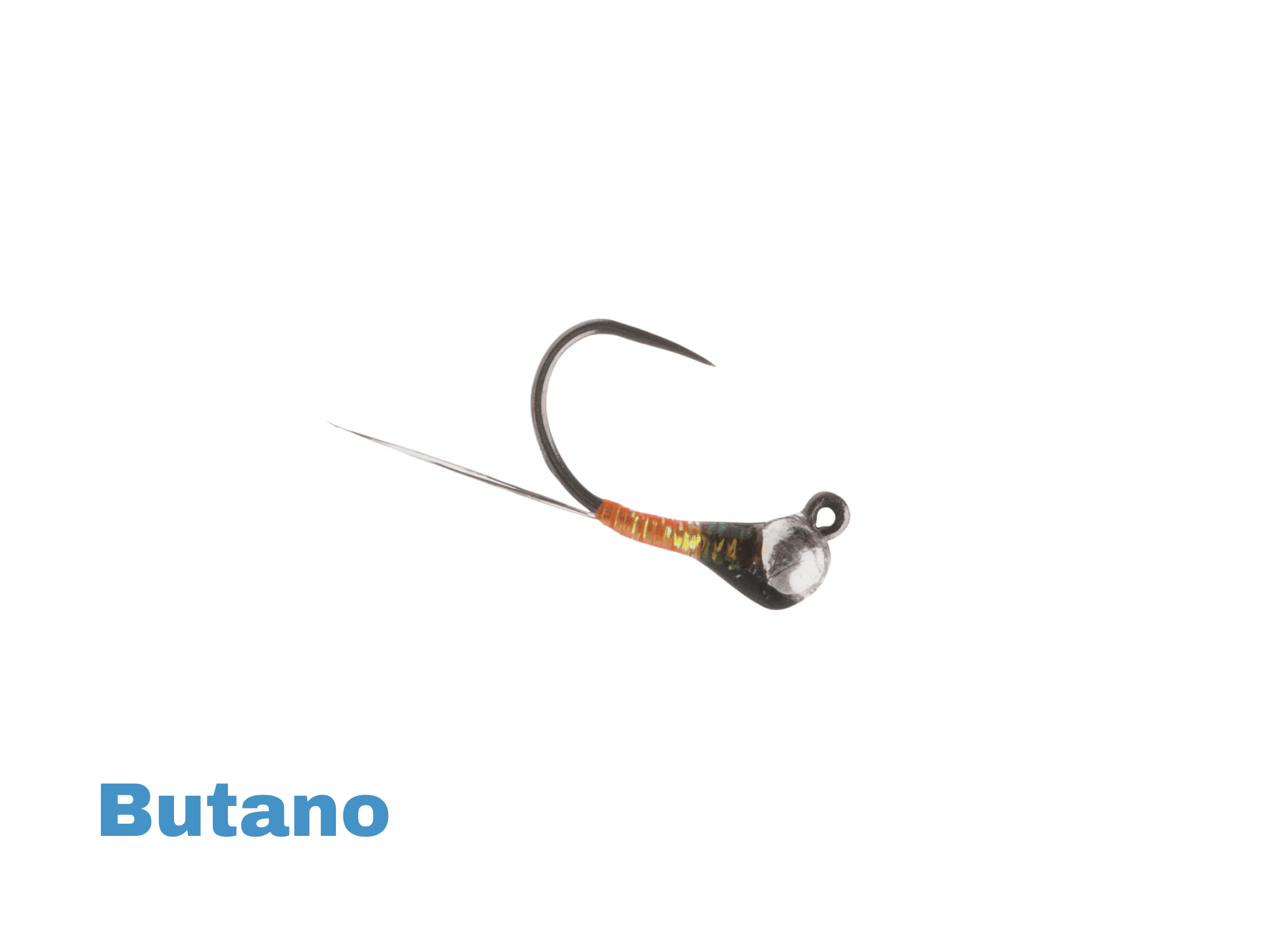
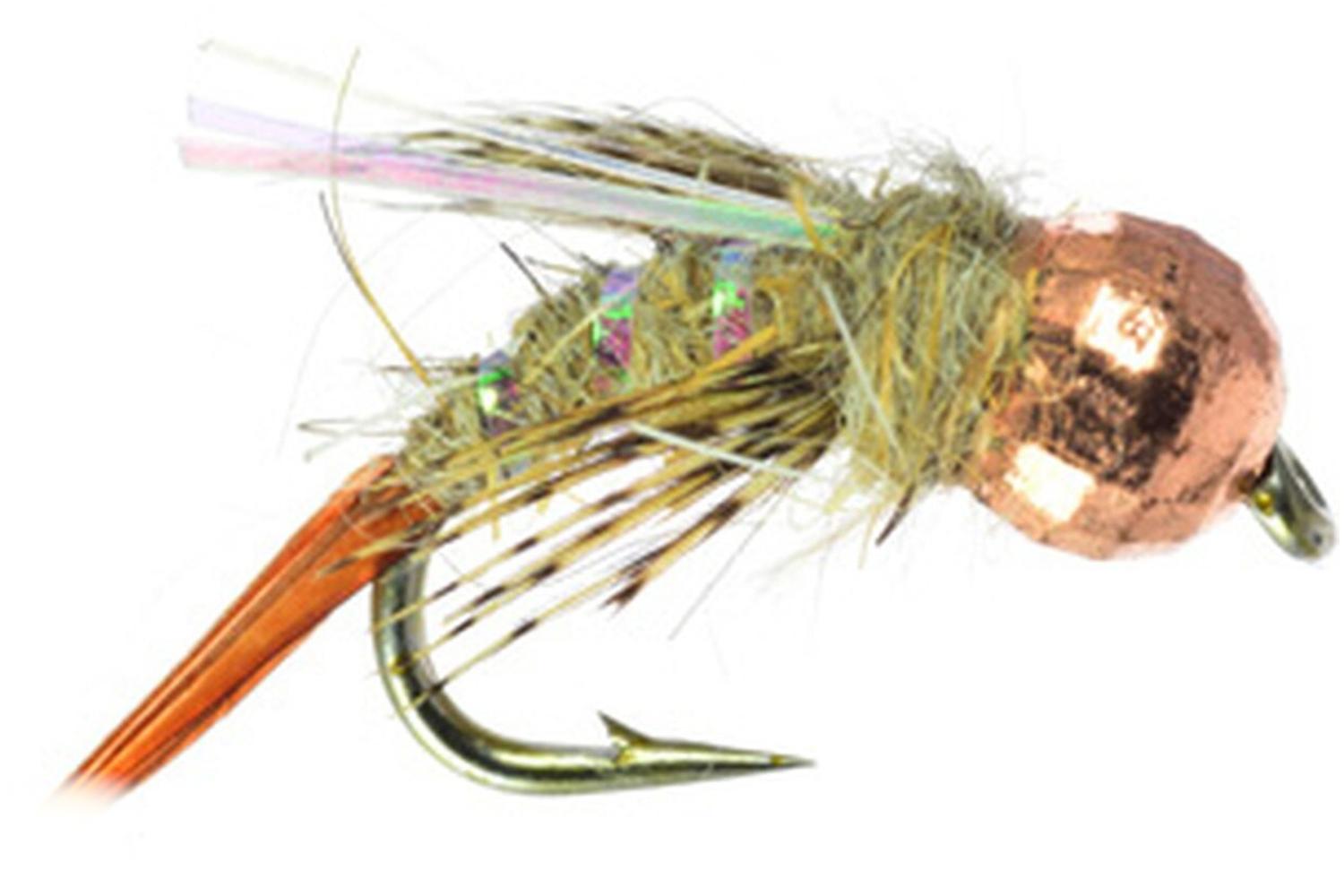
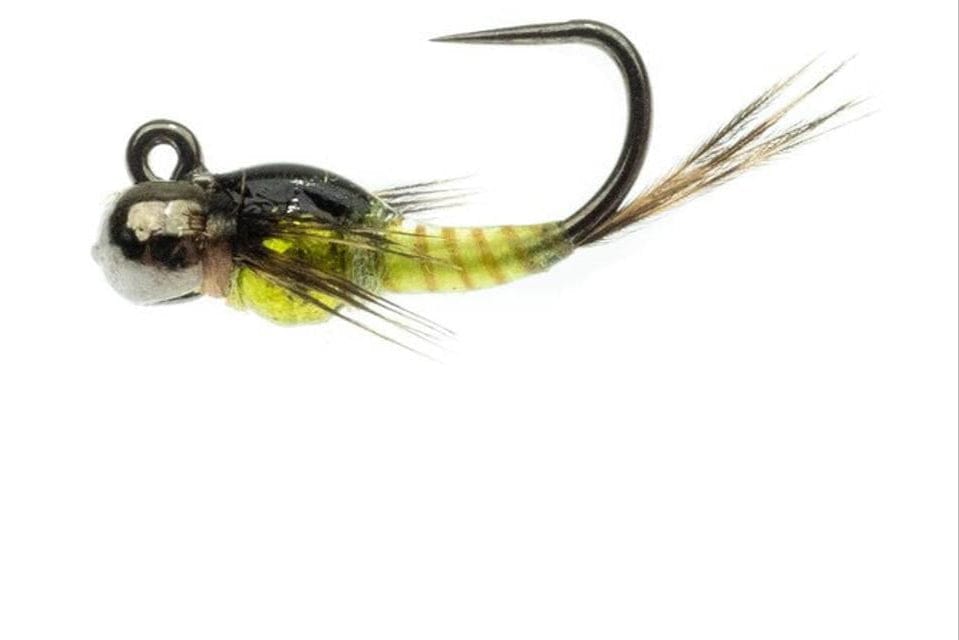
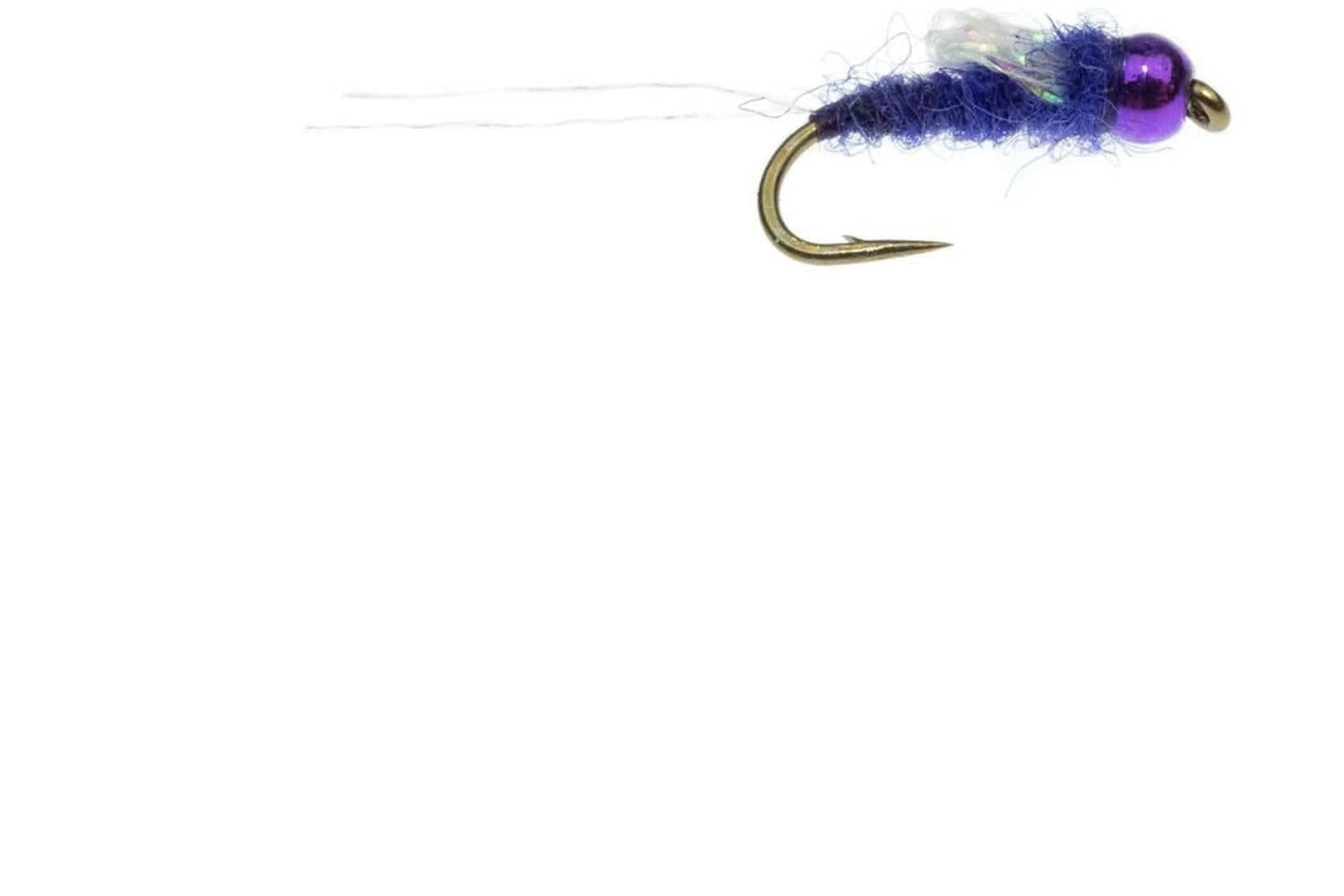
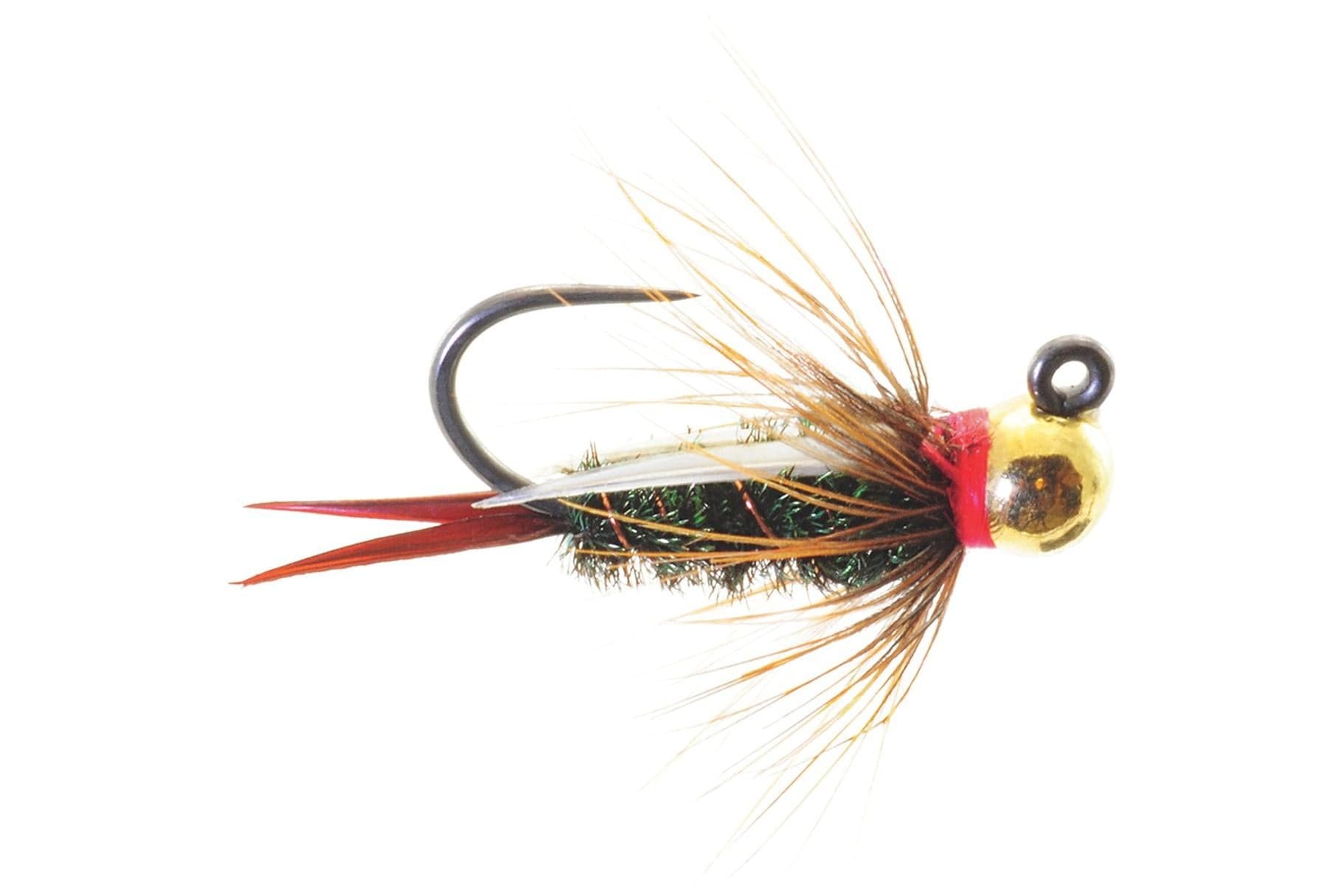
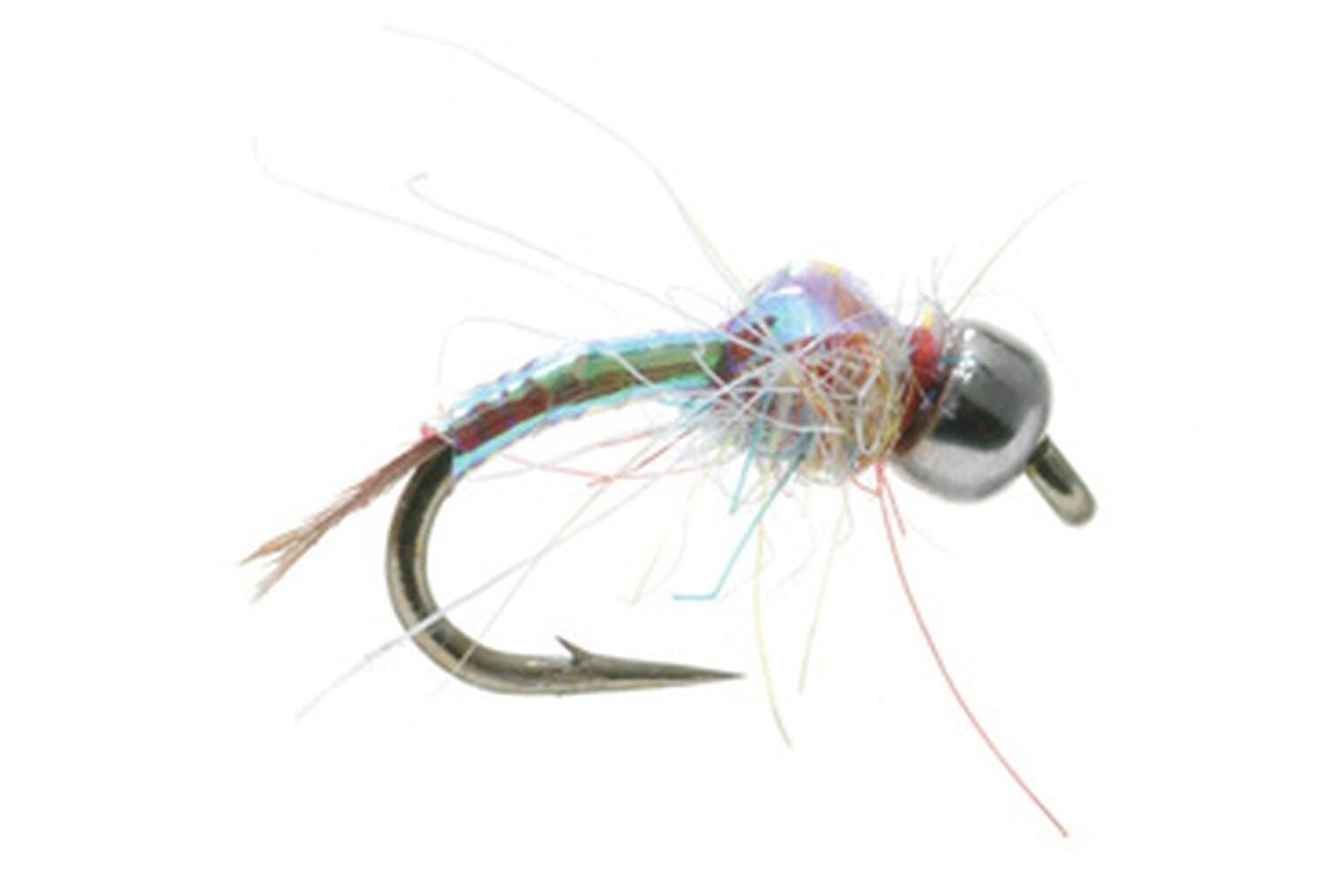
Tungsten Bead Head Flies Quick Picks
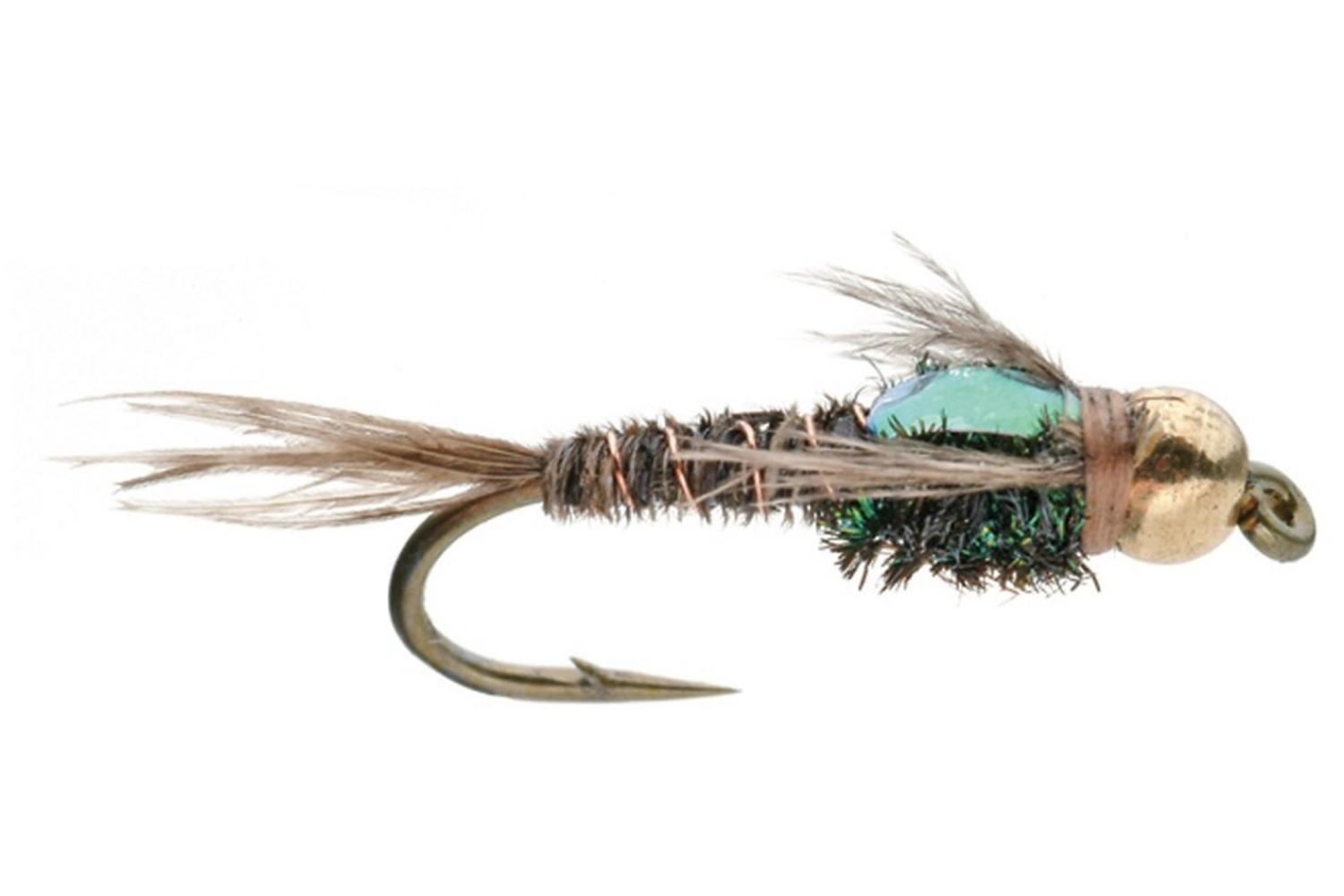
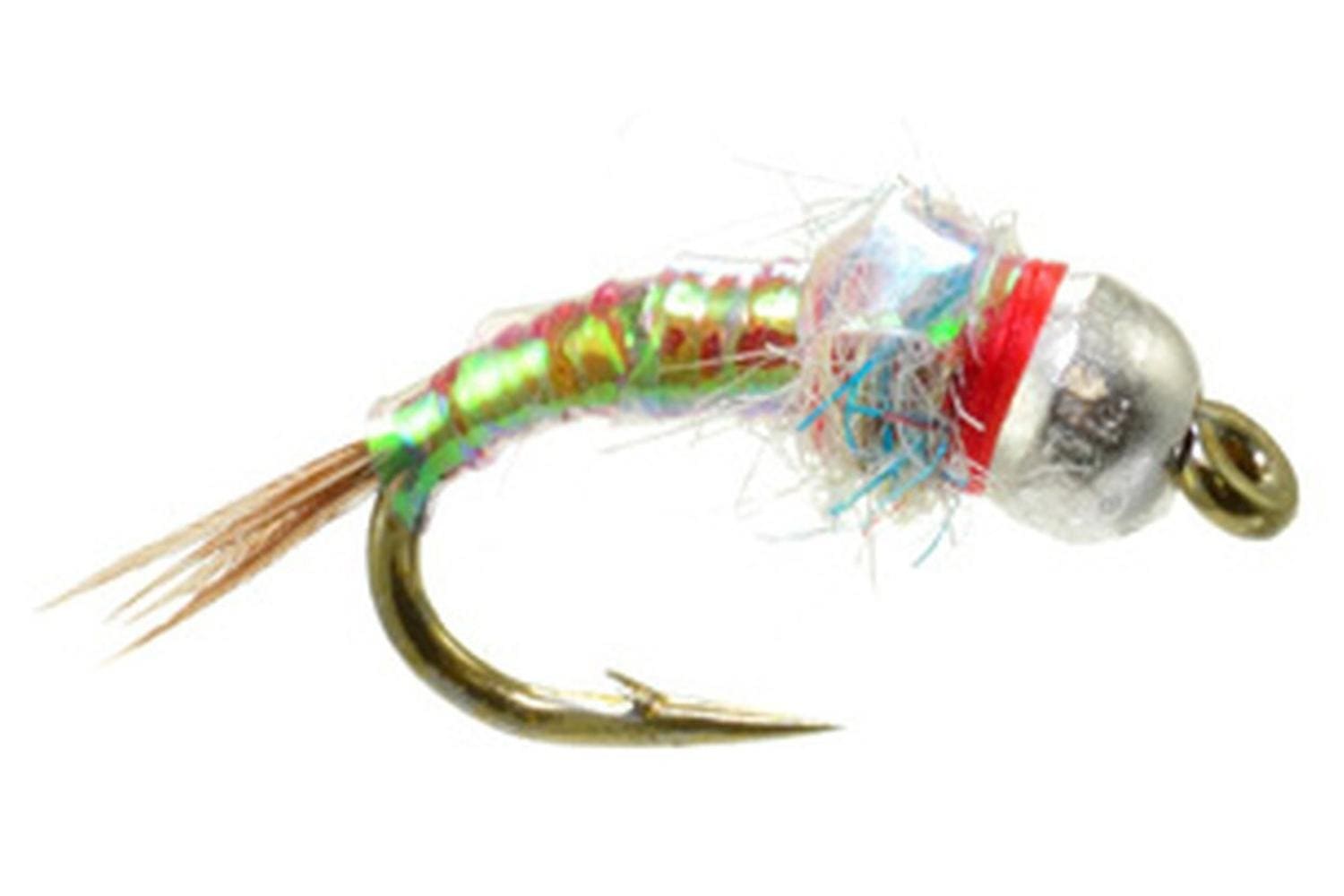
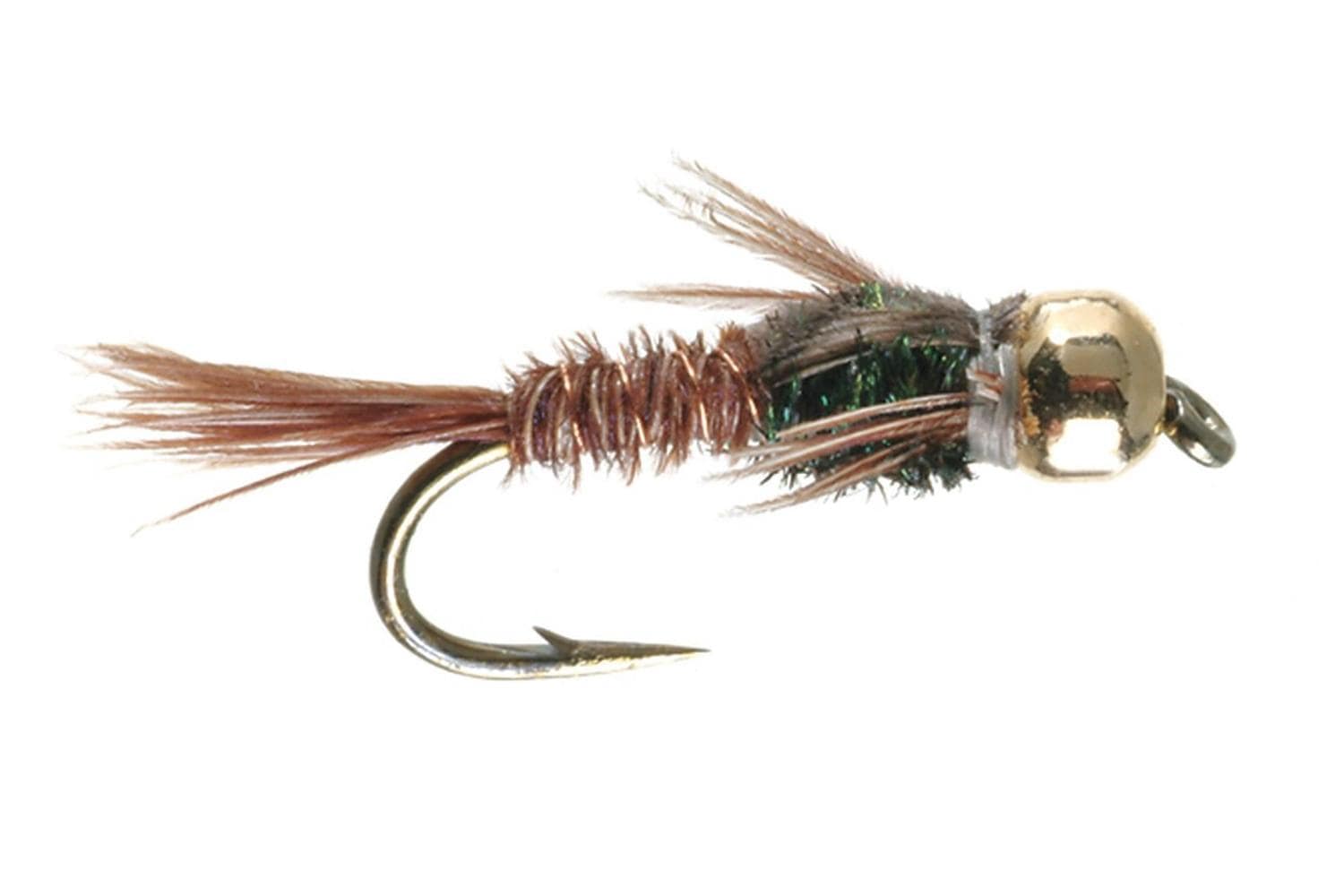
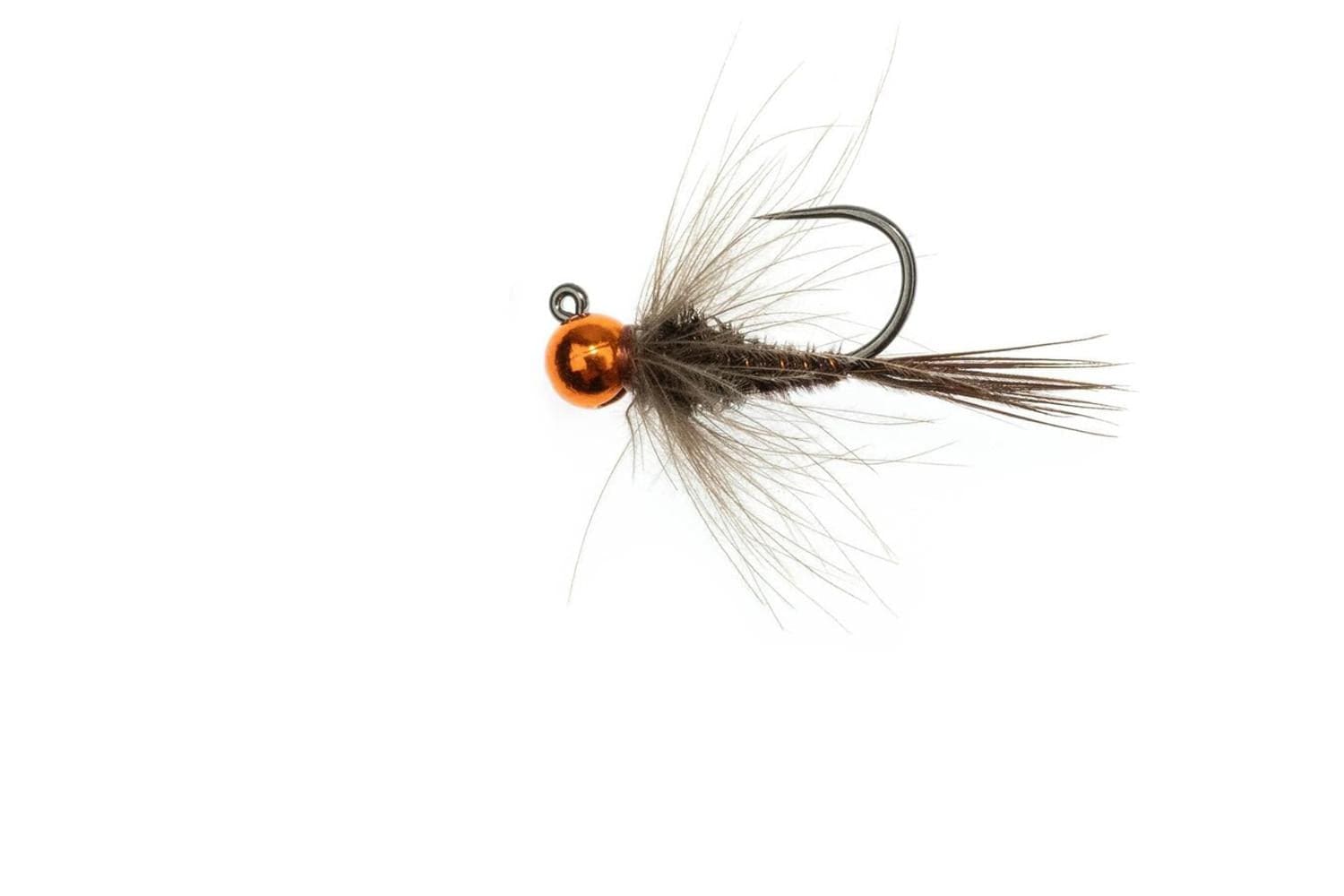
- Best All-Around: Tungsten Pheasant Tail Nymph Fly - A confidence mayfly nymph that fishes well on indicators, tight-line rigs, and as a dropper. The slim profile plus tungsten bead helps it reach the feeding lane without needing a pile of split shot.
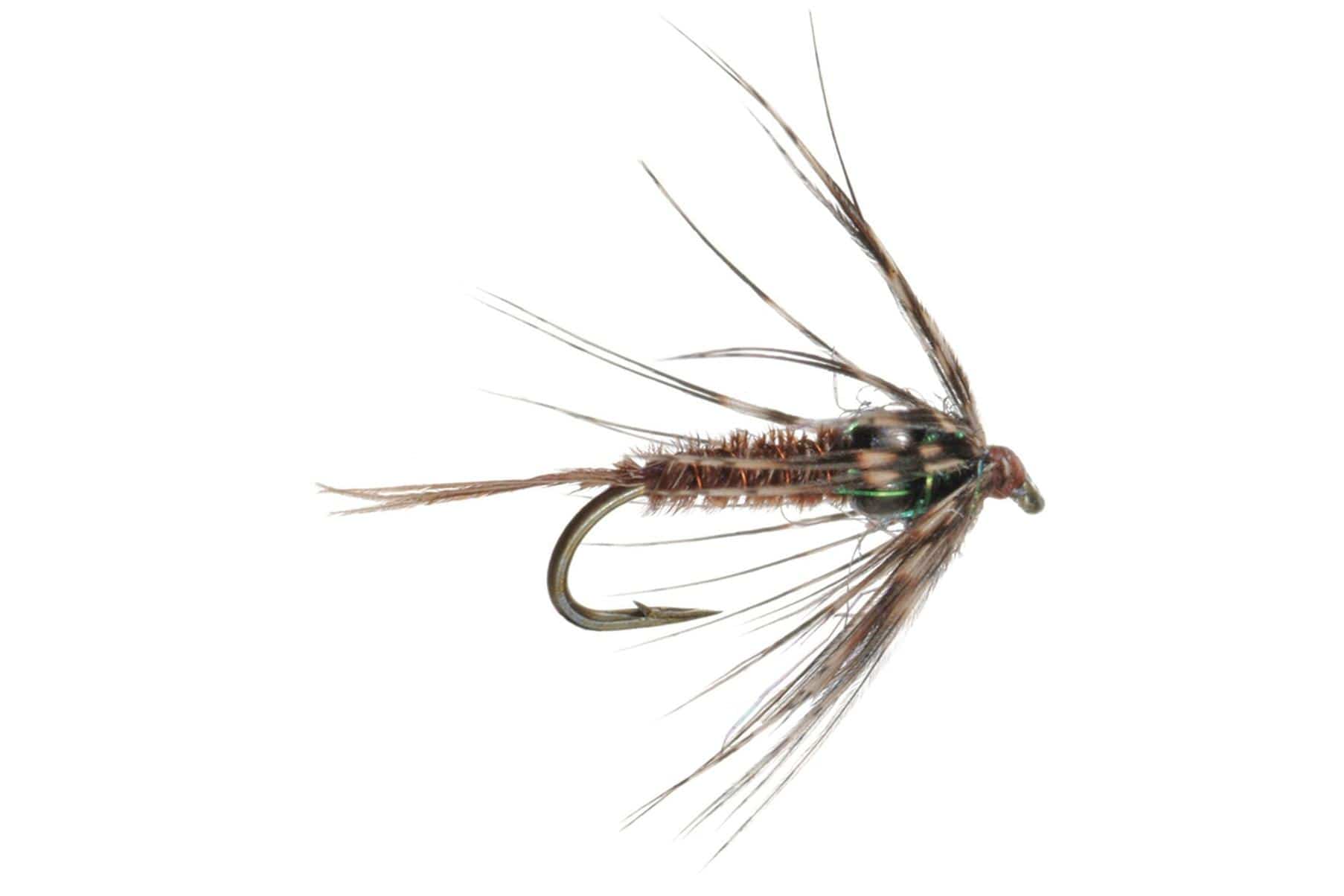
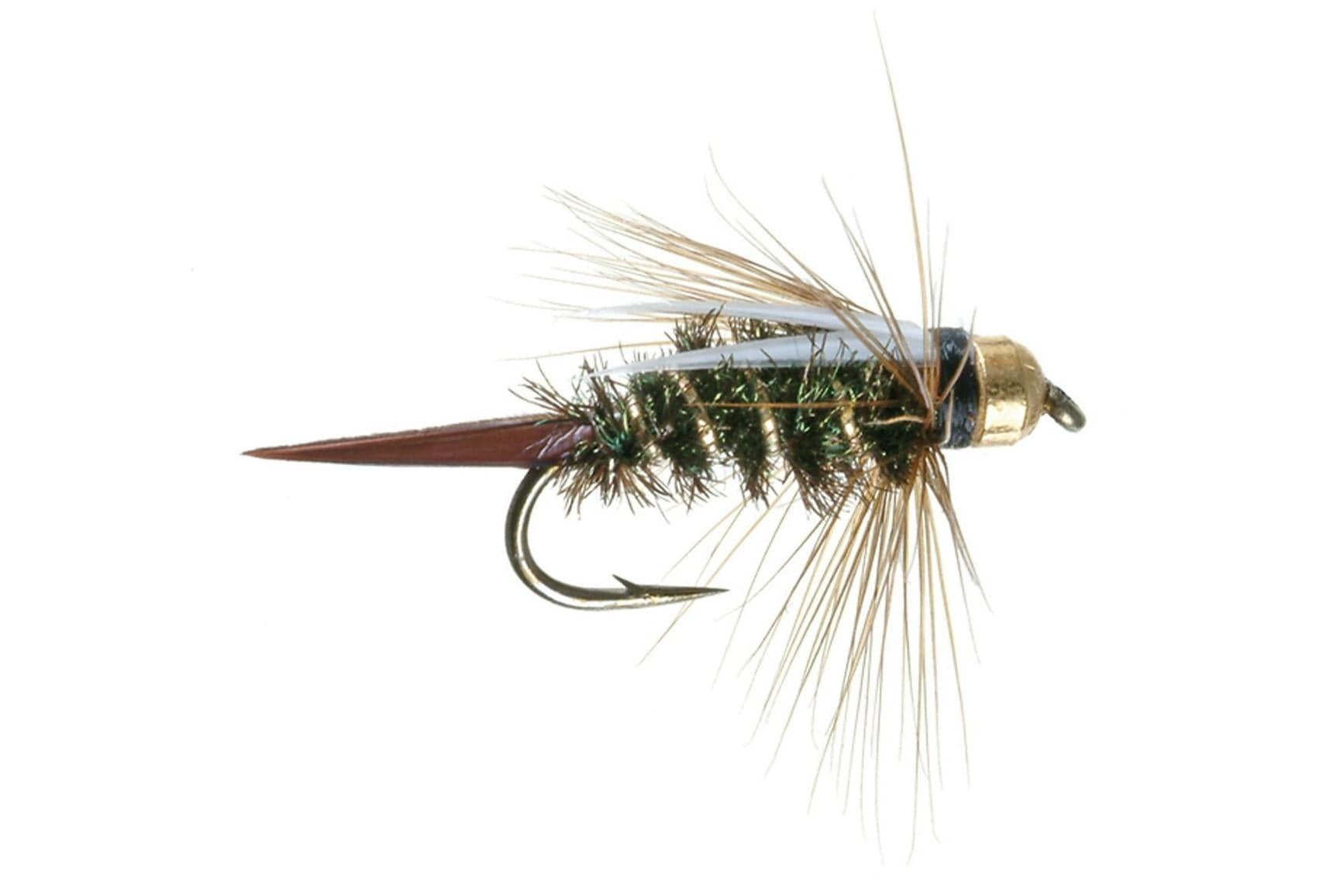
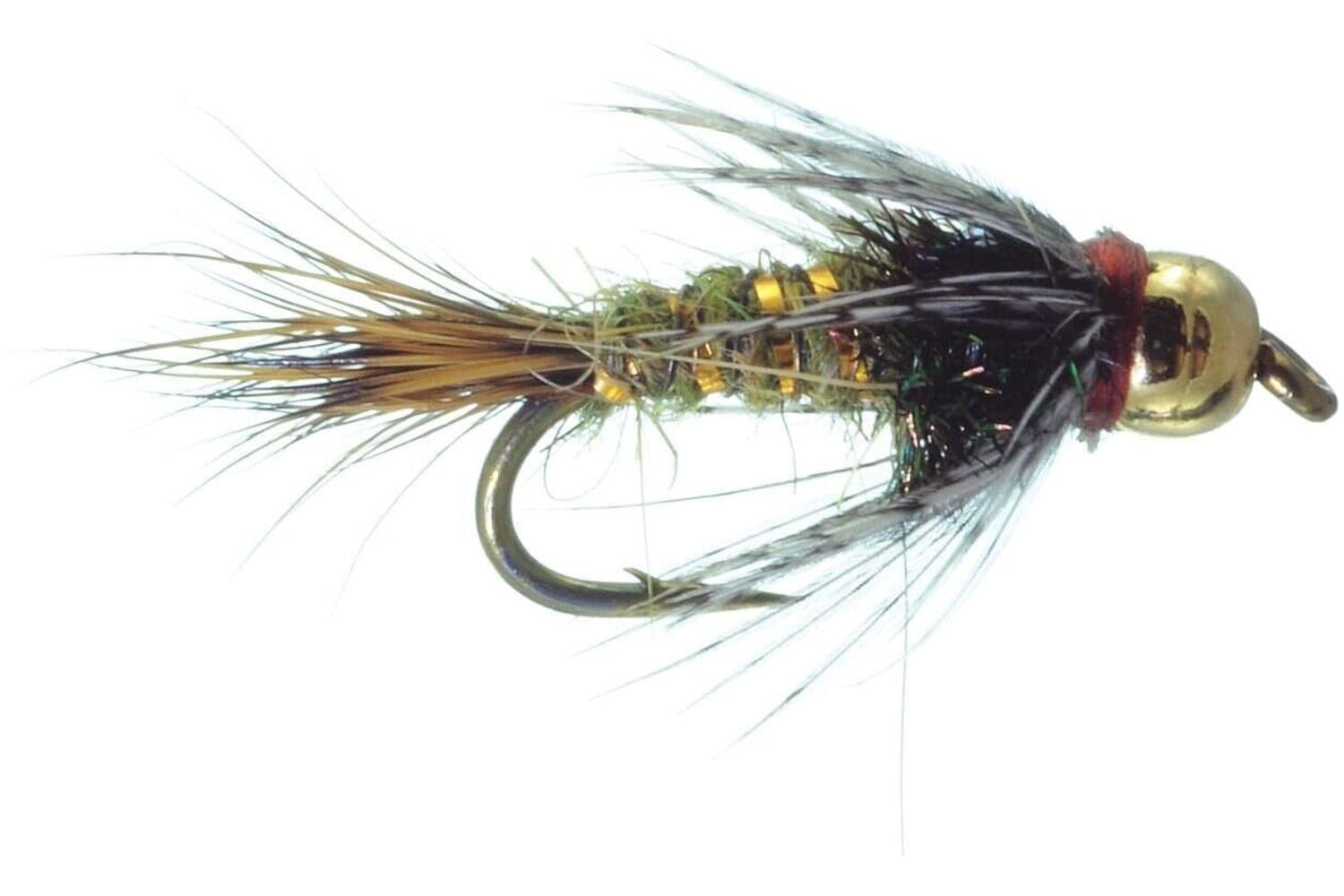
- Best for High Water: Tungsten Bead Prince Nymph Fly - Built for faster currents and deeper buckets when trout are pinned near the bottom. The classic buggy silhouette gets noticed, while the tungsten bead helps you stay in the strike zone longer.
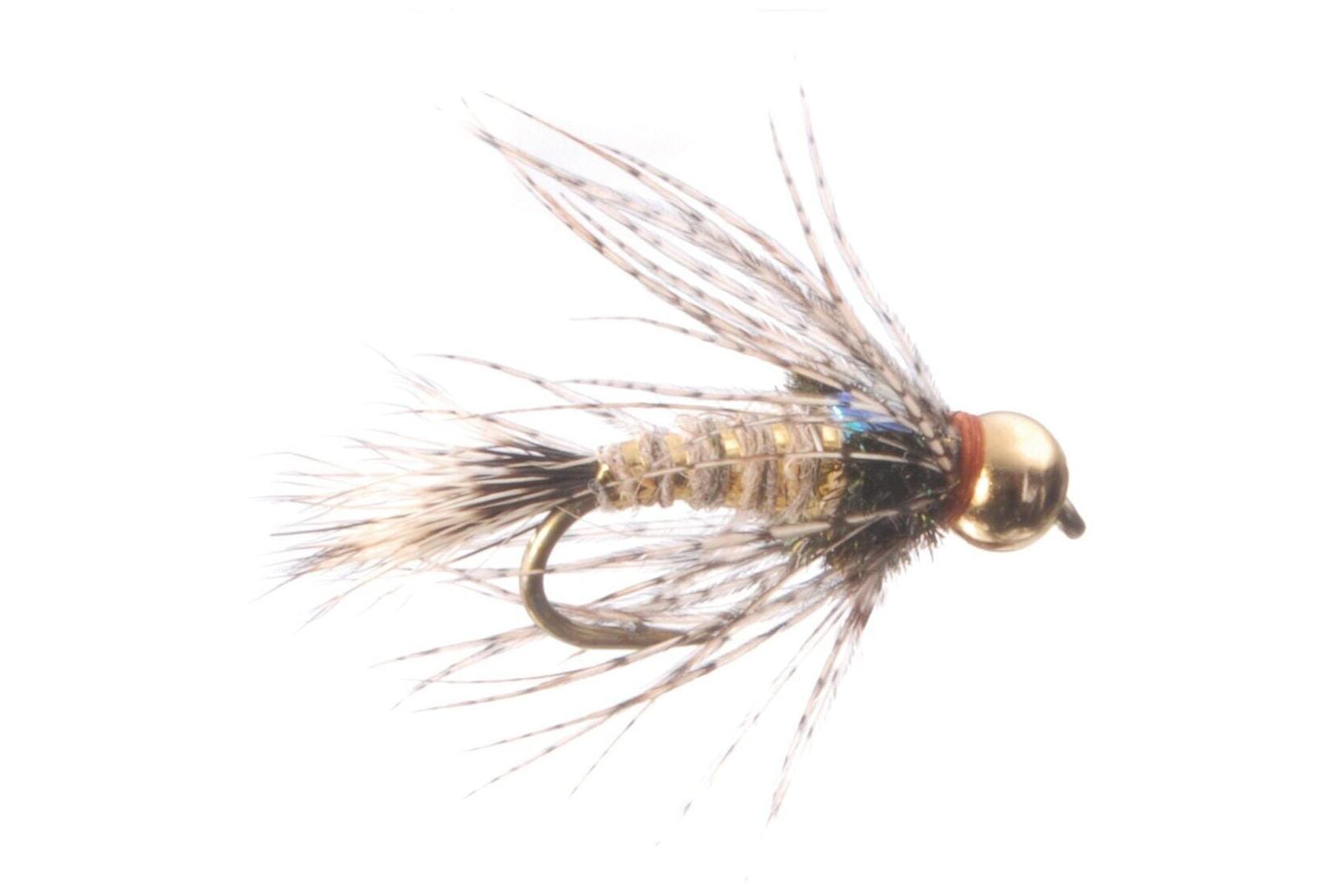
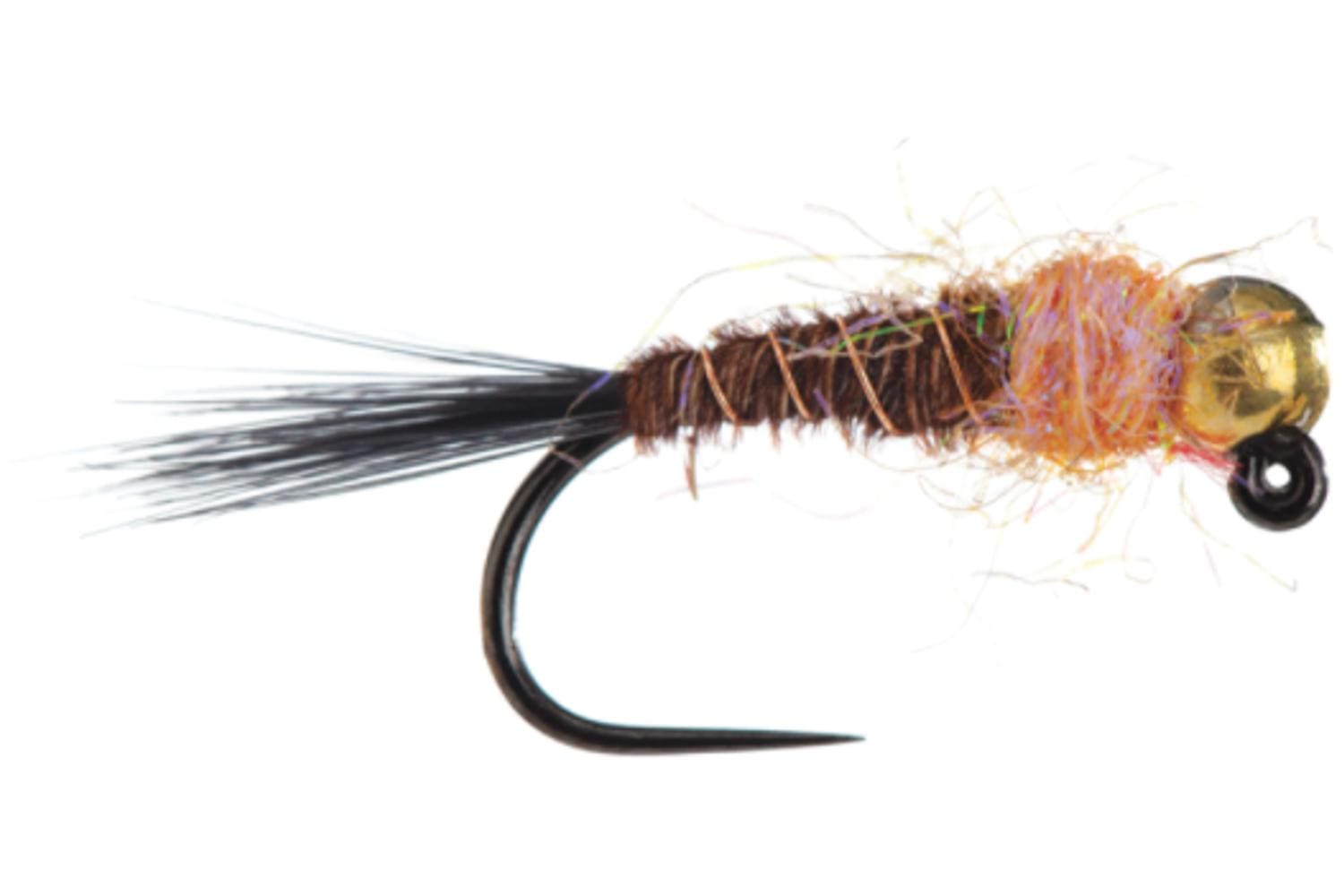
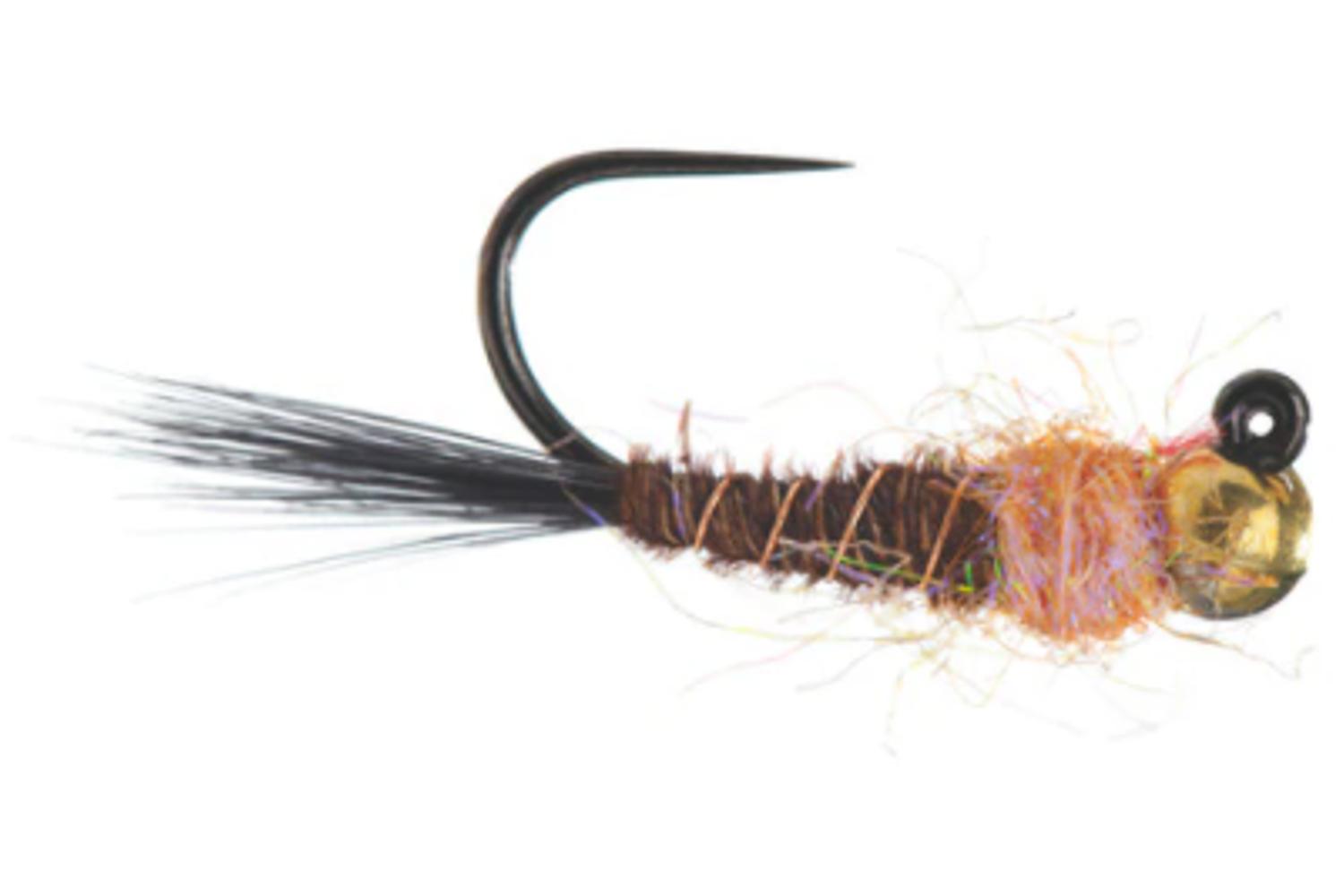
- Best for Euro Nymphing: Frenchie Jig Tungsten Bead Fly - A go-to style for tight-line setups when you need quick sink and clean contact. The jig hook helps the fly ride hook point up to reduce hang-ups in rocky runs.
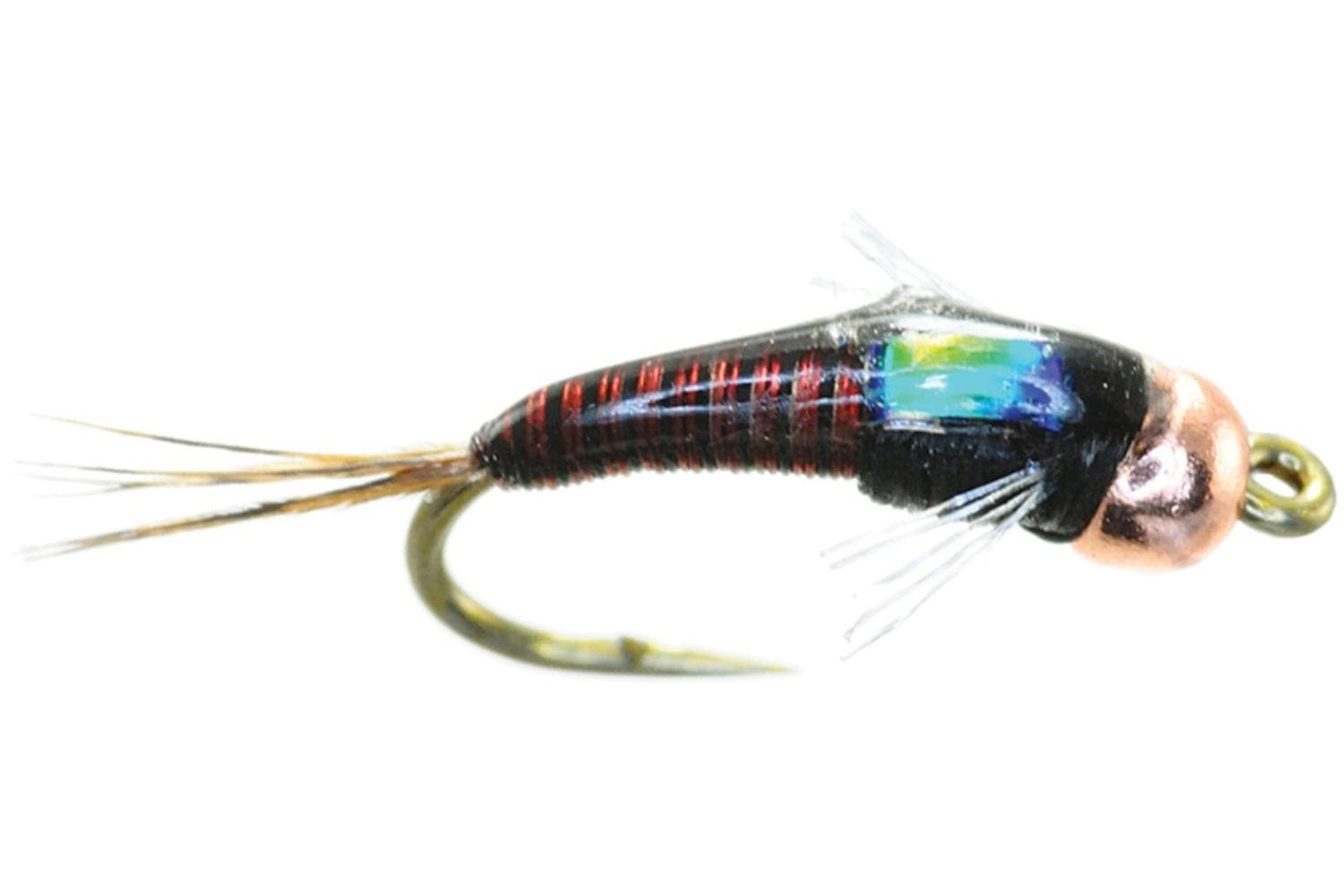
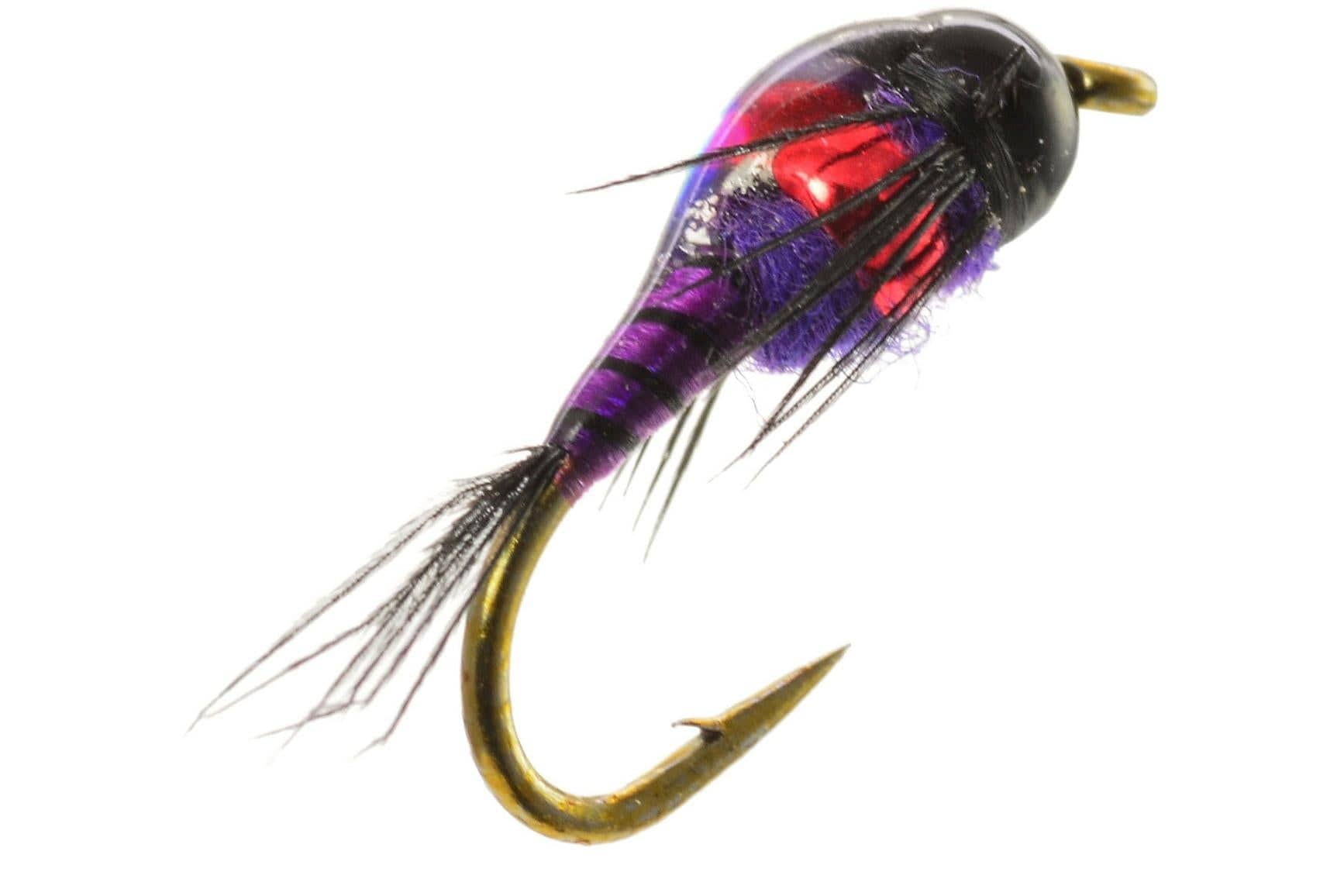
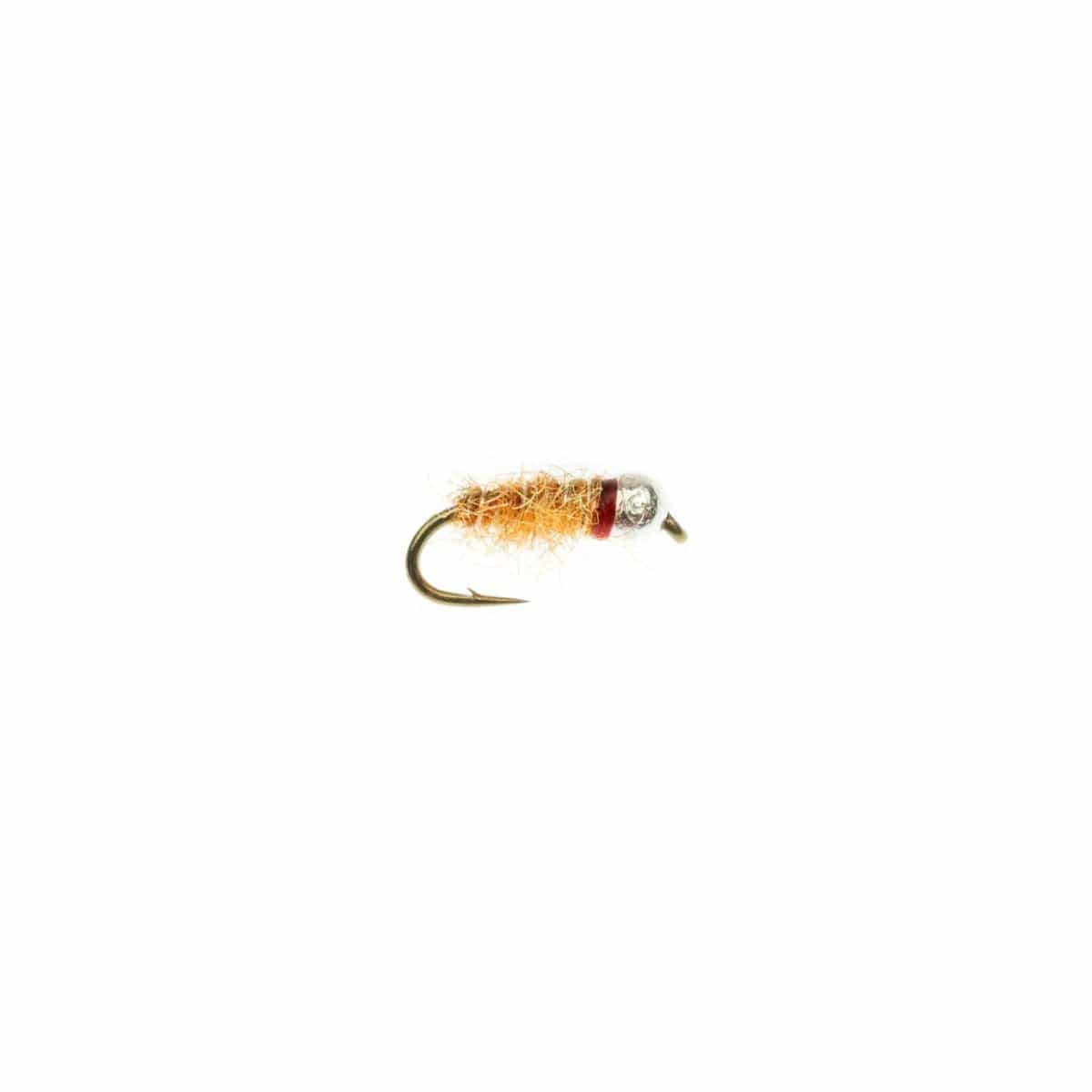
- Best for Tailwaters: Tungsten Zebra Midge Fly - A staple when fish are feeding on tiny midges and your drift needs to be precise. The tungsten bead gets a small fly down fast without making it look bulky.
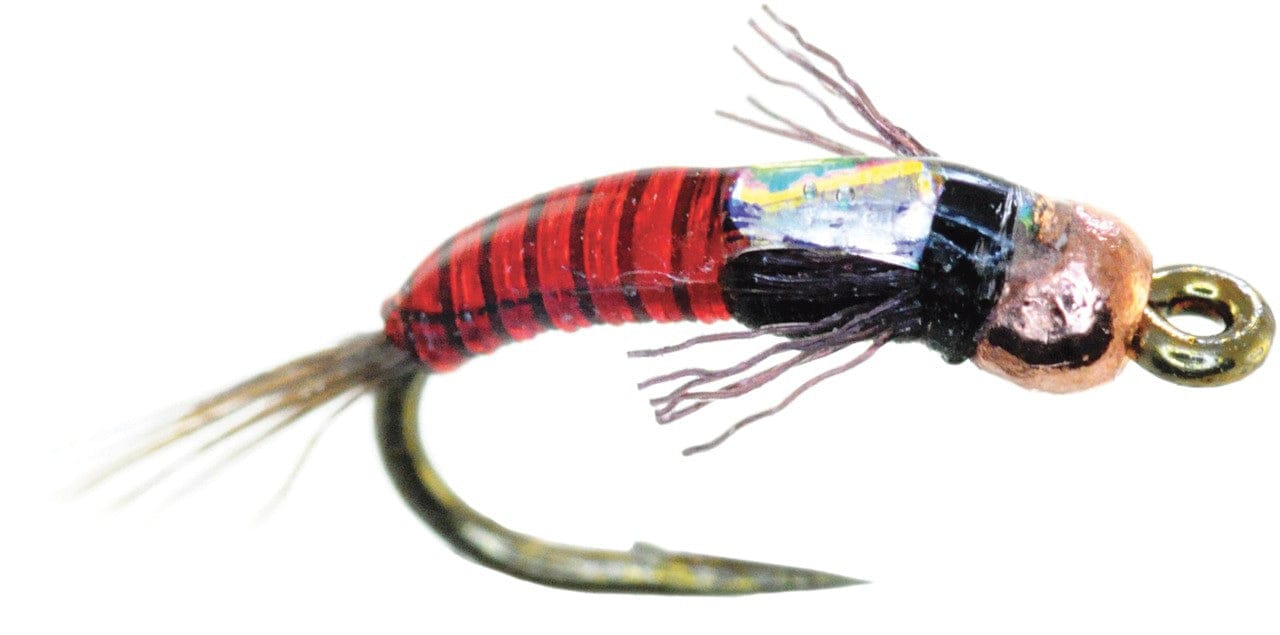
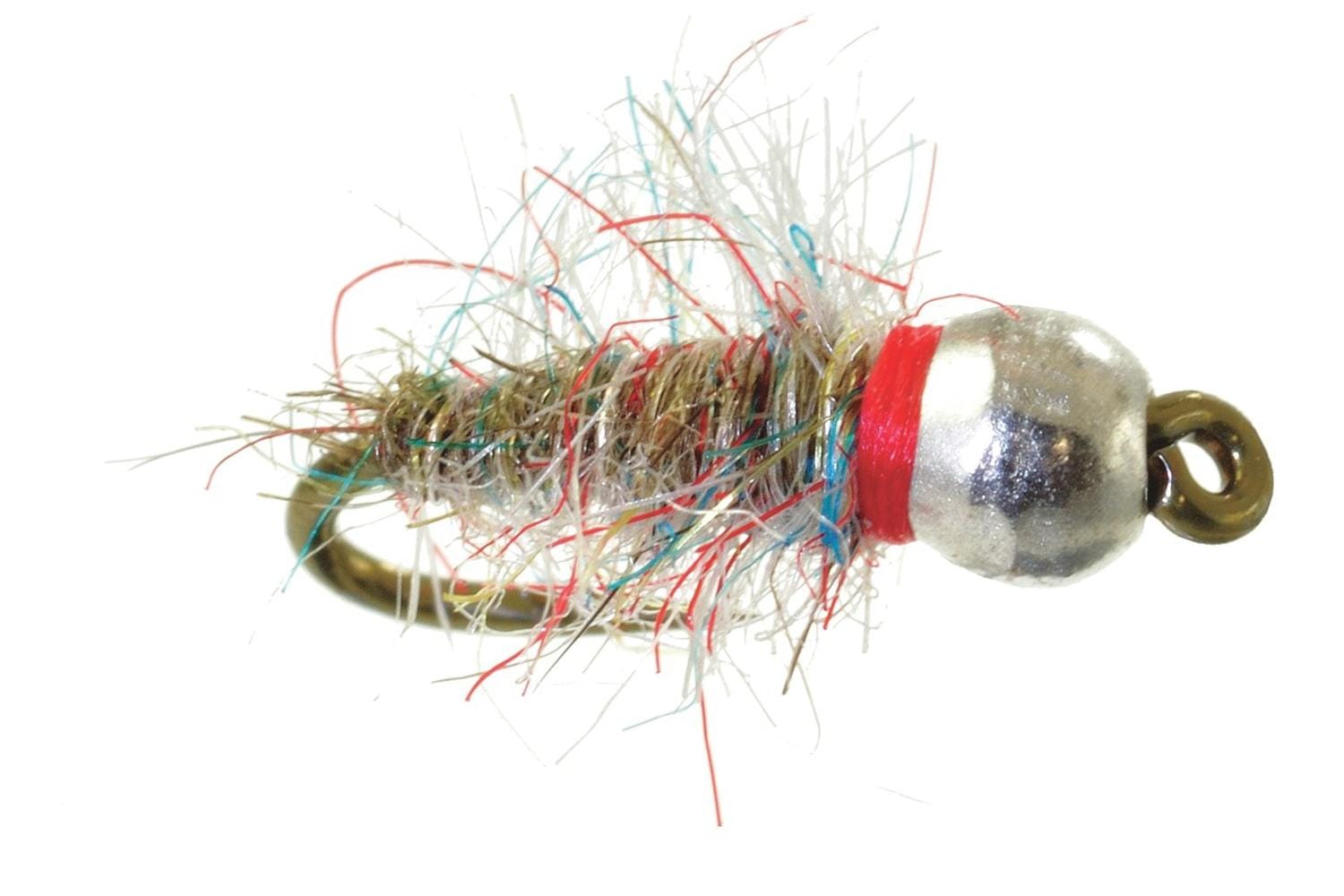
- Best Dropper/Second Fly: Sparkle Wing RS2 Tungsten Bead Fly - A strong “trailer” behind a heavier point fly when fish want something smaller and more subtle. It fishes like an emerger/nymph crossover and adds a bit of flash without getting loud.
How to Choose Tungsten Bead Head Flies
Pick your role: point fly vs. dropper
Action: Start by deciding if you need an anchor fly or a “cleanup” fly. Use a heavier tungsten pattern (often a larger profile or jig-style nymph) as your point fly, then add a smaller tungsten midge or emerger-style nymph as the dropper to match what fish are actually eating.
Match the water, not just the hatch
Best for: Fast freestones, deep slots, and pocket water,anywhere you need your rig to sink quickly and stabilize. Tungsten bead head flies let you build weight into the pattern so it drifts more naturally than adding excessive external shot.
Avoid if: You’re fishing skinny flats or slow spring-creek style water where heavy flies repeatedly snag bottom. In that case, consider lighter nymphs (or move your weight to a smaller amount of putty/shot and fish a higher-floating dropper).
Choose bead style: standard bead vs. jig bead
Standard bead-head nymphs: Great under an indicator or in two-fly rigs where you want a classic profile and consistent sink.
Jig-style tungsten bead flies: A favorite for Euro nymphing and tight-line techniques because they tend to ride hook point up, helping reduce snags and maintain a clean drift through rocky structure.
Size and color shortcuts that work
- Mayfly/“buggy” searching: Sizes 14,18 cover most everyday nymphing situations.
- Midges and technical tailwaters: Sizes 18,22 are common when fish are selective.
- Color: Start natural (olive/brown/black) and add one “attractor” option with a brighter hotspot for off-color water or aggressive fish.
Materials & Durability
- Rinse and dry: If you fish silty tailwaters or winter mud, give flies a quick rinse and let them dry before sealing your box.
- Check the bead/slot: Tungsten bead flies take more impact on rocks,inspect for chipped beads or bent hooks after snags and fish.
- Rotate your point fly: The heaviest fly in your rig gets the most abuse. Swapping it out periodically keeps hook points sharp and sink rate consistent.
- Box organization: Keep heavy tungsten flies separated by type/size so you can re-rig quickly when depth or speed changes.
Complete Your Setup
Related Gear
- Tippet - Dial in turnover and drift control, and replace worn sections after snaggy days.
- Leaders - Build a solid foundation for indicator rigs, dry-dropper setups, and general nymphing.
- Weights, Indicators & Floatants - Fine-tune depth and strike detection when tungsten alone isn’t enough (or when it’s too much).
- Umpqua Tippet Rings 10 Pack - Makes swapping droppers and rebuilding rigs faster while preserving leader length.
Related Guides
- How to Choose the Best Trout Flies for Small Streams
- How to Tie a Perdigon Nymph
- How to Tie The Bead Head Wooly Bugger Fly
- How To Tie the Ice Wing Caddis
- How to Tie the Top Secret Midge Fly
Tungsten Bead Head Flies FAQs
Q: What are tungsten bead head flies?
A: They’re nymphs or jig flies with a tungsten bead at the head to add weight and improve sink rate. Tungsten is denser than brass, so you get more depth without adding bulk to the pattern.
Q: When should I fish tungsten bead head flies instead of adding split shot?
A: Use tungsten bead head flies when you want built-in weight and a cleaner drift with fewer tangles. Many anglers still add a small amount of shot/putty when they need extra depth, but tungsten helps you start from a better baseline.
Q: Are tungsten bead head flies good for Euro nymphing?
A: Yes,especially jig-style tungsten bead flies that ride hook point up. The added weight helps maintain contact and keep your flies tracking near the bottom in faster current.
Q: What sizes of tungsten bead head flies should I carry for trout?
A: A practical starting range is 14,18 for mayfly/attractor nymphs and 18,22 for midges and technical situations. If you fish bigger freestones, add a few larger, heavier “anchor” flies for your point position.
Q: Do tungsten bead head flies snag more?
A: They can, simply because they get down faster and spend more time near the bottom. Jig-style patterns can help reduce hang-ups, and adjusting your leader/indicator depth (or your angle in Euro nymphing) also makes a big difference.
Q: Can I use tungsten bead head flies under an indicator?
A: Absolutely,tungsten is a great way to sink your rig efficiently while keeping the flies compact. Just make sure your indicator has enough buoyancy for the weight of your flies and any added split shot.