


Medallion Midge Fly Tying Tutorial
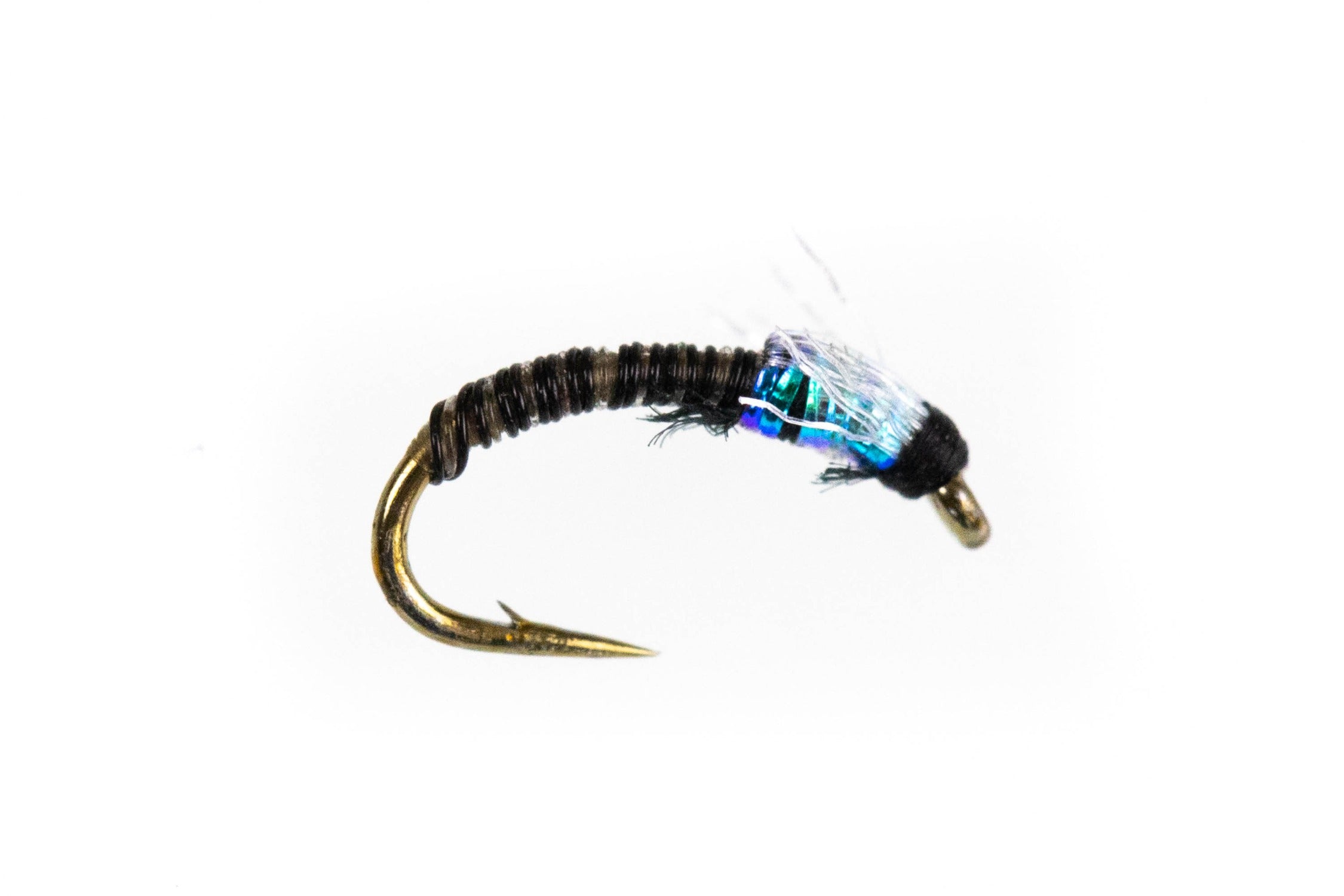
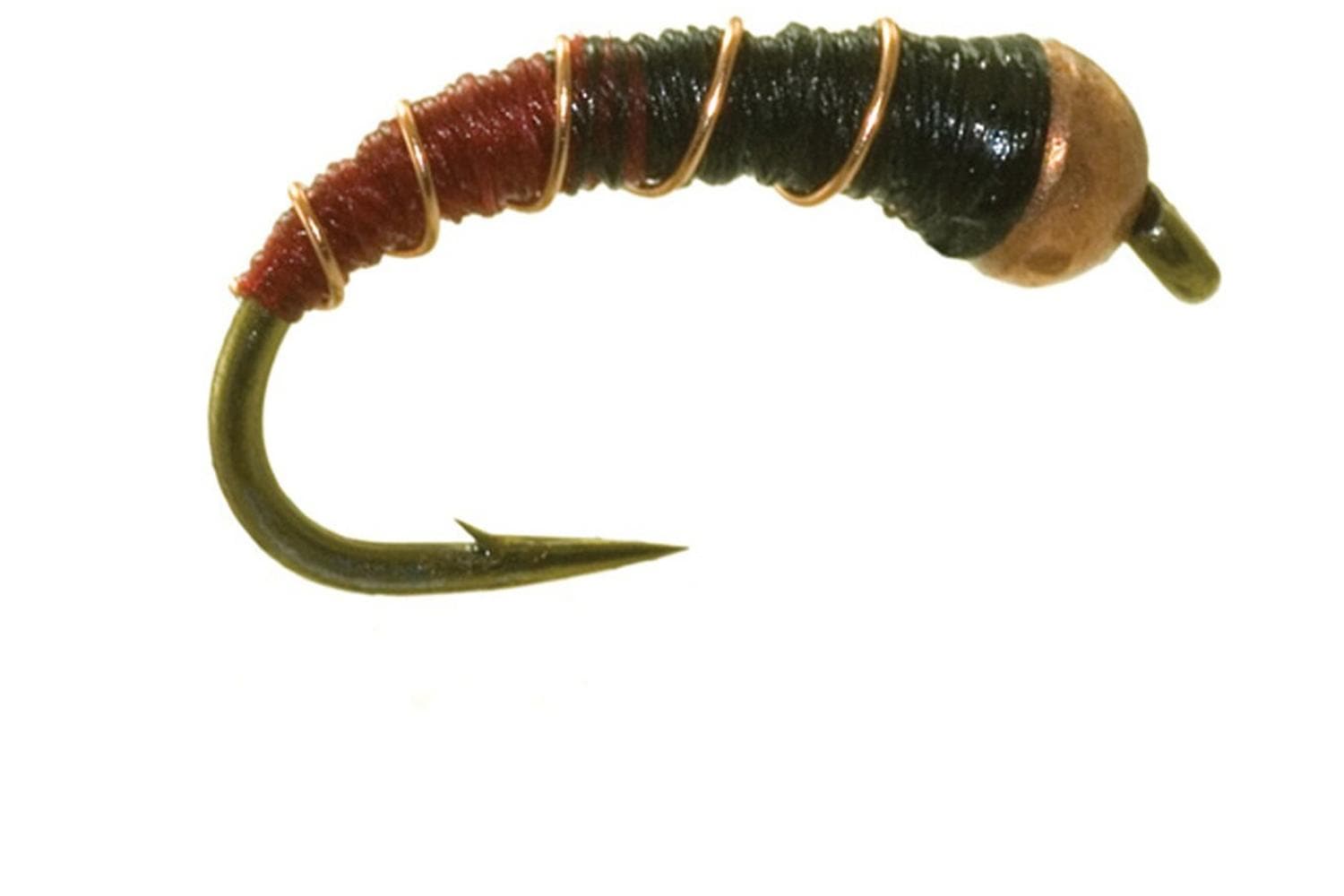
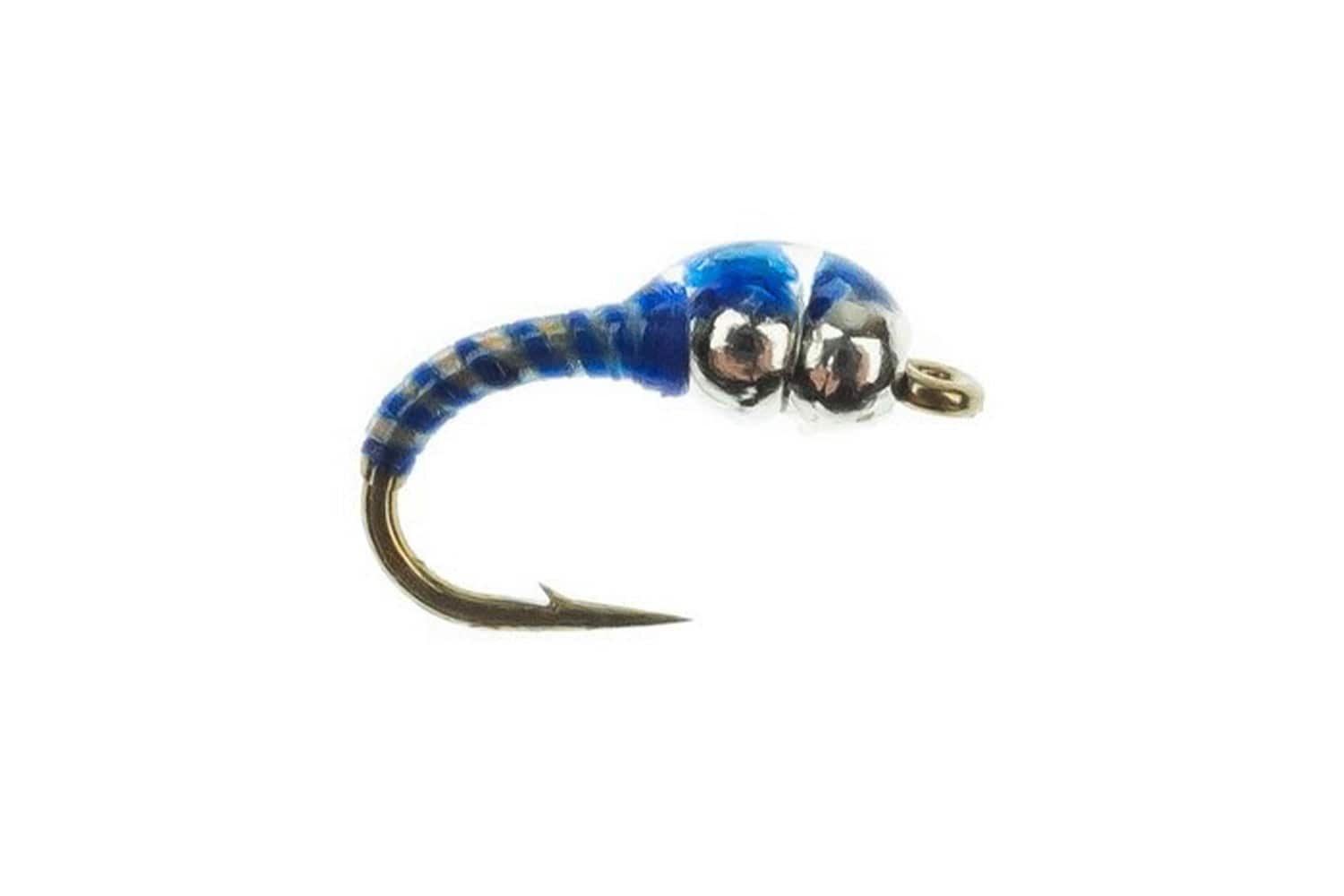
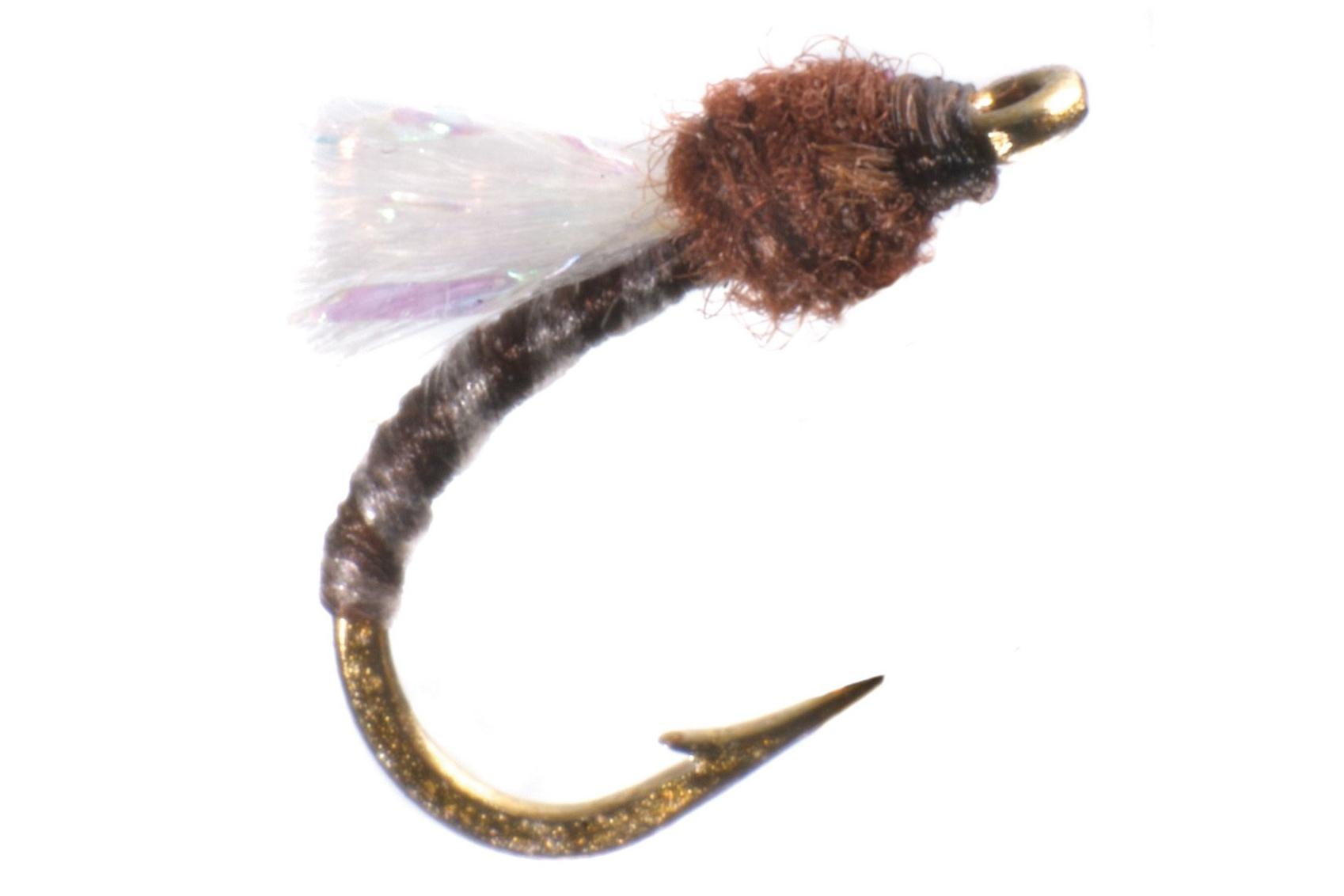
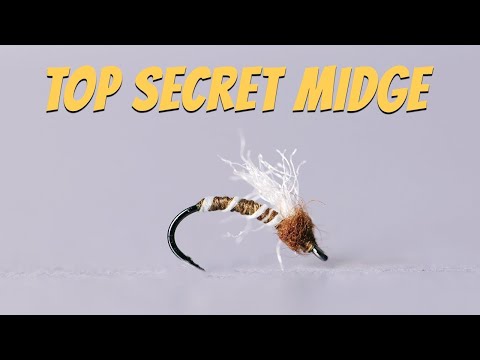
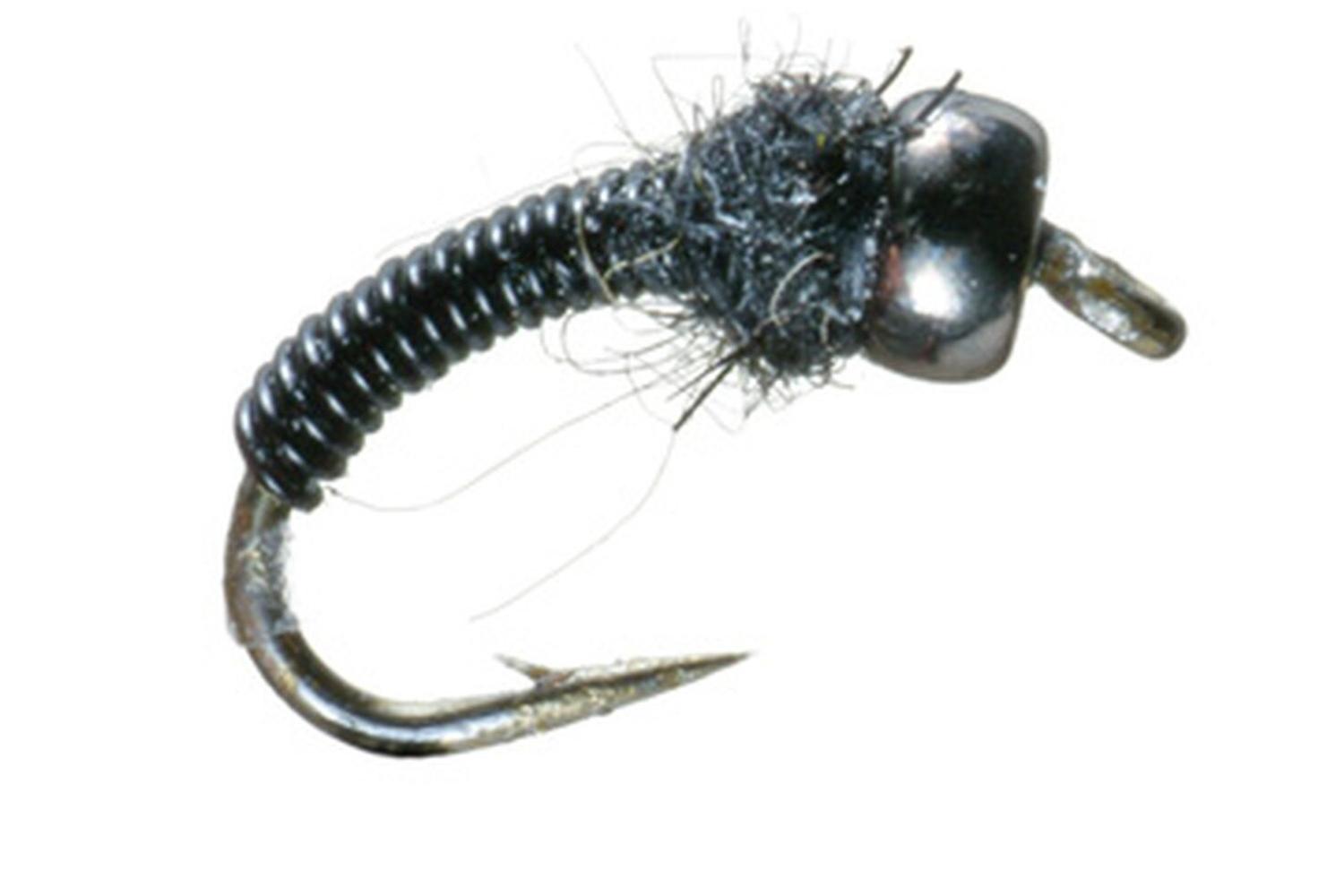
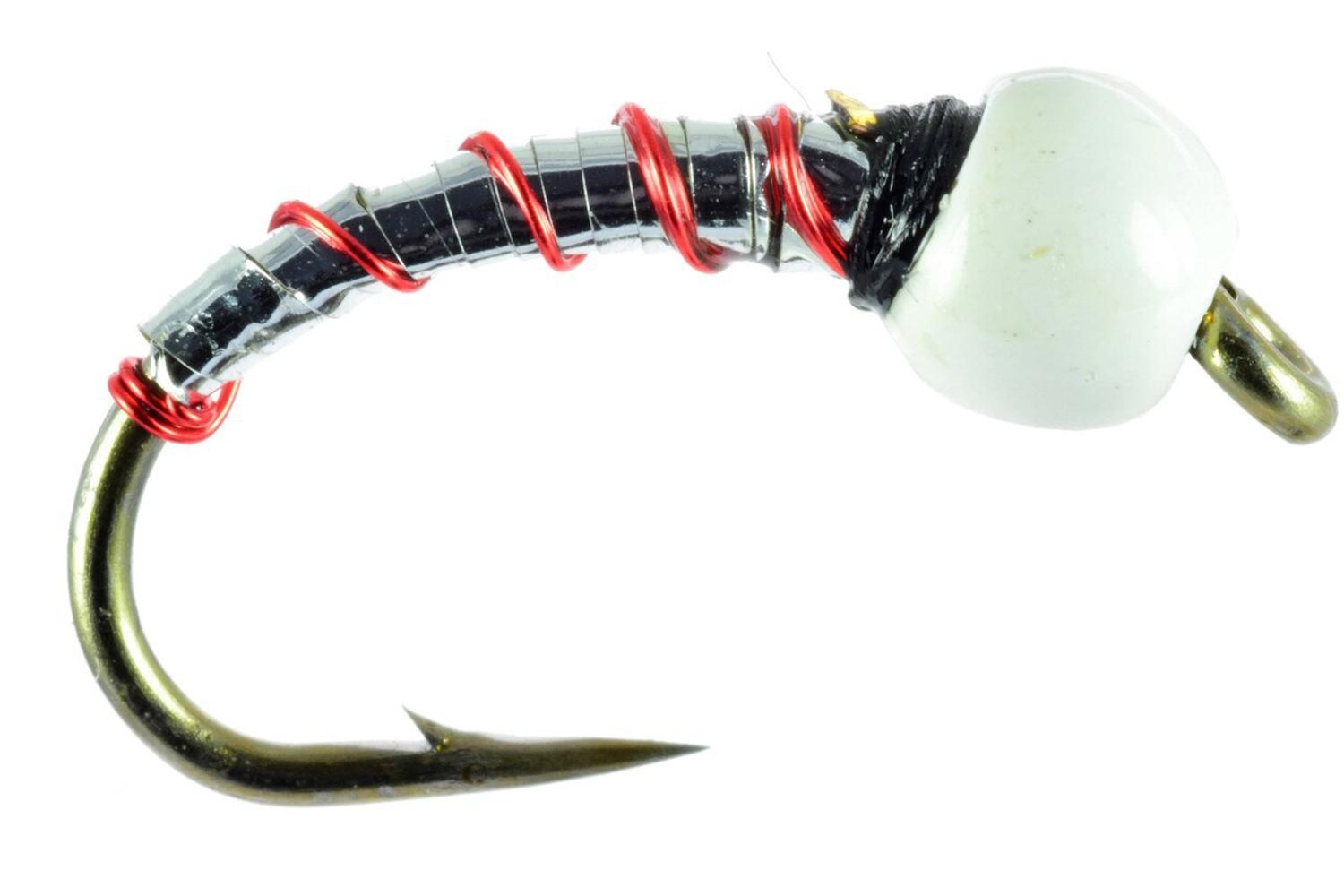
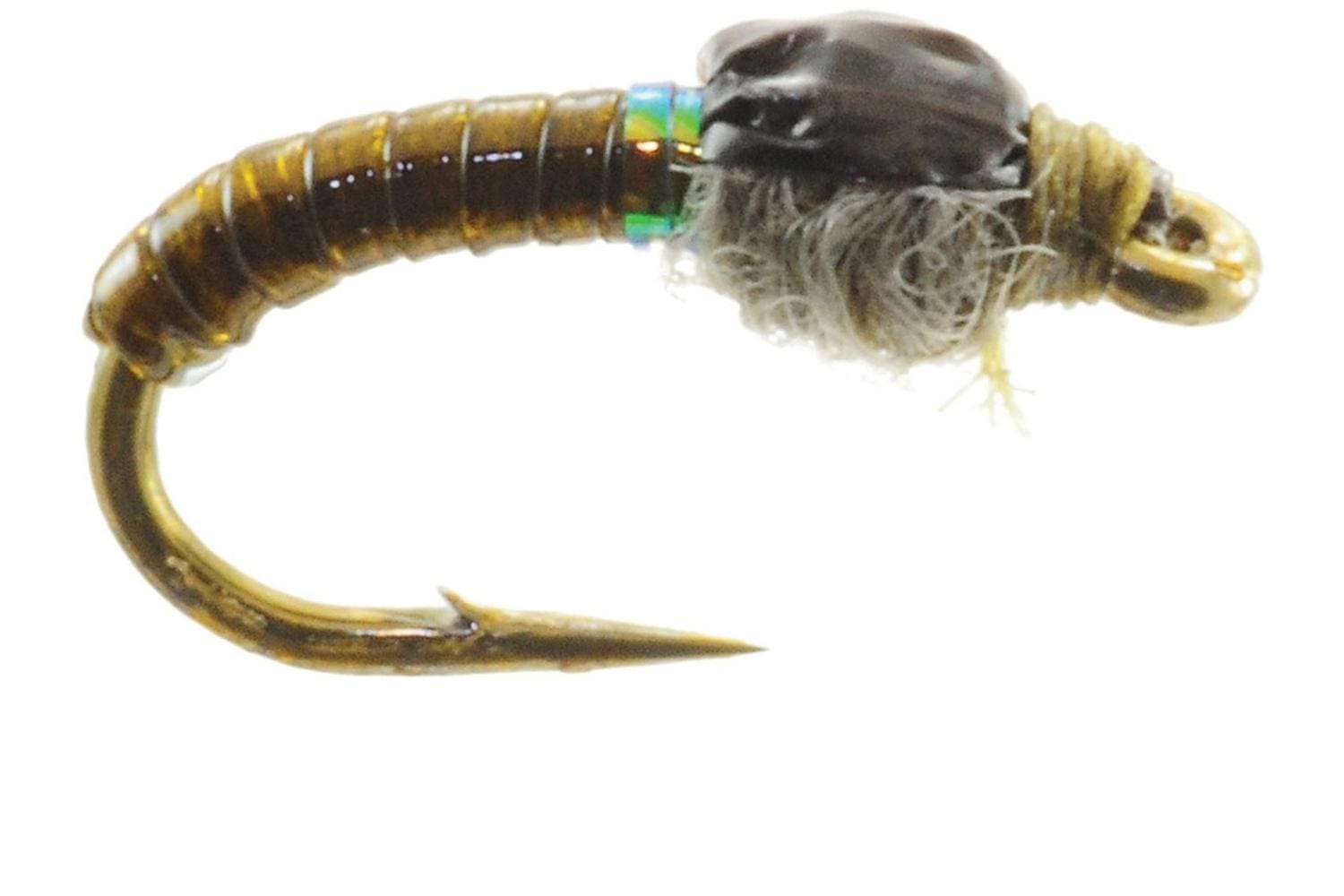


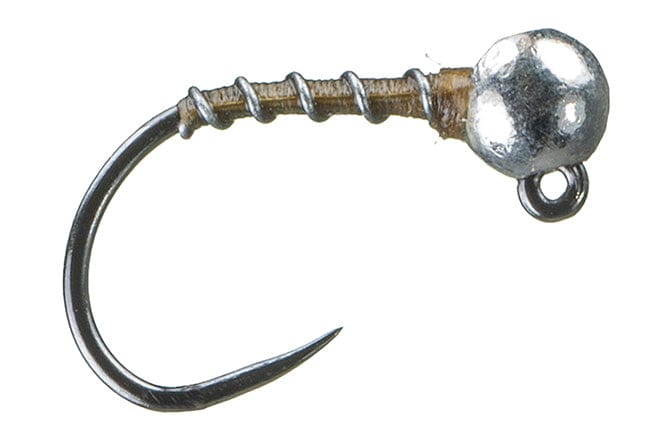
Midges Quick Picks
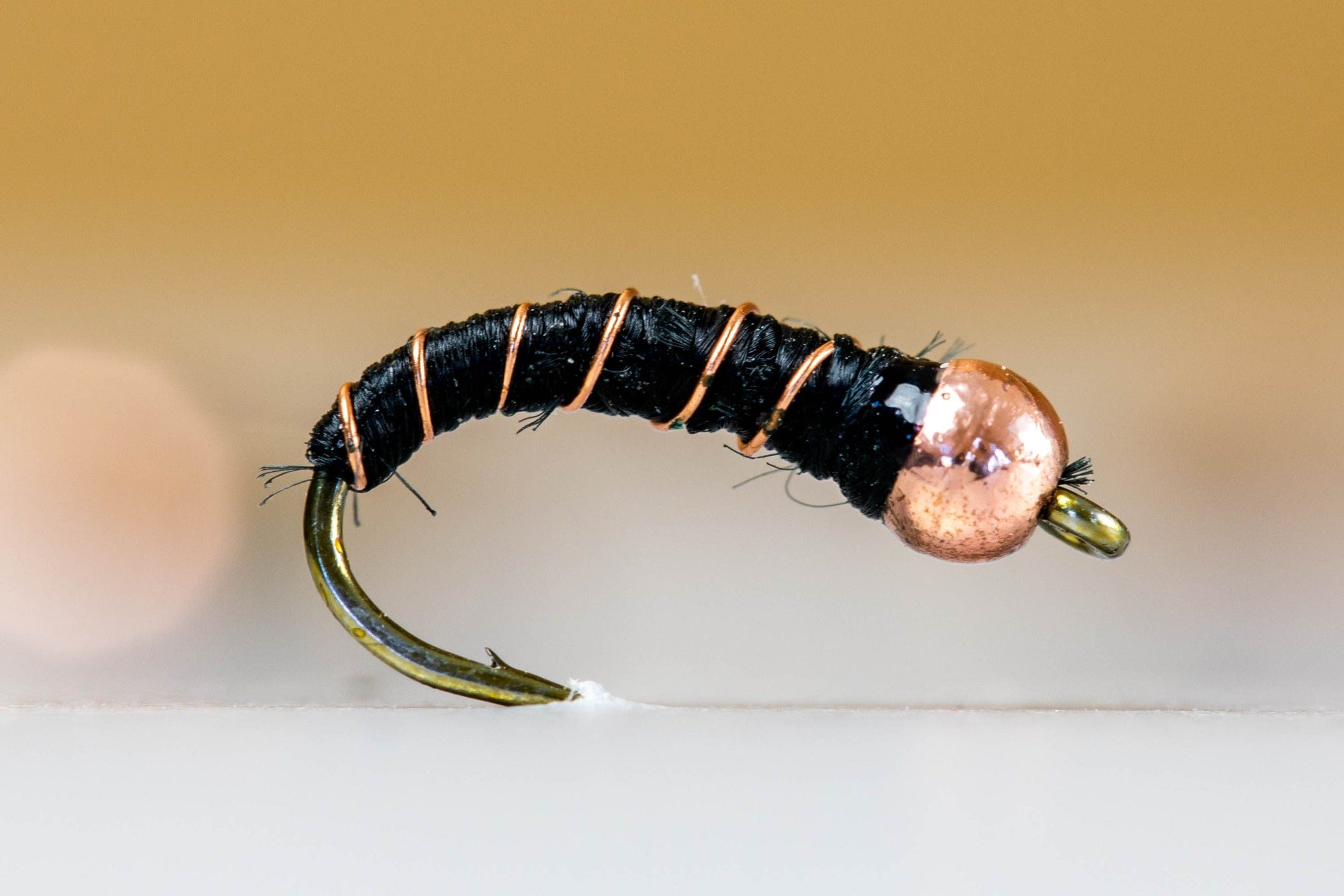
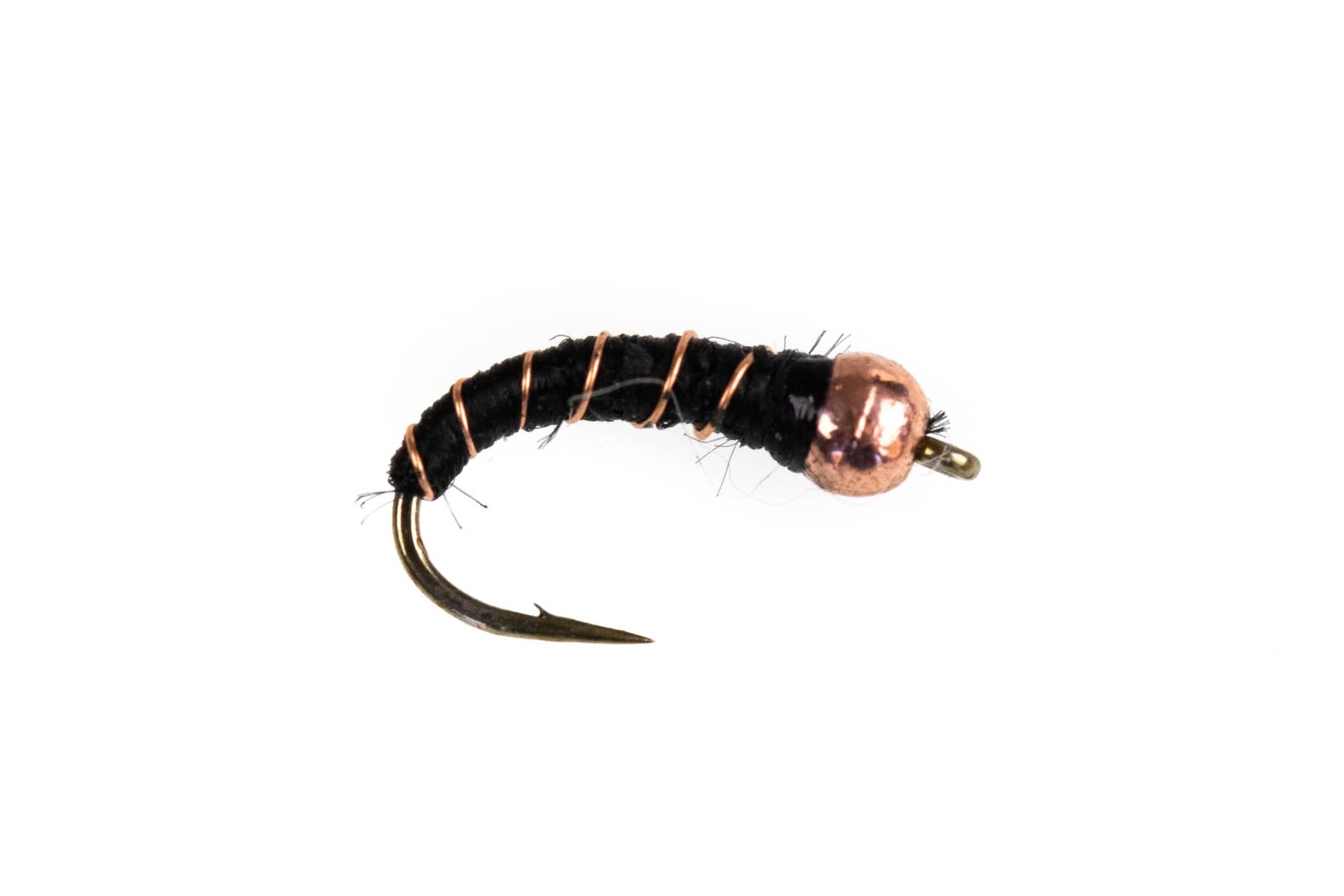
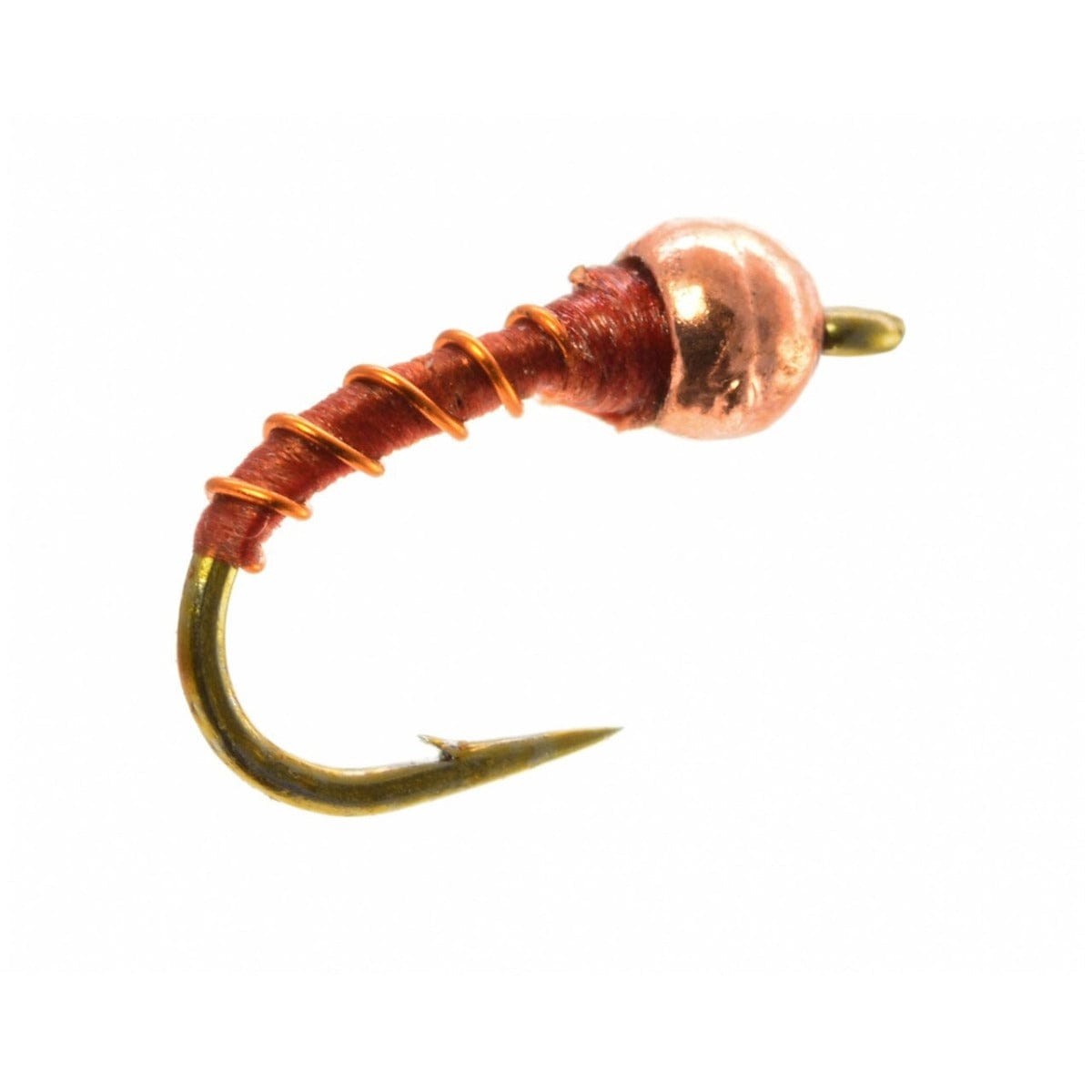
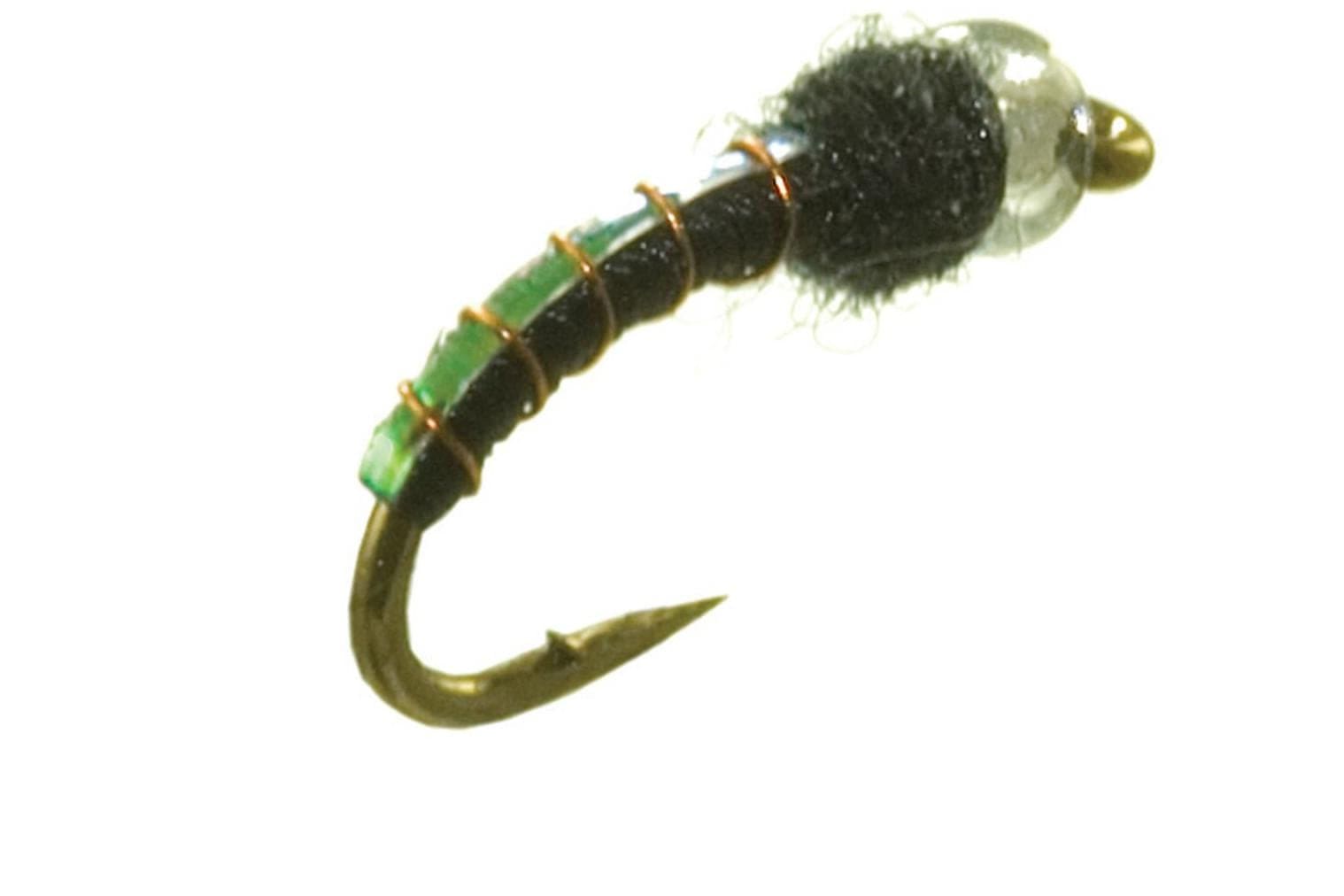
- Best All-Around: Tungsten Zebra Midge Fly - Great for anglers who need a dependable tiny nymph for rivers, tailwaters, and ponds. The tungsten bead helps it get down quickly, making it an easy “start here” midge in multiple colors and sizes.
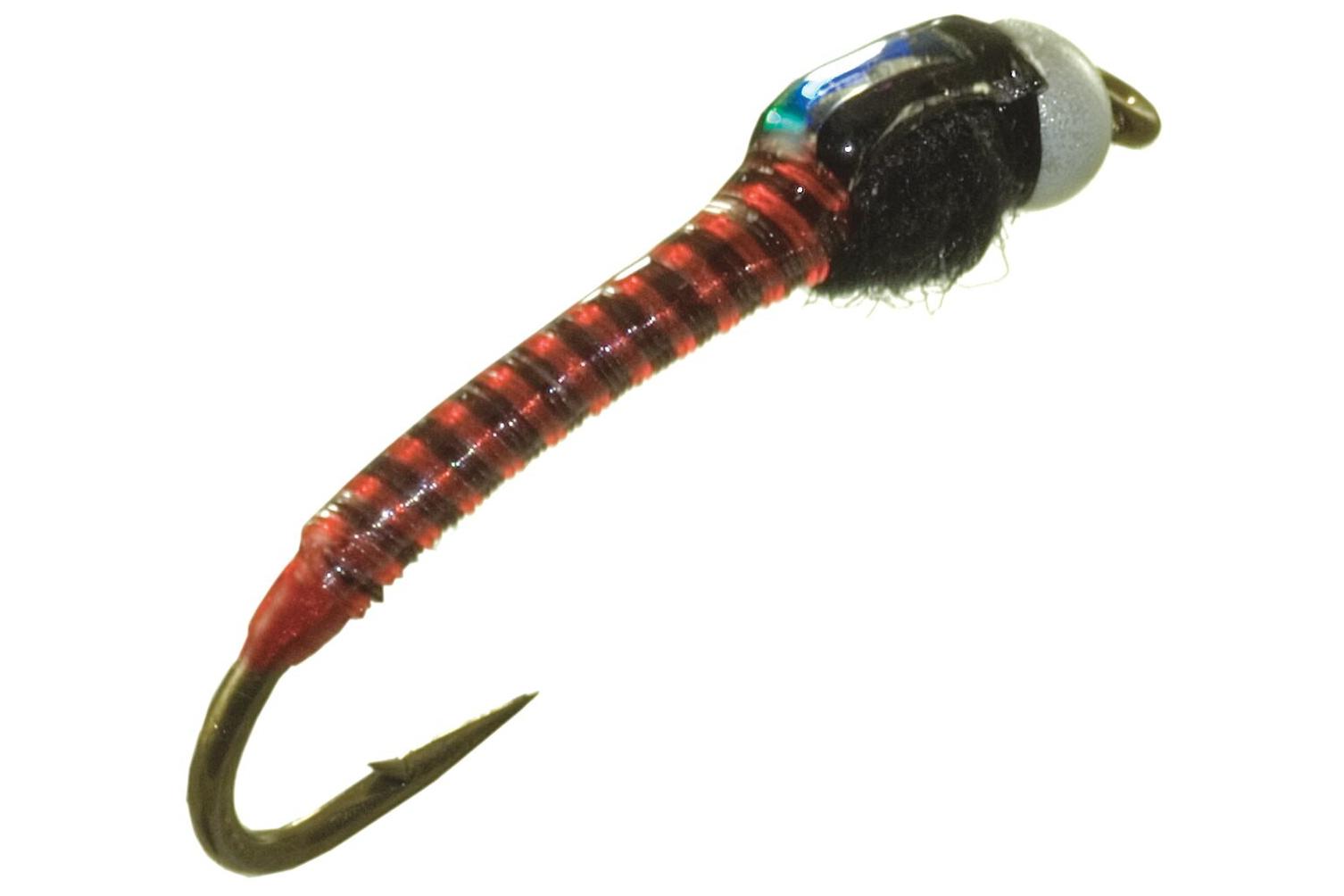
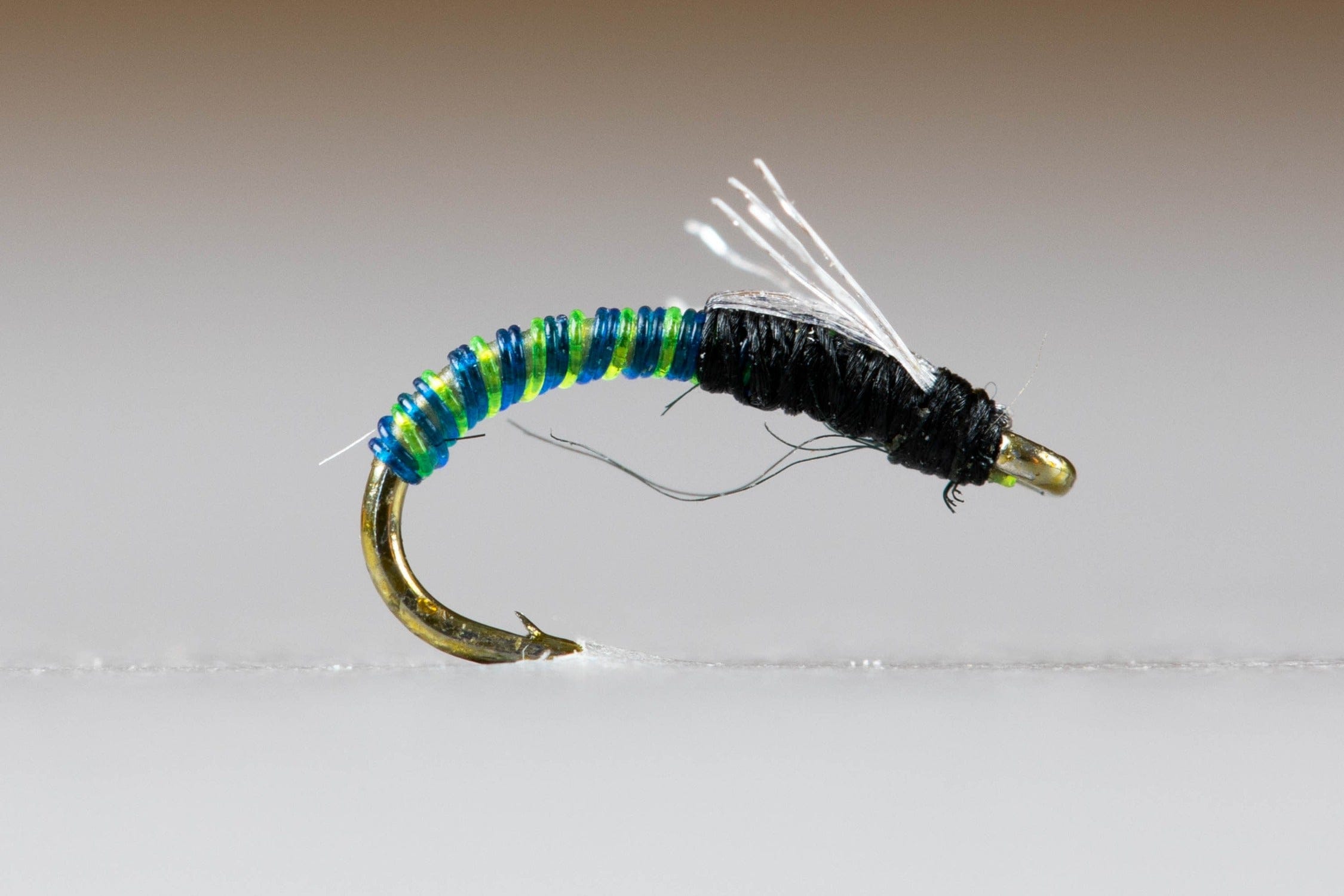
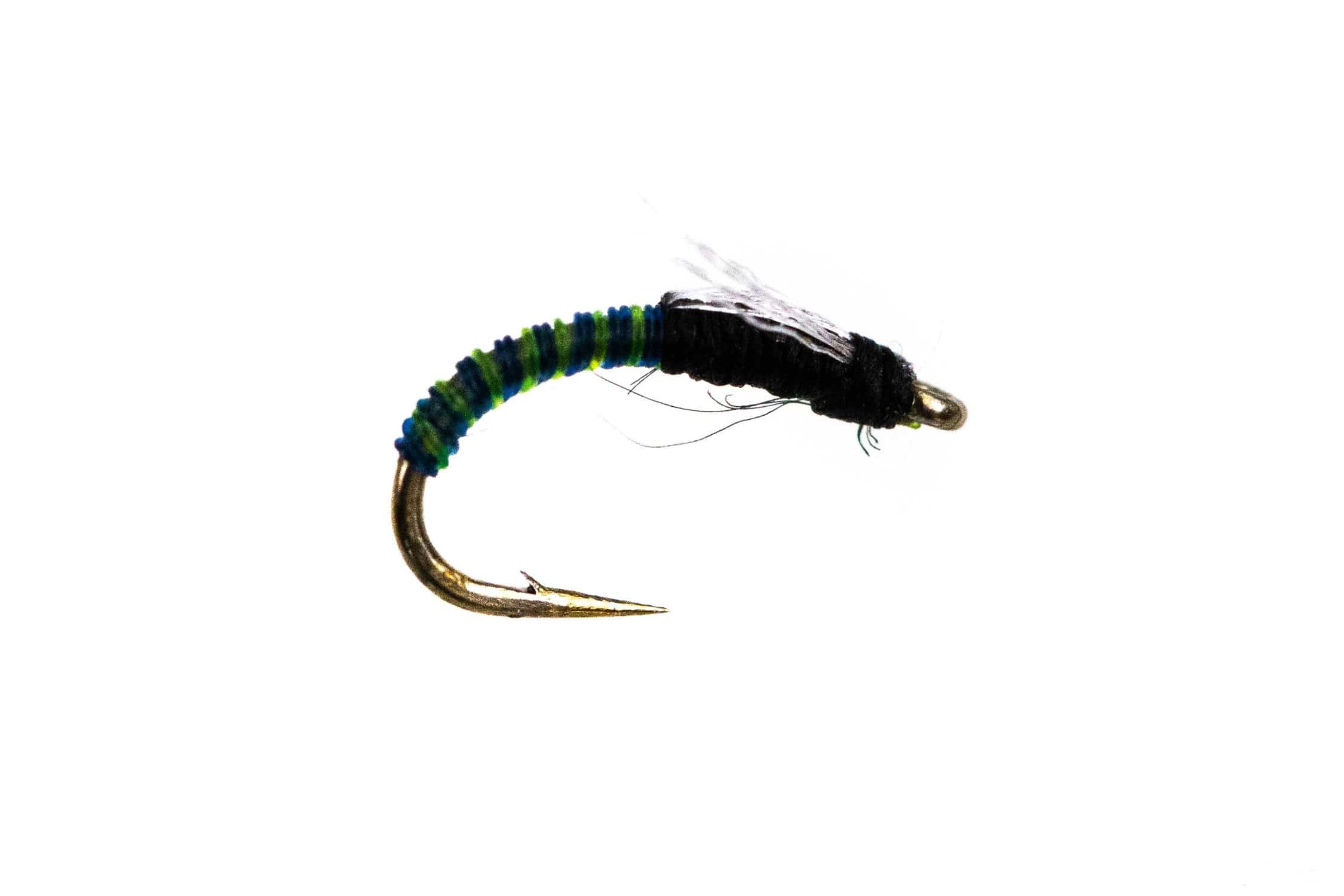
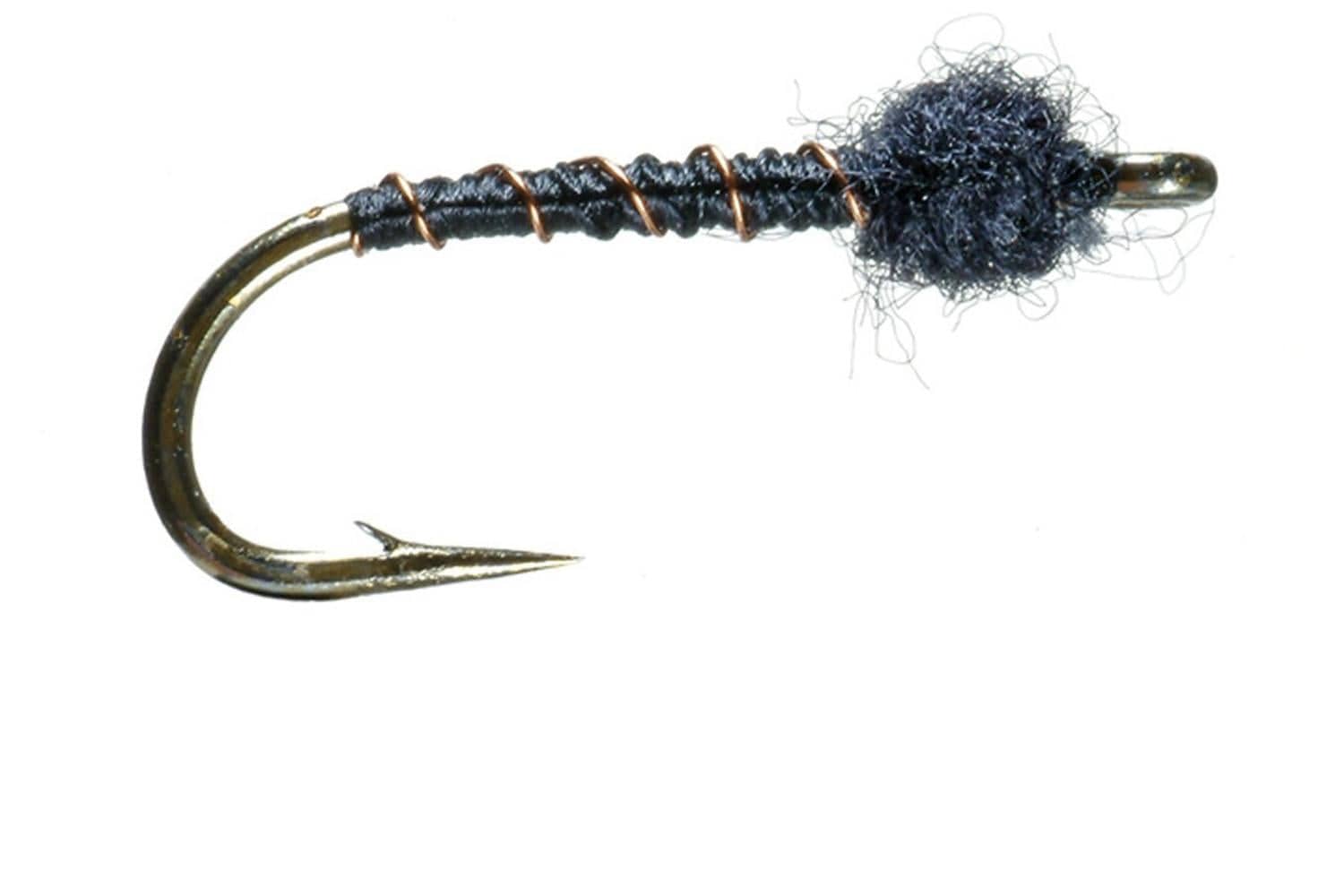
- Best for Tailwaters: Jujubee Midge Fly - Built for picky trout in clear, technical water where a slim profile matters. The SuperHair-style body gives a clean segmented look and holds up well when you’re cycling through fish and snags.
- Best Dry Fly Midge: Griffiths Gnat Dry Fly - The go-to when trout are sipping midges on top and refusing bigger dries. Its buggy, high-floating profile suggests a cluster of adults, which can be key during steady midge hatches.
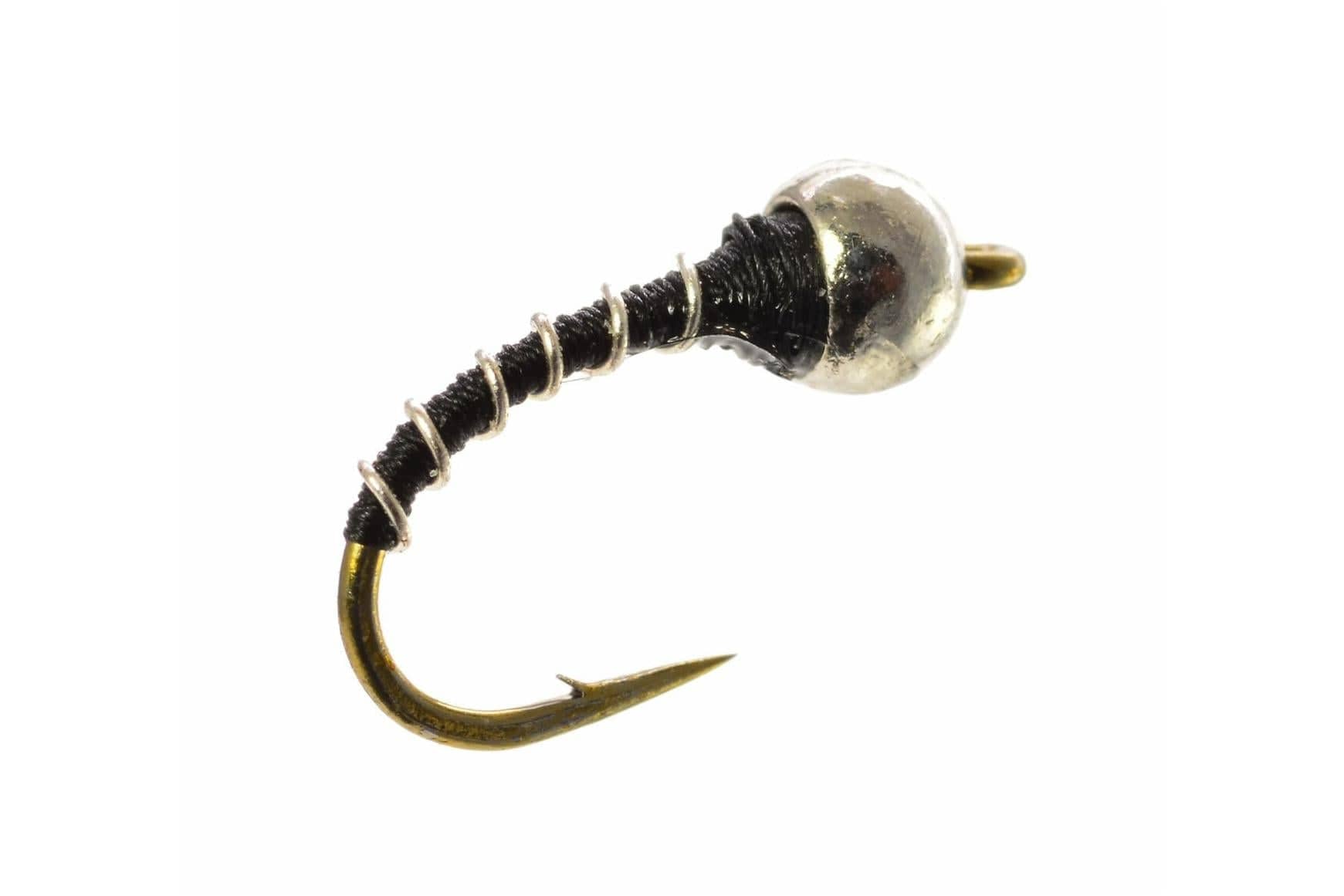
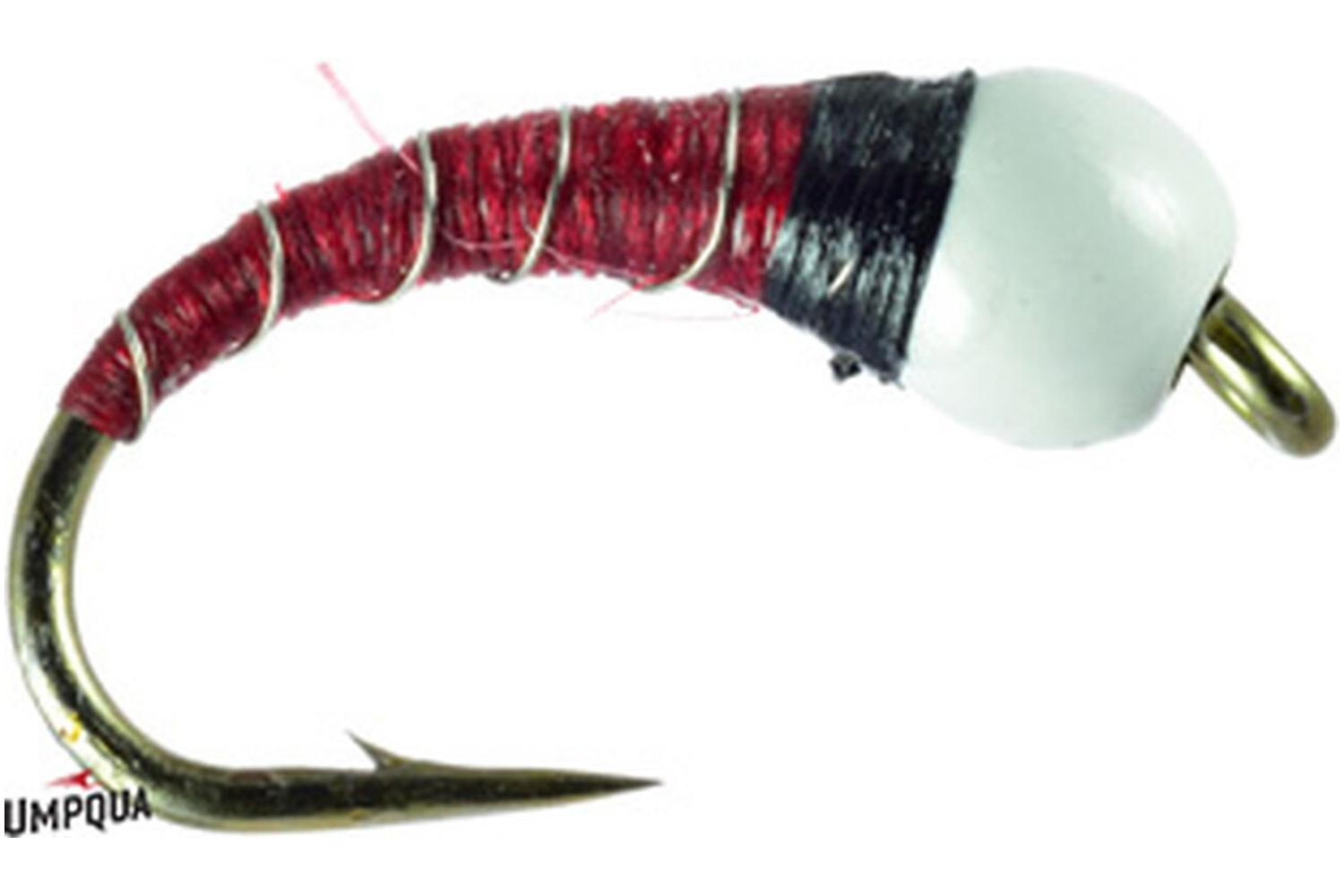
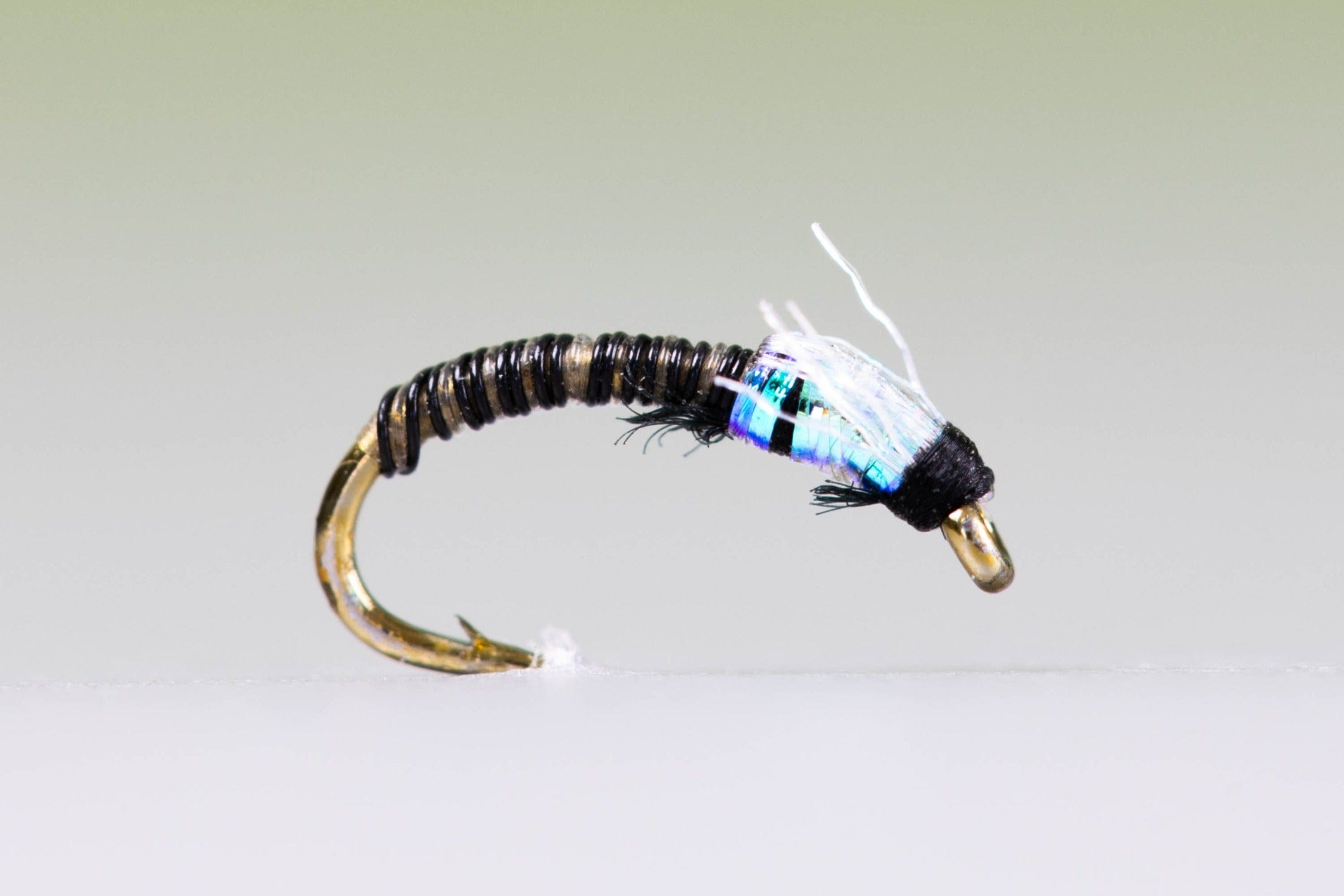
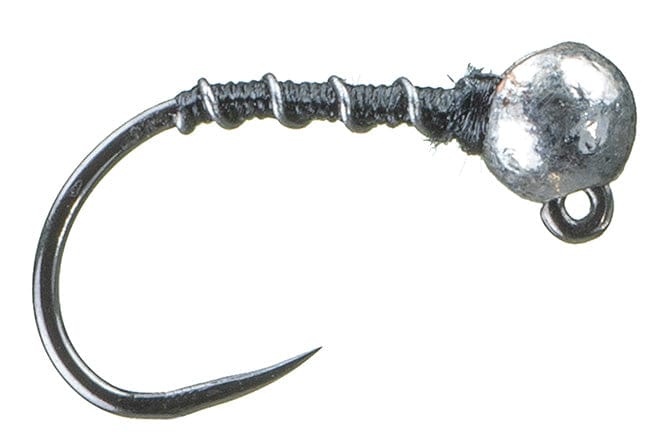
- Best for Stillwater: Ice Cream Cone Chironomid Fly - A strong choice for lakes and ponds when chironomids are the main meal. The bead-and-ribbed build helps it sink and show a clear, simple silhouette that stillwater trout recognize.
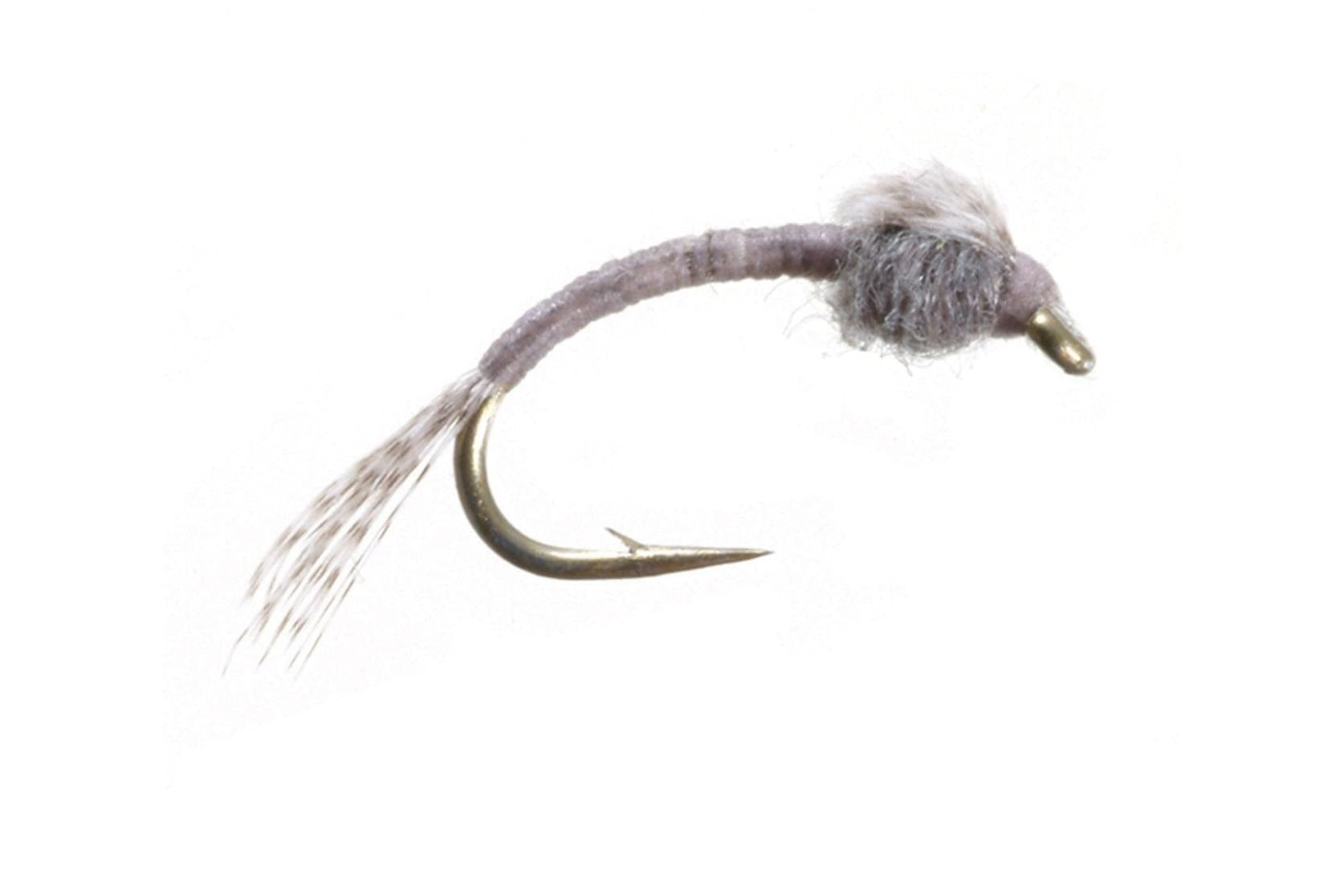
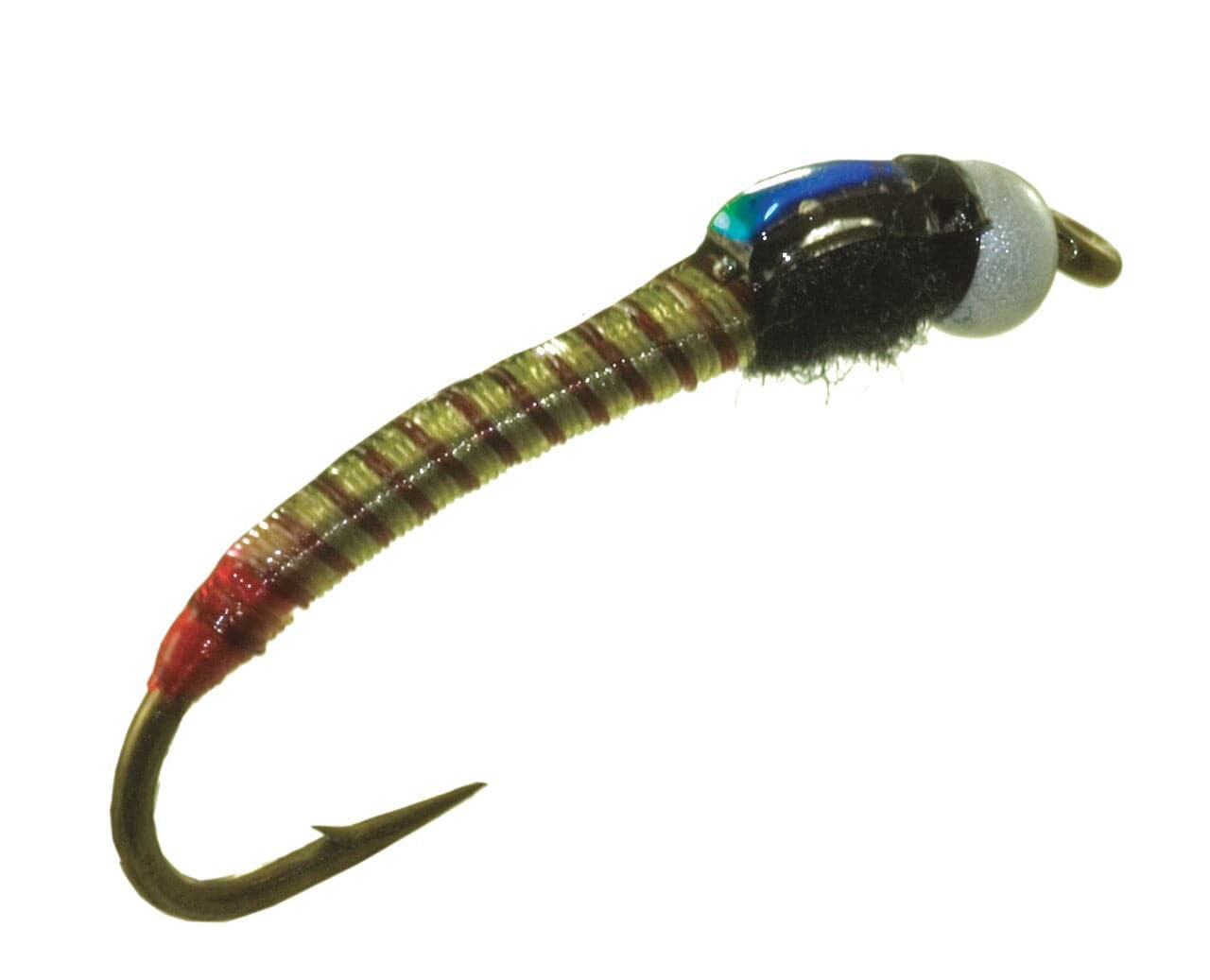
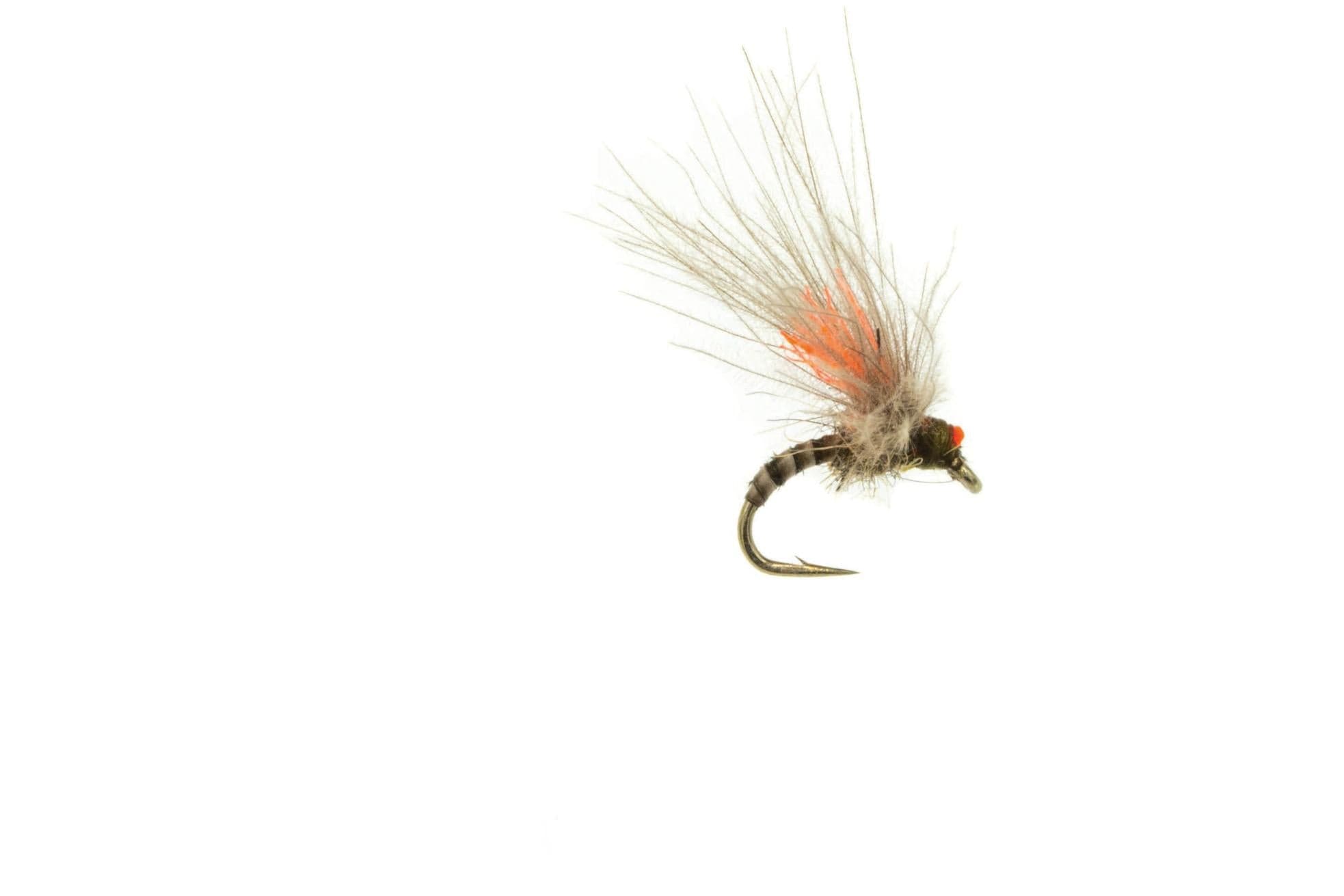
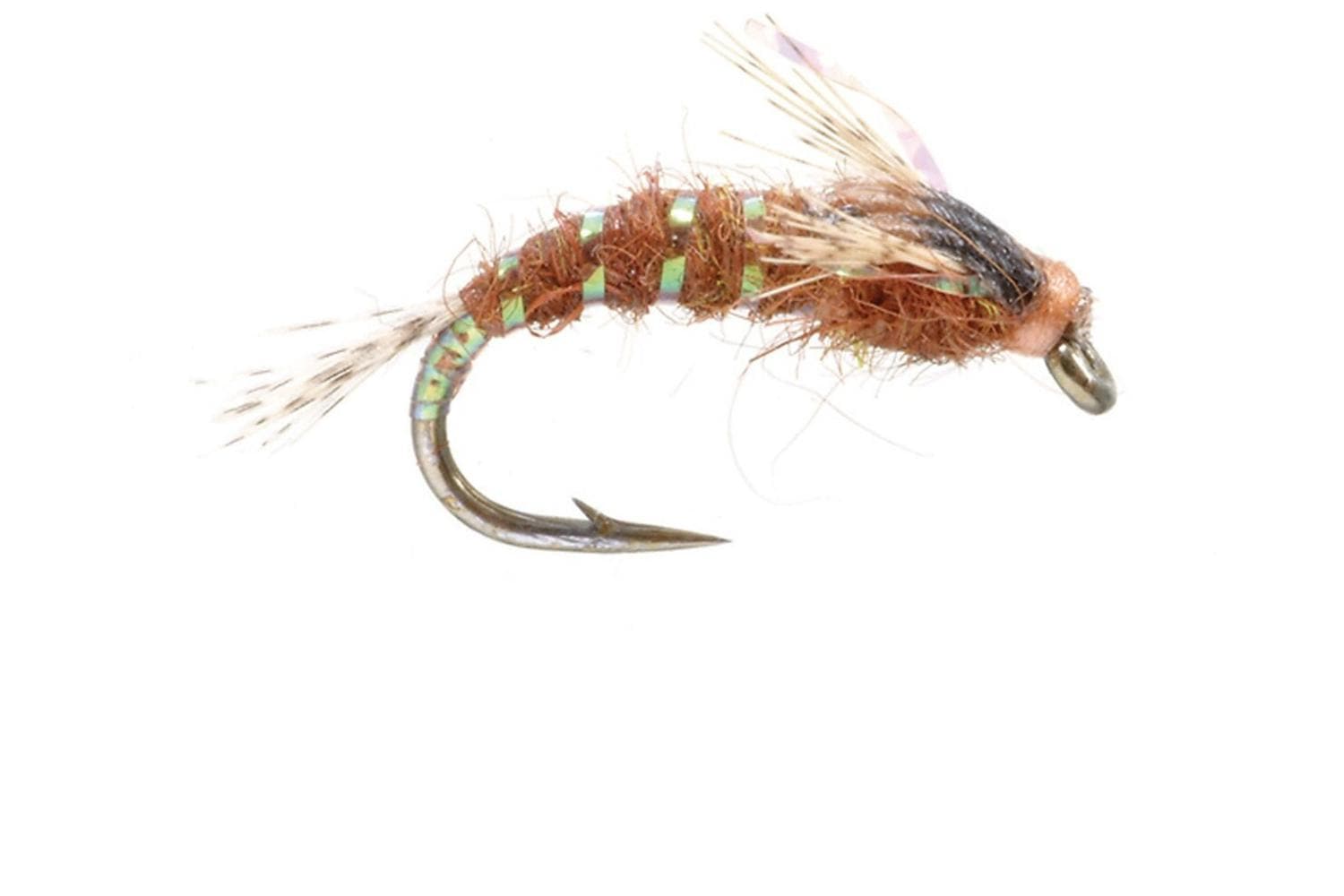
- Best in the Film: Juju Emerger Fly - Ideal when fish are feeding just under the surface and standard dries keep getting refused. The CDC wing and slim body fish well in that “in-between” zone as an emerger or a low-riding dry.
How to Choose Midges
Dry vs. emerger vs. subsurface midge
Action: Start by matching where you see fish feeding, on top, in the film, or down in the lane. If you see clean nose sips, lean on dries like a Griffiths Gnat; if you see subtle bulges or refusals, shift to emergers; if fish are glued to the bottom (or it’s cold water), fish a midge pupa/larva pattern under an indicator or on a tight line.
Bead / tungsten vs. beadless
Best for: Tungsten patterns when you need to get small flies down fast in deeper runs, fast current, or when you’re building a two-fly rig. Avoid if: Fish are riding high in the column or you’re targeting ultra-shallow slicks, go lighter and control depth with split shot or a micro indicator adjustment.
Size and color: keep it simple
Action: For most trout scenarios, a small range of sizes covers a lot of water. Carry a few core colors (black, olive, red/burgundy, and a “natural” gray/tan option) and adjust size first when you’re not getting eats. In clear, pressured water, a smaller dropper and thinner tippet often make the biggest difference.
Rigging ideas that fish well
- Indicator nymphing: Fish a heavier nymph up top with a midge as the trailer when trout want small food but still sit near the bottom.
- Tight-line / Euro: Use a heavier midge as an anchor or run it as the tag fly to keep a natural drift in slower seams.
- Dry-dropper: When fish are spooky in flats, a small midge dropper under a subtle dry can keep splash down to a minimum.
Materials & Durability
- Dry storage: Let flies air-dry after fishing (especially after stillwater days) to reduce rust and keep materials from matting.
- Hook points: Check points often, tiny hooks dull faster than most anglers think when they tick rocks or you pinch barbs.
- Organization: Sort midges by stage (adult/emerger/pupa) or by size bands so you can change quickly during a hatch window.
- Protect fine flies: Avoid over-stuffing foam; crowded slots crush CDC and hackle and can reduce float and profile.
Complete Your Setup
Related Gear
- Emergers & Cripples - When fish are feeding just under the surface film, this is the natural next stop beyond dries.
- Nymphs - Pair midge droppers with larger nymphs to cover different feeding lanes in one drift.
- Tippet - Small flies often fish better with finer diameters and clean, consistent material.
- Leaders - Dial turnover and presentation for tiny dries, film emergers, or indicator rigs.
Related Guides
- How to Tie the Top Secret Midge Fly
- How to Tie the Griffith's Gnat Fly
- How to Tie the Jujubee Midge Fly
- How To Tie Mike's Midge Pupa Fly Pattern
- How to Tie the Medallion Midge Fly Pattern
Midges FAQs
Q: What are midge flies in fly fishing?
A: Midge flies imitate chironomids and other small insects trout eat year-round. They’re most associated with small pupa/larva patterns and tiny dries when fish get selective.
Q: When should I fish midges for trout?
A: Midges are a strong option any month of the year, especially in cold water, on tailwaters, and on pressured rivers. If fish are ignoring larger patterns, it’s often time to downsize to a midge.
Q: What size midge flies should I carry?
A: A range of small sizes covers most situations. For rivers, it helps to have a few options in the “tiny” range and one or two slightly larger chironomid sizes for stillwater.
Q: Do I need fluorocarbon tippet for midge nymphs?
A: Fluorocarbon is popular for subsurface midges because it sinks and stays abrasion-resistant, but it’s not required. The bigger priority is matching diameter to fly size and fishing depth correctly.
Q: How do I fish a Zebra Midge?
A: Most anglers dead-drift it under an indicator or with tight-line techniques as a dropper behind a heavier fly. Keep it in the feeding lane with minimal drag and adjust depth before changing patterns.
Q: What’s the difference between a midge pupa and an emerger pattern?
A: Pupa patterns are typically fished subsurface, often deeper and slower. Emergers are built to ride in or just under the surface film where trout often feed during hatches.
Q: Are midges good for beginners?
A: Yes, midge fishing is straightforward once you control depth and drift. The main learning curve is handling small flies (knot tying and tippet choice) and making small depth adjustments.
Q: What’s a chironomid vs. a midge?
A: Chironomids are a major group of midges, and in fly fishing the term often points to larger stillwater midge patterns. Many “chironomid” flies are essentially midge pupa imitations sized for lakes and ponds.