
Cortland 2020 Freshwater Lines | Insider Review


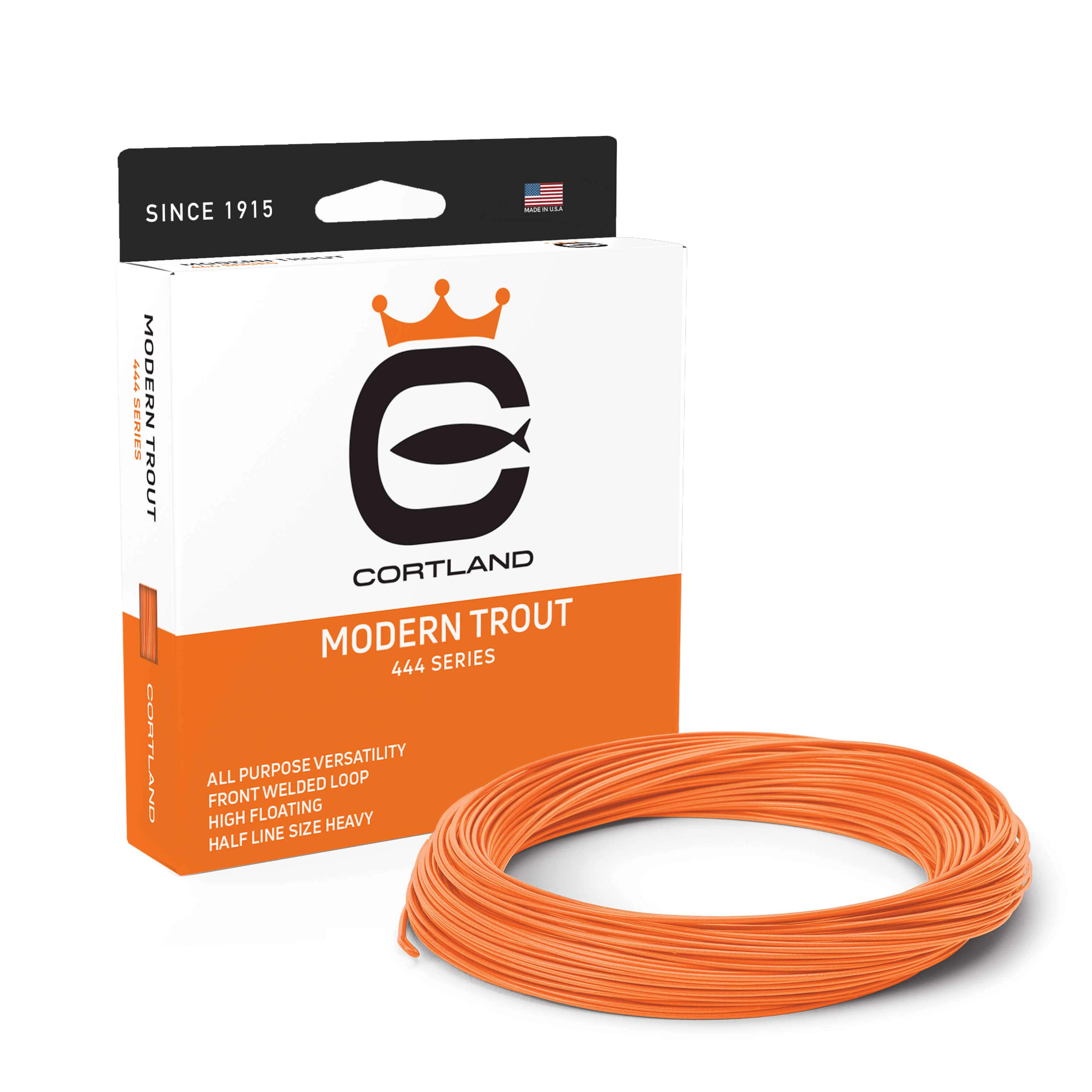

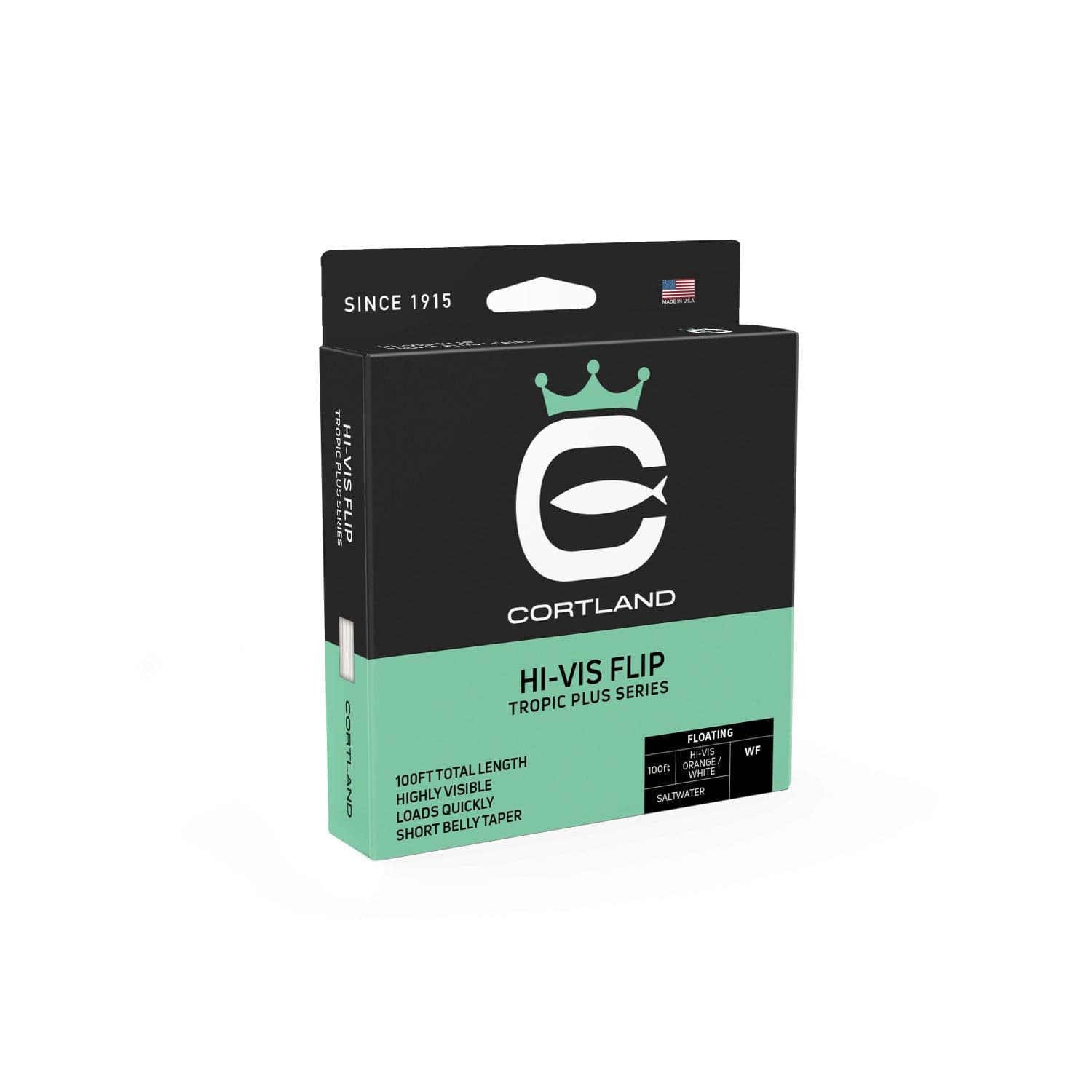
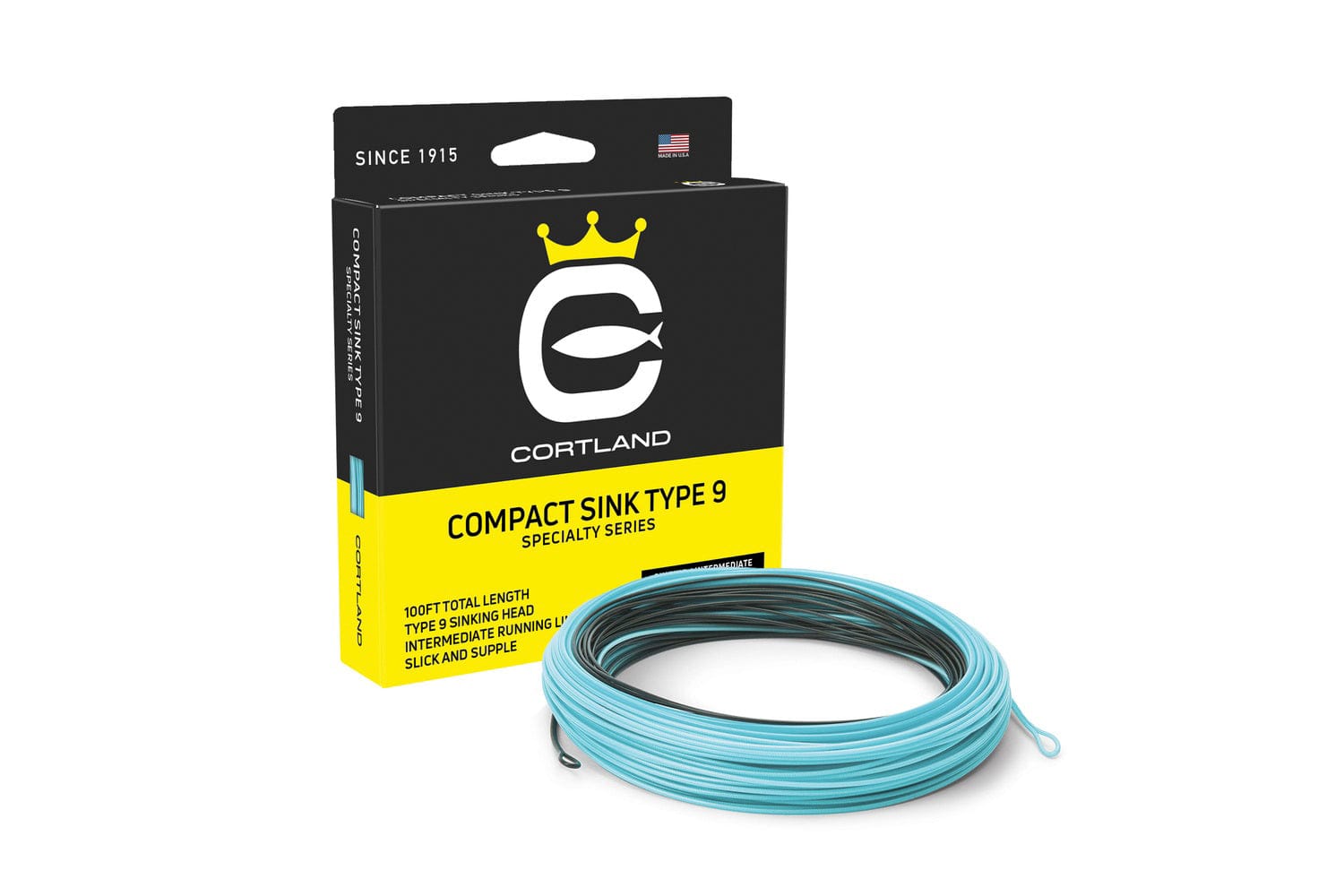
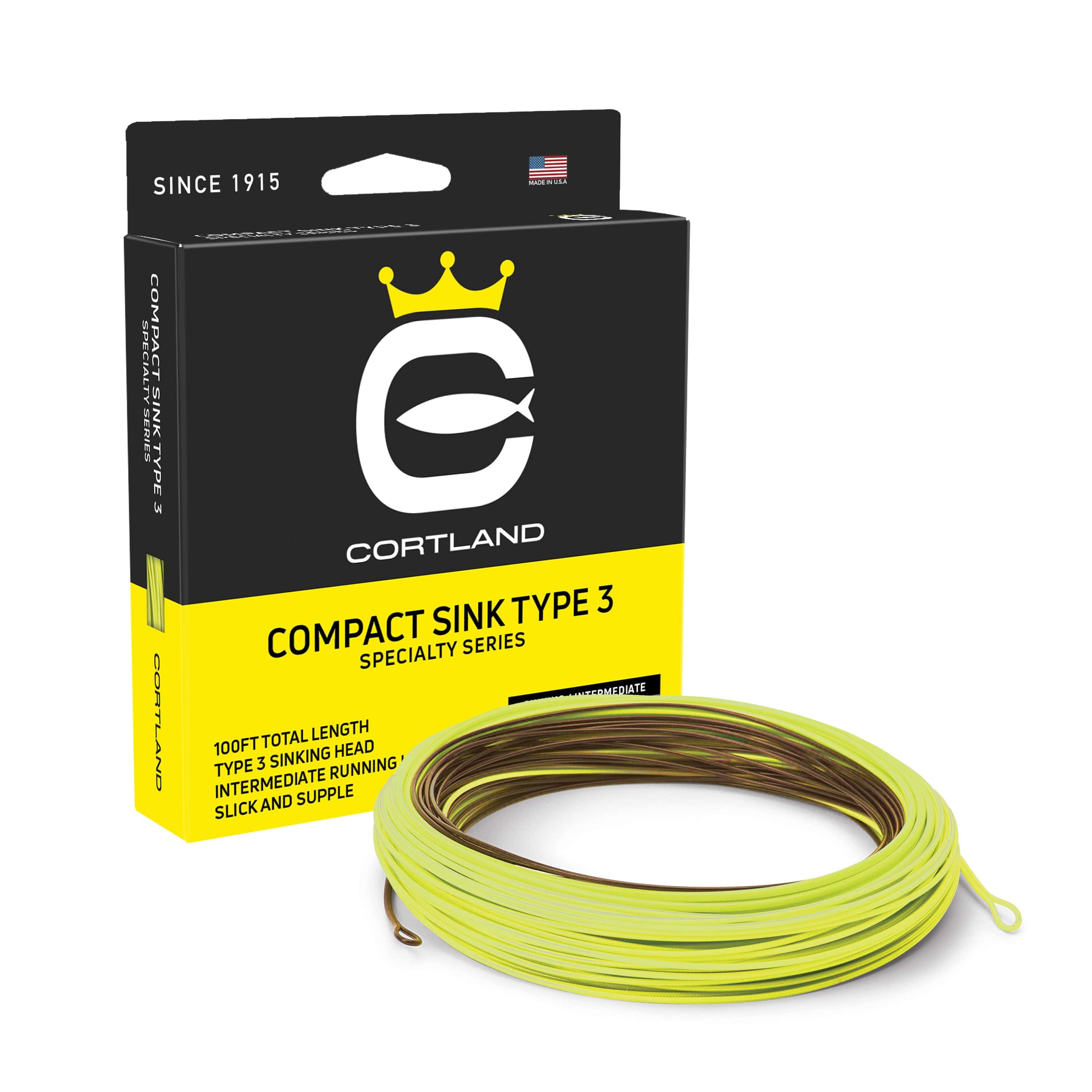



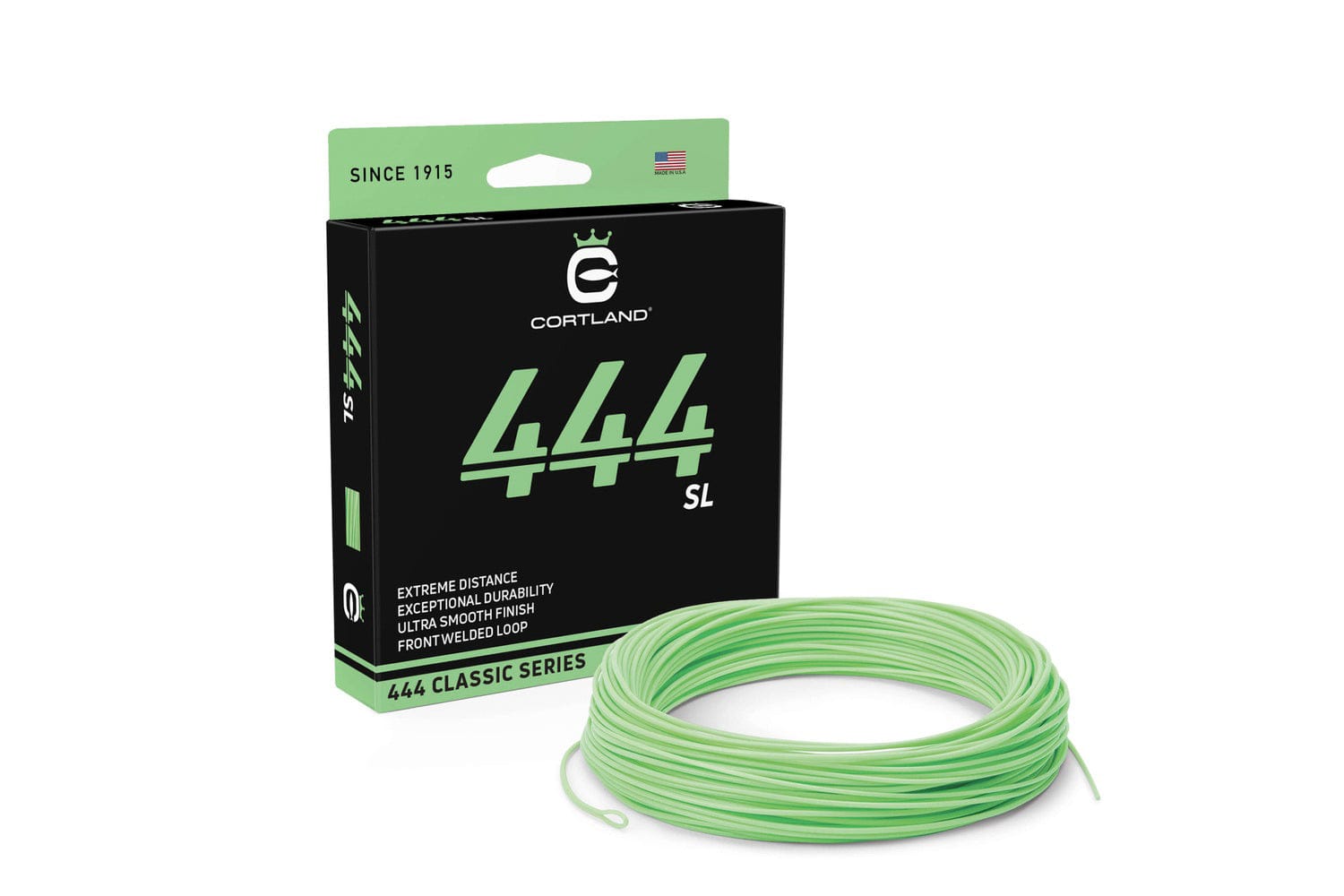
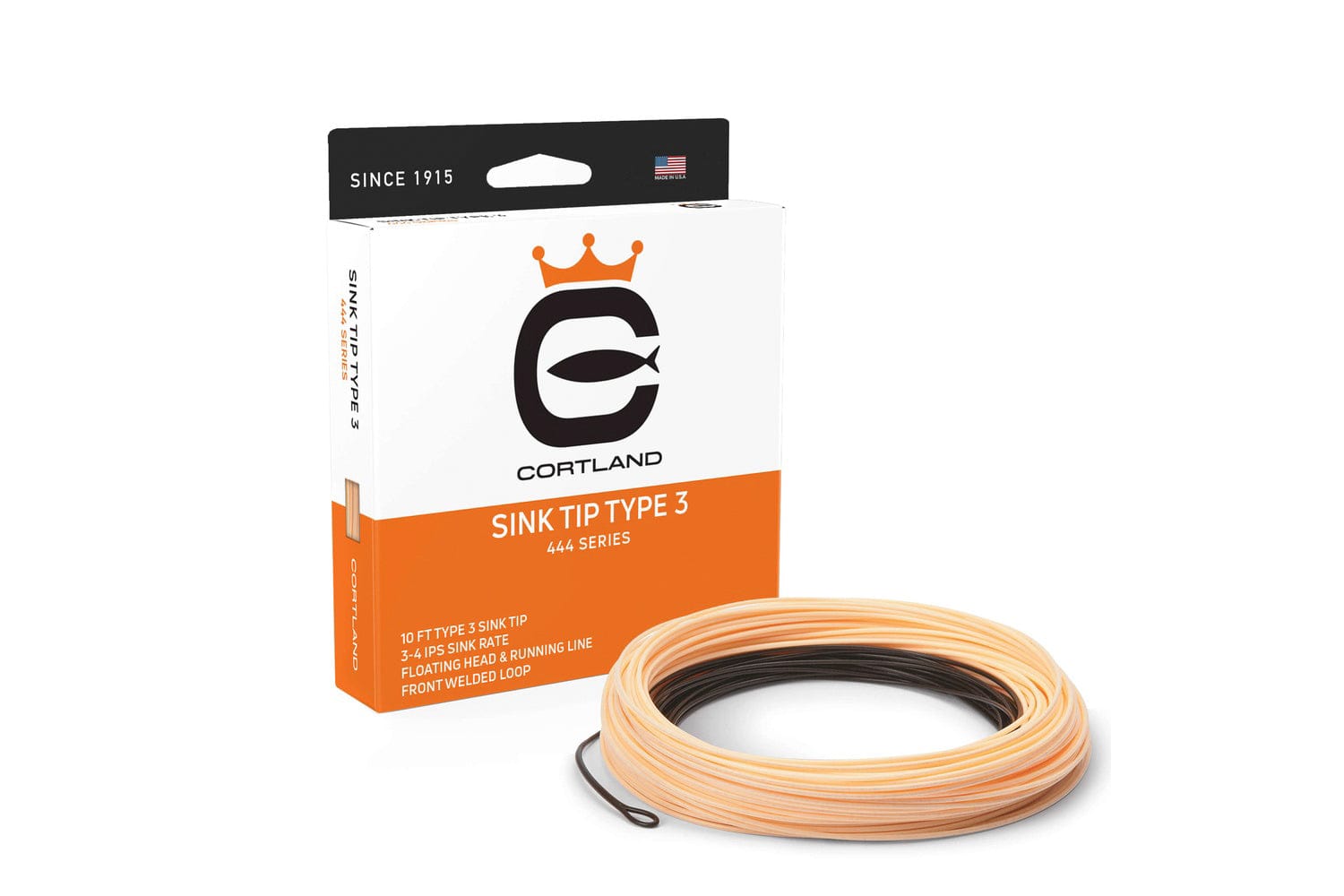
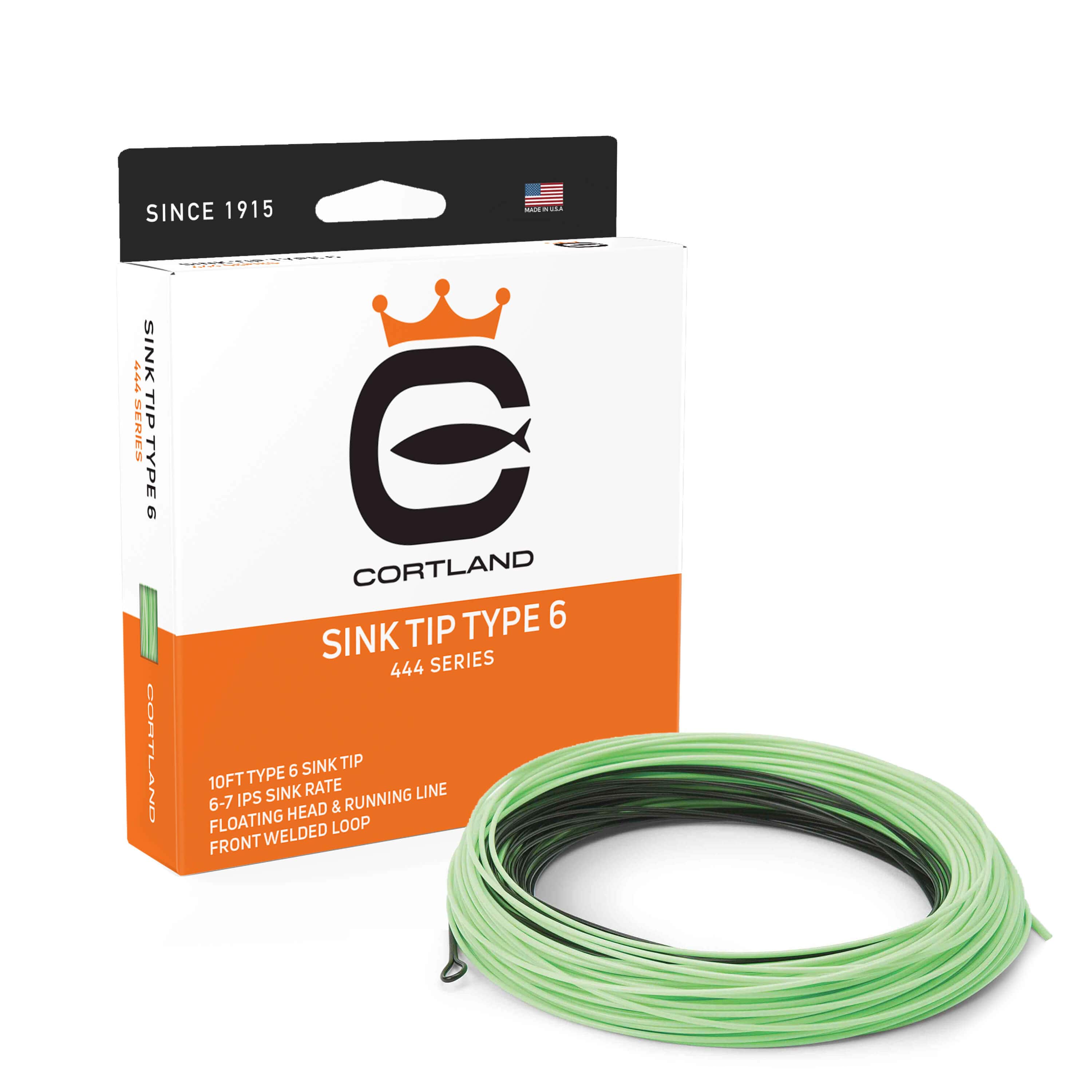


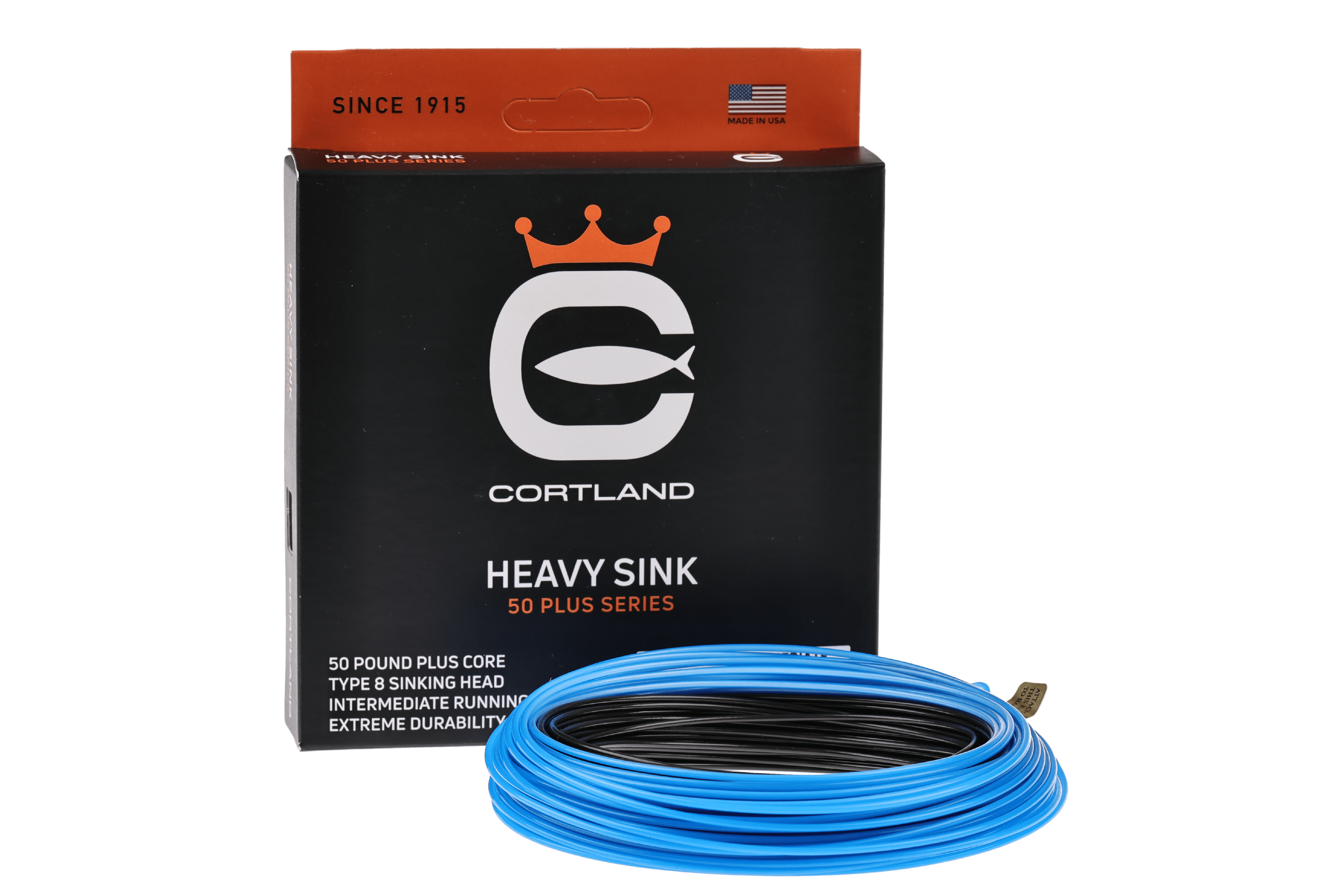
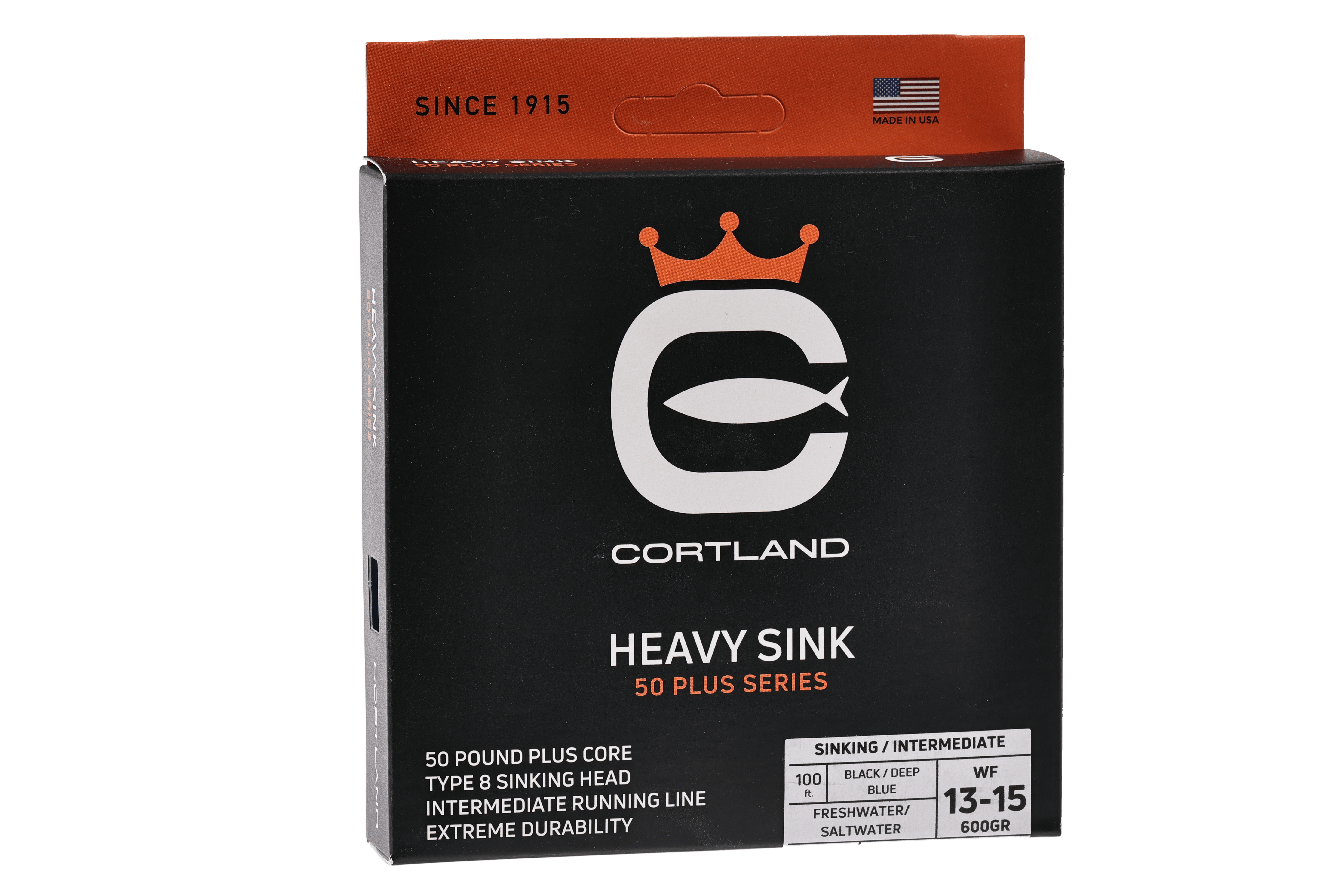


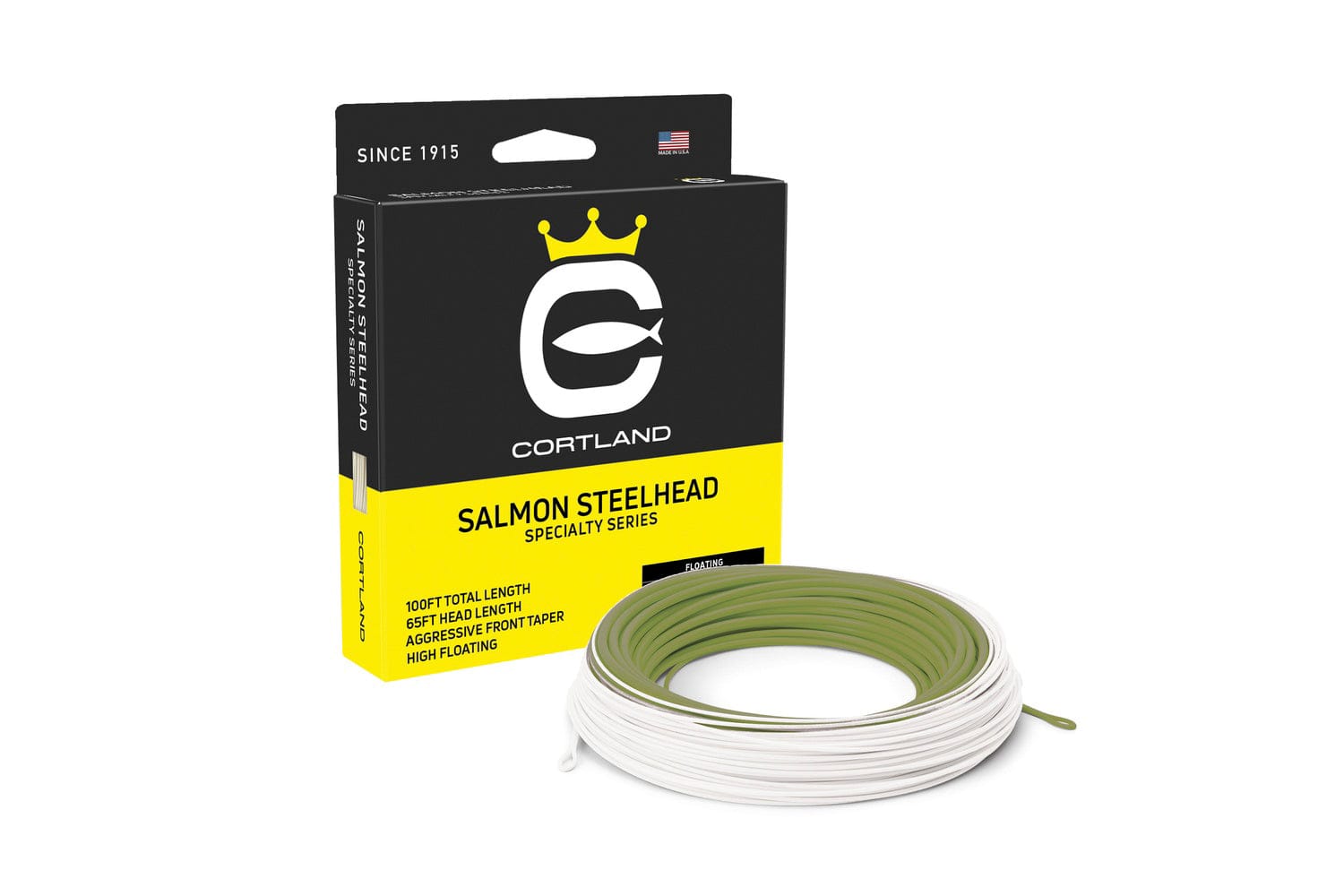
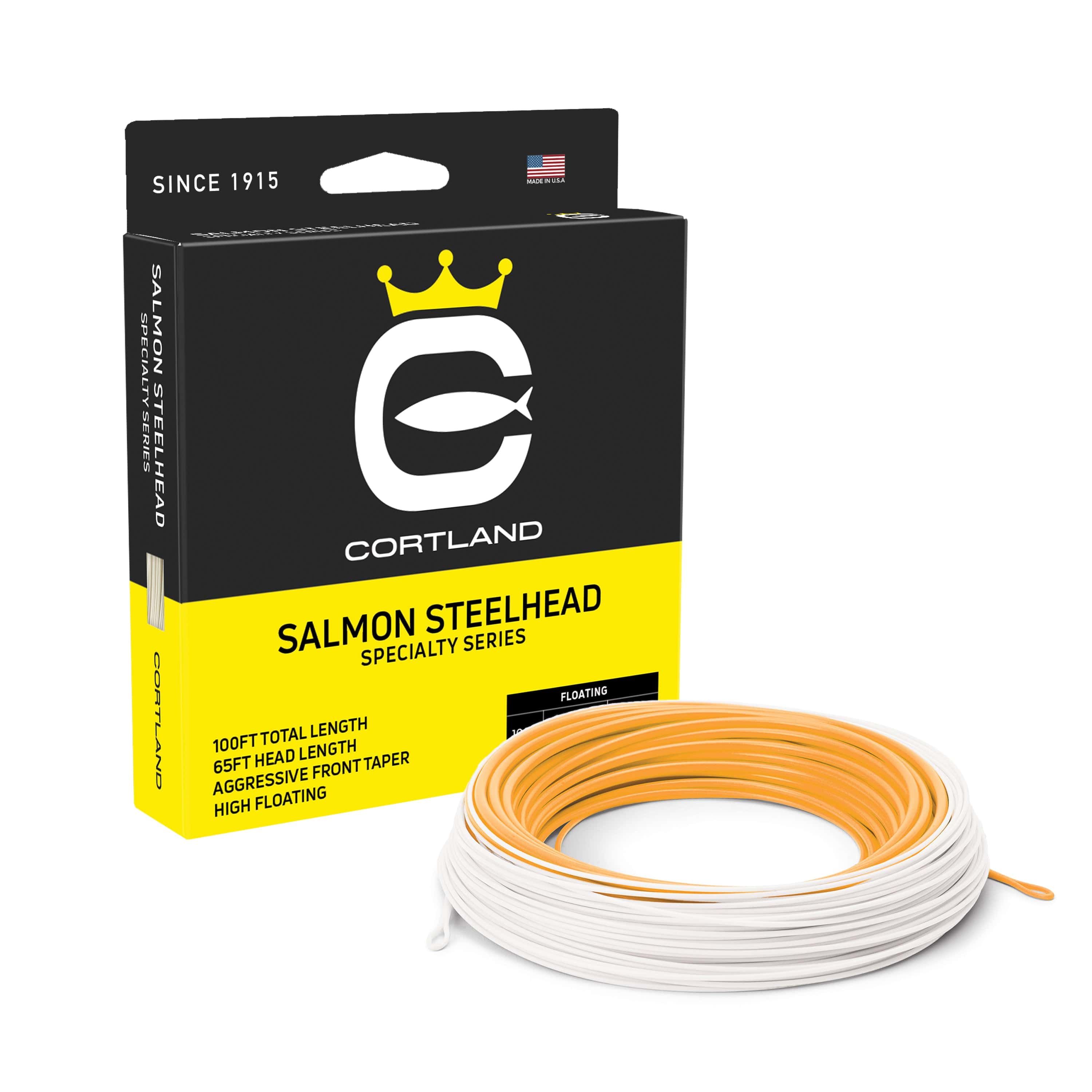
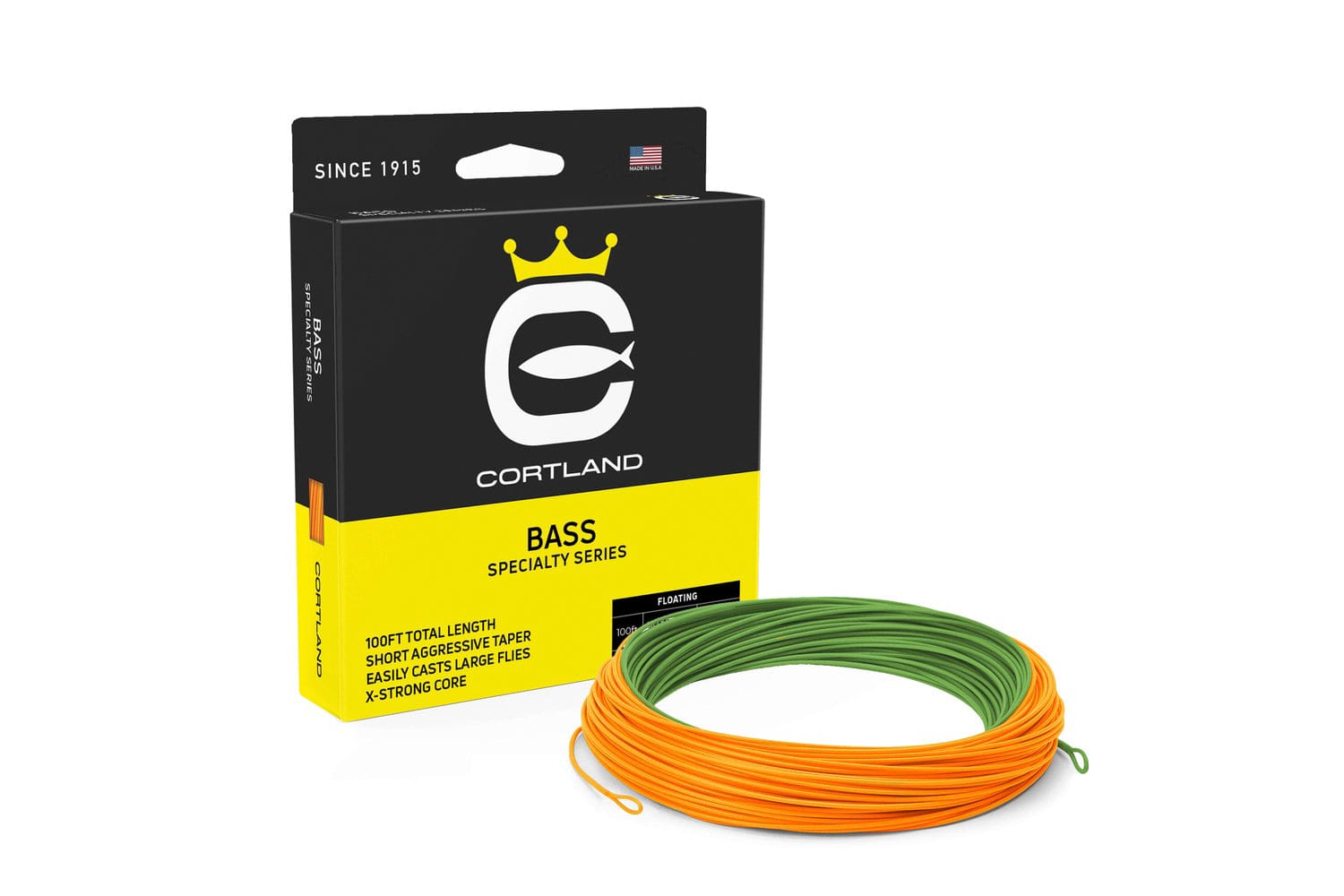
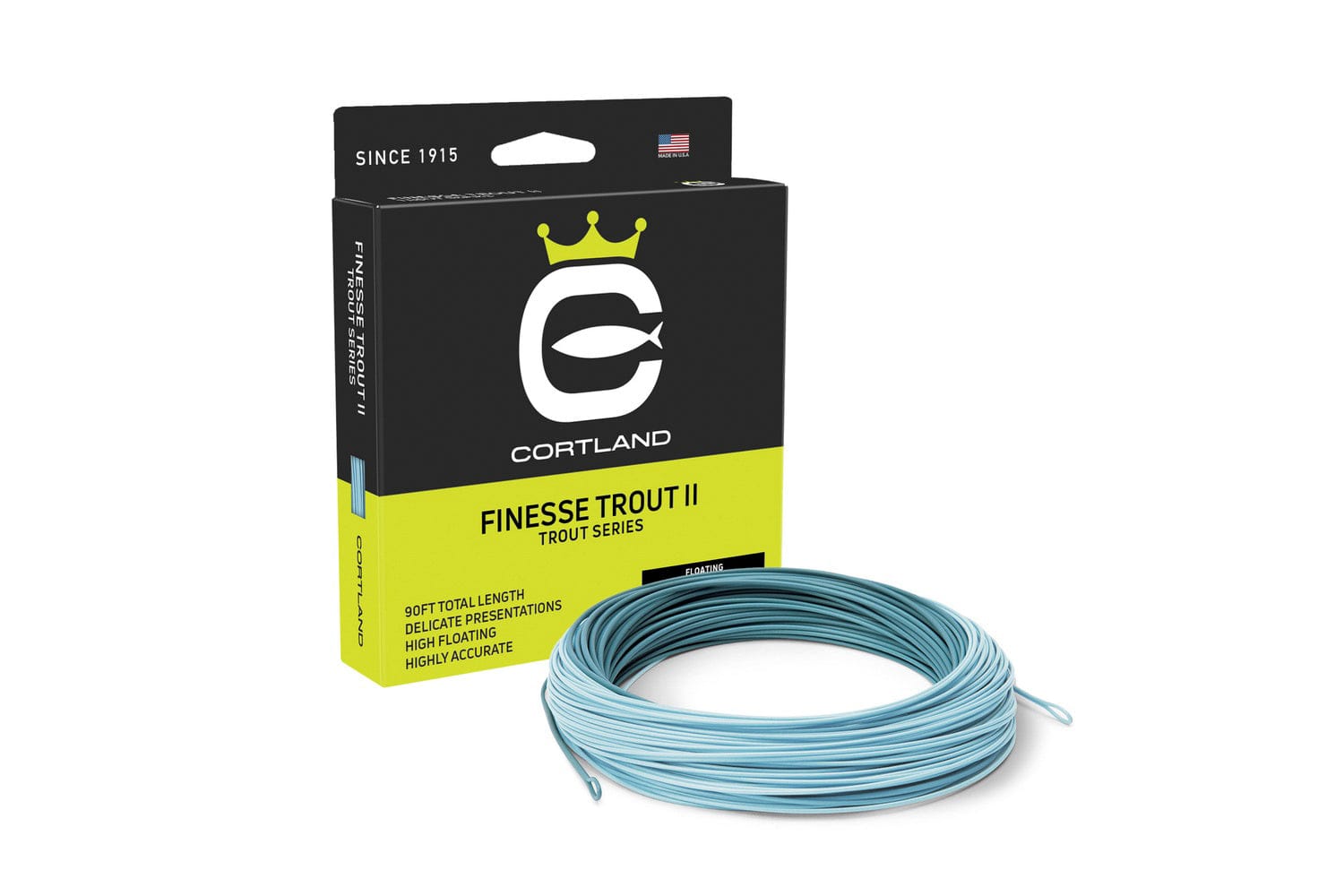
Cortland Fly Lines Quick Picks
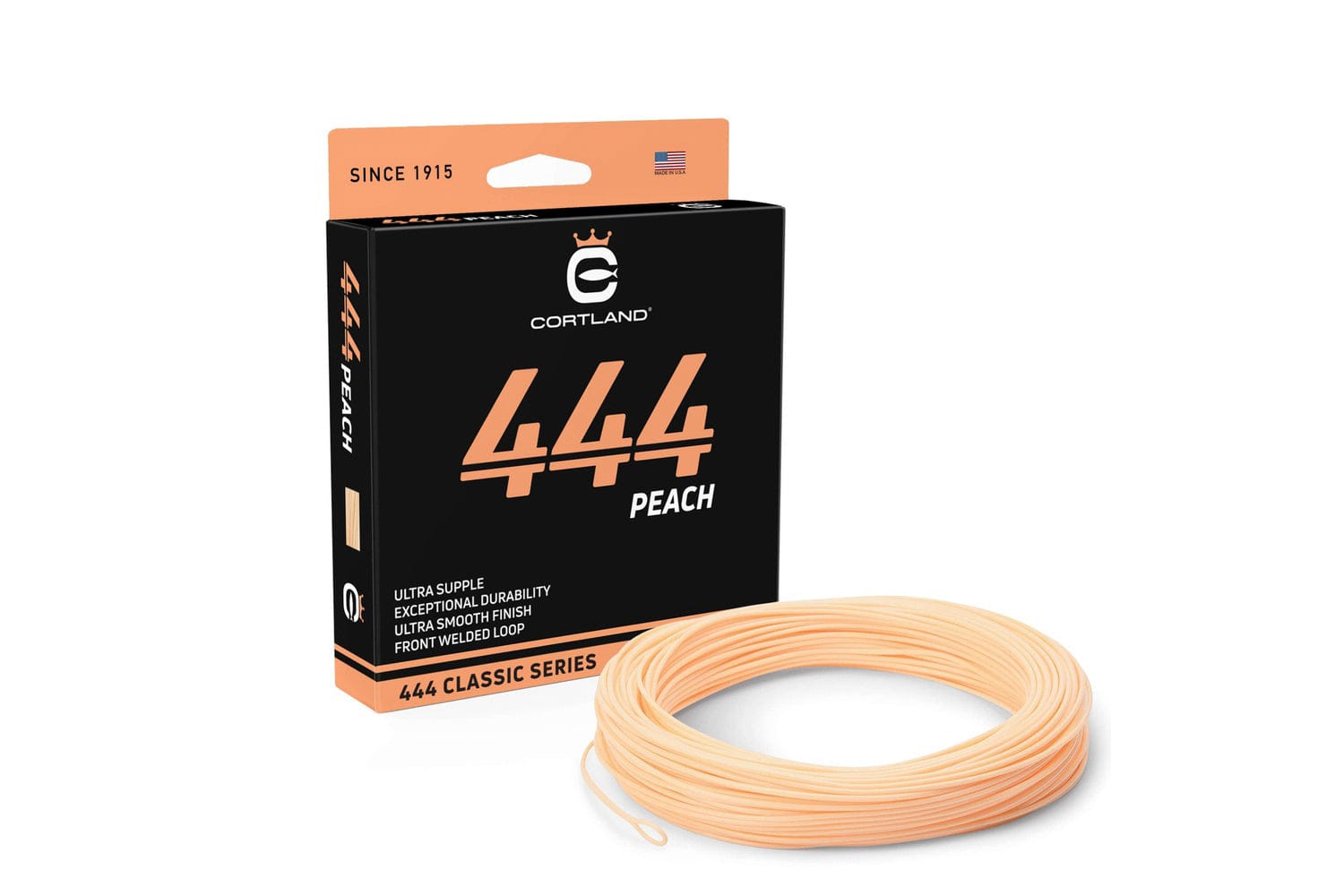
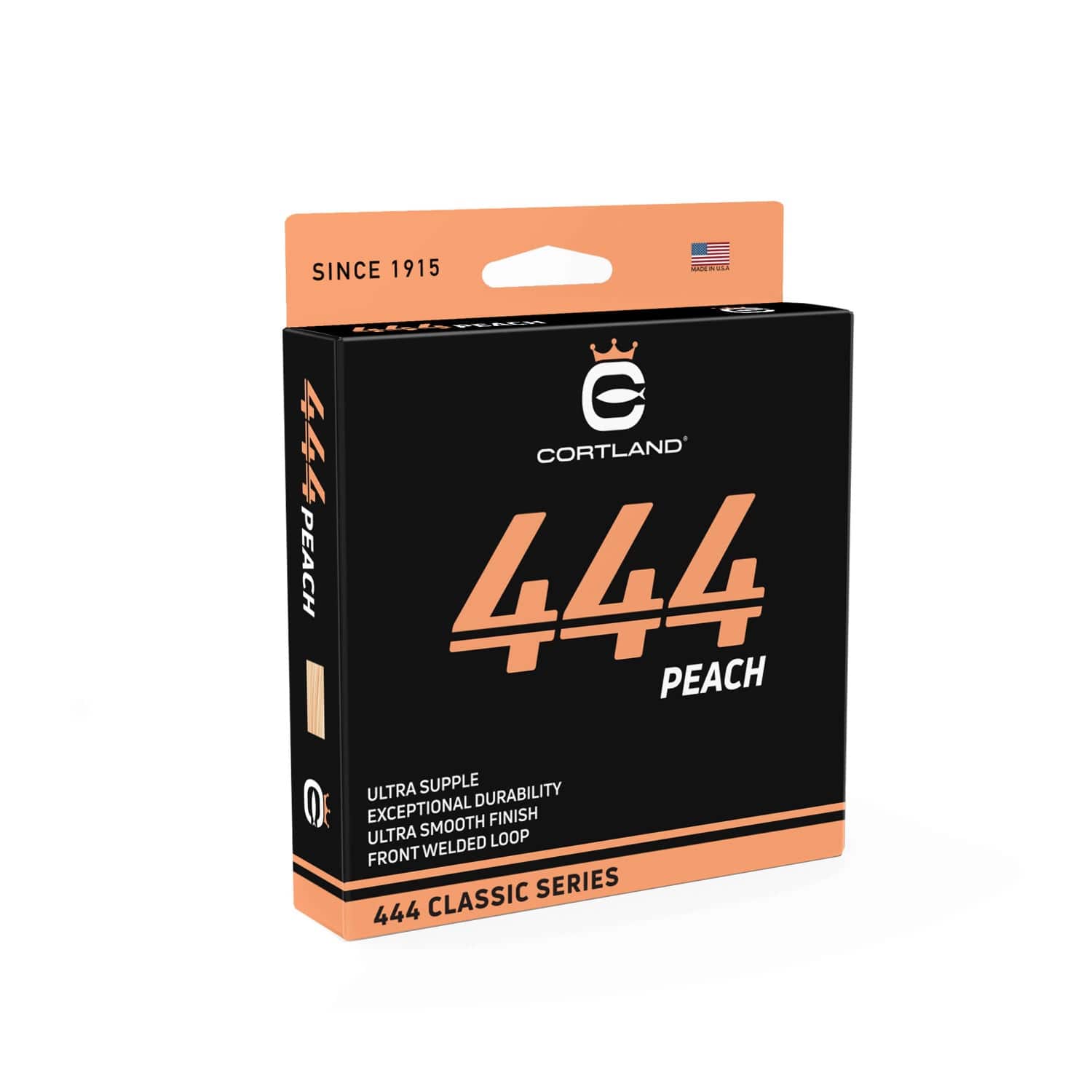
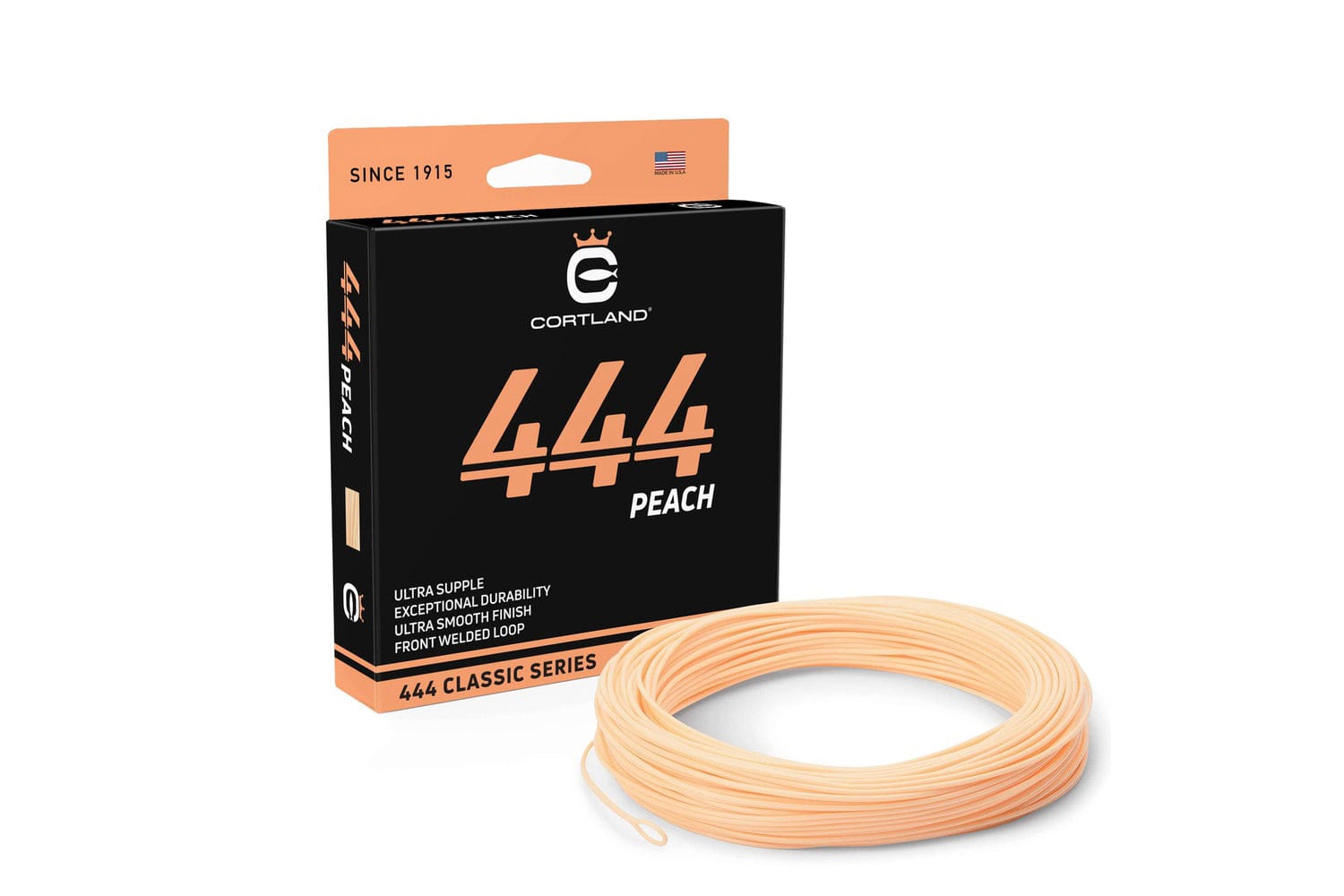
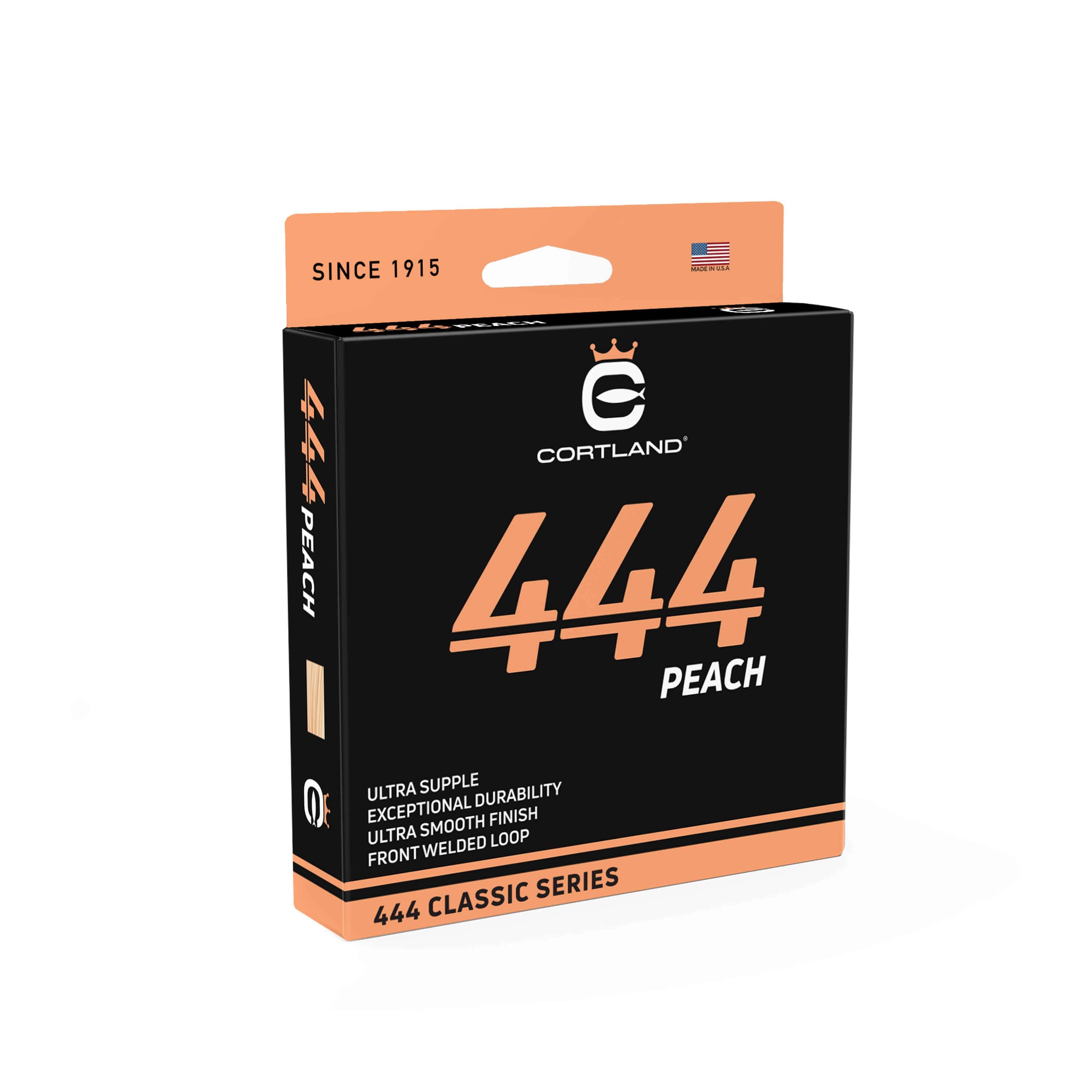
Best All-Around Trout: Cortland 444 Classic Peach Fly Line - A legendary choice for dry flies and nymphs that remains supple in cold water. This line offers a time-tested taper that mends easily and lands delicately.
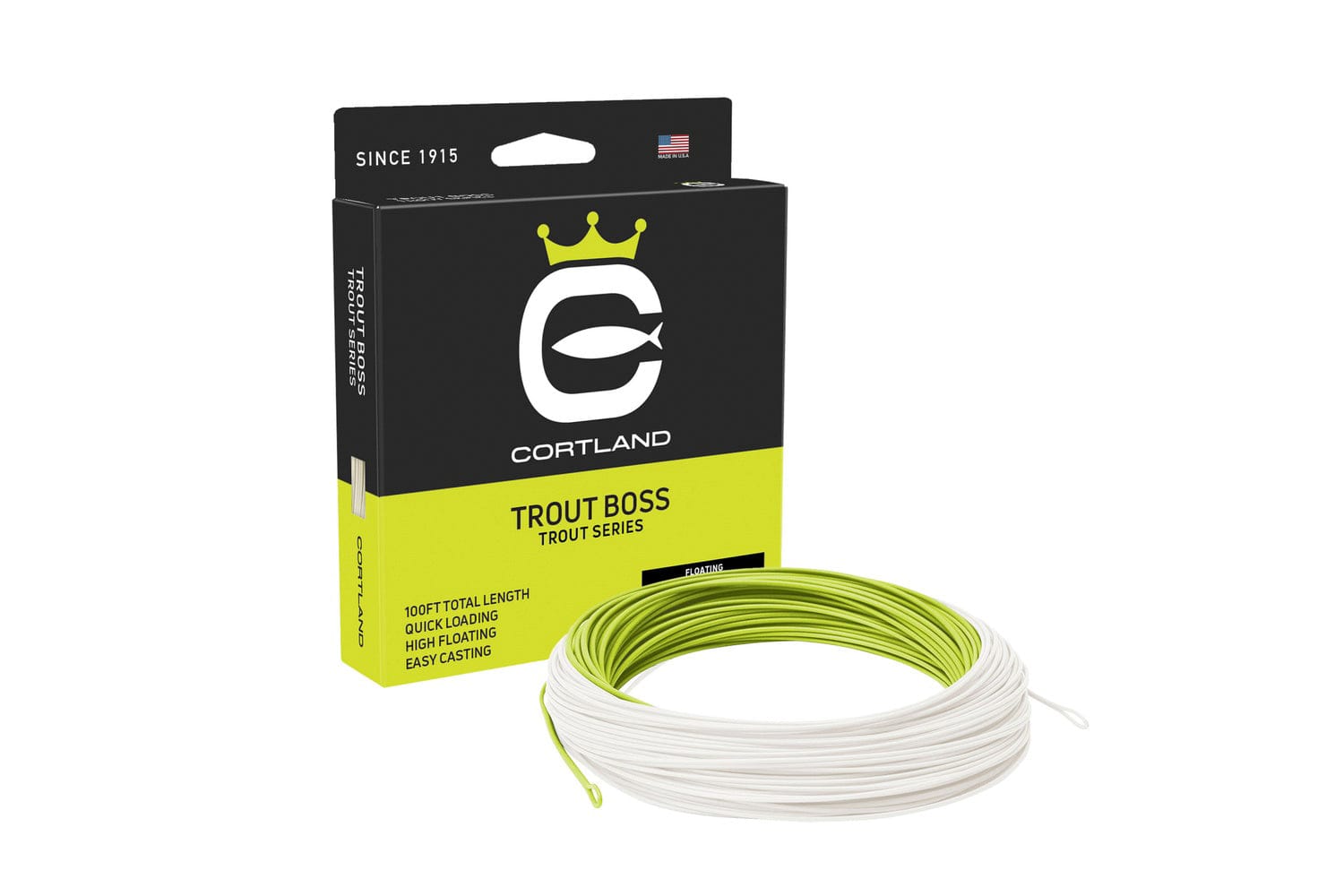
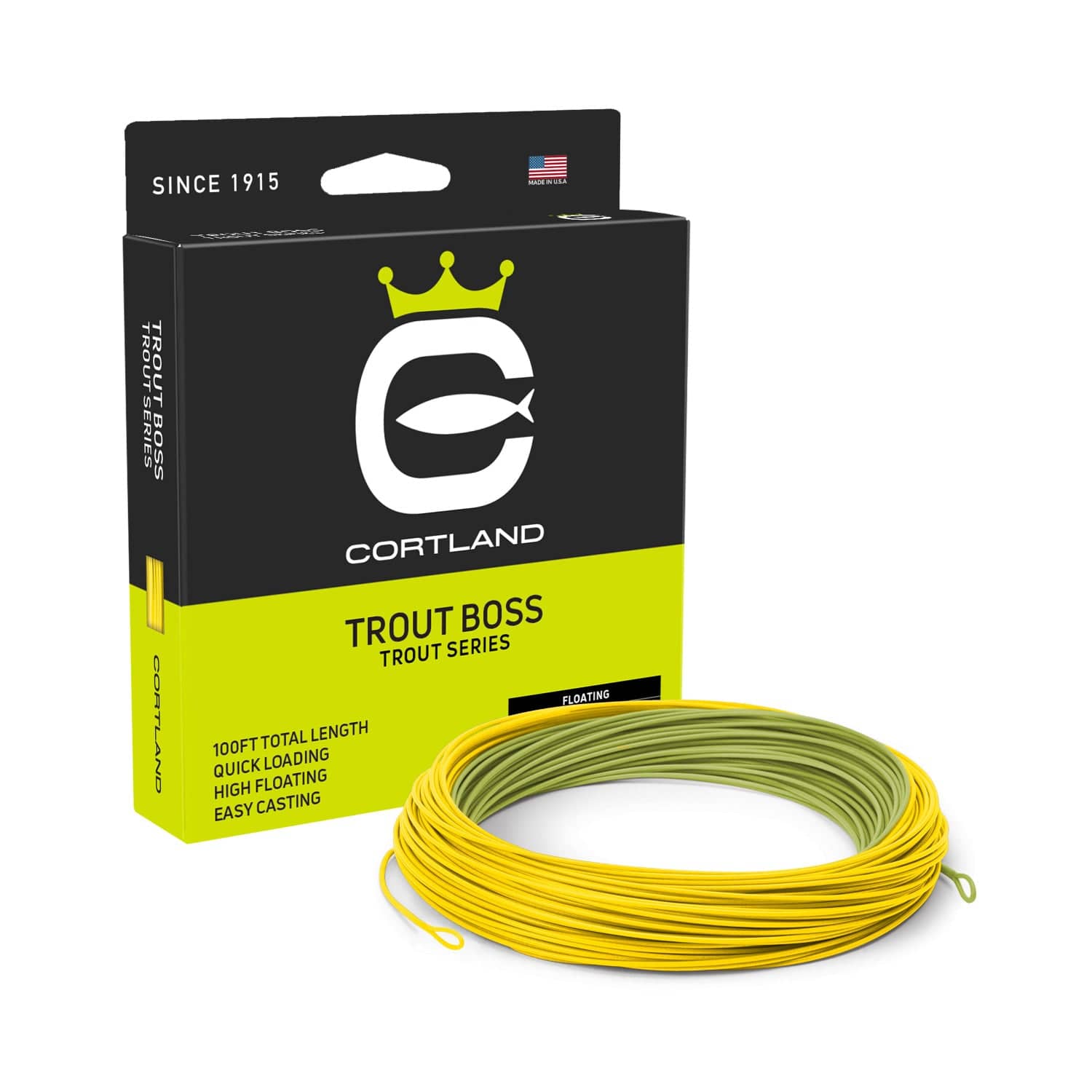
Best for Fast Action Rods: Cortland Trout Boss Fly Line - Designed with a more aggressive taper to load modern graphite rods quickly. The weight-forward head helps turn over indicators and larger flies with ease.
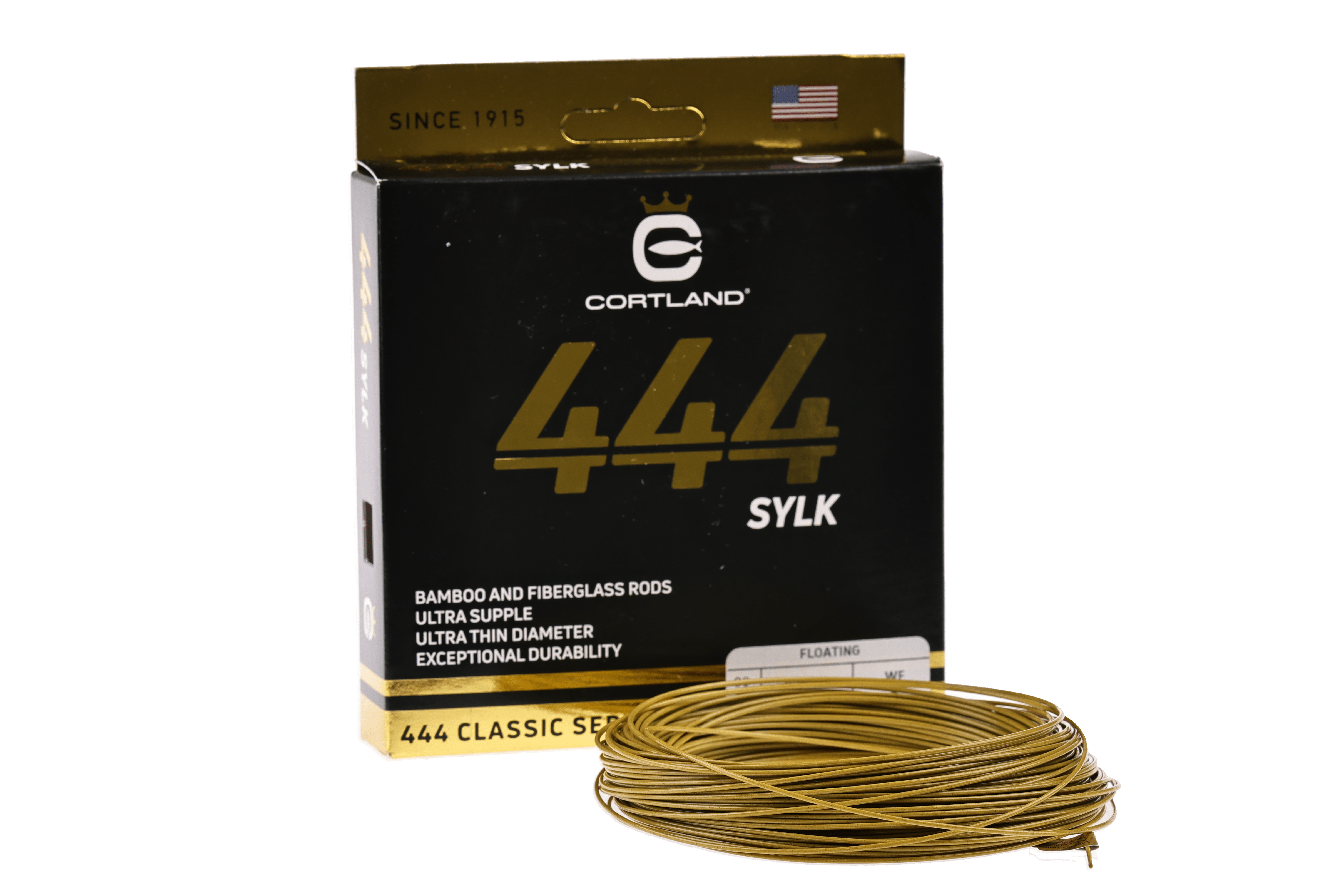
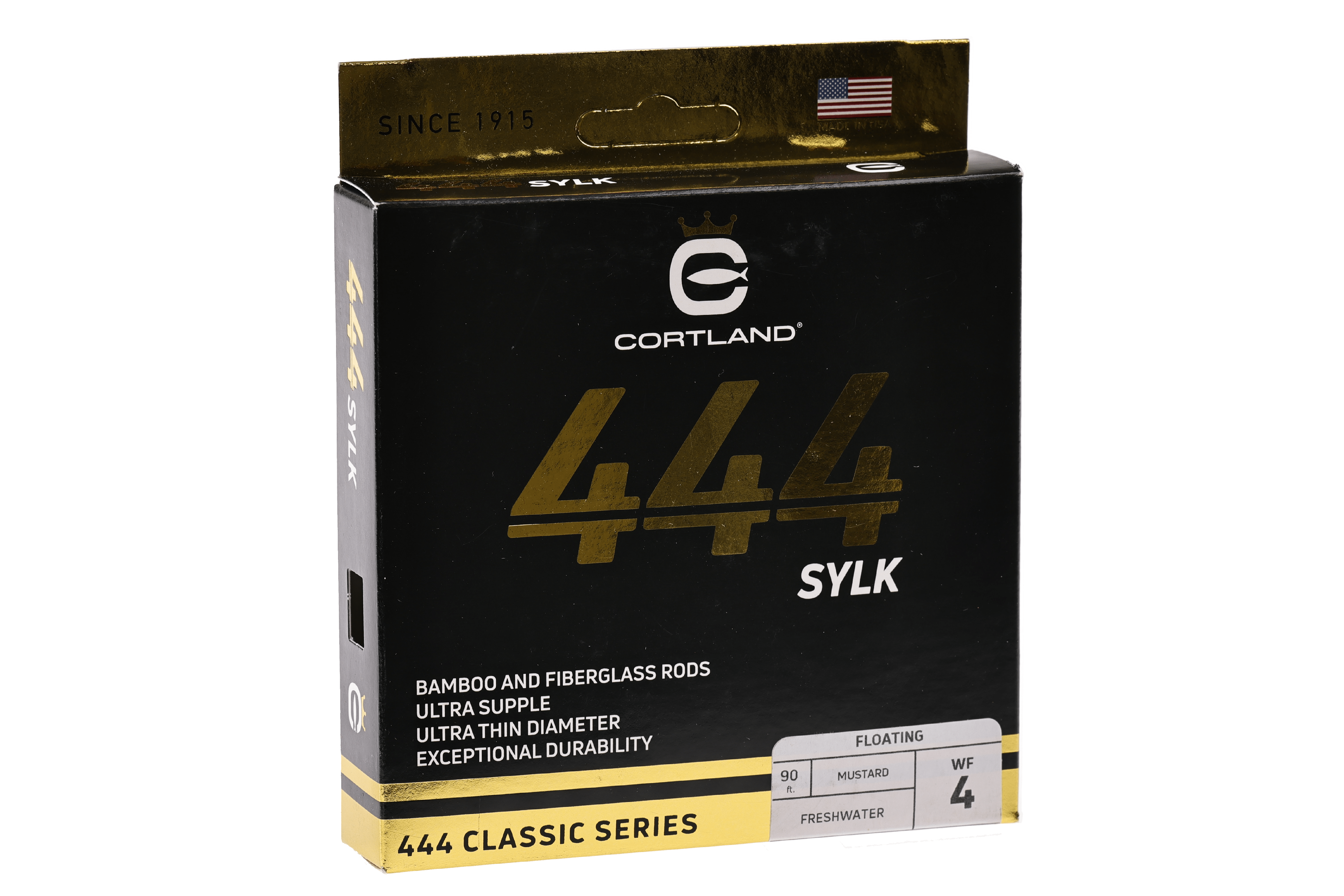
Best for Bamboo & Glass: Cortland 444 Classic Sylk Fly Line - Engineered to replicate the diameter and performance of traditional silk lines without the maintenance. Its thin profile cuts through wind and pairs perfectly with slower action rods.
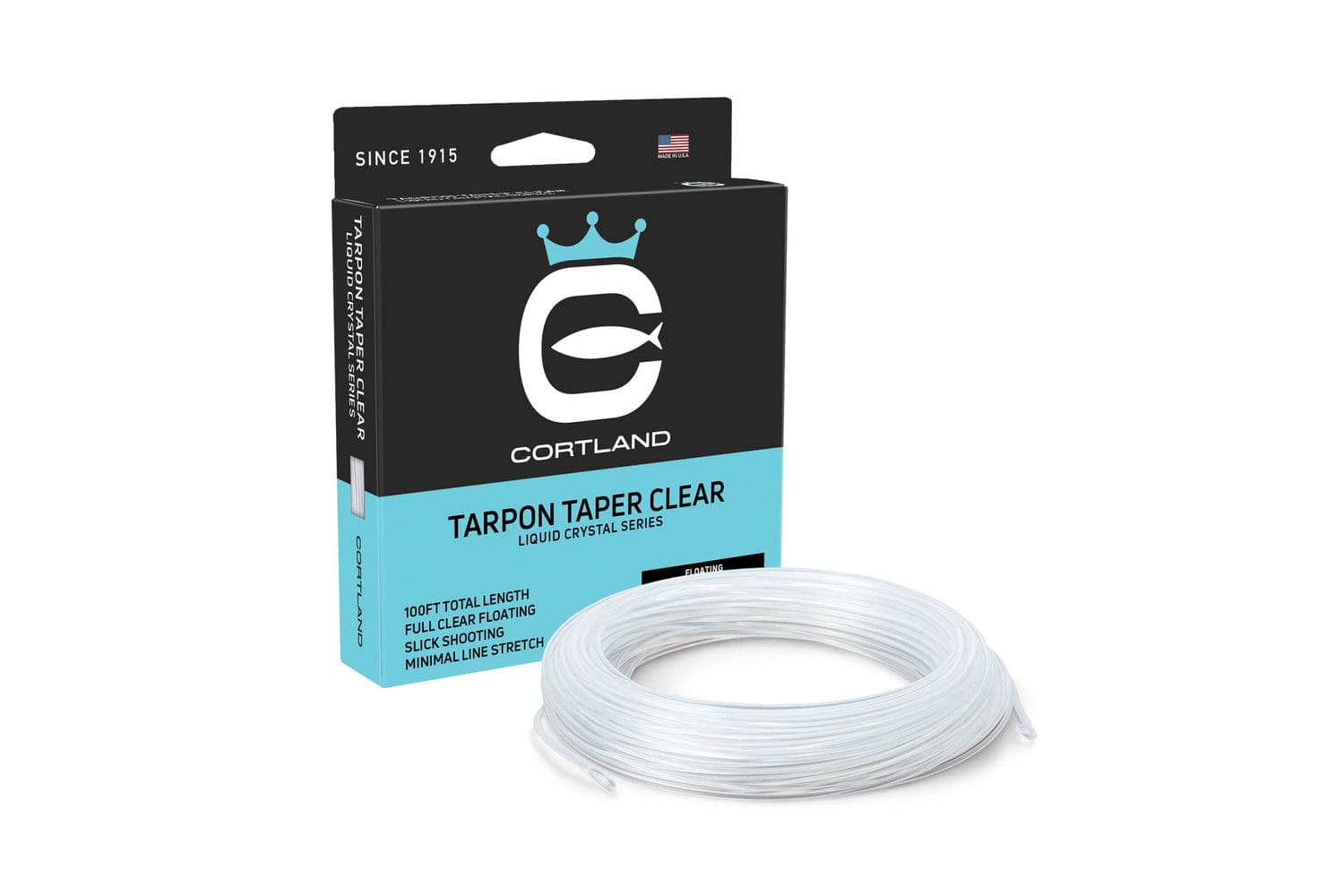
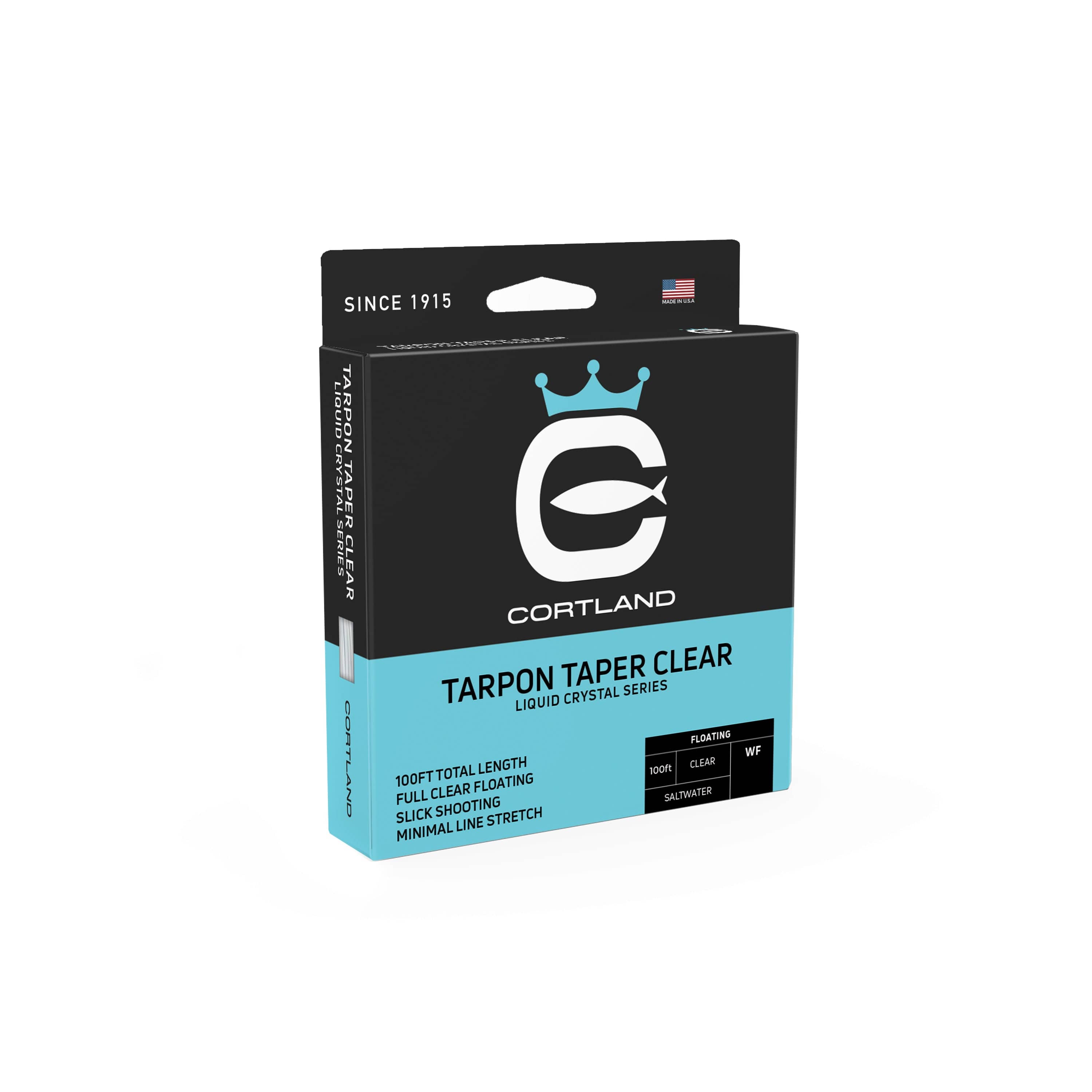
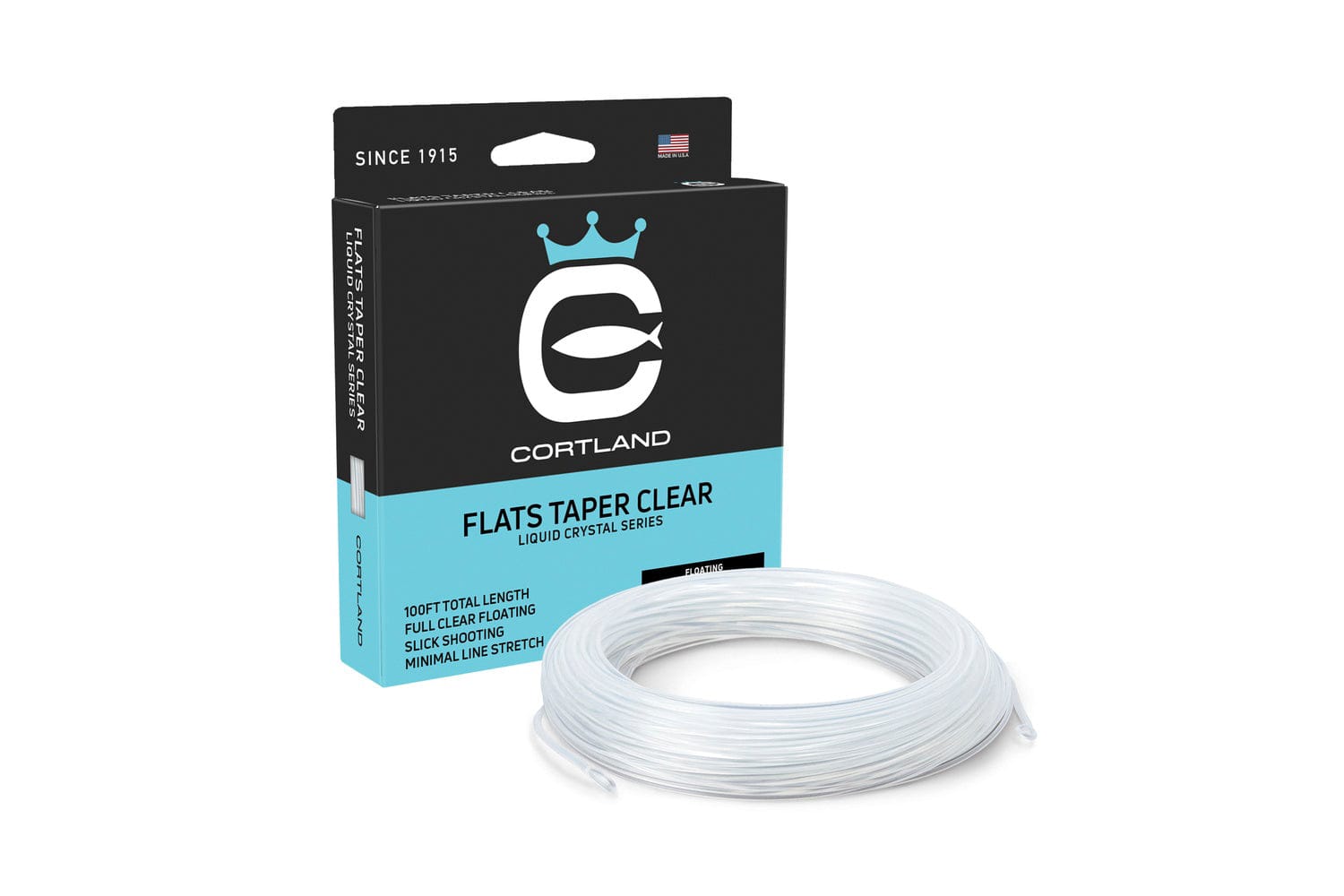
Best for Saltwater Stealth: Cortland Liquid Crystal Flats Taper - Features a clear coating fused to a monofilament core for near-invisibility on the flats. This line is built to withstand tropical heat while delivering precise presentations to spooky fish.
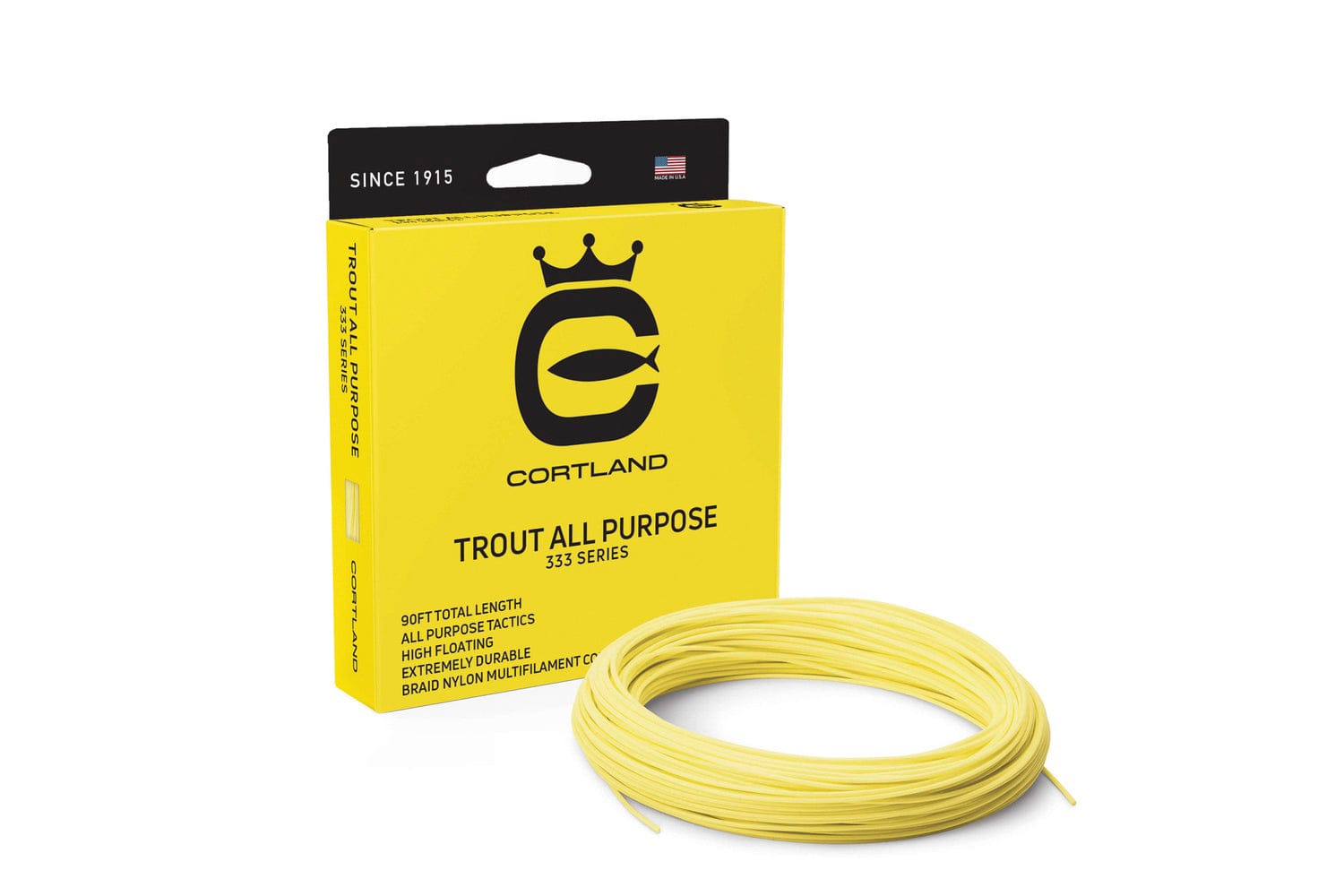
Best Value: Cortland 333 Classic Trout Fly Line - An excellent entry-level option that provides reliable flotation and durability. Perfect for beginners or as a backup line for general freshwater fishing.
How to Choose Cortland Fly Lines
Match the Line to the Water Temperature
Cold Water: For trout, salmon, and steelhead fishing in temperate climates, look for lines with supple cores like the 444 Classic or Trout Boss. These lines remain memory-free and manageable even in freezing temperatures, ensuring your loops stay tight and your drifts drag-free.
Tropical Water: If you are targeting bonefish, tarpon, or permit, you need a line with a stiff core that won't wilt in the heat. The Liquid Crystal and Tropic Plus series feature specialized coatings and monofilament cores designed to shoot through guides in high-heat environments.
Select the Right Taper
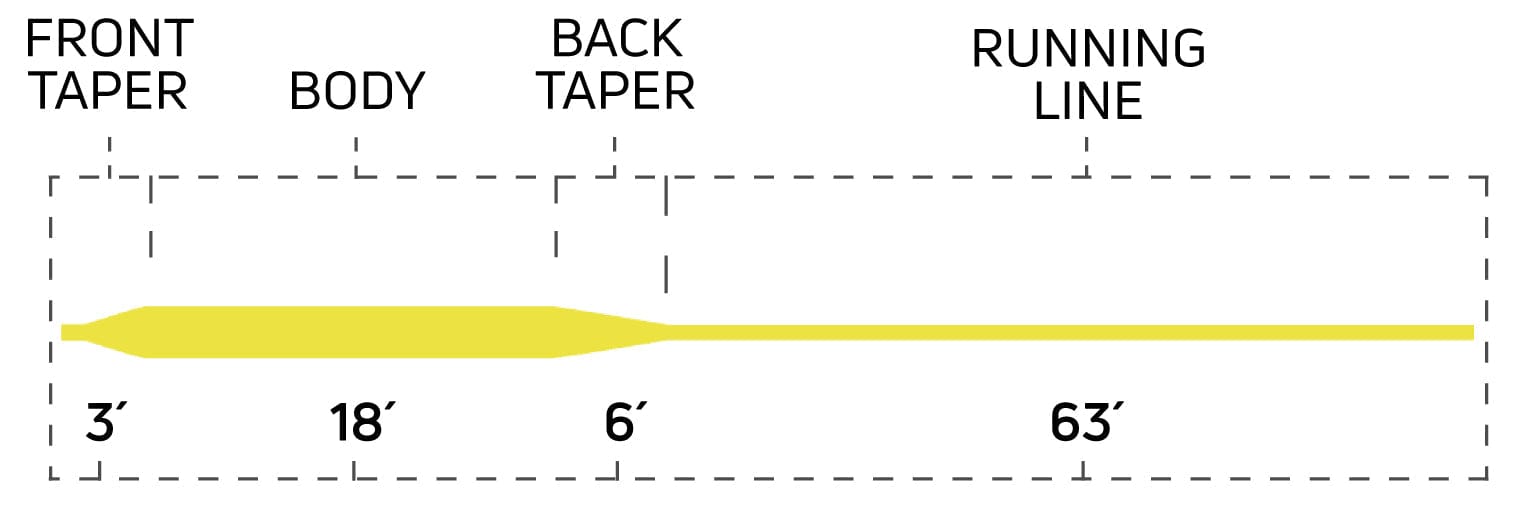
Weight Forward (WF): Most anglers prefer weight-forward lines like the Trout Boss or 444 Peach WF for their versatility. These lines concentrate weight in the first 30-40 feet, making it easier to load the rod and shoot line for distance, especially in windy conditions.
Double Taper (DT): Cortland is one of the few manufacturers that still offers a robust selection of double taper lines, particularly in the 444 Classic series. These are ideal for delicate dry fly presentations at short to medium distances and offer the benefit of being reversible, effectively giving you two lines in one.
Consider Your Rod Action
Fast Action Rods: Modern, stiff graphite rods often perform better with a line that is slightly heavier or has a more aggressive head, such as the Trout Boss. This helps load the rod deeply with less line out, improving accuracy in tight quarters.
Slow/Medium Action Rods: For fiberglass, bamboo, or classic graphite, the 444 Sylk or standard 444 Peach are superior choices. Their thinner diameters and traditional tapers complement the slower casting stroke required by these rods.
Why Trident Carries Cortland
Cortland Line Company is a cornerstone of the American fly fishing industry, manufacturing lines in New York since 1915. We carry Cortland because they balance innovation with heritage, offering cutting-edge saltwater tapers alongside the legendary 444 Peach that has been a favorite for over 50 years. Their commitment to quality control and specific solutions for niche applications, like bamboo rods and euro nymphing, makes them an essential brand for our customers.
Compatibility
Backing: Cortland lines come with welded loops on most models, but ensure you have high-quality backing like Cortland Micron loaded on your reel first.
Leaders: Match your leader material to your line; use nylon leaders for floating lines and fluorocarbon for sinking lines to maximize stealth and sink rates.
Rod Weight: Always match the line weight to your rod (e.g., a WF5F line for a 5wt rod), unless using a specific over-weighted line like the Trout Boss on a very stiff rod.
Complete Your Setup
Related Gear
Cortland Micron Backing - The industry standard for fly line backing, known for its low stretch and high visibility.
Related Guides
Cortland Fly Lines FAQs
Q: What is the difference between the Cortland 444 Peach and the Trout Boss?
A: The 444 Peach features a traditional taper that is true-to-weight, making it ideal for delicate presentations and moderate action rods. The Trout Boss has a more aggressive, slightly heavier head designed to load fast-action rods quickly and turn over heavier rigs.
Q: Is Cortland fly line made in the USA?
A: Yes, the vast majority of Cortland fly lines are manufactured at their facility in Cortland, New York. They have been producing lines in the USA for over a century.
Q: What is the Cortland 444 Sylk line used for?
A: The 444 Sylk is designed to mimic the performance of traditional silk lines. It has a thinner diameter and supple coating that shoots well through the smaller guides found on vintage bamboo and fiberglass rods.
Q: How often should I clean my Cortland fly line?
A: You should clean your line every few trips, or immediately after fishing in dirty or saltwater environments. Cleaning with warm soapy water and a soft cloth restores slickness and flotation.
Q: Do Cortland lines come with welded loops?
A: Most modern Cortland lines, including the Trout Boss and Liquid Crystal series, feature welded loops for easy leader connections. Some classic models may come without loops to allow for custom nail knot connections.
Cortland Warranty & Resources
Cortland products are backed by a warranty against defects in materials and workmanship. For specific details on coverage for fly lines and rods, or to register a new purchase, visit the manufacturer's website directly.
Learn More from Cortland


