


Scandi vs Skagit Lines: The Difference You NEED to Know




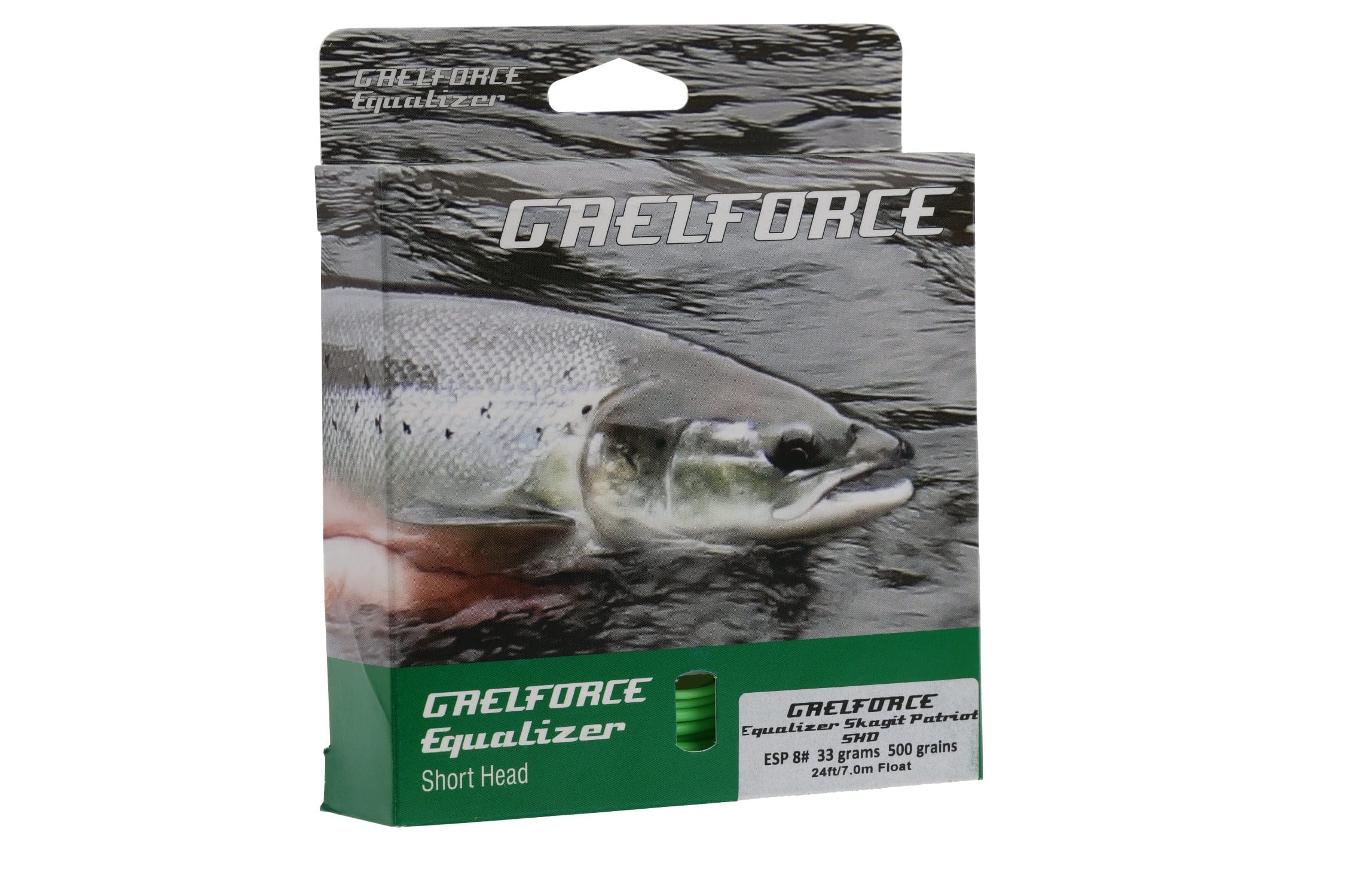
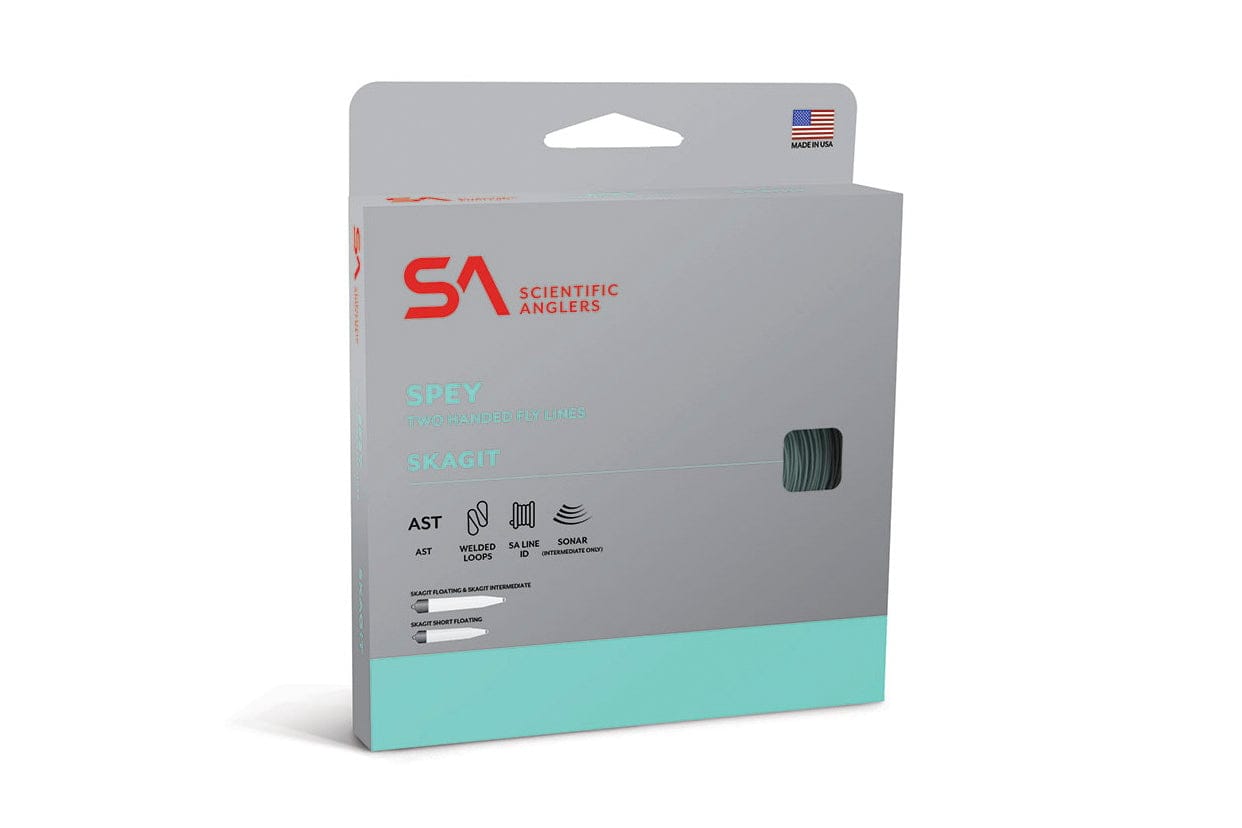

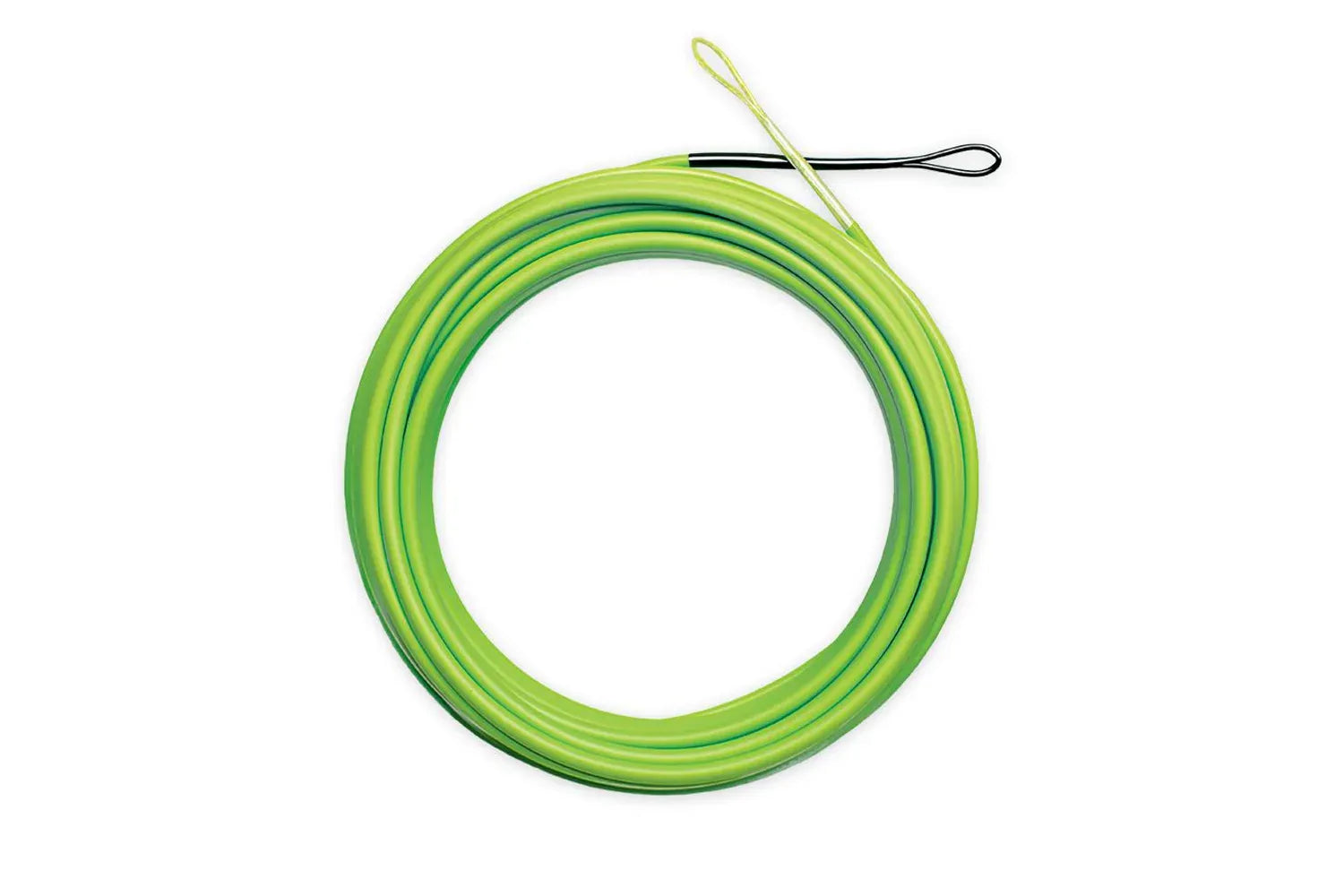
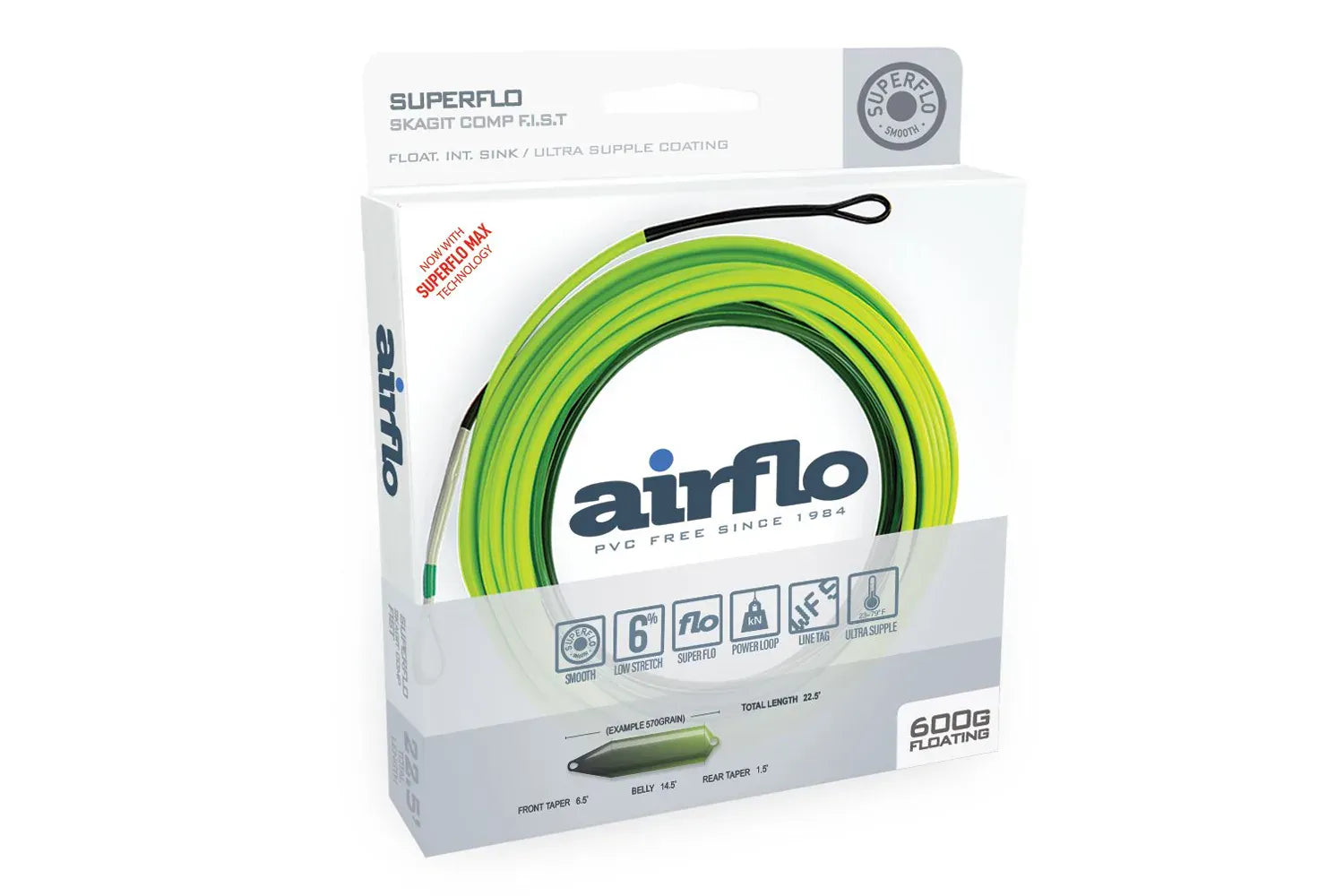
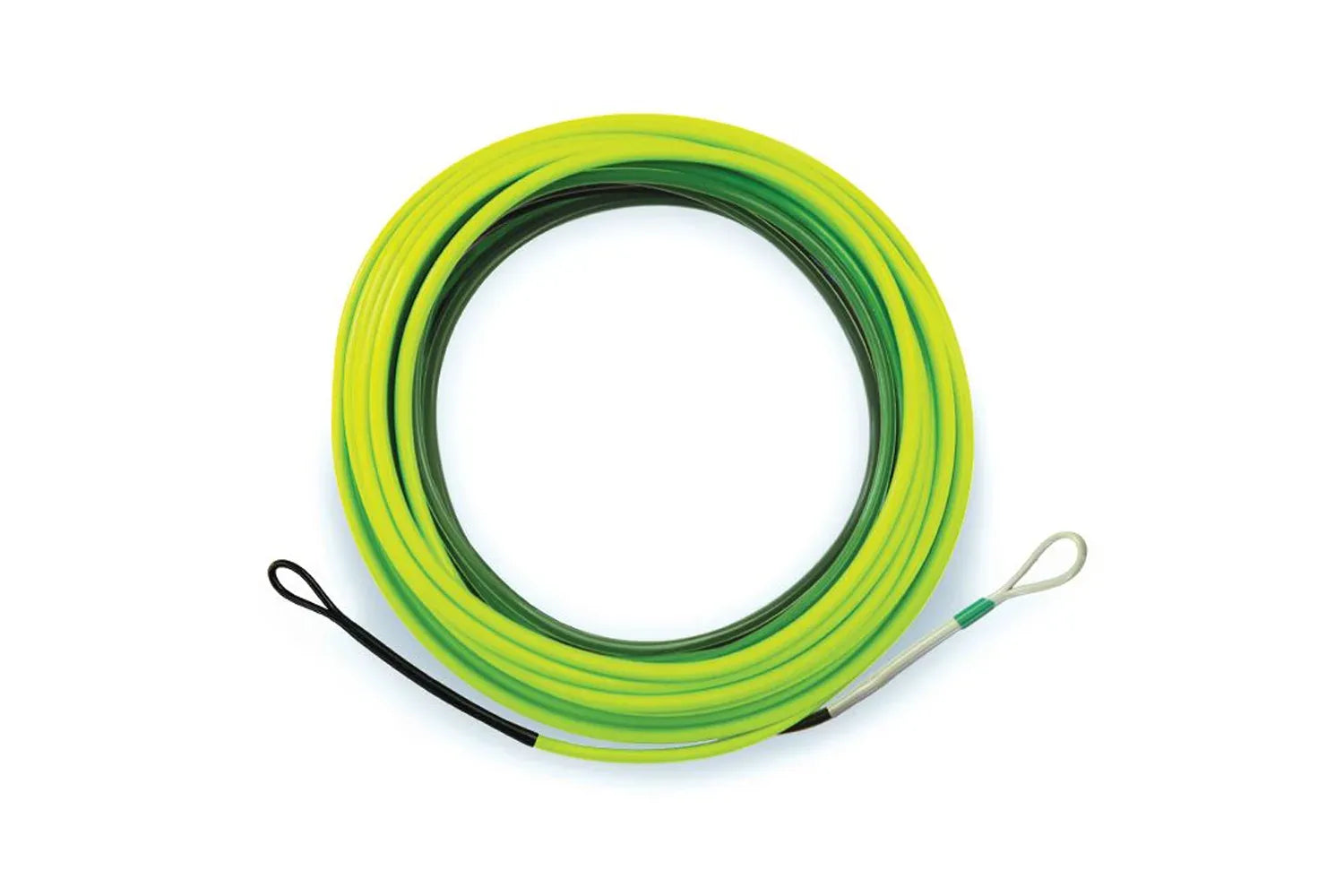
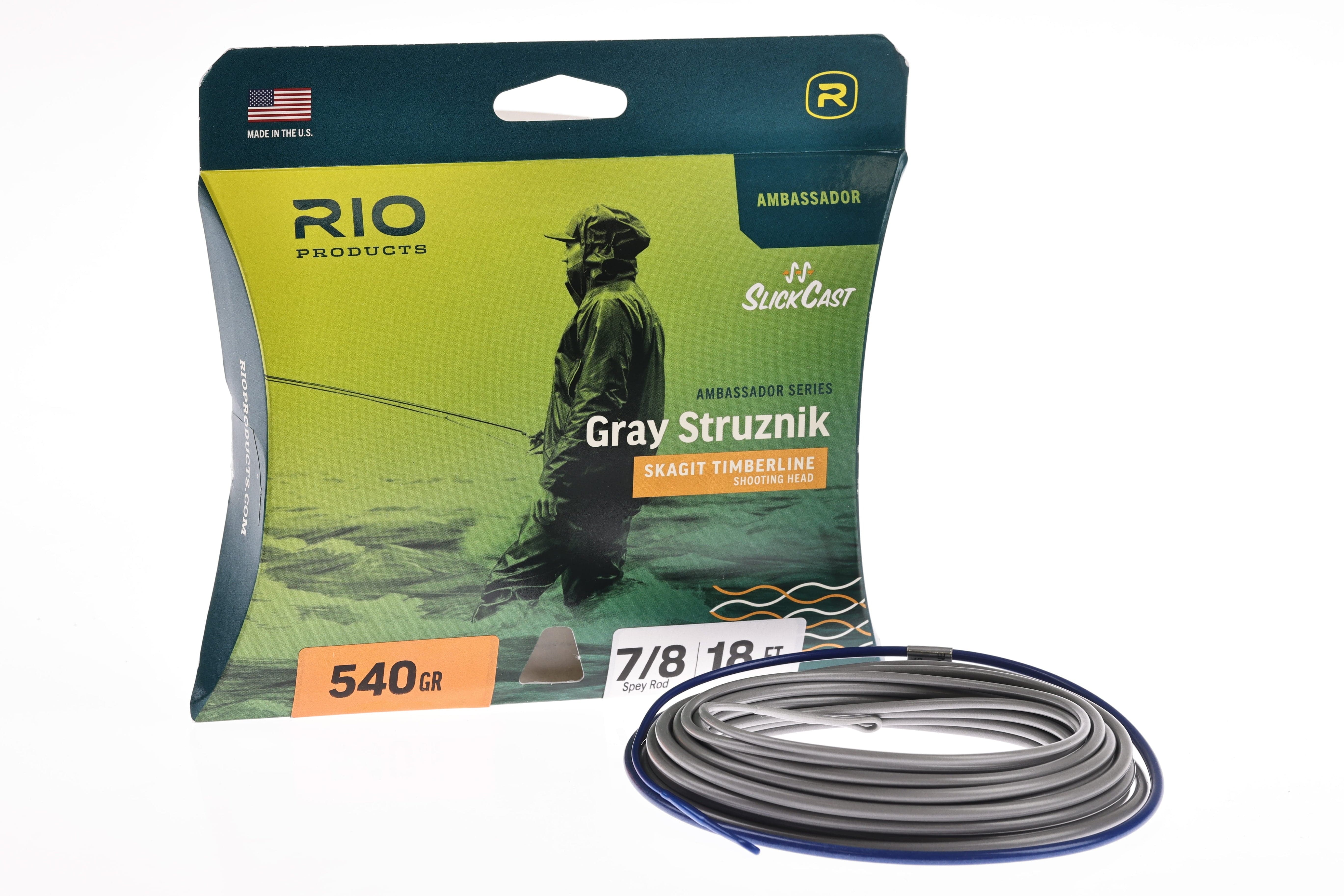


Skagit Fly Lines Quick Picks
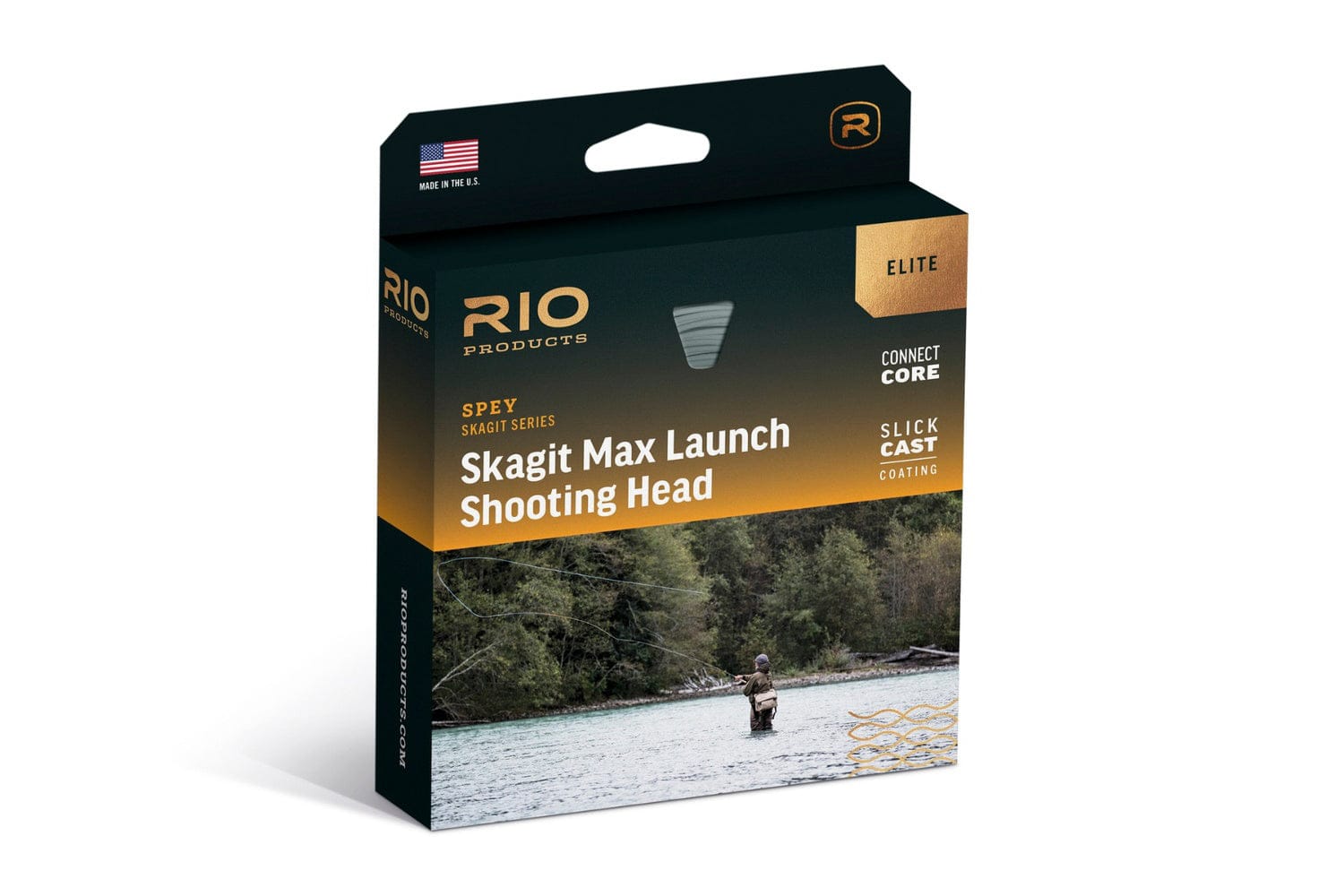
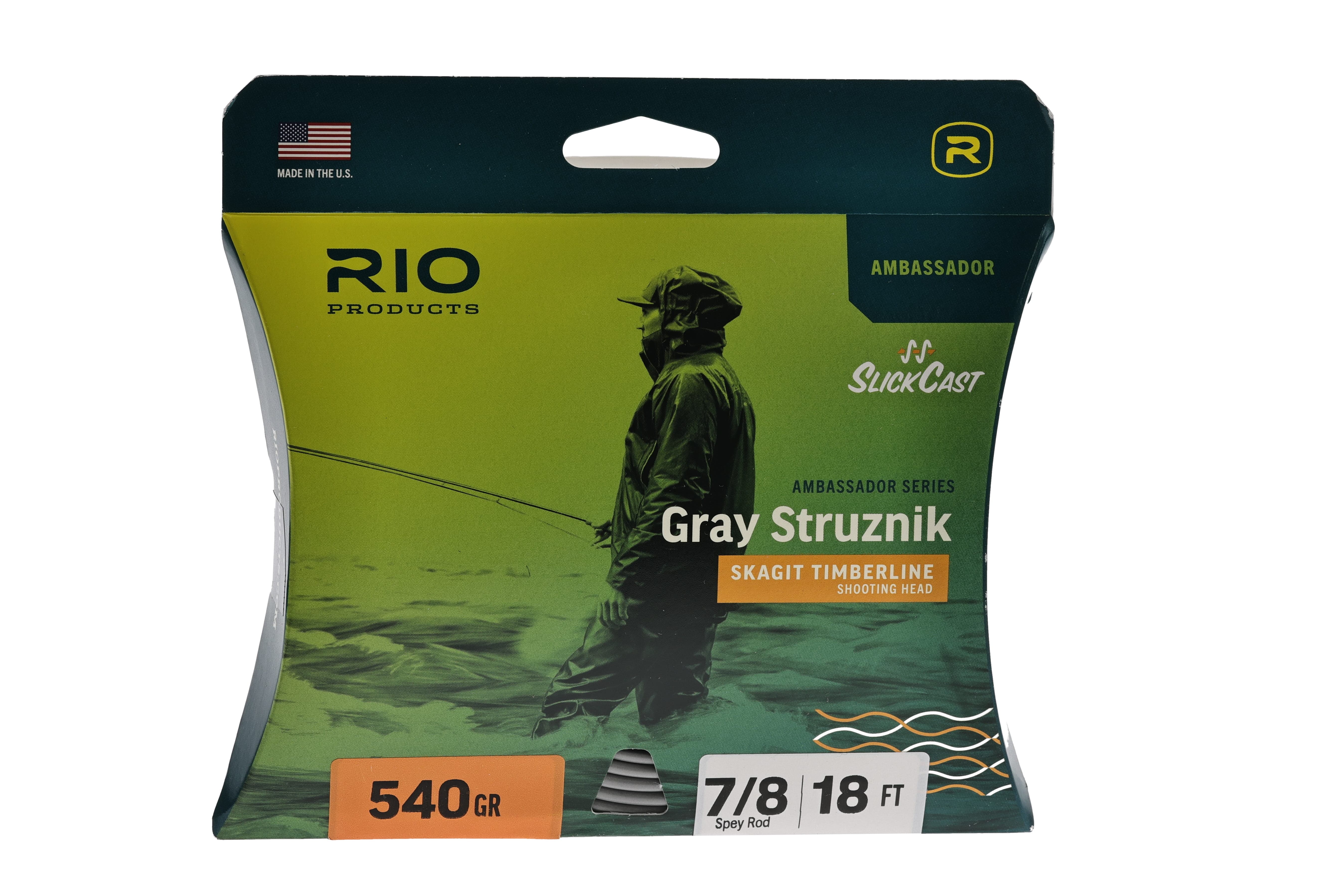
- Best All-Around: Rio Elite Skagit MAX Launch Shooting Head - Great if you want one Skagit head that can cover most steelhead/salmon swings with sink tips. Its compact, rear-loaded design is built to load quickly while still keeping loops stable when you need more distance.
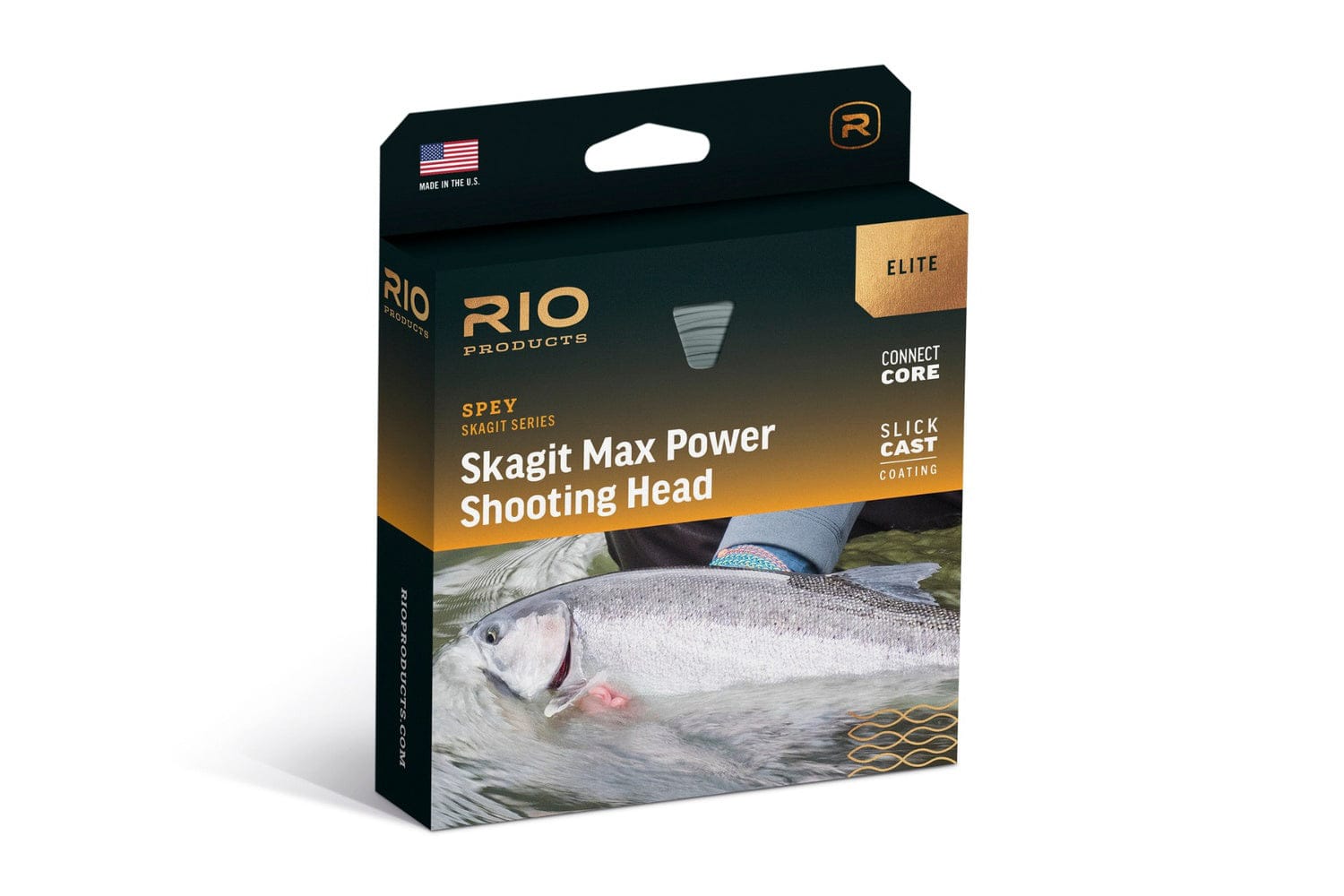
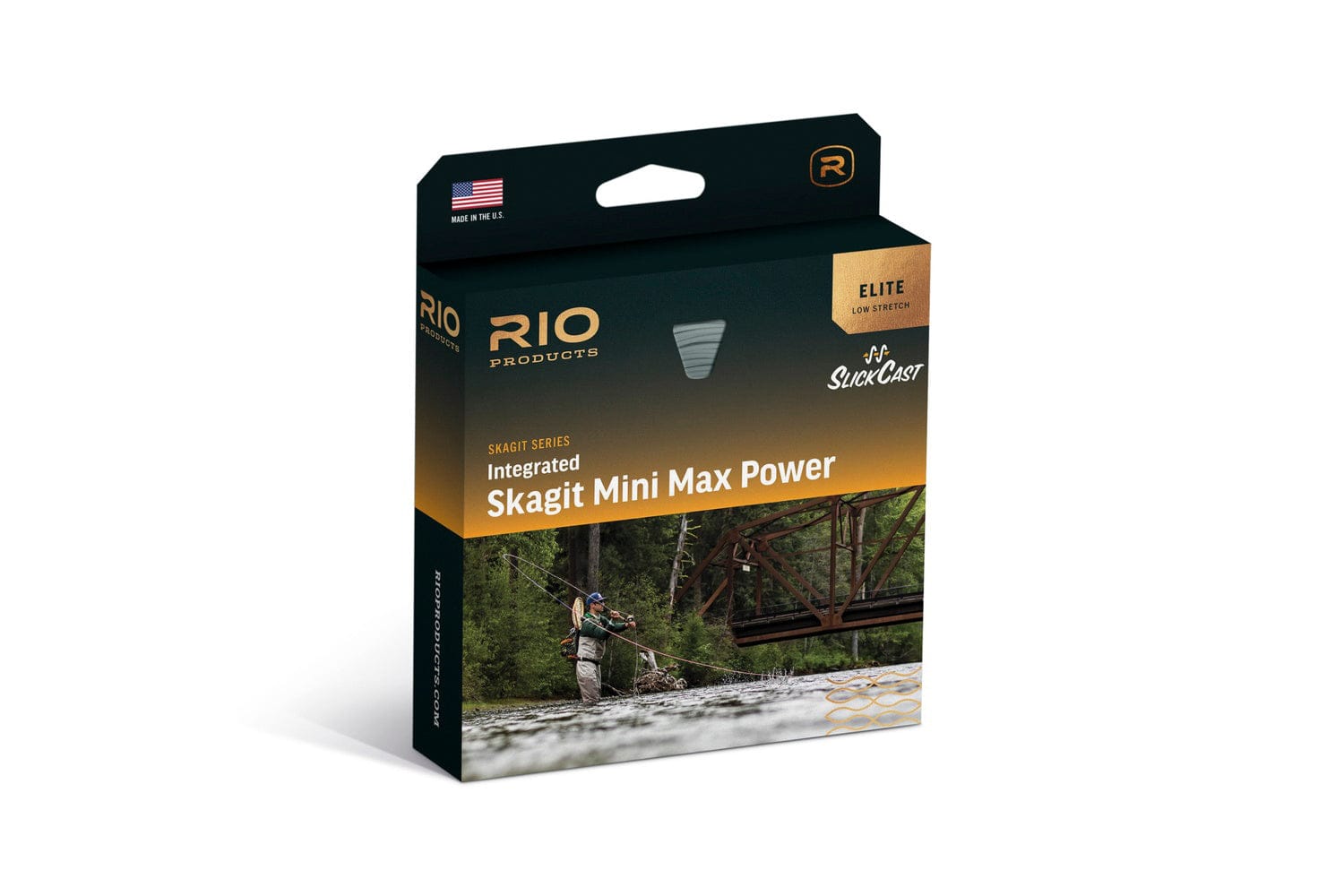
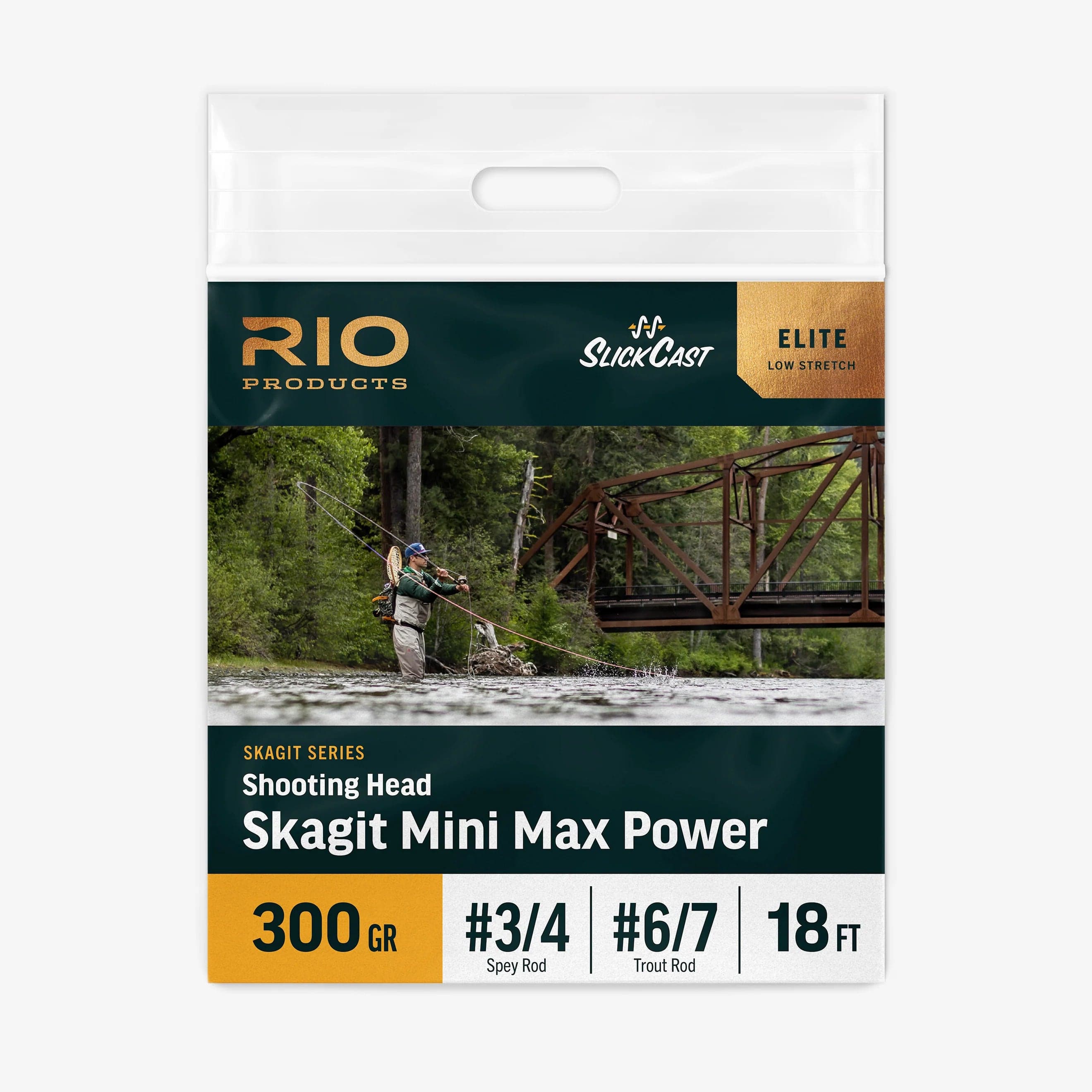
- Best for Tight Quarters: Rio Elite Skagit MAX Power Shooting Head - A smart choice for brushy banks, steep cutbanks, and small to mid-sized rivers where you can’t open up a long stroke. The shorter, aggressive profile is designed to turn over heavy tips and big flies with minimal space.
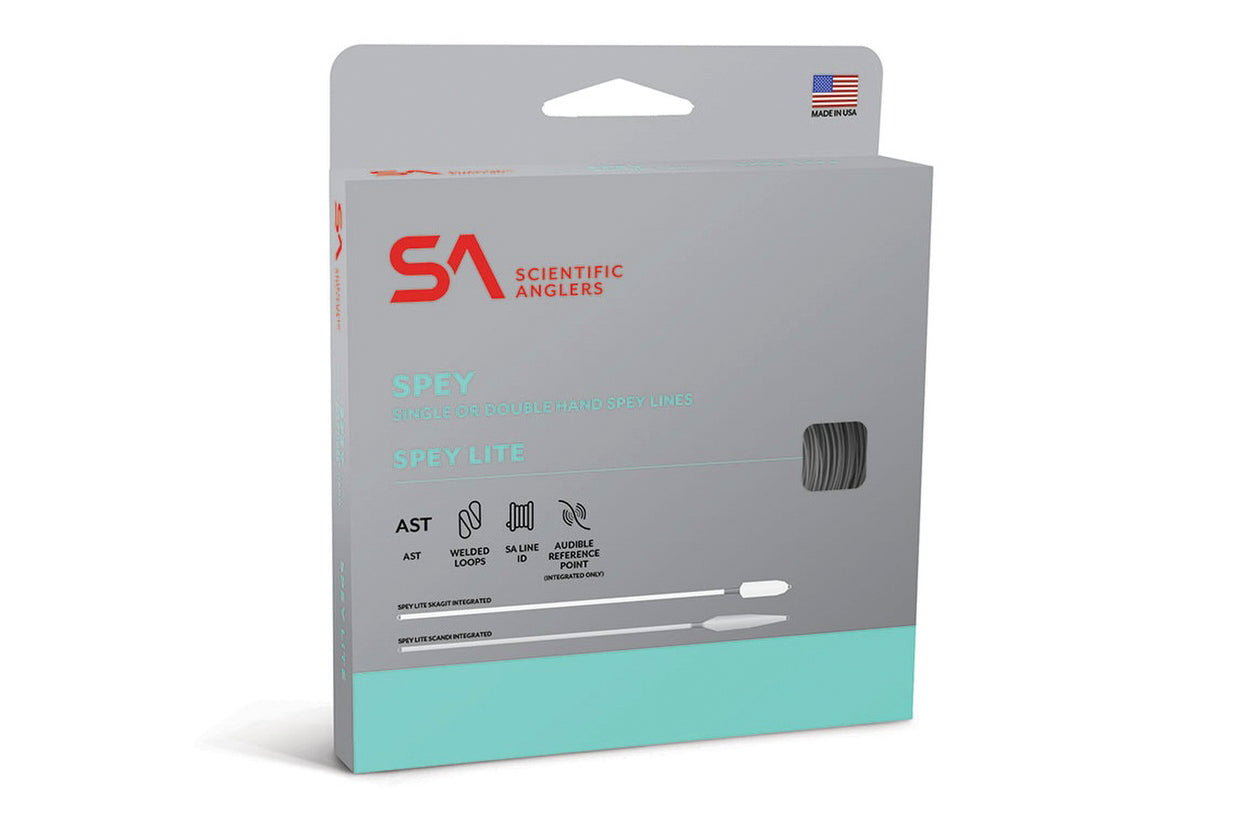
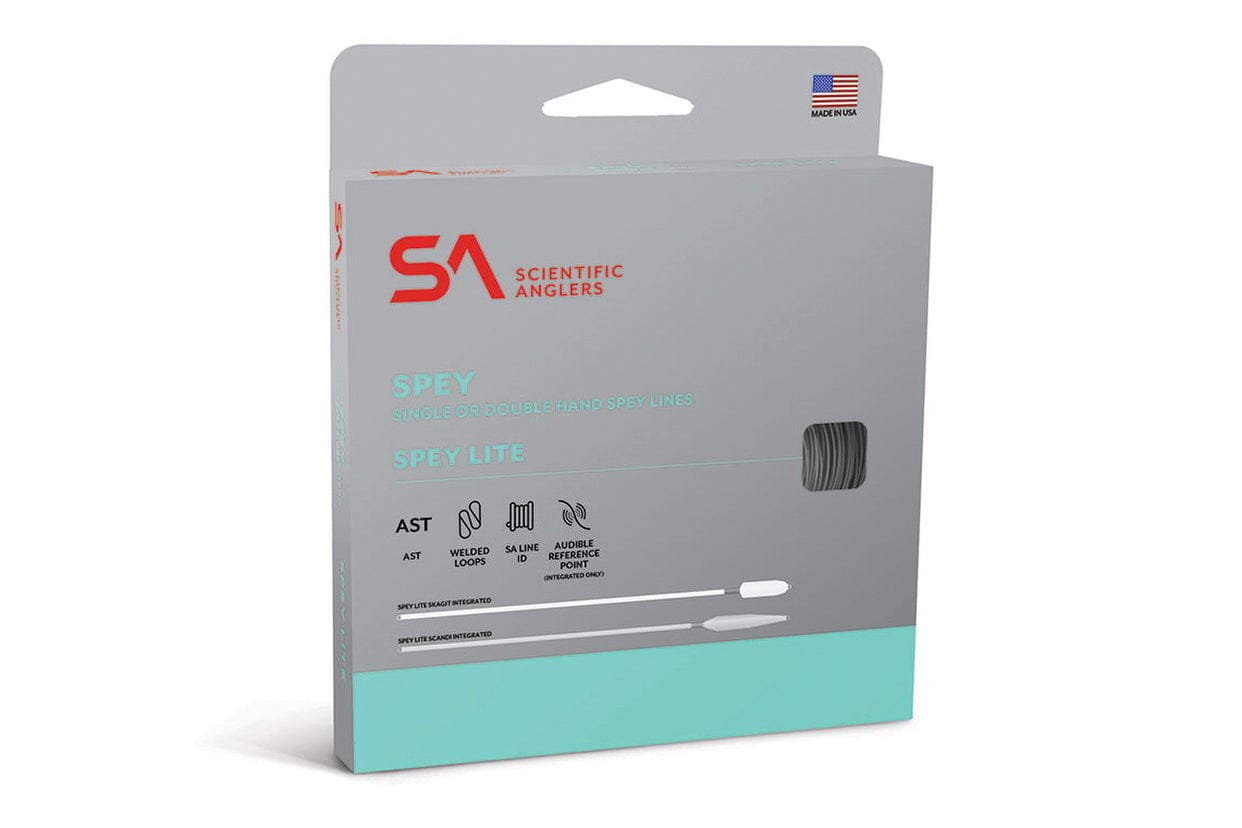
- Best for Trout Spey: Scientific Anglers Integrated Skagit Spey Lite Fly Line - Ideal for lighter two-hand and switch rods when you want a clean, simple setup. The integrated head-to-running-line design removes a loop-to-loop junction for smoother shooting and fewer hangups.
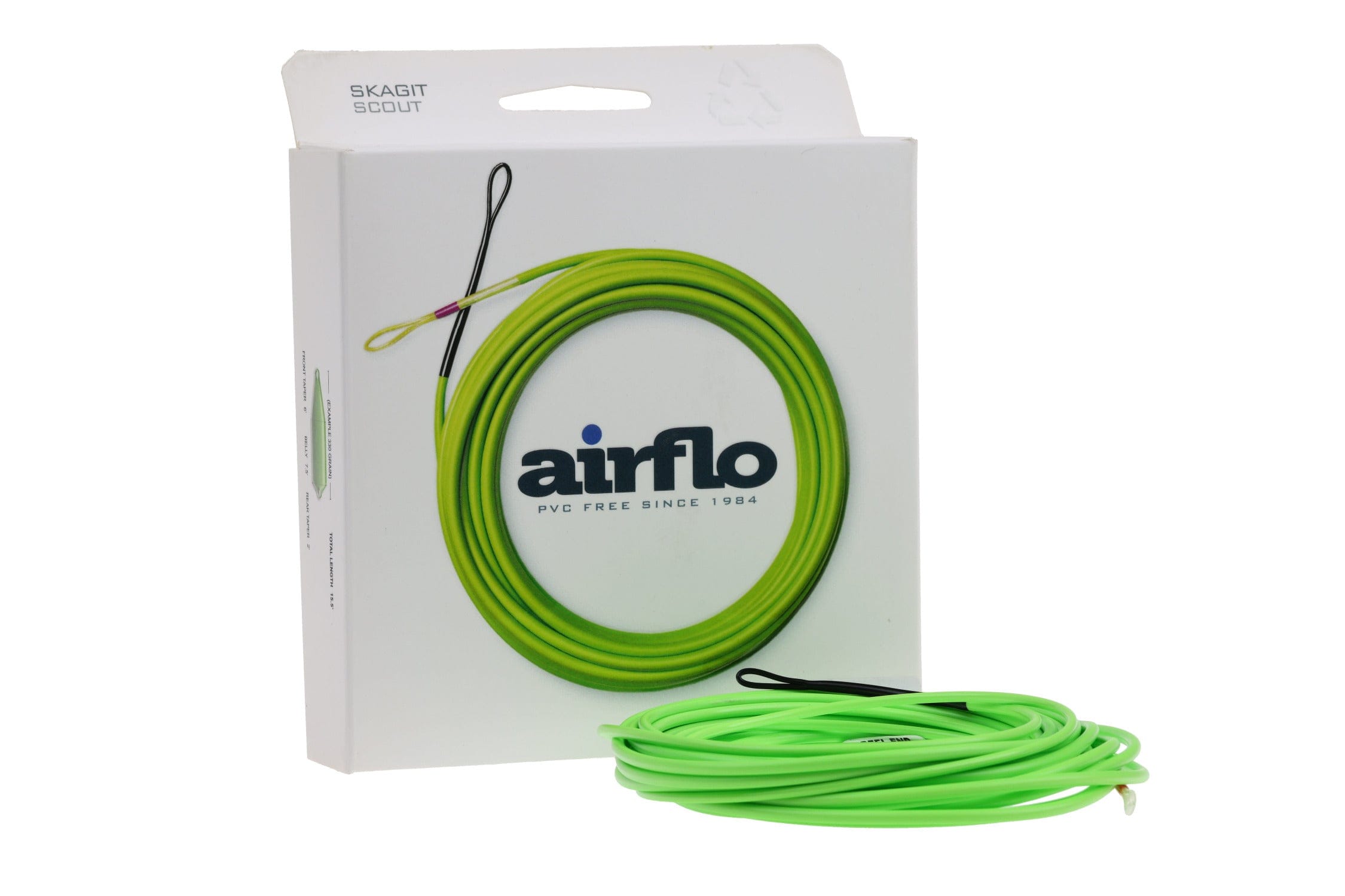
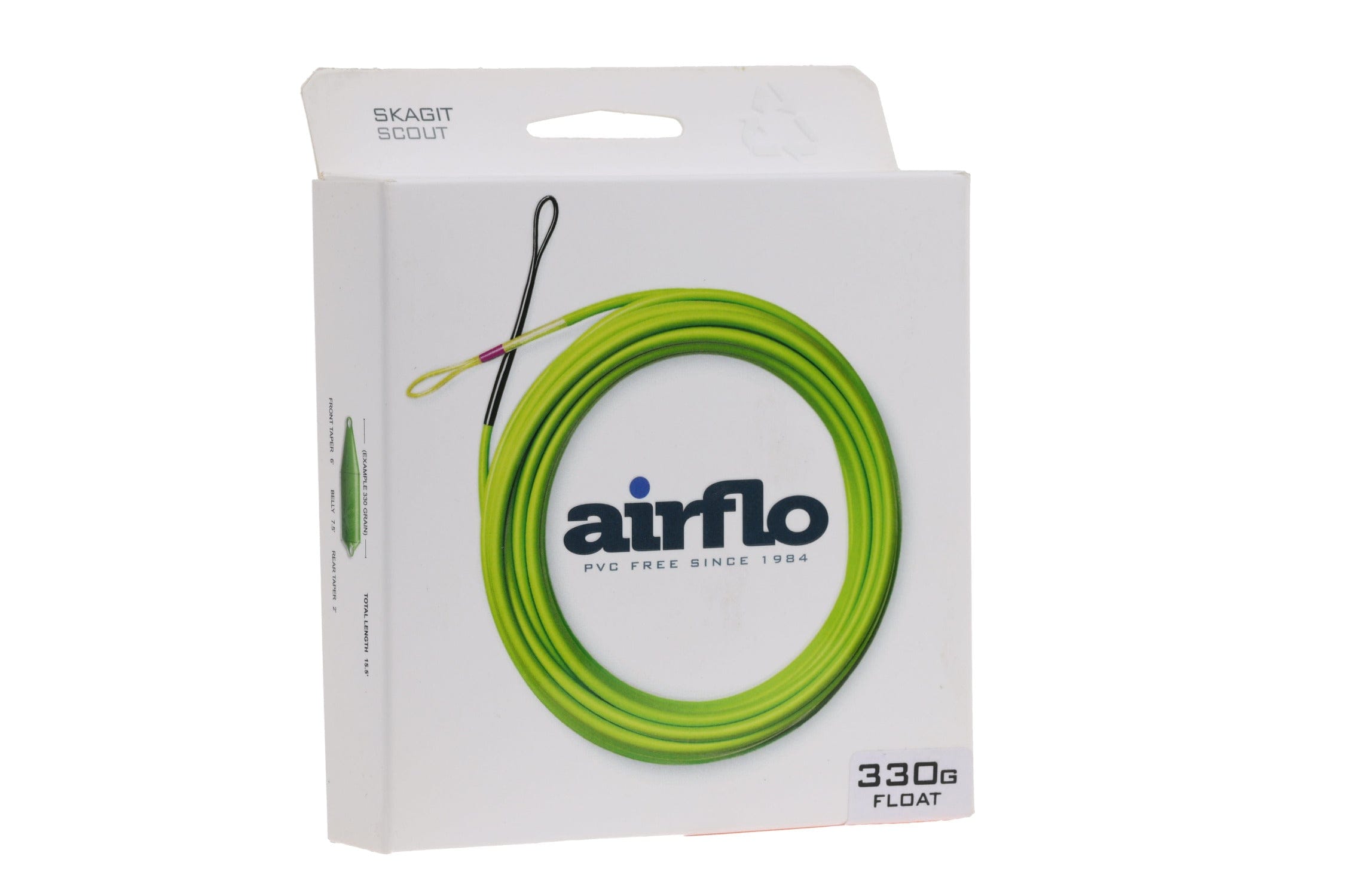
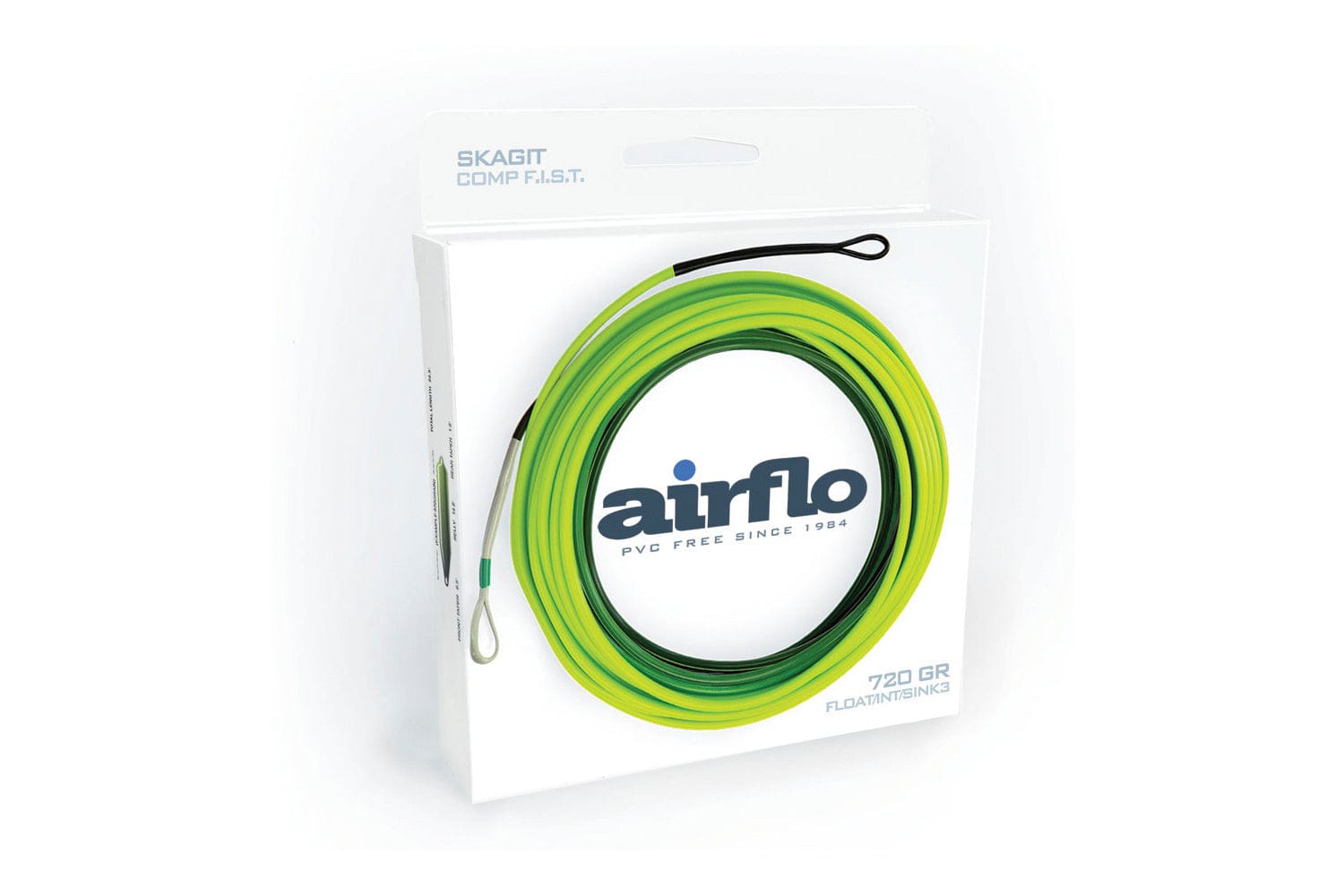
- Best Value: Airflo Skagit Scout Fly Line - A proven option for anglers building a Skagit wallet without overcomplicating it. The compact head is designed for efficient sustained-anchor casting on trout spey/switch and smaller spey applications.
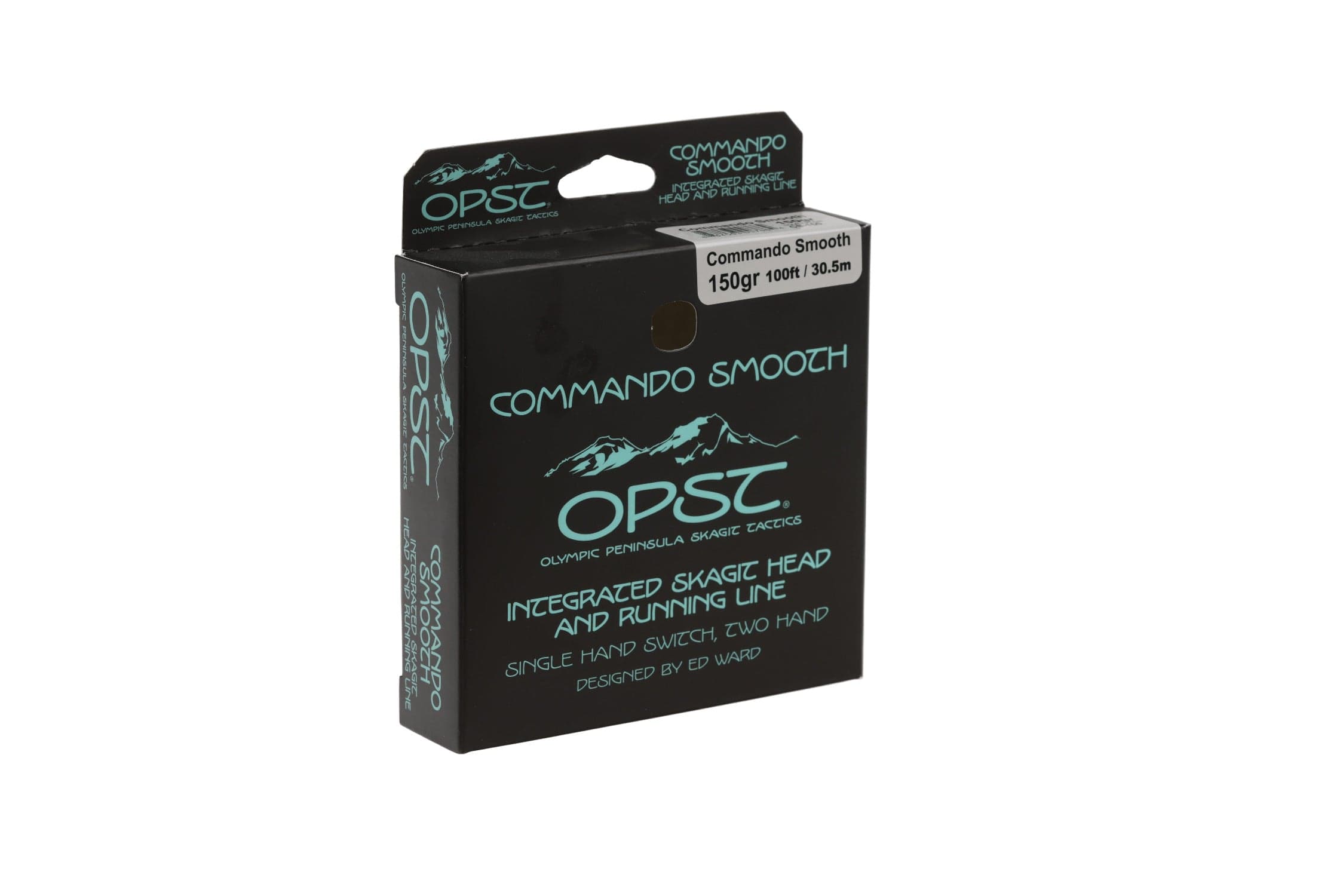
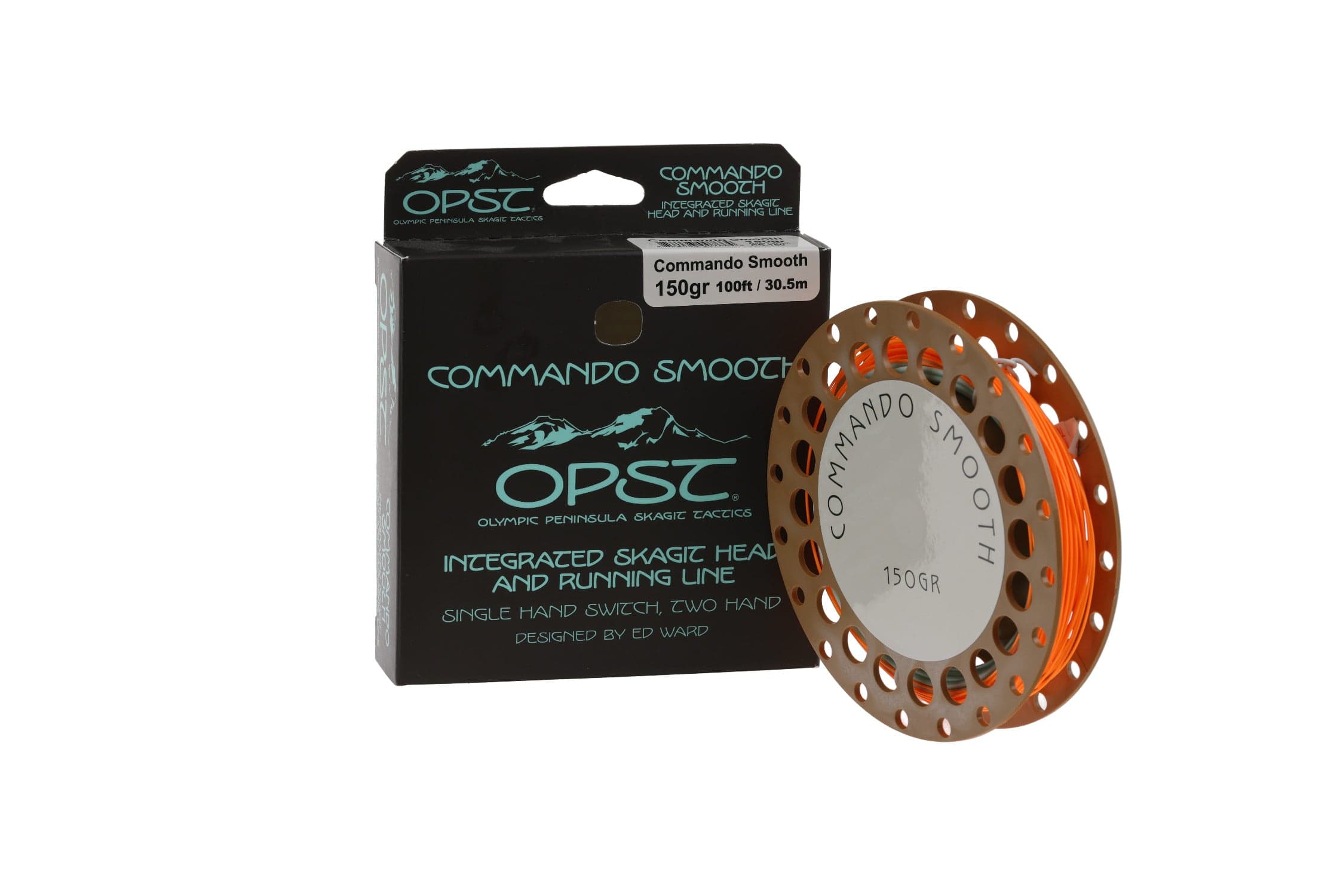
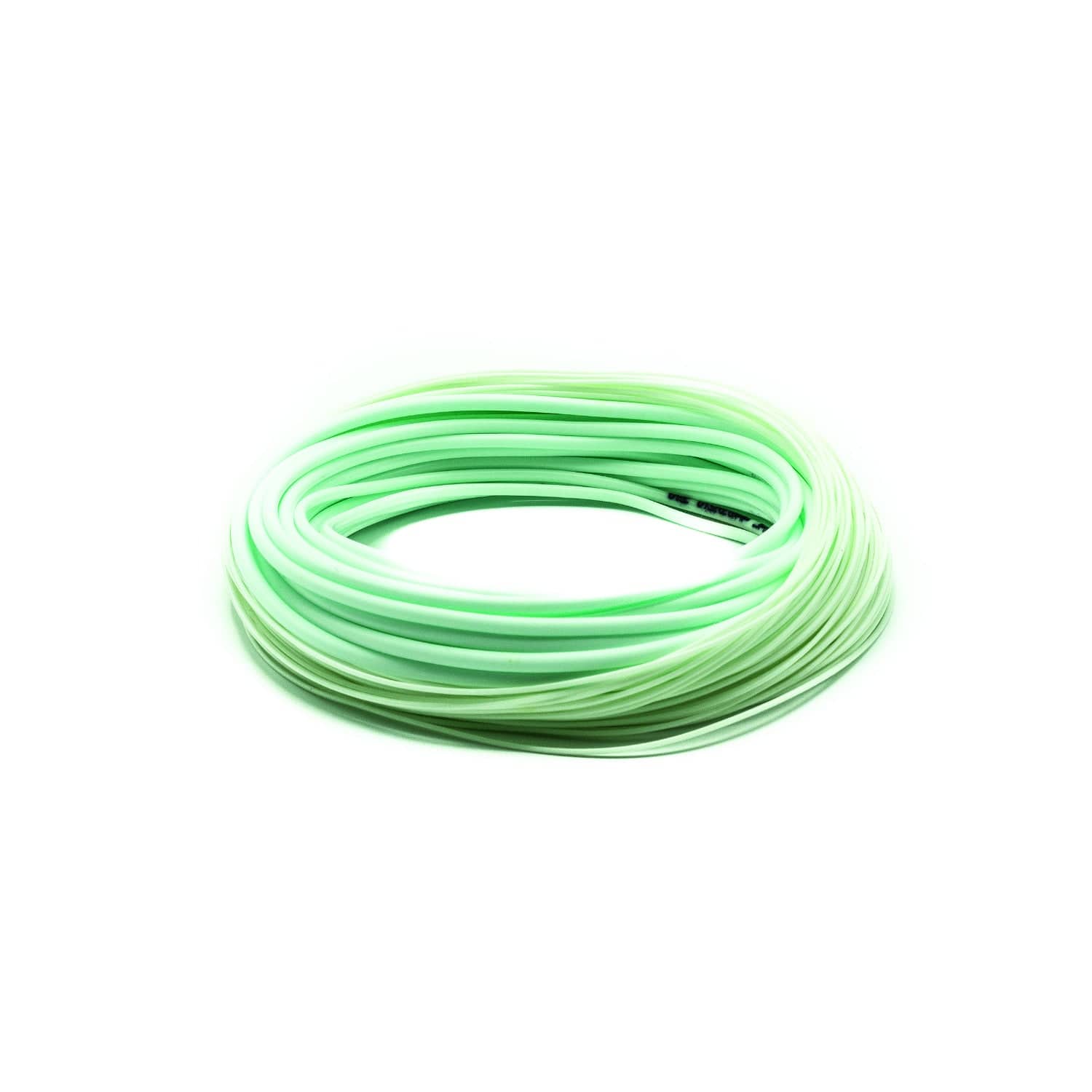
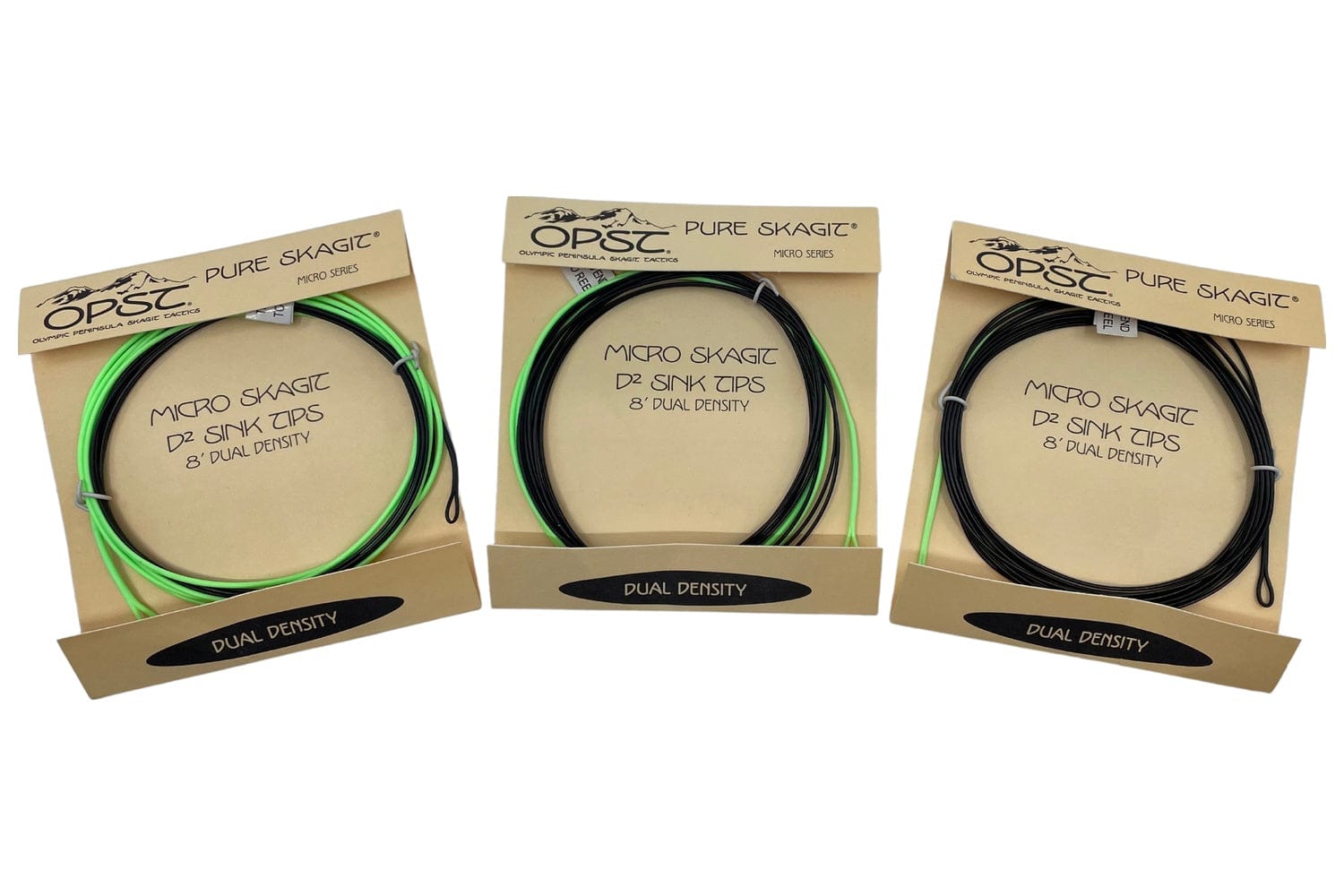
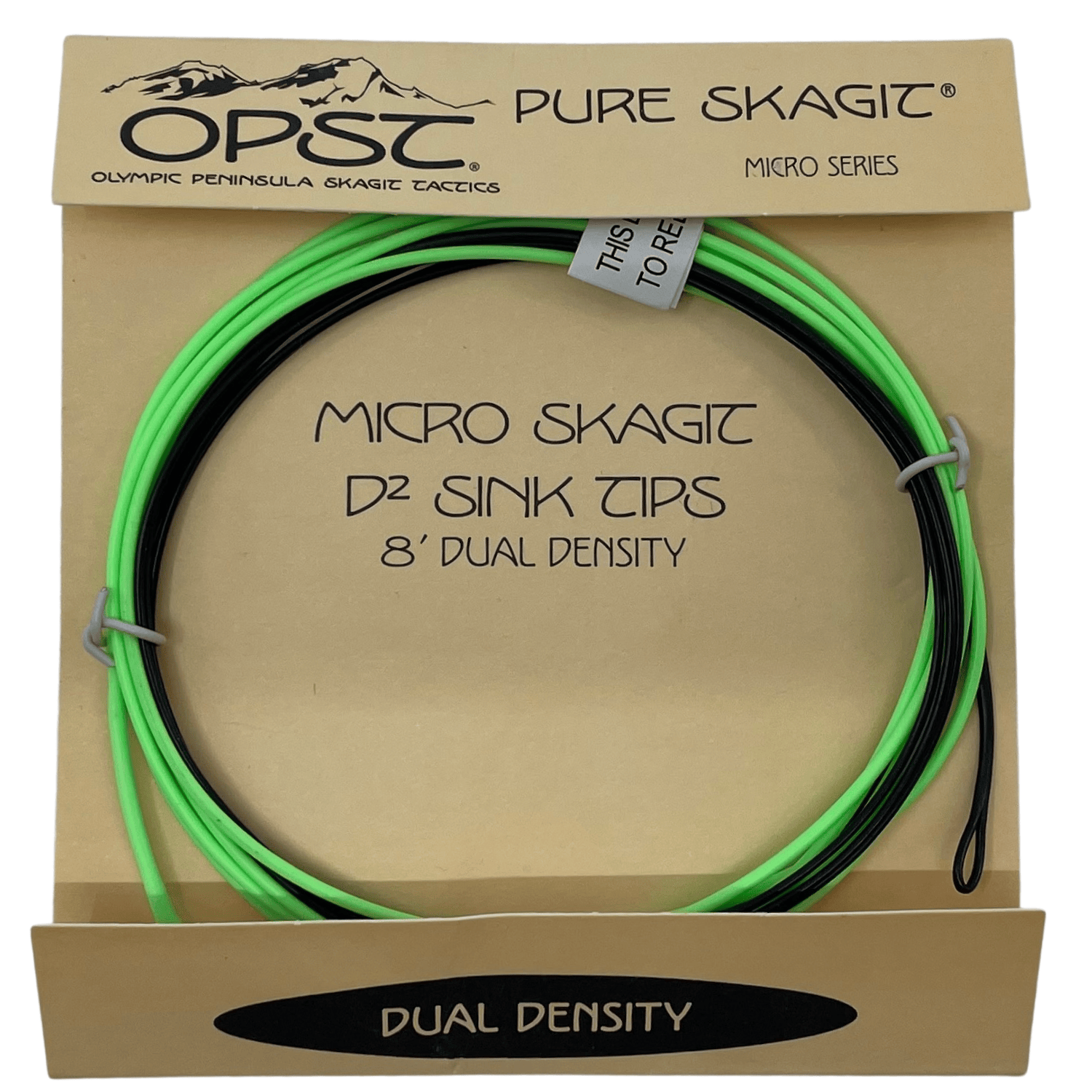
- Best Intermediate Head (Slow the Swing): OPST Pure Skagit Commando Groove Intermediate Skagit Head - Built for situations where you want the head and tip to settle under surface push and track cleaner. The dual-density construction helps manage conflicting currents and can make depth control more consistent.
How to Choose Skagit Fly Lines
Pick your system first: integrated vs. shooting head
Action: Decide whether you want an integrated Skagit line (head + running line in one piece) or a separate shooting head that you loop to a running line.
- Integrated lines: Simplify rigging and reduce the number of loop connections to catch in the guides. They’re a great “grab-and-go” option for trout spey and switch setups.
- Shooting heads: Let you swap heads fast (different grain weights, different lengths, different densities) while keeping the same running line on the reel.
Match grain weight to your rod (and your casting style)
Action: Start with your rod’s recommended grain window, then fine-tune based on how you cast and how long the head is.
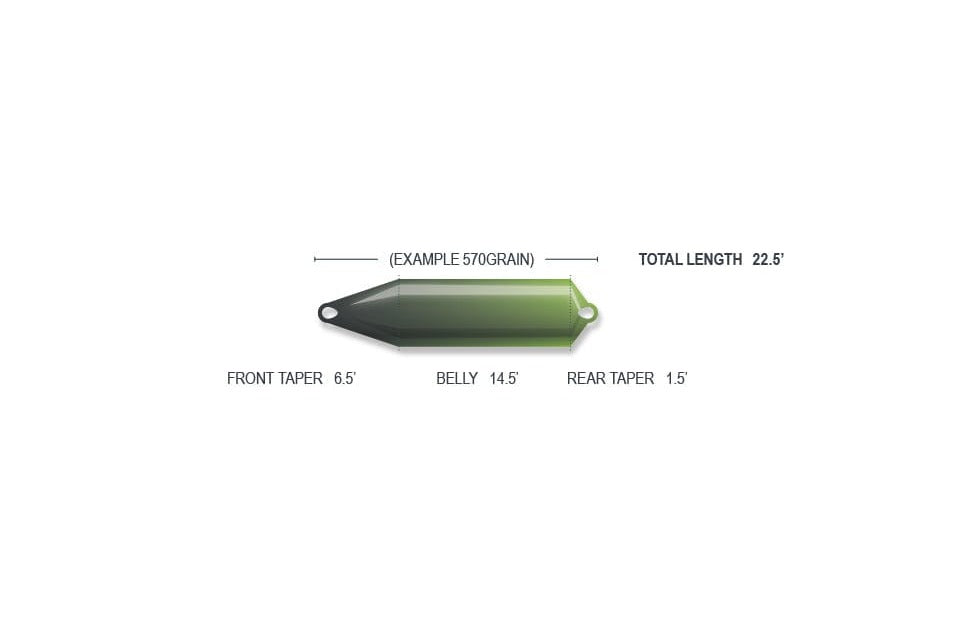
Skagit and Scandi grain weights aren’t standardized the way single-hand line sizes are, and head length plays a big role in what feels “right.” In general, longer heads tend to want more grains to feel stable and load smoothly, while super-short heads can feel better lighter for many anglers.
Choose head length based on where you fish
- Shorter heads: Often easier in tight quarters and with sustained-anchor casts when space is limited.
- Slightly longer heads: Can feel more stable in the air and give you smoother loop control at distance.
Dial in depth with tips (not just the head)
Action: Treat tips as your depth control tool, and your Skagit head as the “engine” that turns them over.
Most Skagit setups are built around loop-to-loop tips (floating, intermediate, and fast-sinking). If you’re primarily swinging for steelhead or salmon, having a range of densities makes it much easier to adapt to changing flows without changing your whole line.
Running line choice matters more than most anglers expect
Best for: Coated running lines if you want easier handling and fewer tangles; mono running lines if you want maximum shoot and low friction.
Avoid if: You dislike managing very thin line in cold weather, some mono options can feel “lively” on the deck.
Compatibility
- Rod match: Use your rod’s grain window as the starting point, then adjust for head length and casting stroke.
- Tip connection: Most Skagit heads are designed for loop-to-loop tips, confirm your loops are clean and fully seated before fishing.
- Leader length: Keep leaders short with heavy tips and big flies; go longer when fishing float/hover-style setups for cleaner turnover.
- Running line fit: Make sure your running line diameter and reel capacity make sense together, especially on smaller trout spey reels.
Complete Your Setup
Related Gear
- Spey Tips - The fastest way to control depth and swing speed without changing your whole line.
- Running Line - Build a clean shooting-head system and tailor handling for cold weather or maximum distance.
- Spey & Switch Fly Rods - Skagit heads shine when paired with modern two-hand and switch rods designed around grain windows.
- Spey Lines - Compare Skagit, Scandi, and other two-hand line families side-by-side.
Related Guides
- Skagit vs Scandi Grain Weight
- Trout Spey Lines and Tips
- Choosing a Fly Reel for a Spey or Switch Rod
Skagit Fly Lines FAQs
Q: What is a Skagit fly line?
A: A Skagit fly line is a short, powerful two-hand shooting head designed to cast heavy sink tips and large flies. It’s commonly used for swinging flies for steelhead and salmon, especially when you need to get down quickly.
Q: Are Skagit fly lines only for spey rods?
A: No. Many anglers use Skagit-style heads on switch rods, trout spey rods, and even single-hand rods (with the right grain weight). The key is matching the head weight and length to the rod and your casting style.
Q: How do I choose the right grain weight for a Skagit head?
A: Start with your rod’s recommended grain window, then consider head length and how you cast. Shorter heads can feel better slightly lighter for many casters, while longer heads may want more grains for stability.
Q: Do I need sink tips with Skagit fly lines?
A: Most Skagit setups are built around interchangeable tips, because tips are what control depth and swing speed. You can also fish floating or intermediate tips when you want to stay higher in the water column.
Q: What’s the difference between integrated Skagit lines and Skagit shooting heads?
A: Integrated lines combine the head and running line into one continuous line for simpler handling. Shooting heads are separate heads you loop to a running line, which makes it easier to swap heads for different conditions.
Q: Skagit vs Scandi, when should I fish Skagit?
A: Choose Skagit when you’re throwing heavier tips, bigger flies, or fishing deeper/colder water where you need more turnover power. Scandi-style heads are typically preferred for lighter flies and more touch-and-go presentations.
Q: What running line should I use with a Skagit head?
A: Coated running lines are usually easier to manage and mend, while mono running lines often shoot very well but can be harder to handle in cold conditions. Pick the one that matches your priorities: handling vs. maximum shoot.

