


Spey Rod vs Switch Rods Explained (What's The Difference?)
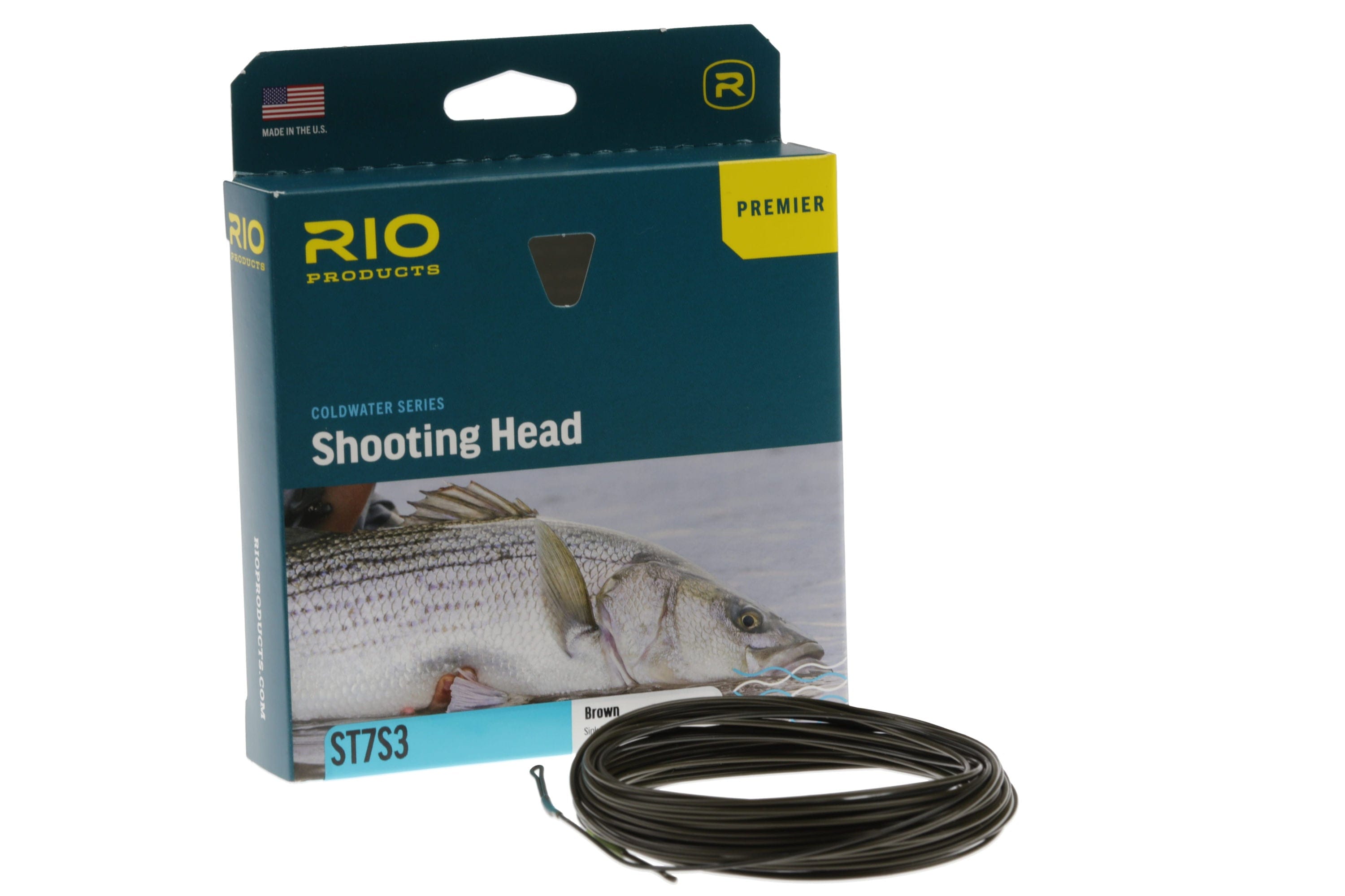
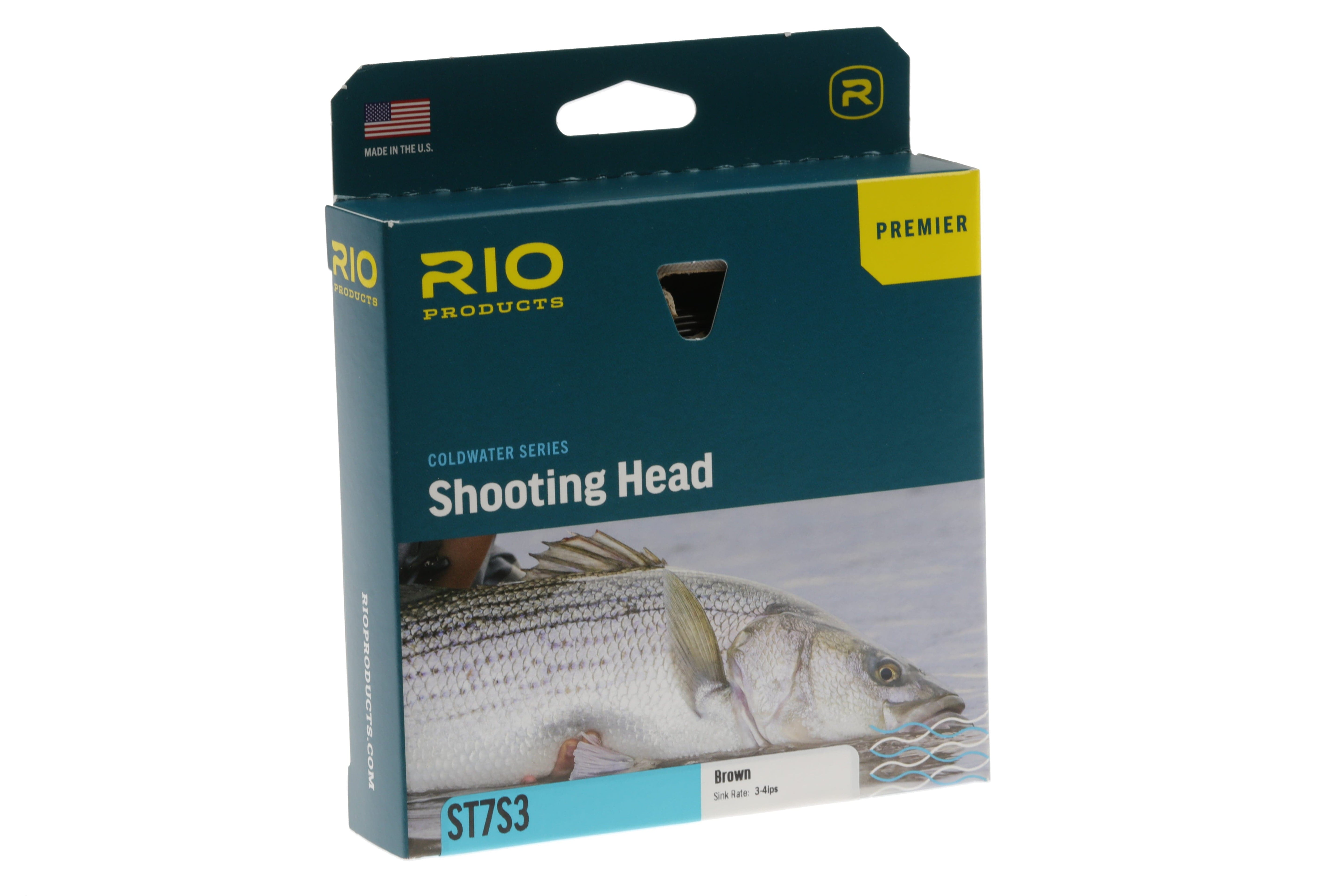
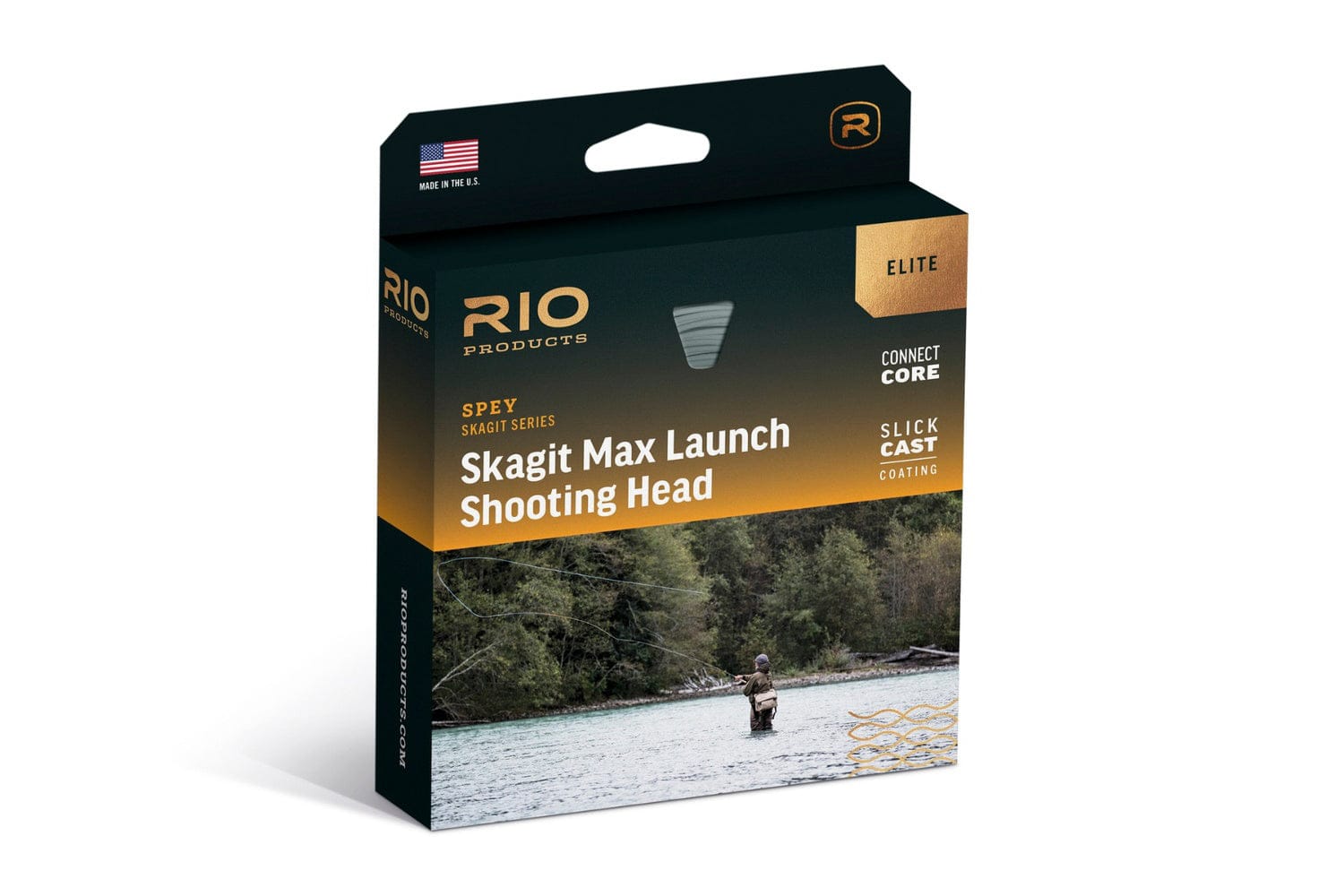
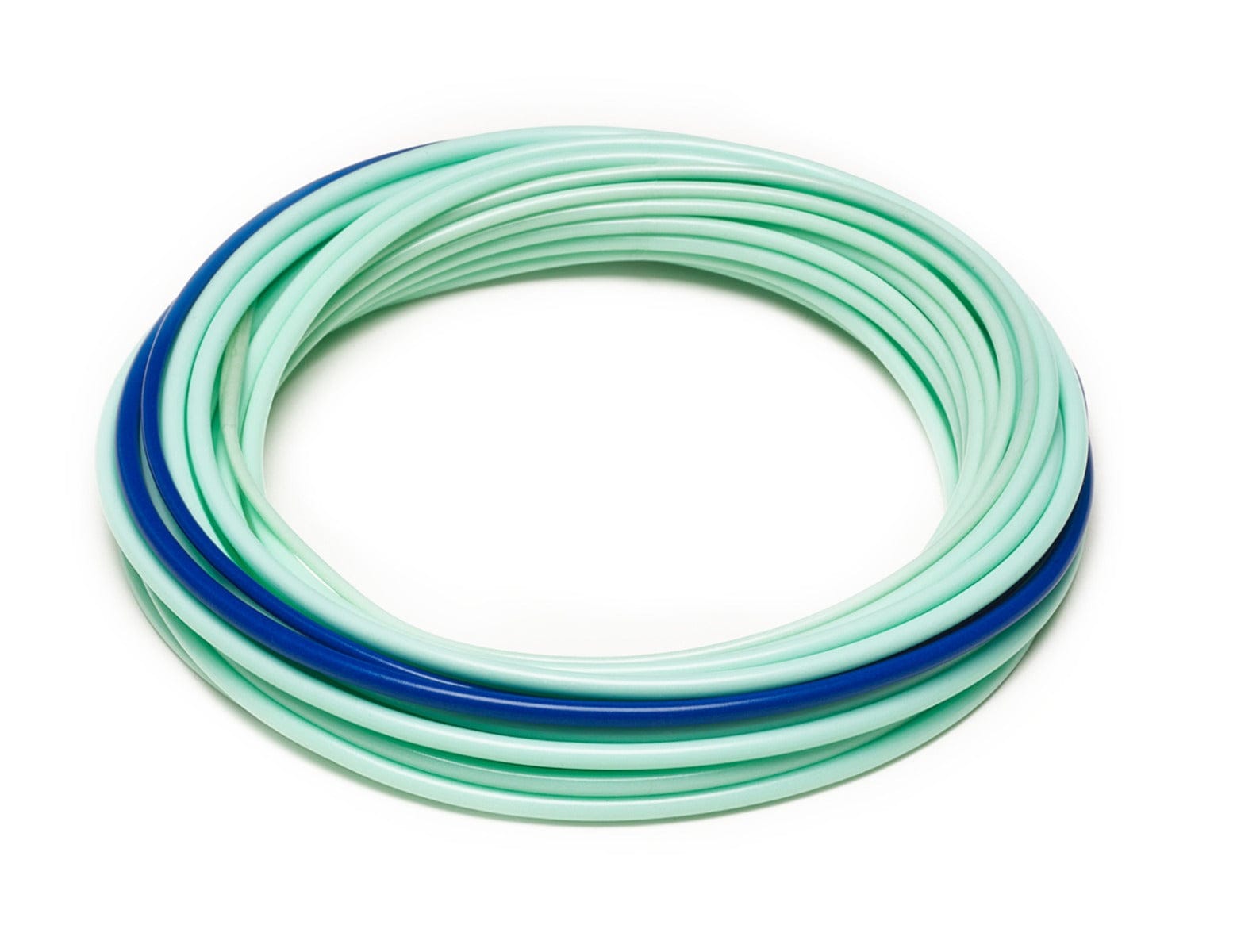
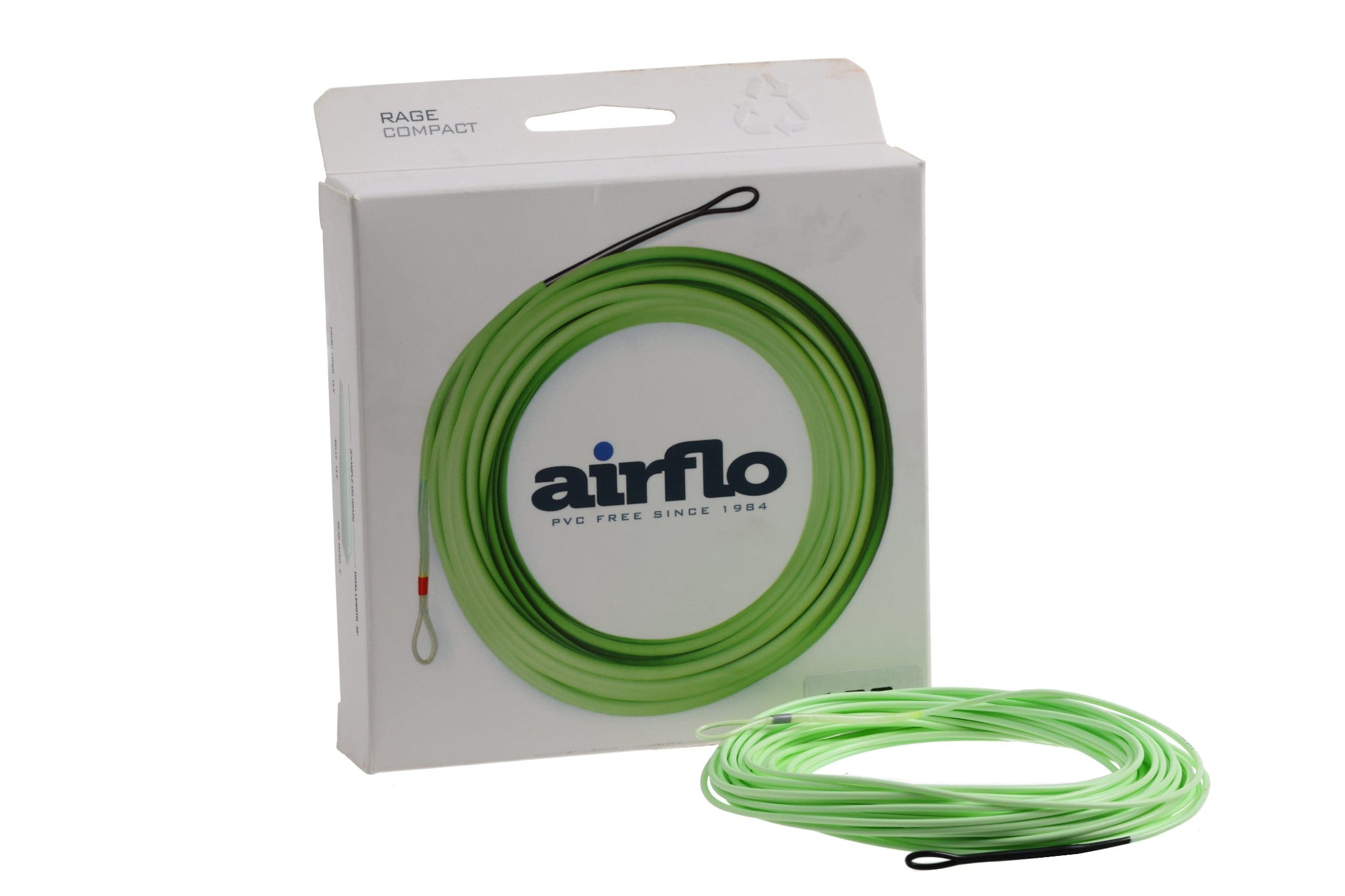


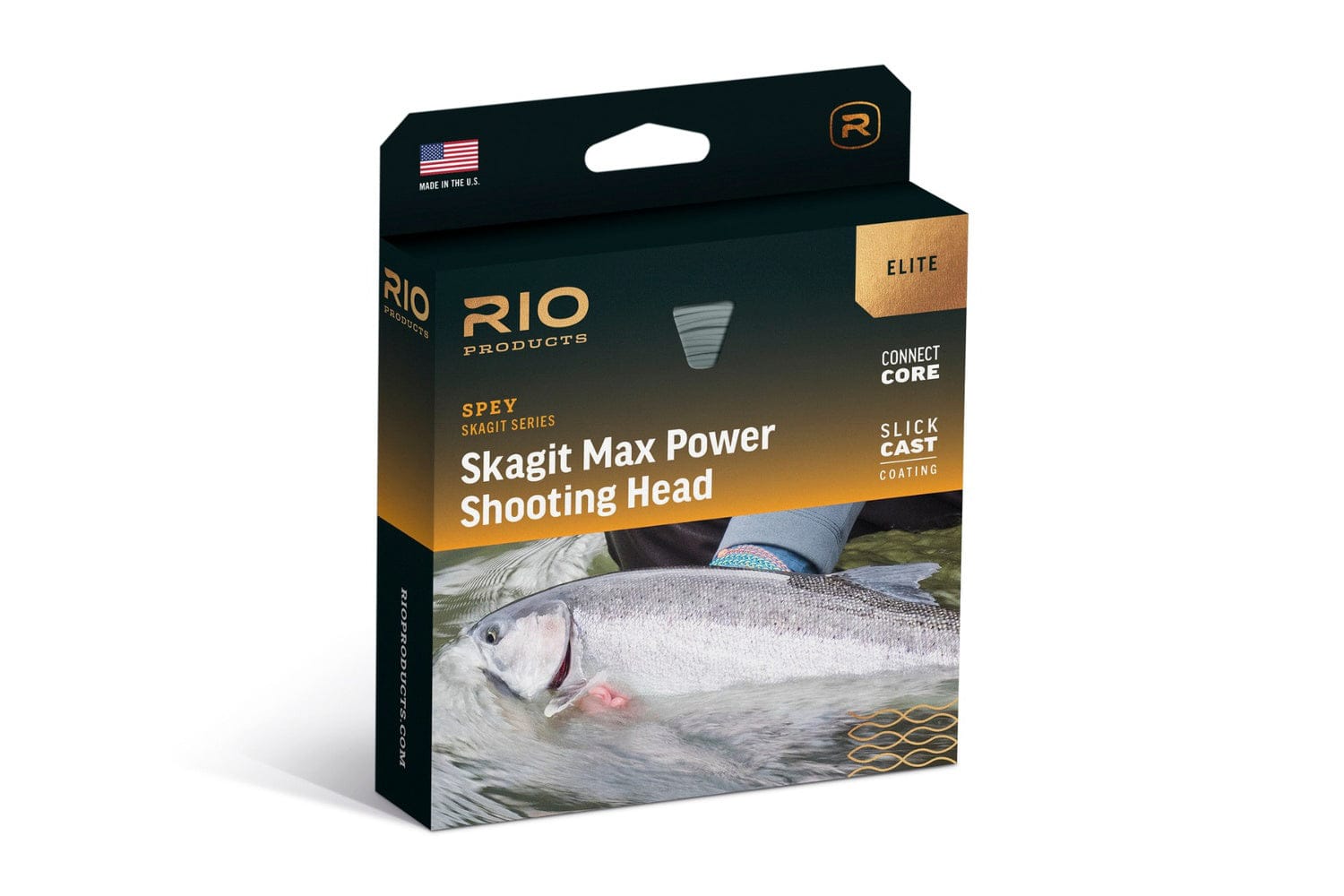





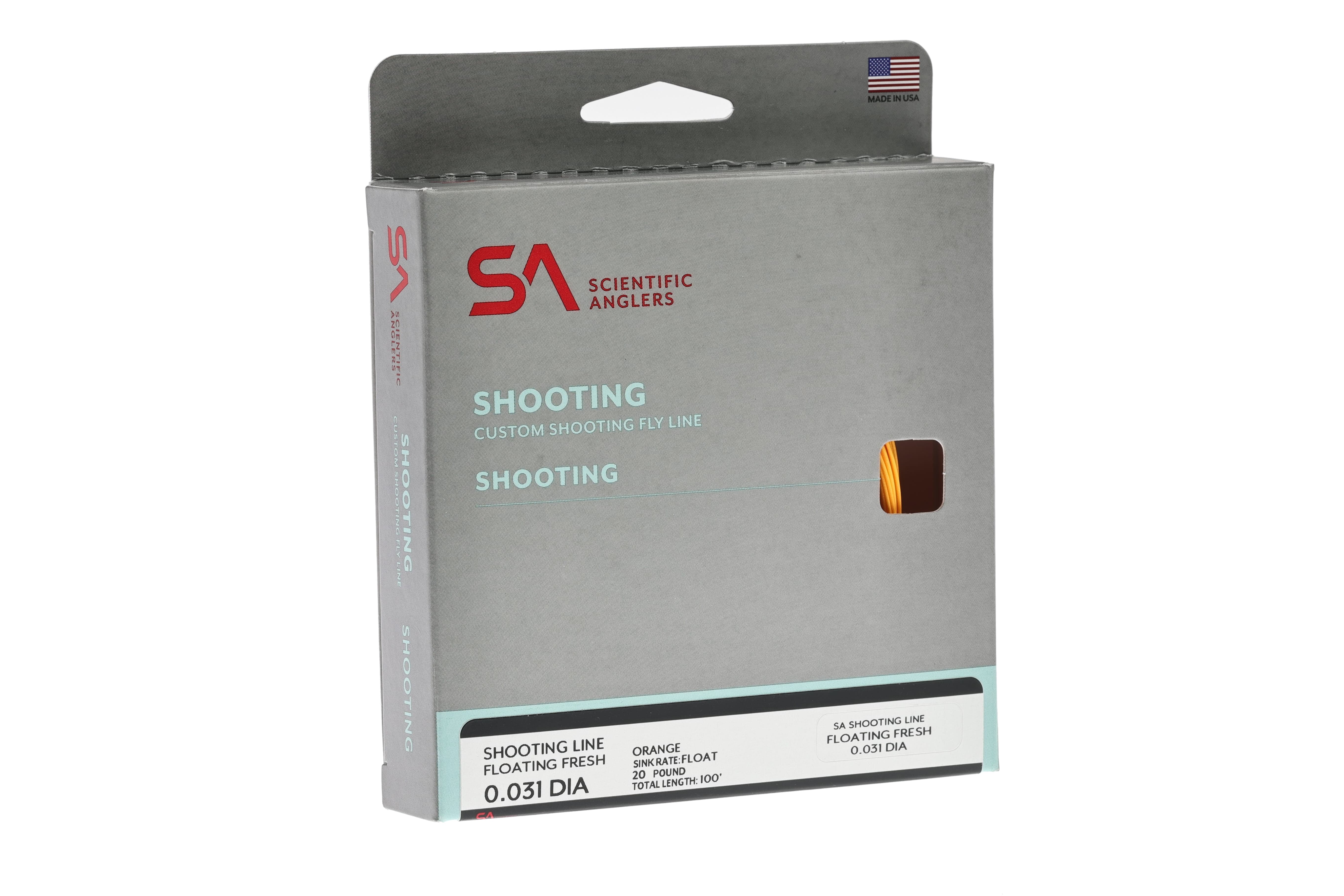
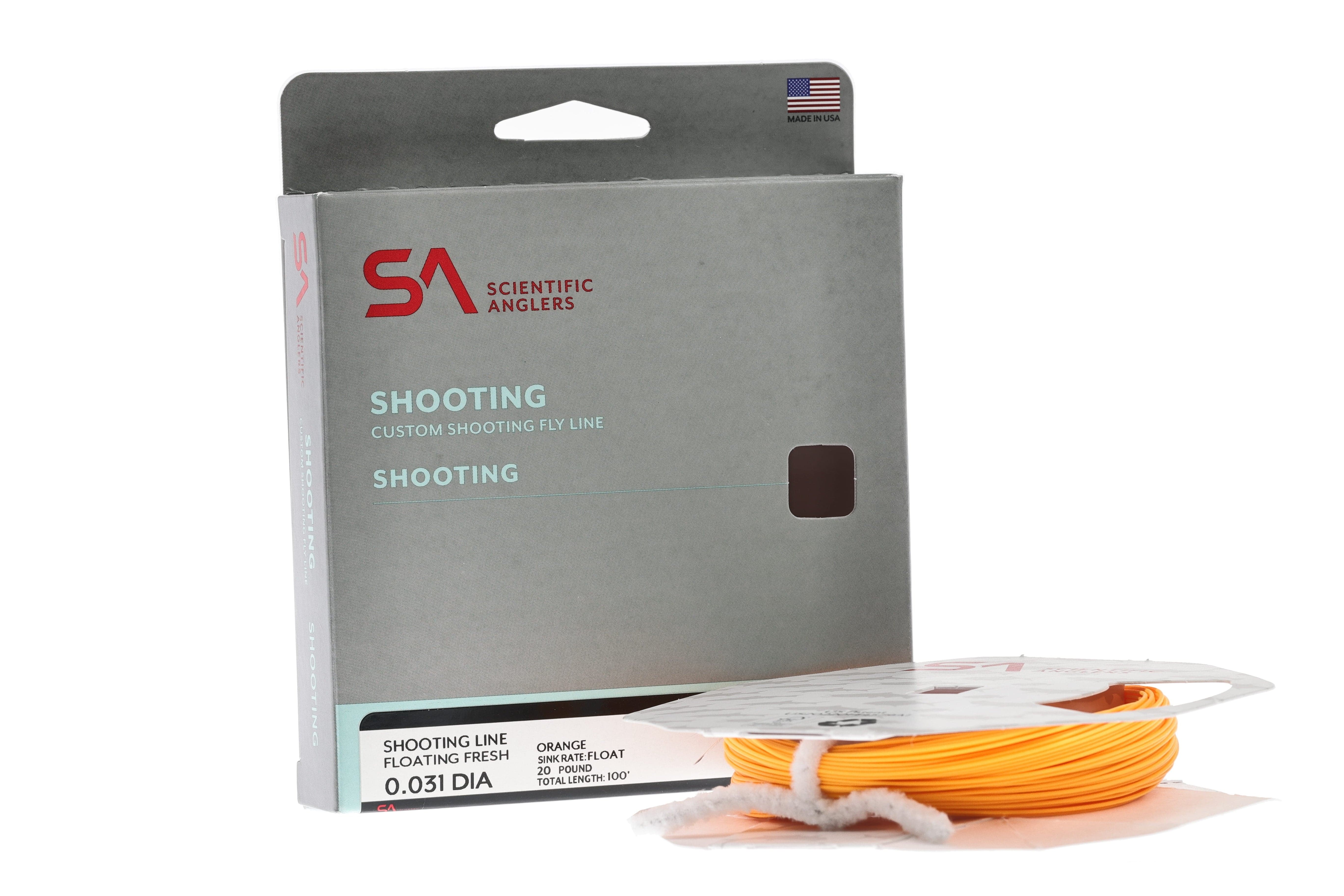

Shooting Heads Quick Picks
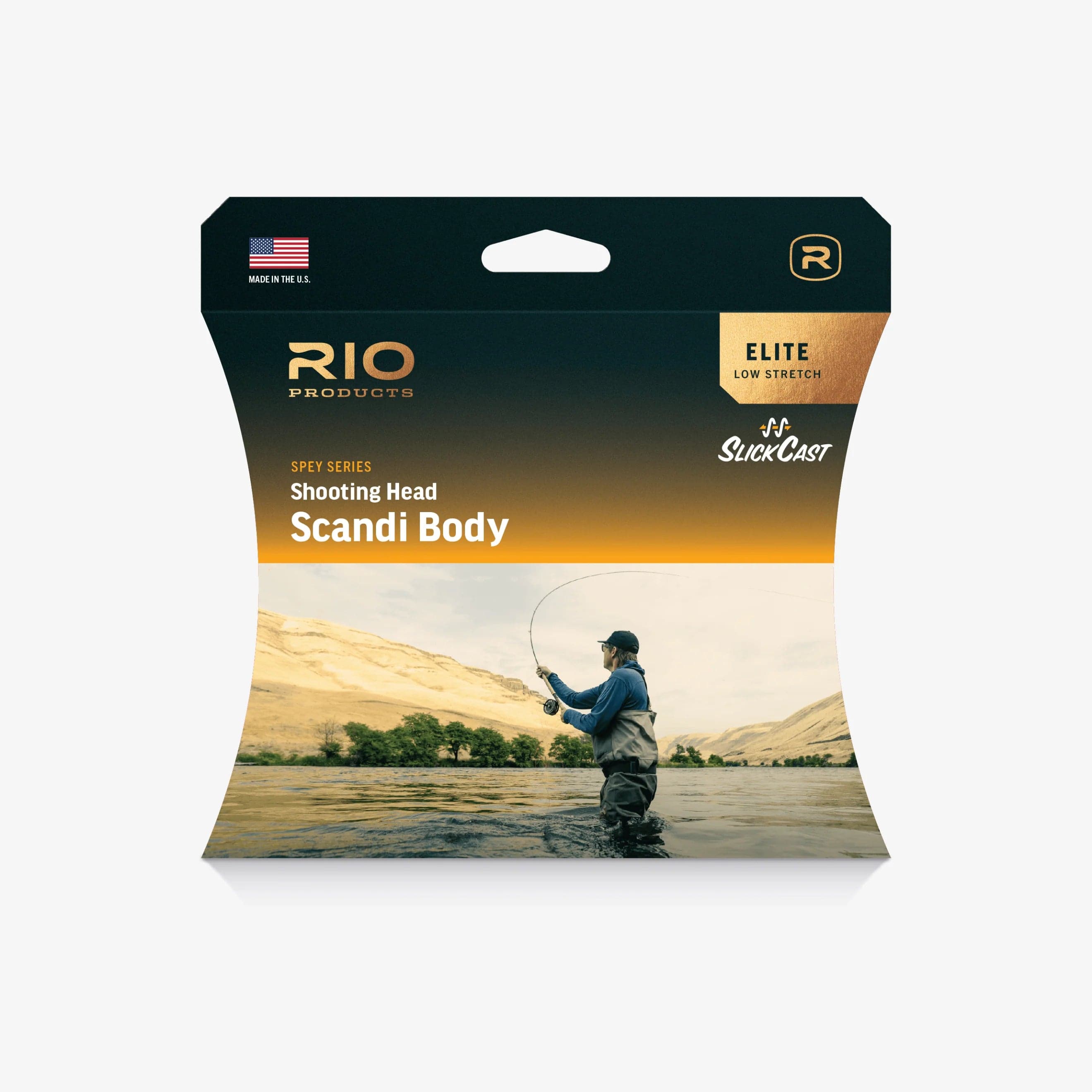
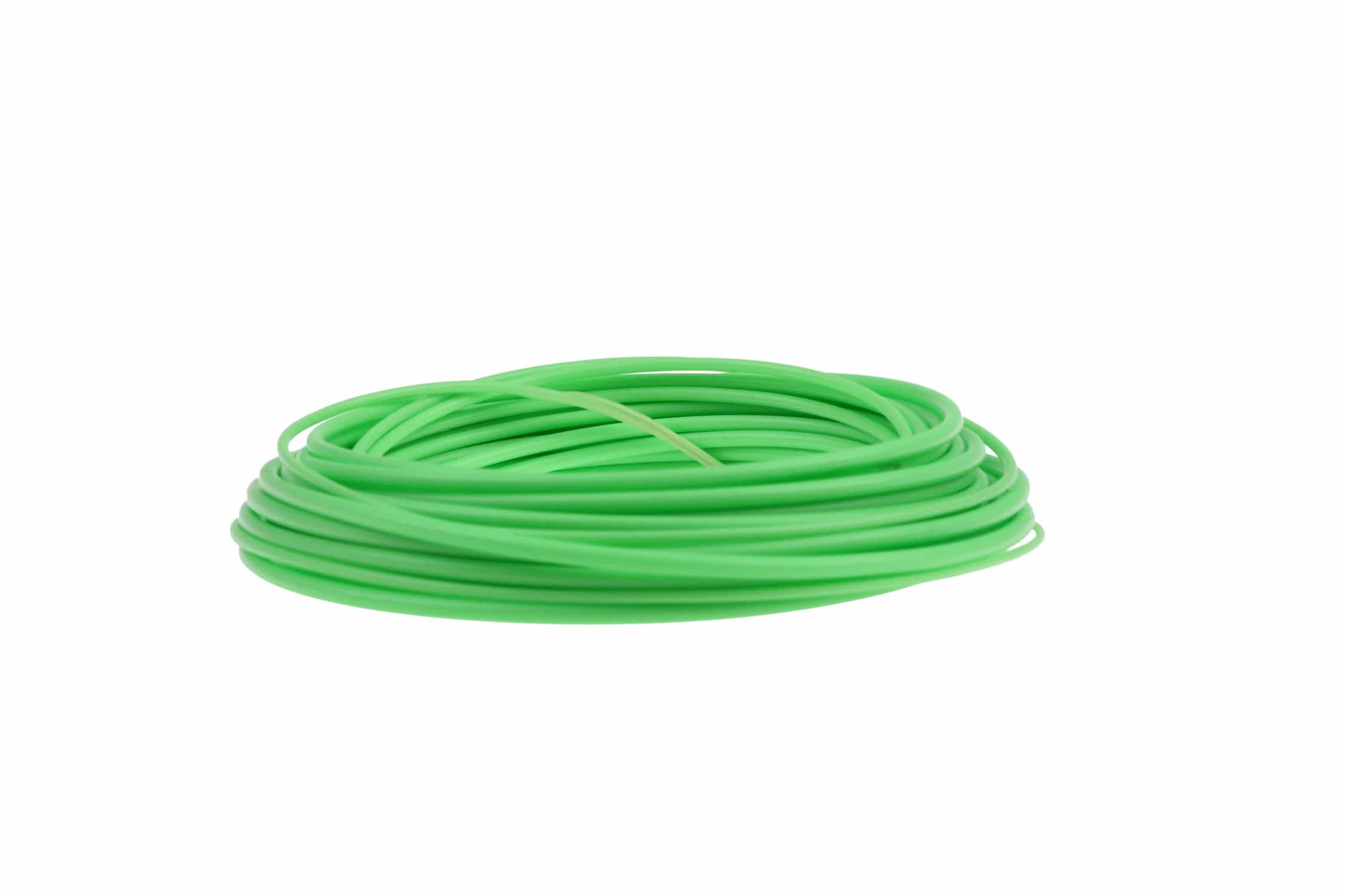
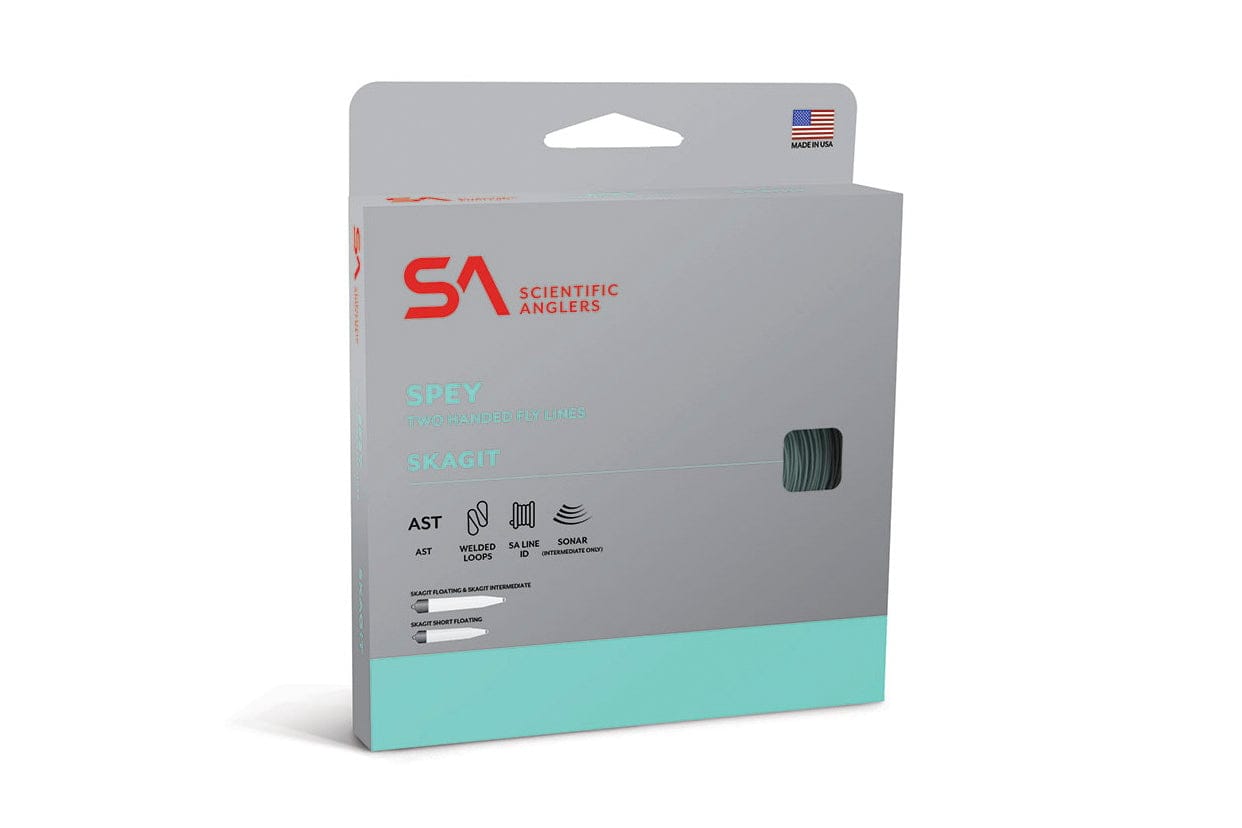
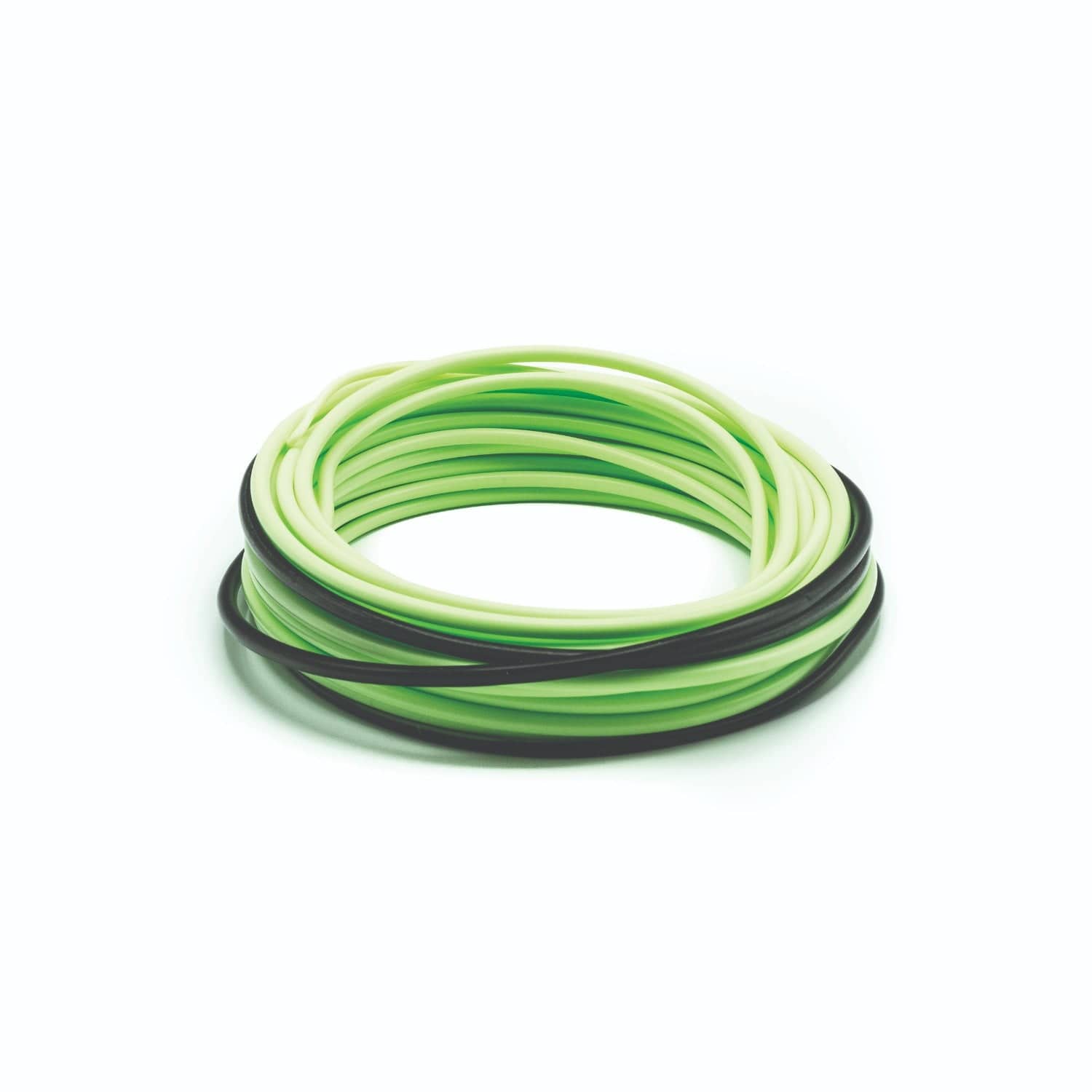
- Best All-Around: Rio Elite Trout Spey Shooting Head - Great for trout spey and lighter two-hand setups when you want one head to cover a lot of water. Short, easy-loading head with factory loops that makes it simple to rotate leaders, VersiLeaders, or light tips.
- Best for Tight Quarters: OPST Commando Pure Skagit Shooting Head - A favorite when brush, steep banks, or limited backcast room force you into compact sustained-anchor casts. Designed to turn over heavier tips and flies with a very short head so you can cast (and fish) in spots that feel “too tight” for a standard line.
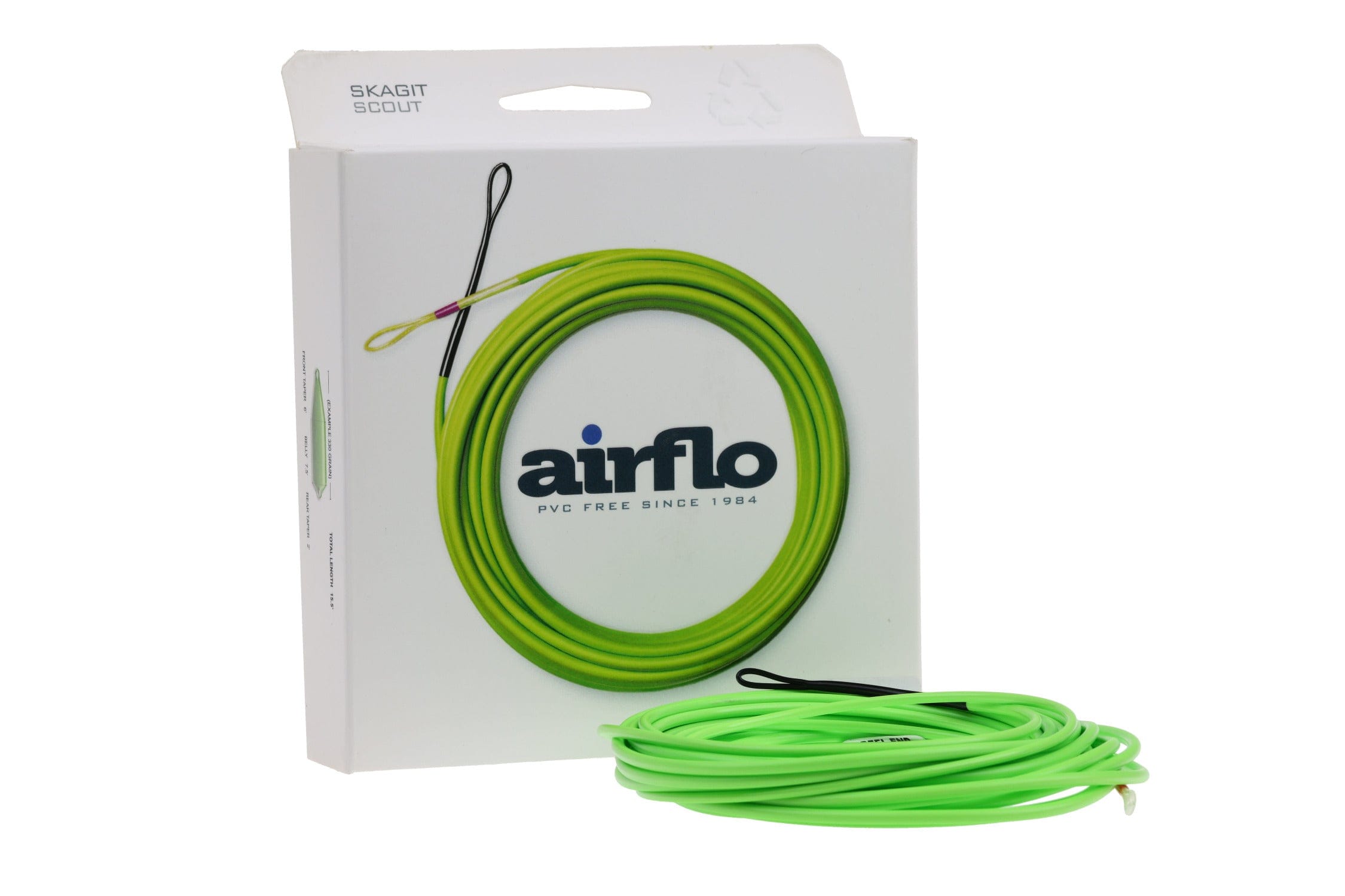
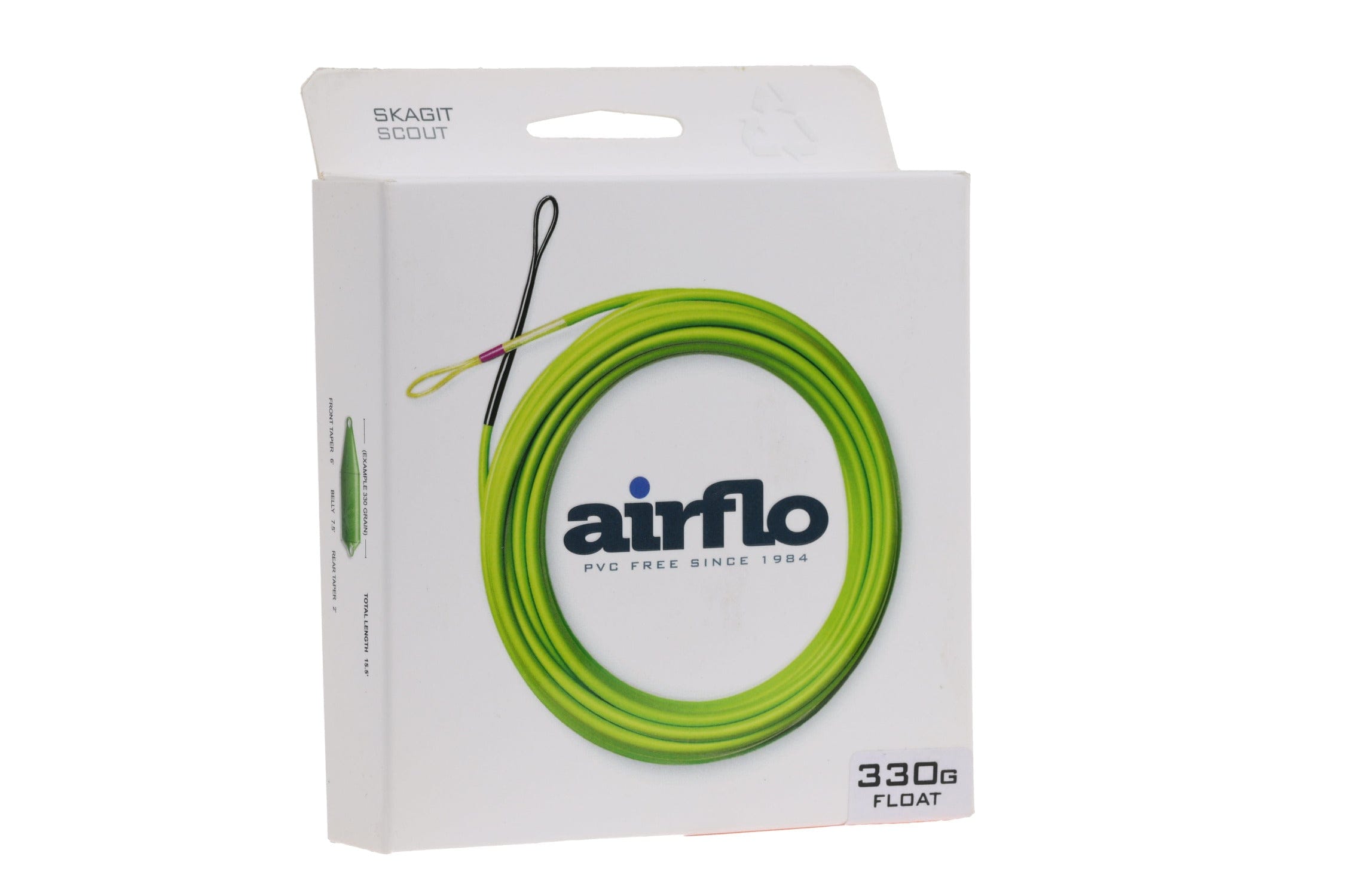
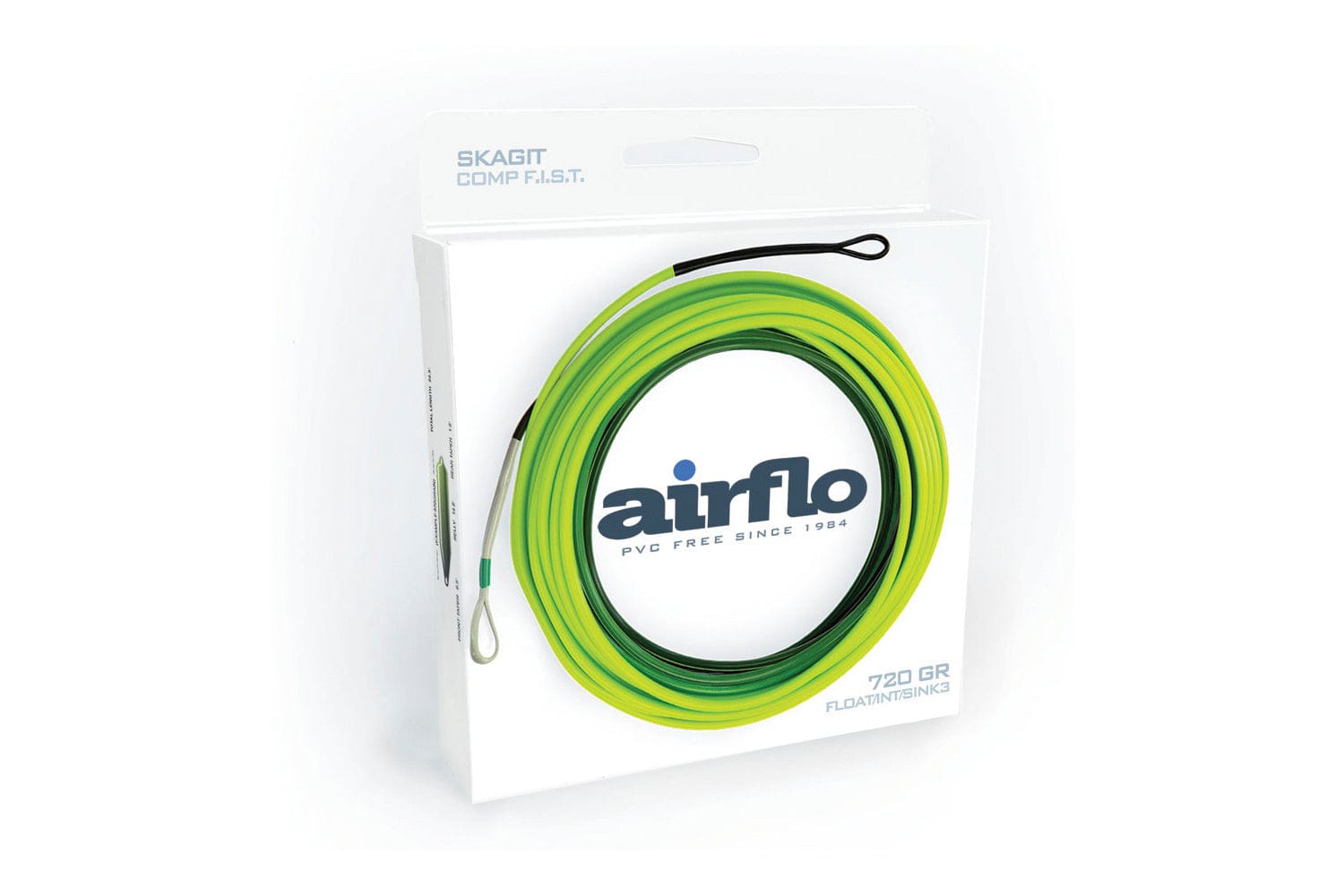
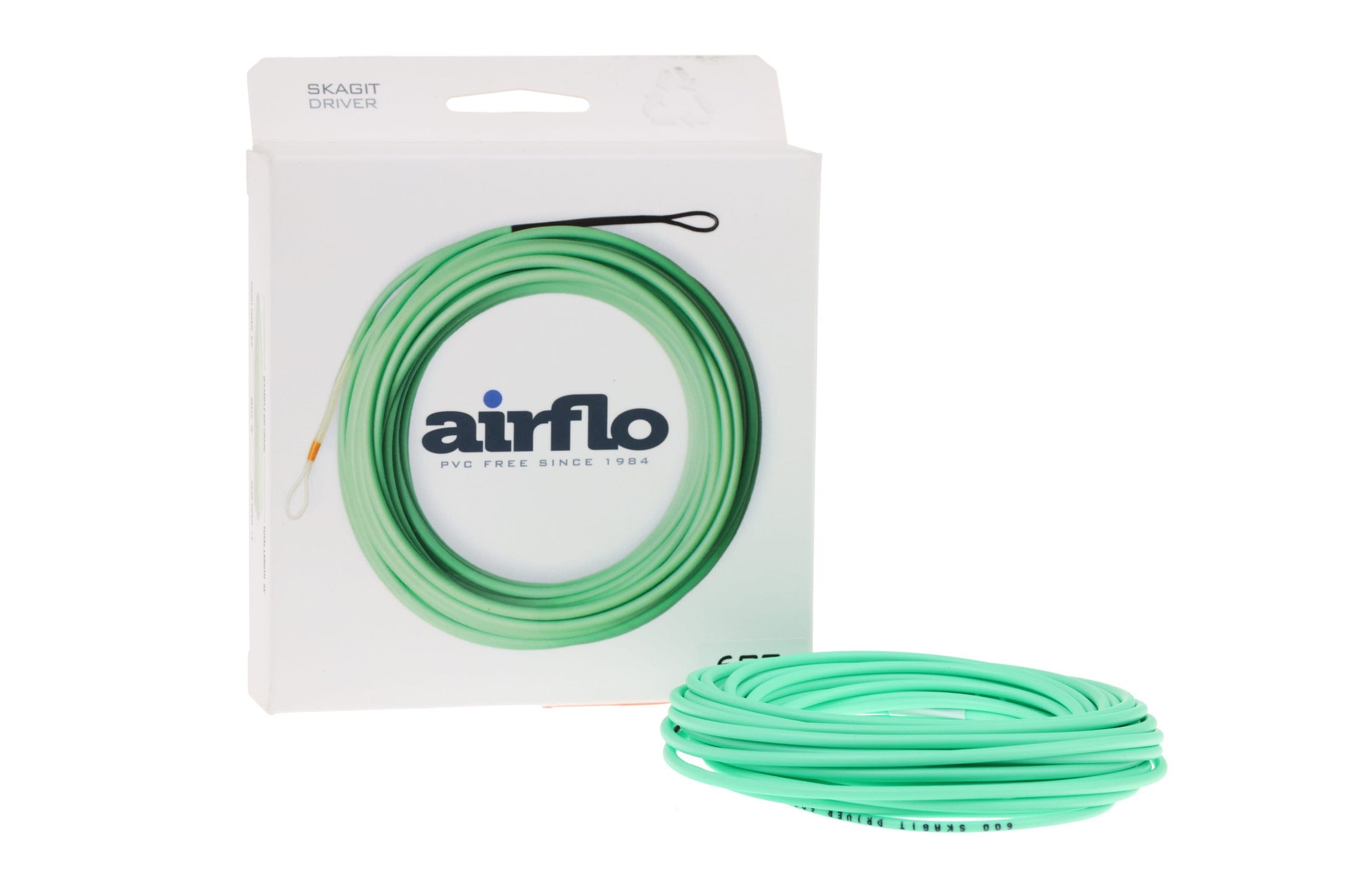
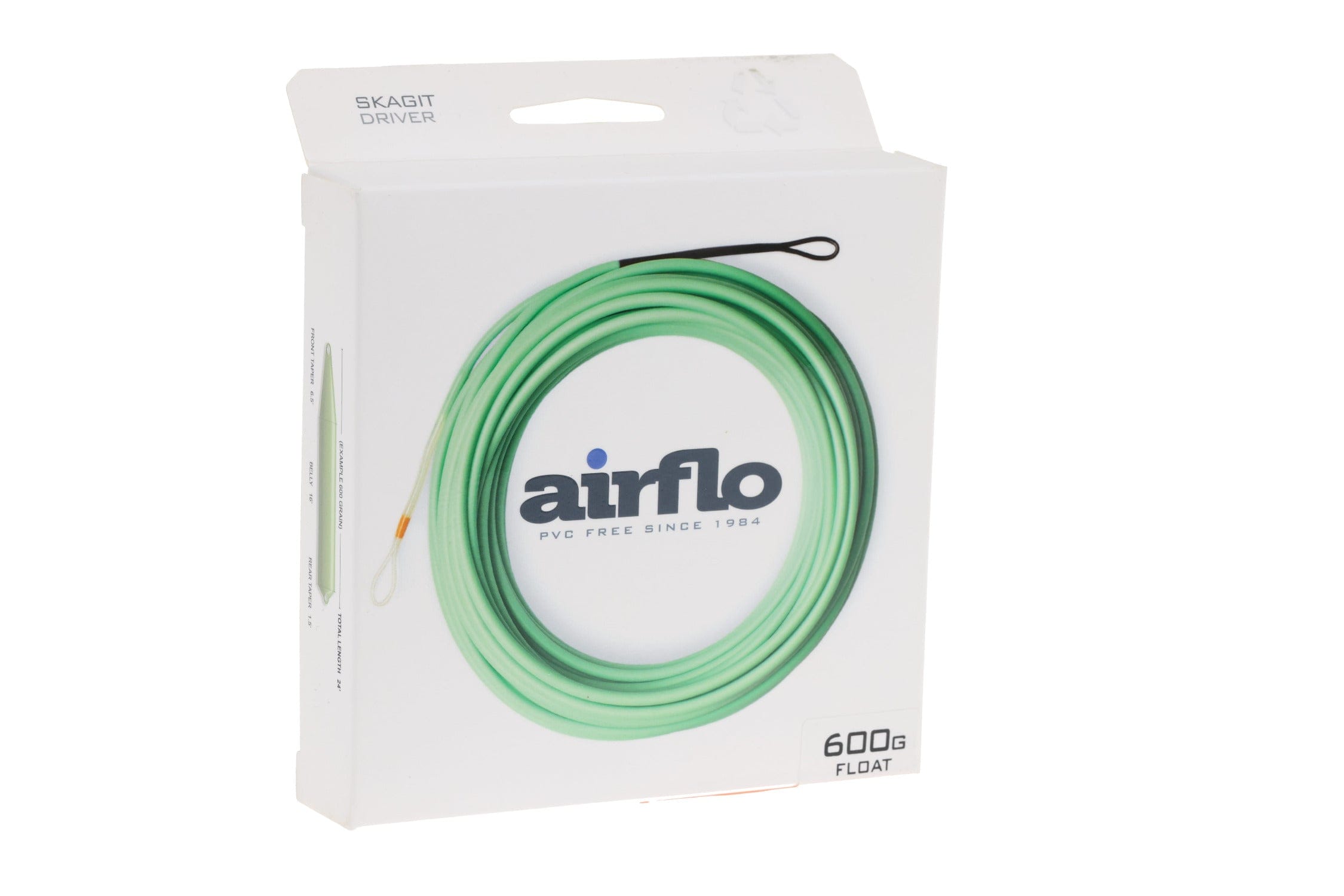
- Best for Big Flies & Tips: Airflo Skagit Driver Shooting Head Fly Line - Built for swinging heavier rigs where you need fast loading and authority into the forward stroke. Works well with a range of sink tips, making it a solid choice for deeper runs and winter-style presentations.
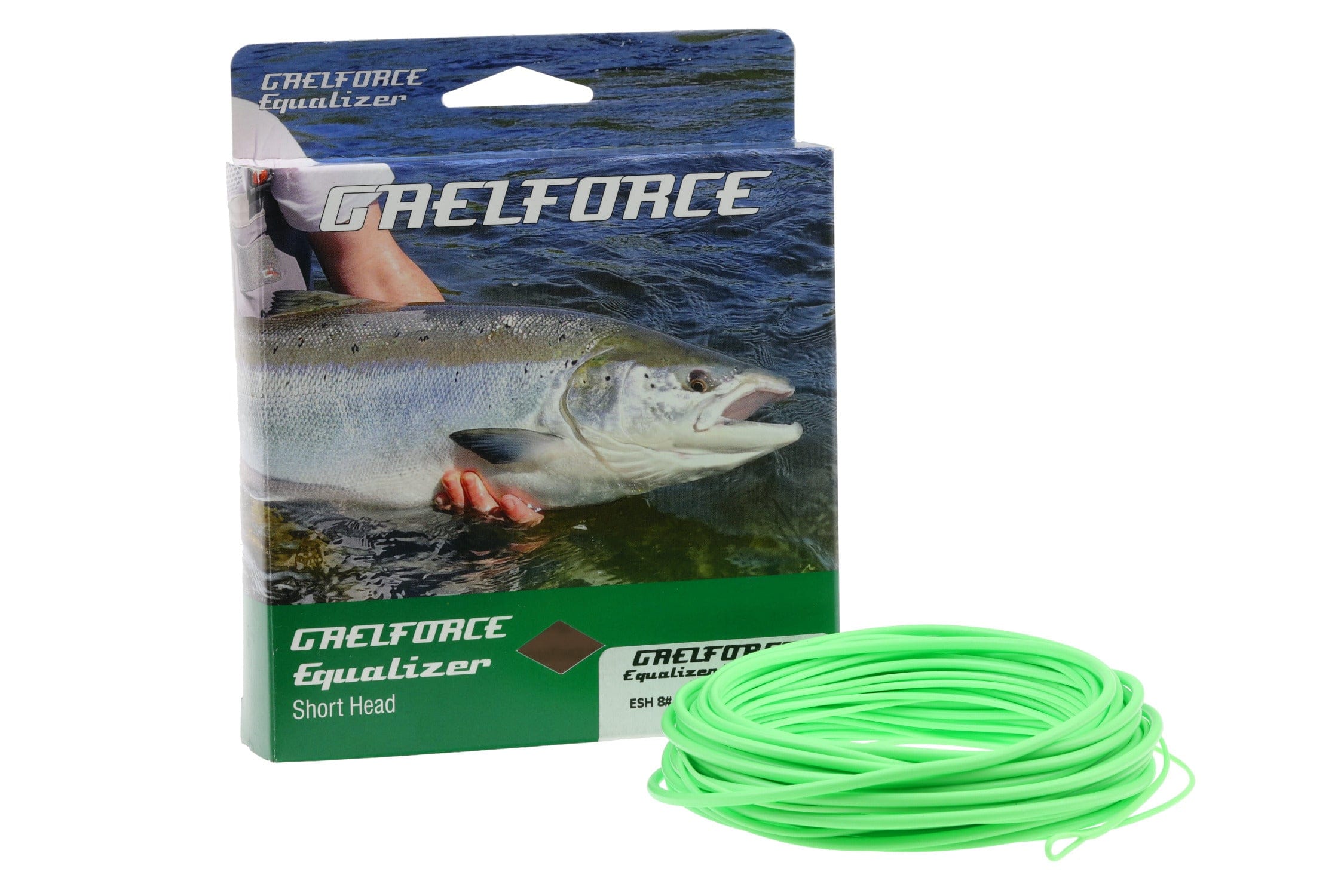
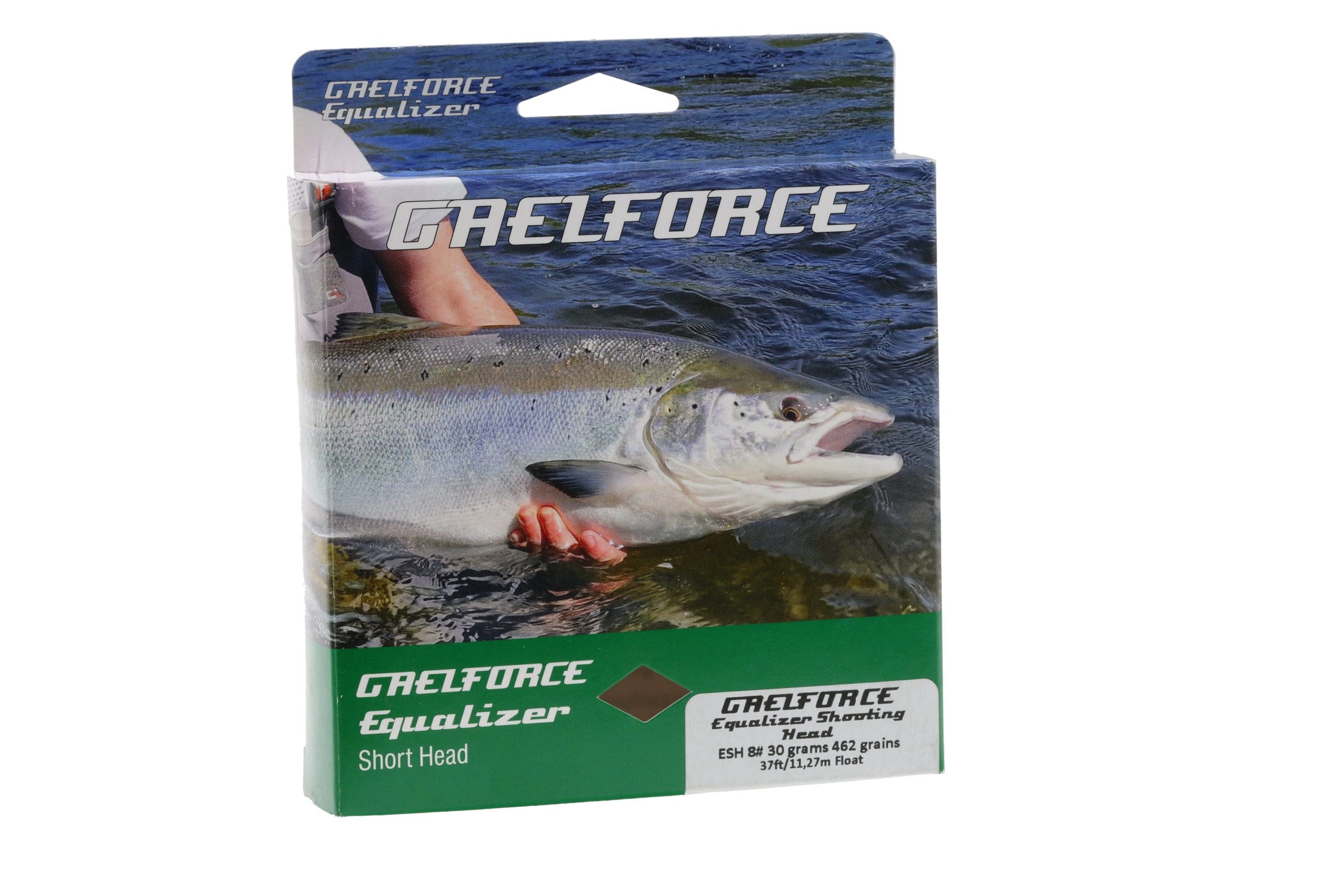
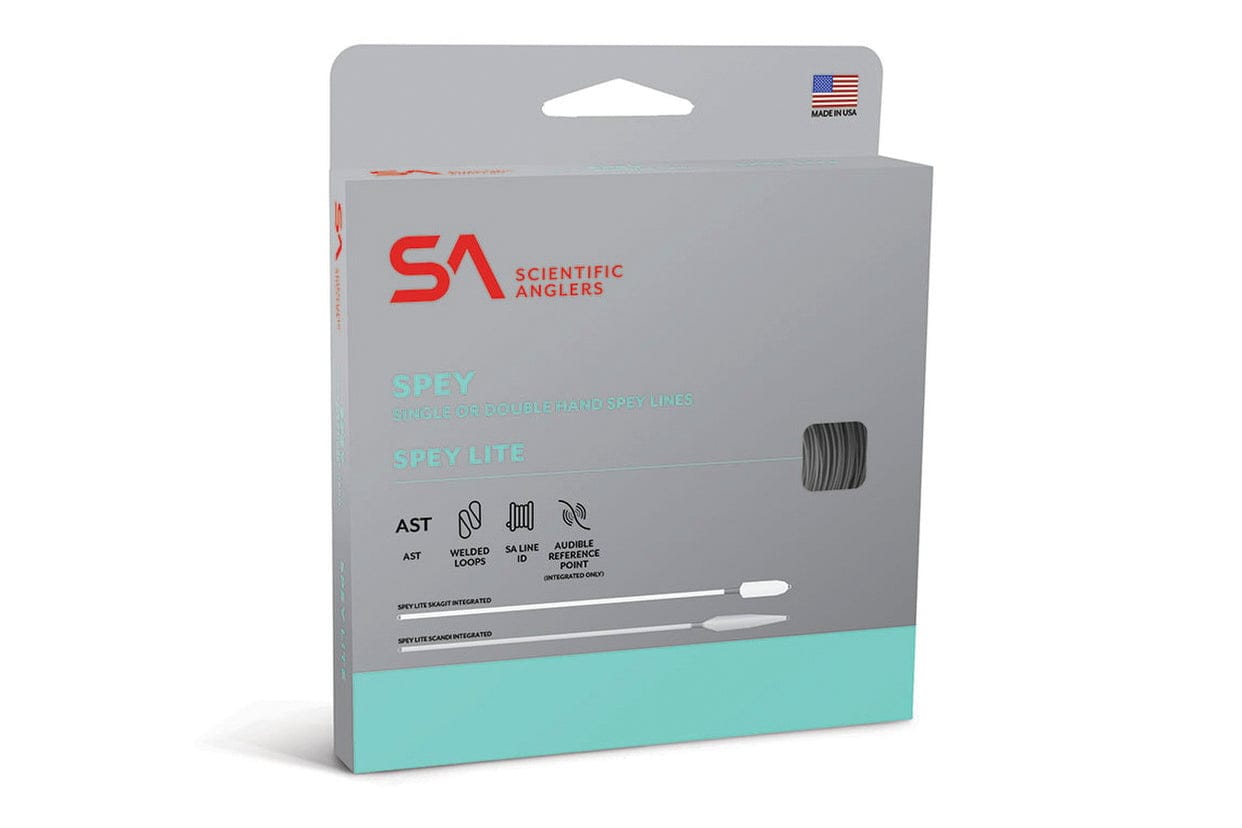
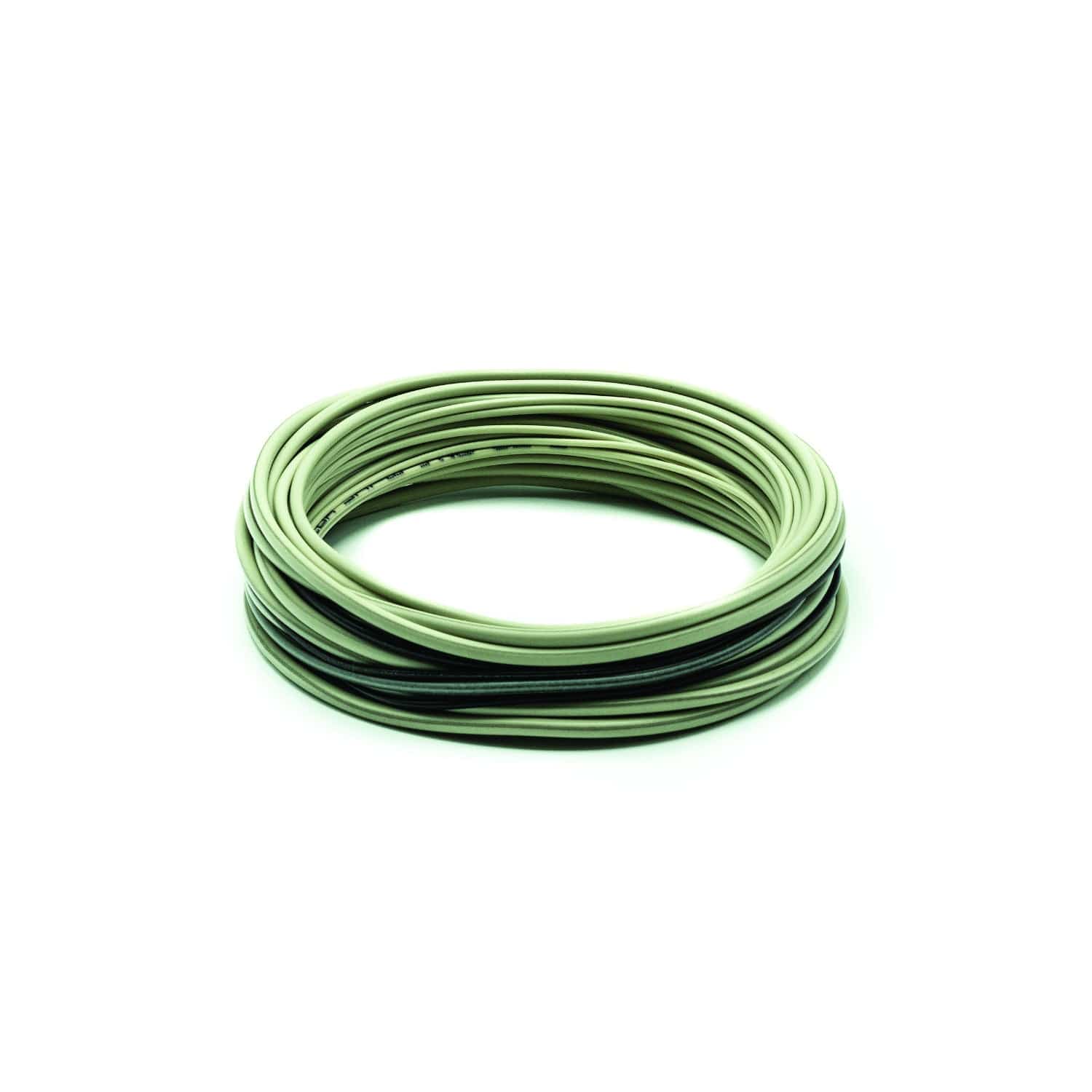
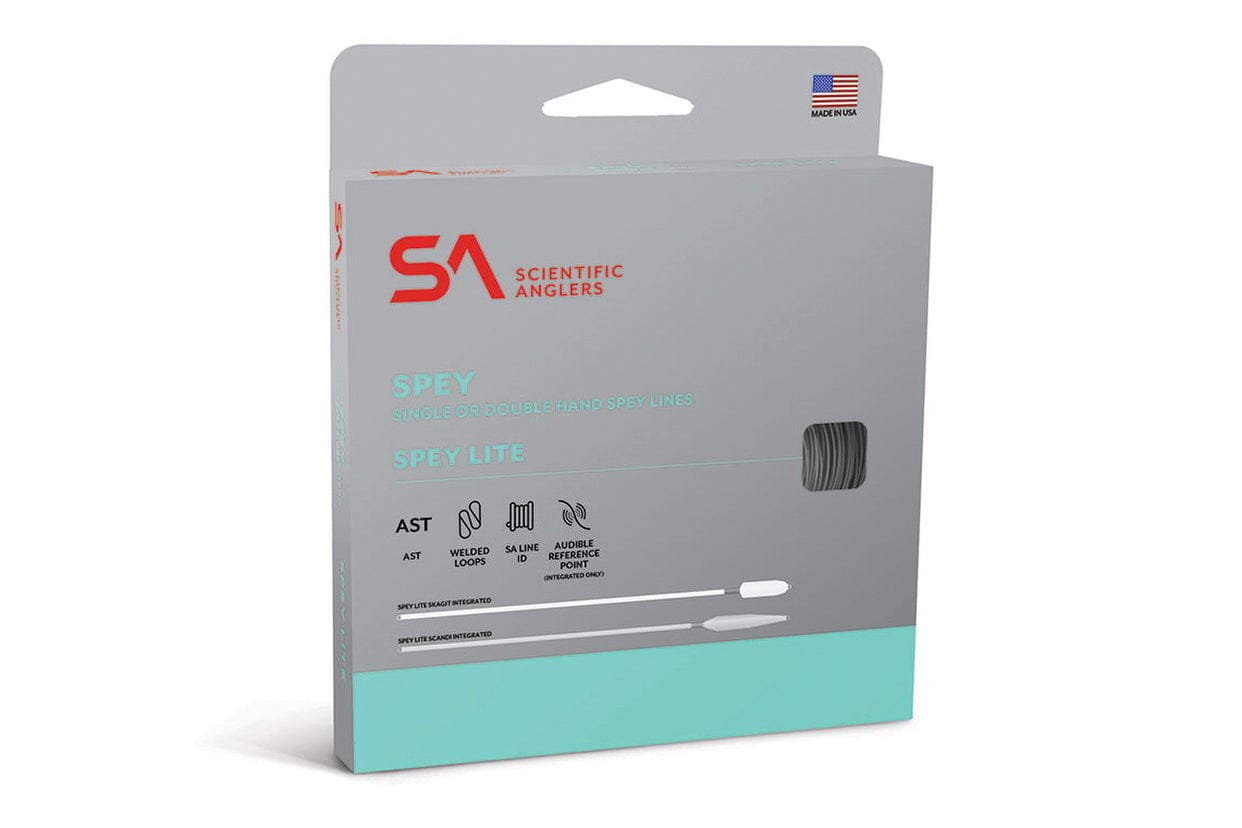
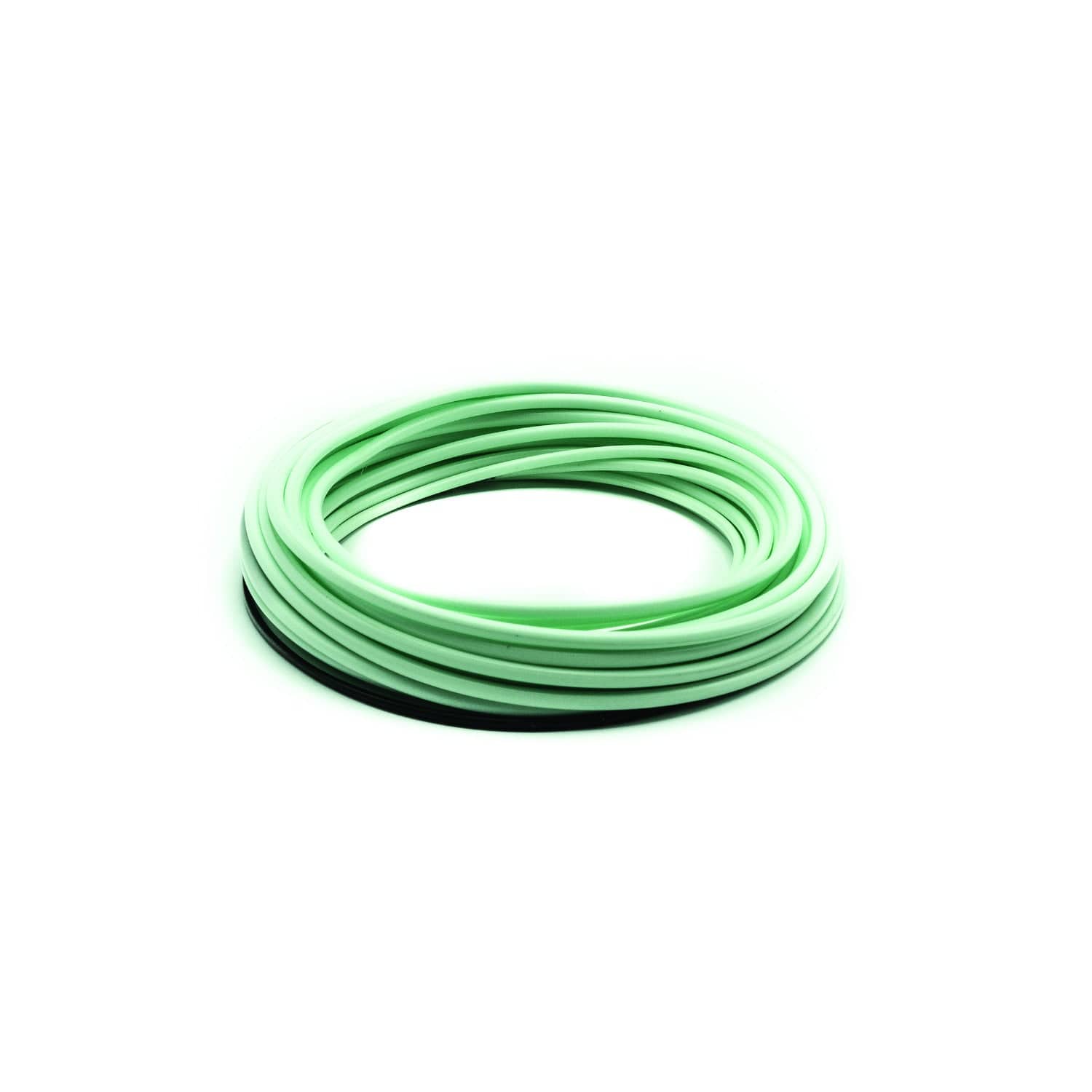
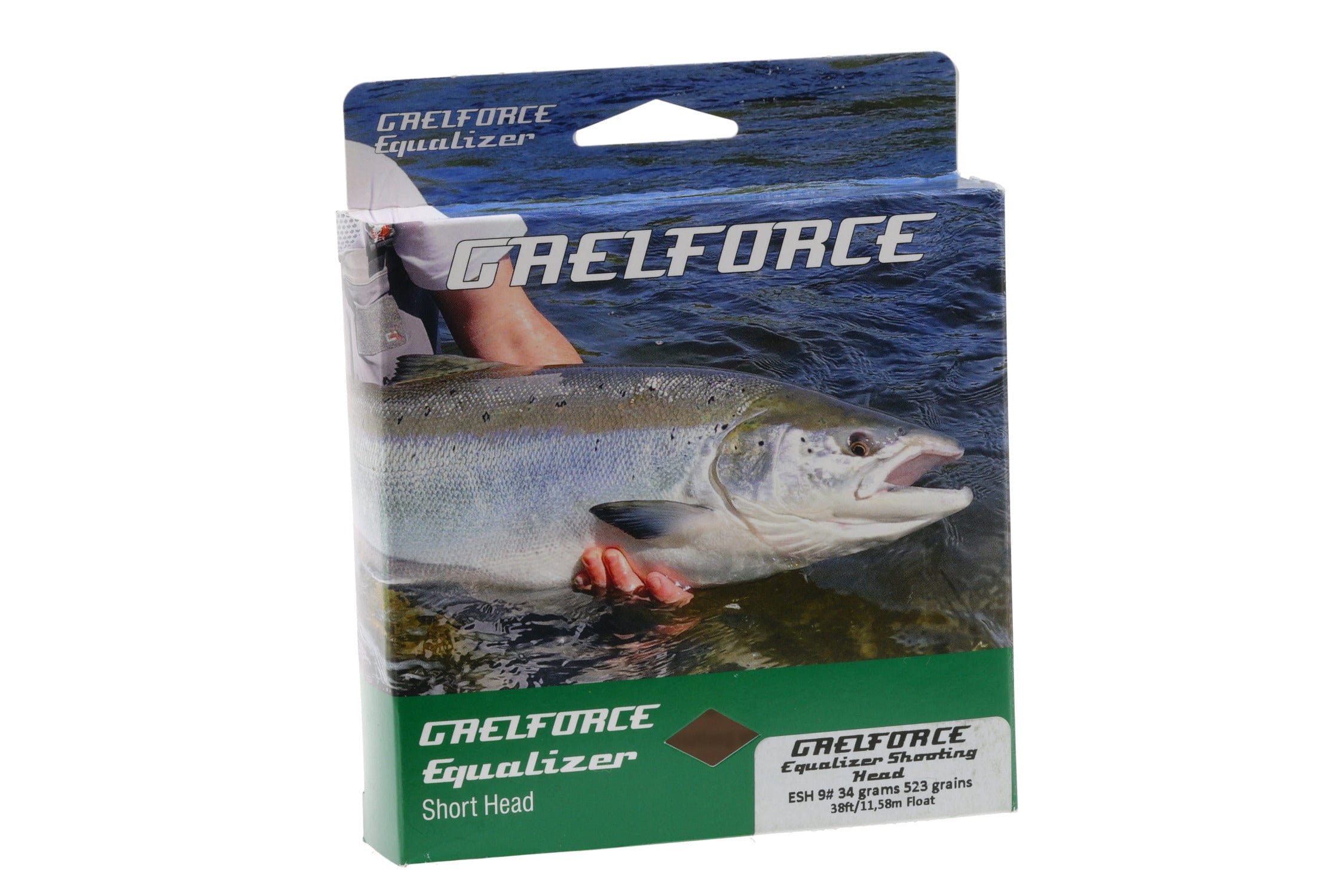
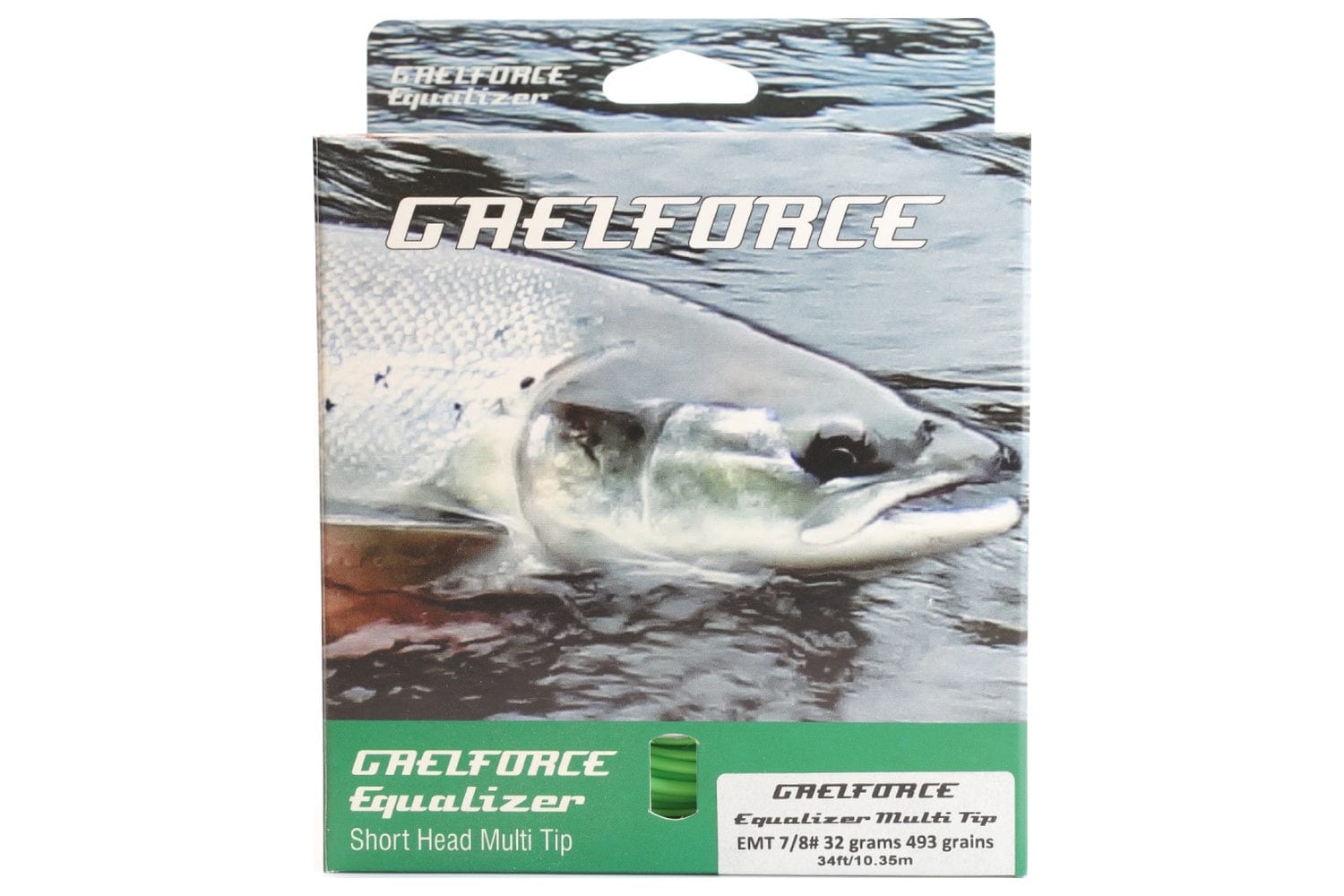
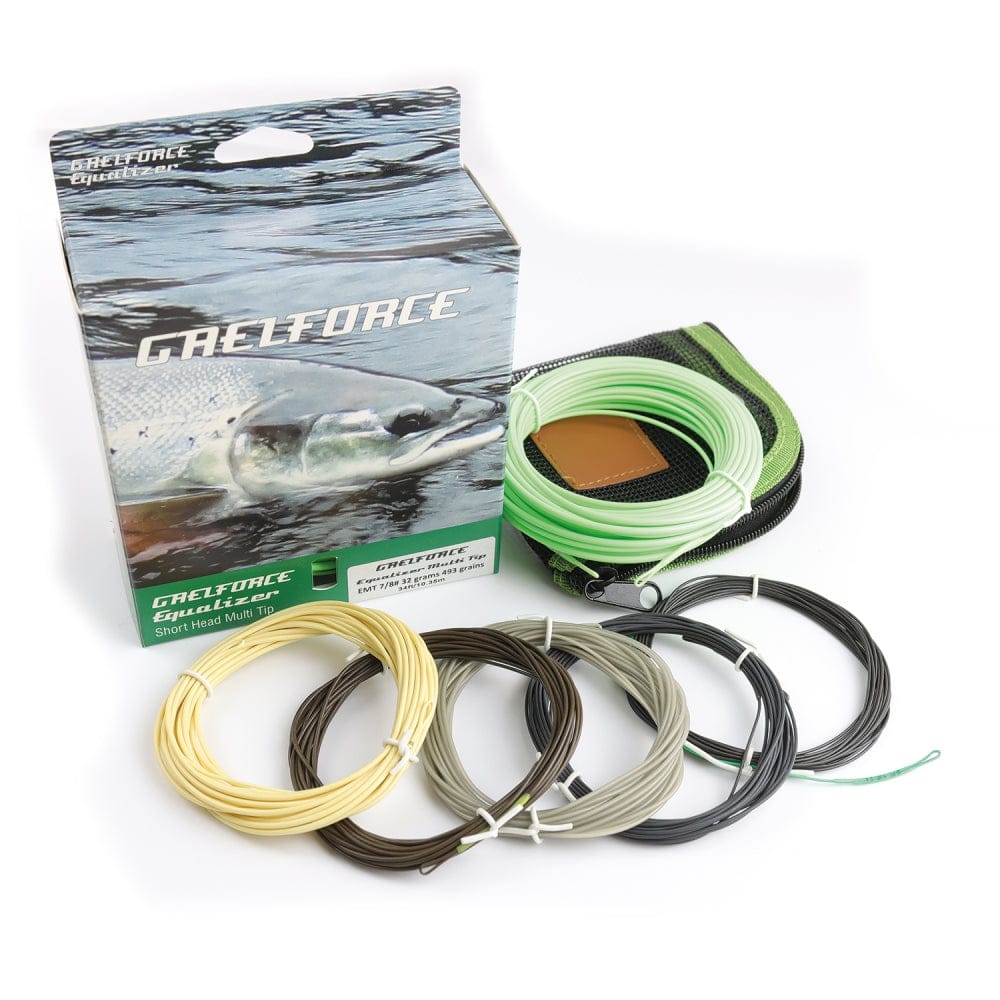
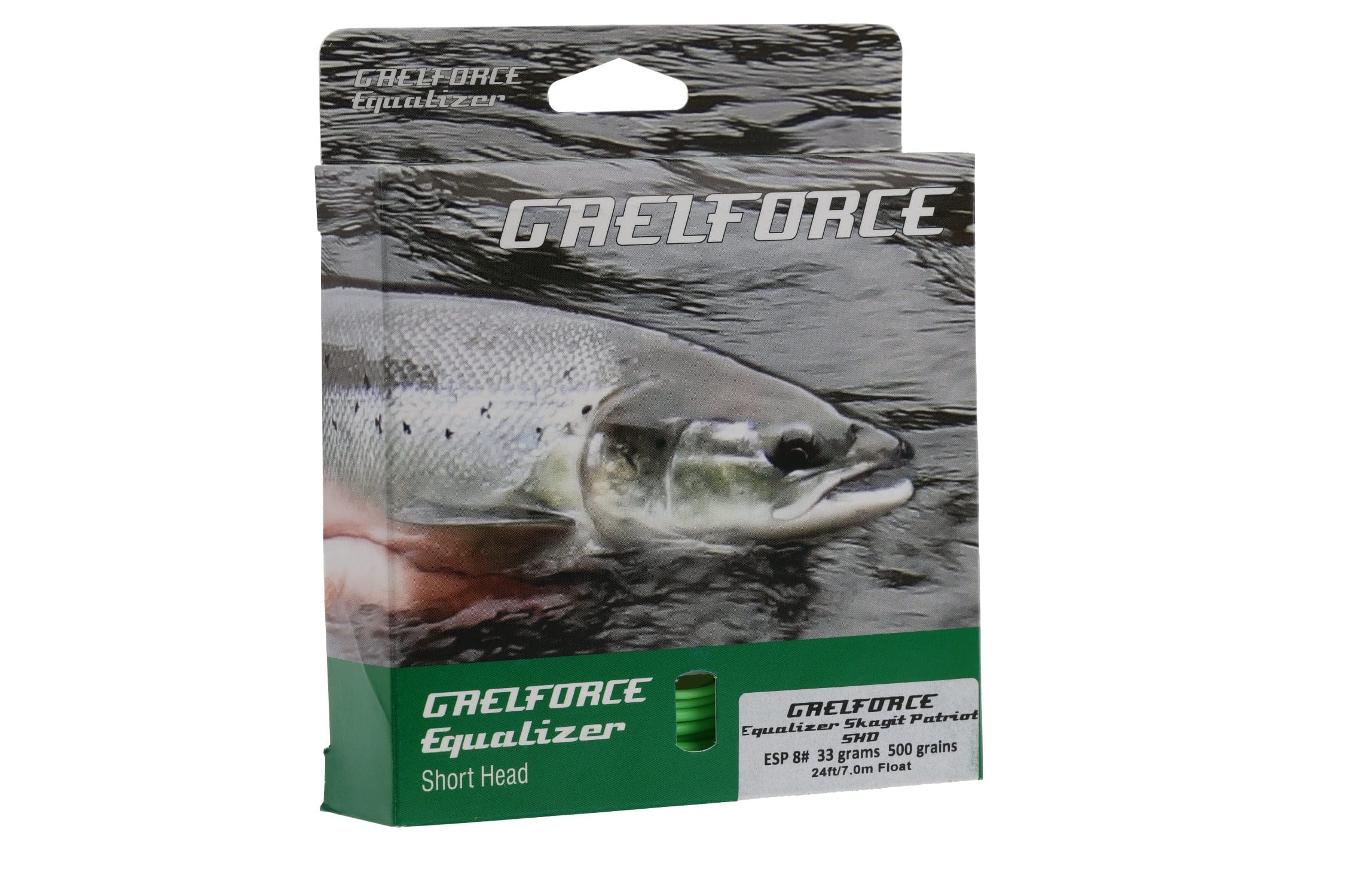
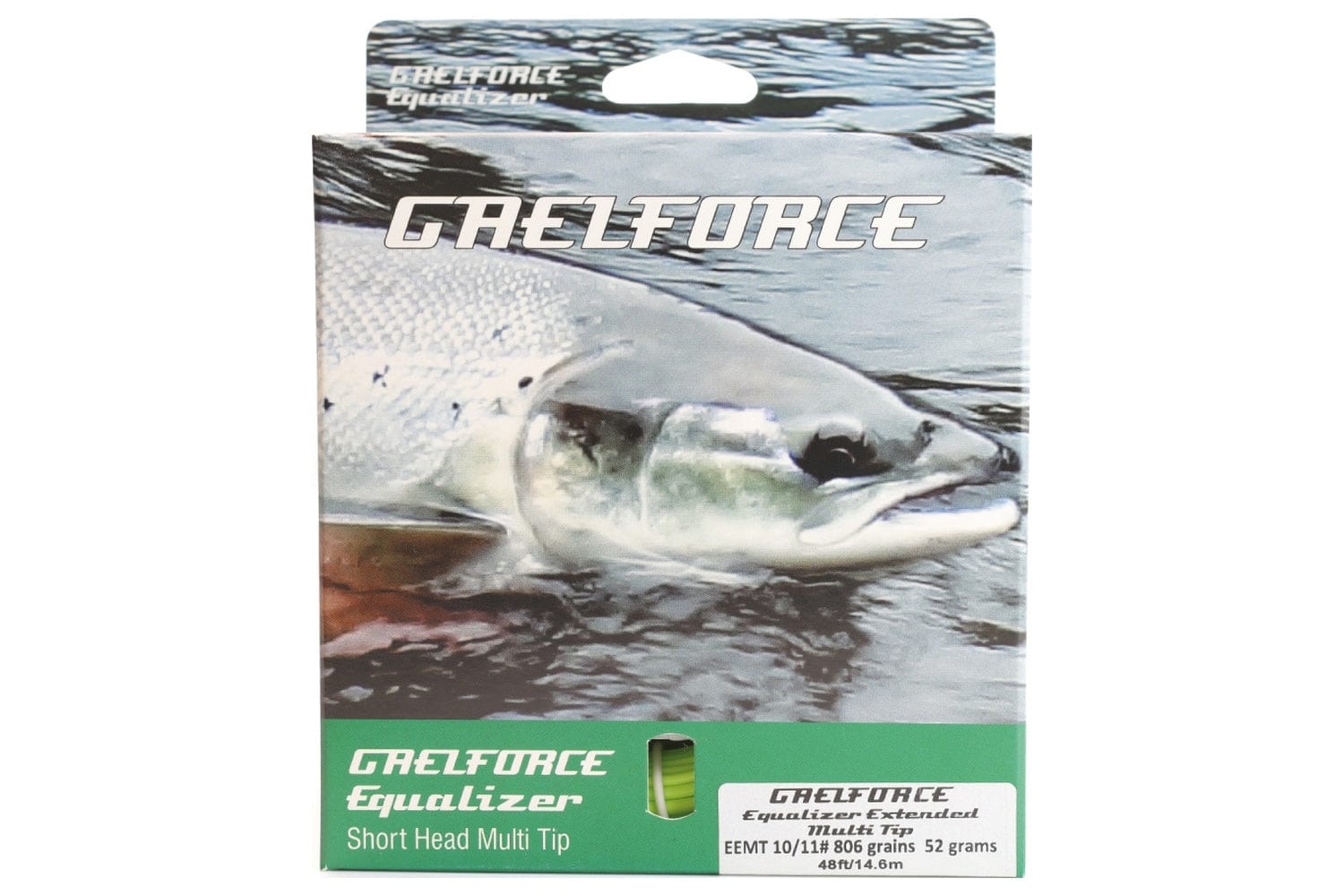
- Best Premium Integrated: Gaelforce Equalizer EIH Integrated Shooting Head Line - Ideal if you want the simplicity of an integrated shooting head without loop-to-loop “hinges” in the middle of your line. The integrated running line helps things feel smooth when stripping, casting, and fighting fish.
- Best Saltwater Cannon: Rio Billfish Shooting Head - Purpose-built for launching very large flies to big tropical species. Short, heavy head with a fast sink rate and a strong core for demanding saltwater scenarios.
How to Choose Shooting Heads
Skagit vs. Scandi vs. Integrated
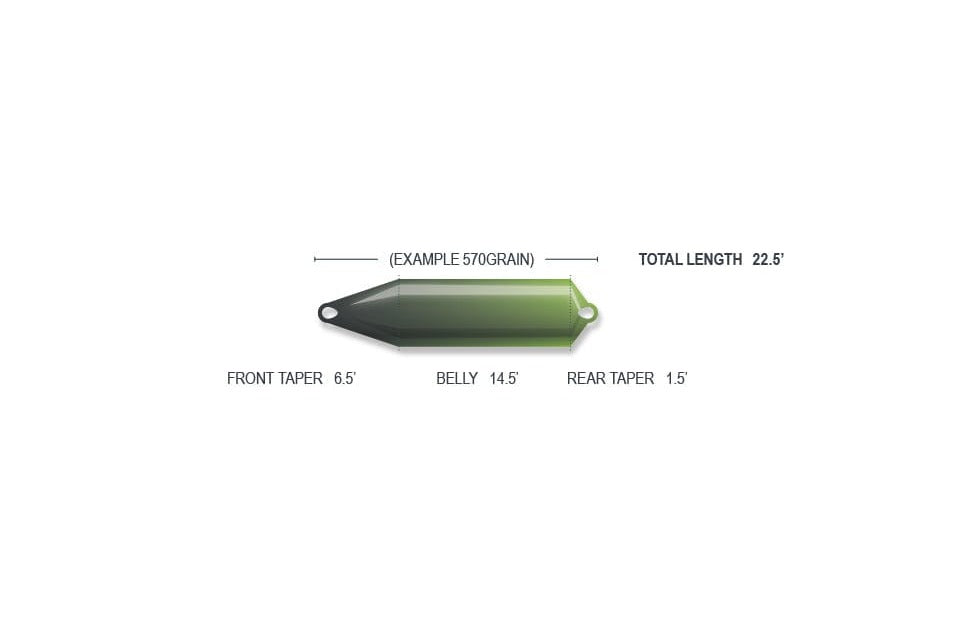
Skagit heads: Choose Skagit when you’re throwing sink tips and bigger, heavier flies. They’re compact, load quickly, and are typically the easiest style in tight casting quarters.
Scandi heads: Choose Scandi when presentation matters and your flies are smaller (soft hackles, traditional wets, light tubes). They’re generally longer and more “touch-and-go” friendly for cleaner turnover.
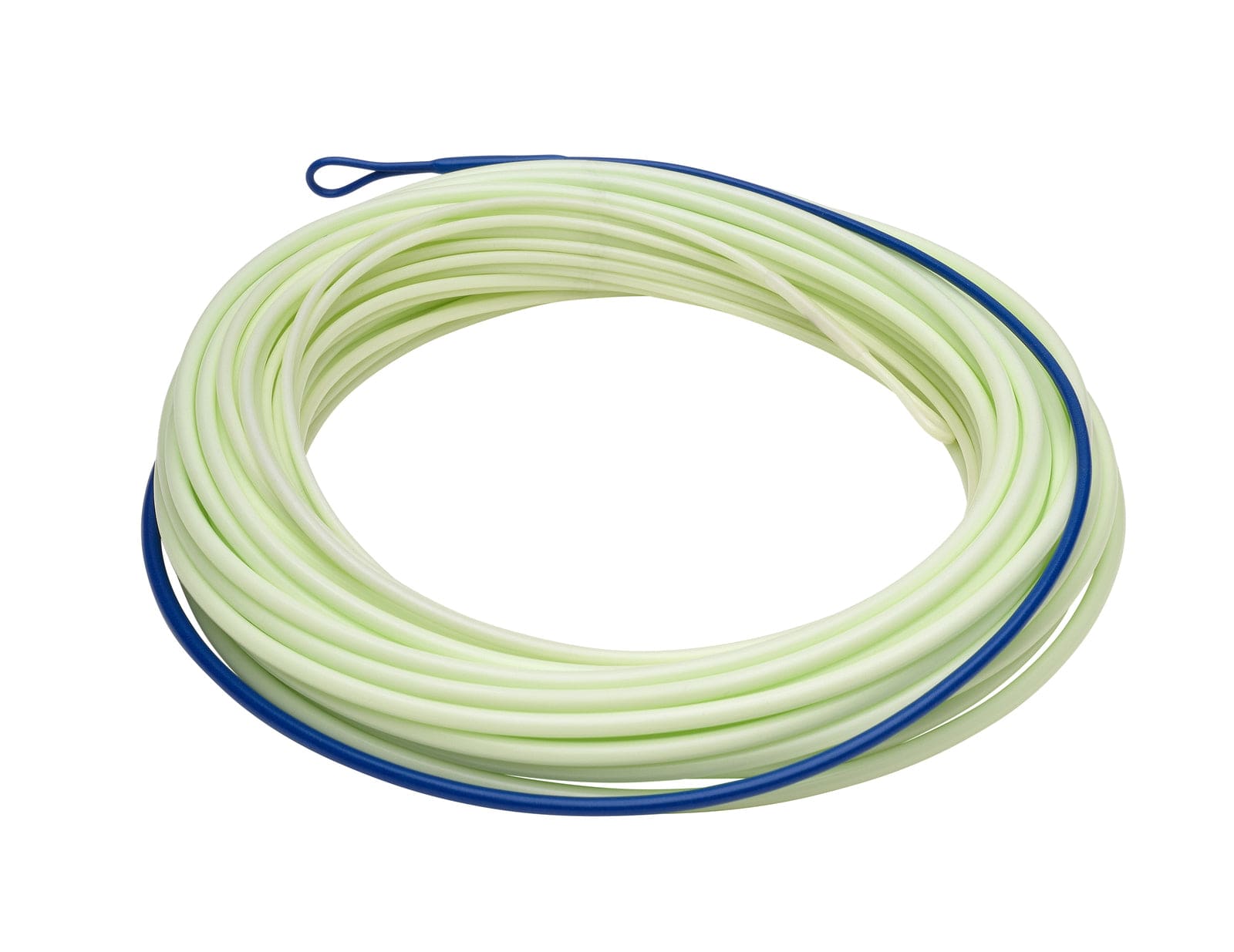
Integrated heads: If you like the idea of a shooting head system but don’t want a loop connection between running line and head, go integrated. You’ll gain a smoother feel through the guides, with less rigging complexity.
Pick the Right Grain Weight (this matters more than “line wt”)
Action: Start with your rod’s recommended grain window, then fine-tune from there.
Best for: Consistent rod loading, stable anchors, and predictable turnover, especially with sink tips.
Avoid if: You’re guessing based on a single-hand “5wt/6wt” mindset. Shooting heads are commonly selected by grains because it’s a more reliable match to how these systems cast.
Choose Density for Depth & Control
Floating: Great for most Skagit/Scandi applications where you’re controlling depth with tips (or fishing lighter presentations).
Intermediate / multi-density: Helpful when you want the head itself to sit lower for stability in wind, chop, or faster currents, while still retaining good swing control.
Fast sinking heads: Best when you need to get down quickly (common in saltwater shooting head applications and some deep freshwater scenarios).
Don’t Forget the Running Line (it changes how the whole system feels)
Coated running line: Usually easier to handle, especially in the cold, and generally better for anglers who dislike thin mono tangles.
Mono running line: Very slick for maximum shoot, but it can be harder to manage. If your running line is very thin, consider a full cage reel so it can’t slip between the spool and frame.
Compatibility
- Loops: Most shooting head systems are set up loop-to-loop (head to running line, head to tip/leader). Check that your loops are matched in size and strength before fishing.
- Tips: If you’re fishing Skagit, plan on pairing it with interchangeable tips (MOW-style sink tips, T-material, or polyleaders) for quick depth changes.
- Running line length: Make sure you have enough running line to comfortably shoot distance without crowding your backing (especially on smaller spey/trout spey reels).
- Temperature rating: Match your line’s intended temperature range to your fishing. Lines can get stiff/memory-prone in cold or overly soft in heat if they’re used outside their design window.
Complete Your Setup
Related Gear
- Running Line - The “engine” behind your shooting head system for distance, handling, and line control.
- Spey Tips - Swap sink rates in seconds to match depth, current speed, and fly size.
- Skagit Fly Lines - If you decide you want a dedicated Skagit setup (or want to compare head styles).
- Scandi Fly Lines - For anglers prioritizing presentation, touch-and-go casts, and lighter flies.
Related Guides
- Trout Spey Lines and Tips
- Choosing a Fly Reel for a Spey or Switch Rod
- Fly Line Temps: Tropical vs. Coldwater
- How to Choose the Best Fly Line for Beginners
Shooting Heads FAQs
Q: What is a shooting head in fly fishing?
A: A shooting head is a short, heavier section of fly line designed to load the rod quickly and shoot long distances on thin running line. Many systems let you swap heads (and tips) to match changing depth, flies, and conditions.
Q: Do shooting heads work for single-hand rods?
A: Some do, especially shorter “commando-style” heads built for single-hand spey/Skagit tactics. The key is matching grain weight to your rod and choosing a running line you can manage comfortably.
Q: Should I choose Skagit or Scandi?
A: Choose Skagit for bigger flies, heavier tips, and tight quarters. Choose Scandi when you want cleaner turnover and a lighter, more presentation-focused swing with smaller flies.
Q: What grain weight shooting head do I need?
A: Start with the rod manufacturer’s grain window, then adjust based on casting feel and what you’re turning over. If you’re throwing heavier tips and flies, many anglers prefer the upper end of the window.
Q: What running line is best with shooting heads?
A: Coated running lines are usually easier to handle (especially in cold weather) and are a good starting point. Mono running lines can shoot extremely well but may tangle more and often benefit from a full cage reel.
Q: What’s the advantage of an integrated shooting head?
A: Integrated lines combine head and running line in one piece, which eliminates the mid-line loop connection. Many anglers like the smoother feel through the guides and simpler rigging.
Q: Can I change depth without changing my shooting head?
A: Yes, this is a main reason anglers fish shooting head systems. With Skagit (and some hybrid systems), you can swap tips (floating, intermediate, or faster-sinking) to change depth quickly.
Warranty & Brand Resources
Shooting heads in this collection come from multiple manufacturers, and warranty coverage varies by brand and model. Check the individual product page for brand-specific support details, and reach out if you want help dialing in grains, tips, and running line.