





















Spinning & Stacking Deer Hair - Fly Tying Basics For Beginners - Tips and Tricks



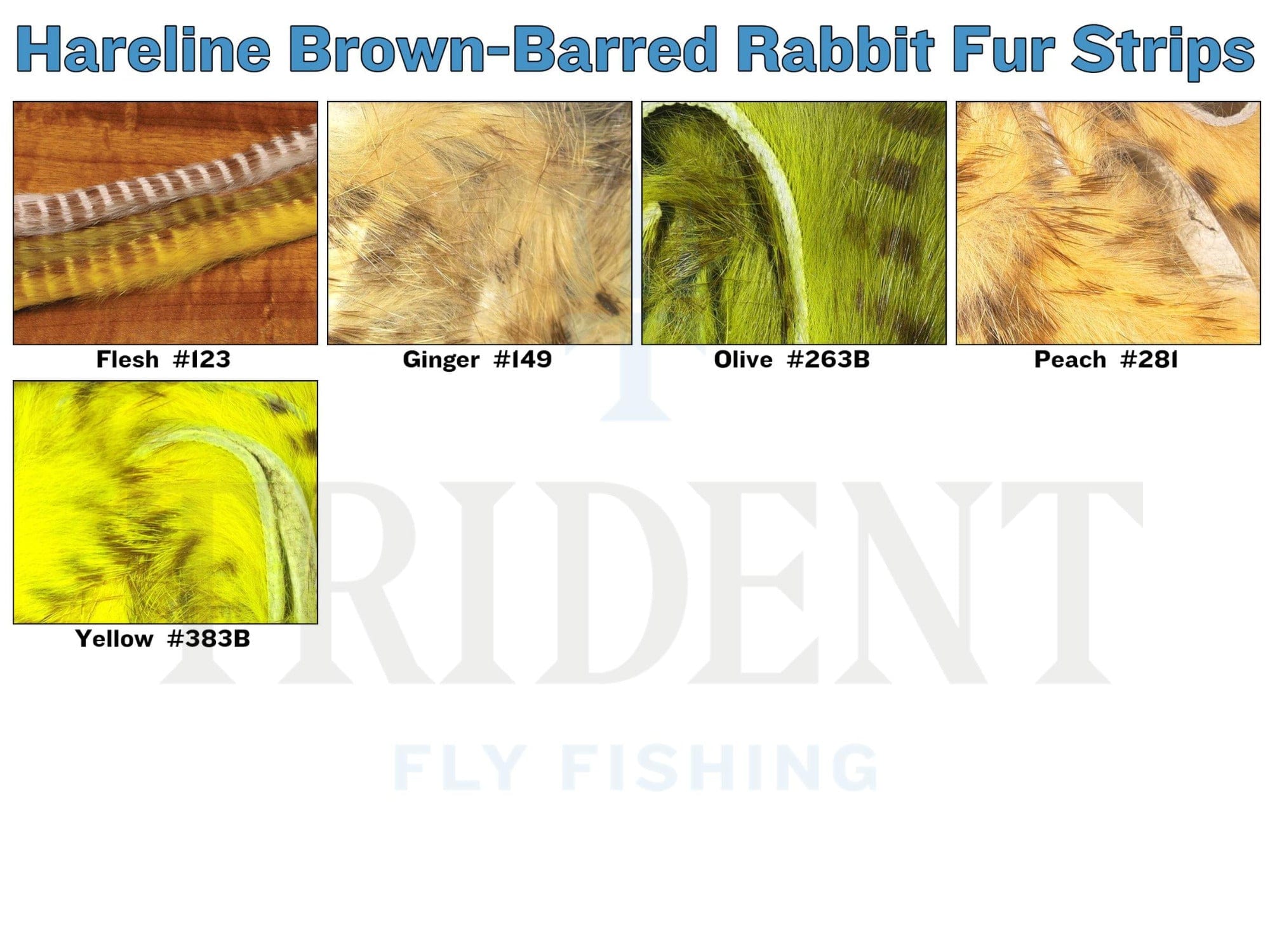
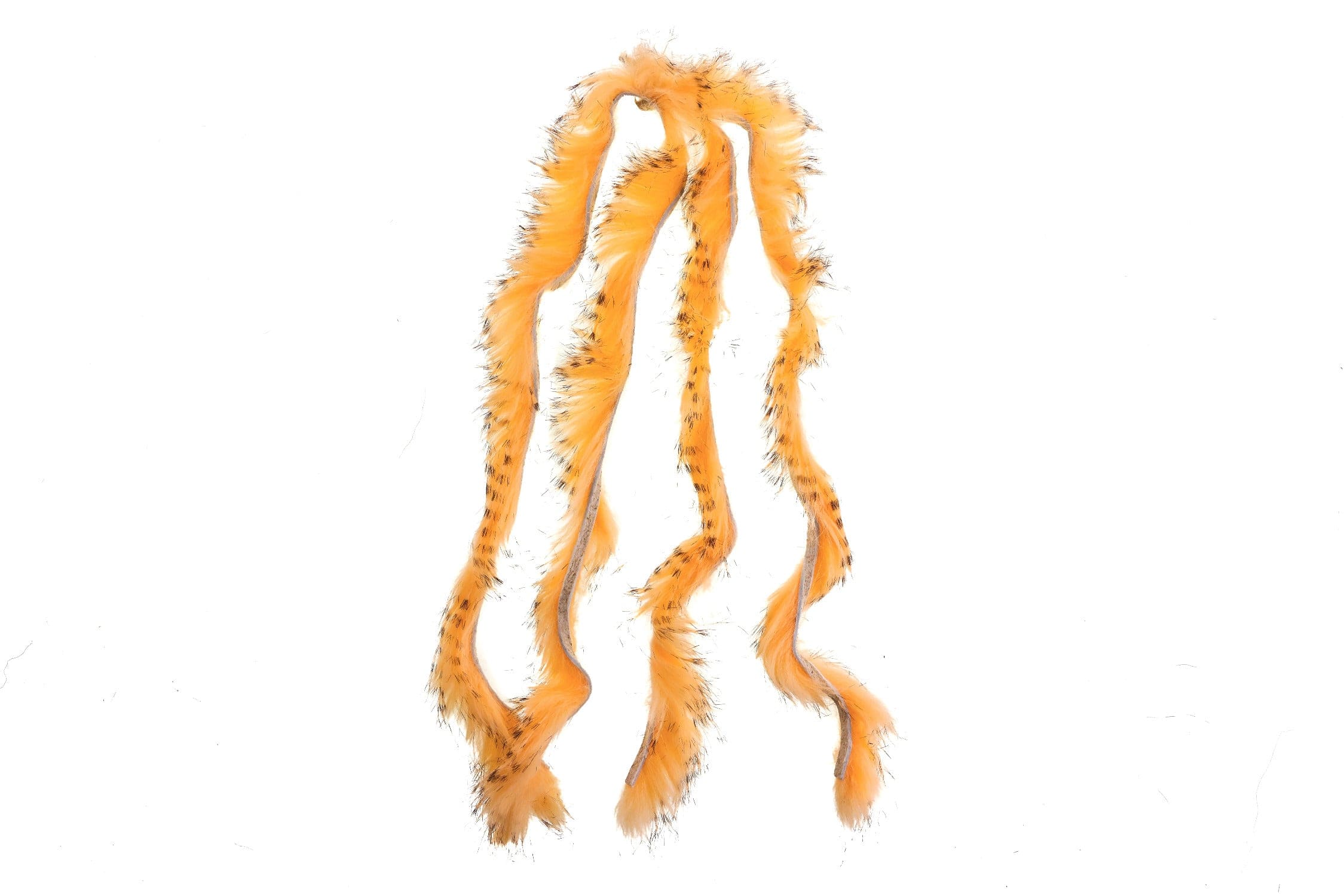

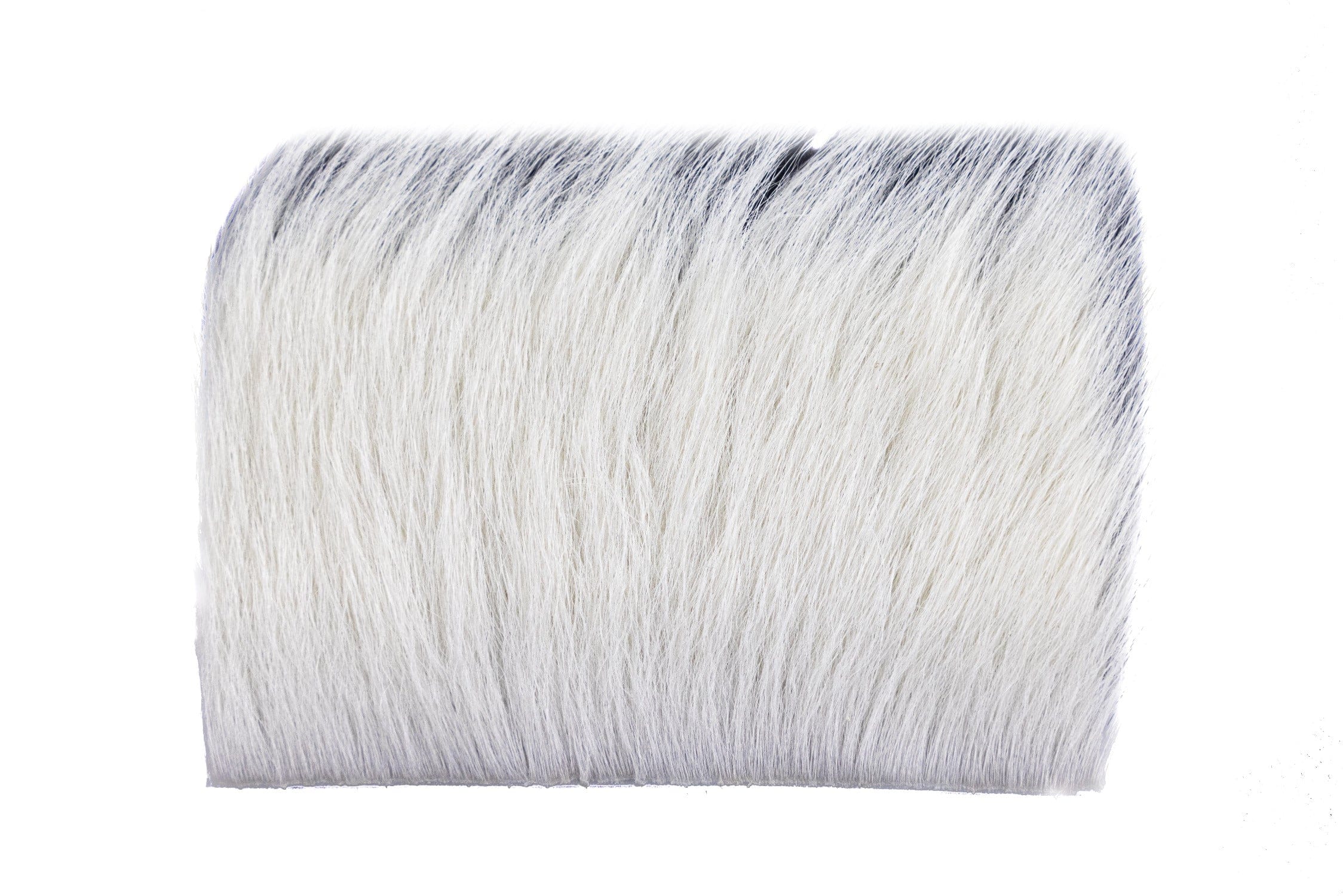
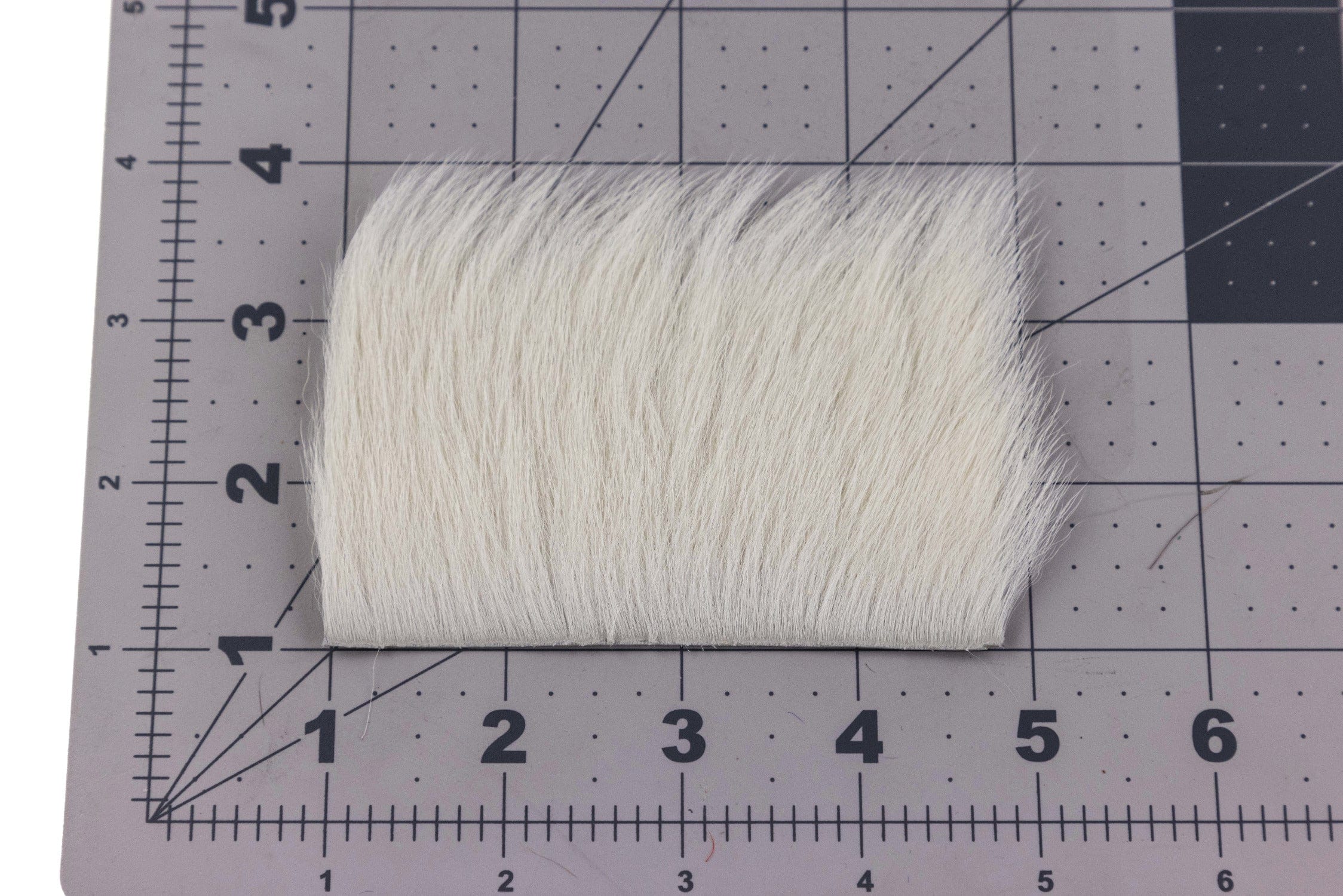








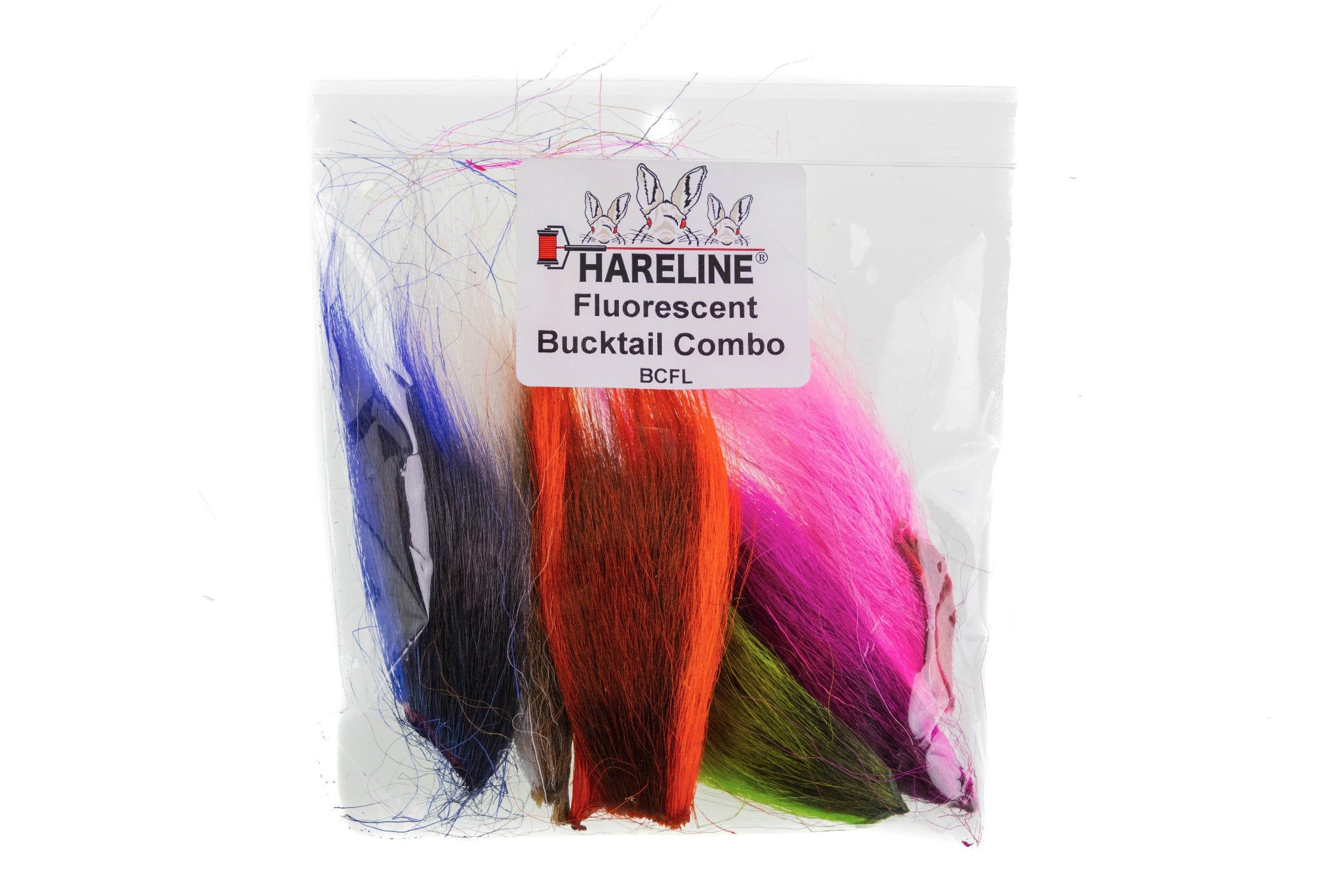
Hair & Fur Quick Picks
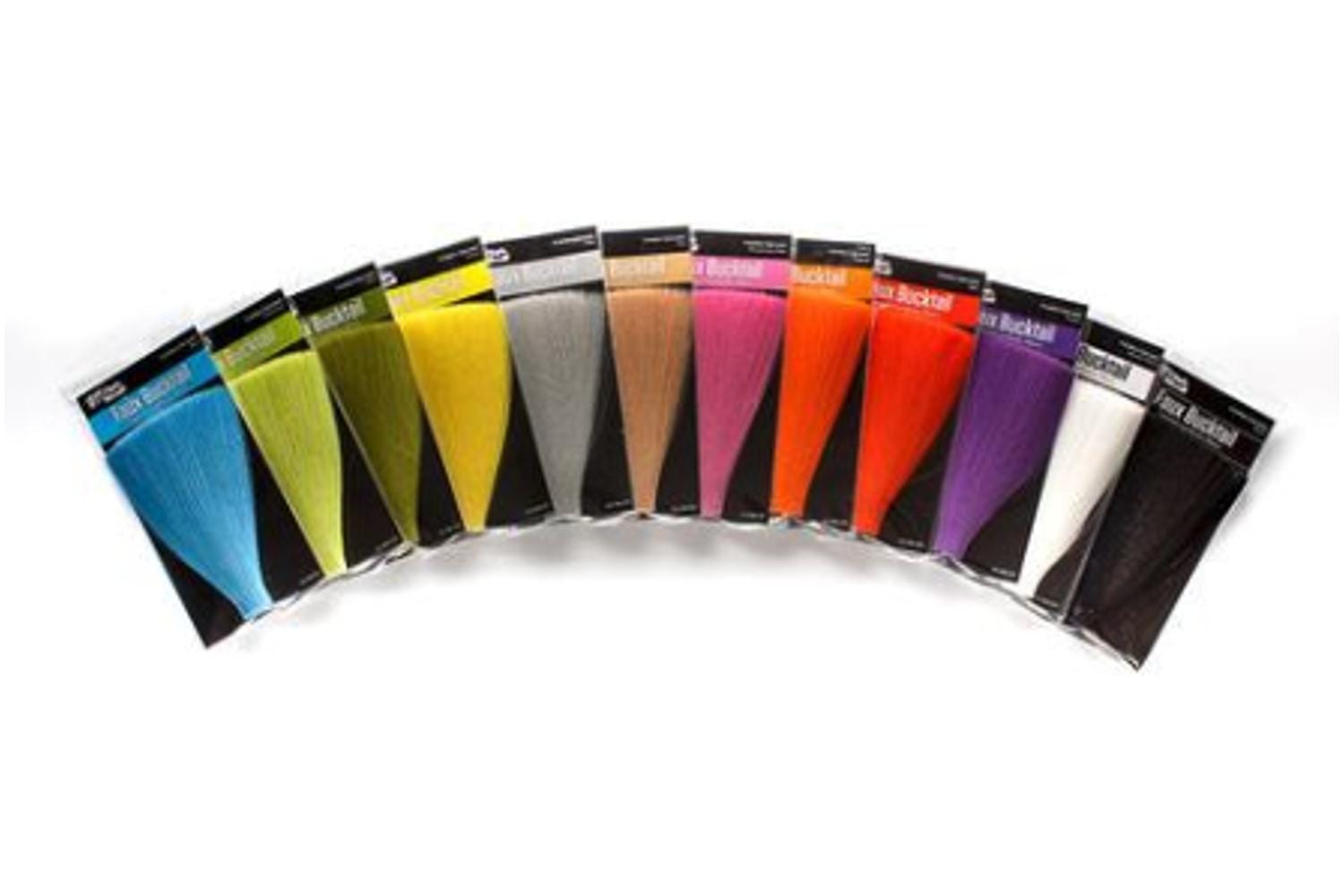
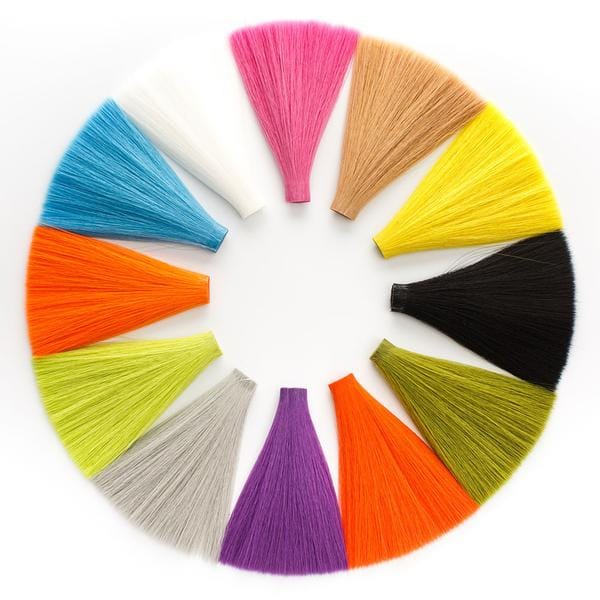
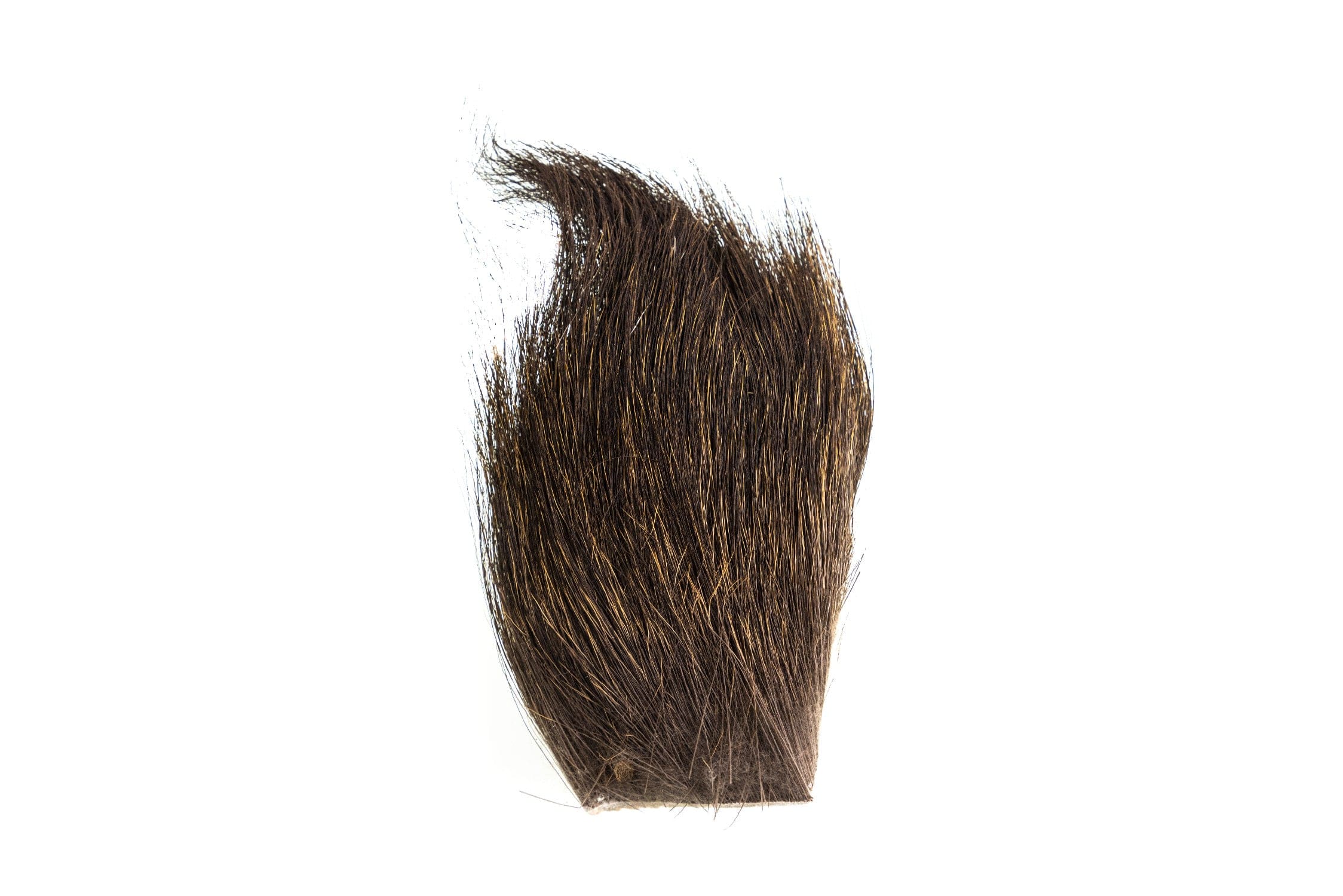
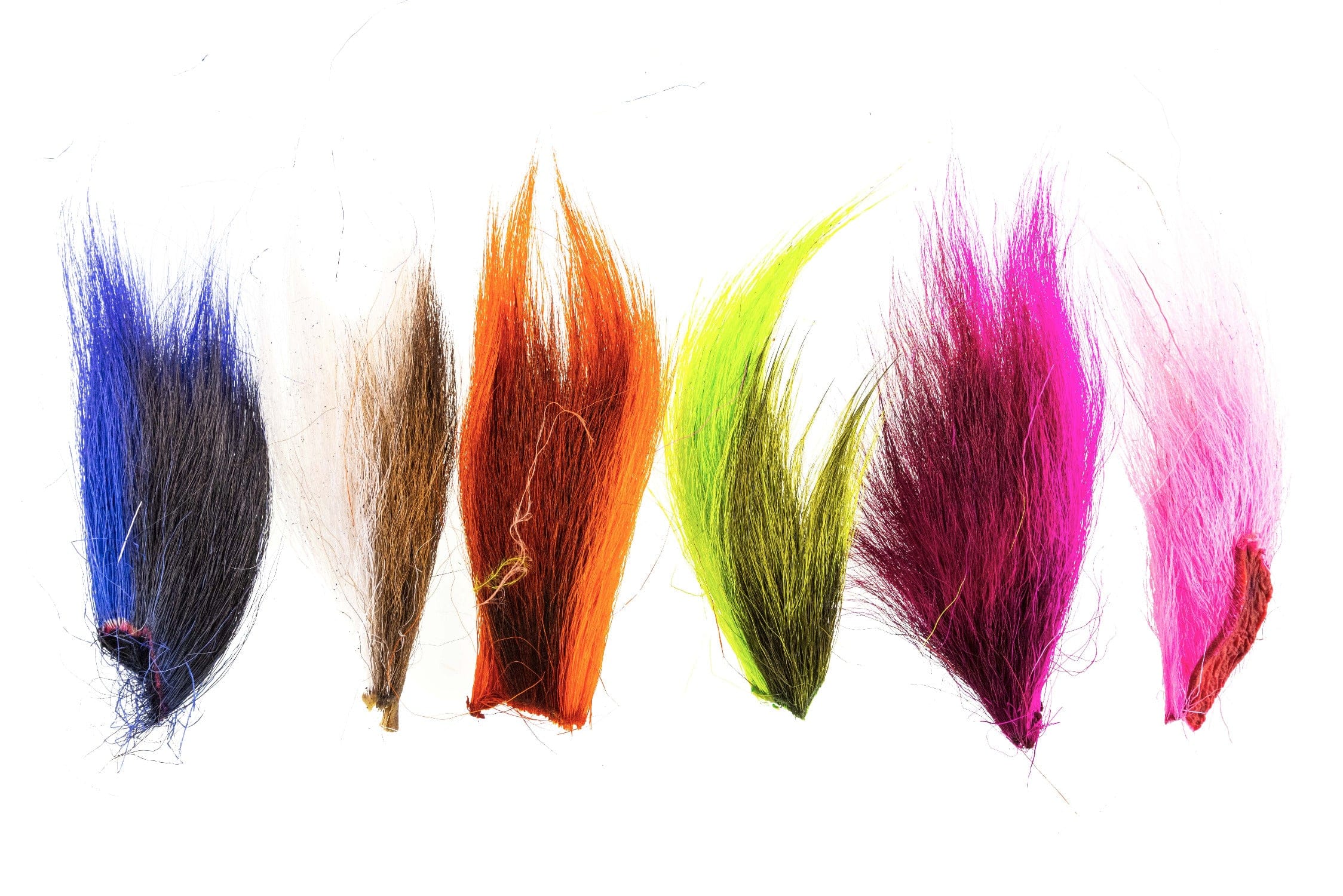
Best All-Around: Hareline Large Northern Bucktail - Best for tying classic baitfish streamers for trout, bass, and inshore salt. Bucktail’s natural taper helps build clean wings and tails without adding a lot of water weight.
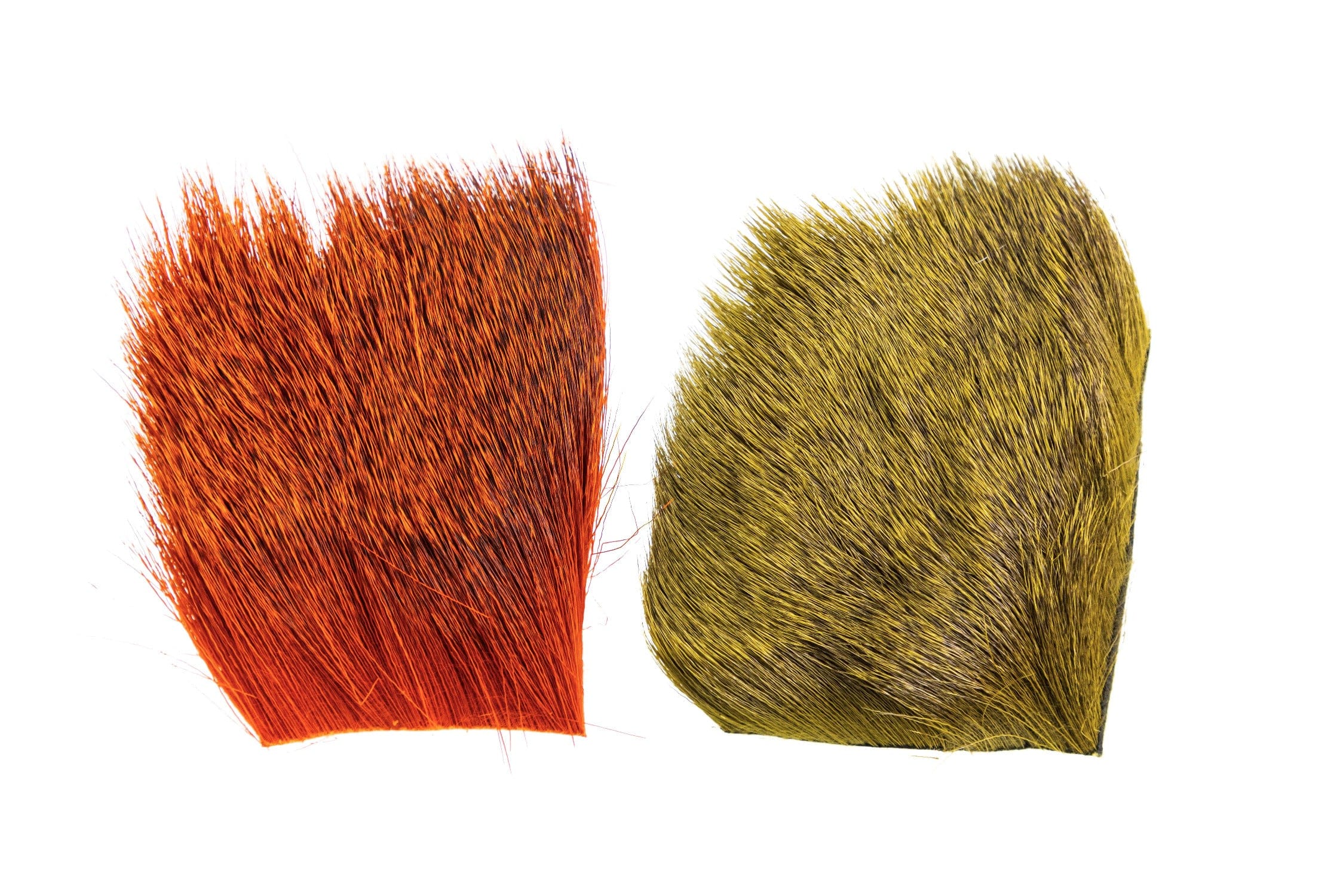
Best for Beginners: Hareline Premo Deer Hair Strips - Great for learning deer hair wings and simple spun heads without overthinking hair selection. Pre-cut strips make it quick to grab consistent clumps for caddis, muddlers, and bass bugs.
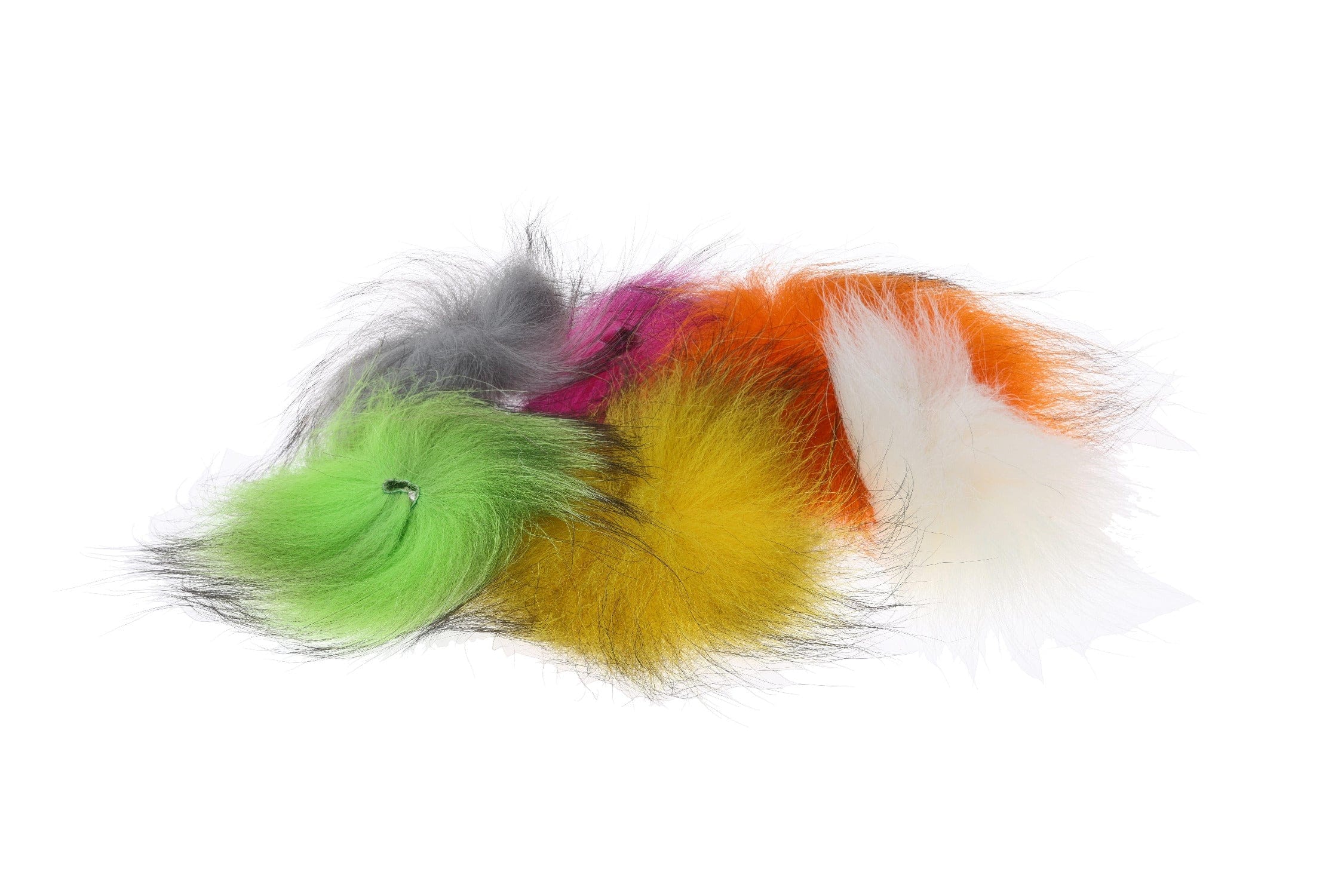
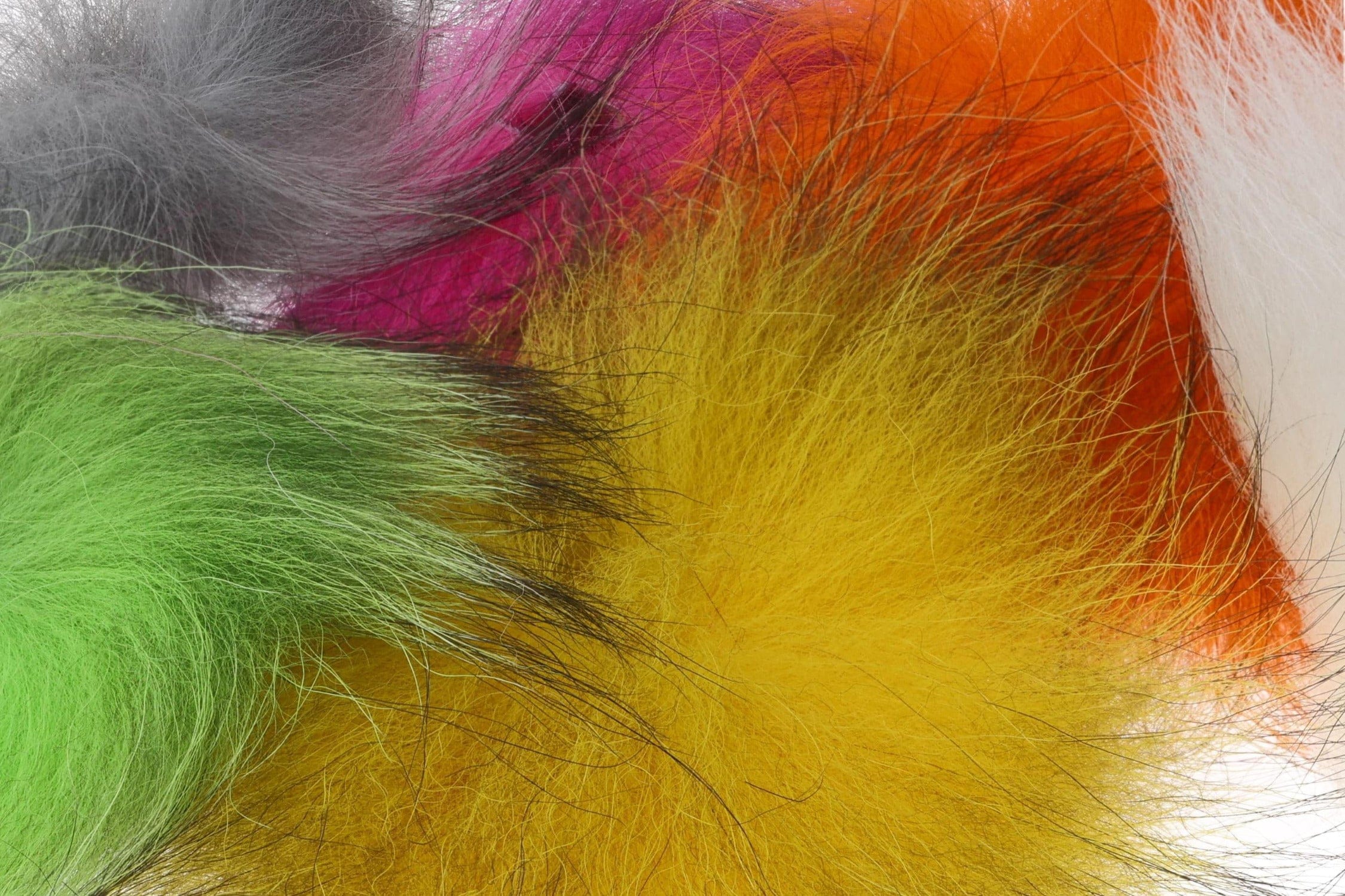
Best Premium: Hareline Complete Fox Tail - A strong choice when you want long, tapered guard hairs plus usable underfur in one piece. Being able to pull hair from different zones of the tail helps you control taper, stiffness, and profile.
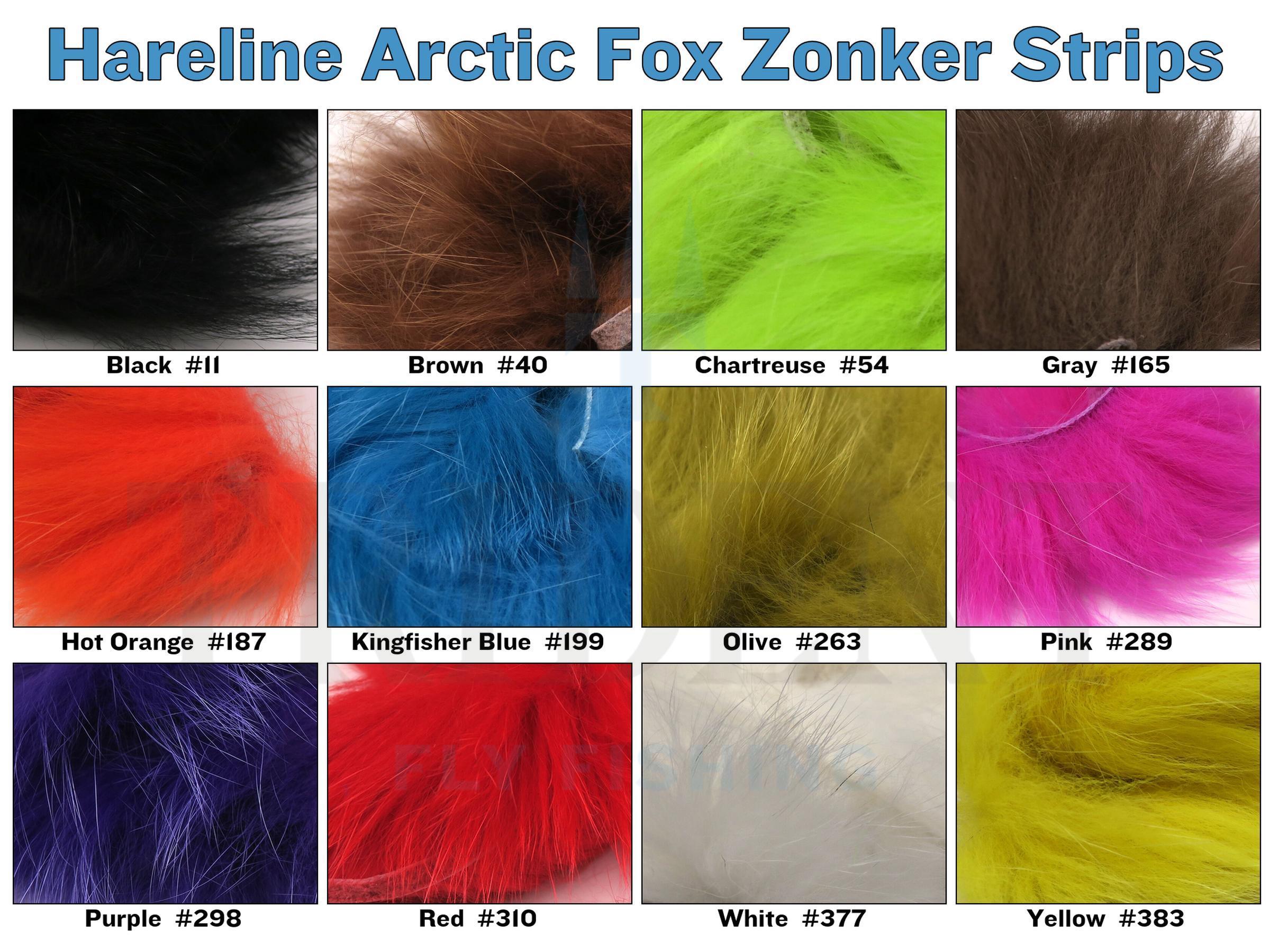
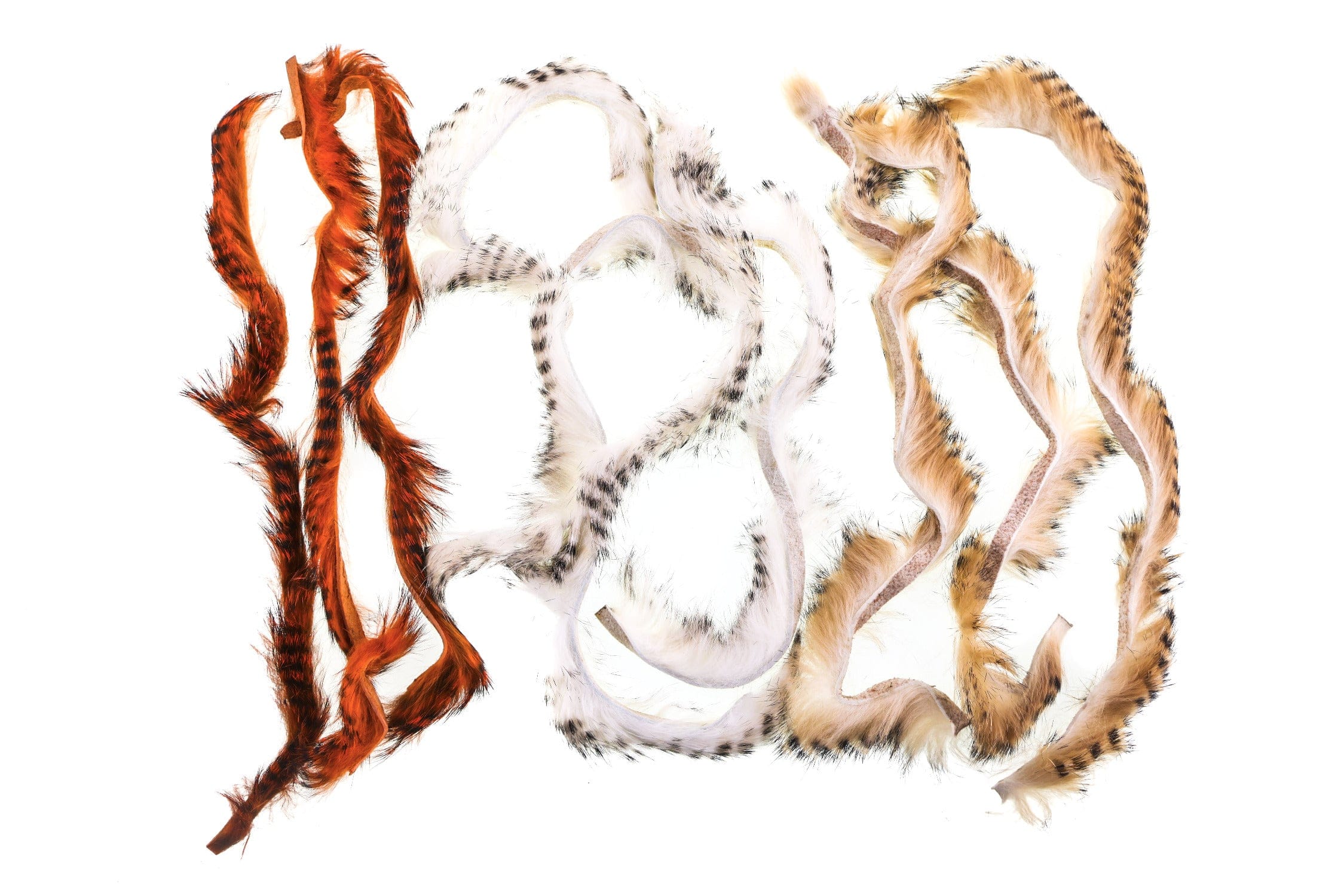
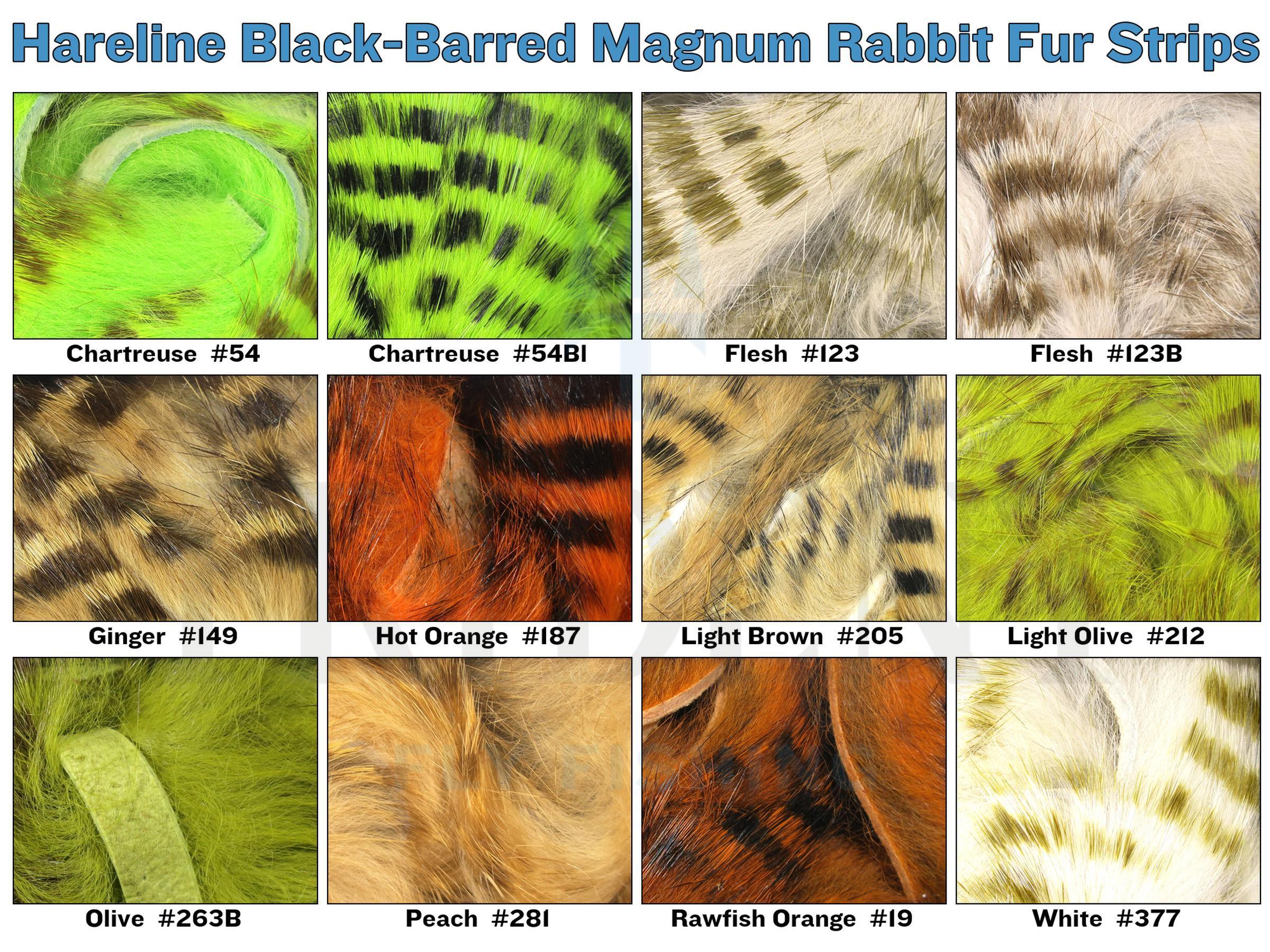
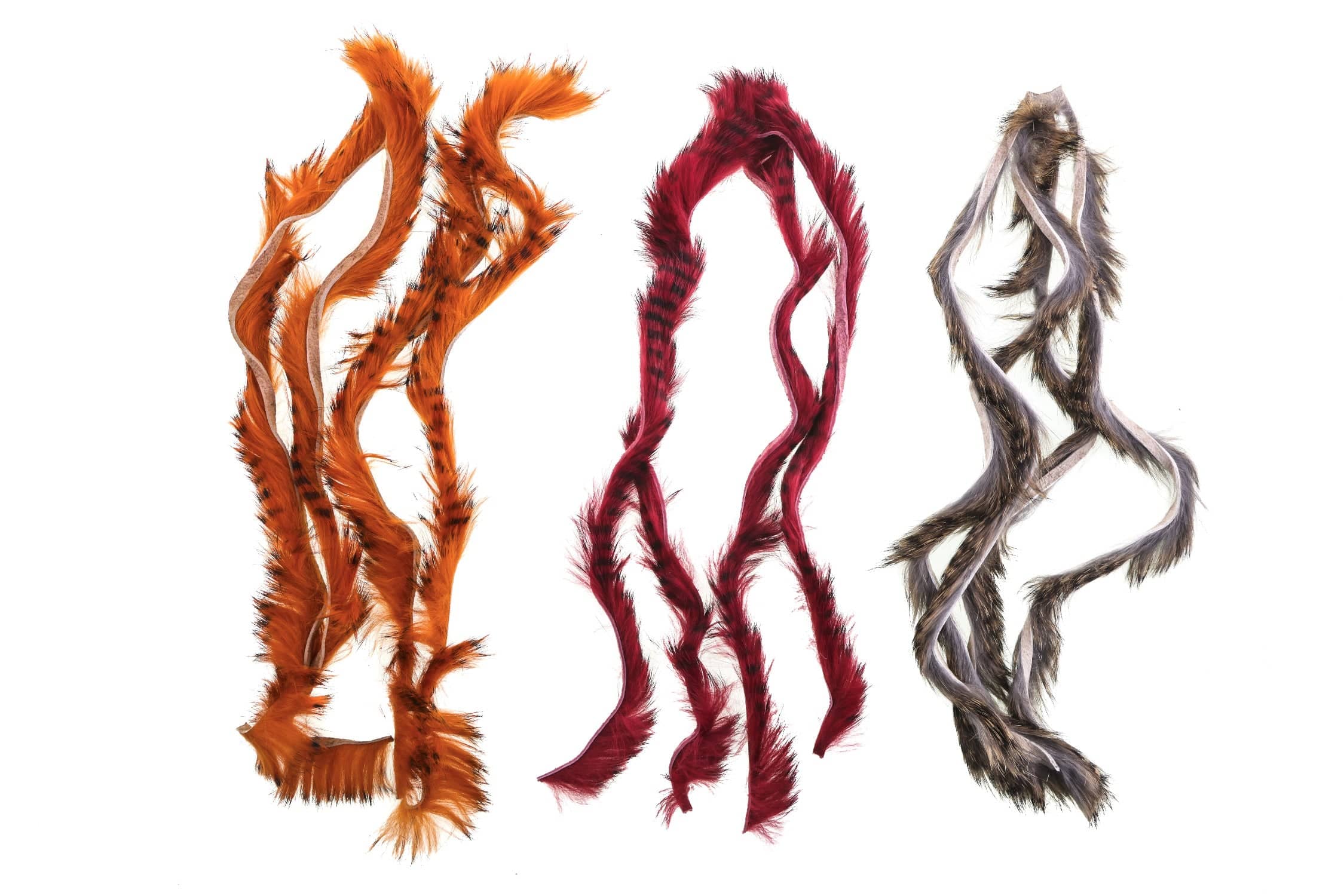
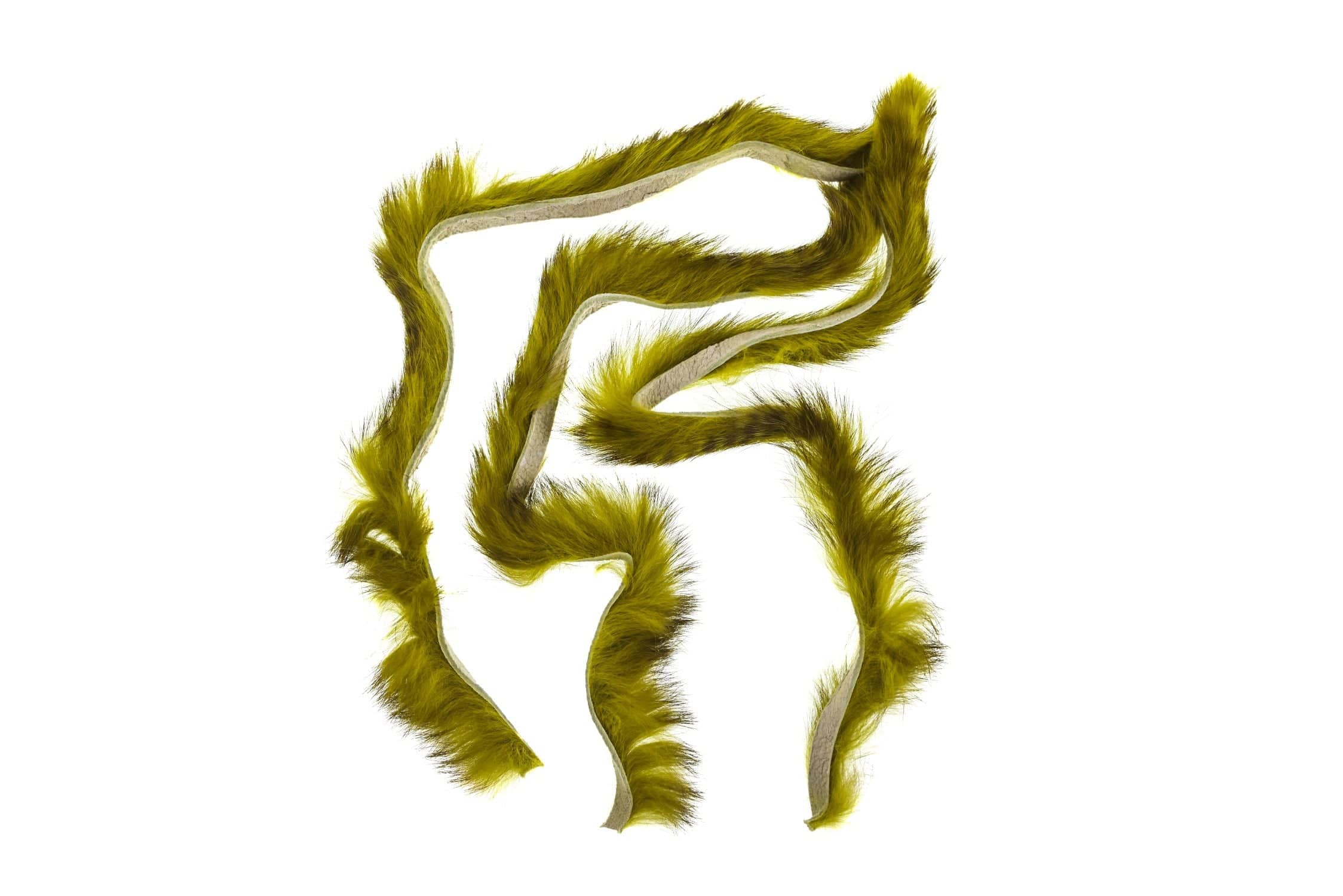
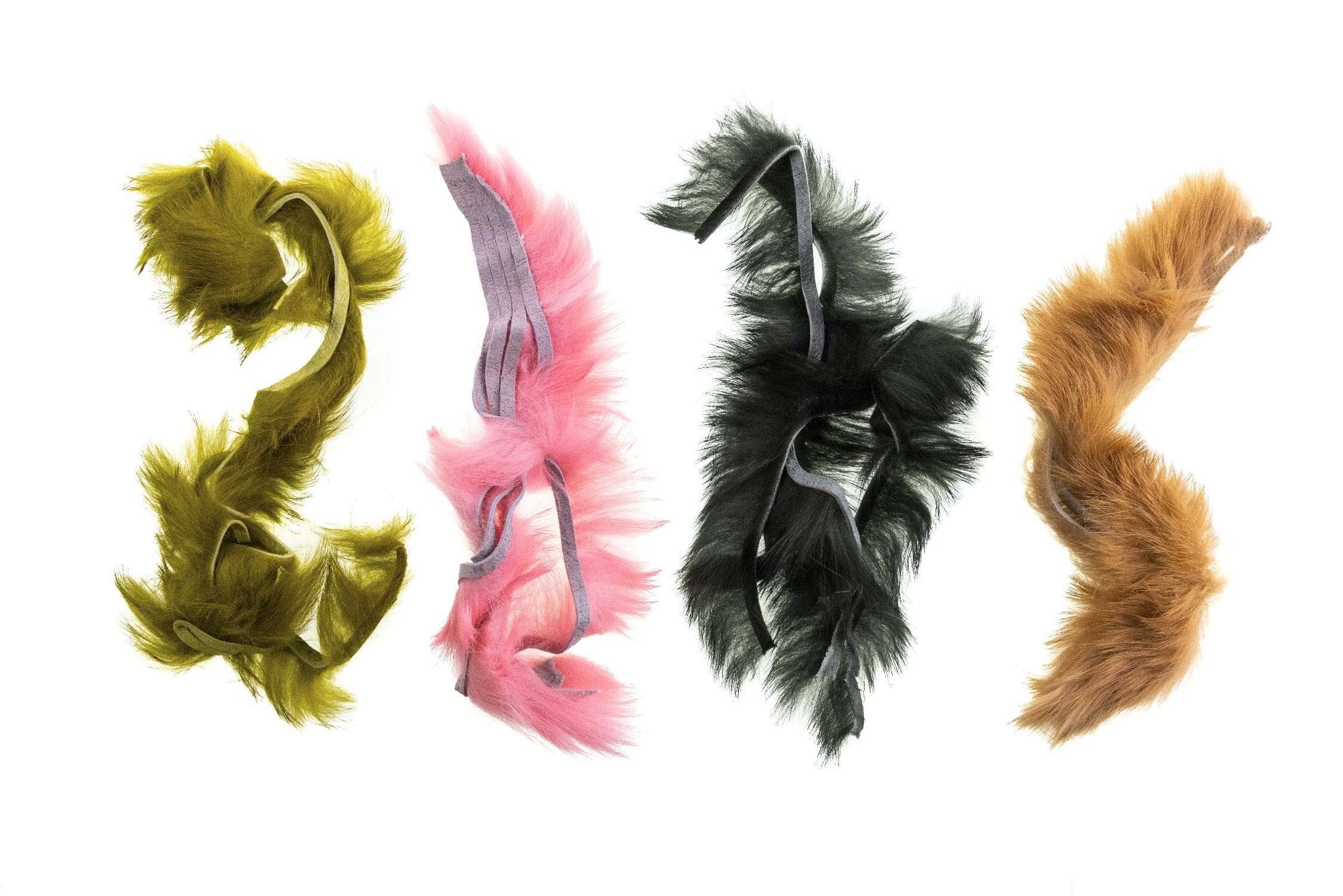
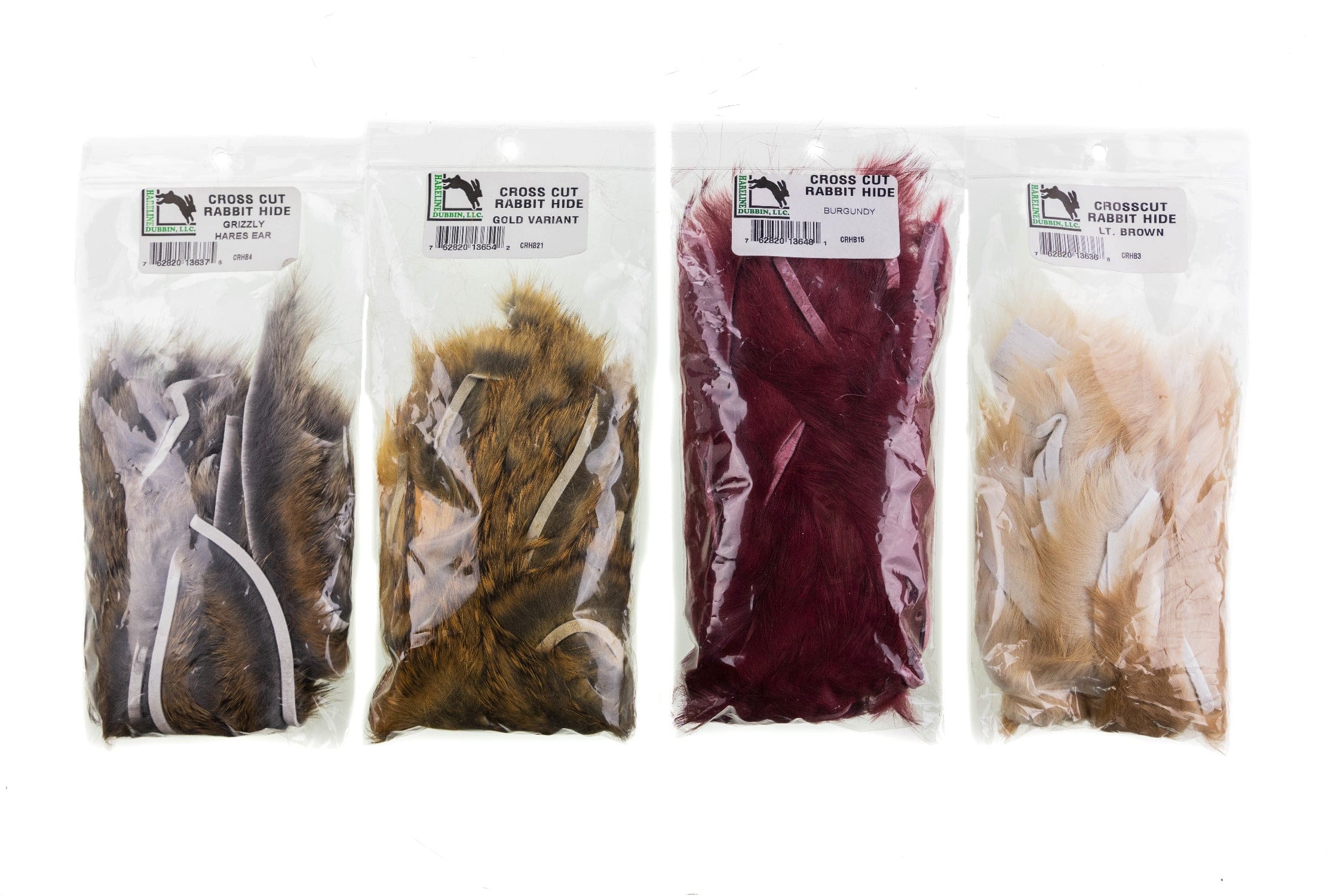
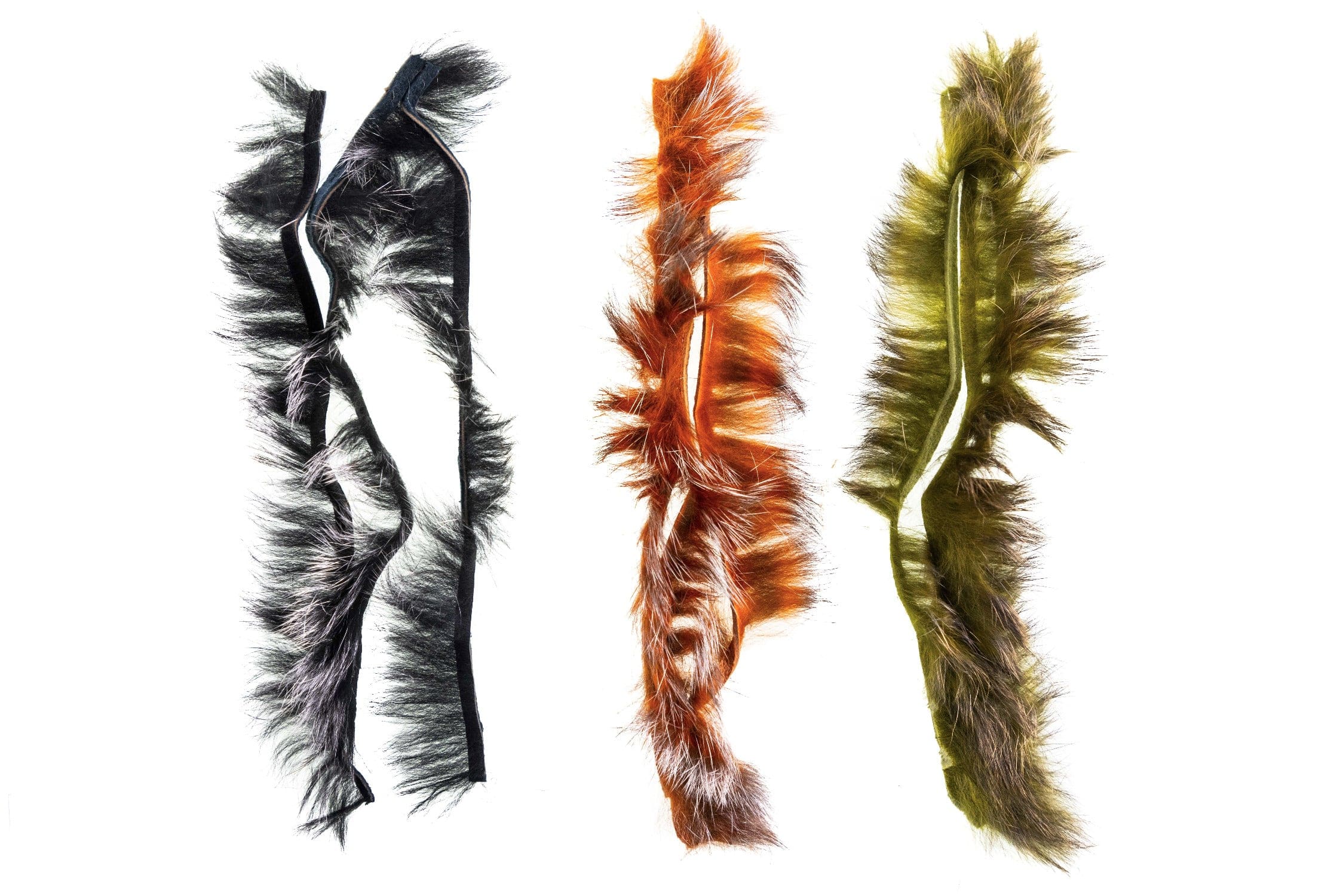
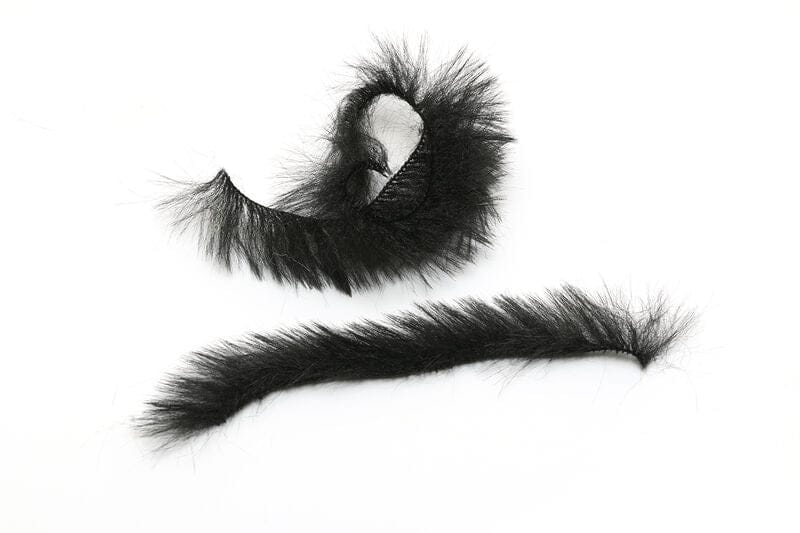
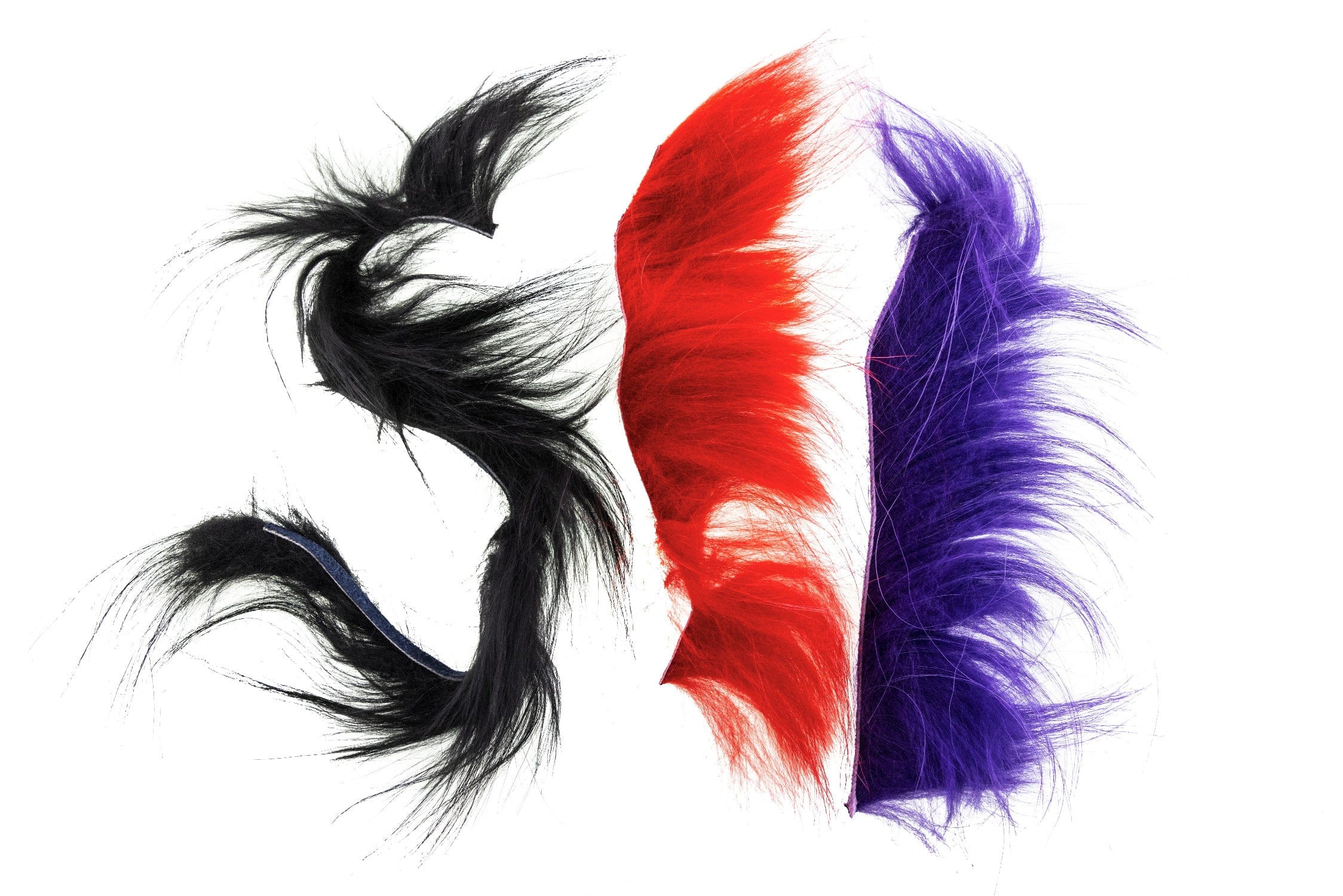
Best for Streamers: Hareline Zonker Cut Rabbit Hide - Ideal for leeches, zonkers, and any pattern where motion is the whole point. Pre-cut strips save time at the vise and keep your flies consistent from one to the next.
How to Choose Hair & Fur
Fly tying hair and fur match the material to the job (taper, flare, and movement)
Action: Start by deciding if you need structure (wings/heads) or motion (tails/bodies).
Bucktail: Great when you want a tapered wing that holds shape and keeps a fly reasonably easy to cast.
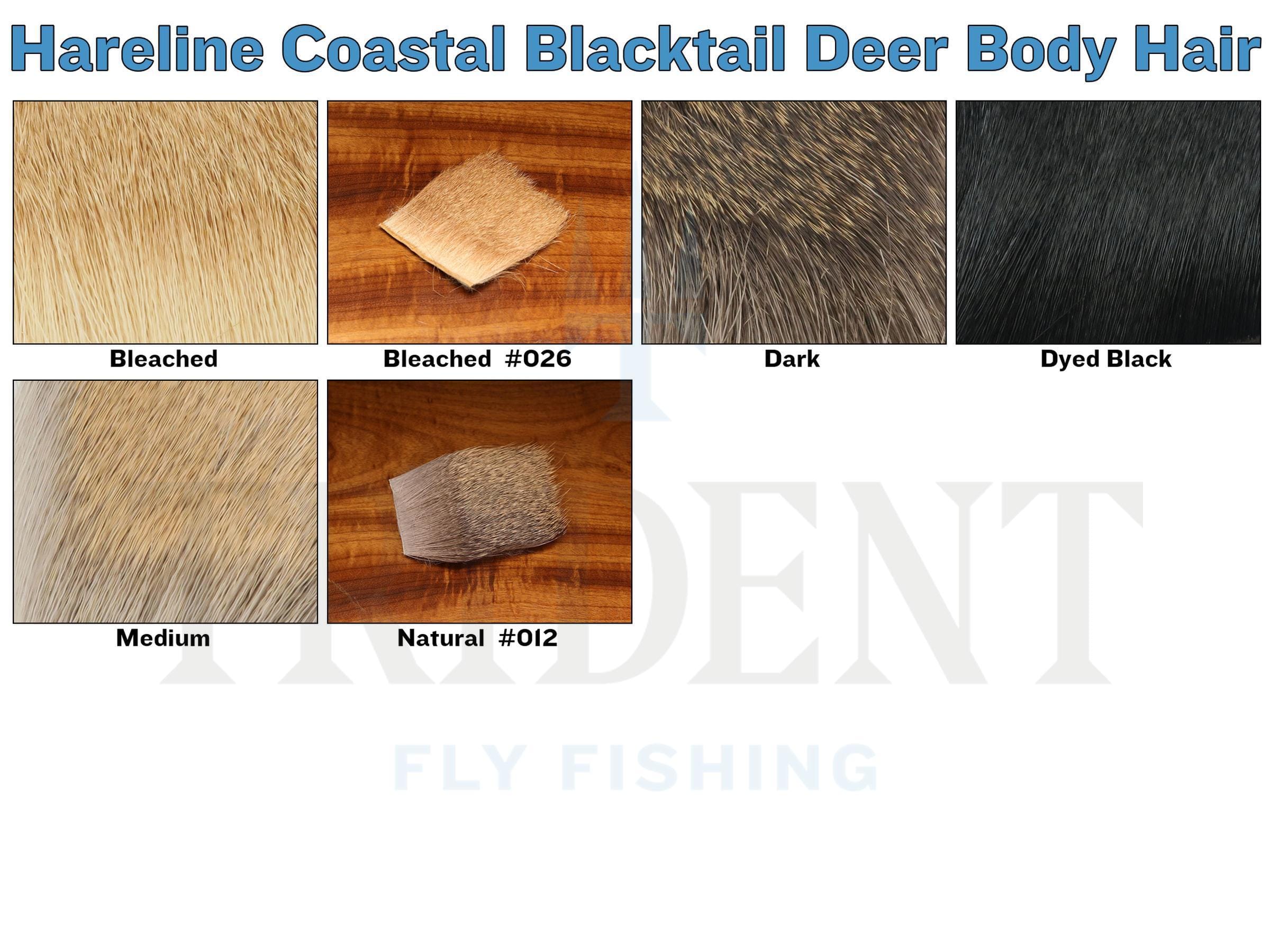
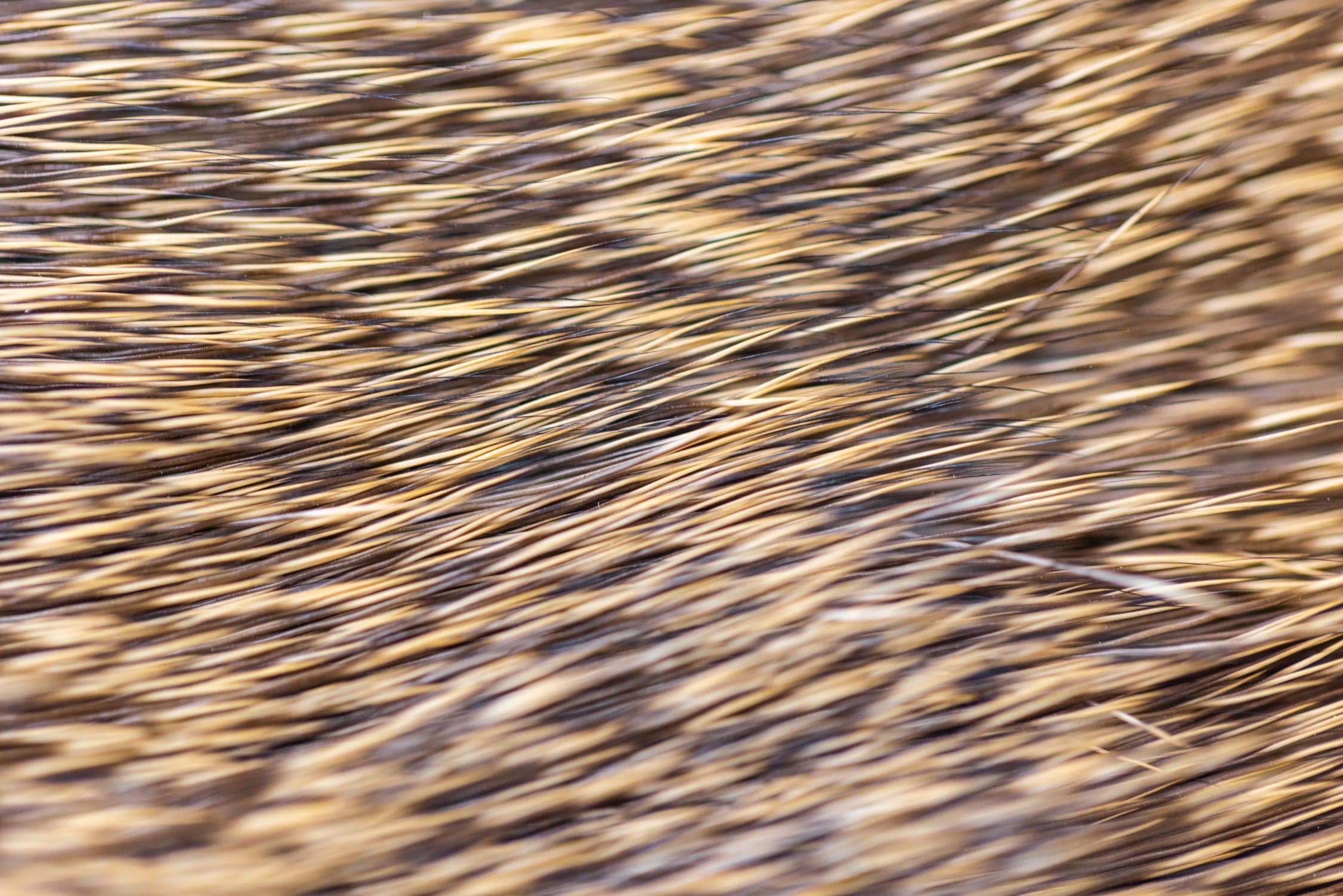
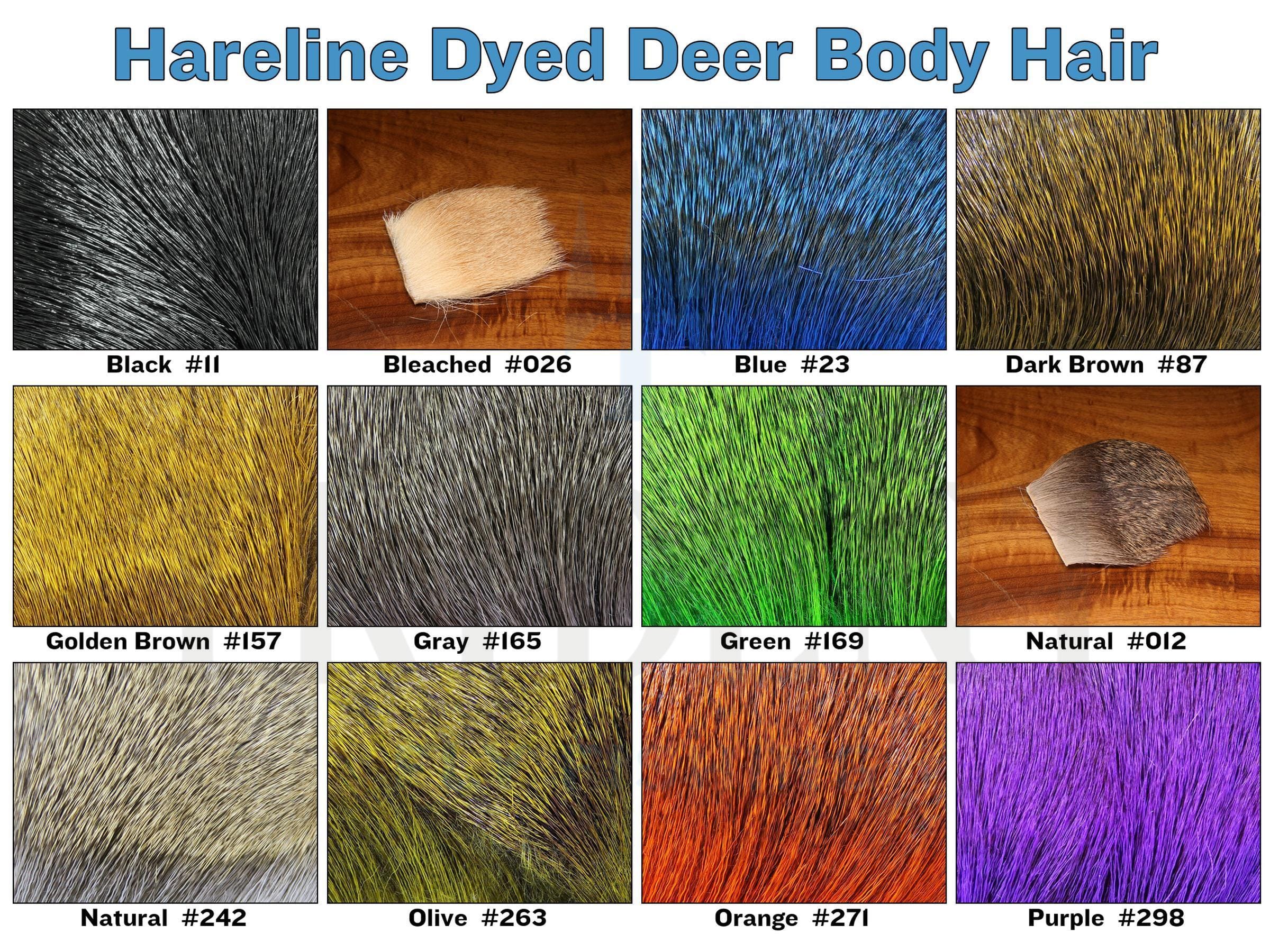
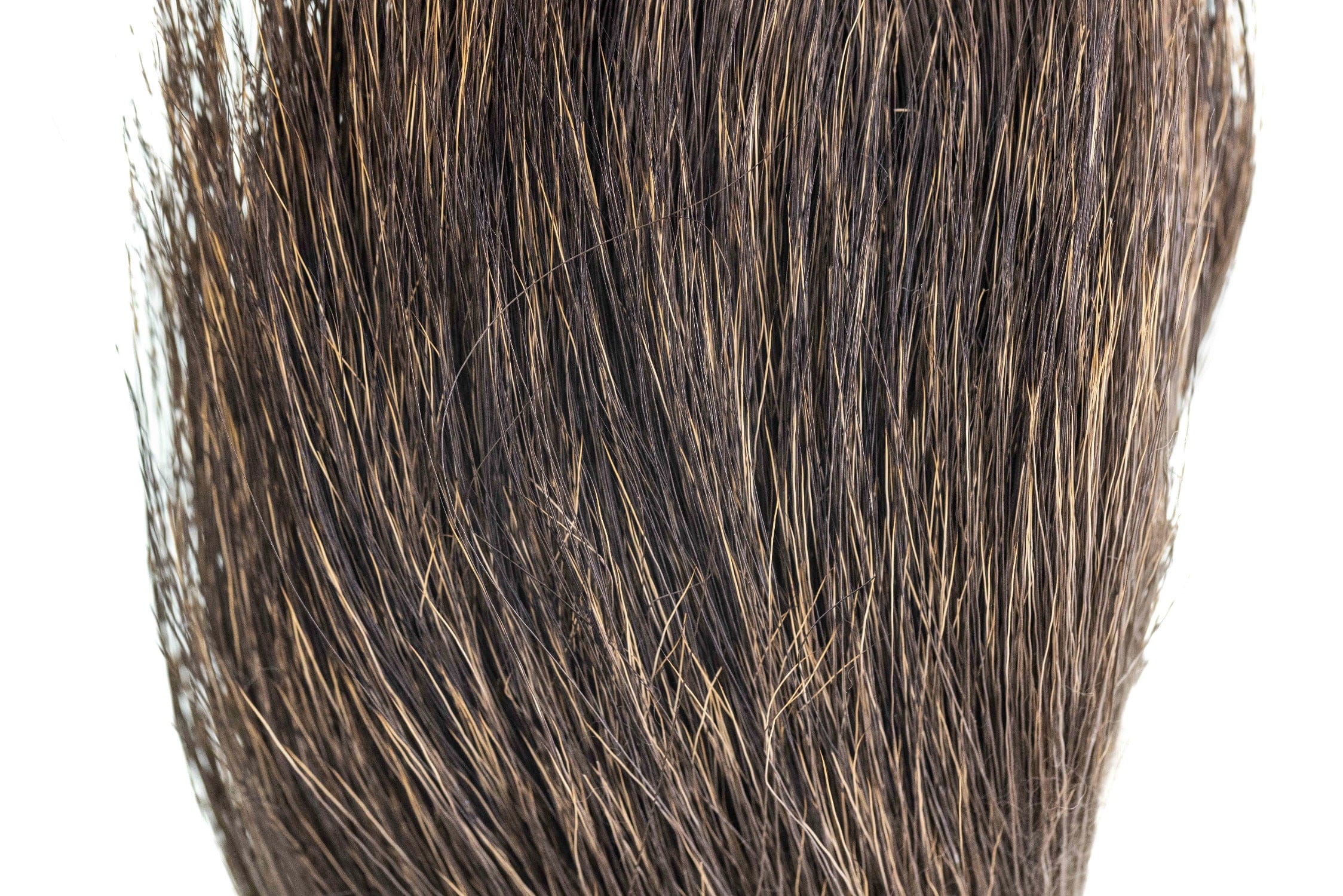
Deer hair: Go-to for buoyant dry fly wings and for spinning/clipping heads and bodies on muddlers, divers, and bass bugs.
Rabbit strips: Best when you want maximum swim and pulse in current, especially on stripped streamers and swung flies.
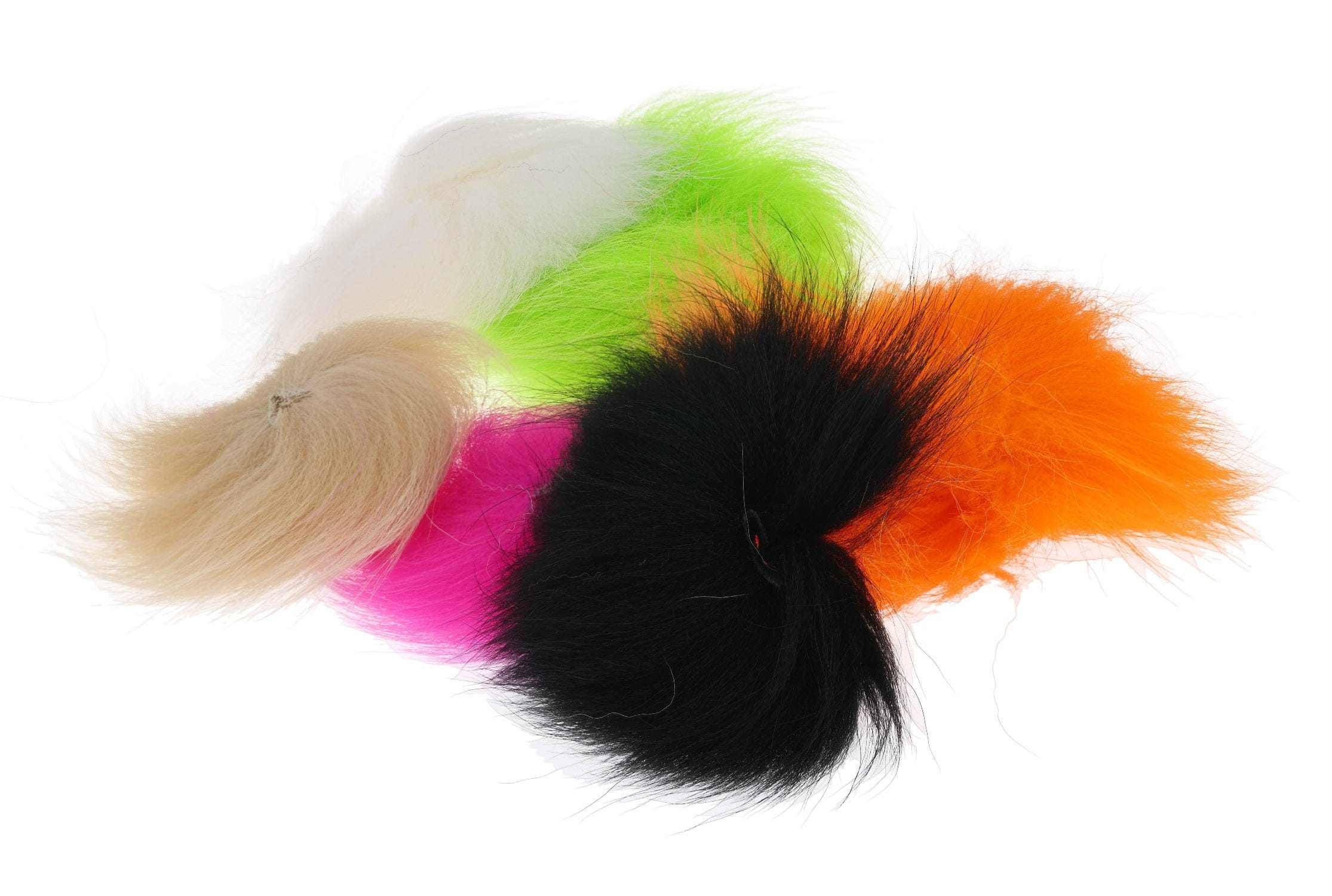
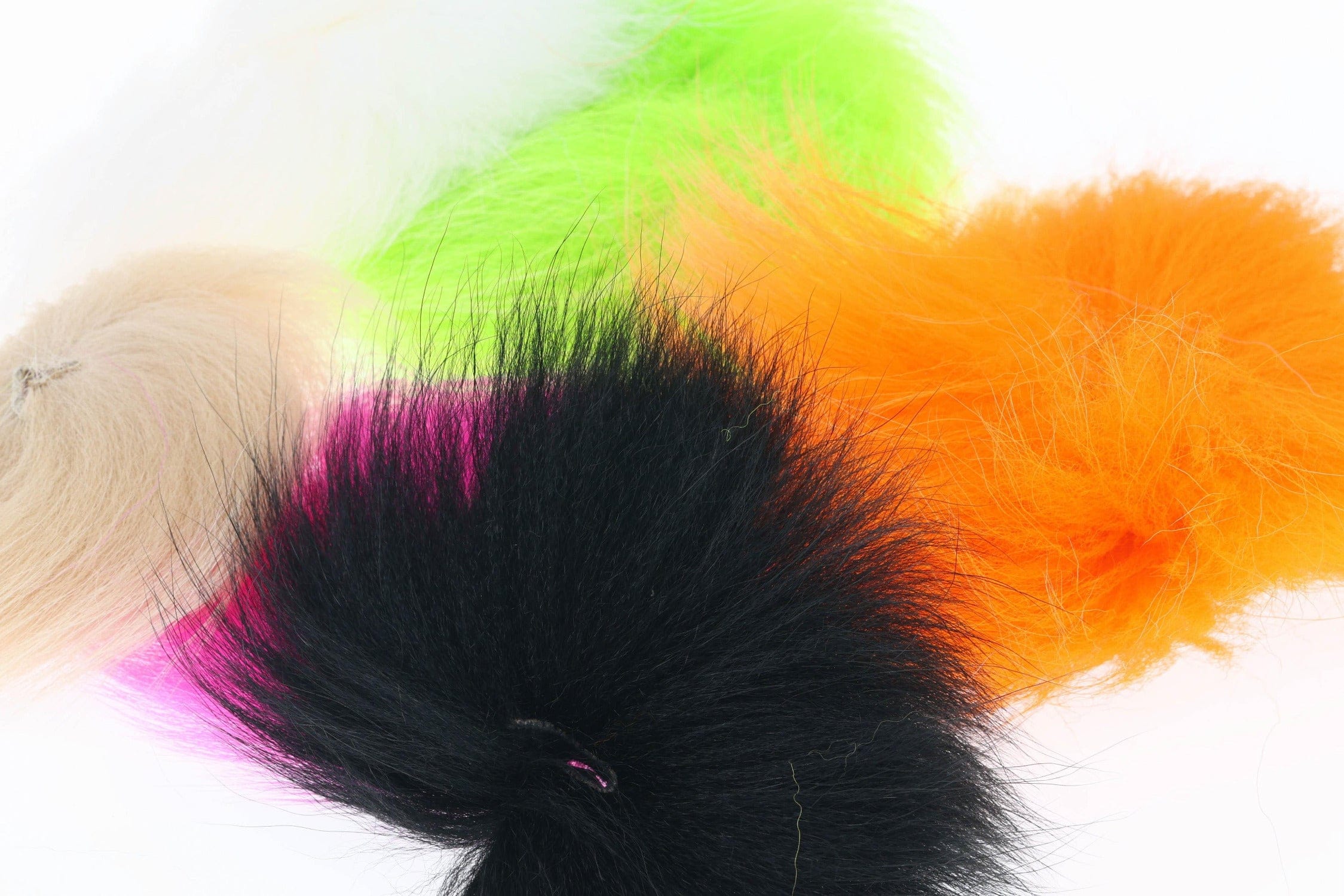
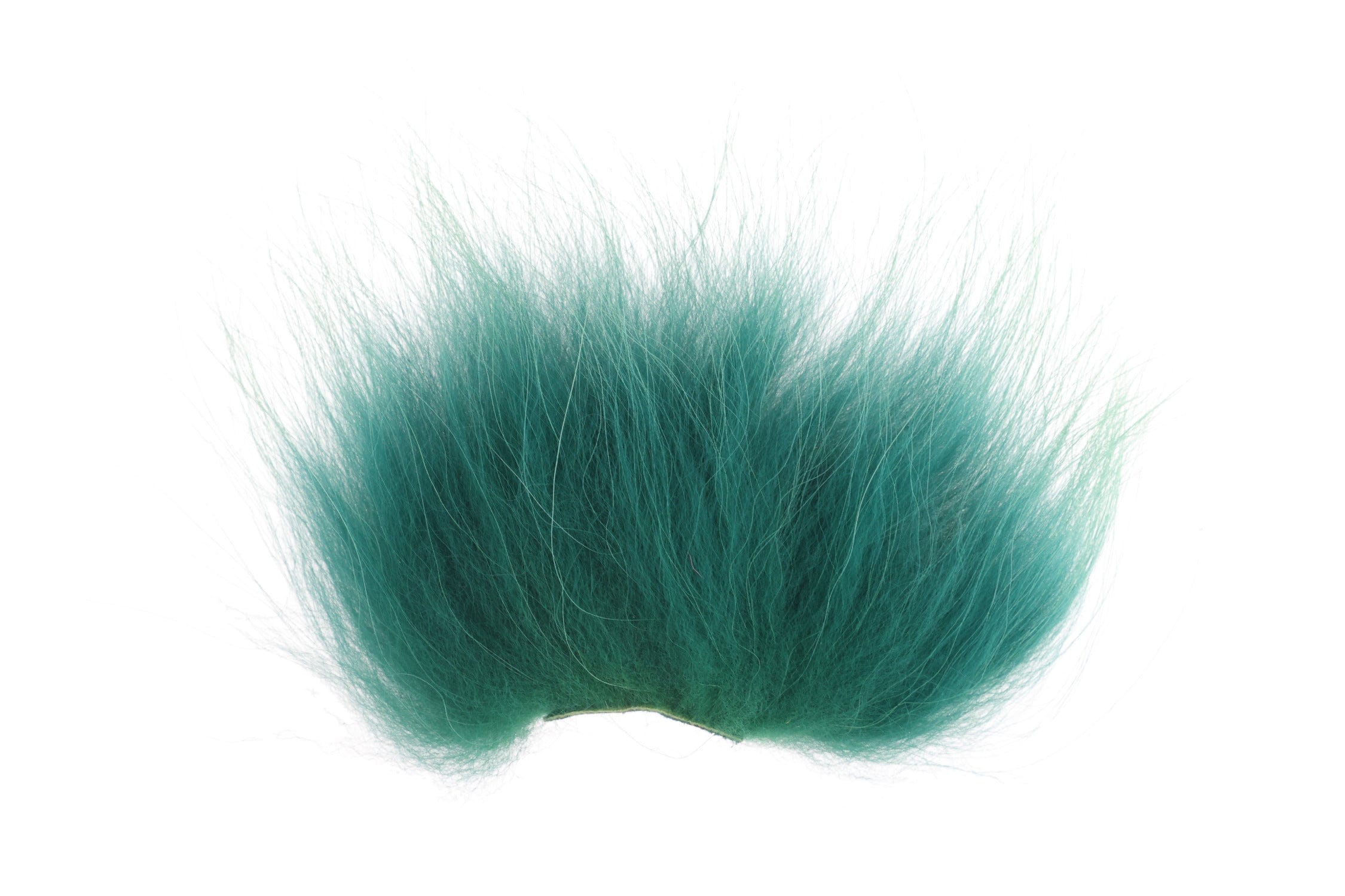
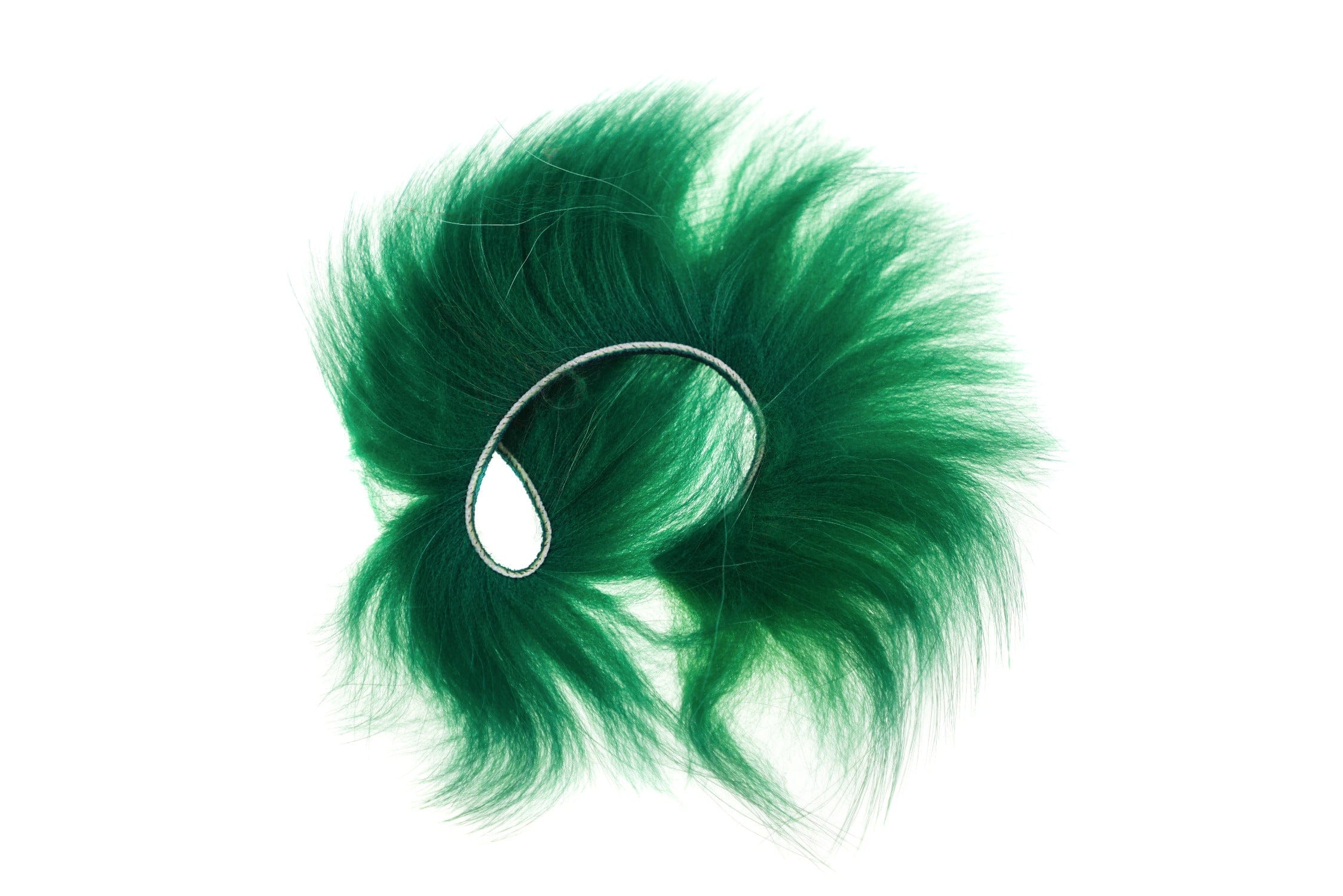
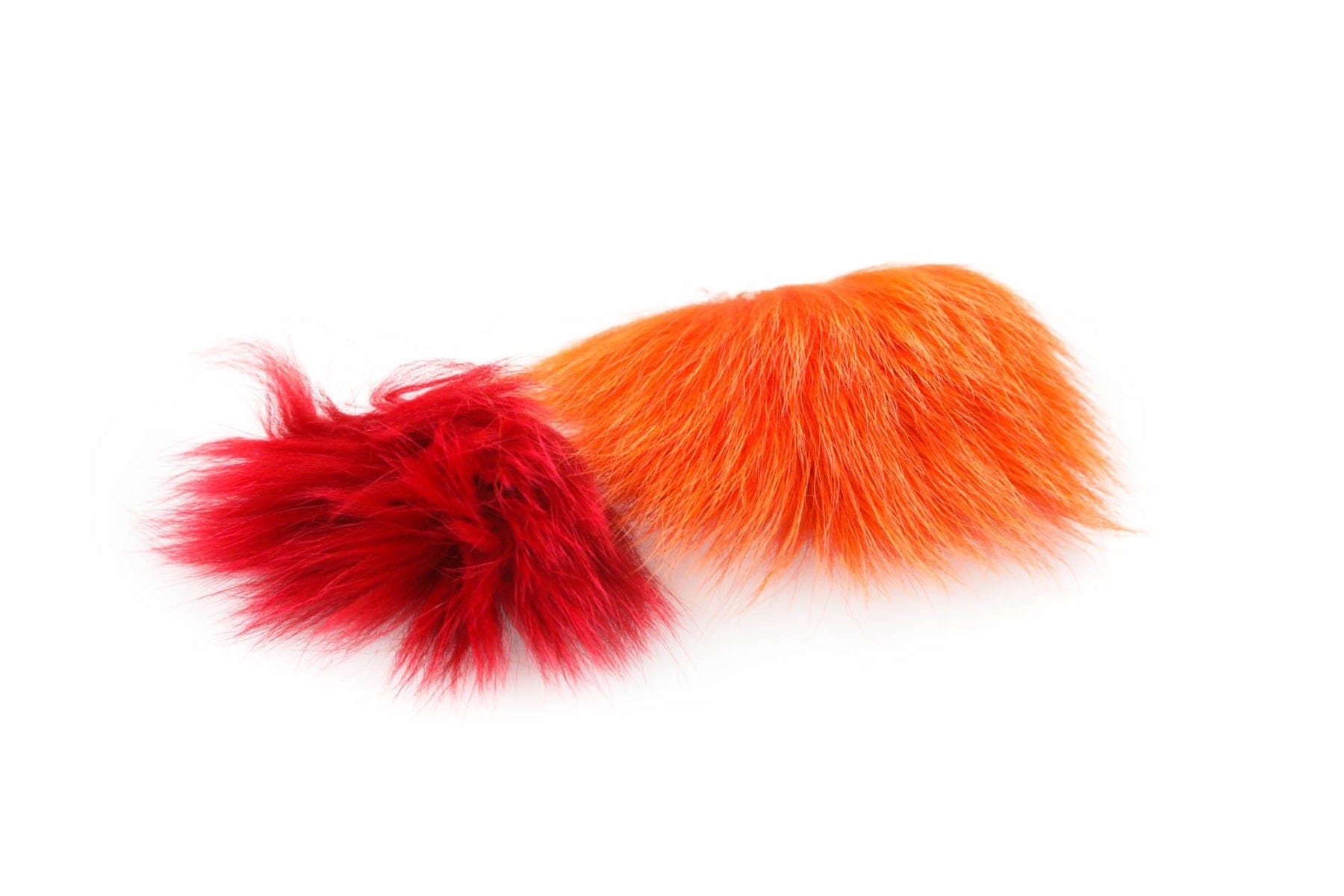
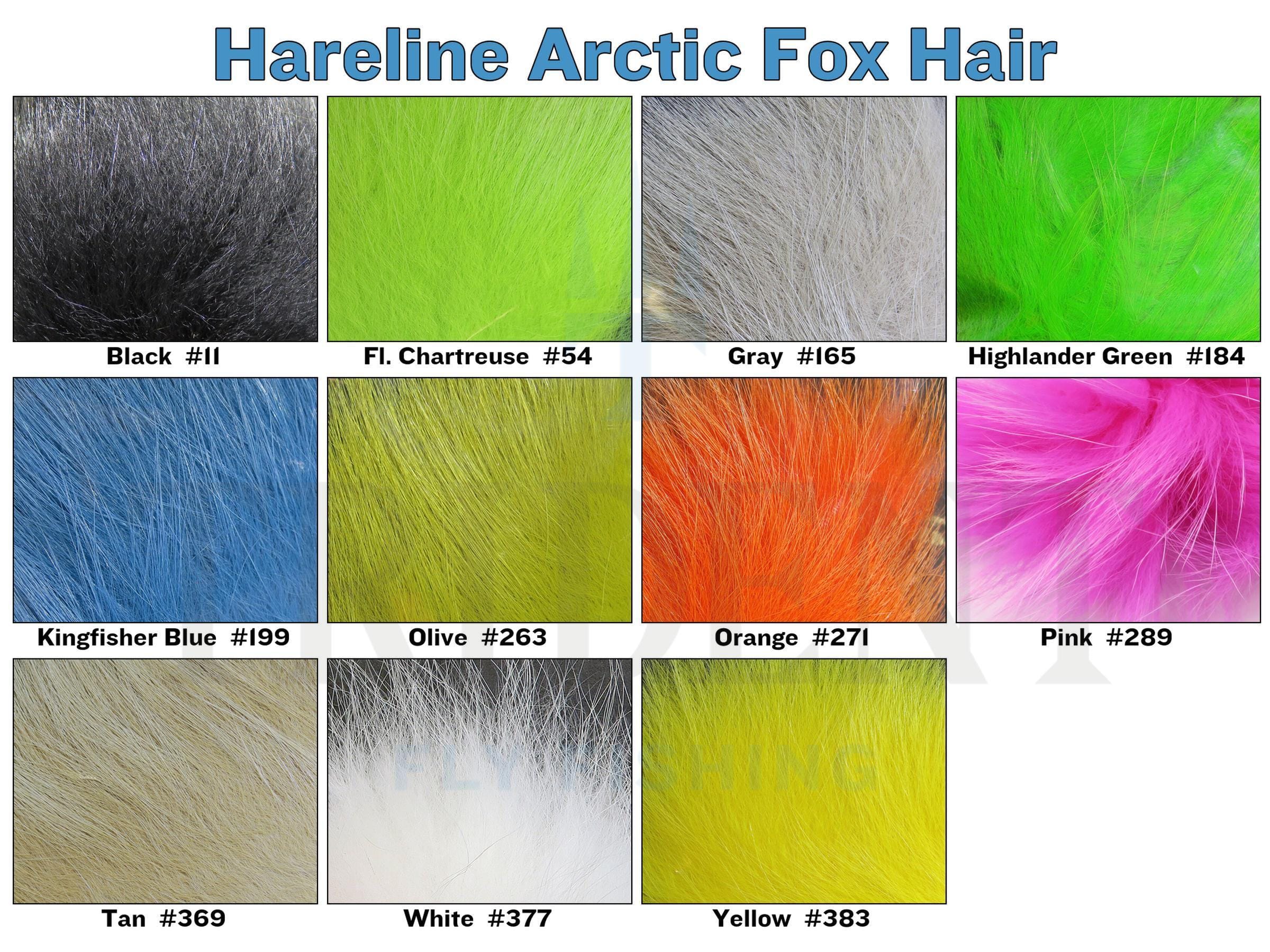
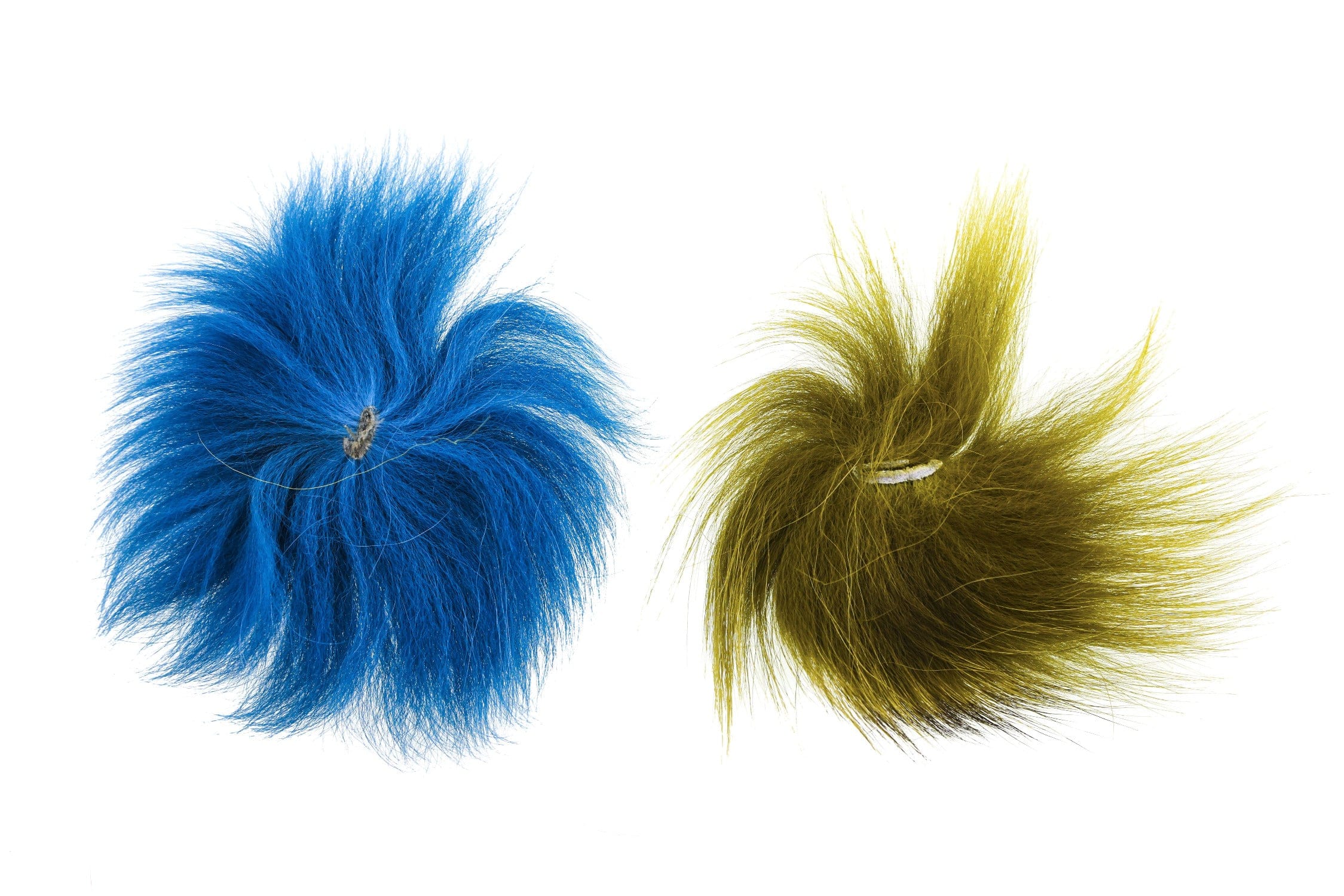
Fox/Arctic fox: Useful when you want flowing fibers with a little more length and sweep for larger profiles.
Pick the right hair for the fly size you actually tie
Best for: If you mainly tie small trout dries, lean toward finer deer hair options meant for wings. If you mostly tie 1/0, 4/0 baitfish and predator patterns, prioritize bucktail, long craft fur, fox, and zonker strips.
Avoid if: Don’t buy extra-long fibers for tiny hooks, trimming wastes material and can make small flies bulky fast.
Color strategy: build a small “core palette” first
Freshwater streamers: White, olive, black, tan/brown cover most baitfish and leech looks.
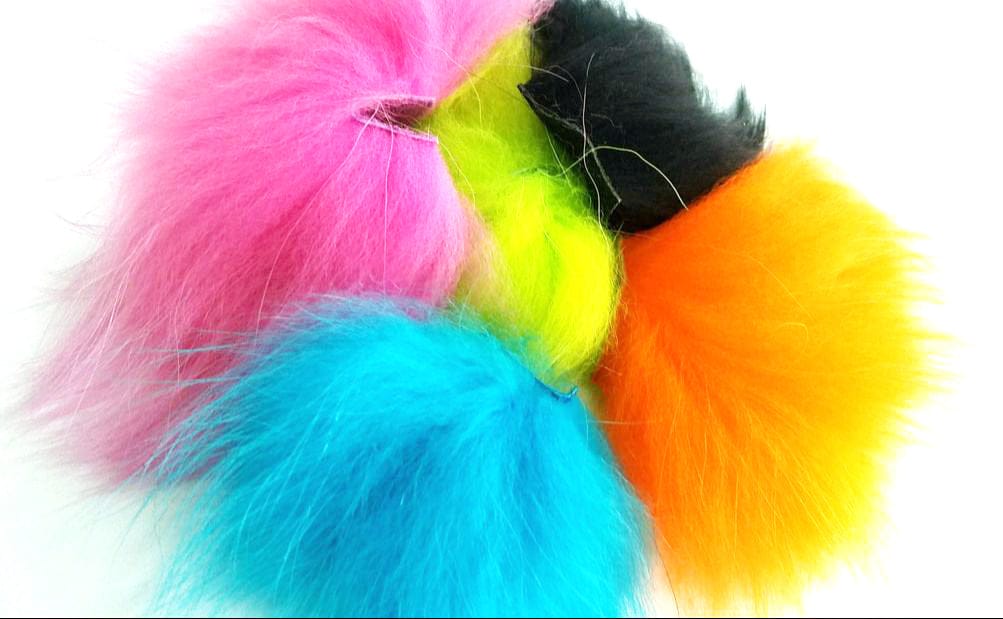
Saltwater/inshore: White, chartreuse, olive, and a brighter accent color are a practical start.
Dry flies: Natural/tan/bleached hair tends to match more insects than loud dyes.
Common mistakes (and quick fixes)
Overdressing hair wings: Use fewer fibers than you think, then add flash or bulk with dubbing/chenille instead.
Not removing underfur: Comb/stack hair before tying; underfur makes wings spin and heads get lumpy.
Buying one material for every job: Bucktail, deer hair, and rabbit strips each solve different problems, having all three makes tying easier.
Materials & Durability
Keep it clean at the bench: Store hair and fur in sealed bags/boxes so it stays dry, dust-free, and easy to sort by color.
Comb before tying: Use a small comb or bodkin to remove short underfur when you need clean stacking and even tips.
Cut smart: Cut clumps at the hide, then pinch out the shortest fibers before stacking to reduce waste.
After fishing: Let streamer flies with zonker strips fully dry before they go back in a box to prevent rust and funk.
Complete Your Setup
Related Gear
Fly Tying Materials - A good hub for building out a full materials kit around the patterns you tie most.
Fly Tying Hooks - Dial in hook shape and strength first; it makes material selection easier.
Fly Tying Flash - Adds a baitfish trigger without changing the fly’s overall profile much.
Beads, Coneheads & Eyes - Pair hair wings with the right weight/eyes to control sink rate and ride angle.
Related Guides
Hair & Fur FAQs
Q: What are fly tying hair & fur materials used for?
A: Hair and fur are used to build wings, tails, heads, and bodies that create profile, buoyancy, and movement. Different fibers also change how a fly casts and how it swims.
Q: What’s the difference between deer hair and bucktail?
A: Deer hair is hollow and can flare/spin, making it great for buoyant wings and clipped heads. Bucktail is typically used as straight fiber for tapered streamer wings and tails.
Q: What hair & fur should a beginner start with?
A: Start with bucktail for easy streamer wings, a general deer hair option for wings/heads, and rabbit zonker strips for quick, fishy streamer bodies. That trio covers a lot of patterns without needing niche materials.
Q: How do I choose the right bucktail for my streamers?
A: Think about fly size first: smaller streamers often tie cleaner with shorter/softer fibers, while larger baitfish patterns benefit from longer fibers. Pick colors that match your local forage (white/olive/black is a strong baseline).
Q: Why do my deer hair heads spin unevenly or look lumpy?
A: Usually it’s too much underfur, clumps that aren’t even at the tips, or not enough thread tension control. Comb the hair, use smaller clumps, and stack/compress in stages.
Q: Are rabbit zonker strips only for trout streamers?
A: Not at all, zonkers work for trout, bass, pike, and many inshore saltwater applications. The key is matching strip width and hook size so the fly doesn’t get overdressed.
Q: Can I mix hair & fur with synthetics?
A: Yes, many modern patterns use synthetics for consistency and flash, then add natural hair or fur for texture and “life.” A common approach is a synthetic body with a natural wing or collar.
Q: How should I store fly tying hair and fur?
A: Keep it dry and sealed, sorted by material and color so you don’t crush fibers or contaminate light colors. Let wet flies fully dry before storing them back in your boxes.