





























Description
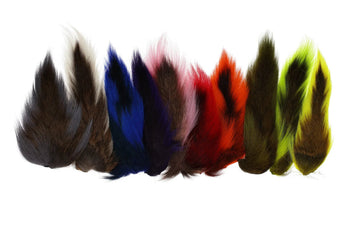
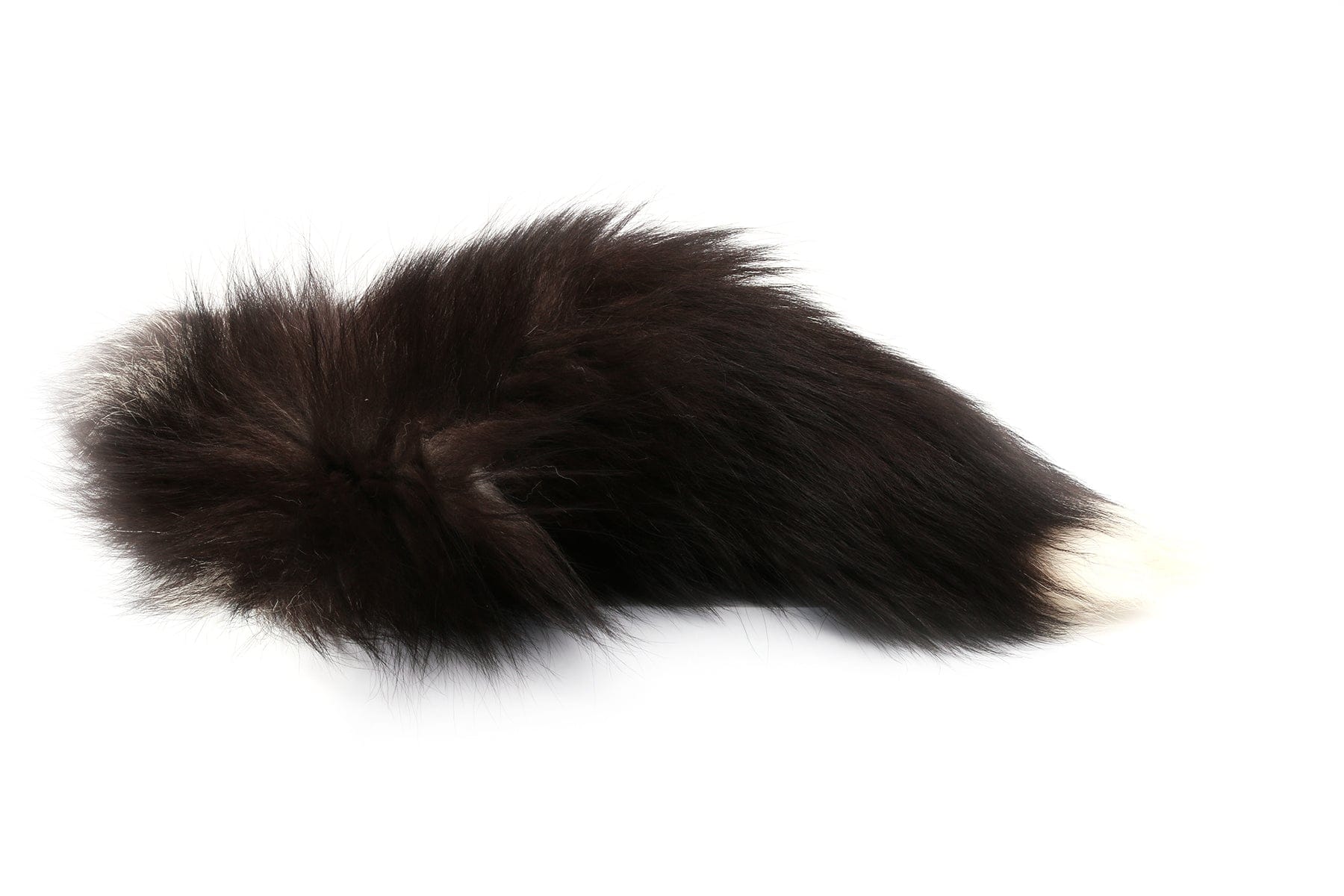
Hareline's Complete Fox Tail is a full, tanned tail packed with long, tapered guard hairs and dense underfur that translate into lifelike movement and clean silhouettes in current. The fibers typically run 2 to 5 inches with natural gradations from base to tip, so you can choose coarse, supportive hair for shoulders or fine, flowing tip hair for wings and tails. Available in natural and rich dyed colors, a single tail yields a wide range of textures and lengths for everything from micro hair wings to oversized predator profiles.
Because it's the entire tail, you can pull clumps from specific zones to control taper and stiffness. The hair has a subtle sheen, strong color saturation, and enough body to resist collapsing while still breathing between strips or on the swing—qualities that make it a staple for salmon, steelhead, trout streamers, and saltwater baitfish patterns.
How to Use It
Pick hair by section: base hair is longer and slightly coarser for shoulders and collars; mid-tail offers all-around streamer fiber; tip hair is fine for sparse wings. Comb out the underfur before tying to reduce bulk, then pinch-stack in your fingers for a natural taper (a hair stacker is optional but helpful for short wings). Tie in by the tips for slim hair wings or reverse-tie a clump and fold it back to build a flared shoulder. Blend small amounts of flash or synthetics into the bundle, and use thread dams or a tiny drop of thin cement at the tie-in to keep the wing from rolling.
For larger intruder-style or baitfish flies, spin short fox fibers in a dubbing loop to create composite collars that pulse without fouling. Color layering is straightforward: mount a dark overwing above a lighter belly to achieve contrast, and add just enough length to reach the bend or slightly beyond to maintain tracking. Fox retains some water, so keep bundles modest for quick casts; if you need more support, add a short bucktail core underneath and finish with fox as the outer, mobile layer.
Example Flies
Sunray Shadow: A long, ultra-sparse wing on a tube or short shank, using 4 to 6 inches of black fox over a thin silver flash underwing. Cut a narrow clump from the mid-to-tip section, comb out underfur, and bind it atop the tube with tight flat thread wraps so the wing tracks straight. Add a small hitched cone or micro disc up front to keep the profile open when swinging for Atlantic salmon or sea-run browns.
Steelhead Intruder: Build a 40–60 mm shank fly with a composite dubbing loop of chopped dyed fox (e.g., fluorescent pink or chartreuse) mixed with a touch of Ice Dub for sparkle. Spin and brush the loop to make a breathable shoulder behind a small cone, then finish with a sparse fox overwing to set length just past the trailer hook. The fox shoulder adds a steadier silhouette than ostrich alone and helps the fly hold shape in pushy flows.
Fox Tail Deceiver: On a 1/0–2/0 saltwater hook, form a white fox belly and an olive or gray fox overwing, each tied in as tapered clumps 2.5–4 inches long. Add a short, stiff bucktail core if you want extra keel and then layer the fox for movement. Top with a few strands of lateral flash and epoxy or UV eyes. The fox substitutes for saddle hackles, delivering a more subtle kick and easy casting in windy conditions.
Scandi Temple Dog Variant: On a 1–1.5 inch copper or plastic tube, tie a short black fox underwing, a small flash veil, then a longer colored fox overwing (yellow, orange, or chartreuse). Finish with a soft hackle and a cone. The two-stage fox wing creates a luminous, mobile profile that stays slim yet lively on light Scandi lines.
Why We Like It
Fox tail combines natural taper with just the right amount of stiffness, so wings resist fouling but still breathe on the pause and swing. It takes dye exceptionally well, giving vivid, durable colors that remain readable at depth and in low light, and the fibers blend seamlessly with flash, bucktail, and modern synthetics.
A full tail is economical and versatile: you can pull dozens of wings, collars, and dubbing-loop shoulders tailored to small trout streamers or big anadromous and saltwater profiles. Compared to many soft hairs, fox holds a consistent outline in current, which translates to a confident, track-straight fly.
Comparable Materials
Arctic fox tail is softer with shorter average fibers and more underfur; it excels for small, ultra-mobile wings but lacks the longer lengths a complete fox tail provides. Finn raccoon tail offers long, mottled guard hairs and extra underfur for thick, pushy collars, though it can hold more water. Bucktail is stiffer and more buoyant, ideal for Clousers and jigs where you want lift and minimal water uptake, but it can look choppier and less fluid than fox. Craft fur is consistent and inexpensive with long fibers for baitfish patterns; it sheds water quickly and ties fast, yet it lacks the natural taper and sheen that give fox its subtle, believable movement.
Email the travel team
How do you want to send it?
We've written the email for you. Add your dates and it's ready to send.