
























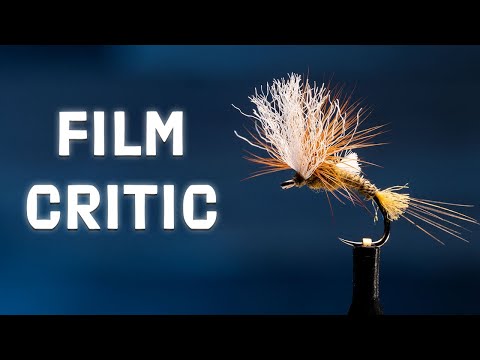
Film Critic Emerger Fly Pattern | Excellent Mayfly Imitation | Fly Tying Tutorial
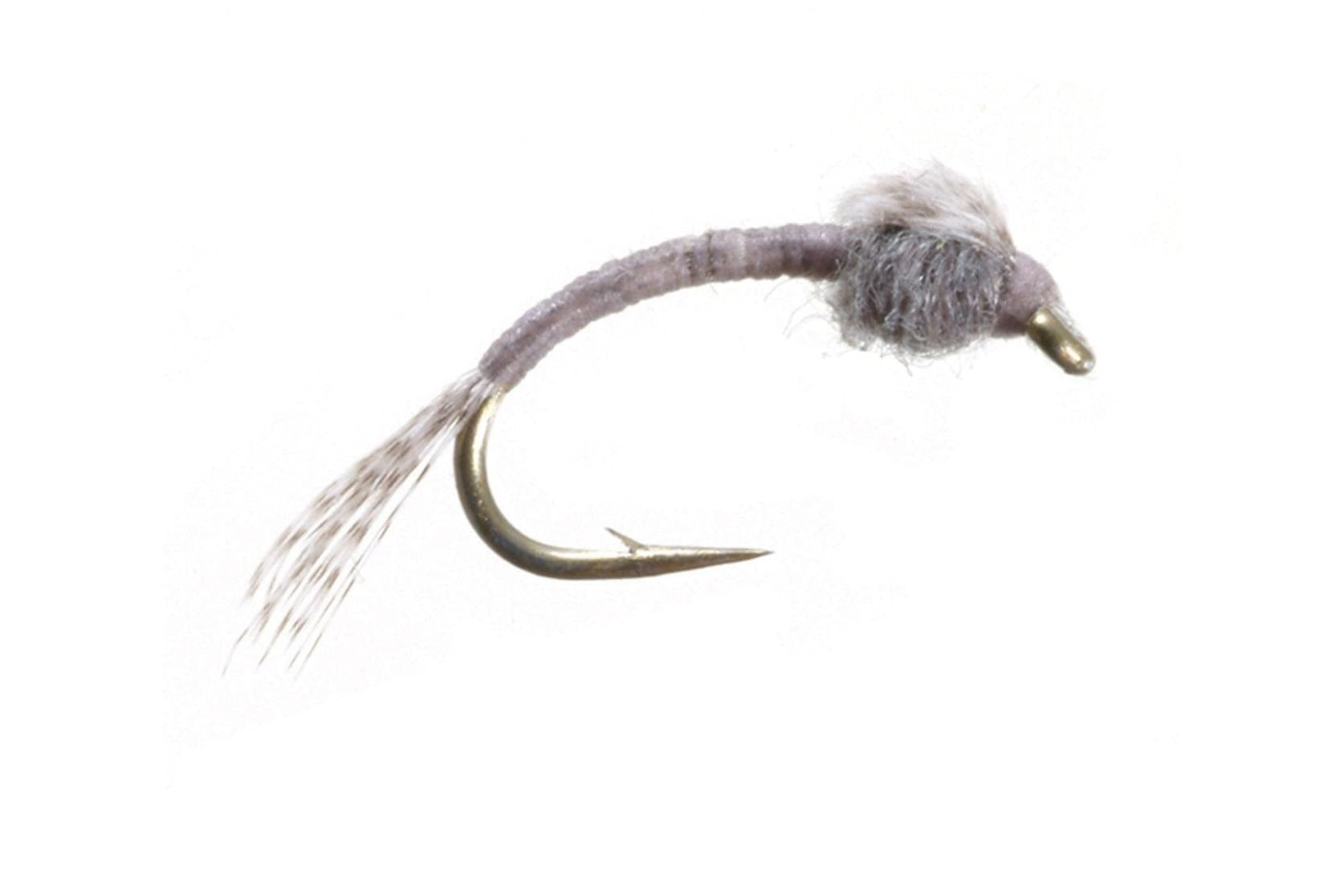
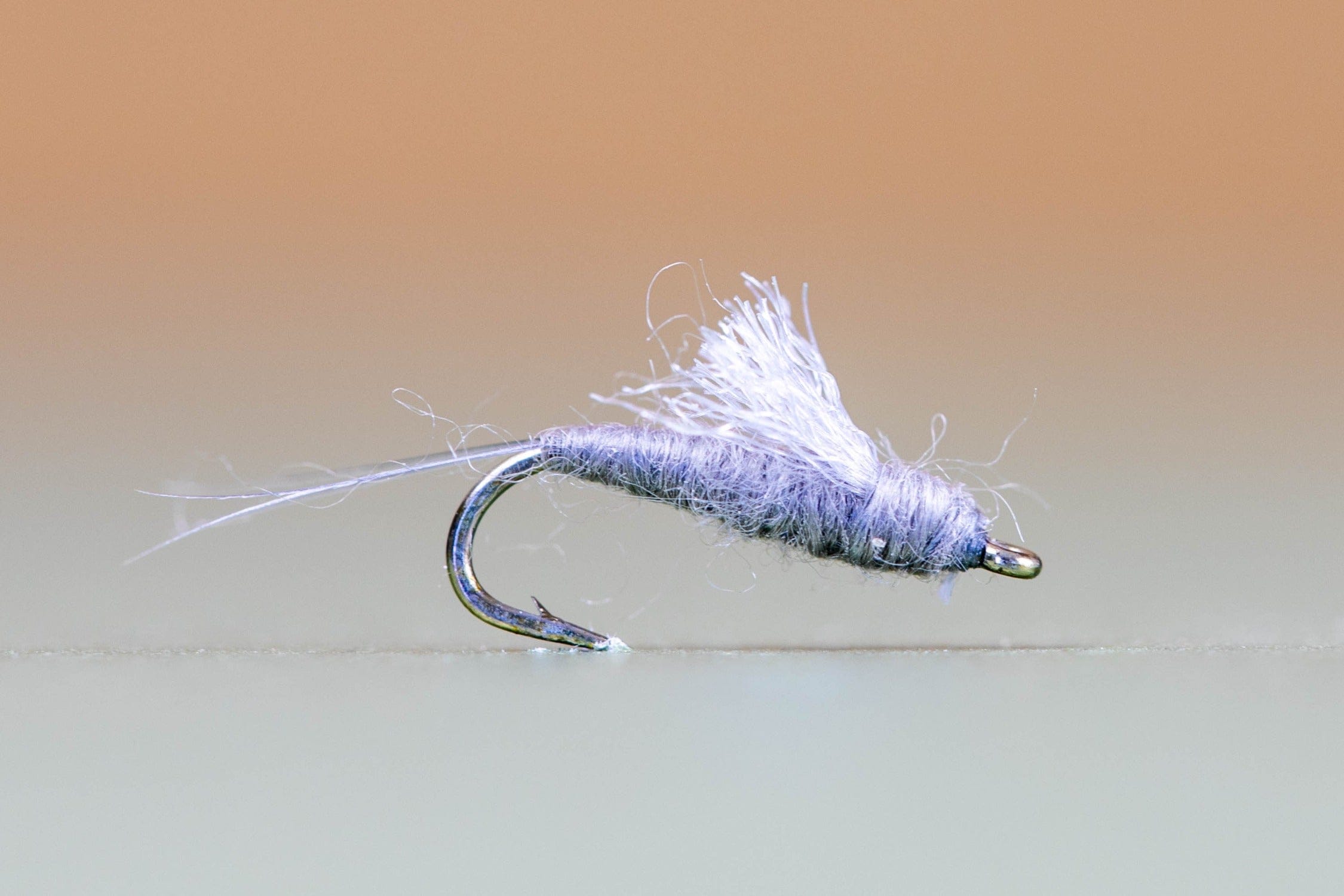
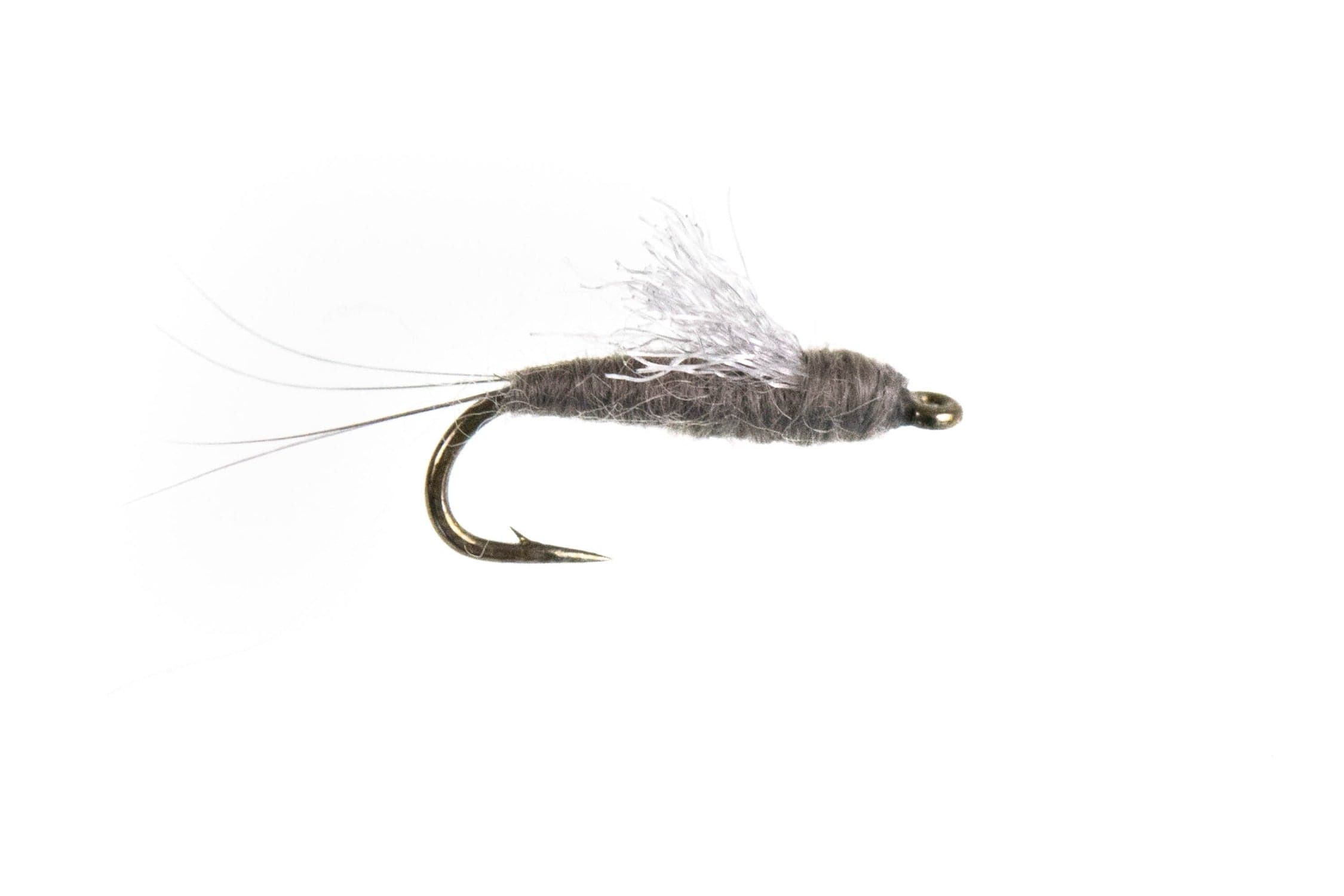
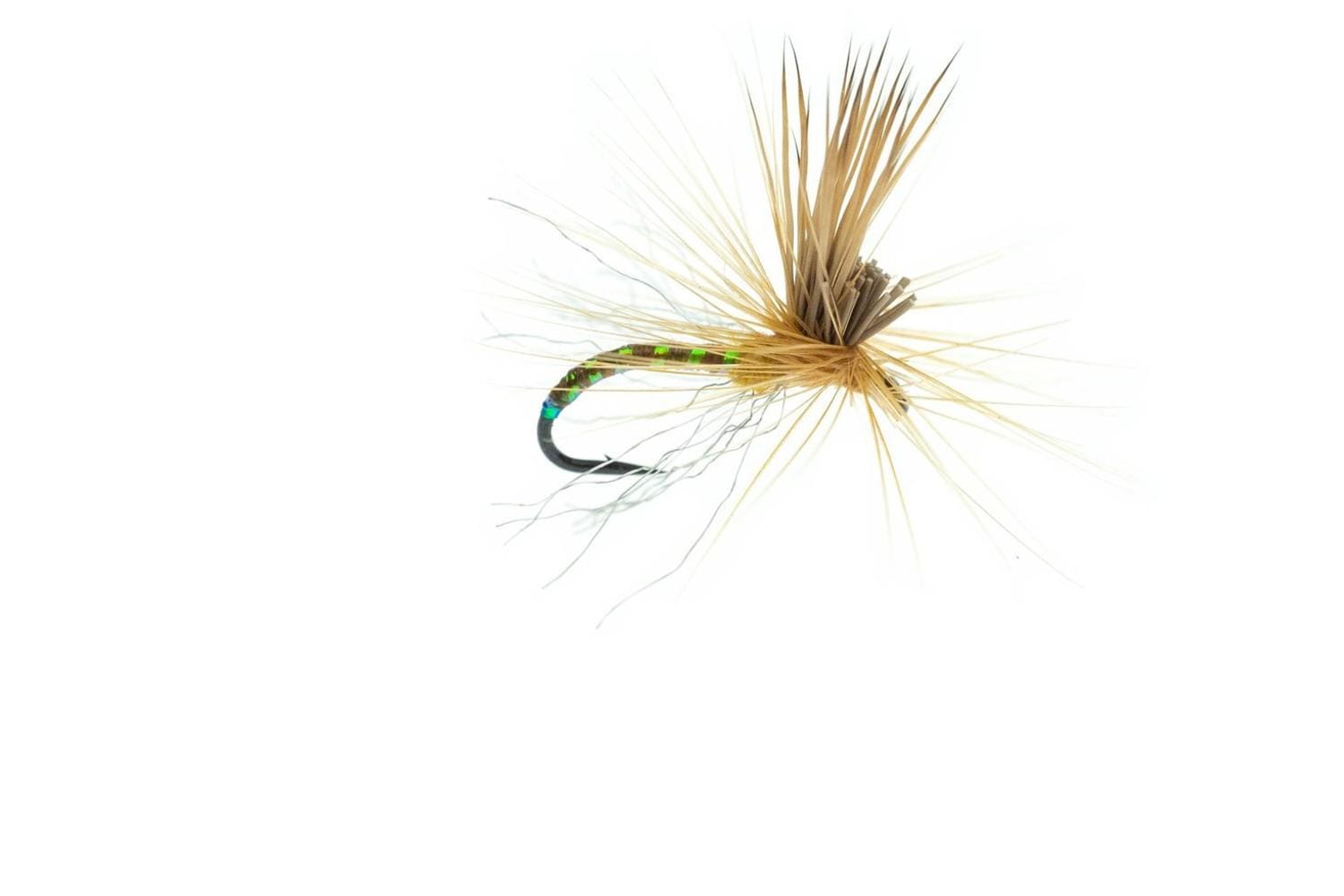
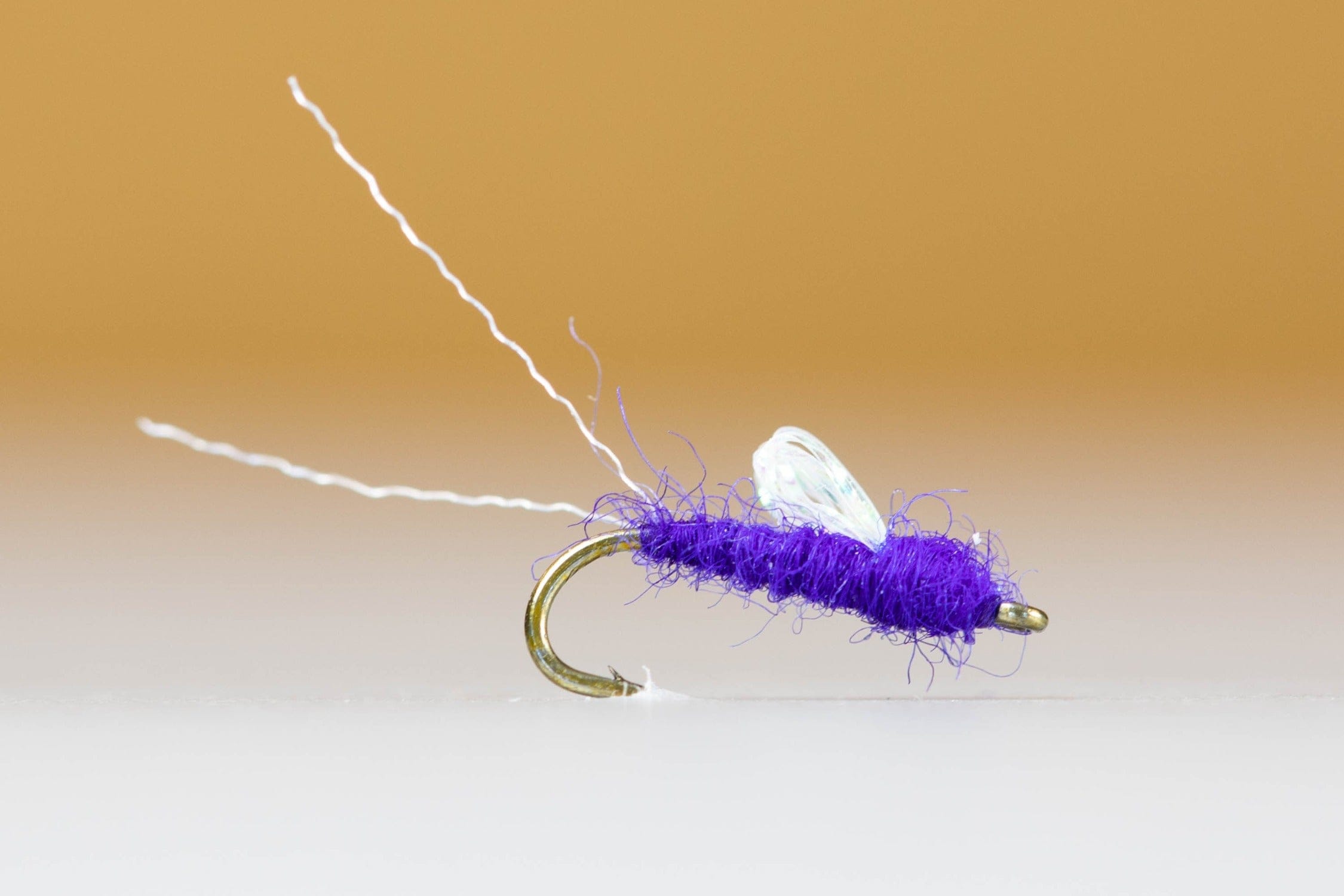
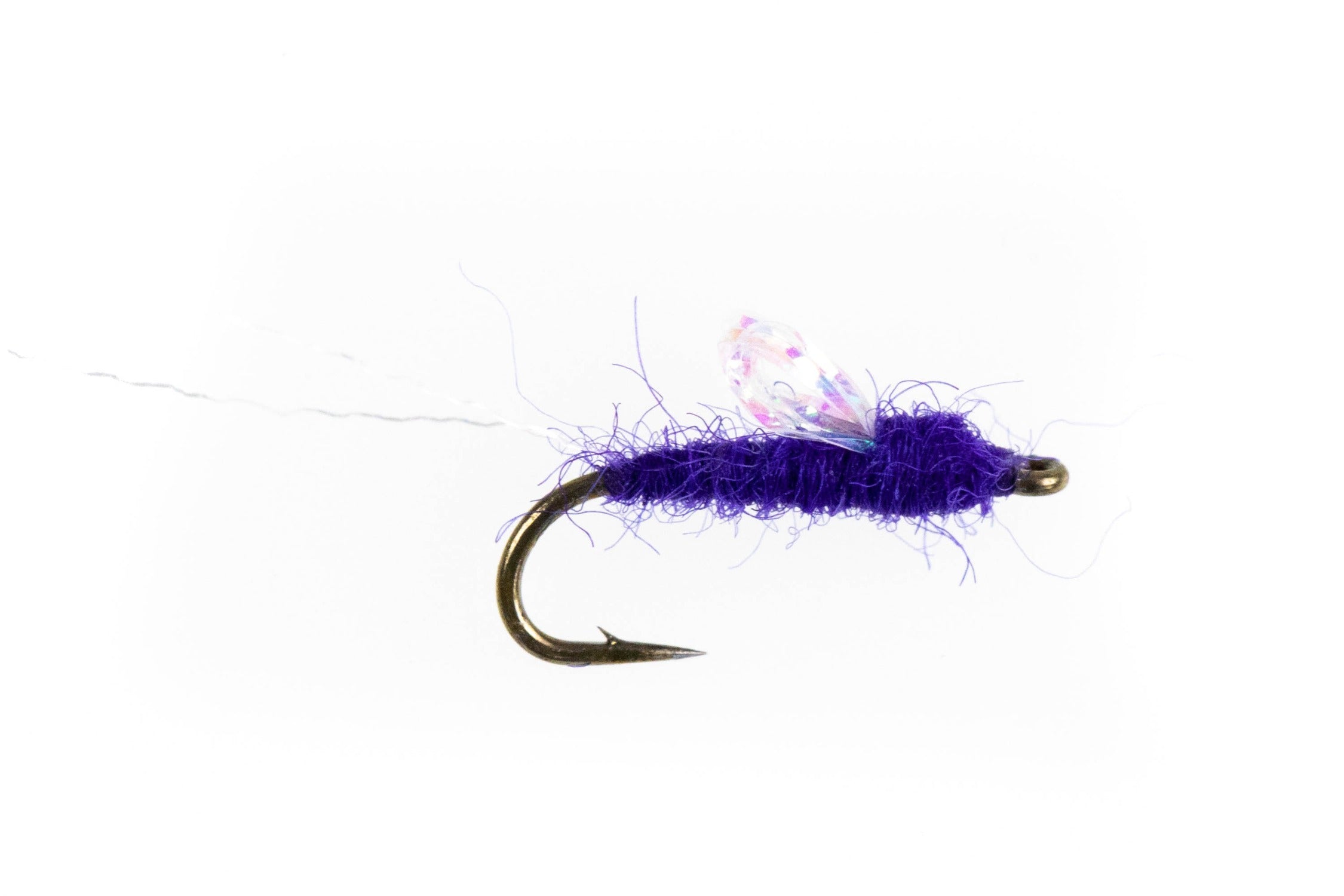
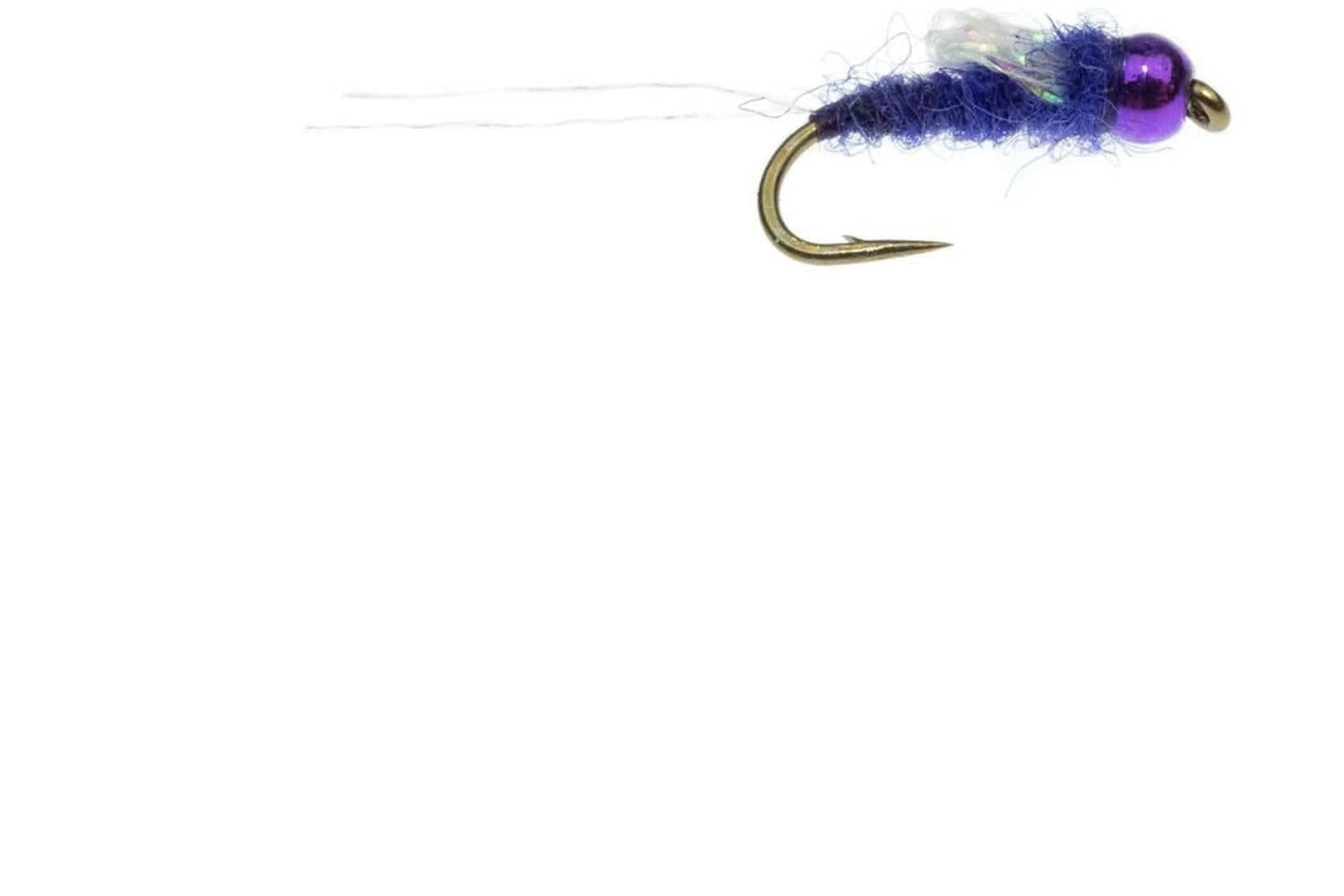
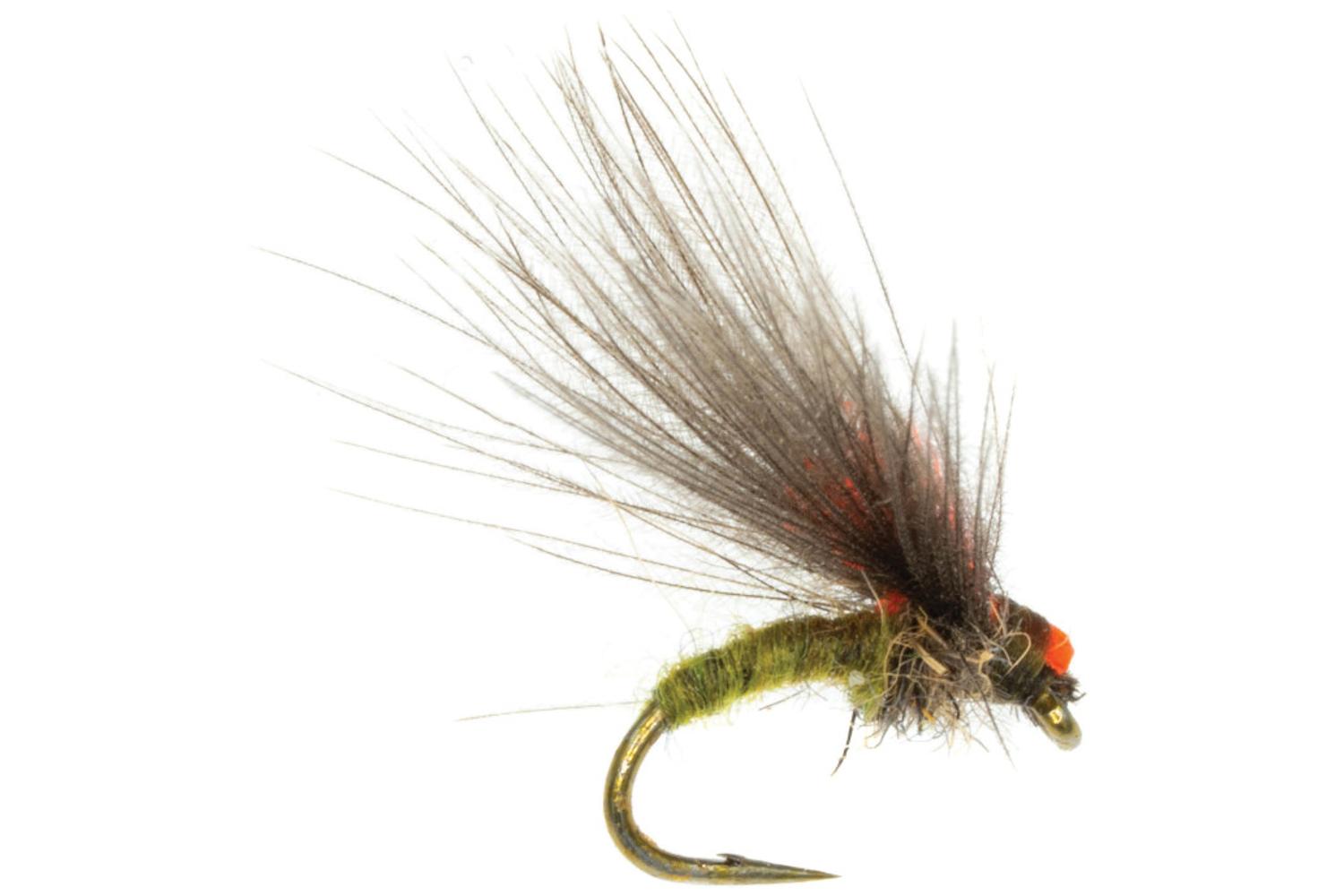
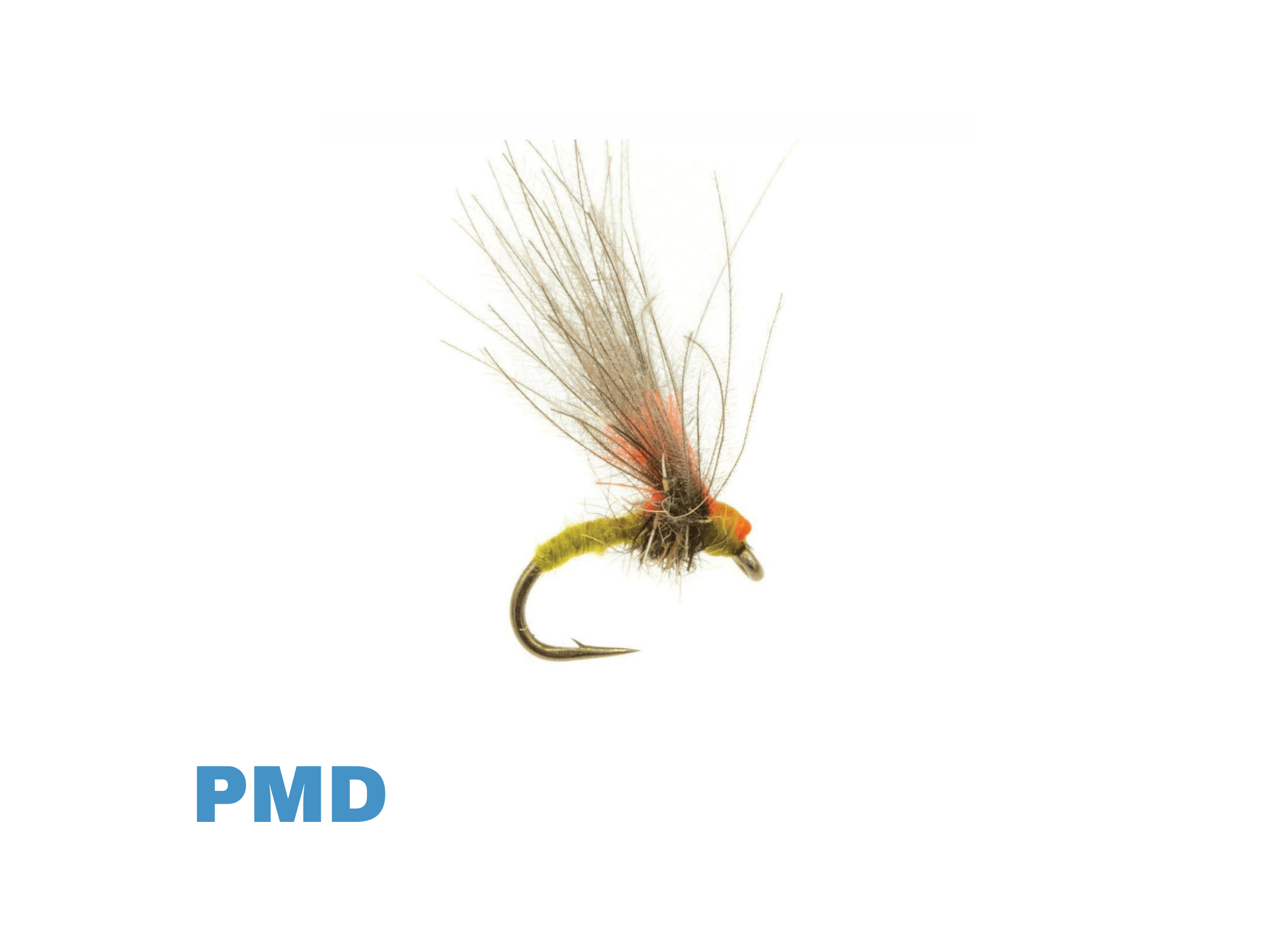
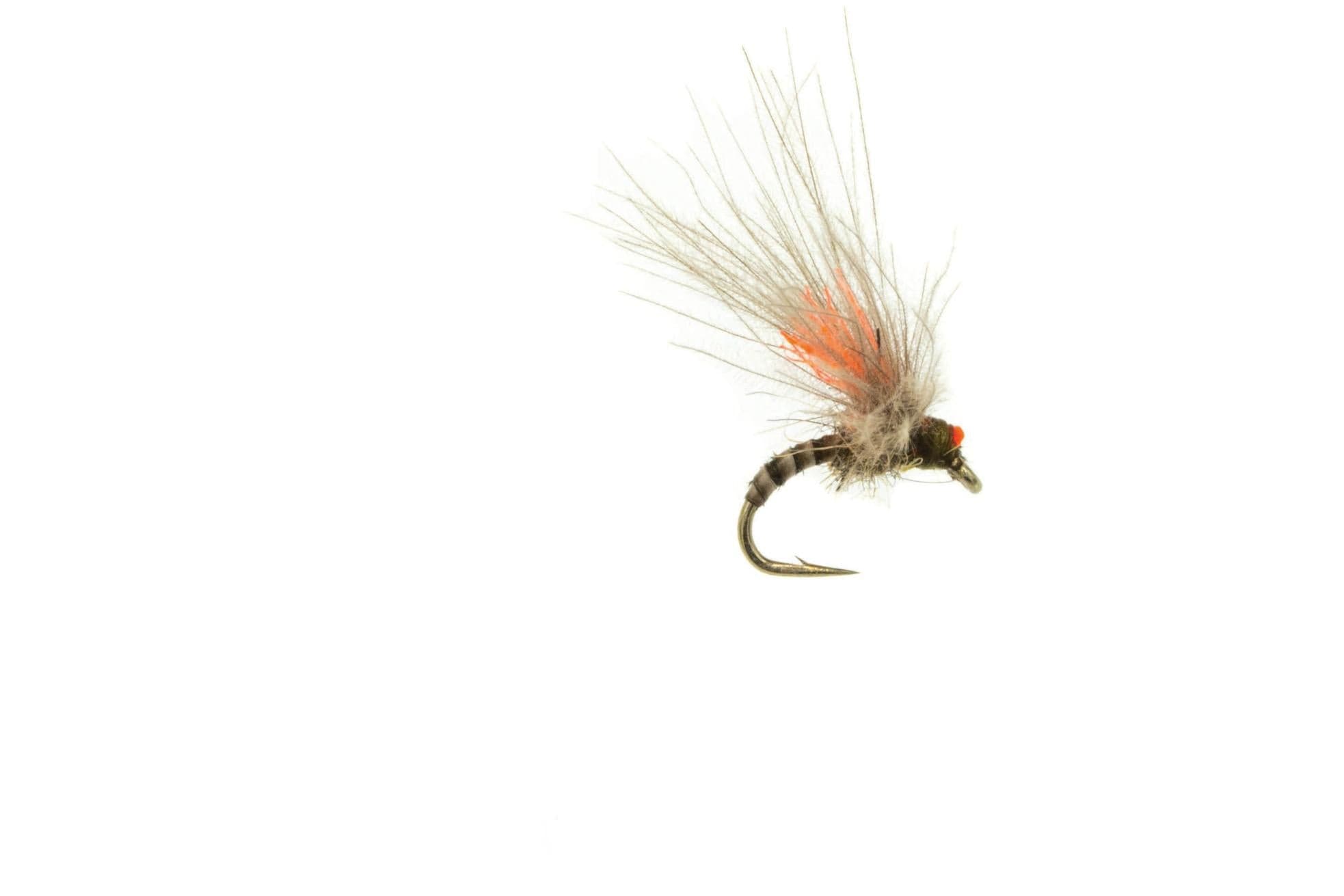
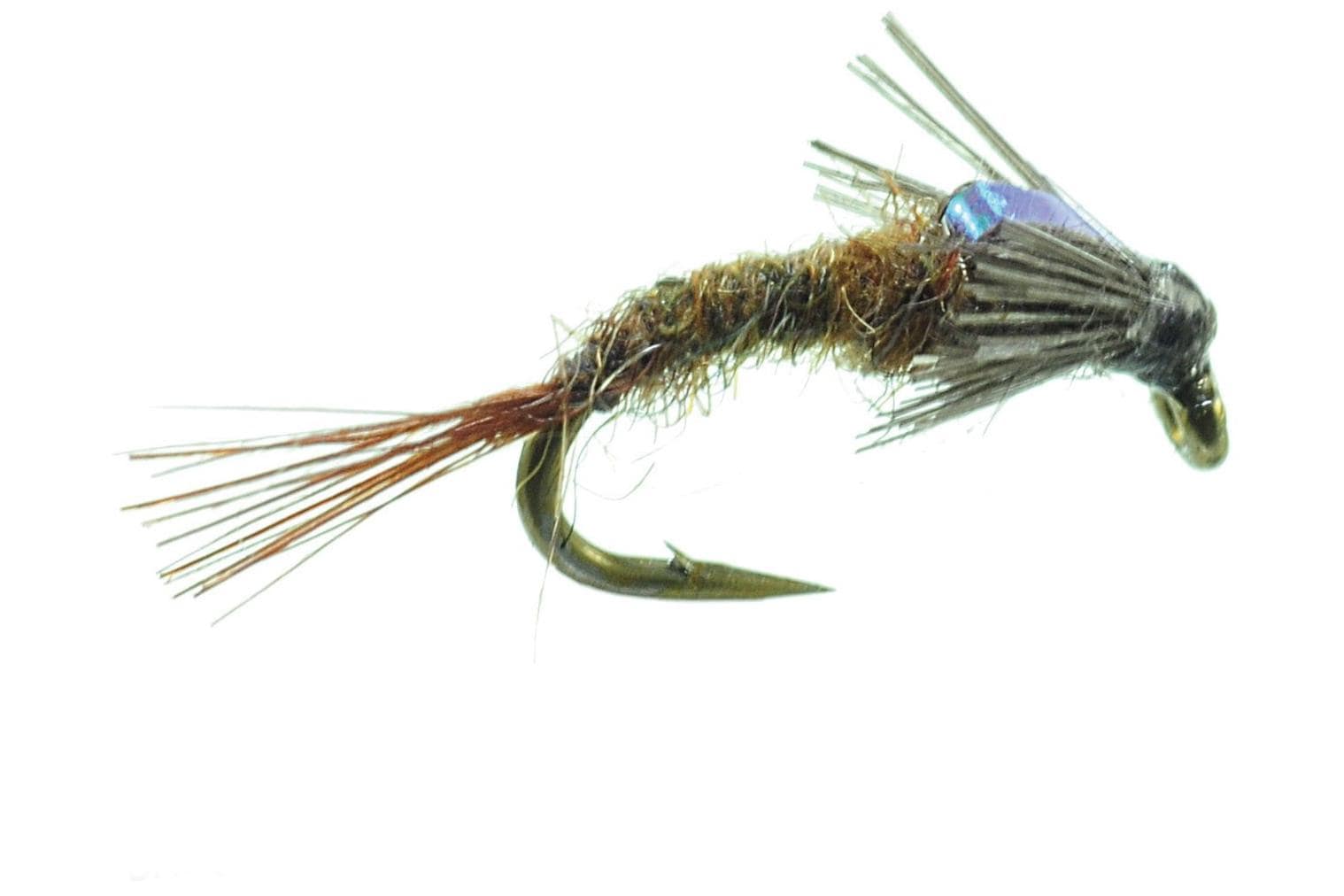
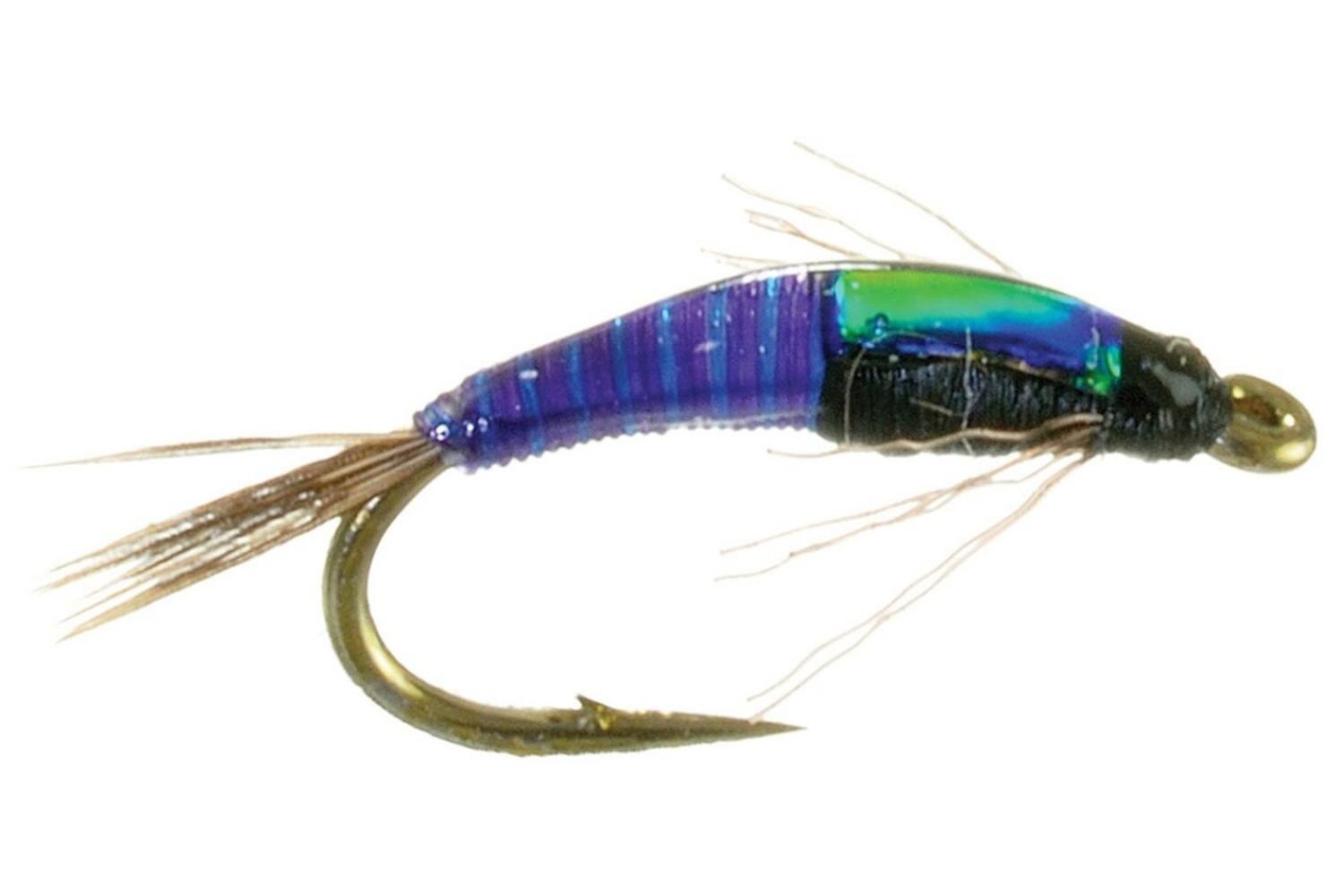
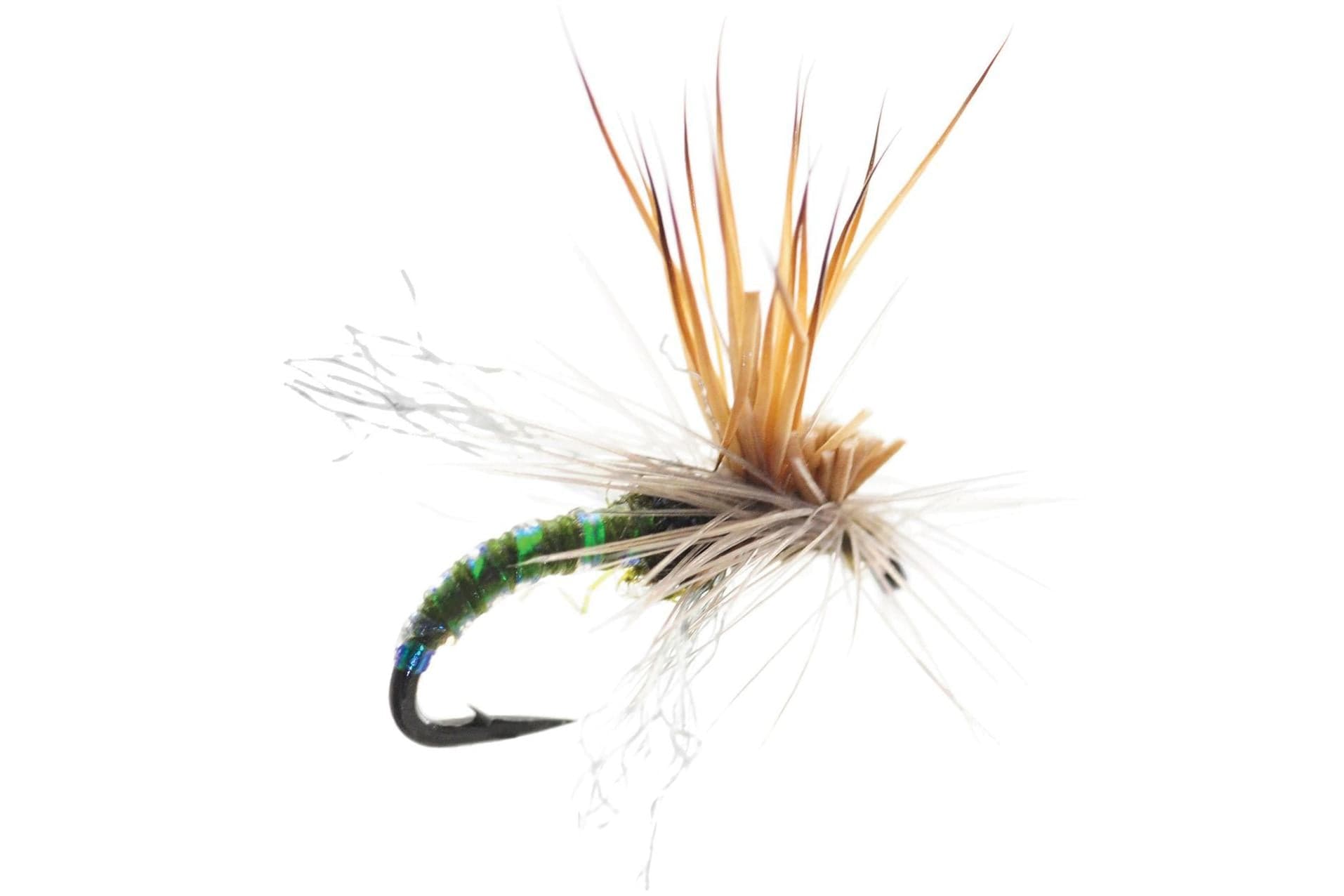
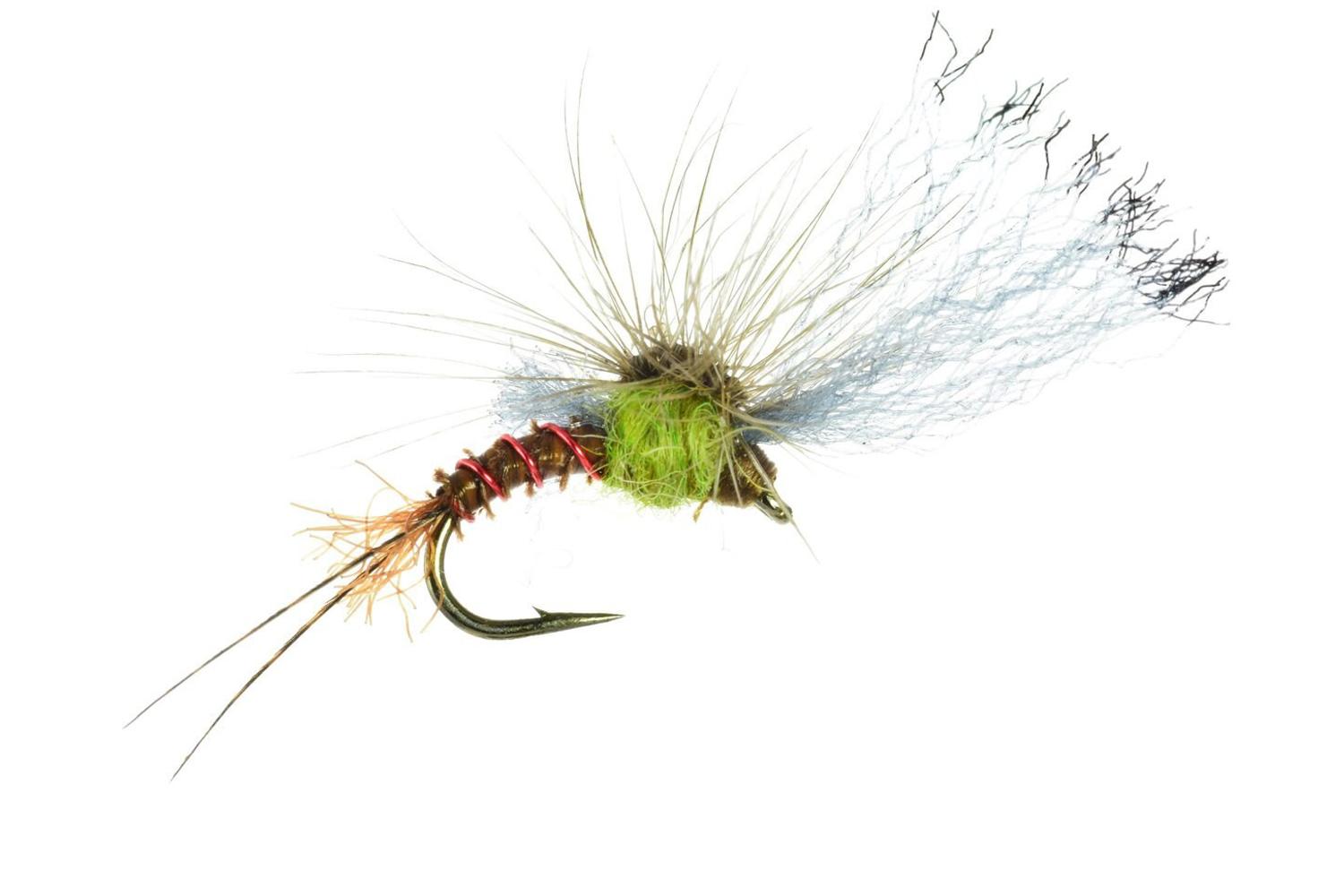
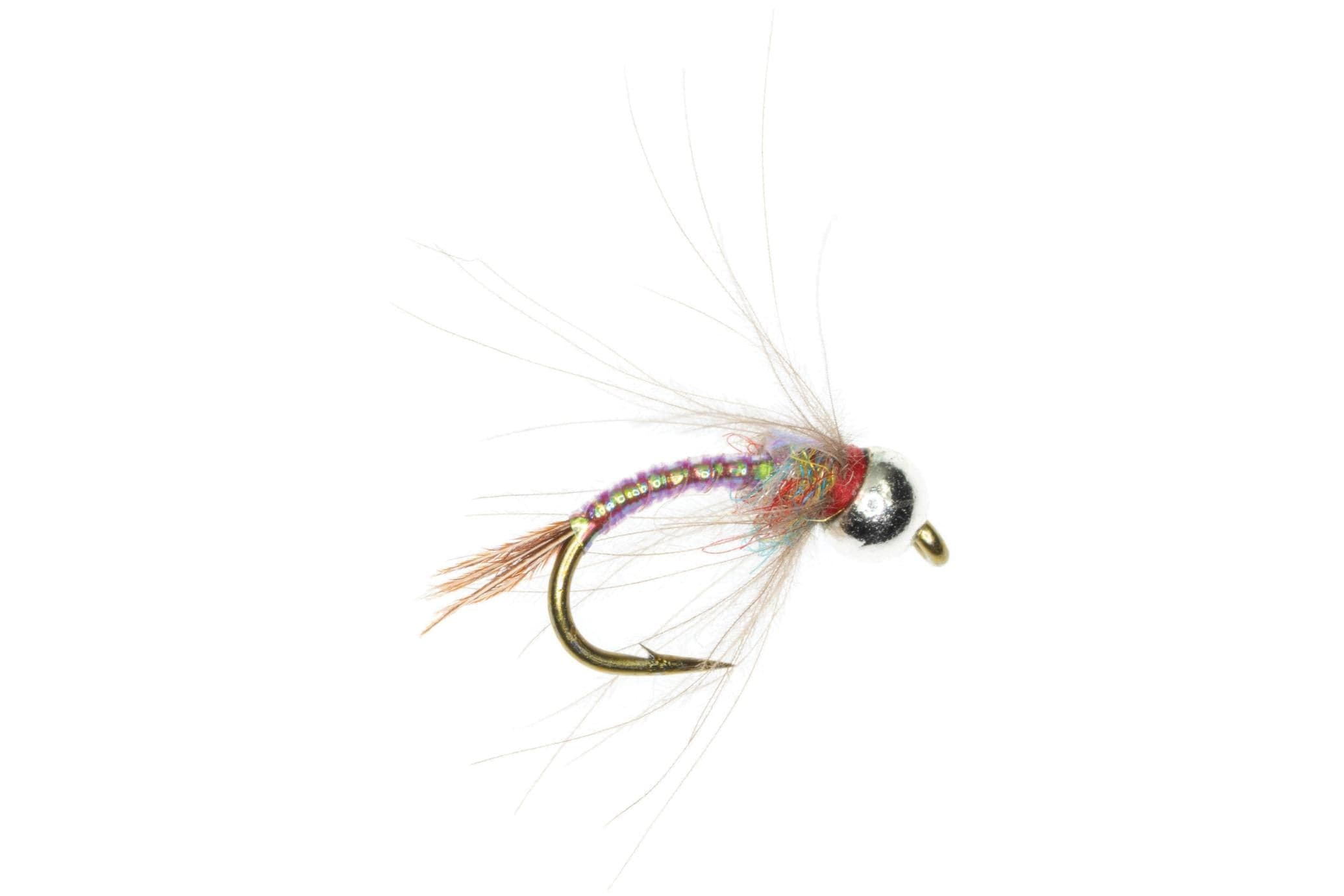
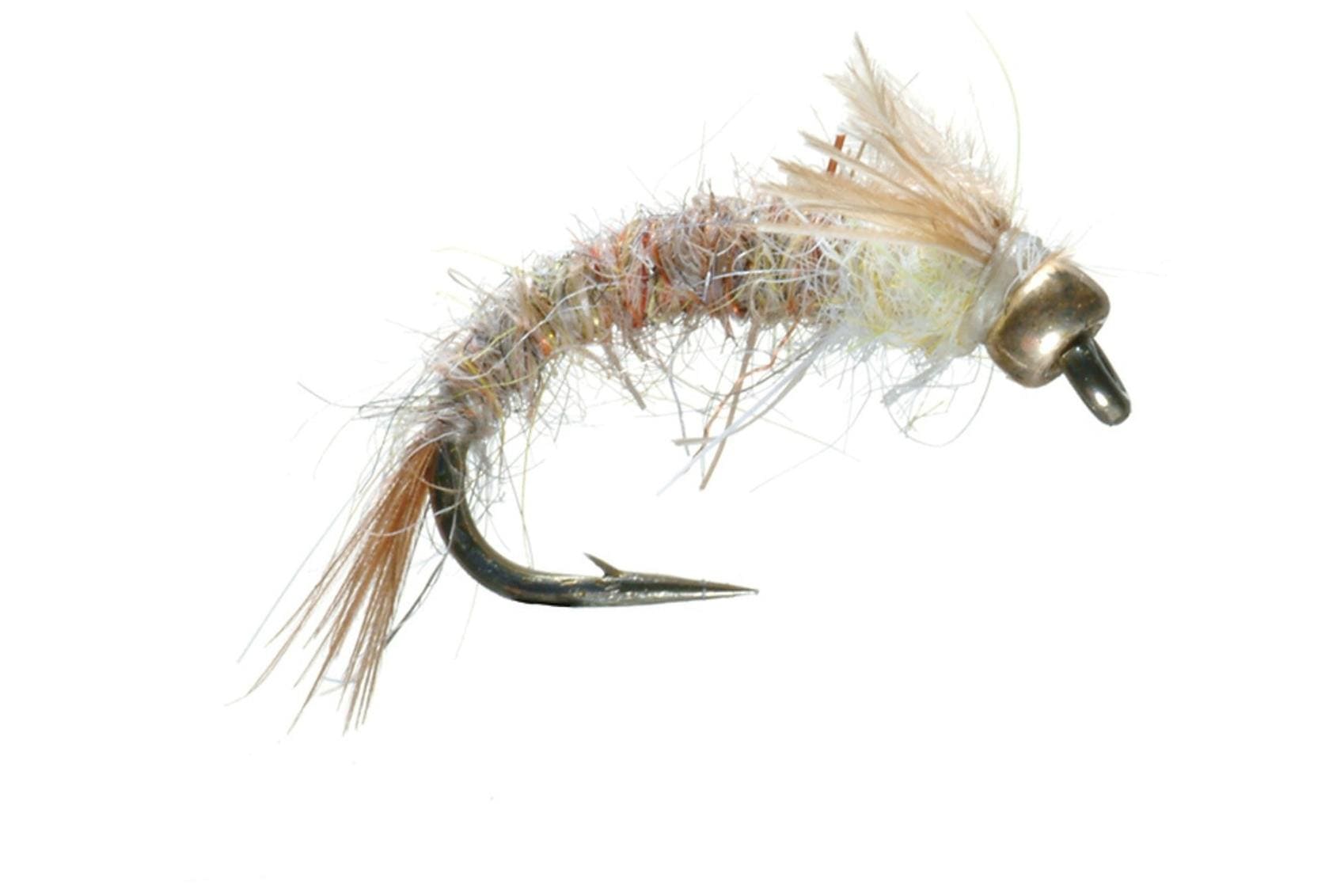
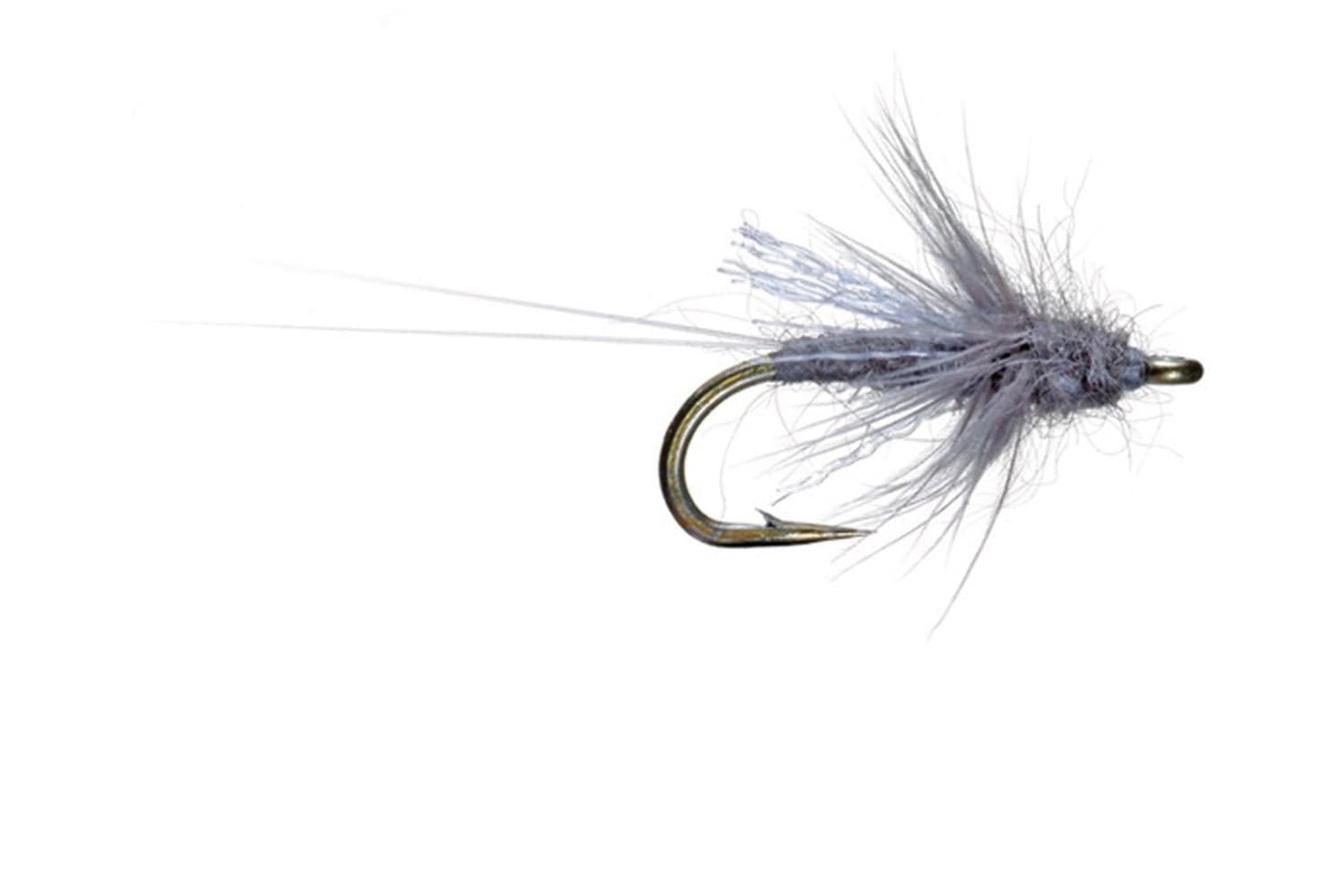
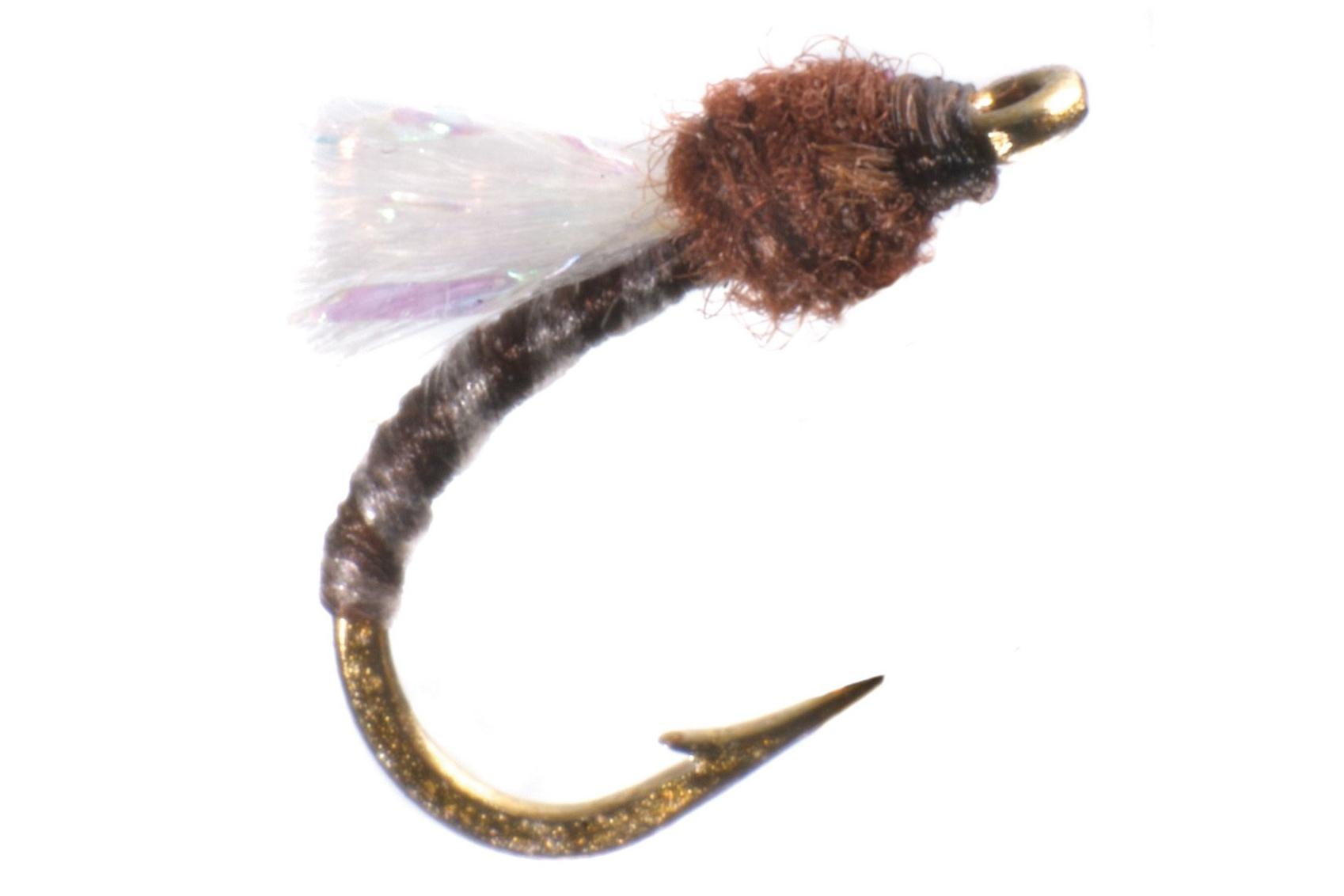
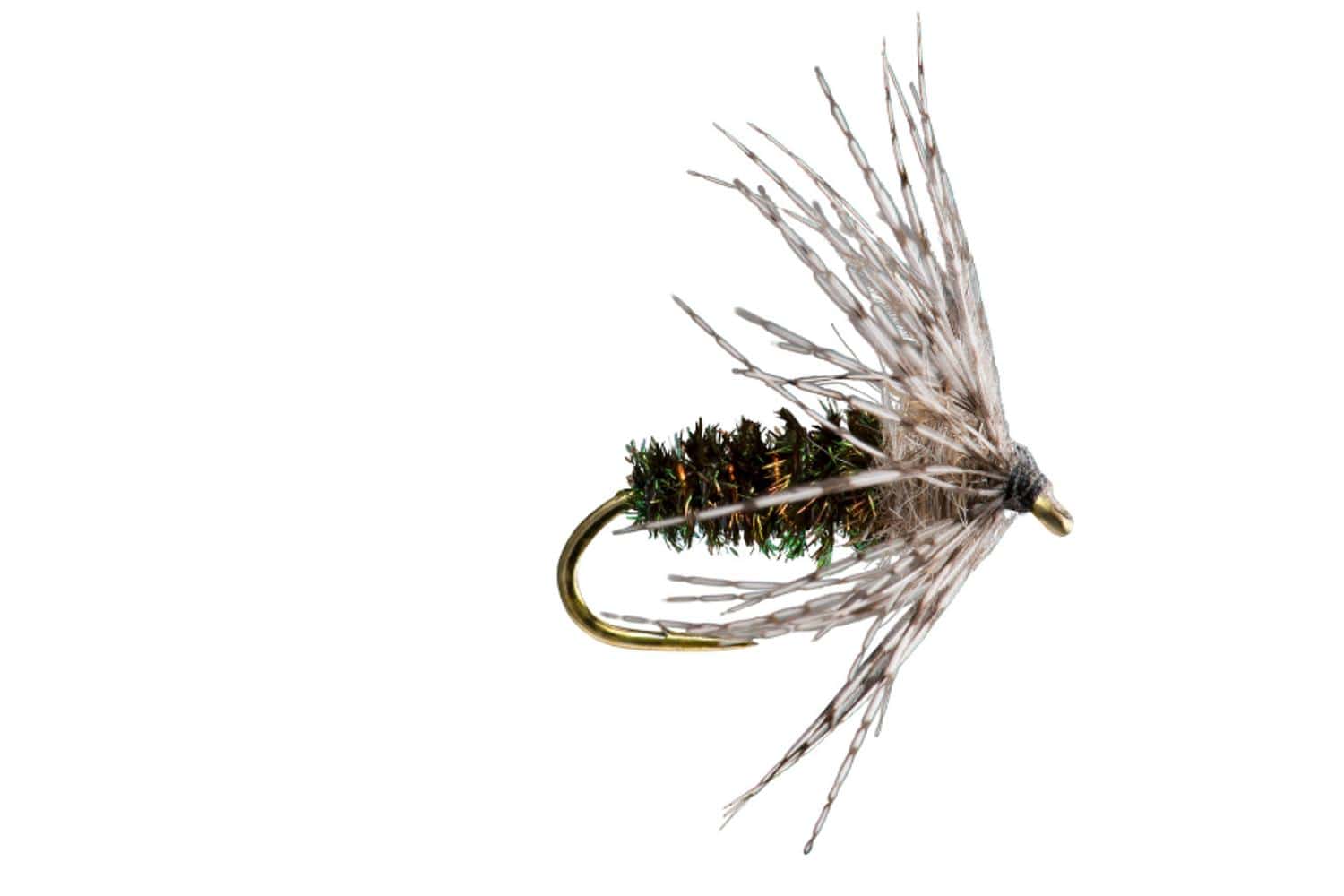
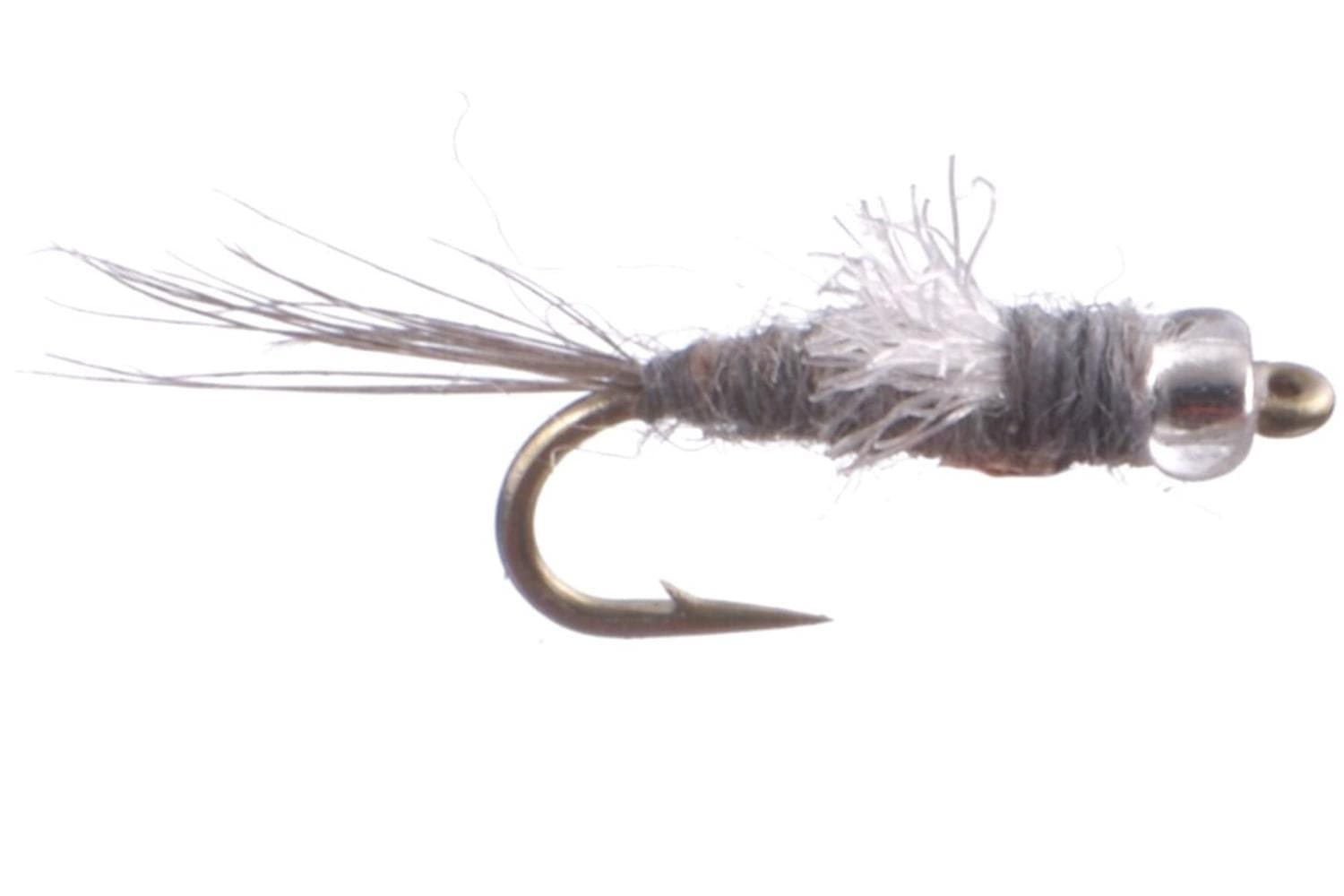
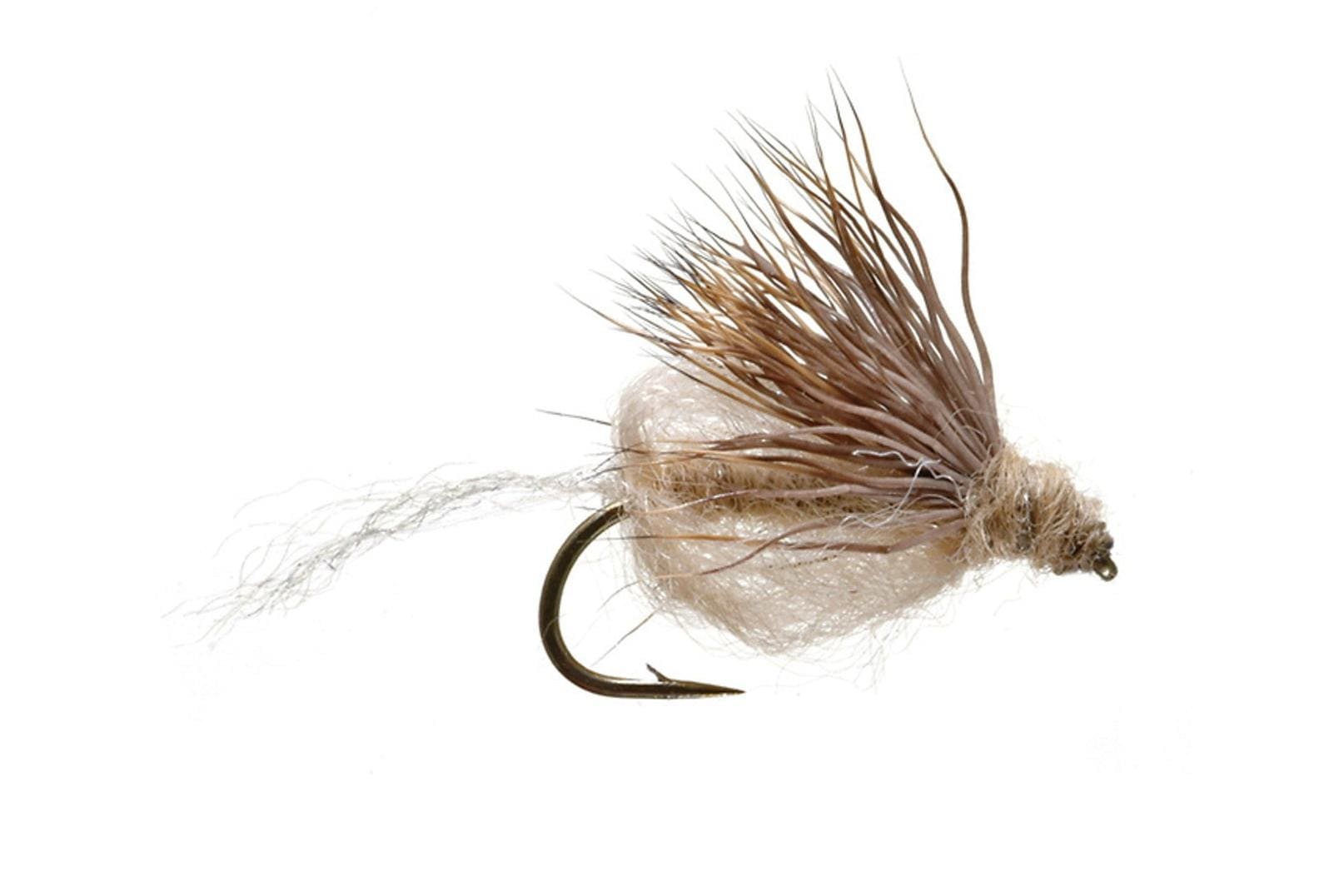

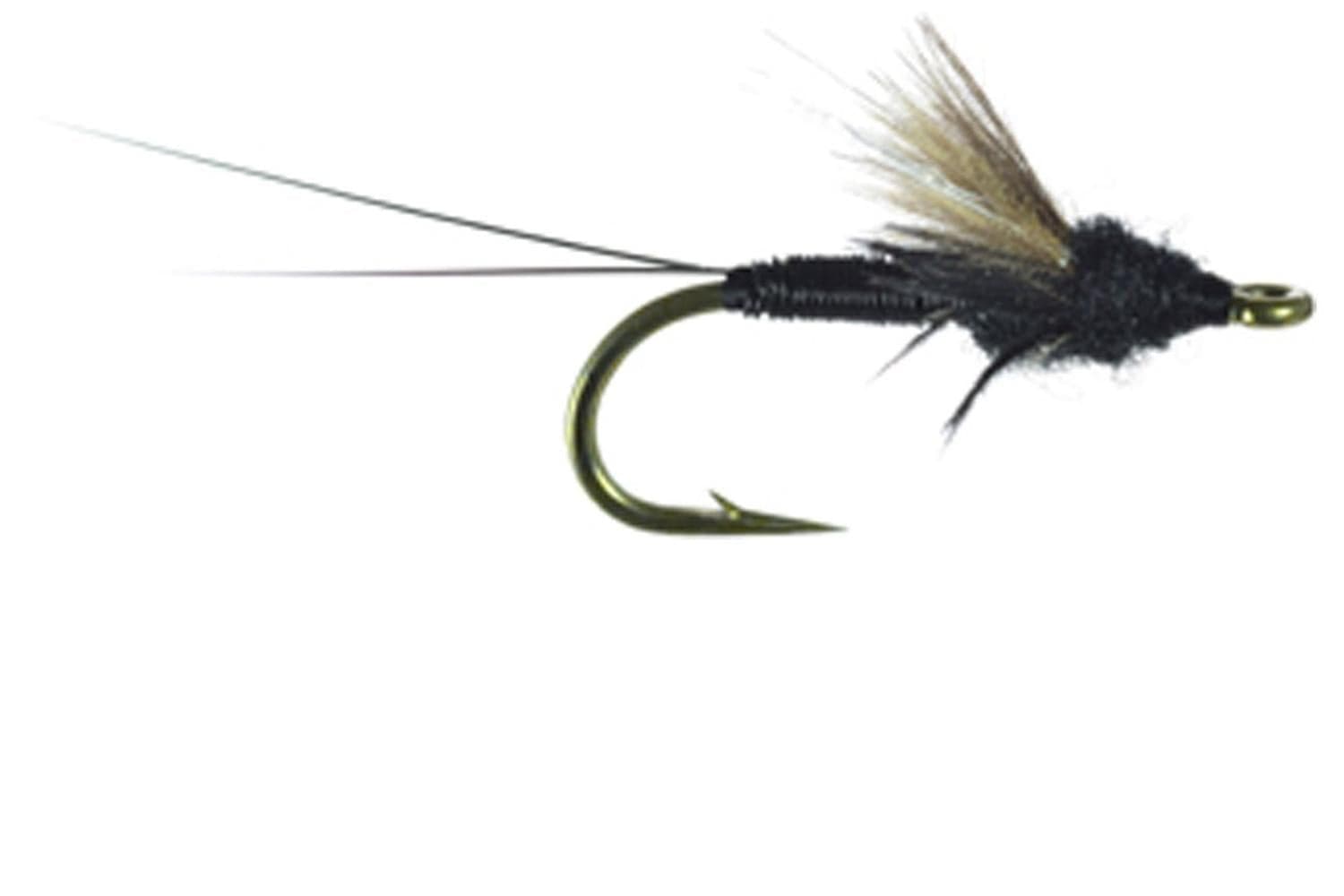
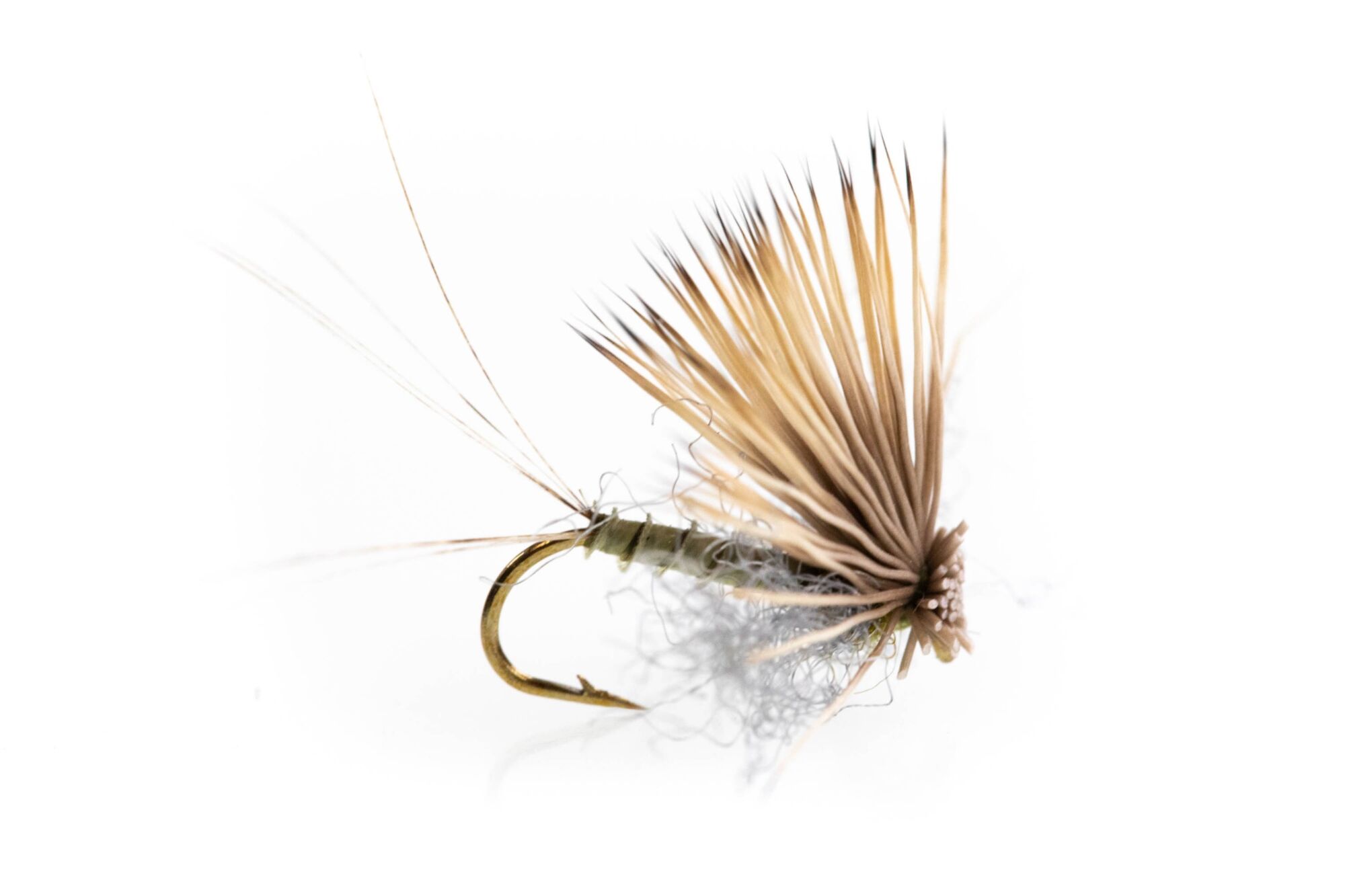
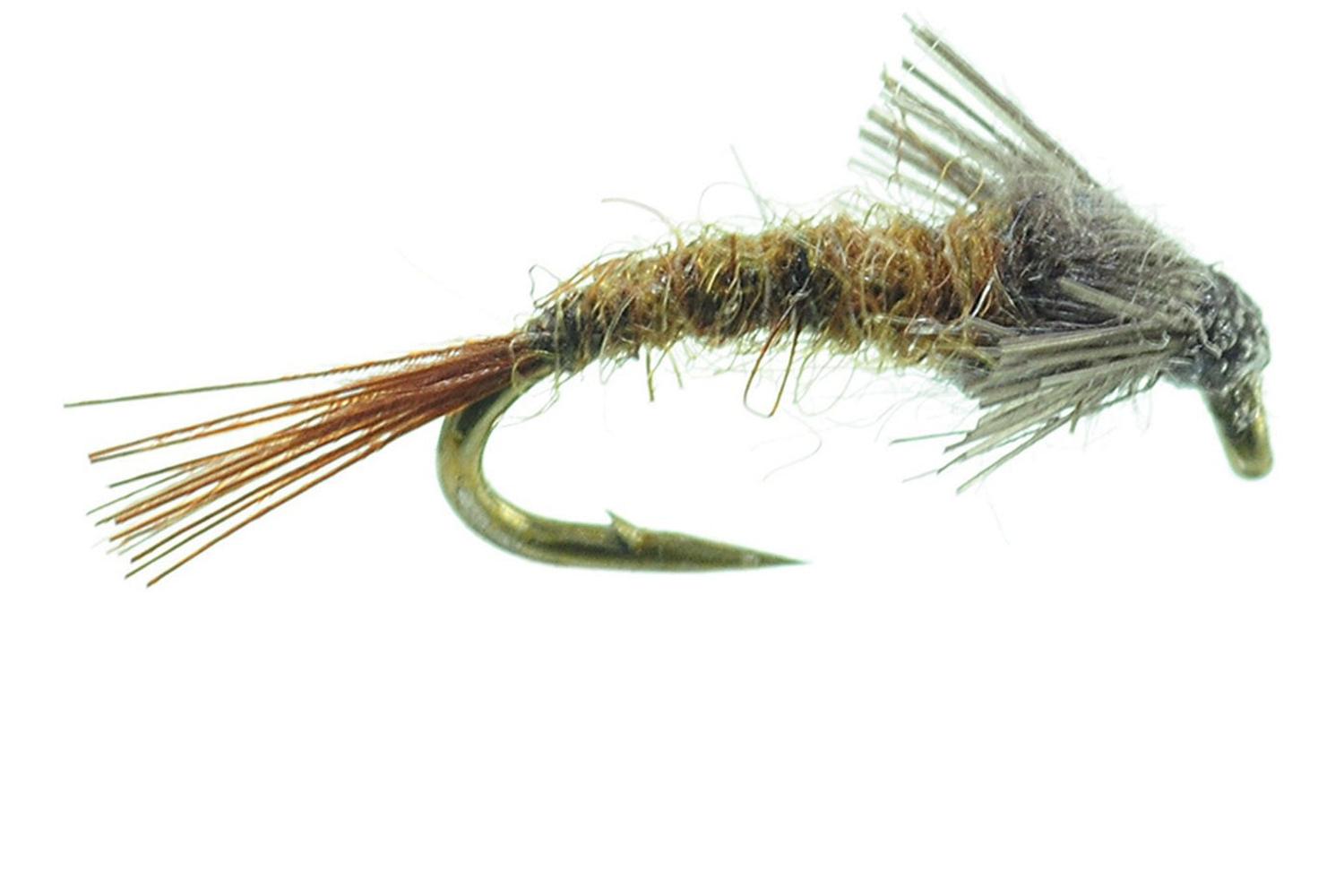
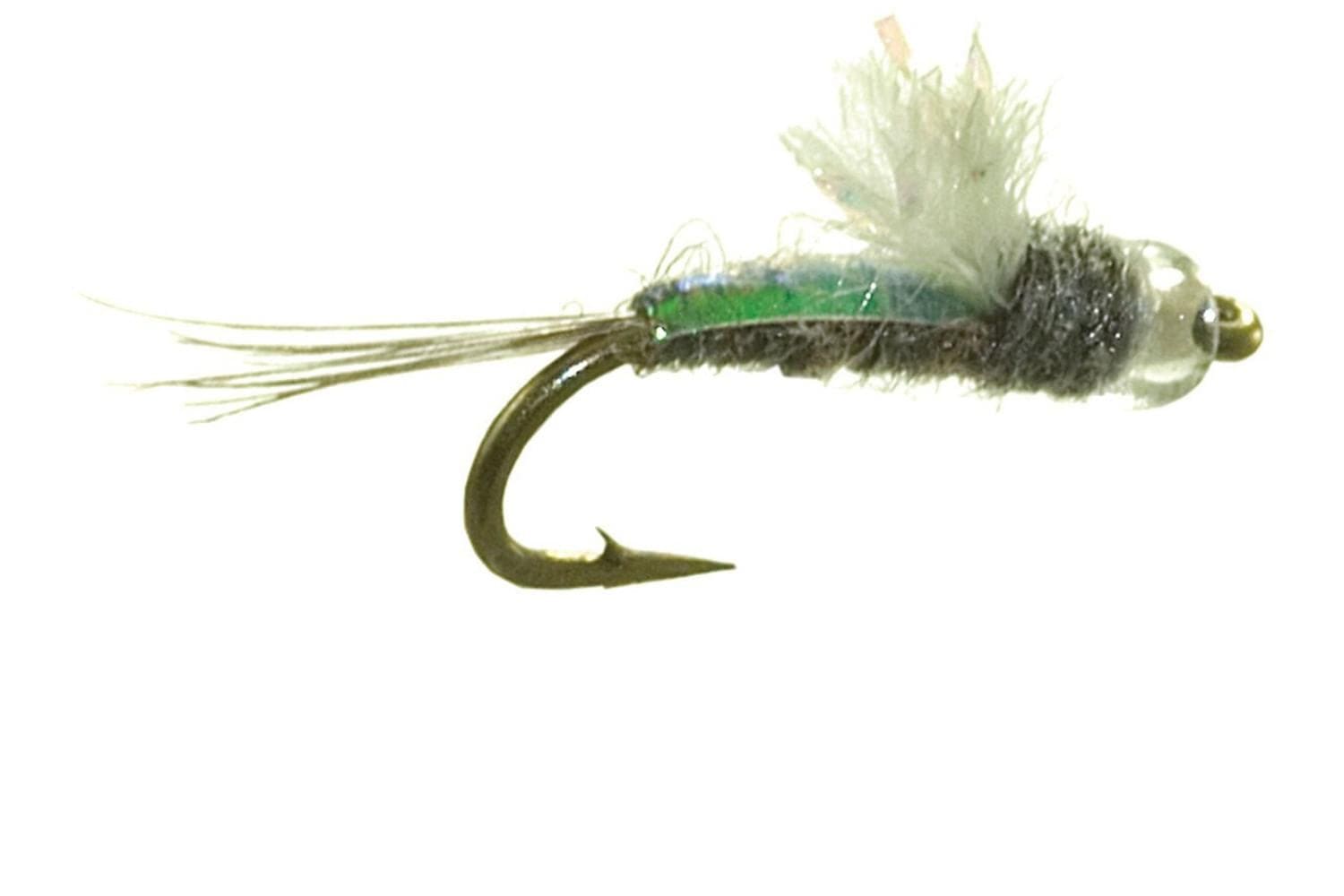
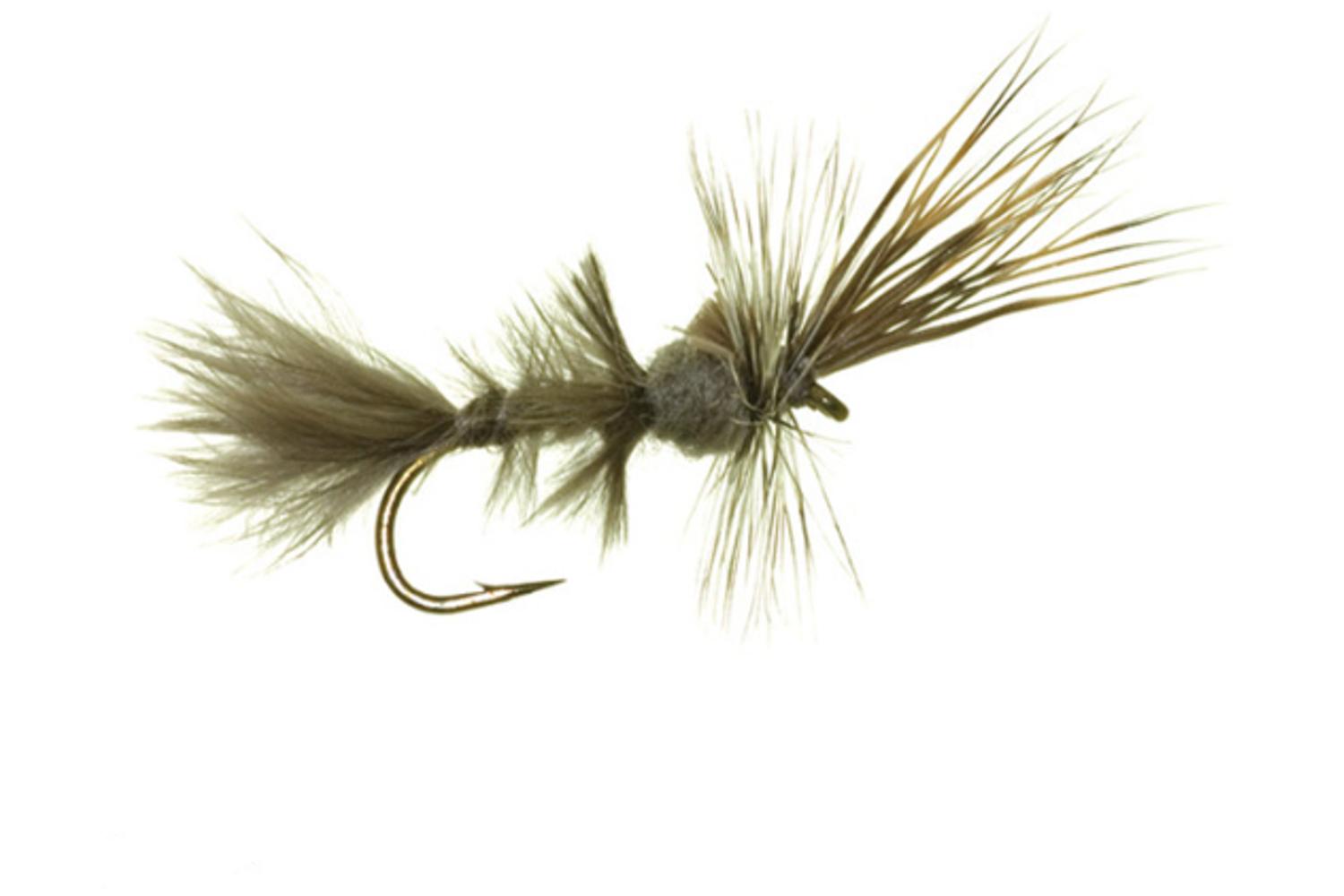
Emergers & Cripples Quick Picks
- Best All-Around: RS2 Emerger Fly - A go-to when trout are keyed on tiny mayflies and sipping just under the film. The sparse profile is subtle enough for technical tailwaters, but versatile across a wide range of sizes and colors.
- Best Value: WD-40 Fly - A confidence pattern for anglers who want one slim fly that covers Baetis and small midge-type meals. It’s easy to fish on a nymph rig or in the film when fish refuse a standard dry.
- Best for Caddis Emergence: Emergent Sparkle Pupa Fly - Built for those “something’s happening but they won’t eat the adult” moments during a caddis hatch. It rides naturally in or just under the surface film, right where trout often focus during the emergence.
- Best for Technical Water: Juju Emerger Fly - A small, clean profile that fits pressured rivers, spring creeks, and clear tailouts. The CDC-style look helps it fish like a true emerger when trout are tracking naturals in the top few inches.
- Best for Film Feeders: Mayfly Cripples Fly - A smart pick when fish are eating “stuck” bugs and you’re seeing refusals to high-riding dries. The cripple profile suggests an insect that’s struggling to finish the hatch, which trout can key on hard.
How to Choose Emergers & Cripples
What these flies imitate (and why trout care)
Core idea: Emergers and cripple patterns imitate insects trapped in the surface film or failing to fully hatch. That’s a high-percentage feeding lane, because the naturals can’t escape and trout can eat them with less effort than chasing duns.
Use them when: You see steady, subtle rises (bulges/sips), but your dry fly gets refusals or goes ignored. They’re also a strong choice when you see shucks on the water or on streamside rocks.
Match the “lane” first: film, just under, or deeper
In the film: Choose classic emergers and cripples when fish are feeding in the top inch or two. These are ideal on calm tailouts and flat runs where trout have time to inspect a fly.
Just under the film: Many anglers do well with a lightly weighted emerger as the point fly, or as a dropper behind a dry. This keeps the fly in the feeding zone without dragging it too deep.
Deeper swing/drift: Soft-hackle style patterns can cover water well when trout are chasing emergers as they rise. They’re effective on a dead drift, but also shine when you let them tighten at the end of the drift.
Size and color: keep it simple
Action: Start by matching size first, then profile, then color. If you’re between sizes, many anglers prefer to size down on technical water.
Mayfly cues: Olive, dun/gray, and black cover a lot of Baetis and Trico situations. For caddis emergences, tan and amber tones are common starting points.
Rigging and presentation tips that matter
Dry-dropper: A buoyant dry from Dry Flies and Spinners paired with an emerger can cover both surface and film feeders efficiently.
Indicator nymphing: If the fish aren’t committing up top, fish an emerger as the upper fly and a heavier nymph below from Nymphs to search multiple depths.
Euro/tight-line: If you need to stay in direct contact, pairing a light emerger with a heavier fly from Euro Nymphing & Jigs can help keep things controlled in faster current.
Materials & Durability
- Dry them out: After fishing, open your fly box so flies can dry fully, this helps prevent rusted hooks and soggy materials.
- Rotate flies: If a fly gets waterlogged or beat up, swap it out and let it dry. A fresh fly often tracks the film better.
- Check the hook point: Emerger takes can be subtle; a sharp hook matters. Touch up points after rocks, snags, or a few fish.
- Protect delicate patterns: CDC-style or sparse emergers fish best when they aren’t crushed in a pocket. Use a dedicated compartment in your box.
Complete Your Setup
Related Gear
- Leaders - Helps turn over small, light patterns and maintain a cleaner drift in slow water.
- Tippet - Fine-tune diameter for picky trout and improve natural drift in technical surface situations.
- Weights, Indicators & Floatants - Dial in depth for film and subsurface feeders, and keep your dry/dropper floating correctly.
- Midges - A natural companion category when trout are eating small, slow-rising bugs all day.
Related Guides
- Fly Fishing Flies Explained
- How to Tie the WD-40 Fly
- How to Tie the RS2 Fly
- How to Tie a BWO Soft Hackle Wet Fly
- How to Choose the Best Trout Flies for Small Streams
Emergers & Cripples FAQs
Q: What are emerger and cripple flies in fly fishing?
A: They imitate insects during the most vulnerable part of the hatch, when the bug is stuck in the surface film or struggling to break free. Trout often key on this stage because it’s an easy, consistent meal.
Q: When should I fish emergers instead of a dry fly?
A: Fish emergers when you see rises but get refusals on high-floating dries, or when rises look like subtle bulges rather than splashy takes. Shucks on the water are another good clue.
Q: Are emerger flies nymphs or dry flies?
A: They’re a bridge between the two. Some are designed to sit in the film like a half-drowned dry, while others are meant to drift just under the surface like a shallow nymph.
Q: How do I fish emerger patterns most effectively?
A: Dead-drift them through the lane where fish are feeding, and focus on slack-line drifts in slower water. On riffles, letting the fly tighten slightly at the end of the drift can also trigger eats.
Q: What sizes should I carry for emergers and cripples?
A: A small spread covers most situations: smaller sizes for BWOs, midges, and Tricos, and a few larger options for caddis and bigger mayfly hatches. If you’re unsure, start with a couple sizes around what you see on the water and adjust from there.
Q: Can I fish emergers on a dry-dropper rig?
A: Yes, this is one of the most practical ways to fish them. Use a buoyant dry as the indicator/attractor and hang an emerger 12, 24 inches below to cover film-feeding trout.
Q: What’s the difference between a soft hackle and an emerger?
A: Many soft hackles act like emergers, especially when swung or fished just under the surface. Traditional emergers are often more “static” in profile and designed to sit in the film, while soft hackles add more movement.