


11 Must-Have Saltwater Flies
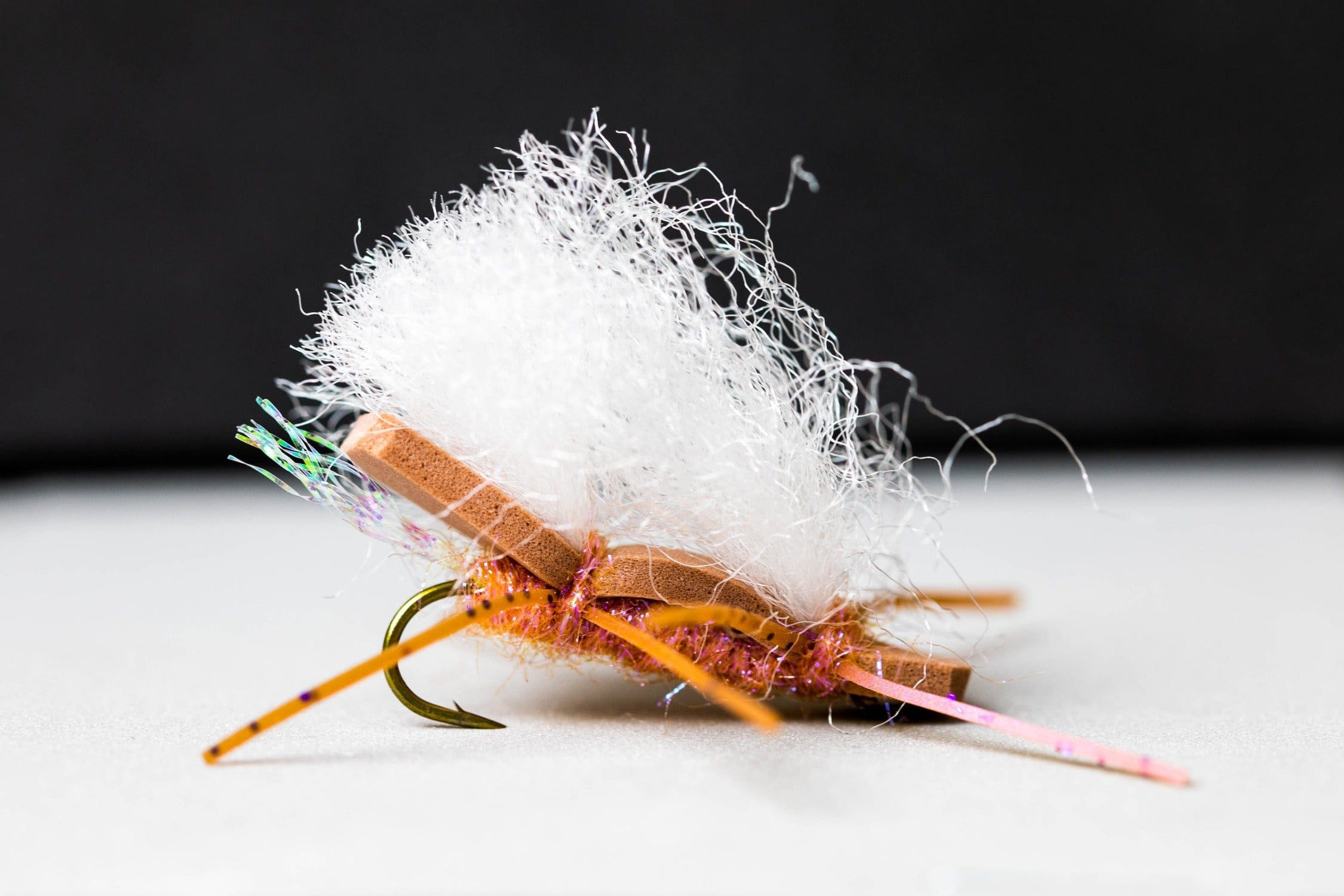
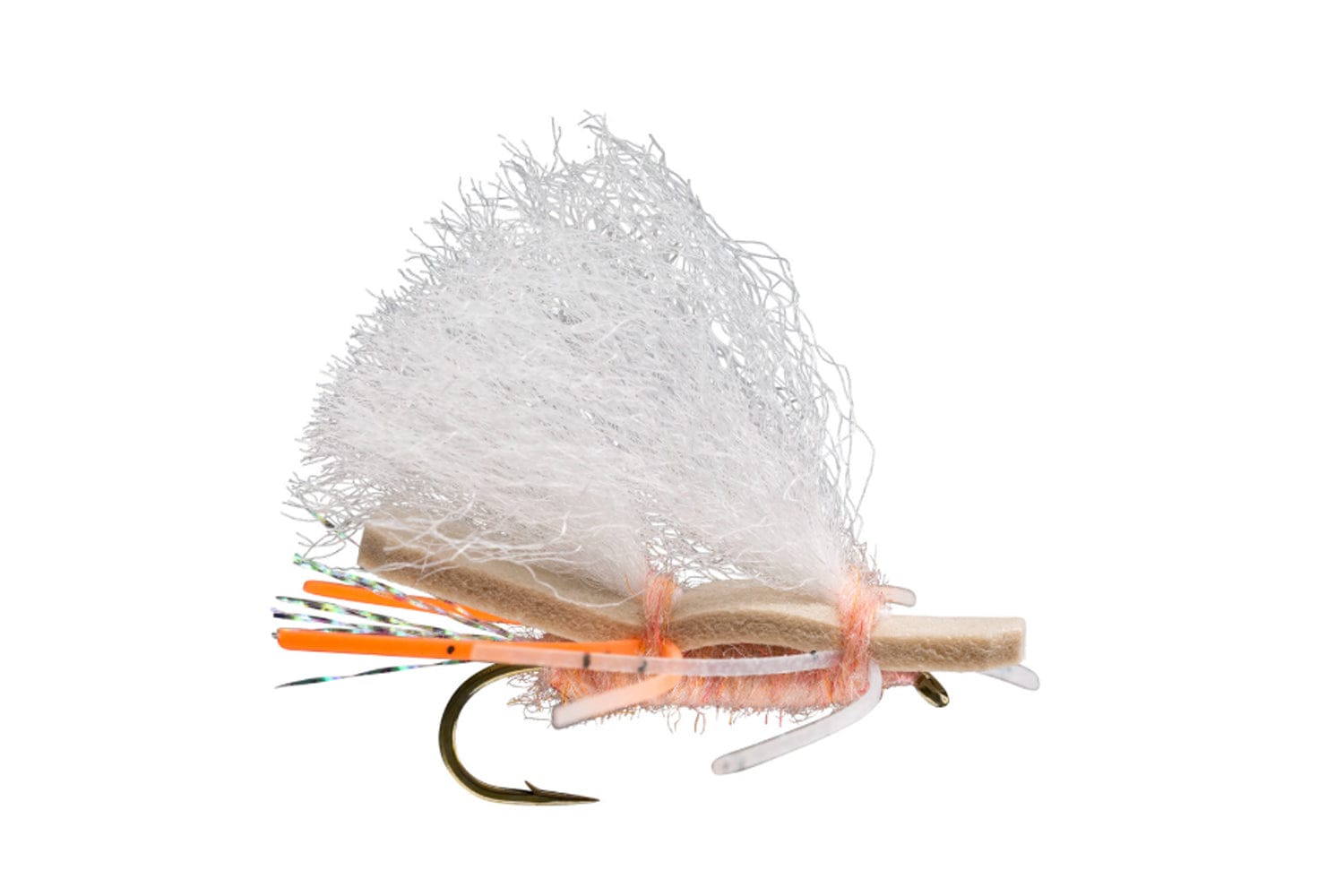
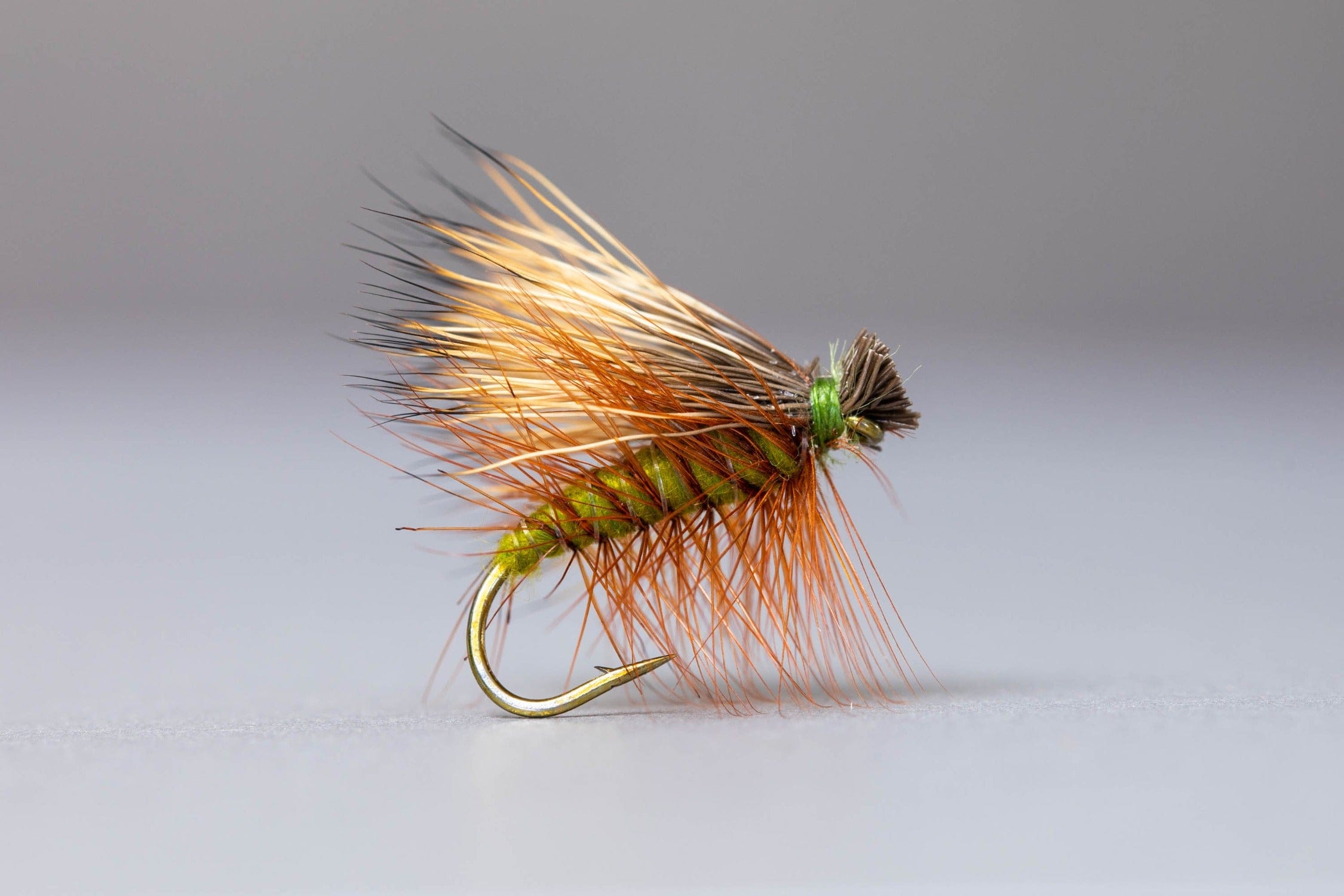
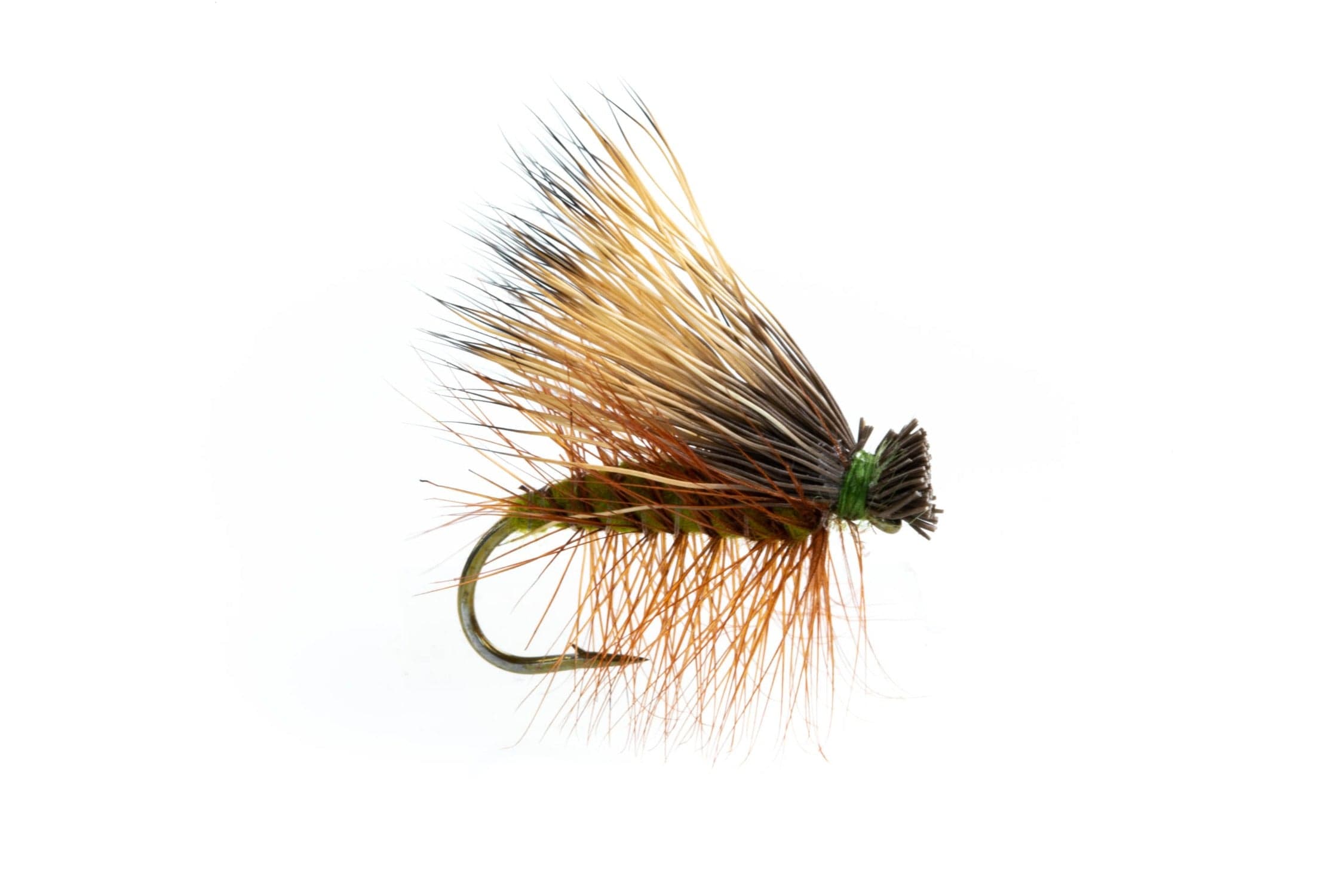
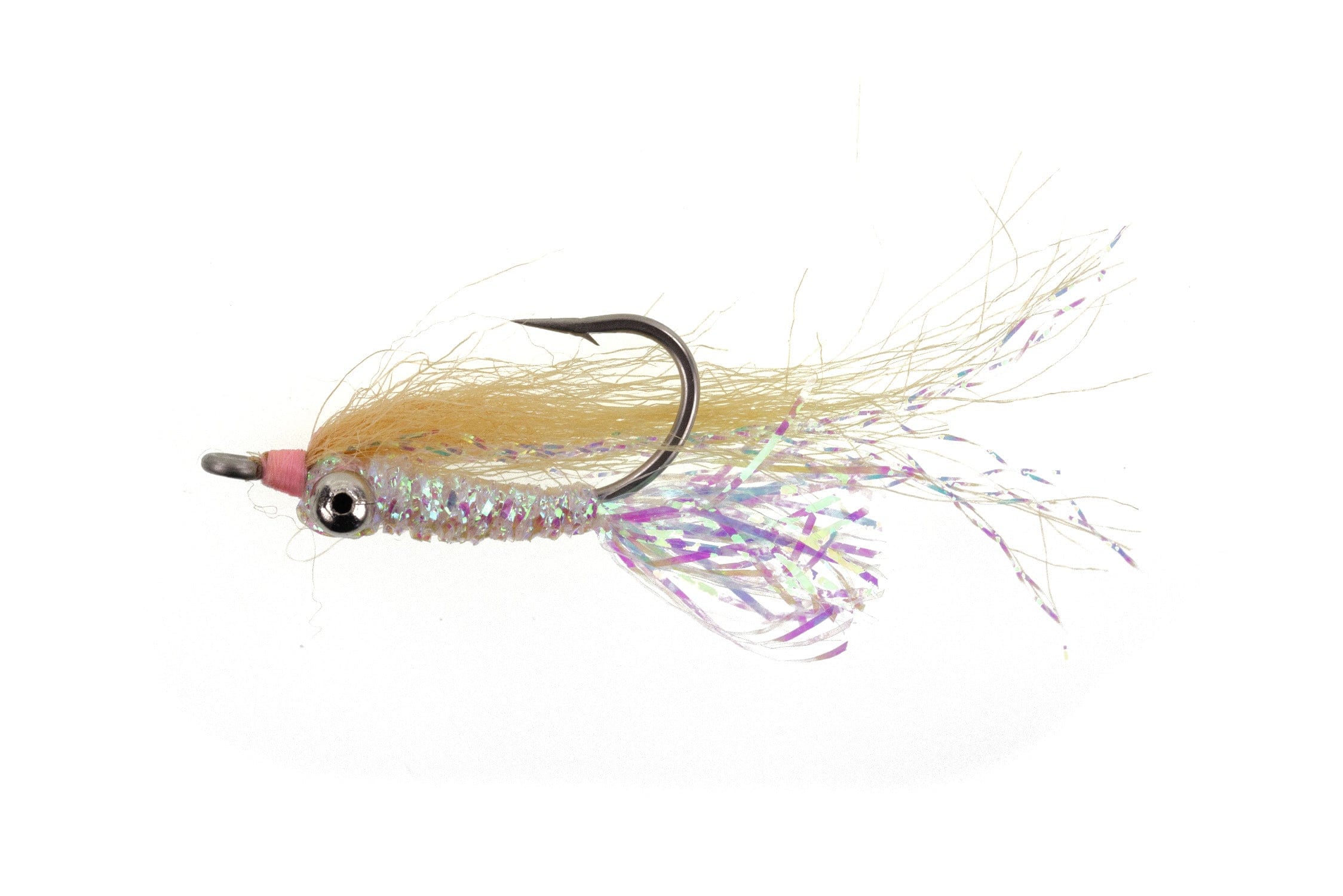
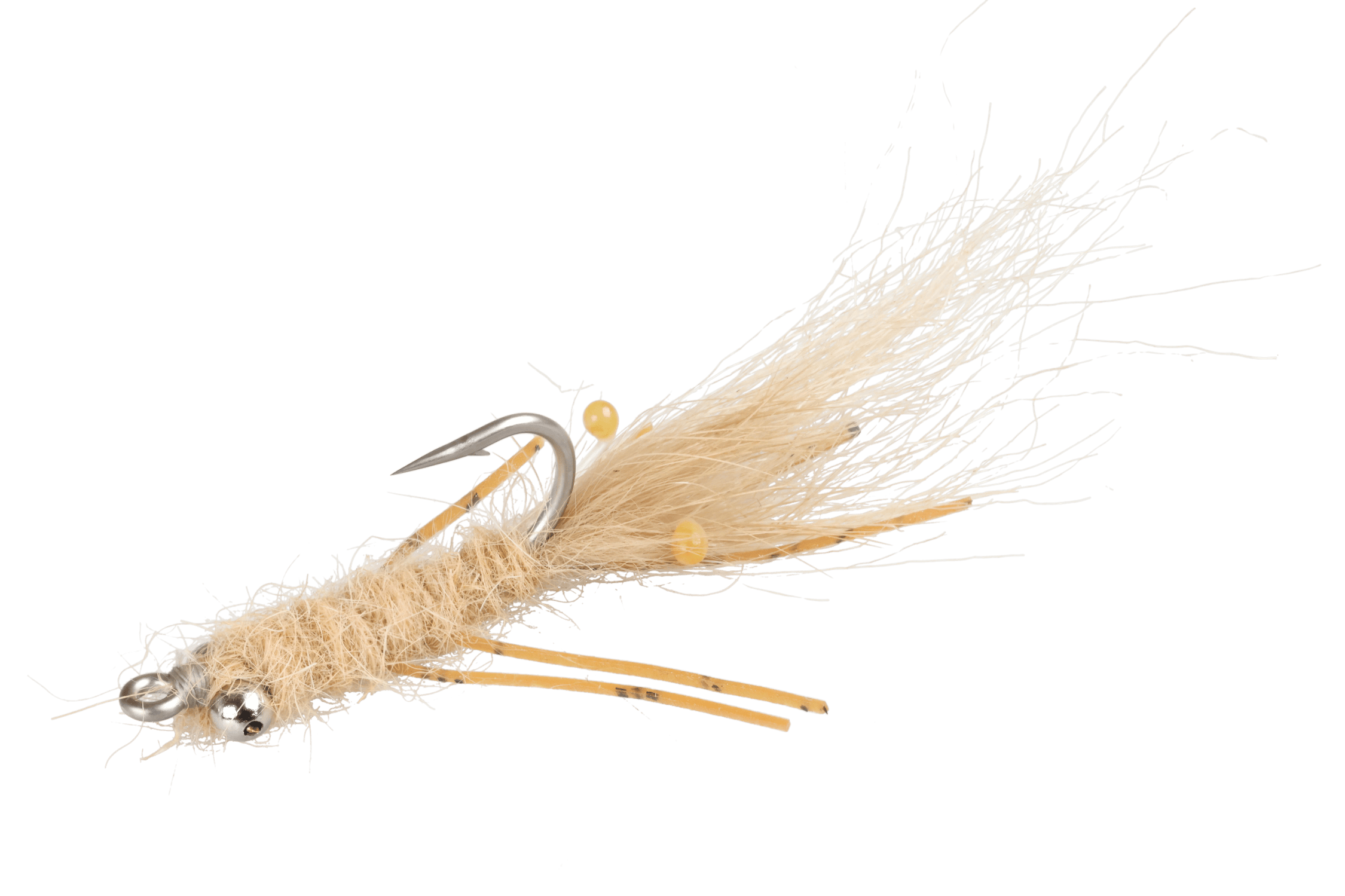
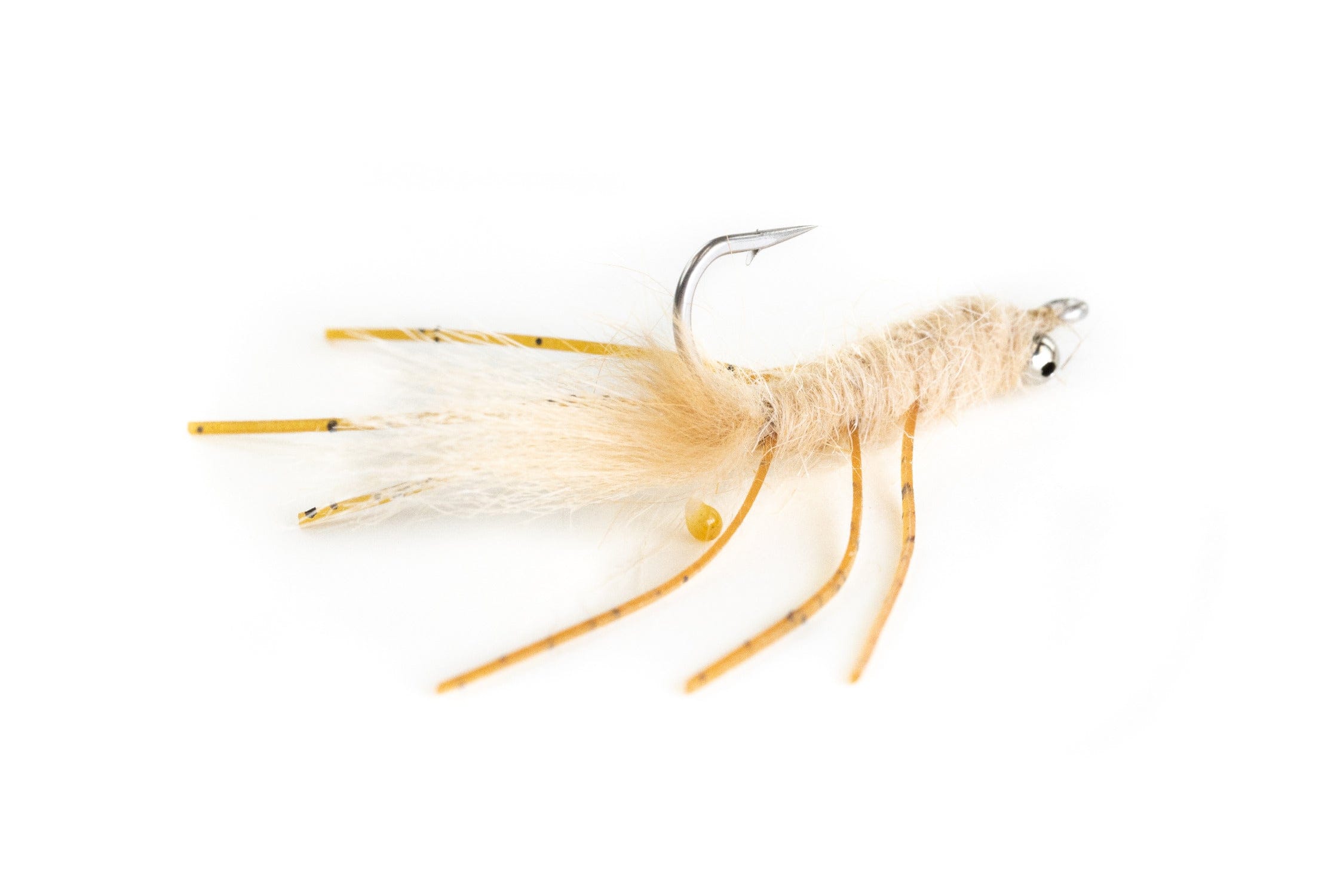
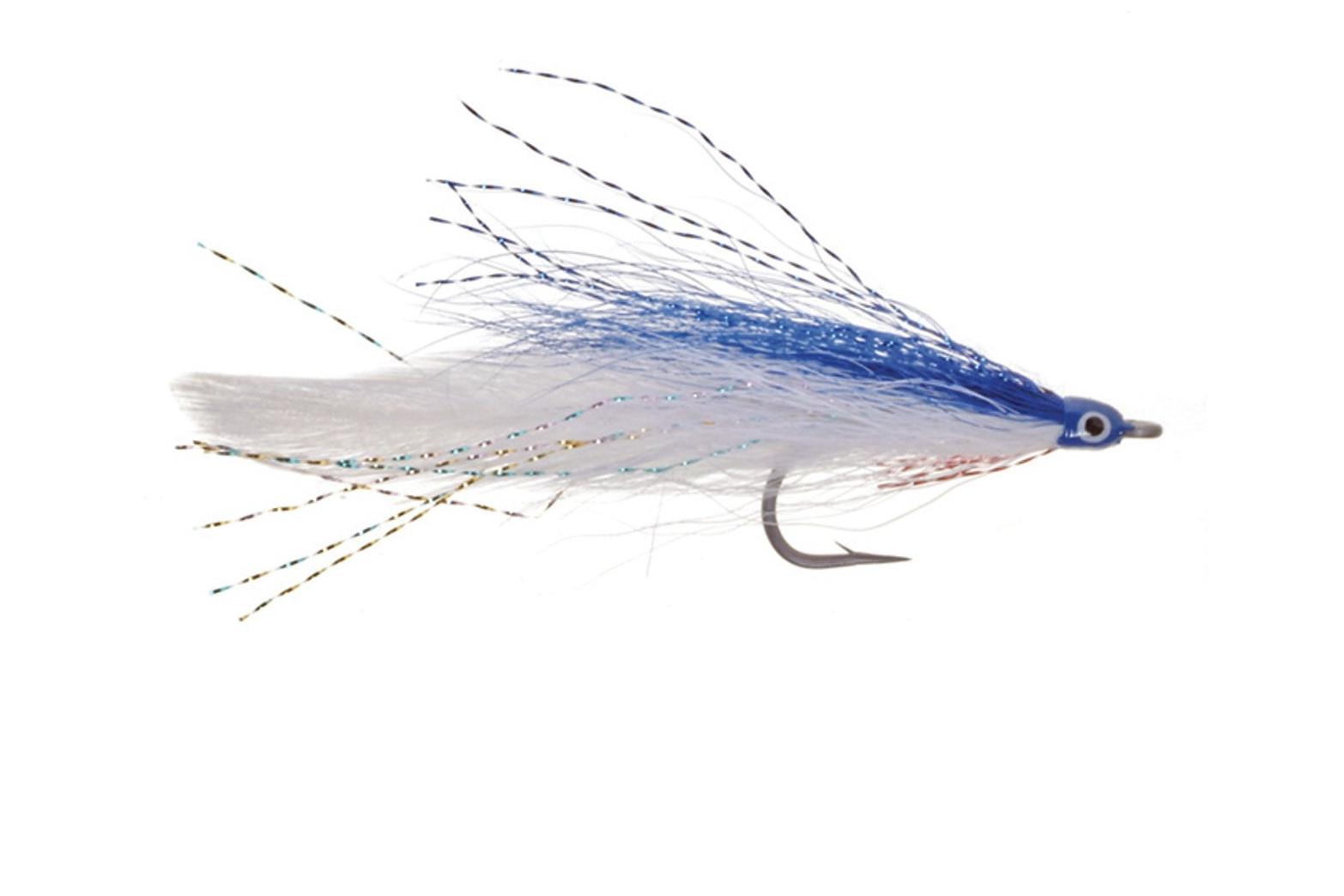

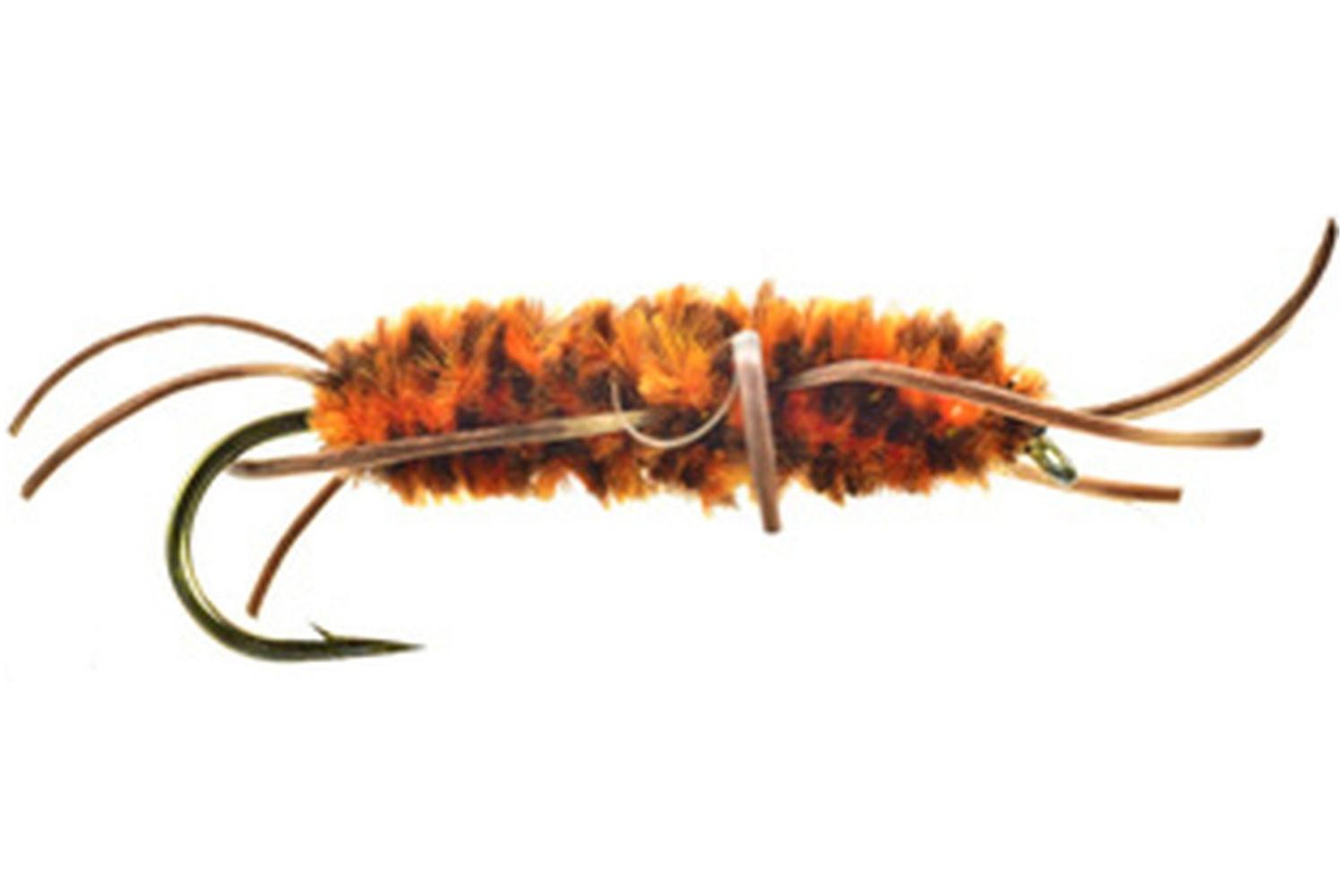




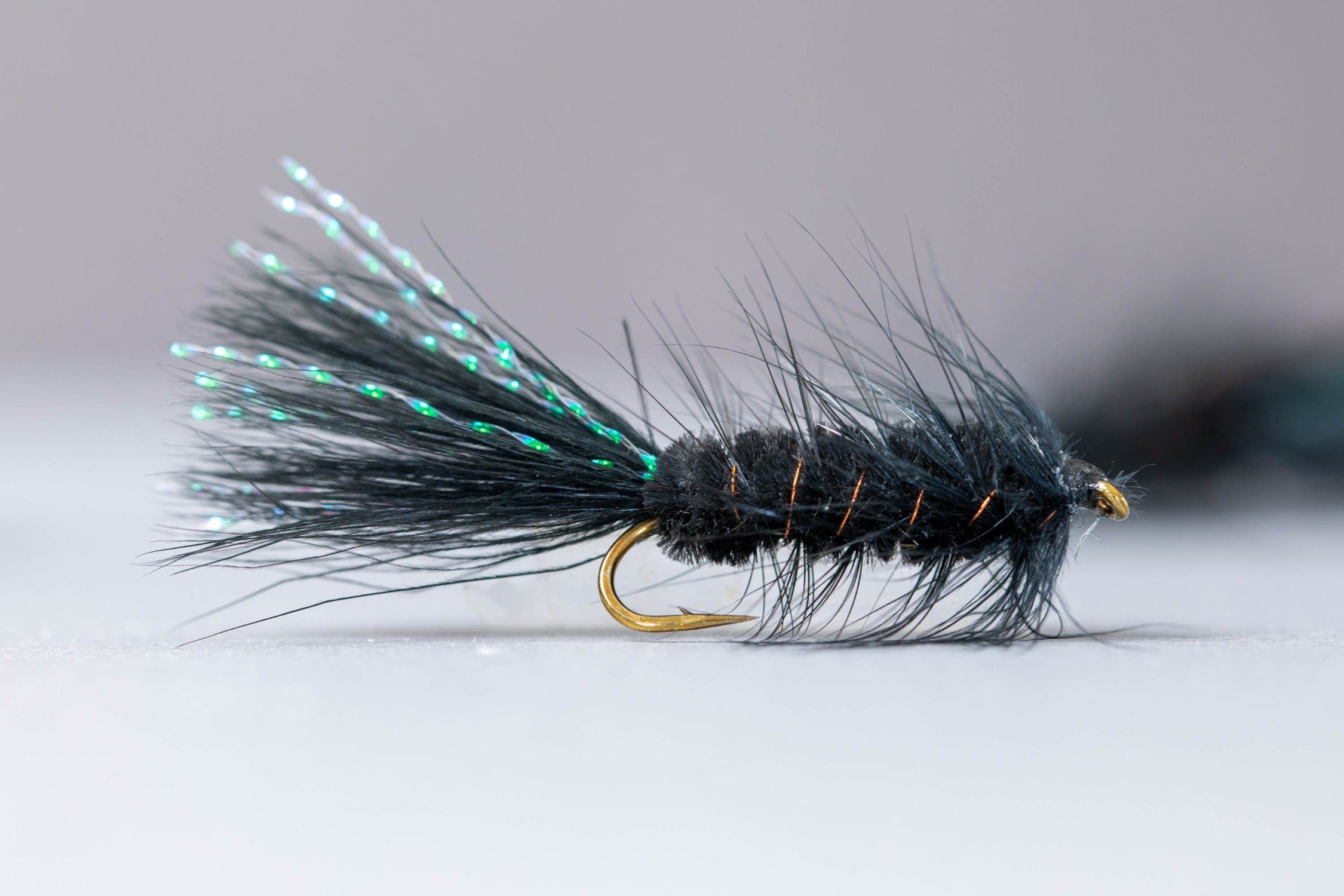
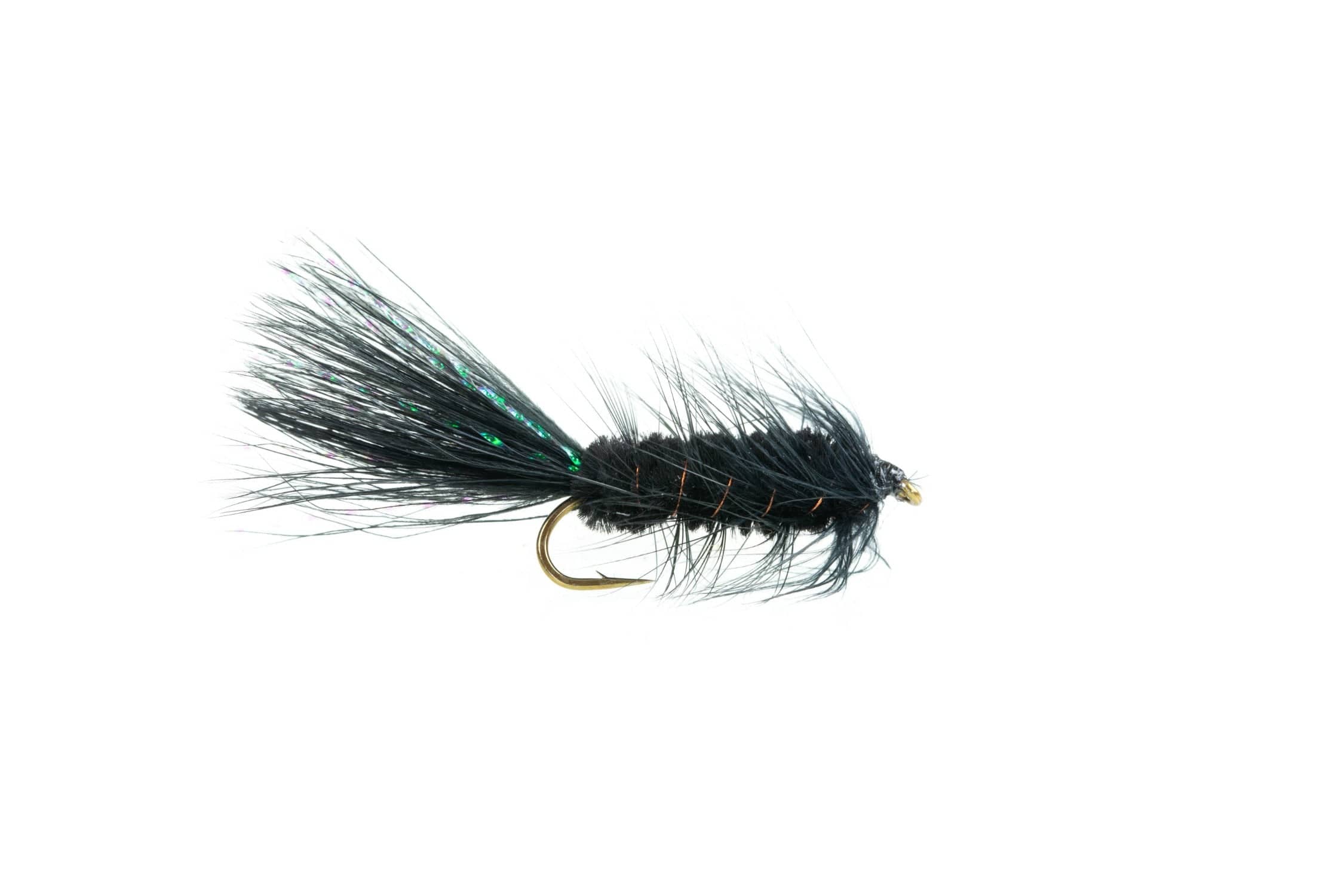
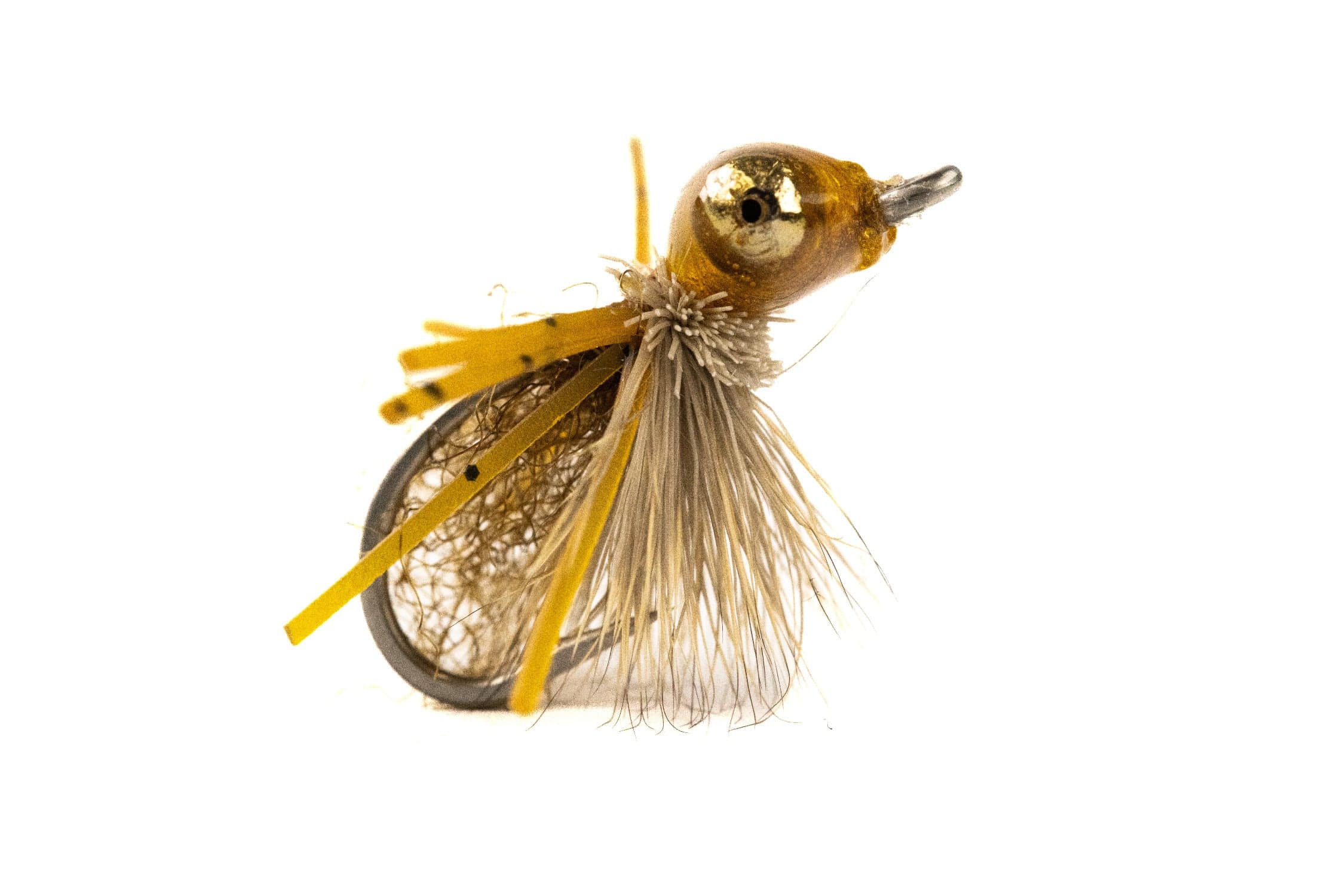
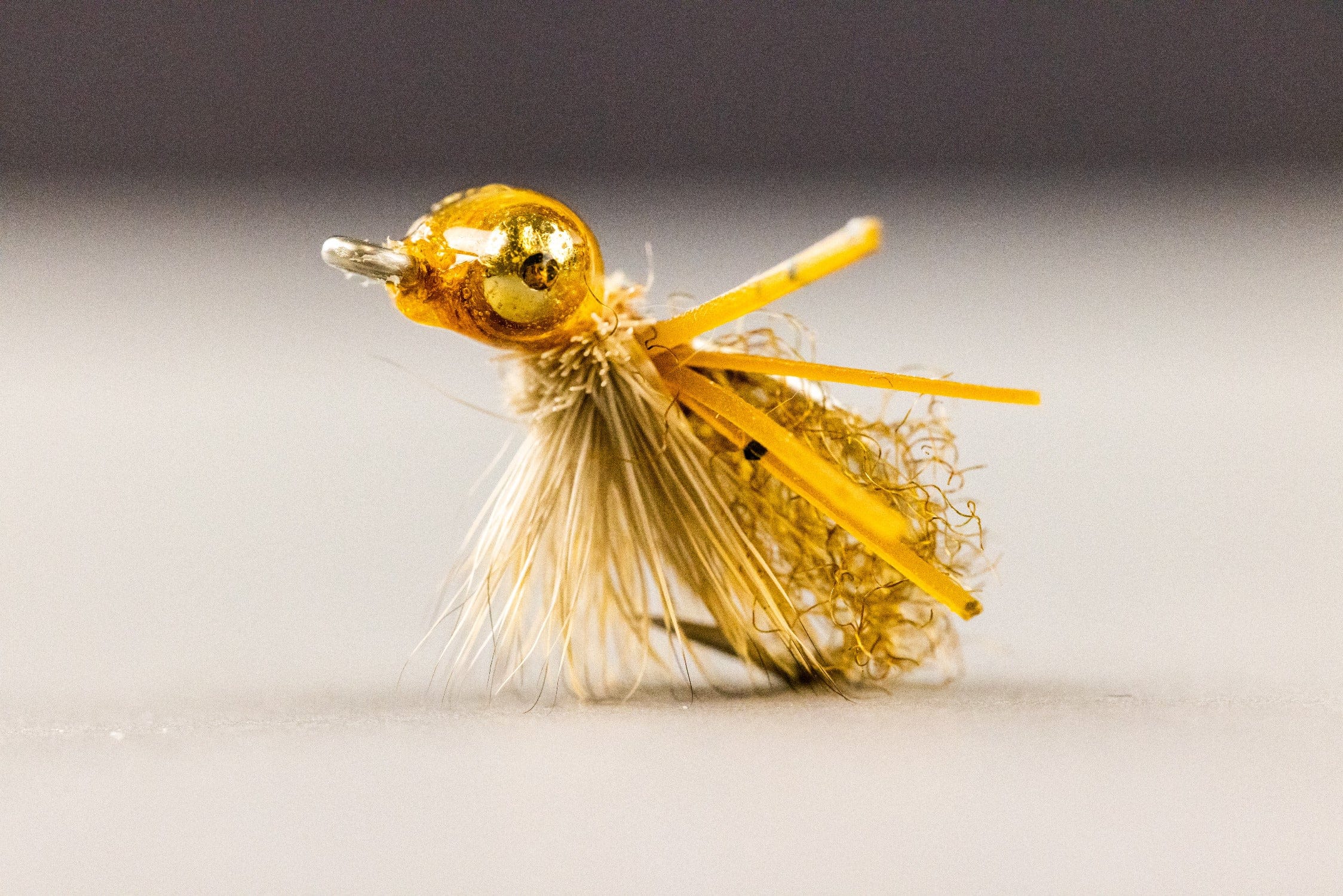
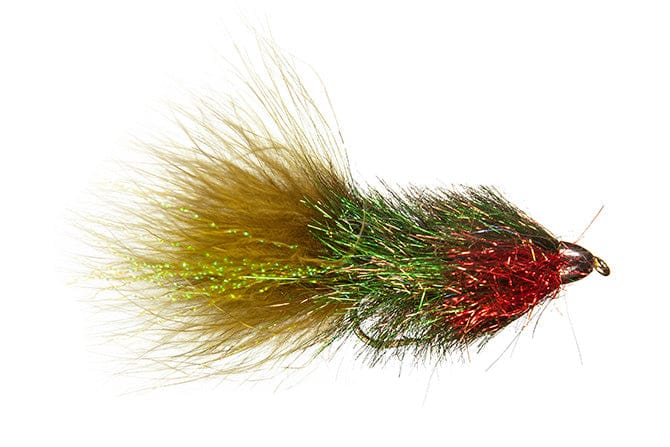
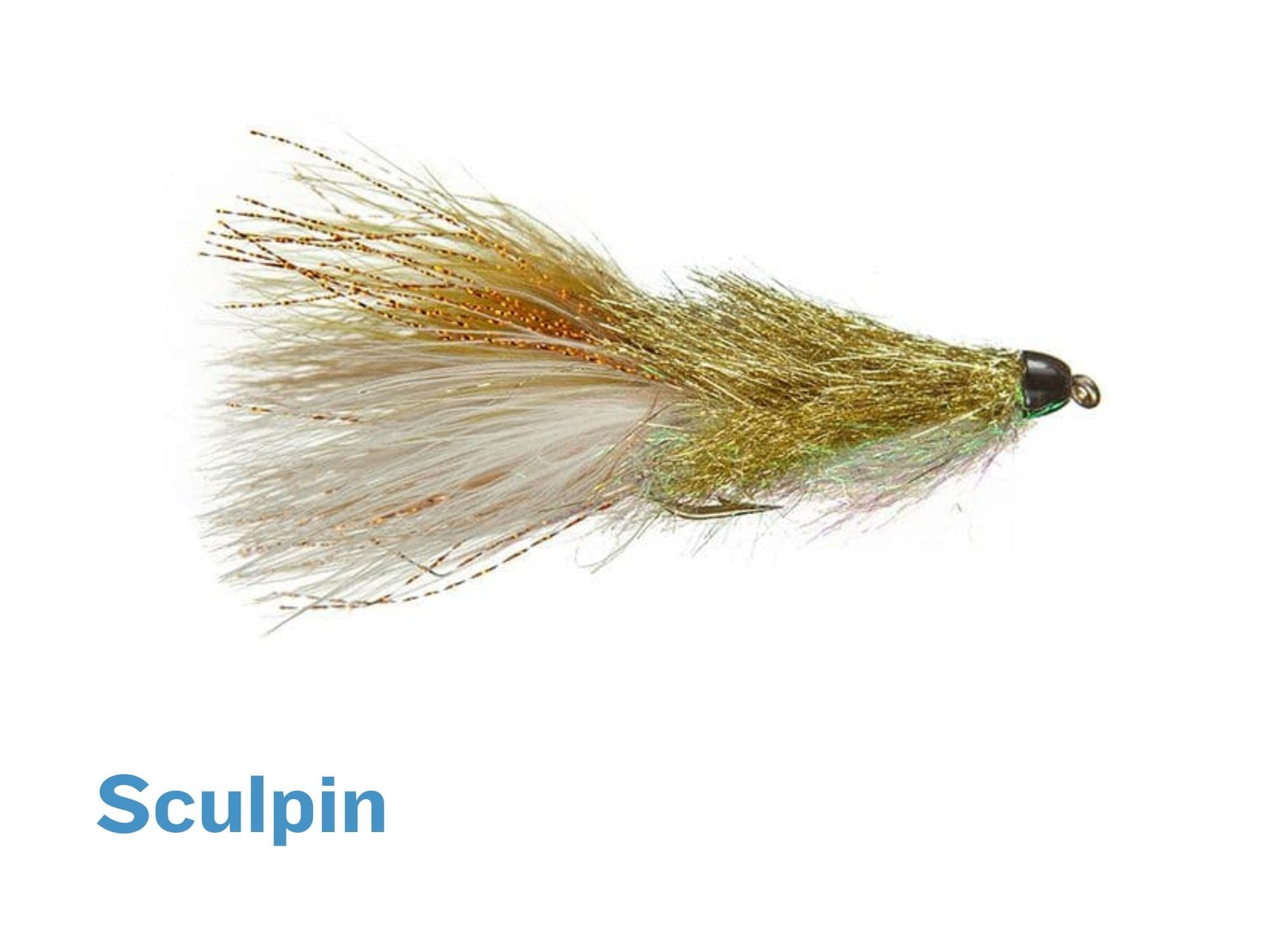
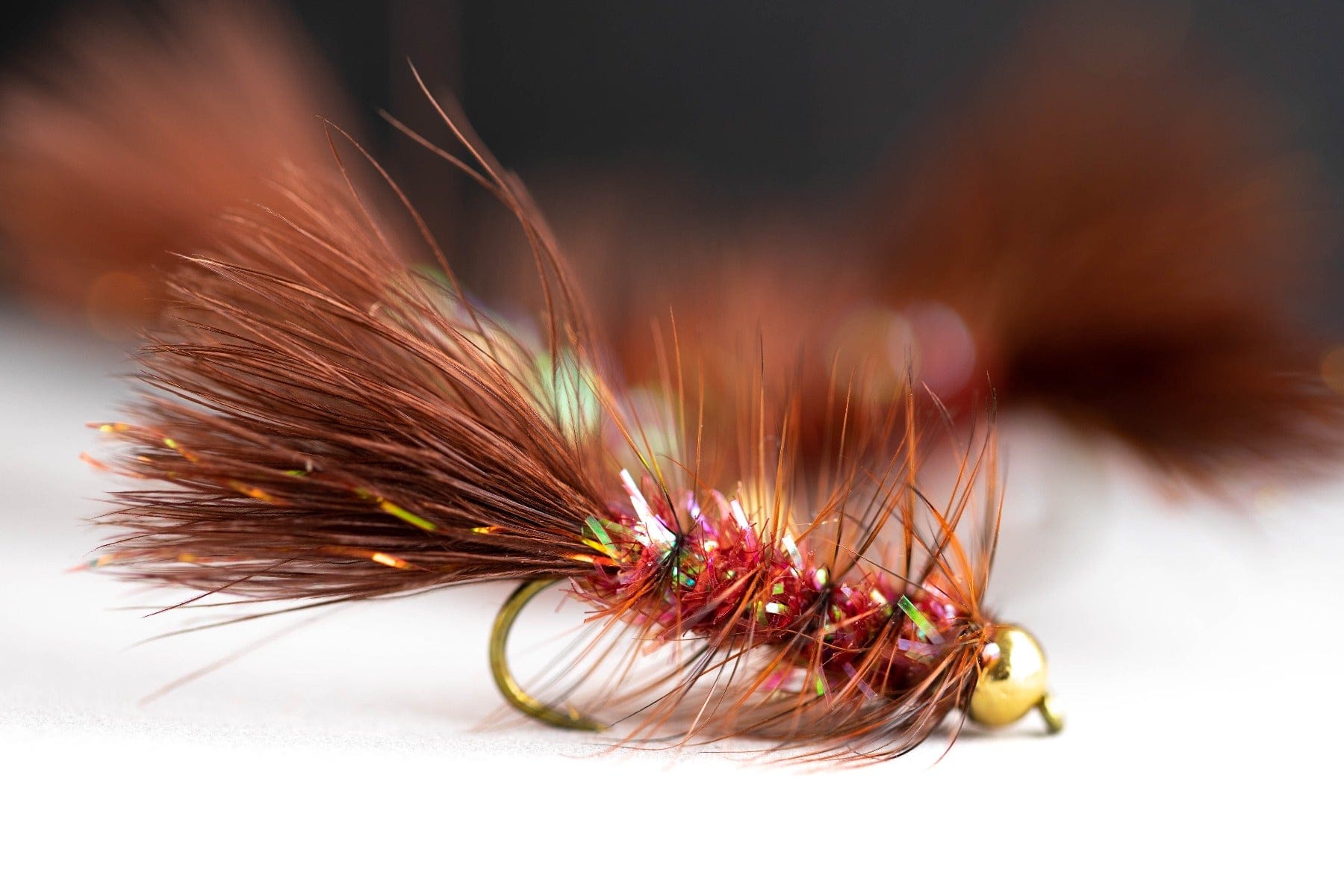
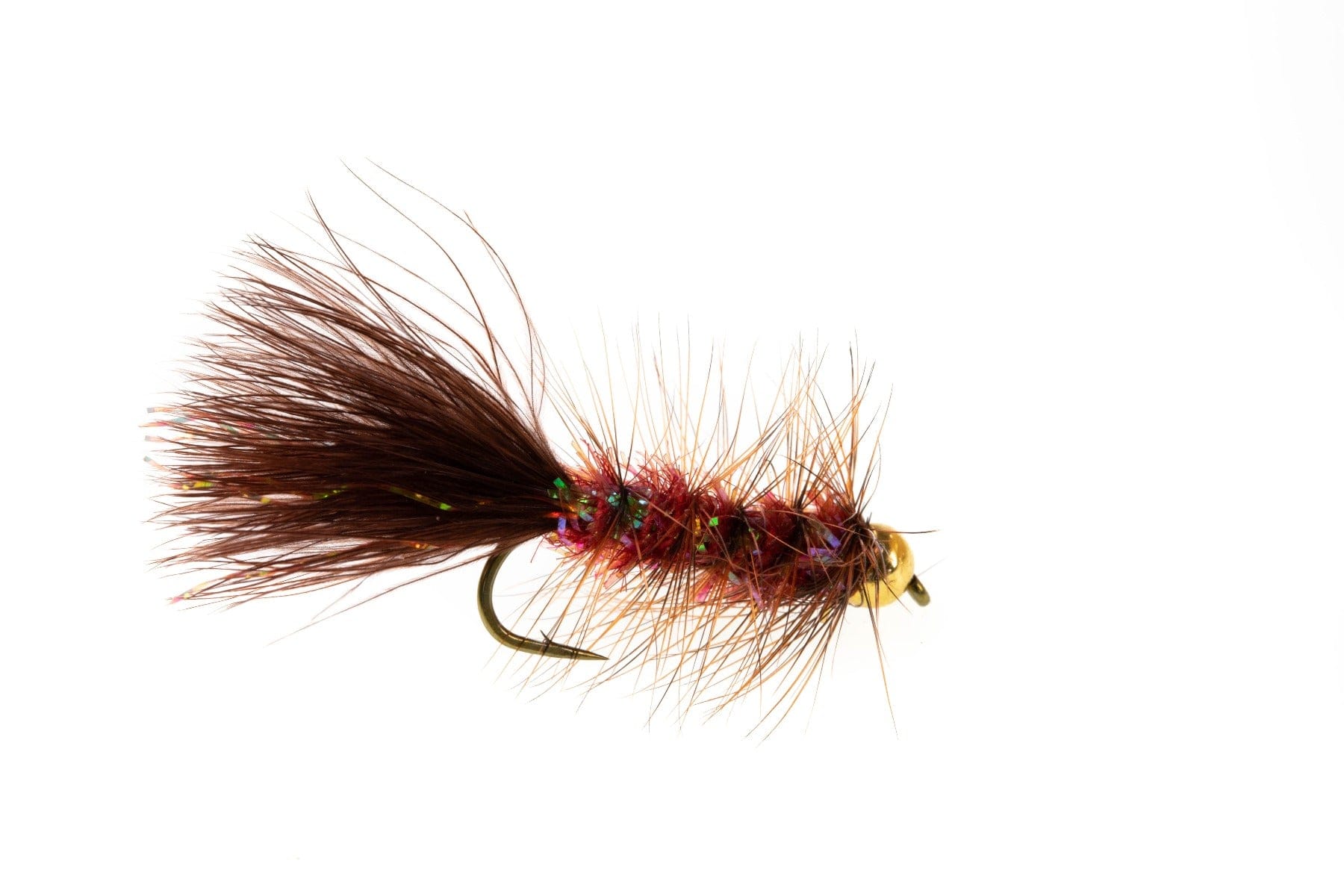
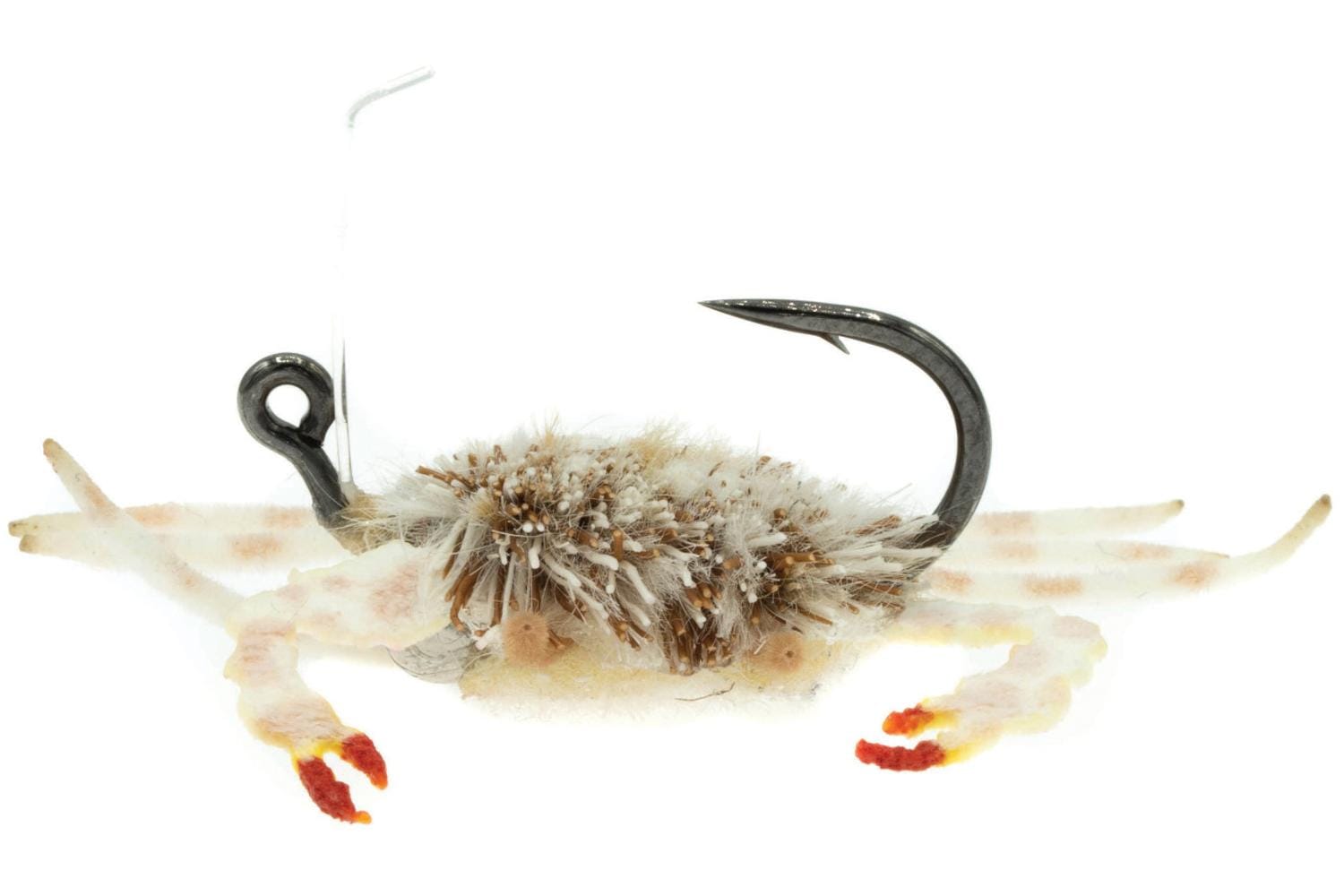
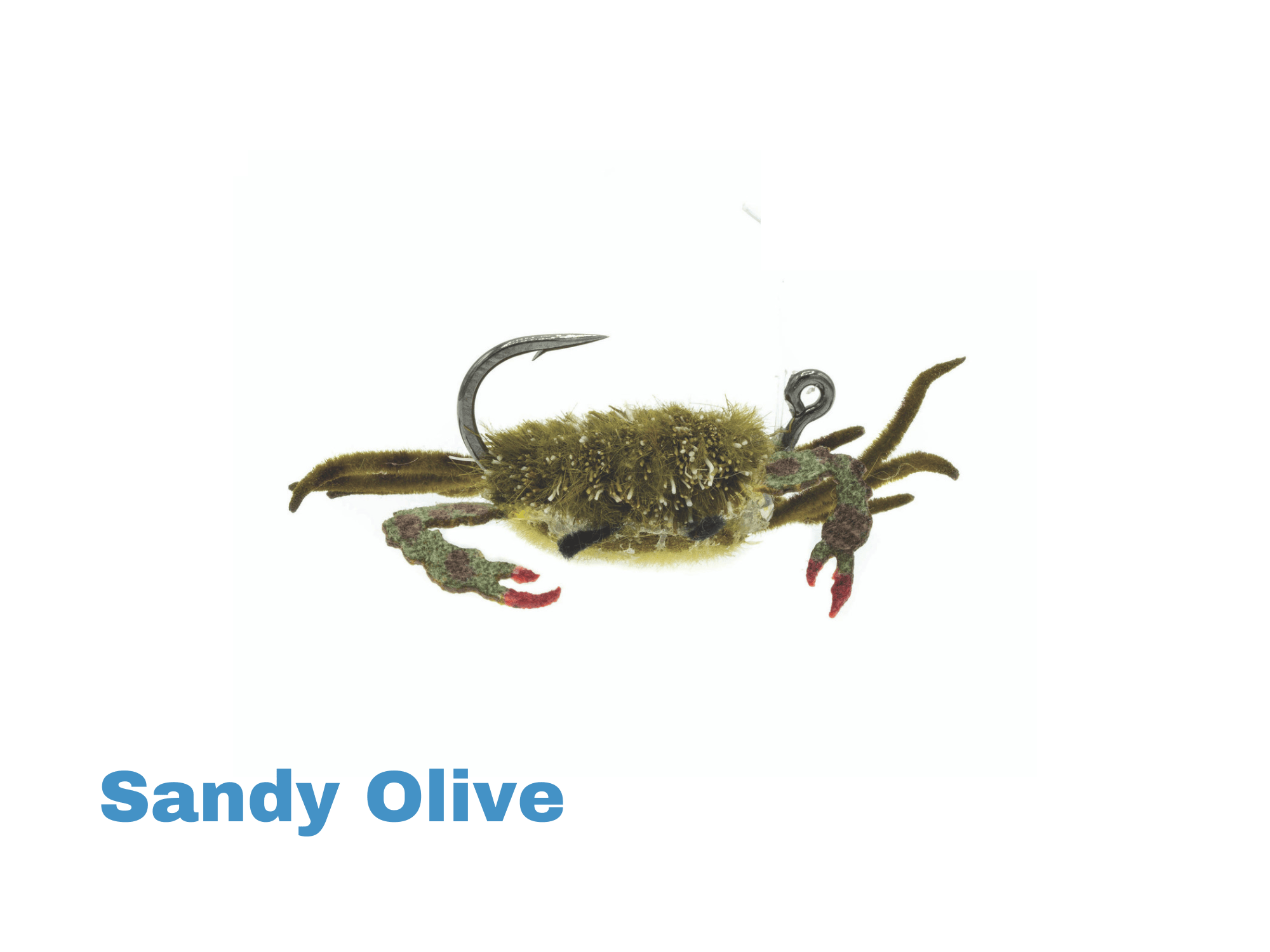
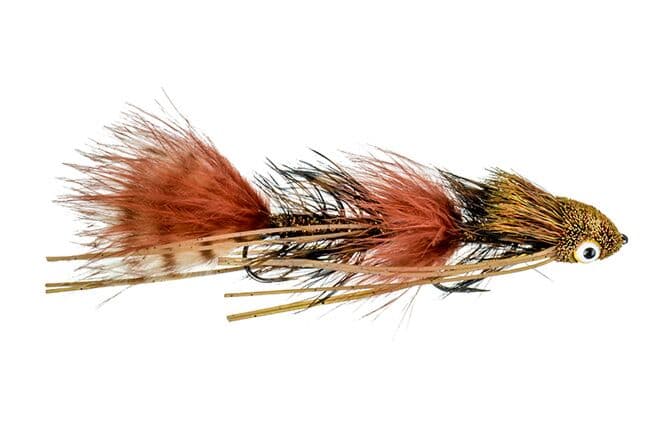
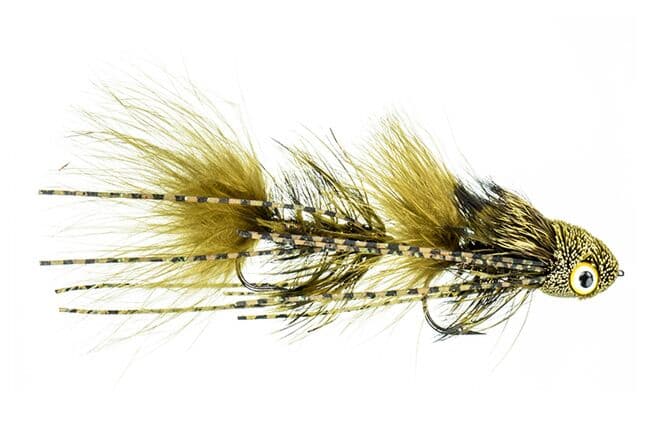
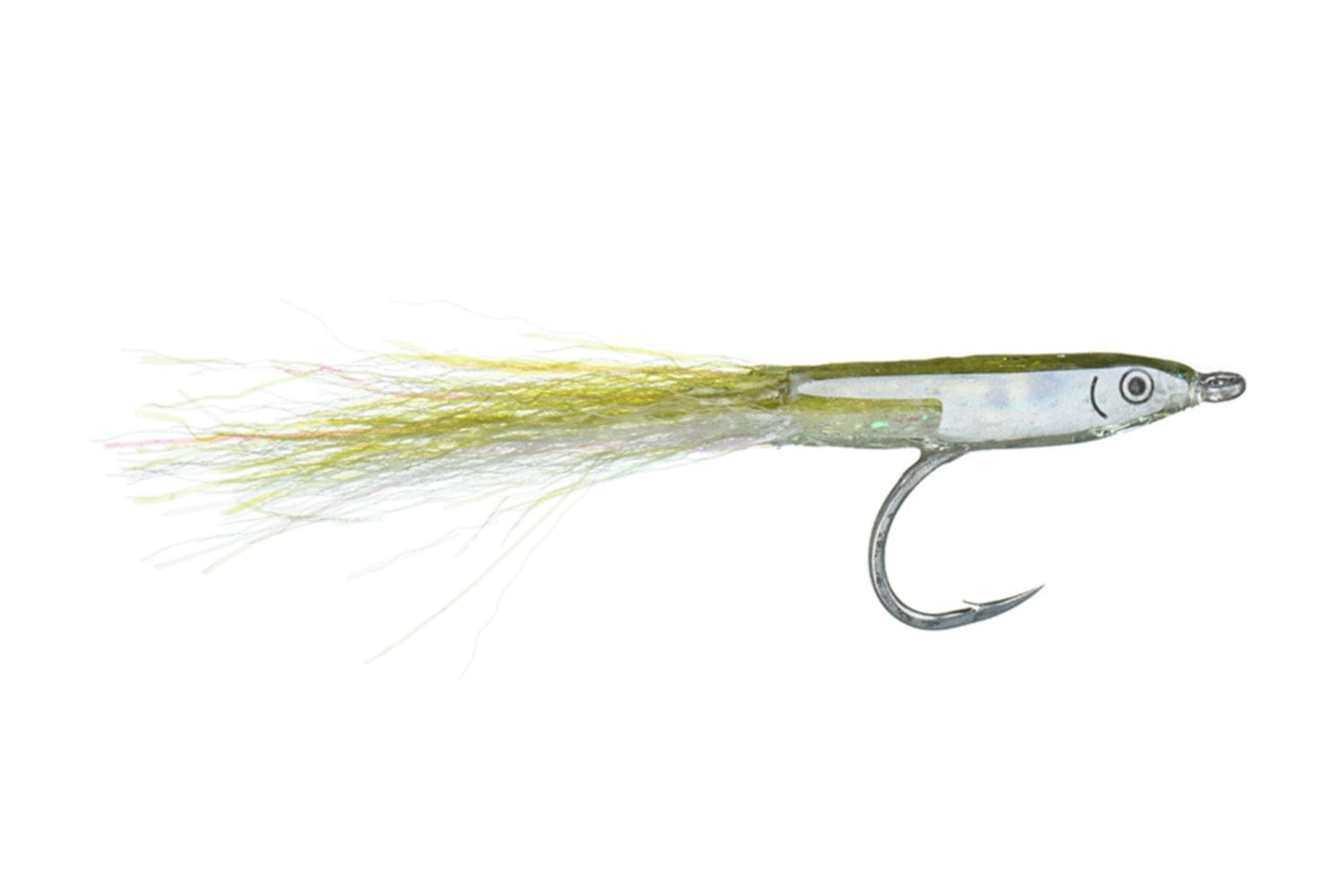
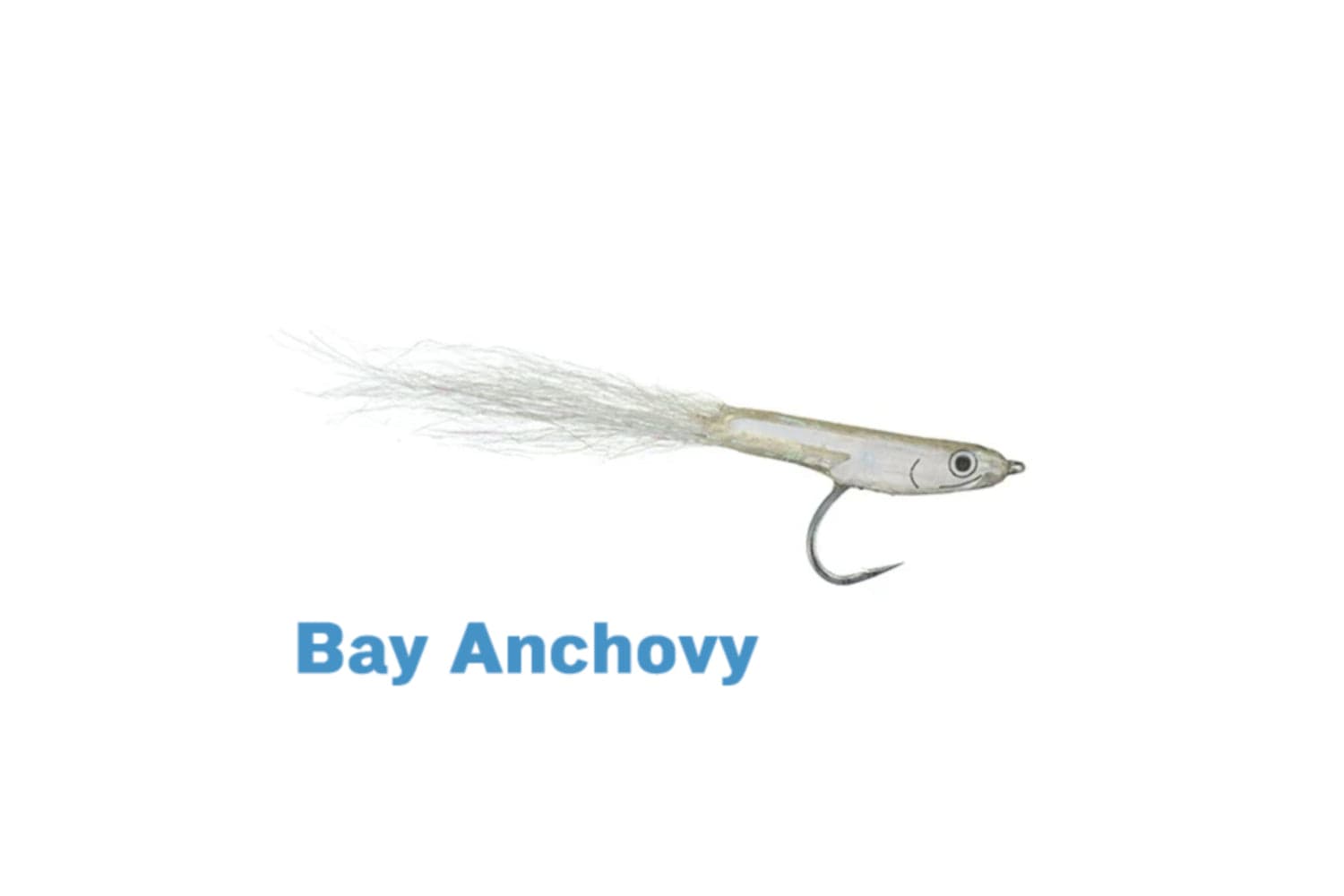
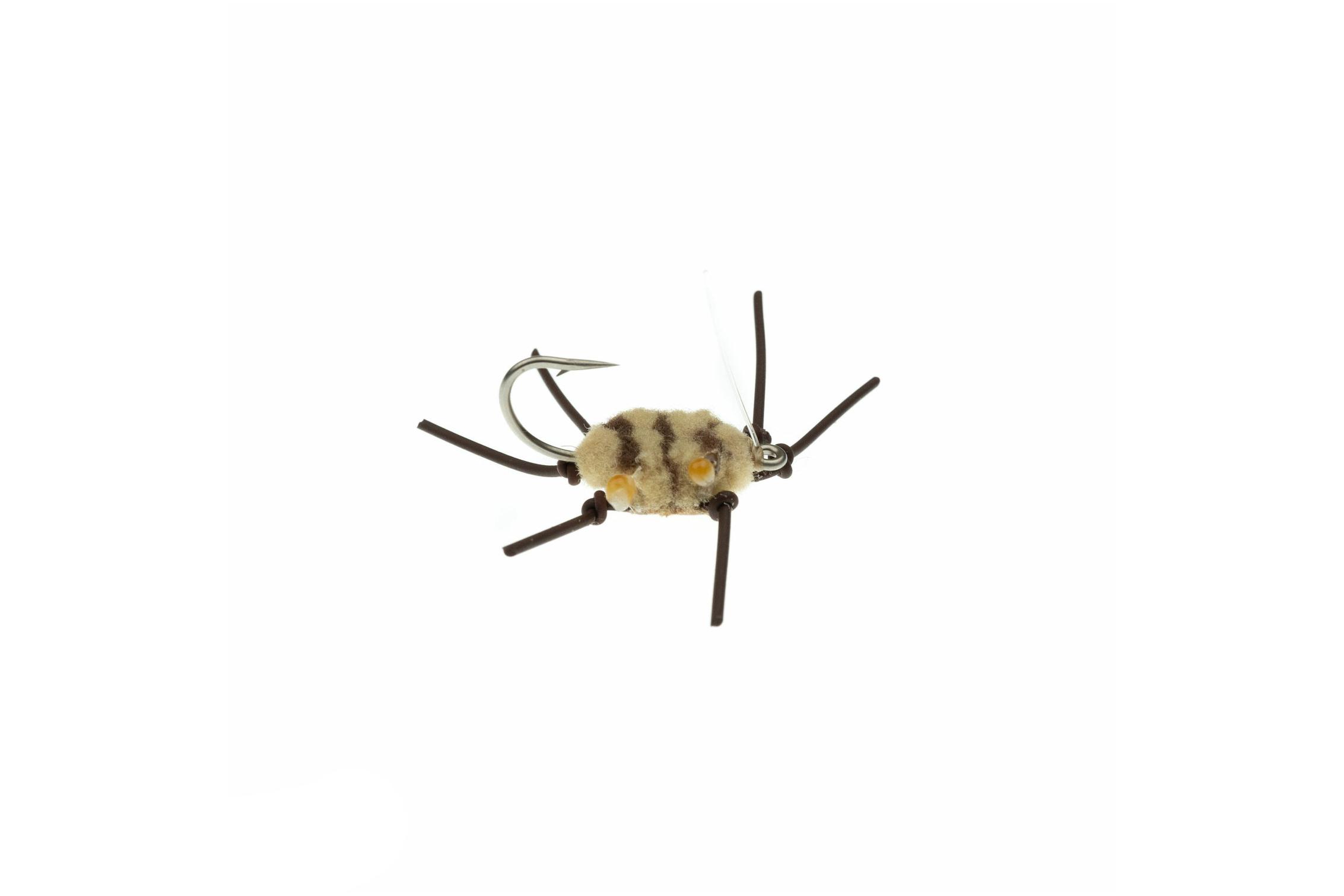
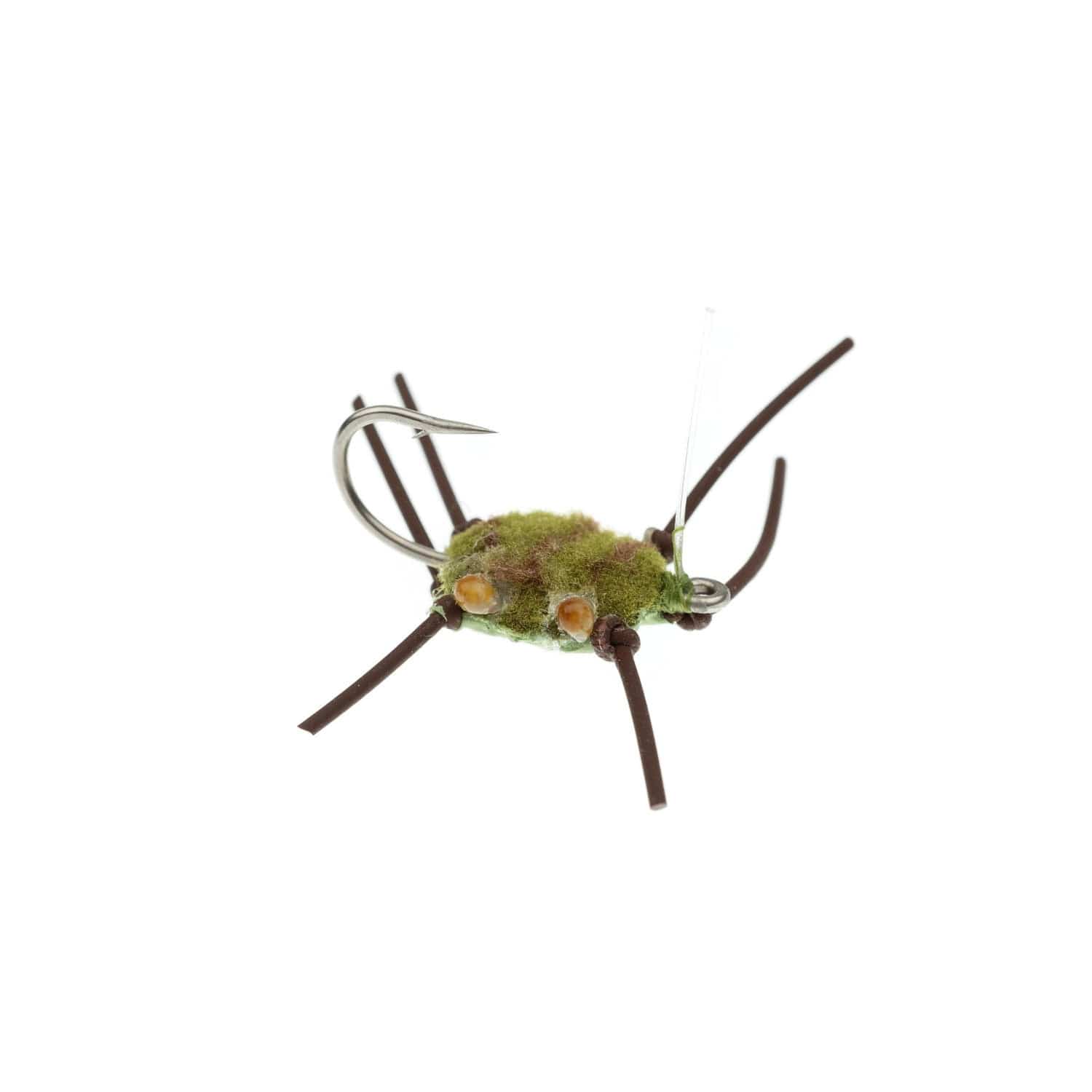
Fly Fishing Flies Quick Picks
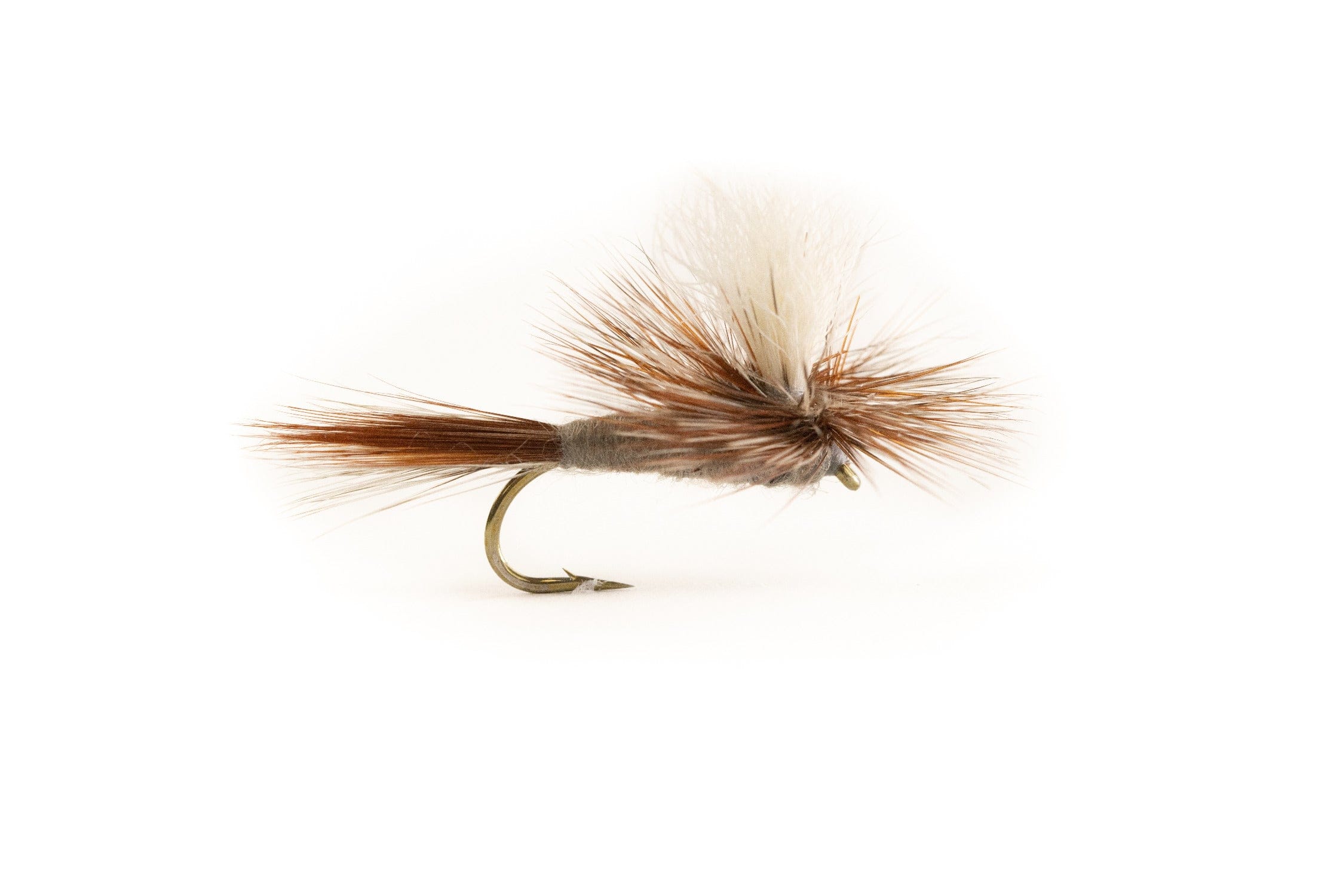
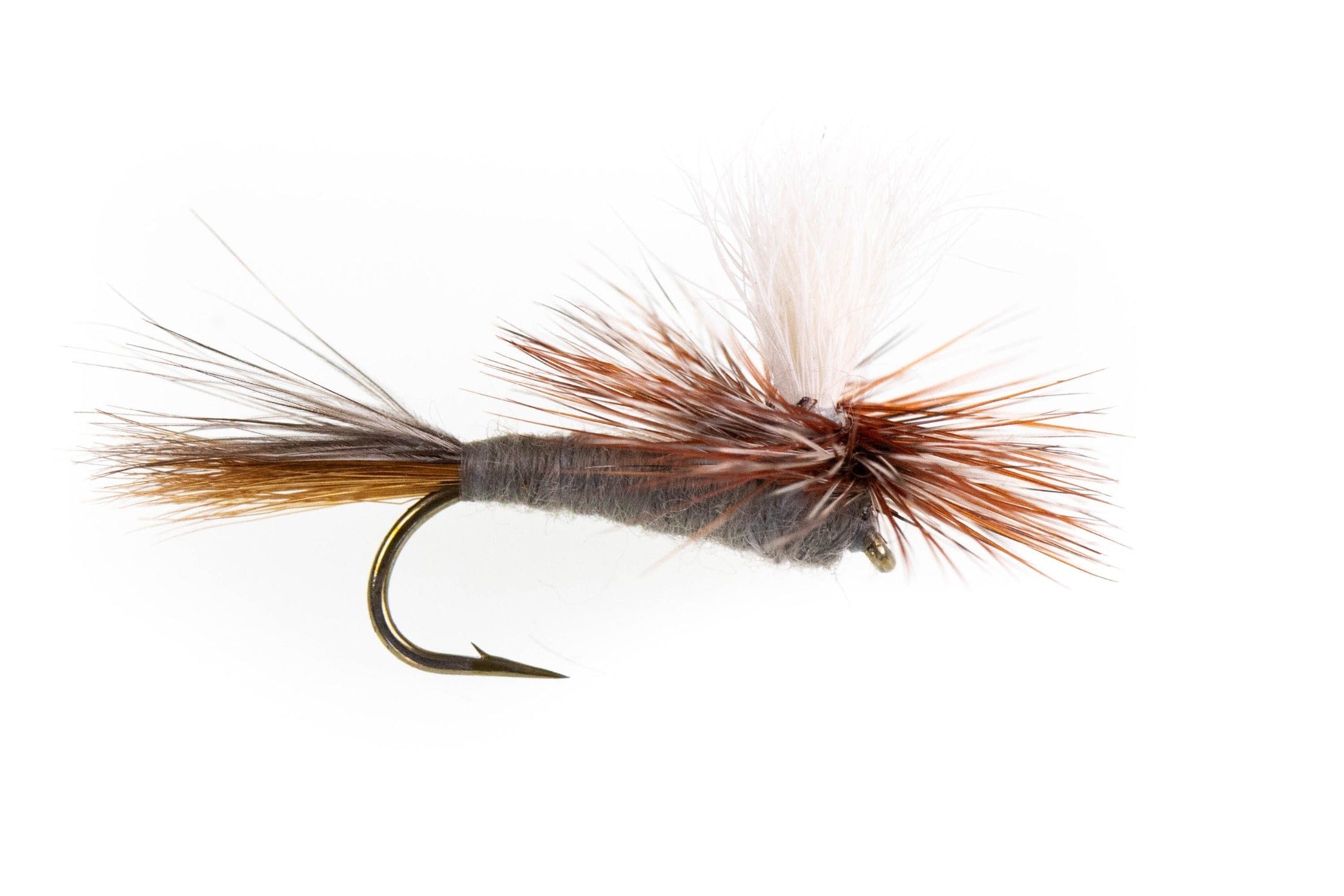
Best All-Around: Parachute Adams Dry Fly - A dependable dry fly choice when you need a general mayfly-style surface pattern for trout. It’s offered in a wide spread of sizes, so you can scale up or down to match common hatches.
Best for Beginners: Umpqua Chubby Chernobyl Fly - A high-visibility, easy-to-fish searching dry that’s popular for prospecting and dry-dropper rigs. Its buoyant profile helps keep the “indicator” fly up while supporting a nymph below.
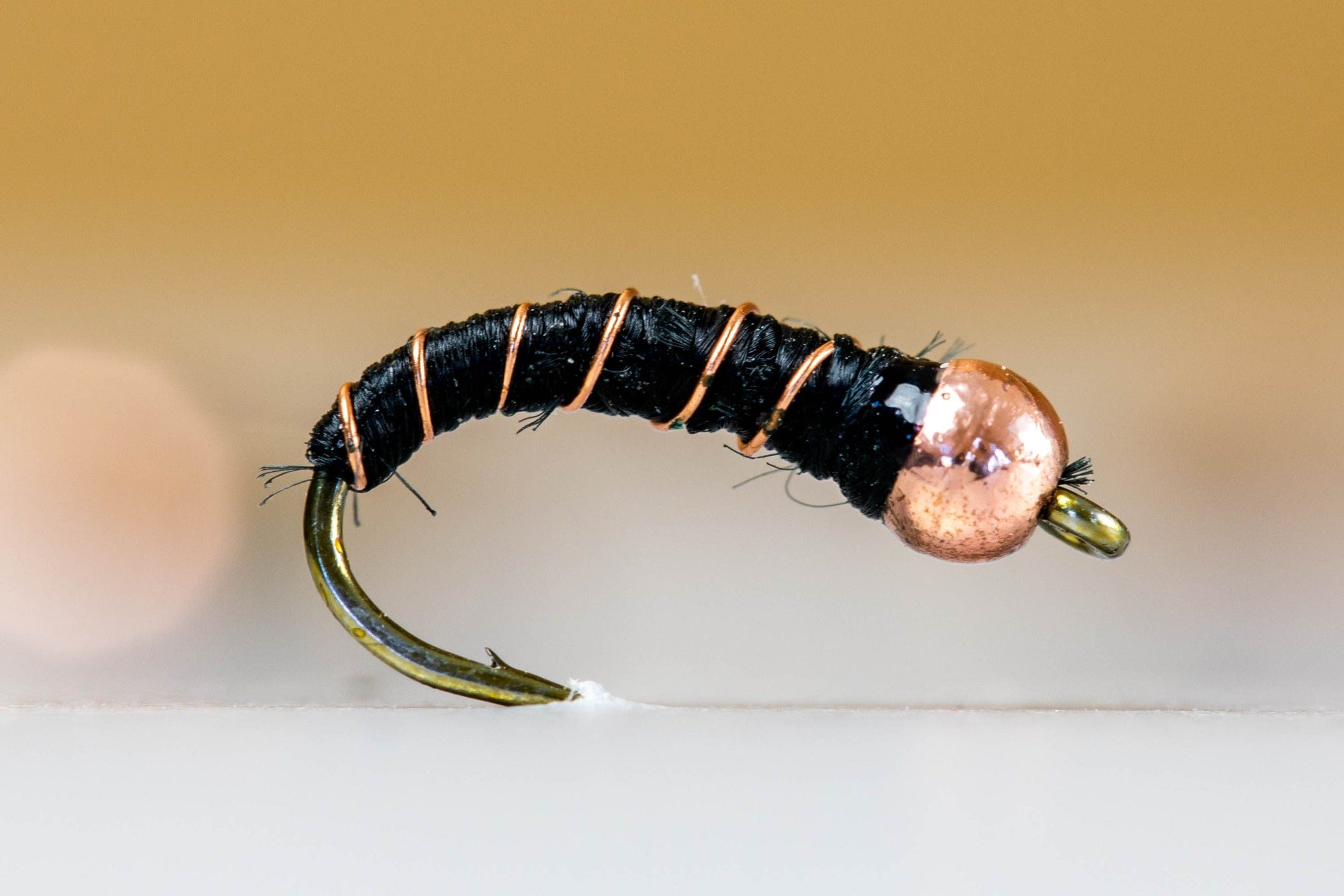
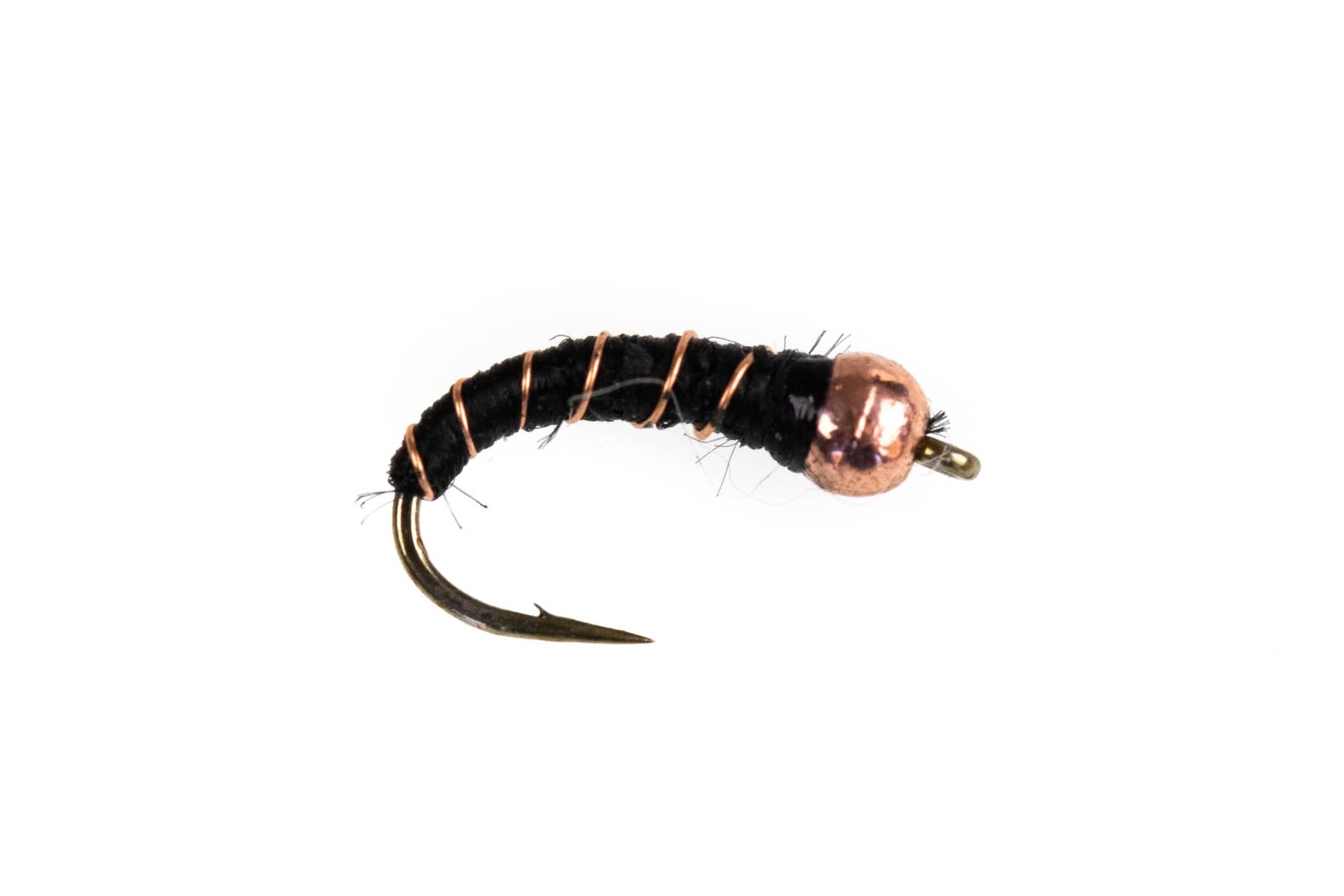
Best Technical Nymph: Tungsten Zebra Midge Fly - A simple, effective subsurface pattern for pressured trout and cold-water days. The tungsten bead helps it get down efficiently without adding extra split shot in many situations.
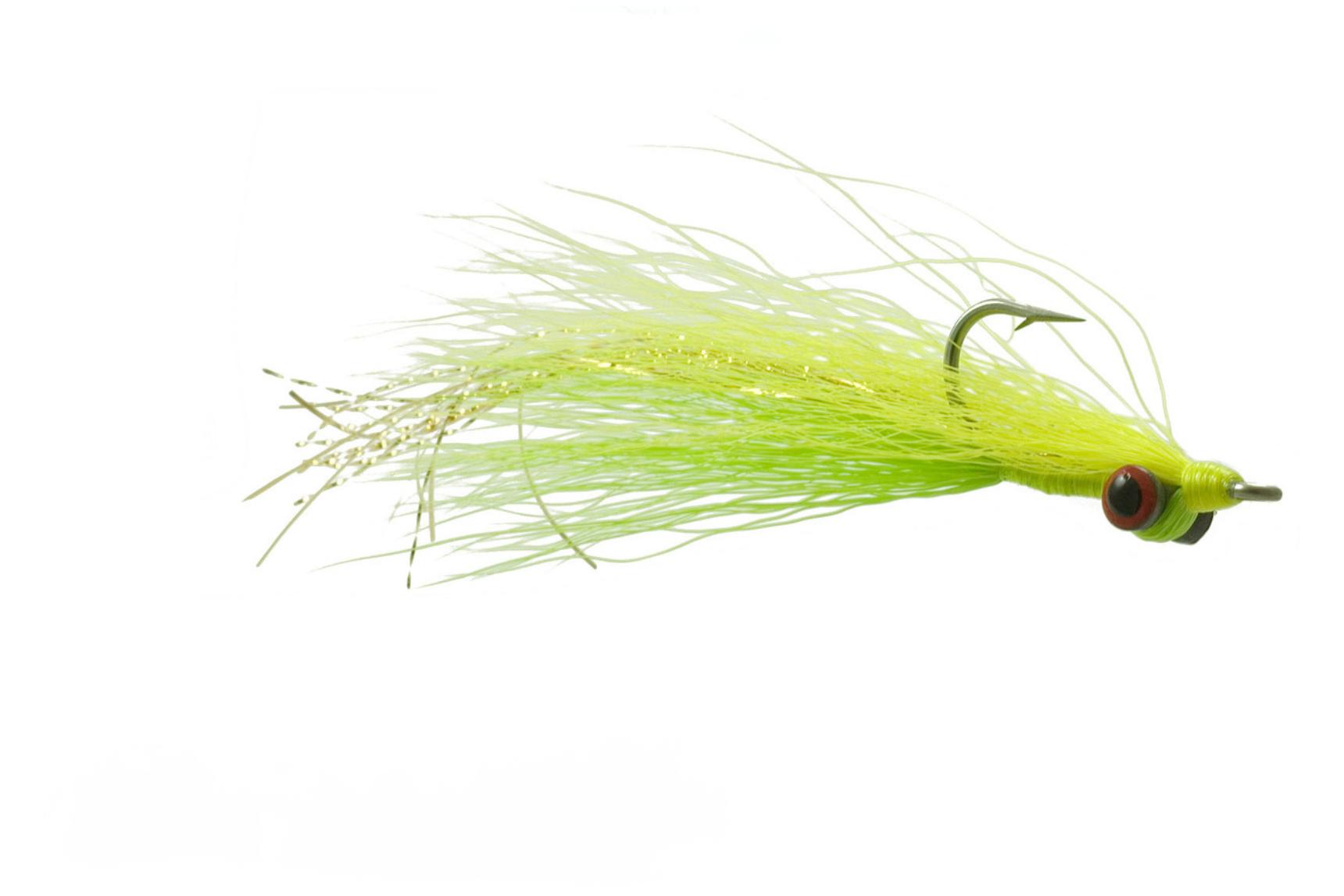
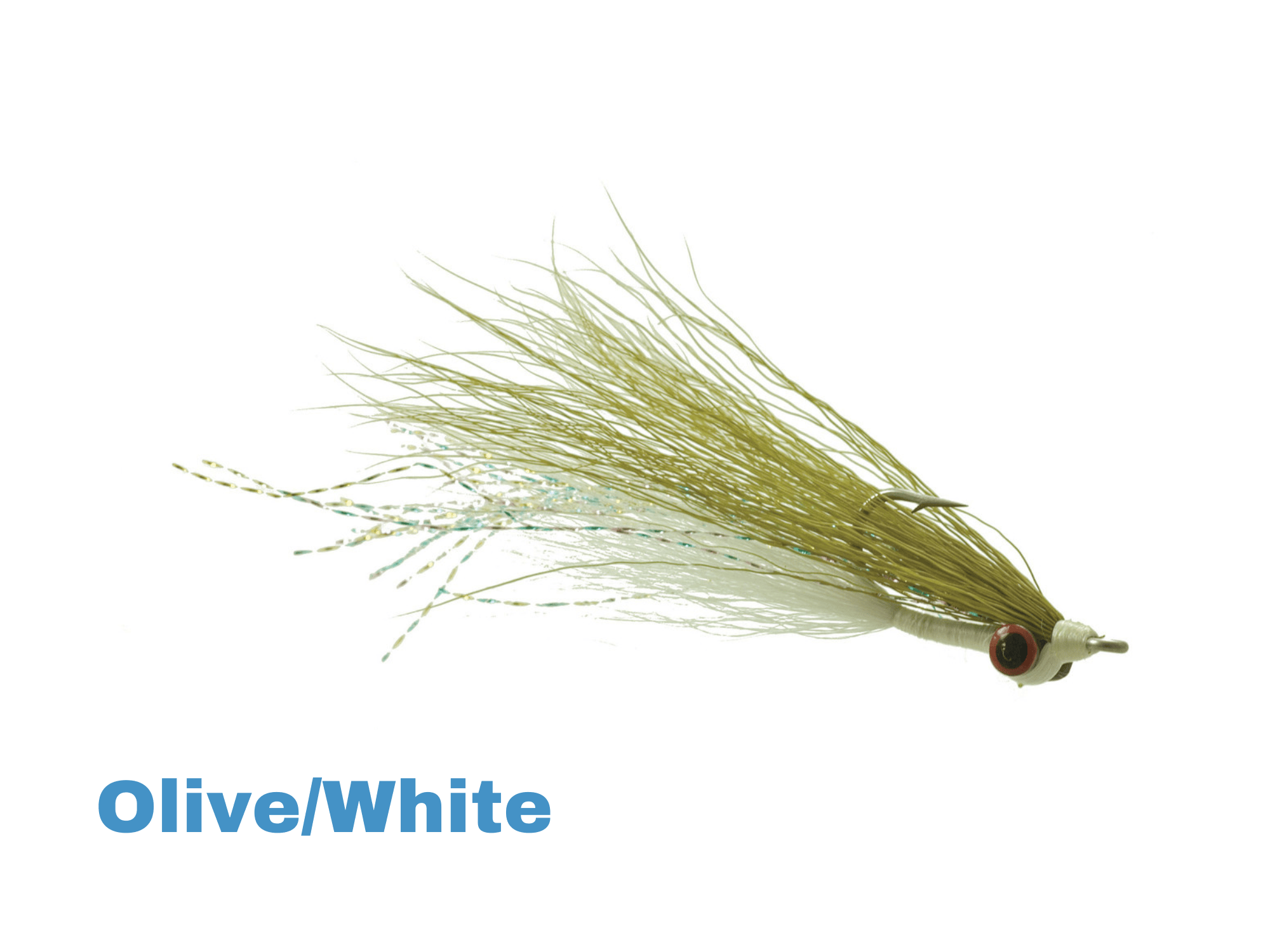
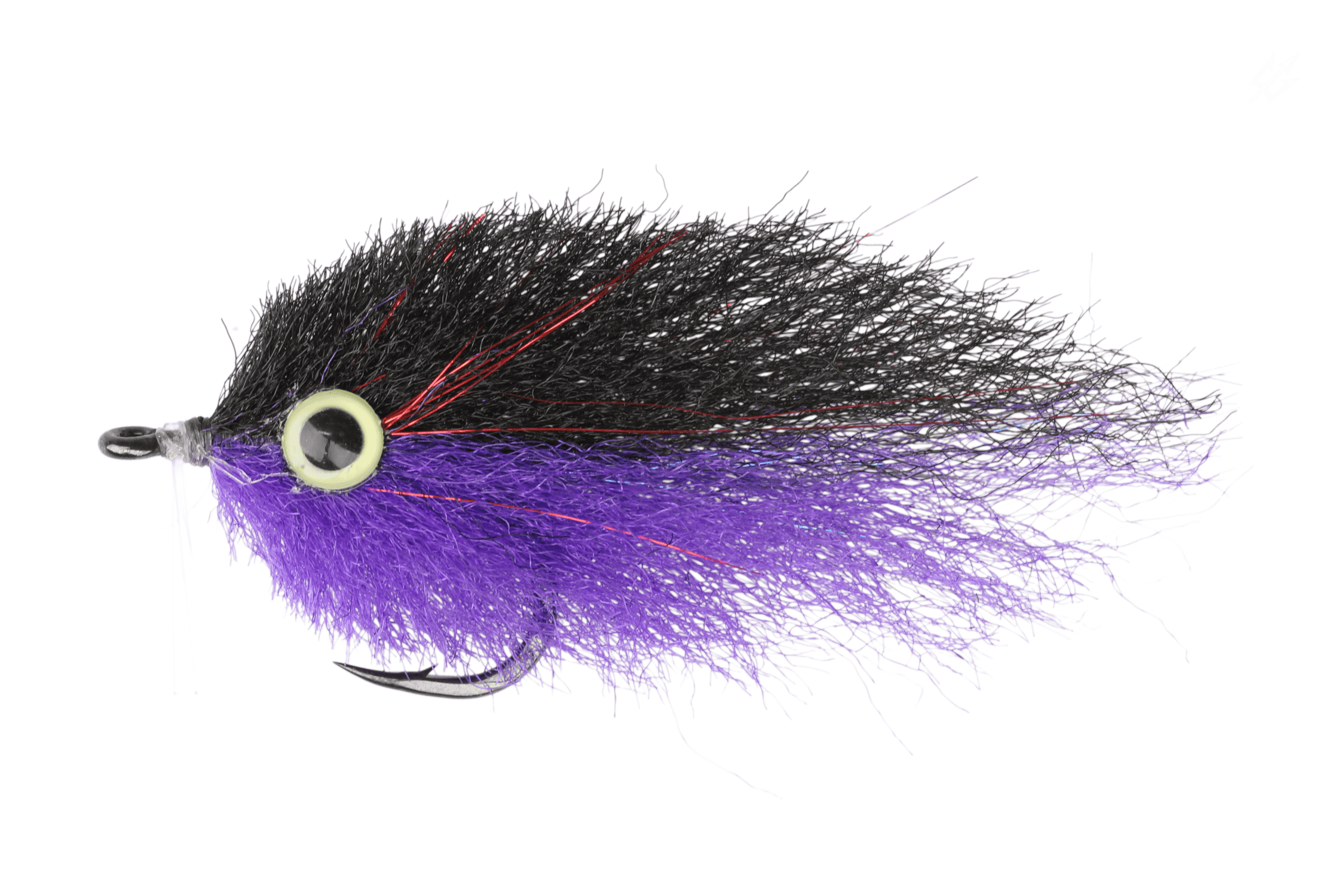
Best Streamer Staple: Clouser Minnow Fly - A classic baitfish-style fly for trout, bass, and plenty of inshore species. It’s a straightforward option when fish are chasing minnows and you want a fly that’s easy to cast and retrieve.
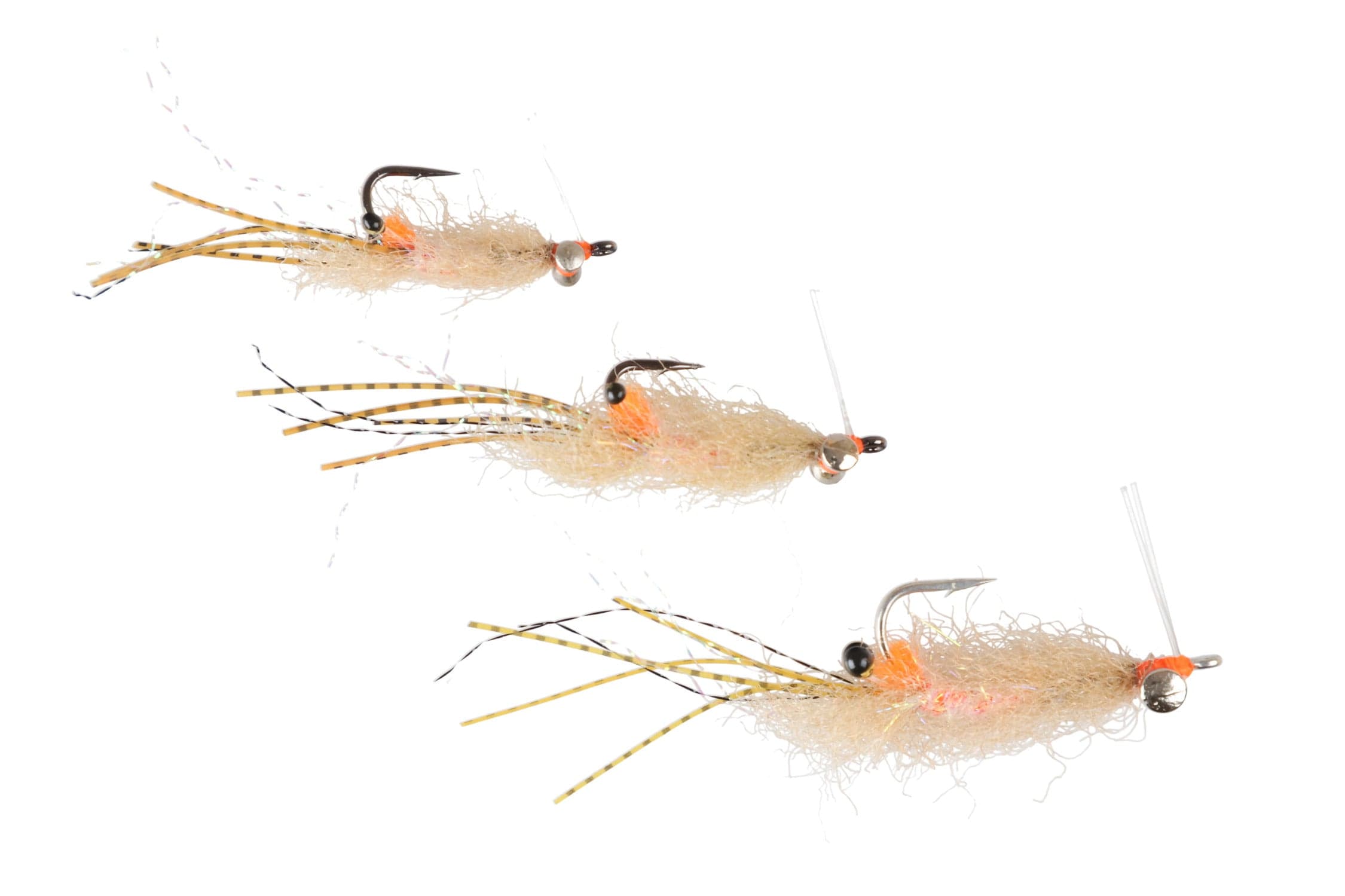
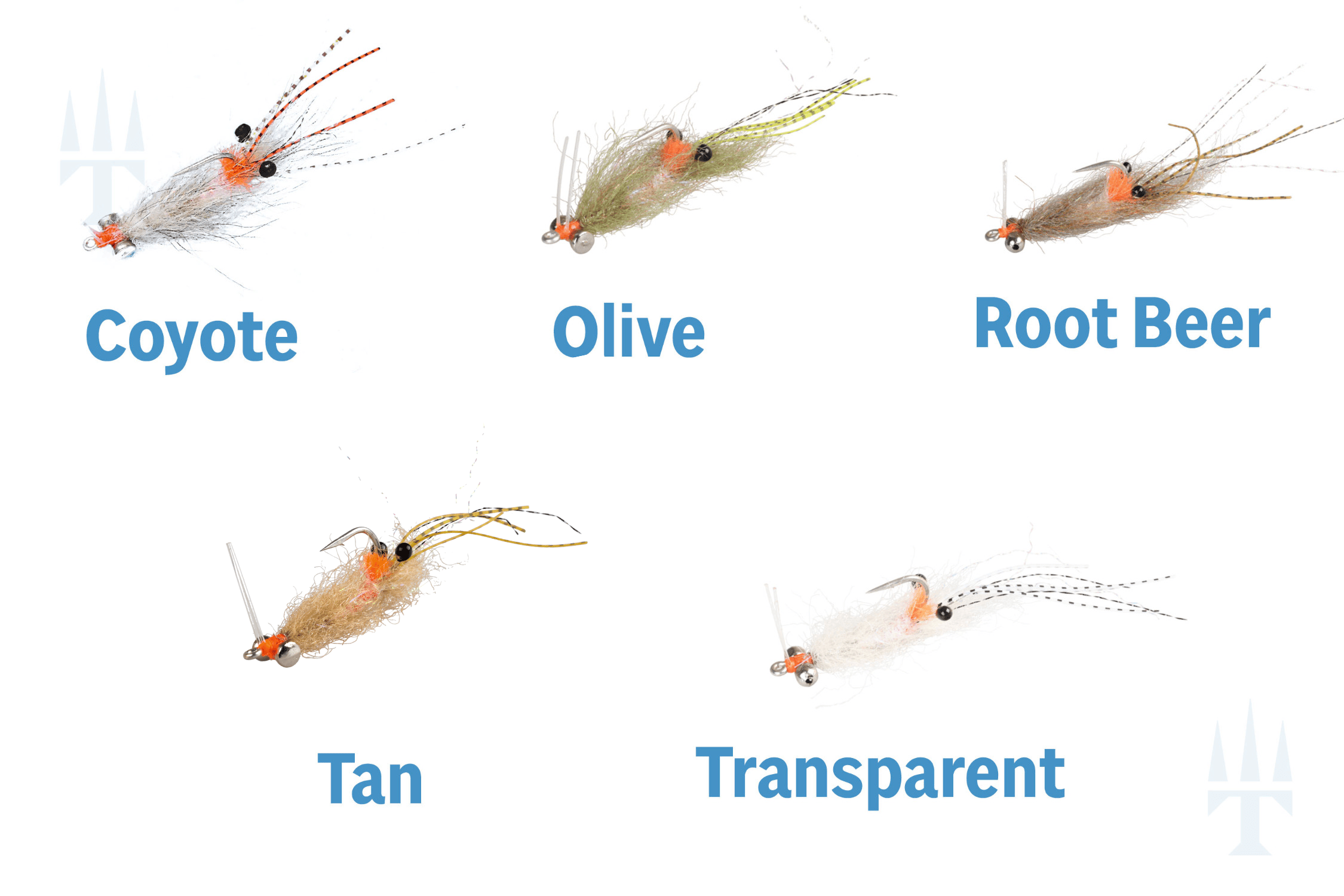
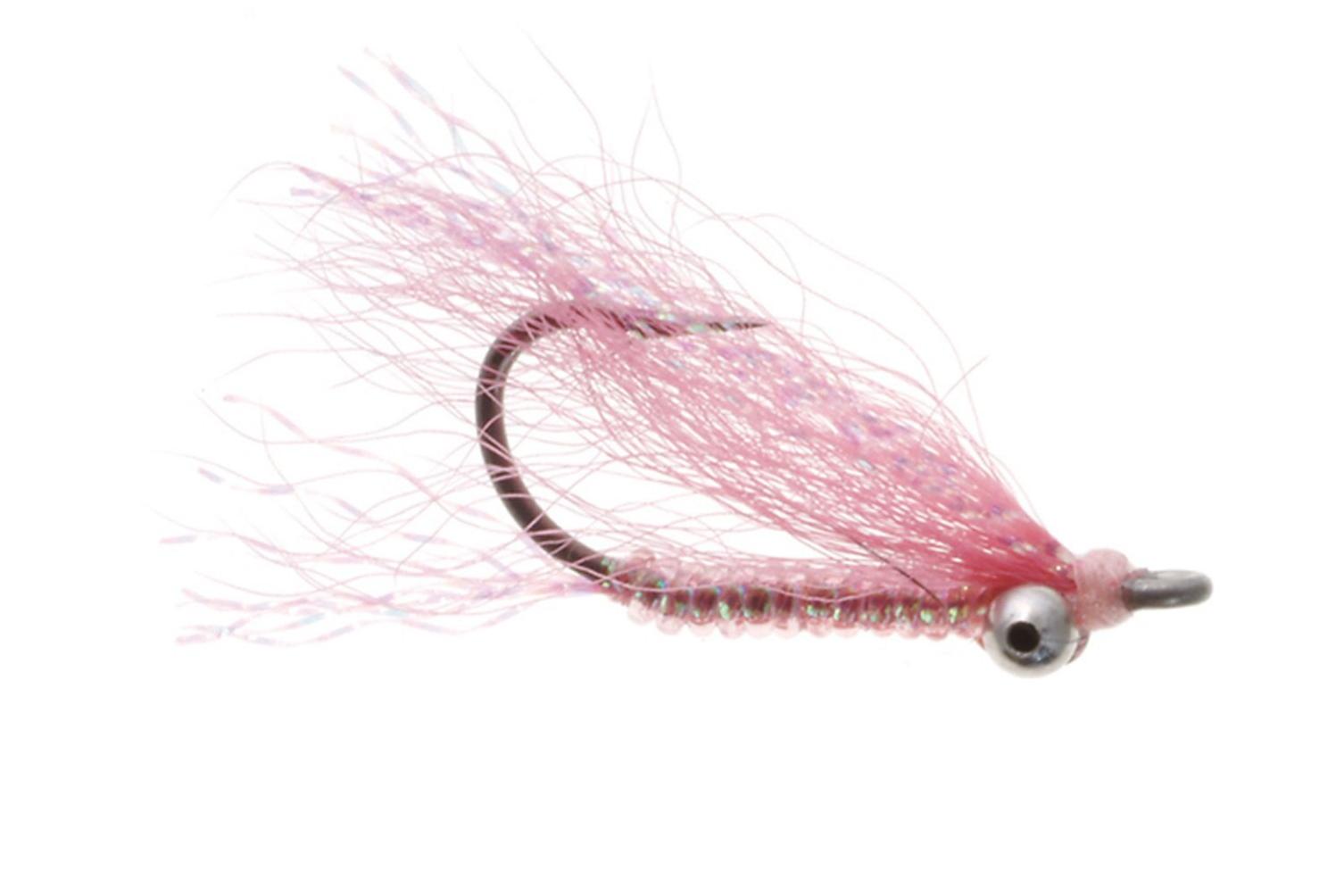
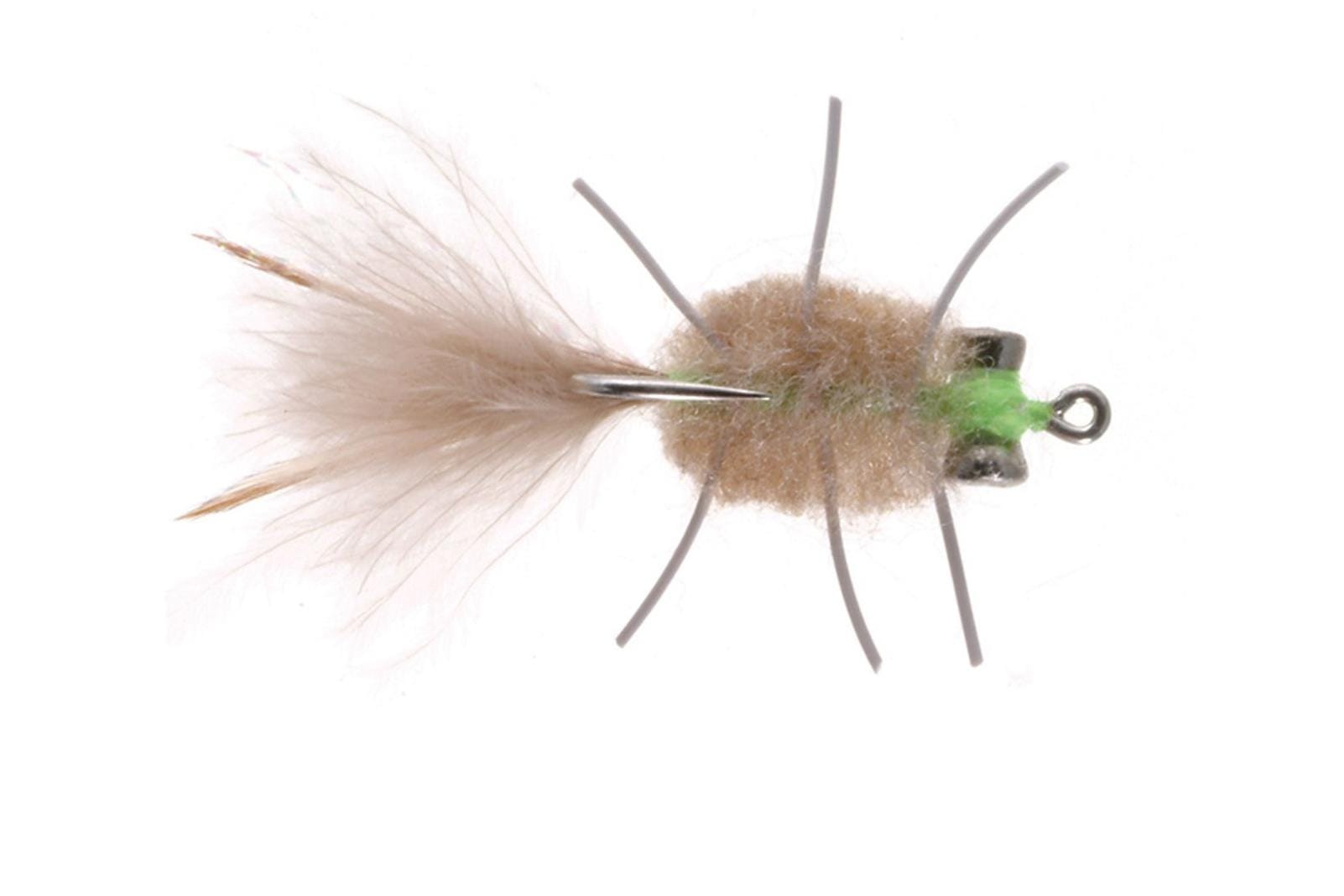
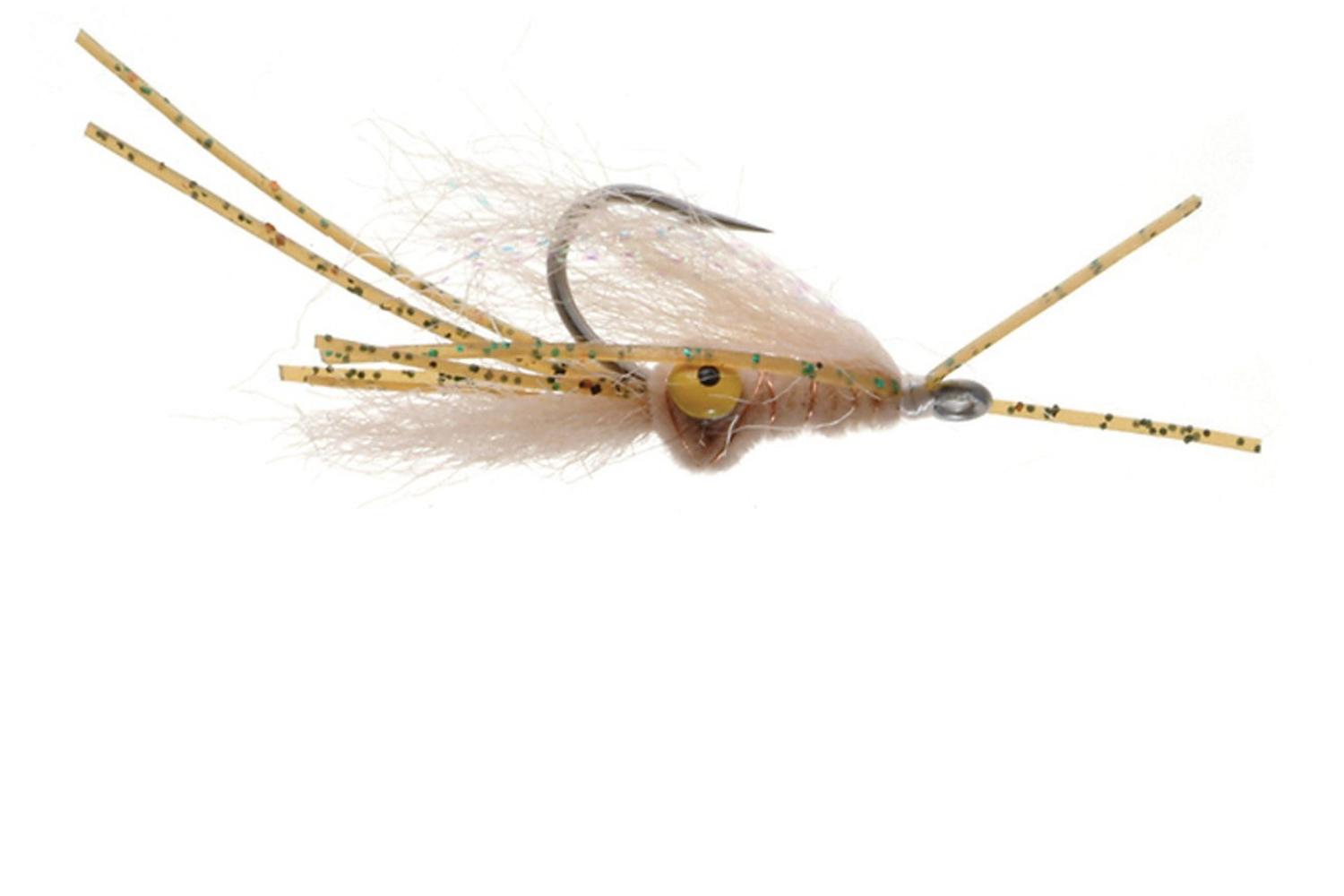
Best Flats Pattern: Gotcha Fly - A well-known saltwater fly style for species that eat small shrimp on the flats. Great when you want a confidence pattern that fits a wide range of bonefish-style scenarios.
Explore by Type
How to Choose Fly Fishing Flies
Start with what the fish are doing
Action: If fish are rising, start in Dry Flies & Spinners. If you’re not seeing surface eats, go subsurface with Nymphs or cover water with Streamers.
Best for: Anglers who want a simple decision tree that works on most rivers, most days. Avoid if: You’re ignoring obvious clues like active hatching bugs or baitfish in the shallows.
Match depth before you match details
Action: Get your fly into the feeding lane first, then fine-tune size/profile. For faster runs or deeper seams, heavier nymphs (including jig-style patterns) can help you reach depth quicker; for shallow, clear water, lighter flies and softer landings can matter more.
Think in “fly roles” for better rigs
Action: Build rigs around roles: a visible “sighter” dry up top, a heavier anchor nymph to control depth, and a smaller dropper as the realistic closer. For streamers, choose one larger profile to get attention and adjust retrieve speed before swapping patterns.
Saltwater fly choice is mostly about forage + durability
Action: In the salt, start by matching what fish are eating,shrimp, crabs, or baitfish,then dial in weight for the depth you’re fishing. If you’re heading to the flats, prioritize patterns tied for corrosion resistance and repeated abuse.
Materials & Durability
Rinse after saltwater: If a fly saw the flats, give it a quick freshwater rinse and let it fully dry before closing the box.
Dry your flies: Open your fly box at home so damp flies don’t rust hooks or mildew materials.
Inspect hooks: Replace flies with bent points, rolled barbs, or cracked beads/eyes,small issues can cost fish.
Rotate “confidence” patterns: Keep a few duplicates of your go-to sizes/colors so you’re not forced into improvising after break-offs.
Organize by job: Separate dries, nymphs, and streamers (or freshwater vs. saltwater) so you can change patterns quickly.
Complete Your Setup
Related Gear
Leaders - Helps turn flies over cleanly and protects delicate presentations.
Tippet - Lets you fine-tune stealth and strength without rebuilding your whole leader.
Fly Assortments - An efficient way to stock a box for a species, season, or trip.
Plan D Pack Fly Box - A dedicated storage option for keeping flies organized and protected.
Related Guides
Fly Fishing Flies FAQs
Q: What are fly fishing flies?
A: Fly fishing flies are artificial lures tied on hooks with thread and materials to imitate what fish eat. They range from tiny midges and mayflies to baitfish, crabs, and shrimp patterns.
Q: How do I choose the right fly fishing flies for trout?
A: Start with what trout are doing: rising fish usually call for dries, while non-risers often eat nymphs. If you want to trigger bigger, aggressive eats, fish streamers along banks and structure.
Q: What’s the difference between dry flies, nymphs, and streamers?
A: Dry flies float on the surface, nymphs are fished subsurface to imitate immature insects, and streamers imitate baitfish or other larger prey. Each category is designed to fish at a different depth and with a different presentation.
Q: What fly sizes should I carry?
A: For most trout situations, a spread of common sizes (smaller for midges, mid-range for mayflies/caddis, and larger for terrestrials/streamers) gives you coverage. If you’re unsure, start in the middle and adjust based on what you see on the water.
Q: Are fly assortments worth it?
A: They can be a smart way to build a functional box quickly, especially for beginners or destination trips. Assortments also help you avoid missing key patterns when you’re stocking up fast.
Q: Do I need different flies for saltwater?
A: Yes,saltwater patterns are built around marine forage like shrimp, crabs, and baitfish, and they’re typically tied for durability in harsh conditions. You’ll also want to match weight to depth and how spooky fish are in skinny water.
Q: How many flies should I buy of each pattern?
A: A good starting point is a few duplicates in the sizes you expect to fish most, plus a couple alternates for depth or visibility. If you lose or damage flies often (rocks, weeds, toothy fish), bring more backups.