

























Fly Fishing Flies Explained (Streamers, Nymphs, Dry Flies & More)
How to Choose Locally Tied Flies
Start with what fish are eating (or what they should be eating)
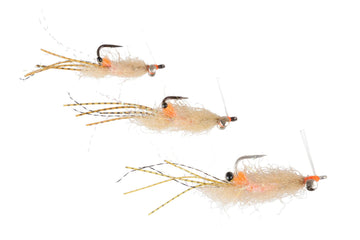
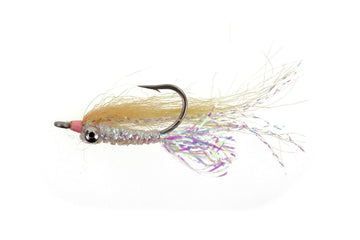
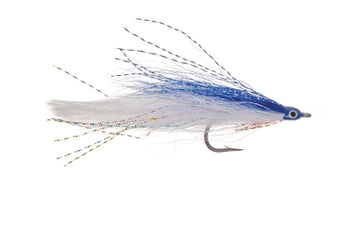
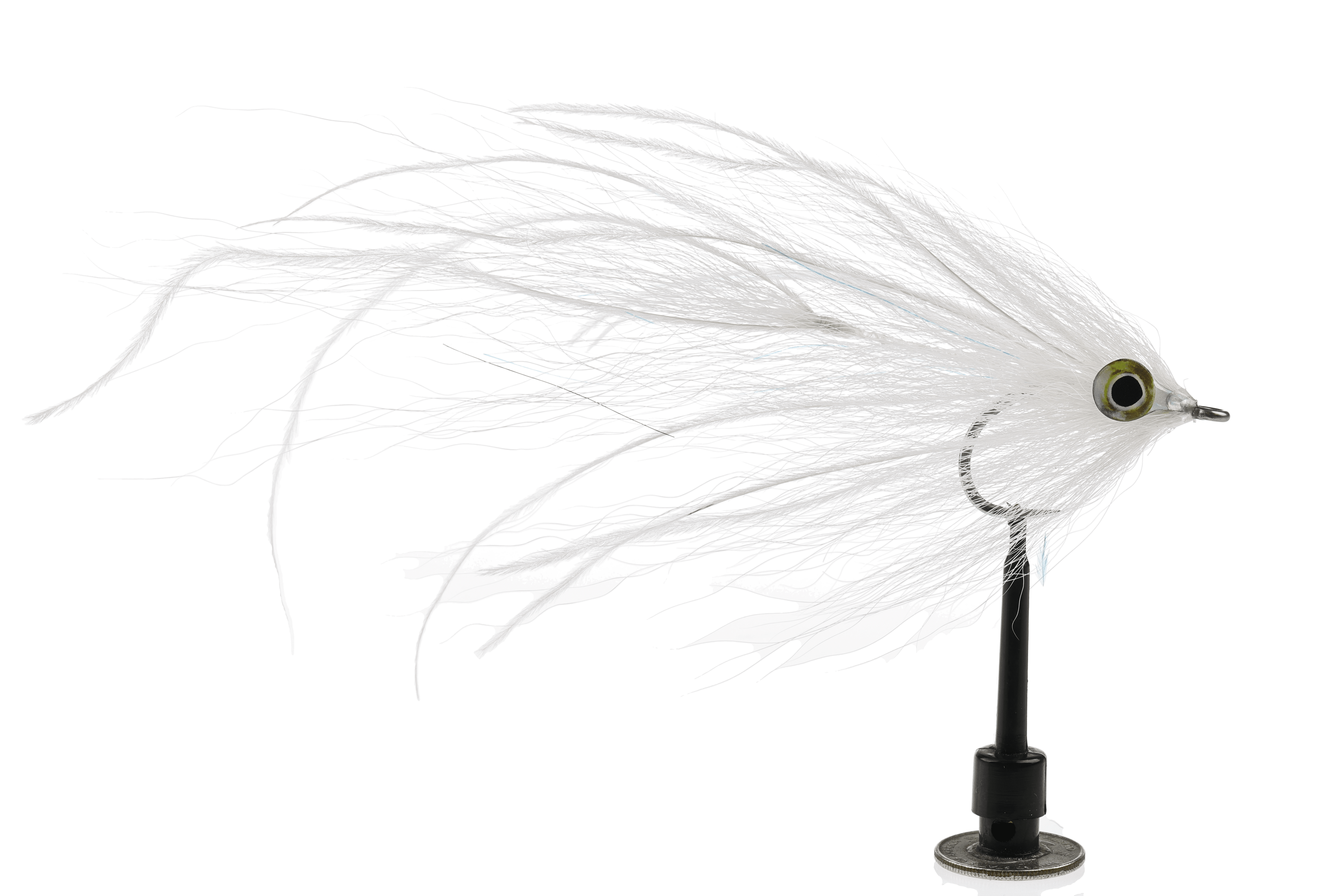
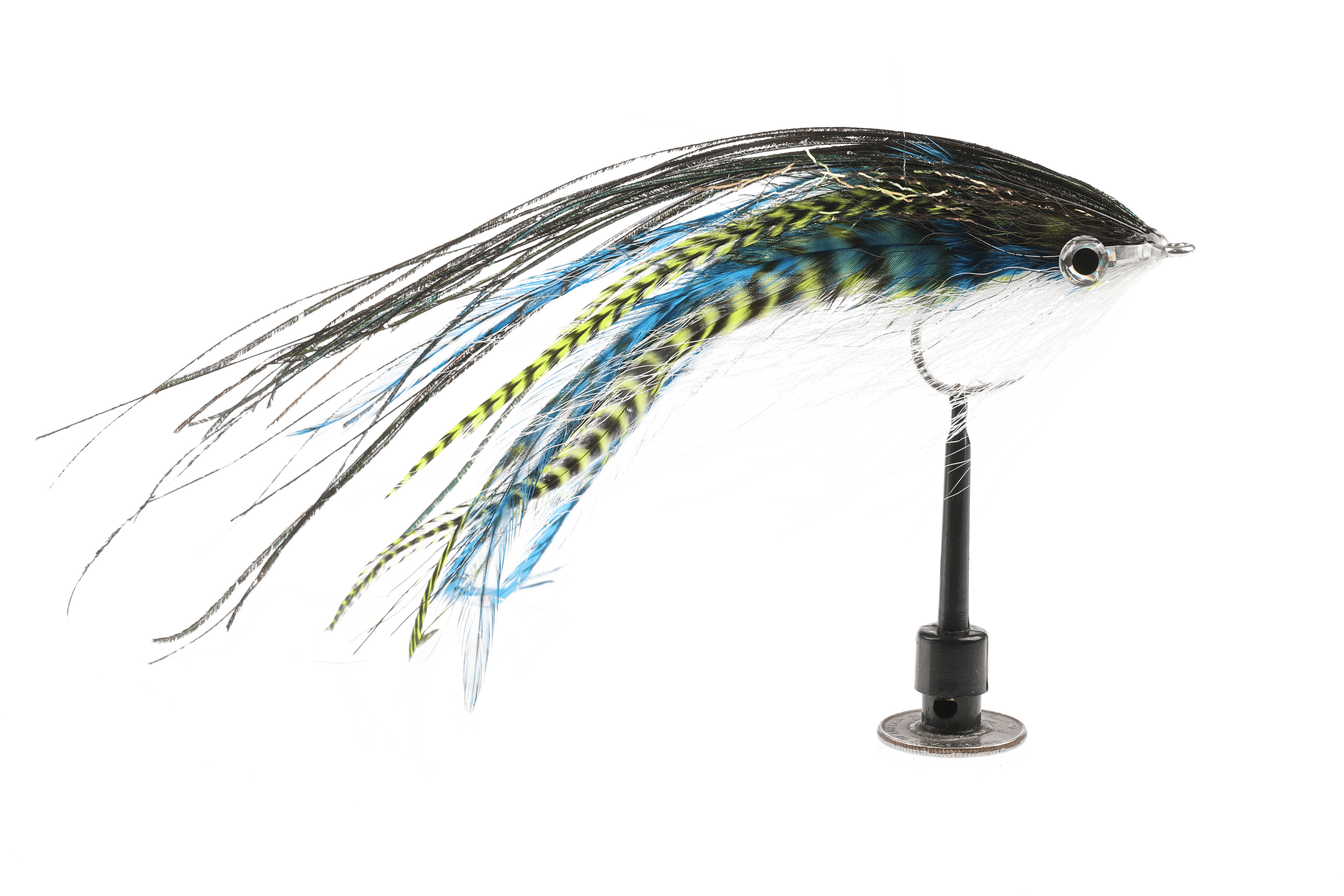
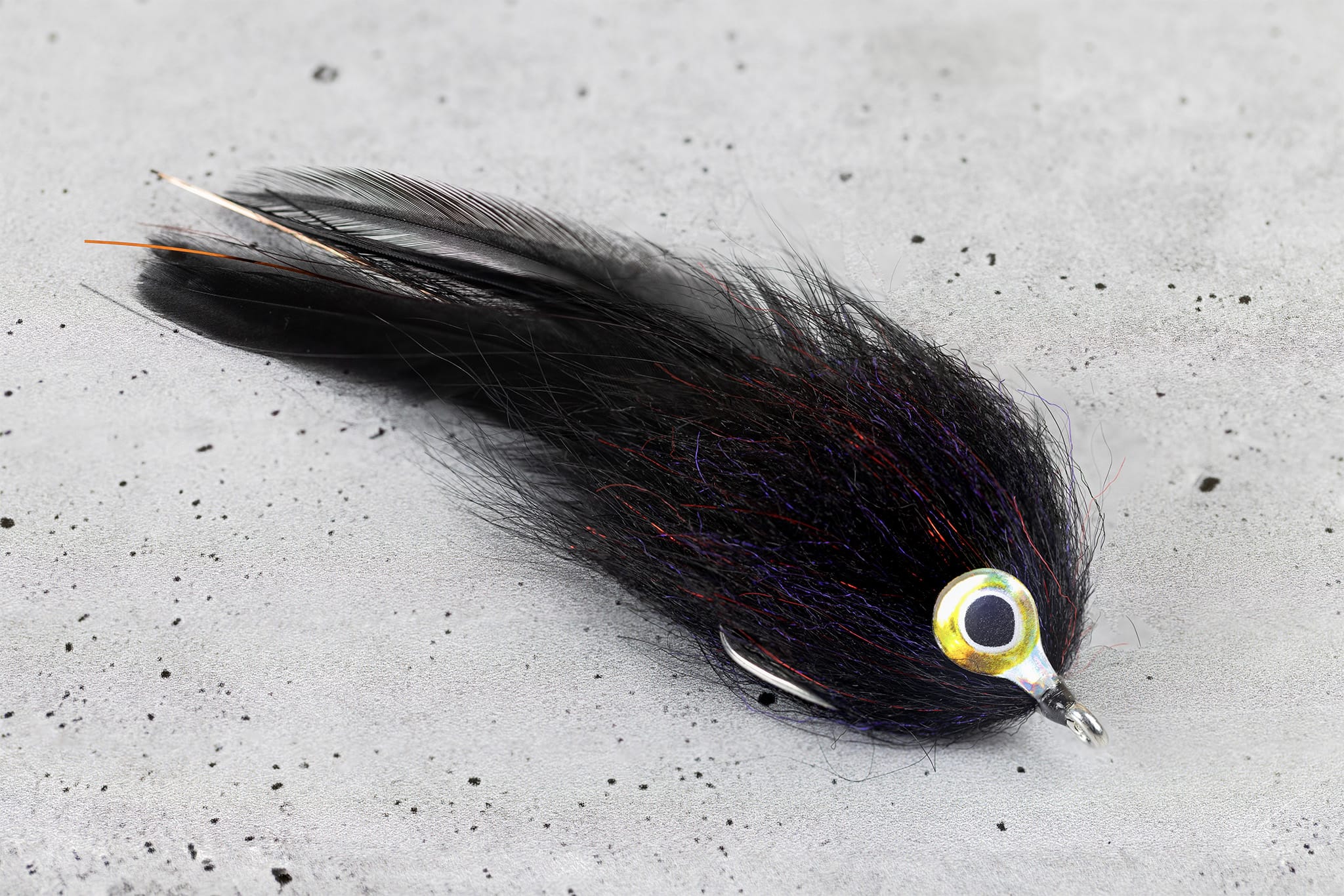
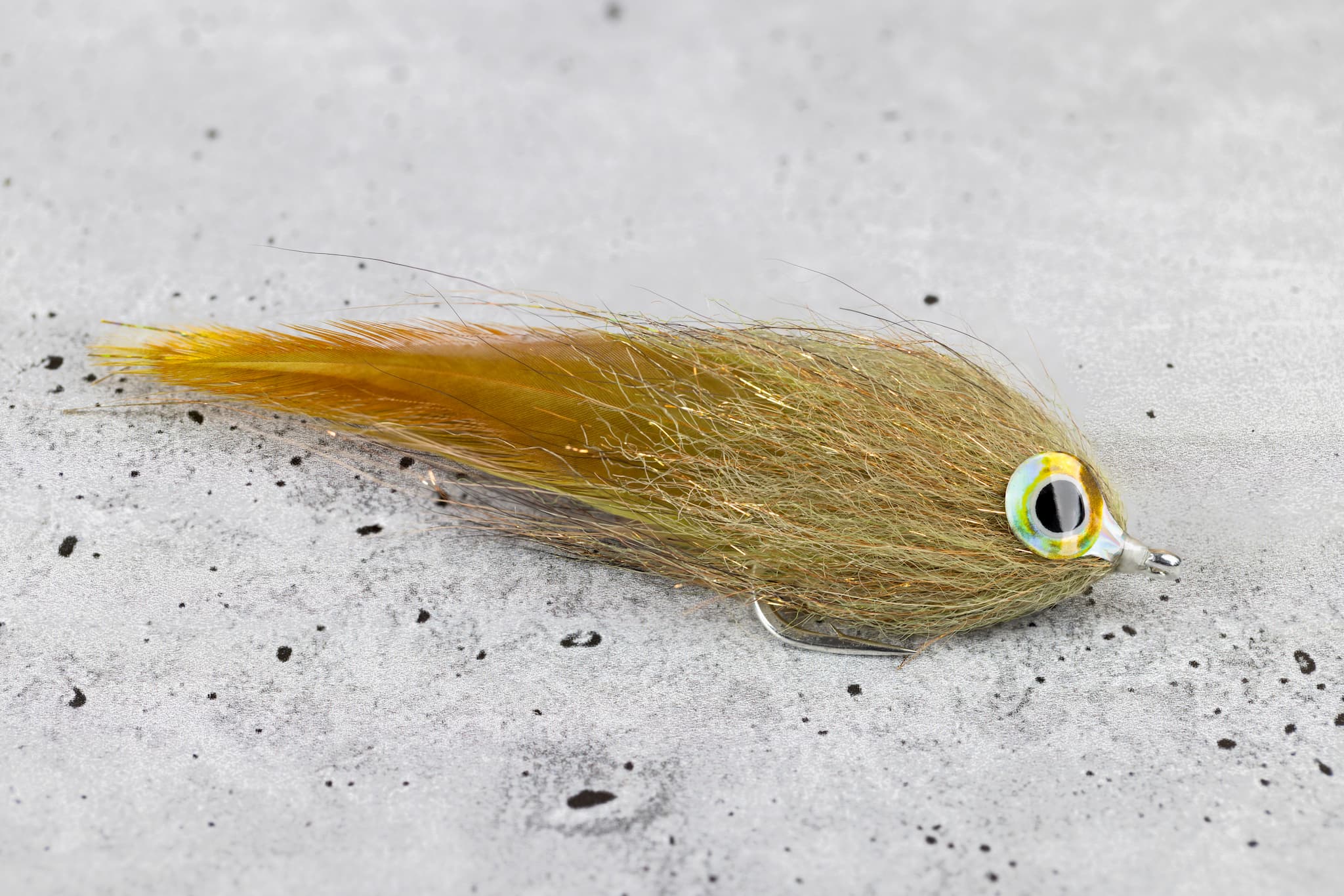
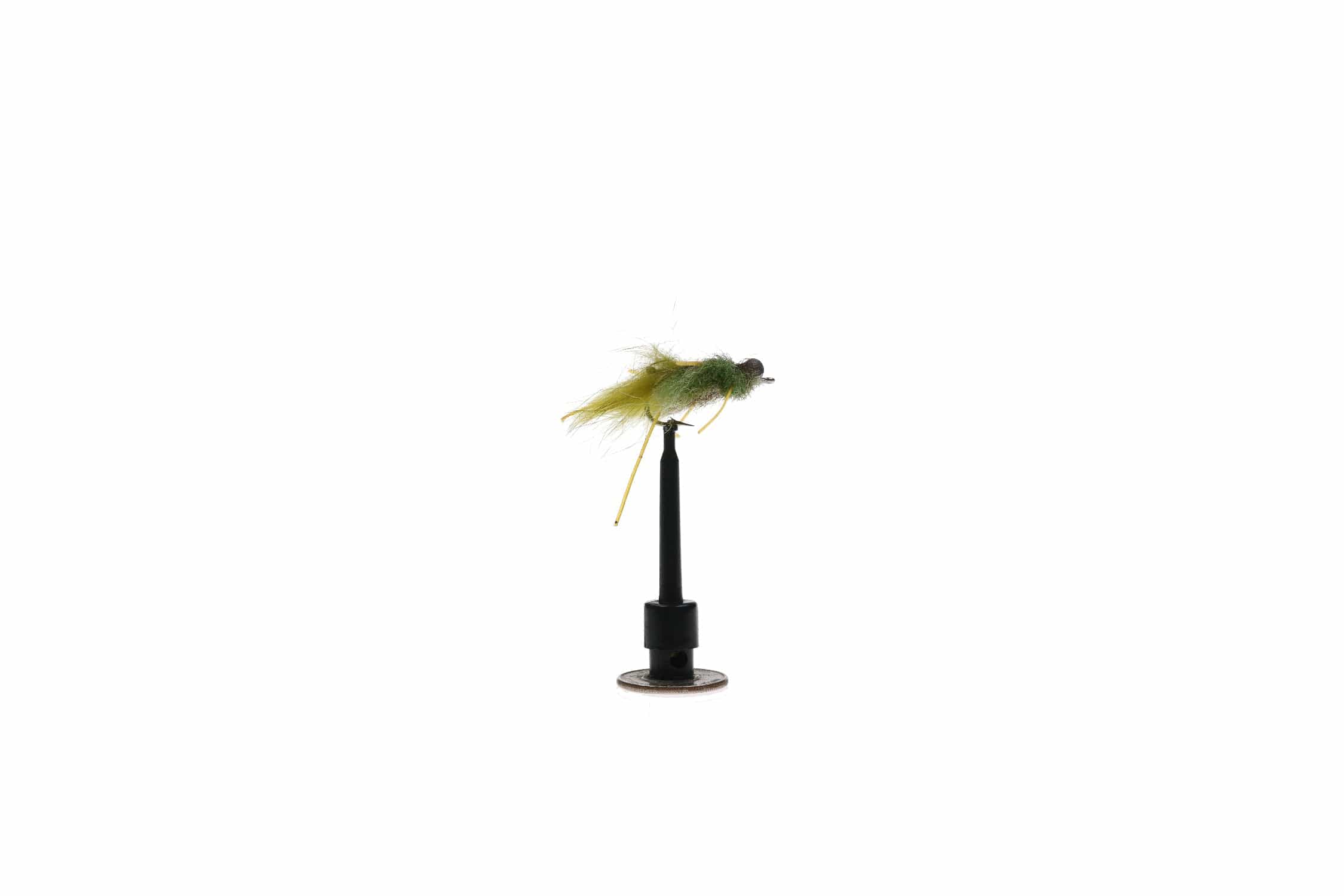
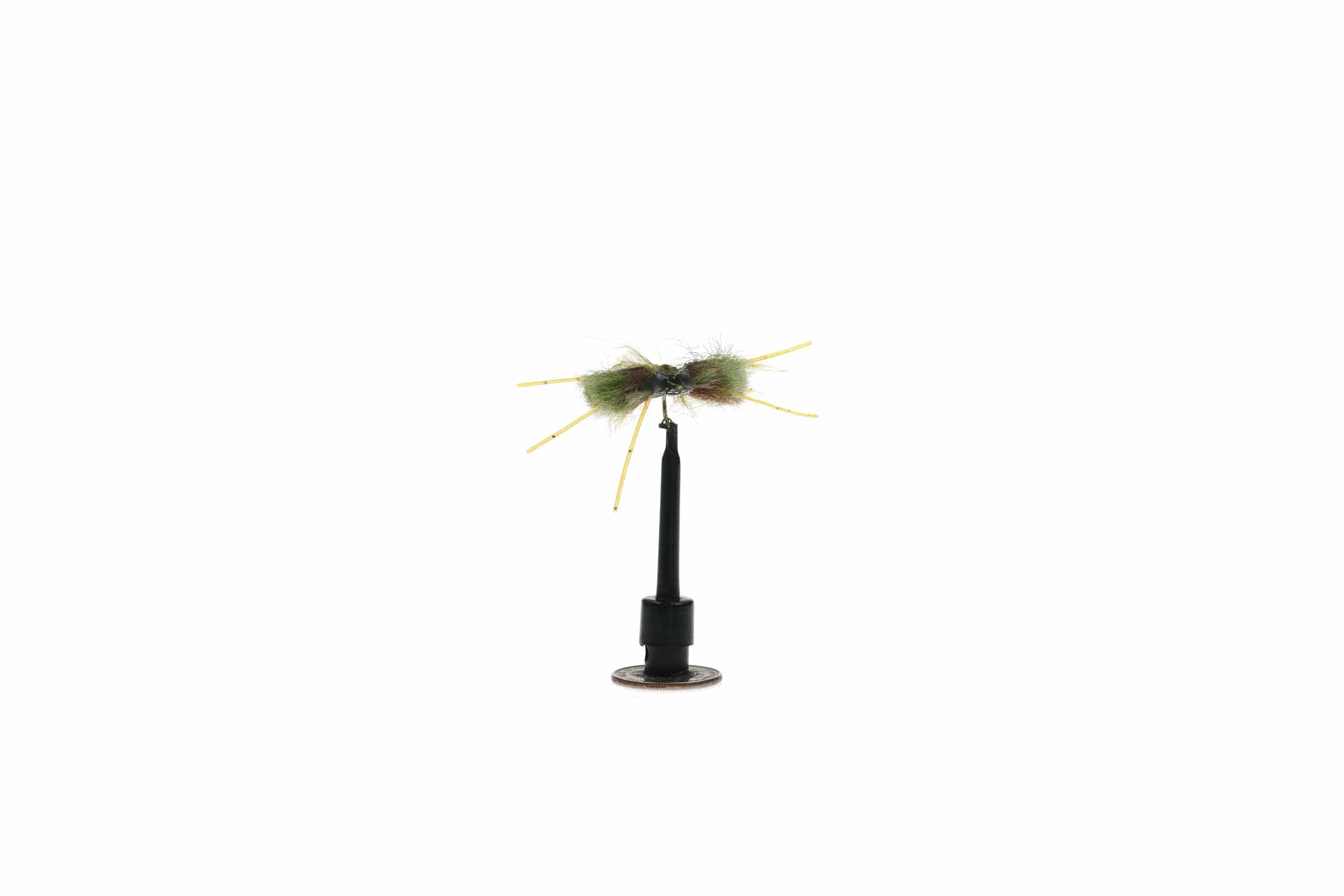
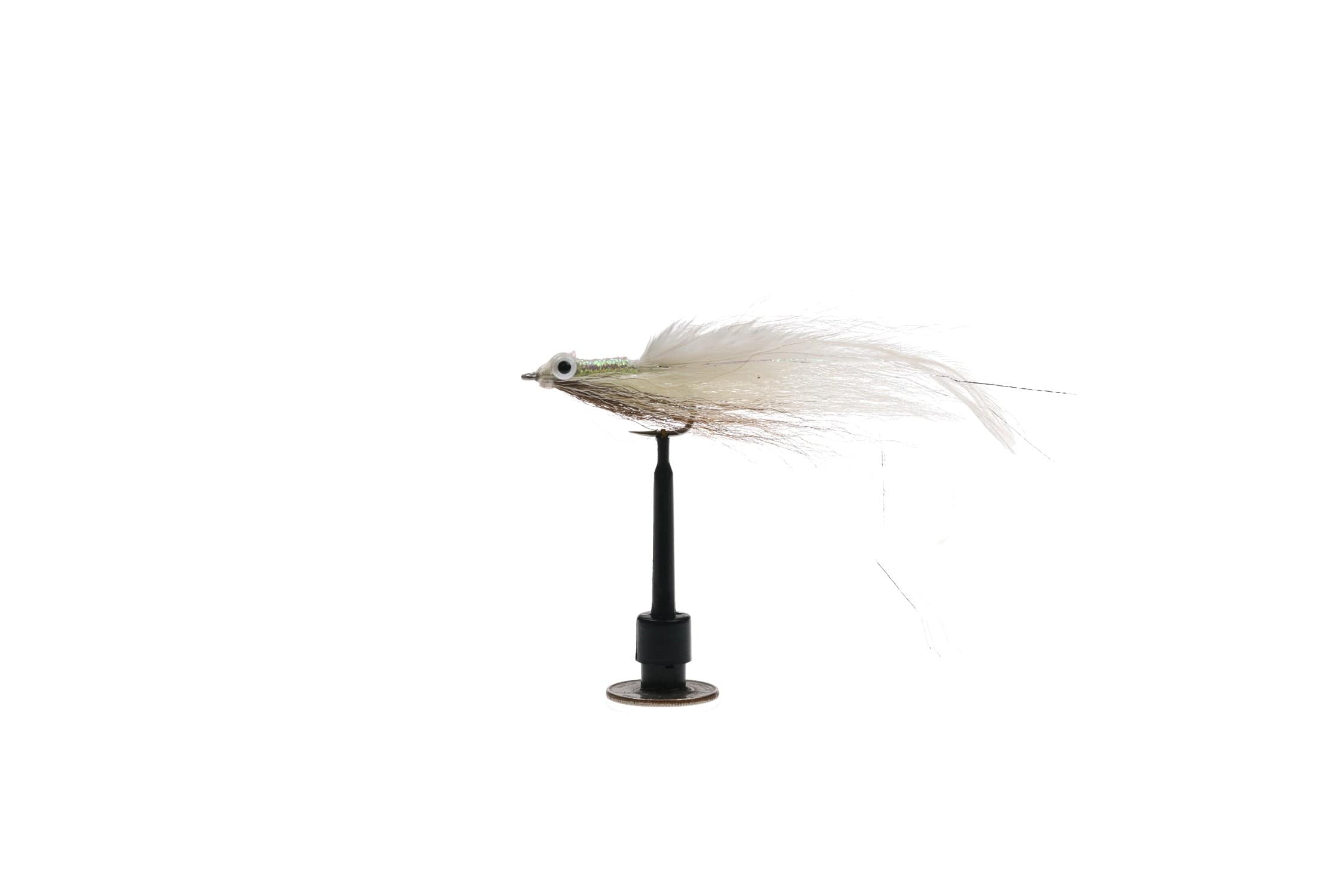
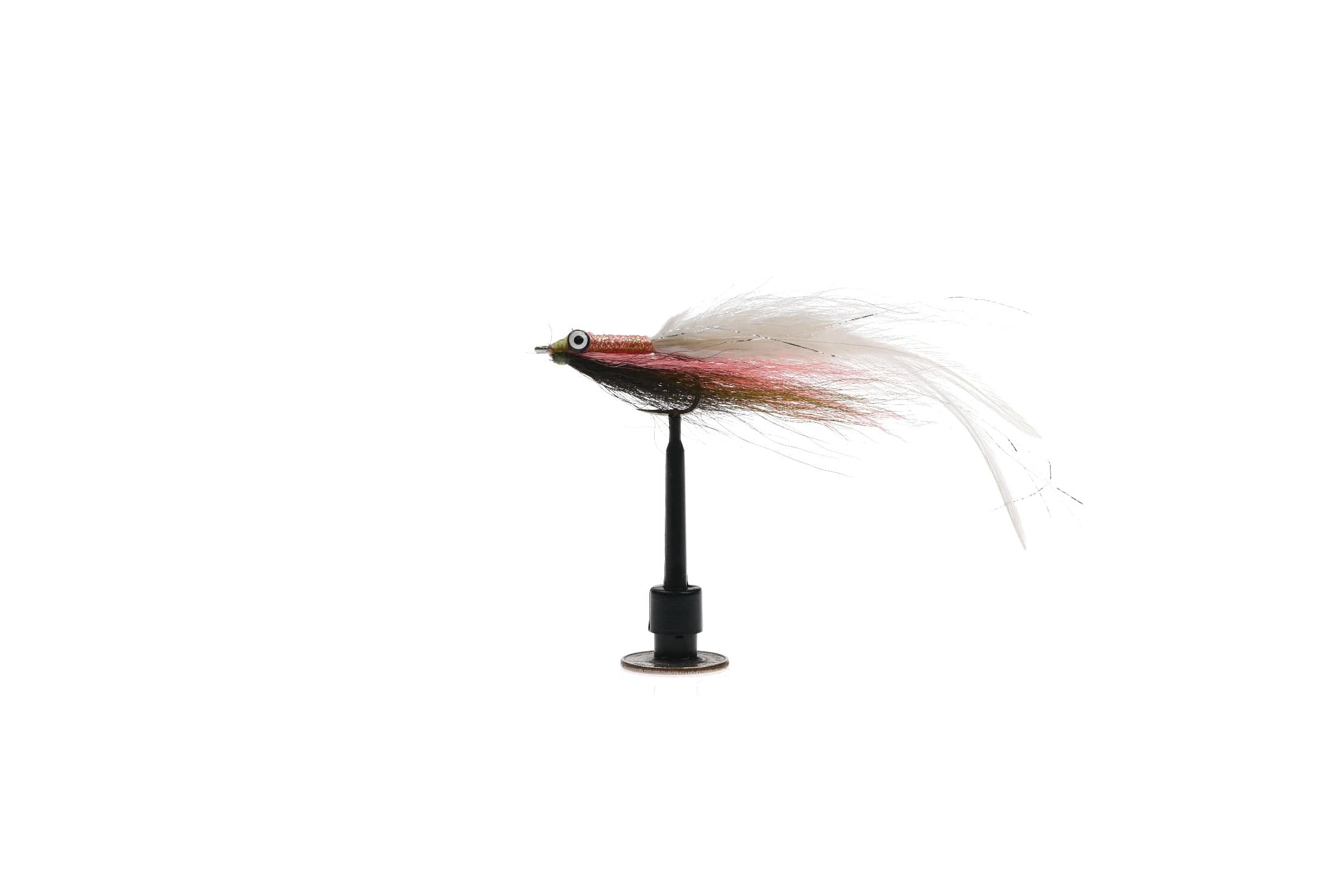
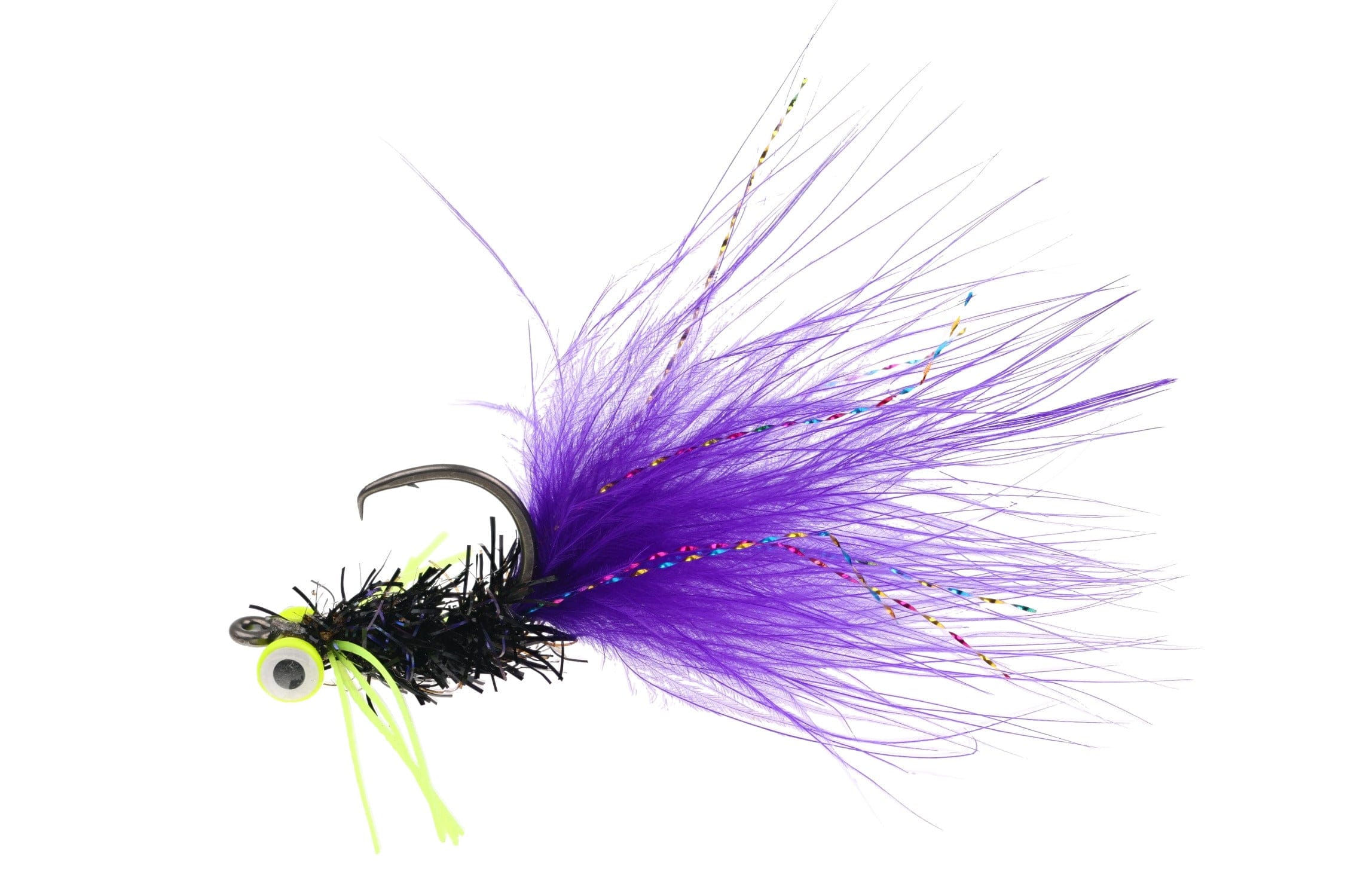
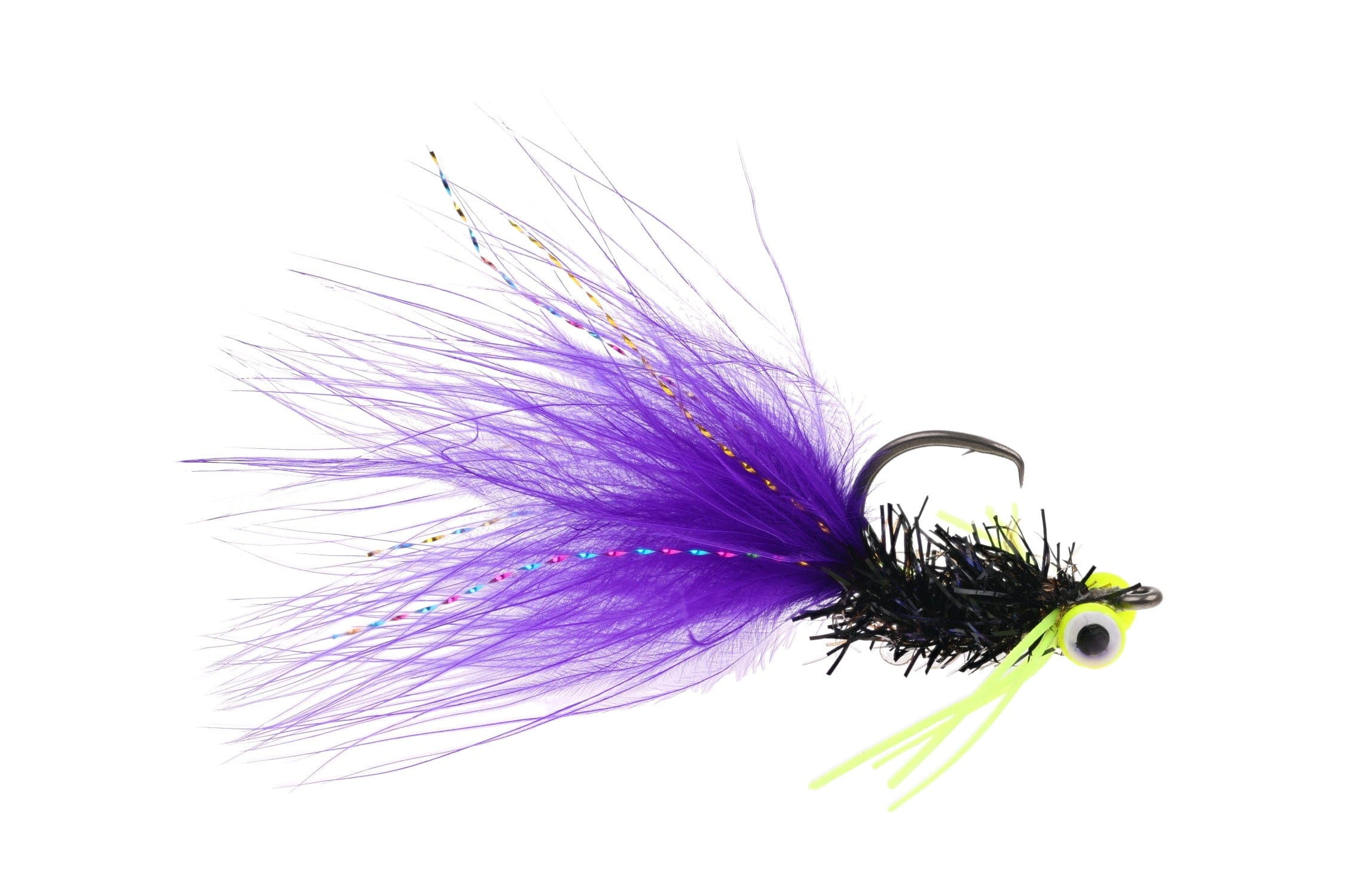
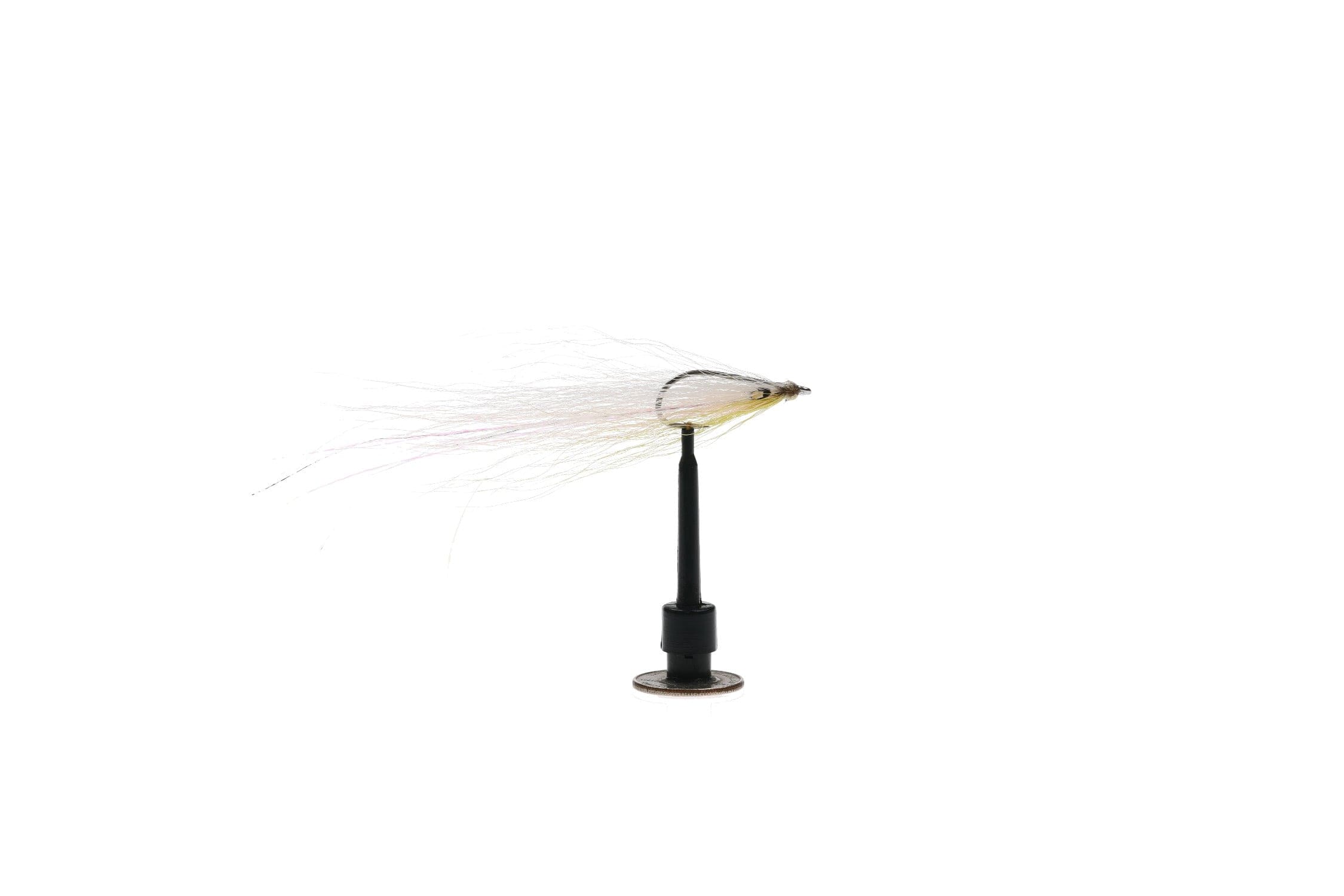
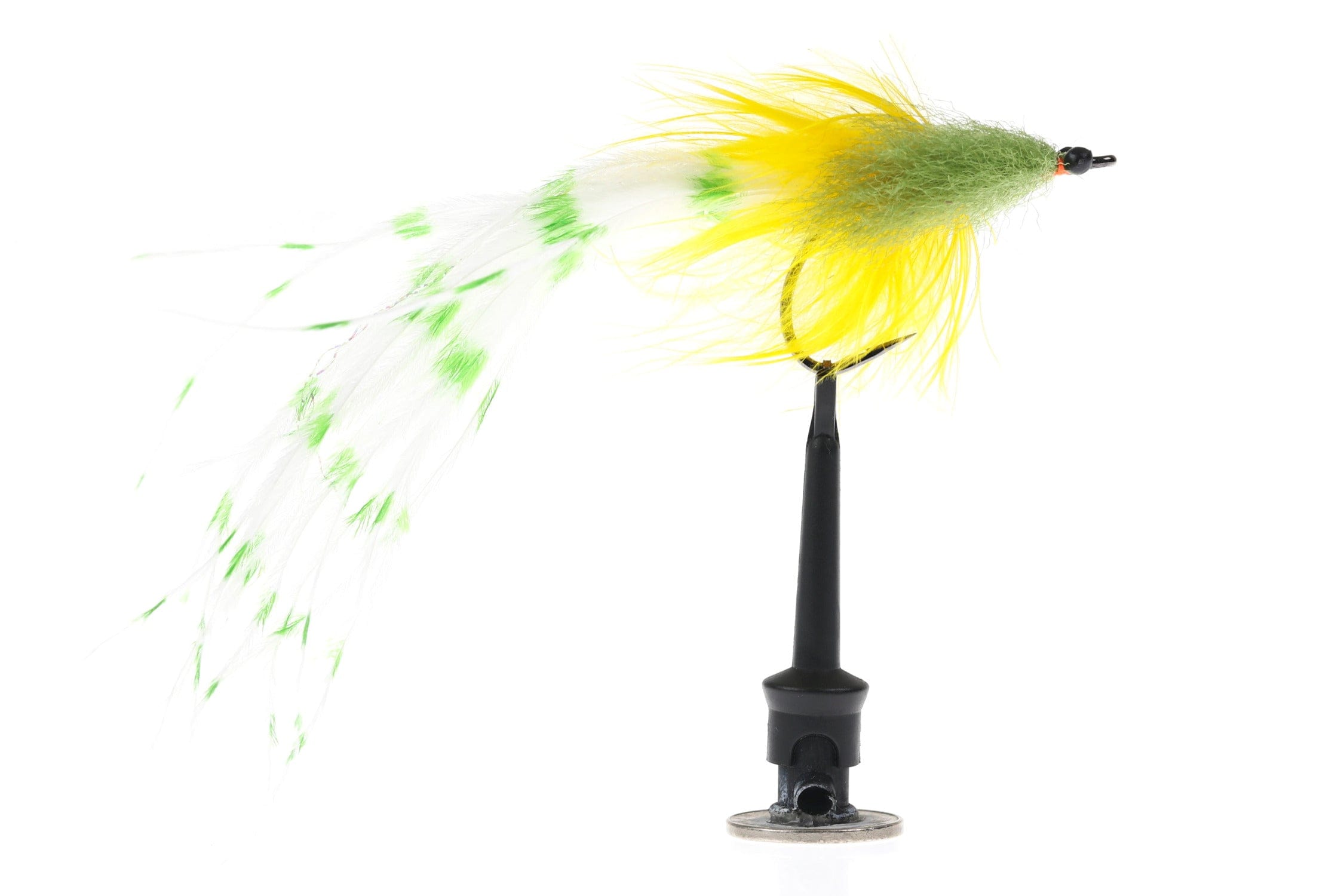
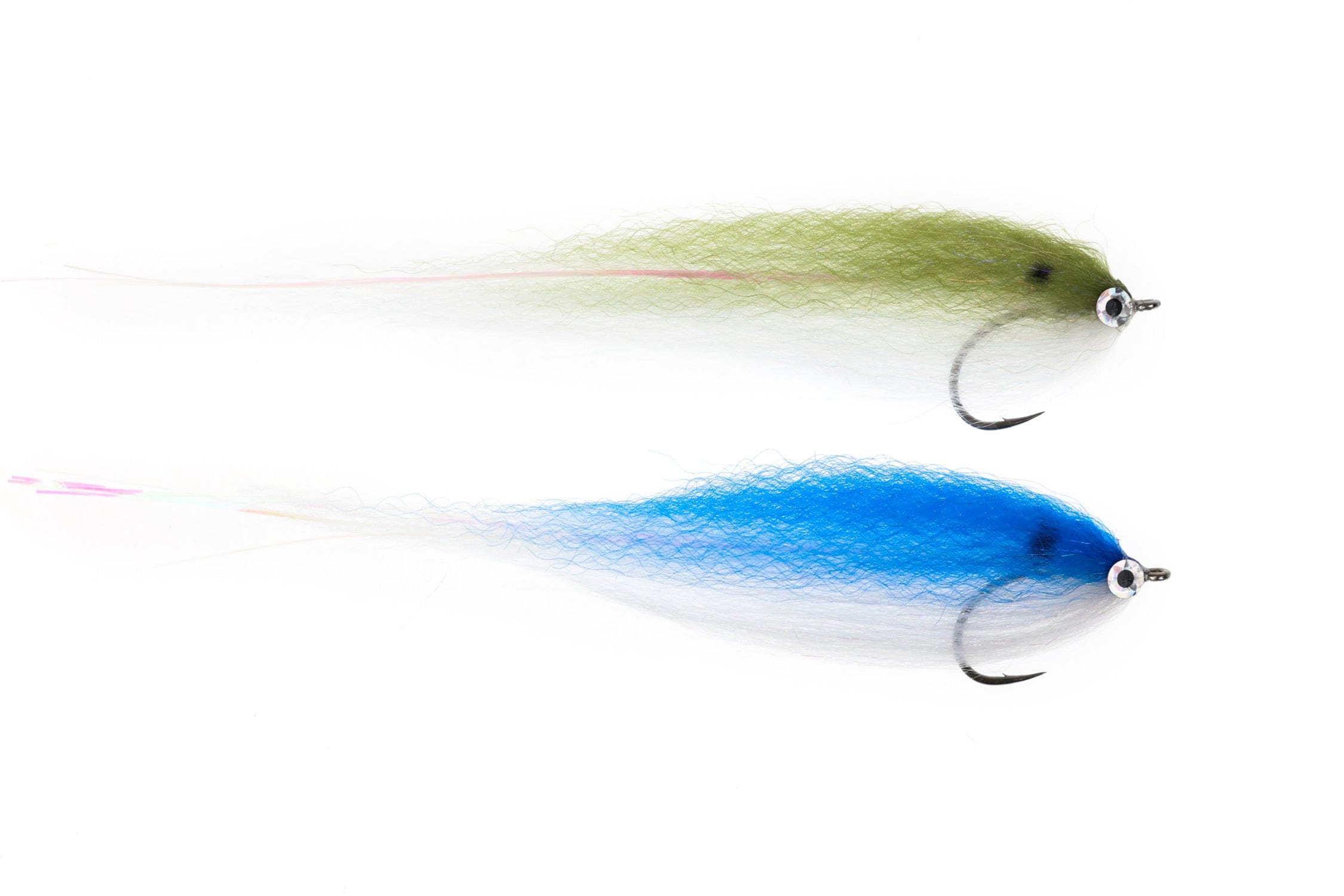
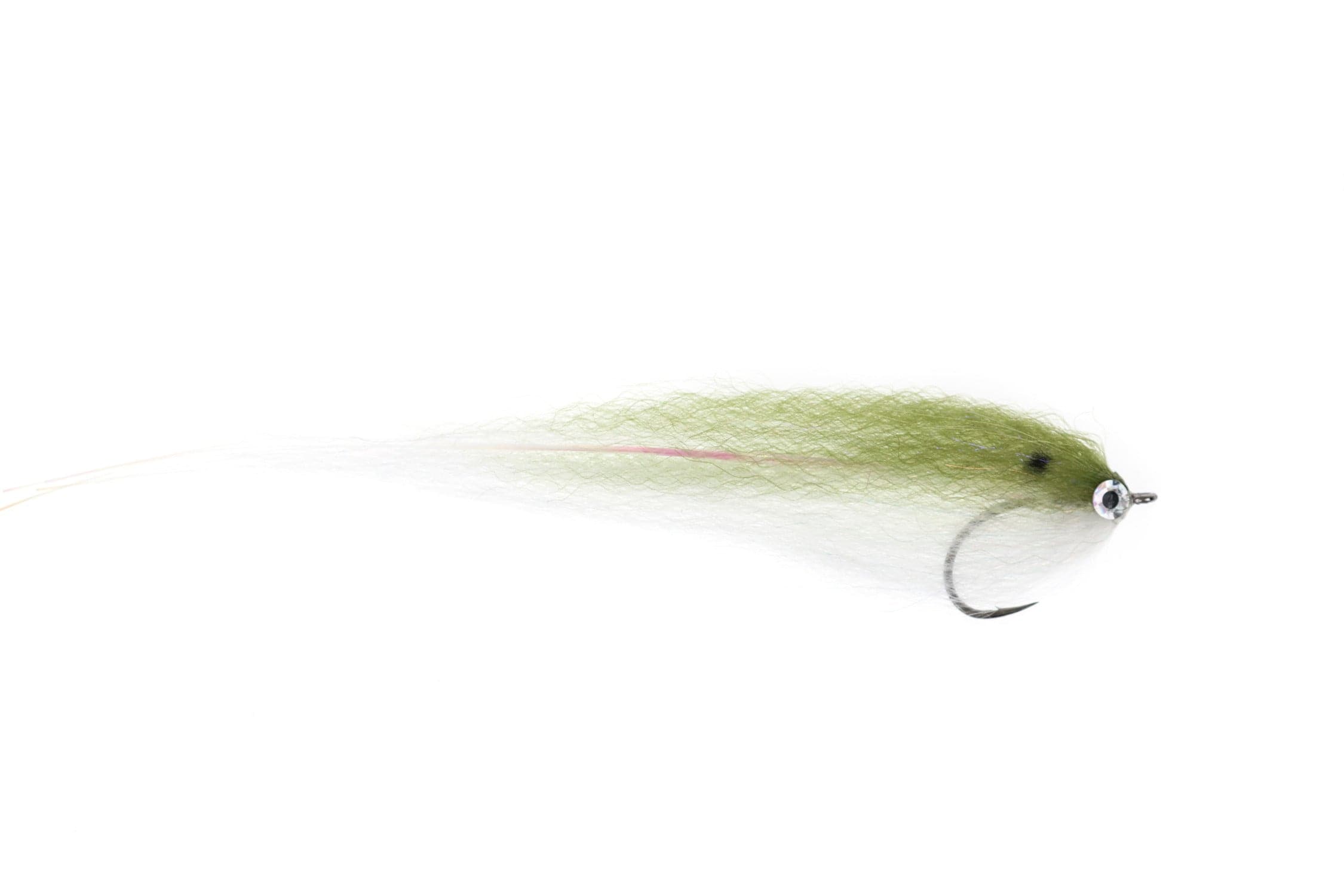
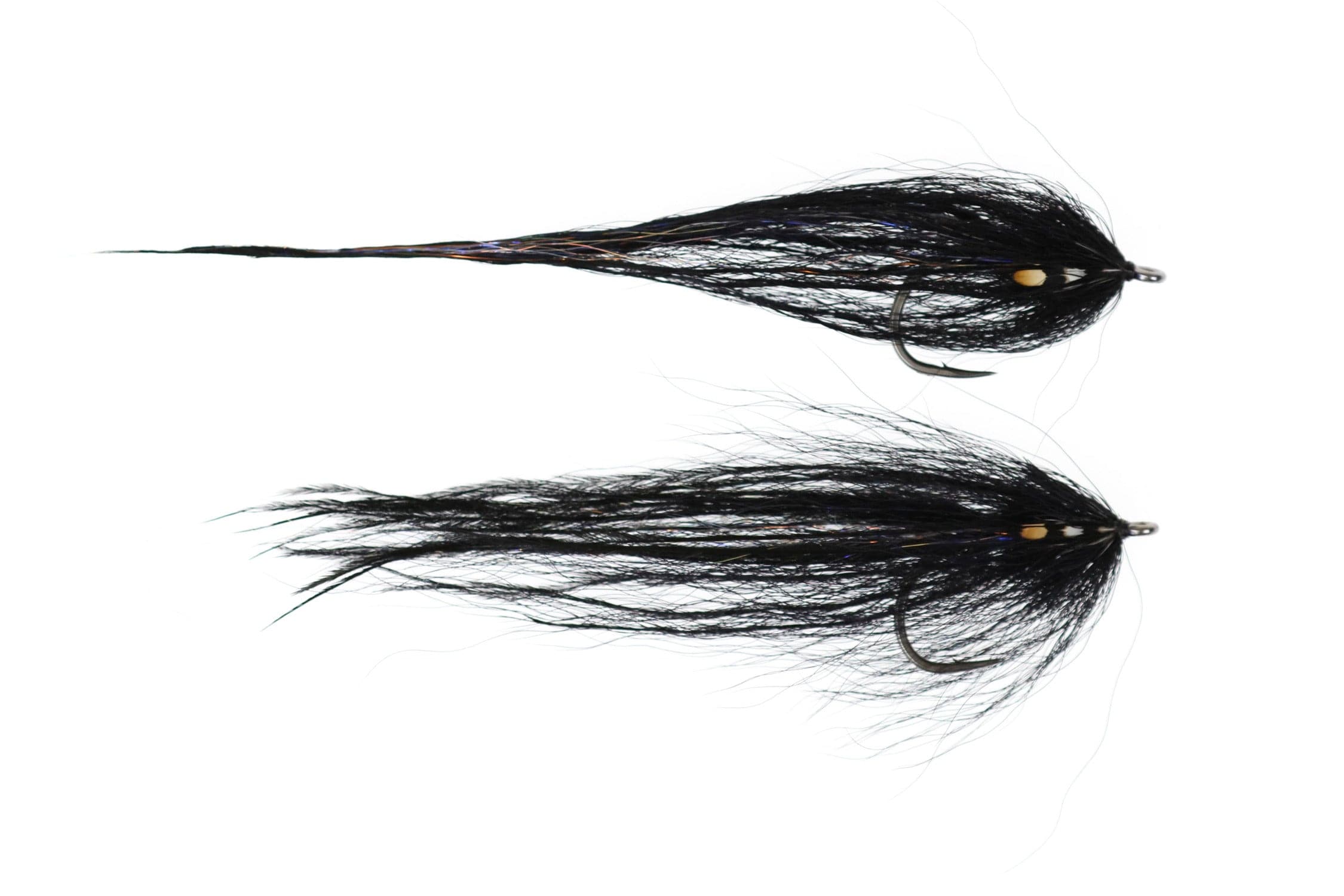
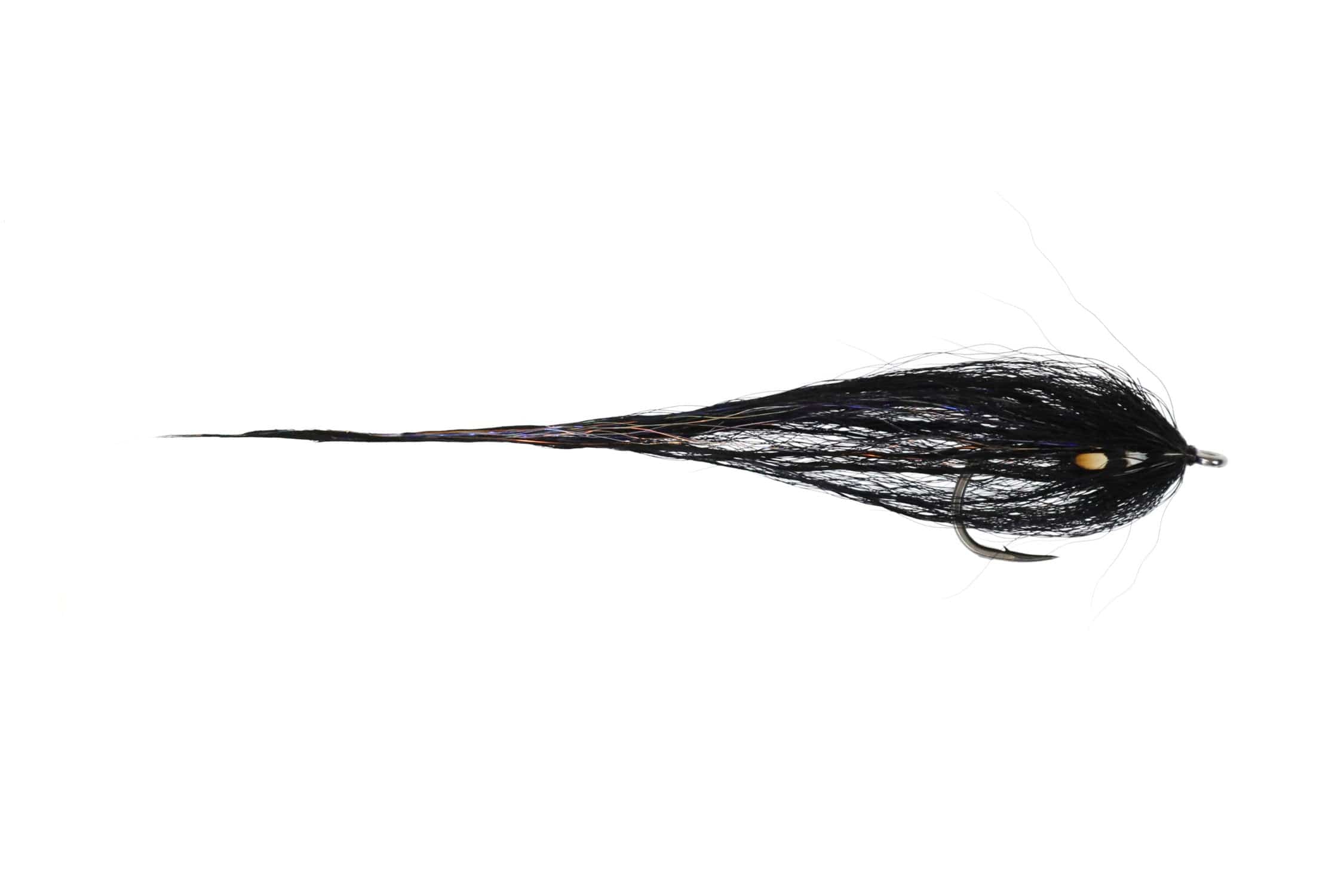
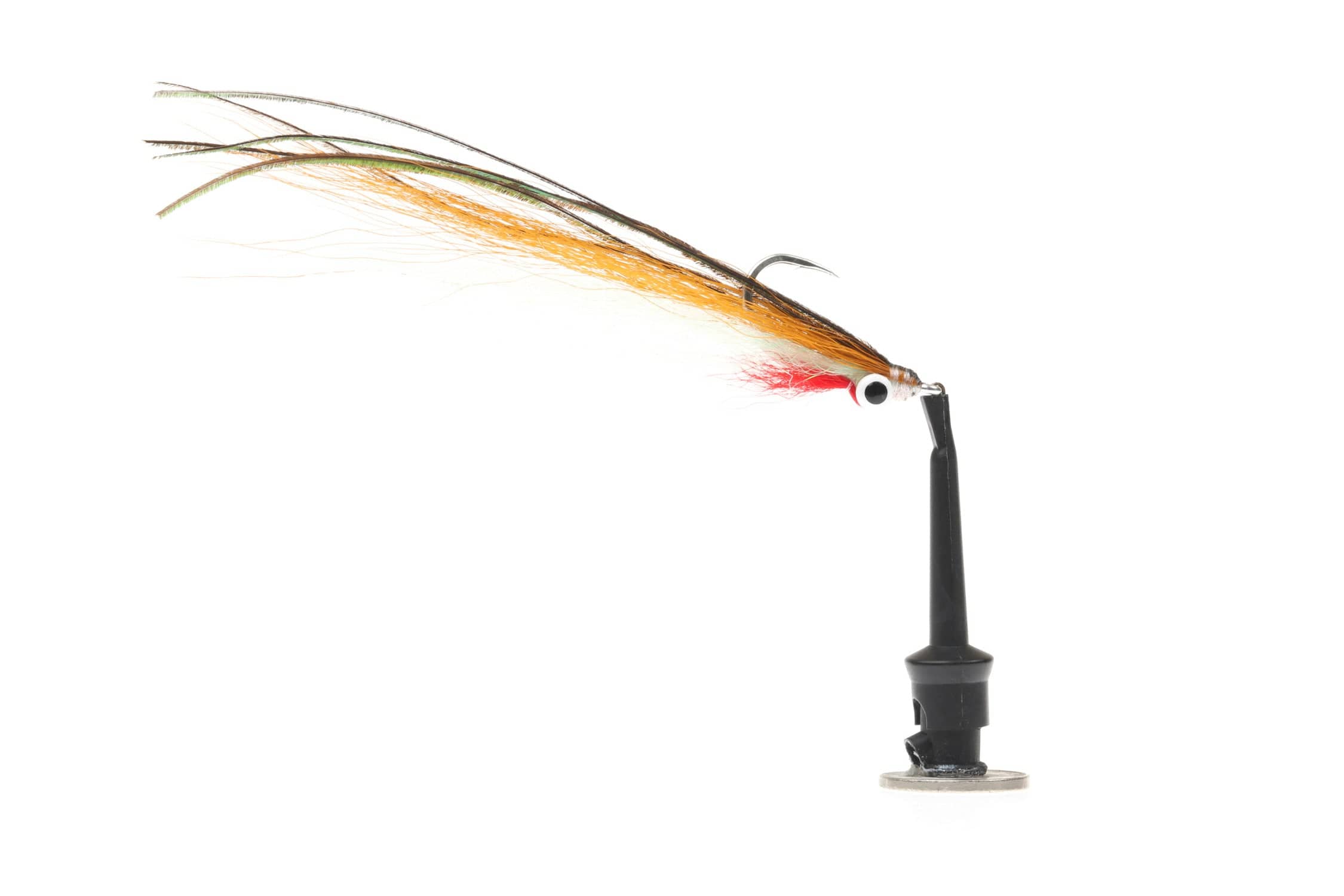
Action: If you’re seeing obvious bait (sand eels, larger baitfish, crabs), pick the fly that matches the shape first, then fine-tune size and color. Locally tied patterns are often built around regional forage, so you can usually stay “in the ballpark” without needing an exact hatch chart.
Match depth and water speed with the right style
Best for: Faster current, deeper edges, and windy days generally favor patterns that fish efficiently and are easy to cast. Slim baitfish patterns and purpose-built larger flies help you cover water without constant fouling or re-rigging.
Avoid if: You’re trying to fish tiny technical trout bugs. This collection leans more toward locally relevant forage and specialty patterns,if you need high-volume hatch matchers, start in the broader flies categories below.
Build a small “local box” that actually gets used
Action: Pick 2,3 confidence patterns you’ll fish often, then add 1,2 situational patterns for specific forage. Most anglers do better with a smaller selection they understand than a crowded box of random one-offs.
Materials & Durability
Rinse after salt: If you fish these in the surf or on the boat, give flies a quick freshwater rinse and let them dry before closing the box.
Dry thoroughly: Wet flies in a sealed box can rust hooks and stain materials,air them out after each session.
Rotate “chewed” flies: If a fly is getting sparse, retire it to a backup row and tie on a fresh one for better profile and action.
Separate by type: Keep larger baitfish and crab patterns in their own compartment so they don’t crush smaller flies.
Complete Your Setup
Related Gear
Fly Fishing Flies - Compare locally tied patterns to our full fly lineup when you need broader coverage.
Saltwater Flies - Round out your box with shrimp, crabs, and baitfish patterns for coastal and flats fishing.
Dry Flies and Spinners - For freshwater days when fish are feeding on top and you need traditional surface patterns.
Nymphs - Stock up on subsurface staples for trout rivers and tailwaters.
Streamers - Add classic and modern streamers when you want to cover water and trigger predatory eats.
Related Guides
Locally Tied Flies FAQs
Q: What are locally tied flies in fly fishing?
A: Locally tied flies are patterns built by regional tiers with local forage and fisheries in mind. They’re often chosen to match common bait, seasonal food sources, and the way fish actually feed in nearby water.
Q: Are locally tied flies good for beginners?
A: Yes, especially if you want fewer decisions and patterns that make sense for local fishing. Start with a couple of confidence flies and learn how to fish them well before expanding.
Q: How do I choose the right size fly?
A: Match the size of the natural food you’re seeing first, then adjust based on water clarity and pressure. When in doubt, carry a couple sizes and let the fish tell you what they want.
Q: When should I fish a baitfish pattern versus a crab pattern?
A: Fish baitfish imitations when predators are chasing, blitzing, or holding on moving water where bait gets swept along. Fish crab patterns when you’re around structure, flats, or areas where crabs are a consistent meal.
Q: Do locally tied flies work outside the region they were designed for?
A: Often, yes,many baitfish and crustacean profiles translate well to other coasts and similar fisheries. The key is matching the general shape, size, and how you present it.
Q: How should I store flies to prevent rust?
A: Let them fully dry after fishing and avoid sealing a damp box. If you fish saltwater, a quick rinse and dry goes a long way toward keeping hooks in good shape.
Warranty & Brand Resources
This collection includes multiple fly patterns rather than a single manufacturer’s product line, so warranties and return policies can vary by item. Check each product page for any fly-specific return notes and packaging details.