



























Fly Fishing Flies Explained (Streamers, Nymphs, Dry Flies & More)
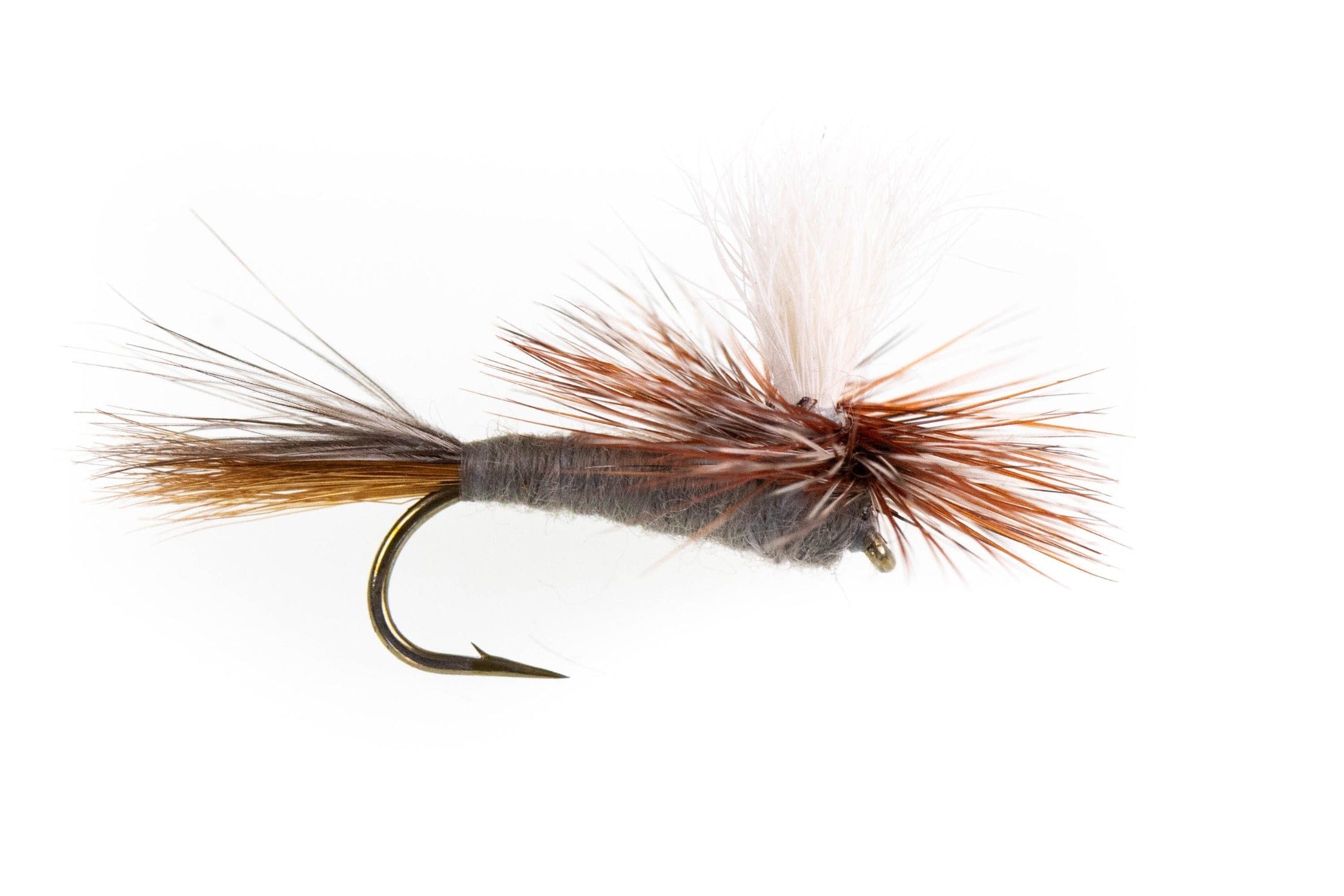
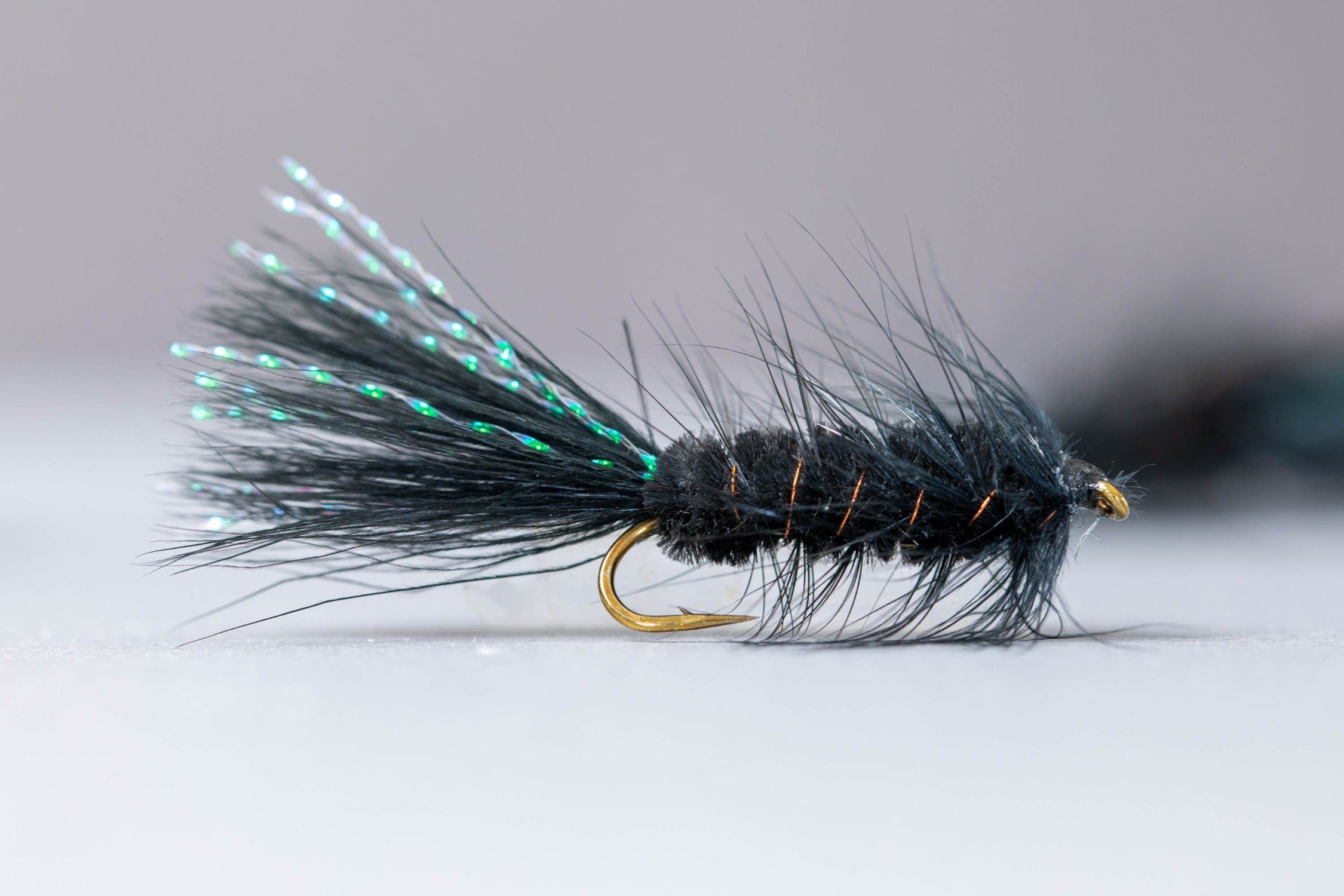
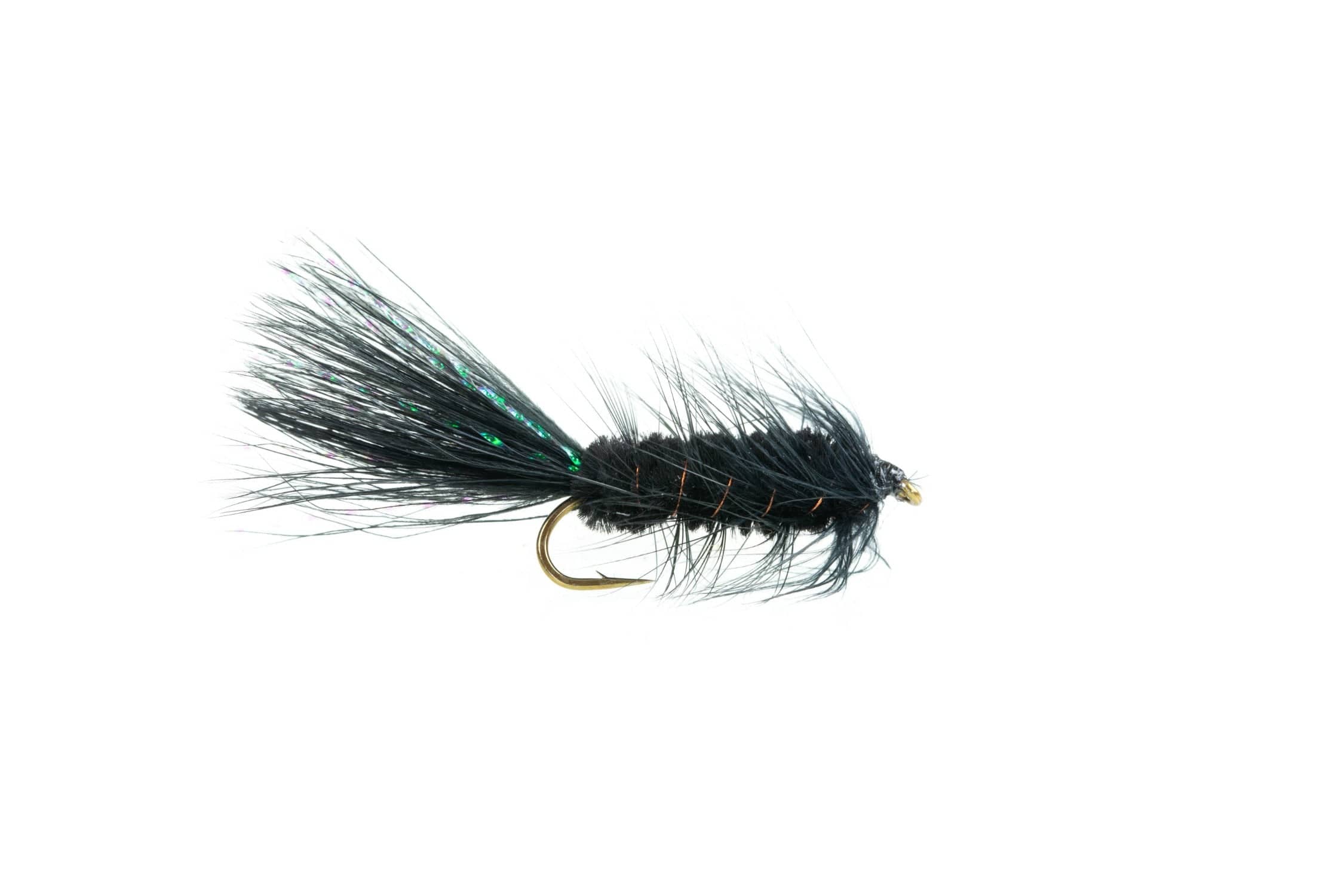
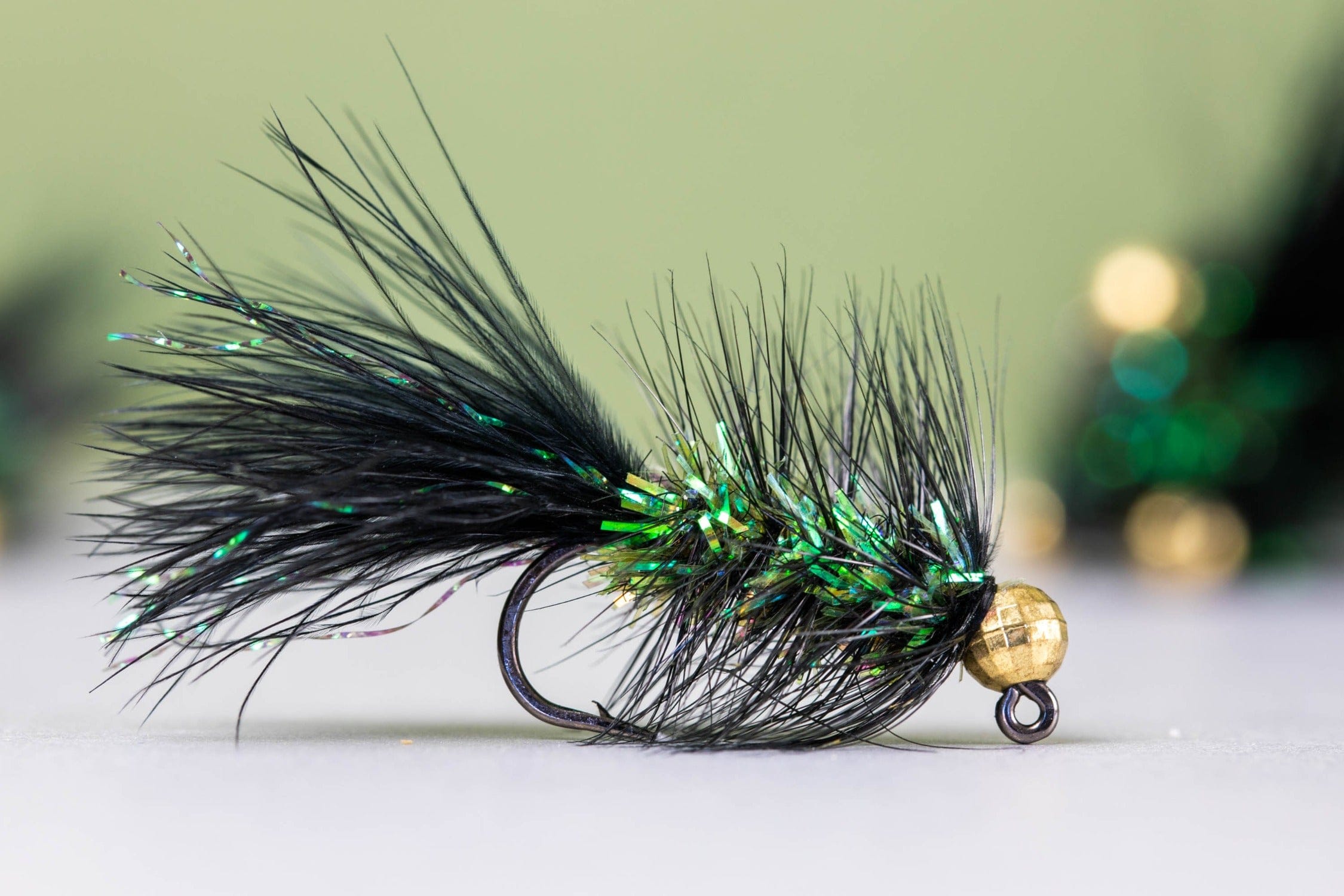
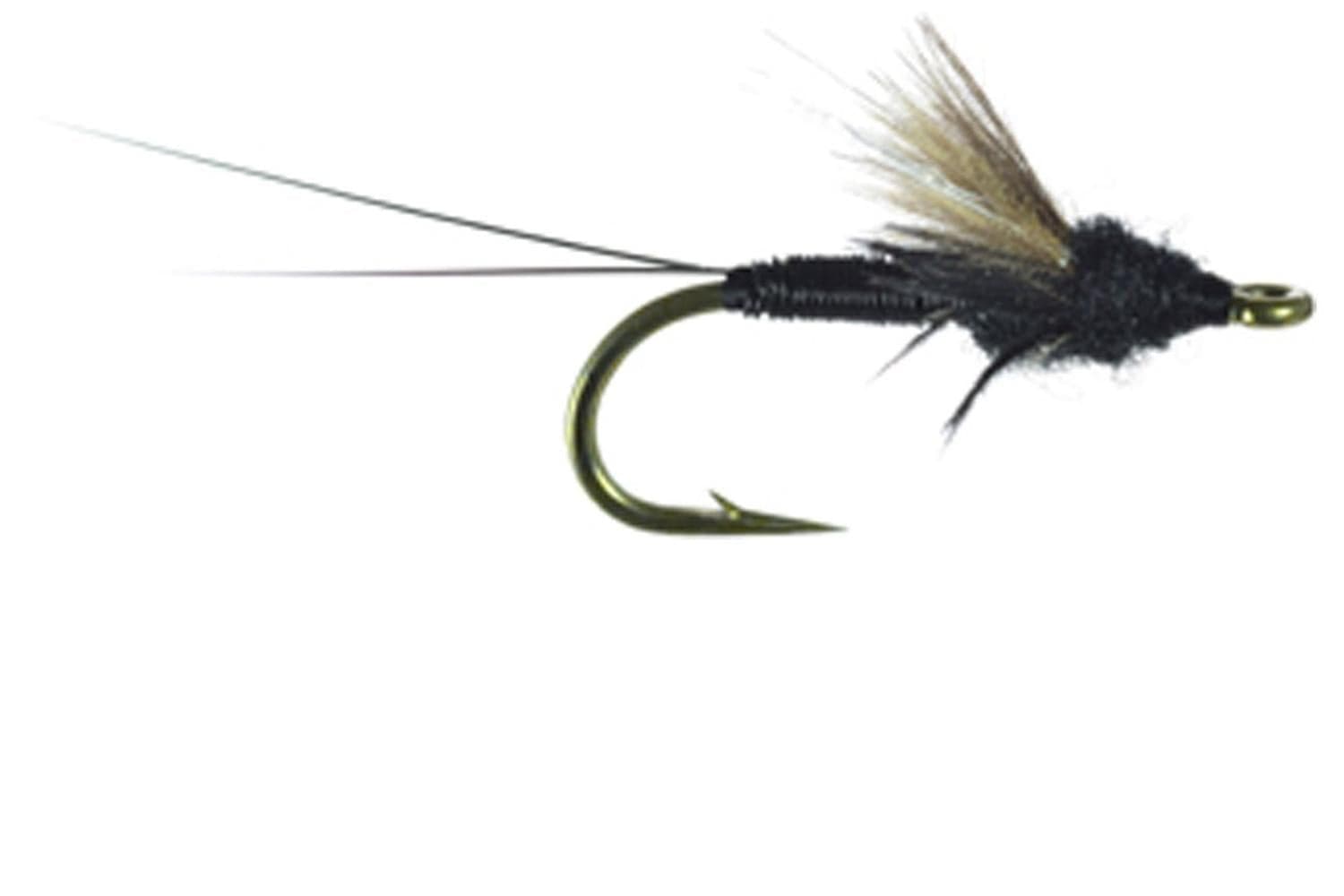


Stillwater Flies Quick Picks
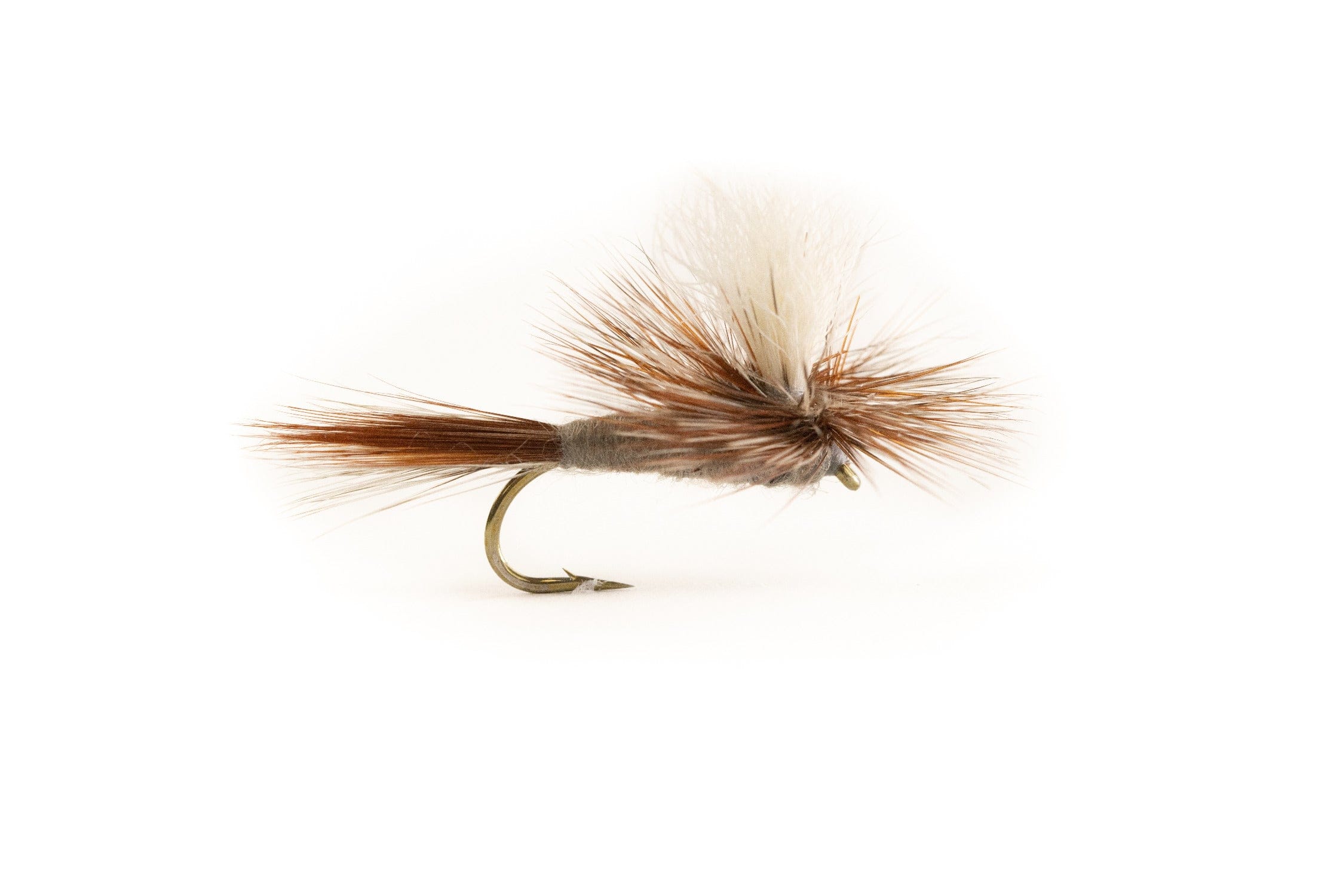
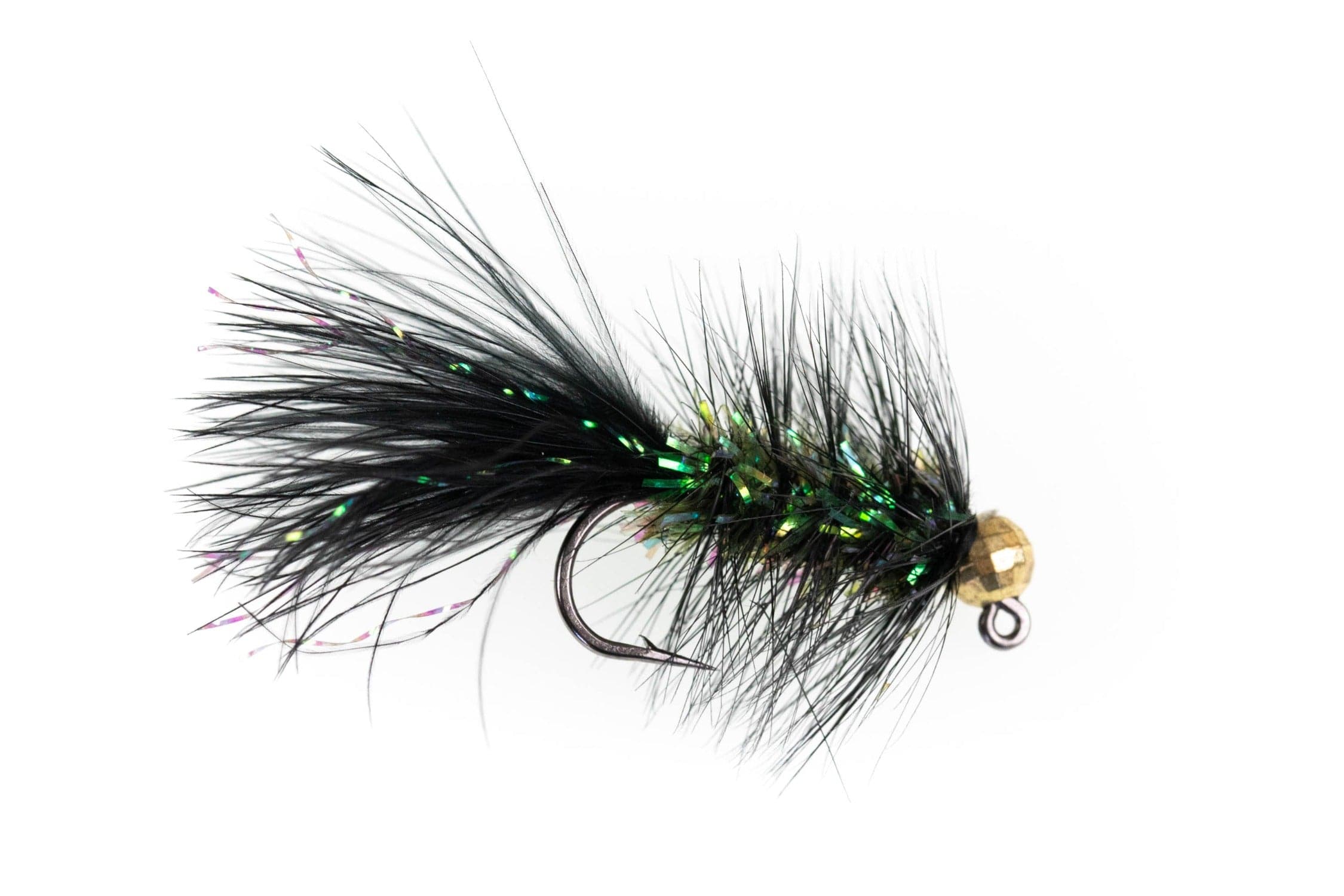
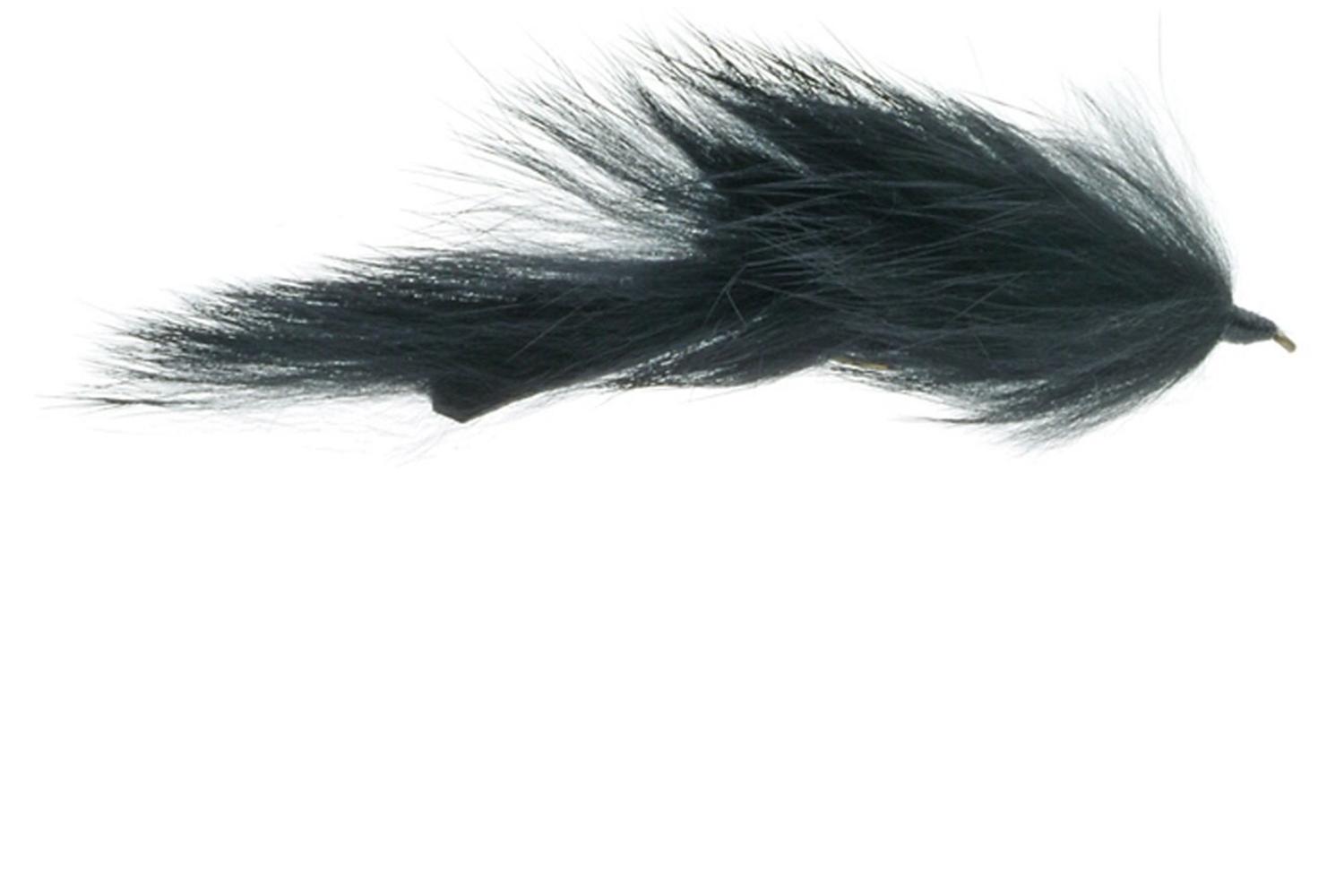
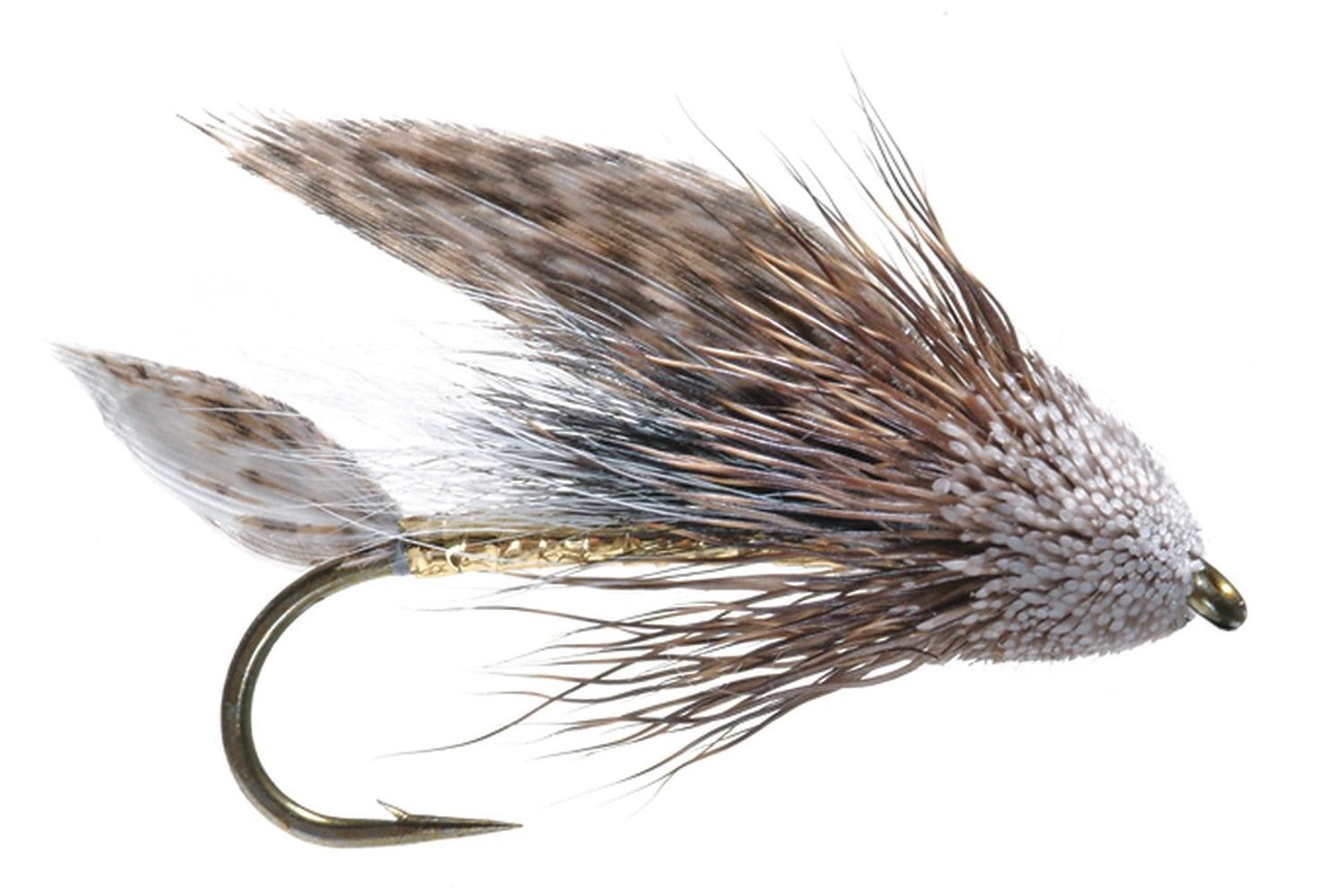
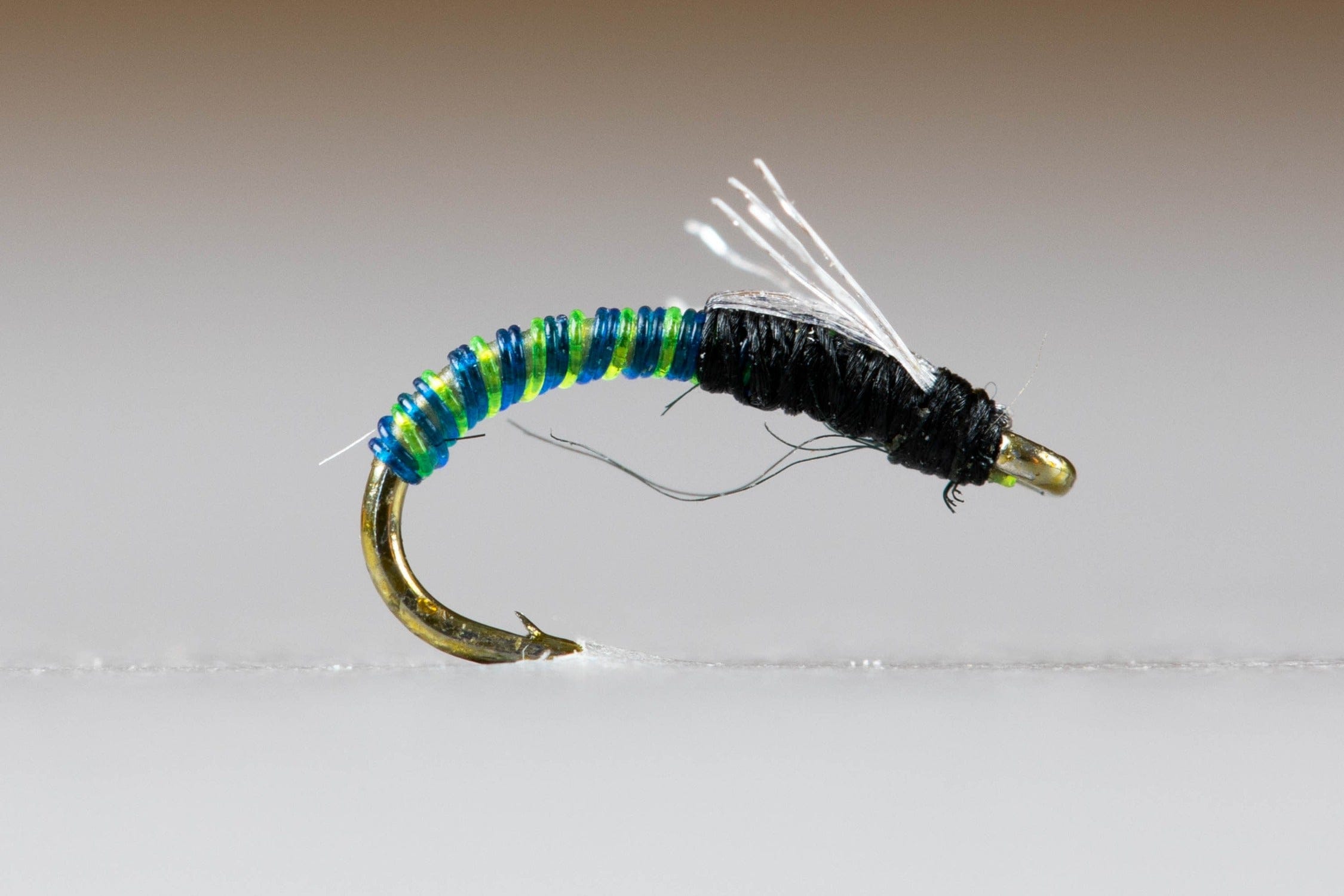
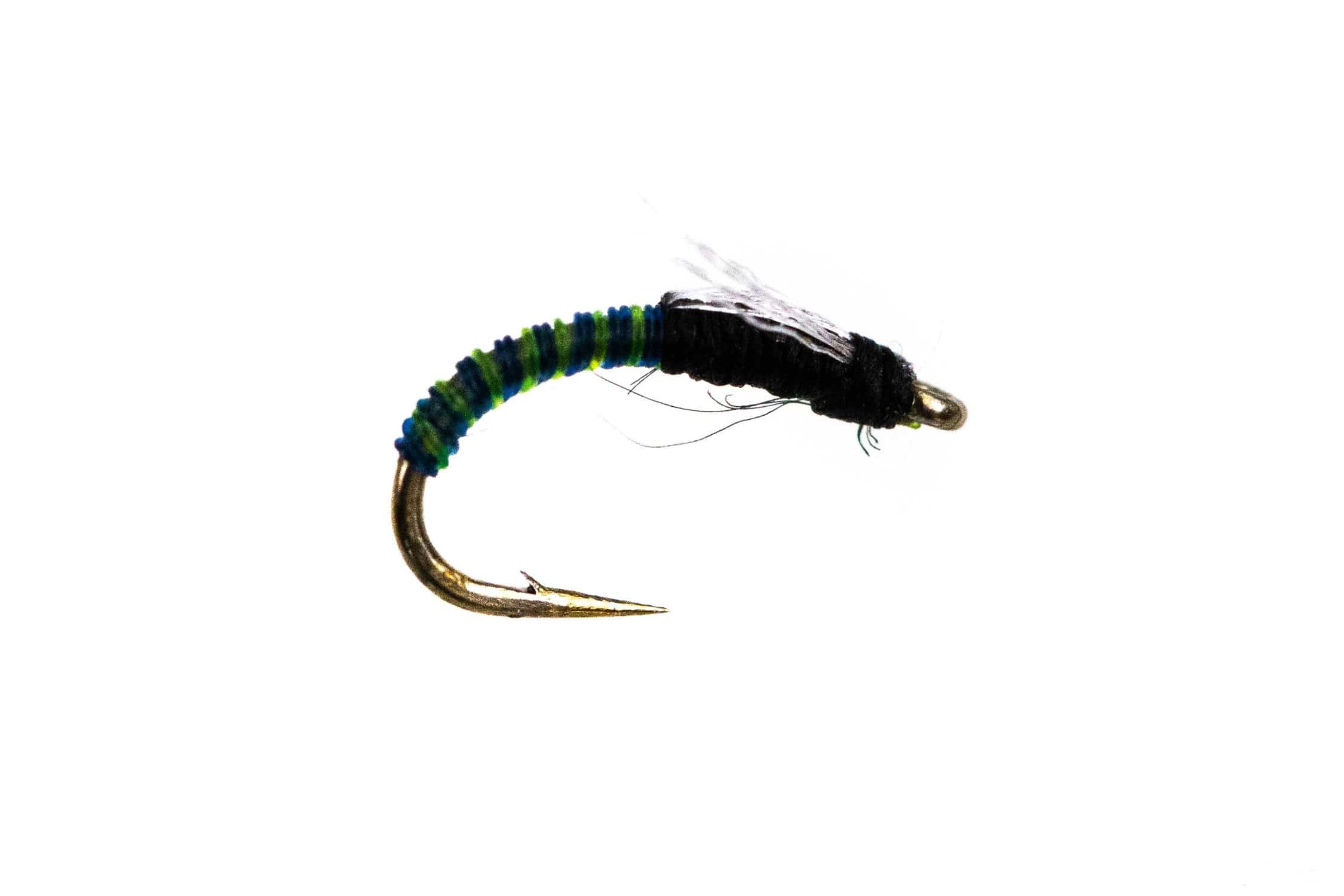
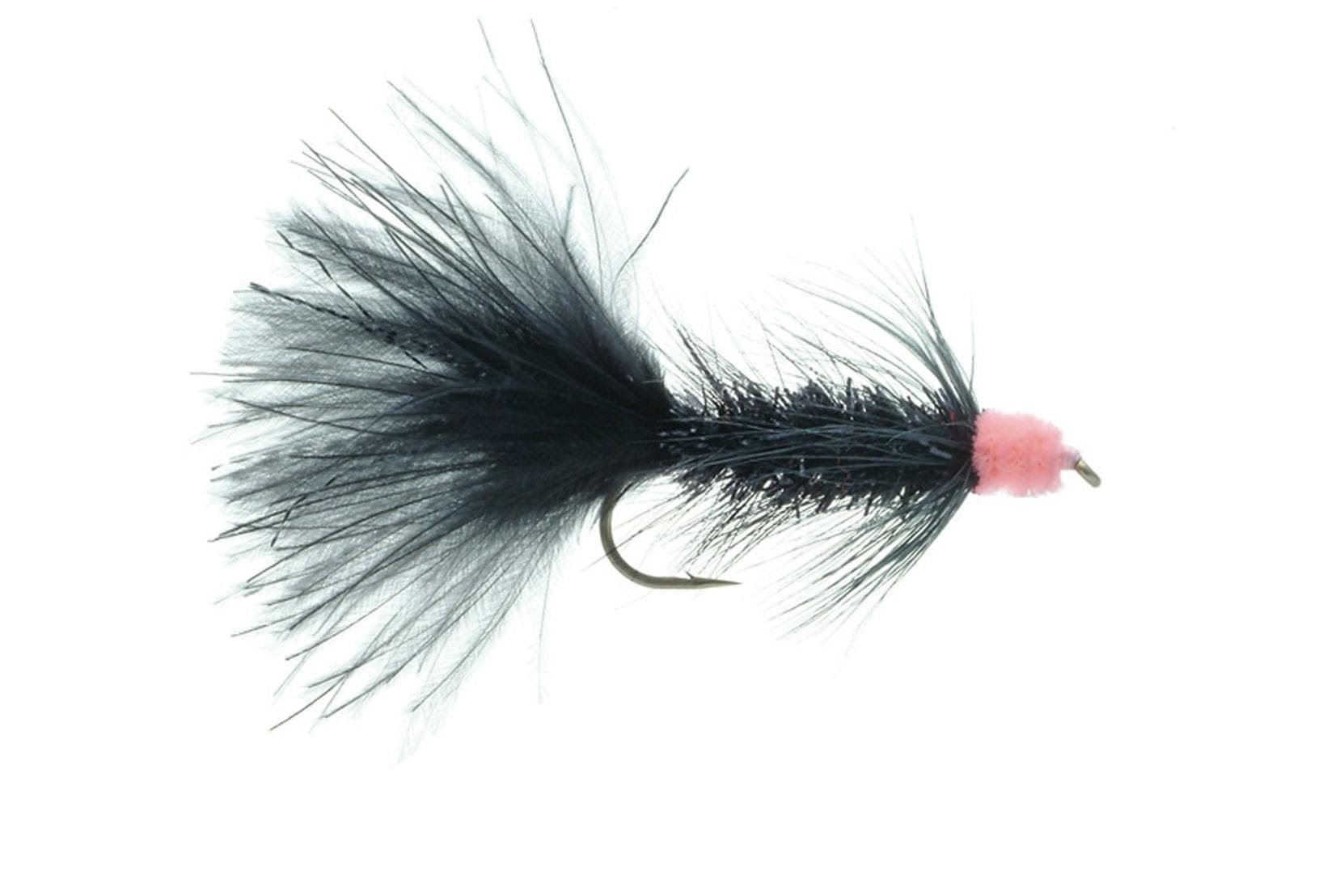
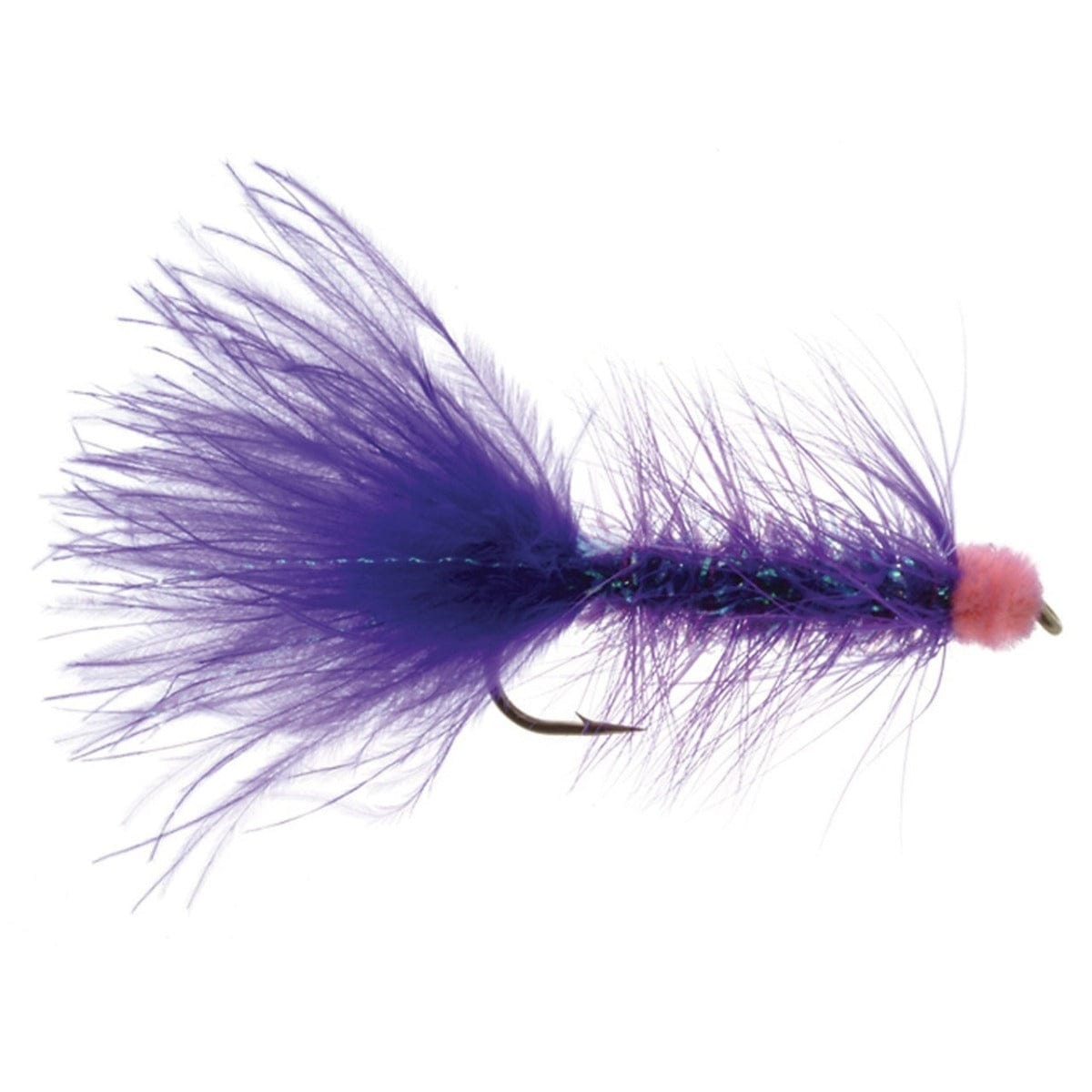
- Best All-Around: Woolly Bugger Streamer Fly - Great when you need one pattern that can cover leeches, baitfish, and “searching” duty from shore or a tube. It’s easy to fish on a slow strip, on an intermediate, or as a simple sink-tip option when trout won’t show on top.
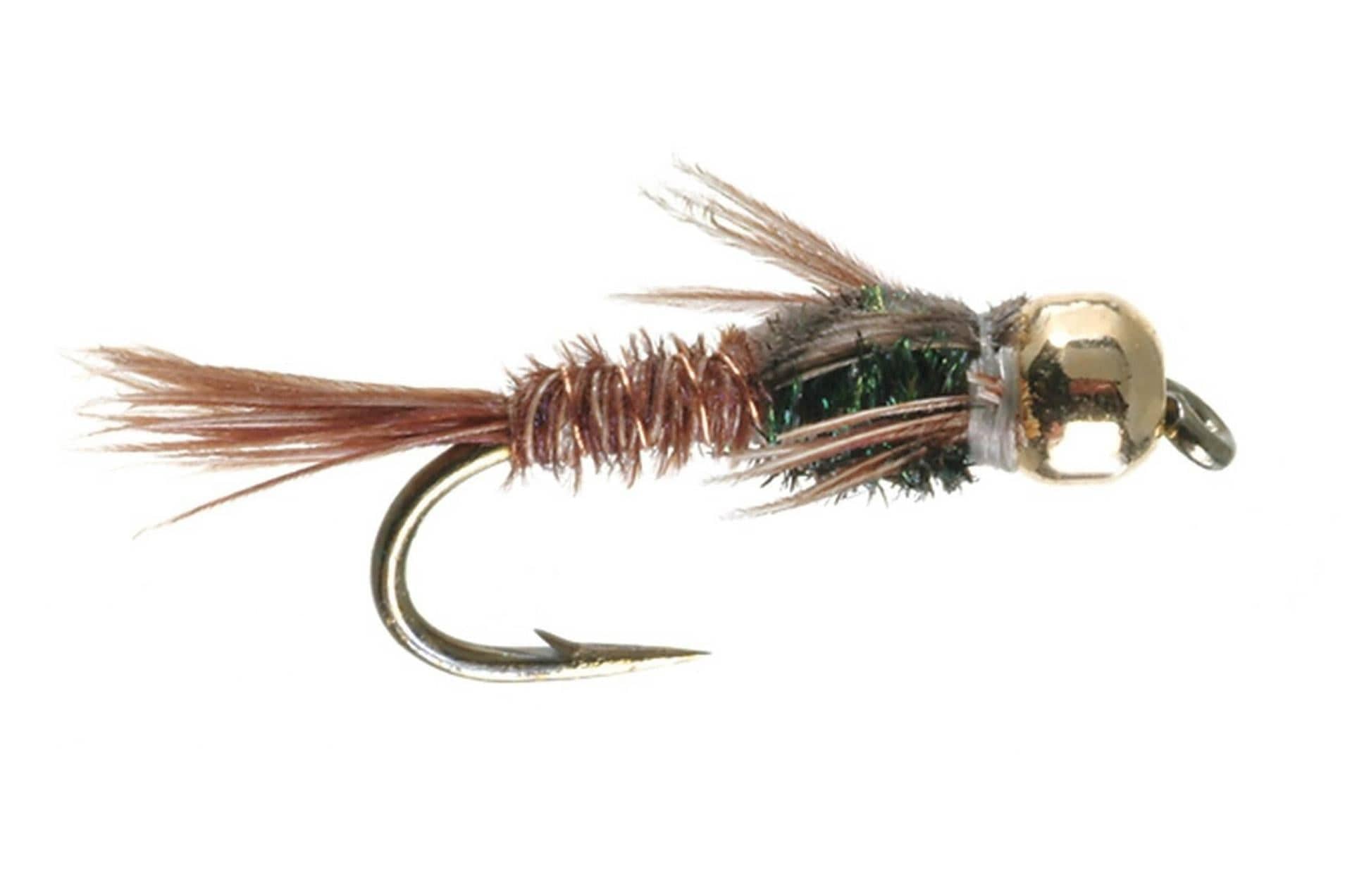
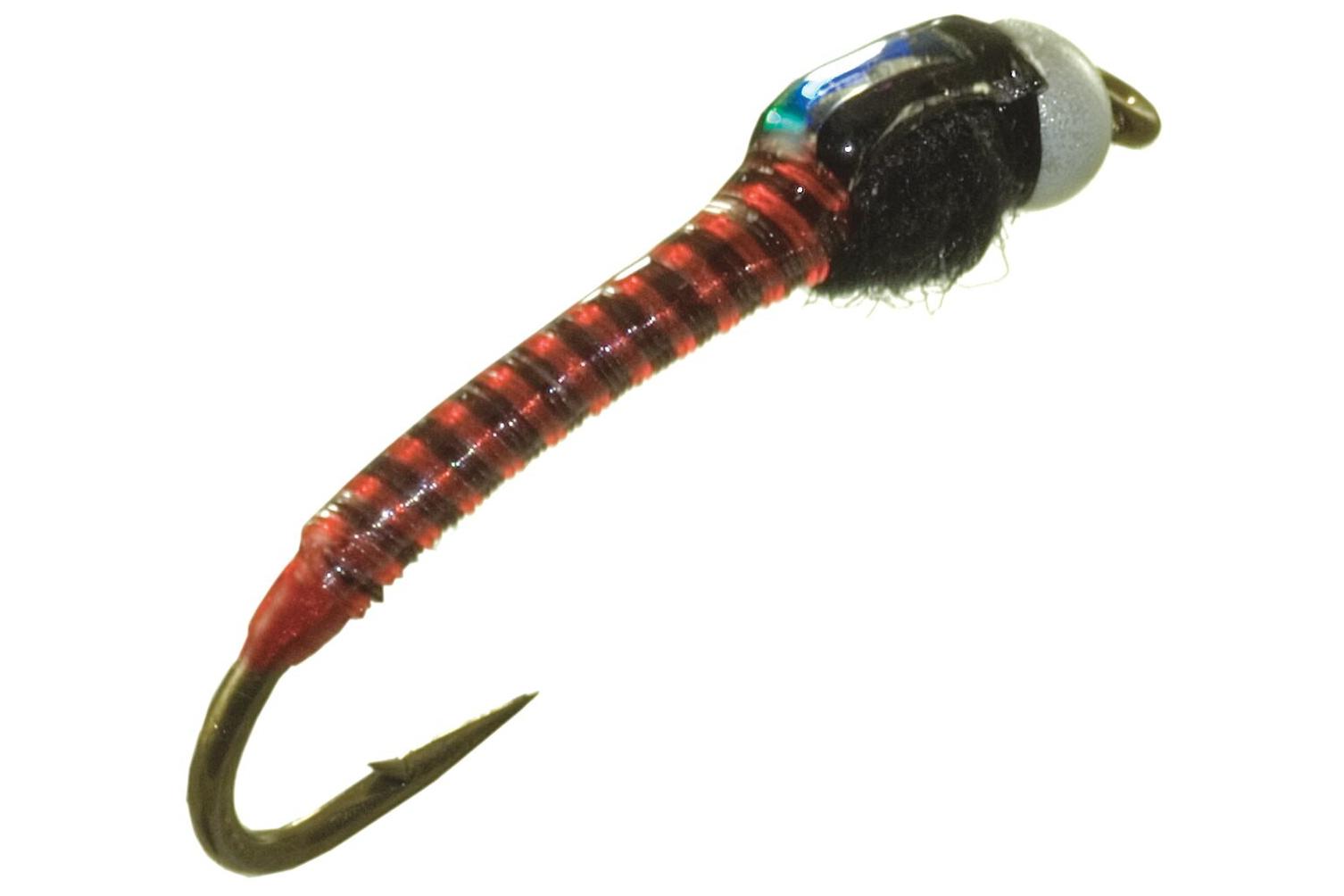
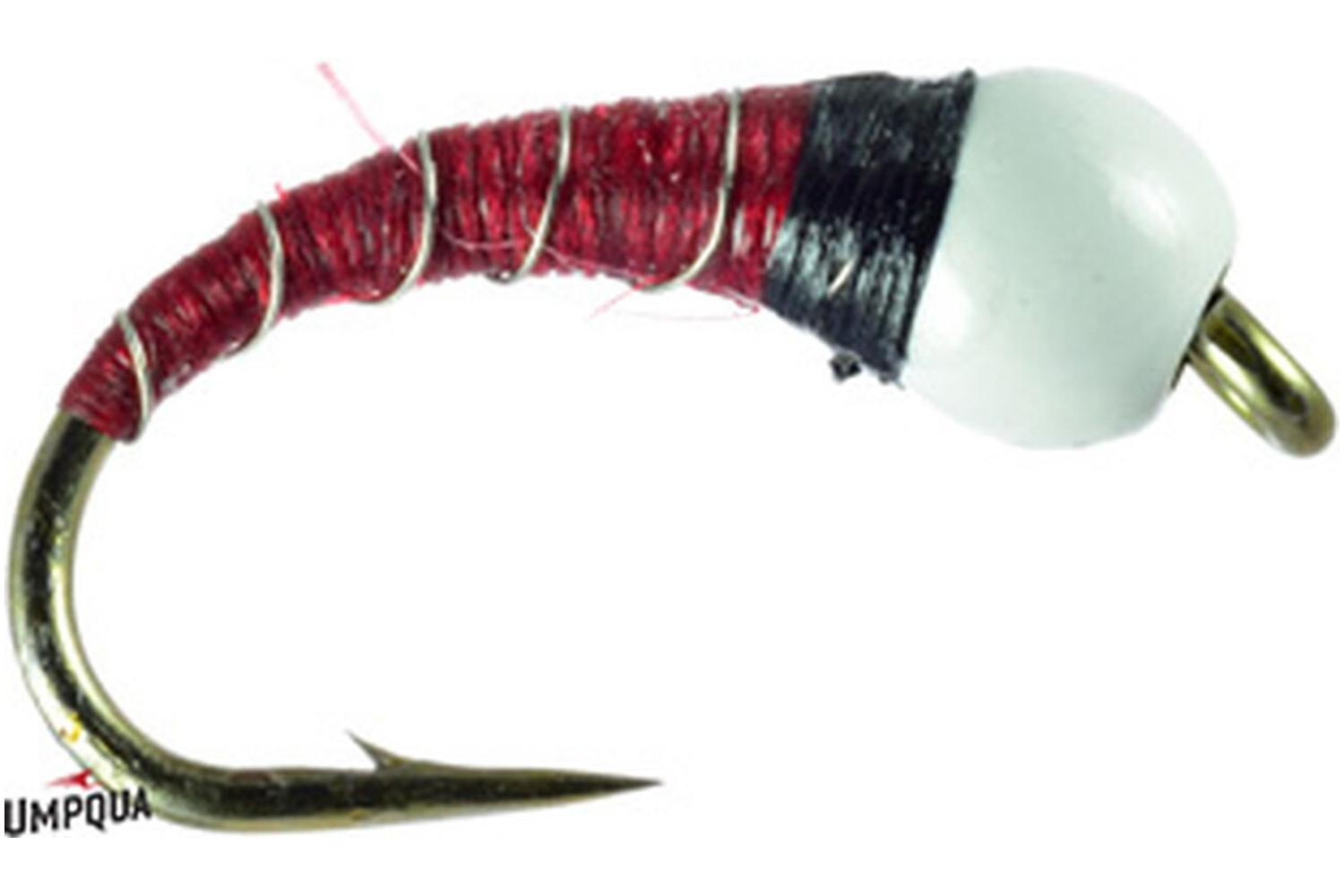
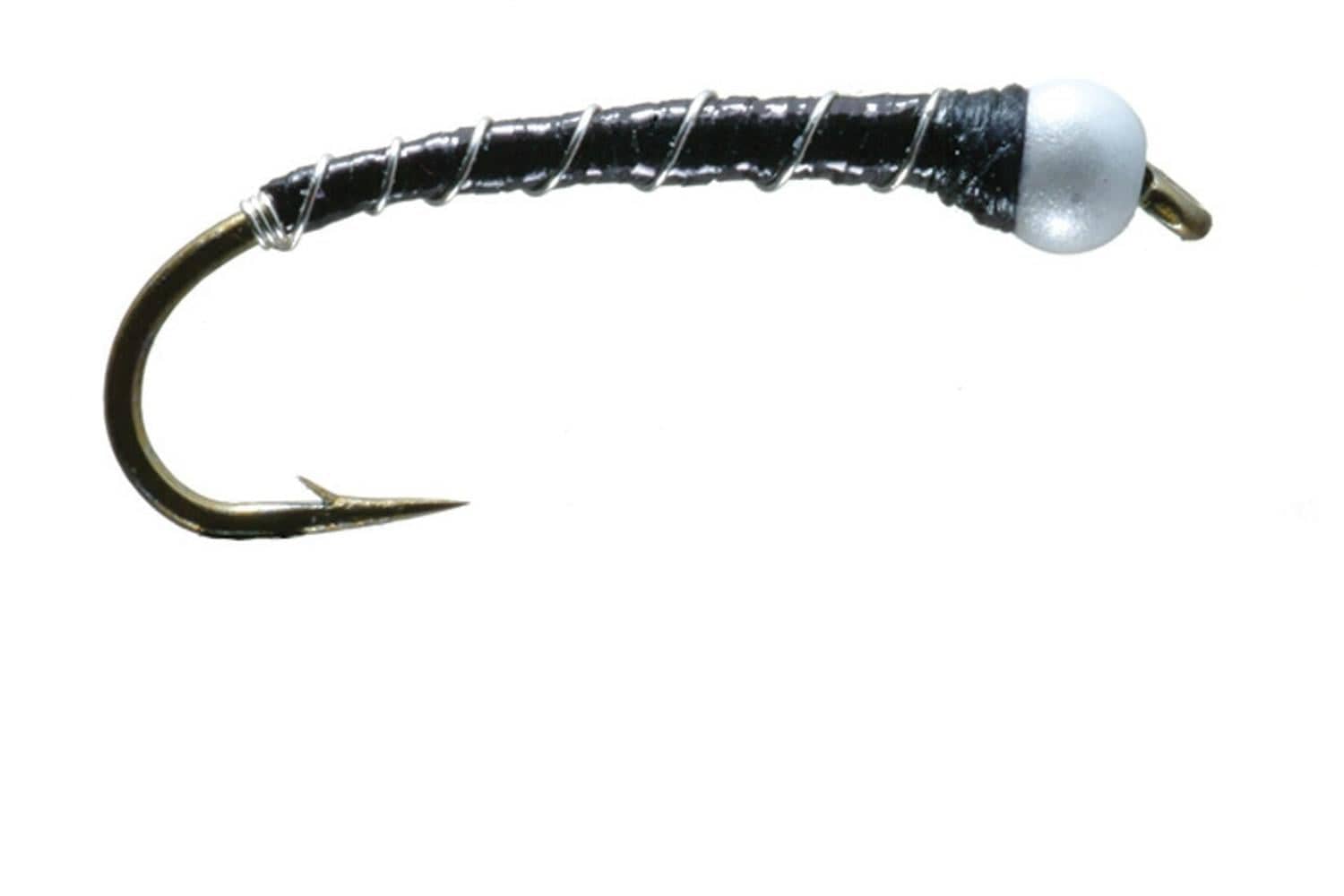
- Best for Chironomids: Jumbo Juju Chironomid Fly - Built for lakes where trout are keyed on midge/chironomid pupae, especially early season and in deeper basins. The bead head and durable, segmented body make it a strong “set-and-wait” indicator fly or a slow hand-twist retrieve option.
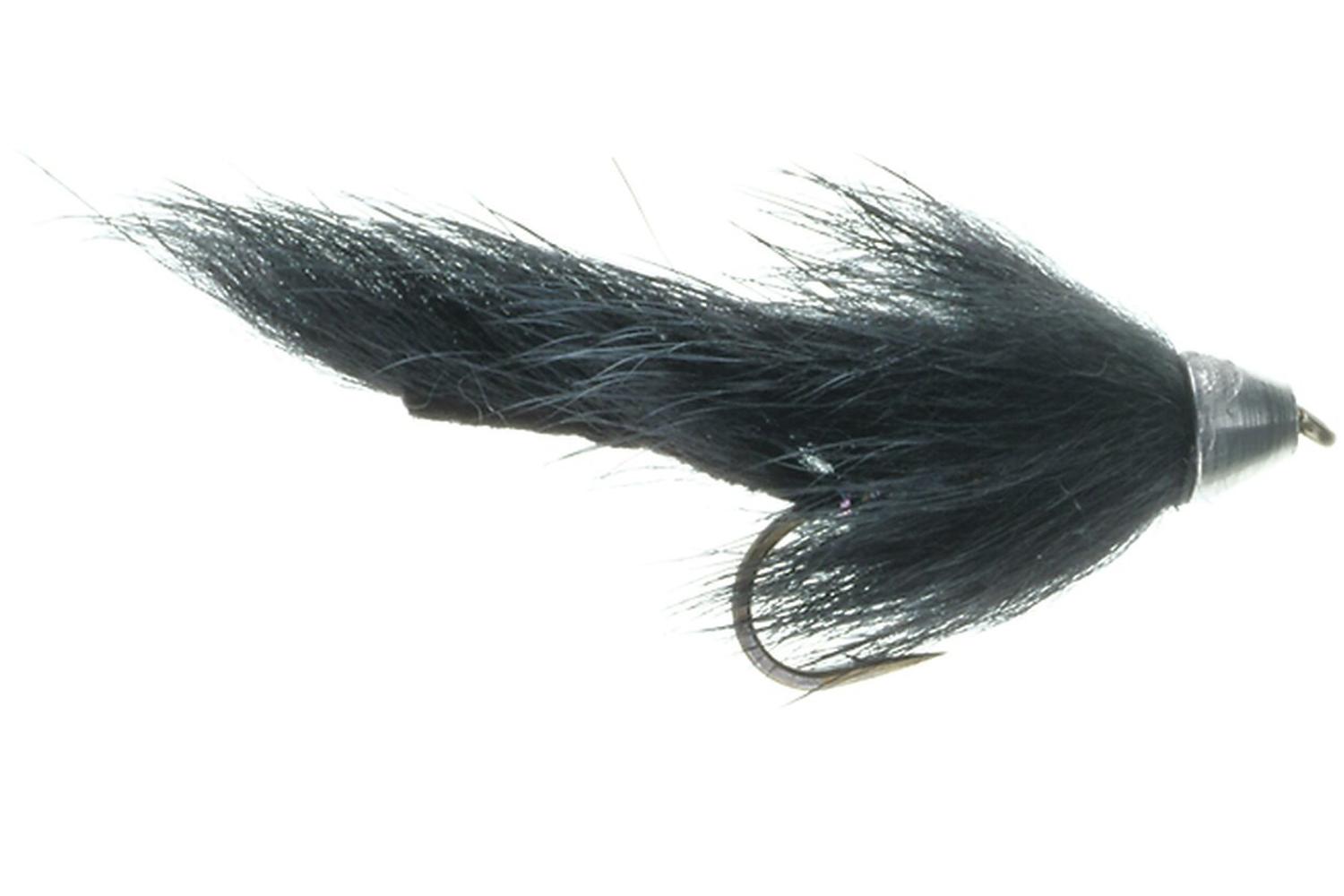
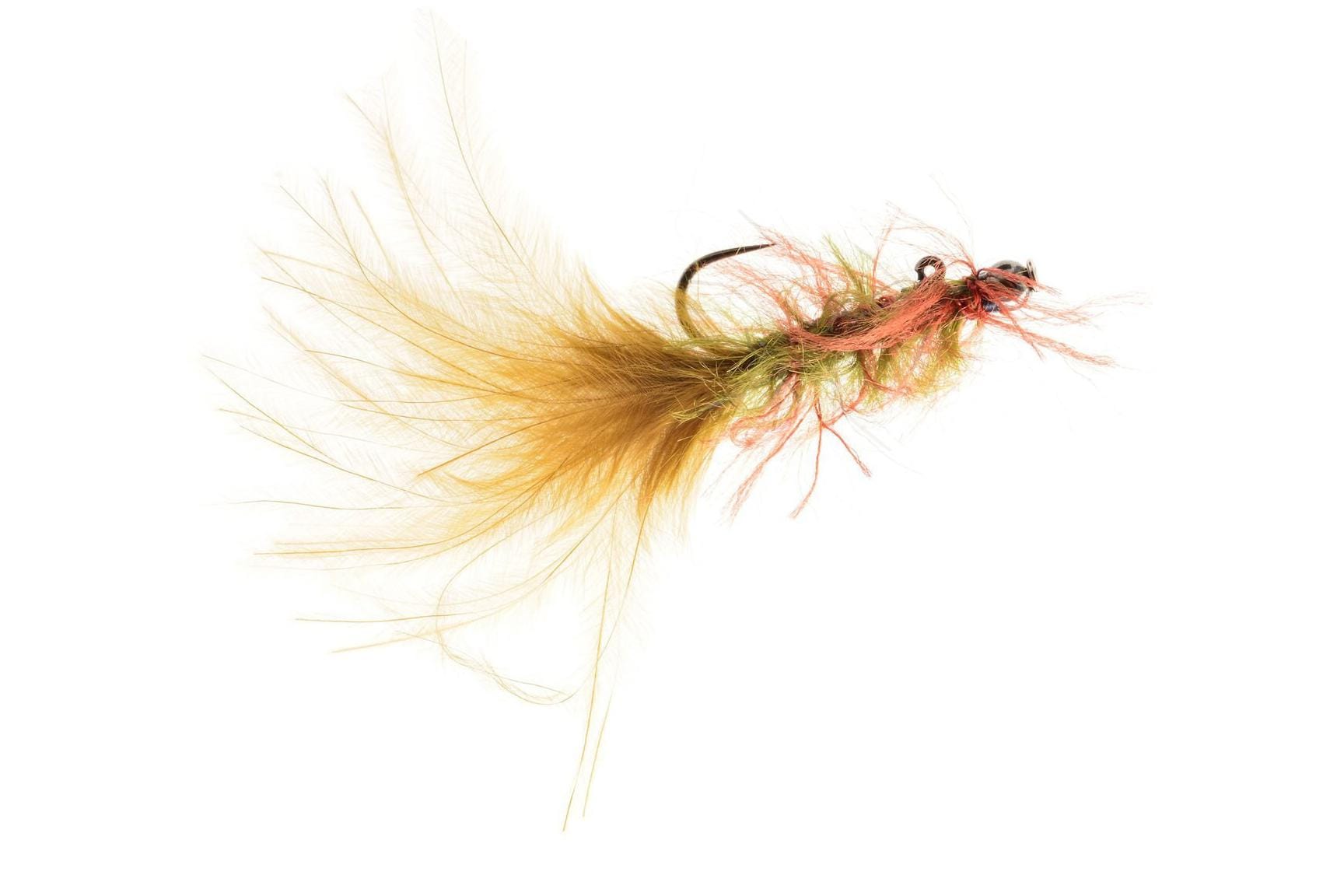
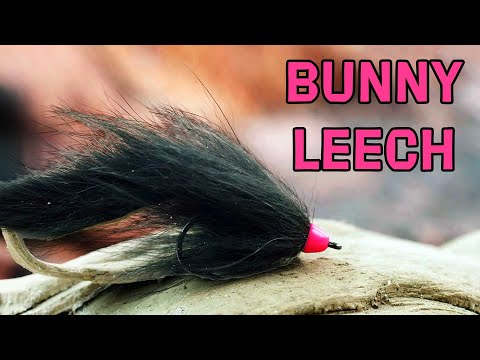
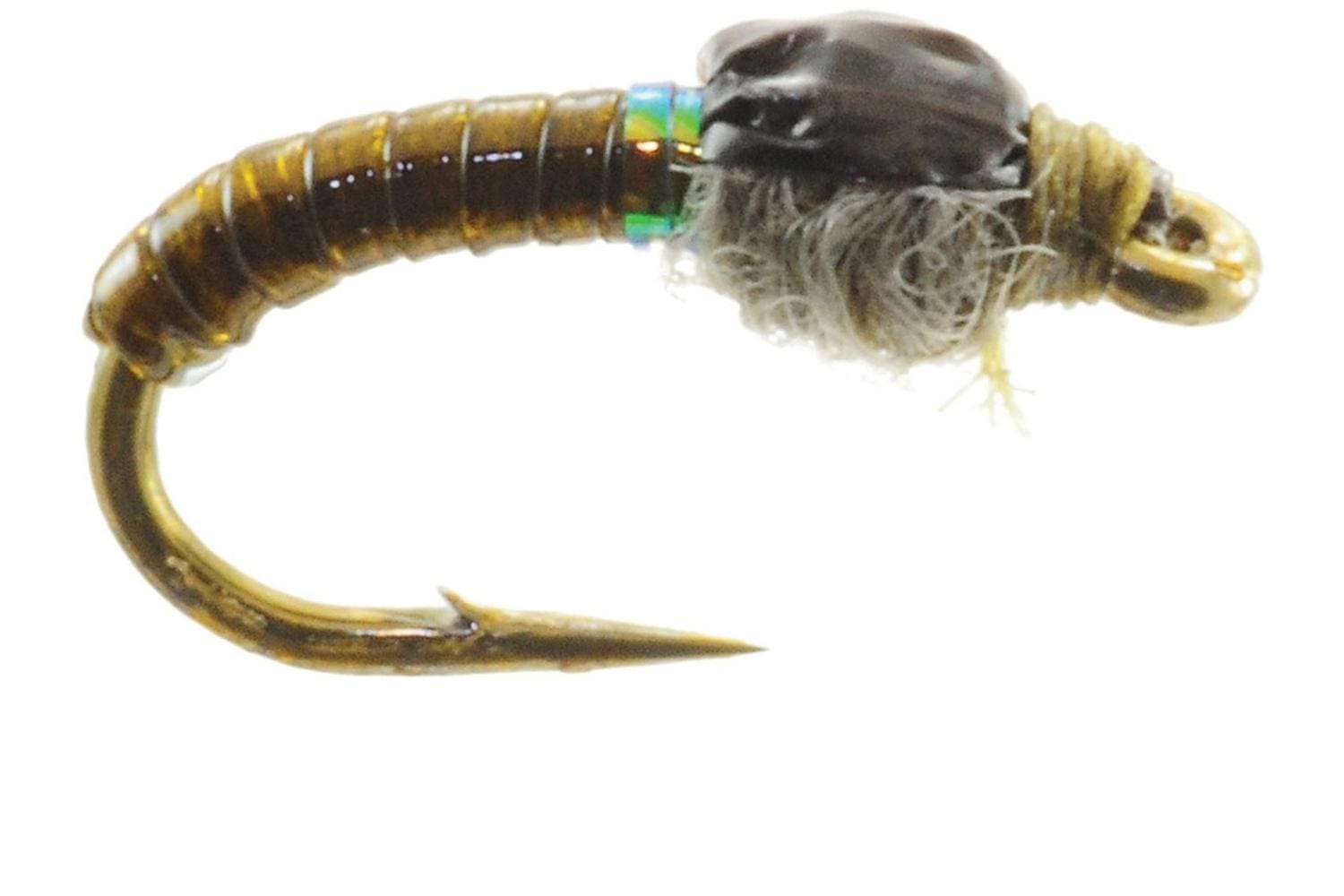
- Best for Cruisers: Balanced Swim Leech Fly - A go-to when fish are cruising shelves and you want a level, natural swim without ripping a fast strip. The balanced style is especially useful under an indicator with short, subtle twitches to keep it in the lane.
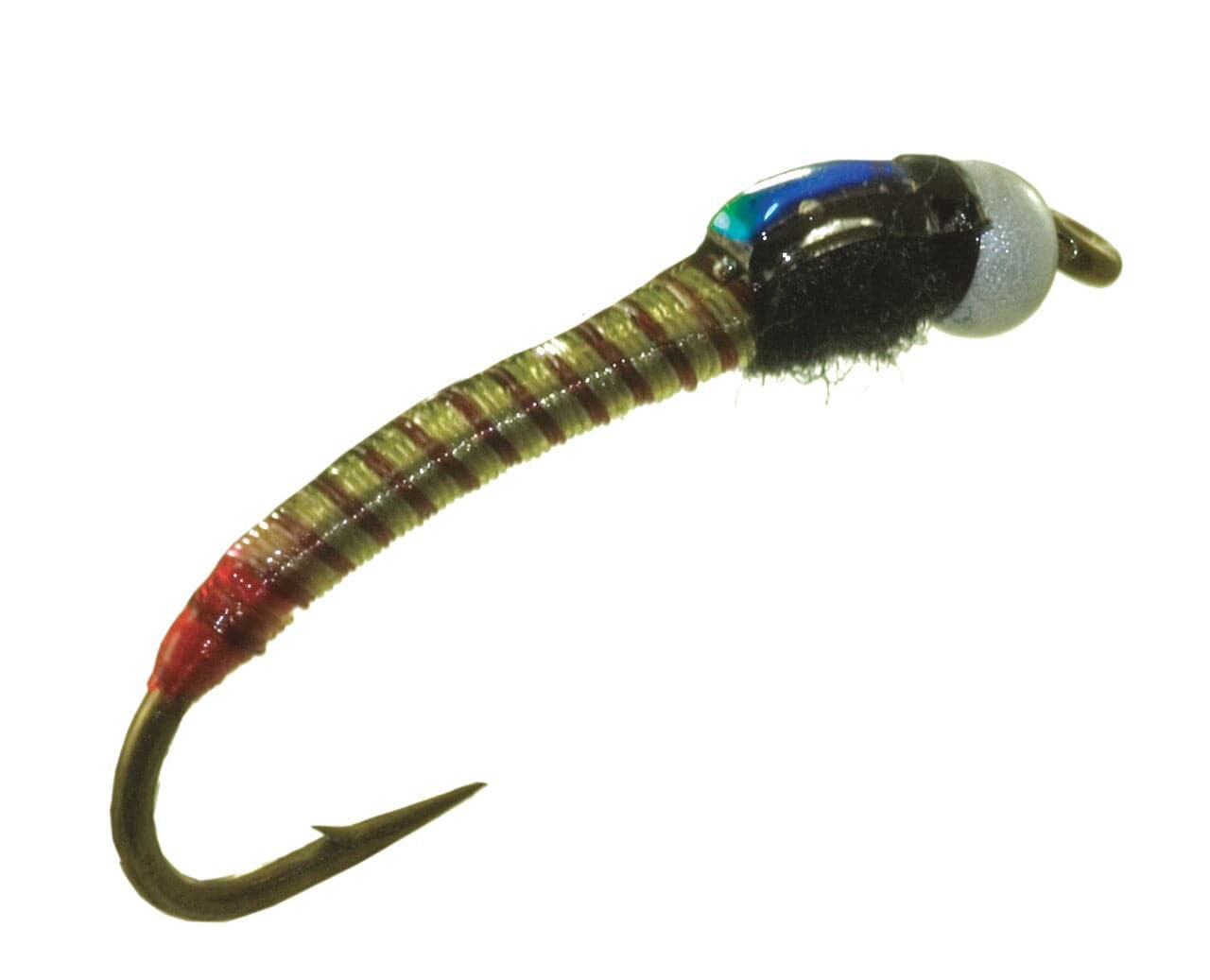
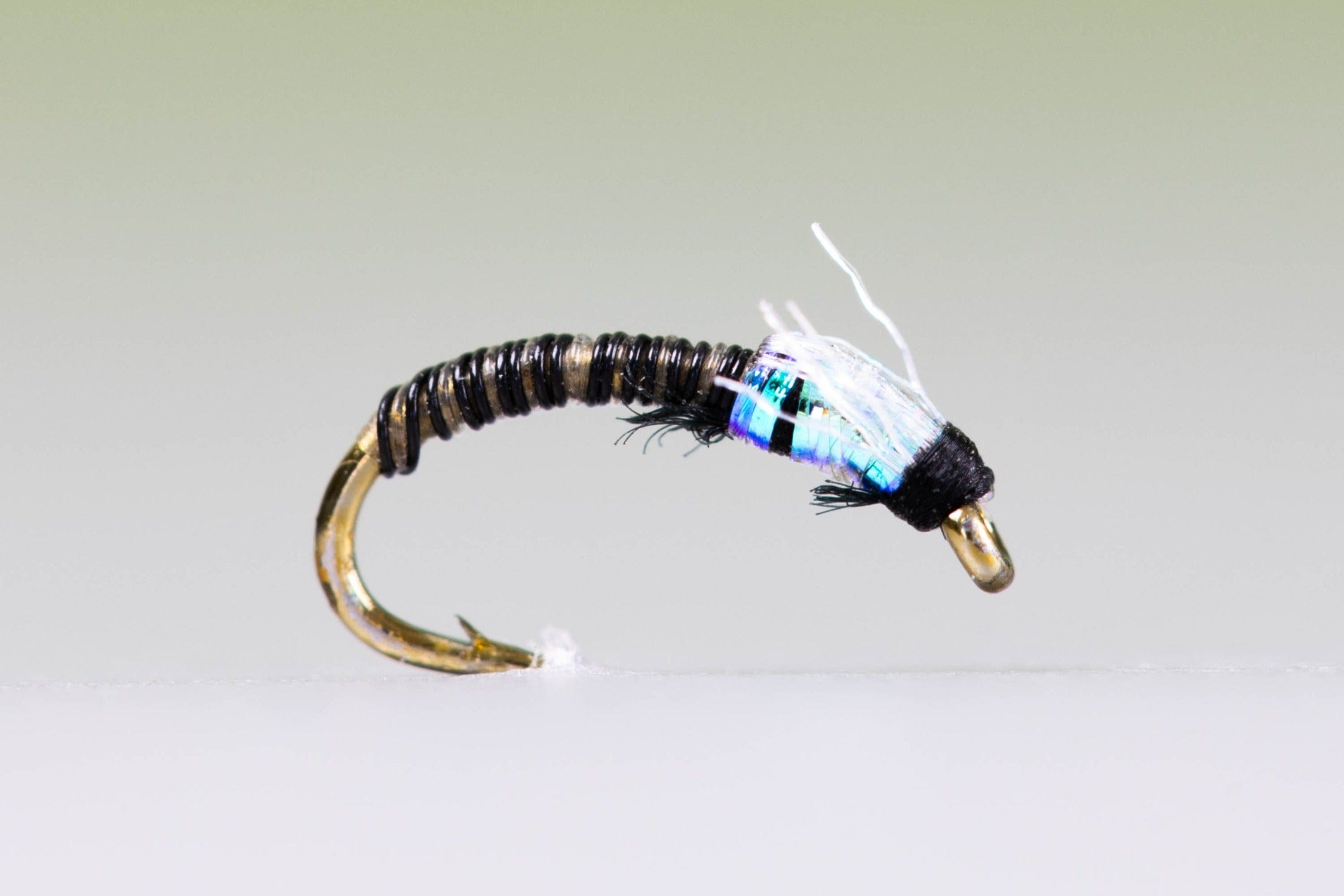
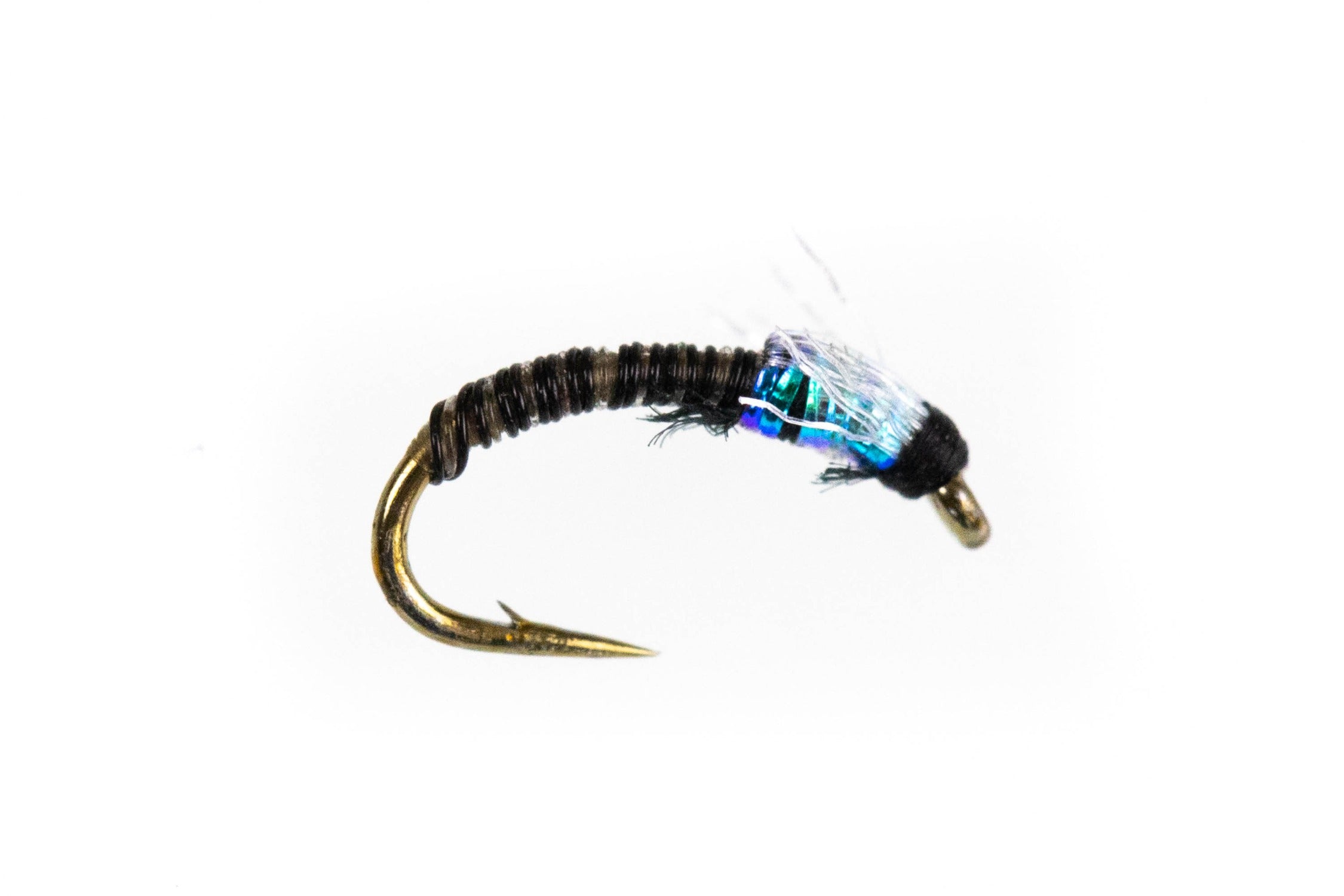
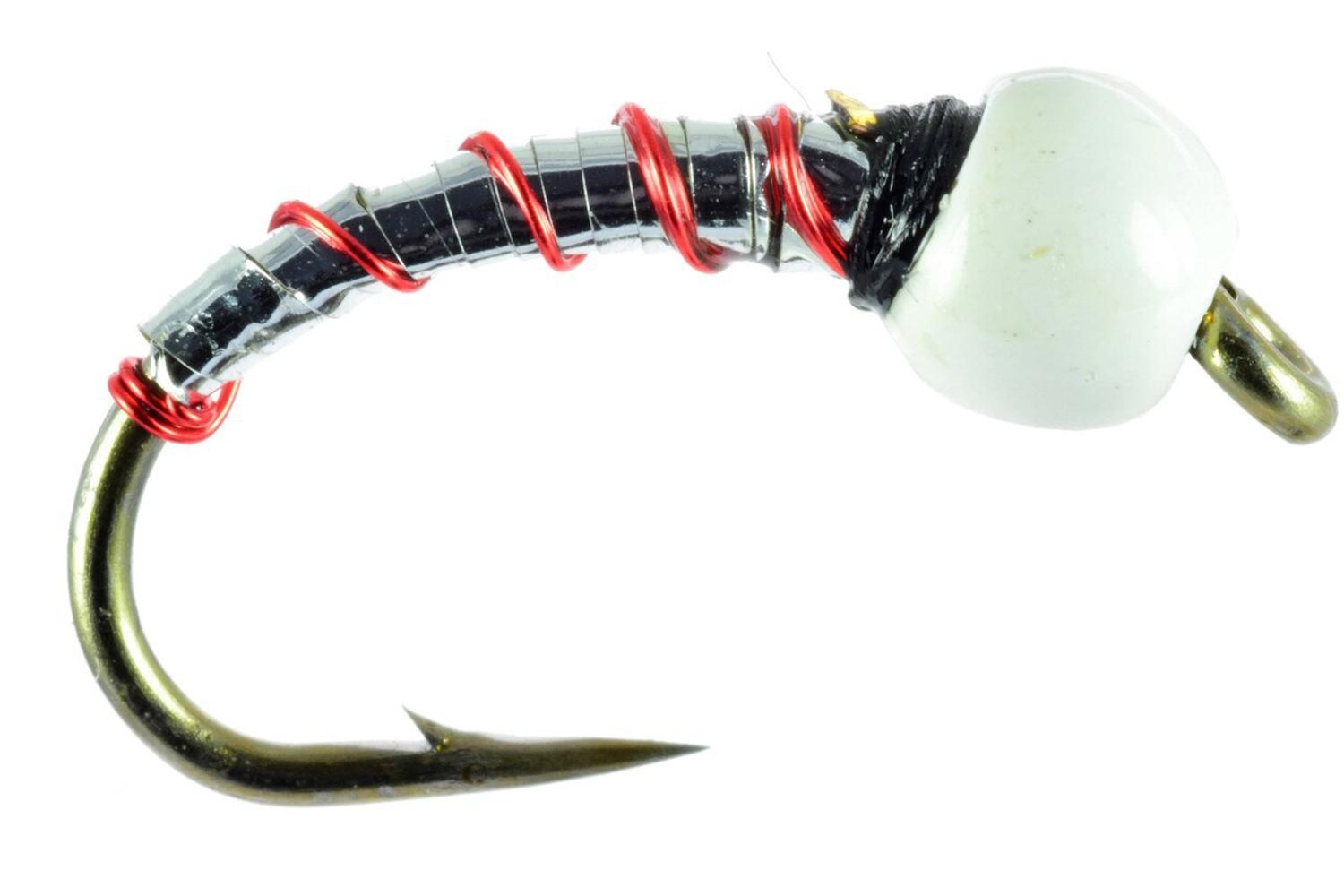
- Best Value: Chiron Bomber Fly - A simple, effective chironomid nymph option for building depth coverage without overthinking it. Fish it under an indicator or with a slow strip when trout are feeding subsurface on lakes and ponds.
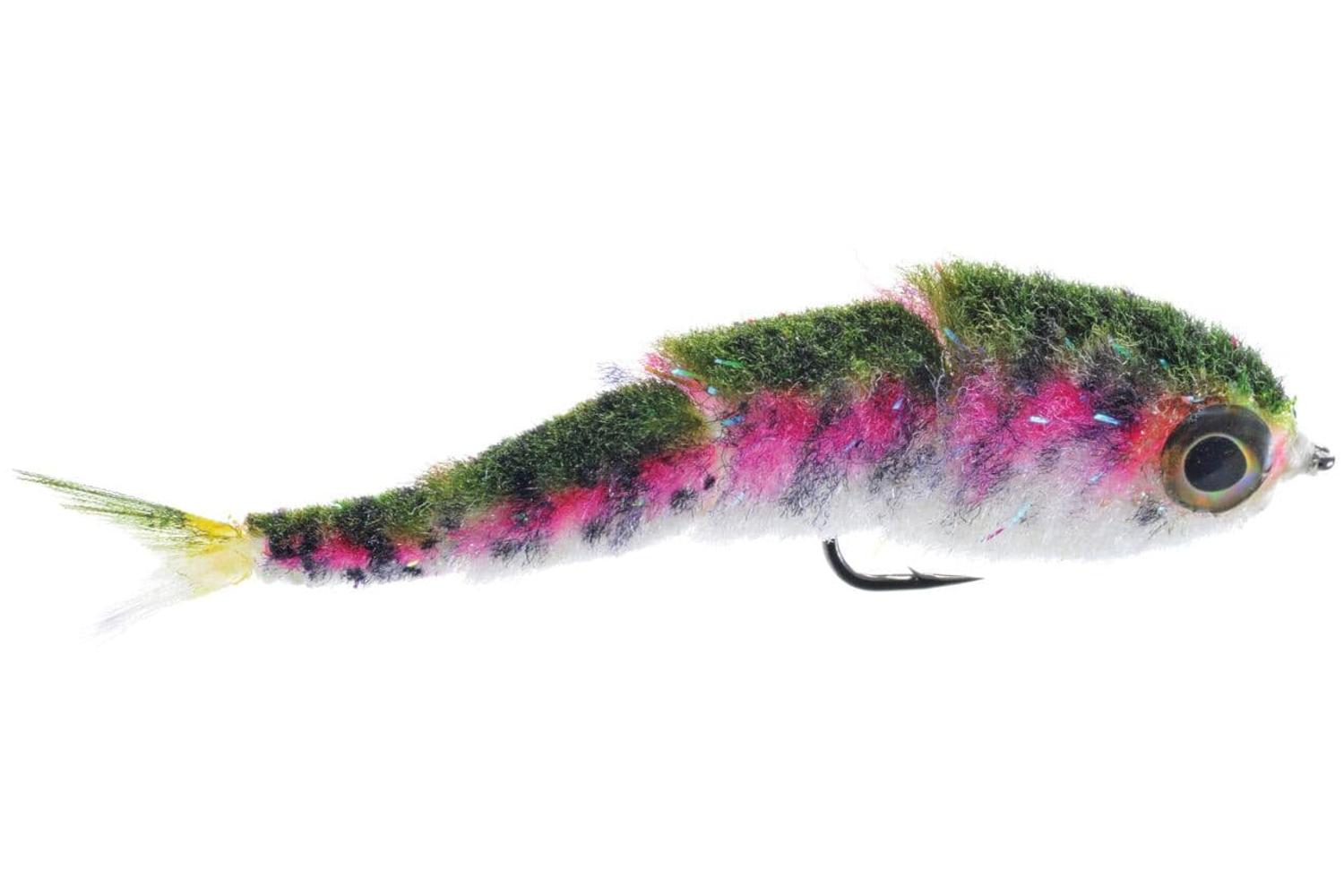
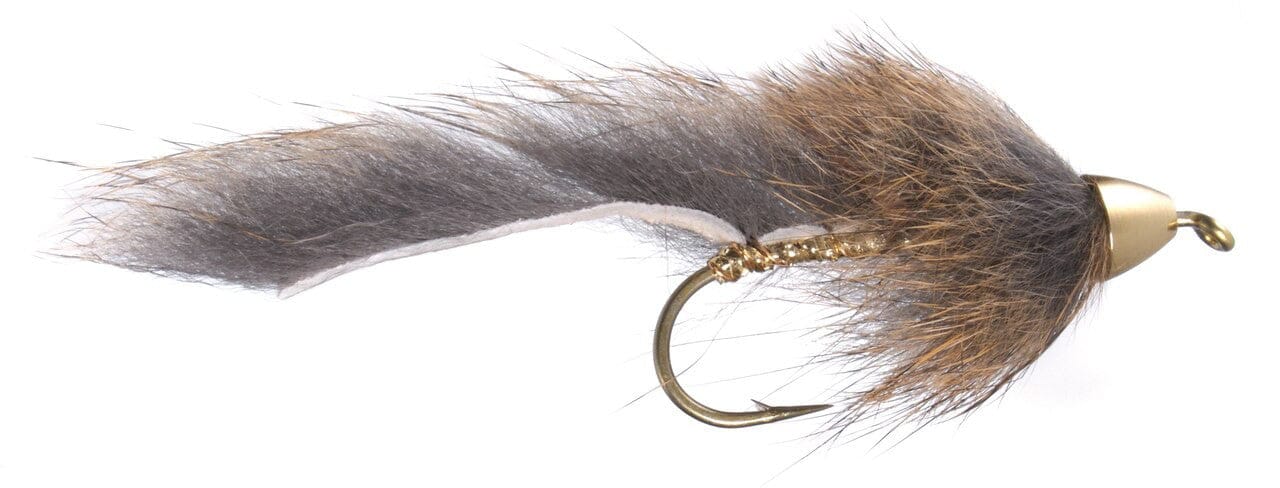
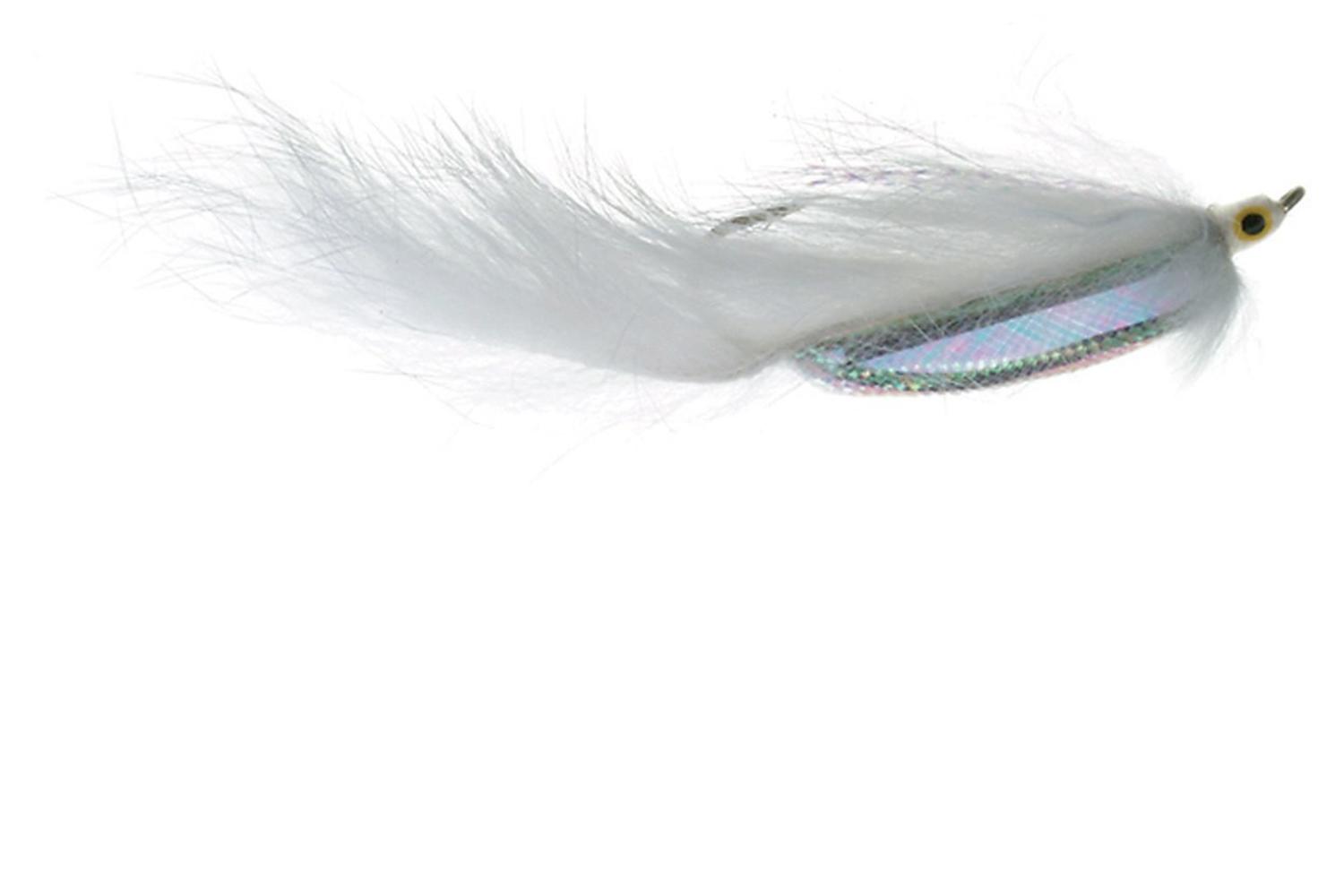
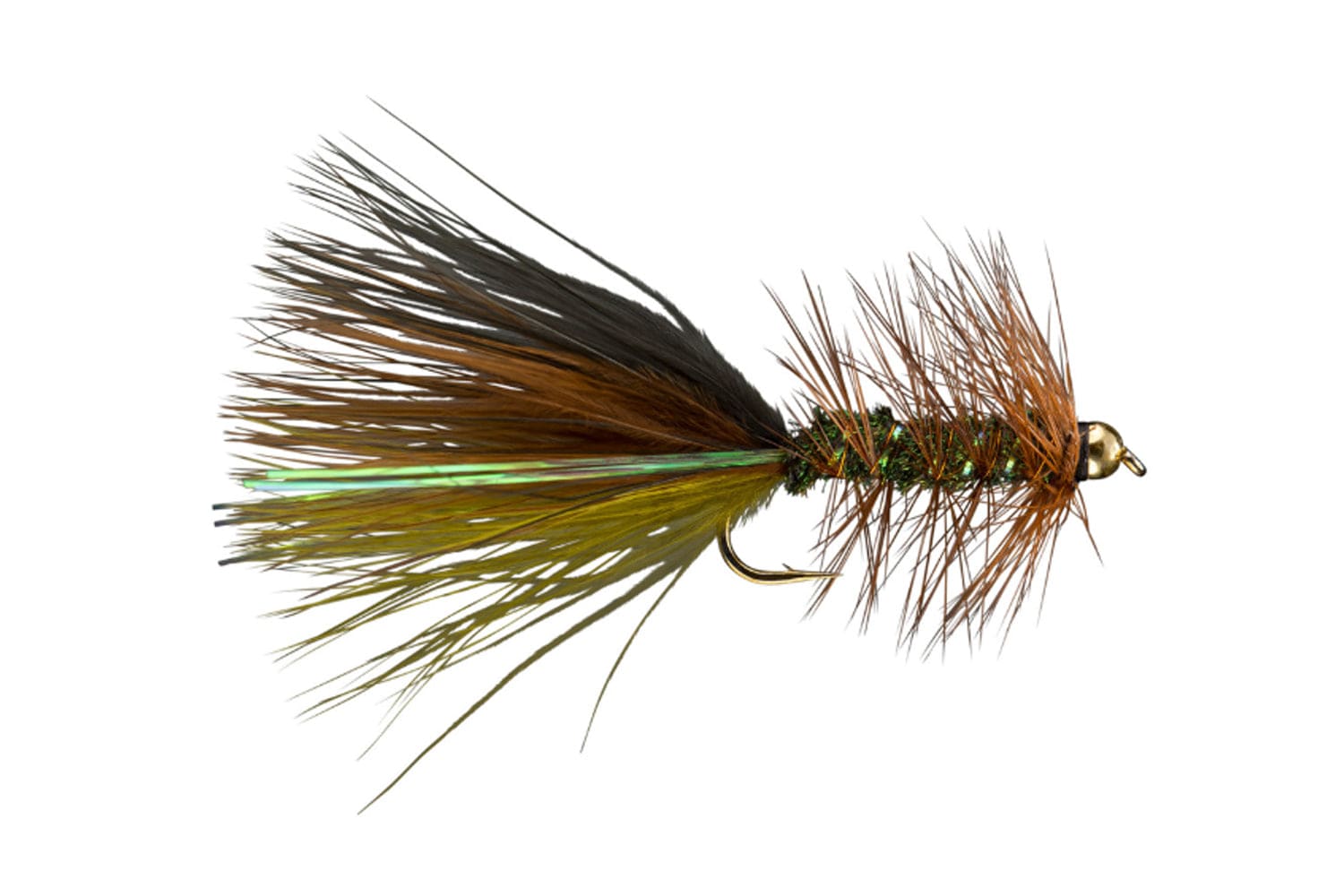
- Best Big-Meal Streamer: Chocklett's Gamechanger Fly - Designed for aggressive, predatory eats when you need more profile and more motion than a traditional baitfish pattern. It’s a strong pick for covering water along weed edges, drop-offs, and points where bigger fish set up.
How to Choose Stillwater Flies
Match the role: searching, feeding, or triggering
Action: Start with a “search” pattern when you don’t know what fish are doing, then dial in once you see behavior (cruising, dimpling, following, or rolling).
Searching: Buggers and leeches cover a lot of bases and let you experiment with retrieve speed and depth. Feeding: Chironomids and midges shine when trout are locked in on small insects. Triggering: Bigger baitfish streamers can turn followers into eaters, especially near structure.
Depth is usually the whole game in lakes
Action: Pick your fly first, then choose the line/rig that keeps it at the right depth for the longest time.
Shallow shelves: Streamers and leeches on floating or intermediate lines often keep your fly above weeds and in front of cruisers. Drop-offs and basins: Chironomids under an indicator or fished slow on a sinking presentation help you stay in the zone instead of constantly re-casting to “get down.”
Build a small, flexible stillwater box
Best for: Bank anglers, float tubes, kayaks, and boat anglers who want a compact selection that covers most lake days.
- Chironomids/midges: Carry a few sizes and a couple colors for changing light and water clarity.
- Leeches: Include at least one balanced option if you like fishing under an indicator.
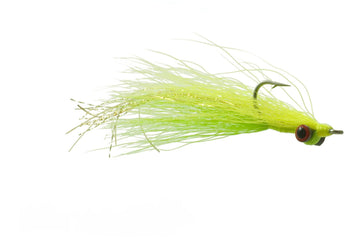
- Baitfish streamers: Bring one “classic” profile and one larger, higher-motion option for bigger fish.
Materials & Durability
- Dry flies: Keep them dry and uncrushed, stillwater dries get used most when fish are steadily working the film.
- Beadheads and jig styles: Great for controlling depth and speed, but check hook points after rocks, weeds, or fish.
- Streamers: Rinse and dry them before storing so materials don’t mat down or rust a hook in the box.
- Keep spares: Stillwater fish can follow a fly a long way, flies take more abuse than many anglers expect.
Complete Your Setup
Related Gear
- Fly Assortments - A fast way to cover multiple patterns if you’re stocking a new lake box.
- Midge Flies - Useful when stillwater trout get locked in on small insects and chironomids.
- Intermediate Fly Lines - Helps keep streamers and leeches just under chop without sinking too deep.
- Tippet - Dial in turnover and stealth, especially for clear lakes and indicator rigs.
Related Guides
- Fly Fishing Flies Explained
- How to Tie the Woolly Bugger Fly
- How to Tie the Jujubee Midge Fly
- How to Tie the Top Secret Midge Fly
Stillwater Flies FAQs
Q: What are stillwater flies?
A: Stillwater flies are patterns chosen for lakes and ponds, where trout and warmwater fish feed on baitfish, leeches, and insect life like midges and chironomids. They’re commonly fished with strips, hand-twist retrieves, or under indicators for precise depth control.
Q: What are the most important stillwater fly types to carry?
A: A simple mix covers most situations: a leech/bugger-style streamer for searching, a chironomid/midge pattern for subsurface feeding, and a baitfish streamer for bigger predatory eats. Add a few dries if your lakes see consistent surface feeding.
Q: How do I pick the right size chironomid for lake trout?
A: Start by matching the rough size of what you see in the water or in shucks on the surface. If you’re unsure, carry a couple sizes and adjust based on how consistent the takes are and where fish are feeding in the column.
Q: Should I fish stillwater flies under an indicator or on a retrieve?
A: Use an indicator when depth precision matters (chironomids, balanced leeches, or suspended fish). Retrieve when you’re covering water, targeting cruisers, or trying to trigger a reaction bite with streamers.
Q: What line is best for stillwater streamer fishing?
A: A floating line works well for shallow shelves and indicators, while an intermediate line helps keep streamers and leeches just under surface chop. Full sinking lines help reach deeper basins, but depth control and retrieve speed become more critical.
Q: Are stillwater flies only for trout?
A: No, many lake patterns overlap for bass and other predators, especially streamers and larger baitfish-style flies. The same “depth + movement” principles apply across species.