Scott Swing Spey Rod Review | Better Than The Asquith Spey?

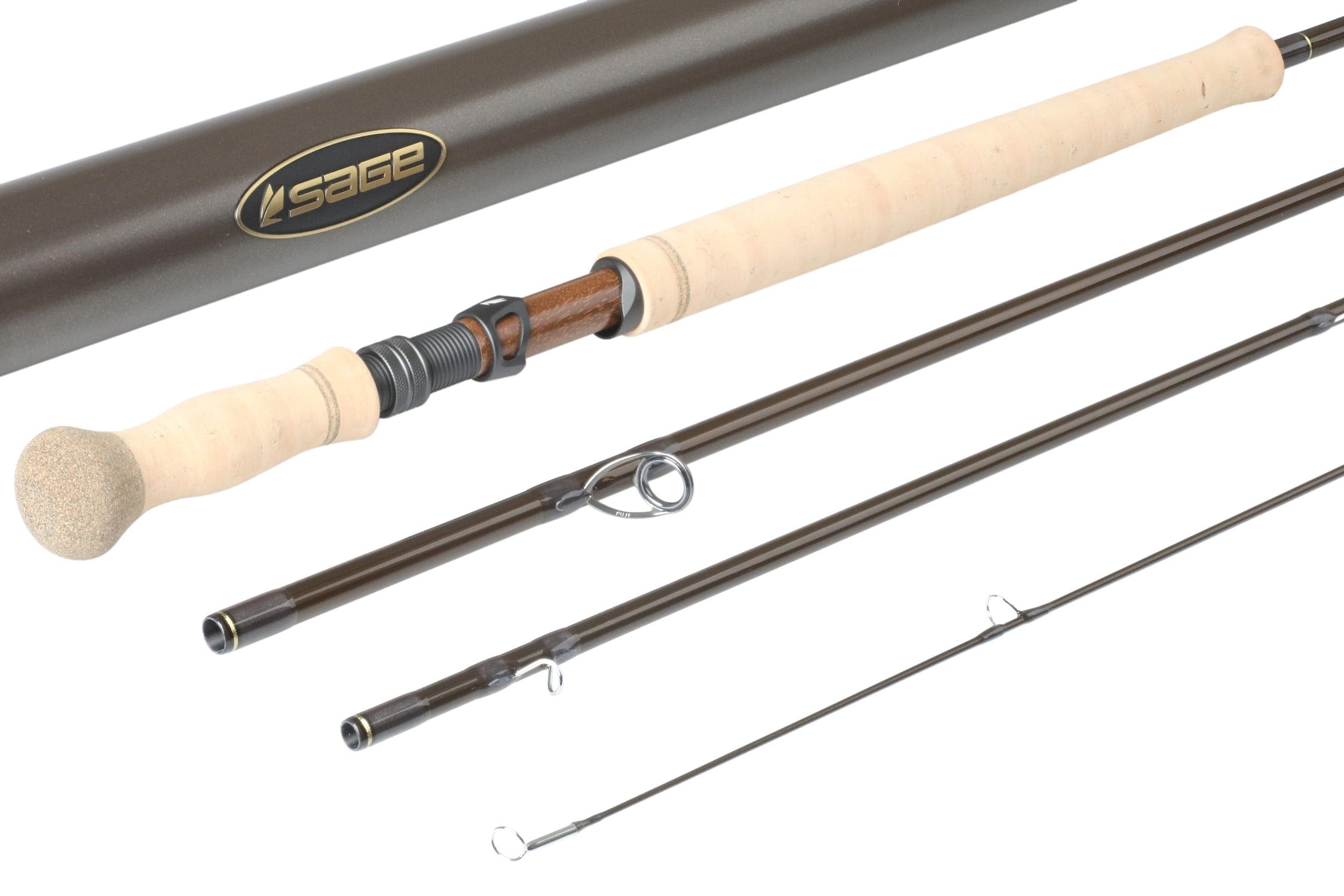
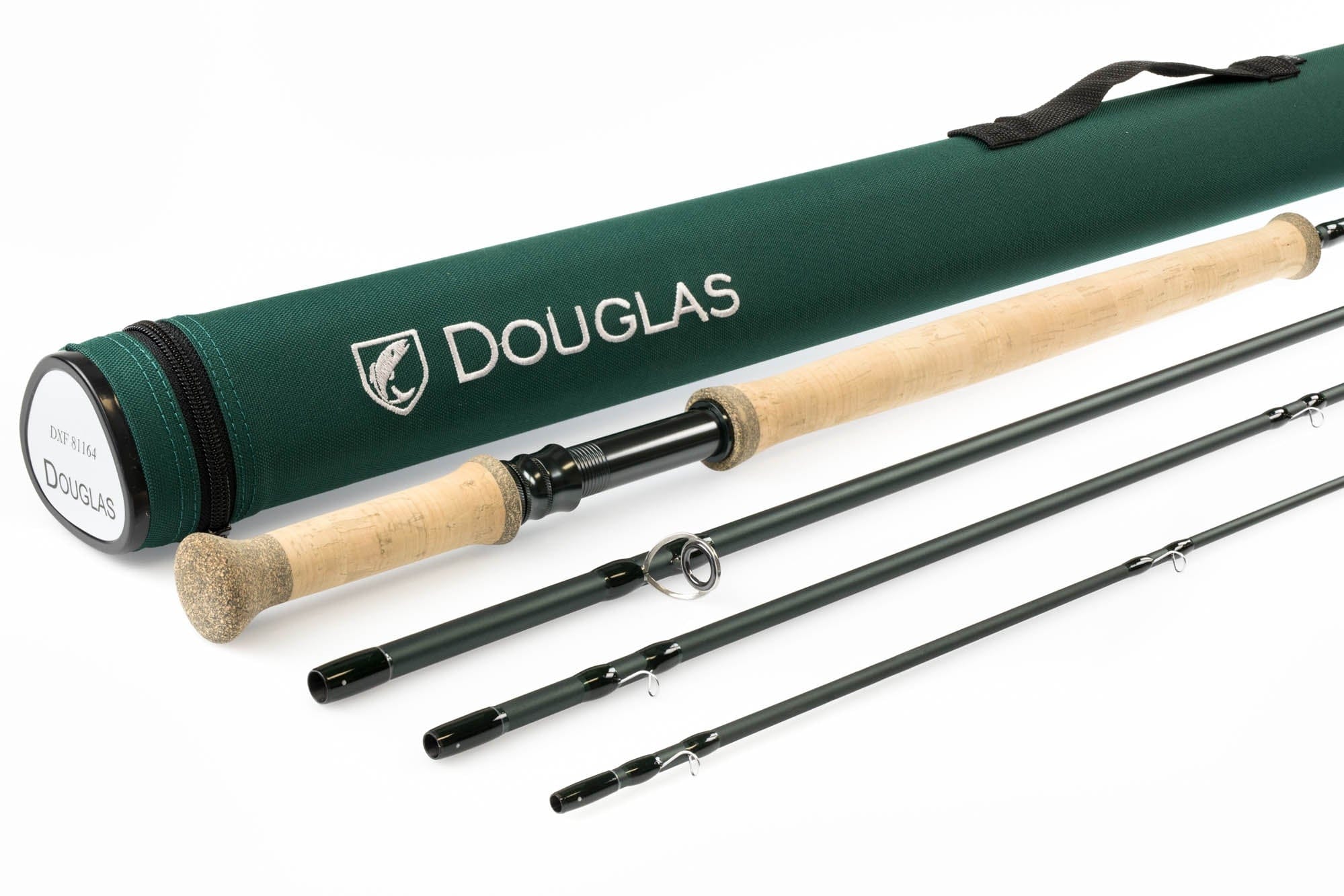



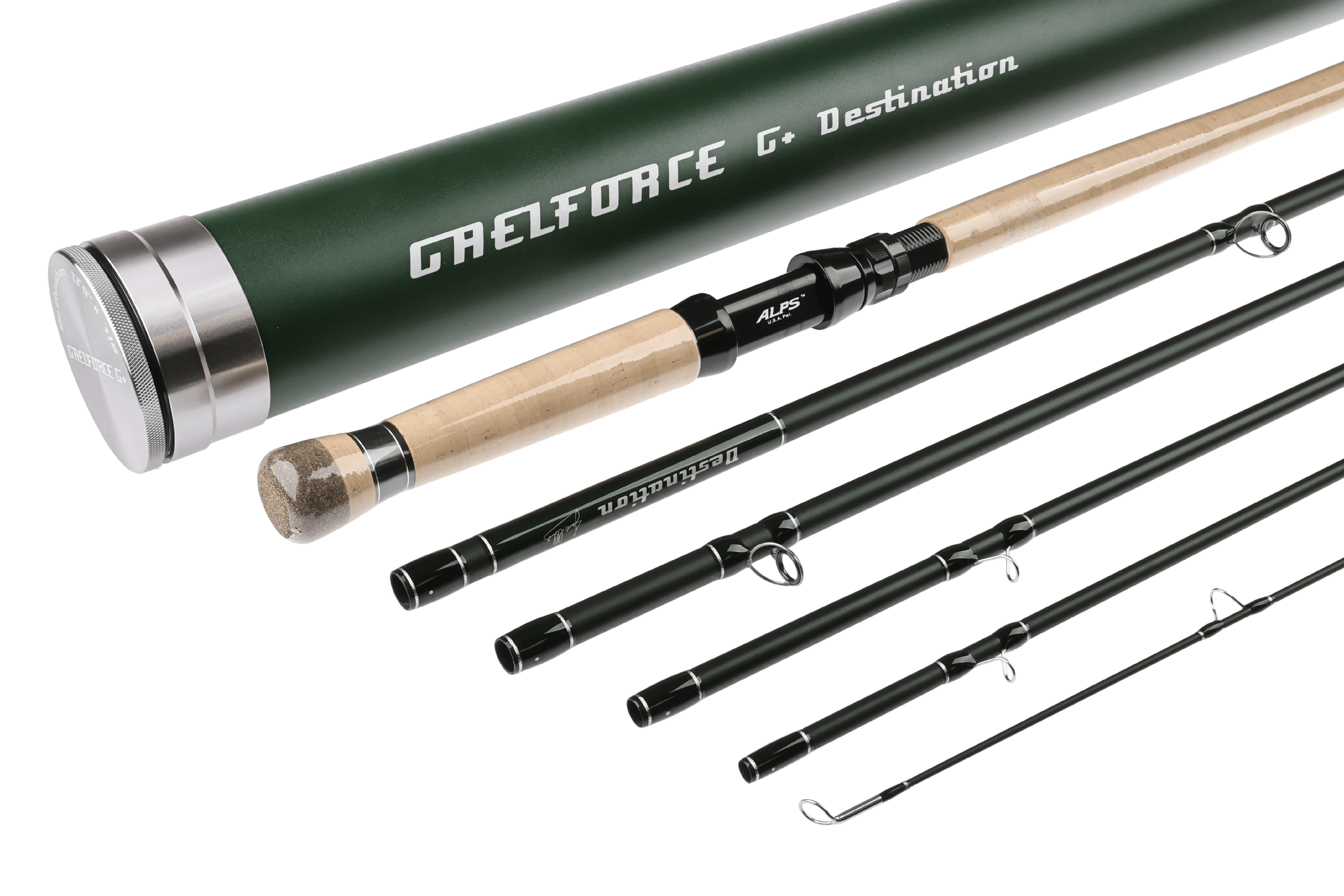
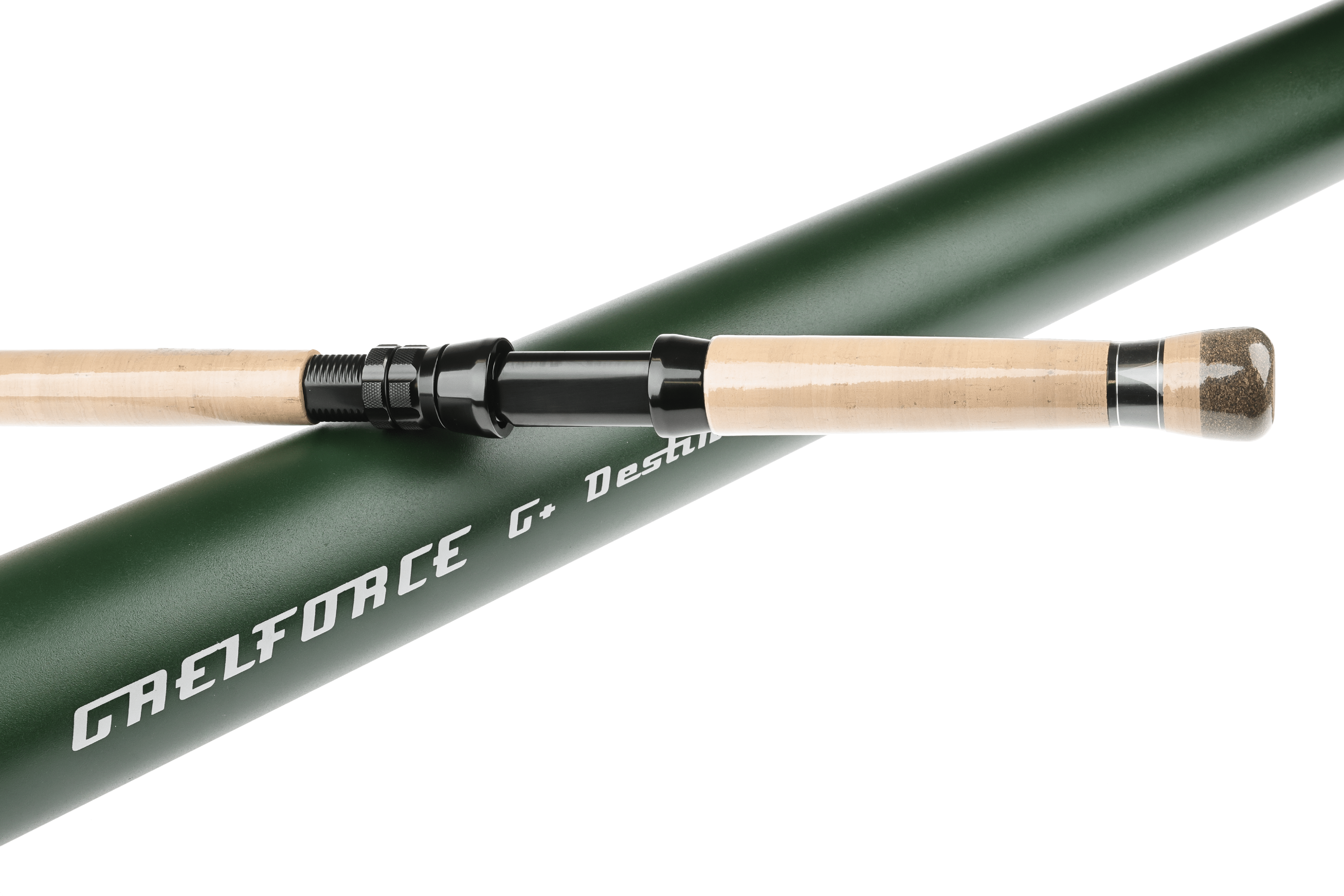

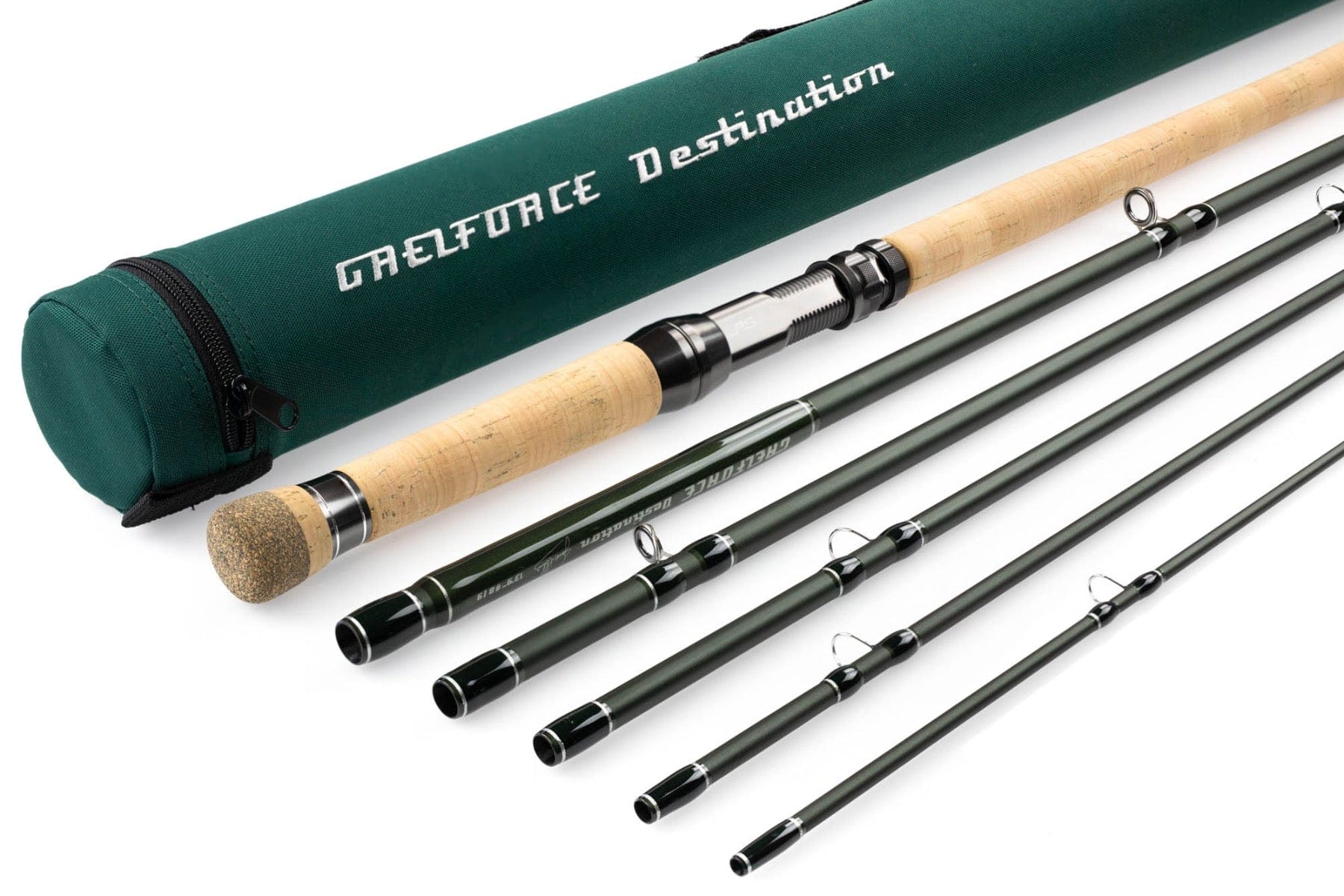




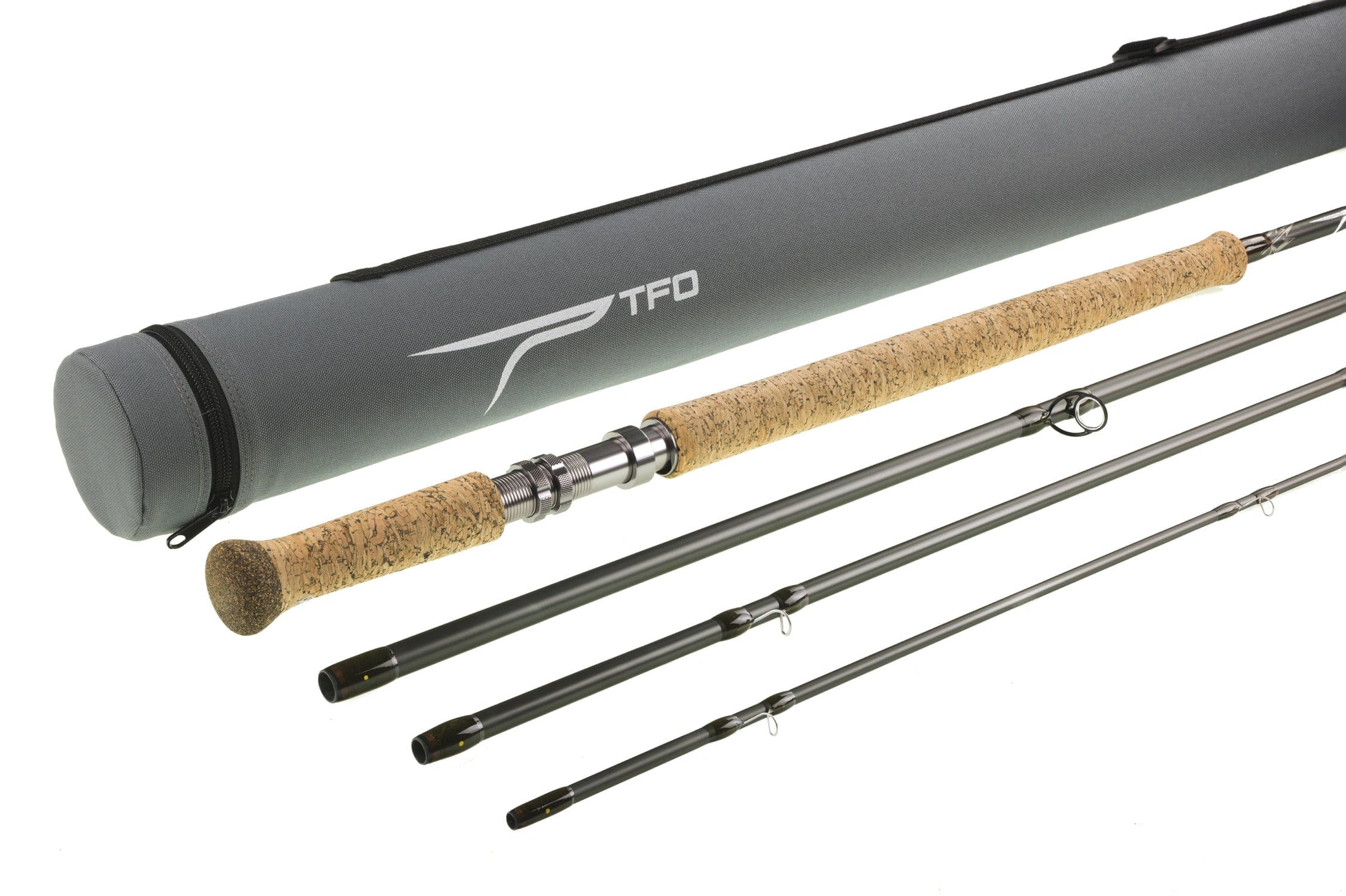
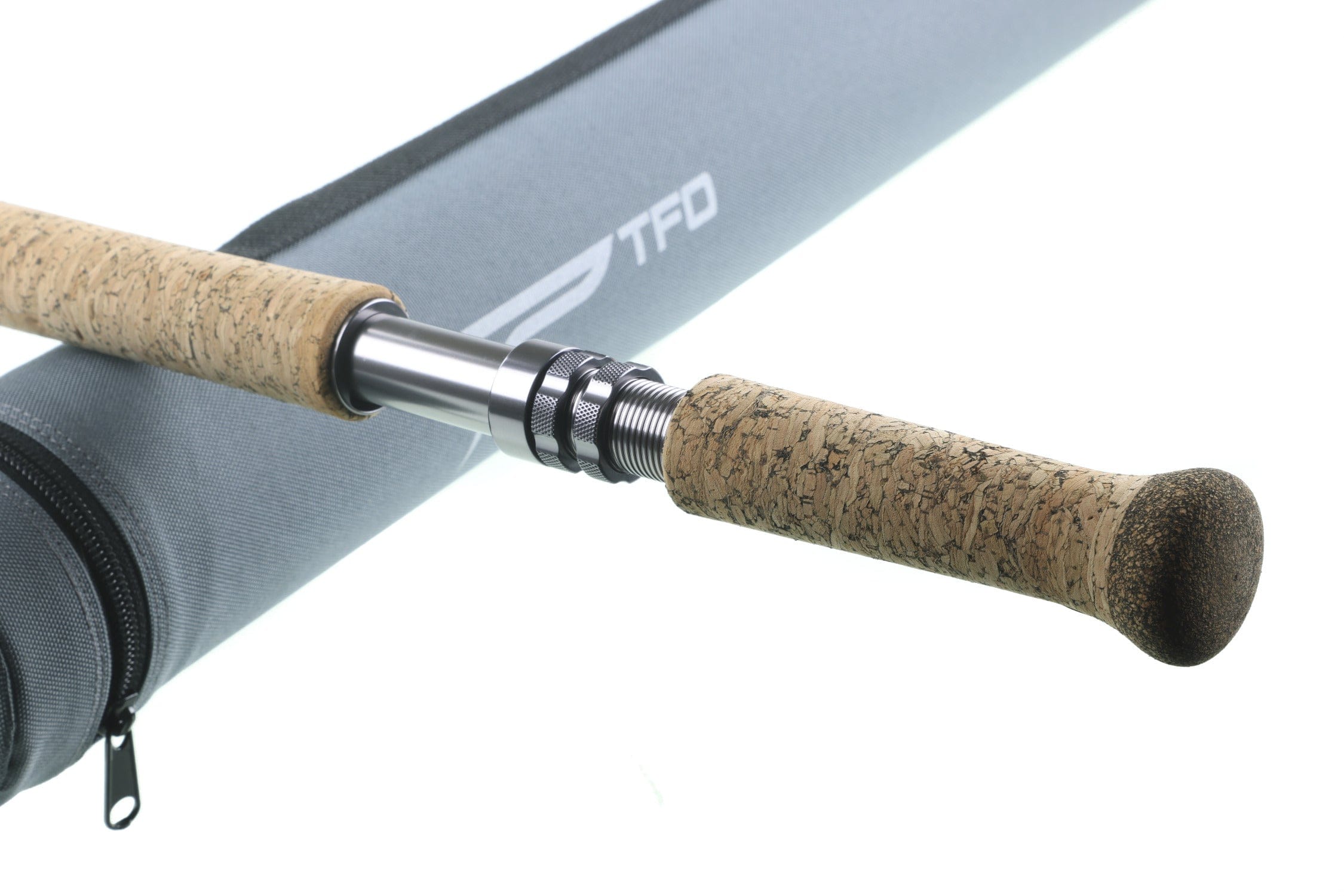
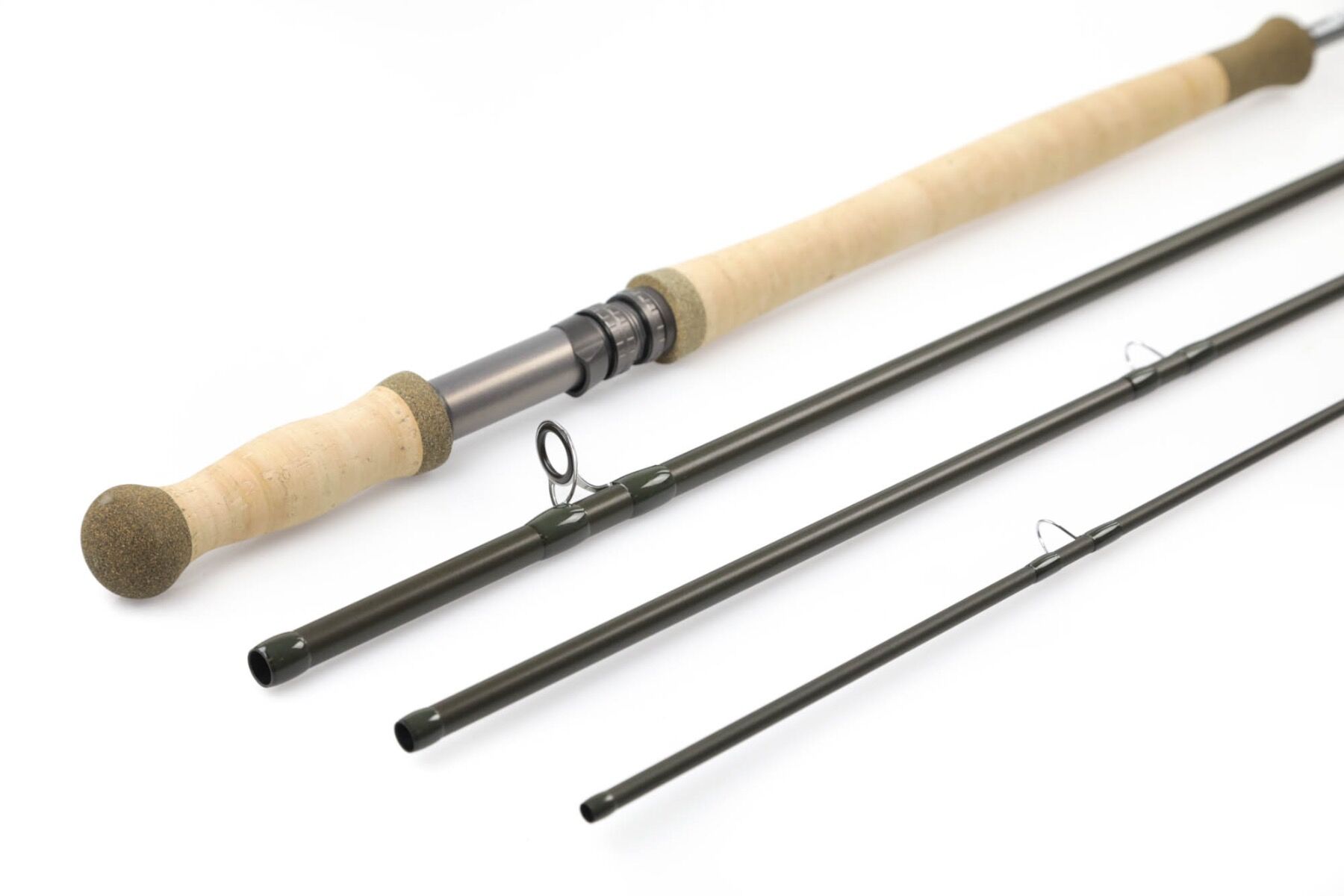
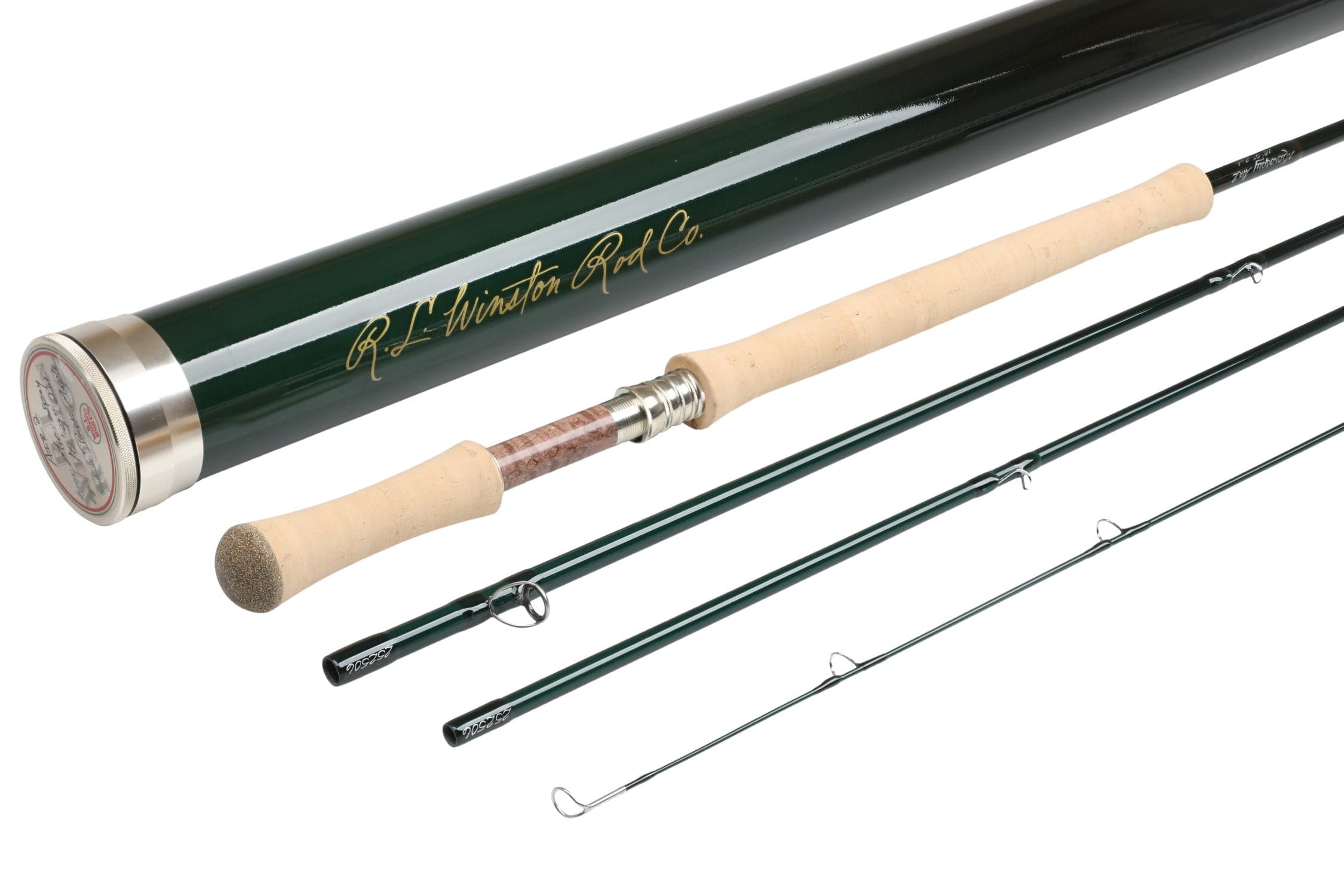
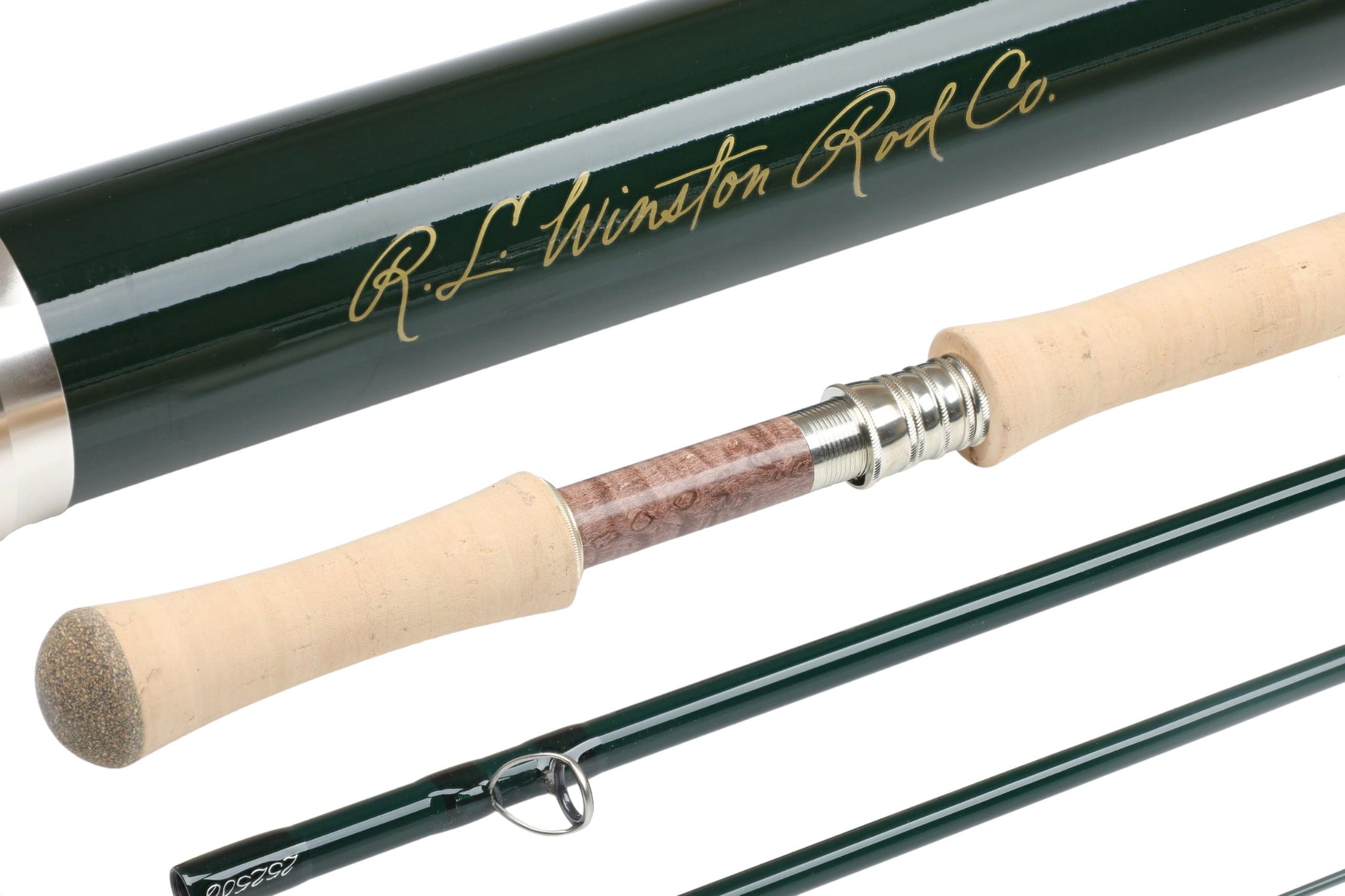

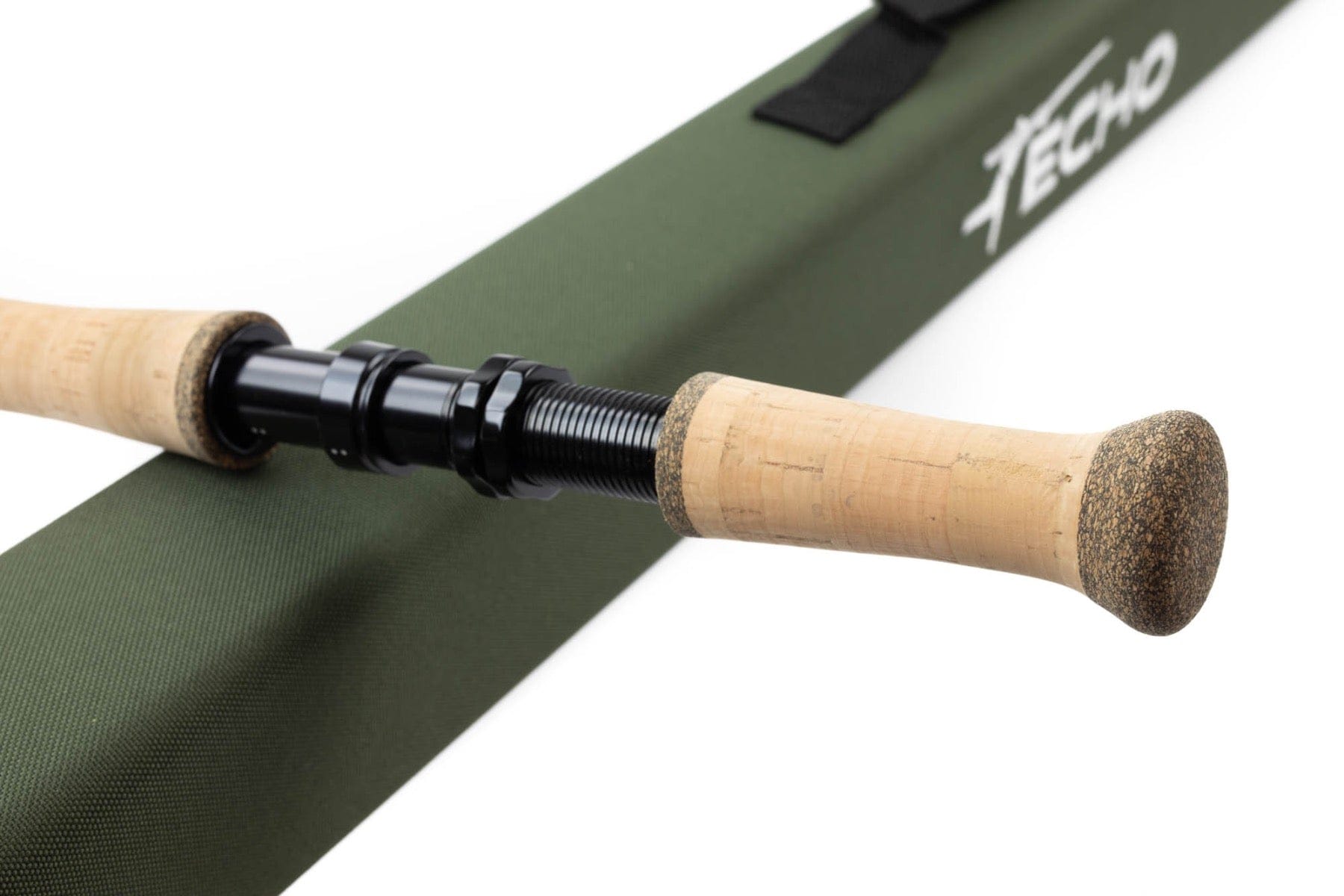
Spey & Switch Fly Rods Quick Picks
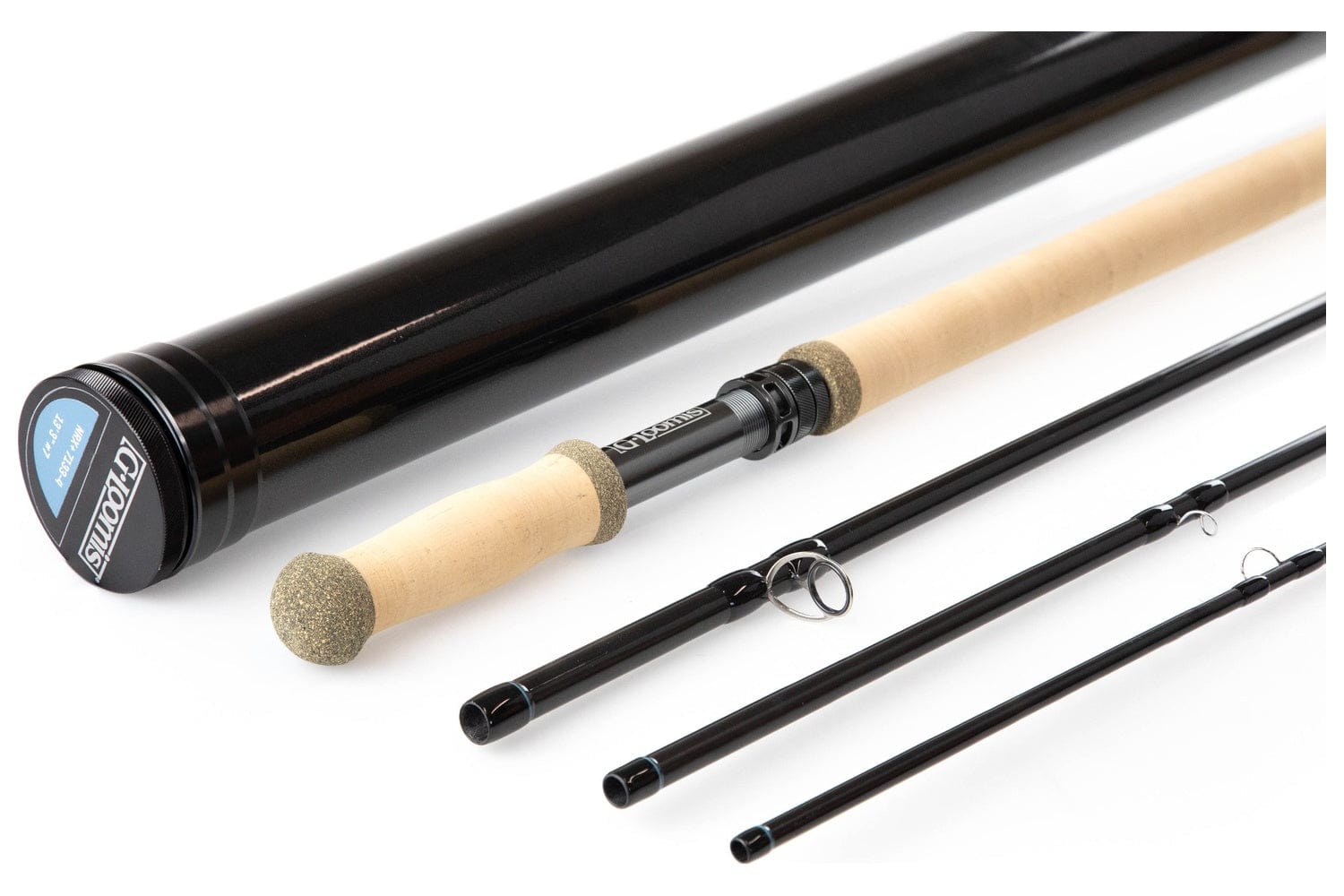
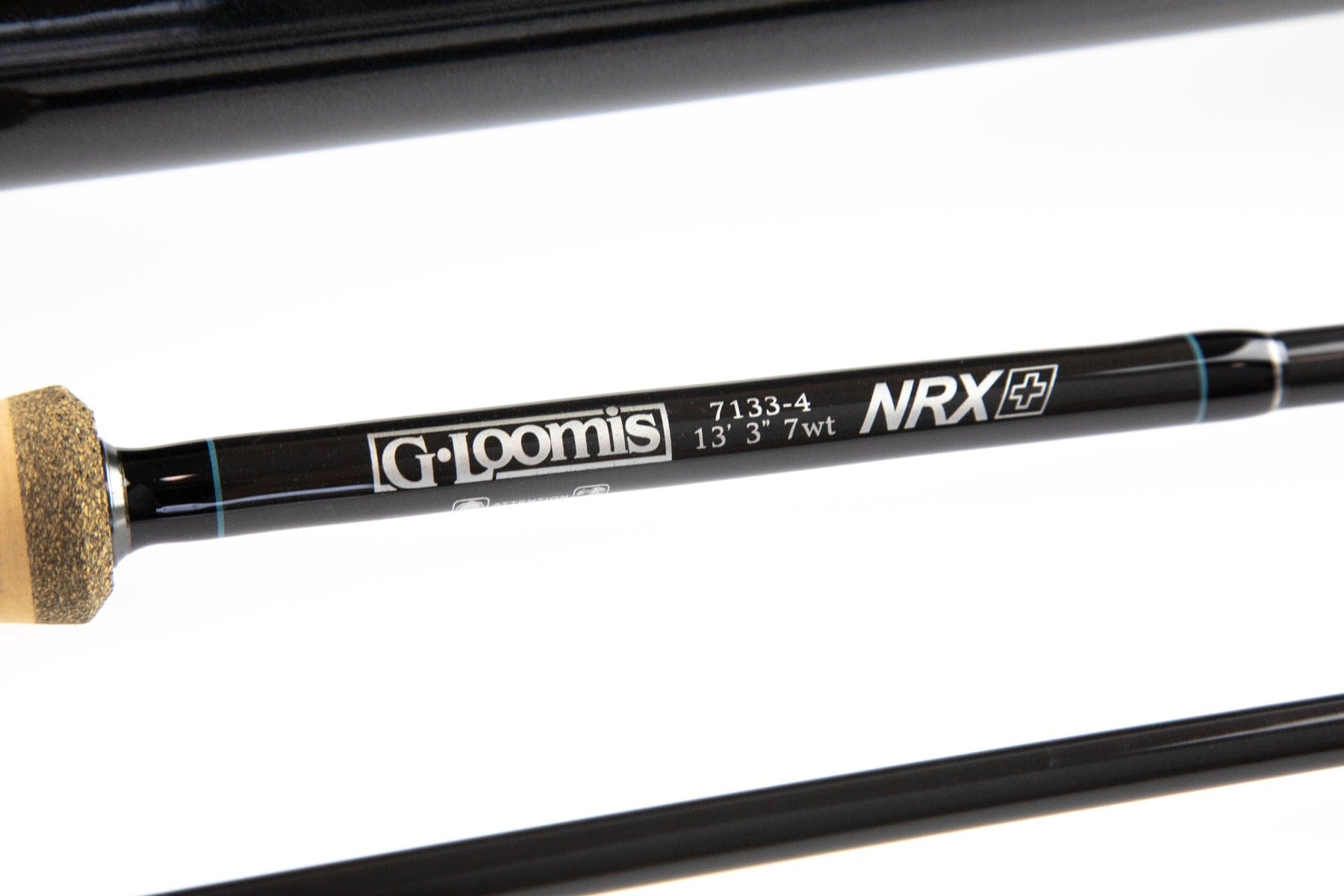
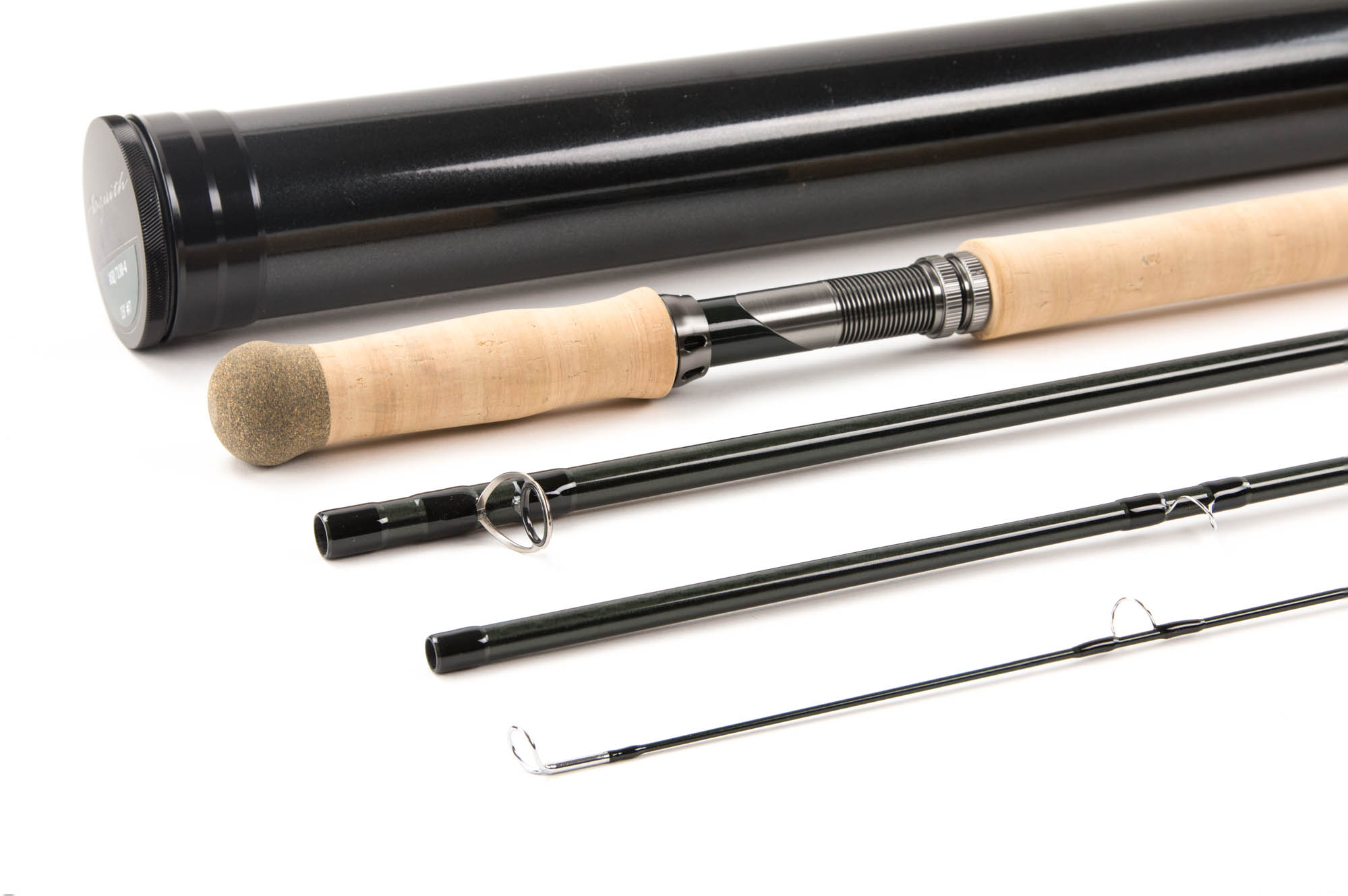
Best Premium Spey Rod: G. Loomis Asquith Spey Fly Rod - Designed by Steve Rajeff, this rod features Spiral X technology for exceptionally light swing weight and precise power transfer. It is a top choice for anglers demanding the highest performance in two-handed casting.
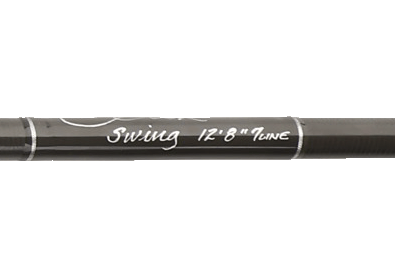
Best All-Around Performance: Scott Swing Fly Rod - Built with advanced recovery speed and stability, this series covers everything from heavy Skagit heads to delicate Scandi presentations. It offers a deep loading profile that remains forgiving yet powerful.
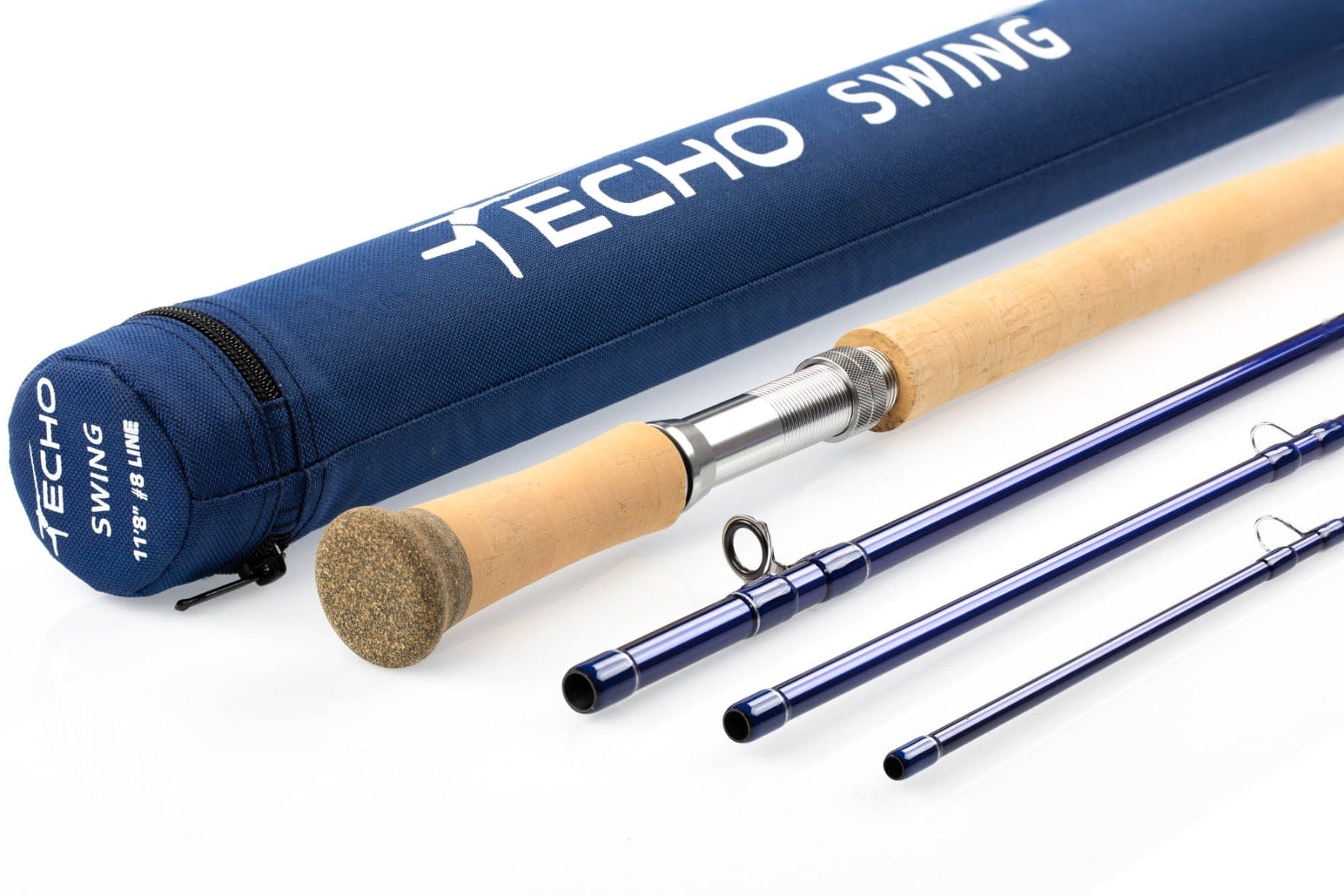
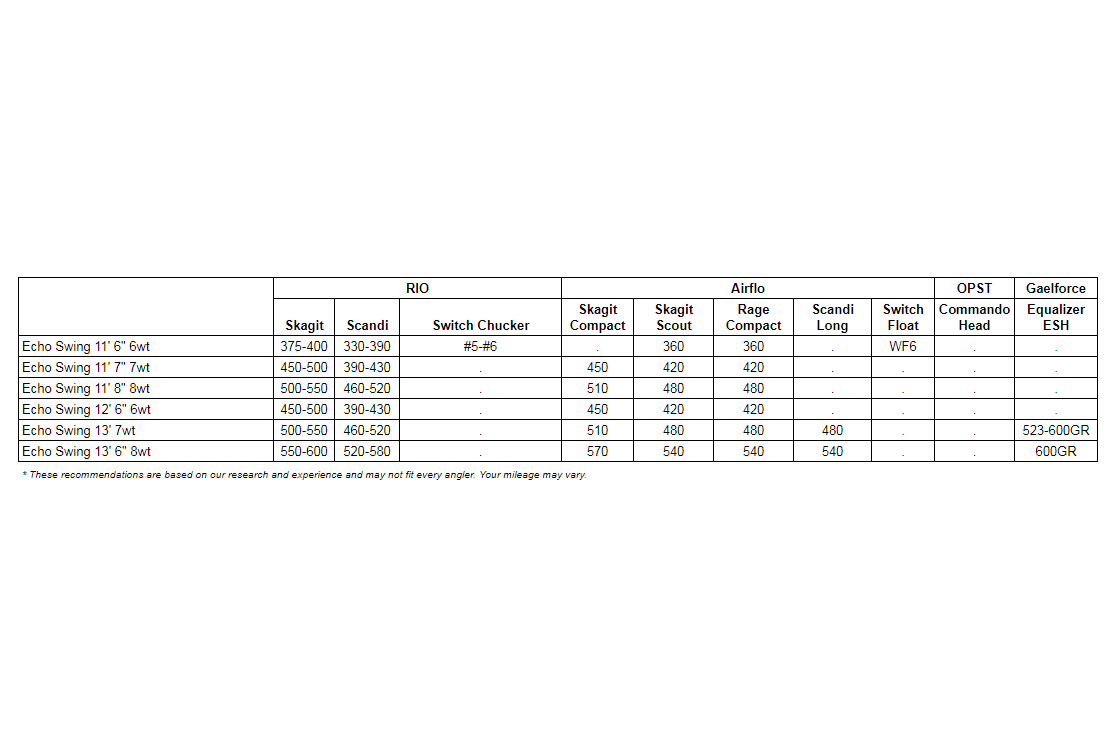
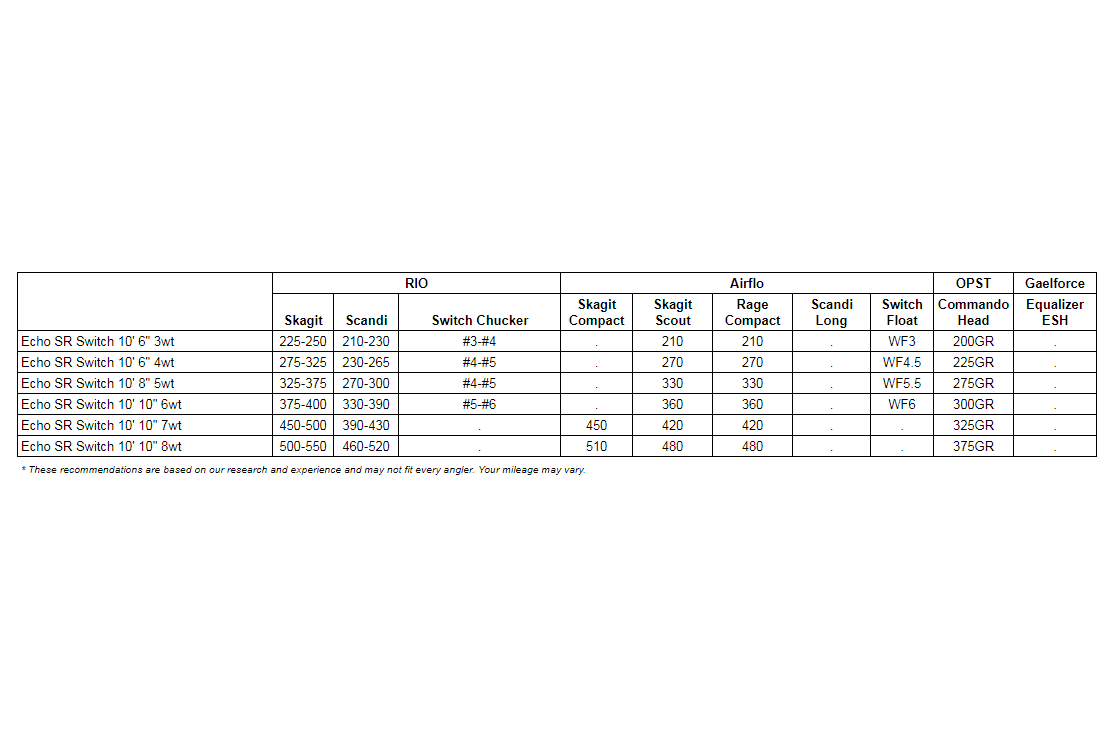
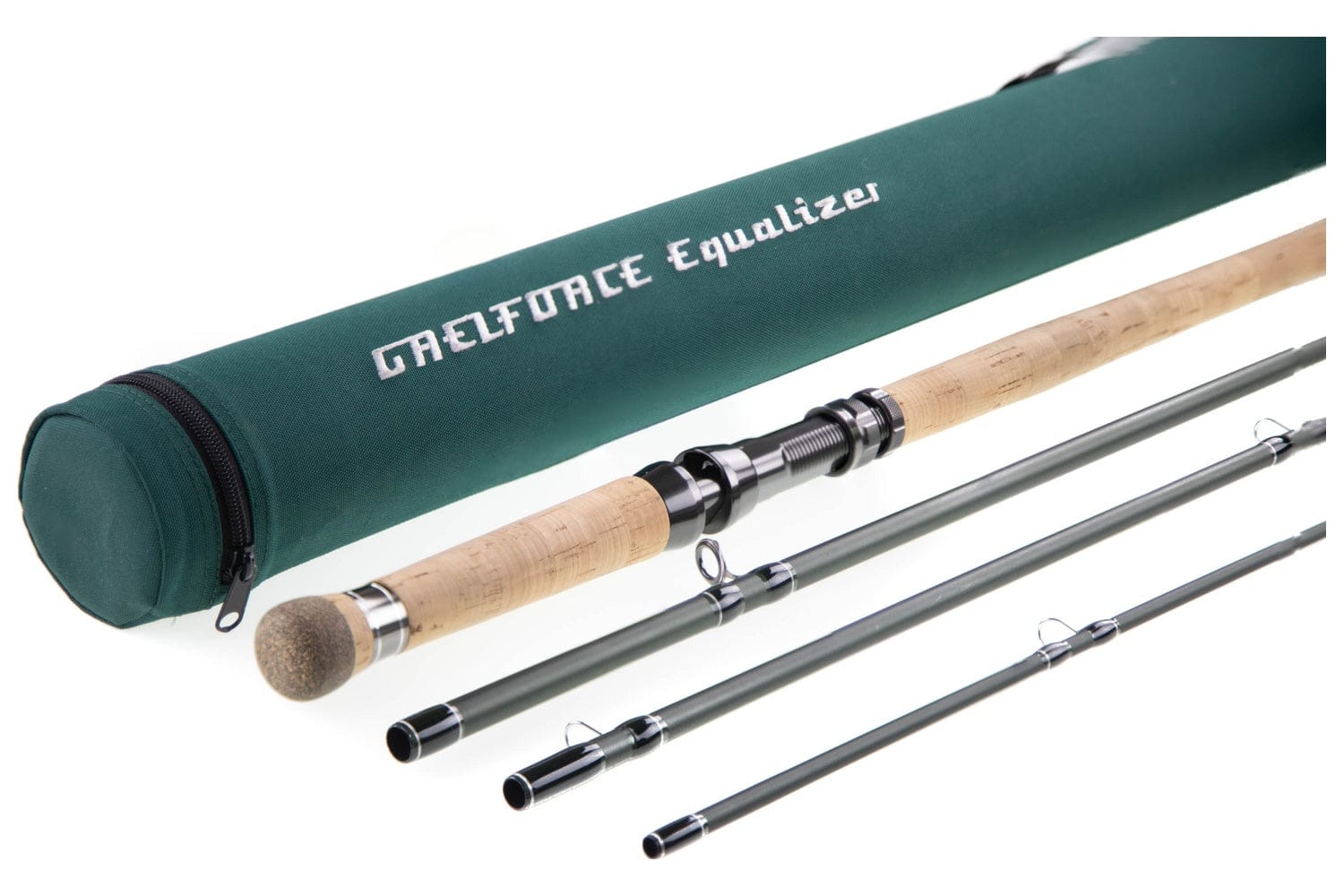
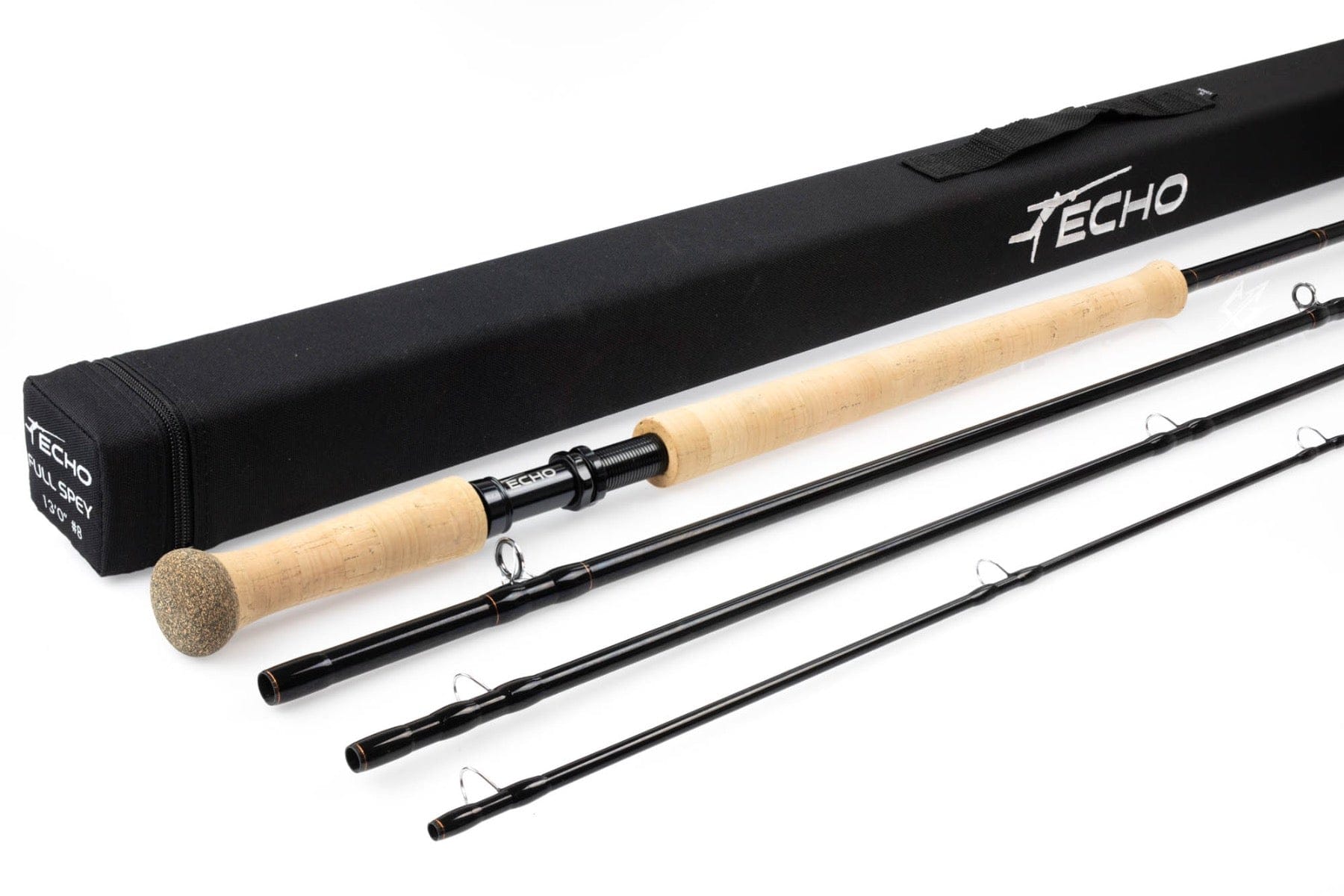
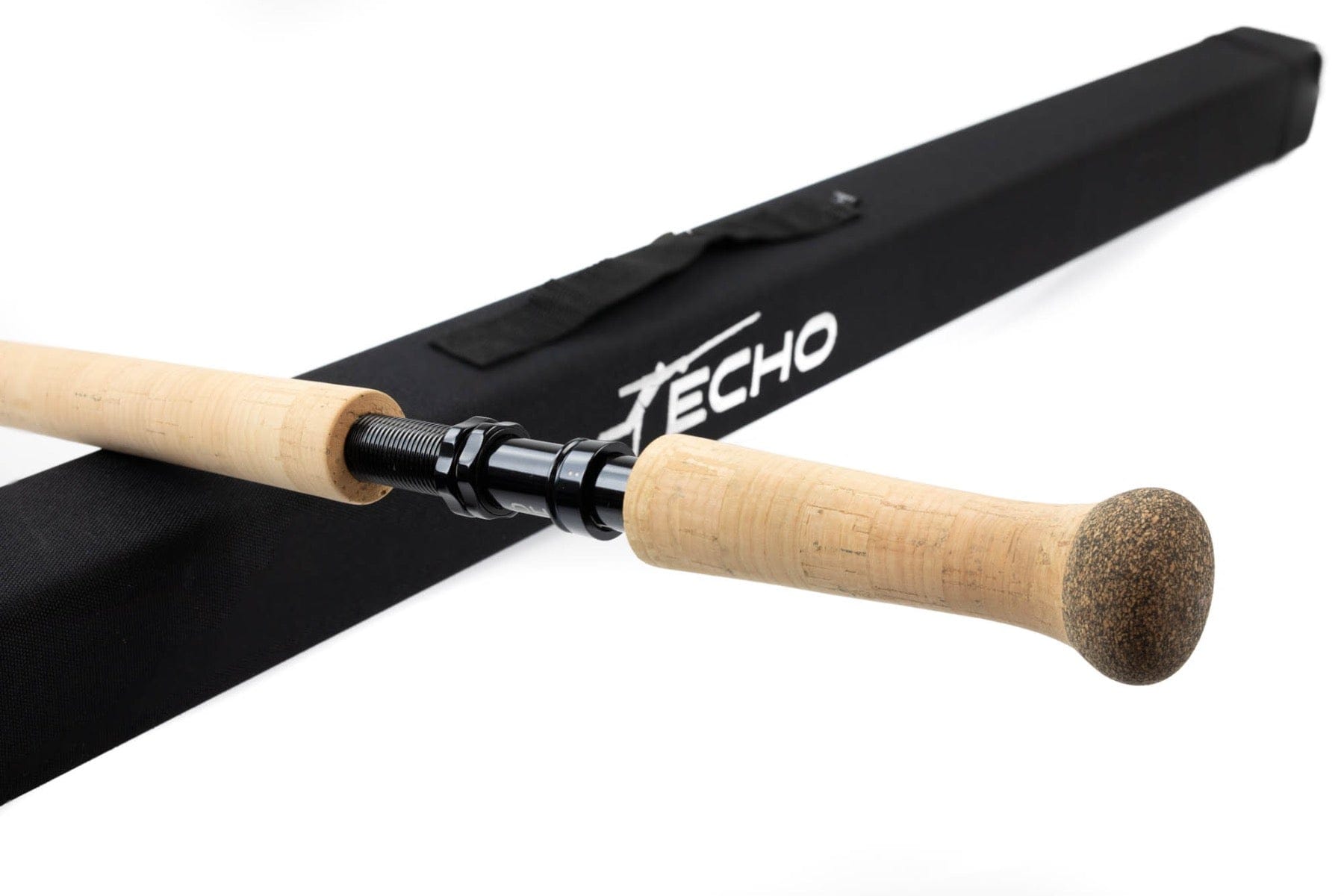
Best Value: Echo Swing Switch & Spey Rods - Delivers crisp action and reliable performance at an accessible price point. Ideally suited for anglers getting into the two-handed game or looking for a tough backup rod.
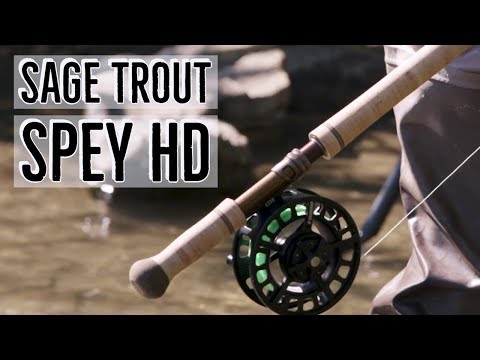
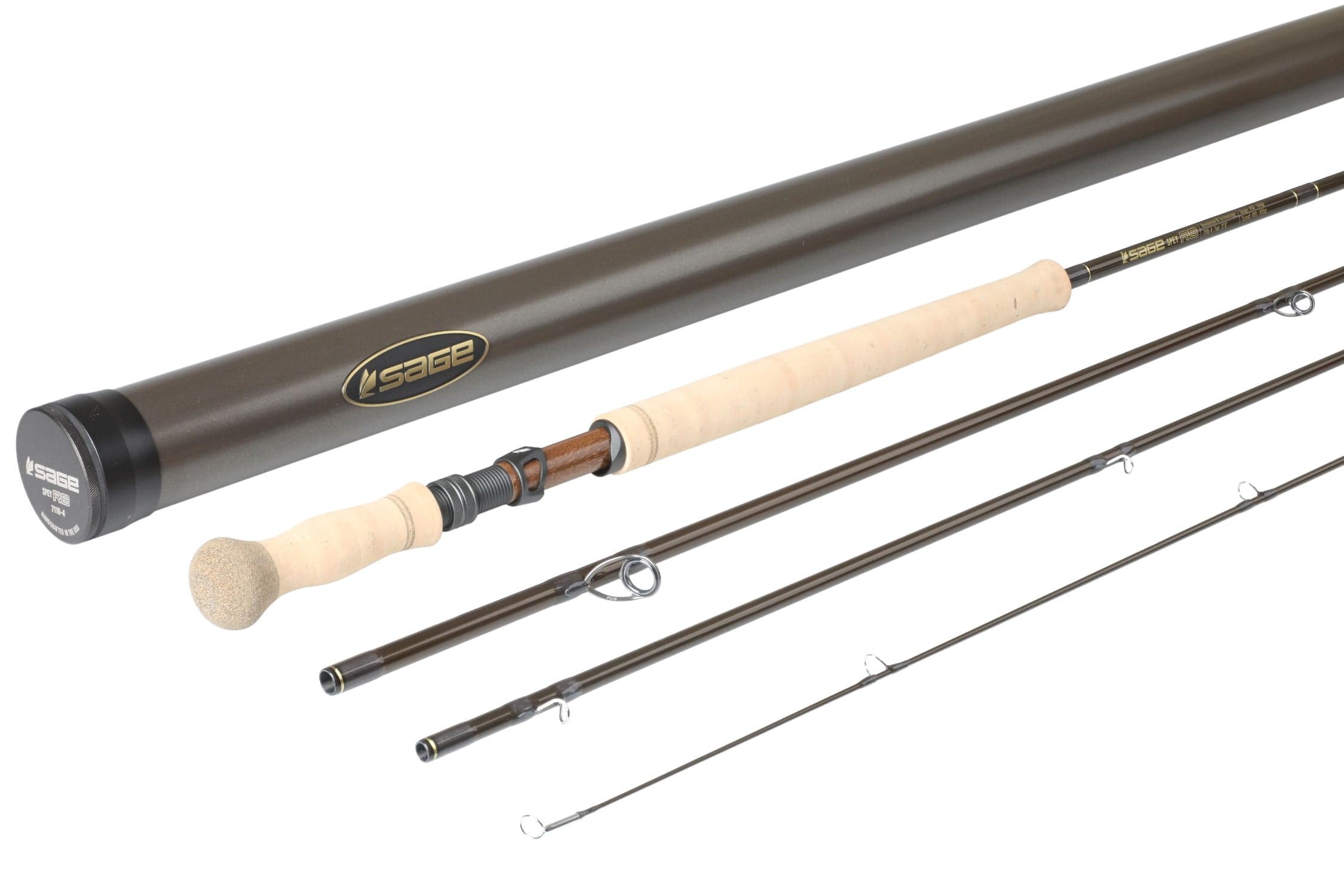
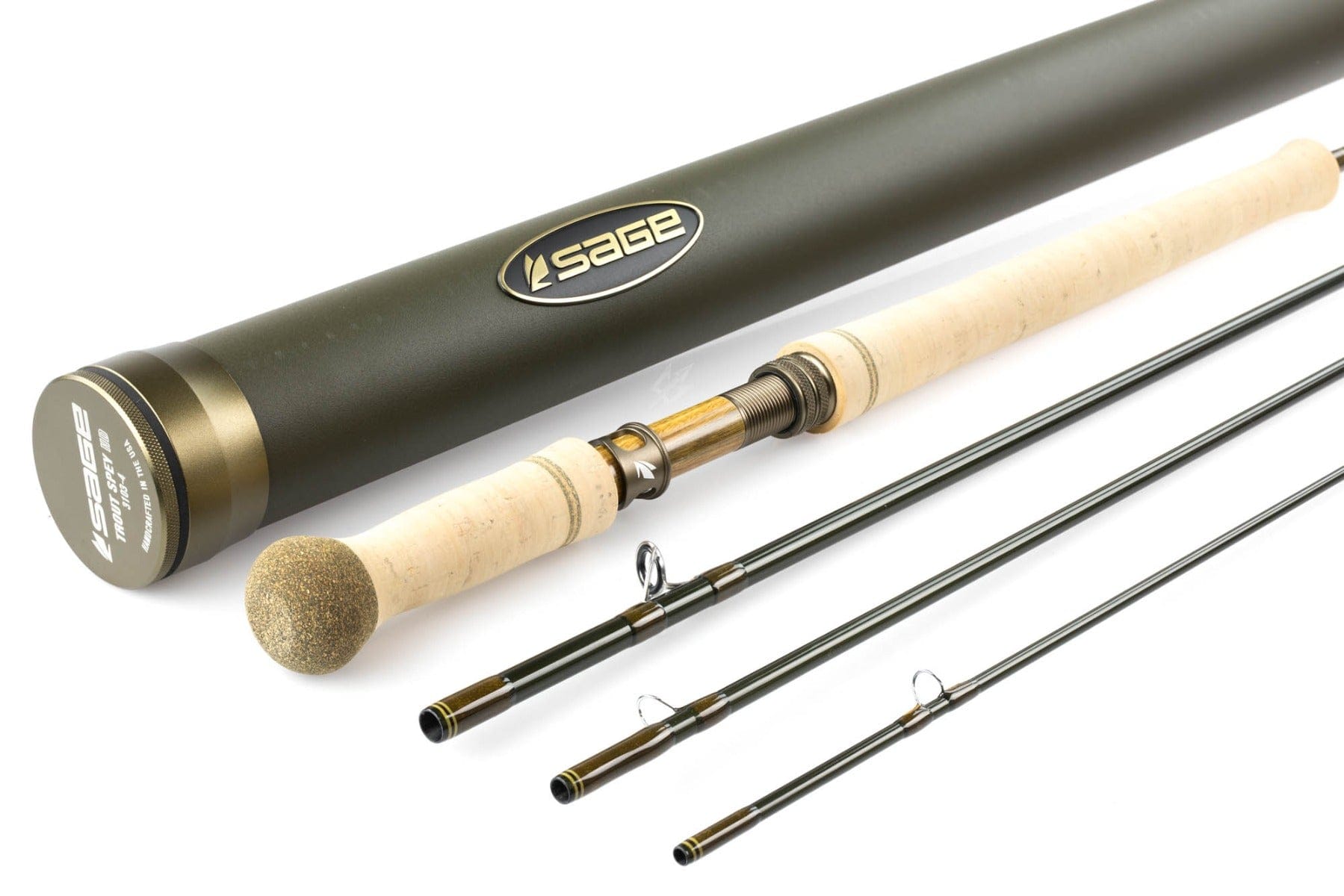
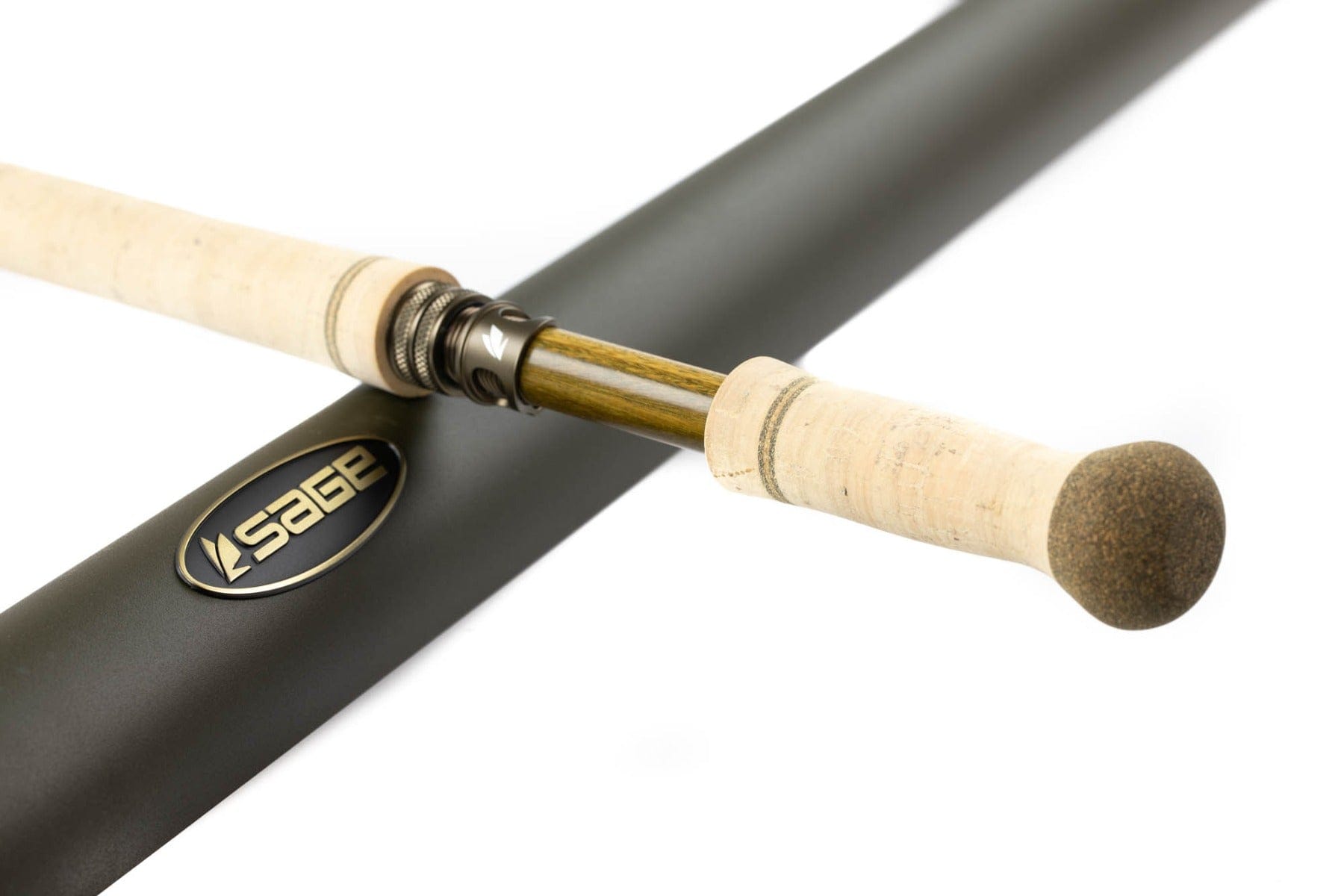
Best for Trout Spey: Sage Trout Spey HD Rod - Specifically tuned for lightweight spey applications, this rod brings KonneticHD technology to smaller waters. It excels at swinging soft hackles and streamers for trout with scaled-down spey lines.
How to Choose Spey & Switch Fly Rods
Two-handed rods open up new water and reduce fatigue when fishing for anadromous species or covering large trout rivers. Choosing the right tool depends on your target species, the size of the river, and your preferred casting style.
Spey vs. Switch
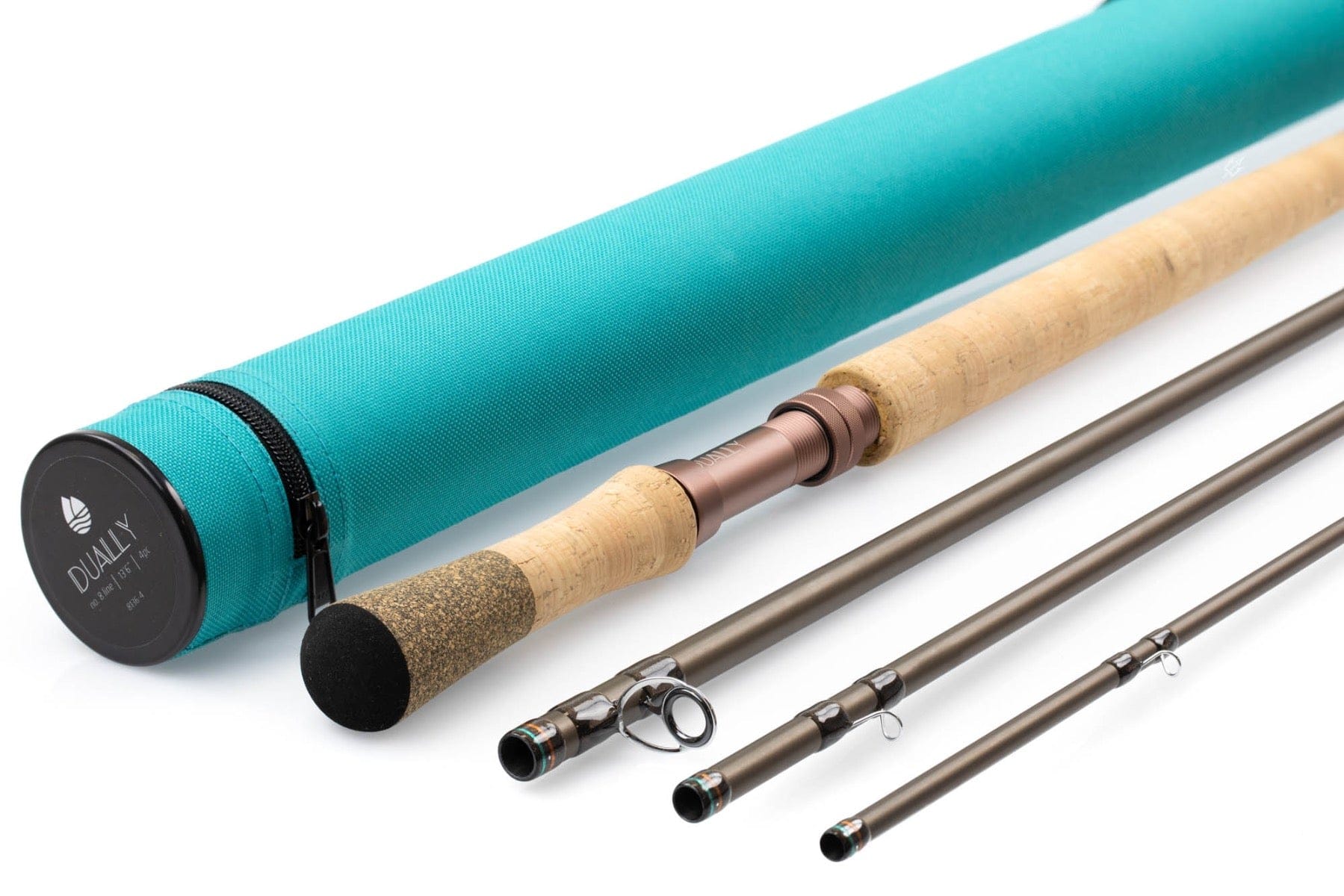
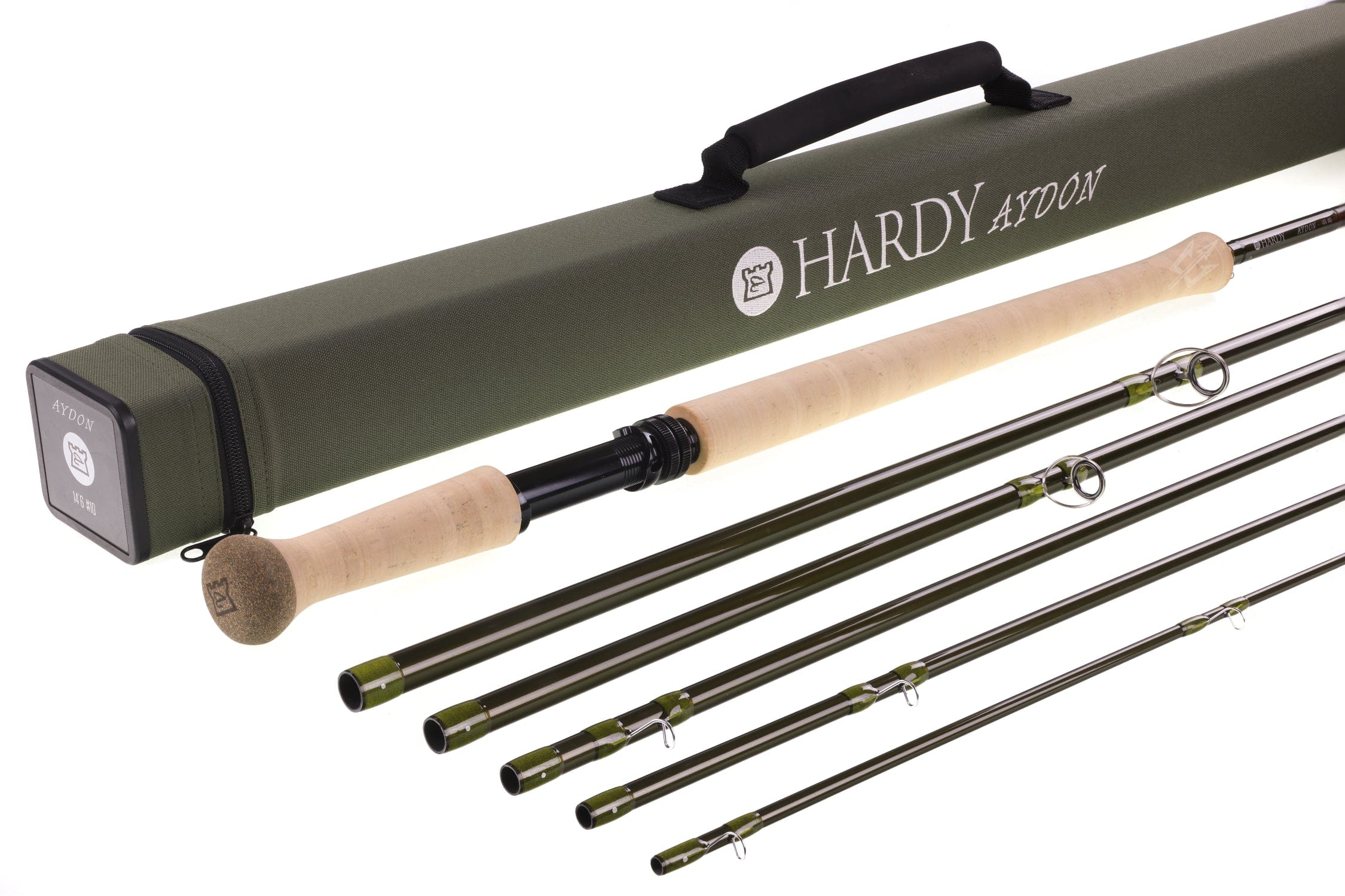
Spey Rods: Typically 12.5 to 15 feet long, these rods are designed for maximum distance and line control on medium to large rivers. They excel at swinging flies for Steelhead and Salmon using Skagit or Scandi heads. The added length allows for larger D-loops and effortless long-range casts.
Switch Rods: Usually 10 to 11.5 feet long, switch rods bridge the gap between single-hand and spey rods. They are lighter and shorter, making them ideal for smaller rivers, tight quarters with heavy brush, or nymphing applications. While they can be cast with one hand, they perform best with two-handed spey techniques.
Line Weight and Application
2-4 Weight (Trout Spey): Specialized light rods for swinging soft hackles and small streamers for Trout and Bass. These are scaled-down versions of big spey rods, offering a fun way to fish familiar waters.
5-7 Weight (Summer Steelhead): The sweet spot for summer Steelhead and large Trout. These rods are light enough to cast all day but have the backbone to handle windy conditions and fish in the 5-12lb range.
8-10 Weight (Winter Steelhead & Salmon): Heavy-duty tools for turning over massive sink tips and large intruders. These weights are necessary for King Salmon, winter Steelhead, and heavy currents.
Action and Line Compatibility
Fast Action: Rods like the G. Loomis Asquith generate high line speeds and tight loops, making them excellent for Scandi heads and cutting through wind. They require precise timing but offer incredible distance.
Medium-Fast Action: Rods like the Scott Swing offer a deeper flex that allows the caster to feel the load more easily. This action is often preferred for Skagit casting with heavy sink tips and large flies, as it handles the sustained anchor well.
Care & Maintenance
Ferrules: Two-handed rods generate immense torque. Check your ferrules periodically throughout the day to ensure they haven't twisted loose, which can lead to breakage. Applying ferrule wax can help keep them seated.
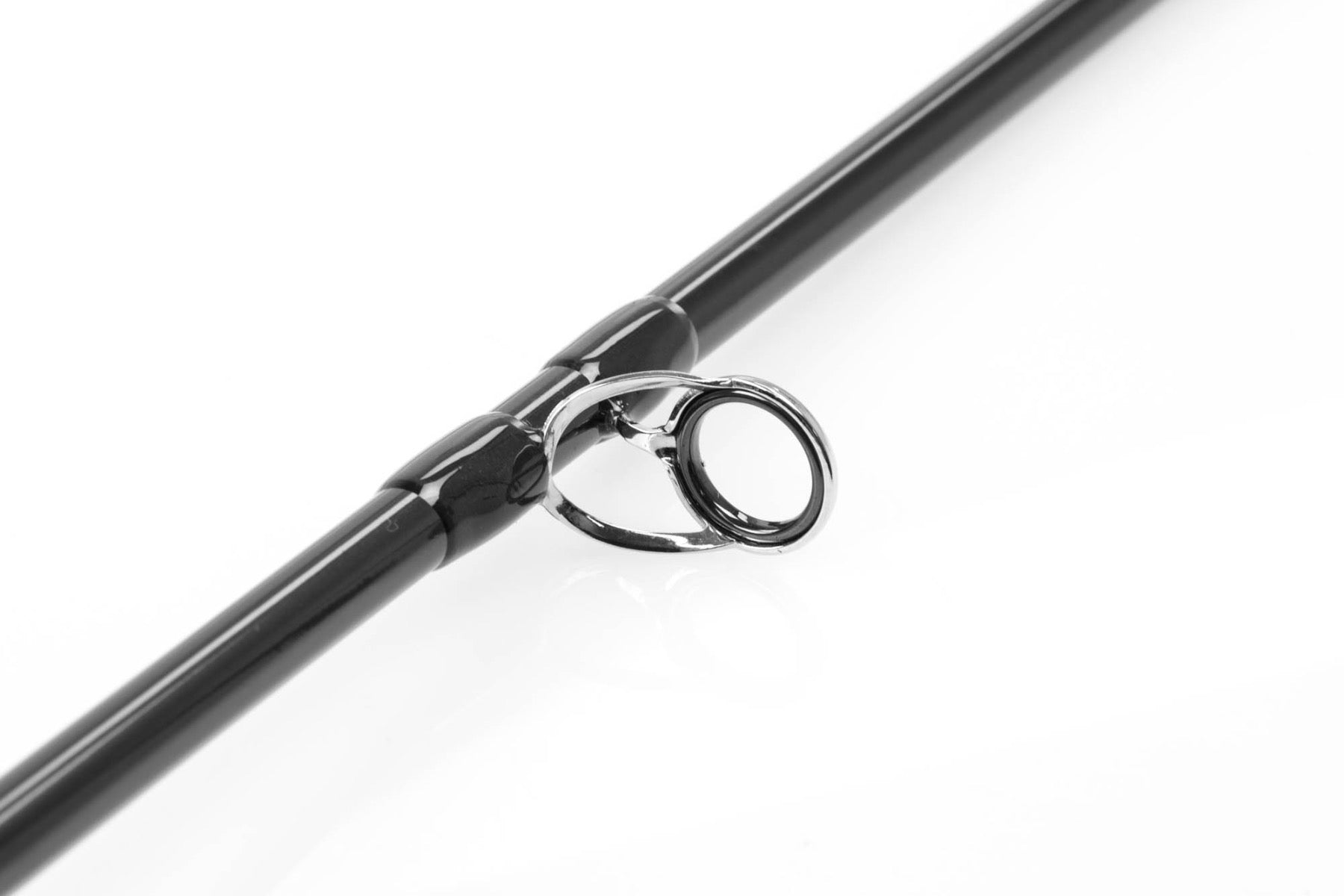
Guides: In freezing conditions, clear ice from the guides gently to avoid damaging the ceramic inserts or wire. dipping the rod in the water can help clear mild buildup.
Storage: Always dry your rod completely before storing it in its tube to prevent cork rot and finish damage.
Complete Your Setup
Related Gear
Spey Fly Lines - Match your rod with the correct Skagit or Scandi head for optimal performance.
Spey Reels - Balance your longer rod with a reel designed to hold high-volume spey lines and backing.
Related Guides
Spey & Switch Fly Rods FAQs
Q: What is the difference between a Skagit and Scandi line?
A: Skagit heads are short and heavy, designed to cast large flies and sink tips with a sustained anchor cast. Scandi heads are longer and more tapered, designed for delicate presentations with smaller flies and floating or intermediate leaders using touch-and-go casts.
Q: Can I use a regular fly reel on a Spey rod?
A: You can, but Spey lines are much thicker and longer than single-hand lines, requiring significantly more volume. You typically need to size up 2-3 sizes (e.g., use a 9/10 reel for a 7wt Spey rod) to accommodate the line and backing.
Q: Is a Switch rod good for beginners?
A: Yes, a Switch rod is a versatile starting point because it is manageable in length and allows anglers to practice two-handed mechanics without the weight of a full spey rod. However, a dedicated 13-foot Spey rod is often easier for learning the timing of long-belly casting.
Q: What grain weight do I need for my rod?
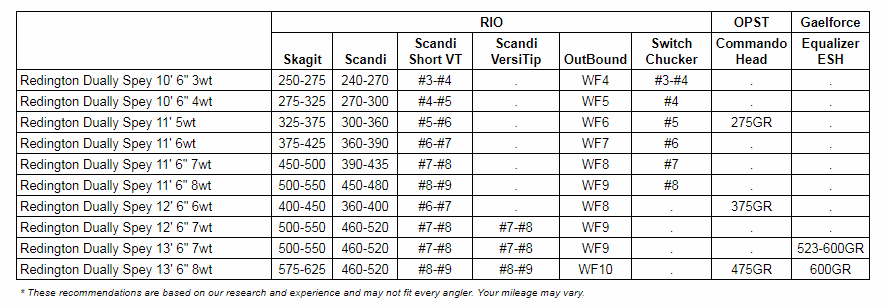
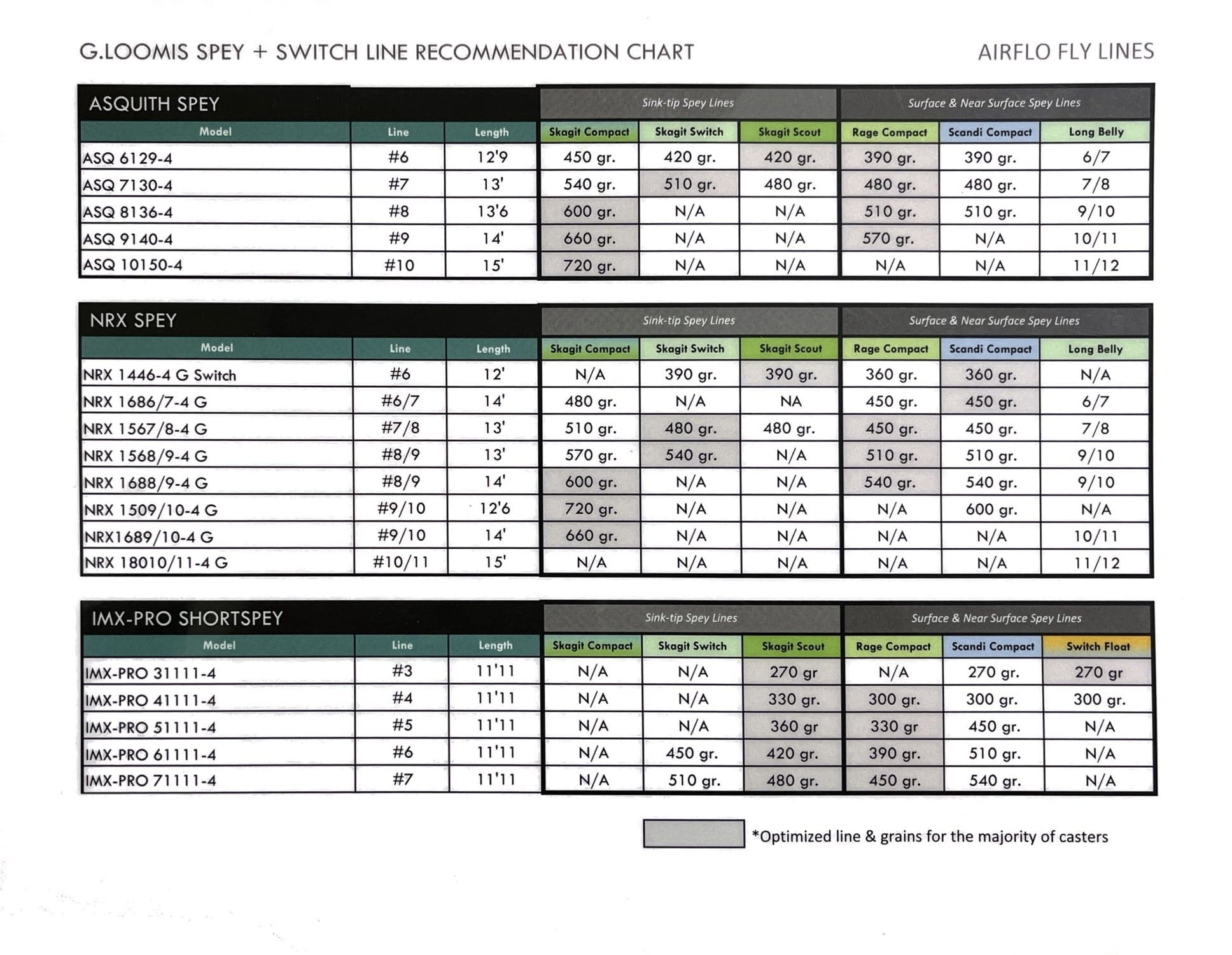
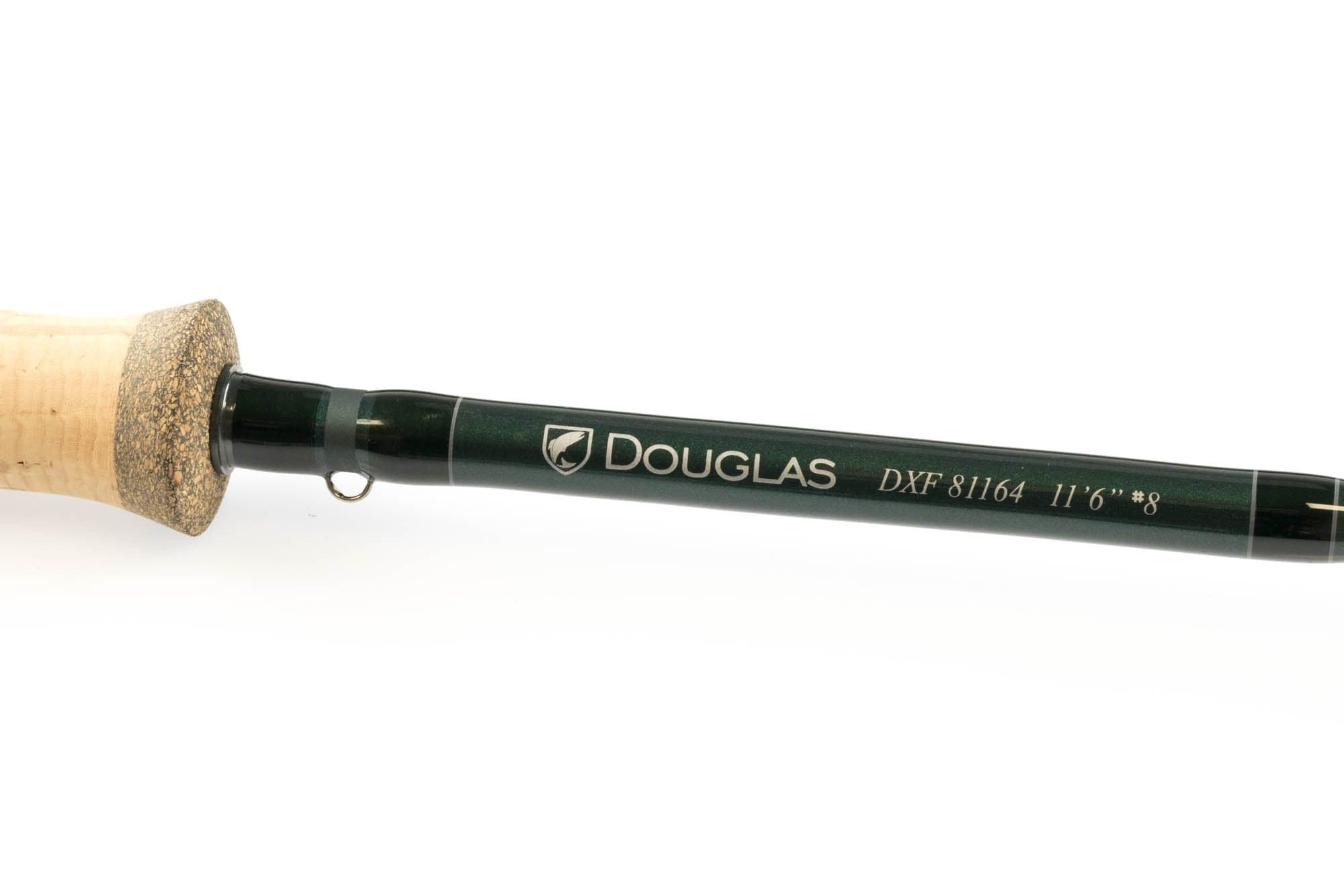
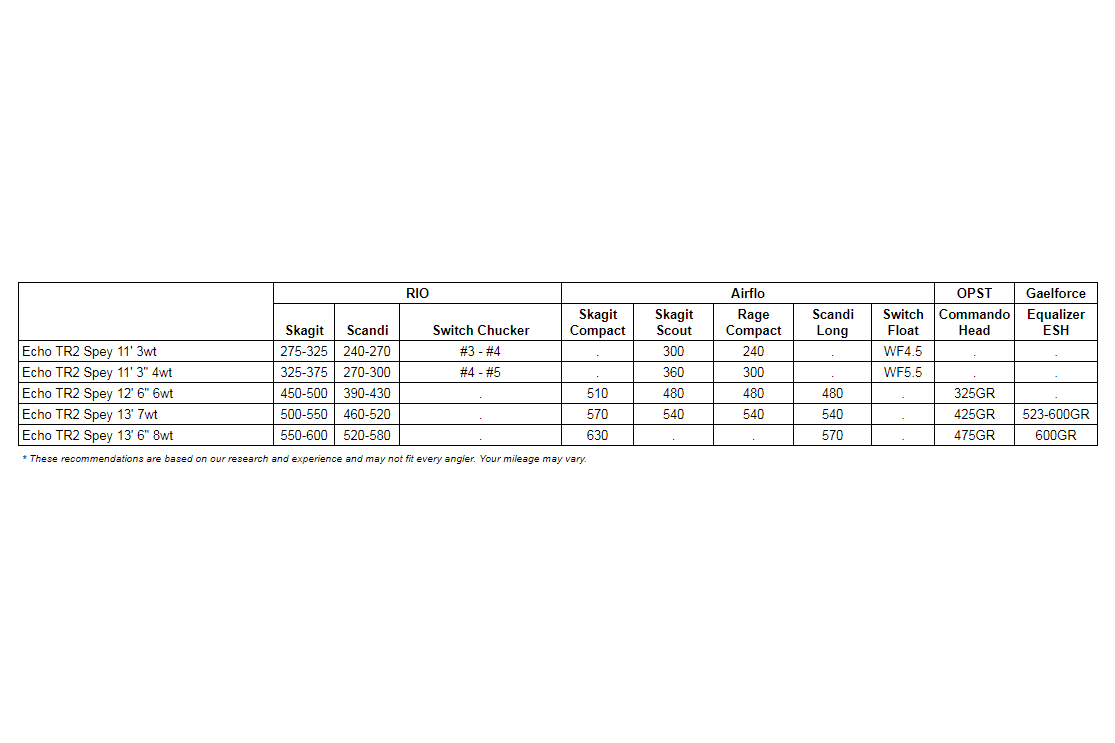
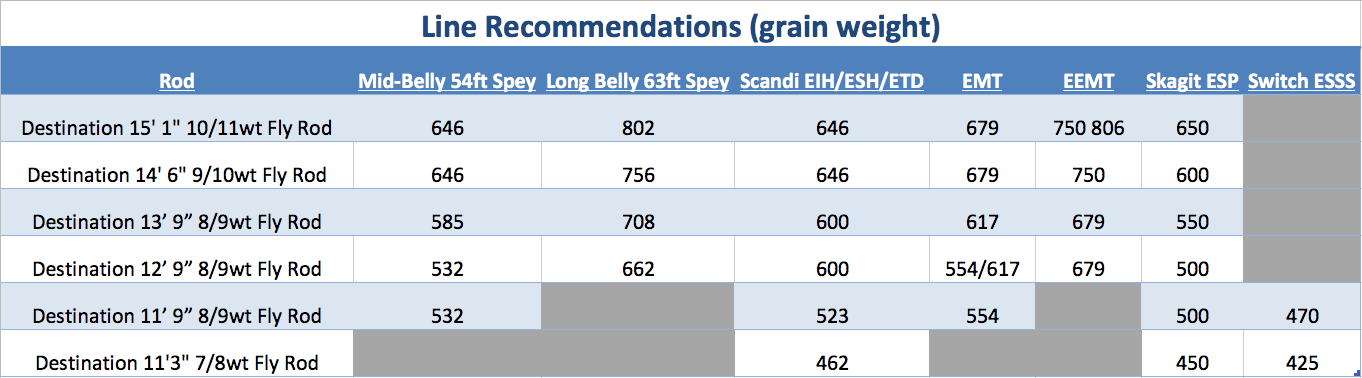
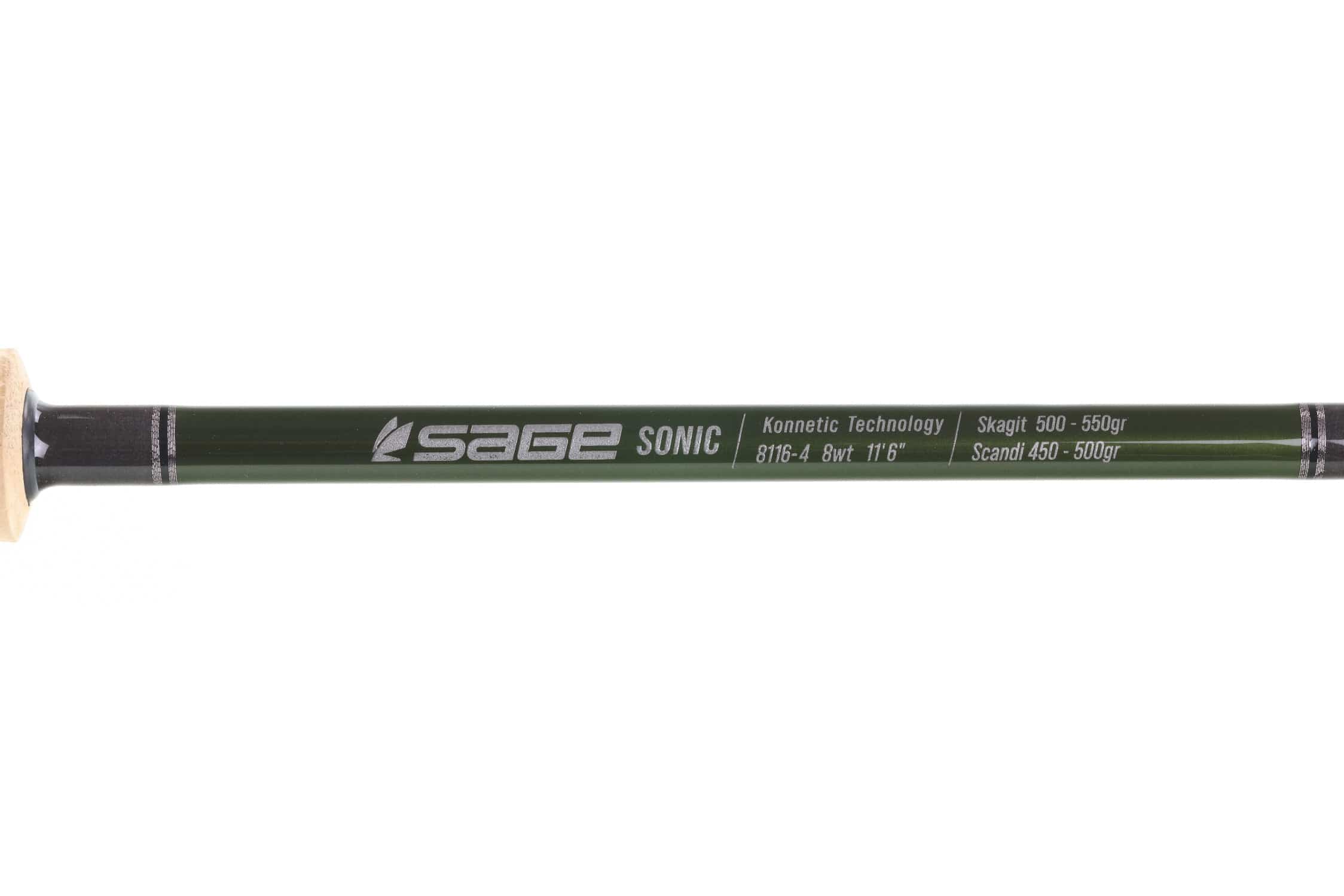
A: Grain windows vary by rod model and manufacturer. Most modern Spey rods list a grain window on the blank (e.g., 450-500gr). Skagit heads generally run on the heavier end of this window, while Scandi heads run on the lighter end.