How to Choose The Best Fly Rod | Saltwater & Freshwater (Part 1/5)
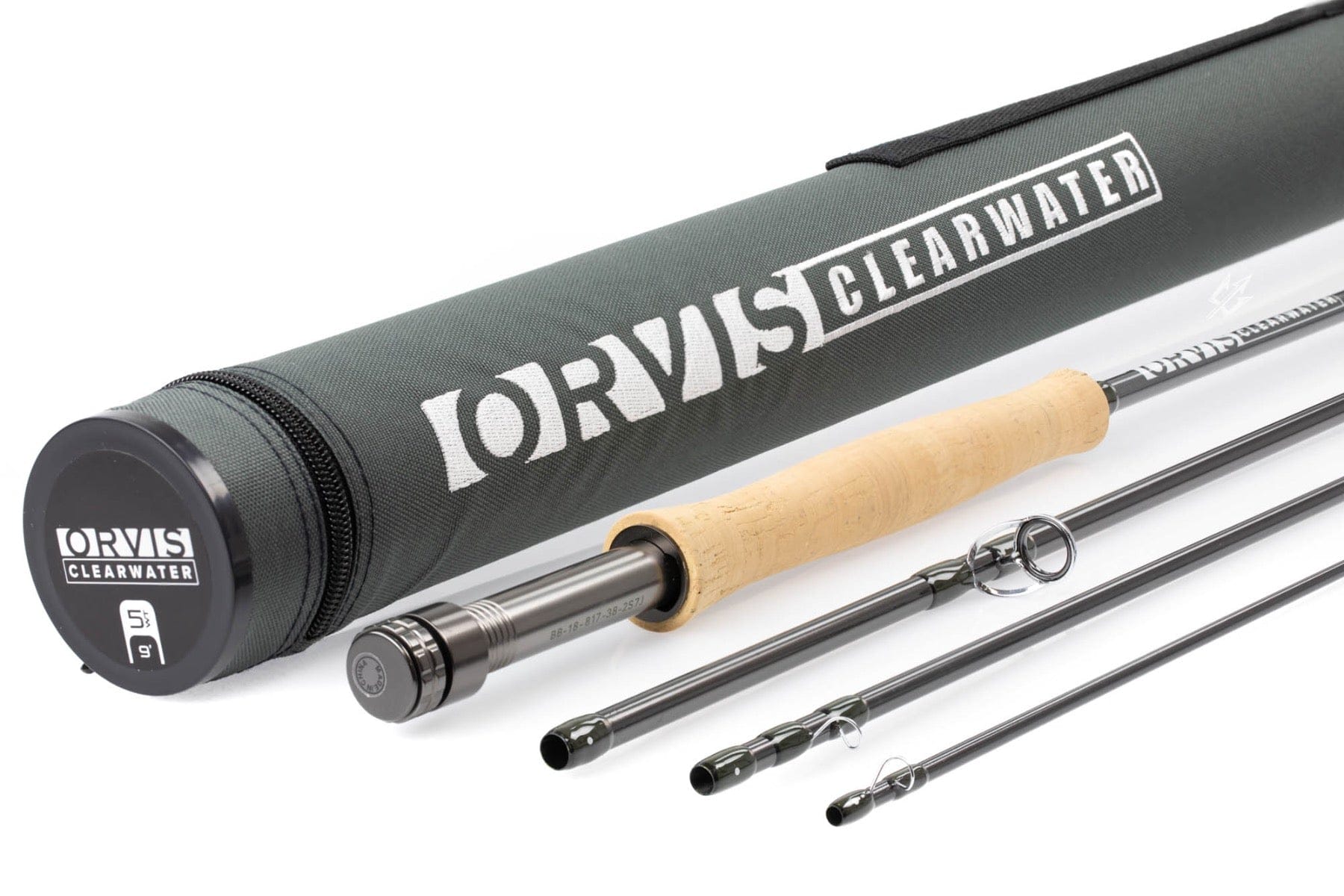
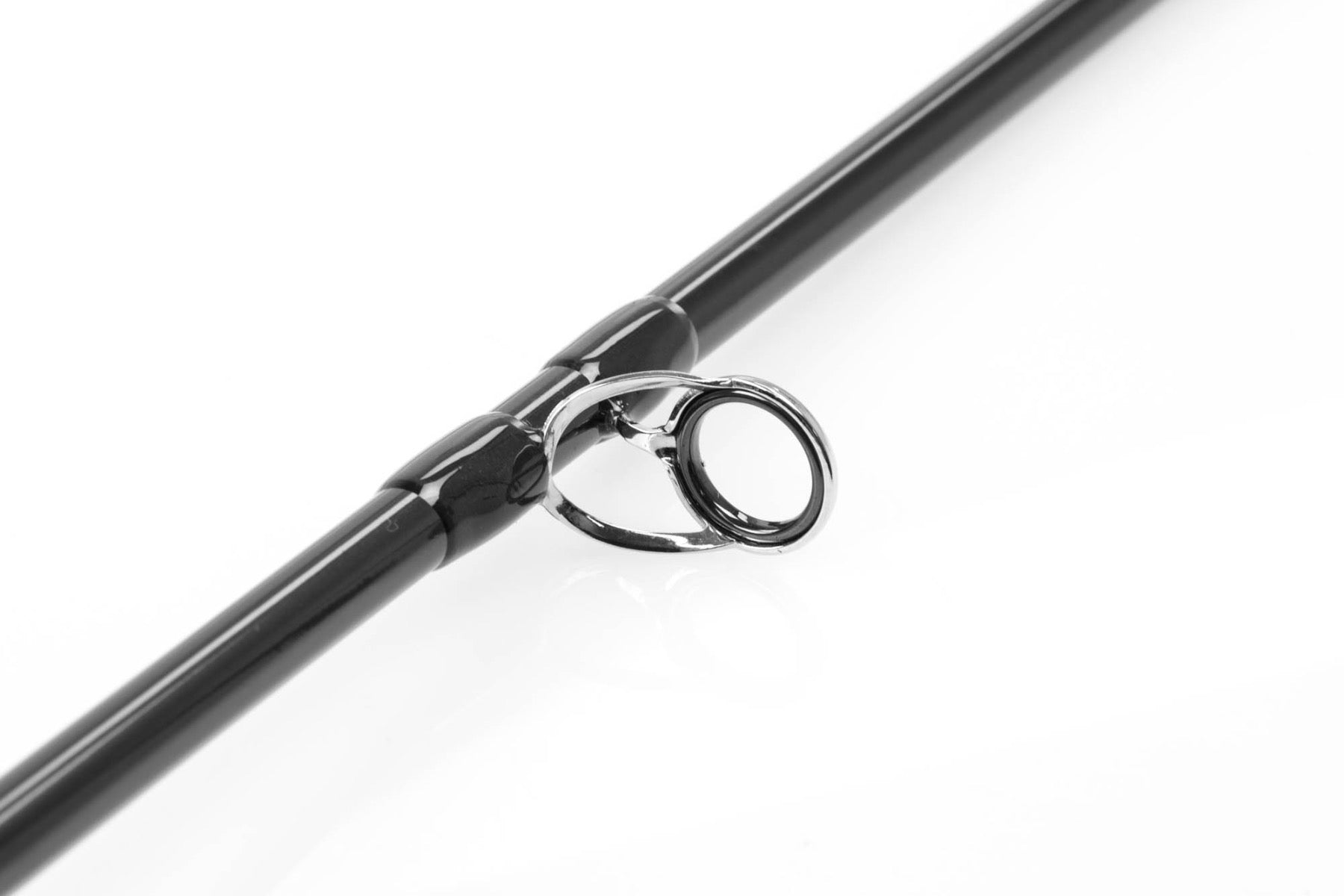
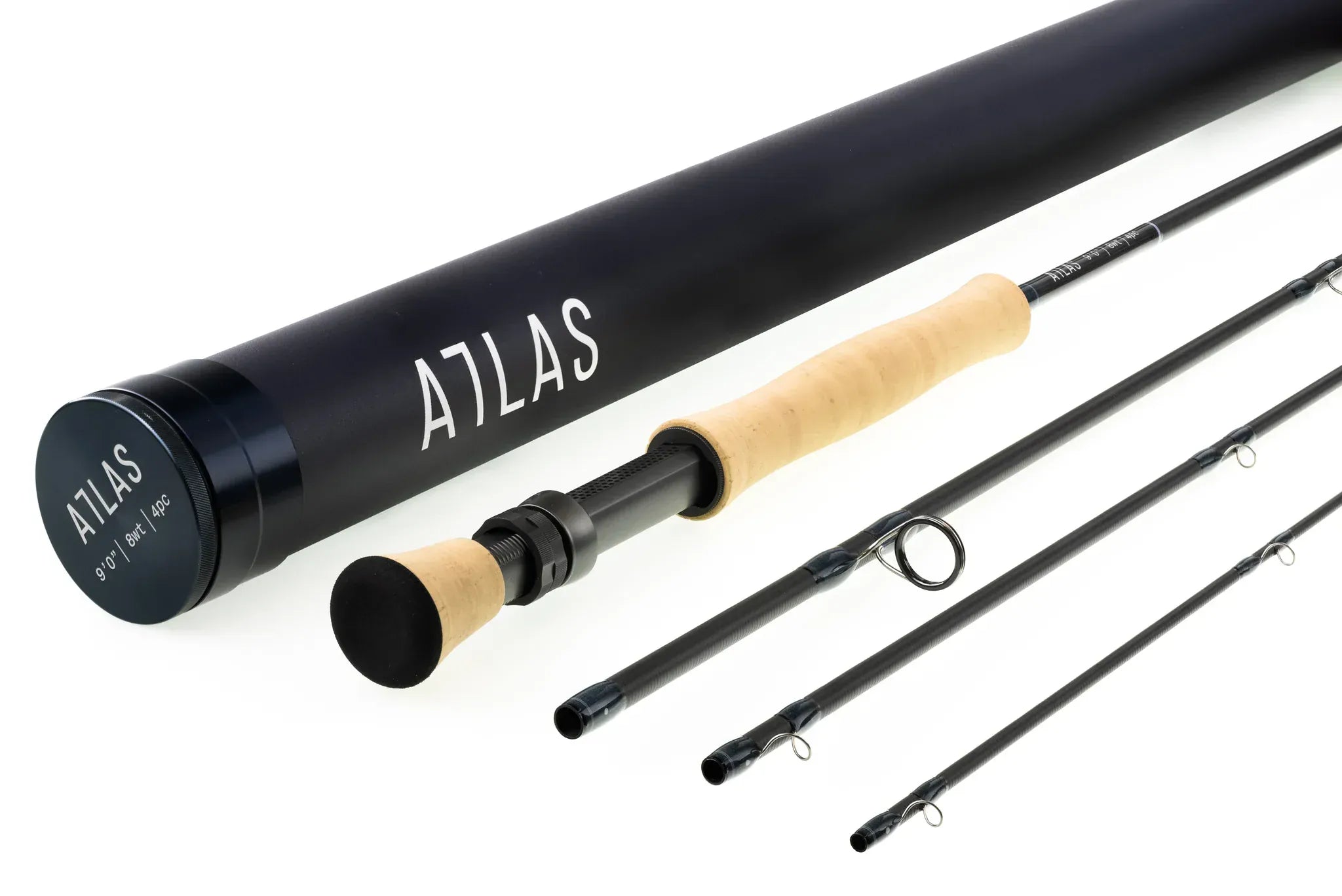
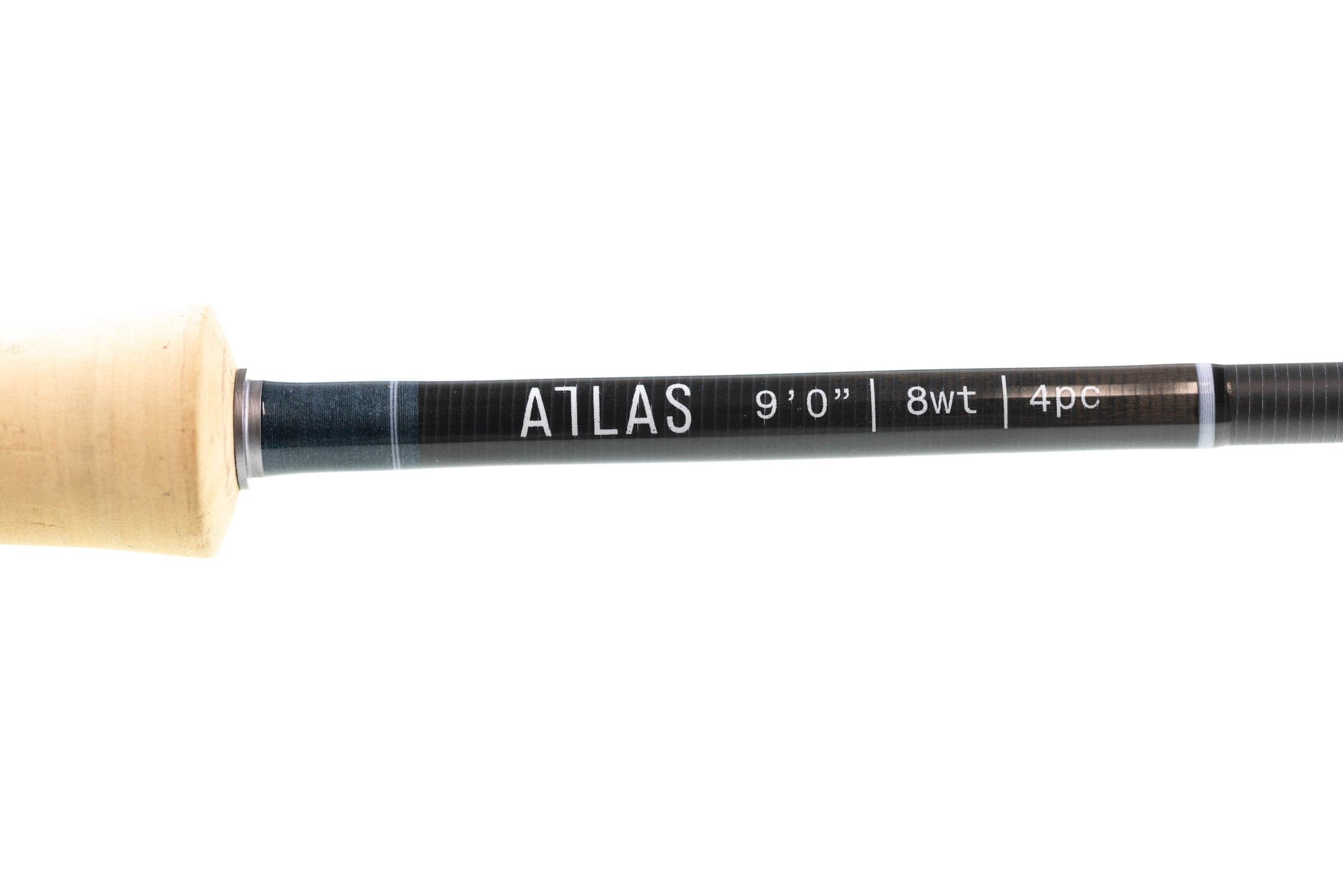


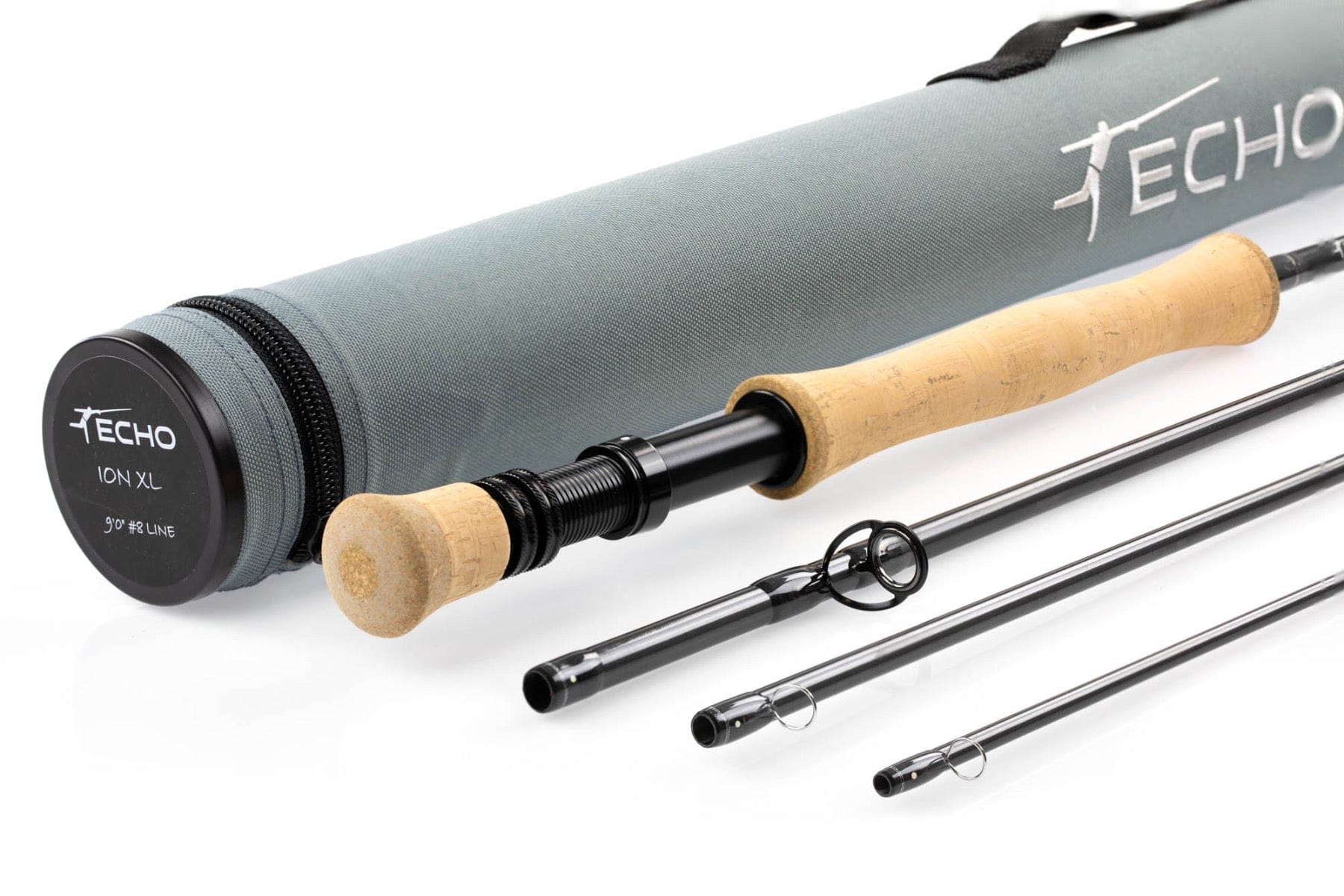
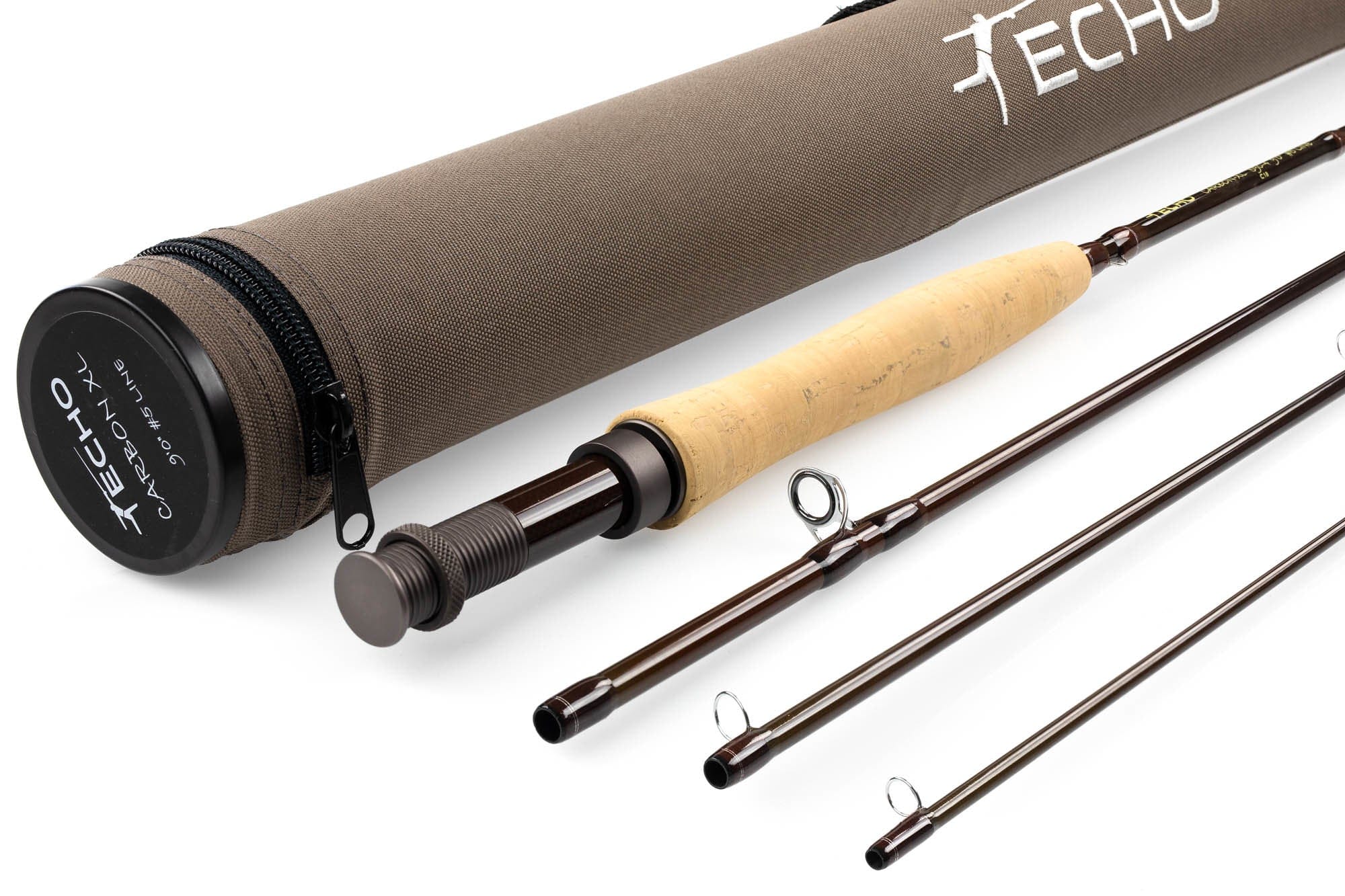
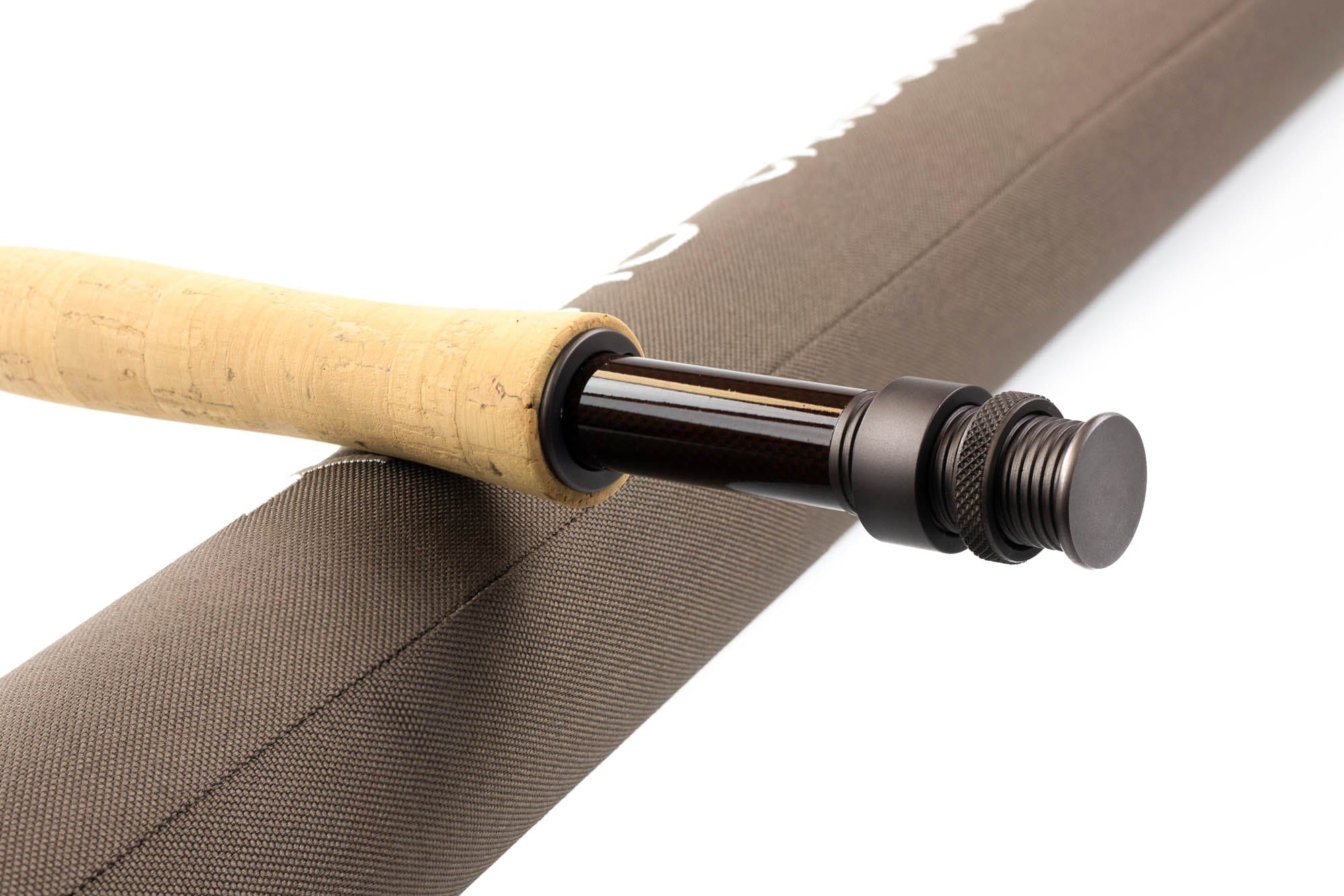


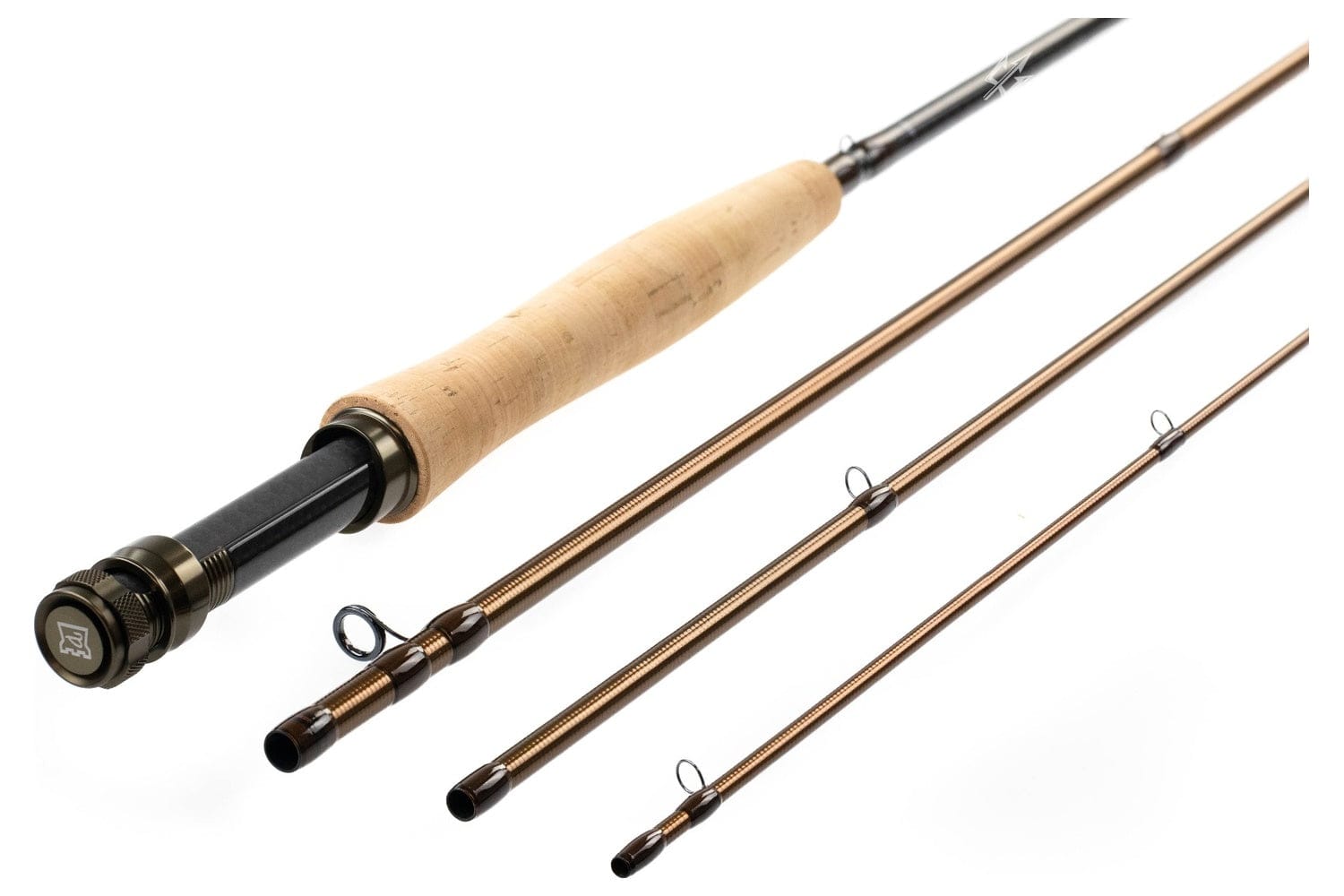
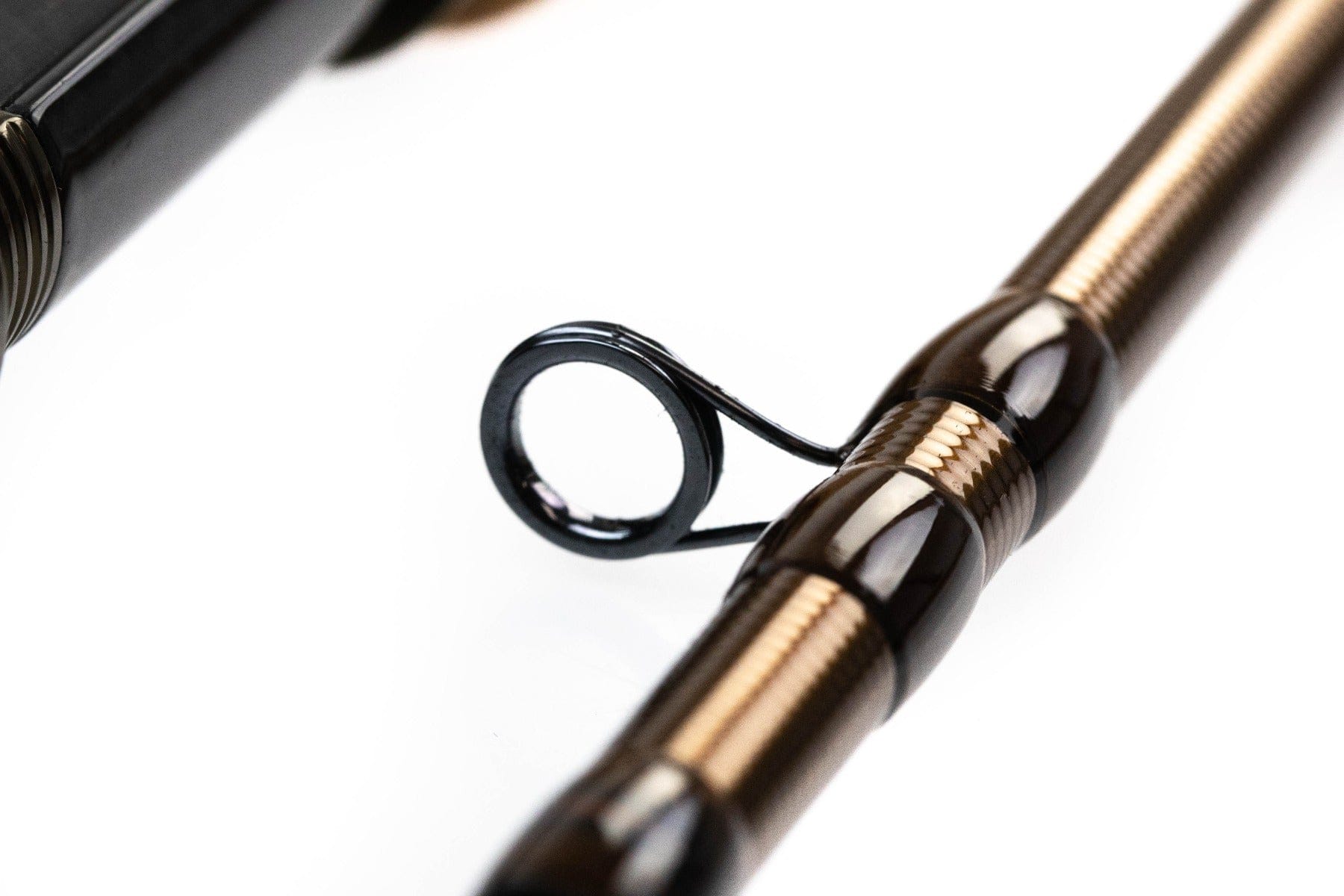
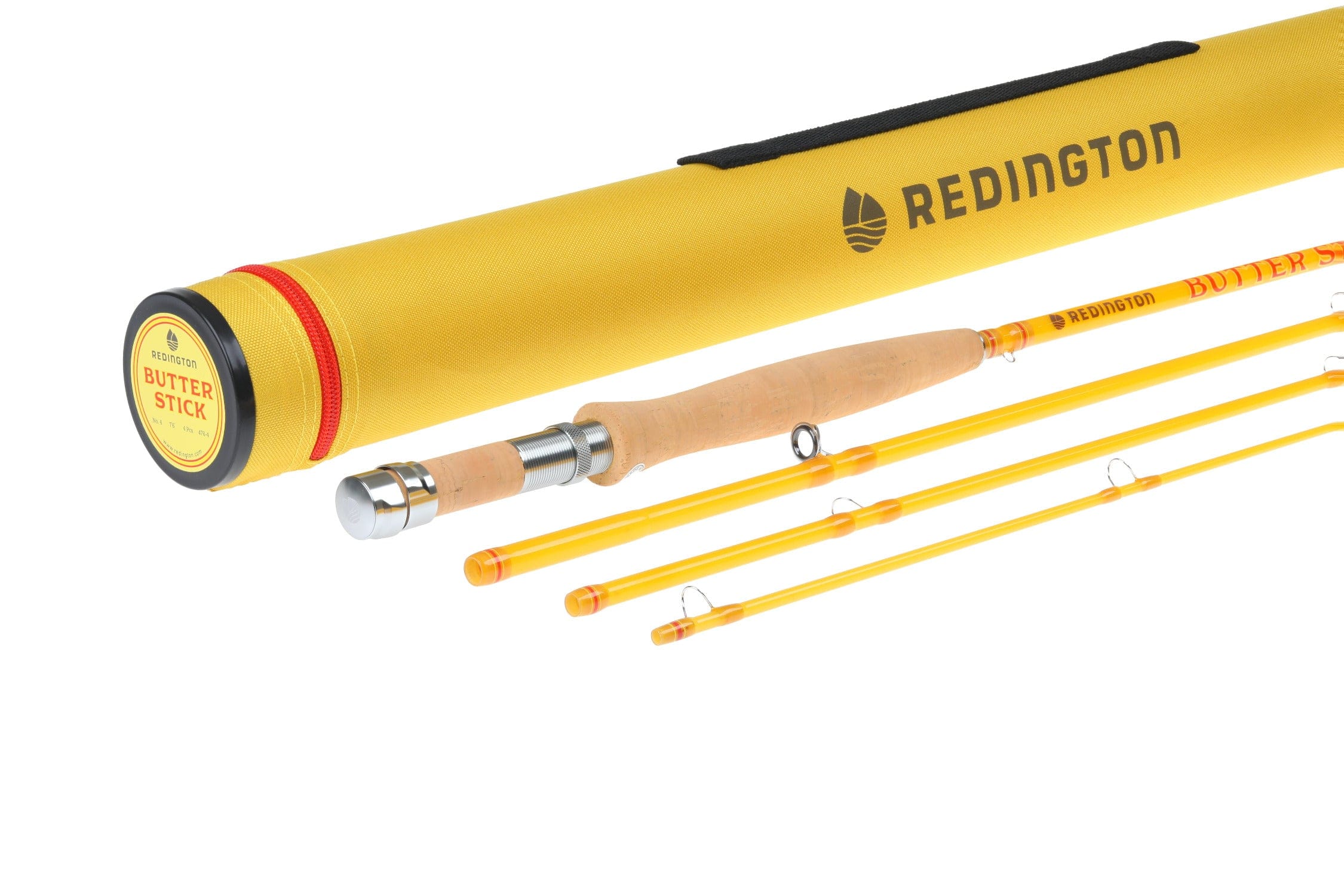
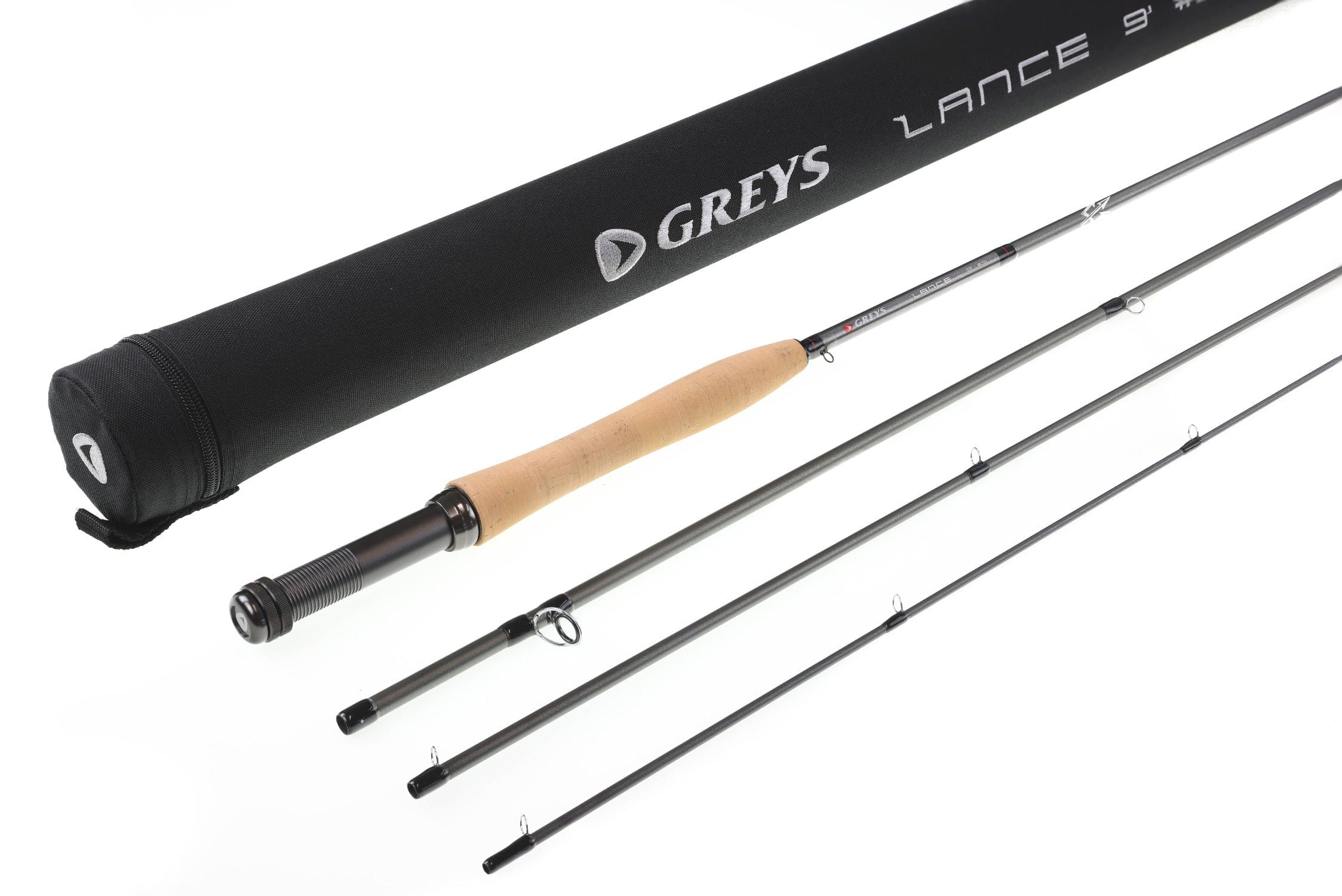
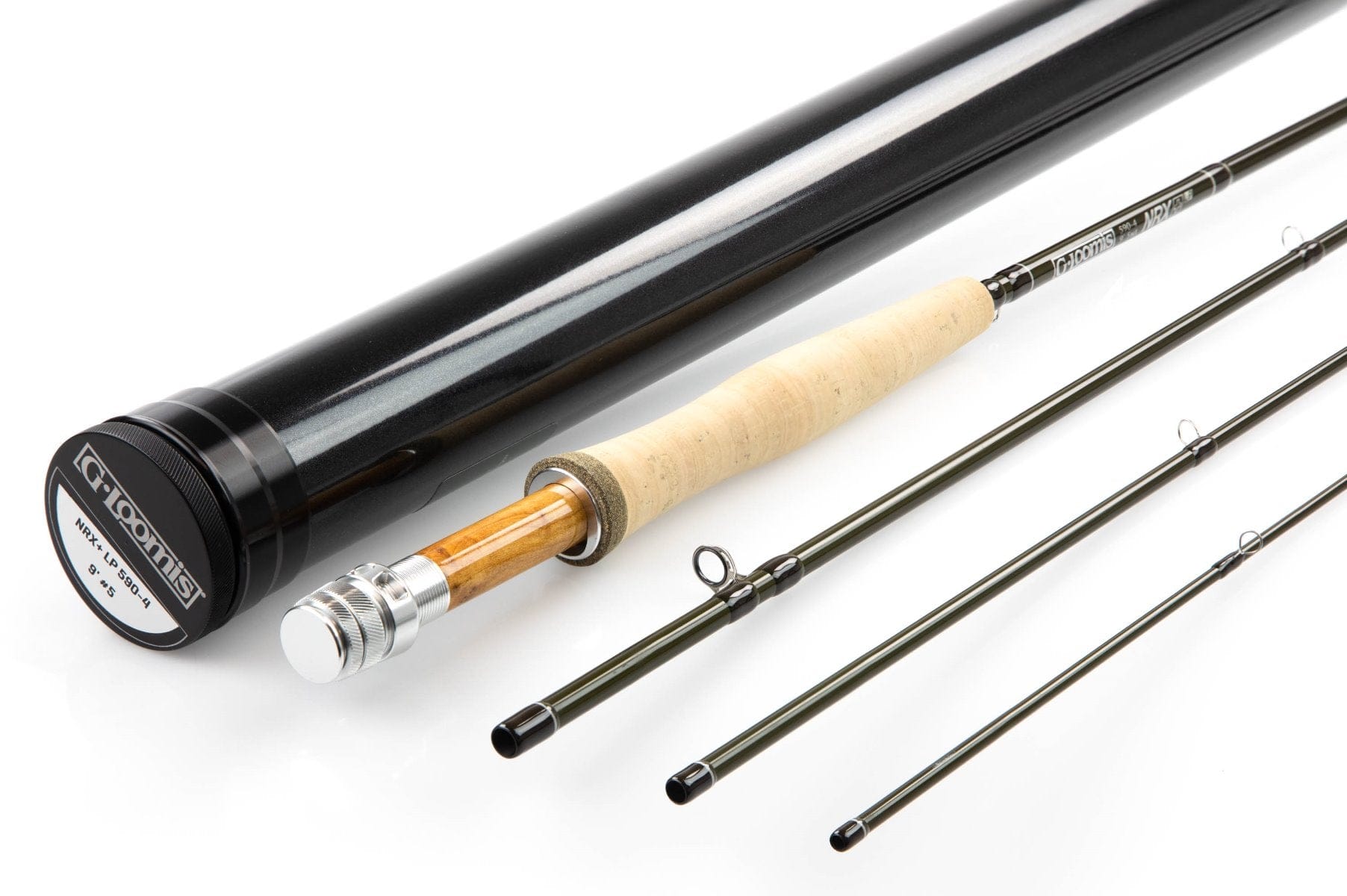
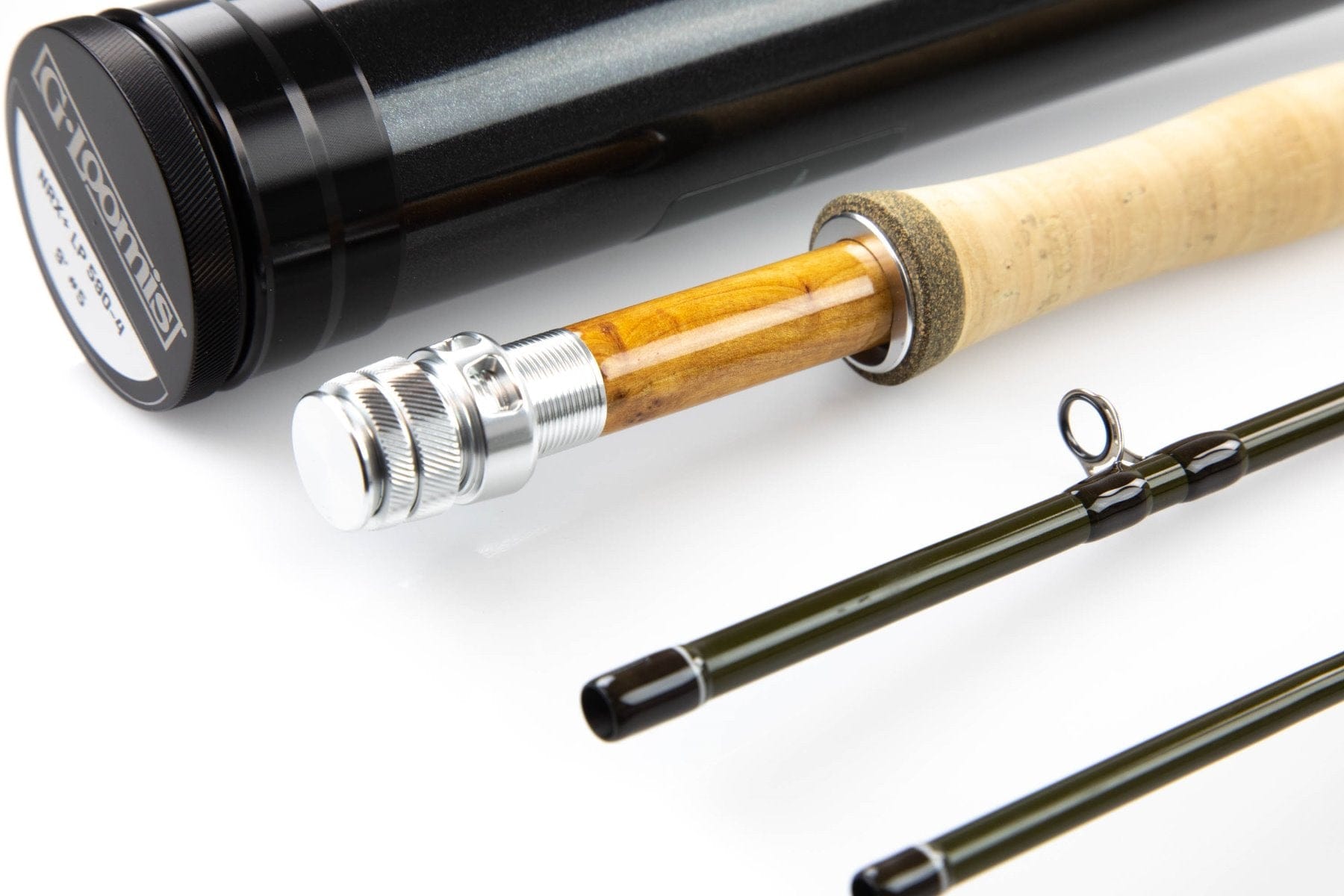
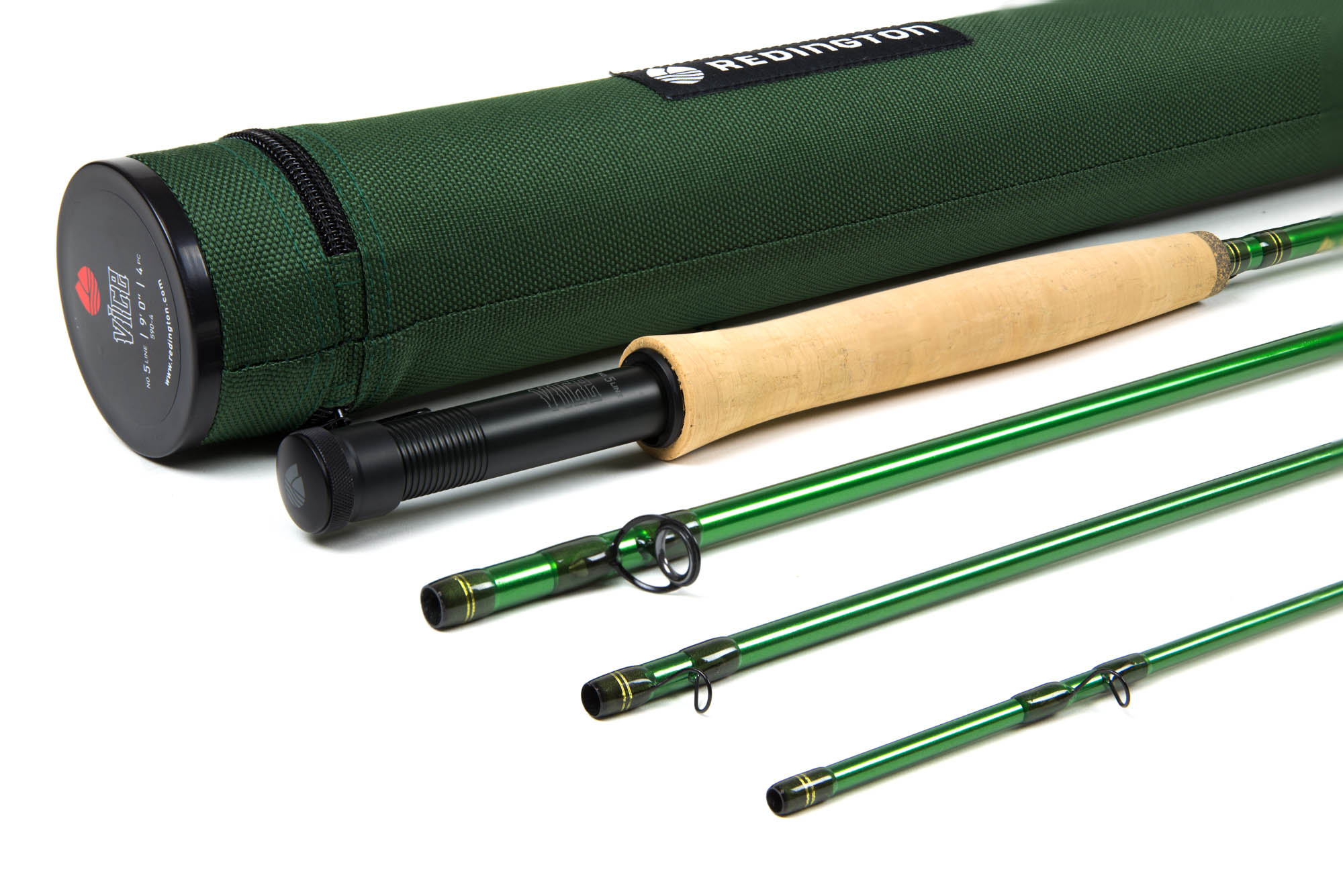
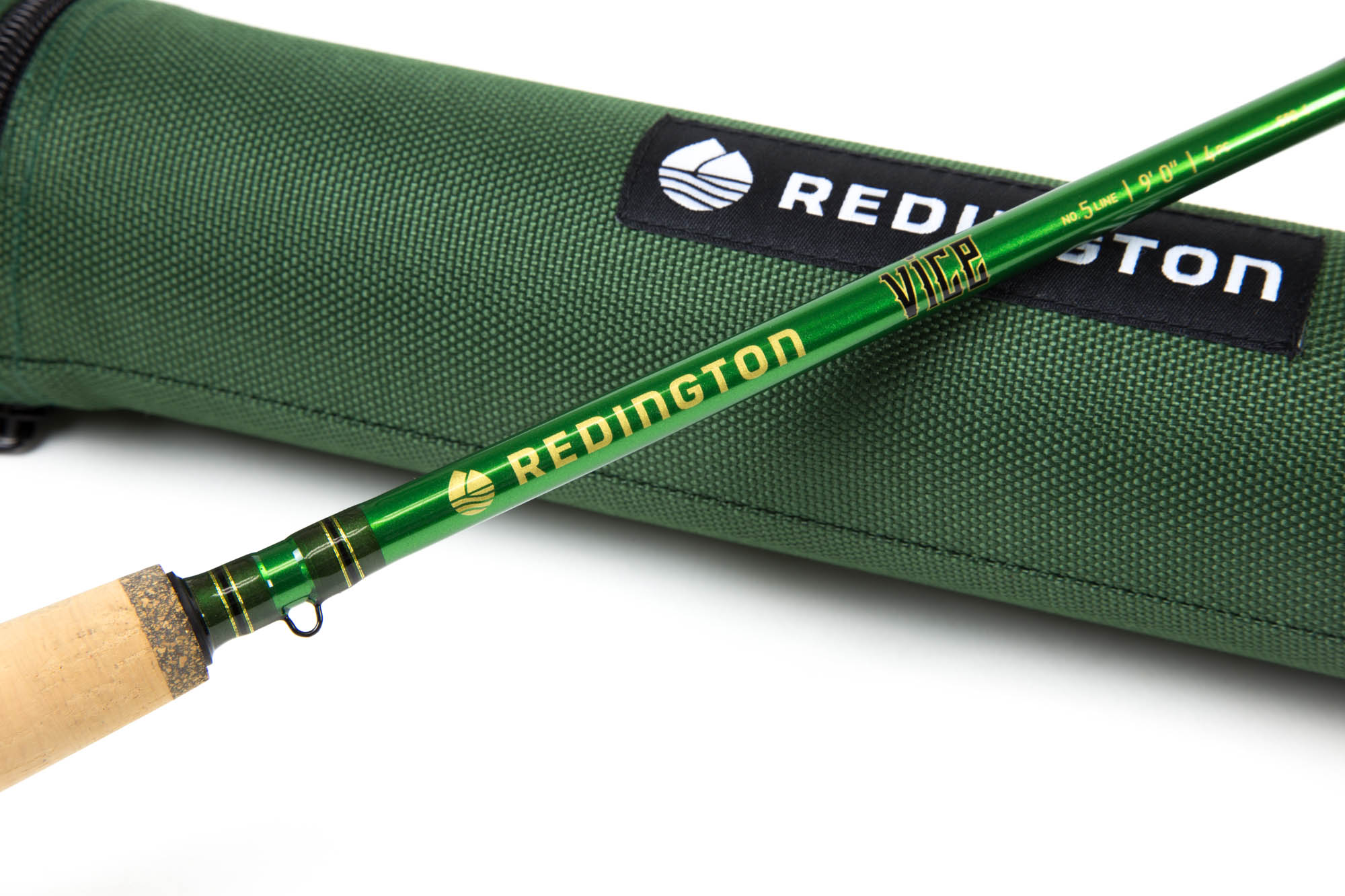
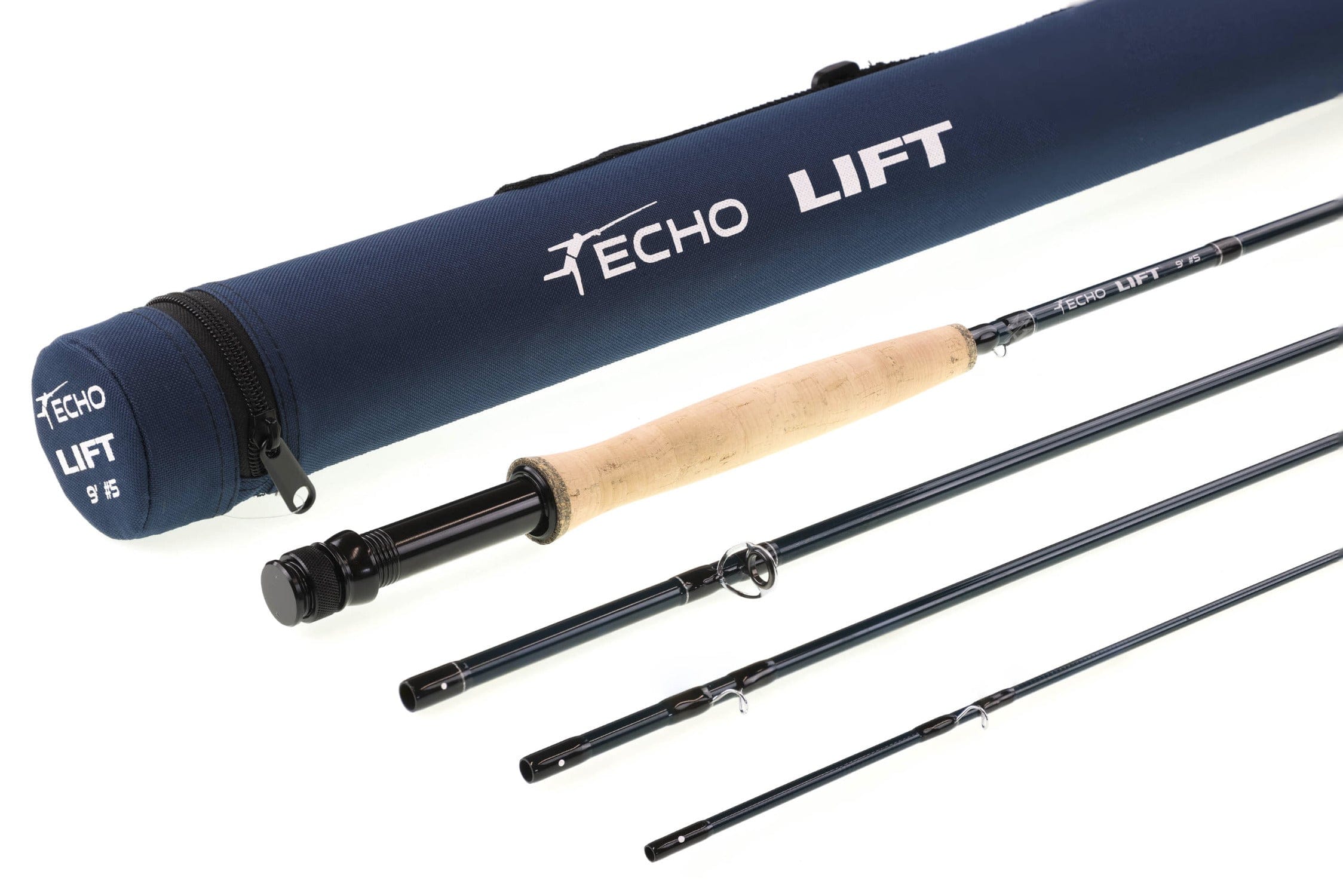
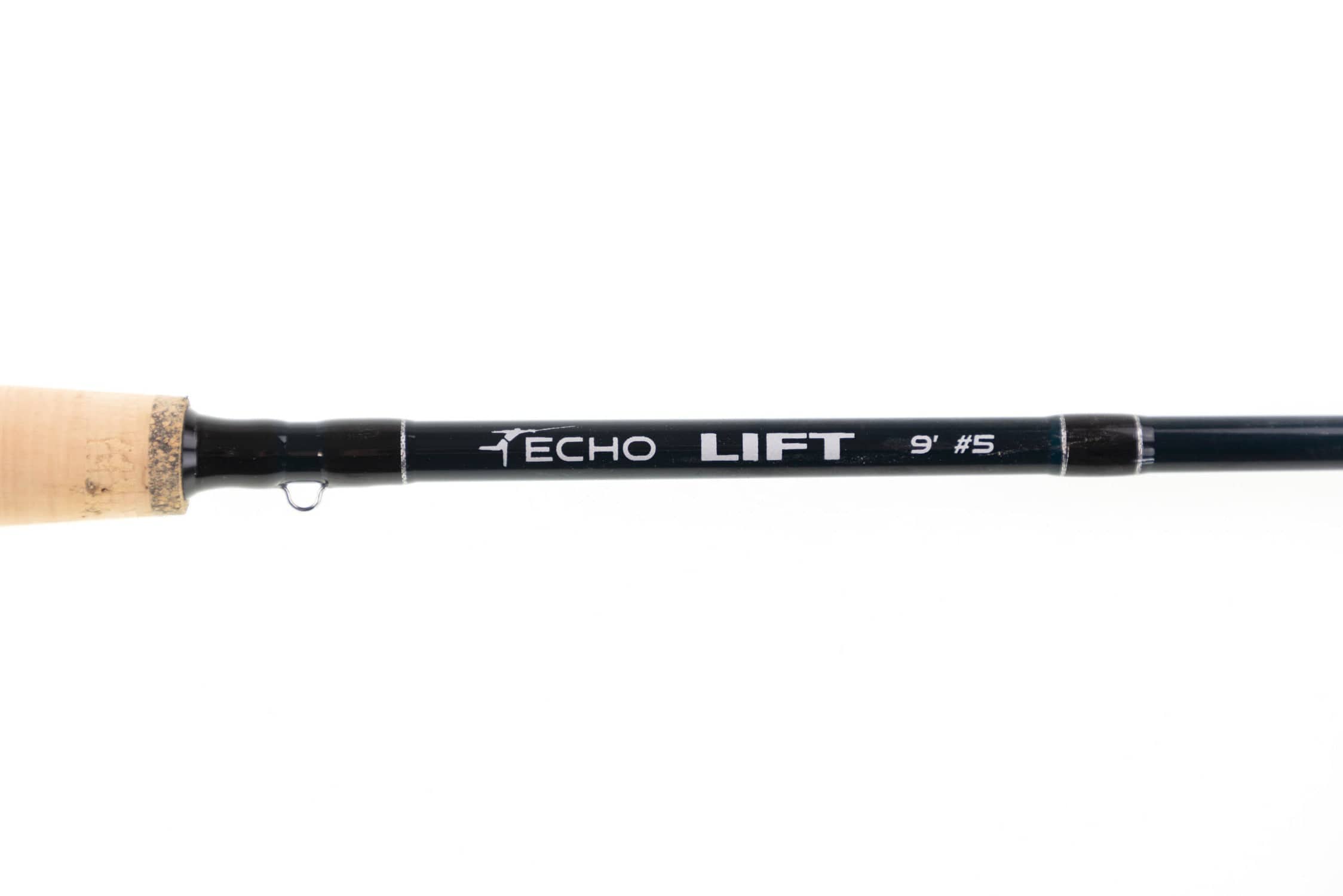
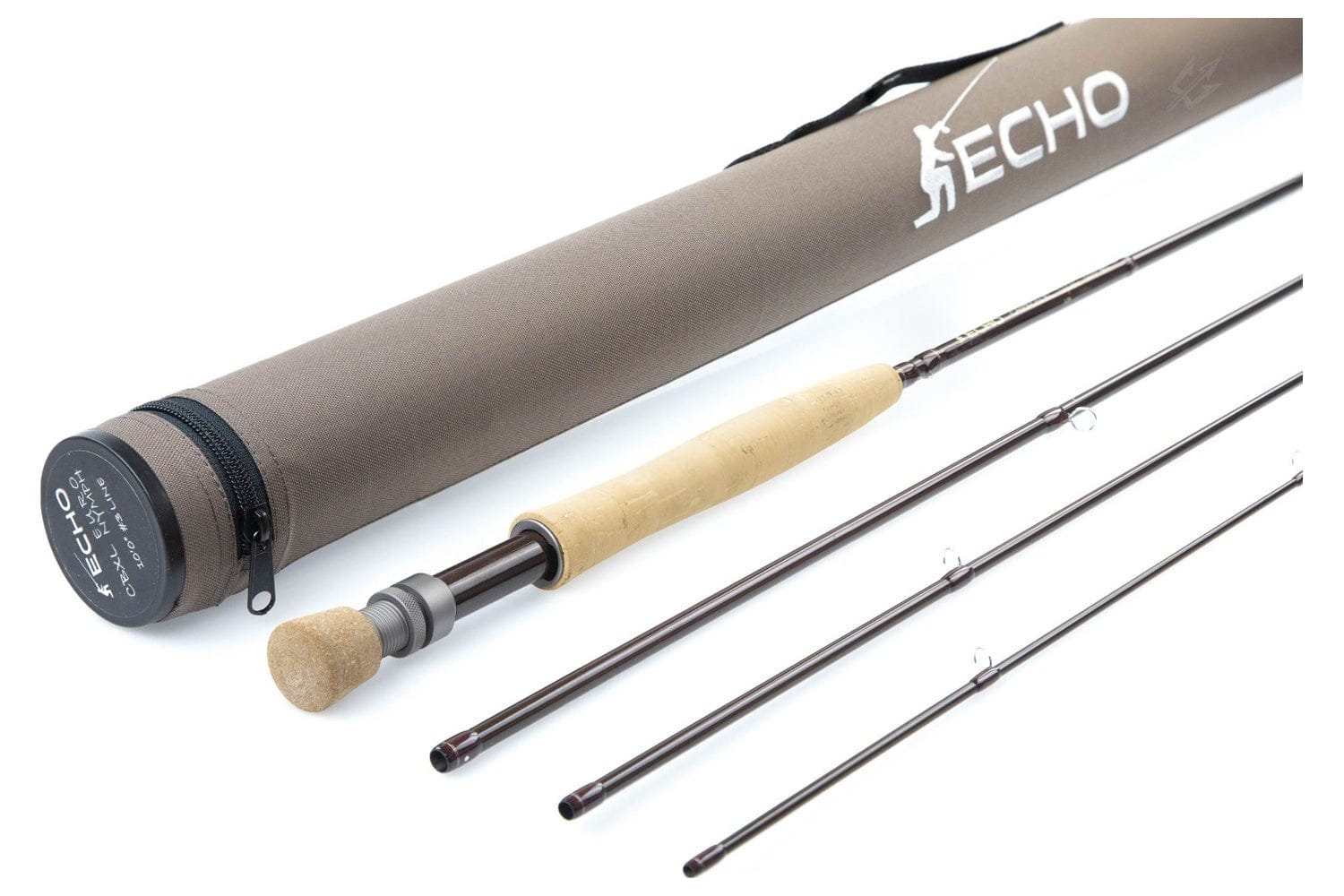
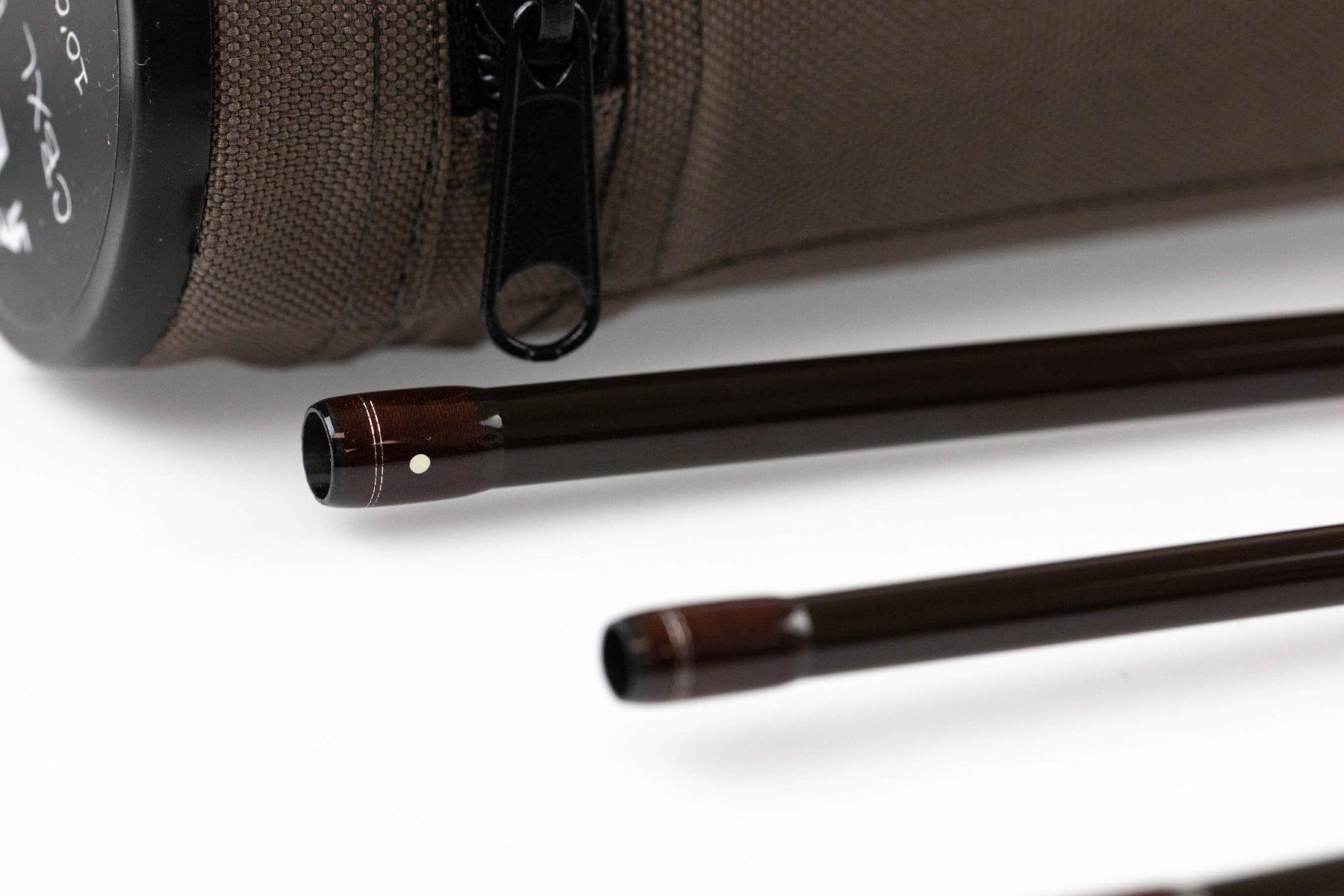
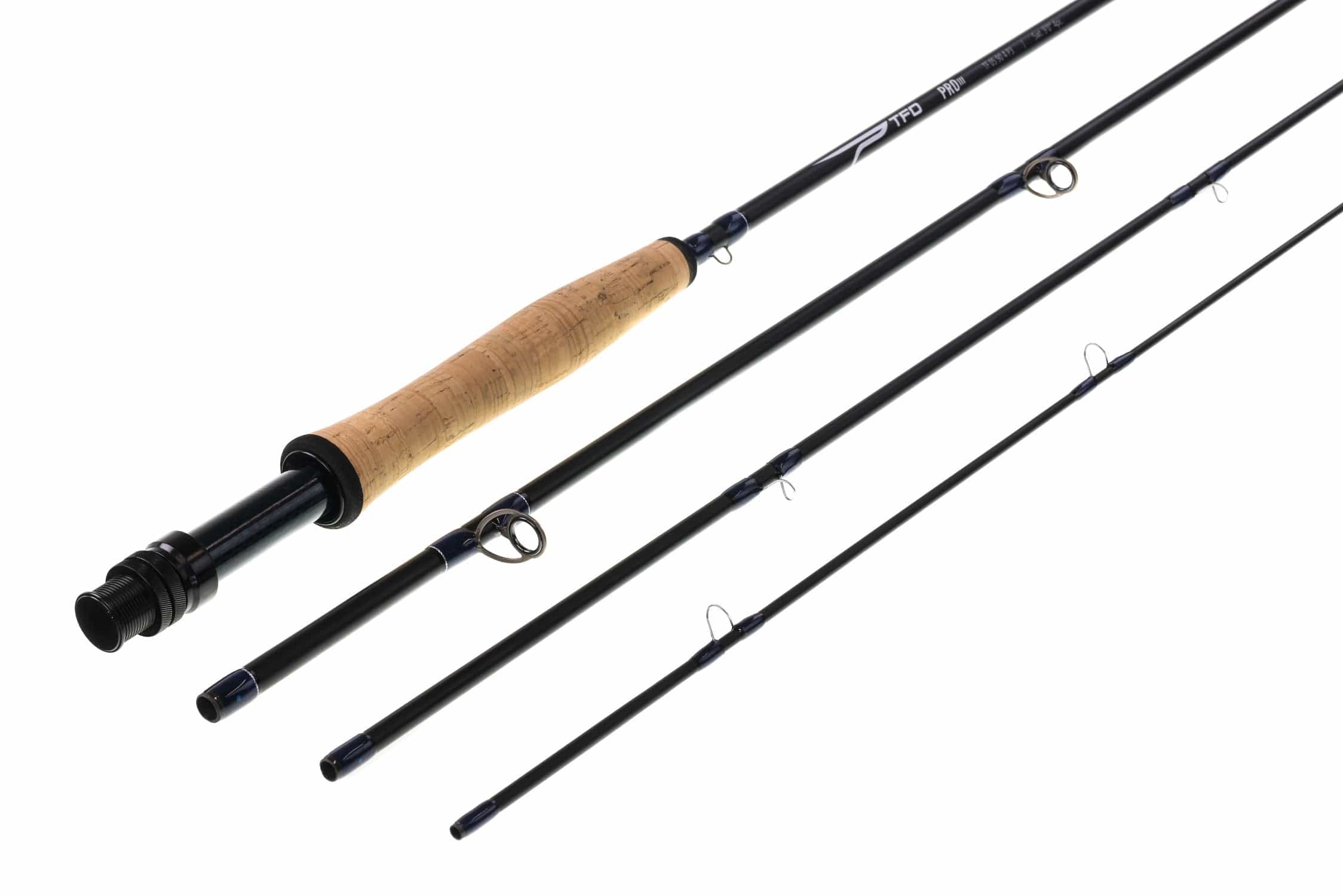
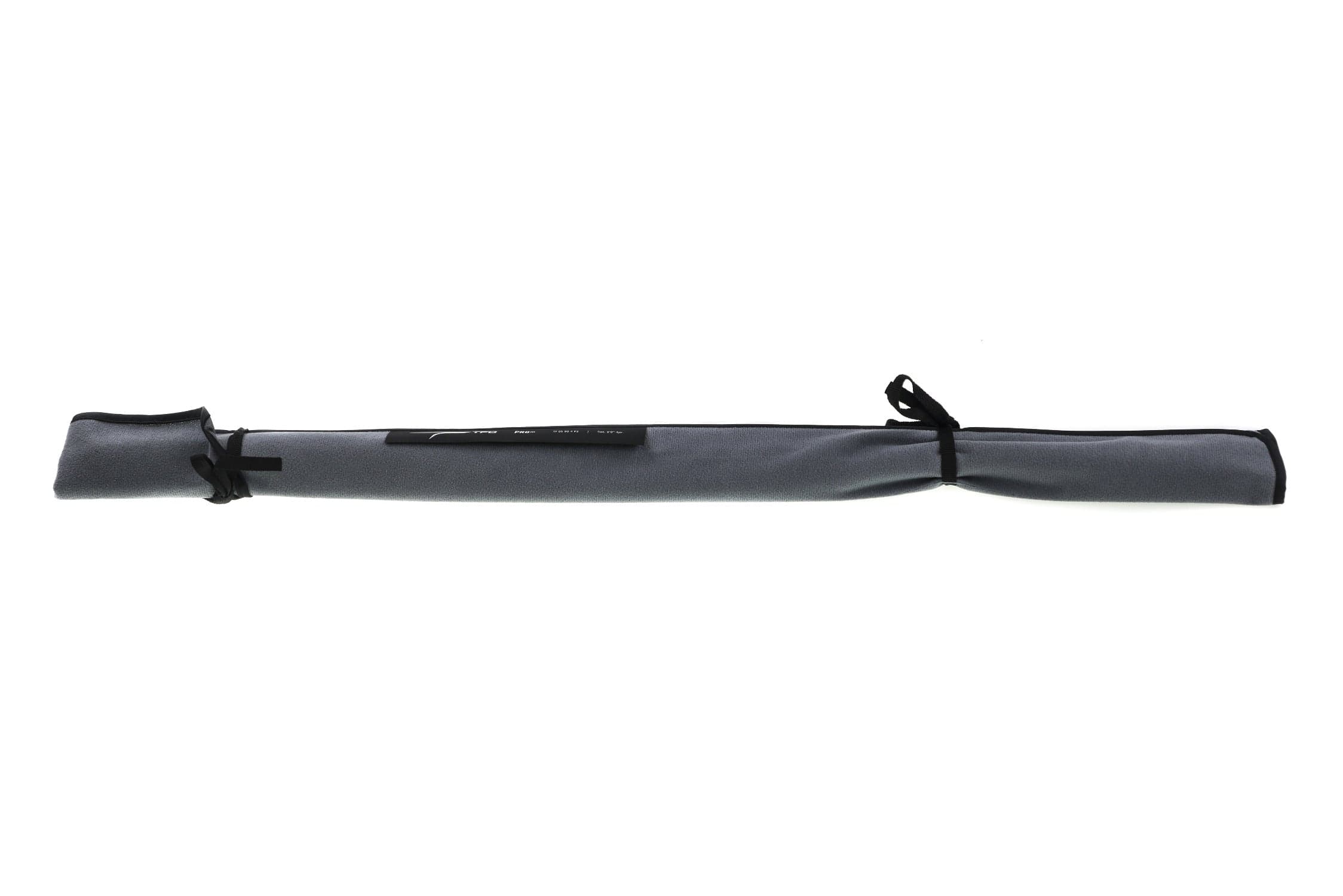
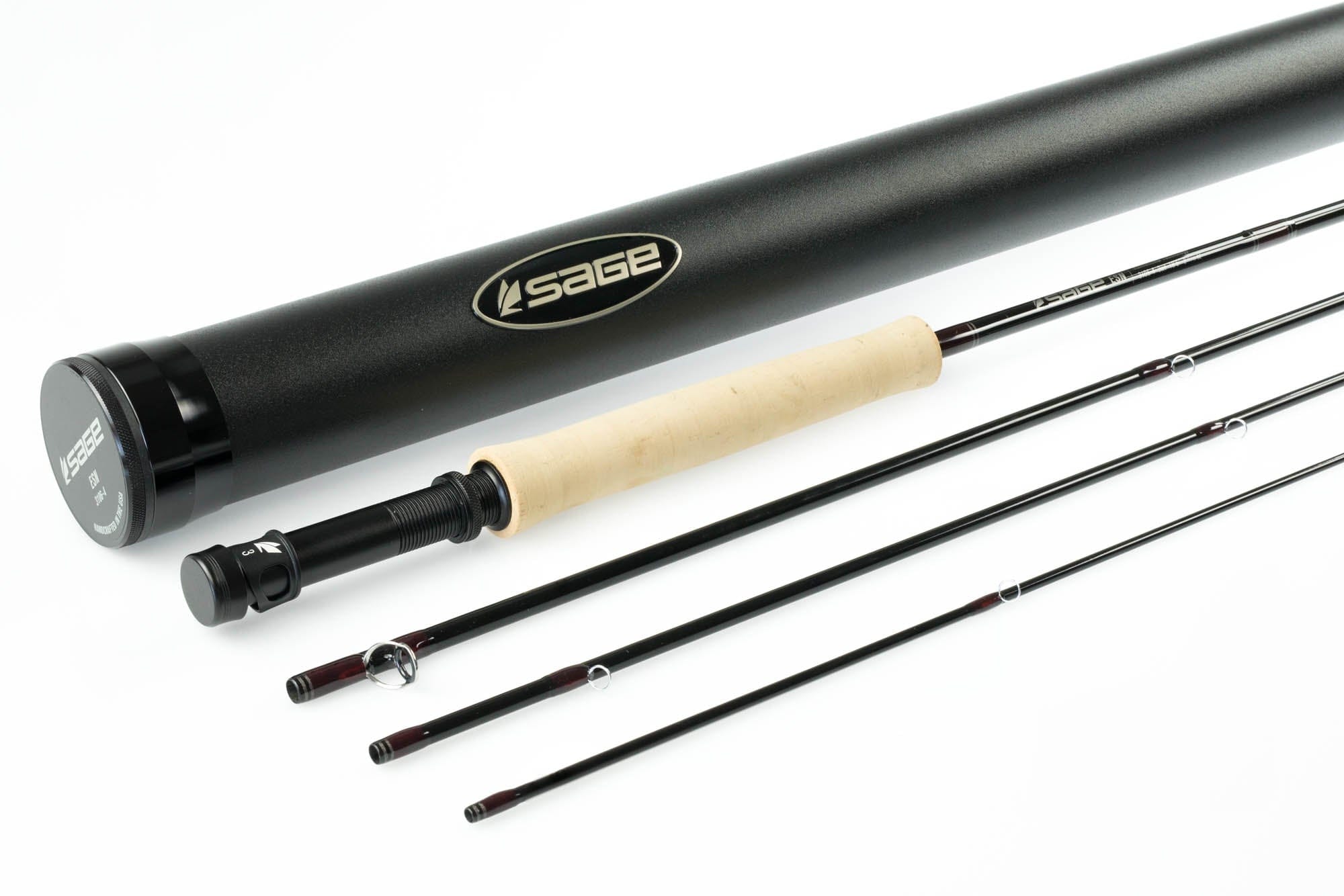
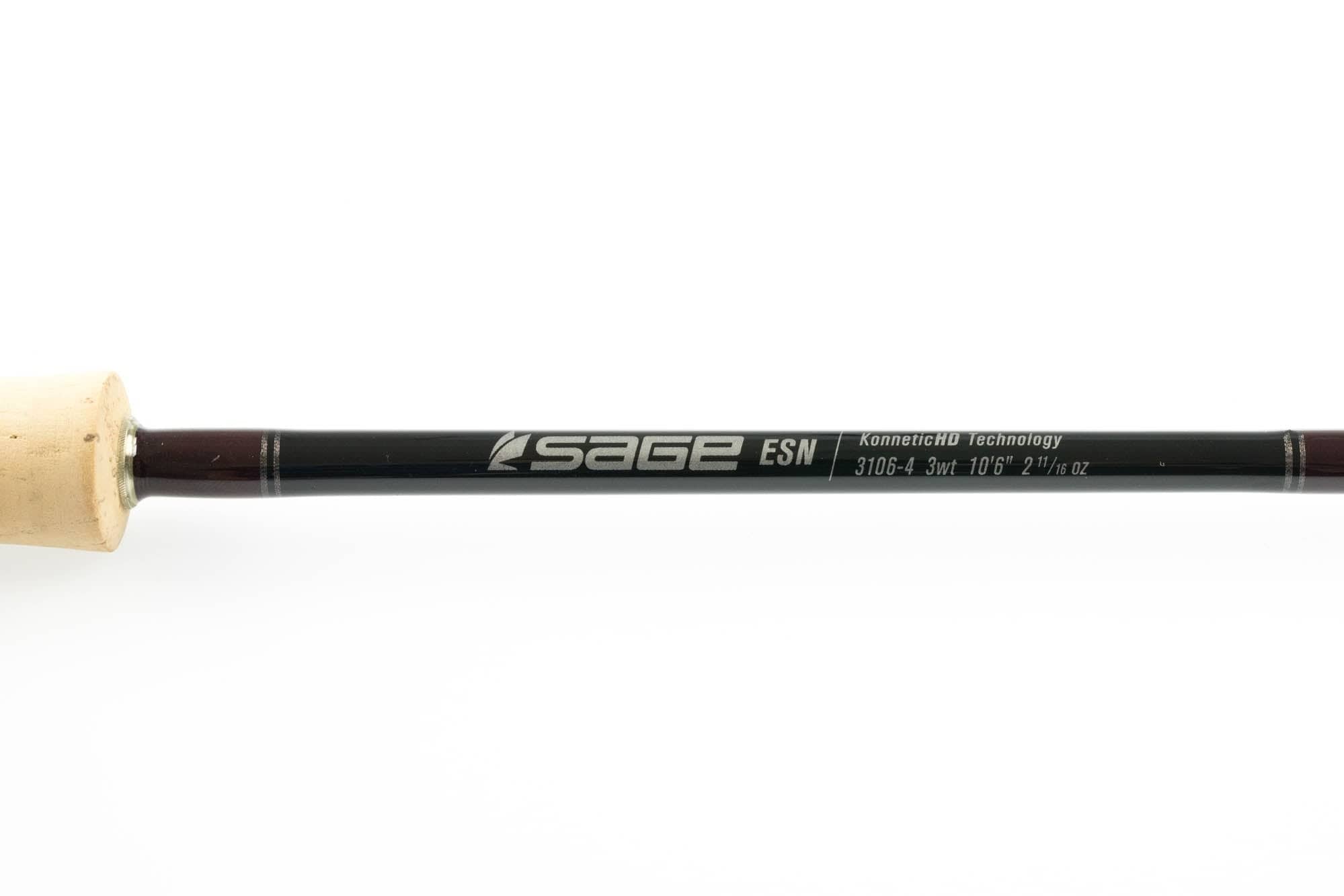
Freshwater Fly Rods Quick Picks
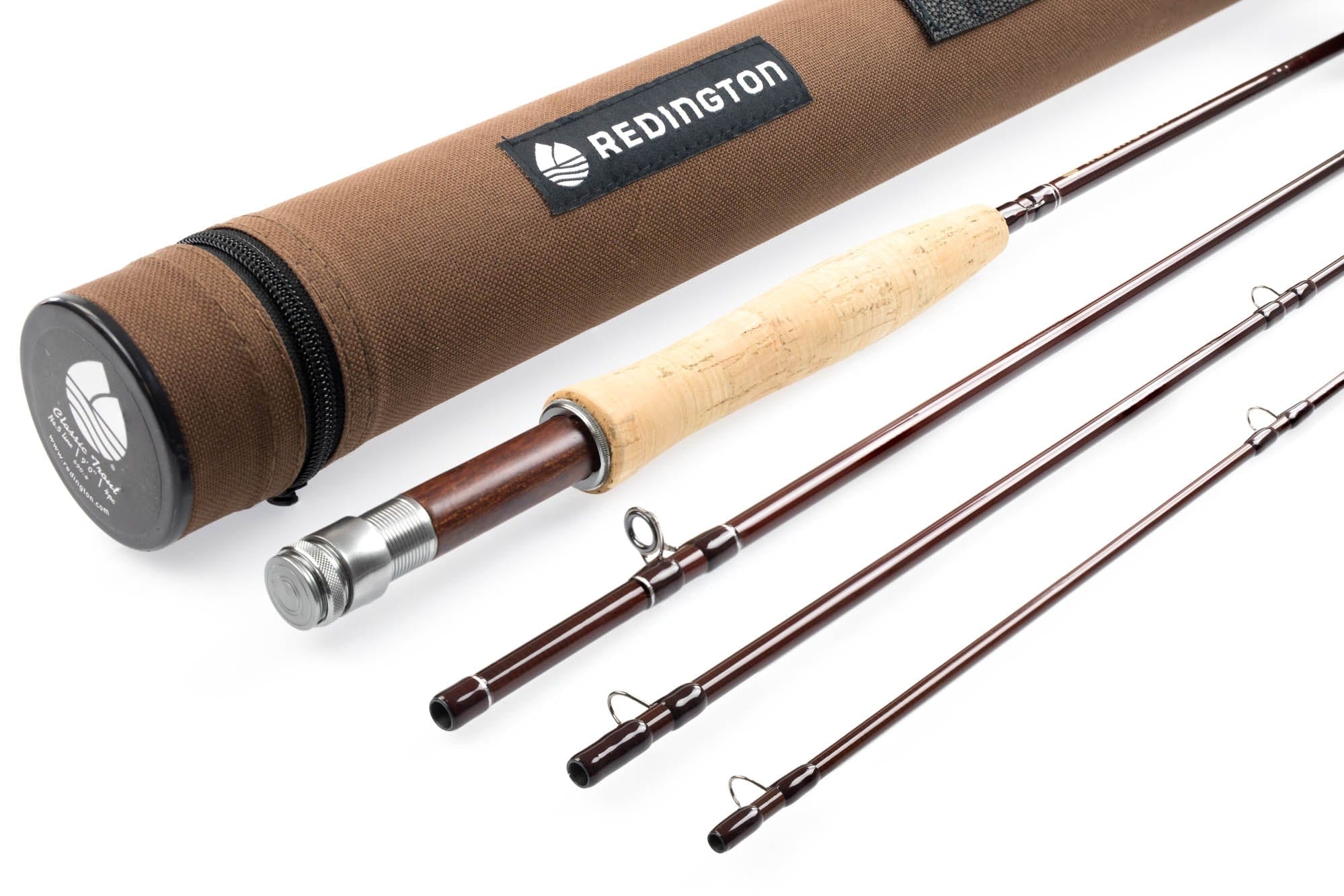
- Best All-Around: Atlas Signature 9ft 5wt Fly Rod - For anglers who want one rod to cover dries, nymphs, and smaller streamers on most trout water. It’s tuned as a true “do-most-things” 5wt with a crisp feel for modern casting strokes.
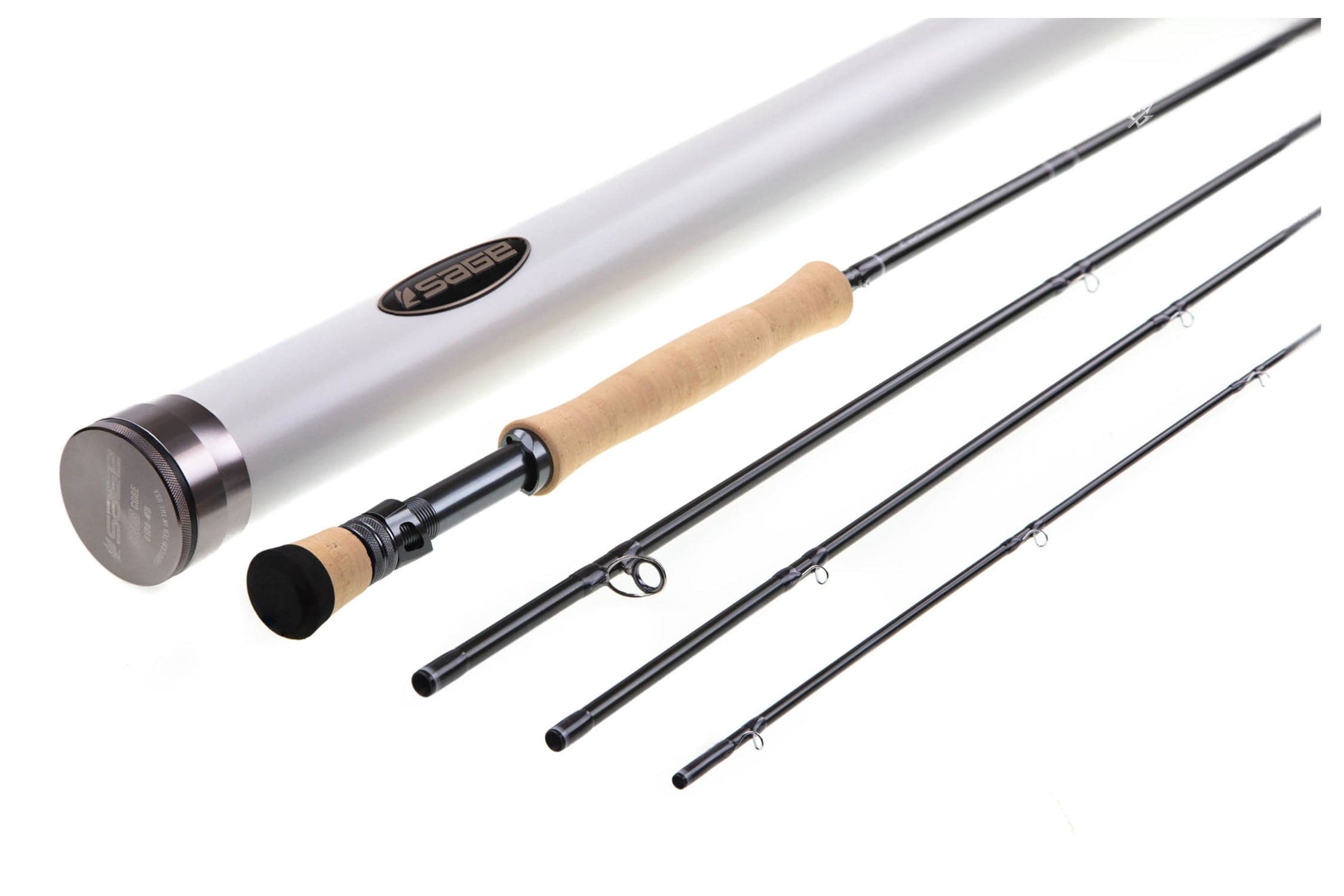
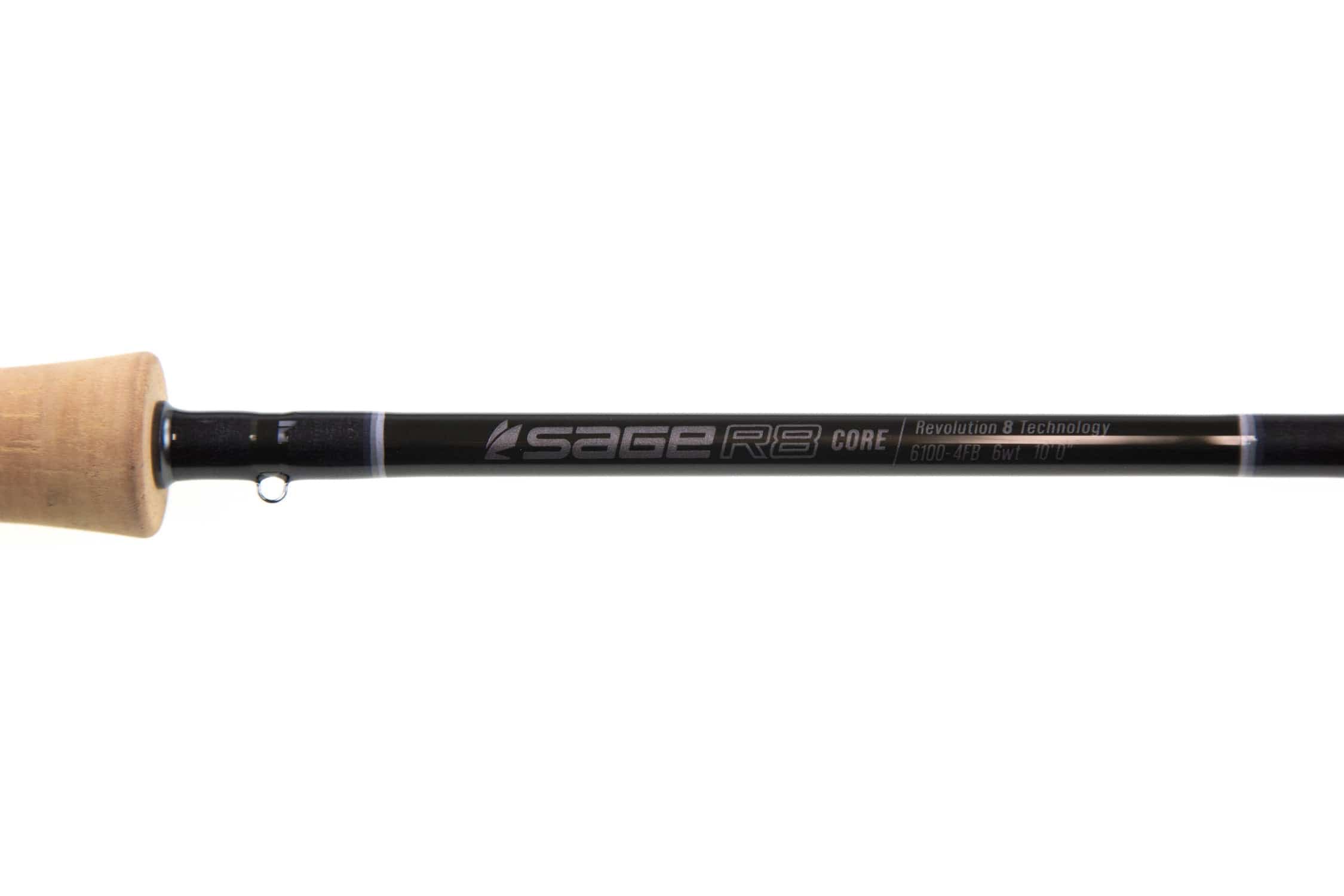
- Best Premium: Sage R8 Core Fly Rod - For anglers who fish a lot and want a flagship freshwater graphite rod that can adapt across techniques and line weights. It’s built around a fast action that still aims for feel and control at common trout distances.
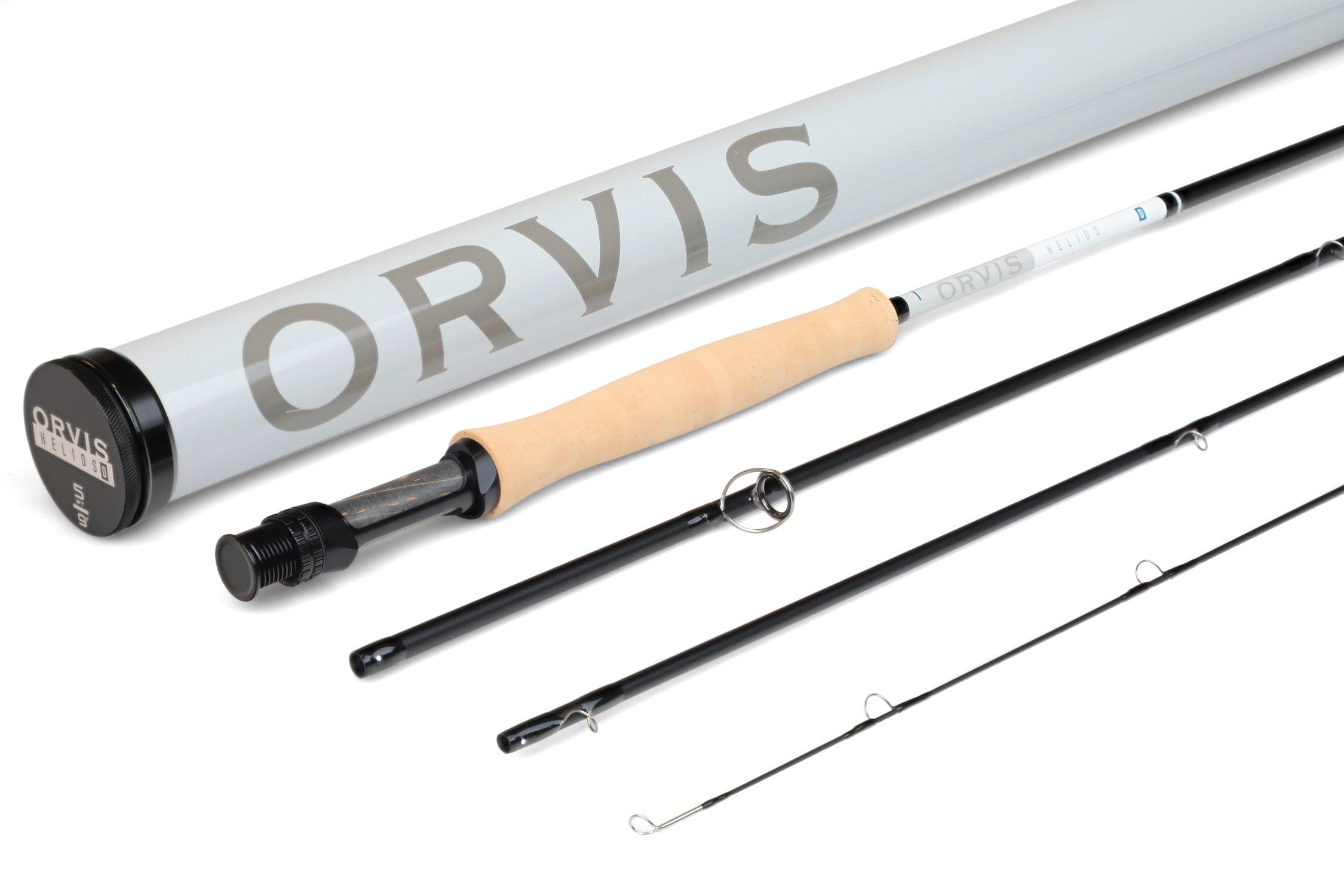
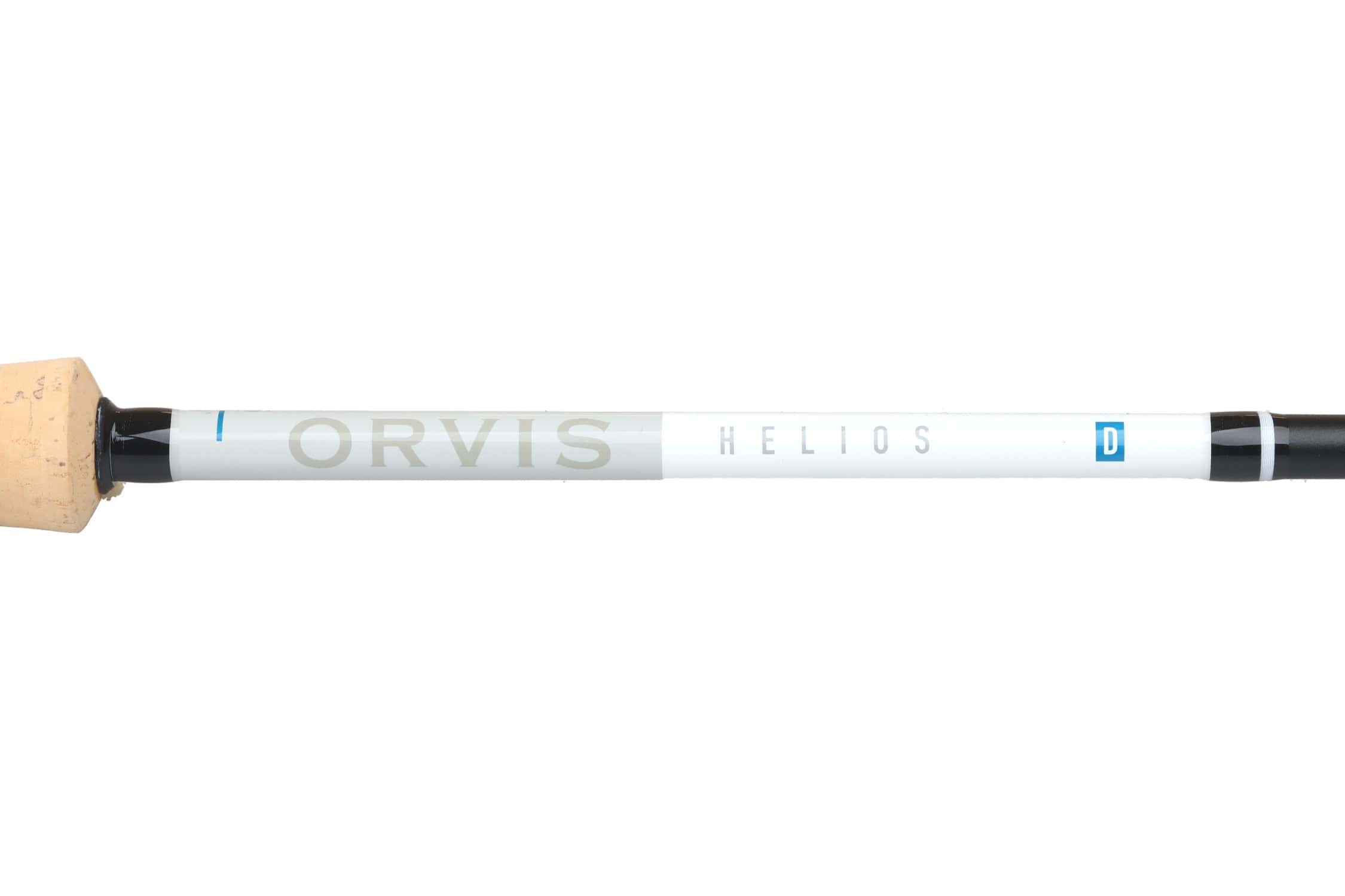
- Best for Accuracy-Focused Trout Fishing: Orvis Helios 4 D Fly Rod - For anglers who value high line speed, tight loops, and precision in wind or when carrying more line. It’s designed around distance-oriented performance while staying relevant for everyday freshwater rigs.
- Best Value: Lamson Radius Fly Rod - For anglers who want a lightweight, approachable medium-fast rod feel without jumping into premium pricing. It’s a practical choice for general trout tactics and learning better timing.
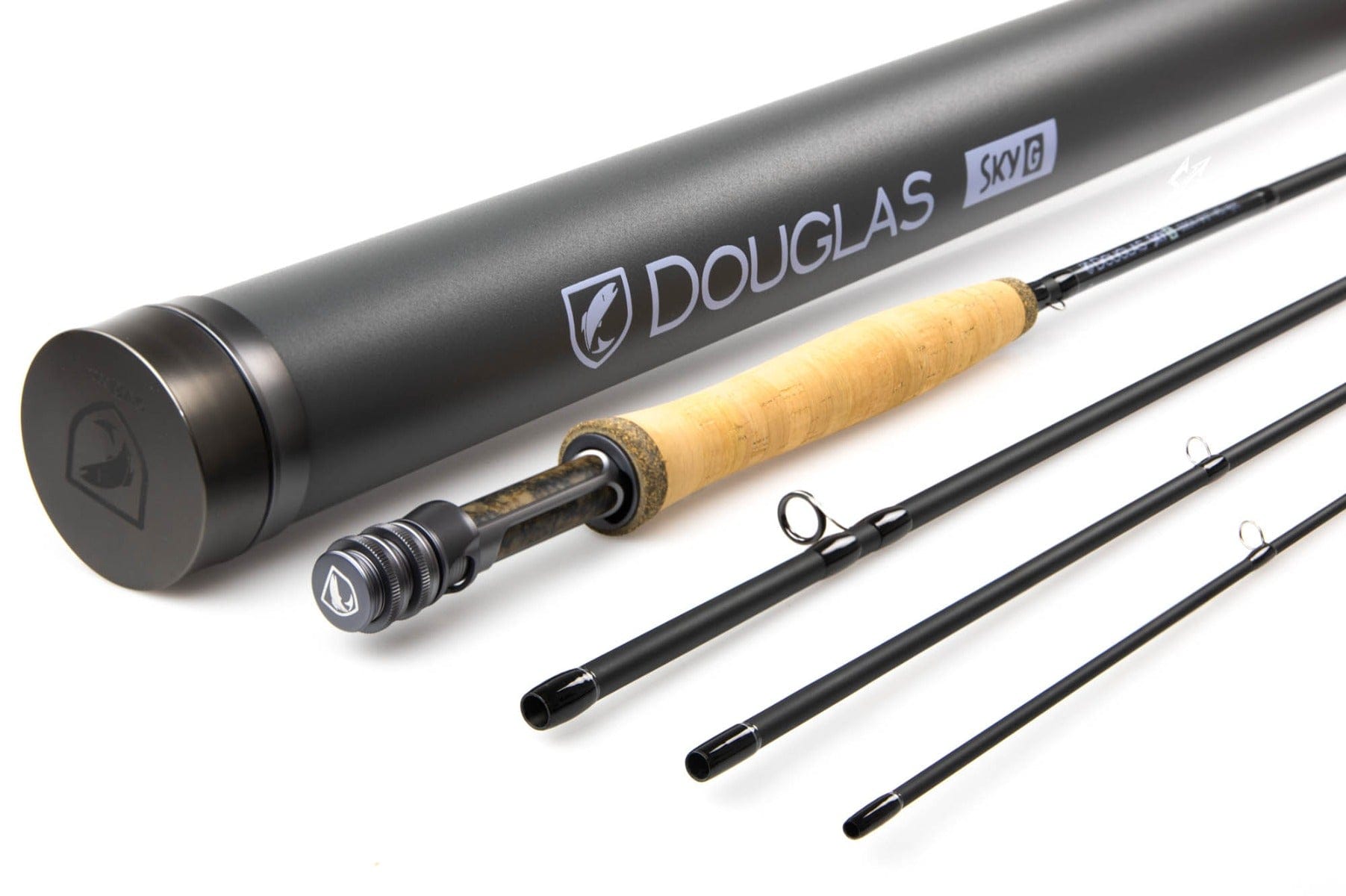
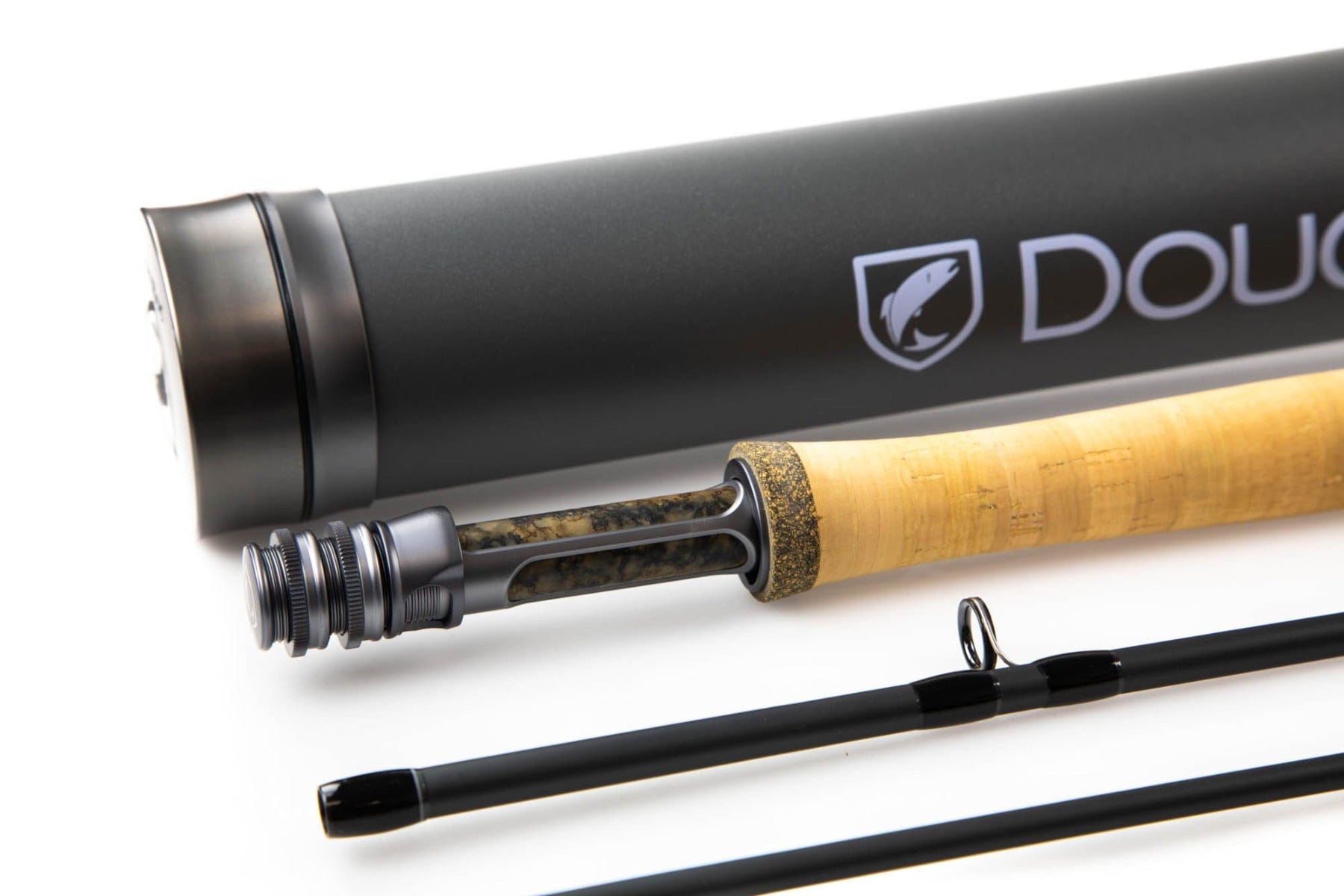
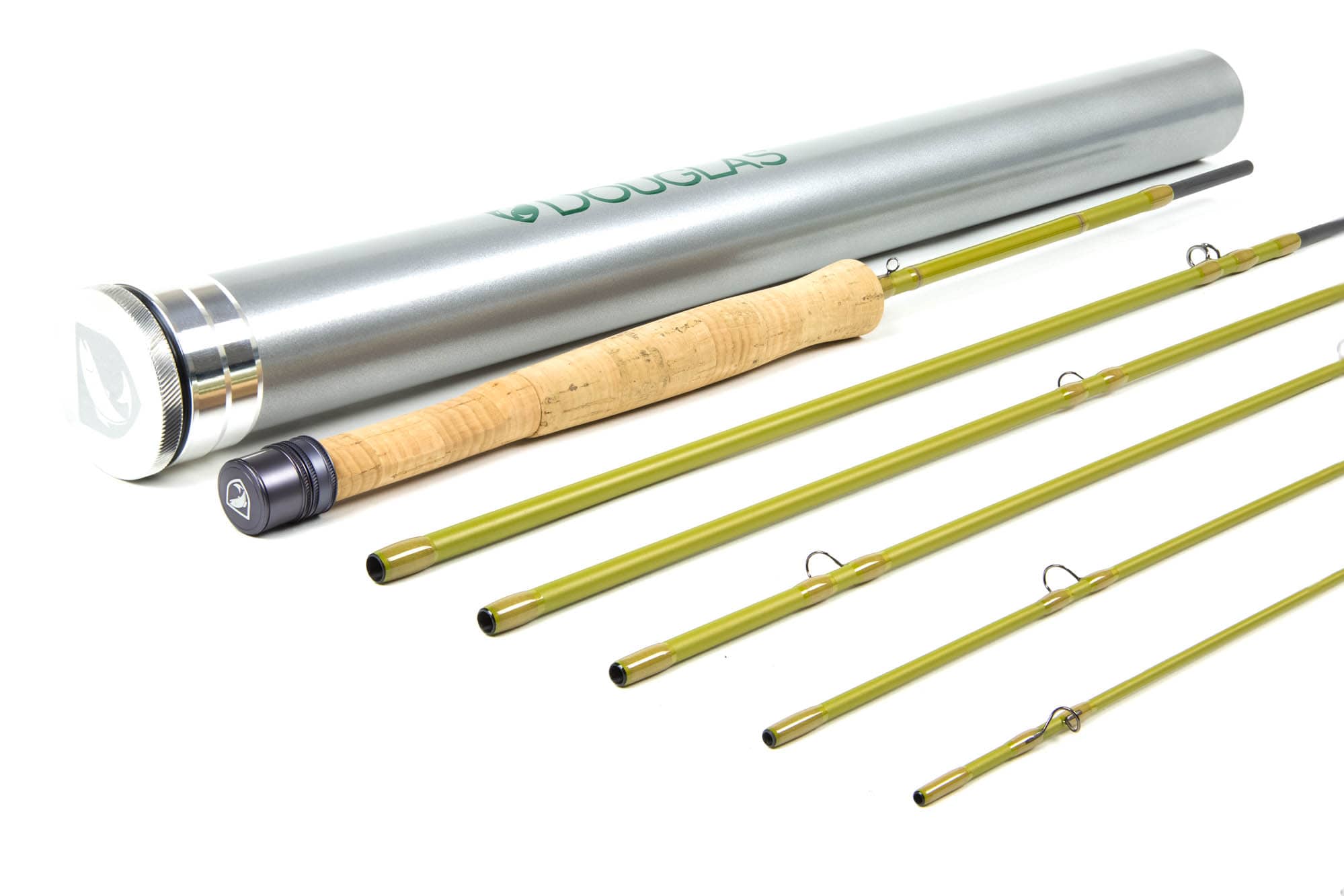
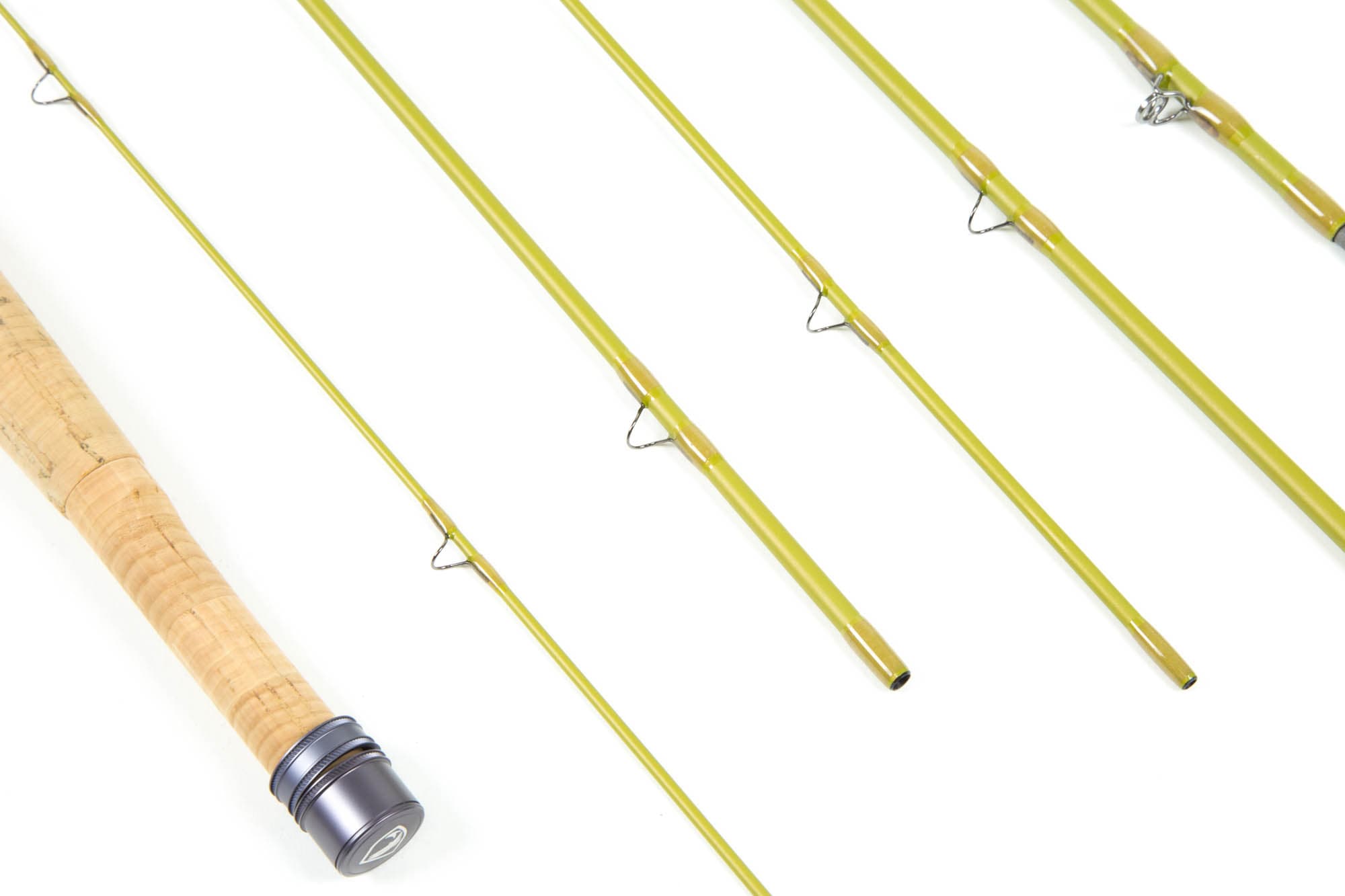
- Best Stillwater / Big-River Versatility: Douglas SKY-G Fly Rod - For anglers mixing technical trout work with longer casts, larger rivers, and frequent changes between rigs. It’s a versatile platform offered across a wide range of line weights for freshwater applications.
How to Choose Freshwater Fly Rods
Start with the “what water + what rig” question
Action: Decide whether most of your fishing is dry-fly presentation, indicator nymphing, tight-line nymphing, or streamer fishing. Freshwater fly rods can all cast a fly, but the right taper and length make specific techniques easier and more consistent.
Best for: Trout rivers, small streams, tailwaters, stillwater lakes, and warmwater bass/panfish, just match the rod to your typical flies and distances.
Line weight (the biggest performance lever)
- 2wt, 4wt: Light tippet, small dries, and delicate presentation, great for small to medium trout water.
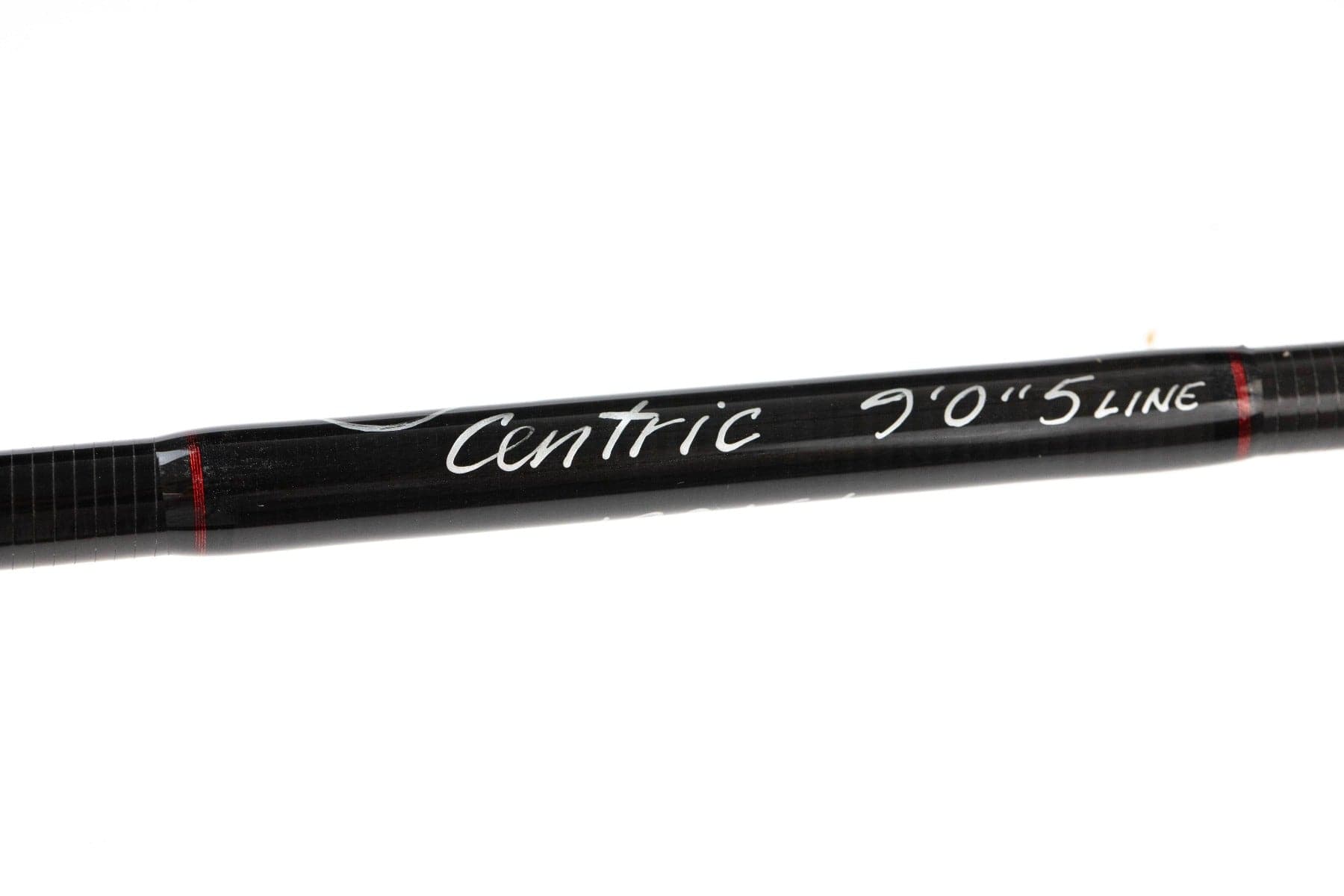
- 5wt: The classic do-it-all trout and light warmwater choice for dries, nymph rigs, and modest streamers.
- 6wt, 7wt: Better for heavier nymph rigs, bigger streamers, wind, and warmwater bass.
- 8wt+ in “freshwater”: Often used for large streamers, pike/musky, and certain salmon/steelhead applications (still freshwater, but heavier demands).
Length: presentation, mending, and leverage
- 7’, 8’6”: Great for tight cover and small streams; easier to manage in brushy banks.
- 9’: The most common all-around length; balances reach, line control, and general casting.
- 9’6”, 10’+: Helpful for extra mending and reach with nymphing; often favored for stillwater and specific nymphing approaches.
Action (feel) and who it’s for
Fast / Very Fast: Often preferred for wind, distance, and tighter loops with heavier rigs. Avoid if: you’re still building timing and want the rod to “slow you down” during the cast.
Medium-Fast: A strong all-around choice that blends feedback with enough power for modern lines and common trout distances.
Medium / Slow: A favorite for close-range feel, dry-fly presentation, and protecting light tippet.
Pieces and travel convenience
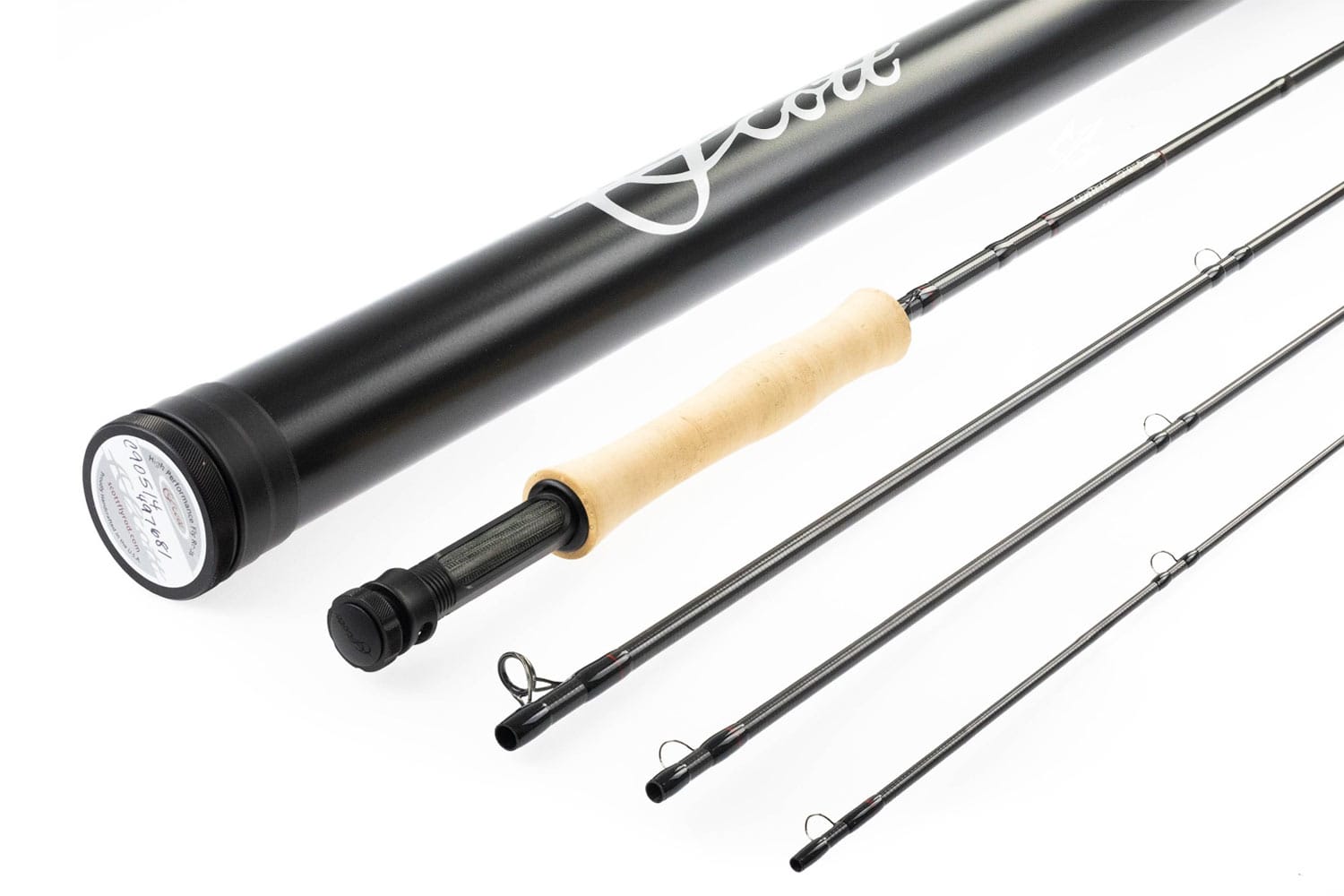
Most modern freshwater fly rods are 4-piece for easy transport. If you travel frequently or want a pack-friendly setup, pay attention to breakdown length and tube size, not just the number of pieces.
Care & Maintenance
- After each trip: Wipe the blank and guides with a damp cloth to remove grit and sunscreen, then dry before tubing.
- Ferrules: Keep ferrule connections clean; if they start to slip, wipe male ferrules with rubbing alcohol and let dry.
- Transport: Use the rod tube when hiking, boating, or packing in a vehicle, most freshwater breaks happen off the water.
- Storage: Store in a cool, dry place; avoid long-term heat (car trunks) that can affect finishes and adhesives.
Complete Your Setup
Related Gear
- Floating Fly Lines - The go-to choice for most freshwater fishing, from dries to indicator rigs.
- Fly Reels - Balance your rod and manage fish efficiently, especially with larger trout or warmwater species.
- Leaders - Dial in turnover and presentation; nylon vs. fluorocarbon matters by technique.
- Tippet - Match tippet diameter and material to fly size, water clarity, and your rig.
Related Guides
- Fly Rod Buyer's Guide: How to Choose a Fly Rod for Beginners
- The Most Accurate Freshwater Fly Rods of 2025
- Best 5wt Fly Rods of 2025
- Best 6wt Fly Rods of 2025
- Best Euro Nymphing Fly Rods of 2025
Freshwater Fly Rods FAQs
Q: What are freshwater fly rods designed for?
A: Freshwater fly rods are built for trout, bass, panfish, and other inland species, prioritizing presentation, line control, and efficient casting with common freshwater fly sizes. Compared to many saltwater rods, they’re often more presentation-focused and offered in lighter line weights.
Q: What’s a good all-around freshwater fly rod weight?
A: A 9’ 5wt is widely considered the most versatile starting point for trout and mixed freshwater fishing. If you fish bigger rivers, heavier nymph rigs, or more streamers, a 6wt can be a better everyday tool.
Q: What rod length should I choose for trout?
A: 9’ is the standard because it balances reach (mending and line control) with manageable swing weight. Shorter rods can be easier in tight cover, while longer rods help with nymphing and stillwater tactics.
Q: Is a fast-action rod good for beginners?
A: It can be, but many newer anglers learn timing faster with a medium-fast action that loads more easily at typical trout distances. If you fish wind a lot or prefer a quicker casting stroke, fast action may still be a good fit.
Q: What’s the difference between rod “action” and “weight”?
A: Weight (like 5wt or 6wt) tells you what line size the rod is built to cast. Action describes where and how deeply the rod flexes, which affects feel, loop shape, and how forgiving the rod is.
Q: Do I need a special rod for Euro nymphing?
A: For dedicated tight-line nymphing, a longer, lighter rod (often 10’, 11’ in 2wt, 4wt) makes strike detection and line control easier. You can still nymph with a standard 9’ 5wt, but the specialized rod improves efficiency and reduces fatigue.
Q: How do I match a fly line to my freshwater fly rod?
A: Start with the same line weight as the rod (a 5wt line on a 5wt rod) and choose a taper that fits your main job: general-purpose trout tapers for dries and light nymphing, or more aggressive tapers for heavier rigs and streamers.