


Beginners Lessons, Synthetics

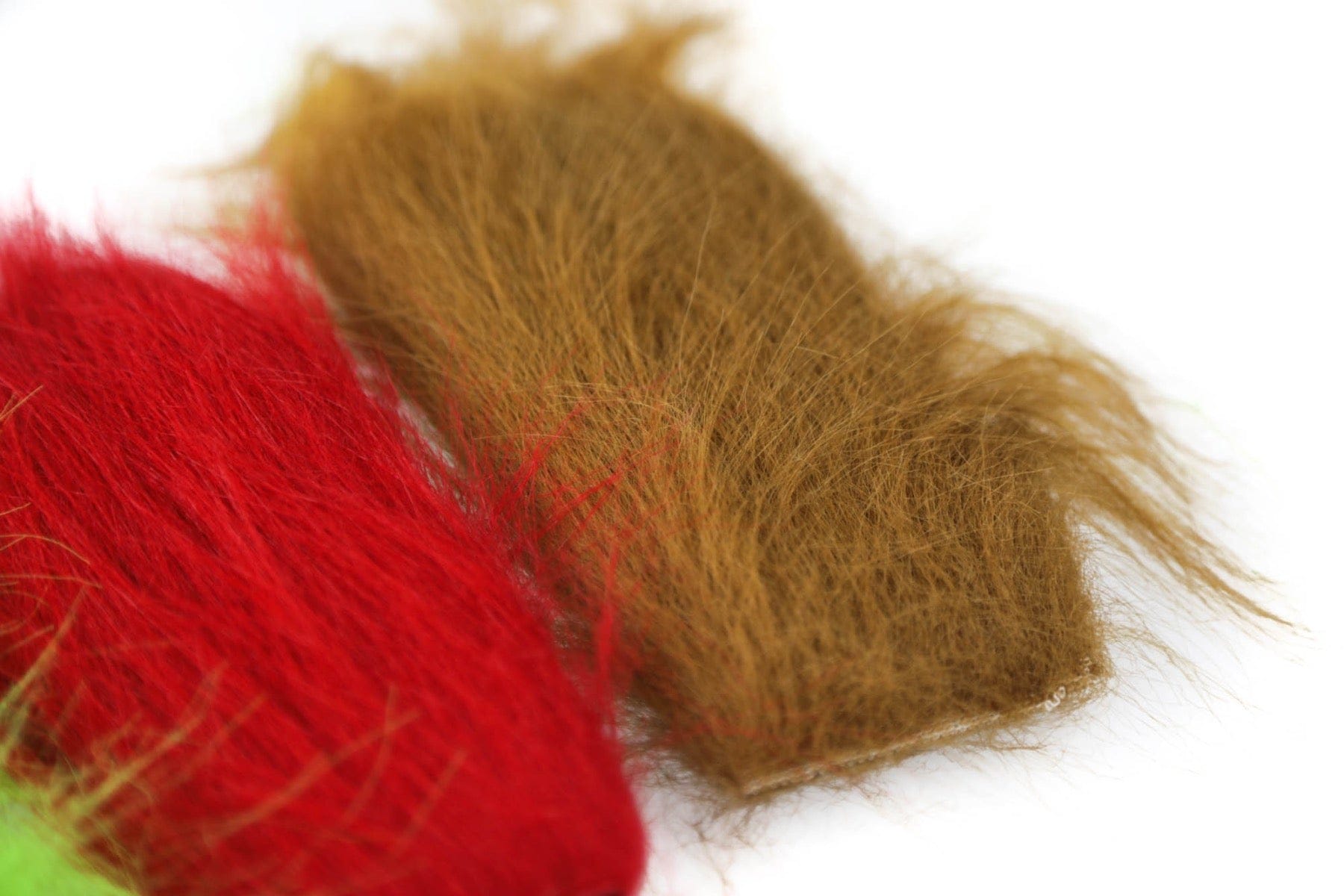
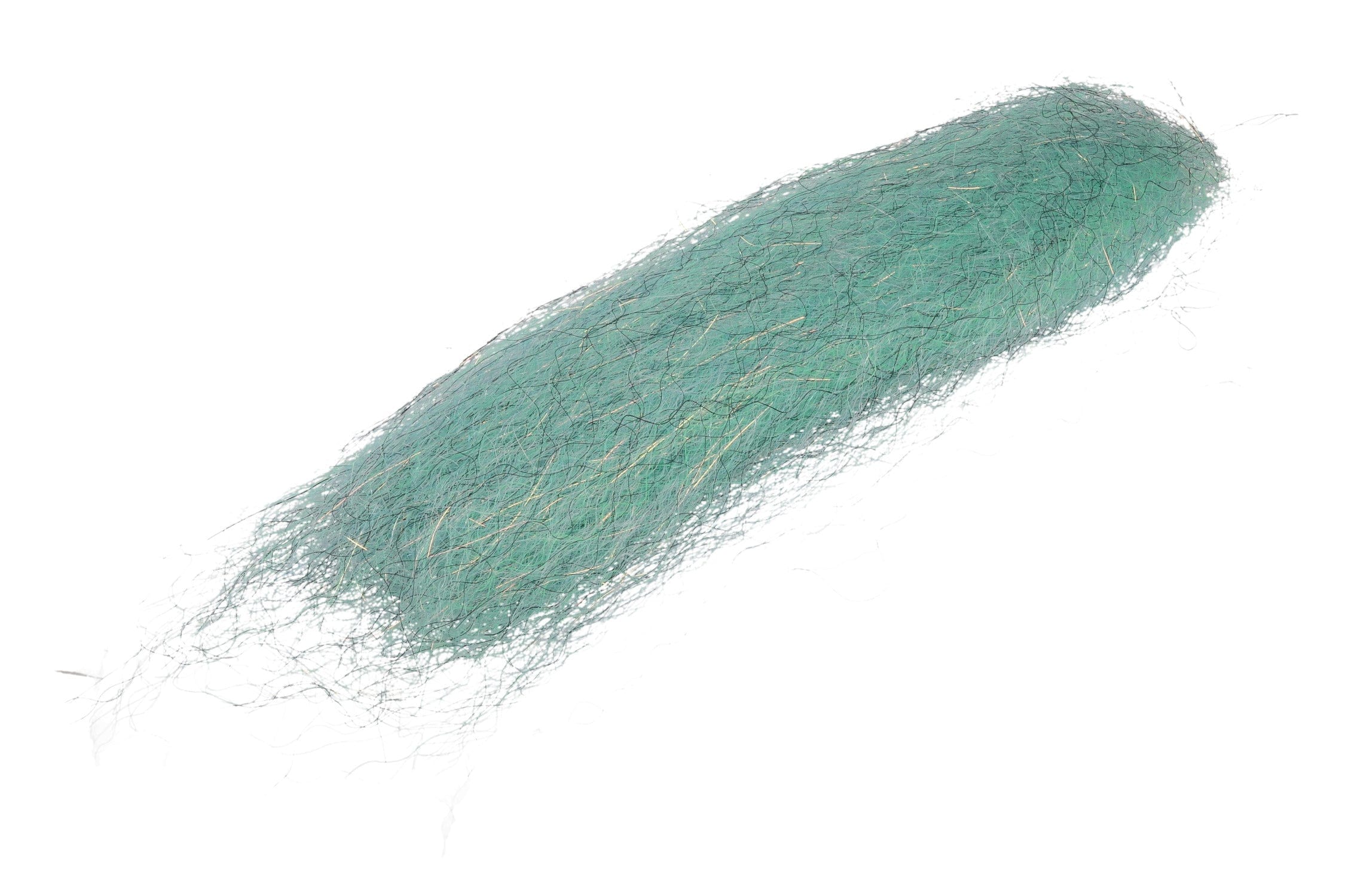
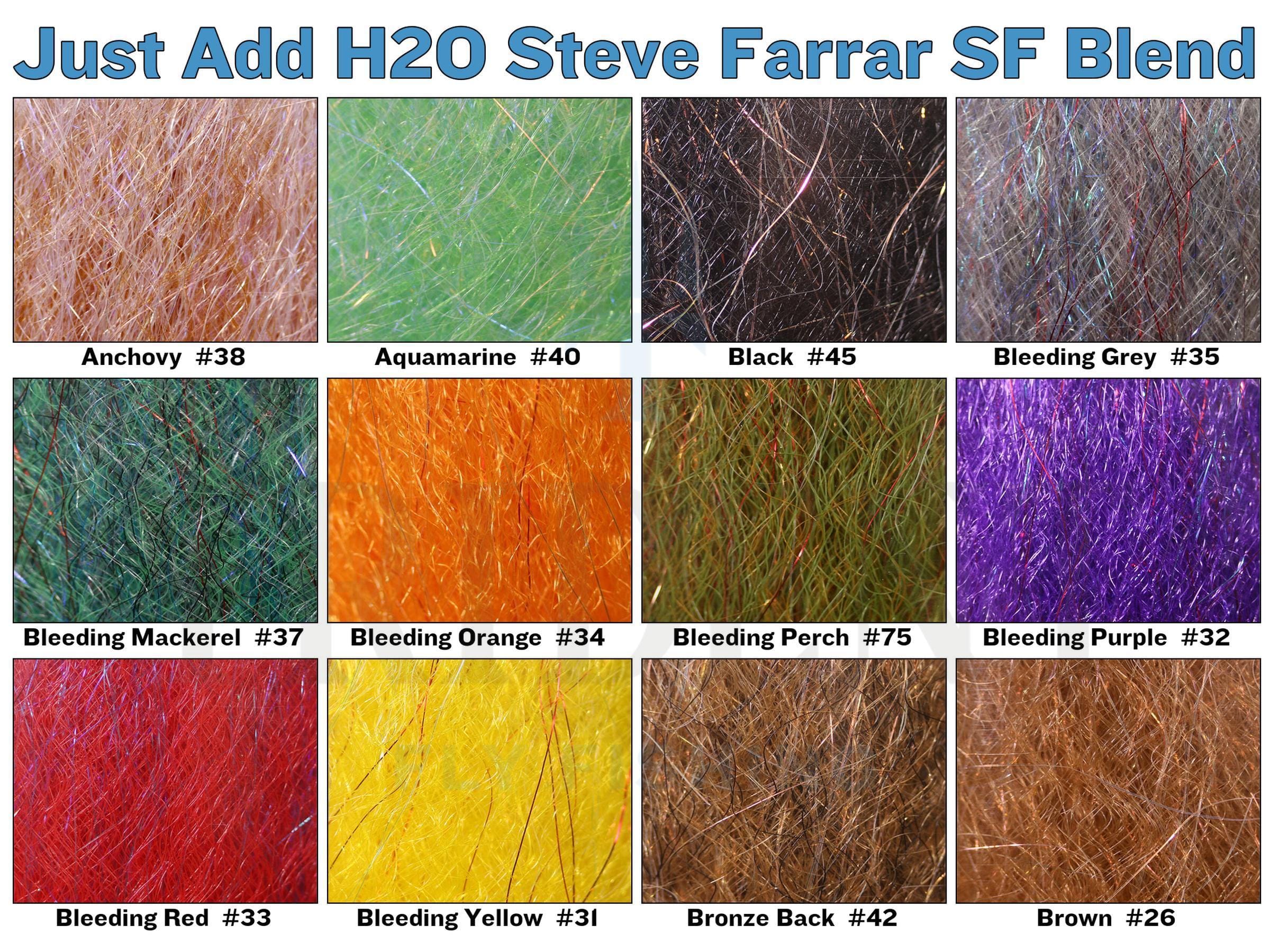
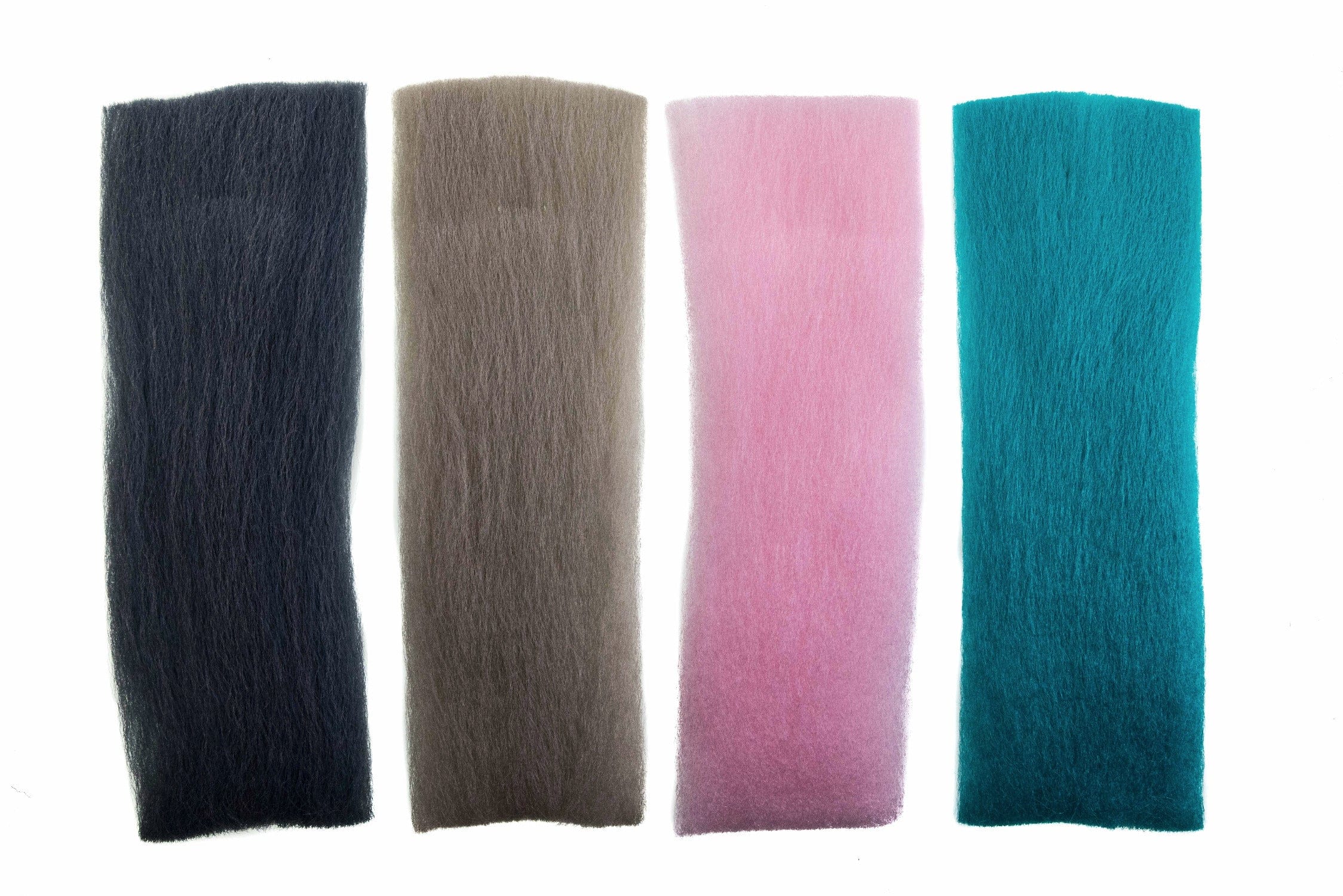



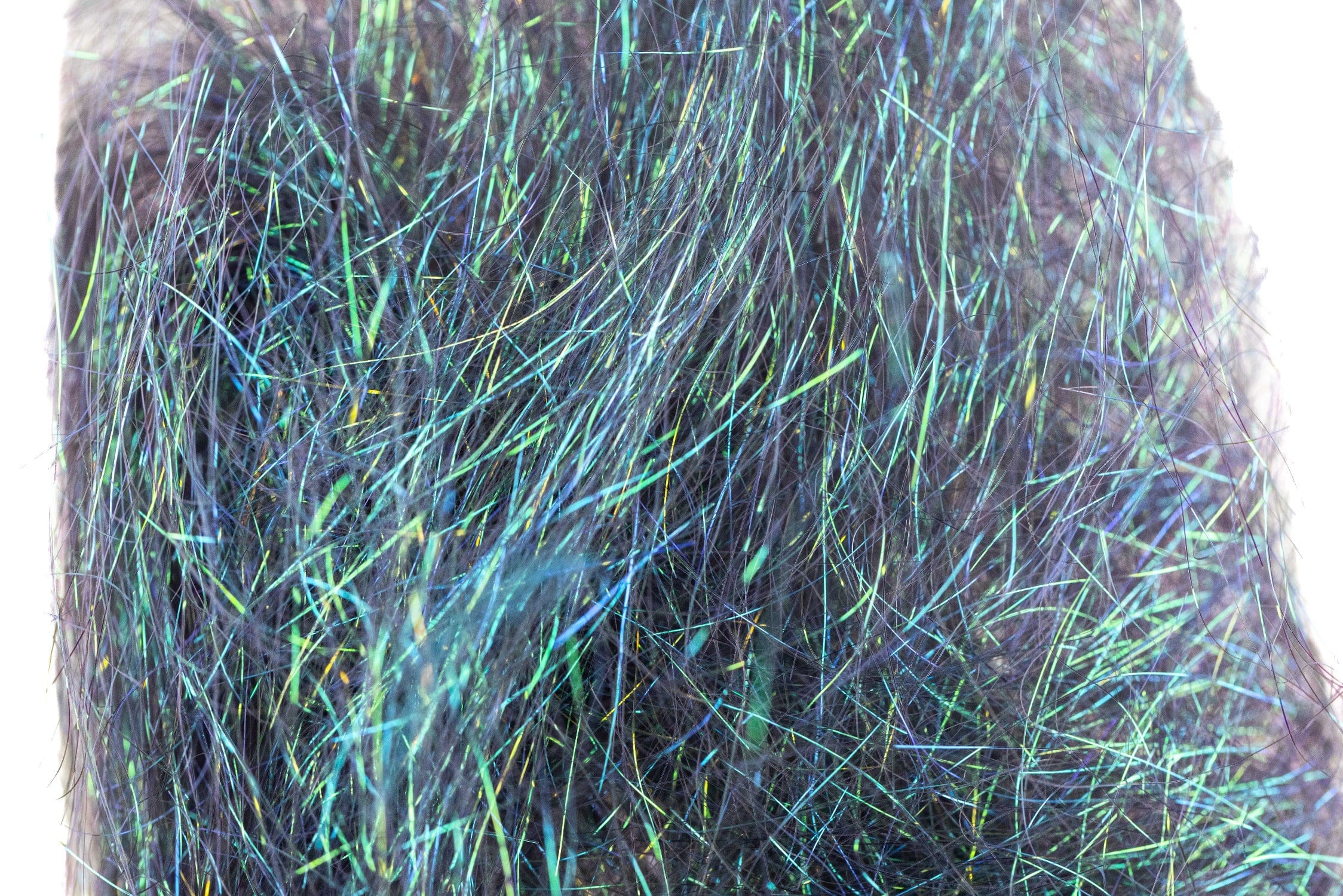
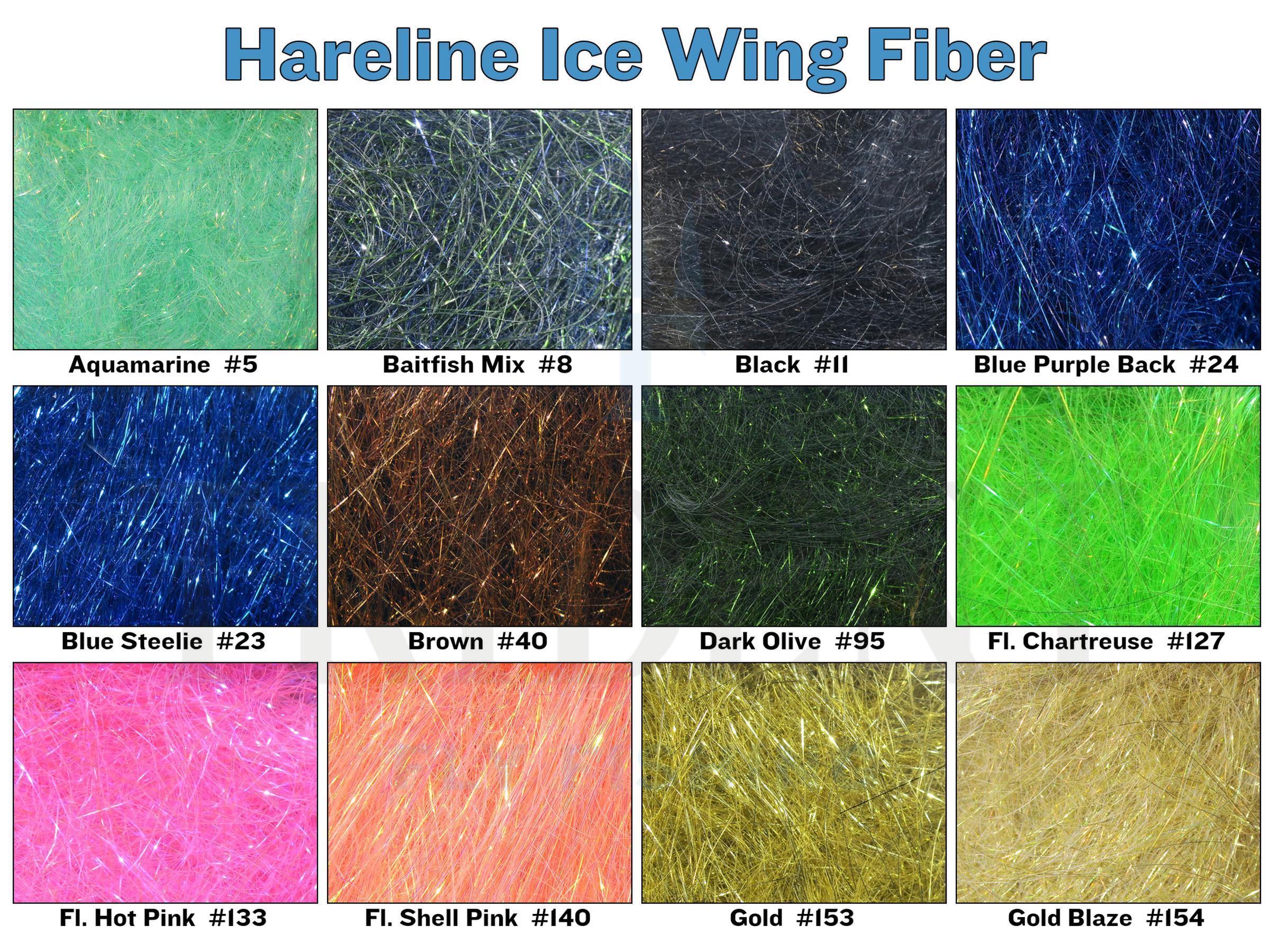
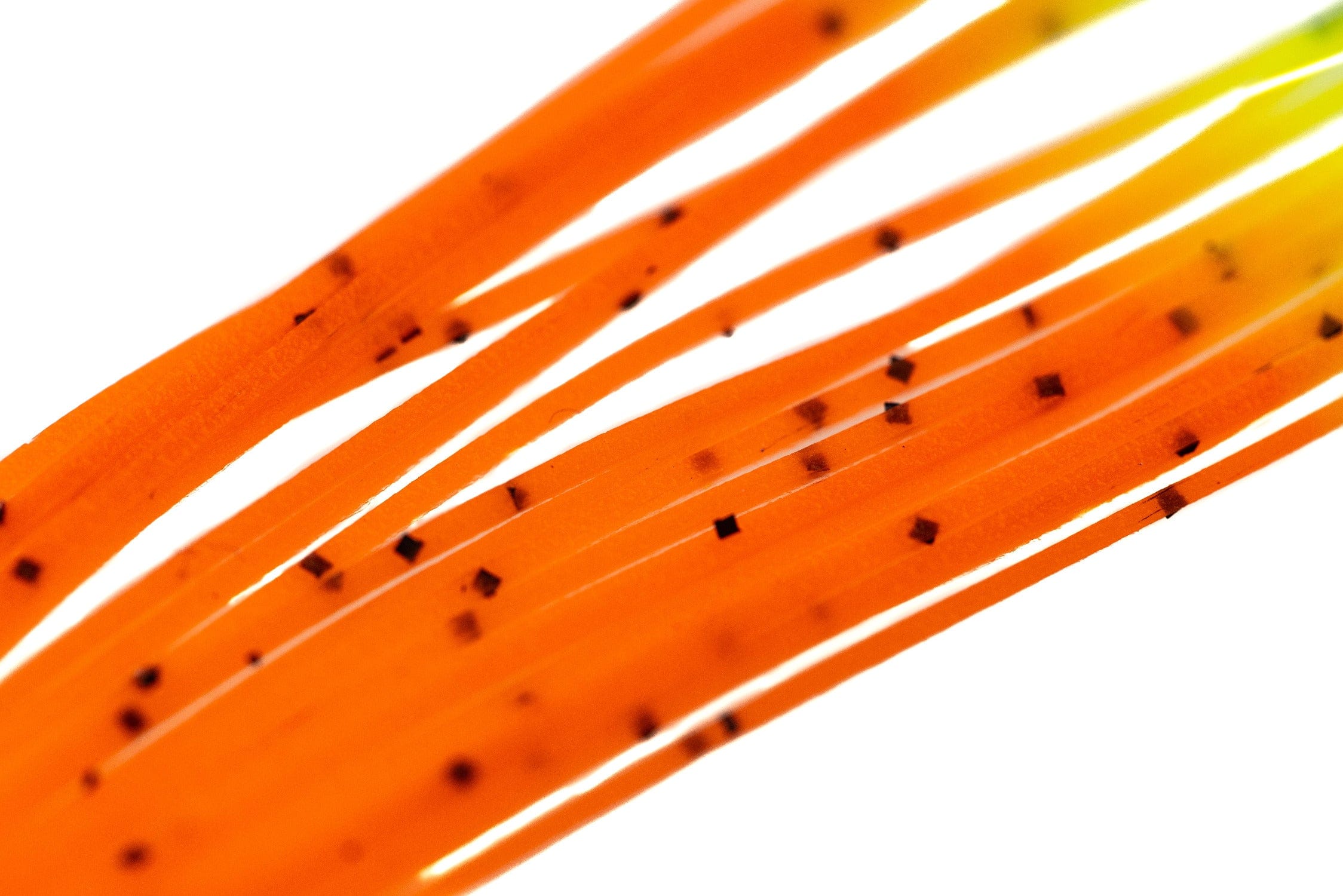
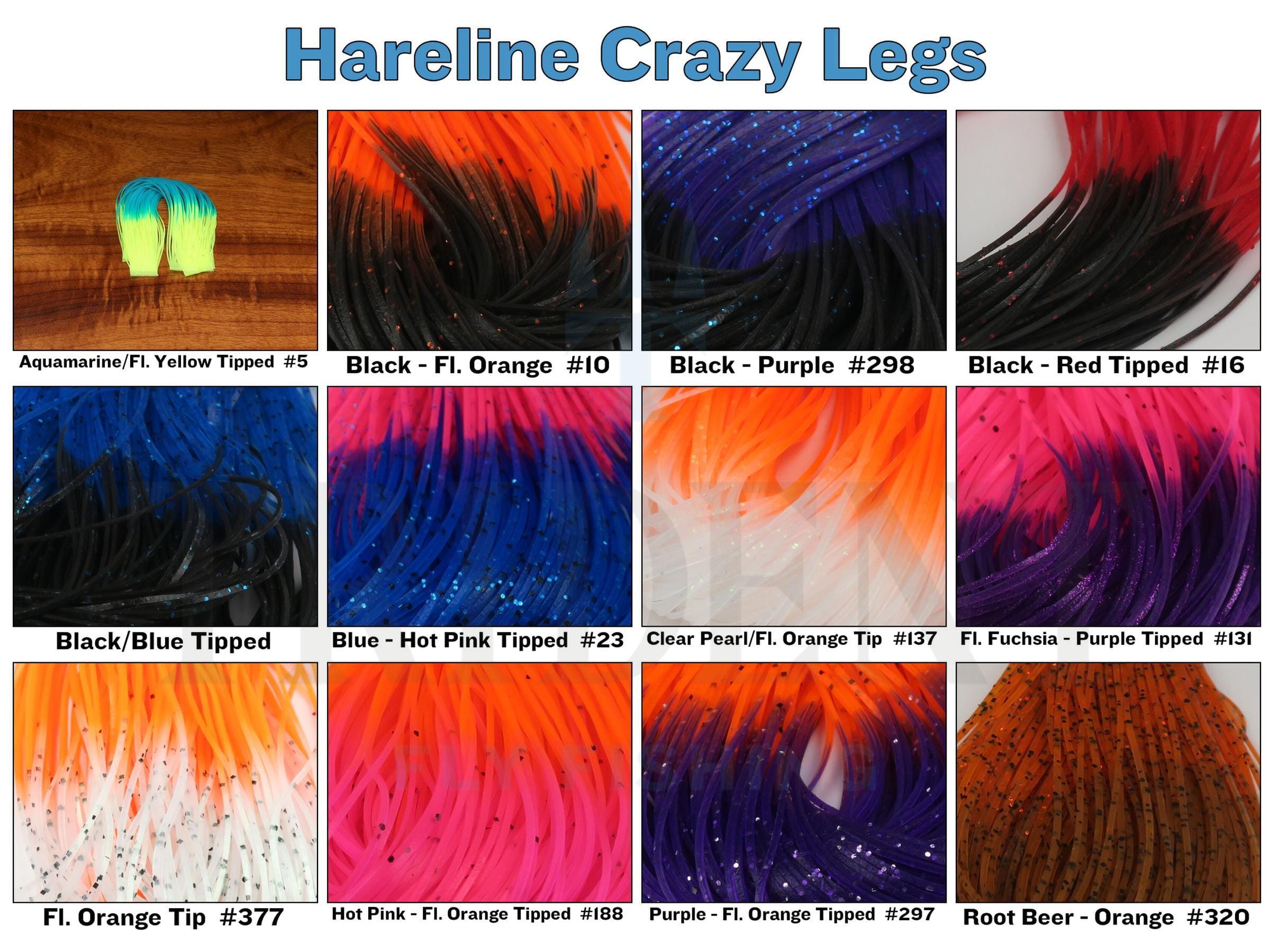





Synthetics Quick Picks
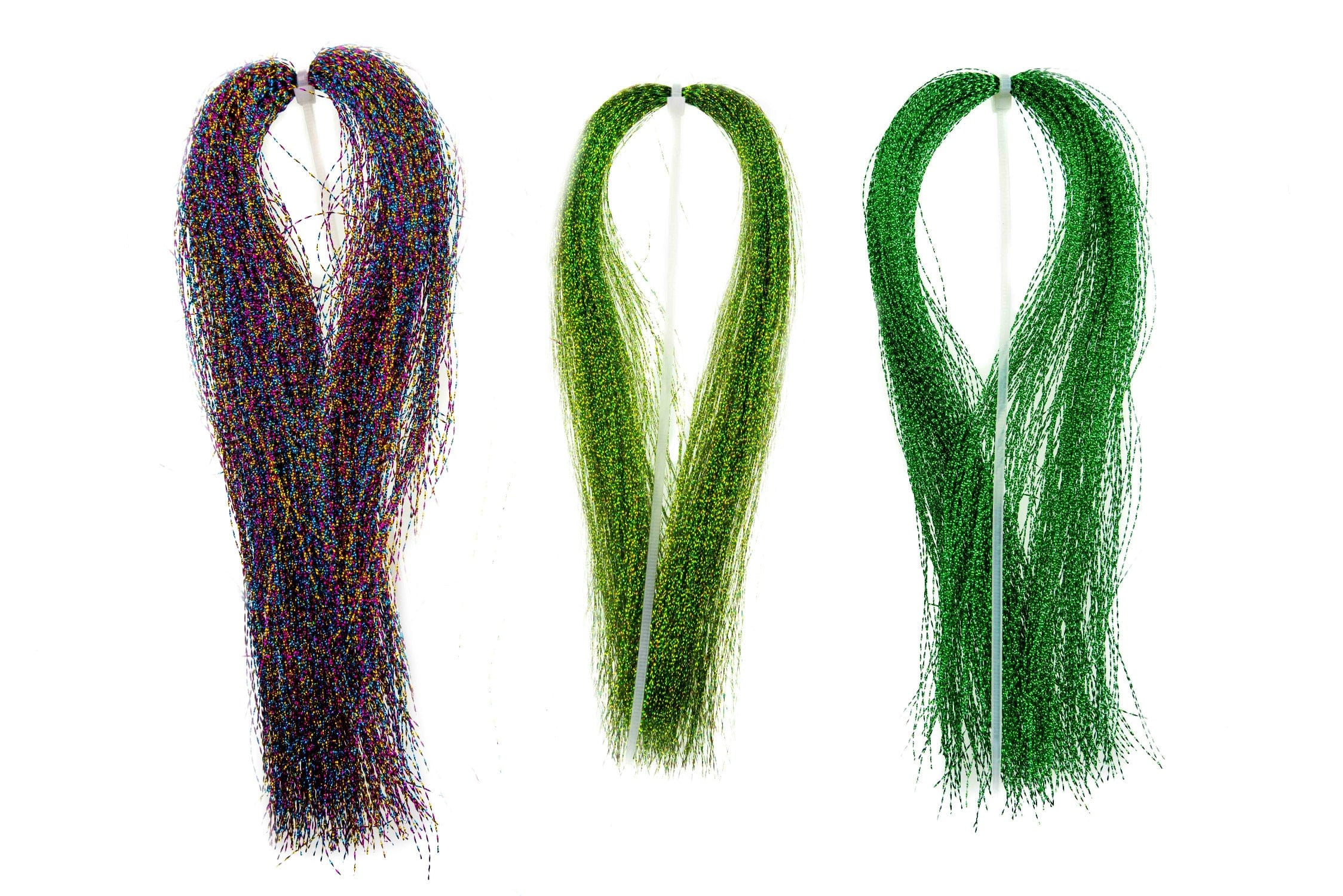
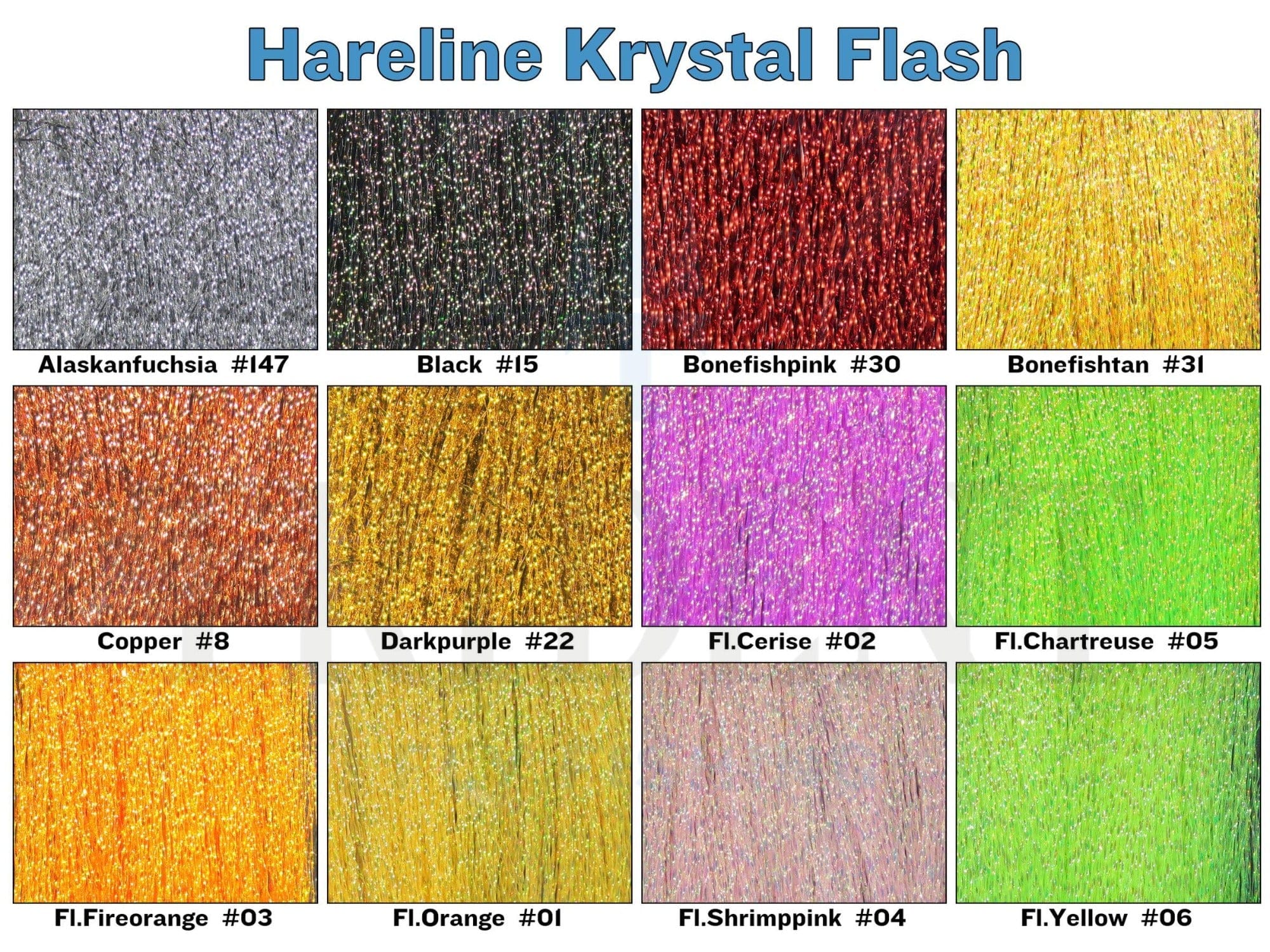
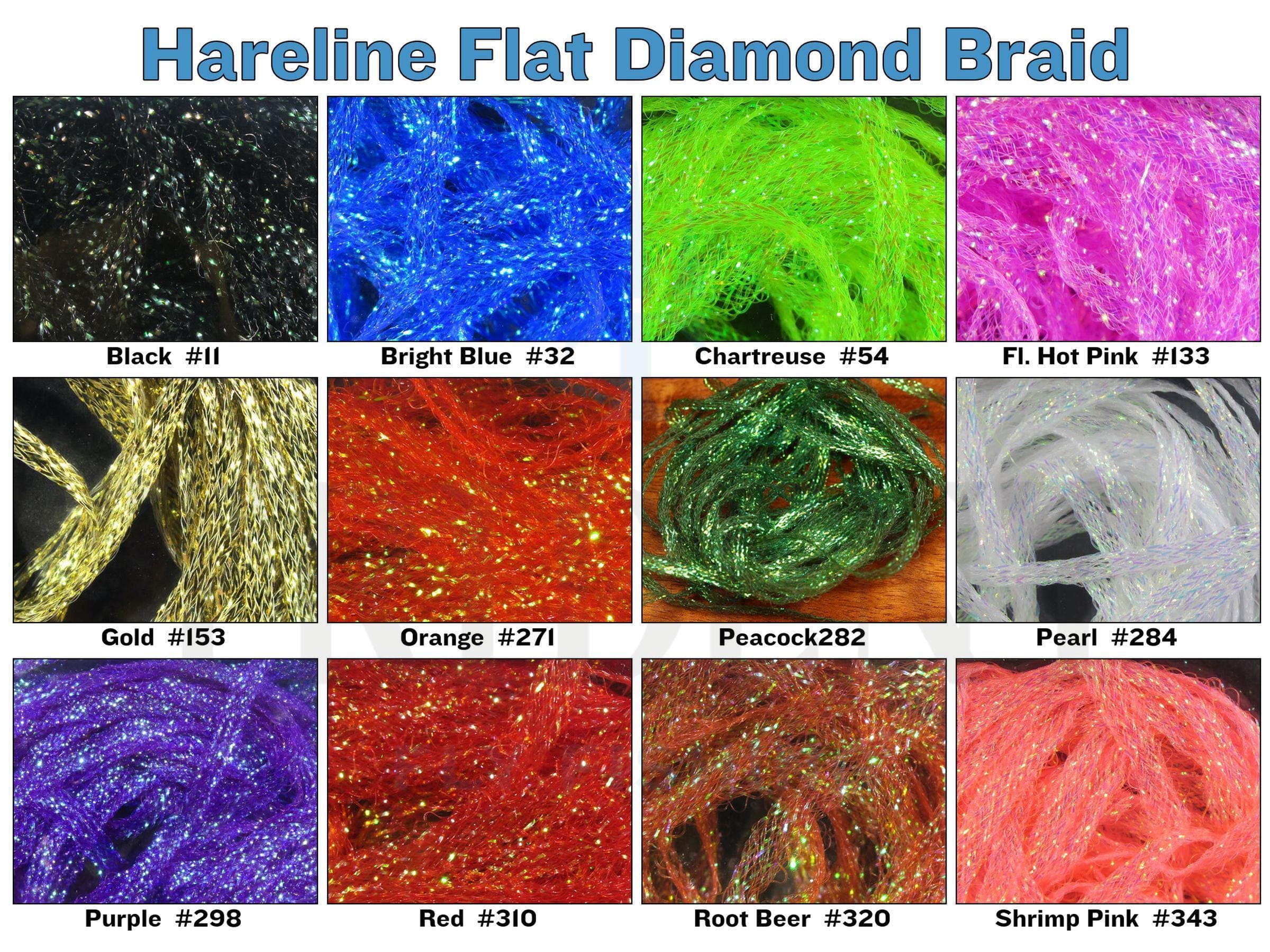
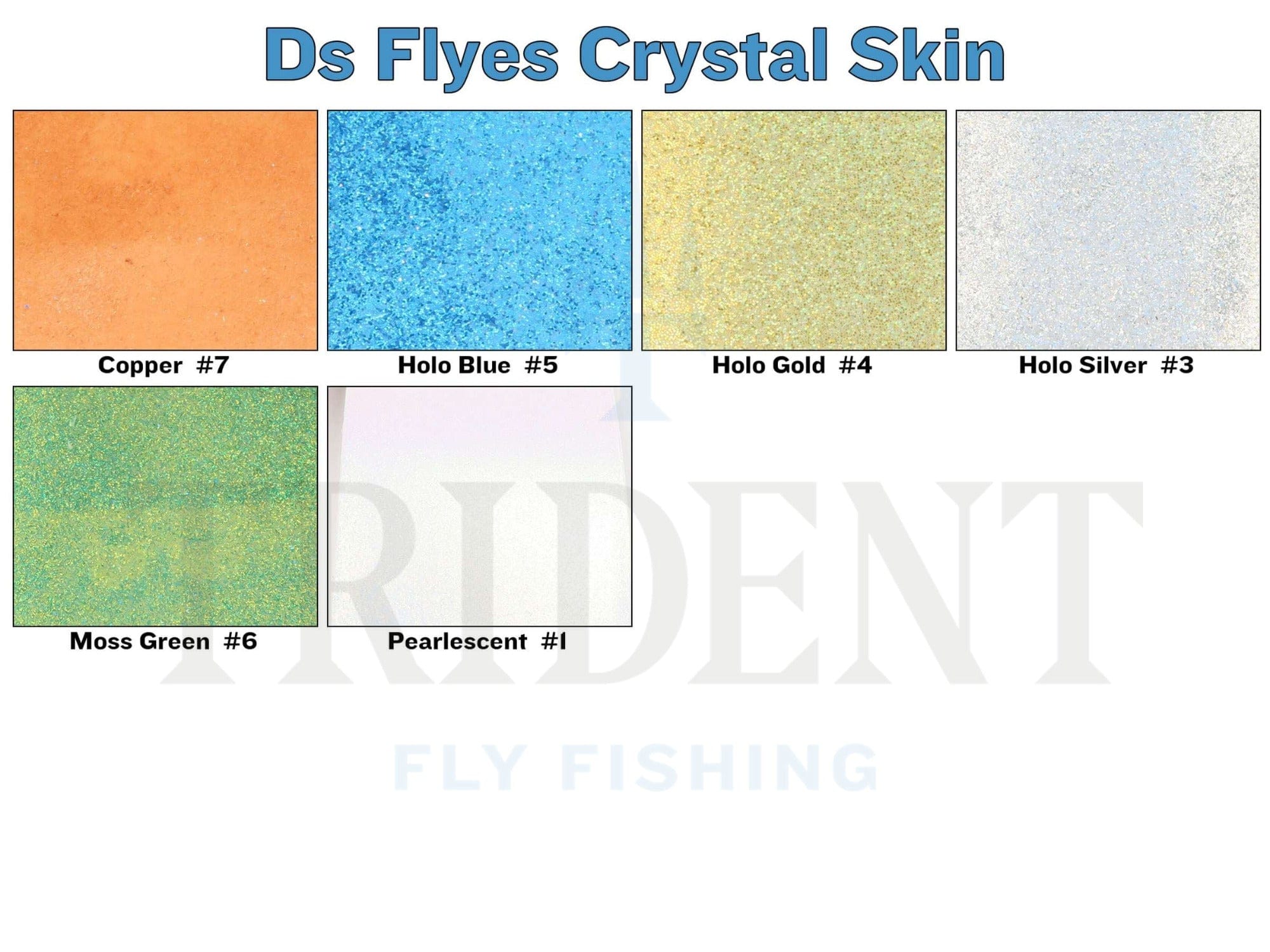
Best All-Around: Hareline Krystal Flash - A go-to flash for trout and saltwater patterns when you want extra visibility without changing the fly’s shape much. The crinkled mylar strands add texture and light reflection that reads like “scales” in the water.
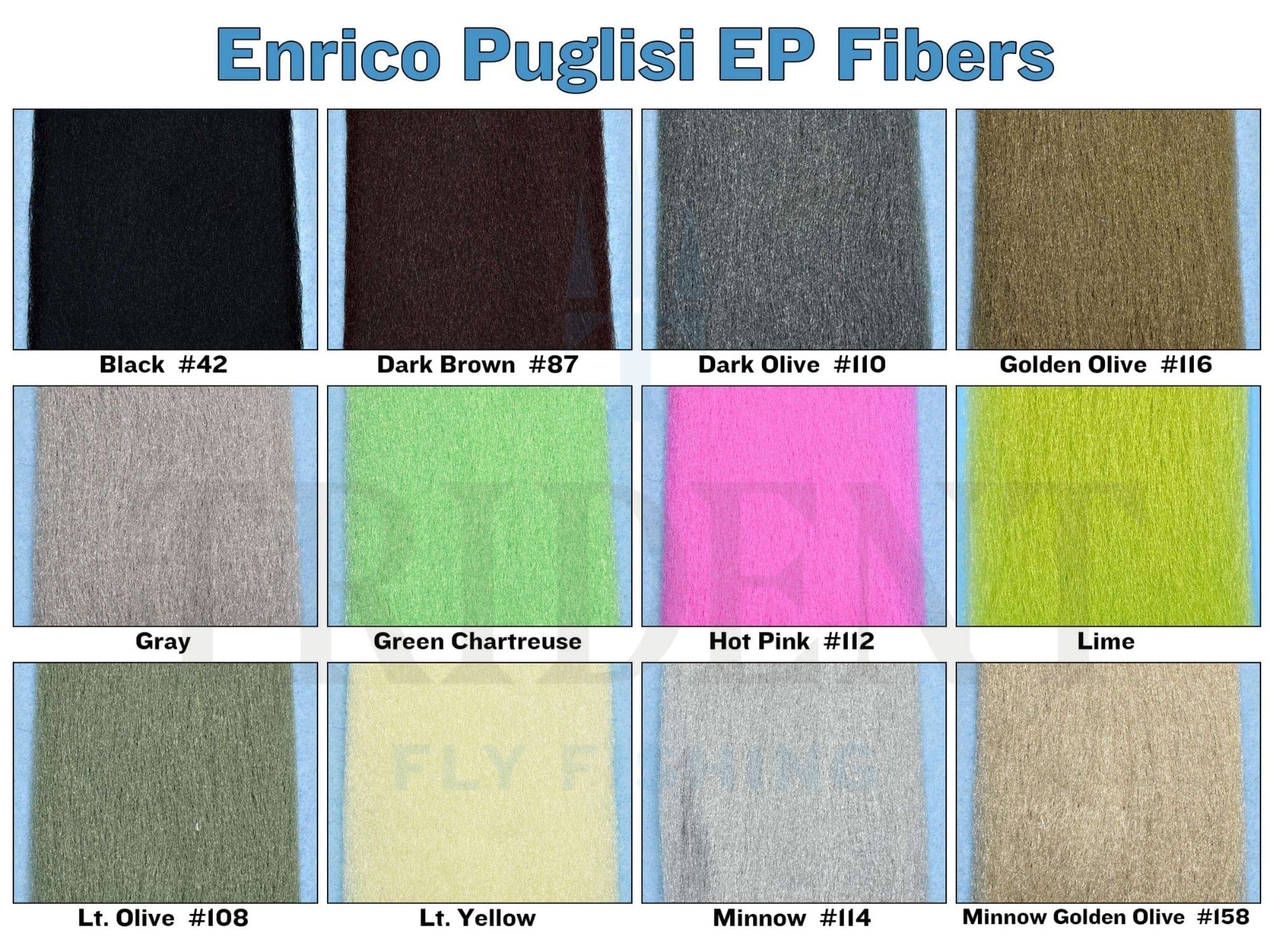
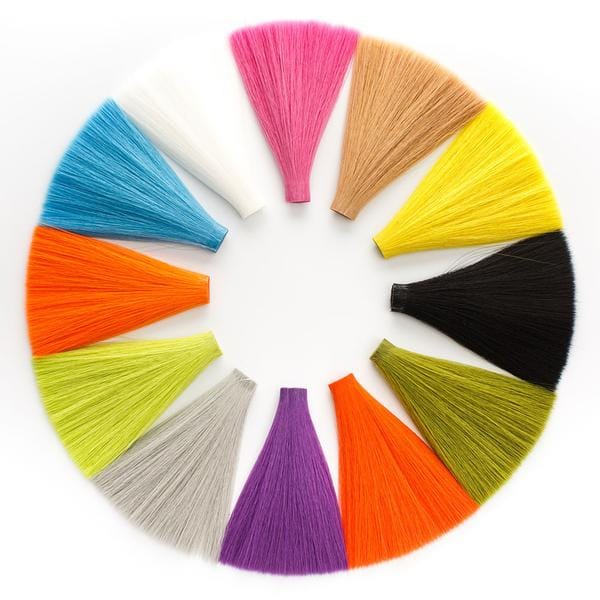
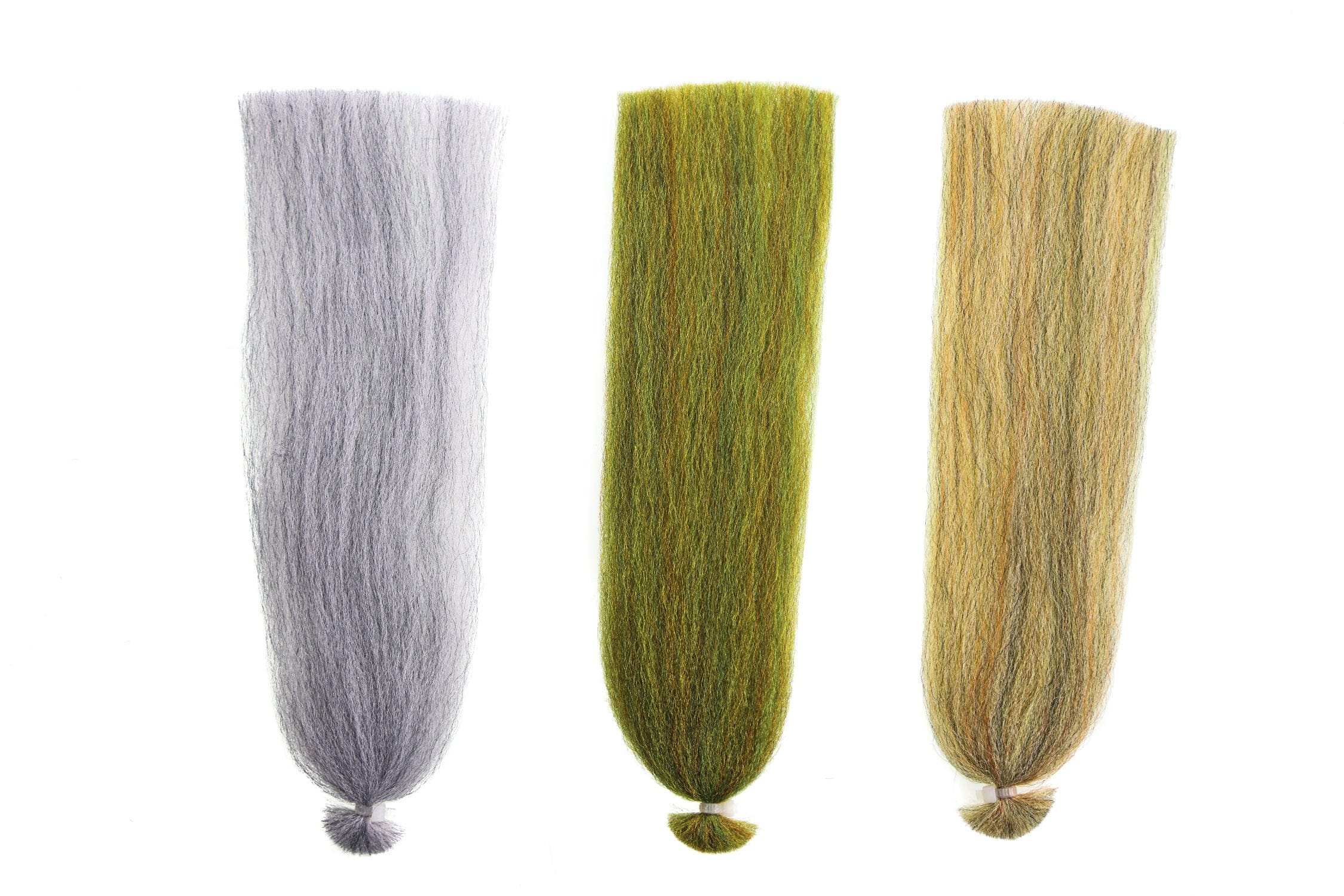
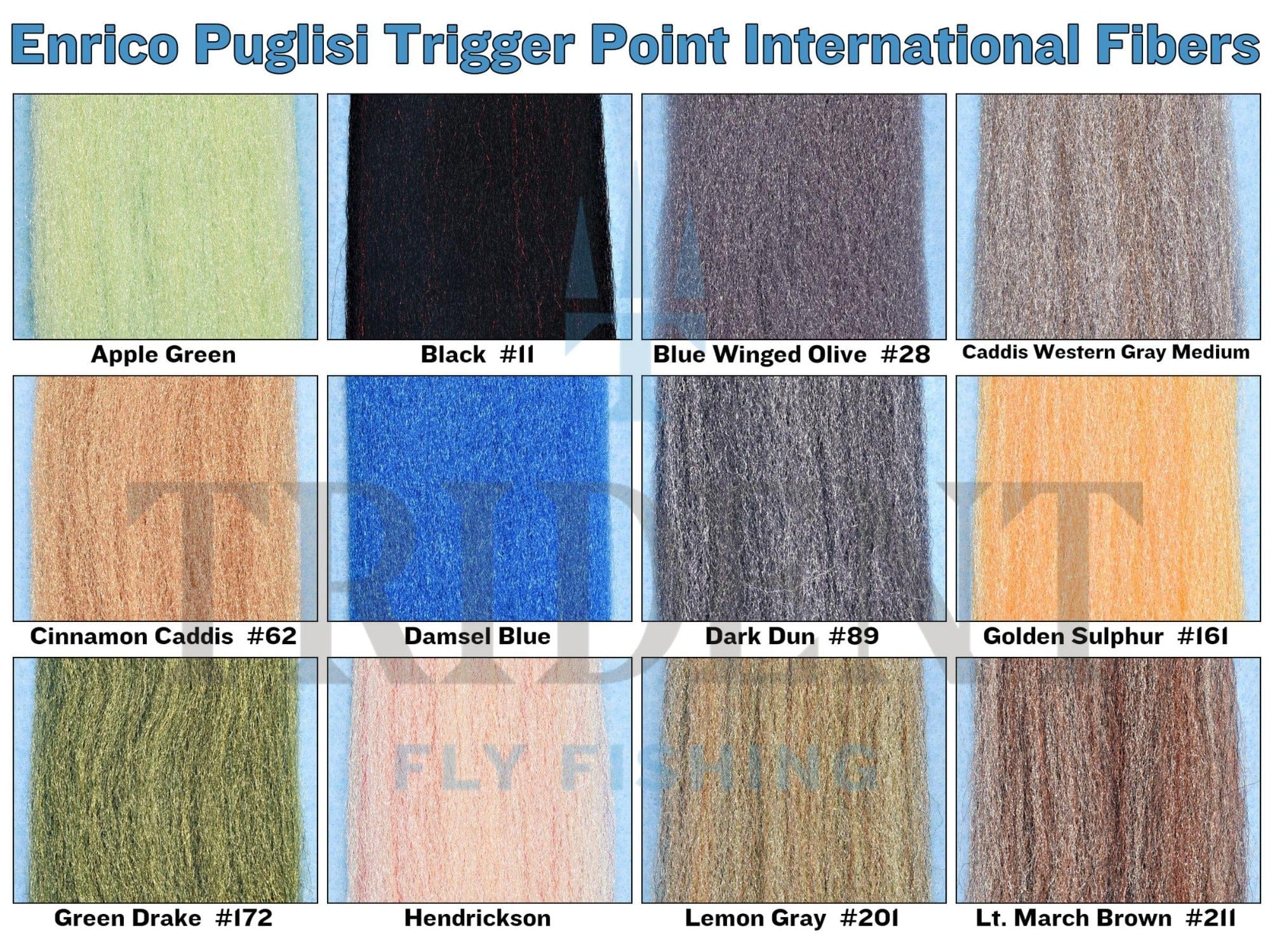
Best for Baitfish Profiles: Enrico Puglisi EP Fibers - Built for tying modern baitfish, shrimp, and crab patterns where you need shape, translucency, and movement. These fibers shed water well for easier casting and can be stacked/trimmed into clean, durable heads and bodies.
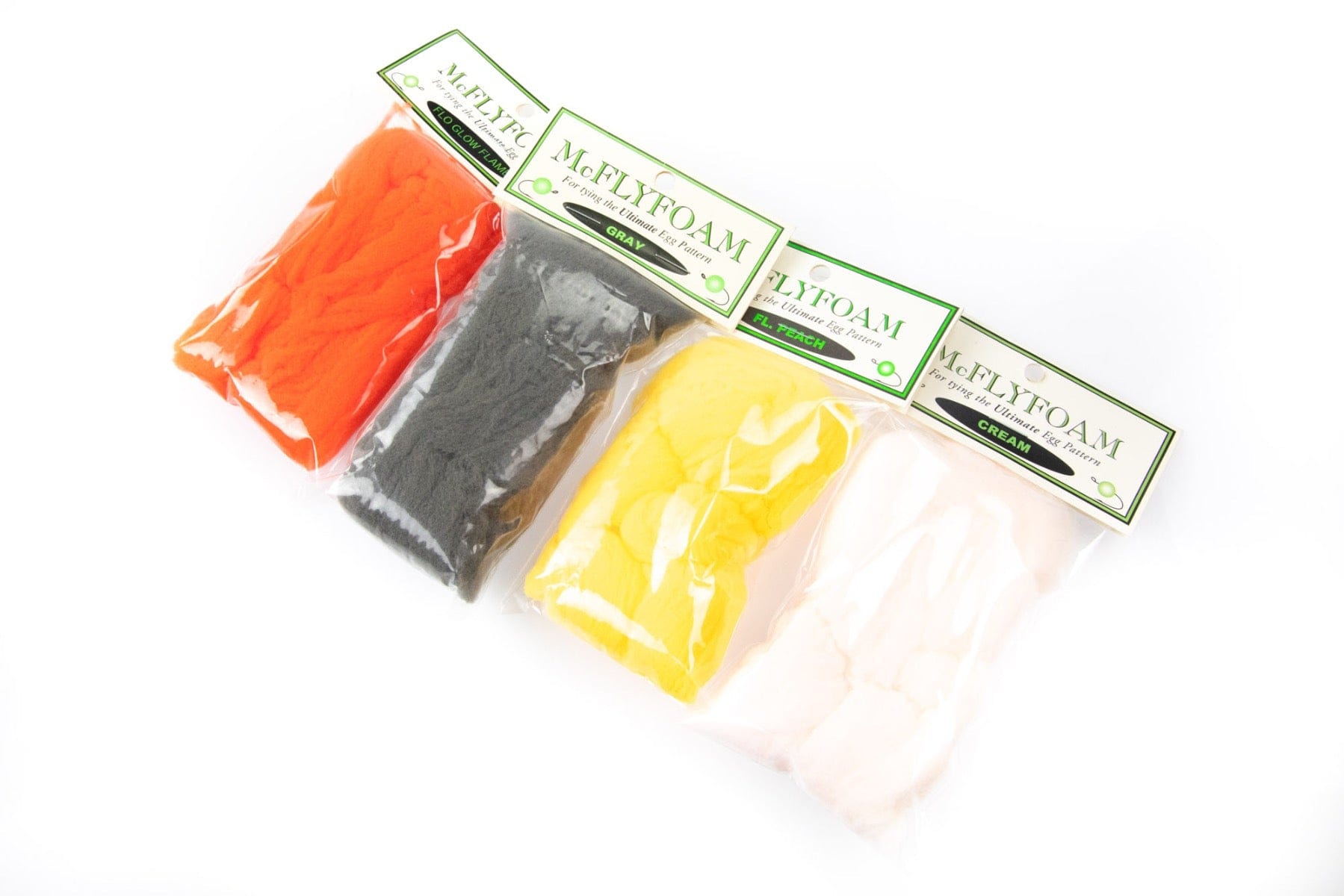
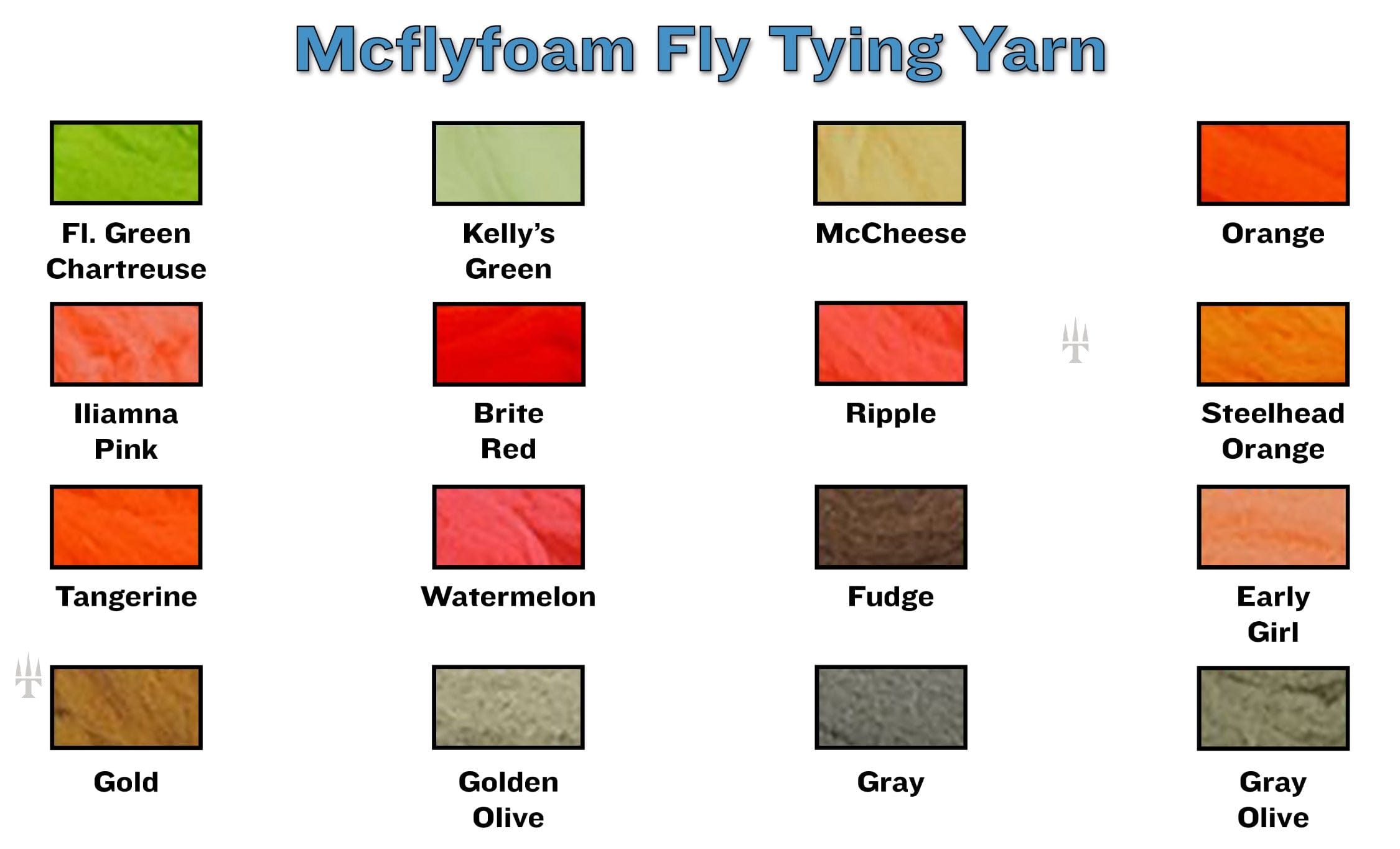
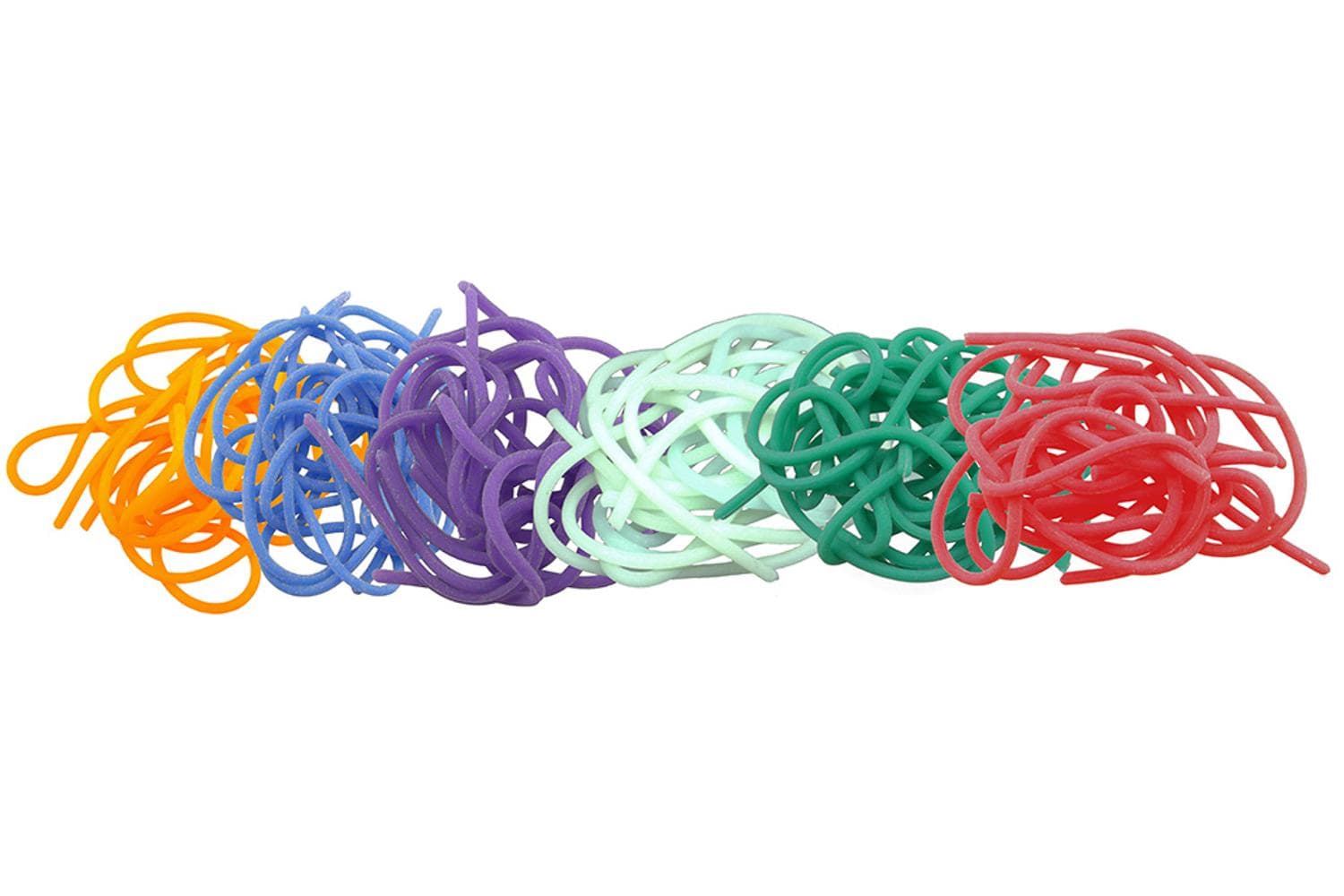
Best Buoyancy Upgrade: Hareline Polypropylene Floating Yarn - Ideal for parachute posts, spinner wings, emergers, and high-floating terrestrials. It’s easy to pull a few fibers at a time to match hook size while keeping flies riding high.
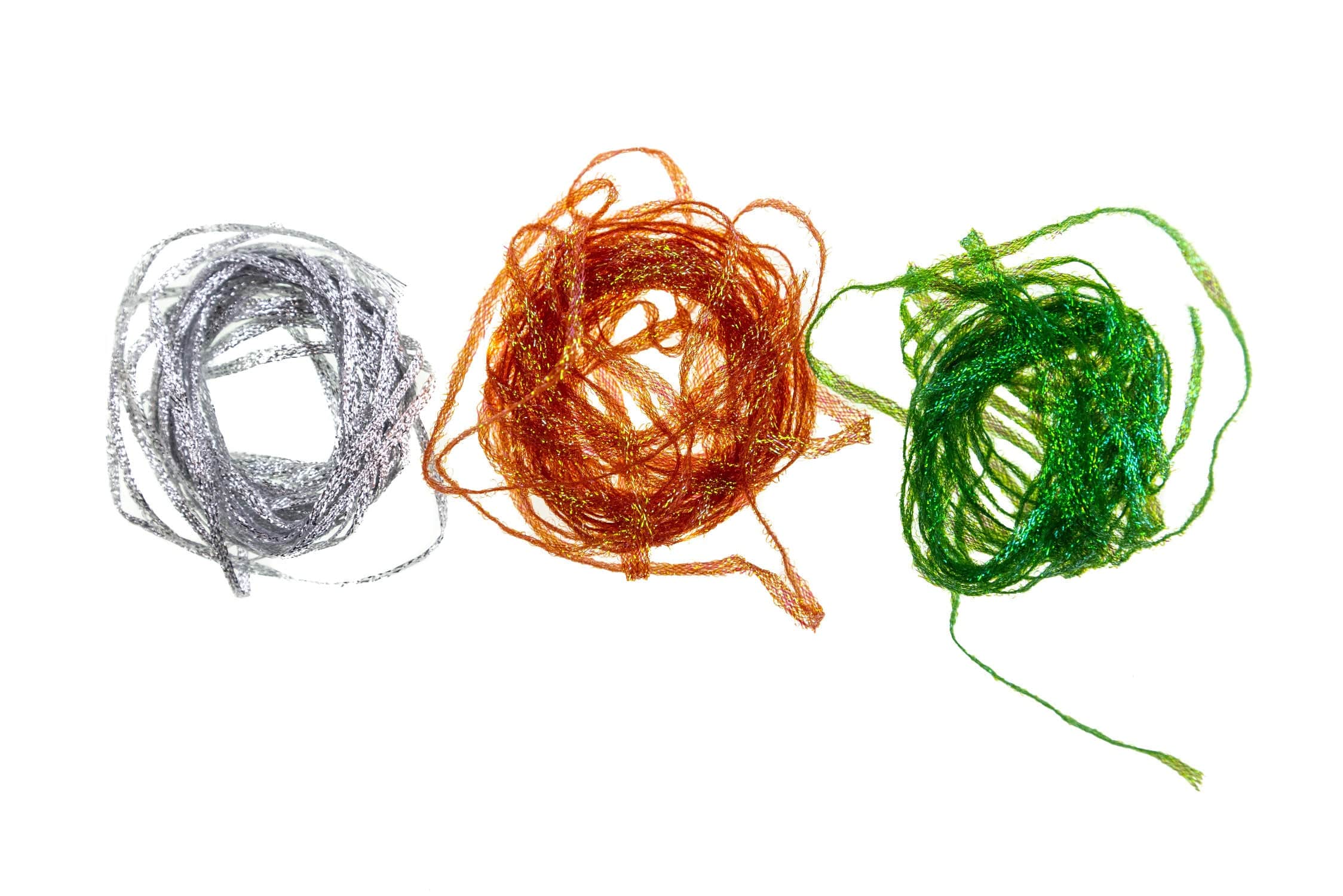
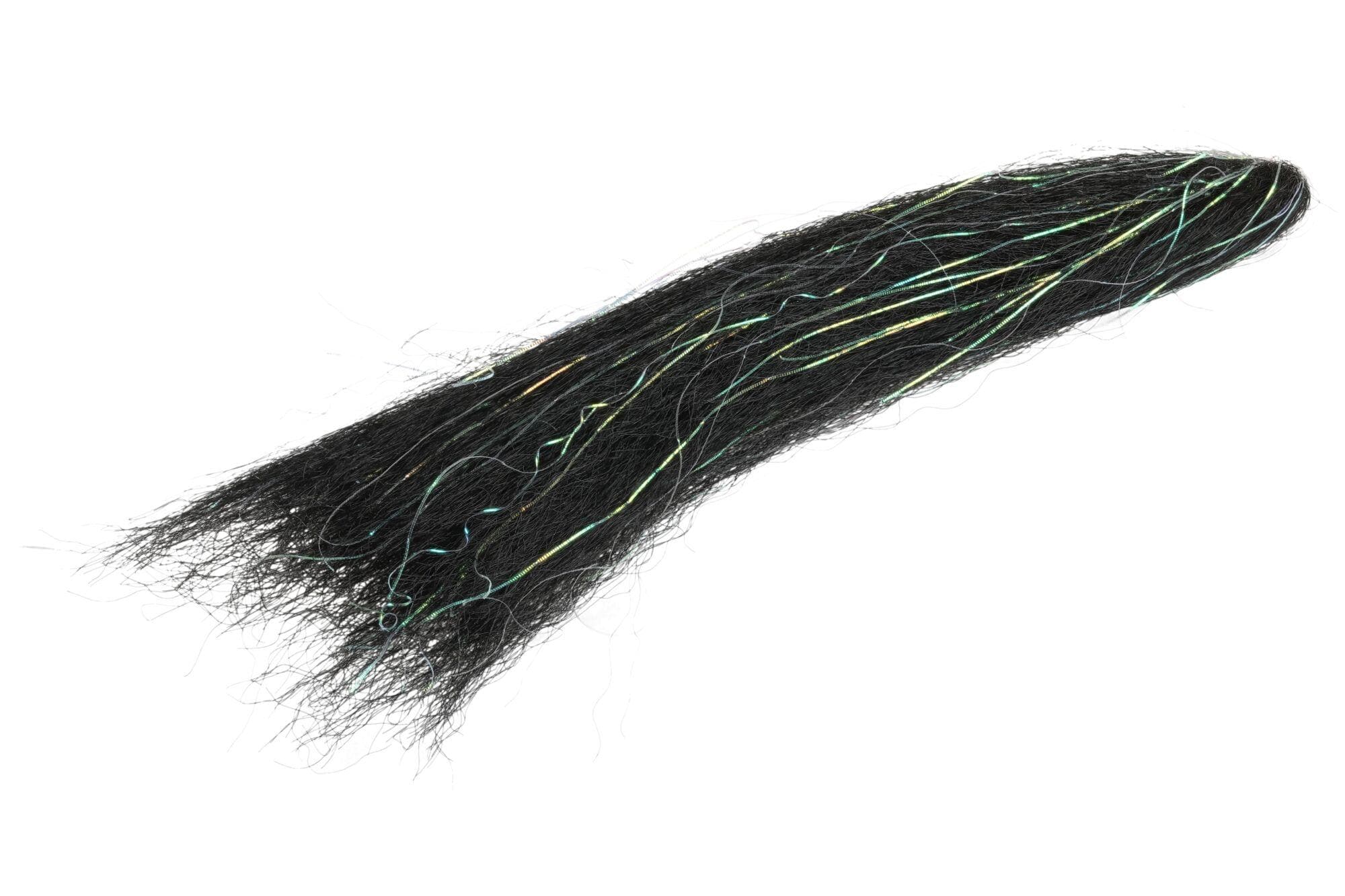
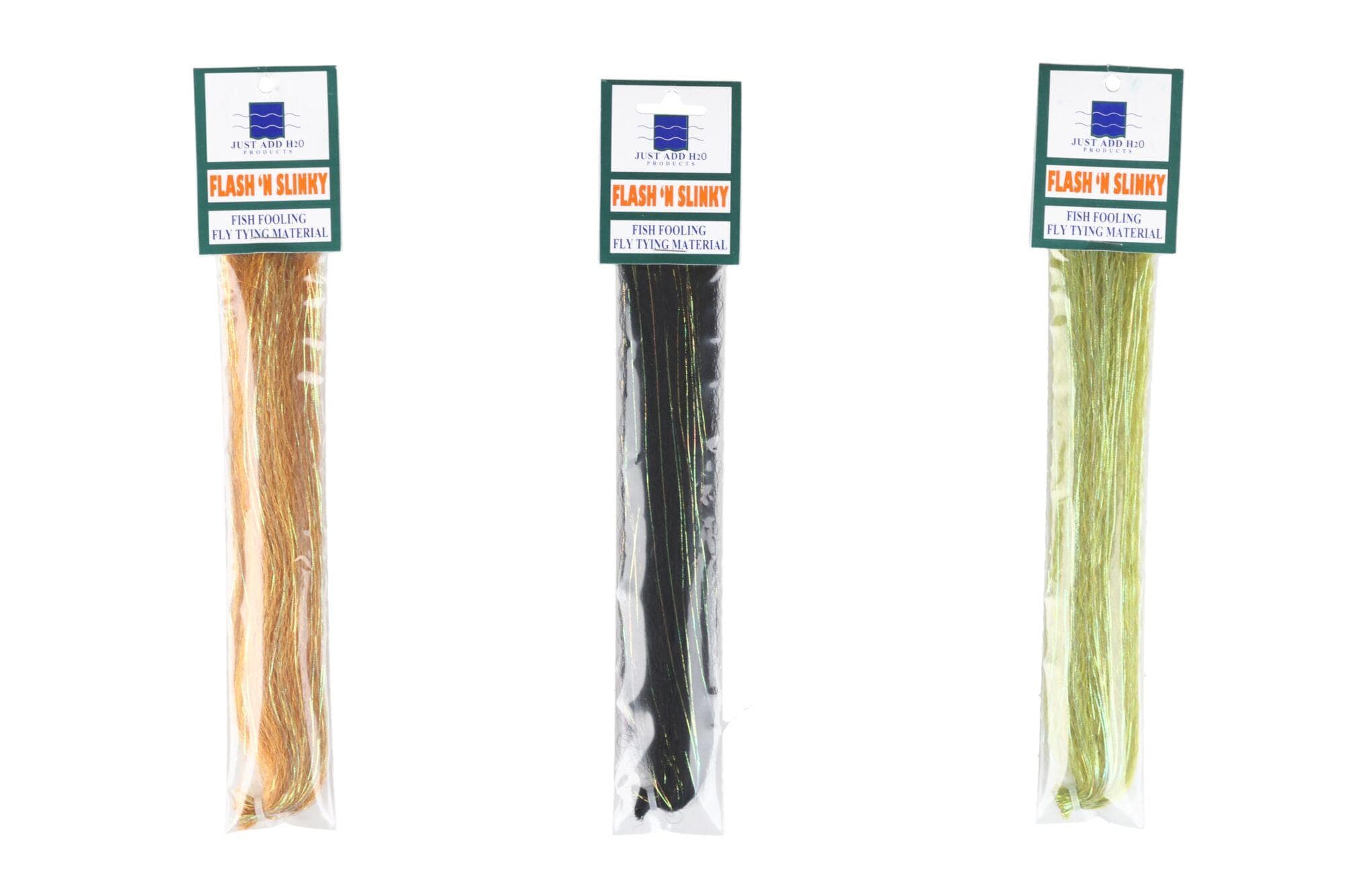
Best Flash + Structure Blend: Just Add H2O Flash N Slinky - Great for streamers and saltwater patterns where you want a little “body” plus built-in shimmer. It’s easy to handle at the vise and works well for baitfish wings, accents, and flashy collars.
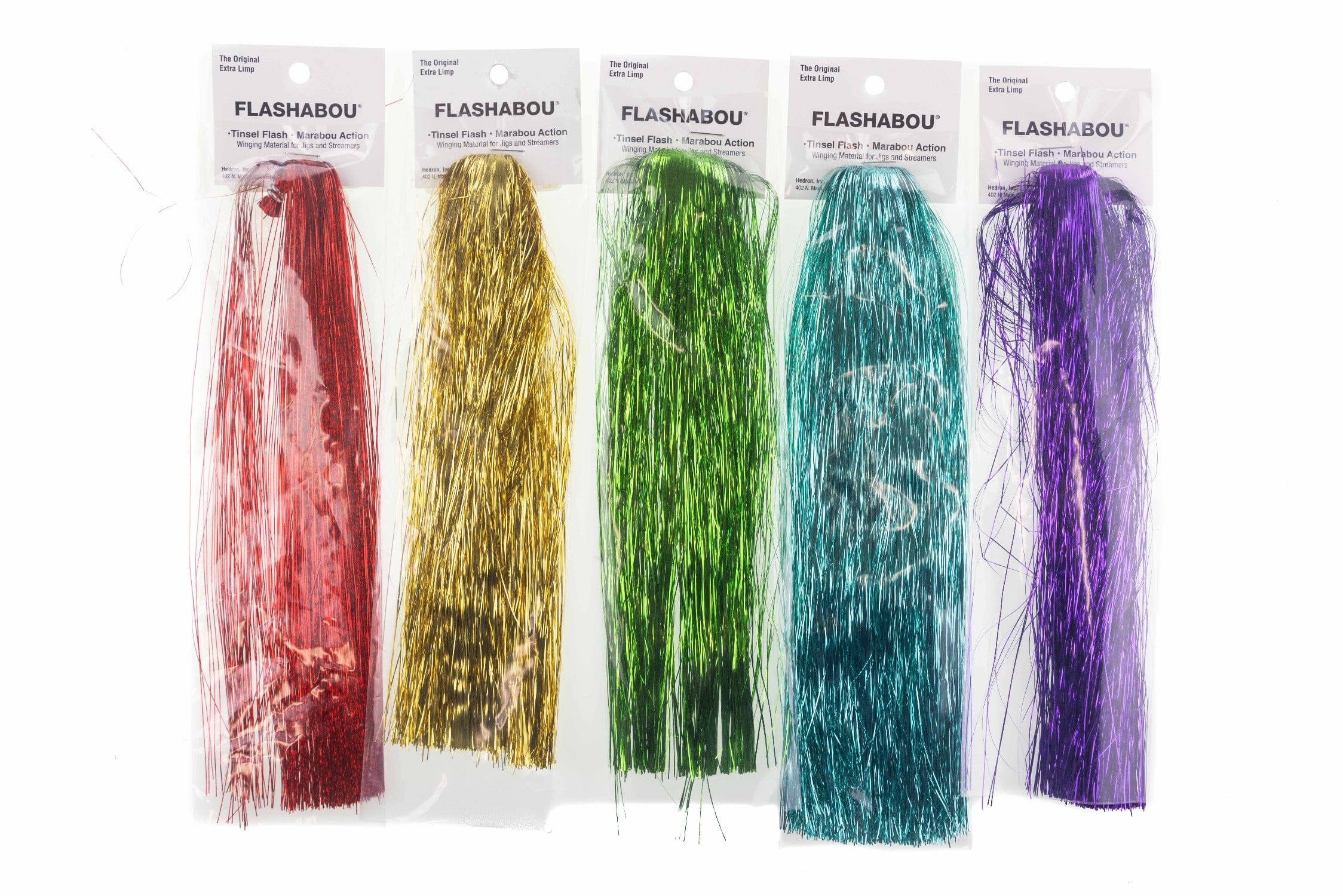
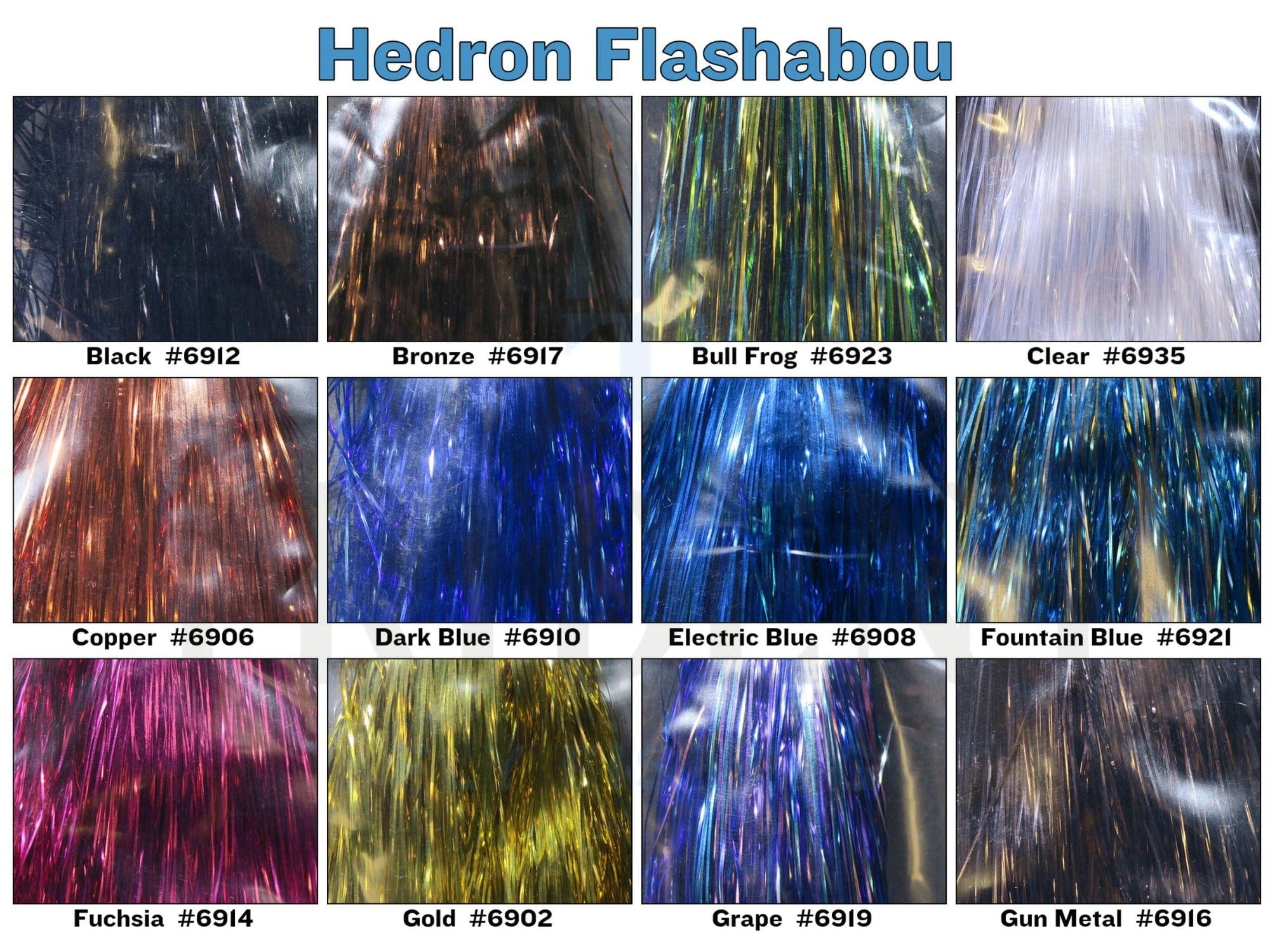
Best Classic Flash Standard: Hedron Flashabou - A staple when you want clean, consistent tinsel flash for streamers, nymph accents, and wingcases. The soft mylar strands move well in the water and layer nicely with natural or synthetic wings.
How to Choose Synthetics
Fly tying synthetics match the material to the job (flash, profile, float, or movement)
Action: Decide what your fly is missing, then buy the synthetic that solves that problem. Flash materials (like Krystal Flash or Flashabou) boost visibility and suggest scales. Stiffer blending fibers help you build and hold a baitfish silhouette. Buoyant yarns and foams keep dries and terrestrials riding higher.
For streamers: prioritize profile control and water-shedding
Best for: Streamers, baitfish, and saltwater patterns that need a consistent shape from cast to cast. Materials that don’t soak up much water tend to cast easier and fish clean, especially when you’re throwing larger flies.
For nymphs and small flies: think subtle, not sparkly
Best for: Ribbing, wingcases, and hotspots where a few strands make the fly look alive. Avoid if: You’re tying ultra-clear, pressured-water patterns, too much flash can look out of place. In those situations, use fewer fibers or pick more muted colors.
For dry flies/terrestrials: buoyancy and visibility matter most
Action: If you’re losing flies to waterlogging, add a synthetic post/wing material that floats well and’s easy to size down. Bright posts also help you track small flies in broken water.
Materials & Durability
Keep fibers clean: Store synthetics in their original bags; head cement, UV resin, and even skin oils can mat fine fibers over time.
Trim with intent: For baitfish heads, use sharp scissors and small cuts, synthetic blends shape best when you “sneak up” on the final profile.
Use the right adhesive: When bonding eyes or building heads, use a compatible resin/cement and fully cure before fishing.
Rinse after saltwater: Flies with synthetics last longer if you rinse and dry them, especially when combined with metal eyes or hooks.
Complete Your Setup
Related Gear
Fly Tying Materials - Build out a complete bench with hooks, threads, naturals, and finishing supplies.
Fly Tying Flash - If you’re tying streamers or saltwater patterns, this is the fastest way to compare flash types and colors.
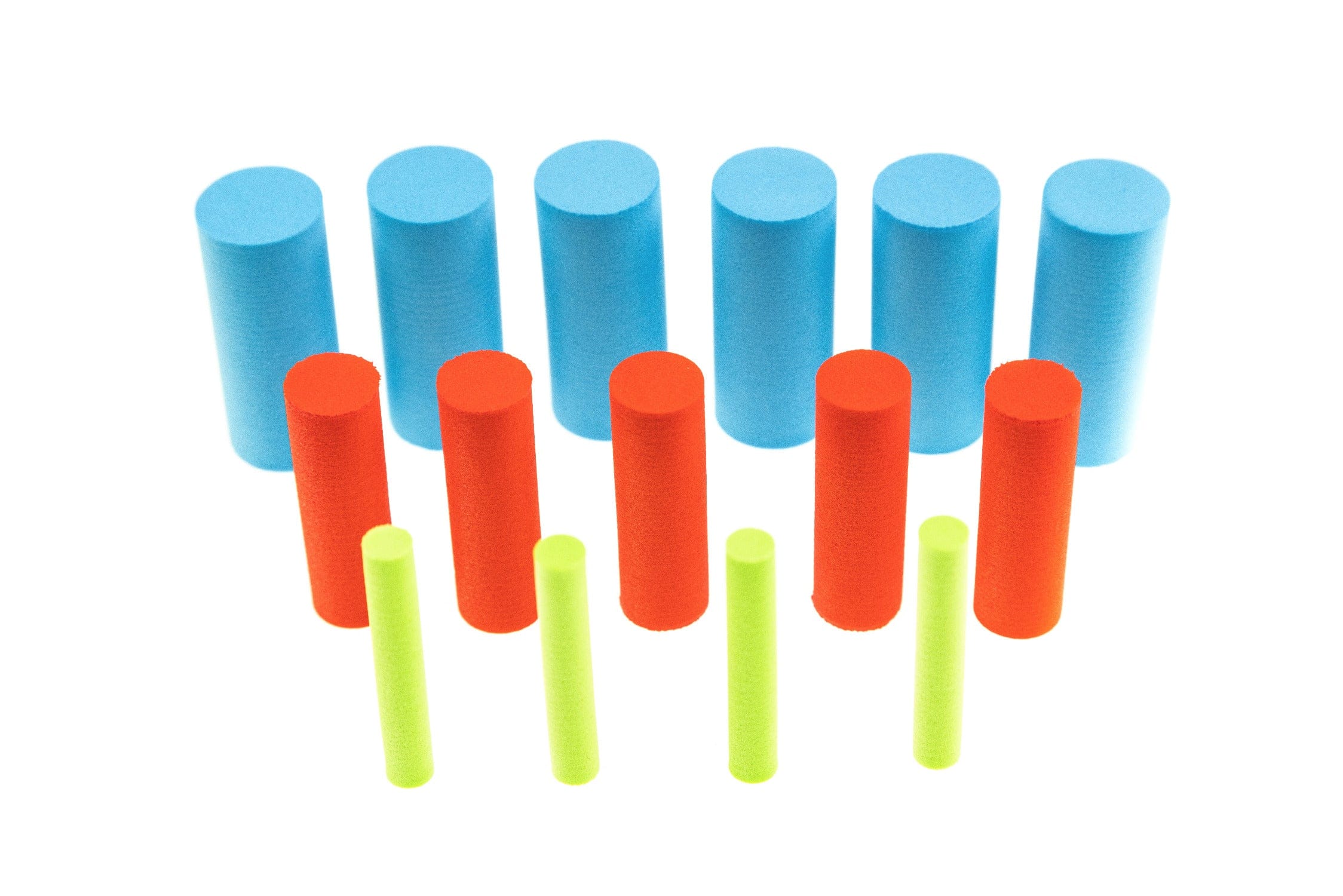
Foam & Foam Cutters - Perfect for terrestrials, poppers, mice, and any high-floating dry that needs durability.
Beads, Coneheads & Eyes - Add weight, jigging action, or realism to match how your pattern should swim and sink.
Related Guides
Synthetics FAQs
Q: What are synthetic fly tying materials used for?
A: Synthetics are used to add flash, build baitfish profiles, increase buoyancy, and improve durability. They’re common in everything from tiny nymph accents to large saltwater streamers.
Q: Are synthetics better than natural materials for fly tying?
A: Not across the board. Many flies use both, naturals for lifelike movement and texture, synthetics for consistency, water-shedding, and specific effects like flash or foam flotation.
Q: How do I choose between Krystal Flash and Flashabou?
A: Krystal Flash has a crinkled look that adds texture and extra light scatter, while Flashabou is a more classic, smooth tinsel flash. For most patterns, the right choice comes down to the specific “sparkle” you want and how subtle you need to be.
Q: What synthetics should I buy first as a beginner fly tier?
A: Start with one flash, one buoyant dry-fly wing/post material, and one streamer fiber you can build profiles with. That small kit covers a surprising number of trout and warmwater patterns.
Q: What synthetic materials help dry flies float higher?
A: Buoyant yarns and foams are the big ones. A floating post/wing material makes parachute dries easier to see and helps keep the fly riding higher when it gets chewed up.
Q: What synthetics are best for baitfish streamers?
A: Look for fibers that stack and trim cleanly so you can build a consistent profile. Adding a small amount of flash as a lateral line or underwing helps suggest scales without overpowering the silhouette.
Q: Do synthetic materials make flies harder to cast?
A: They can, but it depends on the material and how much you use. Many modern streamer fibers shed water well; the main casting problems usually come from bulky heads, too much resin, or overdressing the fly.