






























Explore New by Type
How to Choose Sale Fly Tying
Fly tying materials sale items start with the flies you actually fish
Action: Pick 2, 3 “confidence patterns” you want to refill first (like a Perdigon-style nymph, a simple midge, and a baitfish streamer), then shop materials around those recipes.
Best for: Building a bench that stays organized and productive instead of collecting random packs.
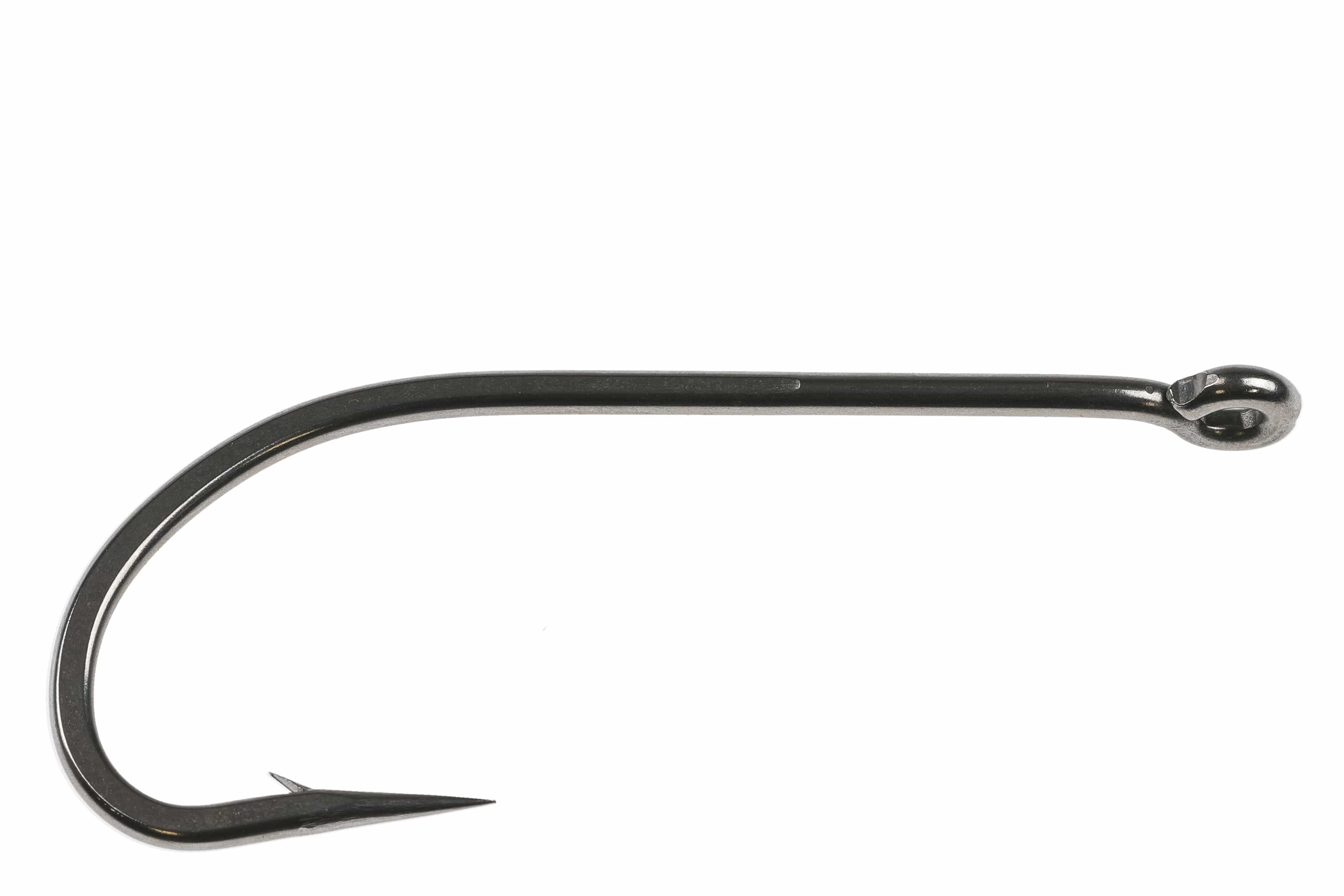
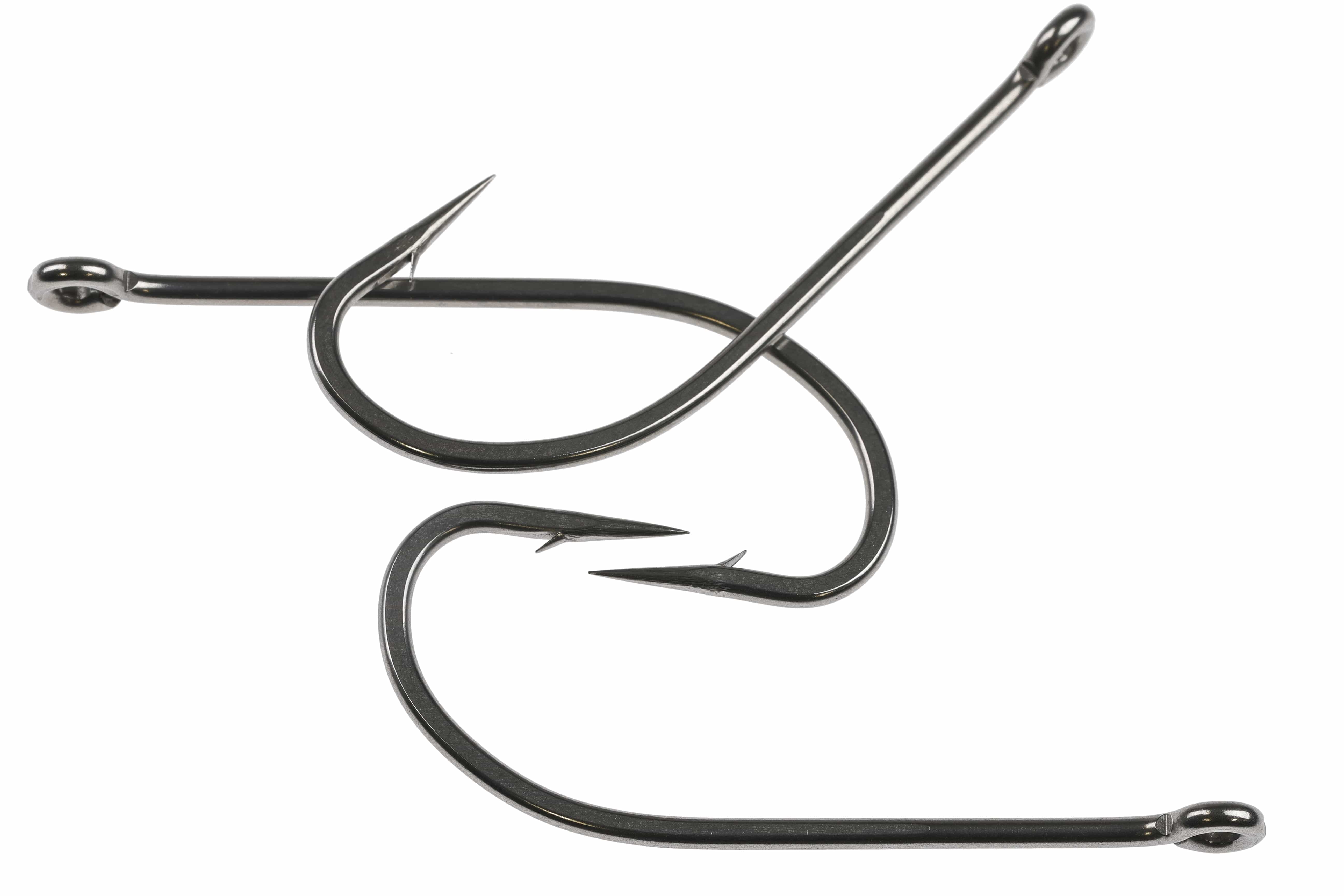
Hooks: choose style first, then size range
Action: Narrow by hook style (dry, nymph/jig, streamer, saltwater) before you worry about brand. Once the style is right, stock 2, 3 sizes you actually fish (for trout, that’s often a small/medium spread; for streamers, pick the shank length and gap you like).
Avoid if: You’re tempted to buy a deep-discount hook in a style you never tie, hooks are the one “sale” item that can steer you into tying flies you won’t fish.
Thread & wire: match to fly size and pressure
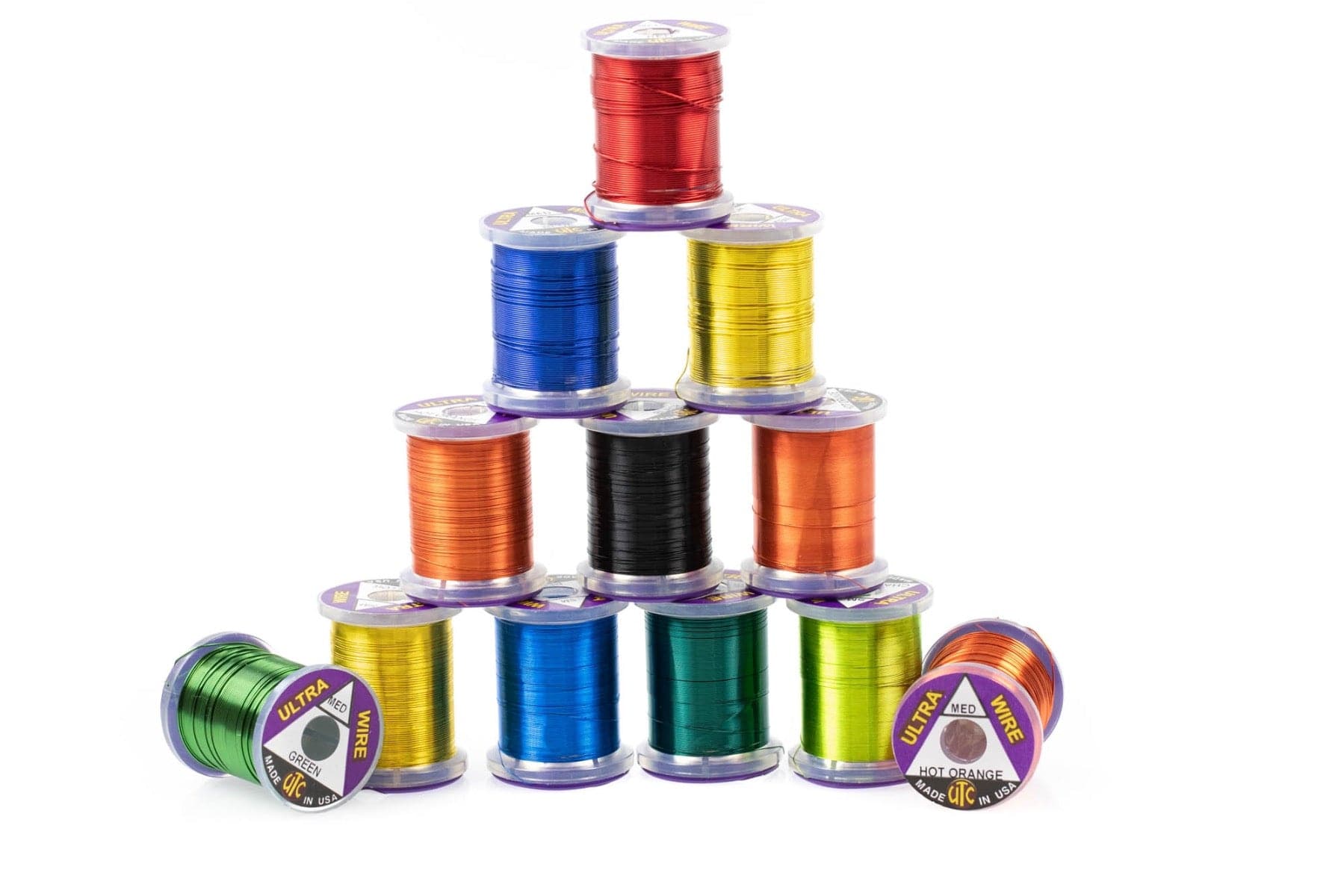
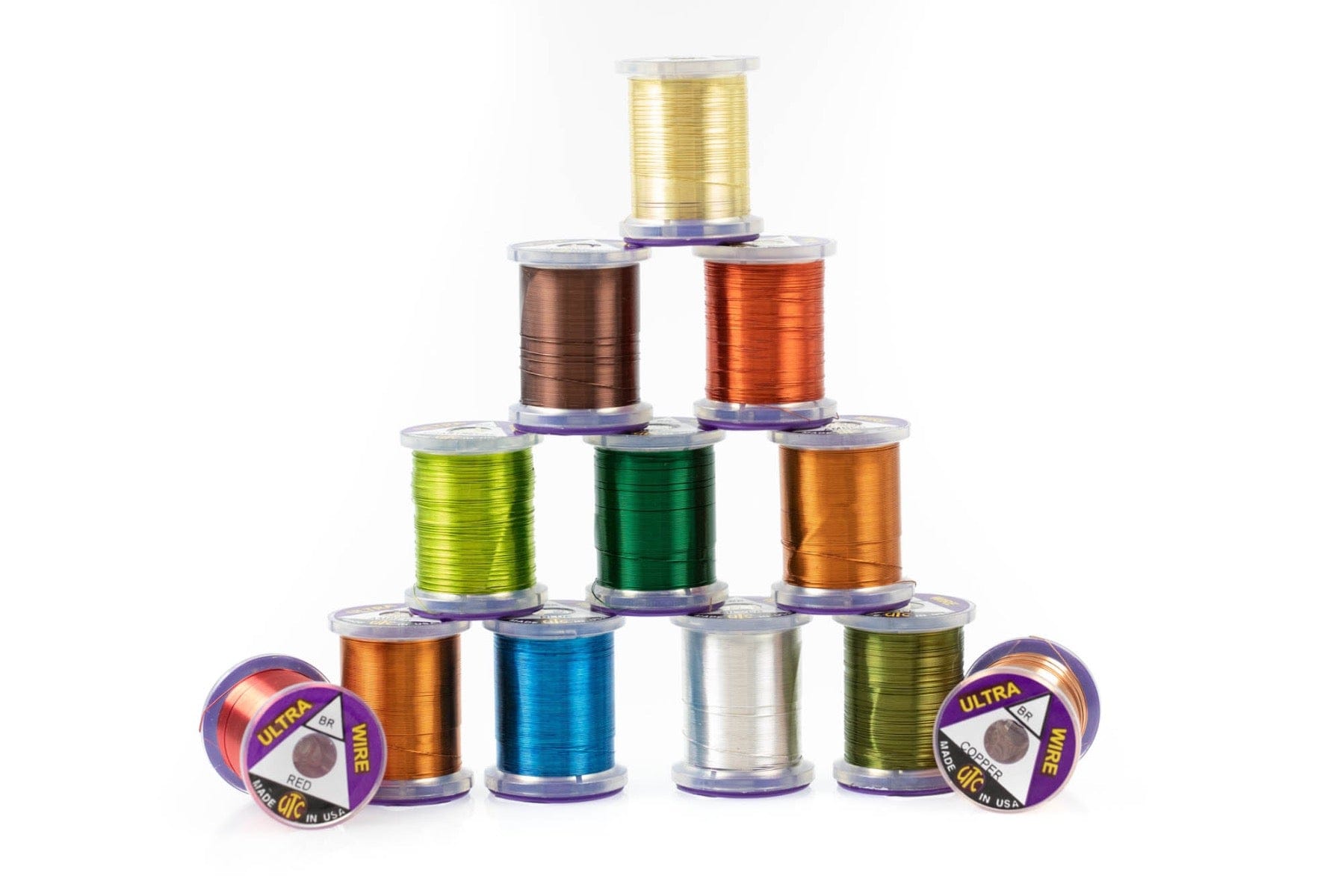
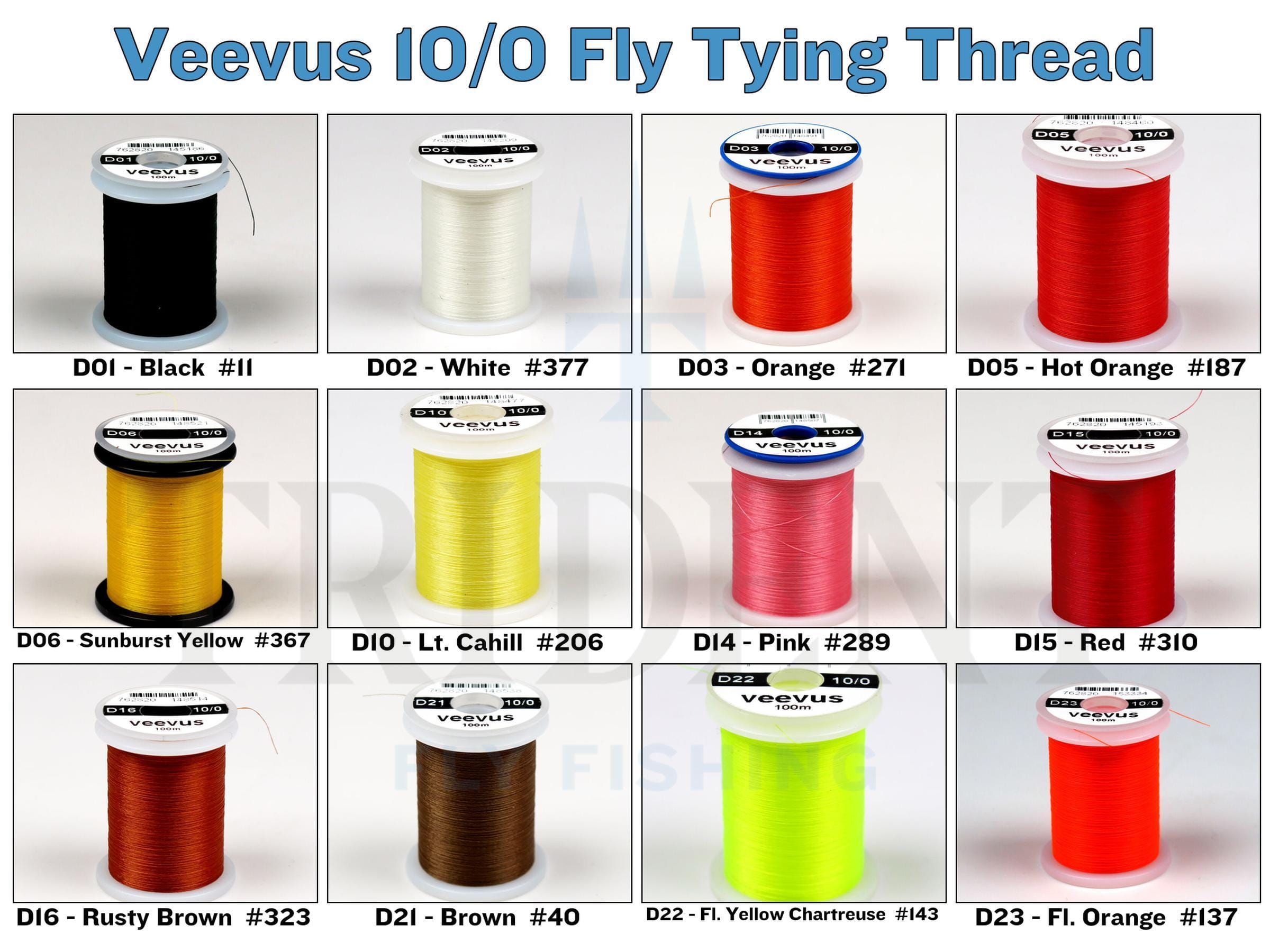
Action: Keep at least one general-purpose waxed thread for most trout flies, plus a finer option for small dries/midges and a stronger option for larger streamers. For wire, fine diameters are great for ribbing and segmentation, while heavier wire adds durability and a bit of sink.
Best for: Cleaner heads, less bulk, and fewer broken threads mid-fly.
Weight and “hardware”: beads, cones, and eyes
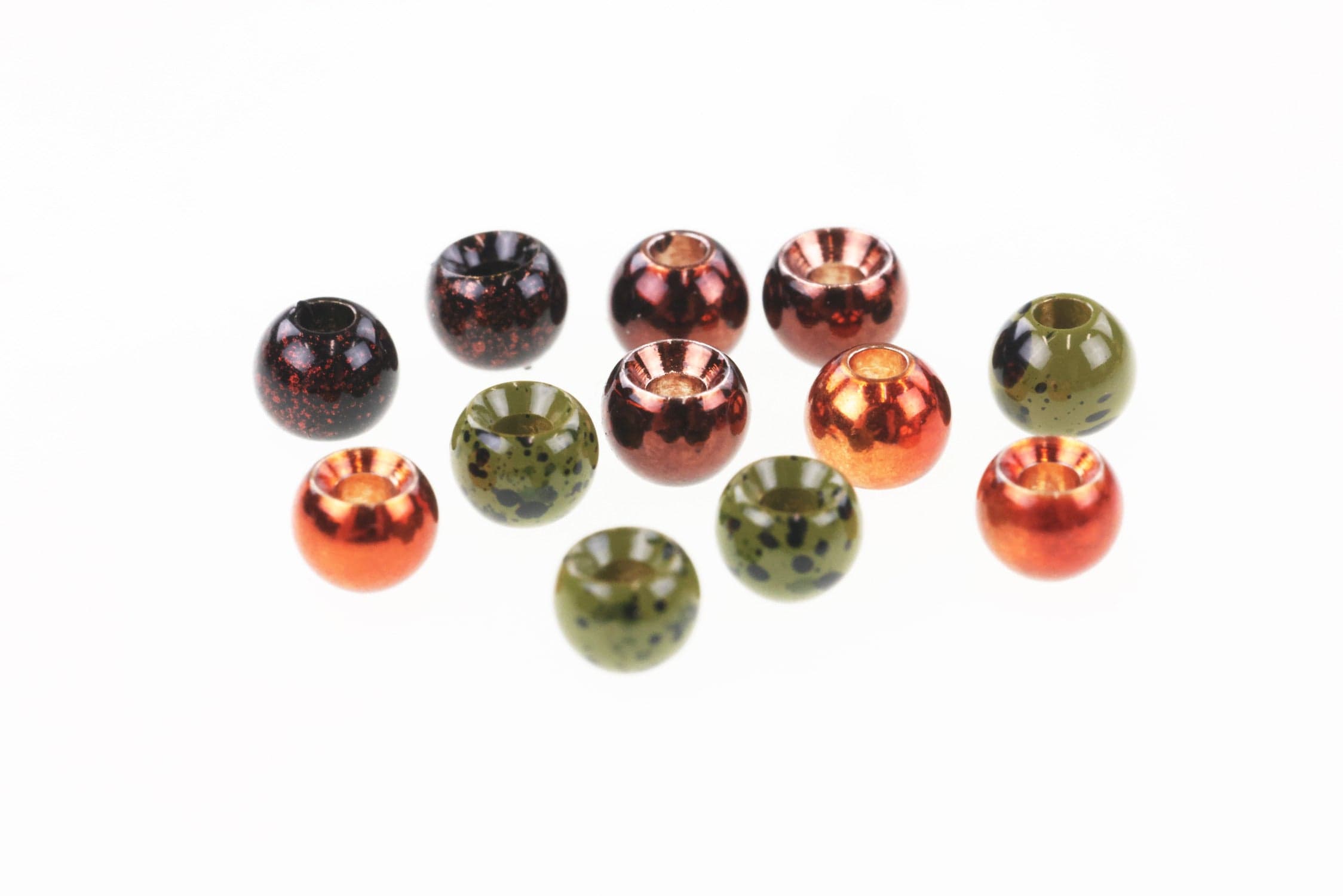
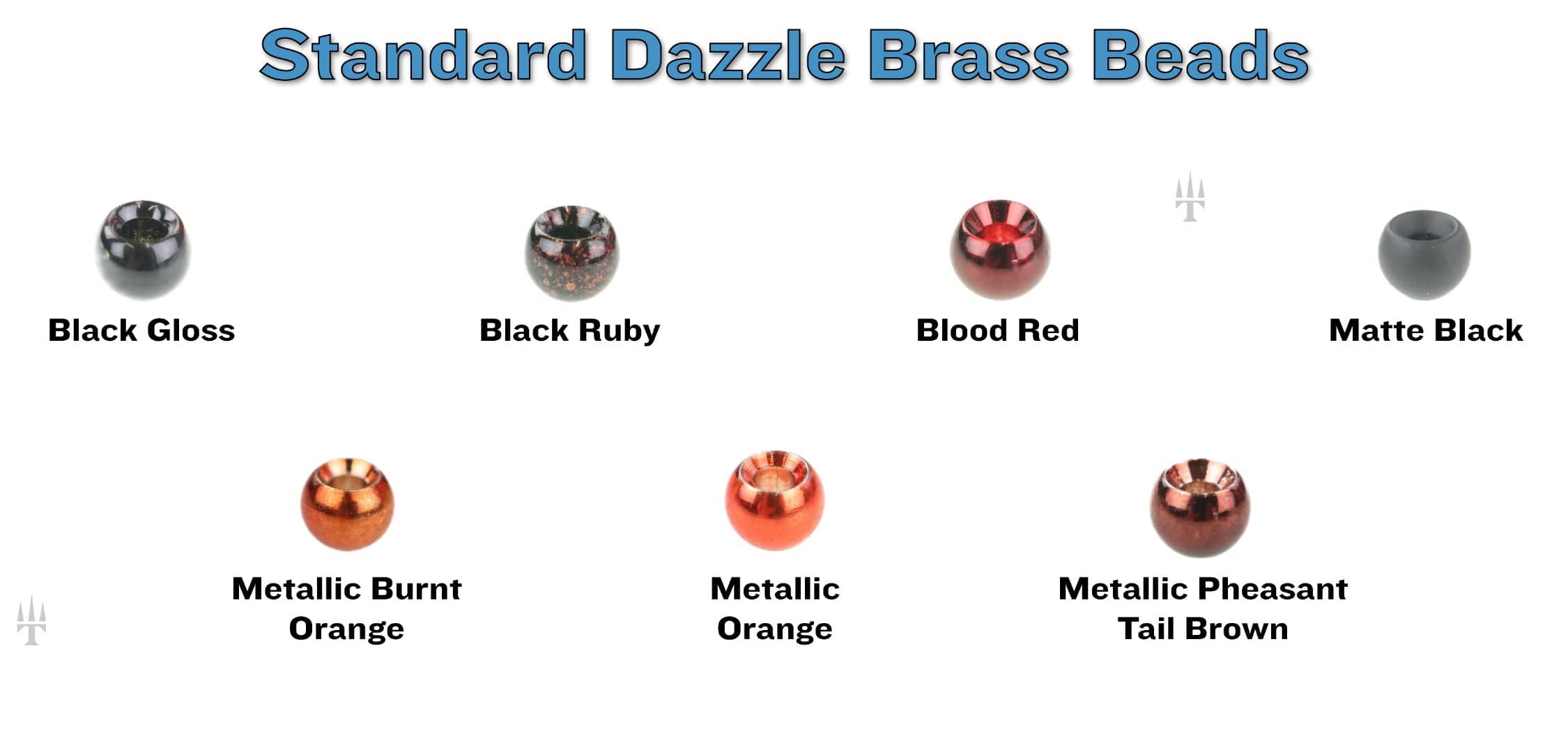
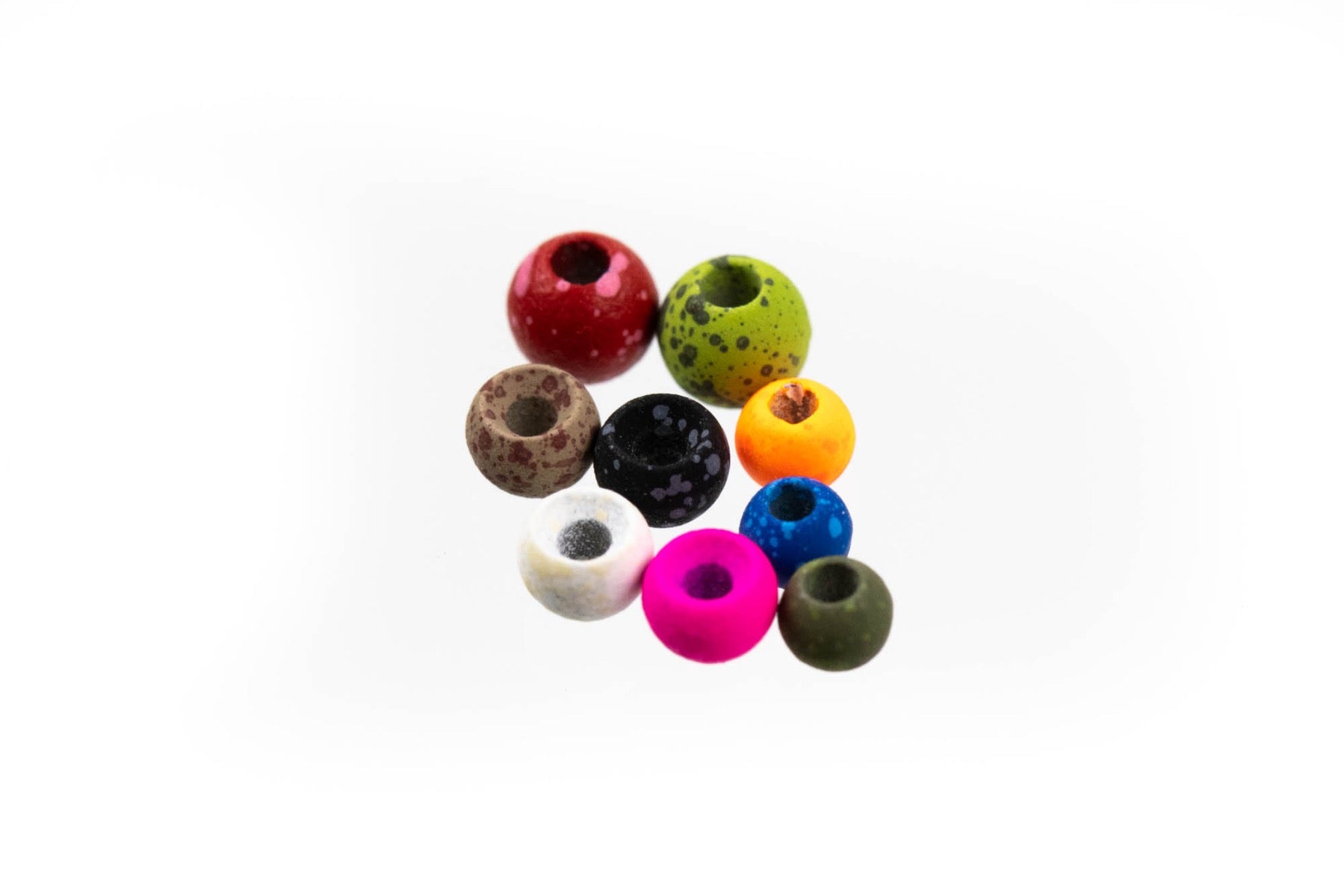
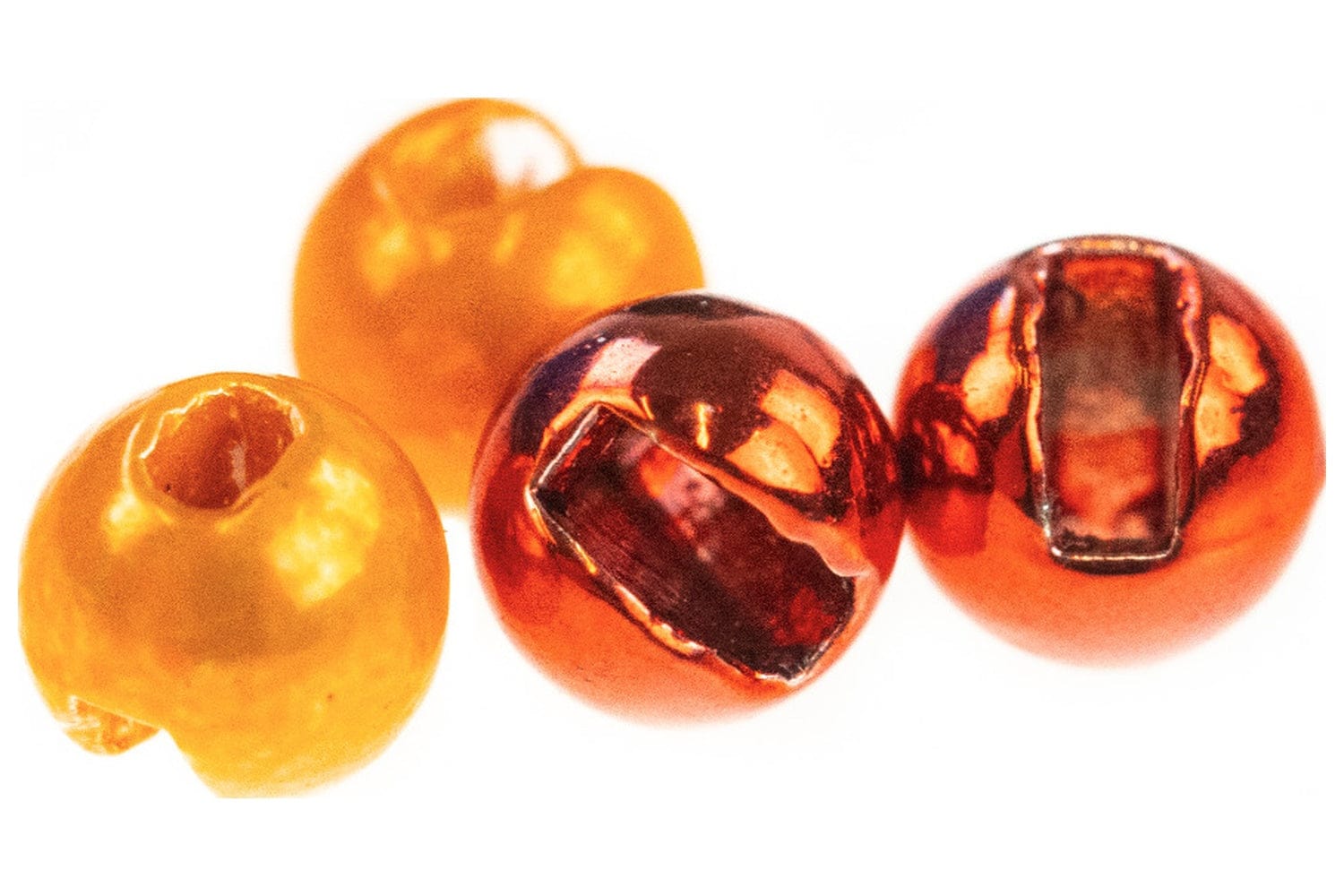
Action: If you nymph a lot, prioritize bead sizes and colors you use weekly (and confirm slotted vs standard based on your hook style). If you tie streamers, add dumbbell or bead-chain eyes and a few cone options to control how the fly swims and rides.
Avoid if: You’re mixing bead types without a plan, small size differences can change sink rate and how the fly tracks.
Natural vs synthetic materials
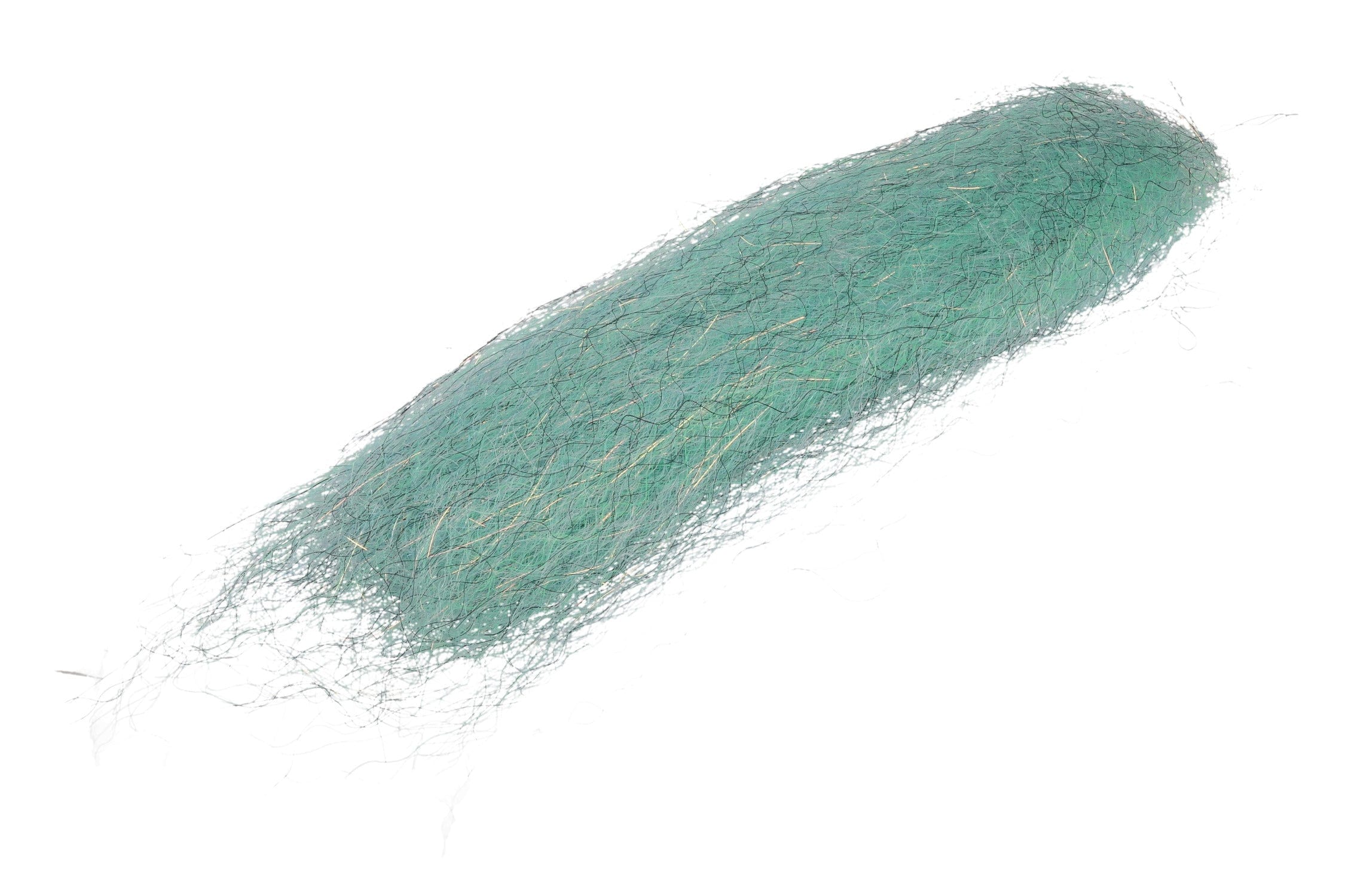
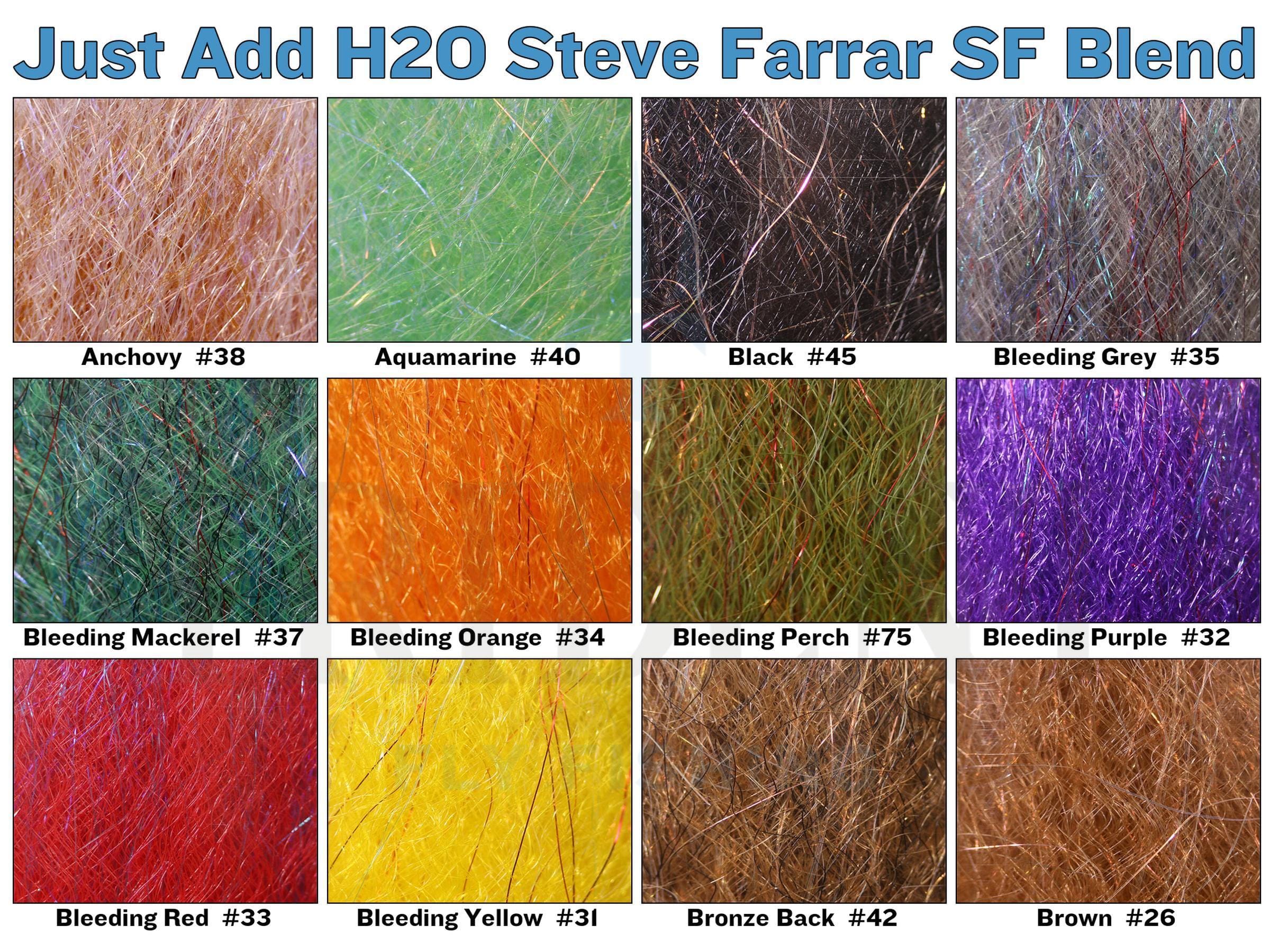
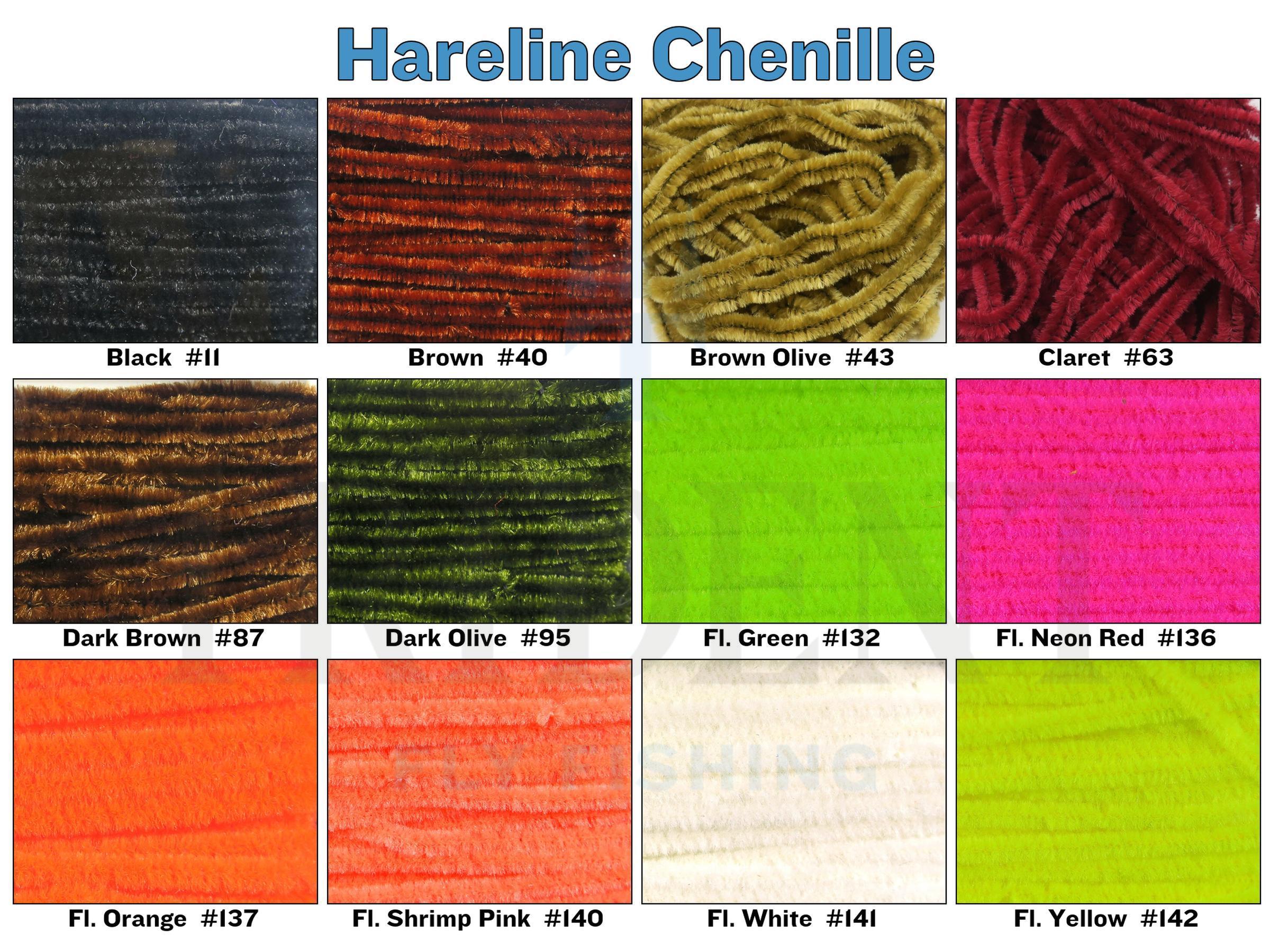
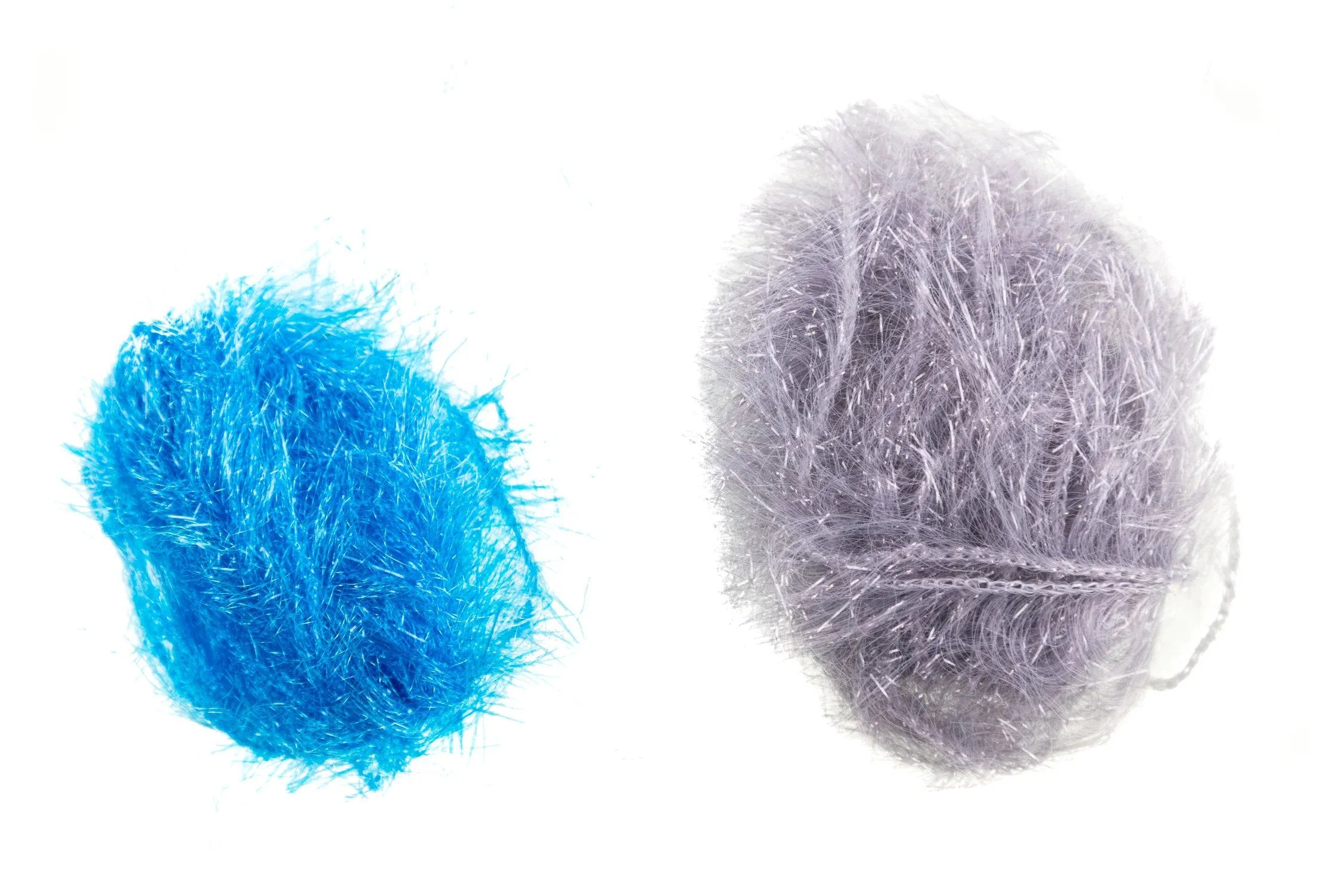
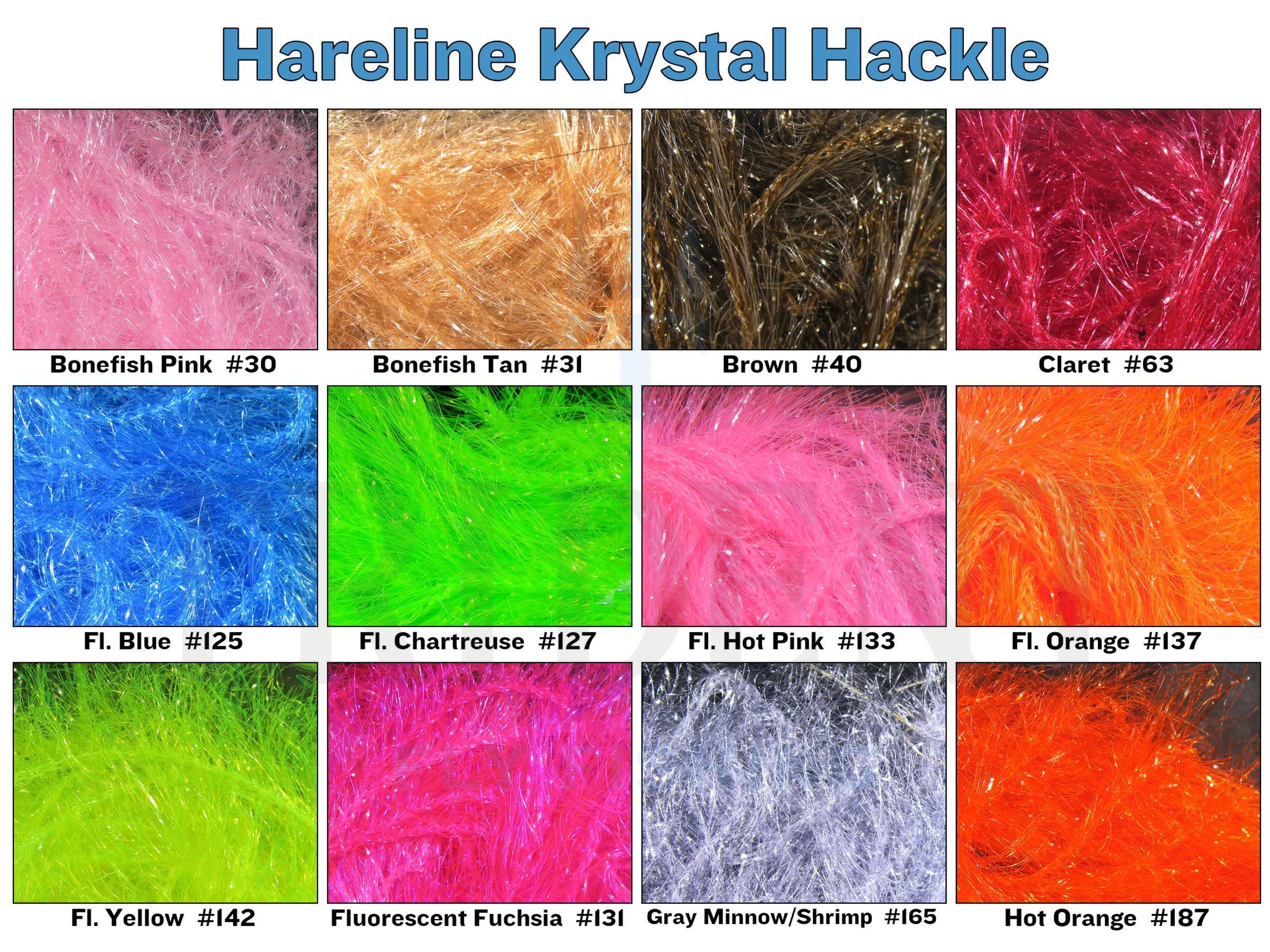
Action: Naturals (feathers, fur, hair) are hard to beat for movement and classic profiles. Synthetics are consistent, durable, and often faster to tie with, especially for modern baitfish patterns and flashy attractors.
Best for: Building a “hybrid bench” that can cover delicate trout bugs and bigger warmwater/saltwater flies.
Materials & Durability
Keep naturals pest-free: Store feathers and fur in sealed bags/boxes; keep them dry and away from direct sun.
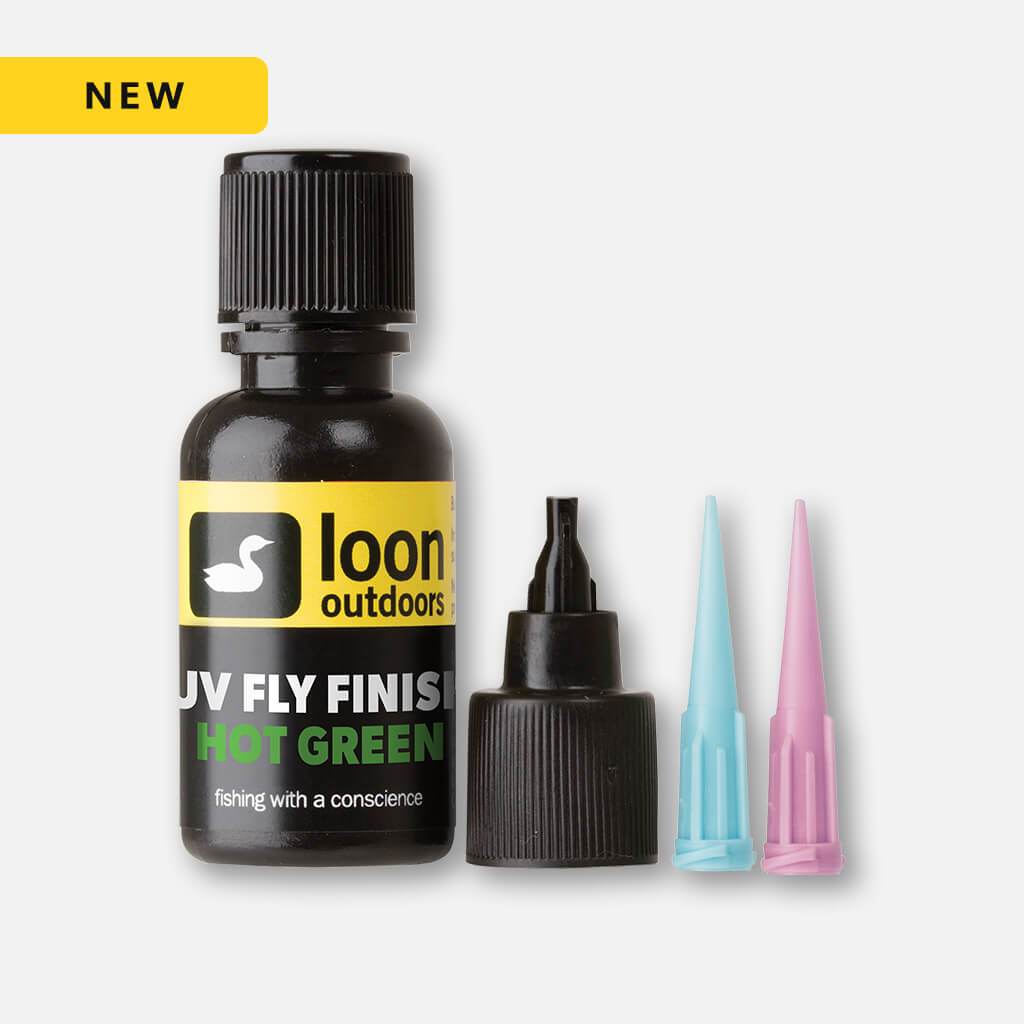
Protect adhesives: Cap head cement/CA/UV resin tightly and store upright so tips don’t glue shut.
Save your good scissors: Use dedicated scissors for wire and heavy synthetics to keep fine-tip scissors sharp.
Organize by “build step”: Keep hooks/weight/thread together, then wings/flash/fibers together to speed up tying.
Complete Your Setup
Related Gear
Sale Fly Tying - An easy way to restock core materials and upgrade tools when inventory rotates onto markdown.
Fly Tying Hooks - The foundation for every pattern; dial your favorite styles and sizes first.
Fly Tying Tools - Scissors, bobbins, and finishing tools that make your bench faster and cleaner.
Fly Tying Kits - Helpful when you want a complete starting point or a pattern-driven materials bundle.
Related Guides
Sale Fly Tying FAQs
Q: What is Sale Fly Tying?
A: Sale Fly Tying is a discounted collection of fly tying materials and tools, things like hooks, thread, wire, beads/eyes, feathers, synthetics, and vise accessories. Inventory can change often, so it’s a good place to restock staples or try new materials without paying full price.
Q: What should I buy first if I’m new to fly tying?
A: Start with a reliable thread, a couple hook styles/sizes you’ll actually fish, basic weight (beads or wire), and a simple material set for 2, 3 patterns. Once those are covered, add better scissors and a bobbin to improve consistency and speed.
Q: How do I choose the right thread size?
A: Match thread to the fly size and how much pressure you need to apply. Finer threads reduce bulk on small flies, while heavier/stronger threads are helpful for bigger streamers, spinning deer hair, and locking down thick synthetics.
Q: Are beads and eyes just for adding weight?
A: Weight is a big part of it, but beads, cones, and eyes also change profile and how a fly tracks in the water. For streamers, eyes can help the fly ride hook-point up and add a baitfish look.
Q: Is it better to tie with natural materials or synthetics?
A: Most tiers use both. Naturals often excel for subtle movement and classic trout patterns, while synthetics are consistent, durable, and great for modern baitfish and attractor designs.
Q: What’s the smartest way to shop fly tying materials on sale?
A: Stock up on the consumables you burn through (thread, wire, beads, hooks) in the sizes/colors you know you use. Then use sales to experiment with one or two “new” materials at a time so your bench stays focused.
Q: Do sale fly tying items have different return rules?
A: Some sale/discontinued options can be marked as final sale and may not be returnable. Check the individual product page for any final sale note before ordering.