


Fly Tying Hooks Explained




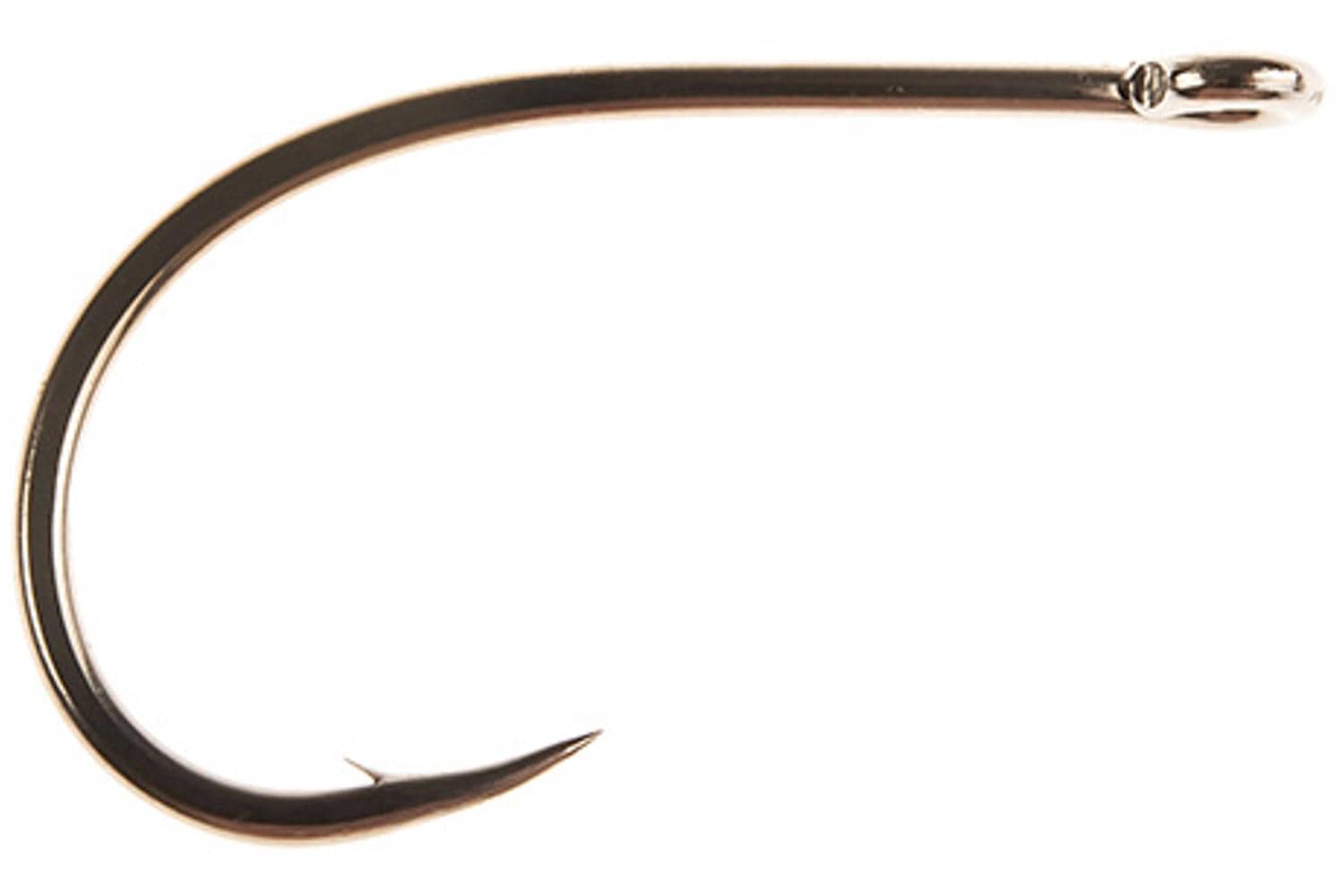
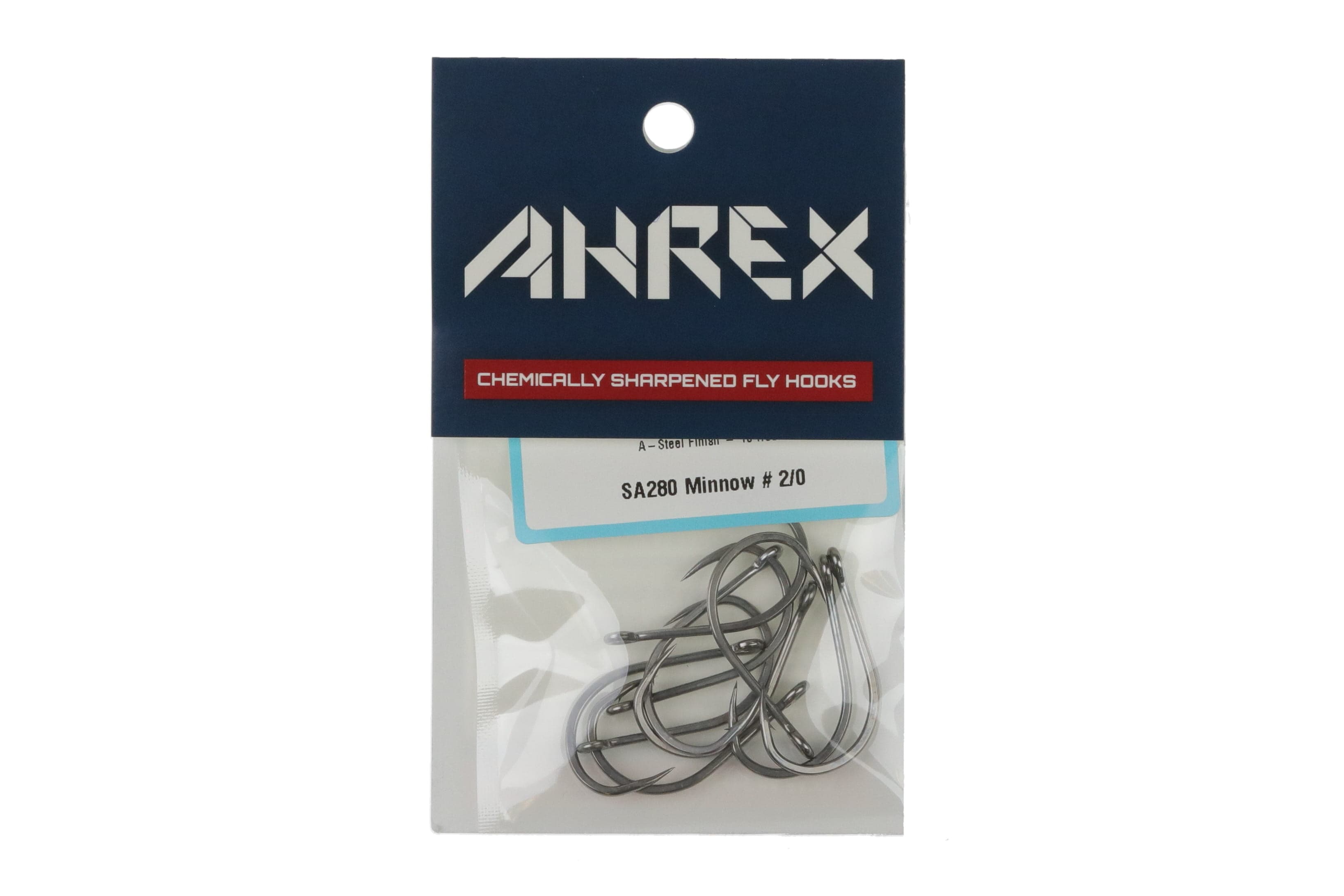
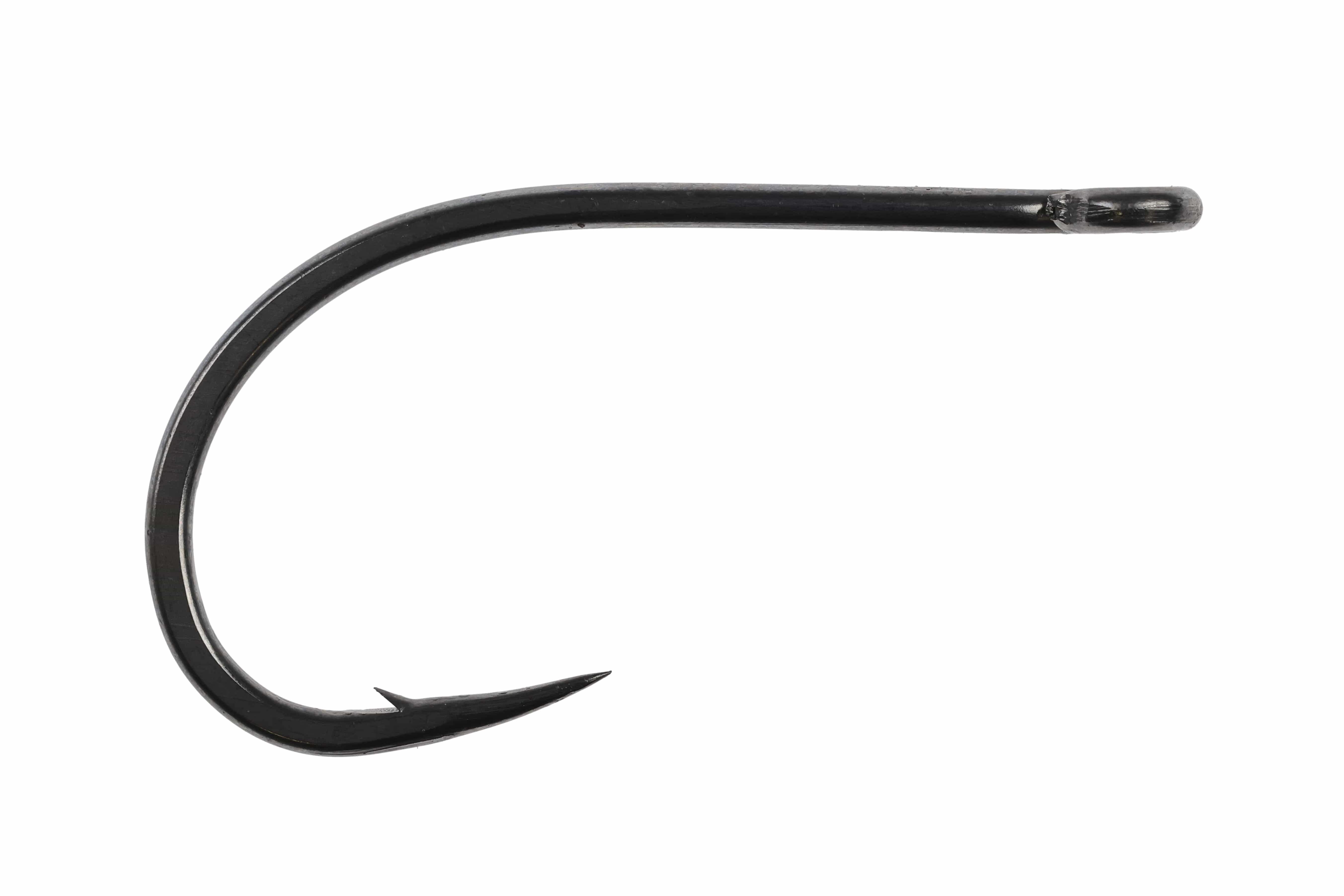
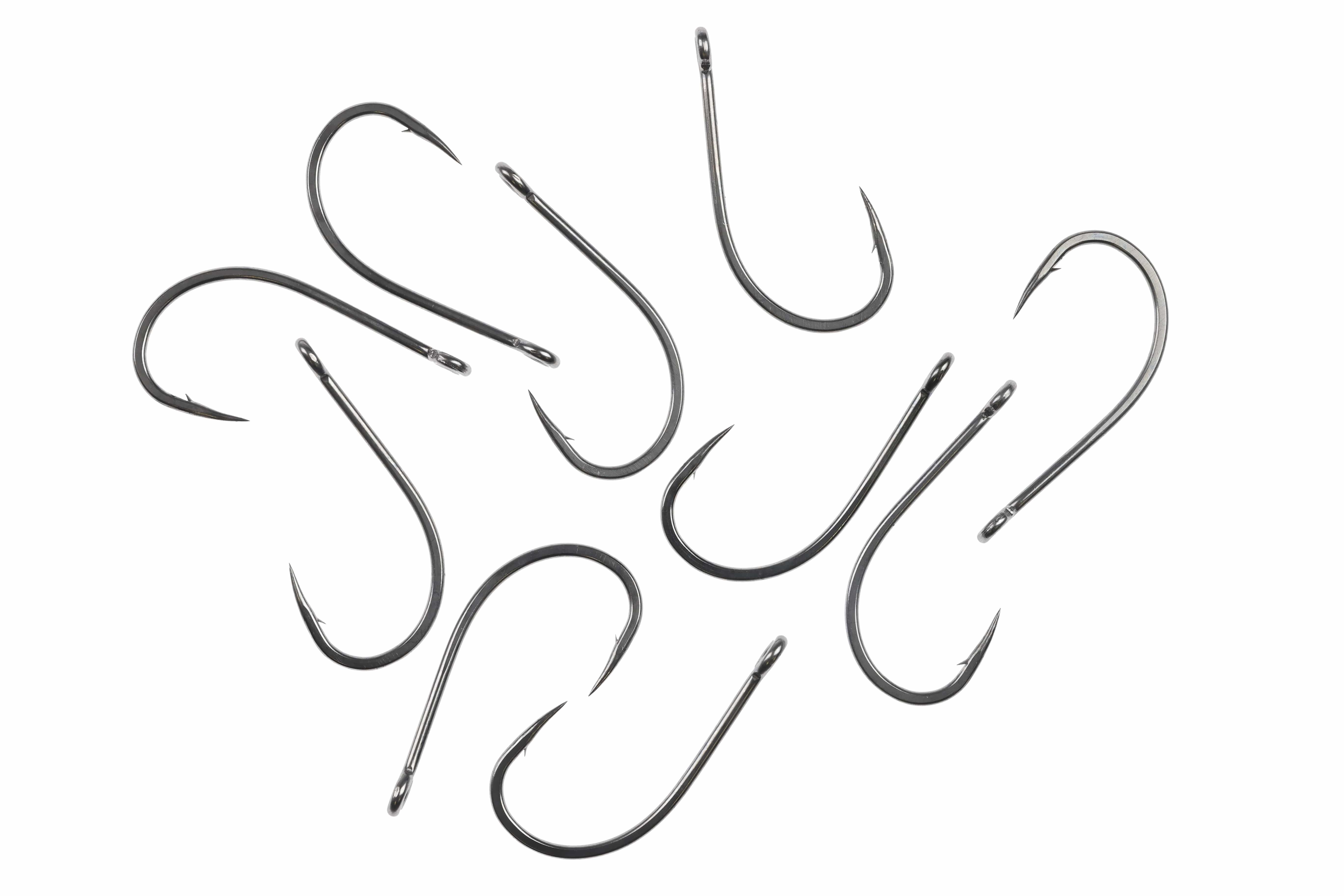

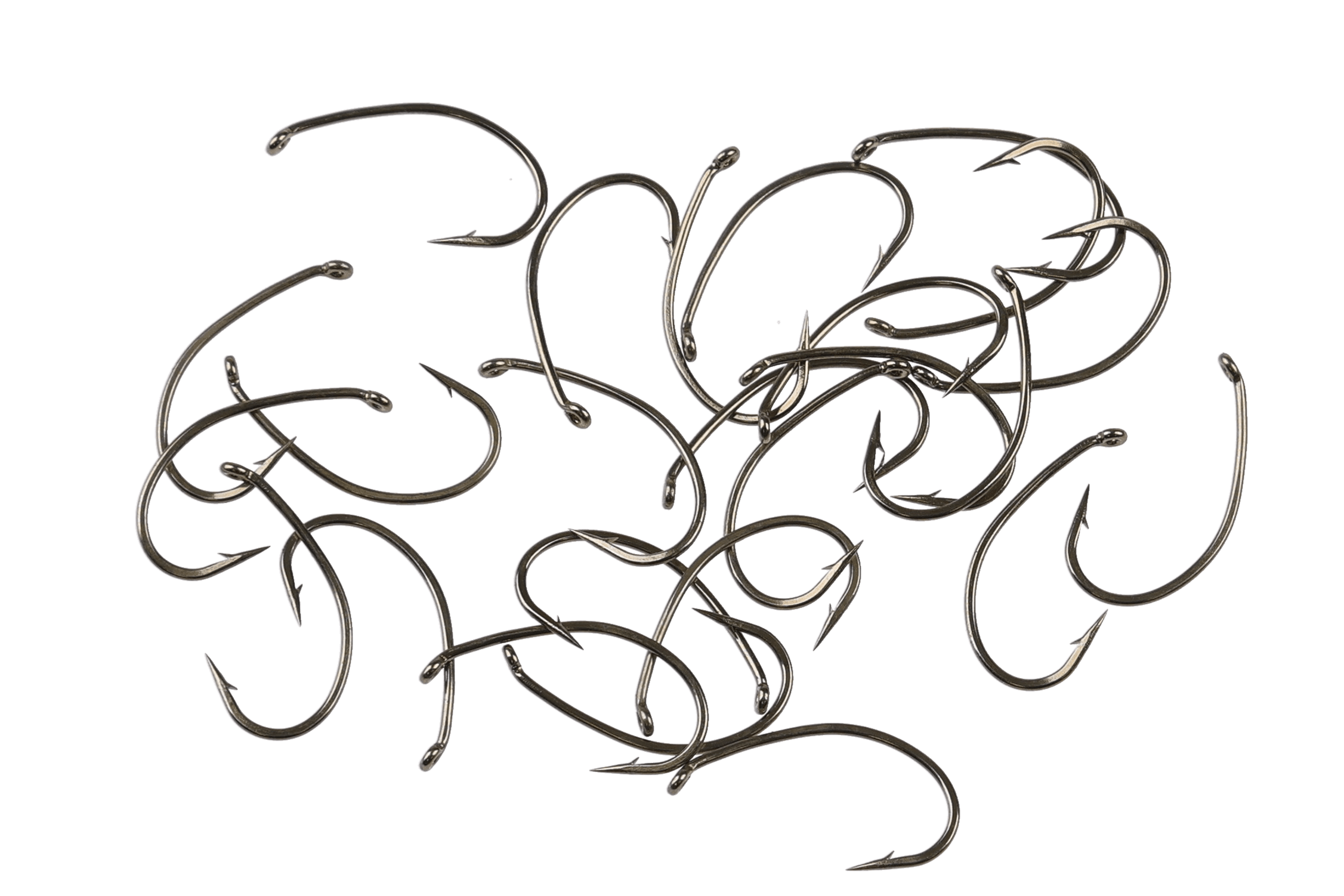
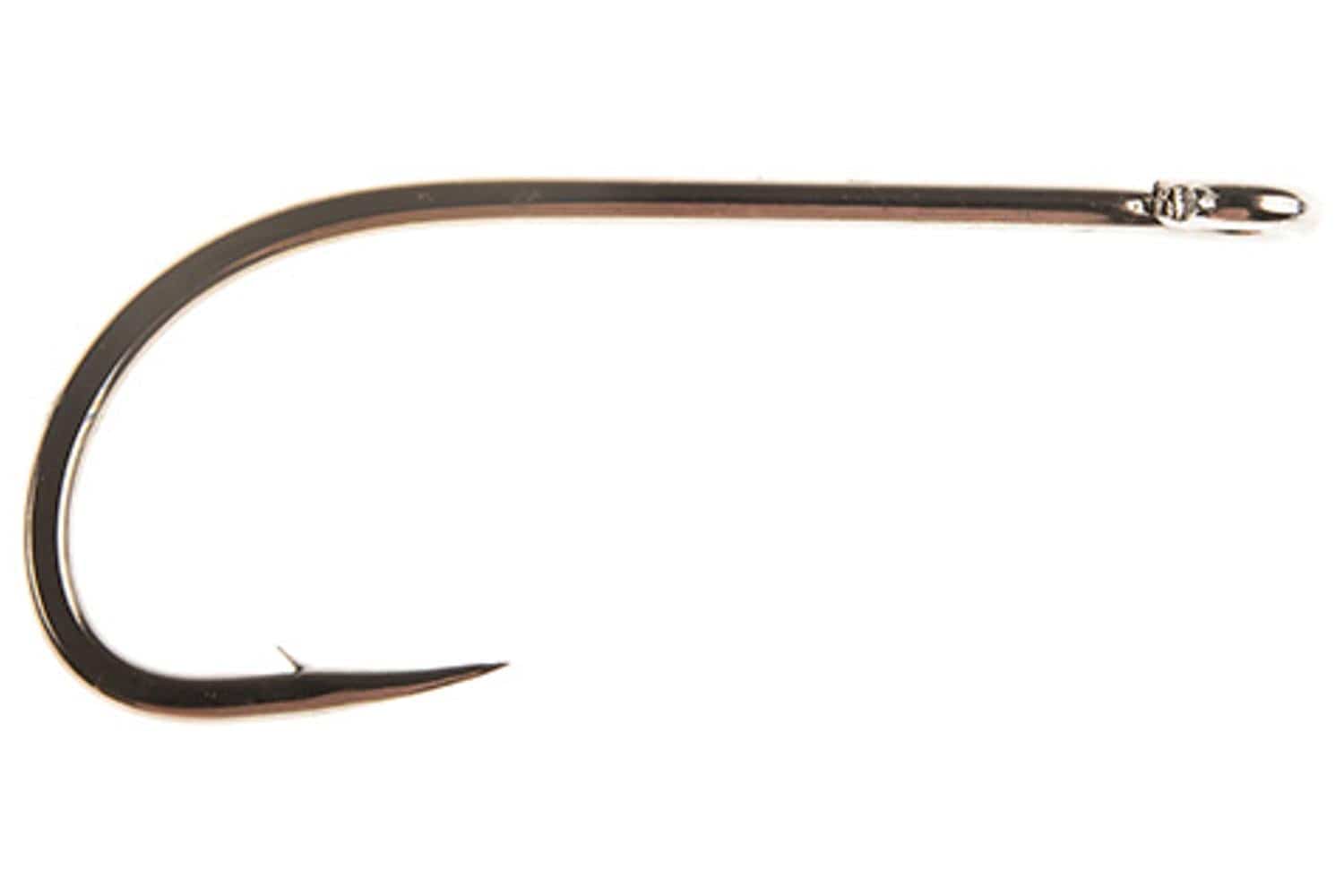
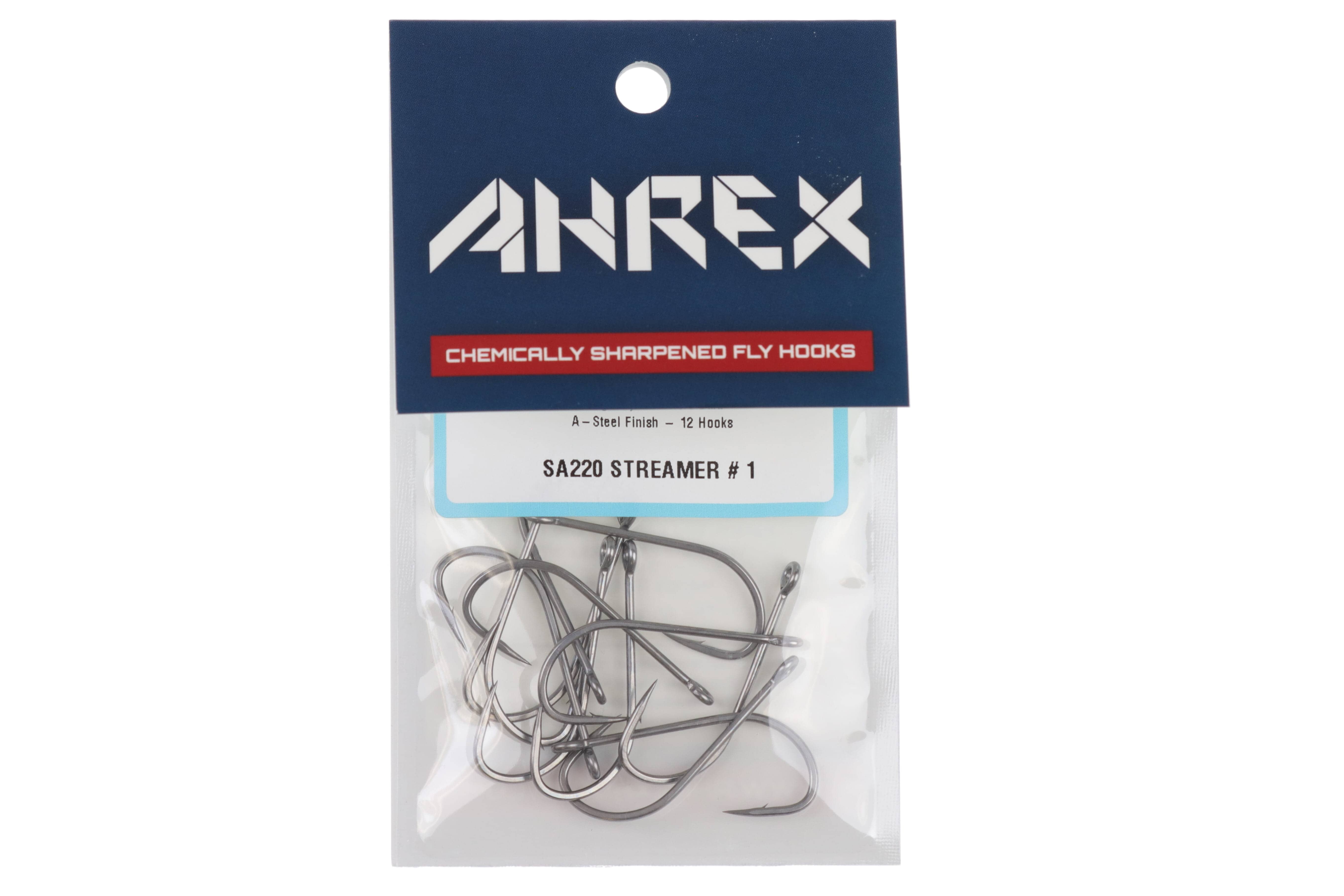
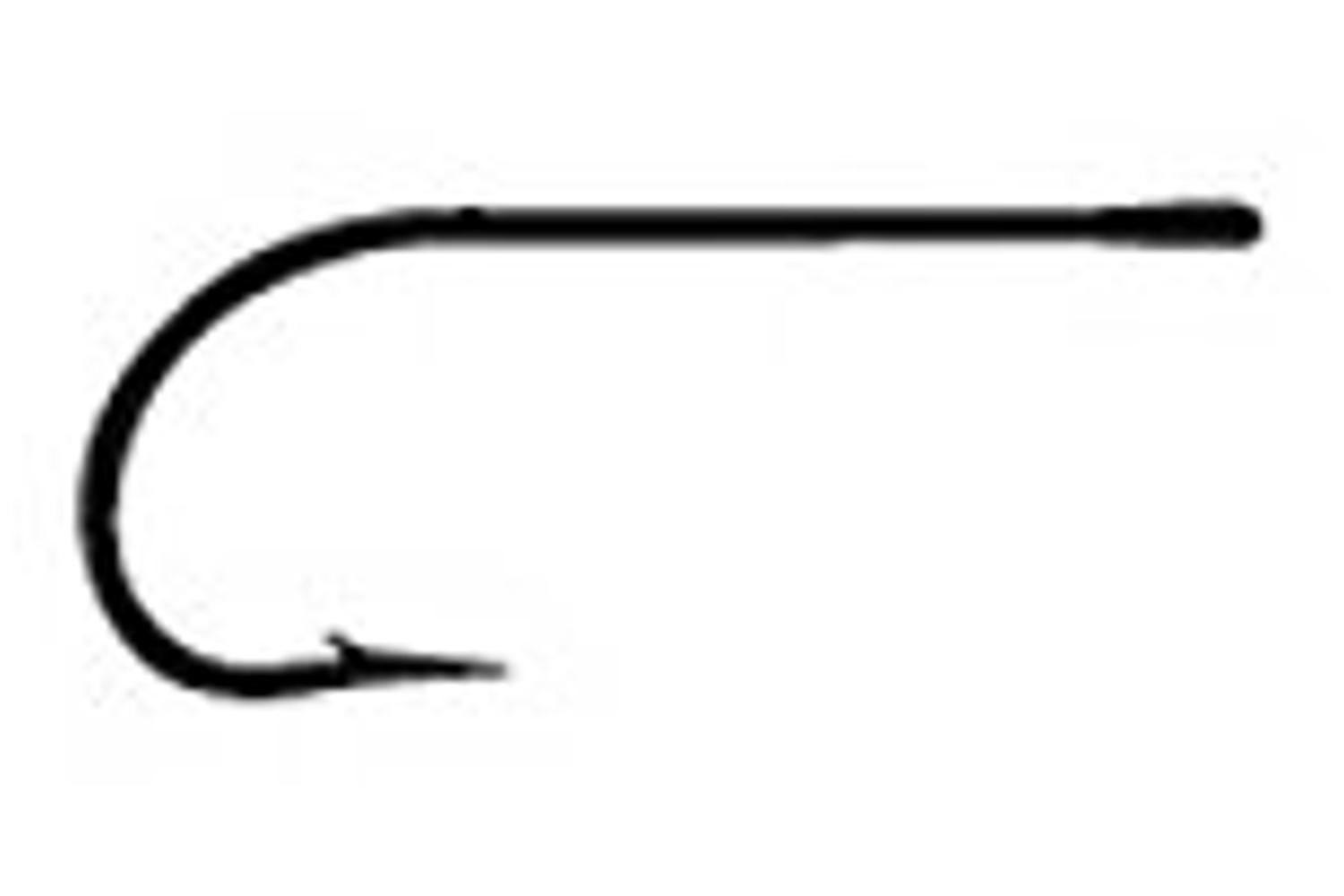





Hooks Quick Picks
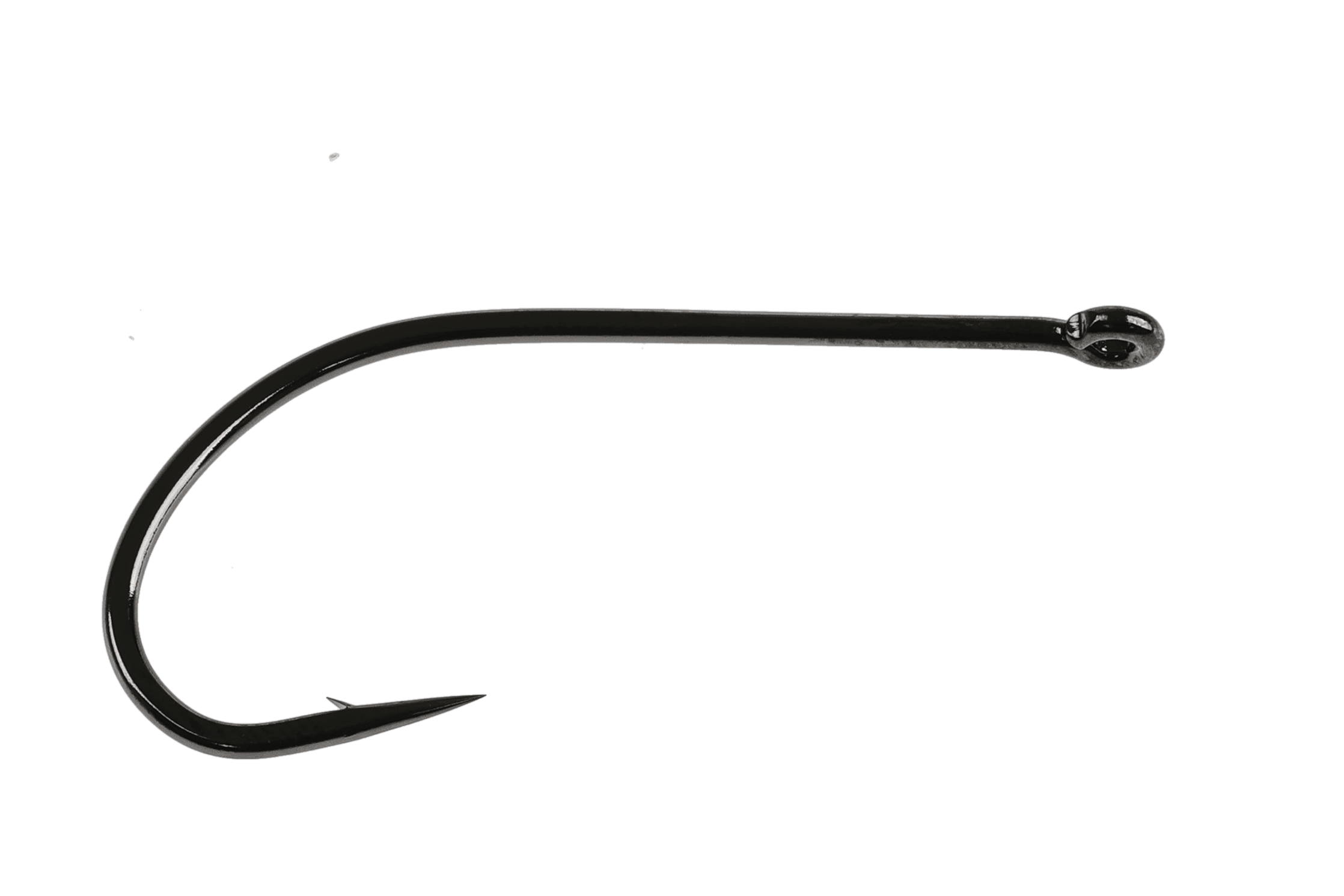
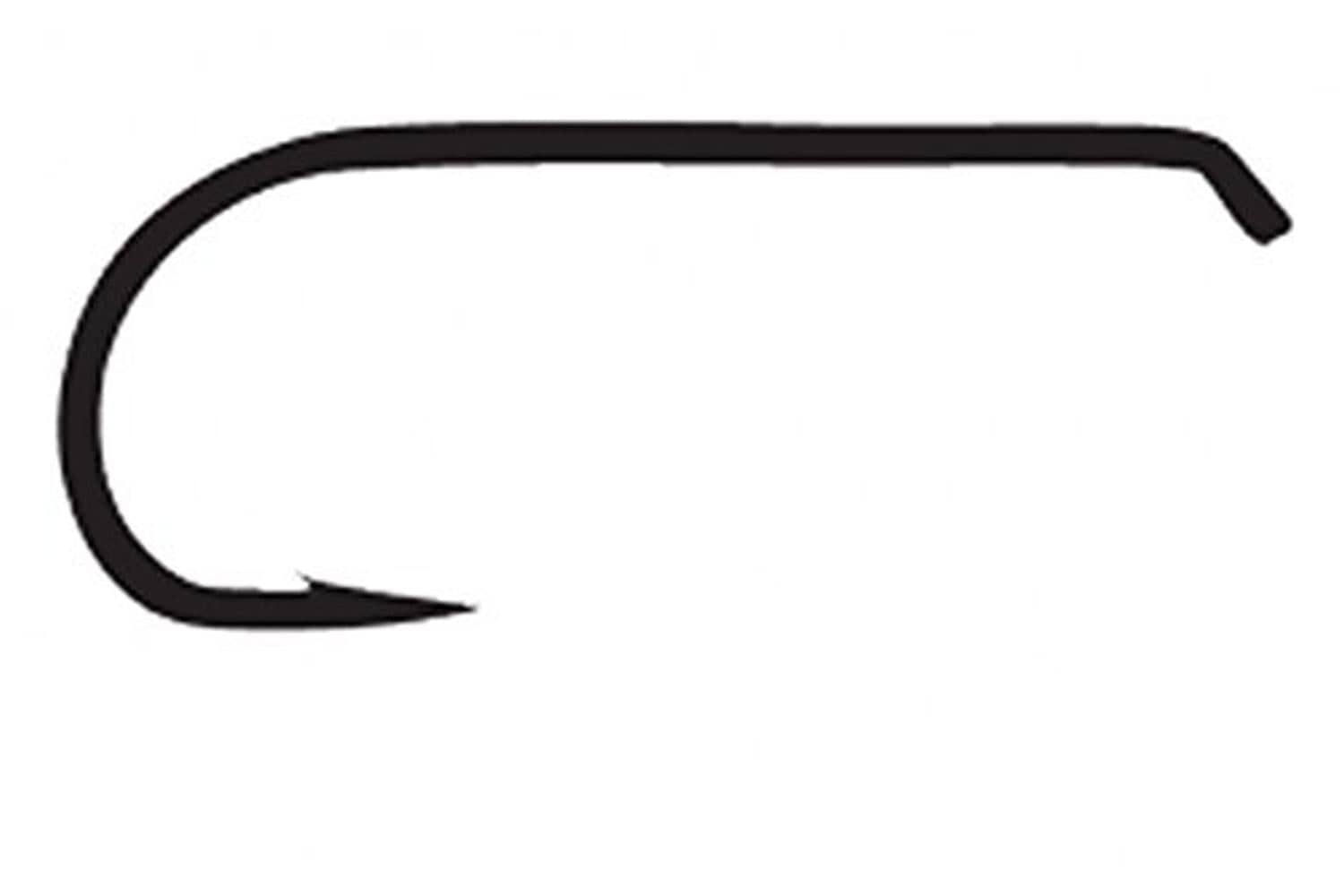
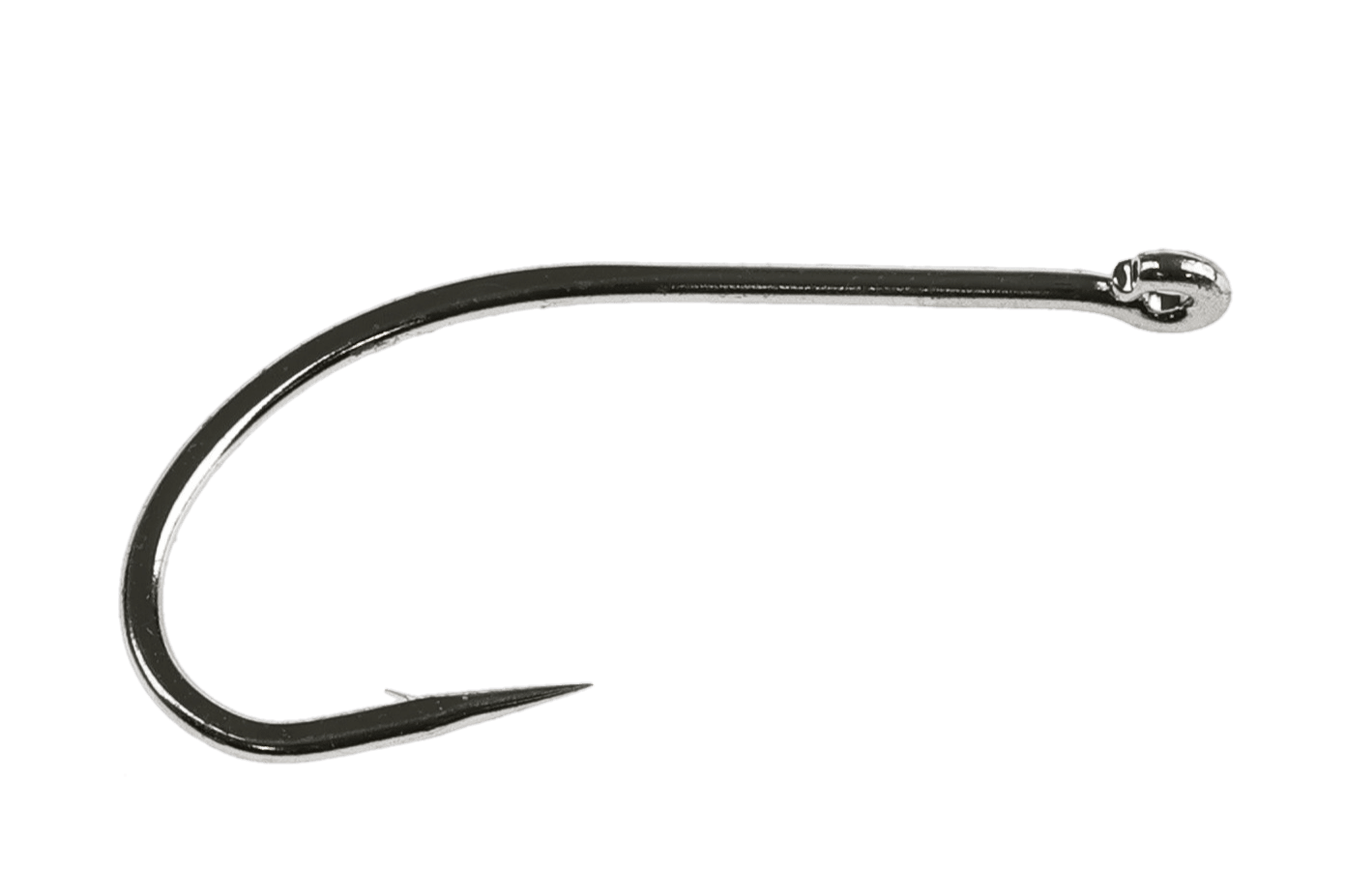
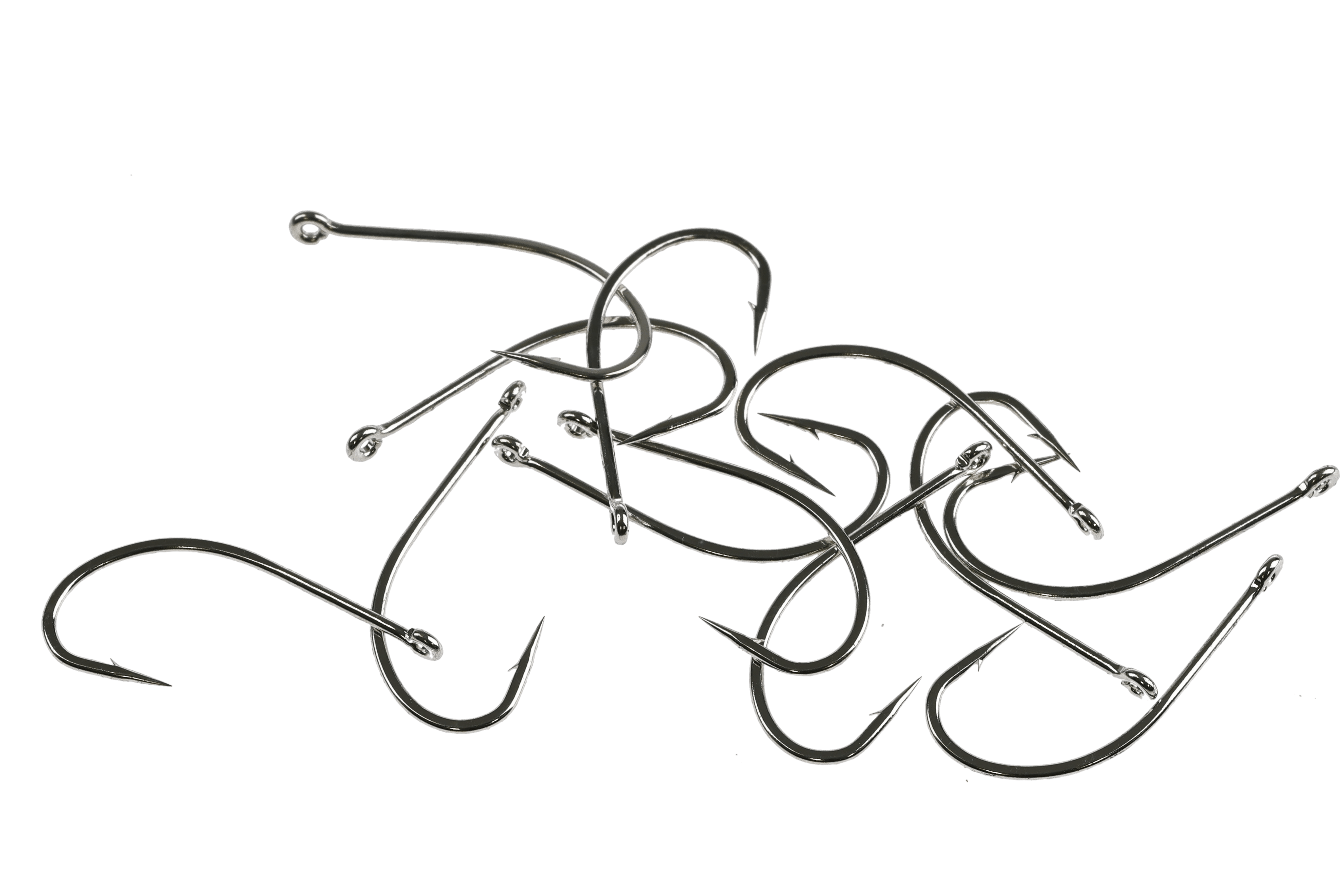
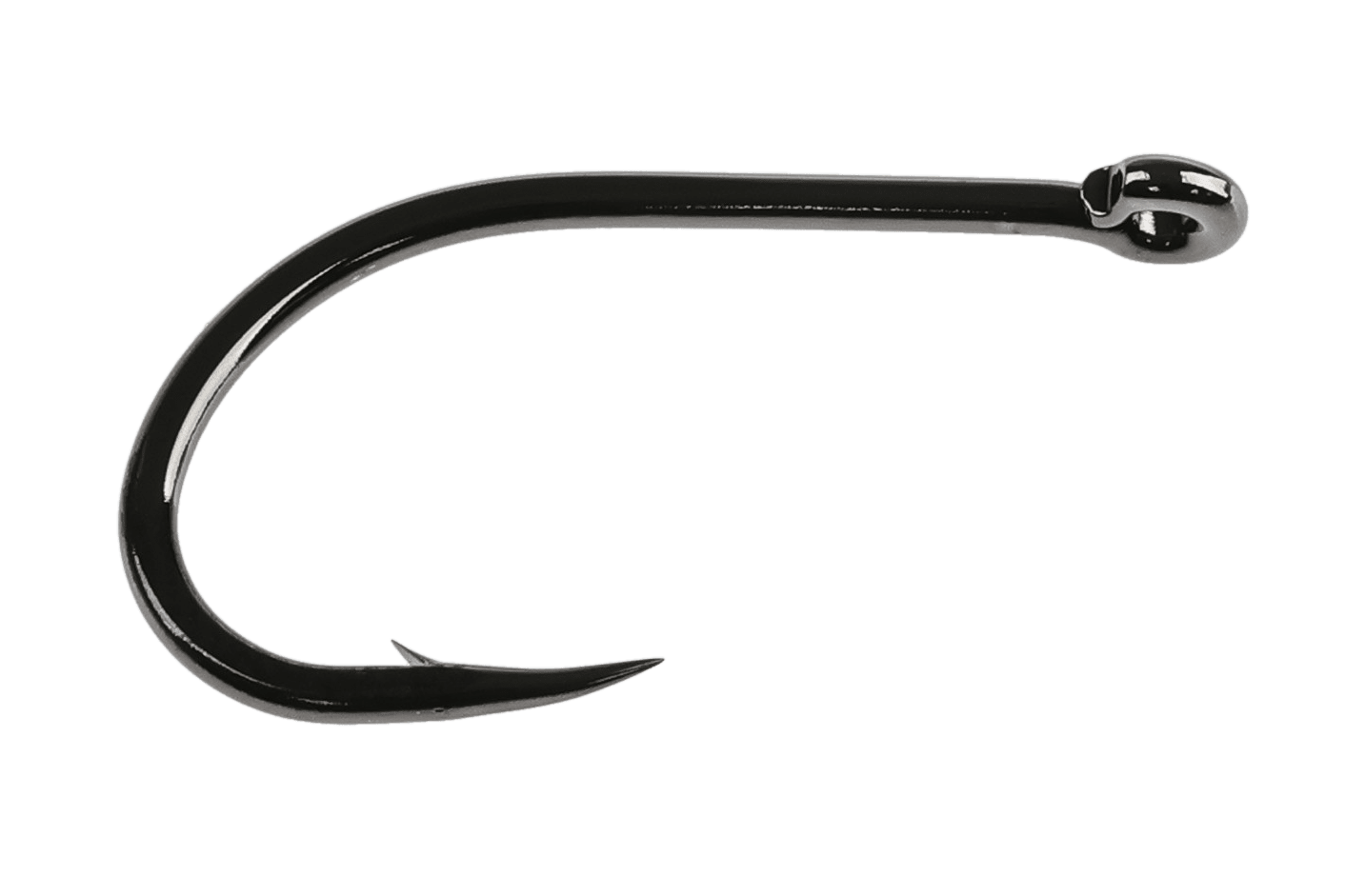
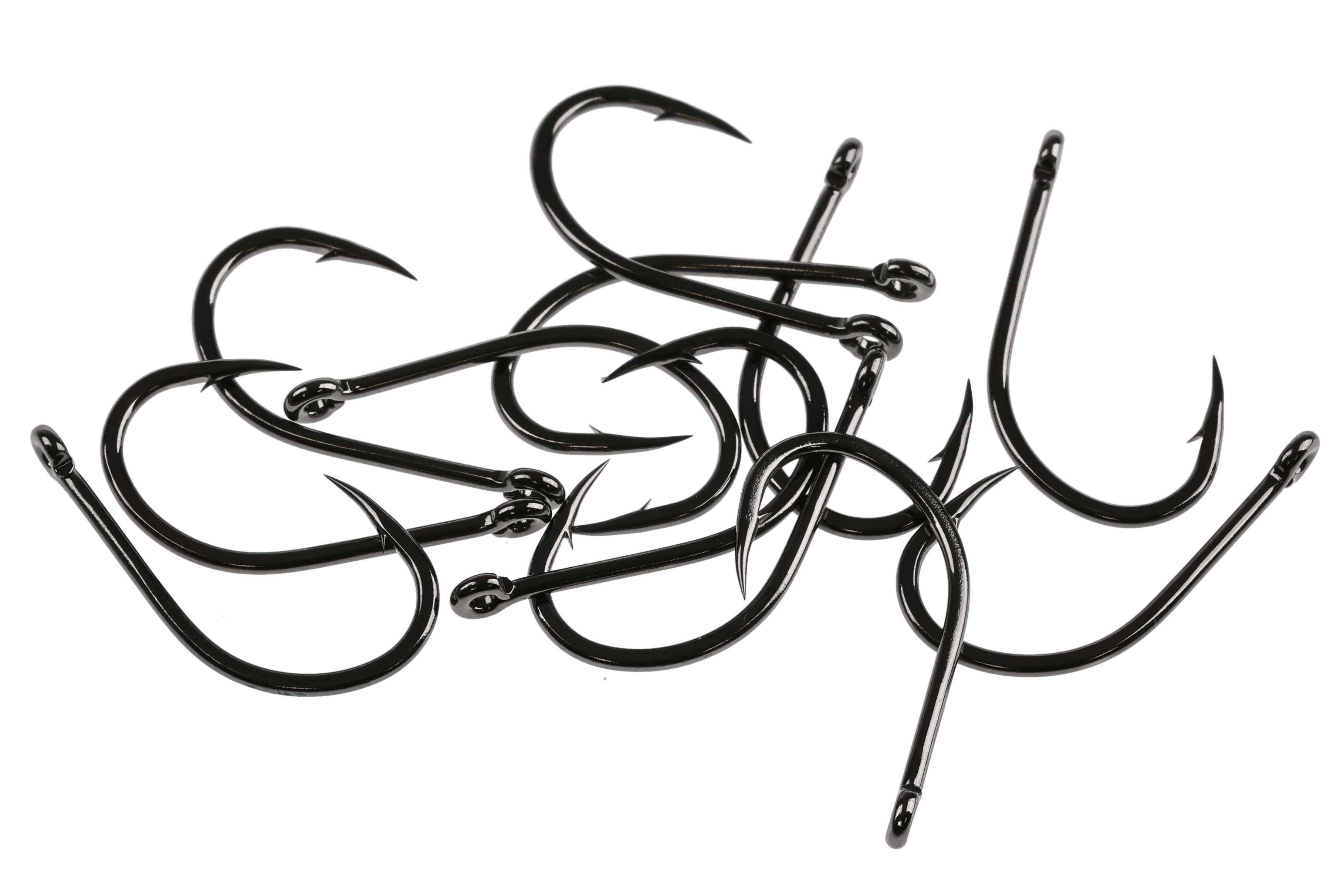
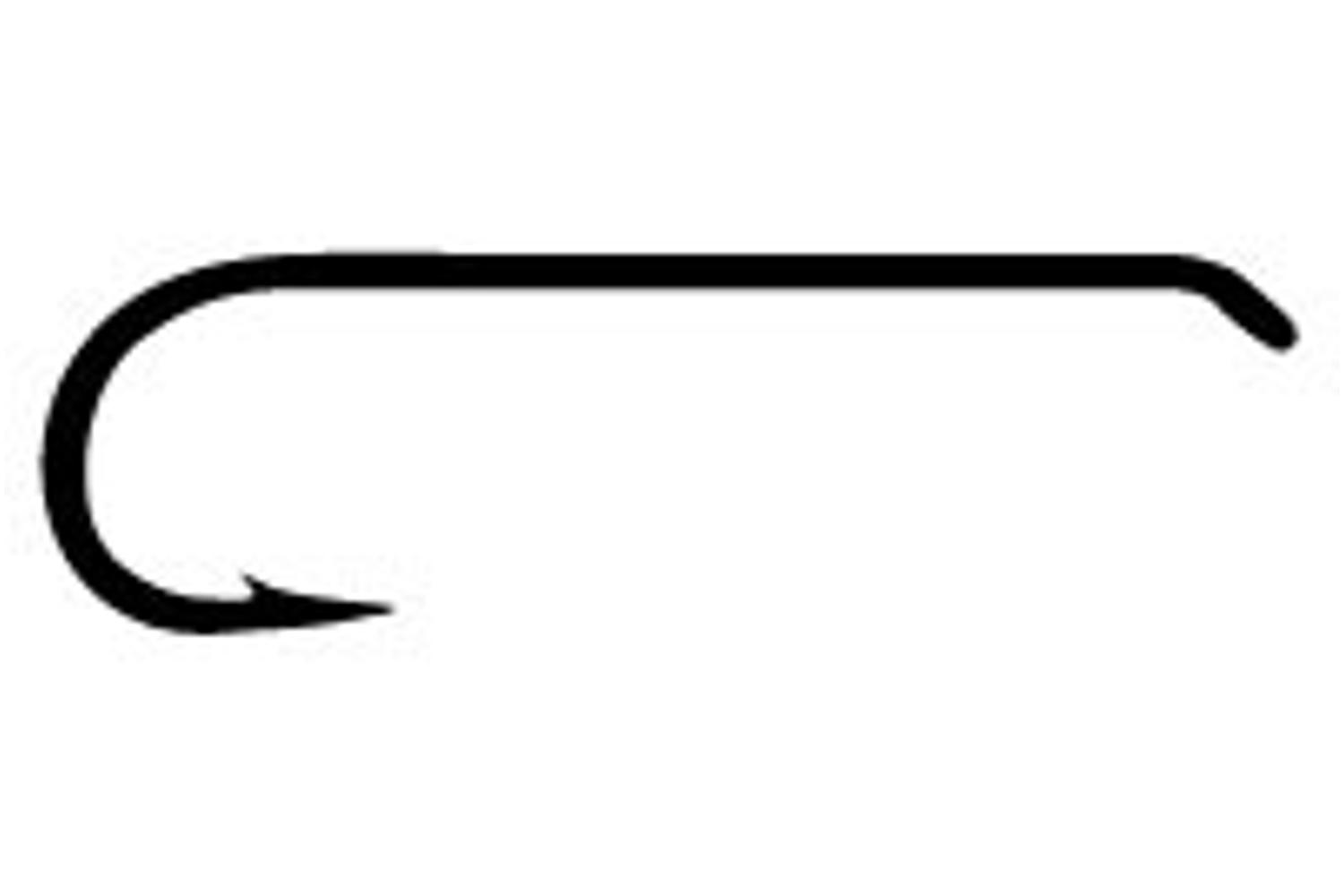
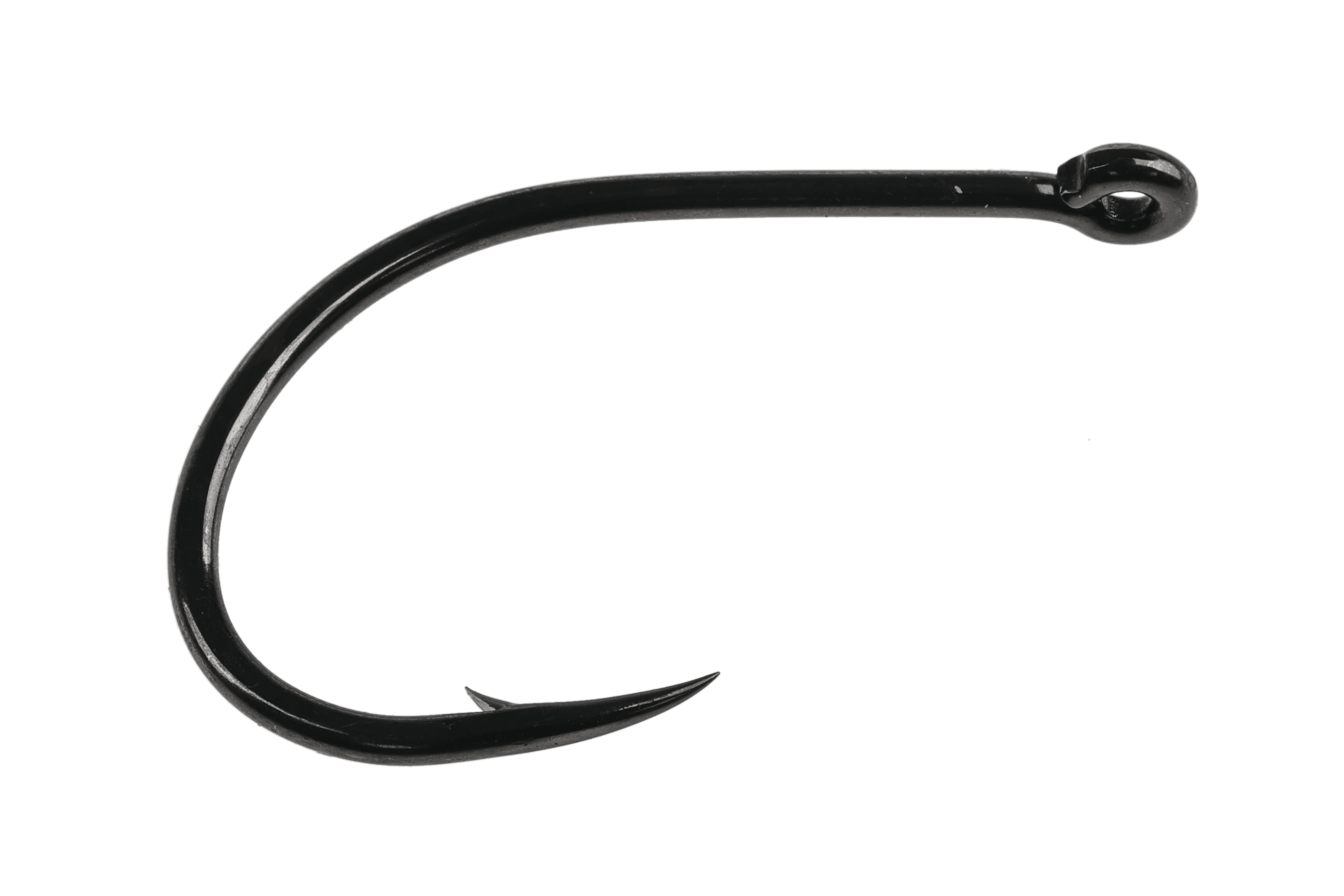
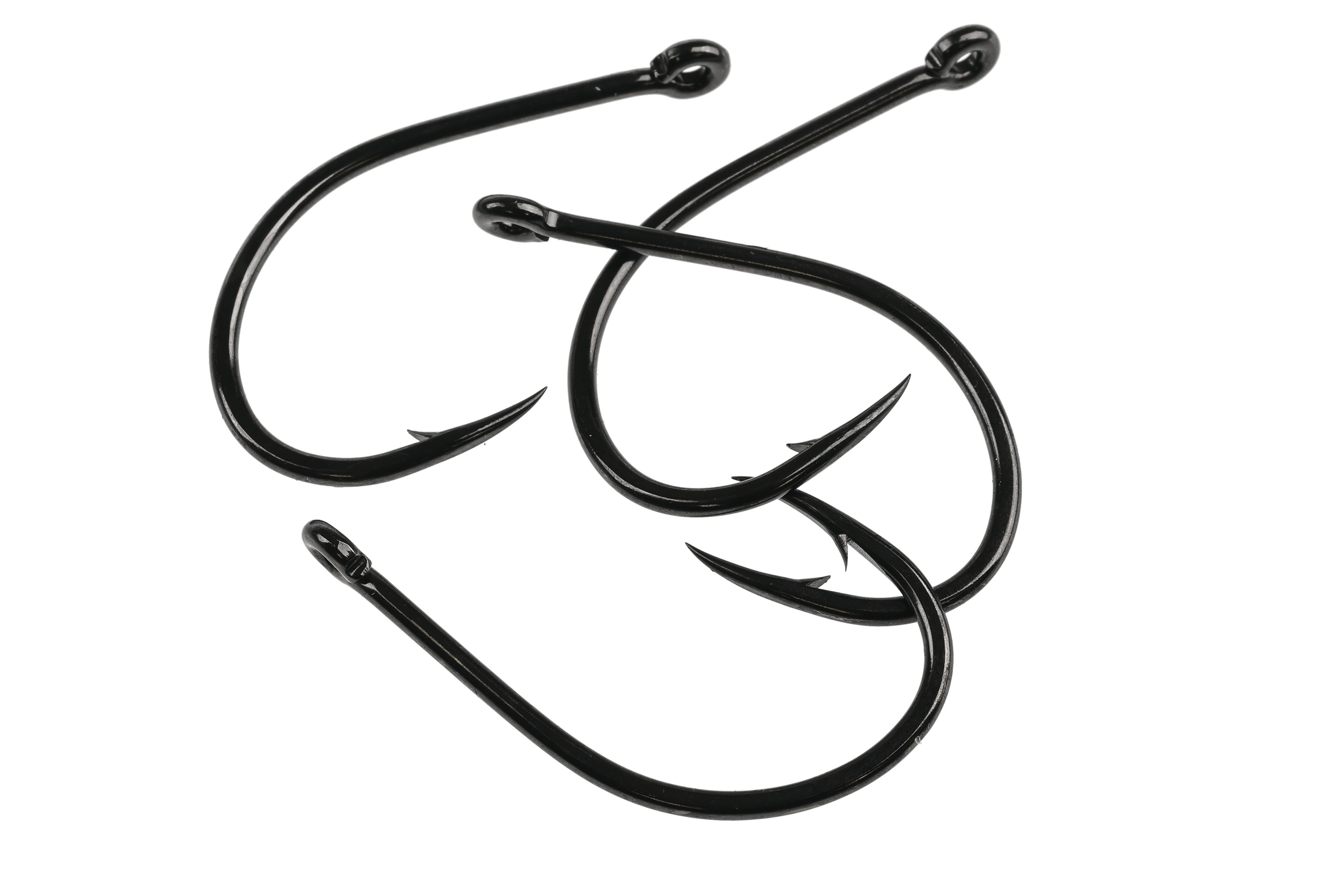
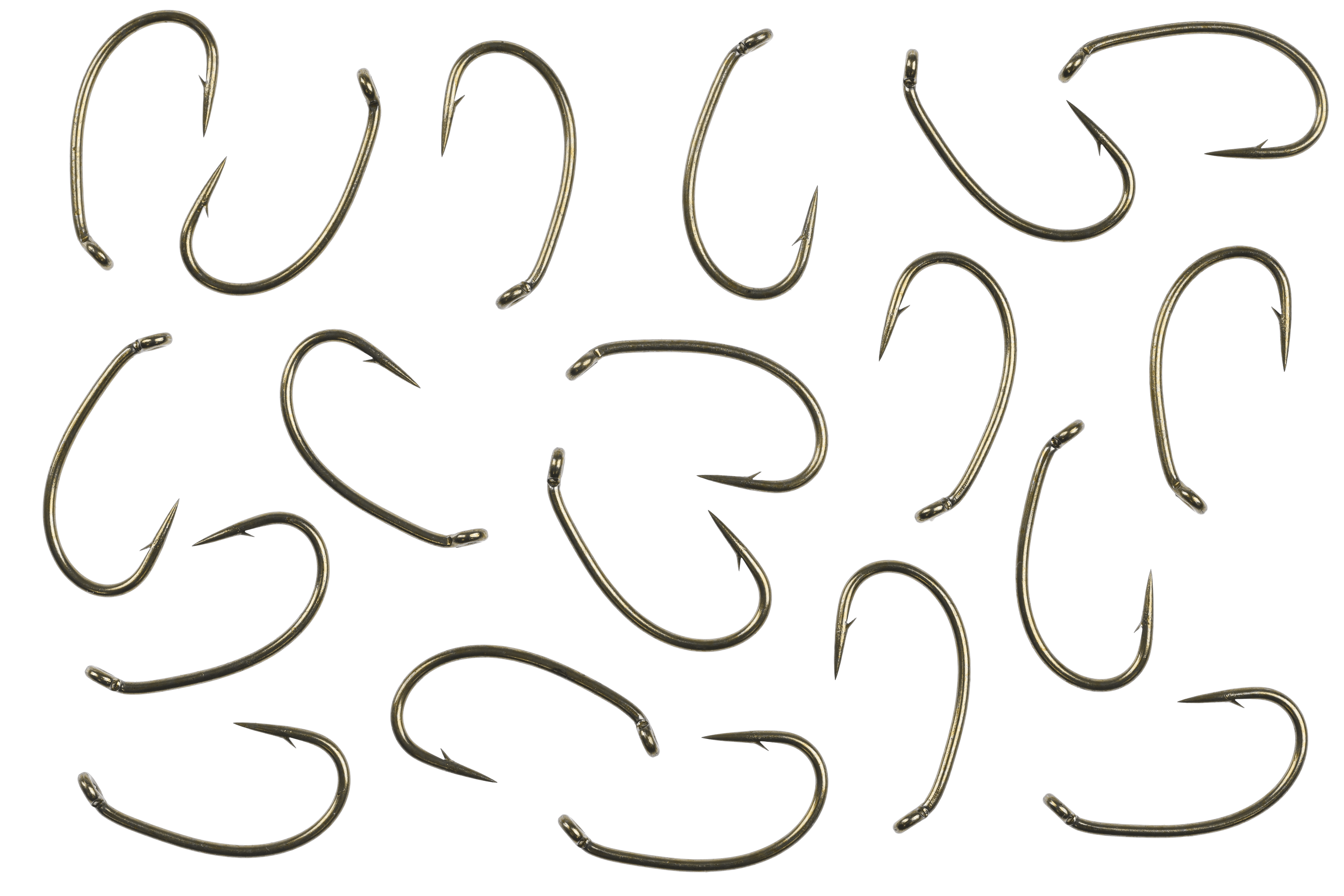
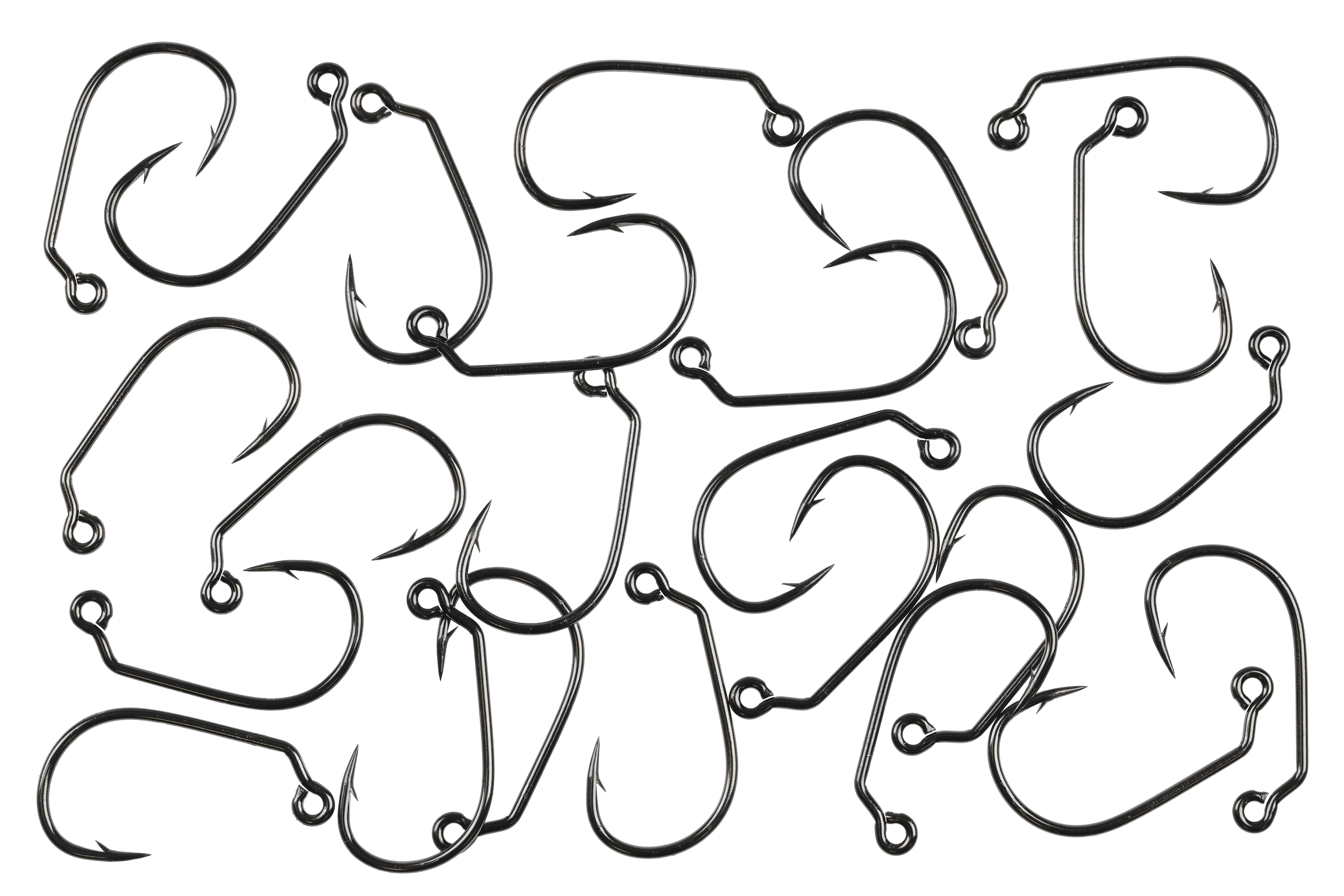
Best Value: Core C1570 Heavy Nymph Hooks - Great for stocking up on anchor flies and everyday bead-head nymphs without overthinking hook geometry. Heavy wire, short shank, and a wide gape help bead rigs track well and stick fish.
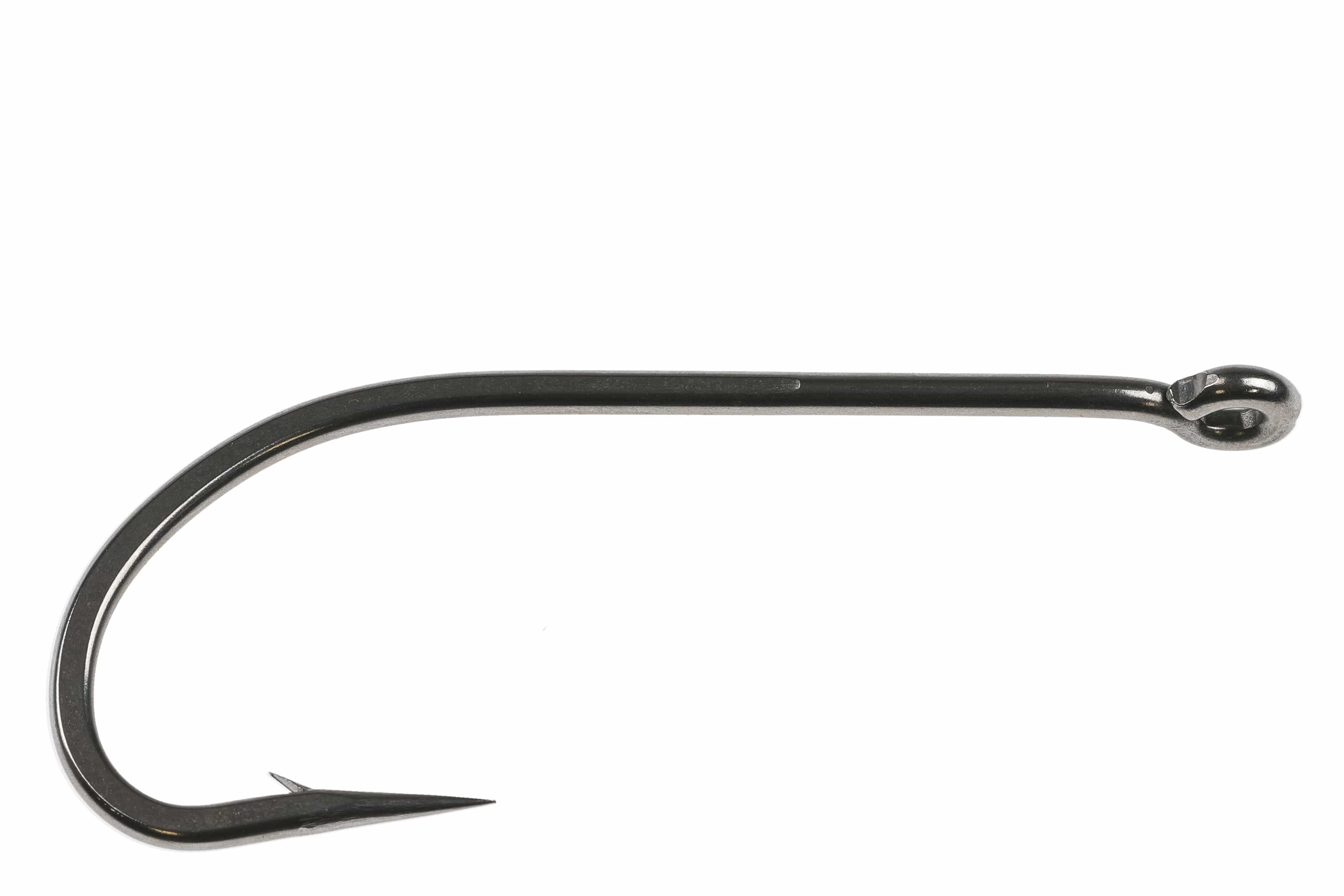
Best All-Around: Daiichi 1150 Heavy Wide Gape Hooks - A versatile platform for curved-bodied nymphs, sowbugs, scuds, and larger mayfly/stonefly profiles. The wide gap and continuous bend give you room for materials while keeping hookups consistent.
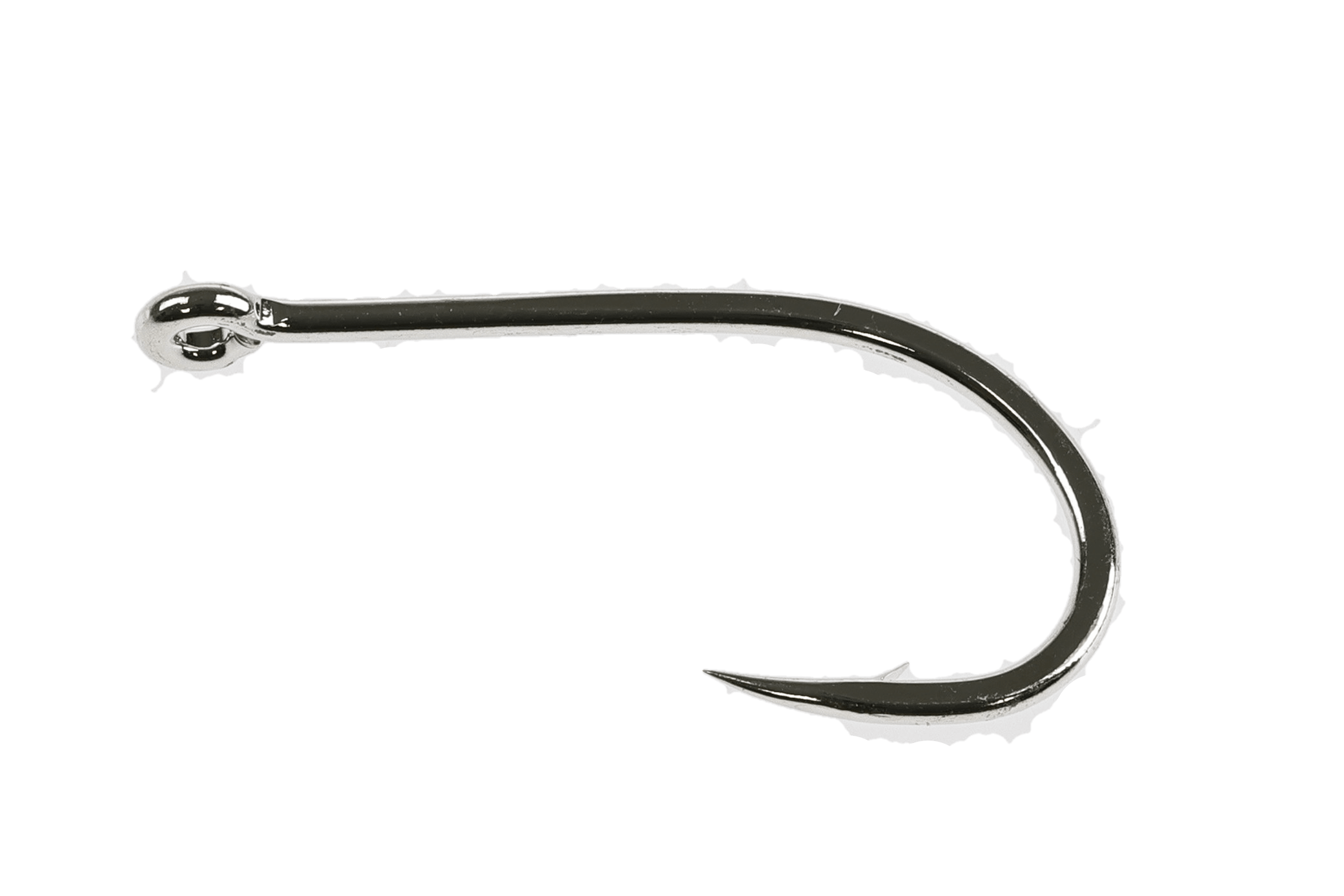
Best for Beginners: Kona BSN Barbless Standard Nymph Hooks - A simple, do-it-all nymph hook that makes practicing proportions and durability straightforward. Barbless makes for easier unhooking and is a strong fit for catch-and-release water.
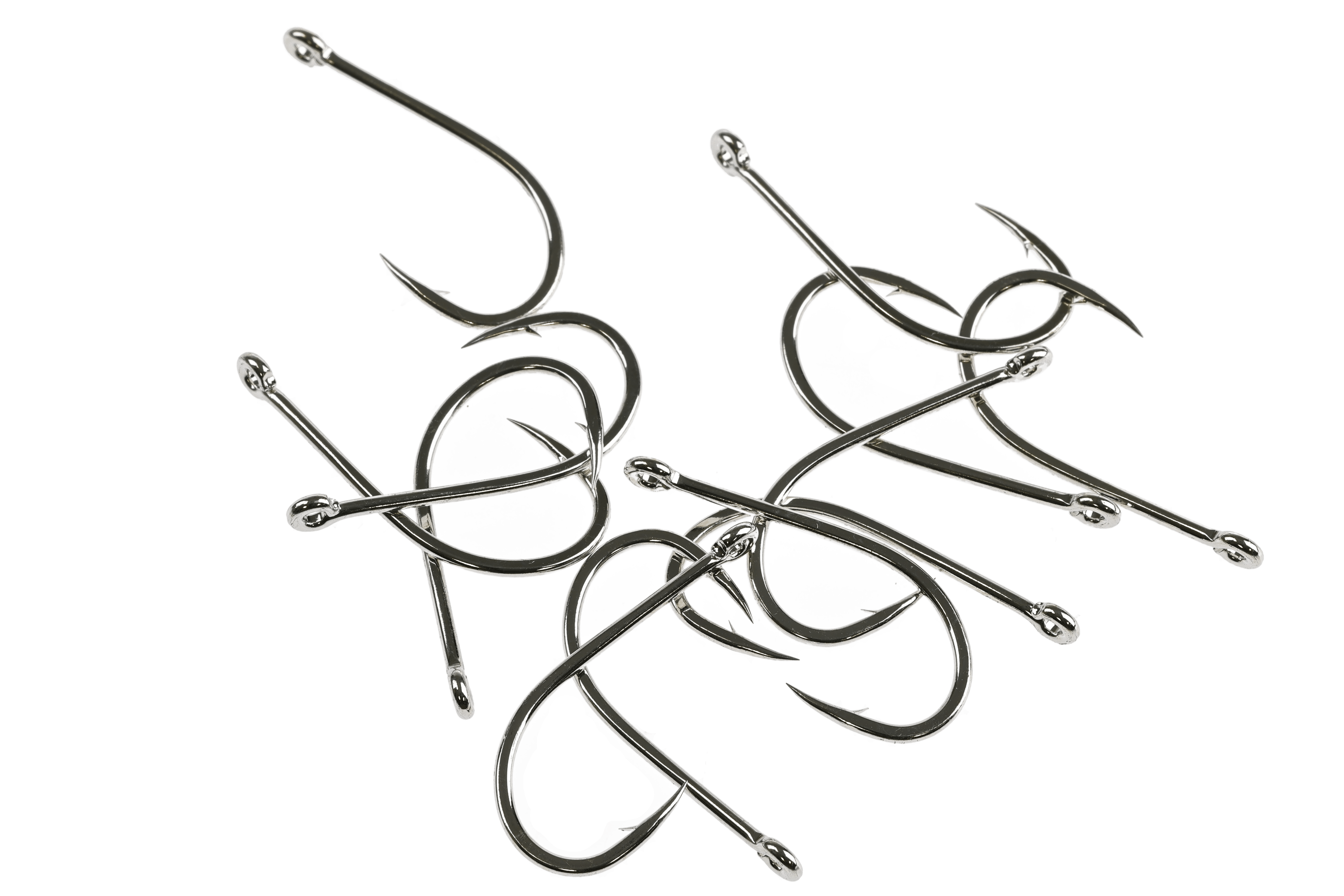
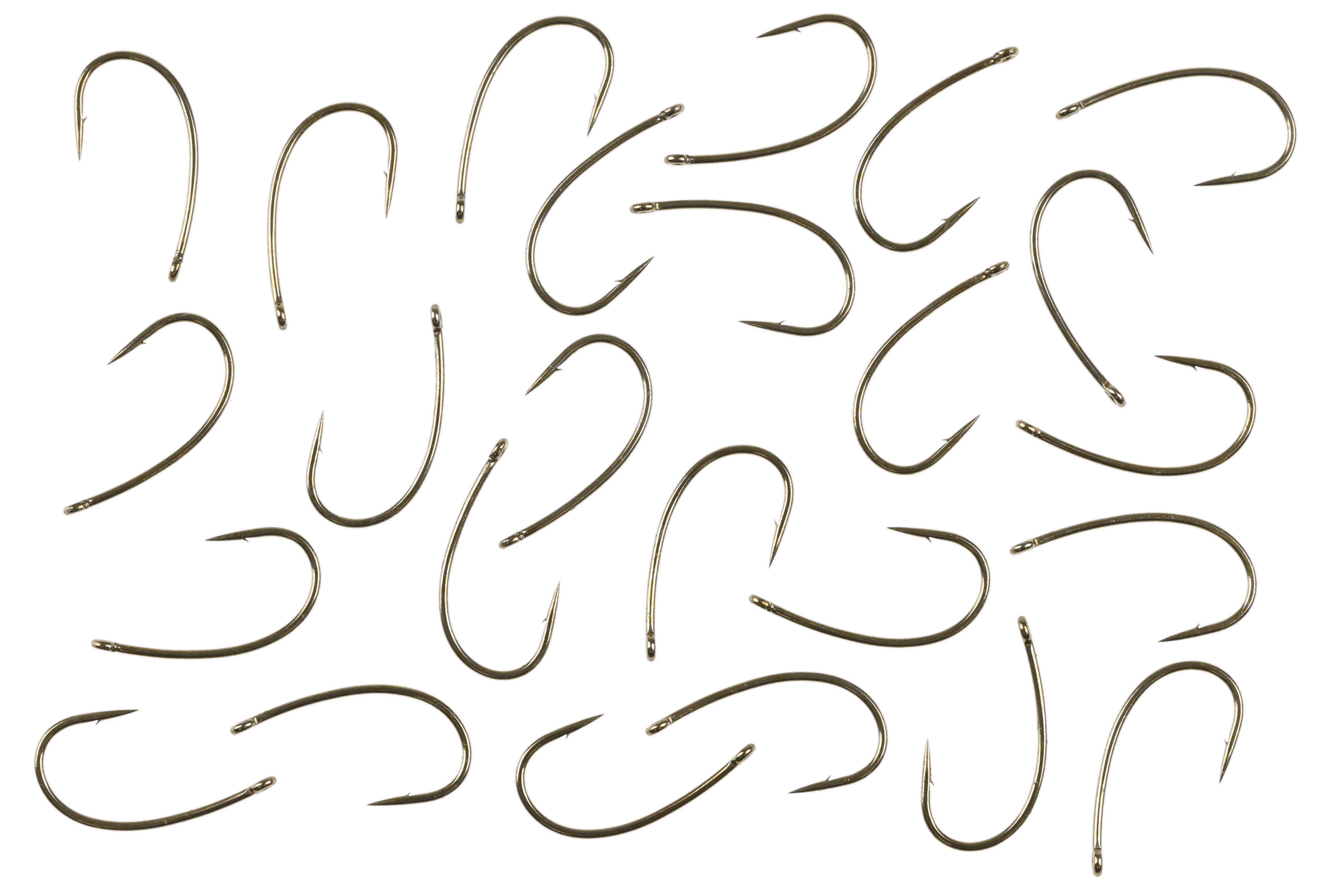
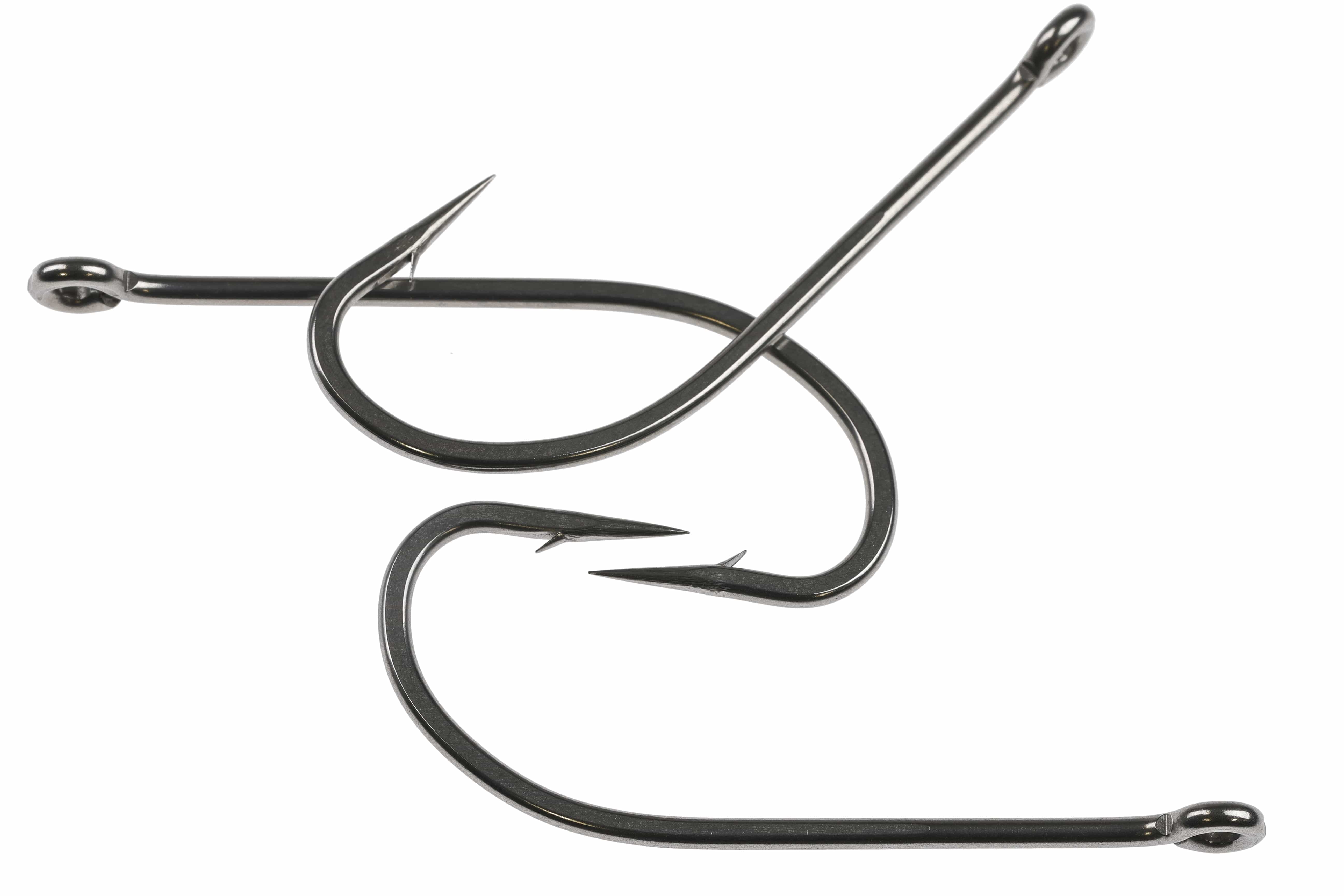
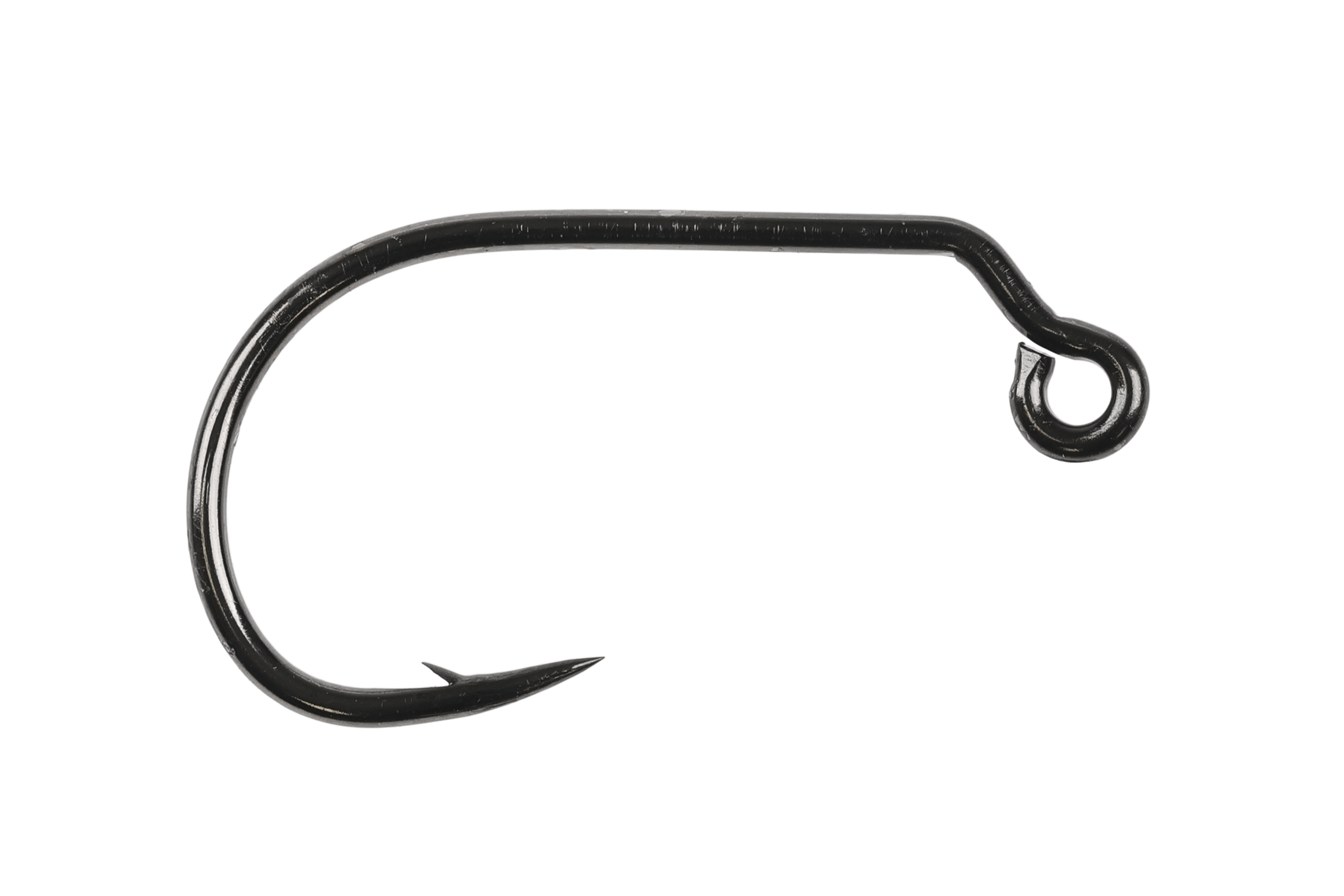
Best for Euro Nymphing: Kona BJH Barbless Jig Hooks - Built for inverted jig-style nymphs that ride hook point up and snag less in the rocks. The 60-degree eye pairs well with slotted beads for clean, compact Euro profiles.
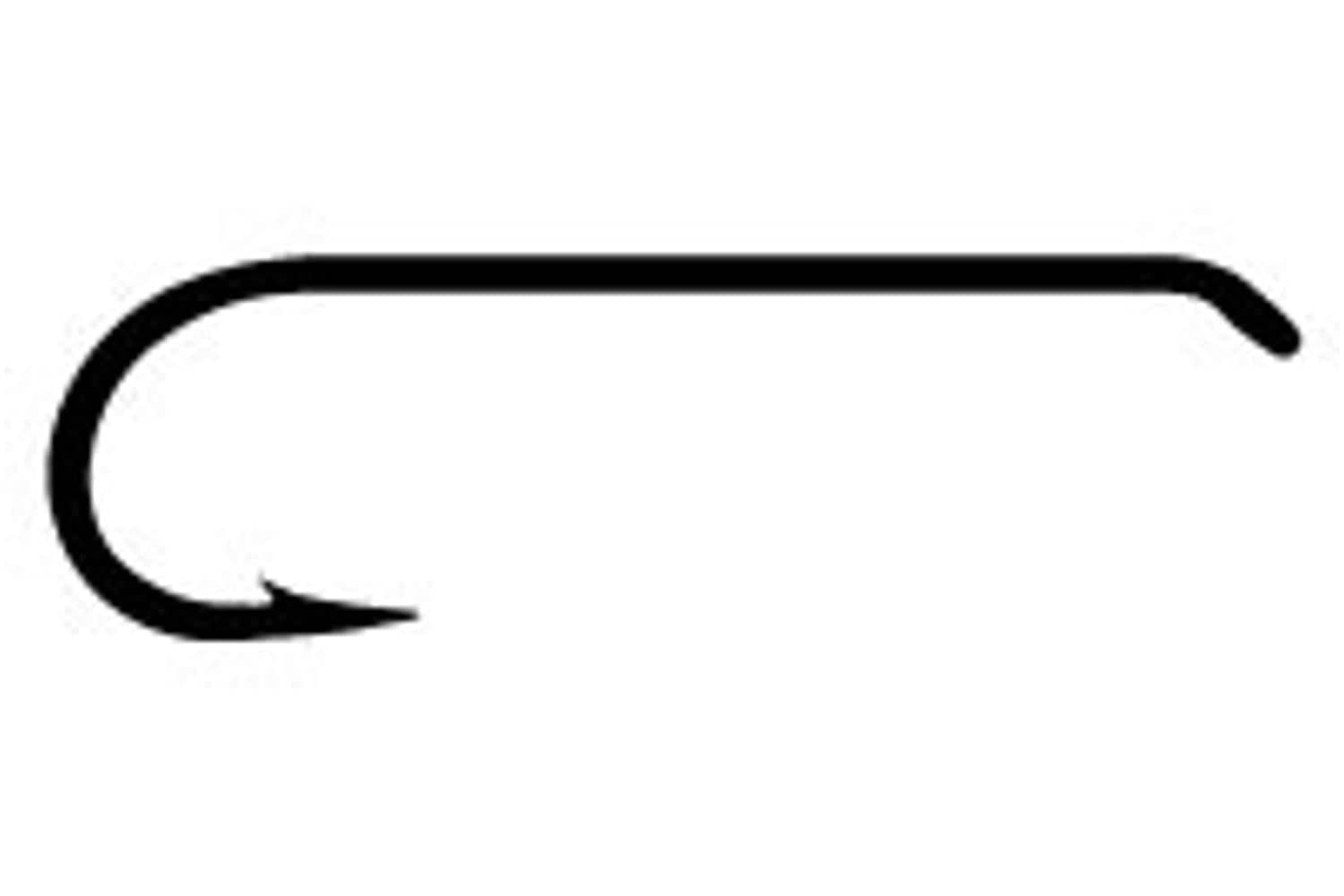
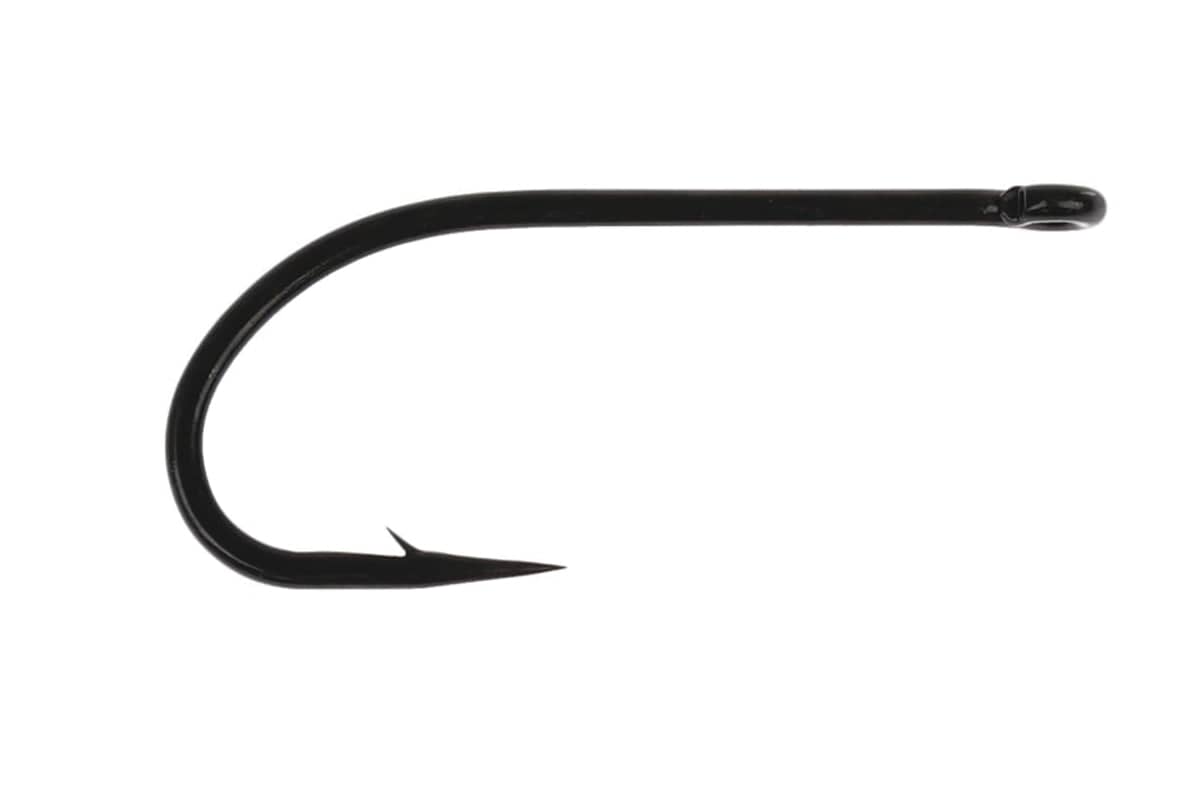
Best for Streamers: Kona SKB Short Keeled Streamer Hooks - Ideal when you want a short shank and wide gap for modern baitfish patterns, articulated “trailer” roles, and bulky materials. The profile helps keep the hook point exposed for better hookups on short strikes.
Explore by Type
Fly Tying Hooks, Beads, Coneheads & Eyes, Thread, Tinsel & Wire, Cements, Epoxies & Glues, Fly Tying Materials
How to Choose Hooks
Fly tying hooks start with the pattern category (dry, nymph, streamer, saltwater)
Action: Pick the hook style that matches how the fly is meant to fish.
Dry fly hooks: Often finer wire to help float and keep the fly light.
Nymph hooks: Typically stronger/heavier so the fly sinks and holds up to contact with rocks.
Streamer hooks: More shank length and/or heavier wire for bulky materials and bigger eats.
Saltwater hooks: Corrosion resistance and stout wire matter when fish are fast and hard.
Choose wire weight and gape based on materials (and bead size)
Best for: Better hookups and cleaner proportions.
Wide gape: Helpful when you’re adding bulk (dubbing loops, rubber legs, deer hair, brushes).
Heavy wire: Useful for bead heads and faster sink; it can also reduce bending on strong fish.
Bead fit: Match bead diameter and hole style (standard vs slotted) to your hook style, especially on jig hooks.
Barbed vs barbless
Action: Decide based on regulations and how you fish.
Barbless: Easier releases and common on many technical trout waters; many tiers like it for Euro and competition-style patterns.
Barbed: A solid choice when you want maximum hold, especially on bigger streamers or when fish tend to jump.
Don’t overcomplicate sizes, build a practical range
Action: Stock a core spread for what you actually fish, then add specialty shapes as needed.
Trout dries: Often #12,#22 depending on your rivers and hatches.
Nymphs: Often #10,#18 covers a lot of mayfly/caddis/stonefly water.
Streamers: Commonly #6,#2 for trout; larger sizes for bass/pike/saltwater.
Materials & Durability
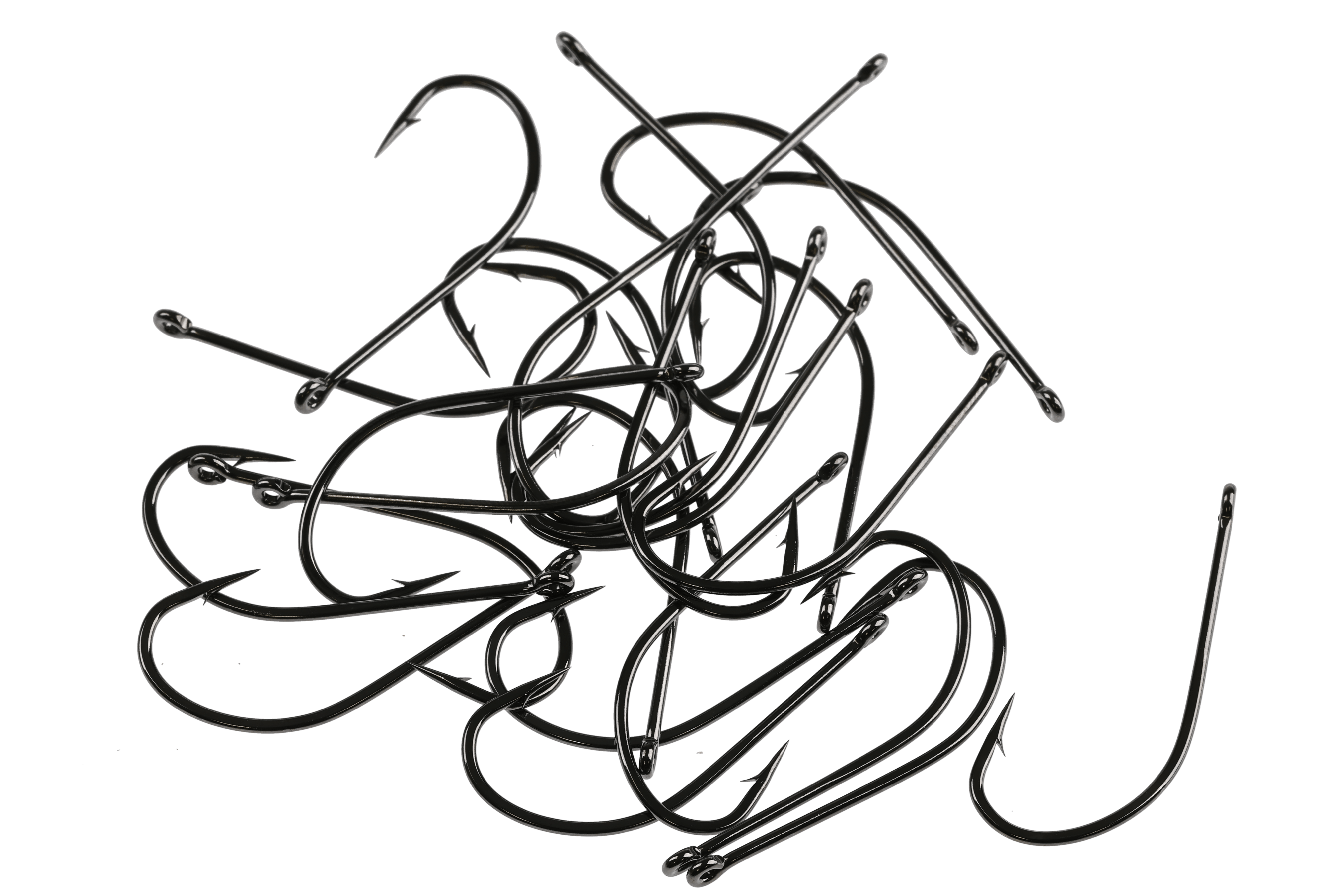
Keep points protected: Store hook packs closed and avoid dumping loose hooks where points rub together.
Watch for corrosion: If you fish brackish/salt, rinse flies and let them dry before boxing them up.
Use the right finish: Dark, low-glare finishes are popular for clear water; stainless/corrosion-resistant hooks are safer for salt.
Build durable heads: A small amount of cement/UV resin on thread wraps helps flies last longer.
Complete Your Setup
Related Gear
Beads, Coneheads & Eyes - Dial sink rate, balance, and realism for nymphs, streamers, and baitfish patterns.
Thread, Tinsel & Wire - The foundation for clean wraps, ribbing durability, and segmented bodies.
Cements, Epoxies & Glues - Lock down heads, reinforce durability, and build sleek, tough bodies.
Fly Tying Materials - Round out your bench with the feathers, dubbing, synthetics, and tools that match your hook selection.
Related Guides
Hooks FAQs
Q: What are fly tying hooks used for?
A: Fly tying hooks are the foundation of your fly, setting the profile, weight, and how the fly rides in the water. The right hook shape also helps with hookups and durability once you start fishing the fly.
Q: How do I choose the right hook size for a fly?
A: Start with the natural you’re imitating (or the fly recipe), then confirm the gape won’t be crowded by materials. If you’re adding a bead or bulky body, many tiers size up to keep enough bite and clearance.
Q: What’s the difference between dry fly hooks and nymph hooks?
A: Dry fly hooks are often finer wire to help keep the fly floating and light. Nymph hooks tend to be stronger/heavier, which helps sink rate and stands up to bouncing bottom.
Q: Are jig hooks only for Euro nymphing?
A: They’re most common for Euro and jig-style nymphs, especially with slotted beads, because they ride hook point up. They can also work well for small jig streamers and other inverted patterns.
Q: Should I tie barbed or barbless hooks?
A: Barbless is popular for easy releases and is required on some waters. Barbed hooks can hold well, but many anglers simply pinch the barb to get the best of both worlds.
Q: What hook finish should I pick?
A: For trout, subdued finishes (bronze, black nickel, matte black) are common choices. For saltwater or brackish use, prioritize corrosion resistance and rinse/dry flies after the trip.
Q: Why do my hooks bend out or break?
A: It’s usually a mismatch between wire strength and fish/pressure, or leverage from a long shank with a lot of weight/material. Sizing up in wire strength, choosing a shorter shank, or adjusting your drag/tippet can help.