

The 4 Features of Fly Tying Beads | Episode 6














Beads, Coneheads & Eyes Quick Picks
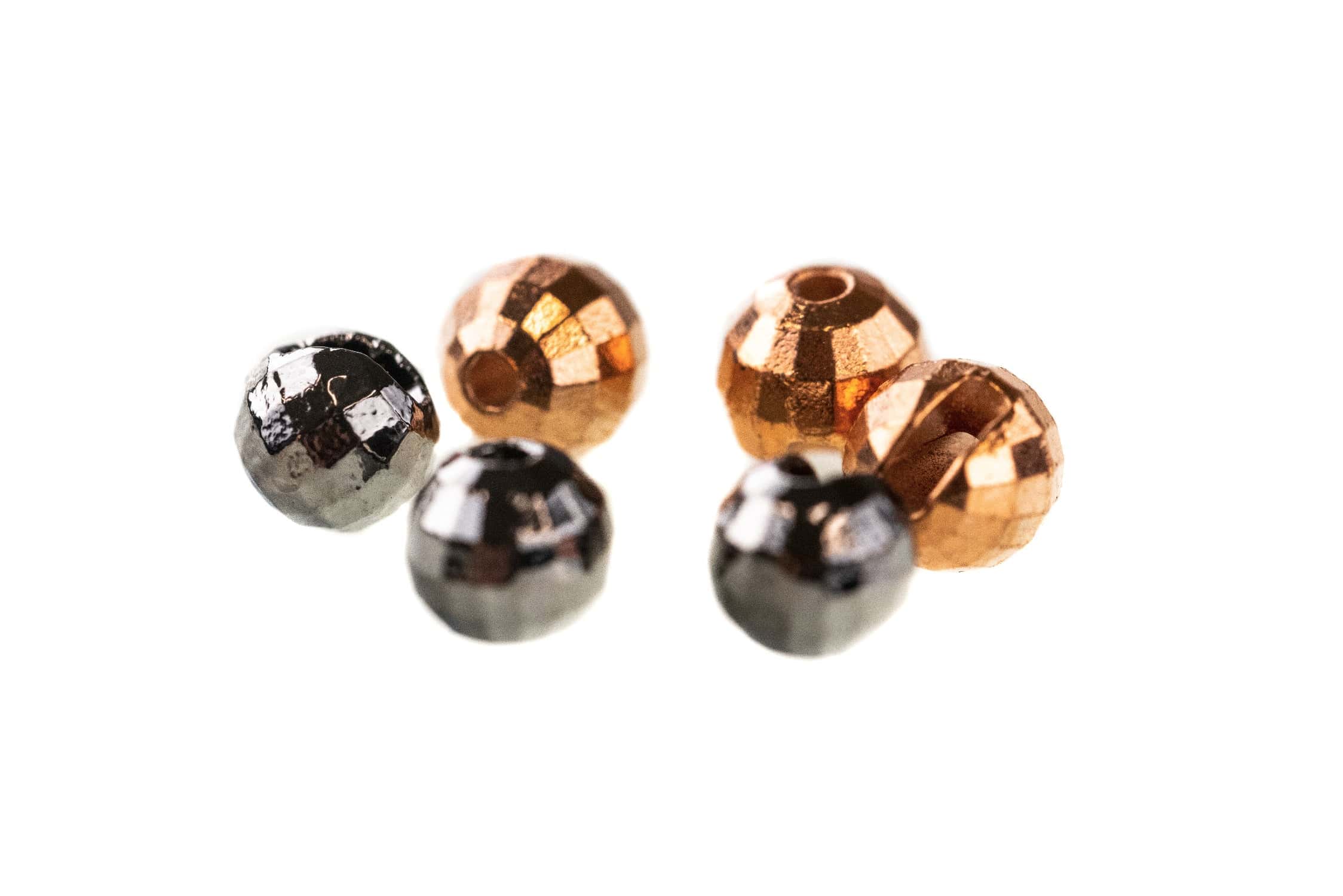
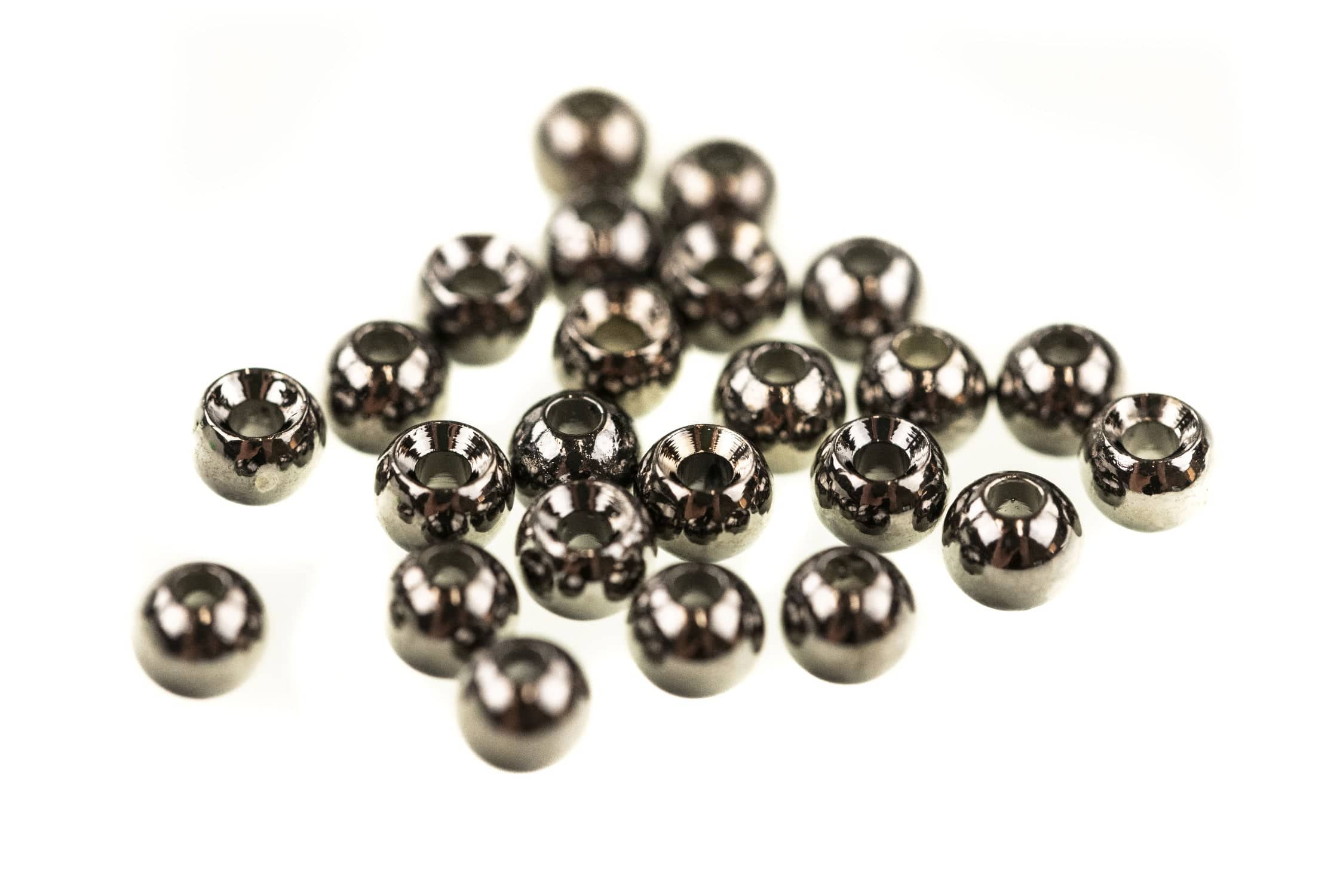
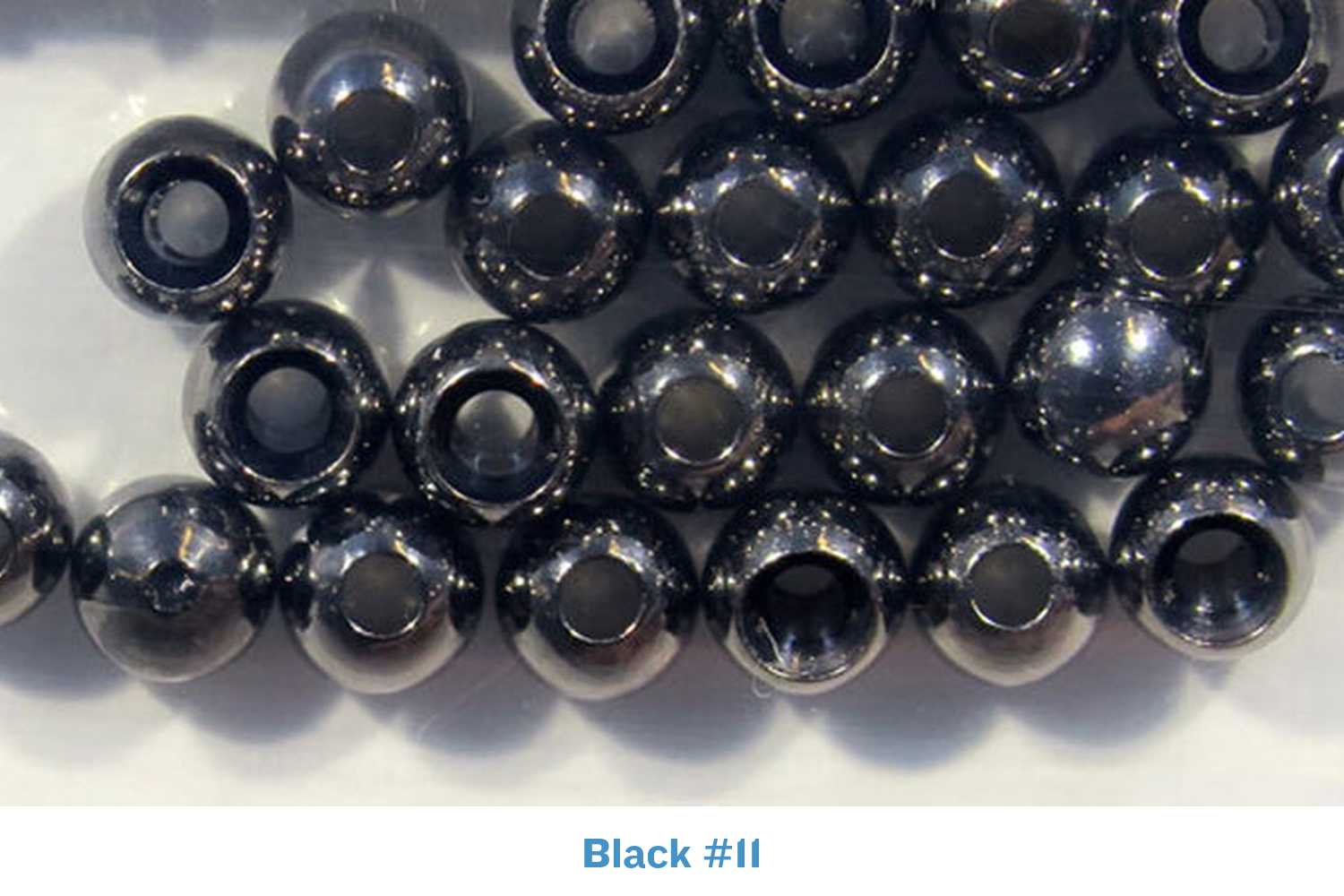
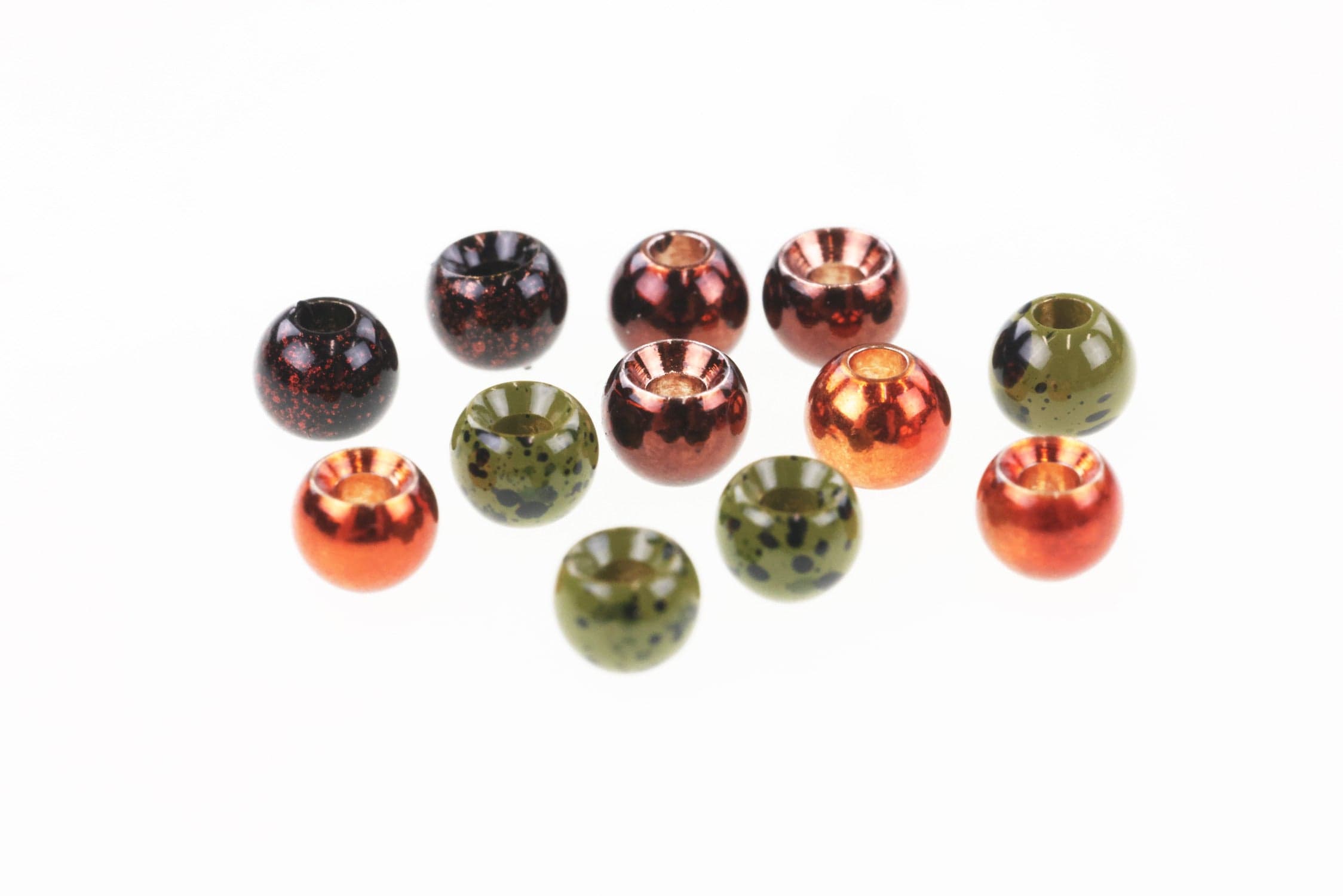
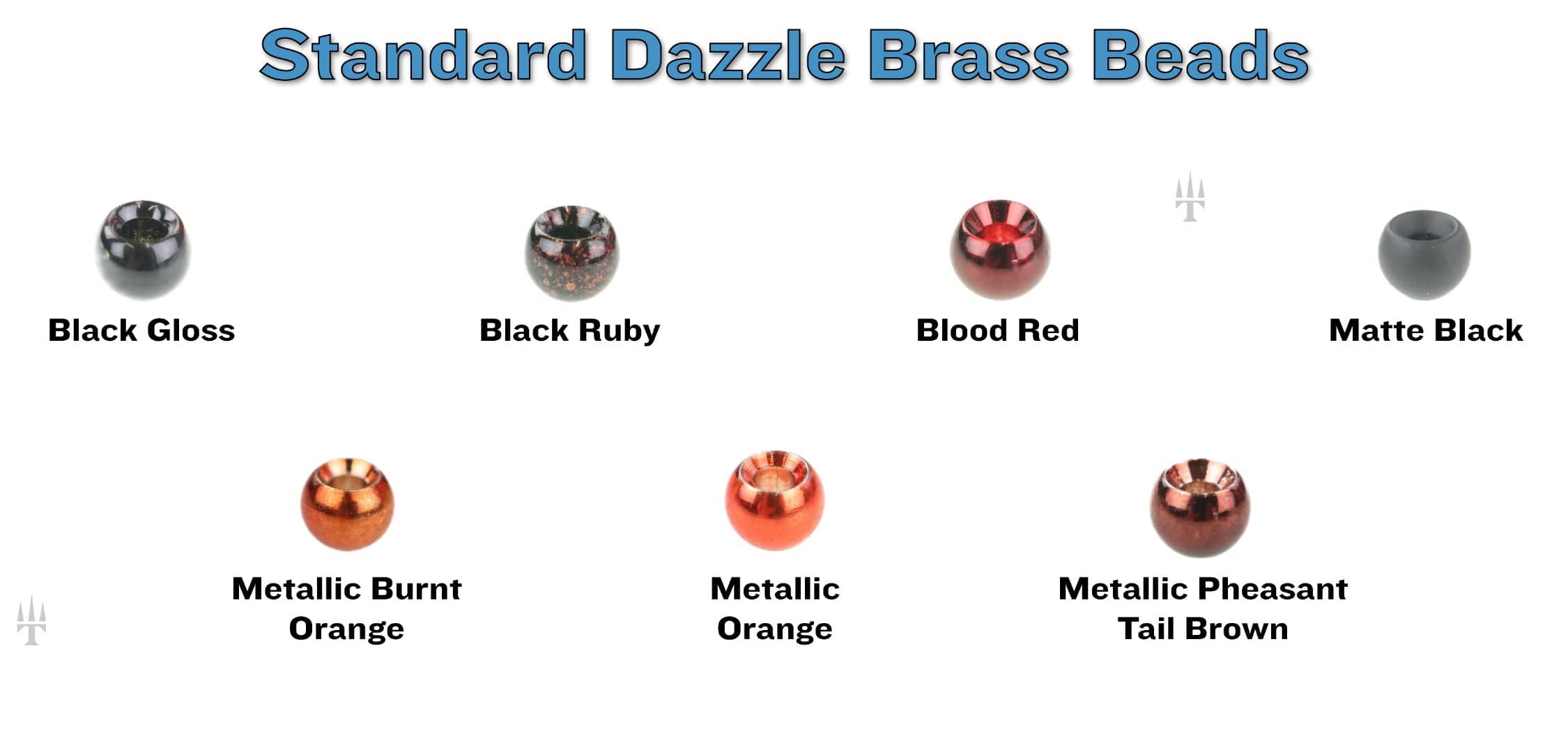
- Best All-Around: Hareline Plummeting Tungsten Beads - A go-to option for tying heavy beadhead nymphs across a wide range of sizes and colors. Great when you want consistent weight and a clean, standard round-bead profile.
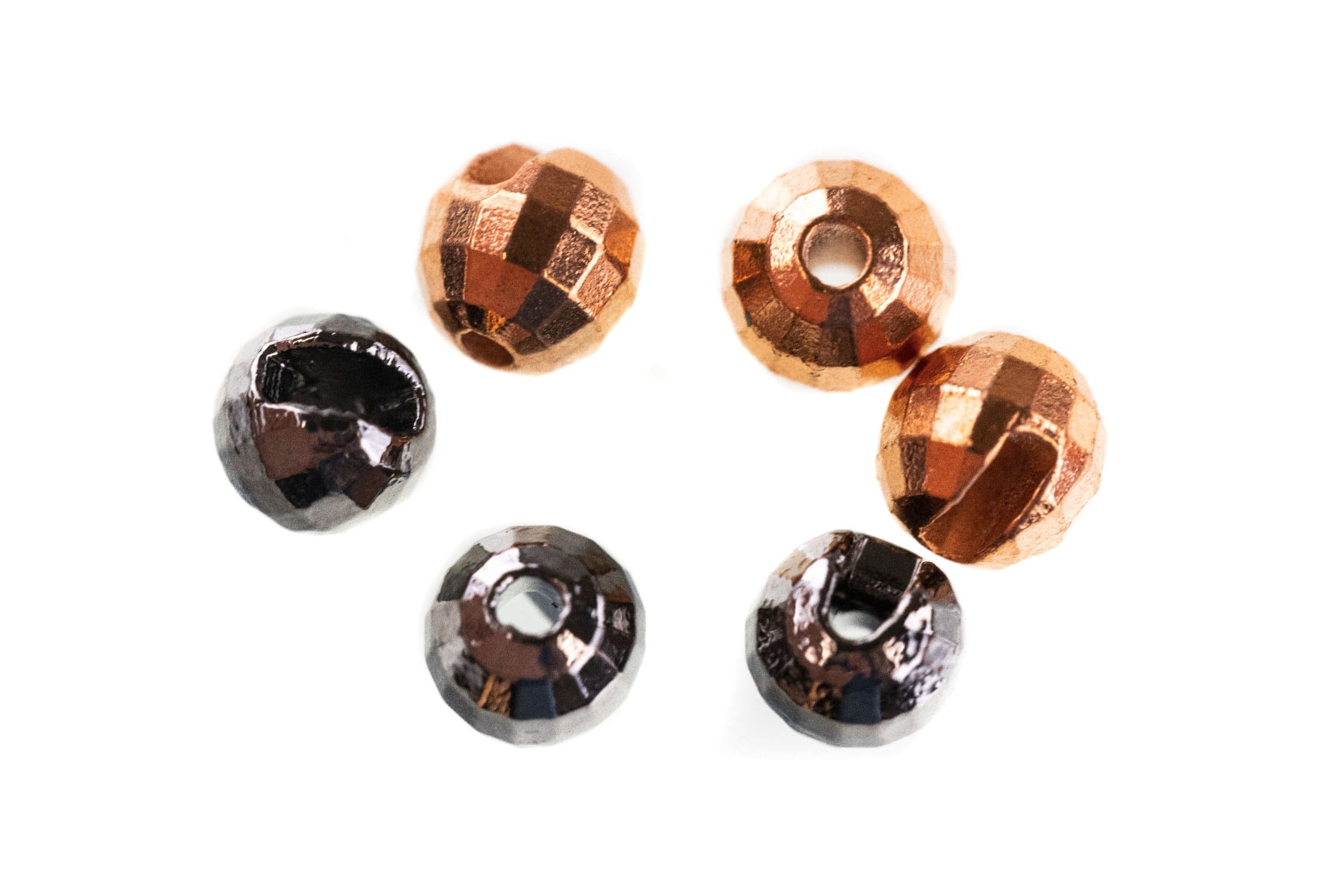
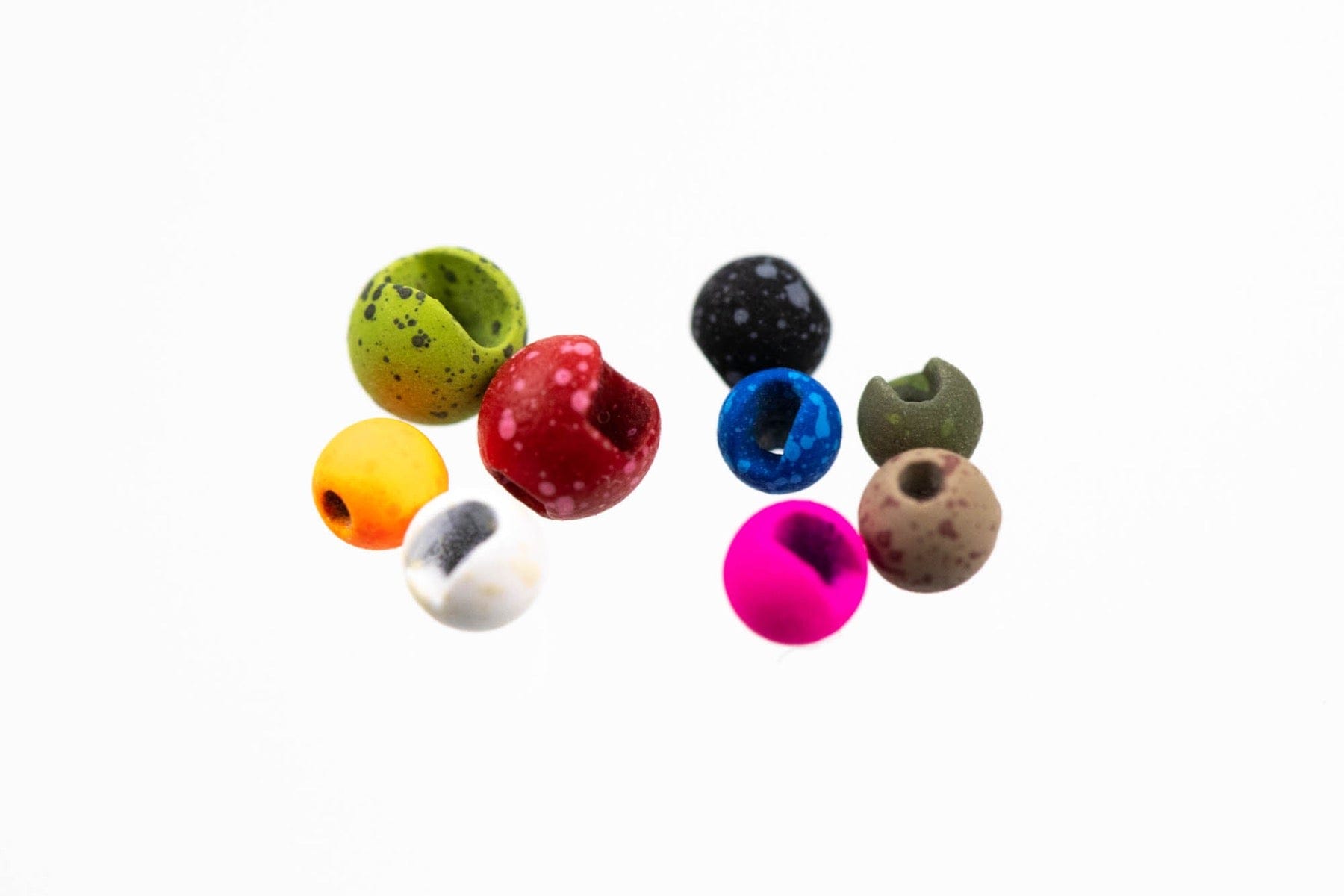
- Best for Euro Nymphing: Hareline Slotted Tungsten Beads - Built for jig hooks and tight-line flies where you need maximum sink in a compact package. The slotted design helps keep your fly riding correctly while getting down fast.
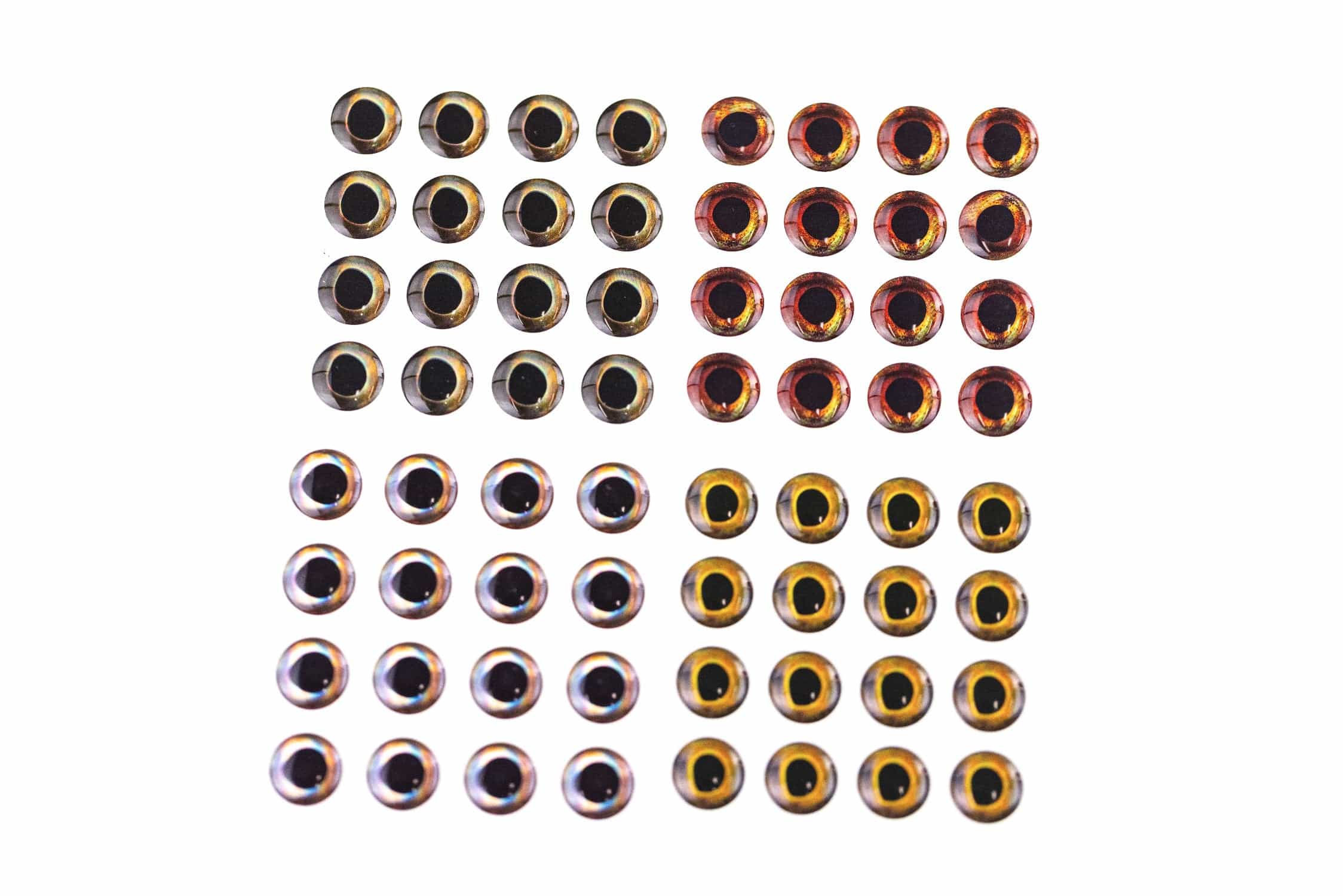
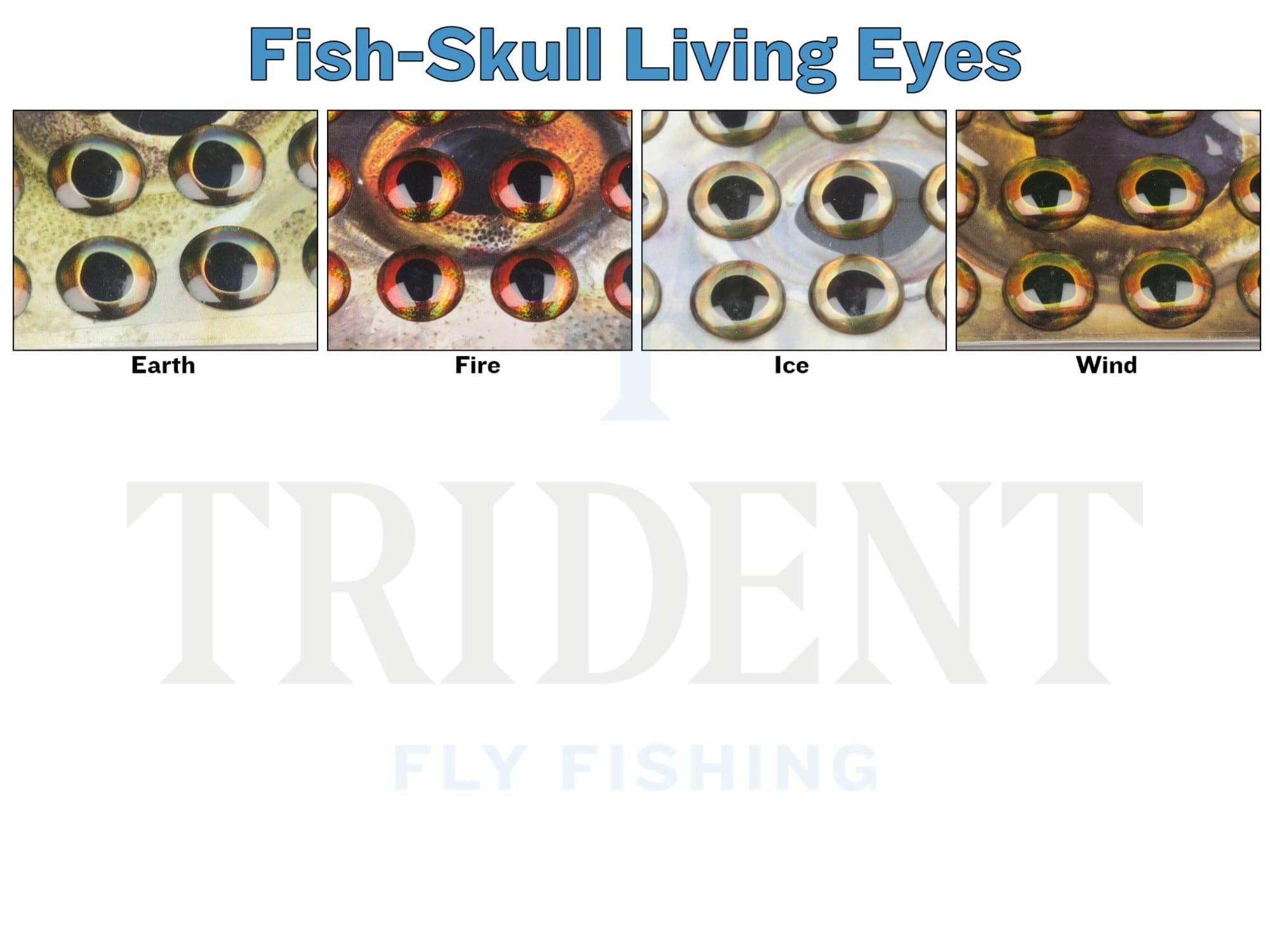
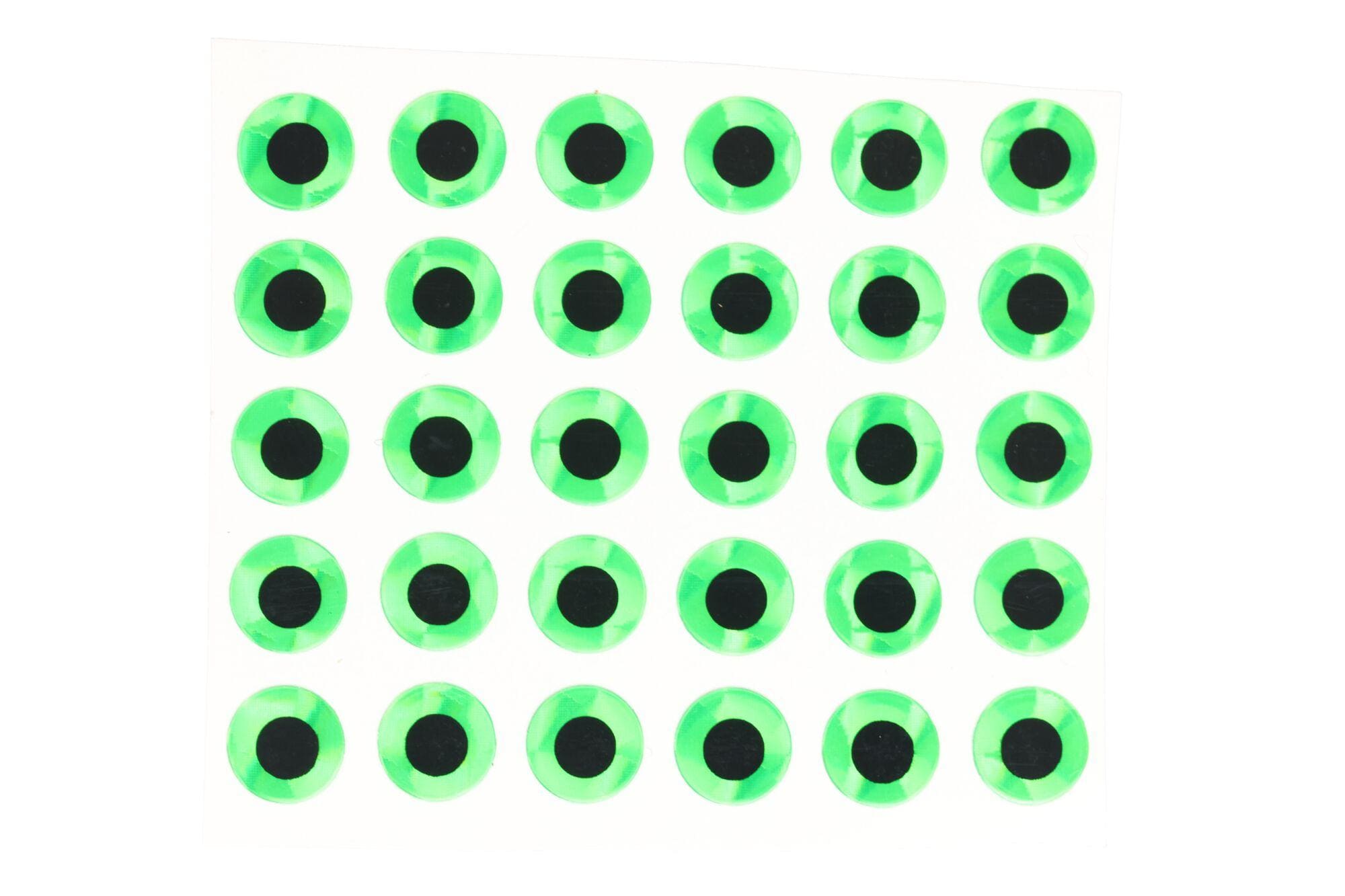
- Best for Streamers (Realistic Eyes): Fish-Skull Living Eyes - A strong choice when you want photo-realistic, baitfish-style eyes for streamer heads. Multiple sizes and colorways make it easy to match everything from trout streamers to bigger saltwater patterns.
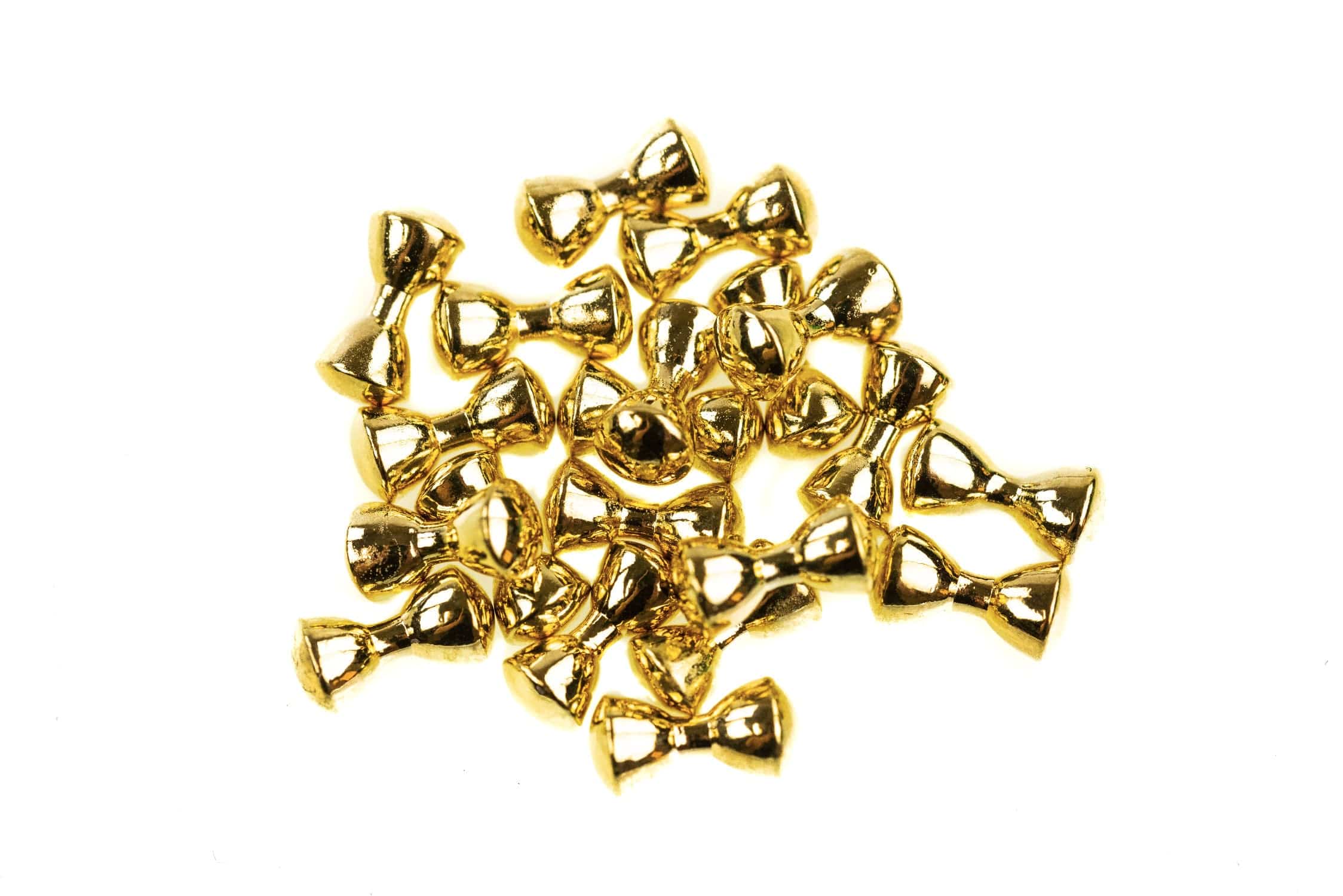
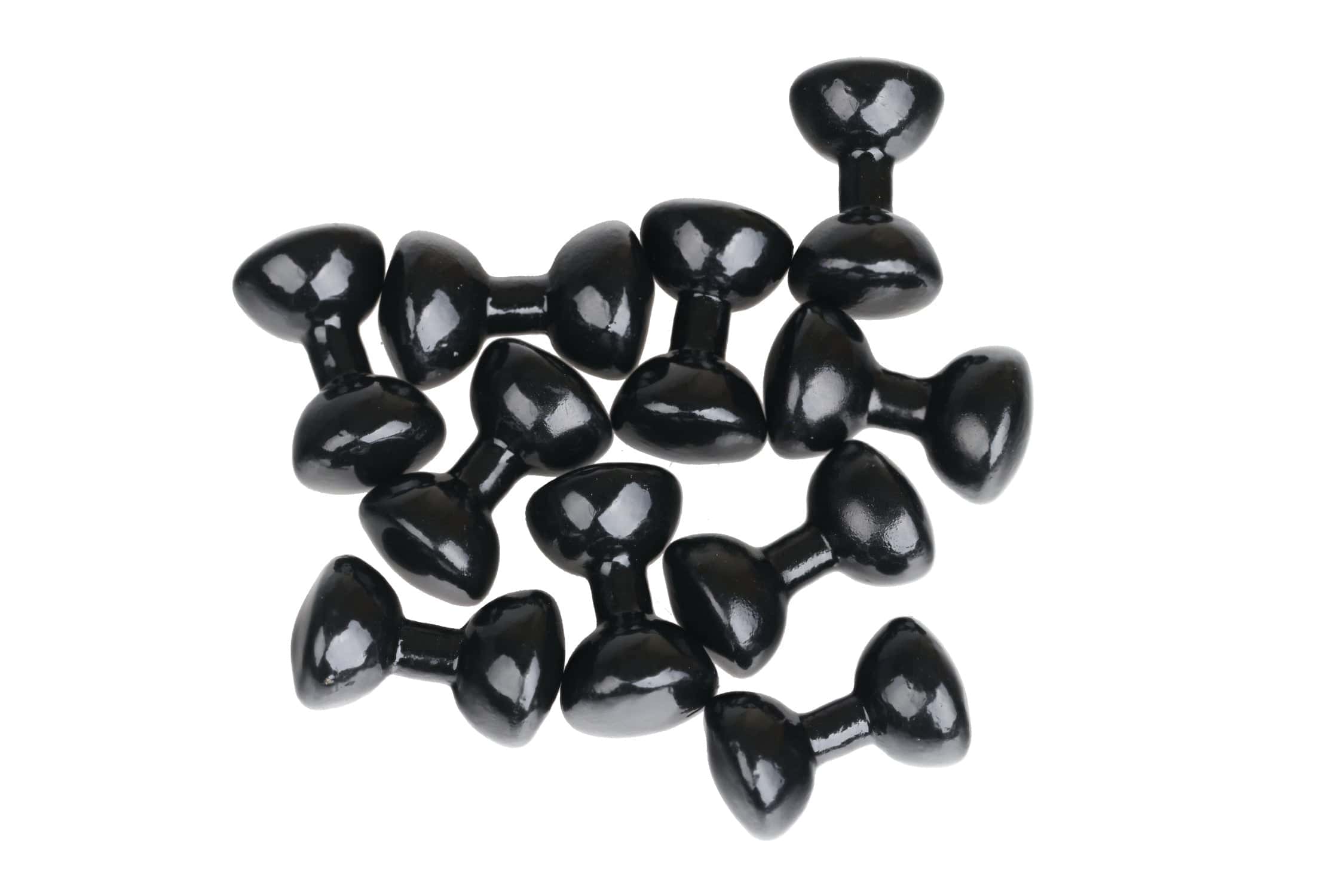
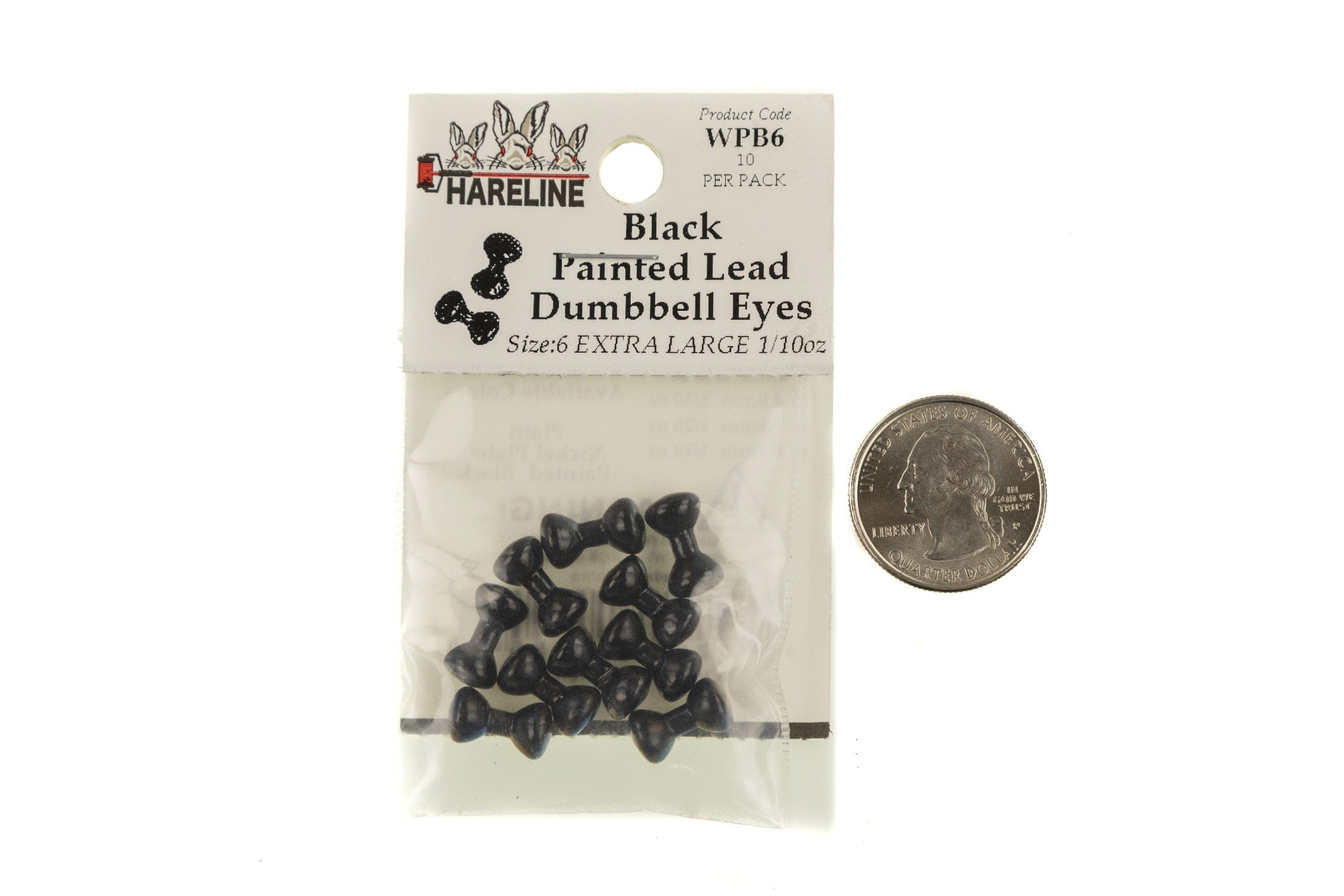
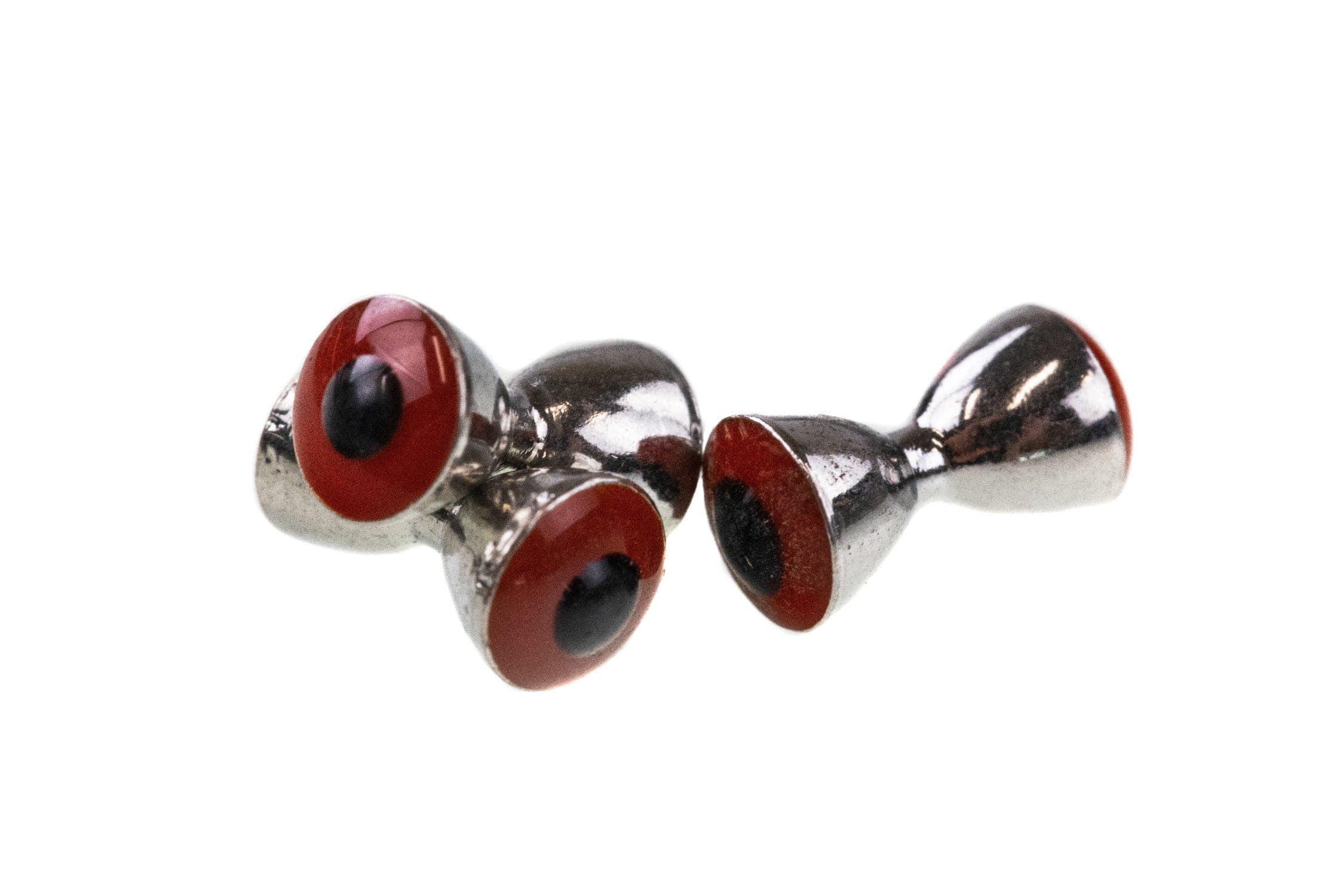
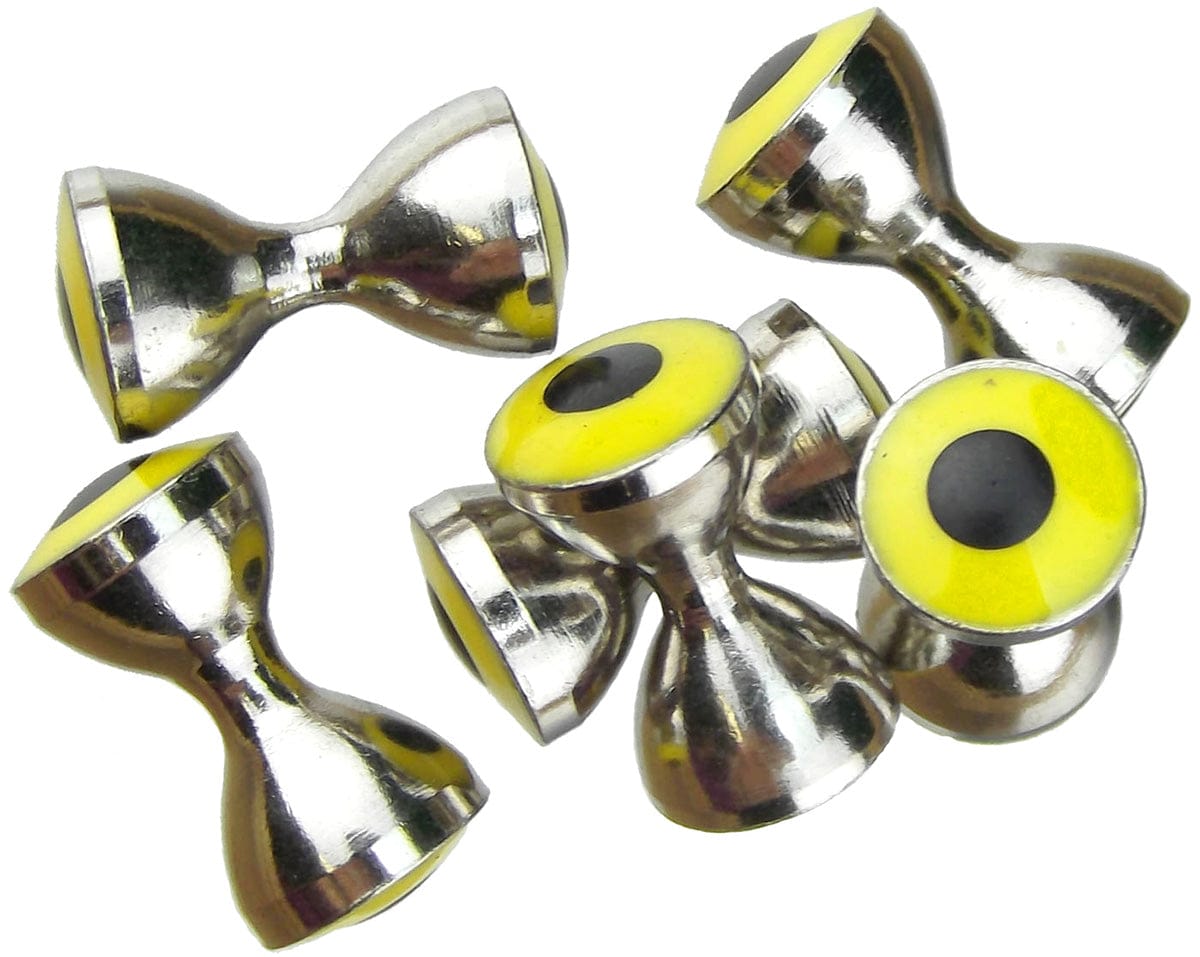
- Best Value Dumbbell: Hareline Plain Lead Dumbbell Eyes - A practical way to add weight and invert hooks for Clouser-style and bottom-oriented patterns. Ideal when you’re tying lots of flies and want simple, effective weighting.
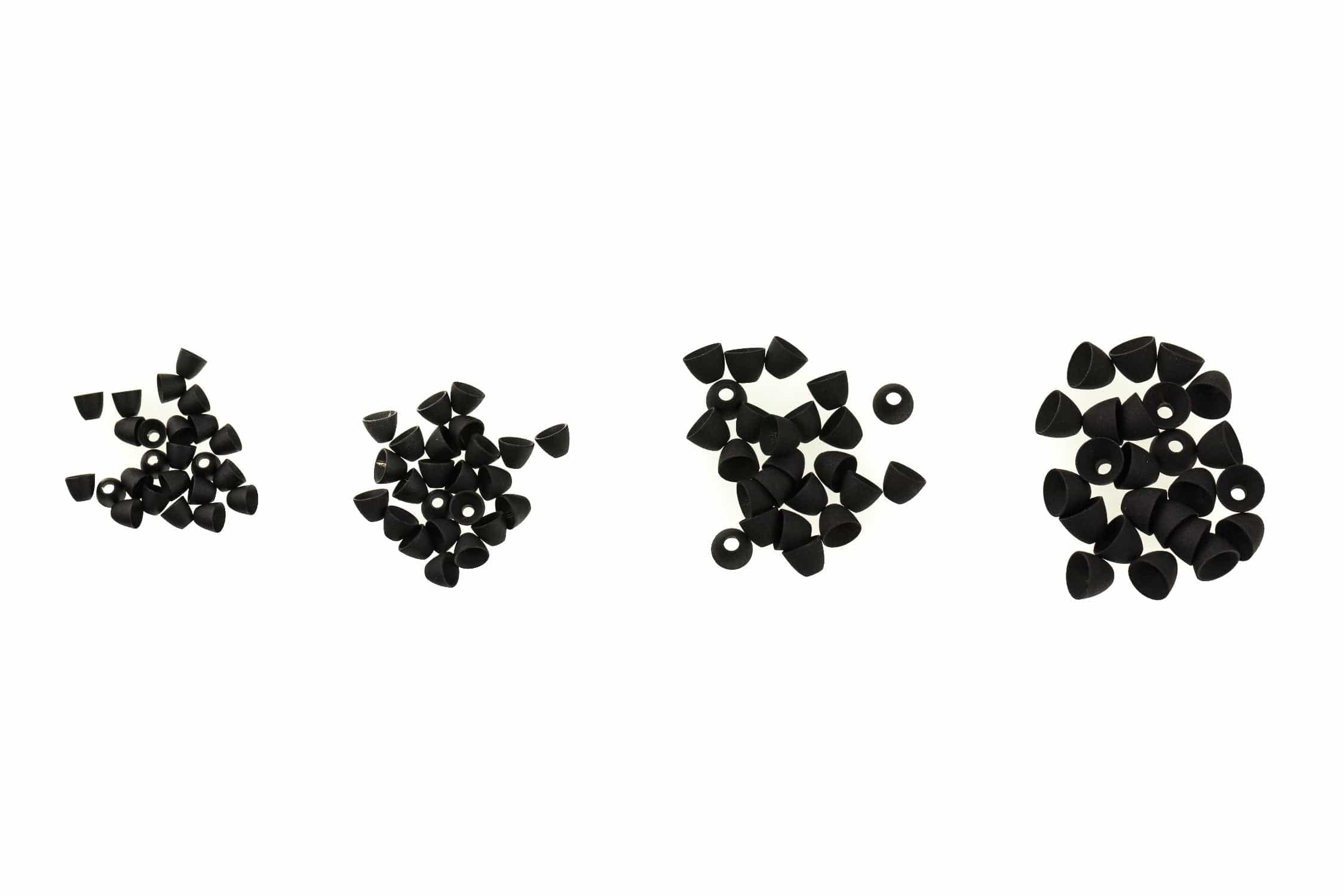
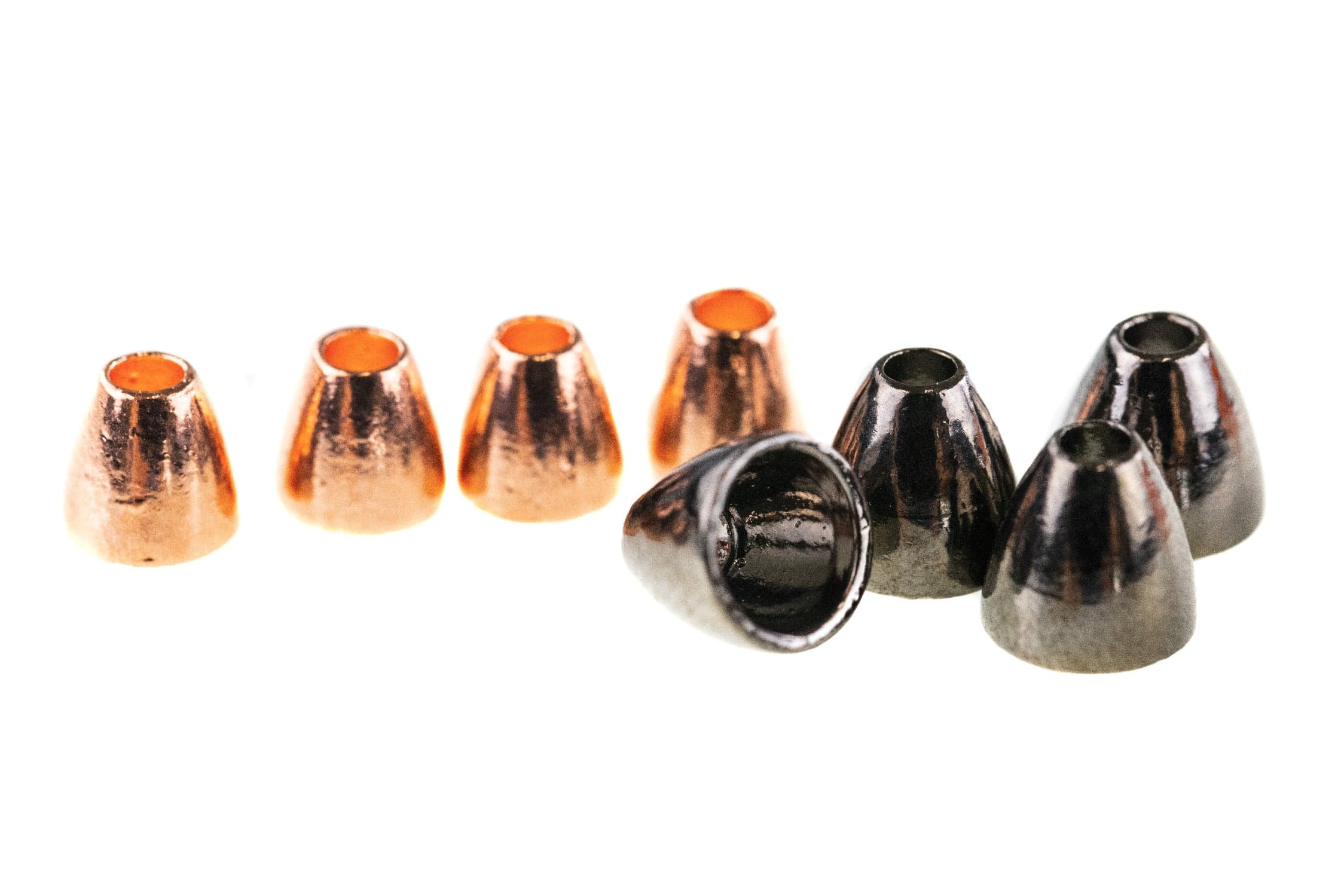
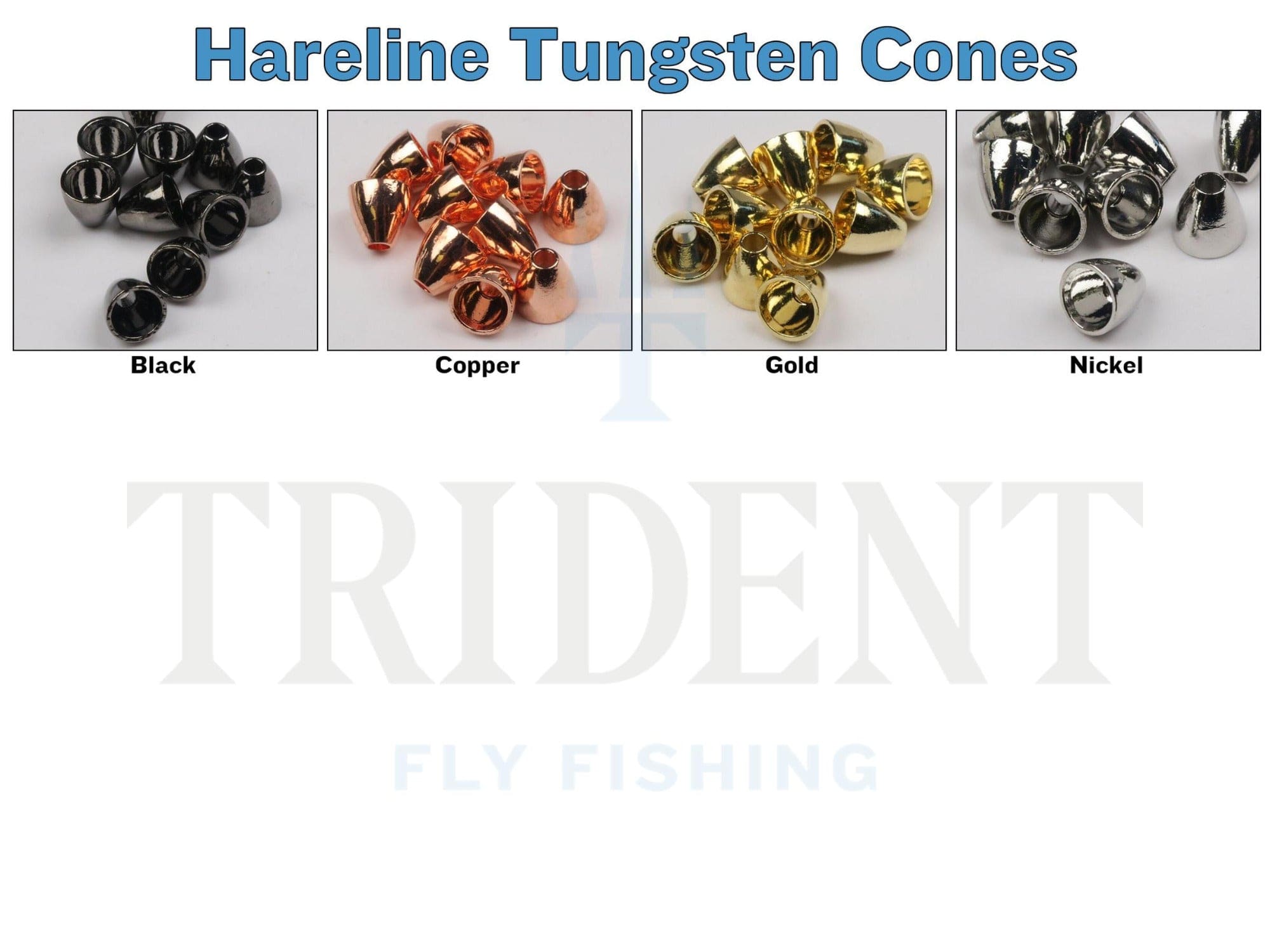
- Best Conehead Profile: Hareline Brass Cone Heads - Classic coneheads that add weight and a tapered baitfish head shape on streamers. Useful when you want a different swimming attitude than dumbbells, with a clean slide-on build.
How to Choose Beads, Coneheads & Eyes
Fly tying beads: material, sink rate, and hook fit
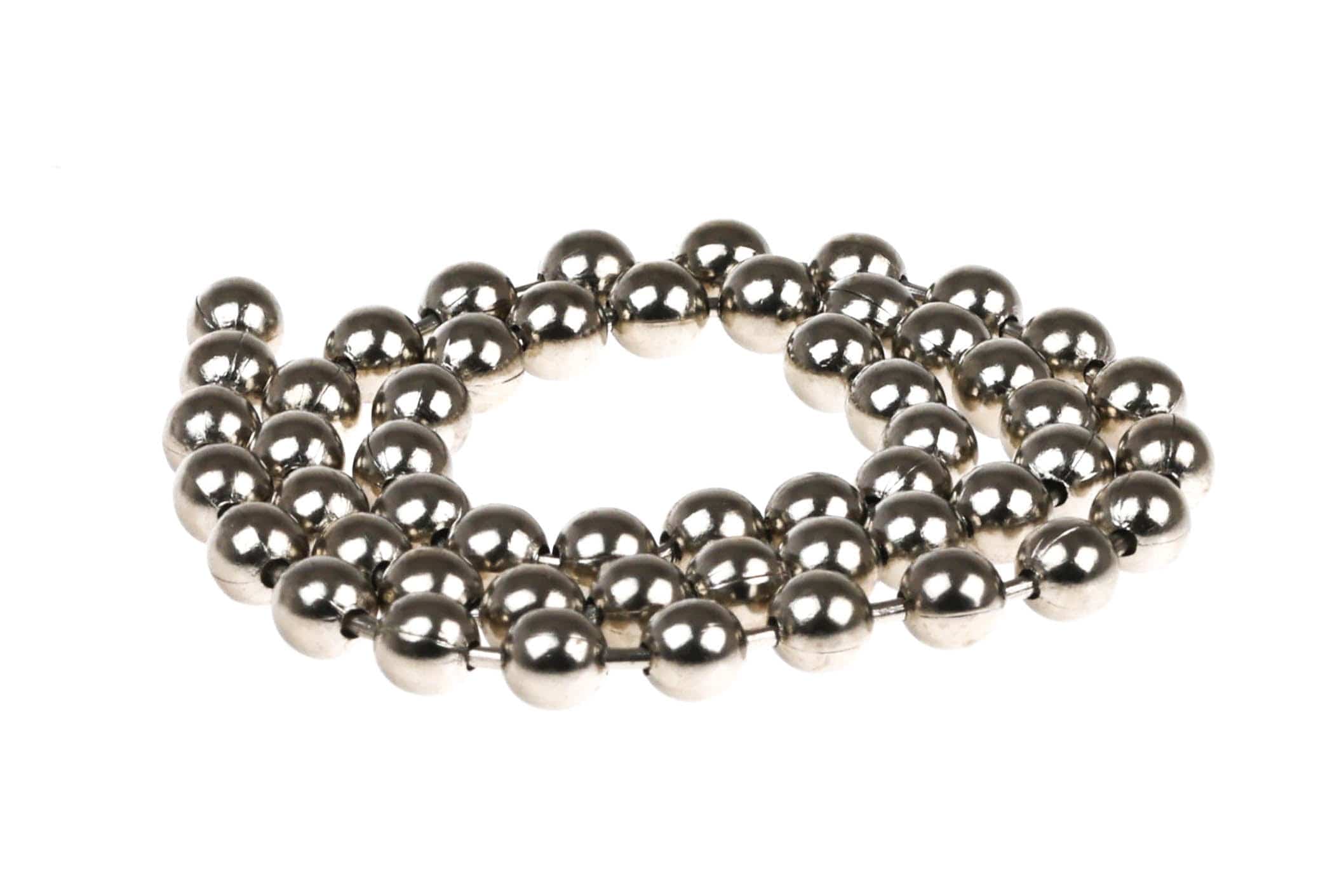
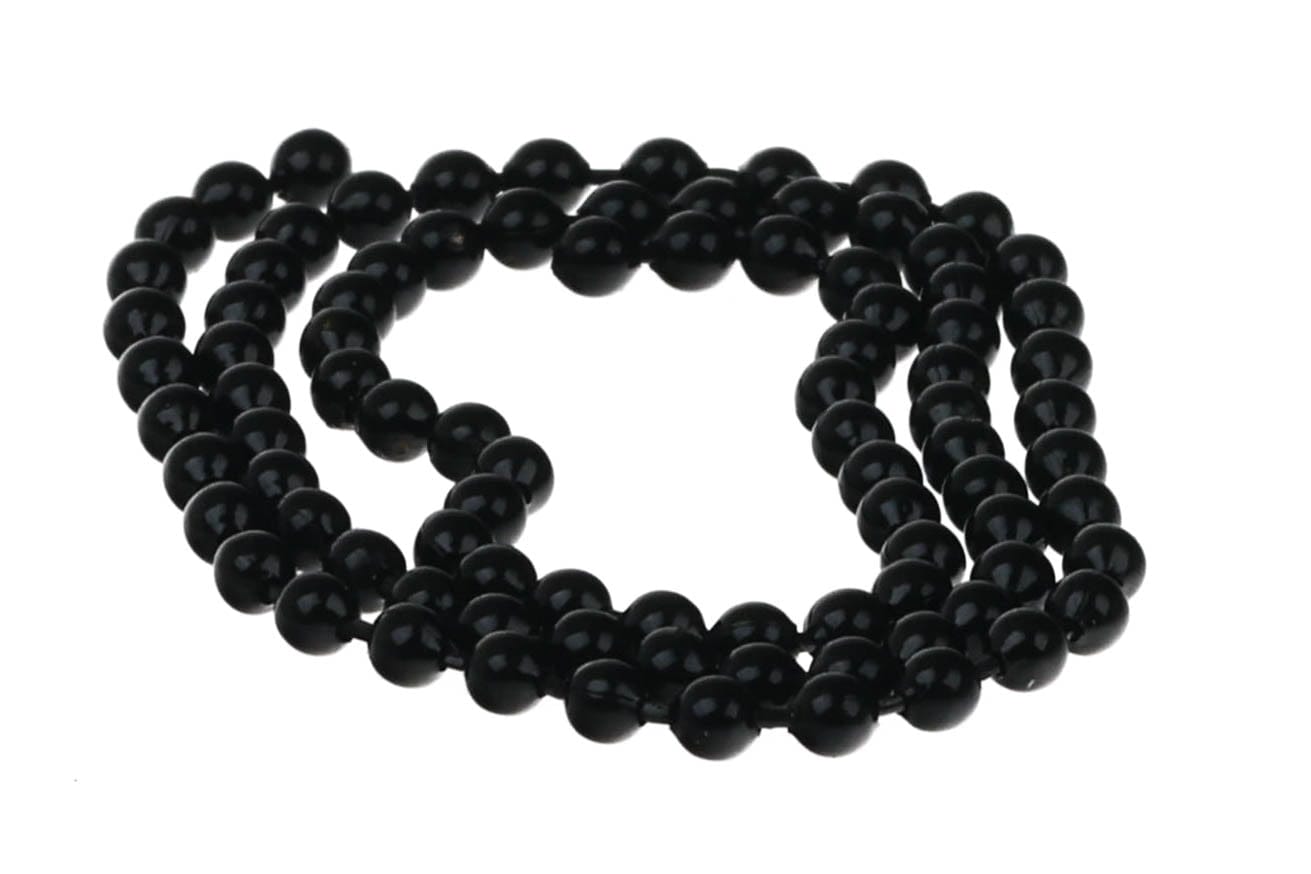
Action: Pick bead material based on how fast you need to reach the strike zone. Tungsten is the standard for depth and speed on nymphs, while lighter options make sense for shallow water or slower presentations.
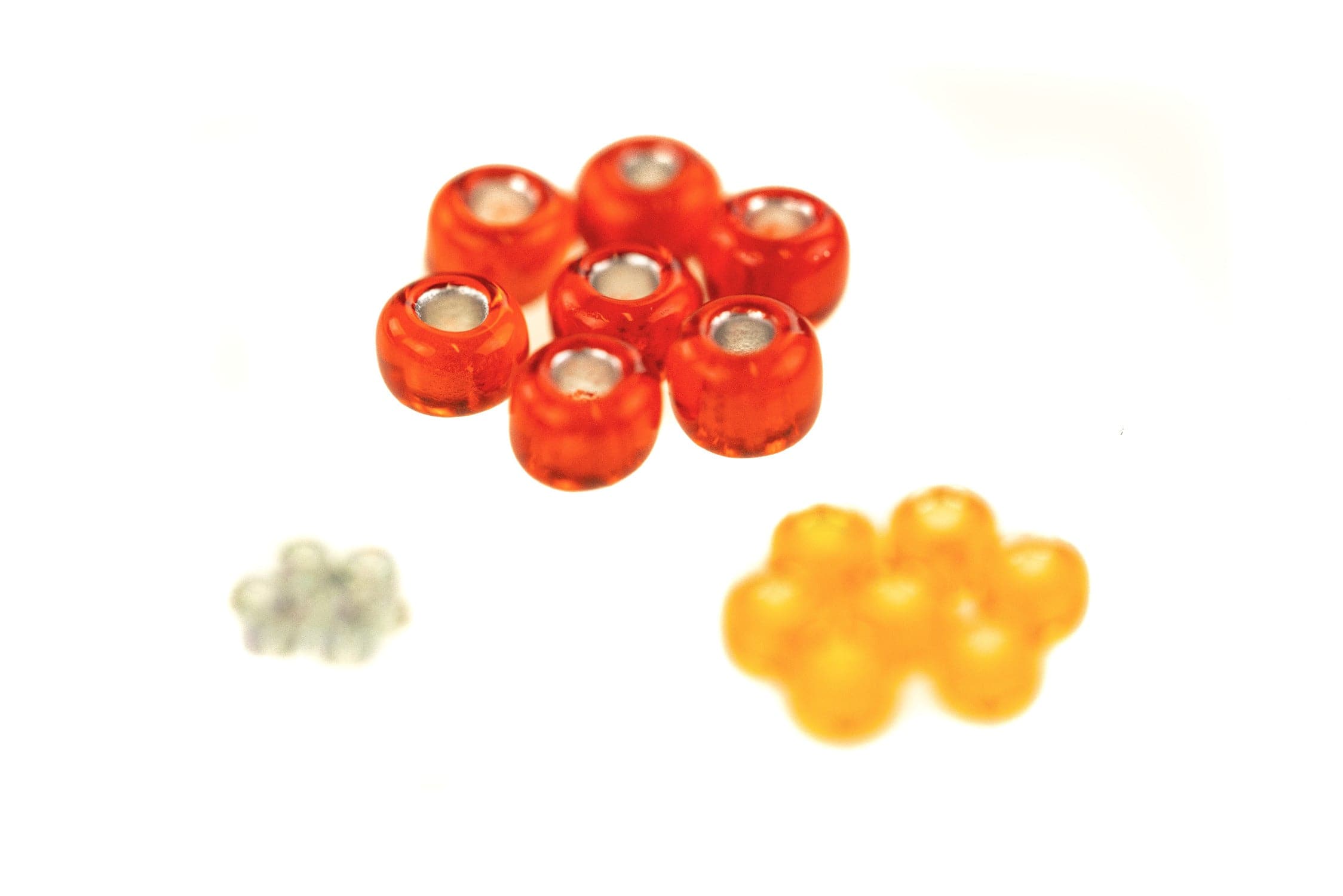
Best for: Nymphs (standard round tungsten), Euro/jig flies (slotted tungsten), and specialty accents (plastic or glass beads for articulation points and color).
Avoid if: You’re forcing an oversized bead onto a hook,poor fit can crowd the eye, weaken the fly’s profile, and make threading tippet harder.
Slotted vs. countersunk vs. standard round beads
Slotted beads: Designed to seat cleanly on jig hooks and keep the fly tracking right. They’re a favorite for Perdigons and other tight-line patterns where you want quick sink and a hook-point-up attitude.
Standard round beads: The most universal choice for beadhead nymphs, offering predictable proportions and a huge range of sizes and finishes.
Coneheads: when you want profile plus weight
Action: Coneheads add mass up front and give streamers a tapered “head” that can help them push water and swim with a different posture than dumbbells.
Best for: Woolly Bugger variations, bunny leeches, sculpin-style streamers, and baitfish patterns where head shape matters.
Eyes: weight, balance, and realism
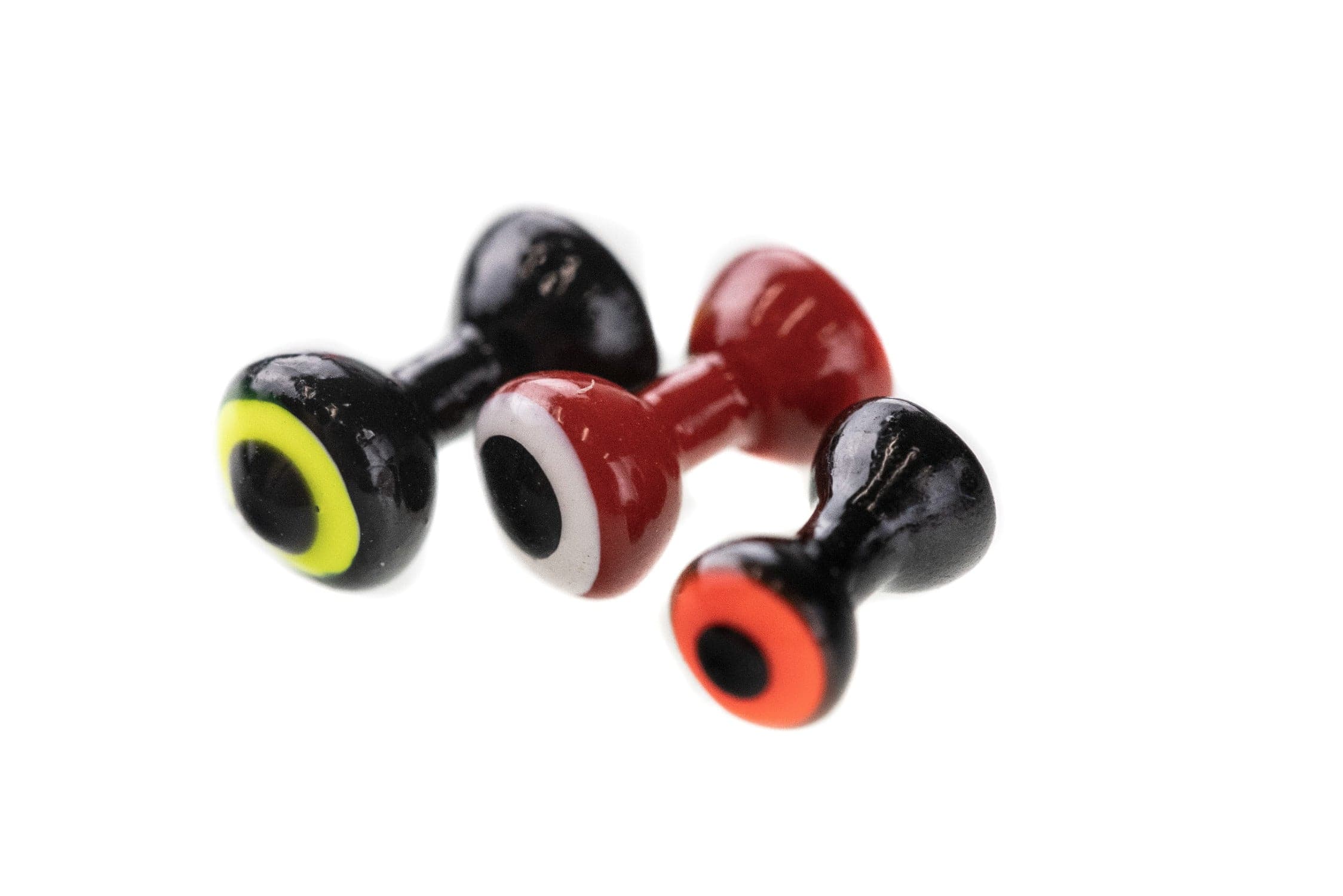
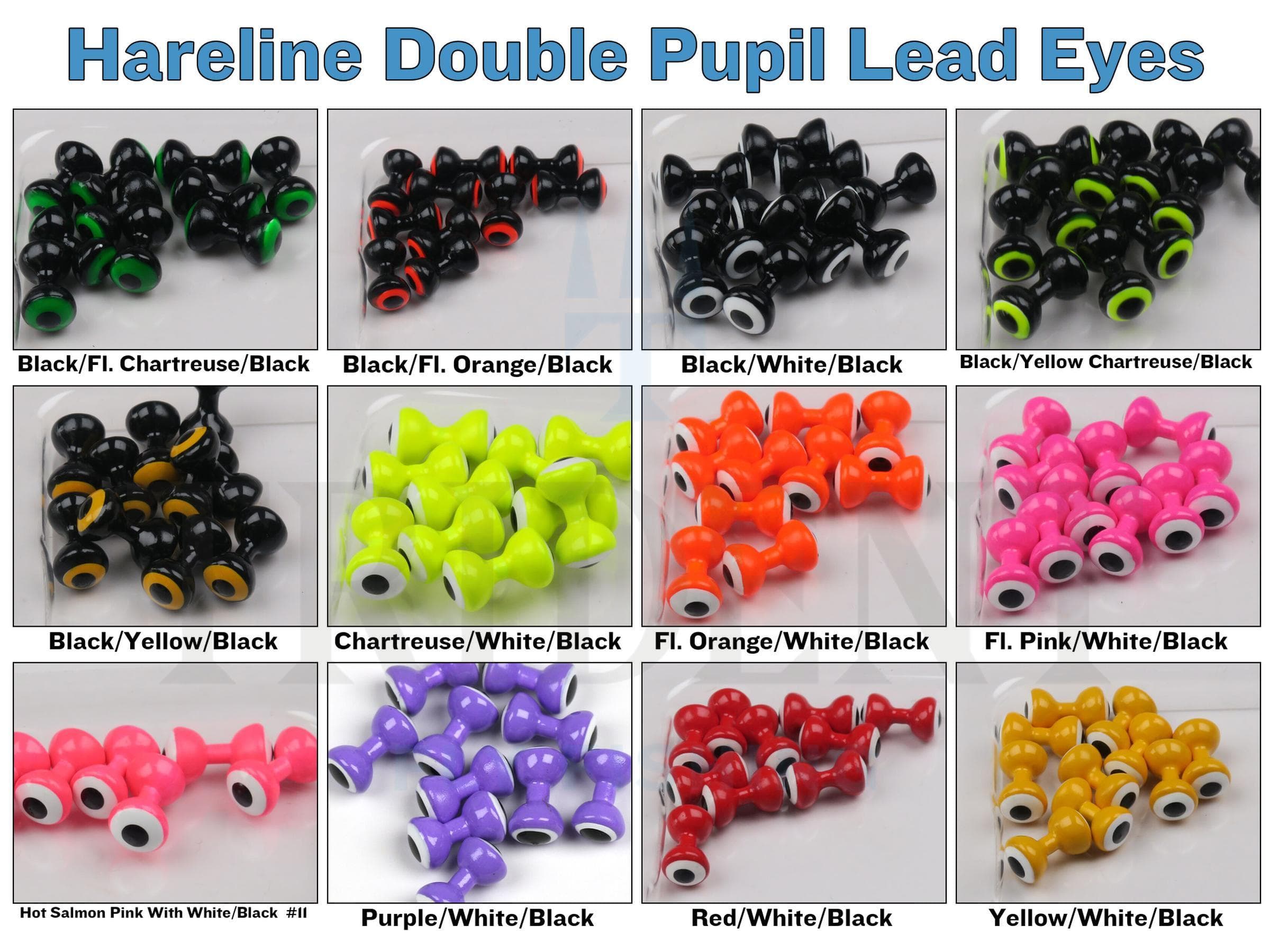
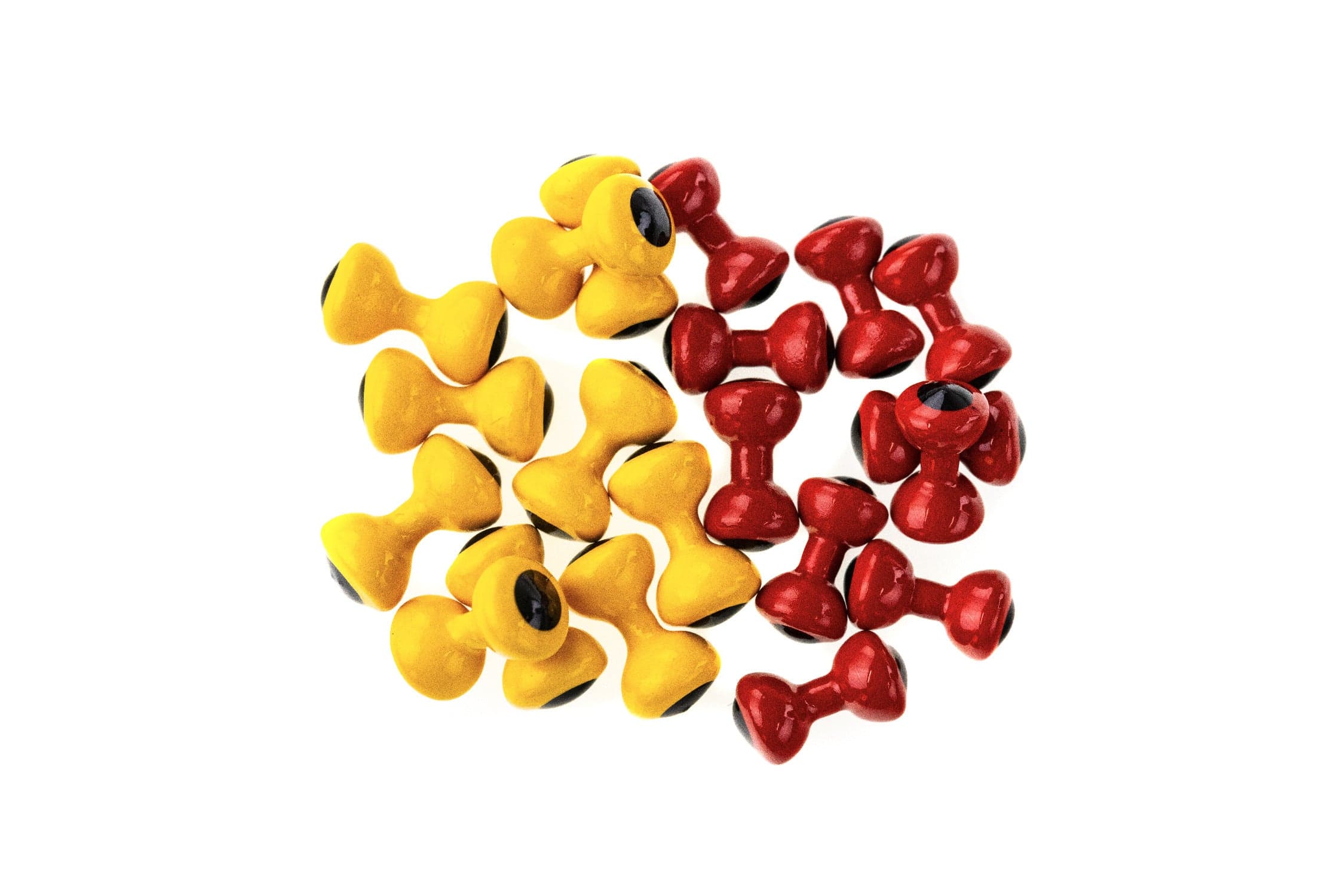
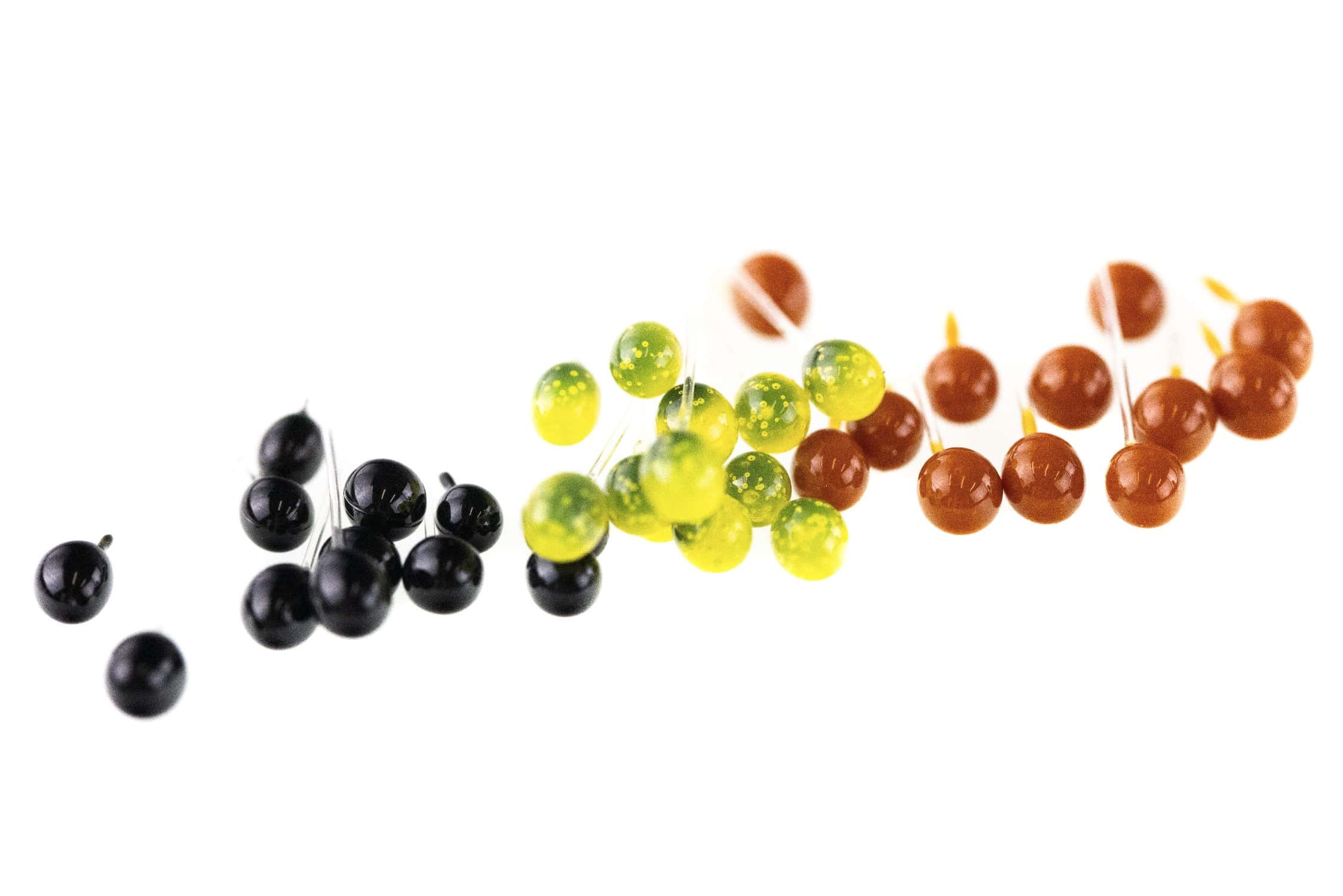
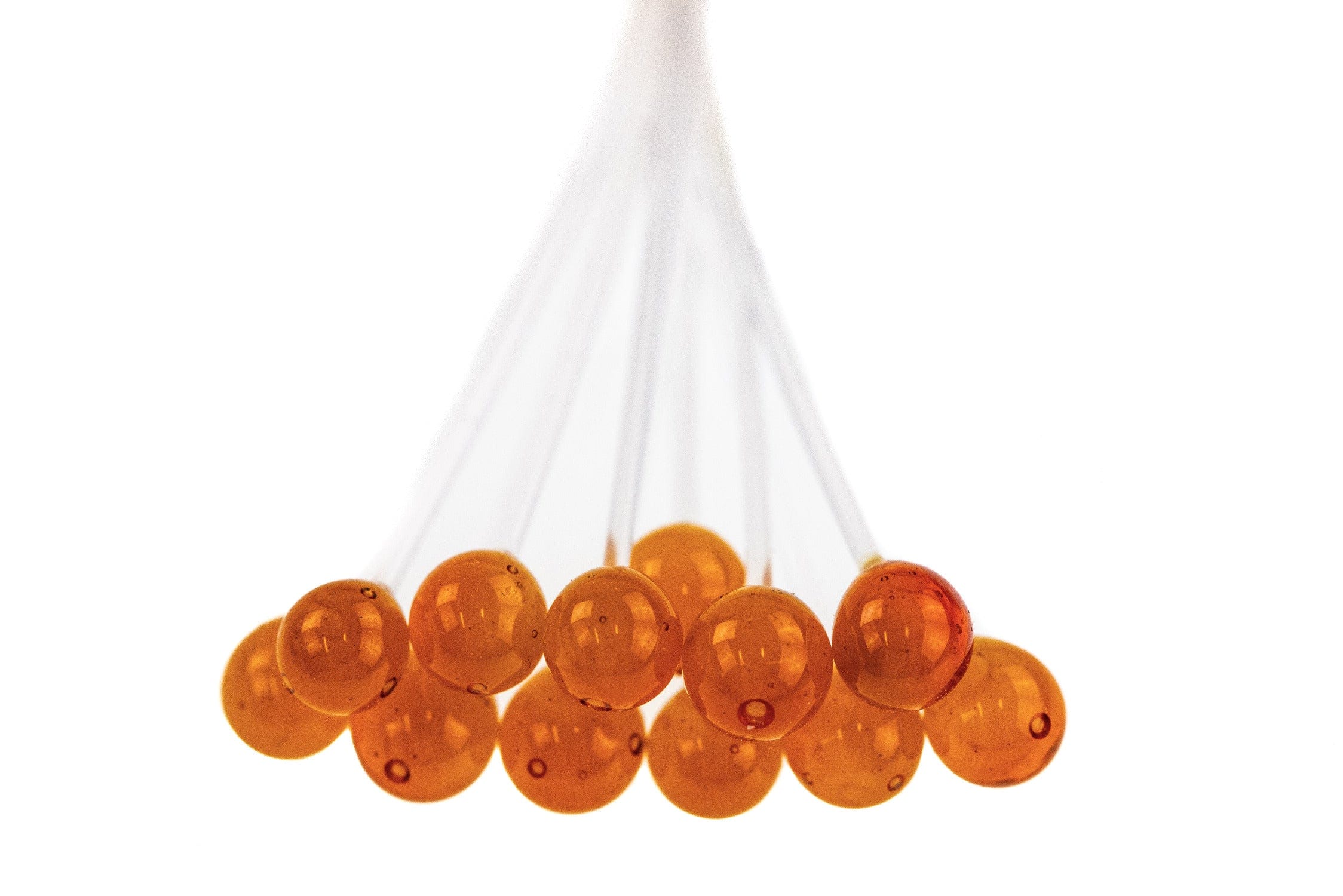
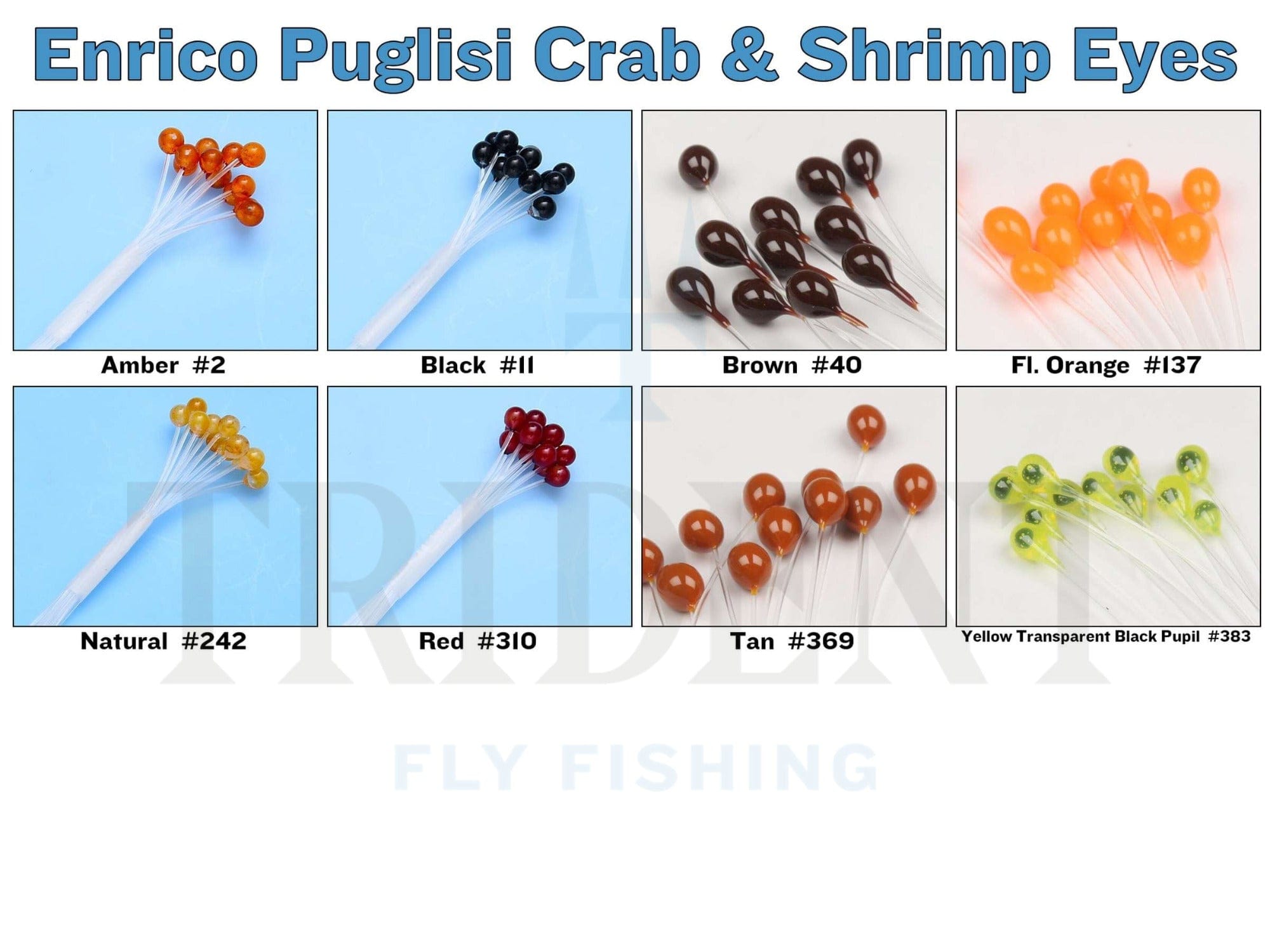
Weighted eyes (lead/brass dumbbells): These help invert hooks, reduce snagging, and add a jigging feel when stripped or hopped. They’re also common for crab and shrimp patterns that need to ride correctly on the bottom.
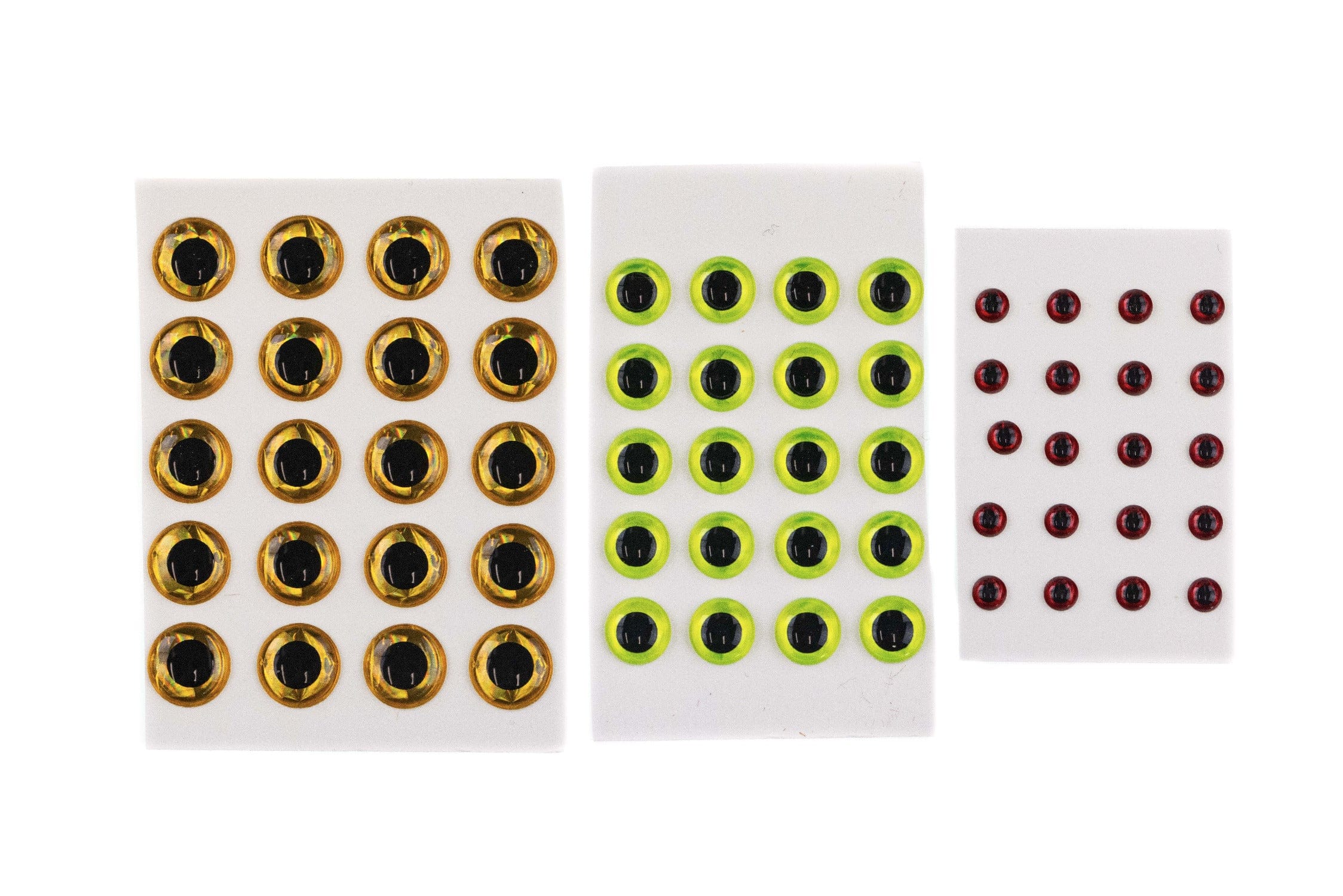
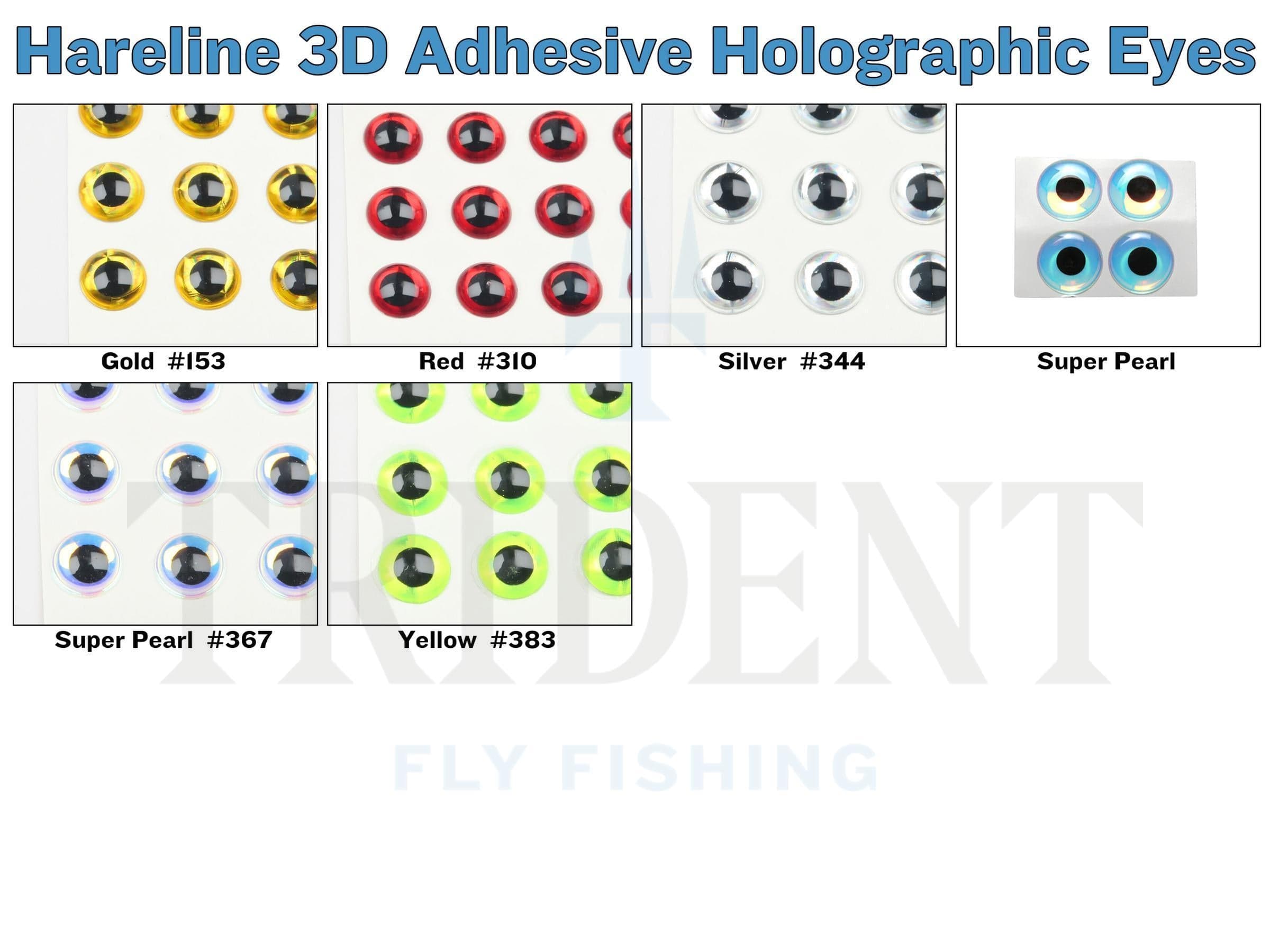
Adhesive 3D eyes: When you’re building a baitfish head with resin/epoxy, stick-on eyes add realism fast. For best durability, seal them under a clear UV resin or epoxy coating.
Materials & Durability
- Seal adhesive eyes: If you’re using stick-on eyes, finish with UV resin or epoxy to help prevent peeling and improve longevity.
- Prevent bead wear: Keep metal beads from grinding on bare thread by building a small thread dam behind the bead, or add a few wraps of wire for a durable underbody.
- Match finish to conditions: Bright finishes can add flash, while matte and darker finishes often look more subtle in clear water.
- Mind the hook eye: If your bead or conehead crowds the hook eye, sizing down usually improves both tying and on-water performance.
Complete Your Setup
Related Gear
- Fly Tying Hooks - Match bead and eye sizes to the right hook styles, from jig hooks to streamer irons.
- Thread/Tinsel/Wire - Build secure thread dams, add segmentation, and reinforce flies that take a beating.
- Cements, Epoxies & Glues - Essential for locking in dumbbell wraps and sealing 3D eyes under a tough finish.
- Fly Tying Materials - Round out your bench with the core materials that pair with beads, coneheads, and eyes.
Related Guides
- How to Tie a Perdigon Nymph
- How To Tie The Mil Spec Perdigon
- How To Tie the Ice Wing Caddis
- How to Tie a Simple Green Crab
- How to Tie the Clouser Half & Half Fly
Beads, Coneheads & Eyes FAQs
Q: What do fly tying beads do?
A: Beads add weight and help a nymph sink into the feeding lane faster. They also add flash and a clean, finished head that can change how a fly tracks and drifts.
Q: What’s the difference between slotted and regular tungsten beads?
A: Slotted beads are designed to seat properly on jig hooks and keep the fly oriented correctly. Regular round beads are the most universal option for standard nymph hooks and beadhead patterns.
Q: When should I use coneheads instead of beads?
A: Use coneheads when you want both weight and a tapered head profile on streamers. They’re a simple slide-on option that can change the fly’s silhouette and swimming attitude.
Q: Do dumbbell eyes make a fly more weedless?
A: They can. When tied so the fly rides hook-point-up, dumbbell eyes help reduce snagging on rocks, grass, and bottom structure.
Q: Are 3D adhesive eyes worth it on streamers?
A: If you’re building baitfish-style heads, 3D eyes add realism quickly and consistently. For best durability, plan to glue them well and coat them under UV resin or epoxy.
Q: How do I pick the right bead size for my hook?
A: Start with a bead that seats cleanly behind the hook eye without crowding it. If threading tippet is difficult after tying, you’re usually better off stepping down one bead size.
Q: What beads are best for fast water trout nymphing?
A: Tungsten beads are the common choice for getting down quickly in faster runs. Slotted tungsten beads are especially popular when you’re tying jig-style Euro flies.
Q: What’s a good beginner approach to beads and eyes?
A: Stock a few core tungsten bead sizes in two or three finishes, plus a basic set of dumbbell eyes for Clouser-style patterns. That covers most trout nymphs, many streamers, and a lot of warmwater/saltwater staples.