


My New Favorite Fly Fishing Hooks

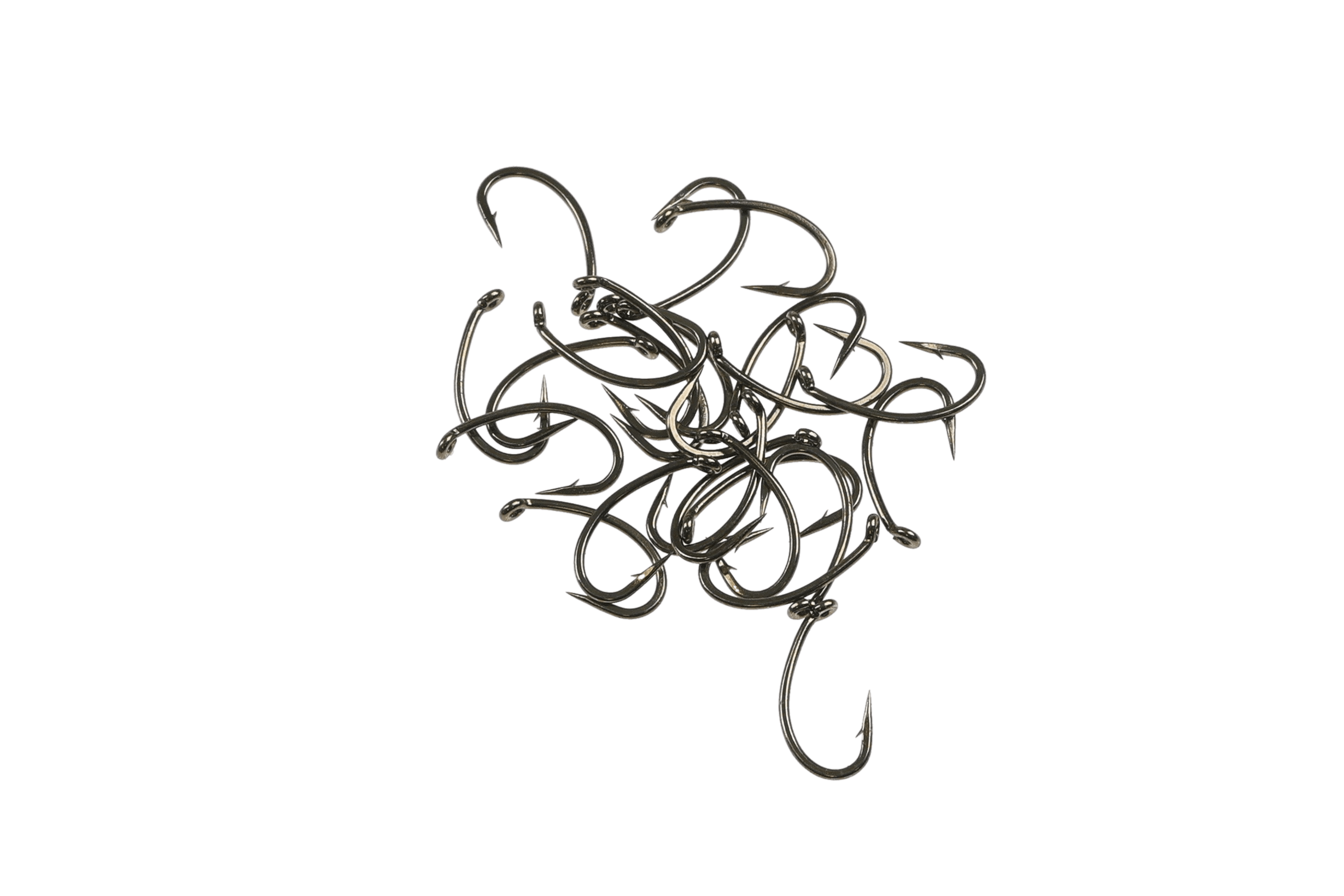

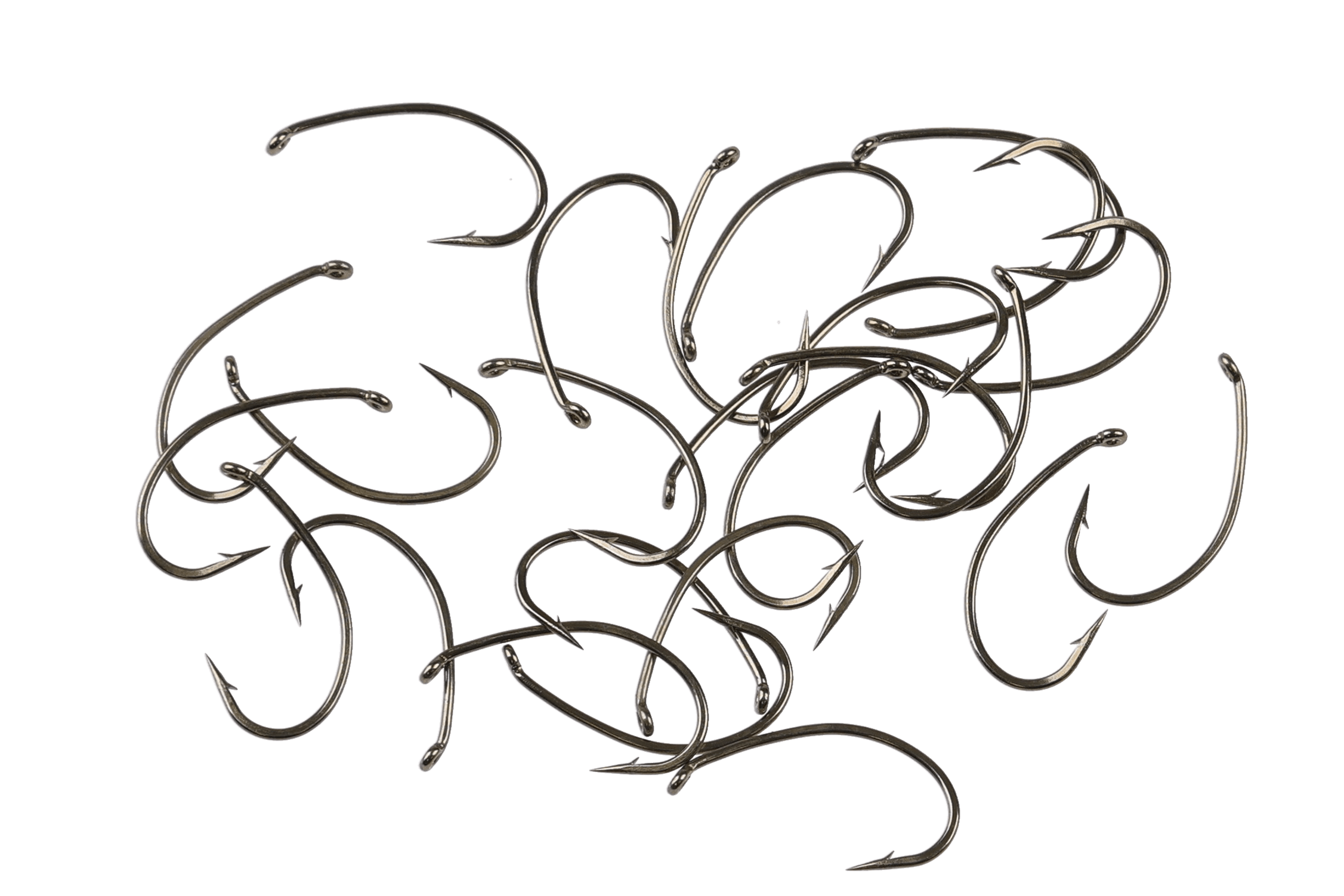
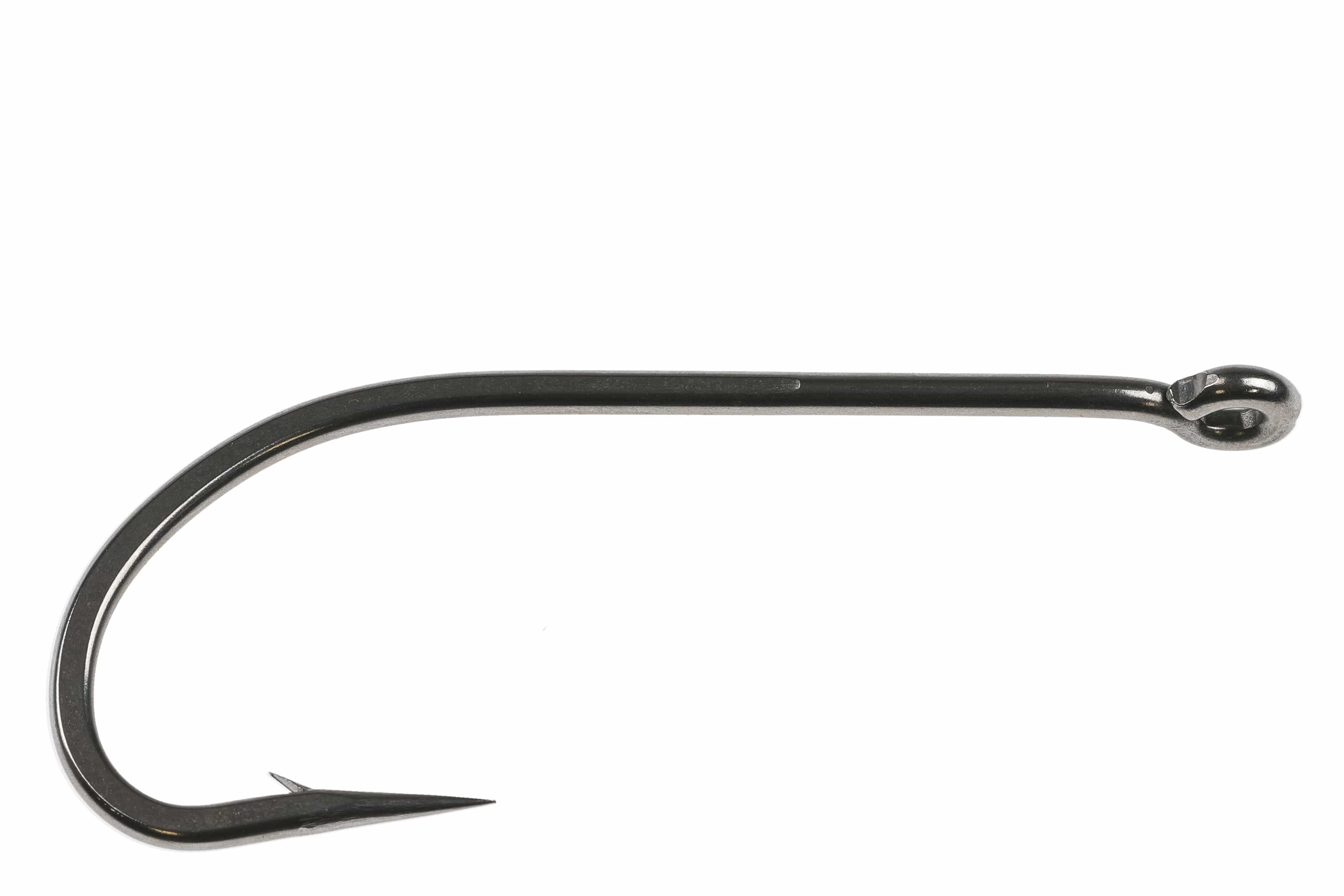
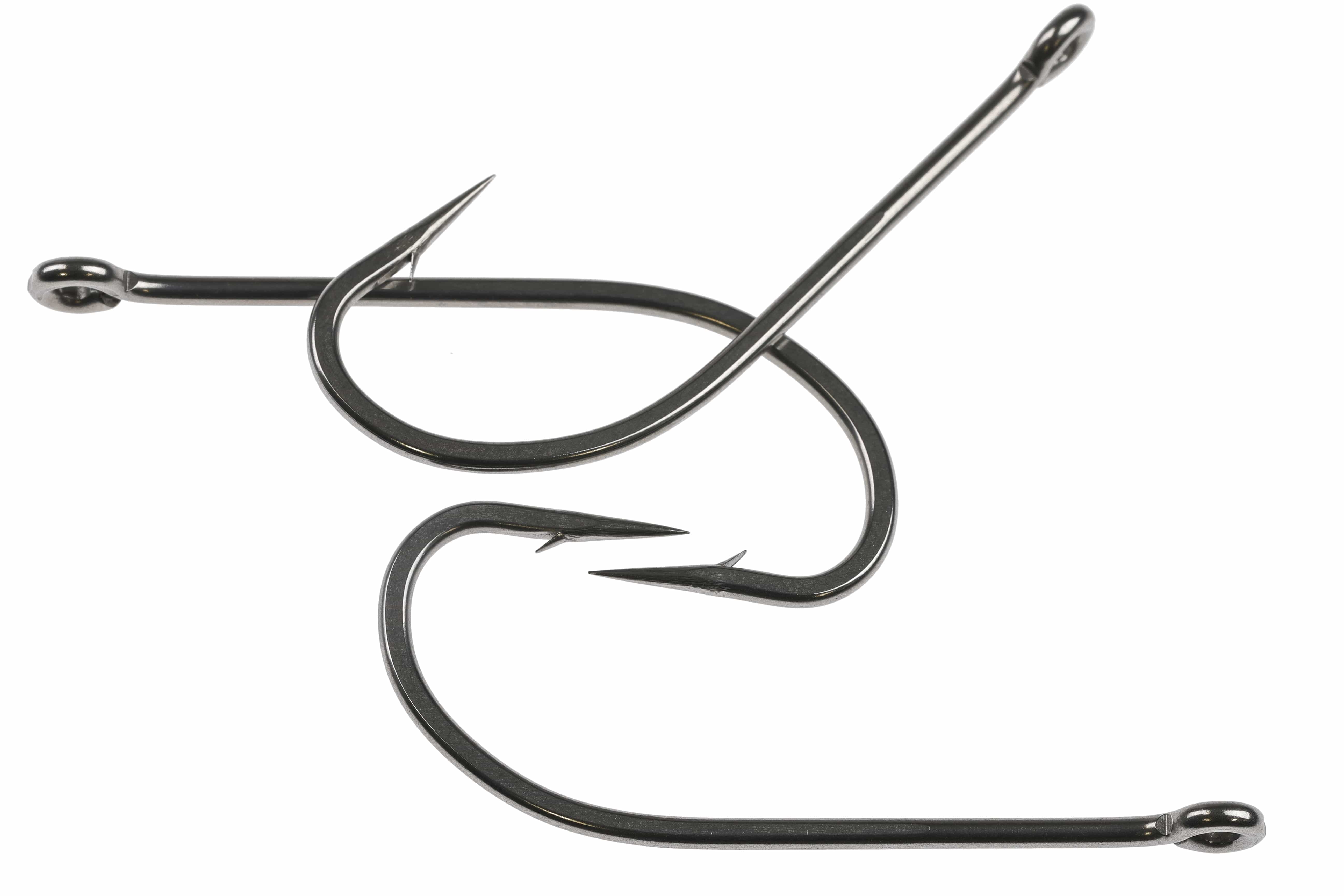


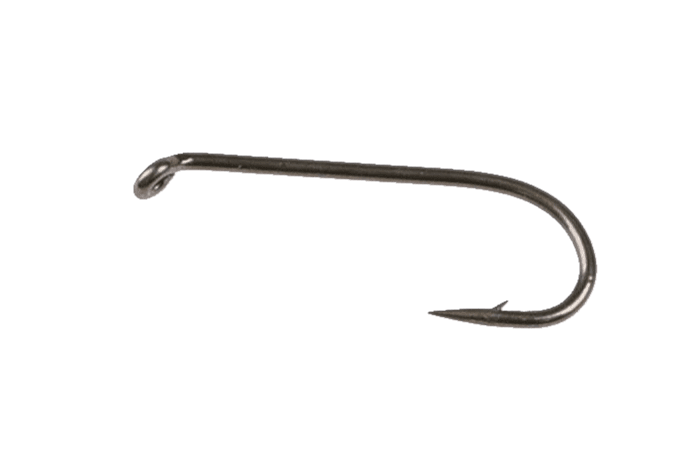
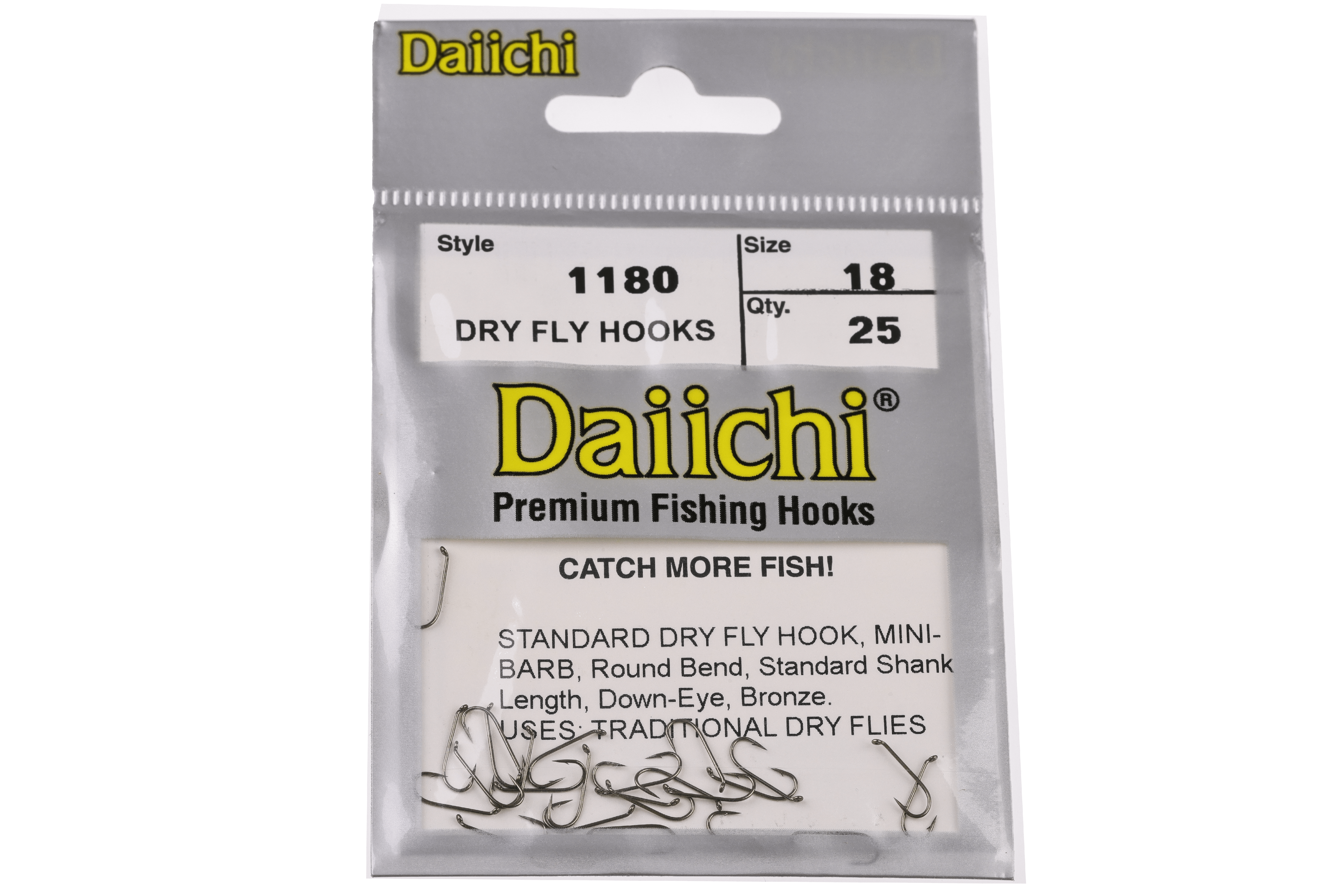
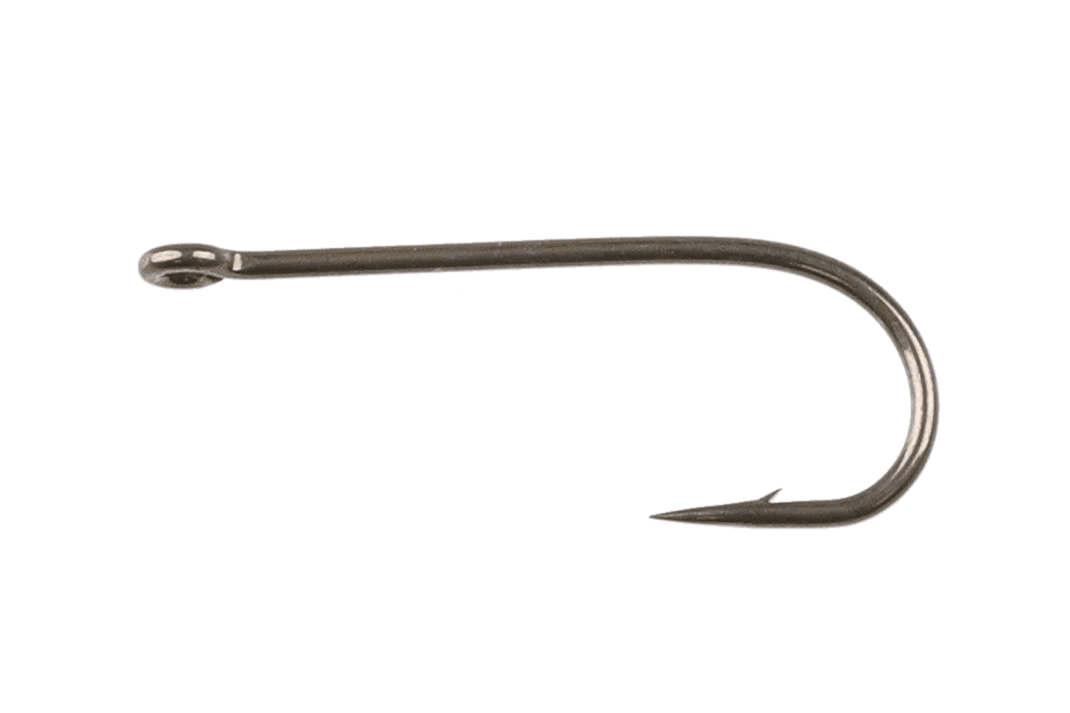
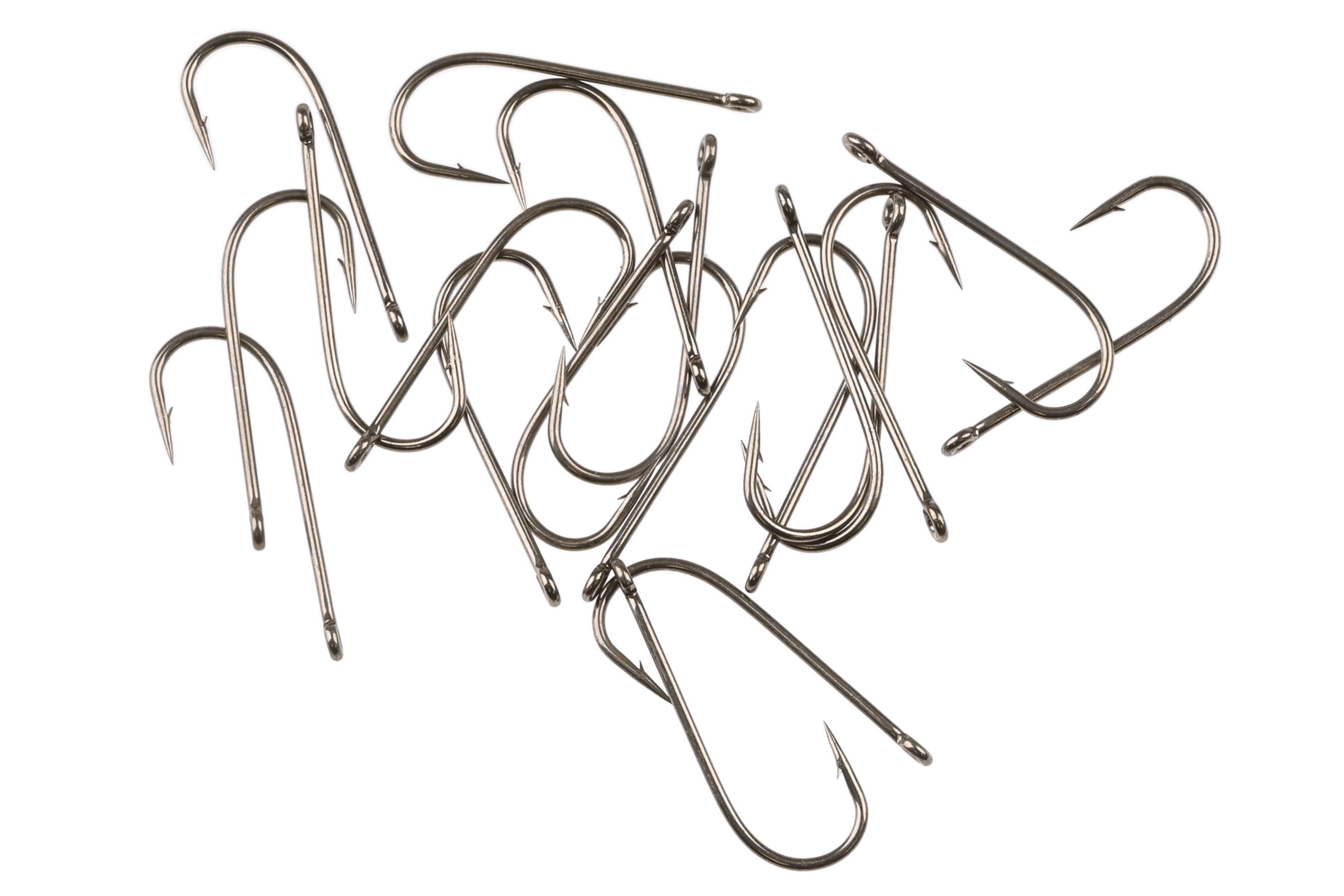


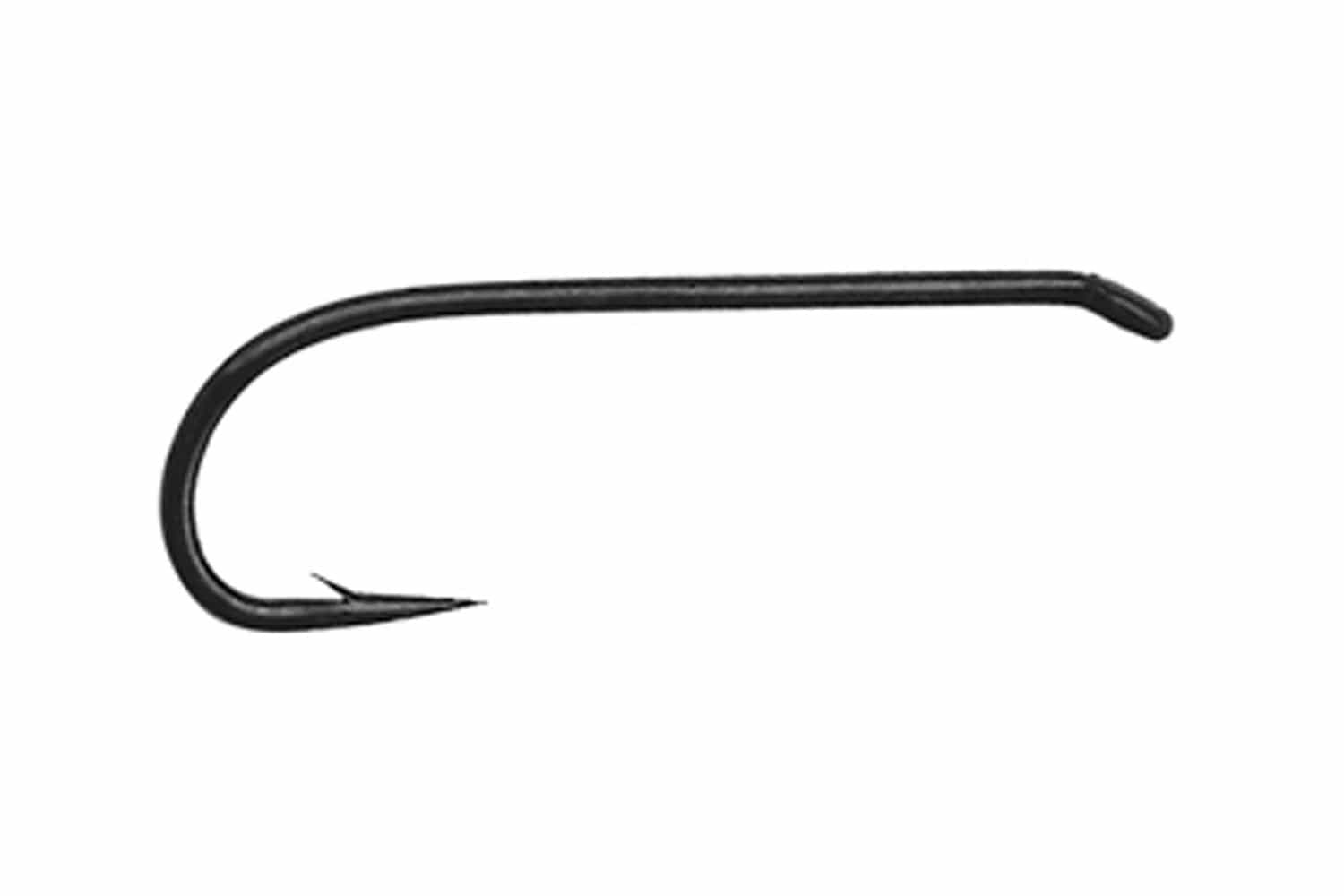
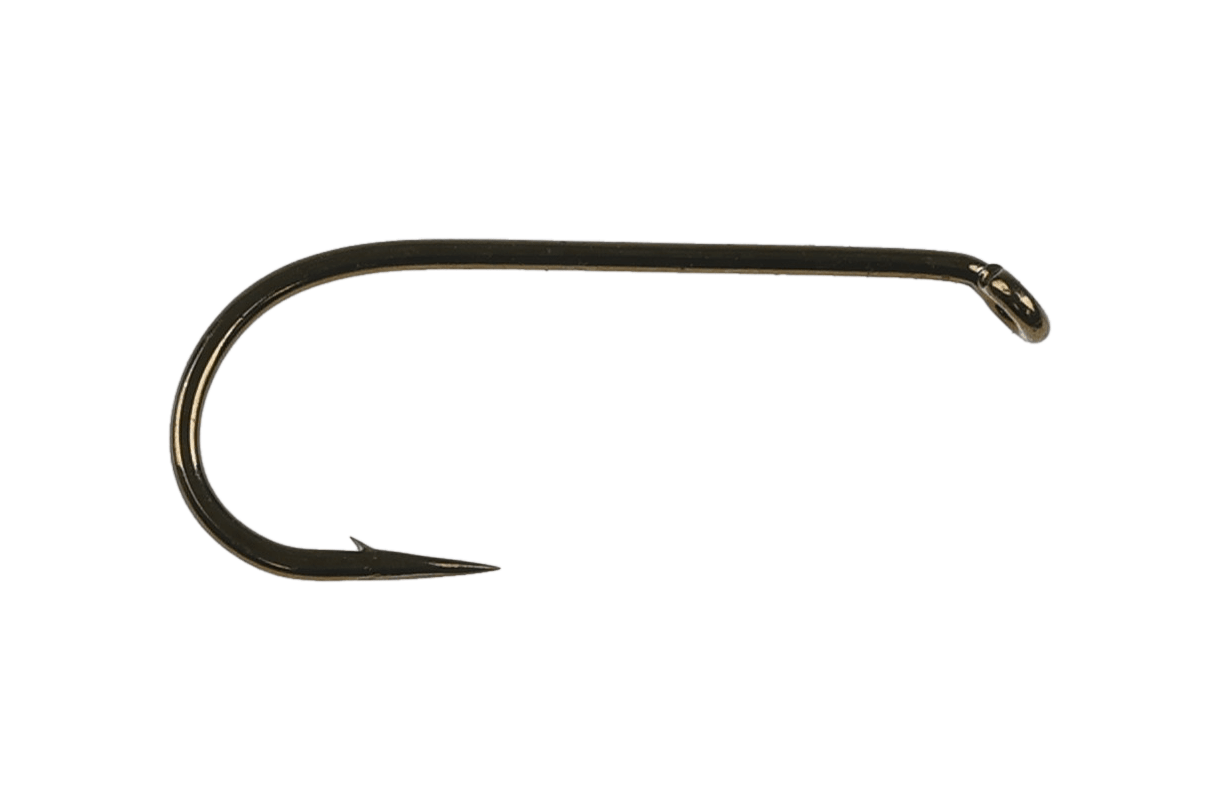
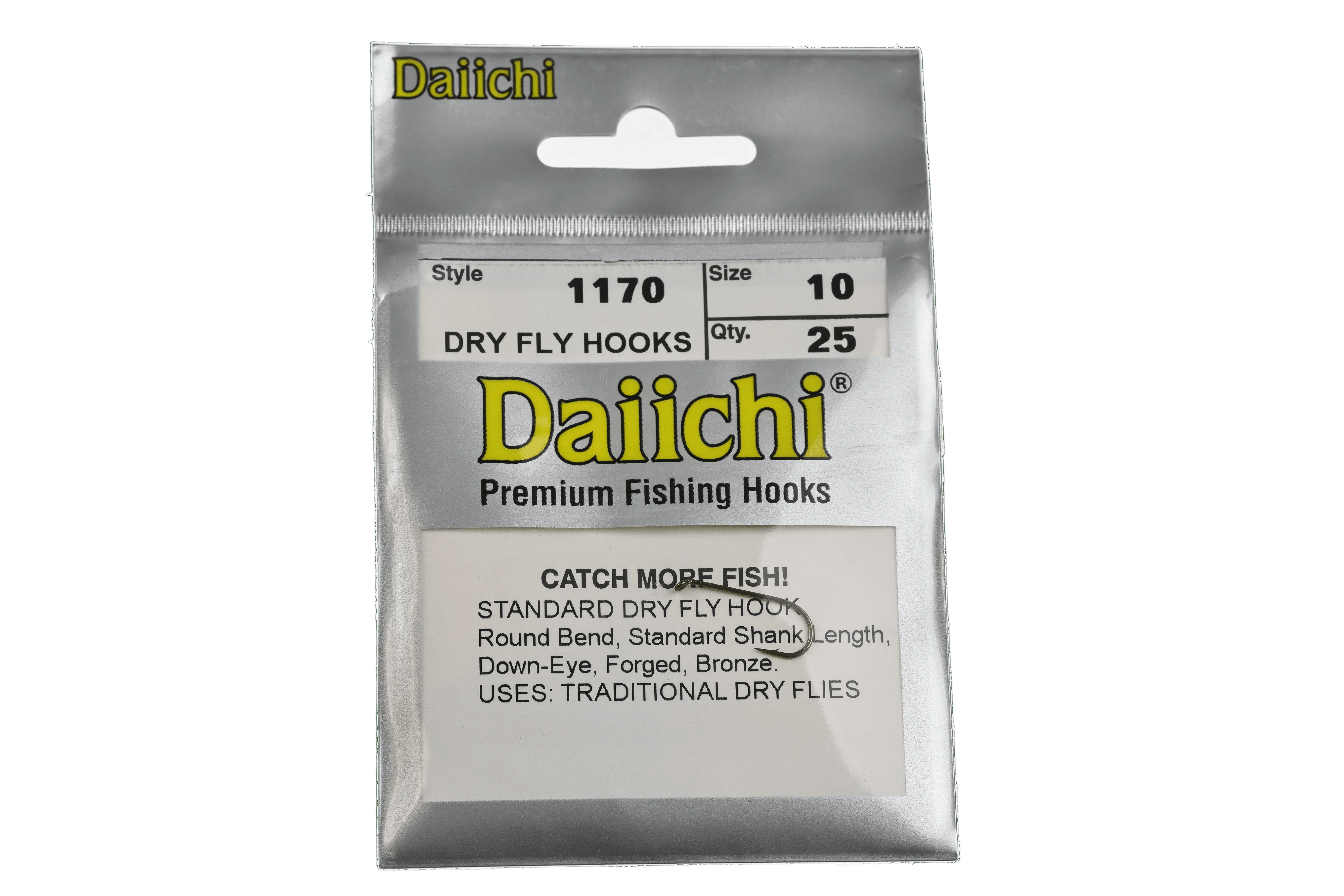

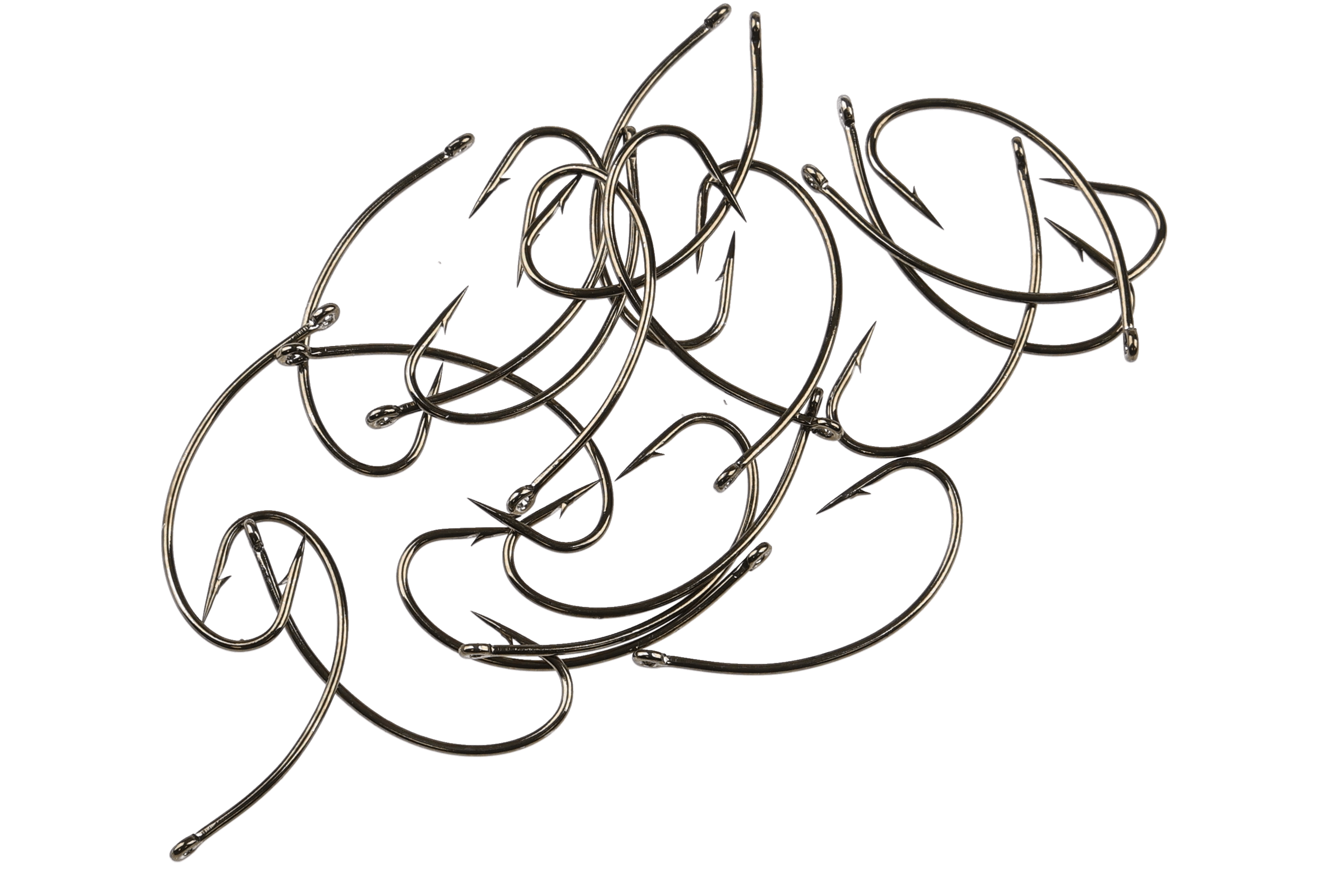

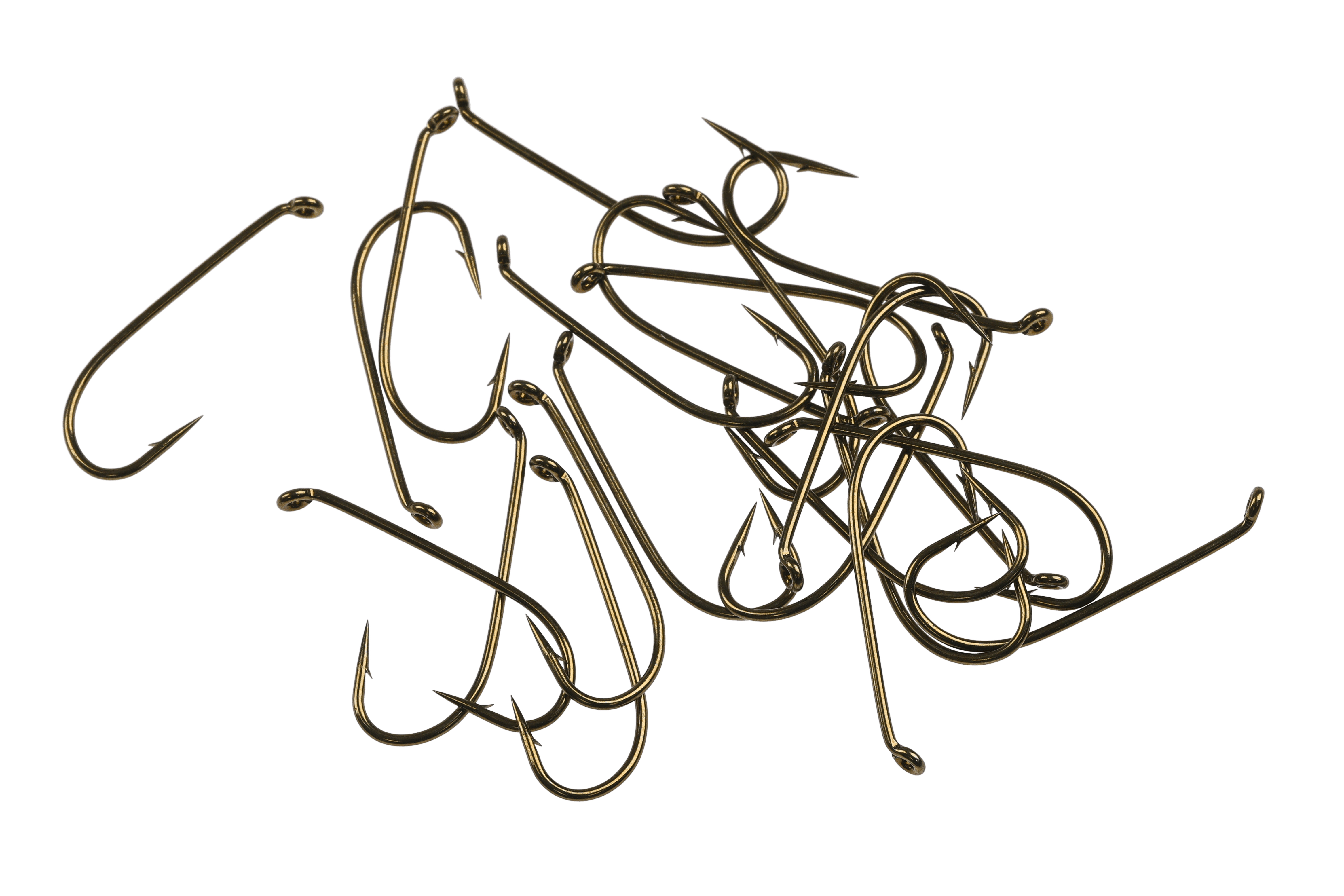
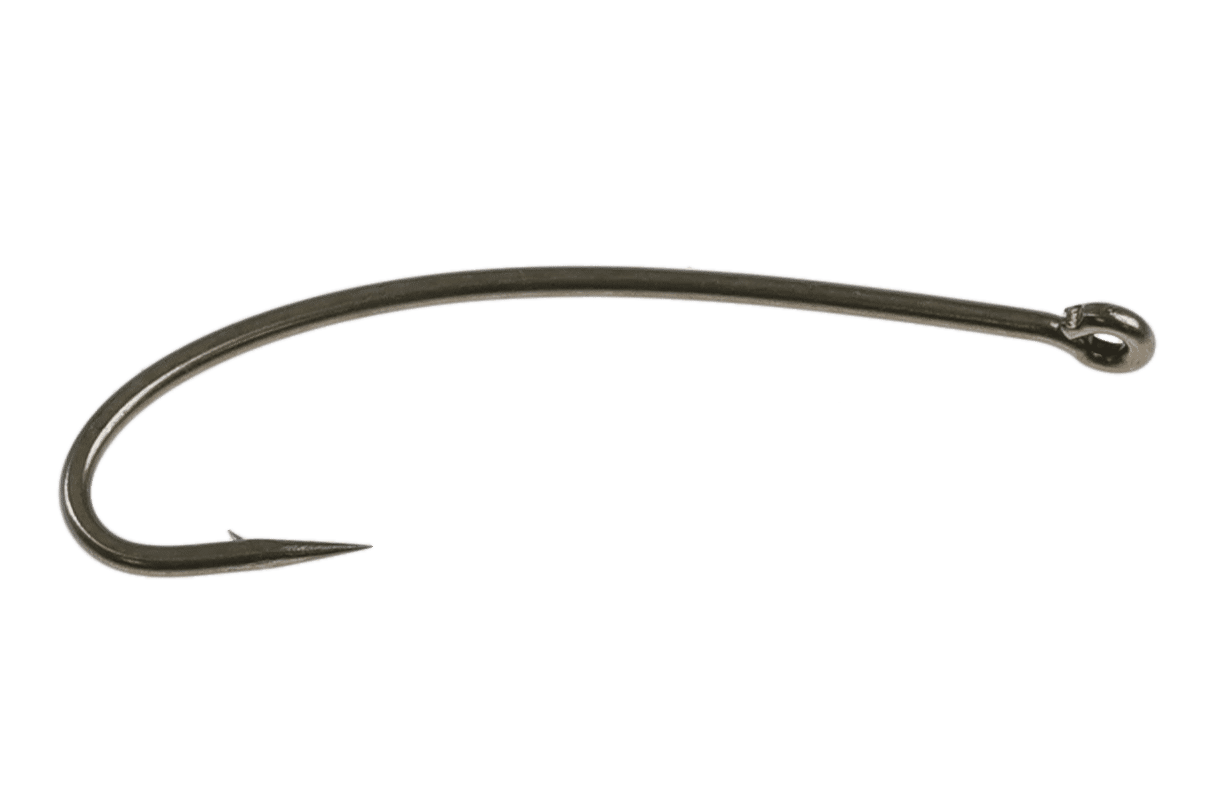
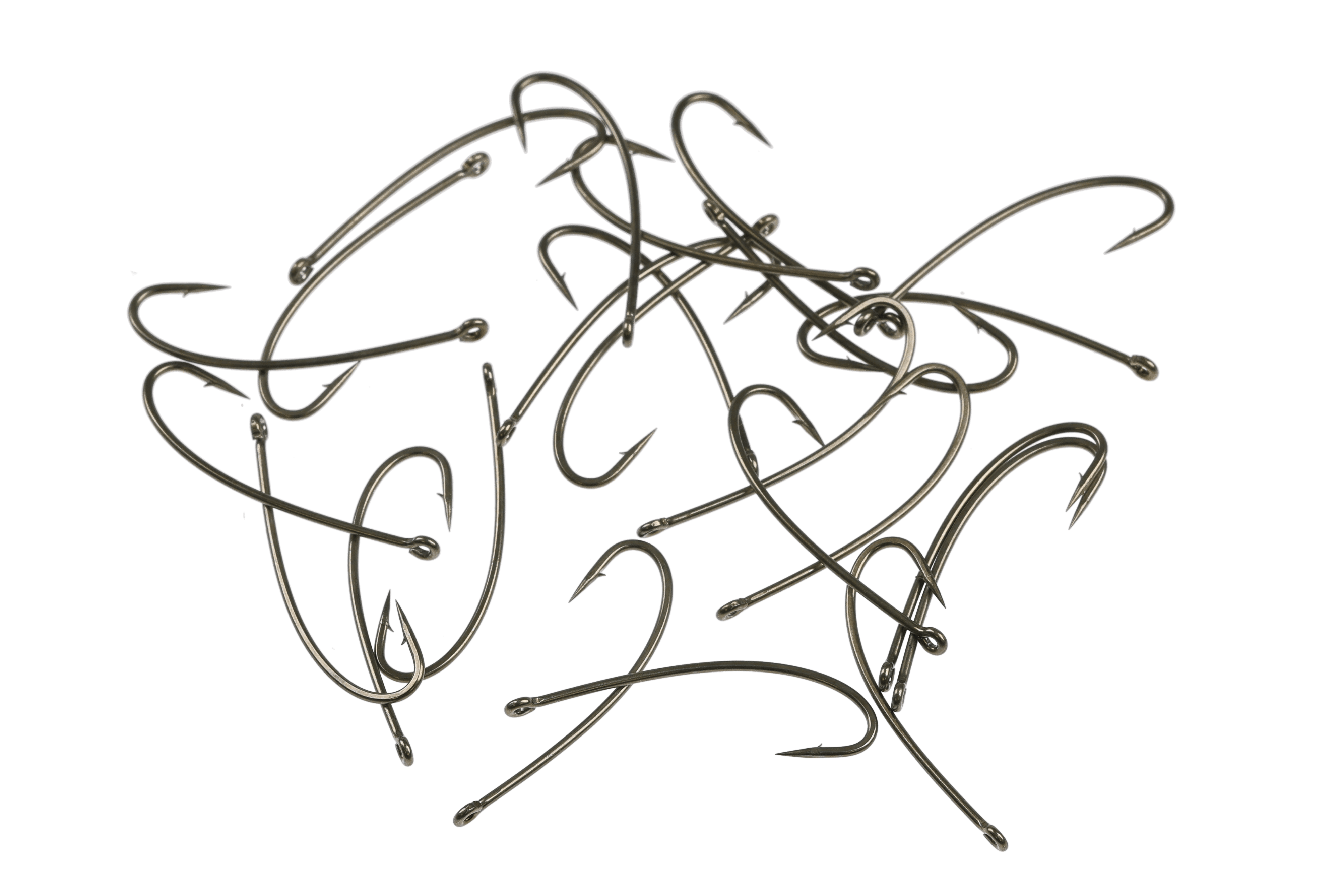
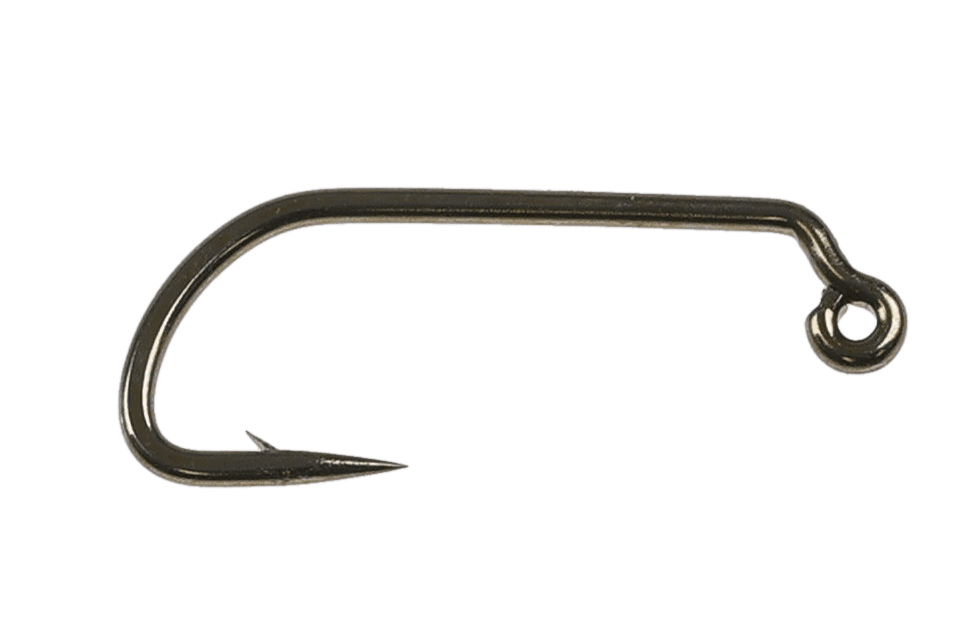

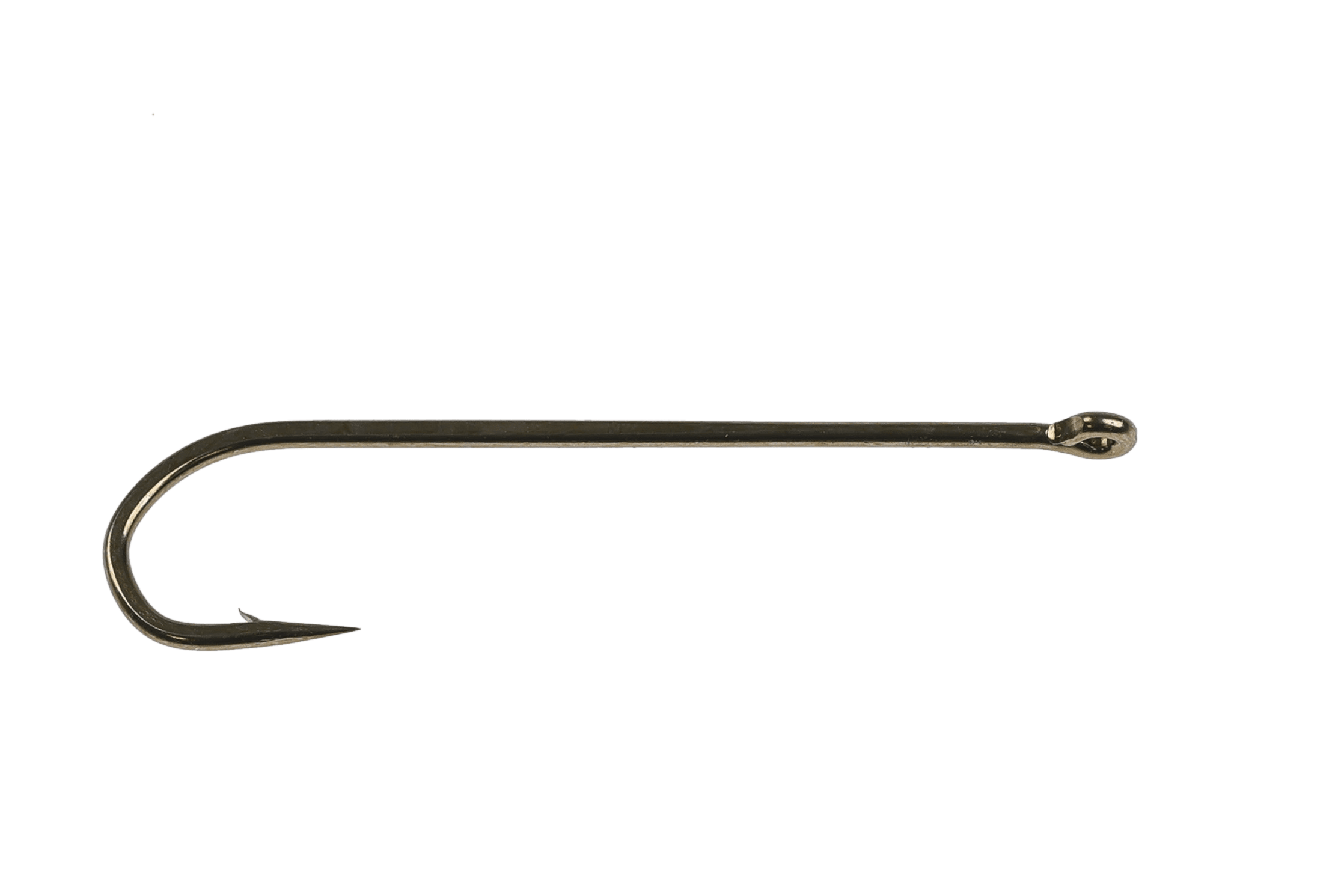
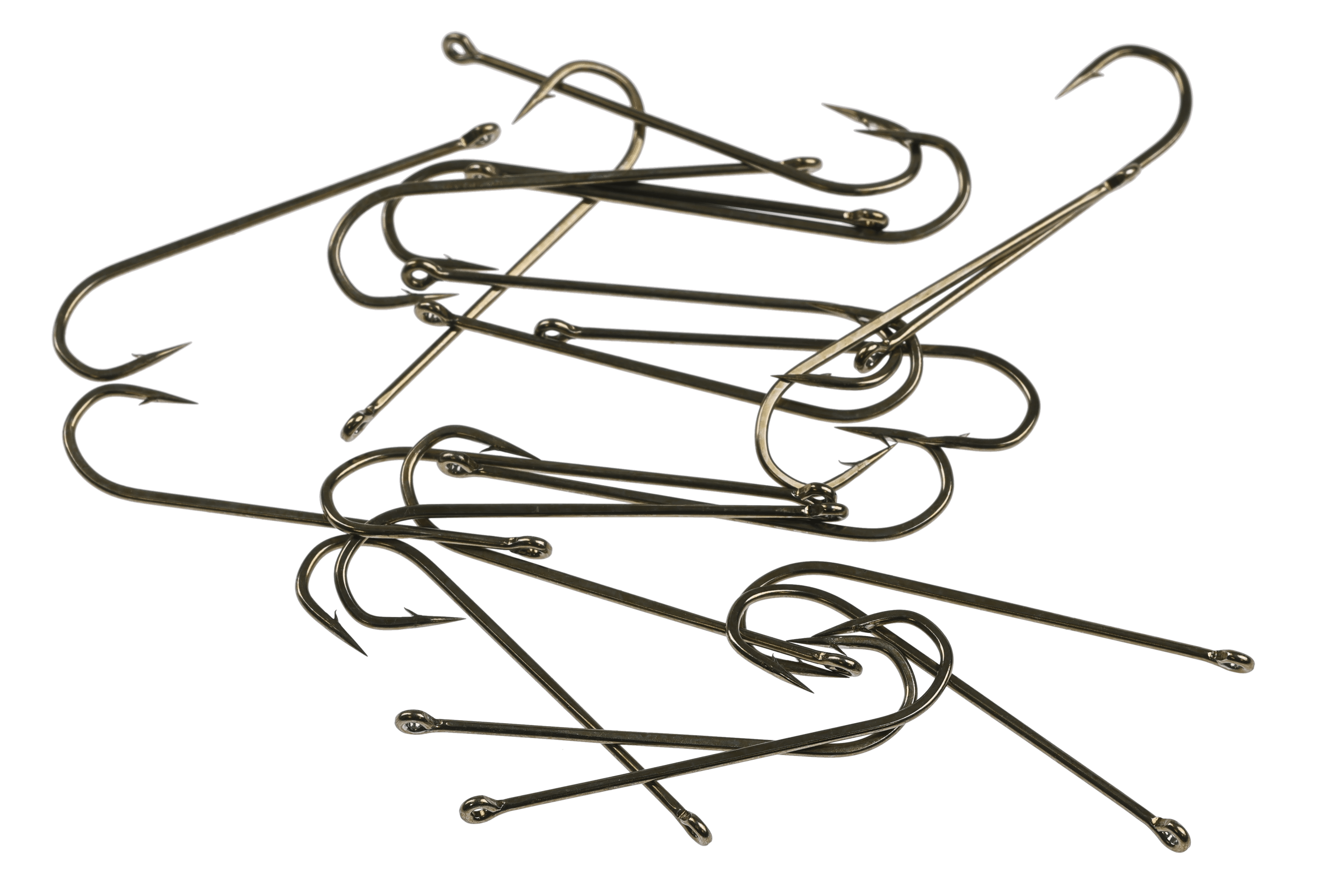
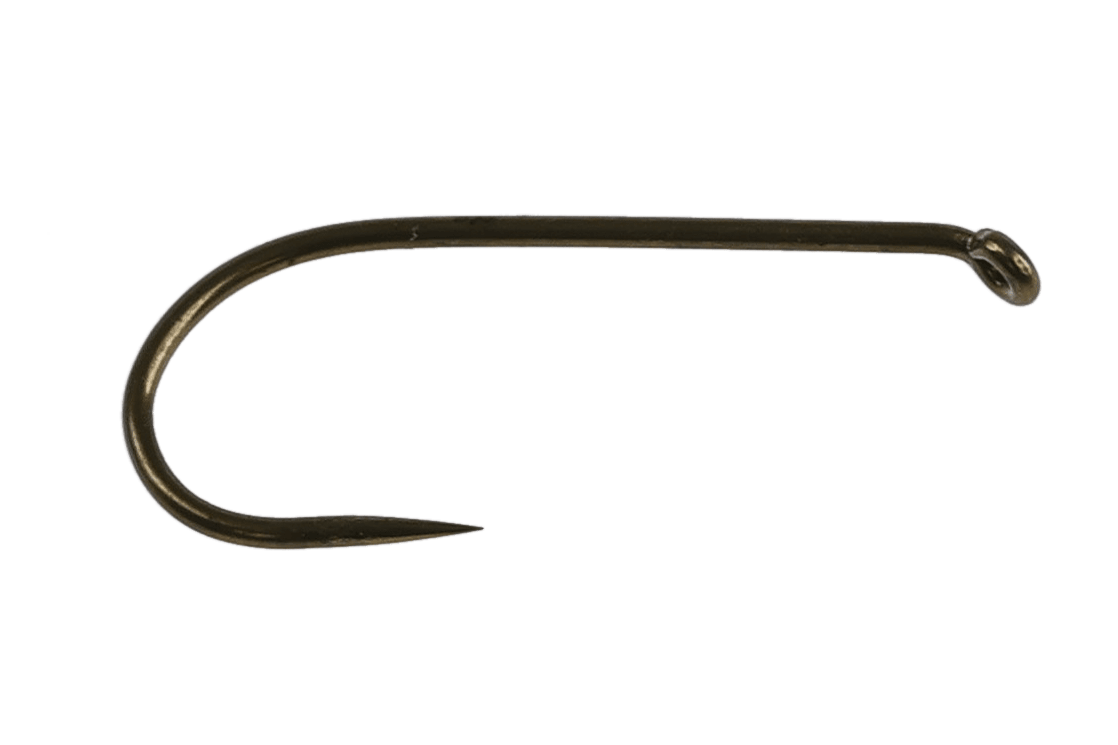
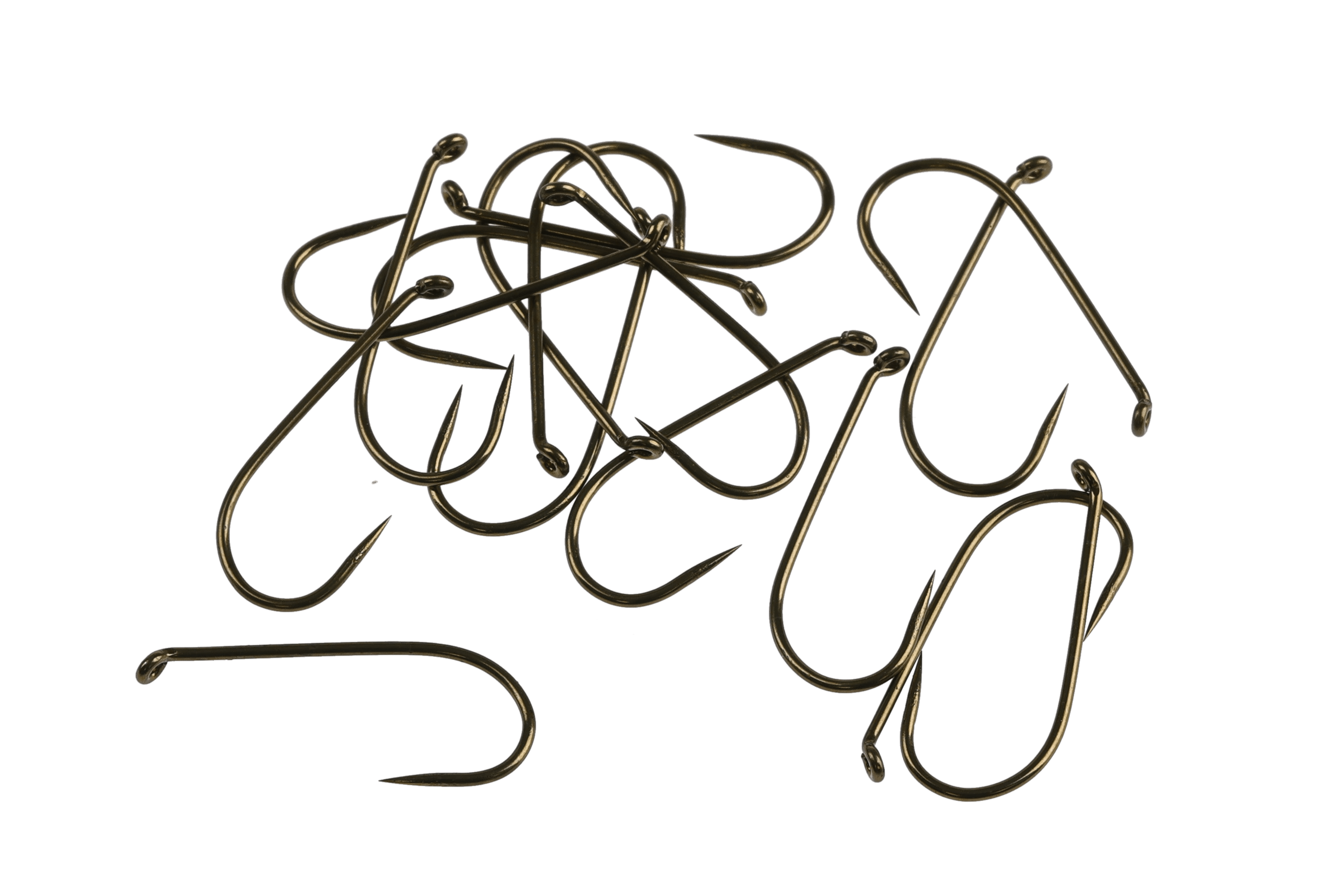
Daiichi Hooks Quick Picks
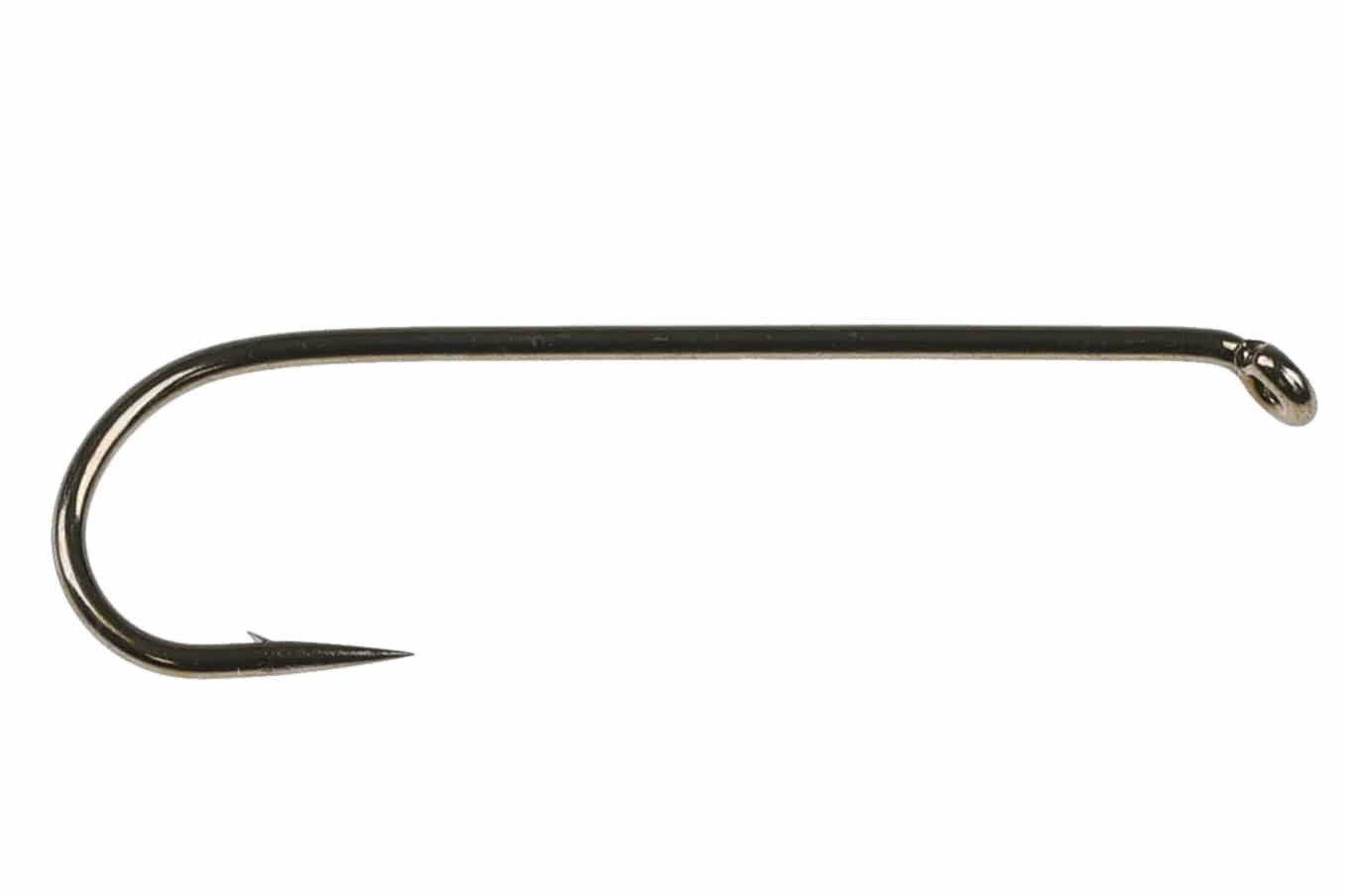
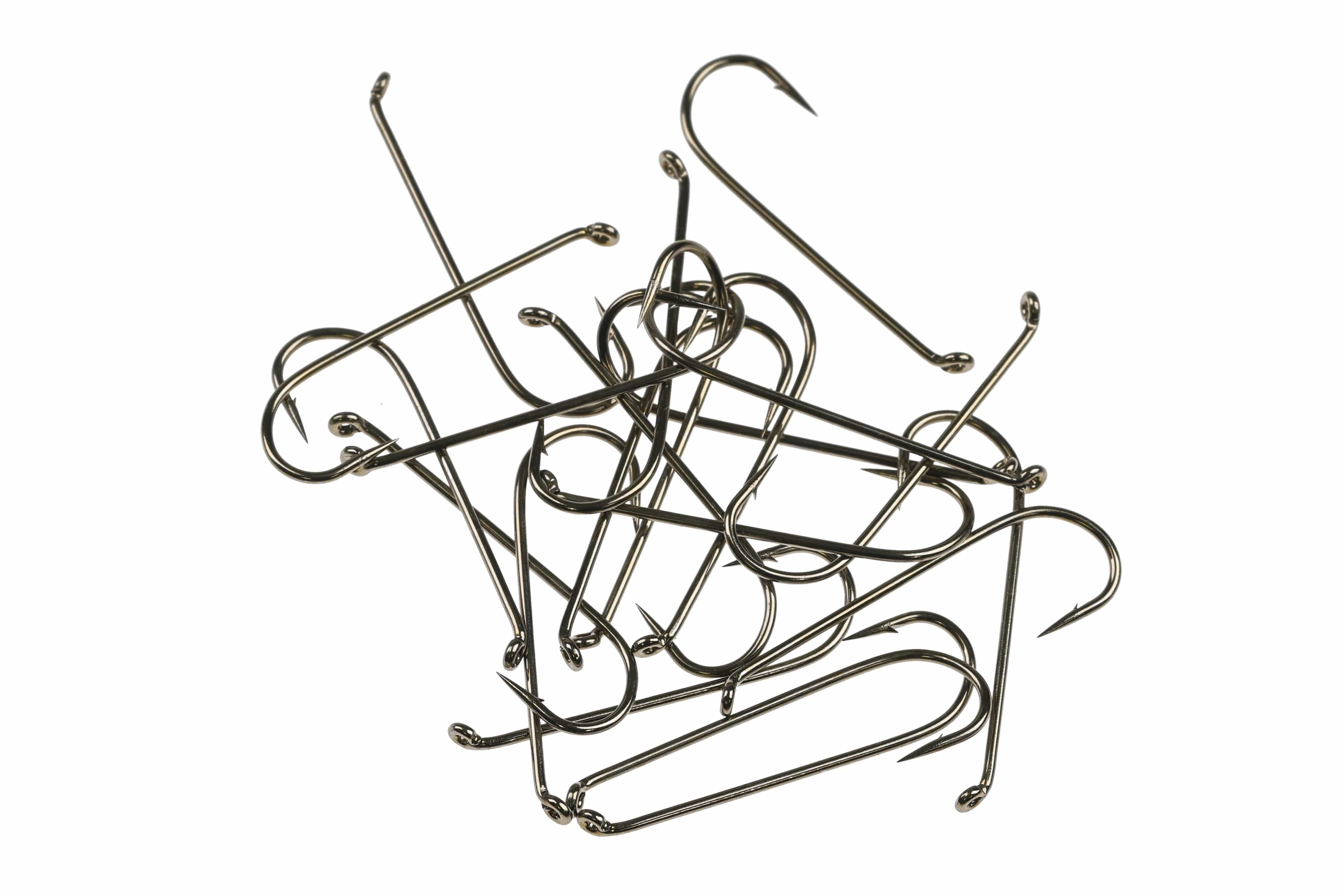
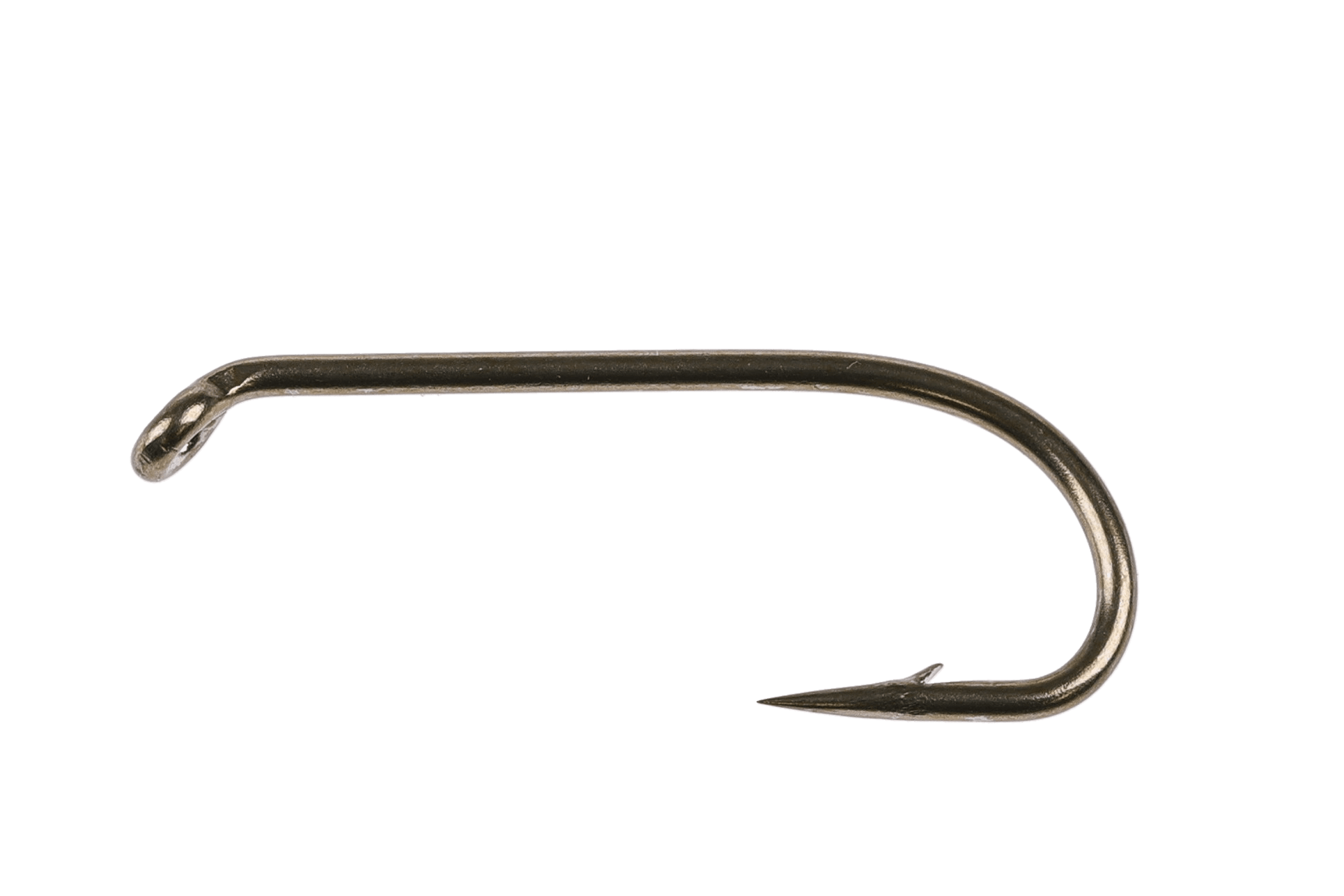
- Best All-Around: Daiichi 1550 Standard Wet Fly Hooks - Great for anglers who want one dependable platform for wets, soft hackles, and a wide range of nymphs. The classic profile and broad size range make it an easy “default hook” for filling subsurface boxes.
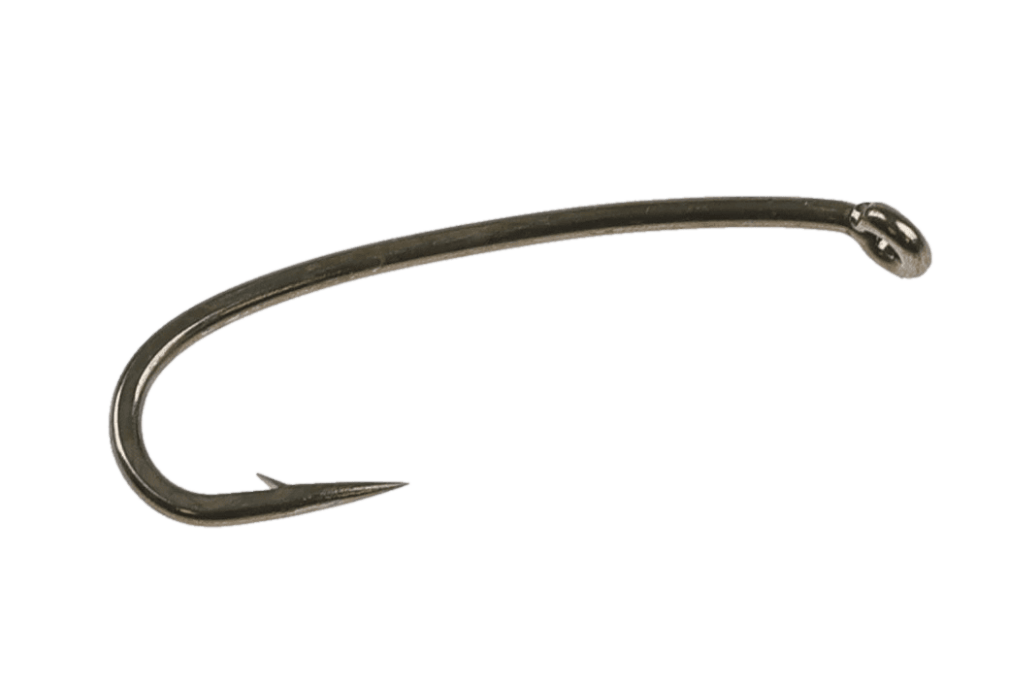
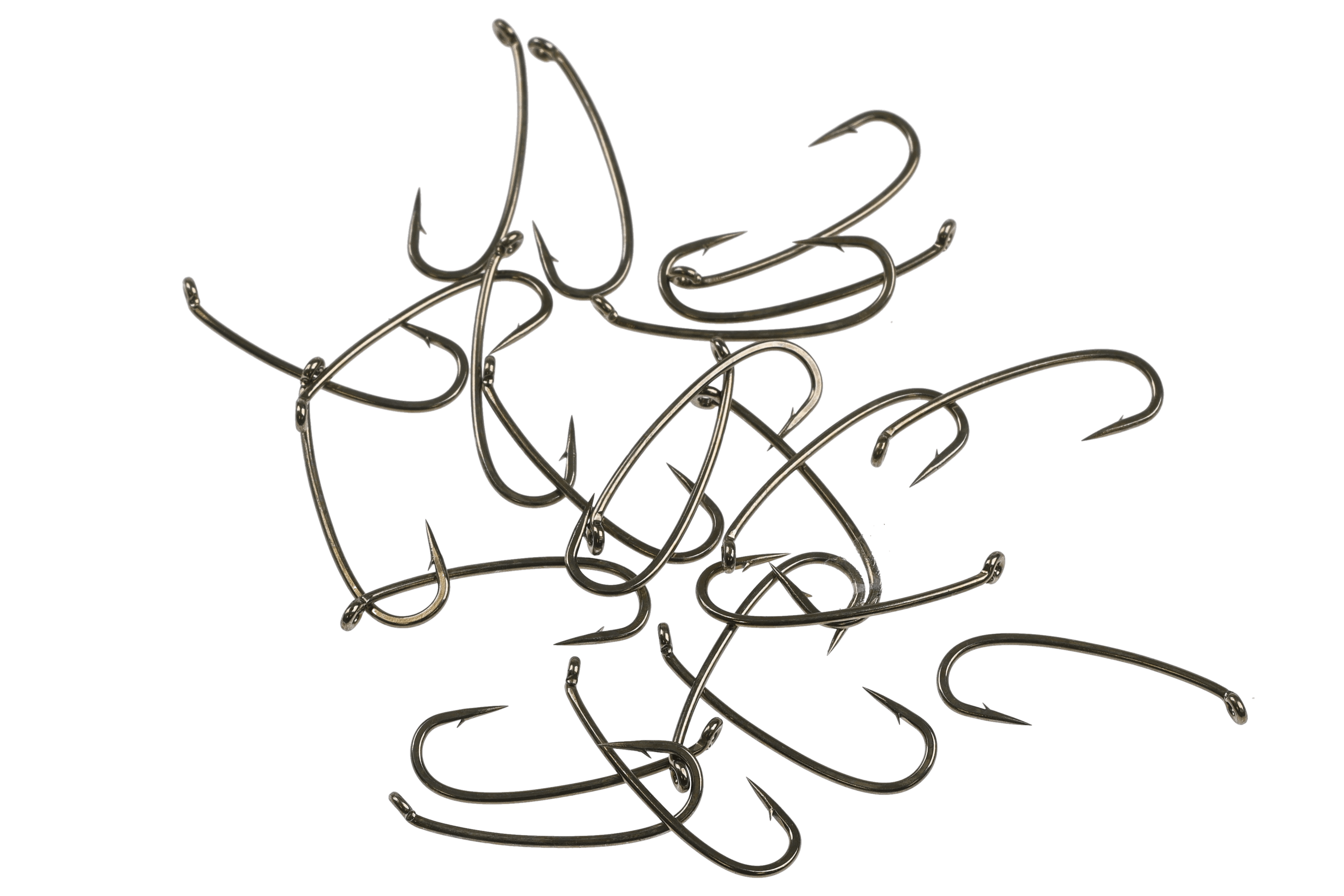
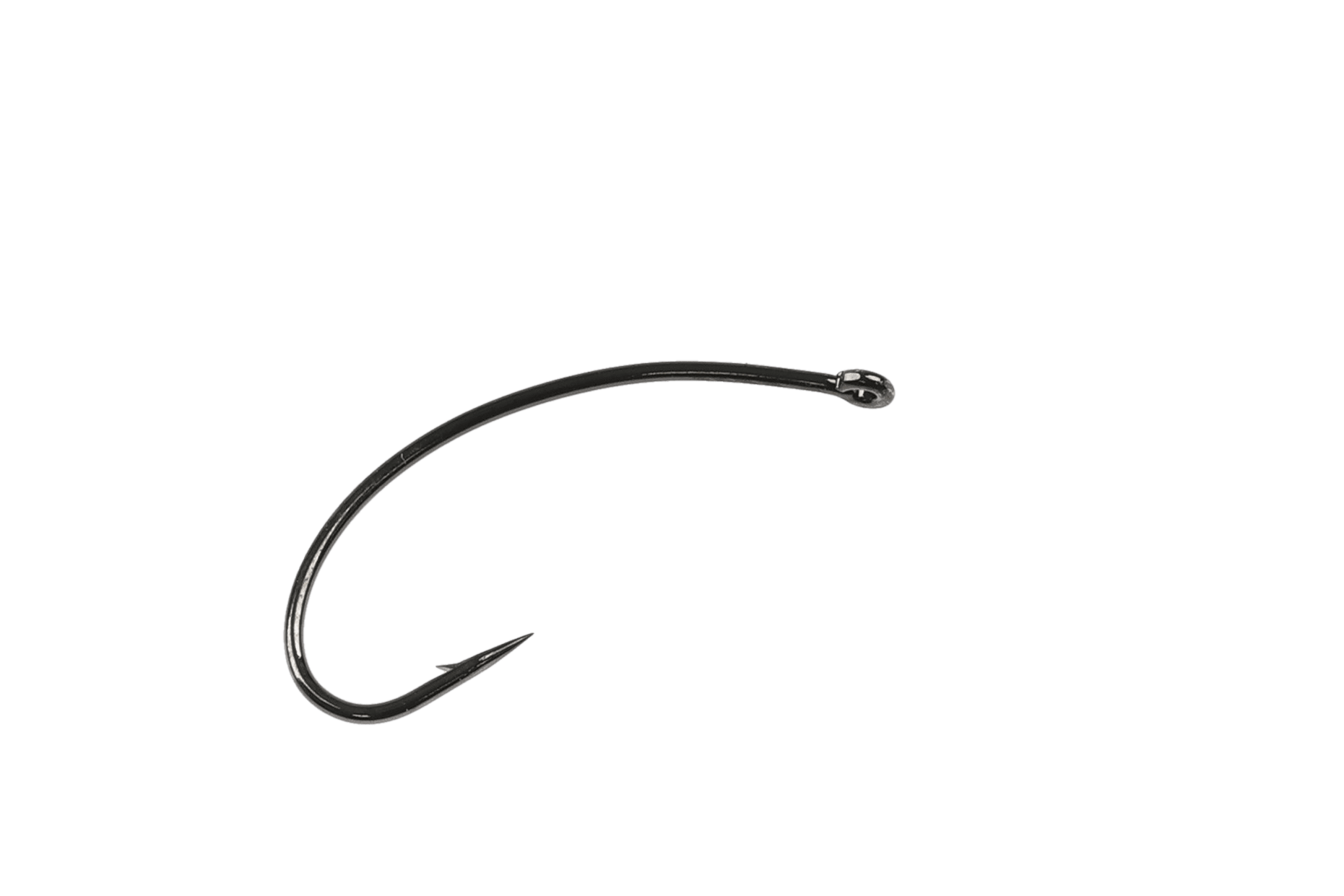
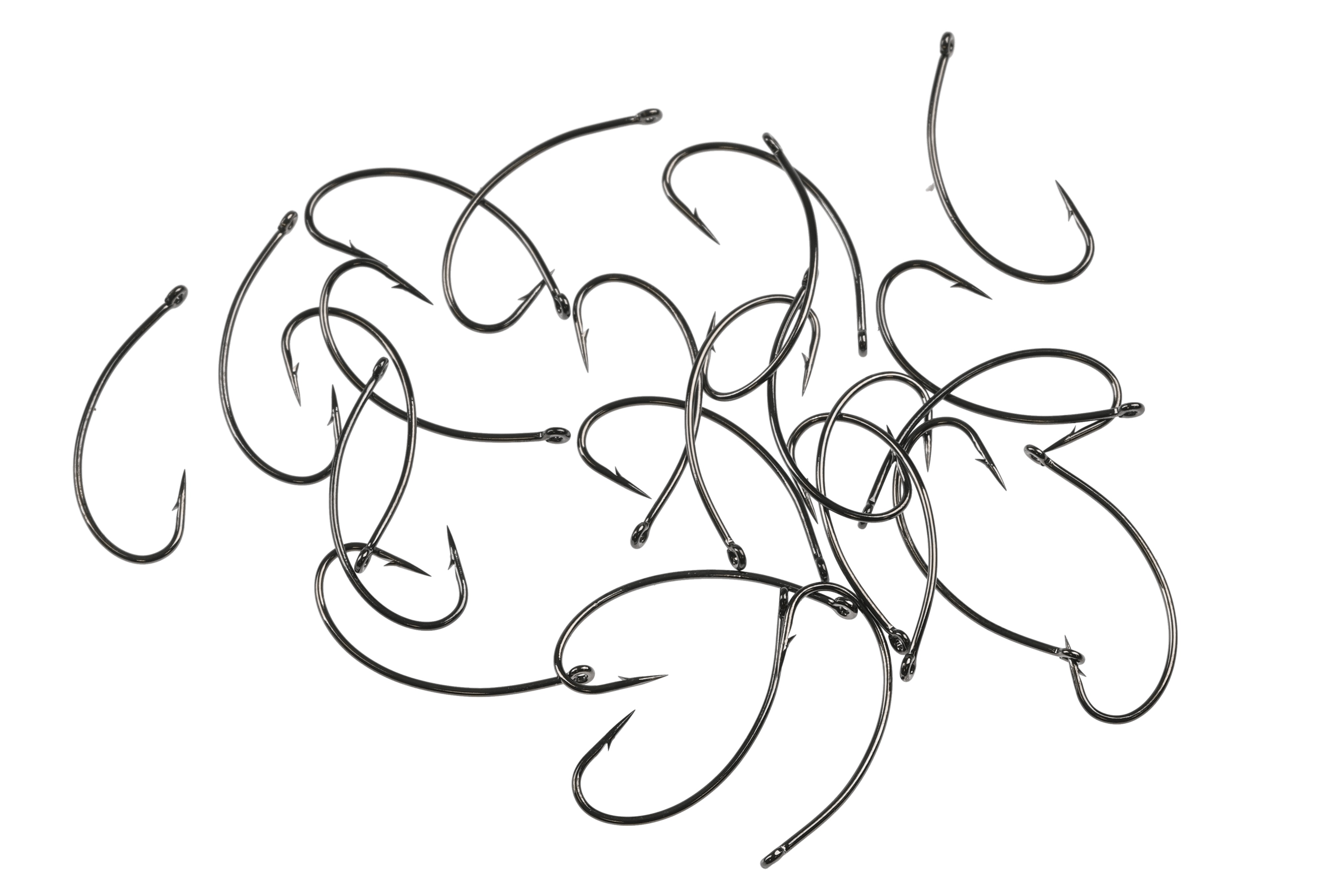
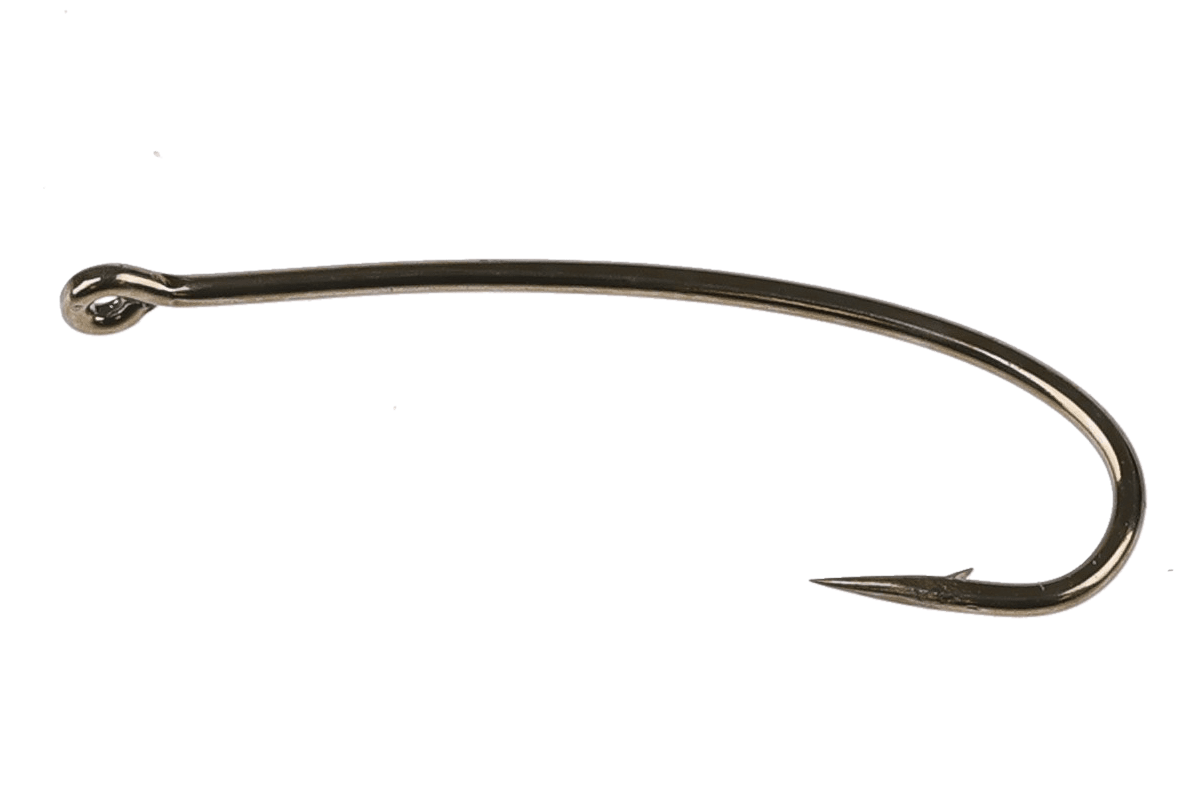
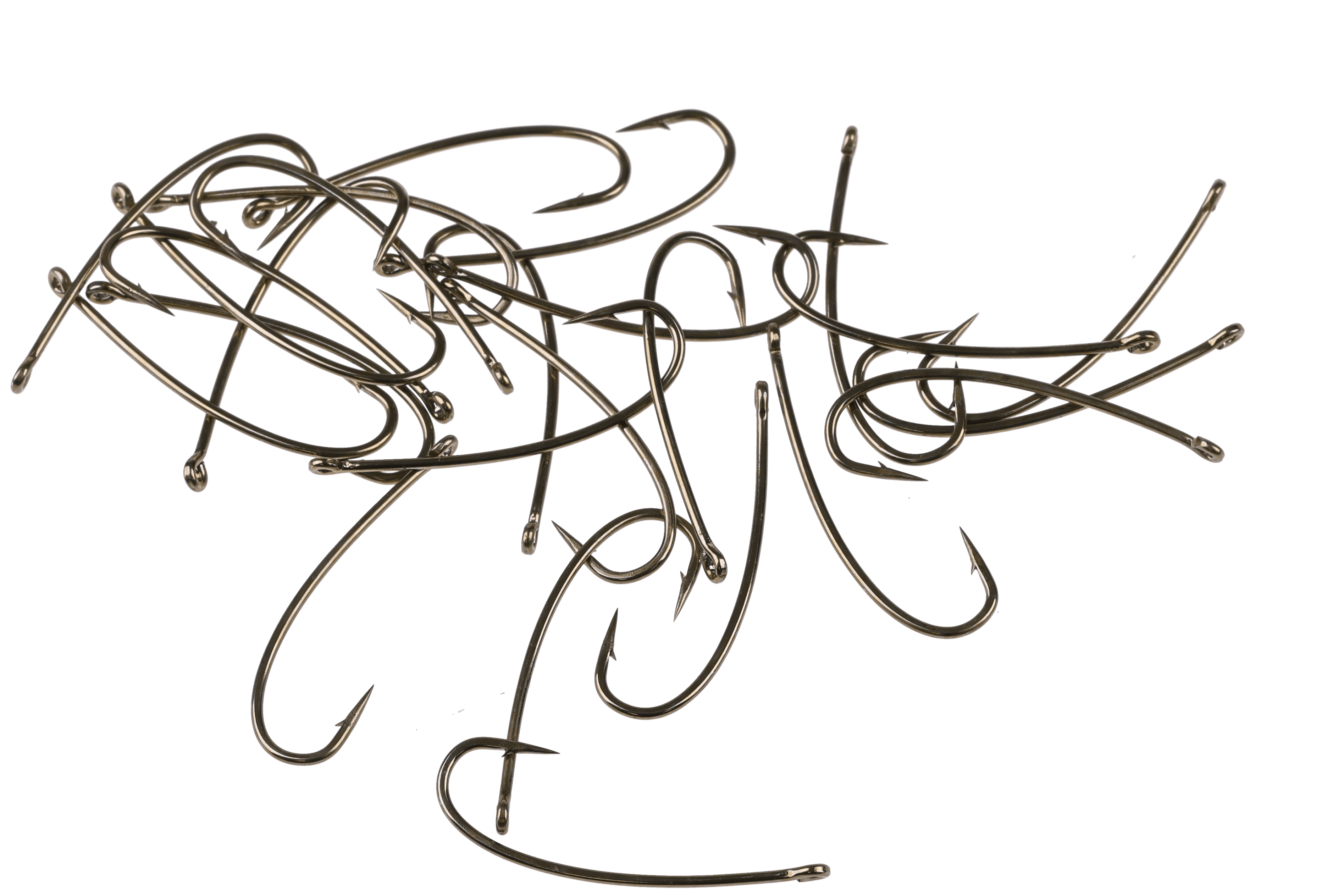
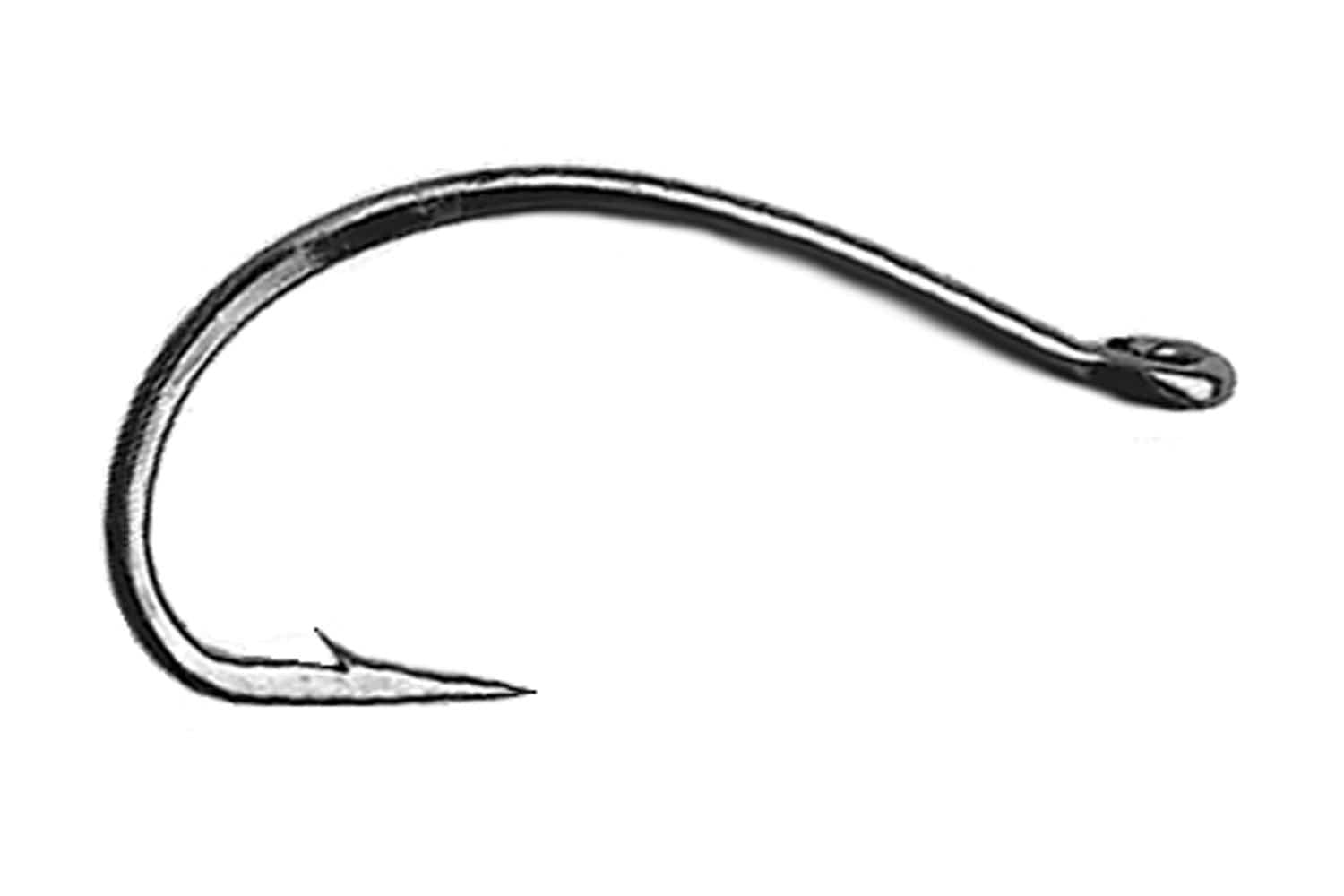
- Best for Scuds & Caddis Pupae: Daiichi 1120 Heavy Wire Scud Hooks - Best when you’re tying curved-body patterns that need extra weight and backbone for strong fish. The heavier wire helps your flies get down without overloading them with lead or oversized beads.
- Best for Dry Flies (Easy Threading): Daiichi 1110 Wide Gape Dry Straight Eye Hooks - A smart choice for small dries and film flies when you want a roomy eye and reliable hooking power. The straight eye and wide gape make it especially practical on tiny patterns and light tippet.
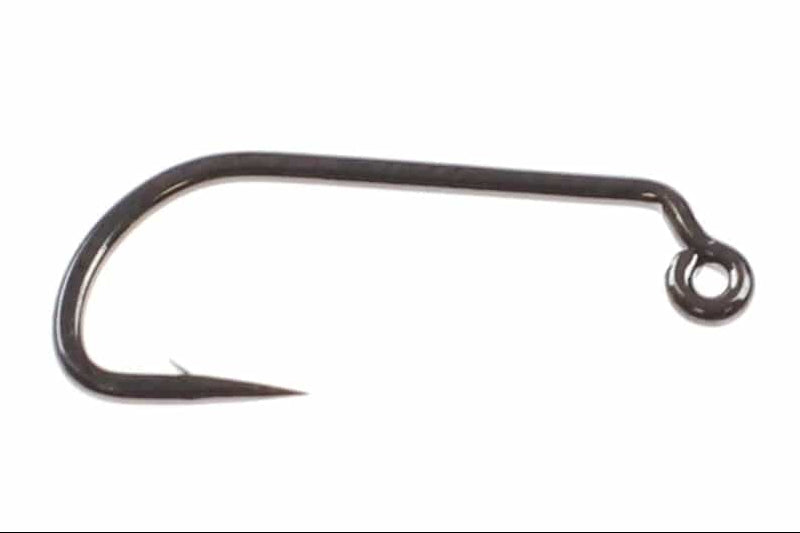
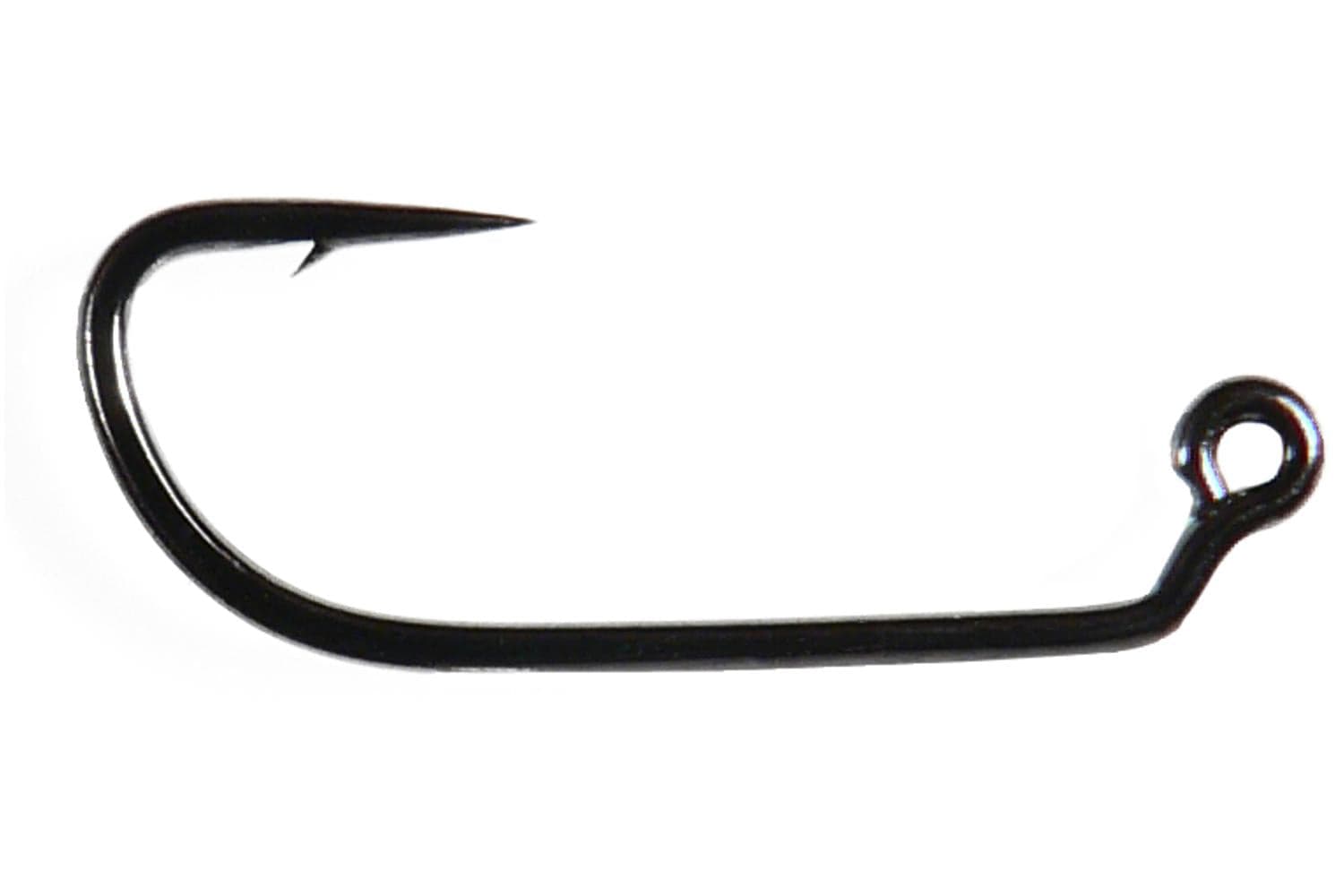
- Best for Euro Nymphing: Daiichi 1929 Matte Black Hooks - Ideal for compact, heavy, barbless Euro/Czech-style nymphs that need to sink fast and release cleanly. The matte finish and heavy wire build a stealthy, durable foundation for bead-and-wire rigs.
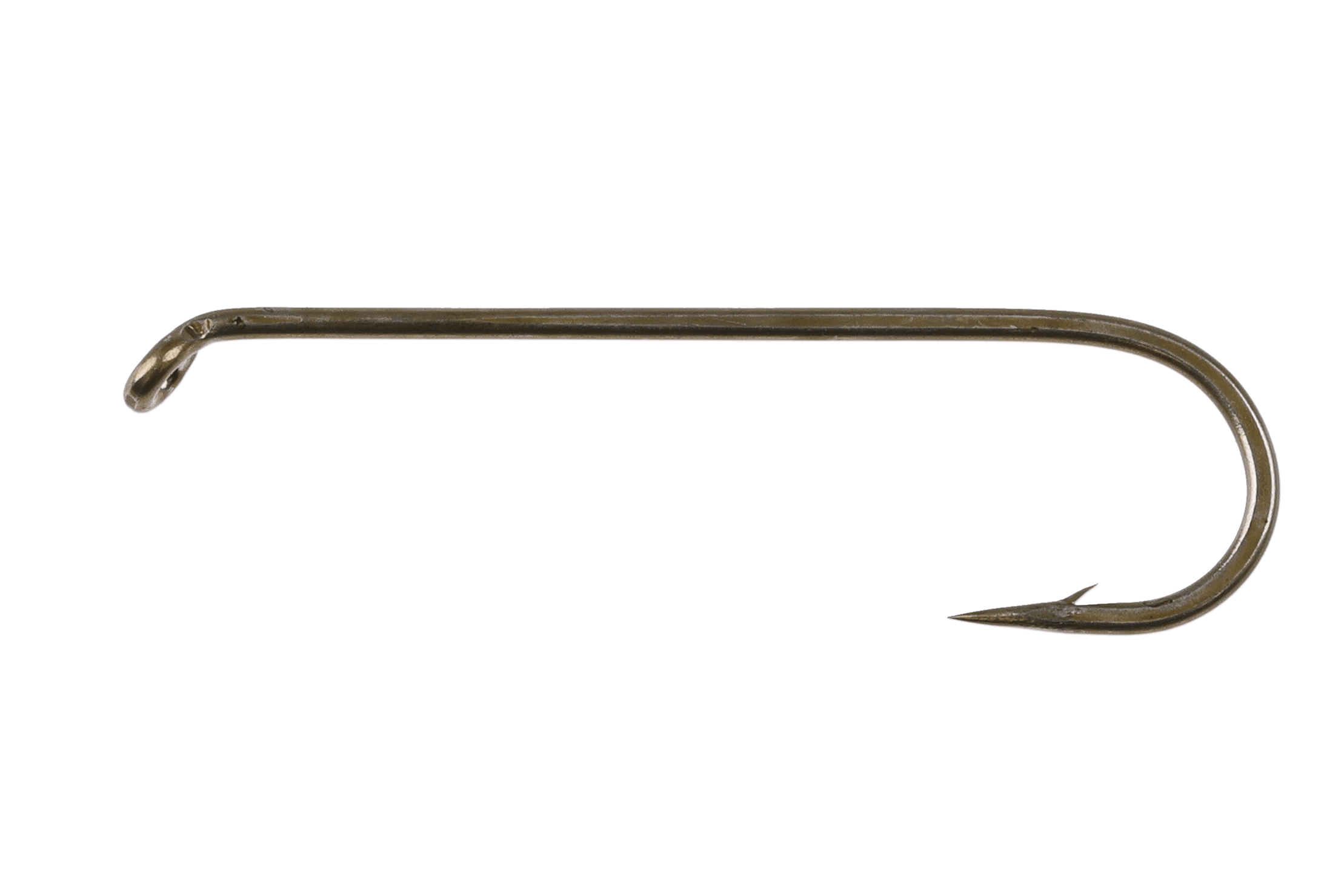
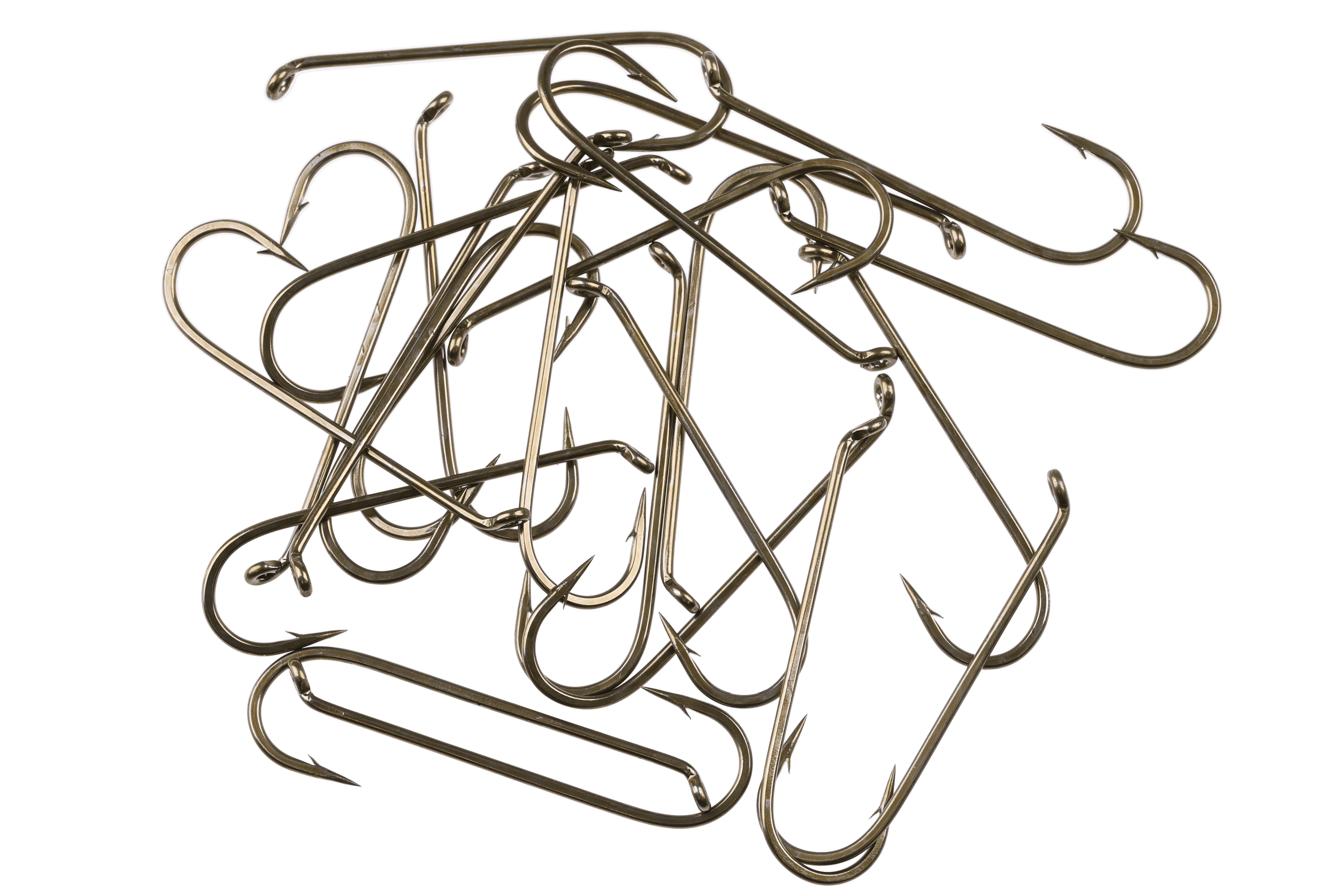
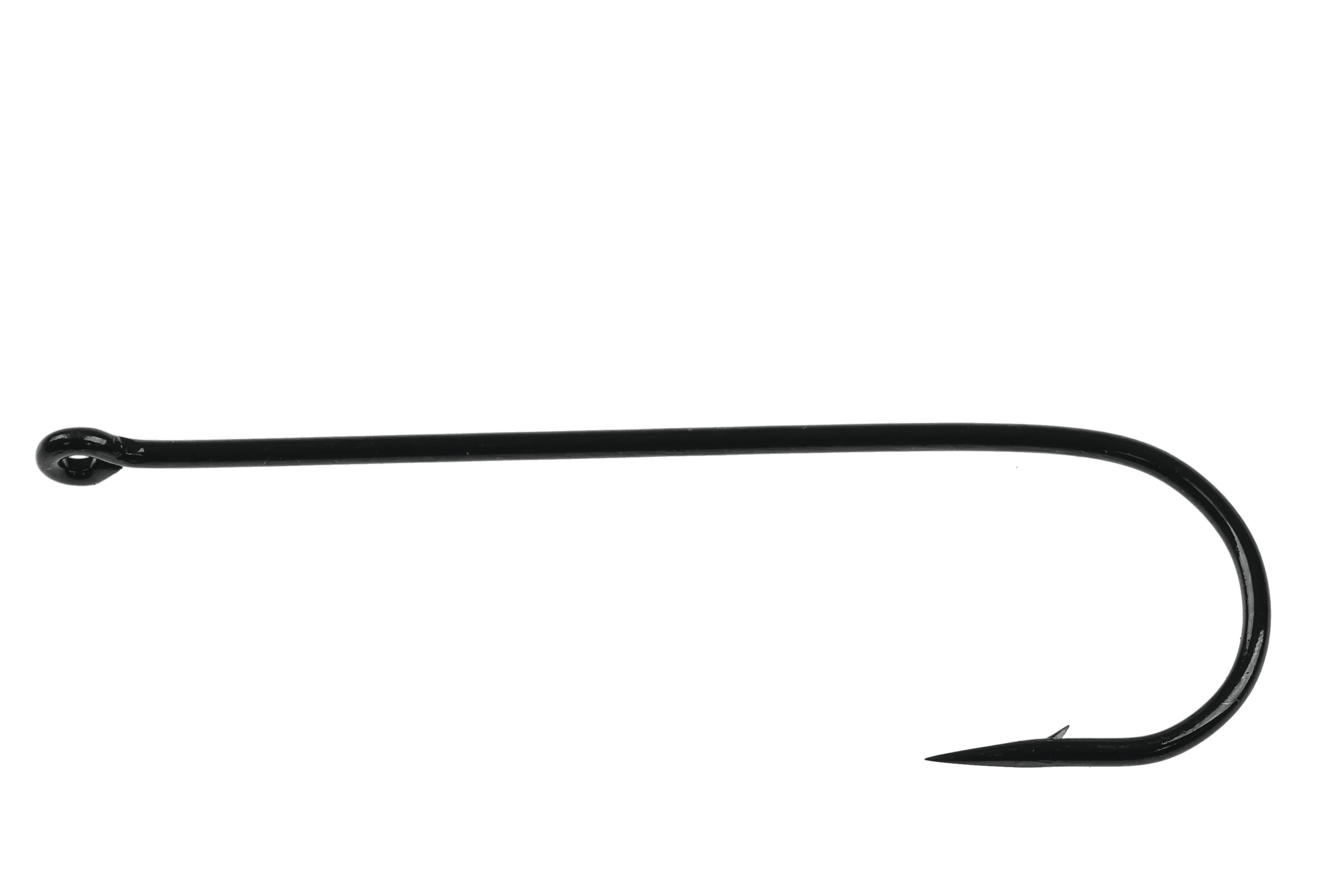
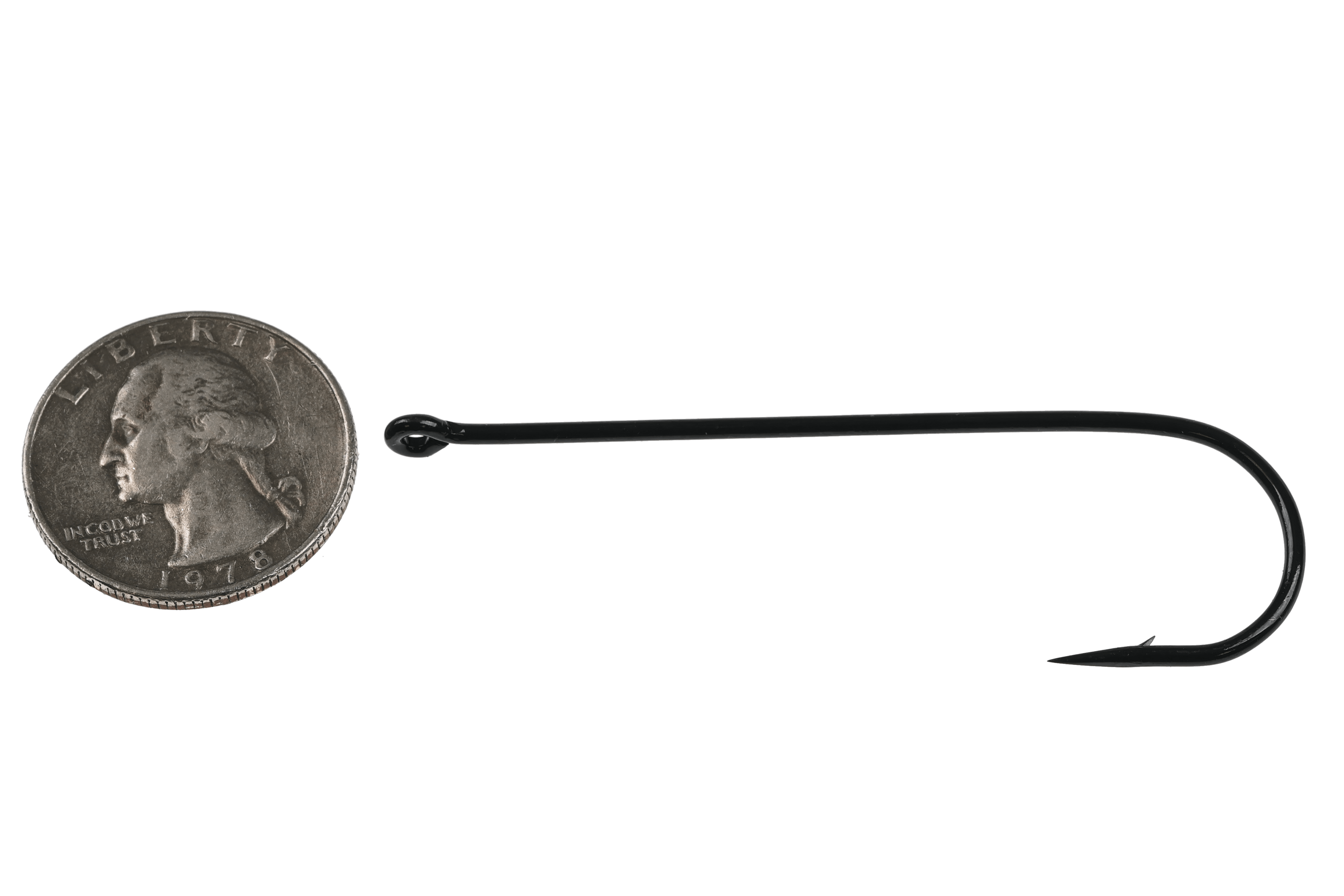
- Best for Streamers: Daiichi 2220 4X-Long Streamer Hooks - Perfect for tiers who want extra shank length for classic streamers and modern baitfish profiles. The long shank gives you tying space for stacked materials, collars, and clean head shapes.
How to Choose Daiichi Hooks
Start with the pattern style (dry, nymph, streamer, salt)
Action: Match hook shape to the natural silhouette you’re tying first, then fine-tune wire weight and finish.
- Dry flies: Look for lighter wire and proportions that don’t overload flotation (like Daiichi 1180 Standard Dry Fly Hooks for general-purpose dries).
- Nymphs & wets: Standard to heavier wire helps keep flies in the zone; longer shanks give room for beads and long bodies (like Daiichi 1710 2X-Long Nymph Hooks).
- Curved-body bugs: Scuds, sowbugs, caddis pupae, and grubs usually look best on a curved shank (like Daiichi 1130 Wide Gape Scud Hooks for wide-gape, fine-wire versatility, or the heavier 1120 for more weight).
- Streamers: Long shanks help you build baitfish length and keep materials from crowding the bend (like the Daiichi 2220 above, or Daiichi 1750 Straight Eye Streamer Hooks as another long-shank option).
- Saltwater patterns: Prioritize corrosion resistance and wire strength (like Daiichi 2546 Saltwater Fly Hooks for an all-around saltwater tying platform).
Dial in wire weight (how the fly fishes, not just how it ties)
- Light wire: Helps float dries and keeps small emergers sitting naturally in the film.
- Standard wire: A good middle ground for many wets and classic nymphs.
- Heavy wire: Adds sink rate and strength, especially helpful for fast water, deep nymphing, and larger fish.
Choose the right eye and shank length for your rig
- Oversized eyes: Make threading easier and can save time on tiny dries (a big reason the Daiichi 1110 is so practical).
- Longer shanks: Give space for beads, longer bodies, and cleaner proportions (the 1710 is a go-to example).
- Short, compact shanks: Keep Euro nymphs and scuds tight and efficient, especially when you’re trying to keep a slim profile.
Barbed vs. barbless (and when it matters)
Best for: Barbless hooks are a strong fit for catch-and-release waters and quick, clean releases, especially on tight-line nymphing where fish are often hooked on short drifts. Barbed hooks can be helpful when you’re fishing barbless-only waters less often and want a little more margin for error on slack-line presentations.
Why Trident Carries Daiichi
Daiichi covers a huge range of fly tying hooks, from small dry fly shapes to heavy-wire nymph platforms and corrosion-resistant saltwater options, without making you hunt through confusing “almost the same” models. If you’re building a bench stock for trout, bass, or salt, Daiichi makes it easy to standardize your favorite patterns on consistent, fishable hook designs.
Materials & Durability
- Keep hooks dry: Store packs and finished flies in a dry place, and let fly boxes air out after wet days to reduce corrosion.
- Match finish to use: Bronze and black nickel finishes are common for freshwater; stainless options are popular for saltwater patterns.
- Protect the point: Avoid tossing loose hooks into trays with beads and dumbbell eyes, point damage happens fast.
- Check before you fish: If a hook point drags instead of grabbing your fingernail, retire it or sharpen it before it costs you fish.
Complete Your Setup
Related Gear
- Fly Tying Hooks - Compare shapes and wire weights across brands when you’re trying to match a specific pattern recipe.
- Fly Tying Beads, Coneheads & Eyes - Dial in sink rate and balance, especially for Euro nymphs and jig-style streamer concepts.
- Fly Tying Thread, Tinsel & Wire - Build slimmer bodies, tougher ribs, and cleaner head finishes that don’t crowd the hook eye.
- UNI Fly Tying Thread - A reliable thread option when you’re stocking core colors and sizes for everyday tying.
Related Guides
- How to Tie the Trico Spinner Fly Pattern
- How To Tie A Steelhead Nymph
- How To Tie the Ice Wing Caddis
- How To Tie The Bronze Goddess
- How to Tie the Medallion Midge Fly Pattern
Daiichi Hooks FAQs
Q: What are these hooks used for in fly fishing?
A: These are fly tying hooks used as the foundation for dry flies, nymphs, streamers, and saltwater patterns. Choosing the right shape and wire weight helps your fly sit, sink, and hook fish the way it’s supposed to.
Q: How do I choose the right hook model?
A: Start by matching the hook style to the pattern (dry, nymph/wet, curved scud/caddis, streamer, or saltwater). Then choose wire weight, shank length, and eye style based on how you want the fly to fish and how you plan to rig it.
Q: What Daiichi hooks are best for Euro nymphing?
A: Look for heavy-wire, compact, often barbless nymph hooks that build slim flies and sink efficiently. Models like the Daiichi 1929 are designed around that Euro/Czech-style profile.
Q: What’s the benefit of a wide gape hook for dry flies?
A: A wide gape can help keep hooking power consistent, especially on bushy or hackled patterns that take up space in the gap. It’s also helpful when you’re tying small flies where materials can easily crowd the bend.
Q: Should I use a curved hook for scuds and caddis pupae?
A: Often, yes, curved hooks help you match the natural “C” shape of scuds, sowbugs, and many pupae. Curved hooks can also work well for worms, eggs, and some emerger styles.
Q: What Daiichi hook should I use for Clouser-style saltwater flies?
A: A corrosion-resistant saltwater hook is a safe starting point, especially if you’re fishing brackish water or the flats. The Daiichi 2546 is commonly used for a wide range of baitfish and crab/shrimp patterns.
Q: Do hook finishes matter for fly tying hooks?
A: Finishes can affect corrosion resistance and visibility, and they also change the look of your finished fly. Bronze, black nickel, matte, and stainless finishes are all common, pick one that matches your water type and the pattern’s intended look.
Daiichi Warranty & Resources
Daiichi hooks are built for fishing use, so if you run into a product issue, the best first step is to reference Daiichi’s official resources and contact info. For questions about specific models or availability, Daiichi also provides a digital catalog.