

Fly Tying Thread - Beginners Guide to Fly Tying - McFly Angler
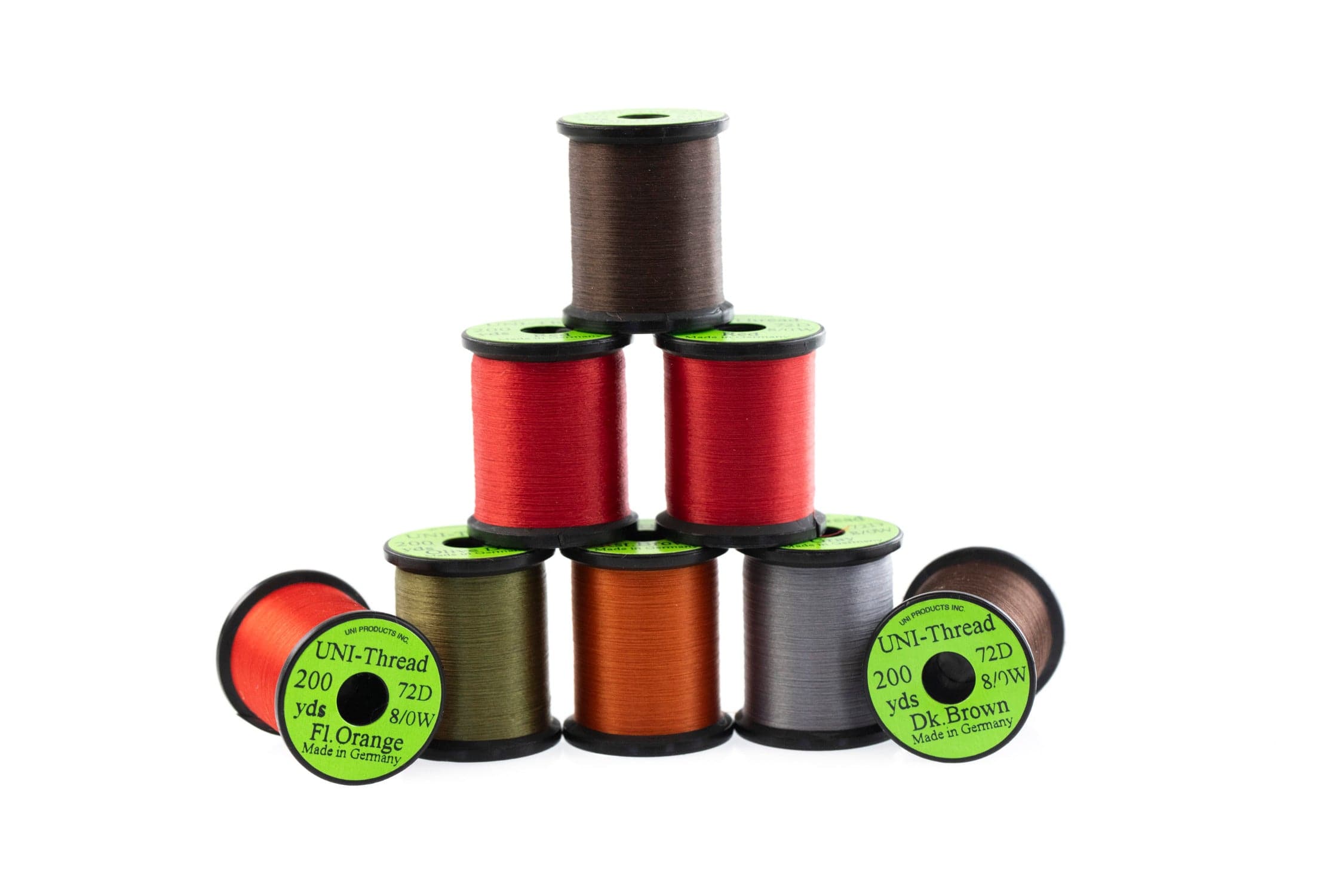

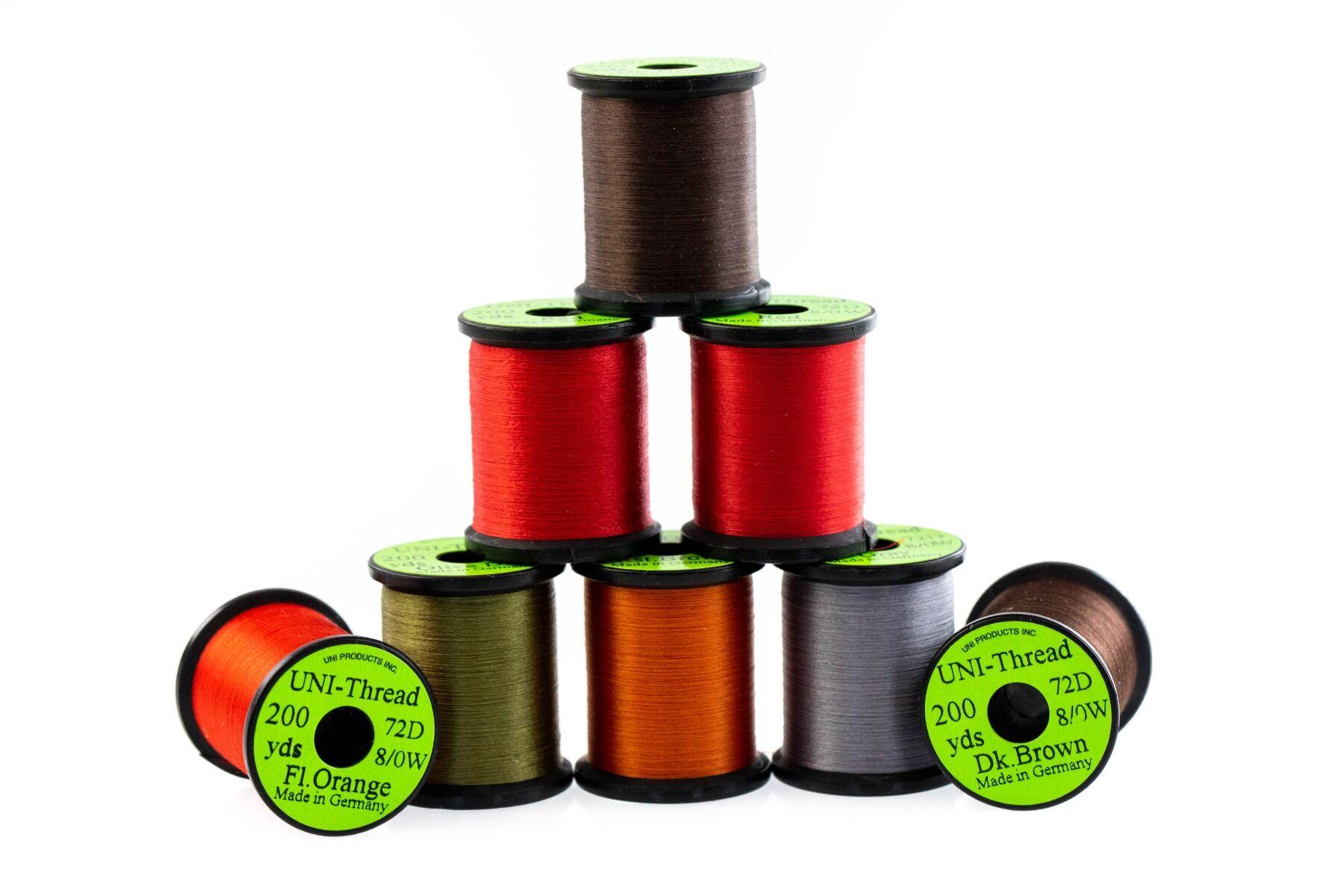
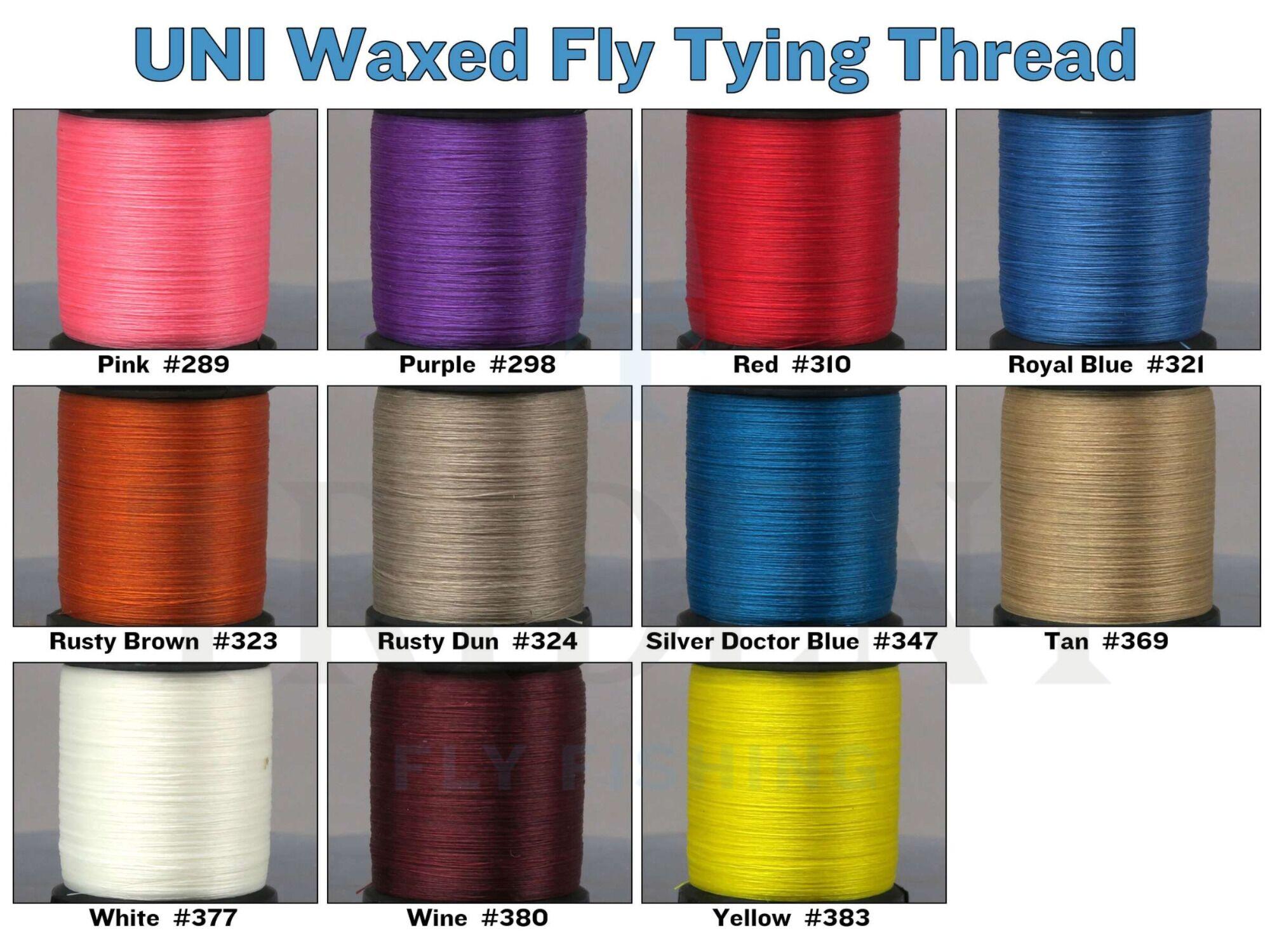





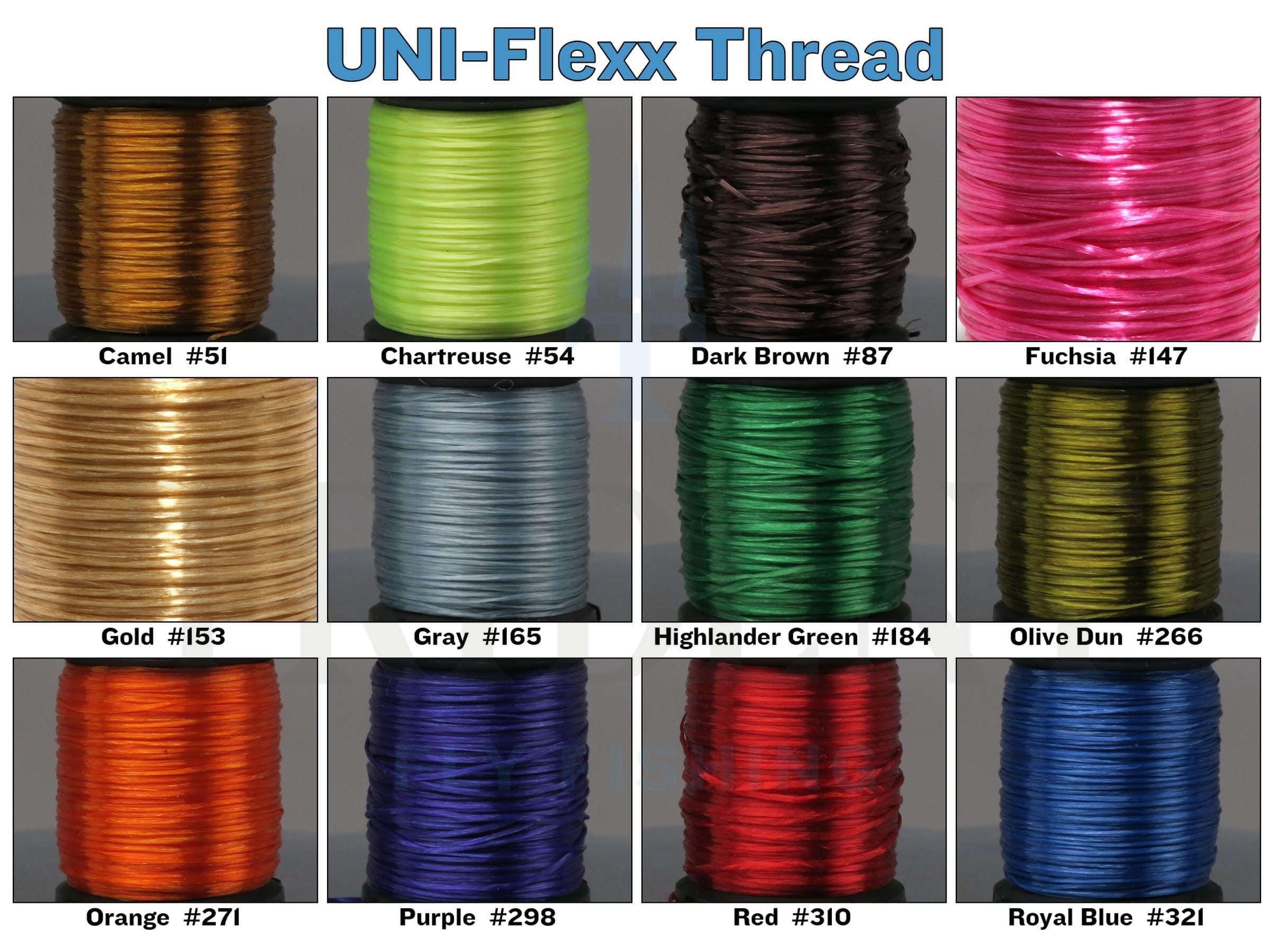


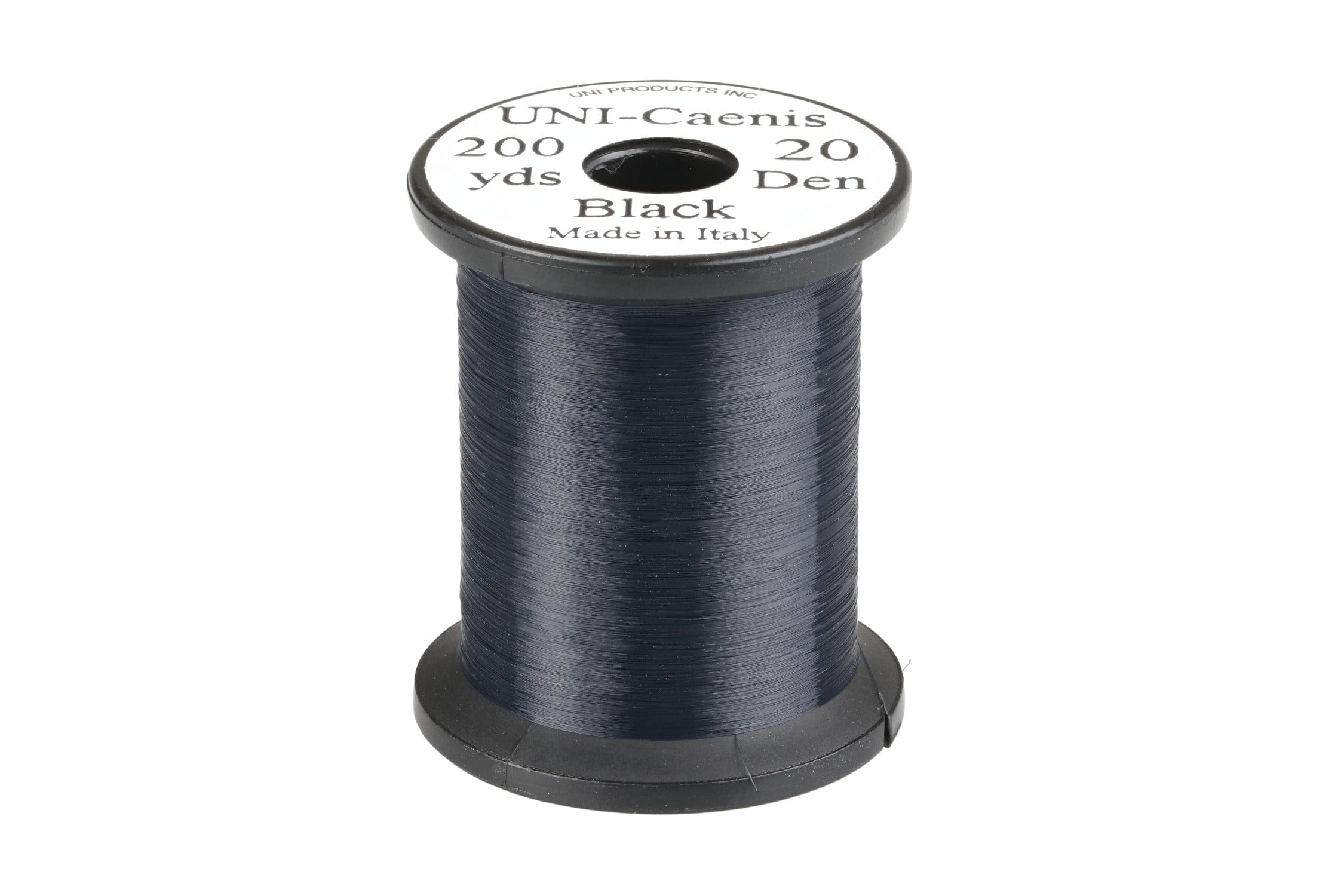
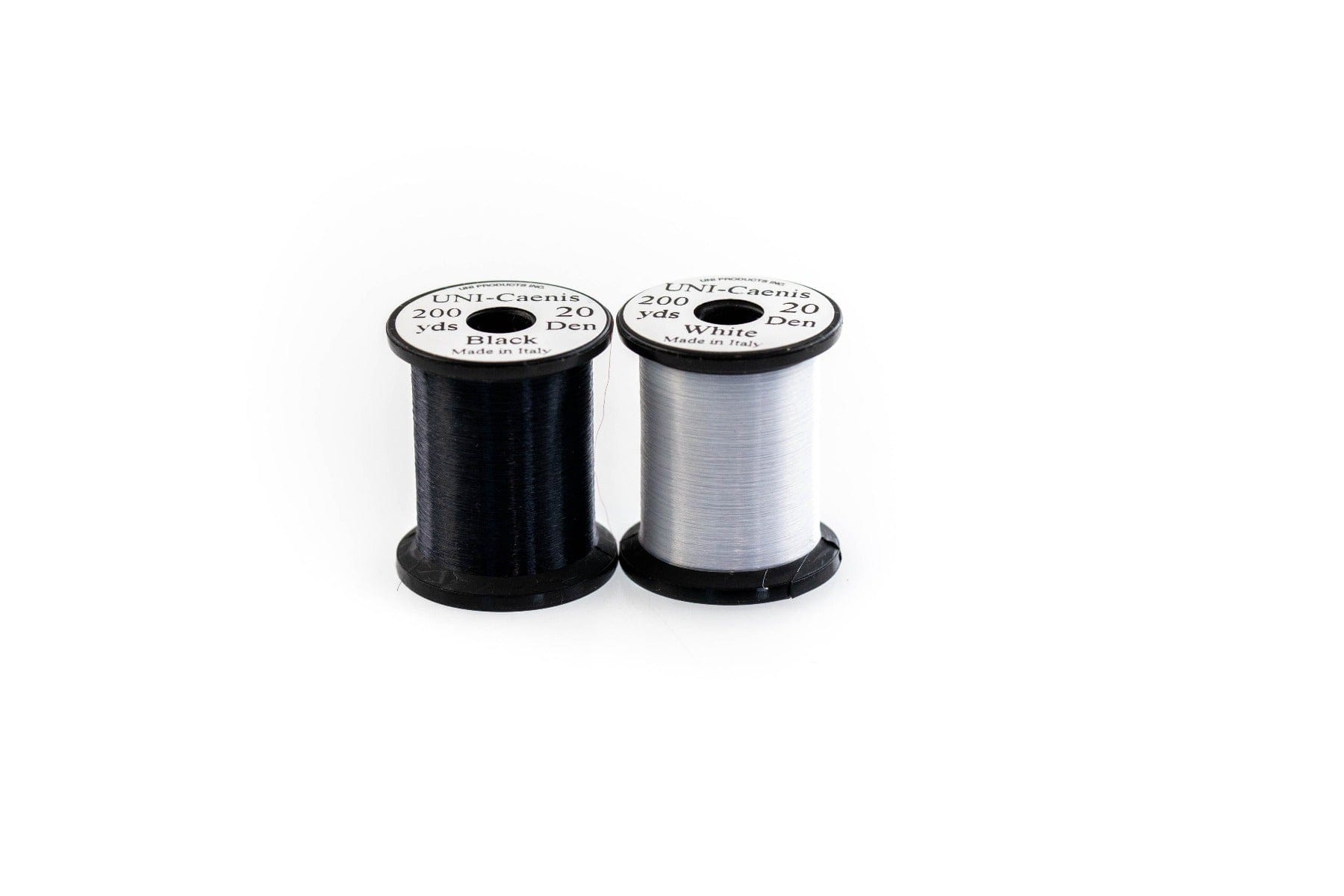
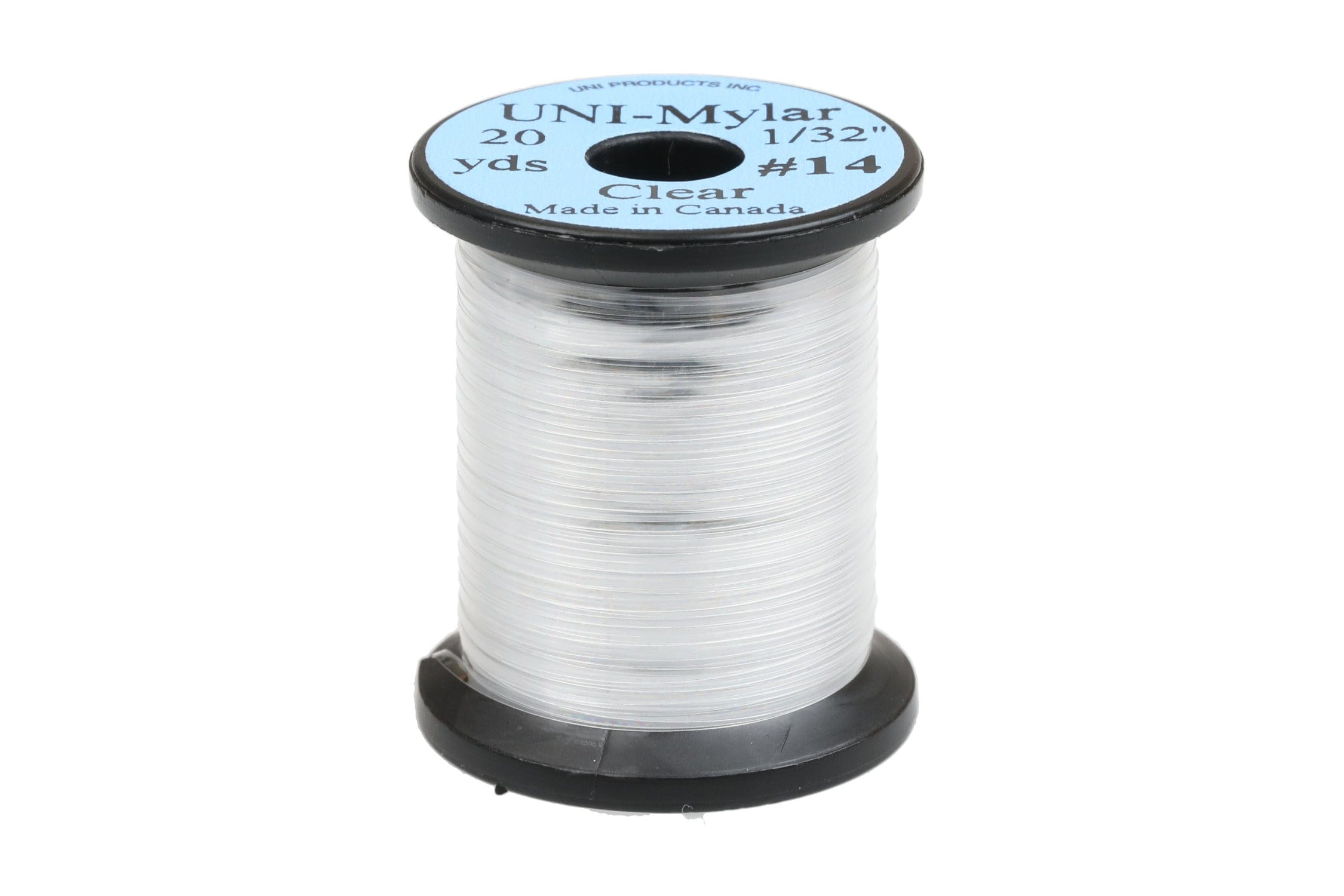
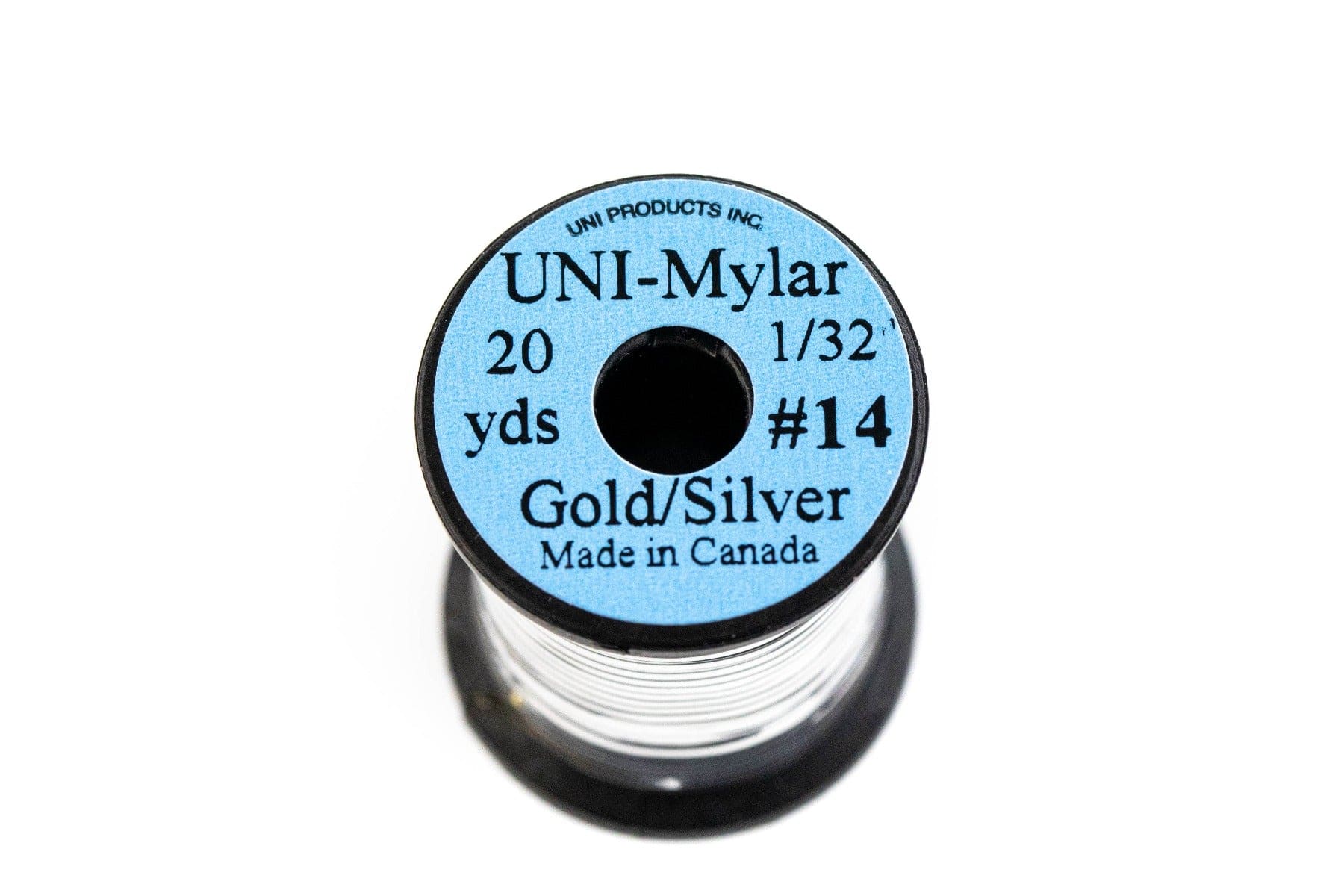


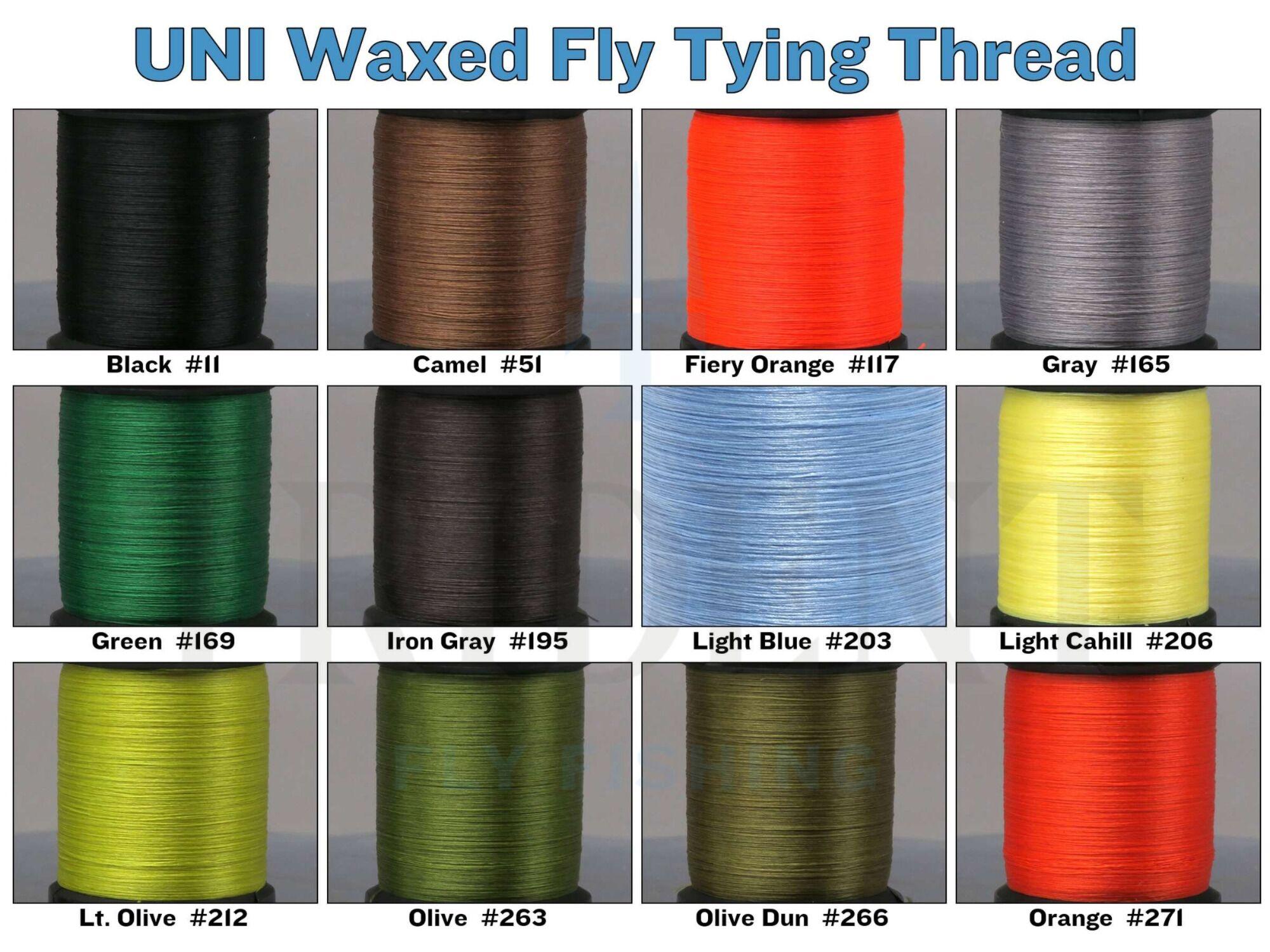
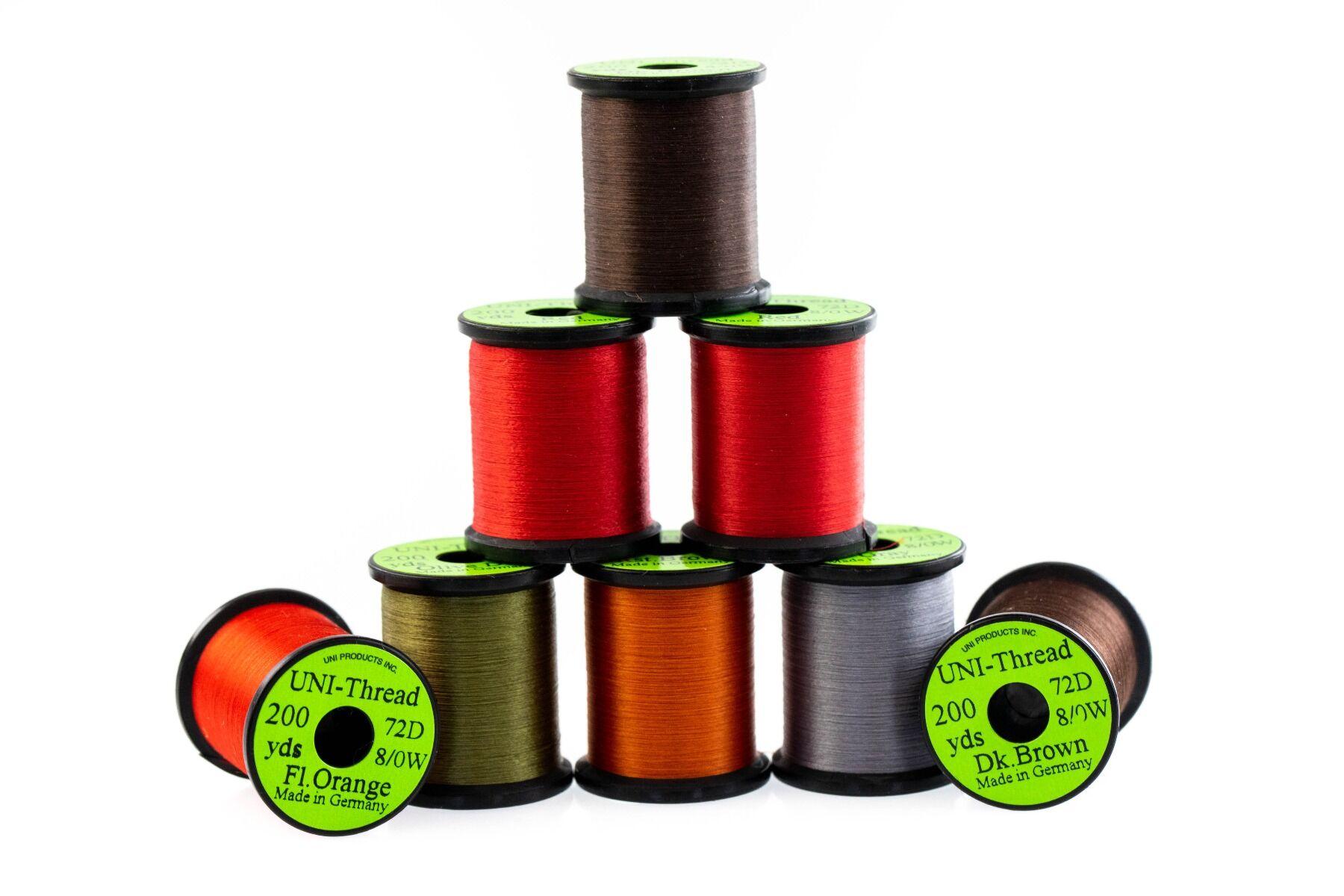

UNI Thread Quick Picks
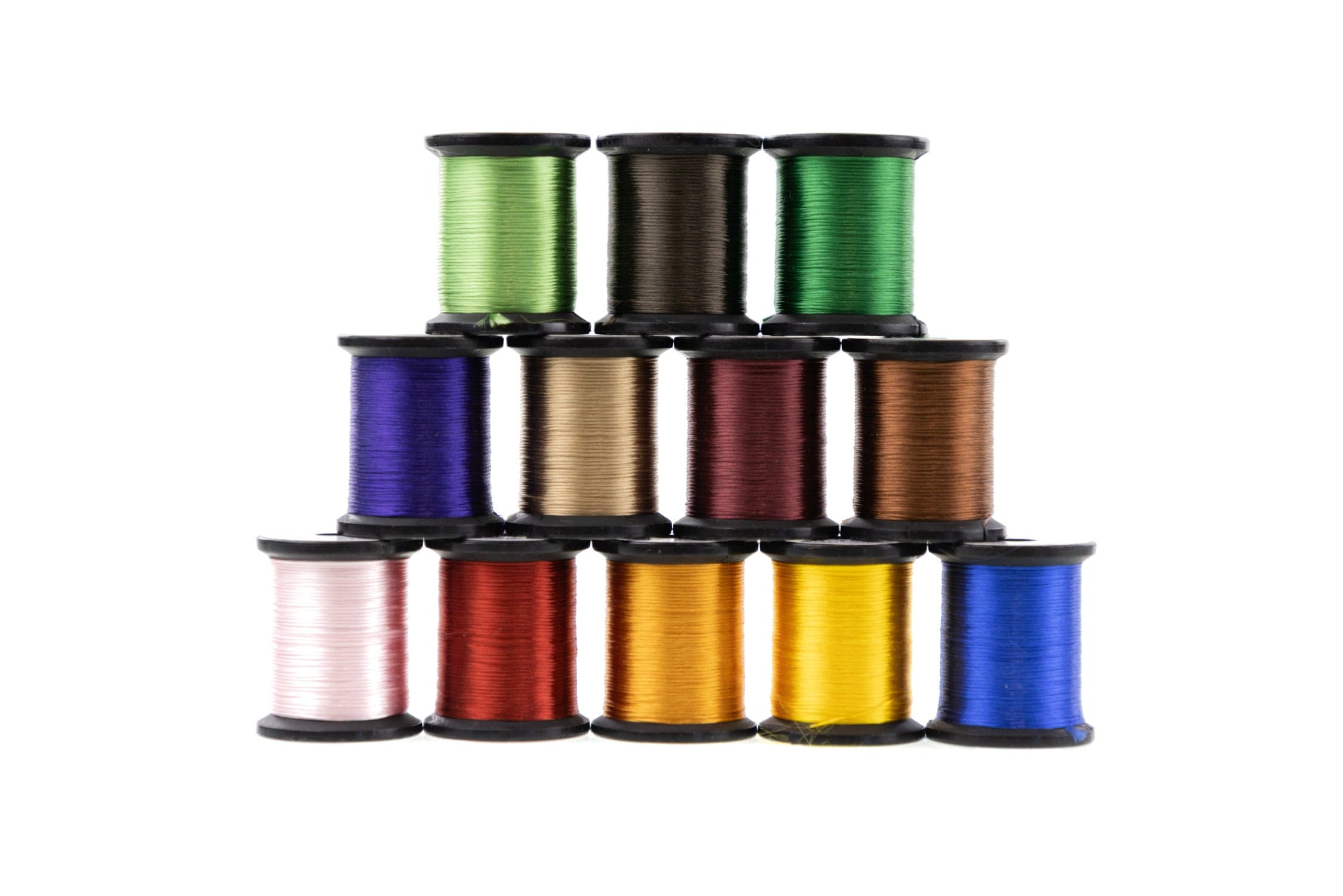
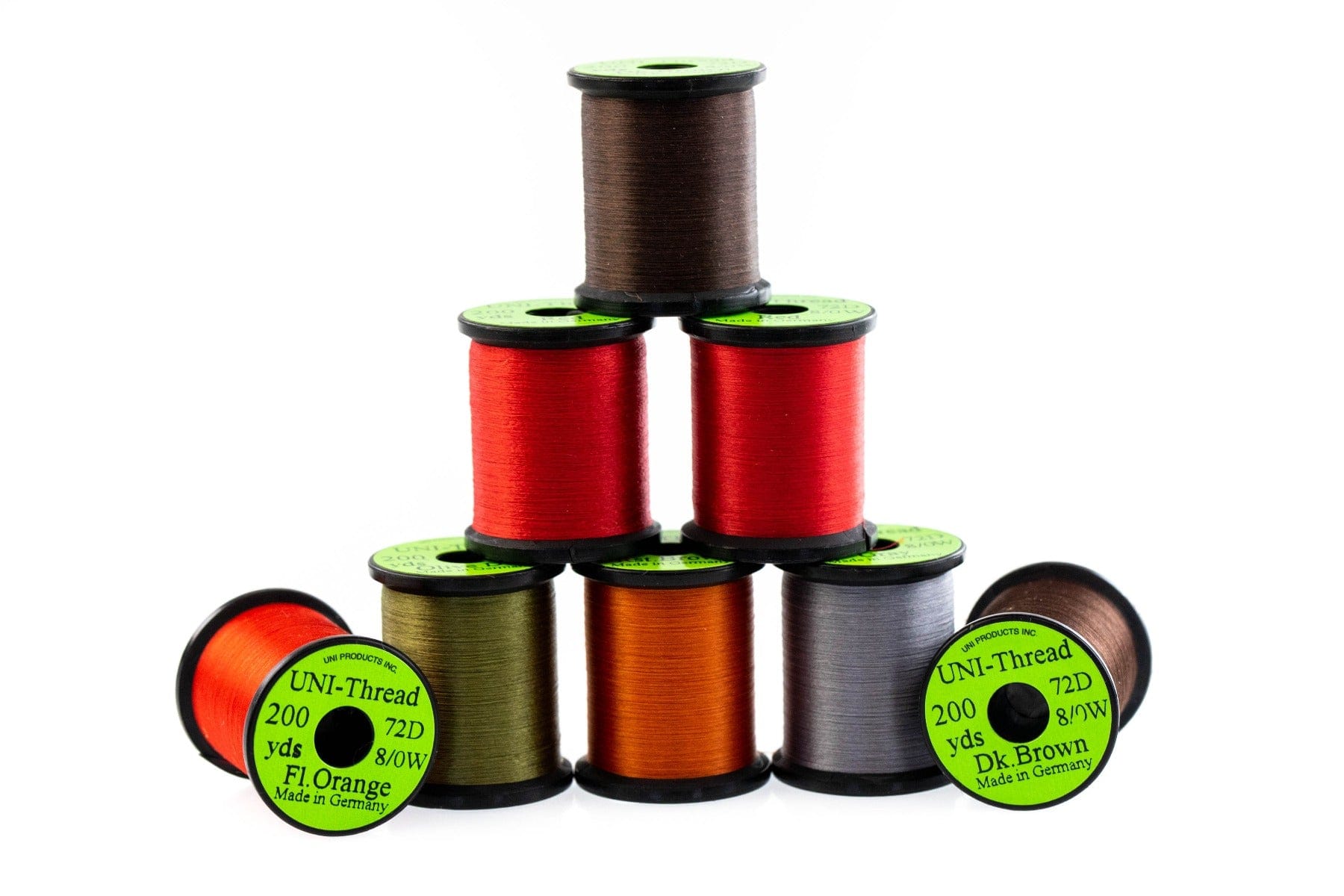
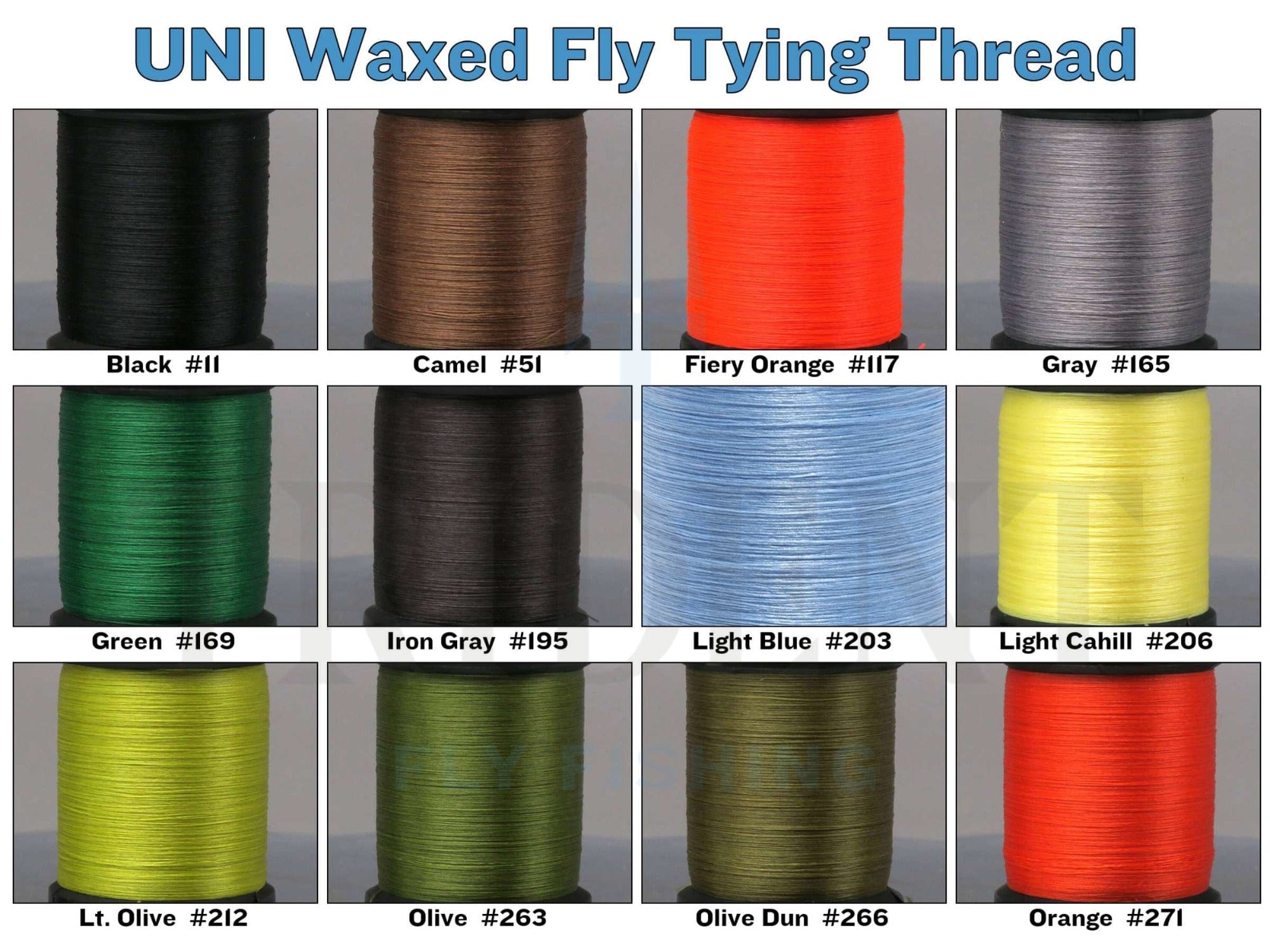
- Best All-Around: UNI 6/0 Waxed Thread - For most trout dries, nymphs, and general-purpose tying where you want control without excess bulk. The waxed finish improves material grip and helps keep wraps tidy as you build bodies and heads.
- Best for Small Flies: UNI 8/0 Waxed Midge Thread - For midges, small nymphs, and finer dry flies where thread diameter really affects the finished profile. The wax gives extra bite for tying in delicate materials and keeping sparse patterns locked down.
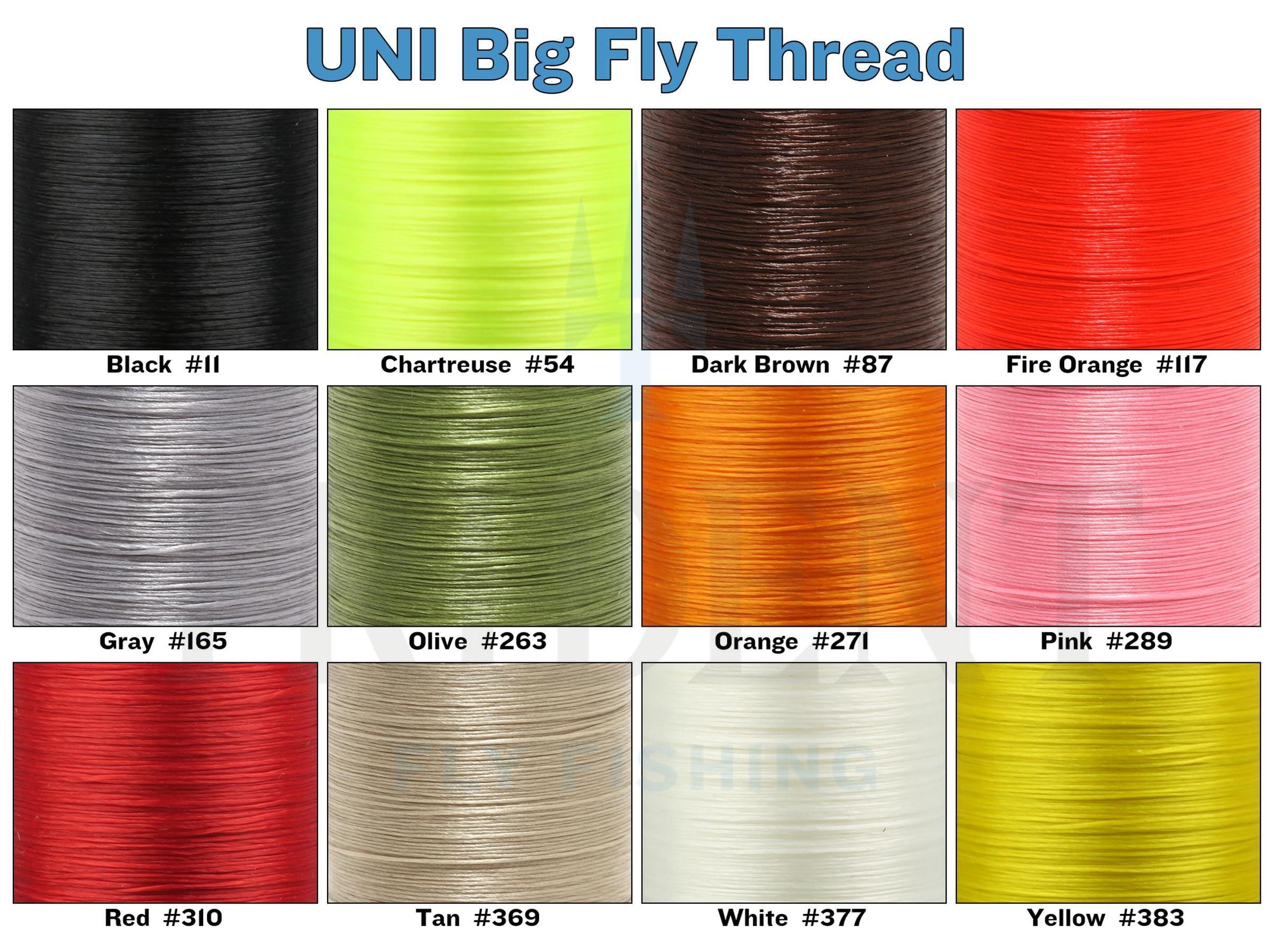
- Best for Big Streamers: UNI Big Fly Thread - For bass bugs, saltwater flies, and big trout streamers where you’re cinching down bulky synthetics or spinning deer hair. It’s built for high tension and faster building when you’re tying larger patterns.
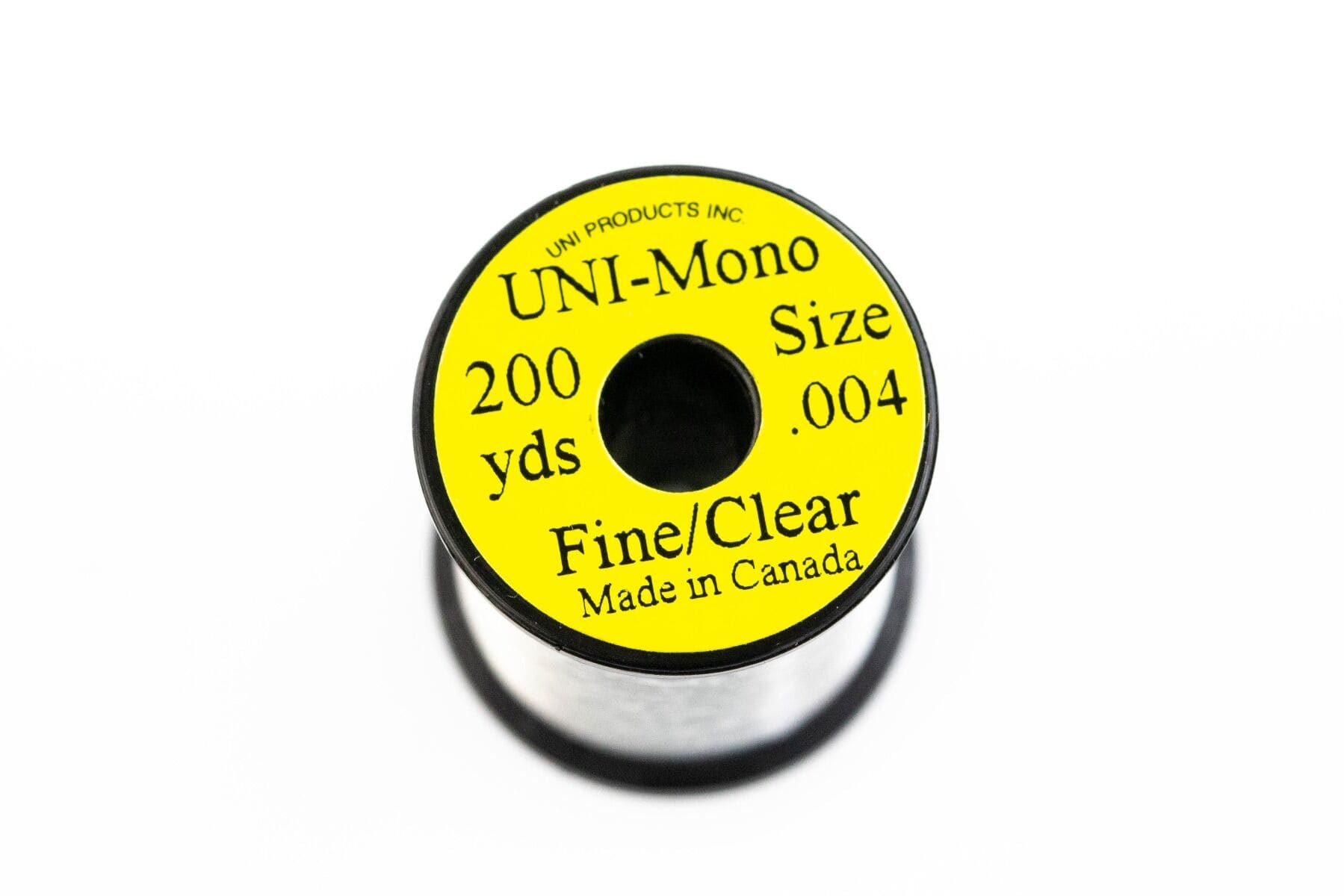
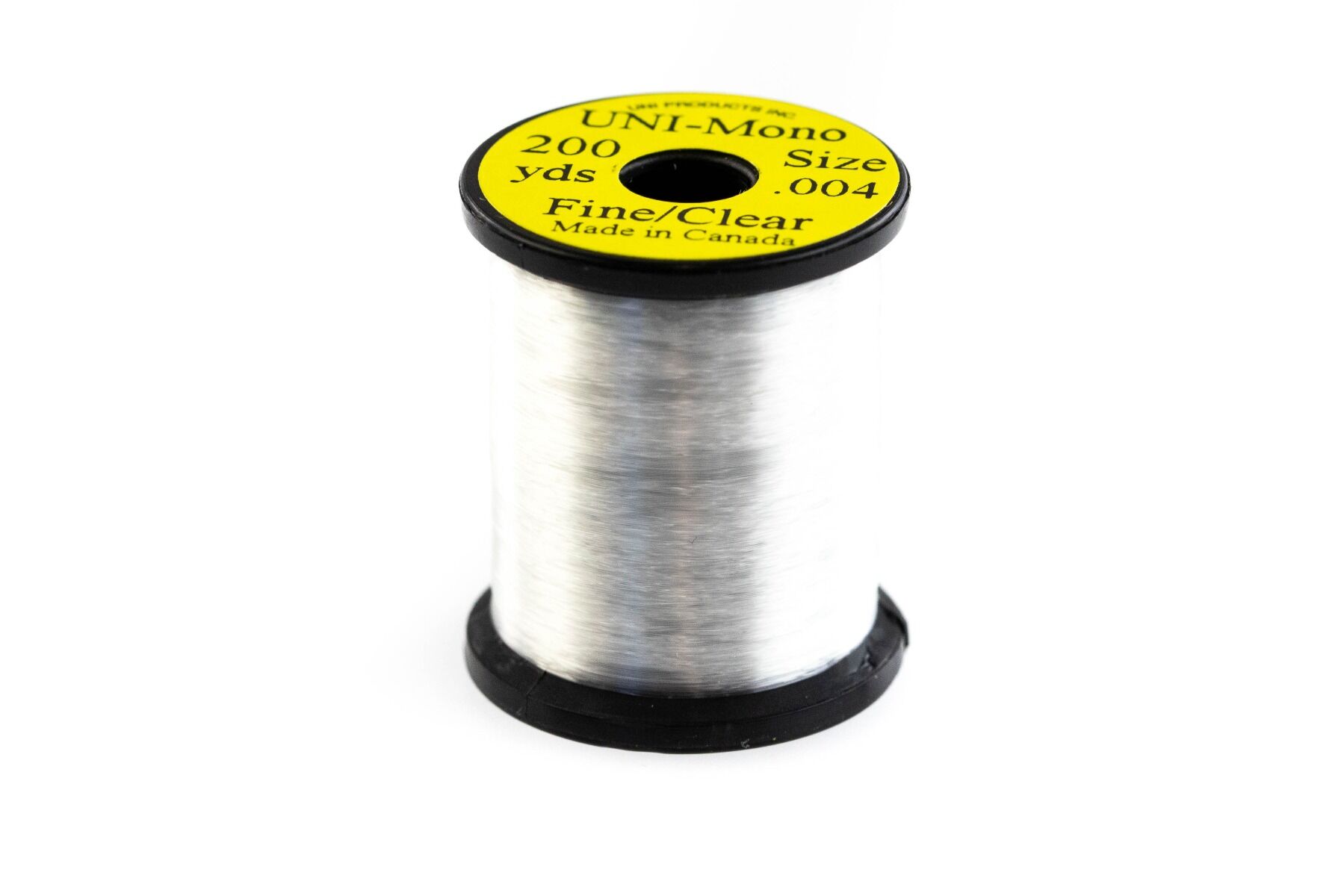
- Best for Clear, Low-Bulk Finishes: UNI-Mono Translucent Clear Thread - For patterns where you want the tie-in points to disappear and keep bulk to a minimum. Clear mono is also handy for building subtle heads or securing materials without adding a color band.
- Best for Ultra-Micro Patterns: UNI Caenis Thread - For tiny midges, tricos, and other technical small-fly work where a standard thread can crowd the hook gap. The ultra-fine diameter helps keep proportions clean when you’re tying on very small hooks.
How to Choose UNI Thread
Start with size (diameter) and match it to hook size
Action: Choose the thinnest thread that still lets you apply enough tension for the materials you’re tying in.
- Small dries & midges: Lean toward finer options like 8/0 or UNI Caenis Thread to avoid building bulky heads.
- Most trout nymphs & dries: A mid-weight option like 6/0 is a practical starting point for a wide range of patterns.
- Streamers, deer hair, and saltwater: Step up to heavier threads like UNI Big Fly Thread when you need to really crank down.
Waxed vs. non-waxed: pick based on grip and control
Best for: Waxed thread when you want extra bite for slippery materials (synthetics, floss, some winging materials) and a more controlled wrap. Avoid if: You want the slickest possible thread movement for certain techniques or you’re trying to keep things ultra-minimal.
Material choice: polyester, nylon stretch, elastic, and mono each do different jobs
- Polyester thread (many UNI options): A go-to for consistent wraps and dependable tension across most patterns in this collection.
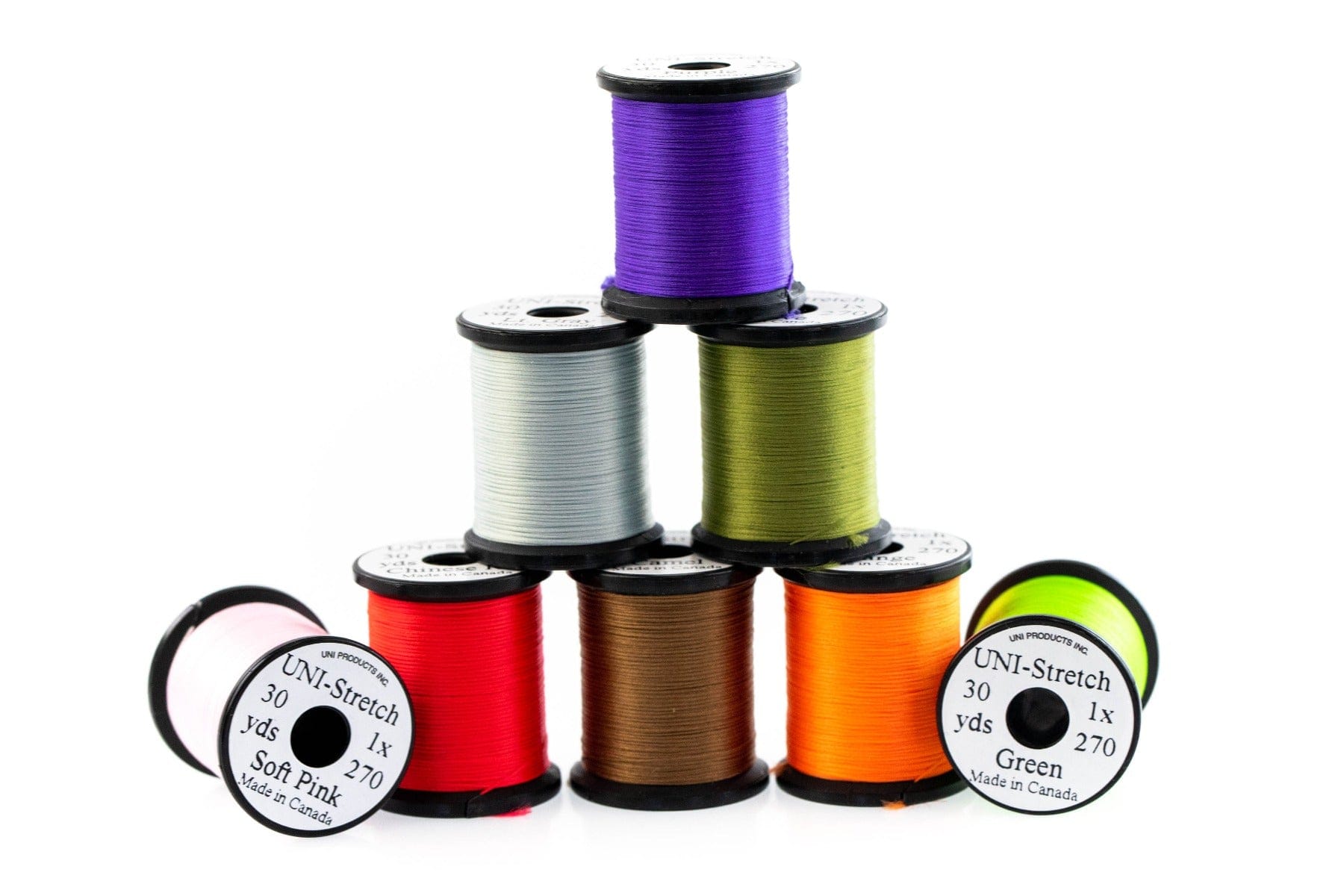
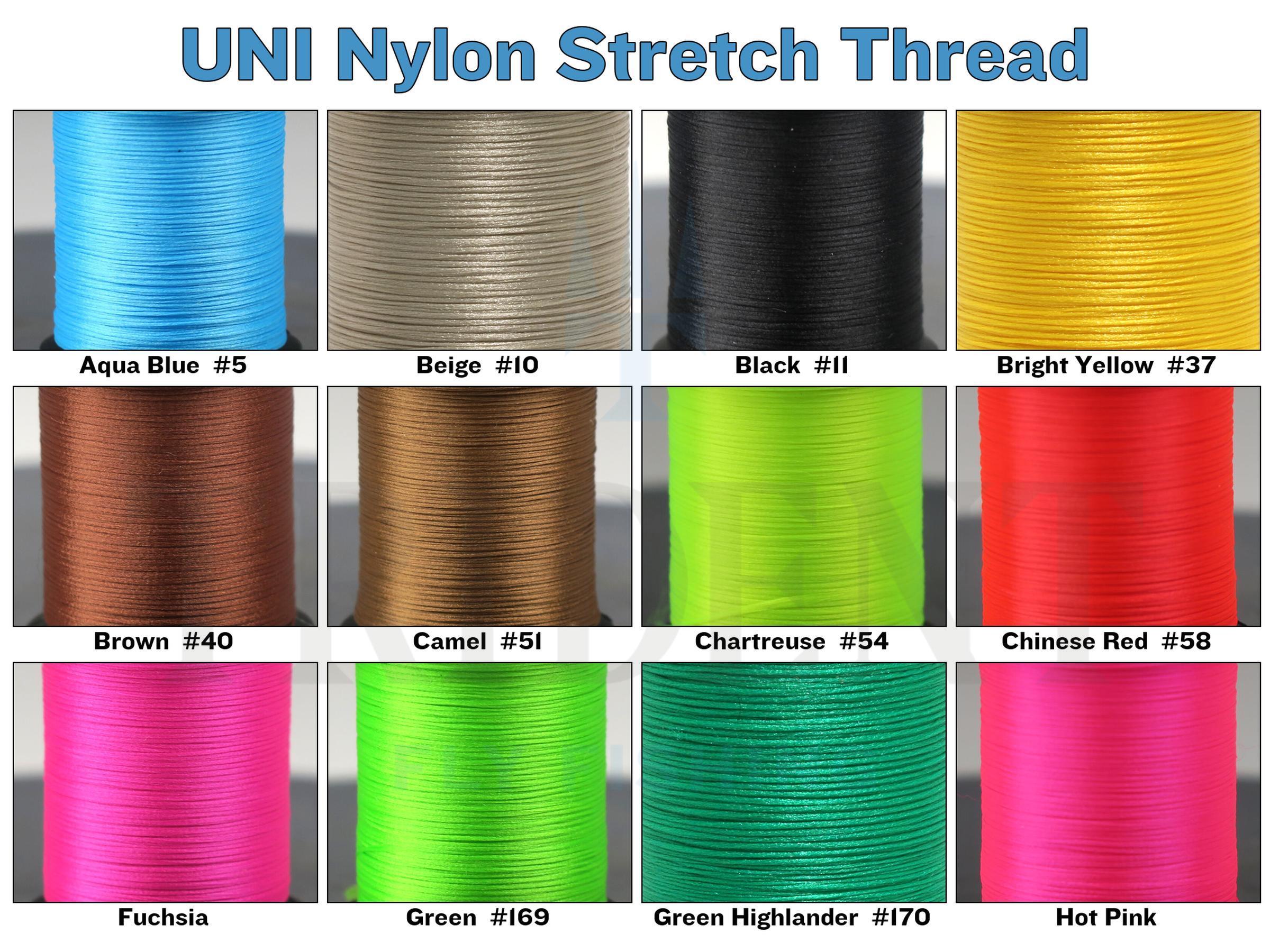
- Stretch nylon: Useful when you want a thread that compresses and lays flat for smooth bodies (see UNI Nylon Stretch Thread).
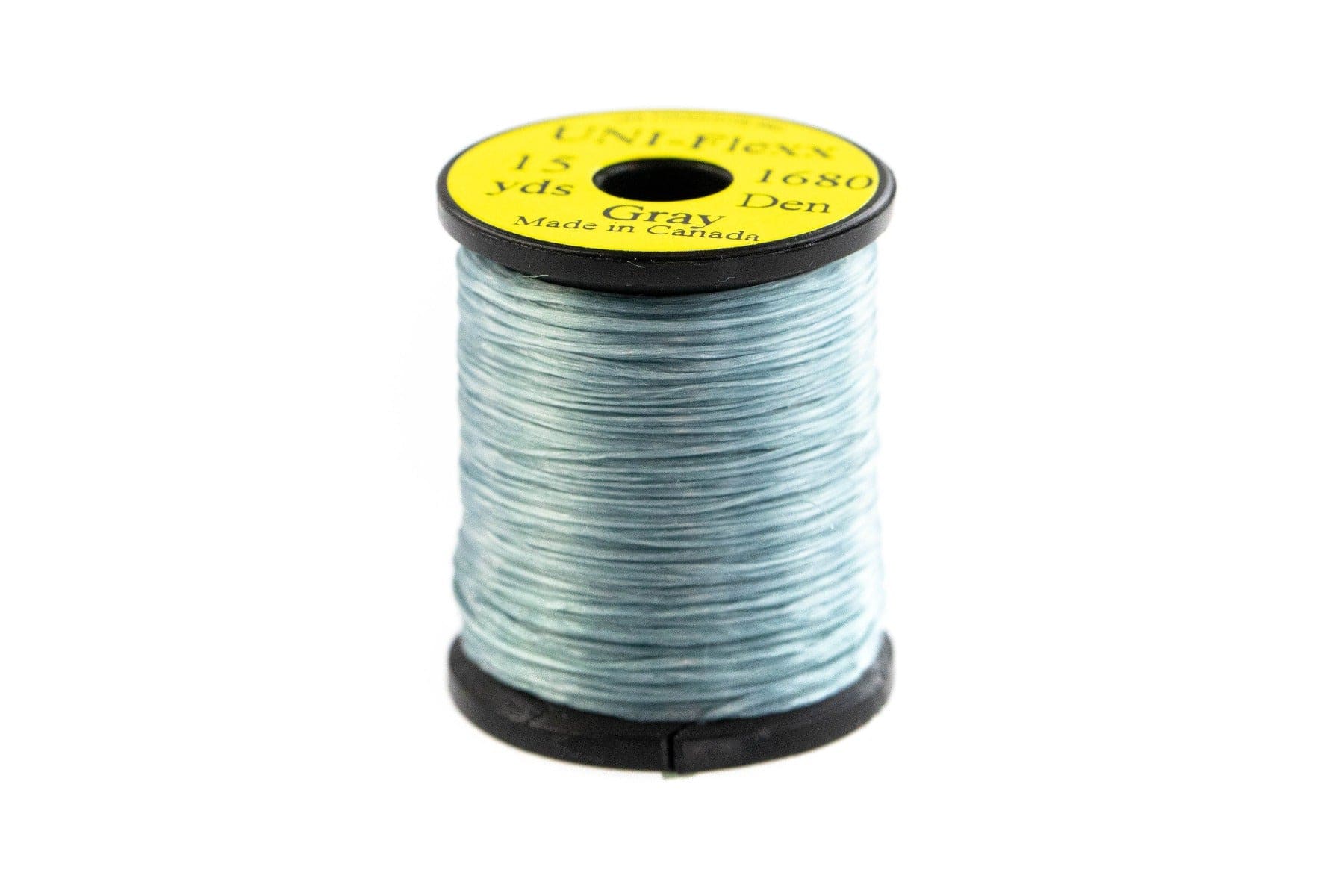
- Elastic thread: Great for creating stretchy bodies, legs, or segmented looks with less slipping (see UNI-Flexx Thread).
- Monofilament: Best when you want translucency and minimal visual impact (see UNI-Mono Translucent Clear Thread above).
Color strategy: match, contrast, or build hotspots
Action: Keep a few staples on hand (black, white, brown/olive, and a bright color) so you can match bodies, create clean heads, or add trigger points.
If you tie night patterns or want a standout accent, UNI 3/0 Glo Thread is an option for glow-in-the-dark elements like hotspots and ribs.
Why Trident Carries UNI Thread
UNI is a staple on a lot of tying benches because the lineup covers everything from ultra-small trout patterns to big, high-tension streamer work. This collection makes it easy to stay in one system while dialing in size, finish (waxed/elastic/mono), and color for the specific flies you tie.
Materials & Durability
- Keep bobbin tension reasonable: Over-tight bobbins are the most common cause of snapping thread and fraying at the tube tip.
- Prevent fraying: Smooth out sharp hook eyes and bead edges; a quick touch with a fine file can save a lot of break-offs.
- Store smart: Keep spools out of direct sunlight and away from heat sources to avoid weakening fibers over time.
- Stay consistent: If a pattern recipe calls for a specific size (like 8/0), use it, changing thread diameter can change proportions fast on small hooks.
- Label your workhorse colors: Black/white/brown/olive cover most tying; add brights when you’re building hotspots or attractors.
Complete Your Setup
Related Gear
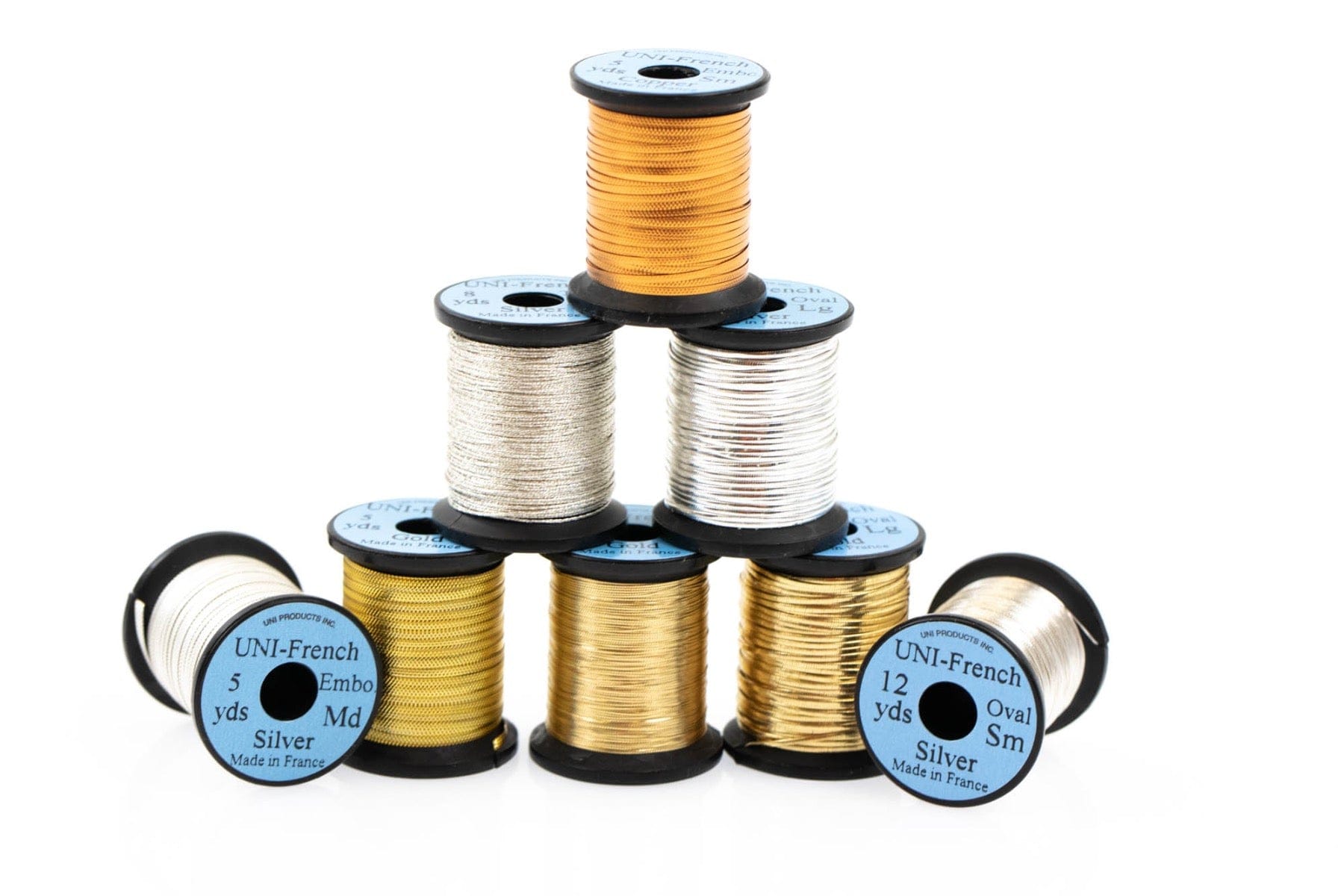
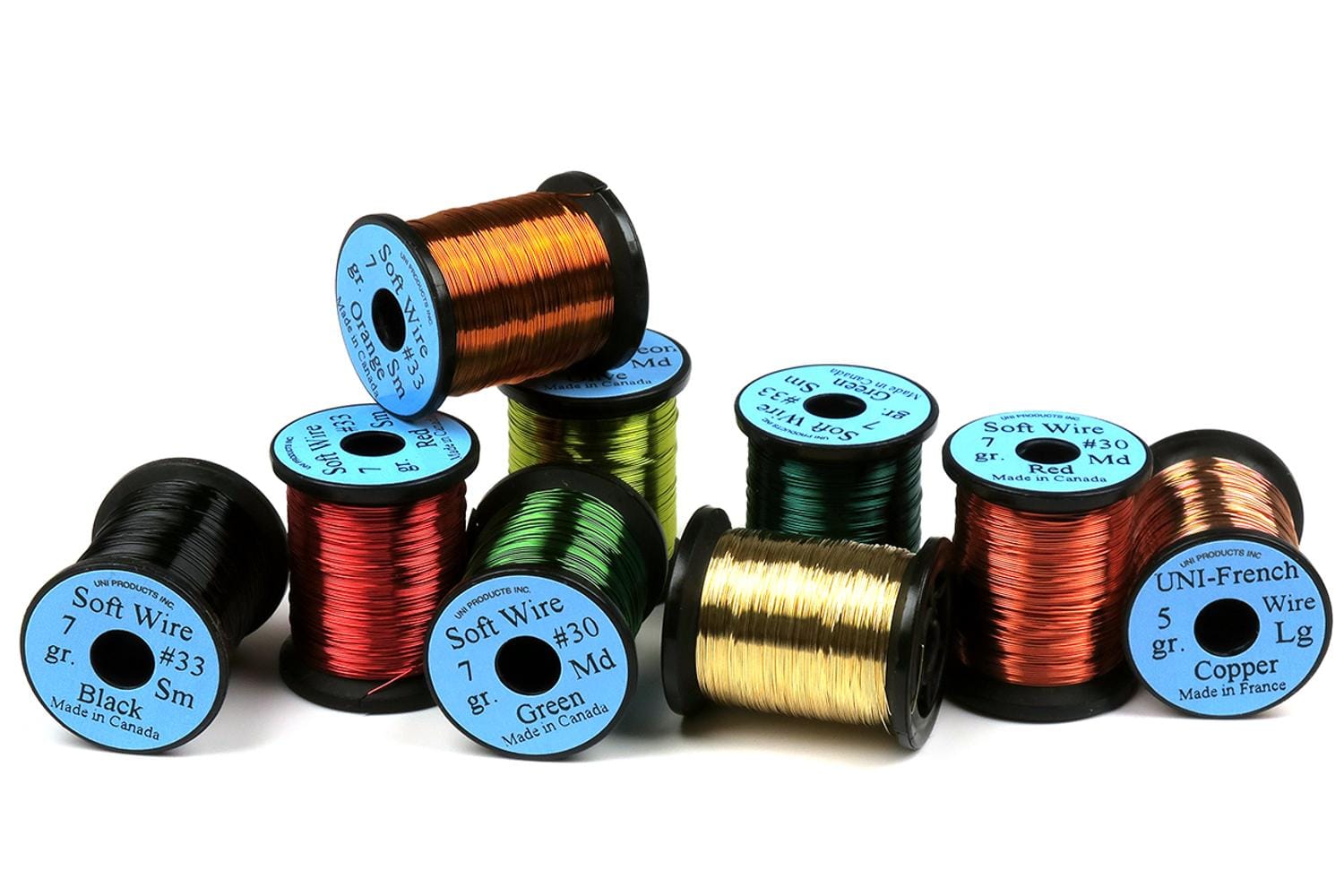
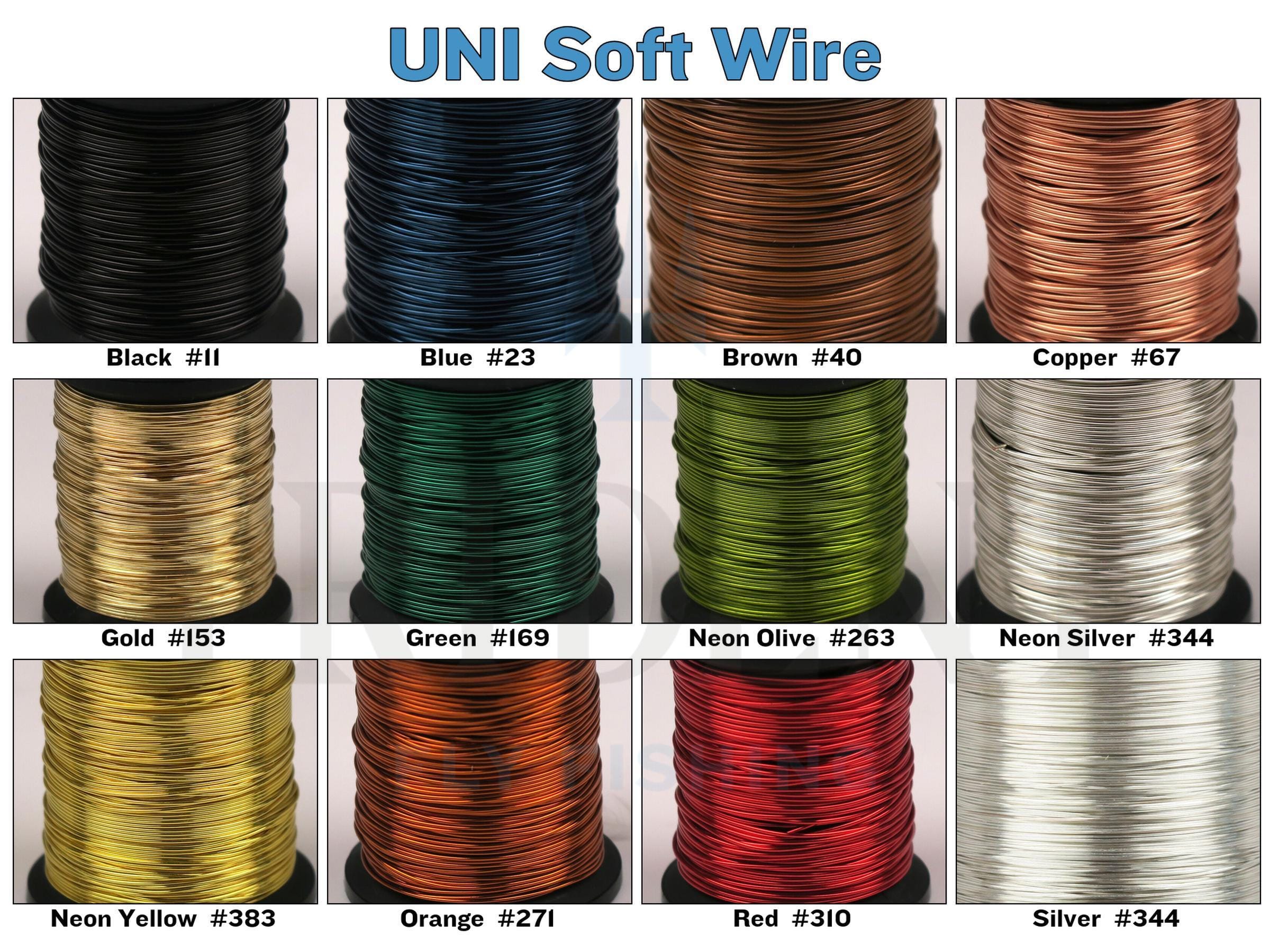
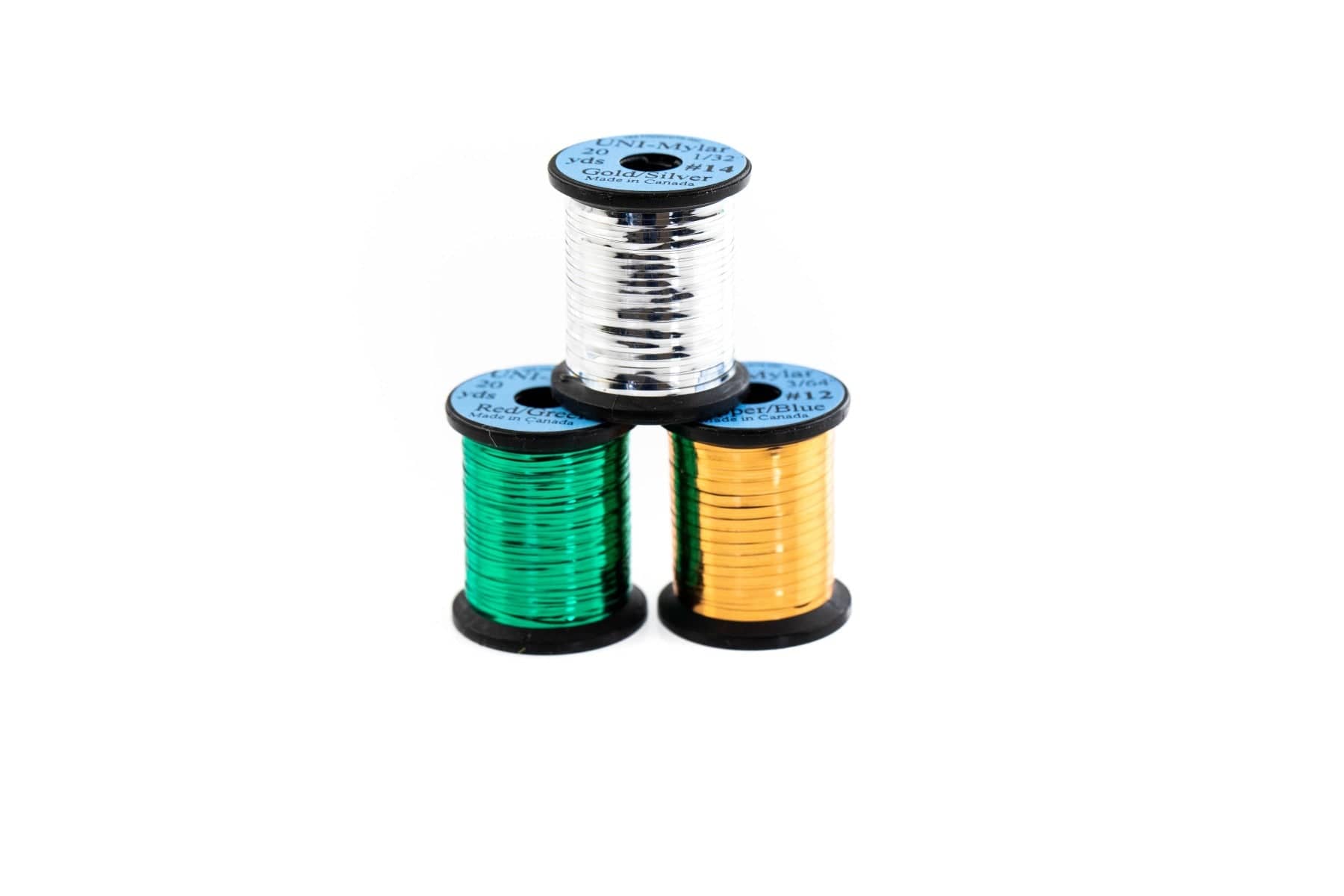
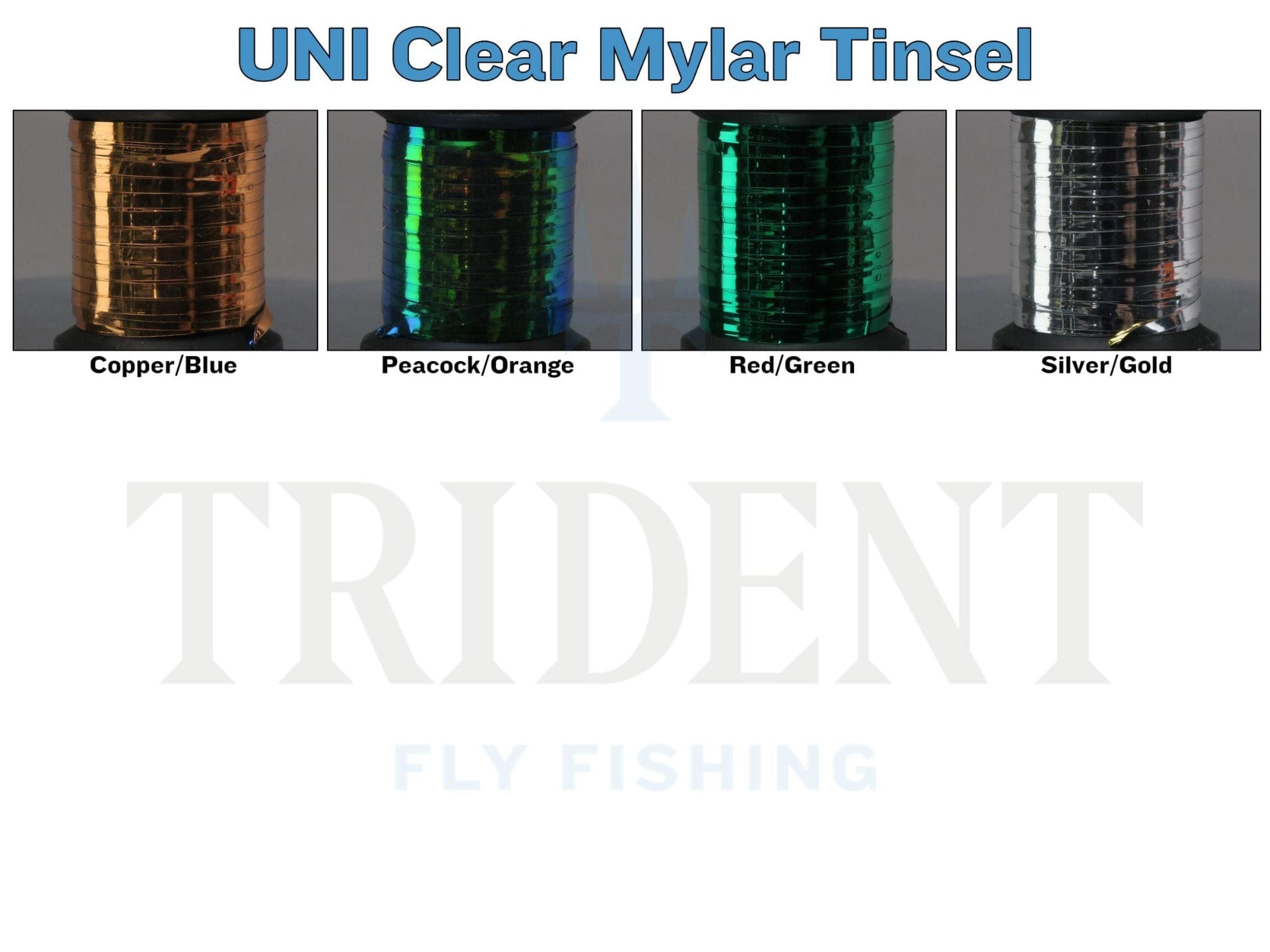
- Thread/Tinsel/Wire - Build out your bench with ribbing, tinsels, wire, and other essentials that pair naturally with tying thread.
- Fly Tying Hooks - Match your thread size to the hook size and wire weight for cleaner proportions and better durability.
- Beads, Coneheads & Eyes - Add weight and a clean head profile; then choose thread size to finish without crowding the eye.
- Fly Tying - Browse everything from dubbing and feathers to tools and adhesives for a complete bench setup.
Related Guides
- Fly Tying Essentials: The Basics for First-Time Tyers
- How to Tie the Top Secret Midge Fly
- How to Tie the Medallion Midge Fly Pattern
- How To Tie A Steelhead Nymph
UNI Thread FAQs
Q: What is UNI Thread used for in fly tying?
A: UNI Thread is used to secure materials to the hook and to build bodies, heads, and tapers. Different sizes and styles help you balance strength, bulk, and control for the pattern you’re tying.
Q: How do I choose the right UNI Thread size?
A: Start with your hook size and the amount of tension you need for the materials. Finer threads help keep small flies slim, while heavier threads are better for streamers, deer hair, and high-tension tie-ins.
Q: Is waxed thread better for beginners?
A: Waxed thread can be a great choice early on because it grips materials well and helps prevent slippage during tie-in. It also tends to feel more controlled when you’re learning thread handling and tension.
Q: When should I use UNI Caenis Thread instead of 8/0?
A: Use UNI Caenis Thread when you’re tying truly tiny patterns and want the lowest possible bulk at the head and body. 8/0 is still very versatile for midges and small dries, but Caenis helps when proportions are extremely tight.
Q: What’s the advantage of UNI-Mono Translucent Clear Thread?
A: Clear mono helps reduce visible thread bands and can blend with many materials for a cleaner look. It’s also useful when you want a subtle tie-in point without adding color to the fly.
Q: What UNI thread should I use for spinning deer hair?
A: For bigger deer-hair work and other high-tension applications, a heavier option like UNI Big Fly Thread is often the right call. It’s designed for cinching down bulky materials and building larger heads efficiently.
Q: Does UNI offer options beyond standard tying thread?
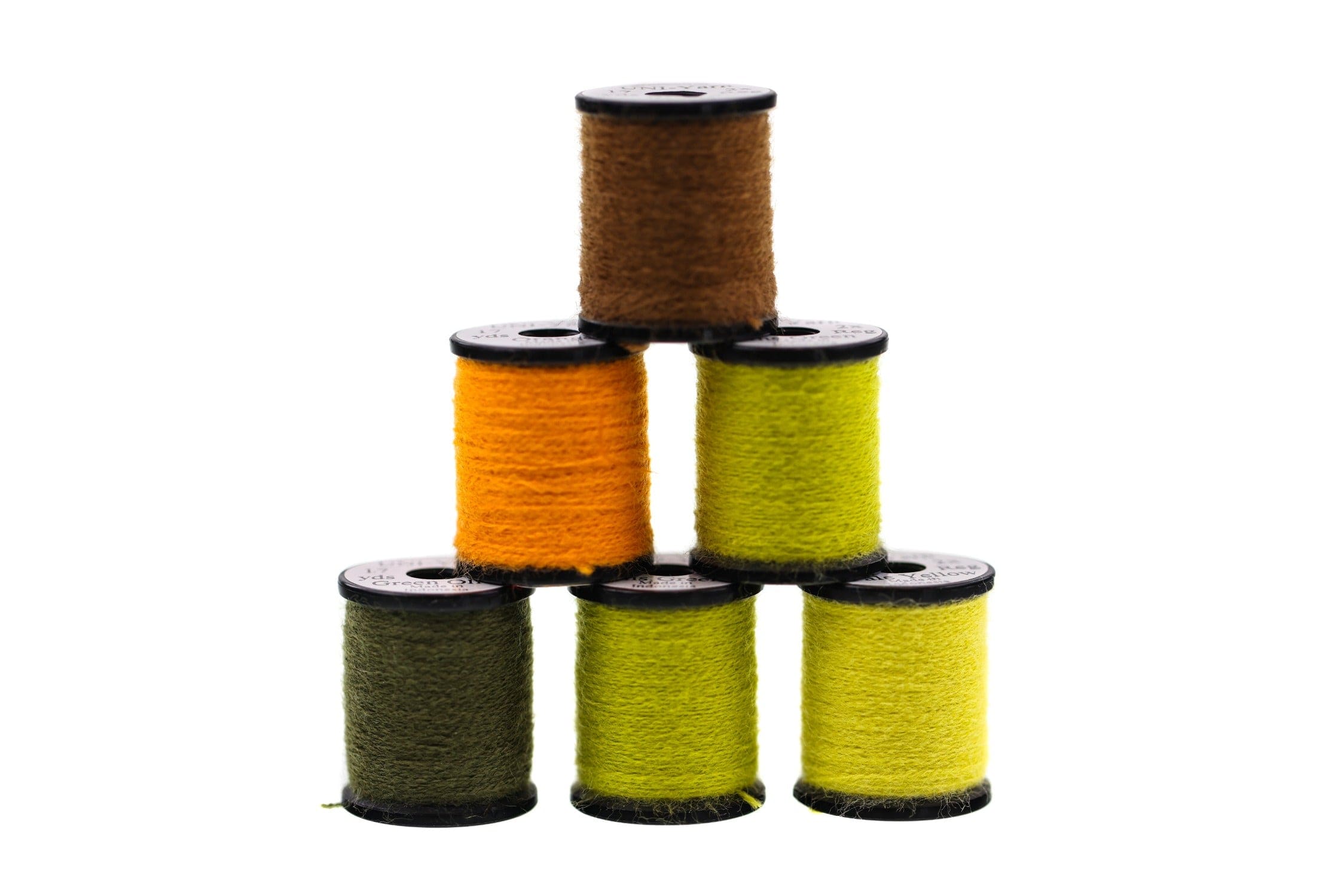
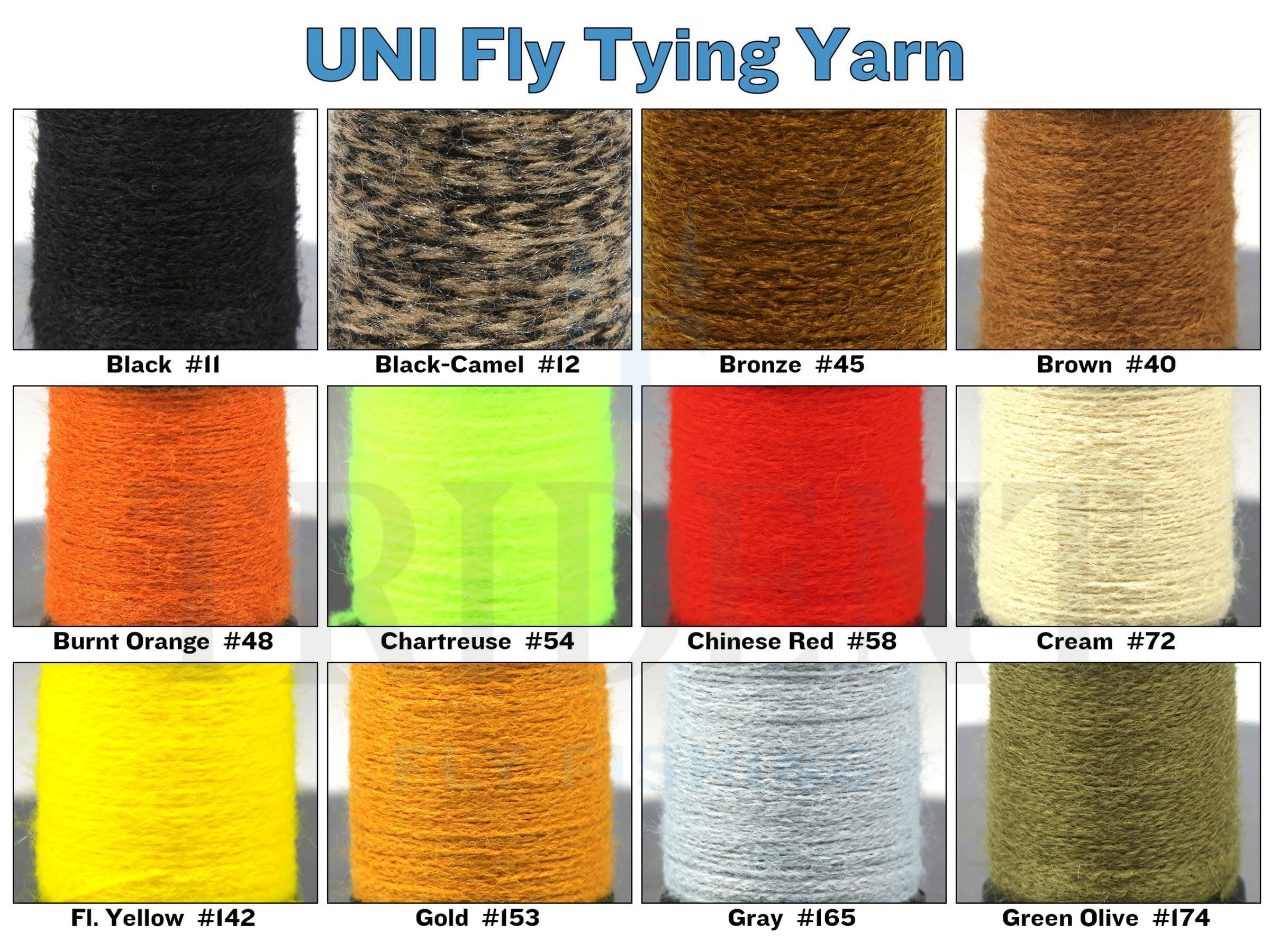
A: Yes, this collection includes stretch/elastic options, mono thread, and body materials like floss and yarn. If you’re building bodies or want specific texture and finish, those specialty spools can be as important as your core thread sizes.
Q: Is UNI Thread a good option if I only want to stock a few spools?
A: It can be. A practical small kit is a general-purpose size (like 6/0), a finer option (like 8/0), and a heavier thread for streamers, then add colors as your pattern list grows.