


Best Trout Flies For Early Season | Top 10 Picks
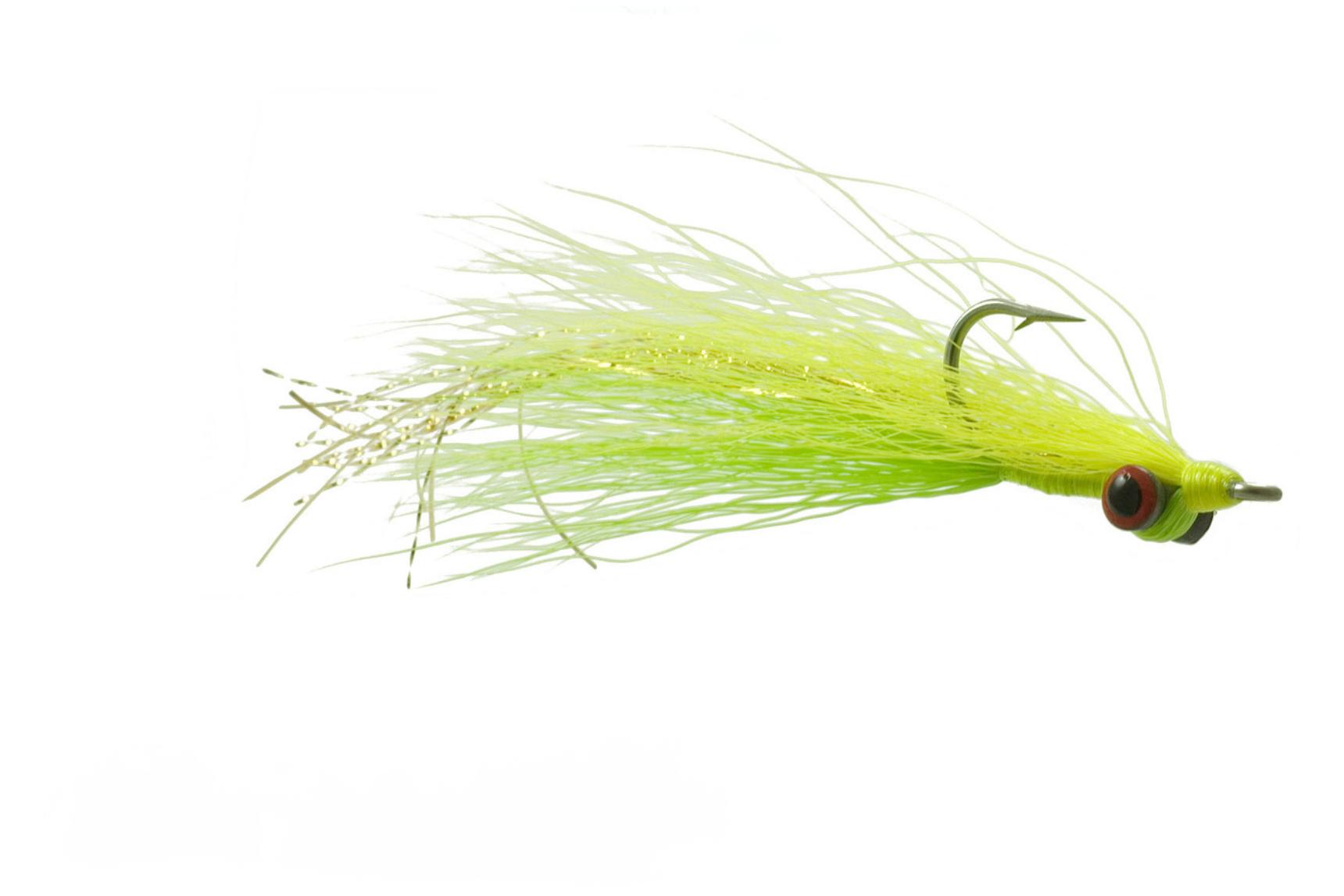
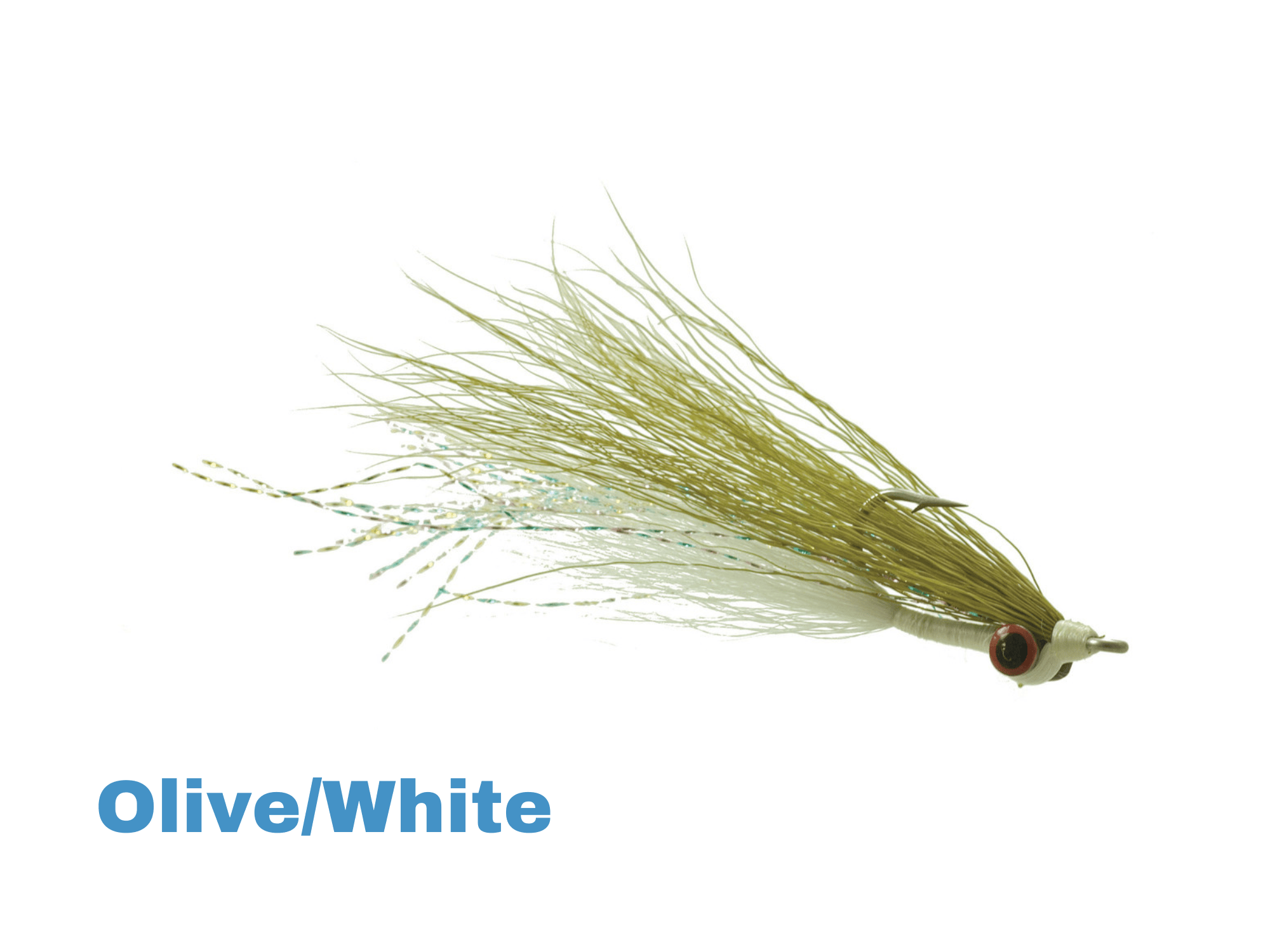
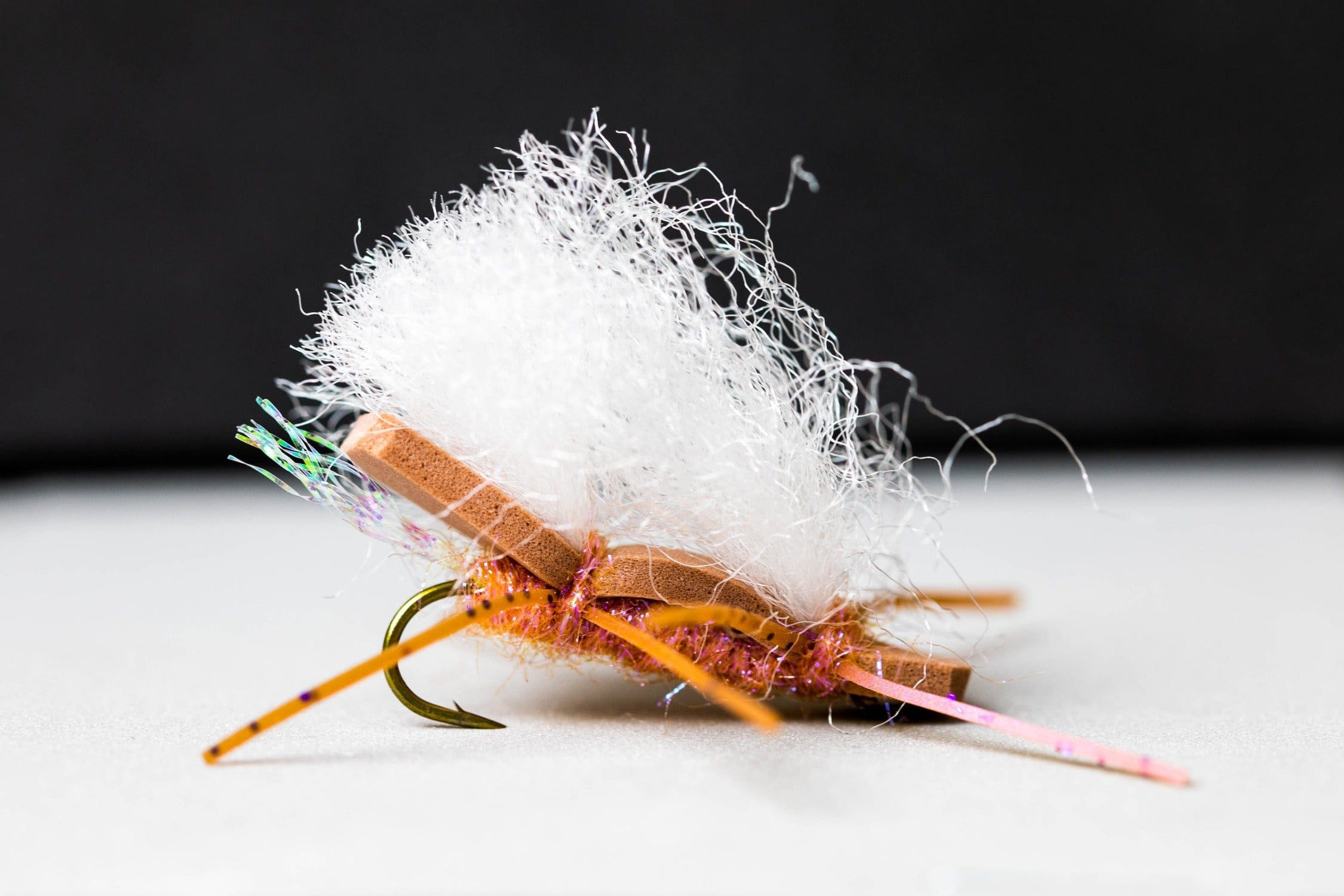
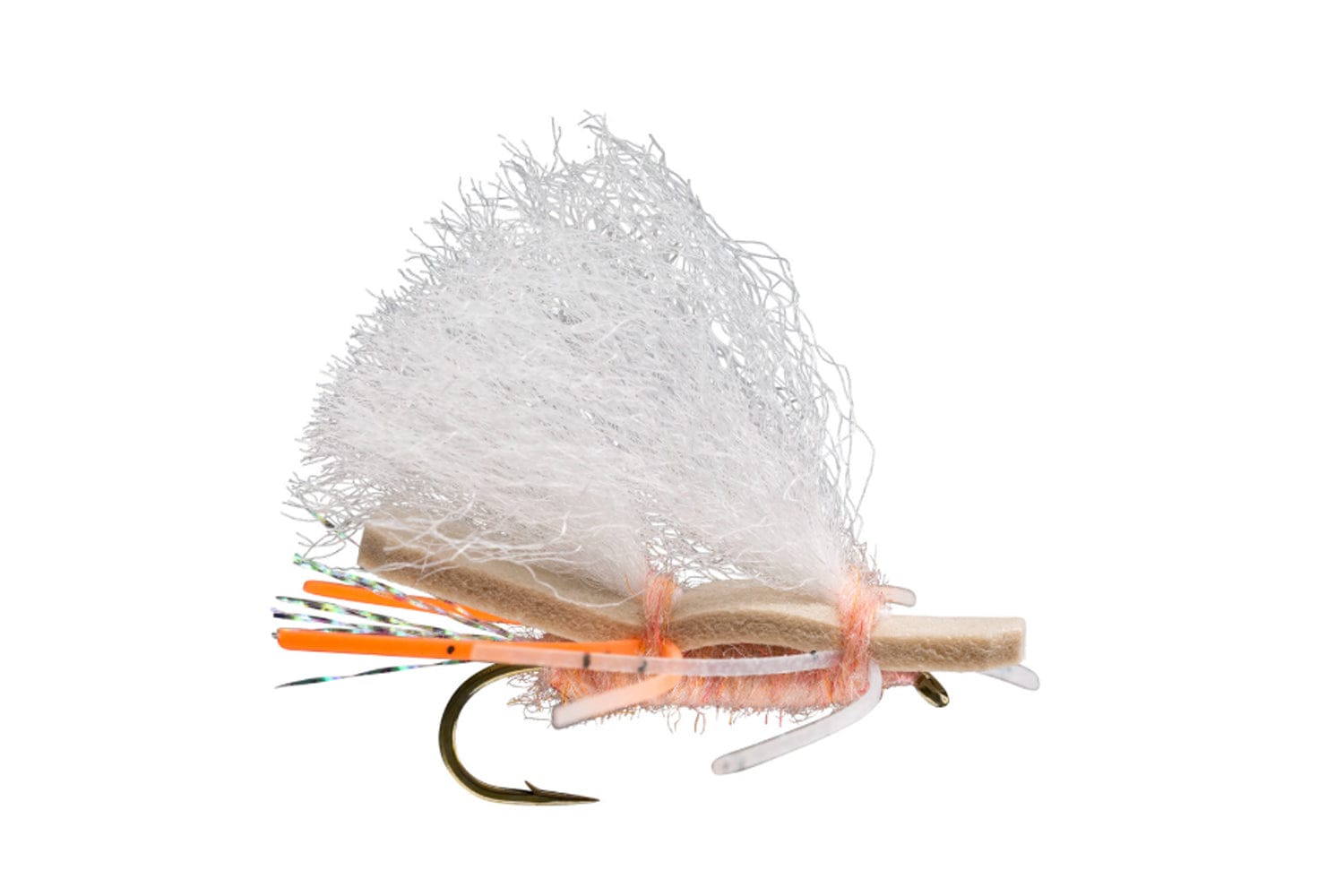
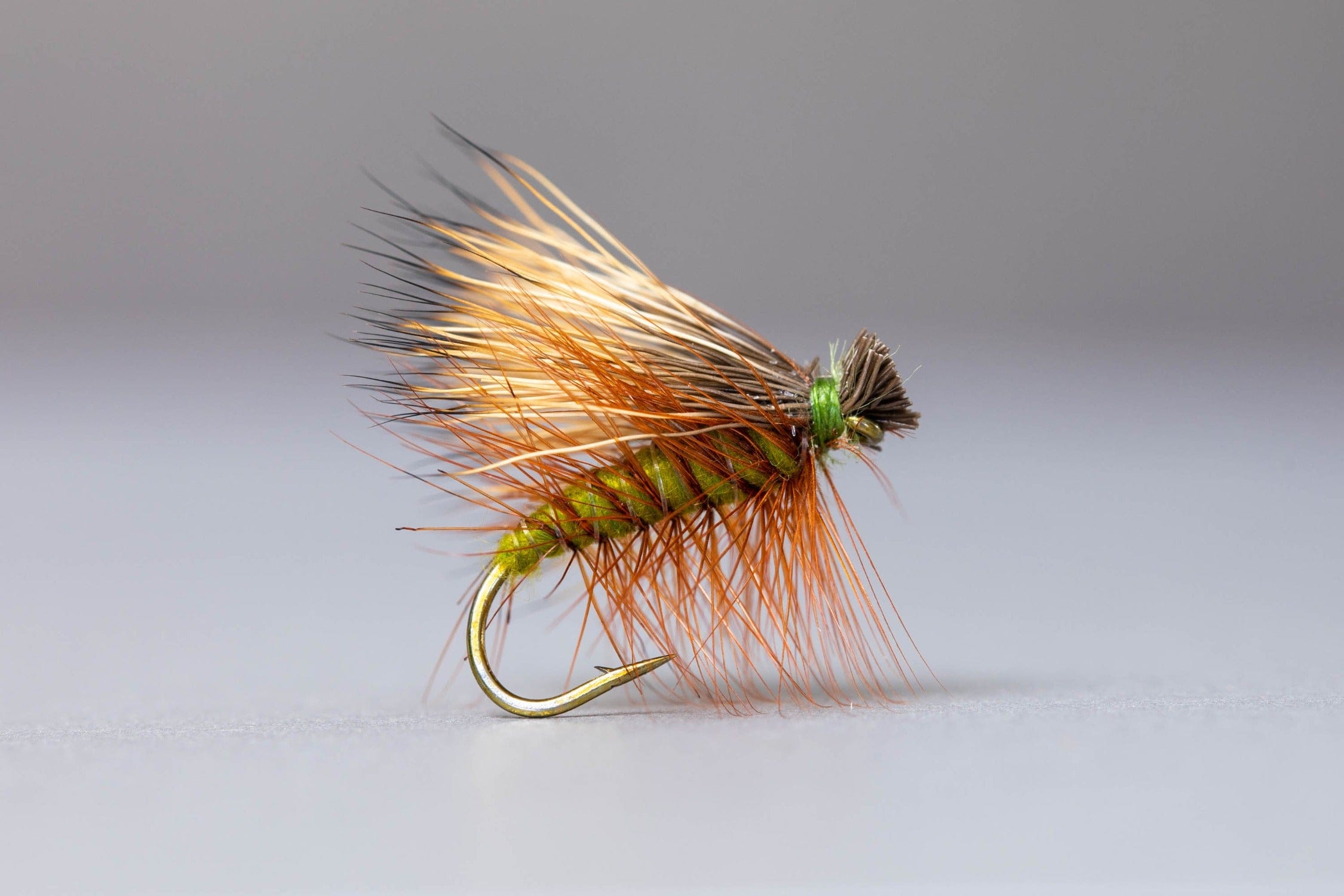
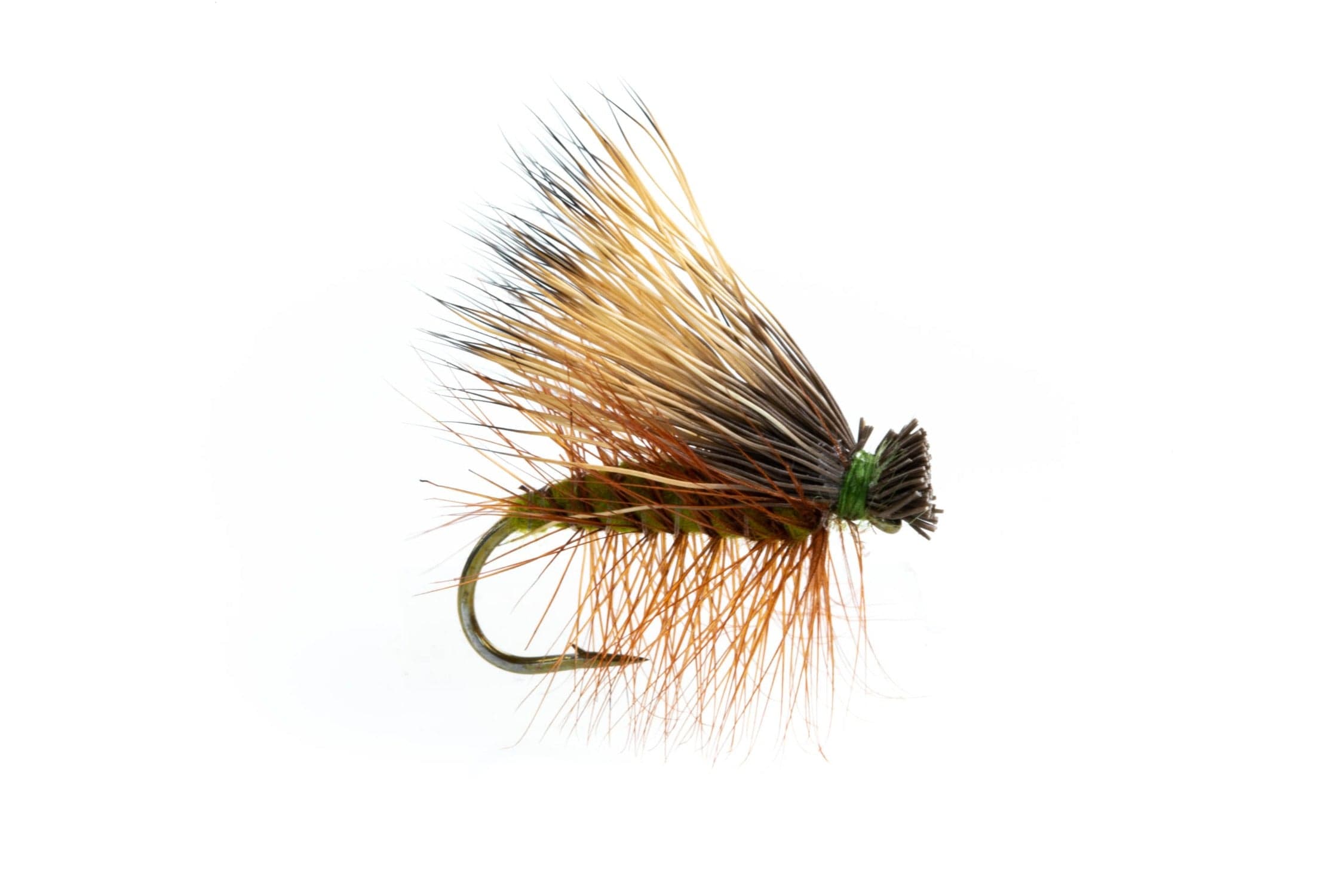
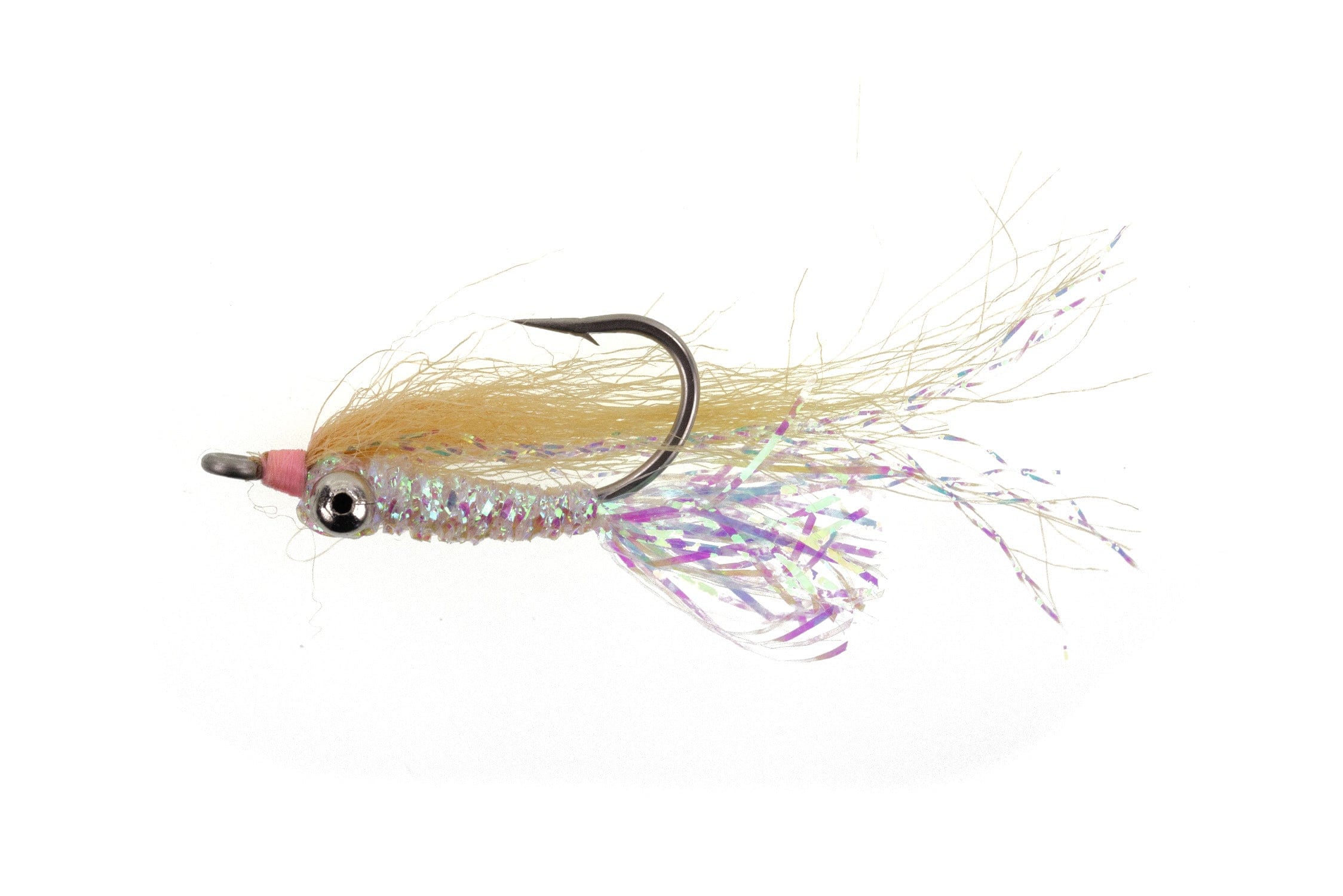
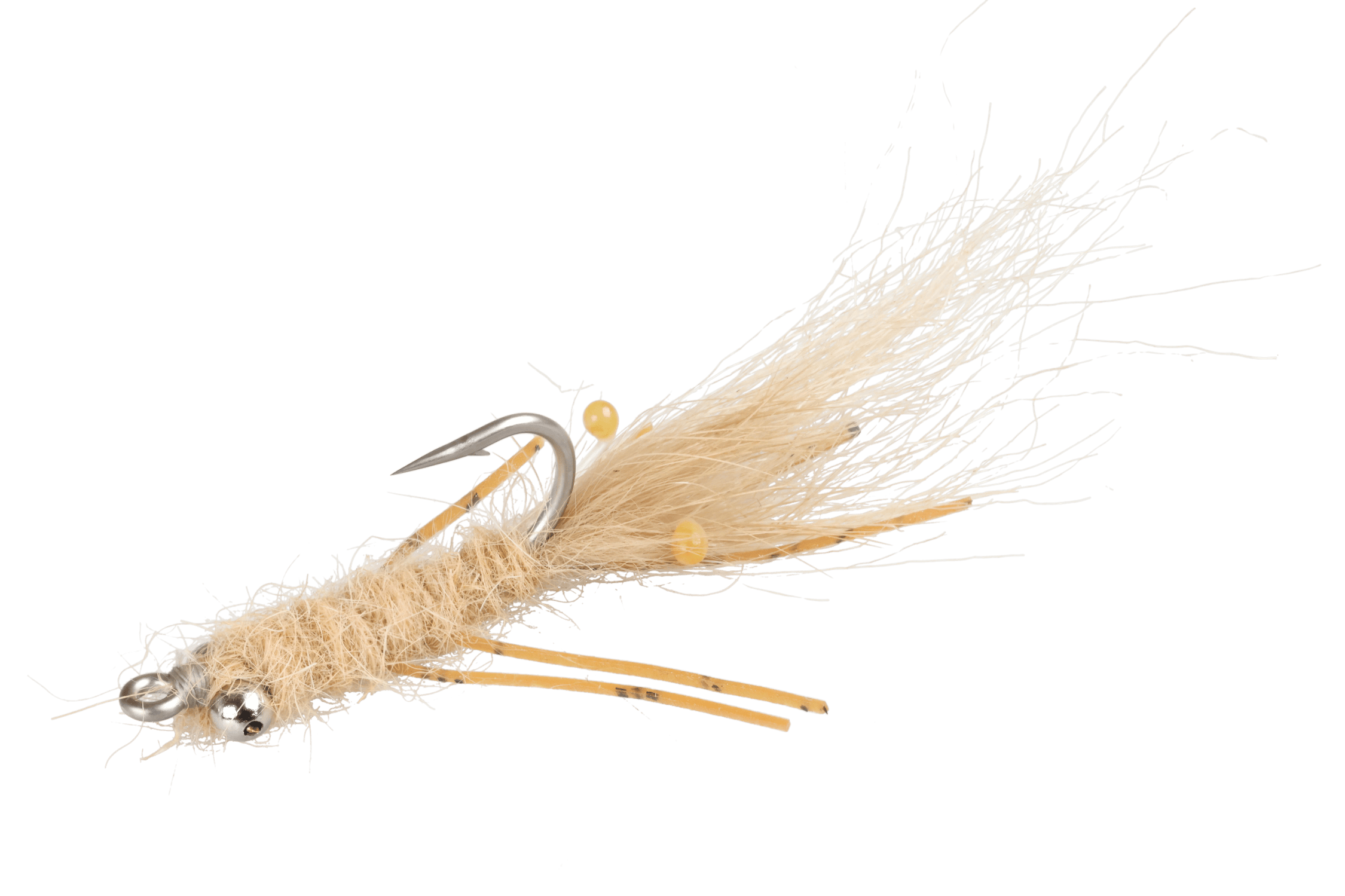




Umpqua Flies Quick Picks
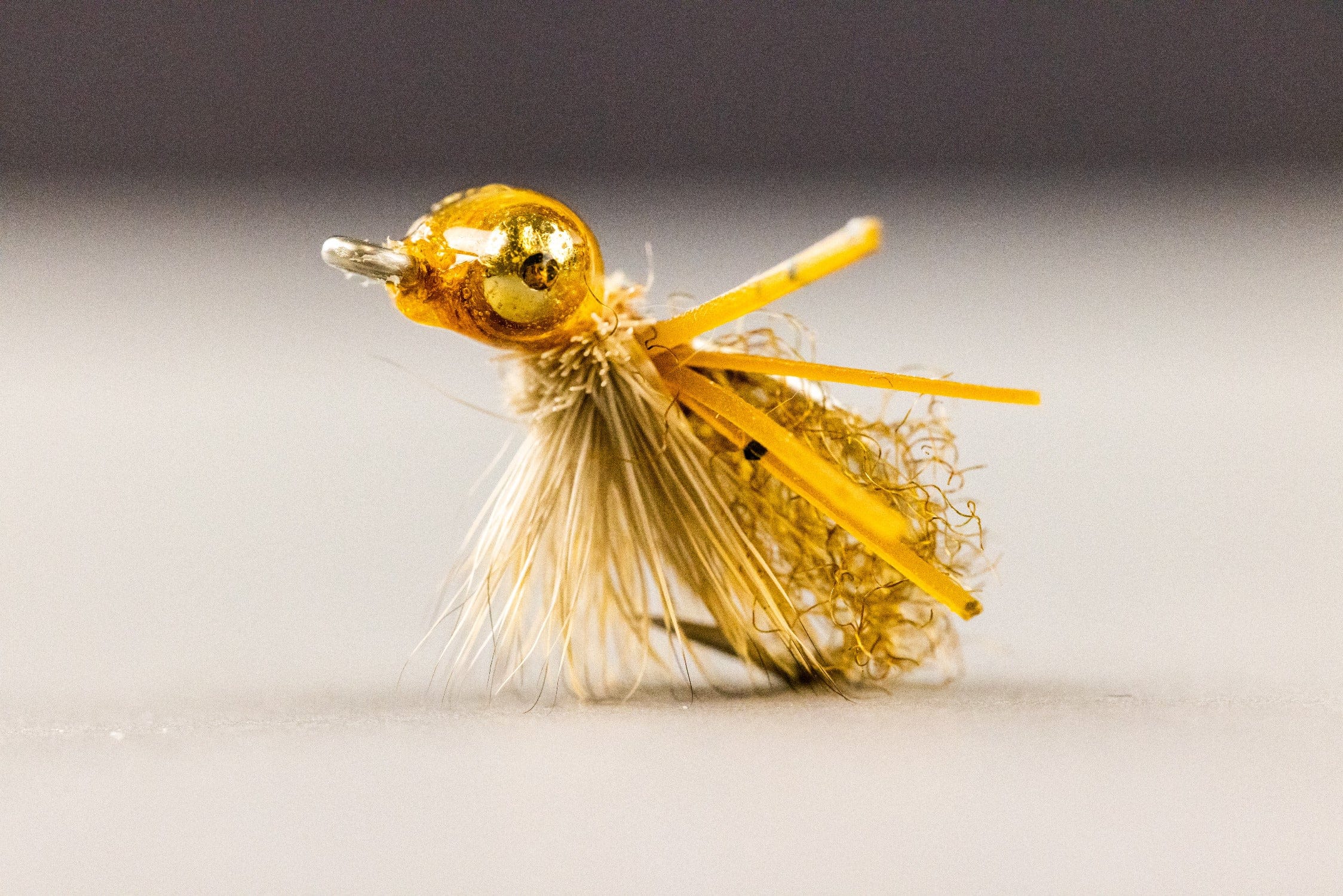
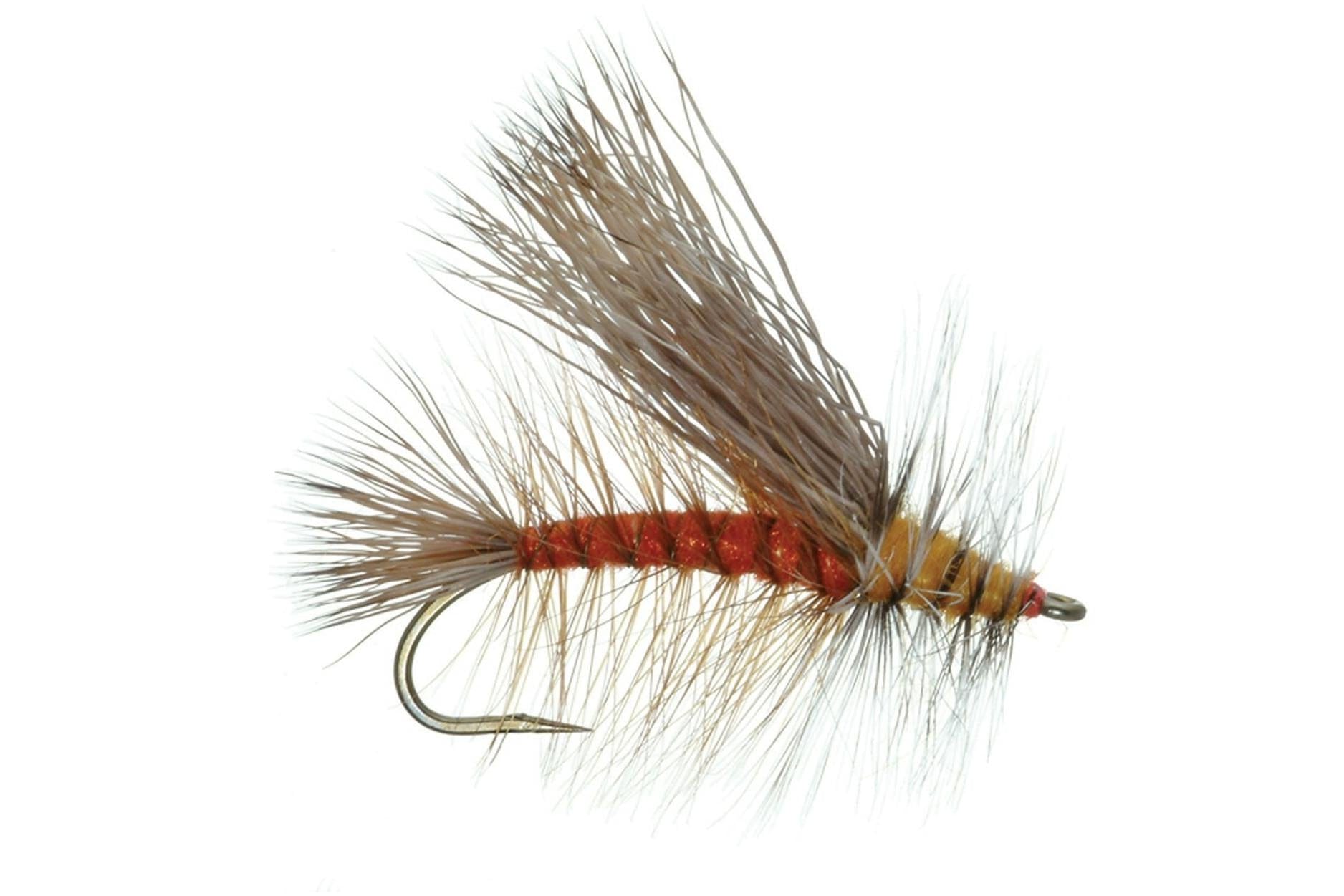
- Best All-Around: Umpqua Chubby Chernobyl Fly - Great for trout anglers who want one high-floating terrestrial/attractor that works as a single dry or the top fly in a dry-dropper. The buoyant foam build and high visibility make it a practical “search” pattern when you’re covering new water.
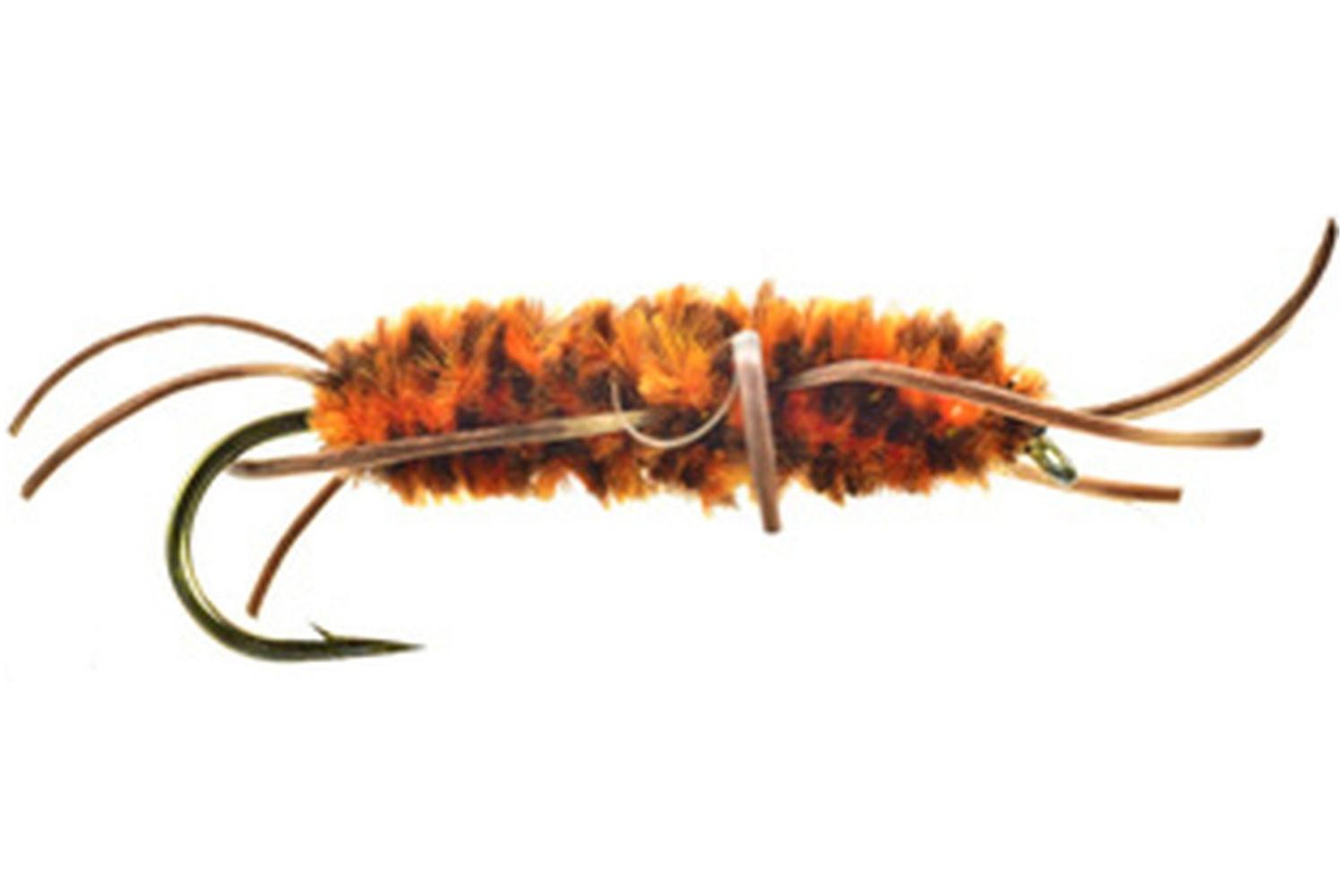
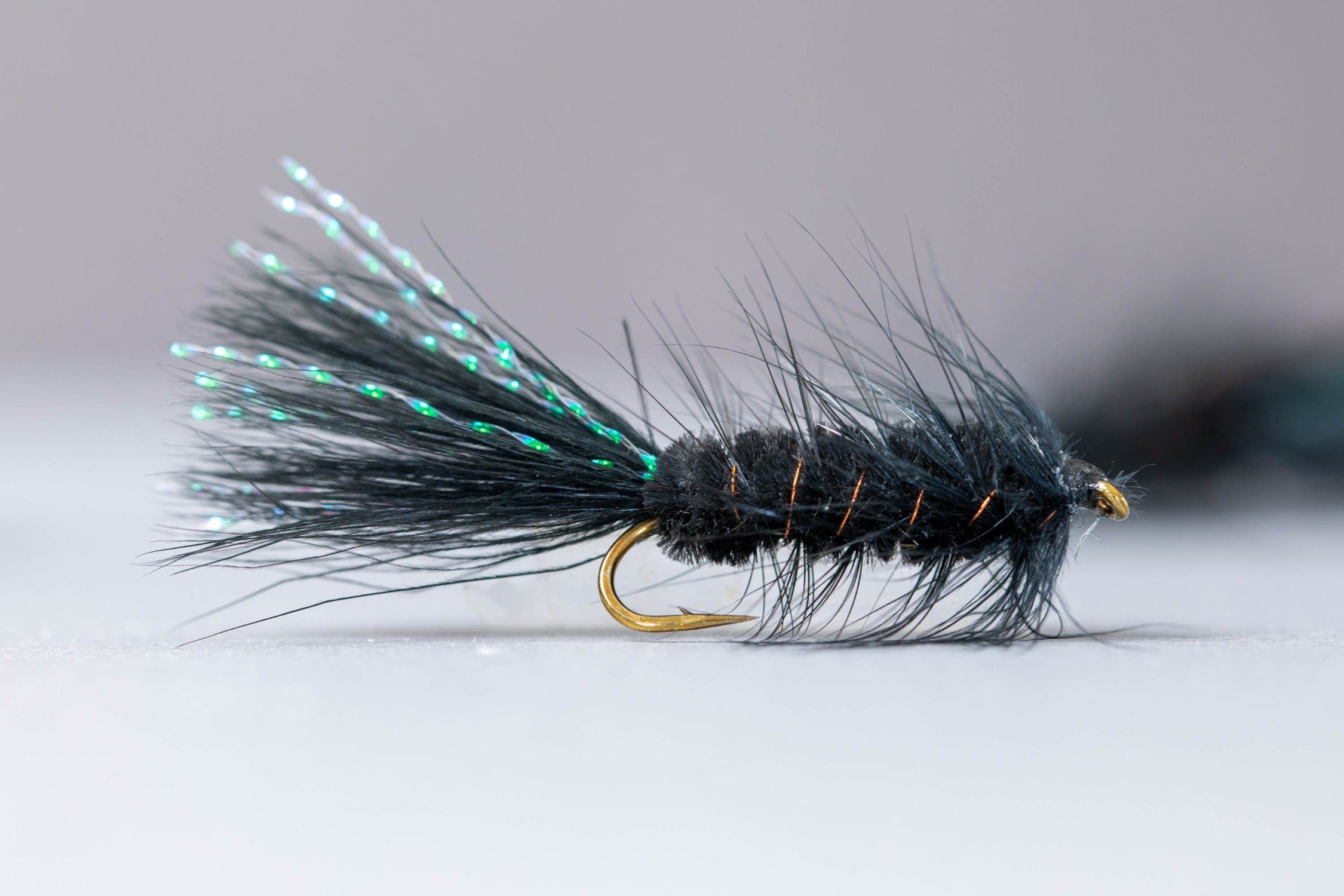
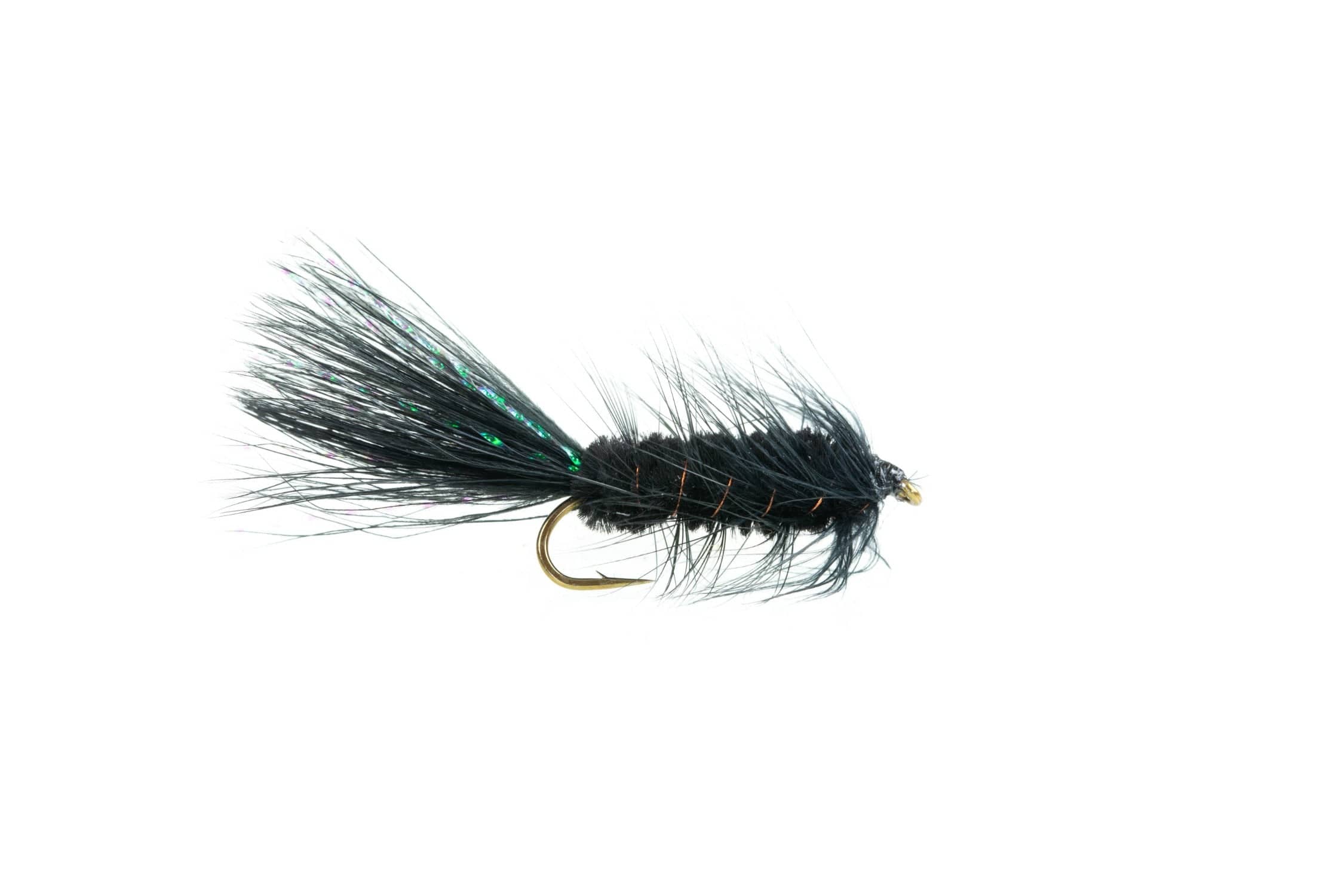
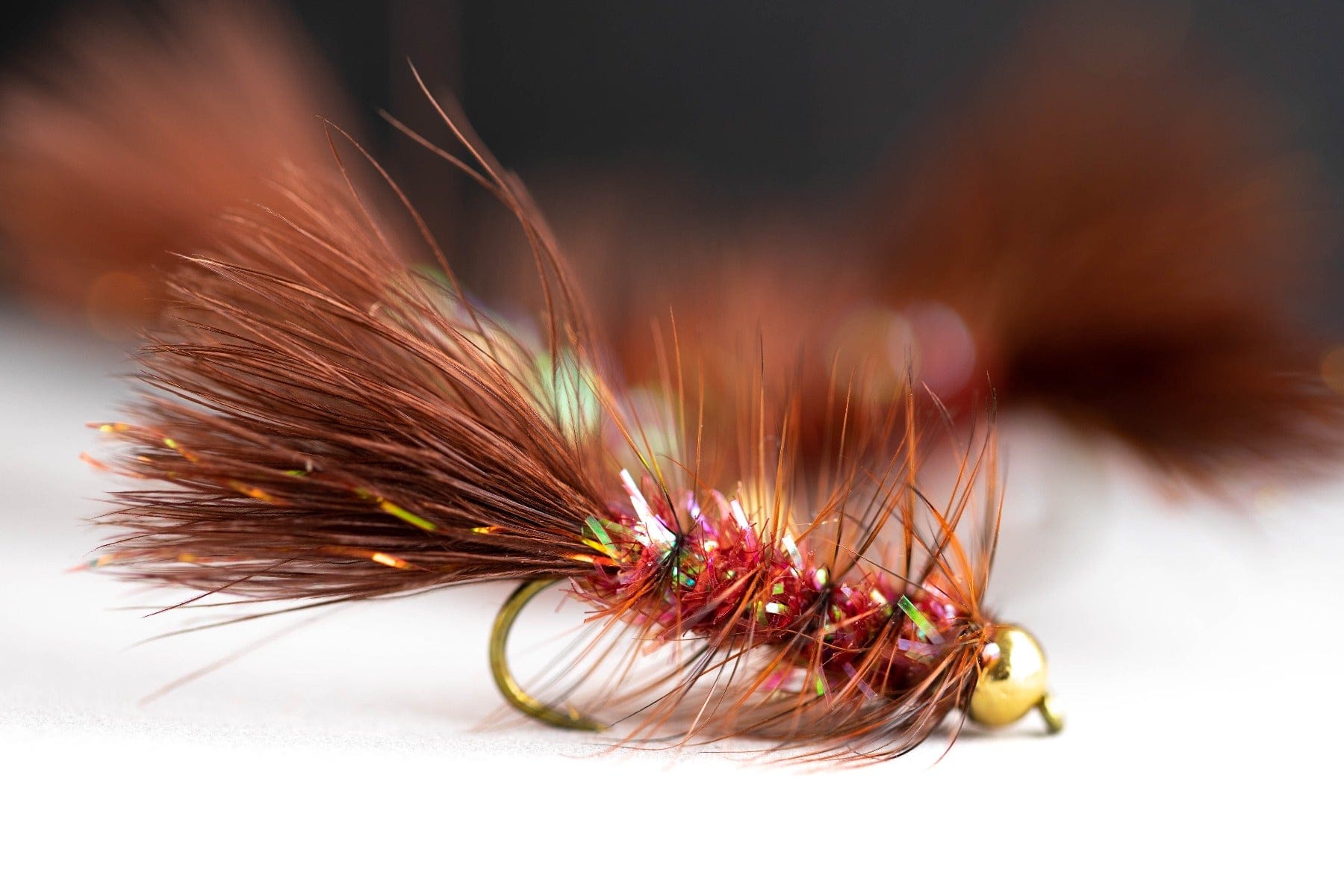
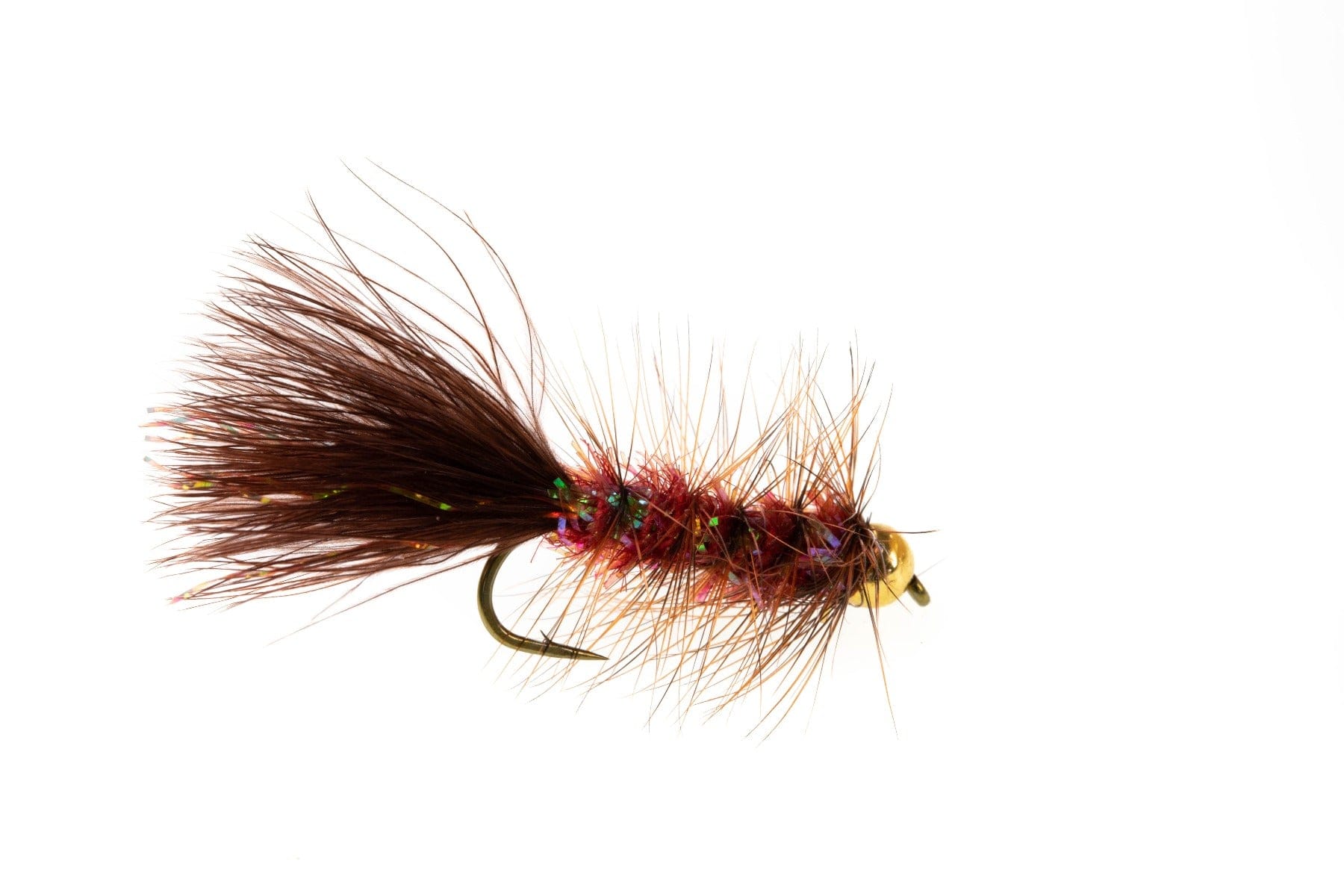
- Best Value: Pat's Rubberlegs Nymph Fly - A go-to for anglers nymphing freestones and pocket water who want a big profile with lots of movement. It’s a proven stonefly-style anchor fly that pairs well with smaller droppers and helps get your rig down.
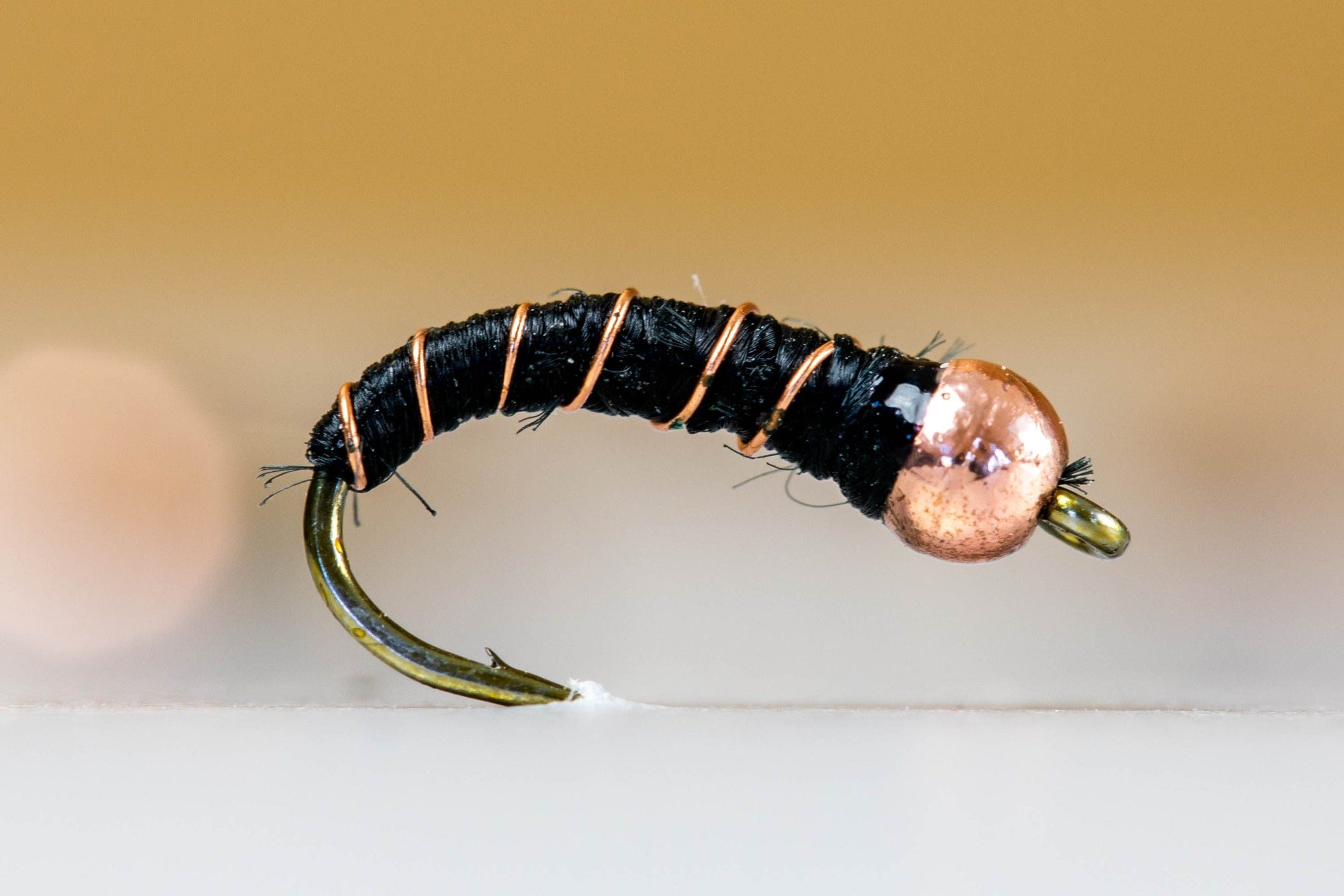
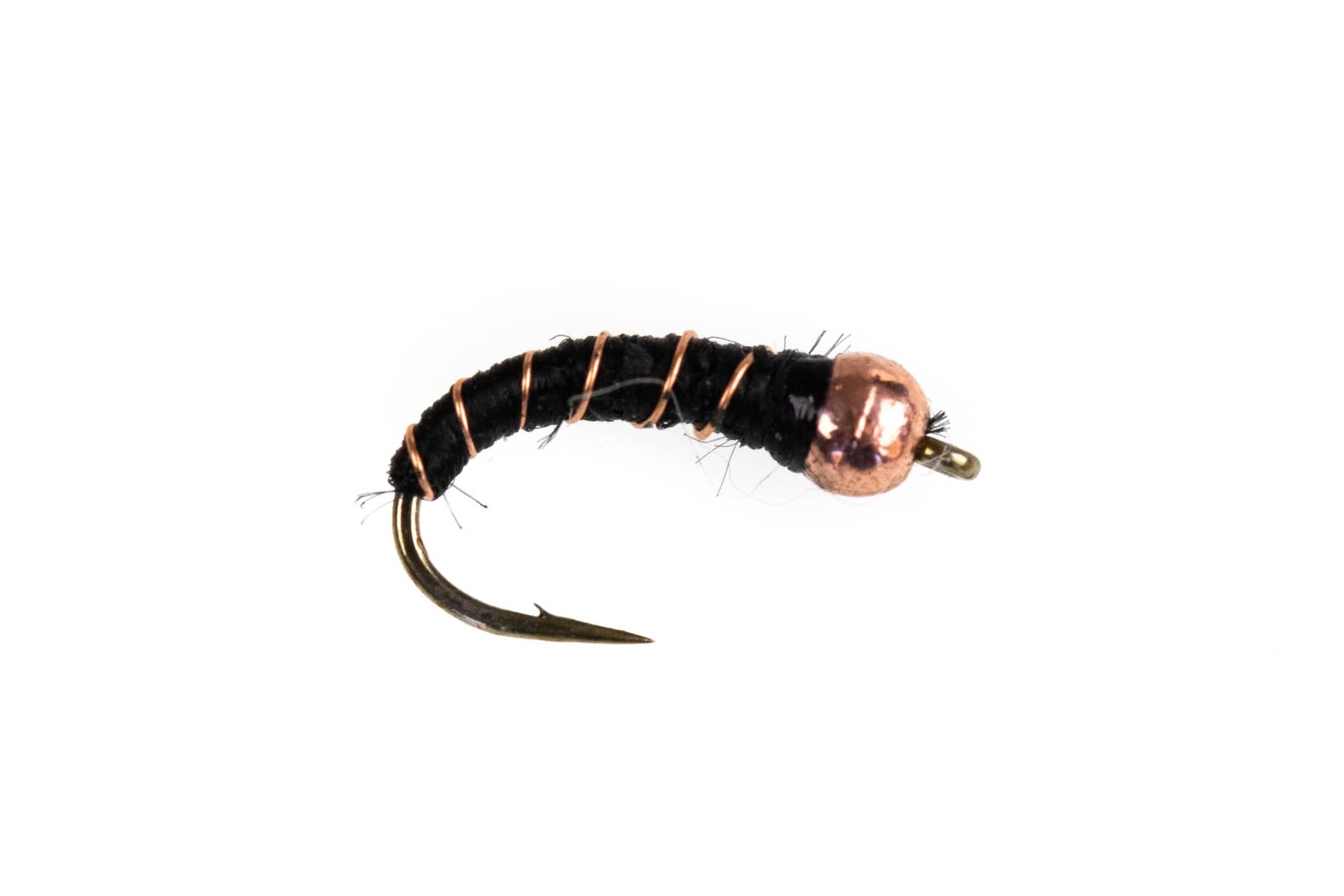
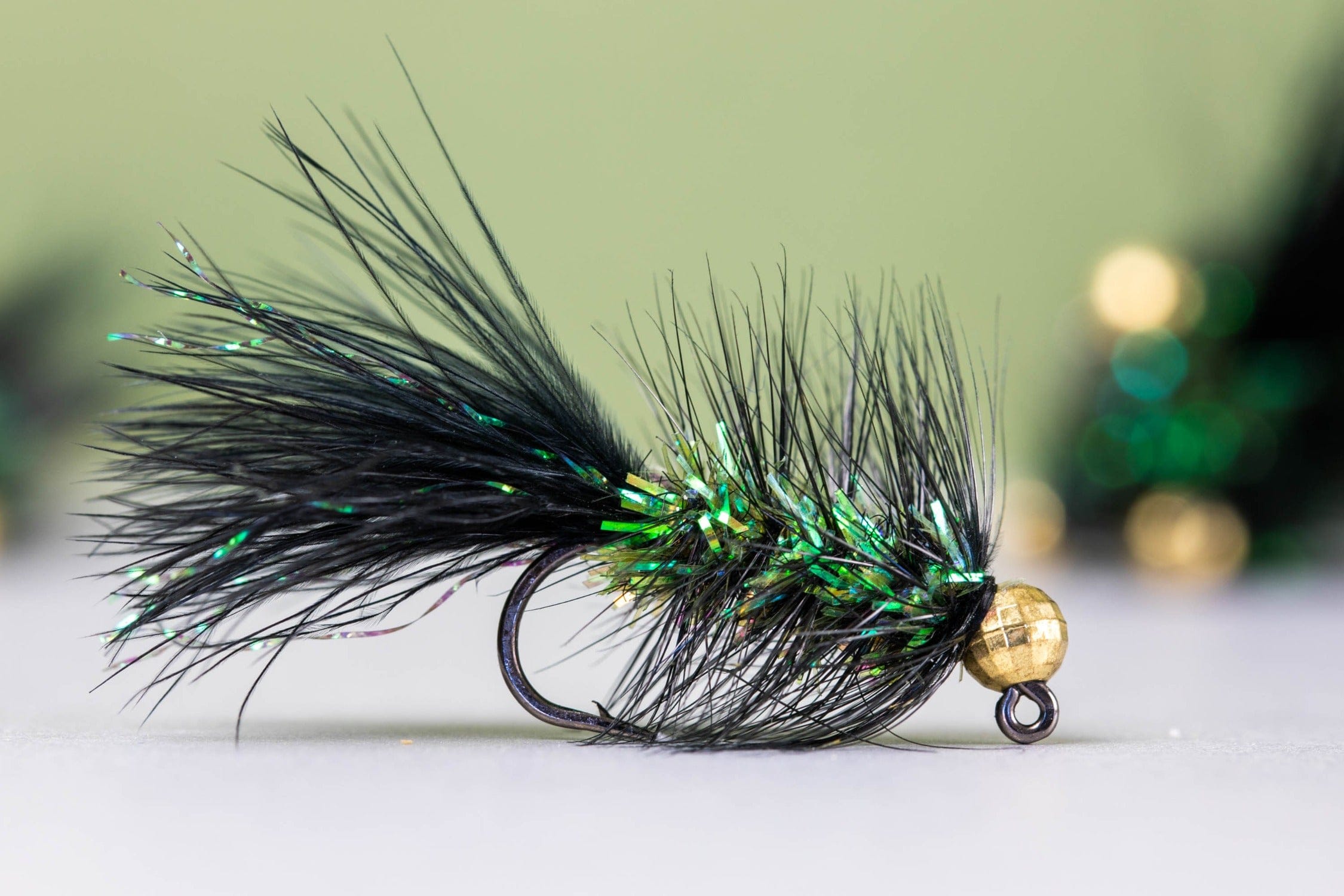
- Best for Beginners: Tungsten Zebra Midge Fly - Ideal for anglers learning indicator nymphing or Euro-style rigs on tailwaters and winter water. The tungsten bead helps it reach depth fast, and the simple silhouette consistently imitates midges when fish key small.
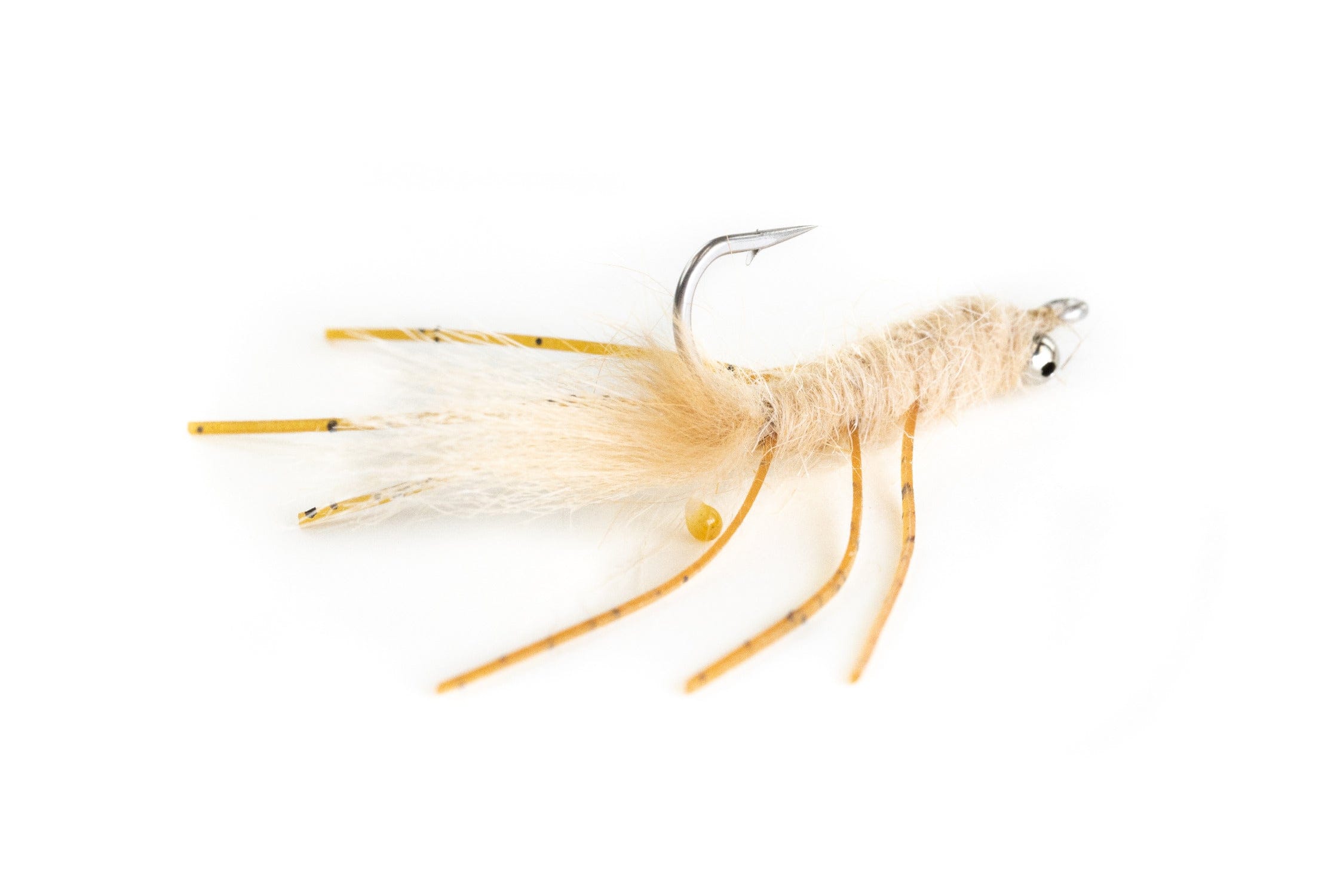
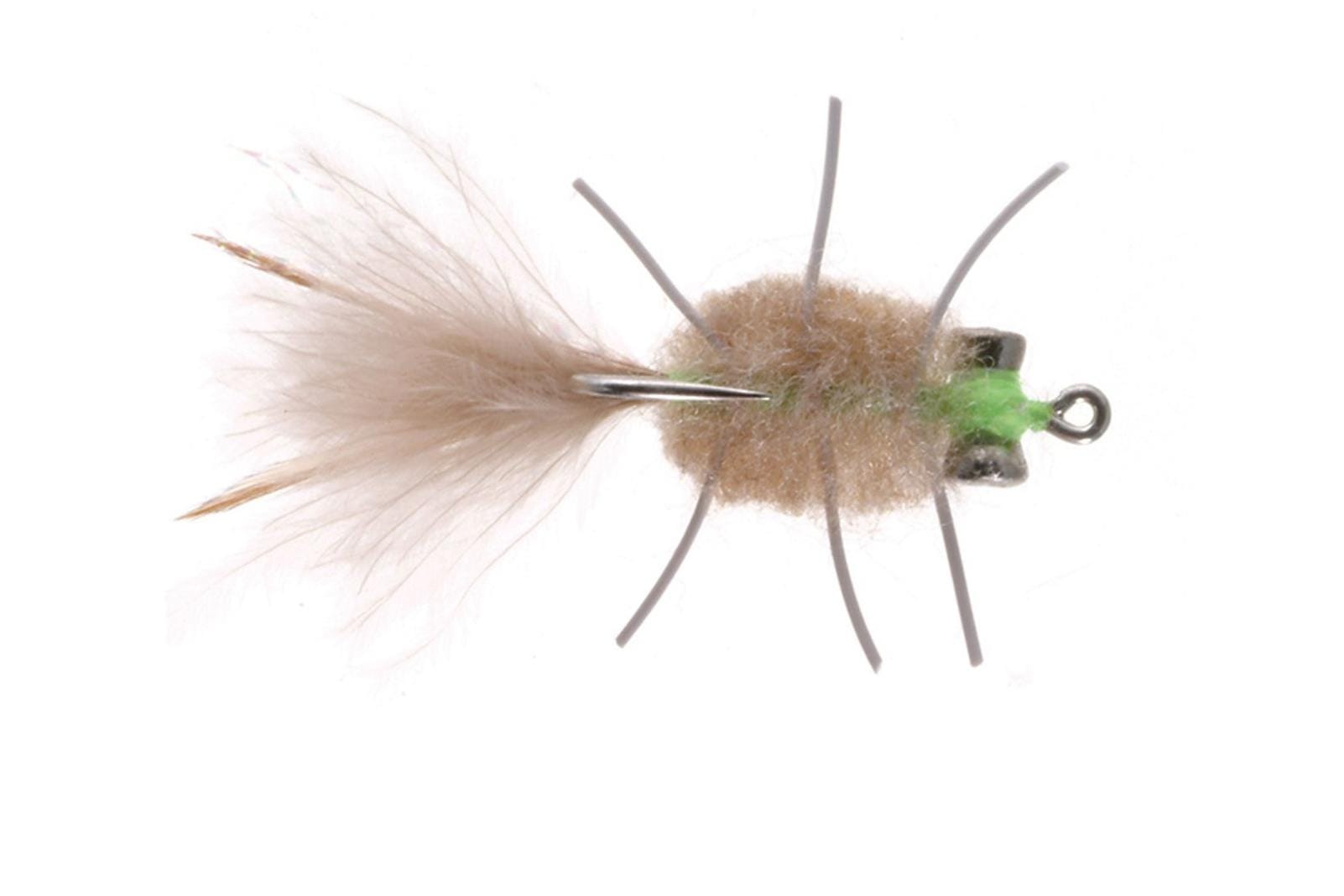
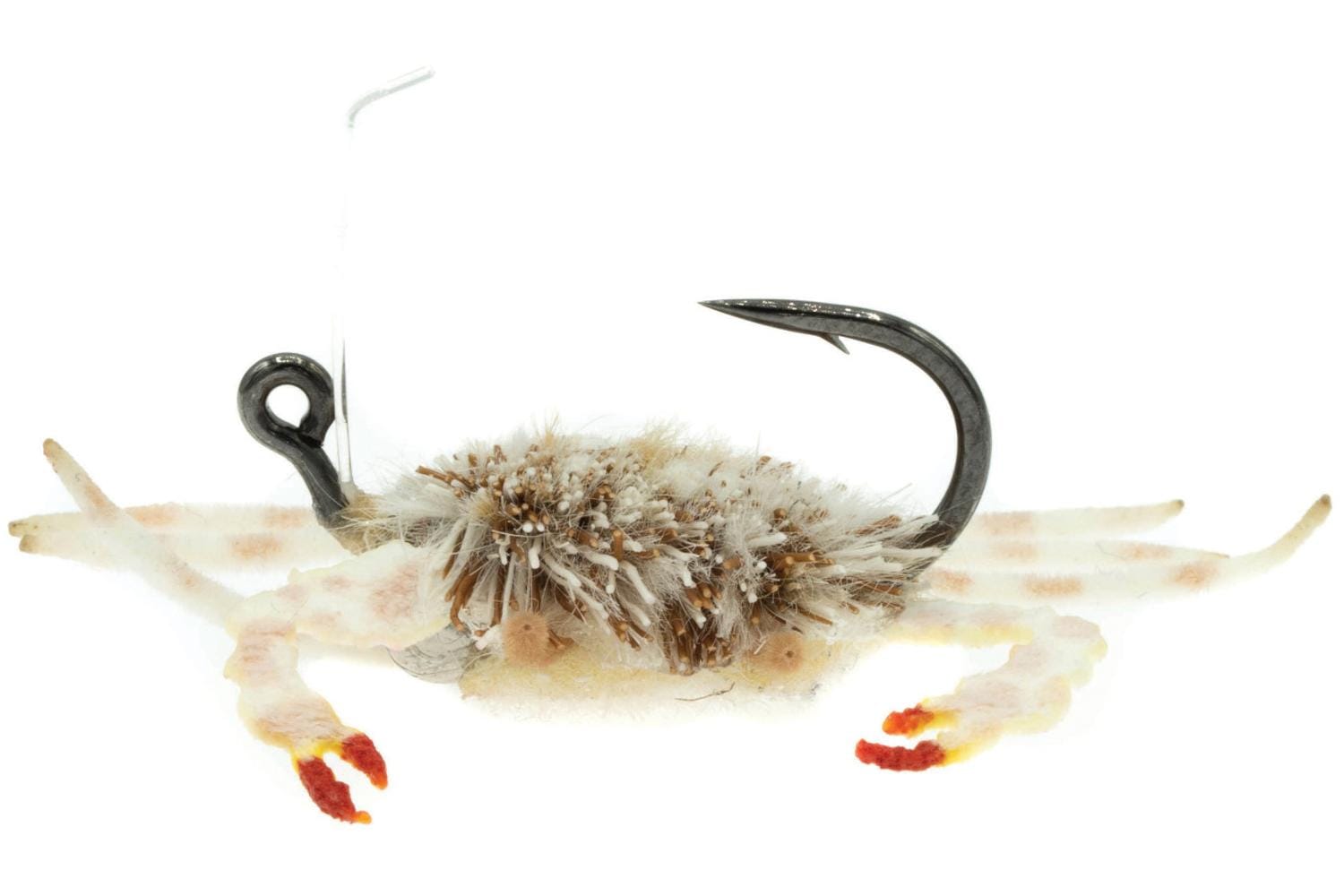
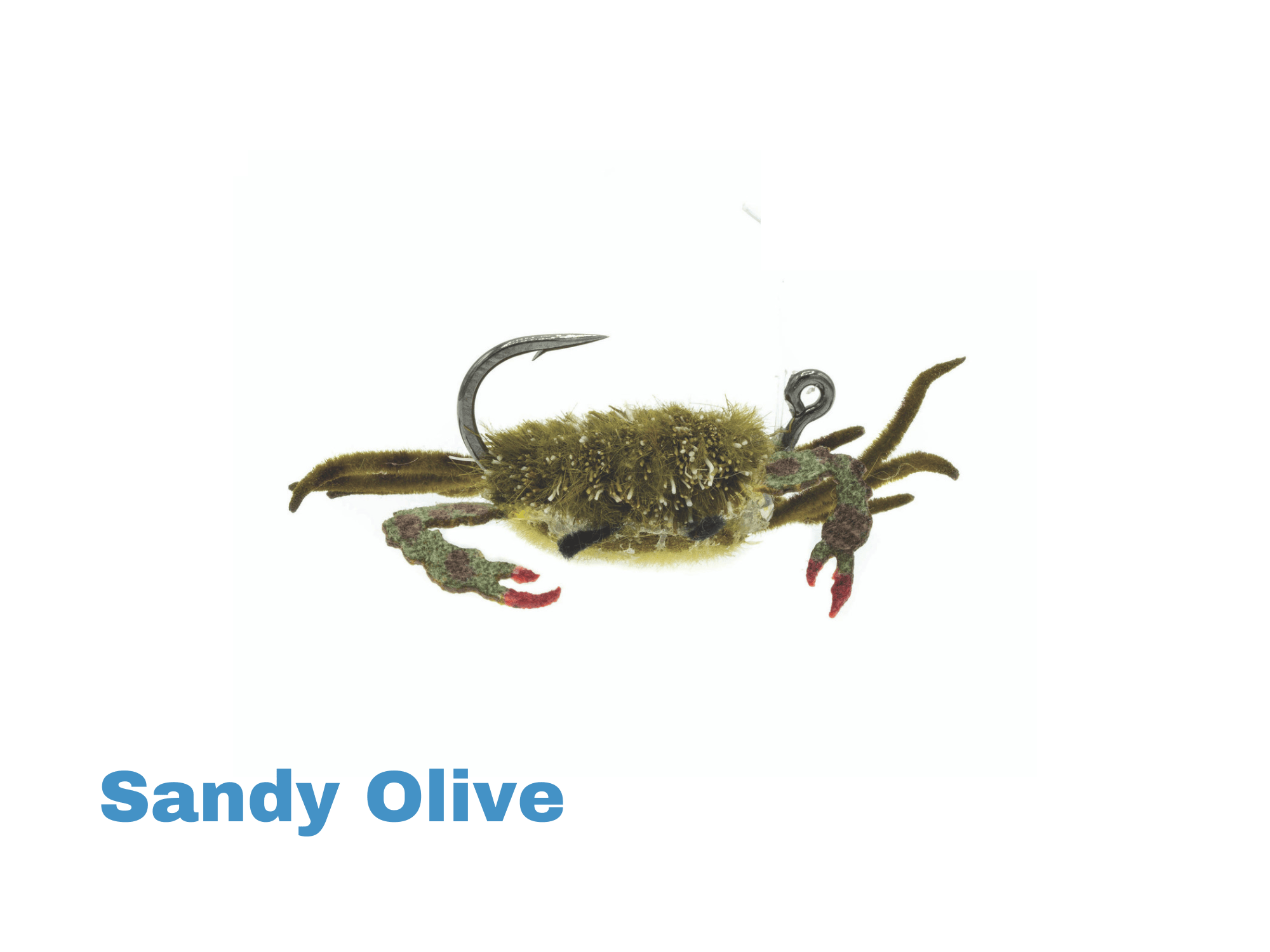
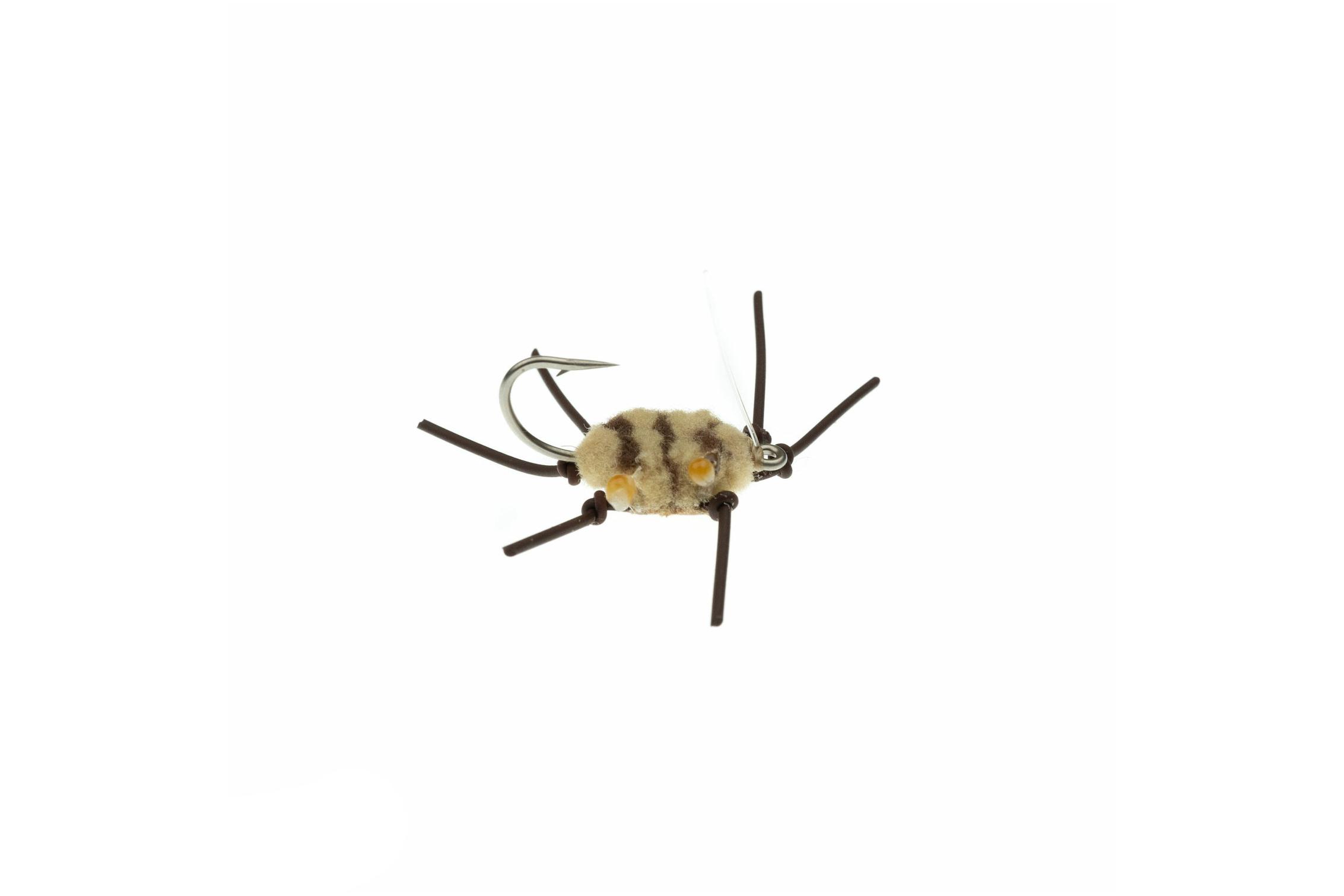
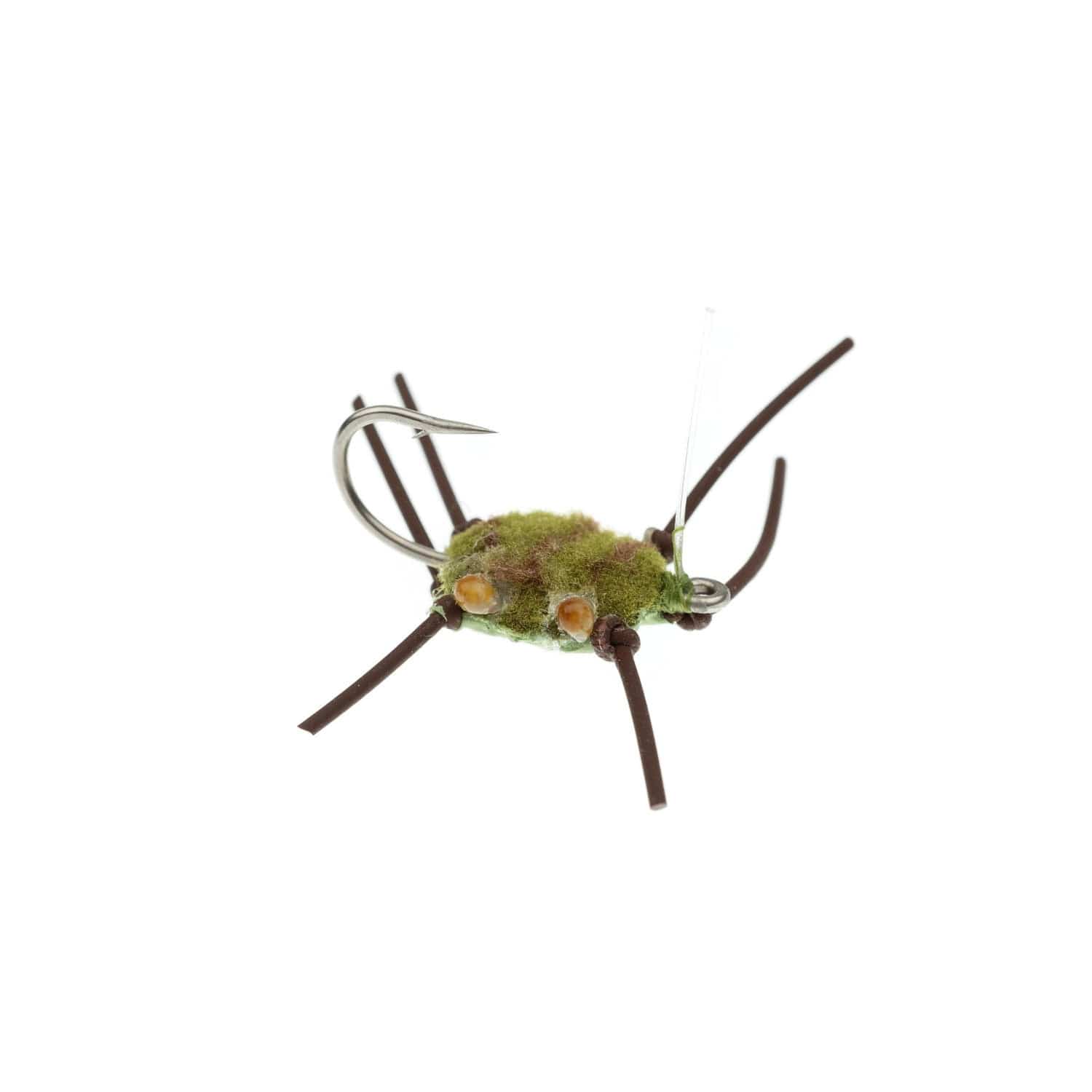
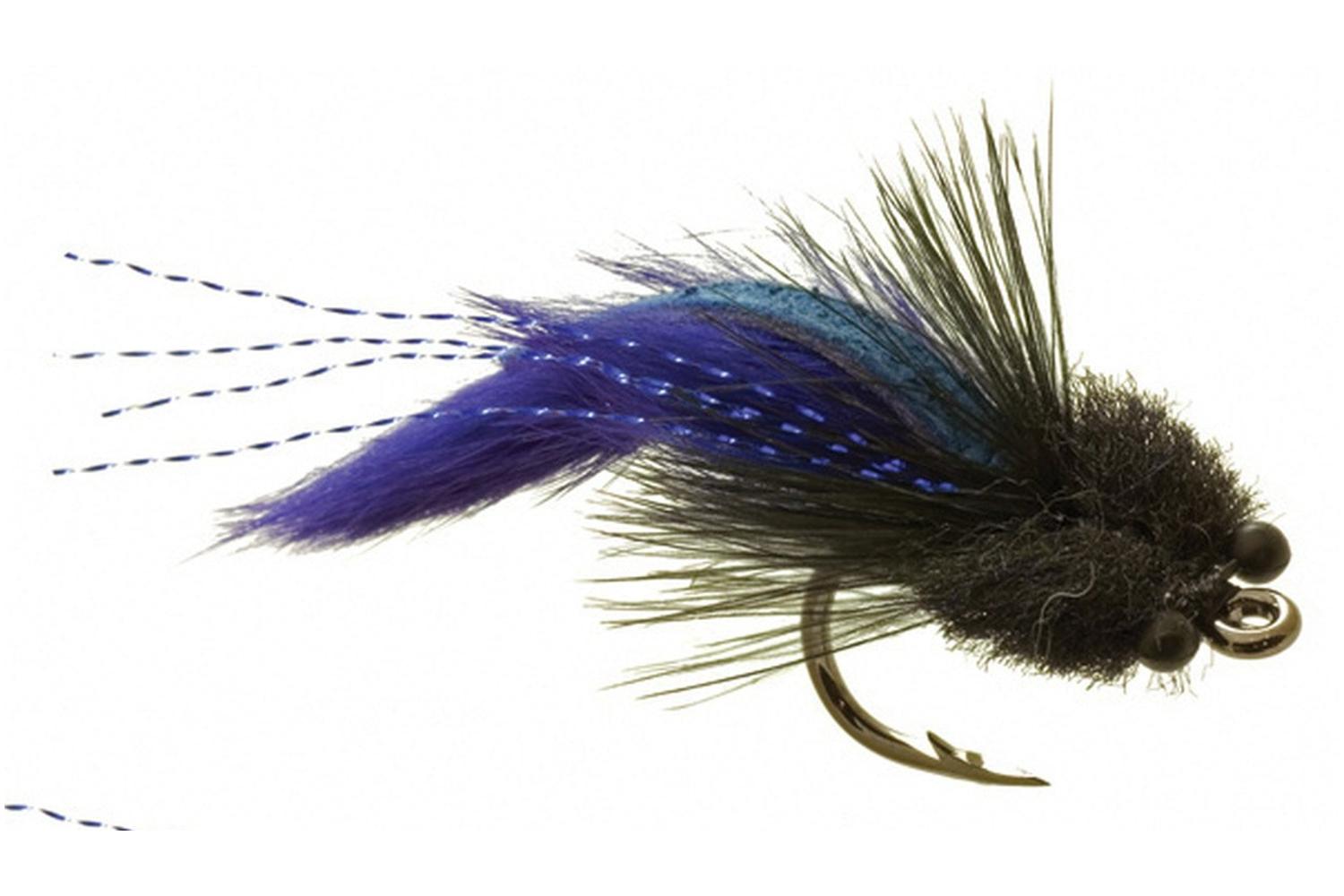
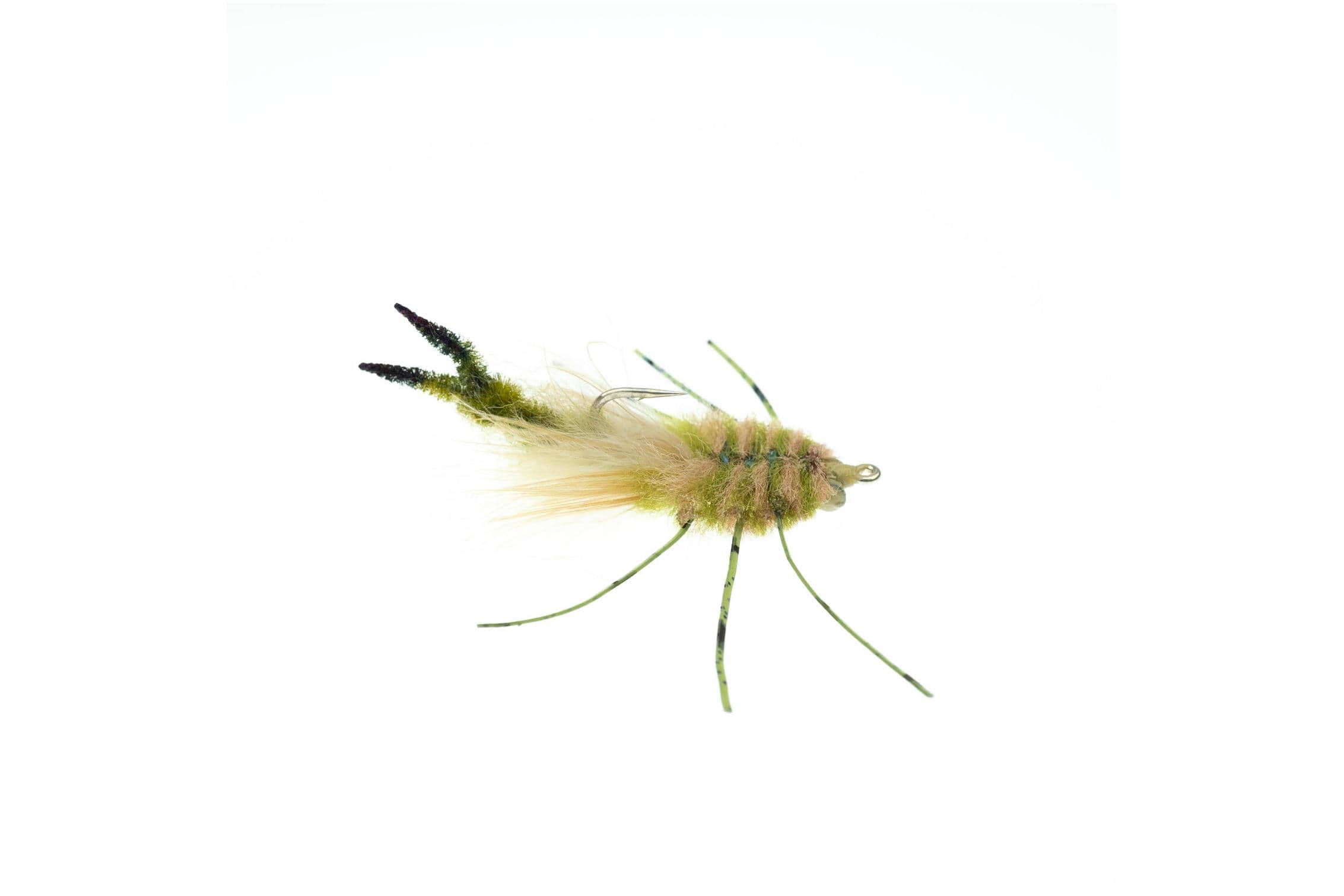
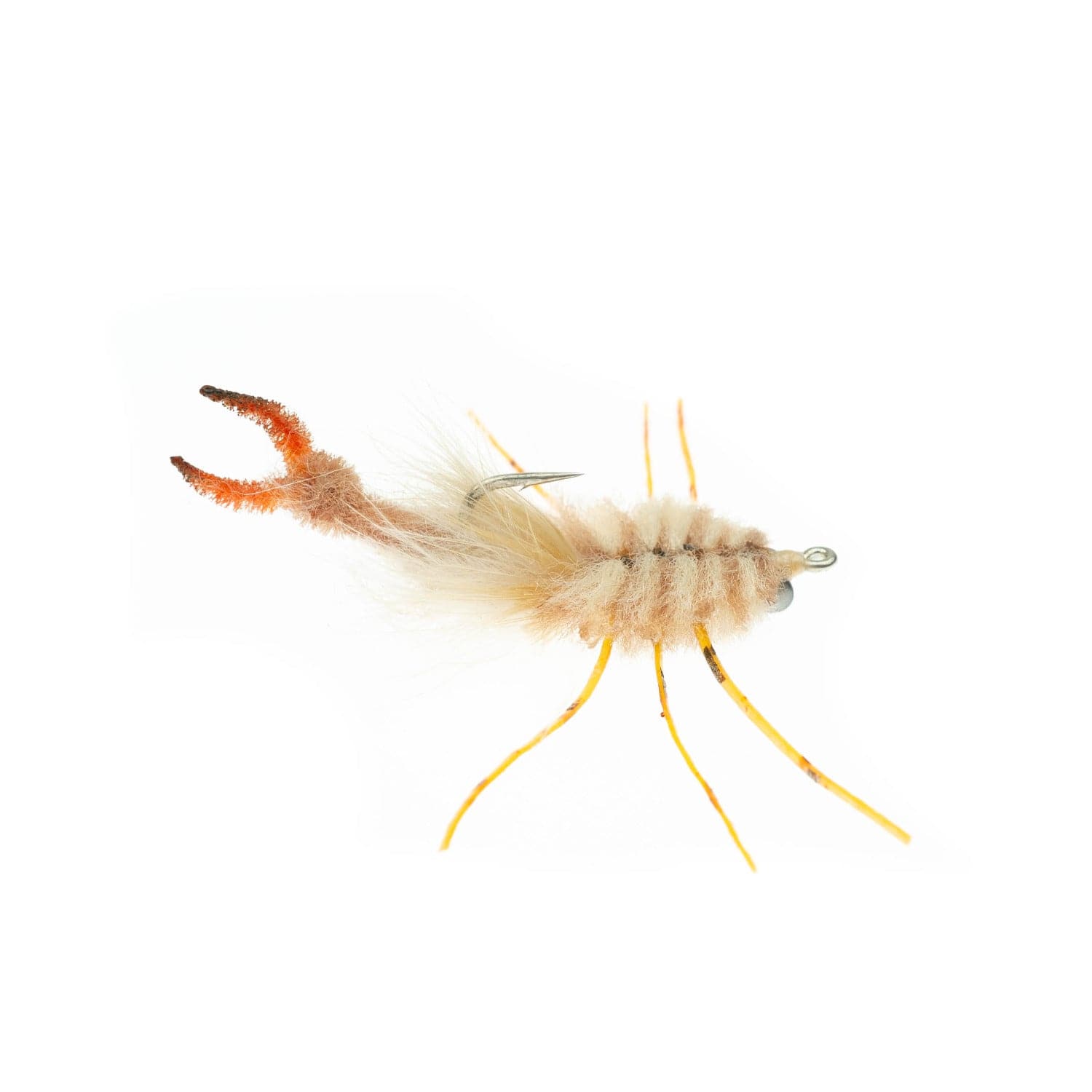
- Best for Saltwater Flats: Danger Muffin Crab Fly - Built for permit and other flats fish when crab is the menu and you need a bottom-oriented presentation. It’s a specialty pattern that shines on sight-fishing days when placement and sink behavior matter.
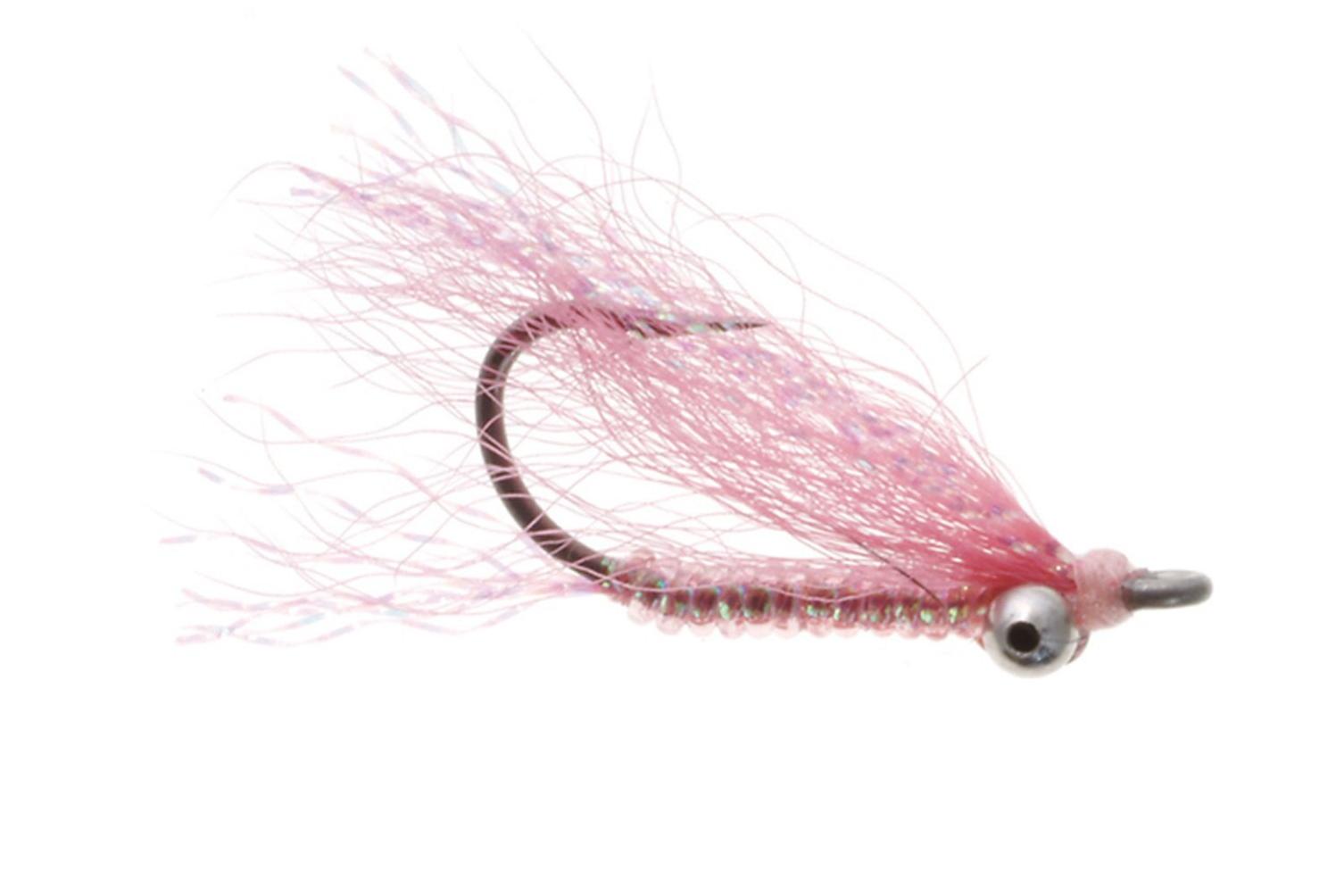
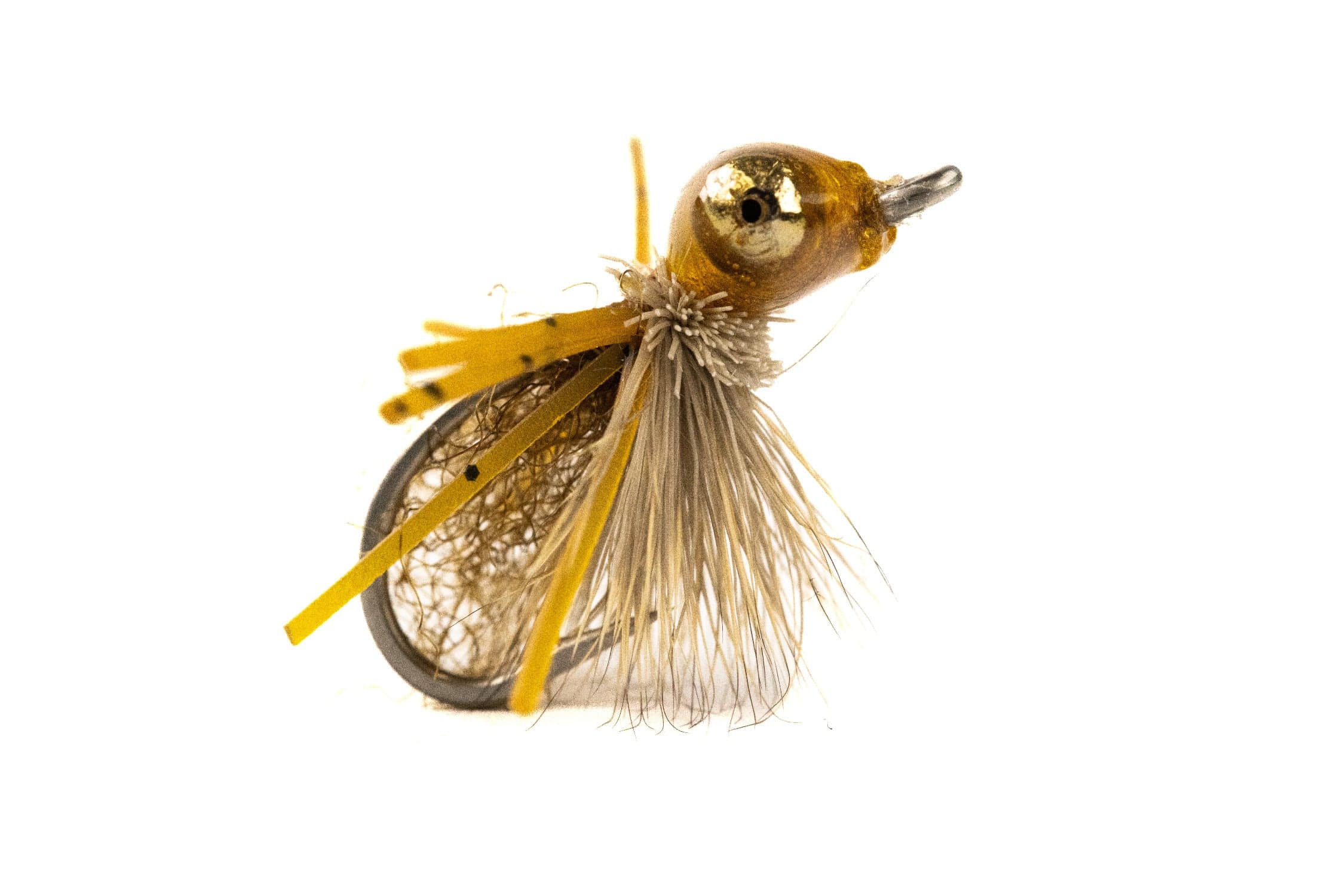
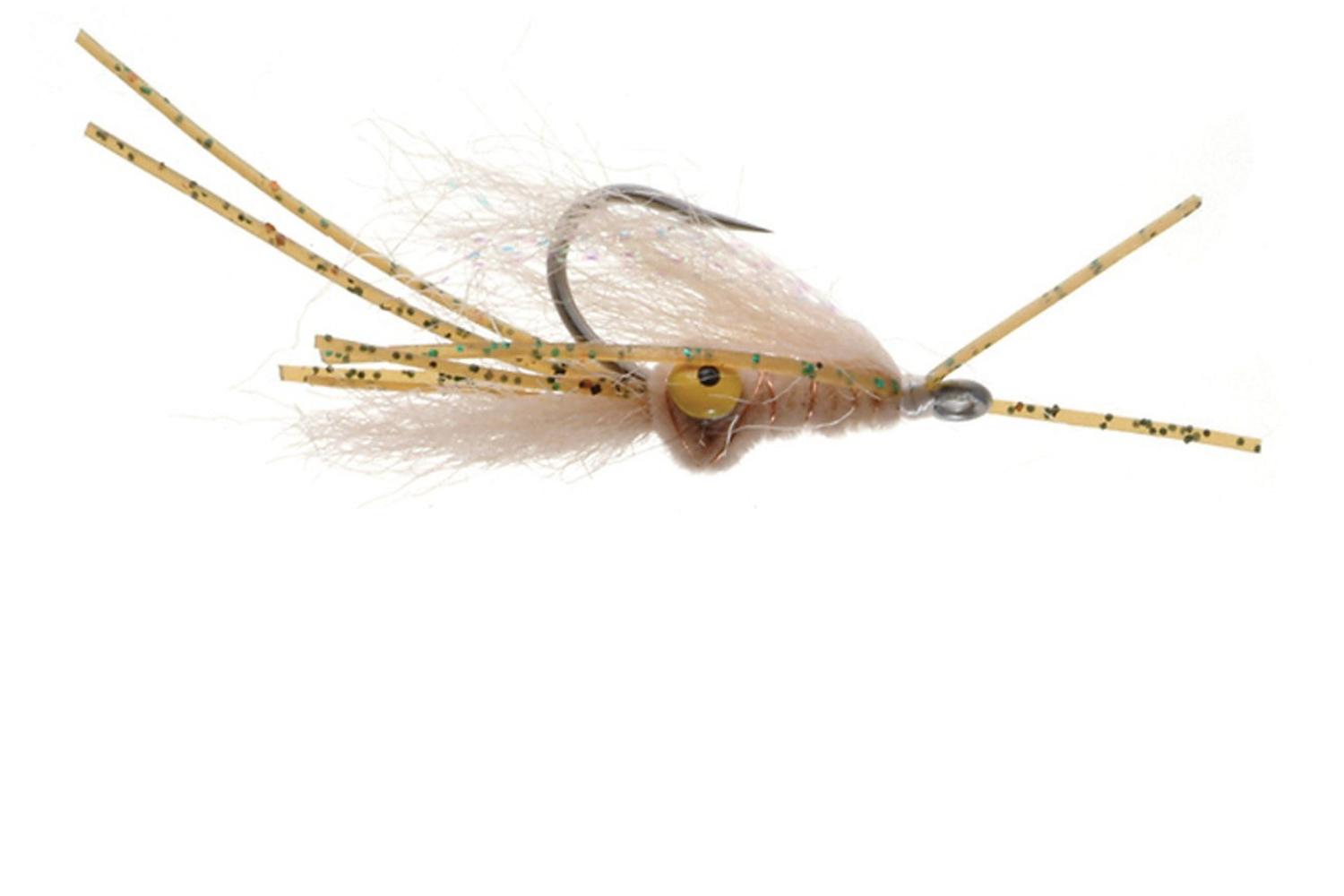
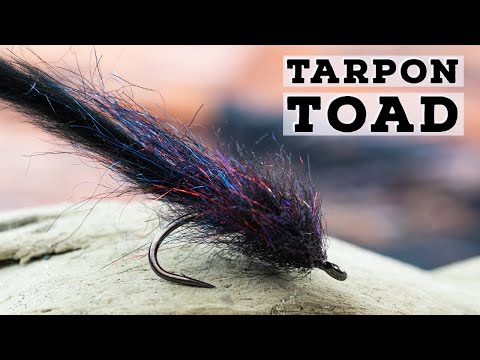
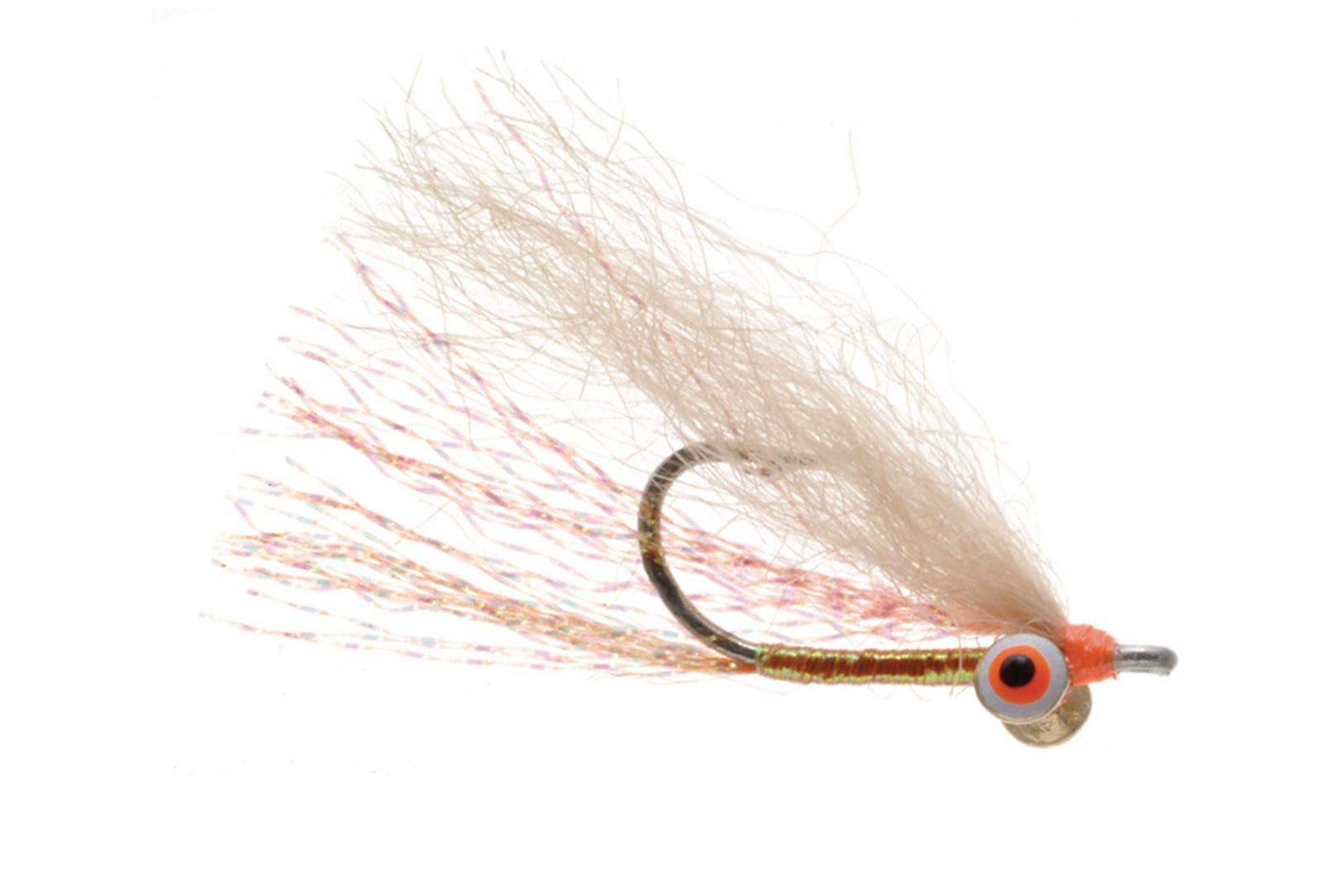
- Best for Tarpon: Tarpon Toad Fly - A strong choice for anglers targeting migrating or laid-up fish who want a well-known tarpon profile. It’s designed to push water and show up in a variety of light conditions while staying castable on typical tarpon tackle.
How to Choose Umpqua Flies
Start with where the fish are feeding
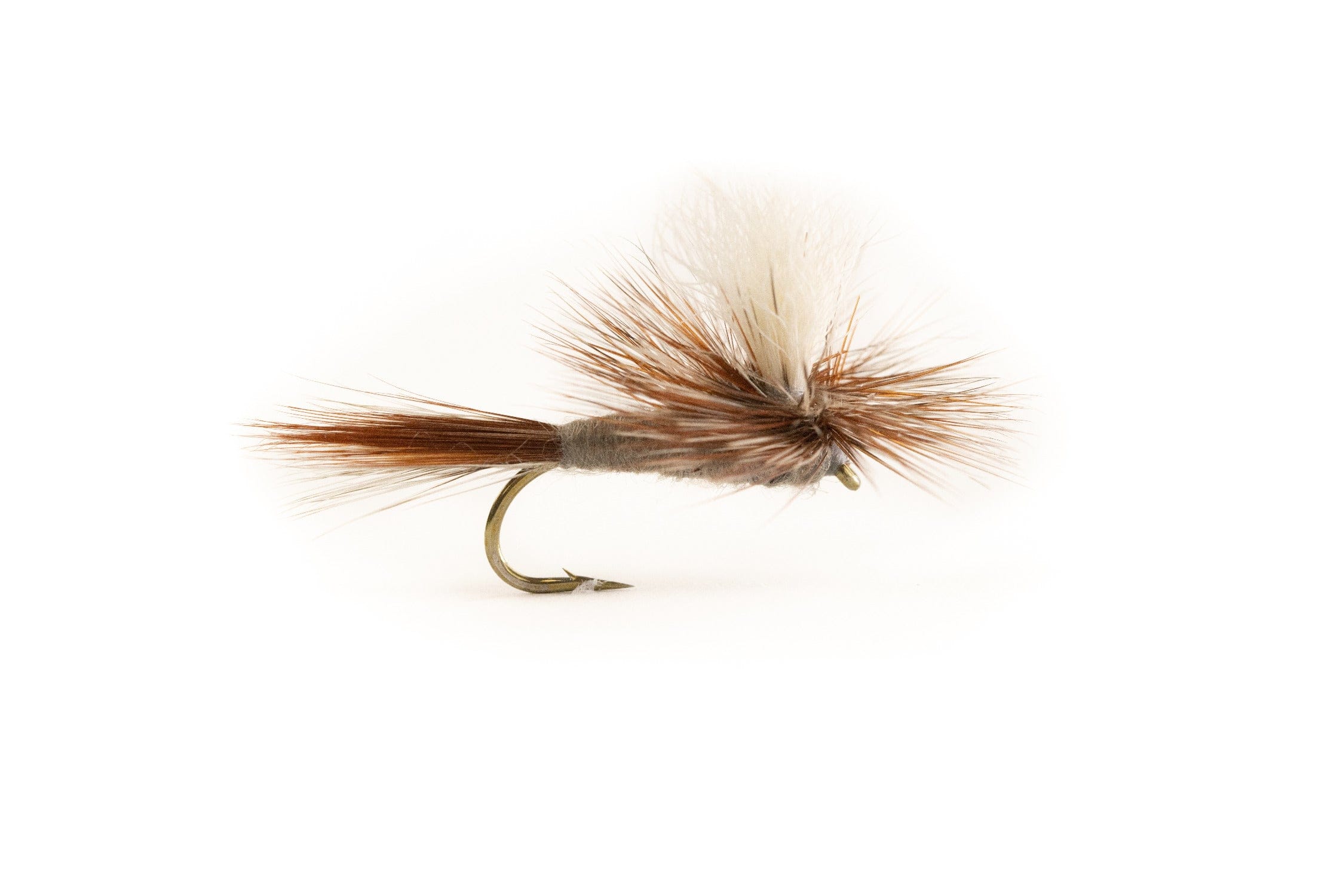
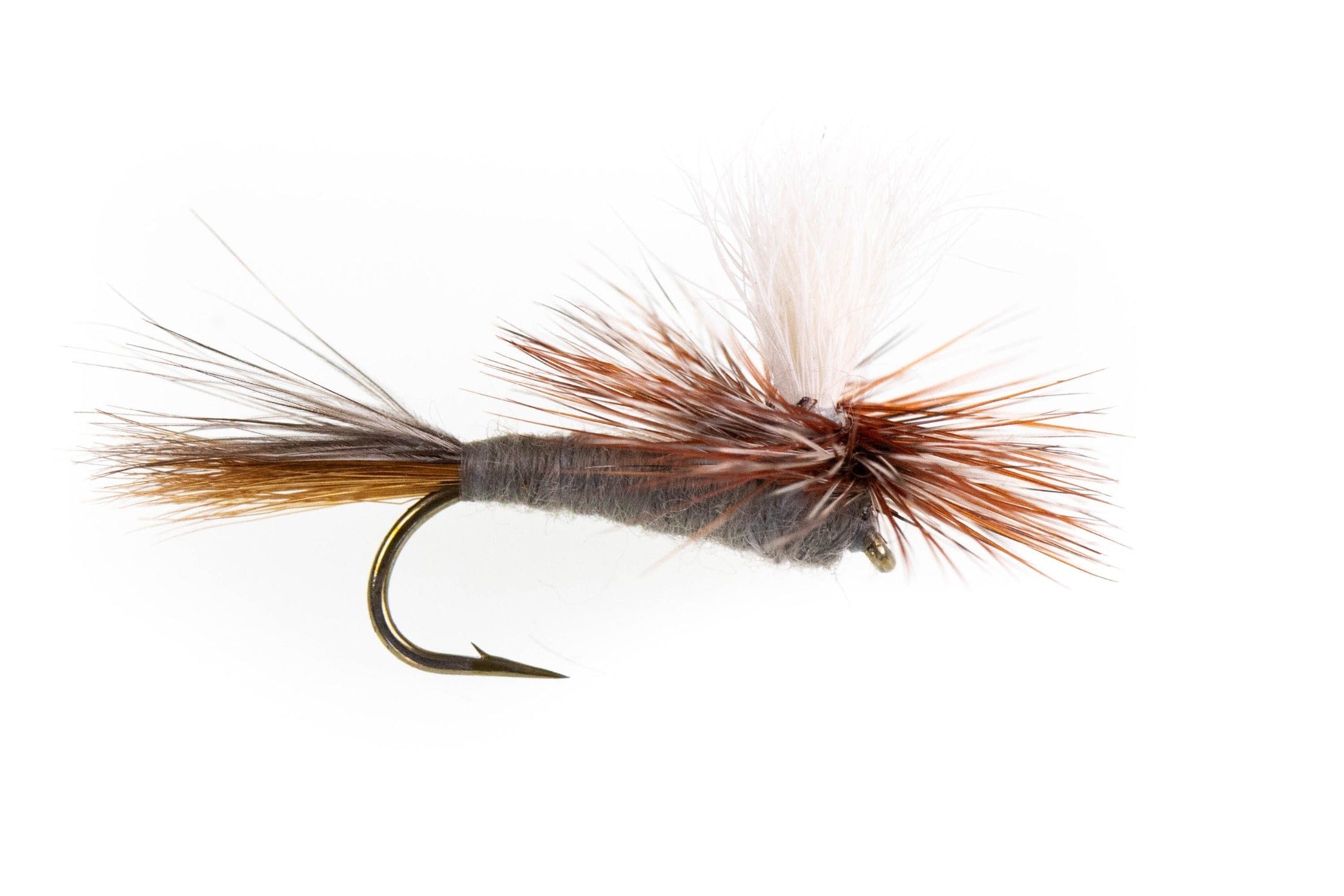
Surface (dry fly fishing): When fish are rising or you’re prospecting banks and riffles, look to buoyant dries and terrestrials. This is where patterns like hoppers/attractors shine, and they can also carry a dropper nymph in a dry-dropper setup.
Subsurface (nymphing): When you’re not seeing consistent rises, nymphs are usually the most reliable choice. Mix one heavier “anchor” fly with a smaller, more realistic dropper to cover both depth and profile.
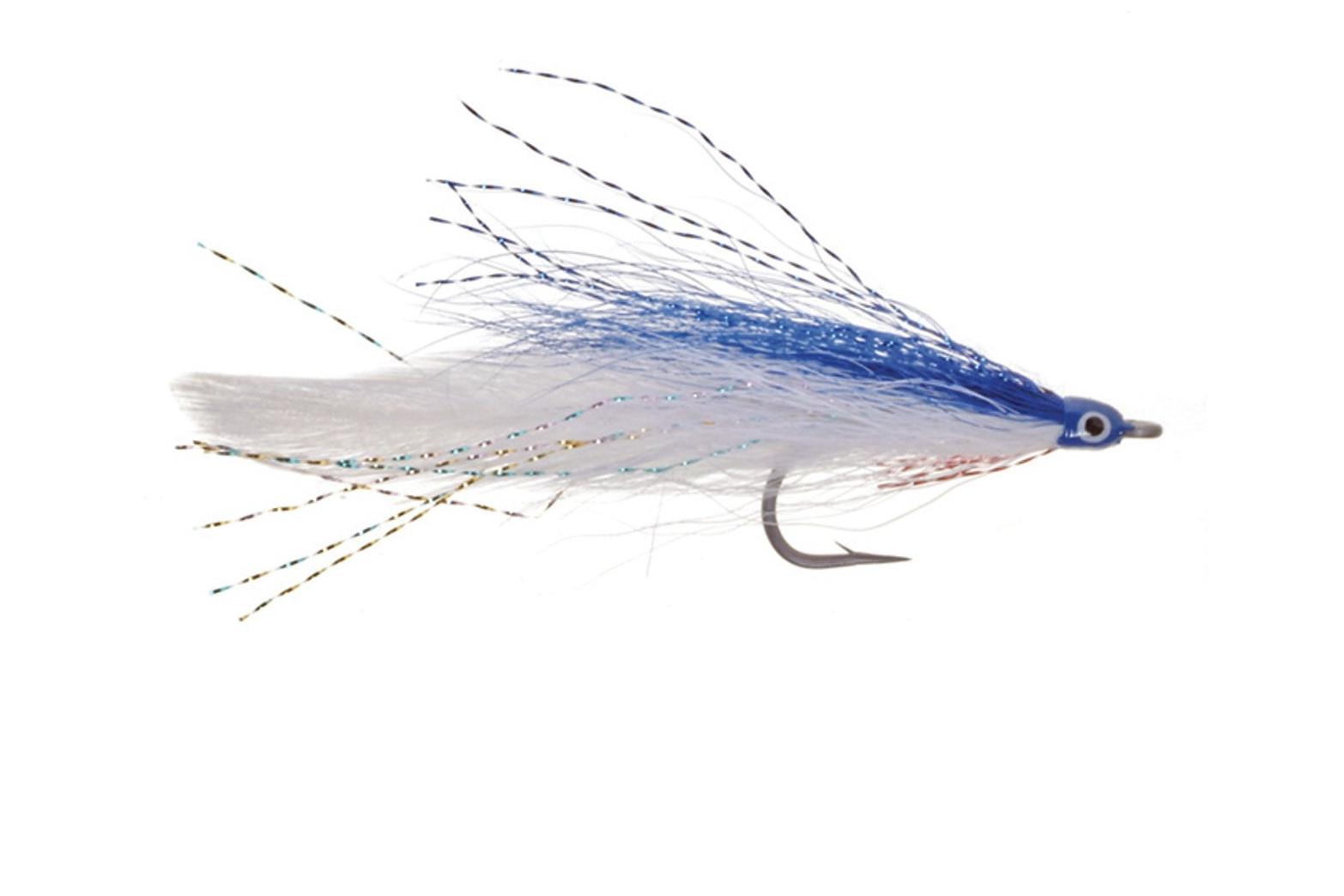
Predator mode (streamers): If you’re hunting bigger fish, fishing off-color water, or targeting aggressive eats, streamers help you cover water fast. Vary your retrieve (short strips, long strips, pauses) until you find the day’s trigger.
Pick the right weight for your rig
Action: Use tungsten bead patterns when you need to get down quickly in faster seams, deeper runs, or when fishing without a lot of added split shot.
Avoid if: If you’re fishing skinny water or slow flats, overly heavy flies can hang up or look unnatural. In those cases, downsize, lighten the fly, or adjust with leader/tippet instead of adding more weight.
Match size first, then profile, then color
Action: If you’re unsure what’s hatching, focus on getting the size and general shape right. Trout and many saltwater species will often forgive color if the fly’s size and behavior are close.
Why Trident Carries Umpqua
Umpqua’s catalog makes it easy to build a well-rounded box from one trusted brand, covering trout rivers, warmwater, and the salt. The patterns in this collection span classic staples and modern guide-driven designs, so you can dial your selection to your water instead of overthinking every fly bin.
Materials & Durability
- Rinse after saltwater use: Give flies a quick freshwater rinse and let them dry completely to reduce hook corrosion and extend materials life.
- Dry before storage: Open your fly box after the day and let everything air out; trapped moisture dulls hooks and degrades materials.
- Rotate “guide flies”: If a fly is chewed up but the hook is still sharp, move it to a separate “burn box” for high-risk water (wood, rocks, coral).
- Sharpen often: Touch up hook points after rock taps, missed eats, or a fish or two, especially on heavy nymphs and saltwater patterns.
Complete Your Setup
Related Gear
- Leaders - Match your leader taper and length to the flies you’re throwing (bigger flies usually like shorter, stouter leaders).
- Tippet - Fine-tune sink rate, turnover, and stealth without rebuilding your entire leader.
- Fly Assortments - A quick way to stock proven patterns for a species, destination, or season.
- Fly Selections - Curated mixes that help take the guesswork out of building a fly box from scratch.
Related Guides
- Fly Fishing Flies Explained
- The 10 Best Flies For Early Season Trout
- How to Tie the Top Secret Midge Fly
- How to Tie the Feather Game Changer Streamer
- How To Tie The Mil Spec Perdigon
Umpqua Flies FAQs
Q: What are Umpqua Flies?
A: Umpqua Flies are commercially tied fly fishing patterns sold across freshwater and saltwater categories. This collection includes everything from trout dries and nymphs to crab, shrimp, and baitfish patterns for the flats.
Q: How do I choose the right Umpqua flies for trout?
A: Start by deciding if fish are feeding on top (dry flies) or below (nymphs/streamers). If you’re unsure, carry a few versatile attractor dries, a couple tungsten nymphs in different sizes, and one or two streamers to cover water.
Q: Are Umpqua flies good for beginners?
A: Yes, many patterns in this collection are straightforward to fish and come in multiple sizes. Beginners usually do best starting with a few high-confidence flies that work in many places, then expanding based on local hatches.
Q: When should I fish a tungsten nymph vs. a standard beadhead?
A: Choose tungsten when you need depth quickly (faster current, deeper runs, or tight-line setups). Lighter beadheads are often better in shallow water or when you want a slower sink and a more natural drift.
Q: Do I need different Umpqua flies for saltwater vs. freshwater?
A: Yes. Saltwater flies are typically tied on corrosion-resistant hooks and are built to imitate shrimp, crabs, and baitfish rather than aquatic insects.
Q: What fly sizes should I buy first?
A: For trout, a small spread covers a lot of situations: a few midges/small nymphs, some “middle sizes” for mayfly/caddis, and one or two larger stonefly/terrestrial patterns. For saltwater, size is usually driven by species and depth (smaller for skinny water, heavier/larger when you need to get down).
Q: How many of each fly should I carry?
A: Carry multiples of your confidence patterns, especially small nymphs and flies you expect to lose in rocks or coral. A practical starting point is 3, 6 of the flies you fish most, and 1, 2 each of specialty patterns.
Umpqua Warranty & Resources
Warranty coverage varies by product type, but Umpqua provides a guarantee process through their support team for eligible Umpqua gear. For flies specifically, inspect hooks and materials on arrival and store them dry to maximize lifespan.
Learn More from Umpqua
- Umpqua Guarantee
- Flies For (Video Series) - Seasonal and technique-based fly recommendations from Umpqua guests and staff.
- Umpqua Contact Us