

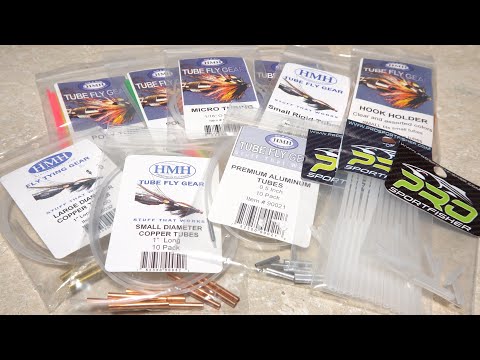
Tube Fly Basics - Part 2
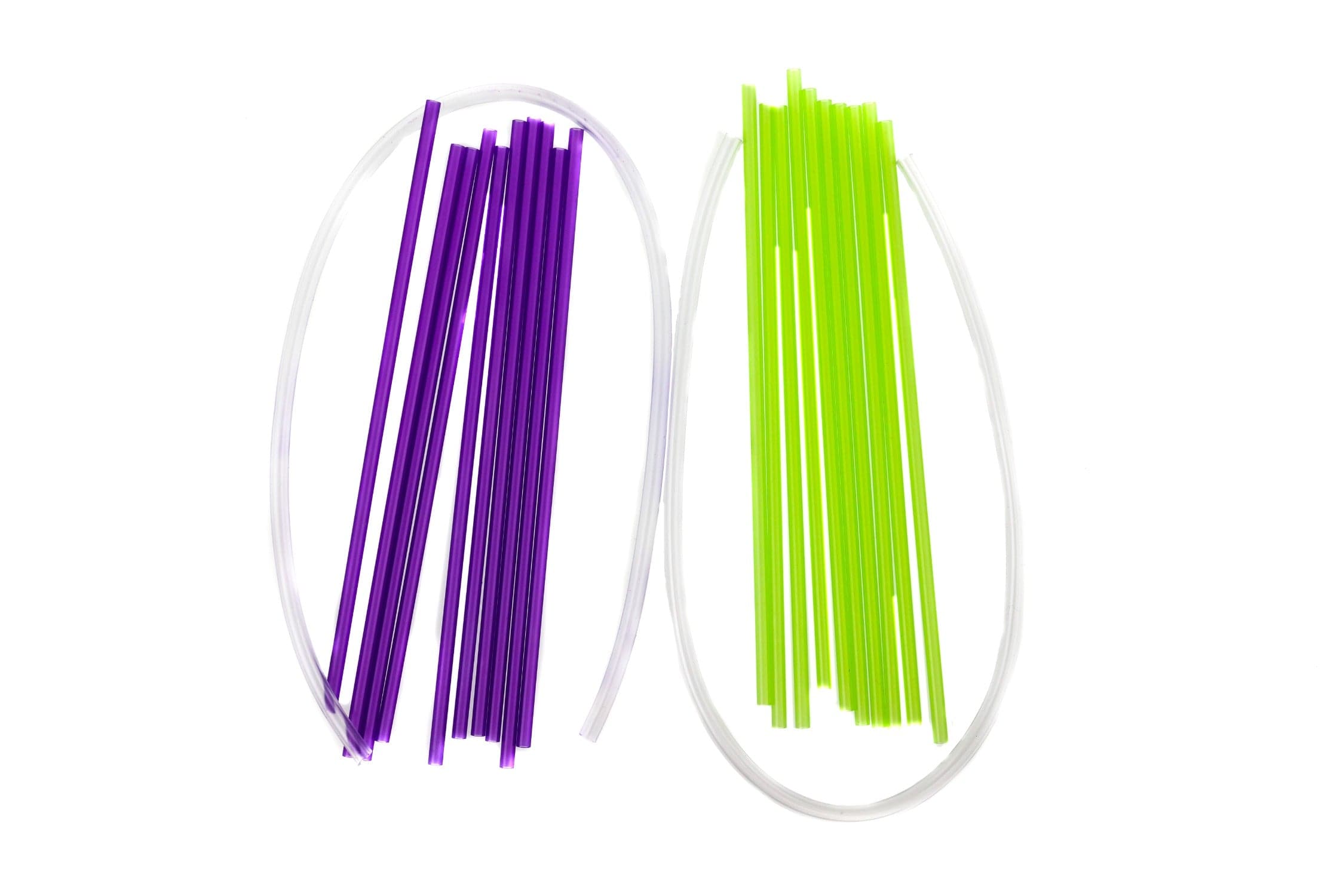


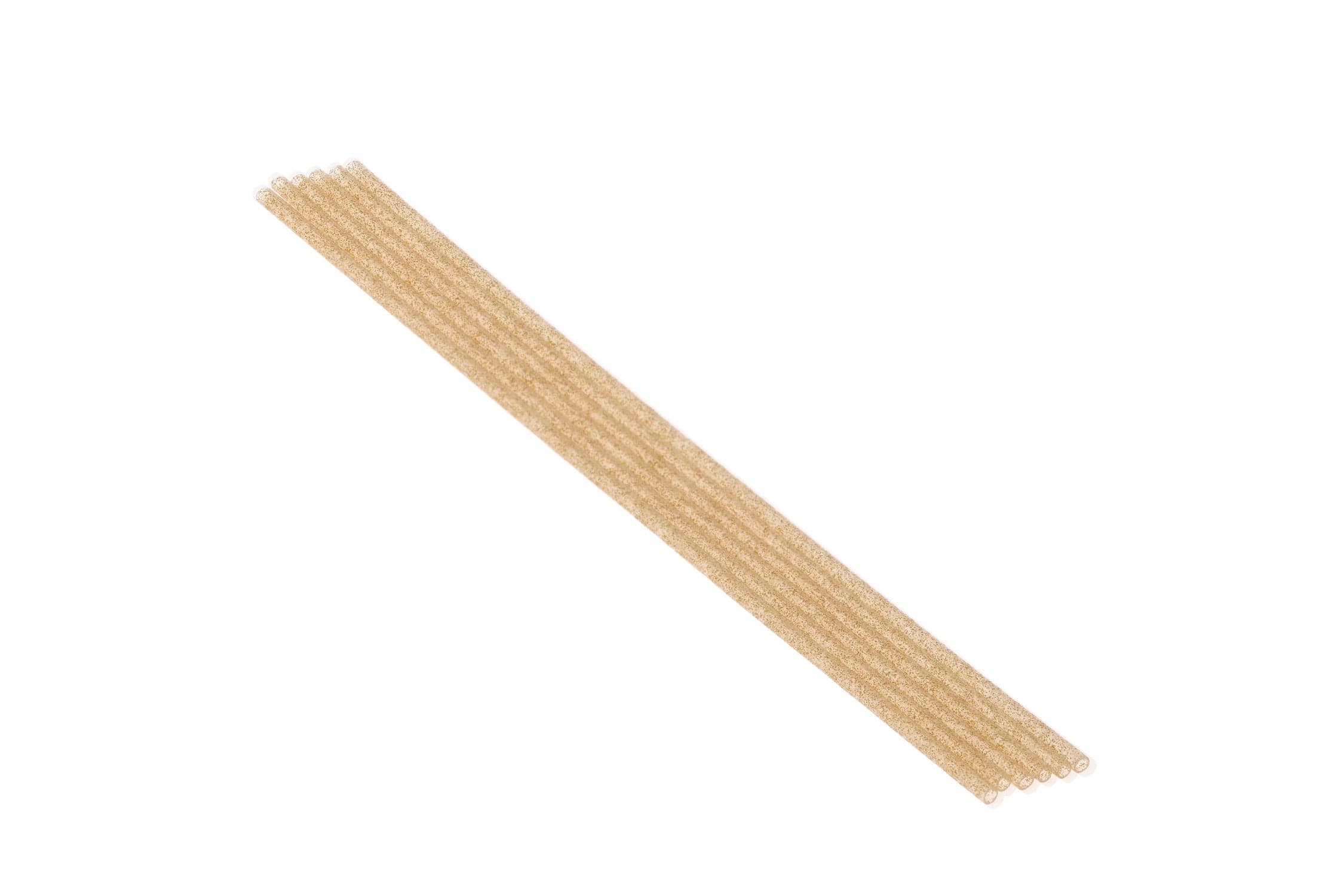








Tube Fly Supplies Quick Picks
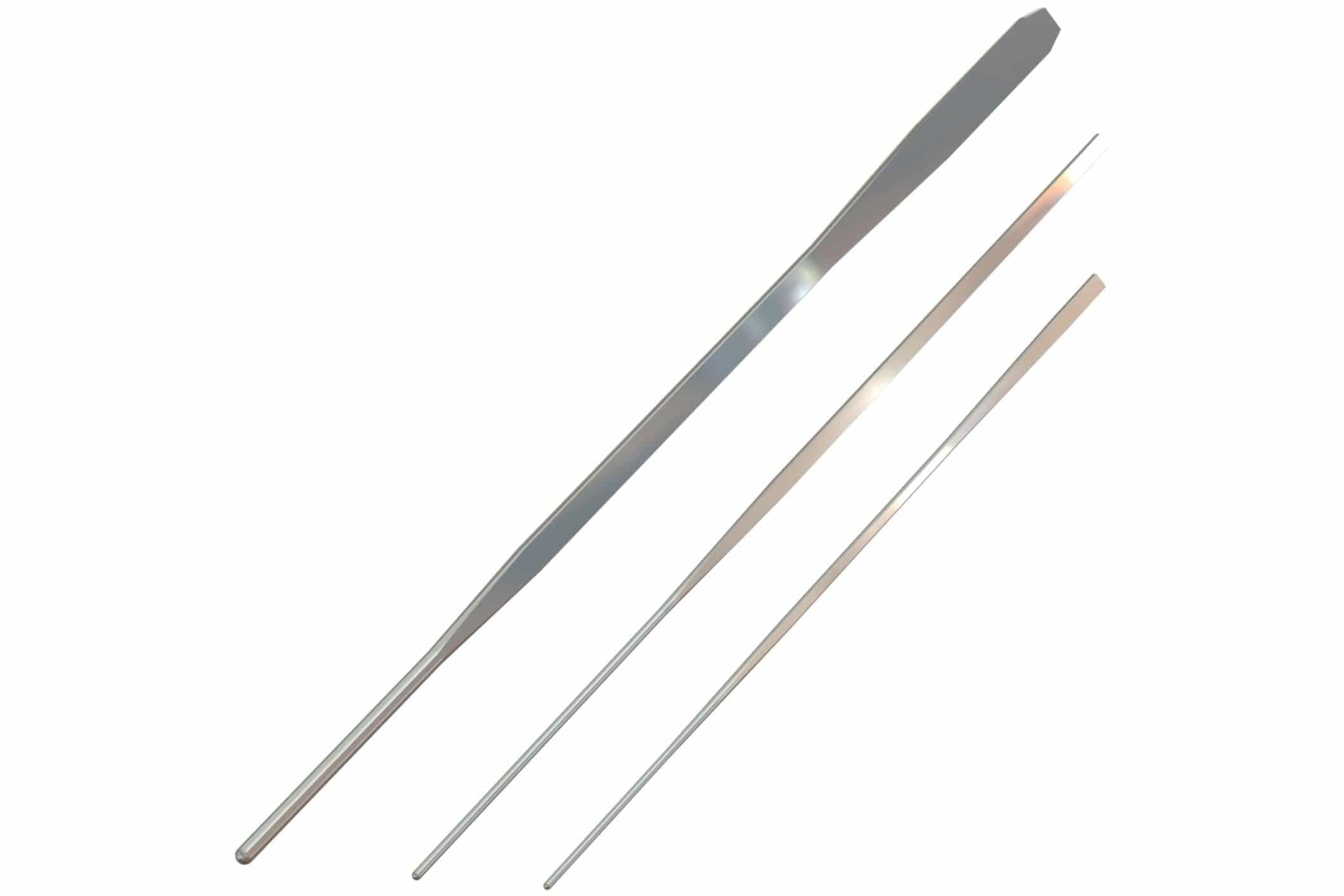
- Best for Beginners: HMH Starter Tube Fly Tool - Great if you want a stable, purpose-built way to start tying tube patterns without fighting your setup. It’s a straightforward entry point to learning mandrels, tube positioning, and clean thread control.
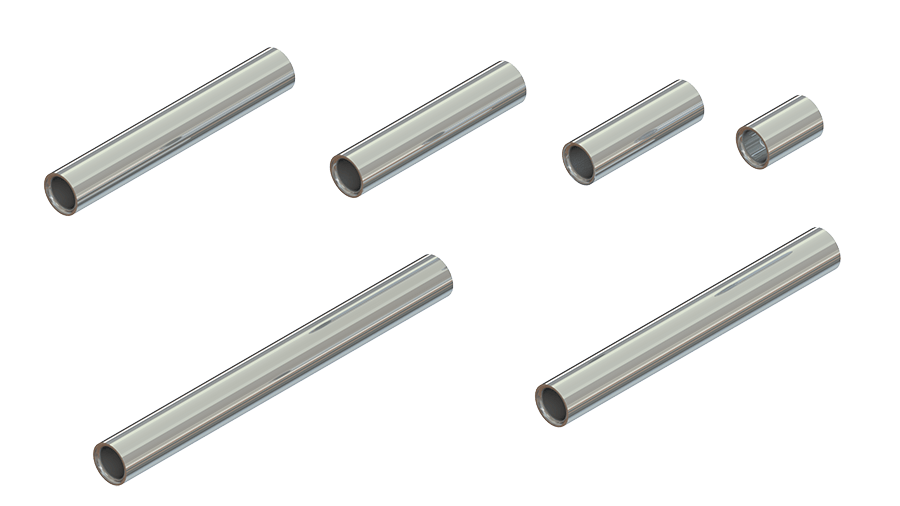
- Best All-Around: Pro Sportfisher Classic Tubes - Ideal for tying everything from smaller tubes to larger predator-style profiles with one consistent system. Multiple sizes and compatibility with Pro Sportfisher add-ons makes it easy to standardize your tying.
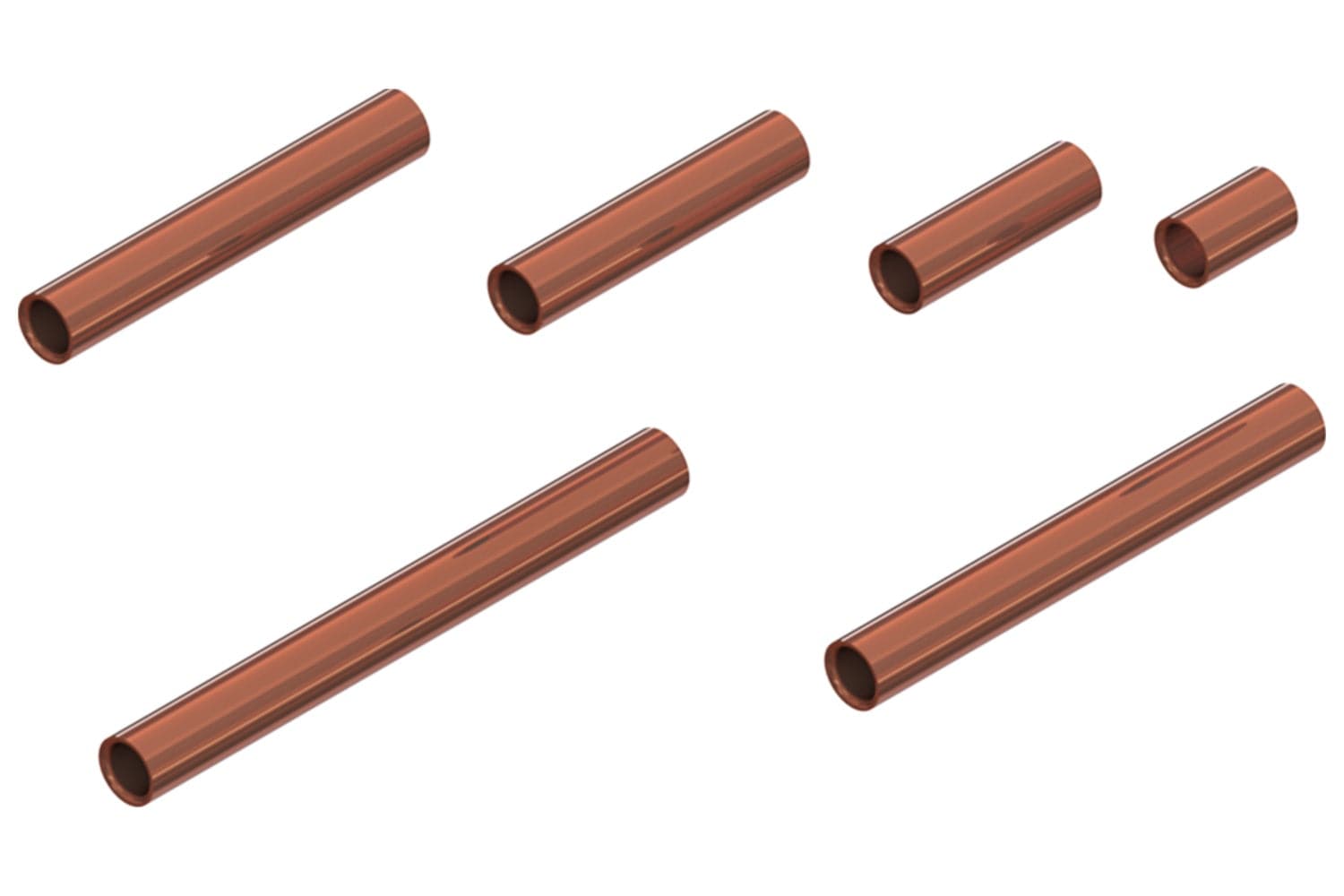
- Best Value: HMH Poly Tubes - A simple, reliable tube option when you want to stock up and tie a pile of patterns. With multiple colors and sizes, it’s an easy way to build a versatile tube fly base.
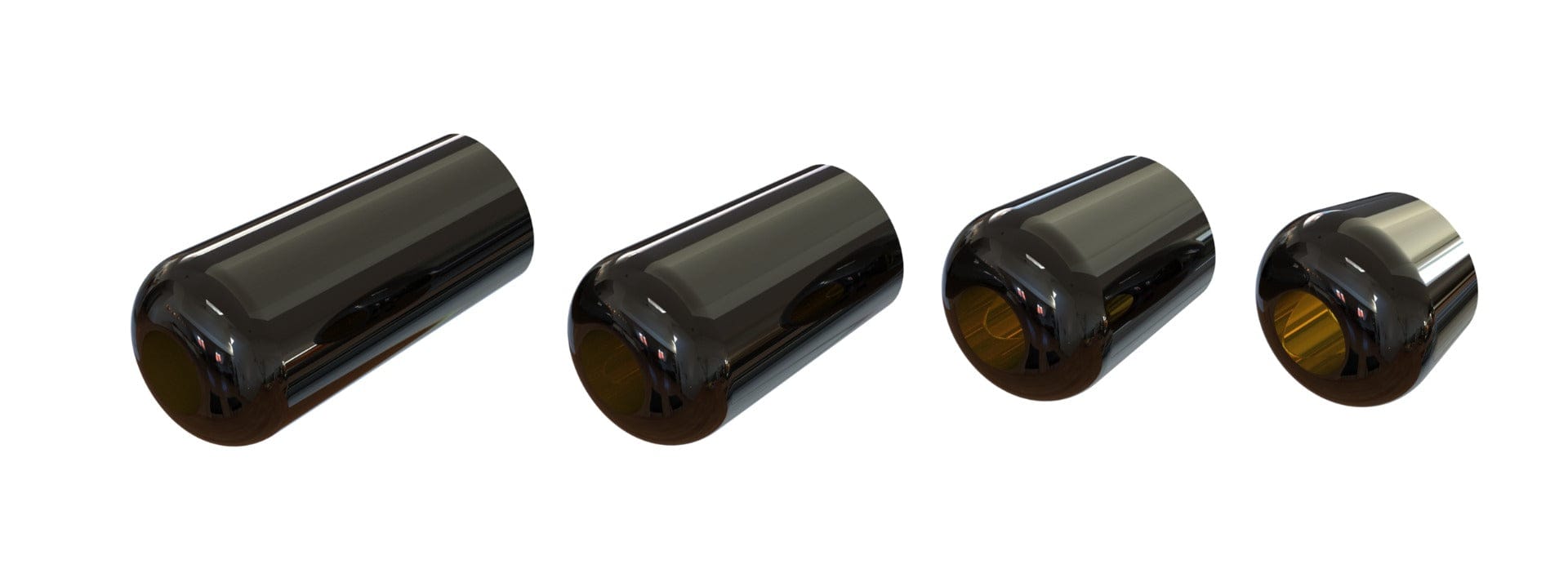
- Best for Weighting & Tuning: Pro Sportfisher Drop Weights - Best when you want to fine-tune sink rate and balance without adding bulky wraps of lead. The shape is designed to change how the fly swims and pulses when stripped.
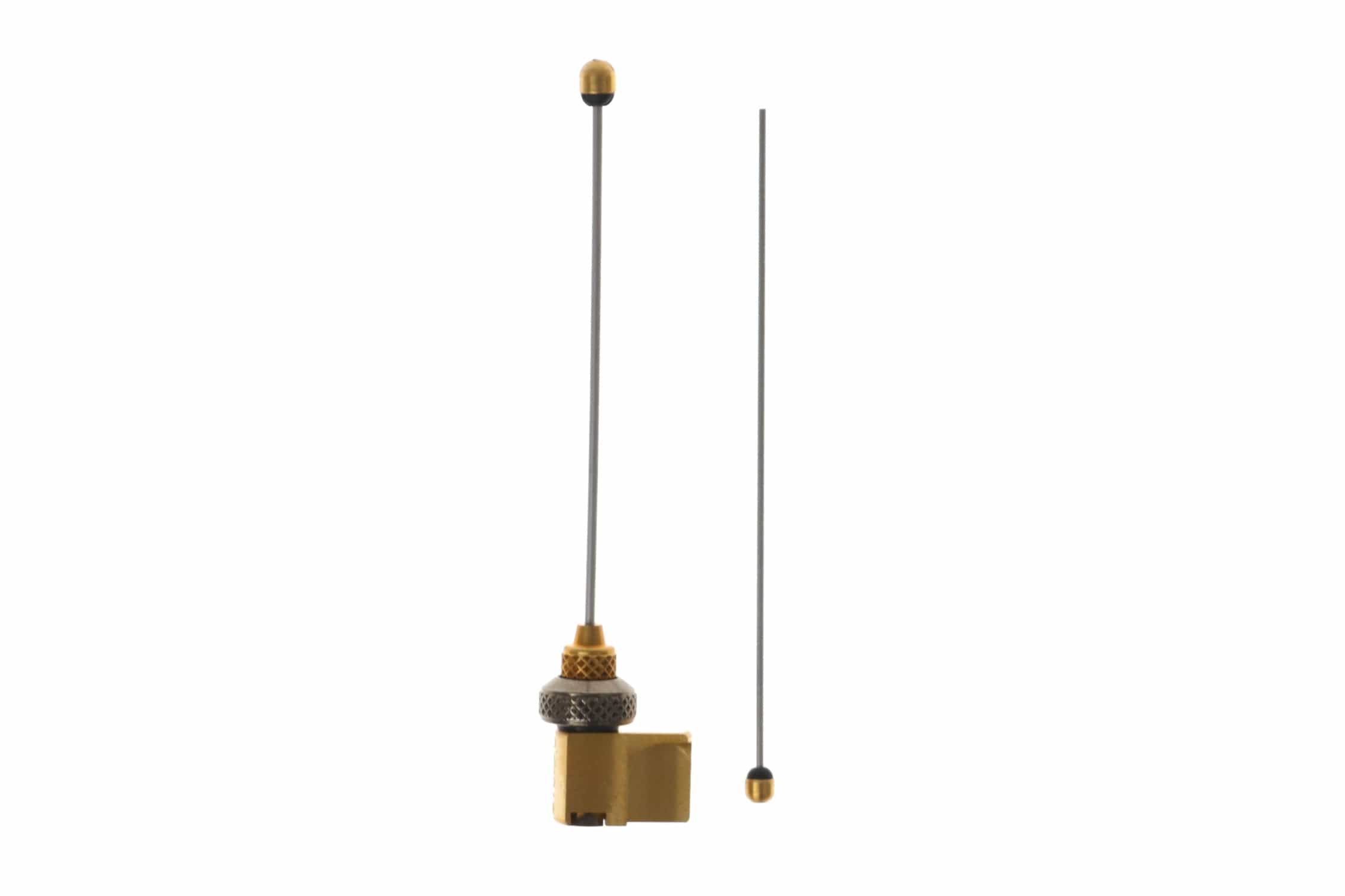
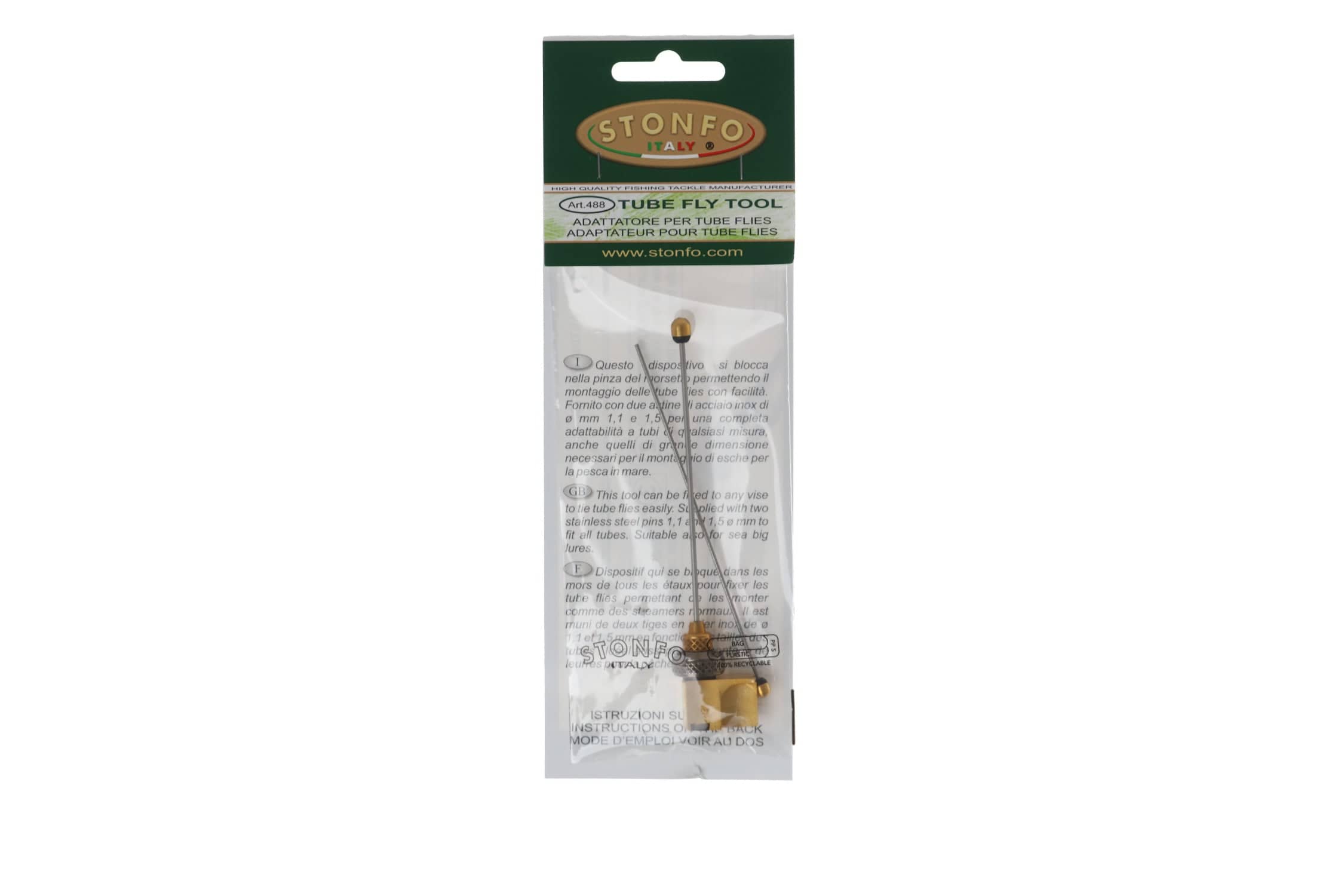
- Best Tool Upgrade: Stonfo Tube Fly Tool - A smart pick if you want a compact tube tool that works with a standard vise-style tying workflow. It helps keep tubes aligned and secure so you can focus on proportions and durability.
How to Choose Tube Fly Supplies
Start with the “system”: tube + hook retention + a way to hold the tube
Action: If you’re new, begin with a tube tool plus a core tube style, then add hook-guides or retention tubing once you’ve tied a few patterns. Tube flies are modular by design, your supplies should be, too.
Best for: Steelhead, salmon, and saltwater/predator anglers who want flies that hold up and can be re-rigged quickly. Tube systems also shine when you want to match different hook rules or swap hook sizes without rebuilding the fly.
Pick tube type based on profile, durability, and how you want the fly to fish
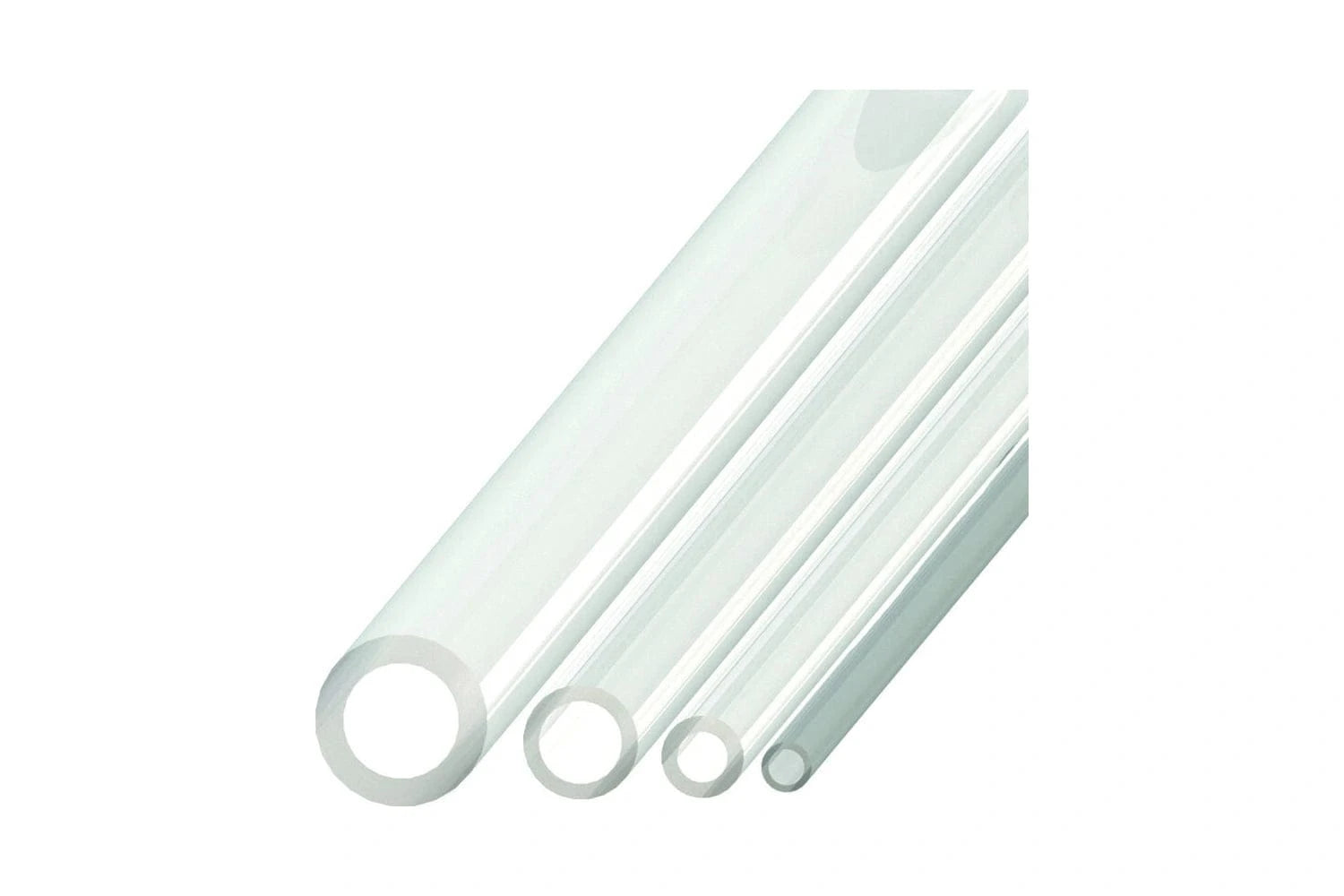
Plastic/poly tubes: A common starting point for many patterns, especially when you want lighter weight and easy cutting. If you’re tying a lot of flies at once, poly tubes are an efficient option.
Micro tubing and nesting: Great for smaller profiles, lining, or stabilizing a tube build, especially when you’re stacking components or want cleaner junctions.
Rigid tubes: Better when you’re applying heavy tying pressure (like spinning deer hair) or building more structured heads and shoulders.
Weighting: choose “built-in” weight when you want consistent sink and tracking
Action: Use tube system weights (like coneheads/weights) to control depth and balance without making the fly bulky. This is especially helpful when you want predictable casting and straight tracking across currents.
Avoid if: You’re tying ultra-light, high-floating surface presentations, extra hardware can work against you unless it’s part of the plan.
Materials & Durability
- Cutting tubes: Use a sharp razor or dedicated cutter and square up ends so cones and junctions seat cleanly.
- Finishing ends: Light heat-flaring (when applicable) helps prevent components from slipping and reduces sharp edges that can chafe leader material.
- Match components by diameter: Stick to one system where possible so weights, cones, and guides seat predictably.
- Build for abrasion: If you’re targeting toothy fish or fishing rocky runs, prioritize durable tubes and clean, protected thread wraps under cones/heads.
Complete Your Setup
Related Gear
- Fly Tying Materials - Round out your bench with the core materials you’ll use to finish tube patterns cleanly.
- Beads, Coneheads & Eyes - Easy way to add weight, shape, and a more durable front end to streamers and tubes.
- Fly Tying Hooks - Pair your tubes with the hook style and strength that fits your target species and local regulations.
- Thread/Tinsel/Wire - The foundation materials for durable wraps, segmentation, and flash accents.
Related Guides
- How to Tie the Titan Tube Midge
- Fly Tying Essentials: The Basics for First-Time Tyers
- How To Tie the Ice Wing Caddis
Tube Fly Supplies FAQs
Q: What are tube fly supplies used for?
A: Tube fly supplies let you tie flies on a tube instead of directly on a hook. You then add the hook at rigging time, which helps with durability and makes hook swaps fast.
Q: Are tube flies only for salmon and steelhead?
A: No, salmon and steelhead are common use cases, but tube systems also work well for predator and saltwater-style streamers. The modular hook and durable build are the main advantages.
Q: What do I need to start tying tube flies?
A: At minimum you need tubes, a way to hold the tube while tying (a tube tool/mandrel), and a method to retain or align the hook (hook guides or retention tubing). From there, add weights and cones as needed.
Q: How do I choose the right tube diameter?
A: Match diameter to your target hook size, the profile you want, and any system components you plan to stack (cones/weights/guides). If you want fewer fit issues, stick within one manufacturer’s tube system.
Q: Do tube flies really last longer than hook-tied flies?
A: Often, yes, because the fly can slide up the leader after the hookset, reducing damage from teeth and leverage. Durability still depends on materials and how cleanly the fly is finished.
Q: What’s the benefit of tube weights and coneheads versus lead wraps?
A: Tube weights and cones add external, modular weight that’s easy to tune and tends to keep the fly balanced and consistent. Lead wraps can work, but they’re less modular and can change how the fly sits and tracks.