



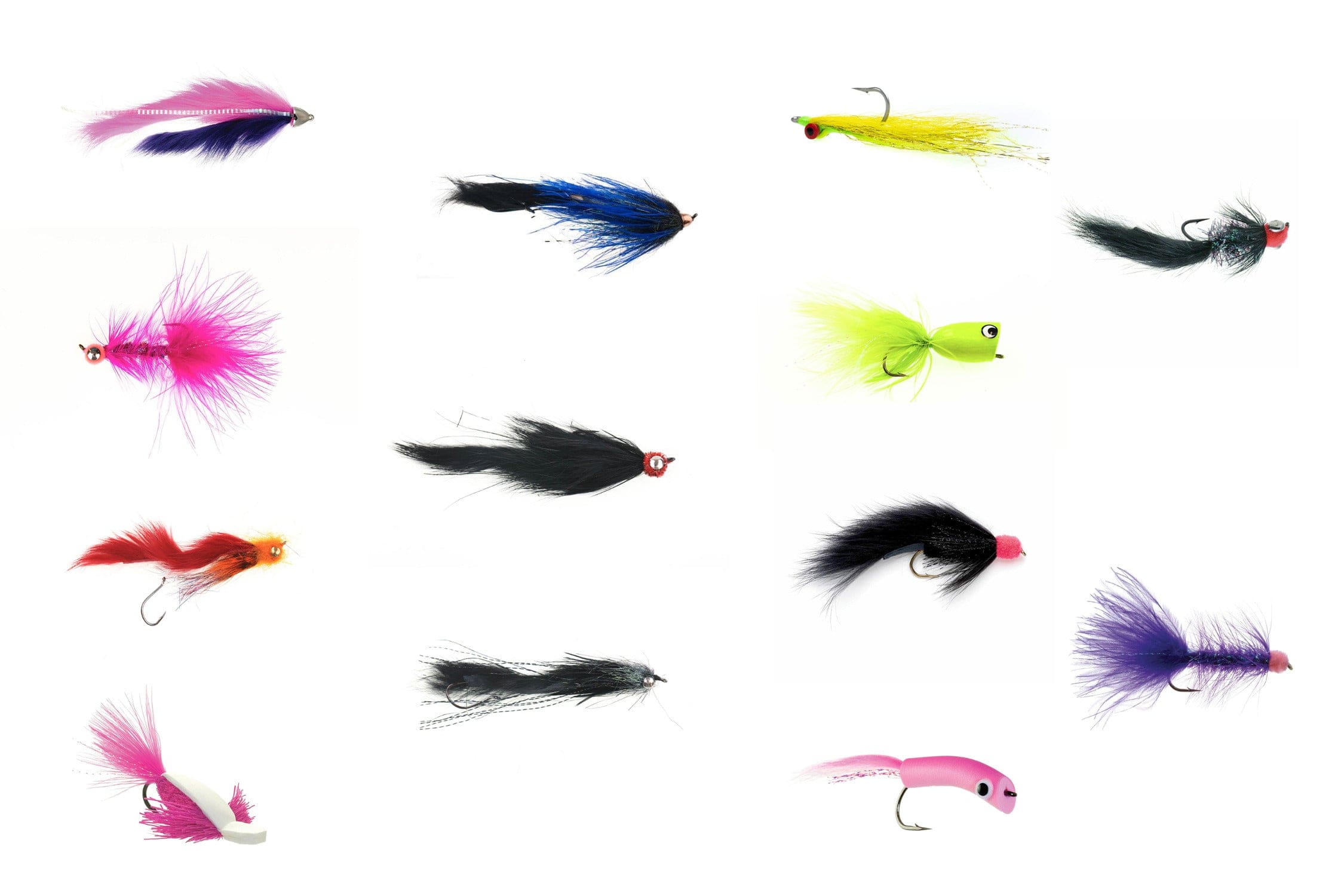
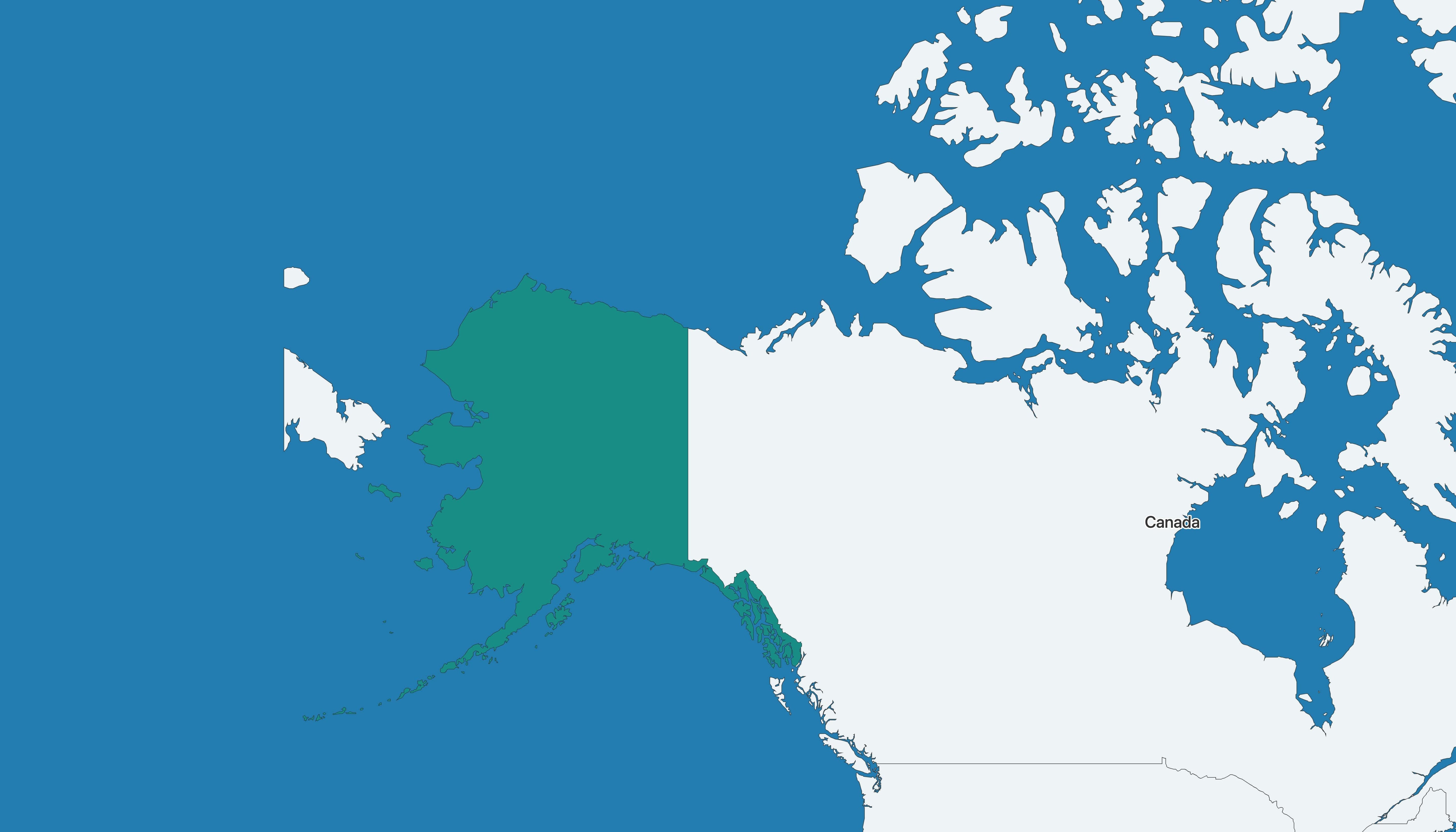
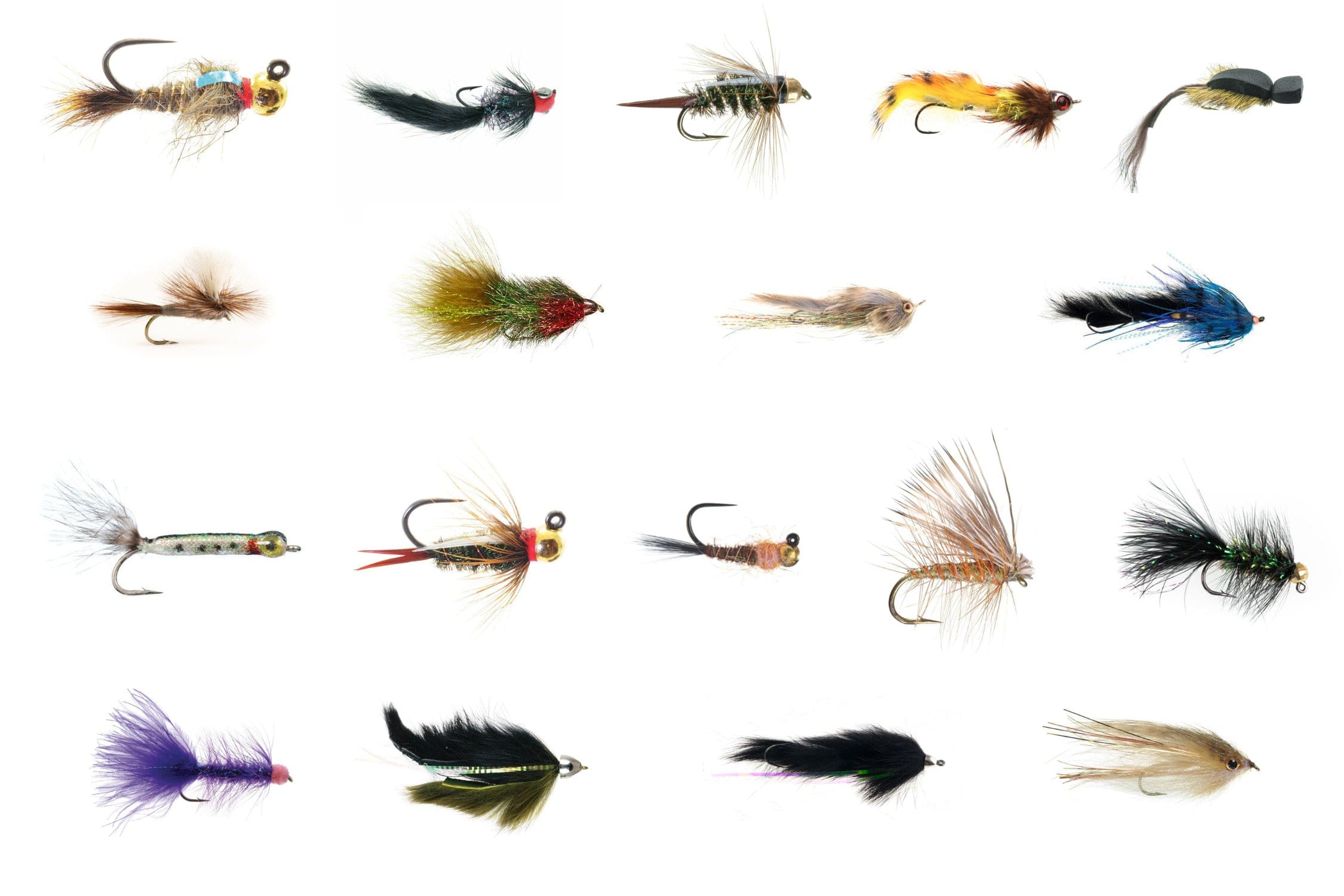
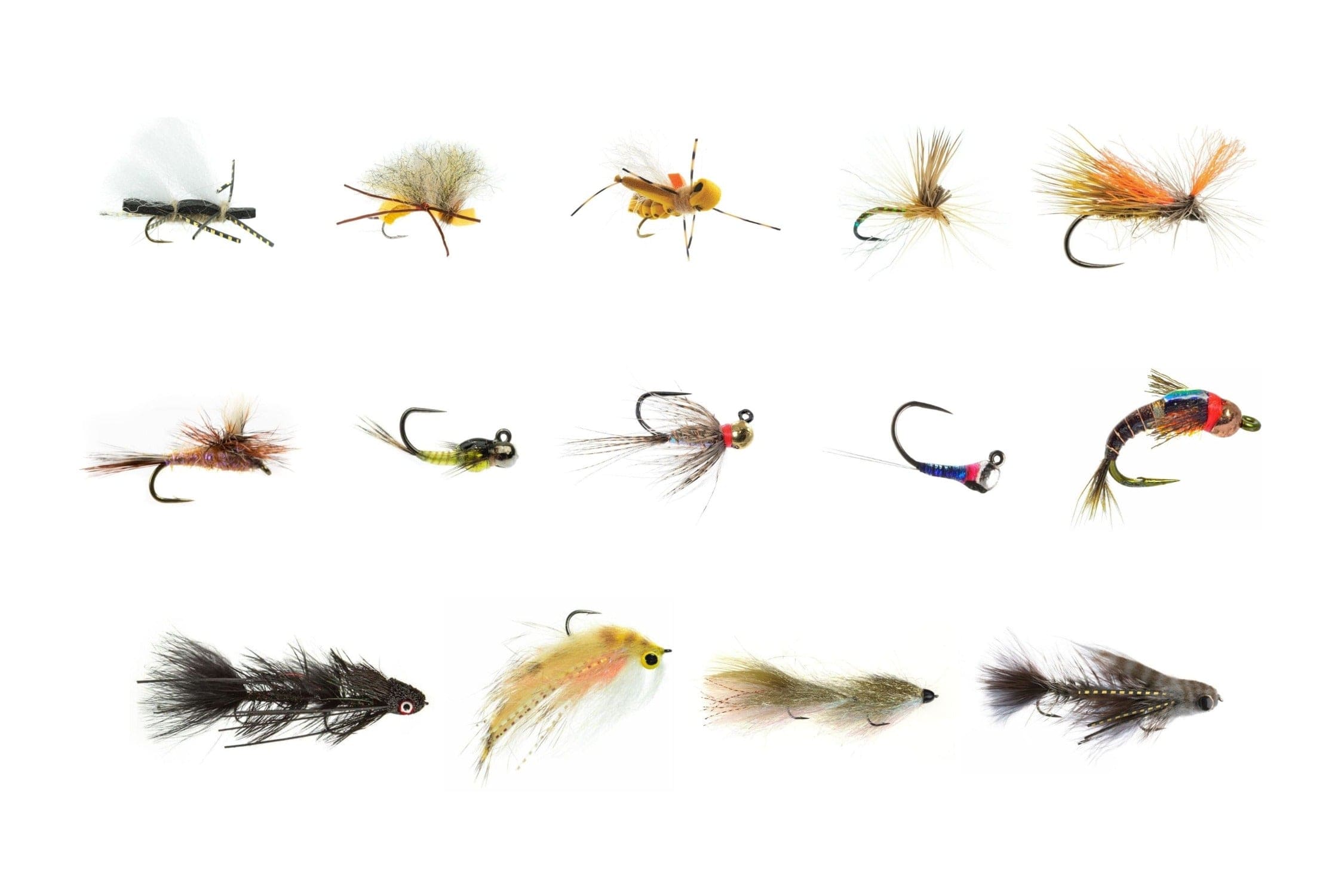
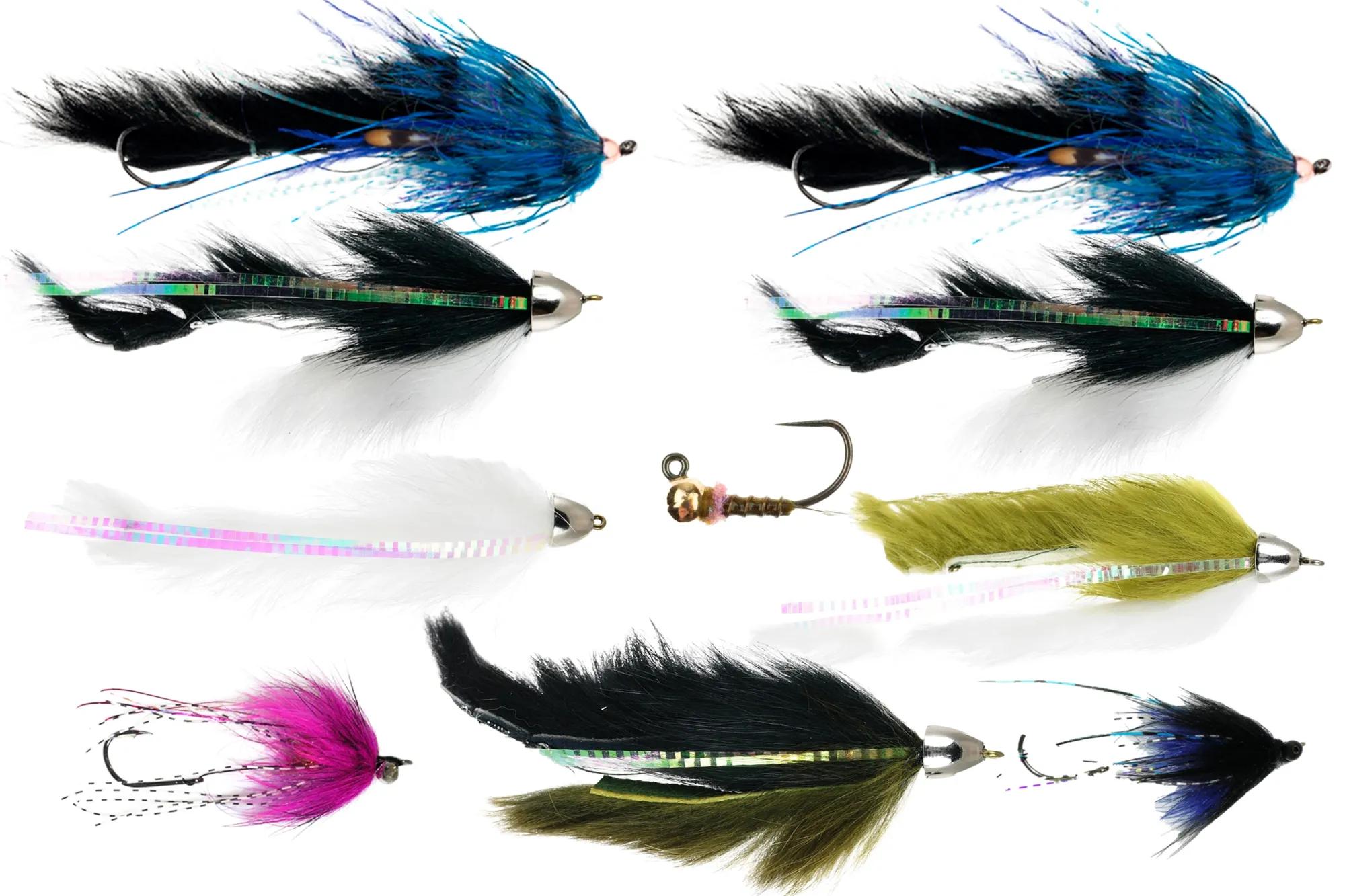
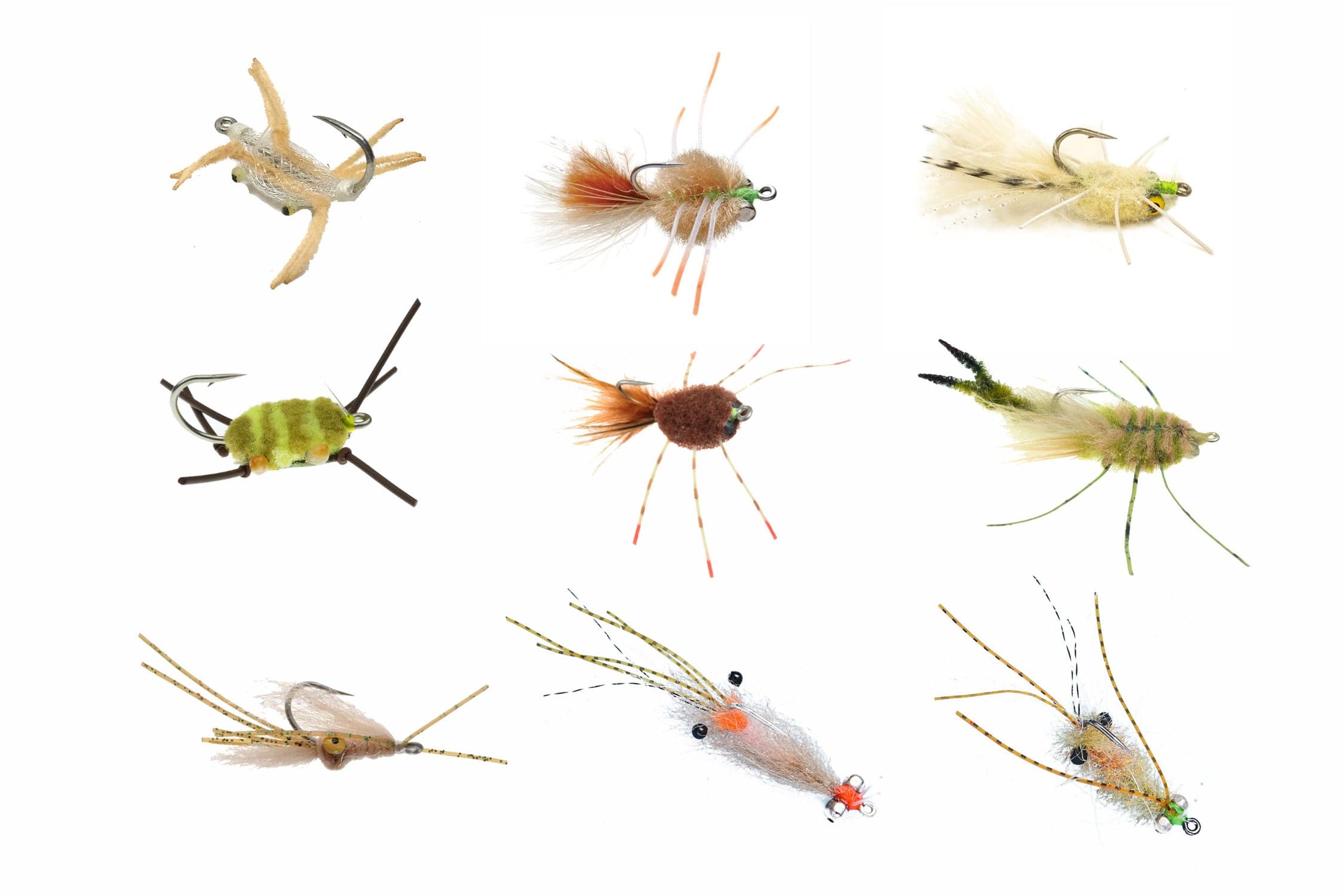
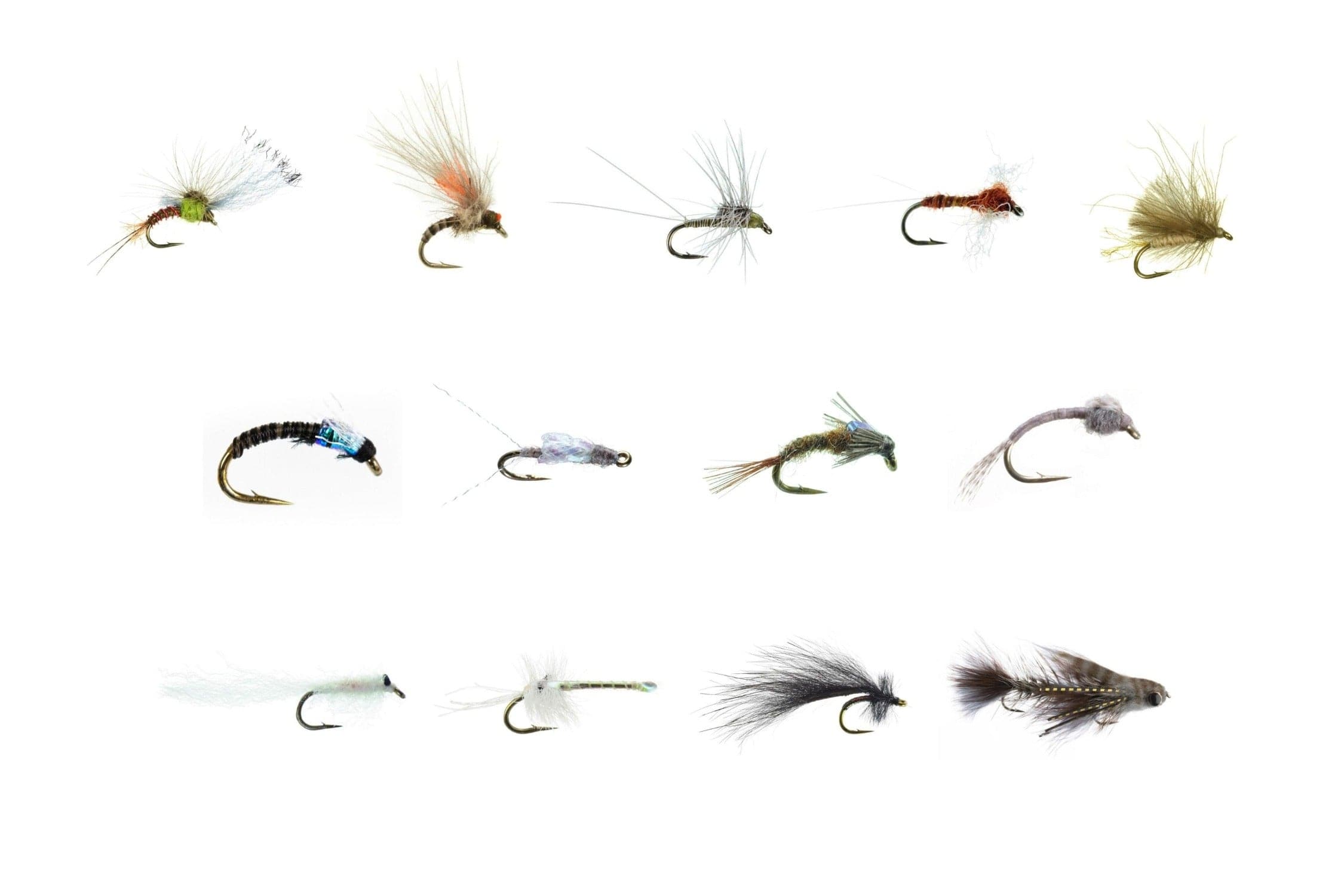
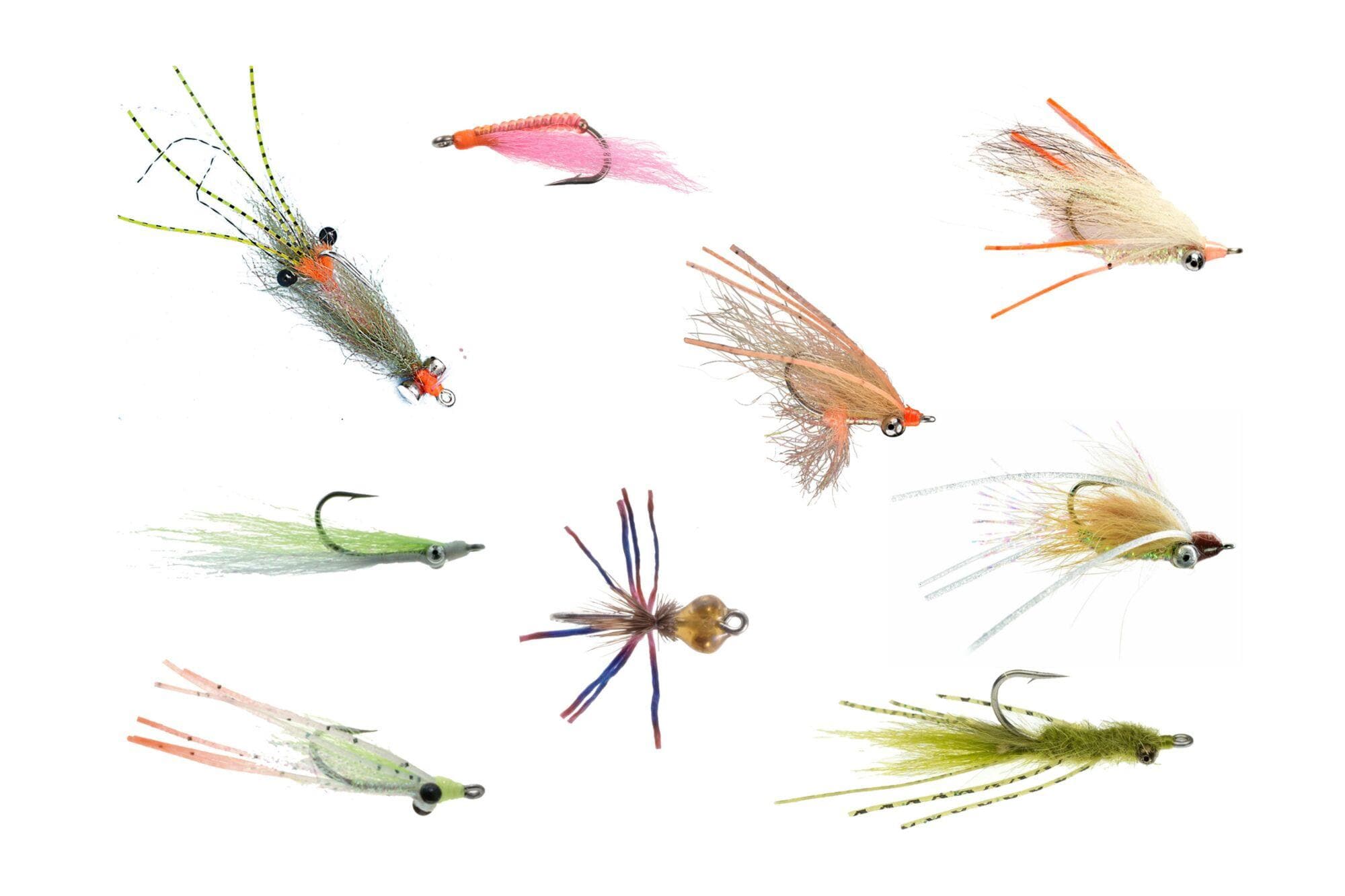
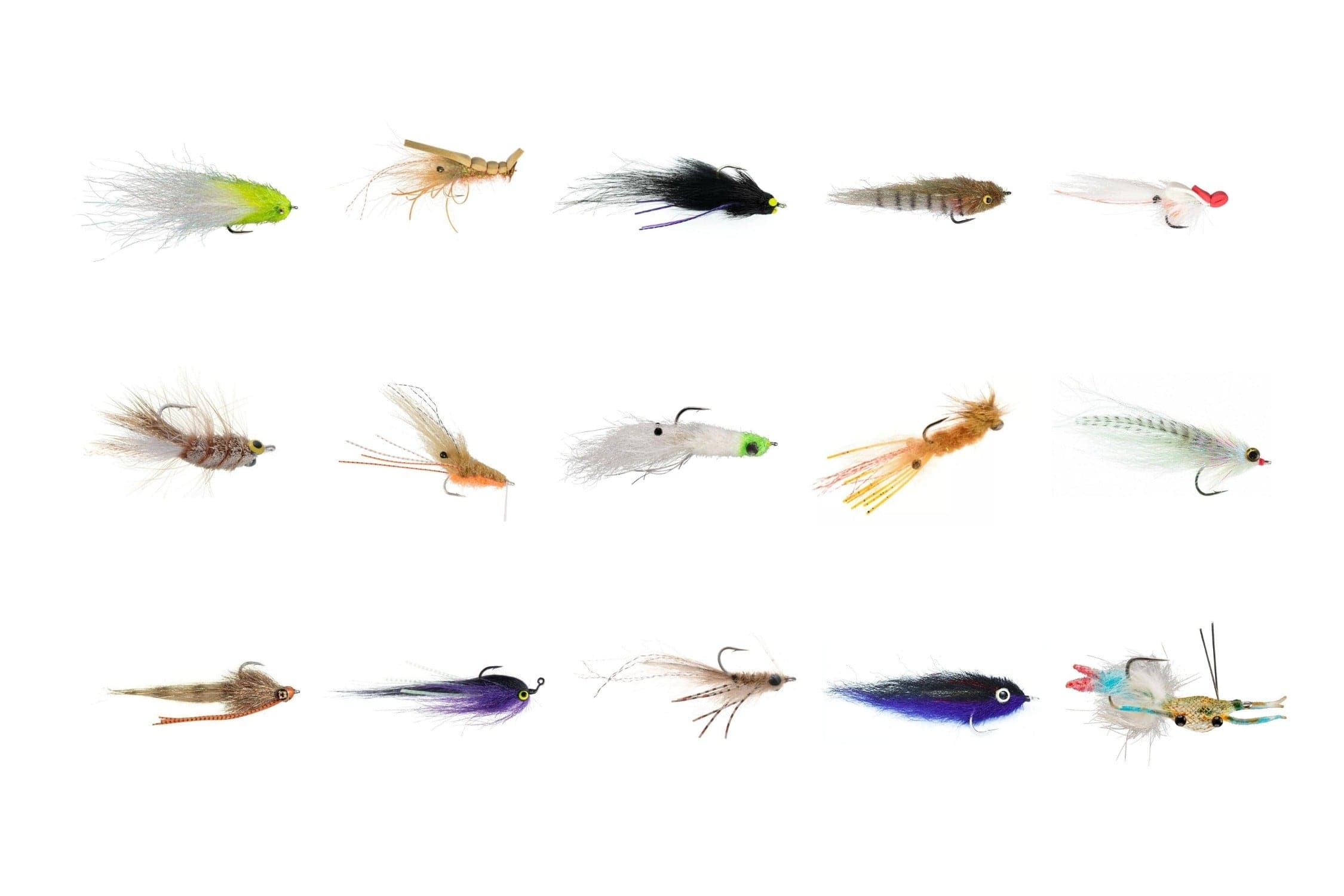
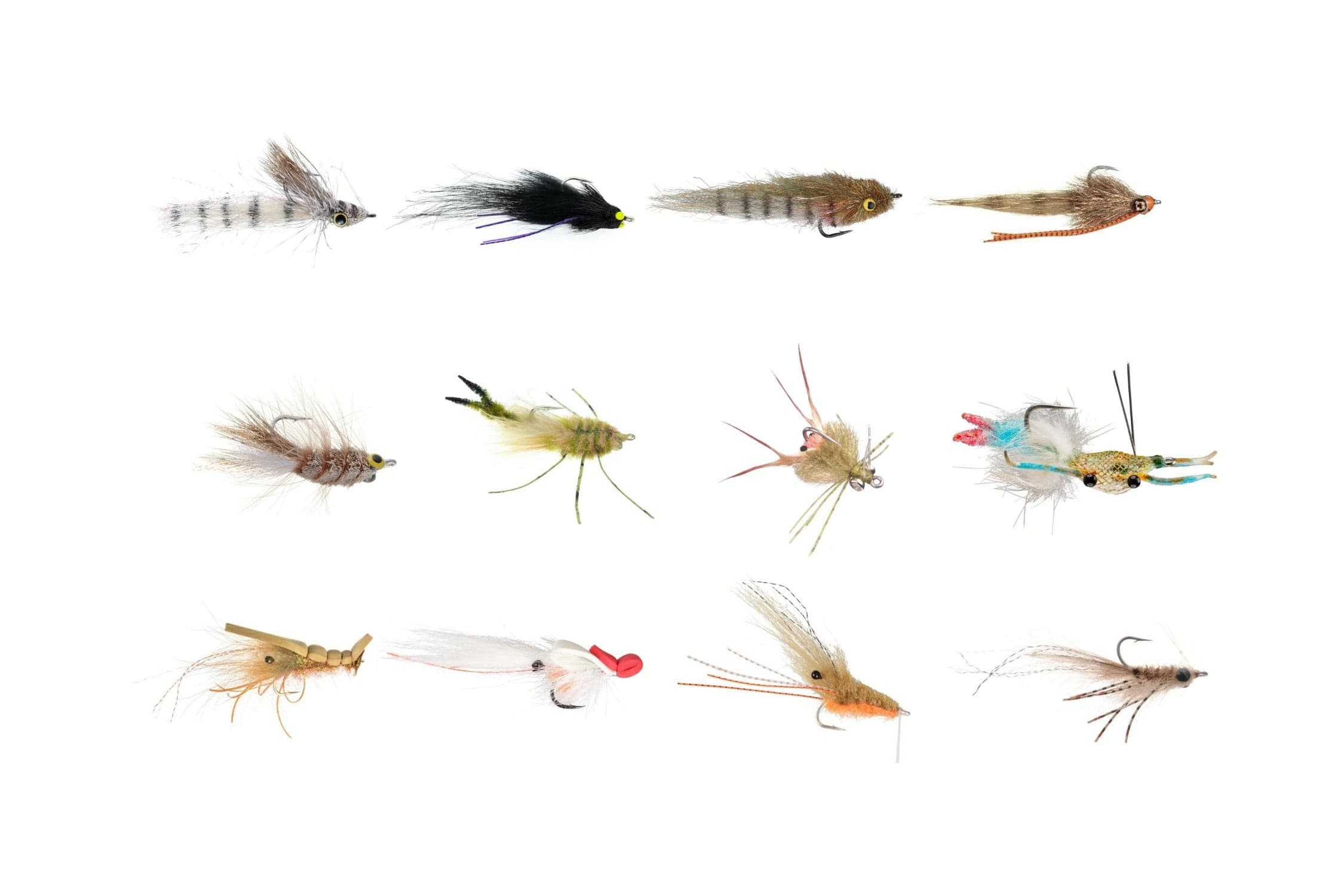
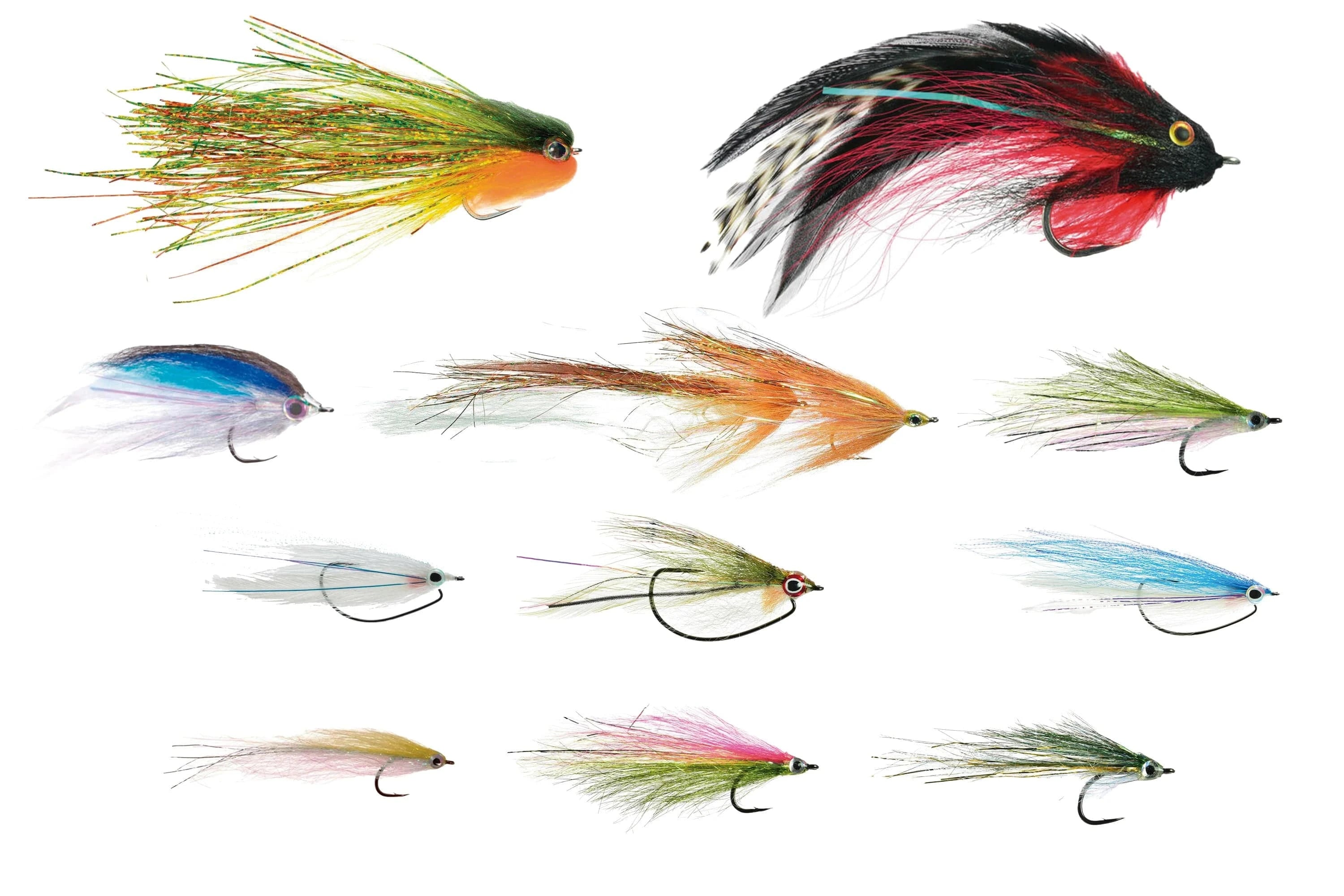
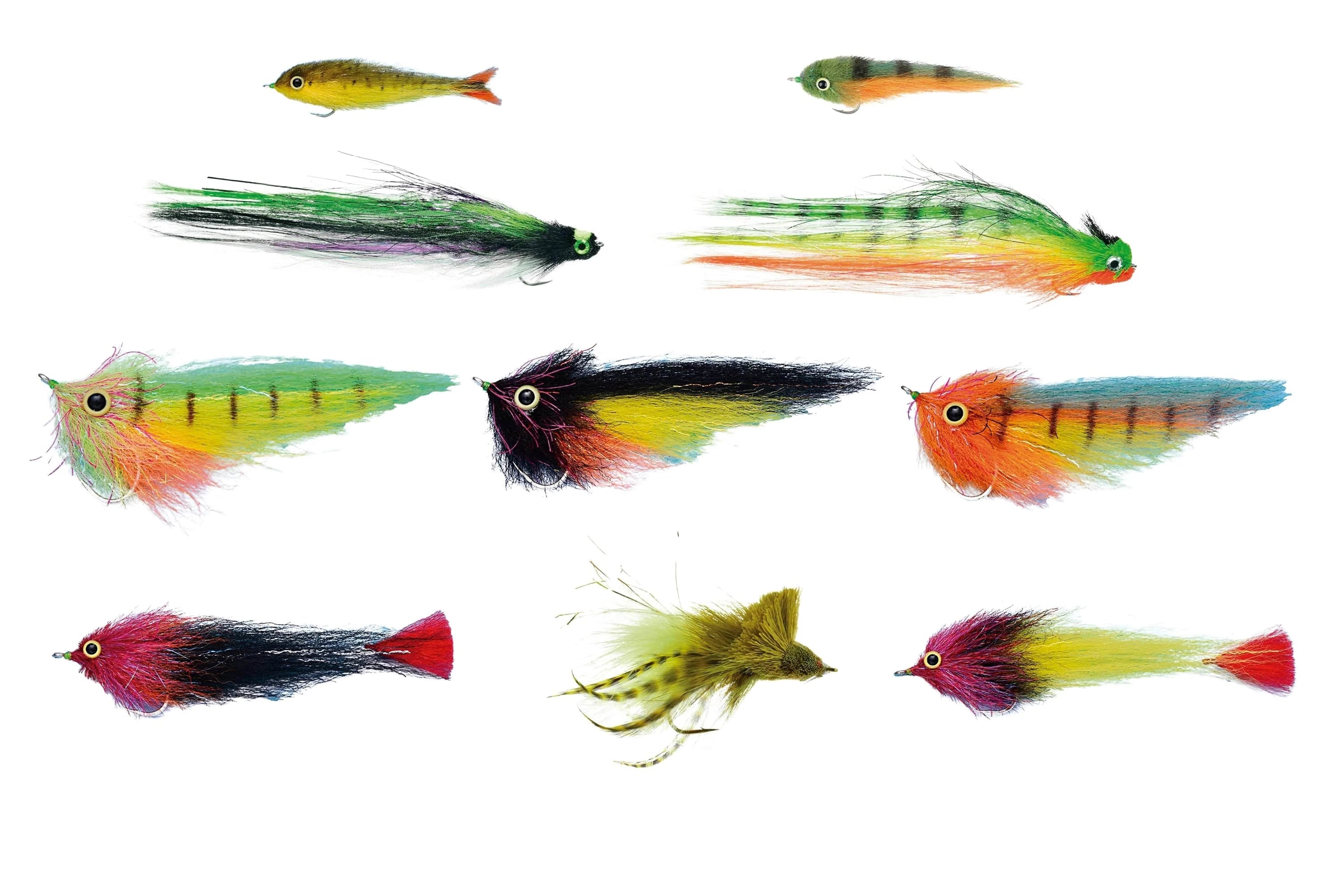
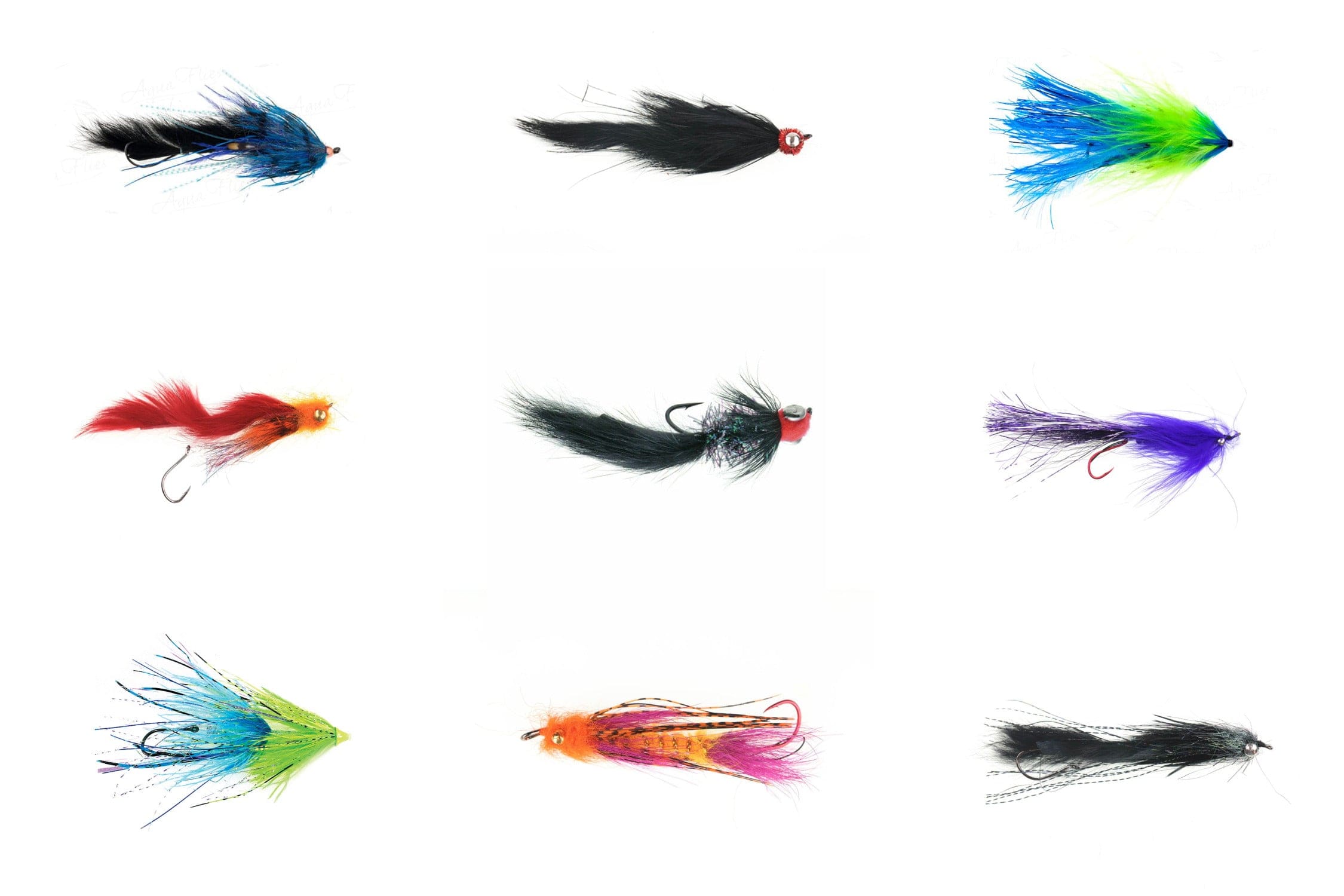
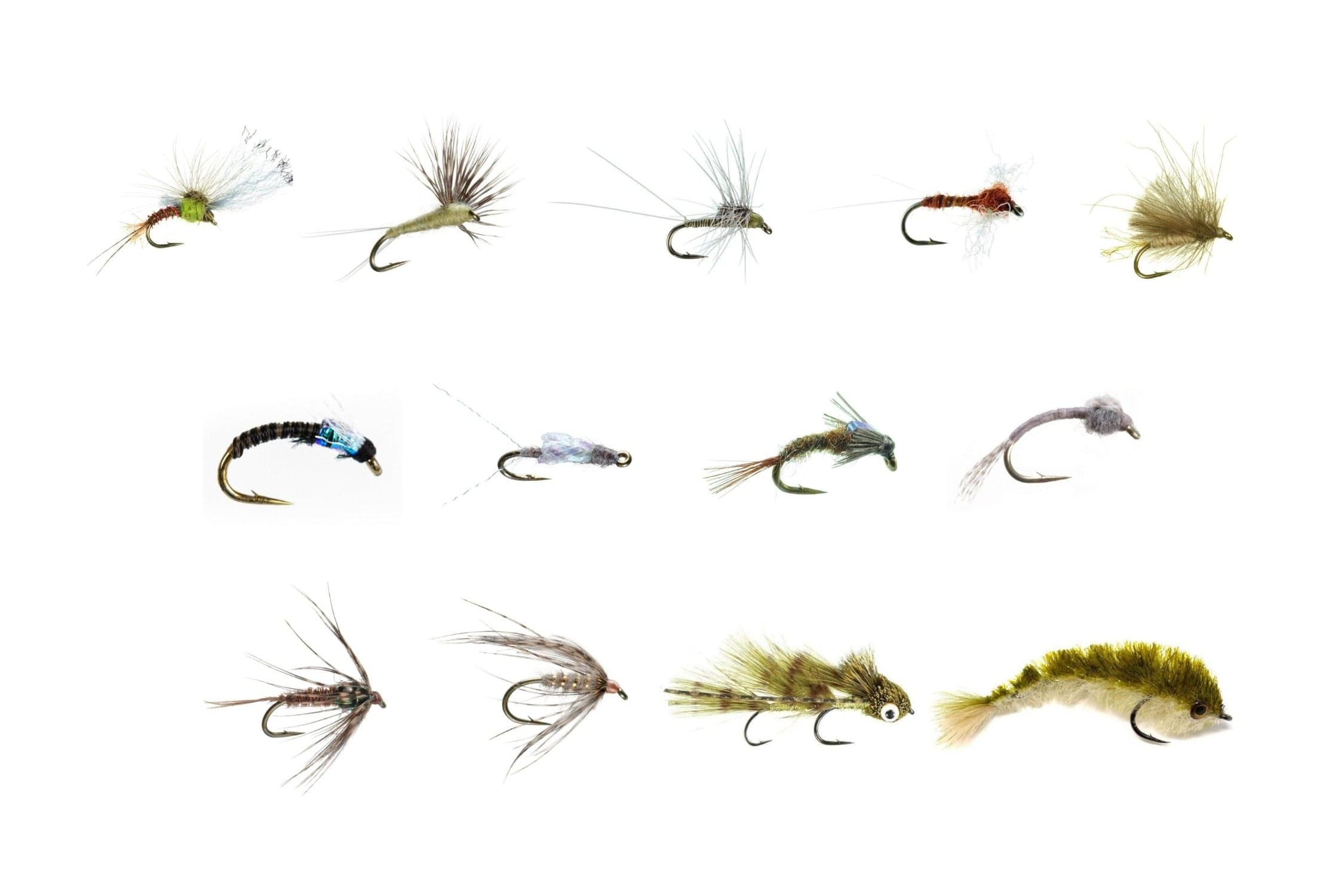
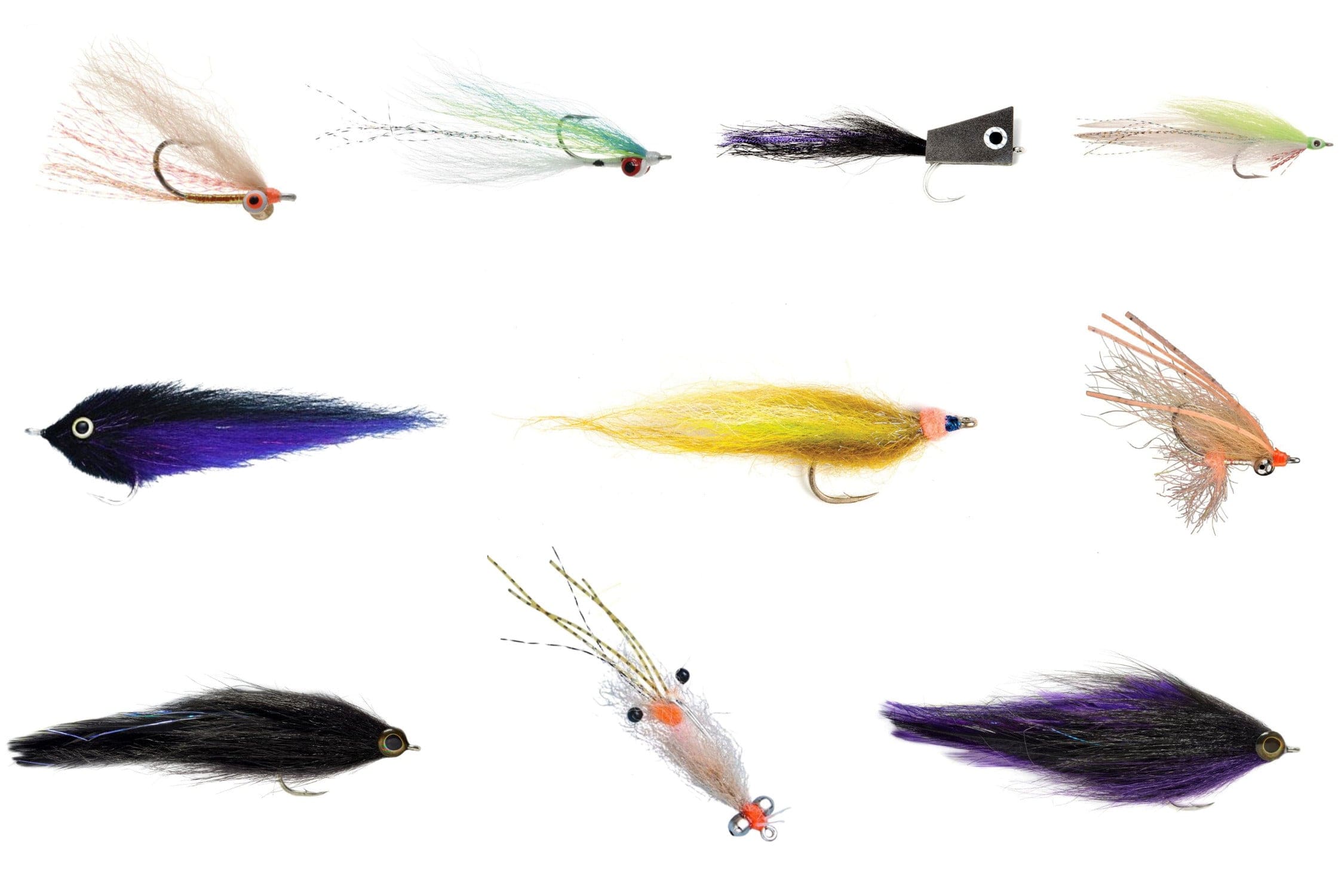
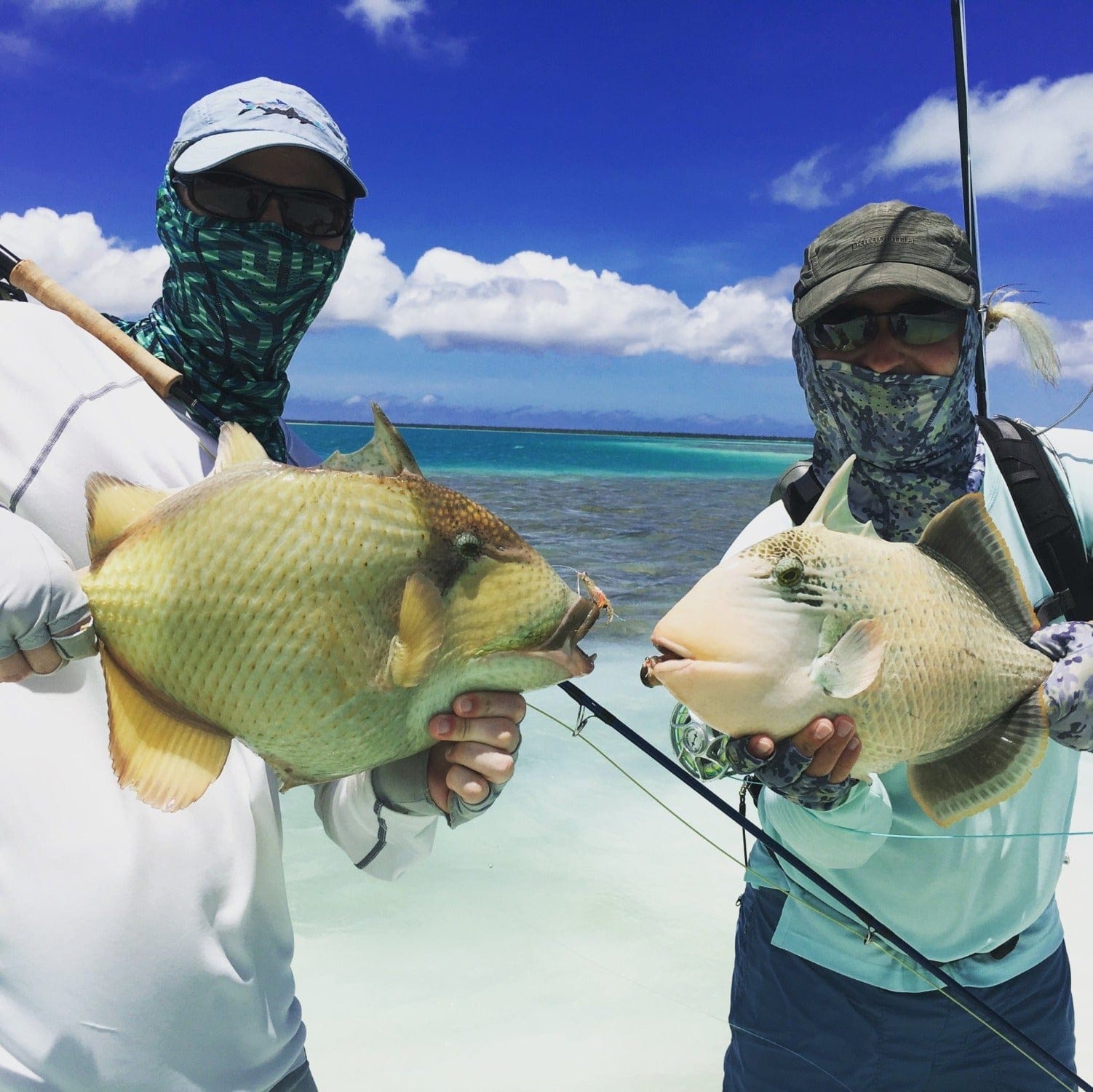




Travel Fly Selections Quick Picks
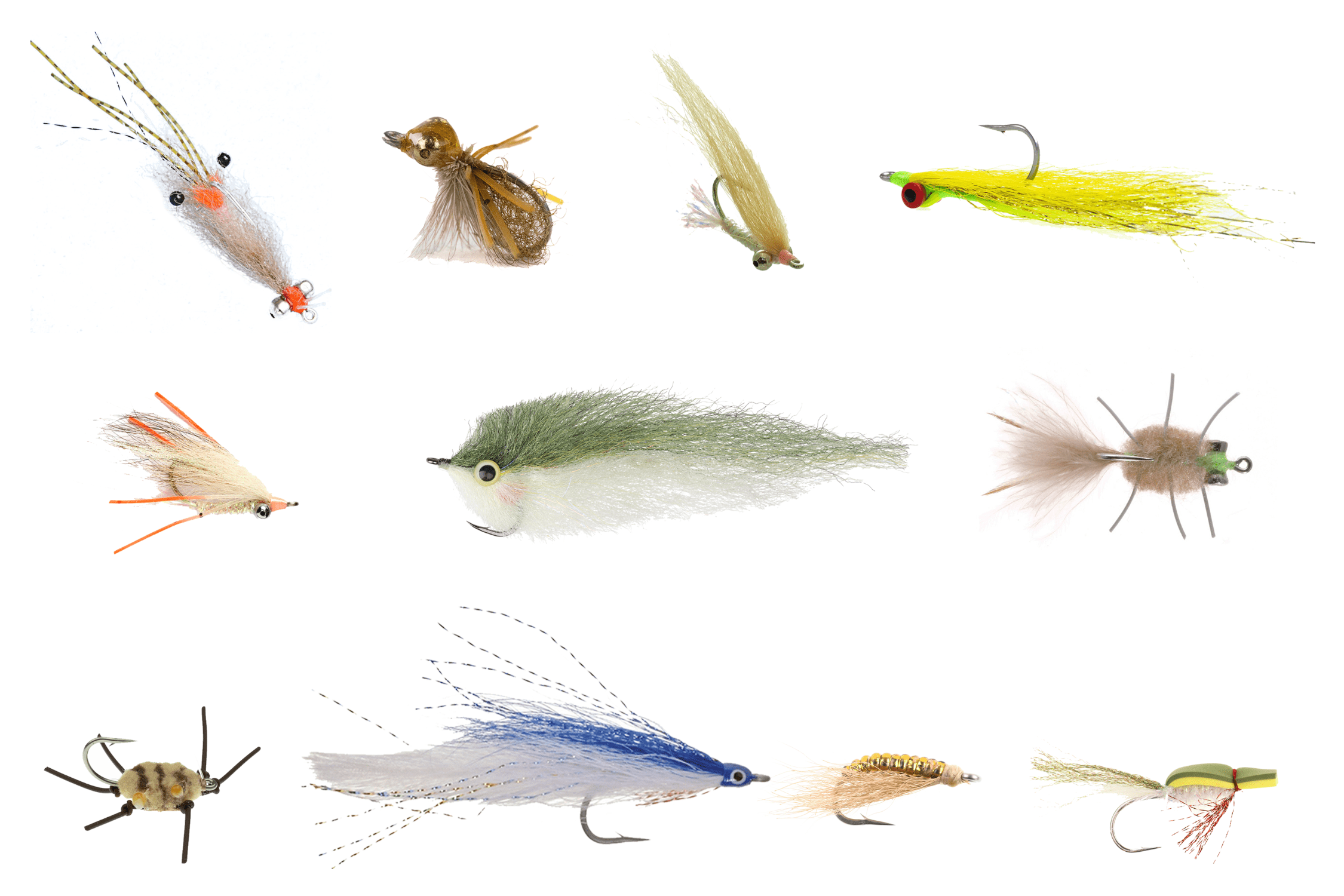
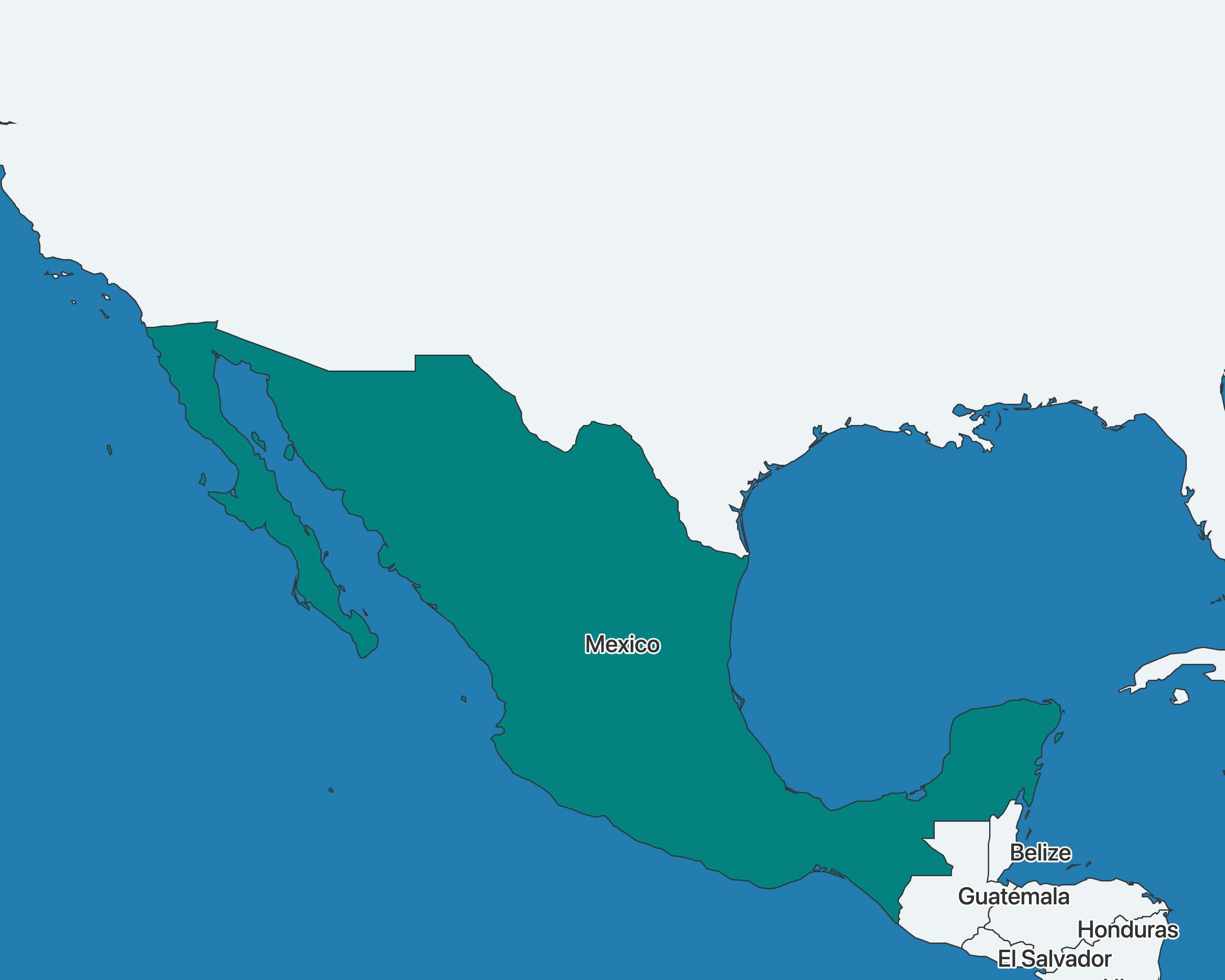
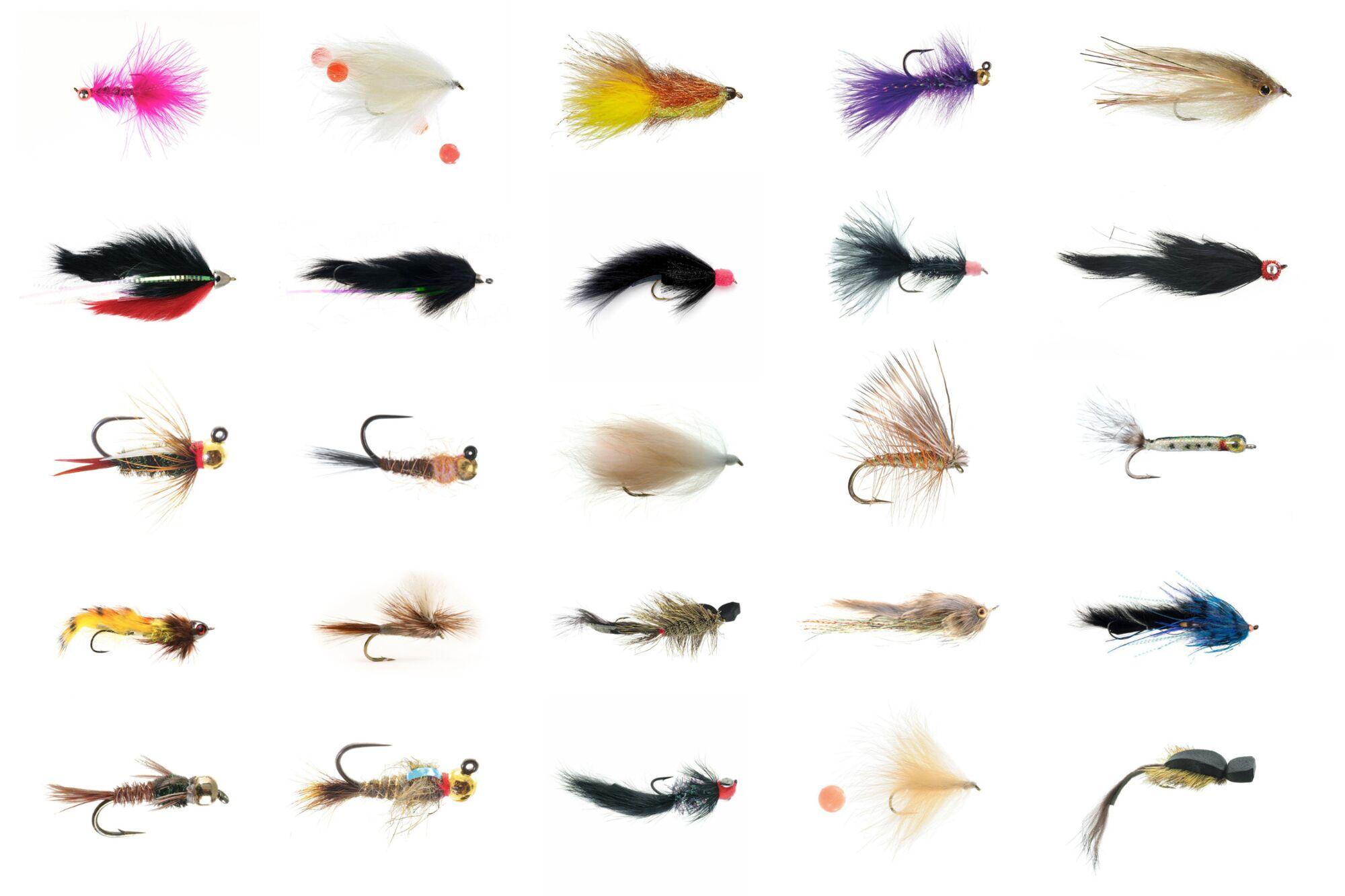
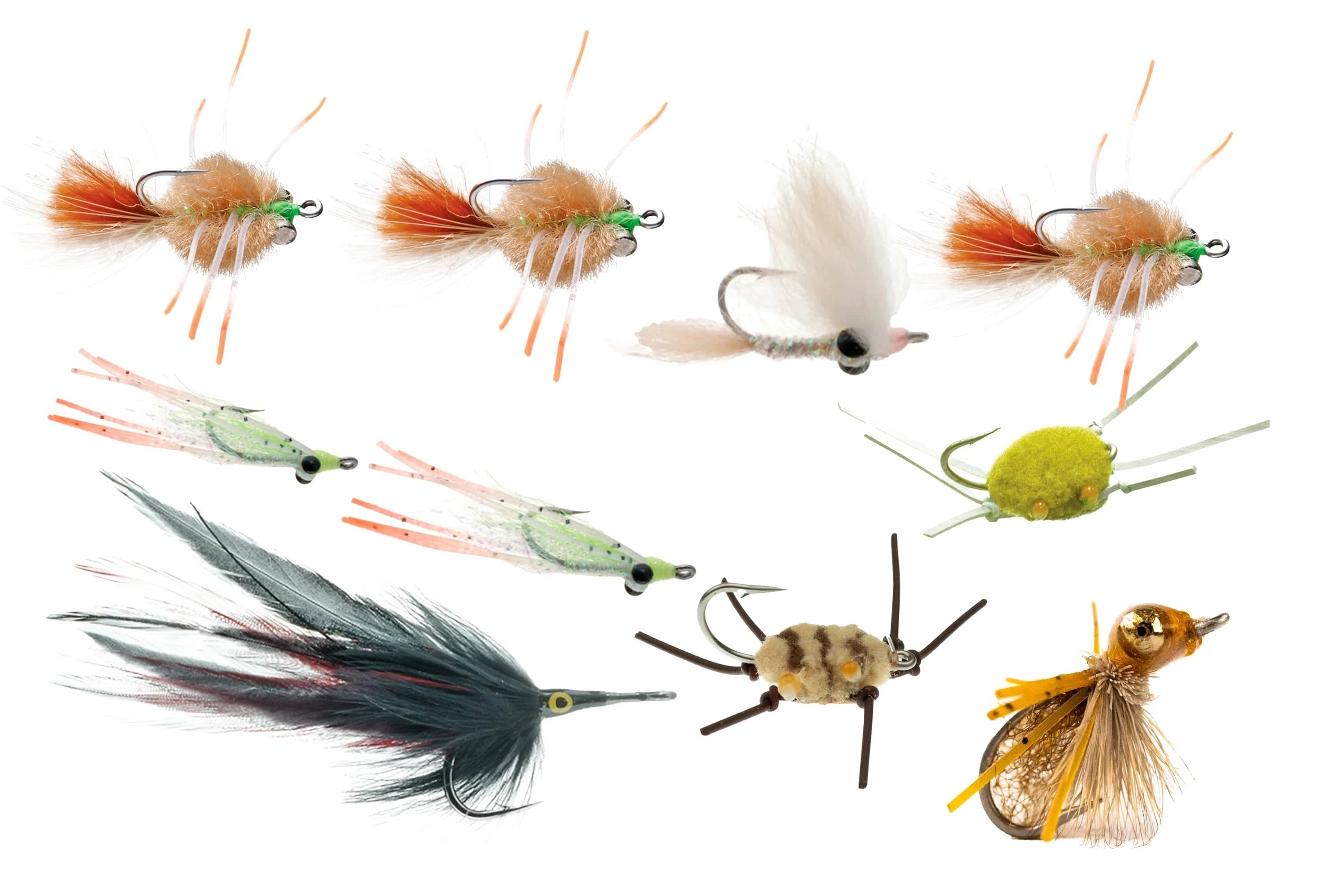
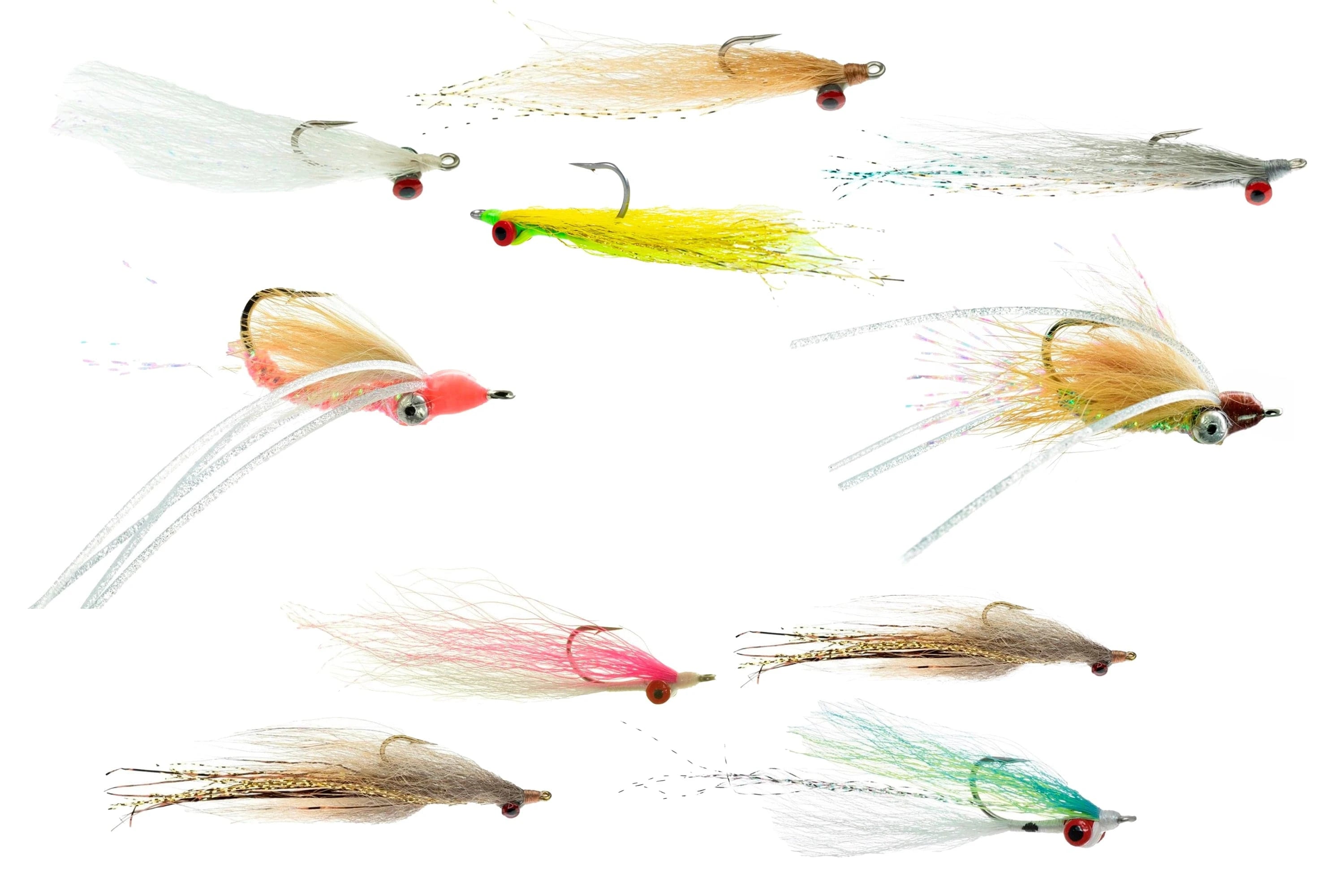
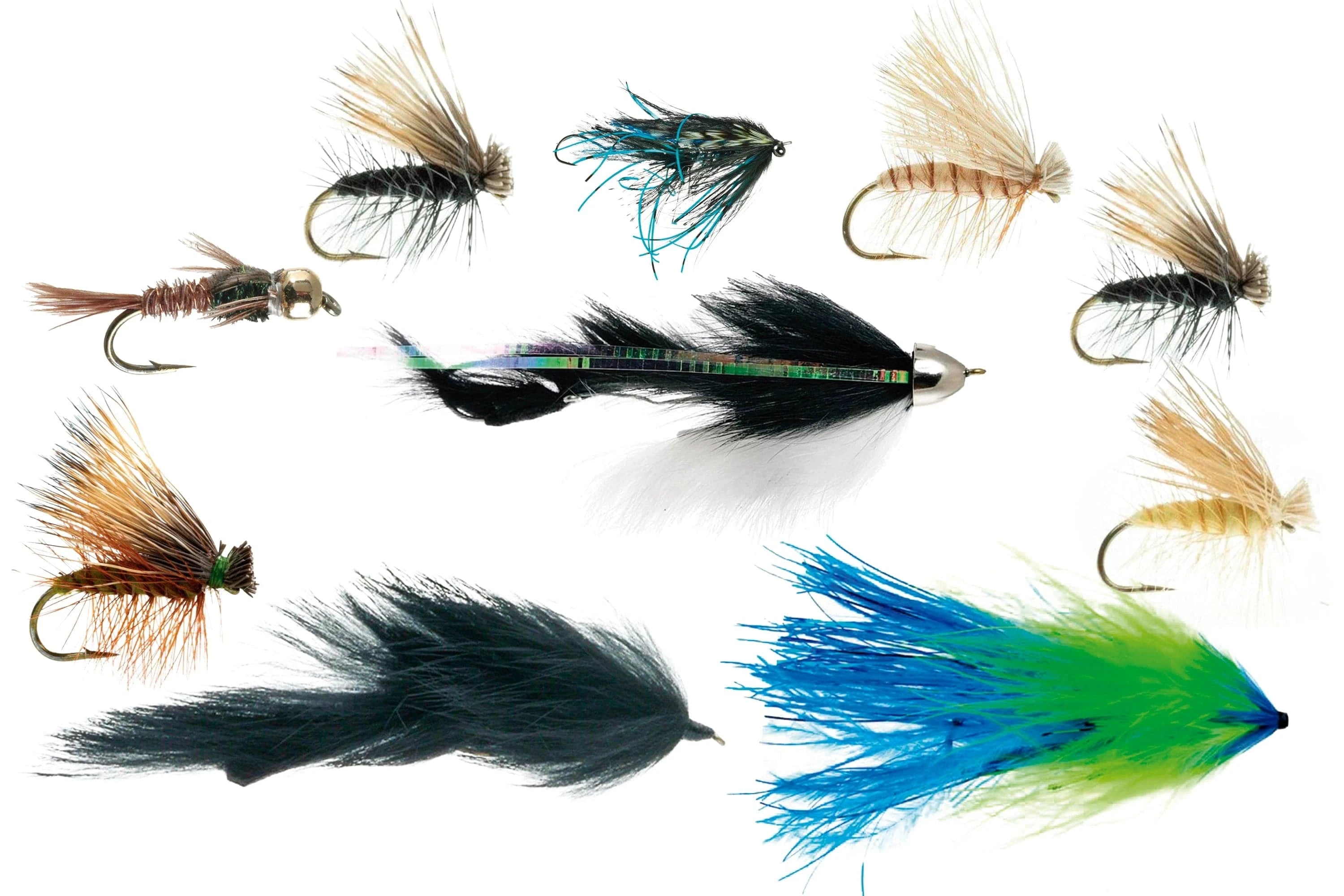
- Best All-Around: Ascension Bay Fly Selection - Built for anglers heading to the Yucatán who want a broad, ready-to-fish mix for classic flats scenarios. It’s a practical “grab it and go” starting point when you’re packing for multiple species and changing conditions.
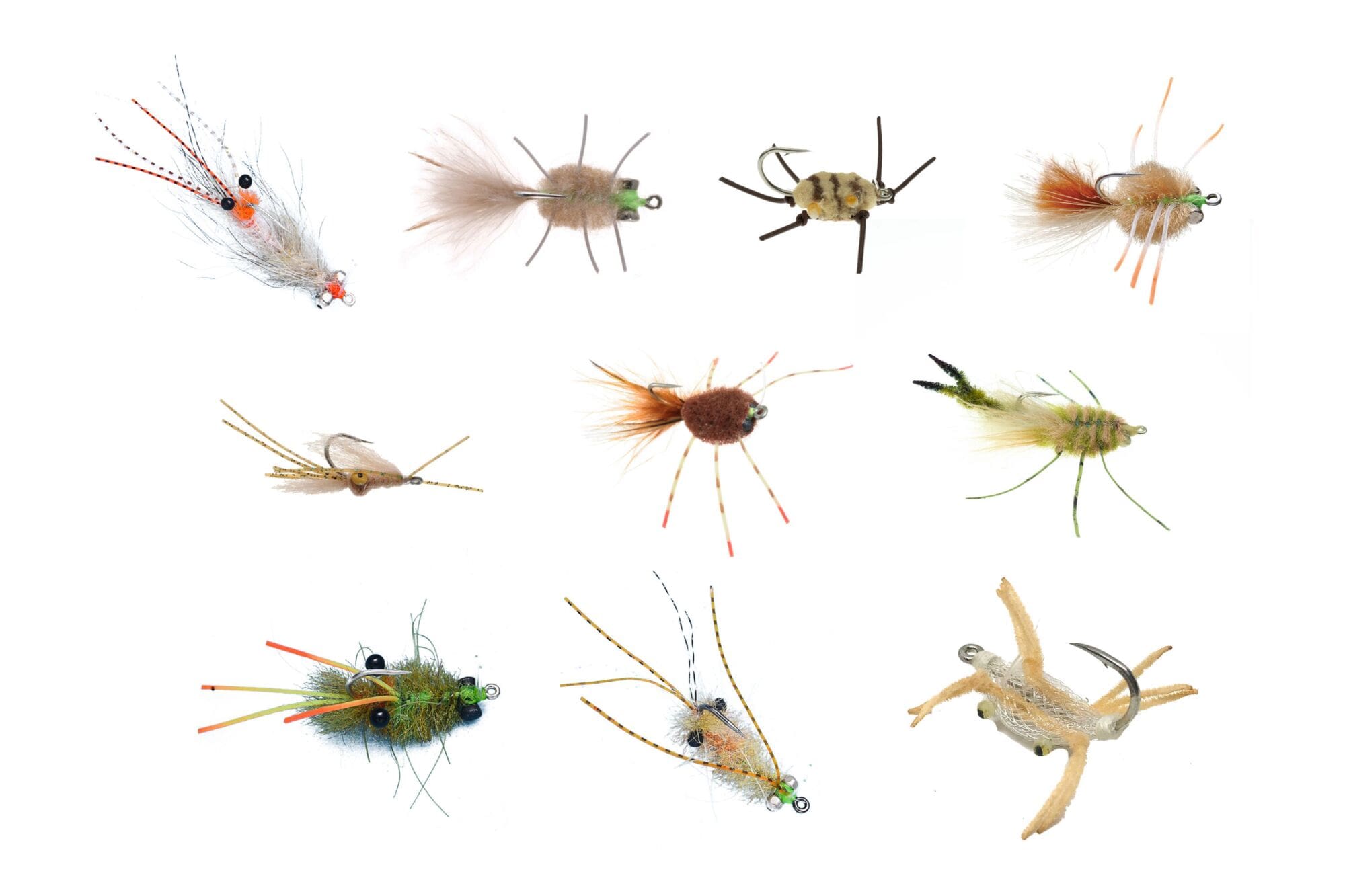
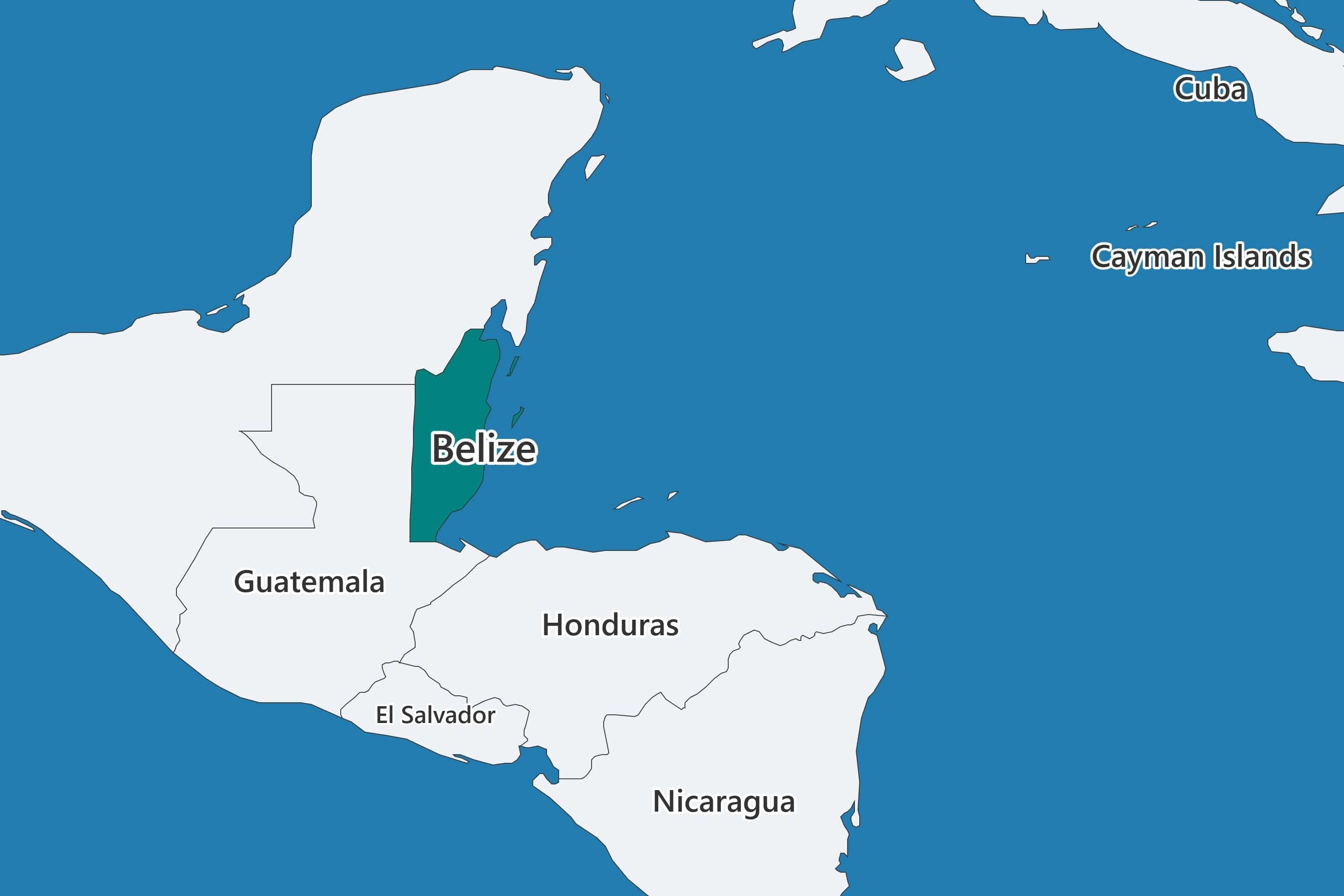
- Best for Permit: Belize Permit Fly Selection - A focused pick for permit travelers who want proven flats patterns without overthinking the box build. It’s geared toward crab-and-shrimp style coverage so you can match what fish are actually hunting on the flat.
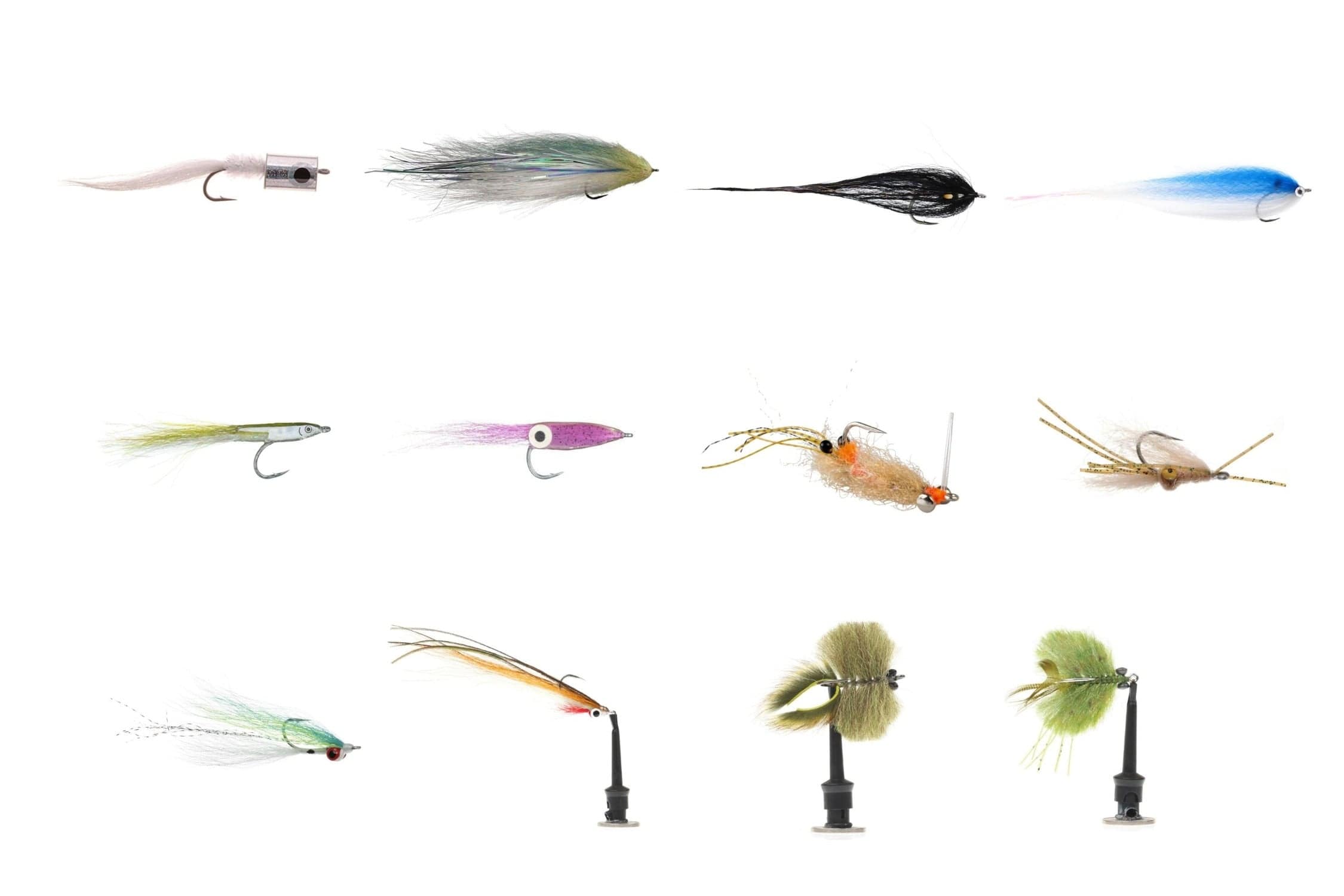
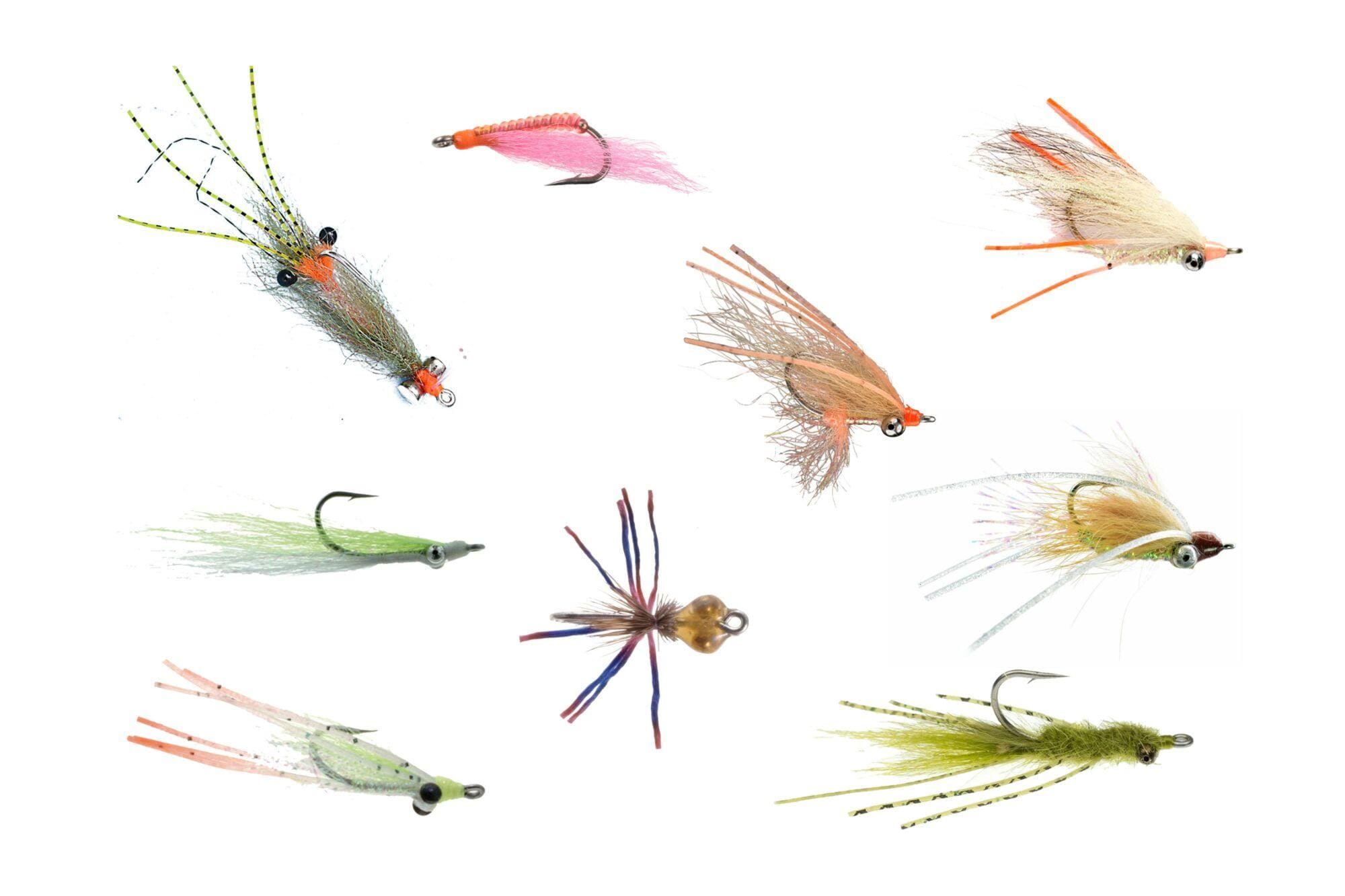
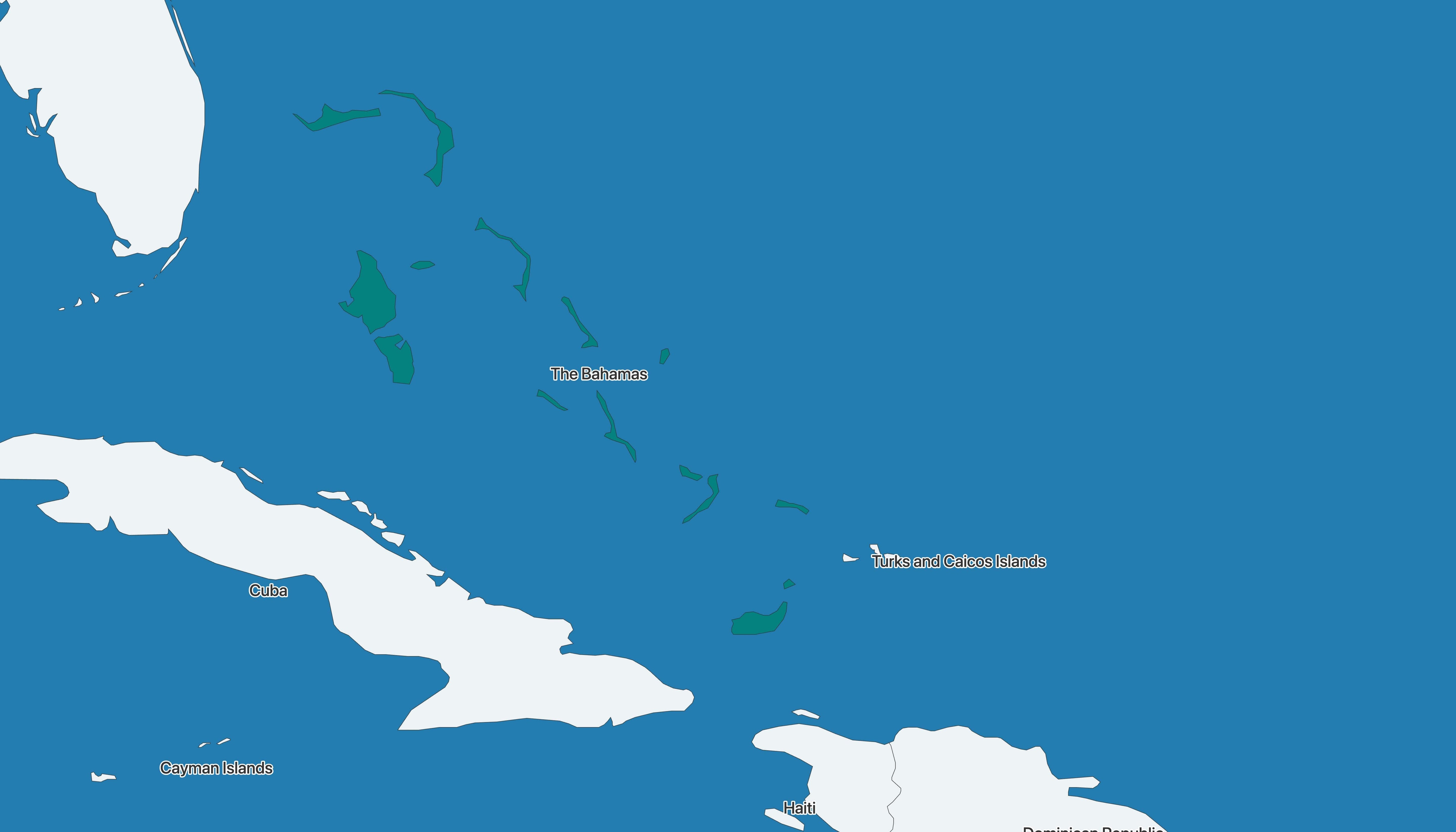
- Best for Beginners: Bahamas Bonefish Fly Selection - A straightforward option for first-time bonefish anglers who want a curated spread instead of guessing sizes and weights. It’s a confidence builder when you’re learning presentations, lead, and how bonefish feed.
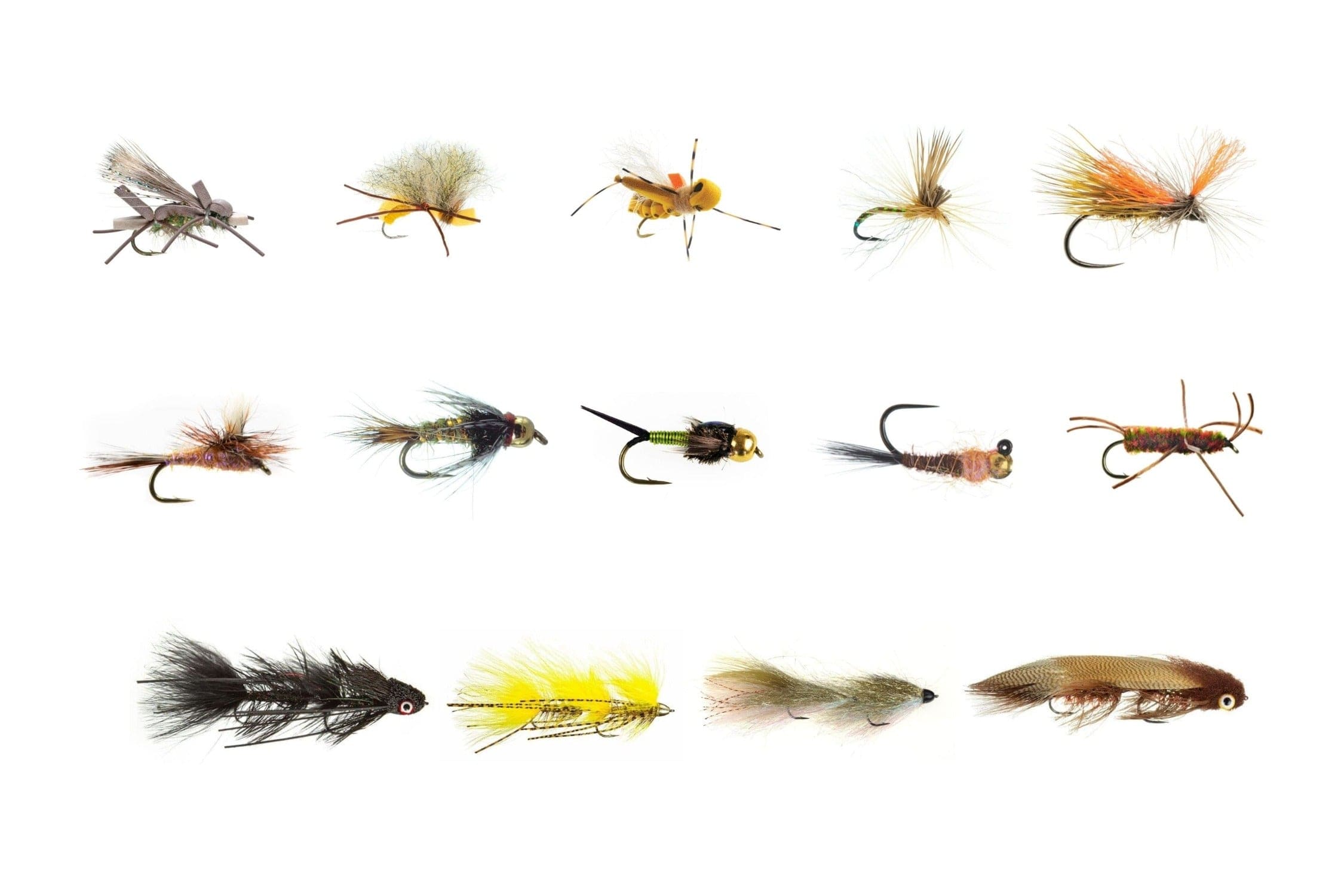
- Best for Trout Travel: Montana Summer Fly Selection - Designed for anglers traveling to Montana who want fast coverage for summer conditions. It’s a simple way to show up prepared when you only have a few fishing days and limited box space.
- Best for Redfish Travel: Louisiana Redfish Fly Selection - A strong choice for marsh-focused trips where you need flies that make sense for shallow water and moving targets. It helps streamline prep when you’d rather spend time scouting tides than tying on the night before.
How to Choose Travel Fly Selections
Match the selection to where you’re actually fishing
Action: Choose the destination or lodge selection that matches your trip, then tweak from there based on your guide’s notes. These Travel Fly Selections are curated specifically for destinations you can book through Trident Travel, so start with the one that matches your itinerary.
Avoid if: You’re trying to build a local, year-round “one box” solution. In that case, you’ll usually be better served by general species collections (bonefish, permit, redfish, etc.) and building a more flexible mix.
Bring variety in weight and sink rate (especially in the salt)
Best for: Flats anglers who deal with changing wind, water depth, and bottom type. Having a range of weighting lets you fish shallow and quiet when it’s skinny, then get down when the current picks up or fish slide deeper.
Think in food groups, not just patterns
Action: For saltwater travel, you generally want coverage across crab, shrimp, and baitfish imitations (plus color and size variety). For trout travel, aim to cover dries, nymphs, and a few streamers so you’re not stuck when the river changes mood.
Use the “Build Your Box” format to customize fast
Action: If you want fewer of one style or need extra of a confidence fly, use the selection as a template, then adjust quantities before checkout. It’s a clean way to scale your box for a weeklong trip versus a long weekend without starting from scratch.
Materials & Durability
- Rinse after saltwater days: Even flies and hooks benefit from a quick freshwater rinse and air-dry to reduce corrosion.
- Dry before storage: Let flies dry fully before closing the box to help prevent rust and soggy materials.
- Separate wet flies: If you’re rotating boxes daily, keep a “drying” box or vented area in your boat bag.
- Check hook points: Travel often means lots of casts and bottom contact, touch up points or replace flies as needed.
Complete Your Setup
Related Gear
- Fly Selections - Great if you want additional species packs or a non-destination assortment to round out your travel box.
- Fly Assortments - A simple way to add proven packs when you’re short on prep time.
- Leaders - Helps you match leader stiffness and taper to wind, fly size, and presentation style.
- Tippet - Essential for dialing in abrasion resistance and stealth when conditions change day to day.
- Rod & Reel Cases - Useful for protecting your setups during flights and transfers.
Related Guides
- Bonefishing Gear Guide
- The 8 Best Bonefish Flies
- The Top 10 Best Permit Flies
- The 8 Best Redfish Flies
- How to Choose the Best Fly Line for Bonefish
Travel Fly Selections FAQs
Q: What are Travel Fly Selections?
A: They’re curated fly selections built around specific travel destinations and lodge fisheries. They’re meant to reduce guesswork and help you show up with flies that make sense for the trip.
Q: Are these Travel Fly Selections only for trips booked through Trident Travel?
A: The collection is built for destinations you can book through Trident Travel, but the flies can still be a solid template if you’re traveling independently to the same fishery. If your destination differs, choose a closer match or build from broader species collections.
Q: Should I still ask my guide what flies to bring?
A: Yes, guide notes can help you refine sizes, weights, and colors for current conditions. Use the selection as a base, then adjust quantities to match the advice.
Q: How many flies should I bring for a weeklong trip?
A: It depends on species and structure, but most anglers do well bringing enough duplicates of confidence patterns to cover losses and wear. If you’re fishing coral, mangroves, or heavy shell, plan on more spares.
Q: What’s the difference between a destination selection and a general fly assortment?
A: Destination selections are built around a specific fishery, typical forage, and common scenarios you’ll face there. General assortments are broader, and they’re better when you need a more flexible, multi-destination kit.
Q: Do I need different leaders and tippet for different destinations?
A: Usually, yes, leader stiffness and tippet abrasion resistance matter a lot in the salt and around structure. Match your terminal tackle to the species, fly size, and bottom type for cleaner turnover and fewer break-offs.
Q: Can I customize what comes in a Travel Fly Selection?
A: Many of these are set up so you can adjust quantities before checkout, including setting items to zero if you don’t want them. That makes it easy to tailor your box to trip length and personal confidence patterns.
Q: What if I want to build a bigger, more complete box?
A: Start with the Travel Fly Selection, then add from the broader species collections or Fly Selections to cover more depths, sizes, and colors. This approach keeps your box organized and avoids random overlaps.