


How TMC Fly Hooks Are Made

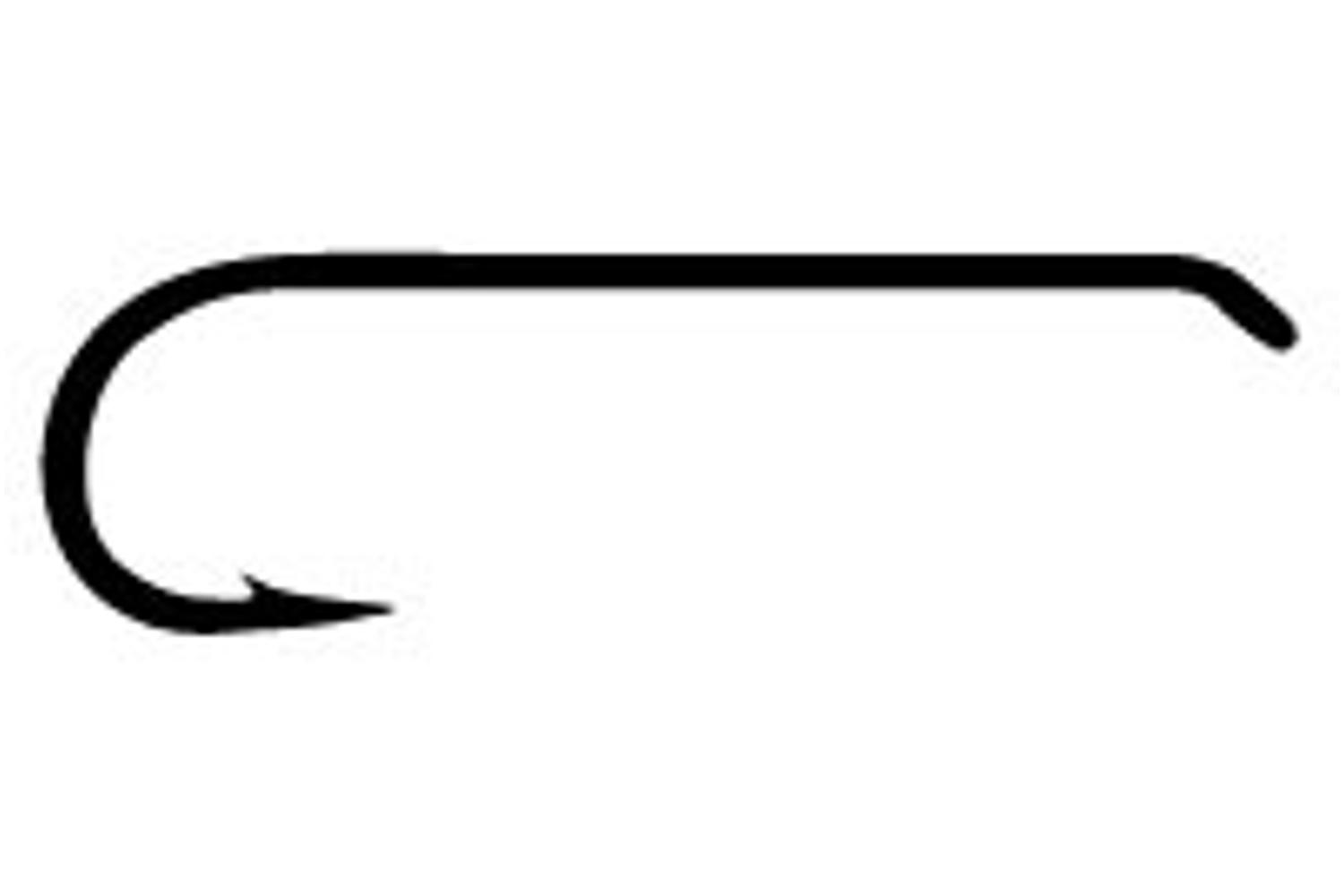


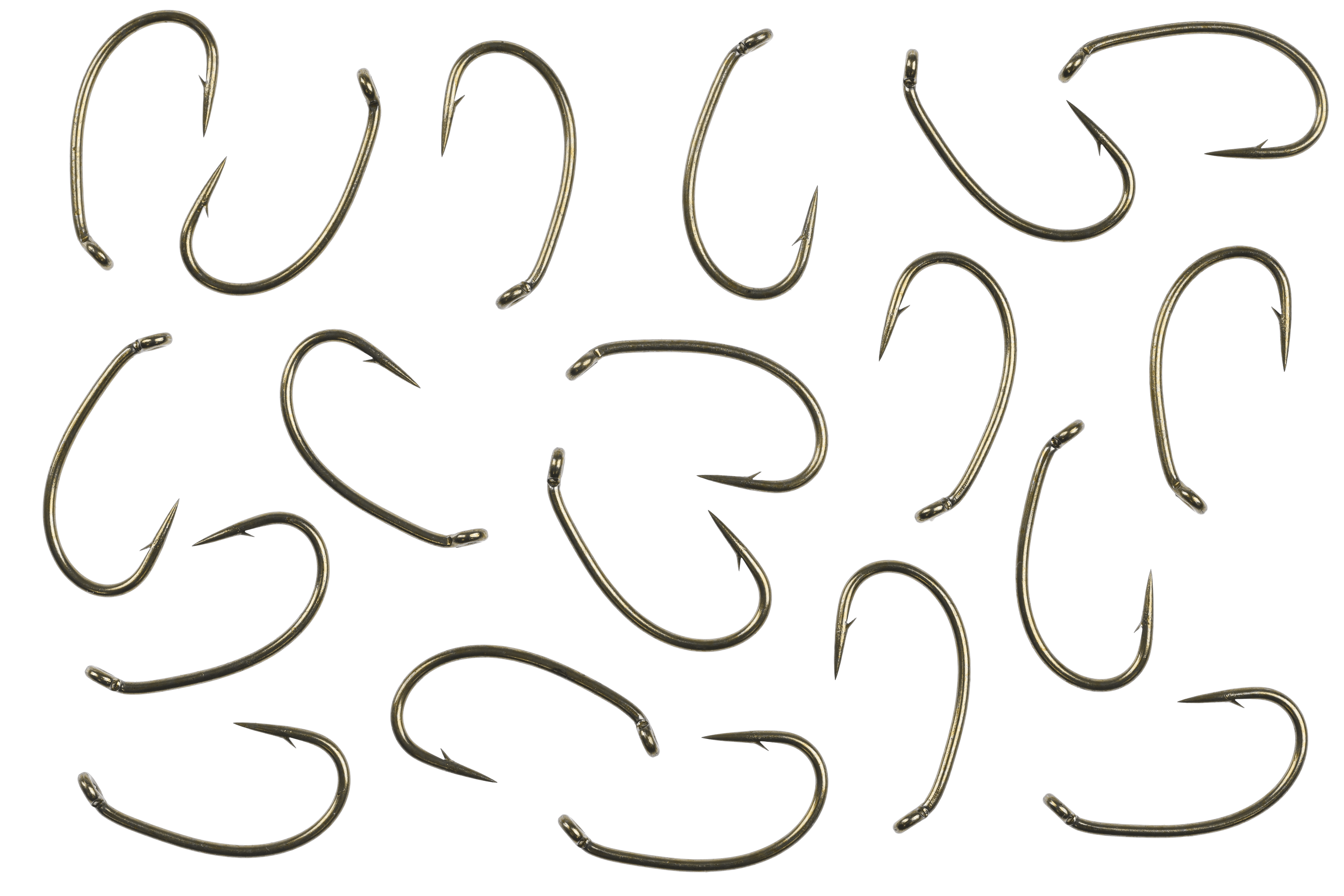


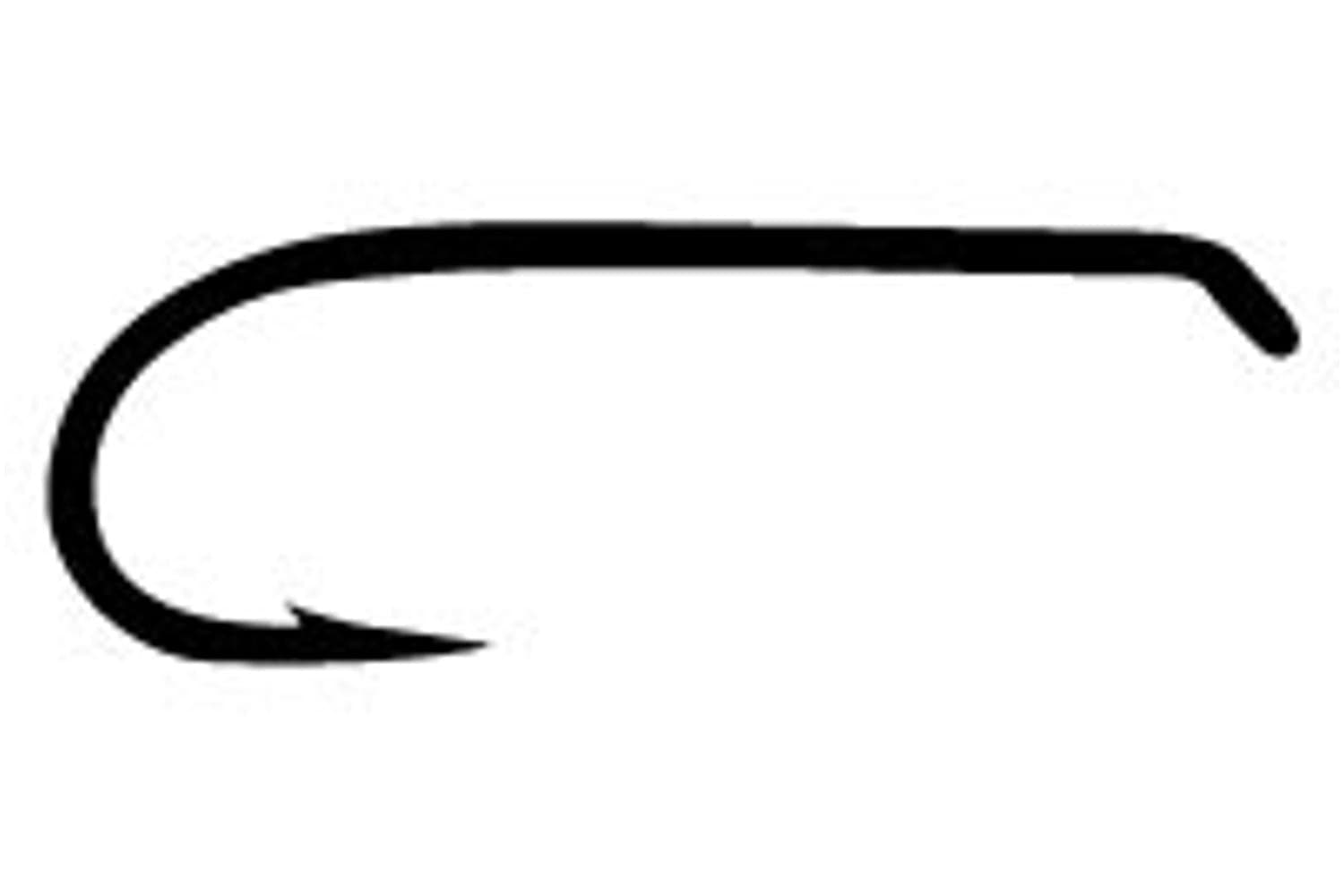

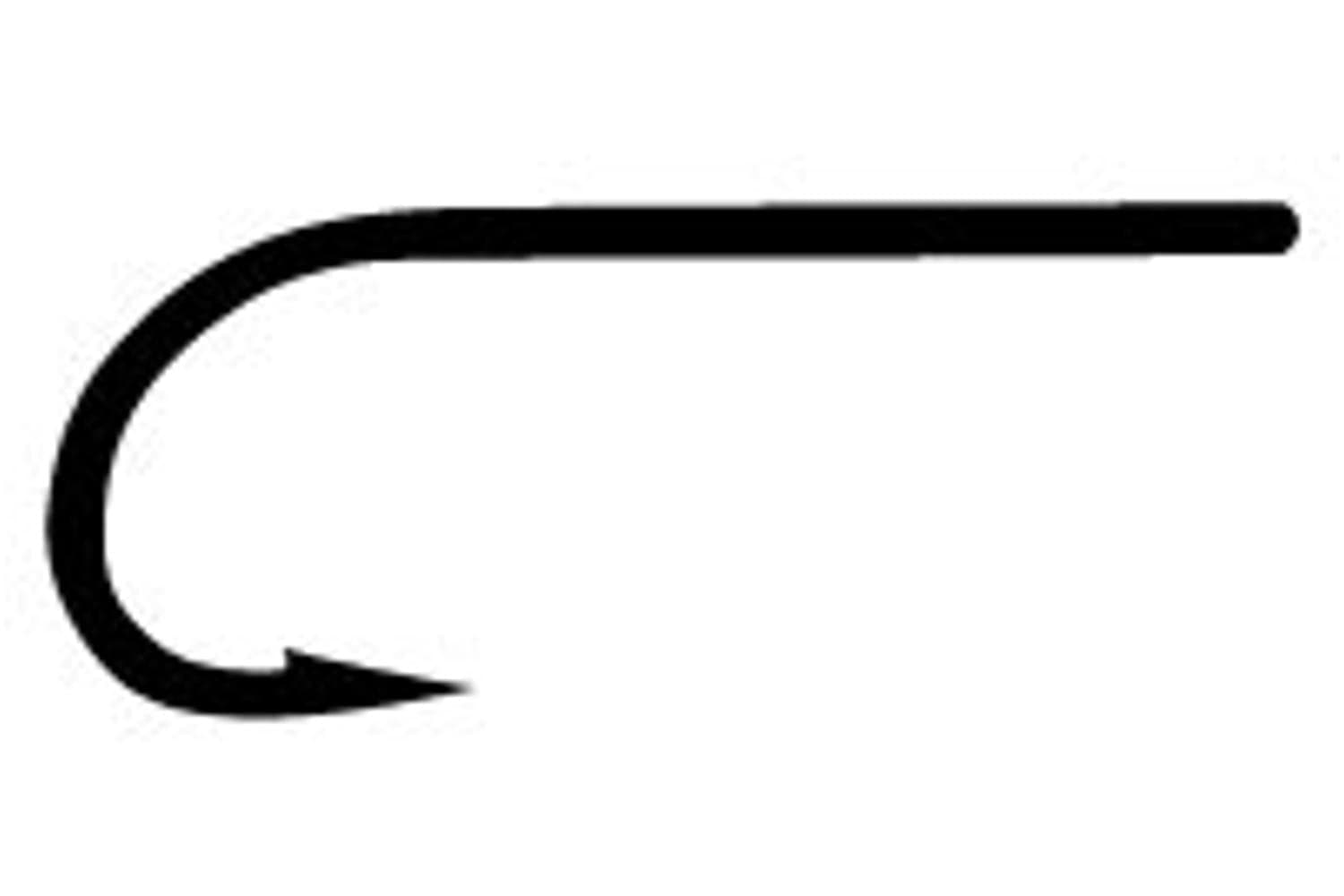




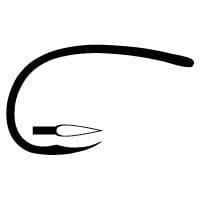

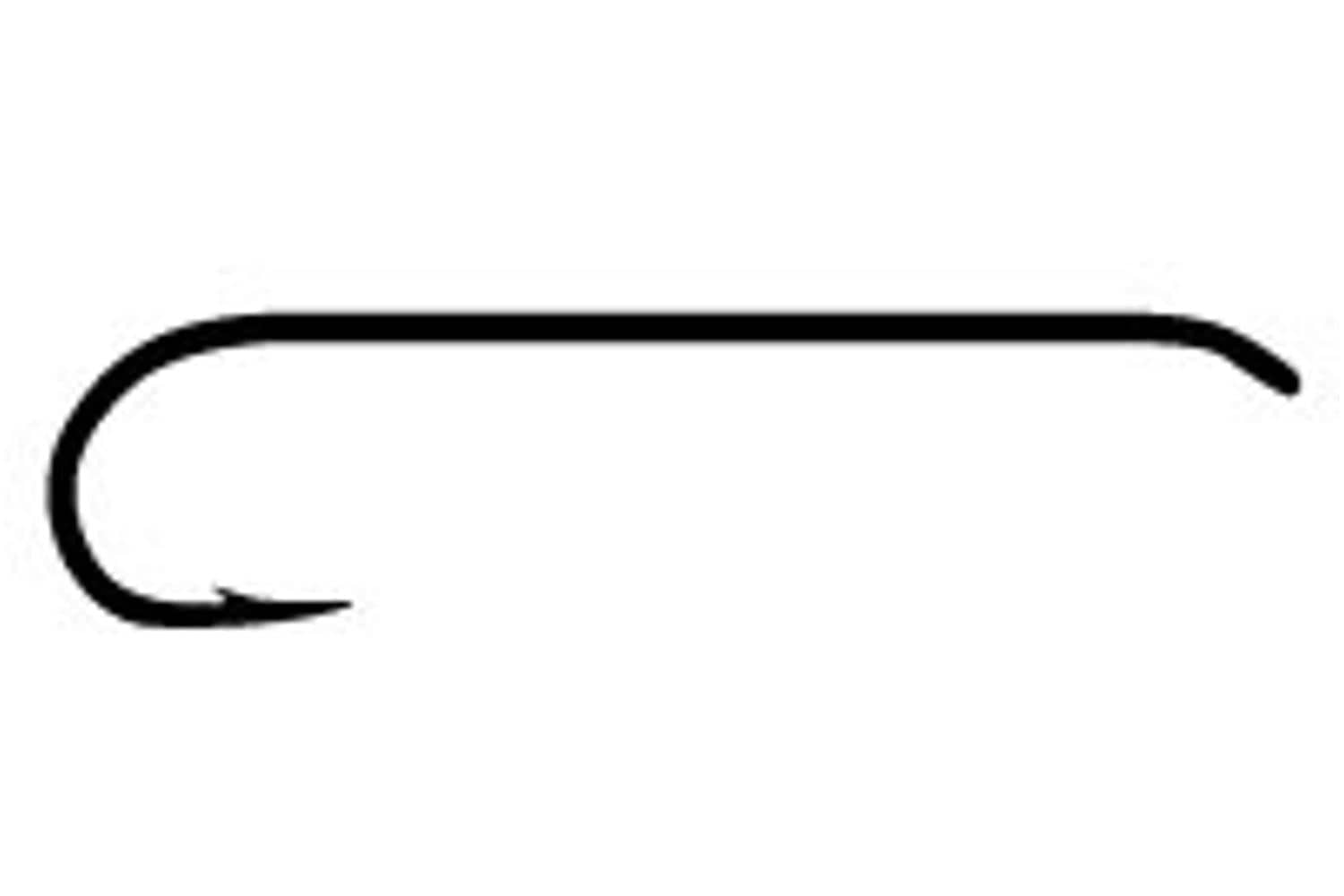
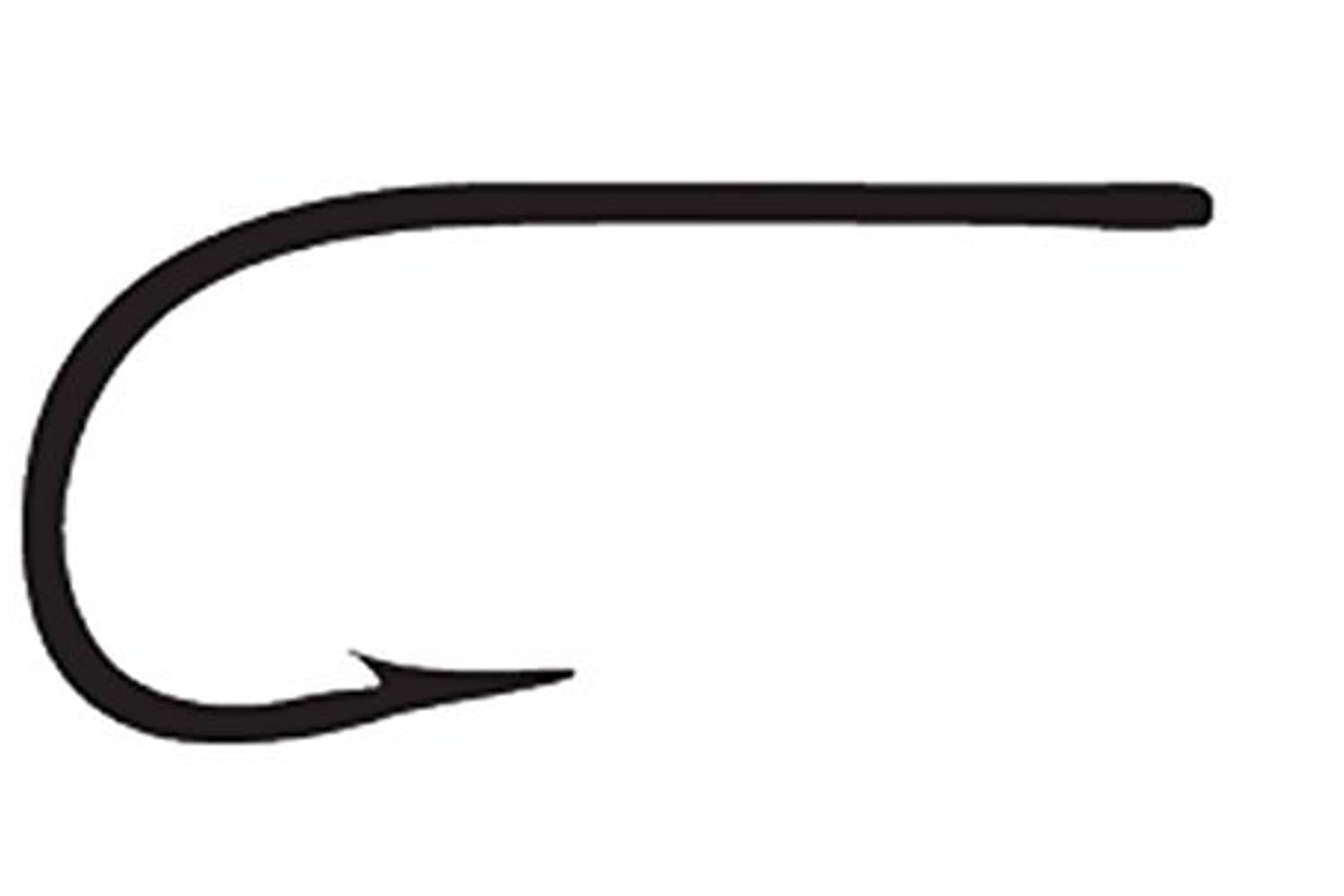


Tiemco Hooks Quick Picks
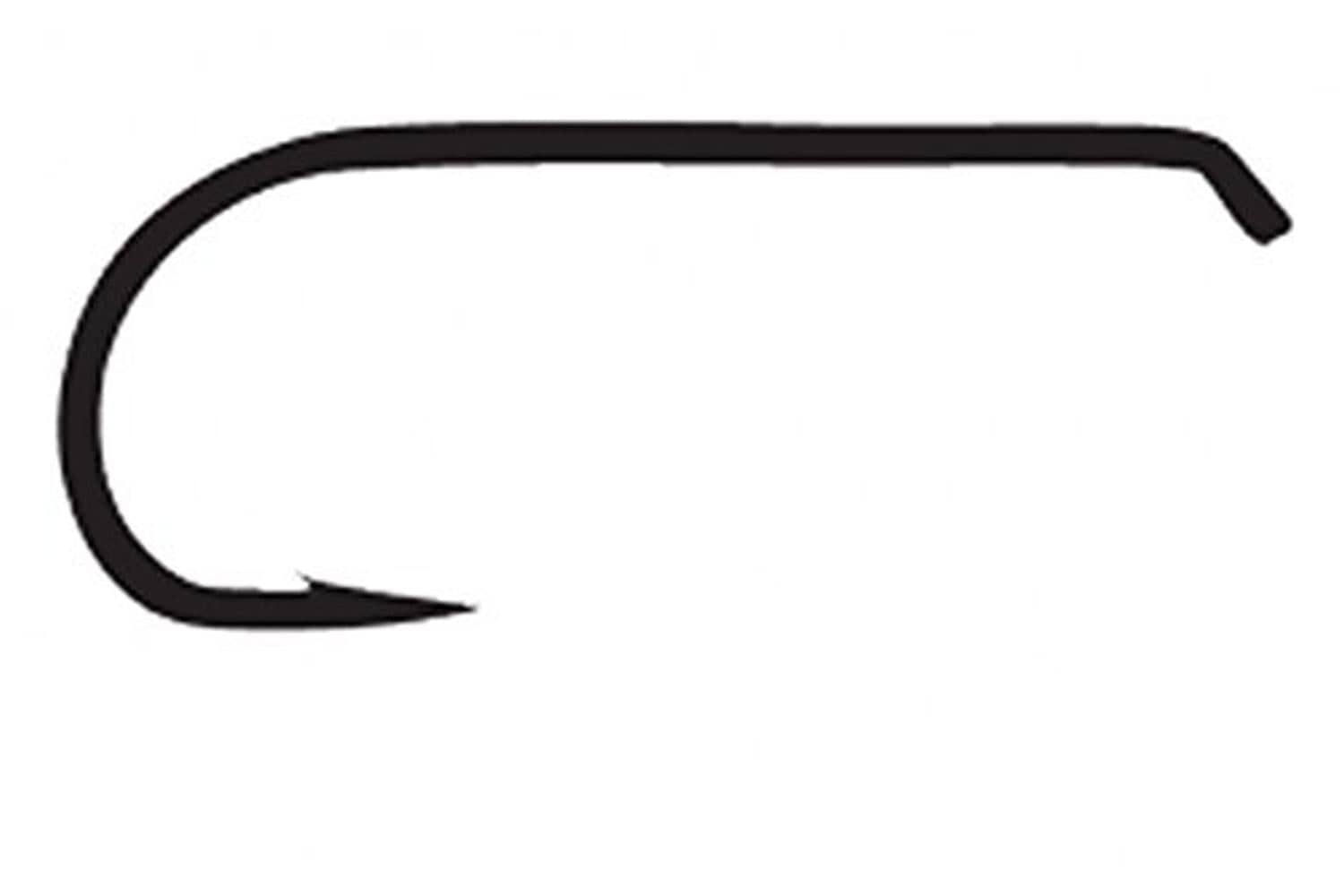
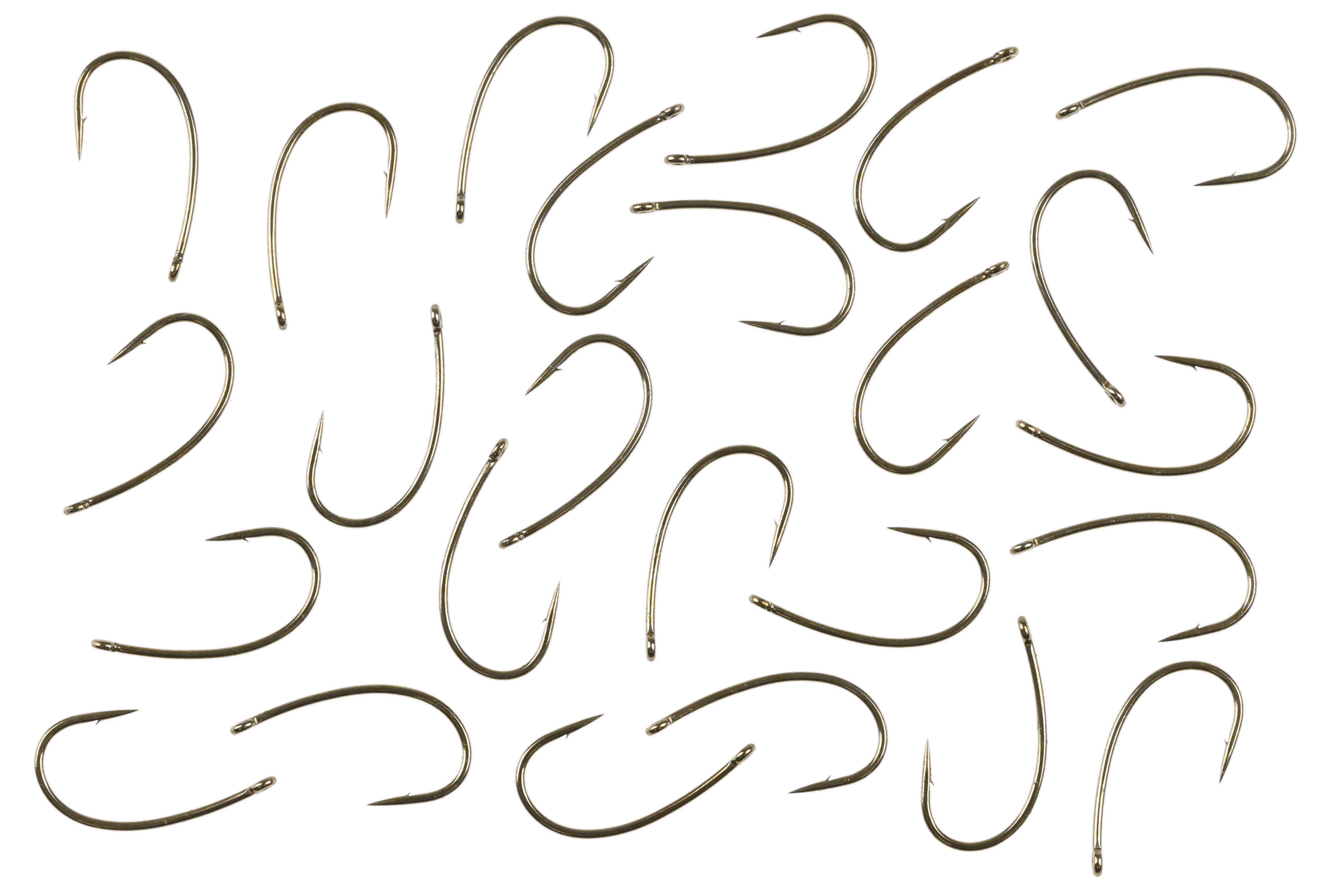
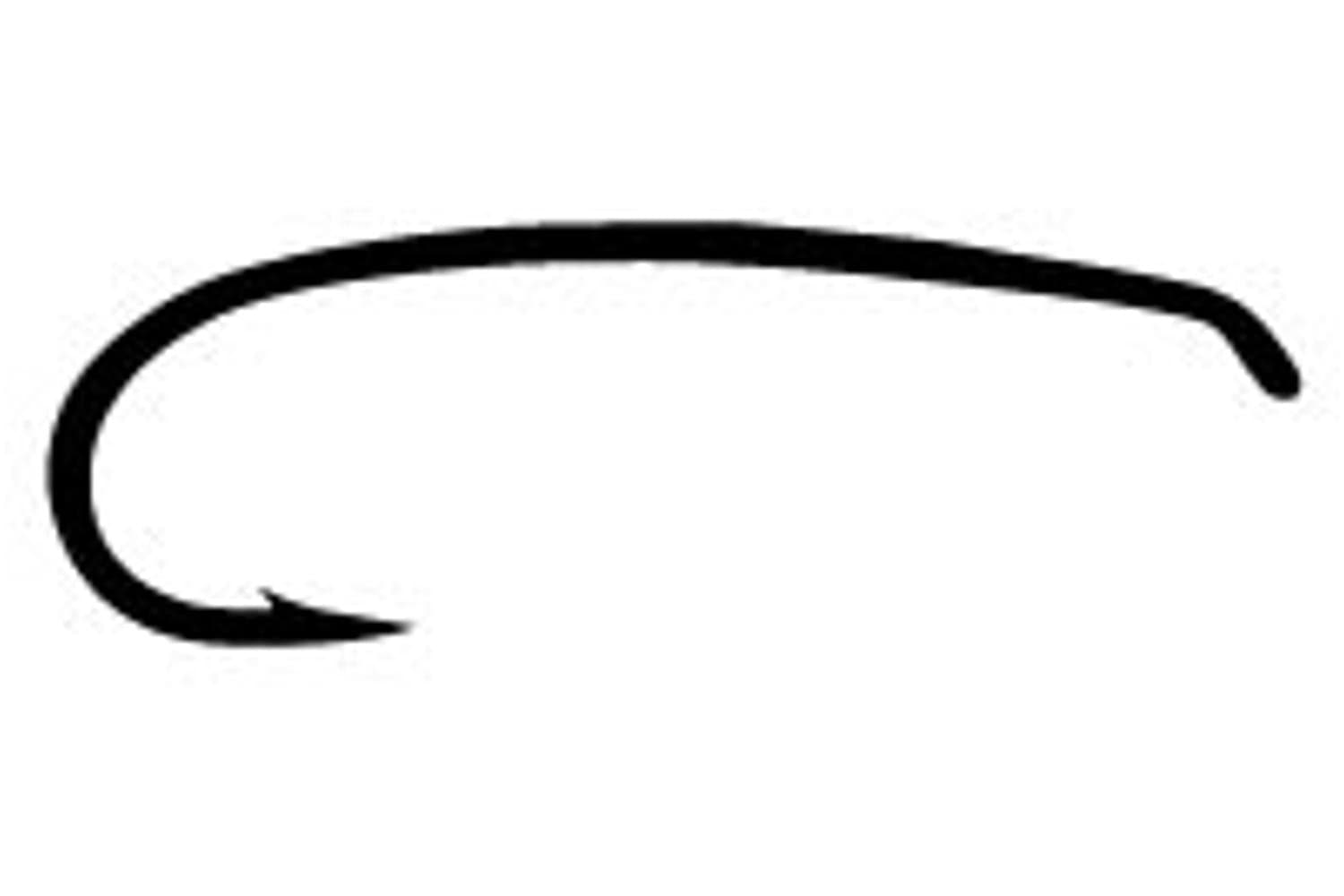
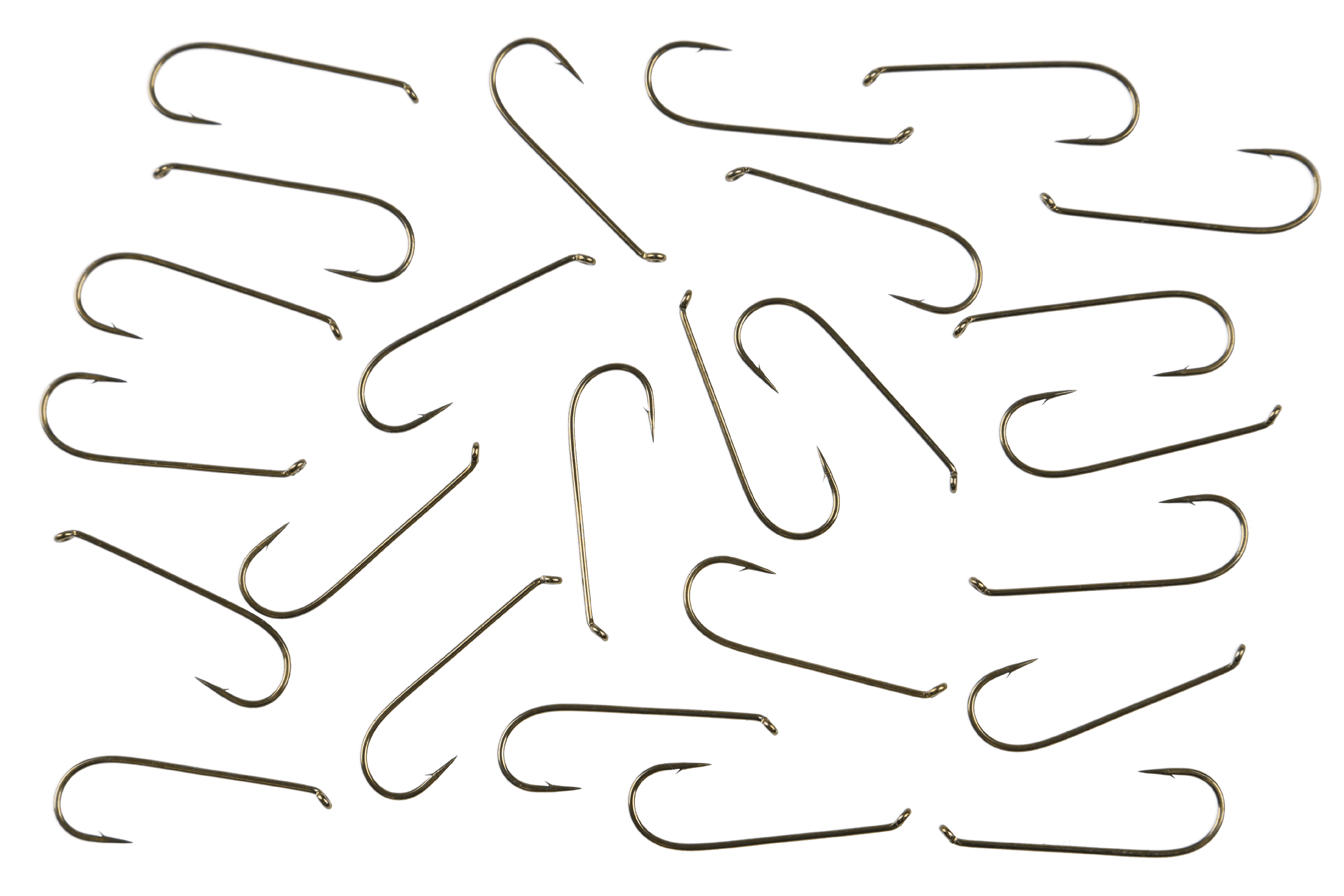
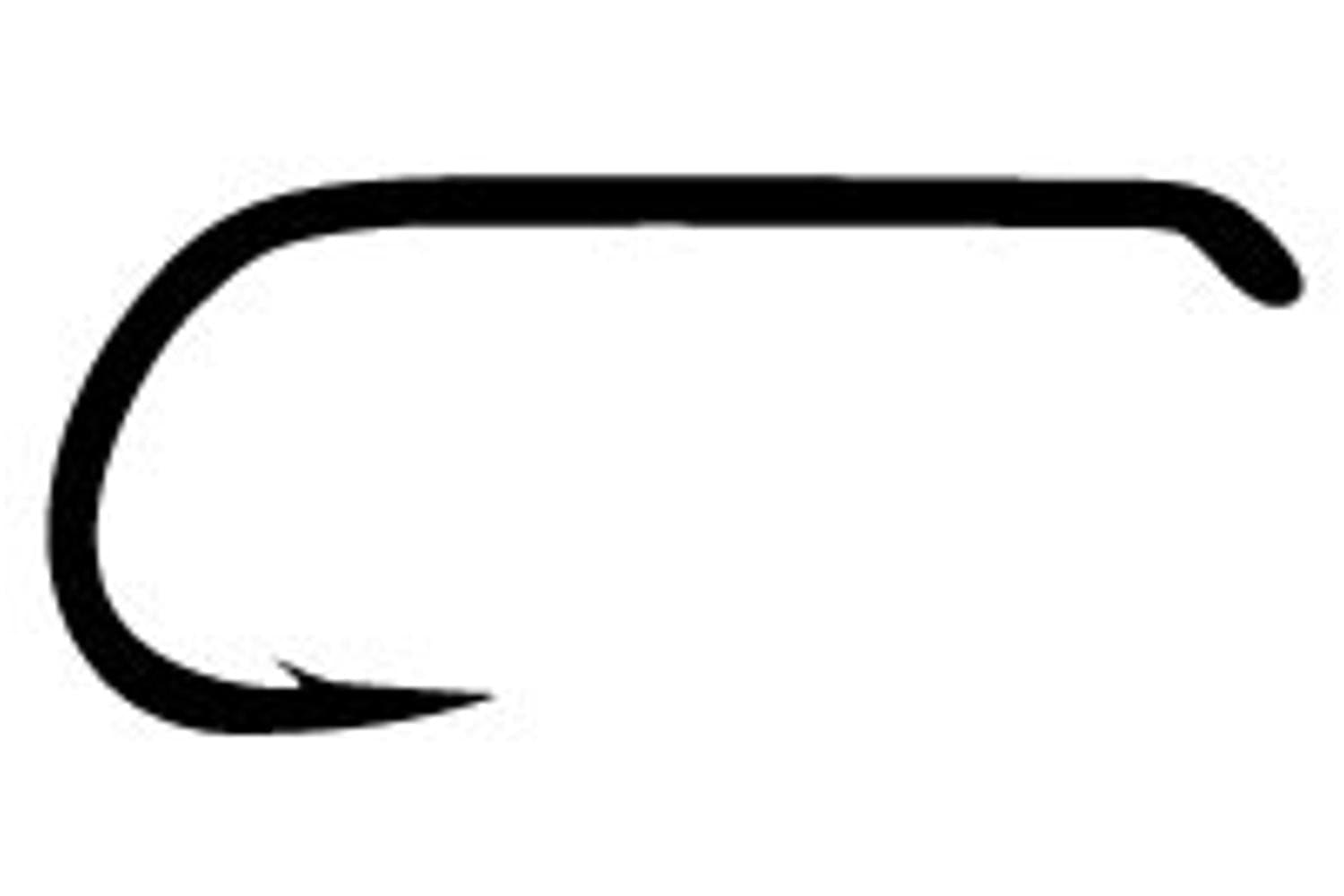
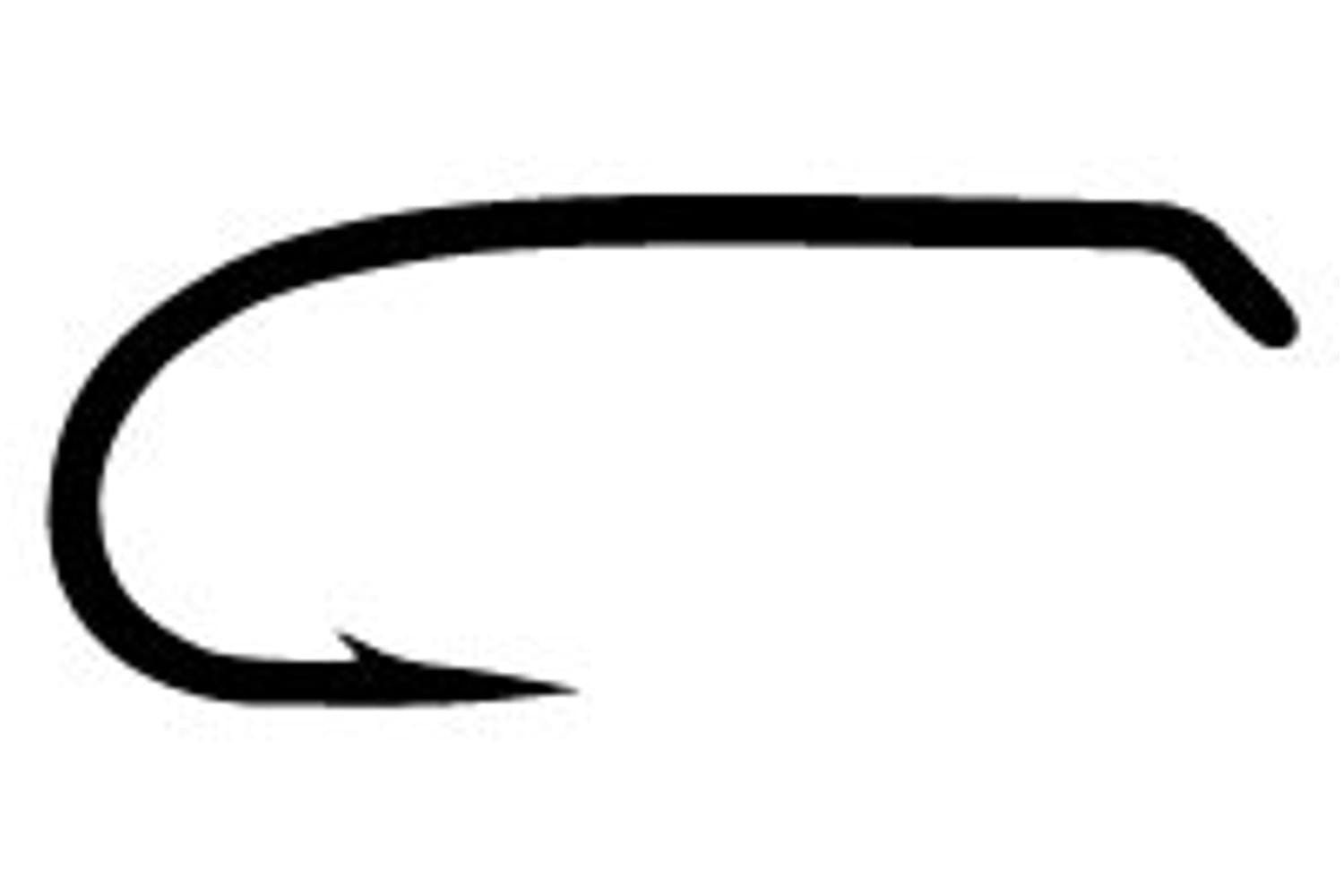
- Best All-Around: Tiemco TMC 100 Dry Fly Hooks - Built for classic dry flies when you want a light hook that won’t overpower small patterns. A wide gape and fine-wire build make it a staple for consistent surface hook-ups.
- Best for Nymphs: Tiemco TMC 3761 Standard Wet Fly Hooks - A reliable choice for beadheads, wets, and general nymphs when you want extra strength and sink help. The 2X heavy wire and 1X long shank give you room for bodies and durability for bigger fish.
- Best for Streamers: Tiemco TMC 9395 Heavy Streamer Fly Hooks - Great for Woolly Buggers, zonkers, and bucktail patterns that need a long platform. The heavy-wire, long-shank design is aimed at keeping big streamer hooks from opening up under pressure.
- Best for Saltwater: Tiemco TMC 811S Standard Saltwater Fly Hooks - A strong starting point for shrimp, baitfish, and general saltwater flies from inshore to flats. Stainless construction helps resist corrosion and keeps the hook dependable across trips.
- Best for Long-Bodied Patterns: Tiemco TMC 200R Nymph & Dry Fly Hooks - Ideal when you want a longer shank for stoneflies, stimulators, and extended-body nymph/dry concepts. The sloping “organic” bend helps your finished fly look more natural in profile.
How to Choose Tiemco Hooks
Match the hook style to the job
Dry flies: Look for fine wire so your pattern stays high and rides naturally. A wide gape can help when you’re tying bushy hackle, CDC, or parachute posts that would otherwise block the point.
Nymphs & wets: Heavier wire hooks add sink rate and resist bending on larger trout or fast water hooksets. If you’re tying beadheads or perdigons, consider your bead size and how much shank length you need for segmentation and rib.
Streamers: Longer shanks make it easier to build baitfish silhouettes and keep materials from fouling around the bend. Heavier wire is often preferred for larger hooks, bigger fish, and aggressive strikes.
Saltwater: Prioritize corrosion-resistant materials and stout builds. Also consider your target species and how hard you’ll need to pull (strip-set pressure and drag settings matter).
Key specs that actually change how your fly fishes
Wire strength (fine vs heavy): Fine wire improves float and penetration on light takes; heavy wire improves durability and sink. If you’re fishing light tippet, fine wire can also help penetration without over-driving the hook.
Shank length: Longer shanks help with extended bodies and classic streamer proportions, but they also increase leverage. When in doubt, keep your pattern compact and go up a size if you need more gap.
Eye orientation: Down eye is common on classic dries/wets; straight eye is popular for many streamers and modern ties. Choose what makes your pattern sit and track correctly, and what matches your preferred knot or tippet ring setup.
Barbed vs barbless: Barbless is popular where regulations require it and for easier releases. If you’re fishing barbed hooks, a quick pinch with forceps gets you close to barbless behavior while keeping your favorite patterns intact.
Common hook-selection mistakes
Action: Size your hook to the insect/forage first, then pick wire and shank to match the pattern style.
Avoid if: Don’t choose a hook solely by “pattern name” if your local bugs run smaller/larger, gap, shank, and wire matter more than the recipe headline.
Why Trident Carries Tiemco
Tiemco hooks are a go-to for tiers who care about consistent sizing, sharp points, and reliable temper. When you’re tying a dozen of the same pattern (or stocking for a trip), that consistency saves time and keeps your flies fishing the way you intended.
Materials & Durability
- Rinse after saltwater: Even corrosion-resistant hooks last longer when you rinse flies and let them fully dry before closing the box.
- Protect the point: Don’t toss finished flies loose in a pocket, hook points dull fast against zippers, tools, and other hooks.
- Match bead/hook fit: If a bead is too tight, it can damage coatings and crowd the hook eye; if it’s too loose, it can slide and change how the fly swims.
- Check the barb/point: A quick touch-up with a hook file can save a day when you’ve bounced bottom or hit rocks.
Complete Your Setup
Related Gear
- Fly Tying Hooks - Compare shapes and sizes across brands when you’re dialing in a new pattern style.
- Fly Tying Materials - Build out a full bench setup from thread and dubbing to feathers and synthetics.
- Beads, Coneheads & Eyes - Add weight, balance, and realism for nymphs, streamers, and saltwater flies.
- Thread, Tinsel & Wire - The essentials for clean wraps, segmentation, durability, and flash.
Related Guides
- How To Tie A Pike Slider
- How to Tie the Seaducer Streamer Fly
- How to Tie the Soft Hackle Streamer Fly
- How To Tie The Mil Spec Perdigon
- How To Tie the Big Junk Streamer Fly
Tiemco Hooks FAQs
Q: What are Tiemco Hooks used for in fly fishing?
A: Tiemco (TMC) hooks are fly tying hooks used to build everything from tiny dry flies to heavy streamers and saltwater patterns. You choose the model based on wire strength, shank length, gape, and intended pattern style.
Q: How do I choose the right Tiemco hook model?
A: Start with the fly type (dry, nymph, streamer, saltwater), then pick wire weight and shank length that match your pattern. If you’re adding beads or lead eyes, confirm the hook has enough gap and the right eye style for clean tying.
Q: Are Tiemco hooks good for beginners?
A: Yes, especially if you want consistent sizing and fewer “mystery batches” when you reorder. Beginners often find it easier to learn proportions when the hook dimensions stay predictable from pack to pack.
Q: Which Tiemco hooks work best for dry flies?
A: Fine-wire dry fly models are a common choice because they keep flies buoyant and help with penetration on light takes. If you’re tying tiny dries and midges, short-shank/wide-gap options can help keep the silhouette compact while maintaining gap.
Q: Which Tiemco hooks are best for beadhead nymphs?
A: Many tiers prefer heavier-wire nymph/wet hooks because they add durability and help the fly sink. Just make sure your bead size matches the hook’s wire and eye so the bead seats cleanly behind the eye.
Q: What’s the difference between streamer hooks and nymph hooks?
A: Streamer hooks often have longer shanks for baitfish/leech profiles, while nymph hooks prioritize proportion, strength, and sink characteristics for subsurface insect patterns. Either can work, but the finished fly will ride and balance differently.
Q: Do I need special hooks for saltwater flies?
A: It’s strongly recommended, saltwater hooks are built for corrosion resistance and higher load. Rinse flies after use and dry them thoroughly to keep points sharp and finishes intact.
Tiemco Warranty & Resources
Fly tying hooks generally don’t carry a “warranty” the way rods and reels do. If you run into an issue with a pack (wrong count, defects), contact Trident support so we can help troubleshoot and make it right.
Learn More from Tiemco
- TMC Fly Hooks (Tiemco) - Brand overview and background on their hook development.