


Bumblebee Fly Pattern | A Deadly Terrestrial | Fly Tying Tutorial
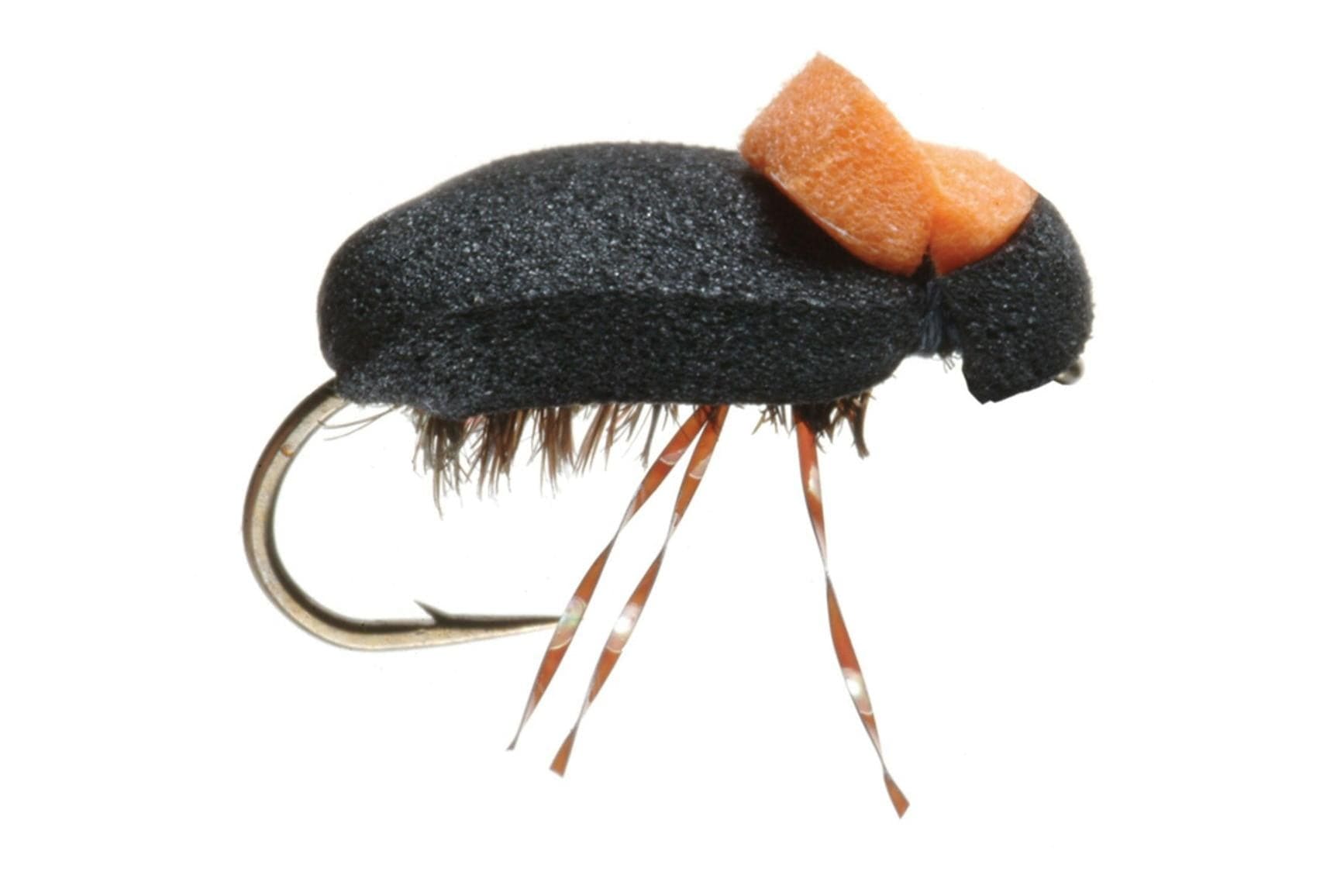
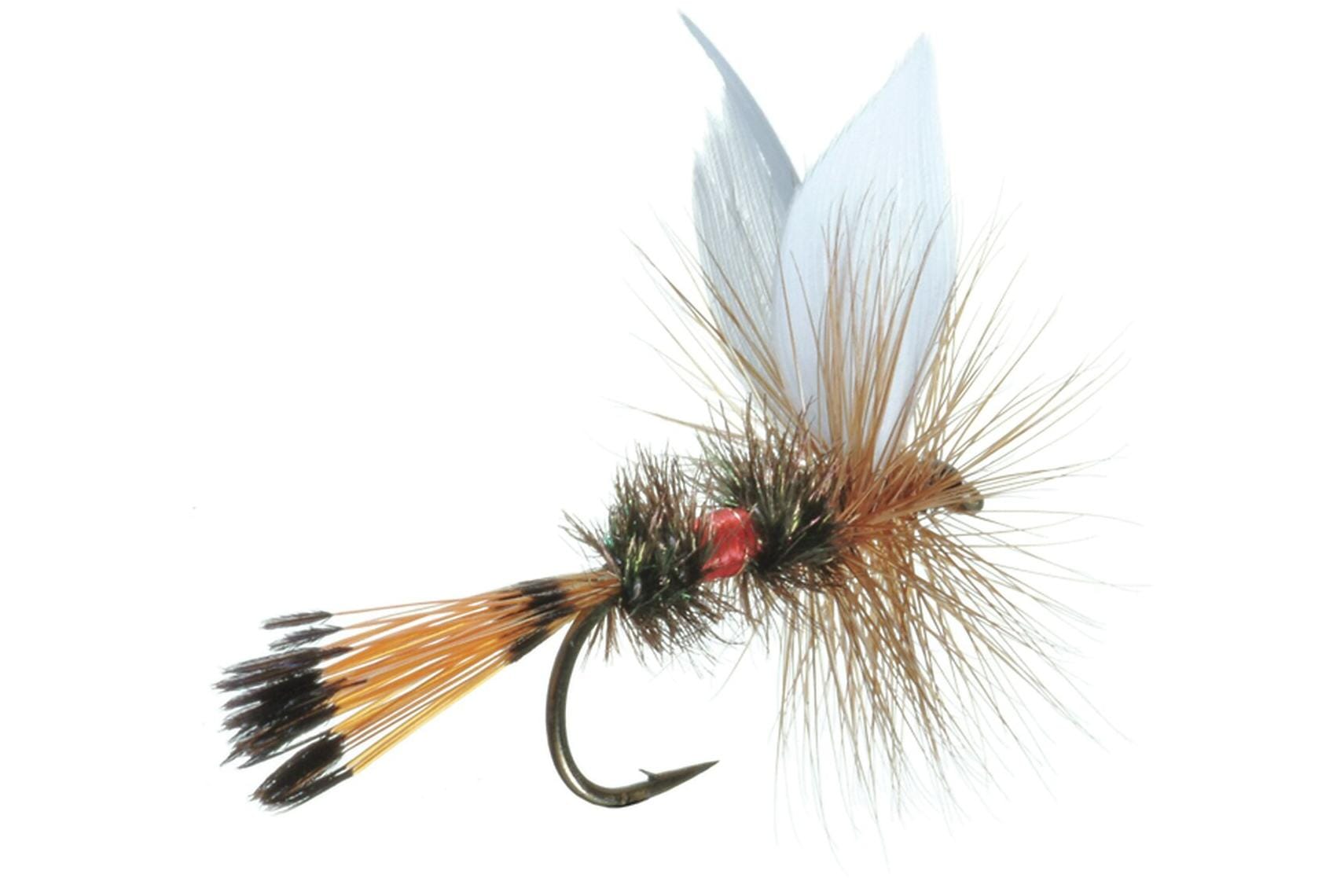
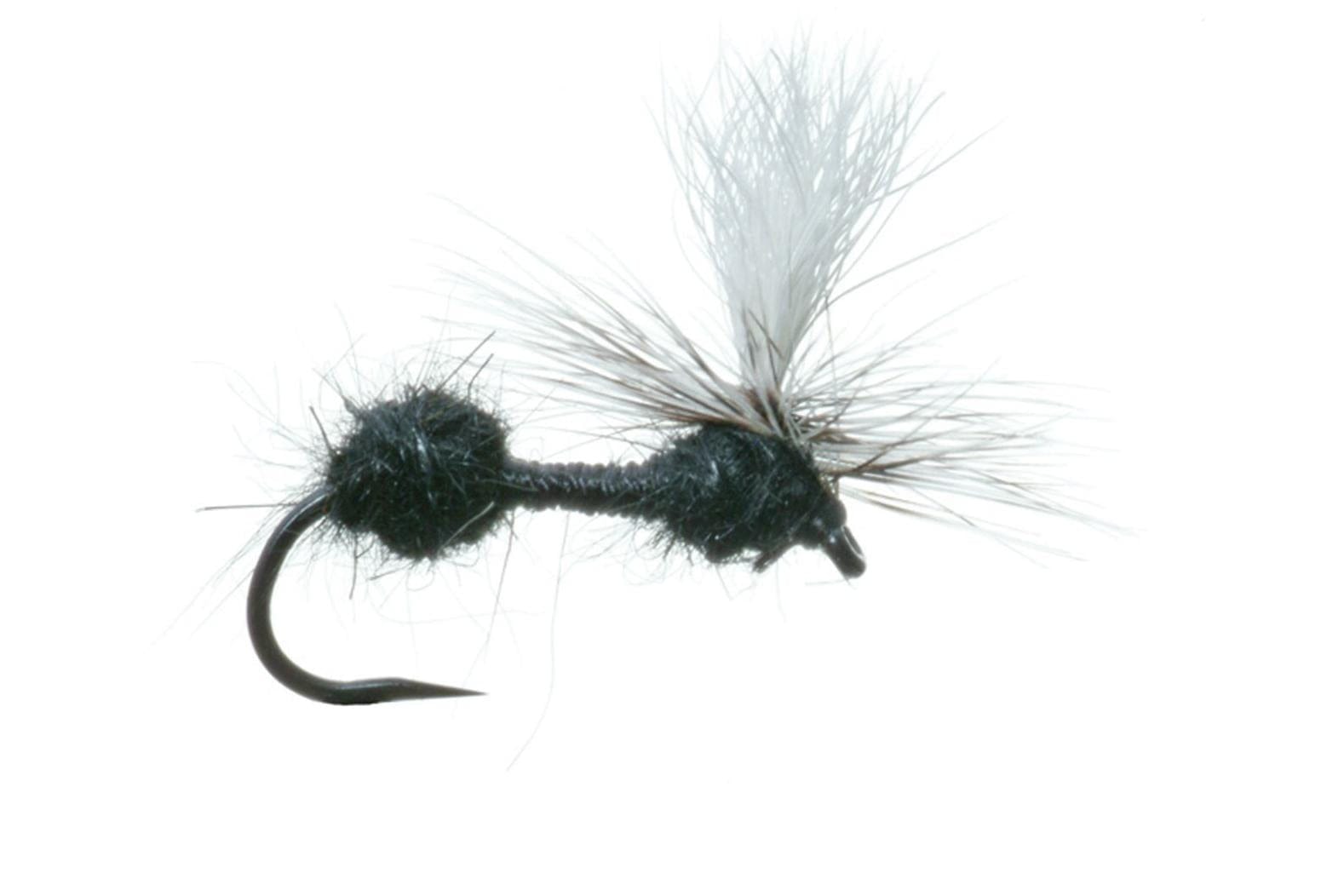
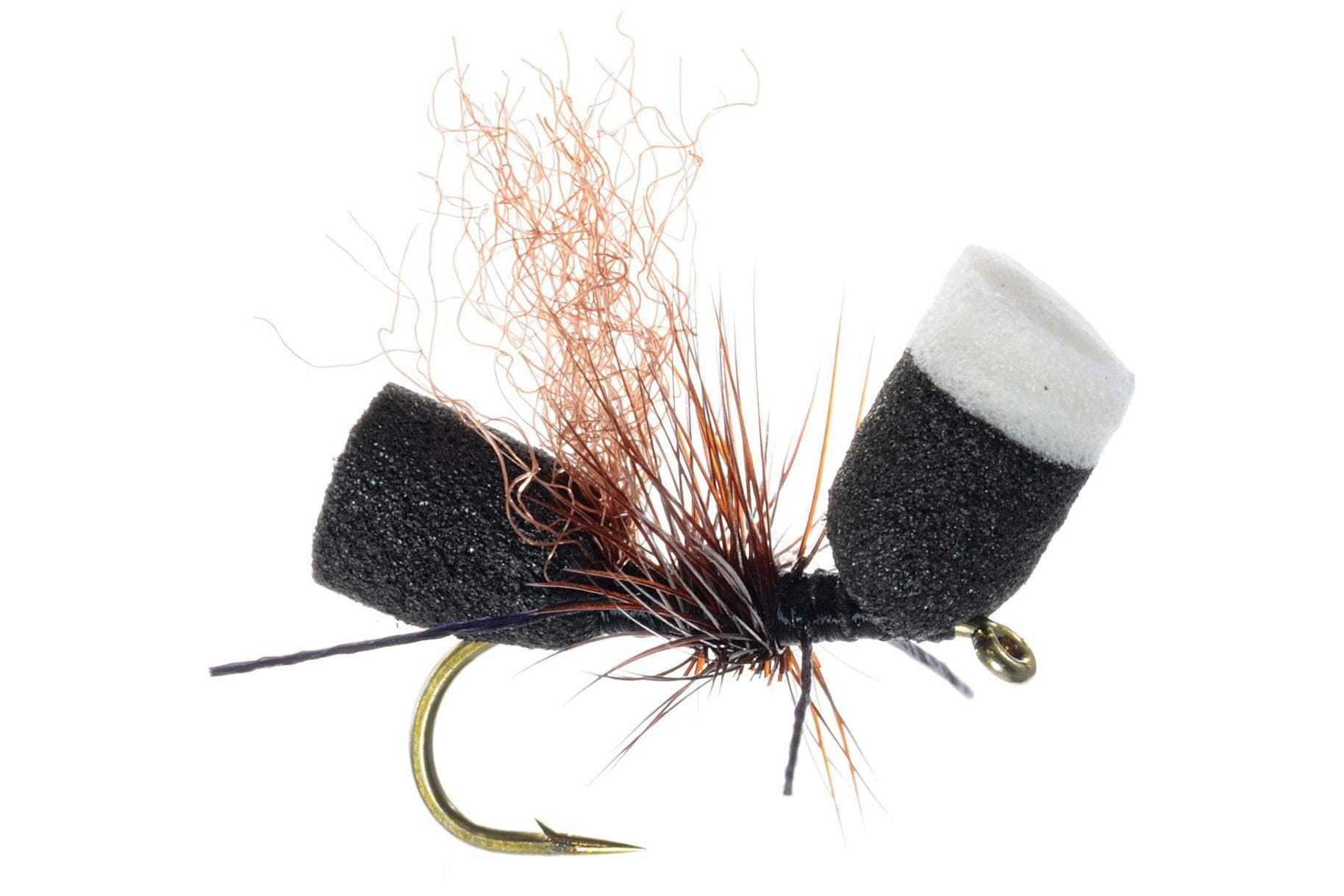

Terrestrials Quick Picks
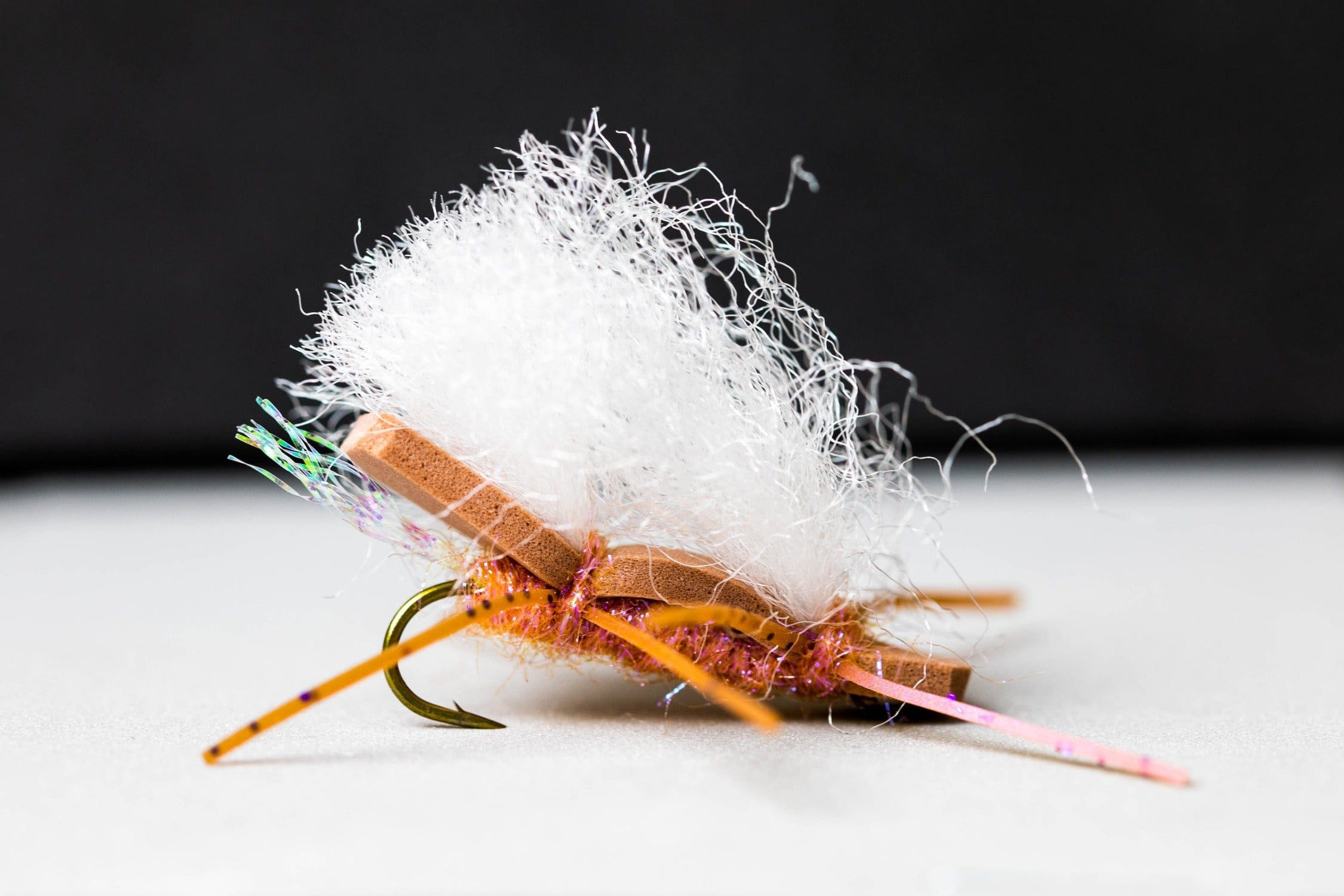
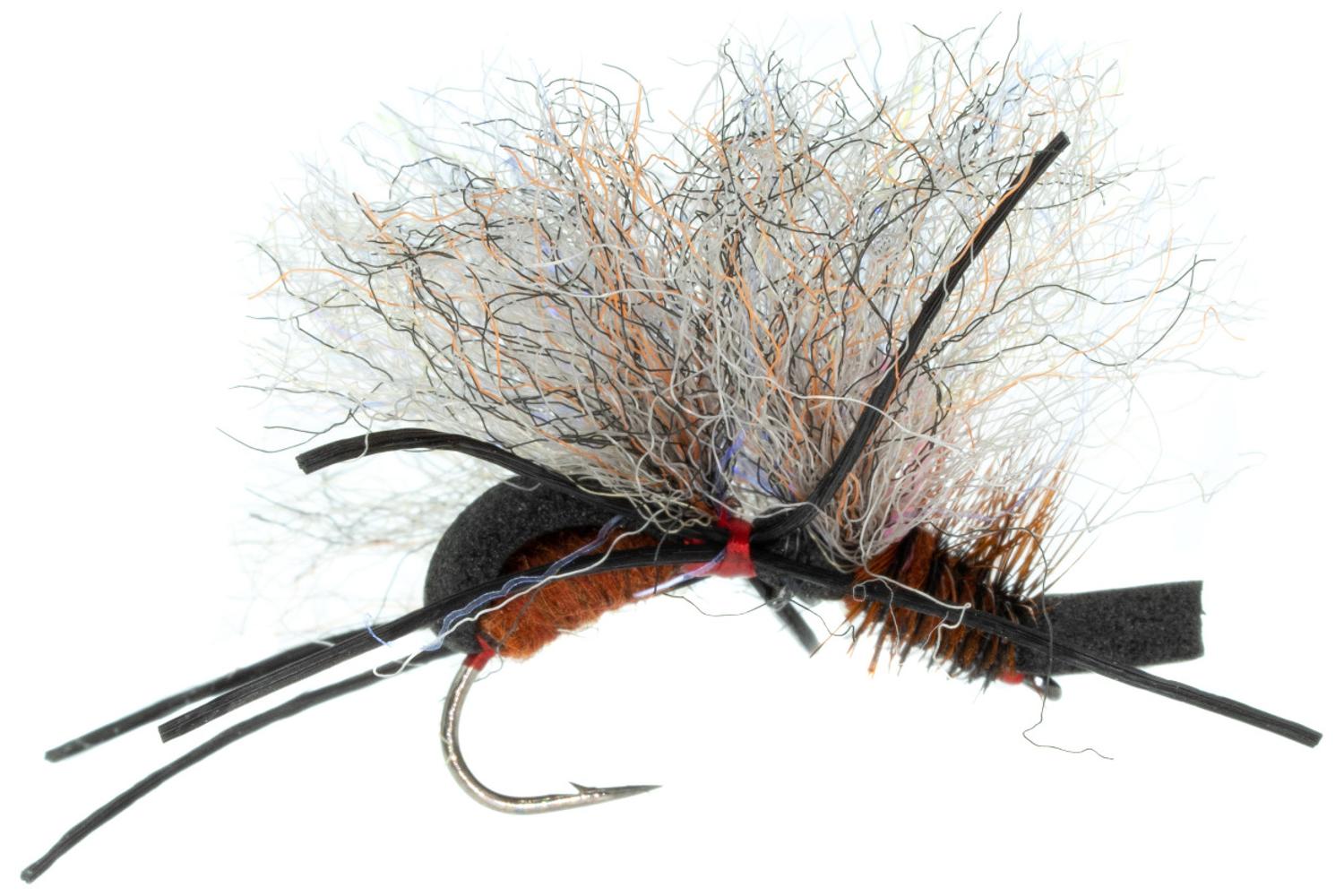
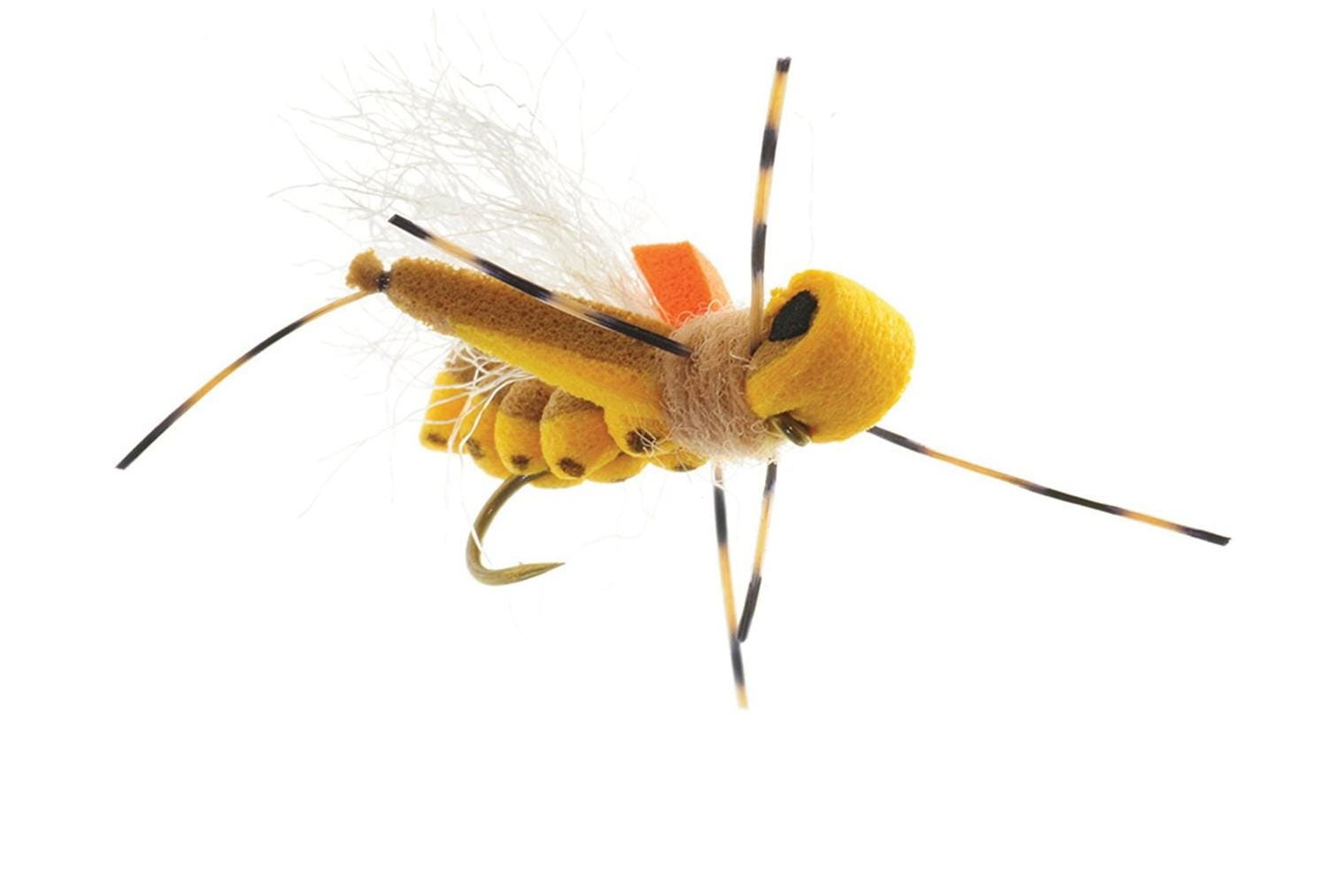
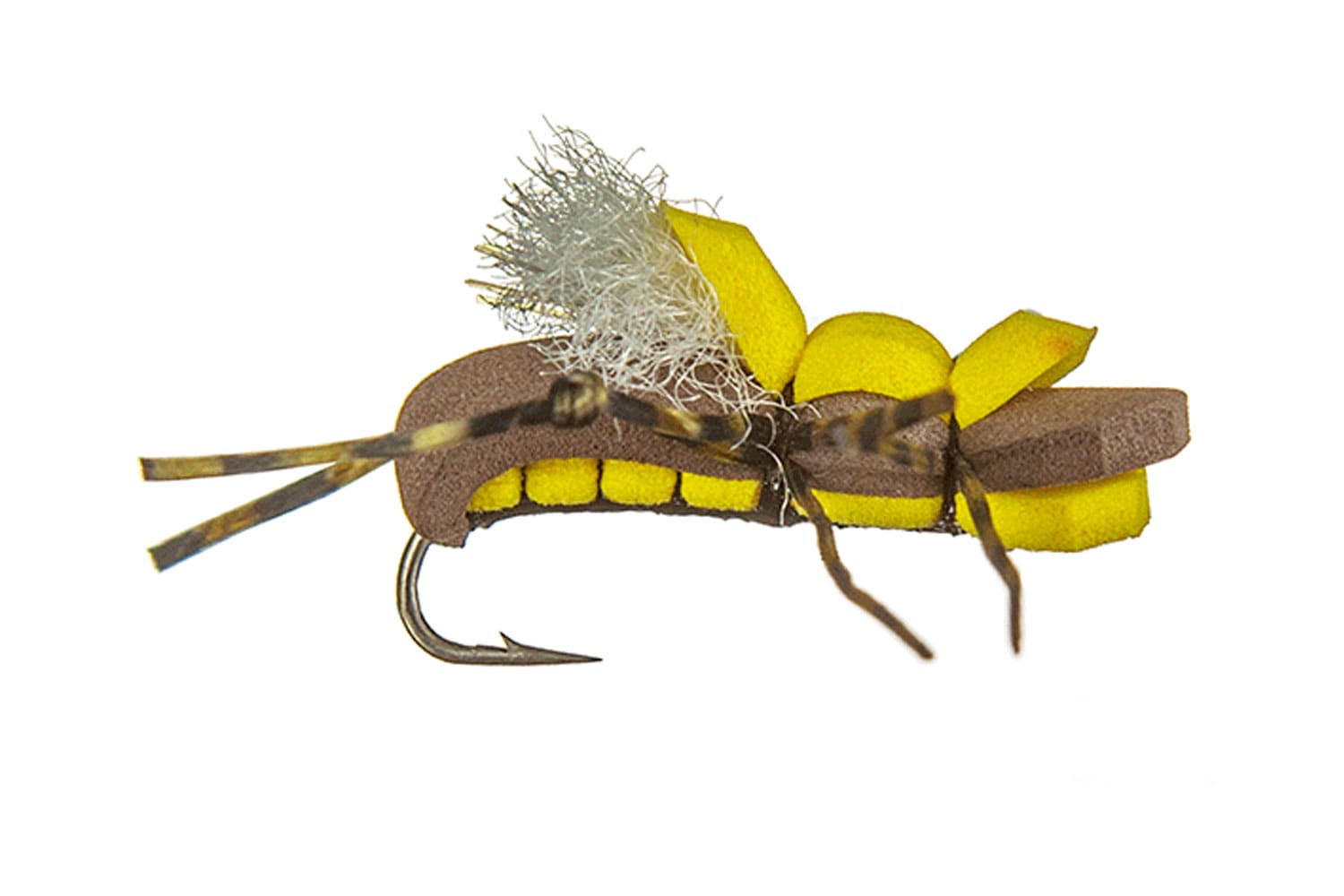
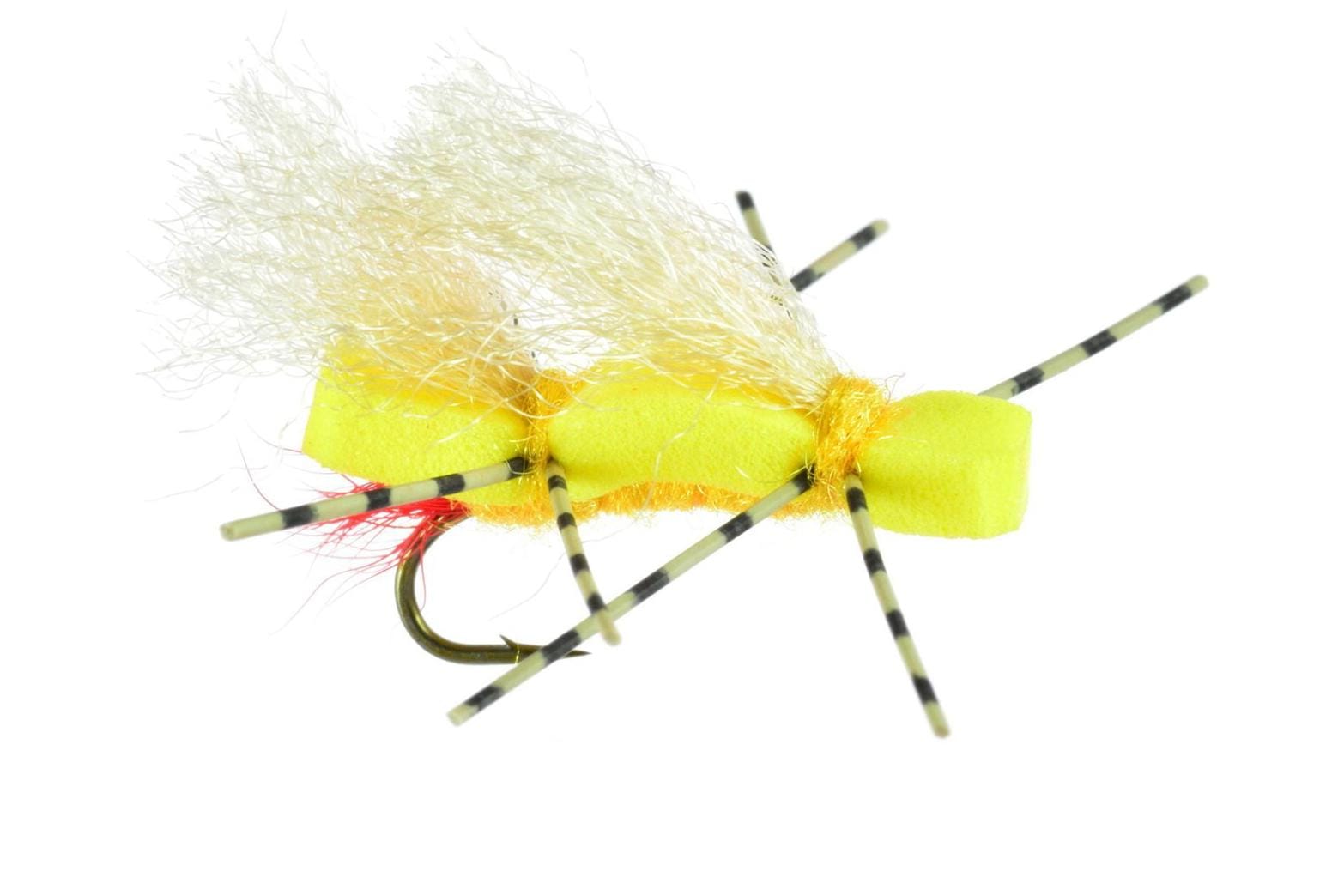
Best All-Around: Umpqua Chubby Chernobyl Fly - For anglers who want one foam terrestrial that can cover a lot of water. It floats high and is a common choice when you want to run a dry dropper.
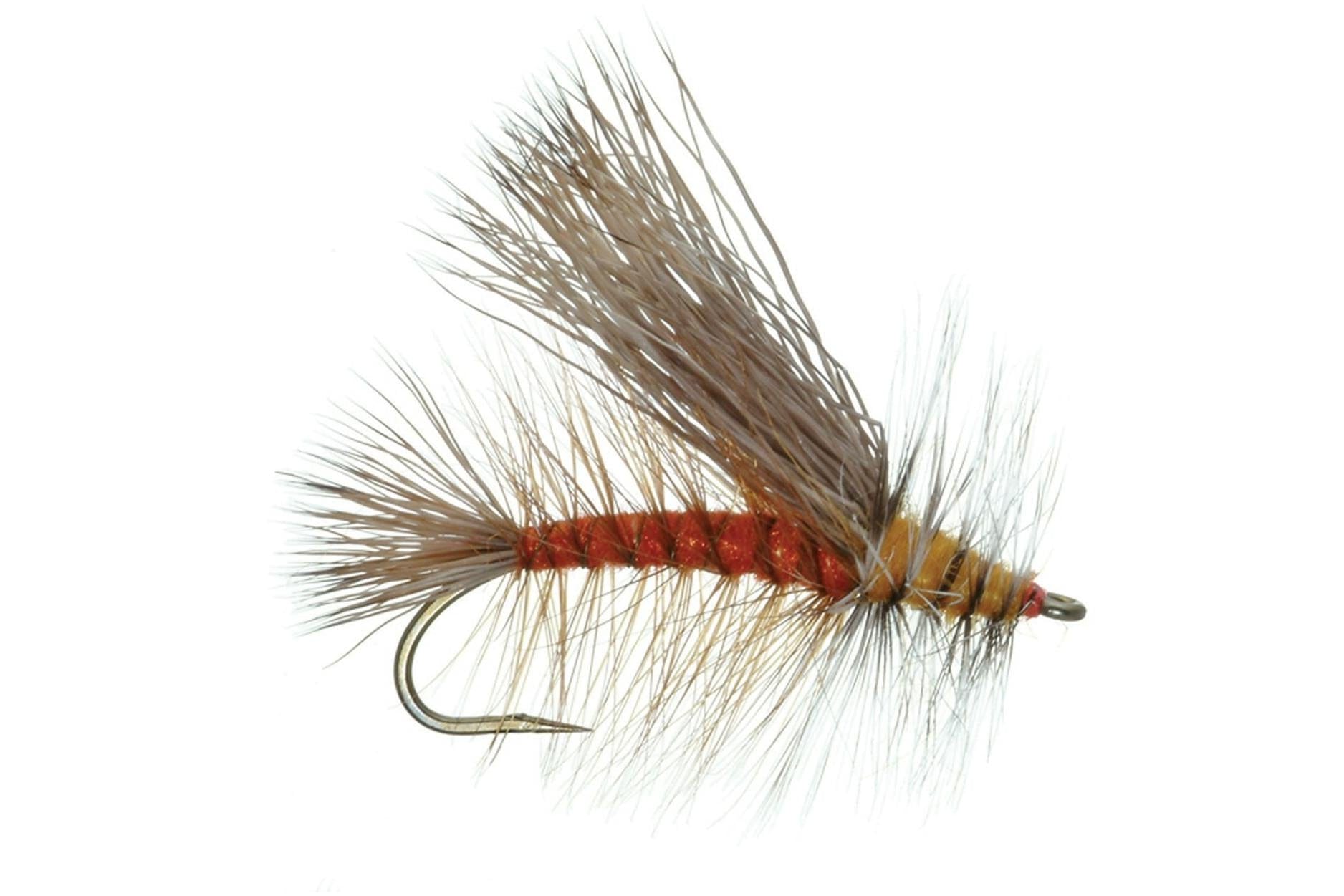
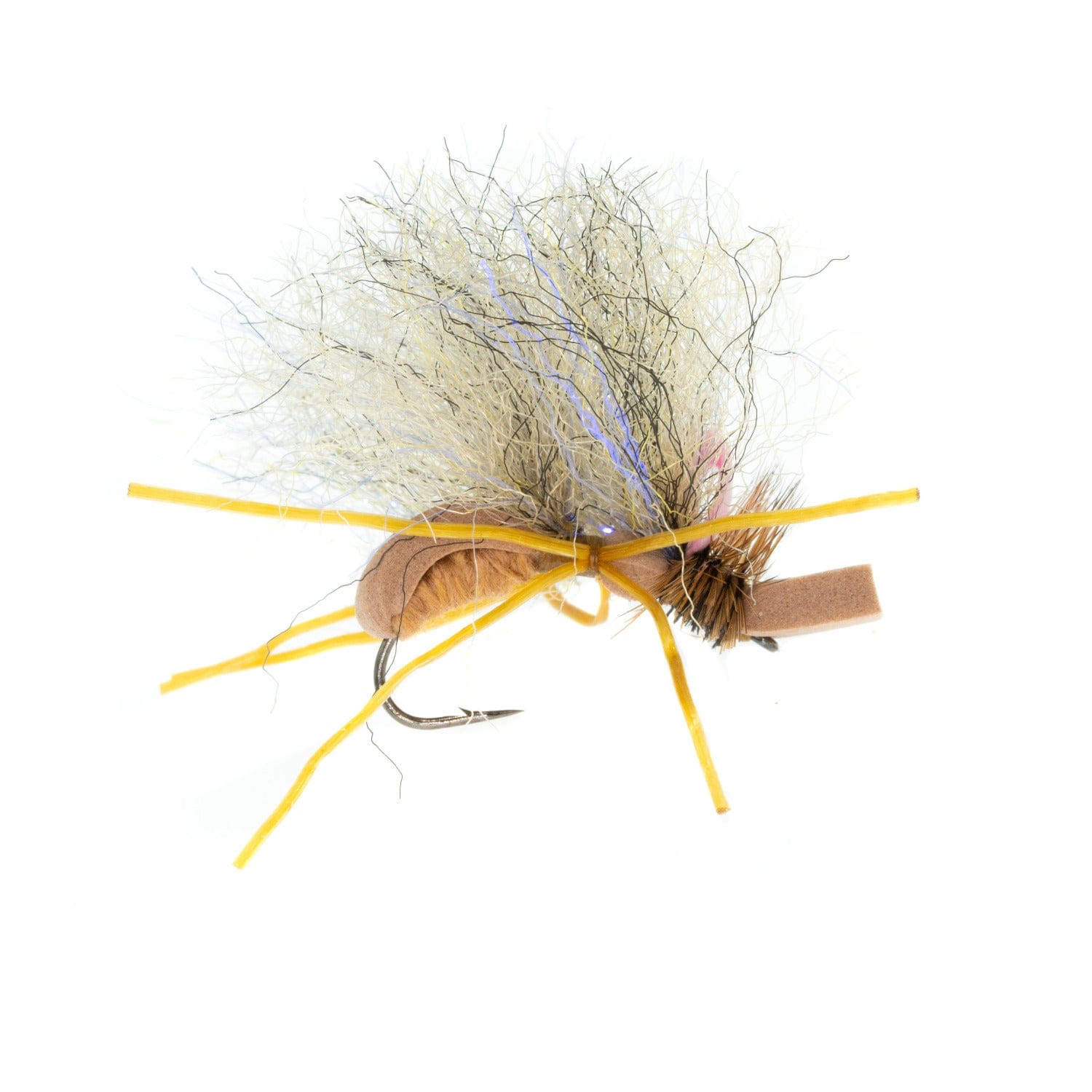
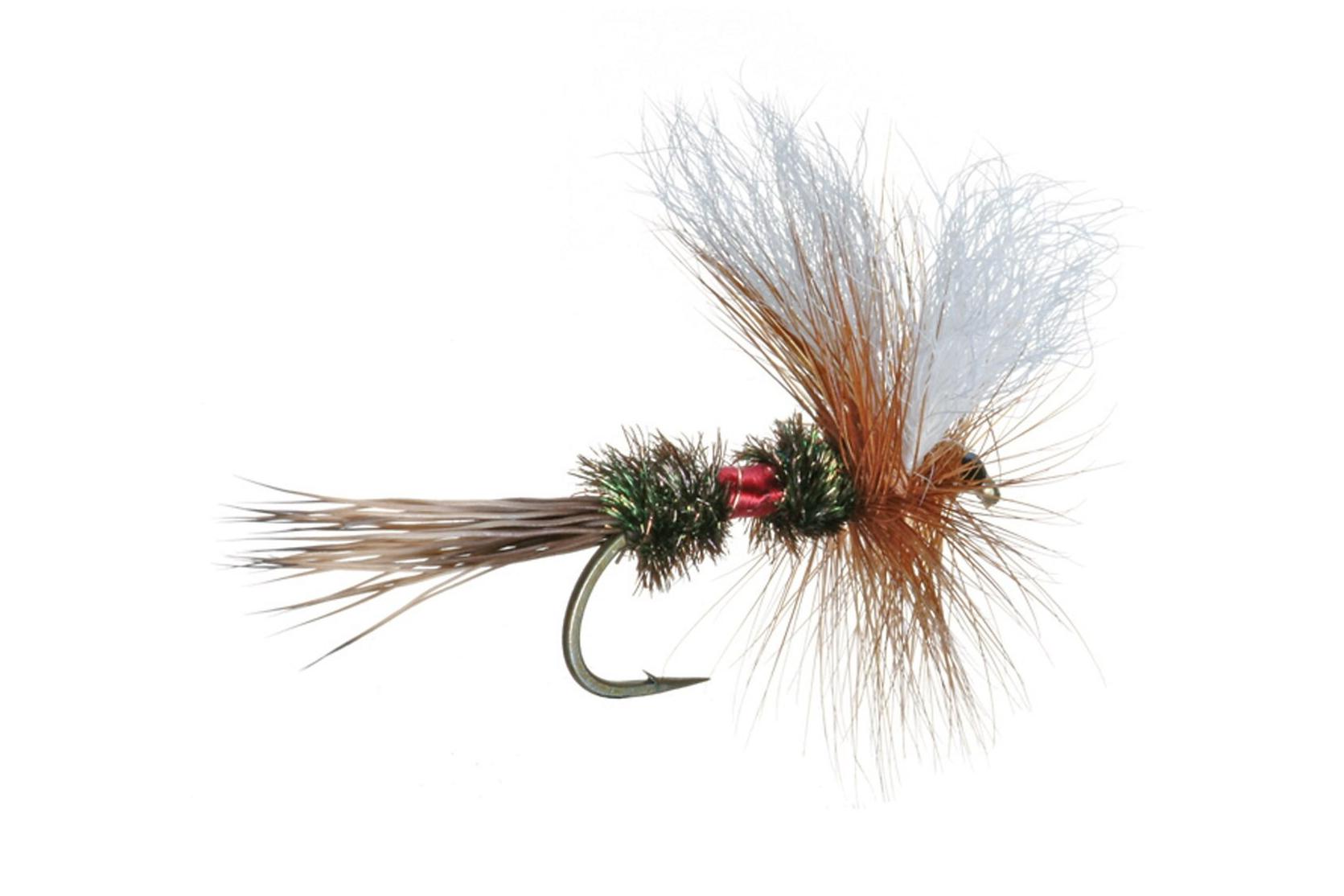
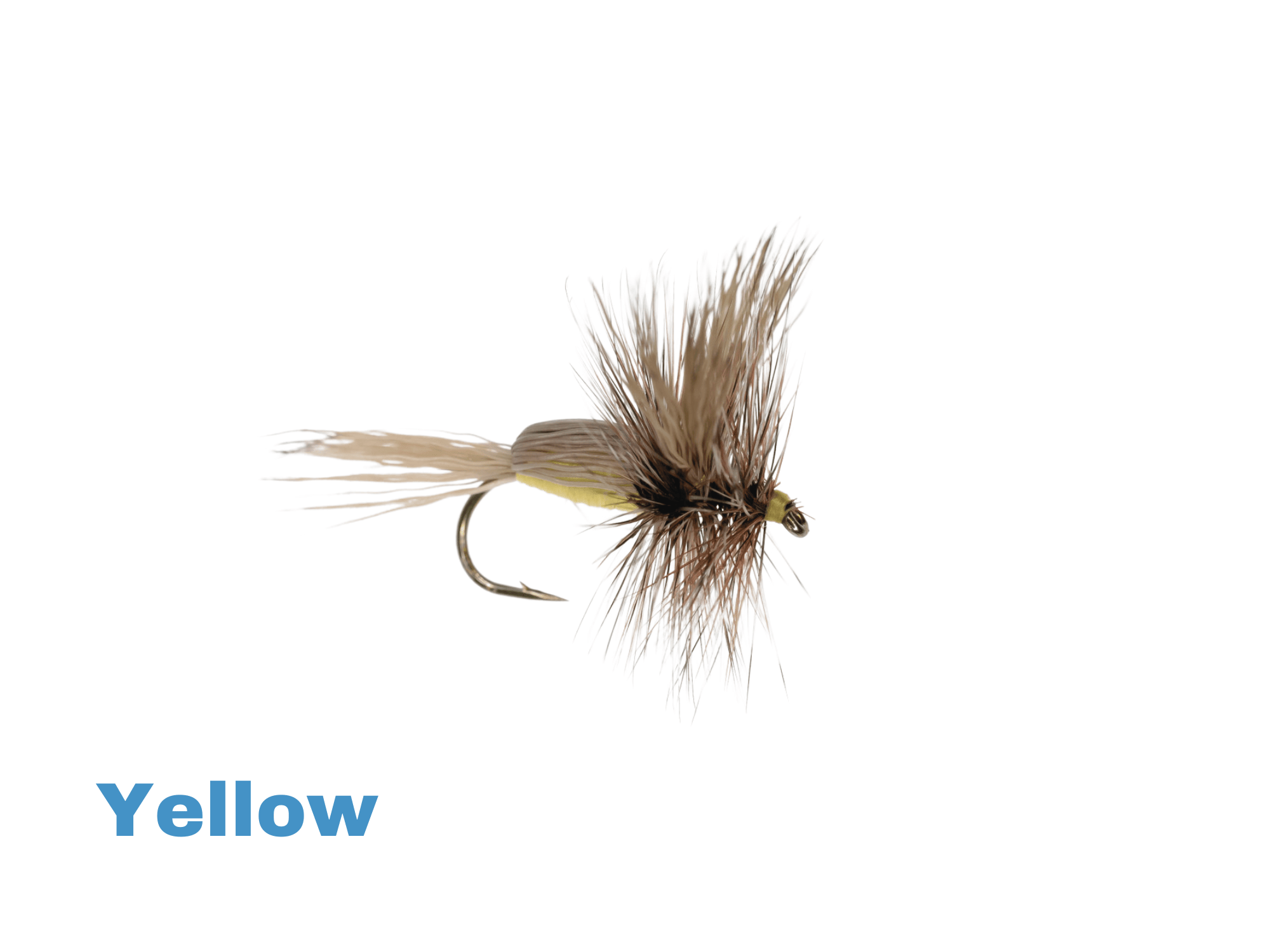
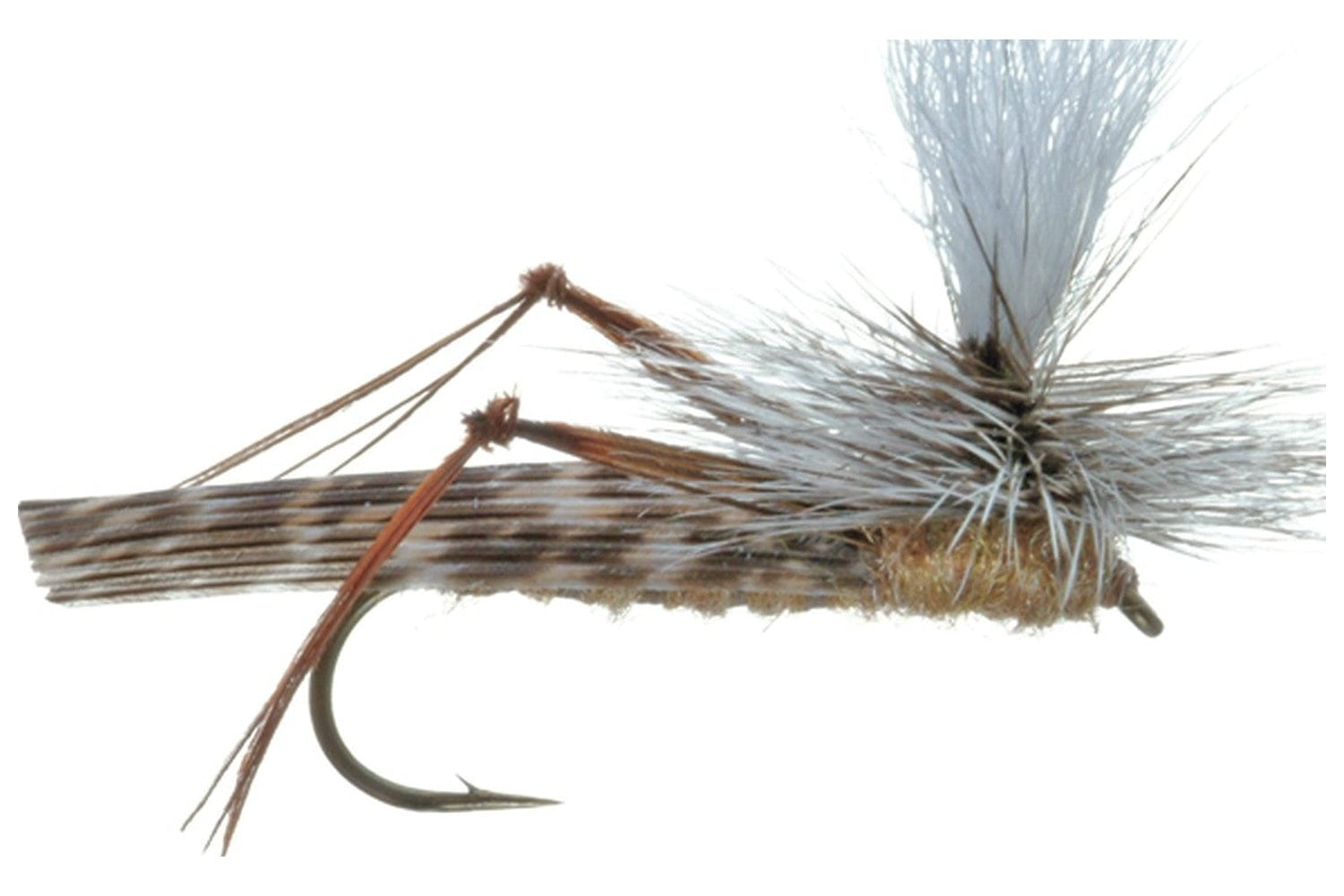
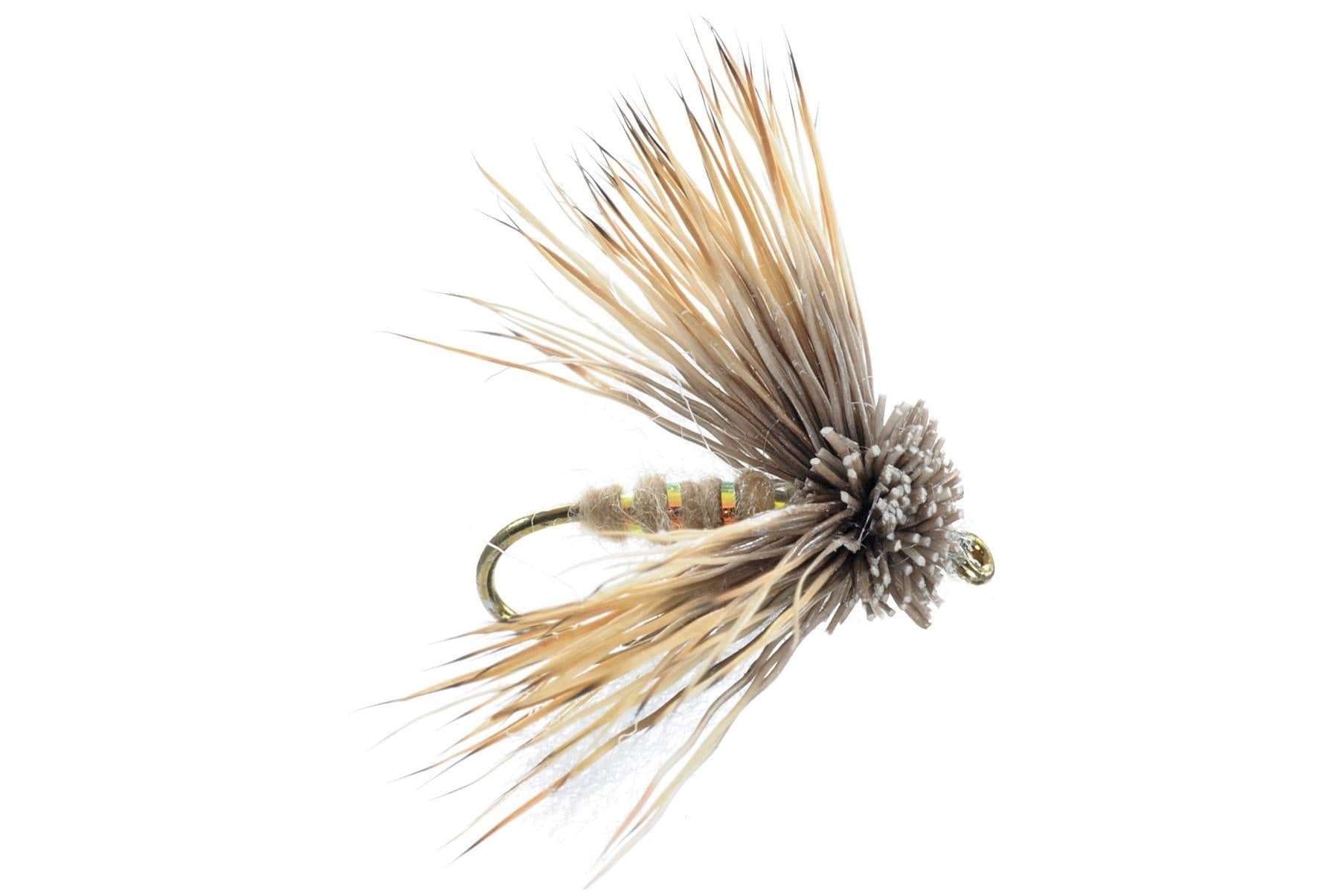
Best Value: Stimulator Dry Fly - For beginners and pack trips when you want a simple searching dry that is easy to see. It has a buggy profile that works well in pocket water and riffles.
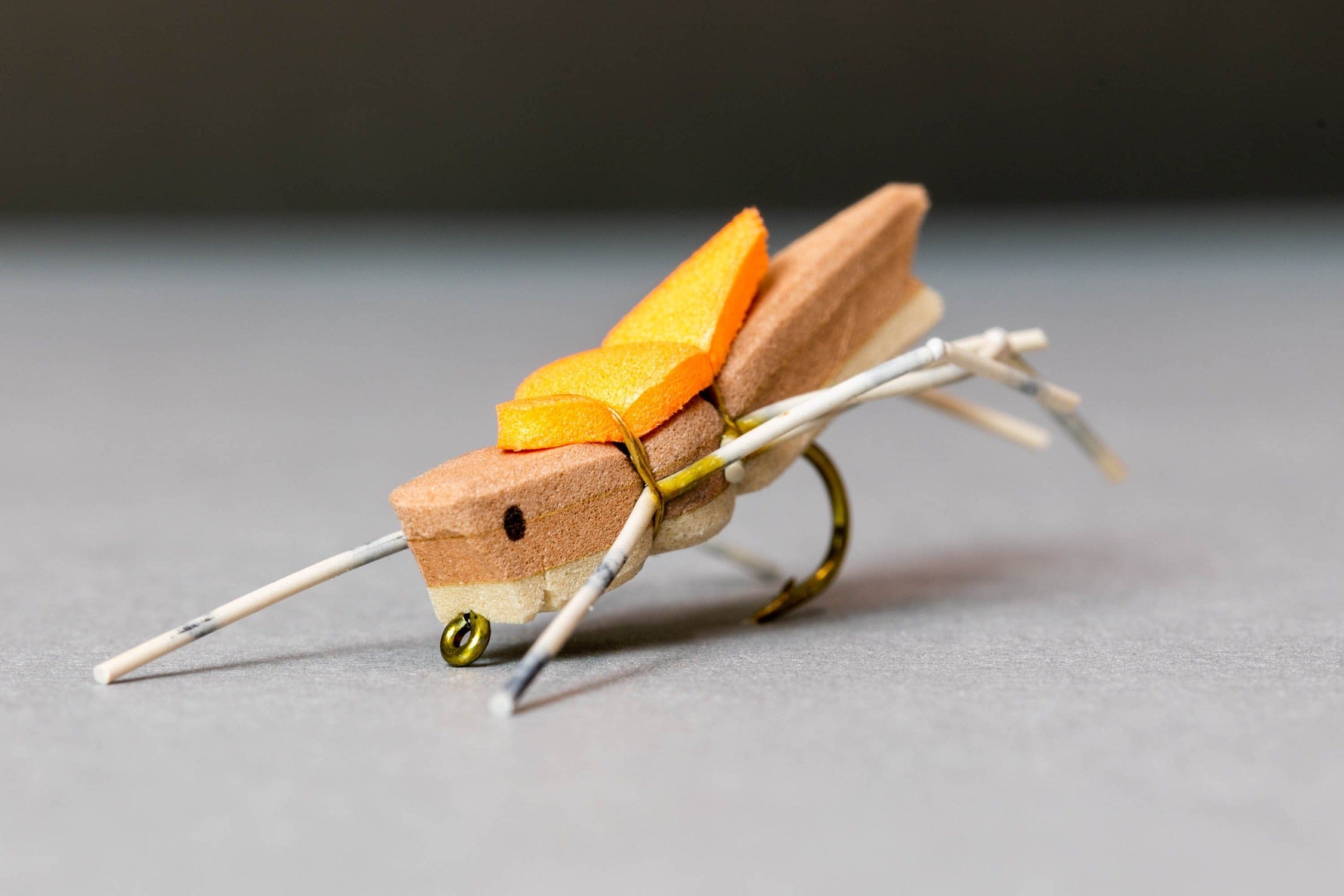
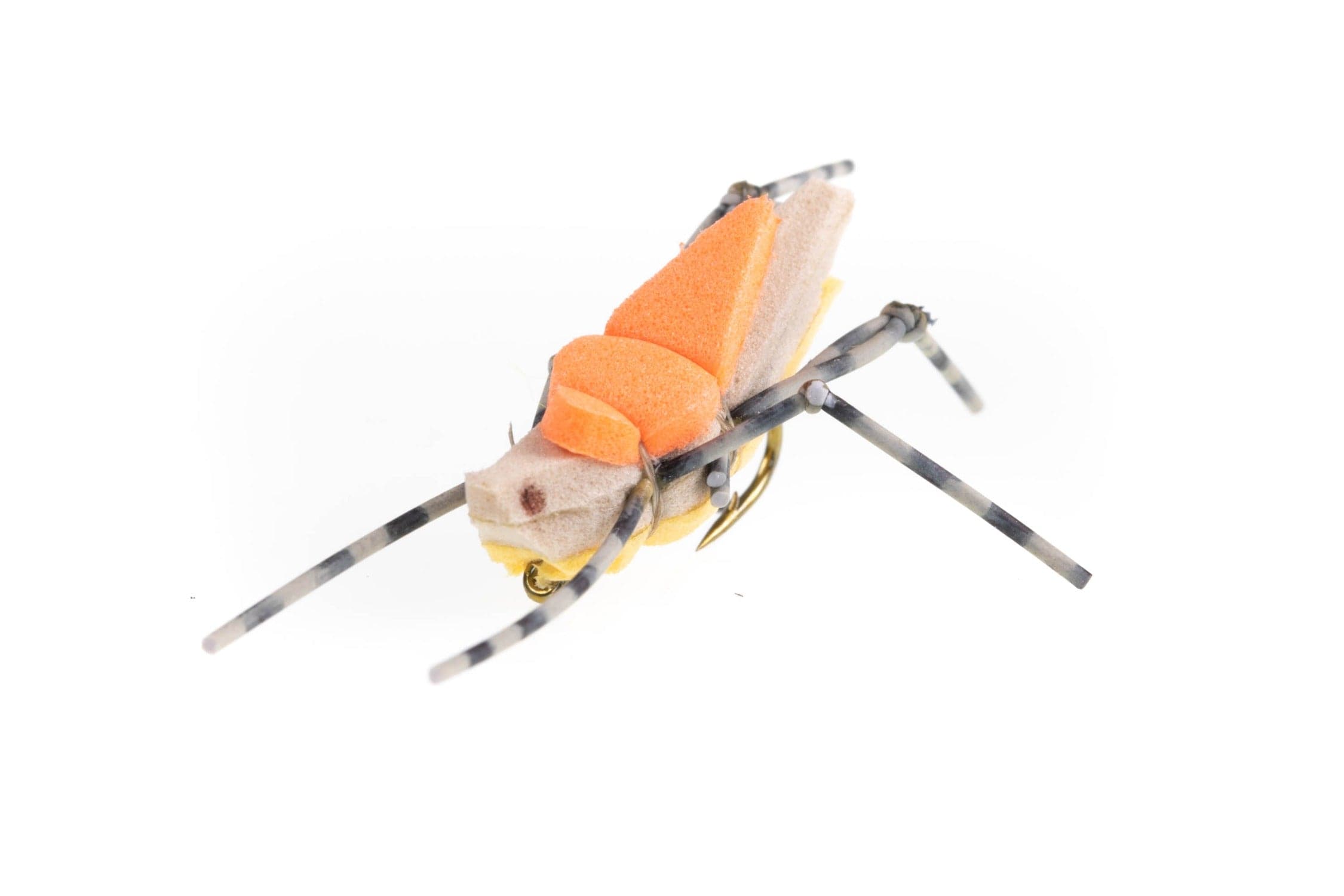
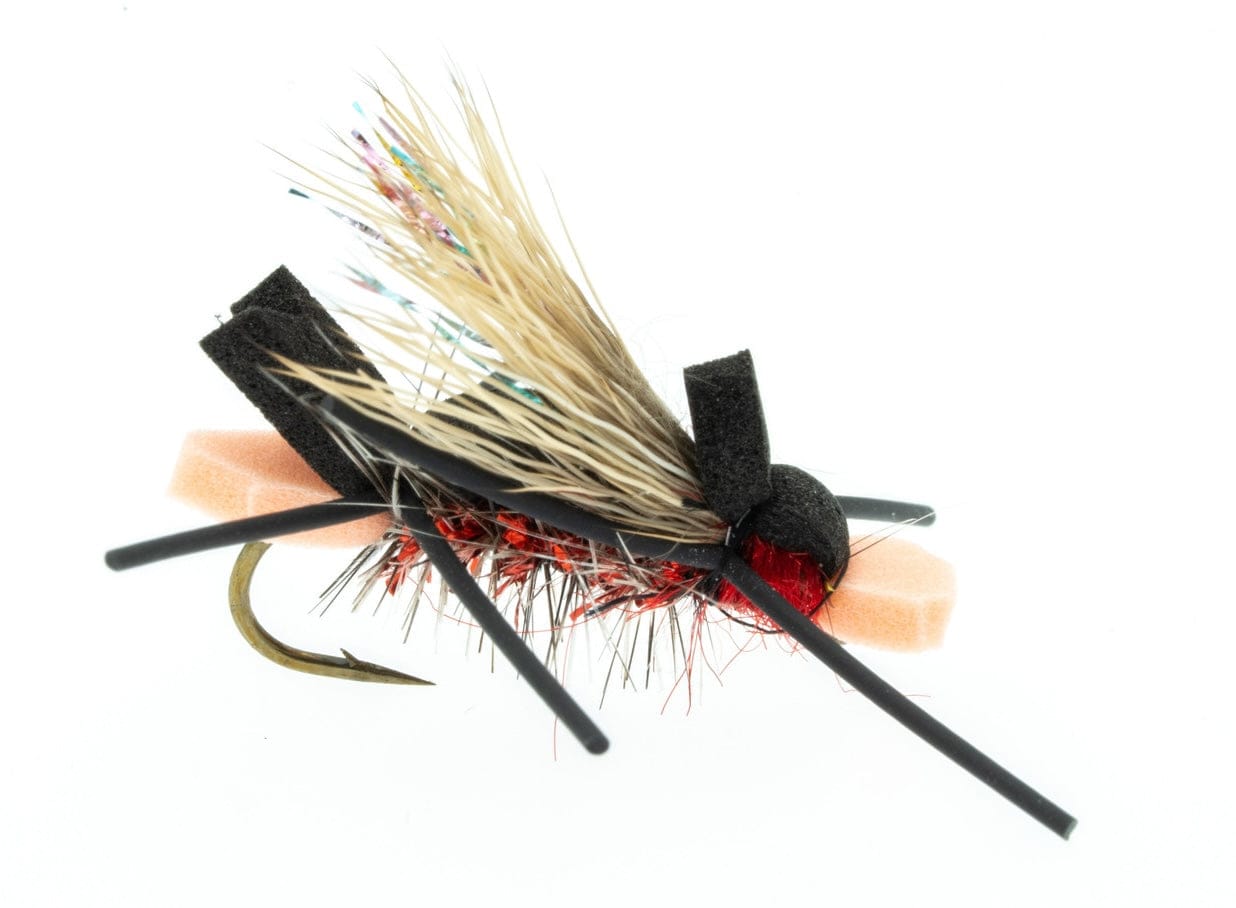
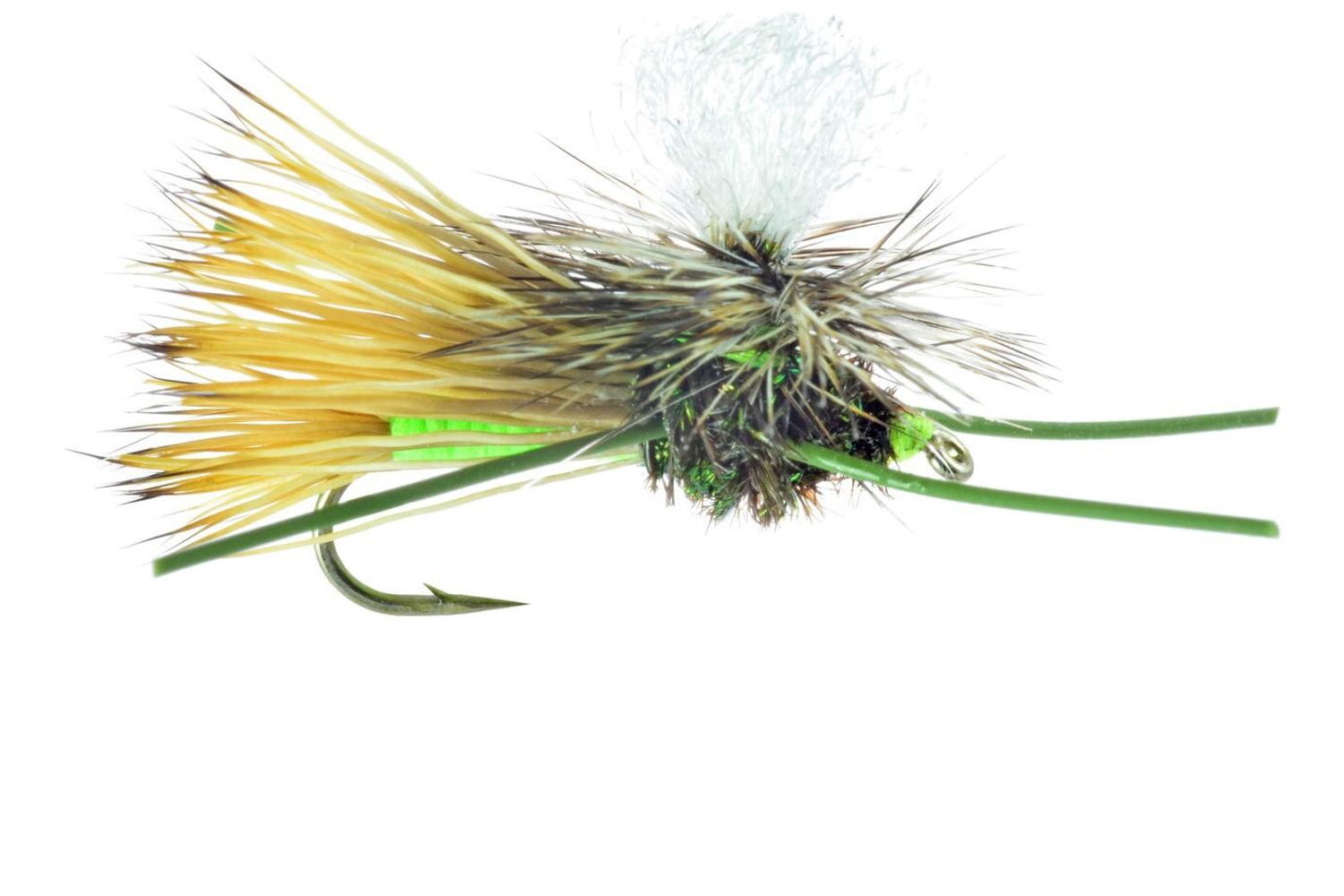
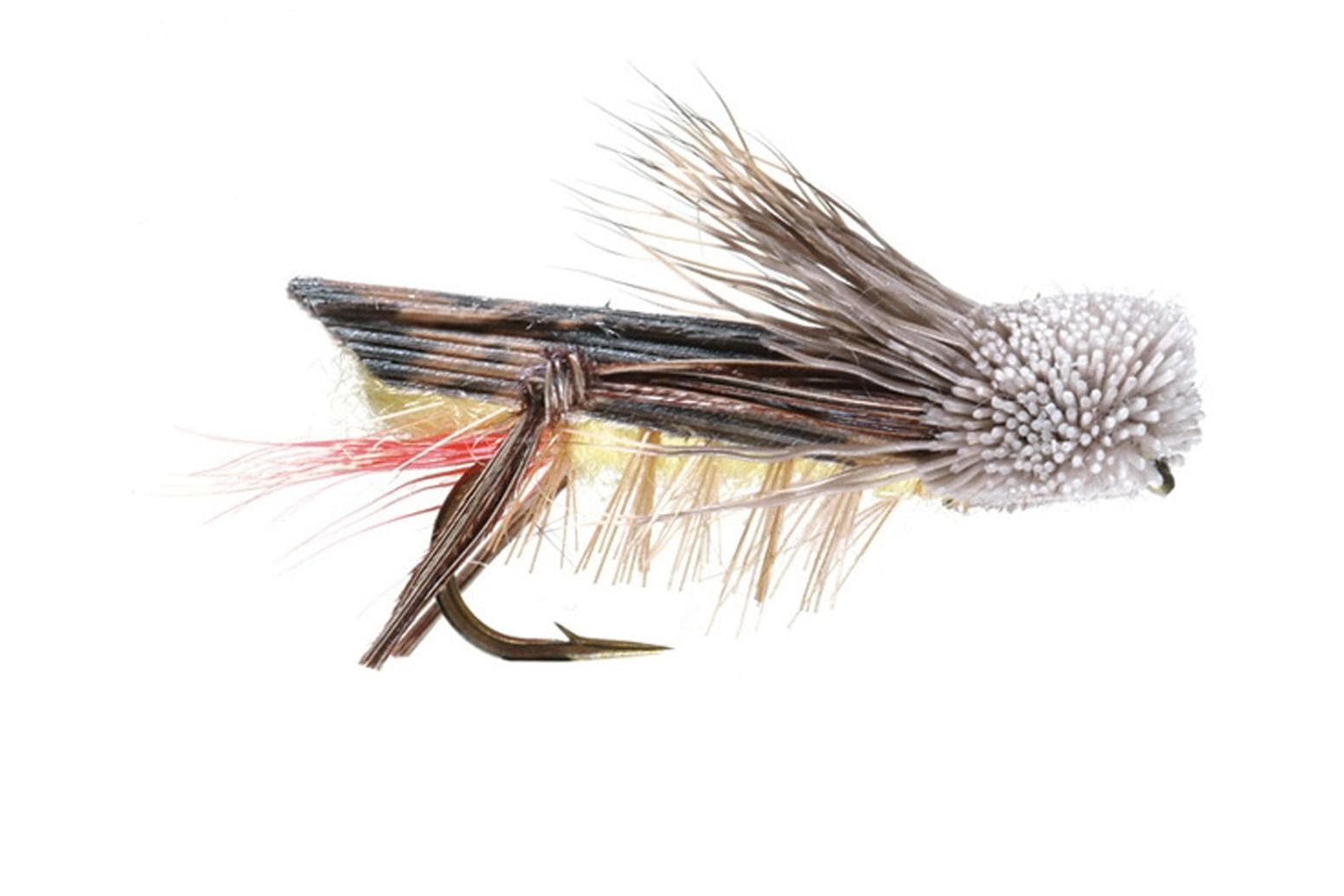
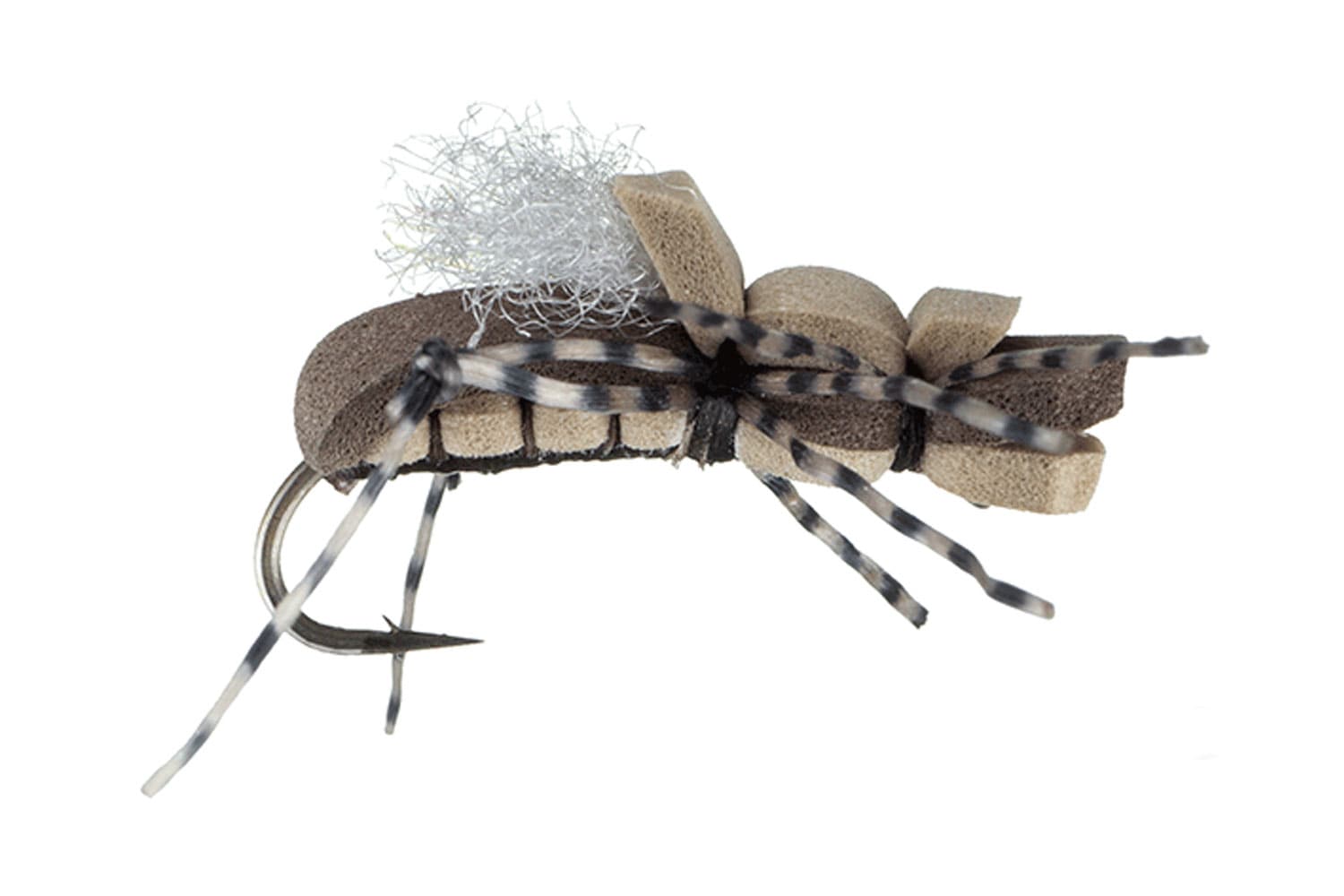
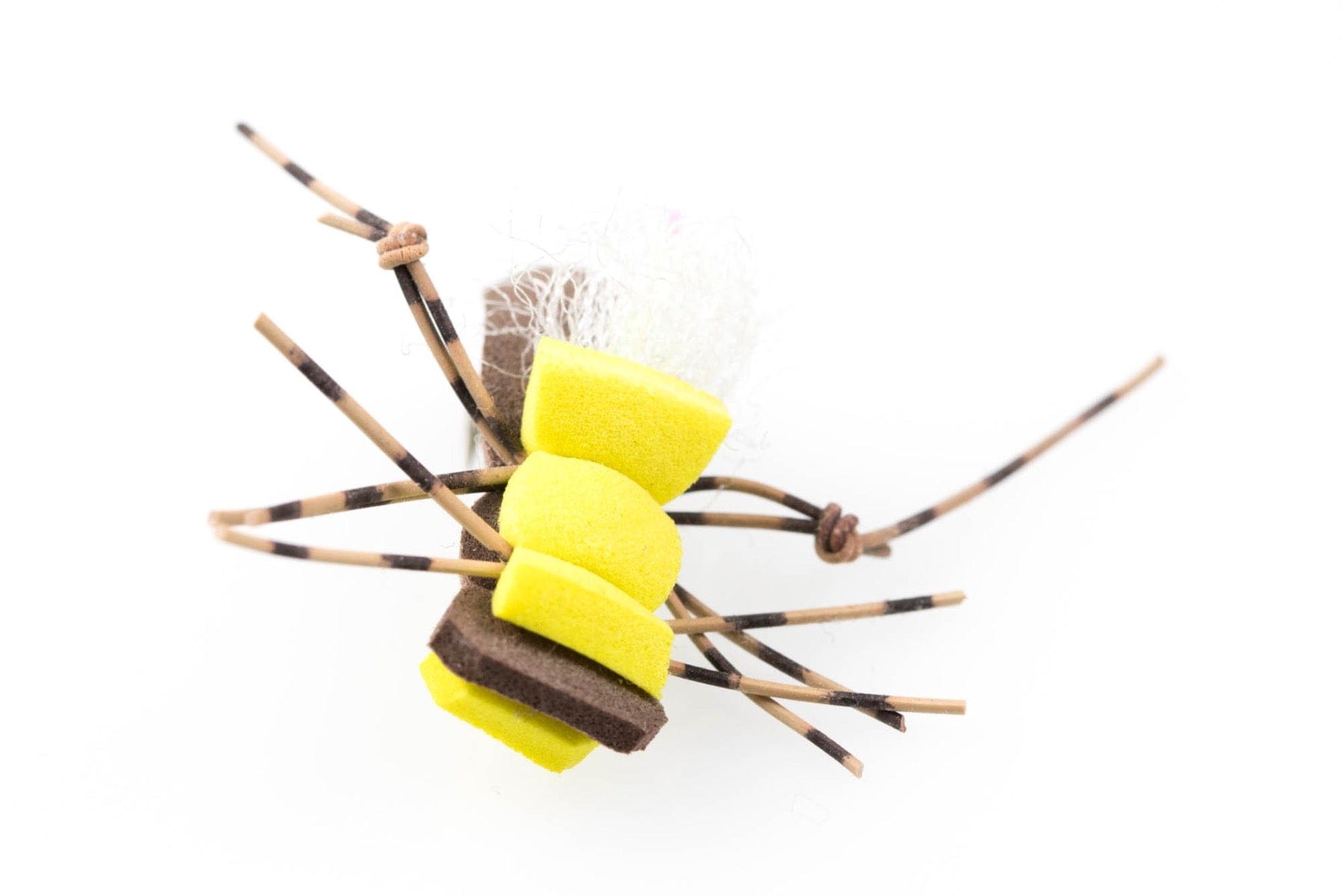
Best for Big Water: Thunder Thighs Hopper Fly - For late-summer hopper days when you need a bigger meal that shows up from a distance. The foam build helps it stay up in faster currents and with heavier droppers.
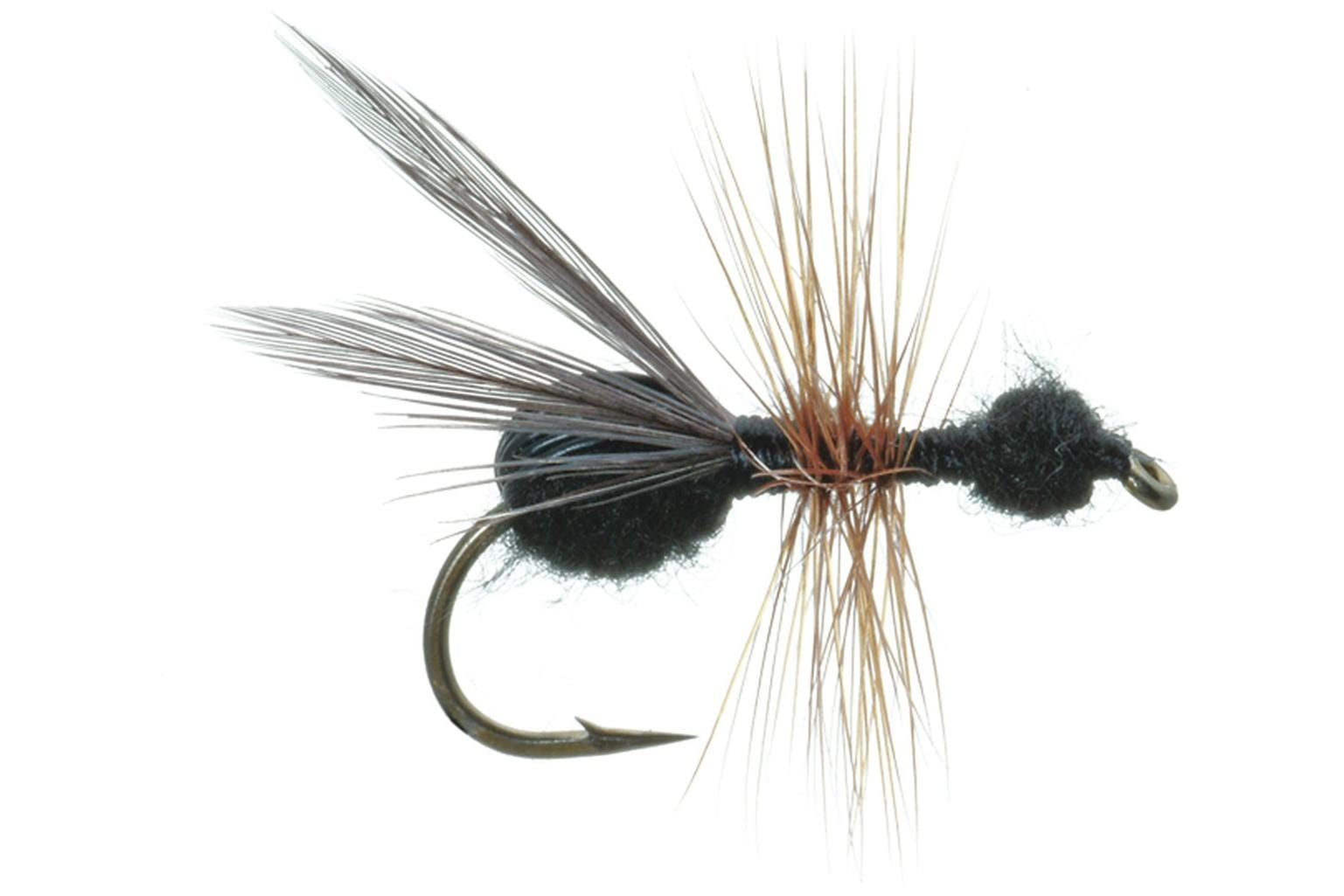
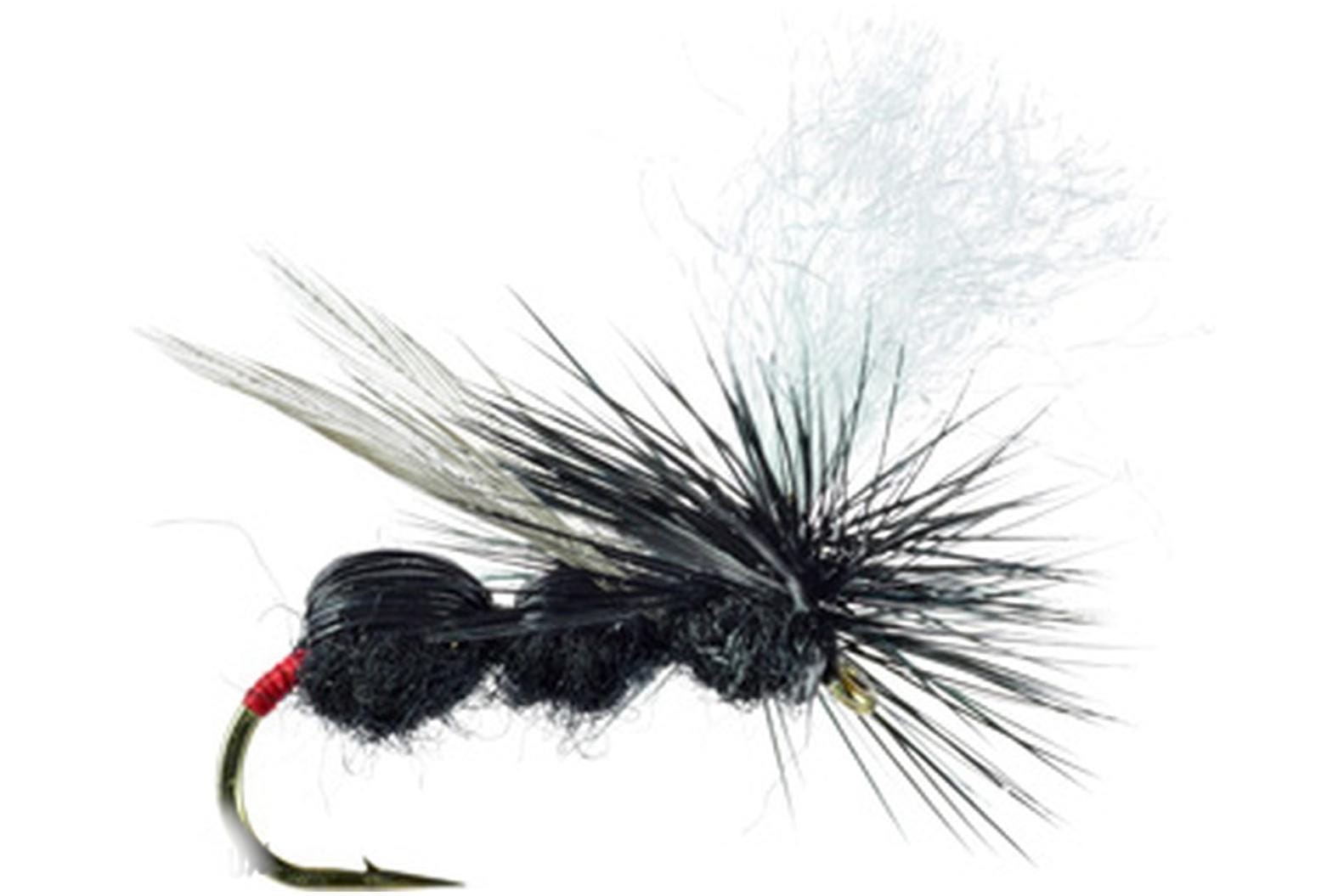
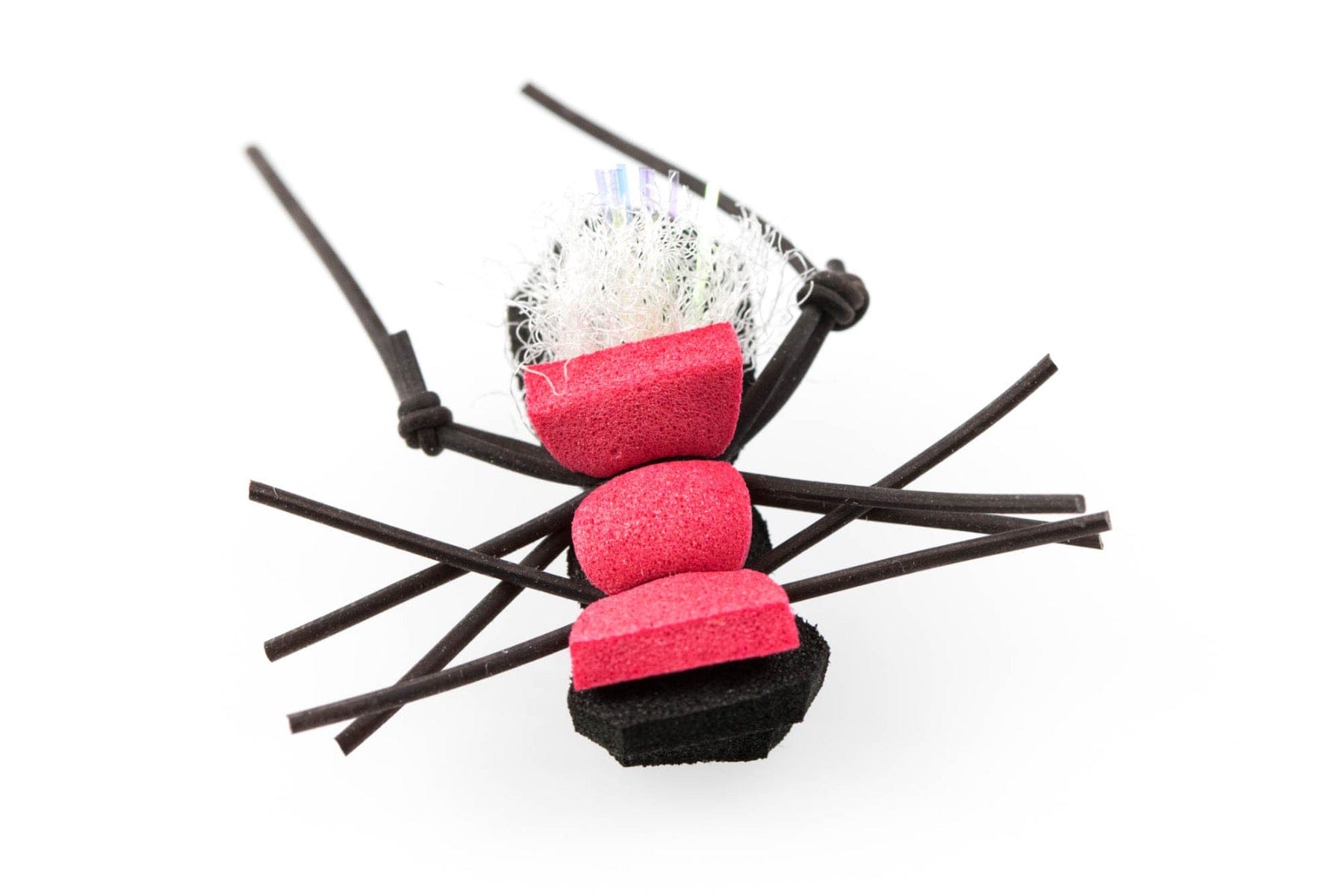
Best for Technical Water: Flying Ant Fly - For clear water and wary trout that slide out for smaller terrestrials. The slimmer profile is a good change-up when big foam dries get refused.
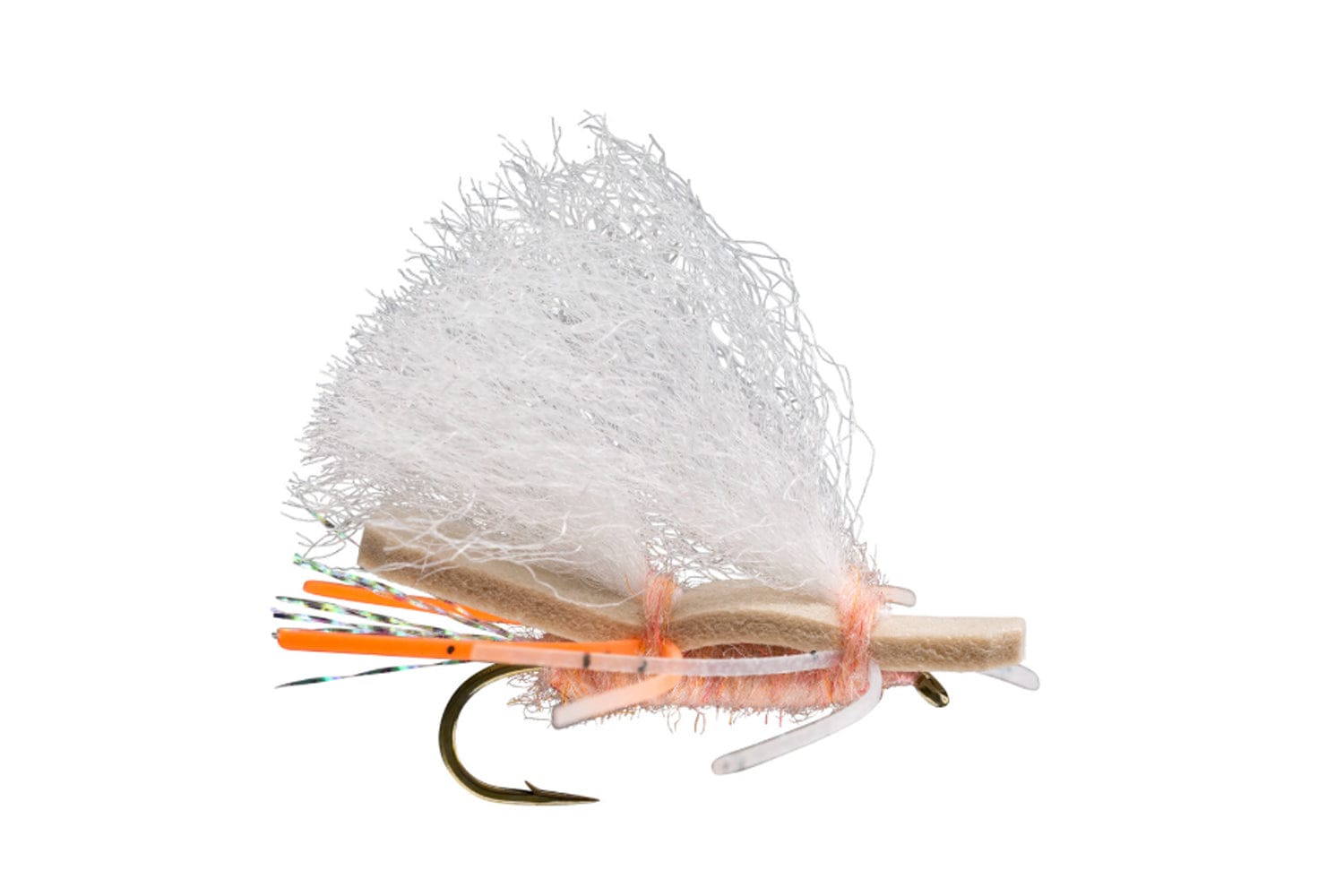
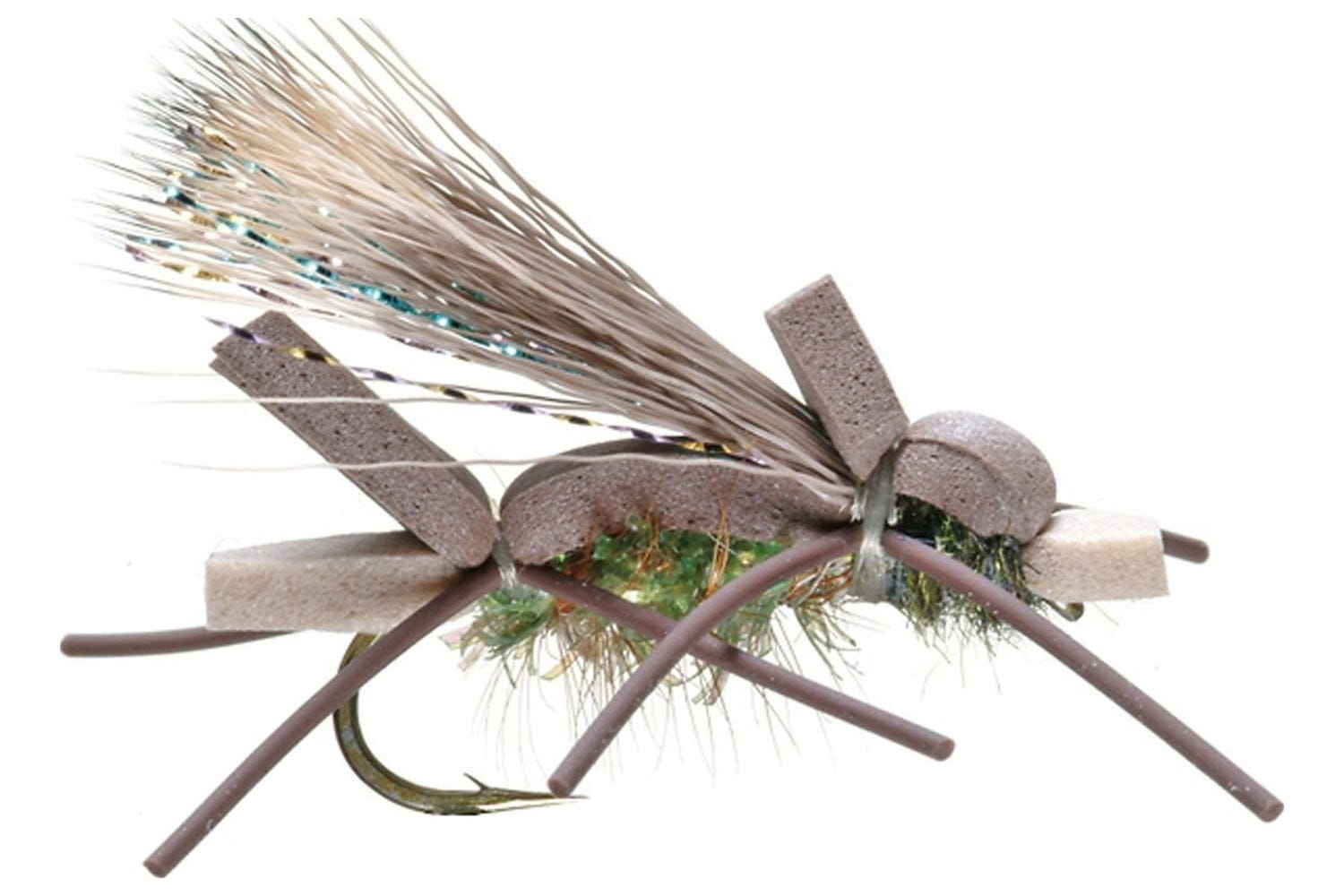
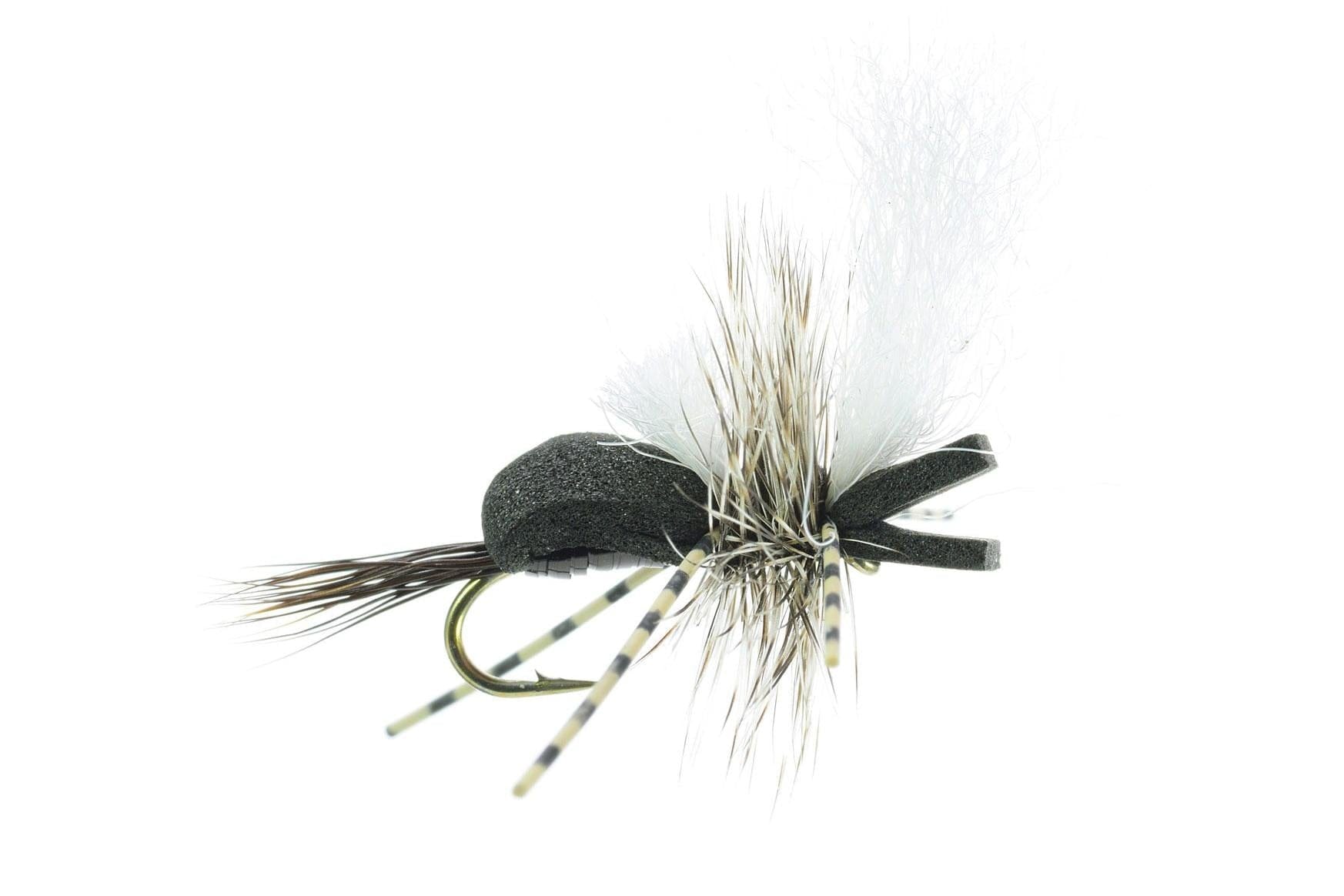
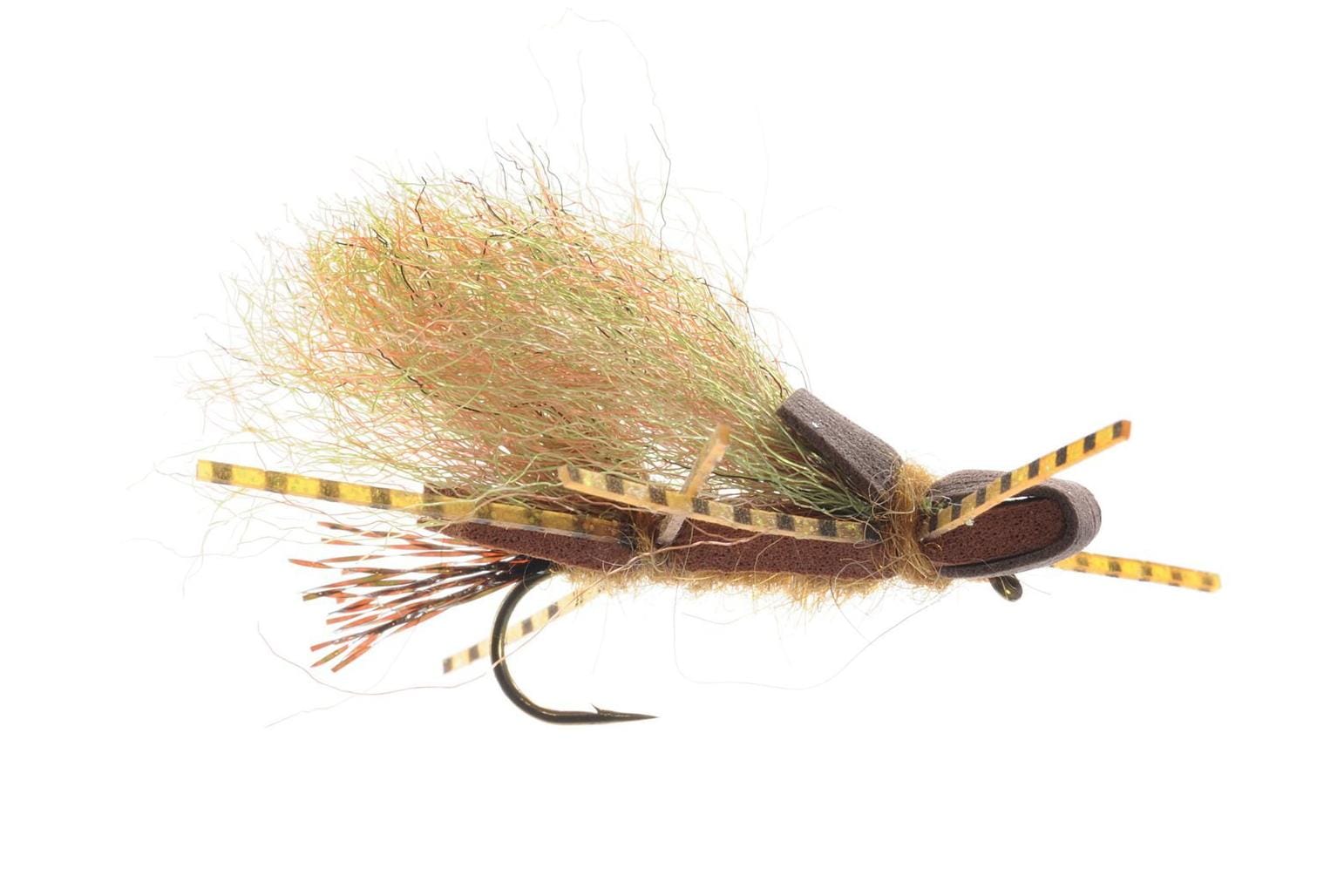
Best for Stonefly Water: Rogue Foam Stone Fly - For freestones and pocket water where a stonefly silhouette draws looks all season. The foam body helps it ride high so you can drift it tight to banks, seams, and structure.
How to Choose Terrestrials
Match the bug, not the calendar
Action: Start with hoppers and big foam attractors when you are fishing grassy banks, windy afternoons, and fast water. Switch to ants and beetles when the river is low, clear, or the fish are tracking small bugs near the edge.
Best for: Hoppers on meadow streams and freestones, ants under trees and brush, beetles on calm edges and foam lines. If fish are eating mayflies or caddis, also check our Dry Flies and Spinners collection for closer matches.
Pick a float style you can see and control
Action: In rough water, pick higher-floating foam or hackly patterns that stay on top and stay visible. In slow or glassy water, pick slimmer patterns that land lighter and drift clean.
Avoid if: You are getting short strikes, blown-up foam bodies, or lots of drag, it is usually a sign to go smaller, go darker, or lengthen your leader and tippet.
Plan your rig around where fish are holding
Action: Fish terrestrials tight to banks, under cut grass, and along overhanging limbs. On deeper runs, add a nymph as a dropper to cover both surface and subsurface eats.
Best for: A single terrestrial when fish are clearly looking up, and a dry dropper when you need to probe ledges, pockets, and deeper seams.
Materials & Durability
Dry them out: Let flies air-dry after the trip so foam, hackle, and dubbing do not stay waterlogged in your box.
Rotate patterns: If a fly starts sinking, swap it out and dry it, or switch to a fresh one.
Check the hook point: Foam flies get chewed and dragged on rocks, touch up or replace dull hooks.
Watch the foam: Torn foam bodies and missing legs can still catch fish, but they usually lose buoyancy faster.
Complete Your Setup
Related Gear
Nymphs - Great for building a dry dropper rig under a hopper, beetle, or ant.
Tippet - Helps you fine-tune drift and turnover, especially when you size down to ants and beetles.
Weights, Indicators & Floatants - Floatant keeps dries riding higher, and small weights help droppers reach the right lane.
Fly Boxes - Keeps foam bugs from getting crushed and makes quick pattern changes easier.
Related Guides
Terrestrials FAQs
Q: What are terrestrial flies in fly fishing?
A: Terrestrial flies imitate land insects like hoppers, ants, beetles, and moths. They end up in the river from wind, bankside grass, and overhanging trees.
Q: When should I fish terrestrial flies for trout?
A: Many anglers lean on terrestrials from mid-summer into fall. They can also work in late spring, especially on warm, windy days near grassy banks.
Q: What size terrestrial fly should I start with?
A: Start larger in rough water or when you need a fly you can track. Go smaller when the water is clear, the fish are selective, or you are fishing calm edges.
Q: Are foam terrestrials better than deer hair or hackle dries?
A: Foam usually floats longer and carries a dropper more easily. Hair and hackle patterns can land lighter and can look more natural in slow water.
Q: How do I fish a terrestrial fly, dead drift or twitch?
A: Most of the time, start with a clean dead drift. Add an occasional small twitch near banks or under branches if fish are not committing.
Q: Can I run a nymph under a terrestrial fly?
A: Yes, terrestrials are a common top fly for a dry dropper setup. Use it to suspend a nymph through seams and pockets while still covering surface eats.
Q: What tippet should I use for terrestrials?
A: Bigger foam patterns often turn over fine on stronger tippet, while ants and beetles usually drift better on finer tippet. If your fly is dragging, longer and thinner often helps.