


11 Best Saltwater Flies For Your Fly Box (Permit, Tarpon, Bonefish, Striper)
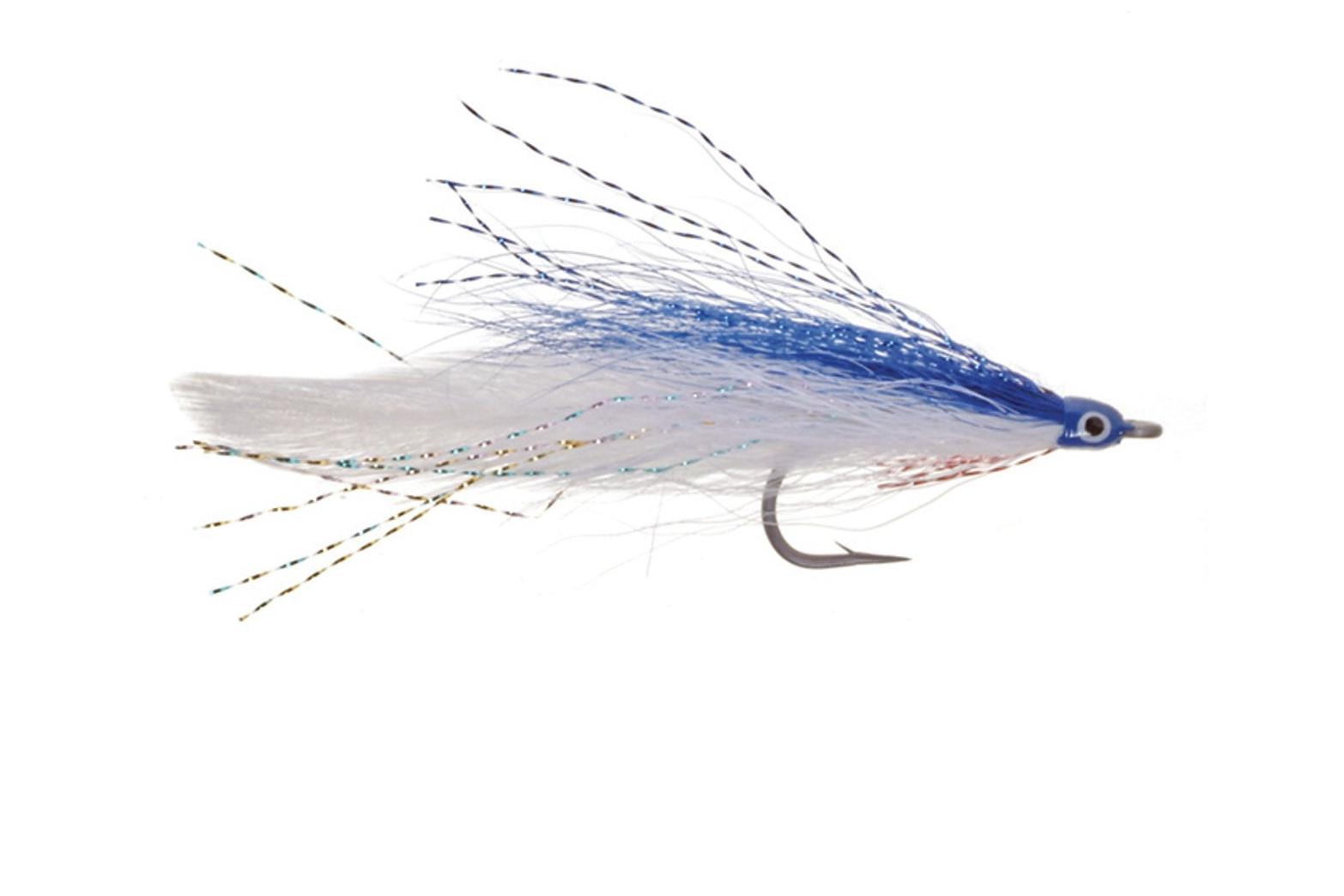


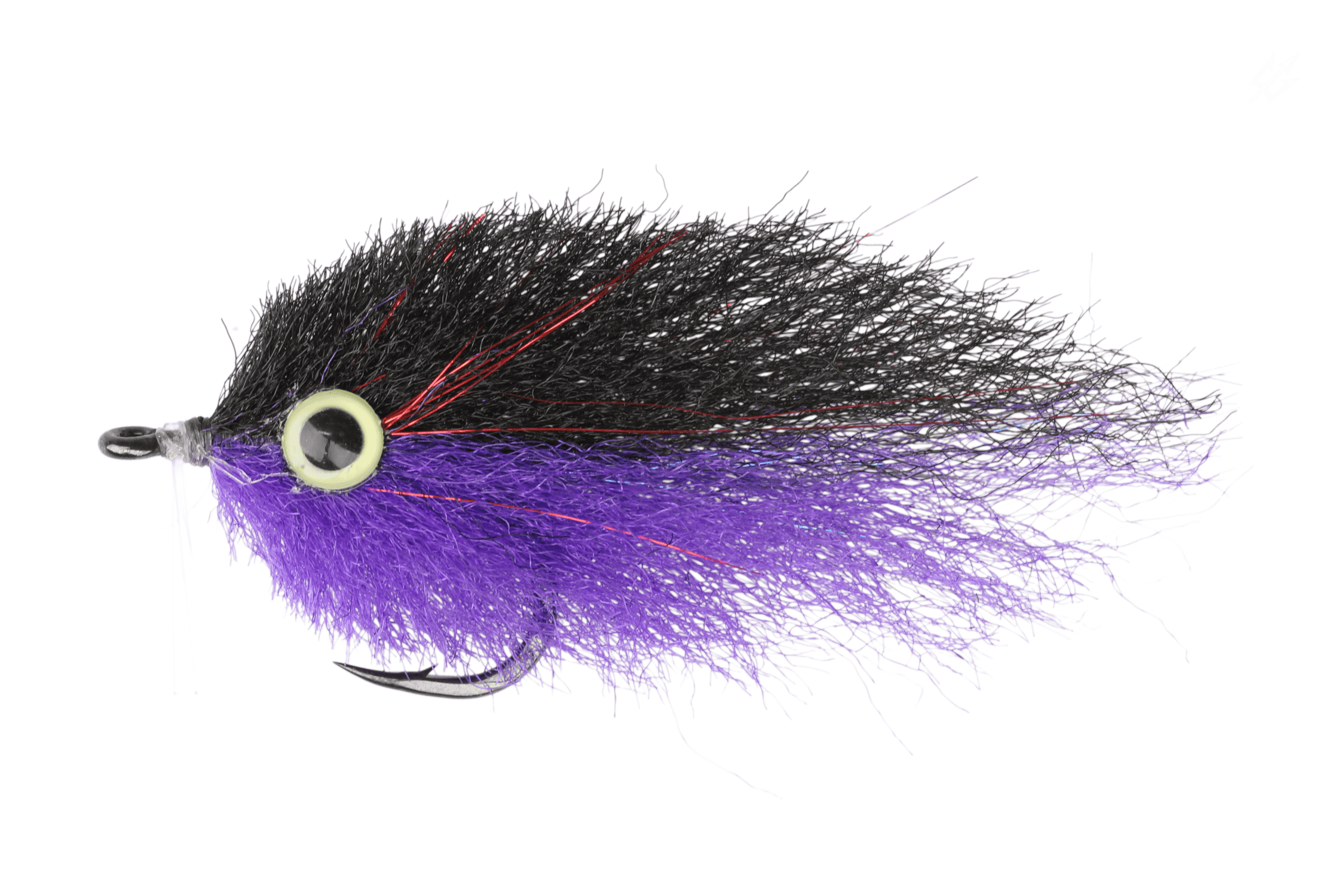
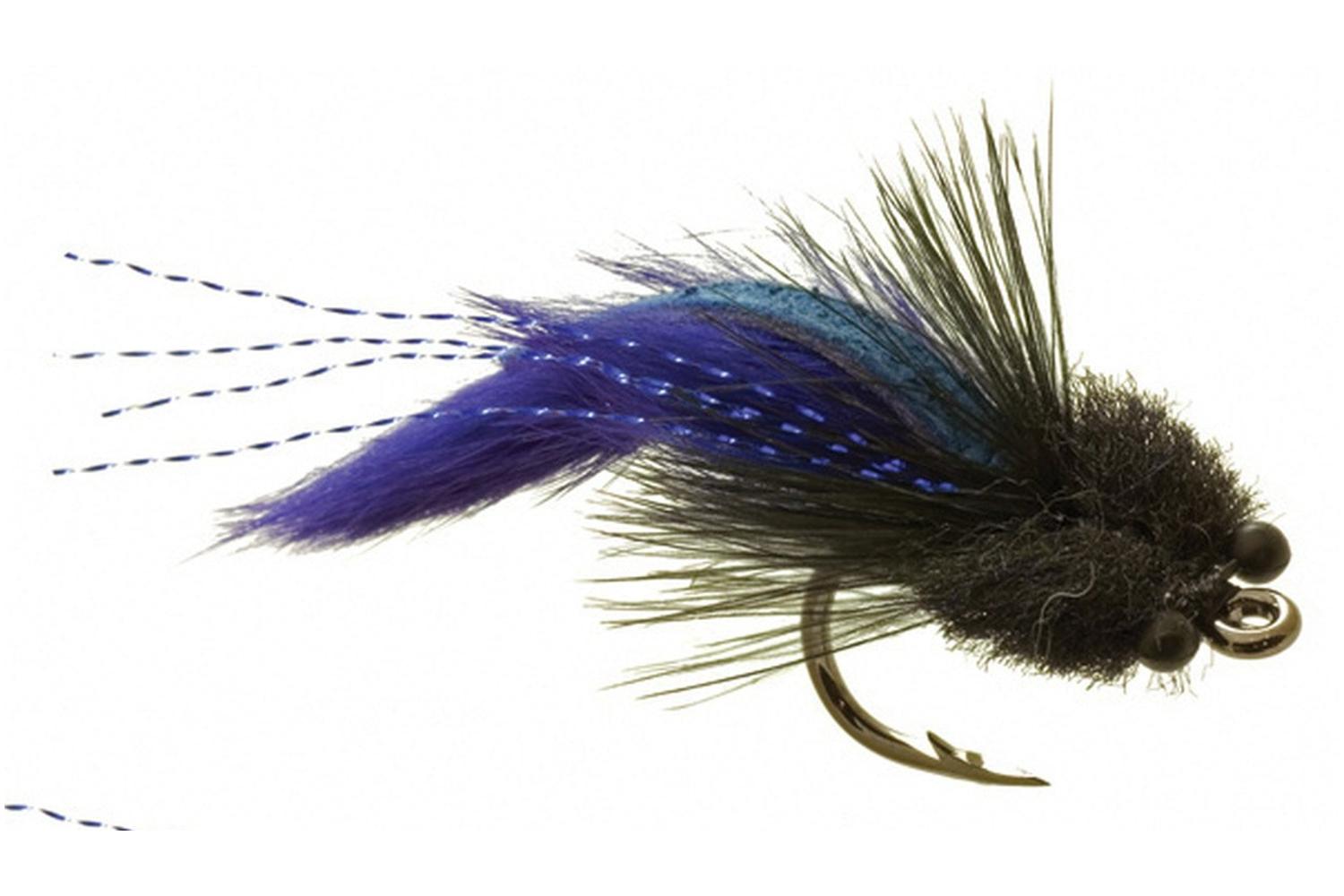
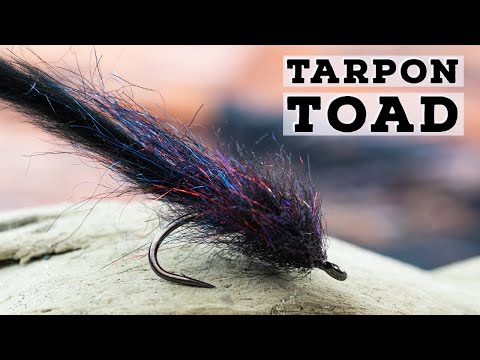


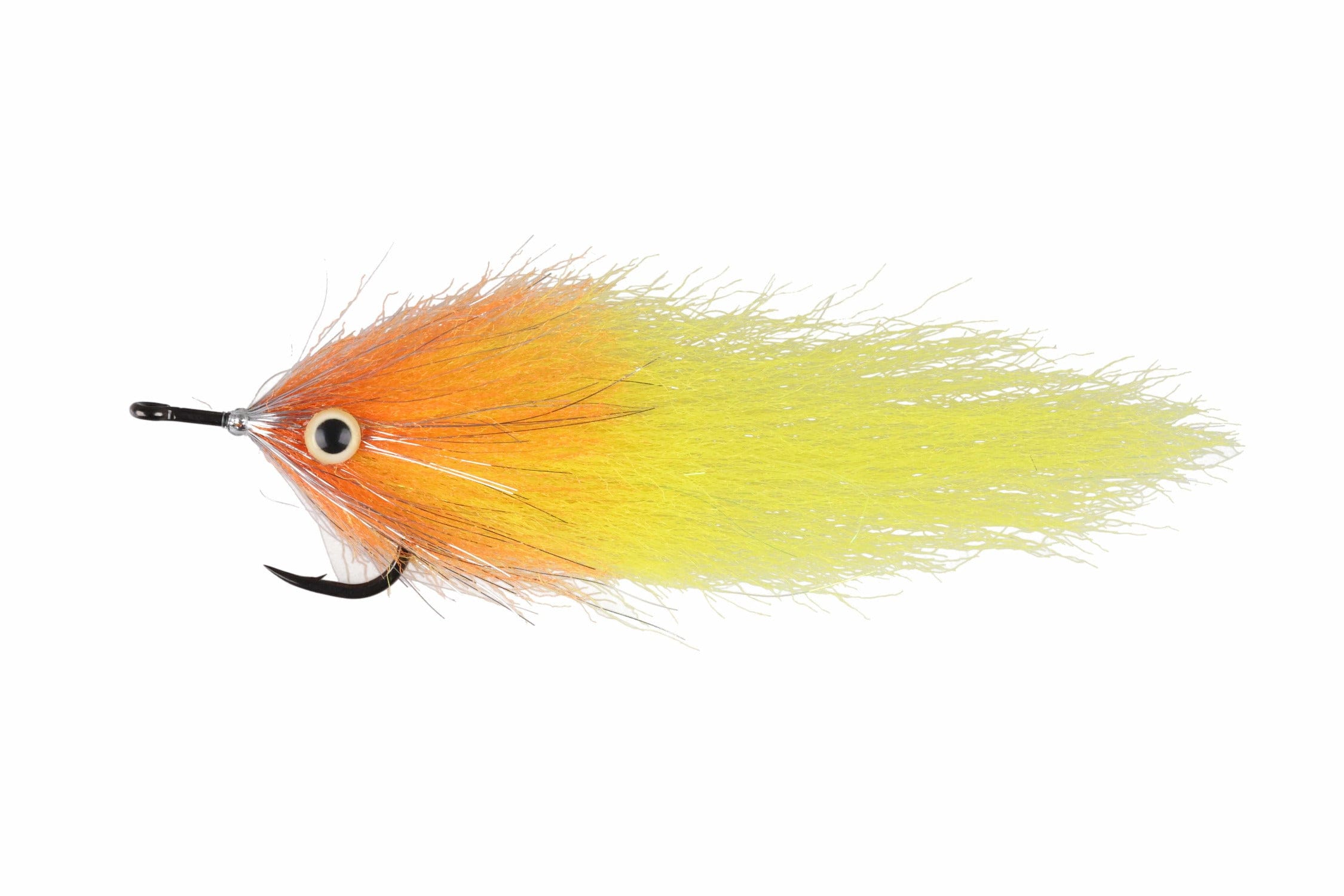
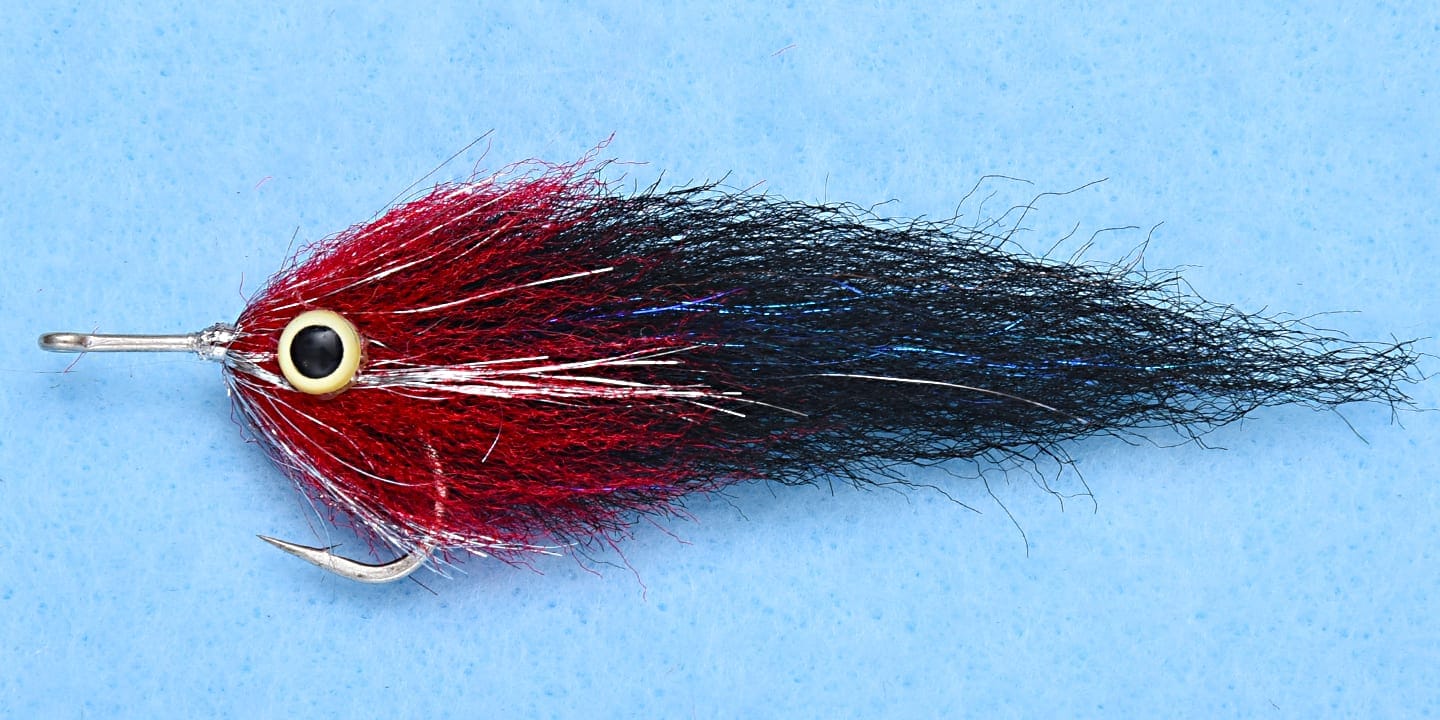
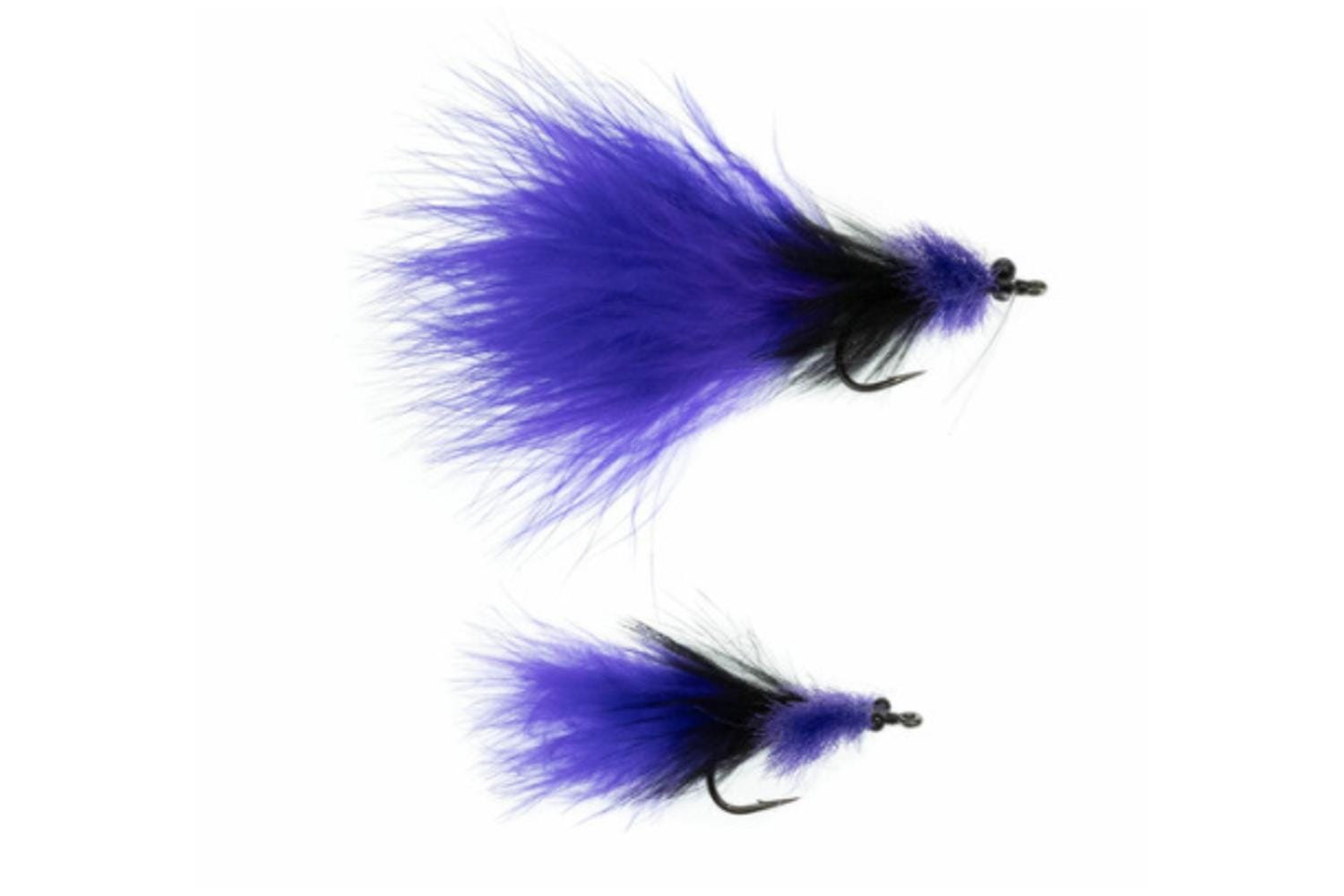
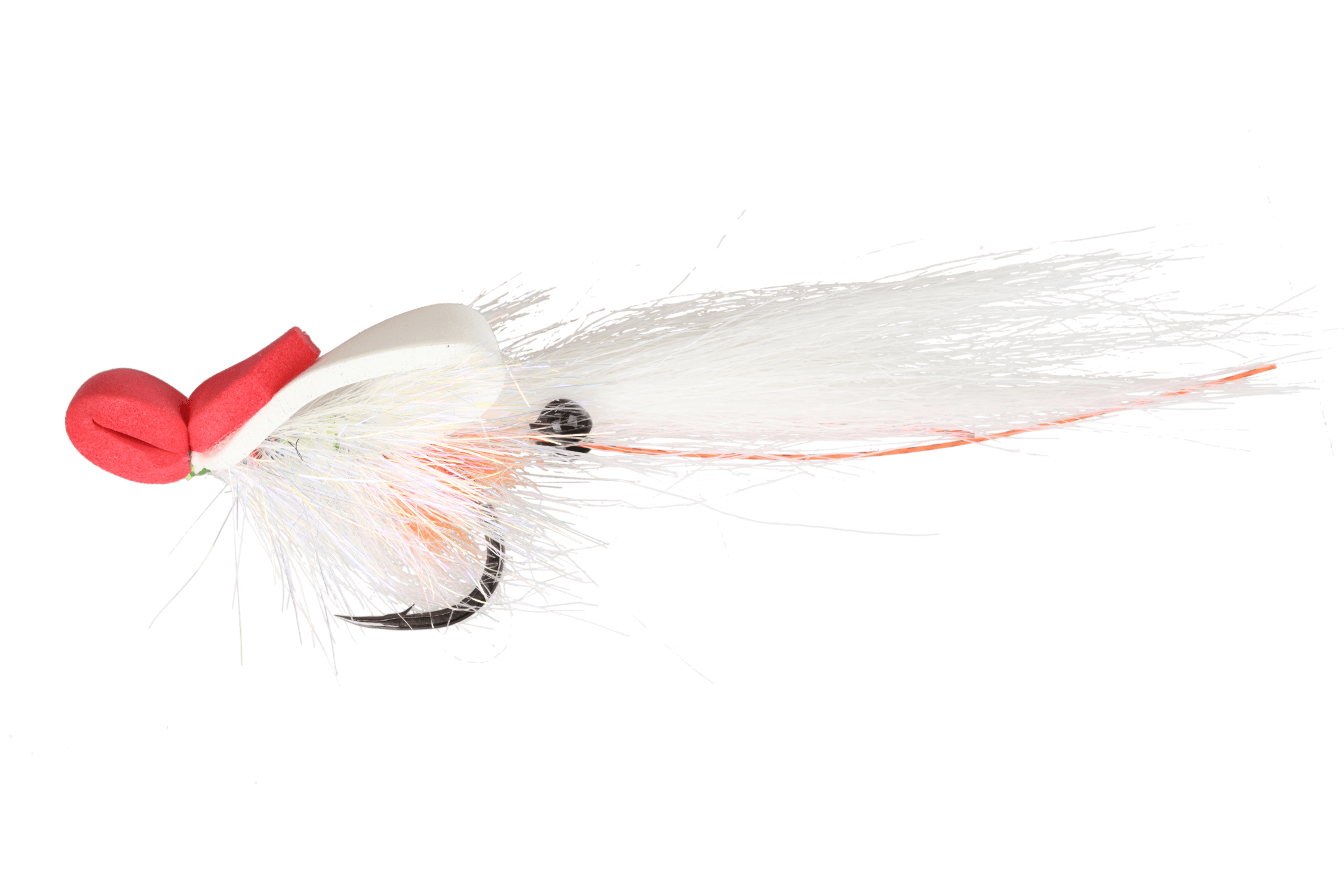

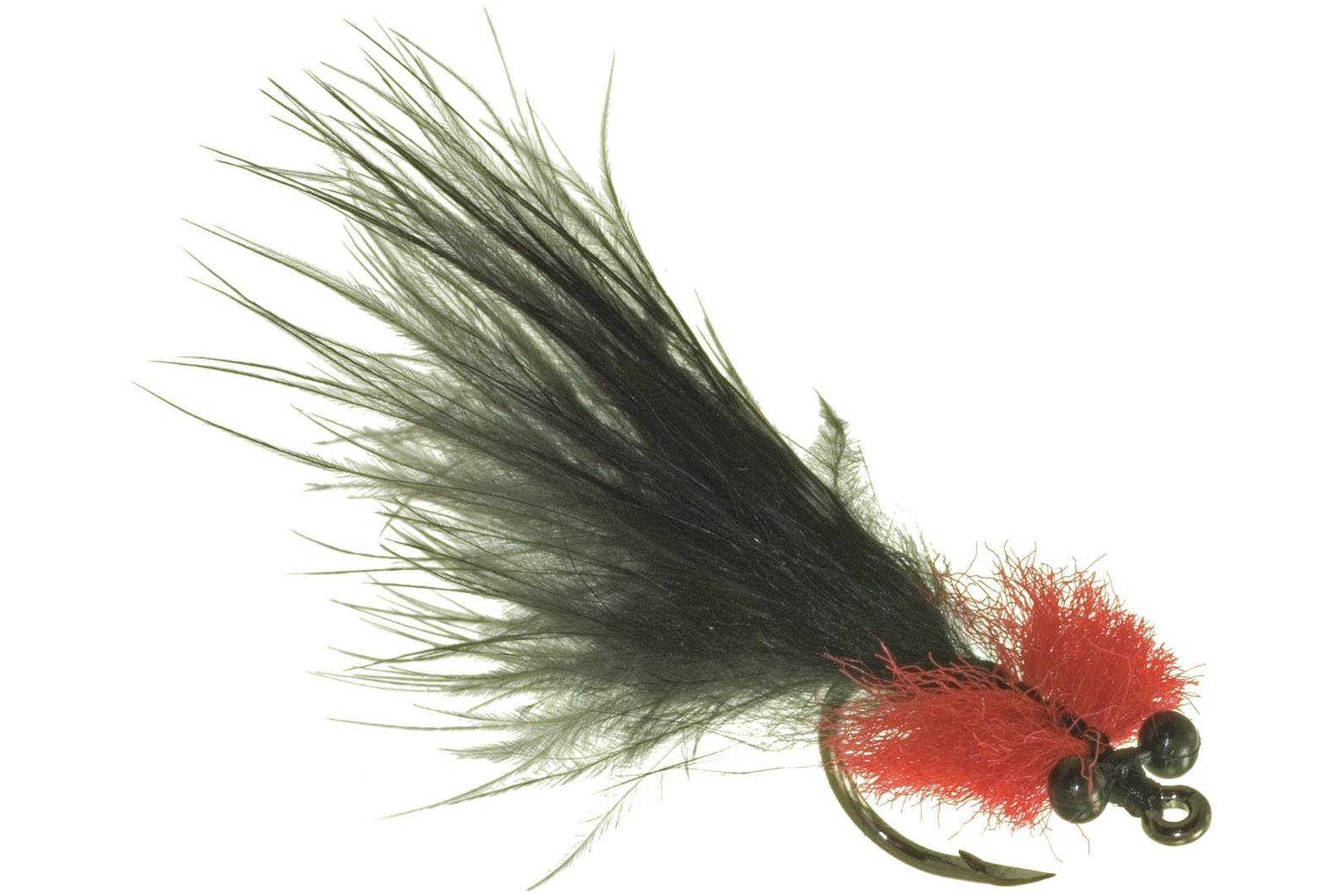
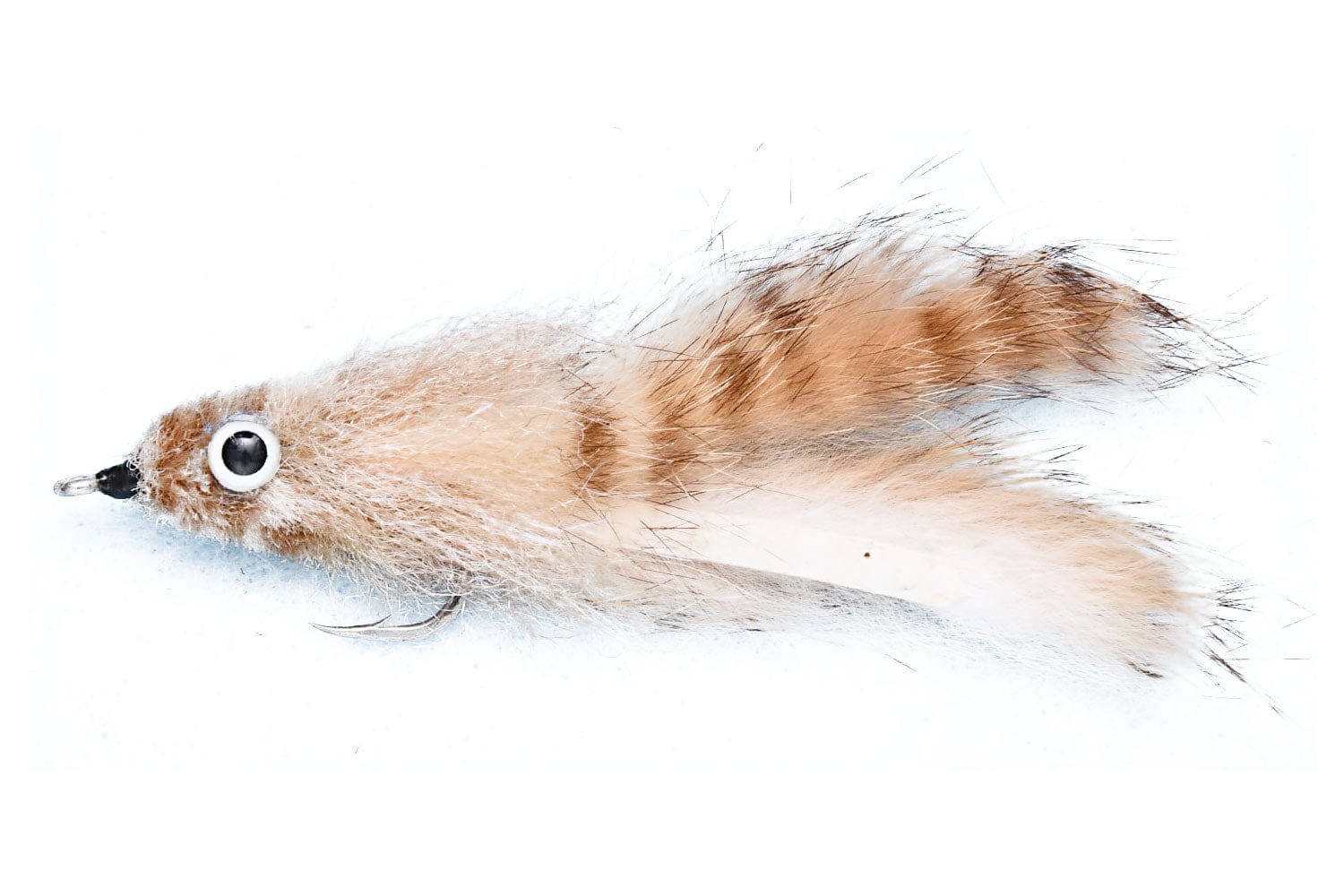
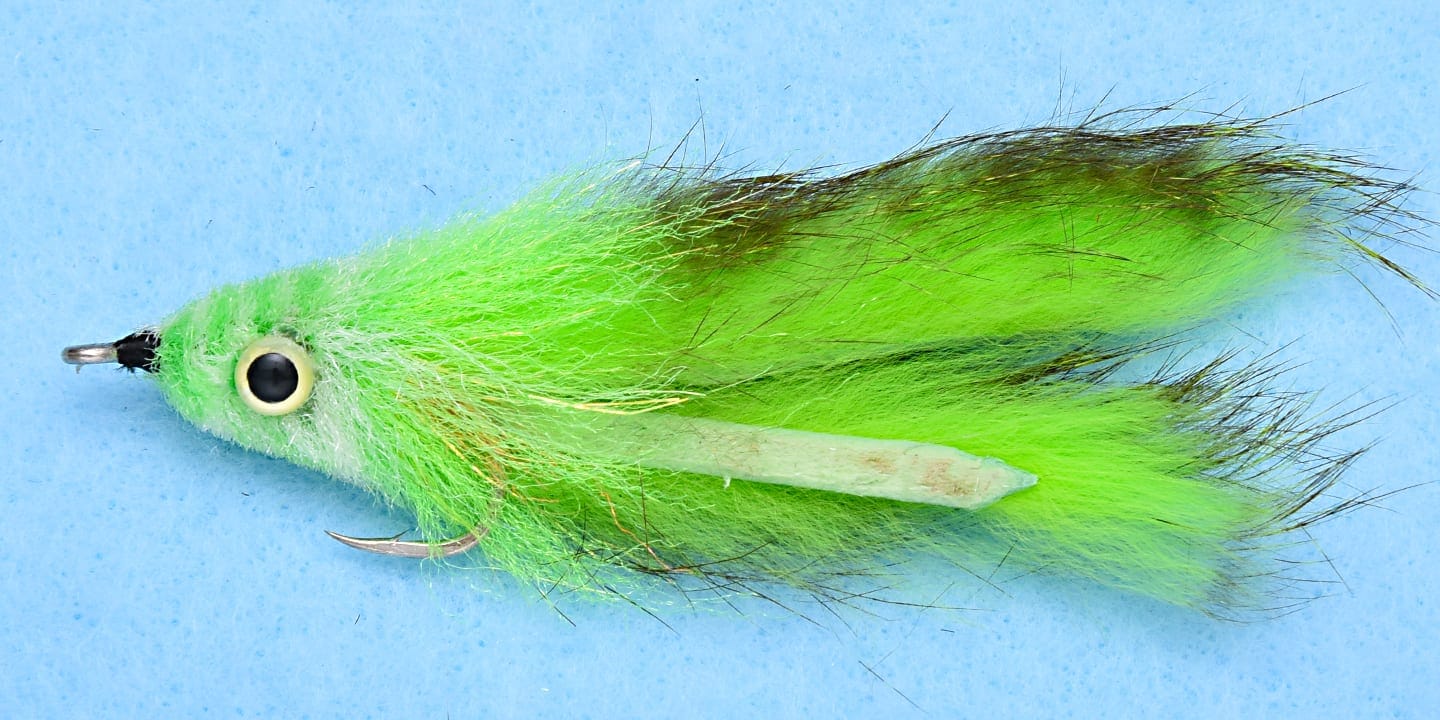
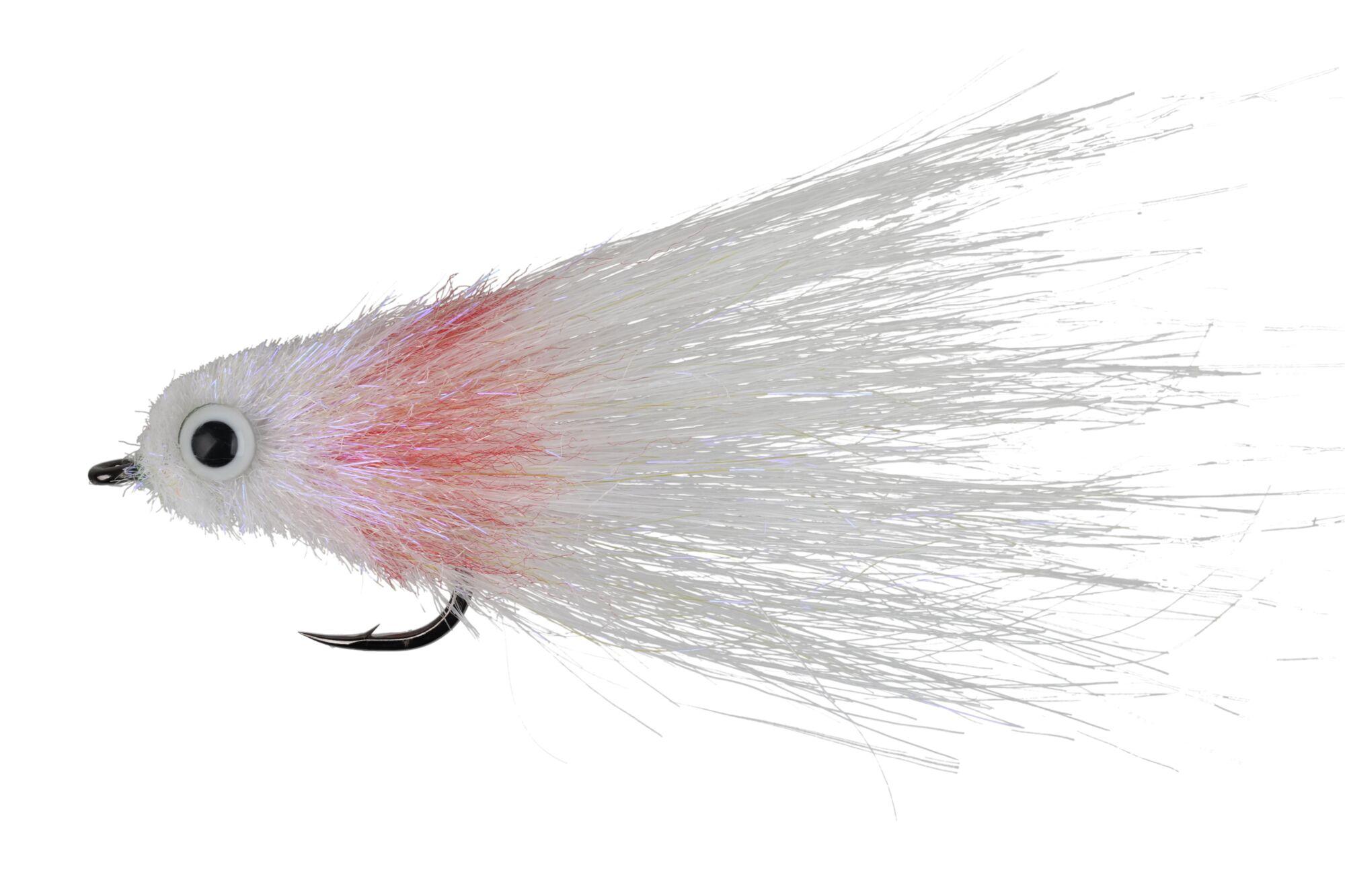
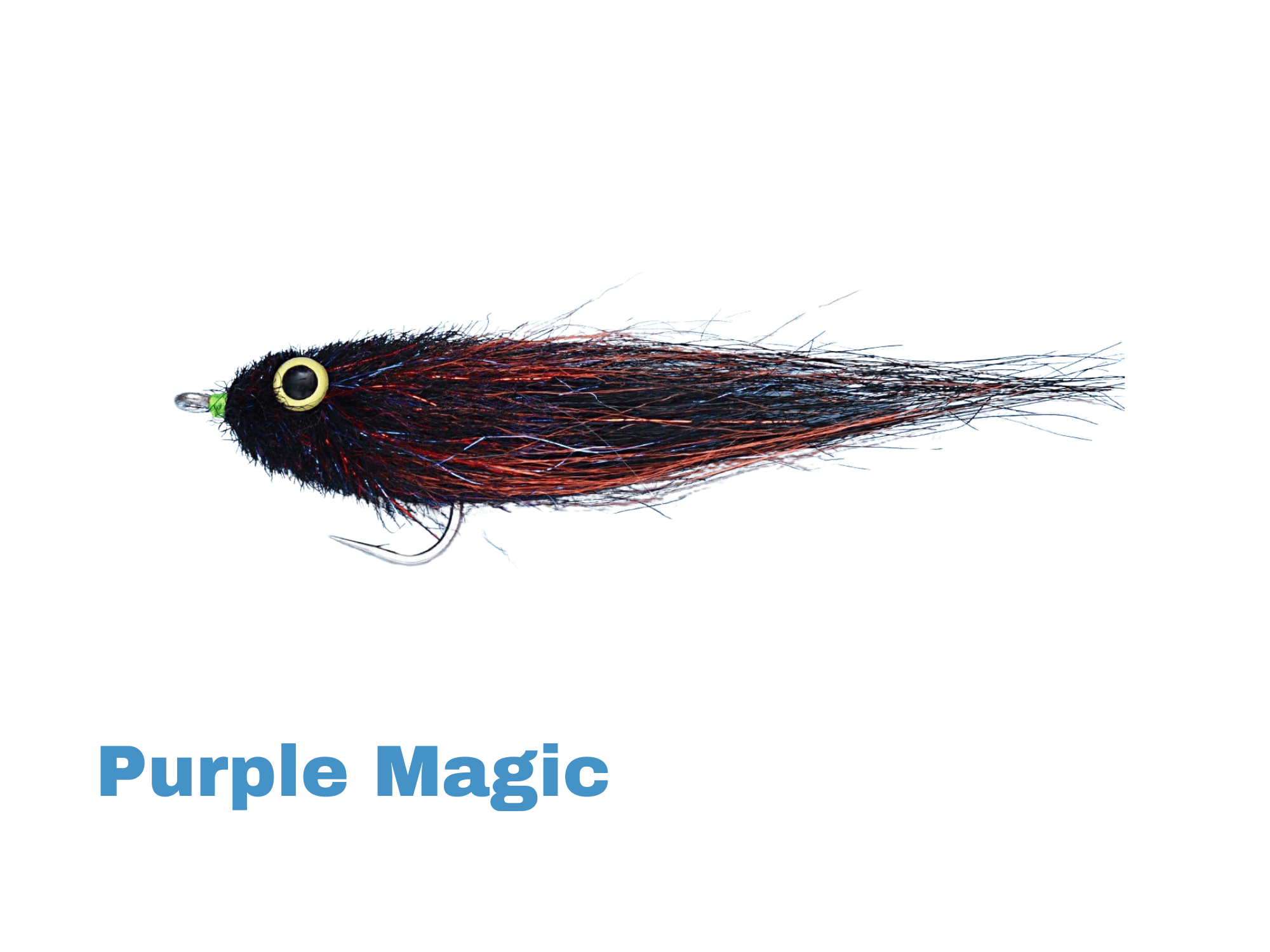
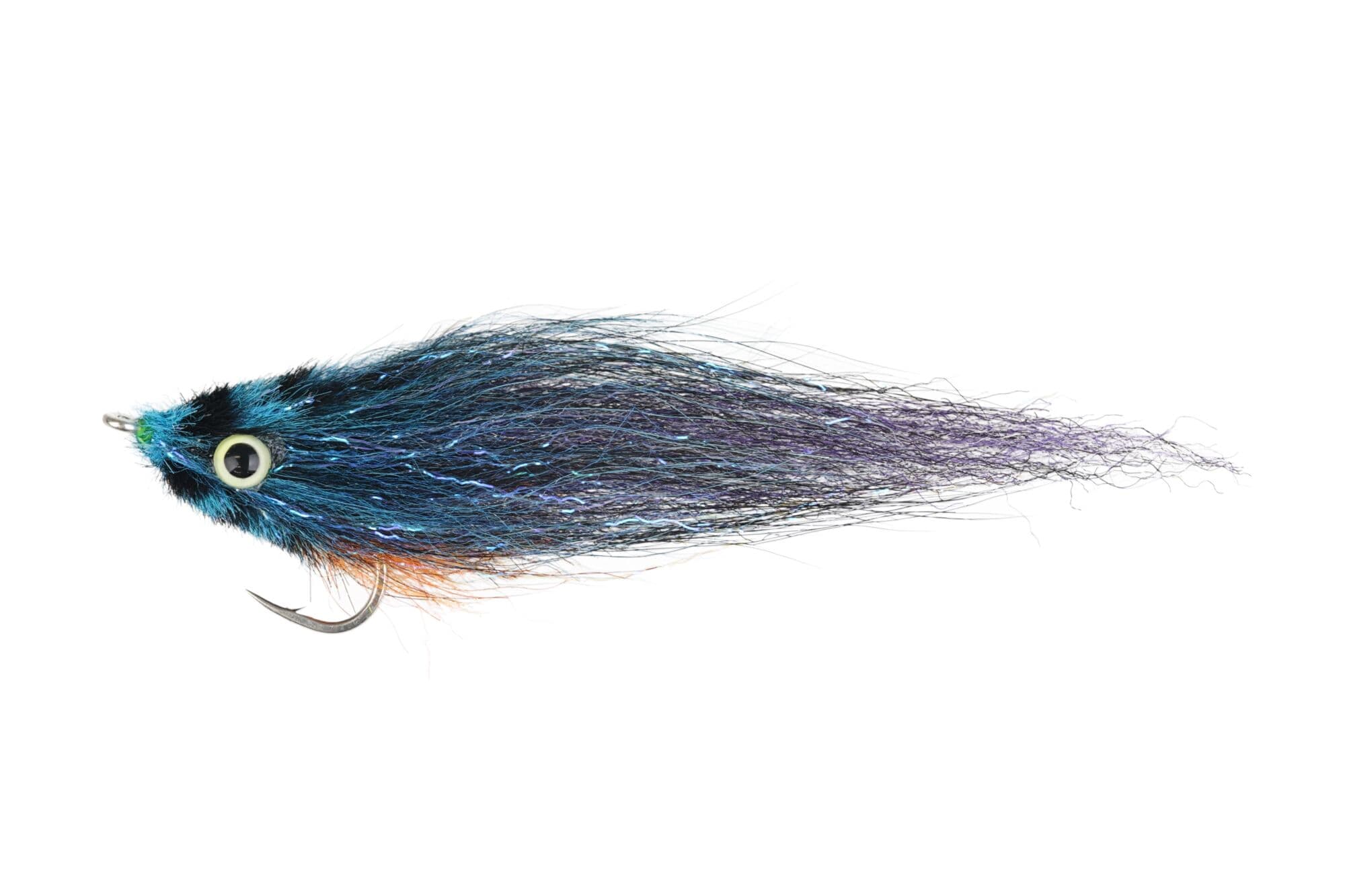
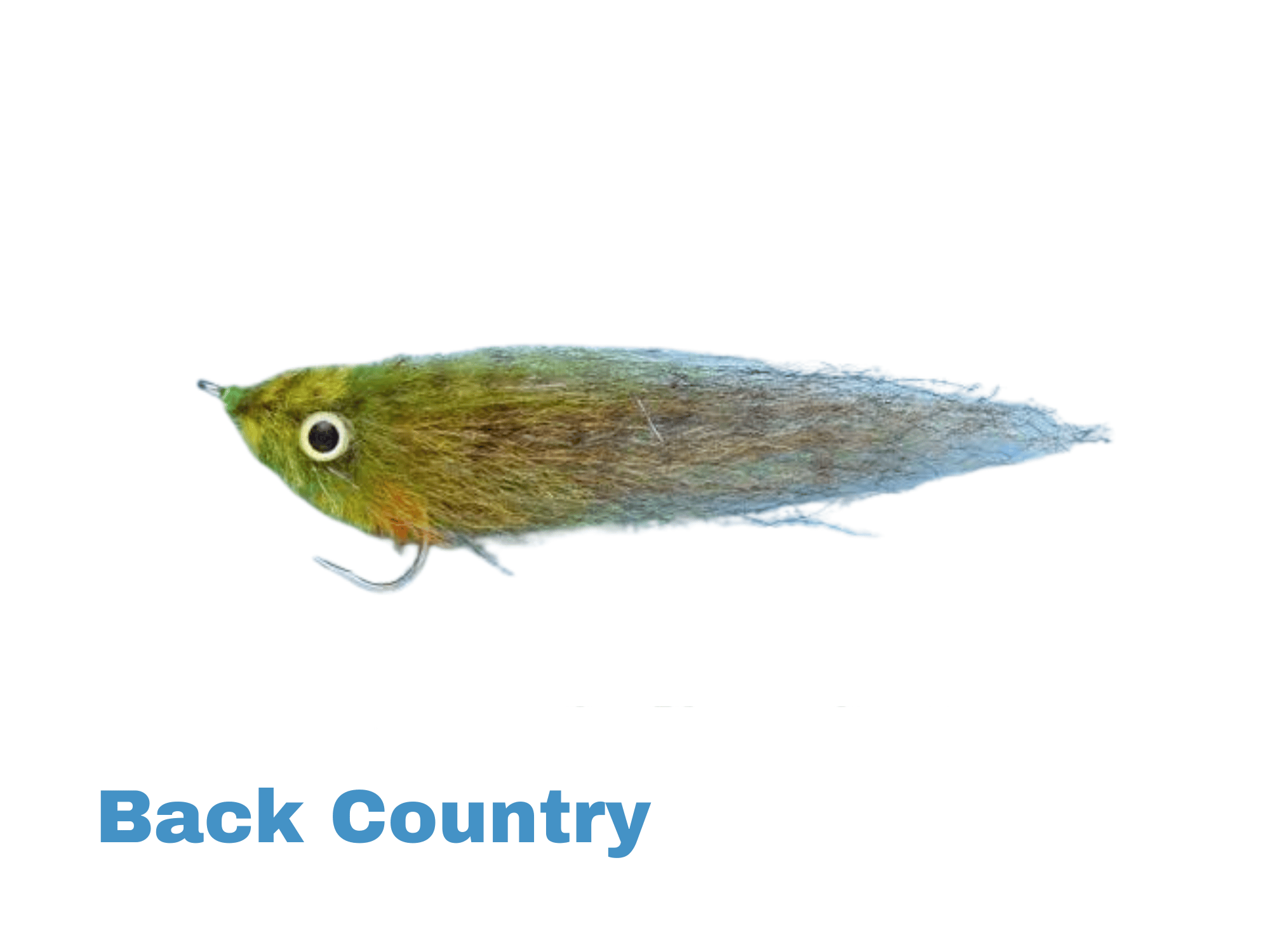
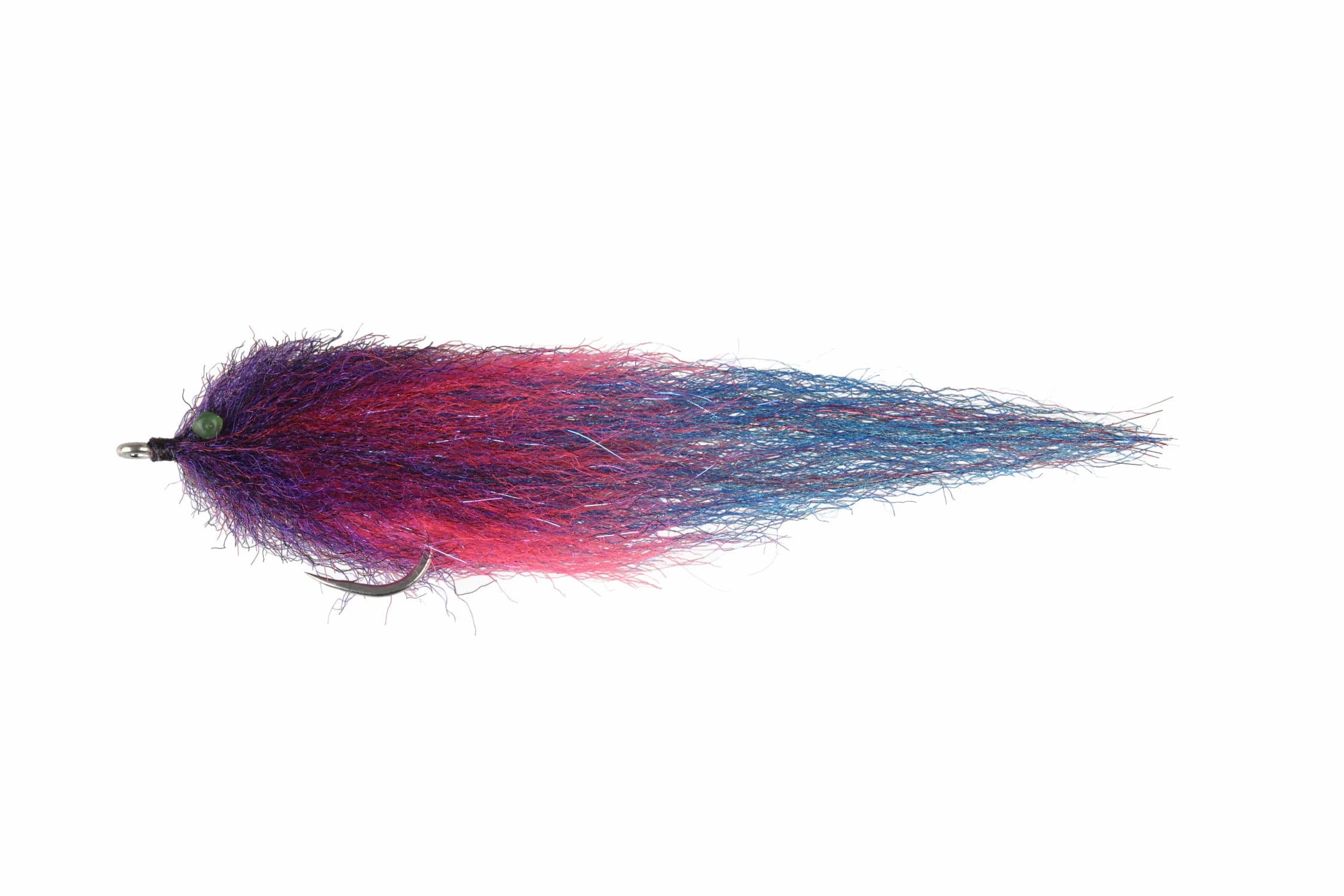
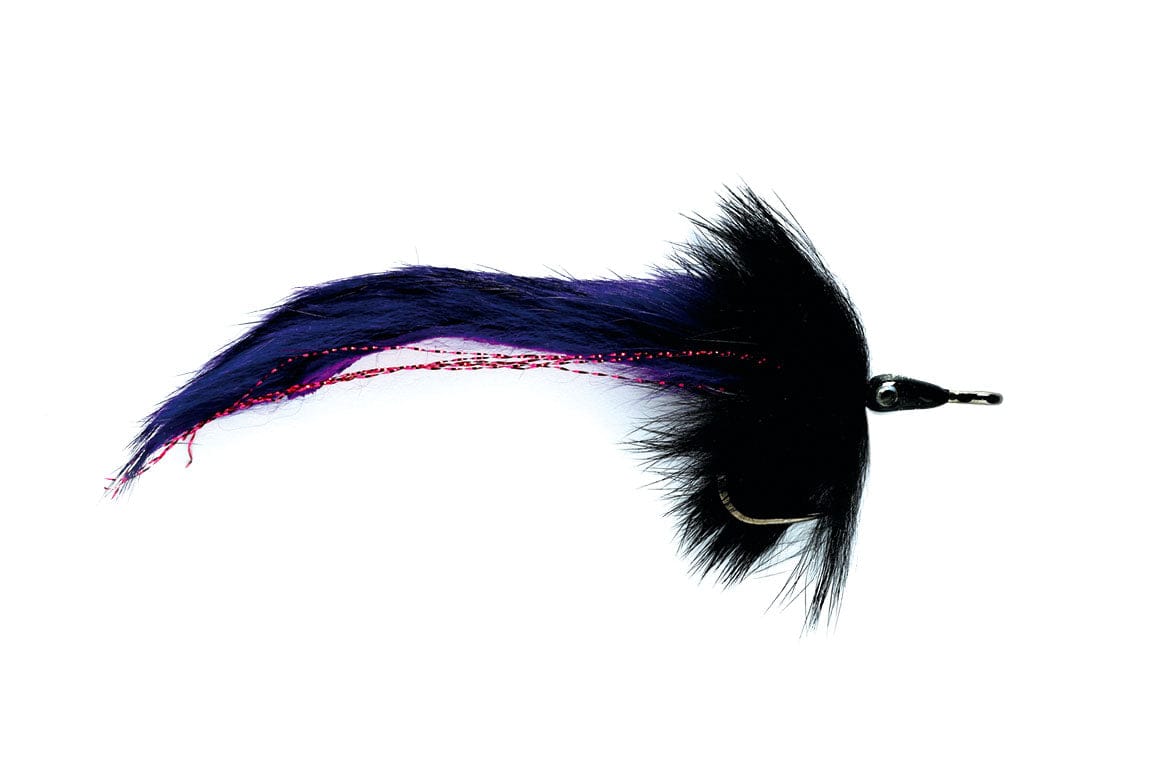
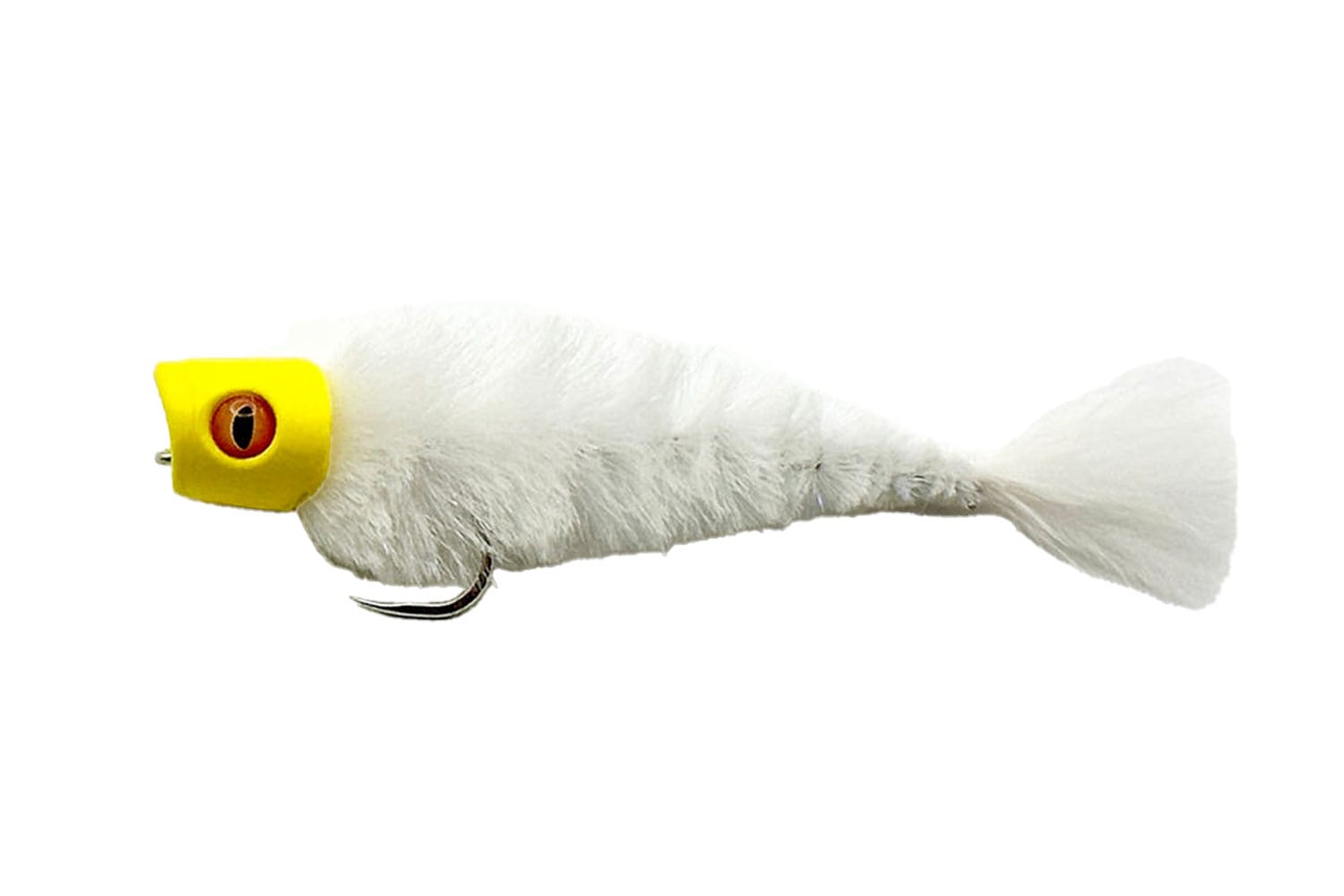
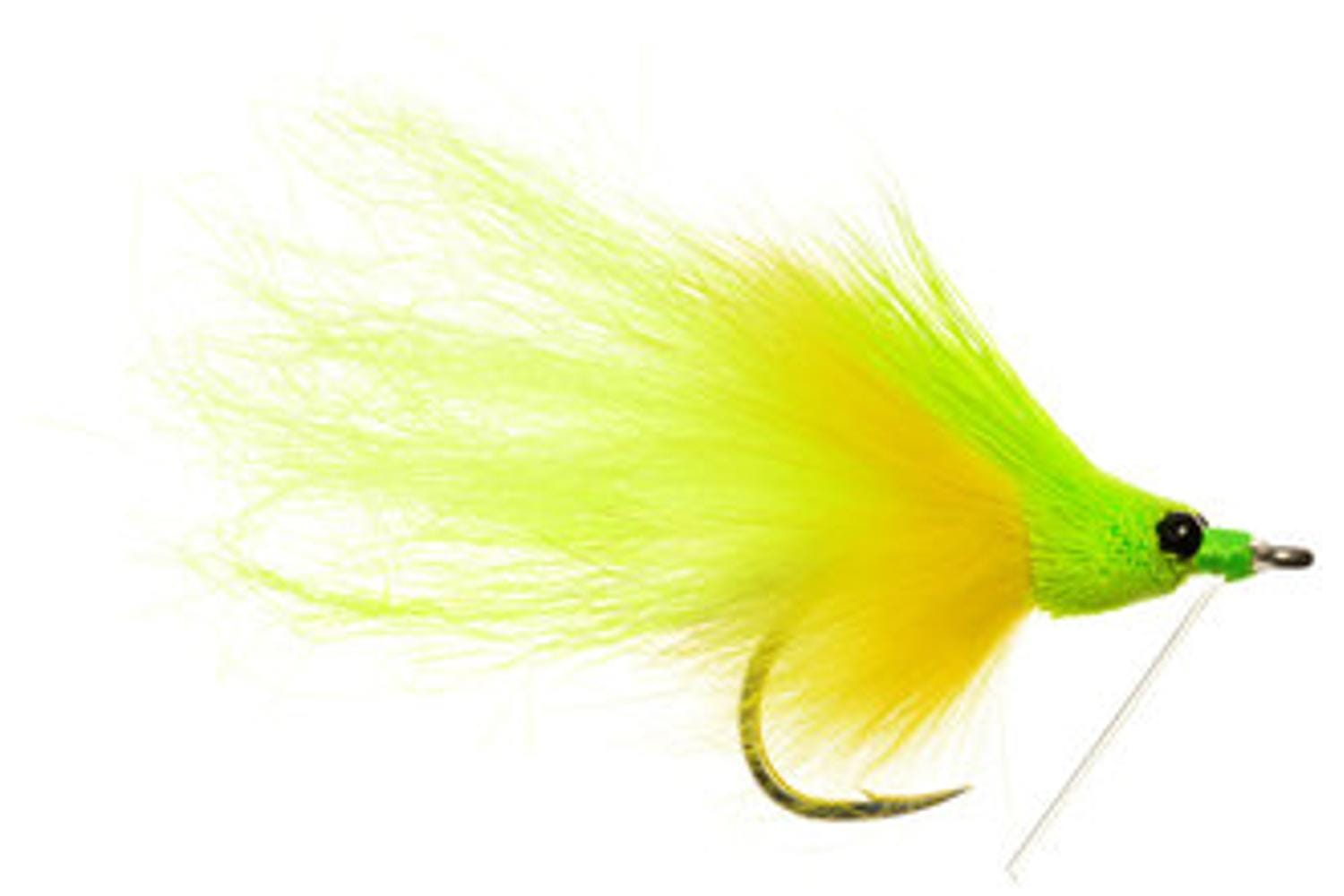

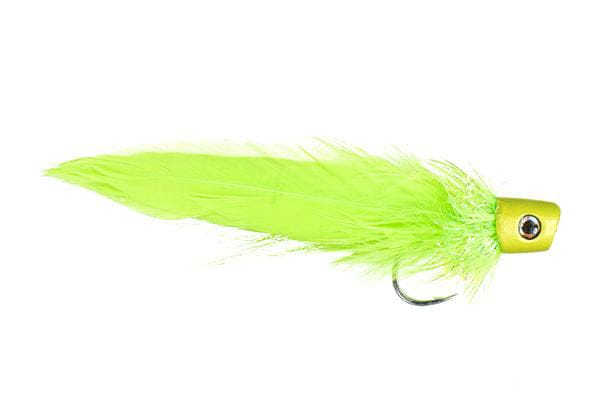
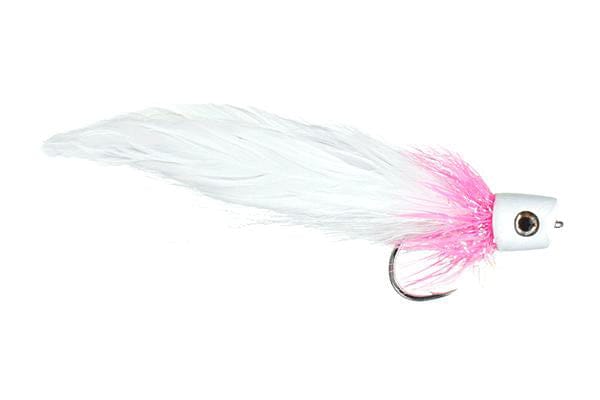
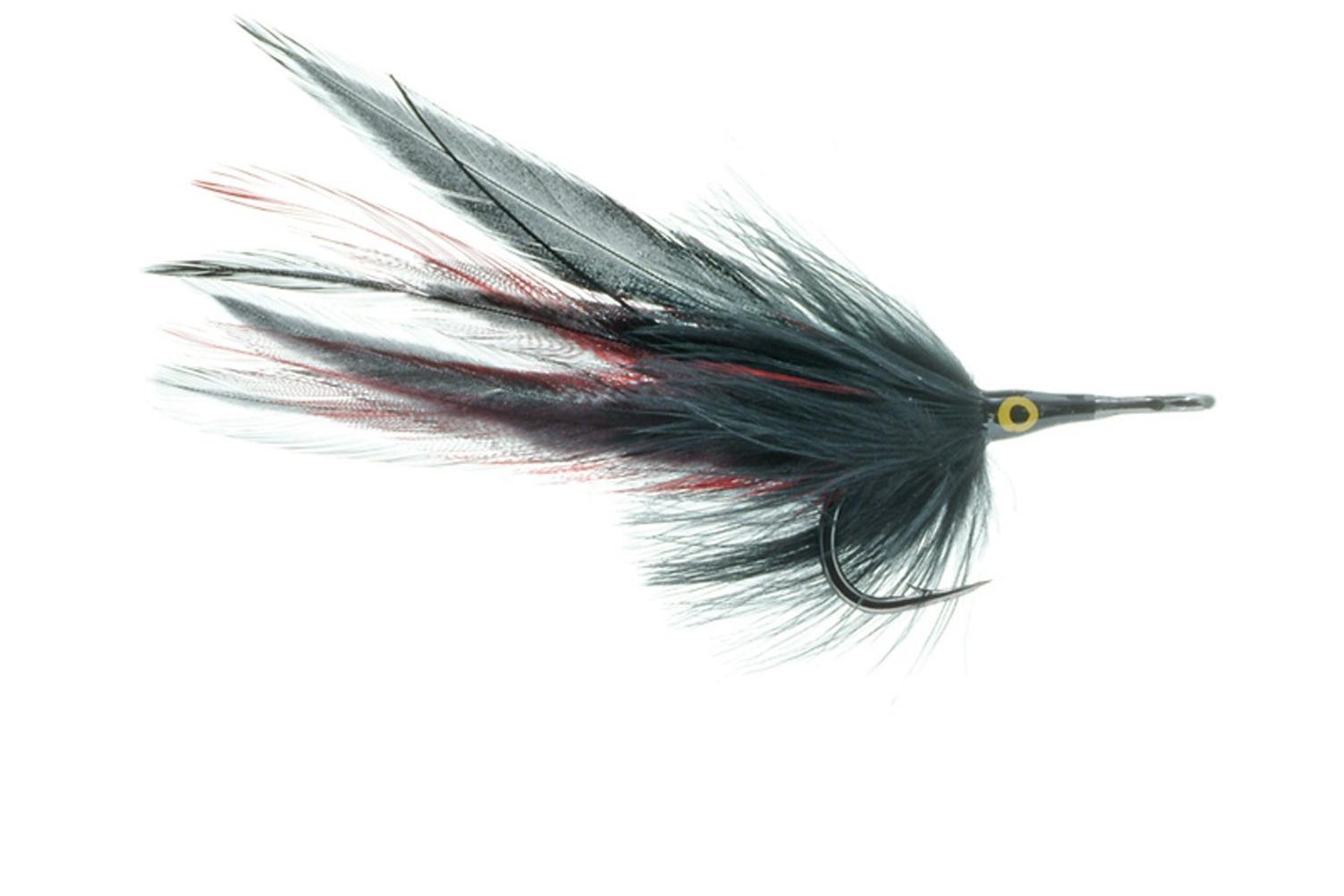
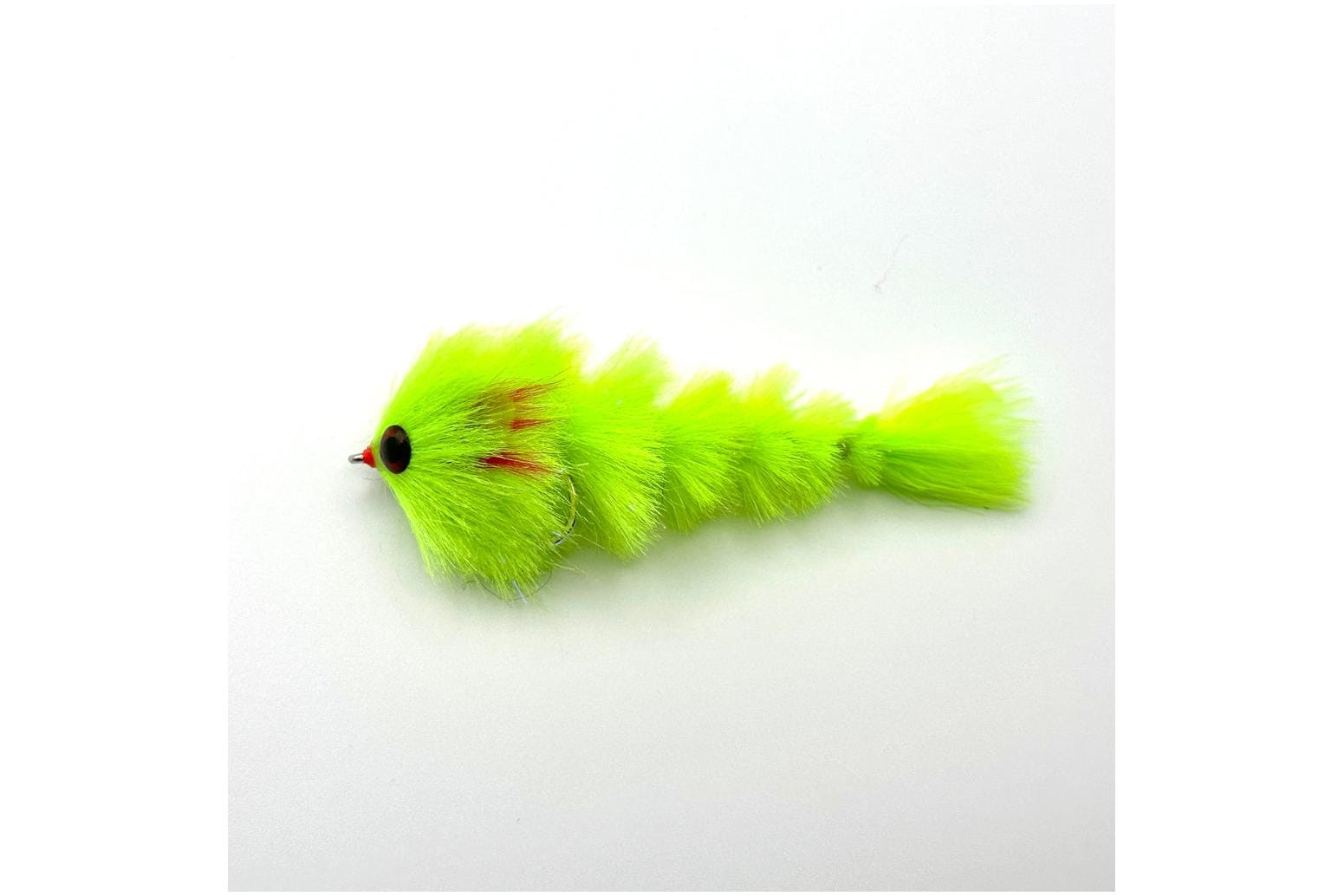
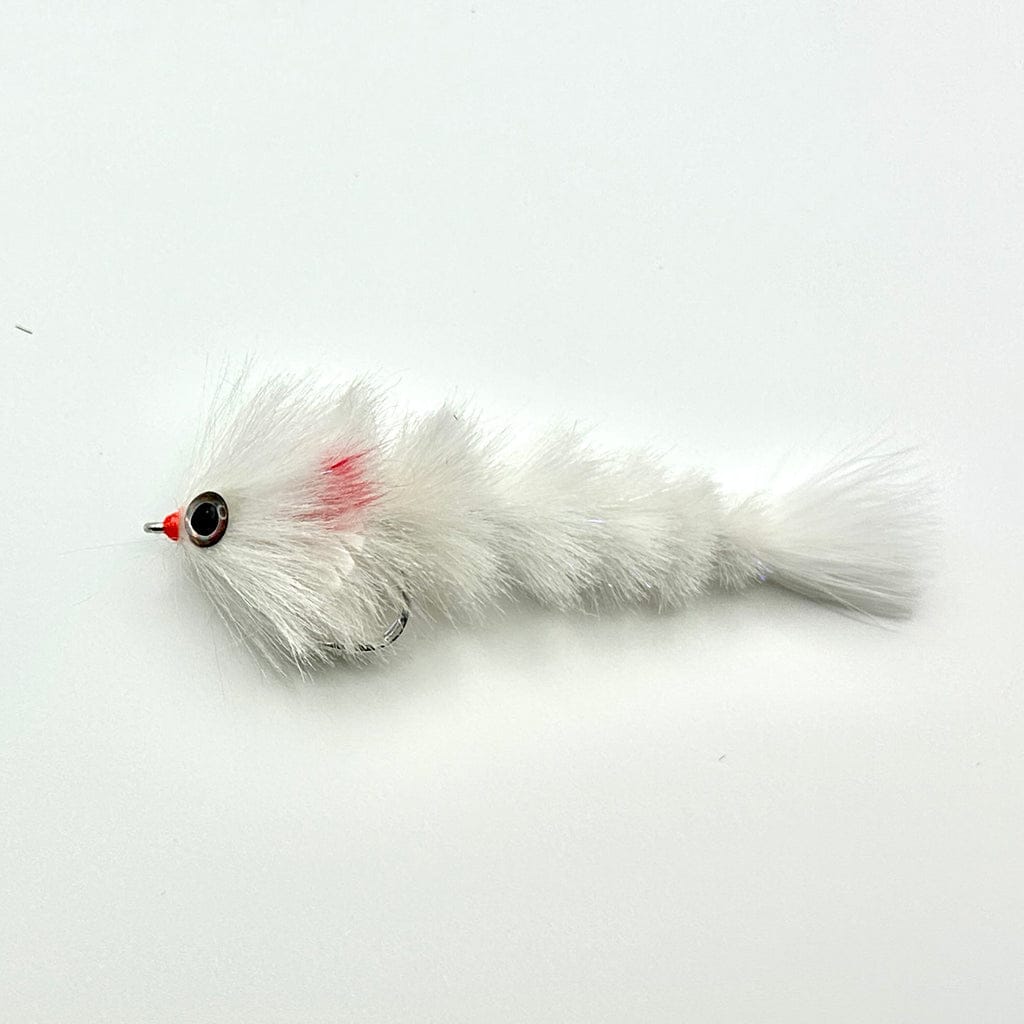
Tarpon Flies Quick Picks
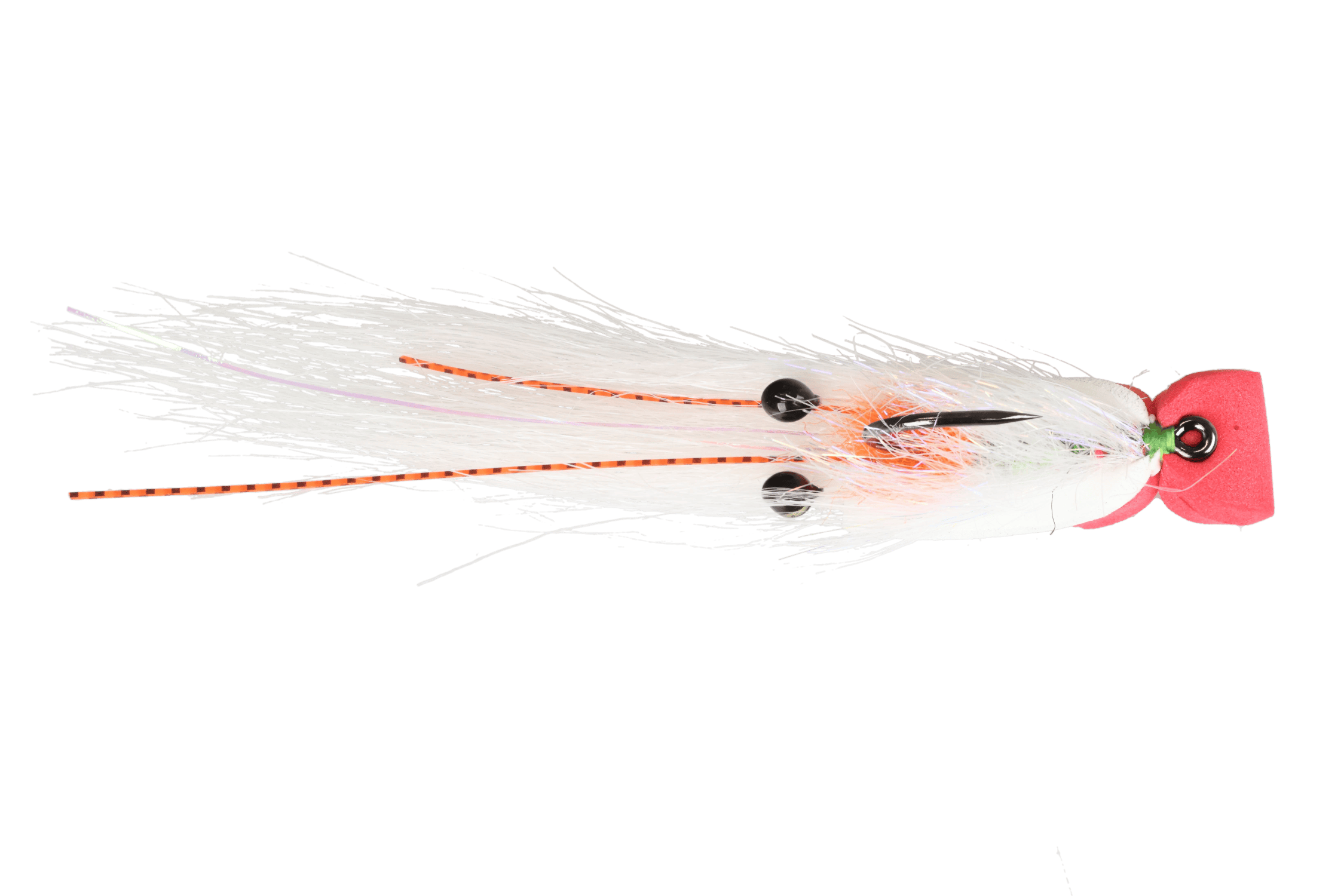
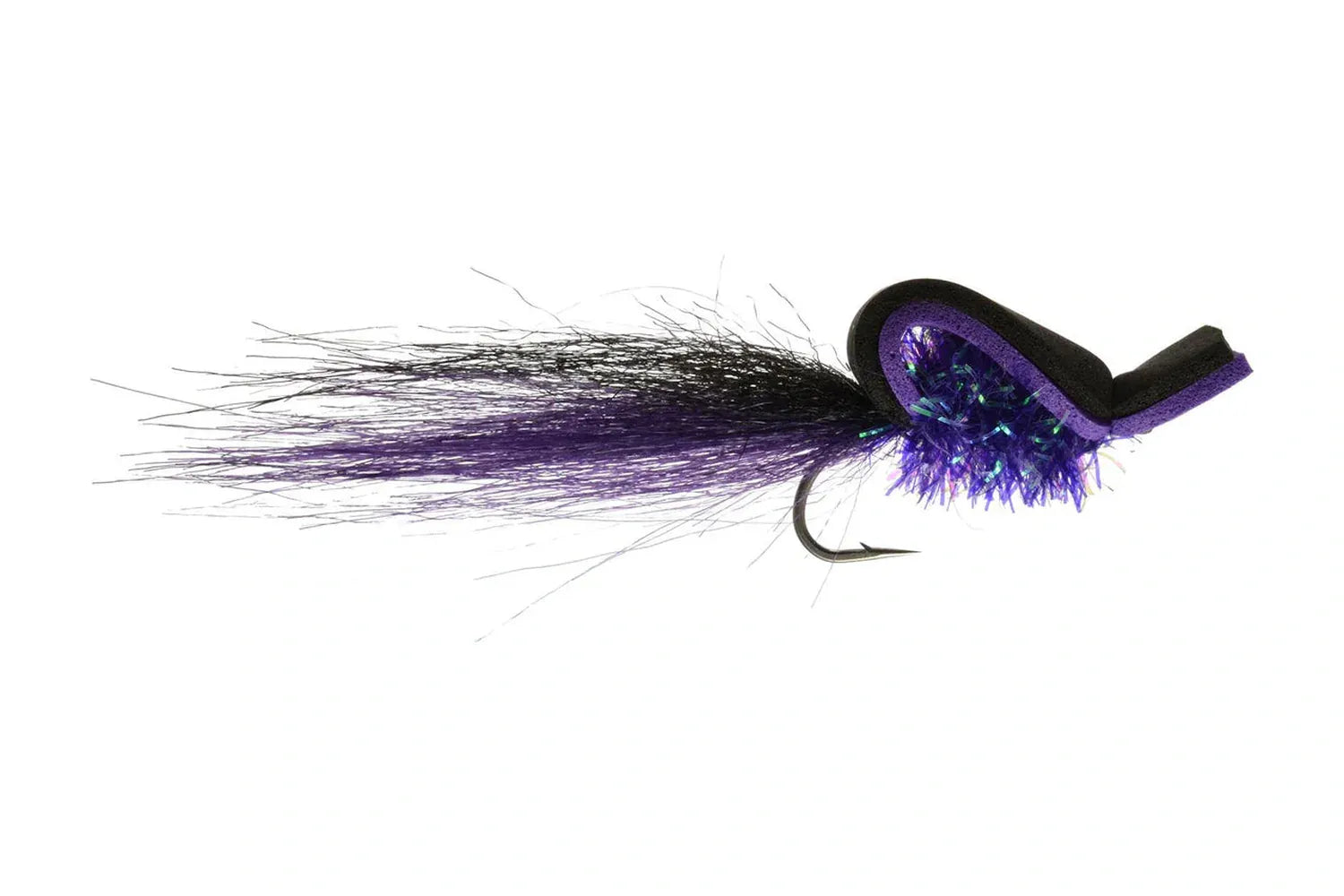
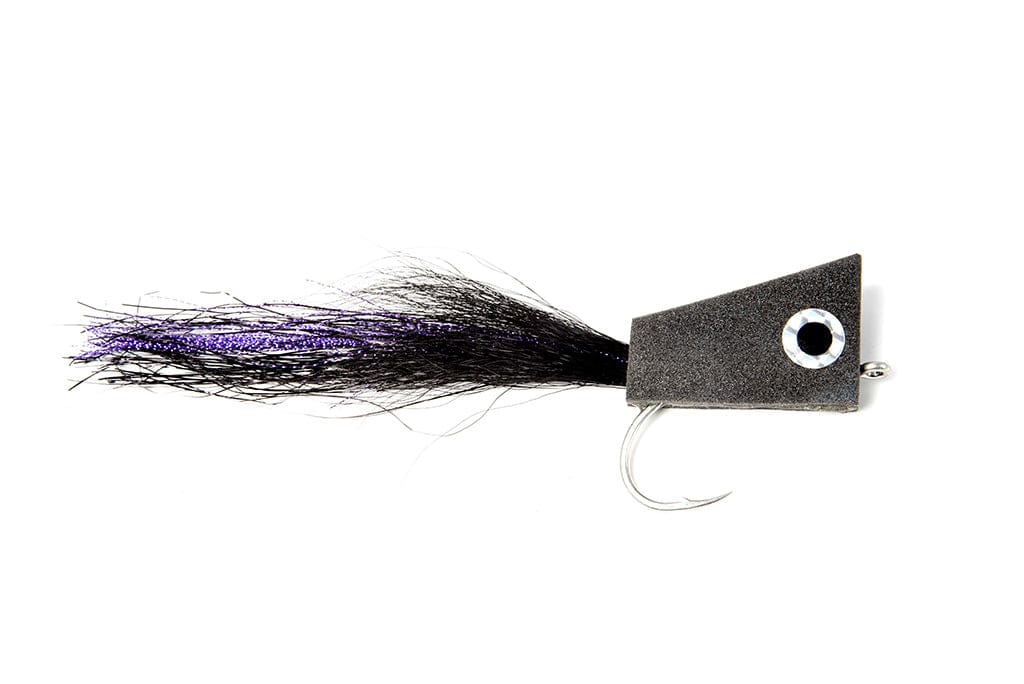
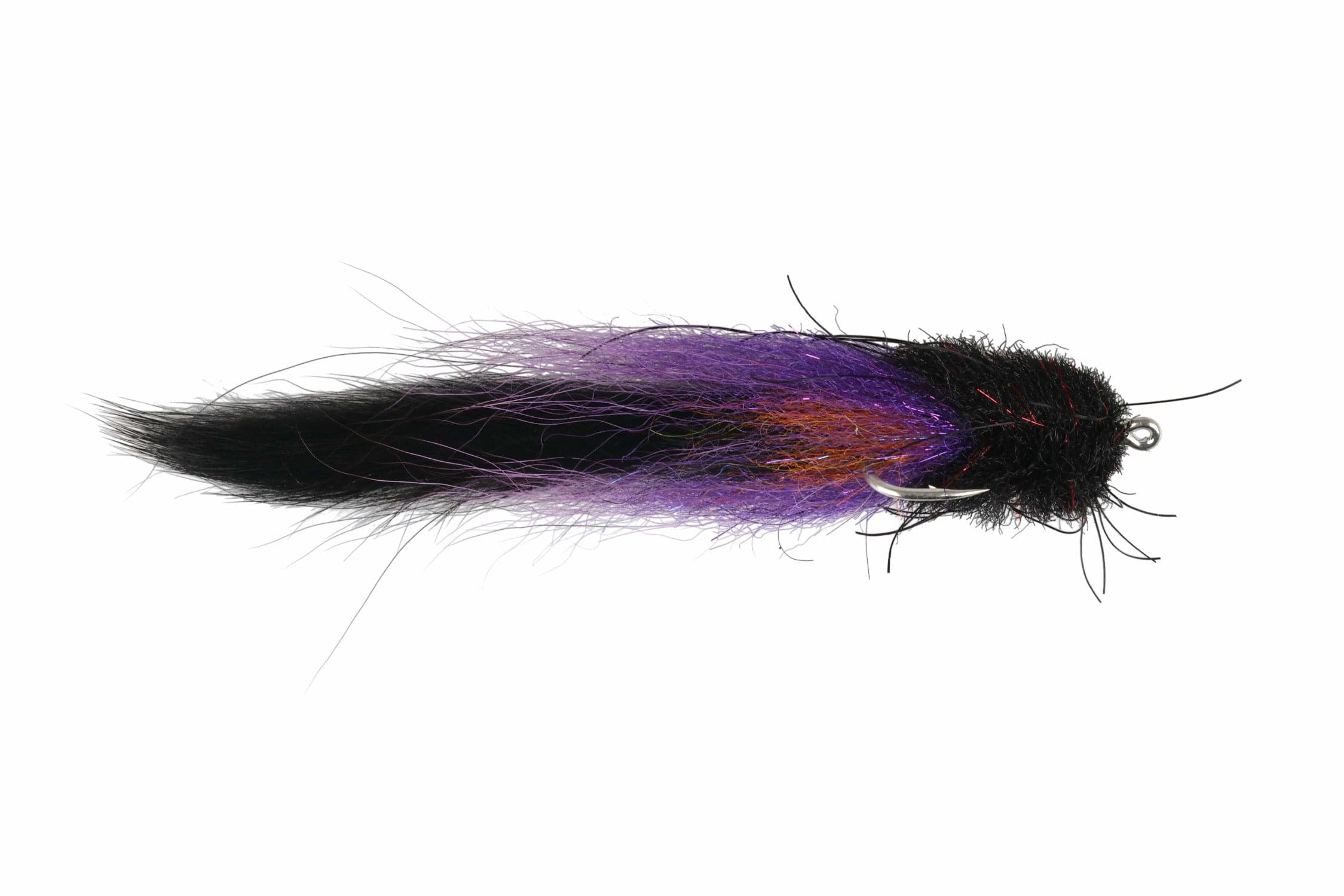
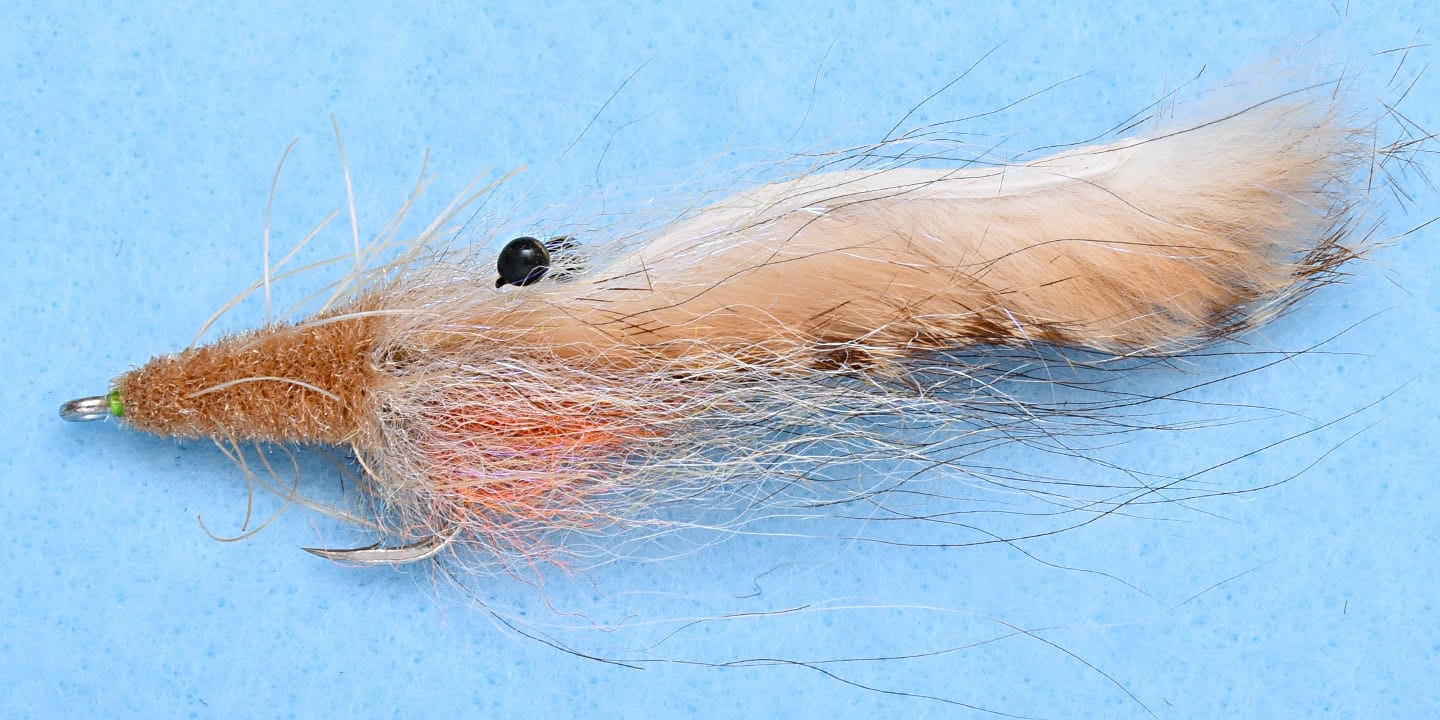
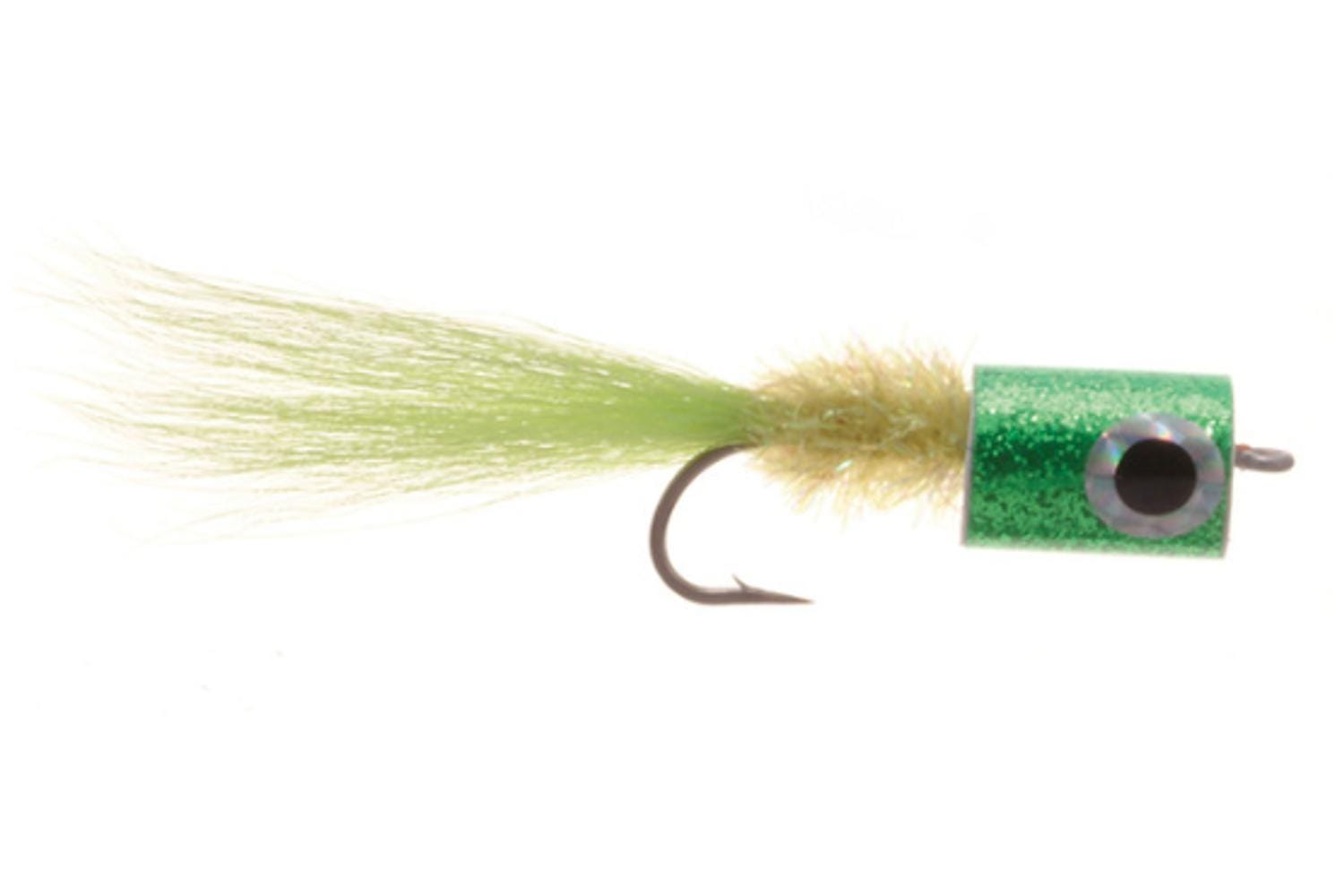
- Best All-Around: Tarpon Toad Fly - A staple choice when you want one proven baitfish-style profile that works in a lot of tarpon situations. It’s a classic “searching” pattern with plenty of motion and a slow-hovering feel on floating or intermediate lines.
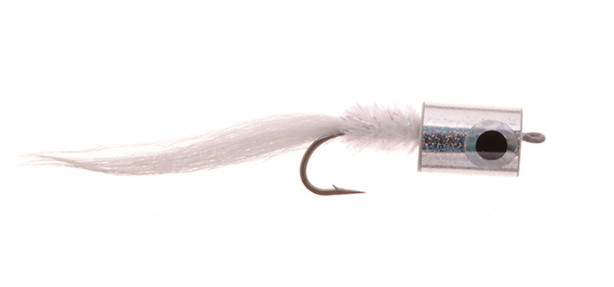
- Best for Beginners: Tarpon Toad II Fly - A confidence-builder when you’re learning the strip cadence and want a fly that stays in the zone without sinking out too fast. The marabou tail adds extra movement and can help when fish are tracking closely.
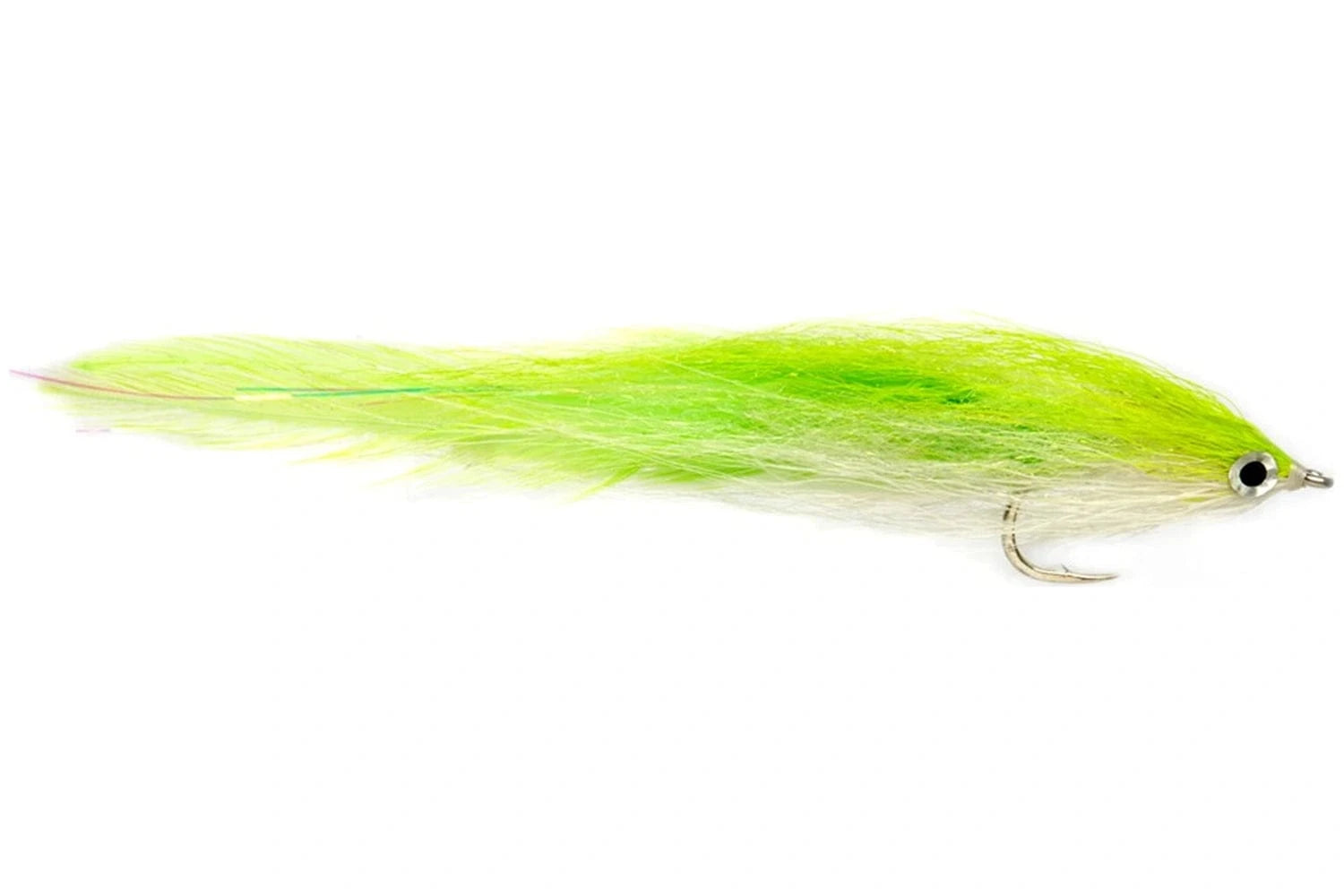
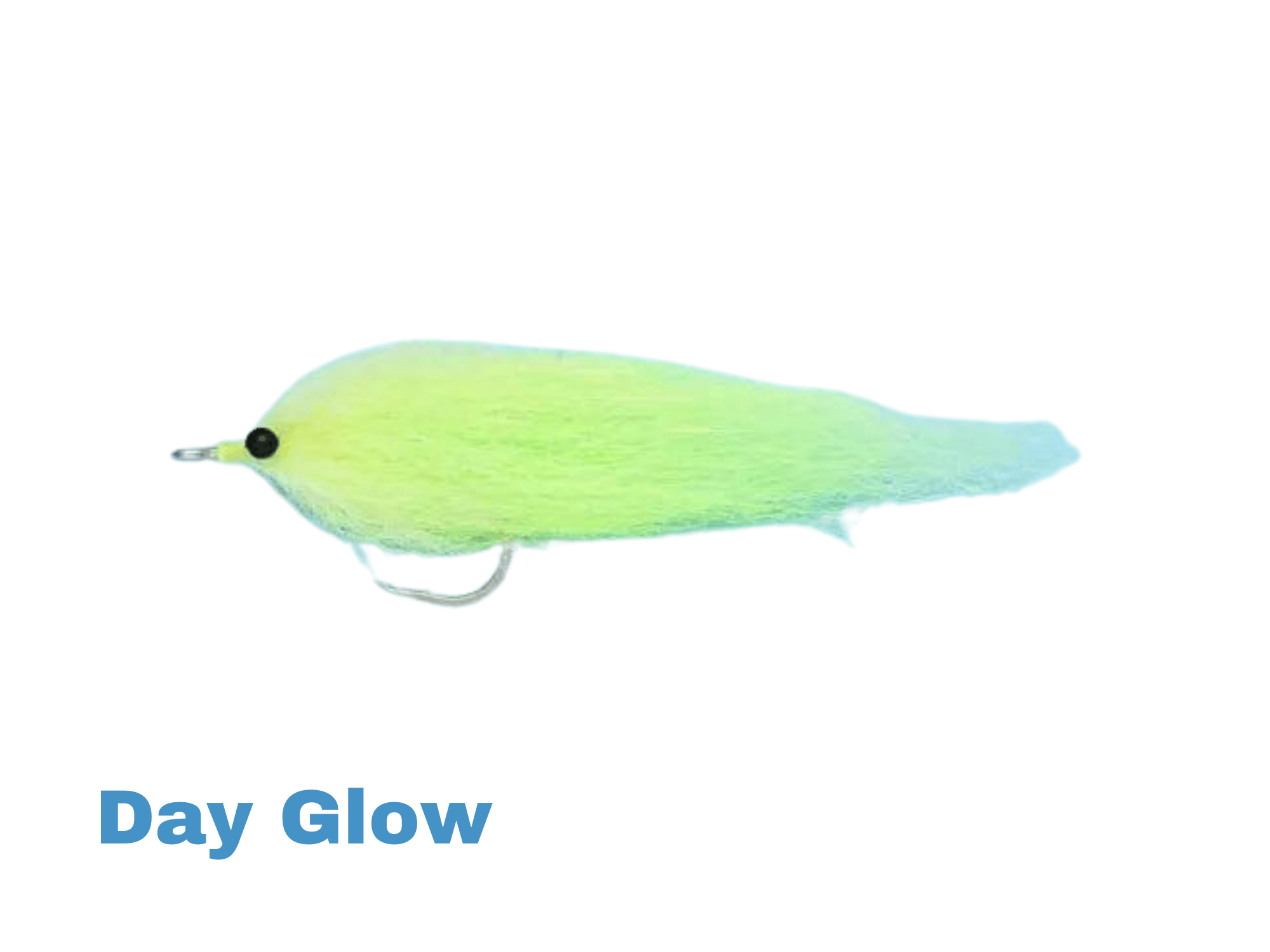
- Best Premium: EP Tarpon Streamer Fly - A great pick when you want a clean, baitfish profile with modern synthetic materials and multiple color/size options. It’s a versatile streamer-style fly that covers everything from flats lanes to channels and rivers.
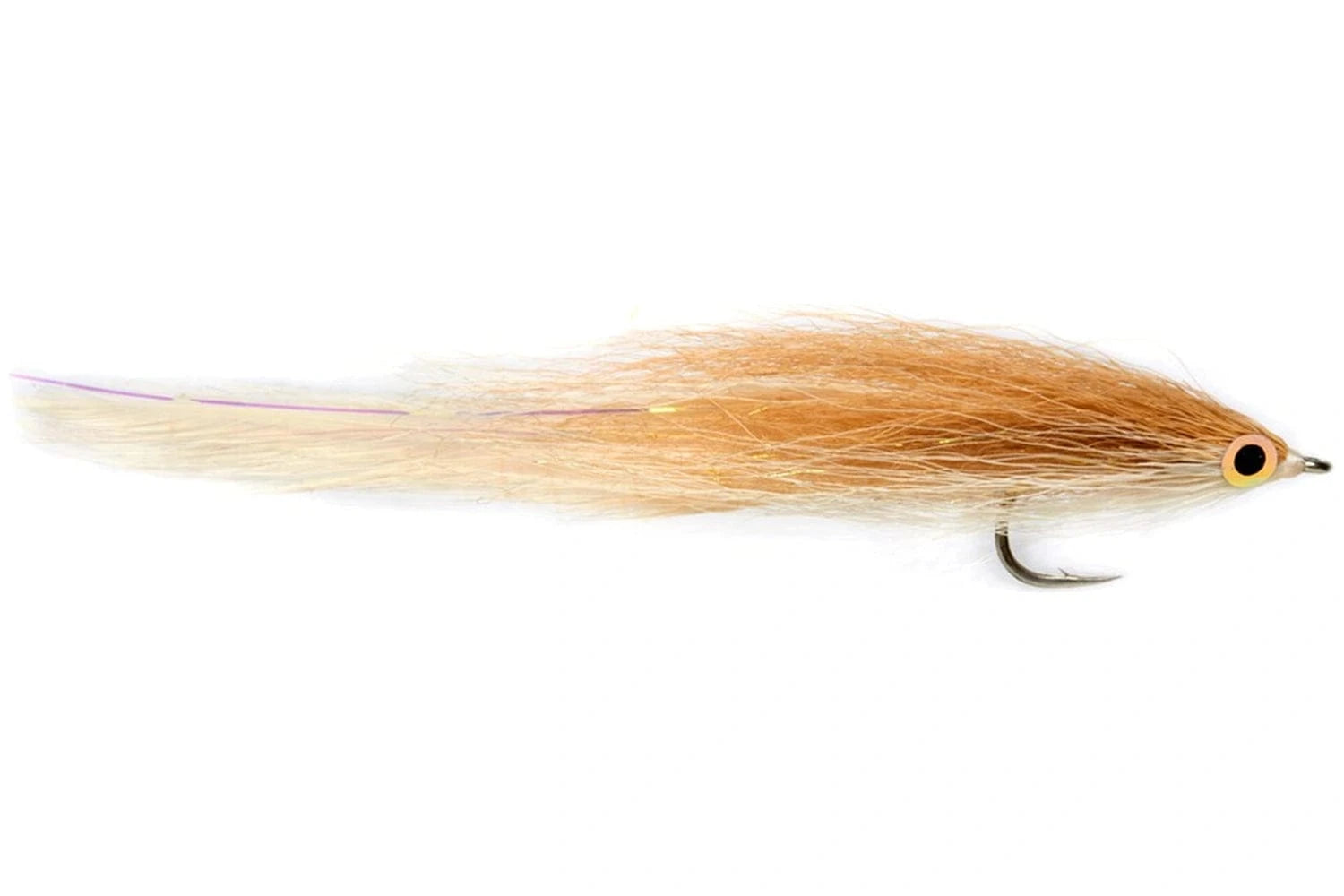
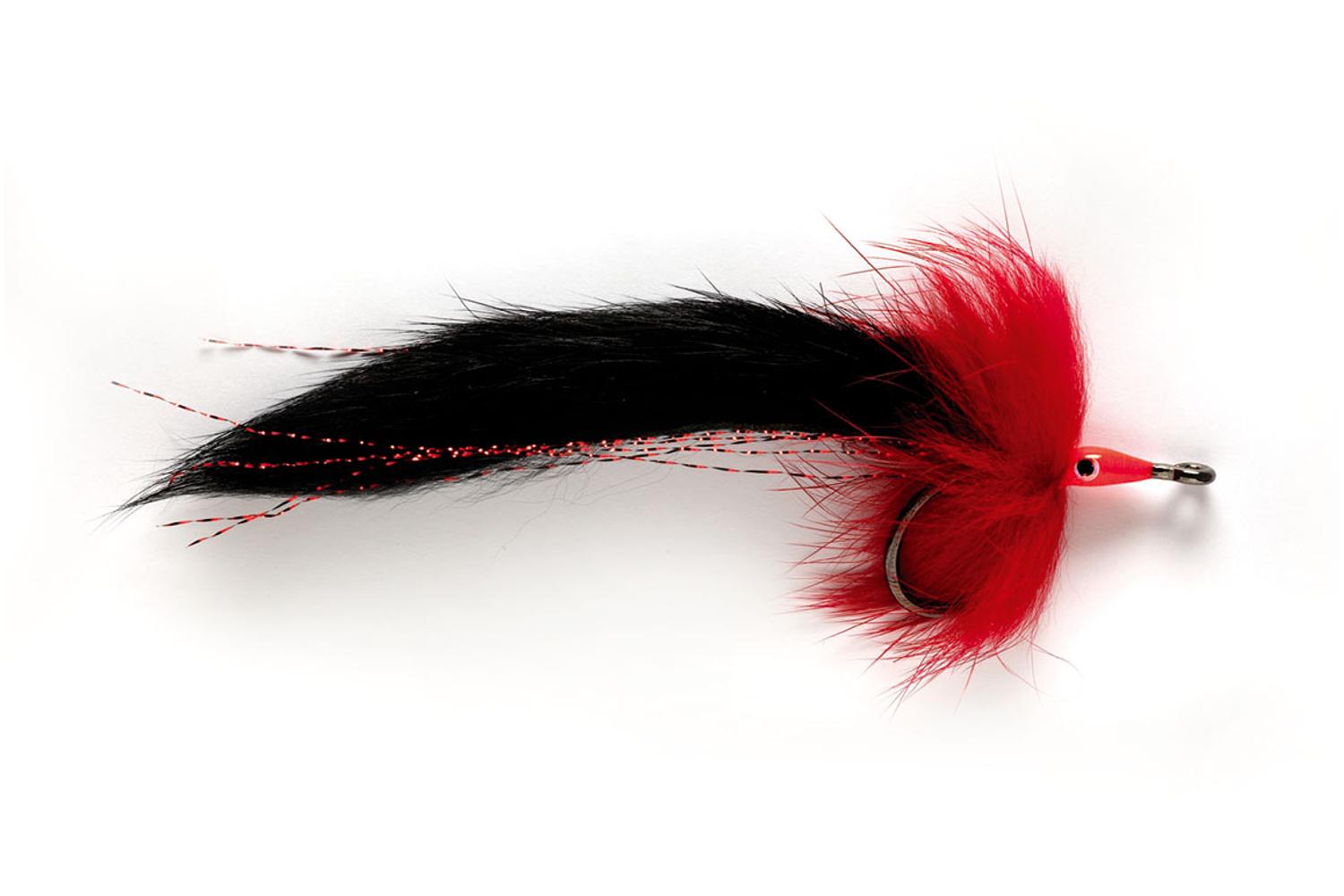
- Best for Deep/Dirty Water: Black Death Fly - A solid choice for blind-casting or targeting fish in darker water where silhouette and pulse matter. It’s an attractor-leaning pattern with a bigger profile that still sheds water well enough to keep you casting.
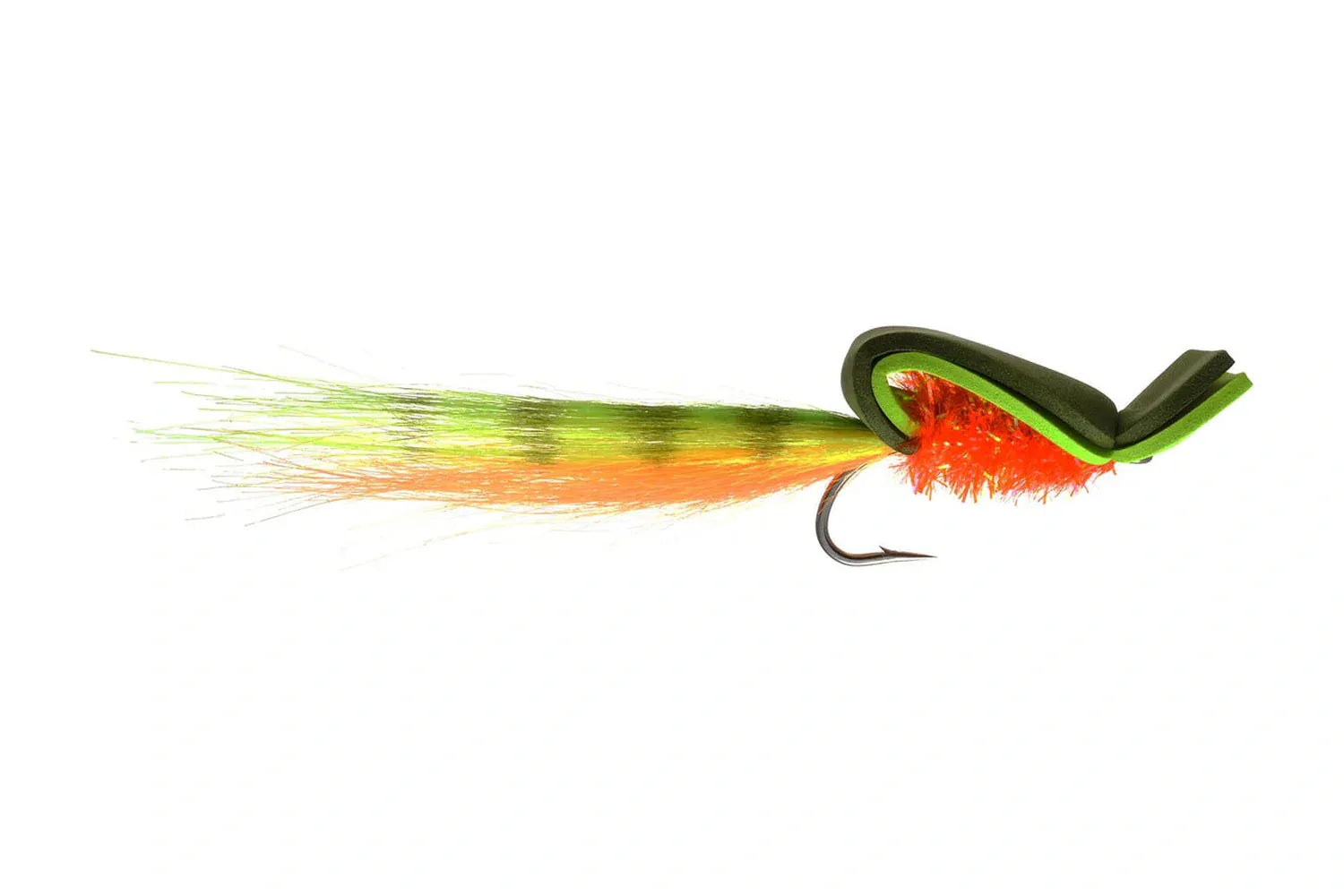
- Best Topwater: Game Changer Popper Fly - A fun option for low-light or aggressive fish when you want surface commotion plus a tail that hangs down and moves. The articulated body gives it a different look than a standard popper, which can help trigger eats from followers.
How to Choose Tarpon Flies
Match the scenario: flats, channels, beaches, and backcountry
Action: Start by deciding where you’ll fish most. On calm flats, many anglers lean toward flies that land quietly and track true on a short strip. In deeper channels, passes, and river mouths, you can often get away with a larger profile or more aggressive movement, especially when current is moving bait.
Best for: Carry at least one slim baitfish/streamer, one “toad” style searching pattern, and one darker, higher-contrast option for low light.
Dial in sink rate and depth control
Action: Depth is often the difference between a follow and a committed eat. Unweighted or lightly weighted flies excel for quiet presentations and slower water, while heavier eyes are useful when you need to cut through wind and current or get down quickly.
Avoid if: If you’re spooking fish in skinny water, avoid overly heavy eyes that slap down and bury.
Choose color for visibility (for you and the fish)
Action: In clear, bright conditions, natural tones (tan, olive, gray) can look right without overpowering the scene. In stained water or at dawn/dusk, higher-contrast colors (black/purple, chartreuse, red/black accents) are often easier for tarpon to track.
Think about fly durability and hook strength
Action: Tarpon flies get chewed, jumped, and dragged across leader material. Look for corrosion-resistant hooks and patterns that are built to hold their shape after multiple eats, especially if you’re traveling and don’t want to run out of your confidence flies mid-week.
Materials & Durability
- Rinse after saltwater: Give flies a quick rinse in fresh water and let them dry fully before sealing them in a box.
- Protect the profile: Don’t cram large baitfish flies into shallow boxes, compressed materials lose action and visibility.
- Check the hook point: After a jumped fish or a hard landing, touch up or swap flies if the point is rolled.
- Watch for fouling: If a fly starts wrapping around the hook bend on the cast, retire it or tune your leader/strip cadence.
Complete Your Setup
Related Gear
- Tarpon Flies - Build a small rotation of contrasting colors and profiles so you can adjust quickly when fish follow but won’t commit.
- Fly Assortments - A simple way to show up with coverage when you’re traveling or building your first saltwater box.
- Leaders - The right leader helps turn over larger flies cleanly and keeps your presentation controlled in wind.
- Tippet - Useful for rebuilding after abrasion and for tuning presentation when fish get picky.
Related Guides
- Top Flies For Turneffe Atoll
- How to Tie a Tarpon Toad Variation
- The World’s Best Tarpon Fishing?
- How to Choose the Best Fly Reel for Tarpon
- The 8 Best Bonefish Flies
Tarpon Flies FAQs
Q: What are tarpon flies?
A: Tarpon flies are saltwater patterns designed to handle hard eats, abrasive mouths, and repeated jumps. Most imitate baitfish, shrimp, or other common forage, with strong hooks and durable materials for salt use.
Q: How do I choose the right tarpon flies for my trip?
A: Bring a mix of profiles and sink rates: a toad/searching pattern, a baitfish streamer, and a darker silhouette fly for low light or stained water. If you’re not sure, choose a few colors you can see well and fish confidently.
Q: What sizes are most common for tarpon flies?
A: Many popular tarpon patterns live in the 1/0 to 4/0 range, with some baitfish and popper styles going larger. Let the forage size and the average fish size at your destination guide you.
Q: Do I need different flies for juvenile tarpon vs migratory tarpon?
A: Often, yes. Juveniles in canals, creeks, or mangroves may prefer smaller, subtler patterns, while migratory fish in channels and passes can key on larger baitfish and higher-contrast colors.
Q: What colors should I carry for tarpon?
A: A simple starting lineup is a natural tone (tan/olive), a dark silhouette (black/purple or red/black), and a bright option (chartreuse). That combination covers clear water, low light, and dirty water without overthinking it.
Q: Are topwater flies good for tarpon?
A: They can be, especially early/late or when fish are aggressive and willing to move up. Topwater also helps when you want to keep the fly above grass or avoid snagging structure while still showing a big target.
Q: How many tarpon flies should I bring?
A: For a trip, plan on multiples of your confidence patterns in a few colors, plus a couple of specialty options for surface and deeper water. Even durable flies get lost to cut-offs, mangroves, and the occasional bent hook.