


Dunkeld Wet Fly Pattern | Catch MORE Salmon With This Fly | Fly Tying Tutorial
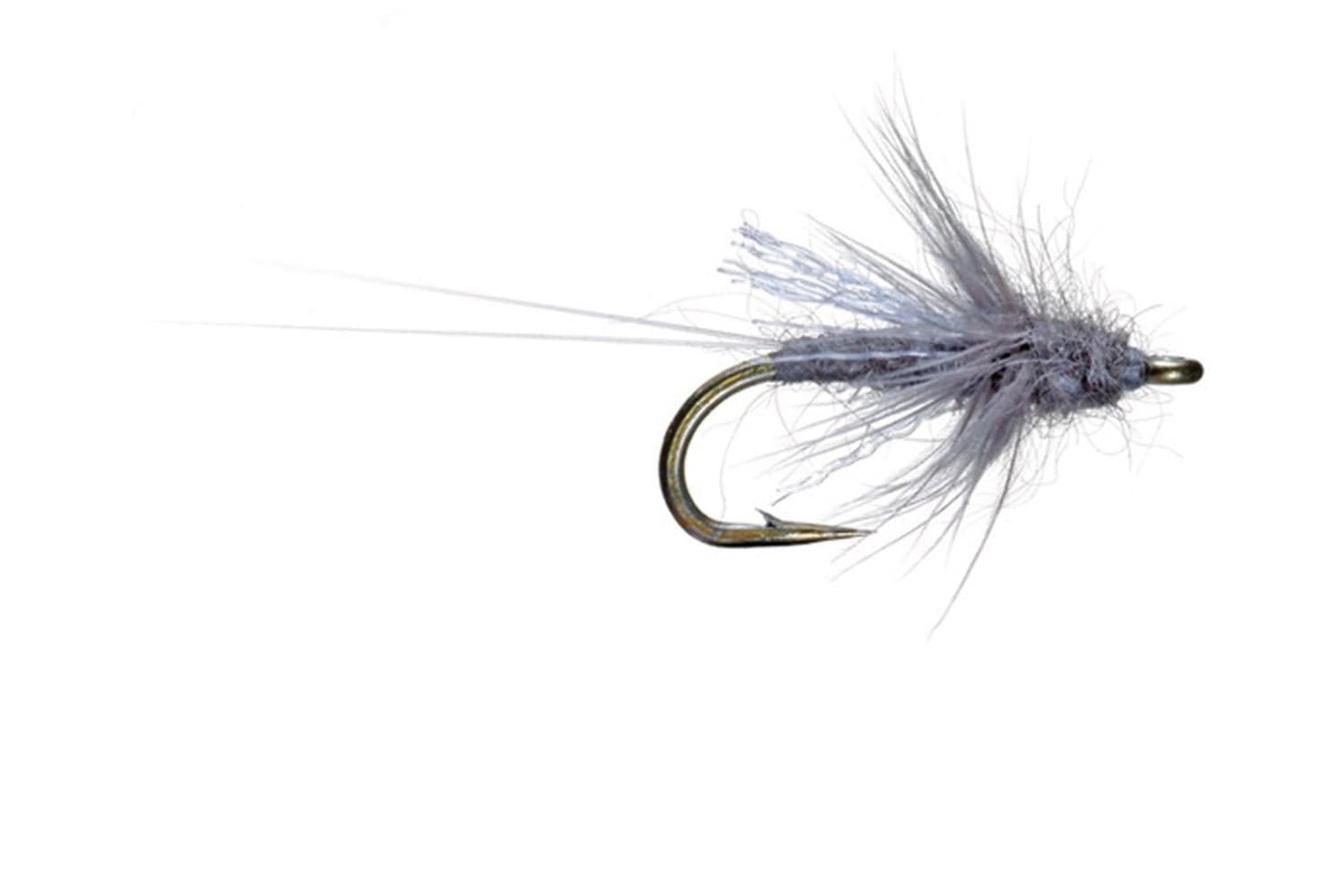
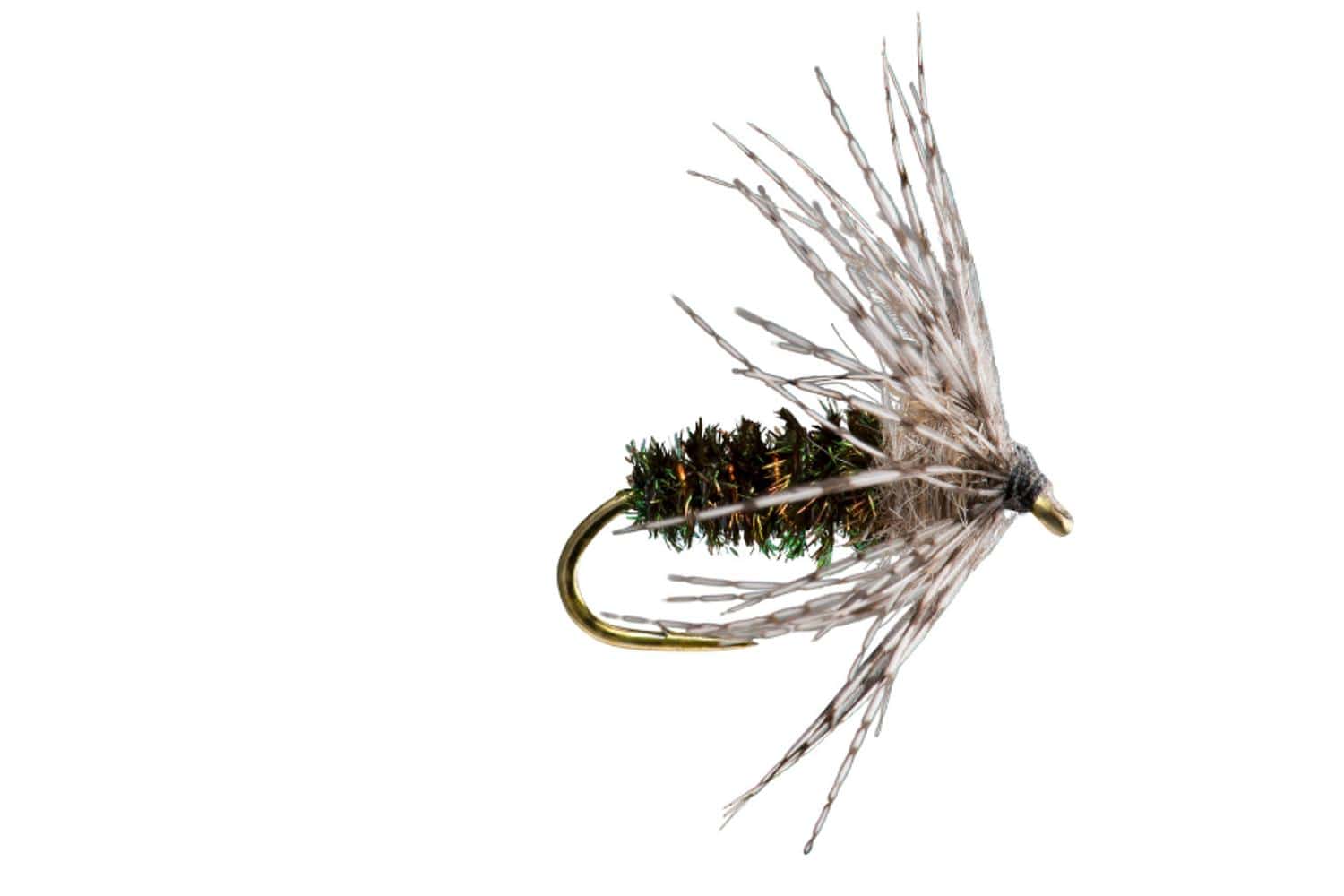
Soft Hackle & Wet Flies Quick Picks
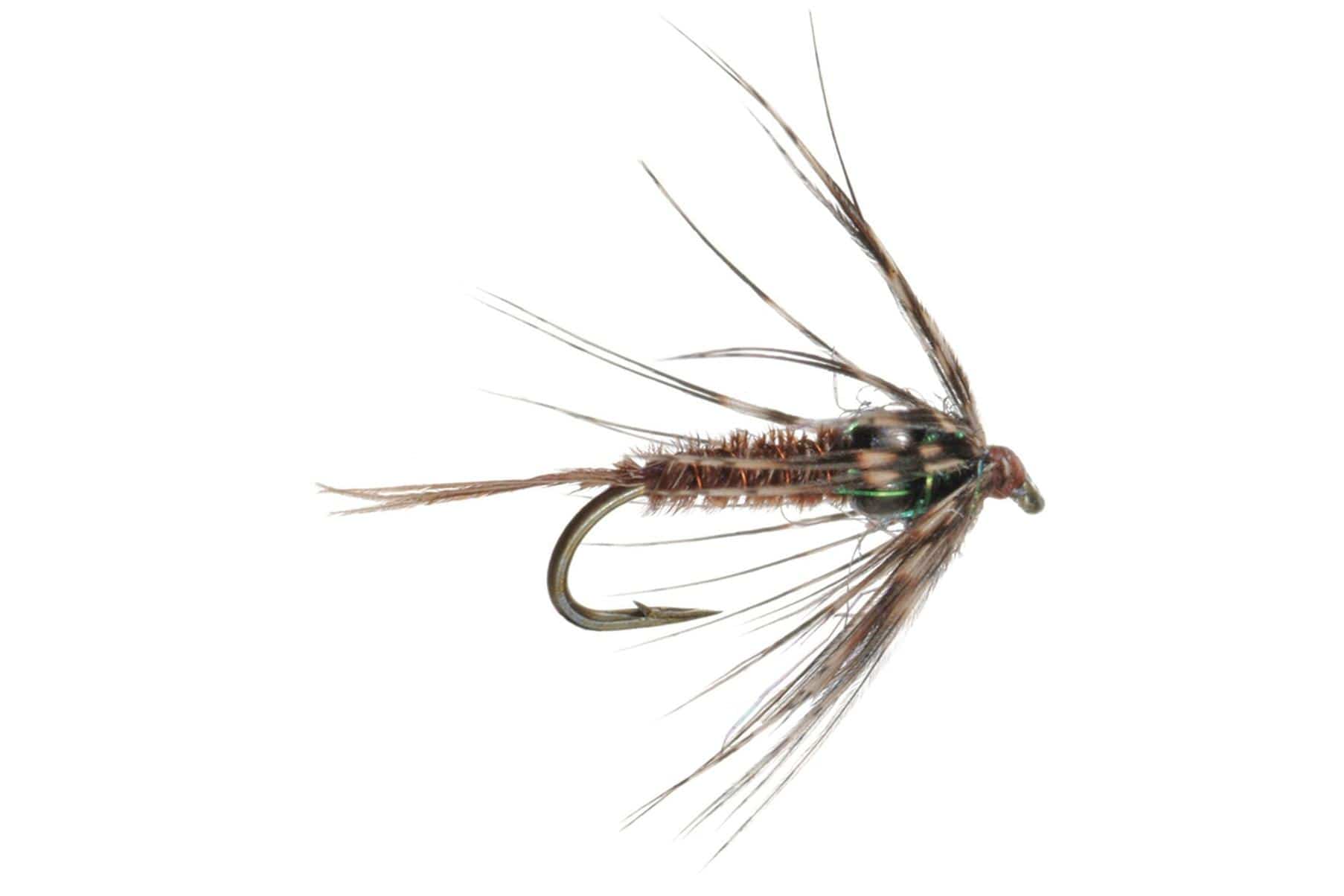
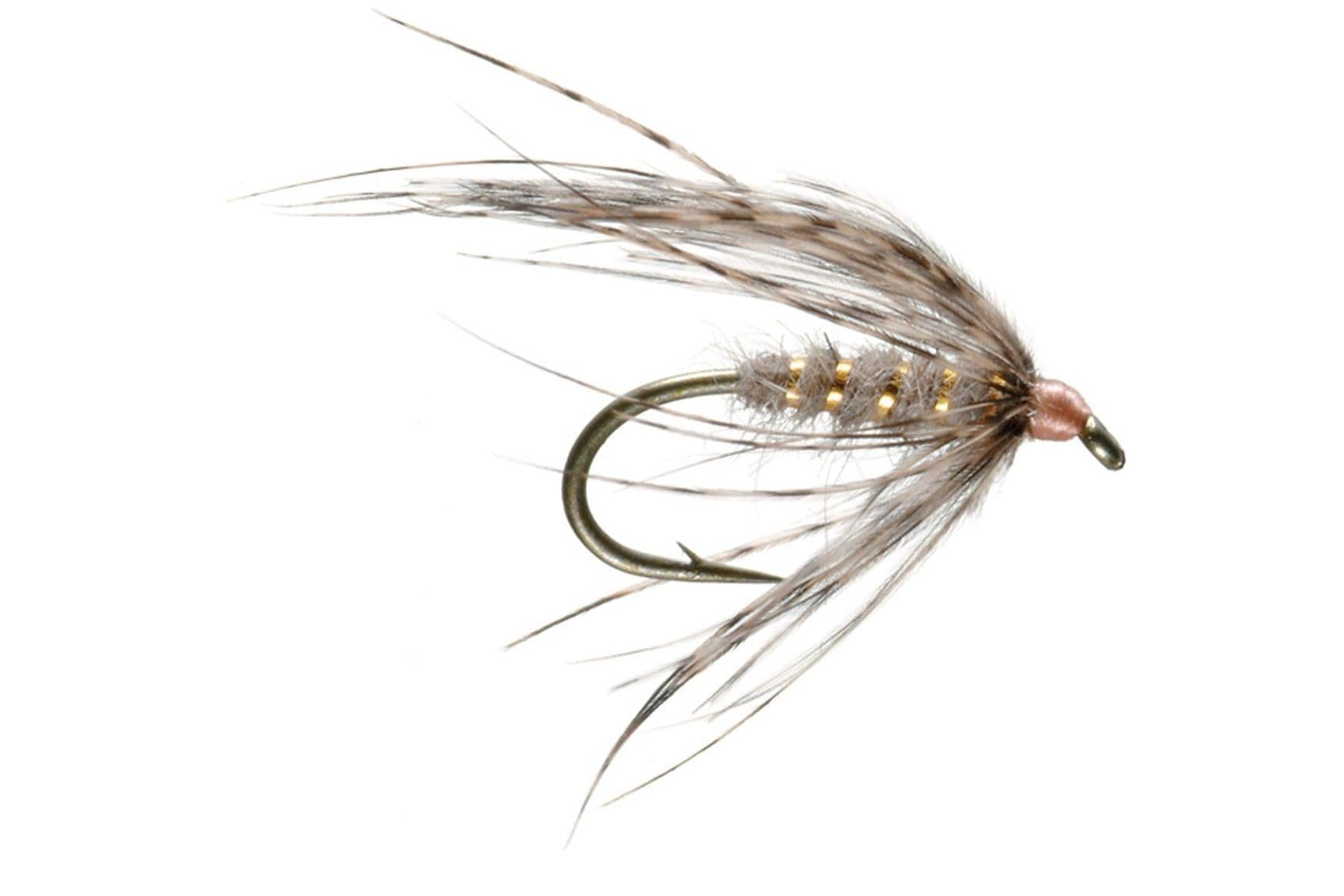
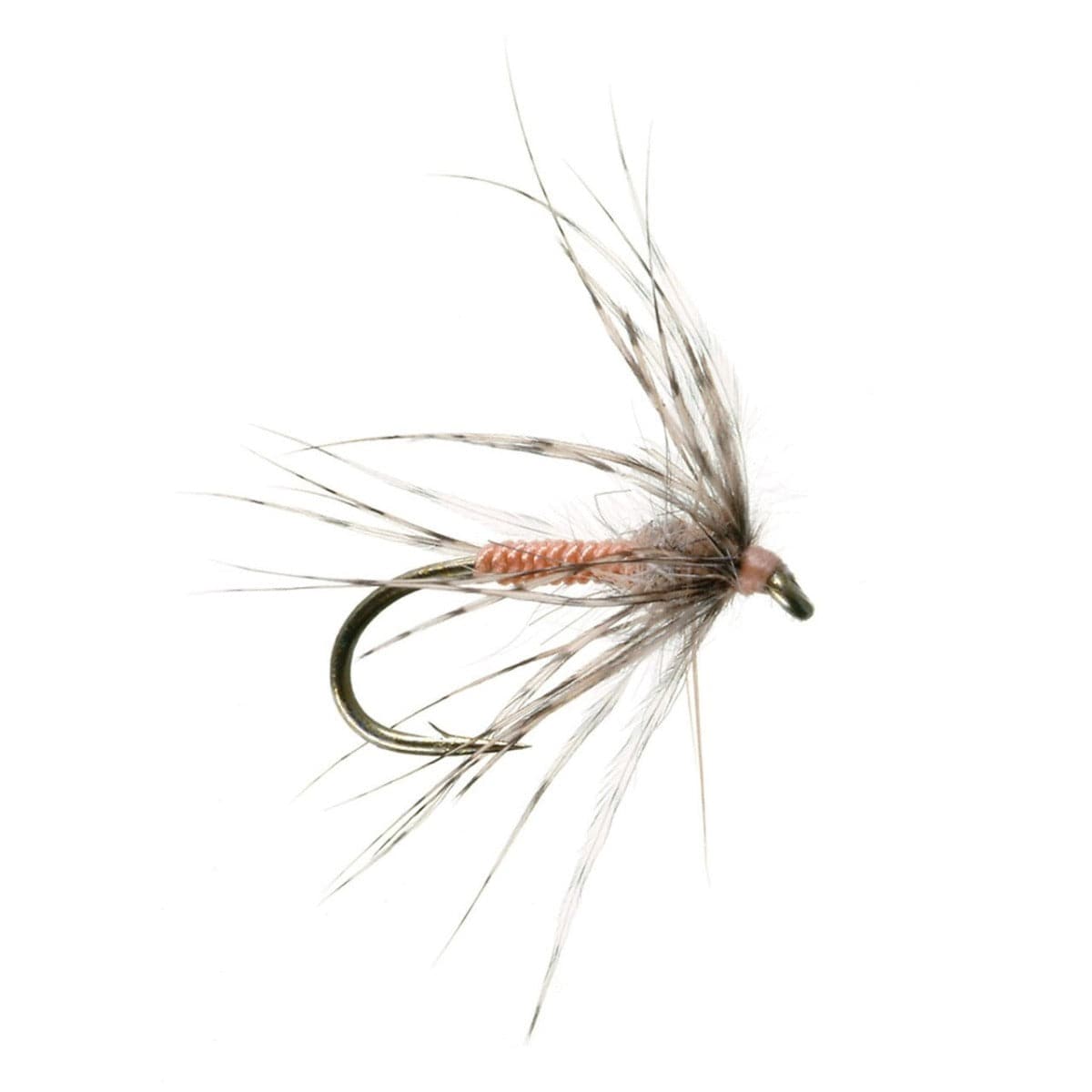
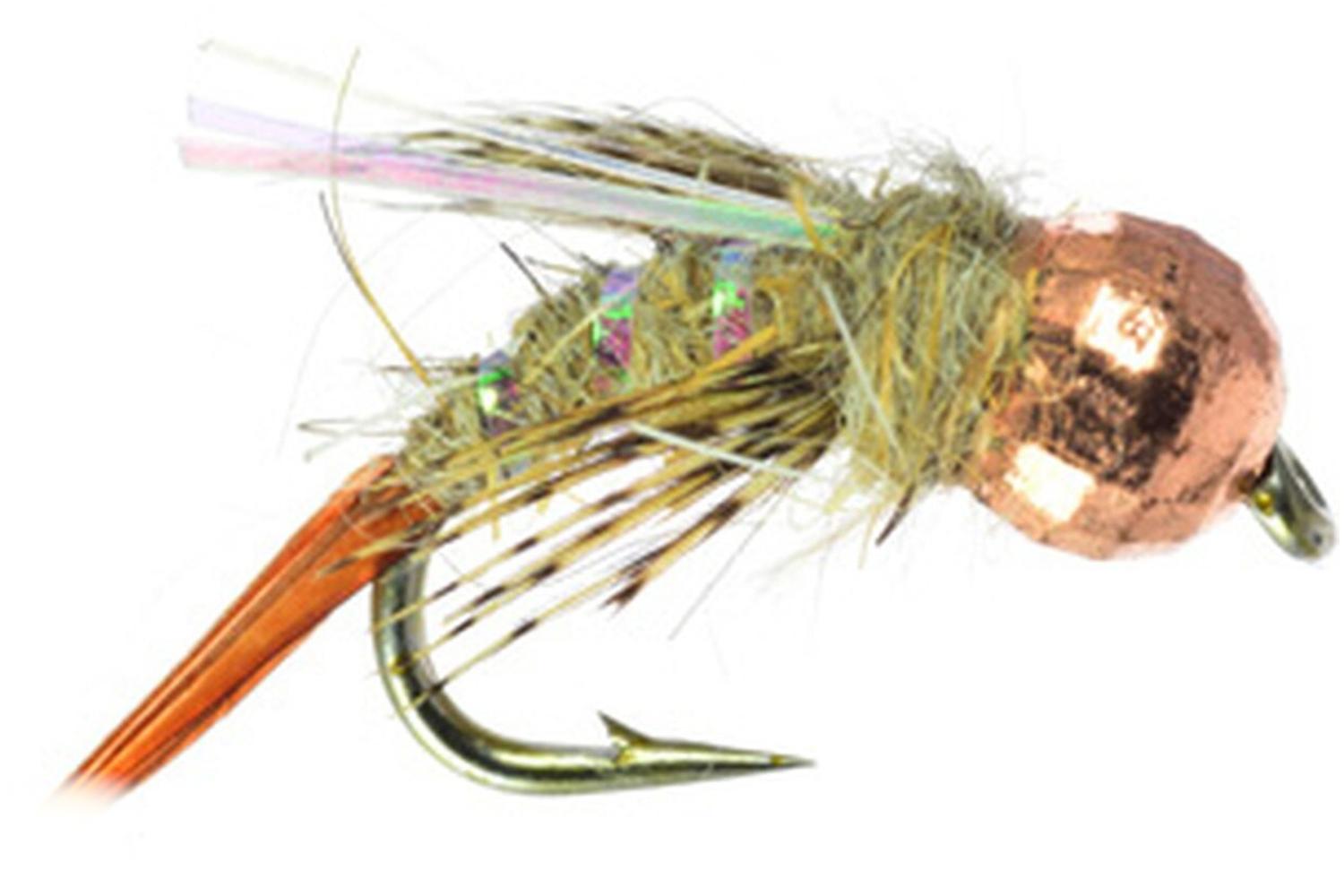
Best All-Around: Umpqua Soft Hackle Fly - A versatile “spider-style” wet that covers a wide range of mayfly and caddis activity in rivers. Multiple colors/sizes make it an easy grab when you want one pattern that can match a lot of looks.
Best for Getting Down: Umpqua Tungsten Soft Hackle Pheasant Tail Fly - Great when fish are feeding subsurface and you need depth without adding split shot. The tungsten bead helps reach the lane quickly while the soft hackle still pulses like an emerger.
Best Value: Umpqua Soft Hackle Emerger Fly - A simple, effective way to cover the “in-between” phase when trout aren’t fully committing to dries. It fishes well on a swing at the end of the drift or as a subtle dropper.
Best for Beginners: Rio Partridge Soft Hackle Fly - A classic profile that’s easy to fish correctly: cast, mend, and let it swim. It’s a confidence-builder when you’re learning to feel the swing and time the grab.
How to Choose Soft Hackle & Wet Flies
Match the job: emerger vs. “swimmer” vs. attractor
Best for: anglers who want one fly that can drift, swing, and even be slowly stripped.
Emerger-style soft hackles are your go-to when fish are feeding just under the surface during a hatch. They excel on a controlled swing at the end of the drift, or behind a dry in a dry-dropper rig.
Swimming nymph / wet fly styles shine when you want more movement and profile mid-column, think riffles, seams, and pocket water where fish react to motion.
Attractor wets (often darker or buggier) are useful in stained water, at dusk, or when you’re prospecting new runs and want a fly that shows up.
Pick your depth: unweighted vs. tungsten
Action: decide how you’ll control depth before you pick the fly.
Unweighted soft hackles are ideal when you want the fly to swim higher in the column, hover, and “breathe” on the swing. They’re also easier to cast on lighter rods and lighter tippets.
Tungsten soft hackles help you fish faster water, deeper runs, or a longer-leader setup without relying on split shot. They’re a strong choice as the point fly in a two-fly rig, with a smaller emerger or midge behind it.
Rigging and presentation (simple and effective)
On the swing: cast across or slightly downstream, mend to control speed, and let the fly swim in a broad arc. Many eats happen as the fly straightens below you, so stay connected and avoid ripping the fly away on the grab.
As a dropper: fish a soft hackle 16, 30 inches behind a dry fly to cover both the surface and just-under film. This is especially effective when you see rises but your dry isn’t getting eaten consistently.
Stillwater option: fish them on a slow hand-twist or very short strips to keep the hackle moving without overpowering the fly.
Materials & Durability
Dry them out: open your fly box after the trip so hackle and thread wraps dry fully and don’t mildew.
Protect the hackle: avoid crushing soft hackles in overstuffed foam; give them a little space so they keep their shape.
Sharpen often: wet flies get fished through current and rocks, touch up hook points regularly.
Retire beaters: if the hackle is gone or the body is shredded, move that fly to a “practice/prospecting” row and tie on a fresh one when it matters.
Complete Your Setup
Related Gear
Leaders - Build a clean taper for better turnover and more natural drifts when swinging or dead-drifting wets.
Tippet - Fine-tune sink rate and stealth; fluorocarbon is a common choice for subsurface wet fly work.
Nymphs - Pair a heavier nymph up front with a soft hackle trailer for a simple two-fly system.
Dry Flies and Spinners - Add a dry fly “indicator” up top and hang a soft hackle behind it when fish are eating emergers.
Streamers - If fish are chasing, a streamer can be your search fly with a soft hackle as a secondary option.
Related Guides
Soft Hackle & Wet Flies FAQs
Q: What are soft hackle & wet flies used for?
A: They’re subsurface flies designed to imitate emerging insects, swimming nymphs, or general “buggy” food. They’re commonly fished on a swing, but they also work dead-drifted or as a dropper behind a dry.
Q: How do I fish a soft hackle on the swing?
A: Cast across and slightly downstream, mend to manage speed, and let the fly swim through the seam. Stay in contact as it tightens below you, many takes happen right at the end of the swing.
Q: Should I choose tungsten soft hackles or unweighted?
A: Choose tungsten when you need depth fast in heavier current or deeper runs. Go unweighted when fish are feeding higher, when you want a slower, hover-like swim, or when you’re fishing them behind a dry fly.
Q: What sizes are best for trout soft hackles?
A: Sizes in the #12,#16 range cover a lot of common mayfly and caddis situations. Size down in clear, low water or selective fish; size up when you’re prospecting or fishing faster water.
Q: Can I fish soft hackles as droppers?
A: Yes, this is one of their best uses during hatches when trout aren’t fully committing to adult dries. Fish a soft hackle 16, 30 inches behind a buoyant dry to cover the film and just under it.
Q: Are soft hackles good for beginners?
A: They’re very beginner-friendly because the presentation is simple and the fly does a lot of work on its own. Focus on controlling swing speed with a mend and maintaining light tension rather than constant stripping.
Q: What’s the difference between a wet fly and a nymph?
A: Nymphs are often designed to drift near the bottom with minimal built-in movement. Wet flies and soft hackles are typically fished with more motion, swung or retrieved, to suggest life and trigger reaction strikes.