

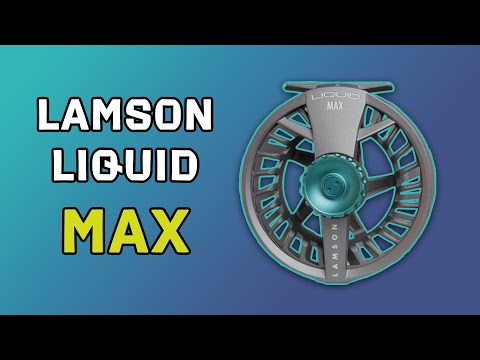
Lamson Liquid Max Fly Reel Review | Best Saltwater Value?



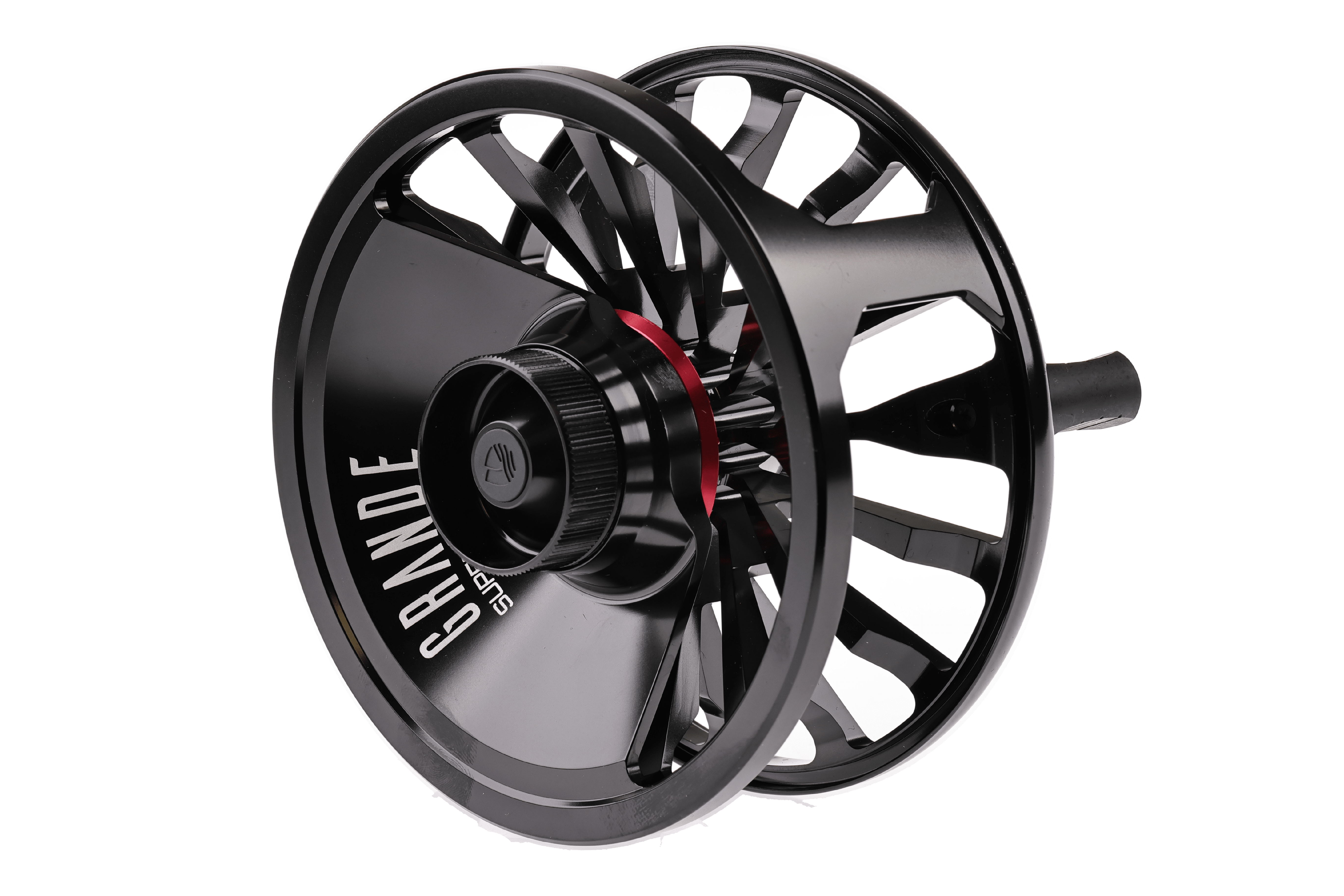
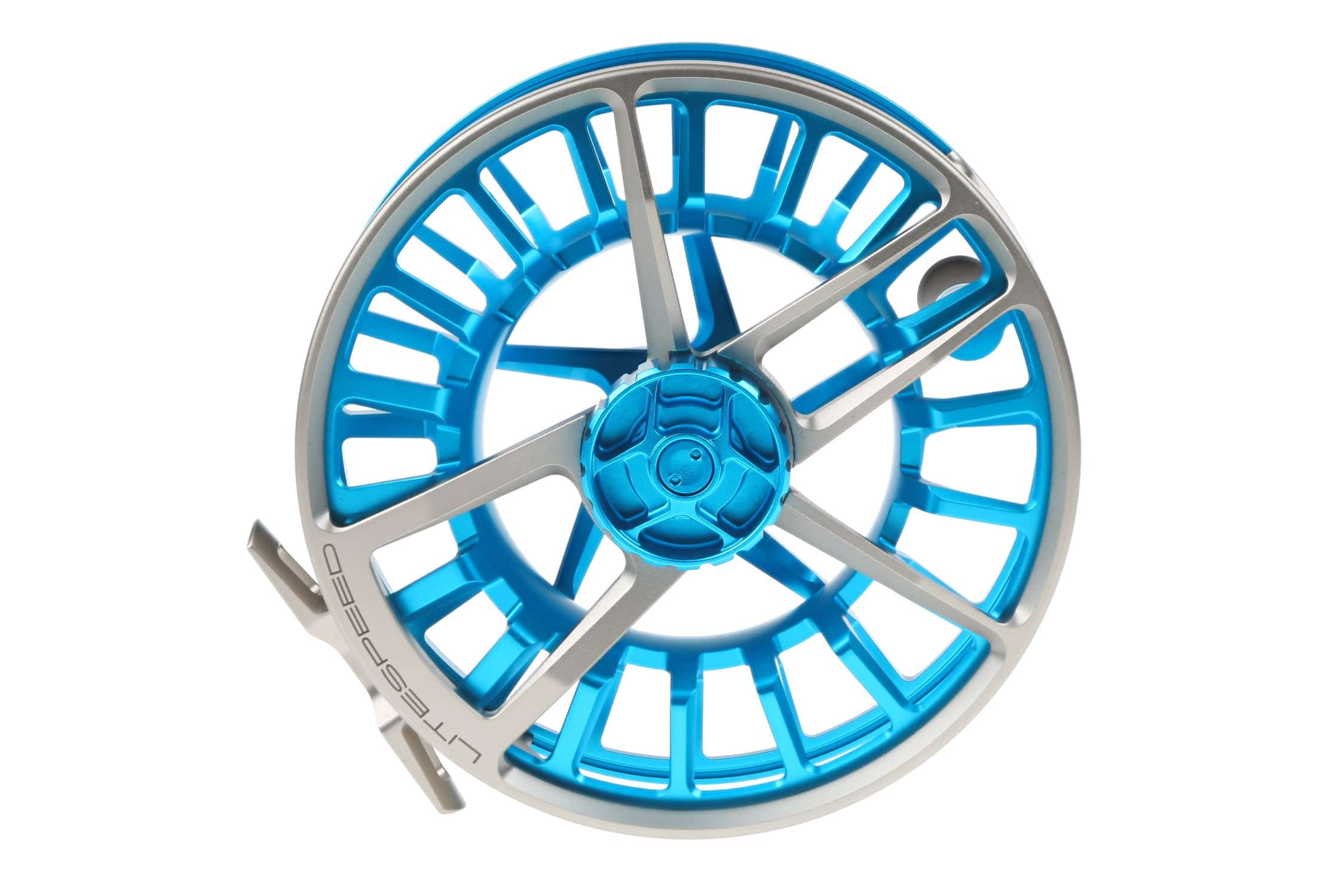
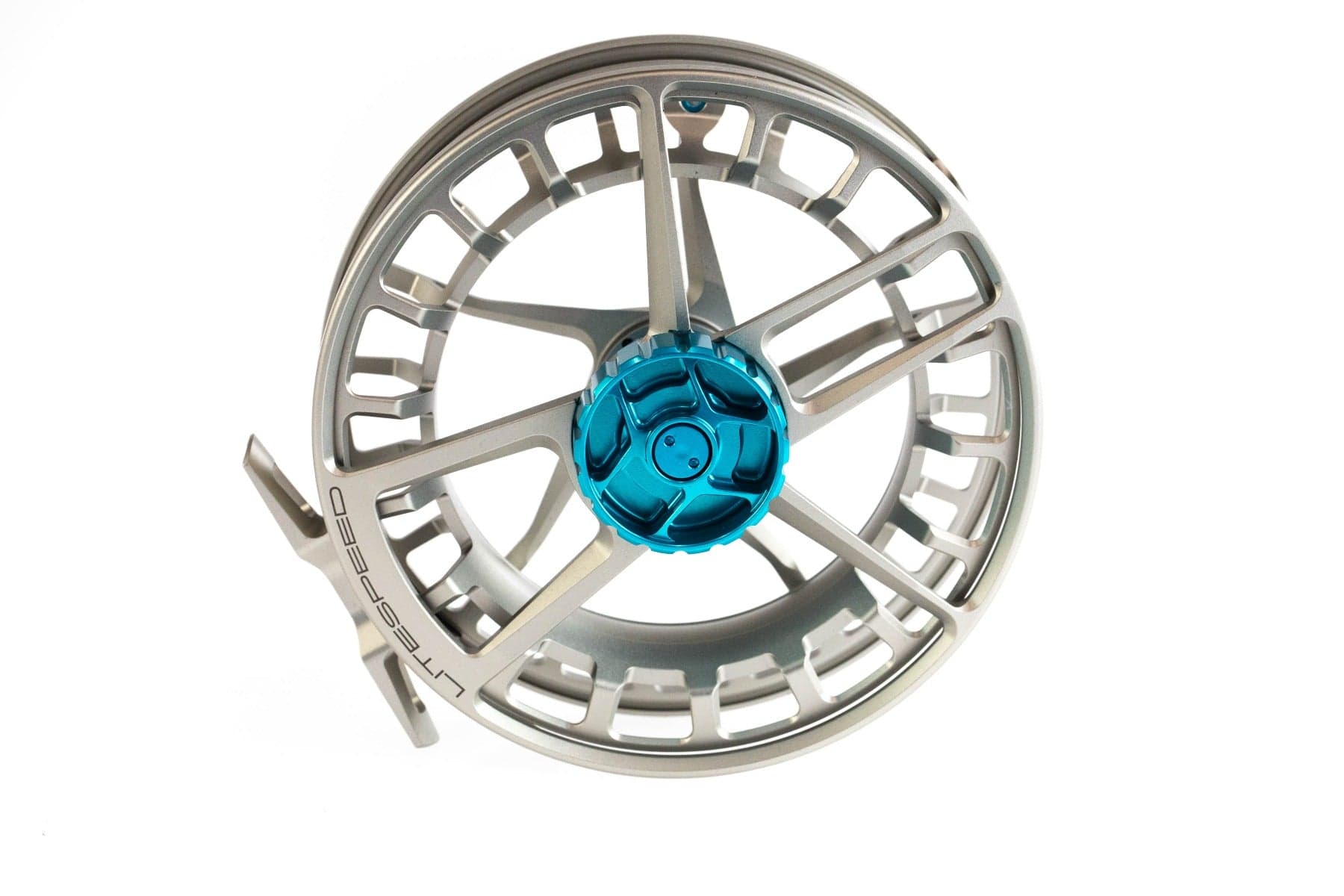
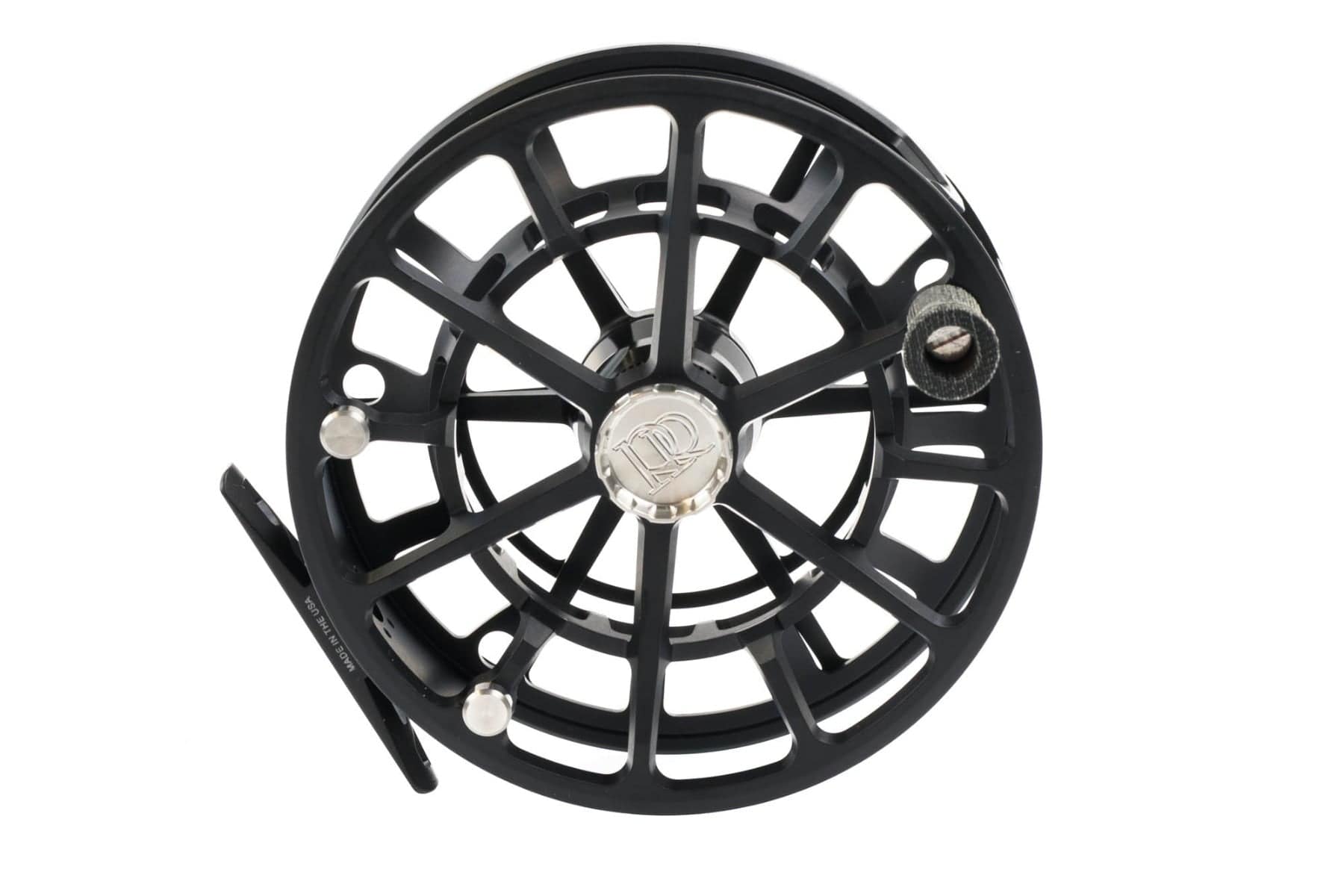


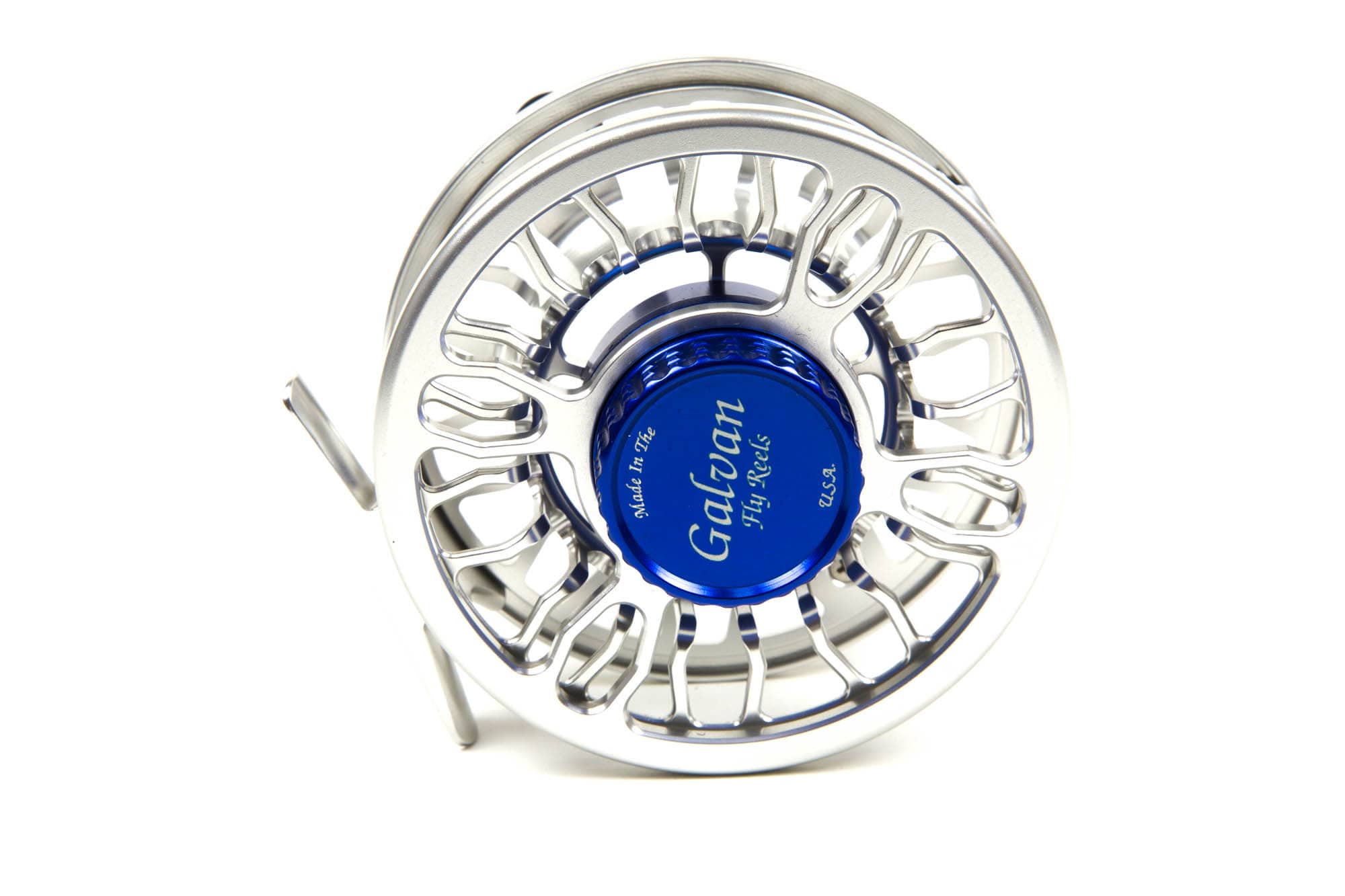
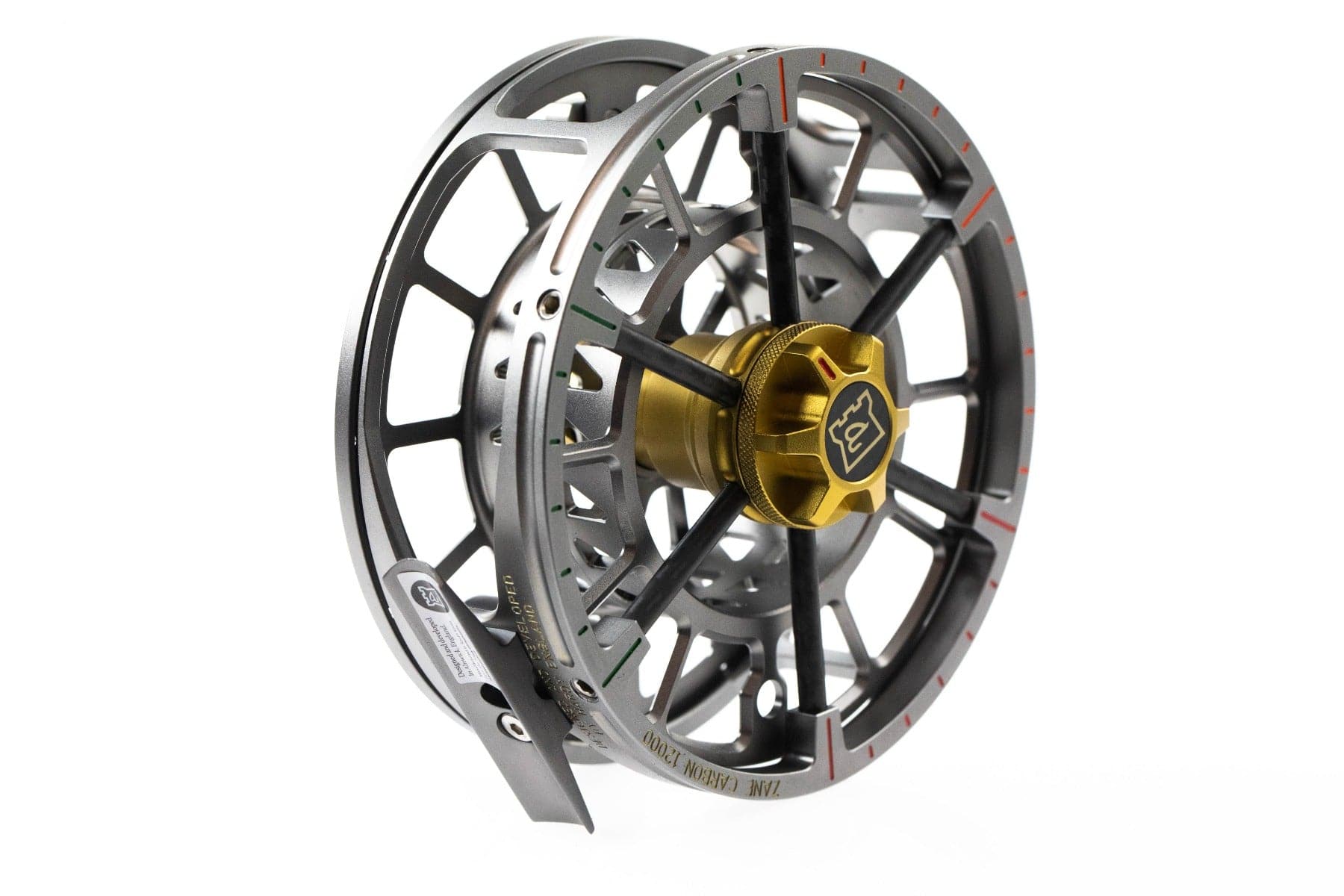
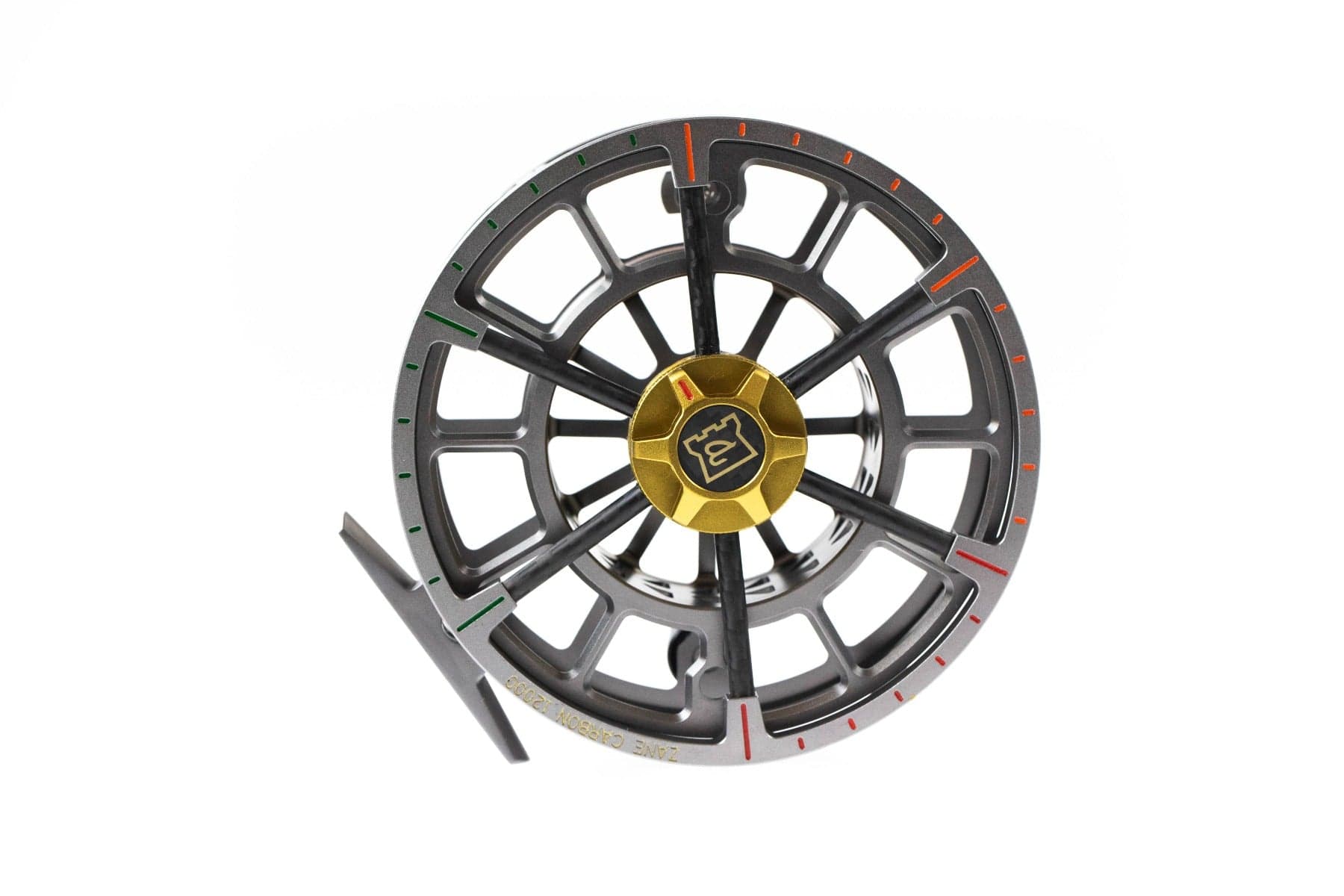


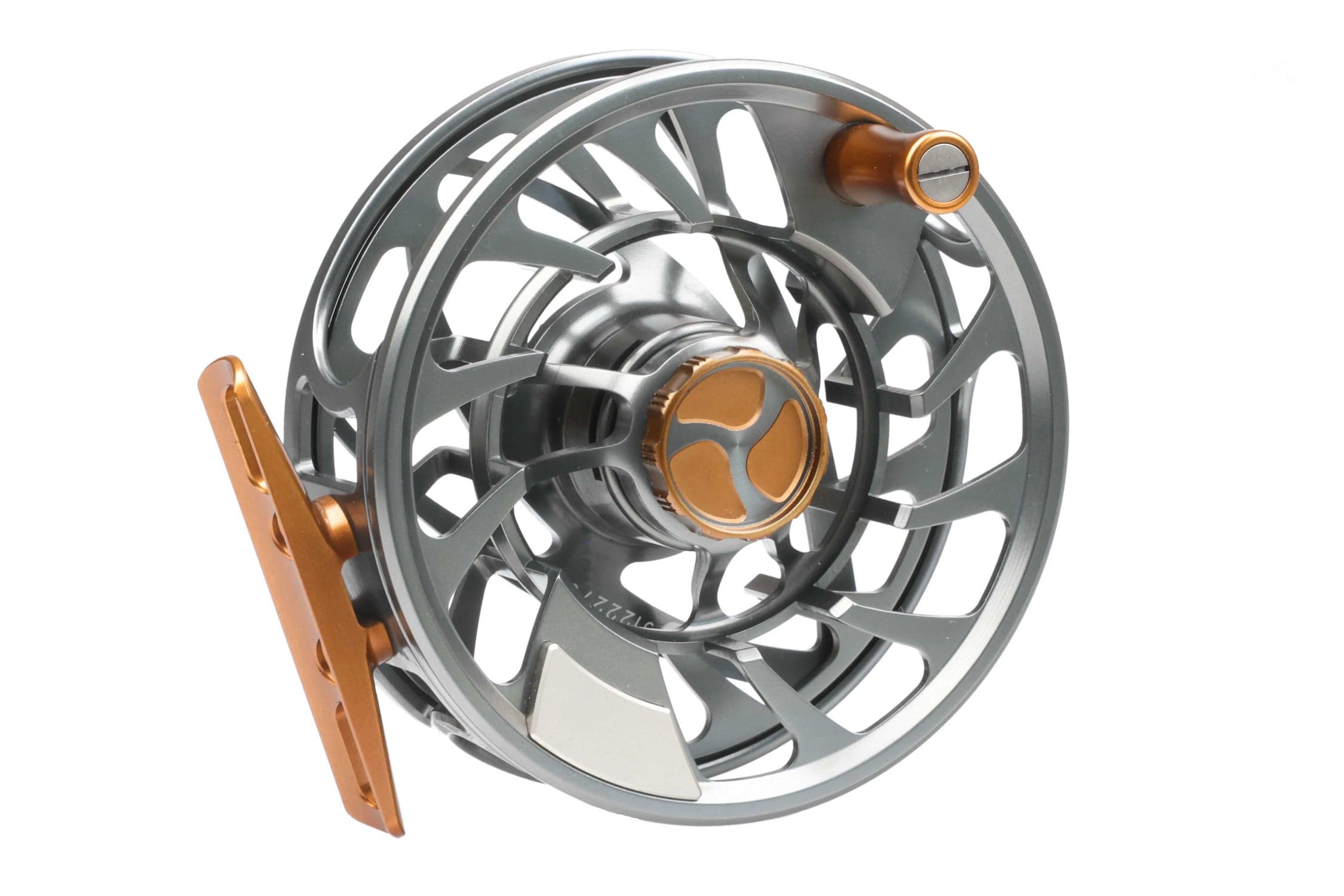


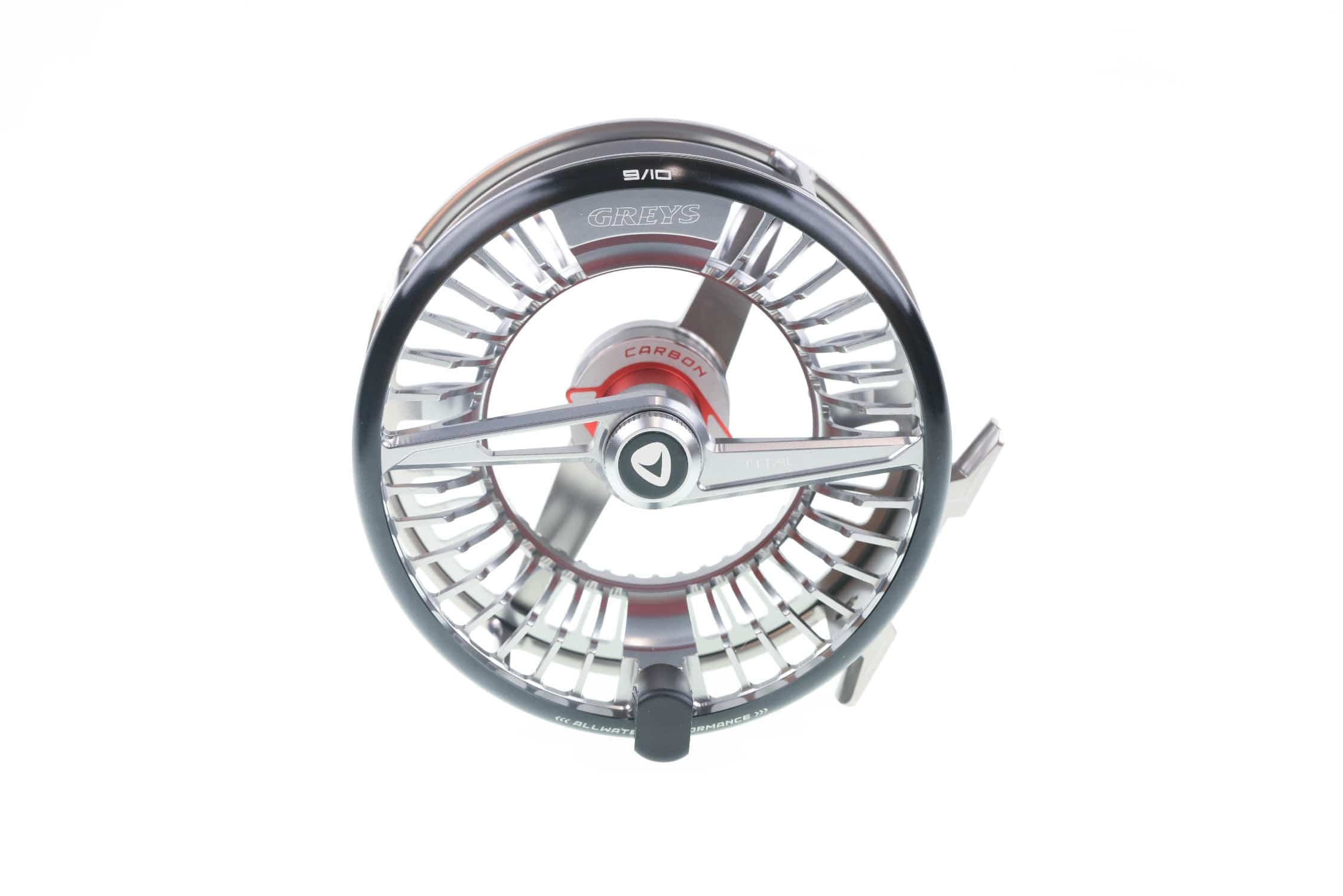
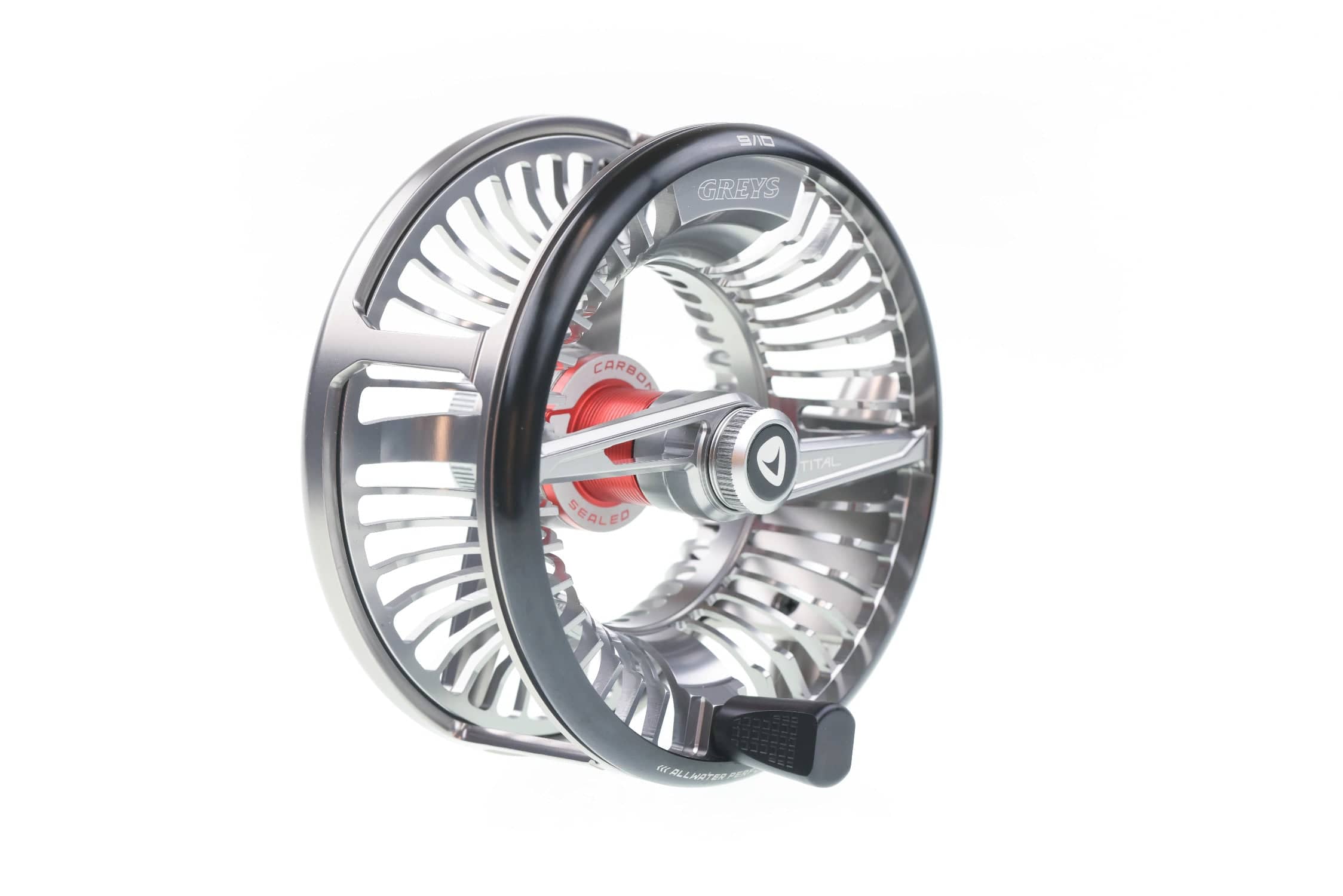
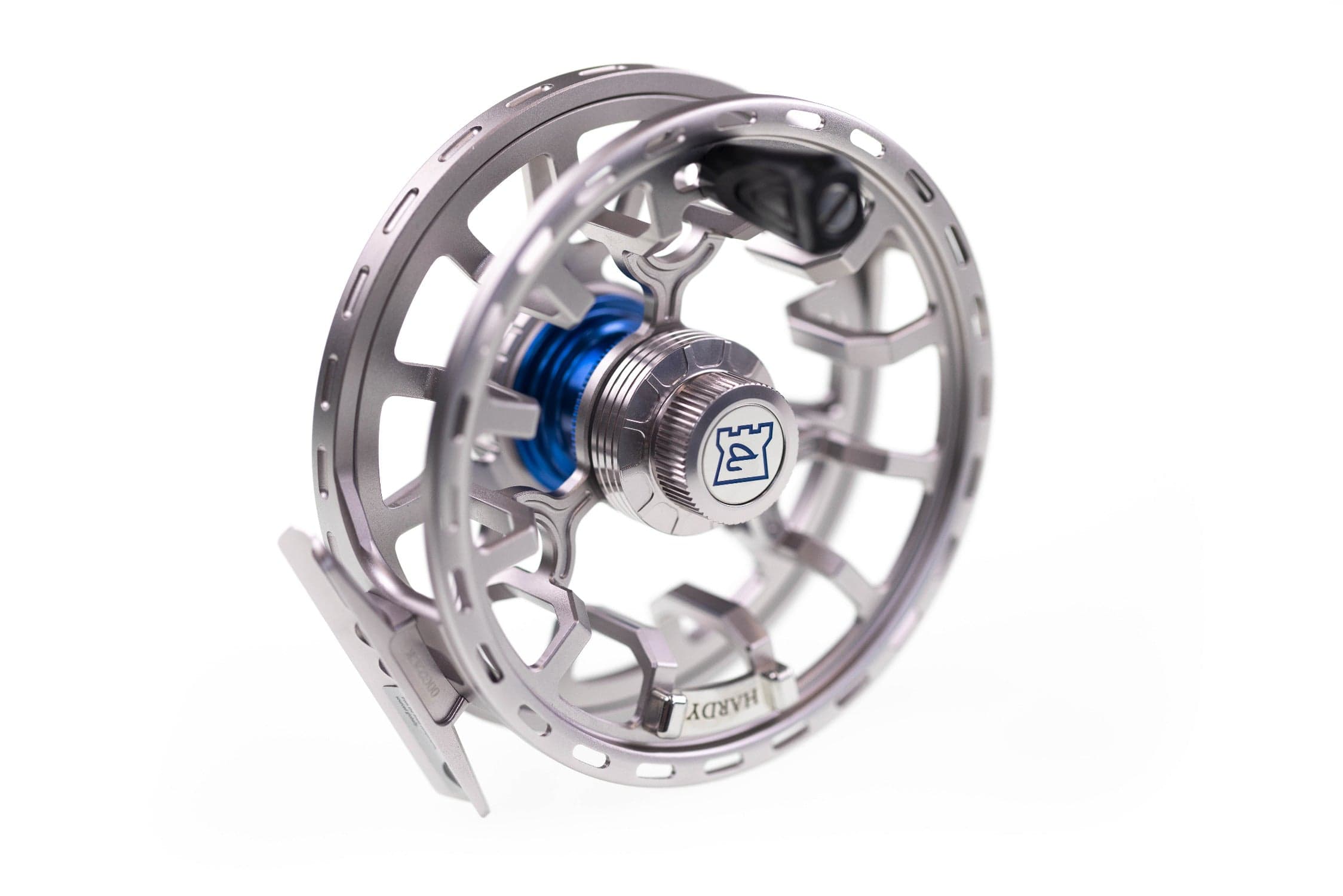
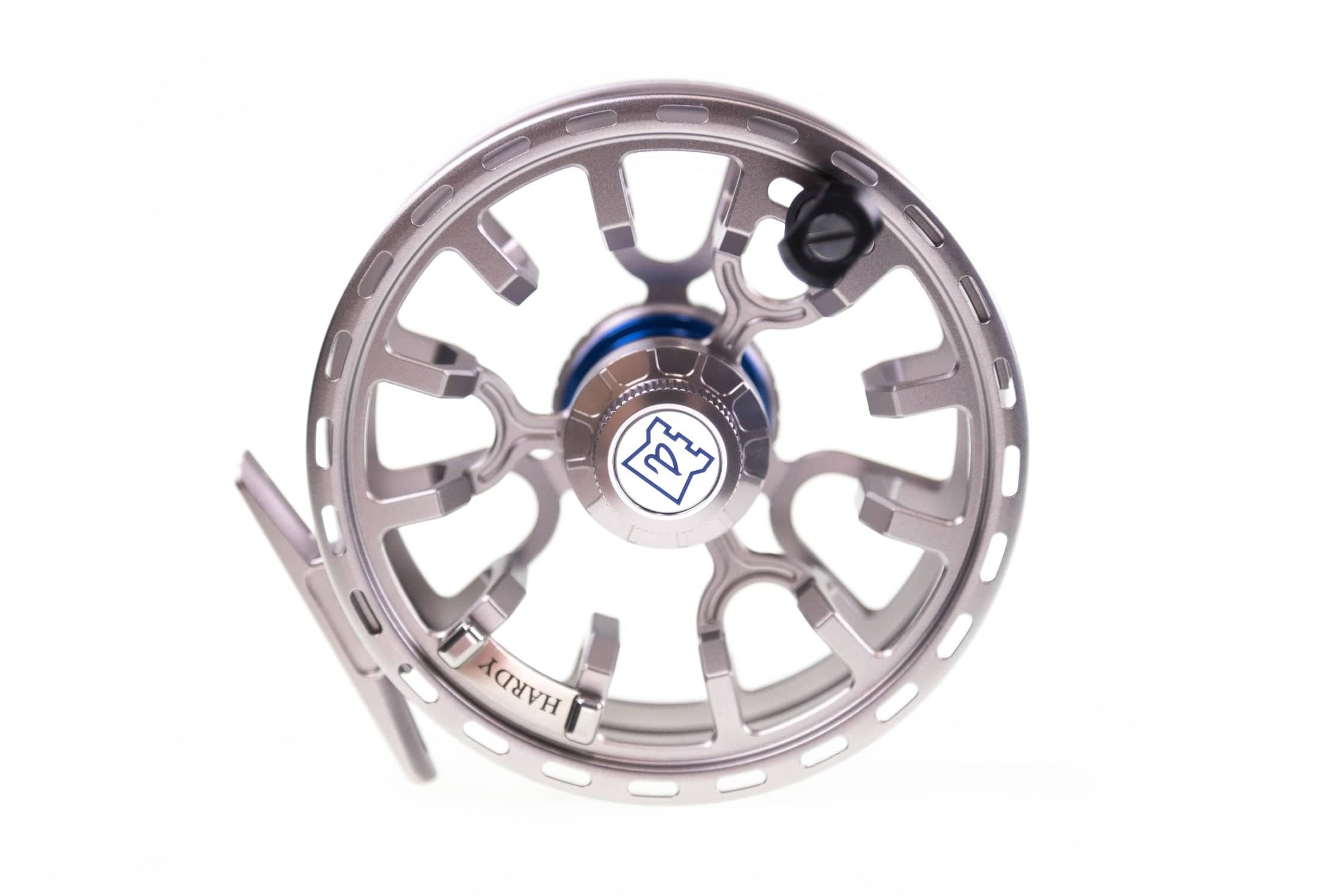
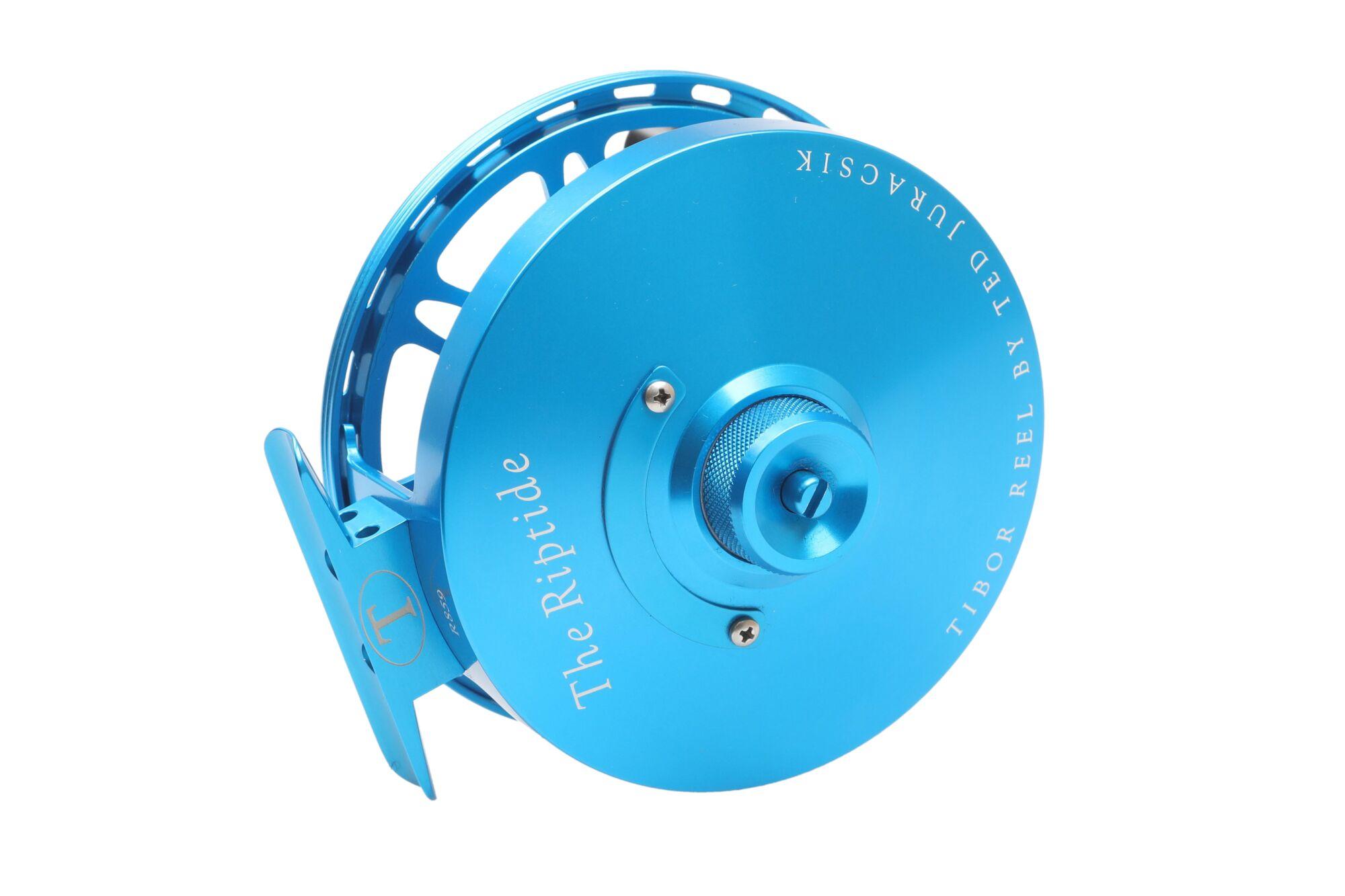
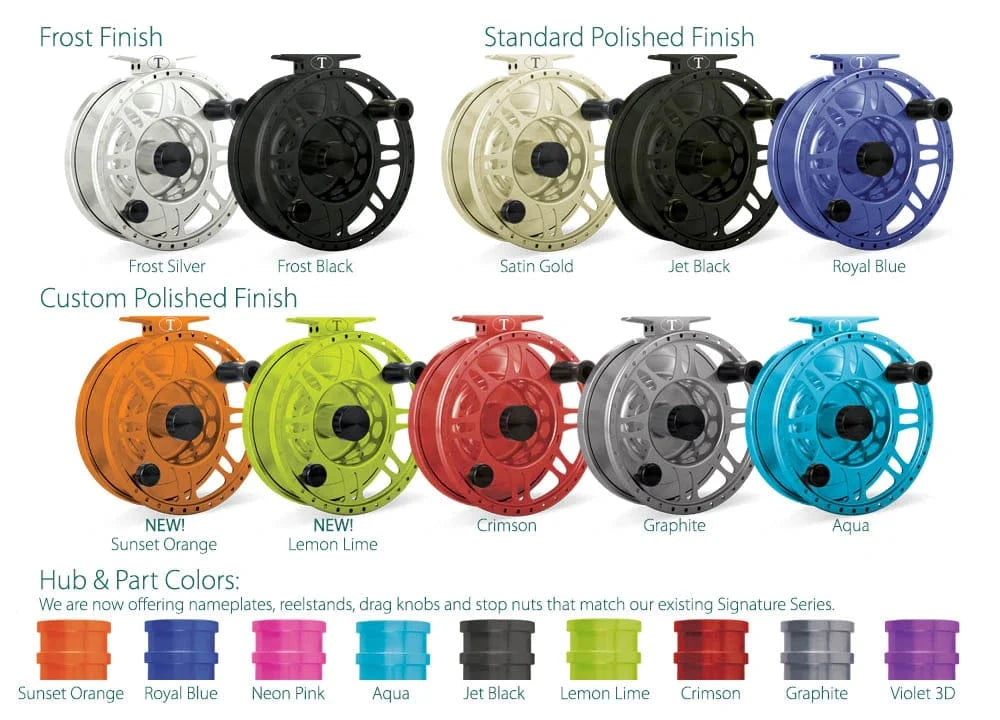
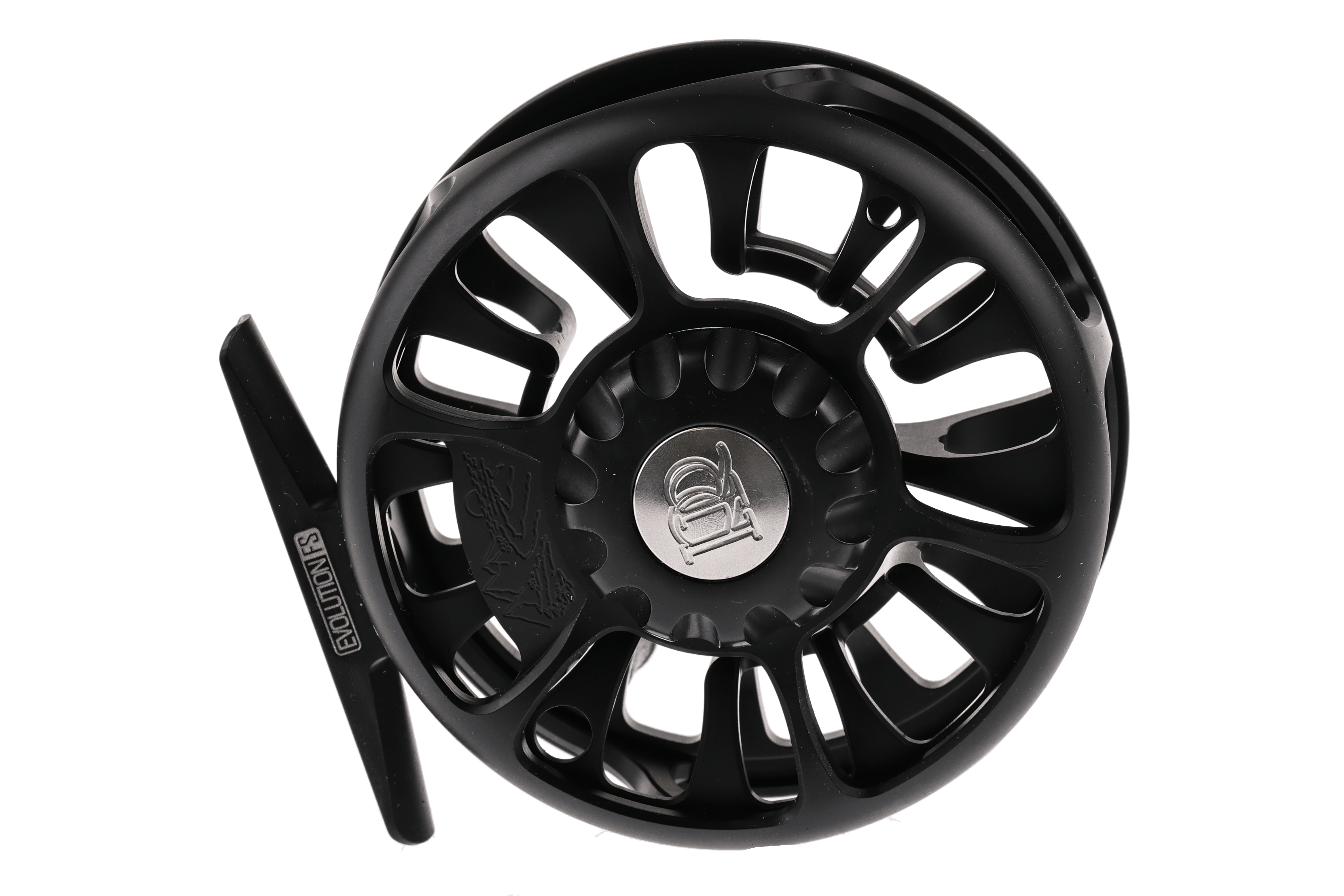
Saltwater Fly Reels Quick Picks
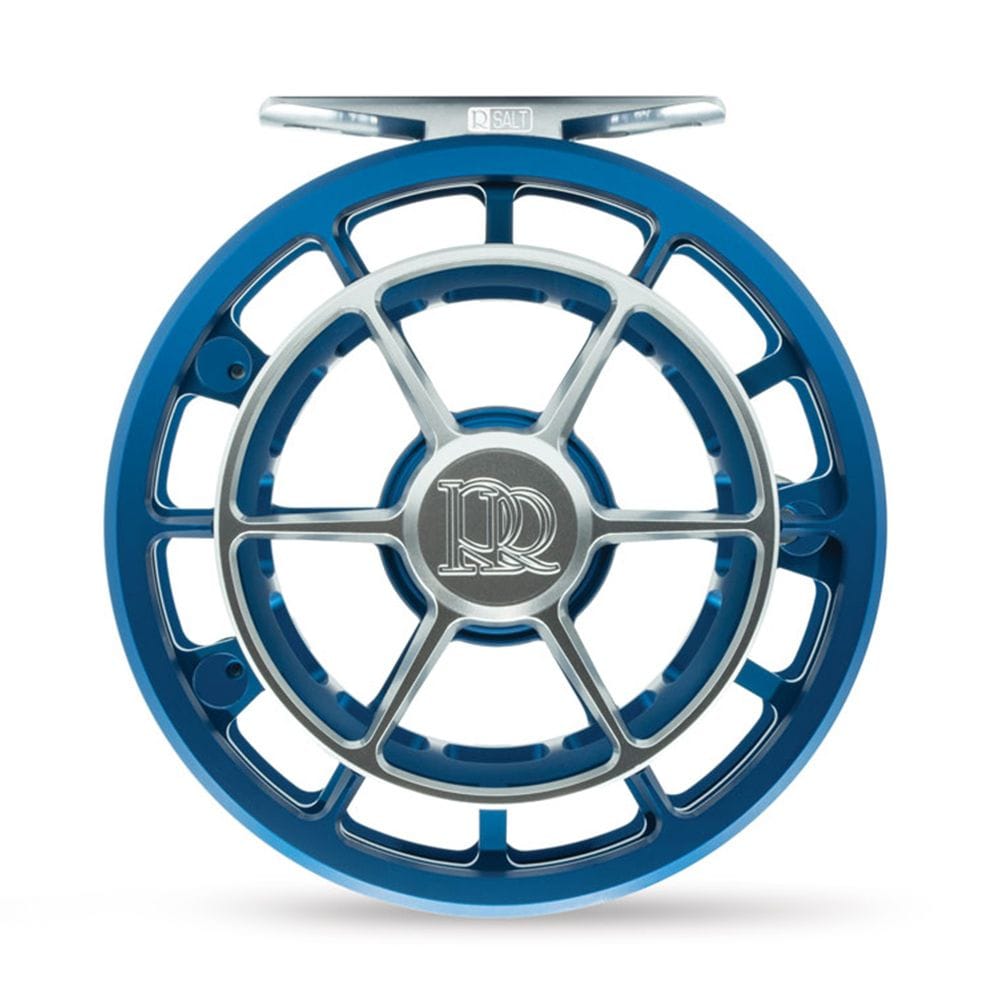
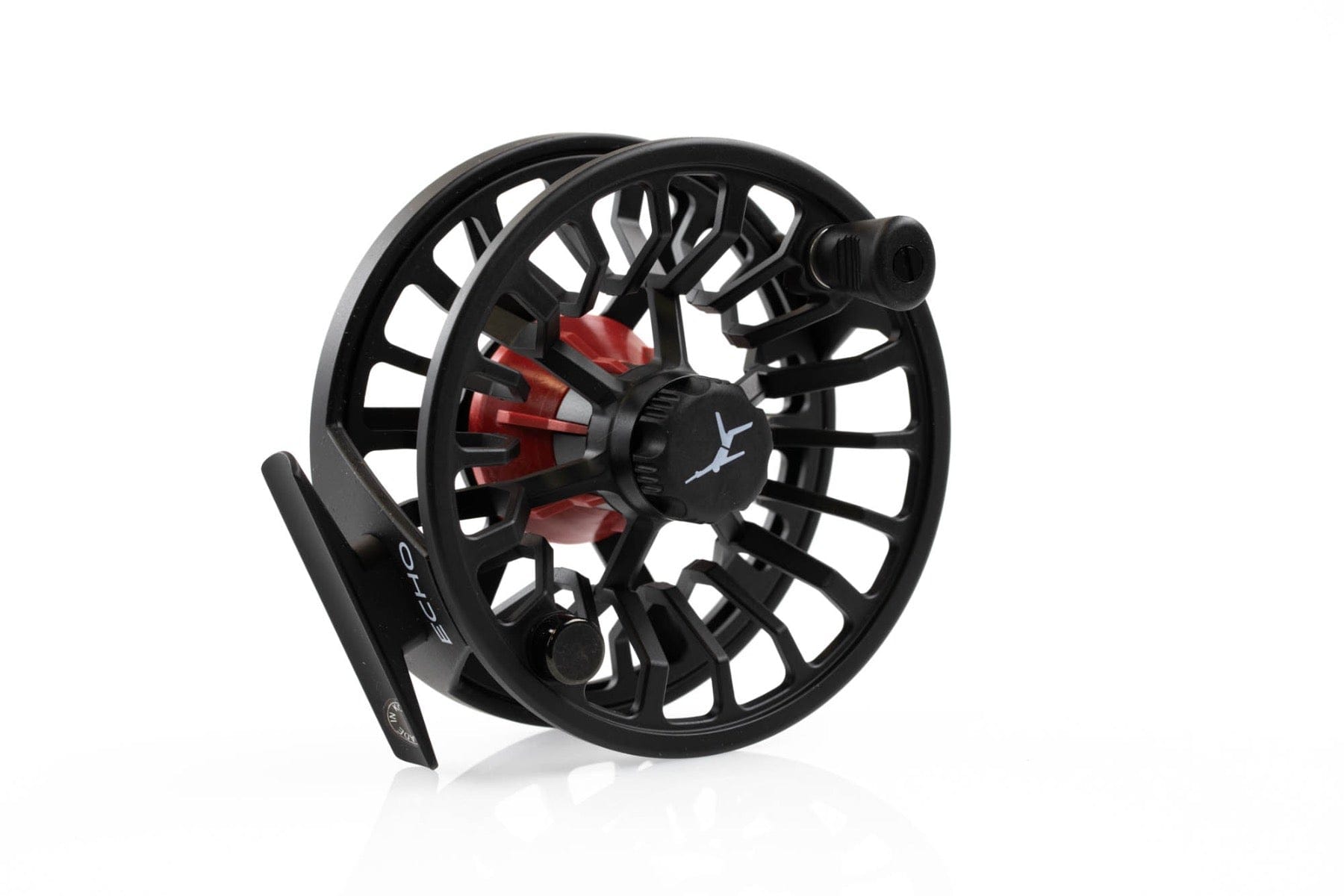
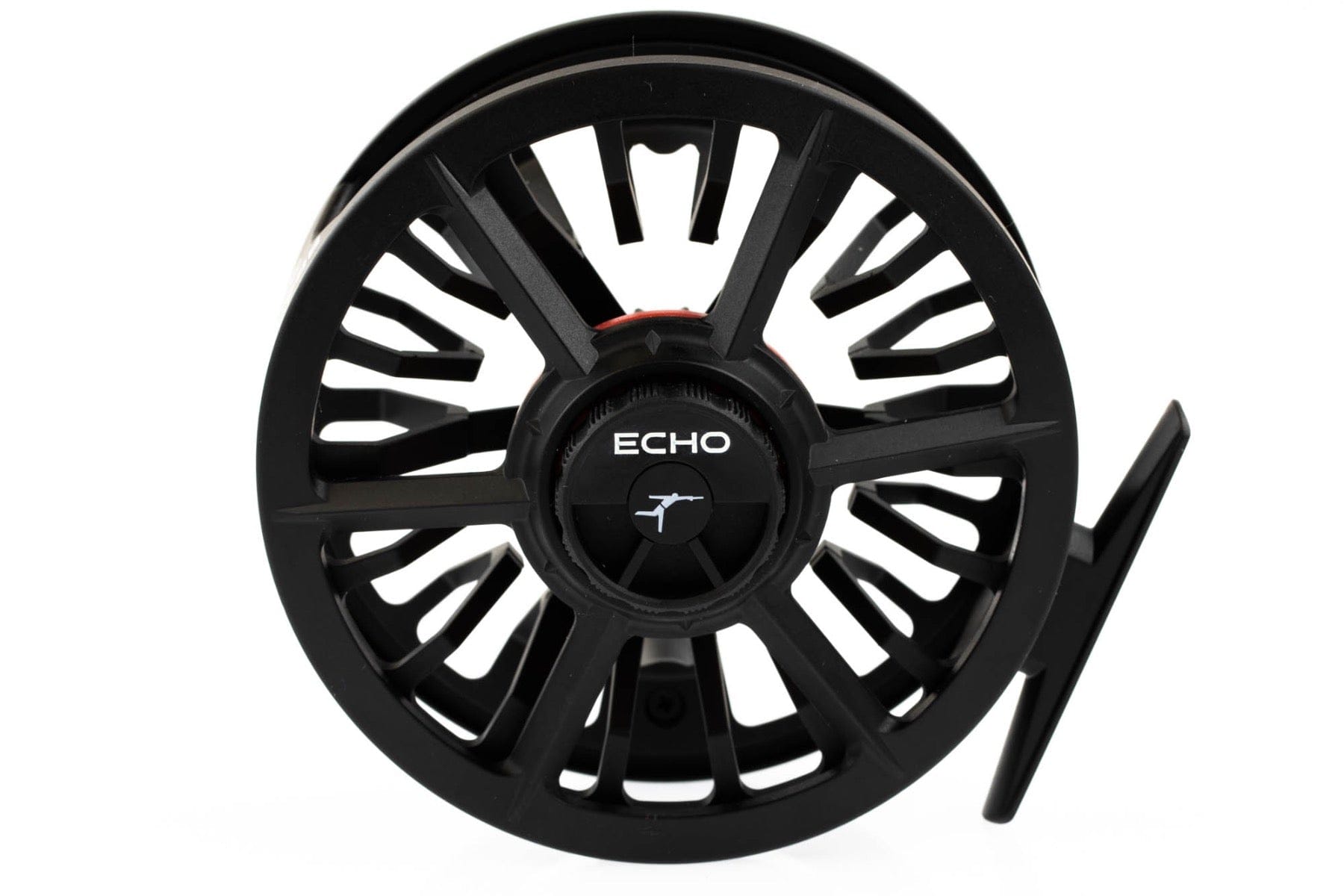
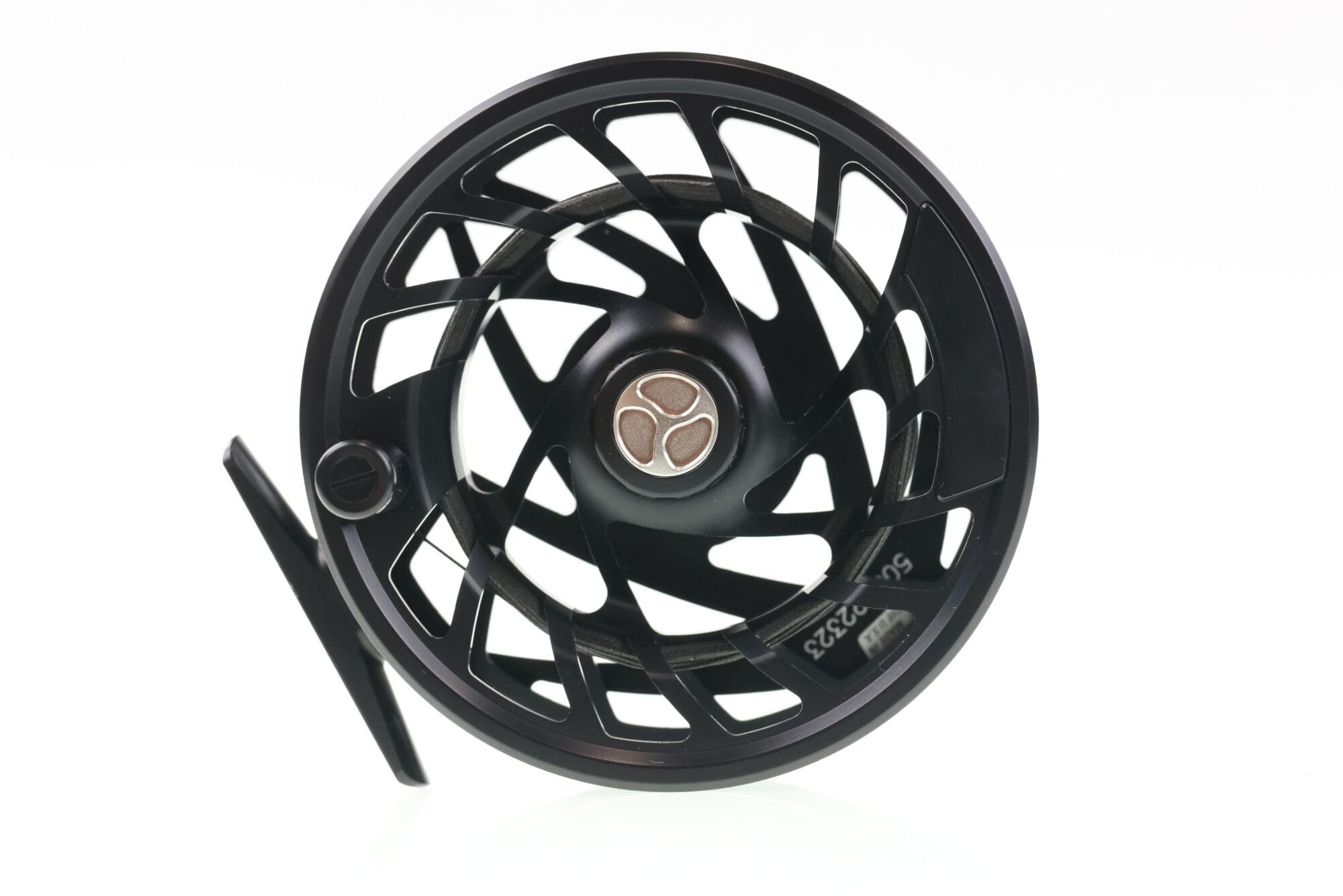
Best Premium Reel: Hatch Iconic - Built for the most demanding saltwater environments with a bombproof drag system. This reel offers exceptional durability and stopping power for tarpon, GT, and permit.
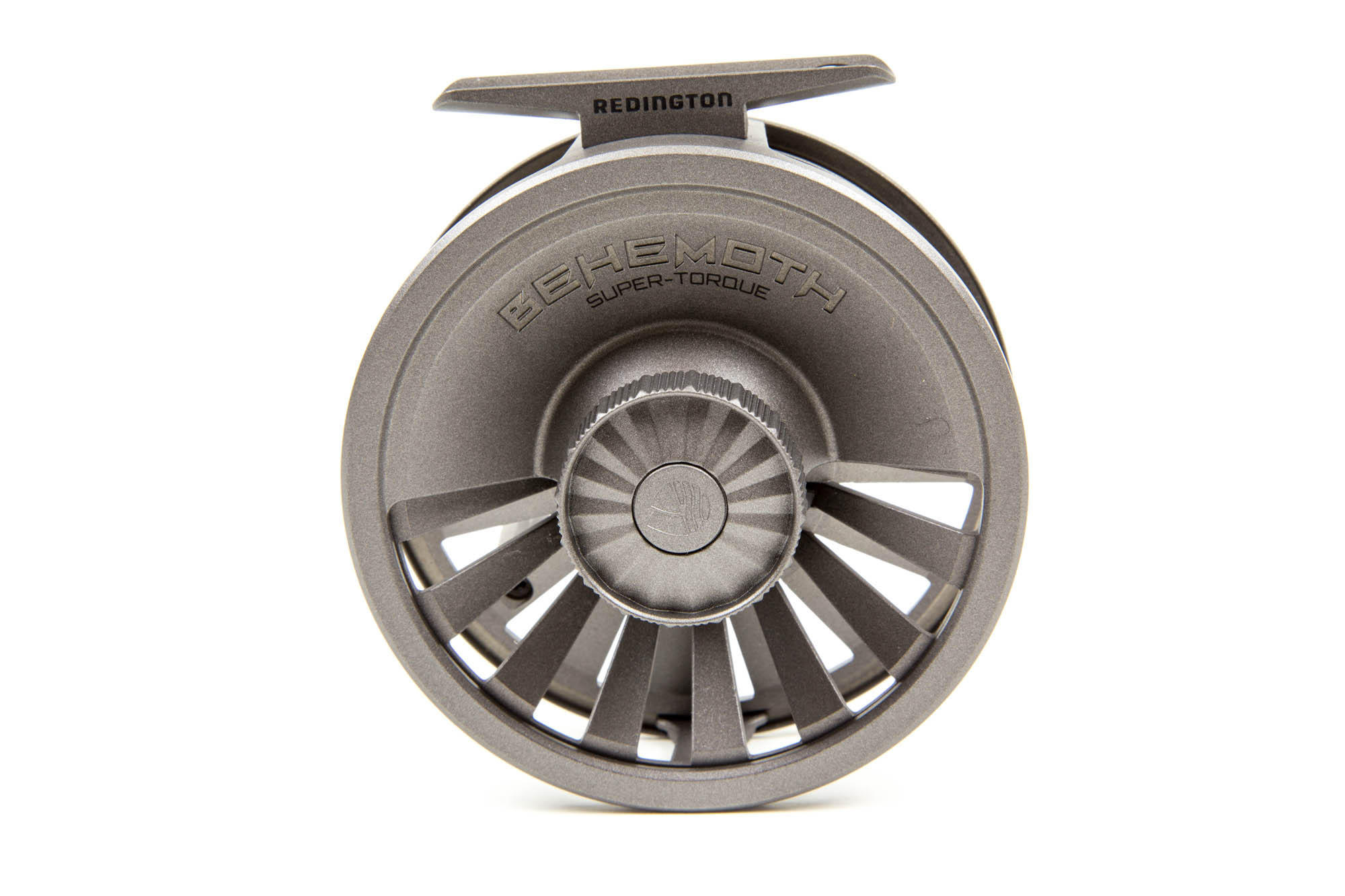
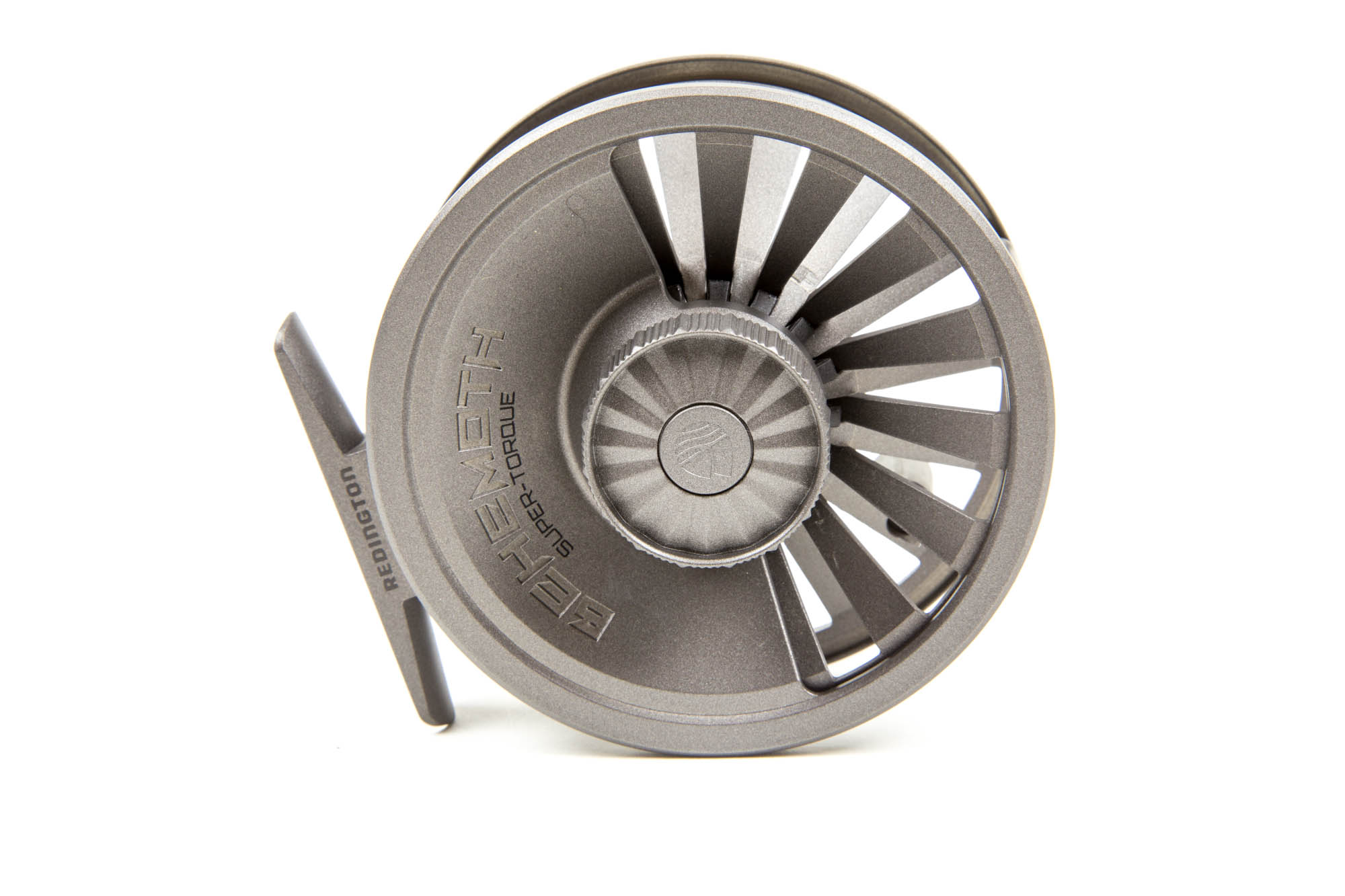
Best Value Reel: Redington Behemoth - Delivers the strongest drag in its class at an unbeatable price point. Perfect for anglers who need heavy-duty performance without breaking the bank.
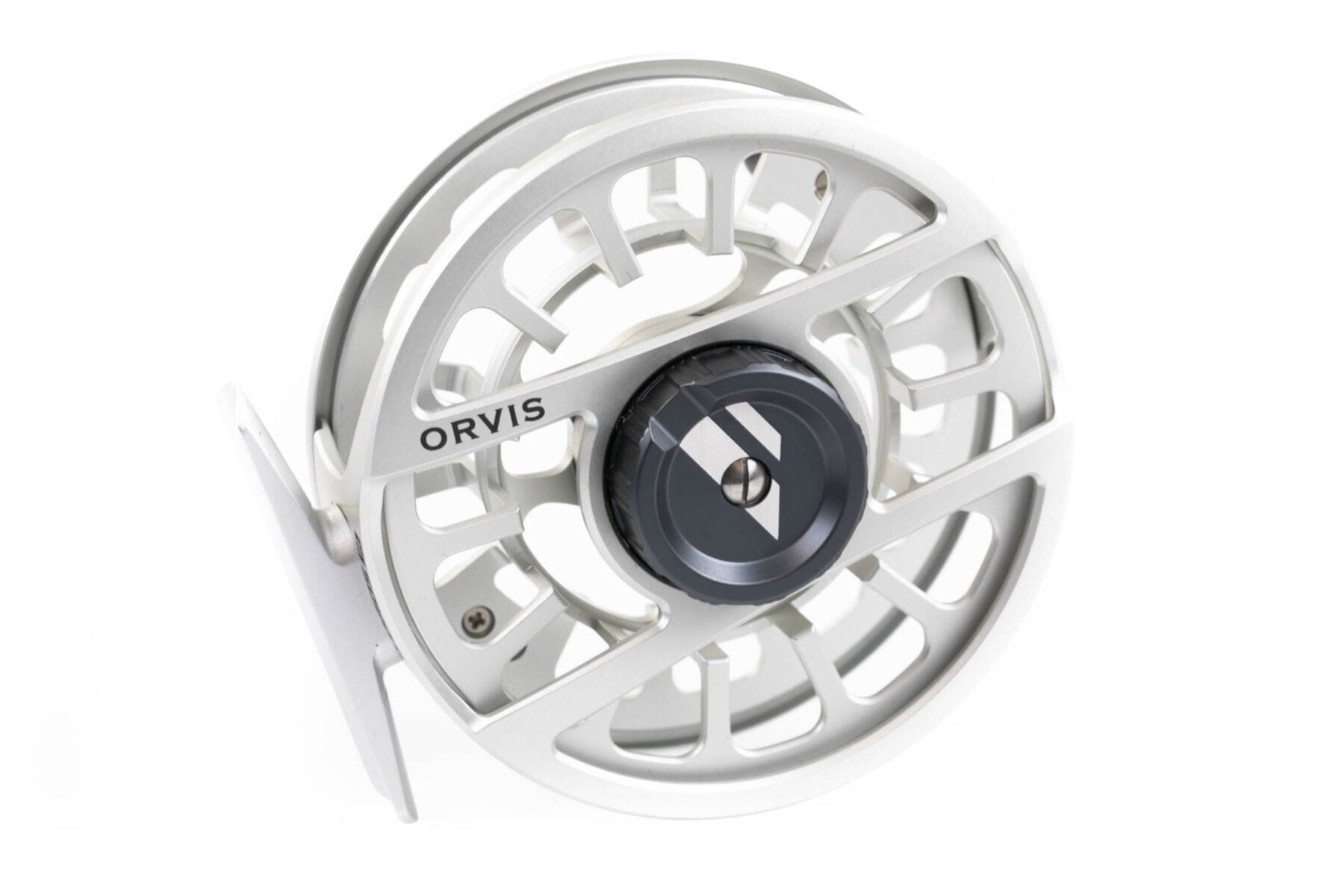
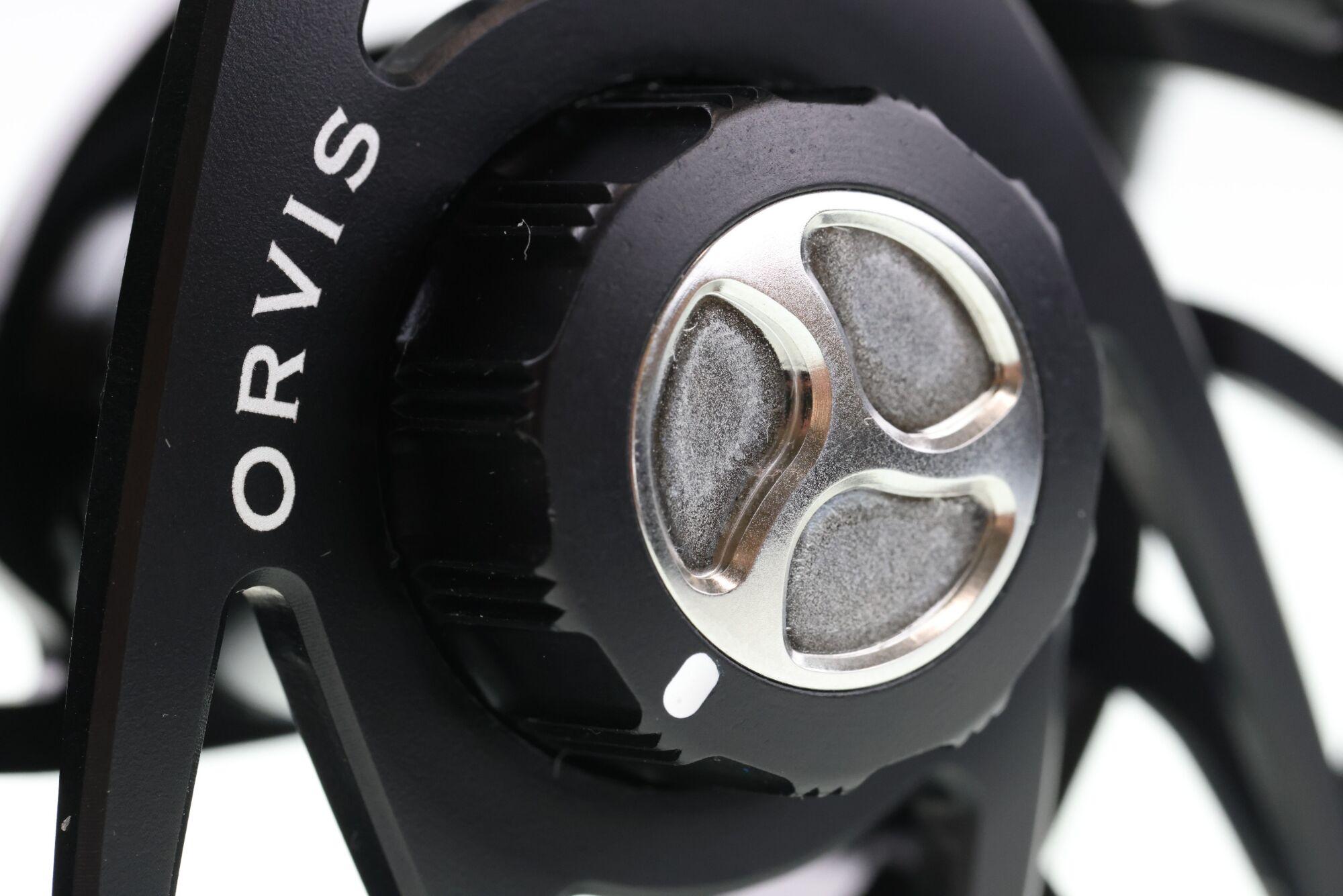
Best Mid-Priced Reel: Orvis Hydros - A lightweight, fully sealed reel that balances perfectly on modern saltwater rods. Known for its reliability and smooth startup inertia across all drag settings.
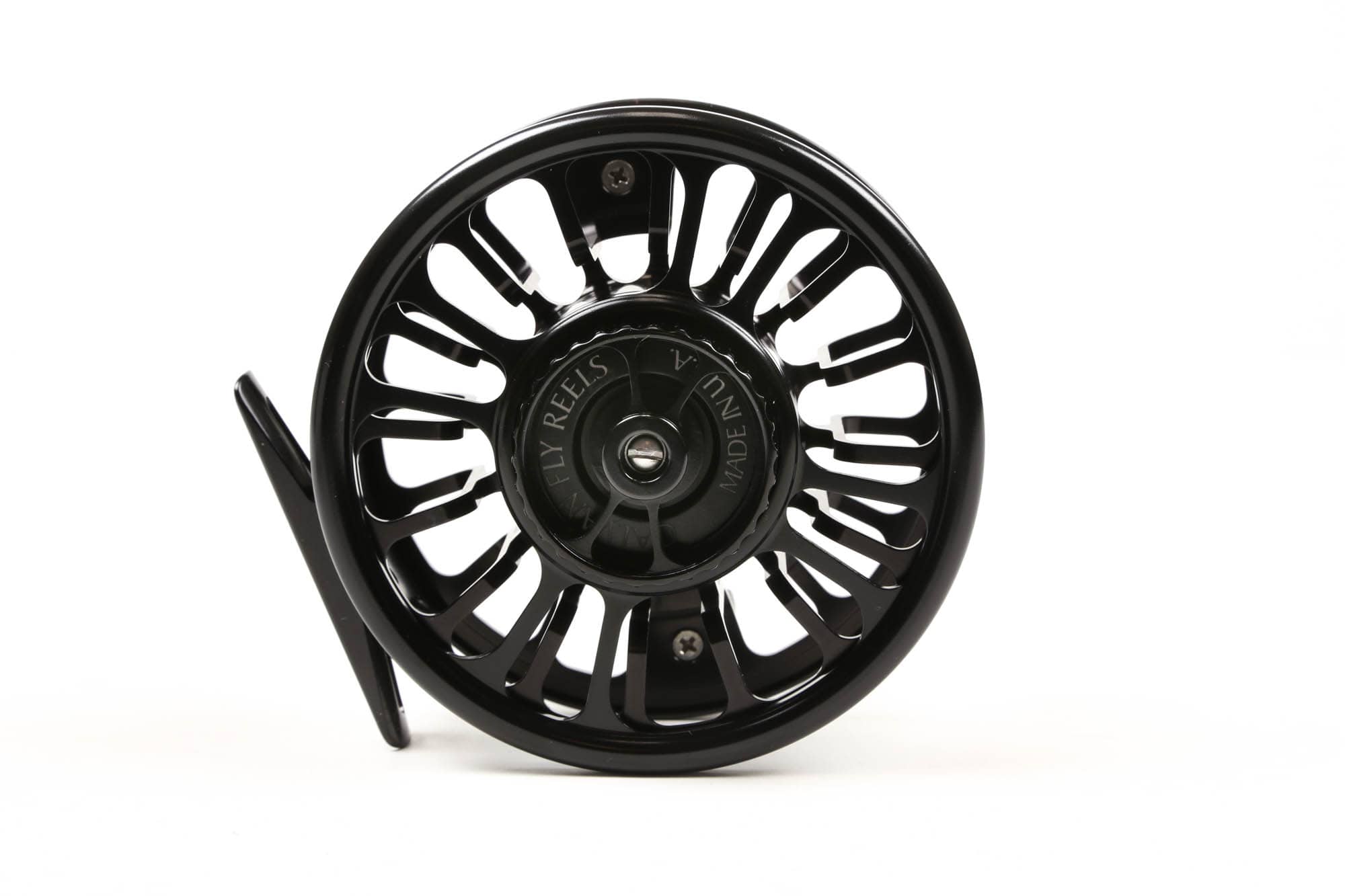
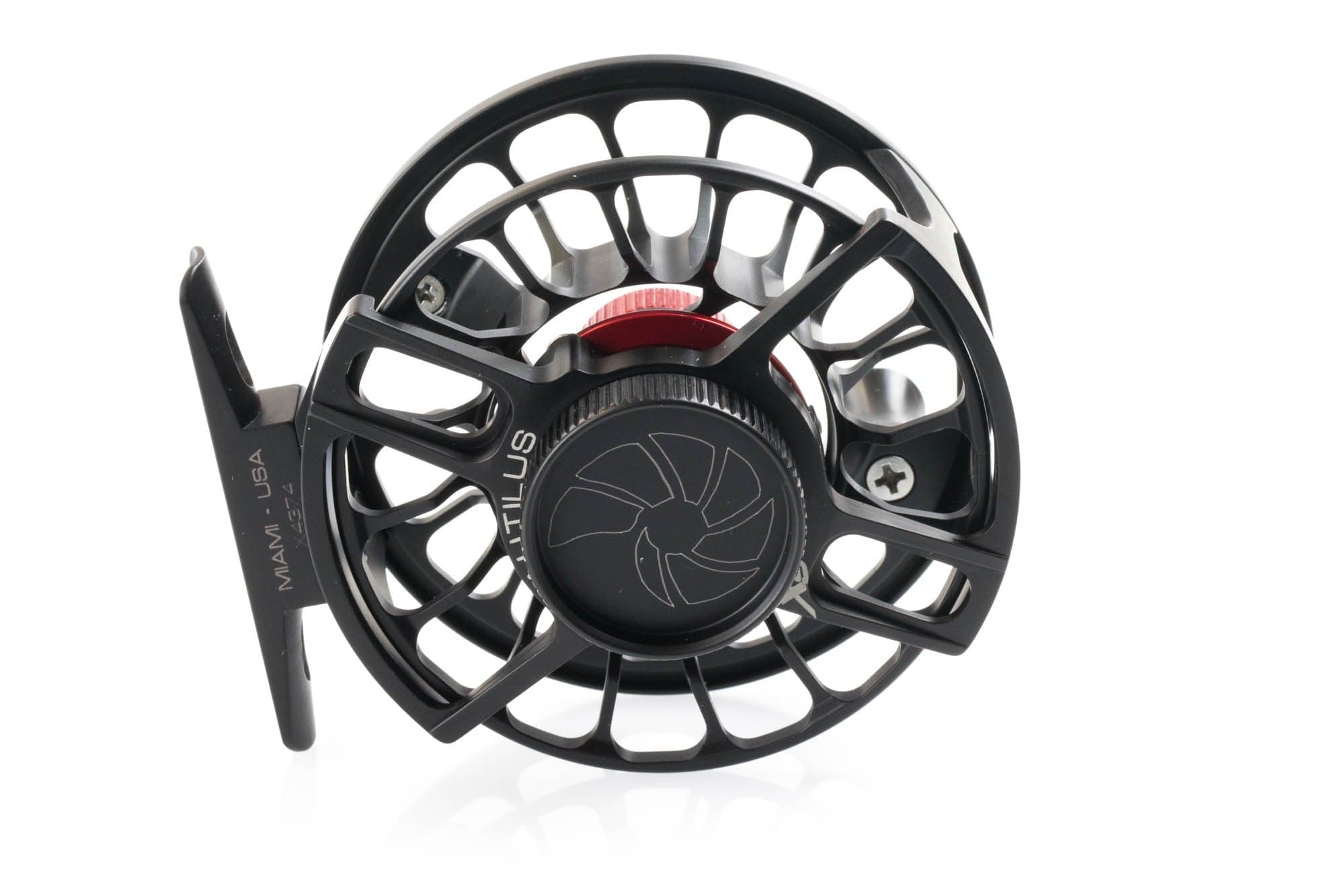
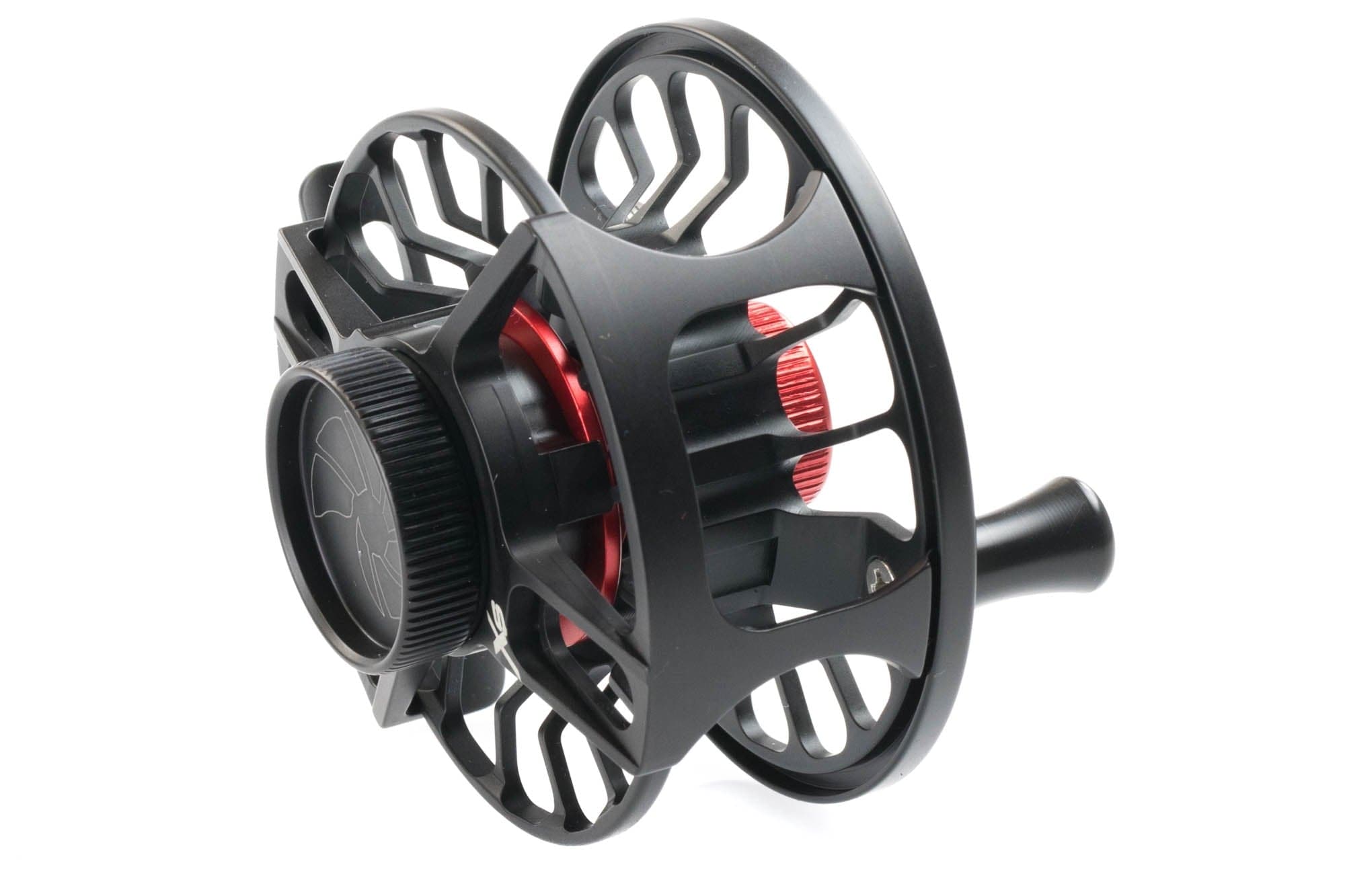
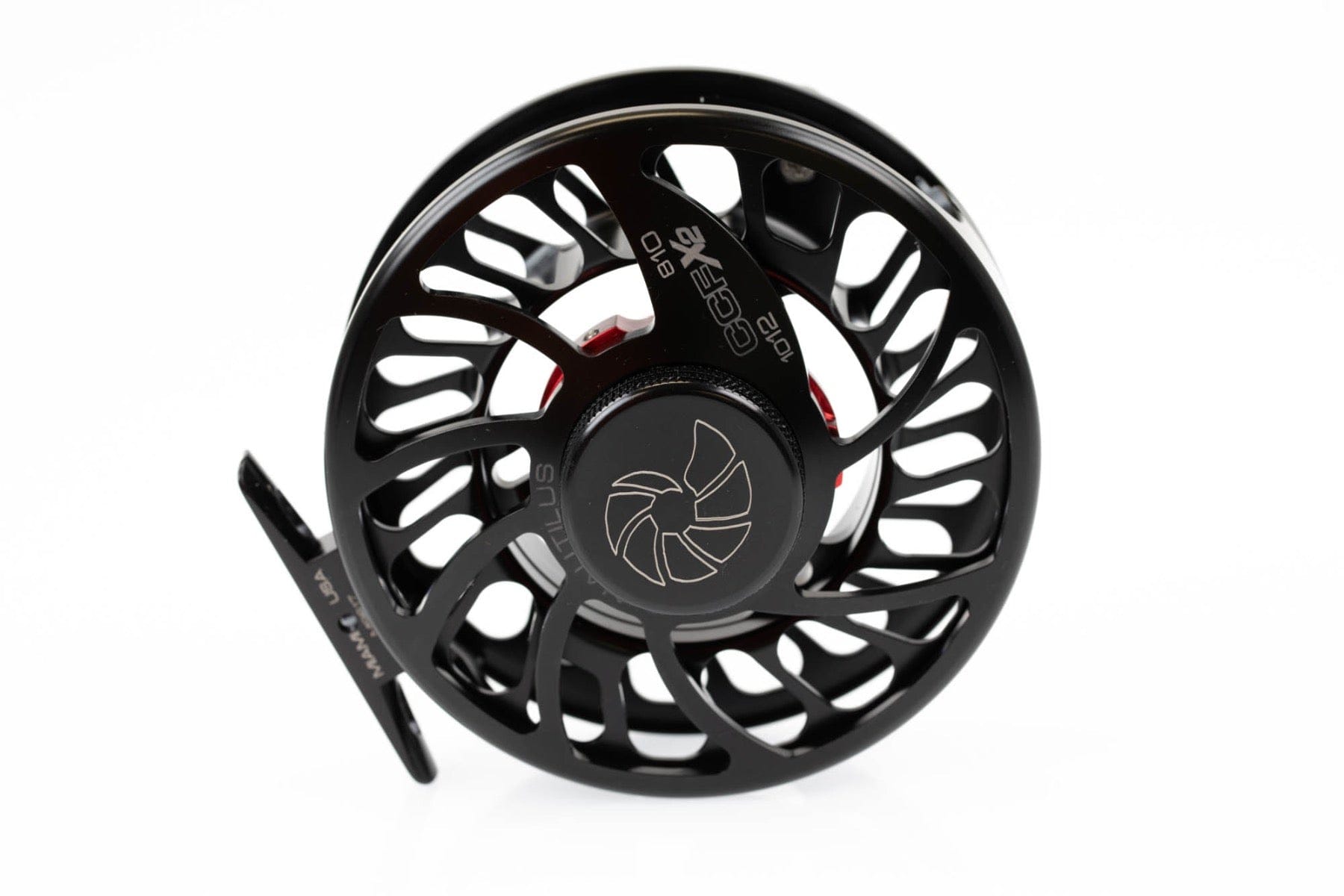
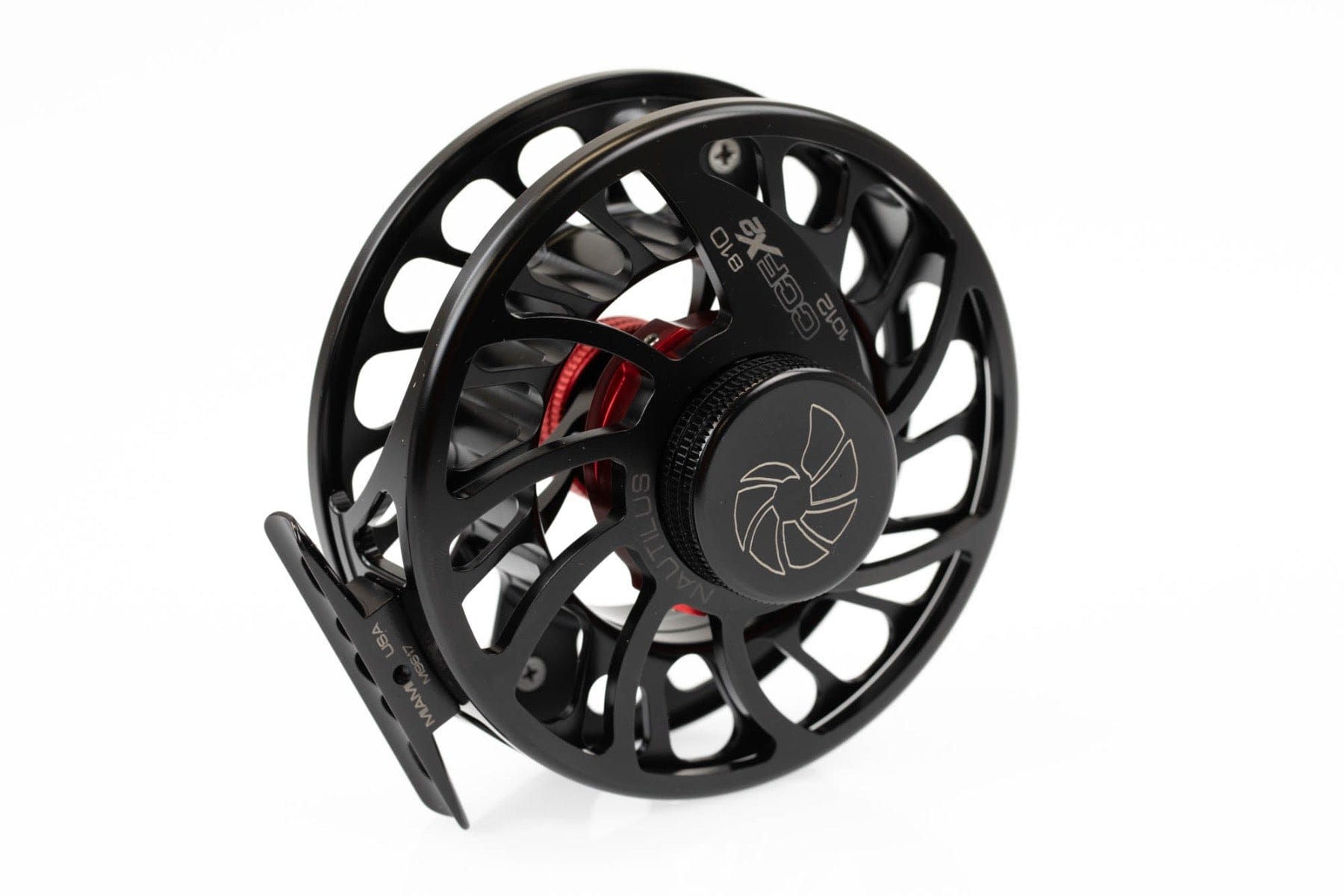
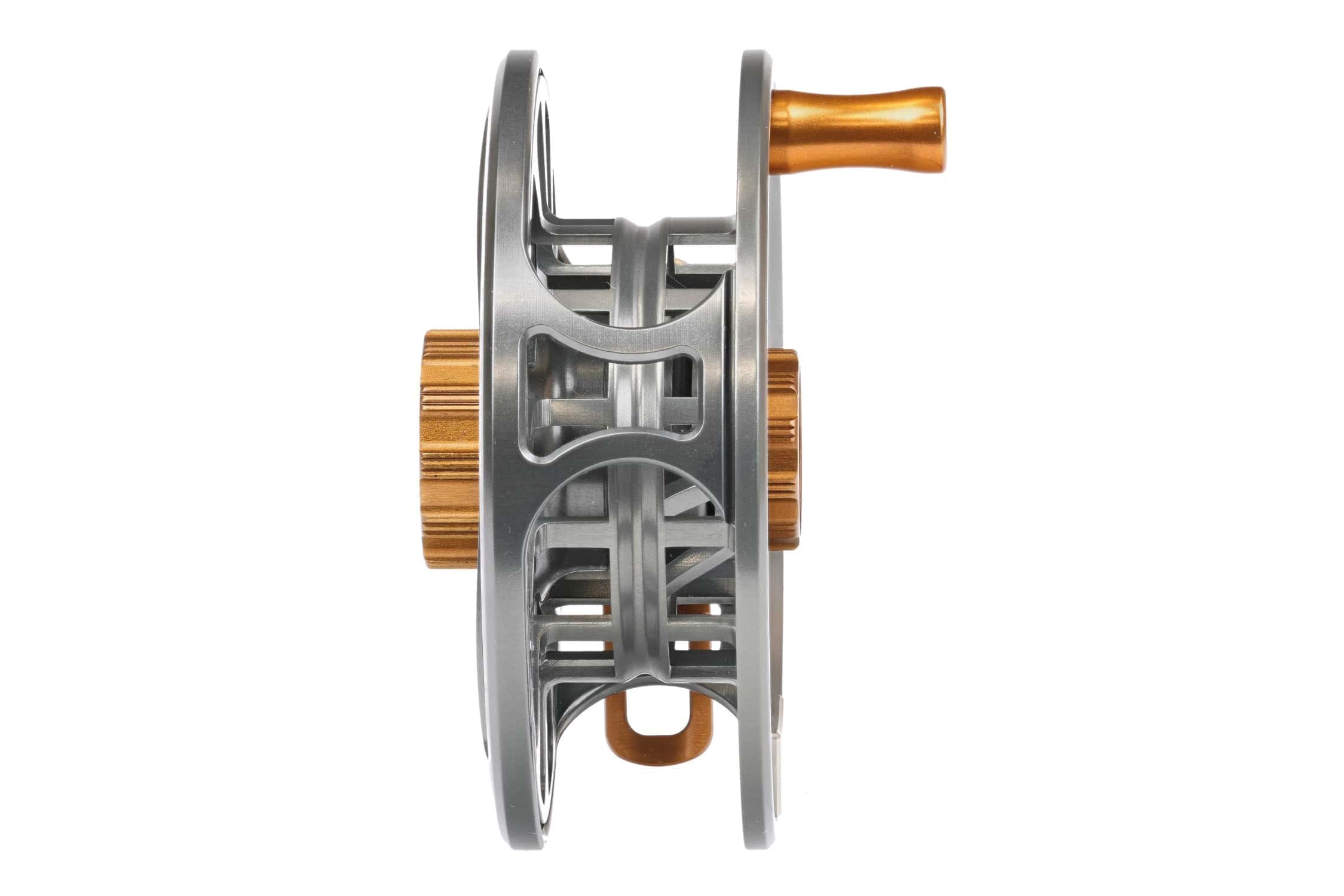
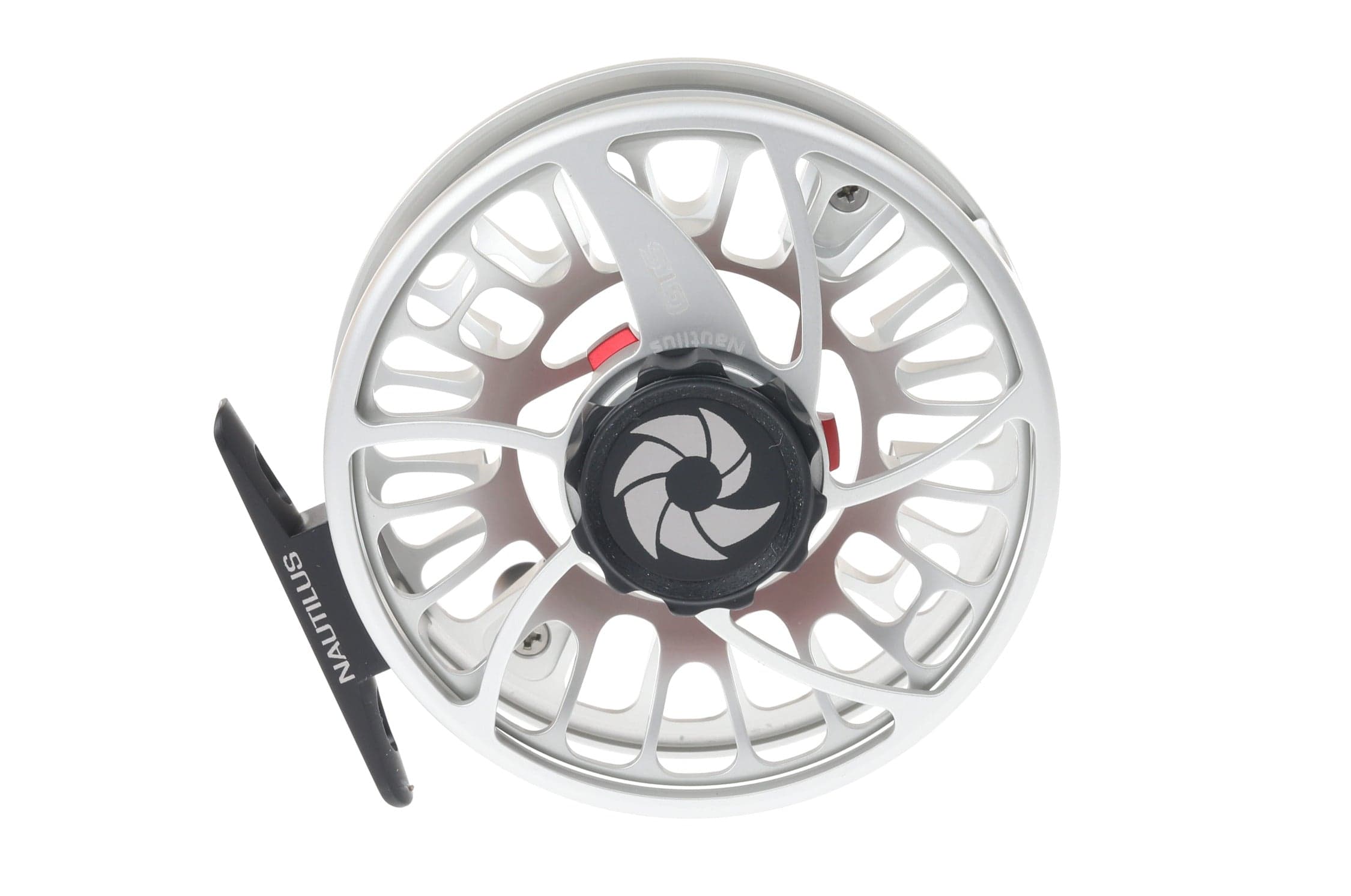
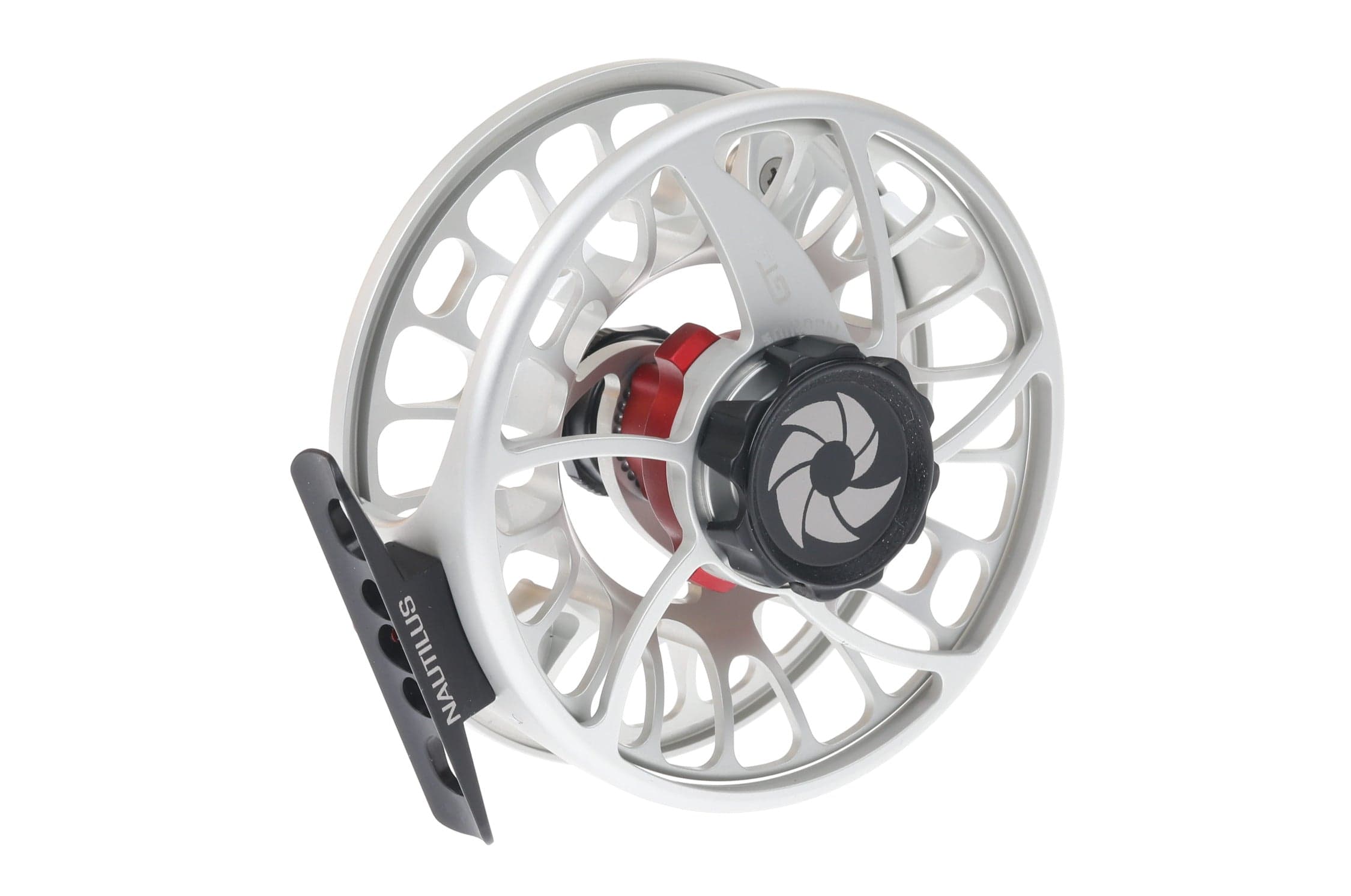
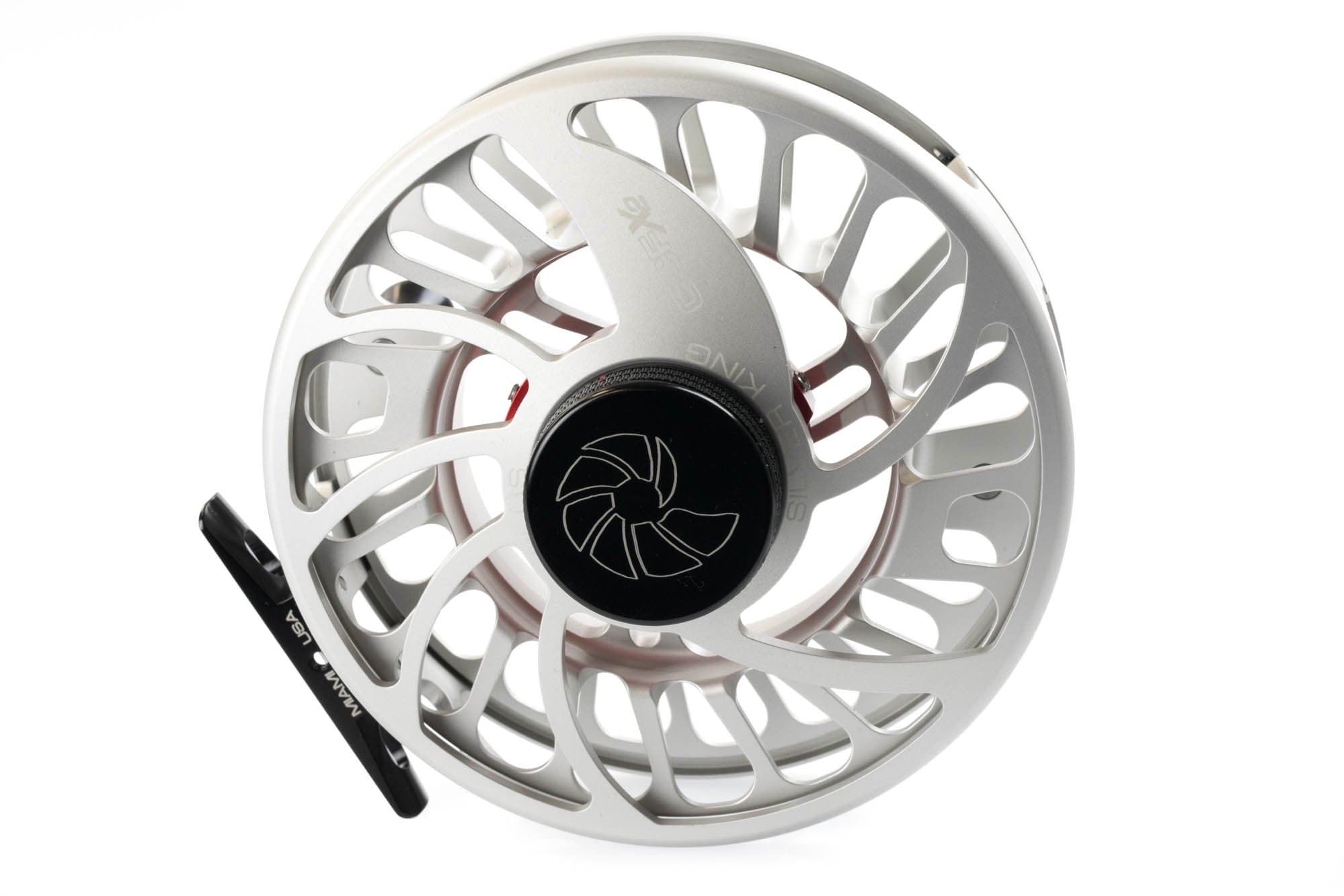
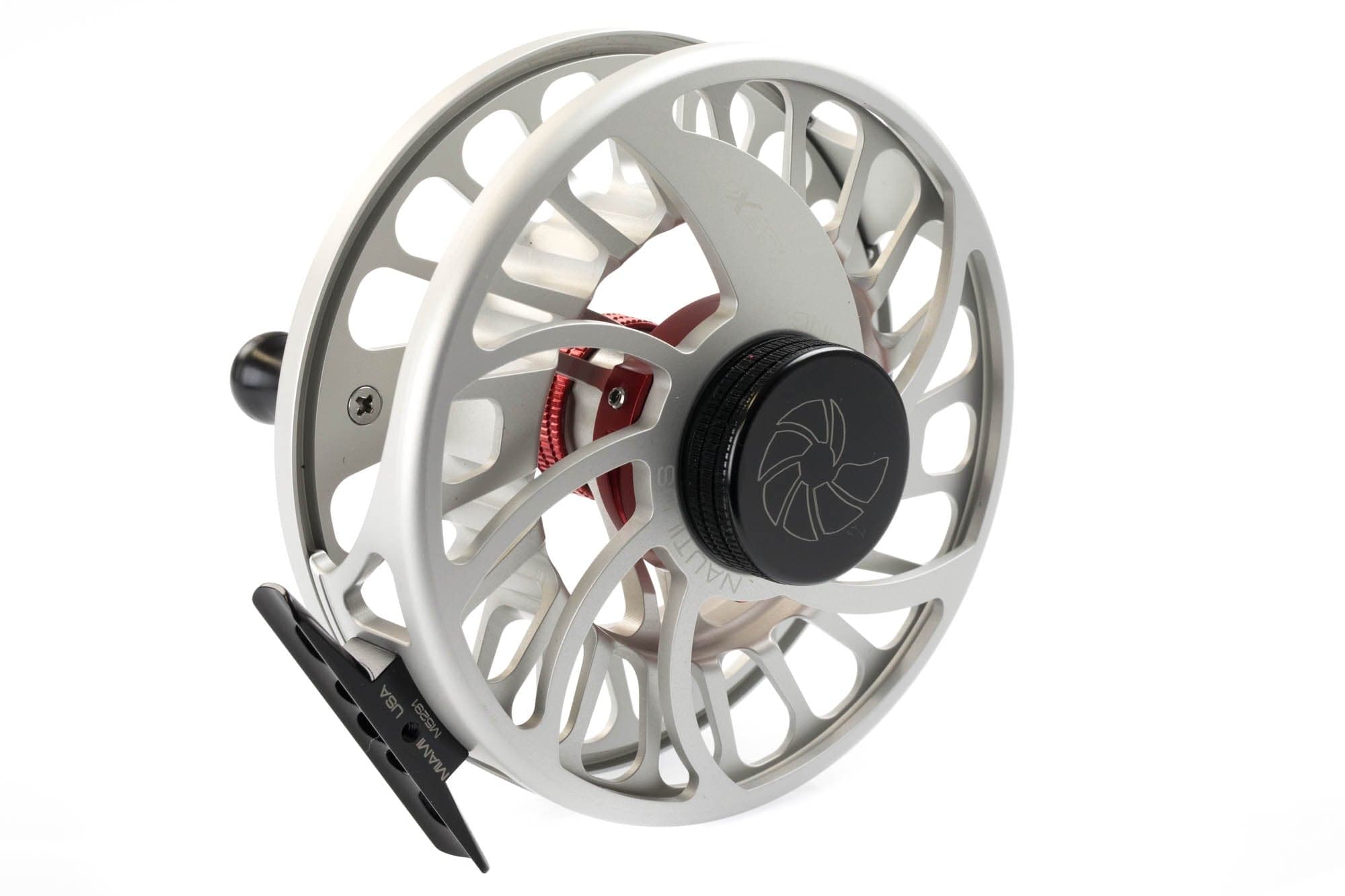
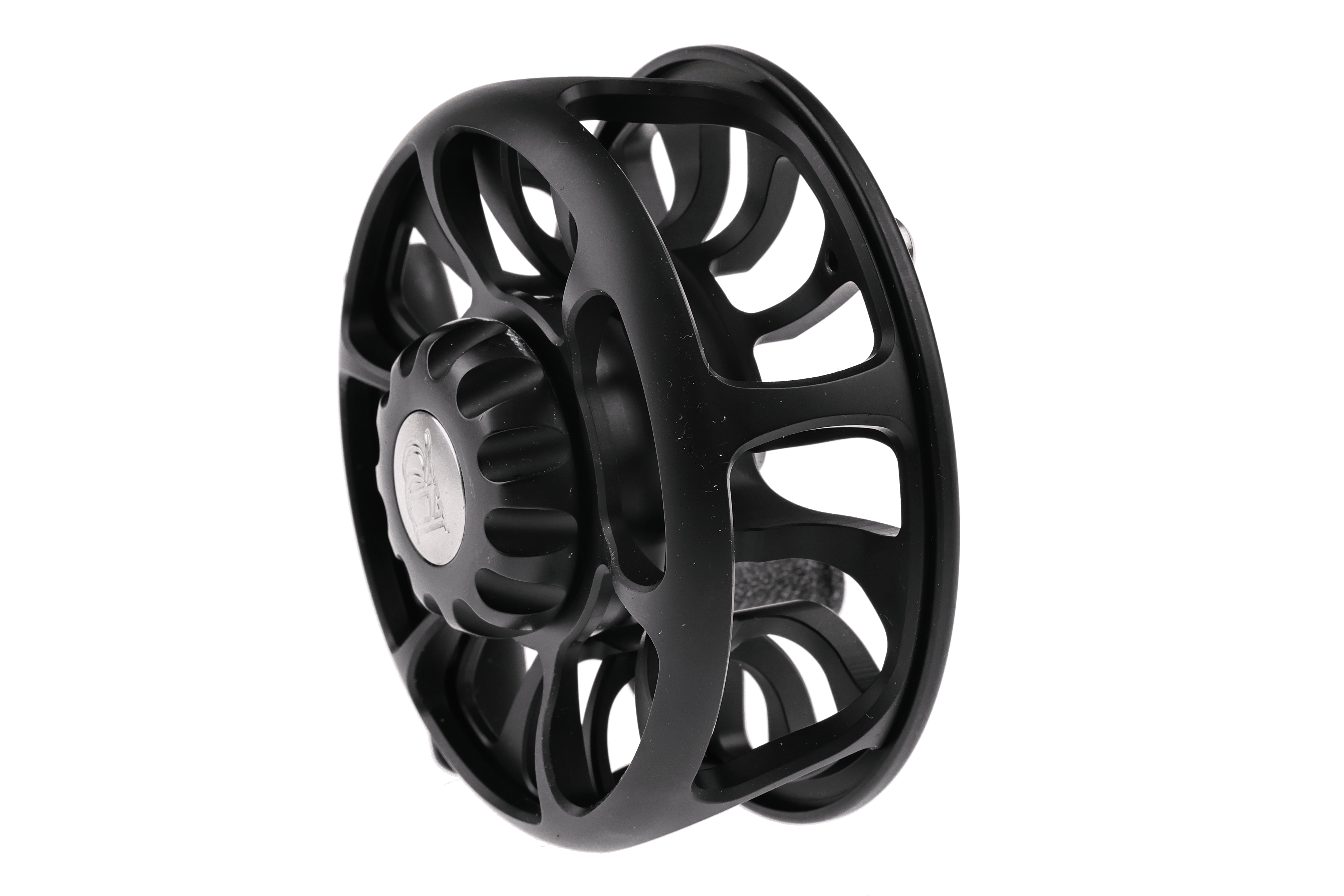
Best Lightweight Reel: Nautilus X-Series - Features an open-frame design that drastically reduces weight without sacrificing strength. Ideal for blind casting all day on the flats for bonefish and redfish.
How to Choose Saltwater Fly Reels
Drag System
The drag is the heart of any saltwater reel. Unlike freshwater fishing, where the drag is often secondary, saltwater species like bonefish, tarpon, and false albacore make blistering runs that test mechanical limits. Sealed drag systems are the industry standard for saltwater use, as they prevent salt, sand, and grit from corroding internal components. Look for reels with carbon fiber or stacked disc drags that provide smooth, consistent pressure without startup inertia, which can snap light tippets during a sudden surge.
Arbor Size and Line Pickup
Large arbor reels are essential for saltwater fly fishing. A larger spool diameter allows you to retrieve line significantly faster,a critical advantage when a fish turns and swims toward you. This design also reduces line memory, ensuring your fly line lays straight on the water for better casting accuracy. While mid-arbor reels can work for lighter applications, a true large arbor is preferred for most flats and offshore scenarios.
Materials and Durability
Saltwater is incredibly corrosive, so material choice matters. The best saltwater fly reels are machined from 6061-T6 aluminum and finished with Type II or Type III anodization. This hard coating protects the metal from pitting and corrosion. Die-cast reels are generally less durable and more prone to damage if dropped, though some modern options like the Redington Behemoth offer great performance for the price. Always check if the reel hardware (screws, handle, etc.) is also saltwater safe.
Weight and Balance
Balancing your reel with your saltwater fly rod is important for casting comfort, especially during long days on the skiff. A reel that is too heavy will tire your wrist, while one that is too light may make the rod tip feel heavy. Generally, you want the outfit to balance near the top of the cork grip. For heavy-duty applications like tarpon or GT fishing, a slightly heavier reel can help counterbalance the longer, stiffer rods used for these species.
Care & Maintenance
Rinse after every use: Always rinse your reel with fresh, low-pressure water after exposure to saltwater to dissolve salt crystals.
Dry thoroughly: Separate the spool from the frame and let both parts air dry completely before storing them in a case.
Release the drag: Never store your reel with the drag tightened, as this can compress the washers and reduce performance over time.
Lubricate sparingly: Follow the manufacturer's guidelines for lubricating the main shaft or bearings, usually once a season.
Complete Your Setup
Related Gear
Saltwater Fly Rods - Fast-action rods designed to punch flies through the wind.
Saltwater Fly Lines - Specialized tapers and cores built for tropical heat and heavy flies.
Fly Line Backing - High-capacity Dacron or Gel Spun backing for long-running fish.
Related Guides
Saltwater Fly Reels FAQs
Q: Do I really need a sealed drag for saltwater fishing?
A: While not strictly mandatory, a sealed drag is highly recommended. It prevents salt and sand from entering the drag mechanism, which can cause failure or corrosion. If you use an unsealed reel, you must be extremely diligent about cleaning and maintenance.
Q: What size reel should I buy for my rod?
A: Match the reel size to your rod's line weight (e.g., a 7/8 reel for an 8wt rod). For saltwater, it is often better to size up if you are between sizes to ensure you have adequate backing capacity for long runs.
Q: How much backing do I need?
A: For general inshore species like bonefish and redfish, 150-200 yards of 20lb backing is standard. For larger species like tarpon or GT, aim for 250-300+ yards of 30lb or Gel Spun backing to handle long, powerful runs.
Q: Can I use my freshwater reel in saltwater?
A: You can, but be careful. Freshwater reels often lack the anodization and sealed components of saltwater specific models, making them prone to corrosion. If you do use one, rinse it thoroughly immediately after use.