Sage R8 Core Fly Rod Review (Has Sage Made A Mistake?)

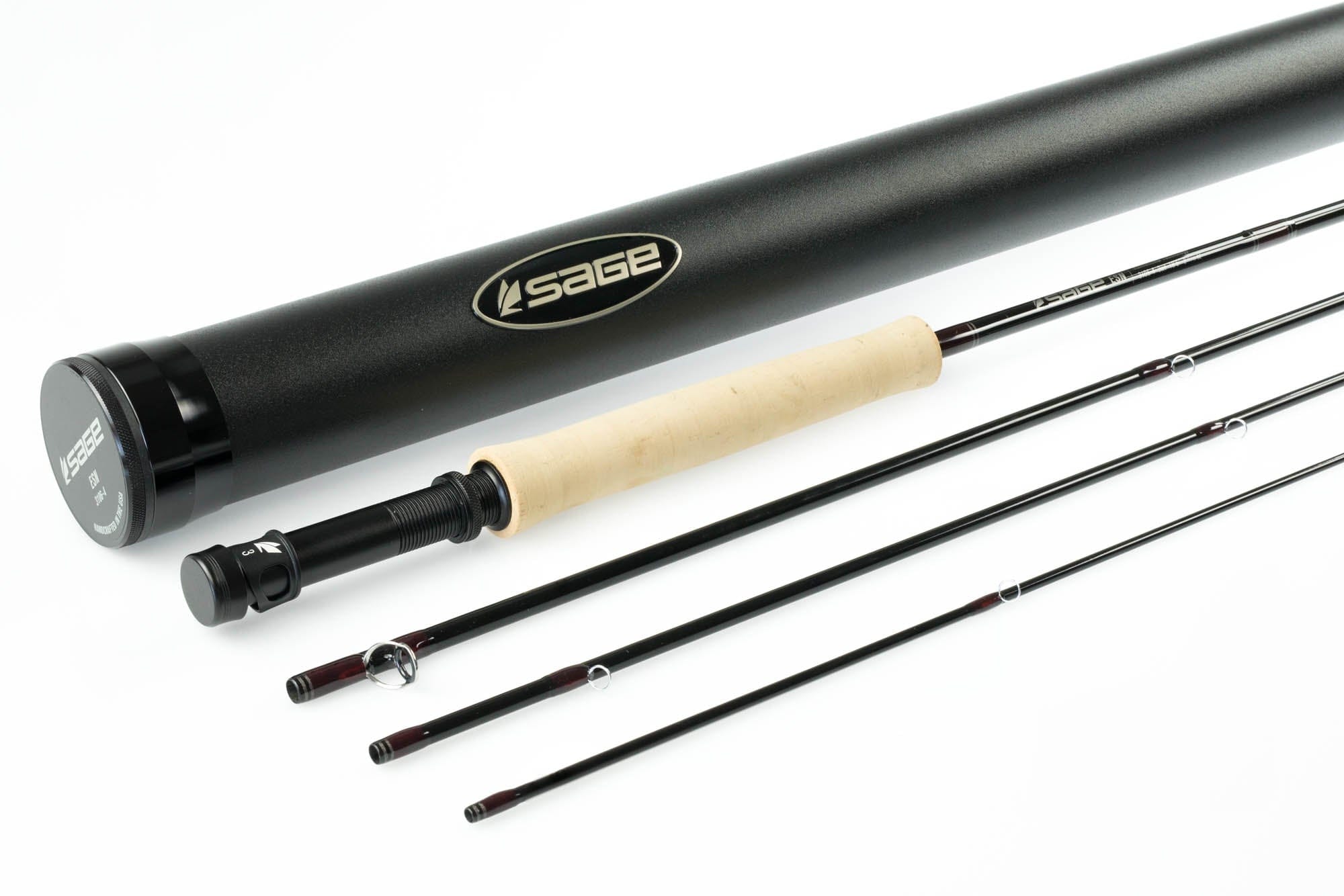
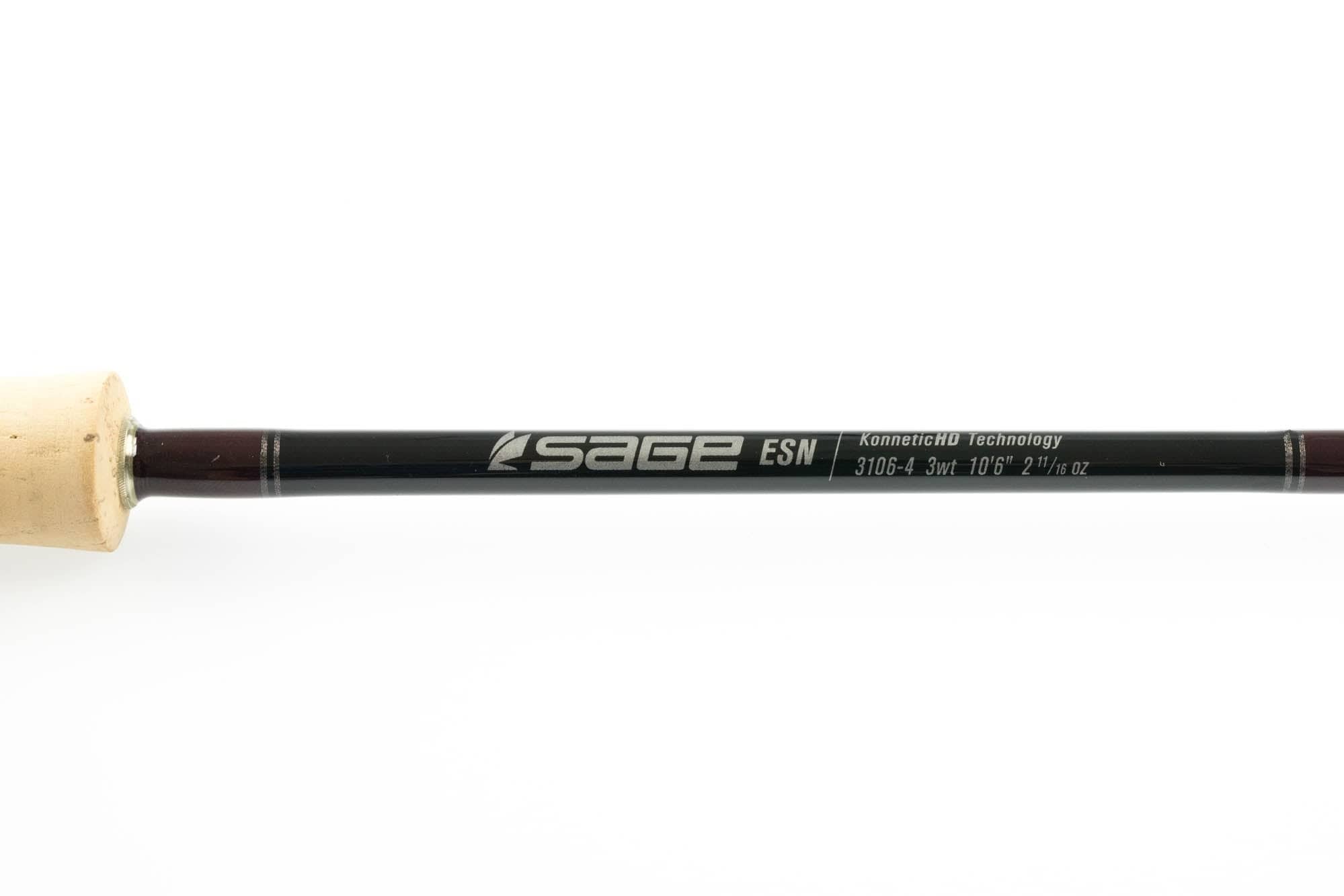
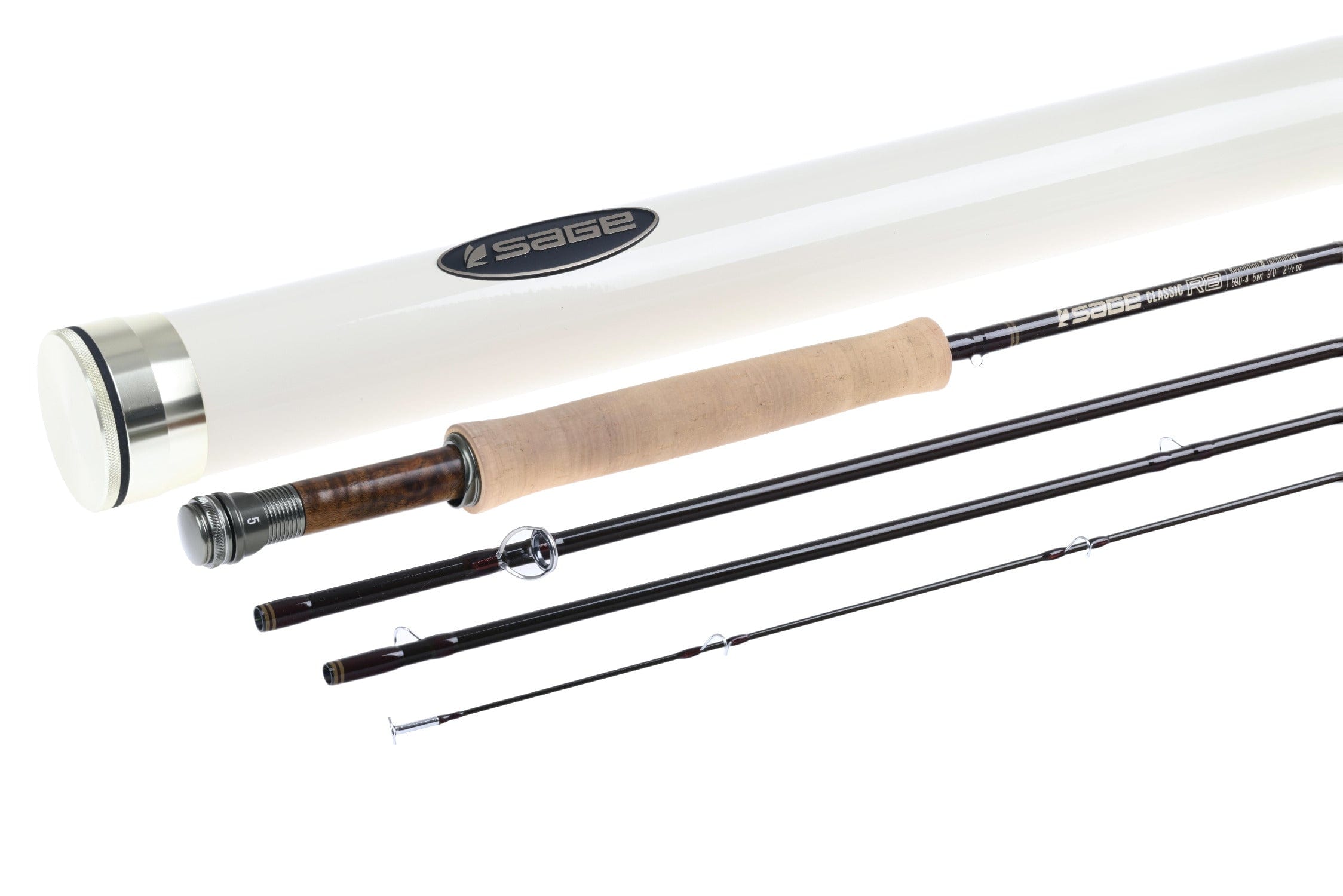
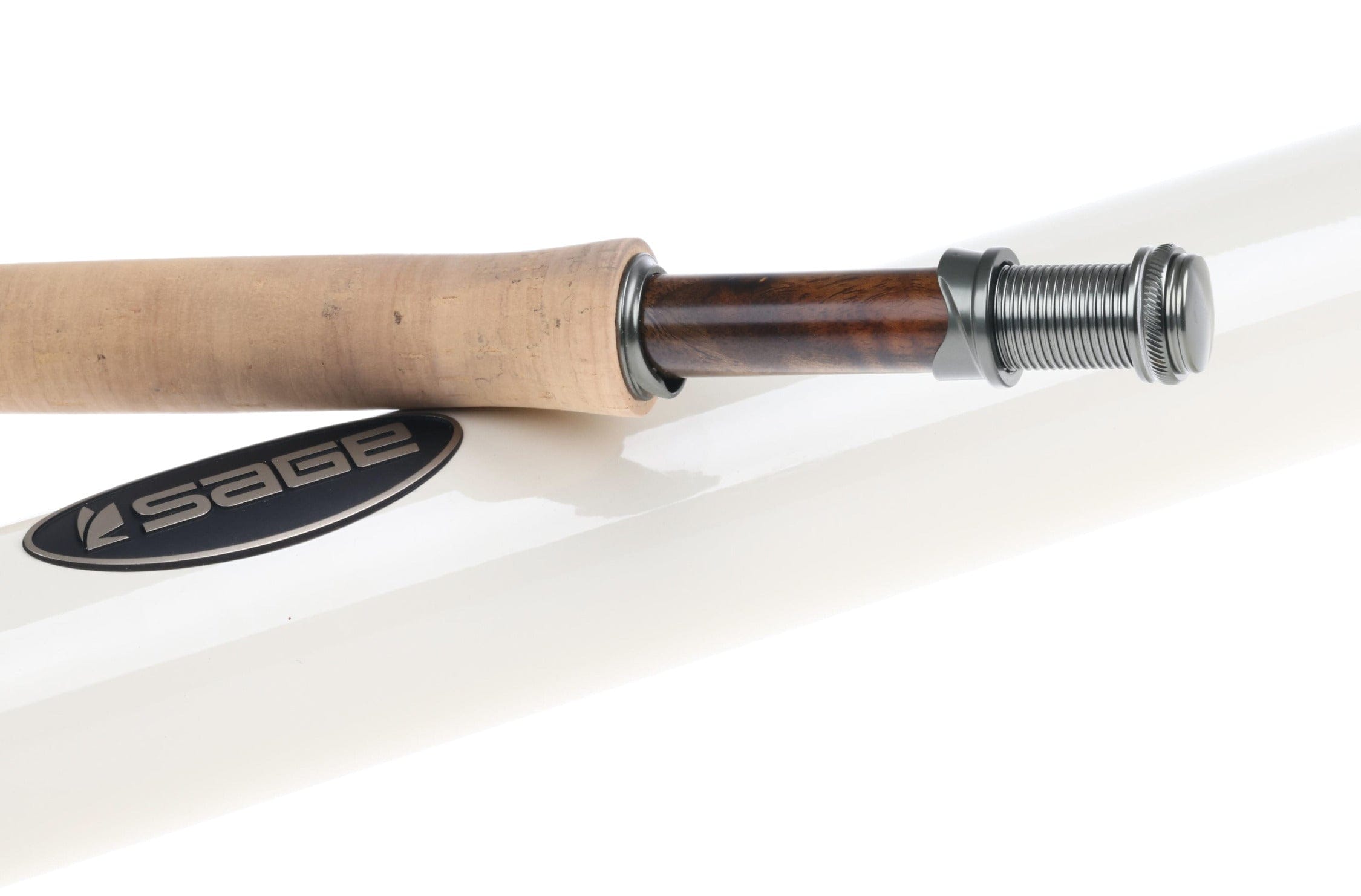
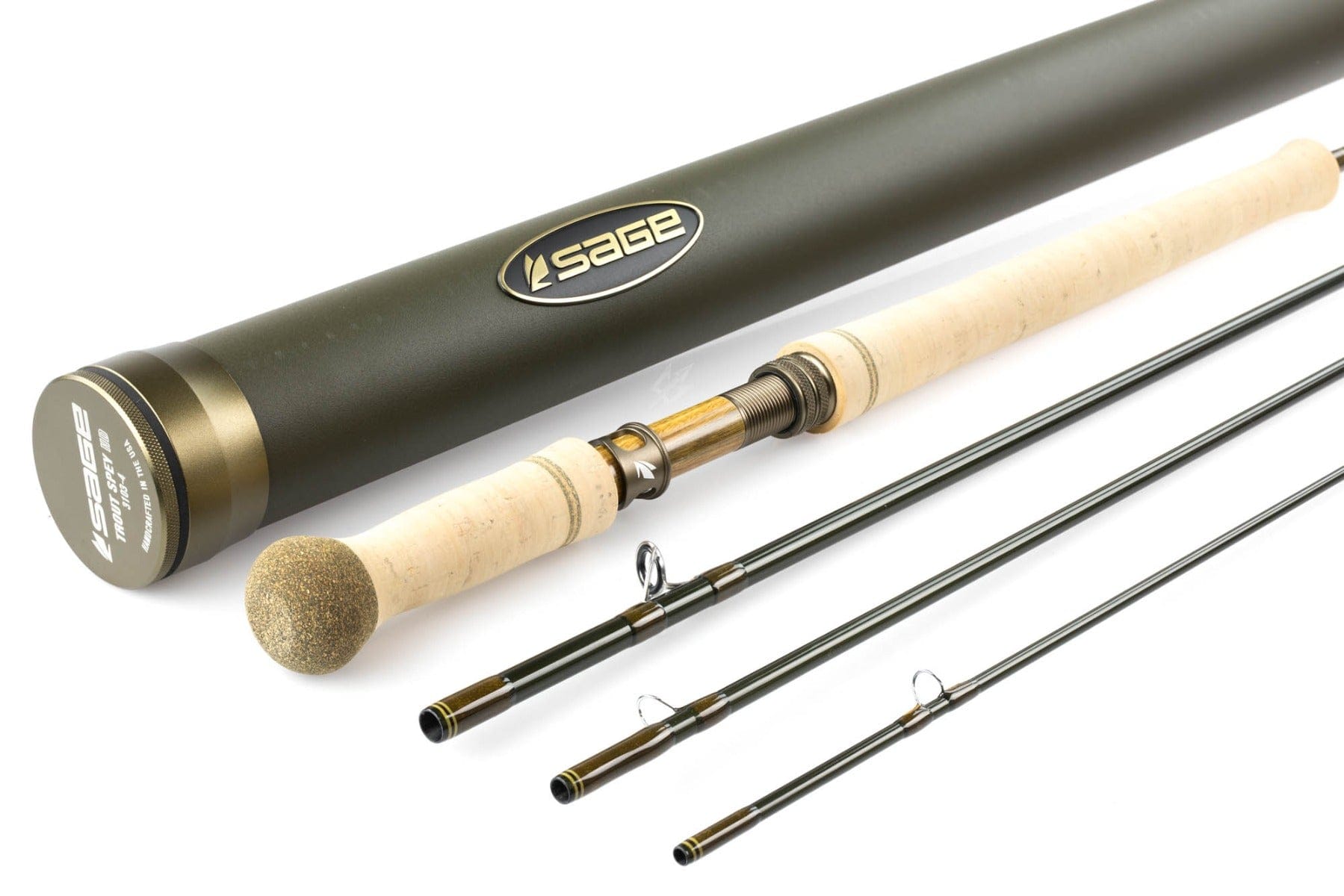
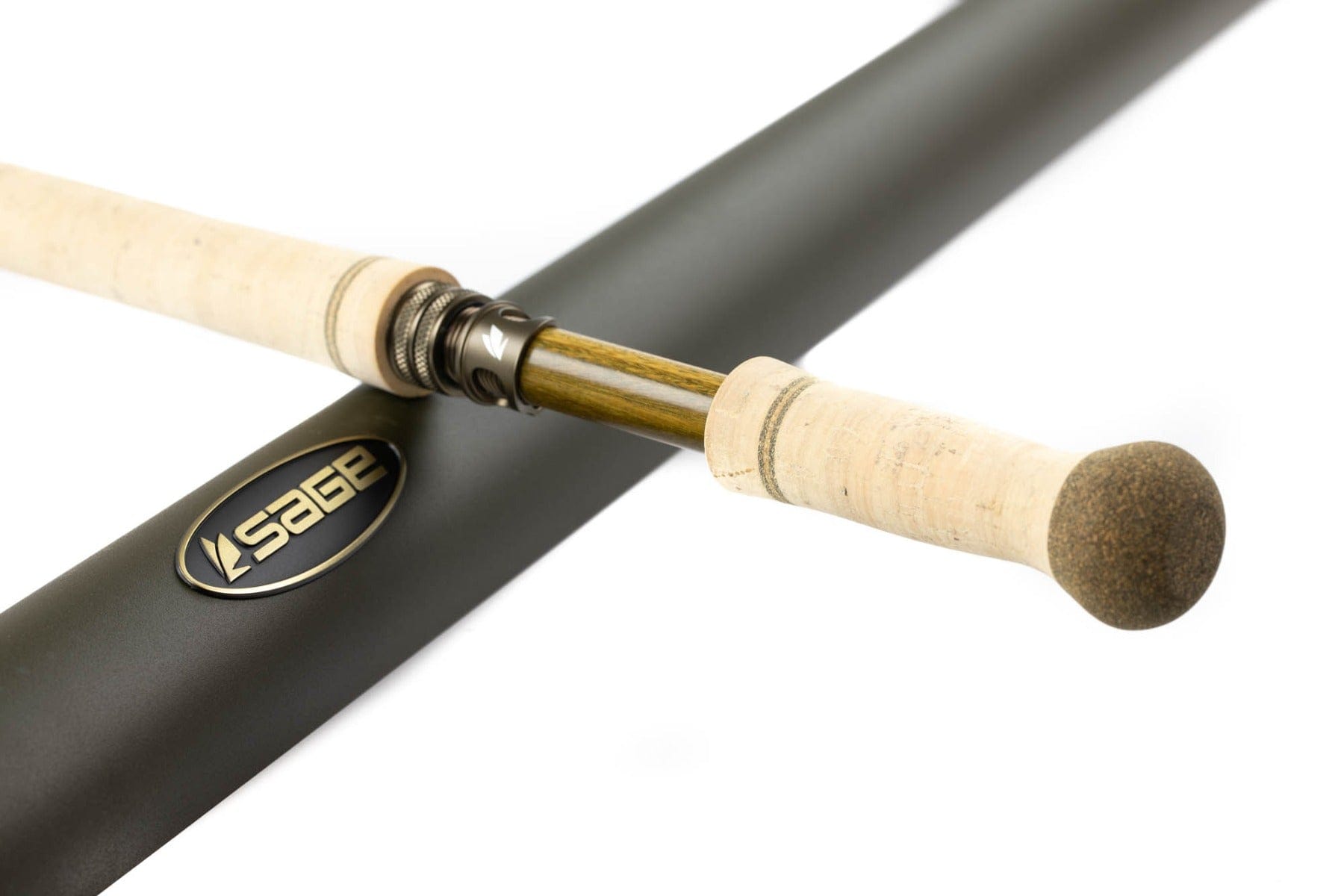


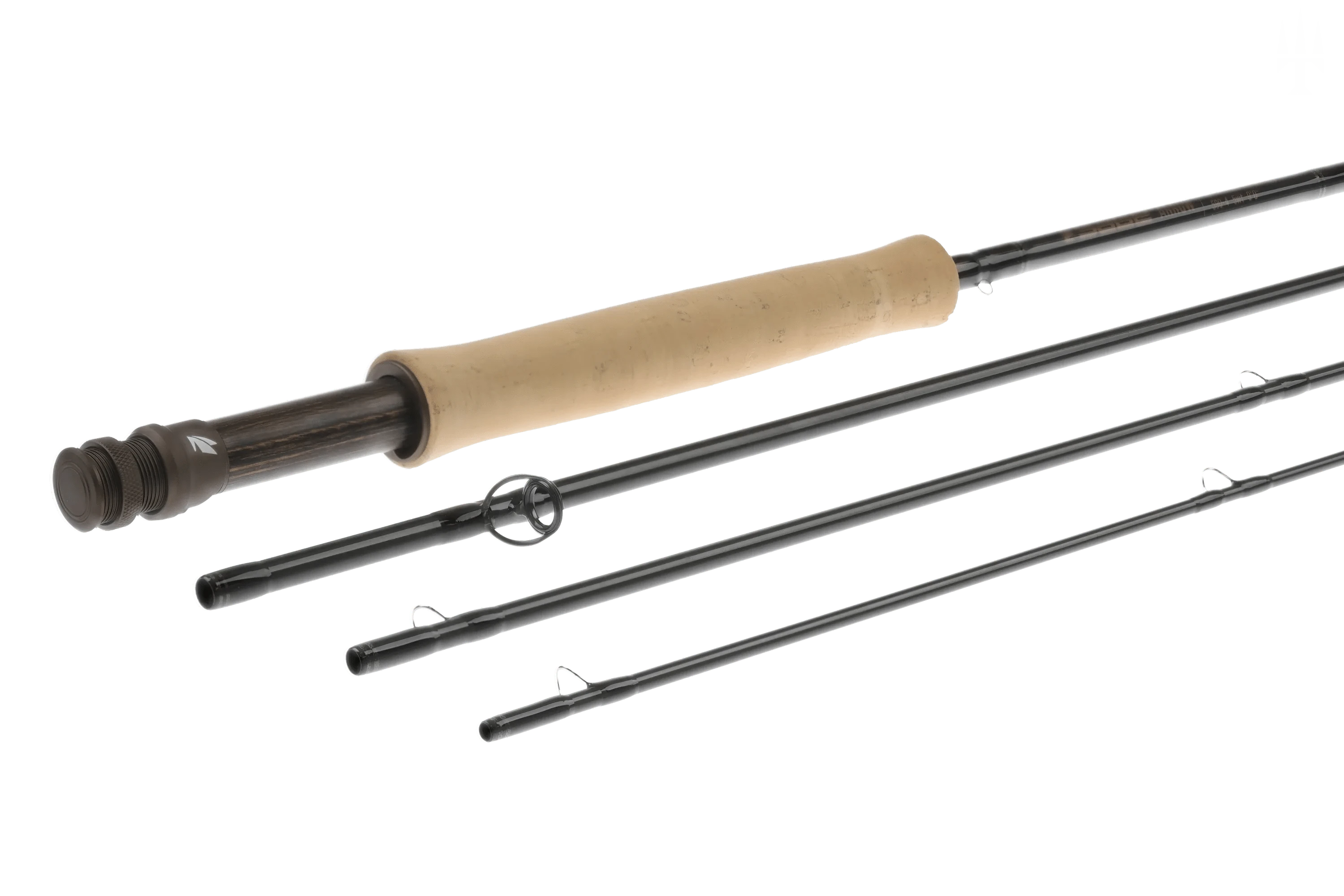

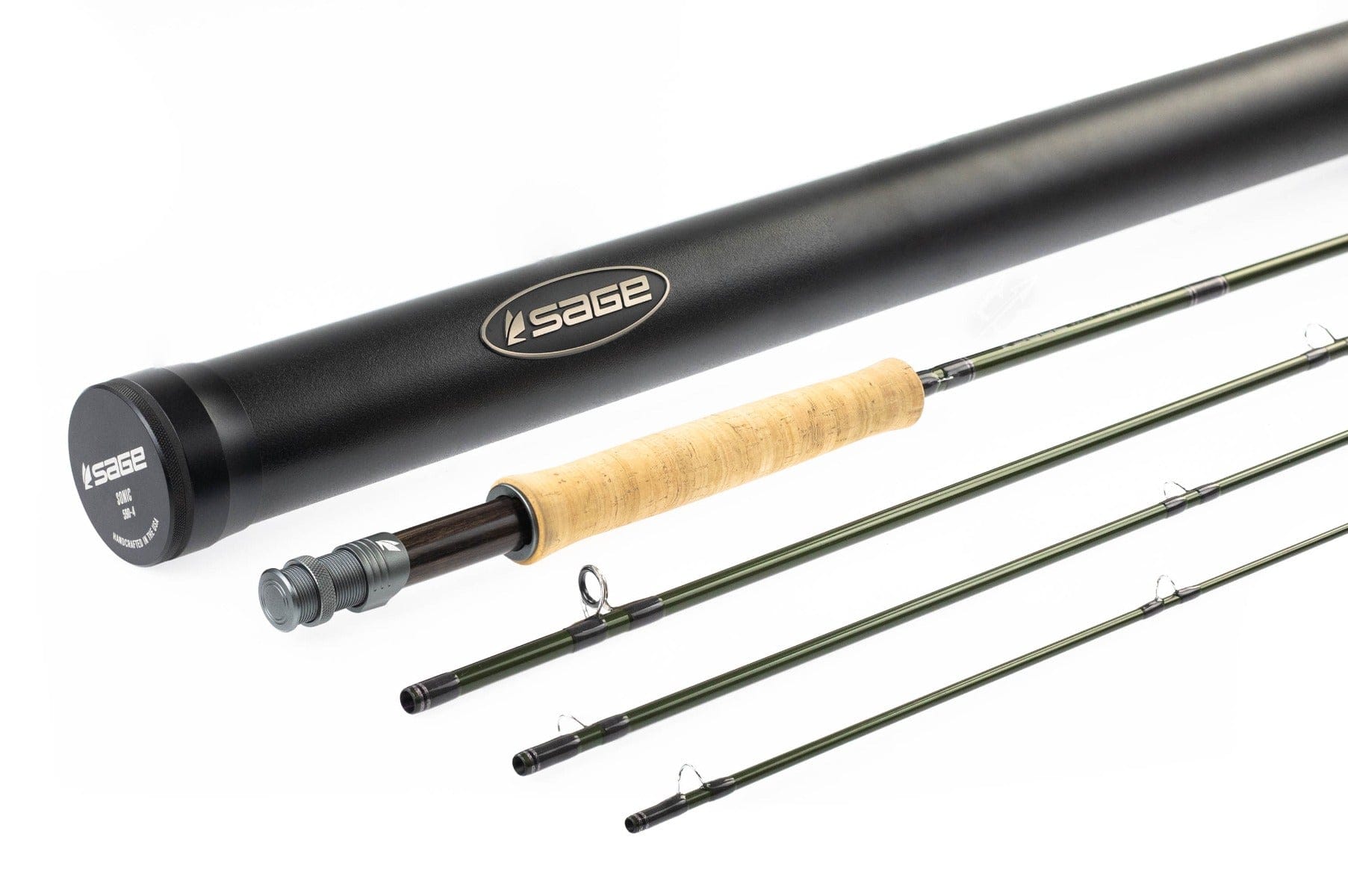
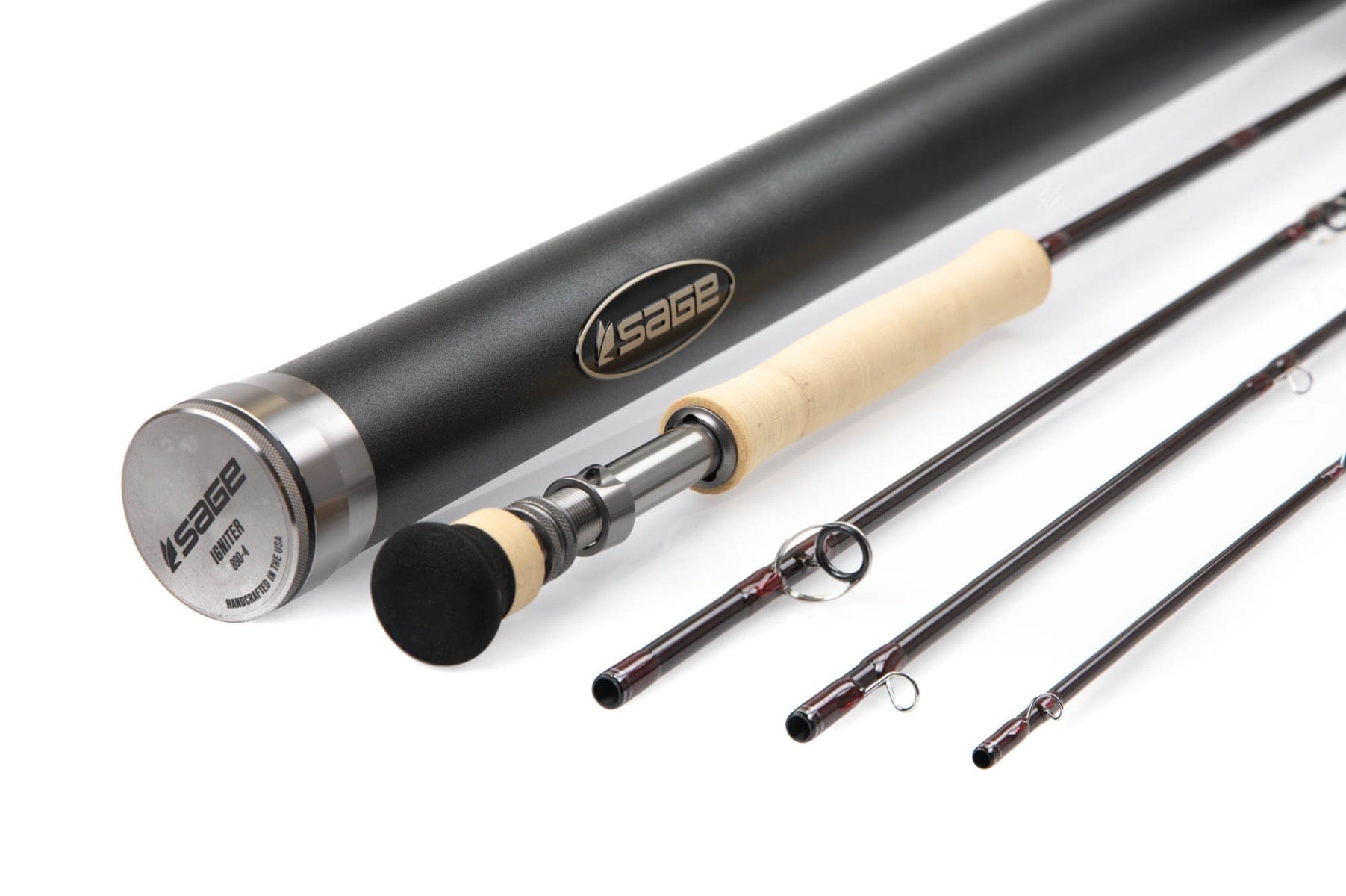
Sage Fly Rods Quick Picks
-
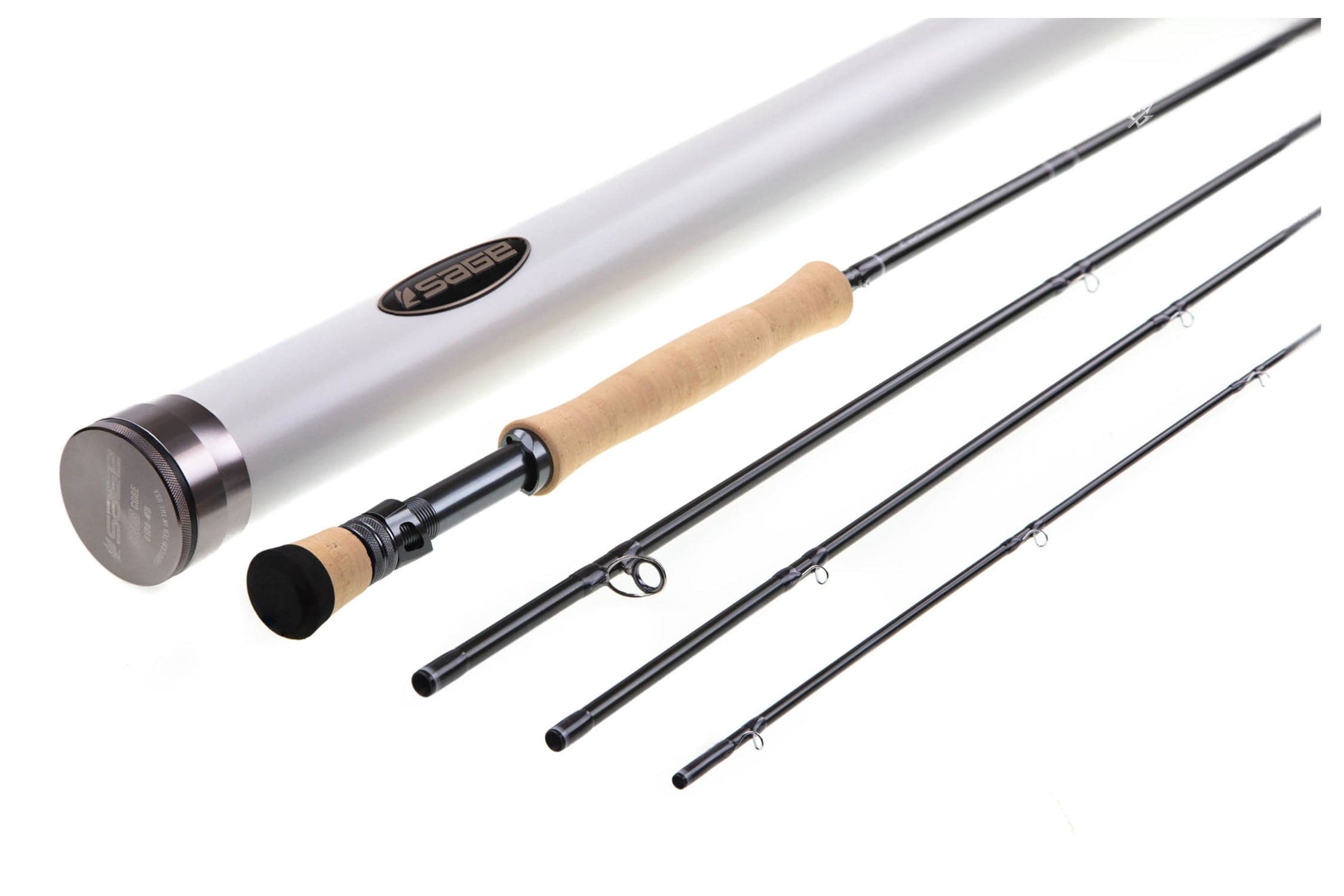
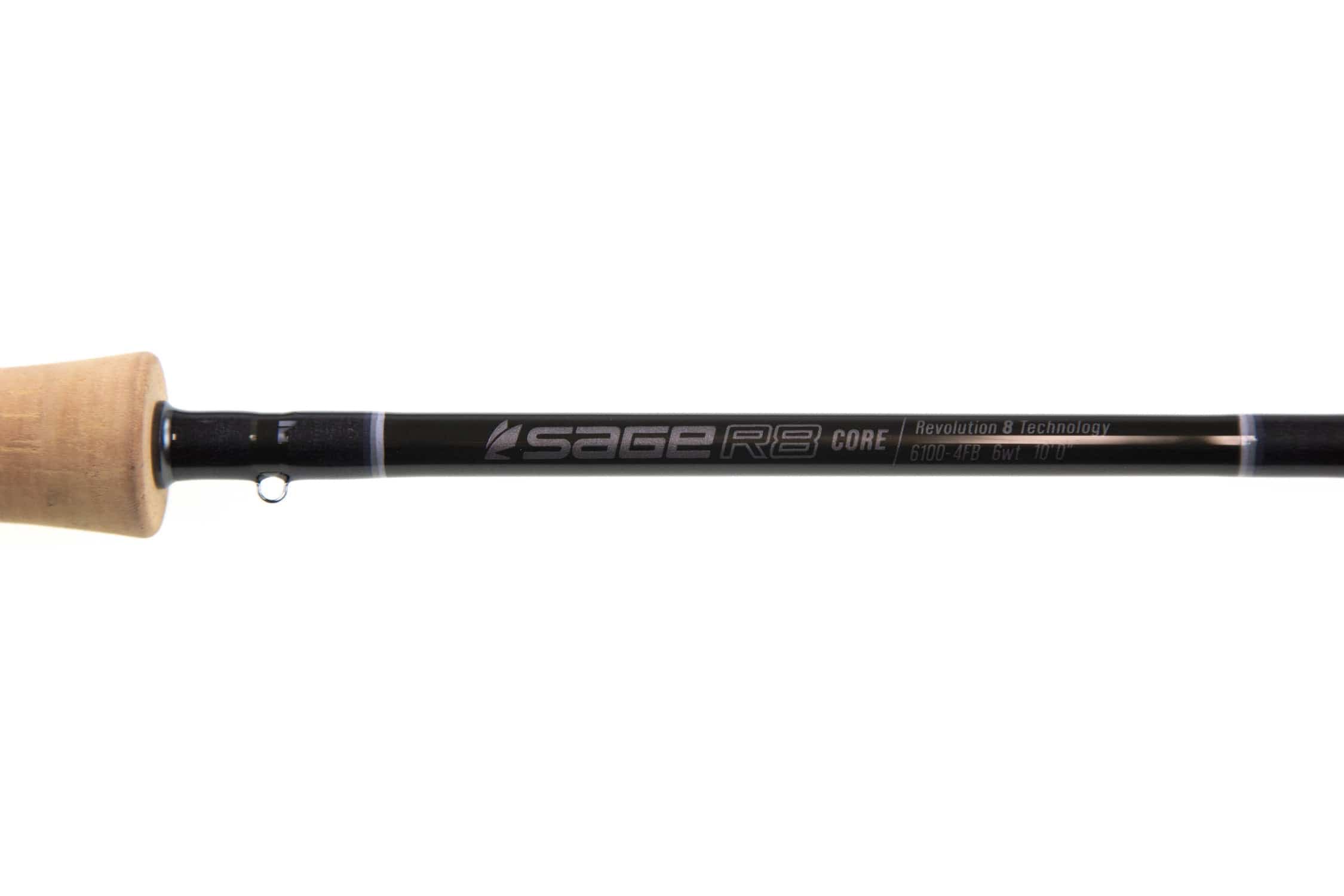
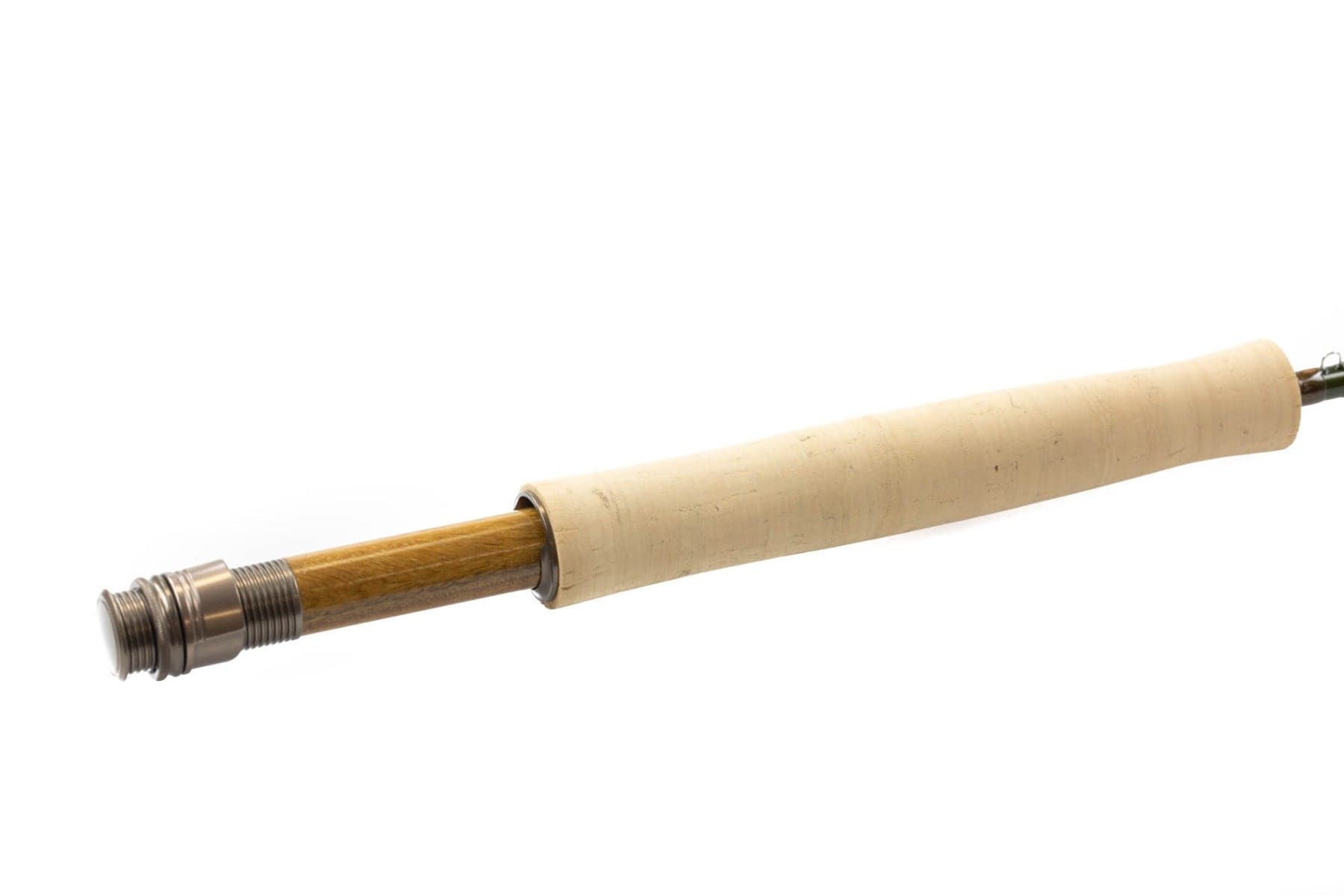
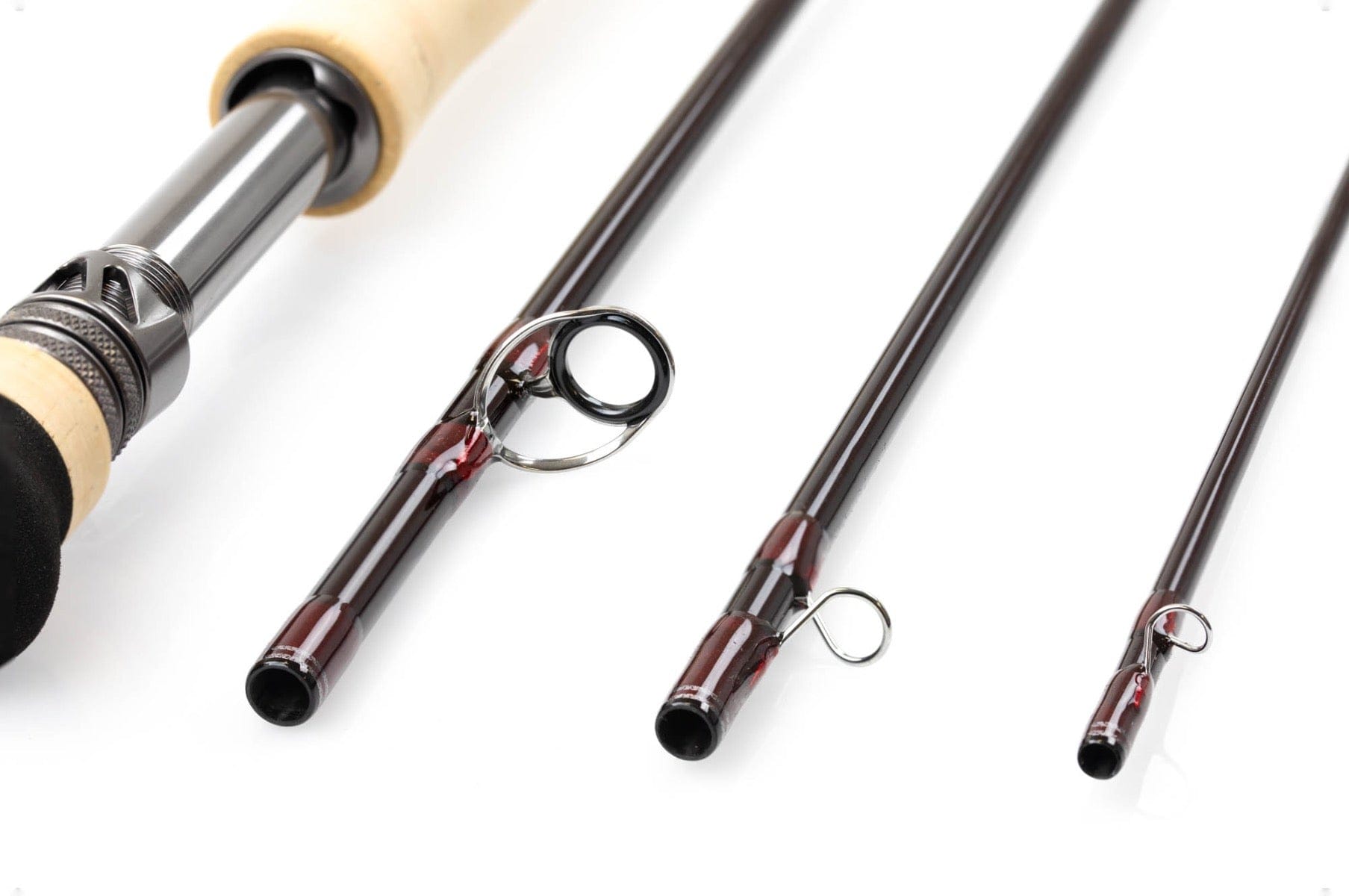
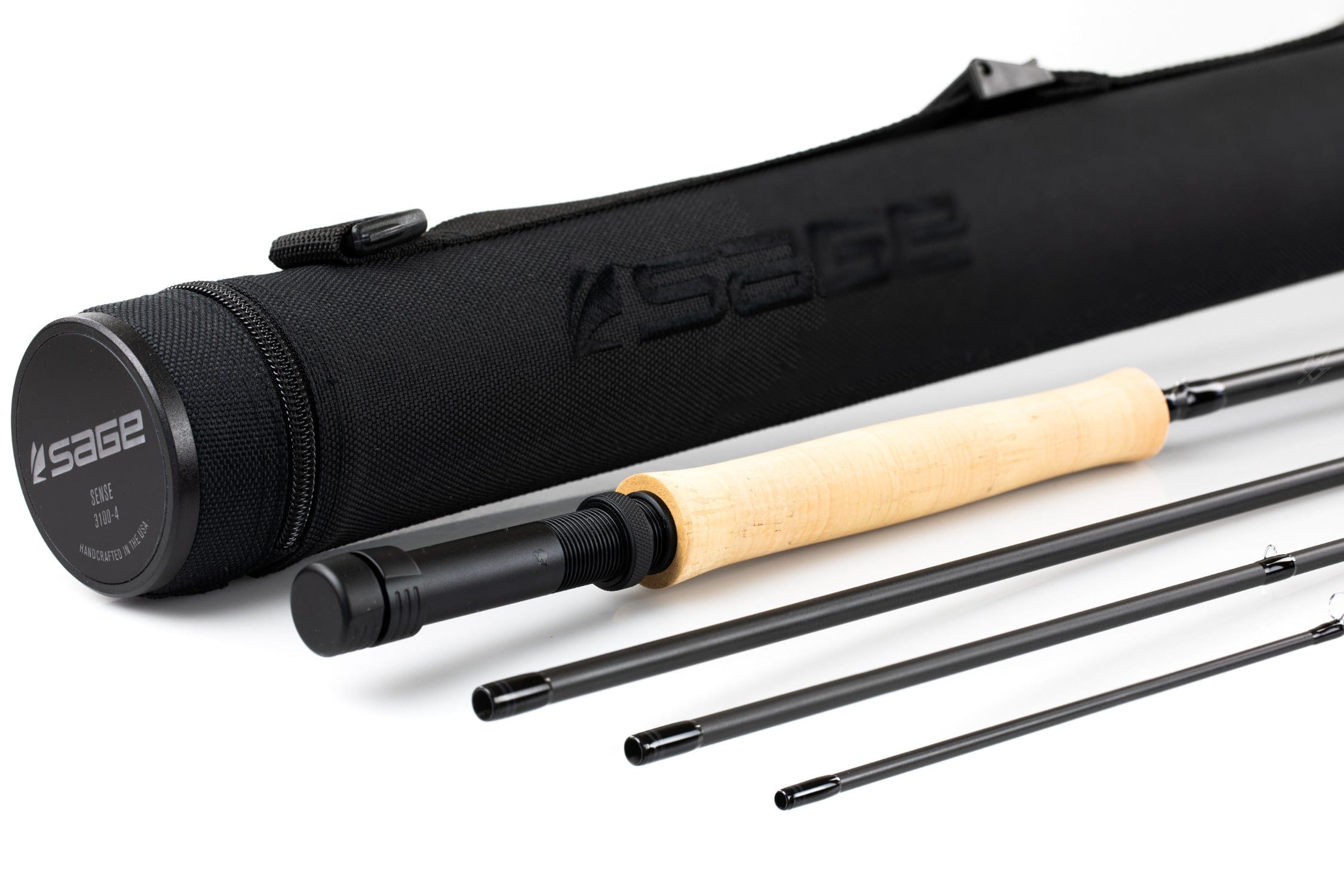
Best All-Around: Sage R8 Core Fly Rod - Built for anglers who want one high-end rod that can cover dries, nymphs, and streamers across a wide range of waters. Its R8 Core blank technology is designed around connected feel and versatile fast-action performance.
-
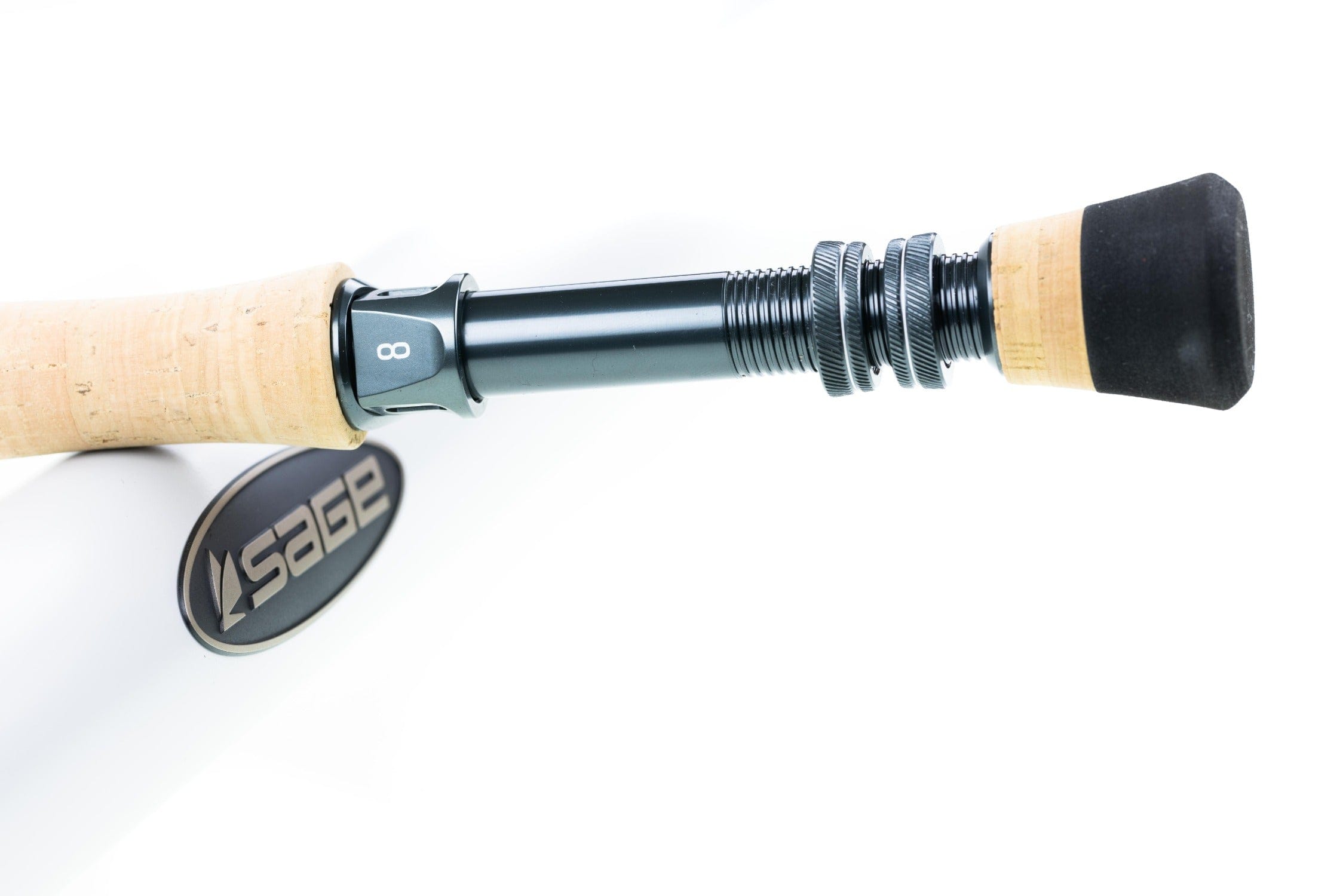
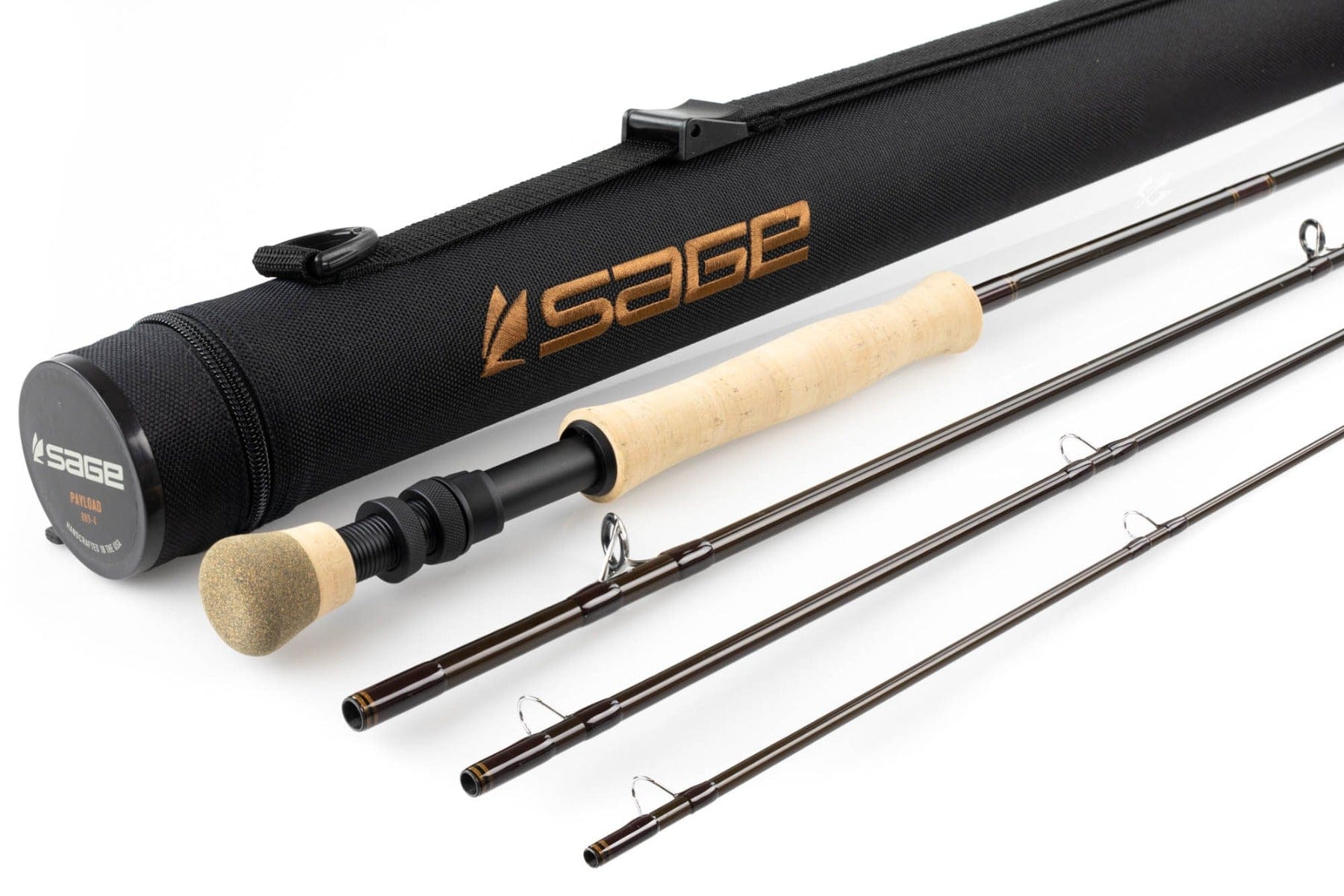
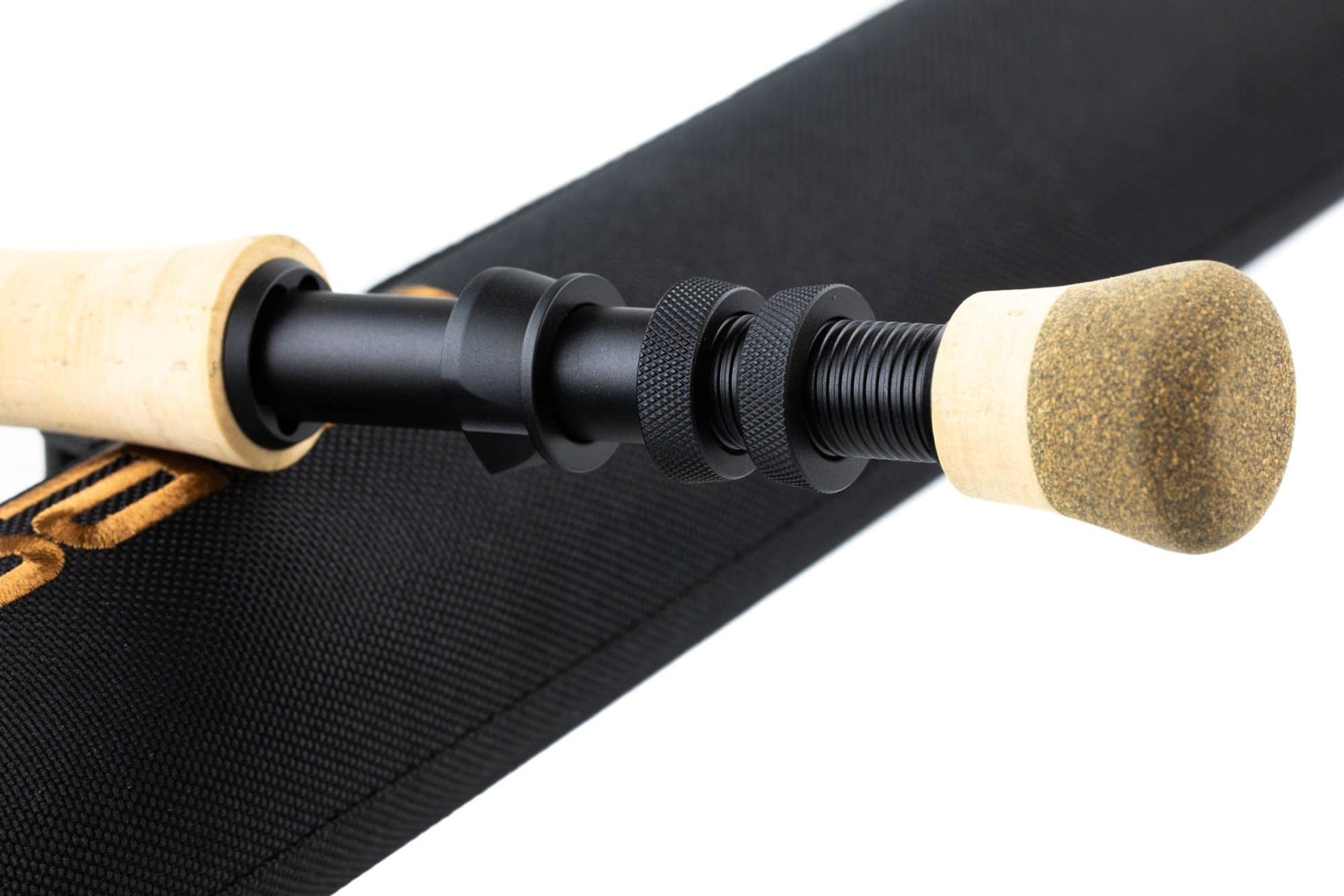
Best for Saltwater: Sage Salt R8 Fly Rod - A purpose-built saltwater tool for flats and coastal fishing where wind, quick shots, and tough fish are the norm. It’s designed for strength and lifting power while still keeping presentations controlled at realistic casting ranges.
-
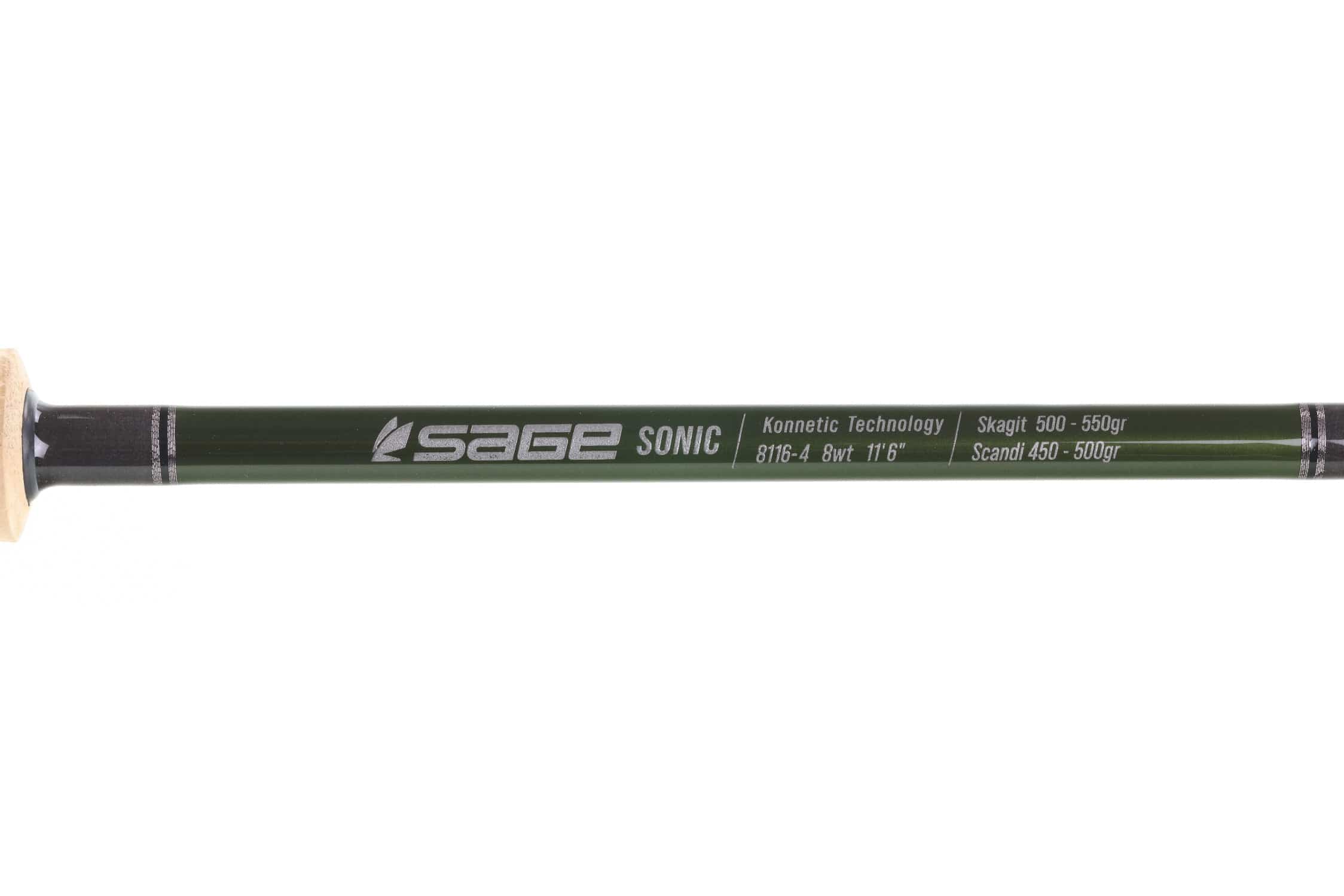
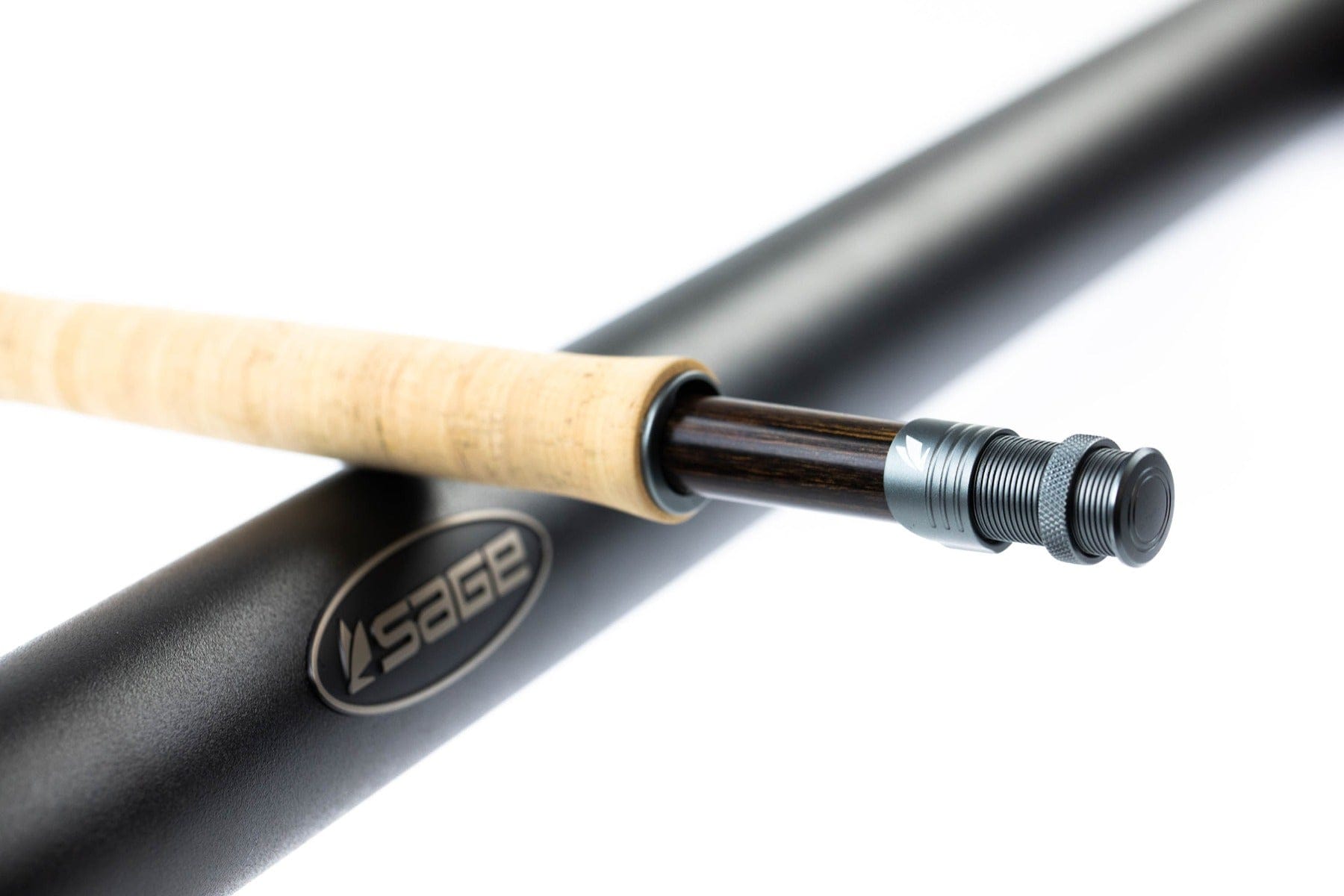
Best Value: Sage Sonic Fly Rod - Great for anglers who want Sage fit-and-finish and a crisp fast-action feel without going to flagship pricing. A versatile lineup of lengths and weights makes it a strong “do most things well” option.
-
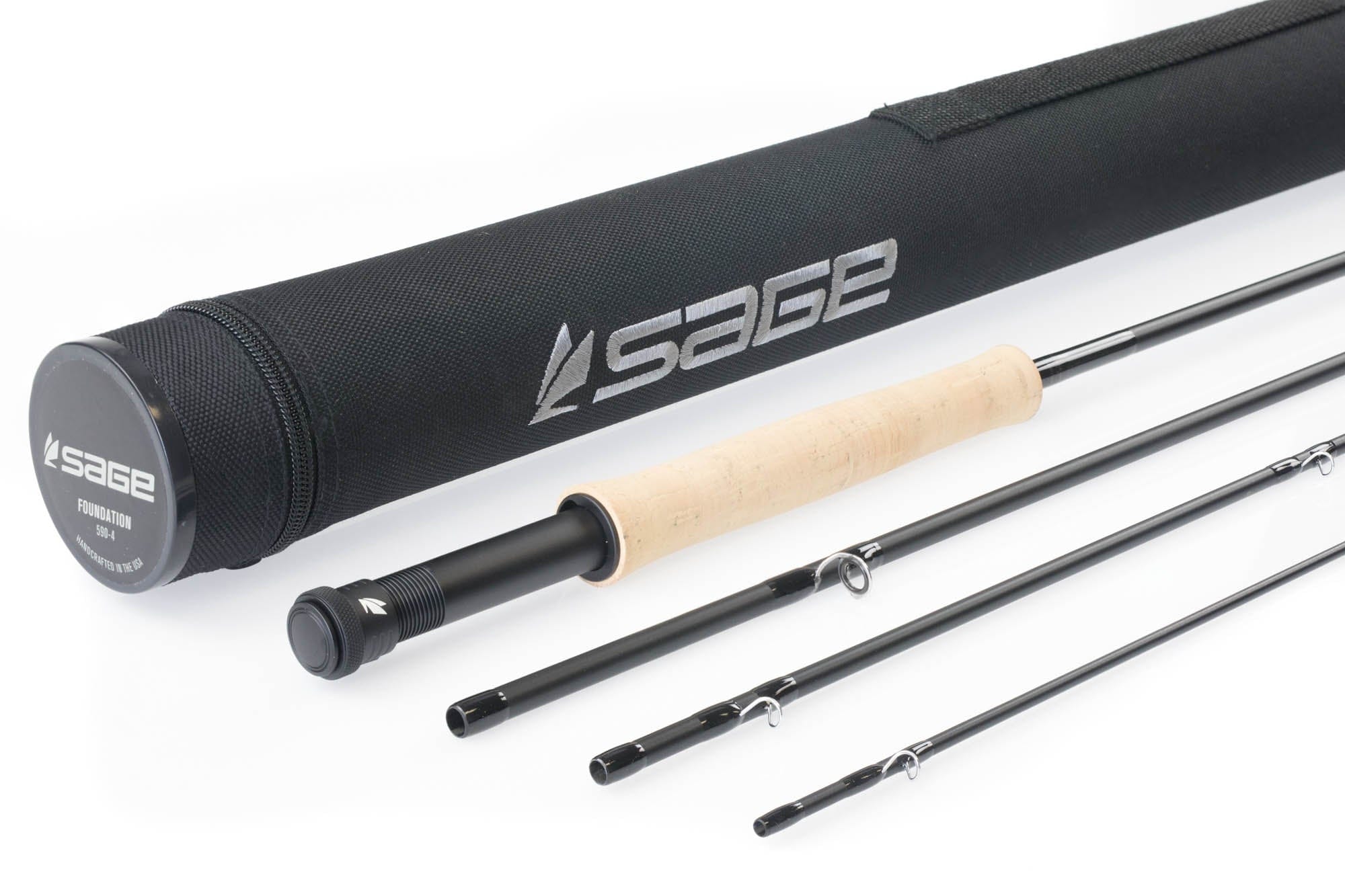
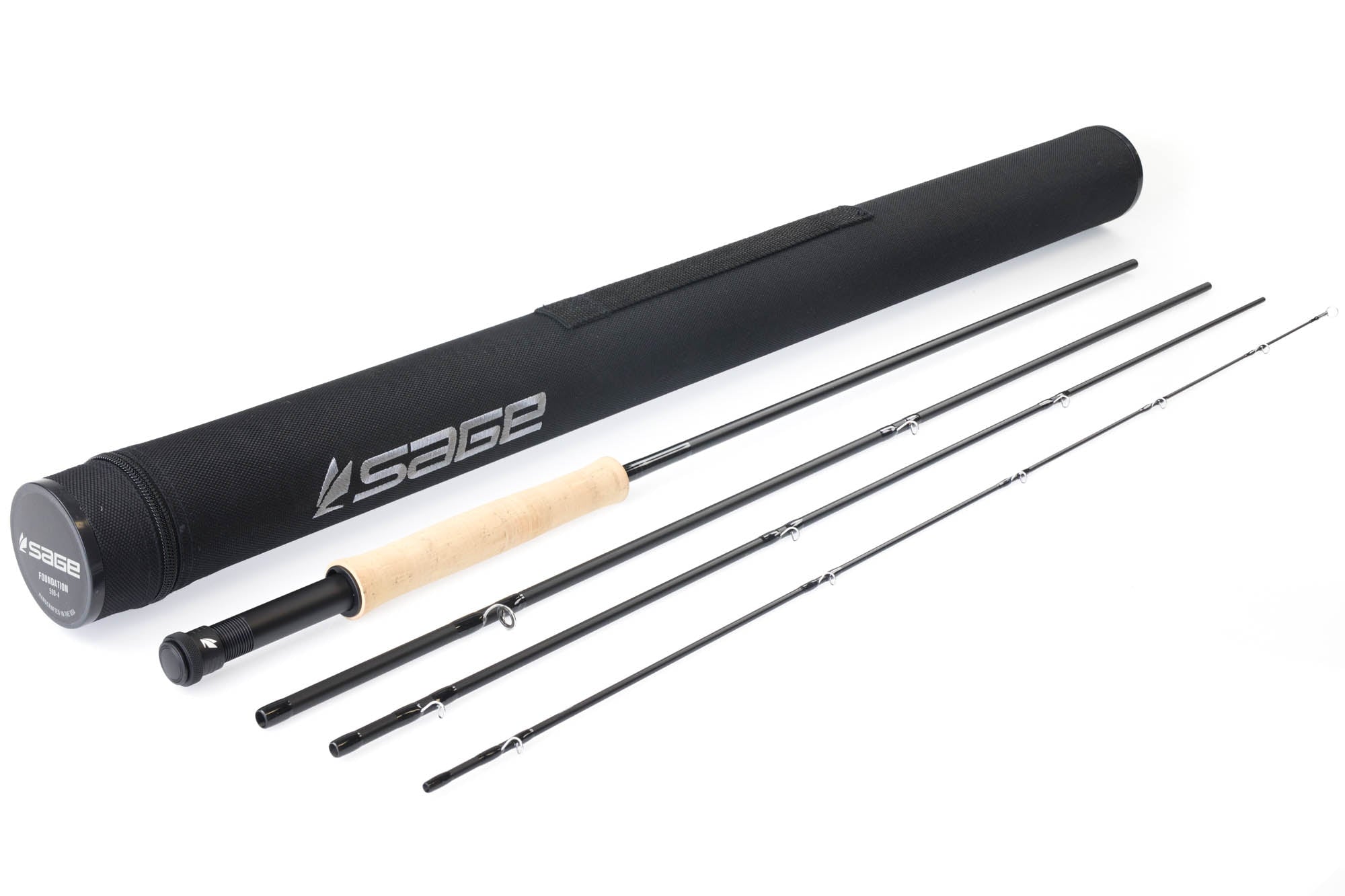
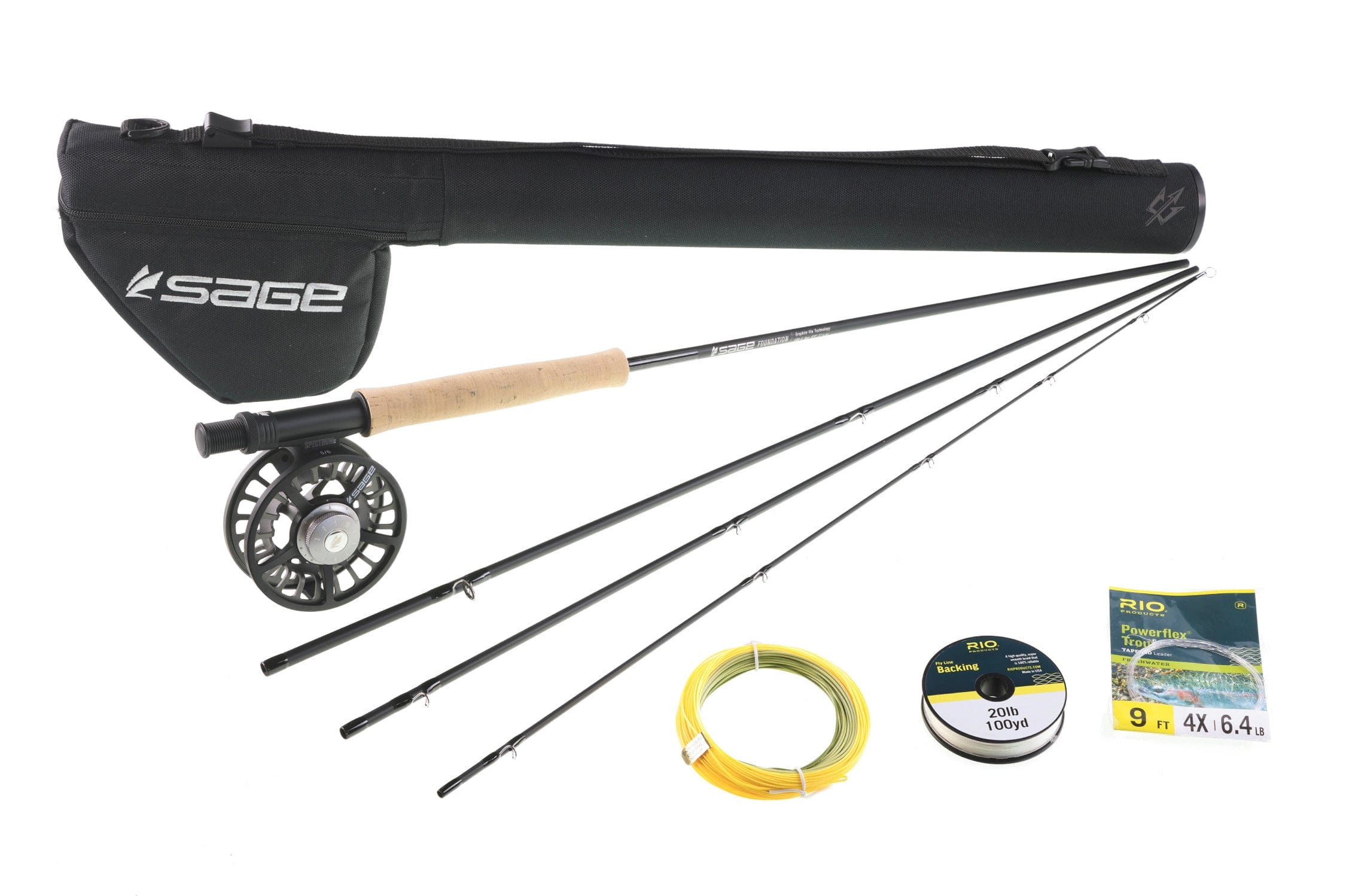
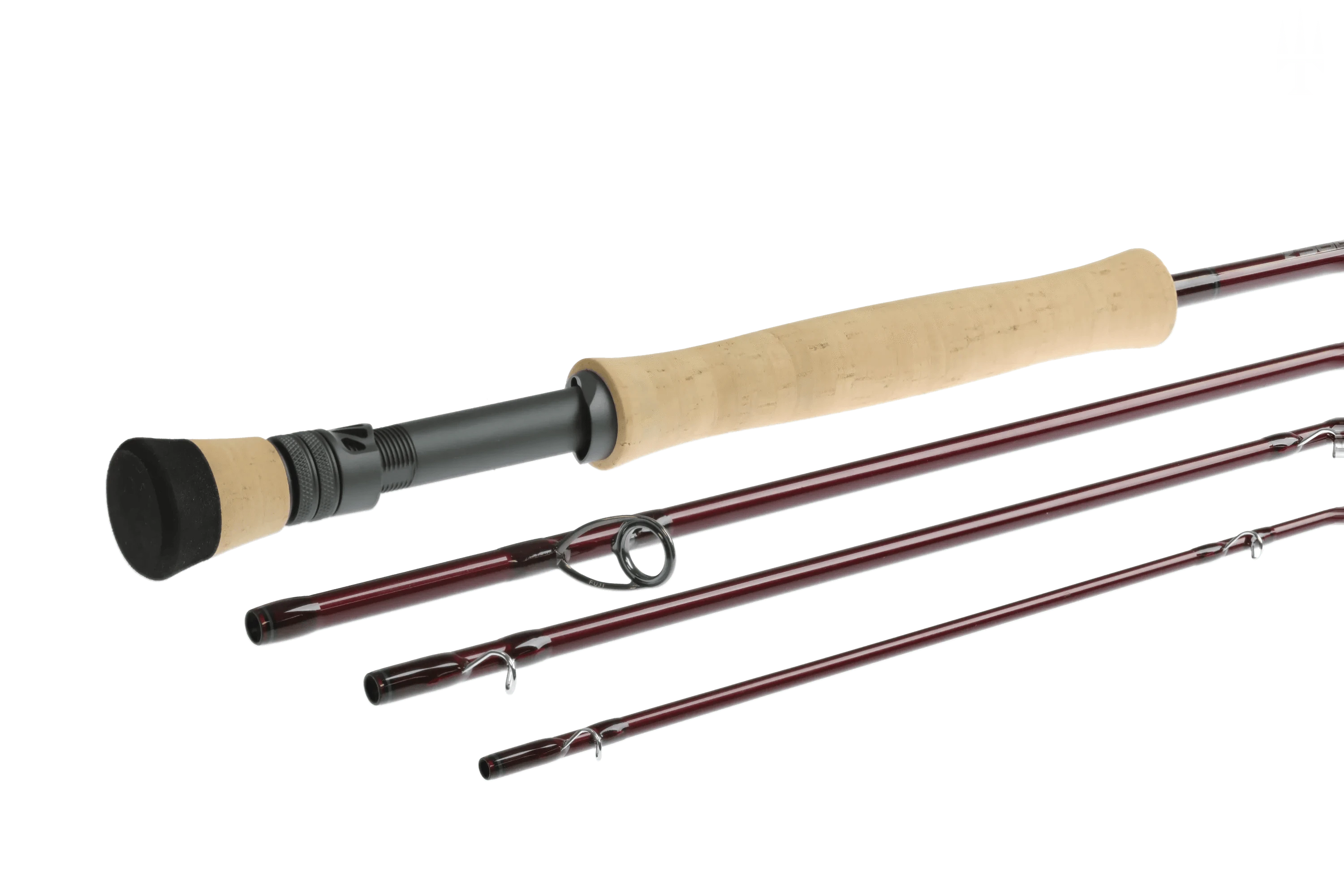
Best for Beginners: Sage Foundation Fly Rod - A straightforward, fast-action Sage that’s easy to understand and grow into as your cast improves. It’s built around durability-focused Graphite IIIe and classic, no-nonsense components.
-
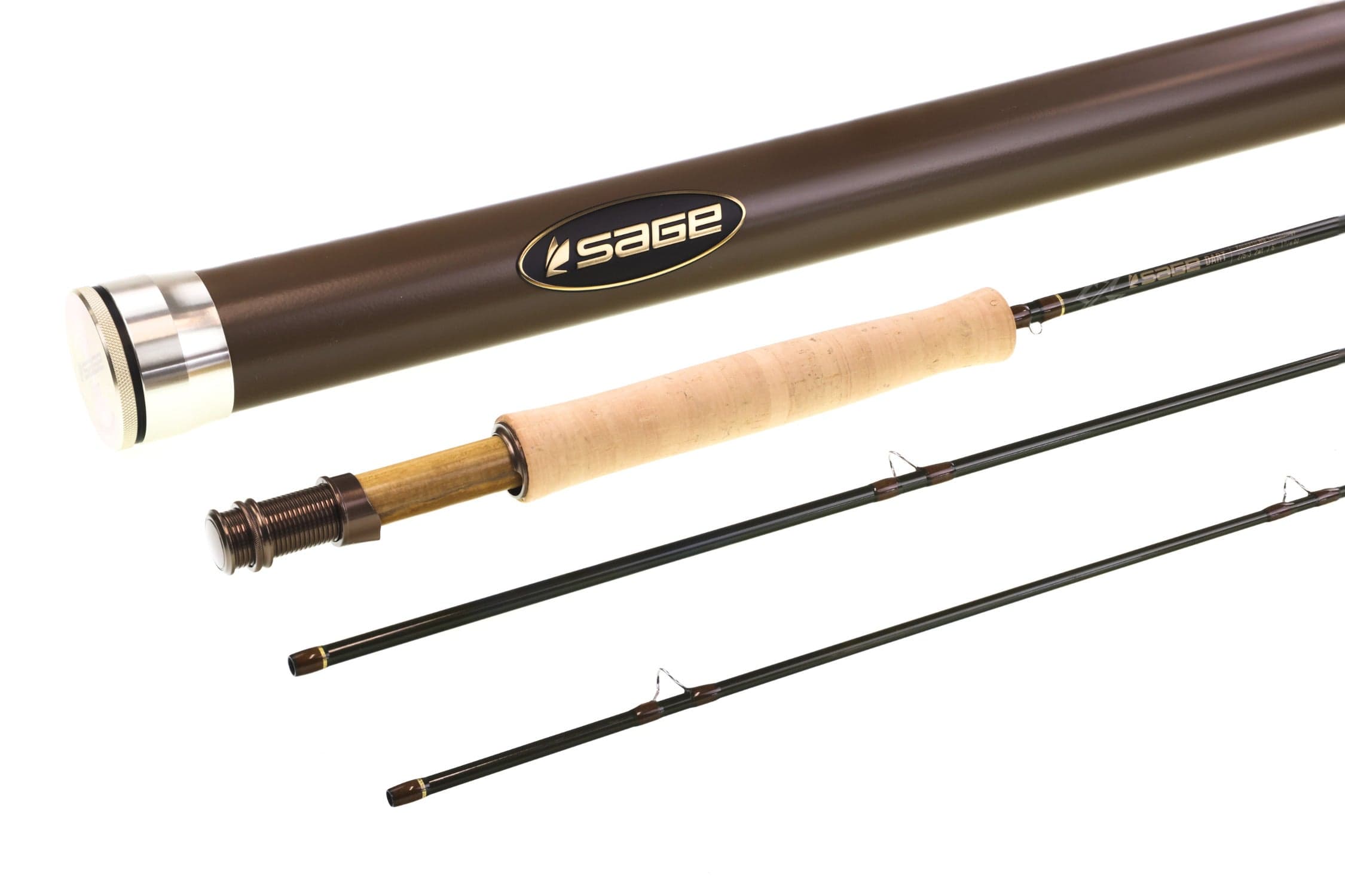
Best Specialty (Small Water): Sage Dart Fly Rod - Ideal for tight quarters, overgrown creeks, and short accurate shots where a full-length 9' rod feels cumbersome. Its shorter lengths and fast-action taper are tuned for quick casts and precise fly placement.
How to Choose Sage Fly Rods
Start with species + where you fish most
Action: Pick the rod that matches your “most common day,” not the once-a-year trip. If you mostly fish trout rivers with mixed tactics, lean all-around. If you’re primarily on the flats or beaches, go salt-specific. If you mostly fish tight creeks, prioritize short length and quick-loading feel.
Best for: One-rod anglers who want the right tool instead of forcing a generalist to do everything.
Match line weight to the job (and the flies)
Action: Use line weight as a practical lever for casting fly size and controlling fish. A 9' 5wt is a common trout baseline; step up when you’re throwing larger streamers, heavier sink tips, or dealing with steady wind. For many saltwater situations, 8,10wt rods are common depending on species and conditions.
Avoid if: You’re choosing purely by “what your buddy uses.” Your local wind, fly size, and average fish size matter more.
Pick the feel: fast, moderate-fast, or moderate
Fast action: Better for wind, distance, and heavier rigs, but timing matters more for newer casters.
Moderate-fast: A sweet spot for many anglers,still plenty of power, but typically easier to feel load at shorter distances.
Moderate: Great for short-to-midrange presentations, lighter tippets, and anglers who like a deeper bend and calmer tempo.
When to go specialty
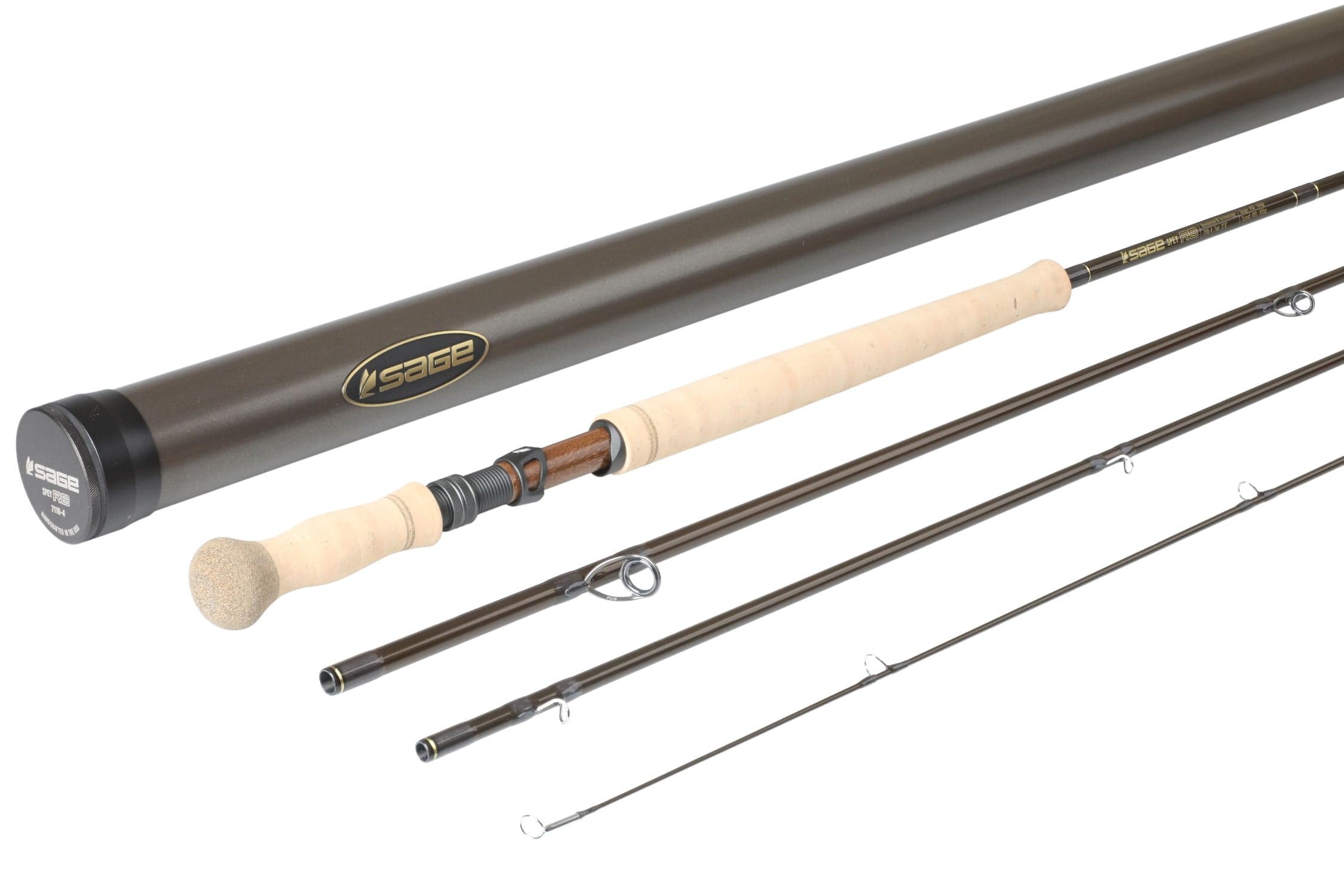
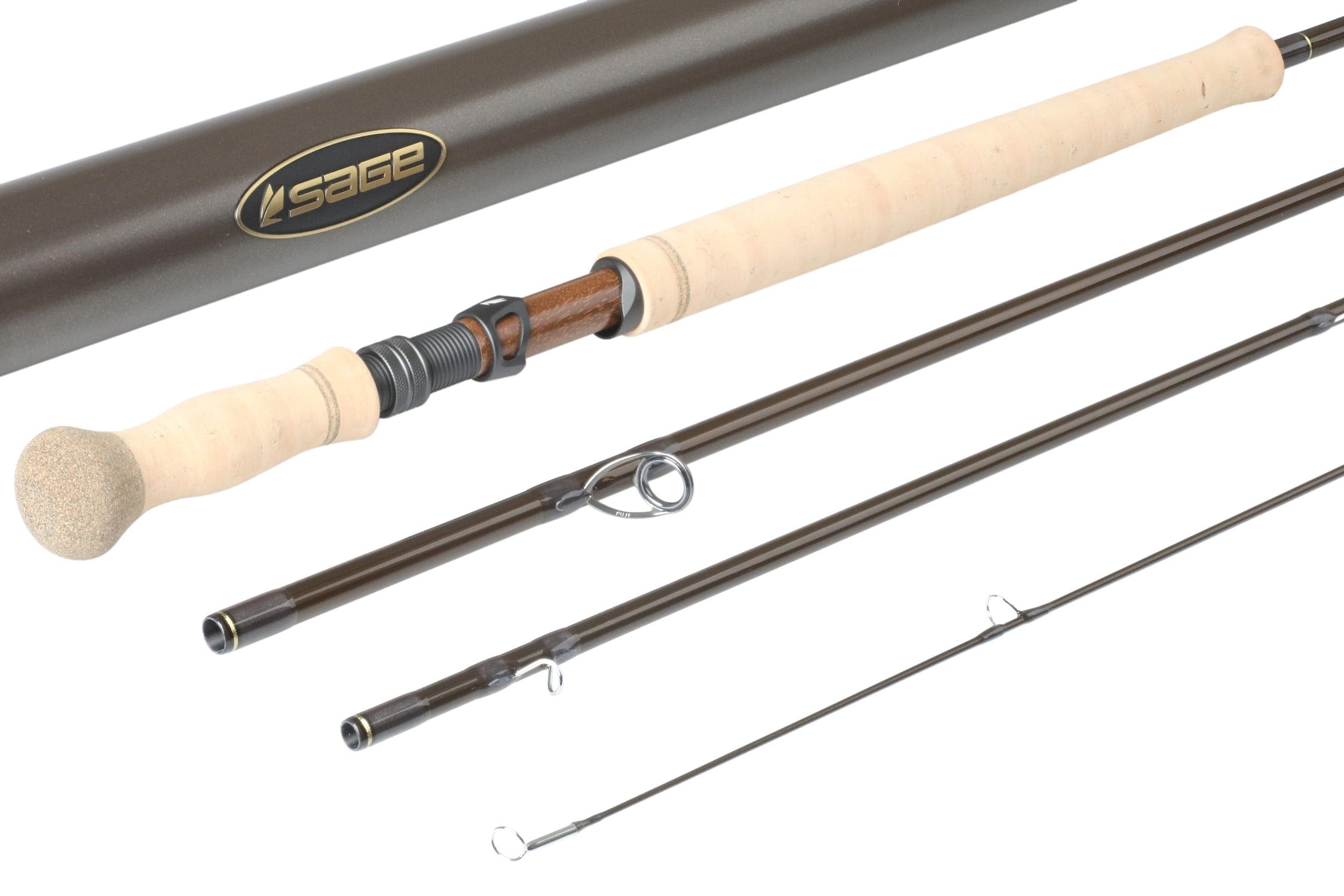
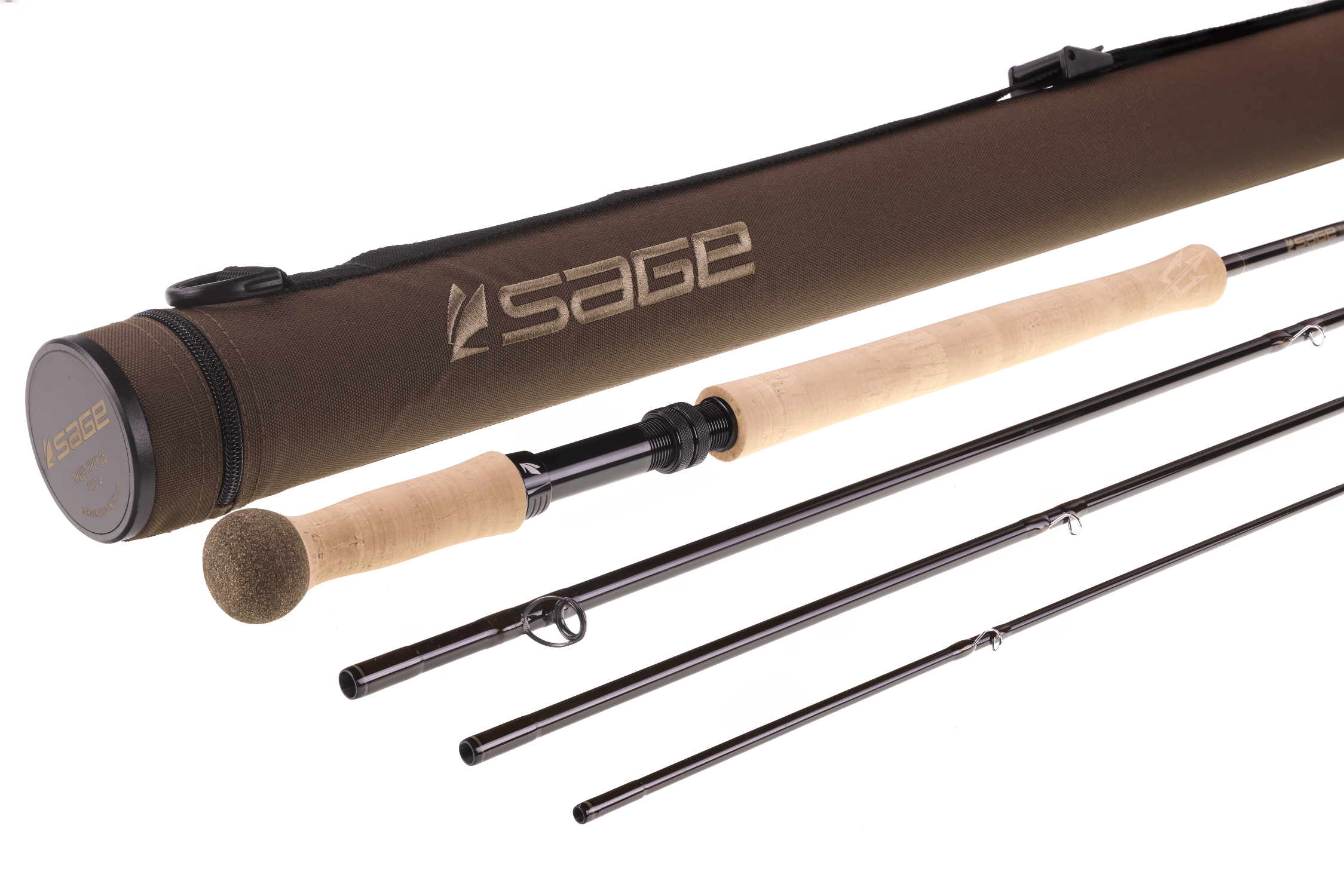
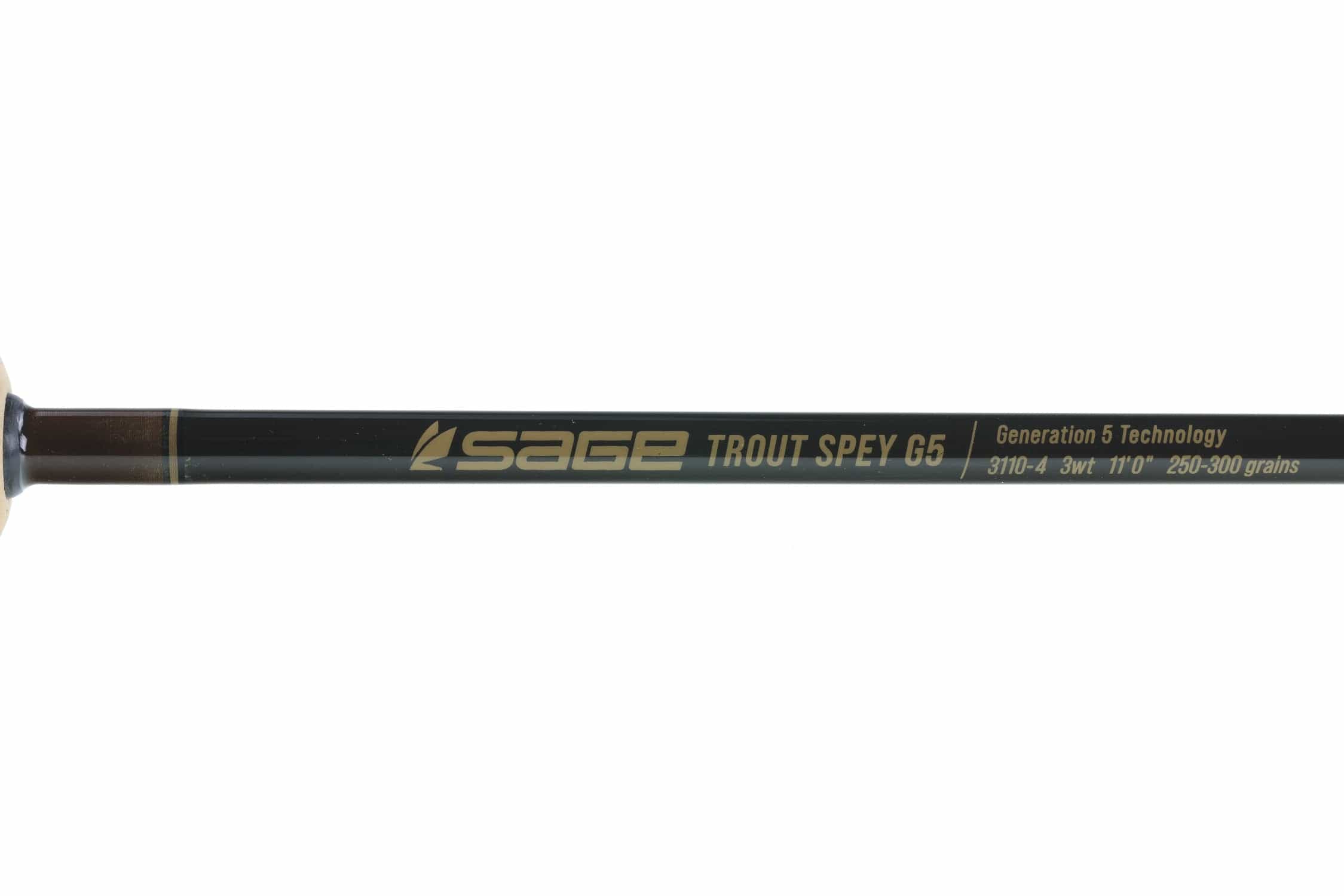
Euro nymphing: Look for dedicated tight-line models when strike detection, tippet protection, and reach are the priority. Saltwater: Prioritize corrosion-resistant components and lifting power. Two-hand/spey: Don’t try to make a single-hand rod do spey work,dedicated two-hand tapers make casting and fishing much easier.
Why Trident Carries Sage
Sage’s lineup makes it easy to match a rod to a specific job, whether that’s technical trout fishing, dedicated euro nymphing, or demanding saltwater days.
We also like that many Sage models are offered across a wide range of lengths and line weights, so you can fine-tune a build around your local water and casting style.
Care & Maintenance
-
After each use: Wipe the blank, guides, and grip down to remove grit, sunscreen, and fish slime; rinse thoroughly after any saltwater day.
-
Ferrules: Keep ferrules clean and fully seated; if they start to slip, clean the male ferrule with rubbing alcohol and a soft cloth.
-
Transport: Use a rod tube for travel and long drives; avoid laying rods where doors, tailgates, or trunk lids can pinch them.
-
Storage: Store dry, out of direct heat, and not leaning tip-up in a corner (a common cause of accidental knocks).
-
On the water: Don’t “high stick” under heavy load; use the butt section to fight fish and lift when needed.
Complete Your Setup
Related Gear
-
Fly Reels - Match reel size and drag style to your rod weight and target species for better balance and fish control.
-
Floating Fly Lines - The starting point for most freshwater setups and plenty of inshore work.
-
Saltwater Fly Rods - Helpful for comparing Sage salt options against other proven salt sticks.
-
Saltwater Flies - Round out a flats or beach setup with durable, corrosion-resistant patterns.
Related Guides
Sage Fly Rods FAQs
Q: Does Sage still make fly rods?
A: Yes, Sage continues to design and manufacture fly rods at their facility in Bainbridge Island, Washington. They actively develop new models and technologies, with recent introductions including the R8 Core series.
Q: Did Sage fly rods get bought out?
A: Sage is owned by Far Bank Enterprises, which has owned the brand for decades. Far Bank also owns Redington and RIO Products. There hasn't been a recent ownership change: the company remains under the same long-term ownership structure.
Q: Who owns Sage fly rods?
A: Sage is owned by Far Bank Enterprises, a company based in Bainbridge Island, Washington. Far Bank also owns Redington fly rods and RIO Products fly lines, giving them a presence across multiple price points in the fly fishing market.
Q: What makes Sage fly rods special?
A: Sage is known for US-based manufacturing, proprietary blank technologies (like KonneticHD and R8 Core), and a wide range of purpose-built models for specific fishing applications. Many anglers value their build quality, warranty support, and the consistency of their tapers across the lineup.
Q: Are Sage fly rods made in China?
A: No, Sage fly rods are designed and manufactured in Bainbridge Island, Washington, USA. Sage is one of the few major fly rod brands still producing domestically at scale.
Q: Are any fly rods made in the USA?
A: Yes, several brands manufacture fly rods in the USA. Sage (Bainbridge Island, WA) is the most prominent. Other US-made options include some G. Loomis models, Thomas & Thomas, R.L. Winston, and various custom rod builders.
Q: Who makes the best fly rod in the world?
A: There's no single answer; "best" depends on your fishing style, budget, and preferences. Sage, G. Loomis, Scott, Orvis, Thomas & Thomas, and Winston are consistently mentioned among premium brands. The best rod is the one that fits your casting stroke and the water you fish most.
Q: Where are Sage fly rods made?
A: Sage fly rods are built in Bainbridge Island, Washington. If "made in USA" matters to you, Sage is one of the key brands still doing that at scale.
Q: Are Sage fly rods good for beginners?
A: They can be, especially if you choose a model with a forgiving feel and match it with the right fly line. Fast-action rods can be very capable, but they usually reward solid timing and a smooth stroke.
Q: What Sage rod should I choose for all-around trout fishing?
A: Start with an all-around series and pick a length/weight that fits your water. For many anglers, a 9' 5wt is a practical baseline for dries, nymphs, and smaller streamers.
Q: What Sage rod should I choose for flats fishing?
A: Look at saltwater-specific models with corrosion-resistant components and a taper built for quick shots and wind. Choose line weight based on species (bonefish vs permit vs tarpon) and typical wind.
Q: What’s the difference between fast and moderate action in a fly rod?
A: Fast-action rods tend to generate higher line speed and handle wind and heavier rigs well. Moderate and moderate-fast rods usually load more easily at short range and can feel smoother for presentation-focused fishing.
Q: Do I need a dedicated euro nymphing rod?
A: If you tight-line nymph often, a dedicated euro rod makes a real difference in strike detection, reach, and protecting light tippets. If euro is occasional, a longer “nymph-friendly” trout rod can still work, but it’s not the same tool.
Q: How do I keep my fly rod from breaking during normal use?
A: Most breaks come from impact (car doors, ceiling fans, weighted flies hitting the blank) or high-sticking under load. Use a rod tube when traveling and fight fish with the butt section, not the tip.
Sage Warranty & Resources
Sage products are covered by an original-owner warranty against defects in materials and workmanship, with repairs or replacements handled through Far Bank’s repair center. If you need service, start by registering your product and opening a repair case online.
Learn More from Sage
-
Sage Warranty Policy - Details on coverage and what’s considered warranty vs. repair.
-
Online Repair Form - Start a digital repair case and get status updates.
-
Repair Pricing - Fee schedule for non-warranty repairs based on model/age.