





























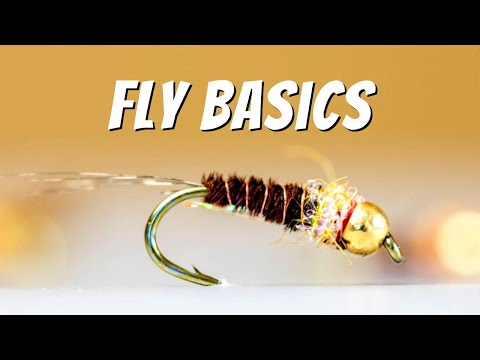
Fly Fishing Flies Explained (Streamers, Nymphs, Dry Flies & More)
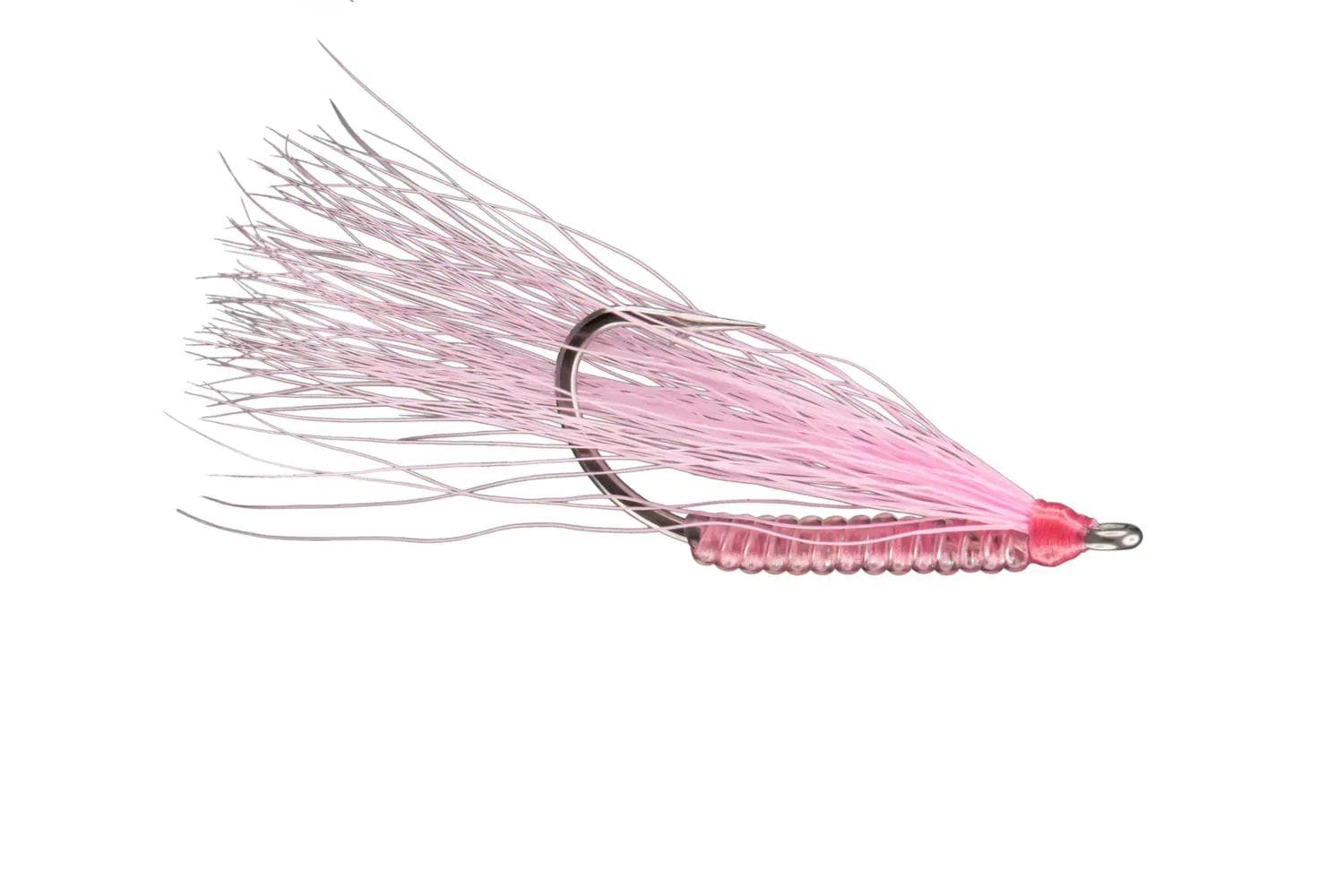
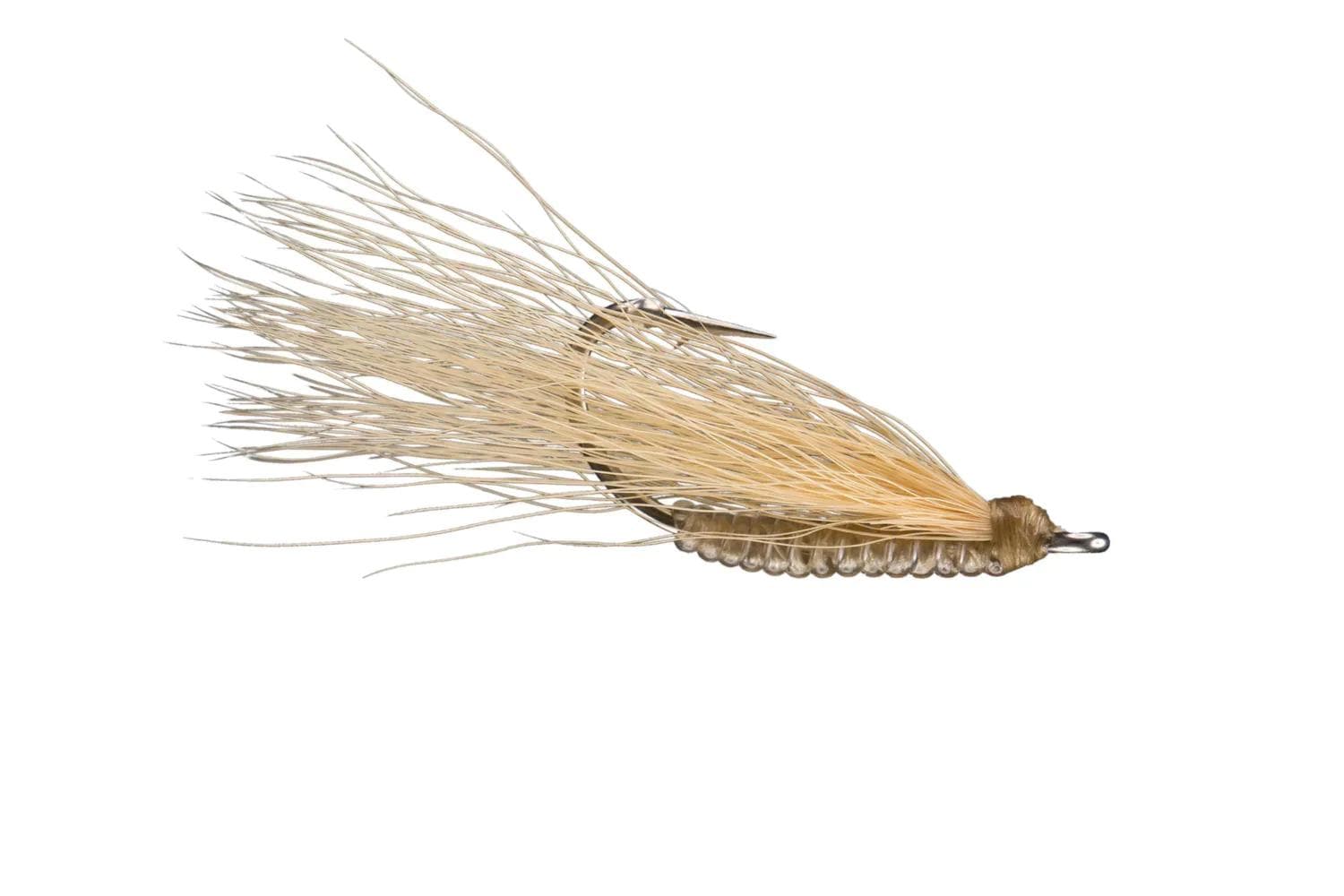
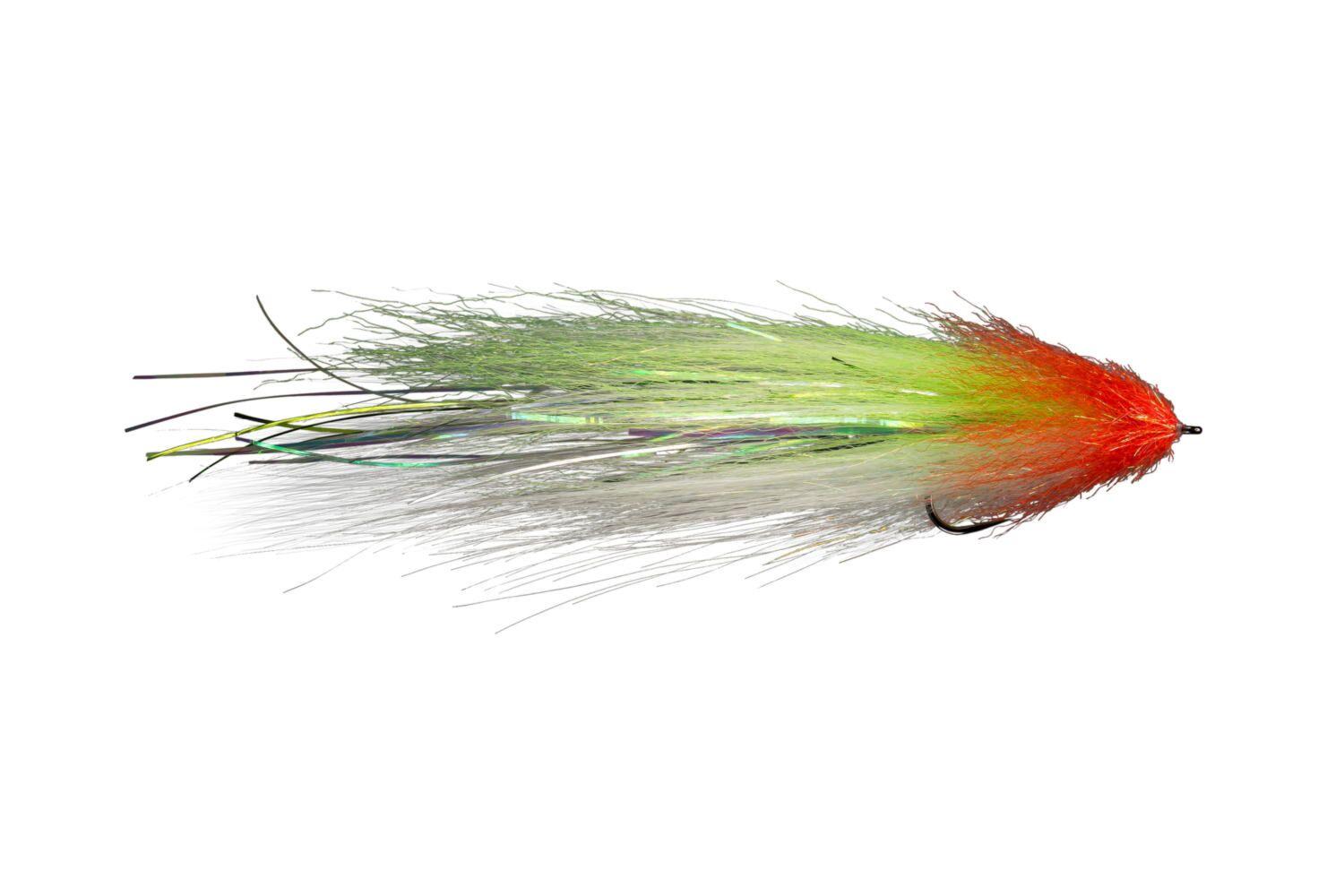








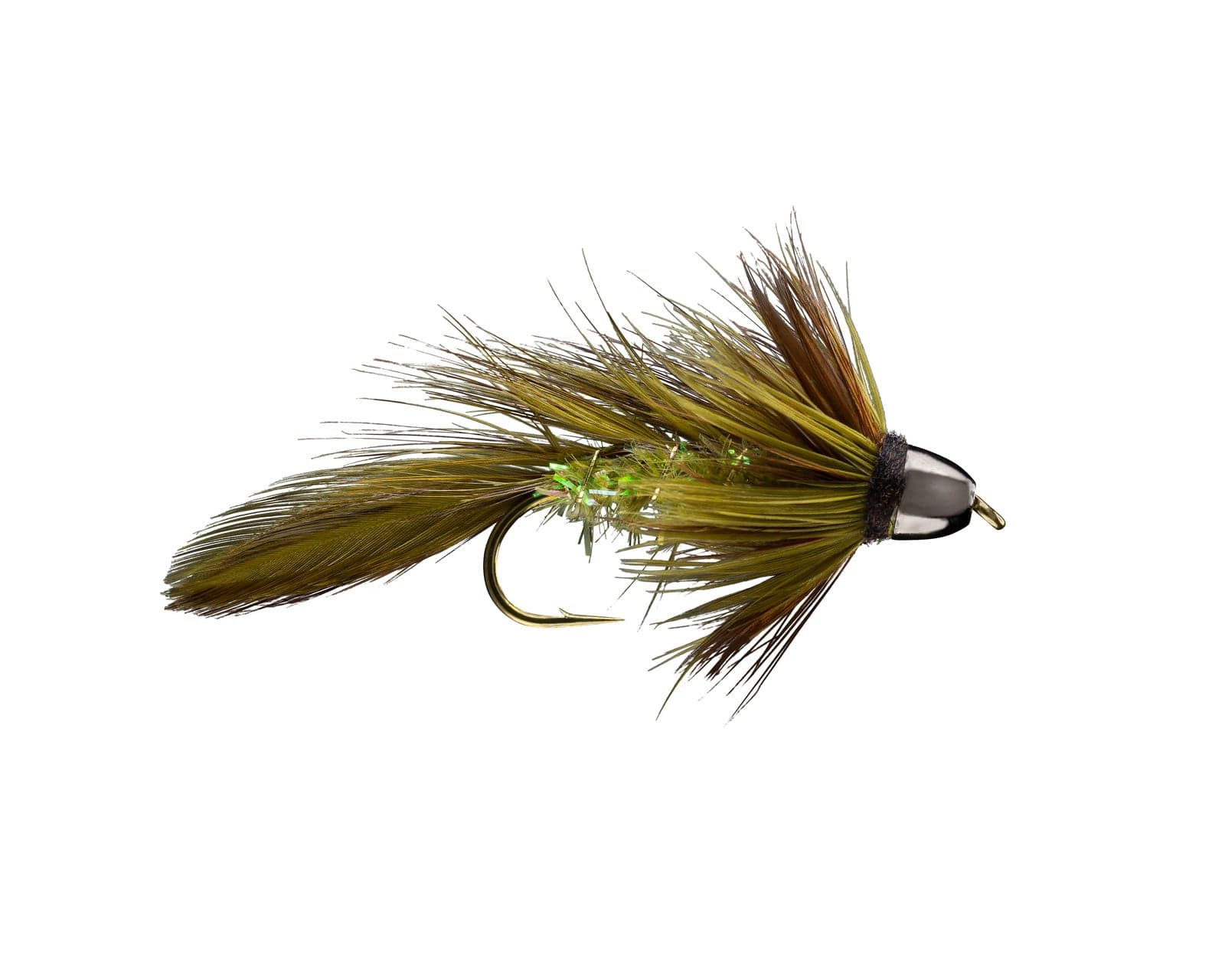
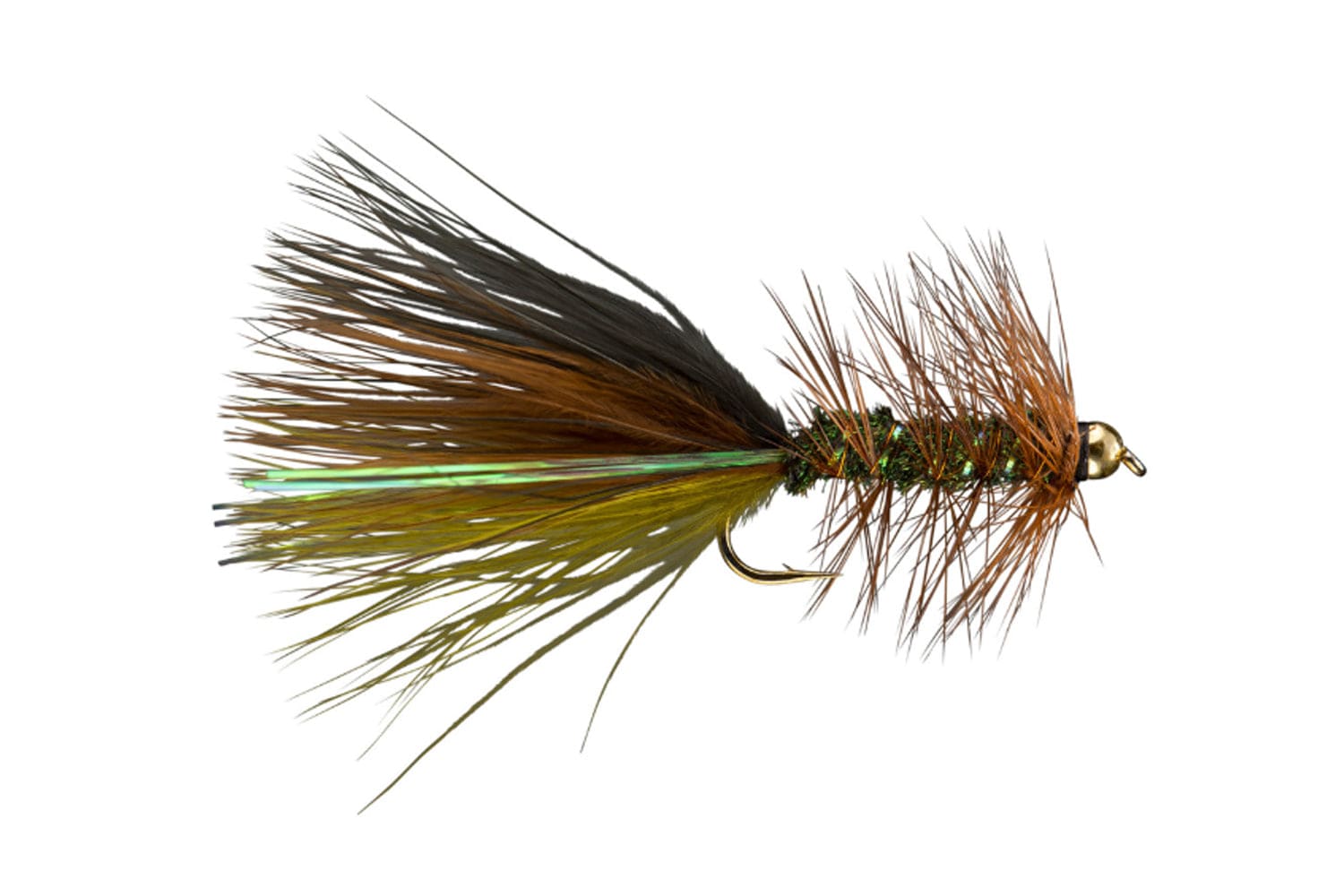
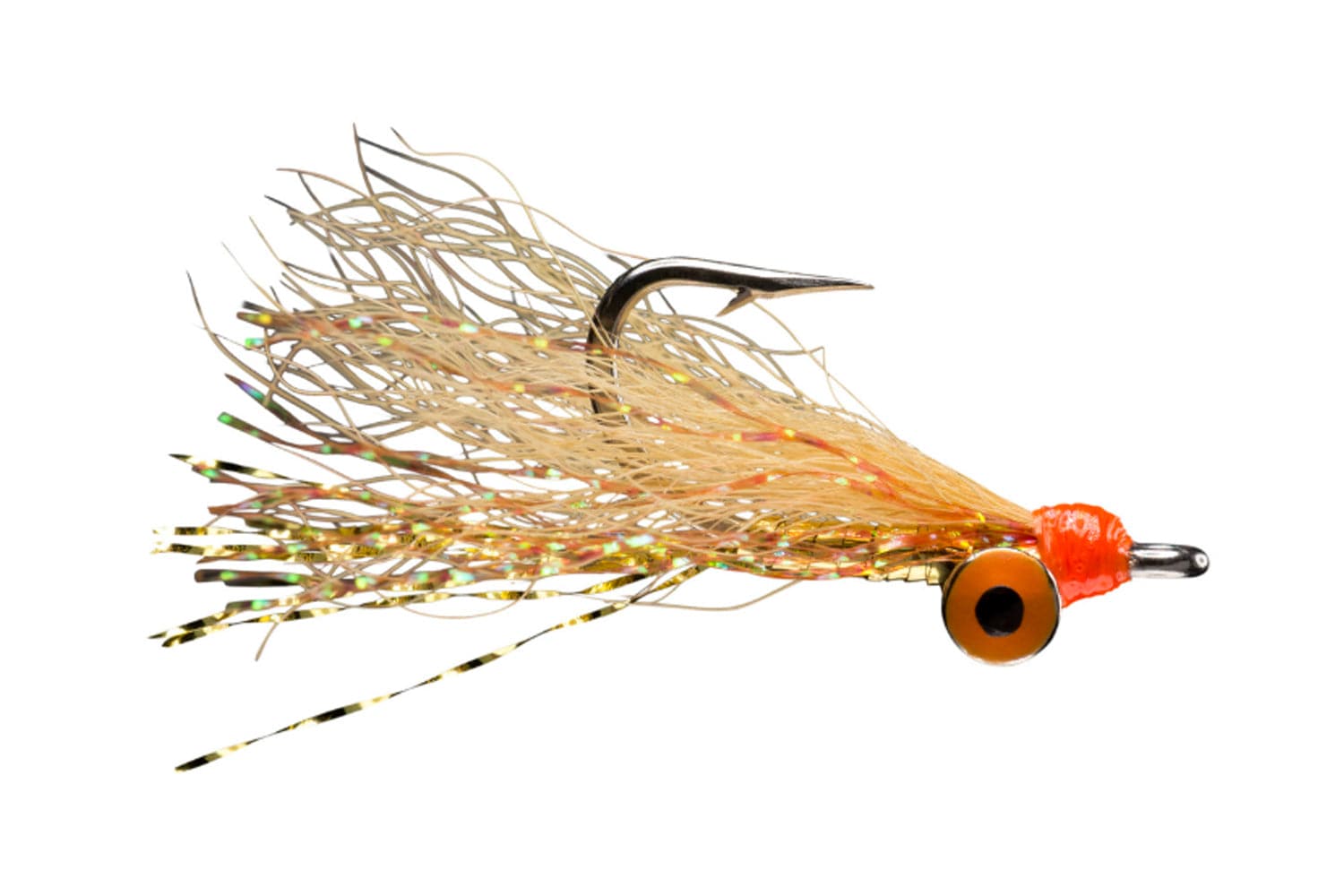


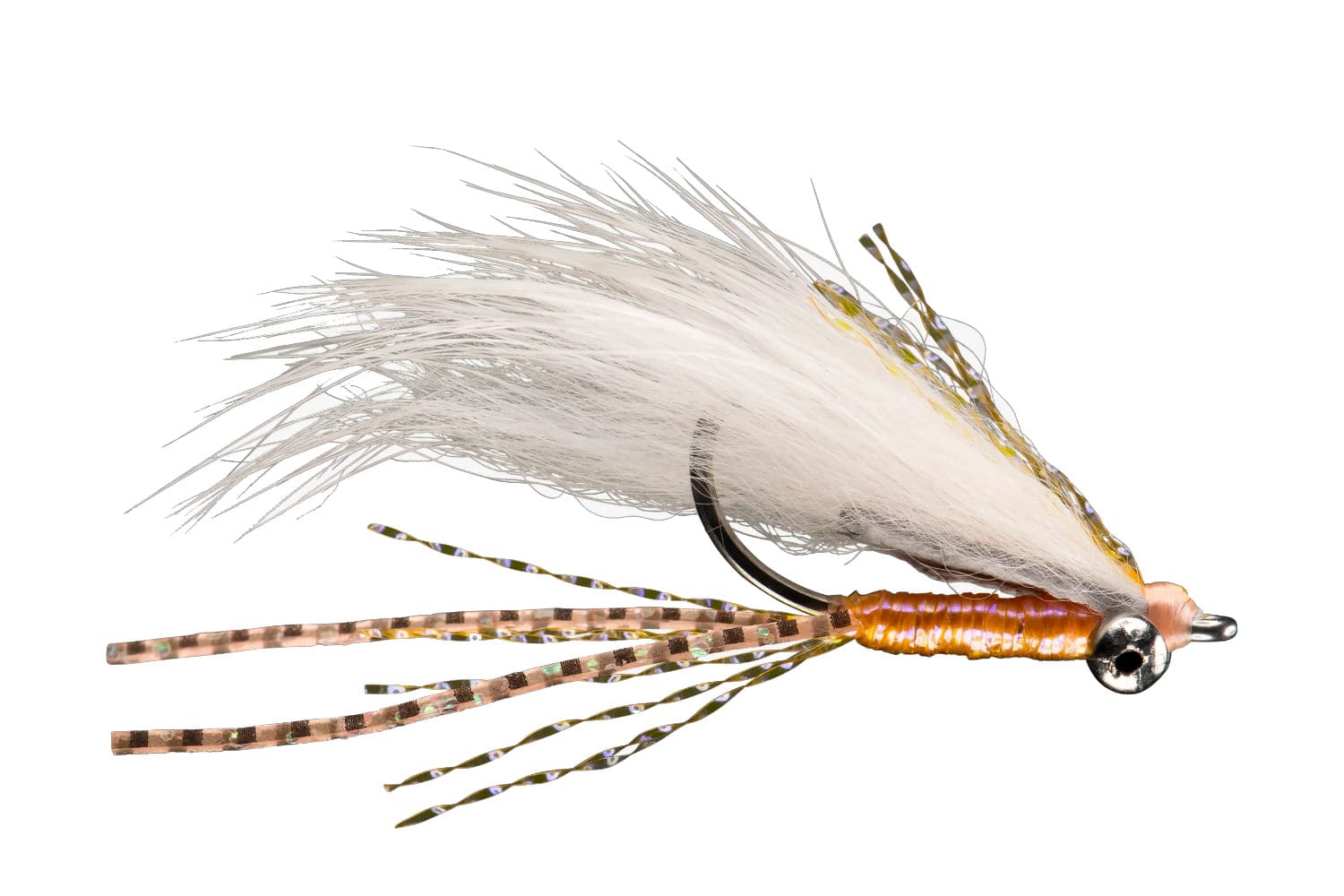
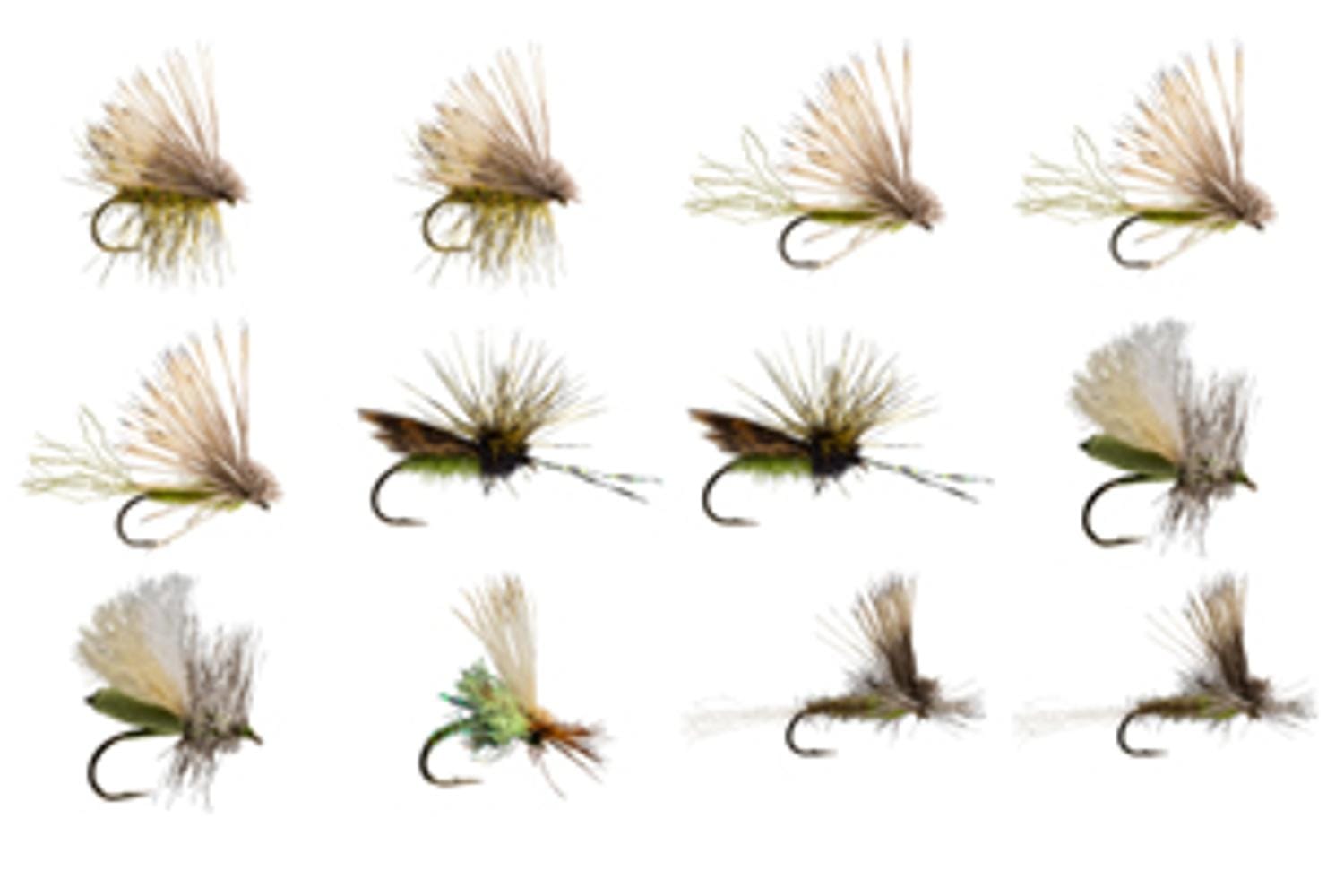
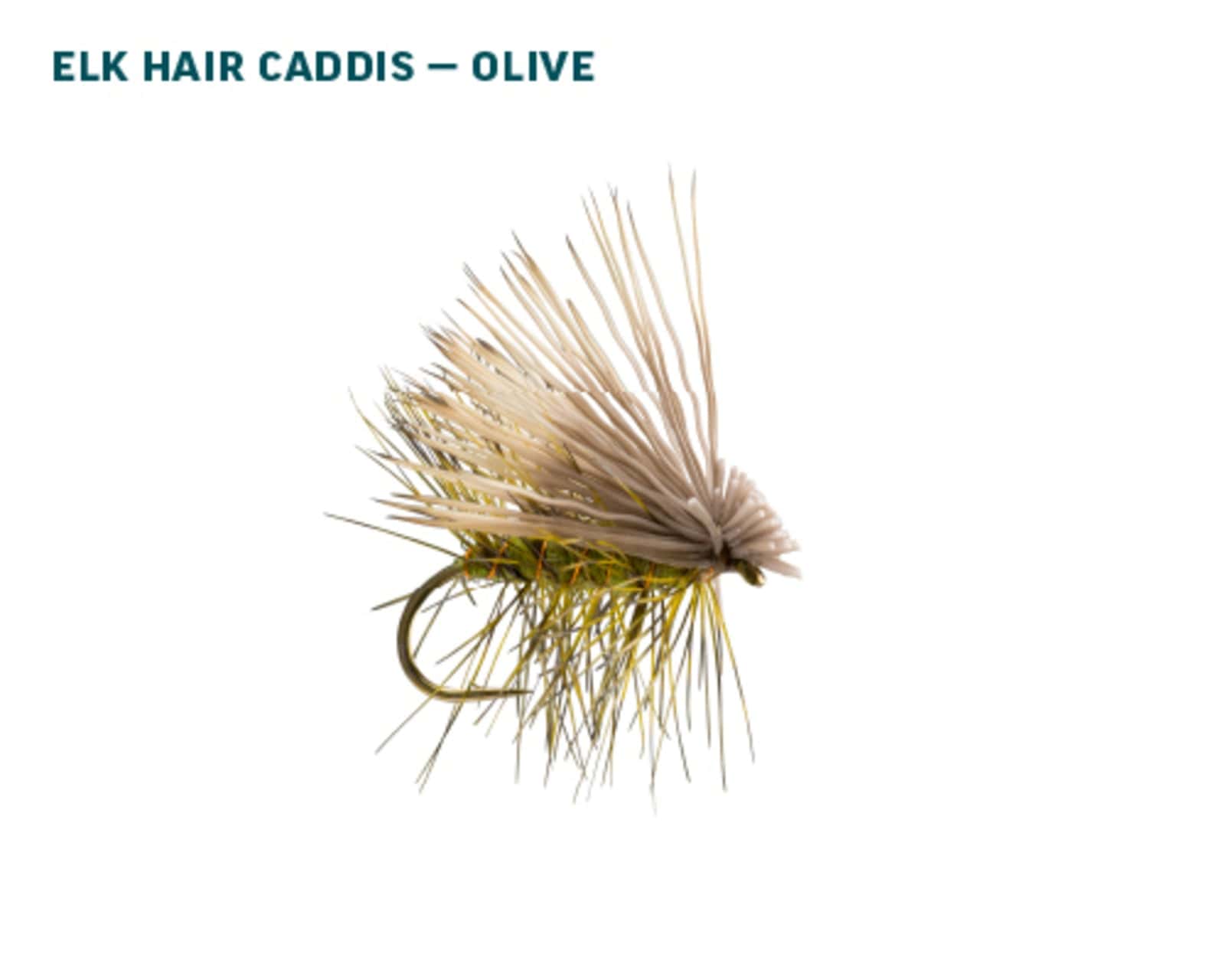
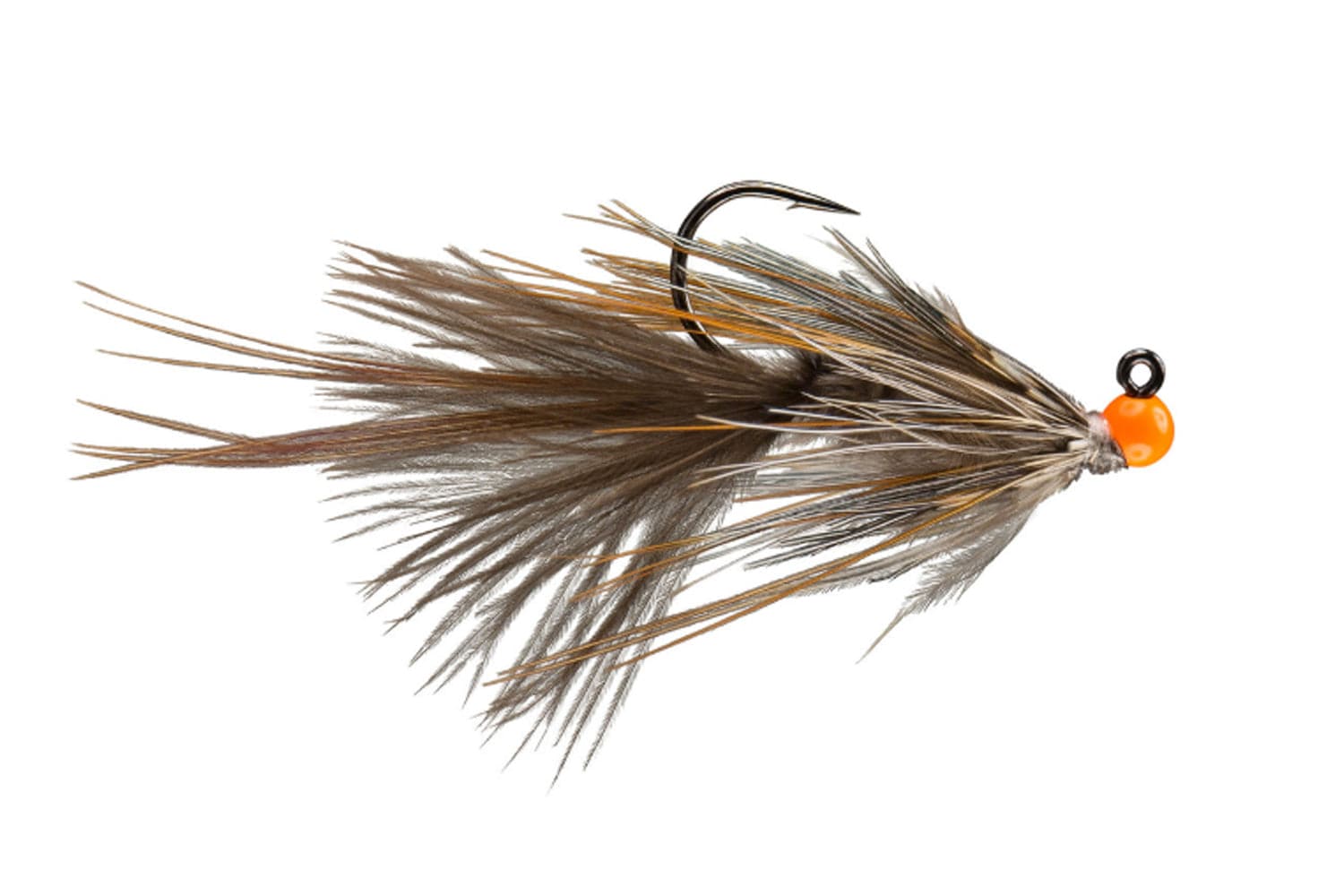
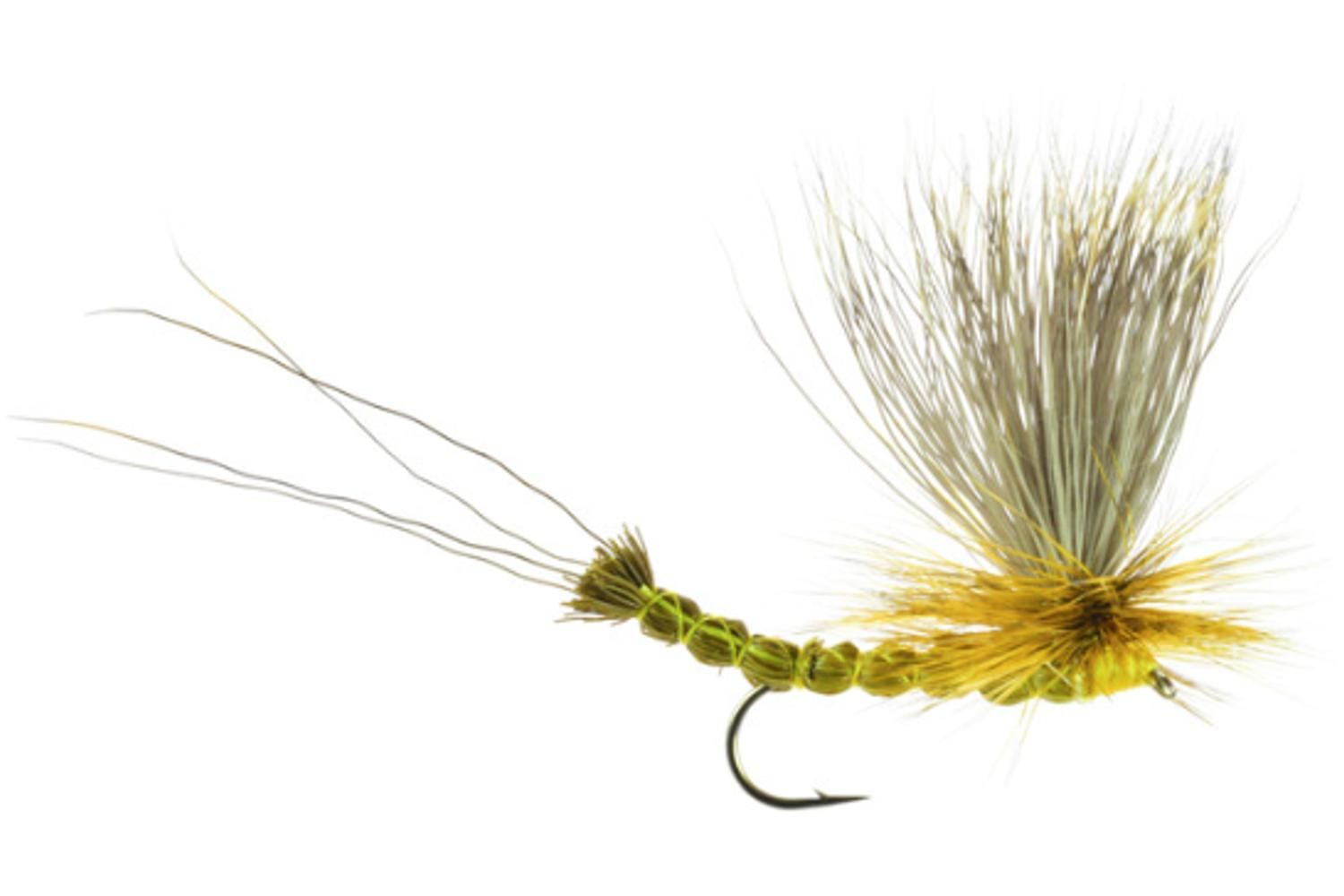
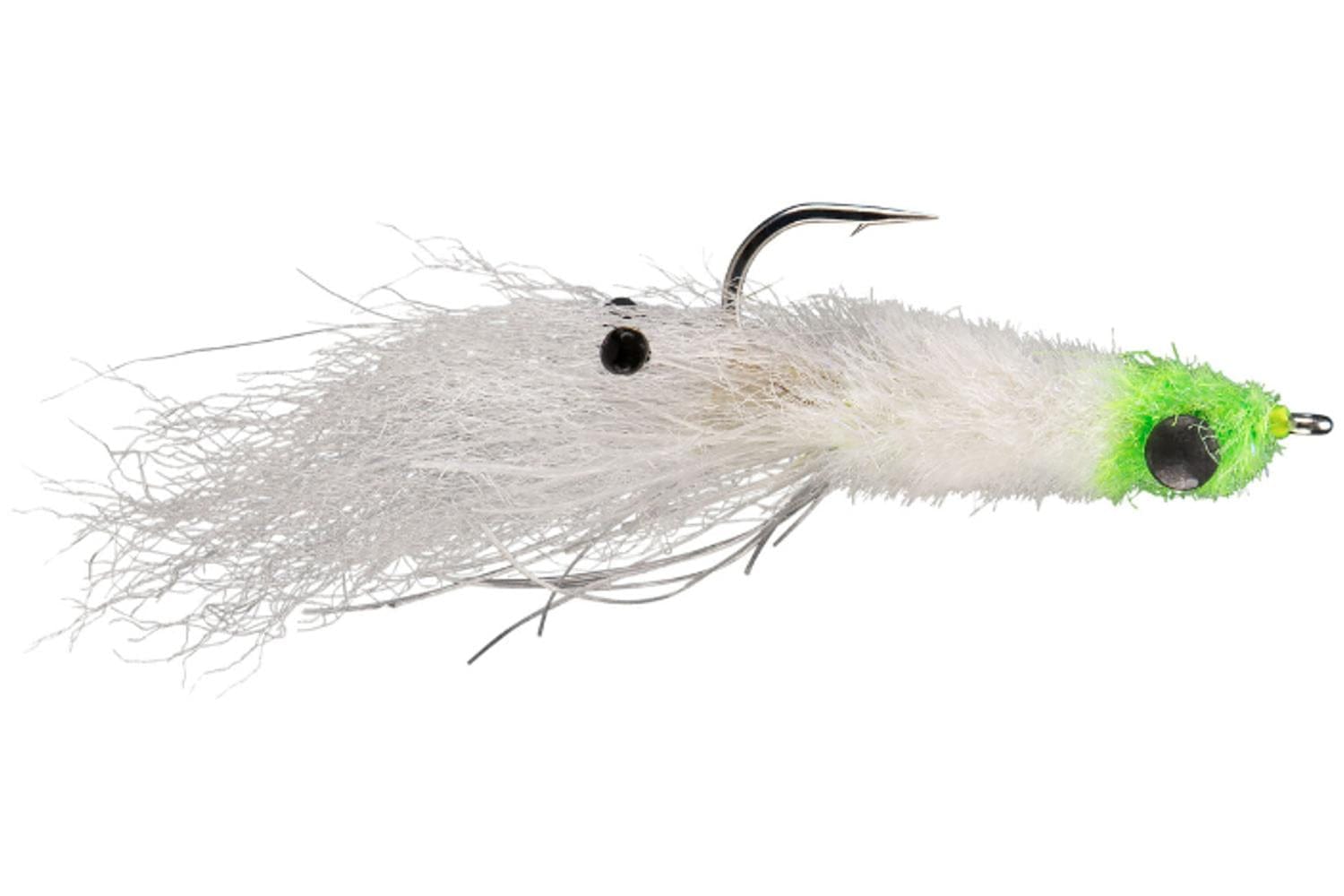
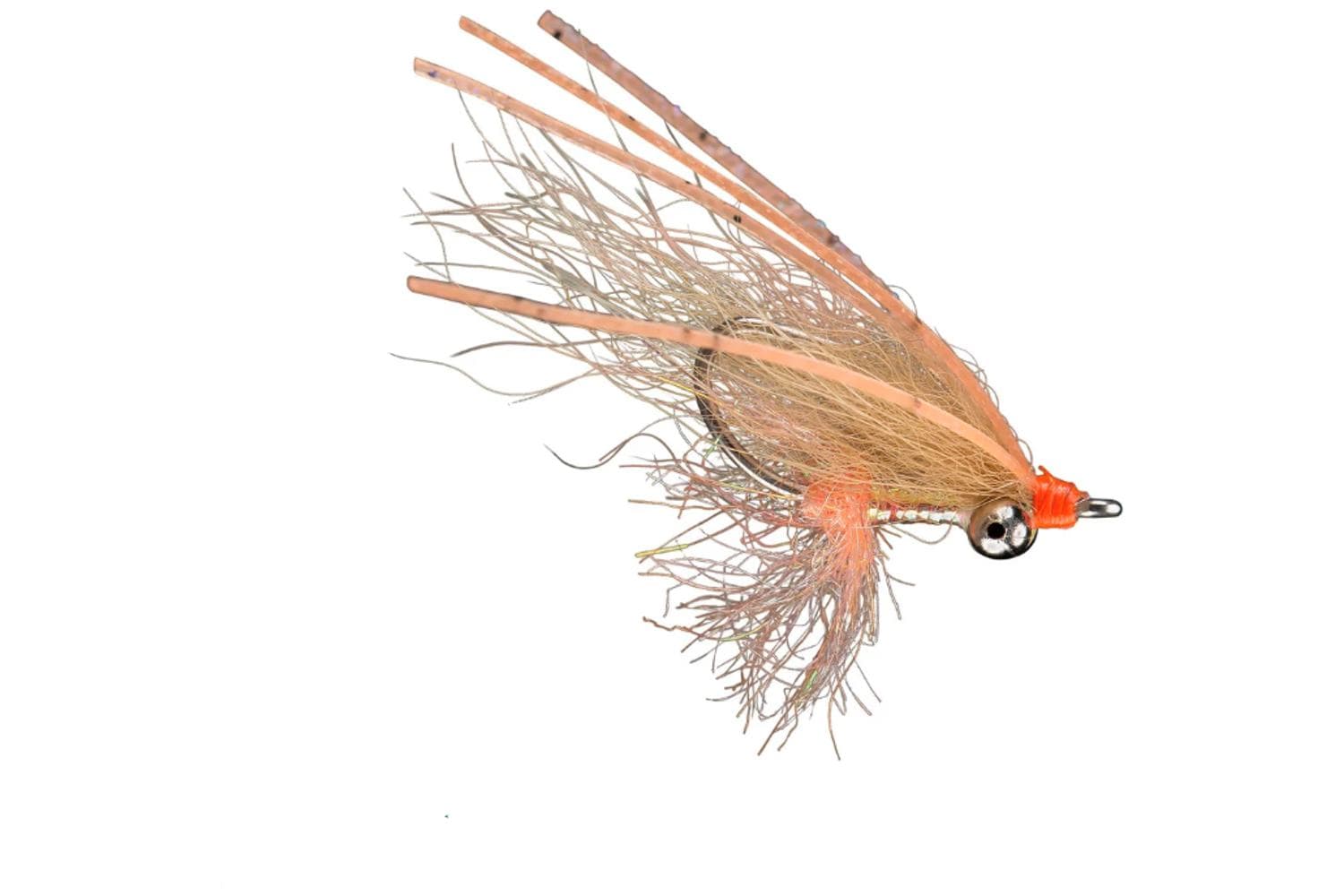
Rio Flies Quick Picks
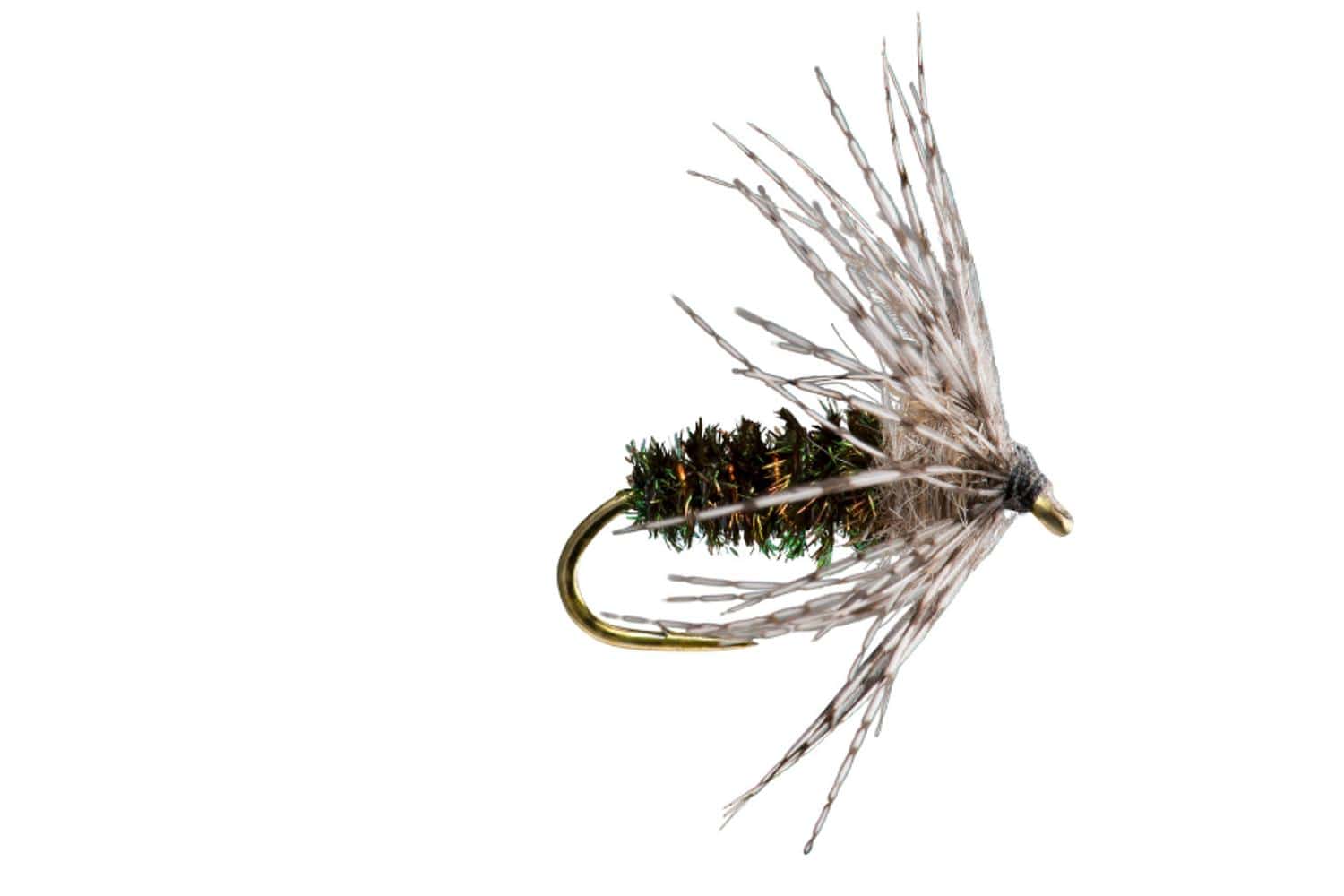
- Best All-Around Trout Assortment: Rio Trout Hopper Dropper Fly Assortment - Built for anglers who want a ready-to-fish topwater + subsurface mix for summer through early fall trout fishing. It’s an easy way to cover surface eats while keeping a productive nymph trailing behind.
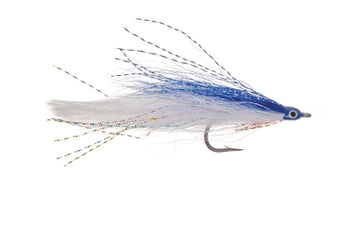
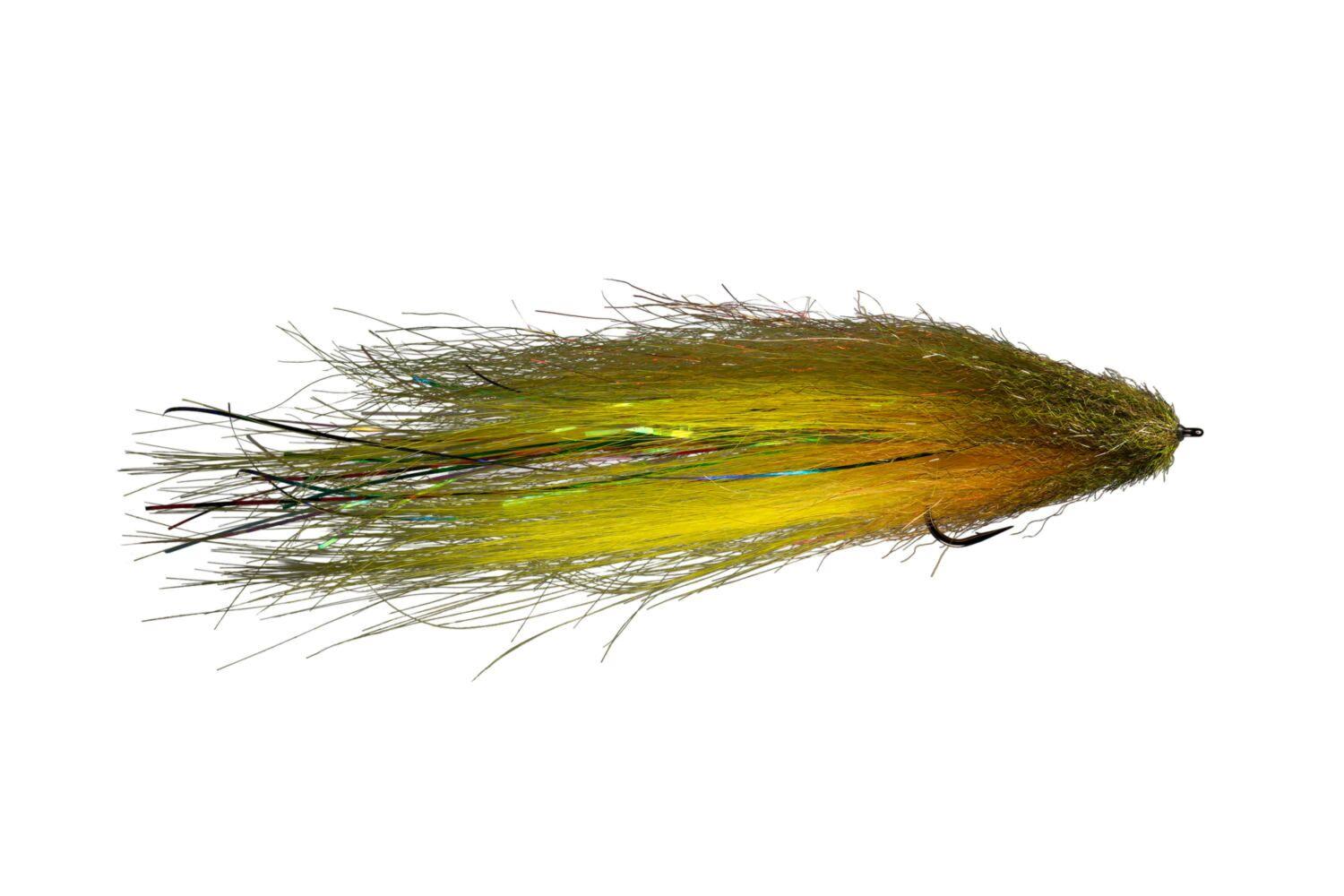
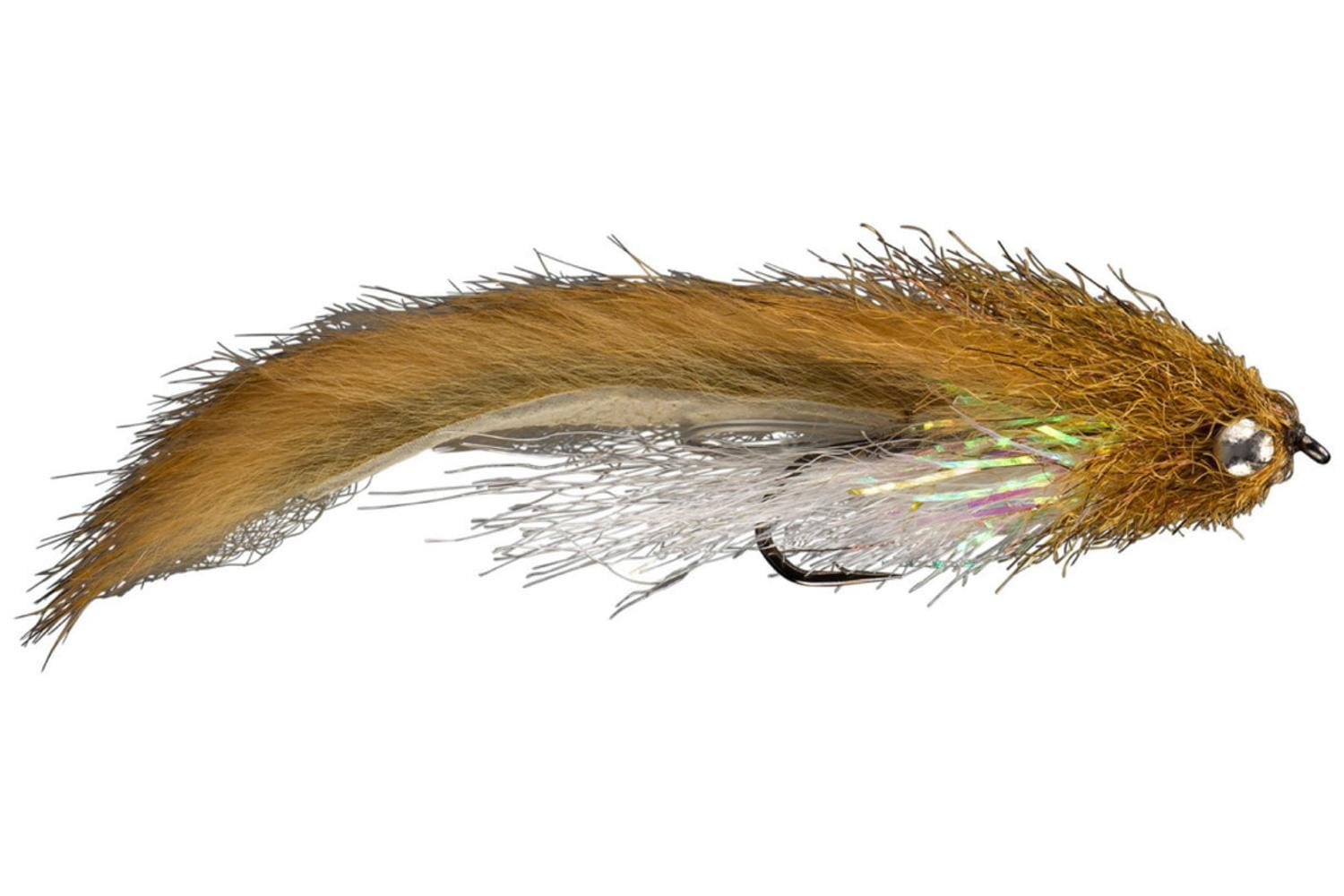
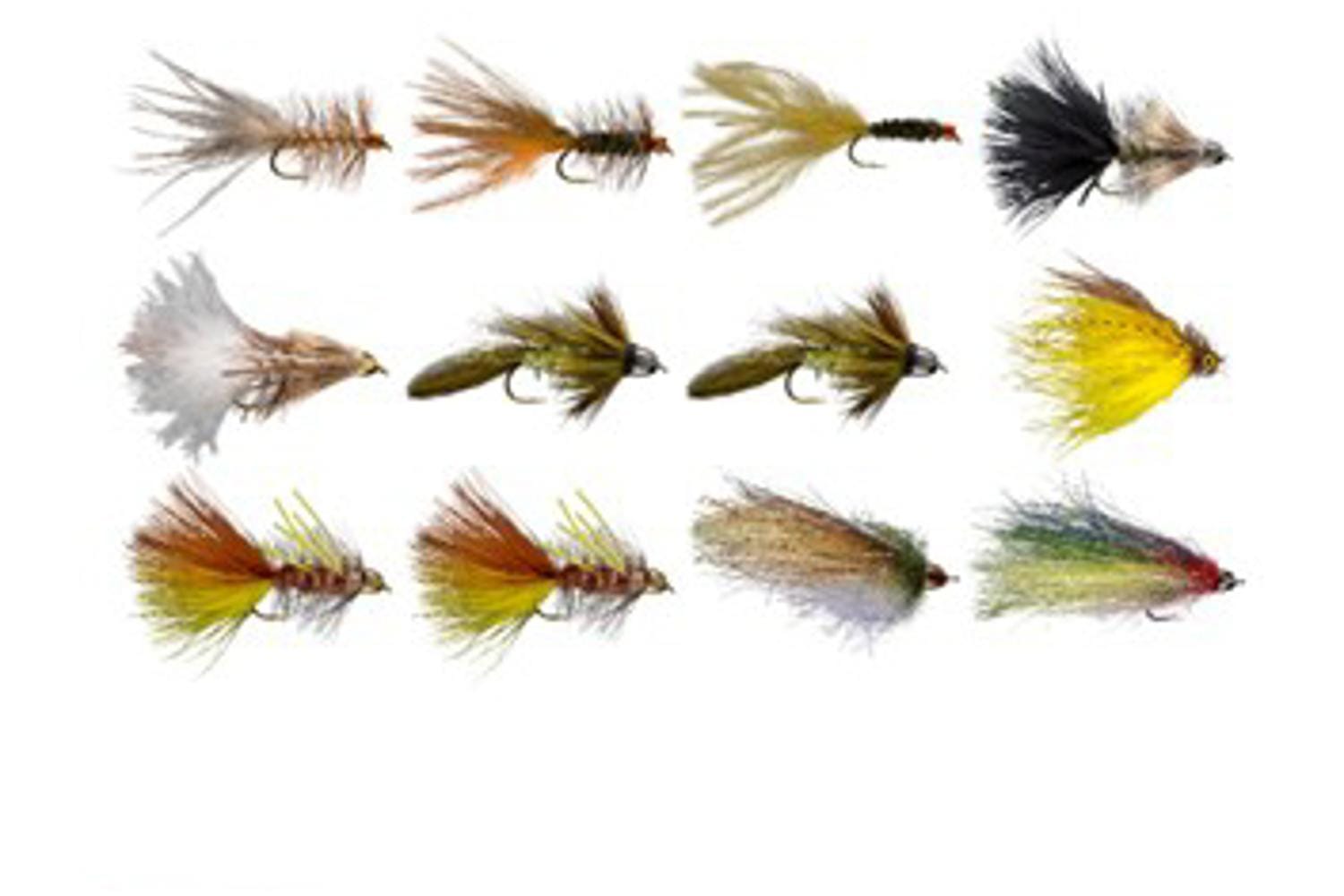
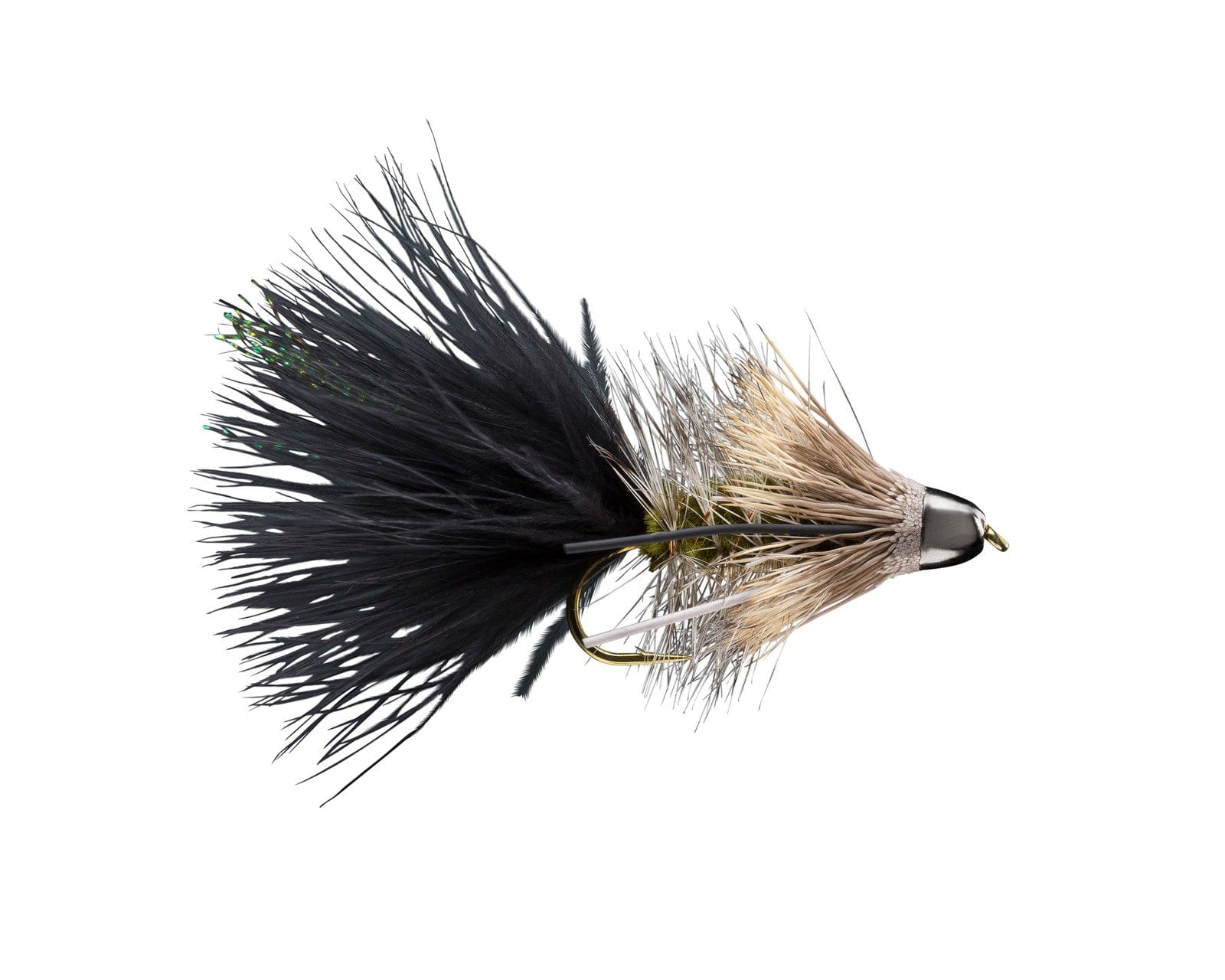
- Best for Streamer Fishing: Rio Streamer Fly Assortment - Great for anglers targeting bigger trout (or covering water fast) with baitfish and leech-style presentations. It helps you rotate profiles and colors quickly when fish want movement instead of a dead drift.
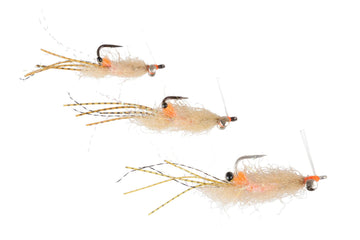
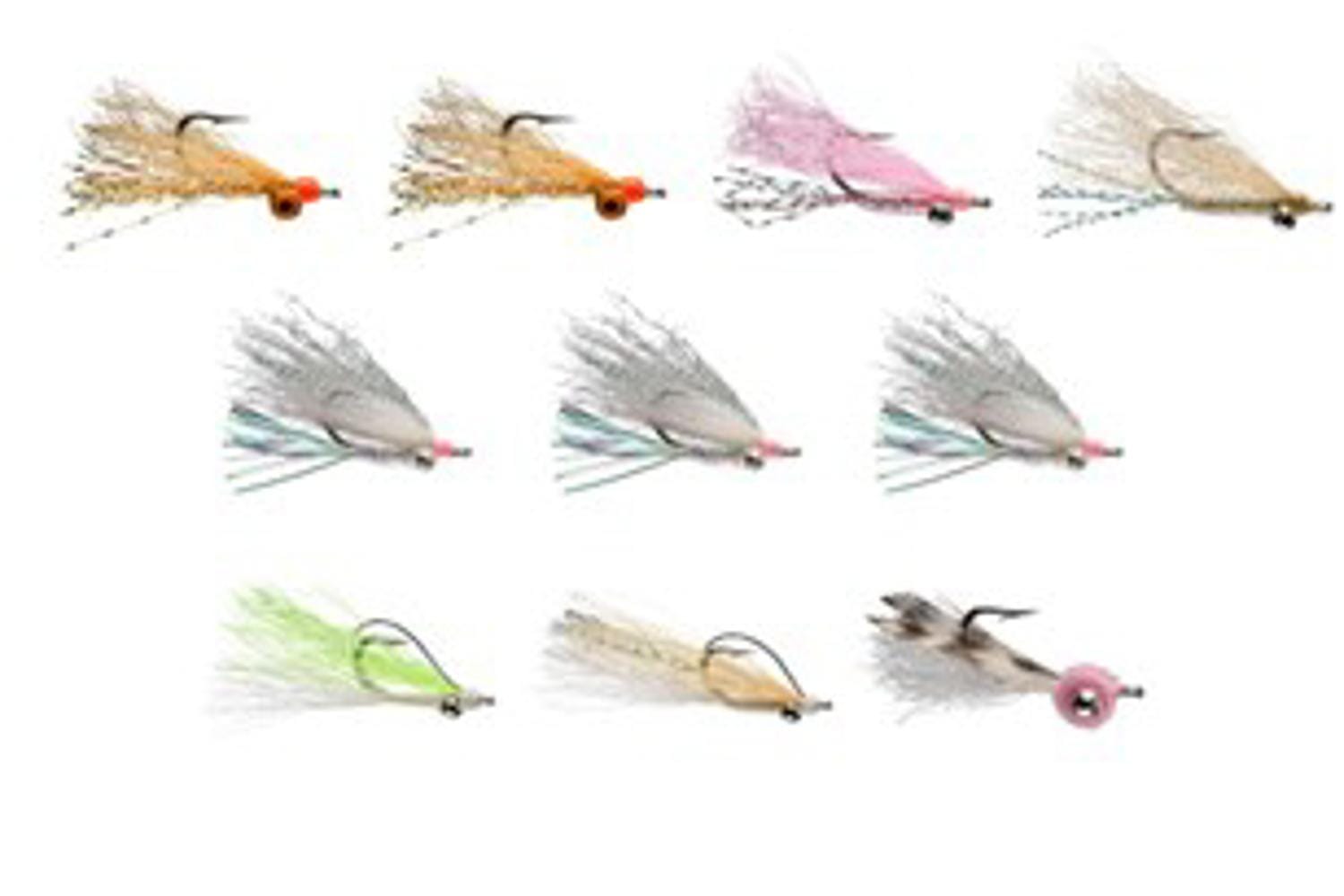
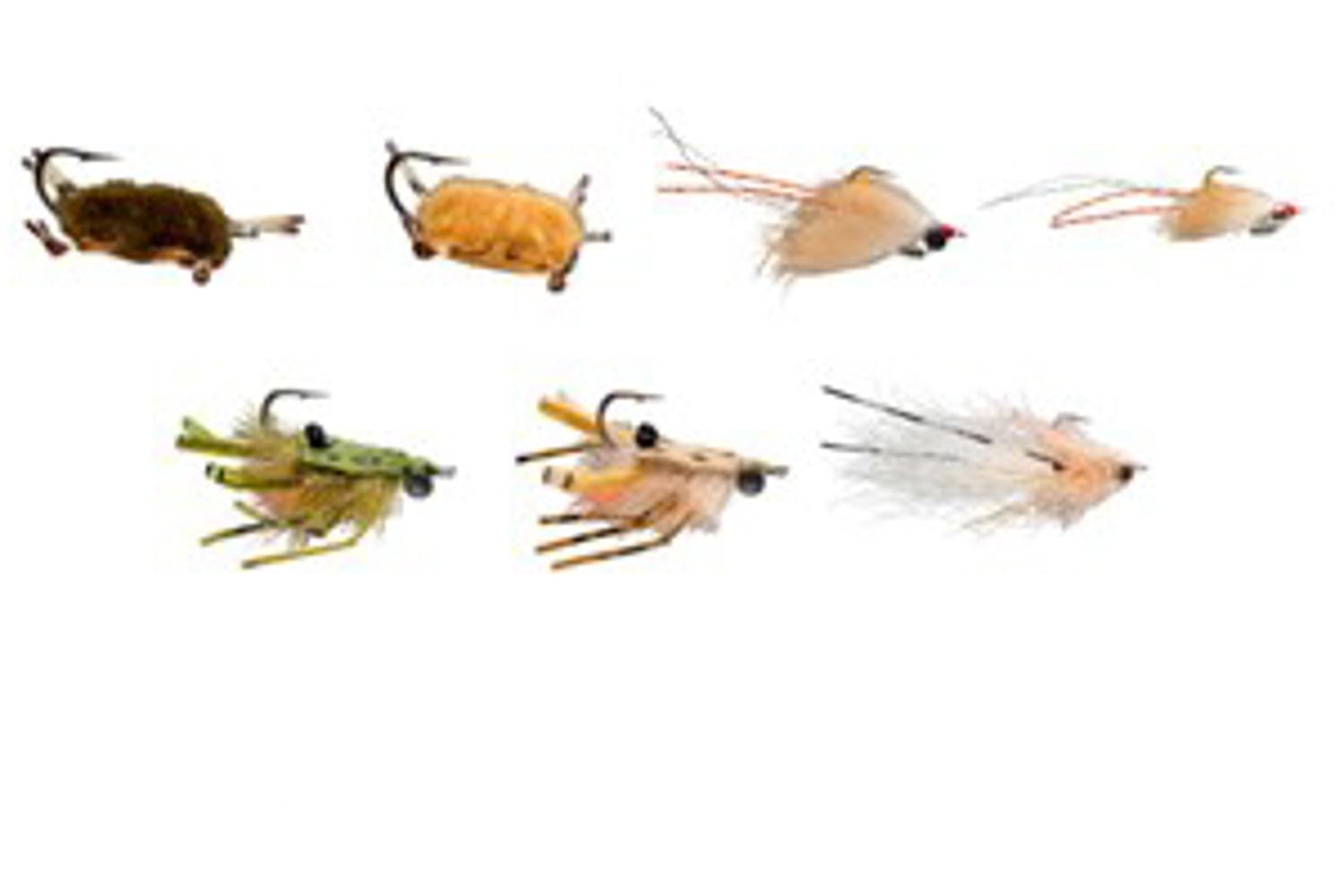
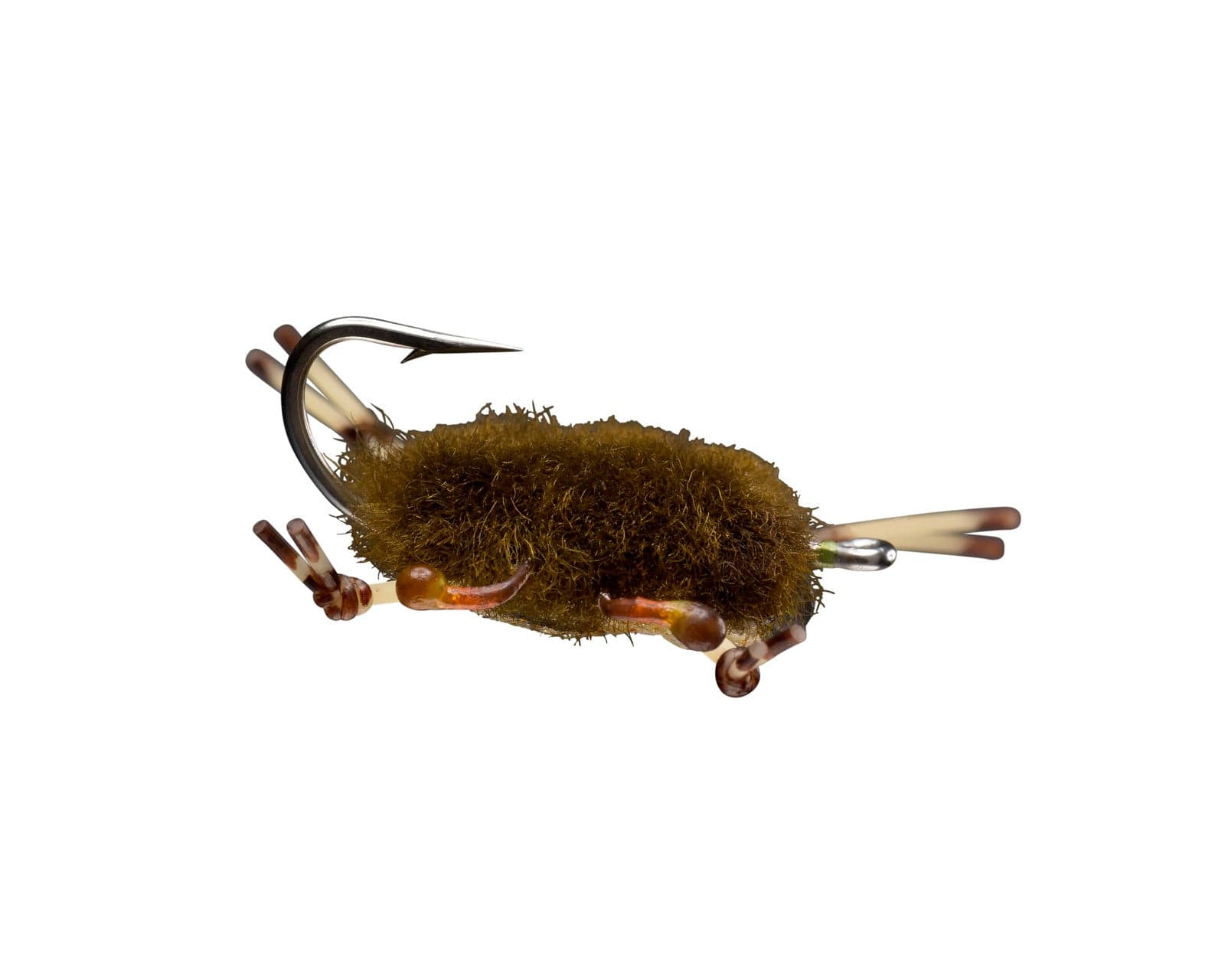
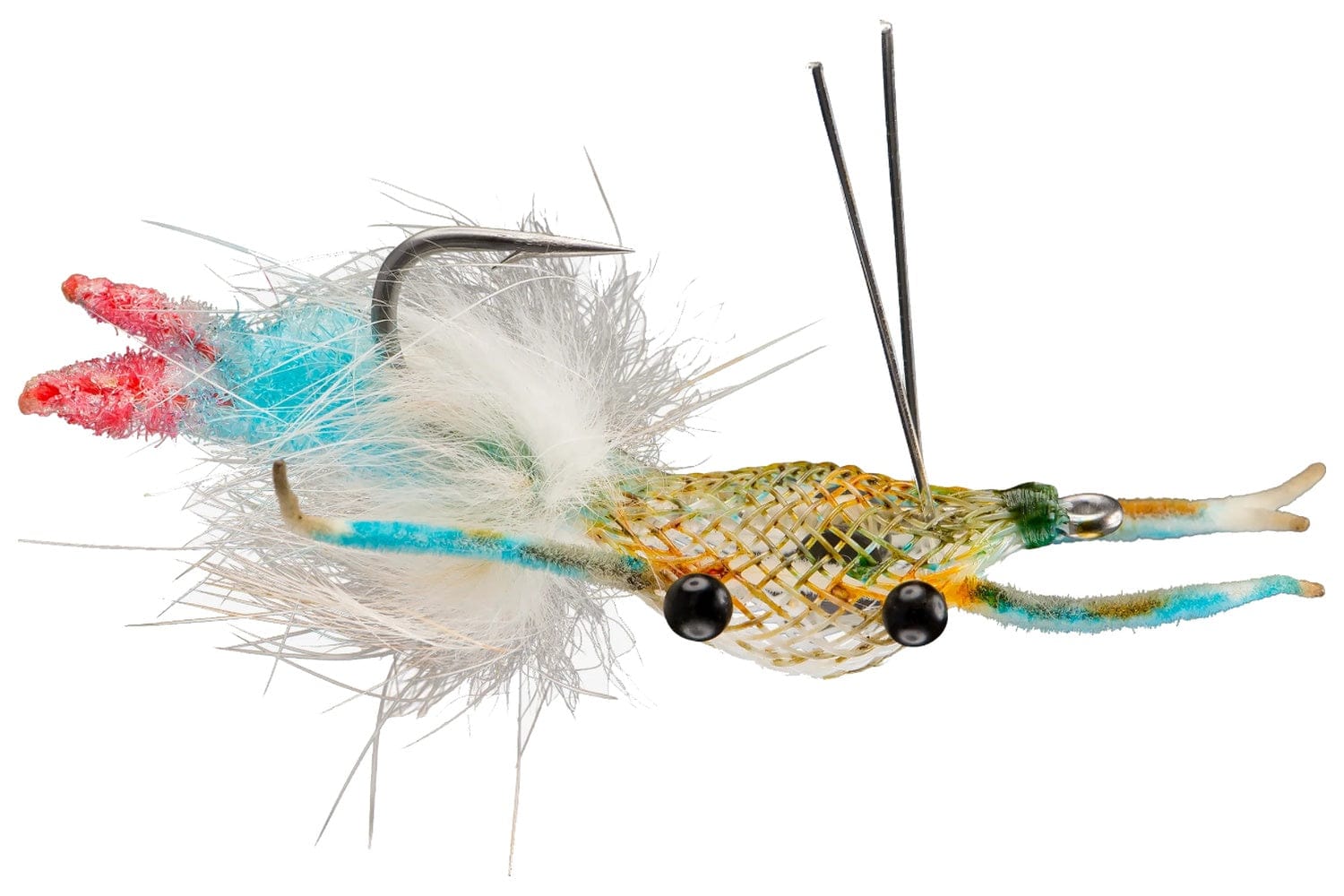
- Best for Bonefish Trips: Rio Bonefish Fly Assortment - A practical flats-focused assortment for anglers who want a starting lineup of proven shrimp/crab-style bonefish patterns. Ideal when you want to show up with the right “bread and butter” options without overthinking the first box.
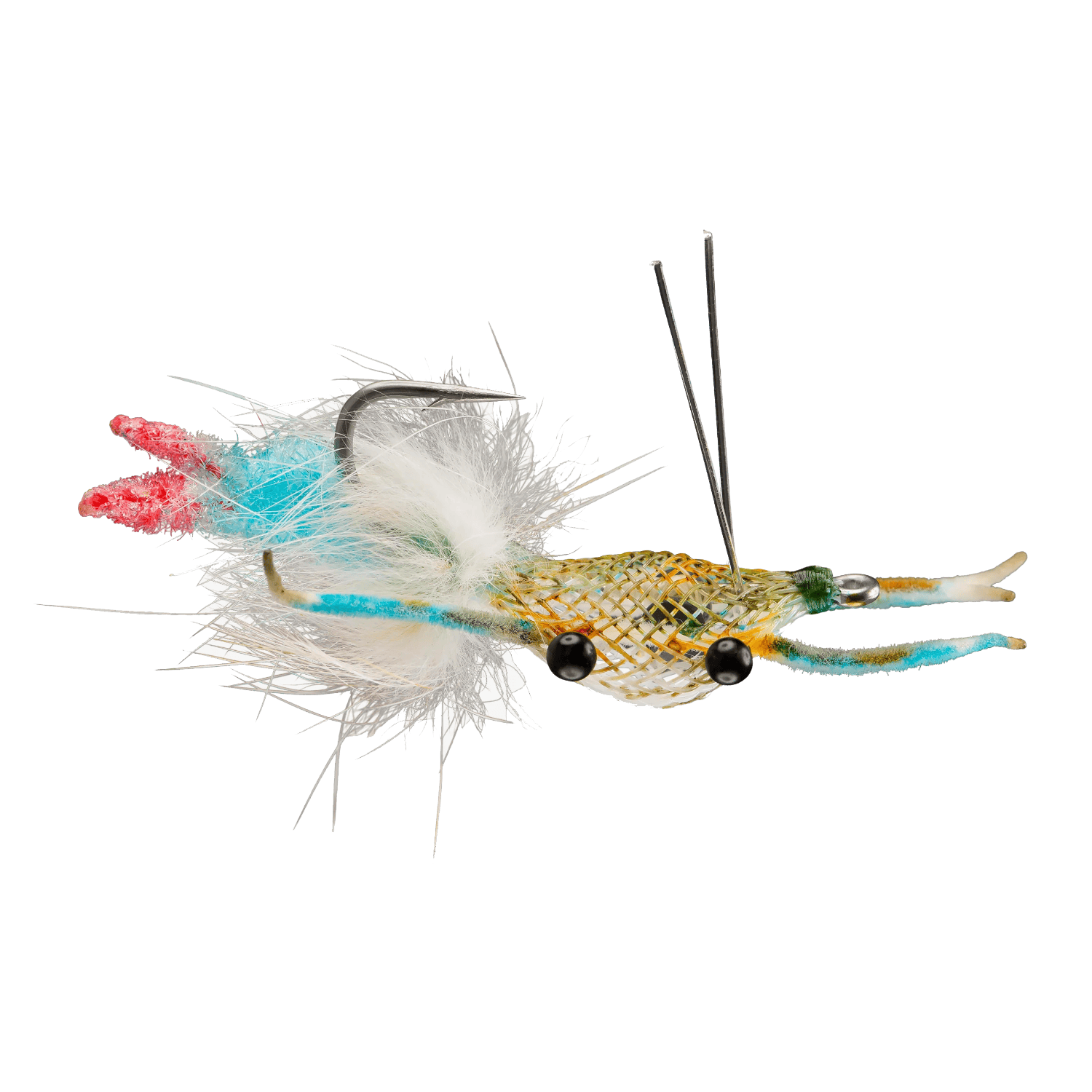
- Best for Tarpon Trips: Rio Tarpon Fly Assortment - Designed for anglers planning dedicated tarpon days where fly durability and the right silhouettes matter. It’s a simple way to build confidence before you start fine-tuning to local forage.
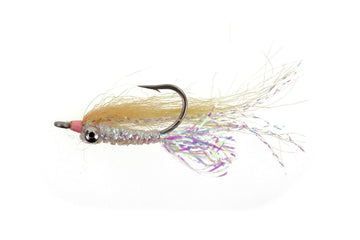
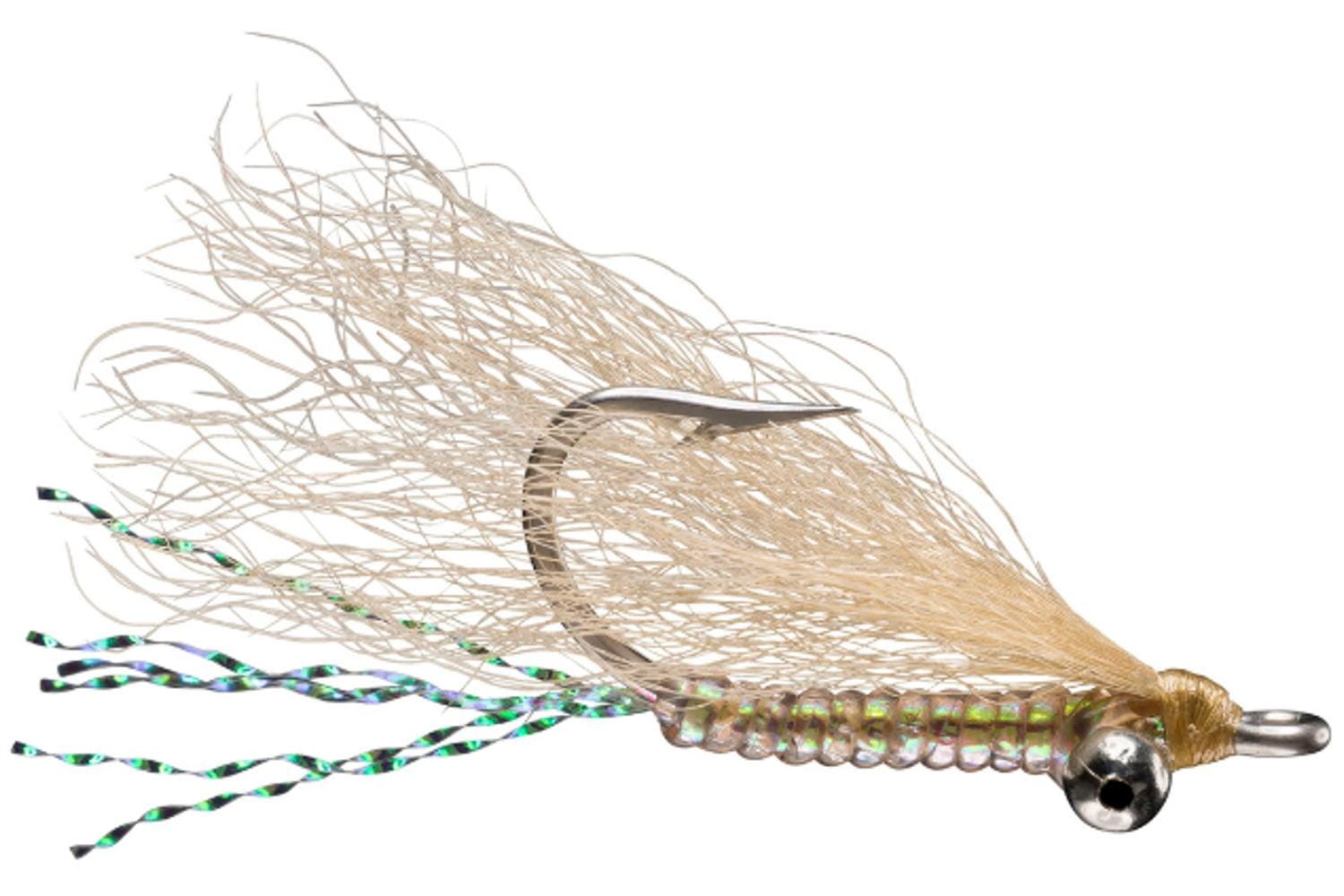
- Best Value Single Fly (Add-On): Rio Blind Charlie Fly - A smart add-on when you need an extra, proven flats pattern for bonefish-style situations. Great for rounding out an assortment so you’re not short on a key fly after a few fish (or a few mangroves).
How to Choose Rio Flies
Start with the scenario (not the pattern name)
Action: Decide what you need your fly to do in the water column first: float (dry), drift subsurface (nymph/wet), or swim and get noticed (streamer/baitfish). Then use the filters for target species and pack size to narrow down quickly.
Best for: Anglers who want fewer decisions on the water, especially when traveling, fishing new rivers, or building a first fly box.
When assortments make the most sense
Action: Choose an assortment when you want coverage across sizes, colors, and styles without buying a dozen singles. Assortments are especially helpful for hopper-dropper season, streamer days, and saltwater trips where losing a few flies is normal.
Avoid if: You’re trying to match one specific local hatch precisely, then you’ll usually want specific sizes and specific patterns rather than a mixed pack.
Trout vs. saltwater: think “feeding behavior”
Action: For trout rivers, you’re often rotating dries, nymphs, and streamers based on whether fish are rising, holding deep, or actively chasing. For saltwater (bonefish/tarpon), you’re usually prioritizing sink rate, landing softness, and a clean profile that matches shrimp/crab/baitfish forage.
Tip: Carry at least two weights/versions of your core flats patterns, lighter for skinny water, heavier for wind/current and deeper edges.
Materials & Durability
- Rinse after saltwater use: A quick freshwater rinse helps reduce hook corrosion and keeps materials from getting crunchy.
- Dry your flies before storage: Open your fly box after fishing so flies can dry fully, this helps prevent rust and mildew in materials.
- Retire beat-up flies strategically: Demote chewed-up patterns to “search flies” for aggressive fish, and keep cleaner flies for spooky conditions.
- Check hook points often: Even quality hooks can roll or dull after rocks, mangroves, or a few fish, touch up or replace as needed.
Complete Your Setup
Related Gear
- Rio Flies - Start here if you want species-focused assortments and a few key single patterns.
- Fly Assortments - A fast way to stock a box for a destination, hatch window, or technique.
- Leaders - Match leader taper and material to the presentation (dry fly vs. subsurface vs. saltwater).
- Tippet - Dial in stealth, abrasion resistance, and turnover based on fly size and conditions.
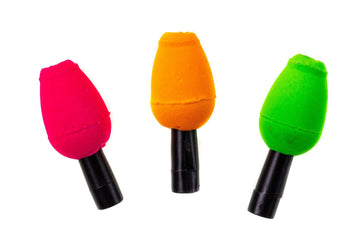
- Weights, Indicators & Floatants - The small stuff that controls depth, drift, and dry-fly flotation.
- Fly Boxes - Keep assortments organized by type, size, and destination so you can change quickly.
Related Guides
- Fly Fishing Flies Explained
- The 8 Best Bonefish Flies
- Bonefishing Gear Guide
- How To Tie the Big Junk Streamer Fly
Rio Flies FAQs
Q: What are Rio Flies?
A: Rio Flies are fly fishing patterns and pre-built fly assortments under the RIO brand, covering trout and saltwater species. They’re a good fit when you want proven options without building a box one fly at a time.
Q: Are Rio Flies good for beginners?
A: Yes, especially the assortments. A mixed pack helps you learn when to use dries vs. nymphs vs. streamers without guessing which specific patterns to start with.
Q: Should I buy a fly assortment or individual flies?
A: Choose an assortment if you want broad coverage for a season, trip, or technique. Buy individual flies when you’re matching a specific hatch or you already know exactly what you need more of.
Q: What’s the best way to pick the right flies for trout?
A: Start with what fish are doing: rising fish point to dry flies, no surface activity often points to nymphs/wets, and aggressive chasing favors streamers. Then match size first, profile second, and color third.
Q: What colors should I bring for bonefish?
A: Many anglers carry light/neutral colors (like tan/white) plus a few options with a bit more contrast for darker bottoms. It’s also smart to have multiple weights so you can match depth and current.
Q: Do I need different flies for tarpon vs. bonefish?
A: Typically yes. Bonefish flies often prioritize shrimp/crab profiles and subtle landings, while tarpon flies commonly focus on larger silhouettes, durability, and the right sink/hover behavior for the scenario.
Q: How should I store flies after a day on the water?
A: Let them dry completely before closing your box for storage. If you fished saltwater, rinse flies with fresh water and dry them to help reduce corrosion.
Q: How do I know what fly size to use?
A: For trout, match the natural insects you see (or the size fish are eating). For saltwater, size often follows forage size and conditions, bigger profiles can help in wind or dirty water, while smaller flies can help in calm, clear flats.