

























Batman Redfish Fly Pattern (Fly Tying Tutorial)
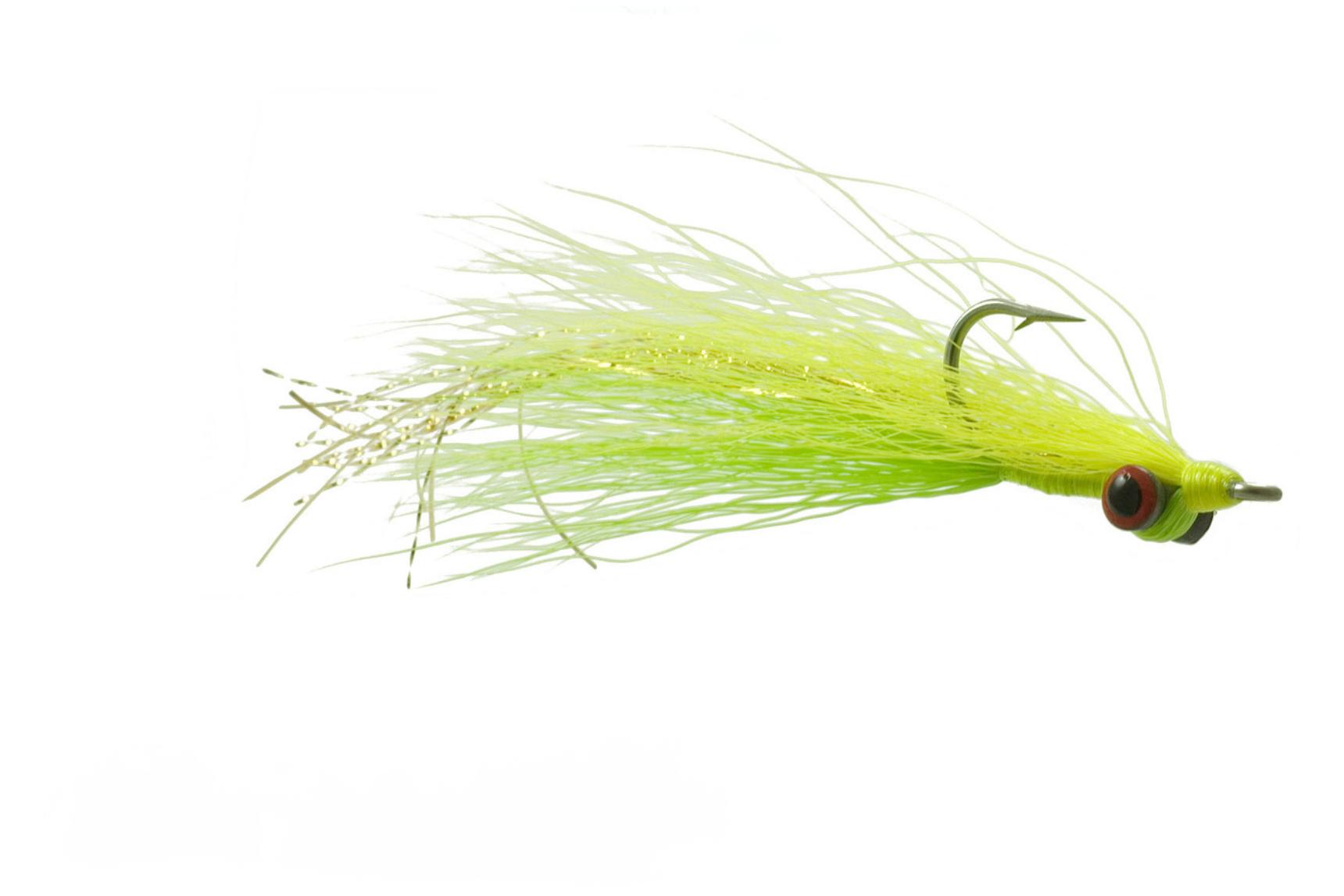
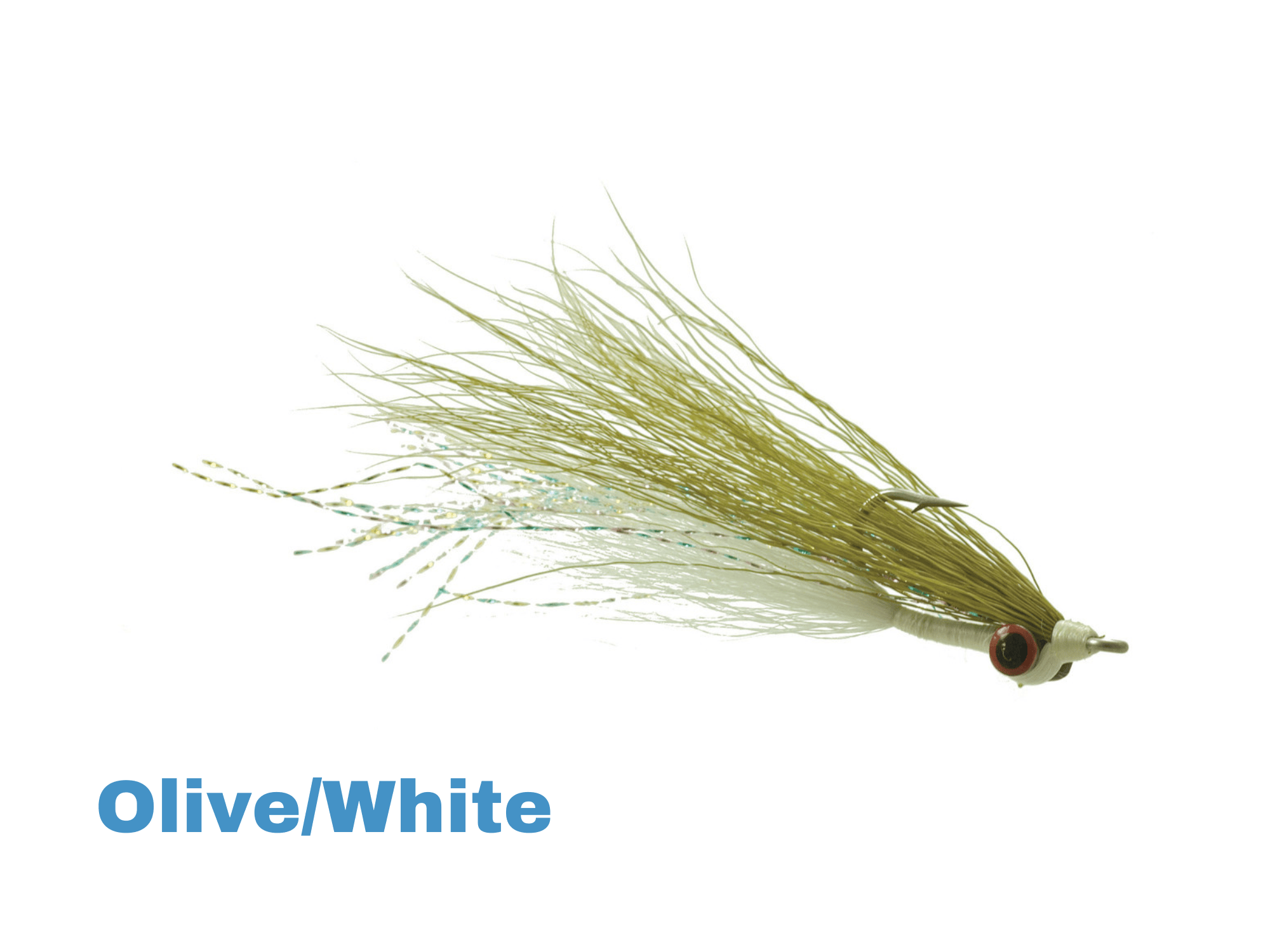


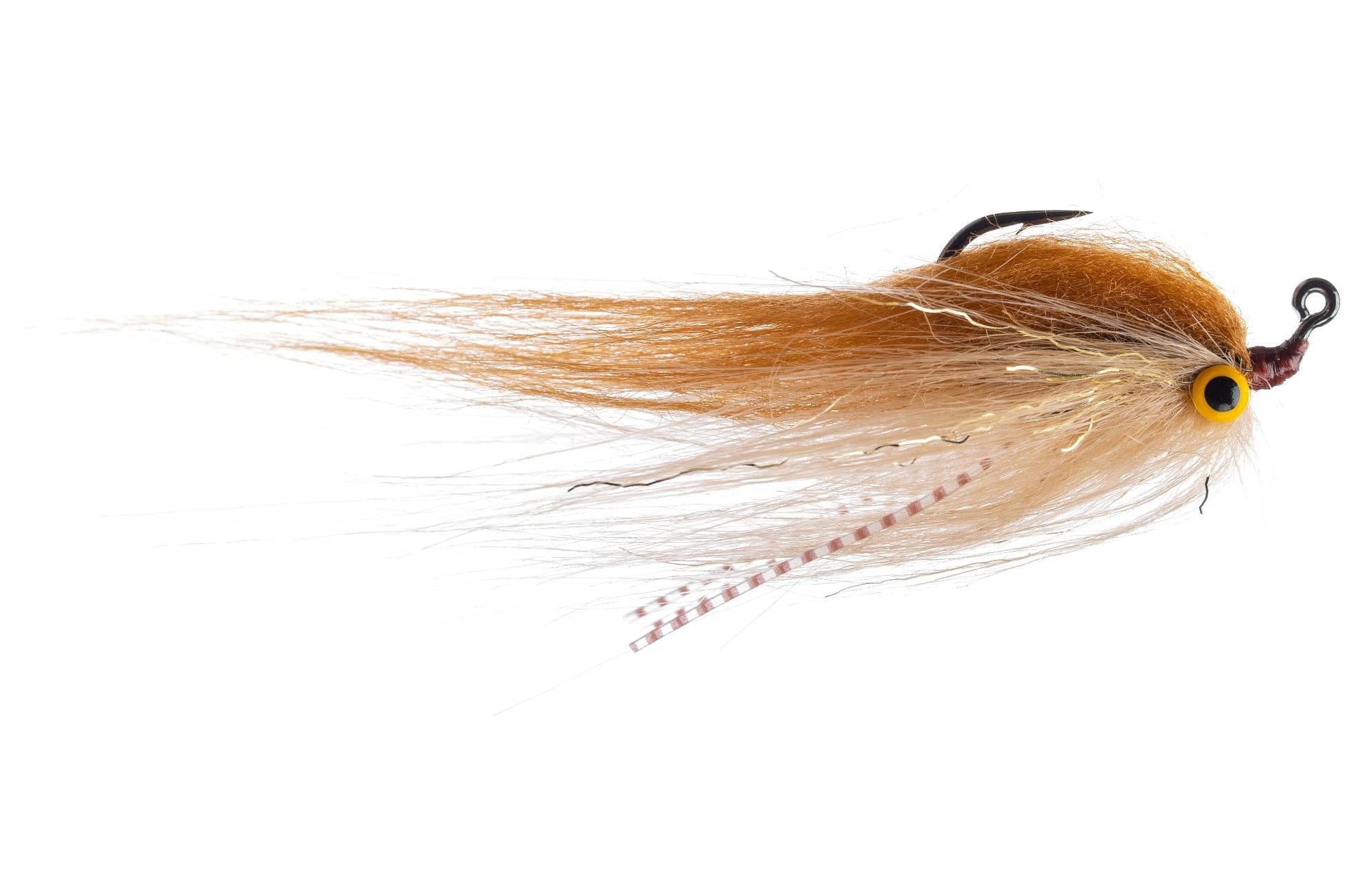
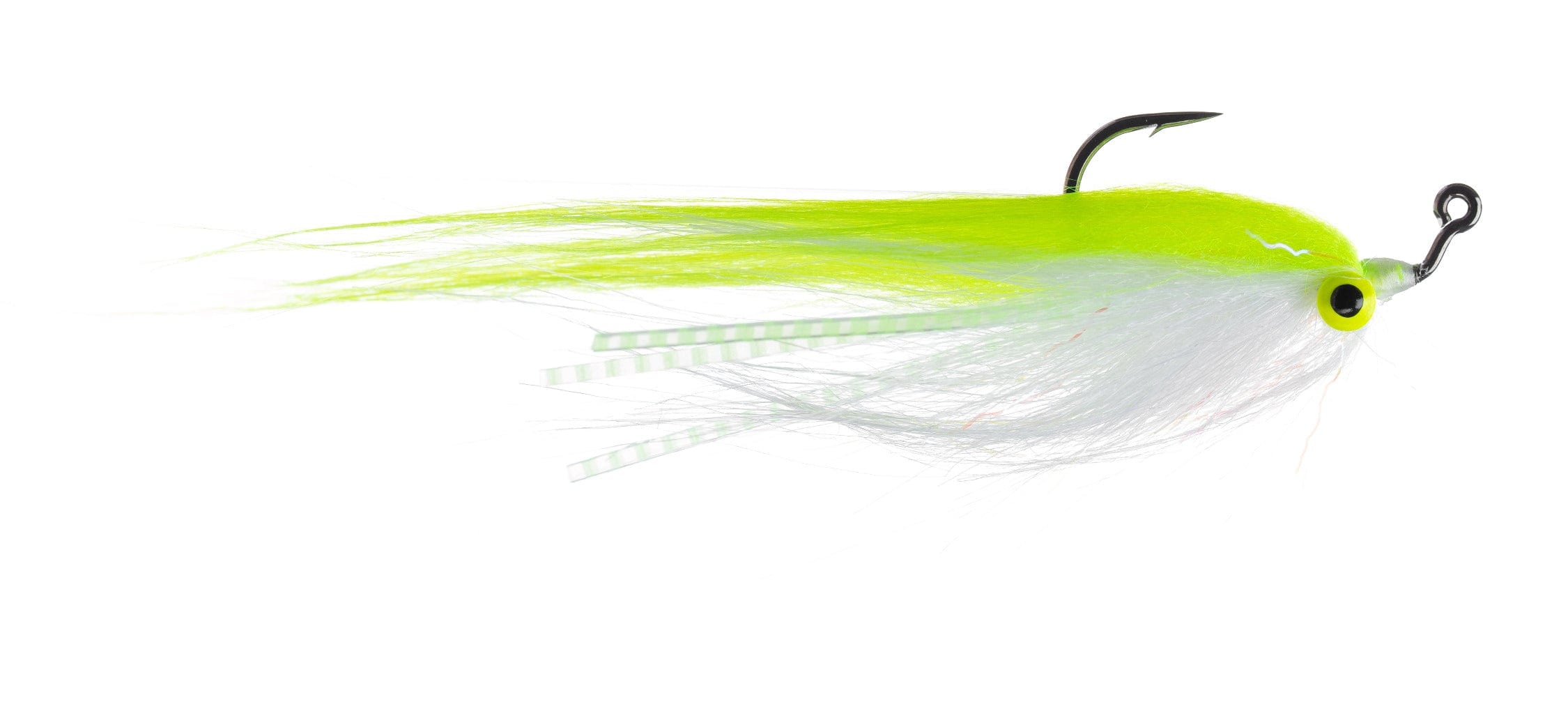
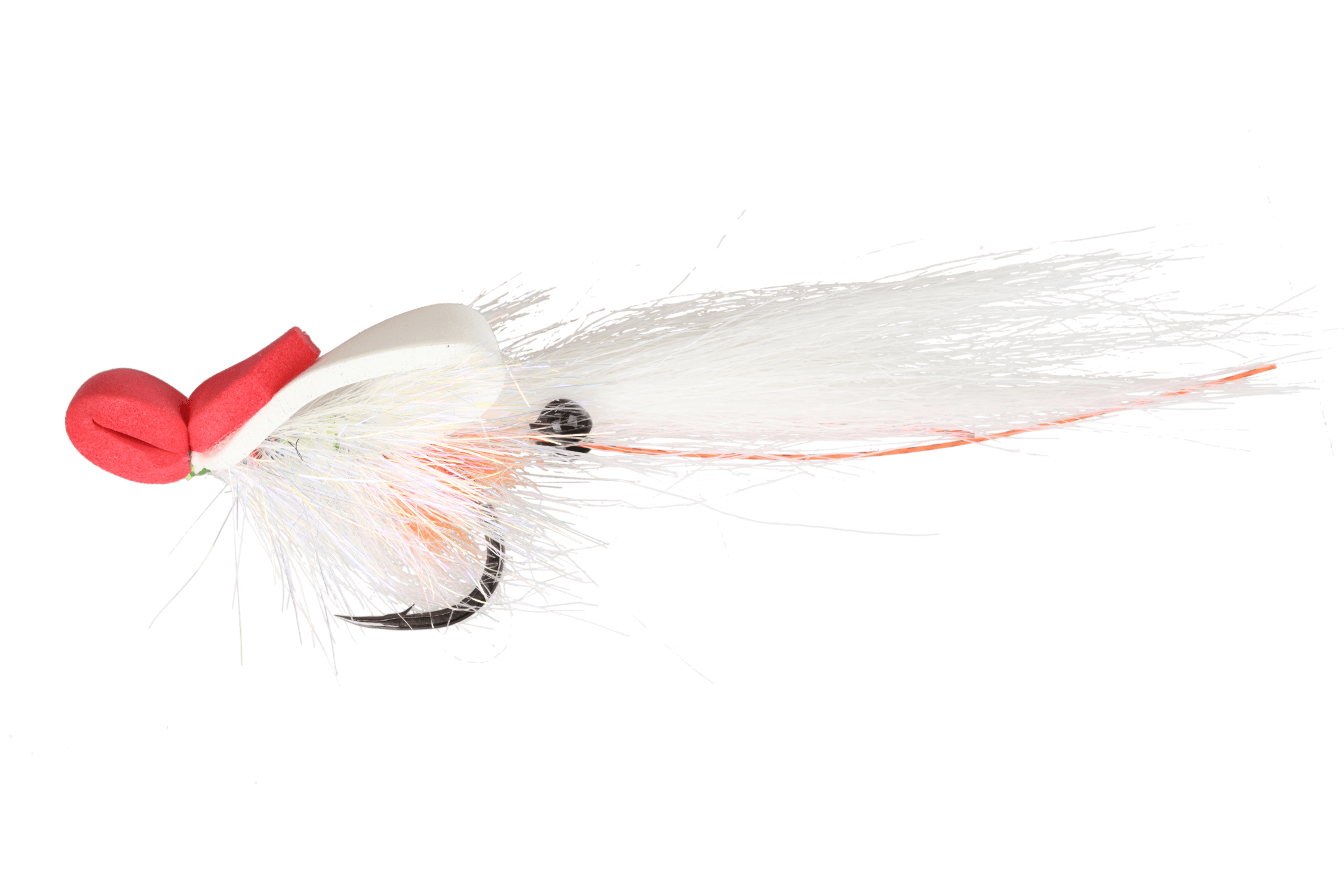
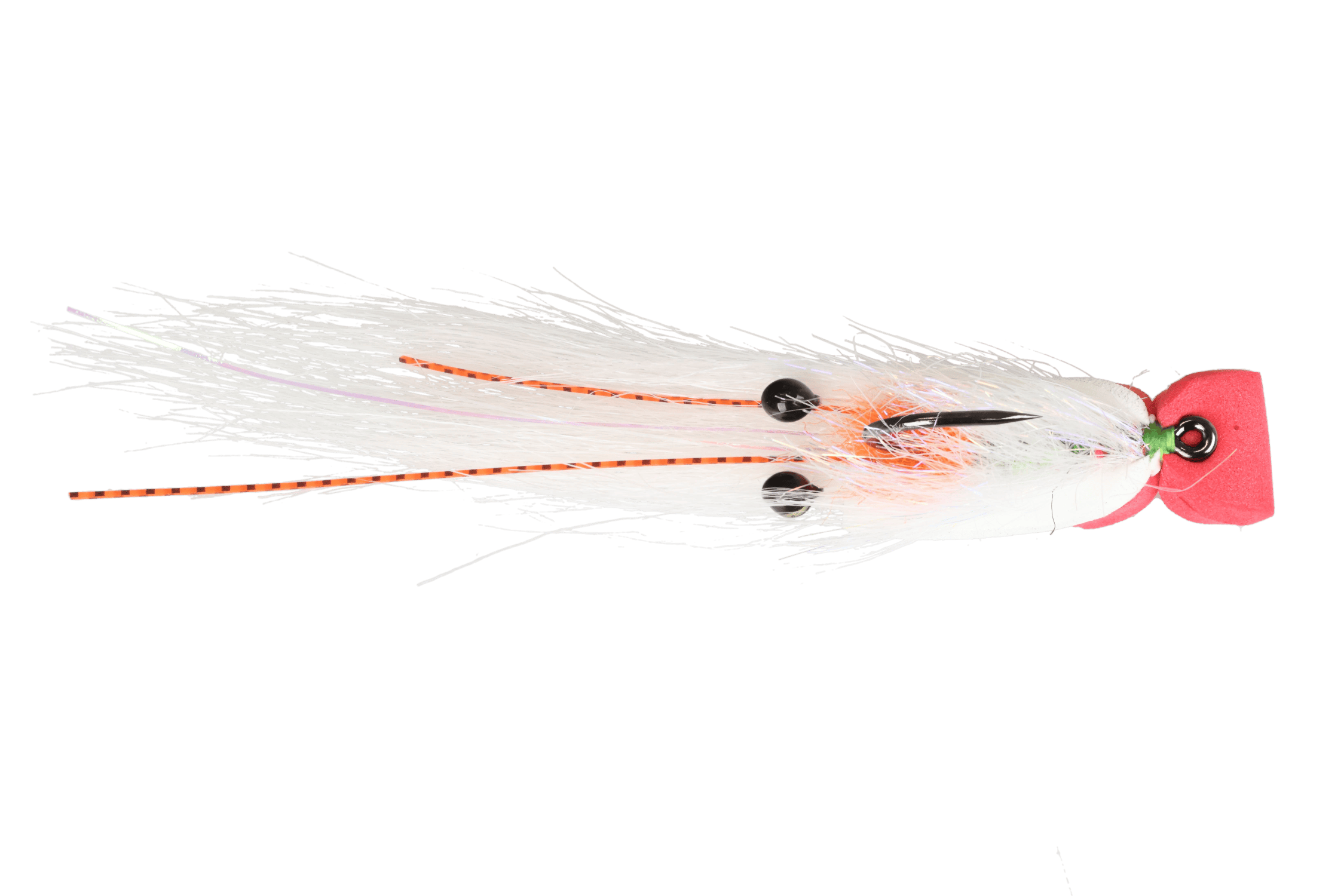
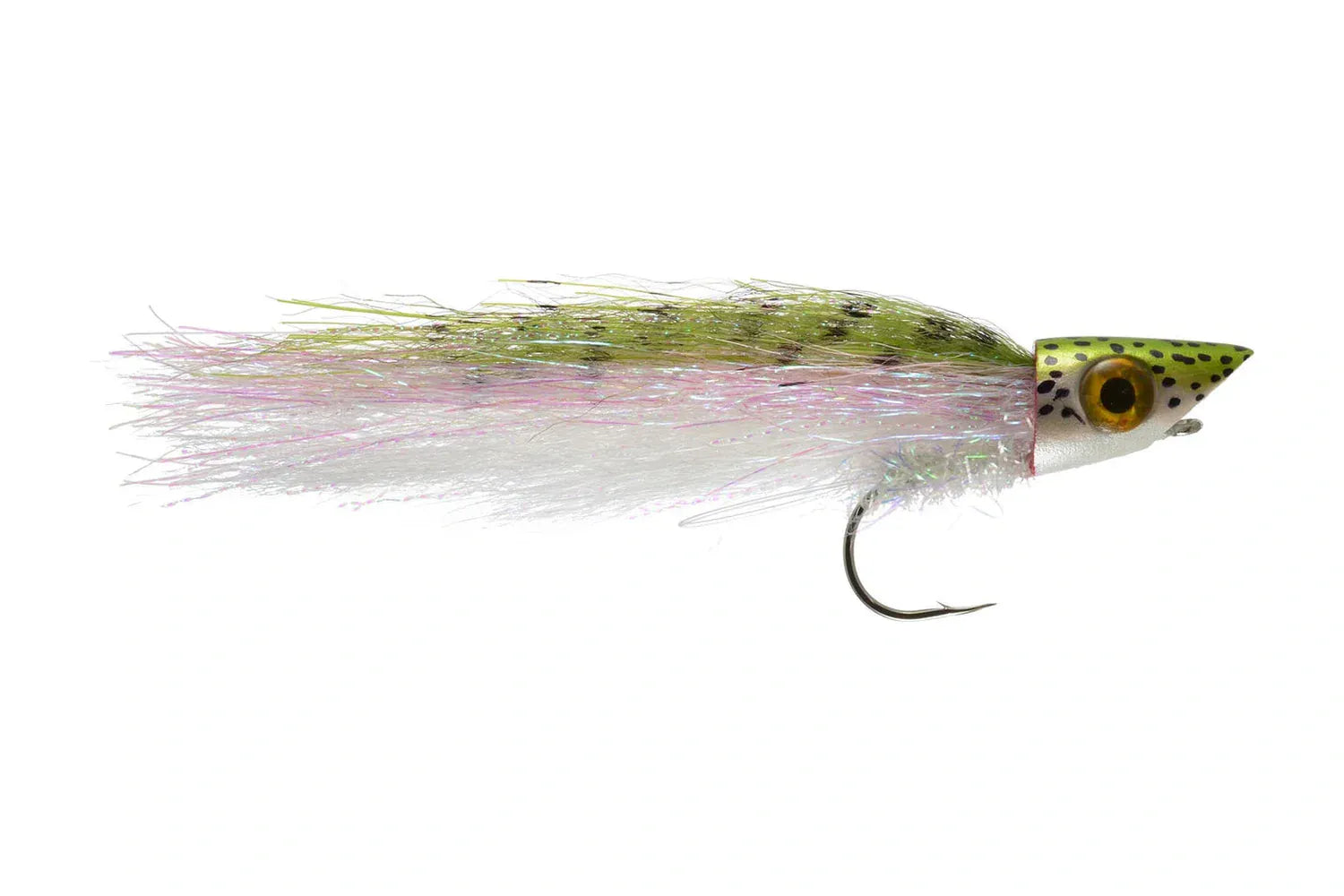
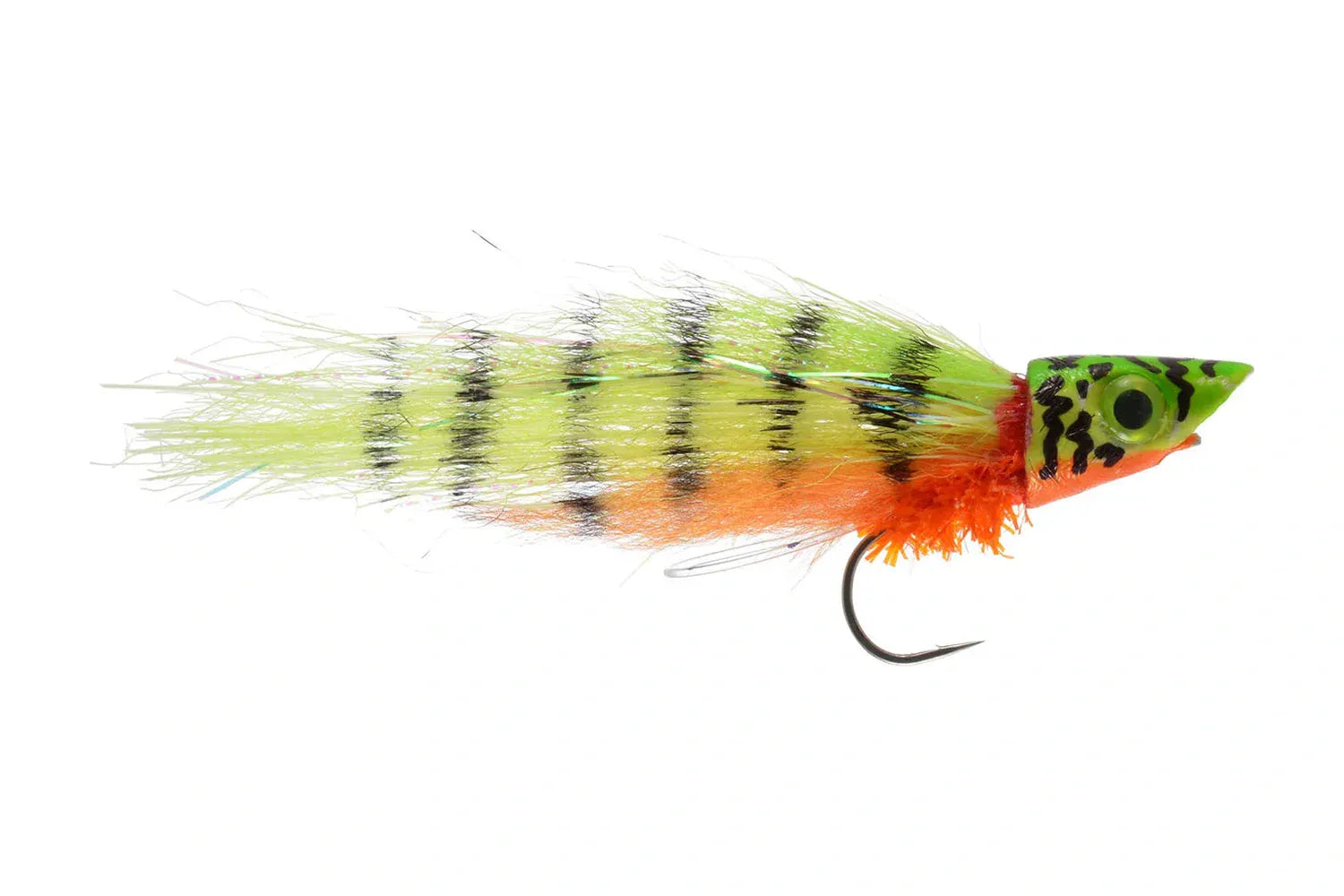
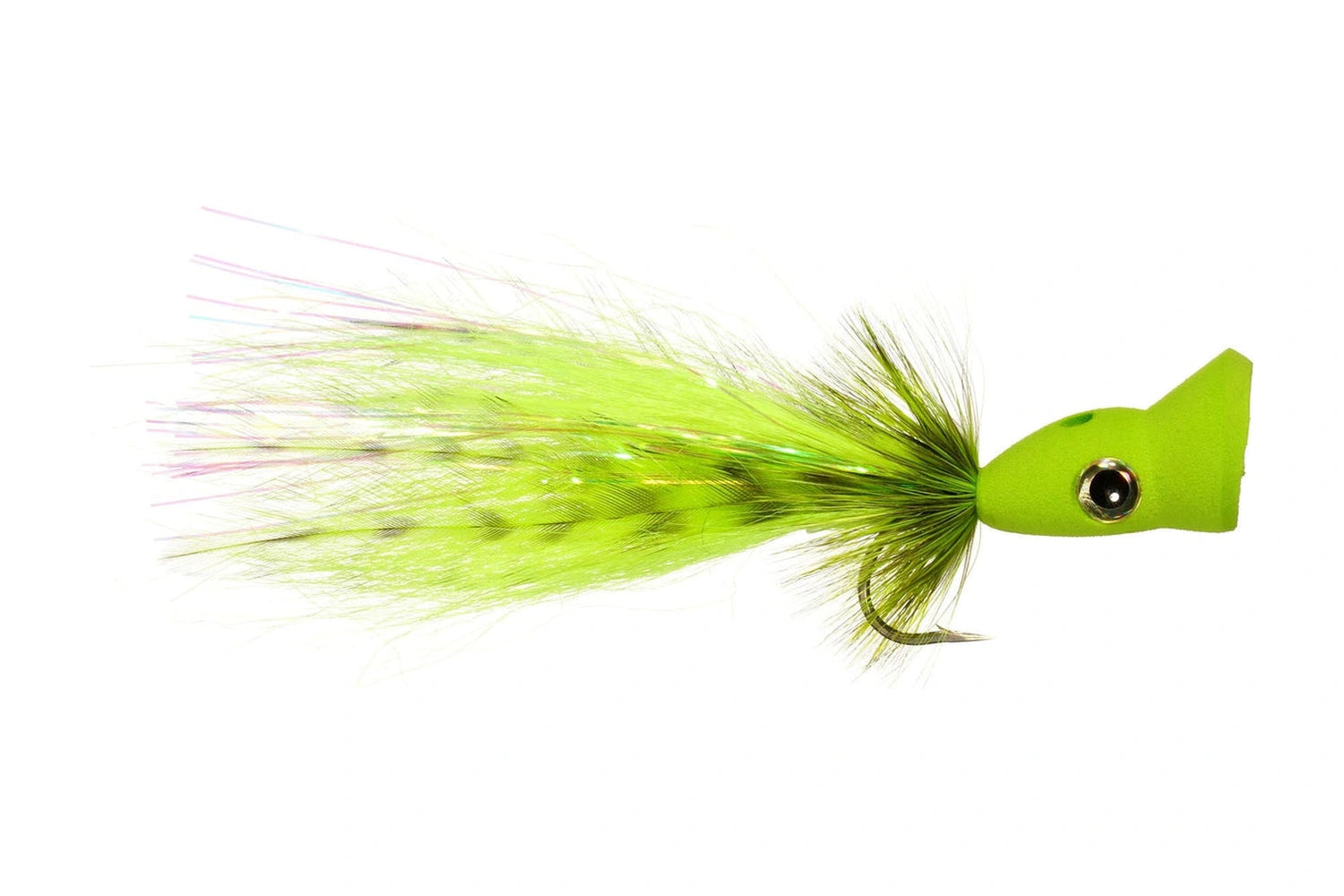
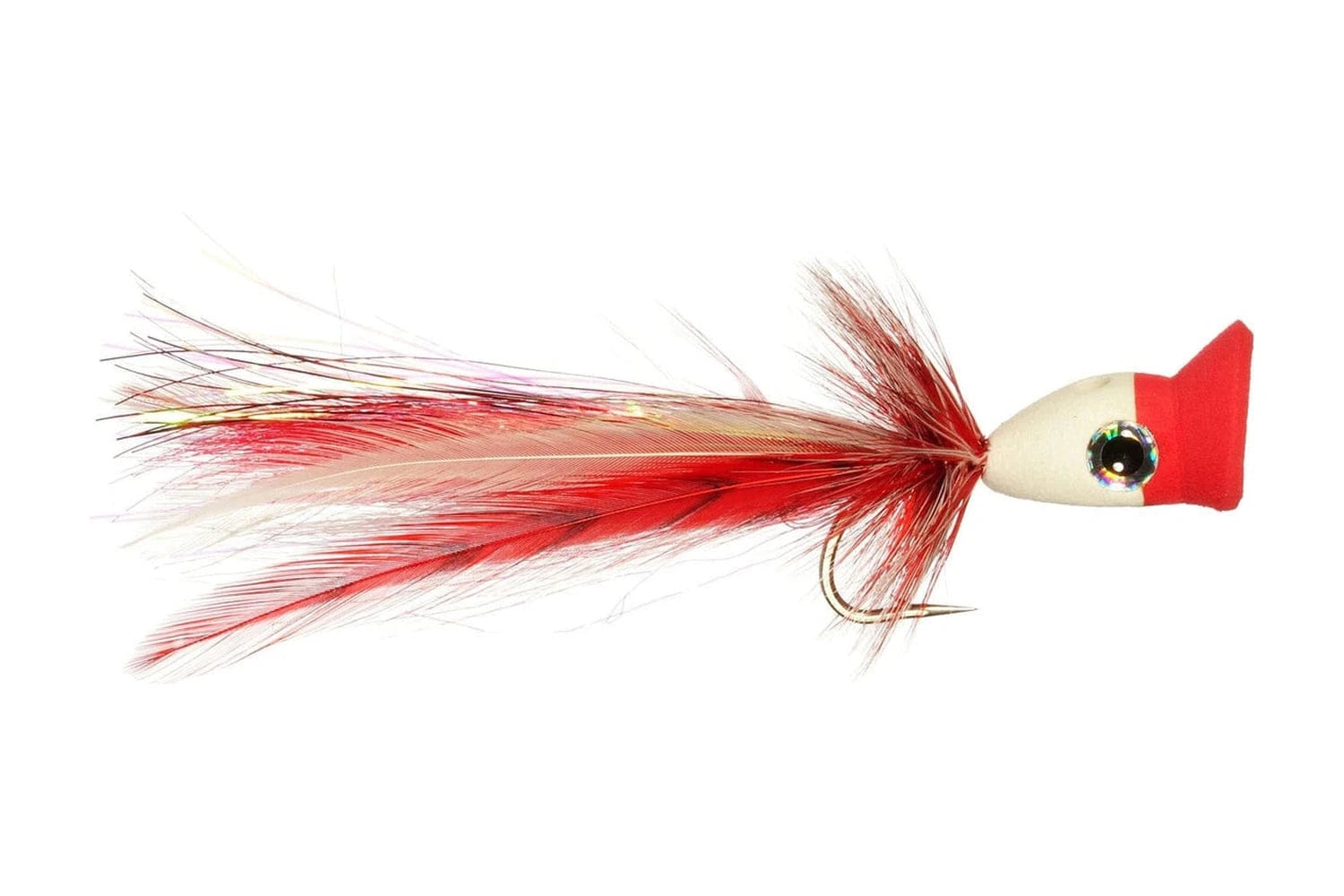
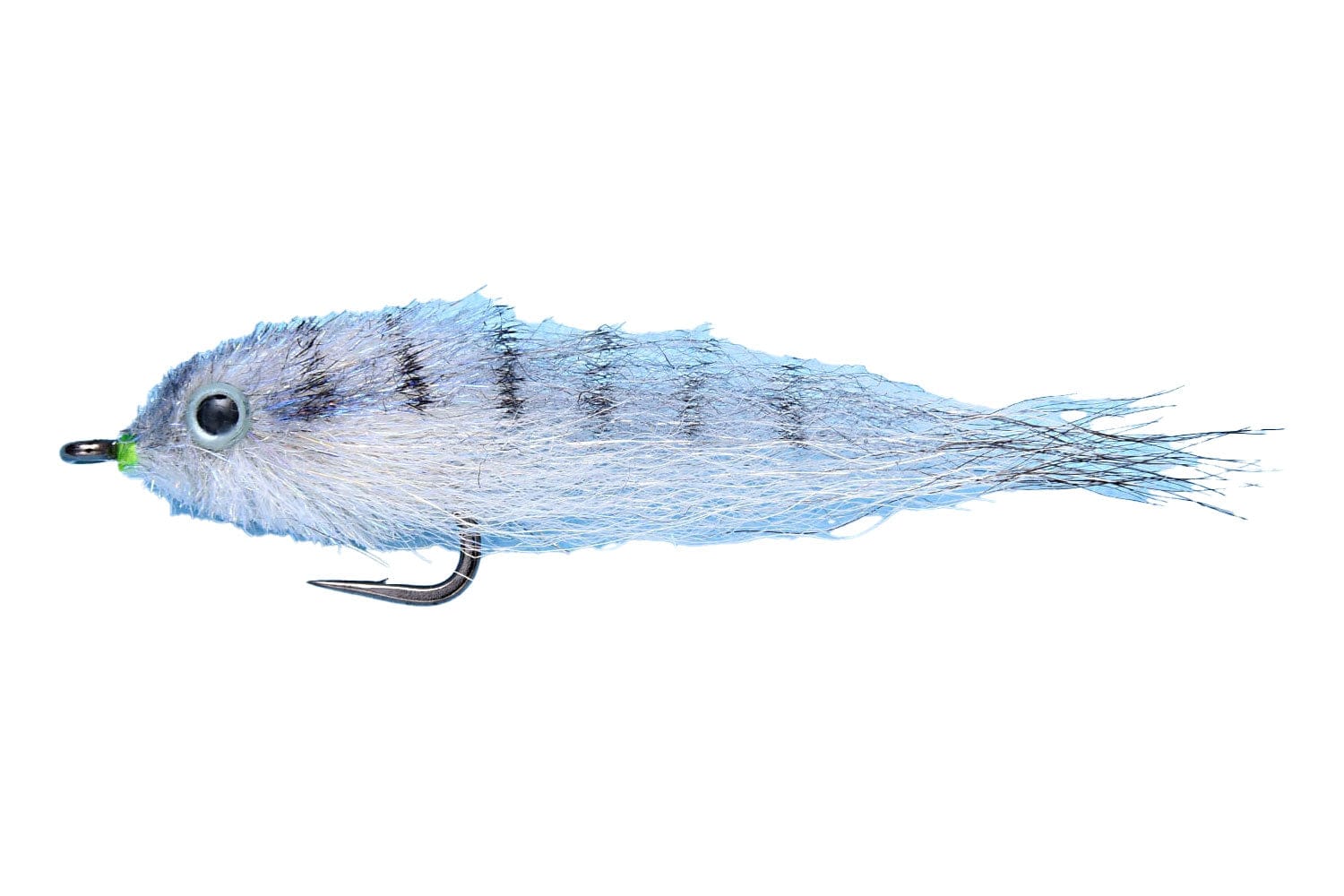
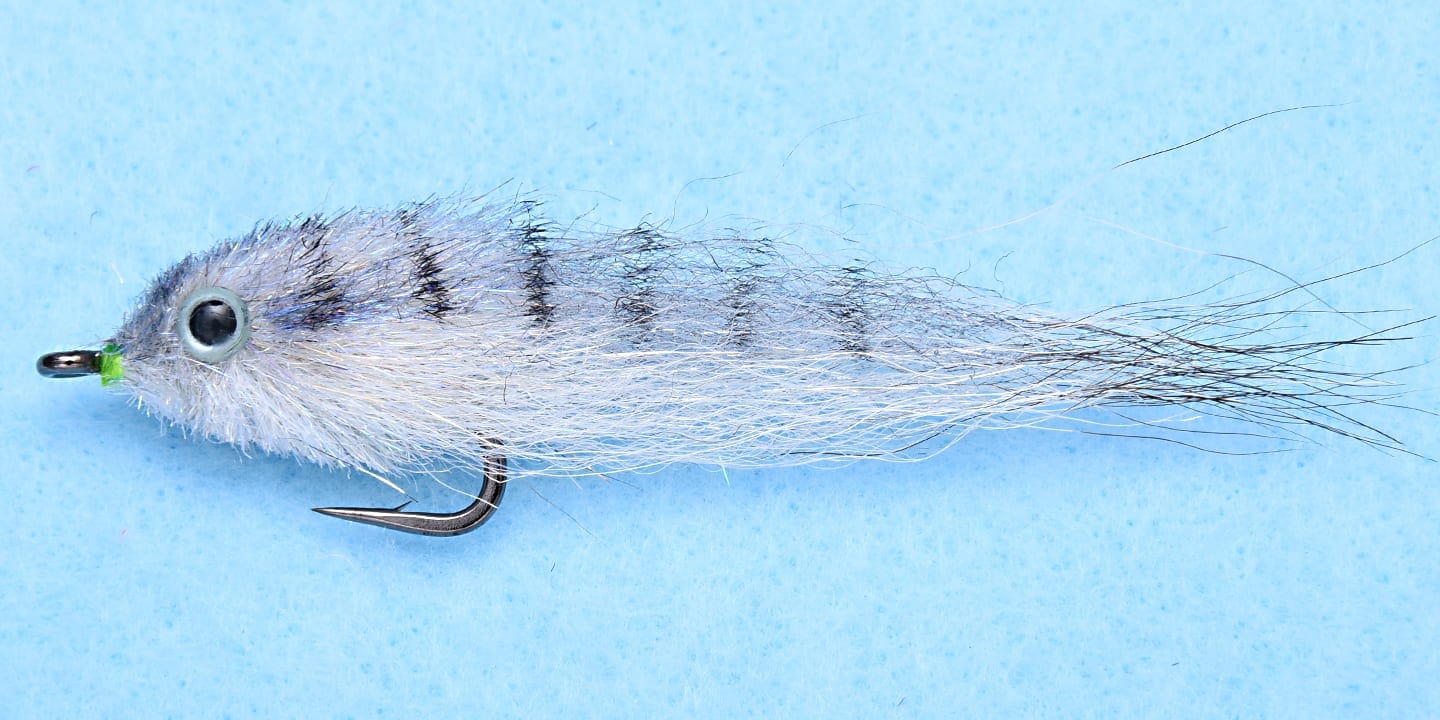
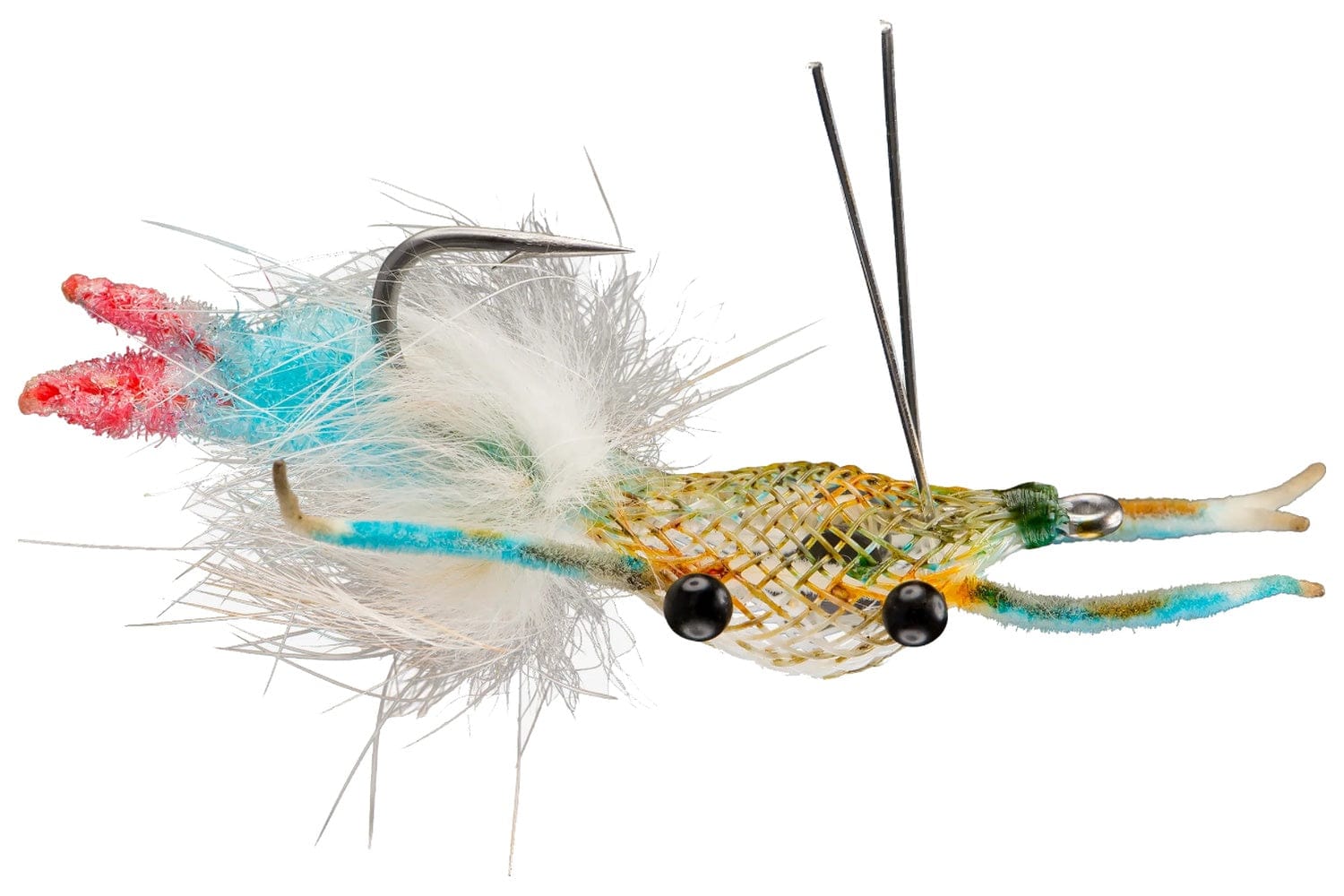
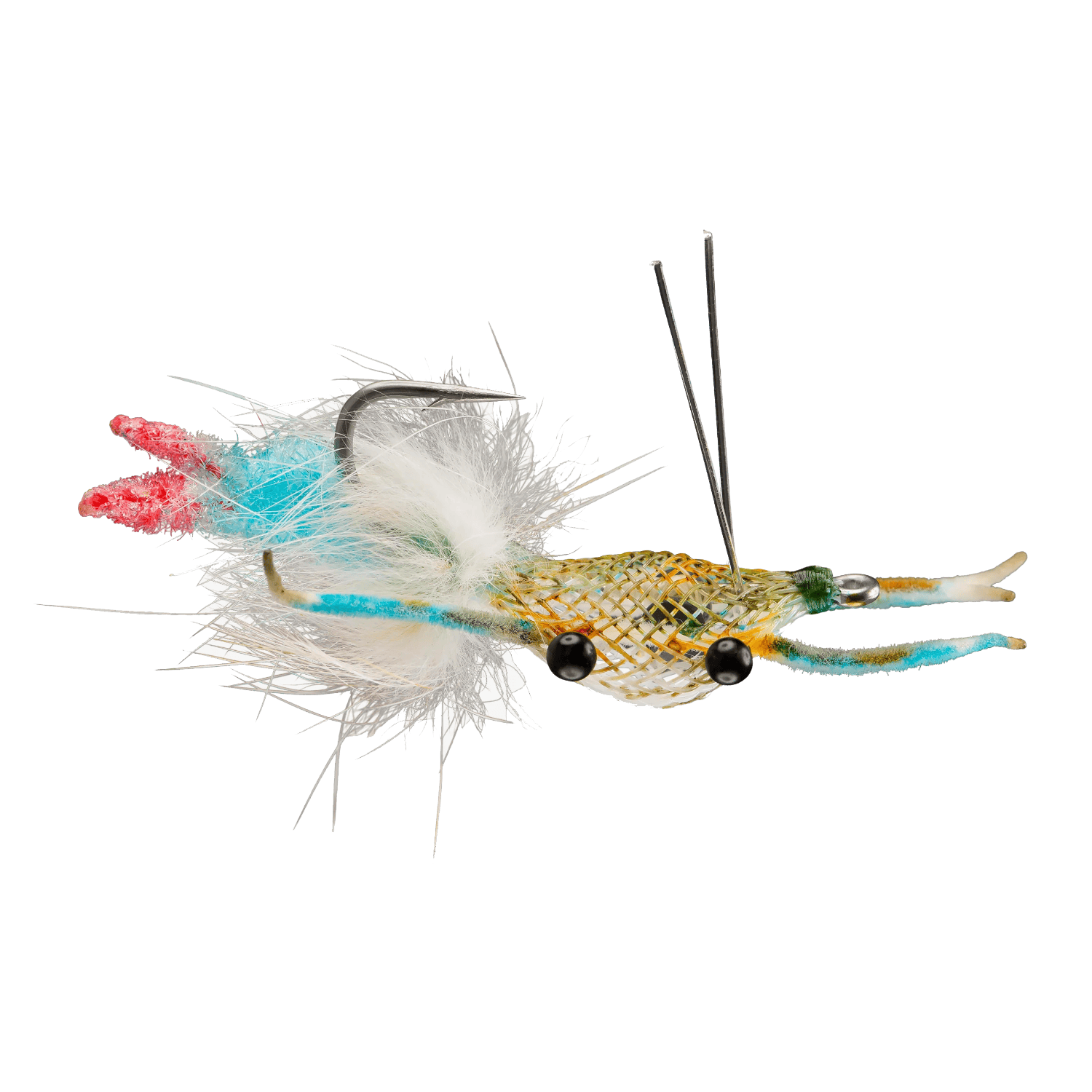
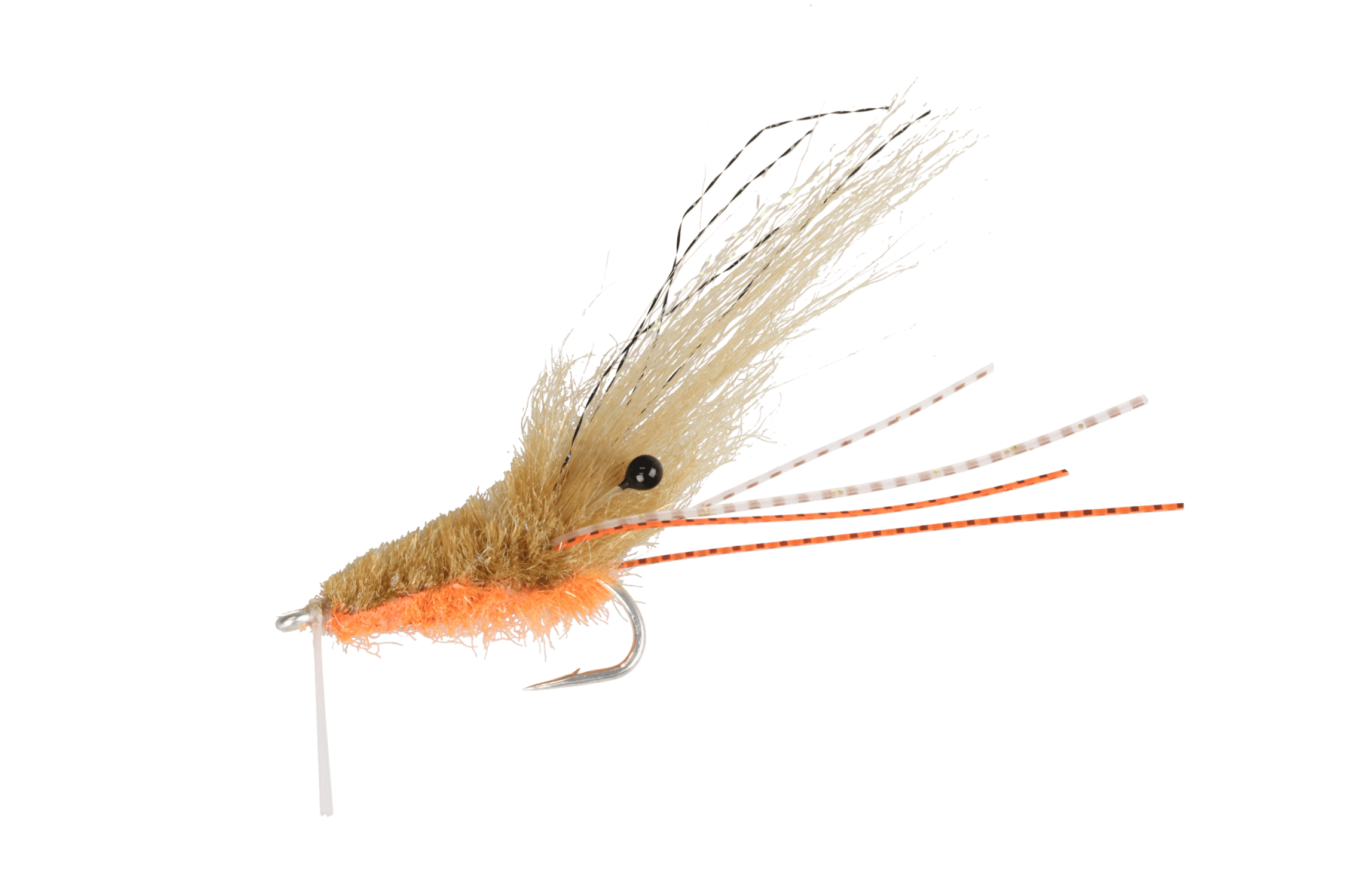
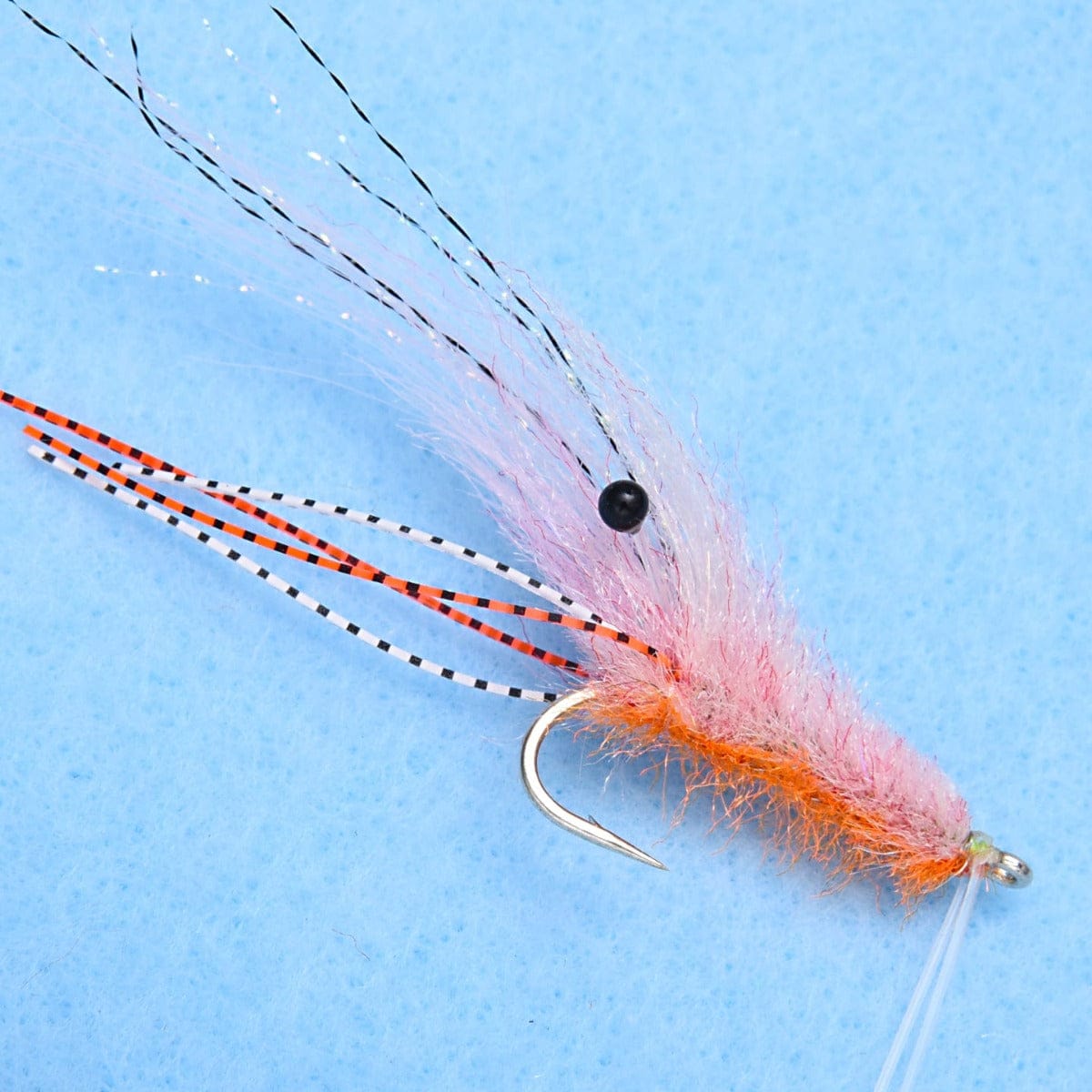

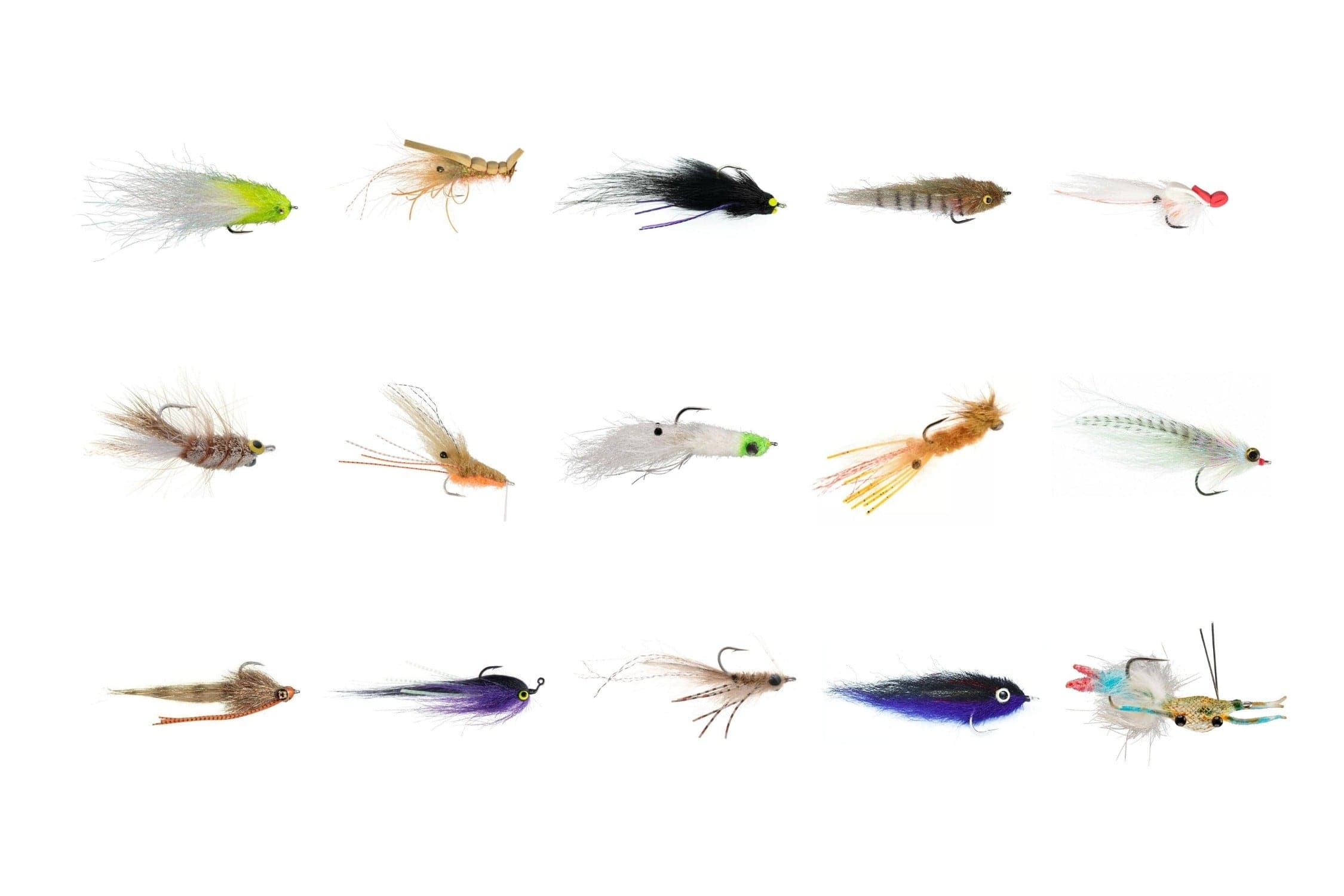
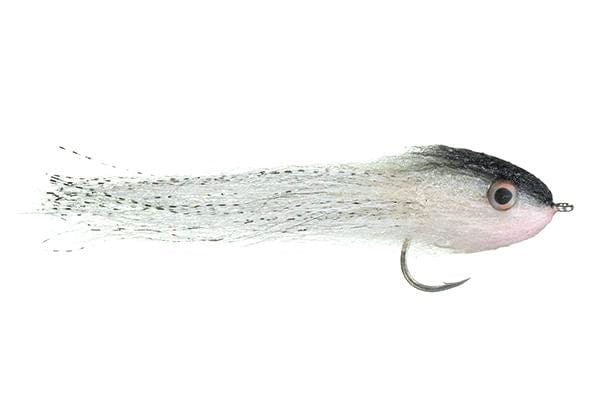
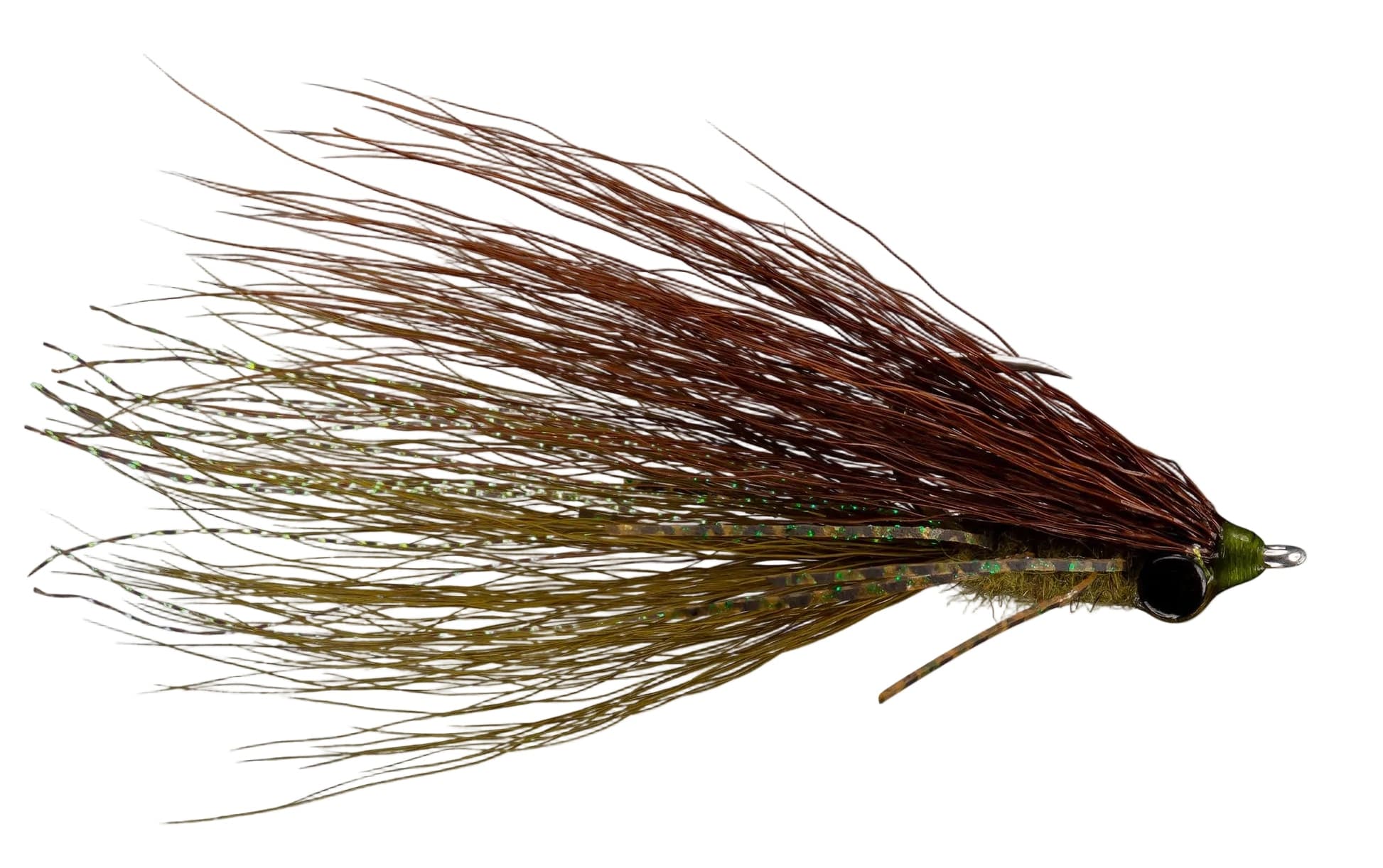
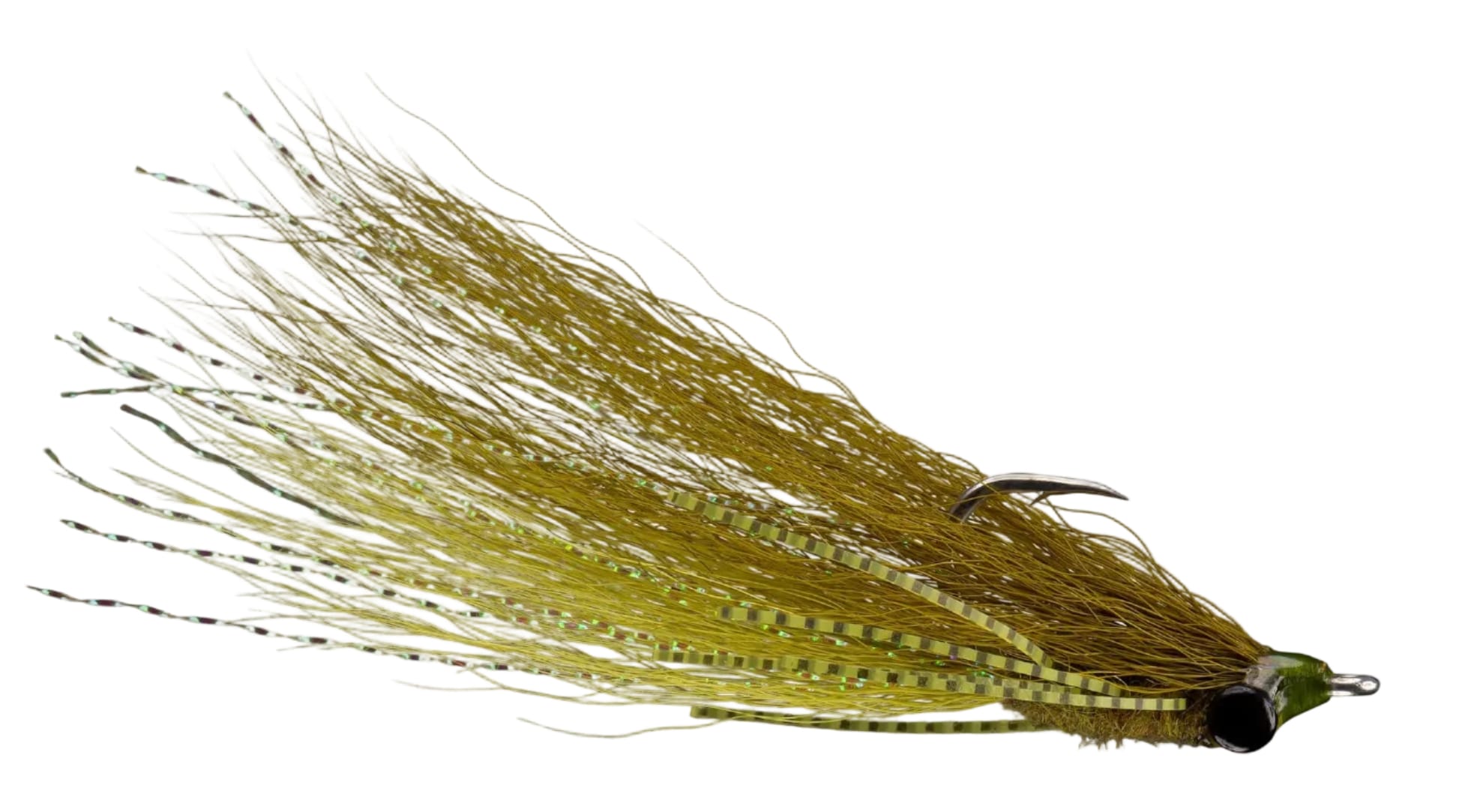
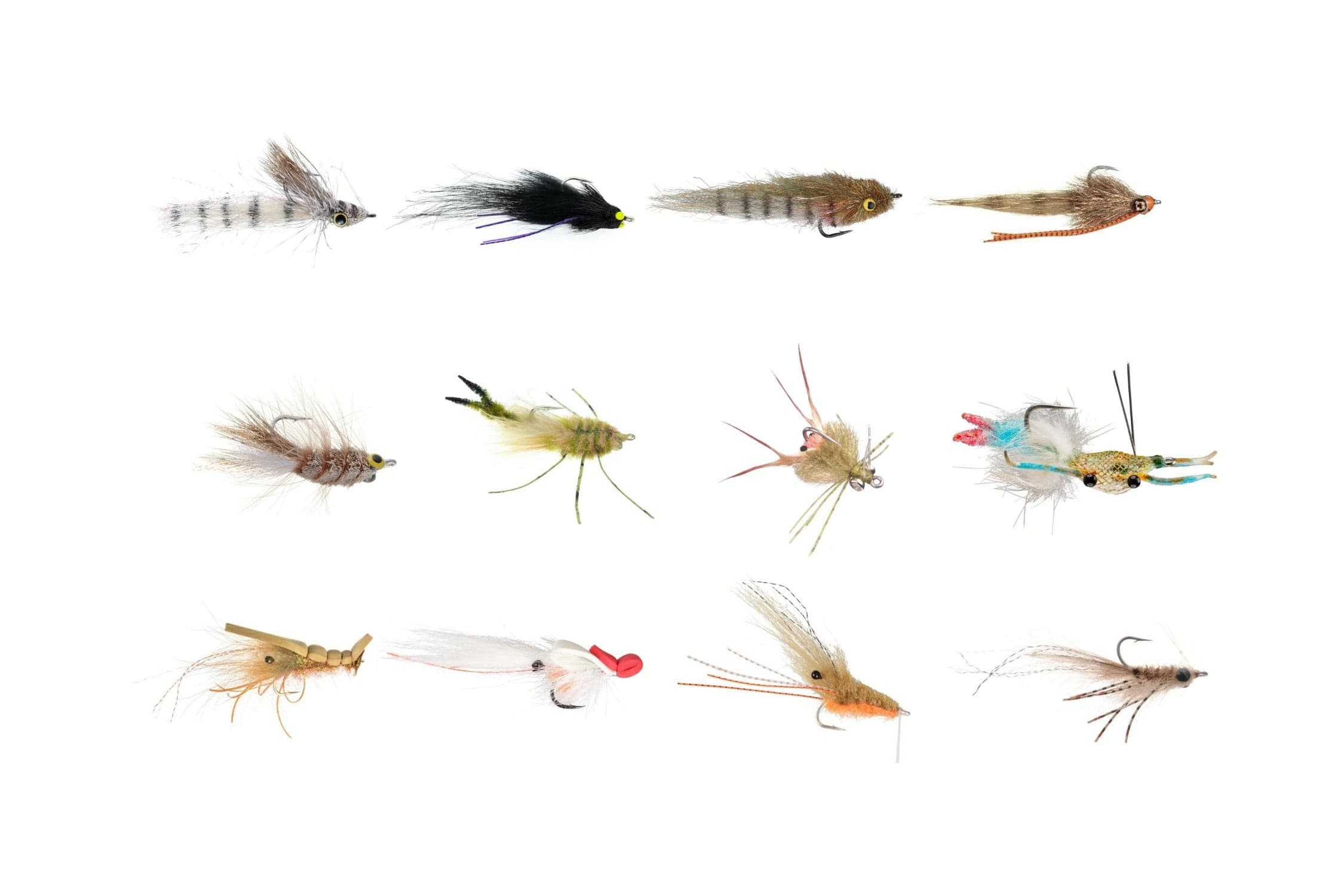
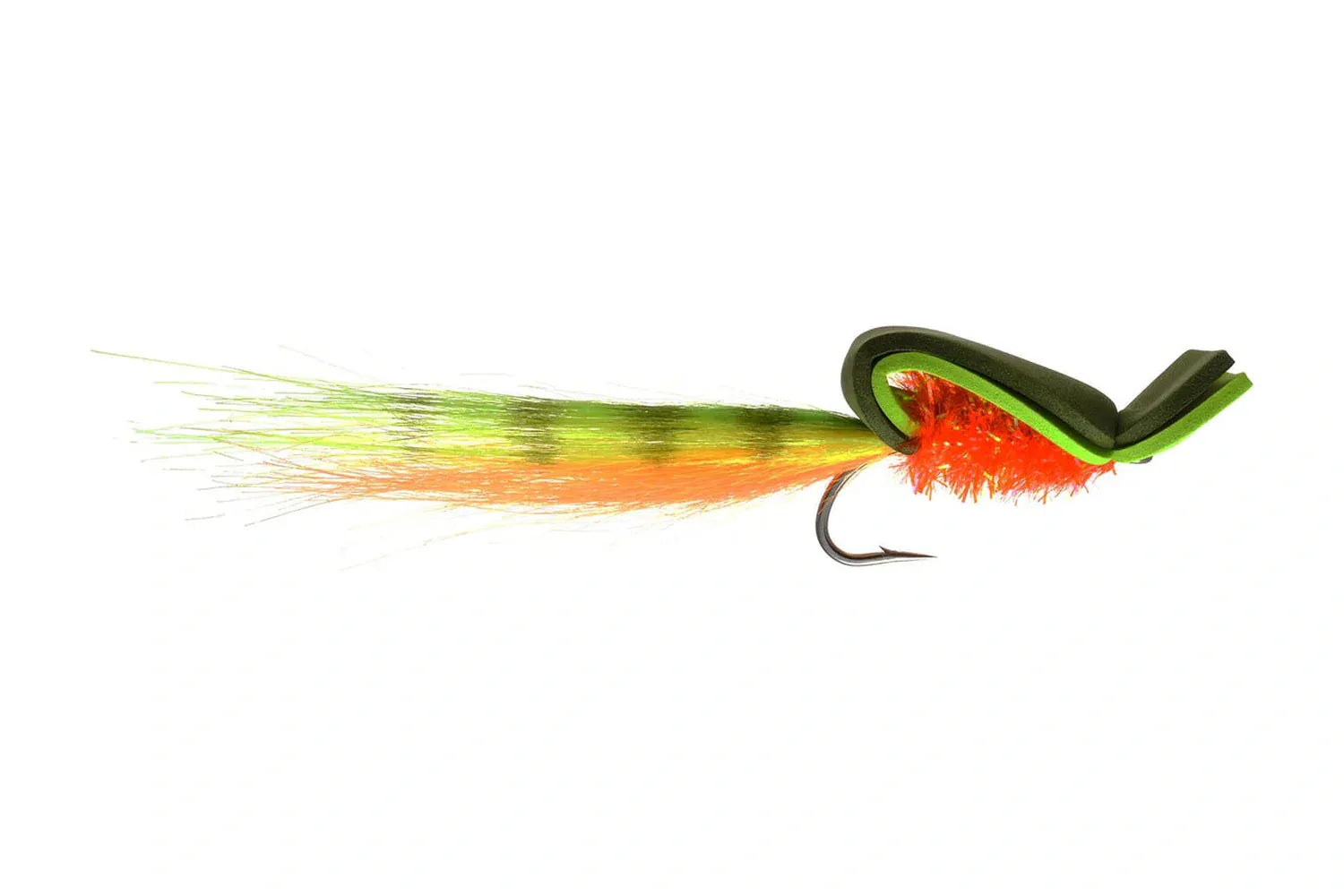
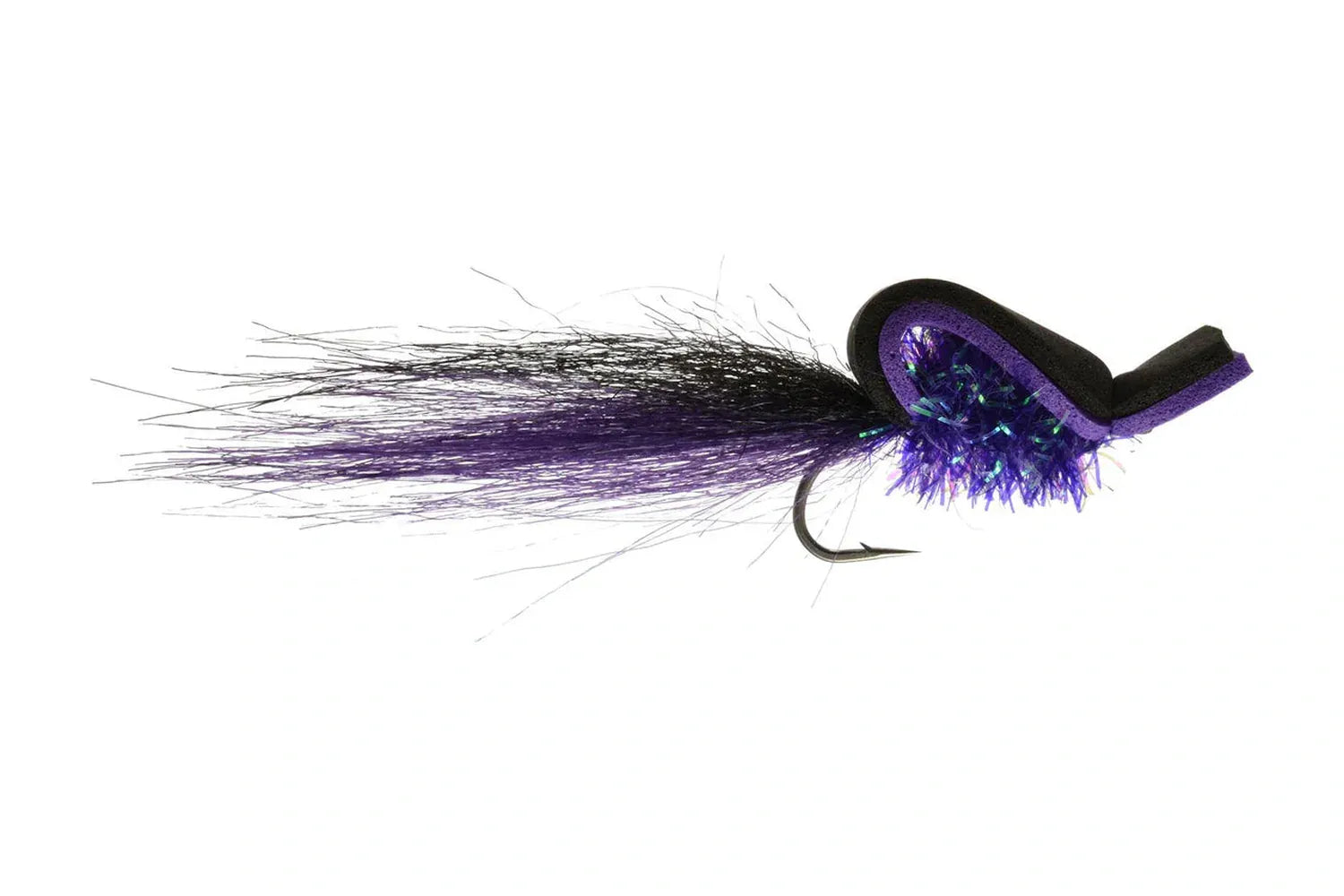
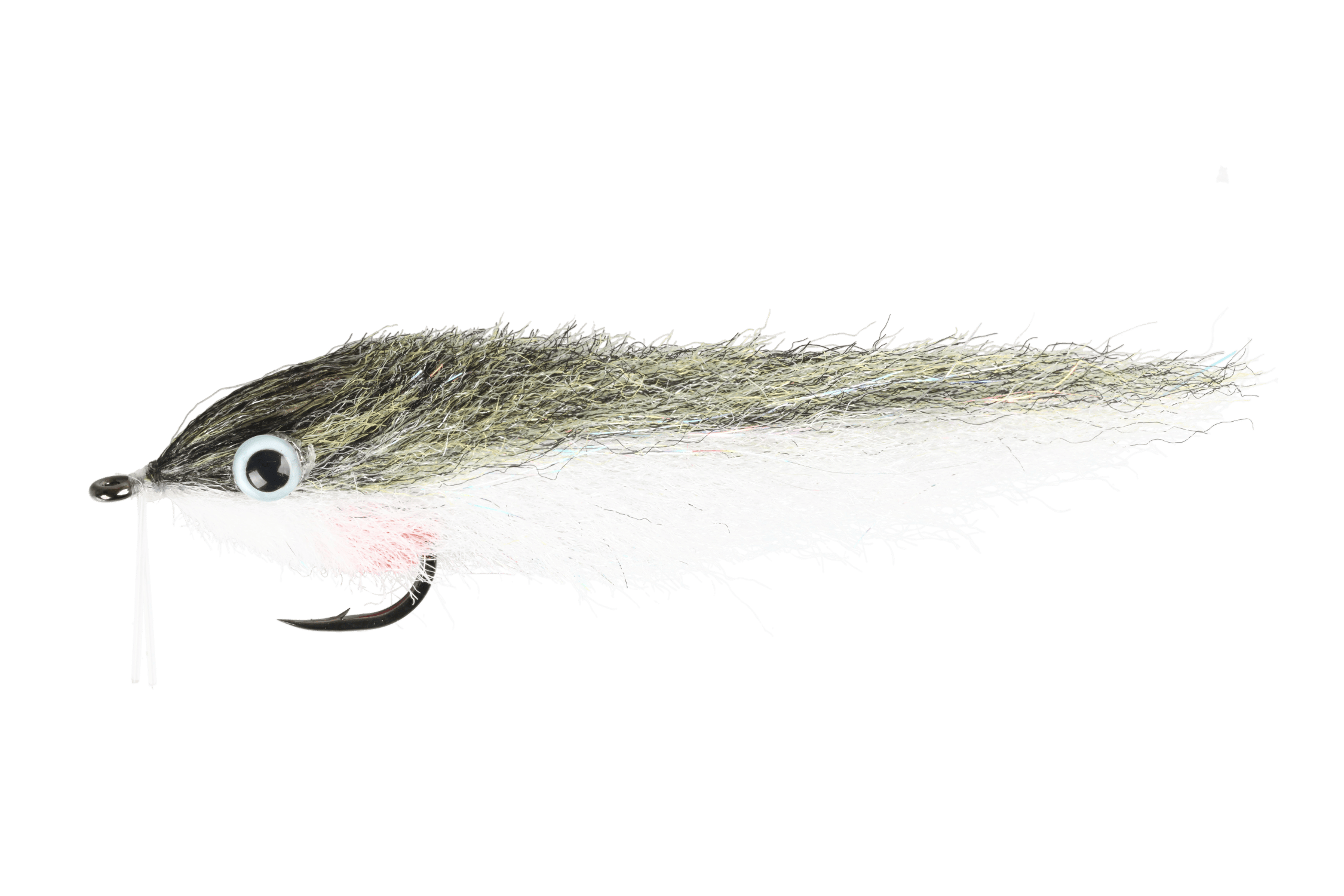
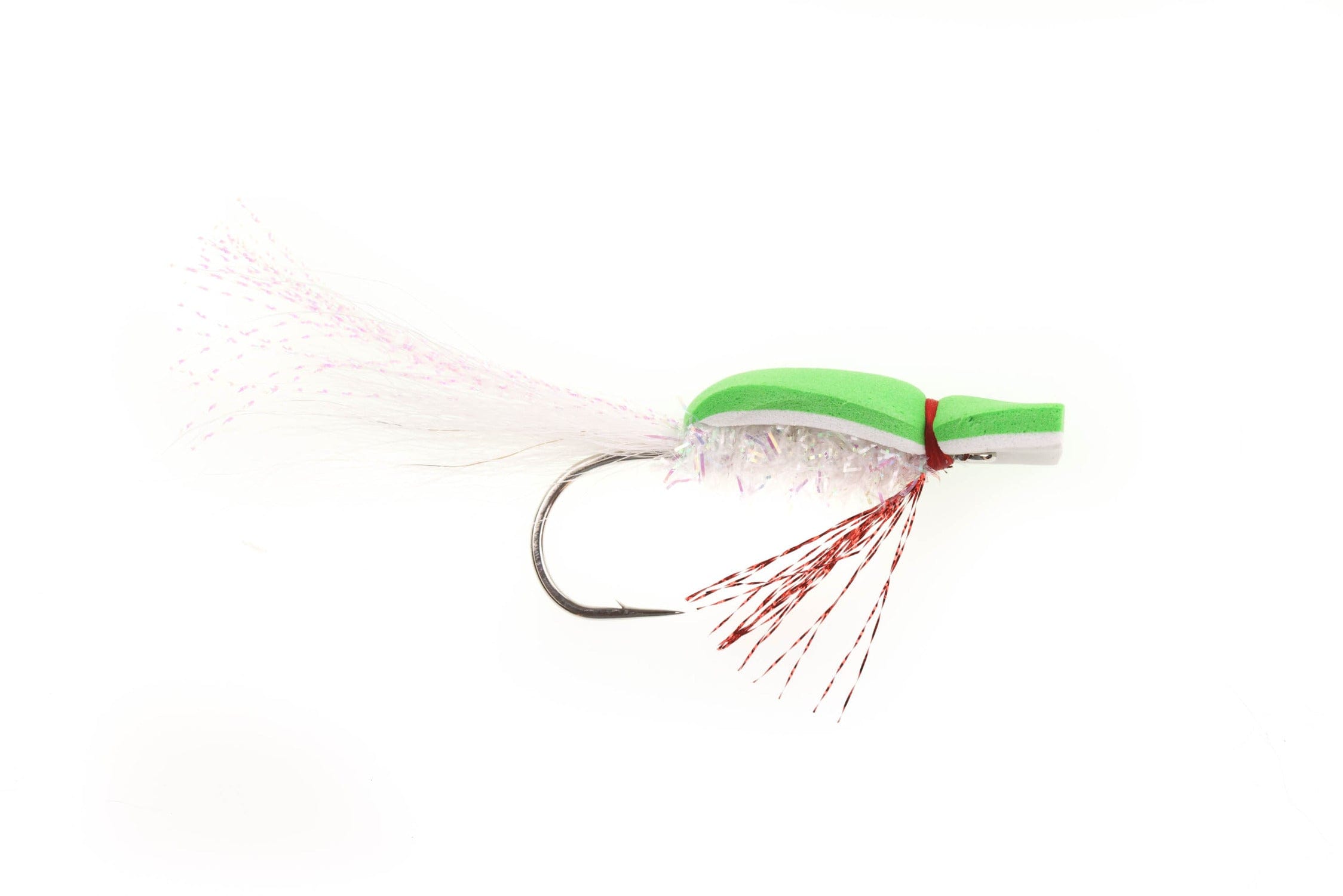

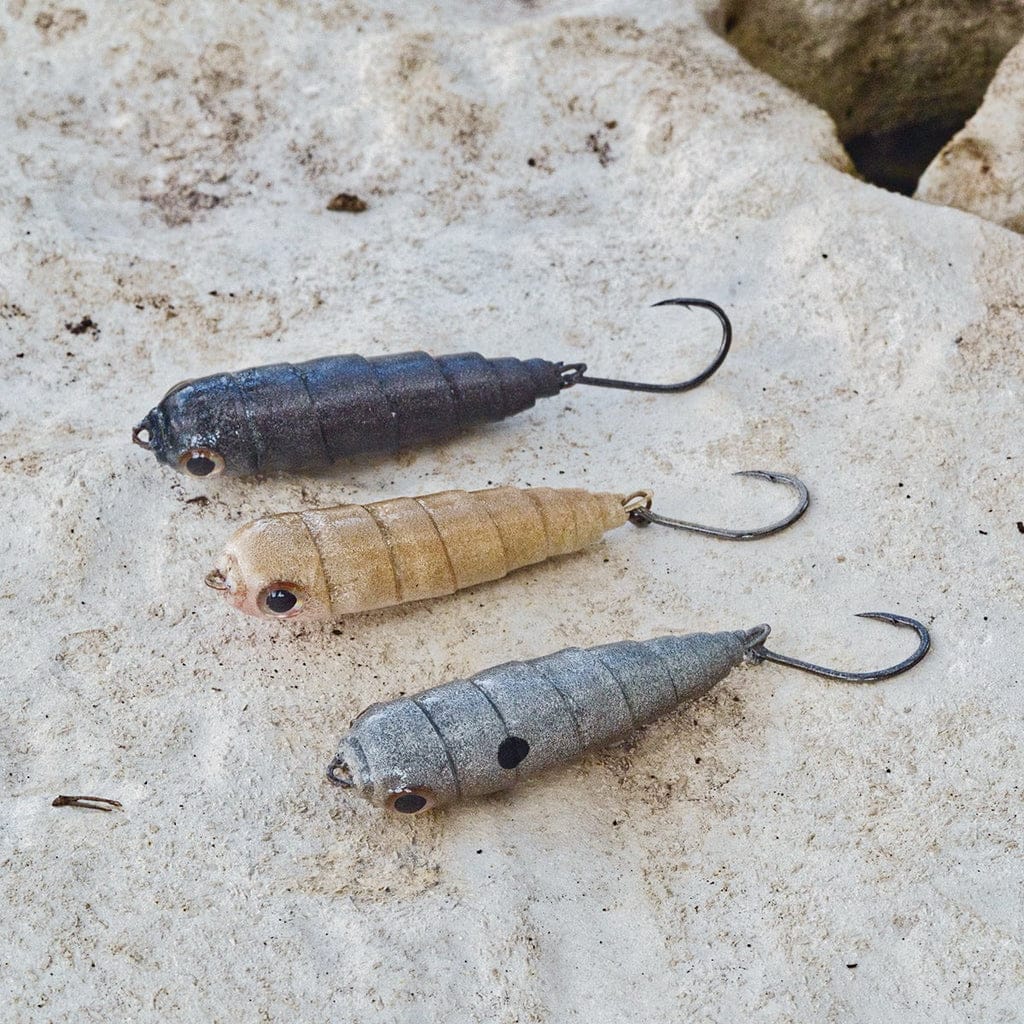
Redfish Flies Quick Picks
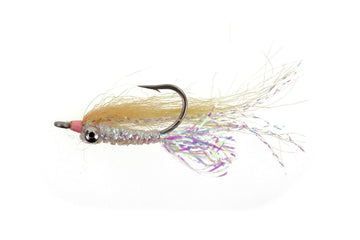
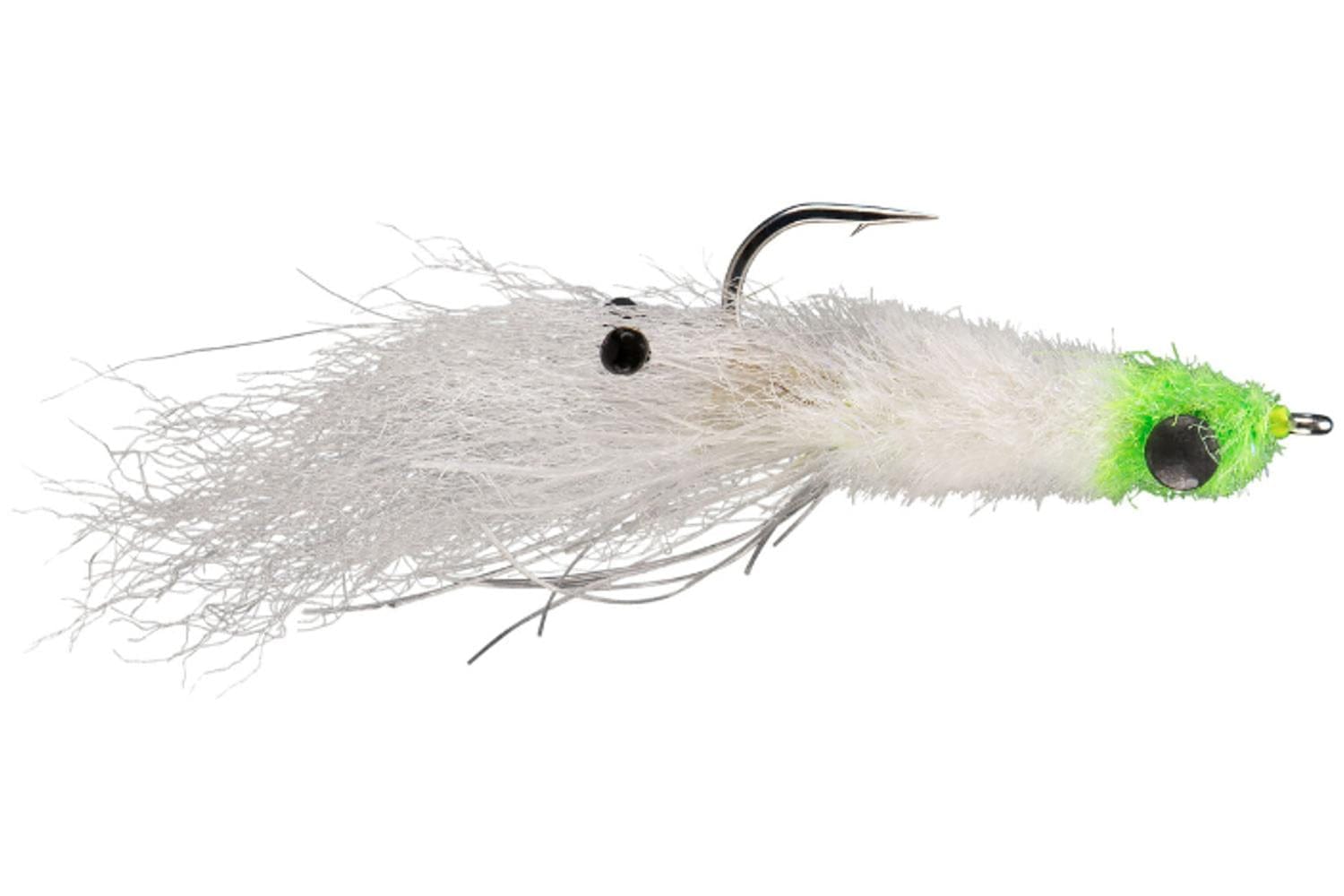
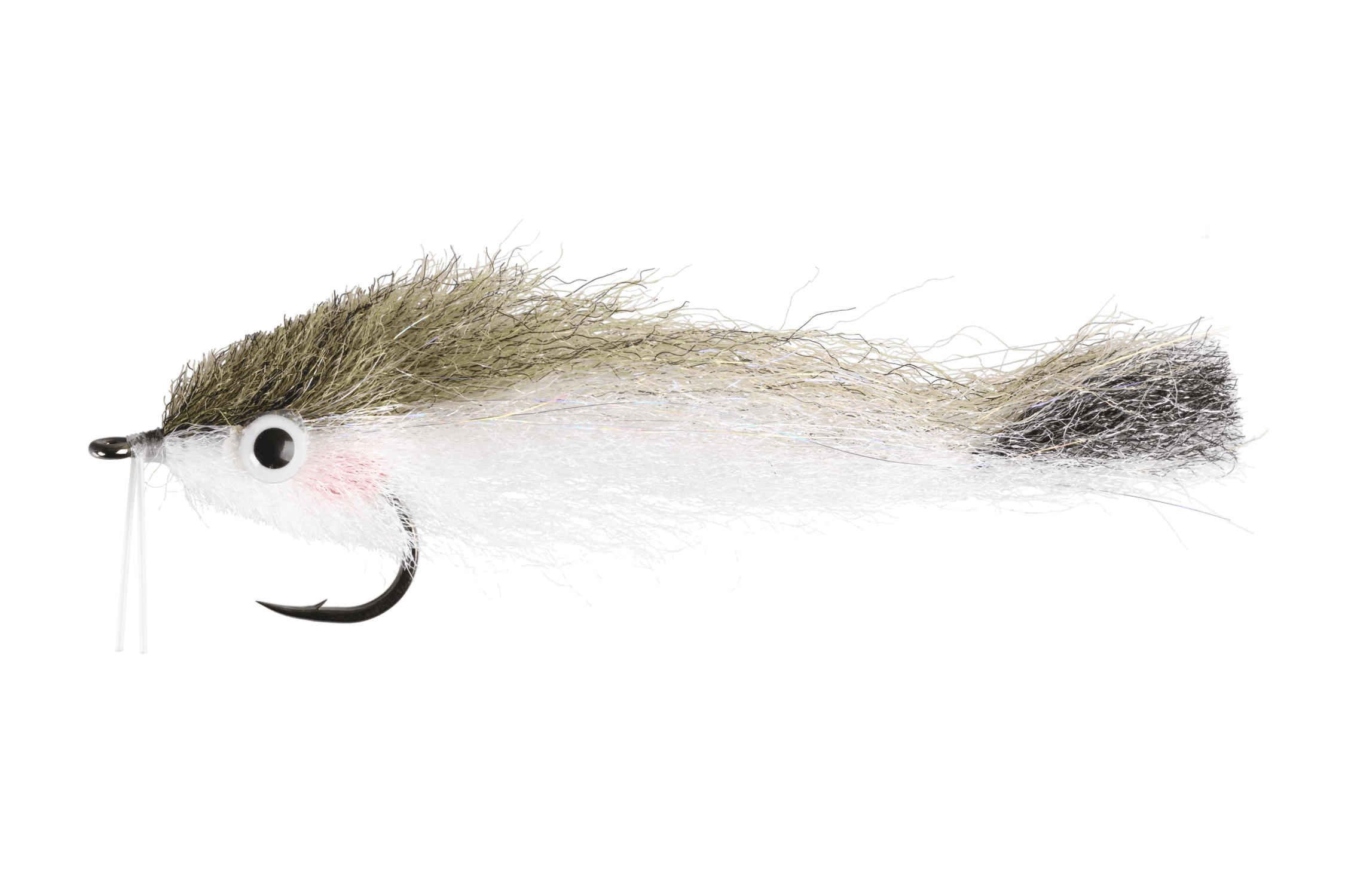
Best All-Around: Clouser Minnow Fly - For covering water when reds are pushing mullet or you’re blind-casting marsh edges. It sinks and swims with a simple strip-pause retrieve, making it a reliable starting point.
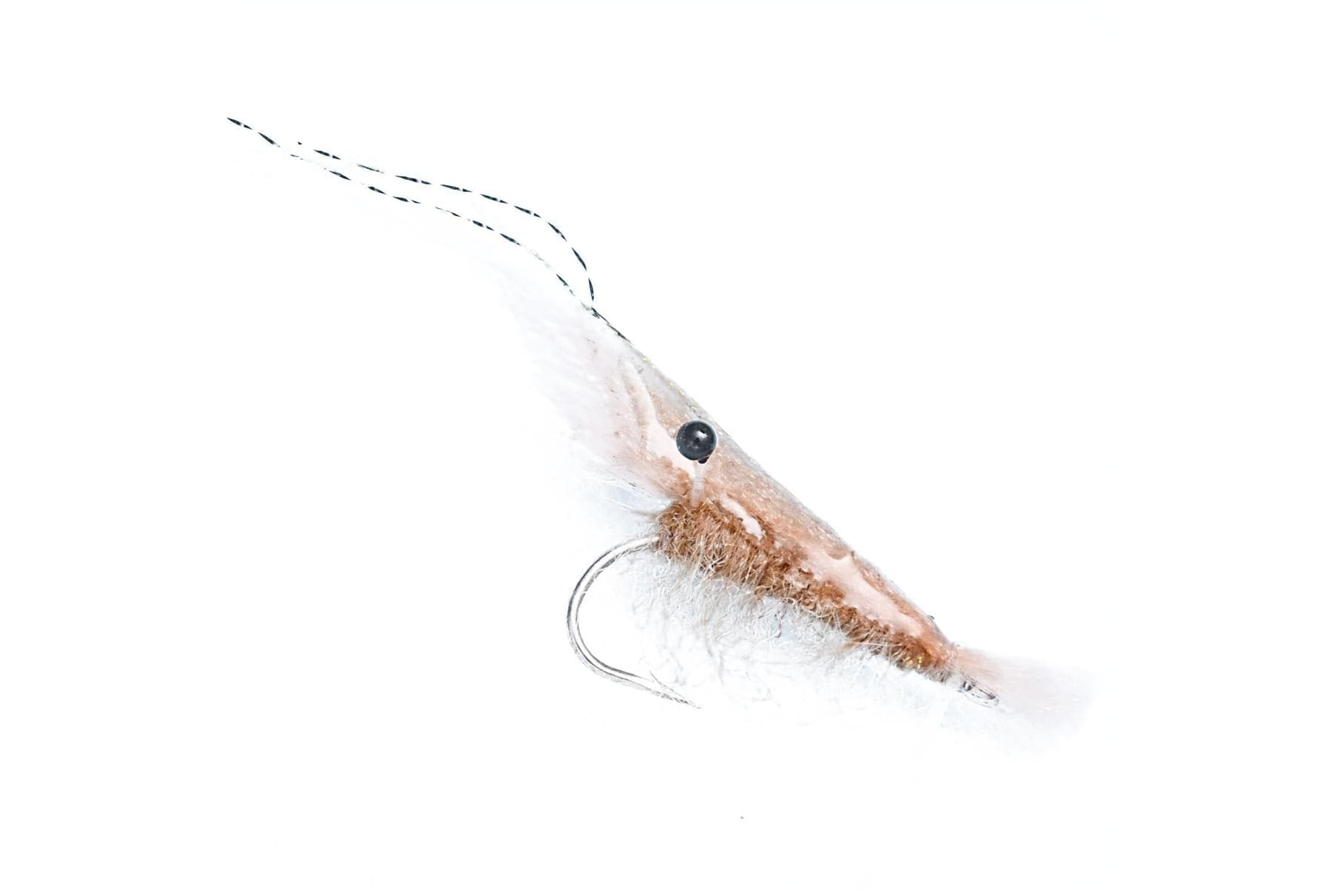
Best for Muddy Water: Electric Slider Fly - For tannic marshes and low-visibility conditions where profile and movement matter. The design is built to push water and stay noticeable when fish are tracking by feel.
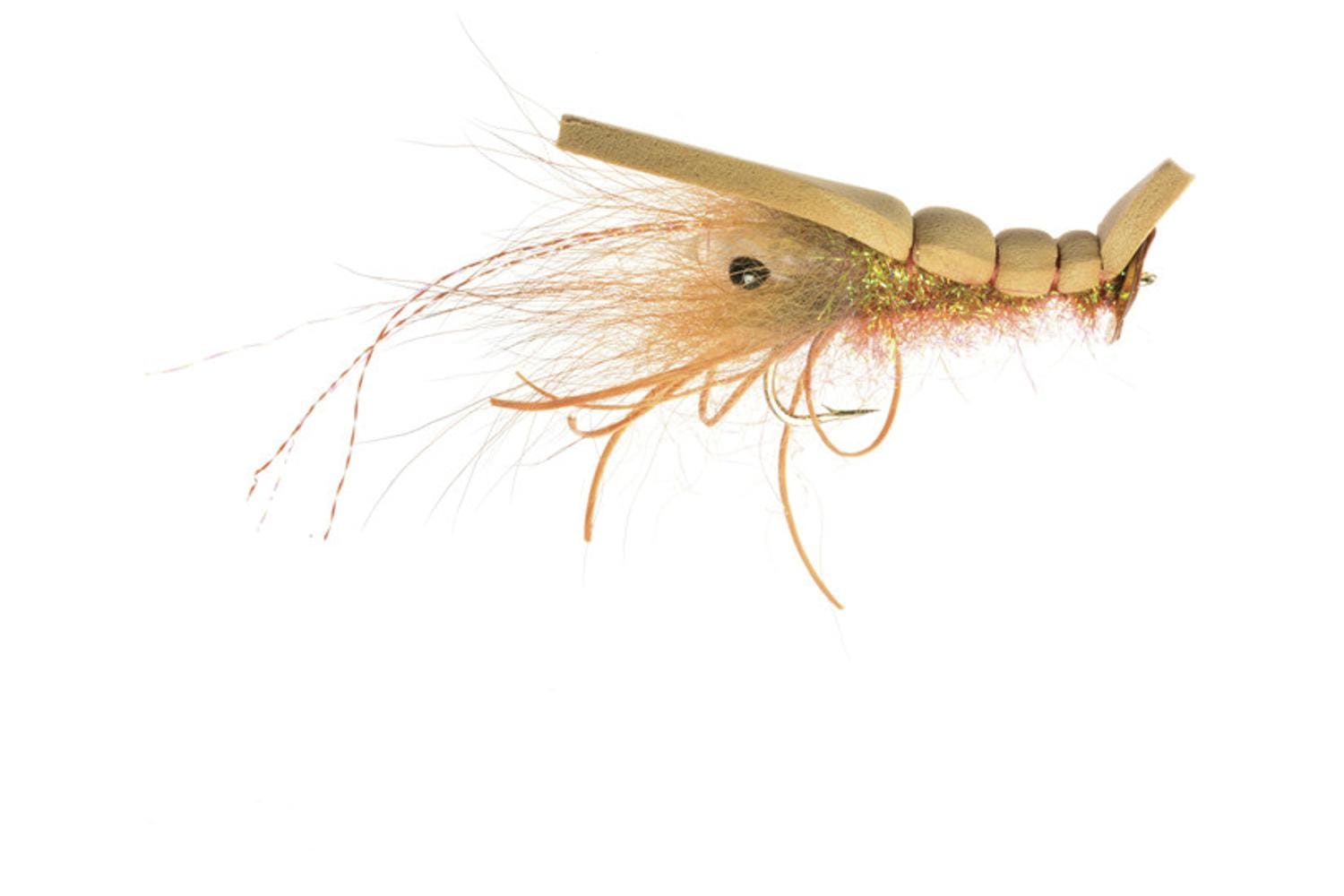
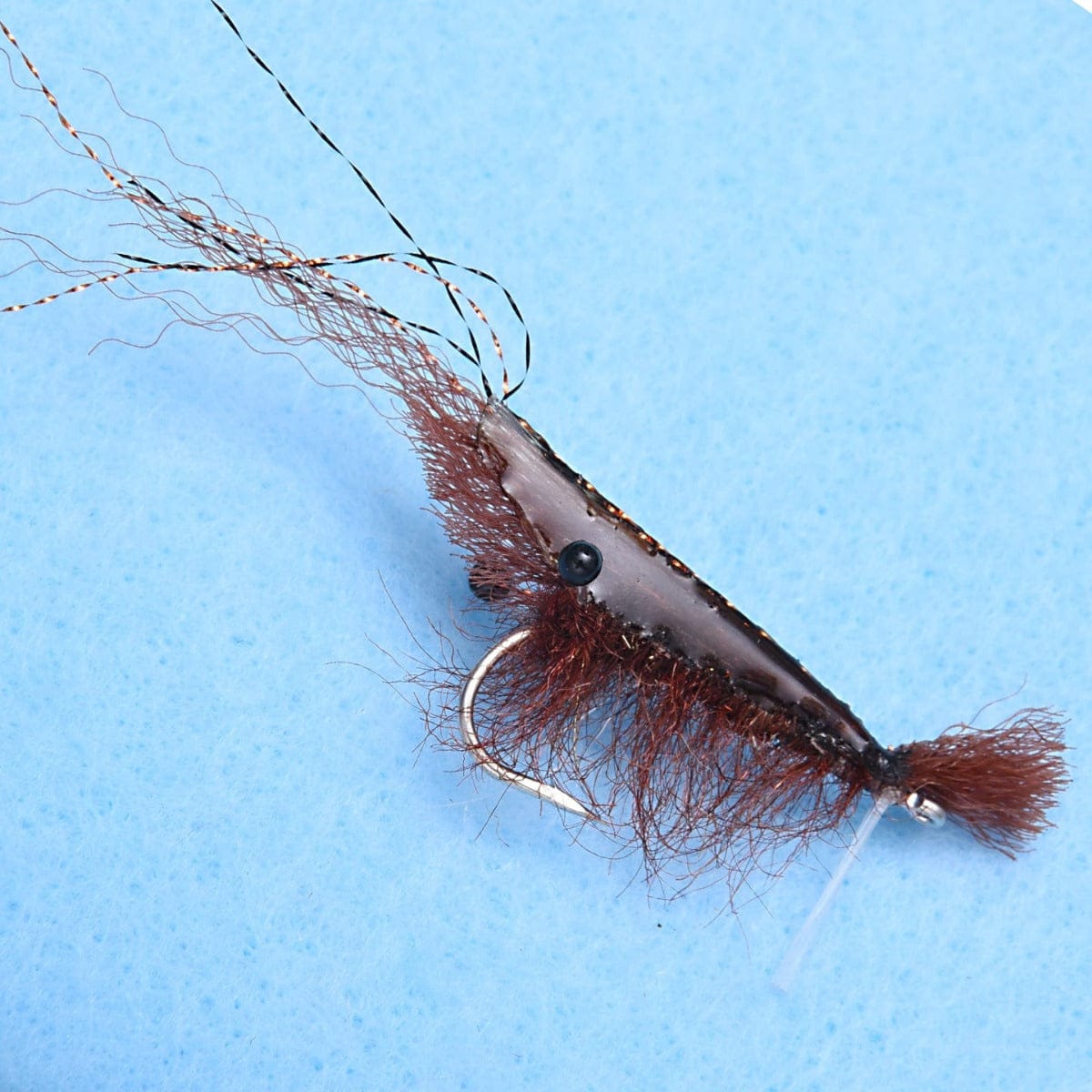
Best Topwater: EP Top Water Shrimp Fly - For aggressive eats when fish are cruising shallow and looking up. It’s a strong choice when you want a fly that pops/animates on the surface without a lot of false casting.
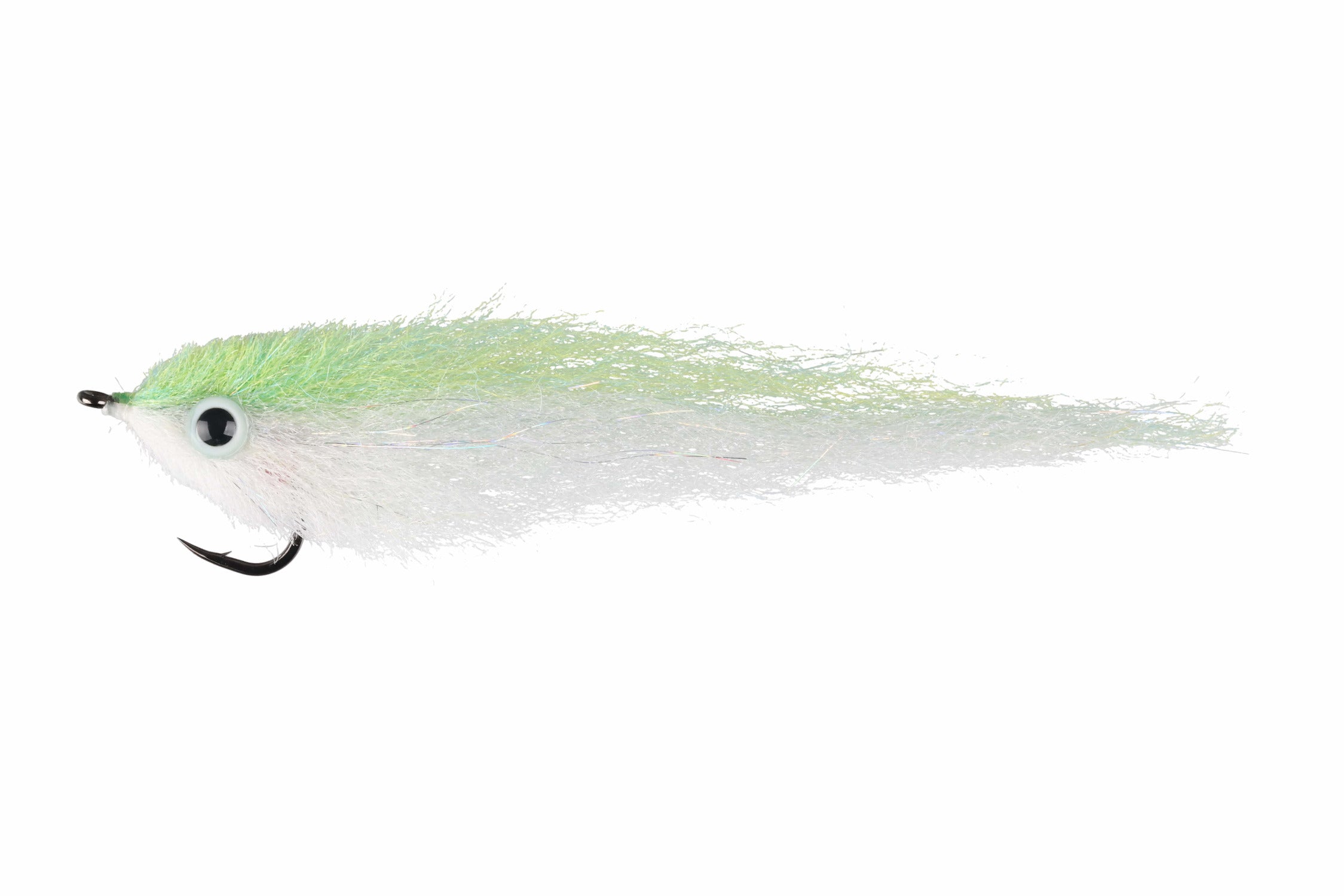
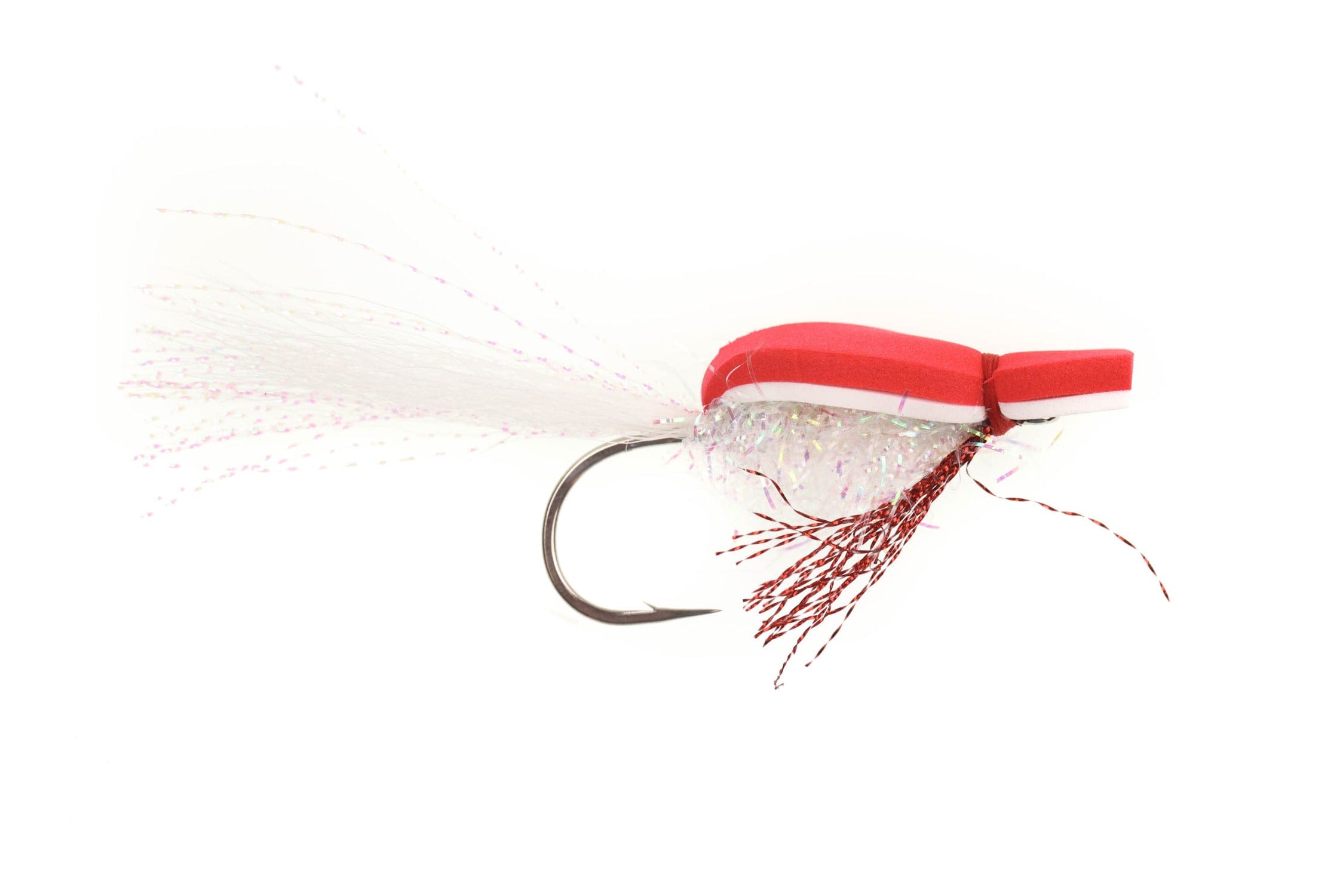
Best Premium: Bishrat's Pole Dancer Fly - For sight-fishing situations where you want a larger, high-movement profile to pull attention. It’s designed to fish “big” without needing a fast retrieve to come alive.
Best for a Destination Trip: Louisiana Redfish Fly Selection - For anglers who want a trip-ready mix without overthinking every pattern. It’s built as a curated bundle so you can show up with coverage for common marsh scenarios.
How to Choose Redfish Flies
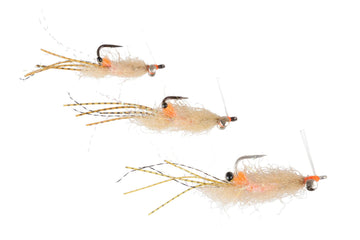
Match the forage: crab, shrimp, or baitfish
Action: Start with what you’re seeing (or what the fish are doing). Tailing or “rooting” fish usually point to crab/shrimp-style flies, while wakes, pushes, and chasing behavior favor baitfish patterns.
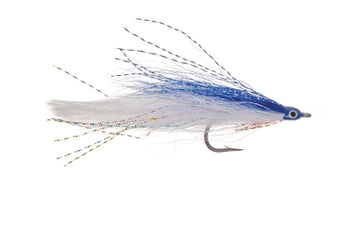
Best for: Crab and shrimp patterns for shallow flats, oyster edges, and tailing fish. Baitfish patterns for open ponds, channels, and anywhere reds are corralling mullet.
Dial in sink rate with eye weight
Action: Use lighter eyes when the water is skinny or fish are spooky, and go heavier when you need the fly to get down fast. For marsh and grass, hook-point-up styles (often paired with weed guards) help you fish tighter to structure.
Avoid if: Don’t default to the heaviest version if you’re fishing 6,12 inches of water; it can land too hard and hang up more.
Pick colors for clarity and bottom tone
Action: In clear water and bright sun, natural tans/olives and subtle flash usually look right. In stained or muddy water, darker silhouettes and higher-contrast options can help fish find the fly sooner.
Don’t overlook topwater windows
Action: If reds are cruising ultra-shallow, pushing wakes, or reacting to your fly as it lands, a surface pattern can outproduce subsurface flies. Work it with short strips and pauses so it stays in the zone.
Materials & Durability
Rinse after saltwater: If your flies are stored wet, give them a quick freshwater rinse and let them dry before closing the box.
Dry your fly box: Open the box after fishing so hooks and materials don’t rust or mildew in transit.
Check the hook point: Oyster, shell, and dock structure can dull points fast, touch up or swap flies when penetration drops.
Inspect weed guards: If a guard is kinked or pulled off-center, straighten it so it protects the hook without blocking hookups.
Rotate “confidence flies”: If one pattern gets chewed up, retire it to a backup slot and keep a fresh one ready.
Complete Your Setup
Related Gear
Saltwater Flies - Useful when you want to expand beyond redfish-specific patterns for mixed inshore days.
Fly Selections - A good option when you want a curated assortment for a destination or species plan.
Fly Assortments - Fast way to stock a box with proven patterns and backups.
Permit Flies - Many crab/shrimp patterns overlap well when you’re fishing the same flats for multiple species.
Related Guides
Redfish Flies FAQs
Q: What are redfish flies?
A: Redfish flies are saltwater patterns designed to imitate what redfish commonly eat: shrimp, crabs, and small baitfish. Many are built with durable materials and saltwater hooks for marsh and flats fishing.
Q: What are the best fly patterns for redfish?
A: Most boxes start with a mix of crab/shrimp-style flies plus a few baitfish patterns. Having at least one topwater option is also helpful for shallow, aggressive fish.
Q: Do I need weed guards for redfish flies?
A: Weed guards are helpful when you’re fishing grass, oyster edges, and mangroves. They can reduce hang-ups, but you’ll generally want a clean, centered guard so it doesn’t interfere with hookups.
Q: How do I choose the right weight for redfish flies?
A: Match weight to depth and fish attitude. Bead chain or lightly weighted flies land softer for skinny water, while heavier eyes help you get down faster in deeper pockets or current.
Q: What colors work best for redfish flies?
A: Natural tans, olives, and browns are solid in clear water and bright sun. In stained or muddy conditions, darker or higher-contrast colors can be easier for fish to track.
Q: Are redfish flies only for redfish?
A: Not necessarily. Many redfish flies also get eaten by black drum, sheepshead, snook, and even striped bass, especially when they’re keyed on similar forage.
Q: How many redfish flies should I bring?
A: For a dedicated trip, bring backups of your core patterns in a couple weights and colors. Shell, grass, and toothy fish can chew through flies faster than most anglers expect.
Q: Can I fish topwater flies for redfish all day?
A: You can, but it’s often most consistent when fish are shallow and willing to look up. If they’re glued to the bottom or the wind is up, switching to a subsurface shrimp/crab or baitfish usually helps.
Warranty & Brand Resources
This is a multi-brand category, so warranty coverage and support varies by manufacturer. For most flies, practical care and proper storage matter more than warranty terms.