


Orvis Pro Vest Review
Orvis Vests Quick Picks
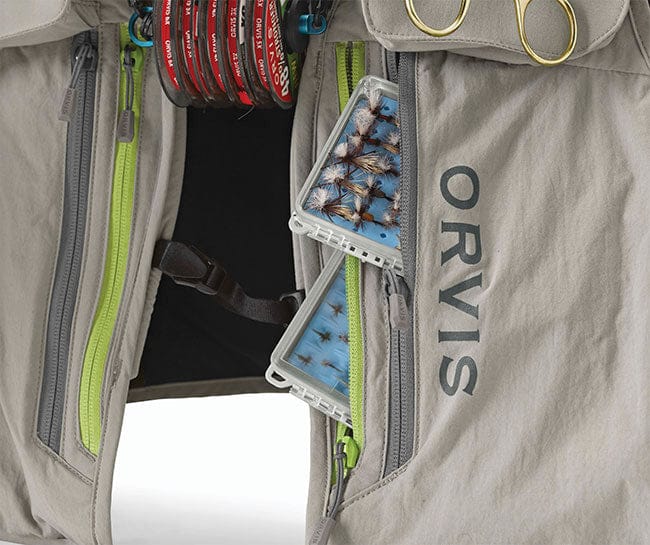
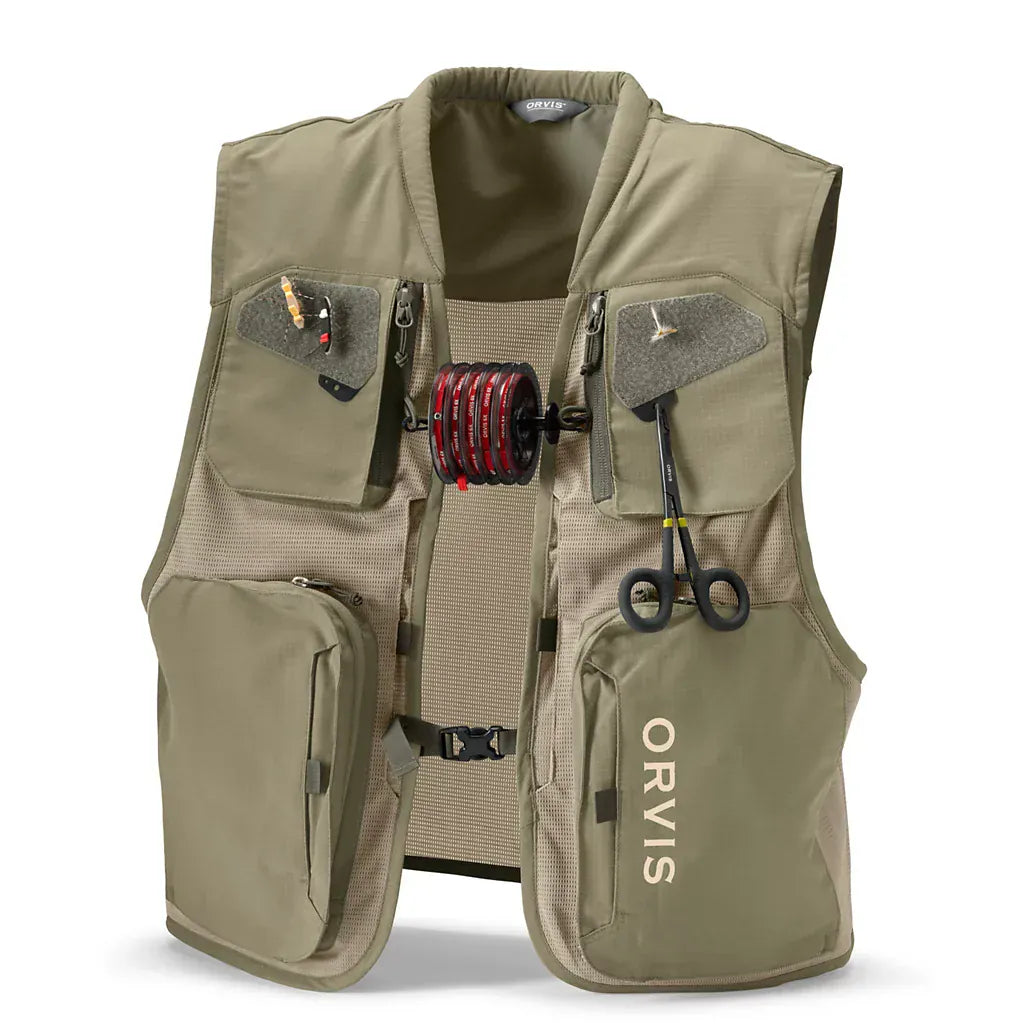
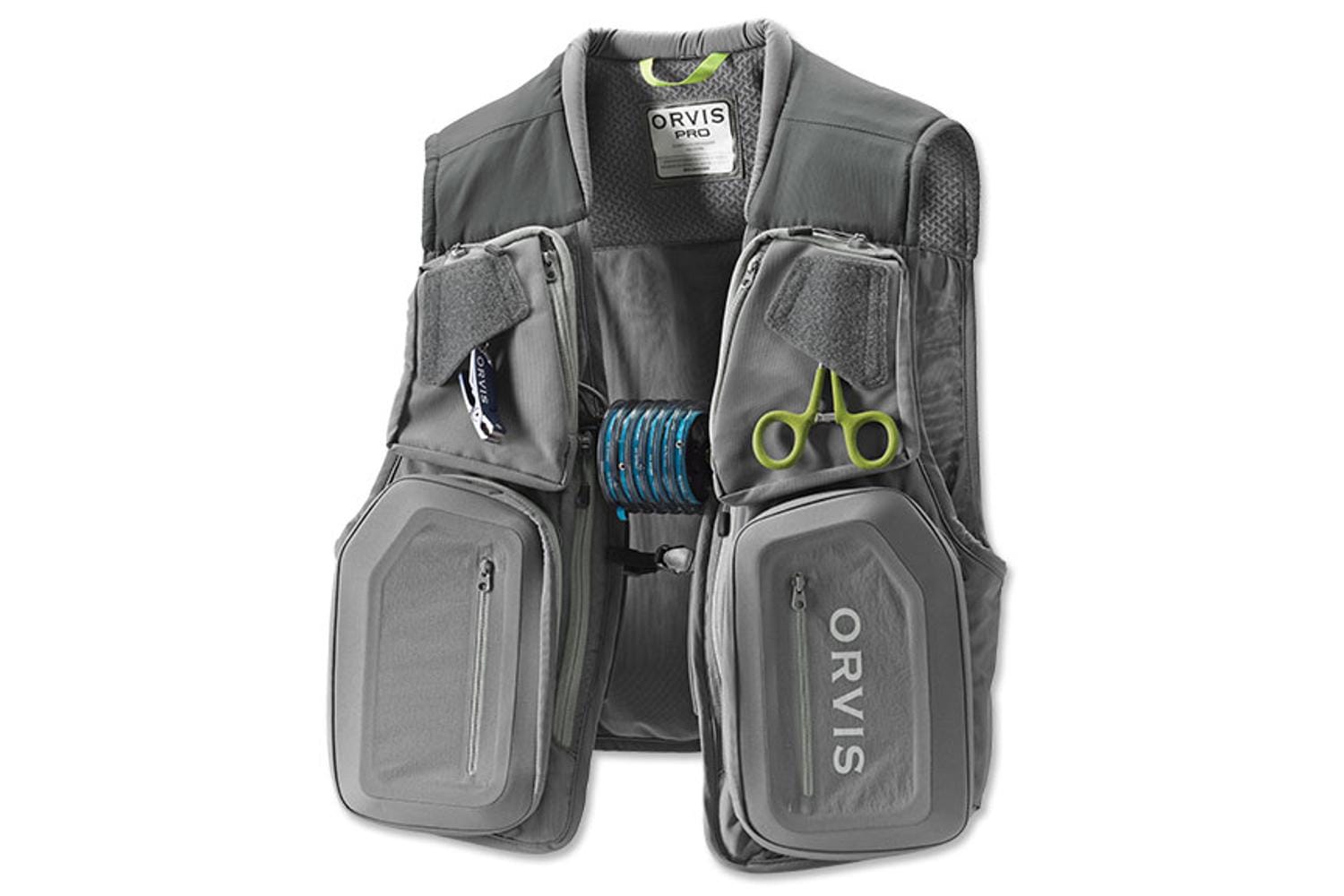
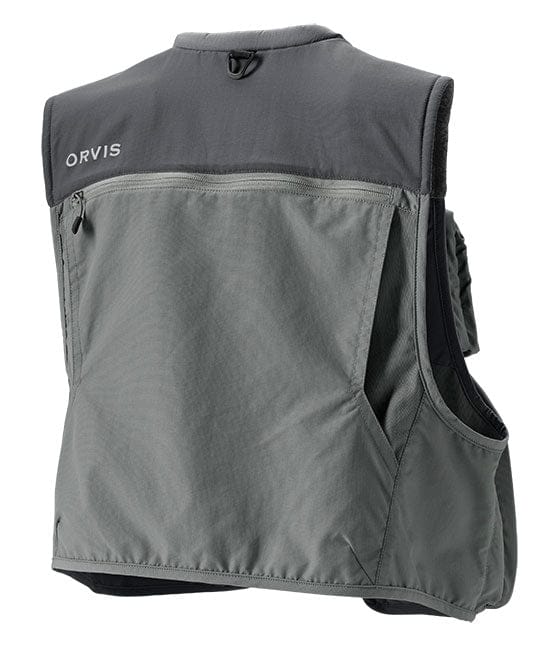
- Best Premium: Orvis PRO Fly-Fishing Vest - Built for anglers who want maximum organization for full days and guiding-style loads. It pairs a fitted, modern cut with a high pocket count and thoughtful tool/storage features.
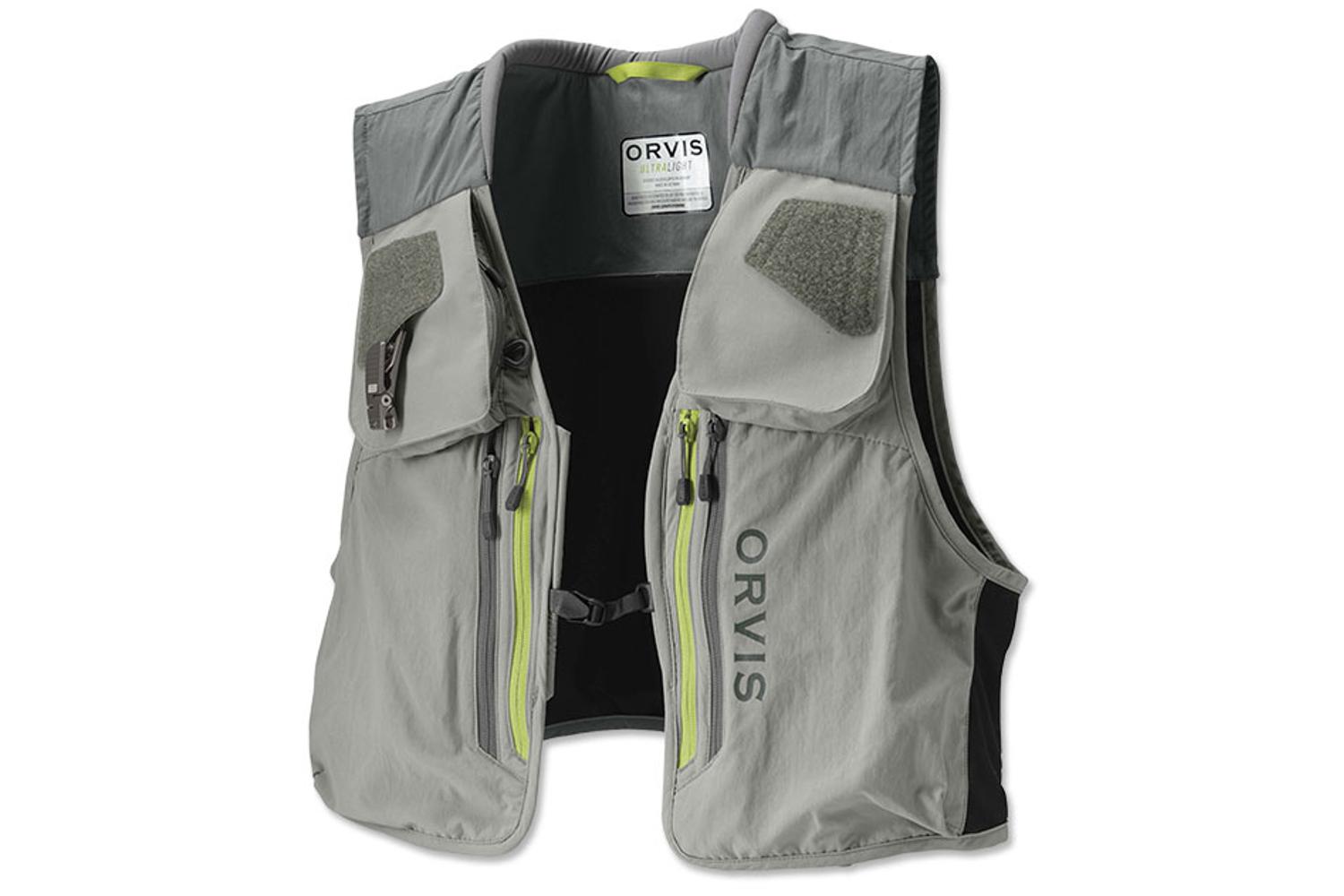
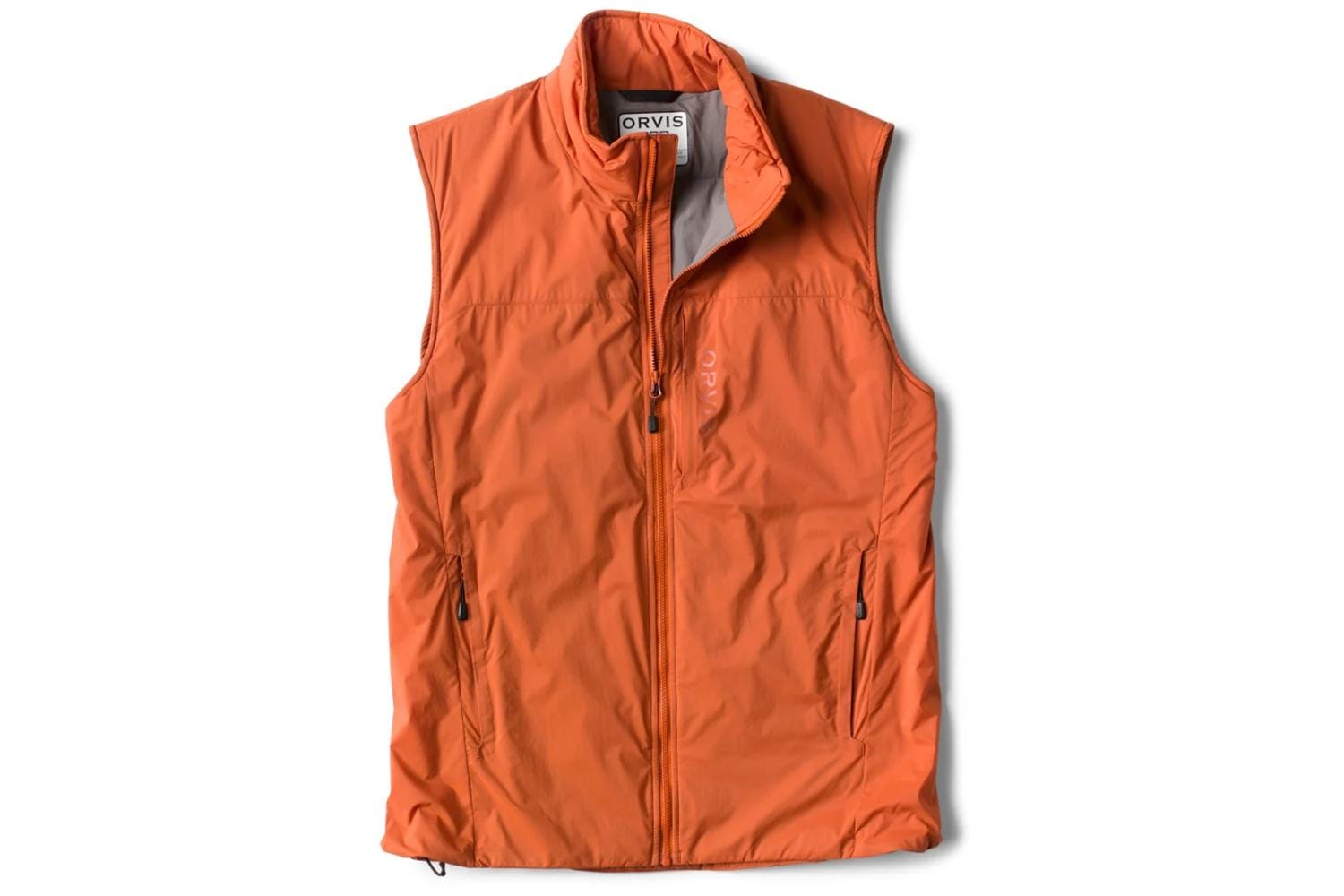
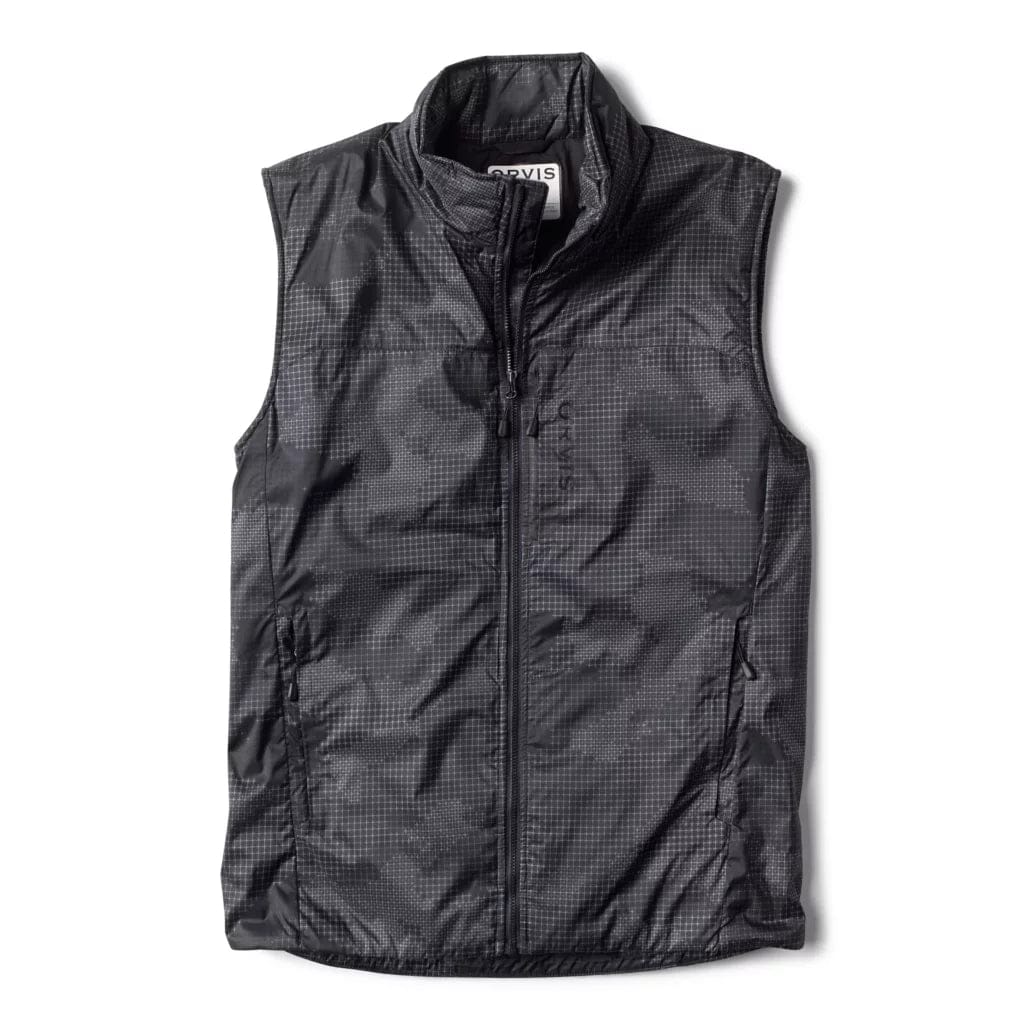
- Best All-Around: Orvis Ultralight Fishing Vest - A strong choice if you like the accessibility of a vest but want a slimmer, lower-bulk feel. It keeps storage streamlined and close to your body for easier movement while wading.
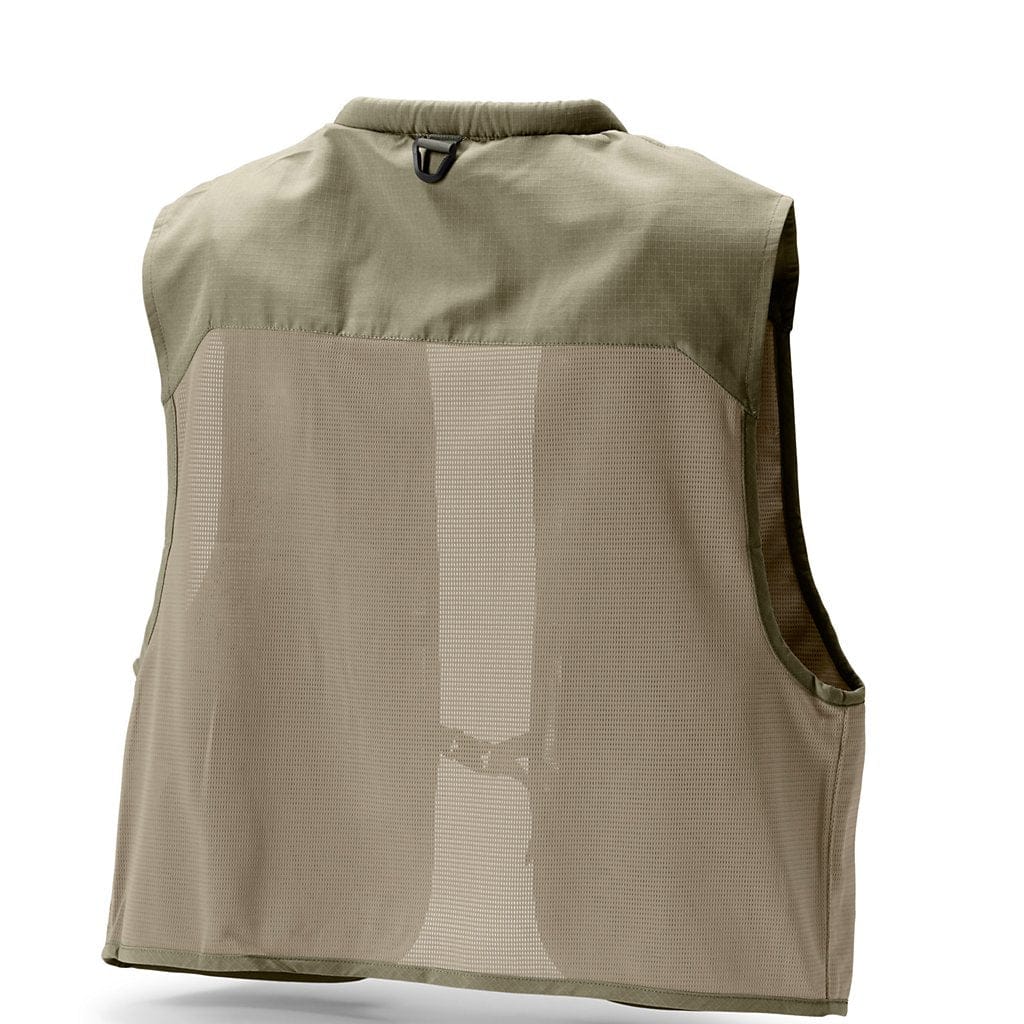
- Best Value: Orvis Clearwater Mesh Vest - Ideal for anglers who want a traditional mesh vest layout without paying for premium extras. The mesh build focuses on breathability and simple, practical organization.
- Best for Hot Weather: Orvis Ultralight Fishing Vest - A good option when you’re hiking, wet wading, or fishing summer conditions where ventilation matters. The lightweight build and integrated mesh help keep the vest comfortable when it’s warm.
How to Choose Orvis Vests
Capacity vs. mobility
Action: Start by deciding how many fly boxes and “river tools” you actually carry. If you routinely bring multiple boxes, split shot/indicator kits, leaders, tippet, floatant, and a rain layer, a higher-capacity vest like the Orvis PRO Fly-Fishing Vest makes organization easier. If you carry a minimalist kit, the Orvis Ultralight Fishing Vest keeps bulk down and stays out of the way while casting.
Warm-weather comfort
Best for: High-summer trout fishing, wet wading, and long walks between runs. Mesh-heavy designs (like the Orvis Clearwater Mesh Vest) and lighter fabrics can feel noticeably cooler than heavier, fully-built vests.
Fit and adjustability
Action: Pay attention to sizing and how the vest closes on your chest. A vest that rides too low can bounce while you walk and interfere when you bend to net a fish; too tight and it’ll feel restrictive once pockets are loaded. If you fish in shoulder seasons, plan on fitting the vest over your typical base layer plus a light midlayer.
Vest vs. pack (when to consider an alternative)
Avoid if: You hate gear on your chest or you prefer carrying weight on your back/hips. In that case, consider a Chest Pack, Hip Pack, or Sling Pack instead, many anglers find those systems more comfortable for long hikes or when layering heavily.
Why Trident Carries Orvis
Orvis has been a core fly-fishing brand since the mid-1800s, and they’re known for practical, fishing-first design that covers a wide range of budgets. We like their vest lineup because it spans from straightforward, breathable mesh options to modern, highly organized technical designs that feel purpose-built on the water.
Materials & Durability
- After each trip: Empty pockets completely and open zippers/closures to shake out grit, sand, and dried mud.
- Cleaning: Spot-clean with mild soap and water; avoid harsh detergents that can shorten the life of water-resistant finishes.
- Drying: Air-dry fully before storage (especially after rain or a dunk) to prevent odor and mildew.
- Zippers & hardware: If zippers start feeling “crunchy,” rinse with fresh water and let dry before use.
- Storage: Hang the vest so pockets keep their shape and shoulder areas don’t crease.
Complete Your Setup
Related Gear
- Chest Packs - A great alternative if you want the front access of a vest with a smaller footprint.
- Sling Packs - Easy one-shoulder carry with quick access when you want more capacity than a vest.
- Hip Packs - Comfortable, waist-level storage that stays clear when you’re wading deeper.
- Wading Accessories - Net holsters, retractors, wading belts, and other small essentials that make a vest system work better.
Related Guides
- Fly Fishing for Beginners: A Gear List
- How to Choose the Best Fly Line for Beginners
- How To Setup A Fly Reel
- How To Choose The Best Fly Reel
Orvis Vests FAQs
Q: What is an Orvis fly fishing vest used for?
A: An Orvis fly fishing vest is a wearable storage system for fly boxes, leaders/tippet, tools, and accessories. It keeps frequently used items accessible without digging into a backpack.
Q: How do I choose between the Orvis PRO Vest and Orvis Ultralight Vest?
A: Choose the PRO if you want maximum pocketing and a more feature-rich layout for long days. Choose the Ultralight if you want a slimmer profile with less bulk and a closer-to-the-body carry.
Q: Are fly fishing vests still worth it compared to sling packs?
A: Many anglers still prefer vests for instant access and excellent organization. Sling packs can carry more and shift weight off your chest, but you’ll usually access gear by swinging the pack around.
Q: What should I carry in my fly fishing vest?
A: Start with 1, 2 fly boxes, leaders/tippet, nippers and forceps, floatant, and a small split shot/indicator kit. Add a rain shell or gloves only if your vest has the capacity and you actually use them.
Q: What’s the best Orvis vest for warm weather?
A: Look for lightweight fabrics and lots of ventilation. Mesh-focused designs and slimmer vests tend to feel cooler during summer wading and hikes between spots.
Q: How should a fly fishing vest fit?
A: It should sit high enough that it doesn’t bounce on your hips when walking, and it should close comfortably once pockets are loaded. If you fish in spring/fall, size it to fit over a light insulating layer.
Orvis Warranty & Resources
Warranty coverage can vary by product category, and some items may have brand-specific return or repair rules. If you need help with a return or choosing the right vest for your kit, give us a call and we’ll walk through the options.