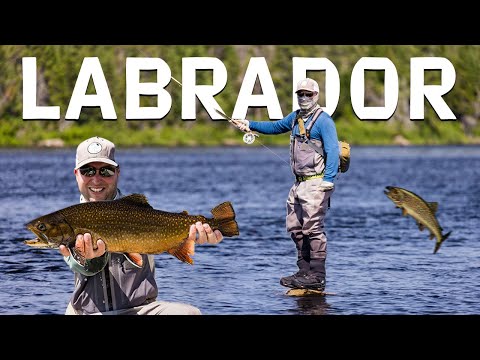
HUGE Atlantic Salmon in Labrador | Flowers River Lodge


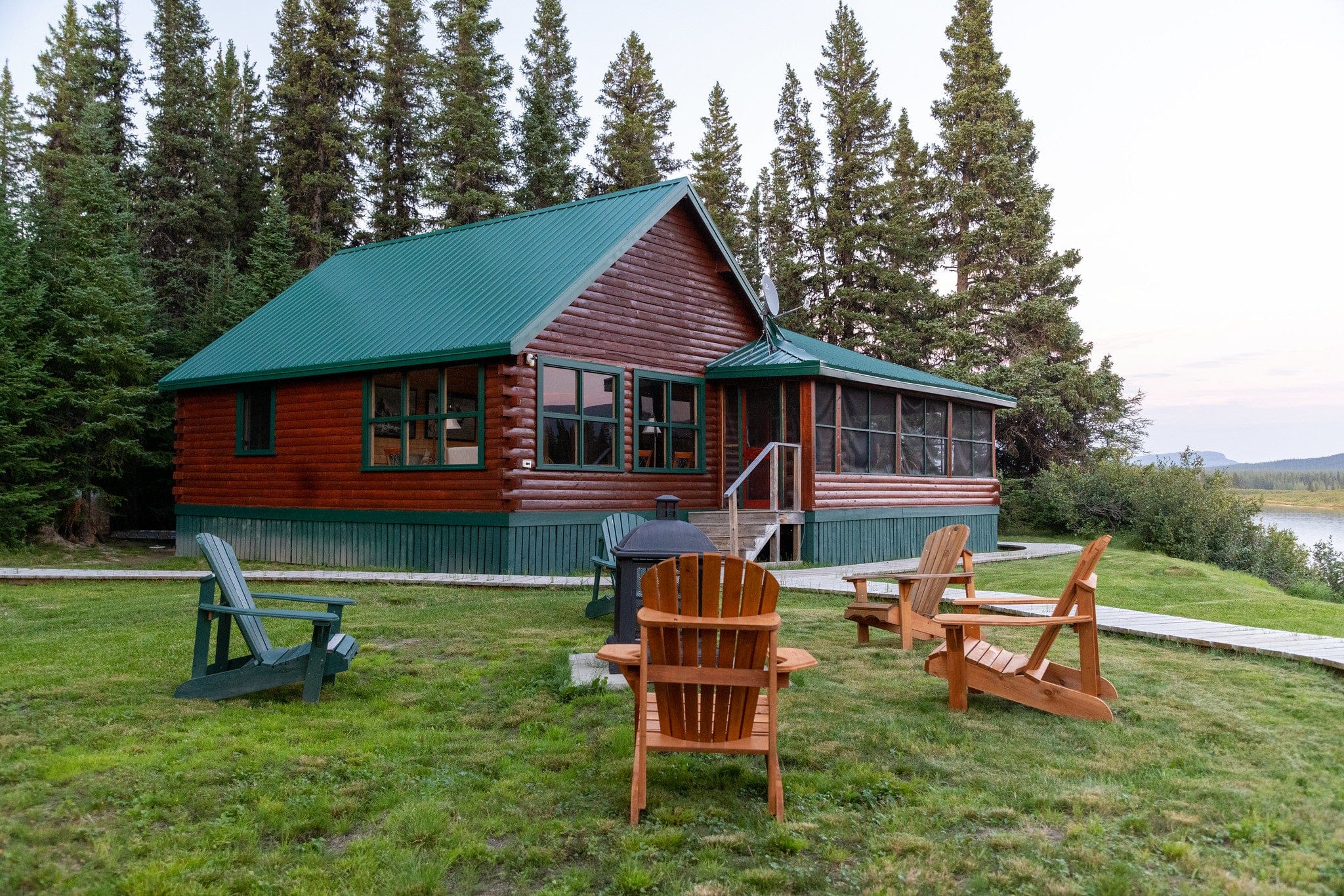
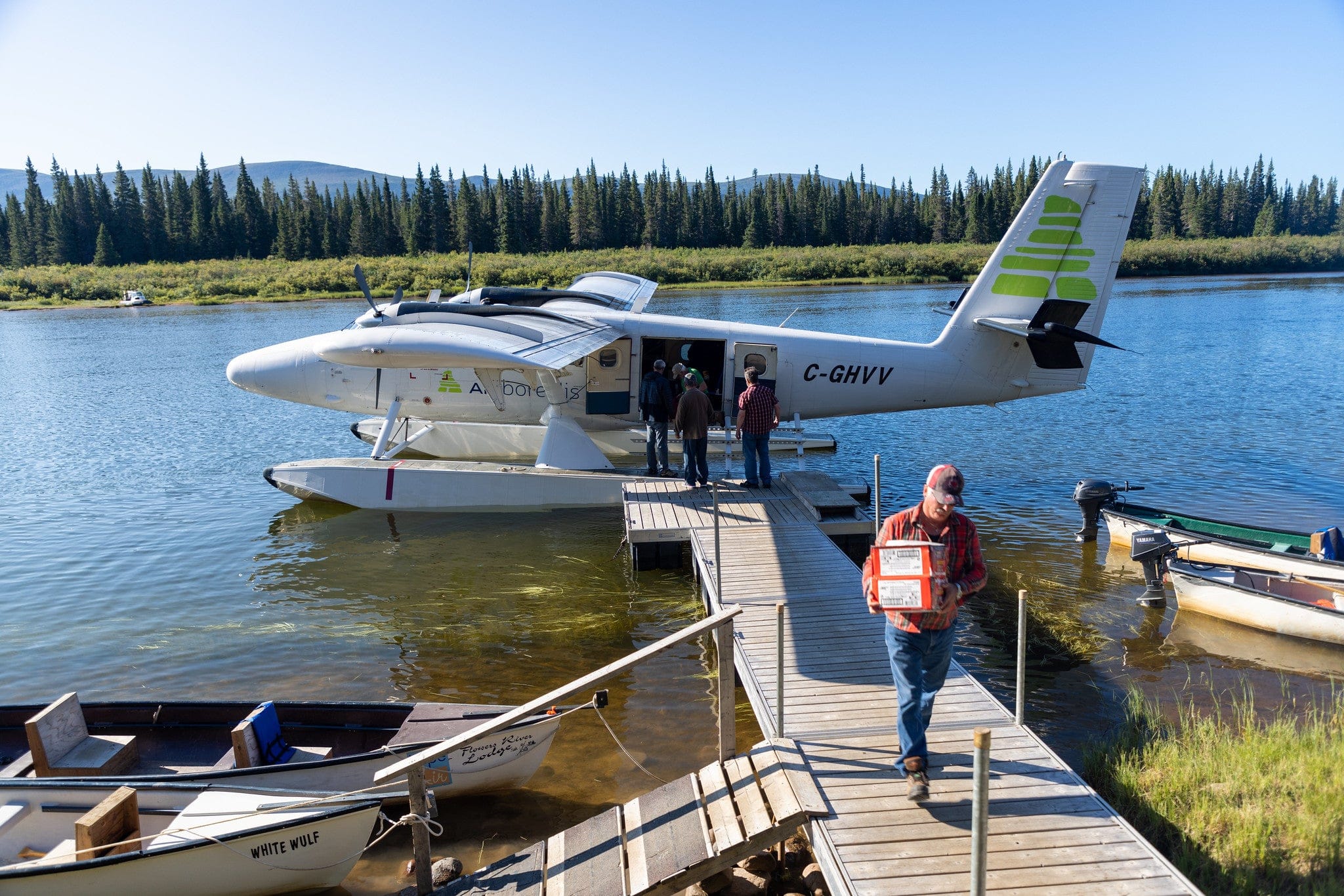
Labrador Travel Quick Picks
- Best for Trophy Brook Trout: Igloo Lake Lodge - Built for anglers who want a true fly-in wilderness week focused on giant Brook Trout, with pike as a hard-charging bonus. It’s a strong option when you want variety (lake + moving water) and a fishing-first lodge rhythm.
- Best for Atlantic Salmon (Dry Fly Focus): Flowers River Lodge - A great fit for anglers prioritizing Atlantic Salmon on a classic river with lots of walk/wade and canoe access to named pools. It’s especially appealing if you like technical water, clear flows later in the season, and salmon fishing that rewards good casting.
- Best All-Around Planning Support: Trident Travel - Best for anyone who wants help lining up the right destination, dates, and logistics without paying extra booking or credit card fees. It’s the easiest way to compare options, ask questions, and get a realistic gear/packing plan for your trip.
How to Choose Labrador Travel
Pick your primary target species
Action: Decide whether your trip is a Brook Trout week, an Atlantic Salmon week, or a “mix it up” adventure.
- Brook Trout focus: Look for trips built around stillwater plus nearby moving water so you can adapt to weather and fish behavior. This style of trip also tends to pair well with big streamers and surface eats.
- Atlantic Salmon focus: Prioritize access style (walk/wade, canoe, or combination) and be honest about your casting comfort in wind and changing conditions.
Match the trip style to your group
- Best for fishing-first groups: Lodges where the daily schedule is centered around maximizing time on the water and keeping things simple.
- Best for mixed experience levels: Trips that are comfortable for newer anglers but still offer enough technical depth for experienced casters.
- Avoid if: You want lots of off-water activities. Labrador trips are typically about fishing, food, and remote scenery.
Time your season expectations
Action: Think about your ideal water conditions and how you like to fish.
- Early season: Often means higher water and more aggressive fish behavior, with opportunities for streamers and larger profiles.
- Mid-to-late season: Can mean clearer water and more technical presentations, especially on salmon rivers.
Bring the right tackle (keep it simple)
Action: Build a two-rod plan so you’re not trying to force one setup to do everything.
- For Brook Trout: A general-purpose single-hand rod for dries/nymphs and a second rod that can comfortably cast larger streamers and handle wind.
- For Atlantic Salmon: Consider whether you’ll fish single-hand, Spey/switch, or a mix, based on casting room and your preferred presentation style.
Why Trident Carries Labrador Travel
Labrador is a serious destination: short seasons, remote access, and trips that often require a tighter plan than a typical DIY week. We like these lodge options because they’re straightforward to book through Trident Travel and are designed around guided access to productive water.
Care & Maintenance
- After each fishing day: Dry waders, boots, and rain gear completely; remote trips can turn small damp issues into comfort problems.
- Rods & reels: Wipe down gear each night and keep reels out of sand/grit; a quick rinse in clean water helps if anything gets dunked.
- Leaders & knots: Re-tie often after big fish or abrasion; check tippet and leader butt sections for nicks.
- Fly care: Air-dry streamers and hair-wing flies; wet flies tossed into a box can rust hooks and ruin materials.
Complete Your Setup
Related Gear
- Fly Rods - Dial in a two-rod plan for dries and bigger flies, especially if wind is part of your week.
- Fly Reels - A smooth drag and the right line capacity make the trip less stressful when you hook the fish you came for.
- Floating Fly Lines - The most versatile choice for dries, indicators, and shallow streamer work in rivers and lakes.
- Spey & Switch Fly Rods - Helpful if you’re swinging for salmon or want efficient casting on bigger water.
Related Guides
- Fly Fishing for Beginners: A Gear List
- How to Choose the Best Fly Reel for Salmon
- Trout Spey Lines and Tips
Labrador Travel FAQs
Q: What is a Labrador fly fishing lodge trip?
A: It’s a guided, destination-style trip where the lodge is your home base and the days are built around fishing prime water. Expect remote access, focused fishing schedules, and limited weeks in the season.
Q: What species can I target on Labrador Travel trips?
A: On this collection, the core targets are Brook Trout and Atlantic Salmon. Some trips also offer Northern Pike opportunities, depending on the lodge and program.
Q: How do I choose between Brook Trout and Atlantic Salmon trips?
A: Start with the kind of fishing you enjoy most: aggressive streamer/topwater eats (often a Brook Trout strength) versus classic swinging/dry fly salmon presentations. Then match your choice to the casting you’re most confident doing for a full week.
Q: Is Labrador Travel good for beginners?
A: It can be, especially if you’re comfortable learning from guides and you want a fishing-first week. The biggest limiter is usually casting in the ,wind and handling larger flies, not the fish themselves.
Q: Do I need a Spey rod for Labrador salmon fishing?
A: Not always. Some anglers prefer single-hand setups, while others like Spey or switch rods for efficient casting and swinging; the best choice depends on the river, casting room, and your style.
Q: What fly line should I bring for Labrador?
A: Most anglers start with a floating line because it covers dries, nymphing, and a lot of streamer work. If you expect to fish deeper or deal with wind and chop, adding an appropriate sink-tip or intermediate option can help.
Q: What should I focus on before I go?
A: Practice the casts you’ll use most (accuracy, handling wind, and turning over bigger flies). Also, plan your clothing system around fast-changing weather and keep your pack list tight and practical.
Q: Can Trident help with trip logistics?
A: Yes, Trident Travel can help you pick dates, compare lodges, and get your overall plan dialed before you commit. It’s also a good place to ask gear questions based on your target species and week format.