


Galloup's Sex Dungeon Fly Tying Tutorial (Easy to Follow)
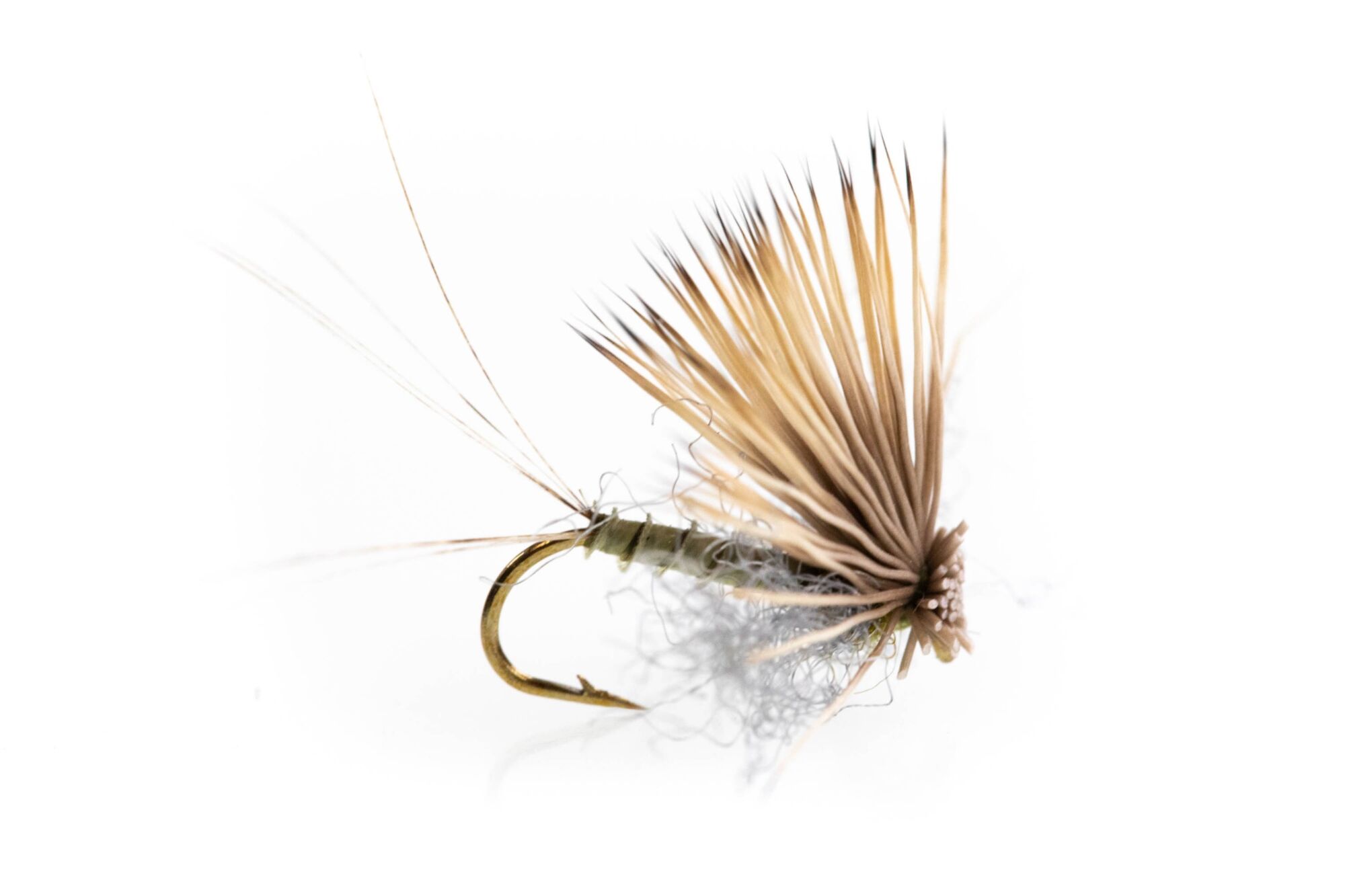

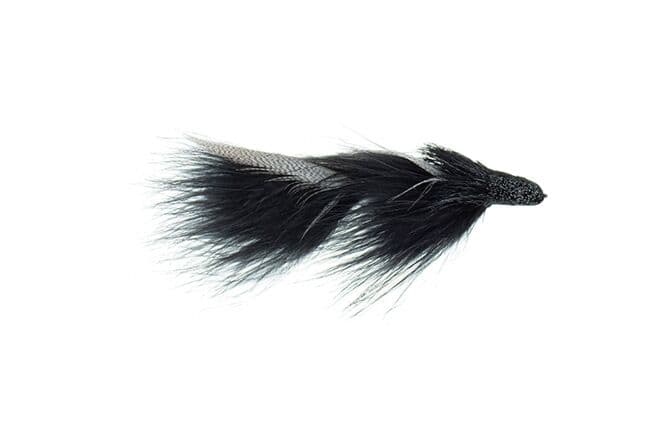
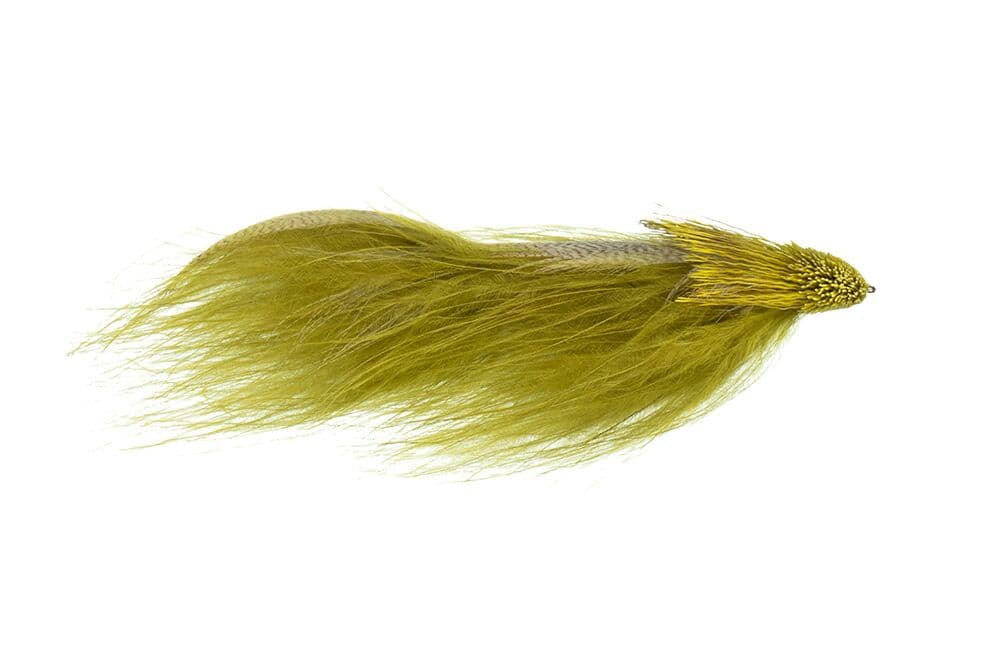
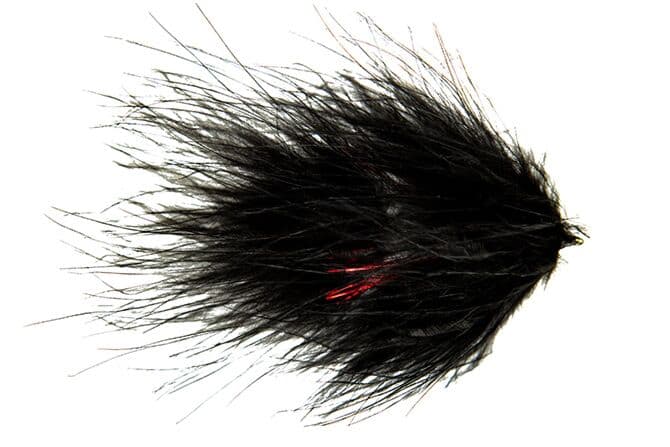
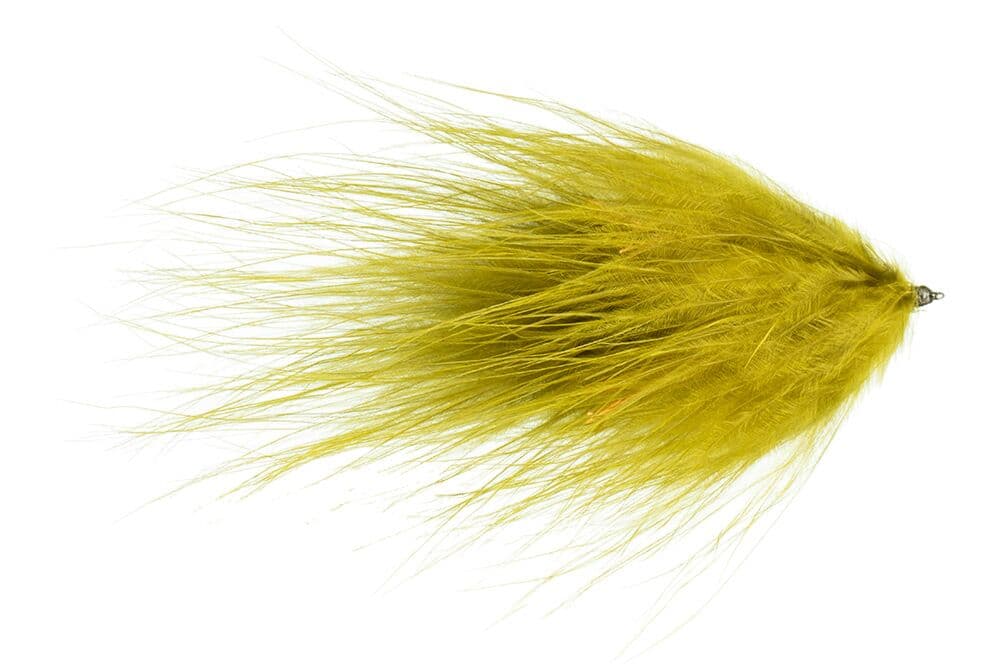
Kelly Galloup Flies Quick Picks
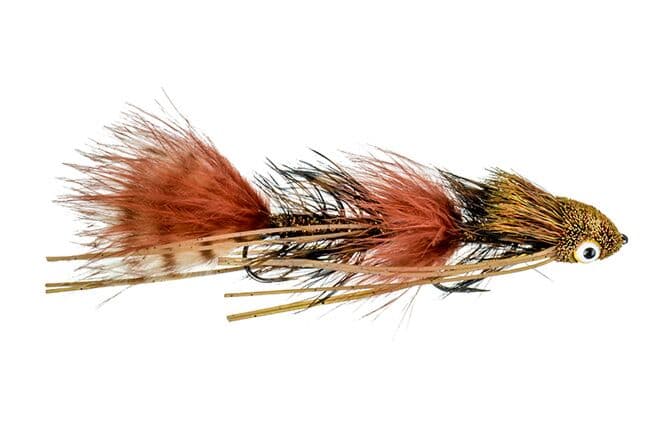
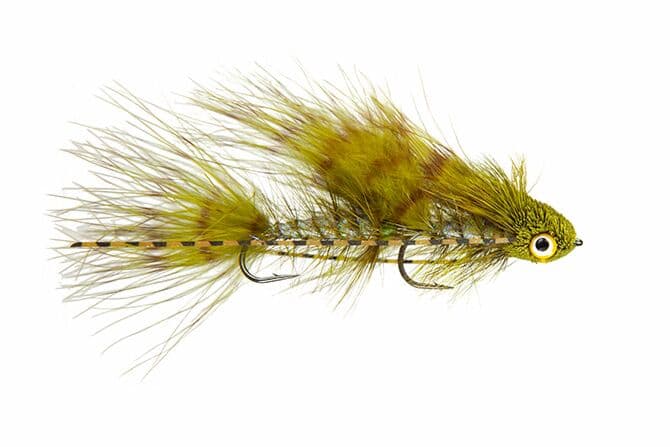
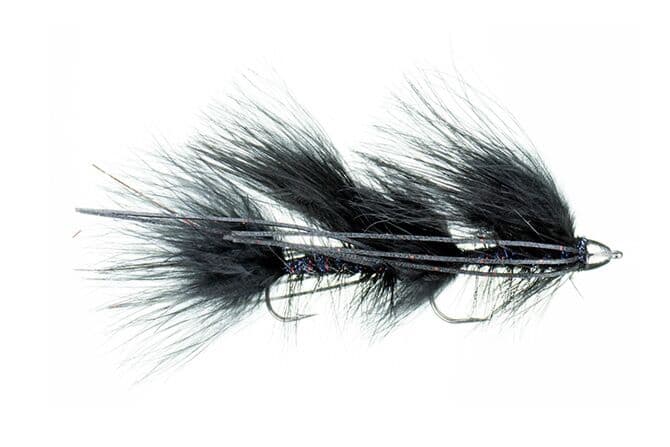
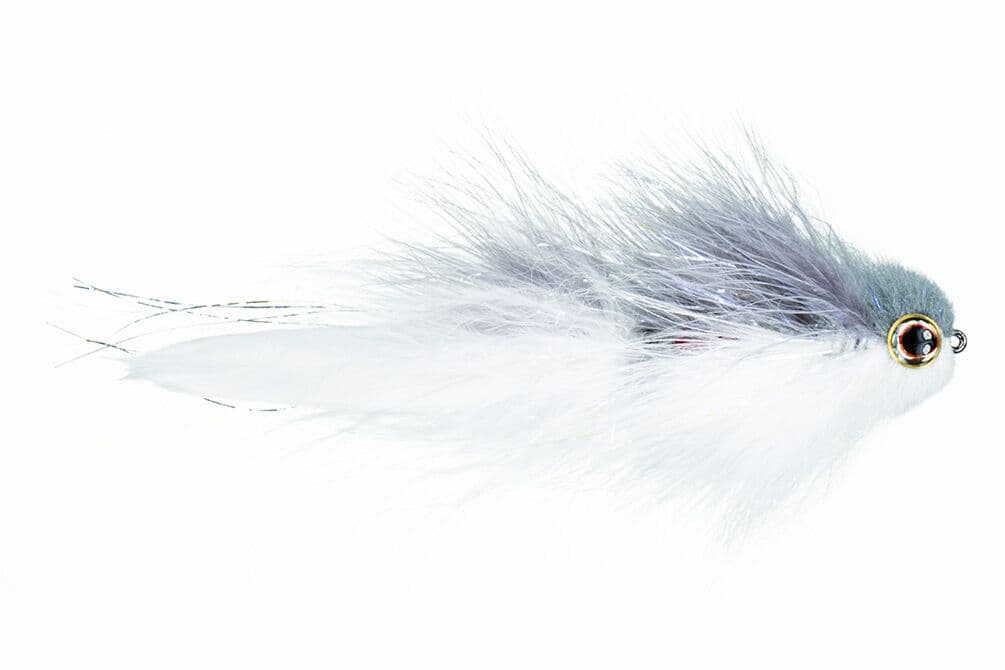
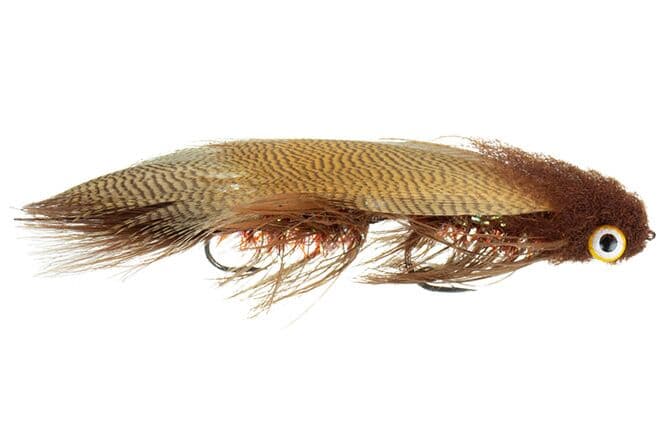
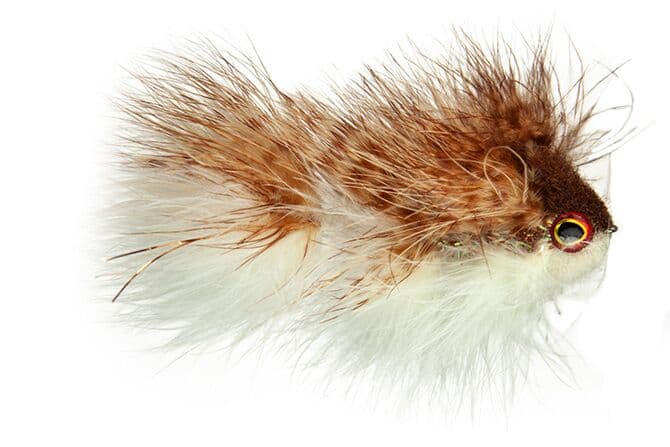
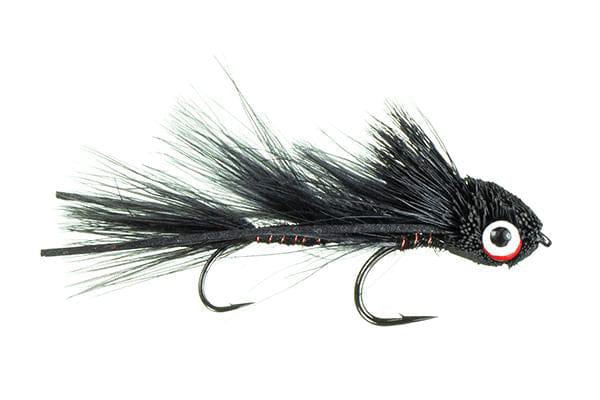
Best All-Around: Galloup's Sex Dungeon Fly - Built for anglers targeting big, predatory trout tight to banks, logs, and undercut structure. The articulated build and bulky, water-pushing head help it show up and move well in turbulent water.
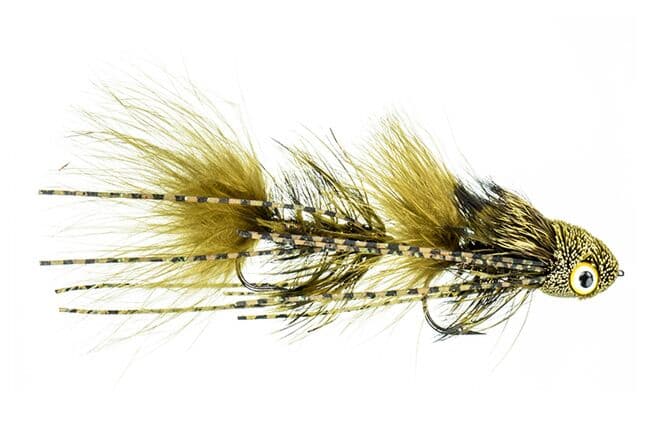
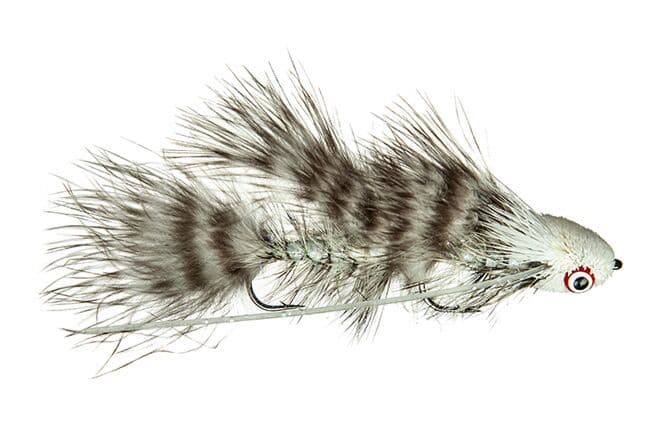
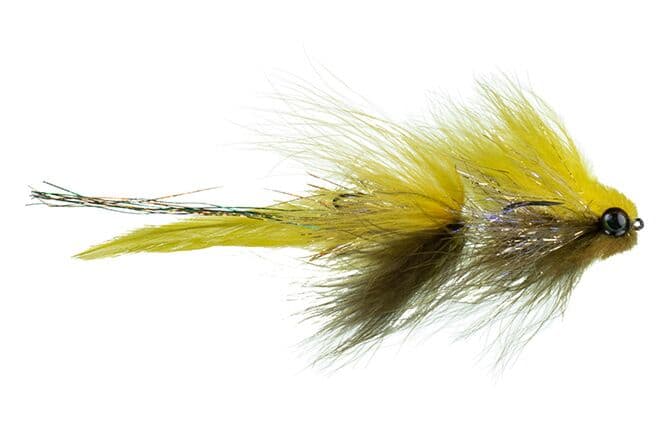
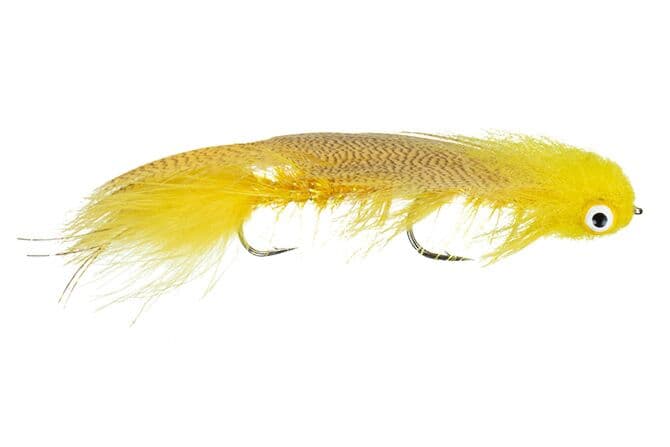
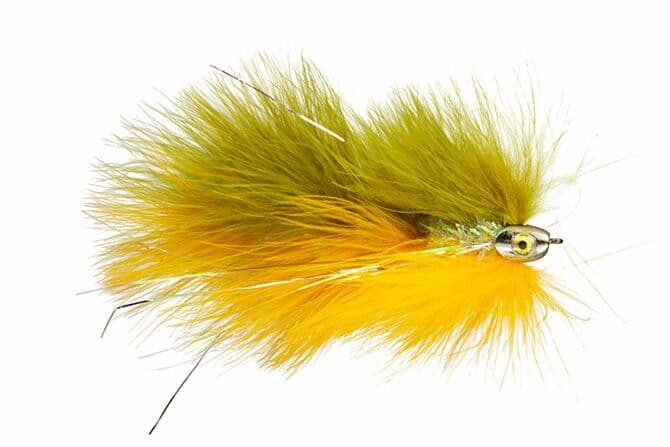
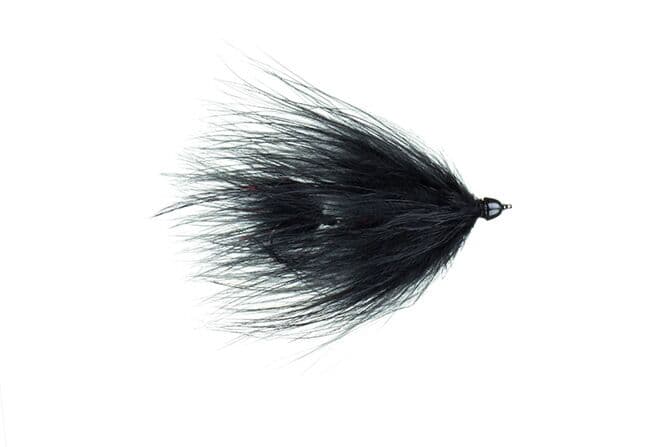
Best for Pressured Water: Galloup's Mini Flatliner Fly - A go-to when you want the “injured baitfish” look without committing to the biggest profile in the box. It’s a solid choice for skinny water, subtle presentations, or when fish are following but not eating.
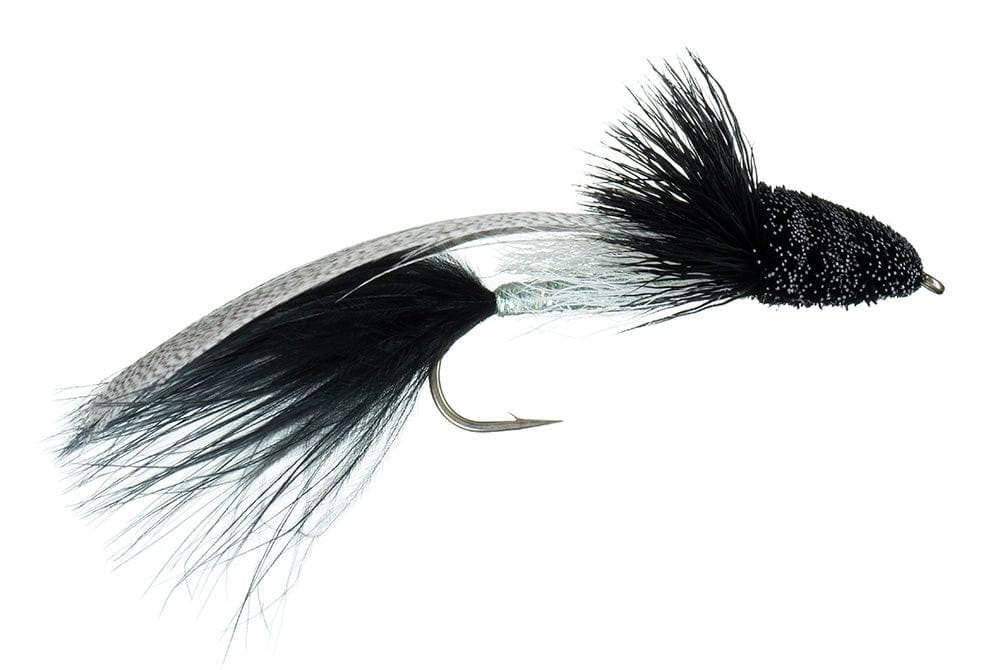
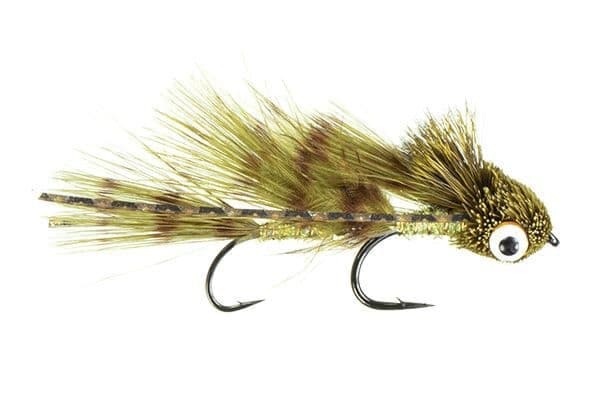
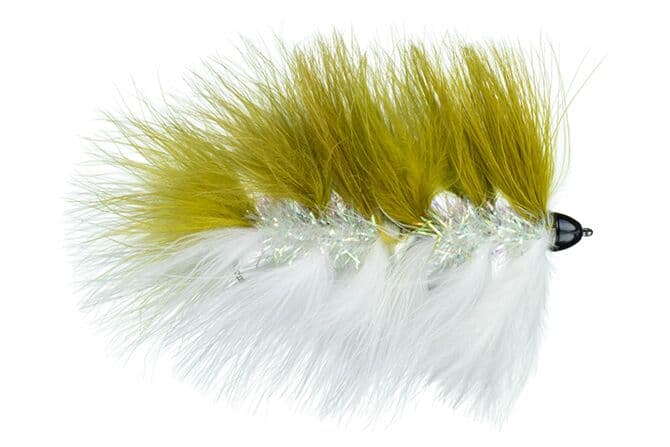
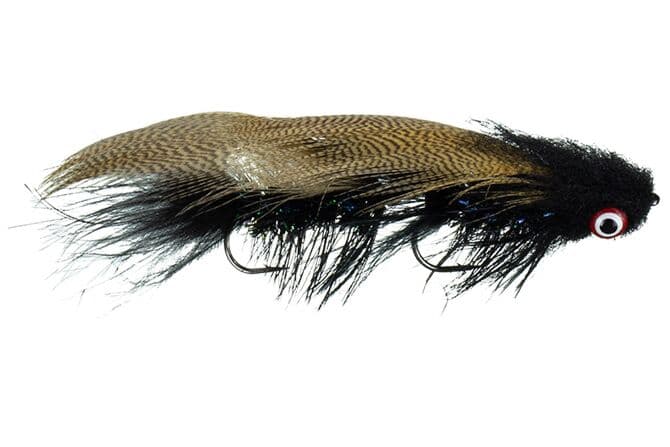
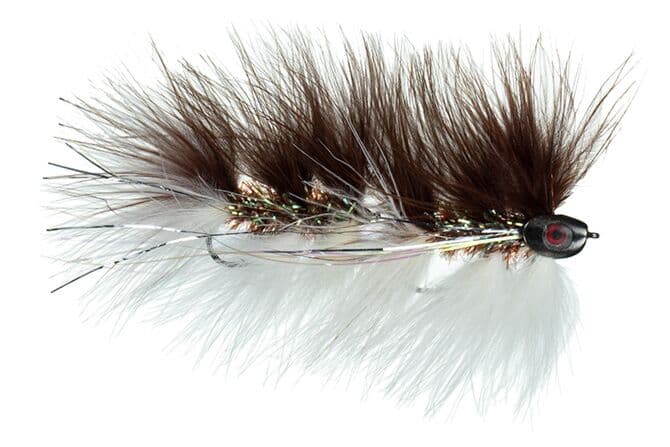
Best for Covering Water: Galloup's Zoo Cougar Fly - Great for anglers who like to hunt with a big silhouette and search likely ambush lanes fast. Its profile and movement make it a strong pick when you need fish to notice the fly quickly.
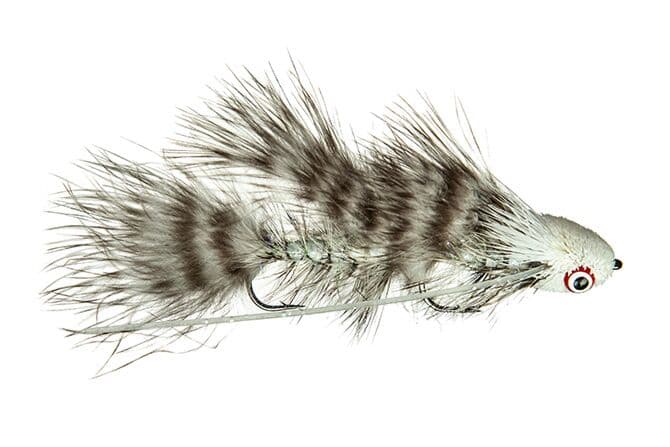
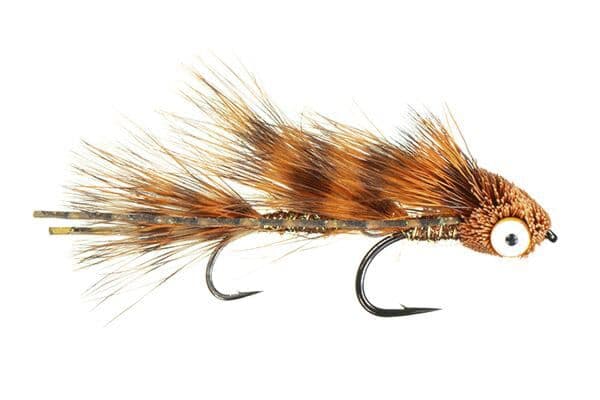
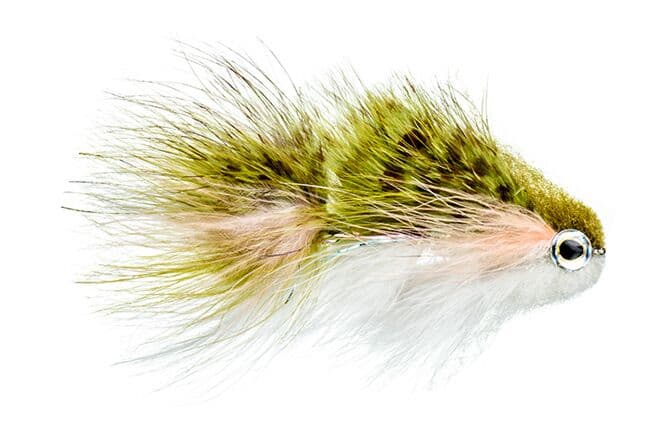
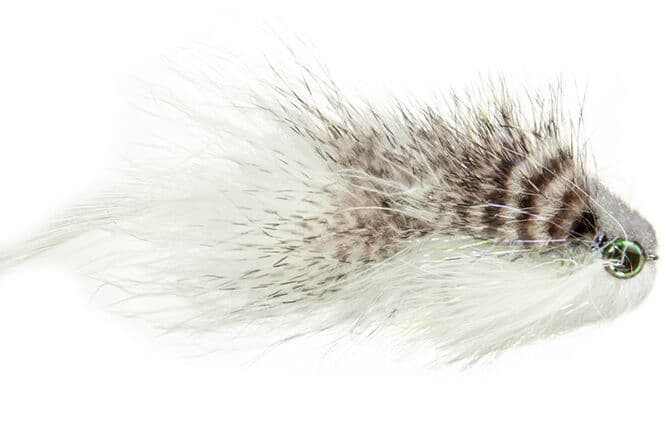
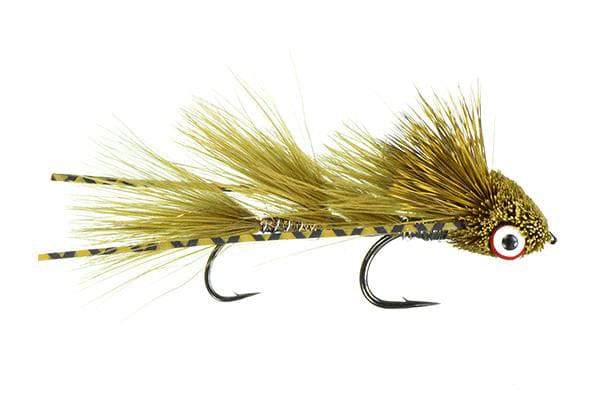
Best Sculpin Profile: Galloup's Boogieman Fly - A strong option when trout are keyed on sculpins or other bottom-hugging forage around rocks and wood. The articulated, two-hook design is built to swim with movement while still keeping a meaty, grounded profile.
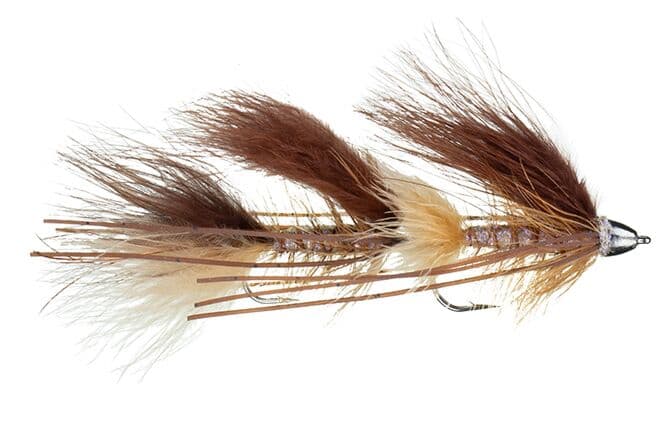
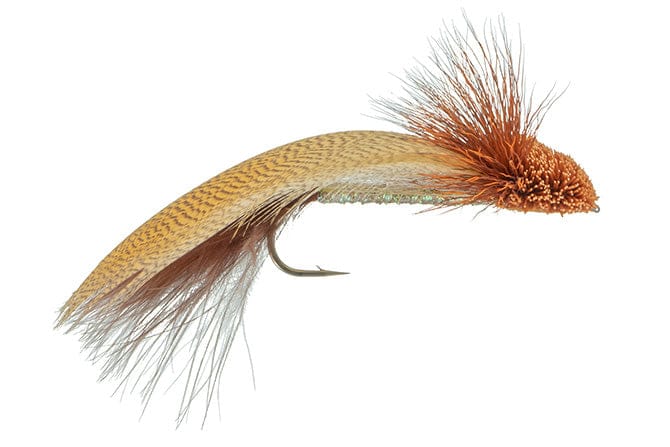
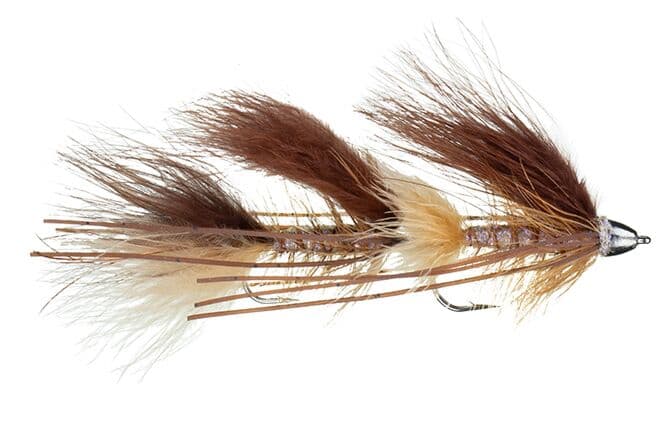
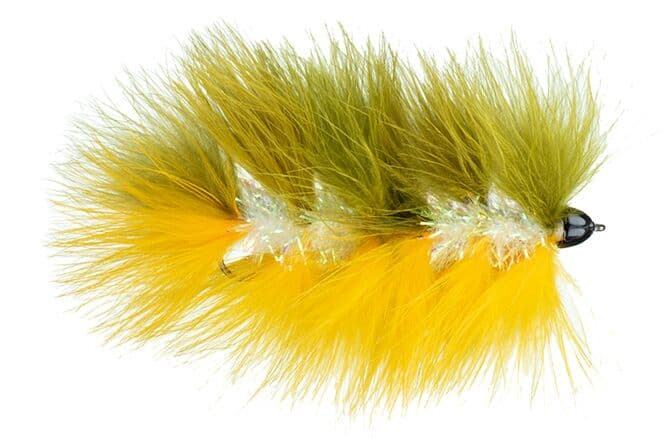
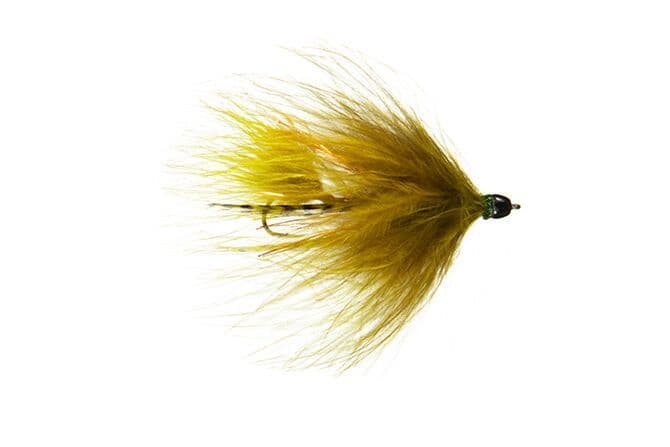
Best for Getting Down: Galloup's Barely Legal Fly (Conehead) - Ideal for deeper slots and faster current where you need the fly to track lower without adding extra split shot. The conehead adds weight up front for a more direct, down-and-across presentation.
How to Choose Kelly Galloup Flies
Pick the profile first (baitfish vs. sculpin vs. leech)
Action: Start by matching what big fish are actually hunting, wounded baitfish, sculpins along the bottom, or leeches in slower edges.
Best for: If you’re unsure, a larger “general baitfish” silhouette is a practical searching choice for new water.
Go bigger when you need a reaction bite
Action: Bigger, water-pushing flies tend to shine when you’re fishing banks, wood, and other ambush cover where fish have a short window to decide.
Avoid if: You’re consistently seeing follows with no eats,size down or switch to a slimmer, subtler pattern.
Color: keep it simple and adjust for visibility
Action: Natural olive/brown tones are a good match for sculpins and crayfish-leaning forage; whites and brighter options can help when baitfish are present or water is off-color.
Best for: Low light, stained water, or deeper runs where you want a fly that shows up sooner.
Retrieve style: strip vs. swing (and when to do each)
Action: Stripping is a good fit for “robbing the bank” from a boat or when you want to make the fly flee; swinging is often more controlled when wading and working a run thoroughly.
Best for: Swinging is a practical way to keep the fly moving at a steady pace and maintain a consistent angle across current.
Materials & Durability
Expect variation: Streamers are hand-tied, so minor differences in profile and trim are normal from fly to fly.
Hook care: Check hook points after rocks, wood, or a fish, touch up or replace flies that are rolled or dulled.
Dry them out: Let flies air-dry outside your box after fishing to help prevent rust and protect materials.
Protect the shape: Don’t crush big deer hair or marabou patterns; use a box that gives articulated flies room.
Complete Your Setup
Related Gear
Streamers - A broader streamer wall to round out your box with different silhouettes and sink rates.
Sinking Fly Lines - Helps keep larger streamers in the zone longer, especially in deeper or faster water.
Leaders - Shorter, stronger leaders make turning over bulky flies easier and help with abrasion around cover.
Tippet - Step up diameter for streamer fishing when you’re around wood, rocks, or expect hard eats.
Related Guides
Kelly Galloup Flies FAQs
Q: What are Kelly Galloup Flies best used for?
A: This collection focuses on streamer patterns designed to imitate baitfish, sculpins, and leeches. They’re a strong fit when you’re targeting aggressive fish and want to trigger a chase or reaction strike.
Q: Are Kelly Galloup Flies good for beginners?
A: Yes, especially if you want to learn streamer fishing. The main learning curve is casting larger, more air-resistant flies and dialing in depth with your line and leader setup.
Q: How do I choose the right size streamer?
A: Start bigger when you’re hunting for a few larger fish and want to move water. If you’re getting follows without eats (or fishing very clear, shallow water), size down to a more subtle profile.
Q: What colors should I start with?
A: Olive, brown, and black cover a lot of sculpin/leech looks and stay useful in different light levels. Add a lighter option (like white) when baitfish are present or when you need extra visibility.
Q: Do I need a sinking line to fish these streamers?
A: Not always, some situations fish well with a floating line and a weighted fly. But sinking or sink-tip lines can make depth control easier in deep runs, faster current, or stillwater.
Q: What’s the easiest way to fish these from a drift boat?
A: A common approach is casting tight to the bank/structure and stripping the fly back to imitate fleeing prey. Focus on short, accurate casts and repeatable retrieves rather than bombing long distance.
Q: How do I keep articulated streamers from tangling?
A: Open your loop a bit and smooth out the casting stroke, trying to “crack” the cast increases tangles. A shorter, stouter leader can also help turn the fly over more cleanly.
Q: Why do my streamers come out of the package looking slightly different?
A: Streamers are hand-tied, and materials like marabou, deer hair, and rabbit can vary slightly. Minor differences are normal and usually don’t affect how the fly fishes.