


5 Things to Consider When Buying a Fly Tying Vise | Episode 2









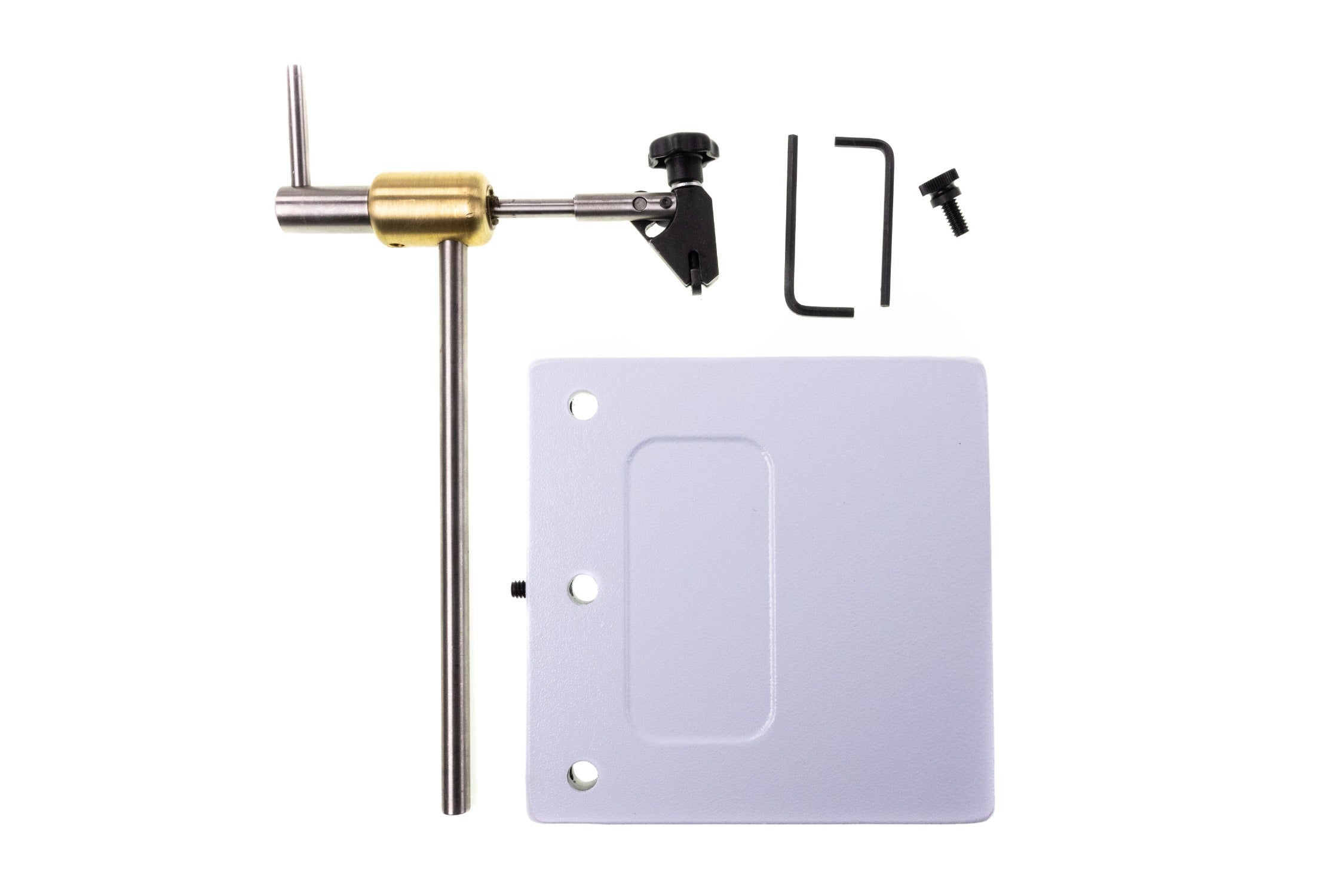
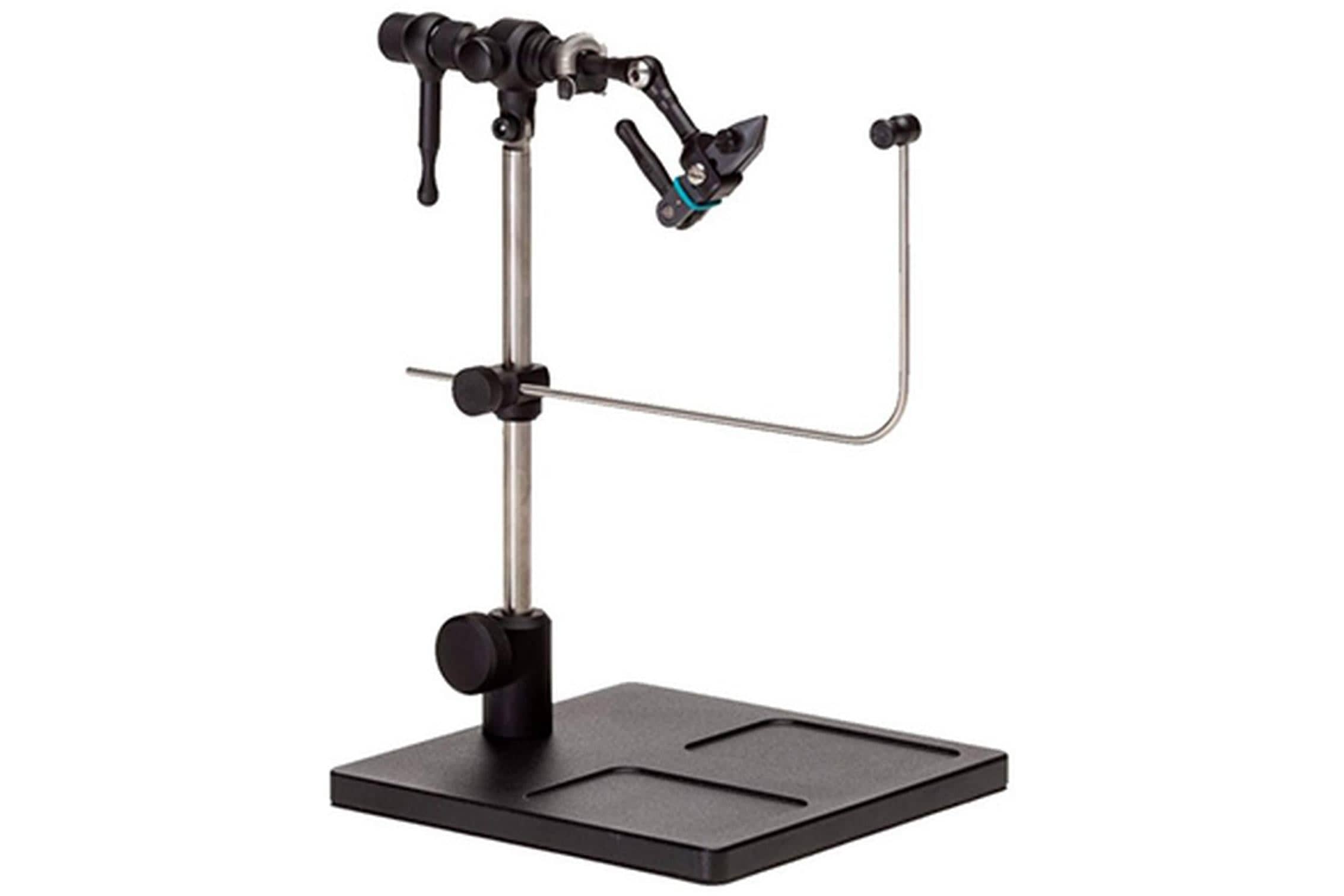



Vises & Accessories Quick Picks
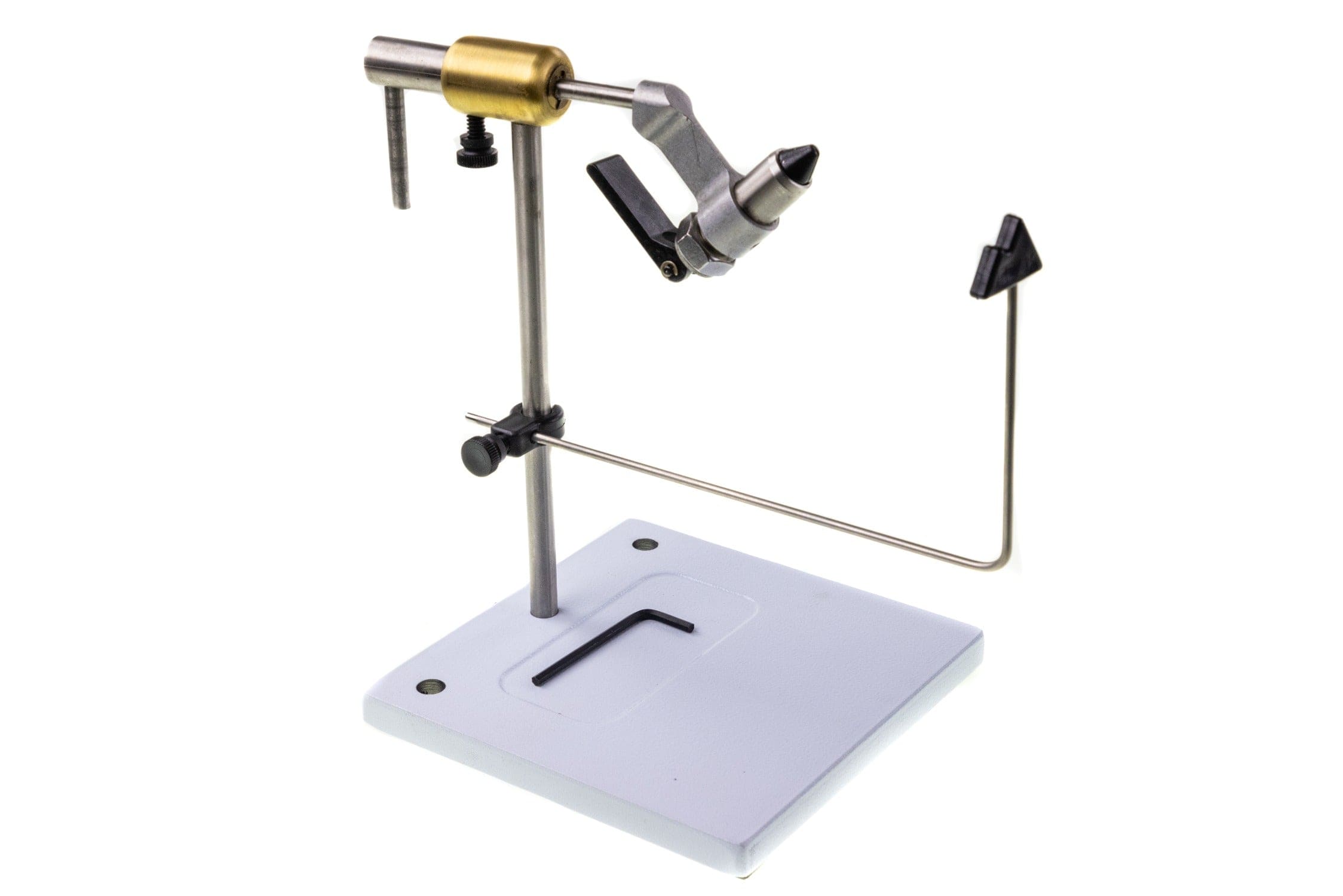
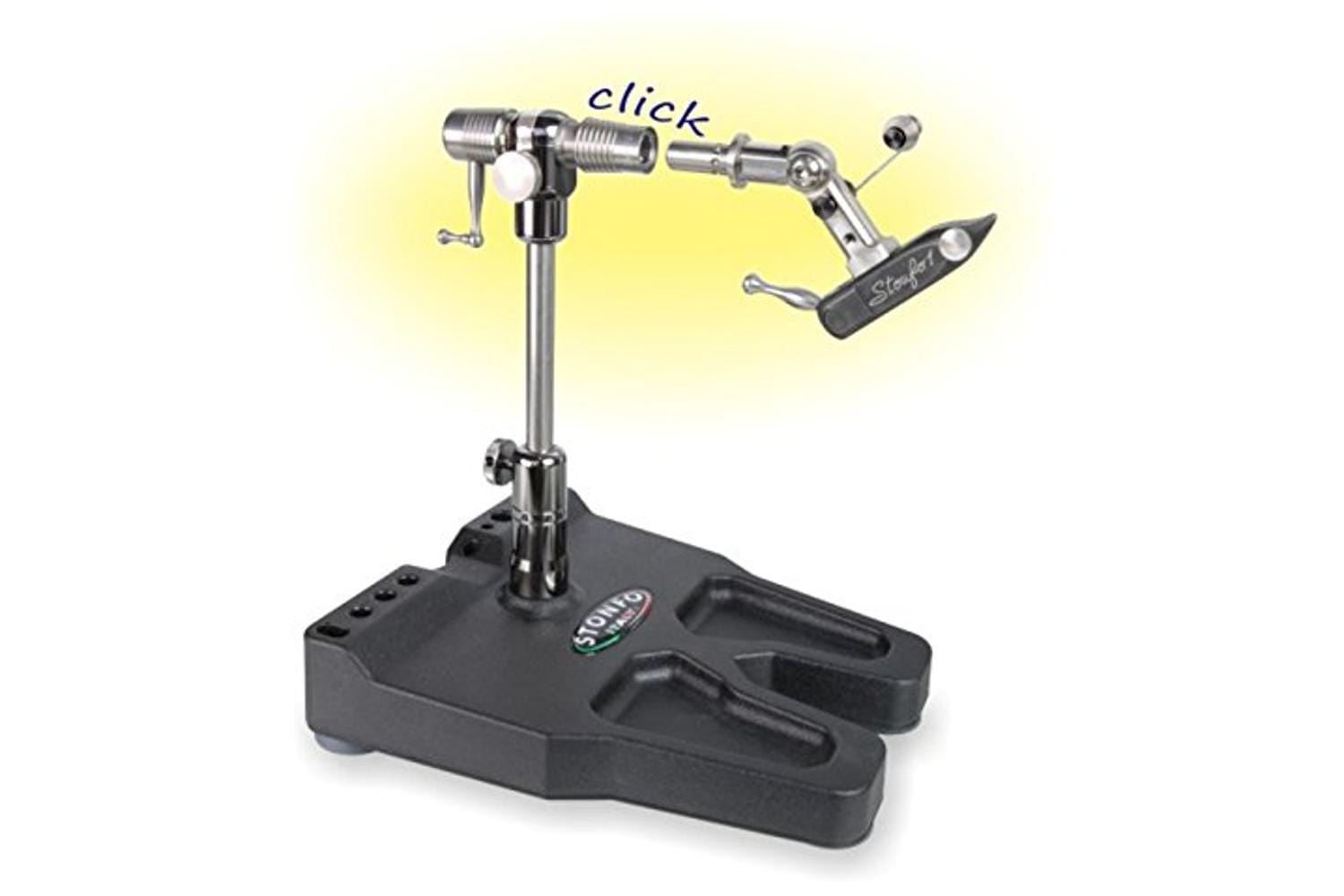
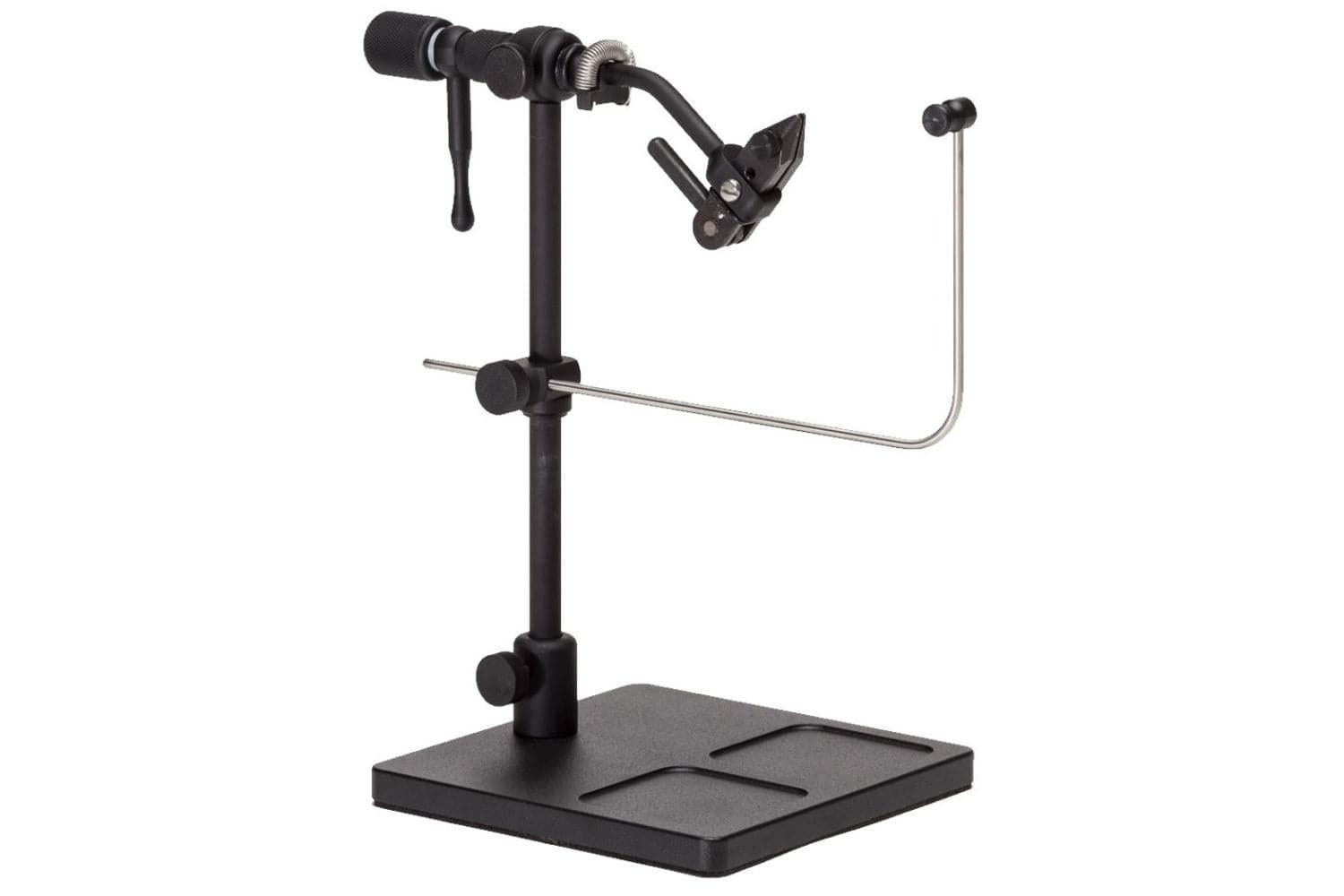
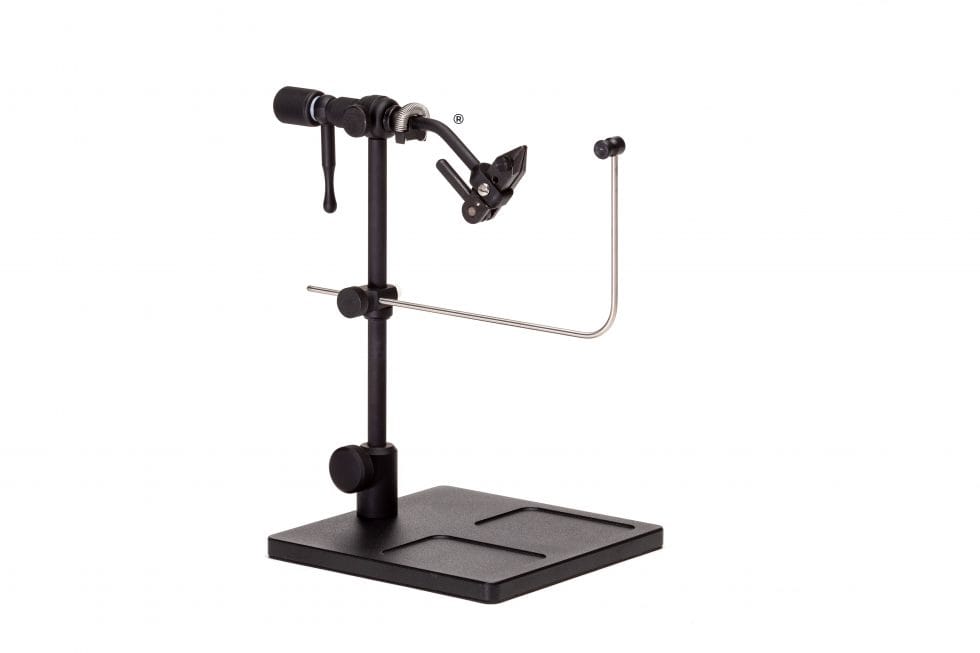
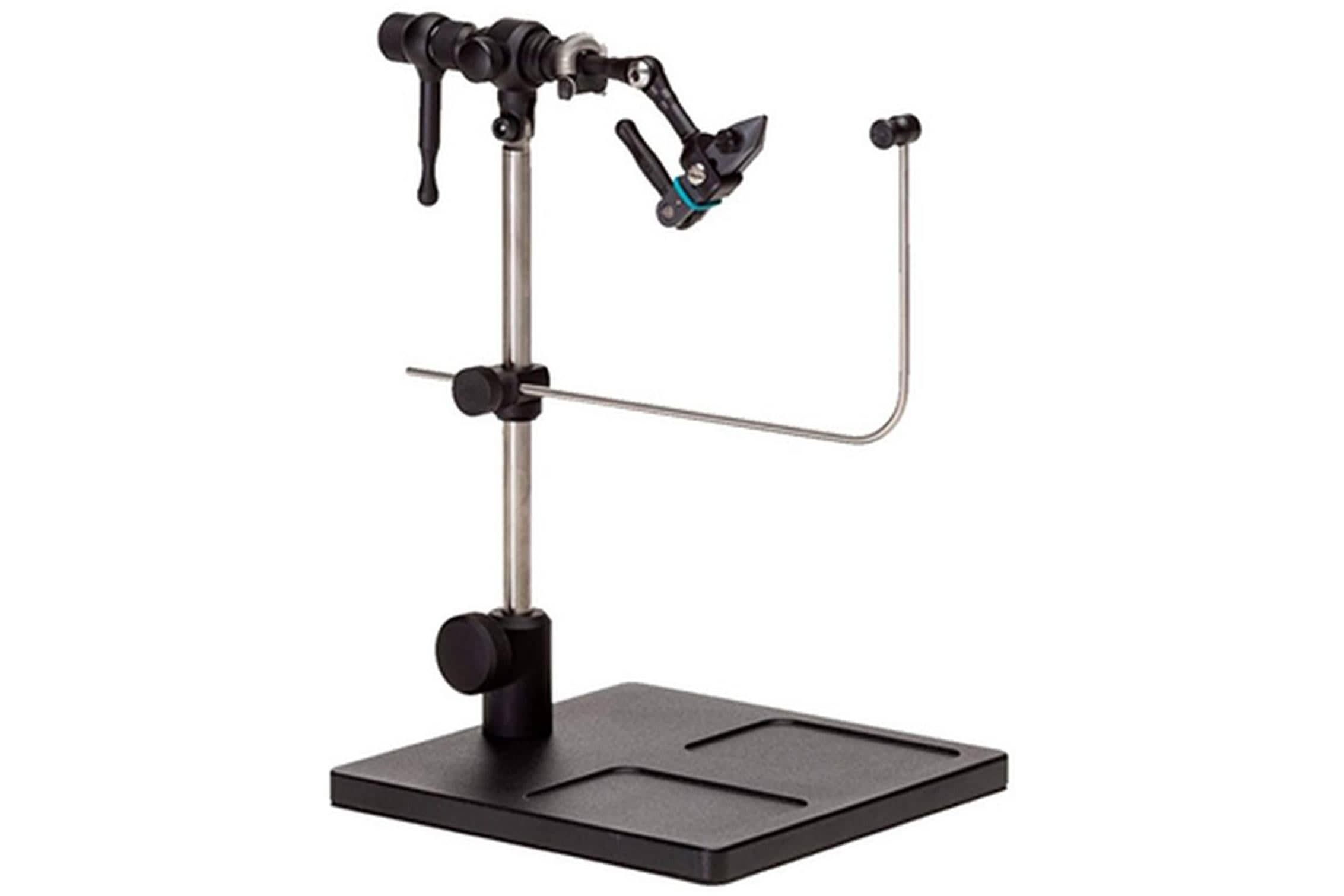
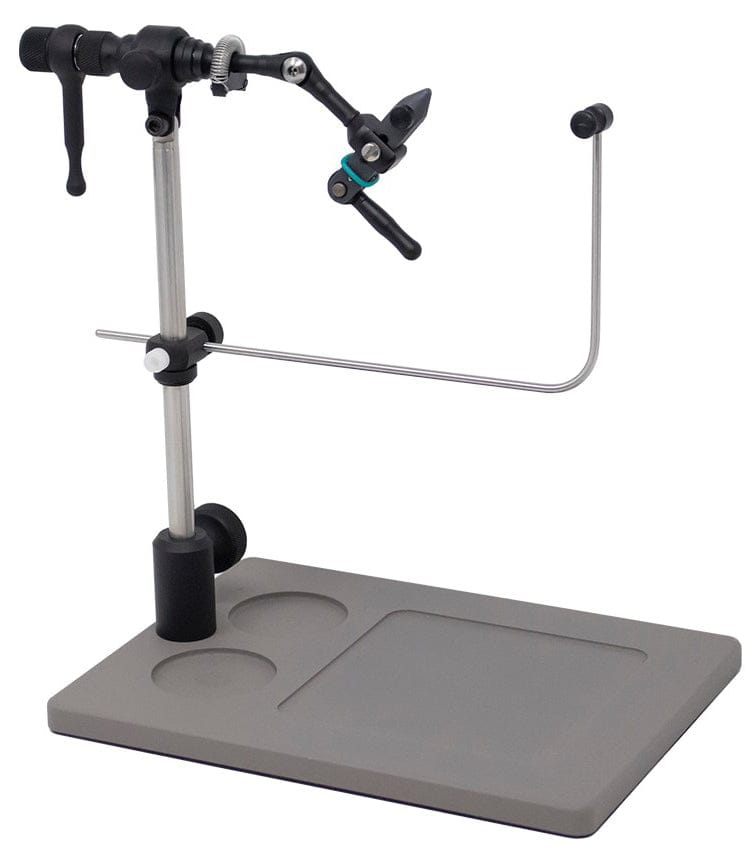
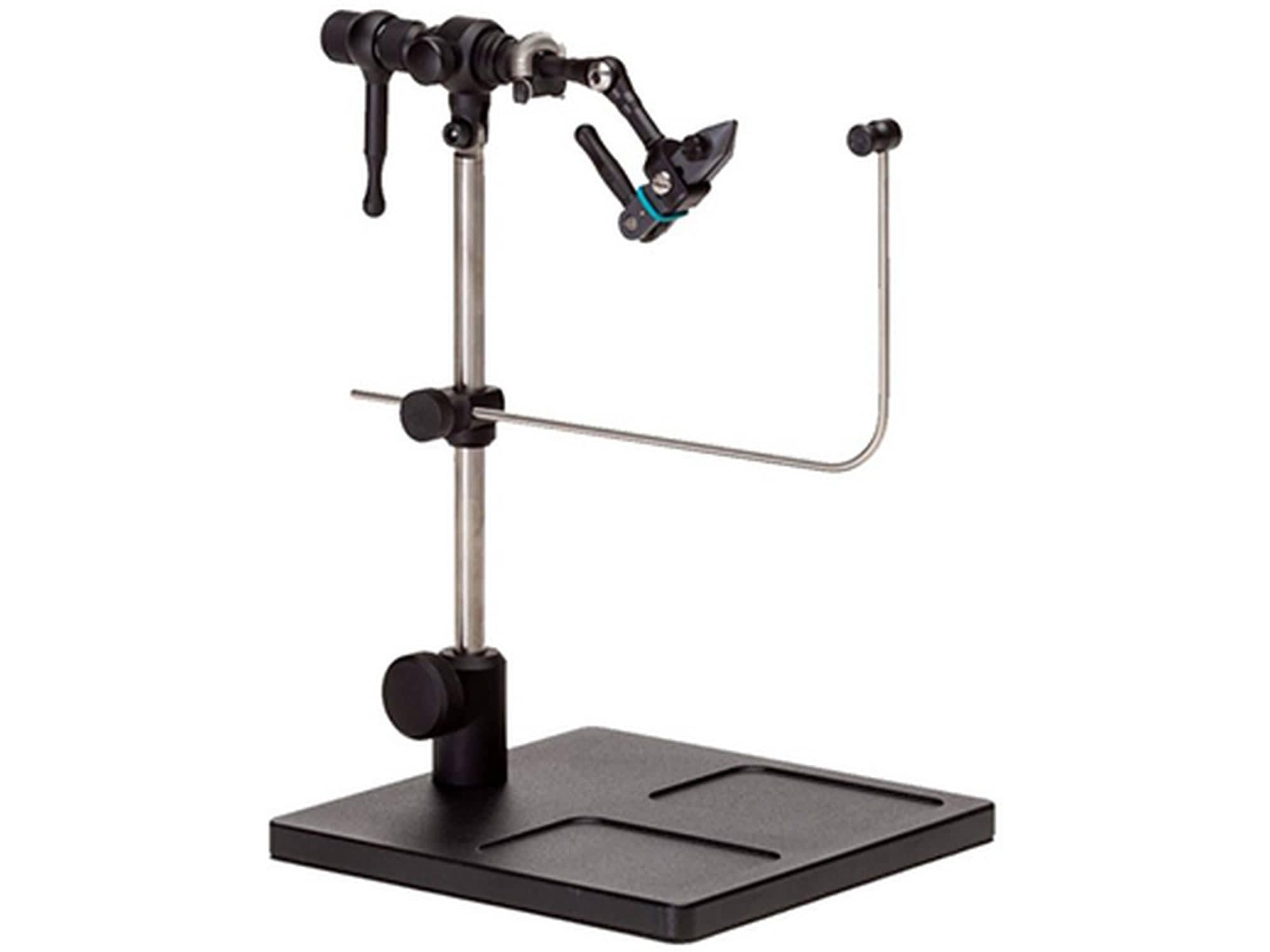
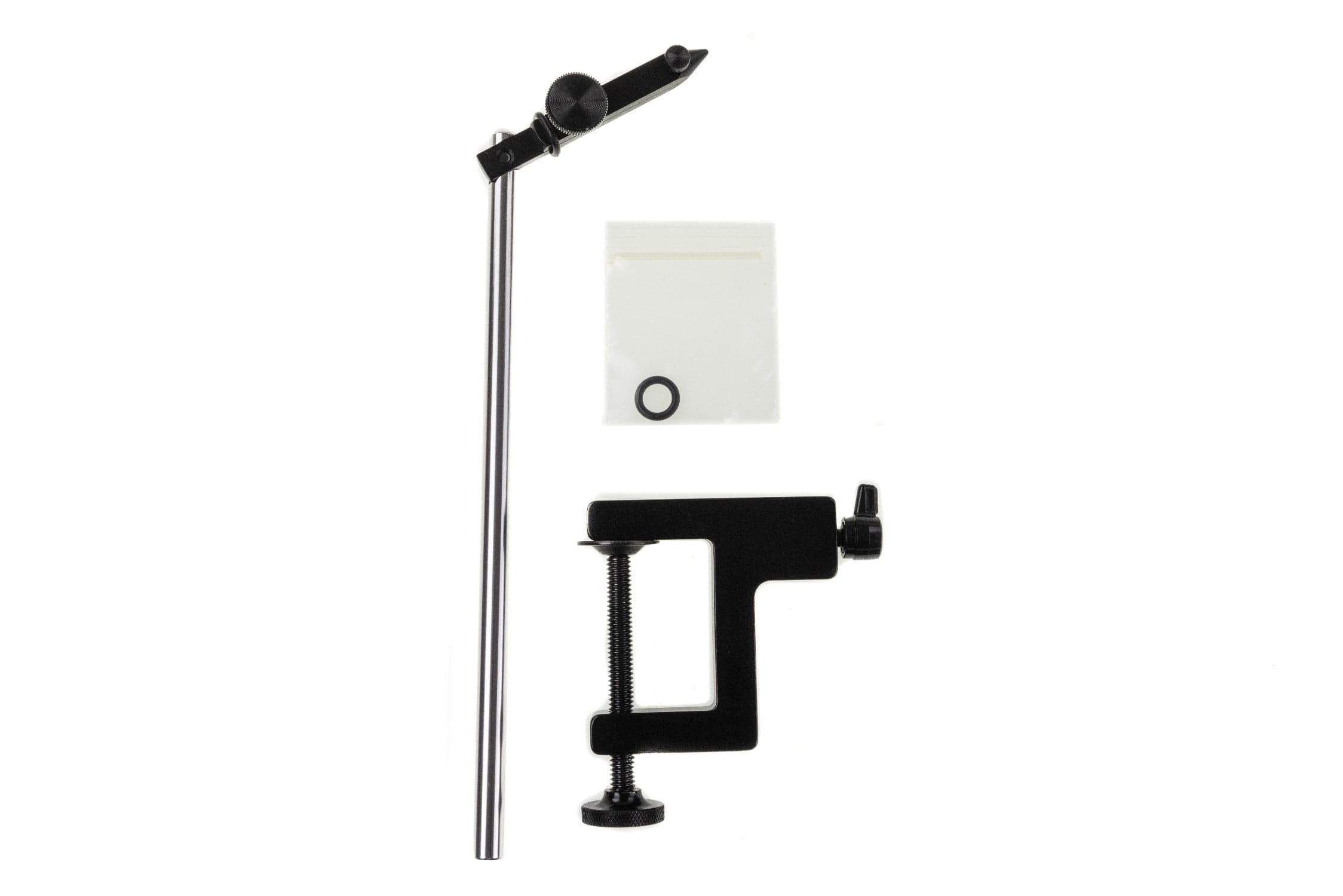
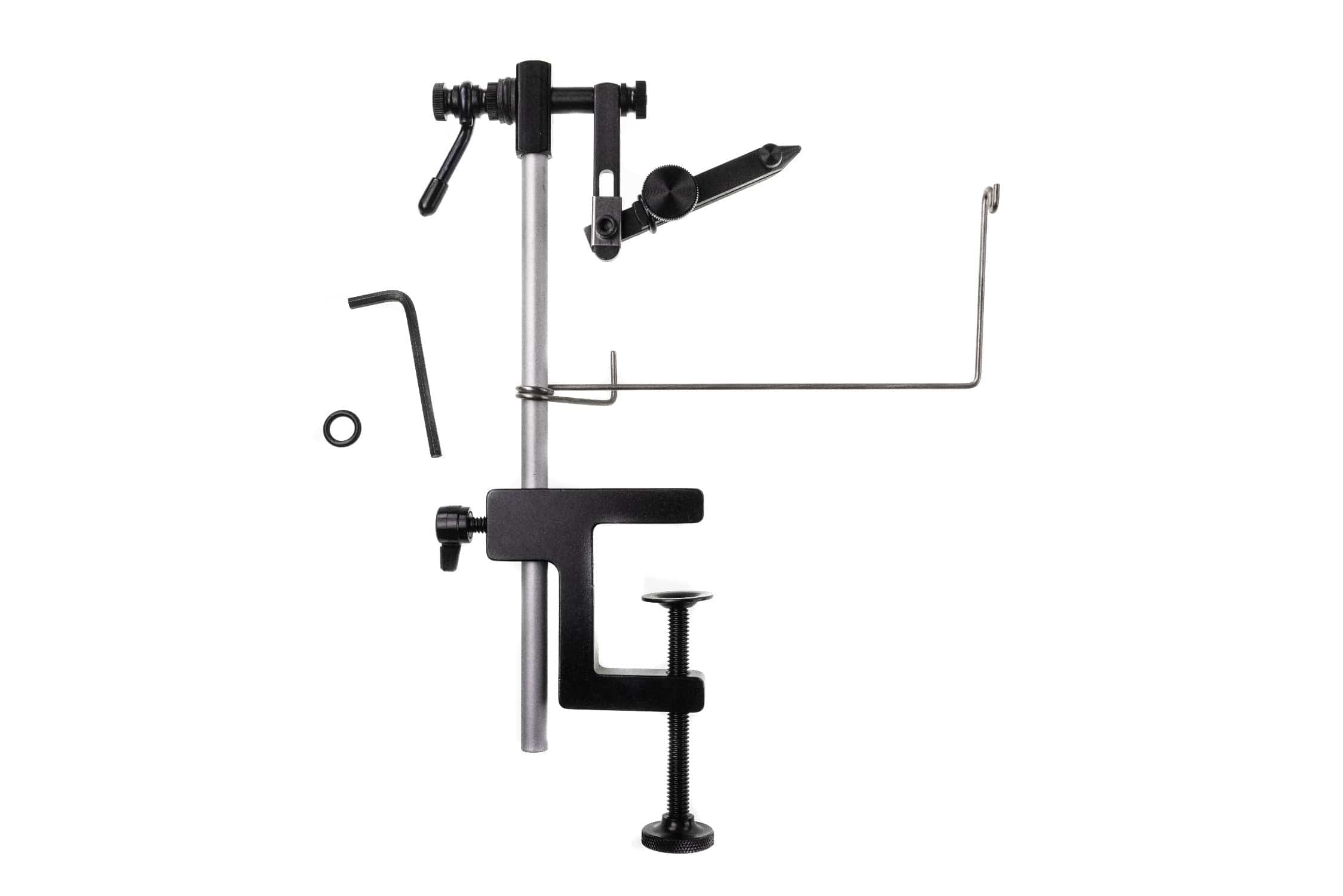
Best Value: Peak Rotary Vise With Pedestal Base - Great for new-to-intermediate tiers who want a stable bench setup without overthinking adjustments. A true rotary design with a heavy pedestal base gives you consistent wraps, cleaner proportions, and less frustration at the bench.
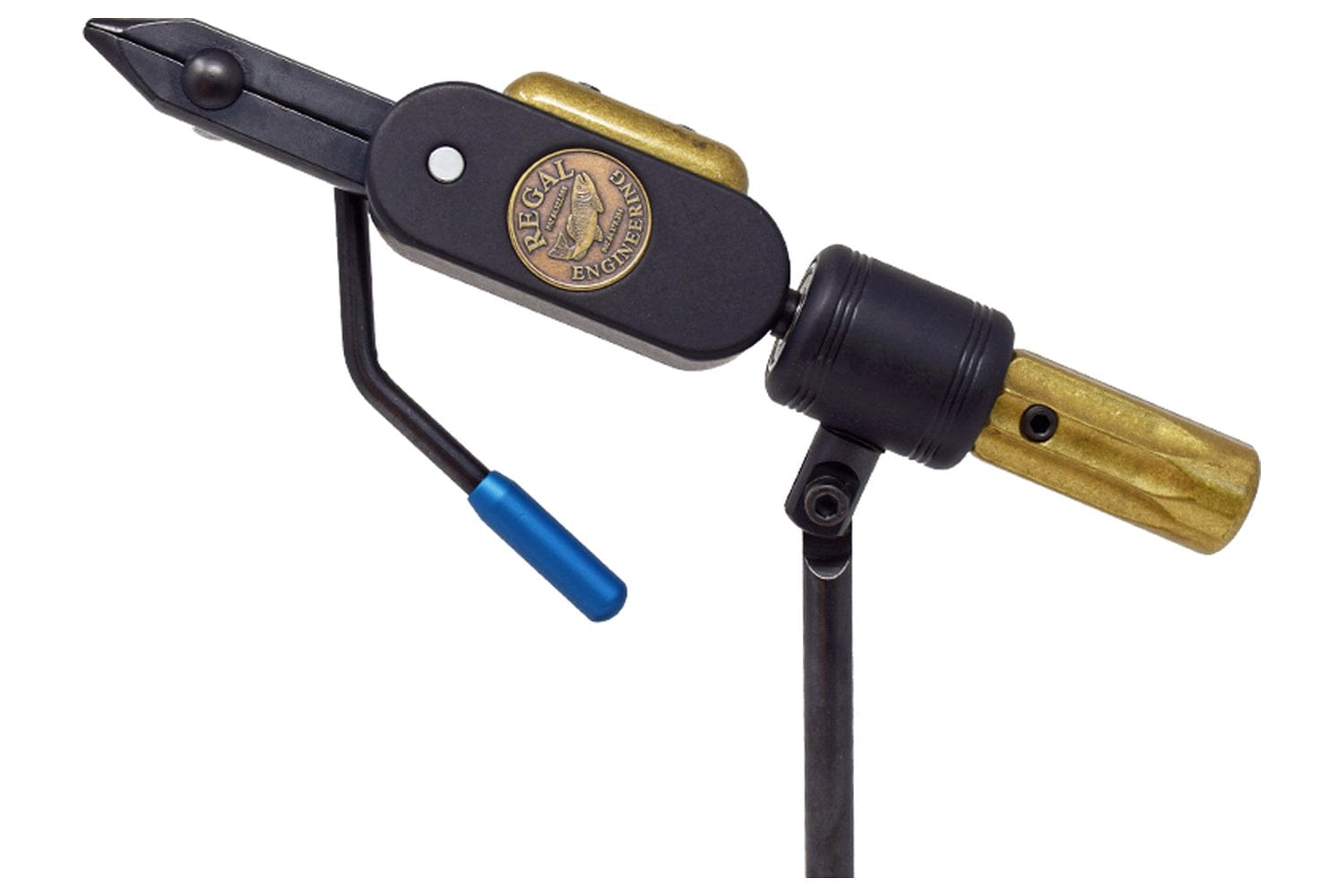
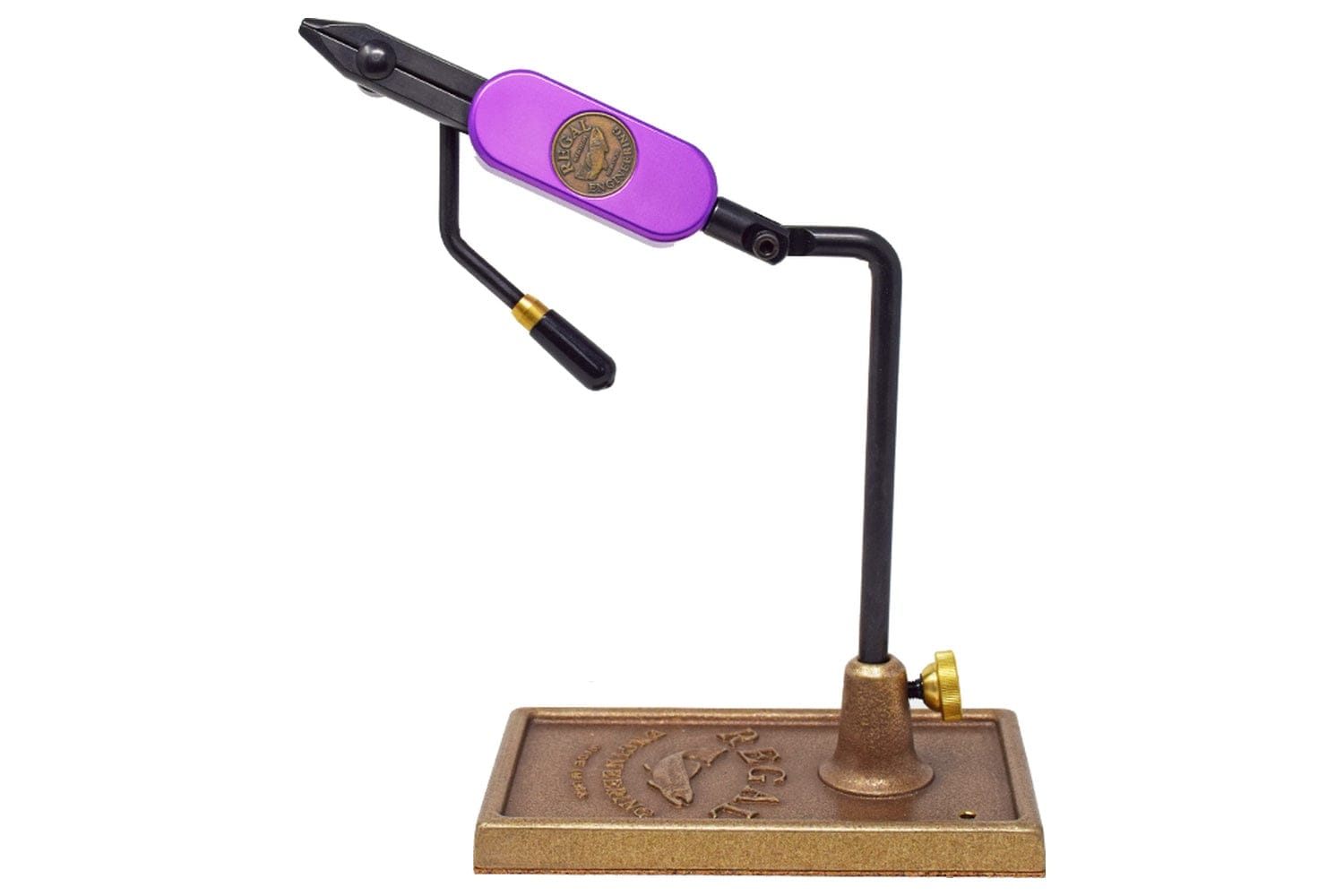
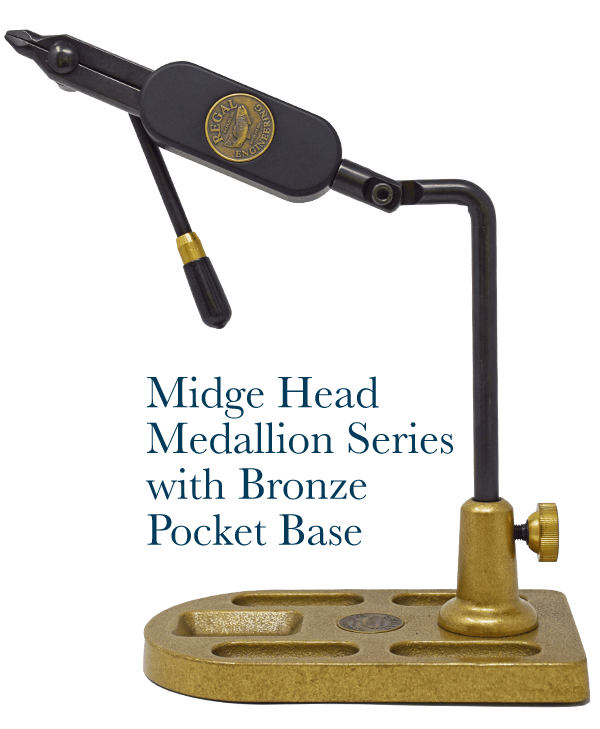
Best All-Around: Regal Revolution Fly Tying Vise - Built for tiers who want fast hook changes and the flexibility to tie everything from small trout flies to bigger streamers. Regal’s rotary platform is a favorite for efficient production tying while keeping the “set it and forget it” feel many tiers prefer.
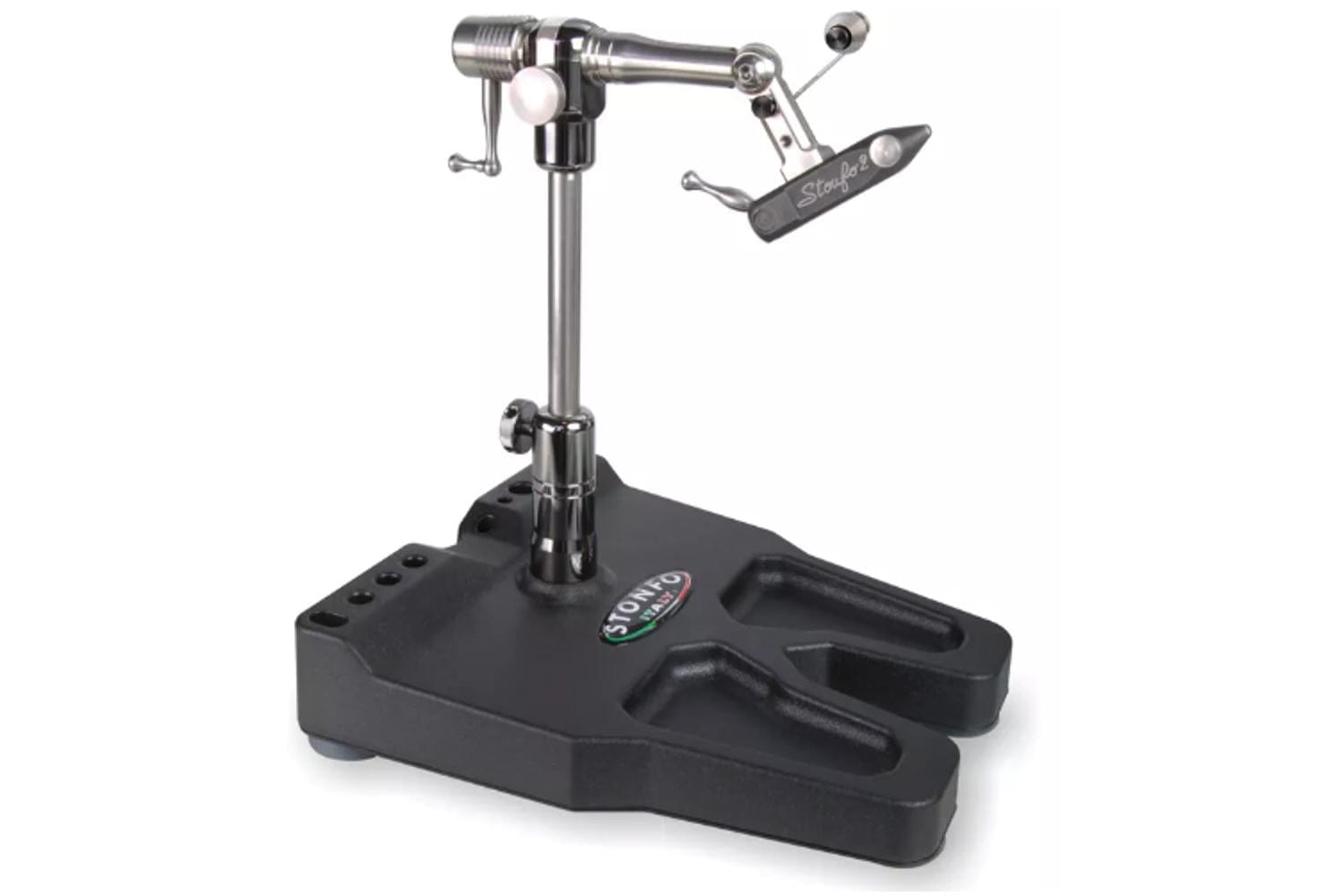
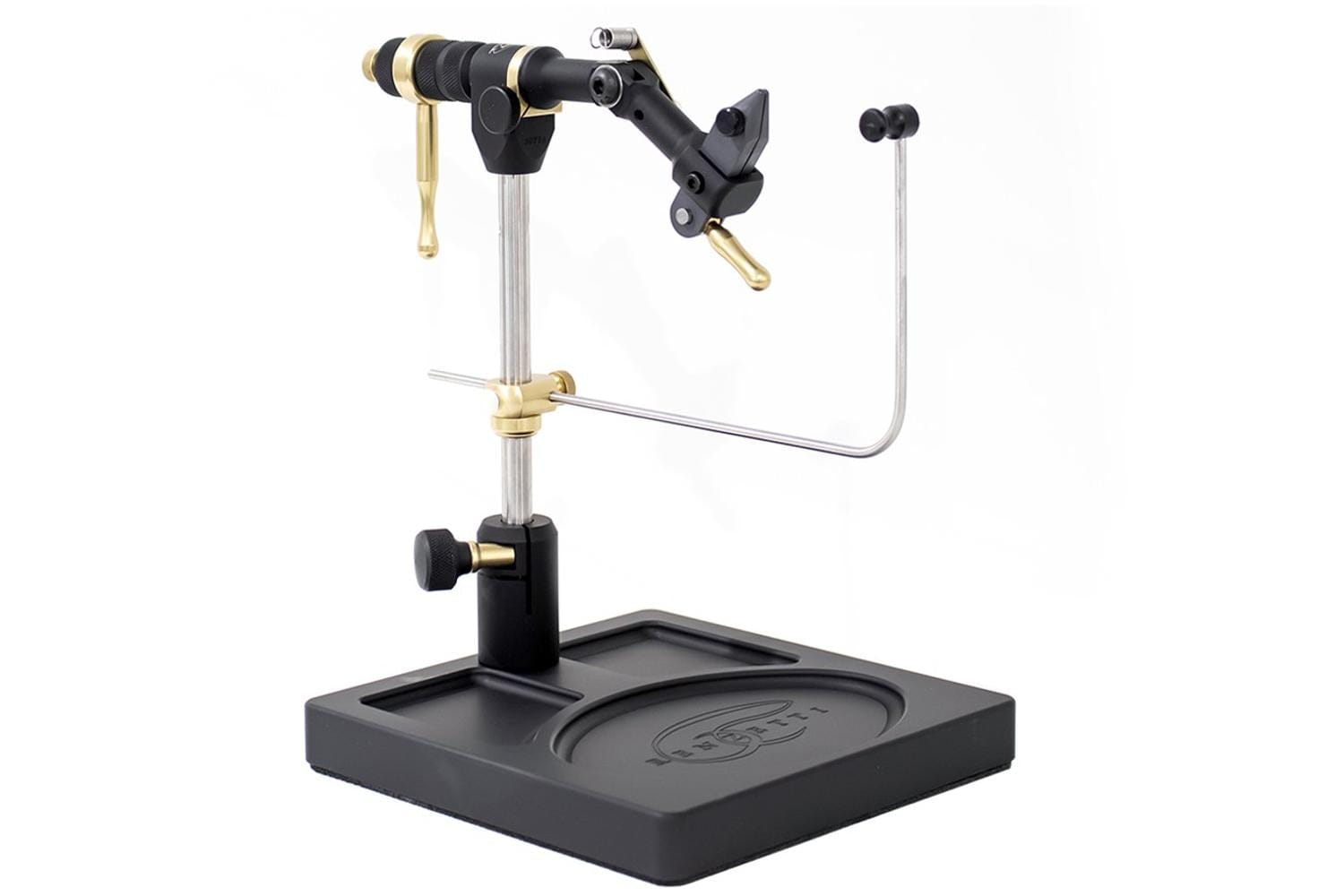
Best Premium: Renzetti Special Edition Master Fly Tying Vise - Ideal for experienced tiers who spend long hours at the vise and want maximum control for complex patterns. A true rotary Master-series build with a high-end finish and saltwater-ready base makes it a serious centerpiece for a dedicated tying station.
Best Travel: Dynaking Trekker Fly Tying Vise - A strong pick for tiers who want a portable vise that still feels “bench solid” when you’re cranking out flies at camp. Ball-bearing rotary rotation and tough jaws make it comfortable for everything from delicate dries to heavier streamer work.
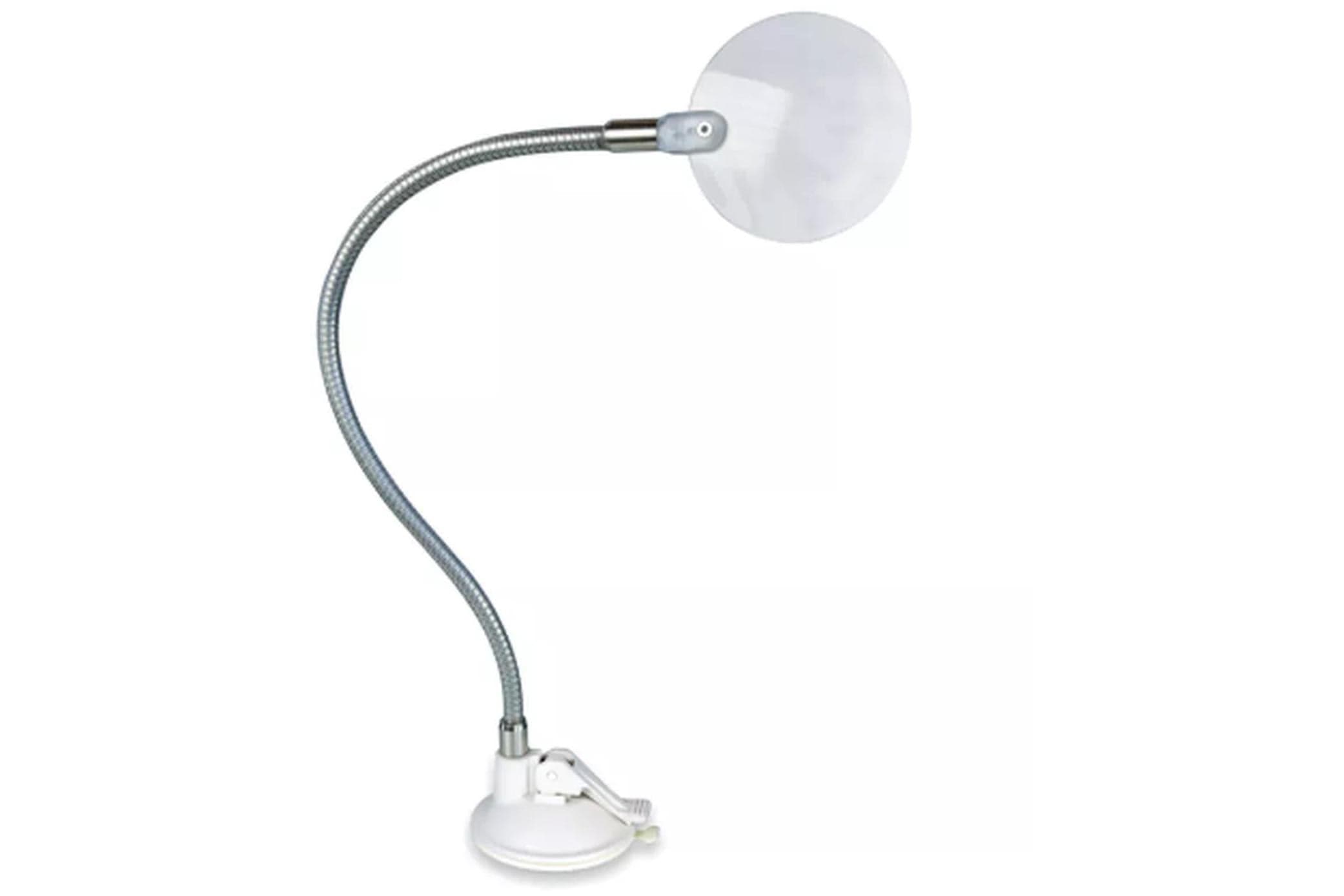
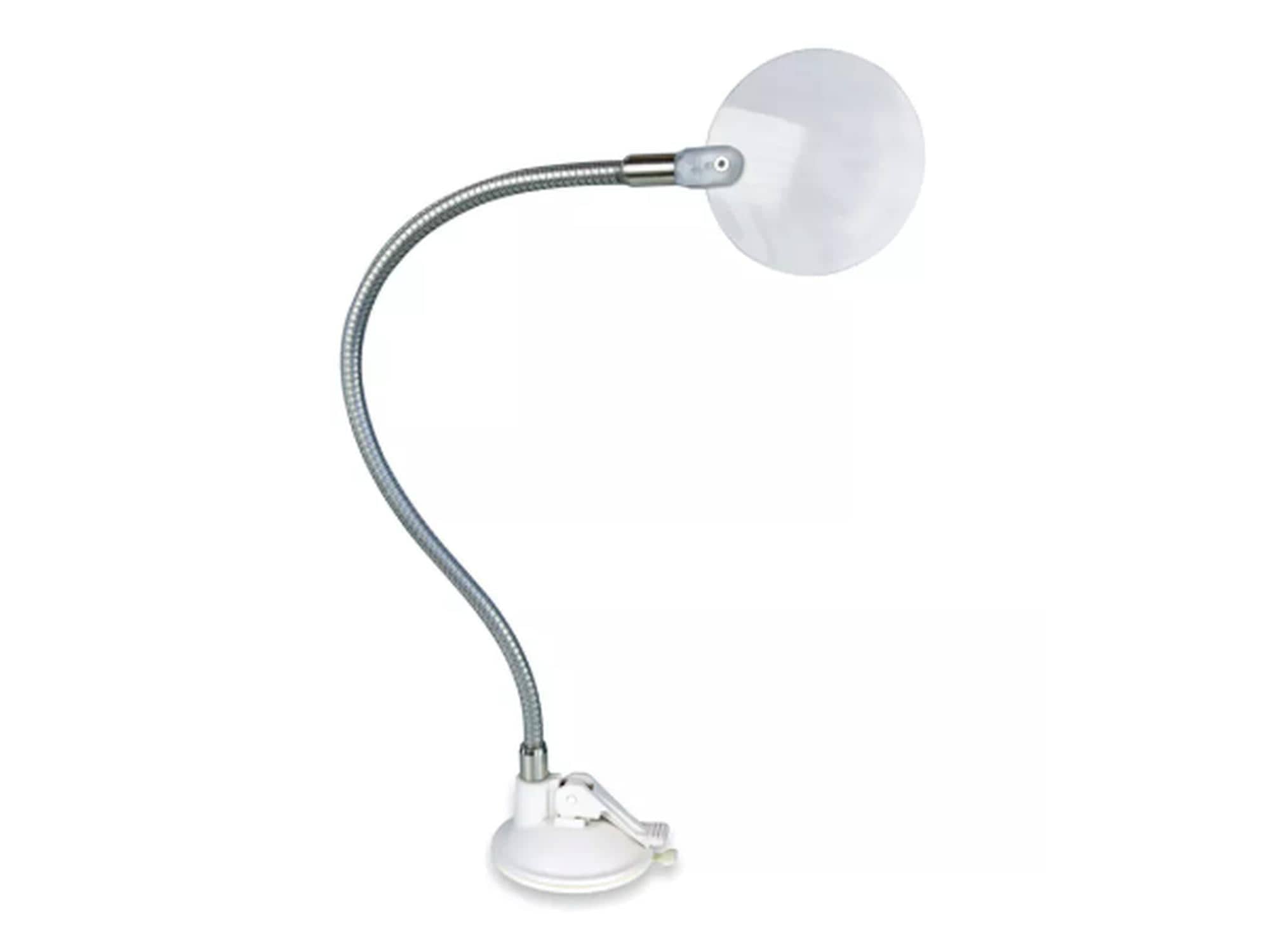
Best Bench Accessory: Stonfo Vise Magnifying Glass - Perfect when you’re tying small hooks, working with CDC, or just trying to clean up thread wraps and whip finishes. It mounts at the vise so you can keep posture and focus without constantly leaning in.
How to Choose Vises & Accessories
Rotary vs. stationary: what actually matters
Action: If you plan to rib bodies, spin dubbing loops, or tie a lot of streamers, a true rotary vise can speed things up and help keep materials even. A stationary (fixed) vise is simpler and still ties great flies, especially if you’re learning fundamentals.
Avoid if: Don’t buy rotary just because it’s rotary,if the hook doesn’t stay put under thread tension, nothing else matters.
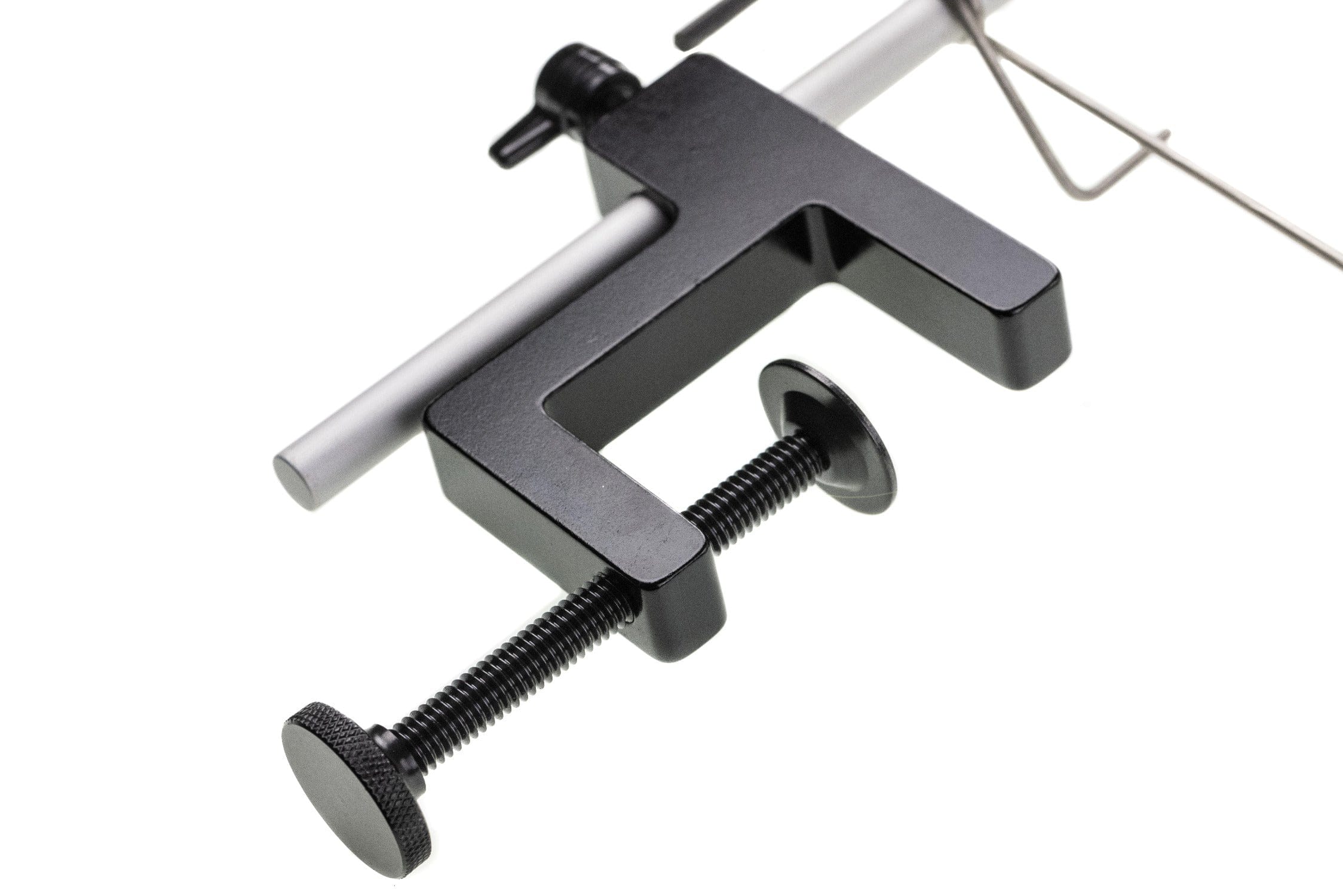
Base choice: pedestal vs. C-clamp
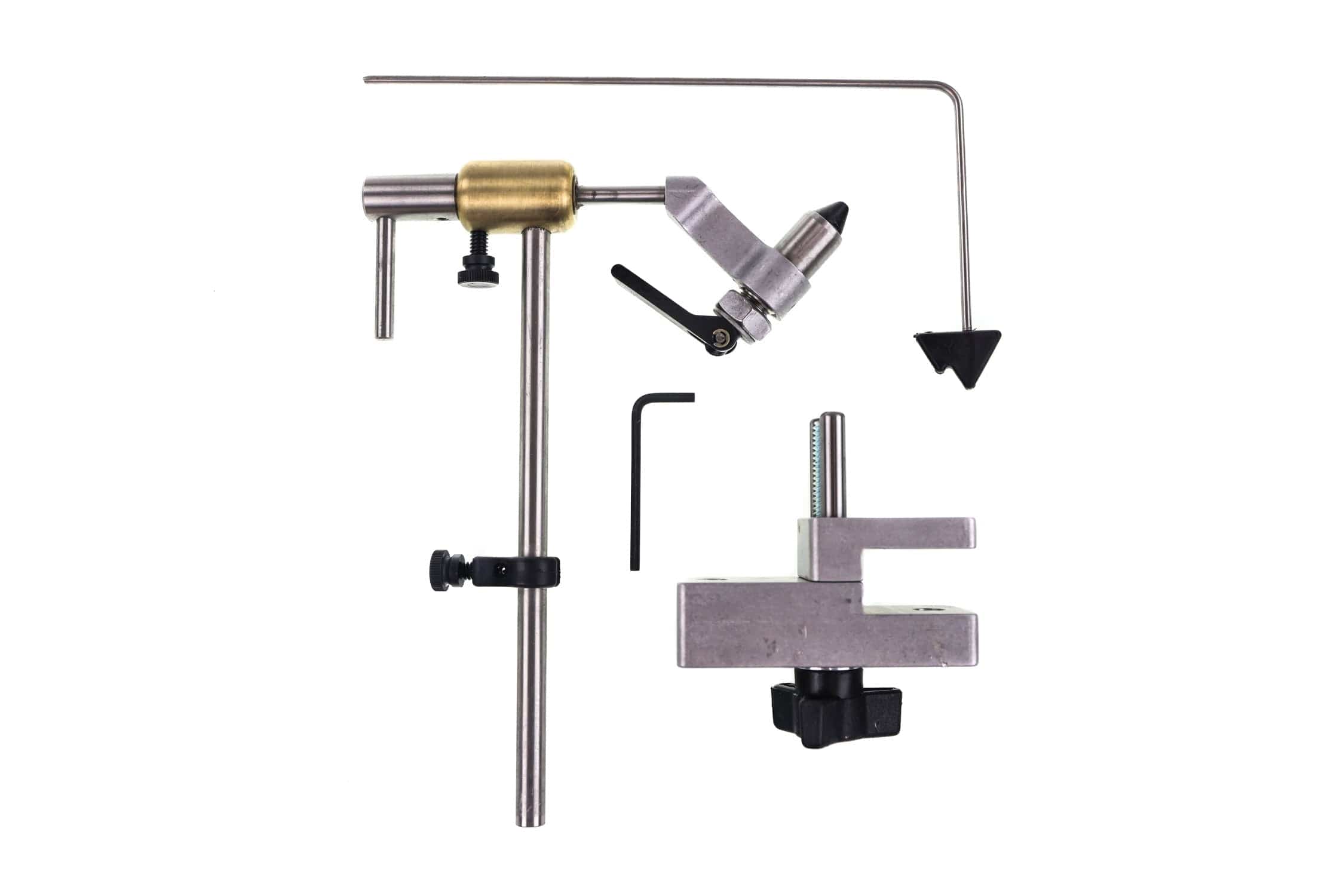
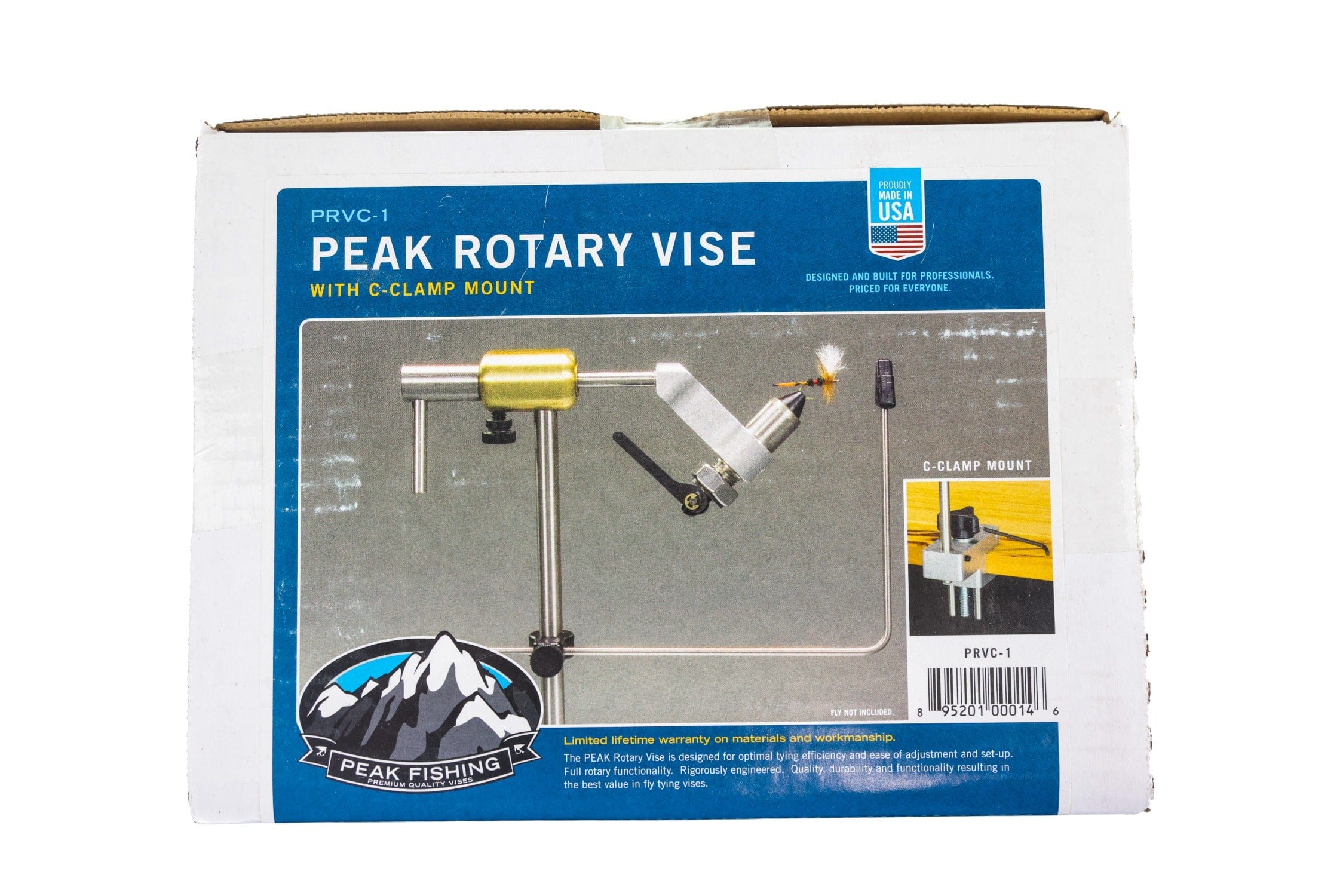
Best for: A pedestal base works well if you tie at different tables, want quick setup, or don’t have a dedicated bench. A C-clamp is a smart move if you have a solid tying desk and want the most rigid, no-wiggle platform for heavy thread pressure and deer-hair work.
Jaw range and hook-holding power
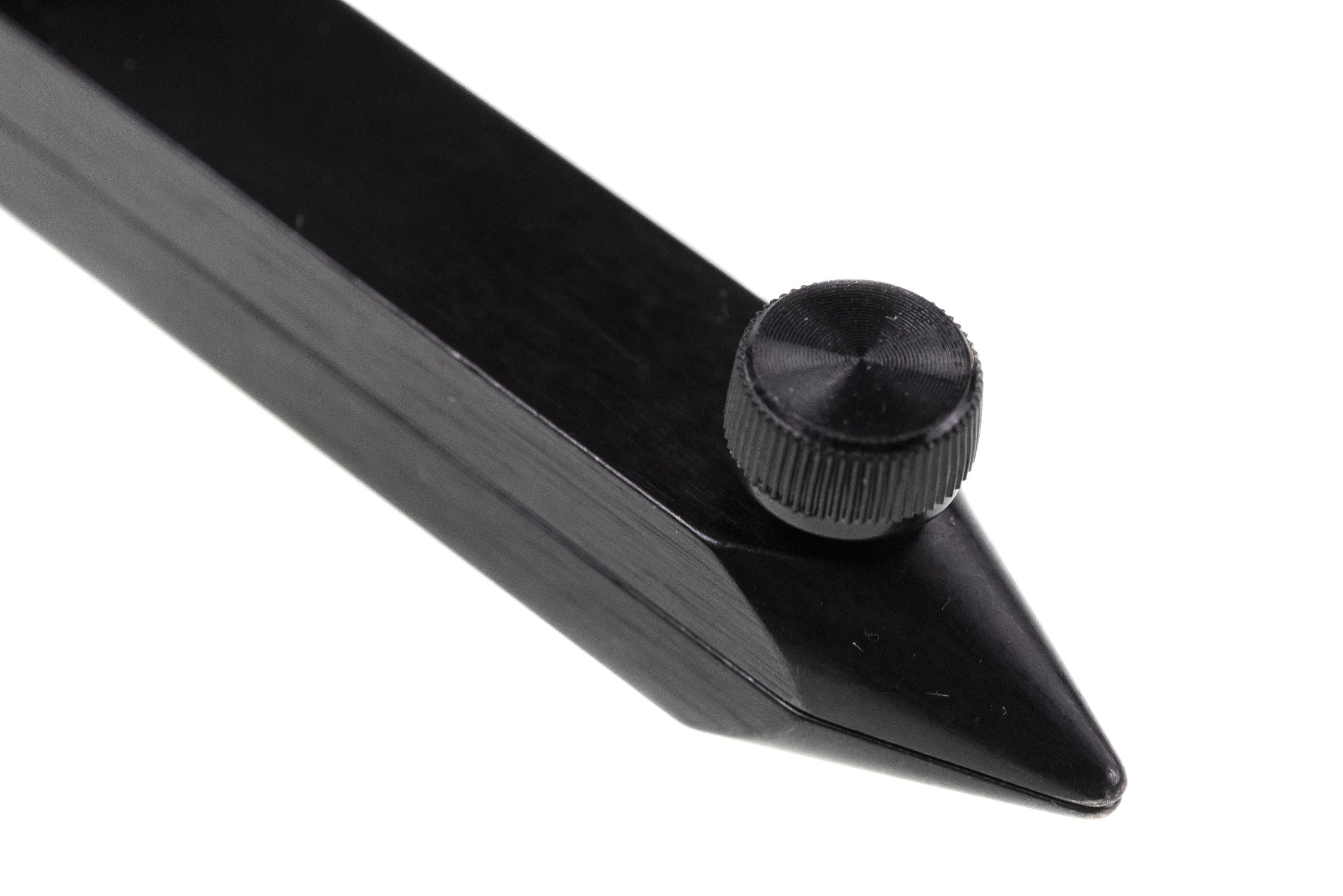
Action: Match the vise to the hooks you’ll tie most. Trout-focused tiers should prioritize small-hook access (midge to standard nymph range), while streamer and saltwater tiers should look for jaws that comfortably accept larger wire diameters and bigger hook sizes.
Common mistake: Choosing a vise based on stated “hook size range” alone, what you want is a secure bite on the wire sizes you actually tie, without over-tightening or slipping.
Accessories that actually improve your tying
Best for: A tool caddy keeps scissors, bodkins, bobbins, and whip finishers in one predictable place so you tie faster and lose fewer tools mid-session. A vise-mounted magnifier is a big help for small flies, tight threadwork, and finishing details.
Materials & Durability
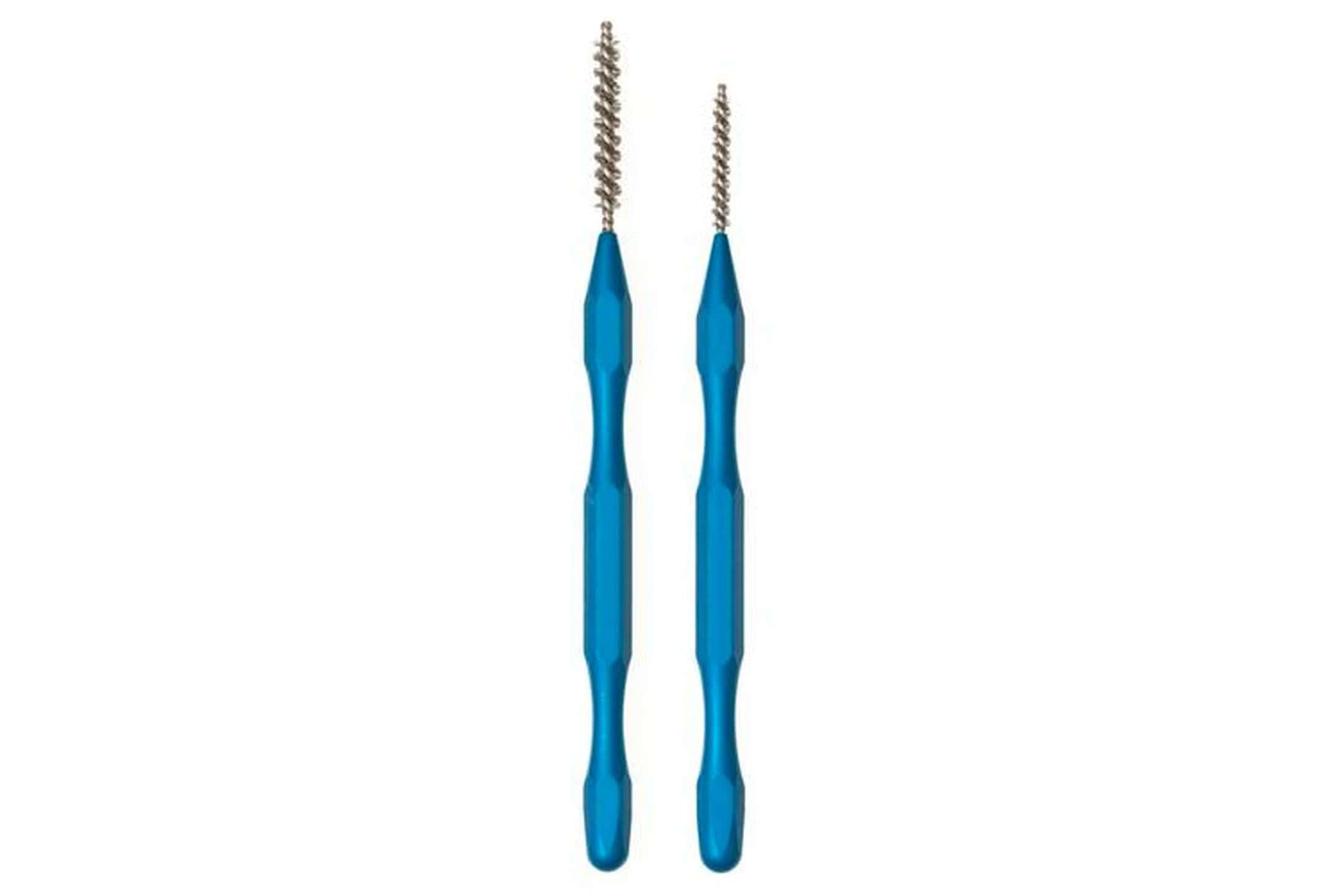
Keep jaws clean: Wax, head cement, and UV resin overspray can reduce grip,wipe jaws periodically with rubbing alcohol on a cotton swab.
Protect the finish: Avoid storing tools wet on the base; water and tying chemicals can stain or corrode over time.
Check fasteners: Pedestal stems and rotary tension knobs can loosen with use, snug them before long tying sessions.
Don’t over-clamp: Excessive jaw pressure can scar hooks and accelerate jaw wear; use the minimum force that prevents movement.
Complete Your Setup
Related Gear
Fly Tying - Start here if you’re building a full bench: hooks, materials, tools, and adhesives in one place.
Hooks - Dial in the right shank length, wire strength, and gape for the patterns you tie most.
Beads, Coneheads & Eyes - The easiest way to control sink rate, add realism, and tune how a fly tracks in current.
Regal Vises - If you like fast hook changes and a simple, rugged approach, it’s a solid brand page to browse.
Vises & Accessories FAQs
Q: What does a fly tying vise do?
A: A fly tying vise holds the hook securely so you can wrap thread and materials with both hands. Better hook stability usually means cleaner proportions and fewer broken threads.
Q: Should I buy a rotary fly tying vise?
A: Rotary helps when you want to spin materials evenly (ribbing, dubbing loops, and some streamer work) and inspect the fly from every angle. If you mainly tie simple dries and nymphs, a non-rotary setup can still be a great choice.
Q: Pedestal base or C-clamp, what’s better?
A: Pedestal bases are convenient and portable, especially if you tie at the kitchen table or travel. C-clamps lock to a bench edge for maximum rigidity, which is helpful for heavy thread pressure and deer hair.
Q: What hook sizes should my vise handle?
A: Choose based on what you actually tie. Trout tiers often need reliable grip on small wire sizes, while saltwater and predator tiers should prioritize stronger jaw bite on thicker hooks.
Q: Do I need a vise-mounted magnifier?
A: It’s not required, but it’s very helpful if you tie midges, small nymphs, or want cleaner whip finishes. It can also reduce neck strain by letting you sit back while still seeing detail.
Q: What are the most useful fly tying accessories to buy first?
A: Start with organization and workflow: a tool caddy, a bobbin threader, and a solid light setup usually make tying more enjoyable quickly. After that, add specialty accessories that match your patterns (stackers, dubbing tools, UV resin tools, etc.).
Q: How do I stop hooks from slipping in my vise?
A: First, clean the jaws,resin and head cement buildup is common. Then confirm you’re clamping on the bend or straight shank section that matches the jaw groove, using only as much pressure as needed.