


Flymen Fly Tying Kits Overview



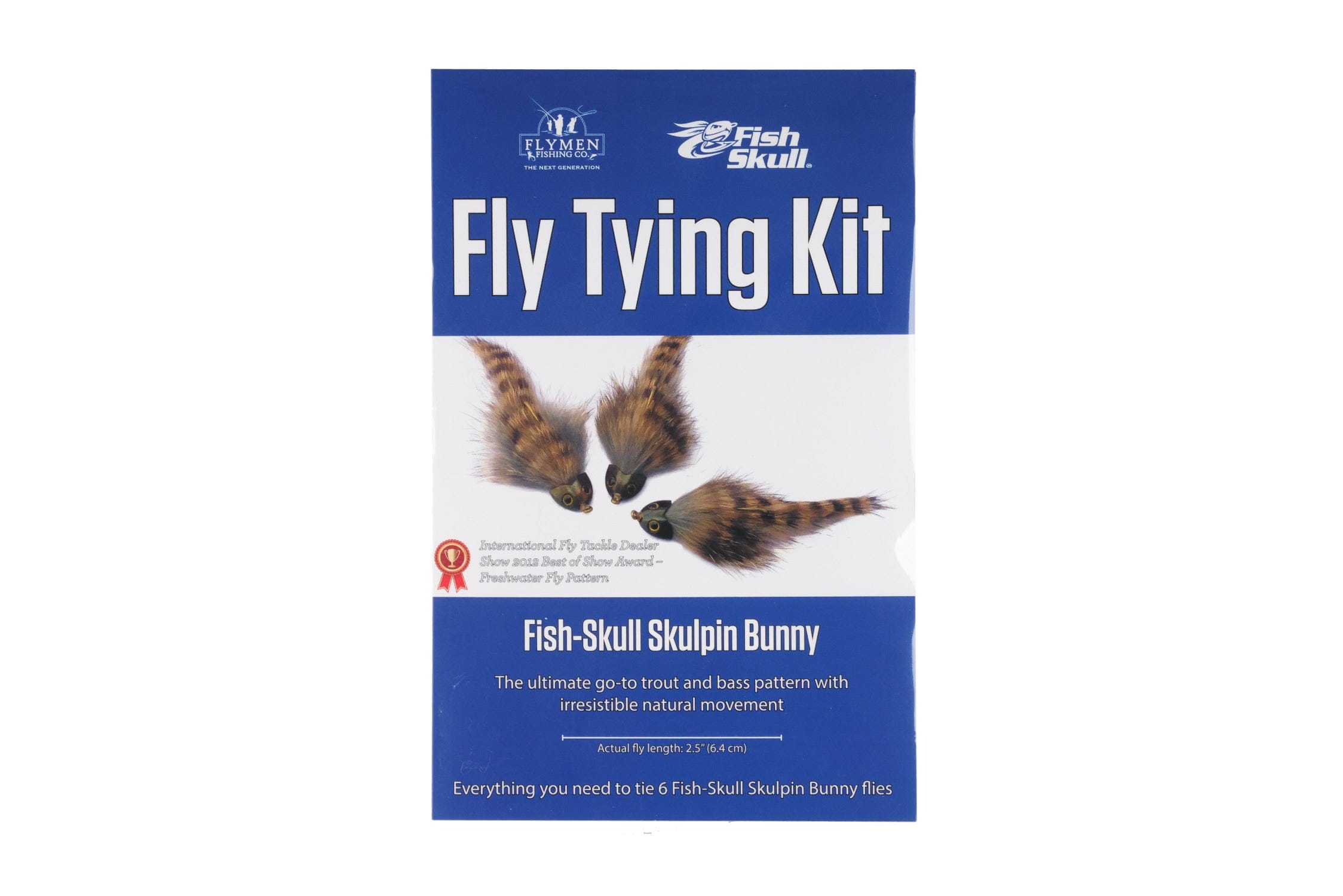
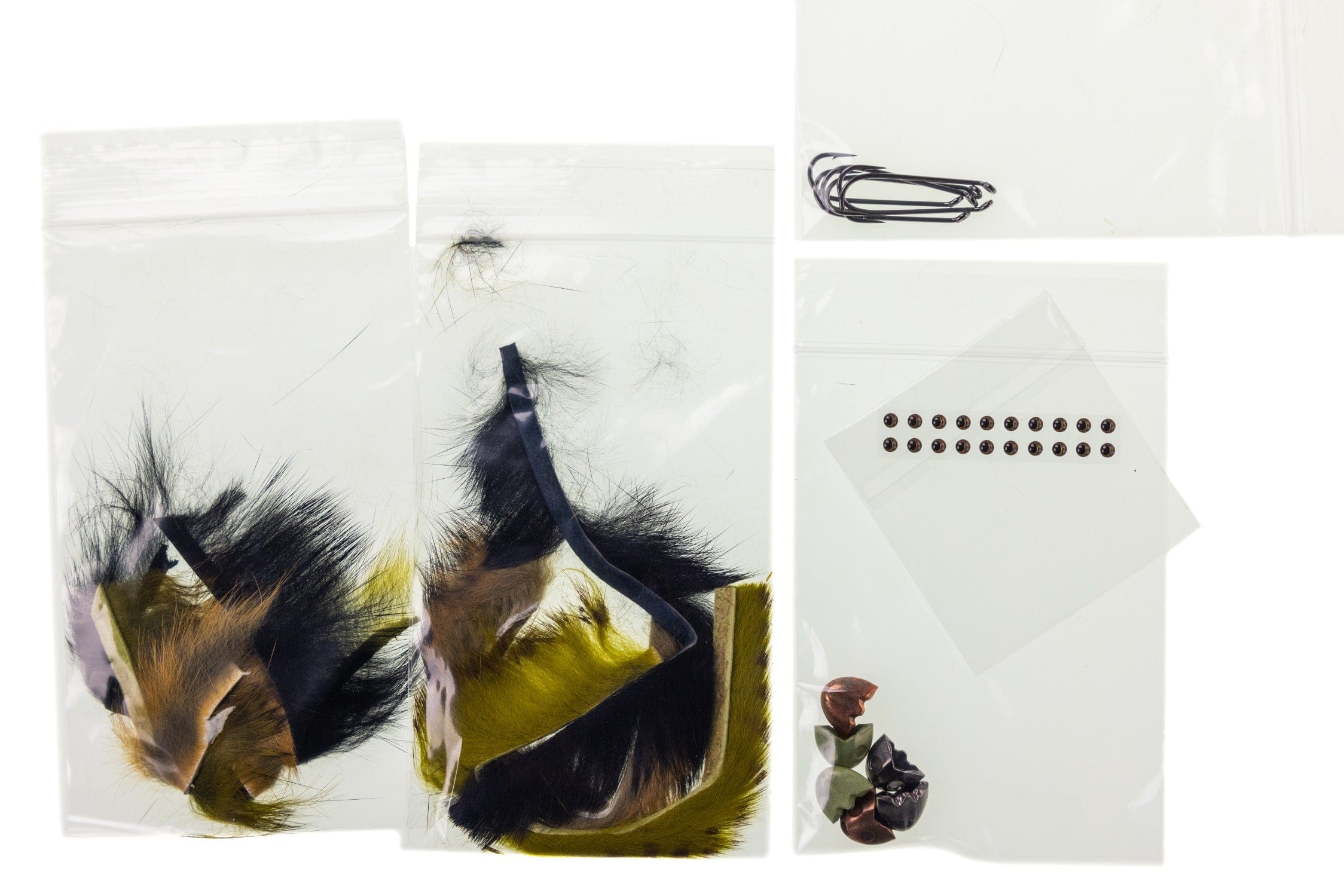


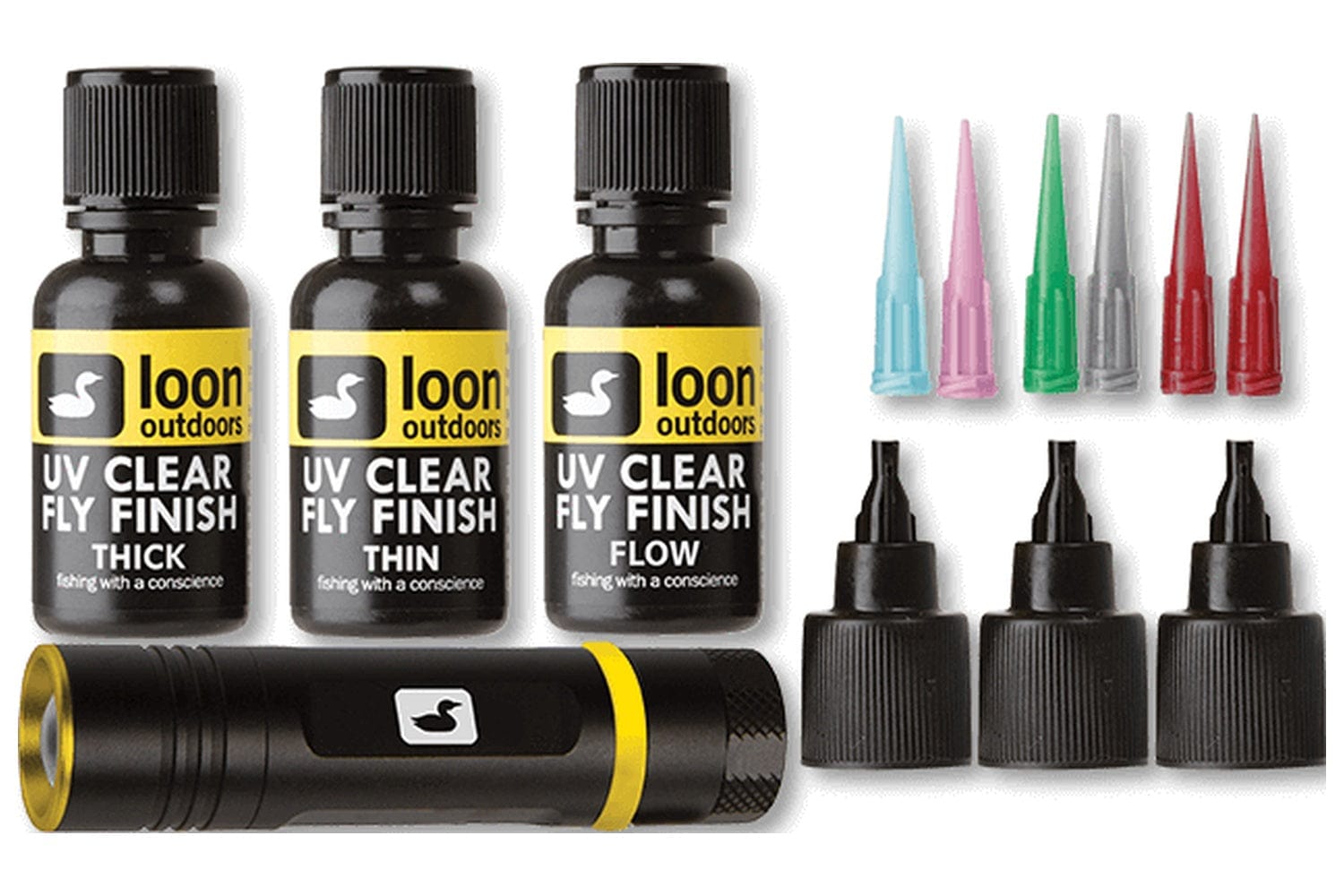
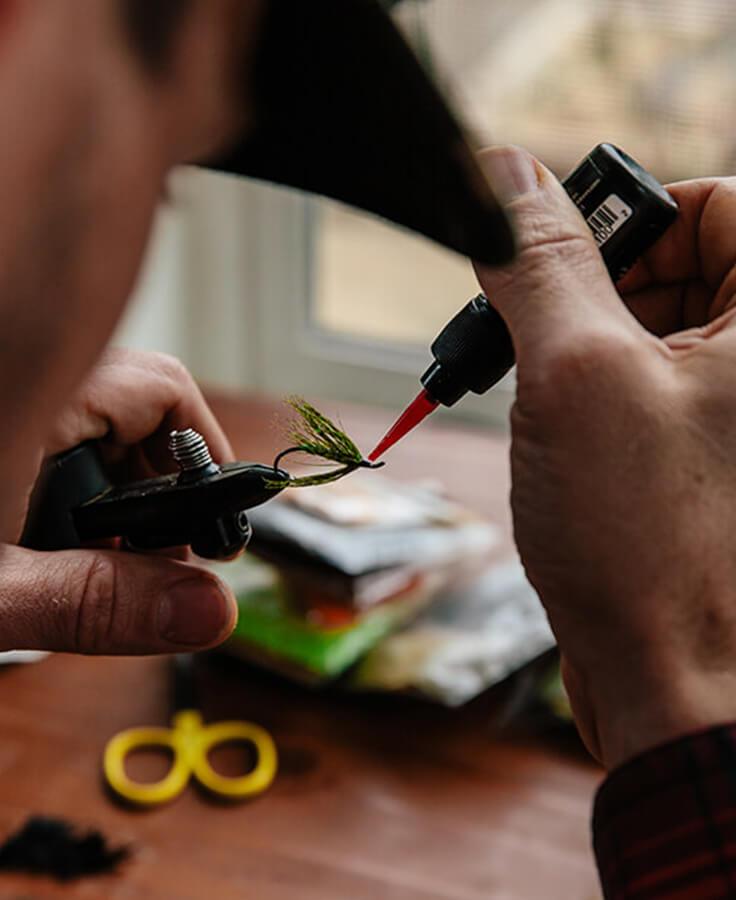



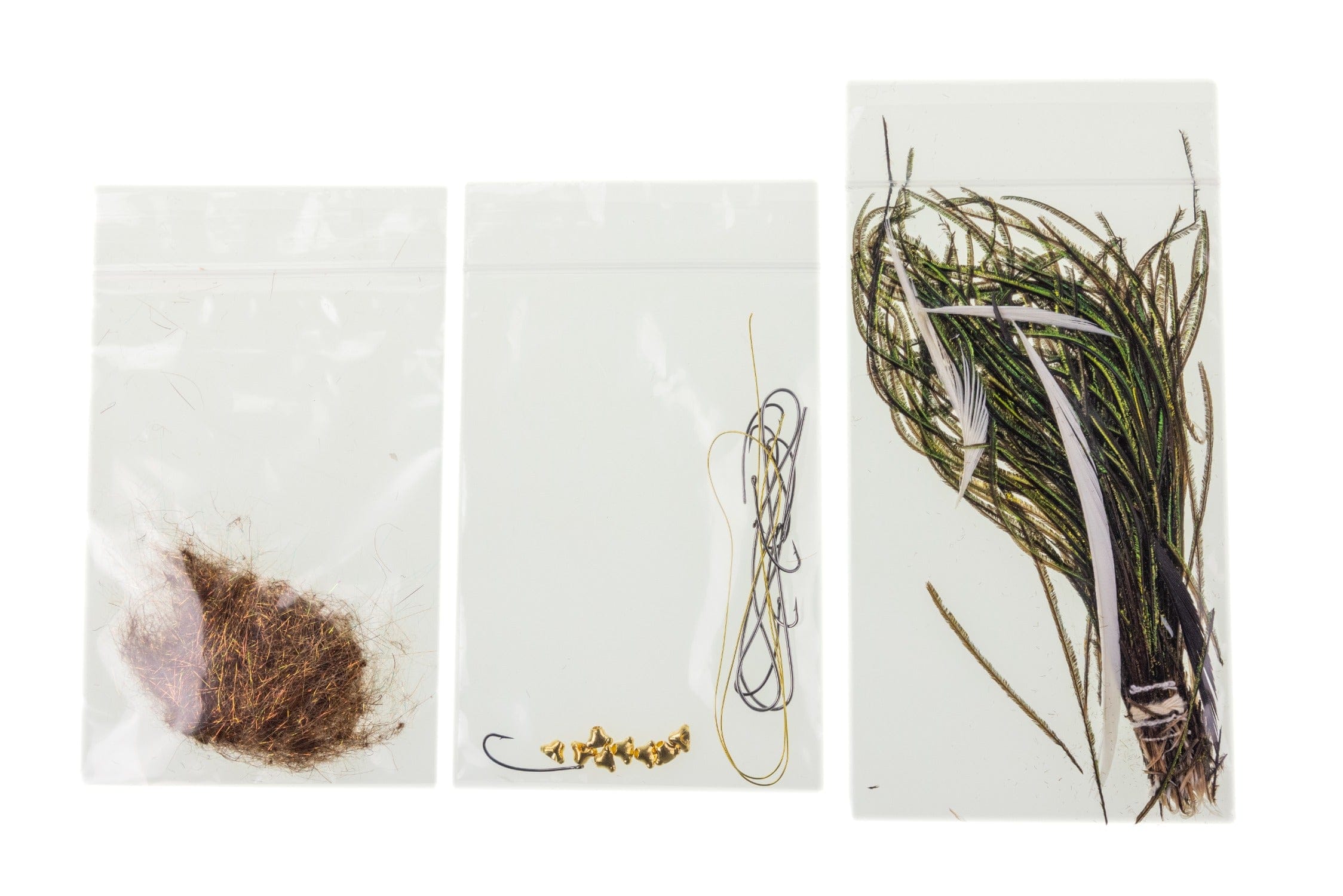
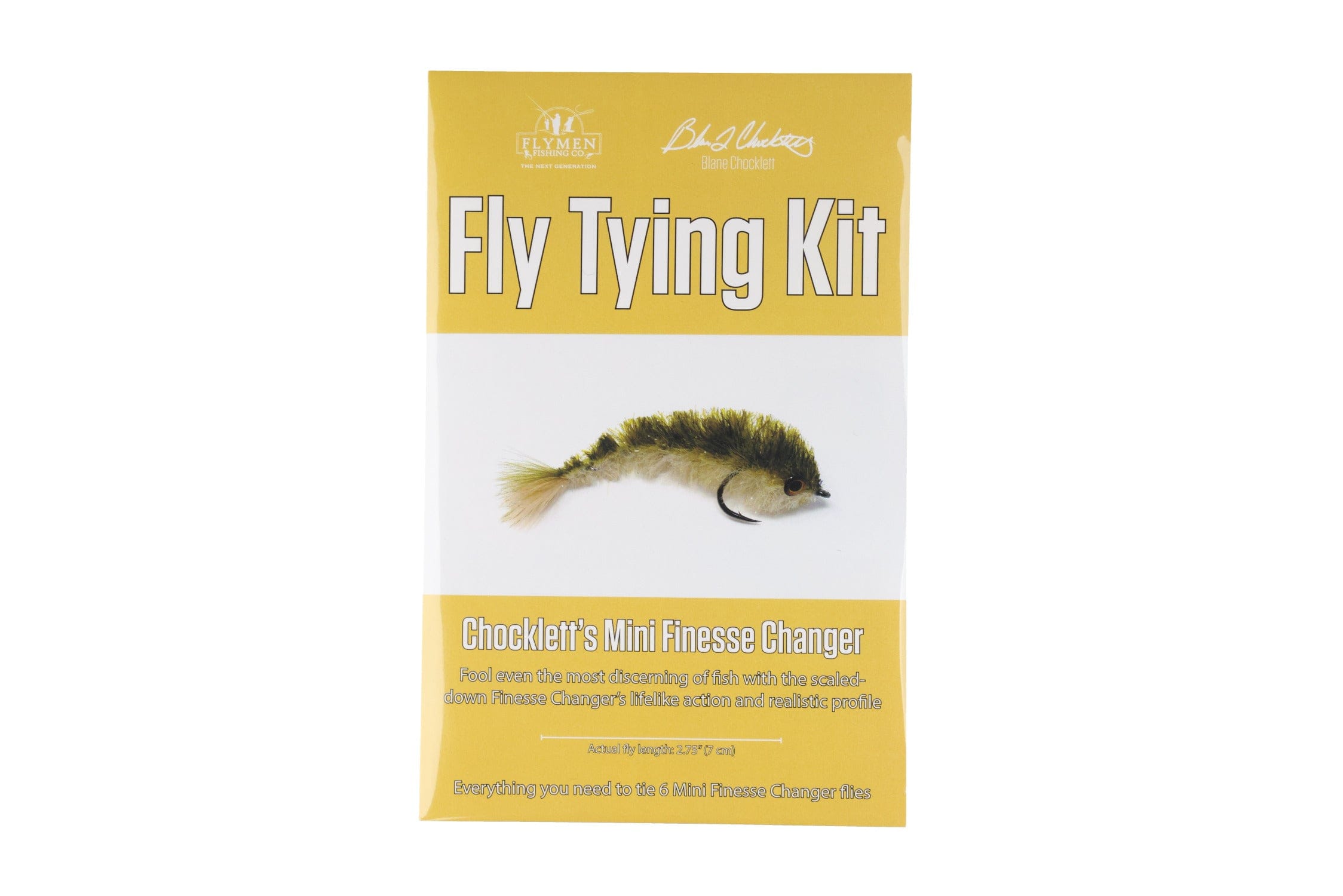
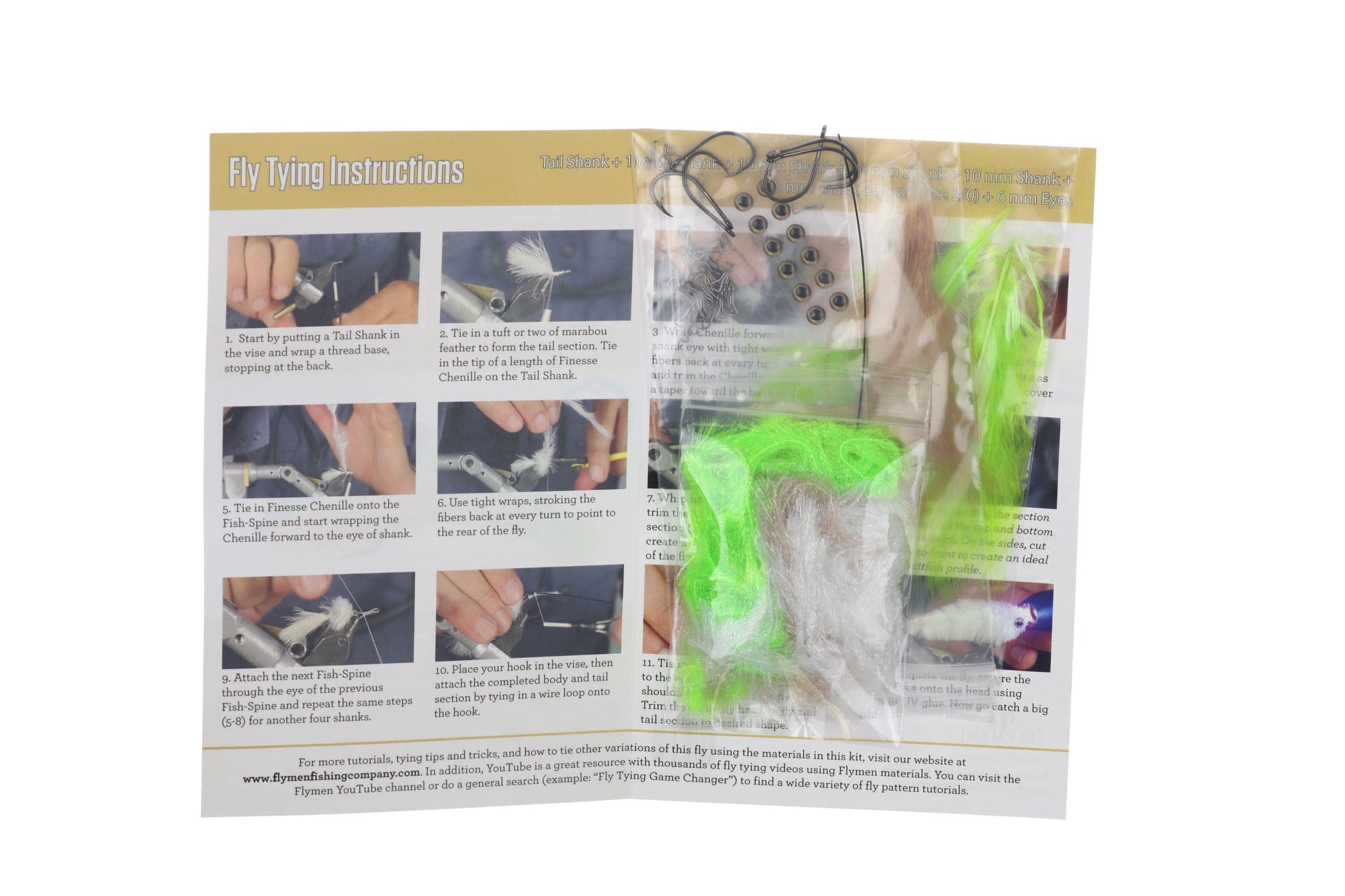


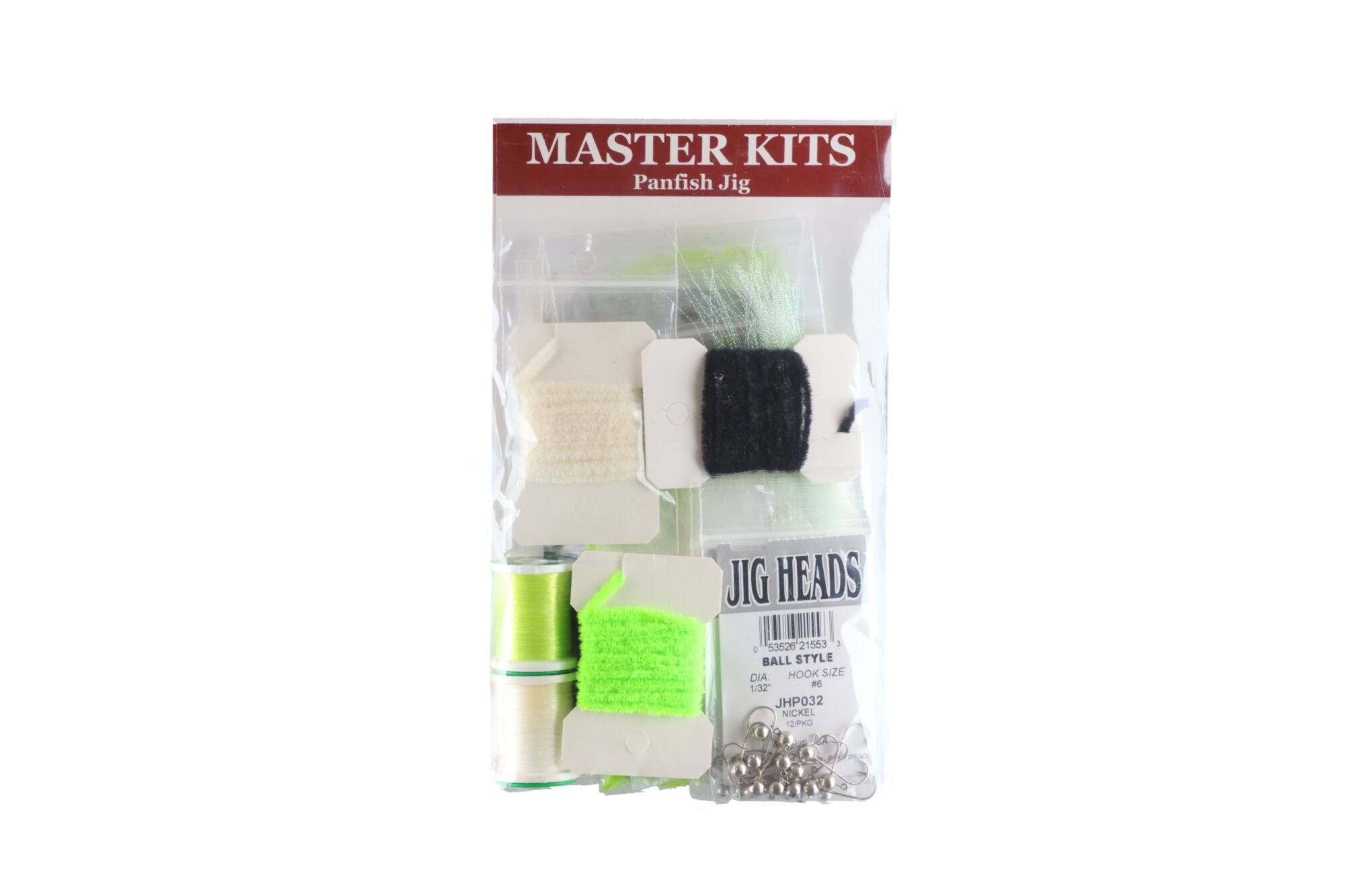





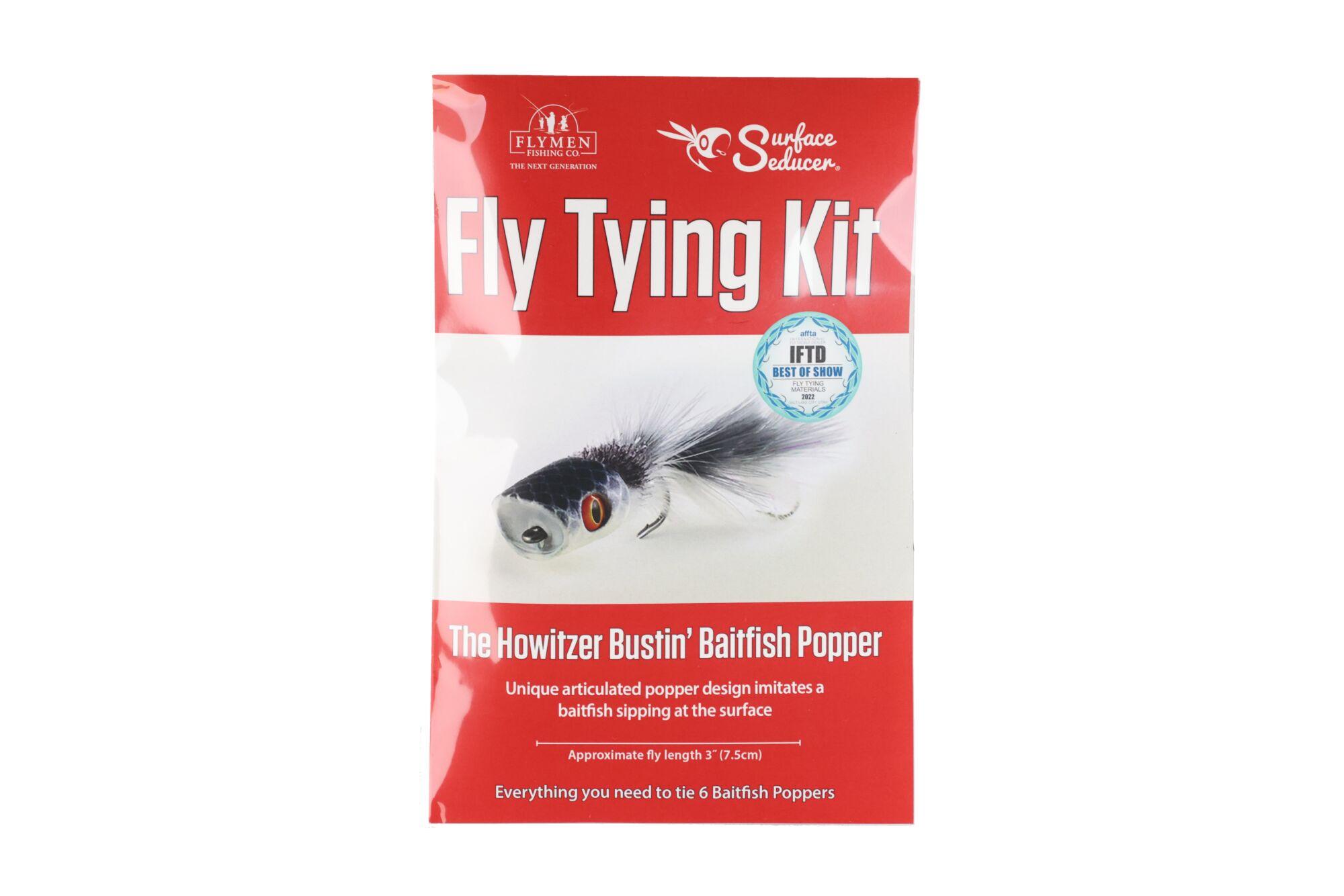
Fly Tying Kits Quick Picks
- Best for Beginners: Wapsi Wooly Bugger Fly Tying Kit - Great if you want a classic, confidence-building streamer pattern with clear instructions. It’s geared toward turning out a useful batch without needing to source every material separately.
- Best All-Around: Flymen Super Bugger Fly Tying Kit - A practical choice if you want one fly that can cover trout and warmwater situations. It’s built around a weighted bugger-style streamer and includes the key components to tie a small run of flies.
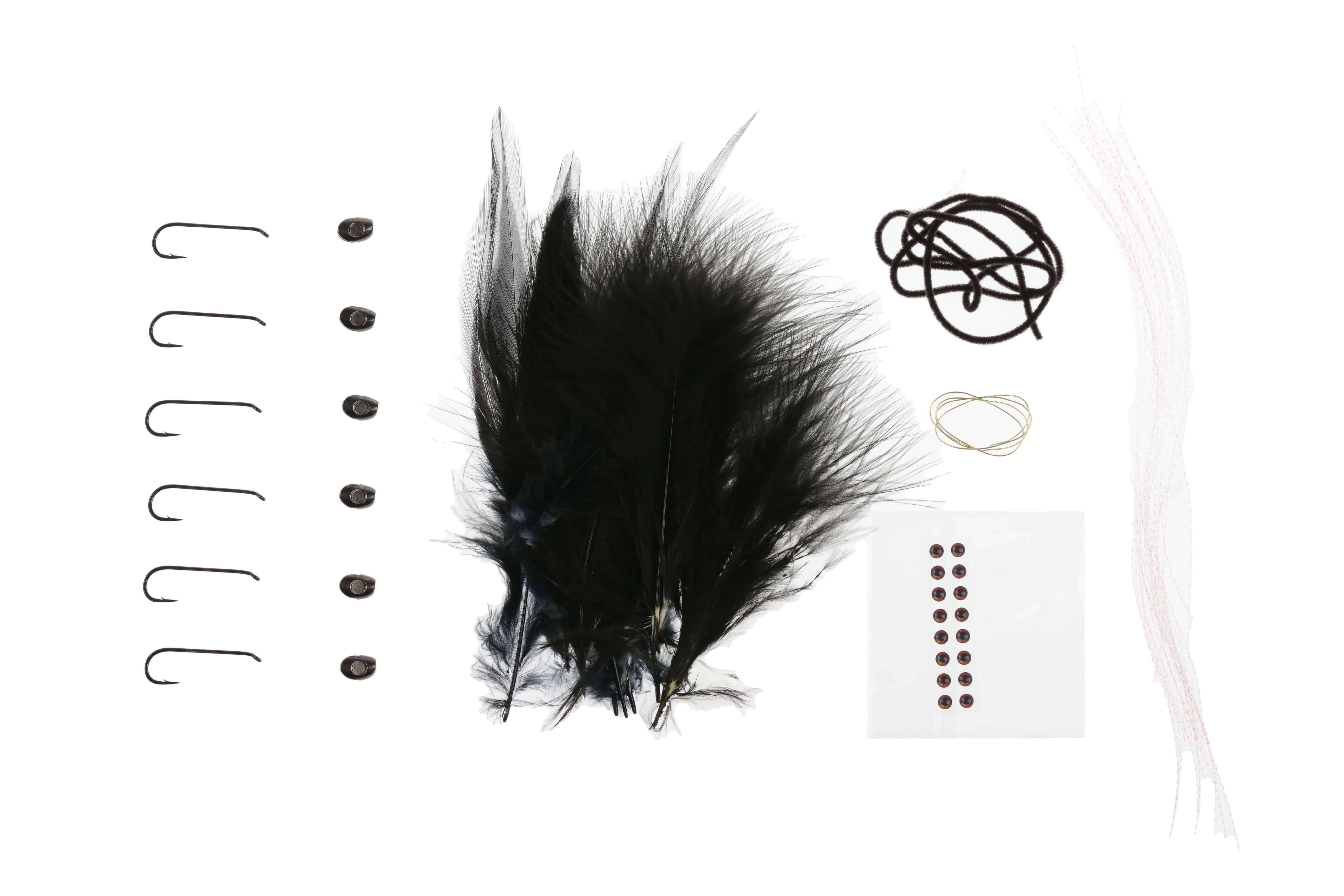
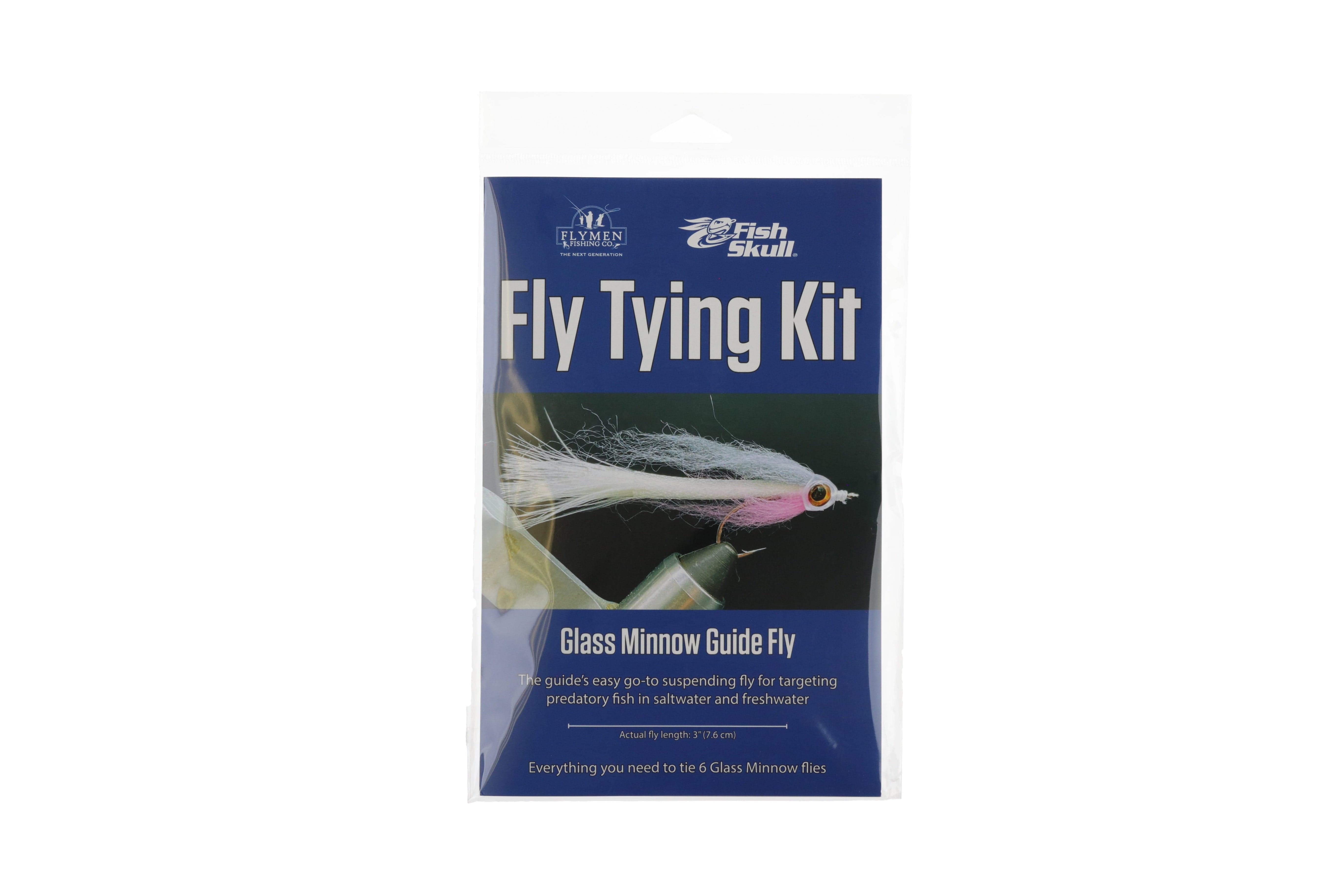
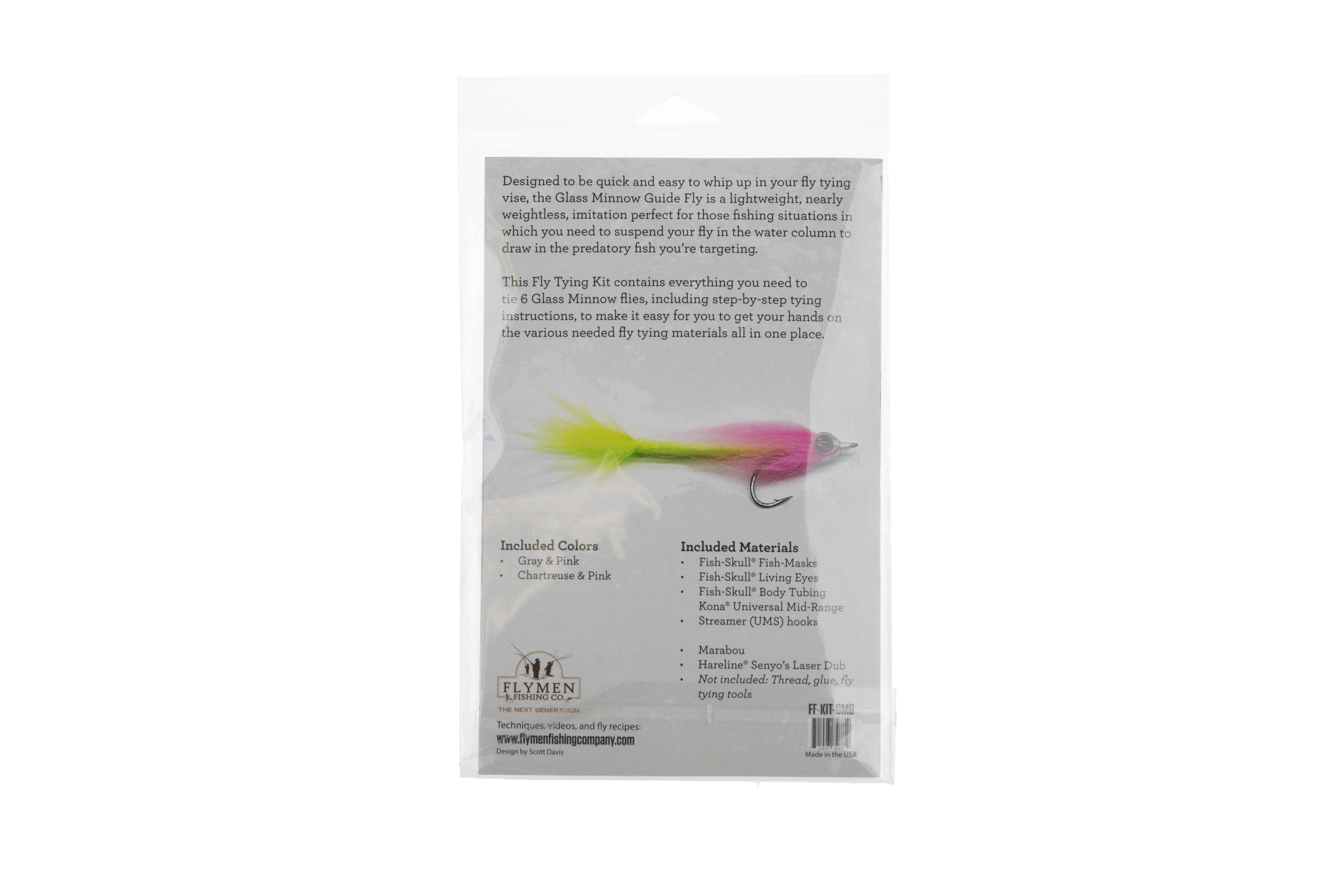
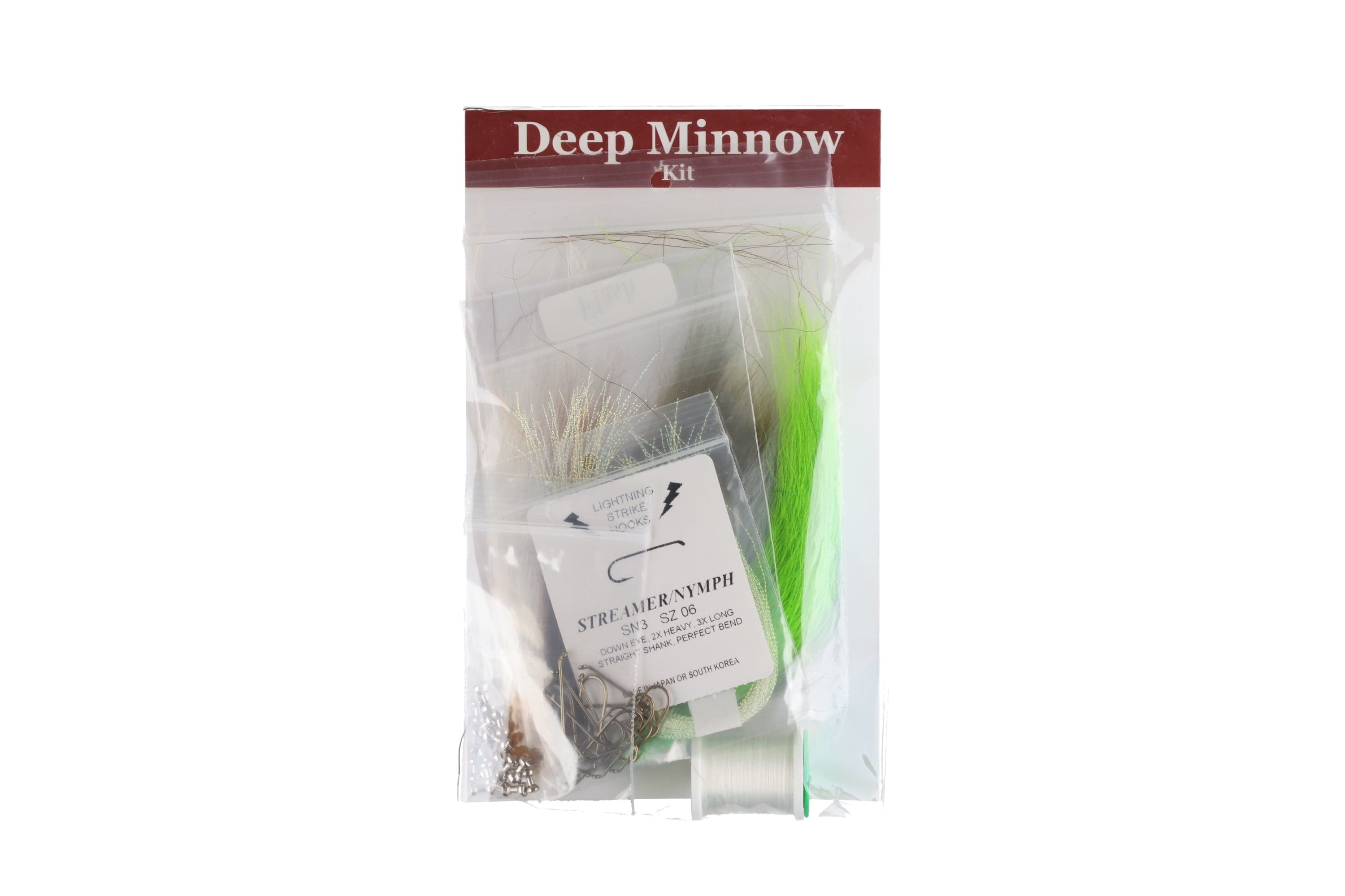
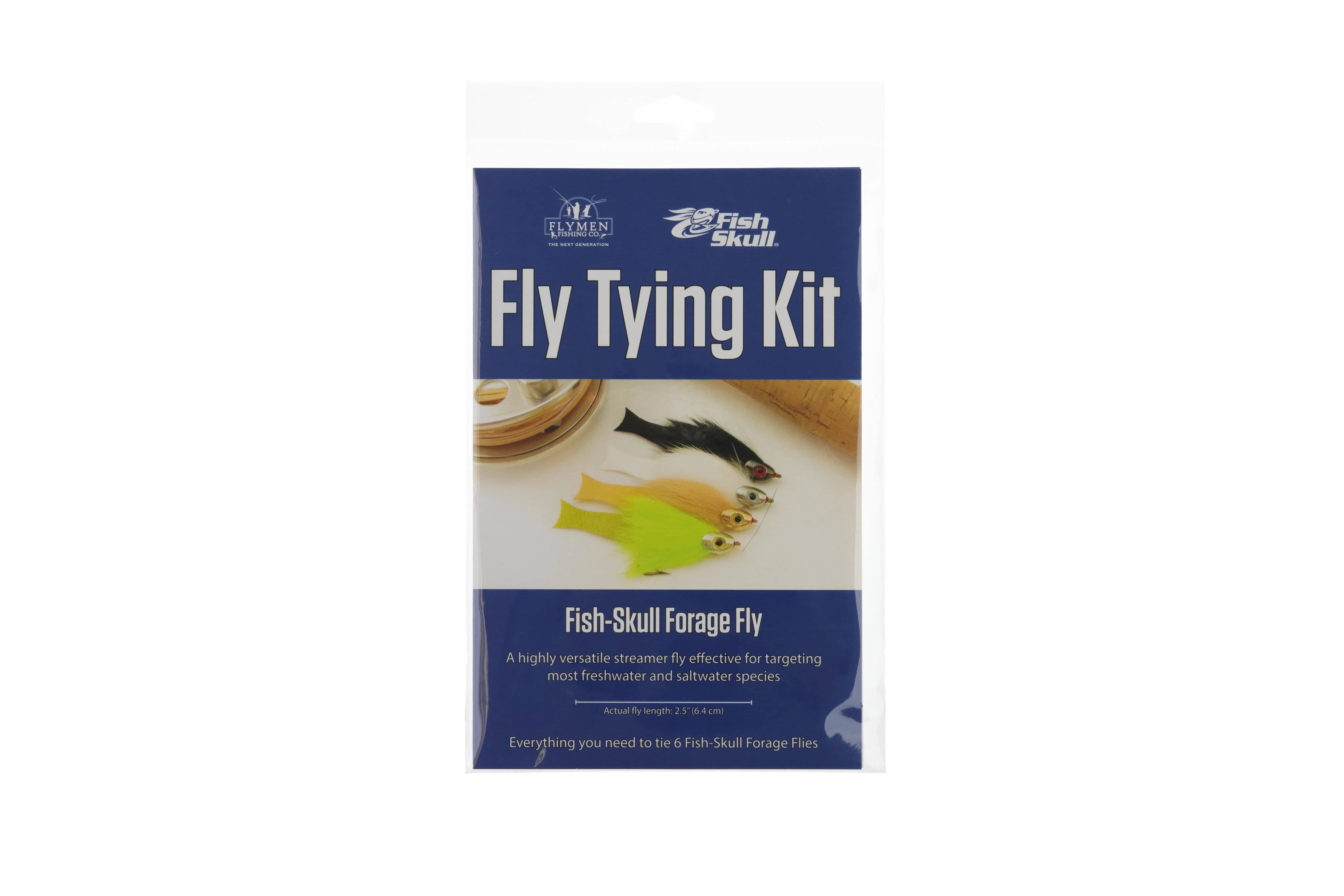
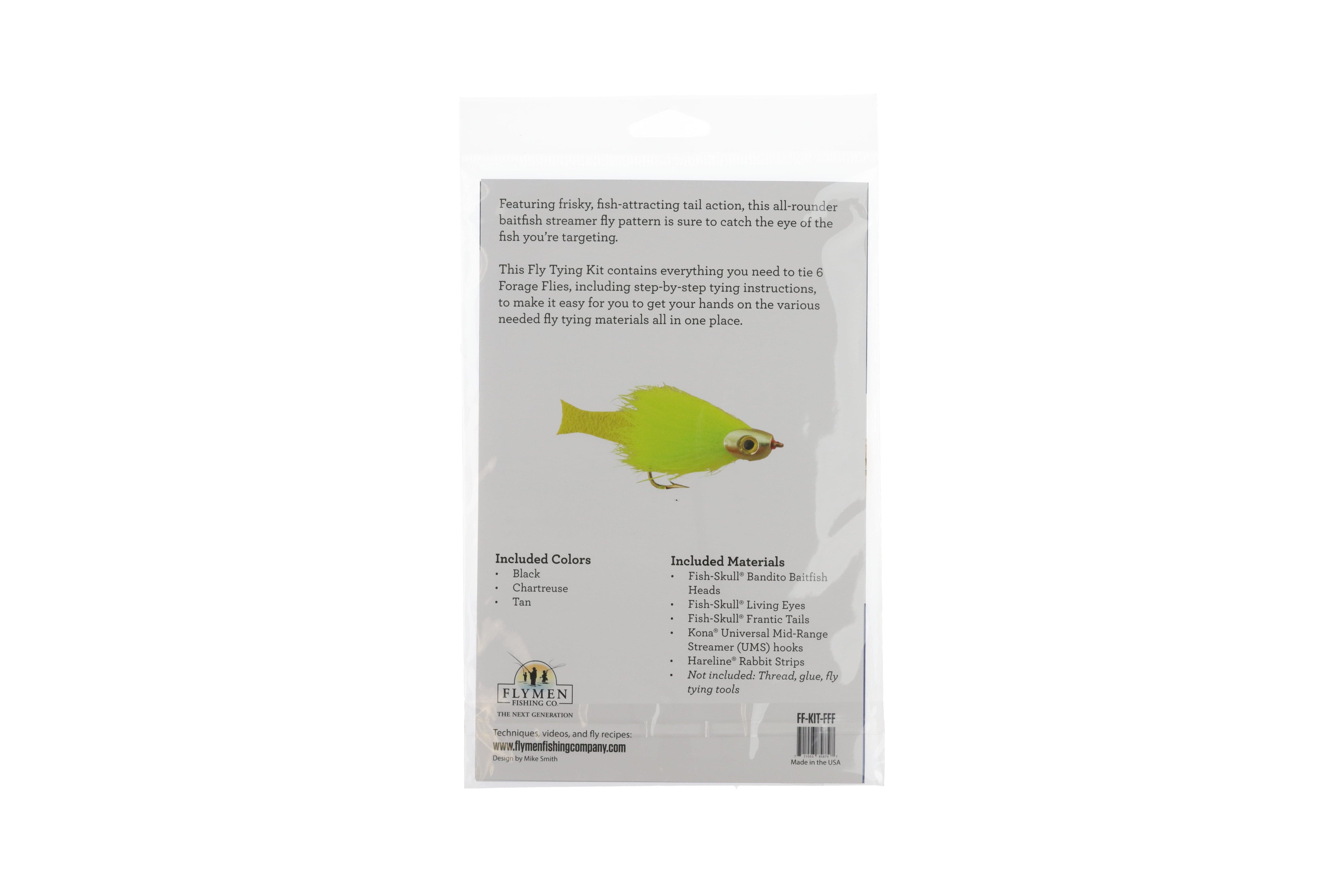
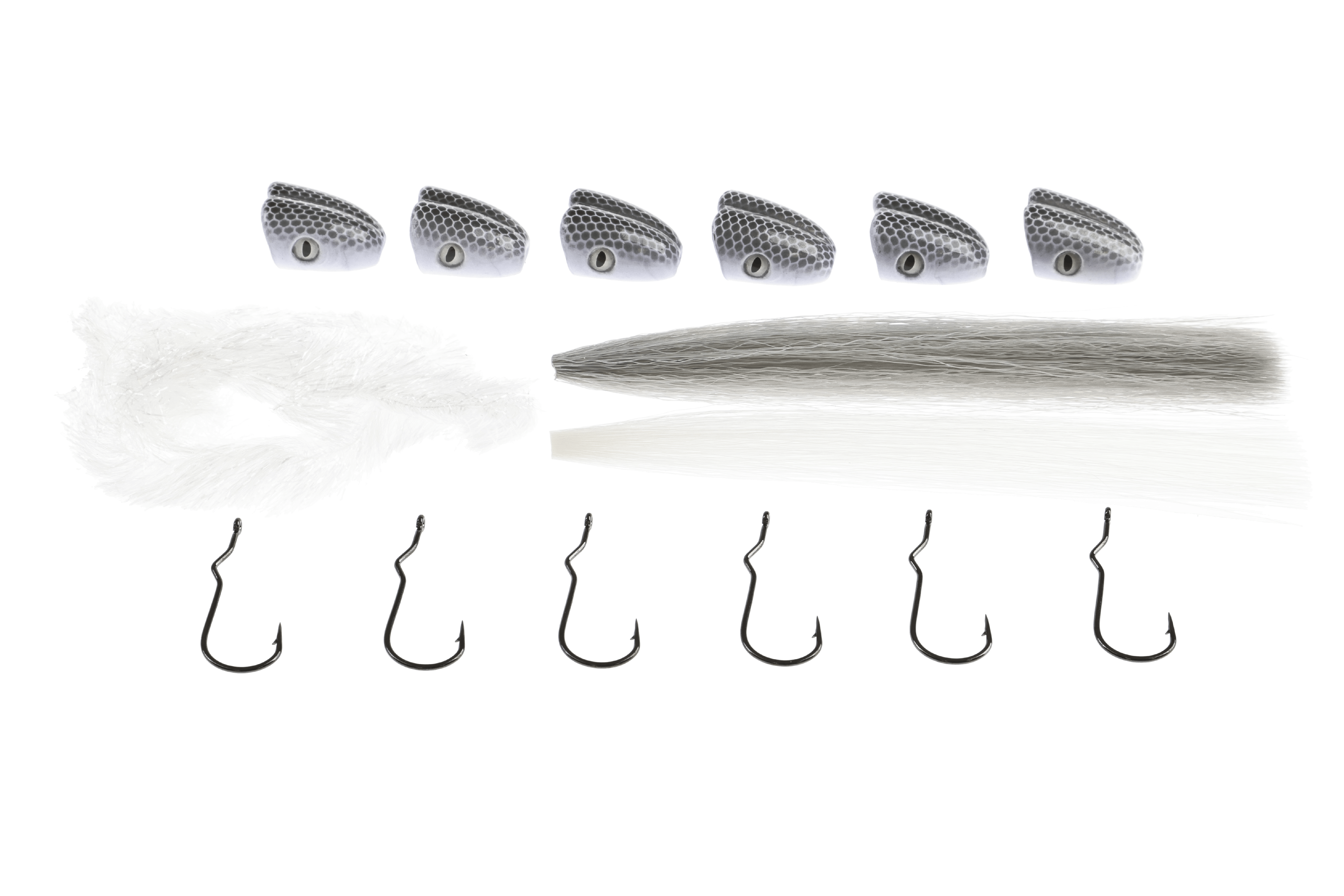
- Best for Streamer/Baitfish Patterns: Fish-Skull Glass Minnow Guide Fly Tying Kit - Ideal when you need a convincing baitfish profile for bass and inshore species. You get matching materials and instructions to tie a half-dozen in two colorways.
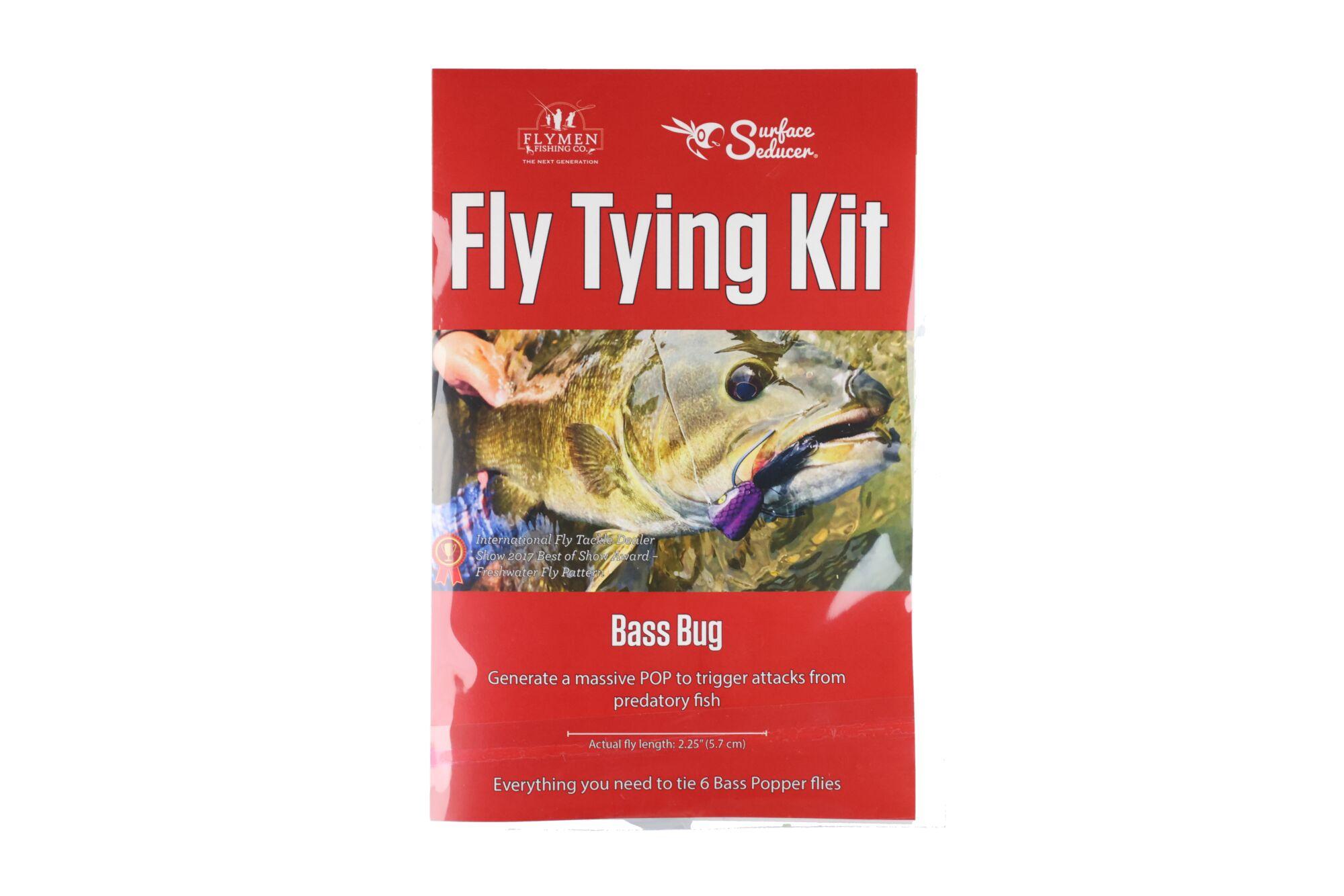
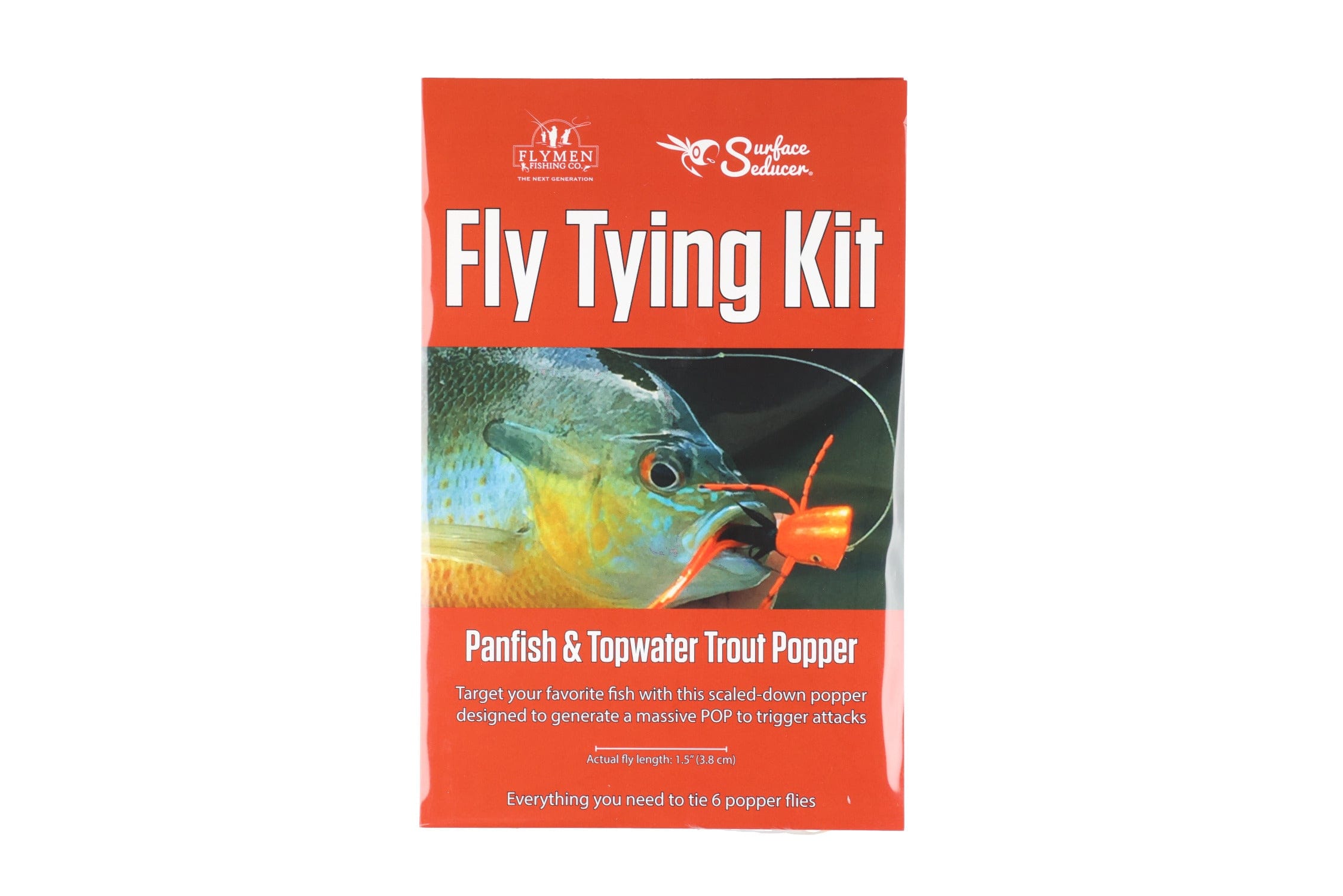
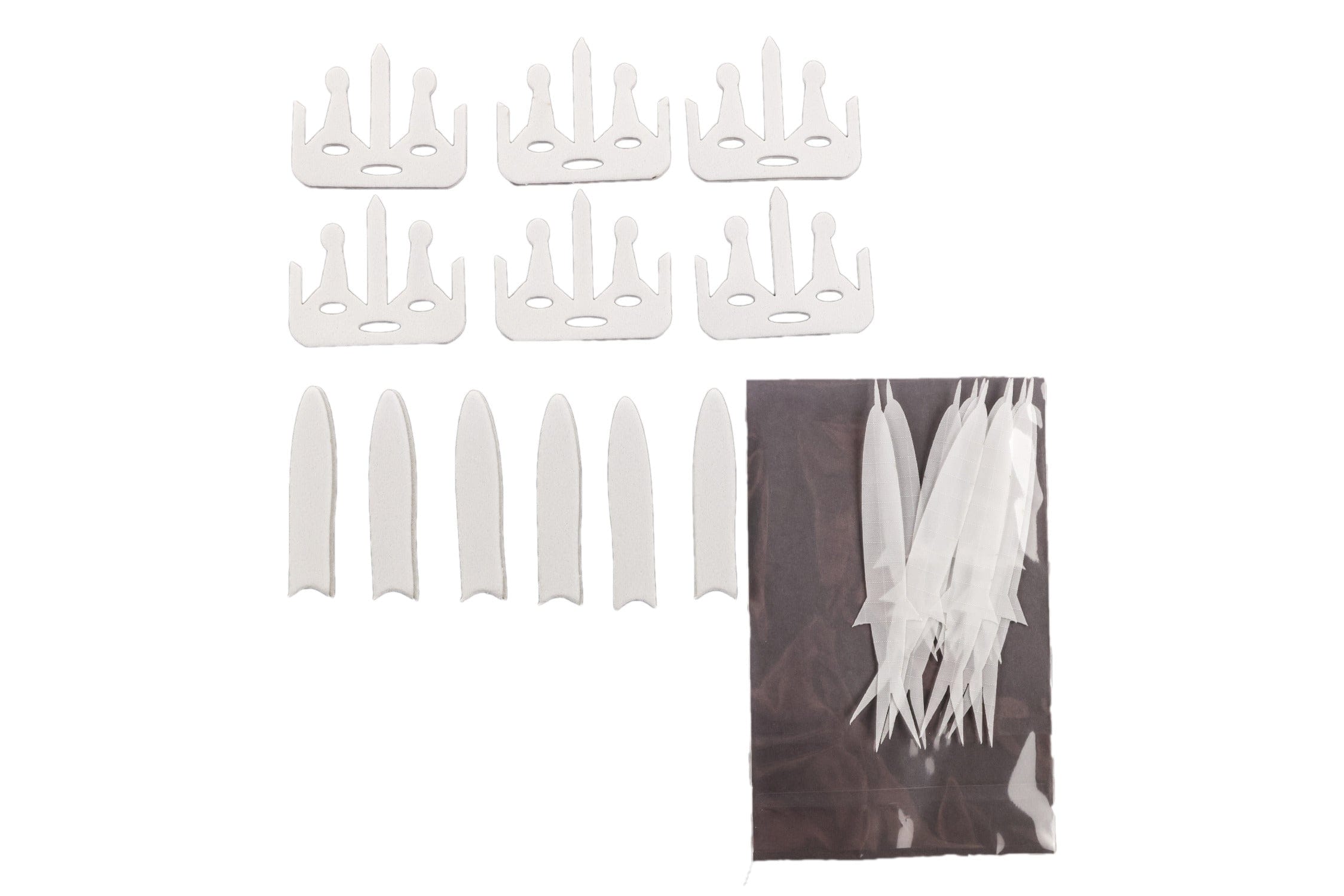
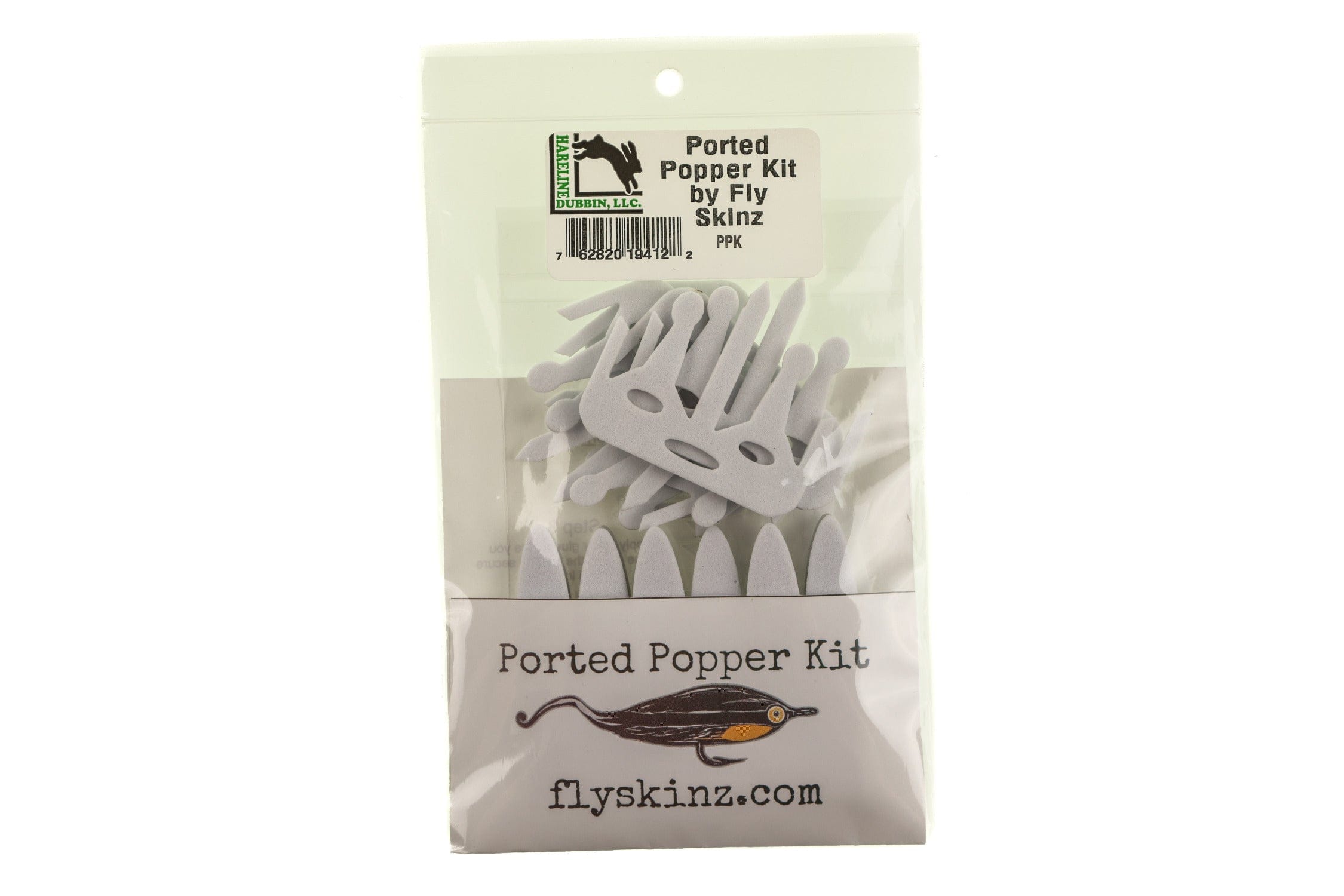
- Best Topwater: Surface Seducer Panfish/Topwater Trout Popper Fly Tying Kit - Built for small poppers that shine on panfish and opportunistic trout. A solid way to add surface options to your box without guessing on foam bodies, hooks, and eyes.
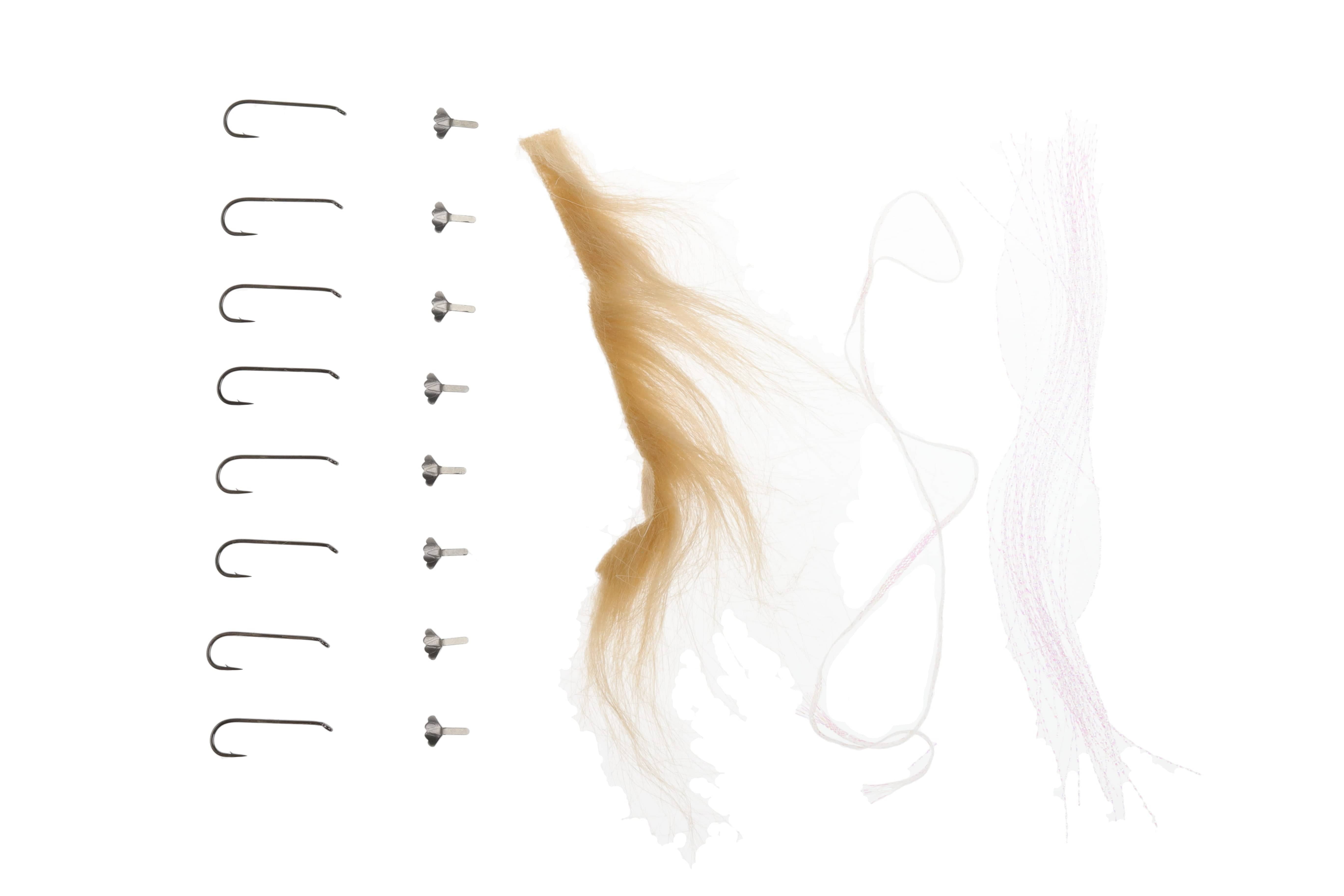
- Best Saltwater Flats Add-On: Flymen Shrimp Tail Gotcha Fly Tying Kit - A smart pick for anglers prepping for bonefish-style flats trips or wanting a proven shrimp/crustacean look. The kit format keeps you from buying full packs of specialty materials for just a few flies.
How to Choose Fly Tying Kits
Start with what you actually want to fish
Action: Pick one pattern type you’ll use this season, nymphs, streamers, or poppers, then buy a kit that supports that style.
Best for: New tiers who don’t want to overbuy materials they won’t touch again. Kits let you learn a pattern, then decide if it deserves a permanent spot on your bench.
Check what’s included (and what’s not)
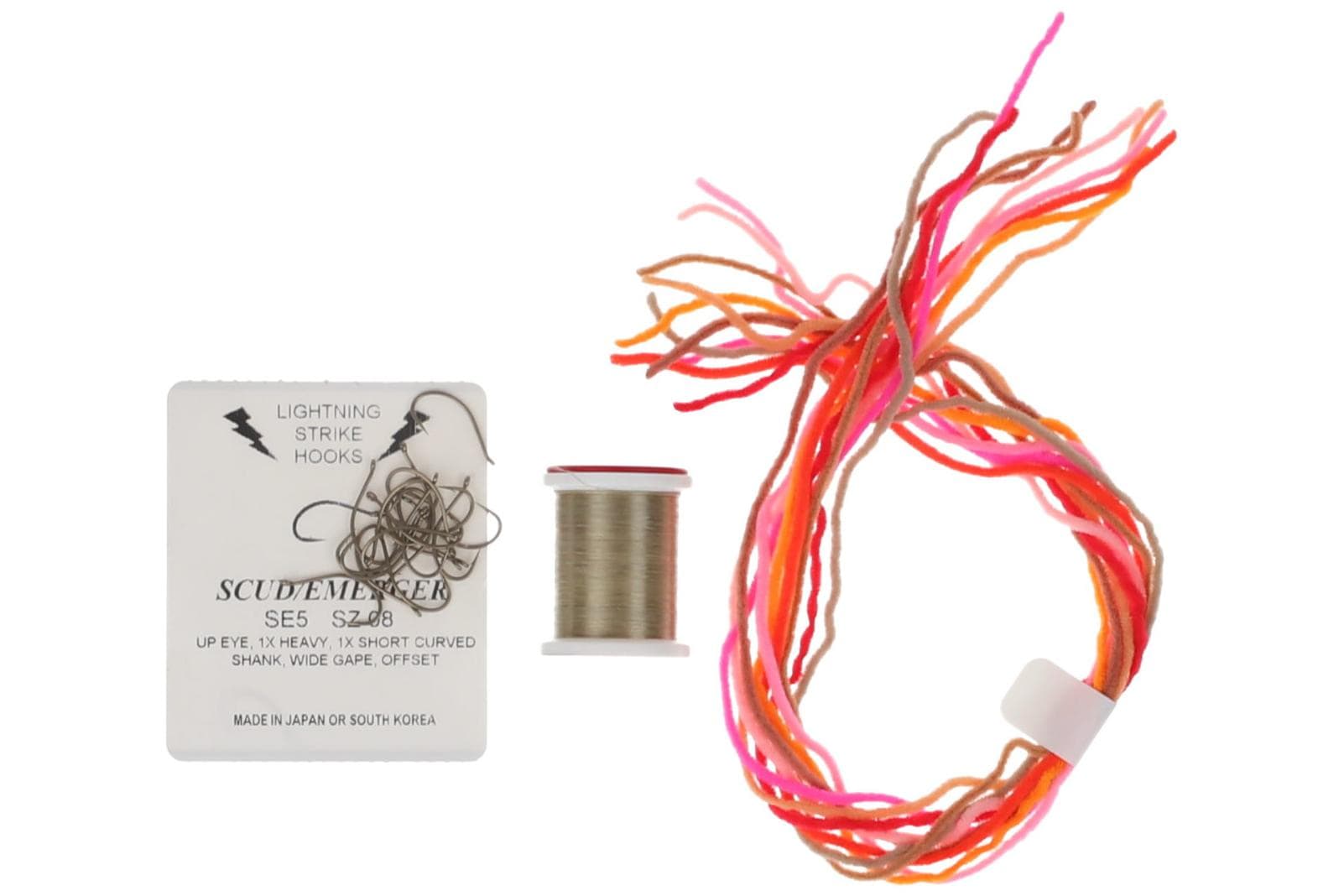
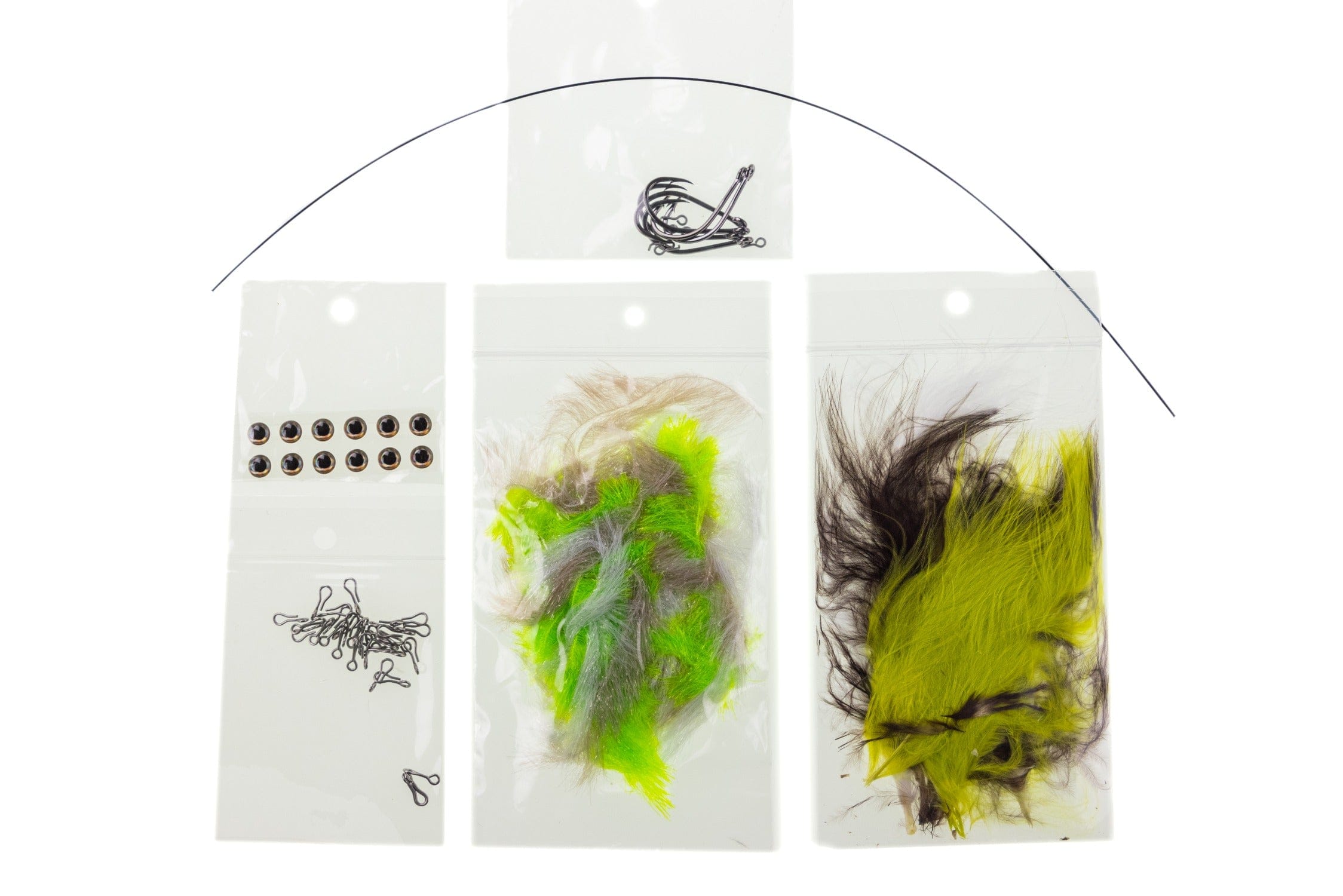
Many fly tying kits cover the specialty items (hooks, eyes, bodies/foam, dubbing, hair/feathers) and include instructions, but often assume you already have basics like thread, glue/UV resin, and tools. Before you check out, confirm you have a vise, bobbin, scissors, and the right thread size/color to match the instructions.
Match the kit to your tying skill level
Best for Beginners: Simple, repeatable patterns like buggers and basic nymphs are the fastest way to build core skills (thread control, proportions, palmering, and finishing knots).
Avoid if: You’re brand new and the kit relies on complex stacking, spinning hair, or multi-part articulation, save those for after you’ve tied a few dozen basics.
Decide if you want tools, materials, or a “pattern kit”
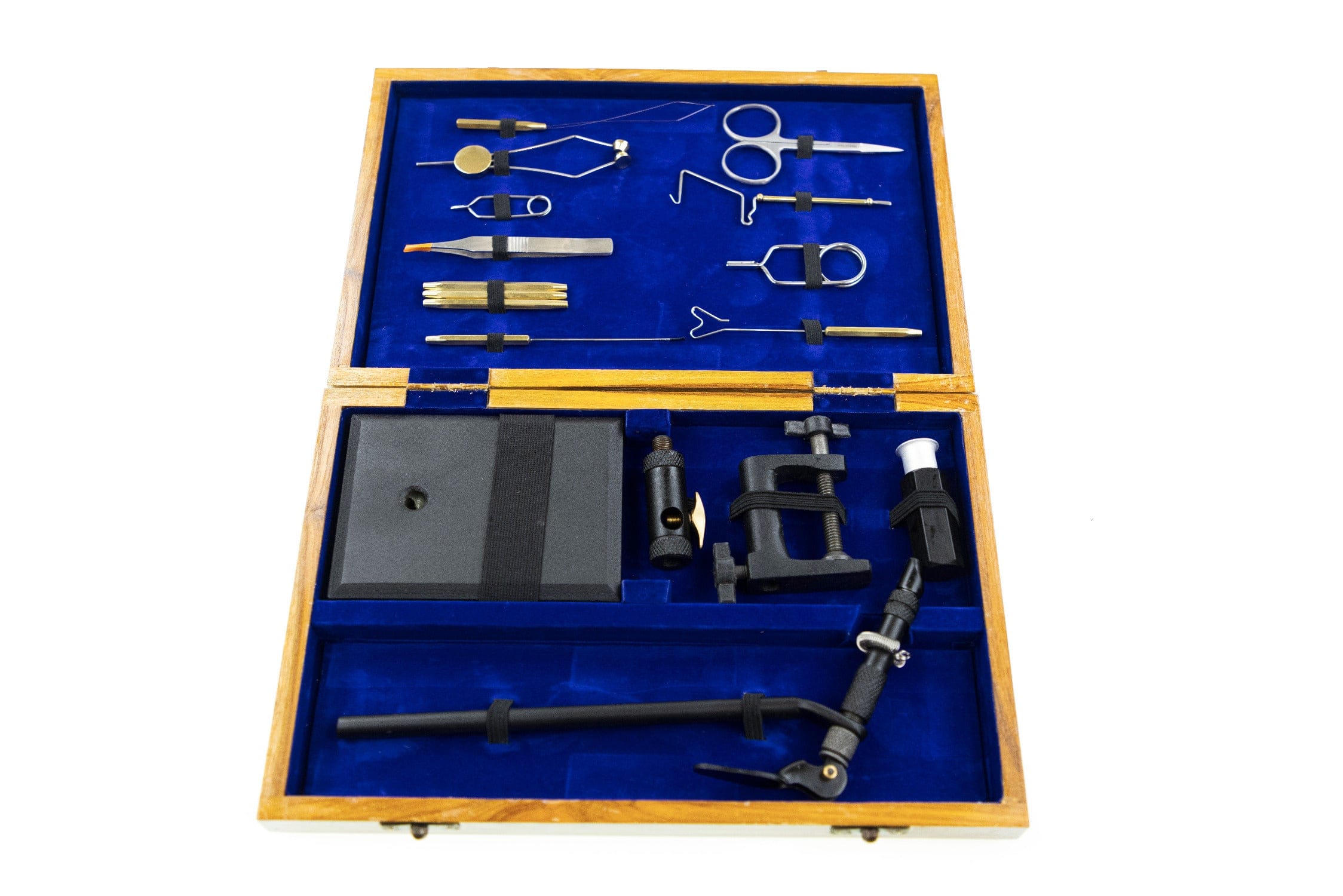
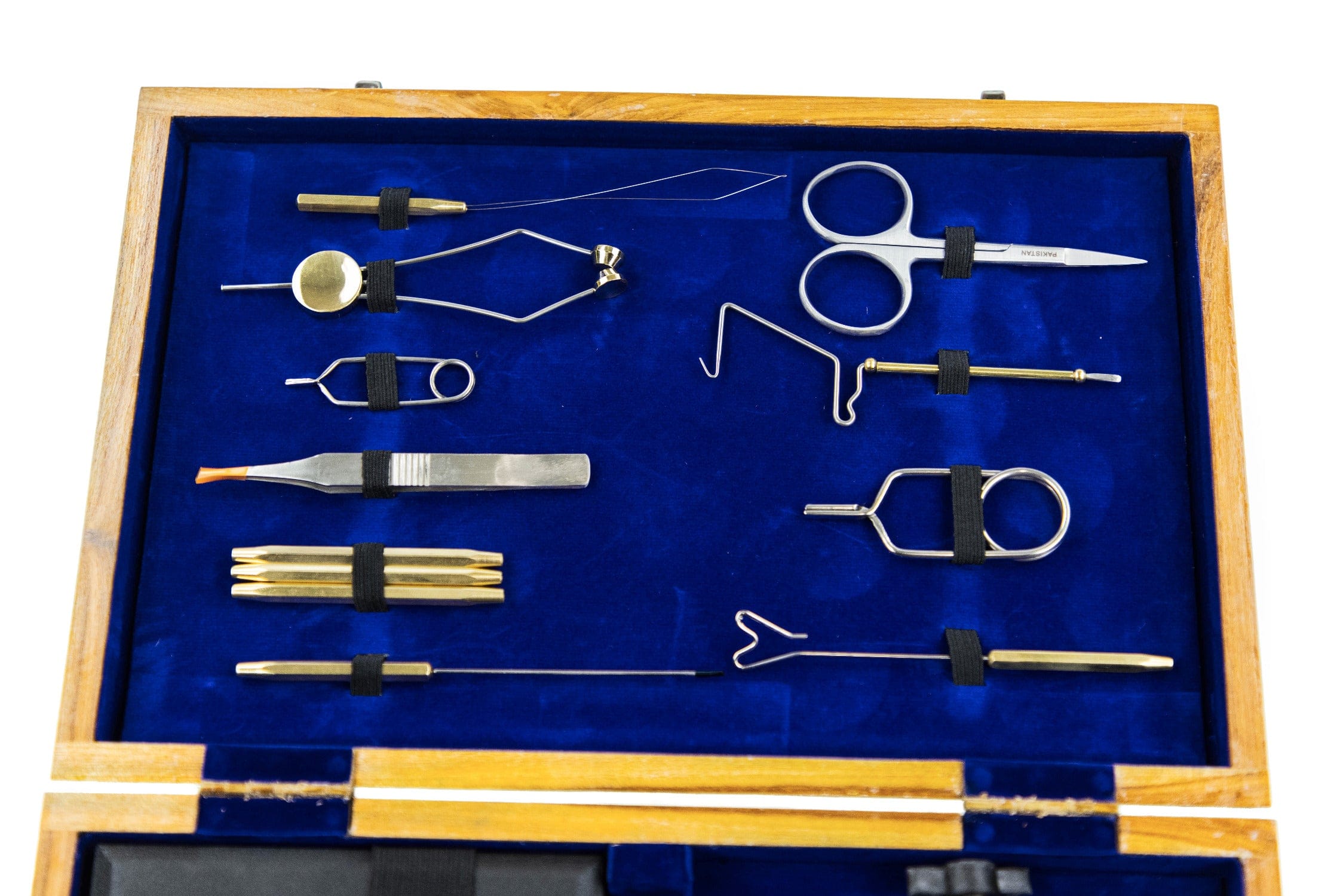
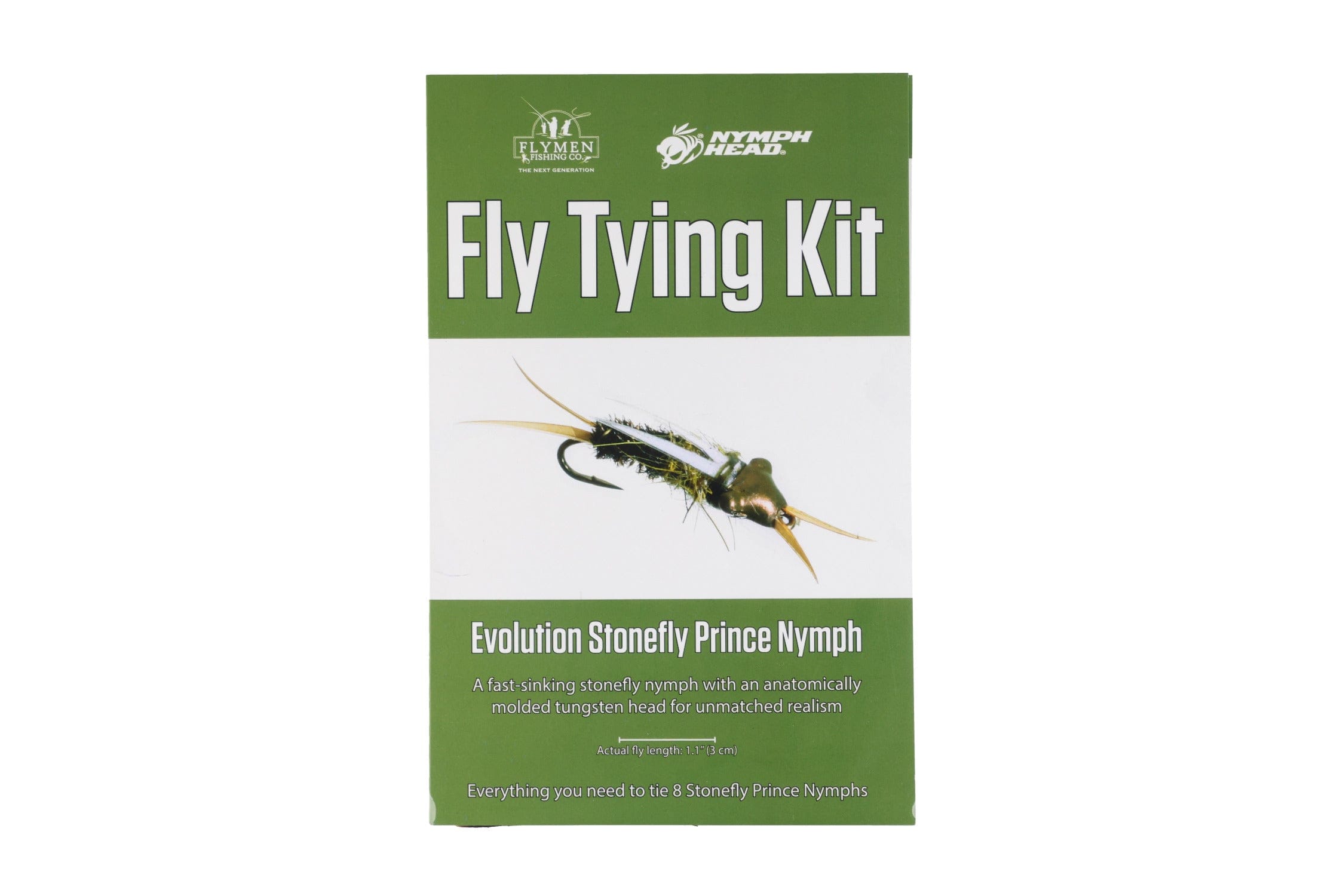
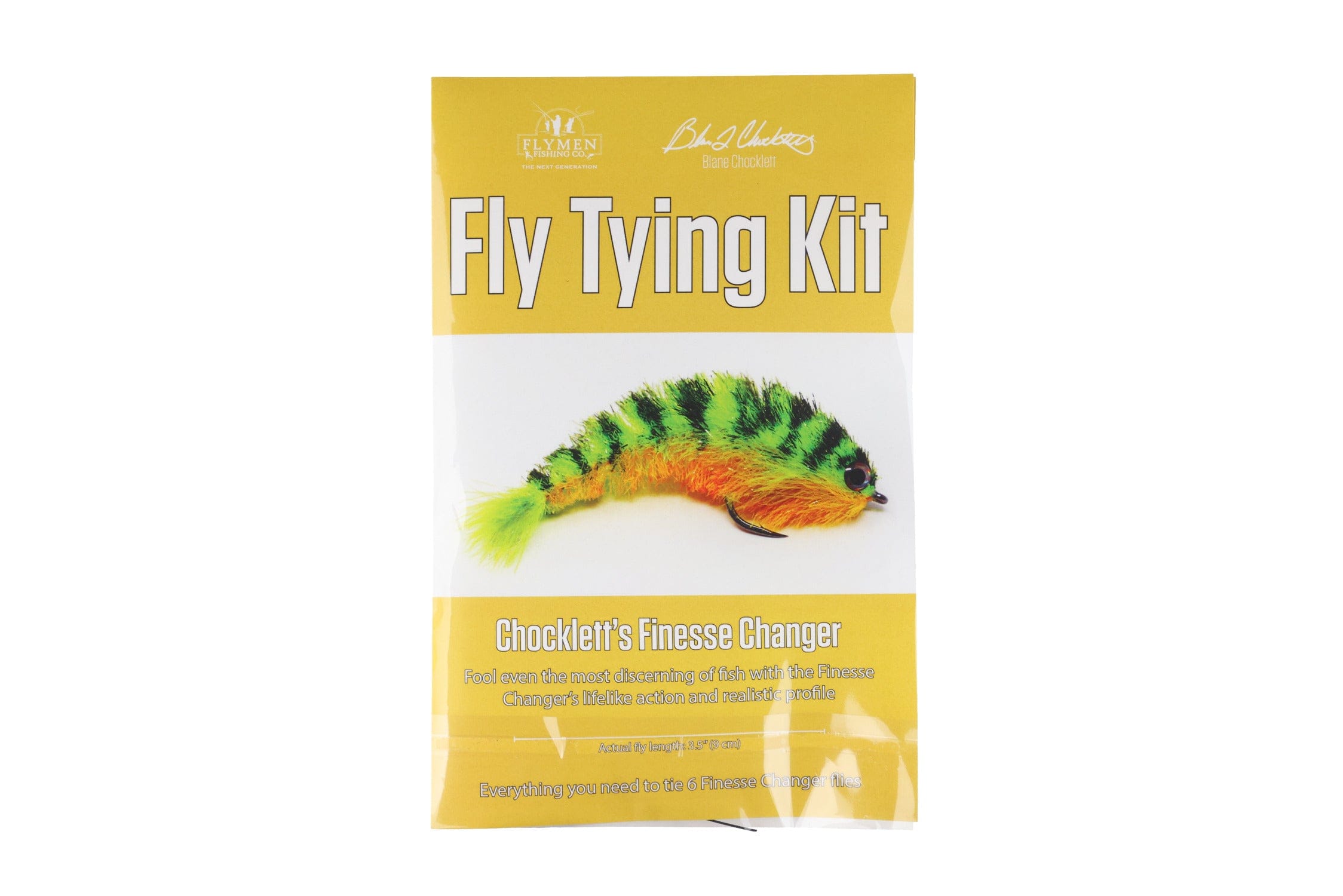
This collection includes a mix of pattern-specific kits (tie 6, 15 of one fly) and broader bench-building kits/tools. If you’re starting from scratch, it’s often cleaner to get a tool kit first and add pattern kits as you learn.
Materials & Durability
- Keep natural materials dry: Store feathers, hair, and dubbing in a sealed bin or bag to avoid moisture and pests.
- Protect foam and rubber legs: Don’t crush popper bodies or kink legs, use divided boxes or a small plastic bin for storage.
- UV resin care: Keep UV resins and lights out of direct sunlight and cap bottles tightly between flies.
- Hook corrosion: If you’re tying saltwater patterns, rinse finished flies and let them fully dry before boxing.
Complete Your Setup
Related Gear
- Fly Tying - Add the core materials (thread, dubbing, feathers, synthetics) you’ll need once you outgrow a single kit.
- Fly Tying Hooks - The easiest way to keep tying after your kit hooks are gone (and to dial hook style/size per pattern).
- Fly Tying Kits - A simple way to branch into new patterns without buying full packs of everything.
Related Guides
- How To Tie A Green Caddis Larva
- How To Tie A Steelhead Nymph
- How To Tie the Pink Pup Streamer Fly
- How to Tie a Rainbow Warrior Nymph
Fly Tying Kits FAQs
Q: What are fly tying kits?
A: Fly tying kits bundle the key materials (and often instructions) needed to tie a specific pattern or build a basic tying setup. They’re designed to reduce guesswork and cut down on buying full packs of every component.
Q: Are fly tying kits good for beginners?
A: Yes, especially pattern kits that focus on a simple, proven fly. They help you learn core skills while producing flies you’ll actually fish.
Q: What do I still need if I buy a fly tying kit?
A: Most tiers still need a vise and basic tools (bobbin, scissors, bodkin/whip finisher), plus thread and an adhesive (head cement or UV resin). Always check the product description for what’s “not included.”
Q: Should I start with nymph, dry fly, or streamer kits?
A: Streamer and nymph kits tend to be the most forgiving for new tiers because proportions are less technical than many dry flies. Start with the type of fly you’ll fish most, then branch out.
Q: Why buy a kit instead of materials individually?
A: Kits are convenient when you only want to tie a handful of one pattern or test a new style. Buying materials individually makes more sense once you know you’ll tie the pattern regularly and want bulk quantities.
Q: How many flies can I tie from a typical kit?
A: It varies by kit, many pattern kits are designed around tying a small run (often around 6, 15 flies). The product description will usually list an expected count.
Q: Can I use freshwater kits for saltwater flies (or vice versa)?
A: Sometimes, but hook style and material durability matter. For saltwater, prioritize corrosion-resistant hooks and durable synthetics, and plan to rinse and dry finished flies after use.
Q: What’s the fastest way to get better at tying once I have a kit?
A: Tie the same pattern repeatedly until your thread control and proportions are consistent. Then tweak one variable at a time (weight, color, or size) so you learn what changes actually matter on the water.