


How To Make A Simple Flat Foam Popper Head - Bass Fly Tying





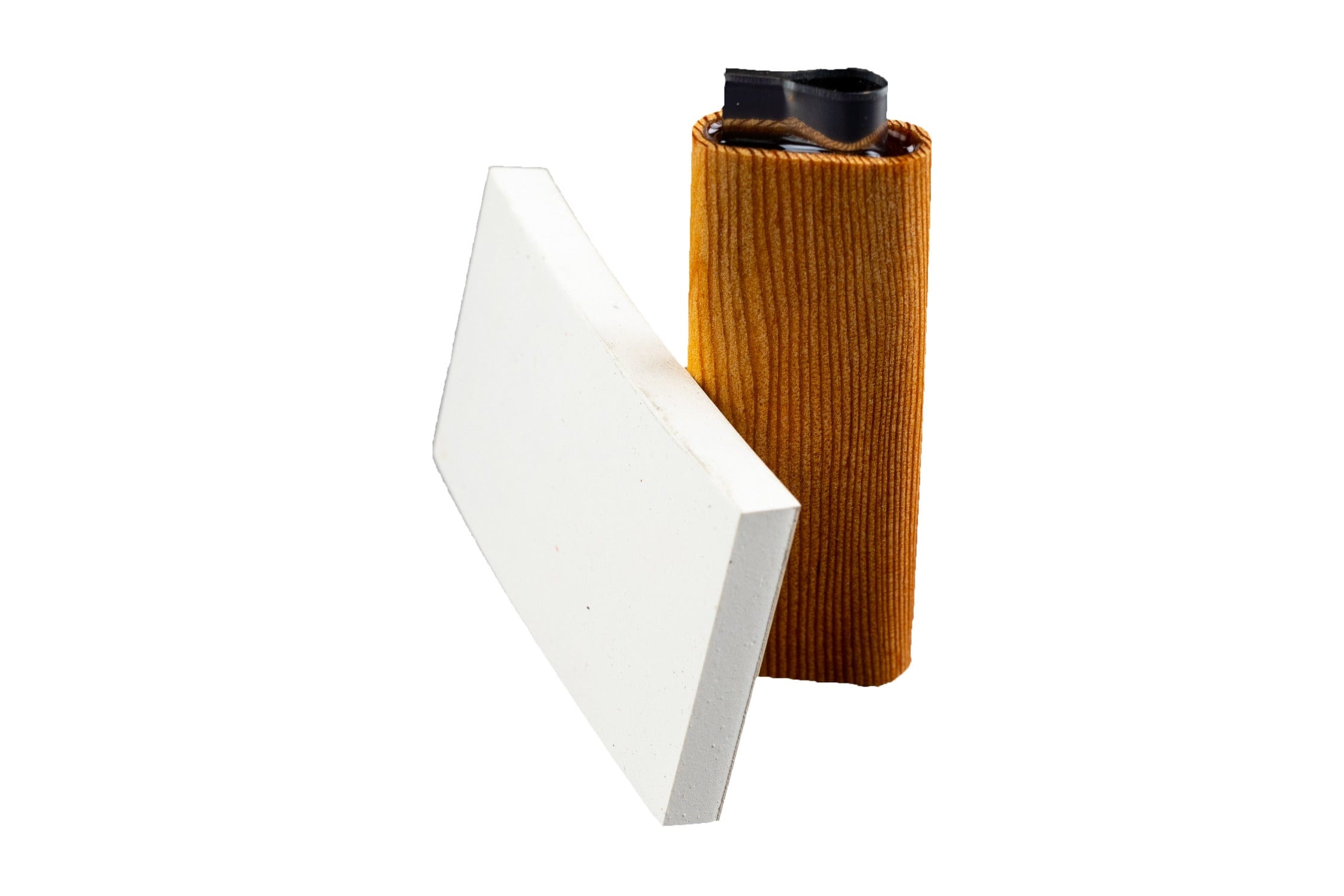
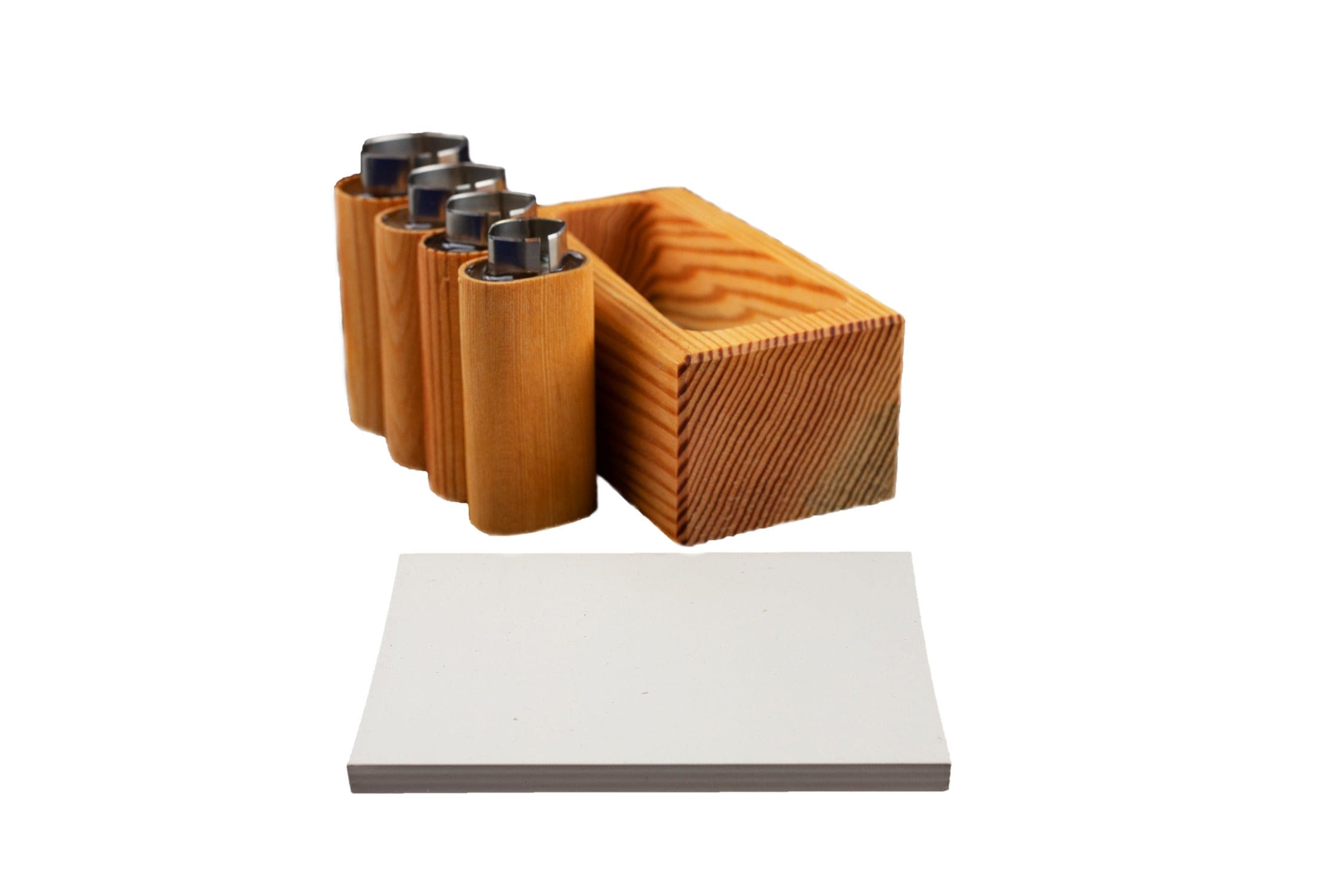
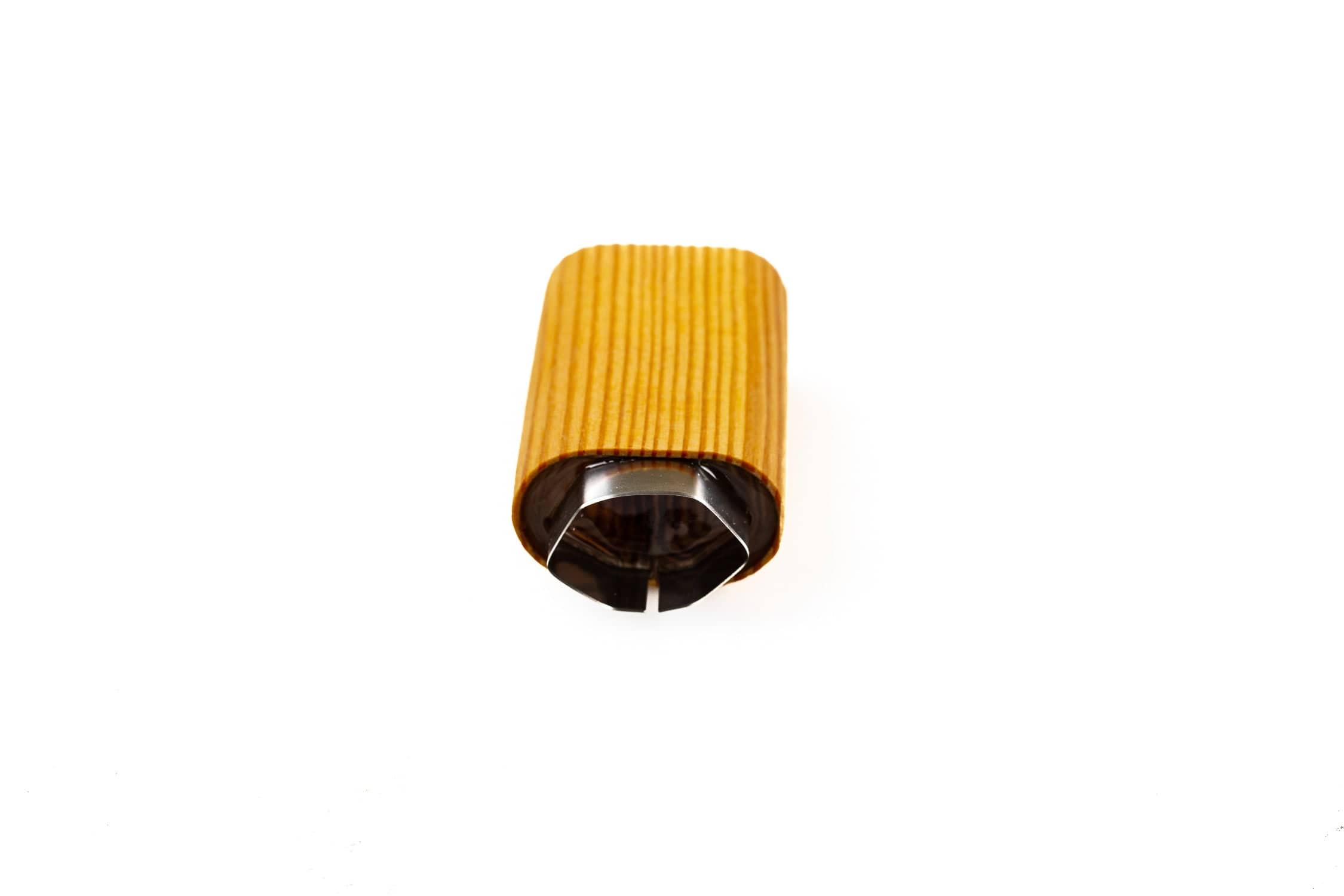
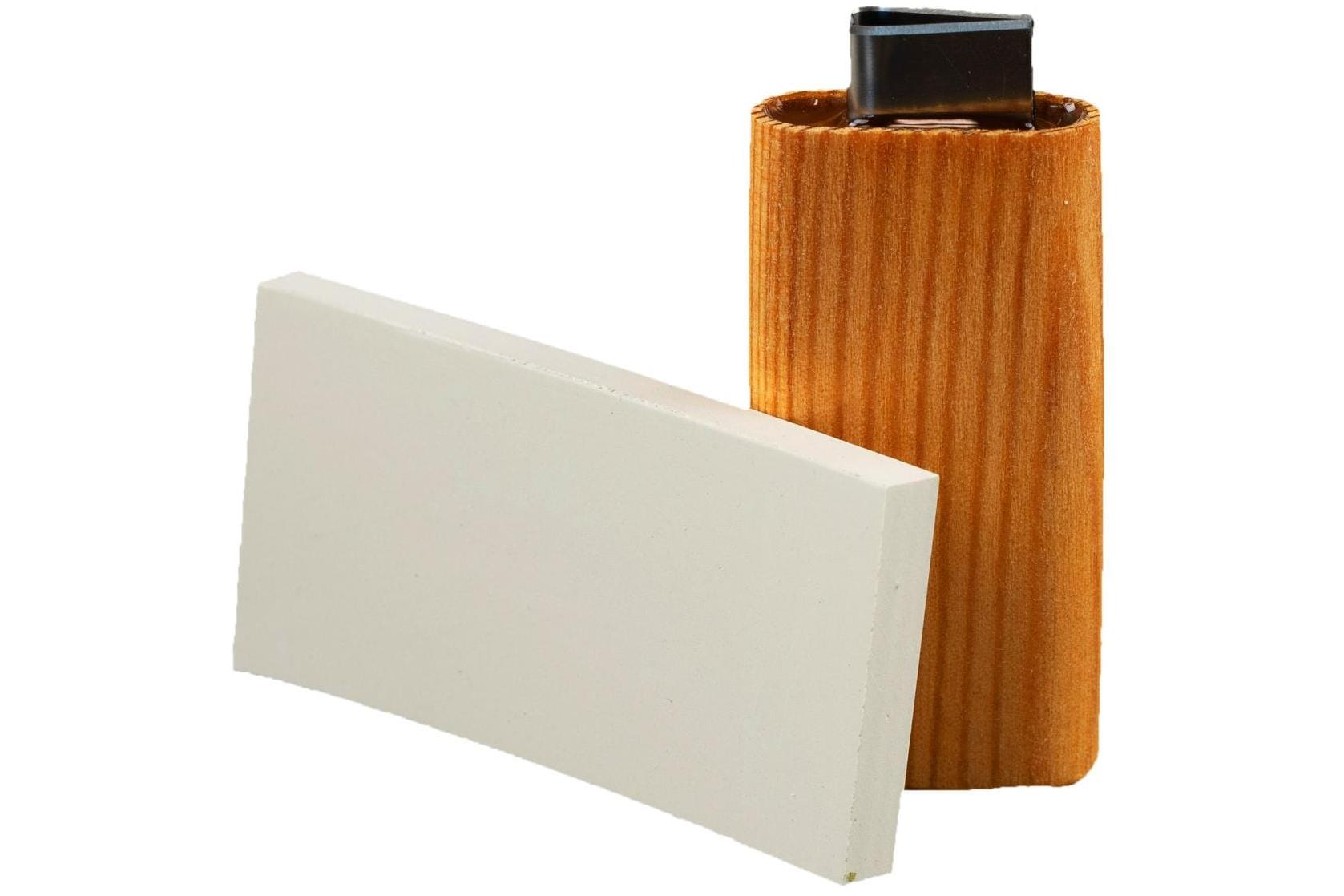
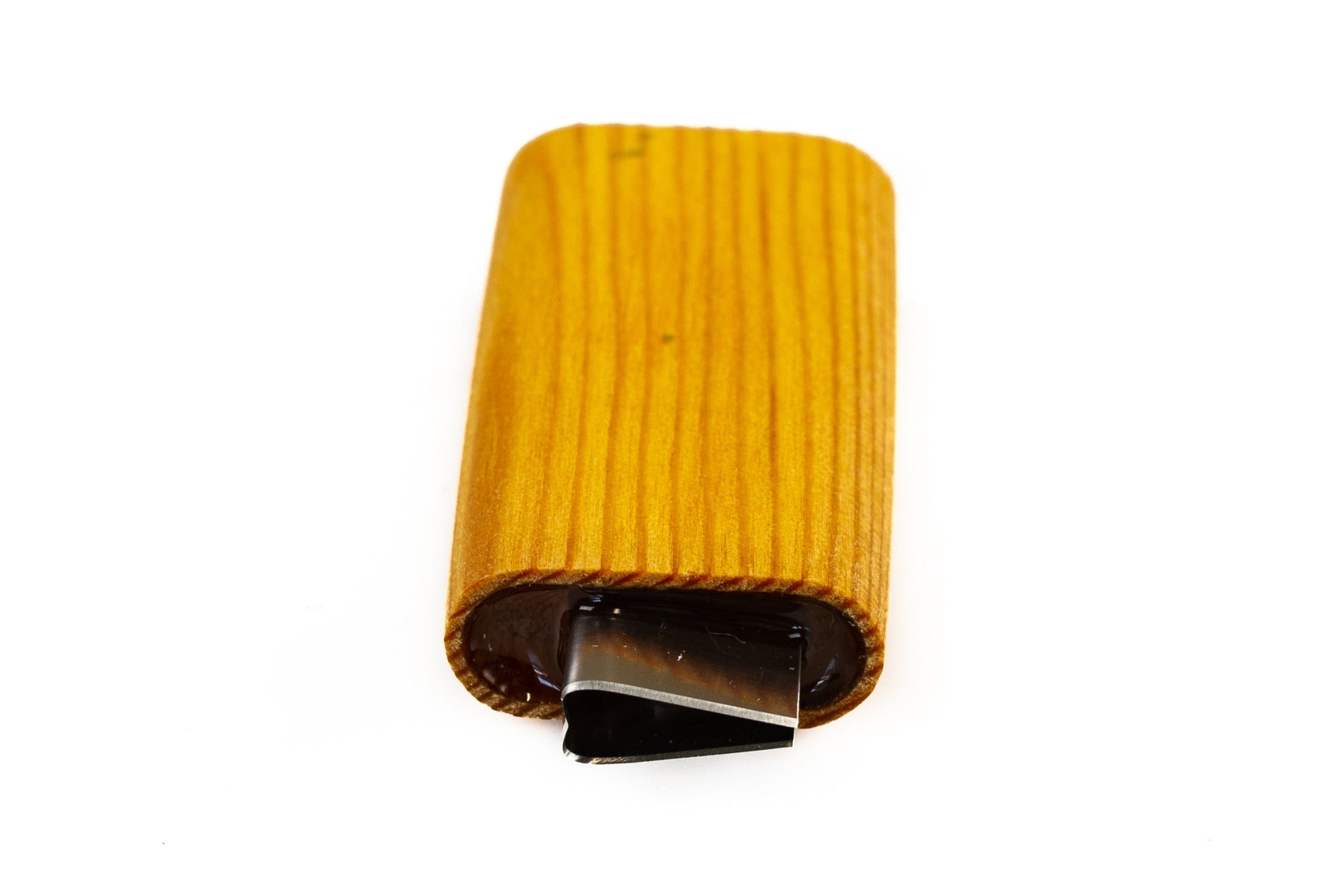


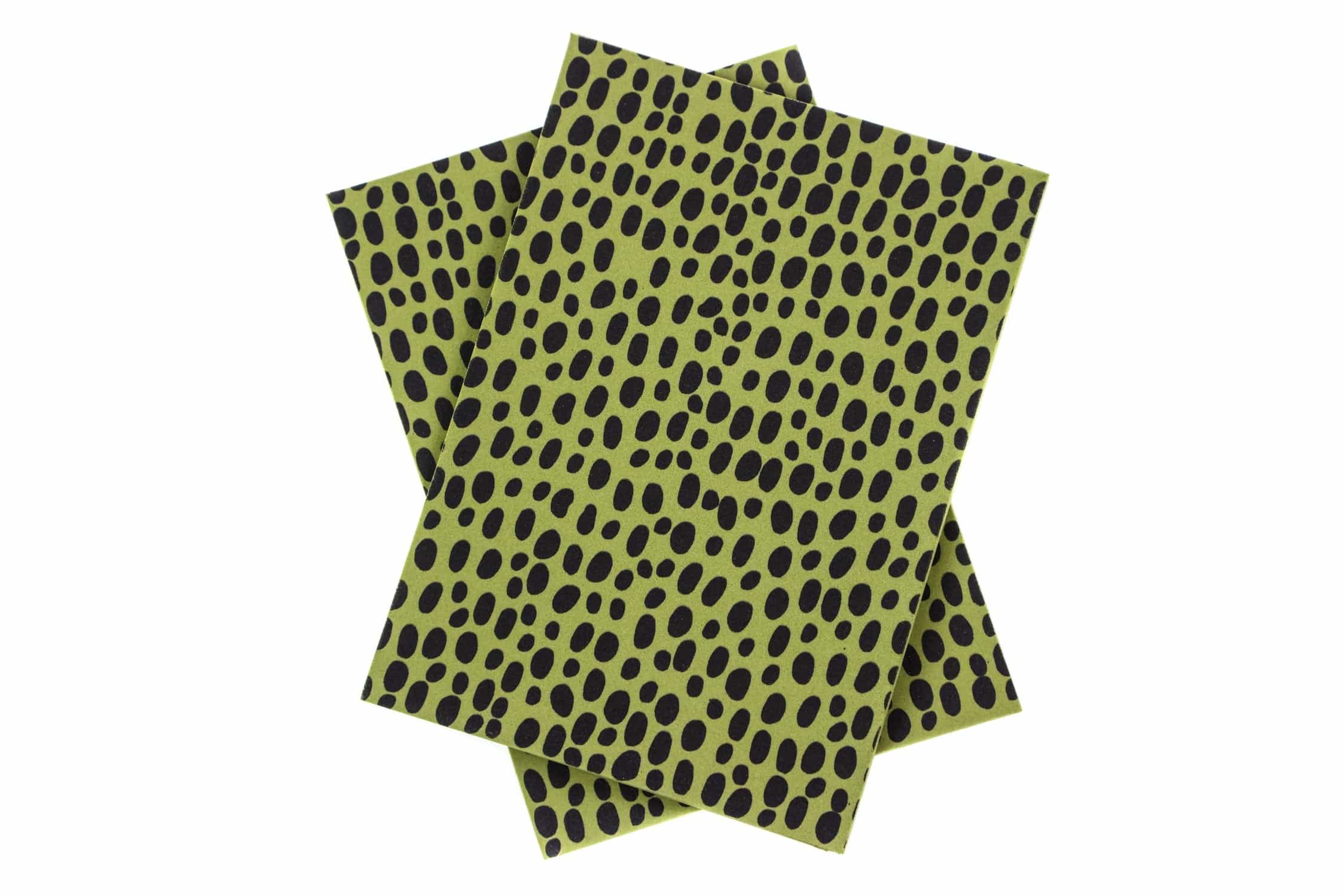

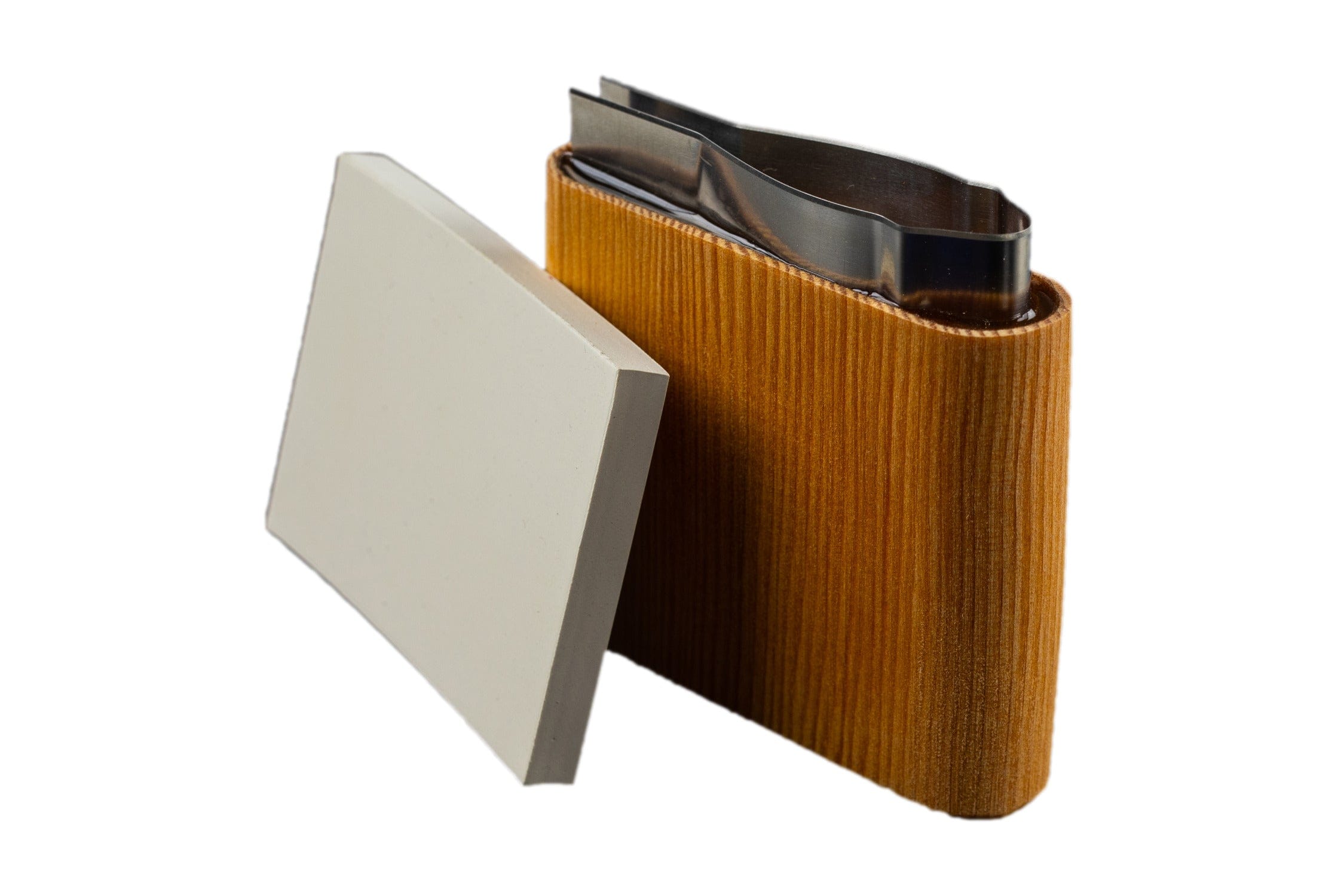
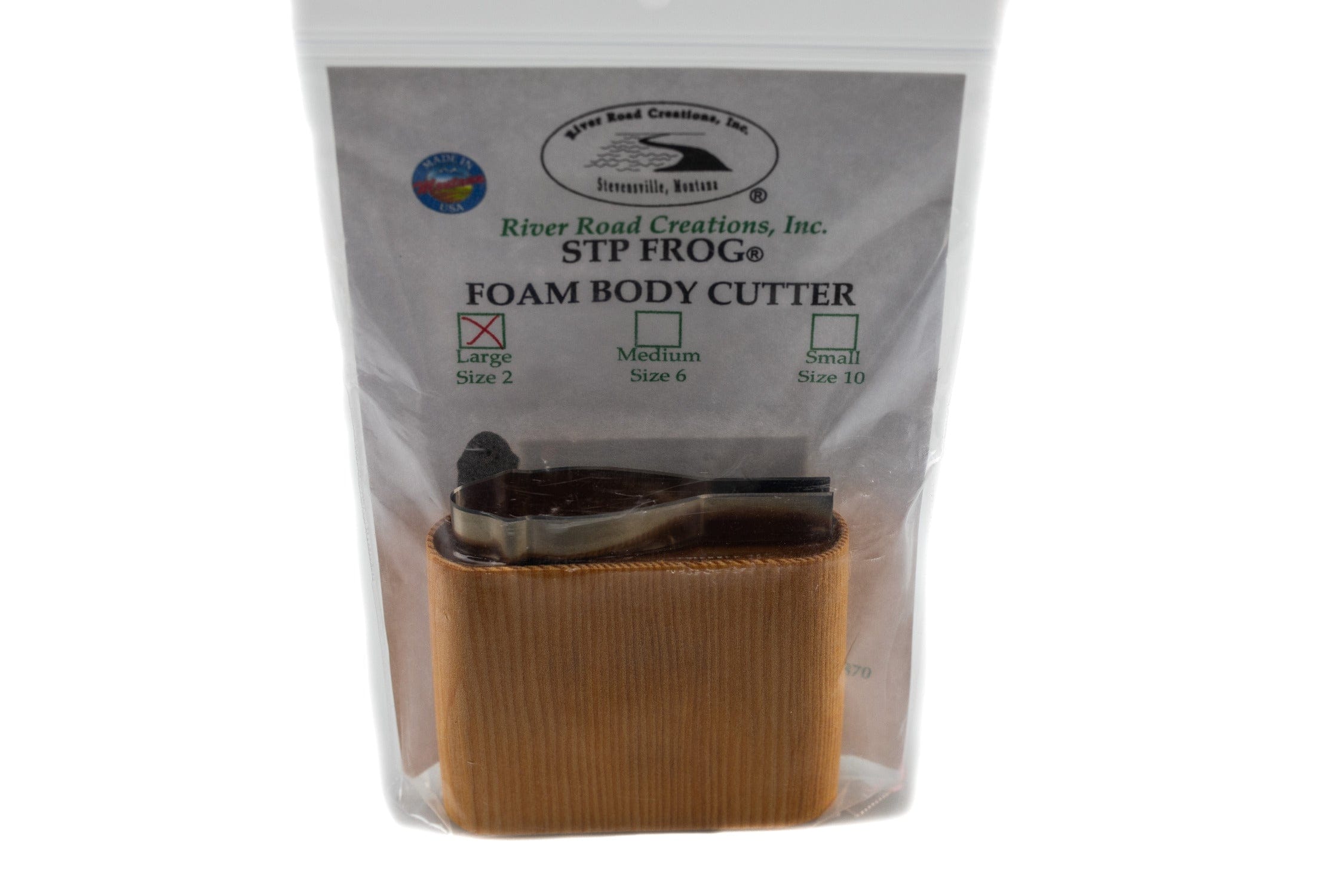
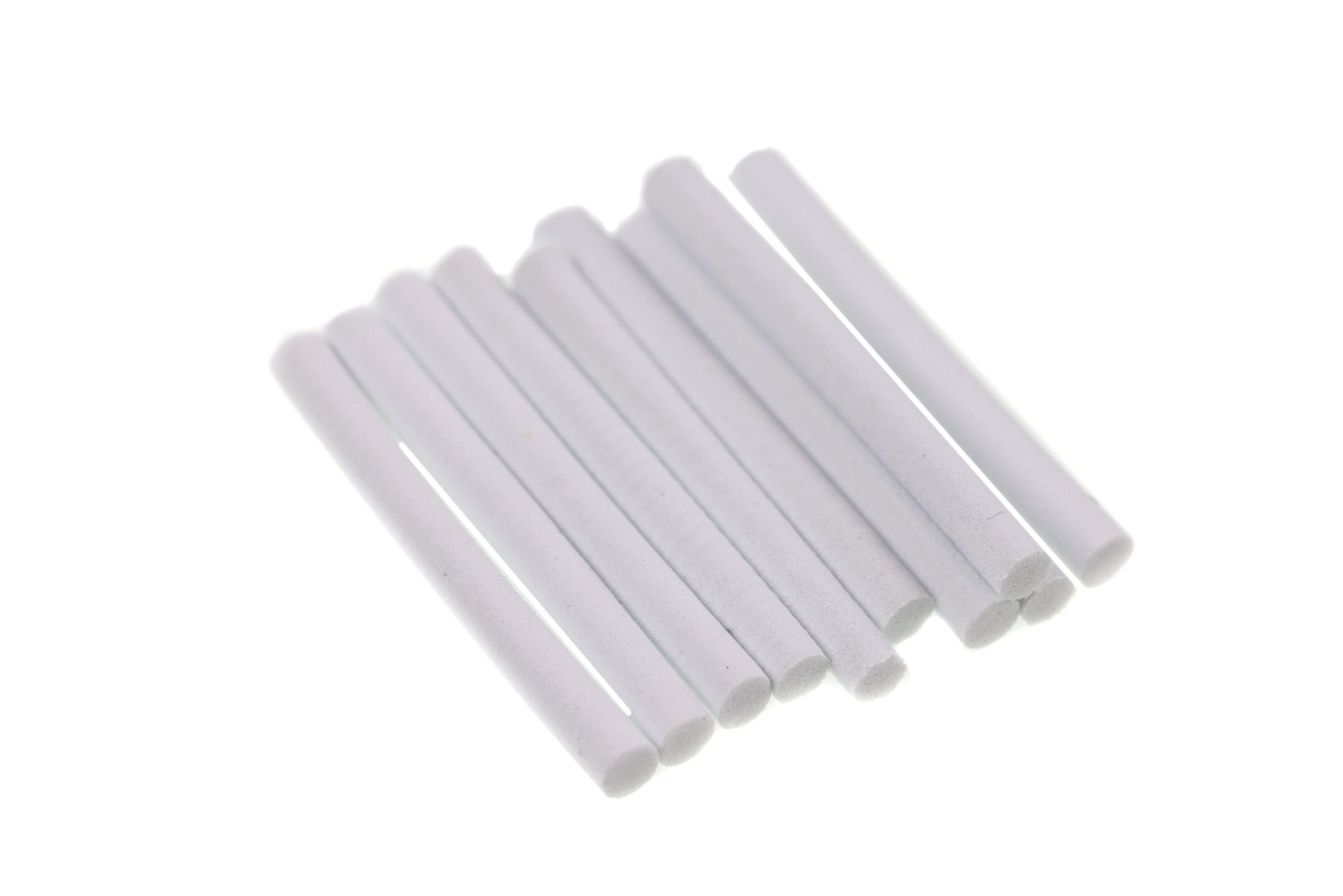
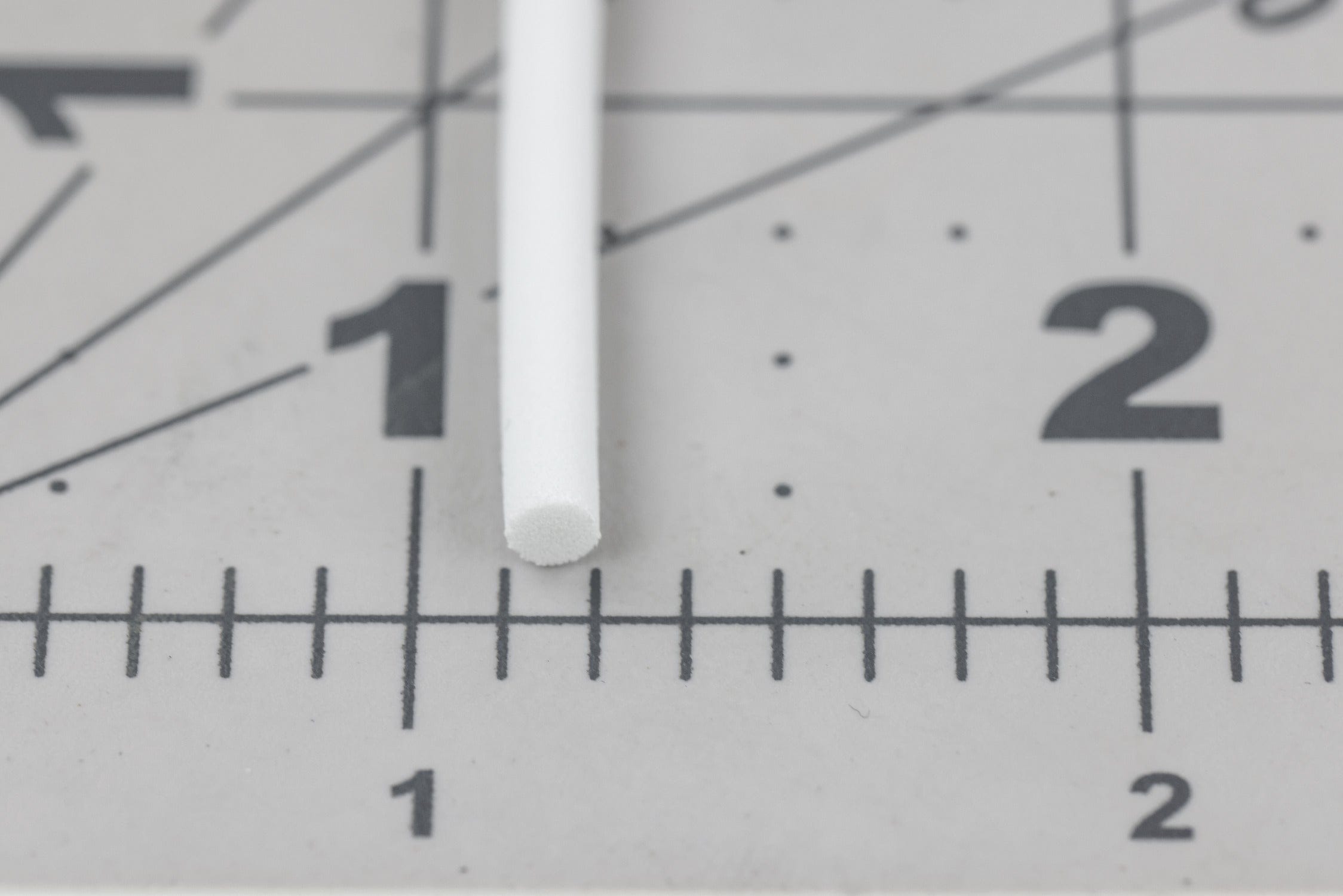
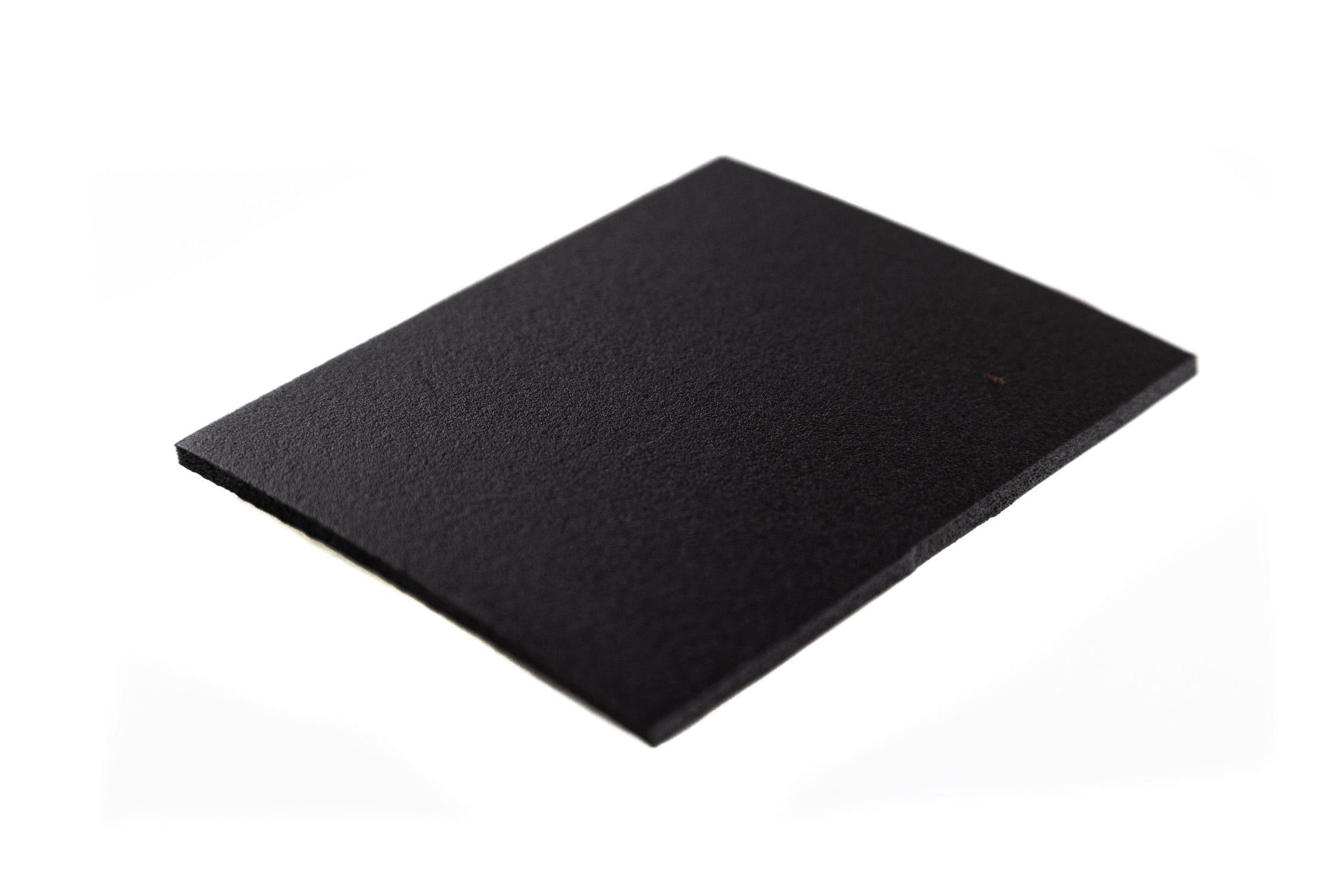
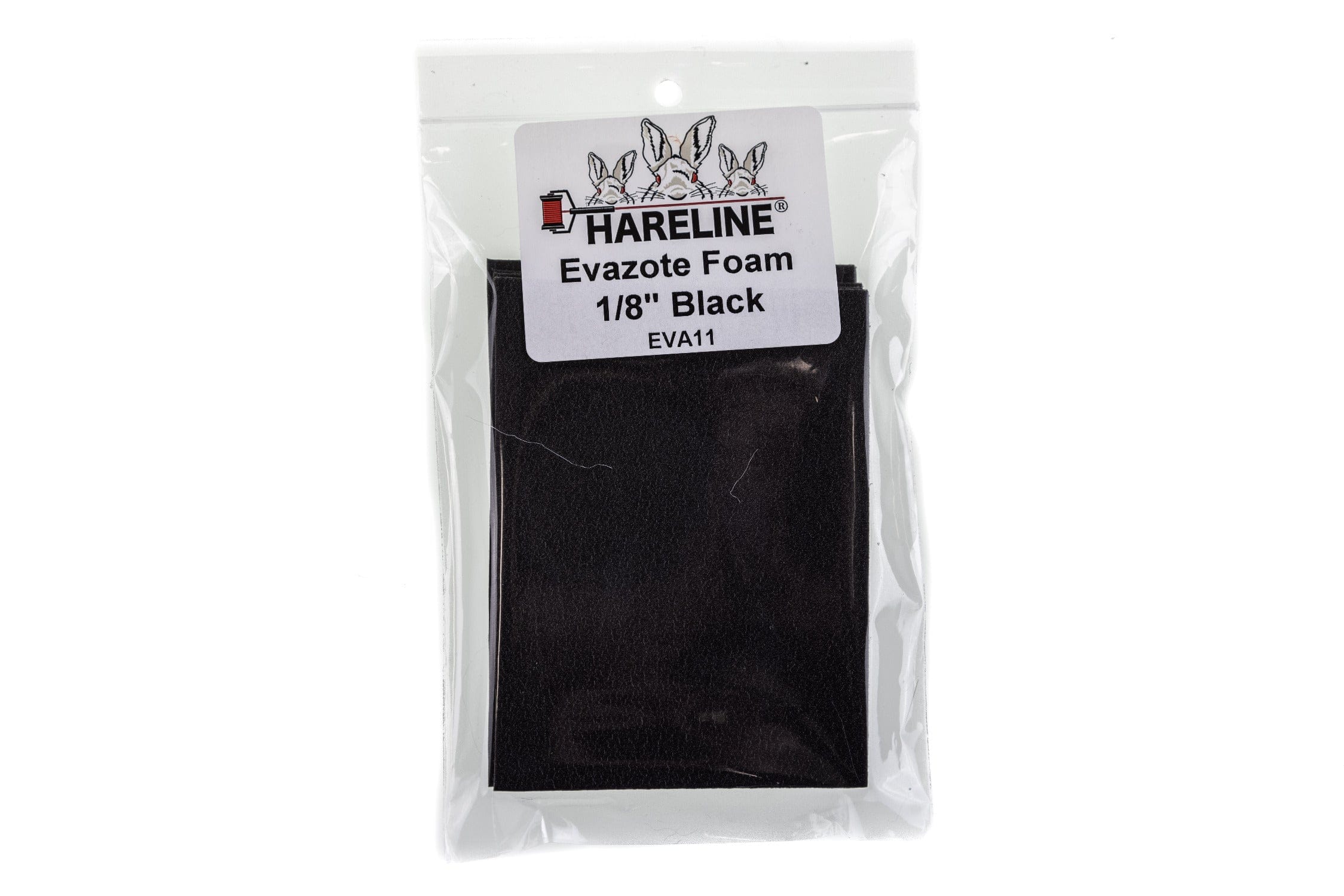
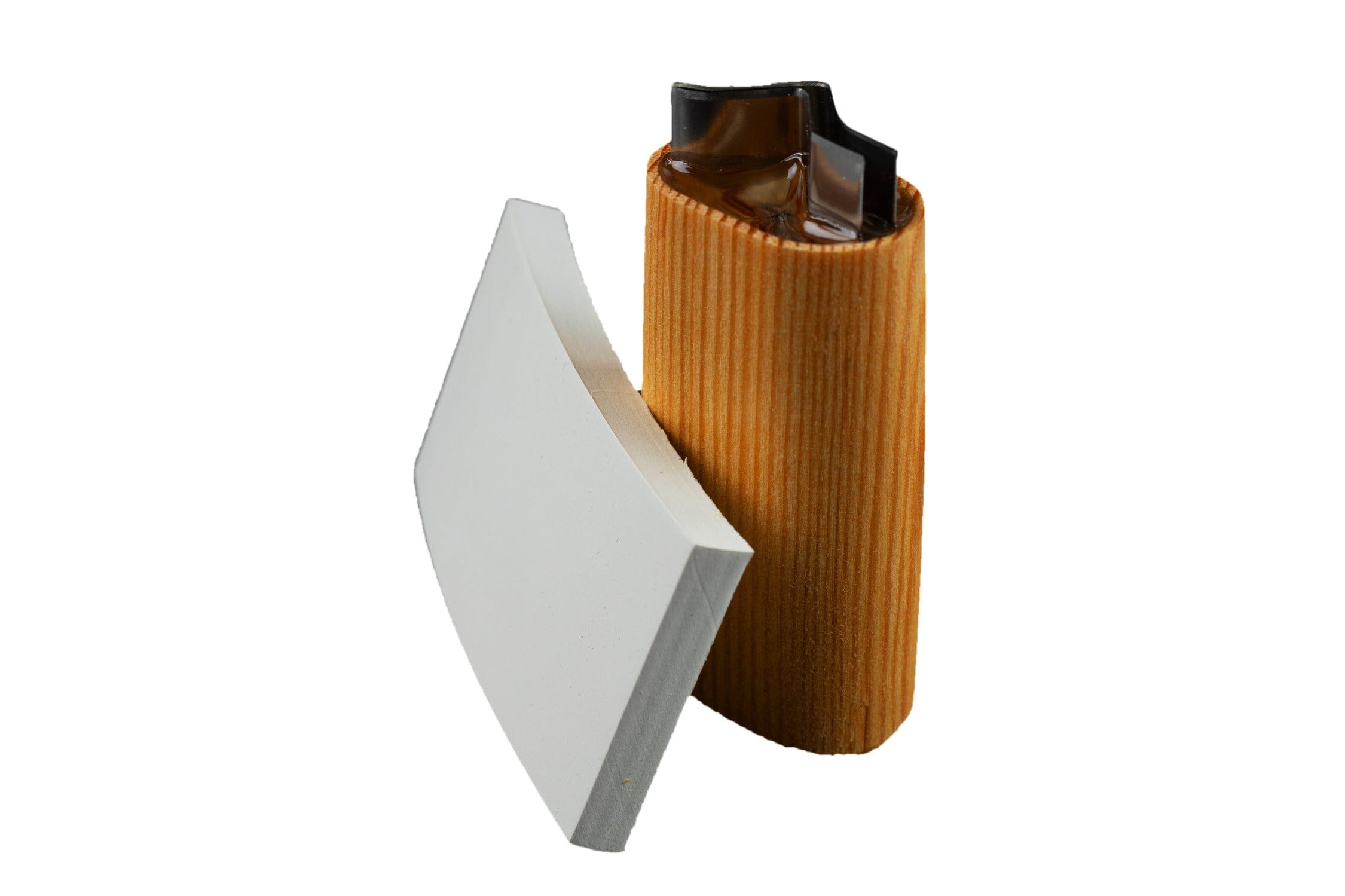

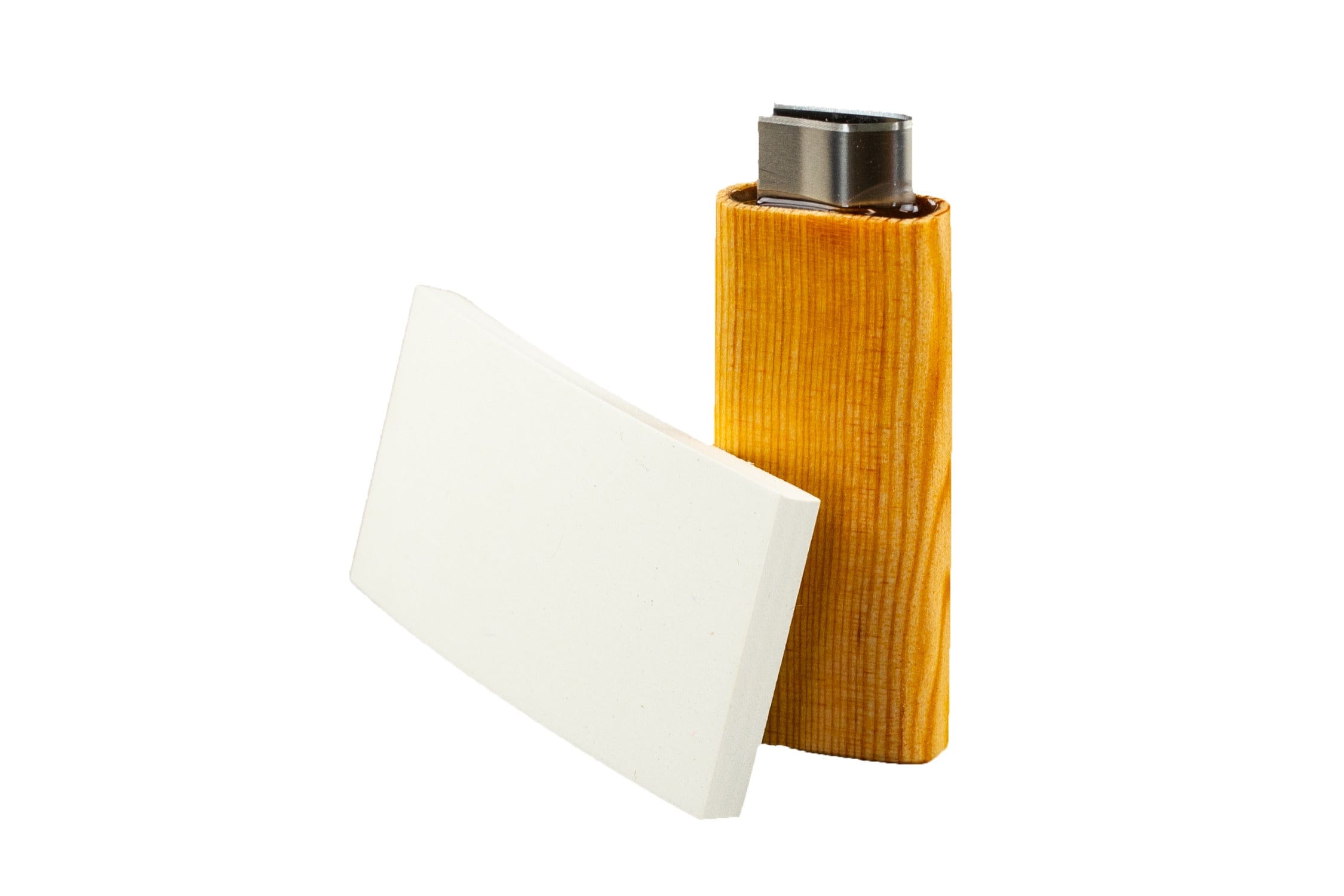

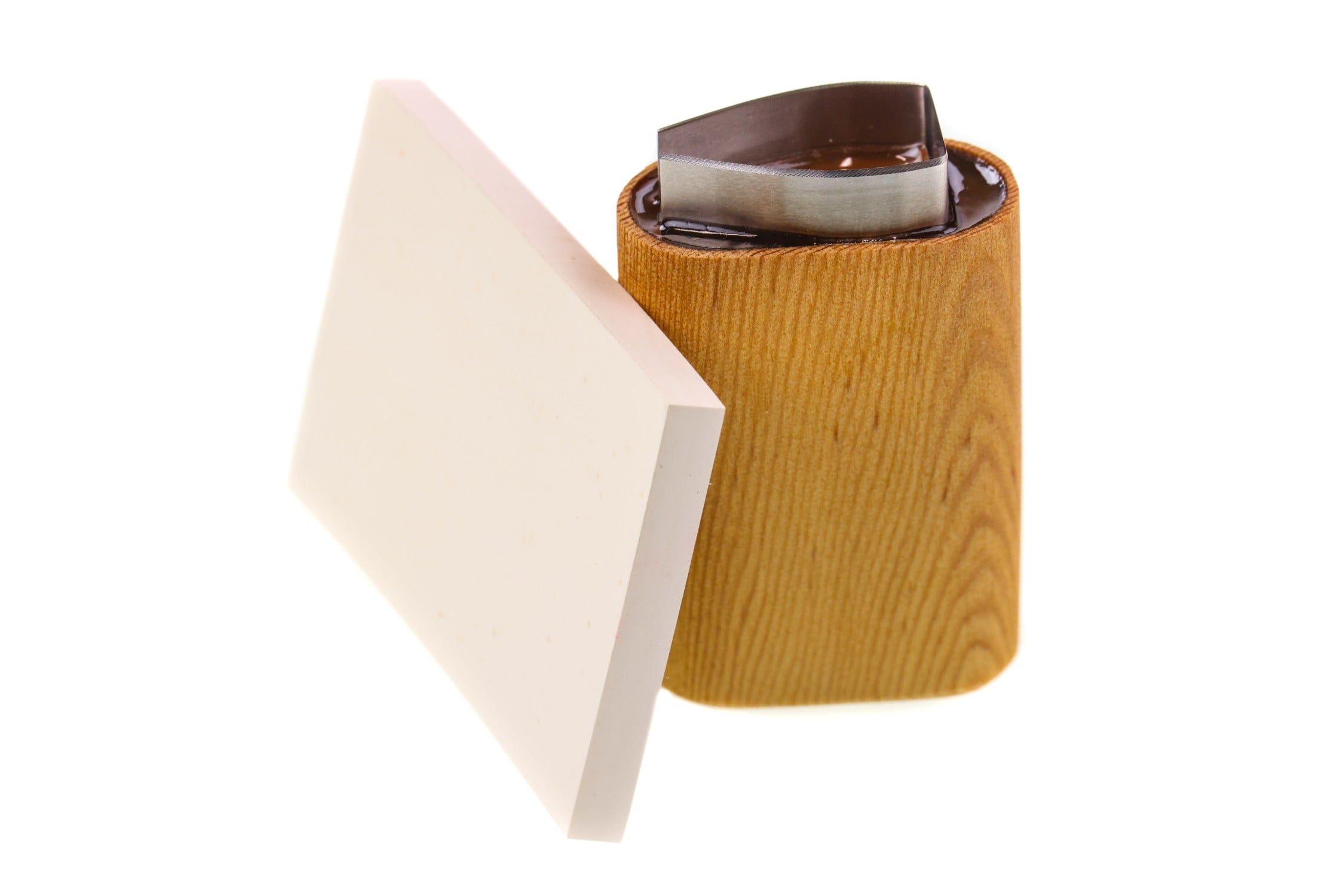
Foam & Foam Cutters Quick Picks
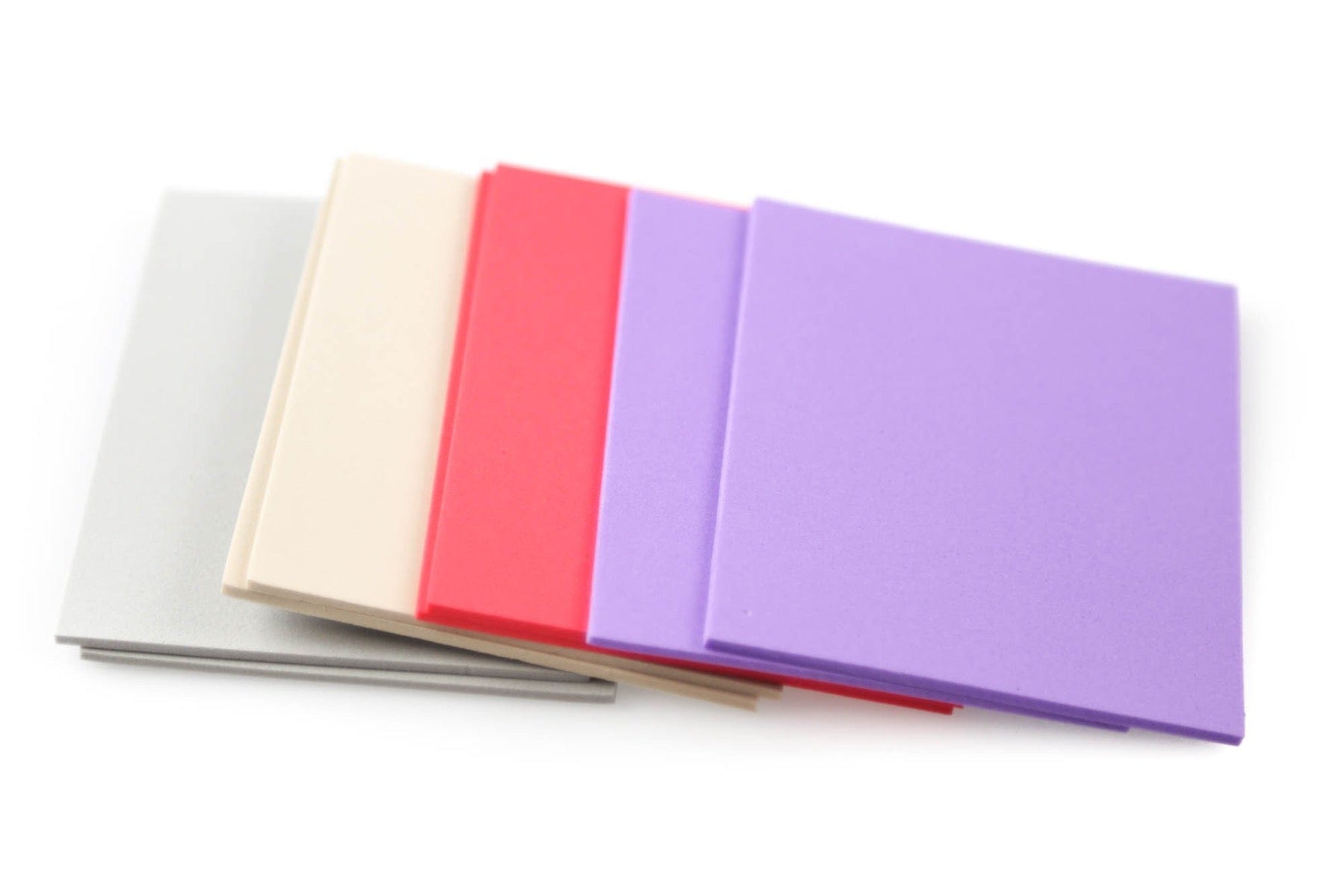
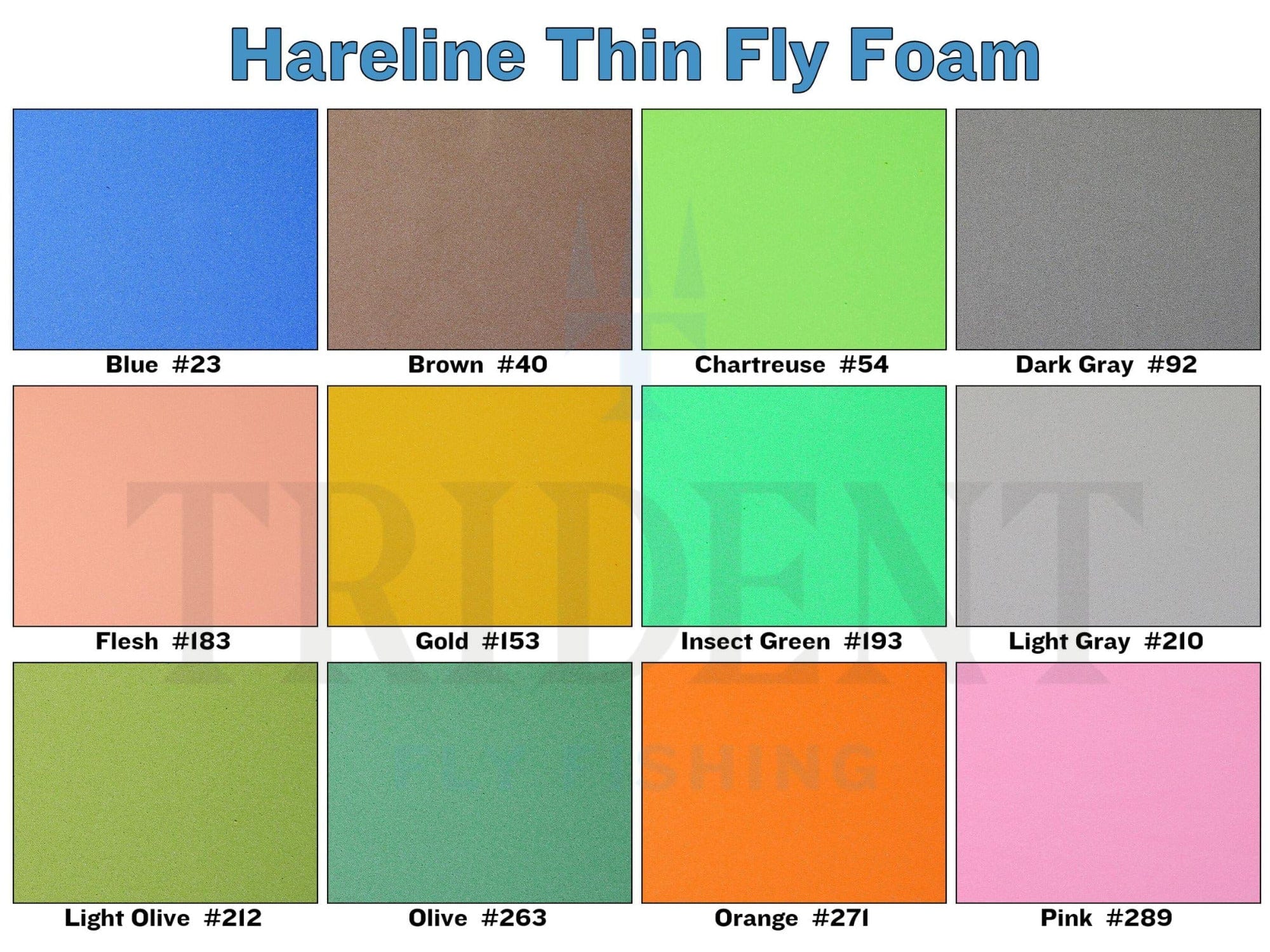
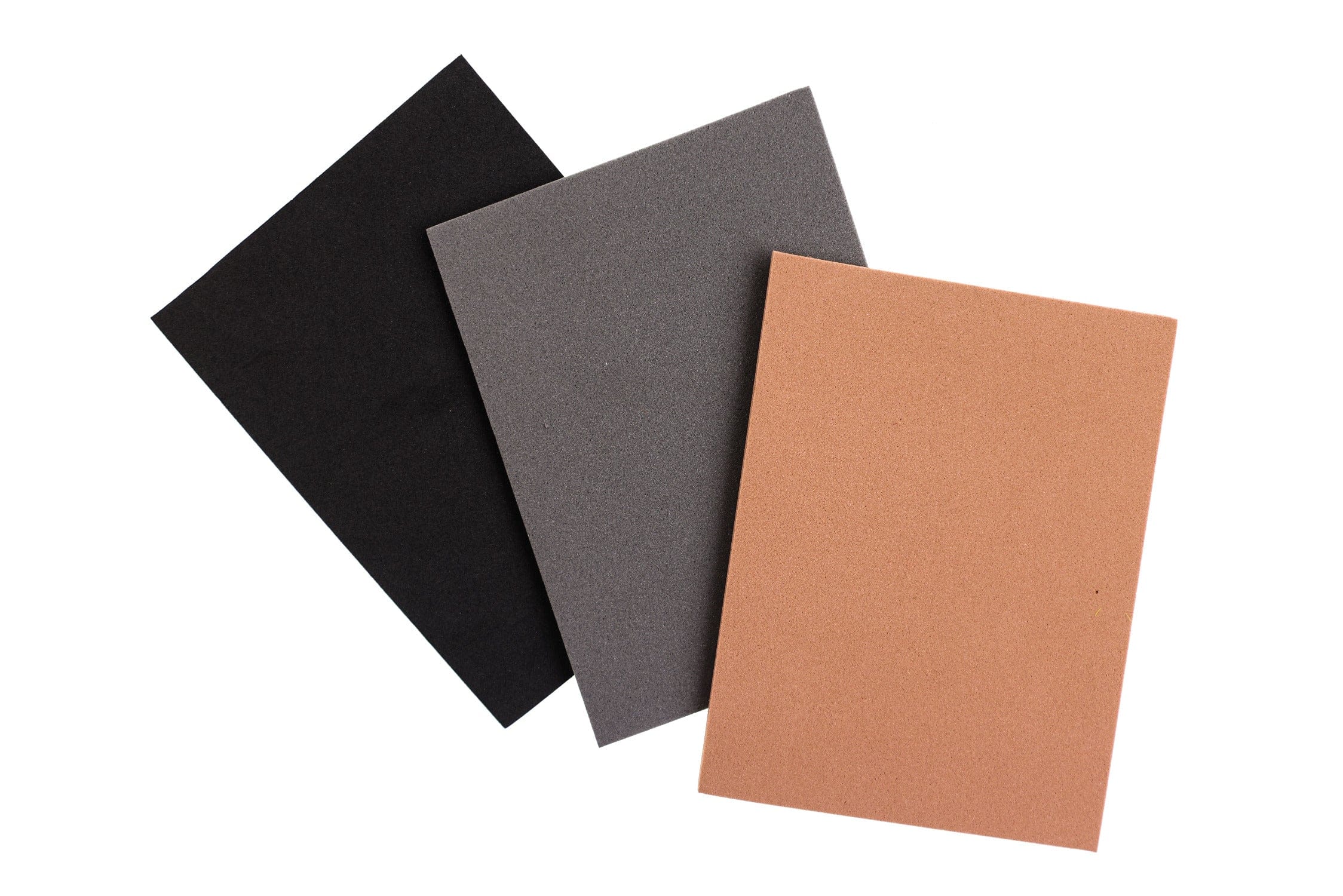
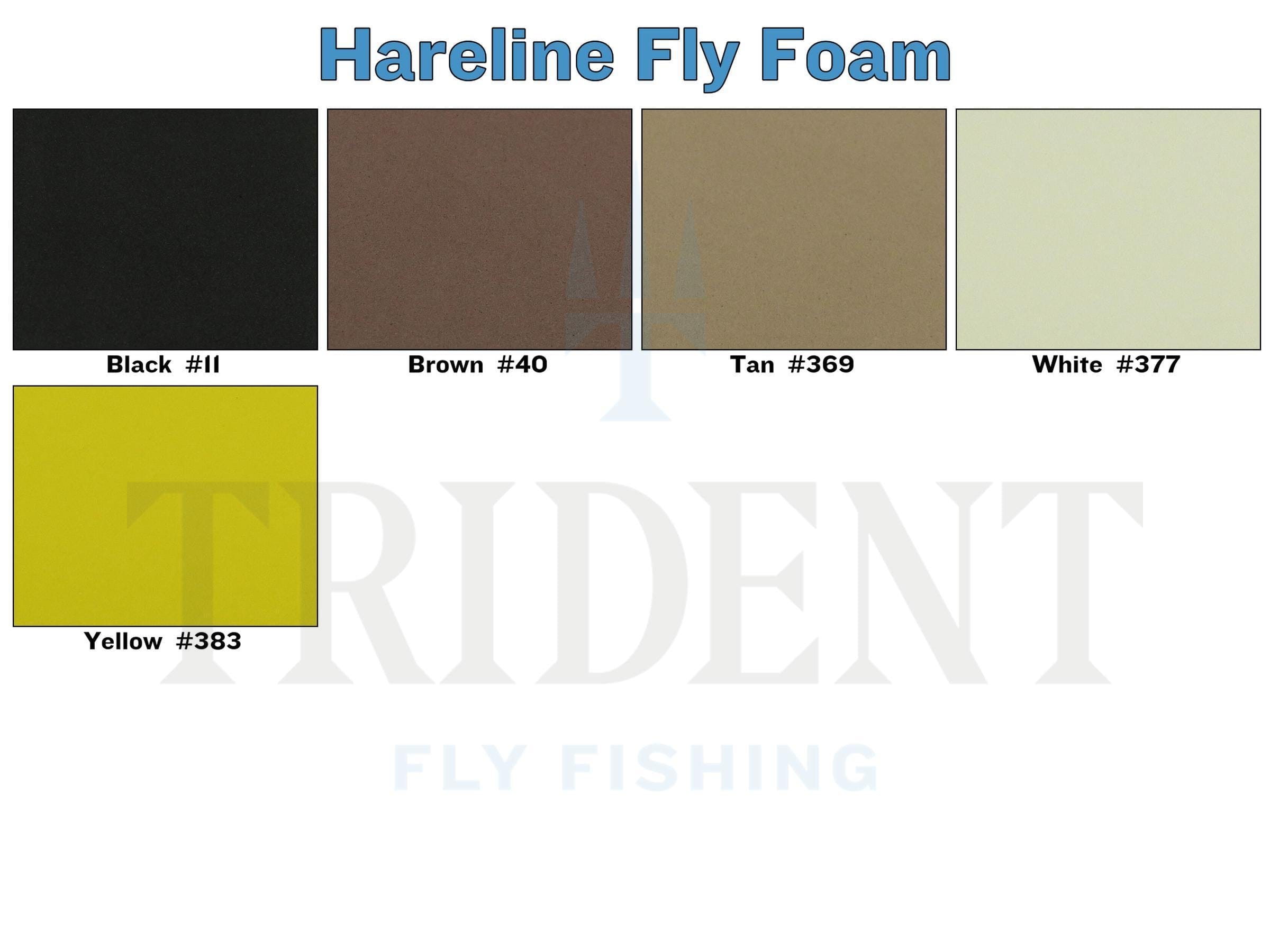
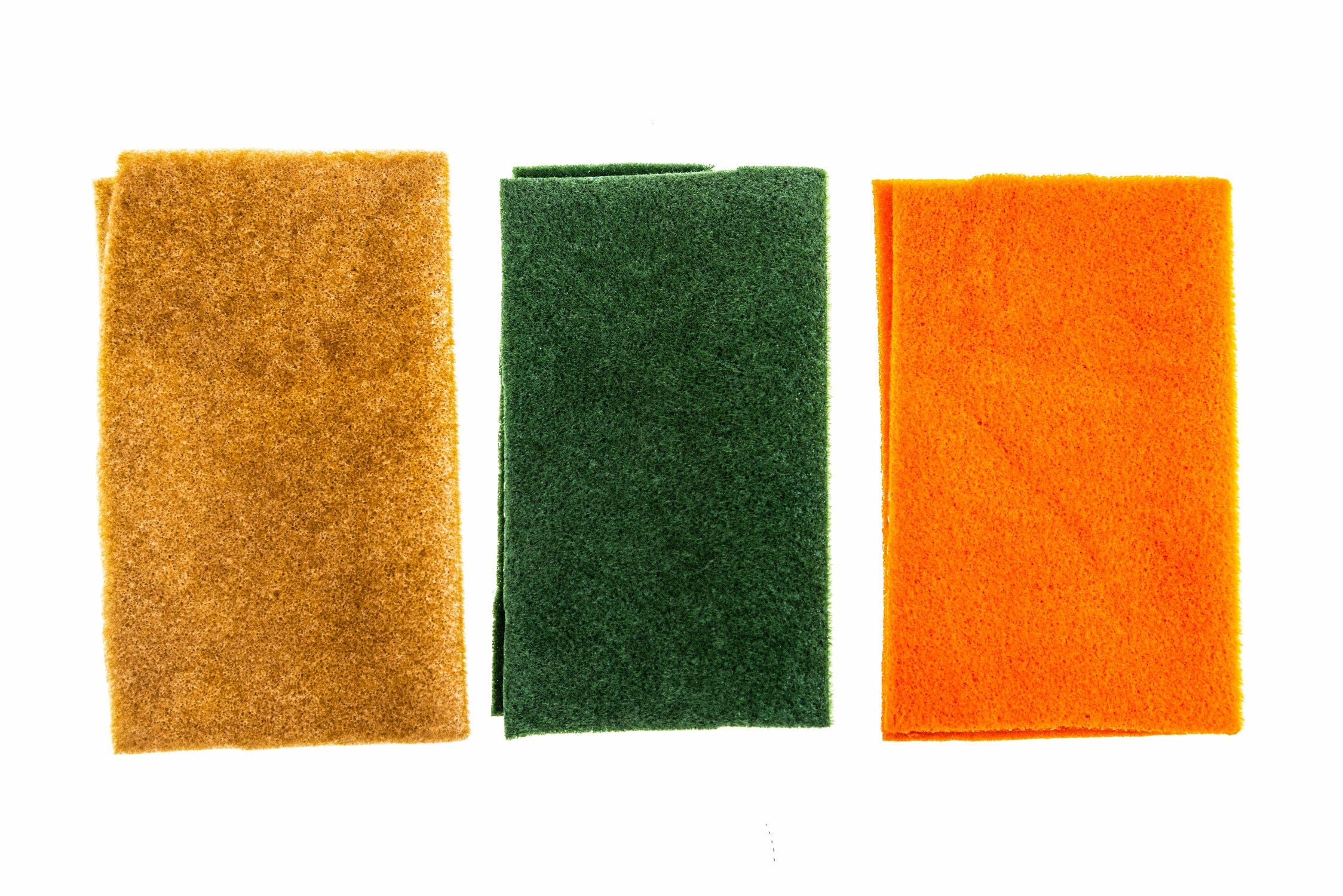
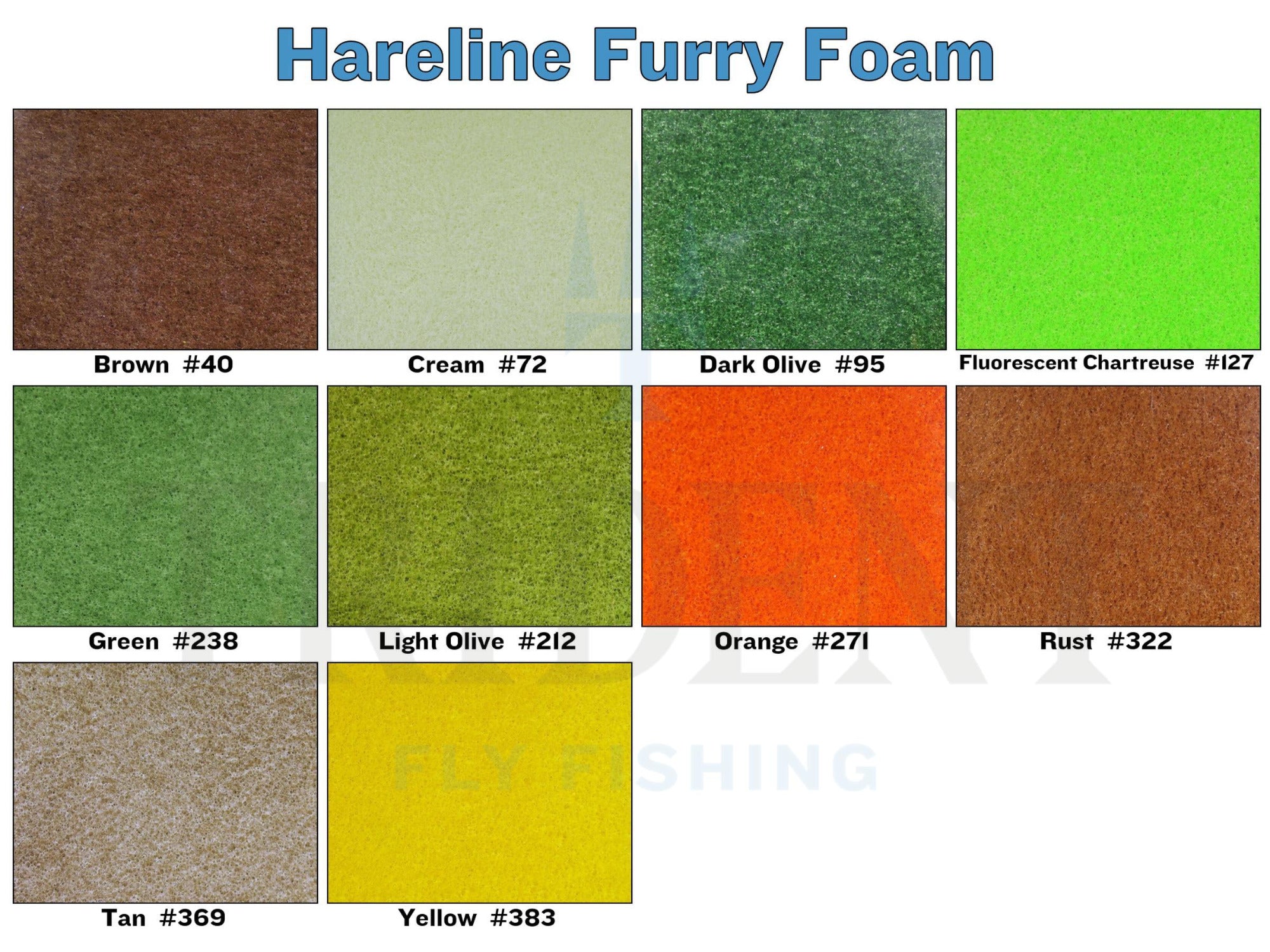
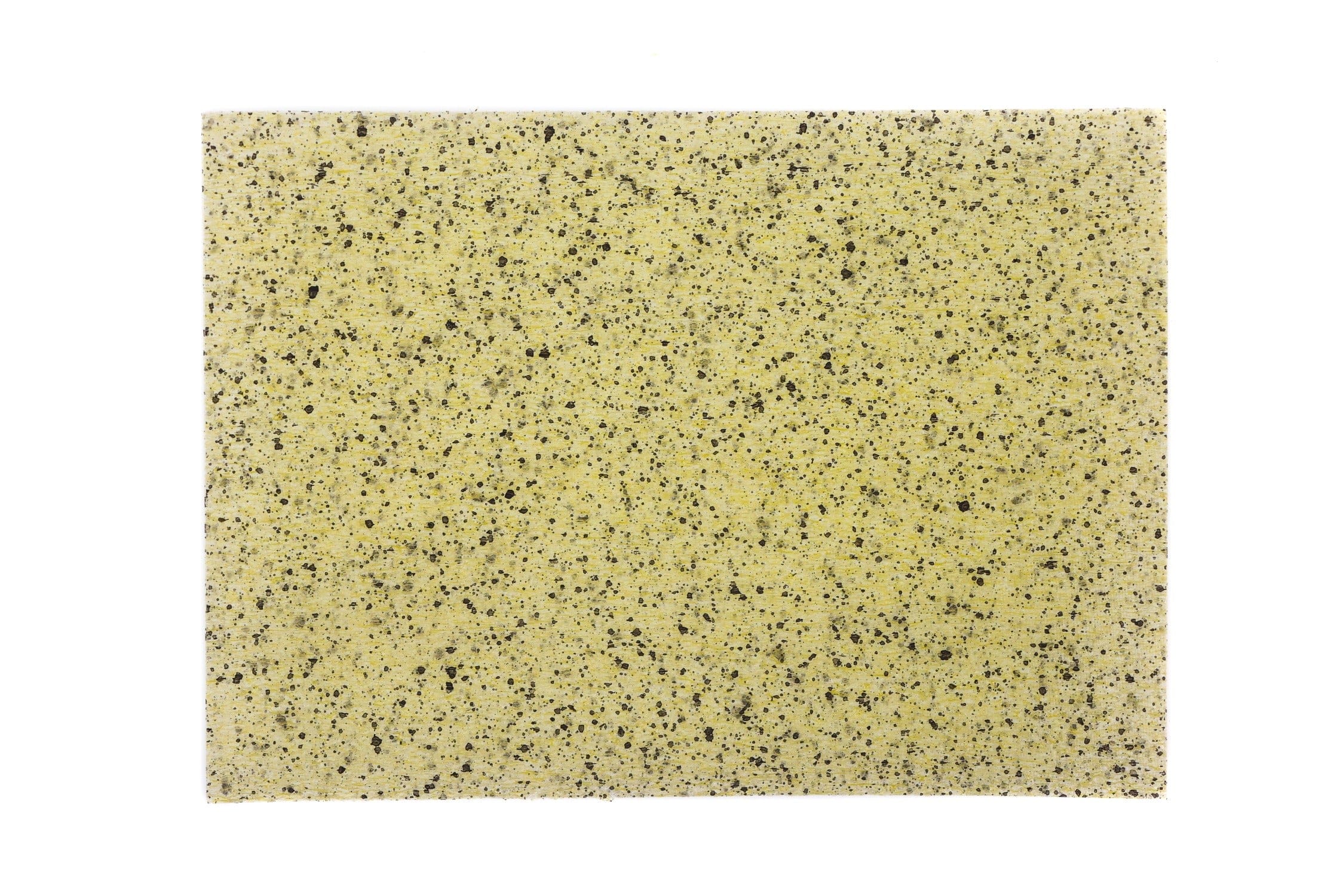
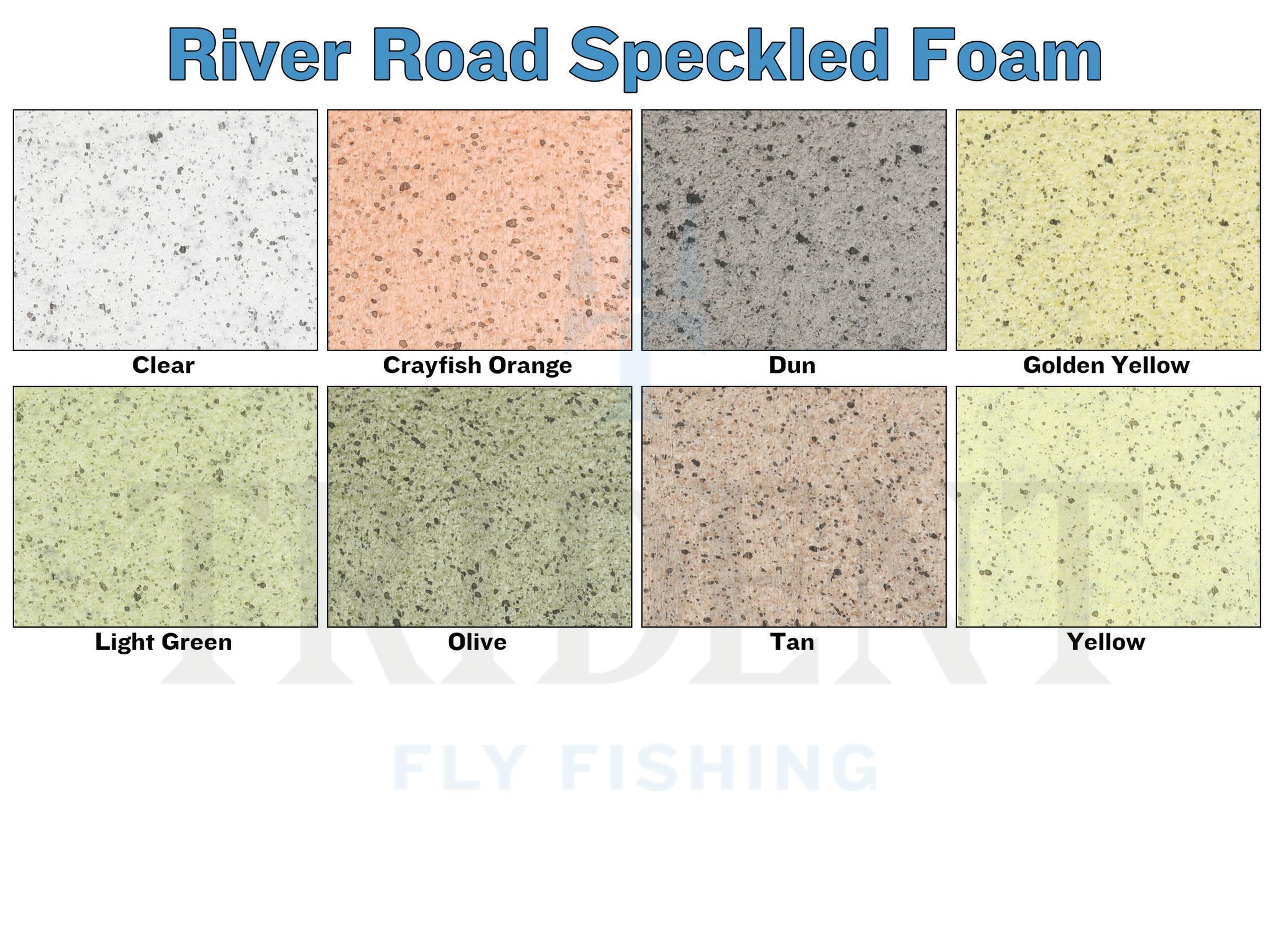
- Best All-Around: Hareline Fly Foam - Great for tyers building everything from trout terrestrials to bass poppers. It’s a simple, consistent sheet foam that’s easy to cut, stack, and trim for repeatable profiles.
- Best Premium: Hareline Evazote Foam - Best when you want maximum buoyancy for high-floating dry flies, terrestrials, and foam-top patterns. The closed-cell construction is made to resist water absorption and takes marker work well for custom colors.
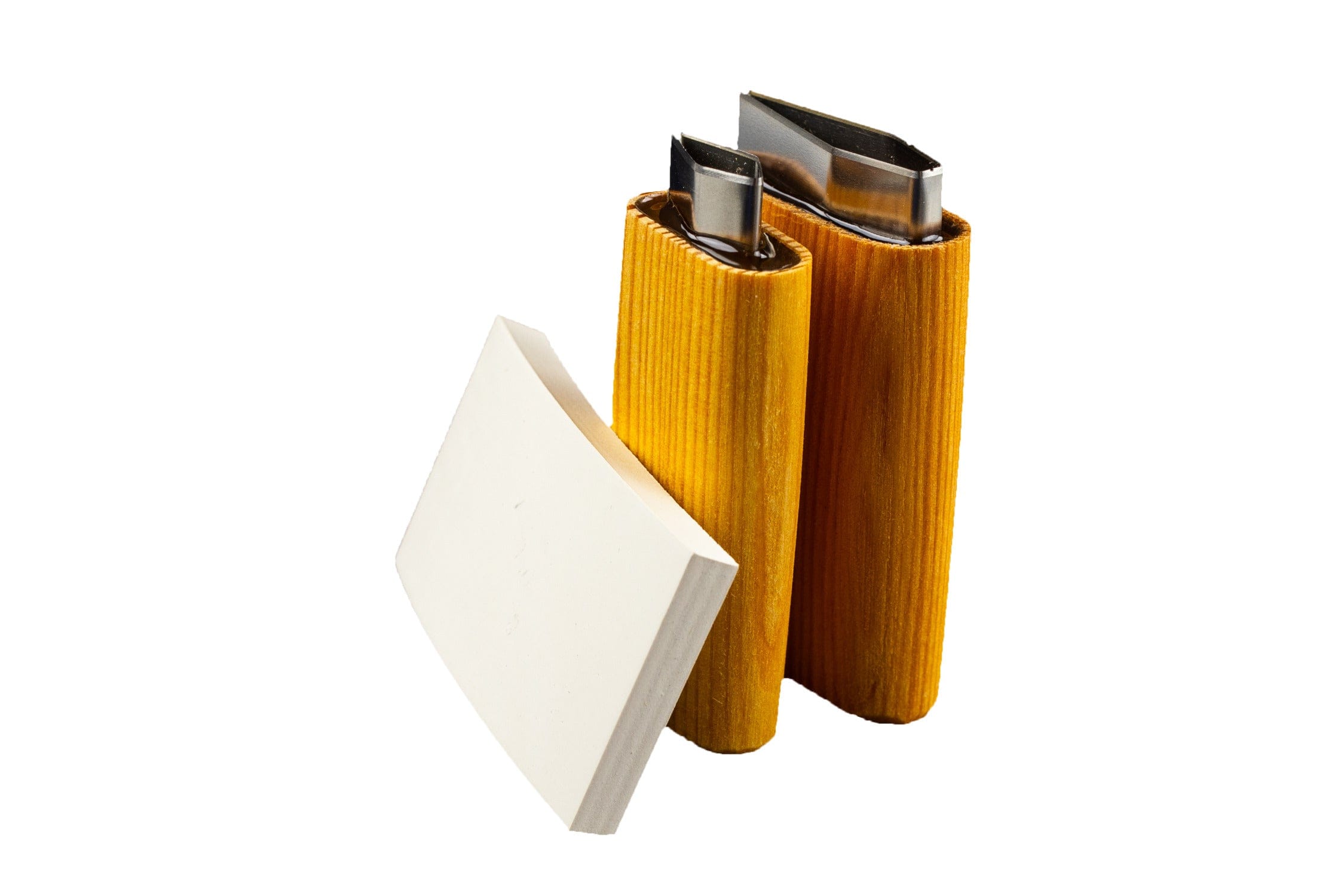
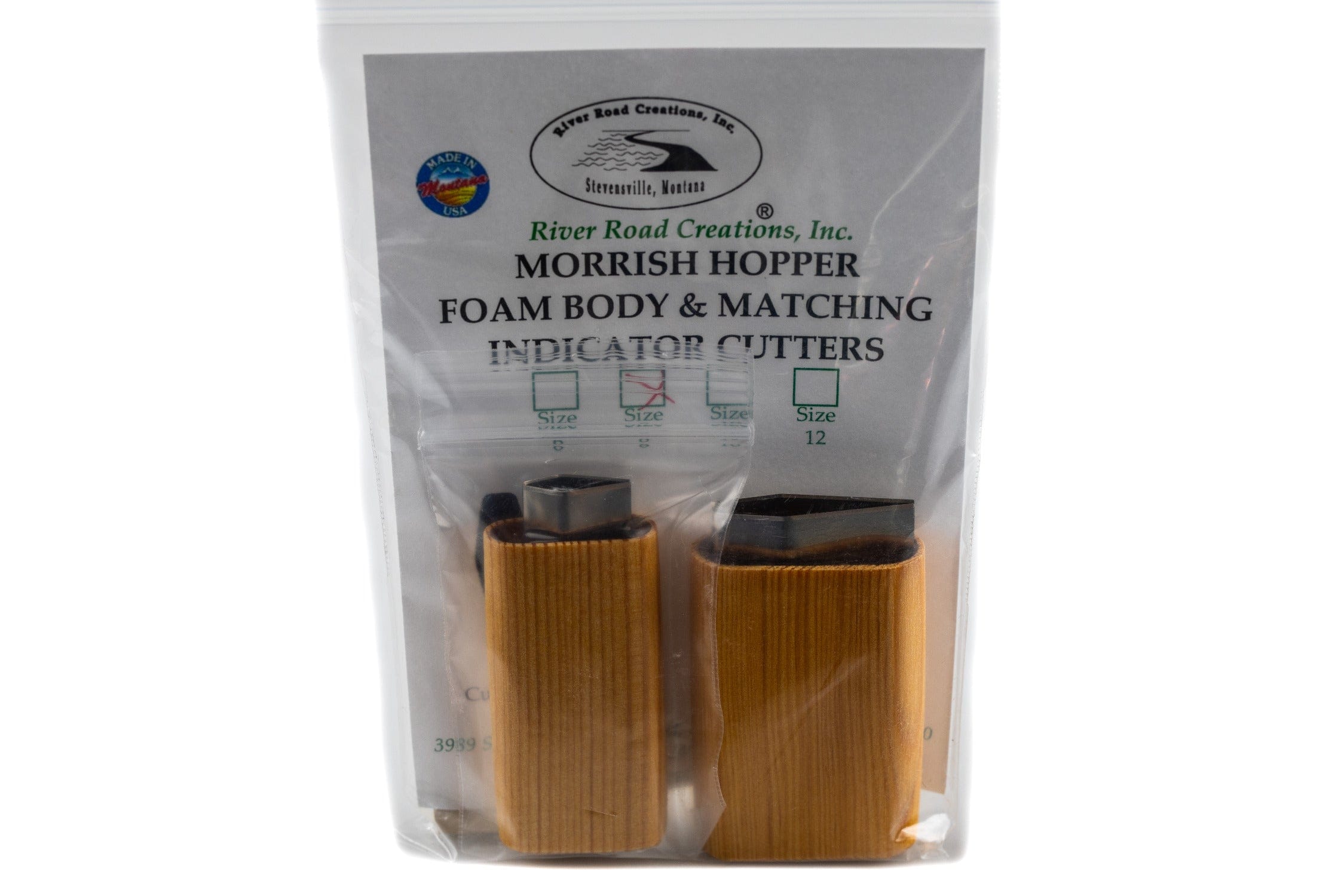
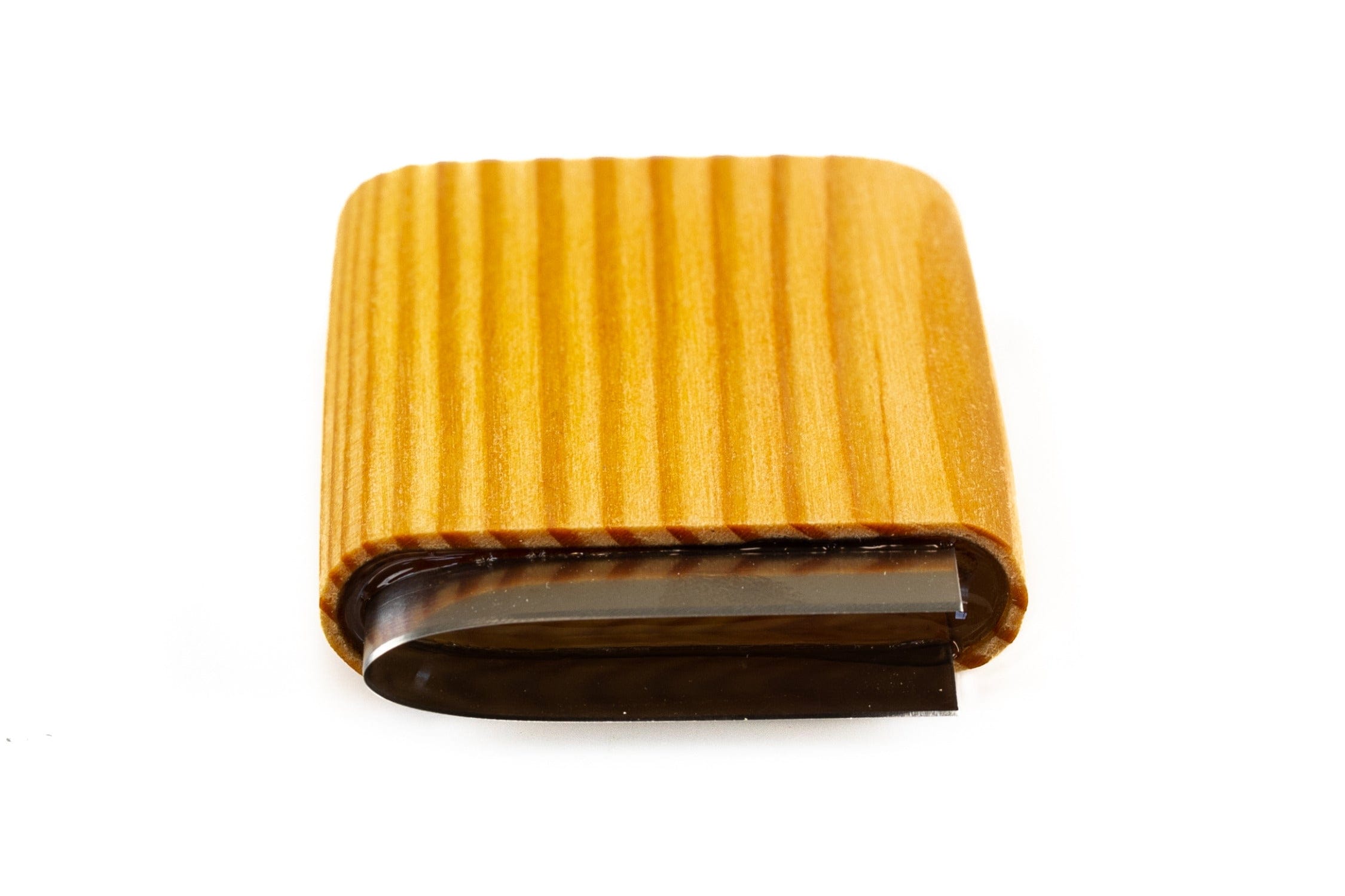
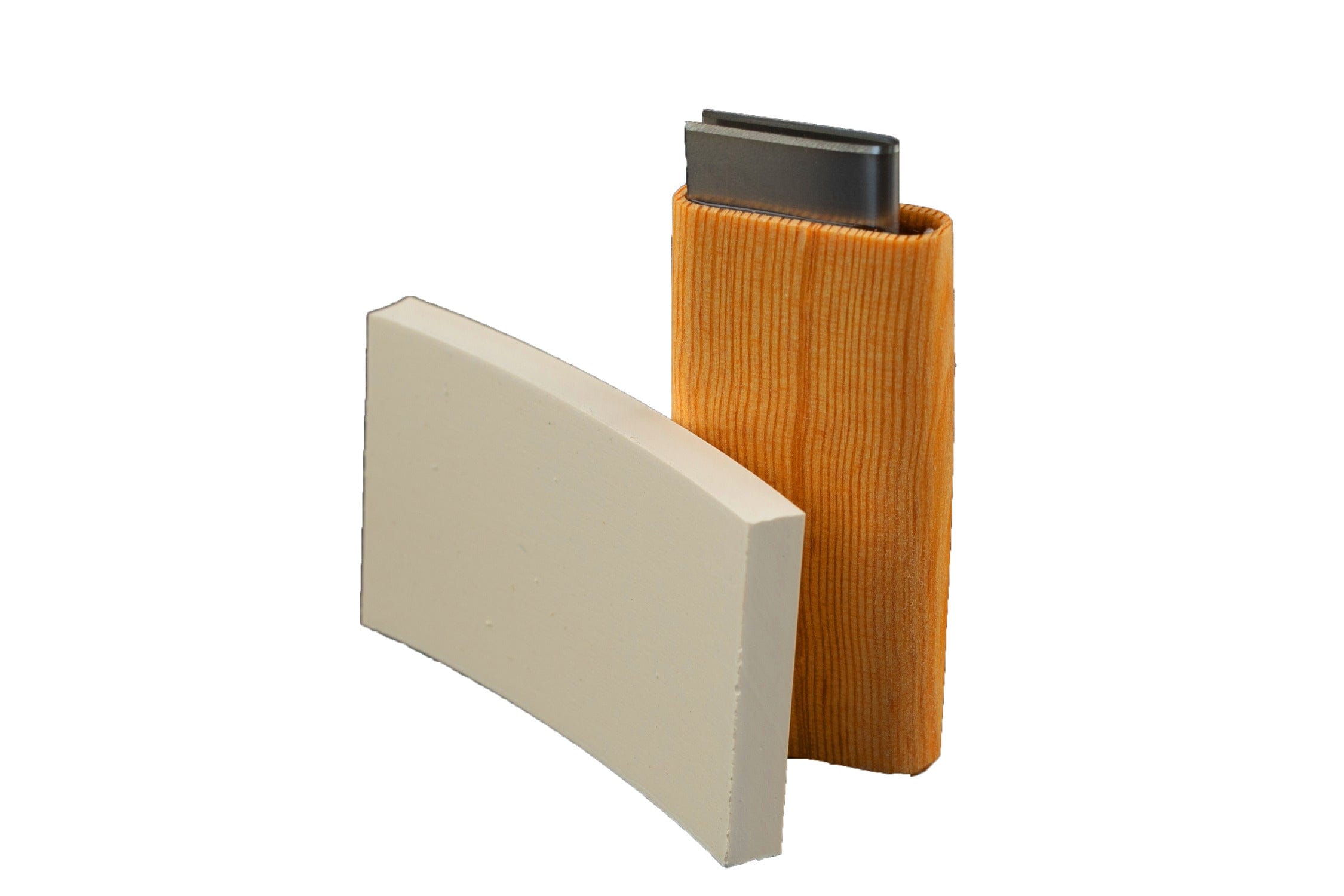
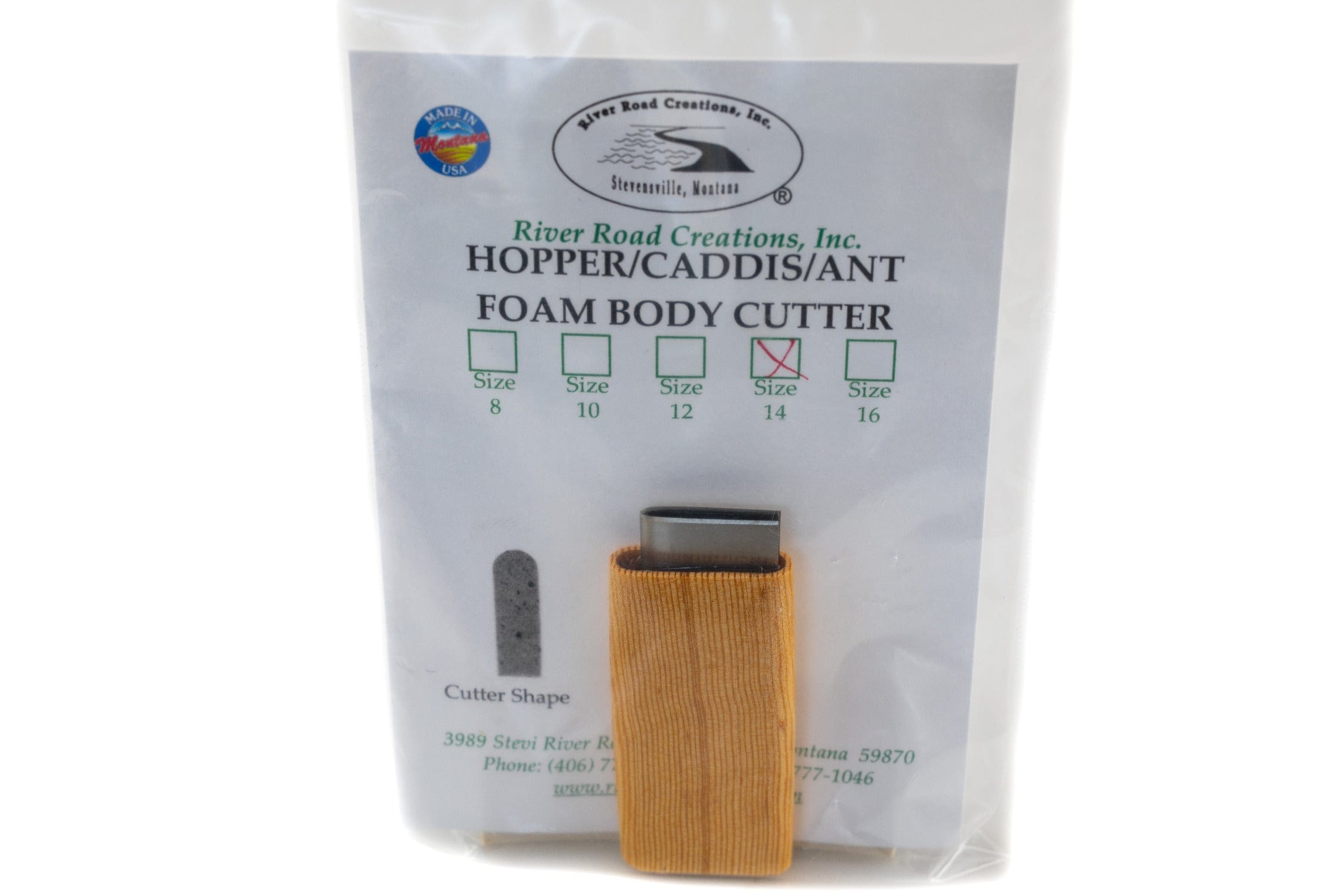
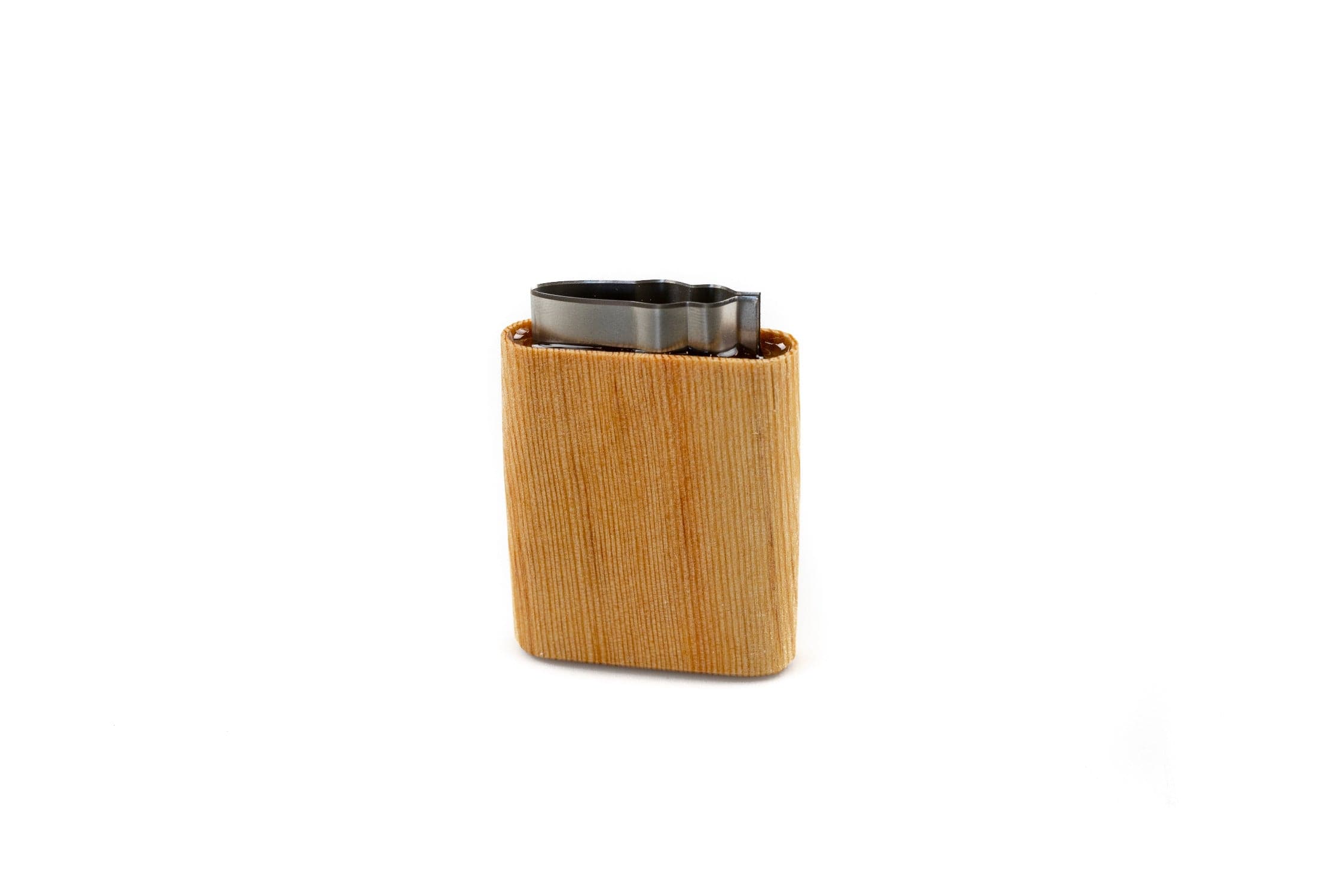
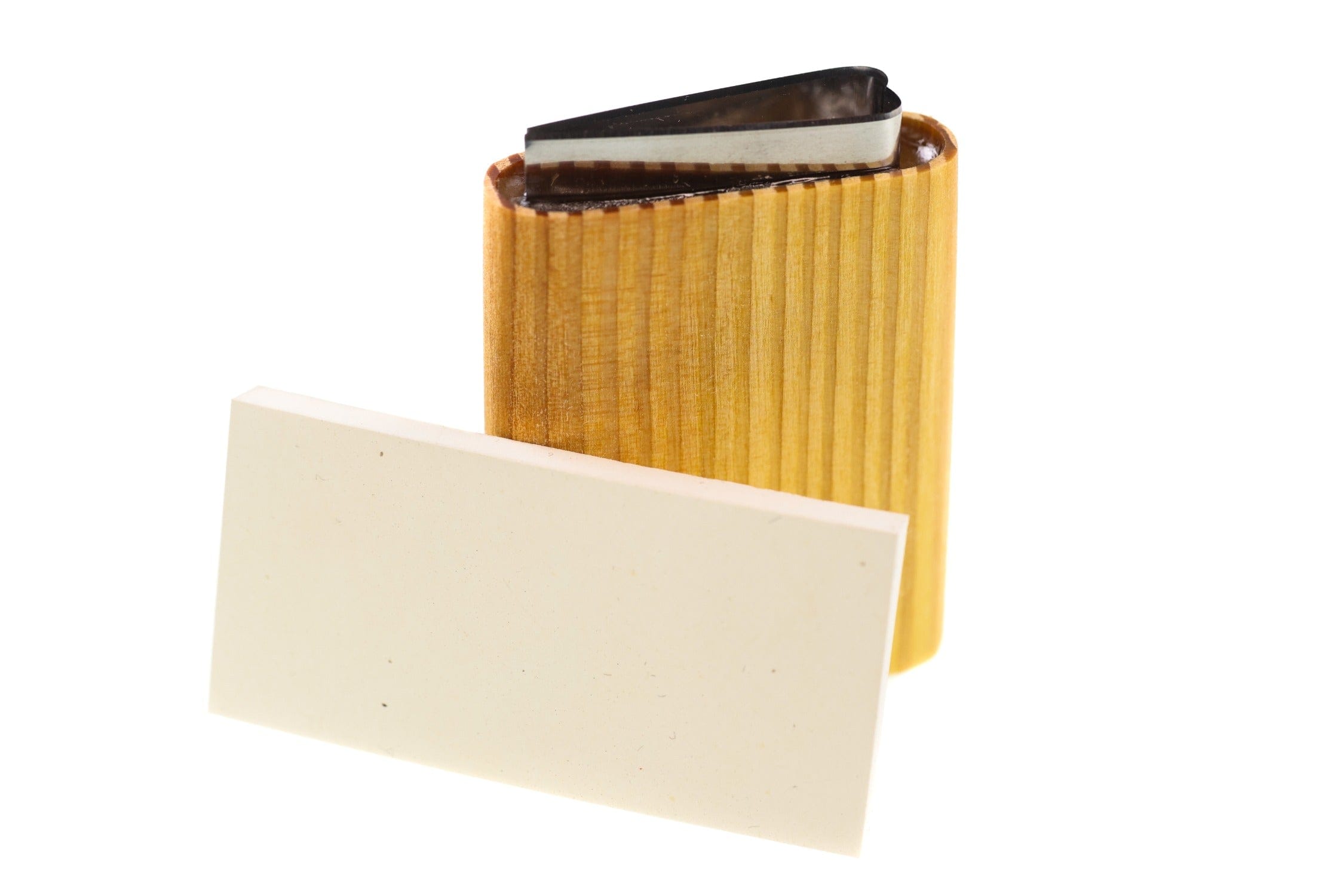
- Best for Beginners: River Road Hopper/Caddis/Ant Foam Body Cutter - Ideal for learning foam bodies without fussing over scissor symmetry. Multiple cutters cover common hook sizes, helping you crank out consistent shapes quickly.
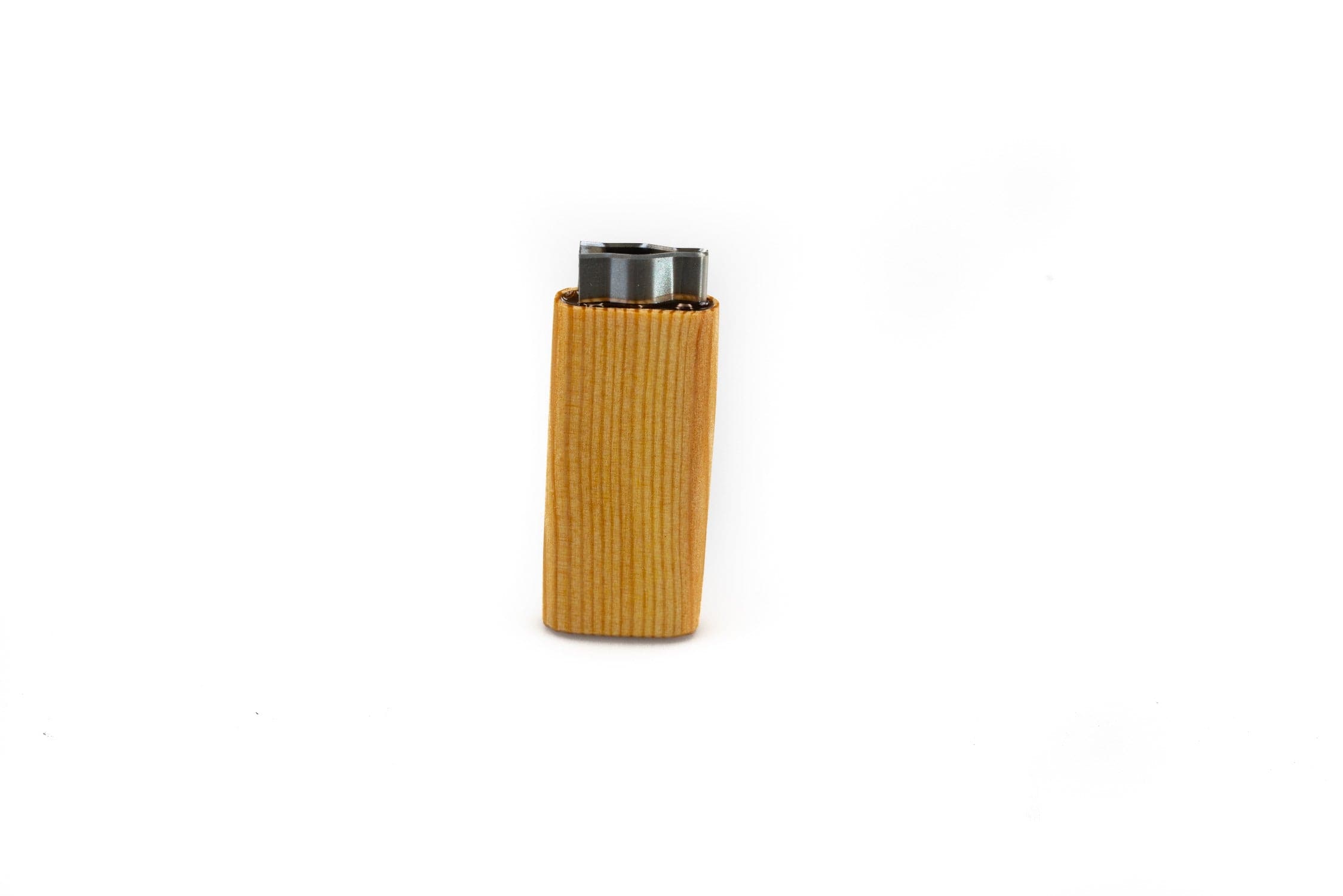
- Best for Terrestrials: River Road Mayfly Foam Body Cutter - A smart pick for clean, realistic mayfly bodies when you want repeatable proportions. It’s designed to cut extended or complete bodies and works with different foam thicknesses for two-tone looks.
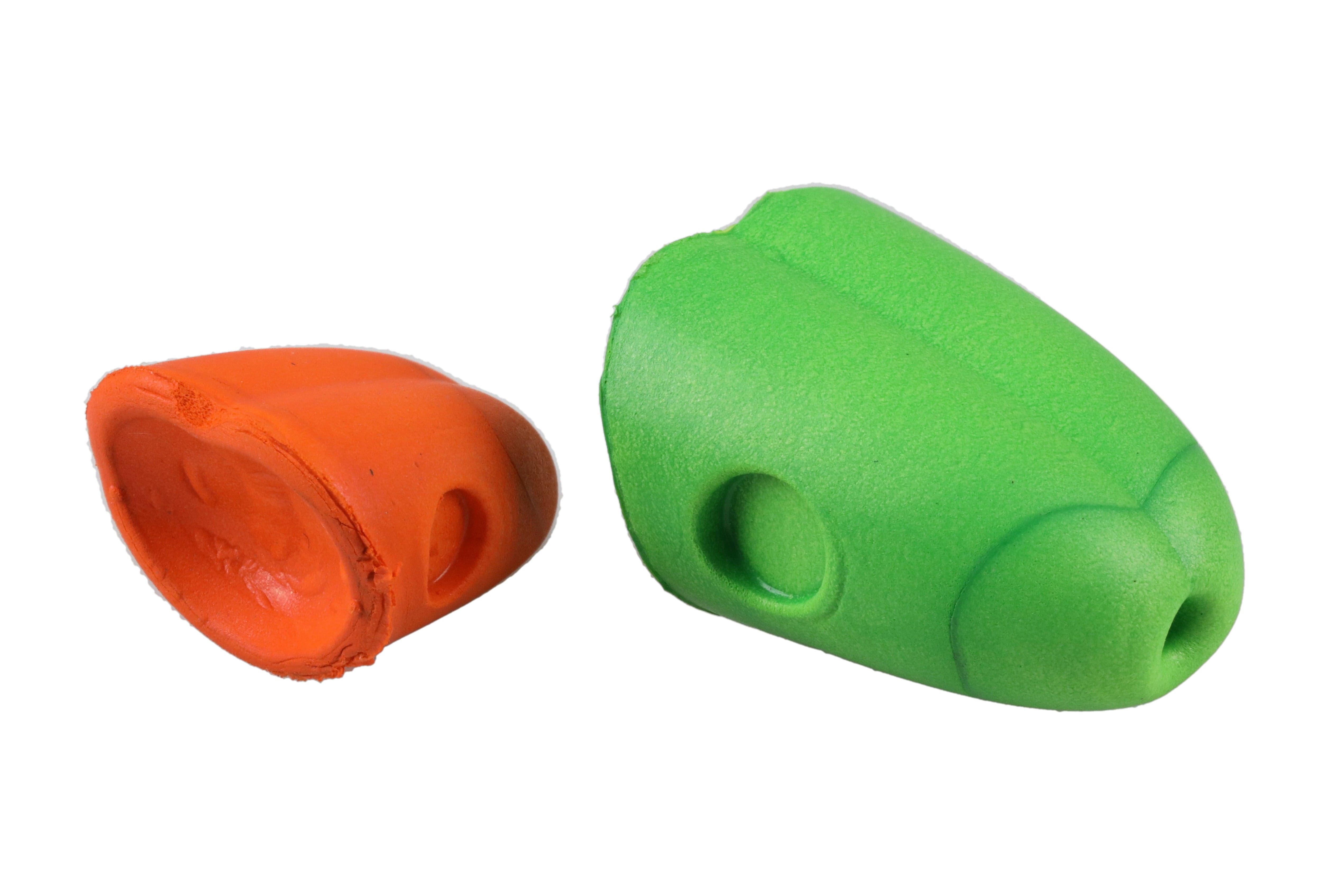
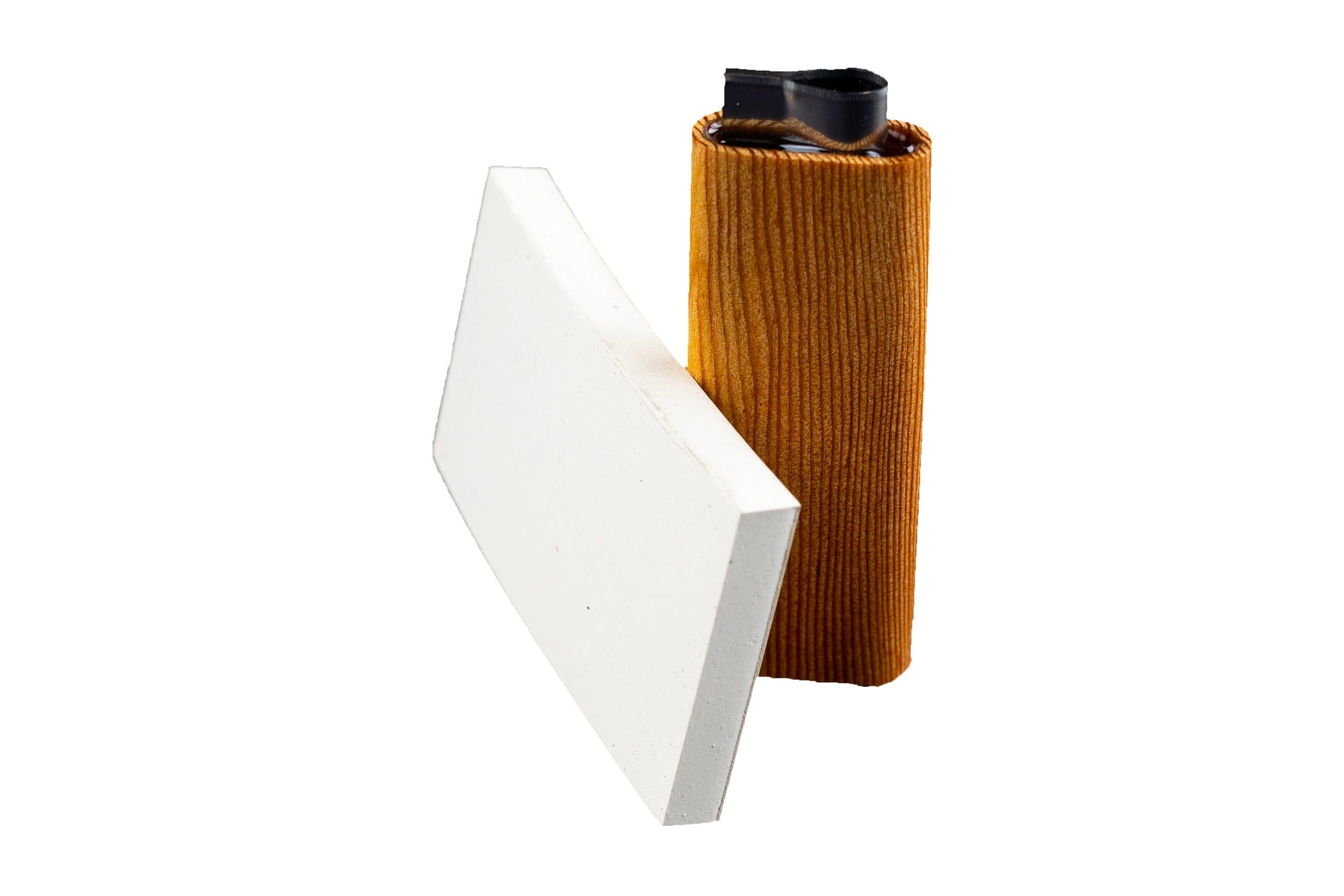
- Best for Poppers & Topwater: River Road Gurgler Cutters Complete Set Of Five Sizes - Built for turning out gurgler bodies in a range of sizes without measuring and trimming each one. The set approach keeps your topwater tying efficient and consistent.
How to Choose Foam & Foam Cutters
Foam sheets vs. pre-cut foam strips
Action: If you tie a wide variety of patterns, start with sheet foam and add pre-cut strips when you want speed and consistency.
Sheet foam is the most flexible choice for wings, bodies, popper faces, and layered “sandwich” builds. Pre-cut strips (like narrow “noodle” styles) save time when you’re tying batches of beetles, ants, and Chubby-style attractors and want identical widths every time.
Picking foam thickness (and why it matters)
Best for: Thin foam for subtle wings/shellbacks; thicker foam for buoyant bodies and topwater patterns.
Thinner foam trims cleanly and cinches down neatly for small terrestrials and wing cases. Thicker foam is easier to shape into robust hopper bodies, bass bugs, and popper-style profiles, and it can help keep heavy-hook patterns riding higher.
When you’ll appreciate a dedicated foam cutter
Best for: Anyone tying in volume, or anyone trying to match a specific silhouette (beetle, ant, hopper, mayfly body, gurgler body).
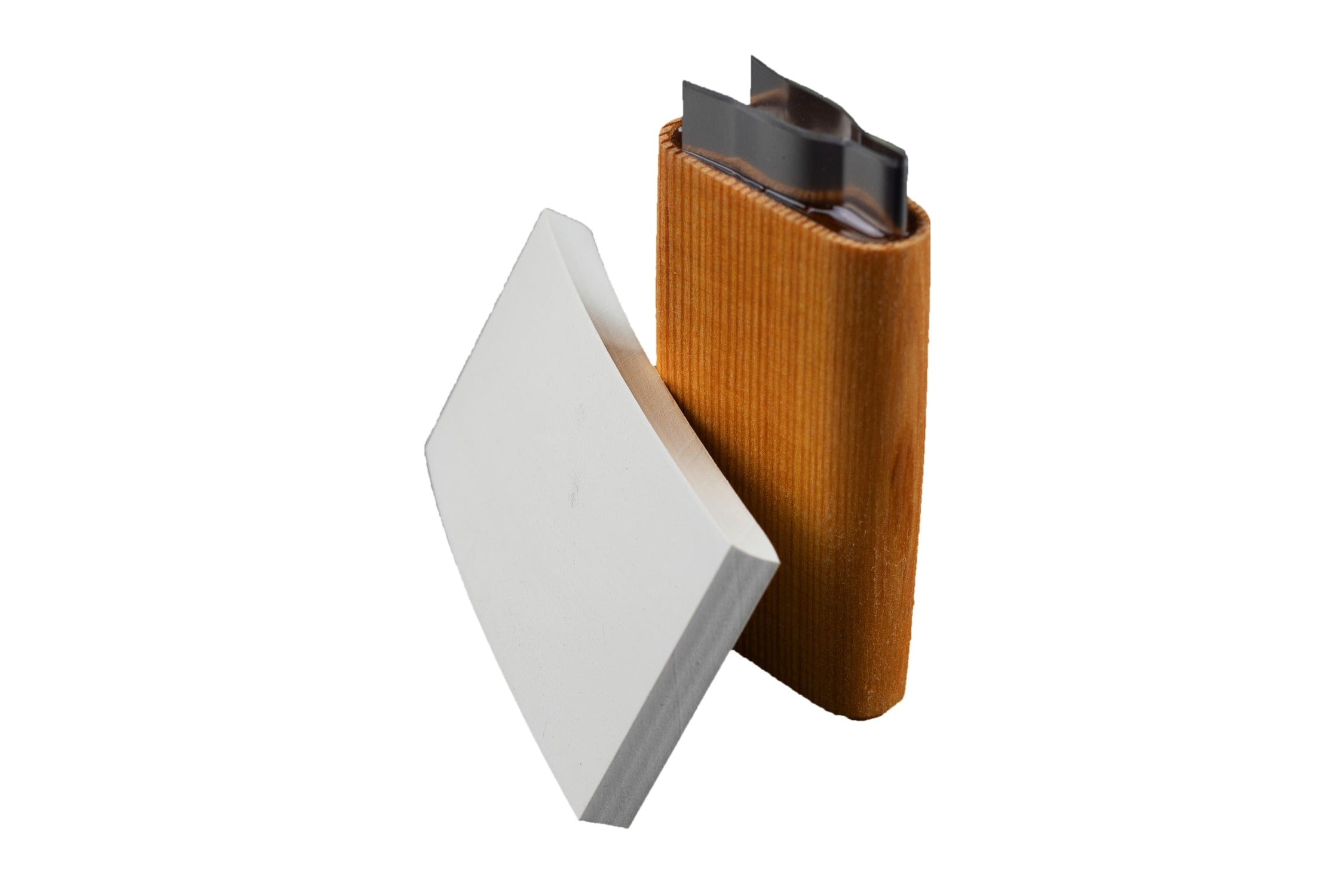
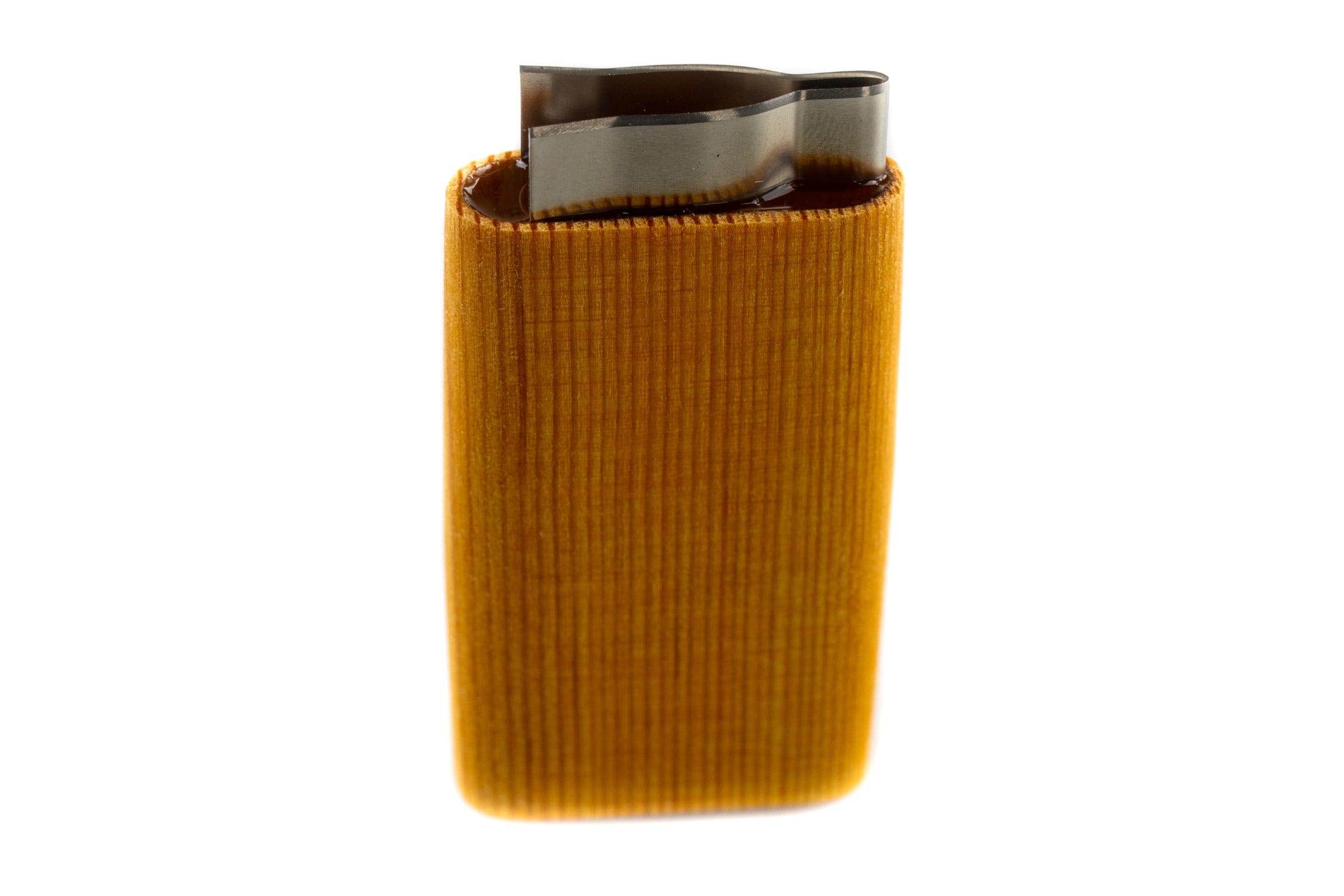
A good cutter removes the “arts and crafts” variability from foam bodies. It also reduces waste, one clean punch is usually better than multiple scissor trims, so you can batch-produce consistent flies for guide boxes, trips, or seasonal terrestrial fishing.
Common mistakes (and easy fixes)
Avoid if: You’re crushing foam with too much thread pressure or cutting on a hard surface.
- Over-tight thread wraps: Use firm-but-controlled pressure to avoid cutting through foam at tie-in points.
- Dull scissors/rough cuts: Dedicated cutters or a fresh razor blade help keep edges crisp and profiles even.
- No “sighter” color: Add a small high-vis strip on top for better tracking in glare and riffle water.
Materials & Durability
- Keep foam clean: Oils, head cement spills, and UV resin drips can stiffen or slick-up foam, wipe your bench and keep foam in a bag or organizer.
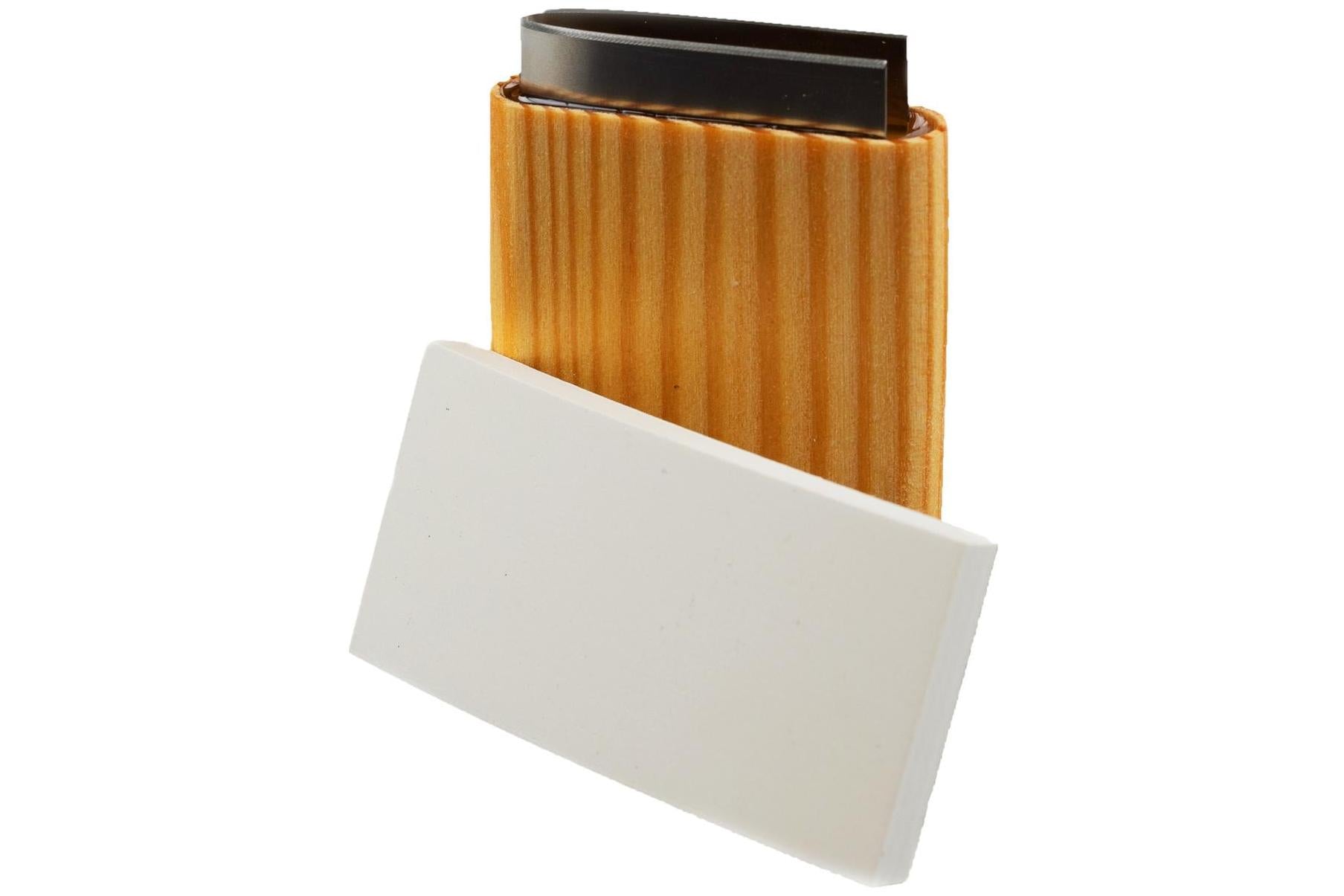
- Cut on the right surface: Use a cutting pad/mat to protect cutter edges and prevent ragged shapes.
- Marker + seal (optional): Permanent markers are a simple way to add bars, mottling, and contrast; a tiny UV/resin topcoat on wear points can help on toothy fish.
- Don’t overheat: If you lightly round edges with heat, do it sparingly, too much will shrink and deform foam.
Complete Your Setup
Related Gear
- Fly Tying - A good hub for pairing foam with hooks, synthetics, adhesives, and tools when you’re building a full tying bench.
- Hooks - Foam patterns often fish better on wide-gap dry/terrestrial hooks sized to match your cutter and body profile.
- Thread/Tinsel/Wire - The right thread diameter helps you bind foam cleanly without cutting it or building bulky heads.
- Cements, Epoxies & Glues - Useful for locking down foam tie-in points and reinforcing segmented bodies and topwater patterns.
Related Guides
- How to Tie a Foam Beetle
- How to Tie the Foam Humpy Fly
- How to Tie the Puterbaugh Foam Caddis Fly Pattern
- How to Tie the Bopper Hopper Fly
Foam & Foam Cutters FAQs
Q: What is fly tying foam used for?
A: Fly tying foam is used to add buoyancy and create clean, durable profiles for terrestrials, attractors, poppers, and topwater patterns. It’s commonly used for beetles, ants, hoppers, gurglers, and mouse-style flies.
Q: Do I need a foam cutter to tie foam flies?
A: Not always, scissors and a razor blade work fine for one-offs. A foam cutter becomes valuable when you want consistent shapes, faster batch tying, and less wasted material.
Q: How do I choose the right foam body cutter size?
A: Start by matching the cutter’s intended hook size range to the hook you’re tying on. If you’re between sizes, choose the slightly smaller body and build thickness by layering foam.
Q: What foam is best for high-floating terrestrials?
A: Closed-cell foams are commonly chosen when flotation is the priority. For many patterns, you’ll get the best results by pairing buoyant foam with a balanced hook size and not overdressing the thorax.
Q: Why does my foam tear or “cut through” at the tie-in point?
A: This usually comes from too much thread tension, very thin foam, or a narrow tie-in footprint. Use controlled pressure, consider a slightly wider tie-in section, and add a tiny drop of glue at the first anchor wrap if needed.
Q: Are foam flies only for trout?
A: No, foam shines for panfish and bass topwater, and it’s also used for some saltwater surface and crab-style patterns. The main advantage is consistent flotation and a durable, easy-to-see silhouette.
Q: Can I color foam for a better match?
A: Yes, many tyers use permanent markers to add segments, mottling, and contrast. It’s an easy way to customize white/black foam and dial in visibility on the water.
Warranty & Brand Resources
This collection includes multiple manufacturers, so warranty coverage varies by item and brand. If you have questions about a specific foam cutter or tool, contact us before ordering and we’ll help you confirm fit, sizing, and support options.