

Basic Dubbing

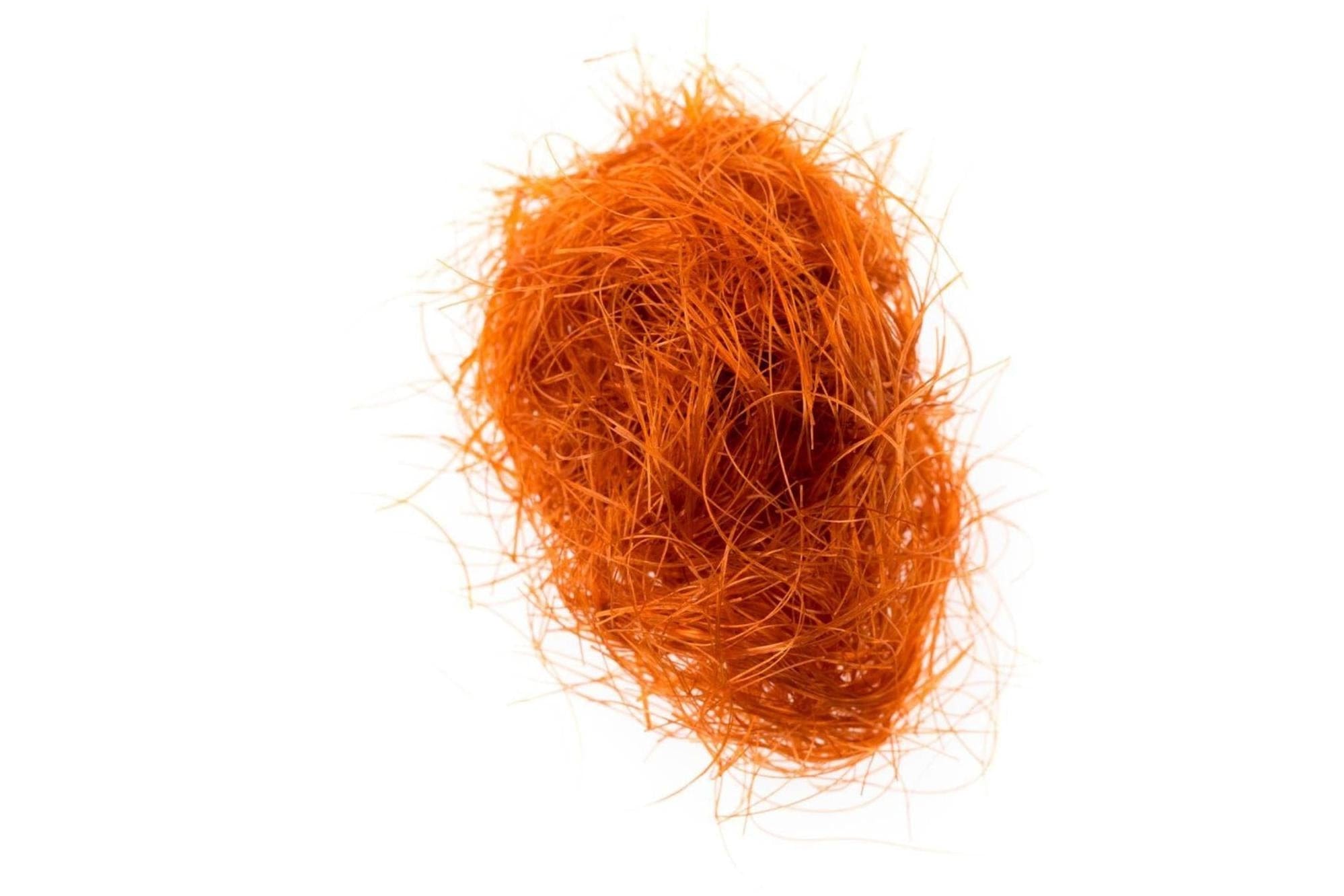

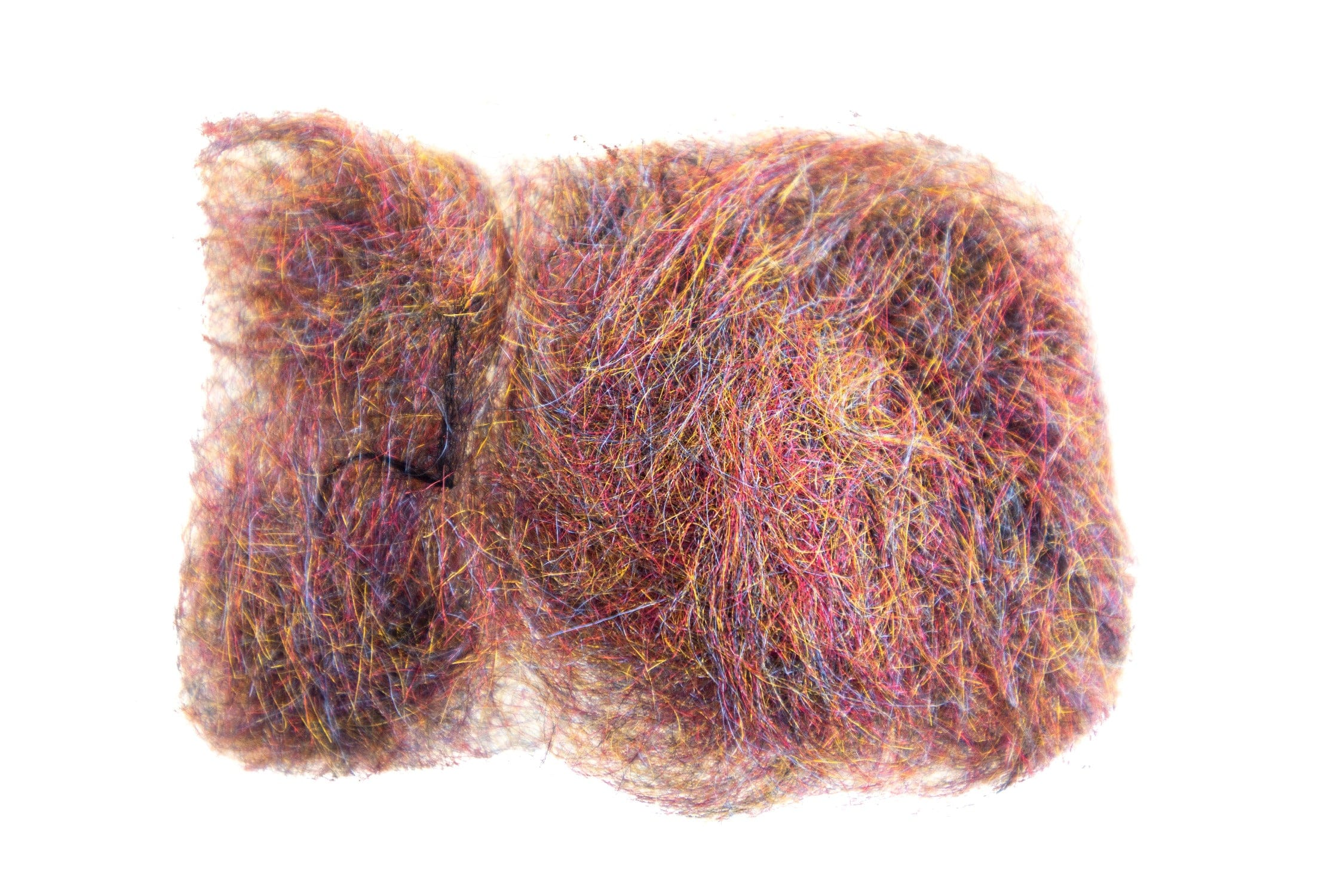
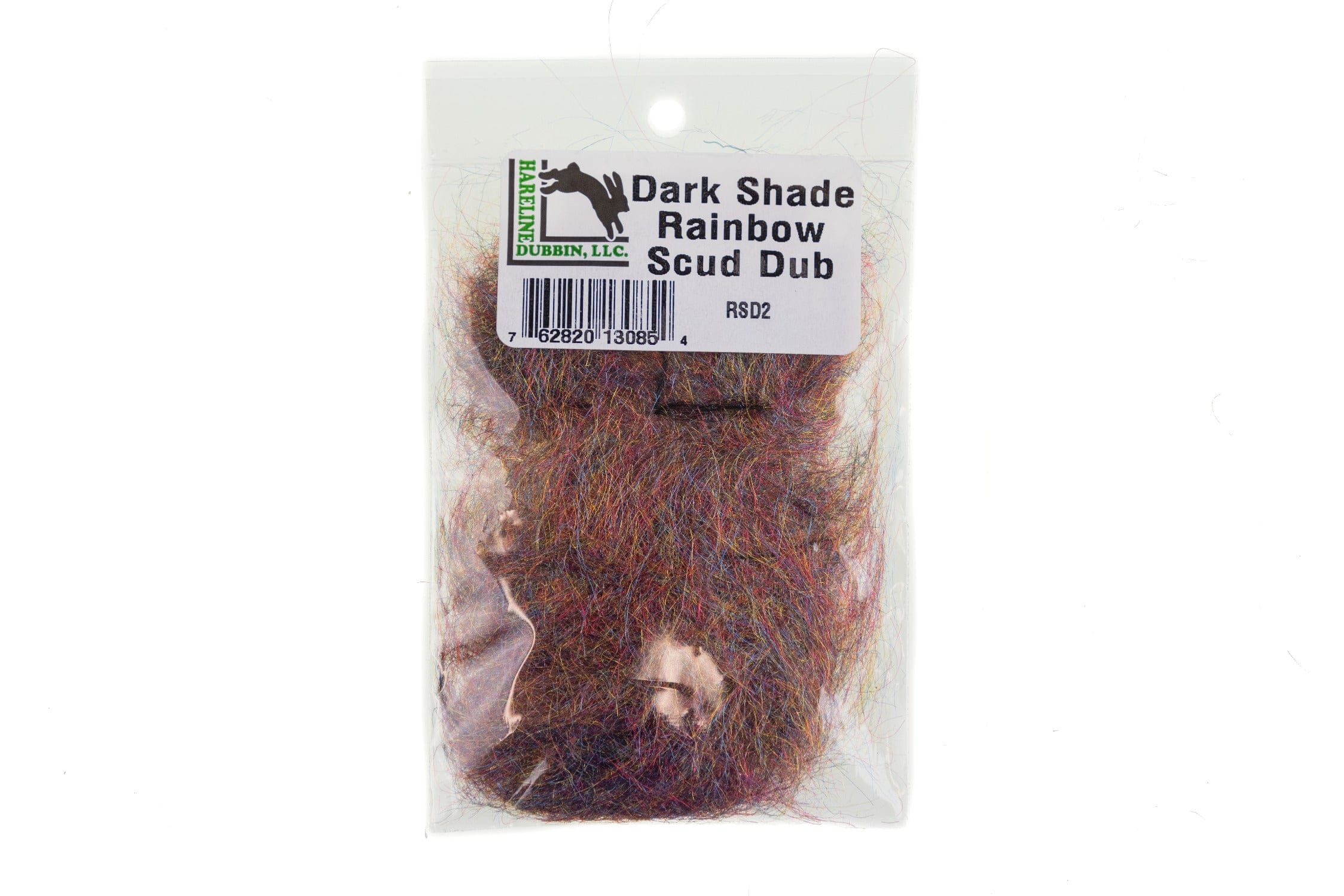


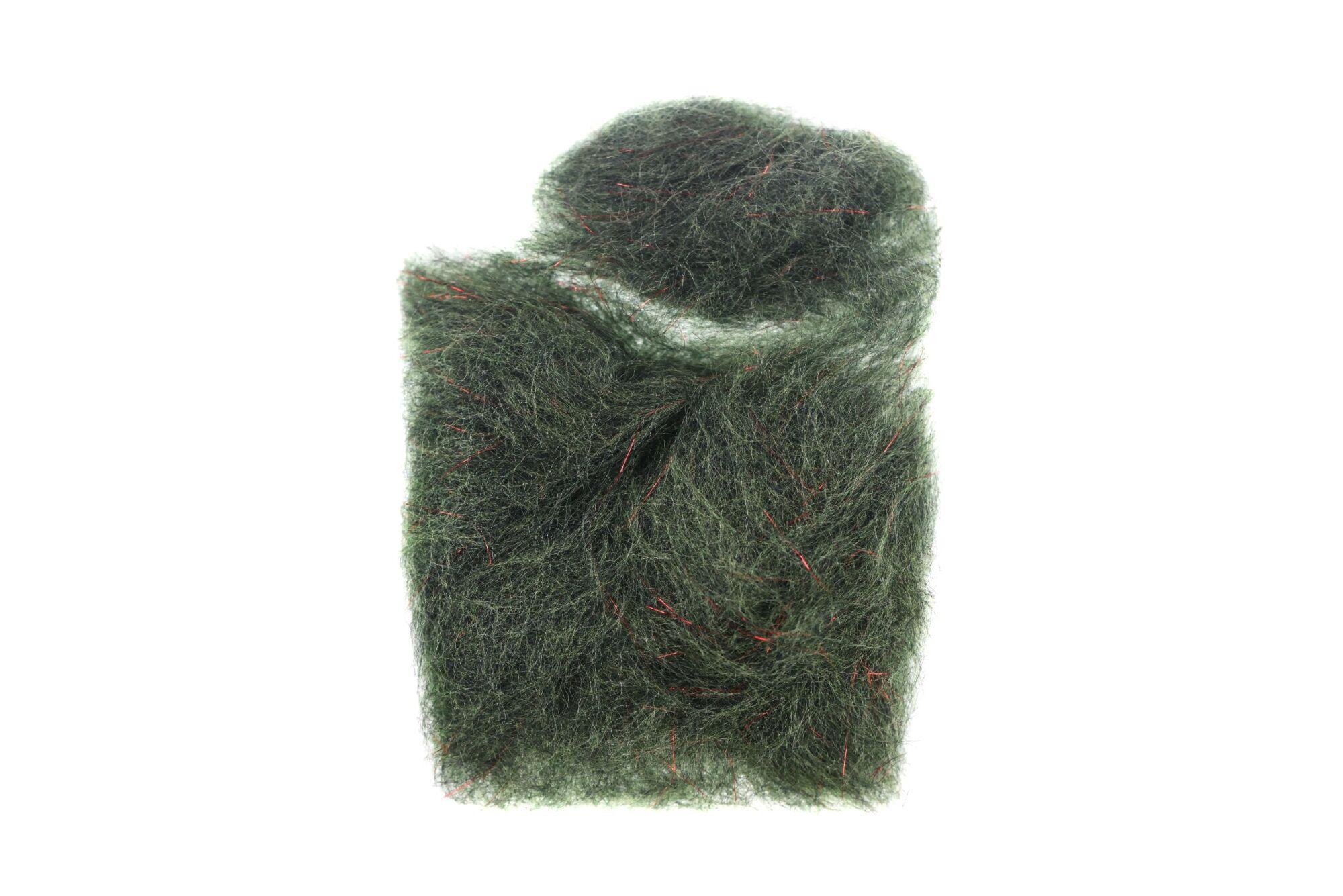
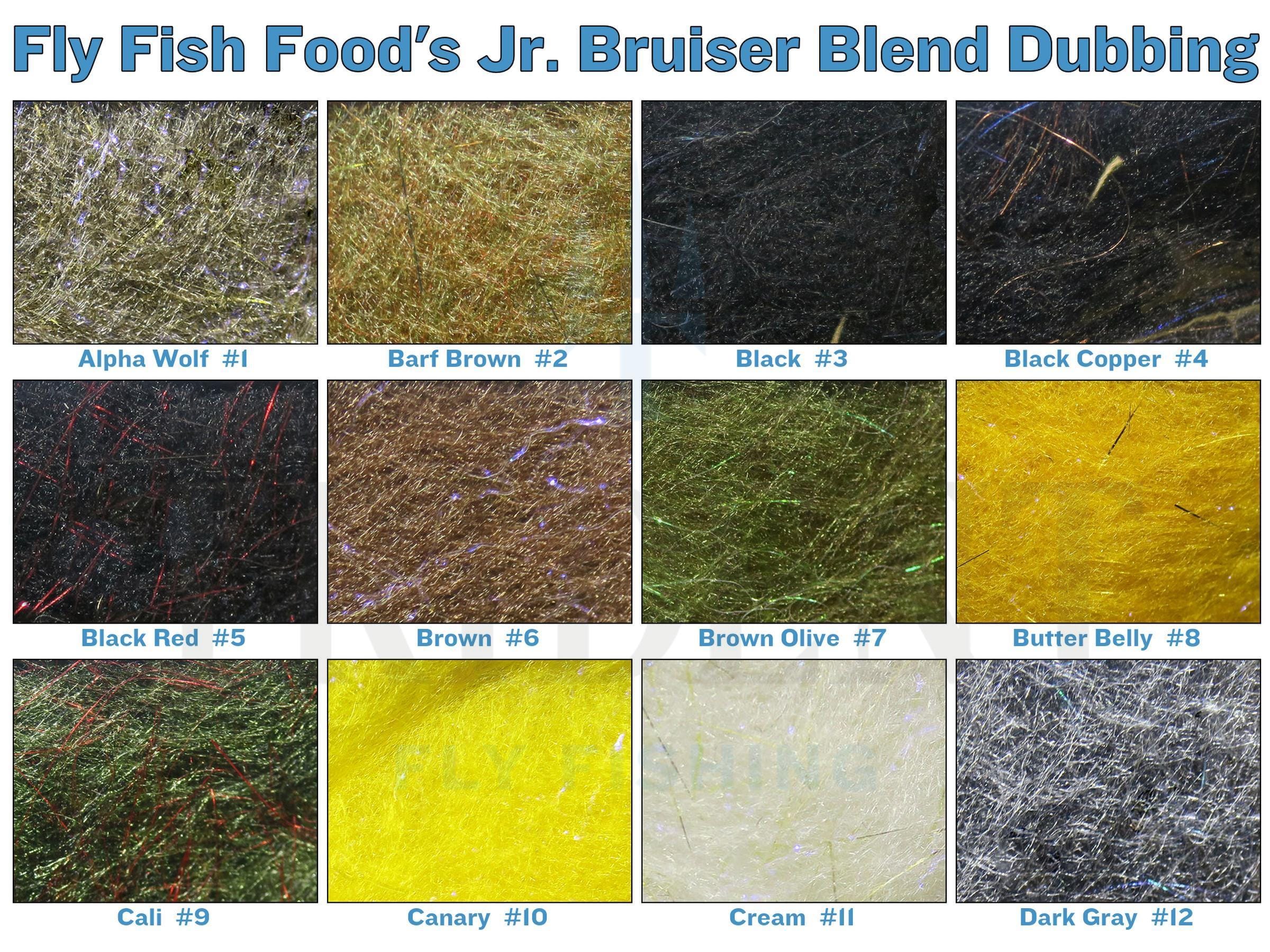
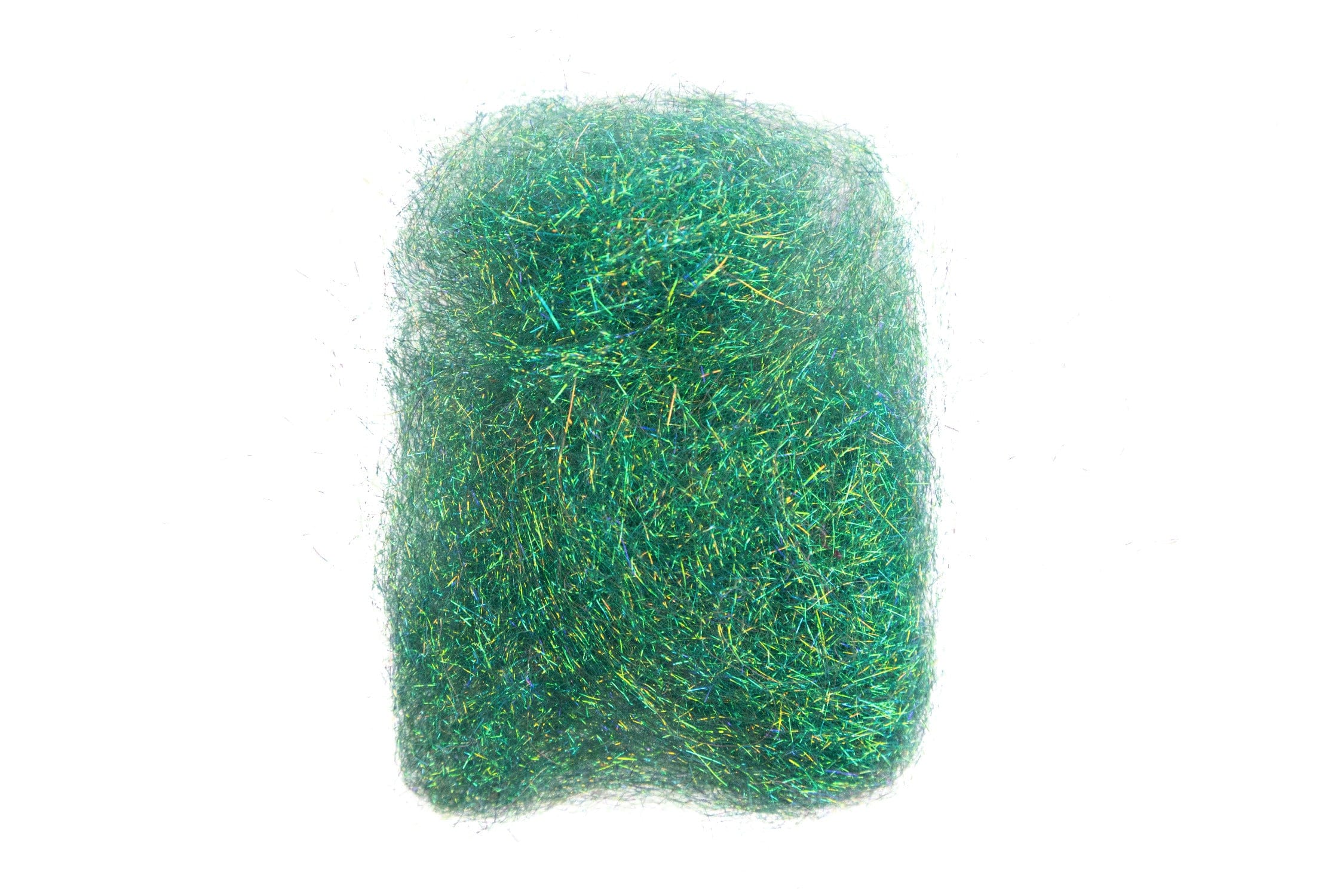
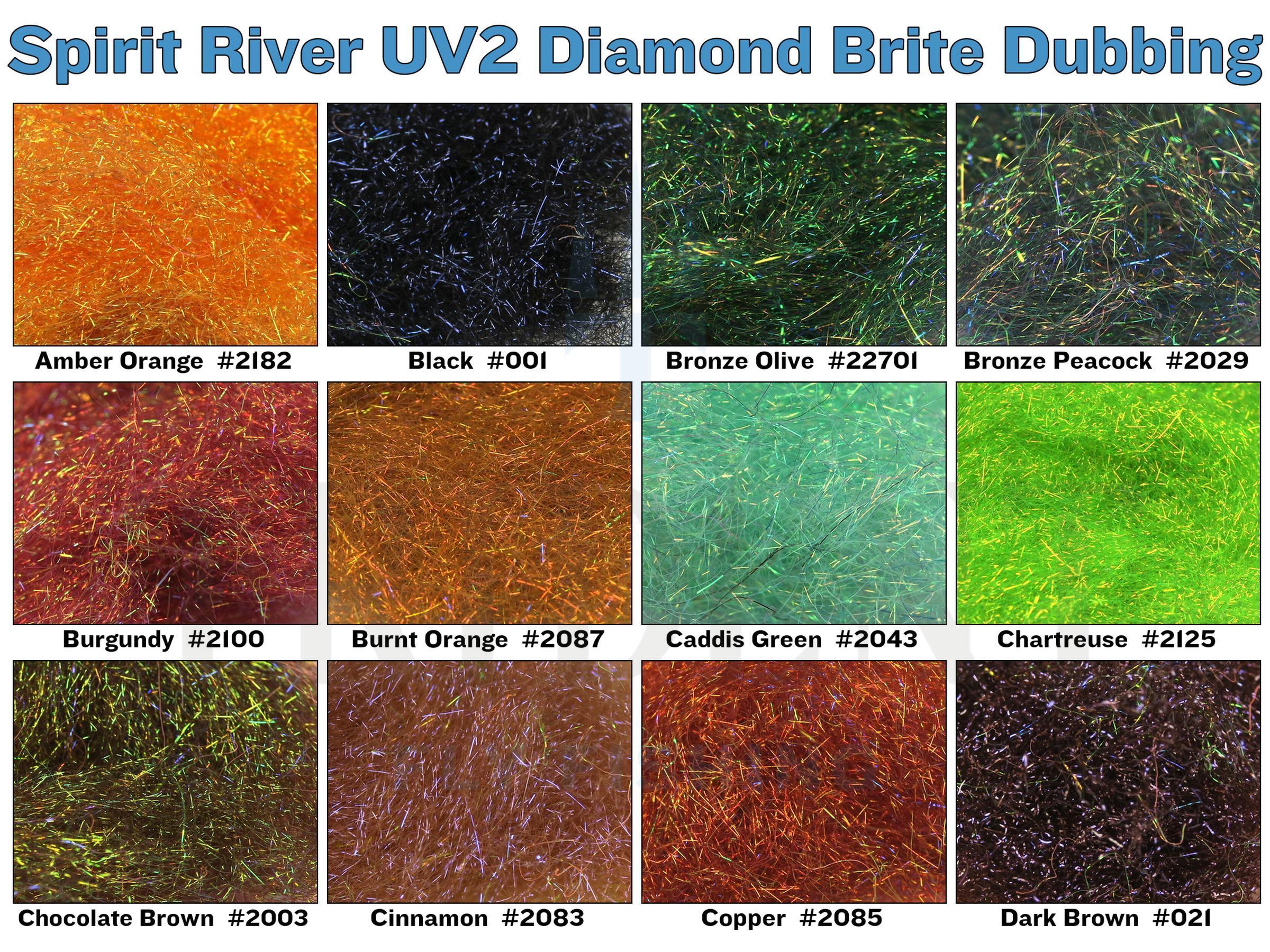

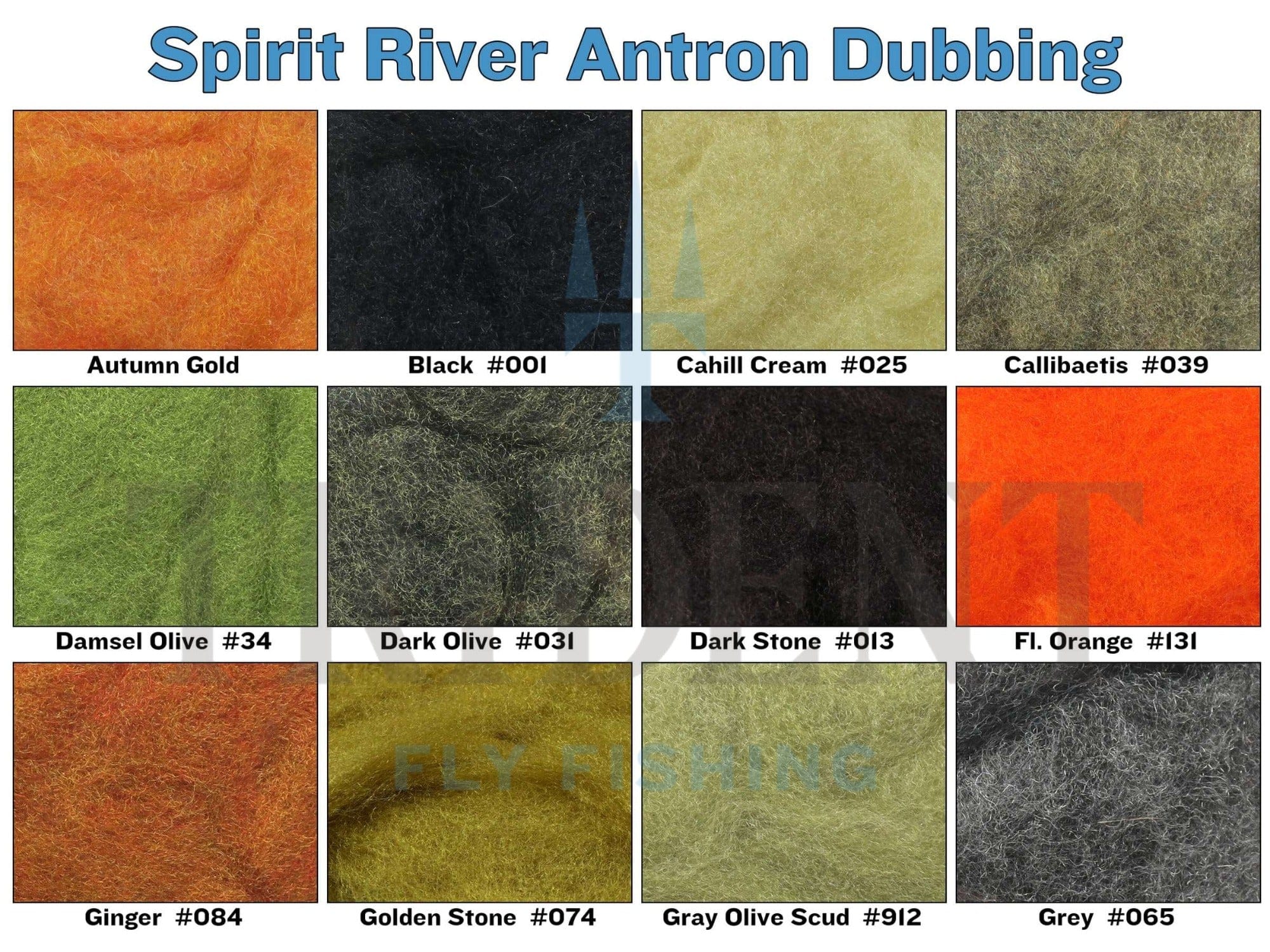



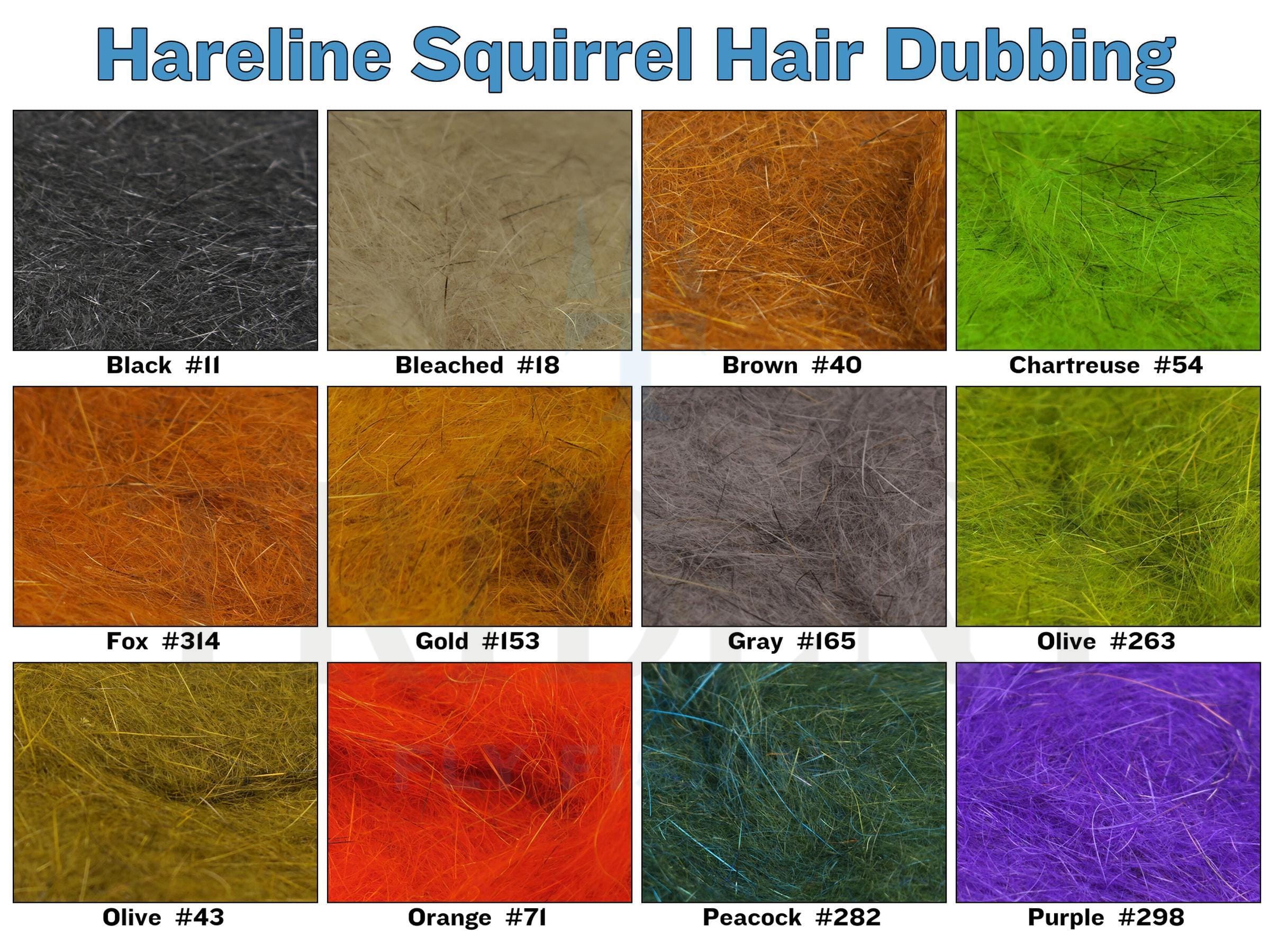
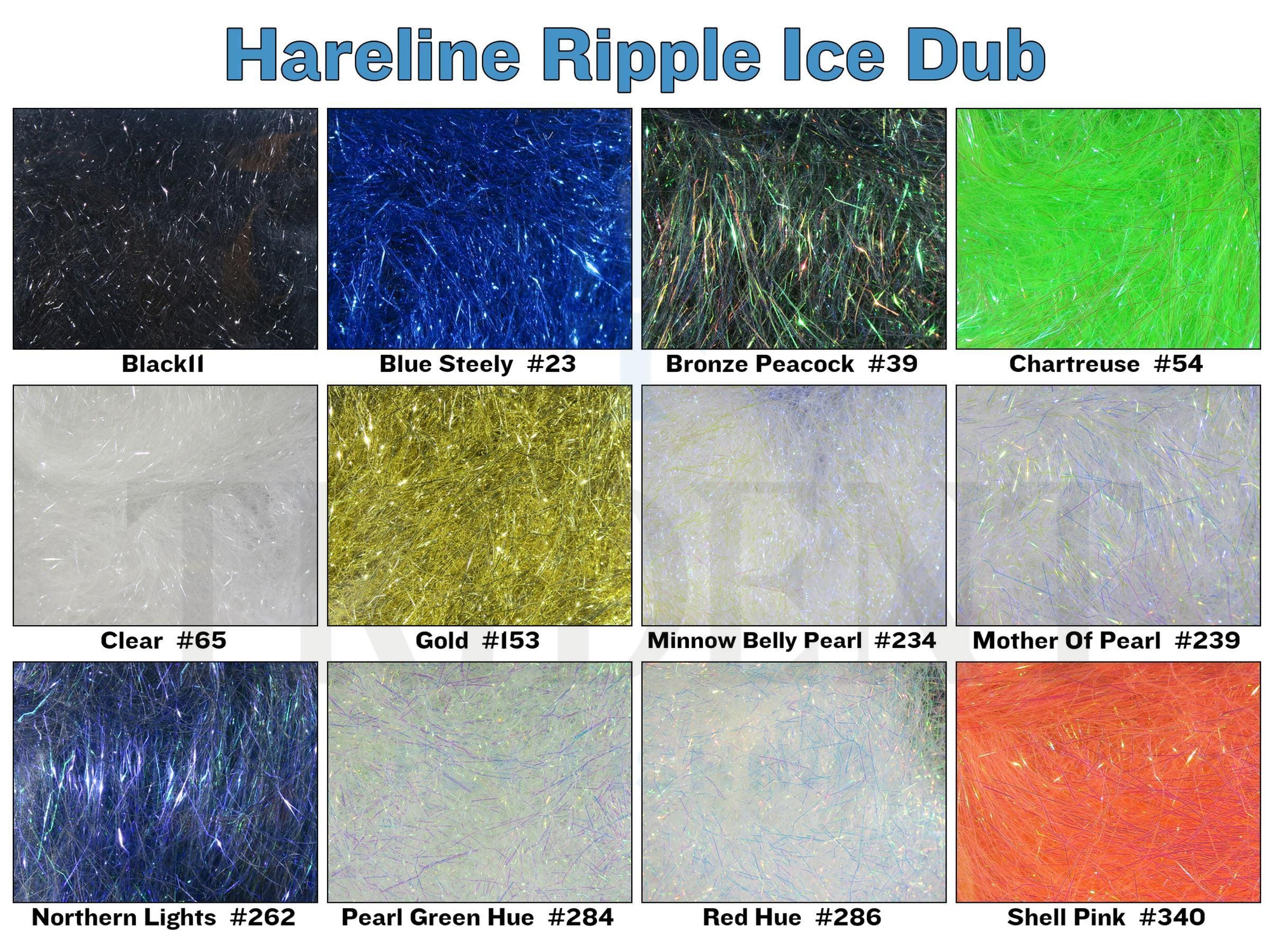
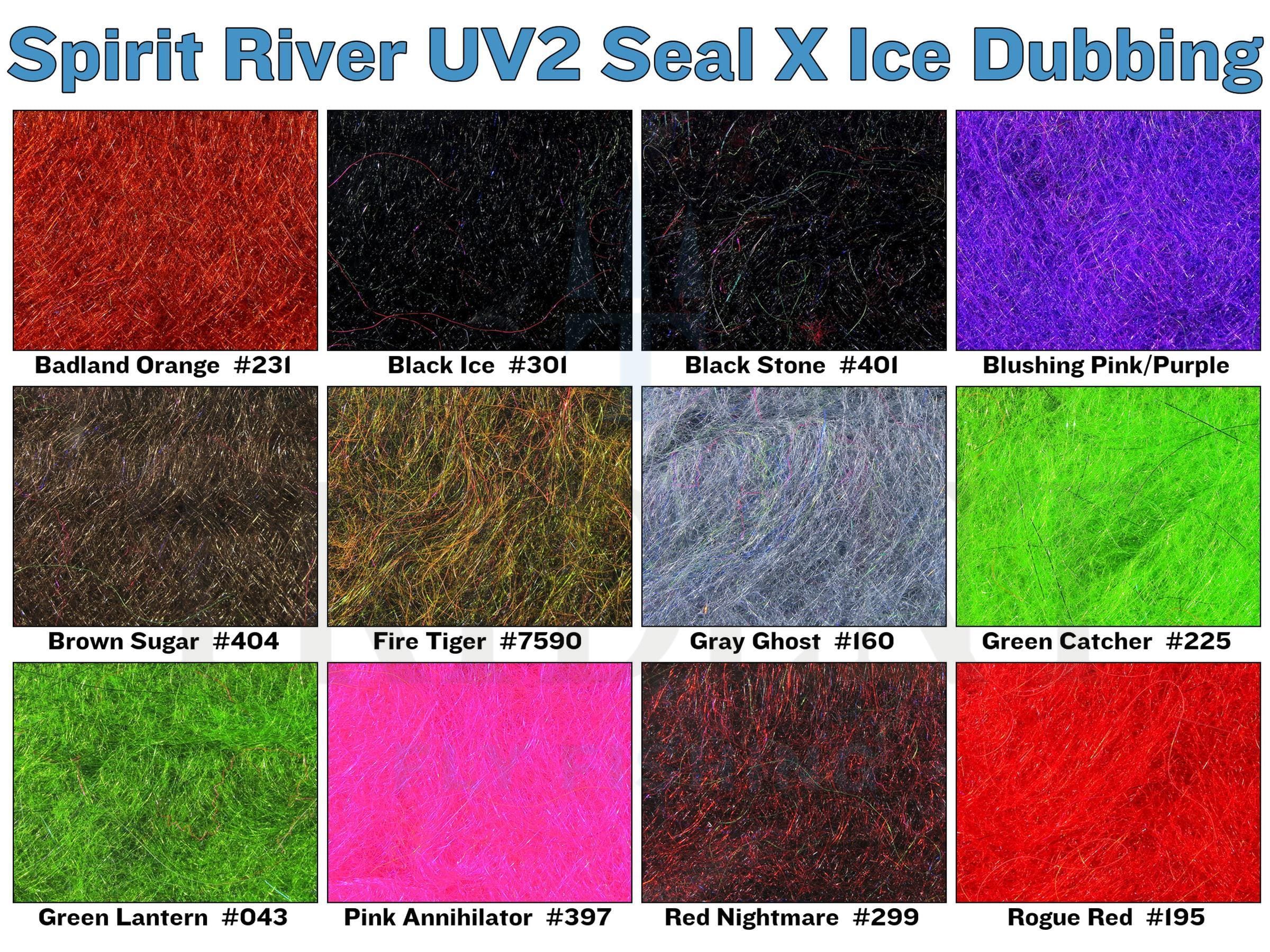


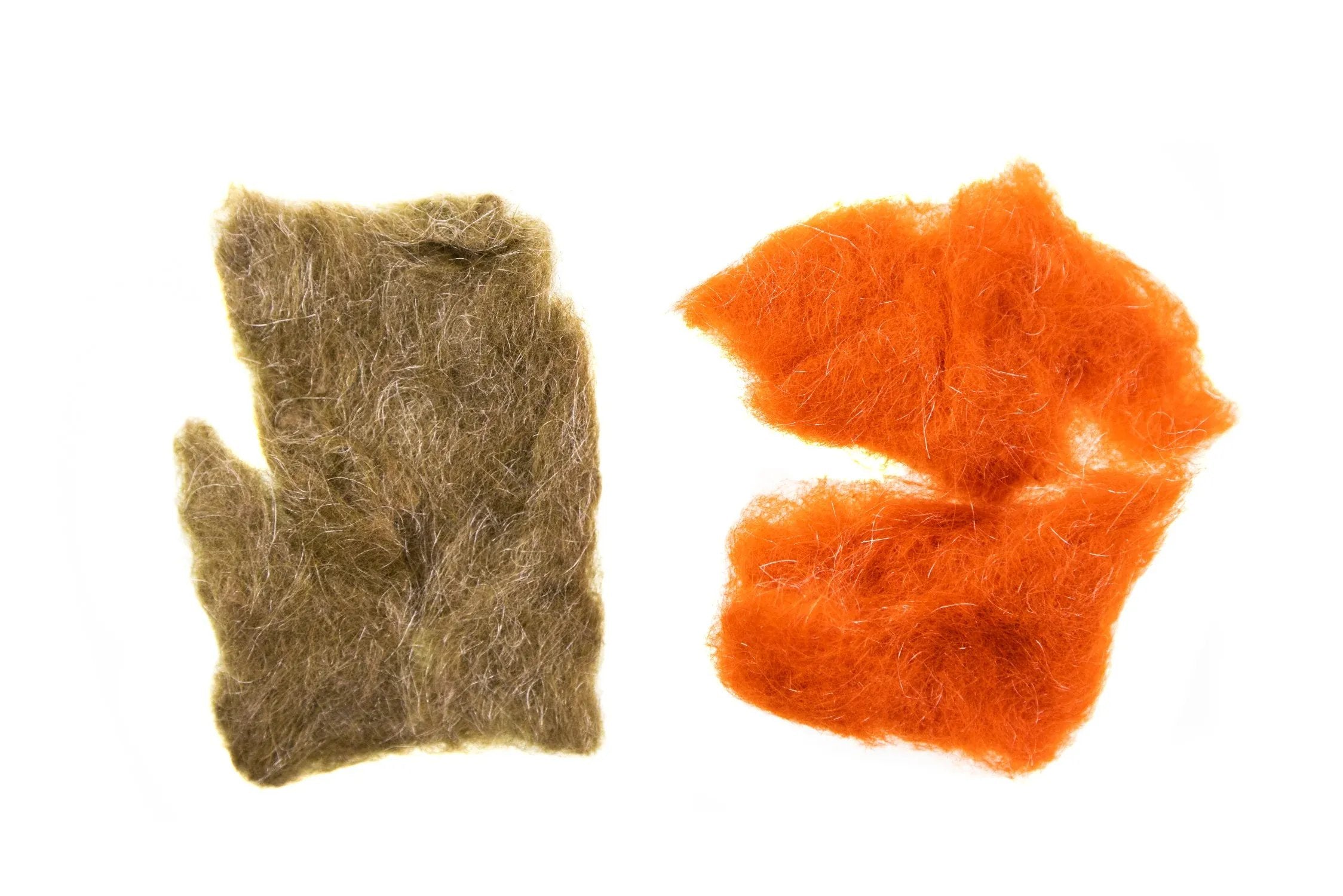
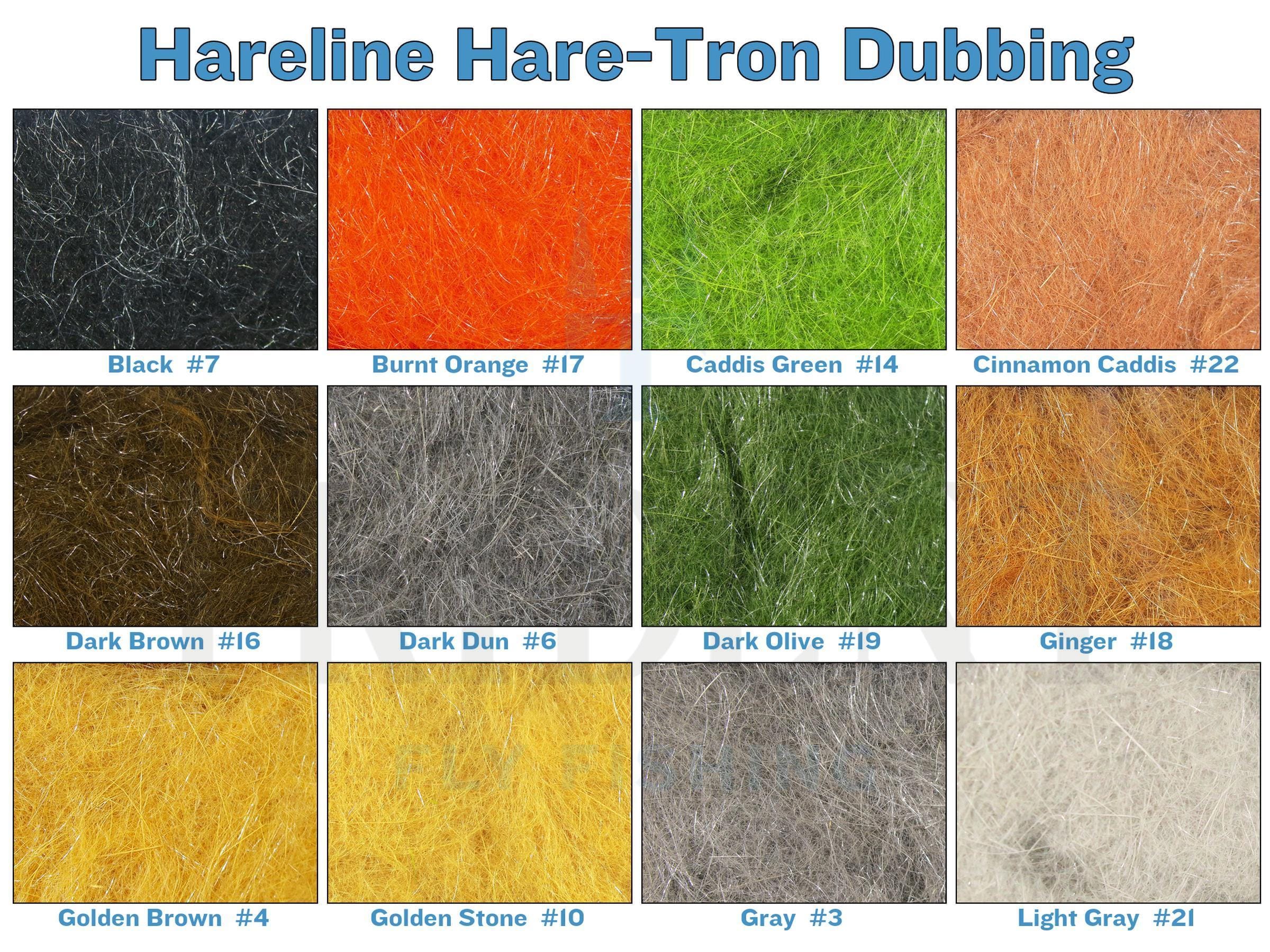
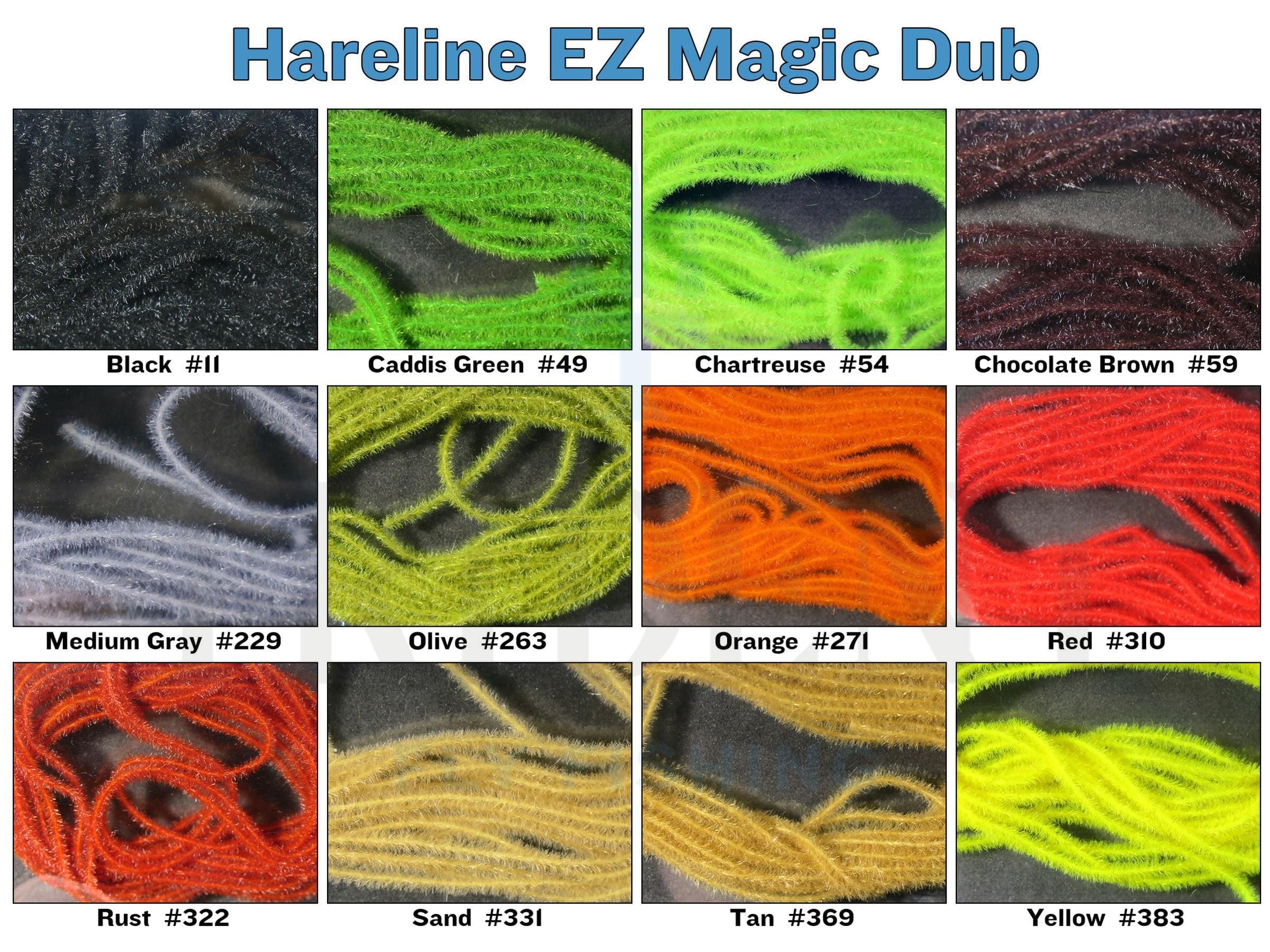
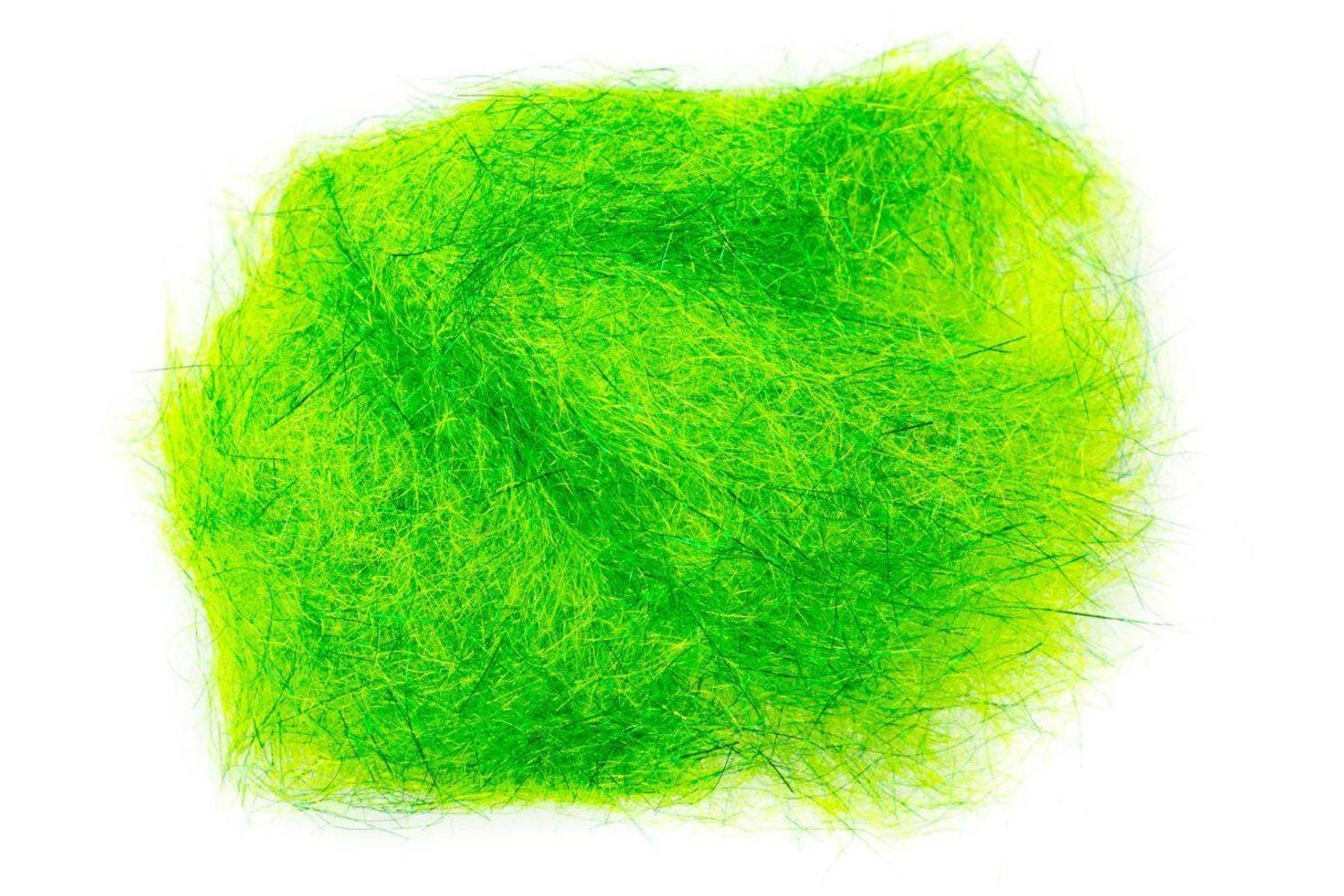
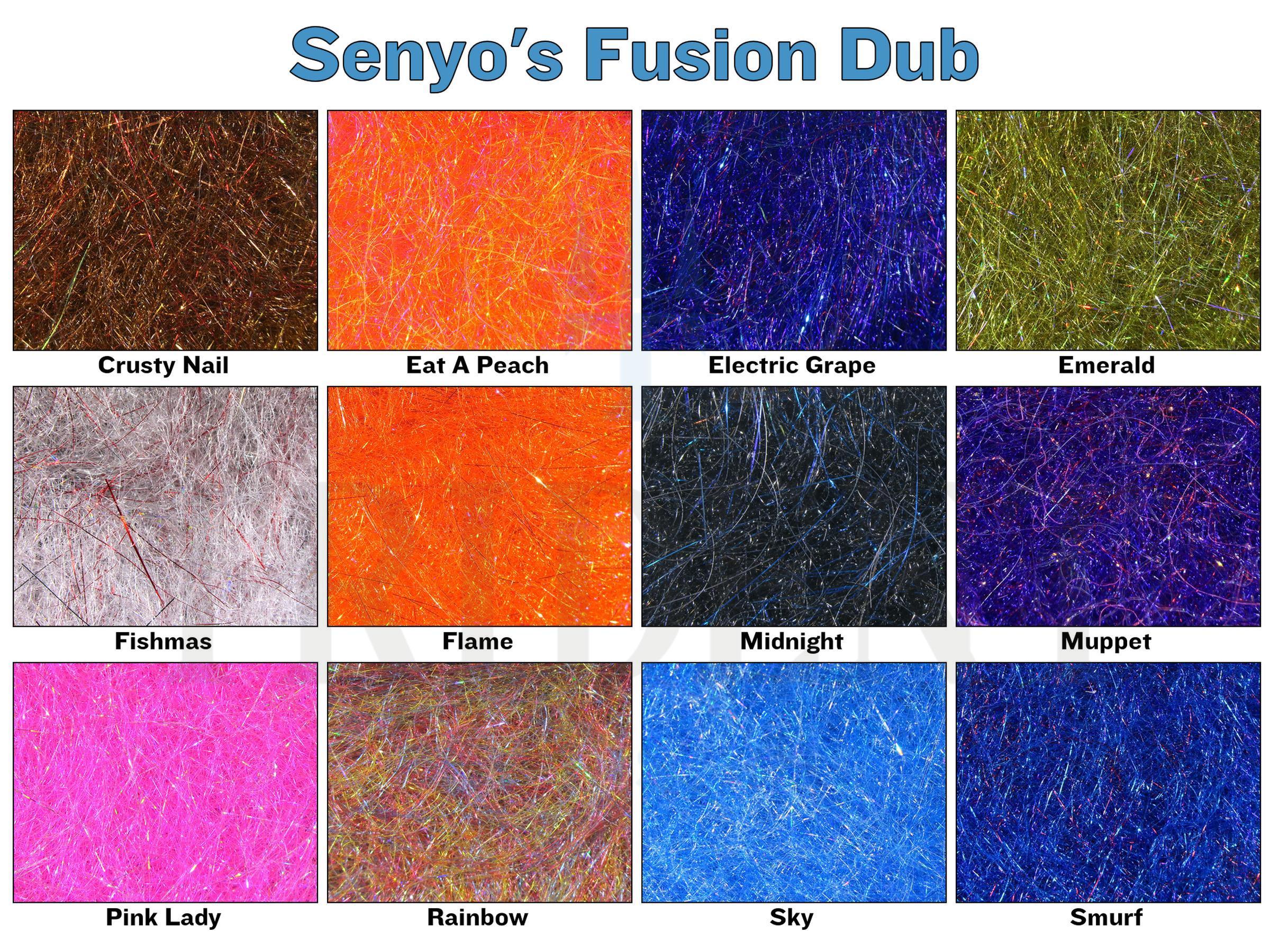


Dubbing Quick Picks
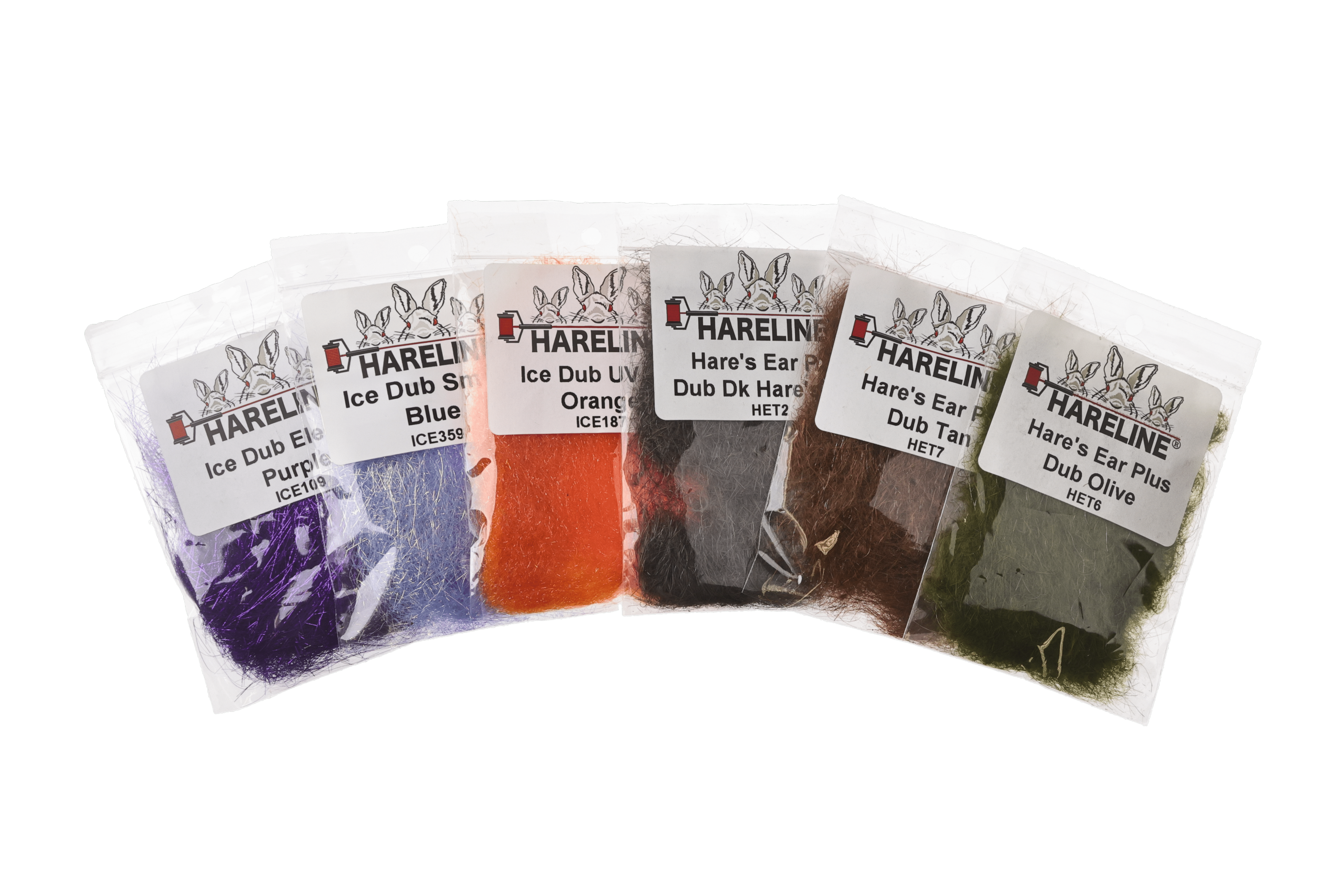
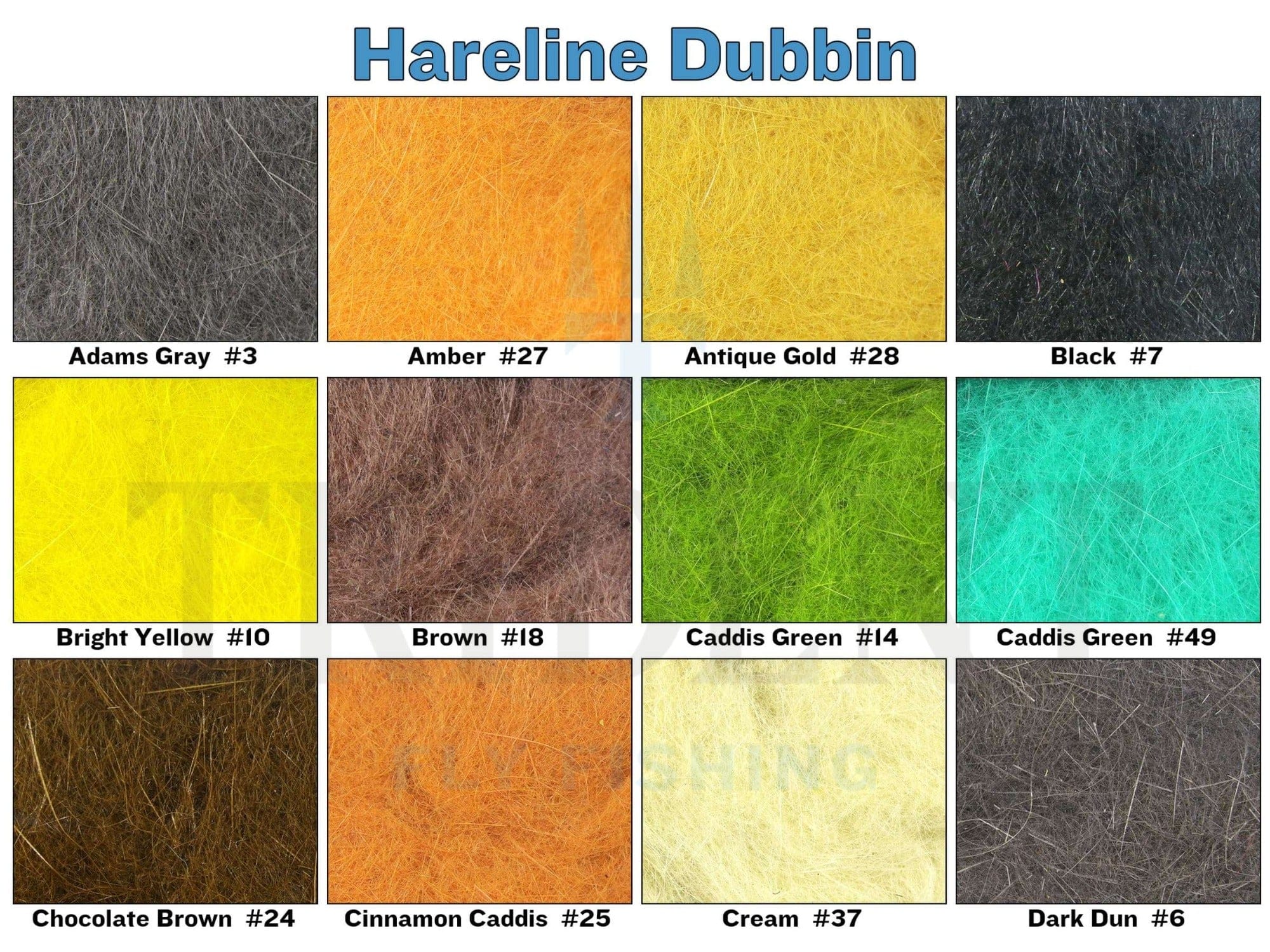
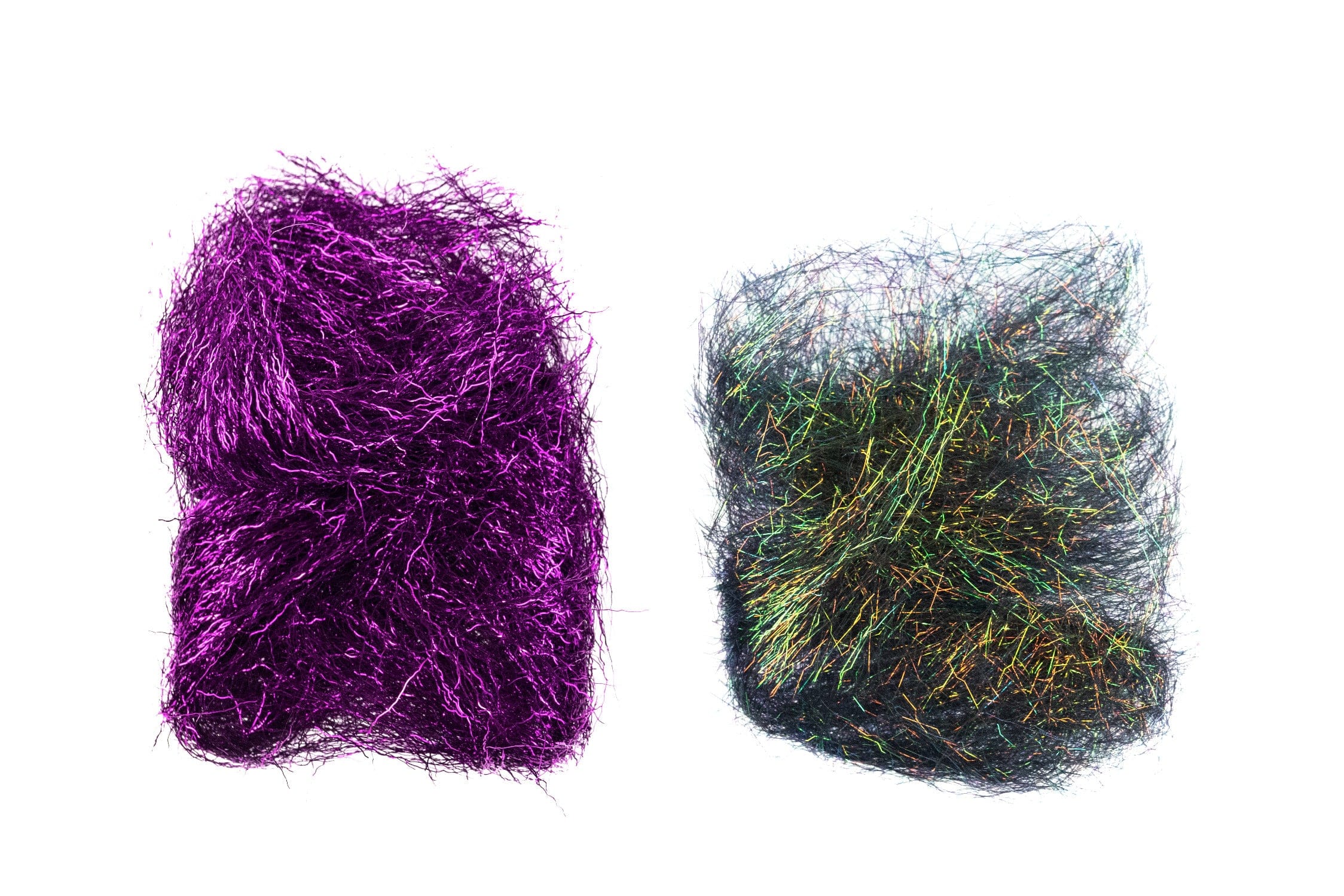
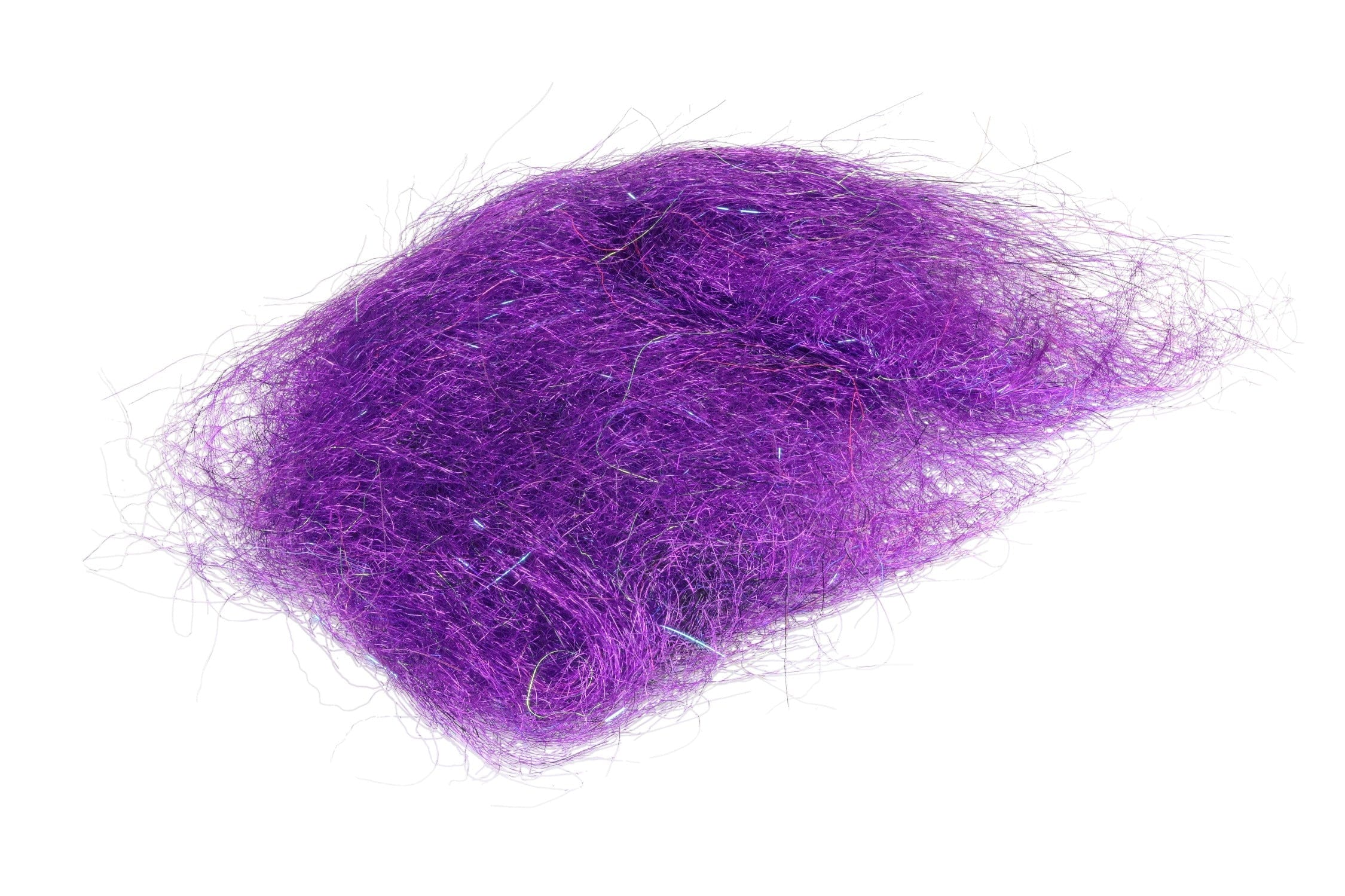
Best All-Around: Hareline Ice Dub - Great when you want a versatile, slightly flashy dubbing for nymphs, wets, and small streamers. It’s easy to blend, easy to pick out for movement, and comes in a deep color range.
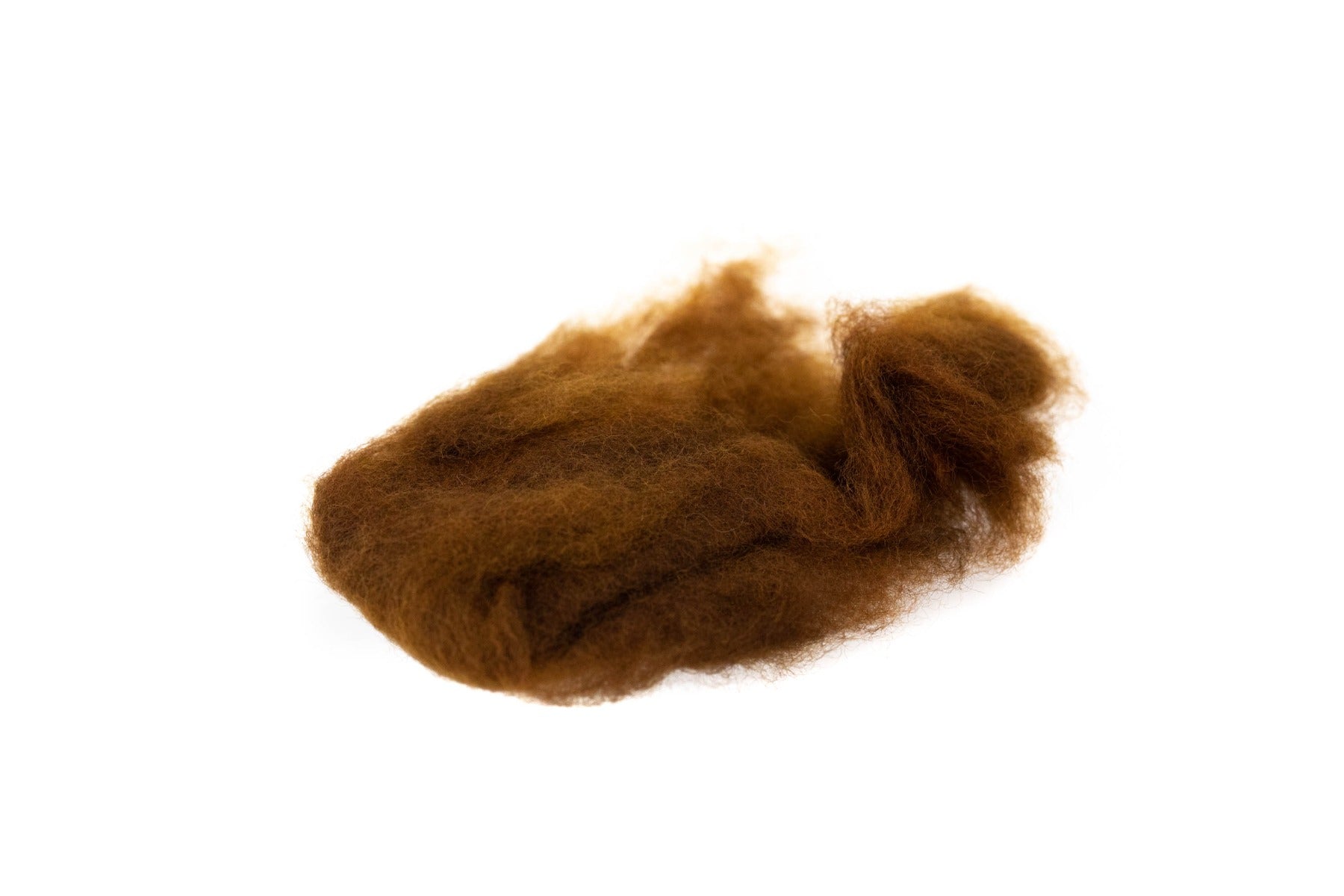
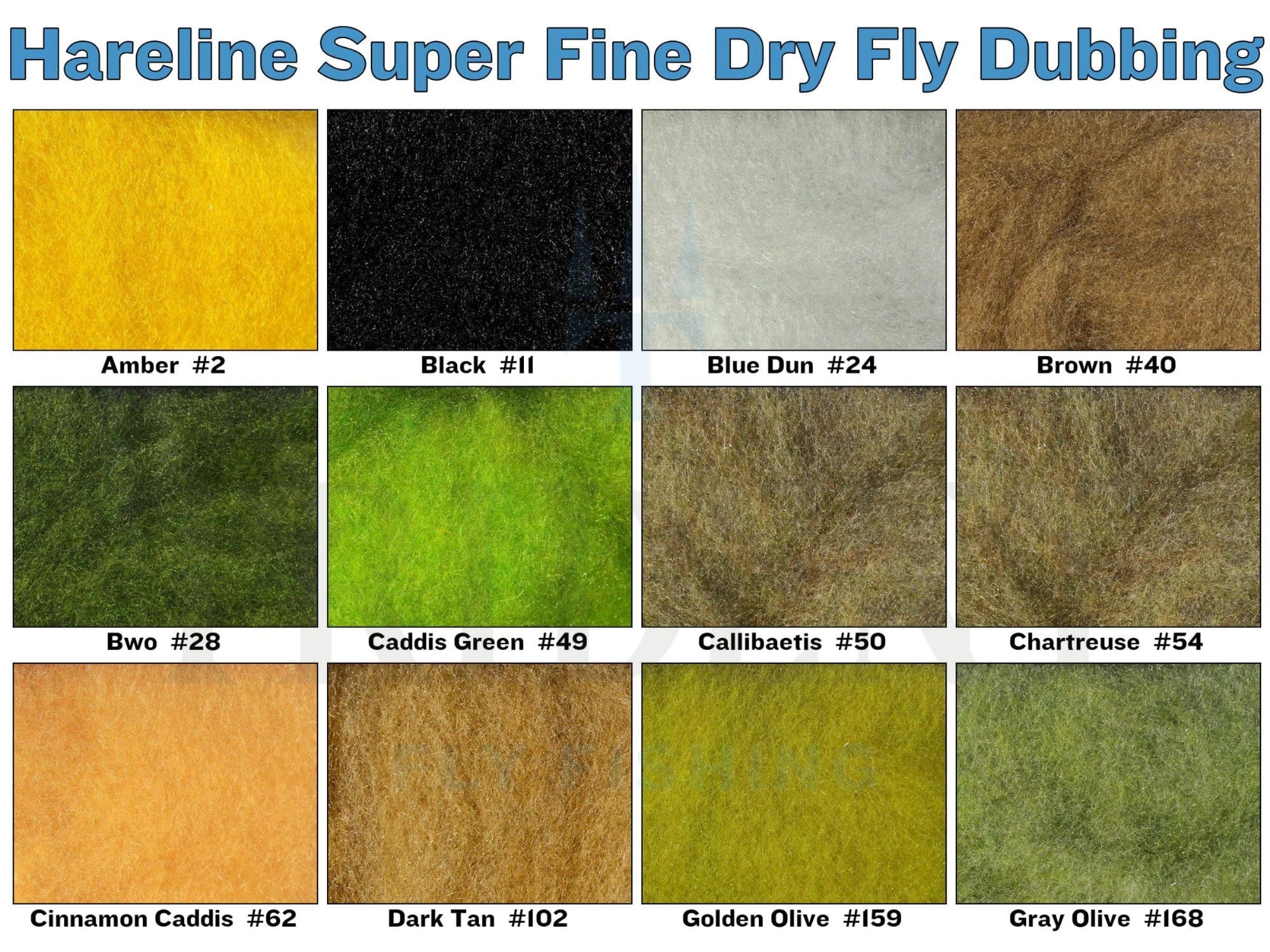
Best for Dry Flies: Hareline Super Fine Dry Fly Dubbing - Built for tight, clean bodies on small dries, spinners, and emergers. The ultra-fine texture helps you avoid bulk and keeps your proportions on track.
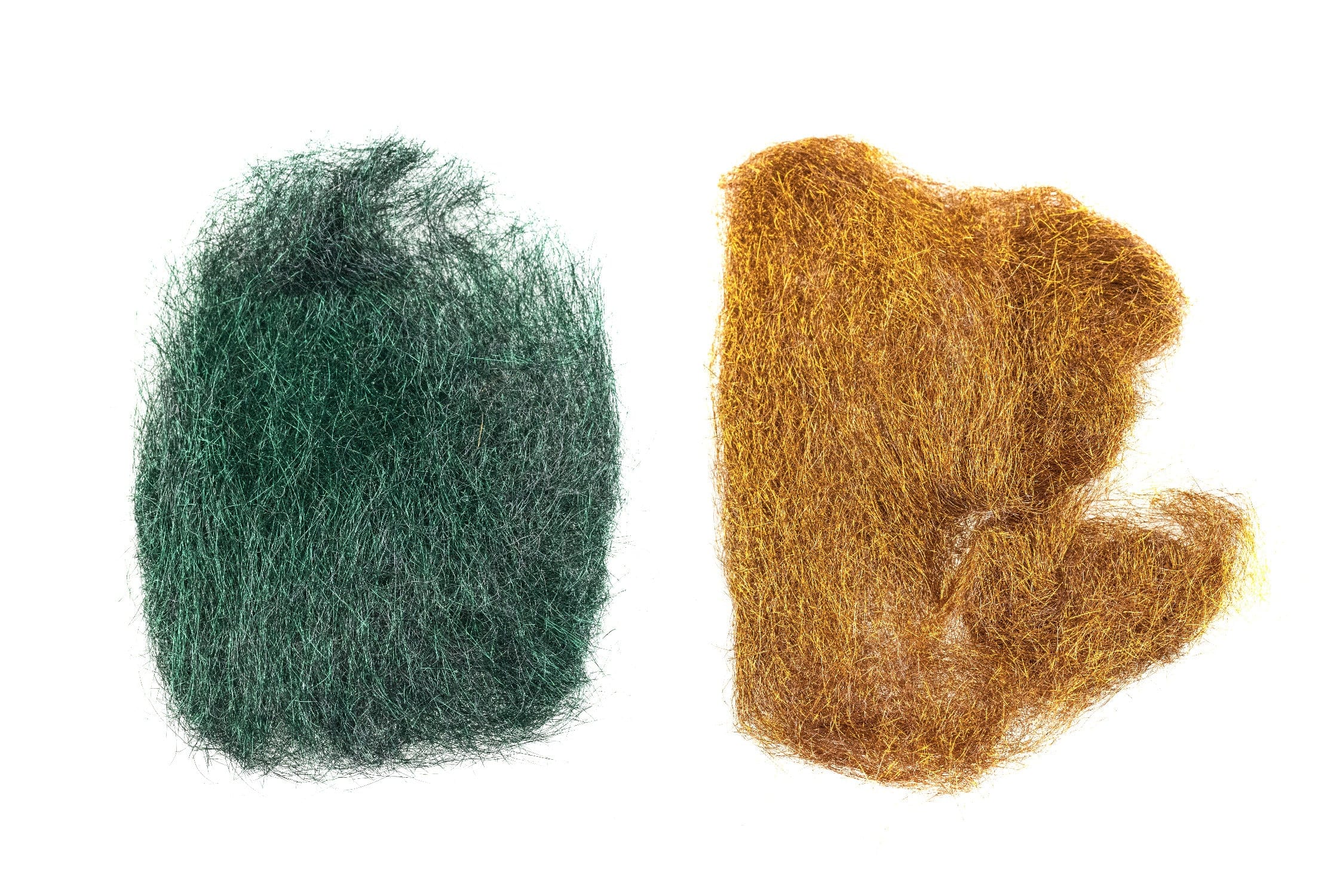
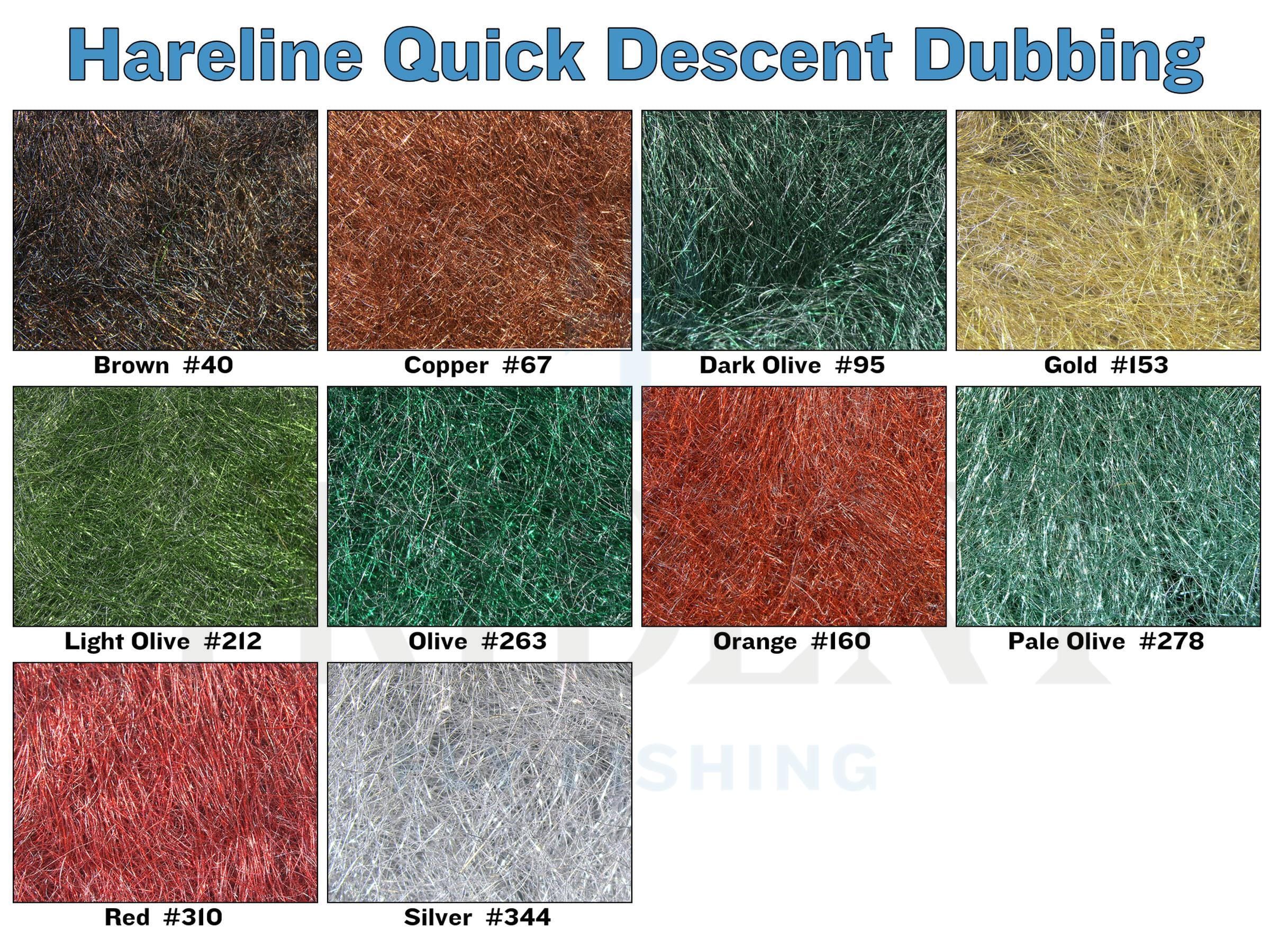
Best for Weighted Bodies: Hareline Quick Descent Dubbing - A smart pick when you want extra sink without switching bead size or adding lead. The fine metallic strands dub easily and let you add weight in thoraxes, hotspots, and full bodies.
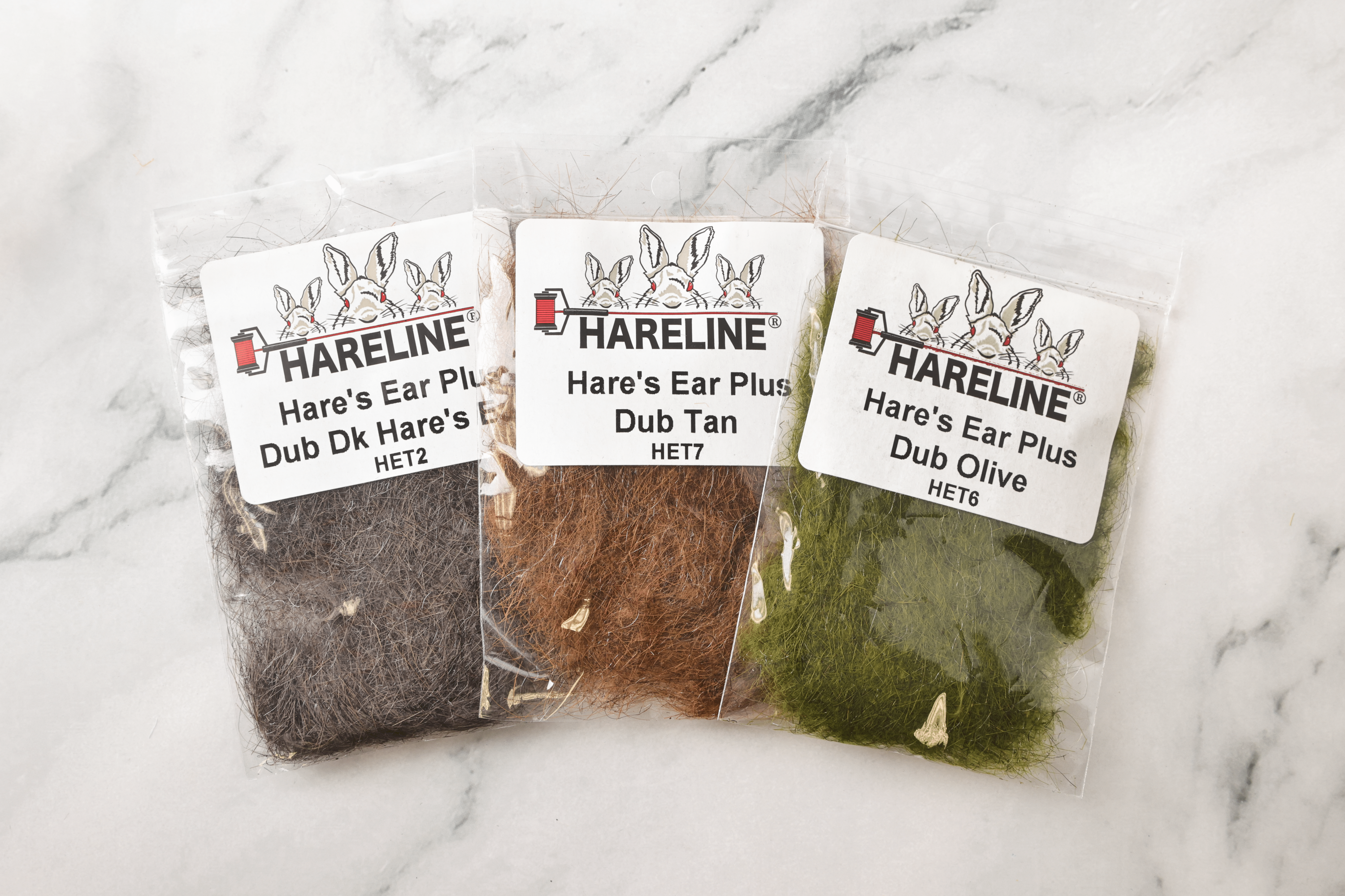
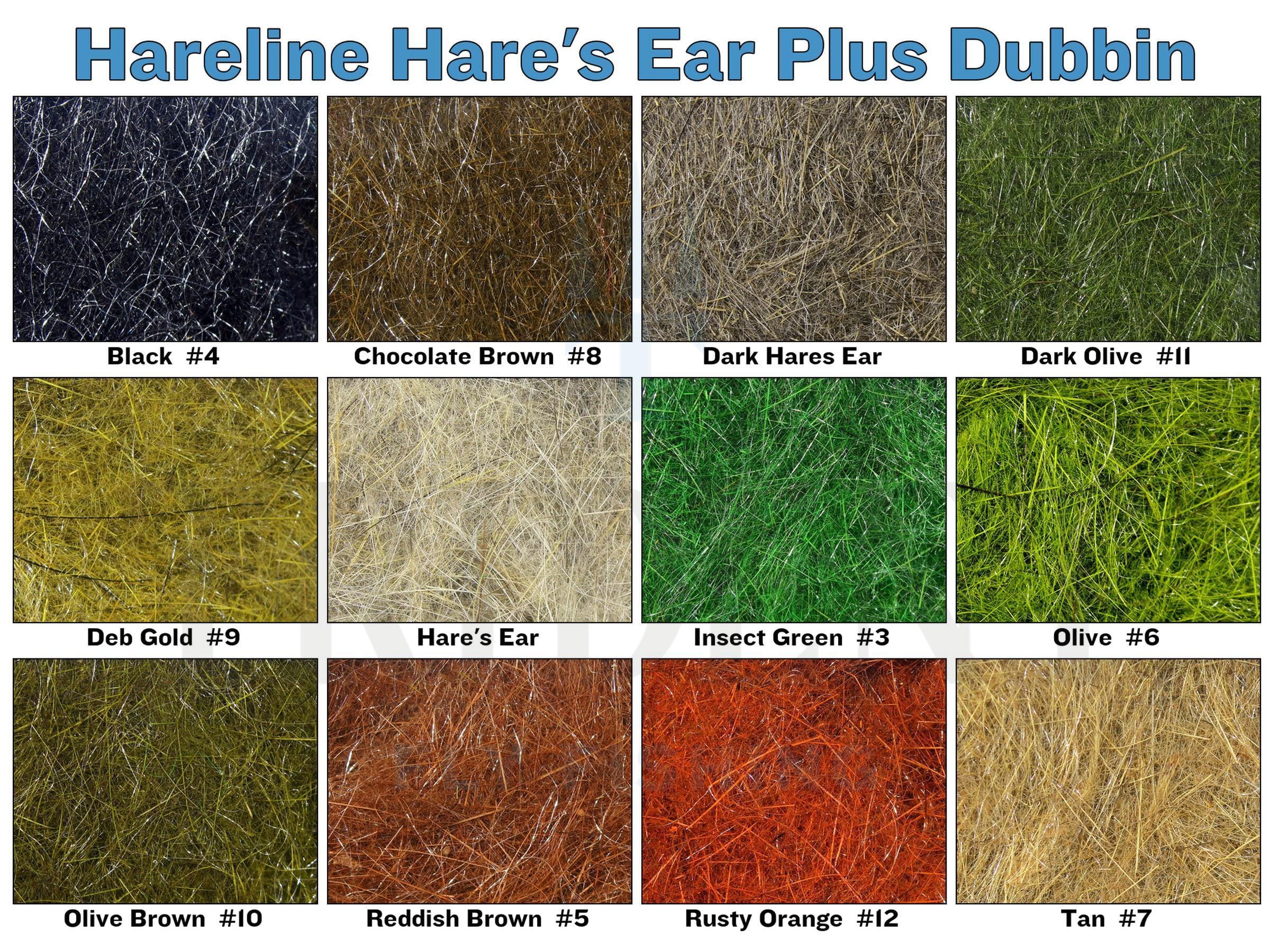
Best Buggy Nymph Look: Hareline Hare's Ear Plus Dubbin - Ideal for classic, buggy nymph bodies that look alive once you rough them up. It’s a dependable choice for mayfly and caddis-style nymph profiles.
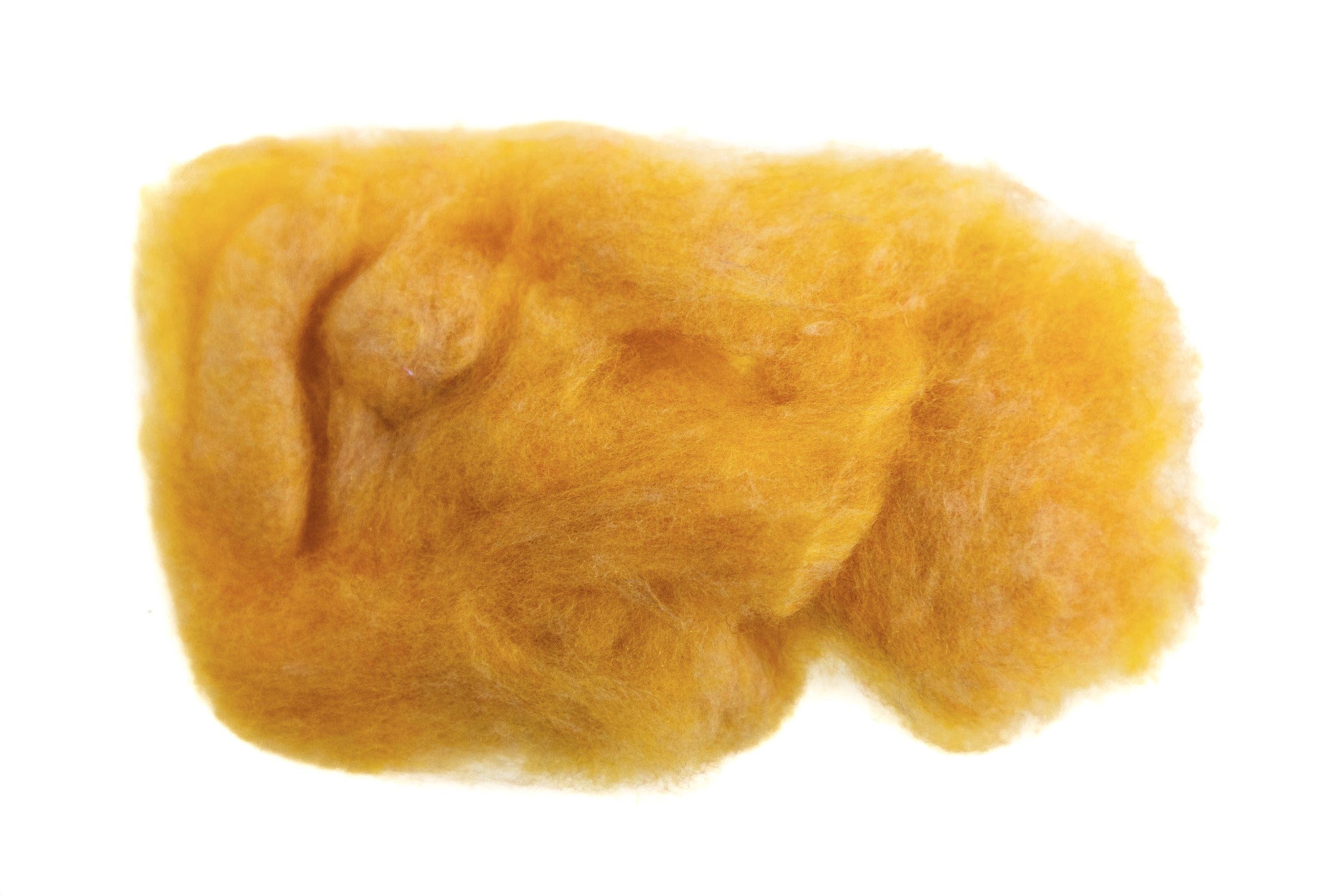
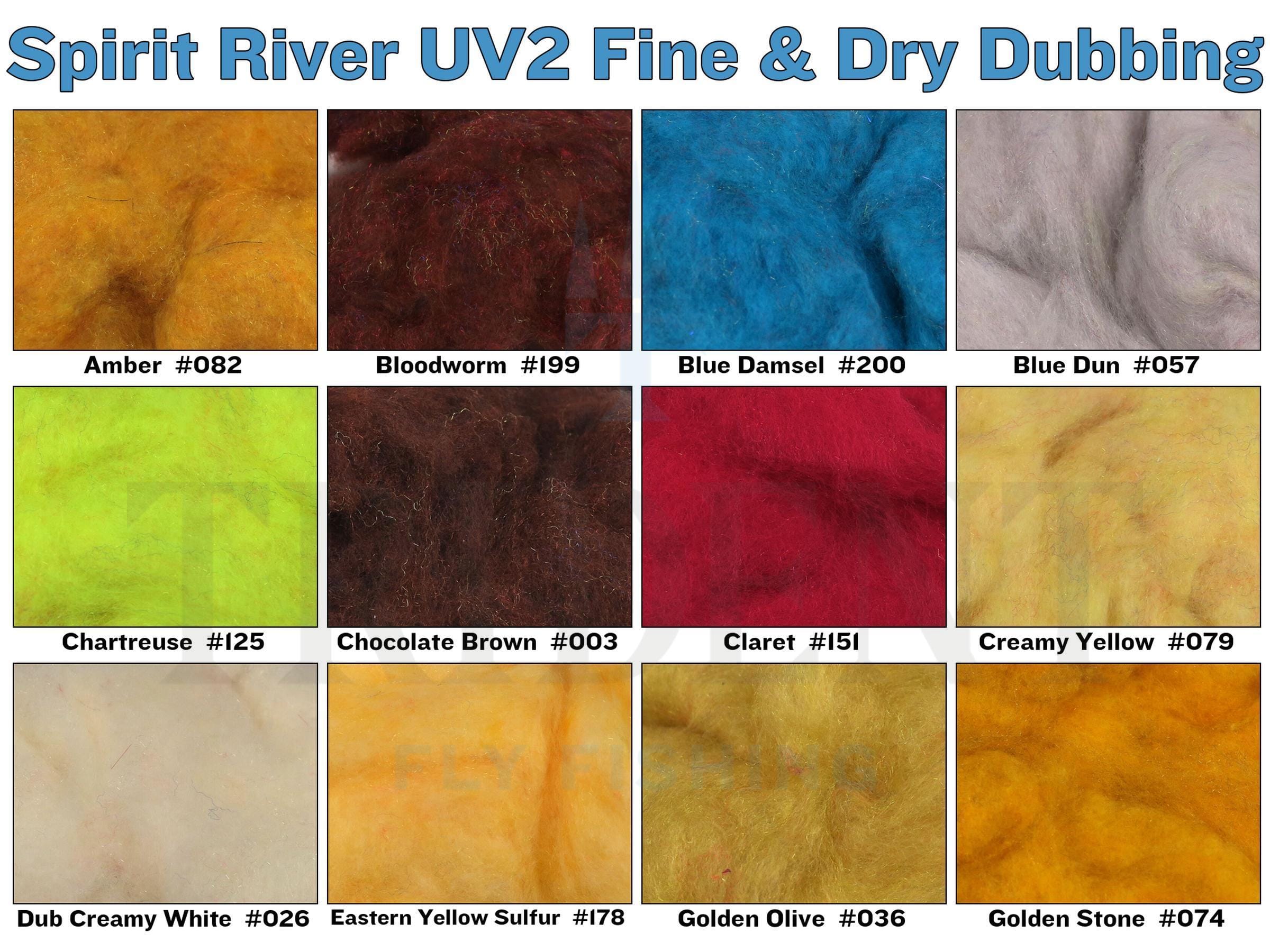
Best Flashy/Attractor Blend: Spirit River Brite Blend Dubbing - A good option when you want sparkle and light-reflectivity for nymphs, wets, and steelhead-style patterns. It dubs well on thread or in a dubbing loop when you want more presence.
How to Choose Dubbing
Natural vs. synthetic dubbing
Action: Start with one natural-style dubbing for buggy nymphs, and one fine synthetic for dry flies.
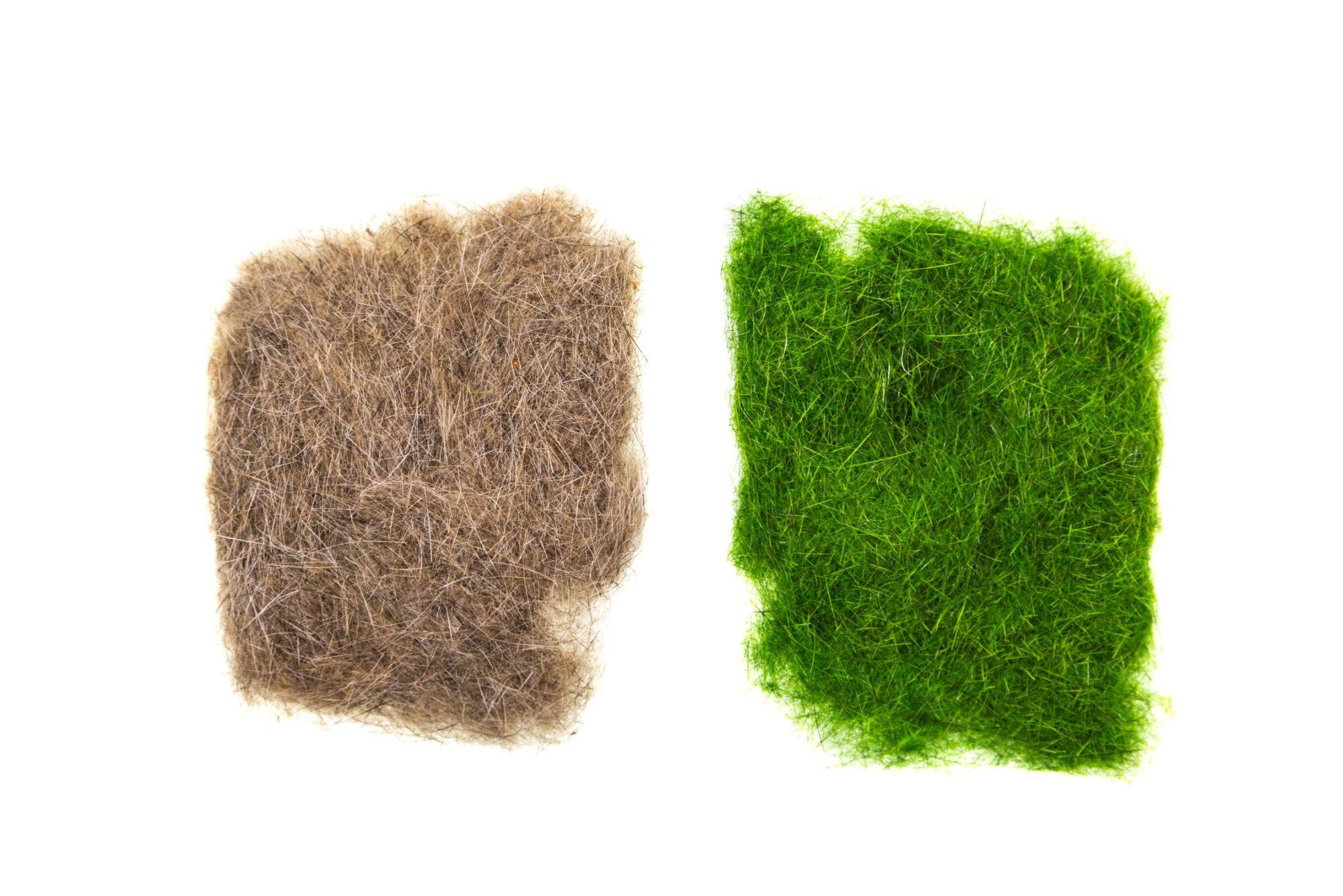
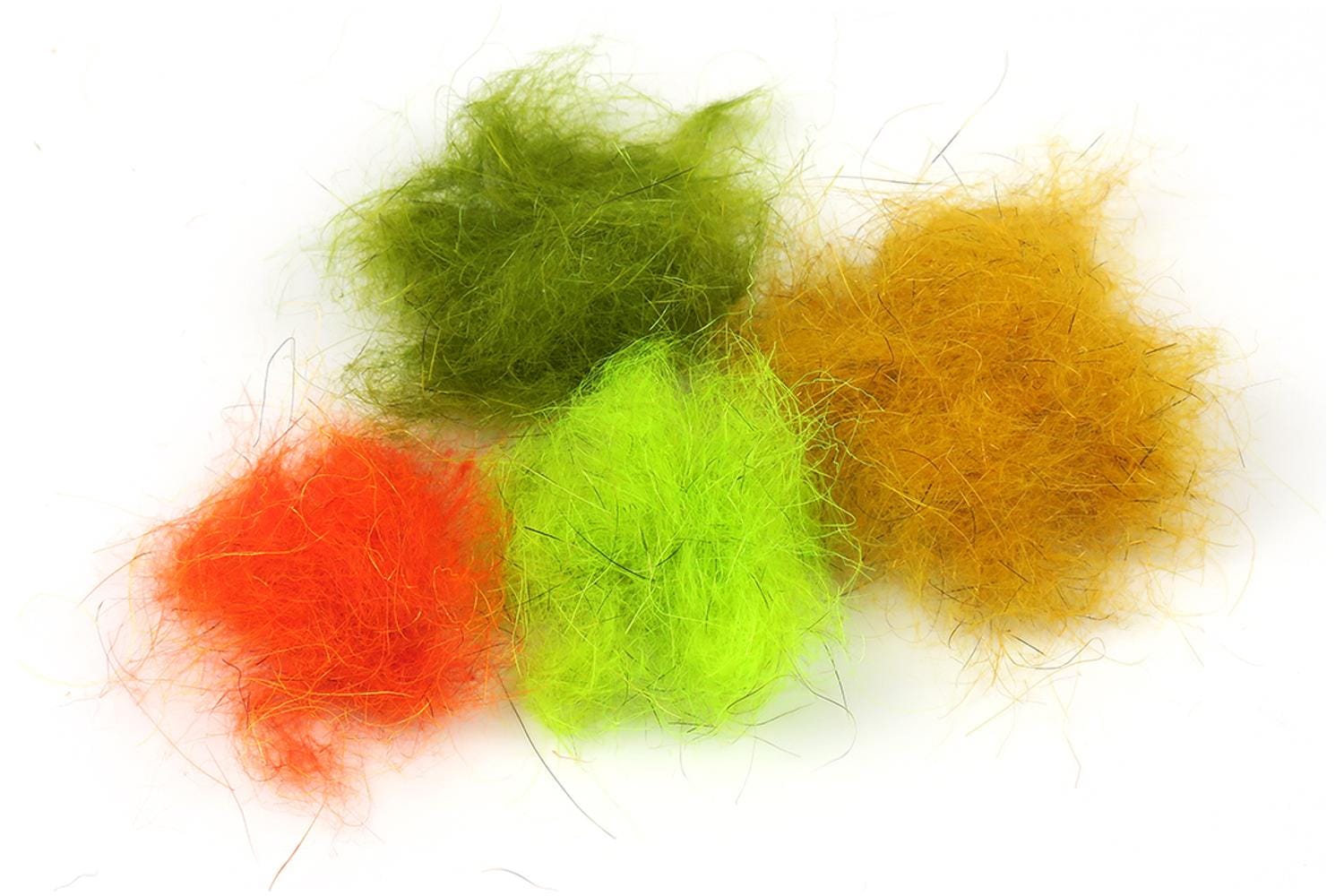
Natural/buggy blends: Tend to trap air, look mottled, and “come alive” after you pick them out. They’re a staple for mayfly nymphs, caddis larvae, and general attractor nymphs.
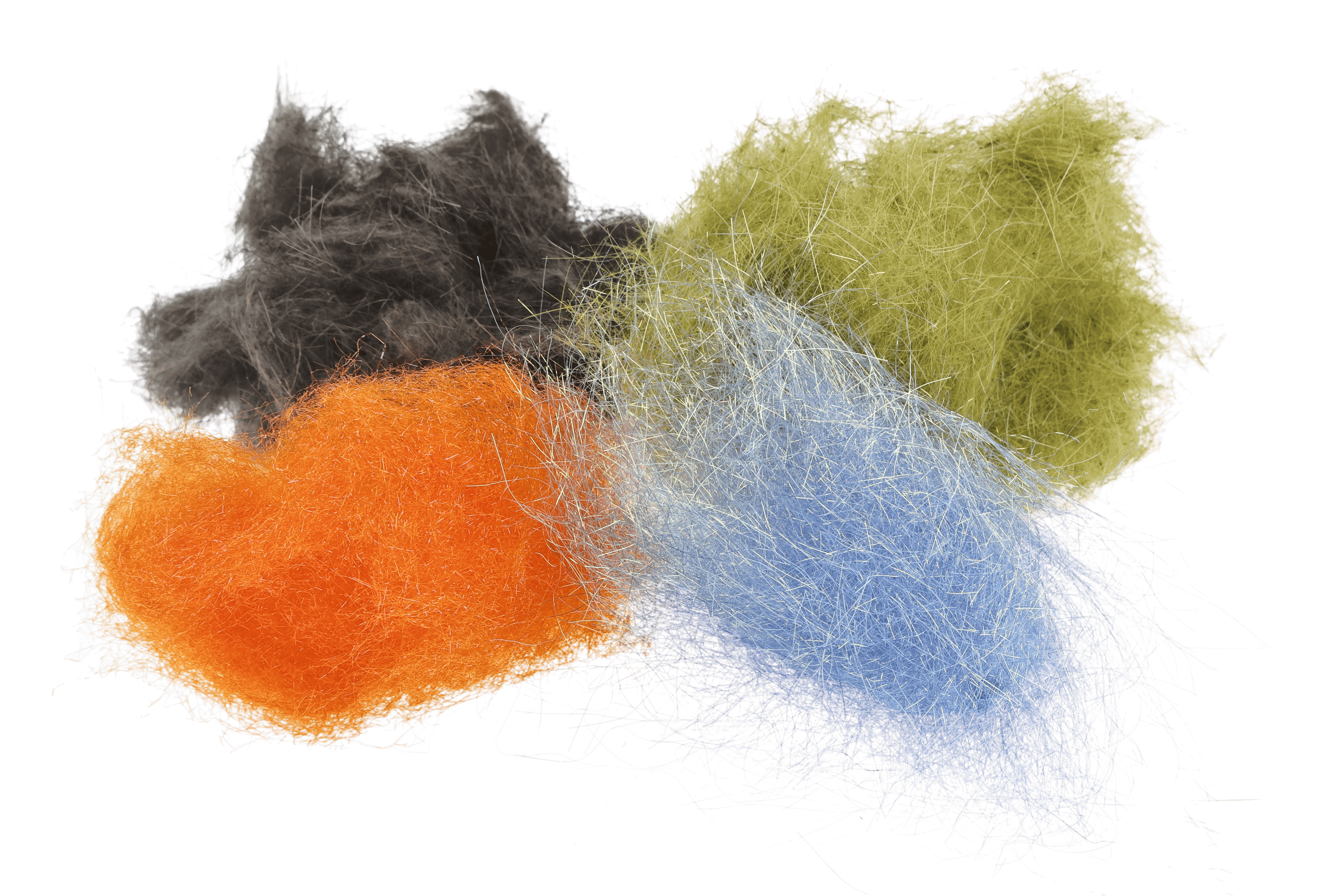
Synthetics: Offer consistent texture, more color/shine options, and can be easier to dub very thin. They’re a strong choice for clean dry-fly bodies, bright hotspots, and modern flashy nymphs.
Match the dubbing texture to the fly
Best for: Let the pattern’s job pick the dubbing.
Dry flies & spinners: Choose fine, short fiber dubbing that wraps tight and doesn’t get fuzzy unless you want a rough-bodied look.
Nymphs & emergers: Medium texture dubbing gives you segmentation and a buggy silhouette once brushed out.
Streamers & sculpin heads: Longer fiber dubbing (often with a touch of flash) can be used to build heads, shoulders, and collars that push water.
Thread, wax, and technique (this matters more than most people think)
Action: Use less dubbing than you think, then add a second layer if needed.
For tight bodies: Twist a small pinch onto your thread to make a short “dubbing noodle,” then wrap while maintaining tension.
For spiky/buggy bodies: Dub the body slightly sparse, then brush/pick it out to free guard hairs and fibers.
For coarse or slippery fibers: A touch of dubbing wax on thread can help control the material.
For maximum movement or bulky blends: Build a dubbing loop, load the fibers, then spin with a twister tool to create a strong dubbing rope.
Materials & Durability
Keep dubbing dry and clean: Store bags/dispensers sealed so moisture and oils don’t mat the fibers.
Build durability with thread control: Secure dubbing with consistent thread tension and avoid over-stacking bulk near the head.
Brush with intention: Pick out fibers after the fly is finished; brushing too early can loosen wraps and expose thread.
Mix sparingly: When blending dubbing colors, combine small amounts first so you can repeat the mix consistently.
Complete Your Setup
Related Gear
Fly Tying Materials - Add hooks, thread, beads, and the core materials to match the flies you actually fish.
Thread/Tinsel/Wire - The right thread and ribbing materials make dubbing bodies cleaner and more durable.
Beads, Coneheads & Eyes - Pair dubbing with the right weight and head profile for your nymphs and streamers.
Synthetics - Great for blending dubbing, adding flash, and building modern nymph and streamer profiles.
Related Guides
Dubbing FAQs
Q: What is dubbing in fly tying?
A: Dubbing is a loose fiber material you twist onto tying thread (or into a loop) to build bodies, thoraxes, and collars. It’s used for everything from slim dry-fly bodies to buggy nymph profiles and streamer heads.
Q: What’s the easiest dubbing for beginners?
A: Fine, consistent synthetic dubbing is usually easiest because it twists onto thread cleanly and doesn’t clump as much. Many tiers also like simple, medium-texture blends for nymphs because they’re forgiving once brushed out.
Q: How do I choose dubbing for dry flies vs nymphs?
A: Dry flies usually call for fine, short fibers that wrap tight and keep a slim profile. Nymphs often look better with slightly coarser, buggier dubbing that can be picked out for legs and movement.
Q: Why won’t my dubbing stay on the thread?
A: The most common cause is using too much dubbing at once, which prevents it from gripping the thread. Try a smaller pinch, maintain steady tension, and add a touch of wax if the fibers are slick or coarse.
Q: When should I use a dubbing loop?
A: Use a dubbing loop when you want a strong dubbing rope with more fibers, more movement, or less thread showing through. It’s also helpful for longer fibers, blends with flash, or building thicker collars and heads.
Q: How do I make a dubbed body look buggier?
A: After the fly is finished, use a brush/teaser to lightly pick out fibers along the thorax or body. This increases translucency and motion without changing the fly’s core shape.
Q: Is flashy dubbing always better?
A: Not always,flash can help in stained water, deep runs, or on attractor patterns, but it can be too much for clear water and pressured fish. A good approach is to keep the body subtle and add flash as a small hotspot or thorax accent when needed.