

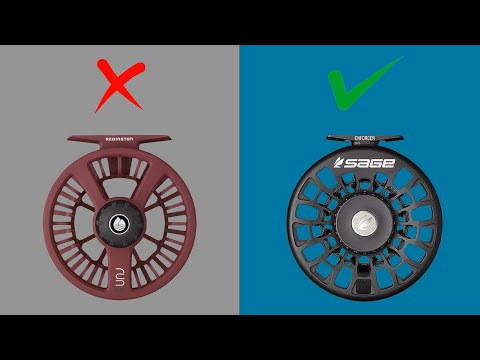
How to Choose The Best Fly Reel | WATCH Before Deciding!
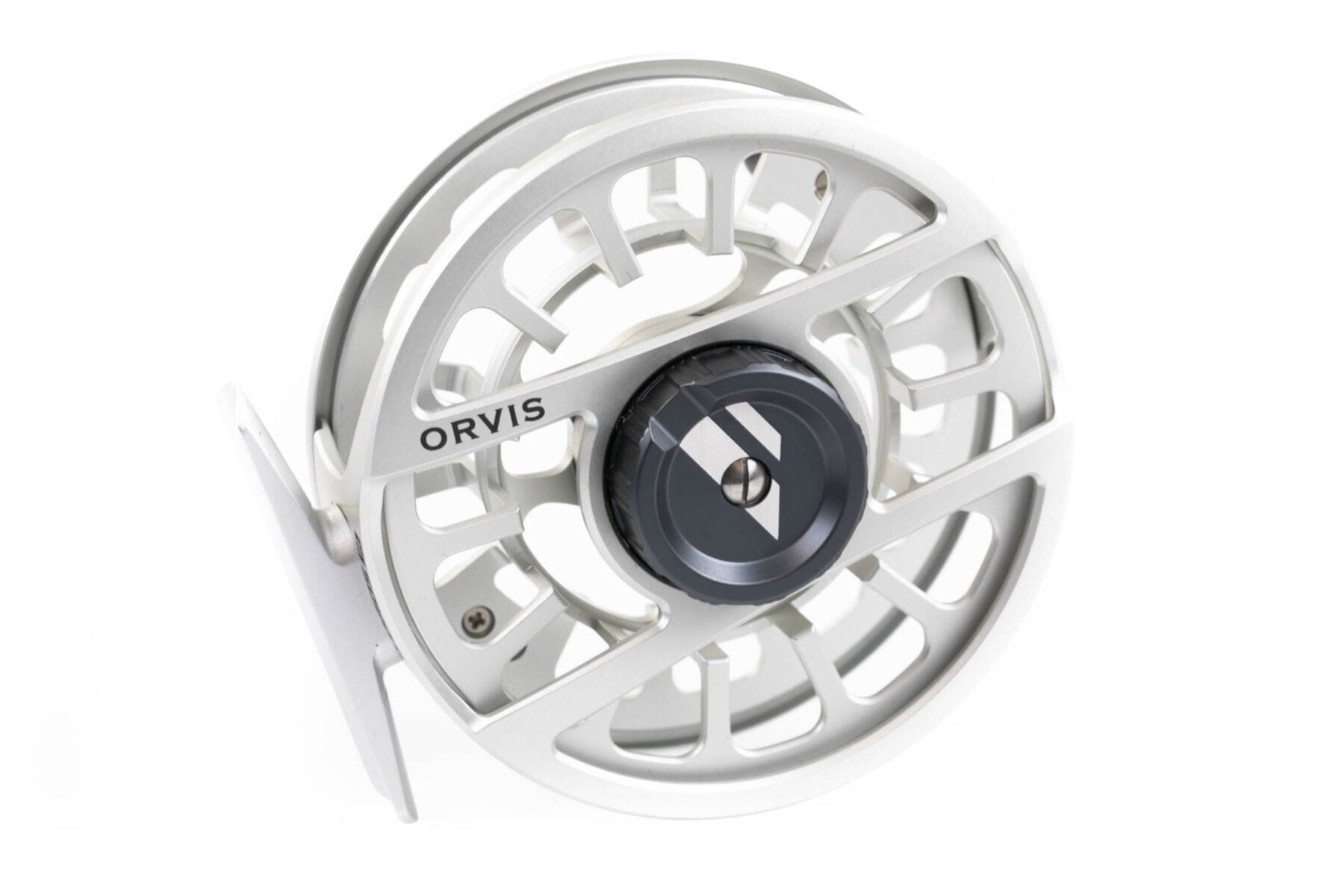

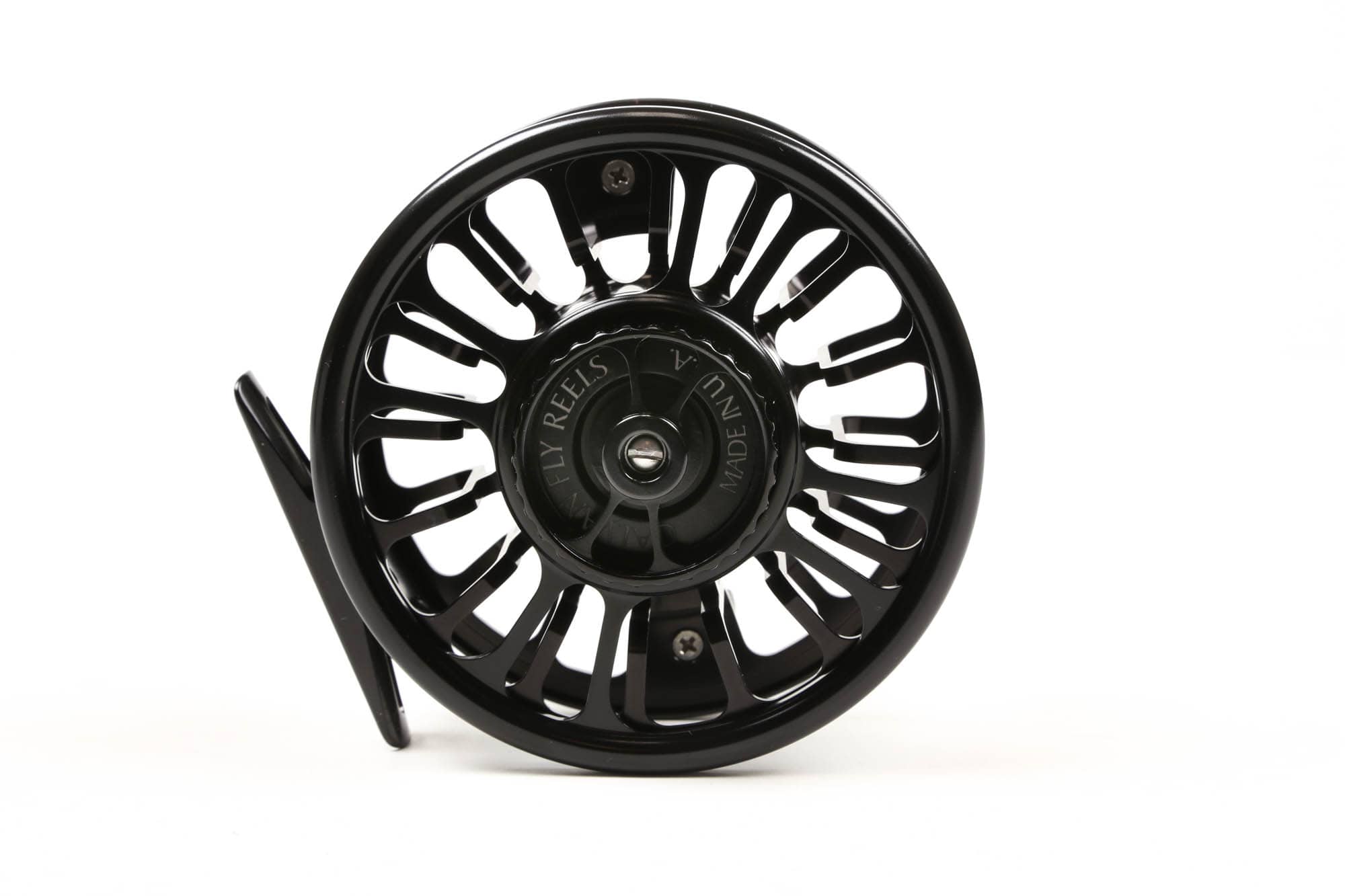

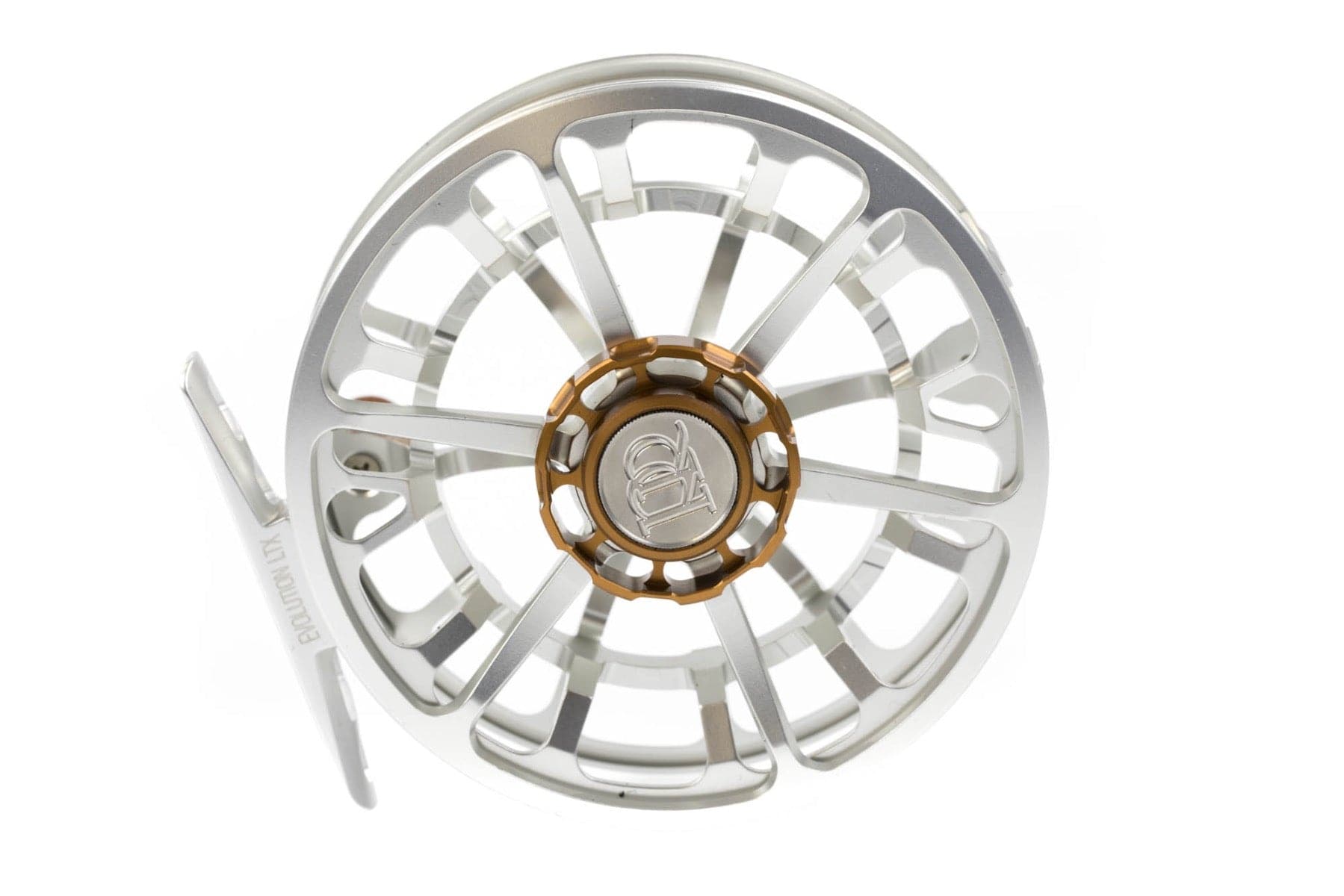
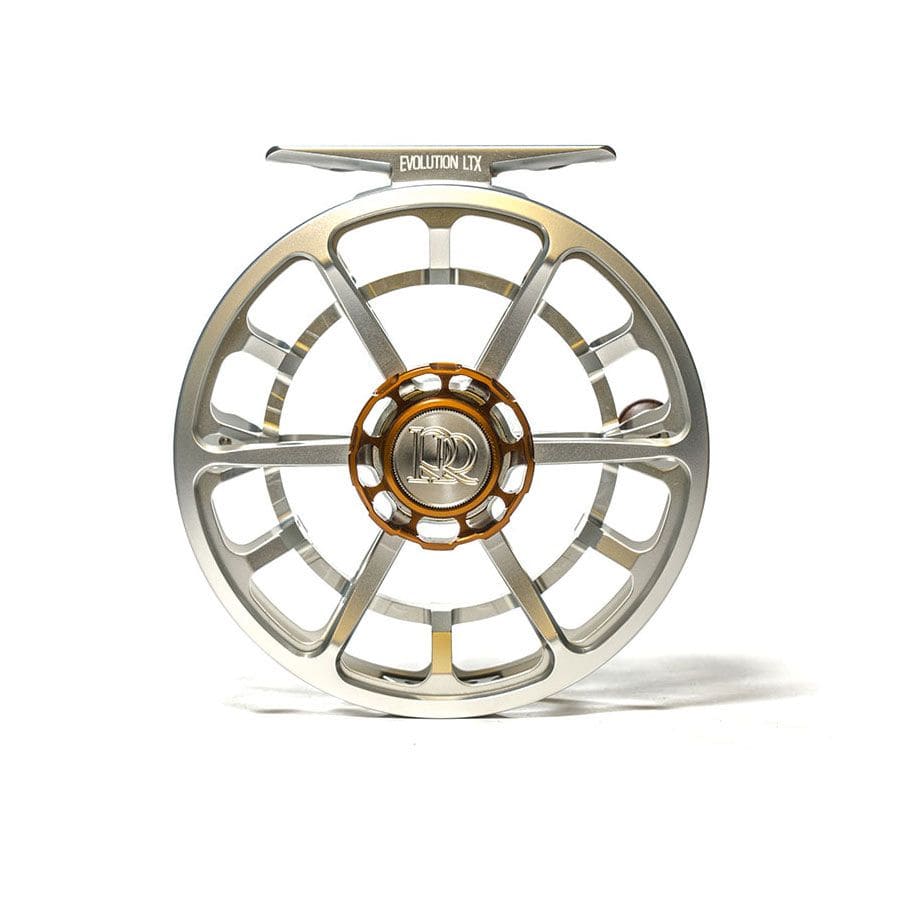


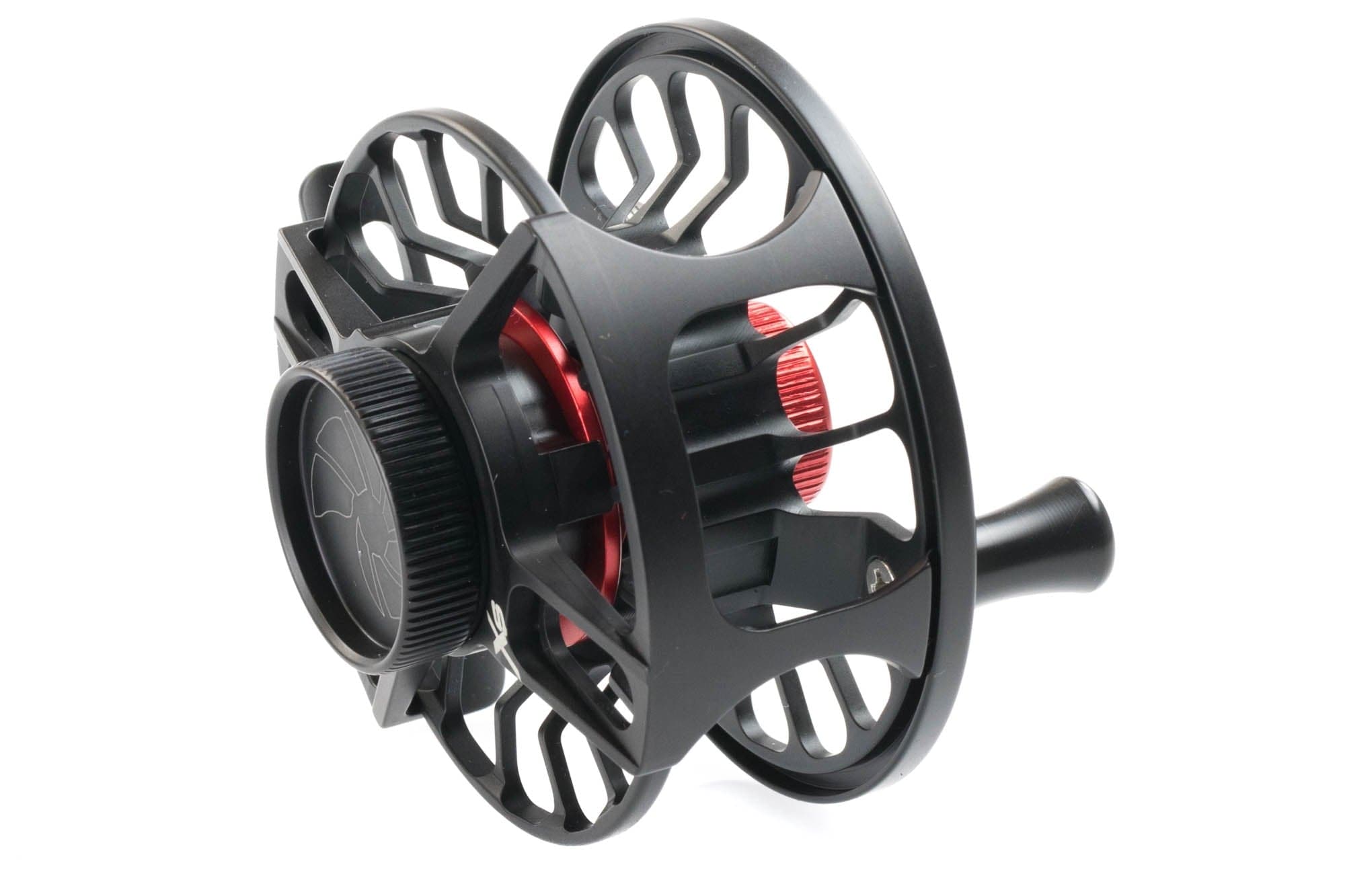
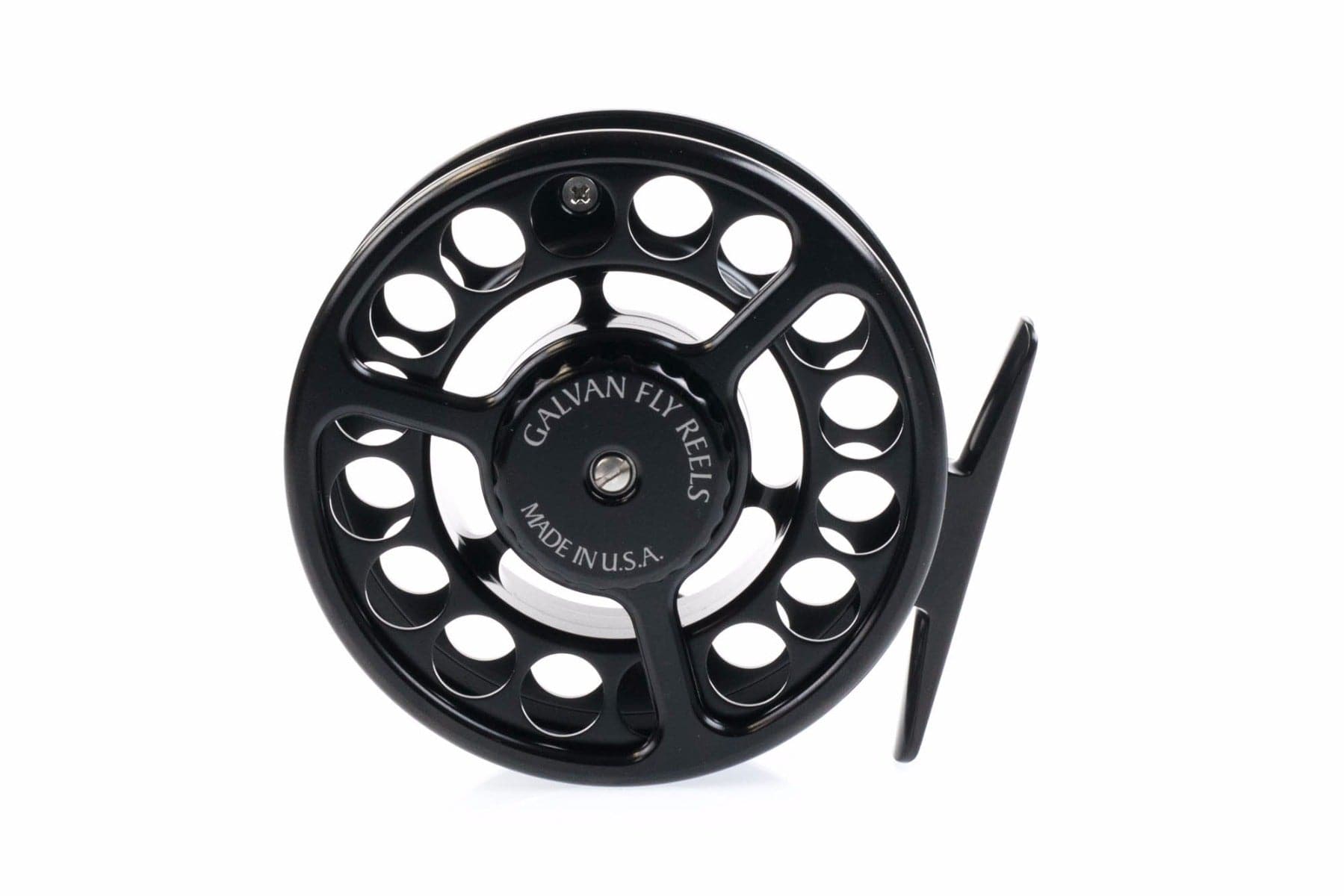
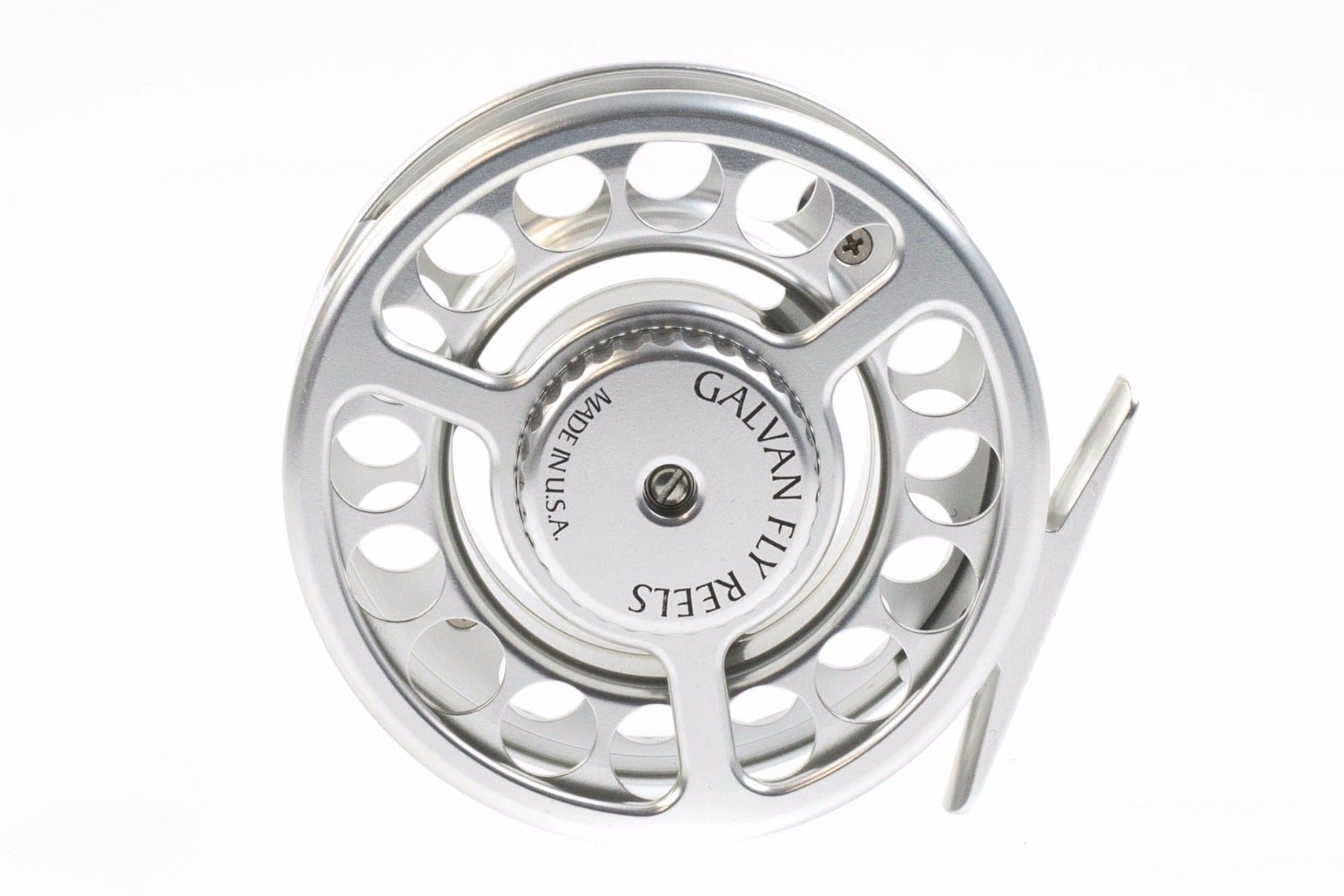
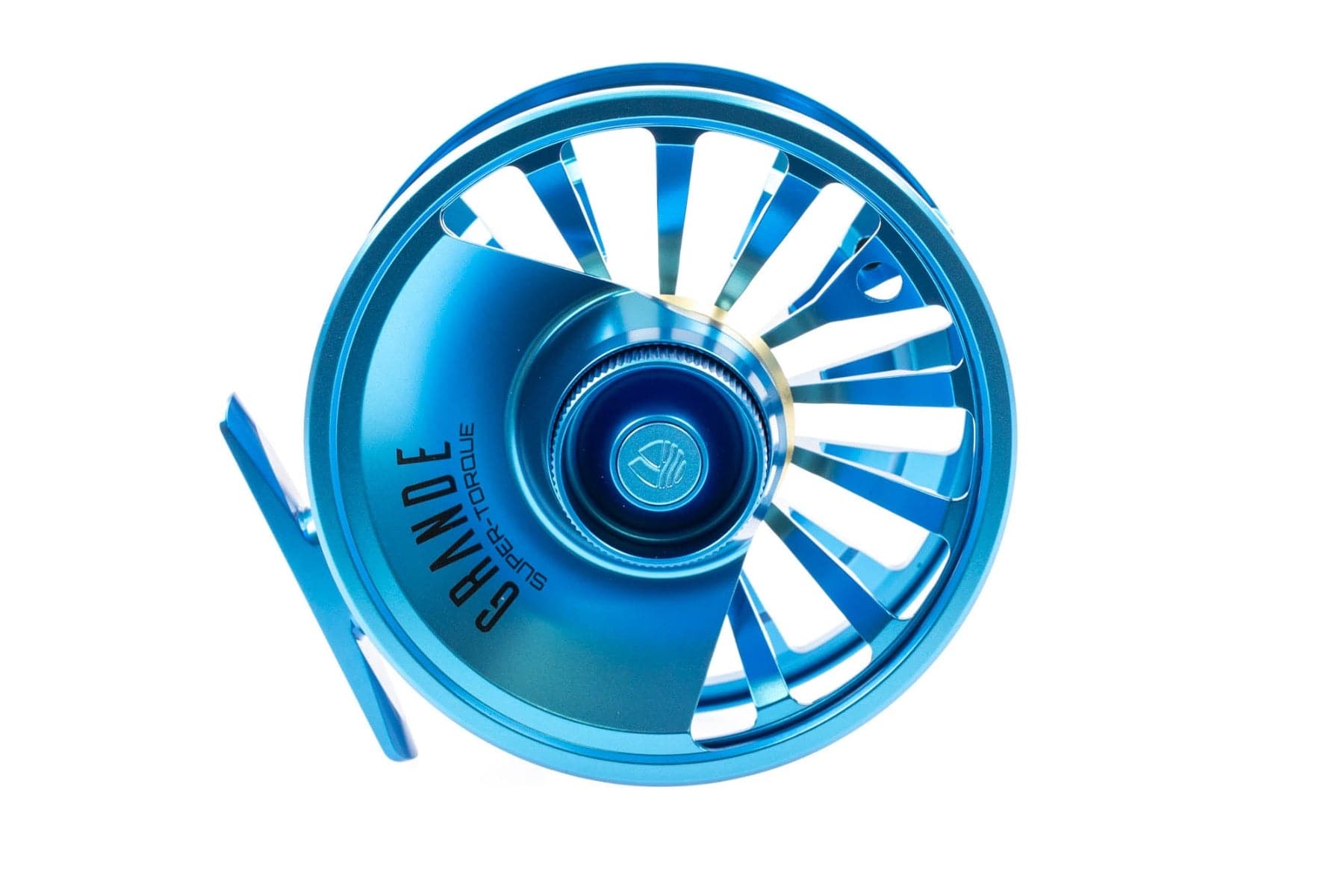
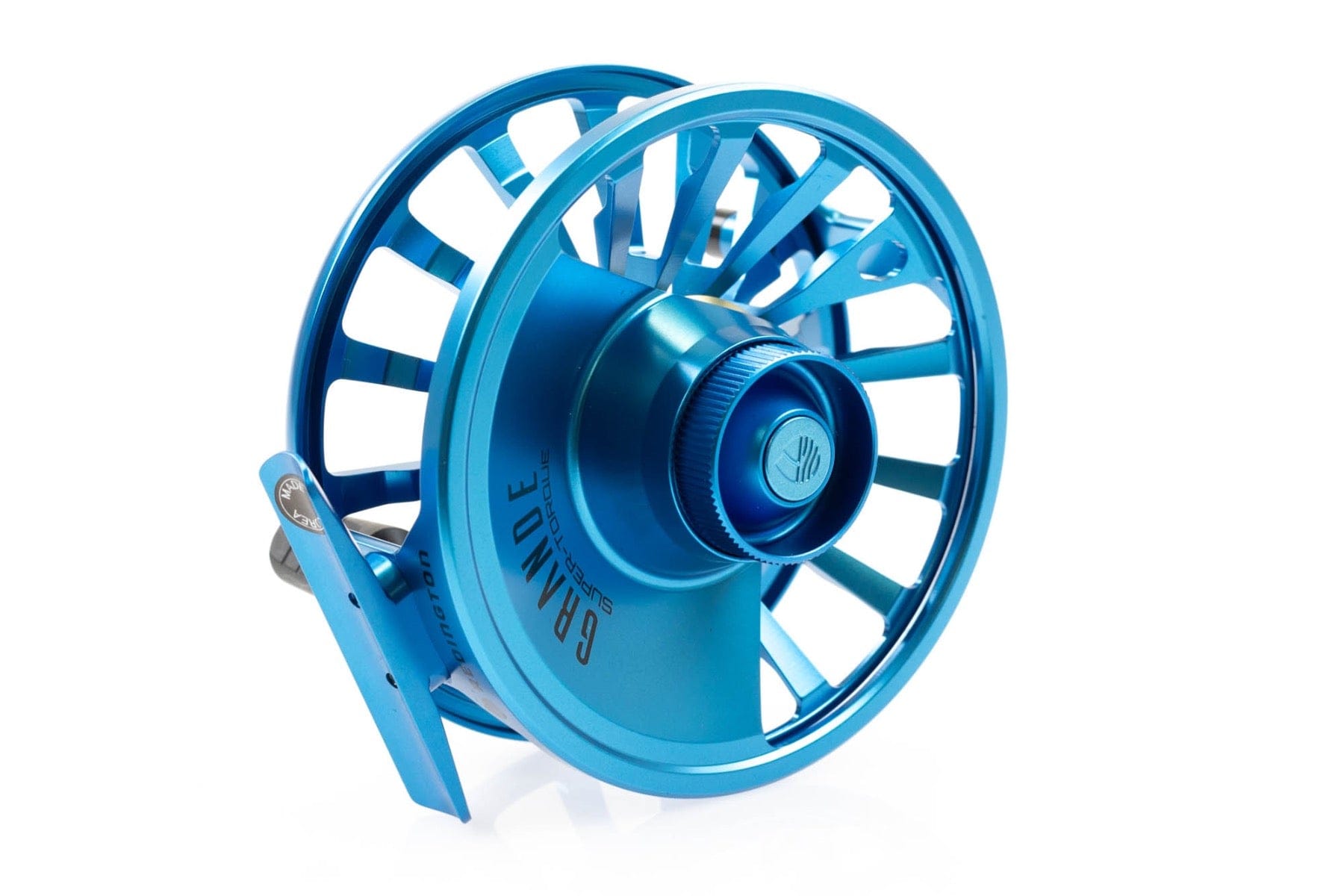
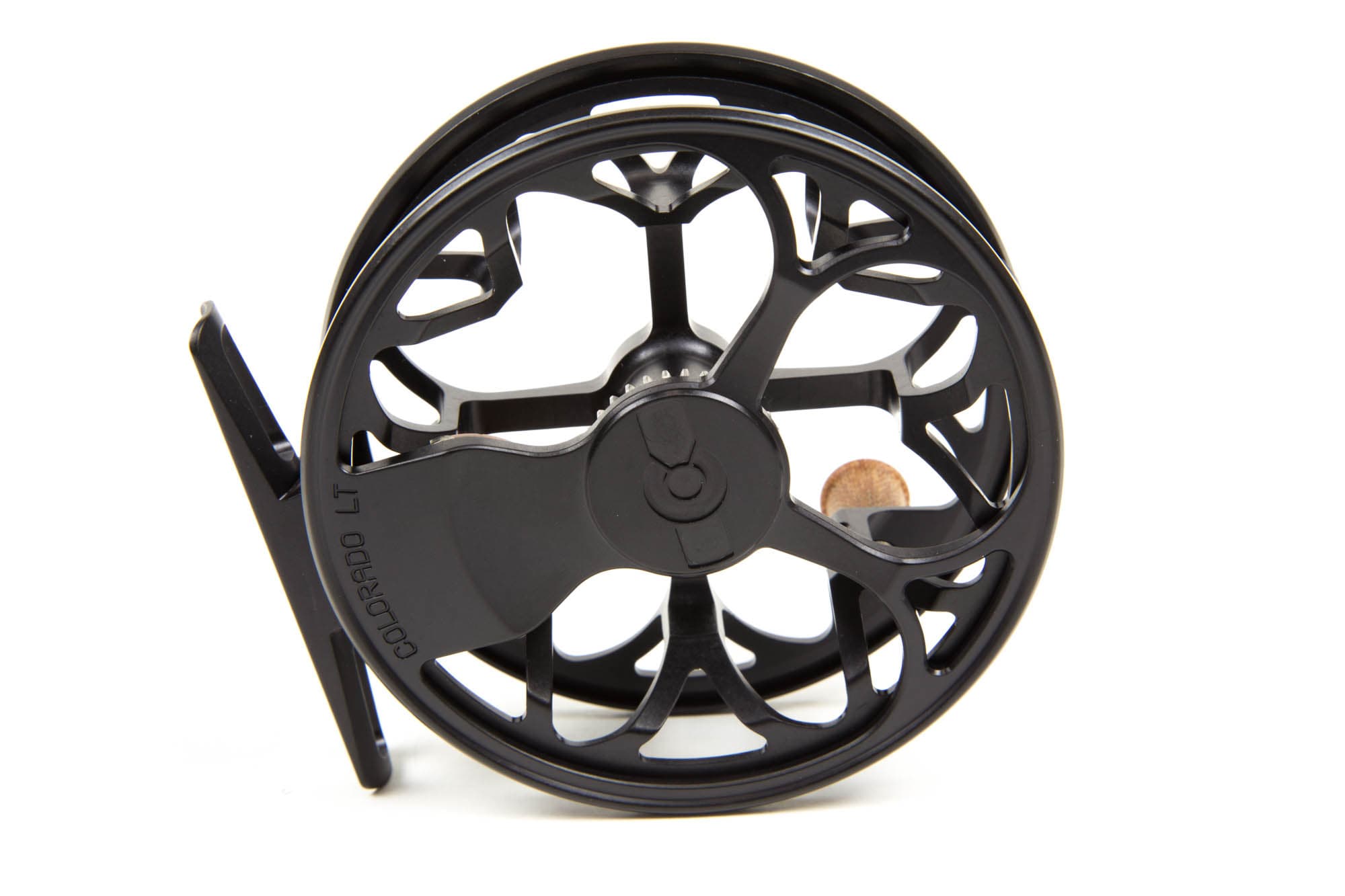
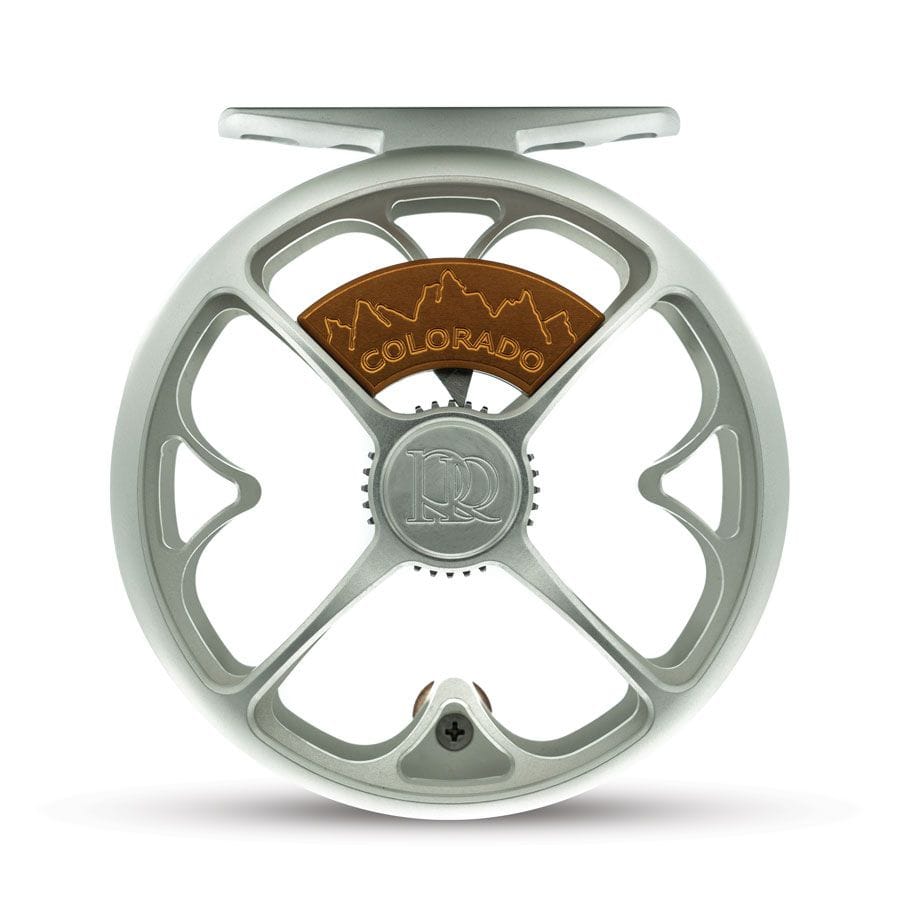
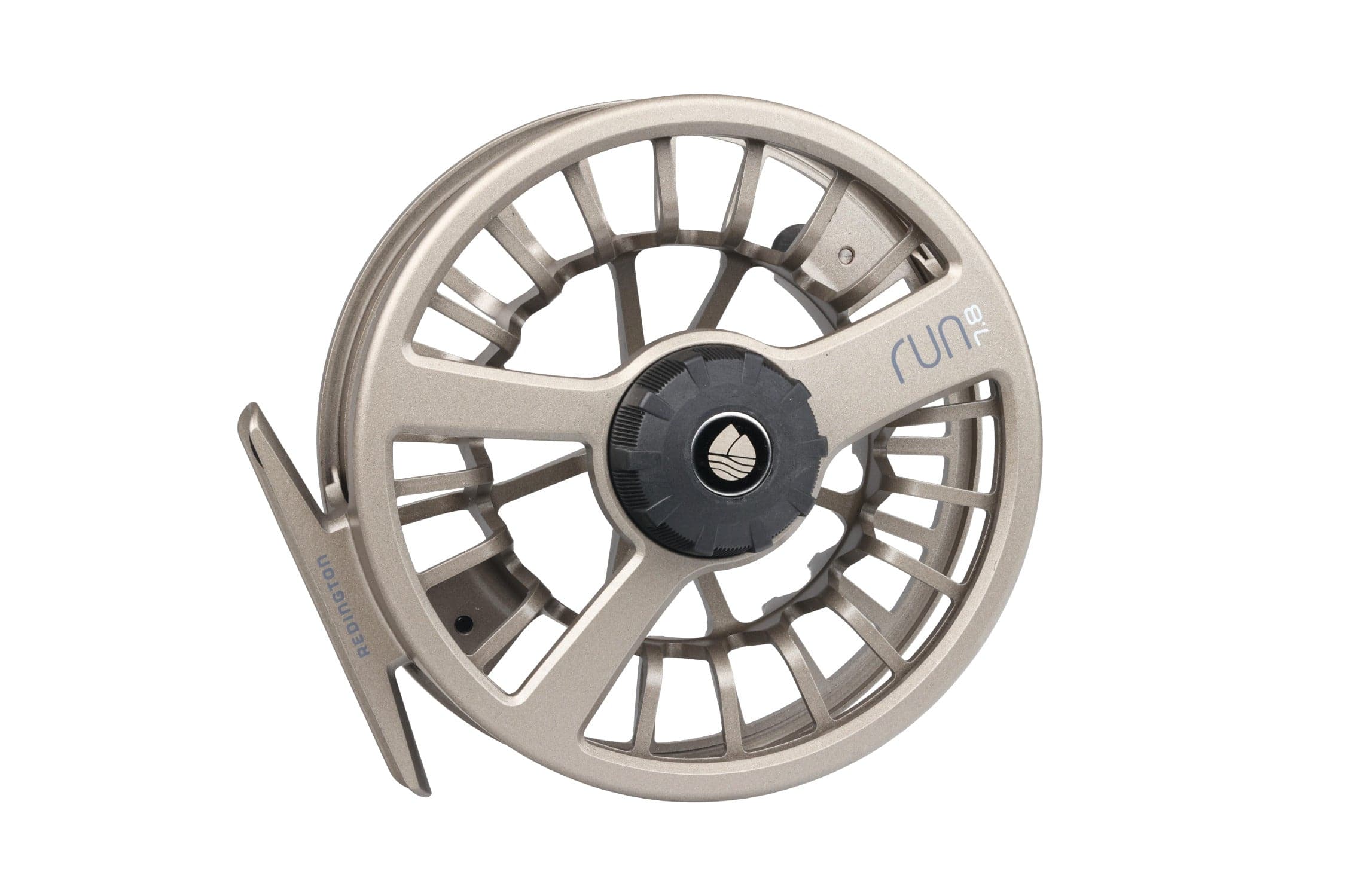
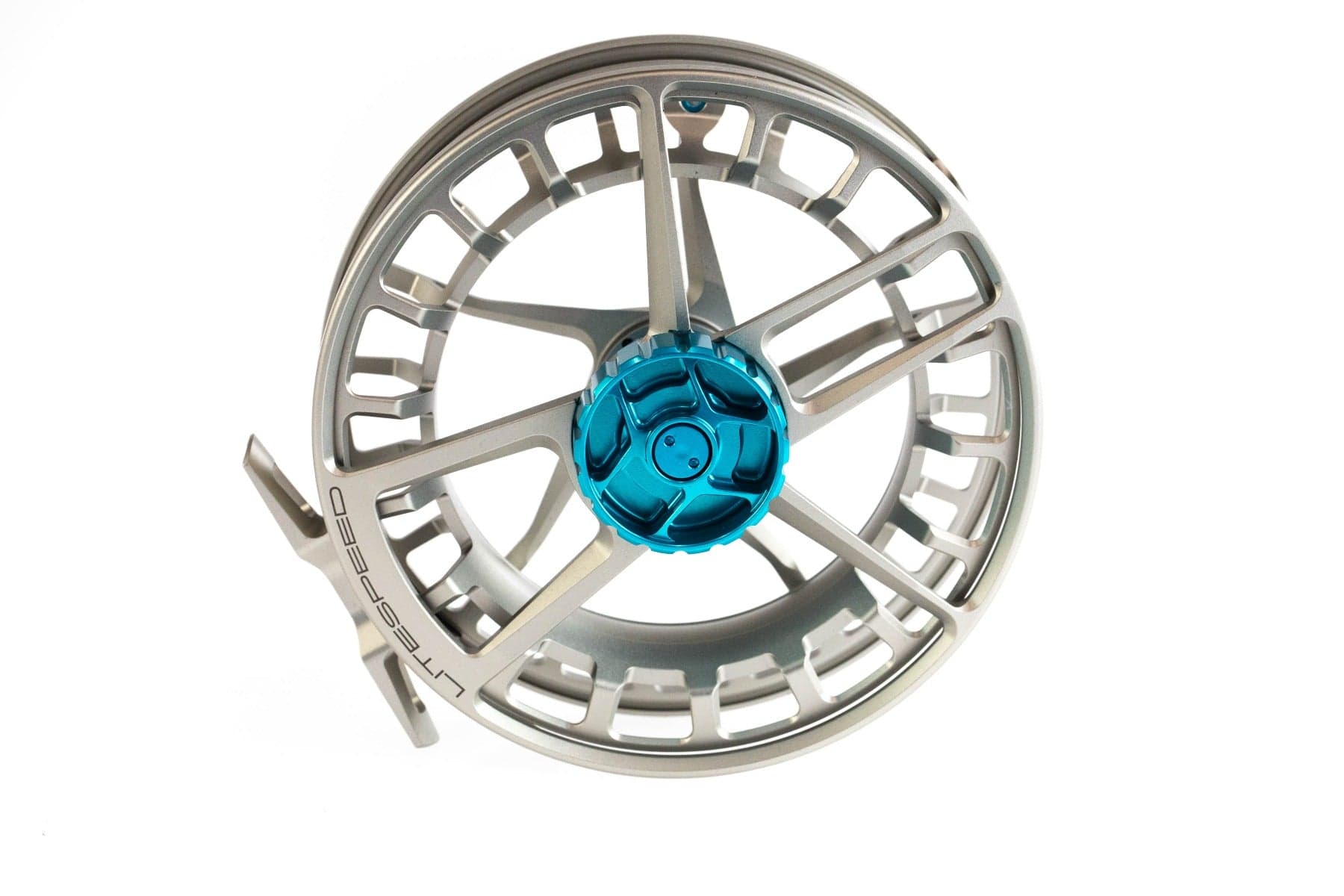
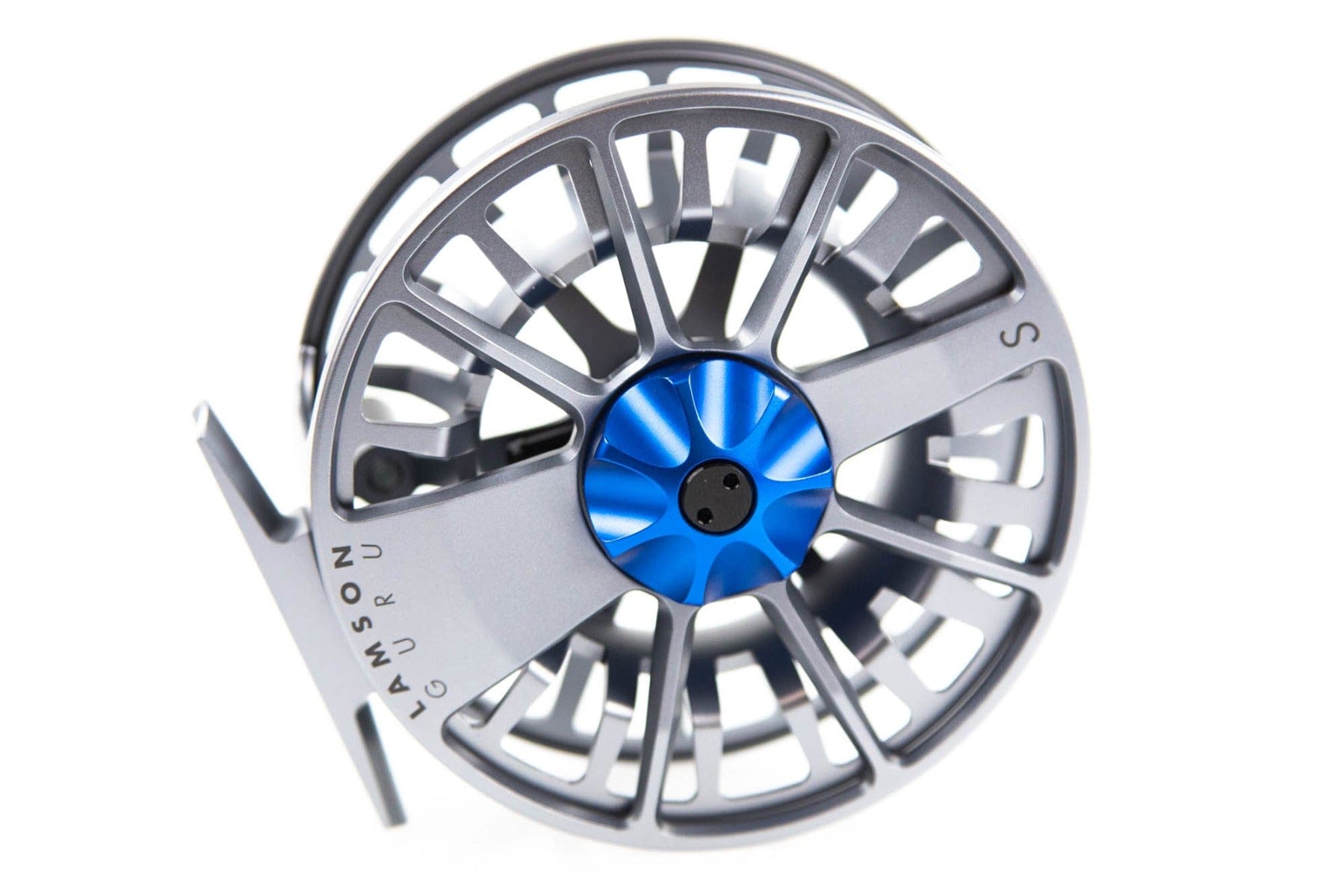
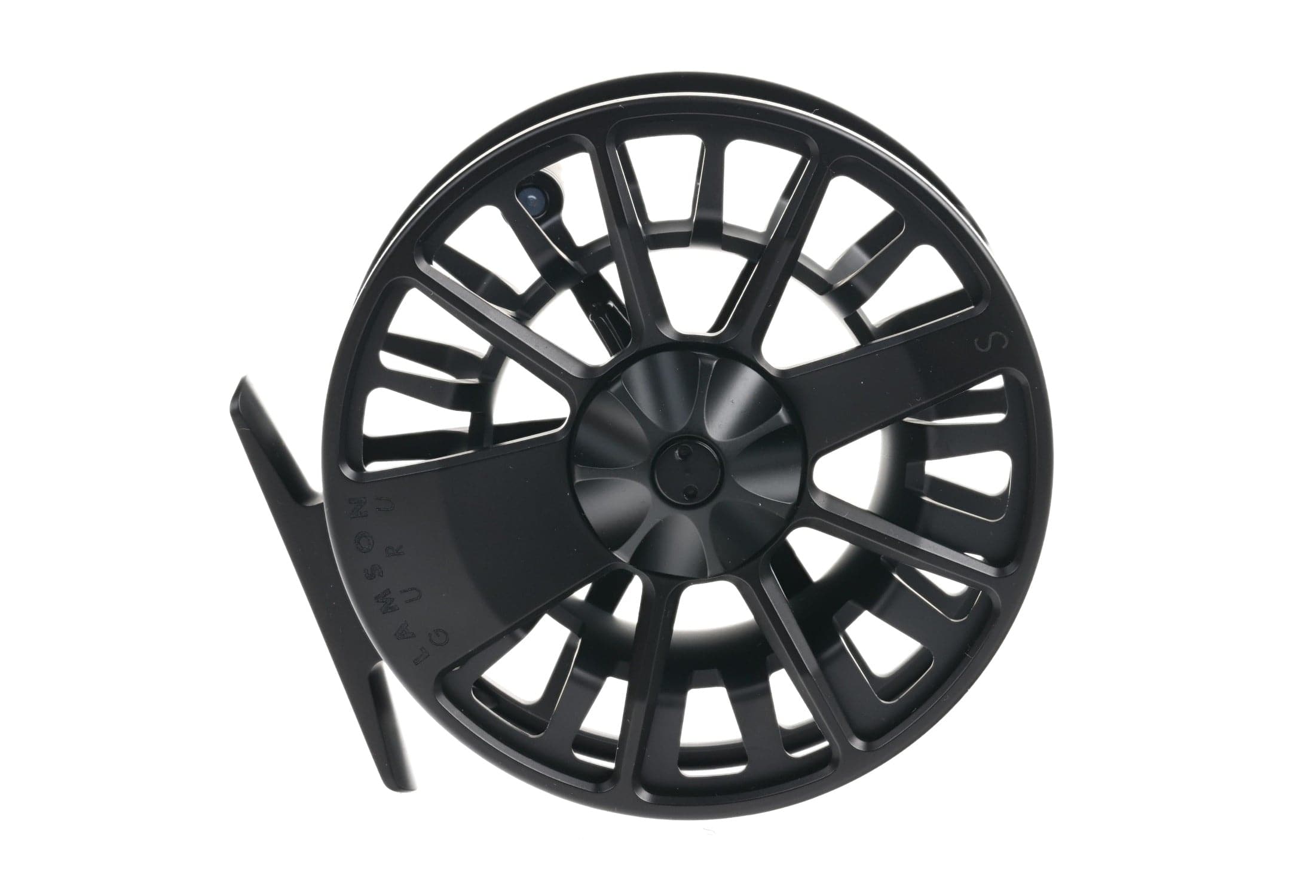
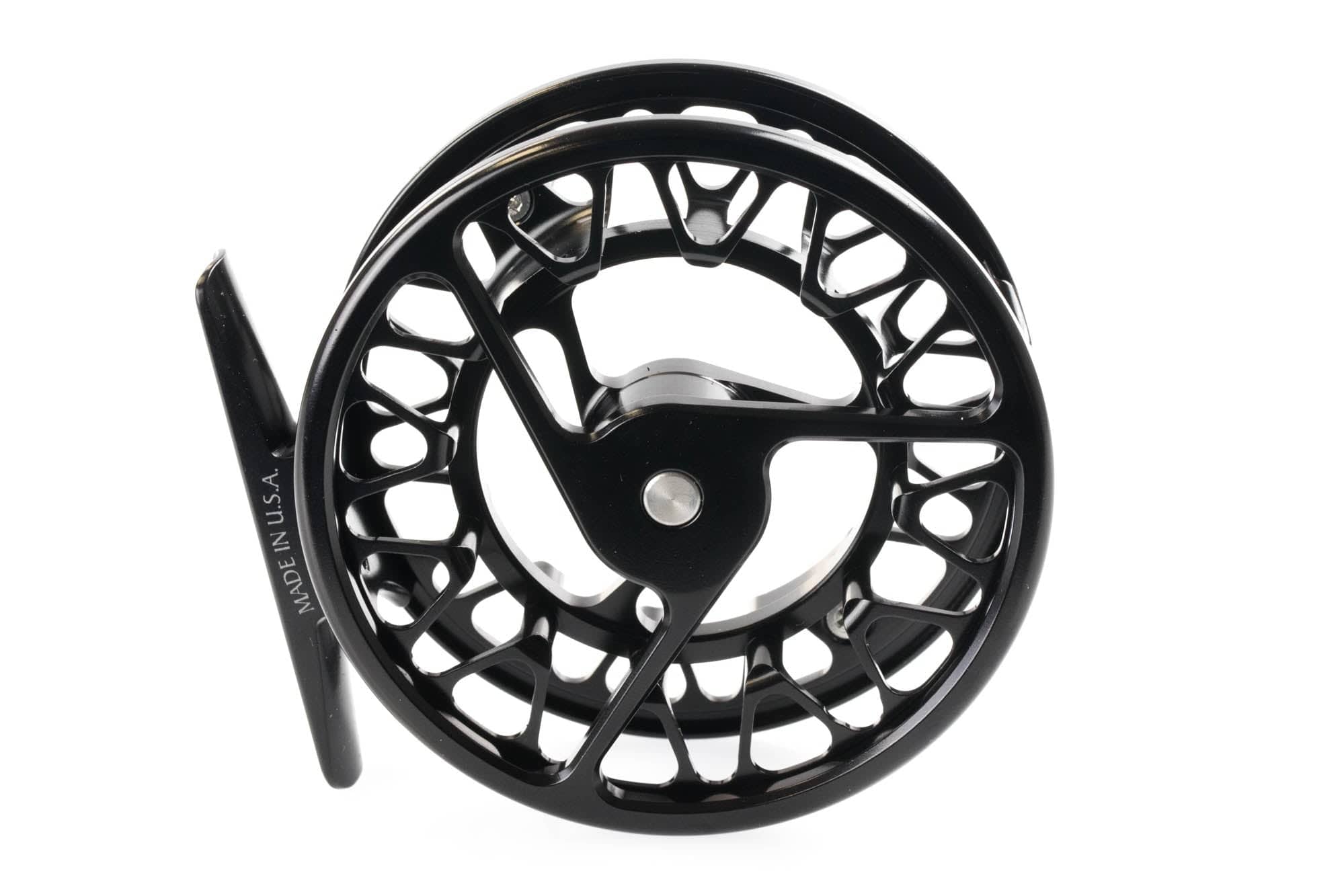
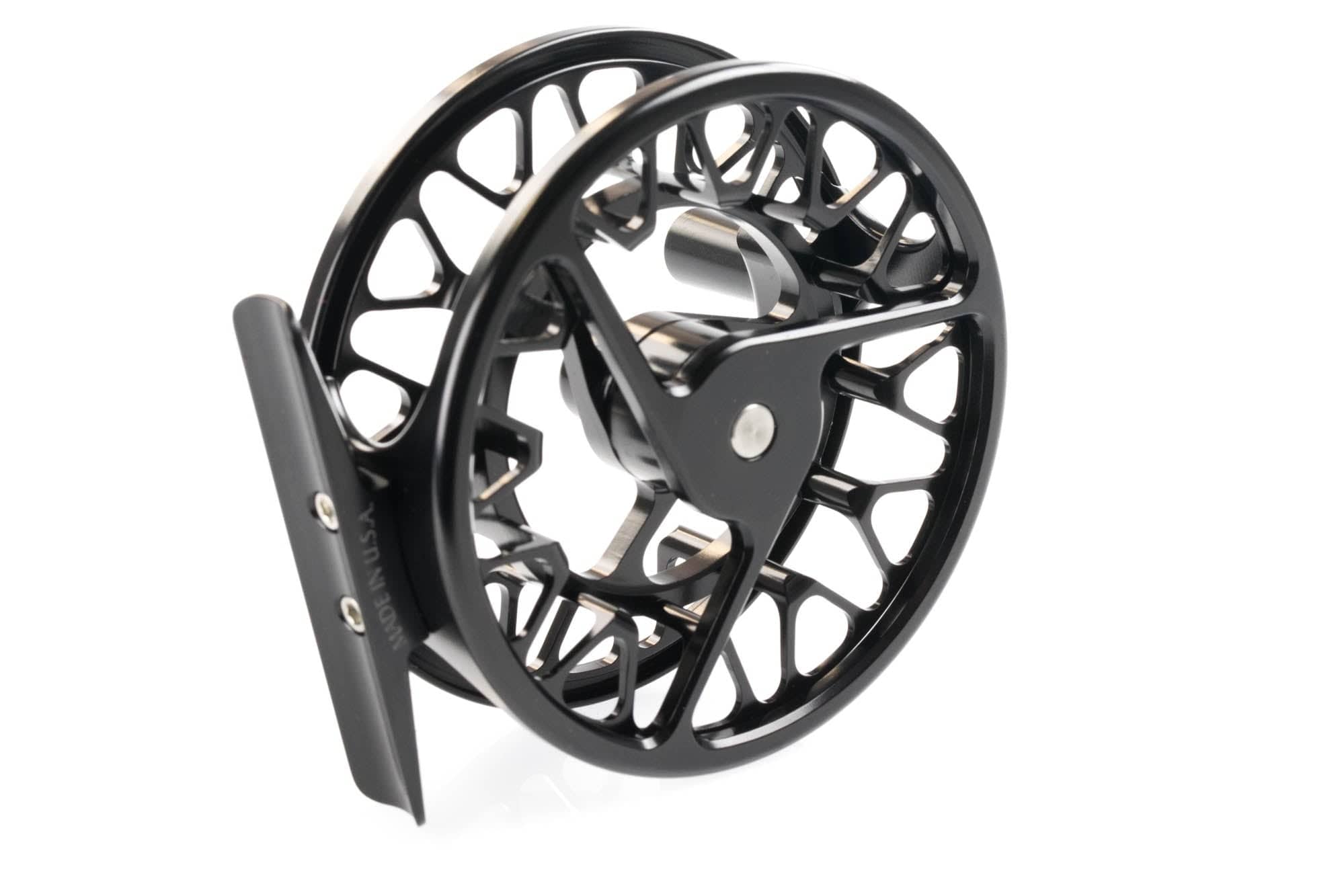
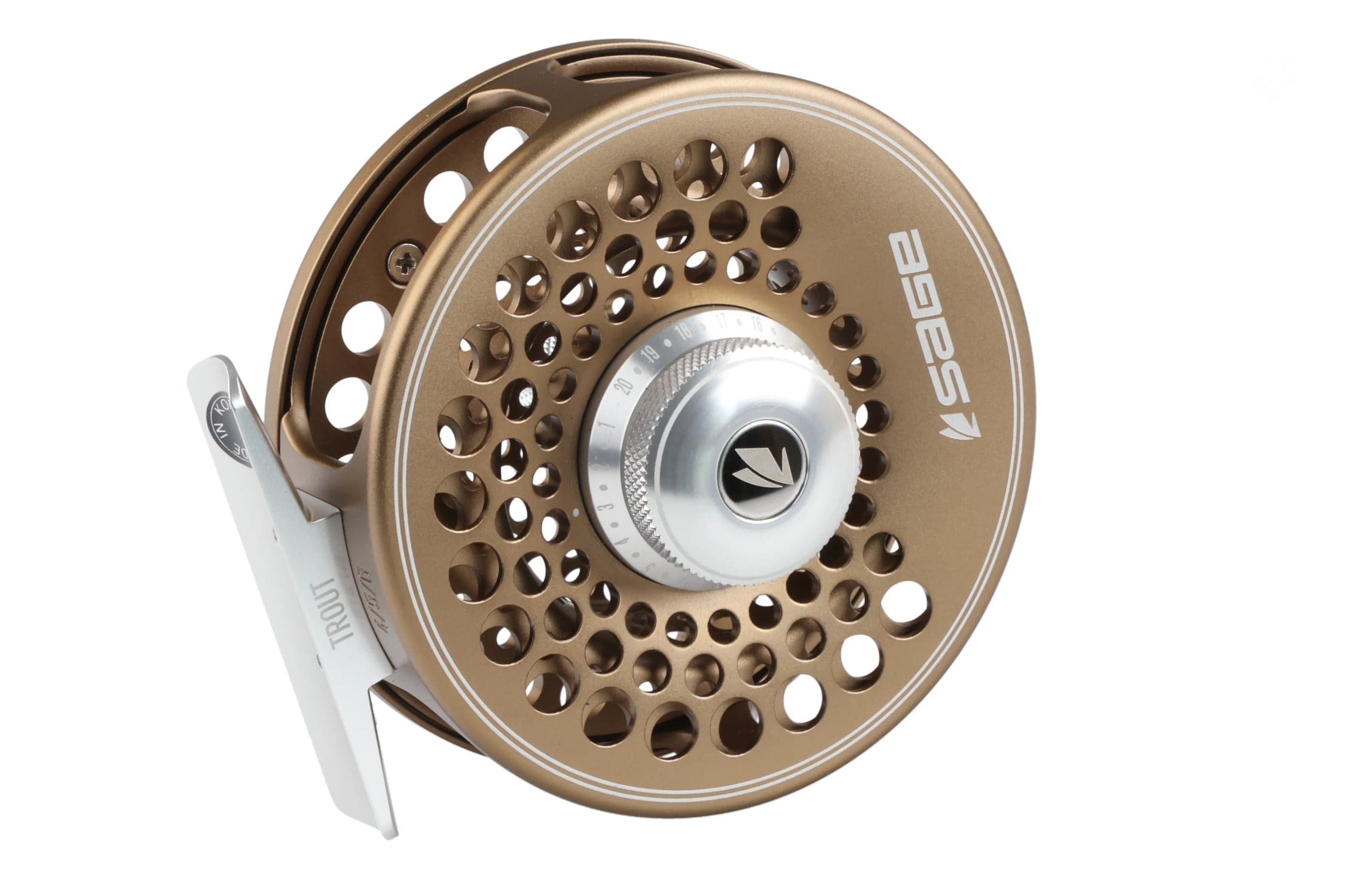
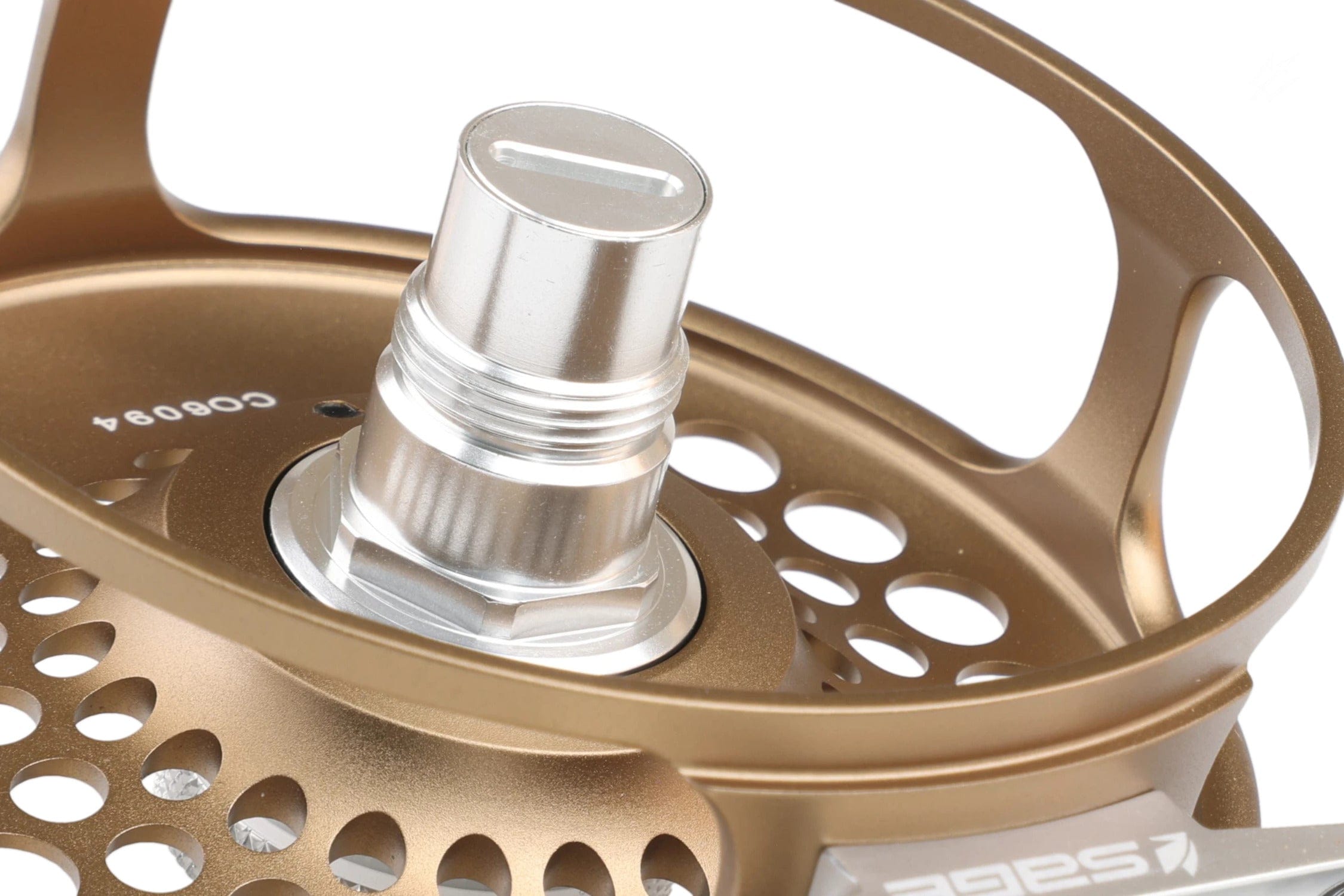
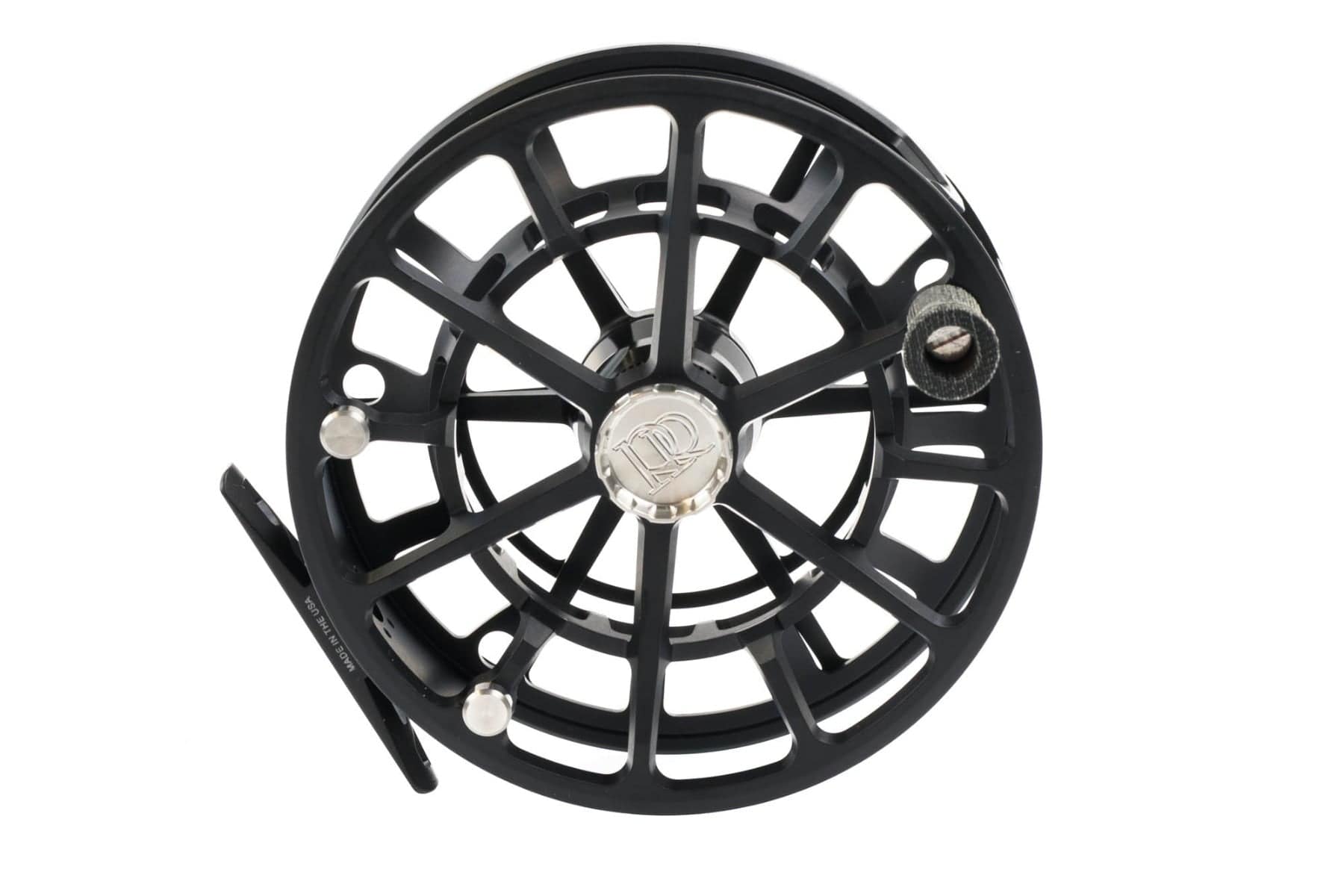
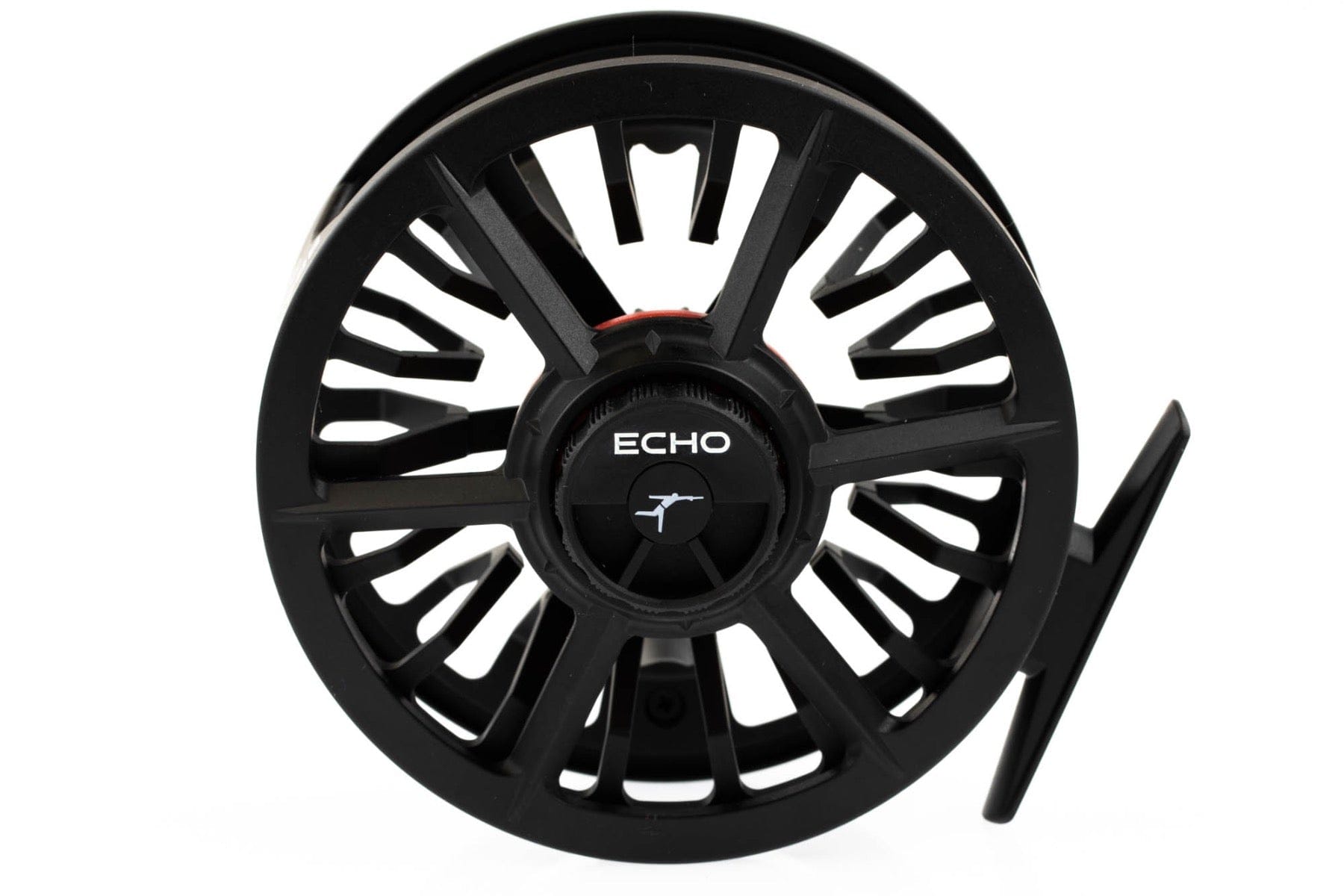
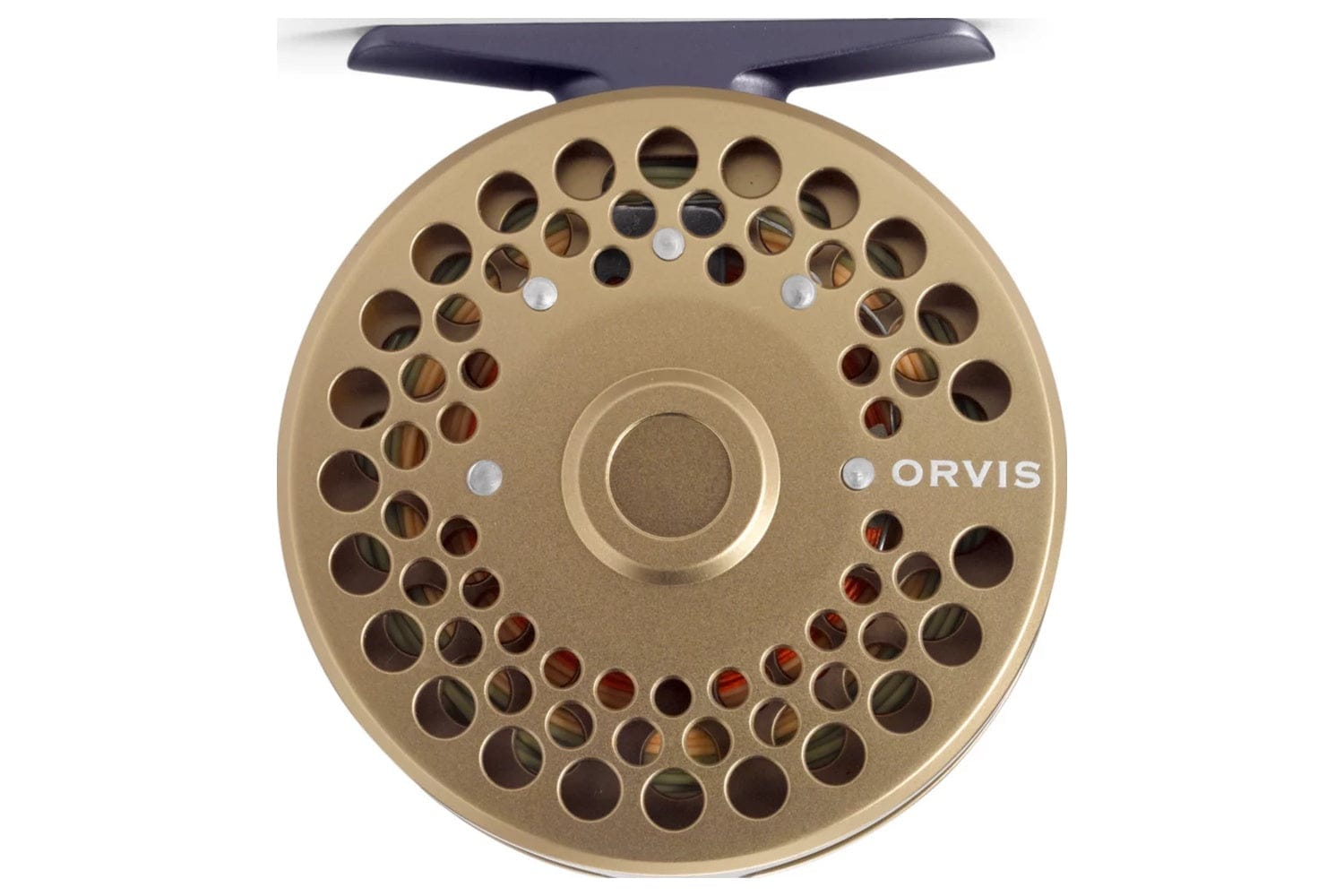
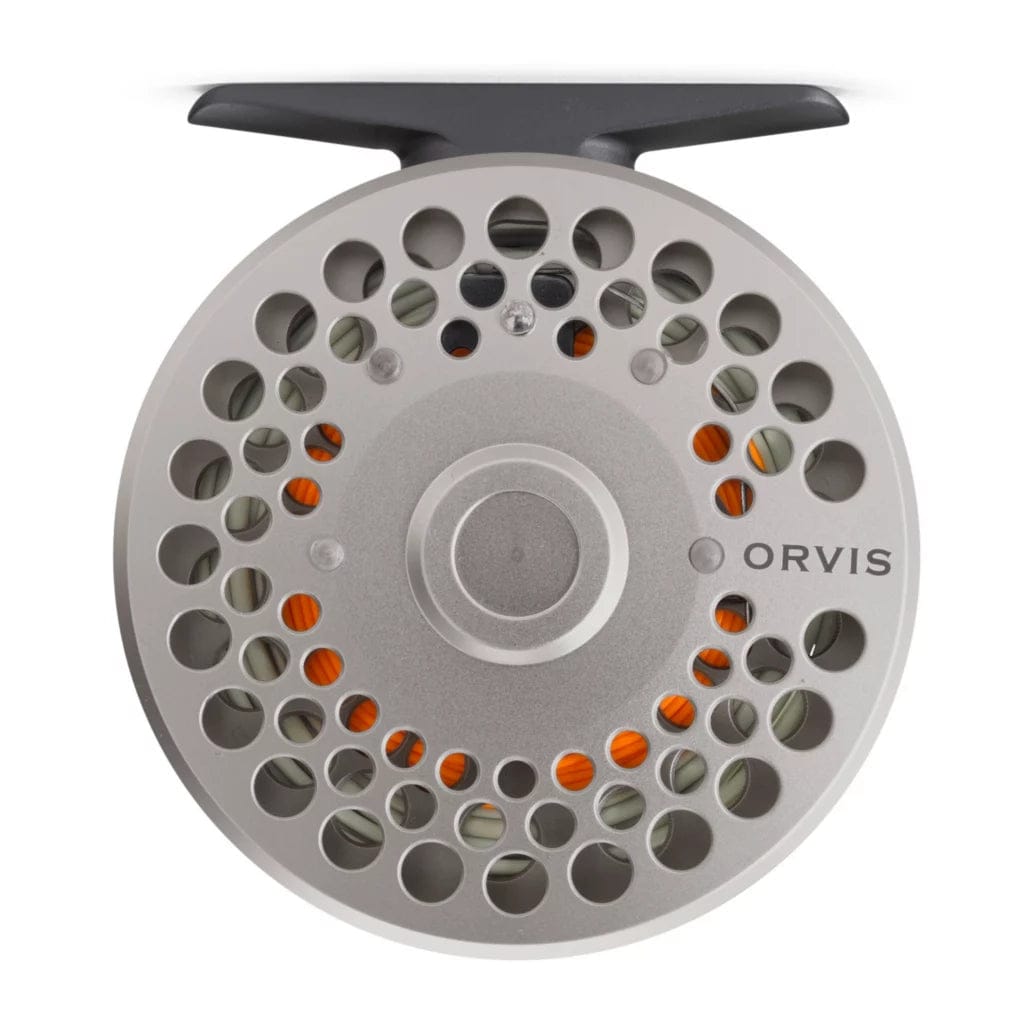
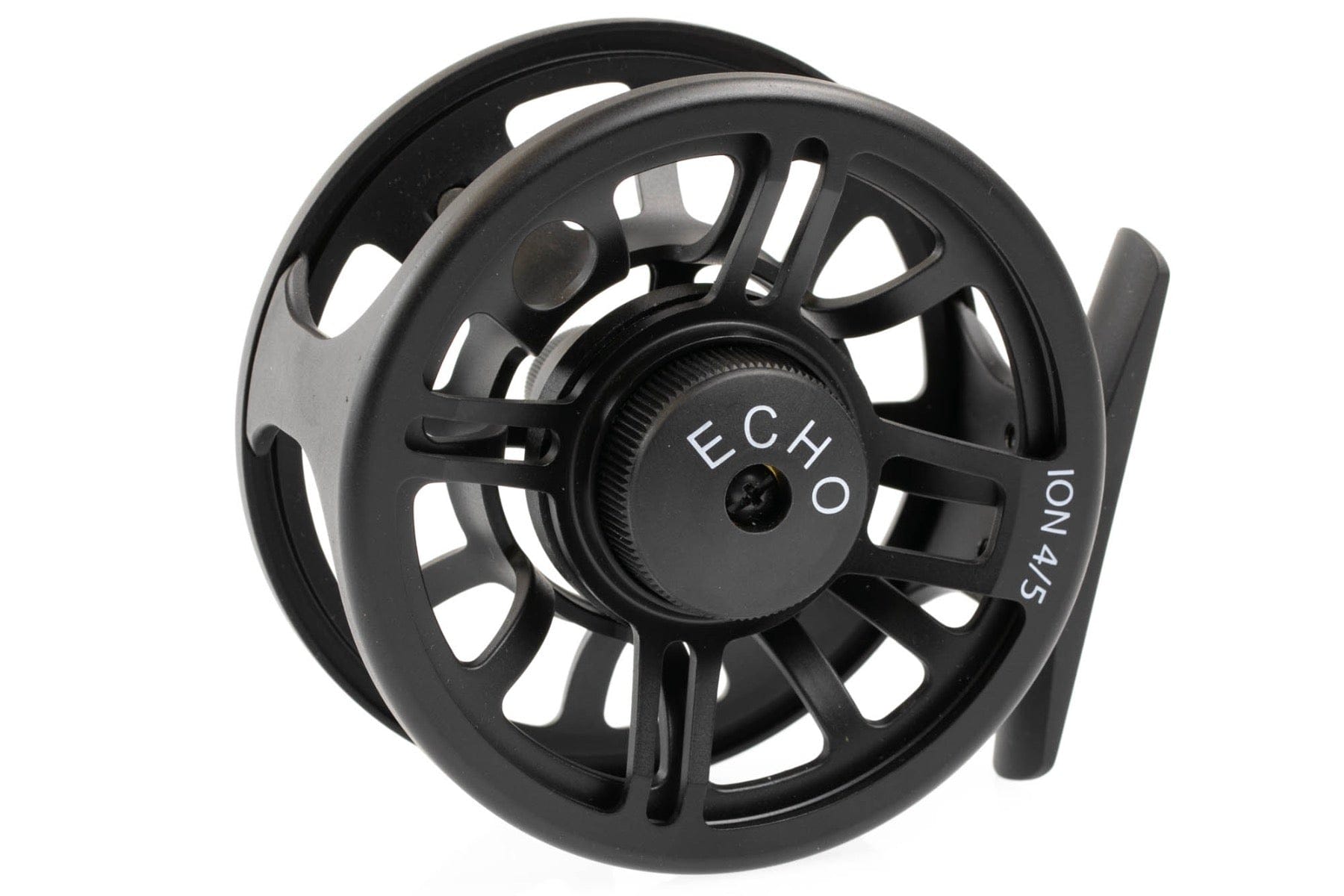


Fly Reels Quick Picks
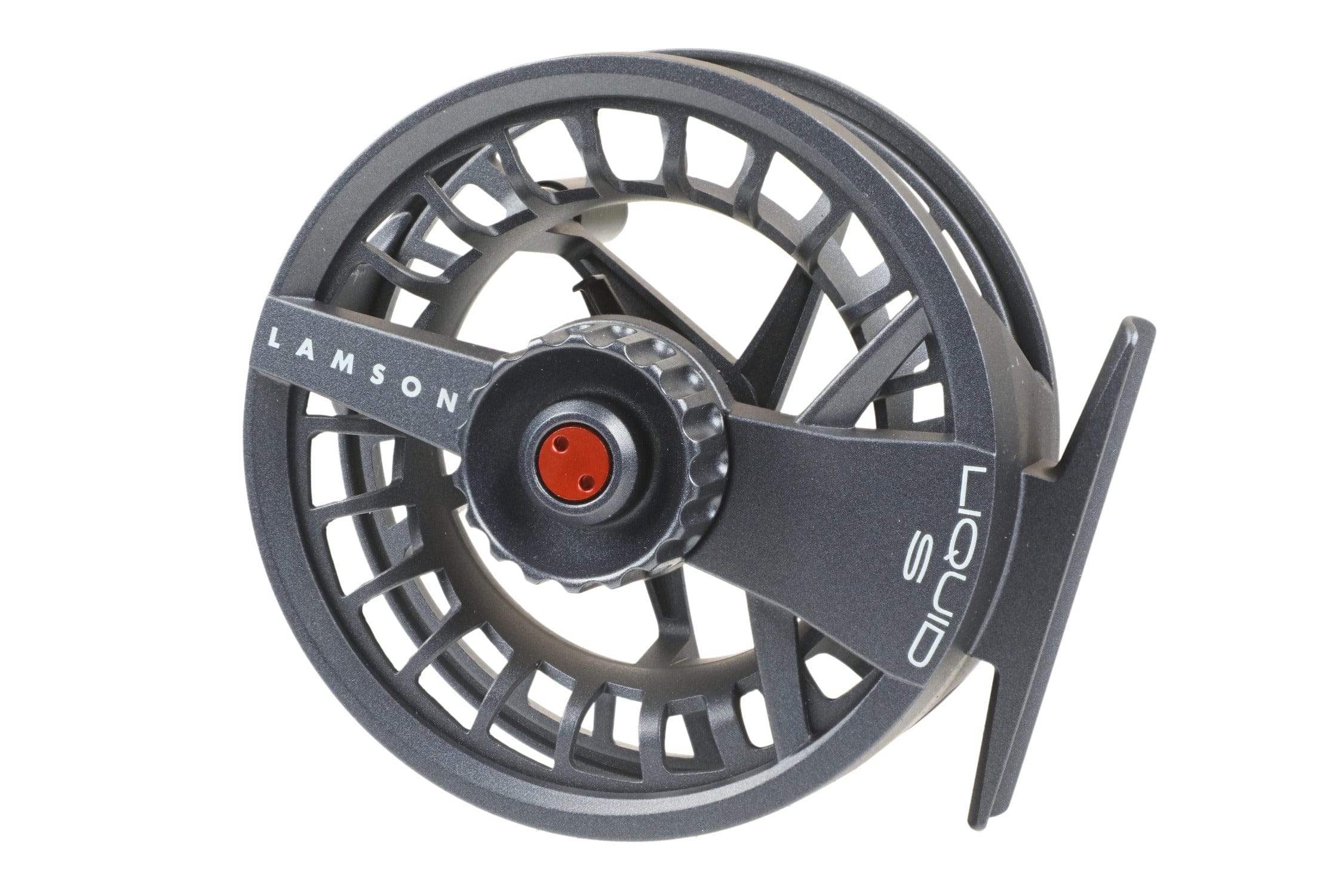
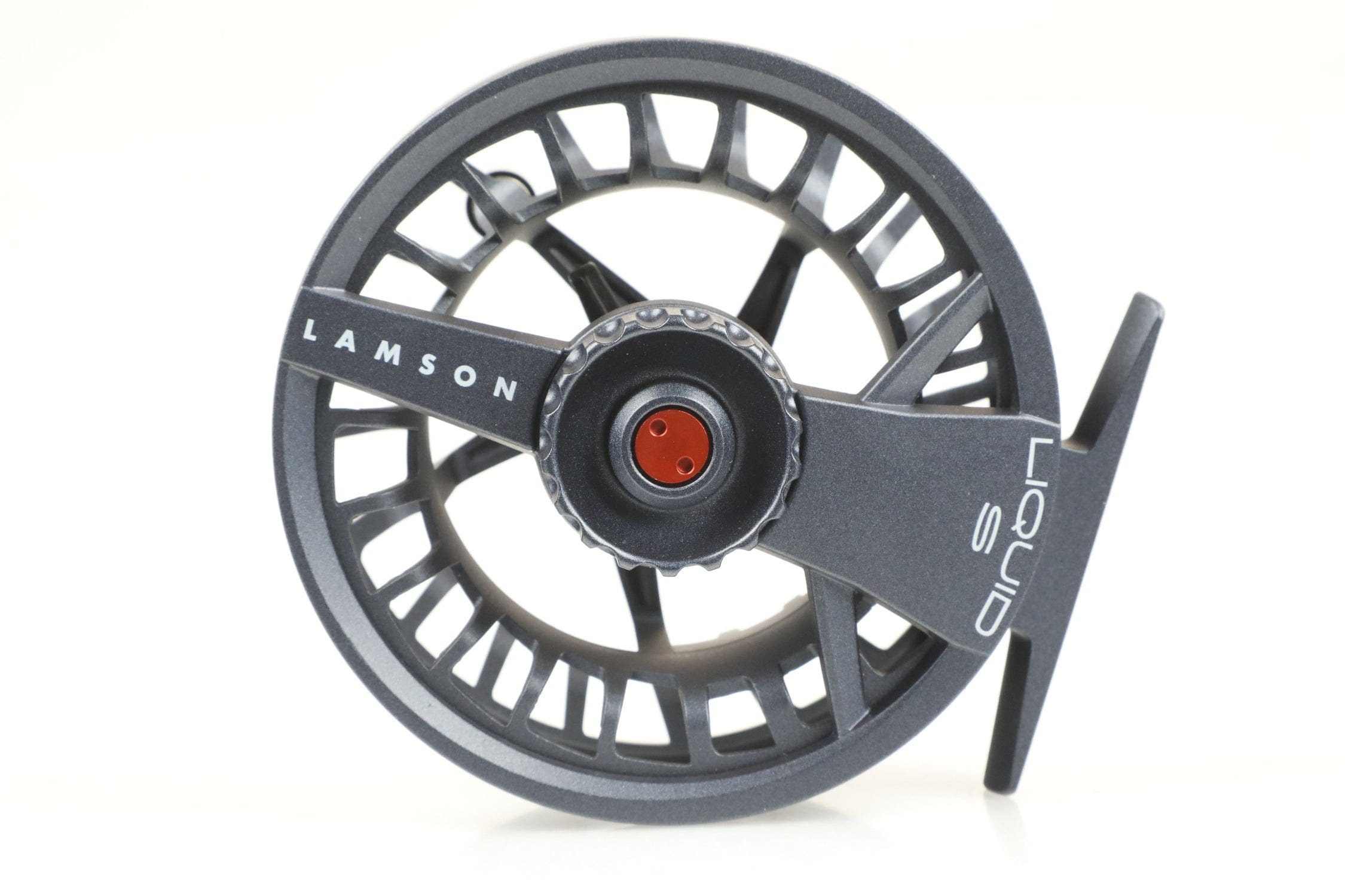
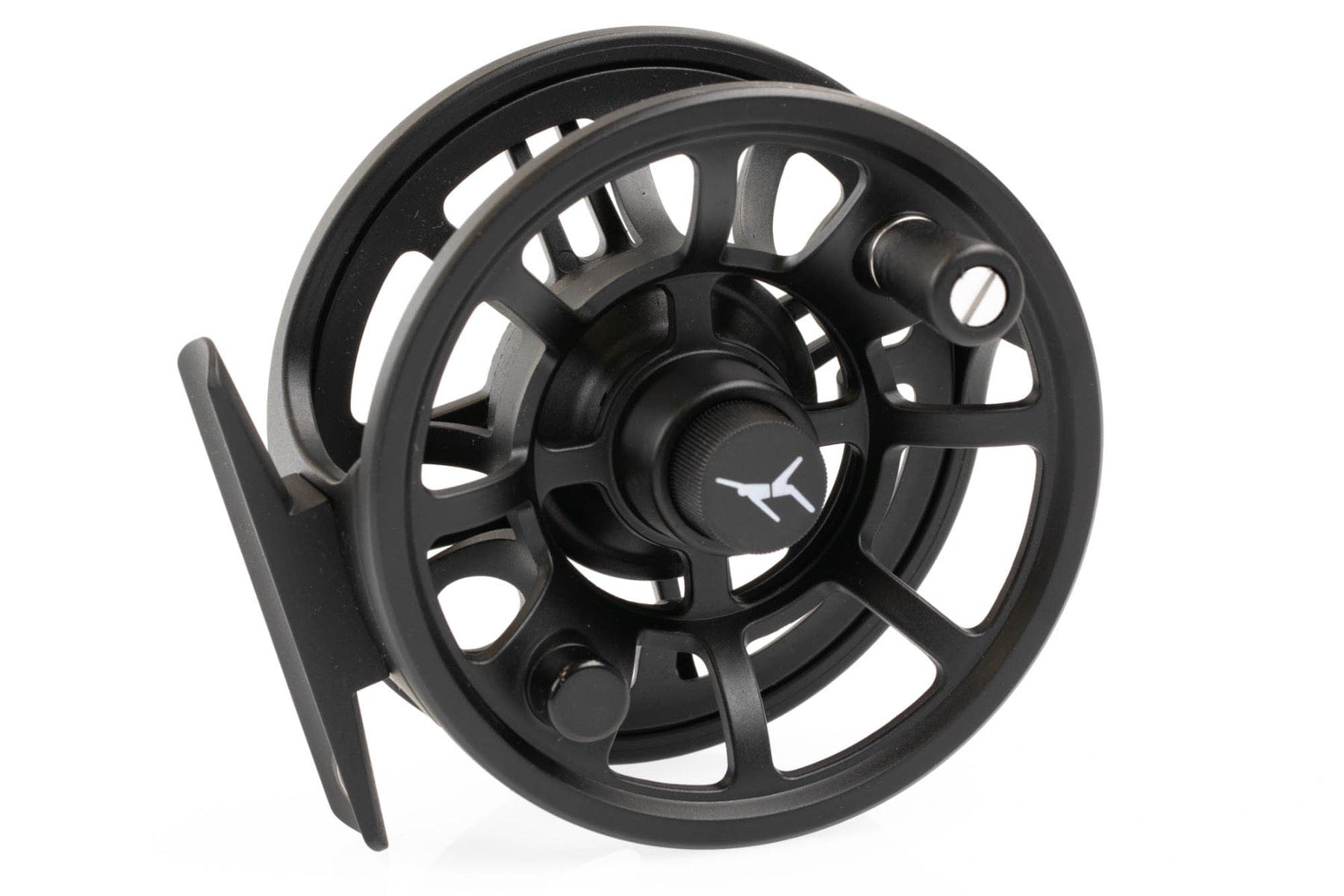
Best Value: Lamson Liquid S Fly Reel - Ideal for anglers seeking high performance on a budget. This pressure-cast reel features a large arbor and a reliable conical drag system.
Best Premium Saltwater: Hatch Iconic Fly Reel - Built for the harshest environments and hardest-fighting fish. It offers a fully machined design and a robust, sealed drag system that resists corrosion.
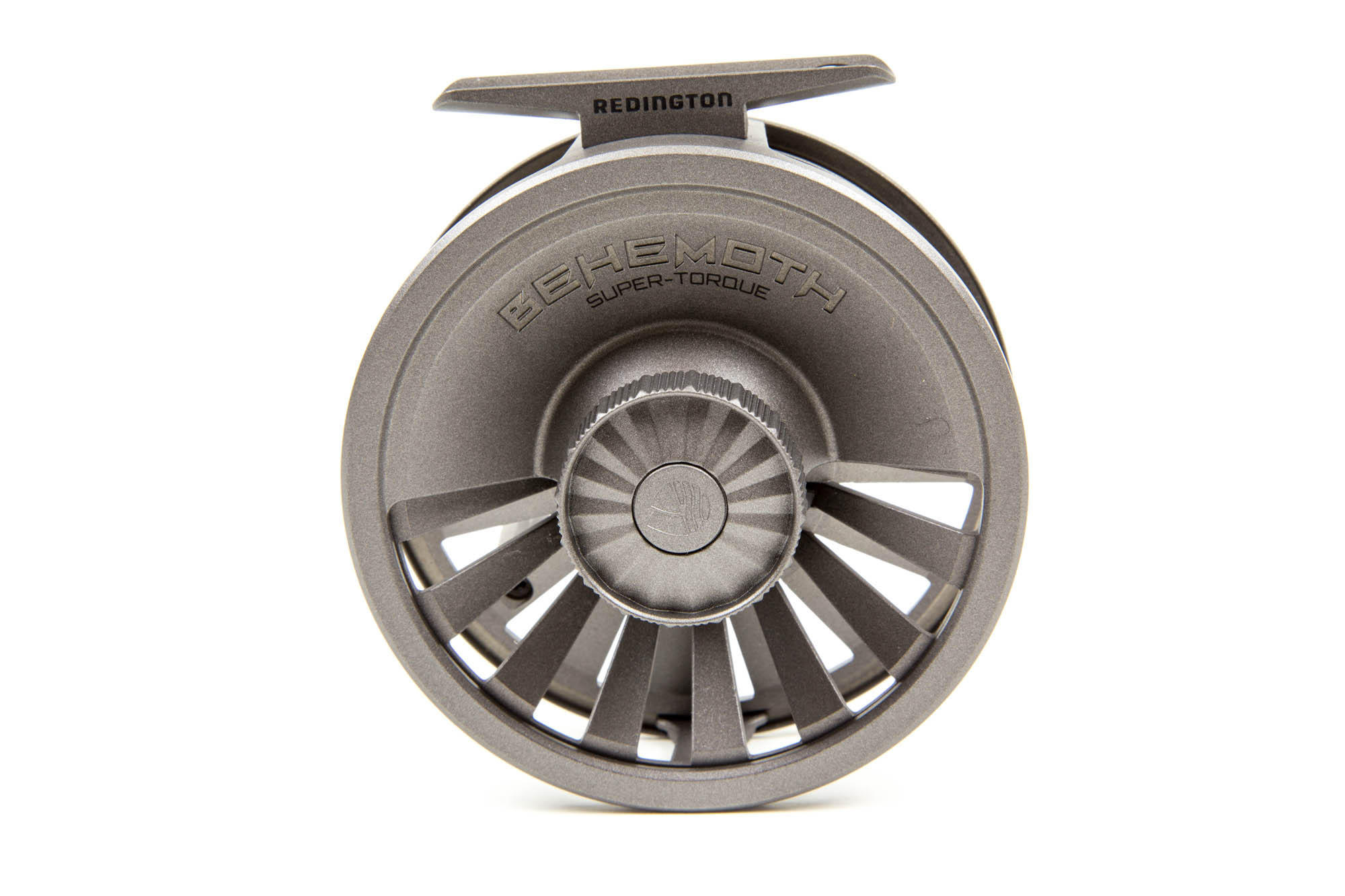
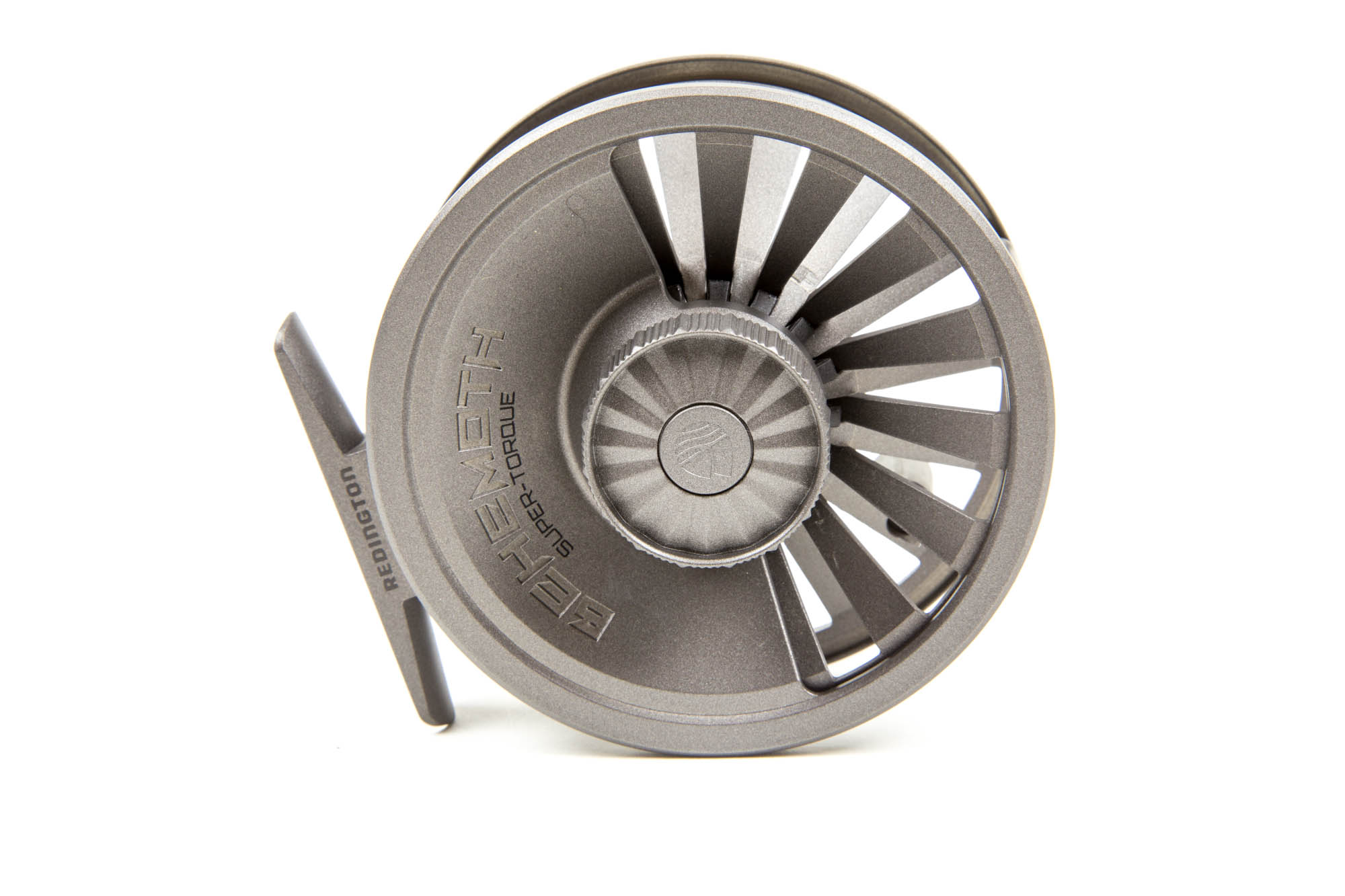
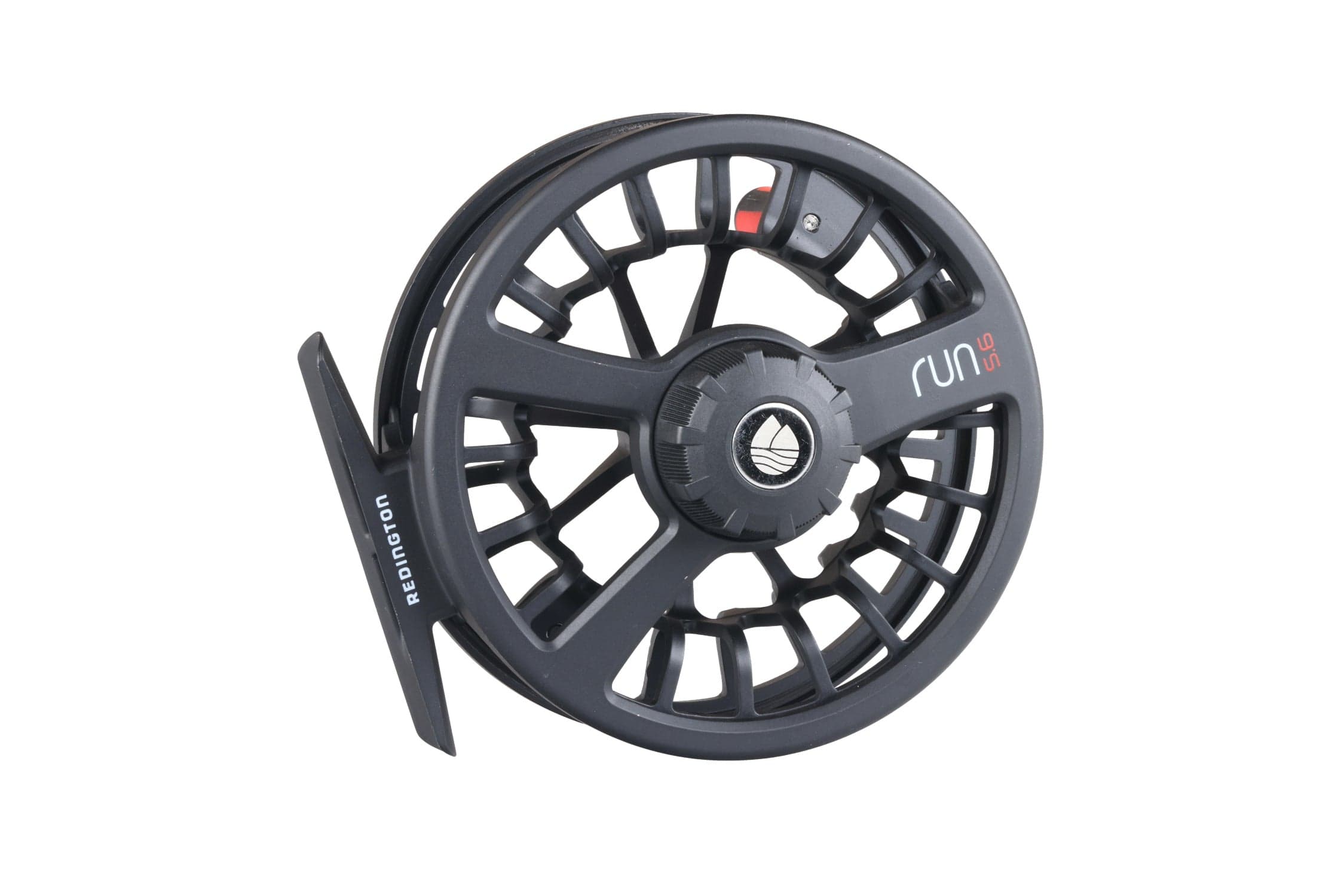
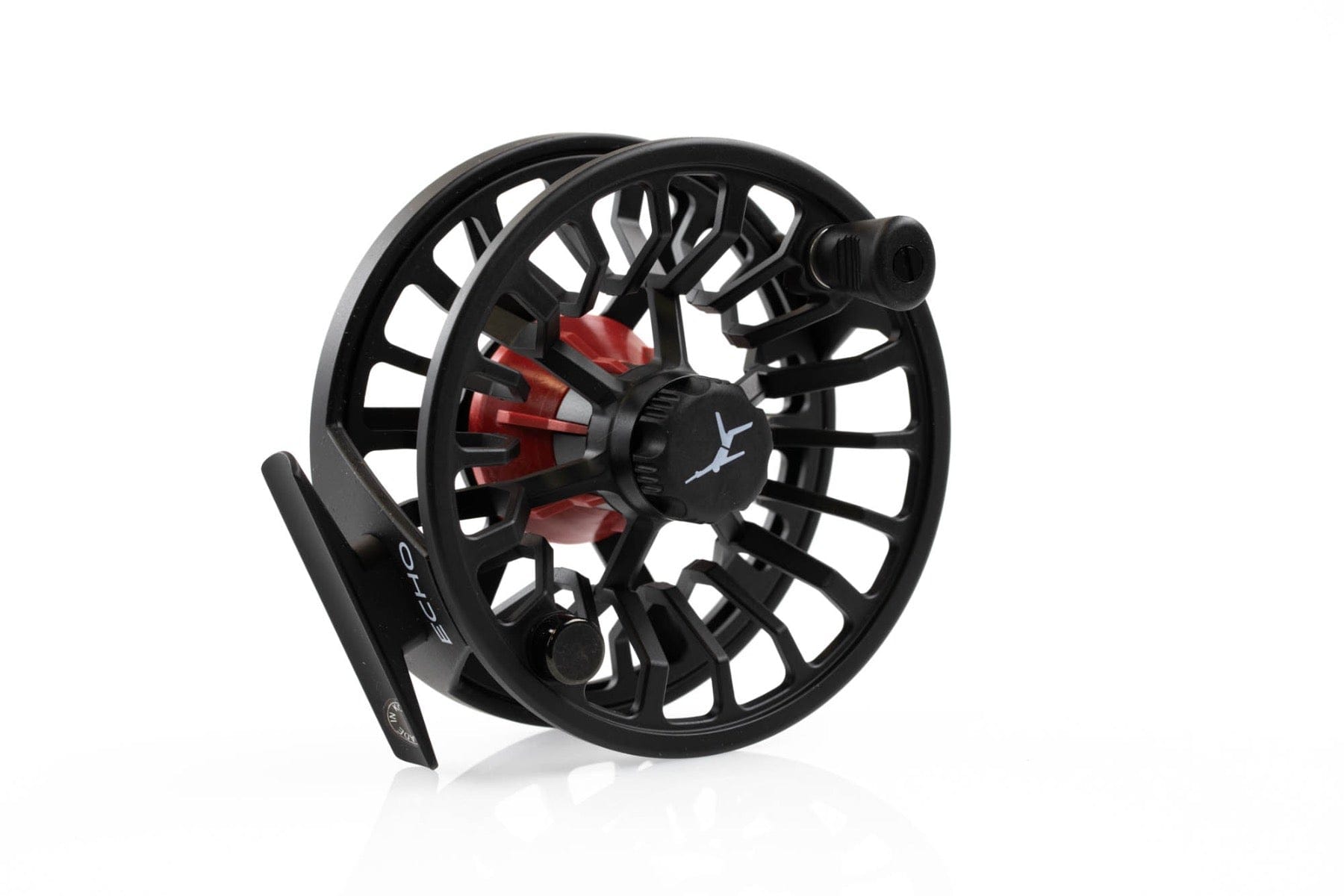
Best Heavy Duty: Redington Behemoth Fly Reel - Designed to provide maximum stopping power without breaking the bank. Its unique die-cast construction allows for a drag system that rivals much more expensive reels.
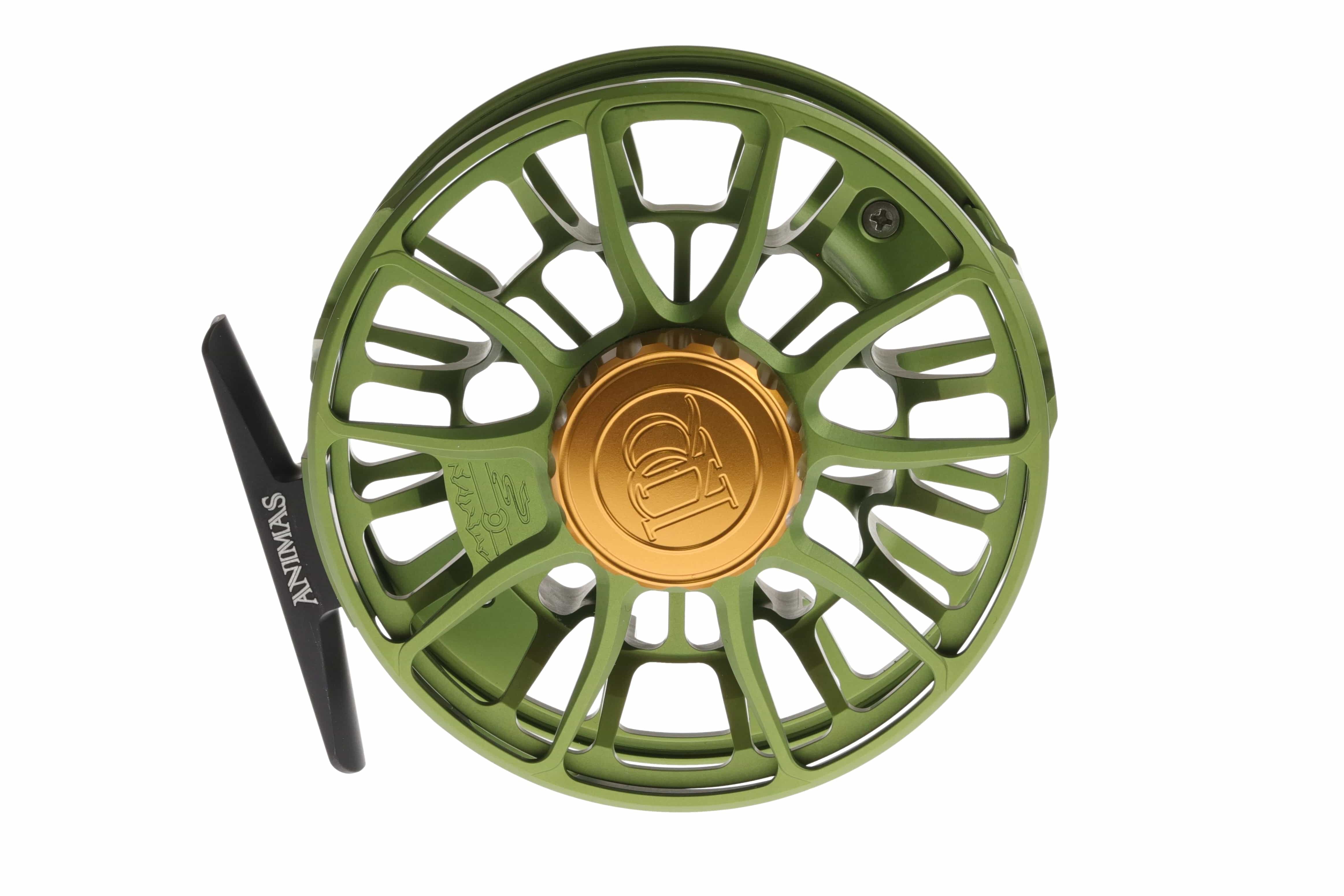
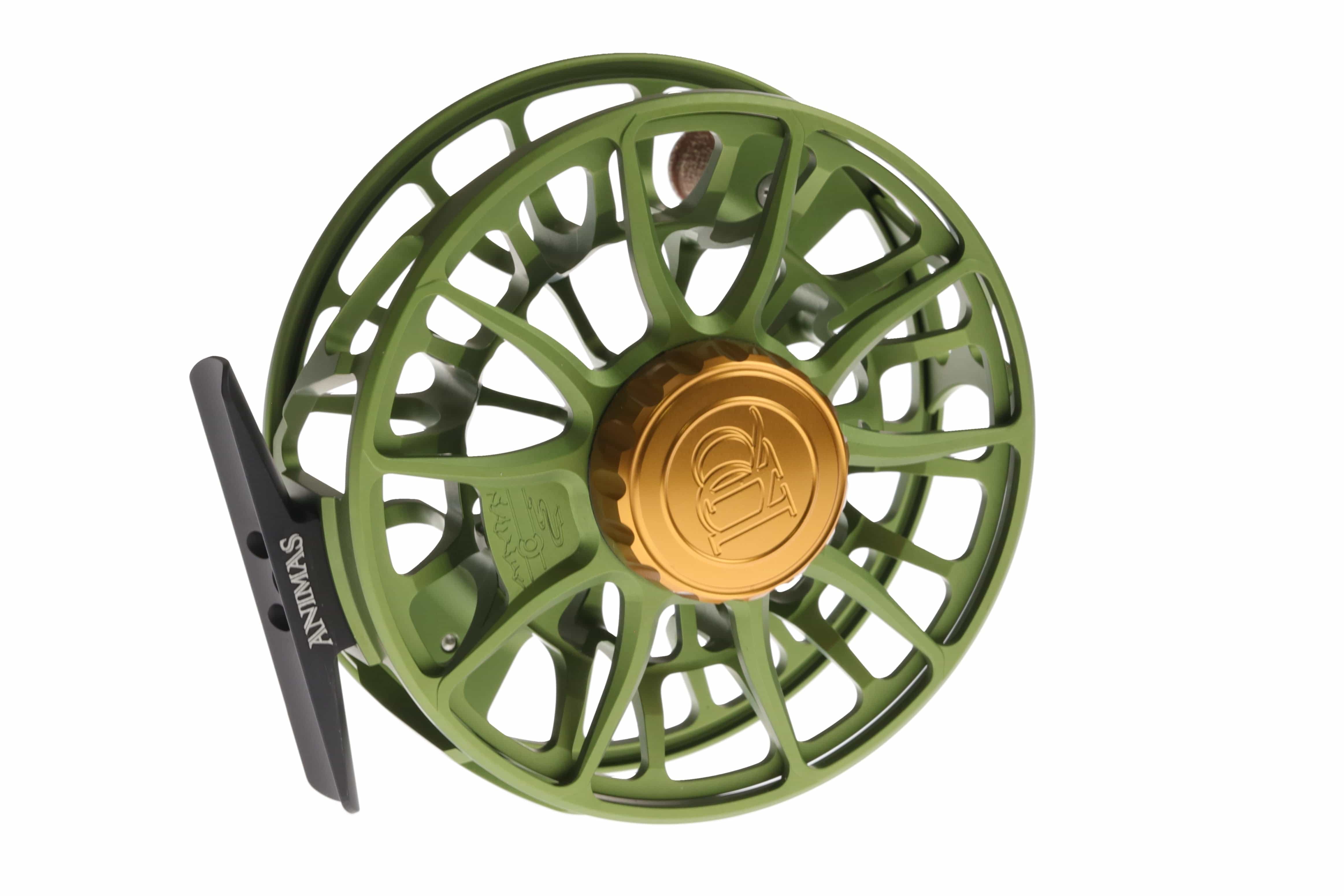
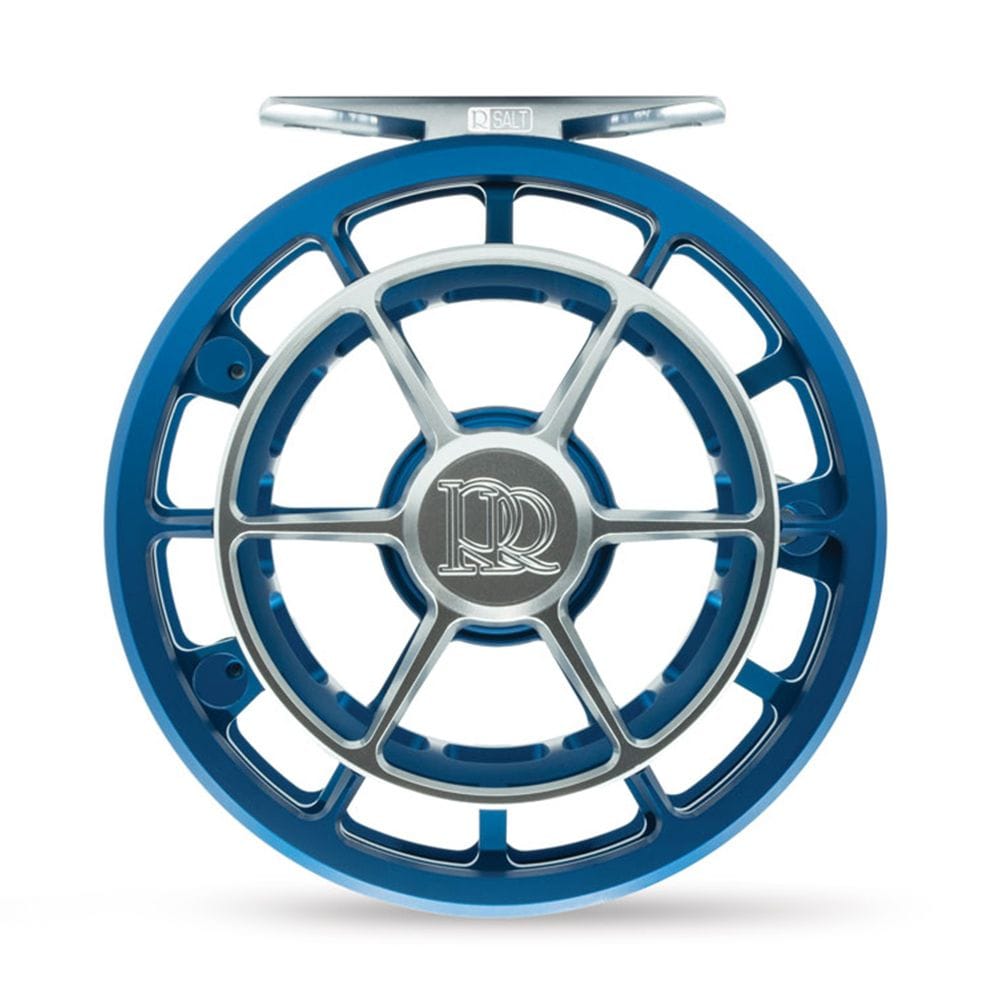
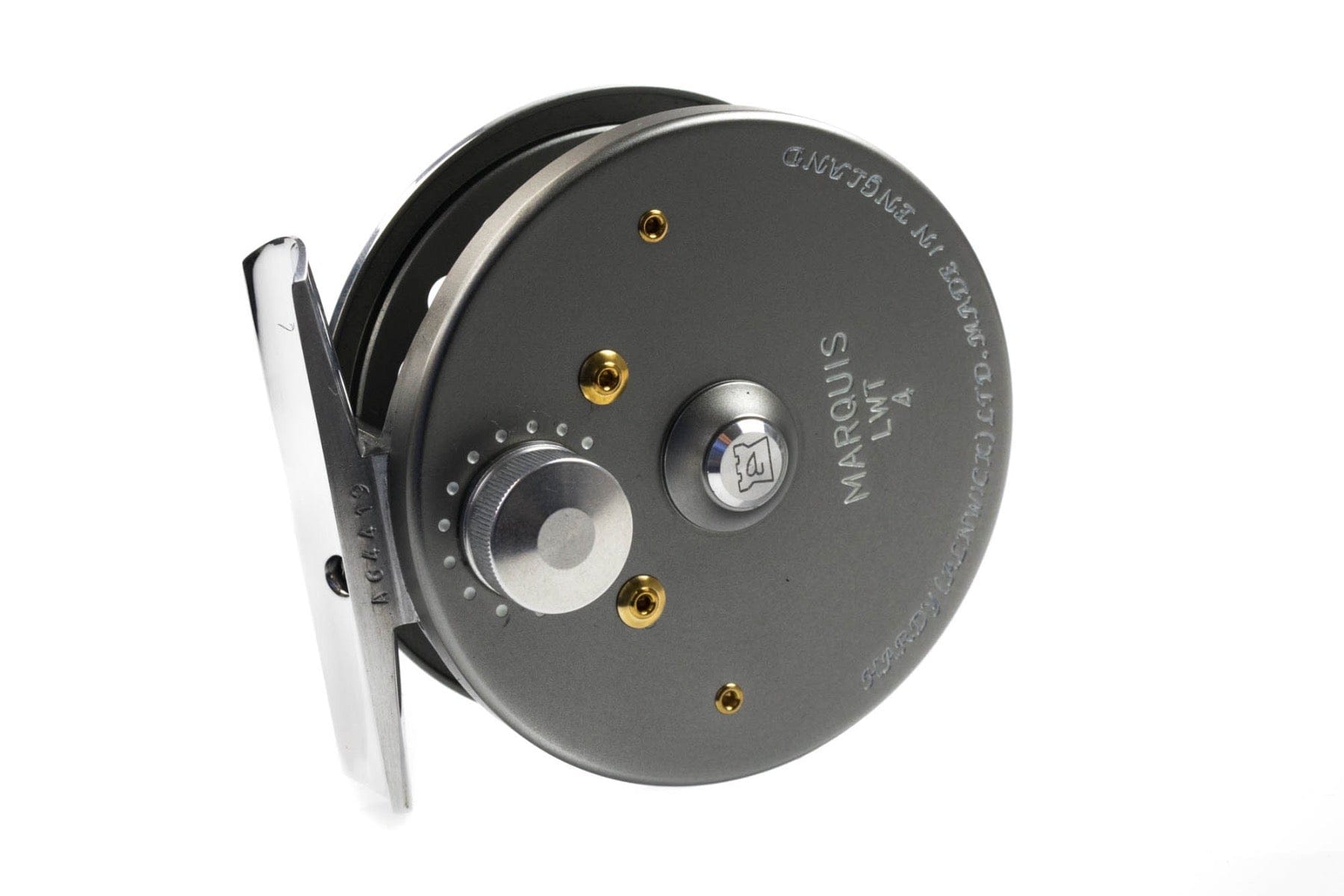
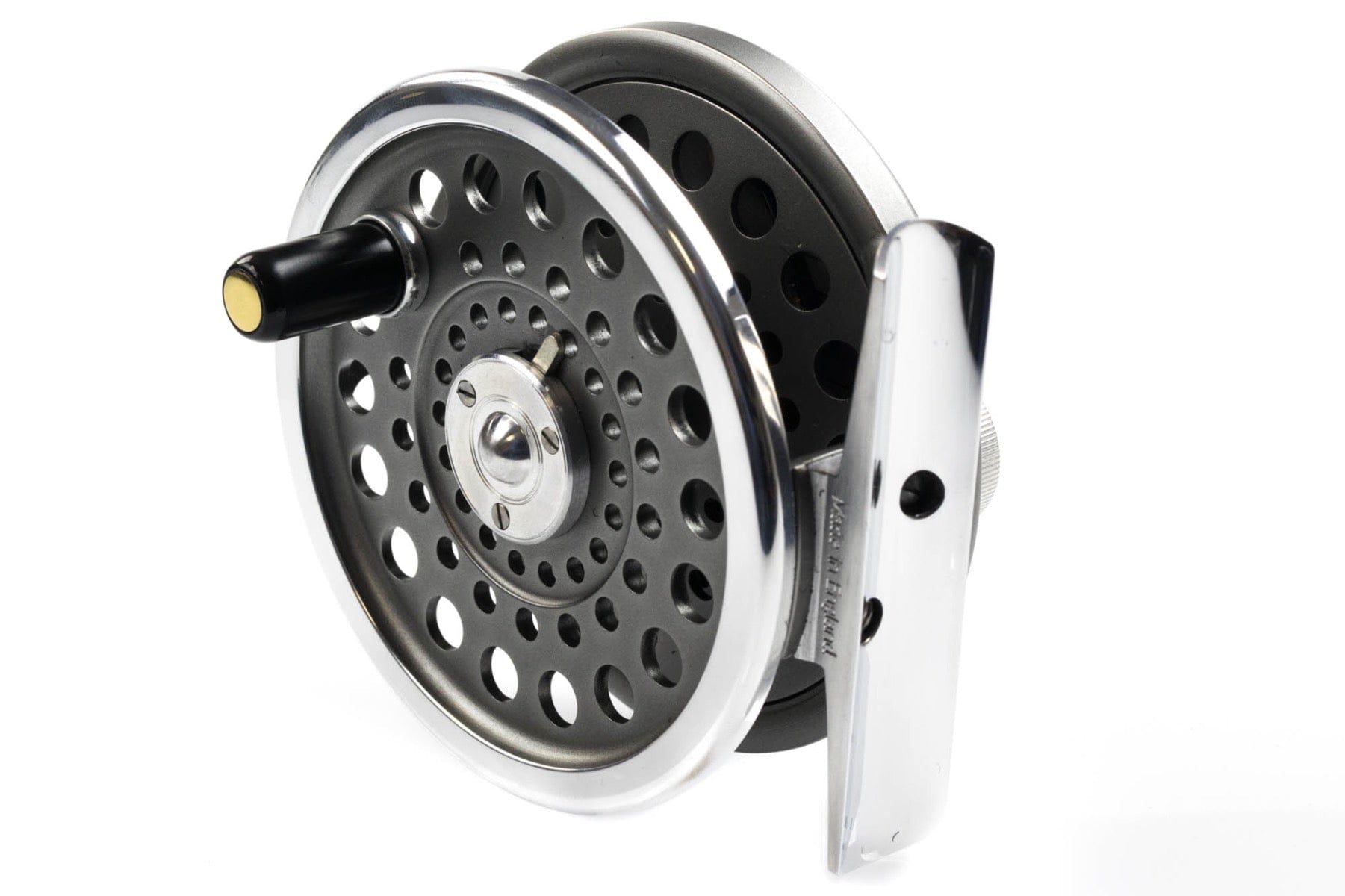
Best for Trout: Ross Animas Fly Reel - A favorite for freshwater anglers who appreciate American craftsmanship. It combines a classic aesthetic with a modern, lightweight frame and a smooth composite drag.
Explore by Type
How to Choose Fly Reels
Drag Systems
Disc Drag: Most modern fly reels utilize a disc drag system, which uses cork, carbon fiber, or synthetic discs to create friction. These systems offer smooth, consistent pressure and are capable of stopping large fish. Sealed disc drags are essential for saltwater fishing to prevent corrosion from salt and grit.
Click-and-Pawl: Traditional click-and-pawl reels rely on a simple mechanical clicker to prevent the spool from overrunning. These are lightweight and offer a classic sound, making them a popular choice for small stream trout fishing where powerful drag is less critical.
Arbor Size
Large Arbor: A large arbor reel has a wider spool diameter, which allows for faster line retrieval and reduces line memory (coiling). This is advantageous for most fishing scenarios, especially when fighting fish that make long runs.
Standard/Mid Arbor: These reels are often more compact and hold more backing for their size. They offer a traditional look and feel, often preferred by anglers fishing bamboo or fiberglass rods.
Materials and Construction
Machined Aluminum: Reels machined from bar-stock aluminum are incredibly durable, lightweight, and resistant to impact. They are anodized for corrosion resistance, making them the standard for premium freshwater and saltwater reels.
Die-Cast: Die-cast reels are made by pouring molten metal into a mold. This process is less expensive, allowing for high-performance designs at a lower price point. While slightly heavier and less durable than machined reels, modern die-cast options like the Redington Behemoth are exceptionally tough.
Care & Maintenance
Rinse After Use: Always rinse your reel with fresh water after fishing, especially in saltwater, to remove salt and debris.
Loosen Drag: Back off the drag tension when storing your reel to prevent the drag components from compressing and losing effectiveness over time.
Dry Thoroughly: Separate the spool from the frame and allow both to air dry completely before storing them in a case.
Complete Your Setup
Related Gear
Fly Rods - Pair your new reel with a rod that balances well for your target species.
Fly Lines - Choose a line that matches your rod weight and fishing conditions.
Backing - Essential for filling your spool and fighting fish that run long distances.
Related Guides
Fly Reels FAQs
Q: Do I need a sealed drag for freshwater fishing?
A: While not strictly necessary, a sealed drag is beneficial in freshwater as it keeps out sand, grit, and silt that can damage the reel's internals. It also requires less maintenance over time.
Q: How do I match a reel to my rod?
A: Reels are rated by line weight (e.g., 5/6 for 5 or 6-weight lines). Choose a reel that matches your rod's line weight to ensure proper balance and line capacity.
Q: Can I change the retrieve direction on my reel?
A: Yes, most modern fly reels can be converted from left-hand to right-hand retrieve. Refer to the manufacturer's instructions for your specific model.
Q: What is the benefit of a large arbor reel?
A: A large arbor allows you to retrieve line much faster, which is helpful when fighting fish that swim toward you. It also reduces the tight coils that can cause line memory issues.
Q: Is a die-cast reel good enough for big fish?
A: Yes, many modern die-cast reels feature powerful drag systems capable of stopping large fish. However, machined reels generally offer superior long-term durability and impact resistance.

