

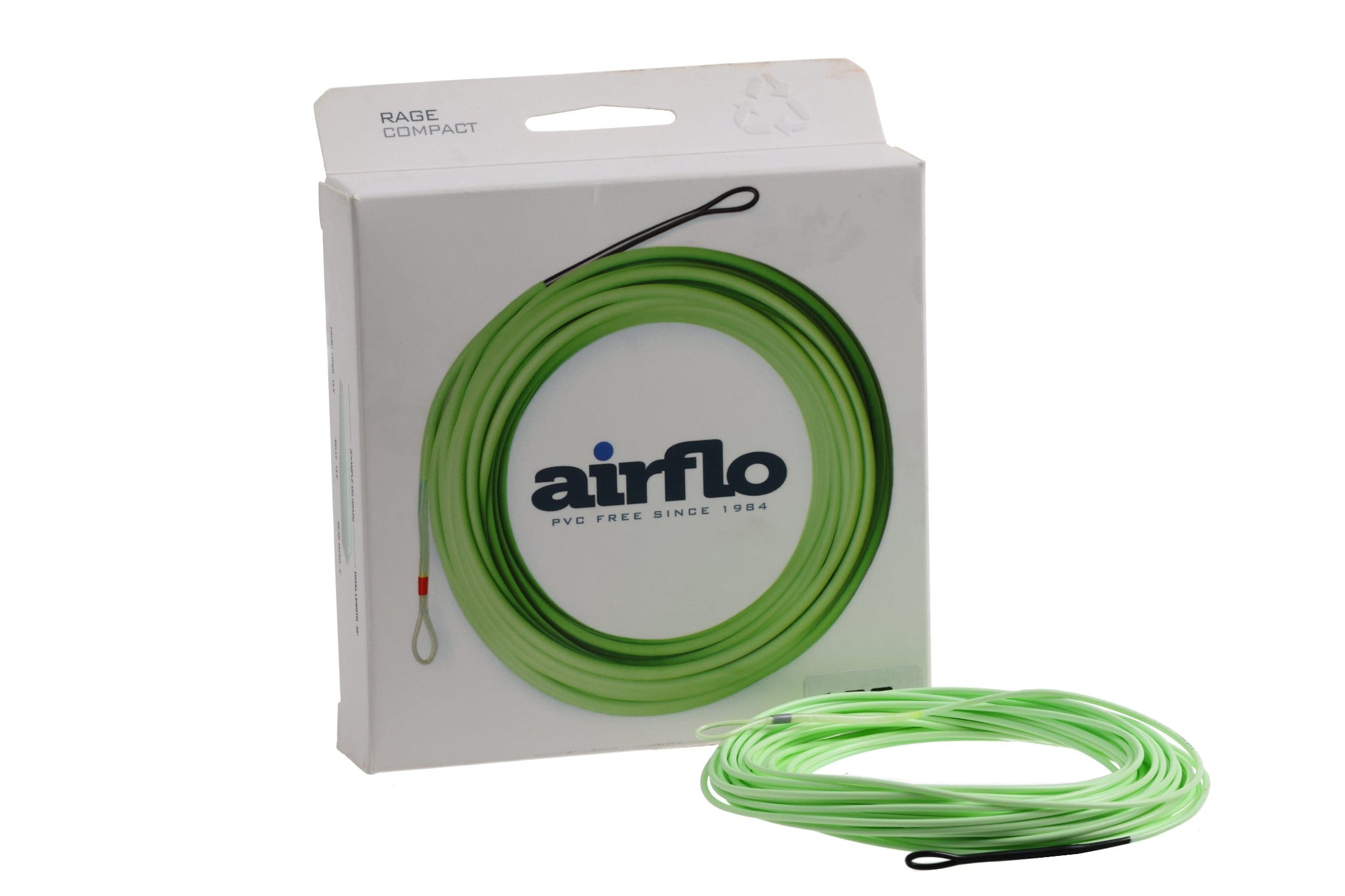
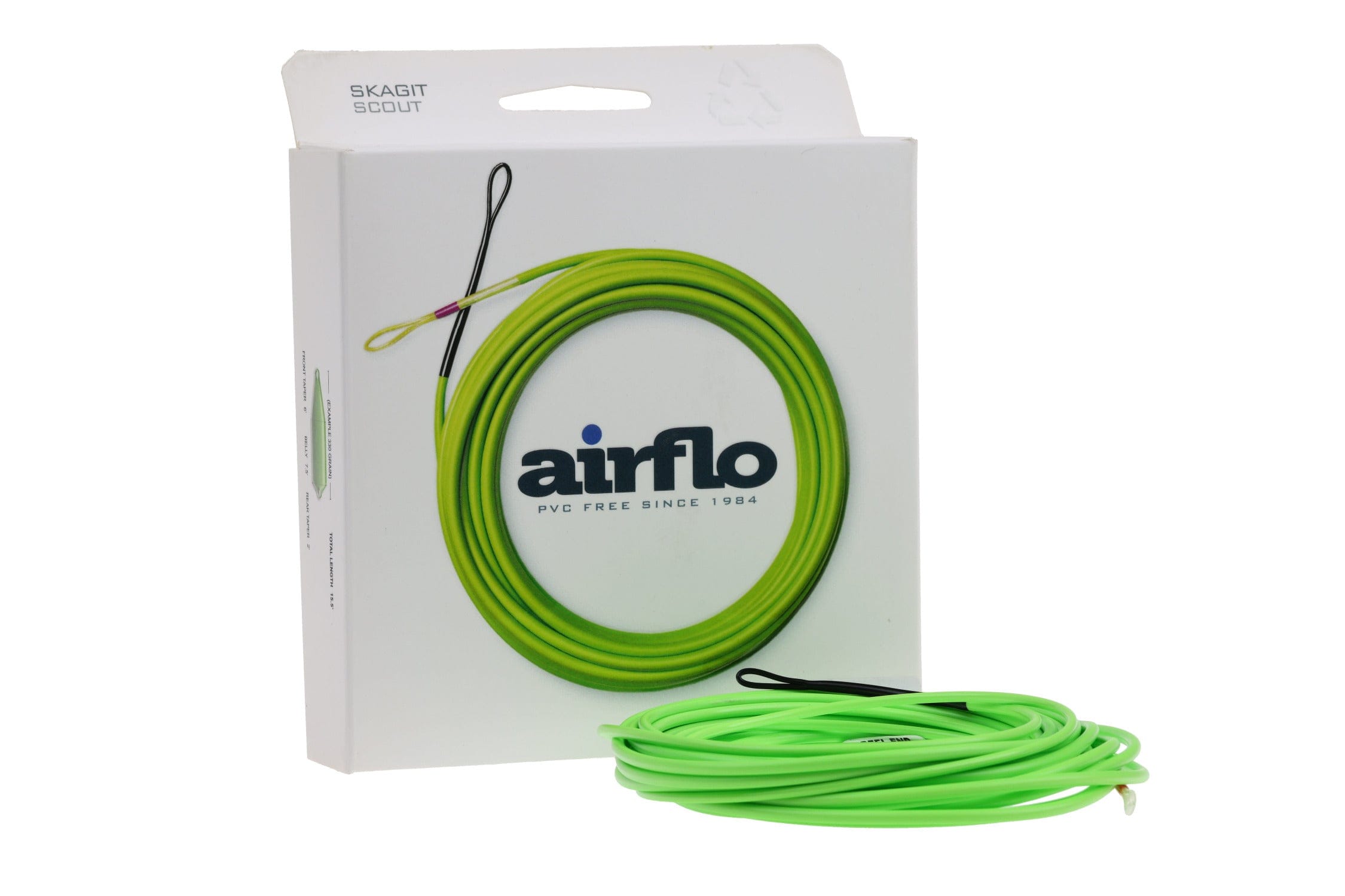
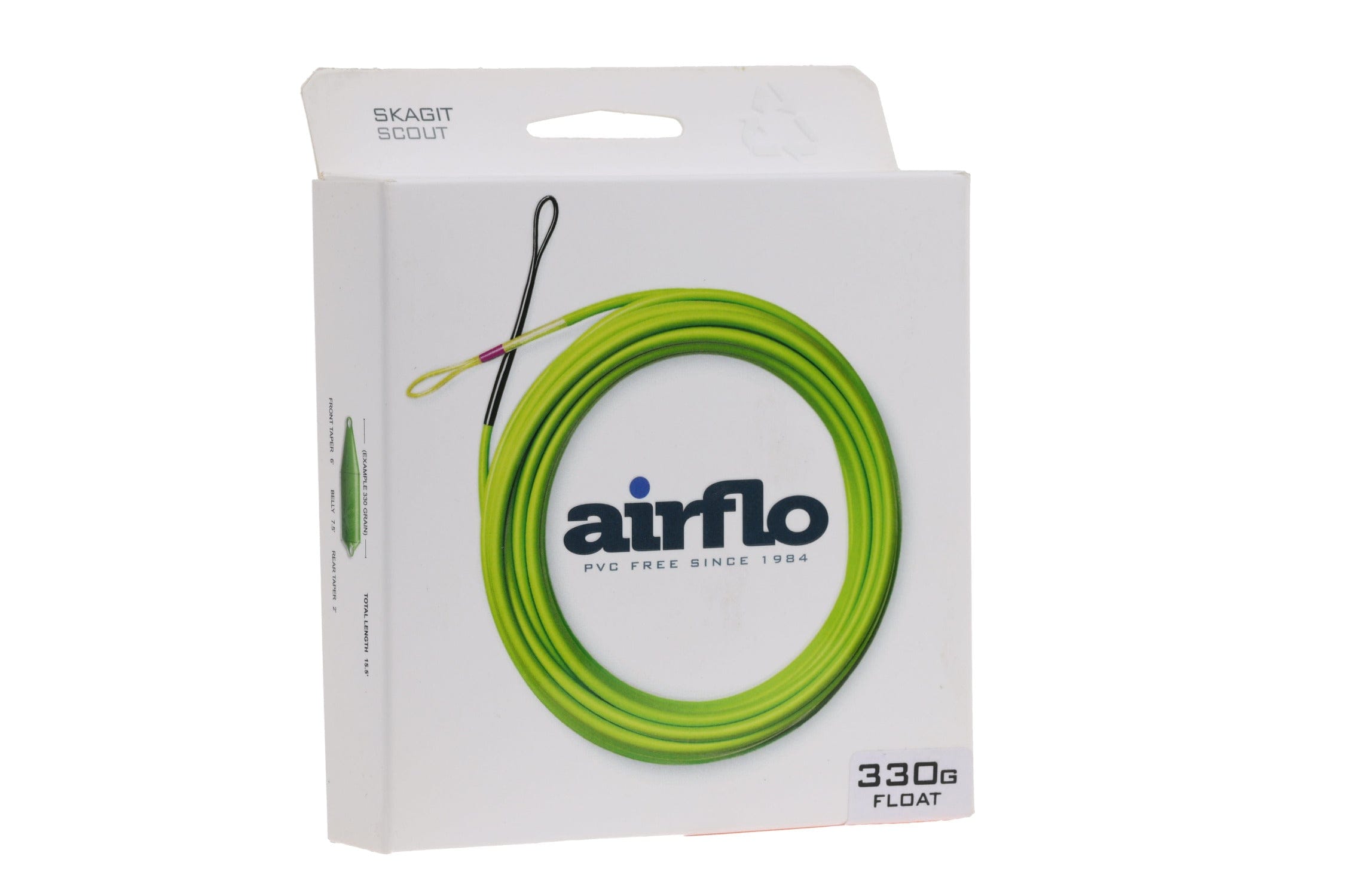



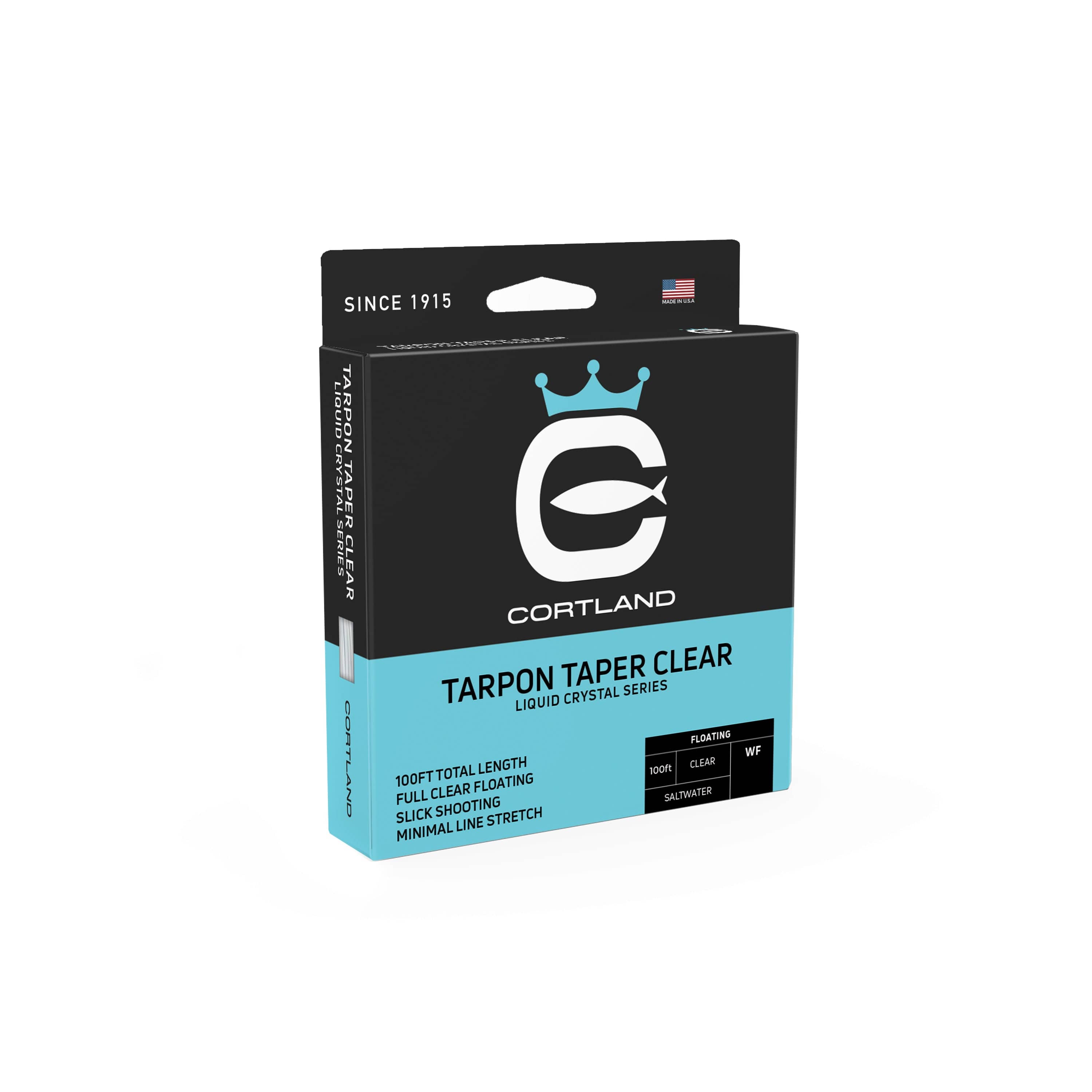
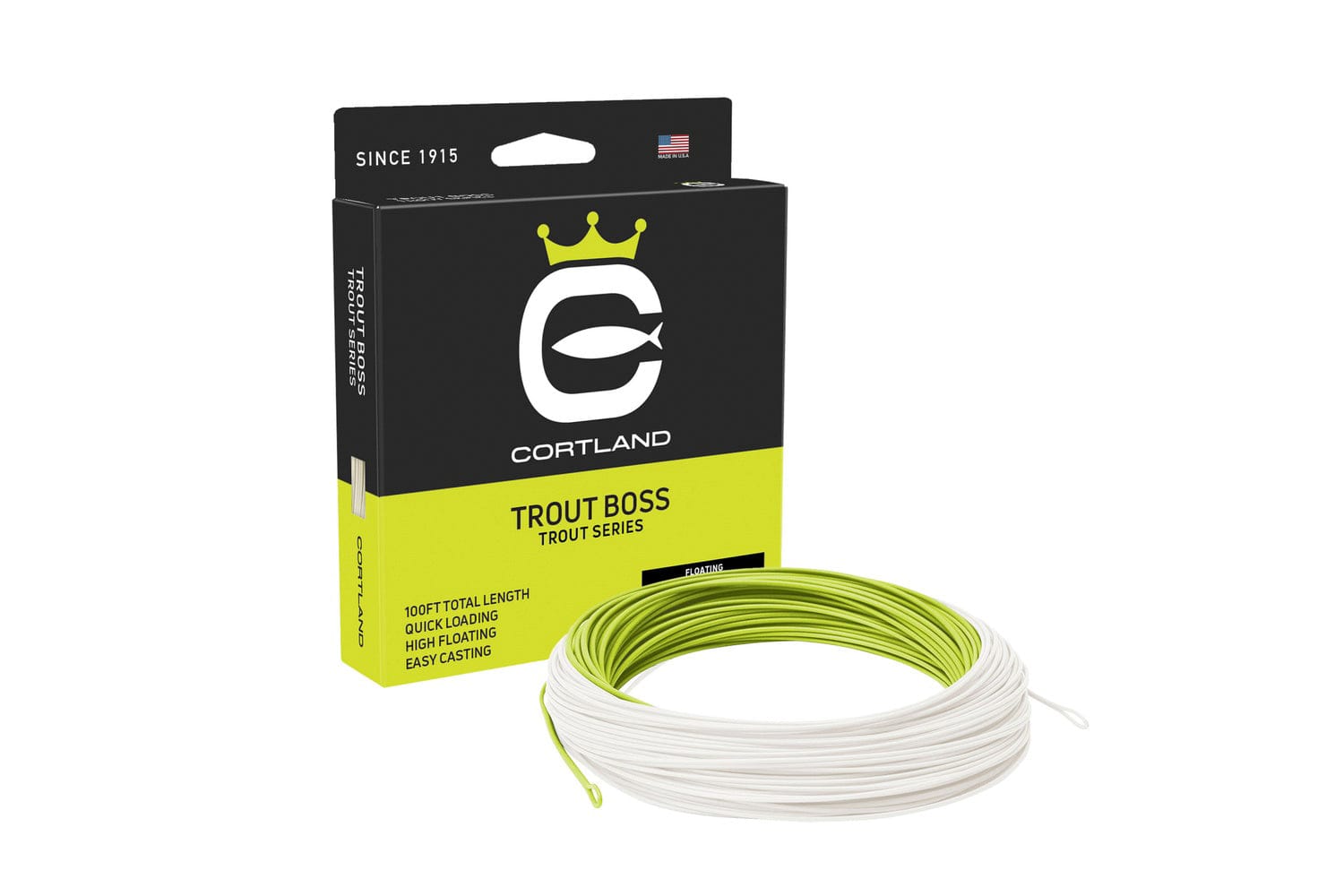
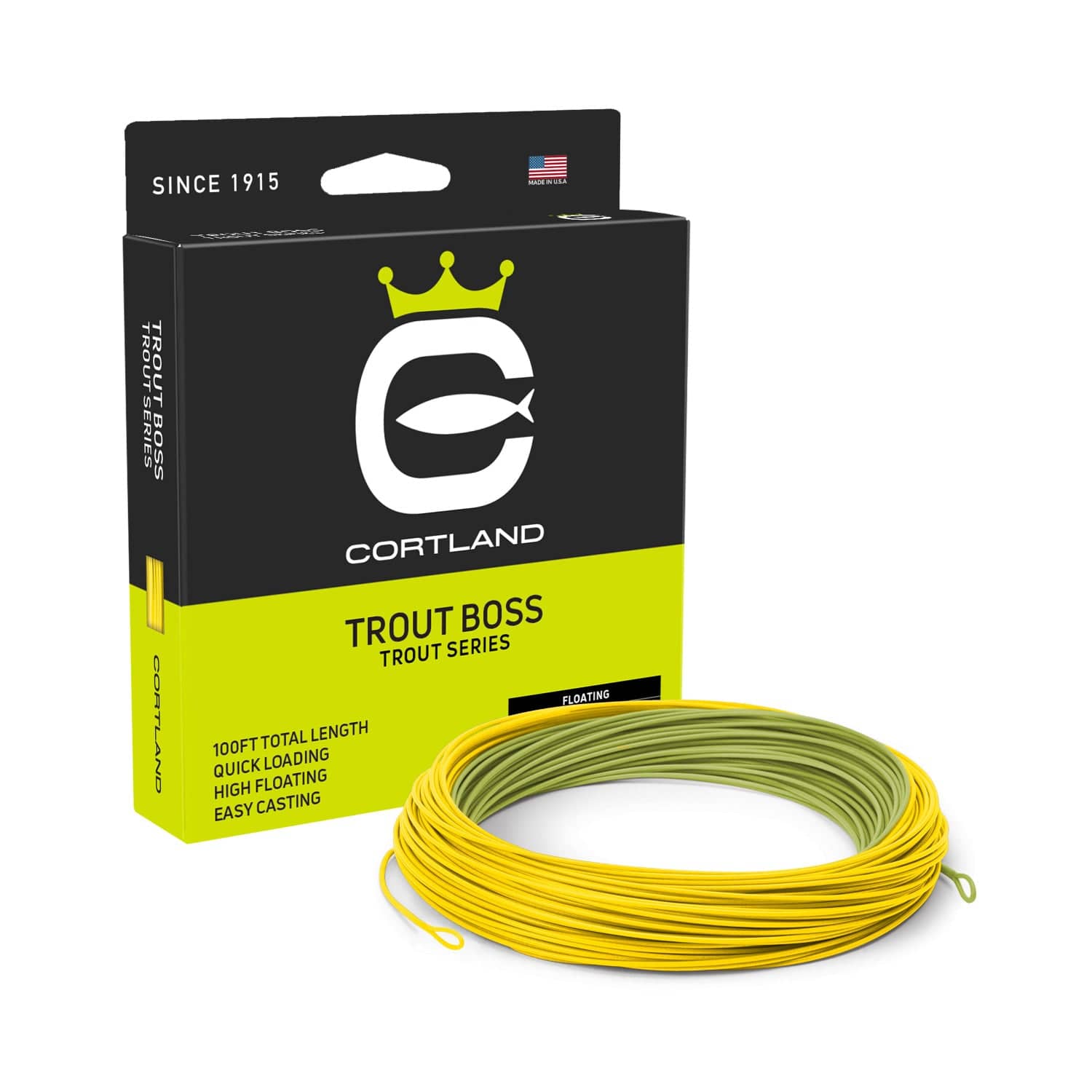
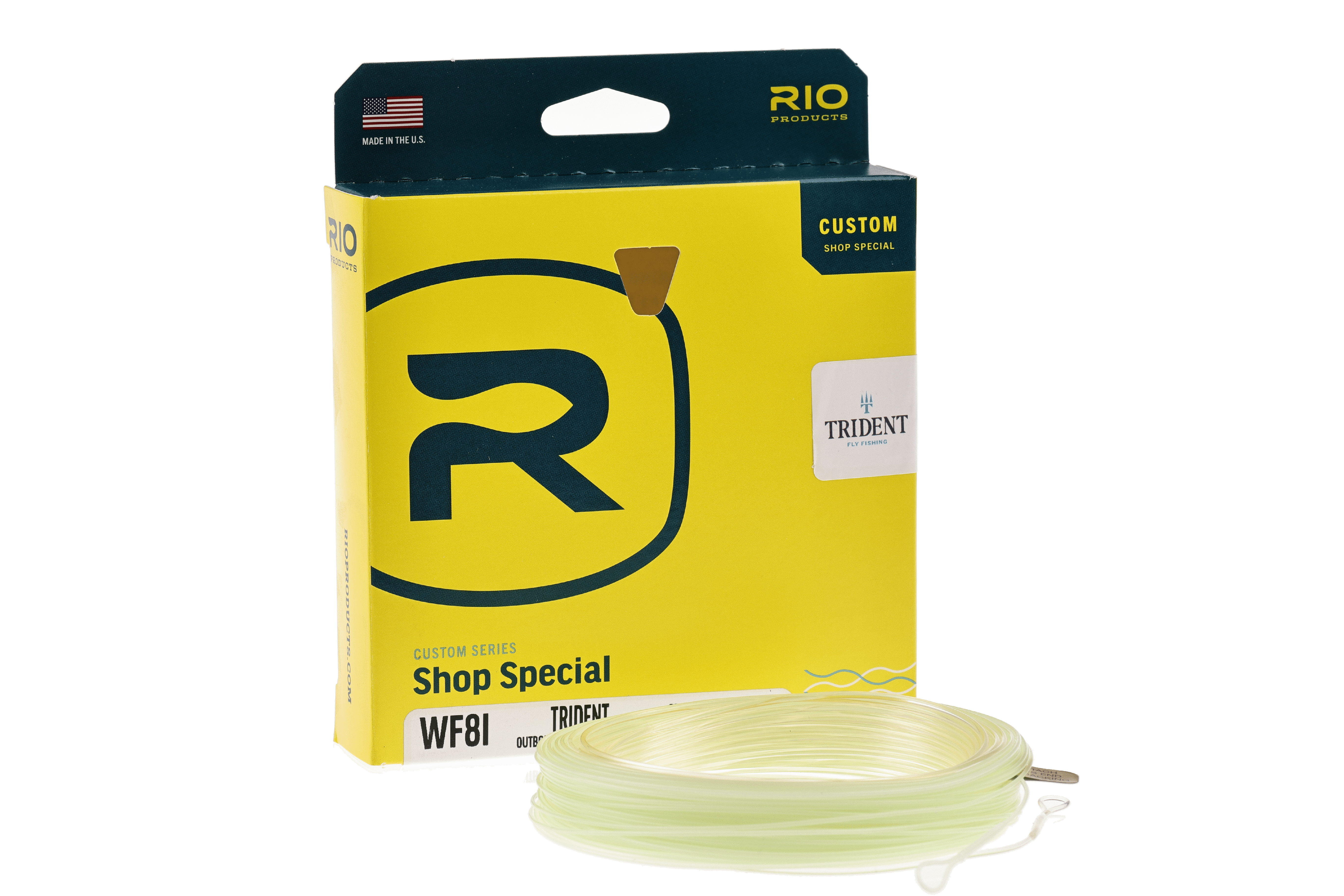
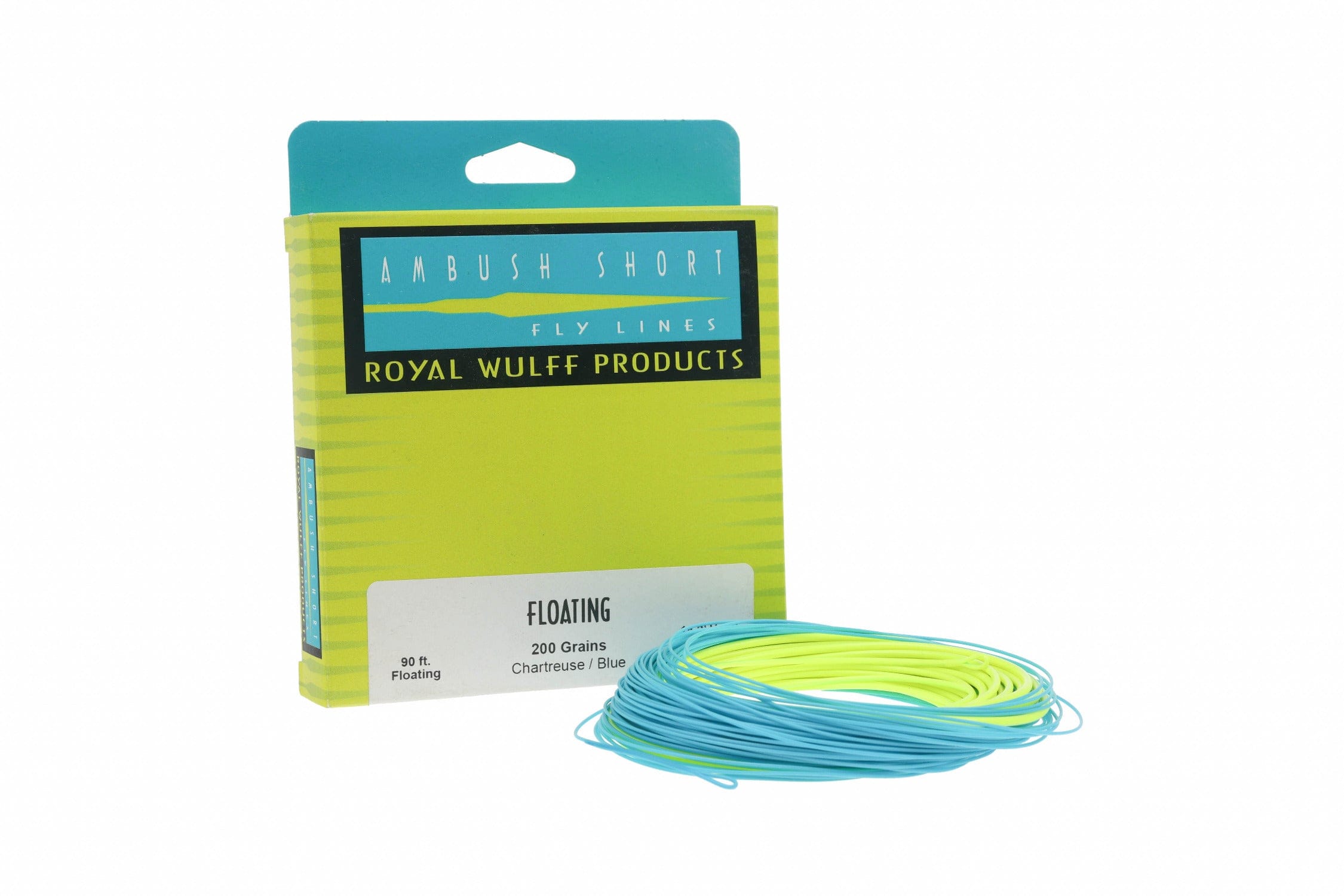
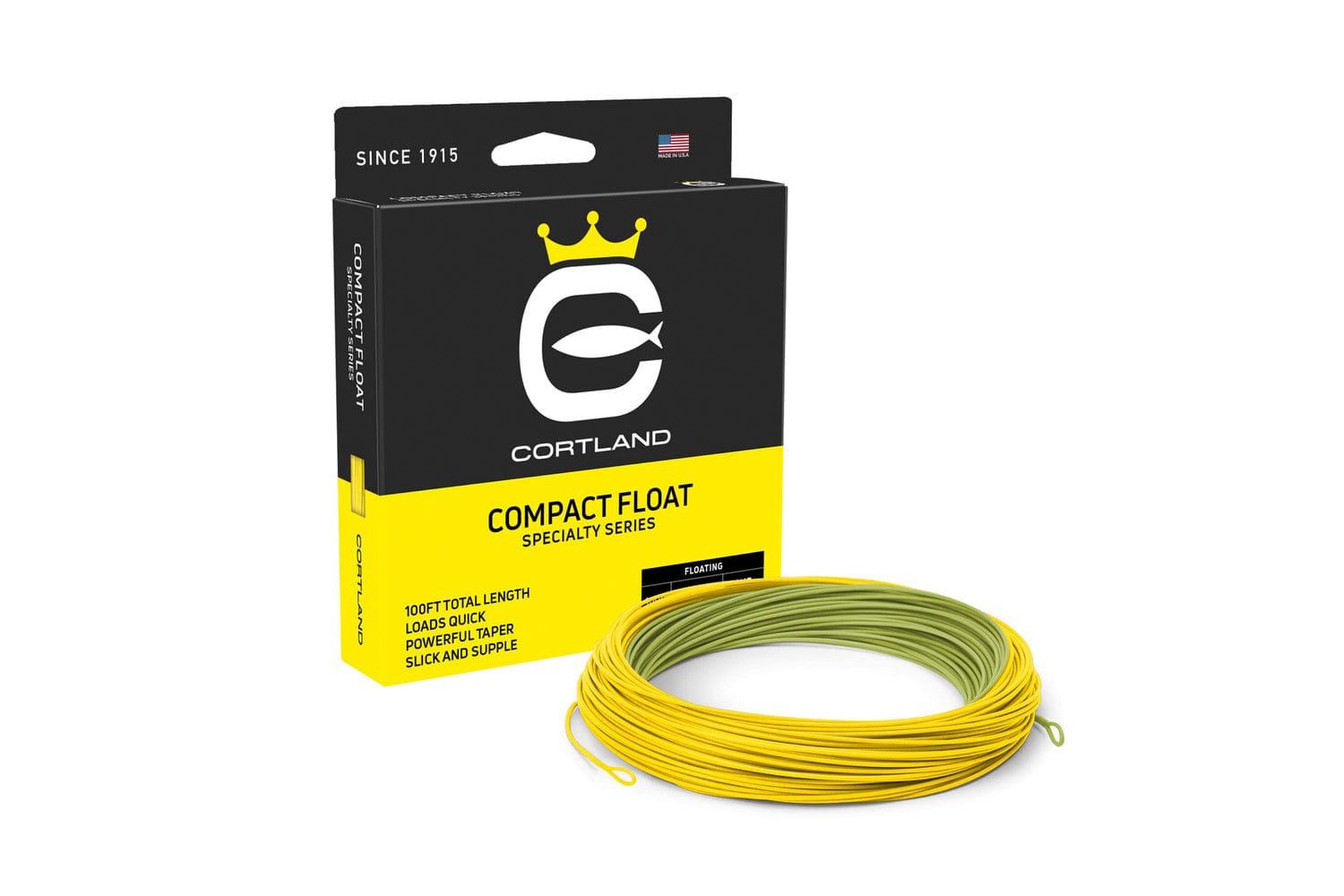
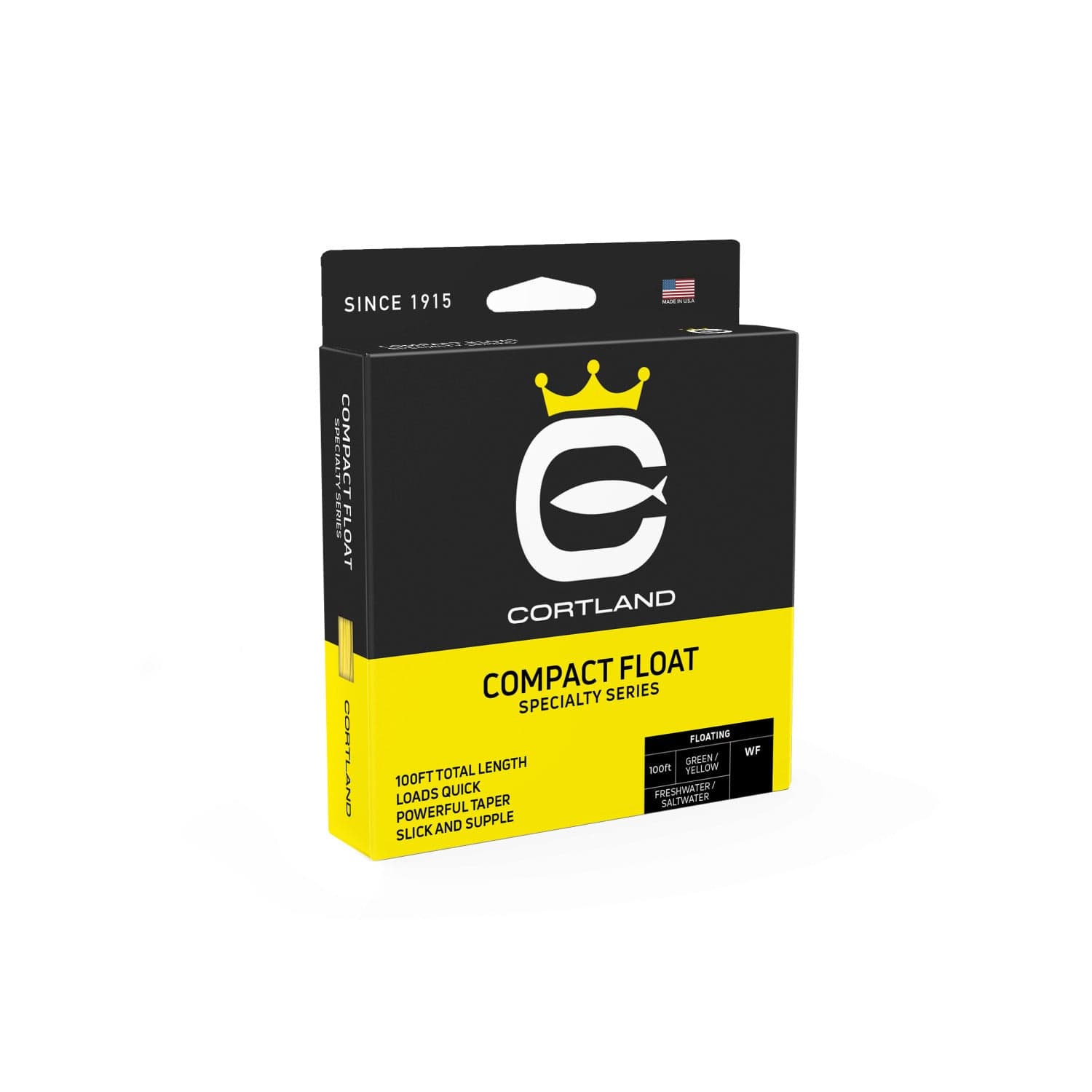
Pick the right line “type” first (floating vs. sinking vs. tips)
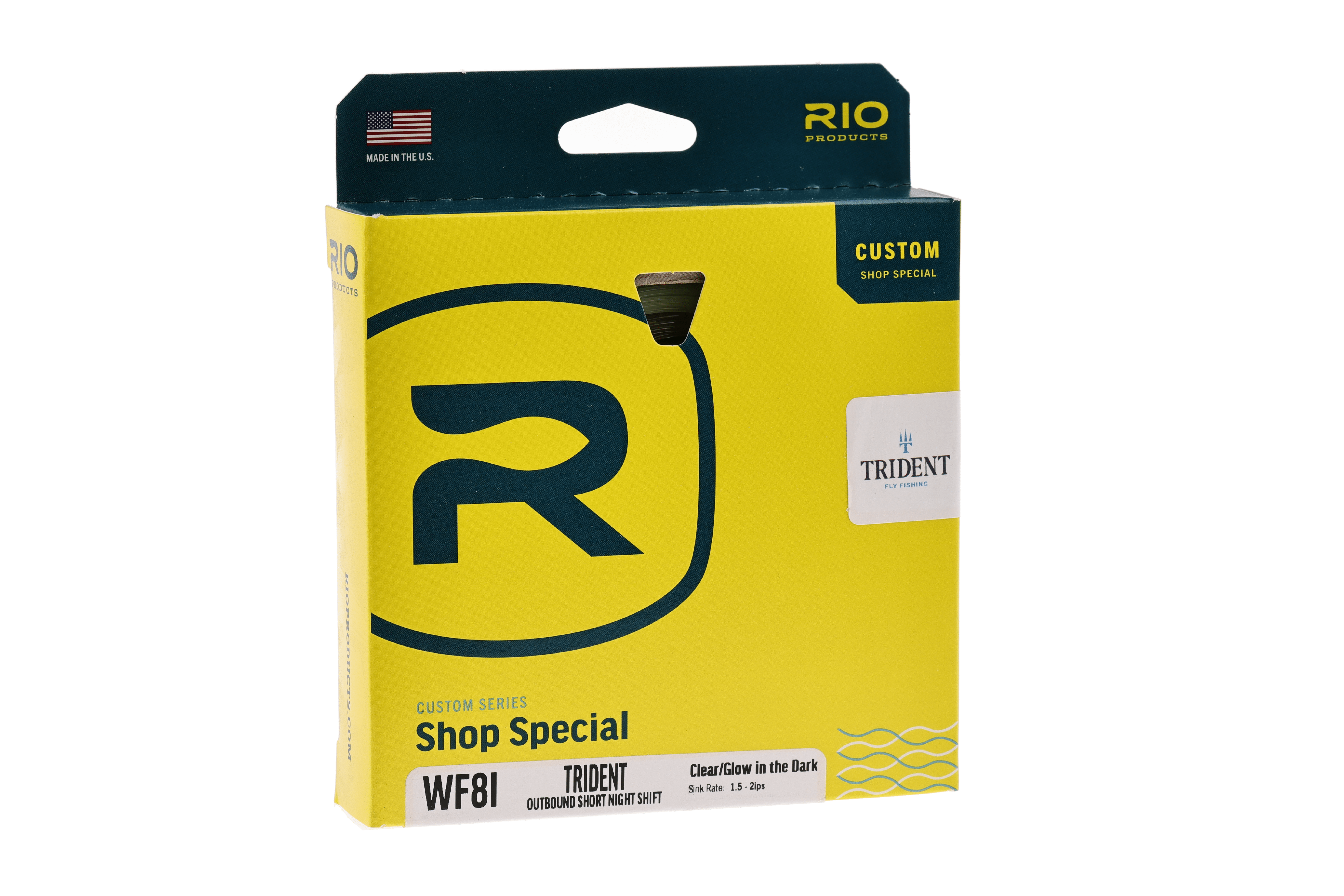
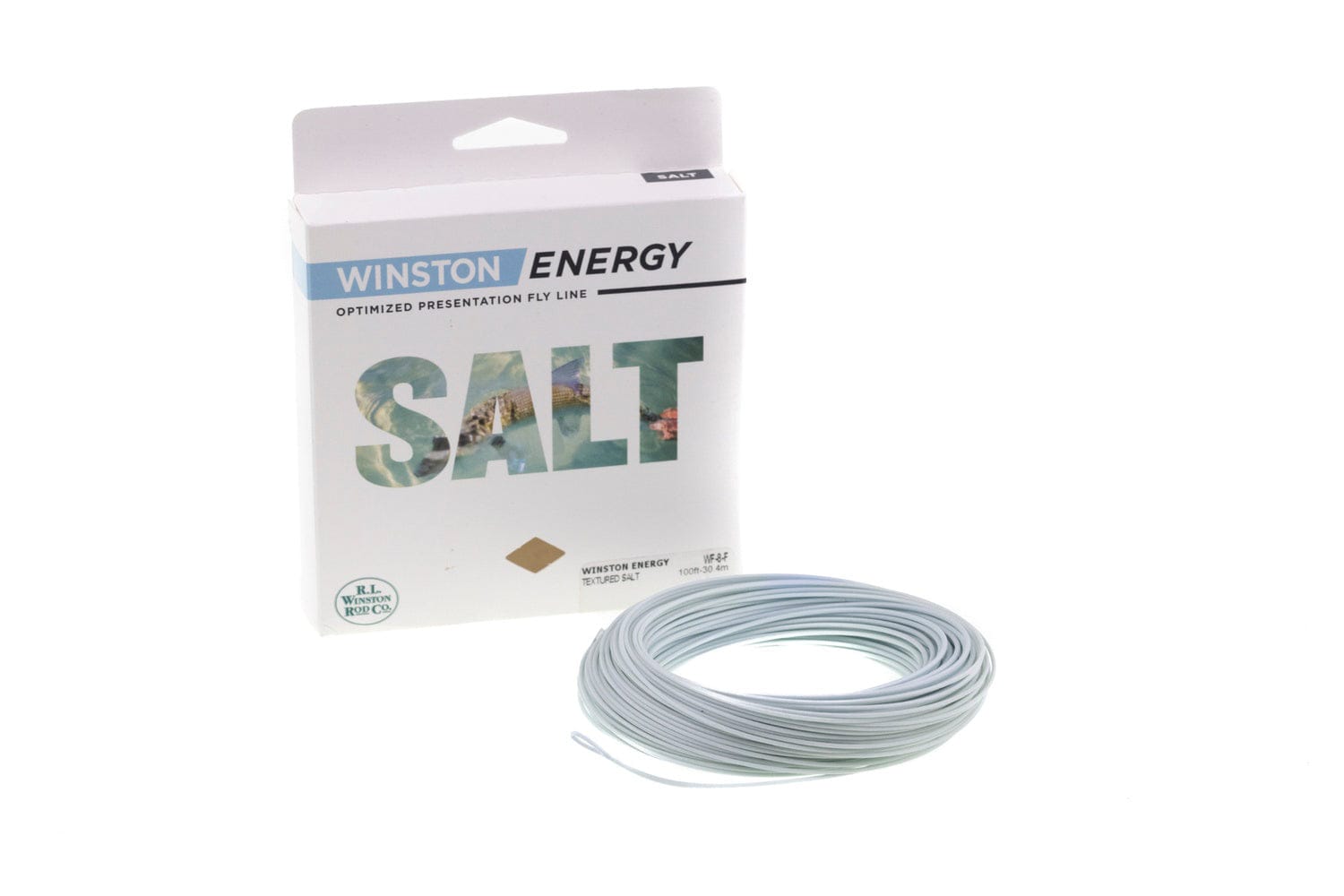
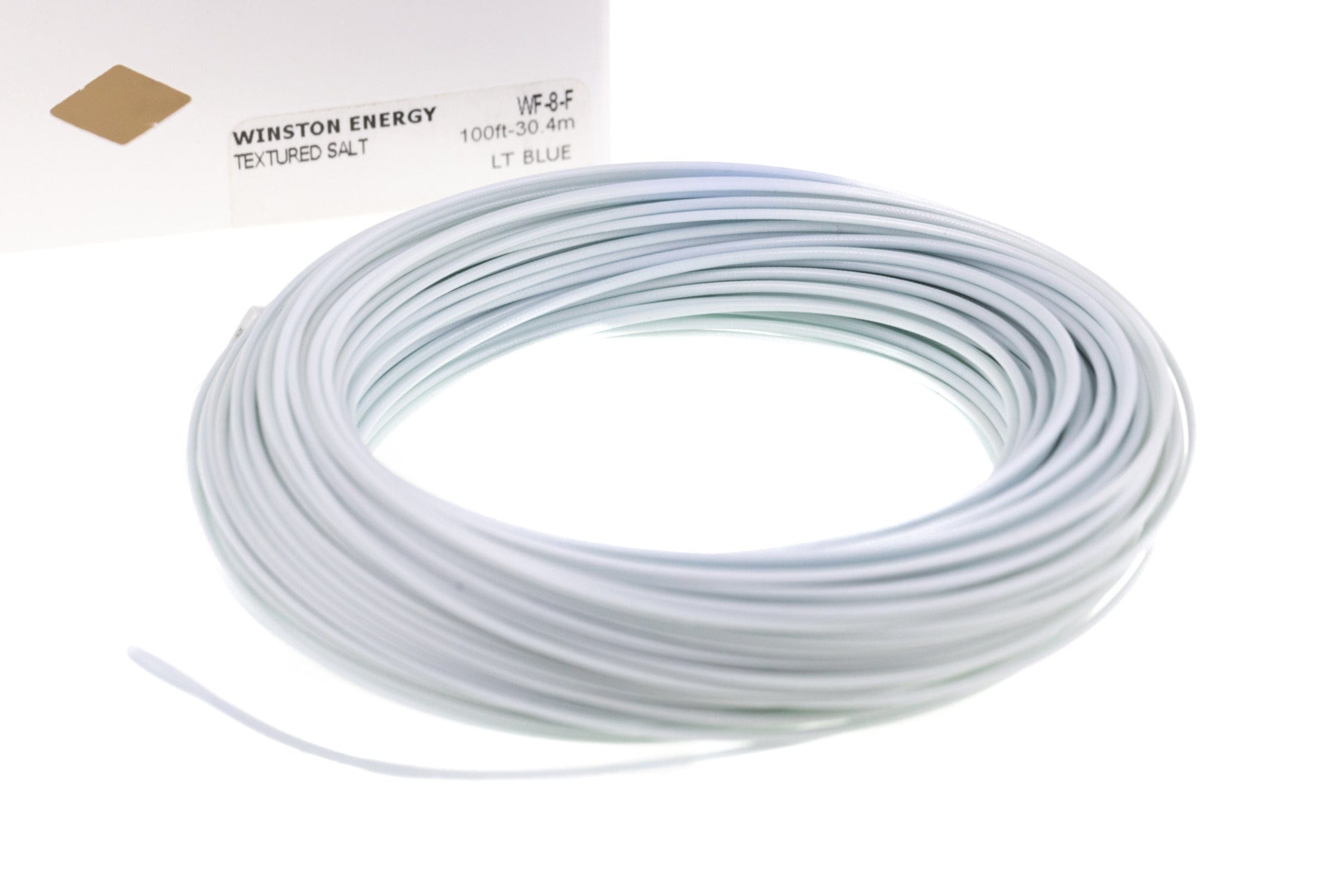
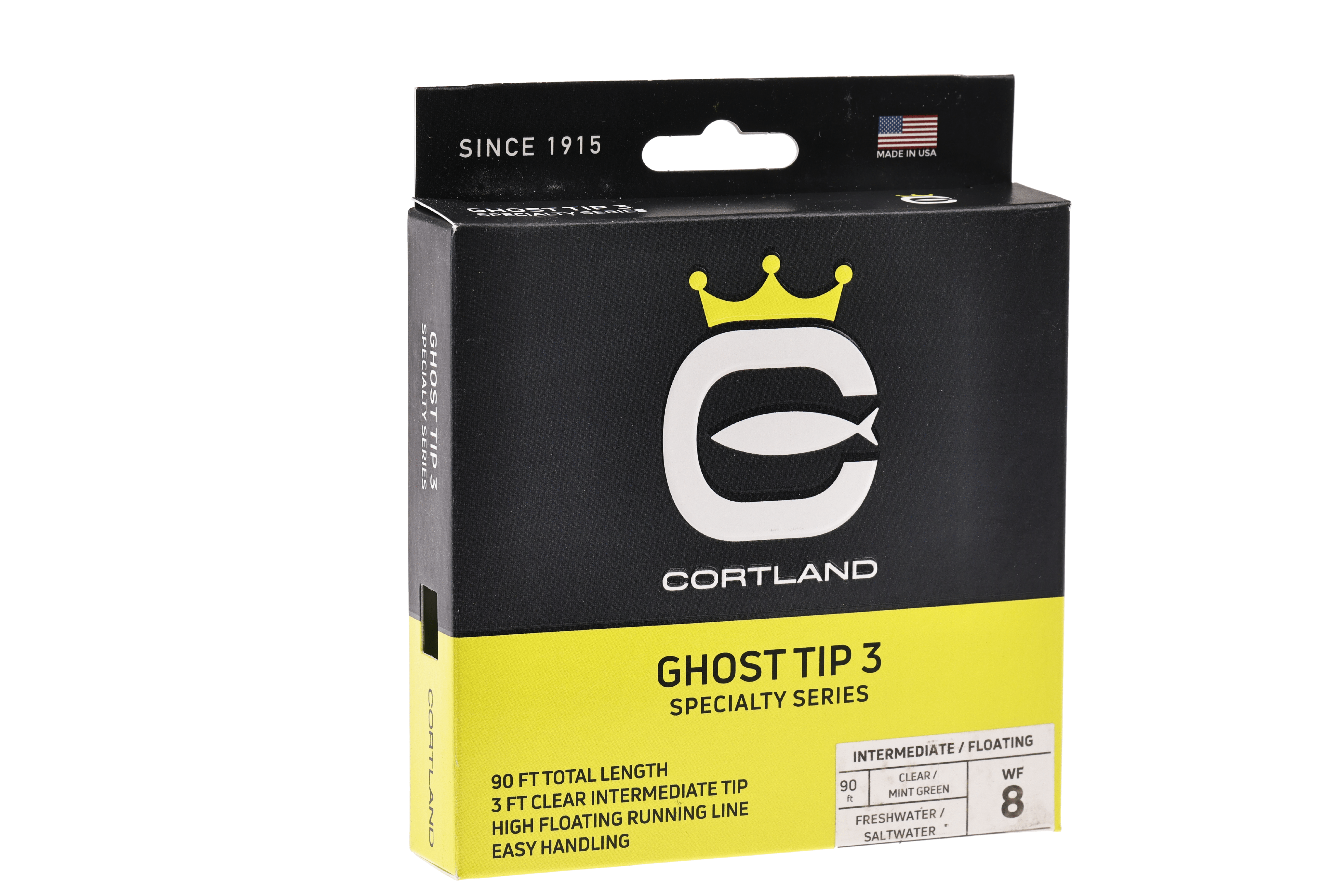
Action: Start with the water column you need to fish. A floating line is the default for dries, indicators, and shallow streamer work; intermediate and sinking options help keep flies down and in contact when fish aren’t looking up.
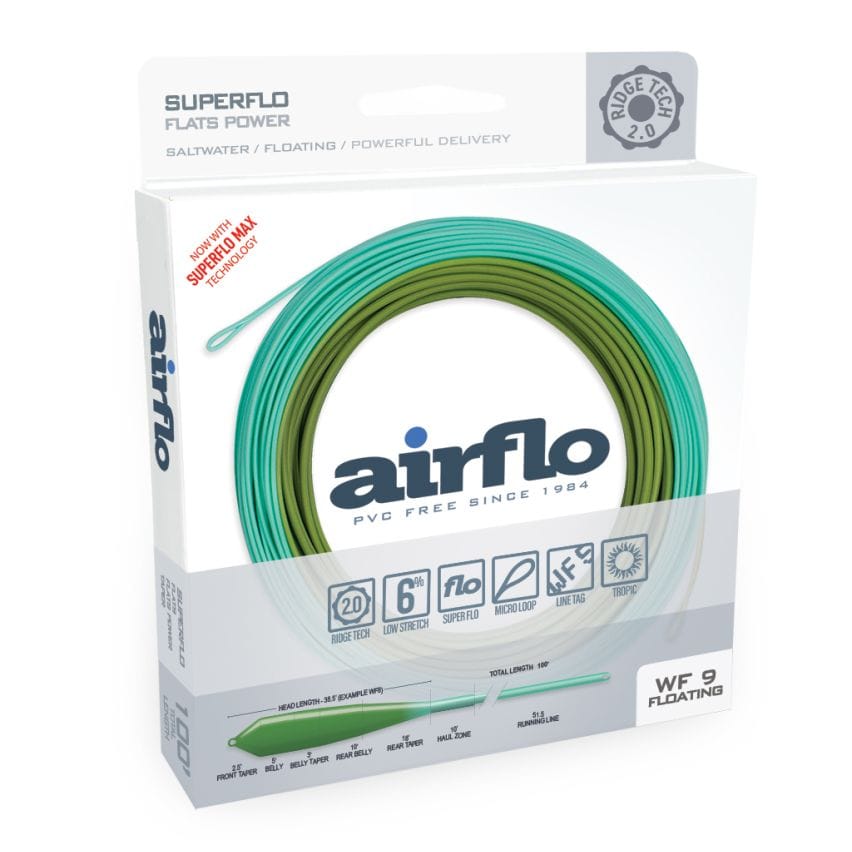
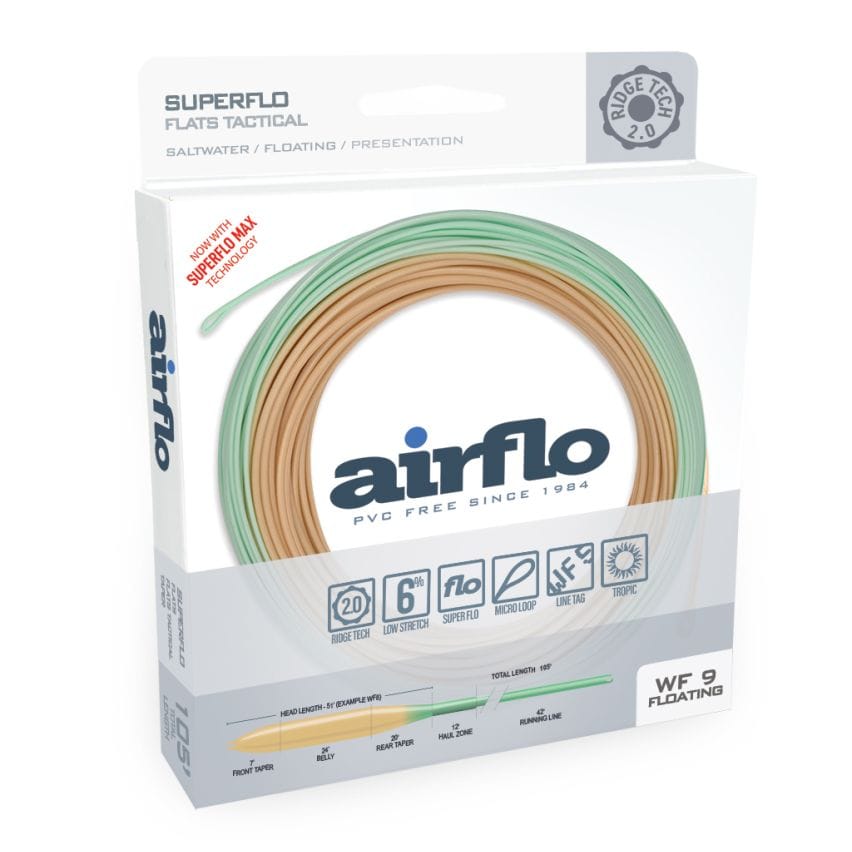
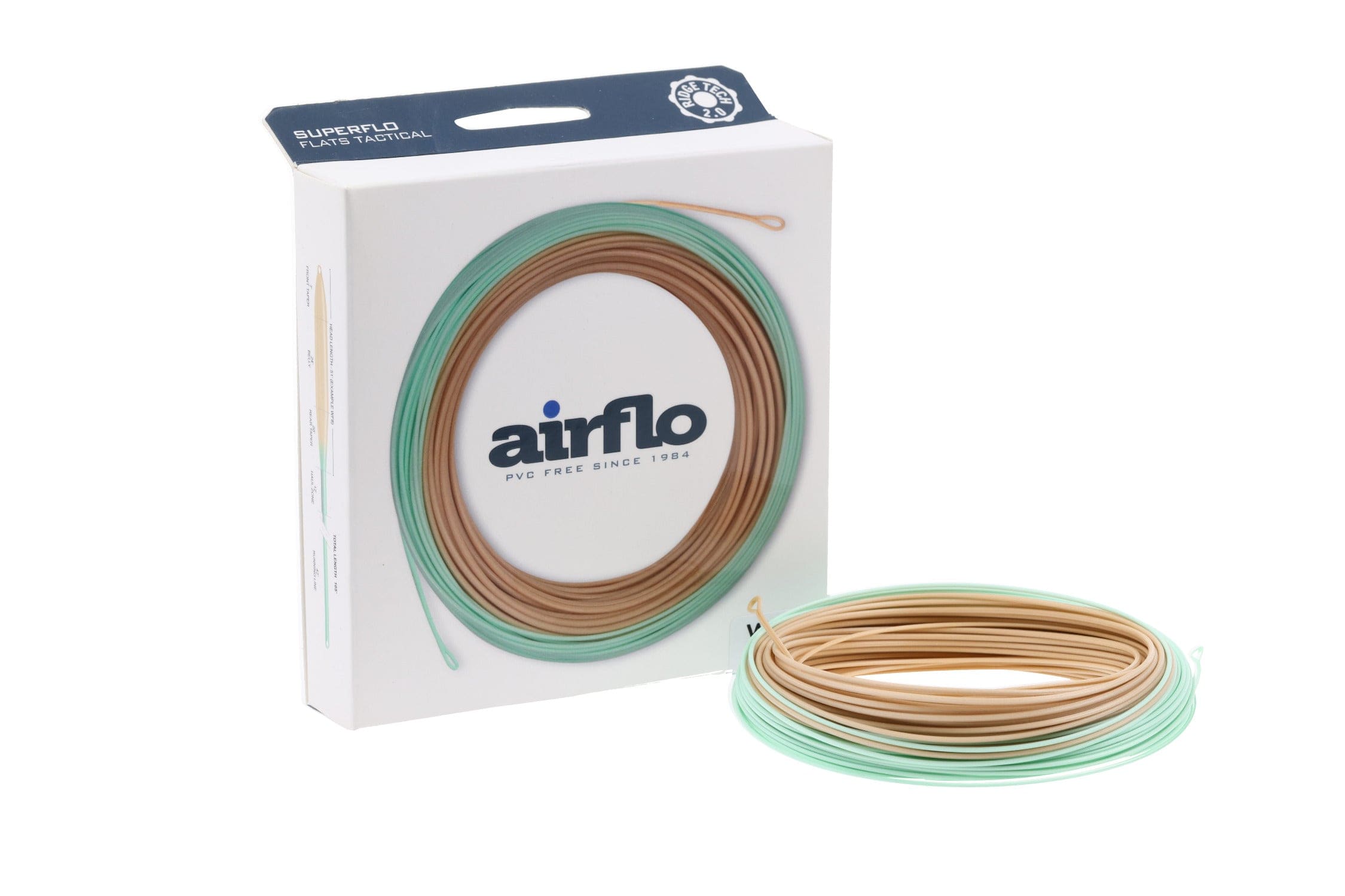
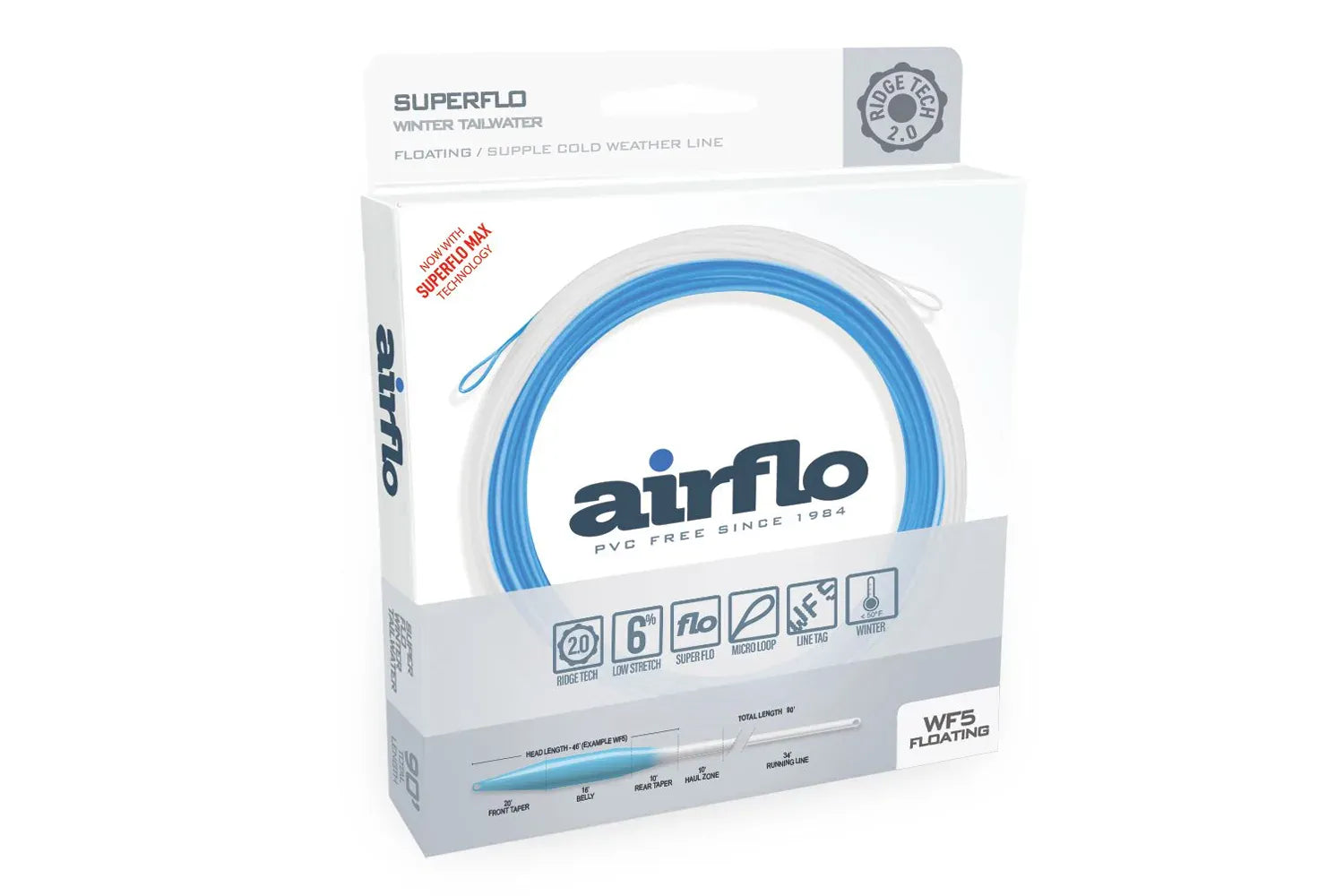
Floating: Best for dry flies, indicator nymphing, and most all-purpose trout fishing. Browse more options in Floating Fly Lines.
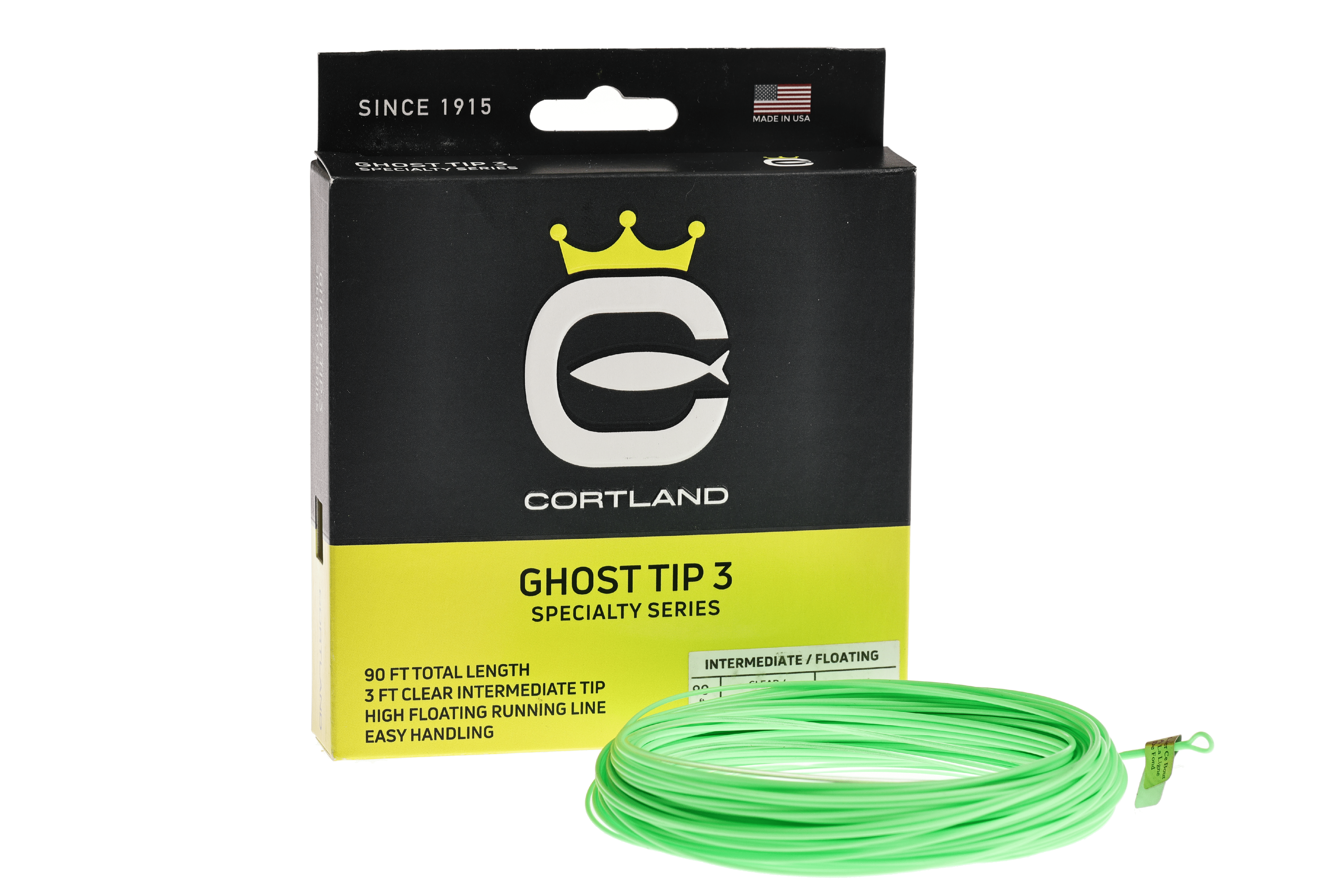
Intermediate: Useful when you want to cut through surface chop or keep streamers just under the film. Browse Intermediate Fly Lines.
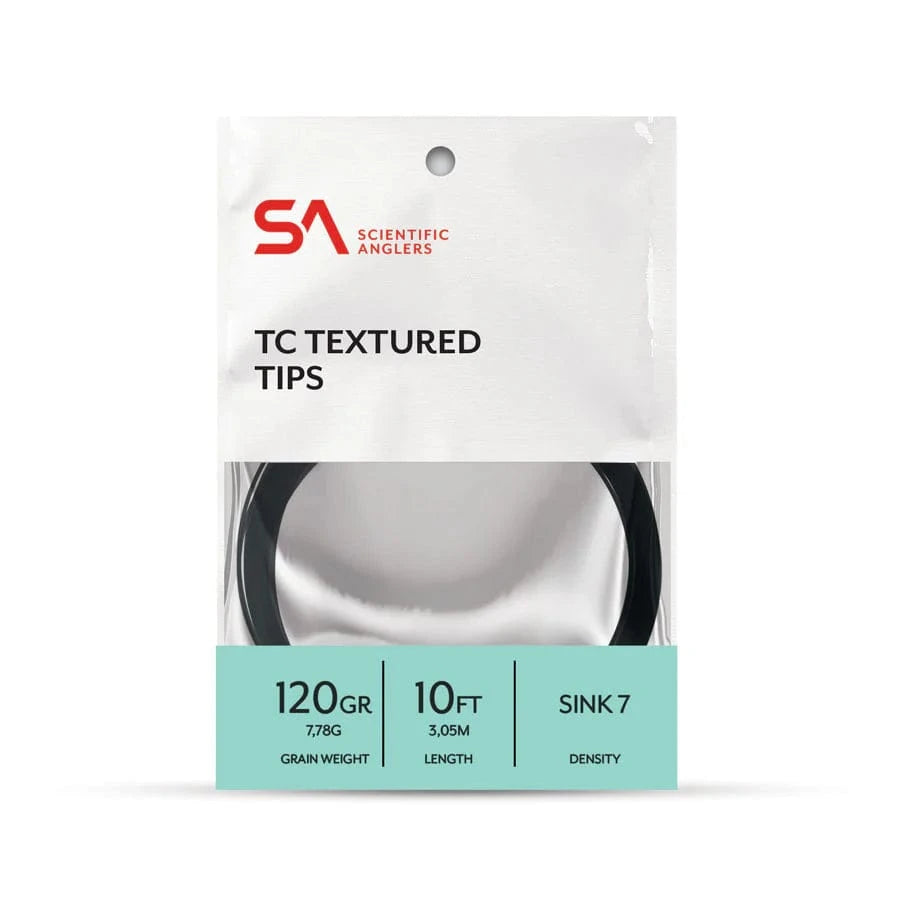
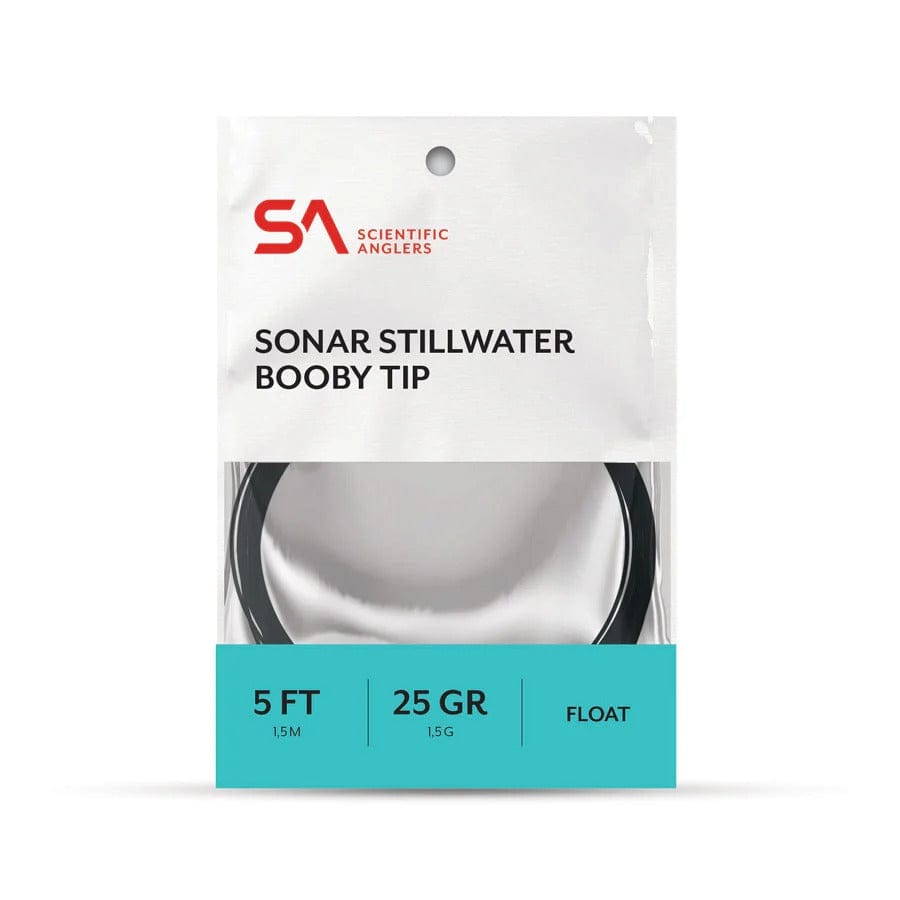
Sinking / sink-tip: Best when fish are holding deeper or current is pushing your fly up and out of the lane. Learn more and browse Sinking Fly Lines.
Match line weight to rod weight (then fine-tune for your casting style)
Best for: Most anglers should start by matching the number on the box to the number on the rod (5wt rod = 5wt line). Once you’re close, taper choice (aggressive vs. longer front taper) influences how easily the rod loads and how delicately the line lands.
Temperature matters more than most people think
Avoid if: Don’t bring a tropical line to cold water (it can feel stiff and “coily”), and don’t fish a coldwater line on a blazing hot flats skiff deck (it can feel too soft). Use the “Water Temperature” filter on this page to keep things simple.
Choose the taper based on what you actually throw
General trout fishing: Weight-forward floating lines are the easiest all-around choice for most anglers.
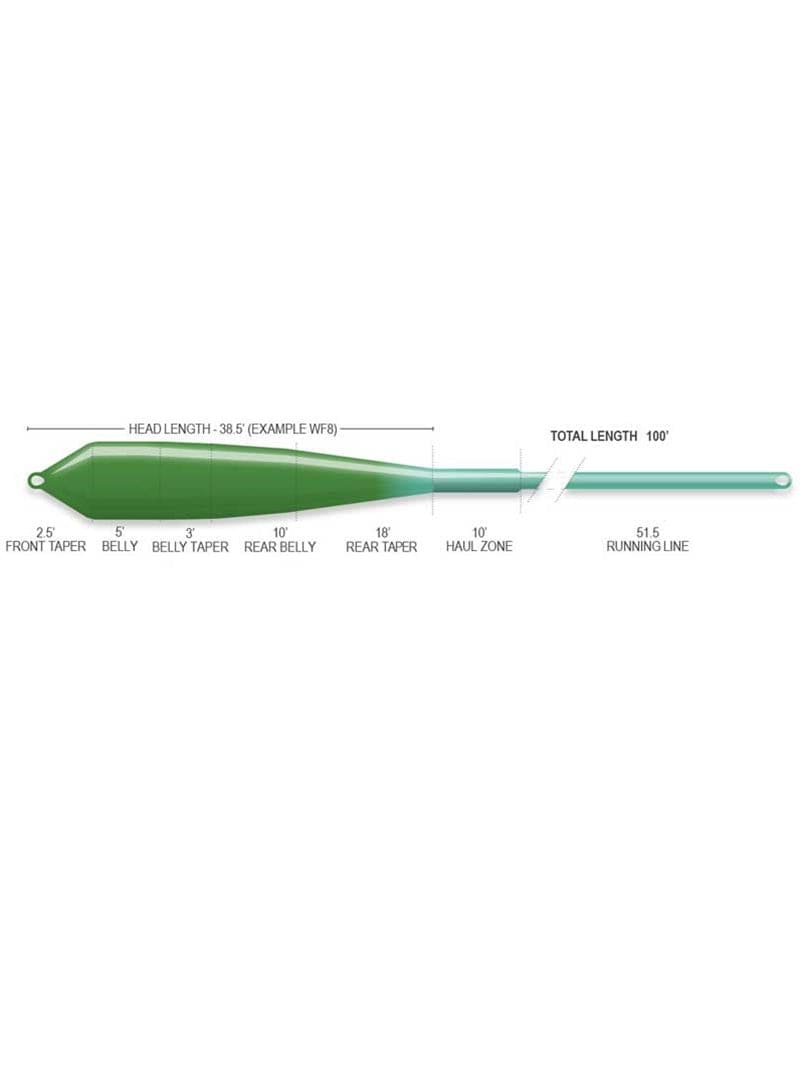
Big streamers / wind / quick shots: Shorter, more powerful heads help load fast and turn over heavier rigs.
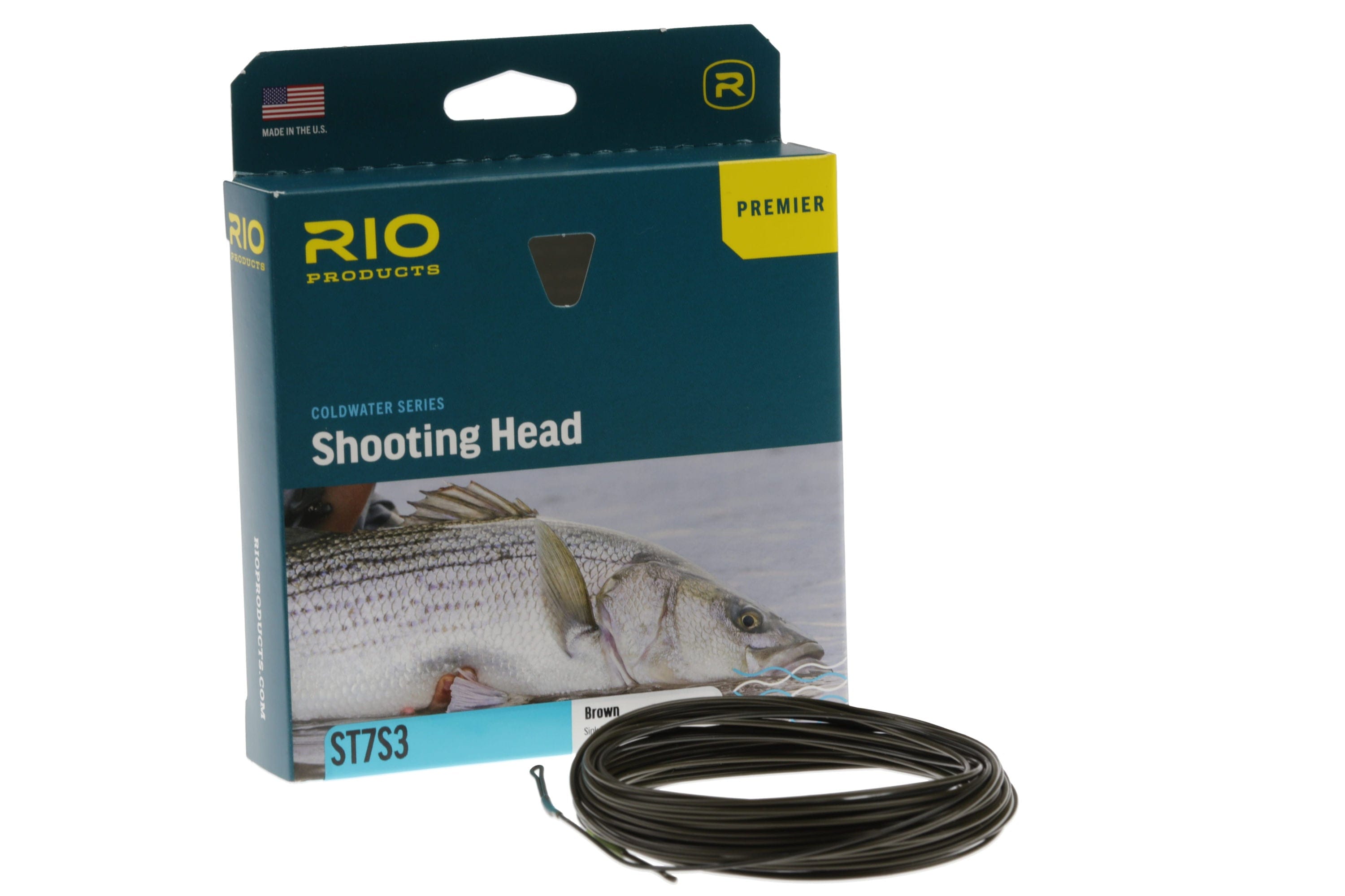
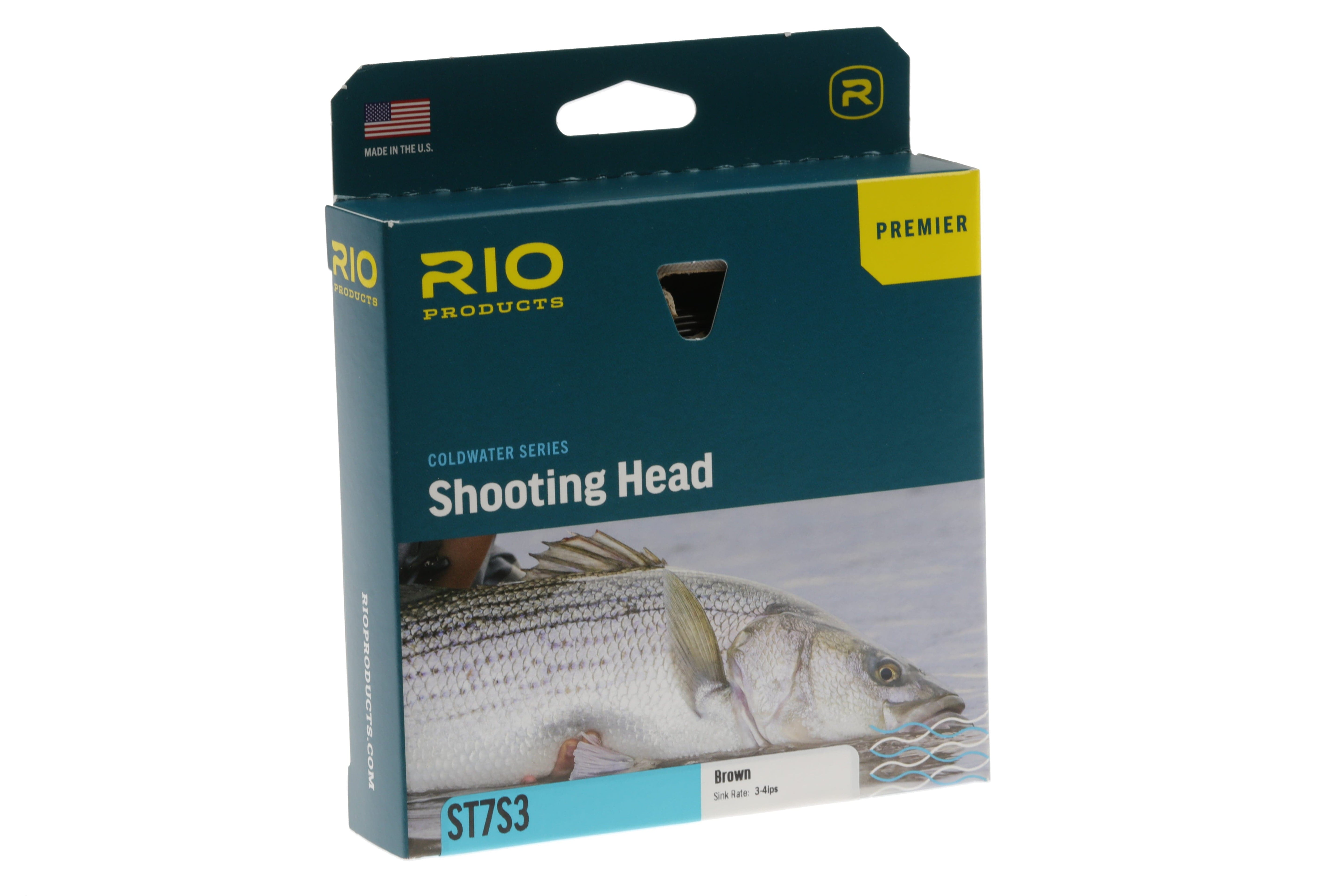
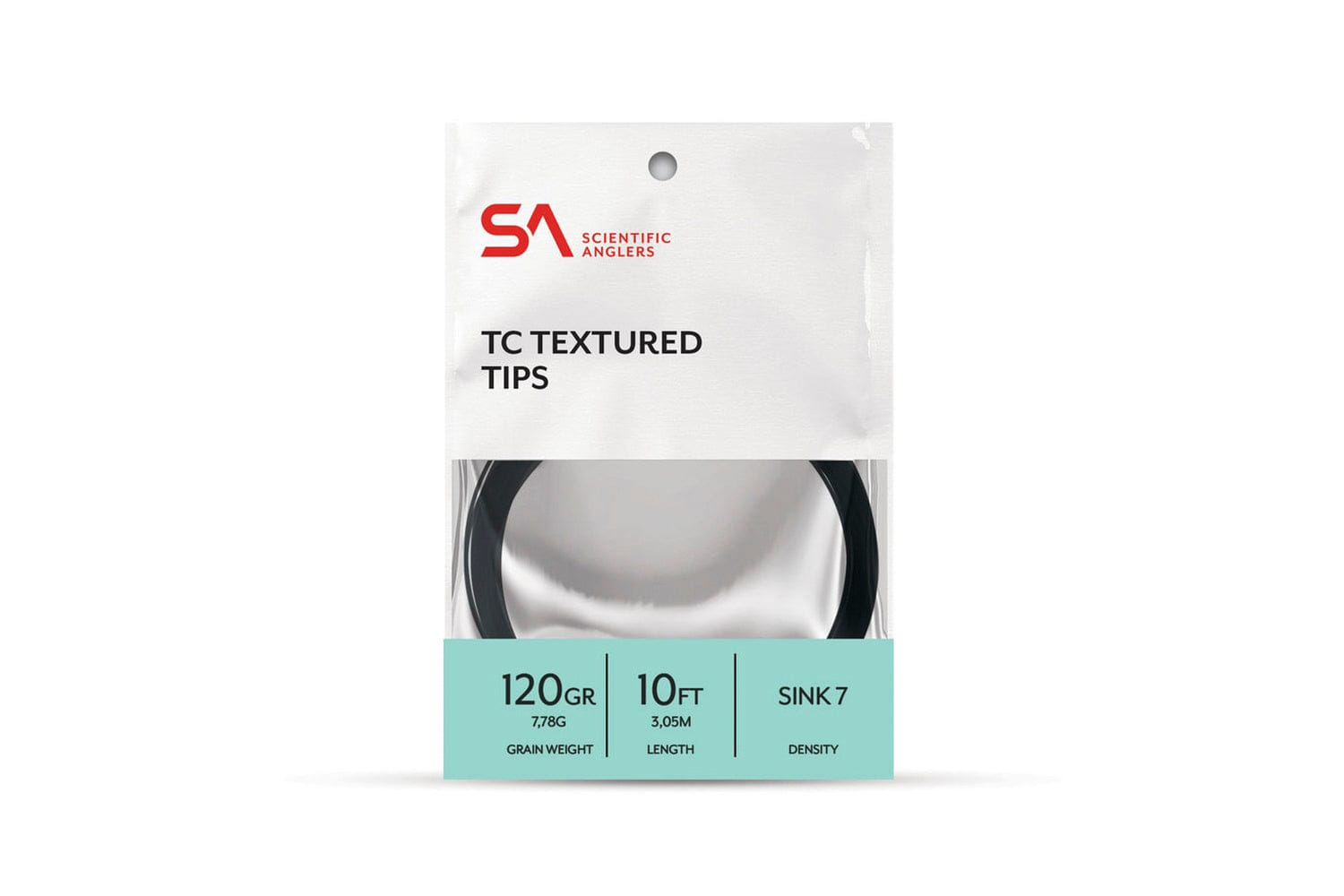
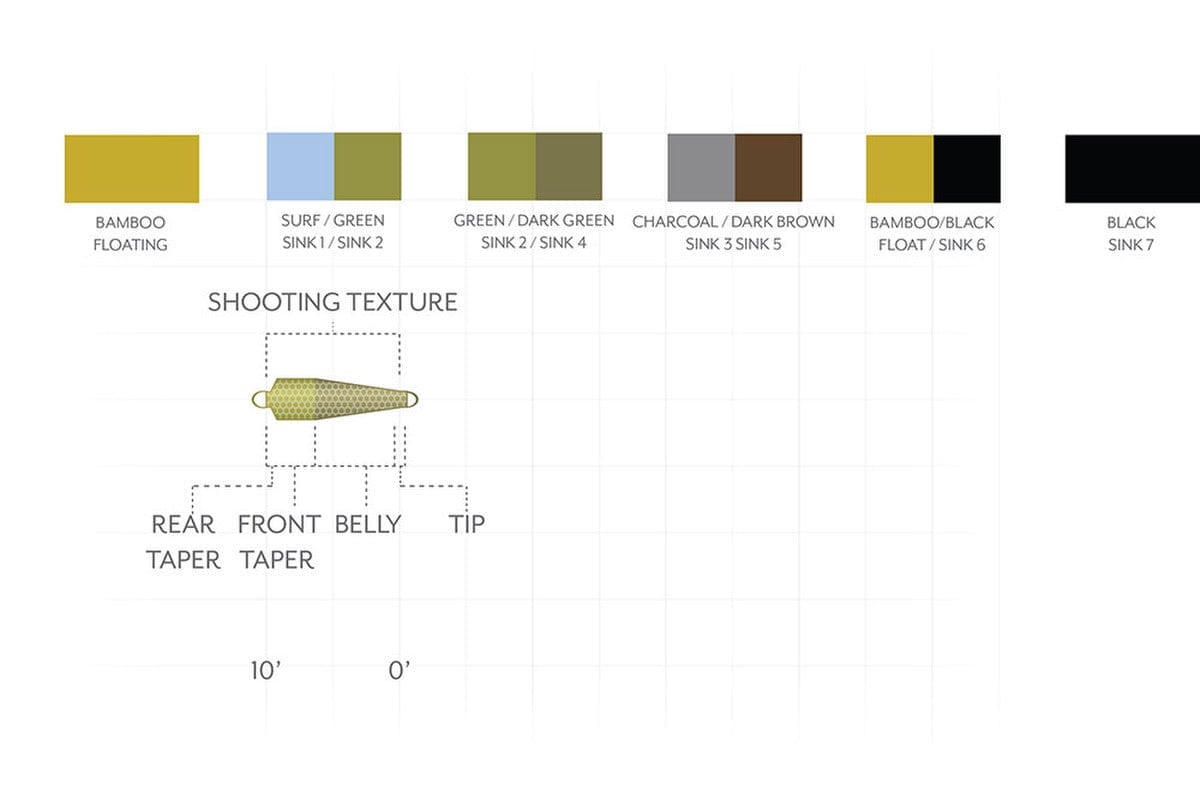
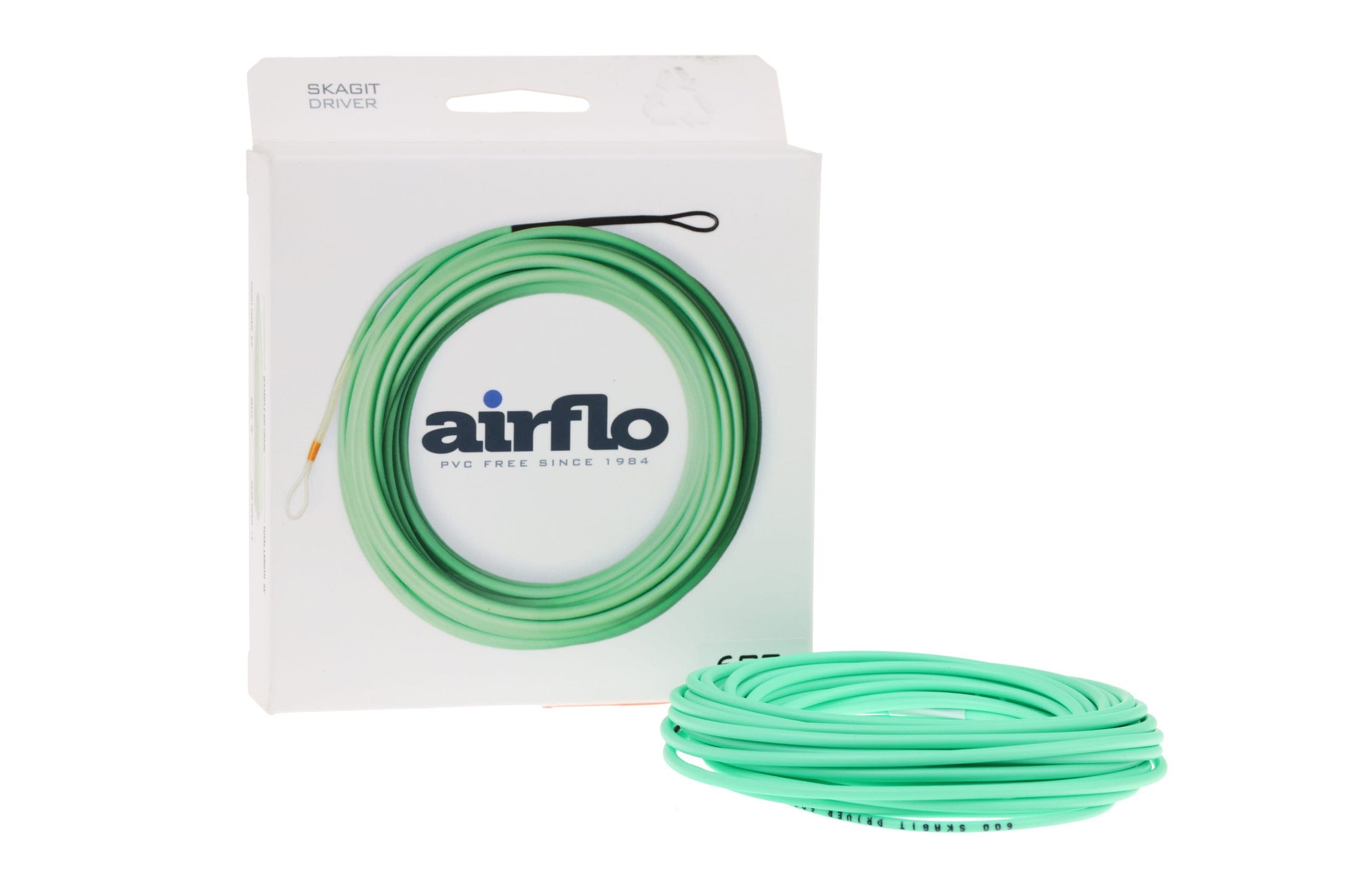
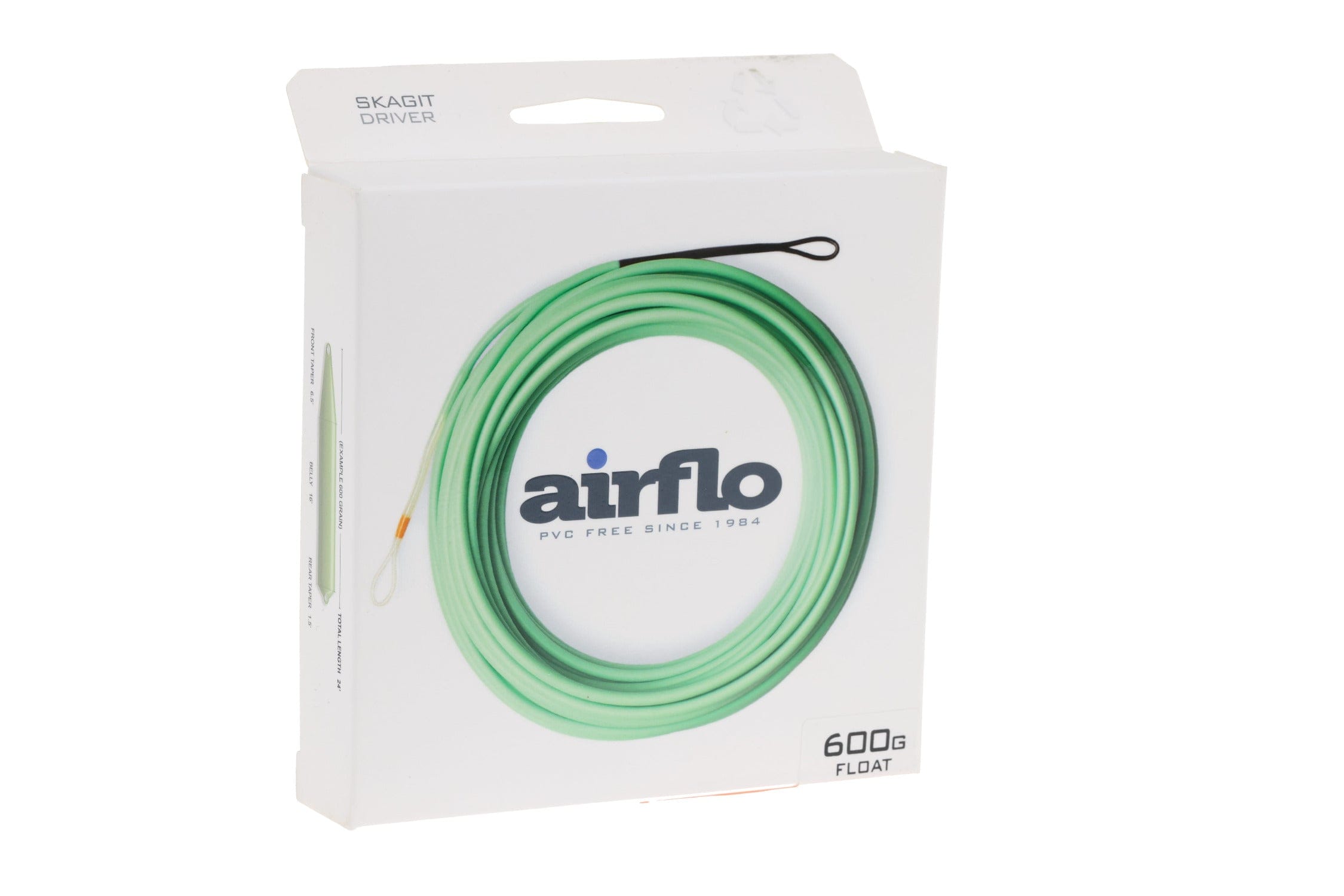
Spey and shooting-head systems: If you’re building a two-hand setup, you’ll also want to think about heads, tips, and running line.
Need two-hand options beyond what’s in this sale collection? Start with Spey Lines and Skagit Fly Lines, then pair with Running Line.
Compatibility
Backing capacity: Make sure your reel size has enough room for backing + the full fly line (especially on larger saltwater and spey setups).
Loop connections: If your line and leader both have loops, loop-to-loop makes changes fast. If not, plan on a nail knot or a loop knot conversion.
Leader match: A stout, shorter leader helps turn over bigger flies; longer leaders help with delicacy in clear water.
Running line systems: Shooting heads and spey systems often require specific running lines and interchangeable tips, don’t mix randomly.
Complete Your Setup
Related Gear
Leaders - Dial in turnover and presentation for your line and fly size.
Tippet - Fine-tune stealth and strength without rebuilding your whole leader.
Running Line - Essential if you’re building shooting-head or spey systems.
Floating Fly Lines - If your sale size is gone, this is the best place to find a close substitute.
Related Guides
Sale Fly Lines FAQs
Q: What are sale fly lines, and are they still “good” lines?
A: Sale fly lines are often discounted due to color changes, past-season packaging, or limited remaining sizes. They can still fish great, just double-check weight, temperature rating, and taper for your use.
Q: How do I choose the right sale fly line for my rod?
A: Start by matching line weight to rod weight (5wt rod = 5wt line). Then choose floating vs. sinking based on depth, and pick a taper that matches the flies you throw most.
Q: Should I buy a floating, intermediate, or full-sinking fly line?
A: Floating covers the most situations, especially for trout and general freshwater fishing. Intermediate helps keep flies just under the surface in chop or shallow flats, while full-sinking lines help reach deeper fish in lakes, rivers, and strong current.
Q: What does “taper” mean on a fly line?
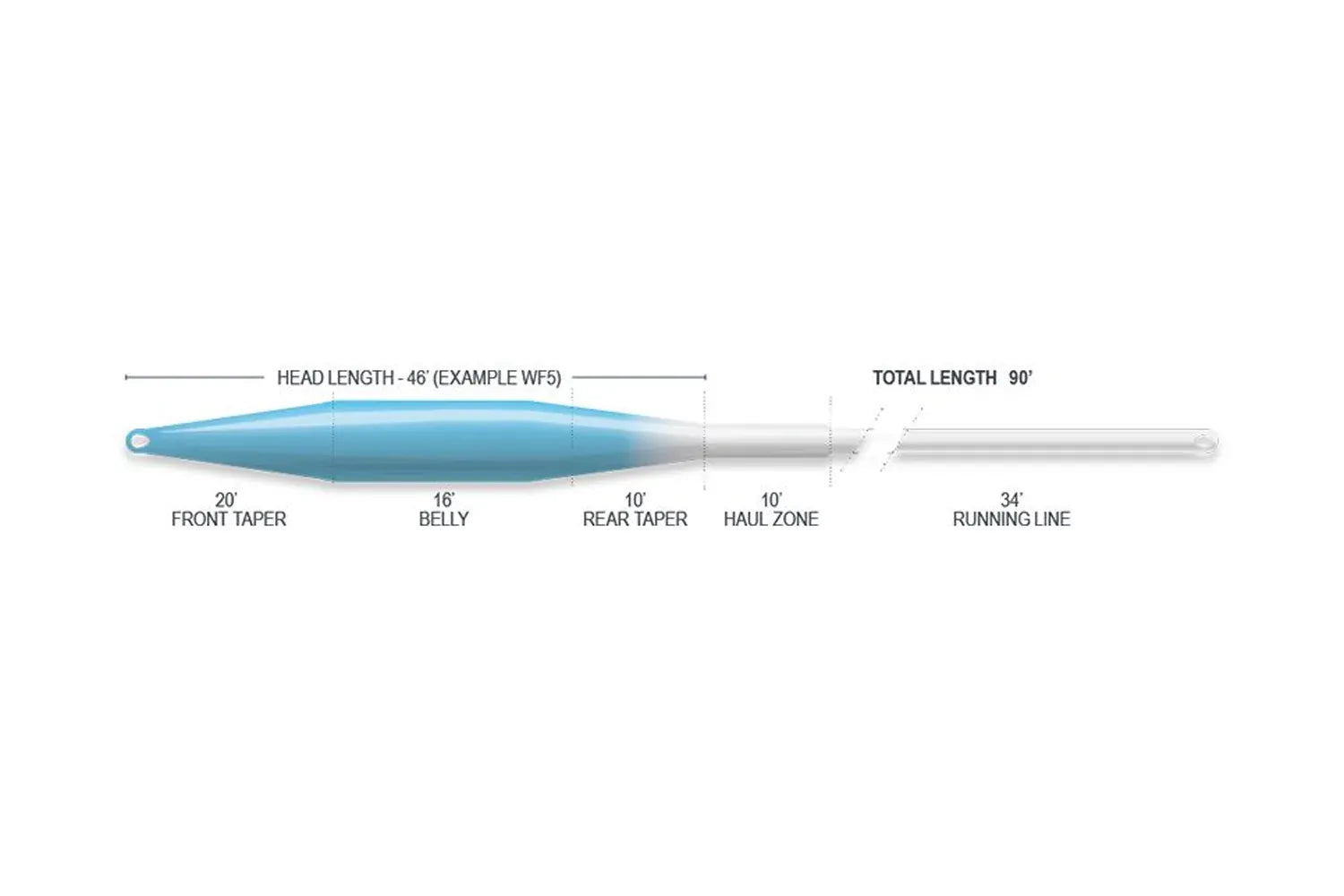
A: Taper describes how the line’s diameter and weight are distributed through the head. Short, aggressive tapers load quickly and turn over bigger rigs; longer tapers can help with smoother casting and lighter presentations.
Q: Does water temperature really matter for fly line performance?
A: Yes, lines are built on different cores/coatings for different climates. A tropical line can feel stiff in cold water, and a coldwater line can feel overly soft in heat, which affects handling and casting.
Q: Are shooting-head fly lines only for advanced casters?
A: Not necessarily, but they are more specialized. Shooting heads can make distance and big-fly casting easier, but they can be less forgiving for delicate presentations and line control at shorter range.
Q: What else do I need to fish a new fly line?
A: At minimum you’ll want backing (already on the reel or added), plus a leader and tippet matched to your flies and water. For spey/shooting head systems, you may also need running line and tips.